

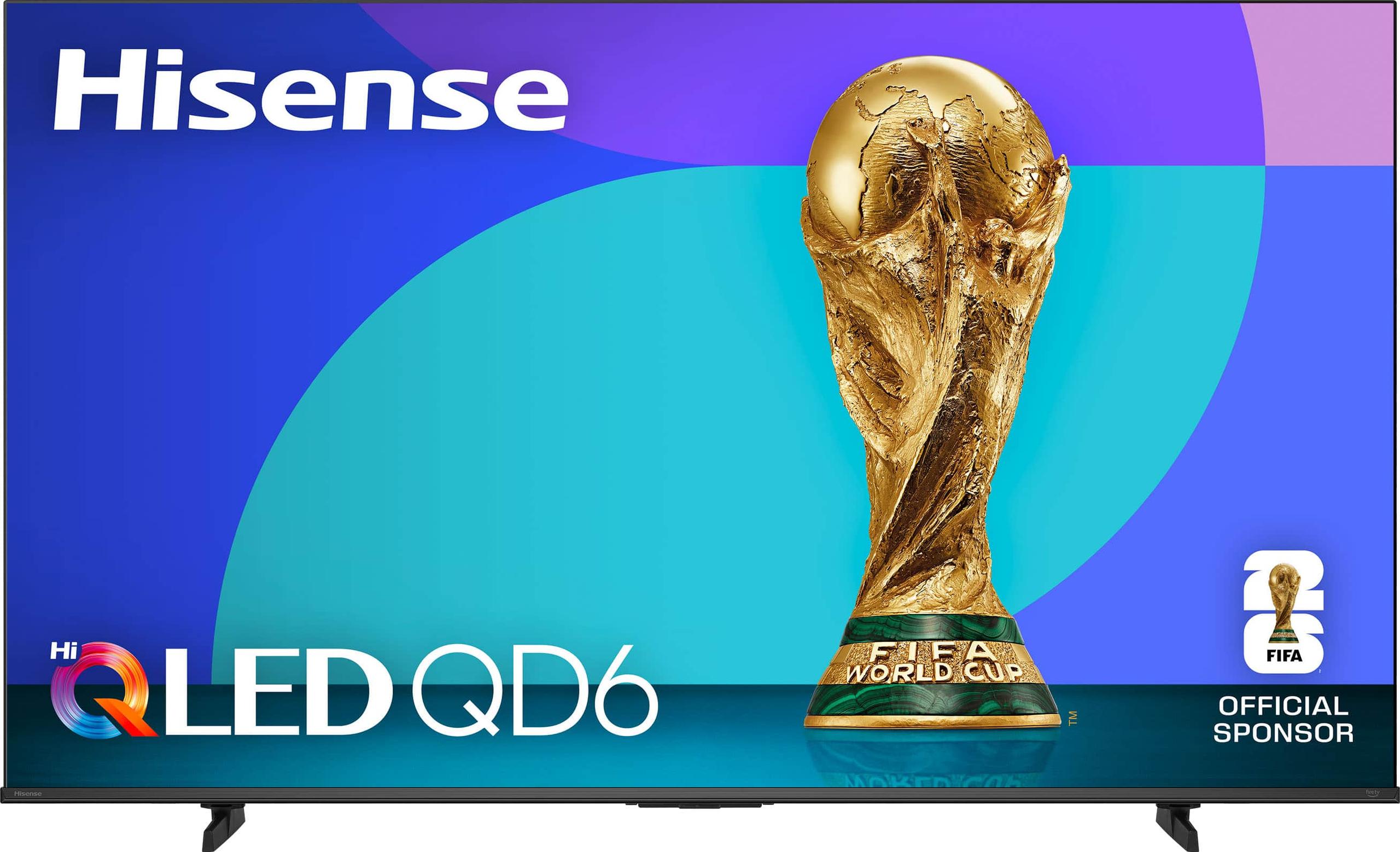
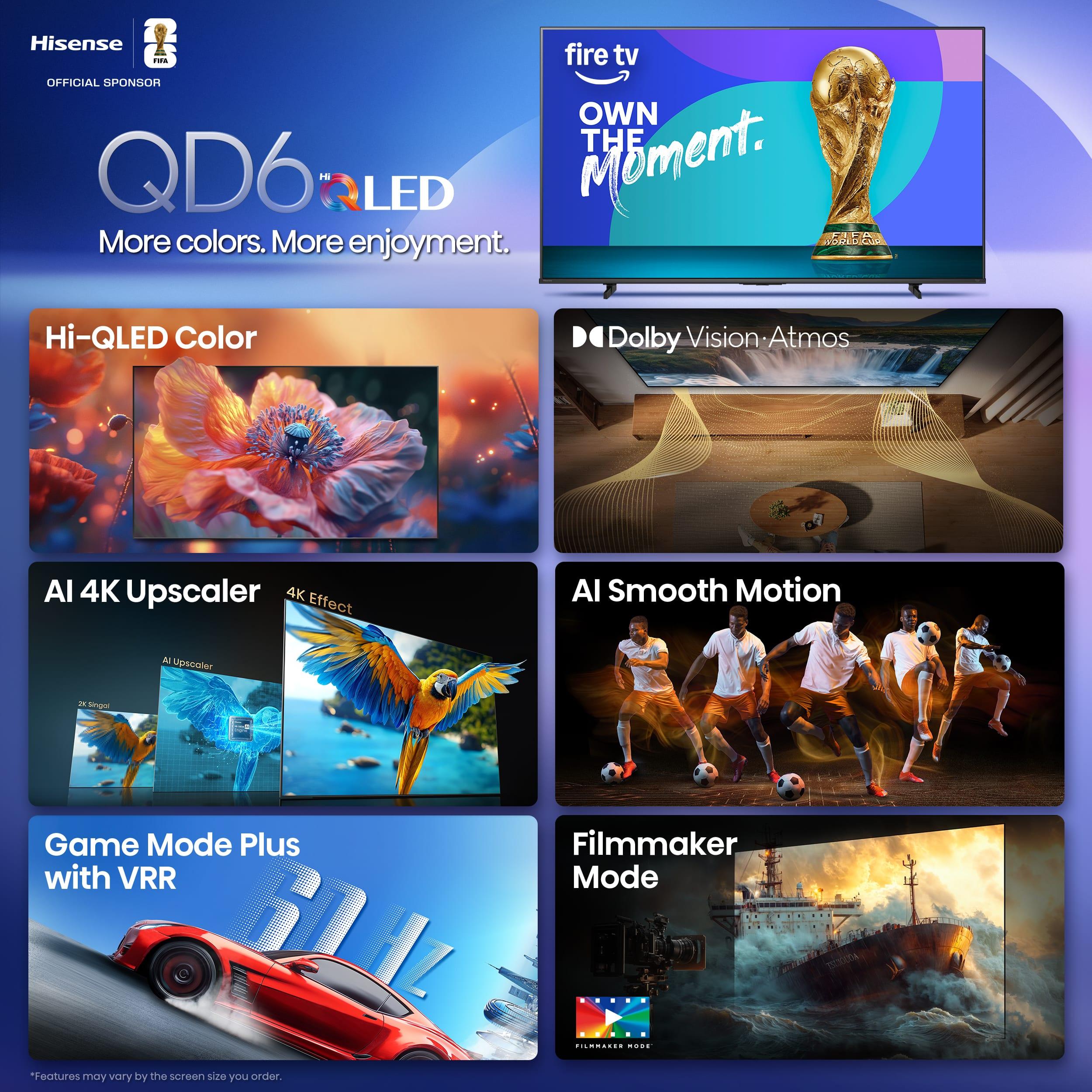
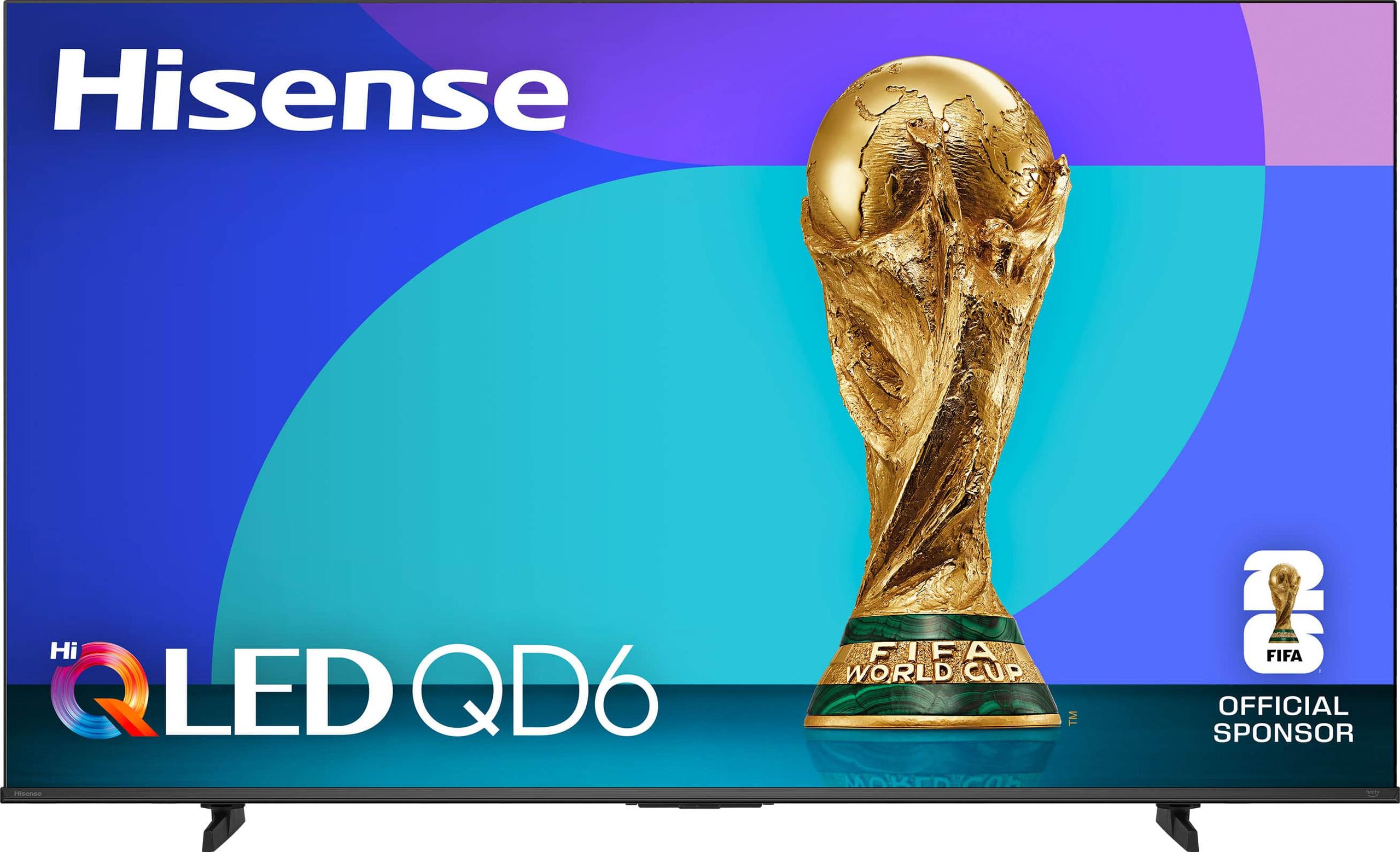
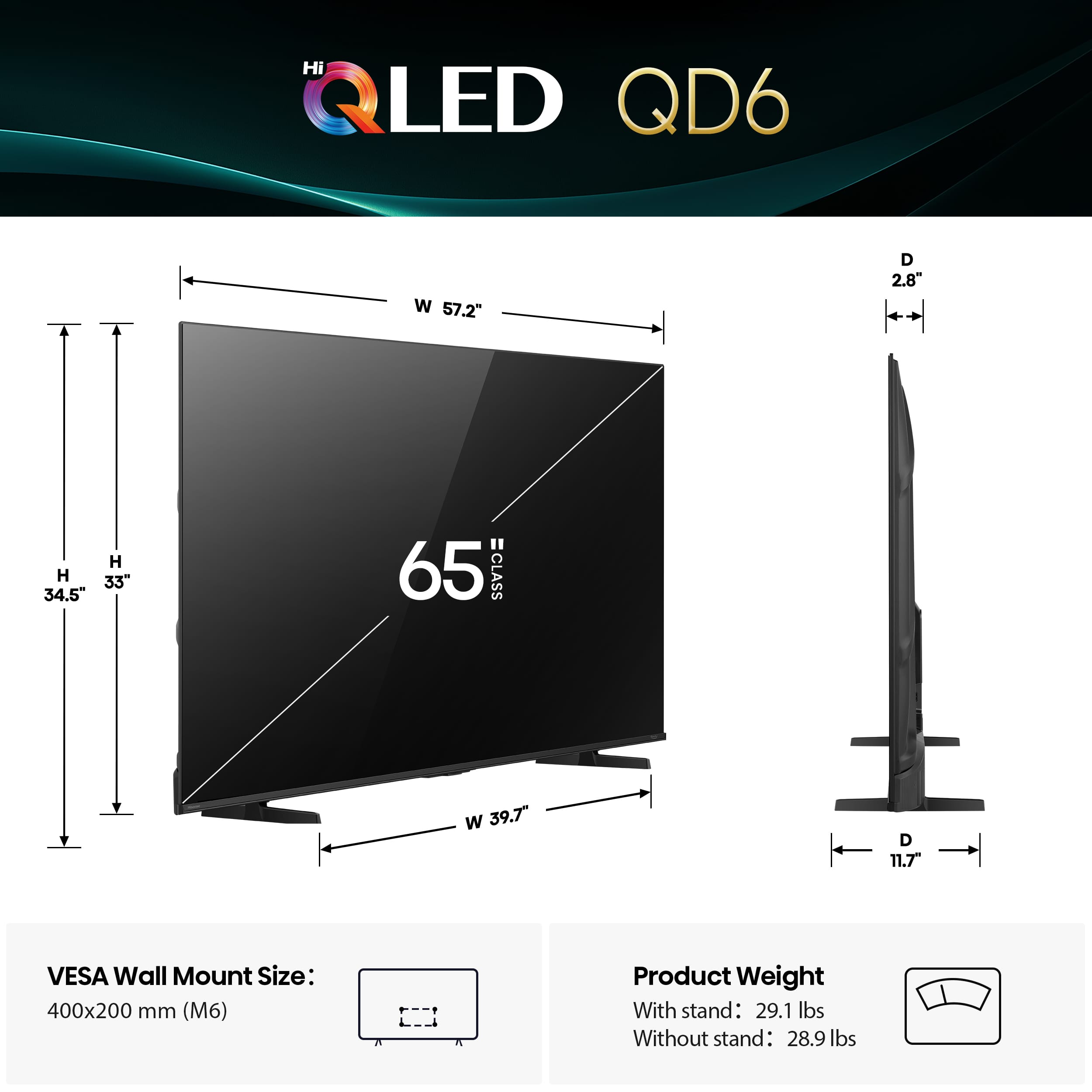
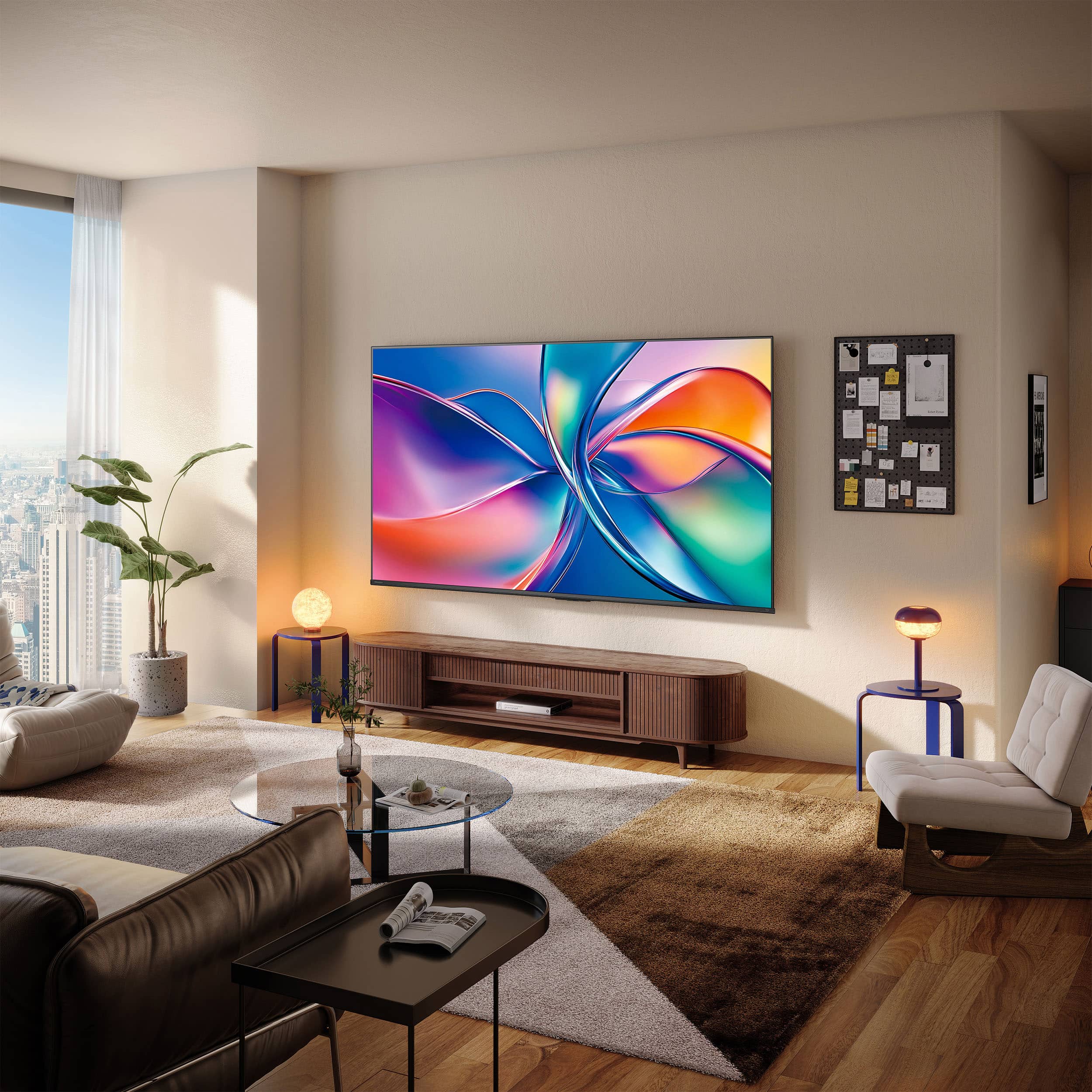
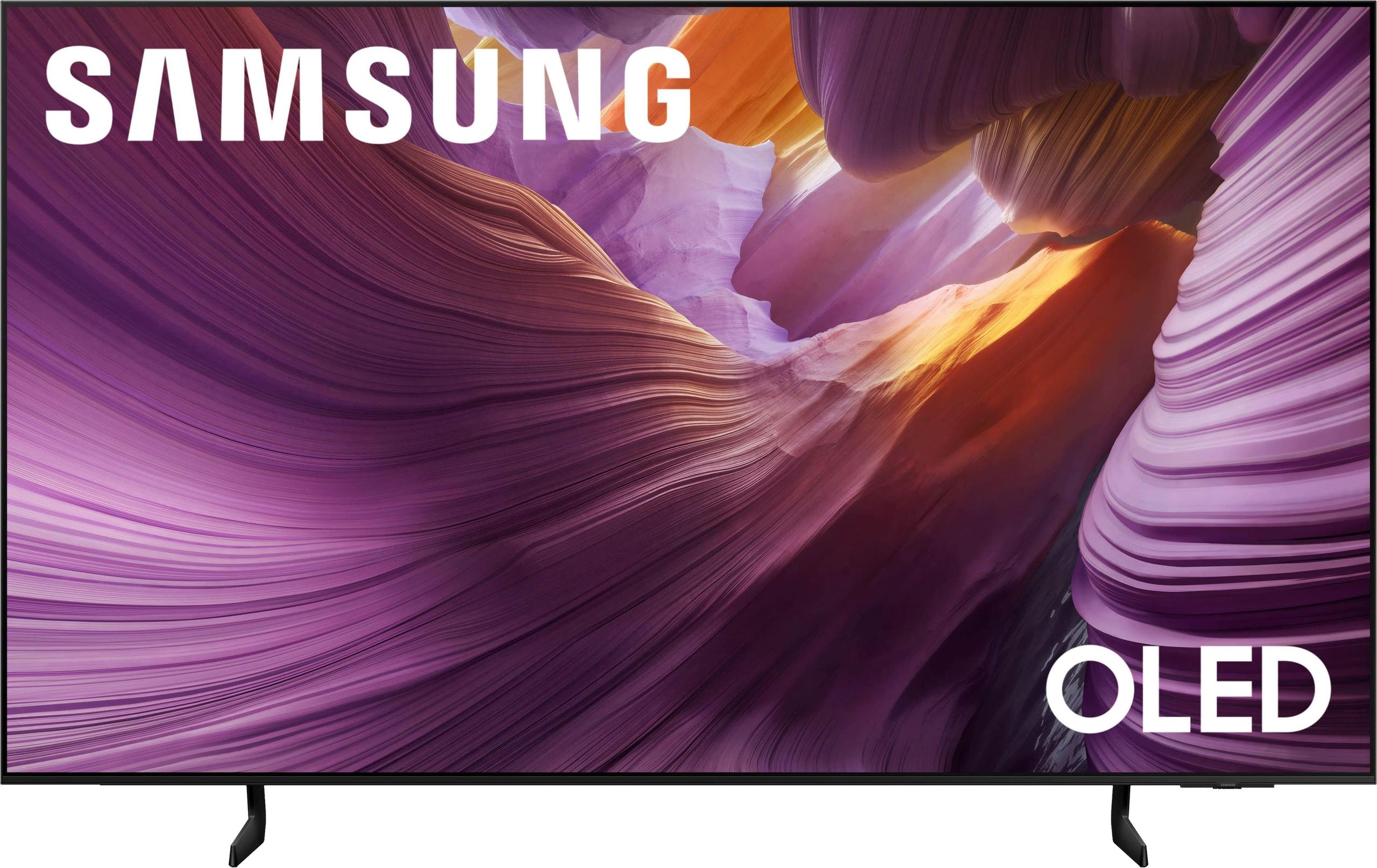
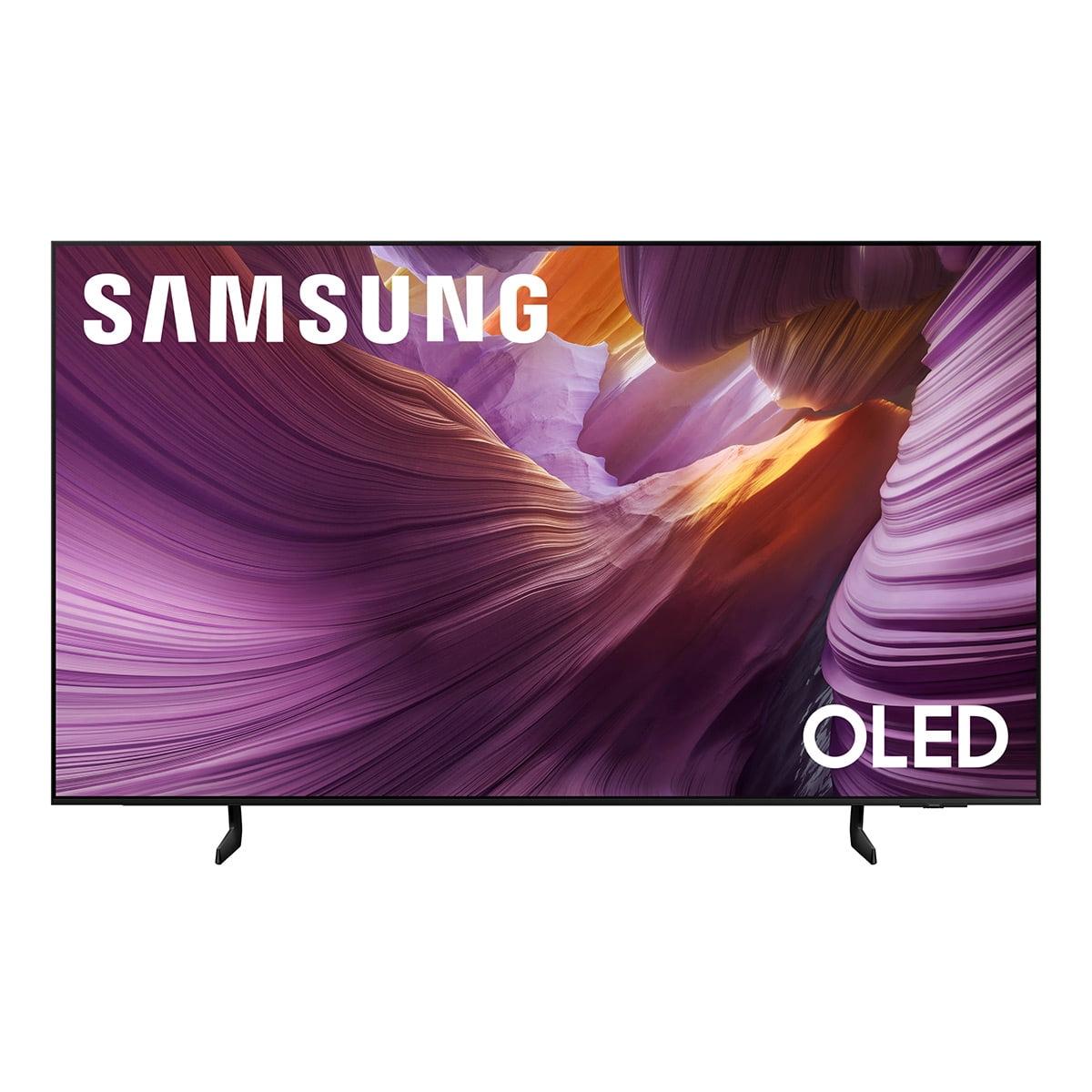
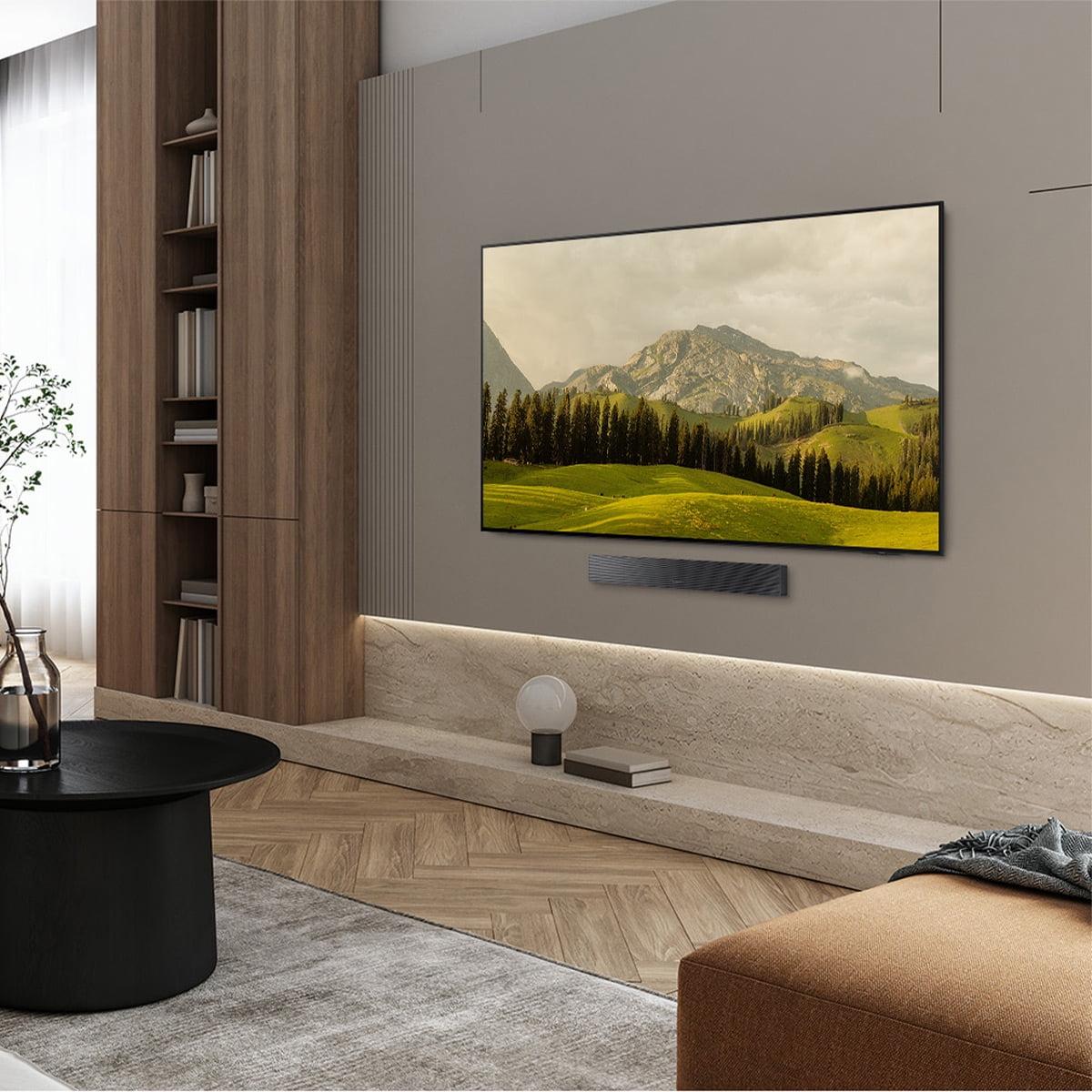
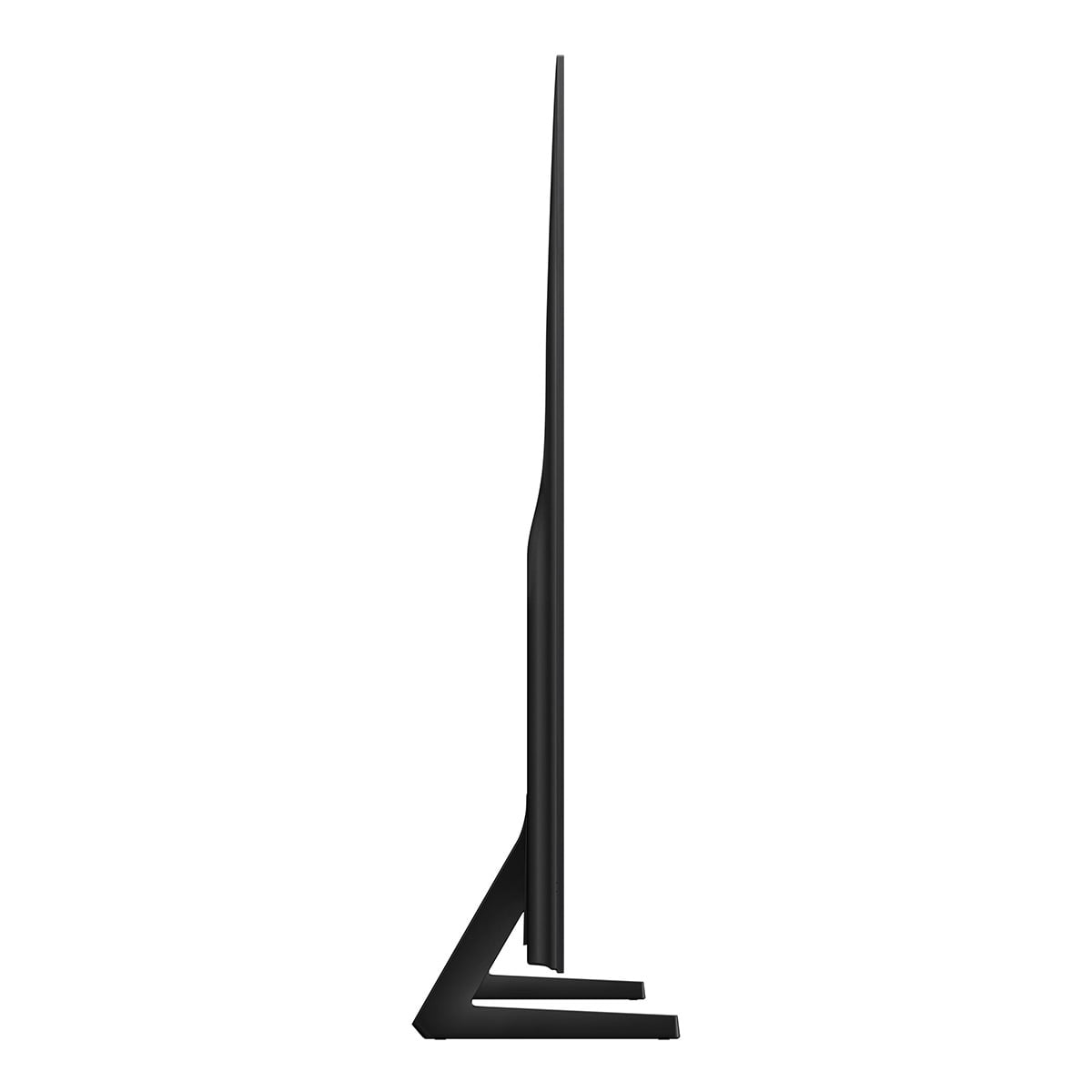
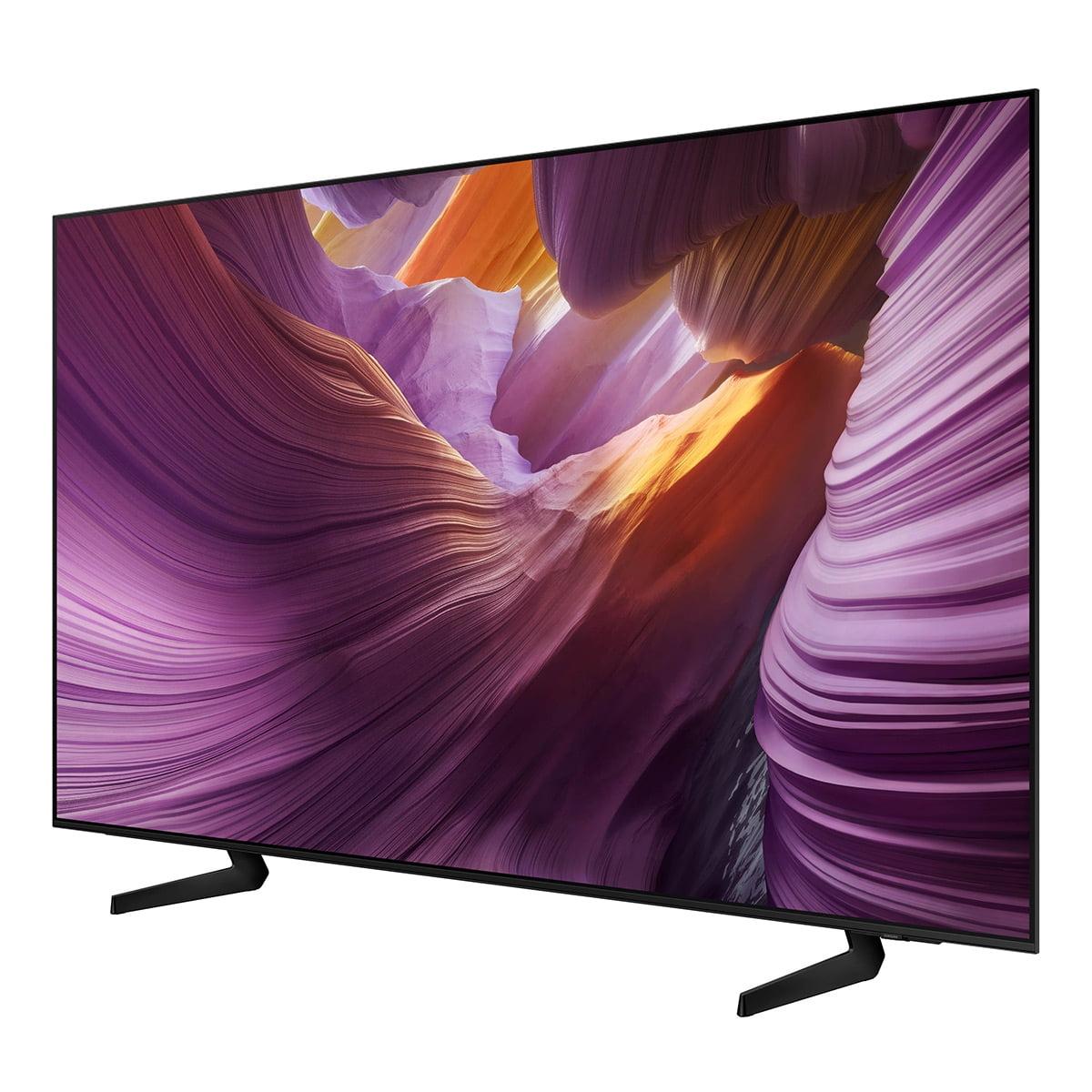
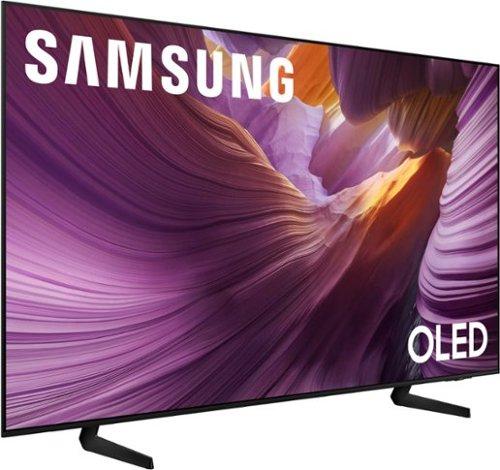
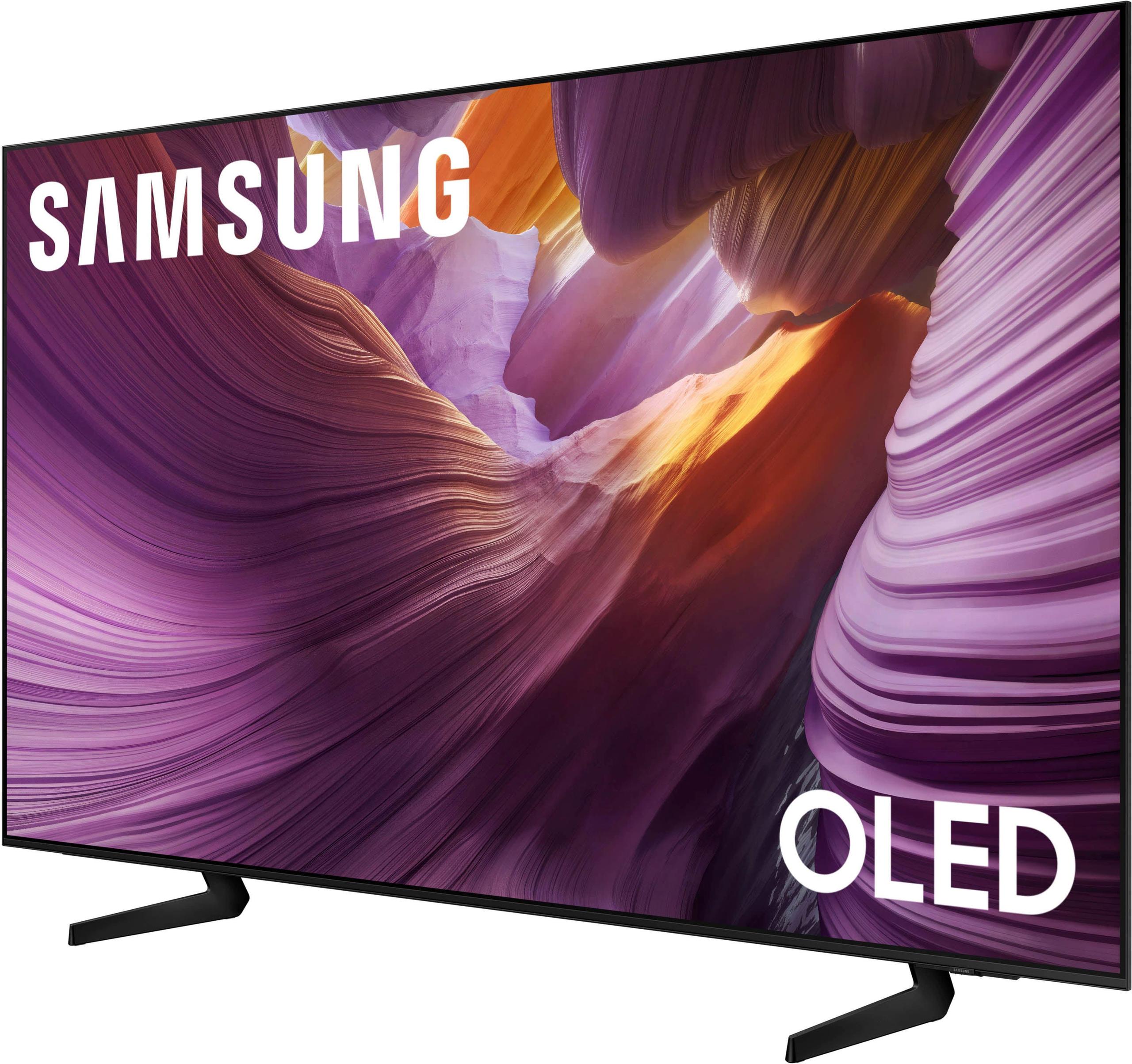
When shopping for a 65-inch TV in 2025, you'll encounter two fundamentally different approaches to creating the picture on your screen. The Hisense 65" QD6 Series Hi-QLED Fire TV represents the budget-friendly LED approach with quantum dot color enhancement, while the Samsung 65" S85F OLED 4K Smart TV uses premium self-illuminating OLED technology. Both hit the market in 2025, but they couldn't be more different in how they deliver your favorite shows and movies.
At the time of writing, these TVs sit roughly three price categories apart, with the Hisense QD6 positioned as an exceptional value option and the Samsung S85F commanding a significant premium for OLED technology. This price gap reflects genuinely different capabilities, not just marketing positioning.
The most important thing to grasp is that these TVs create images using completely different methods. The Hisense QD6 uses what's called a VA panel—think of it as a liquid crystal display with a backlight shining through it. Behind that panel sits an array of LED lights (called "full-array" because they're spread across the entire back), and in front sits a layer of quantum dots that enhance colors.
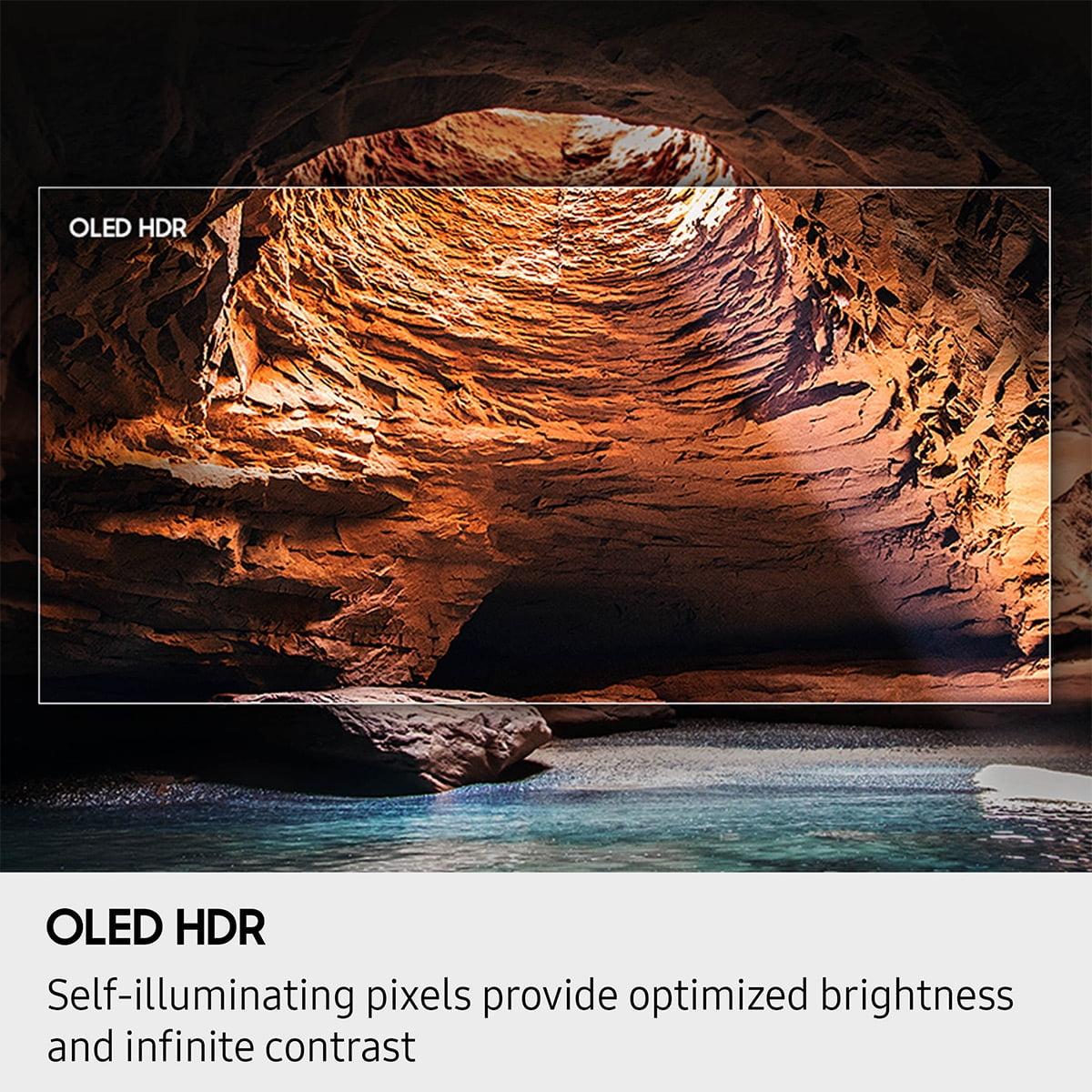
The Samsung S85F takes a radically different approach with QD-OLED technology. Here, each individual pixel generates its own light—no backlight needed. When the TV wants to show black, those pixels simply turn off completely. Samsung combines this OLED foundation with quantum dots for enhanced color, hence "QD-OLED."
This fundamental difference cascades into every aspect of performance, from how dark scenes look to how well the TV handles bright rooms.
The most dramatic difference between these TVs becomes apparent the moment you watch something with dark scenes. The Samsung S85F delivers what's called "infinite contrast"—when it needs to show black, those pixels turn completely off, creating true black that's indistinguishable from the TV being powered down.
The Hisense QD6 faces the fundamental limitation of all backlit displays: it can't turn off individual areas completely. Even with its VA panel providing better contrast than cheaper IPS displays, dark areas appear as very dark gray rather than true black. This becomes especially noticeable in dark rooms when watching movies with letterbox bars or scenes in caves, space, or nighttime settings.
That said, the VA panel in the Hisense QD6 does provide respectable contrast for its price category. In normal viewing conditions with some ambient light, this difference becomes less pronounced, and the darker grays are perfectly acceptable for most content.
Here's where things get interesting and somewhat counterintuitive. Despite being the premium option, the Samsung S85F actually produces less peak brightness than the Hisense QD6 in many scenarios. Our research indicates the Samsung reaches about 750 nits in small highlight areas but drops to around 150 nits when displaying bright scenes across the entire screen.
The Hisense QD6 achieves approximately 385 nits peak brightness, which might sound lower but maintains better consistency across different content types. For HDR content—those ultra-high-contrast videos that make explosions pop and sunsets glow—this brightness limitation in the Samsung becomes noticeable. HDR is designed to showcase highlights that are significantly brighter than normal content, and both TVs struggle somewhat in this area, though for different reasons.
This brightness story matters tremendously for room selection. If your TV room has large windows or bright overhead lights, the Hisense QD6 will maintain better visibility during daytime viewing. The Samsung S85F performs best in controlled lighting where you can appreciate its perfect blacks without fighting glare and washout.
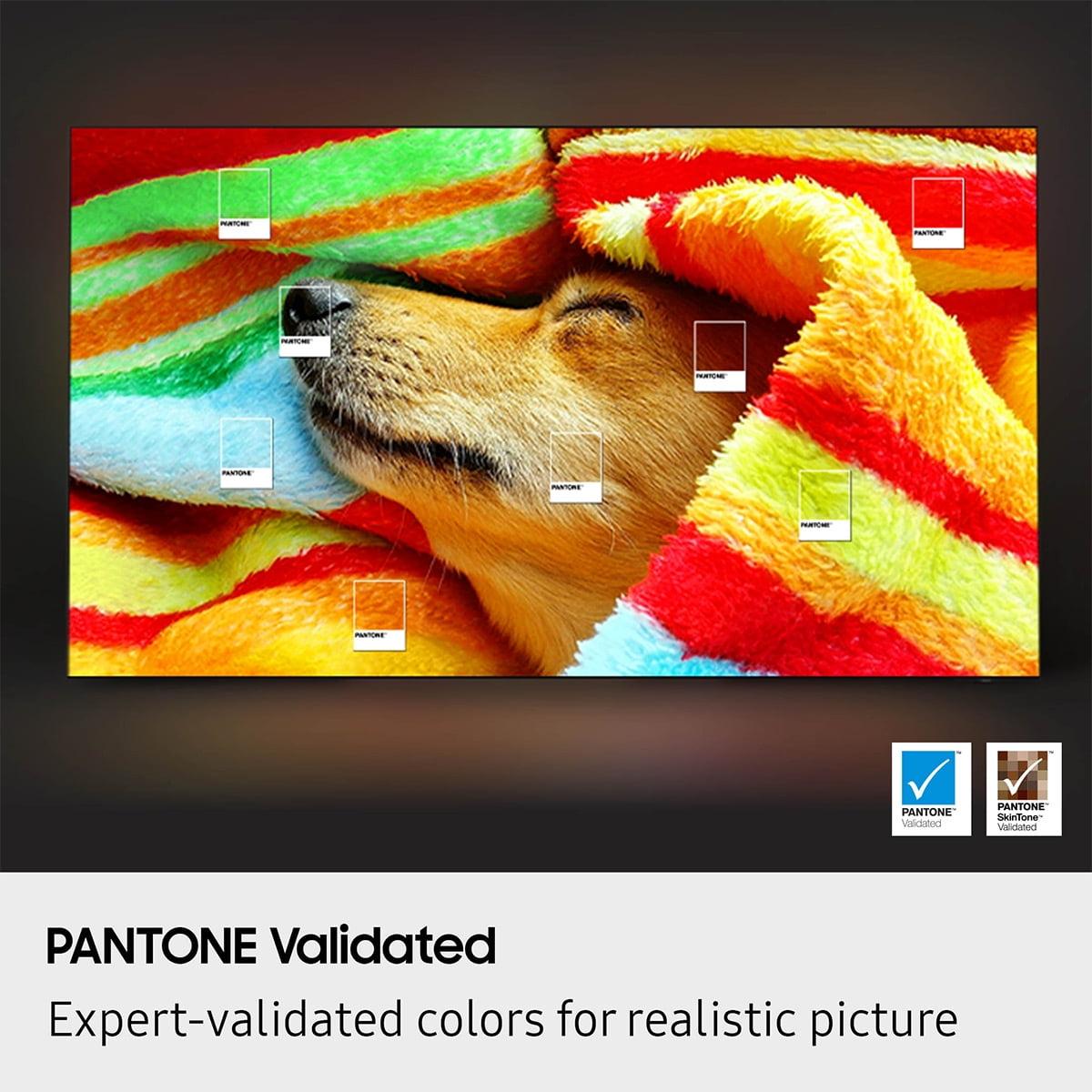
Both TVs cover approximately 90% of the DCI-P3 color space, which is the professional standard for HDR content. This means they can display the vast majority of colors that movie studios and content creators intended. The Samsung S85F carries Pantone validation, meaning it's been professionally calibrated to reproduce over 2,140 specific colors with accuracy that meets professional standards.
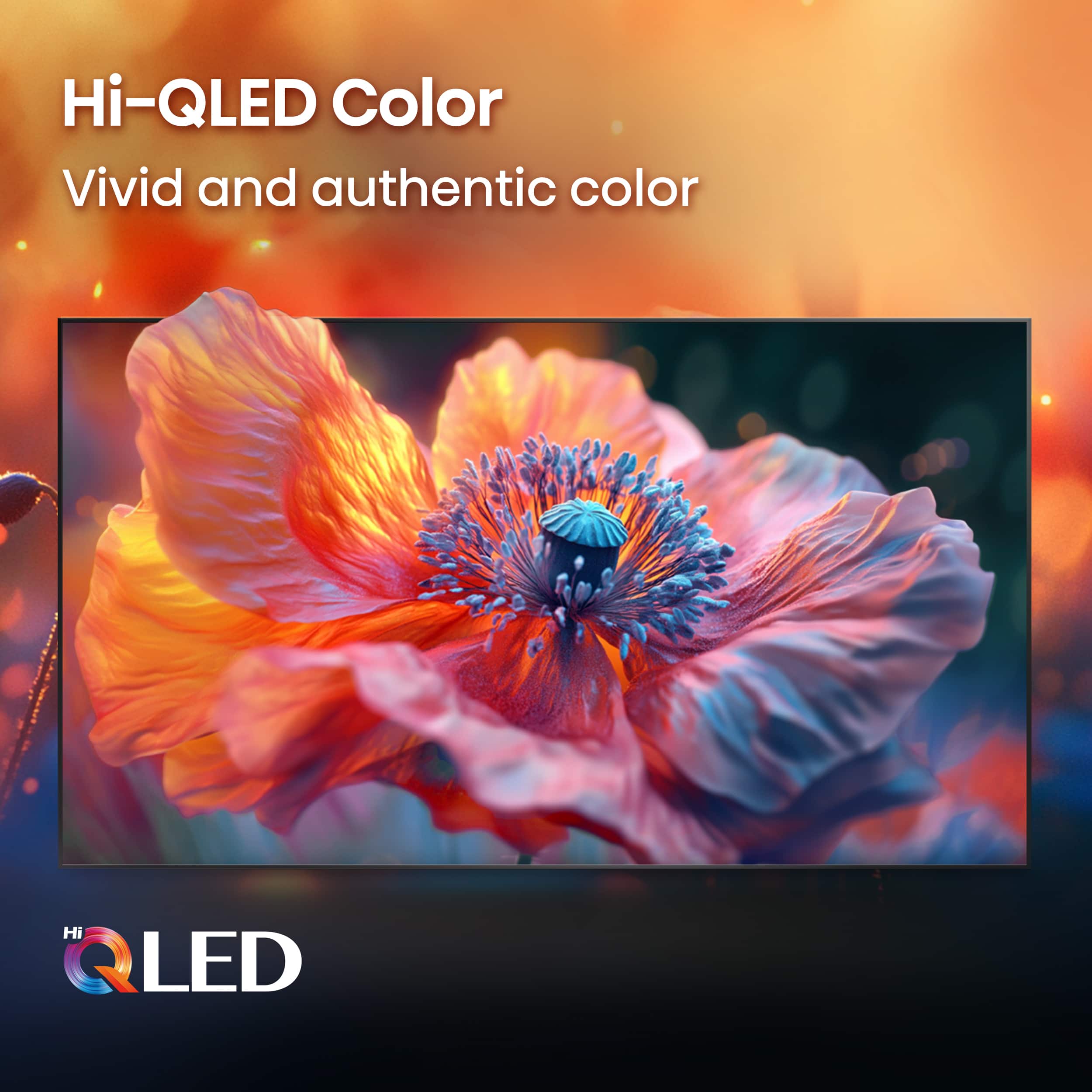
The Hisense QD6 uses quantum dots—tiny nanocrystals that enhance color purity—to achieve more vivid colors than traditional LED TVs. While it may not match the Samsung's precision, it delivers satisfying, punchy colors that make content engaging and vibrant.
In practical terms, both TVs will make your streaming content look great, but the Samsung provides more accurate colors for those who care about seeing content exactly as the director intended.
OLED technology provides inherently wide viewing angles. You can sit significantly off to the side of the Samsung S85F and still see accurate colors and proper contrast. This makes it ideal for larger rooms where not everyone sits directly in front of the TV.
The VA panel in the Hisense QD6 shows significant color shifting and contrast loss when viewed from angles greater than about 20 degrees off center. This limits it to smaller rooms or arrangements where everyone sits within the sweet spot directly in front of the screen.
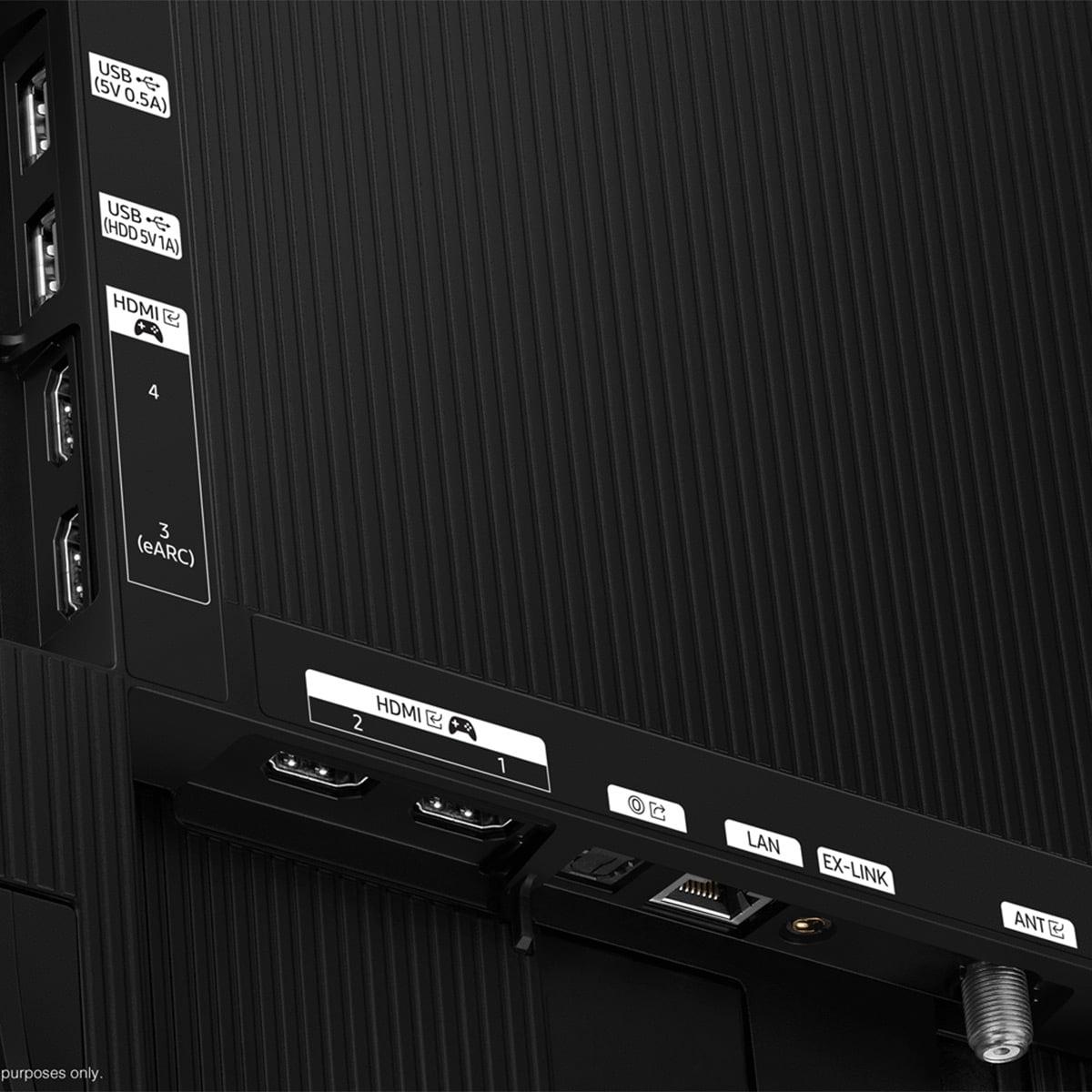
Gaming capabilities highlight the generational difference between these TVs most clearly. The Samsung S85F includes four HDMI 2.1 ports supporting the latest gaming features: 4K resolution at 120Hz refresh rate, Variable Refresh Rate (VRR) to eliminate screen tearing, and Auto Low Latency Mode (ALLM) for minimal input delay.
More importantly, OLED's near-instantaneous pixel response means virtually no motion blur during fast gaming sequences. When you're racing through a city or tracking enemies across a battlefield, the image stays crisp and clear.
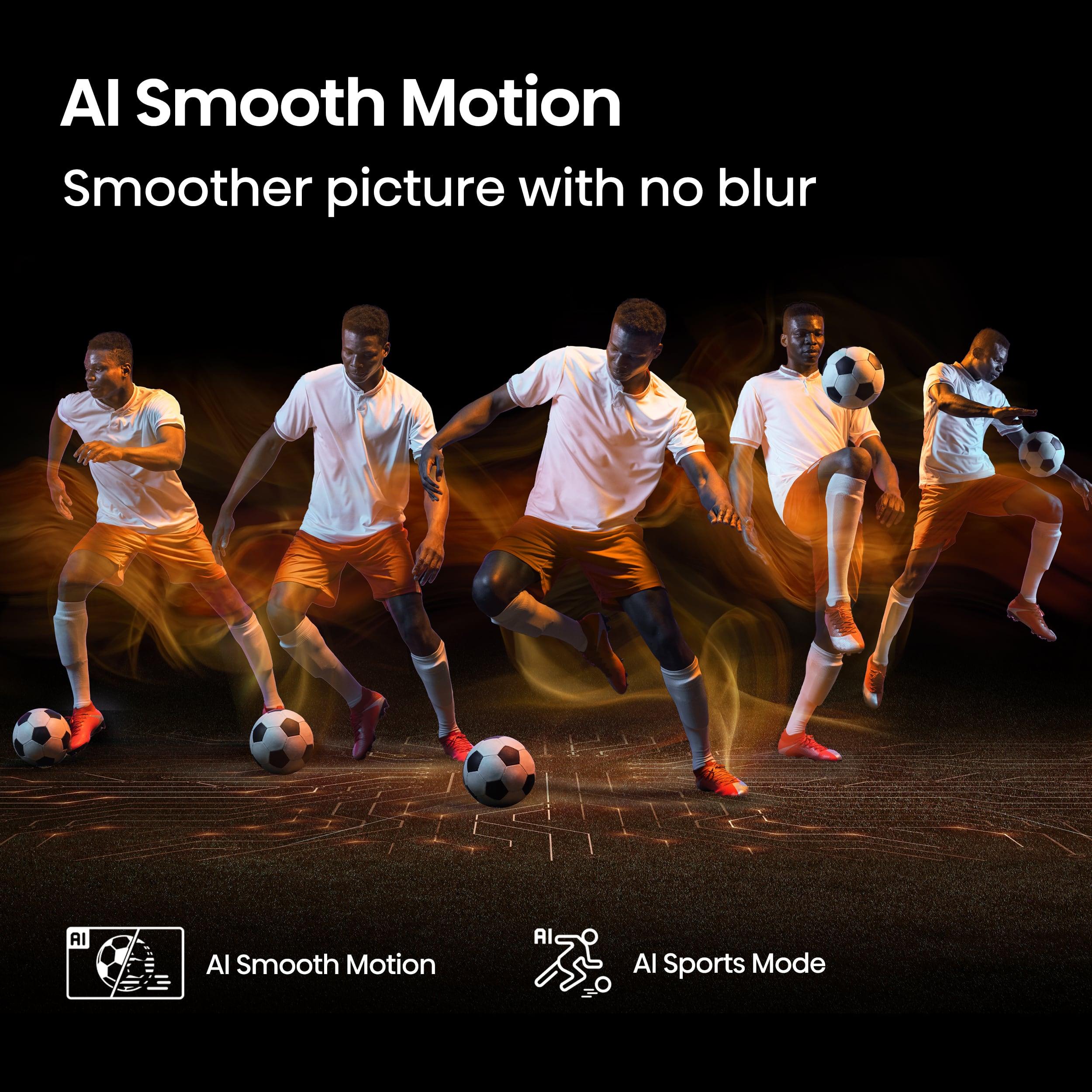
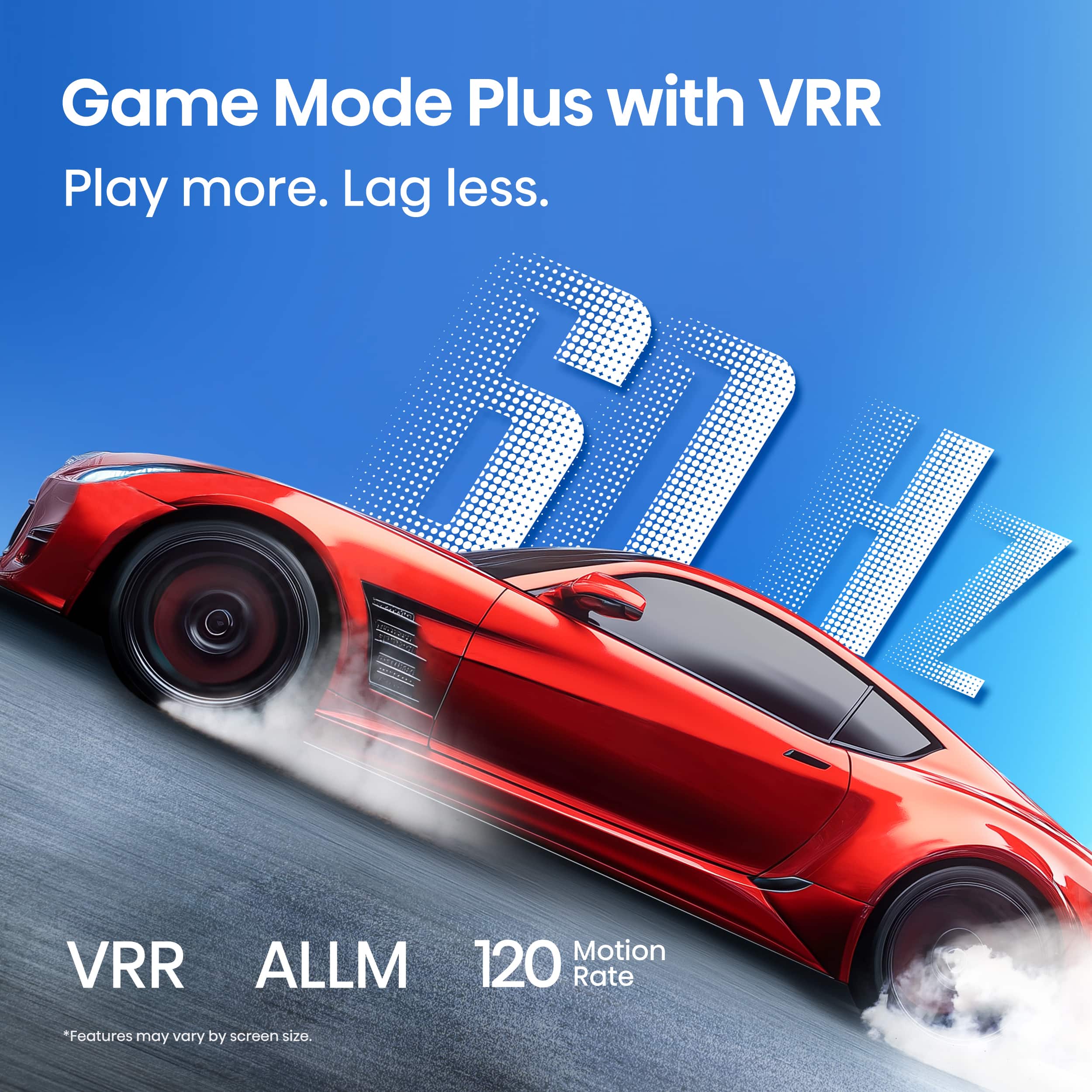
The Hisense QD6 provides VRR and ALLM but limits you to 60Hz at 4K resolution due to its HDMI 2.0 ports. The VA panel also responds more slowly to changes, creating slight blur trails behind fast-moving objects. For casual gaming, this performs adequately, but competitive players or those with PlayStation 5 or Xbox Series X will appreciate the Samsung's additional capabilities.
Gaming input lag—the delay between pressing a button and seeing the action—measures very low on both TVs, so responsiveness isn't a concern for either option.
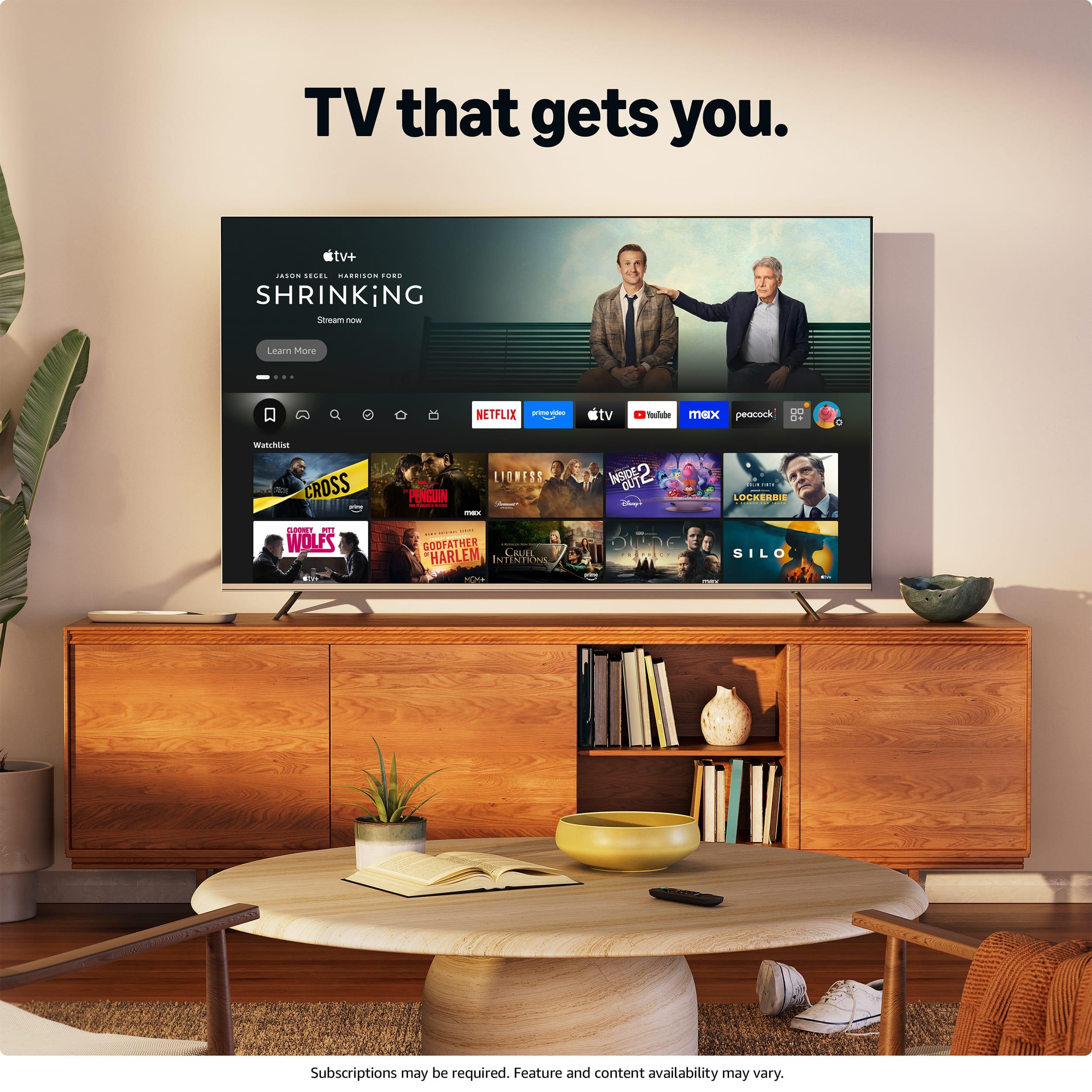
The smart TV platforms reflect the overall philosophy of each manufacturer. The Hisense QD6 runs Amazon's Fire TV OS, emphasizing straightforward navigation and deep integration with Amazon's ecosystem. If you're already invested in Alexa devices or Amazon Prime Video, this creates a seamless experience.
The Samsung S85F uses Samsung's Tizen OS powered by their NQ4 AI Gen2 processor. This quad-core chip with 20 AI neural networks enables sophisticated features like real-time picture optimization based on room lighting, content-aware audio adjustment, and even SmartThings hub functionality that can control compatible smart home devices directly from your TV.
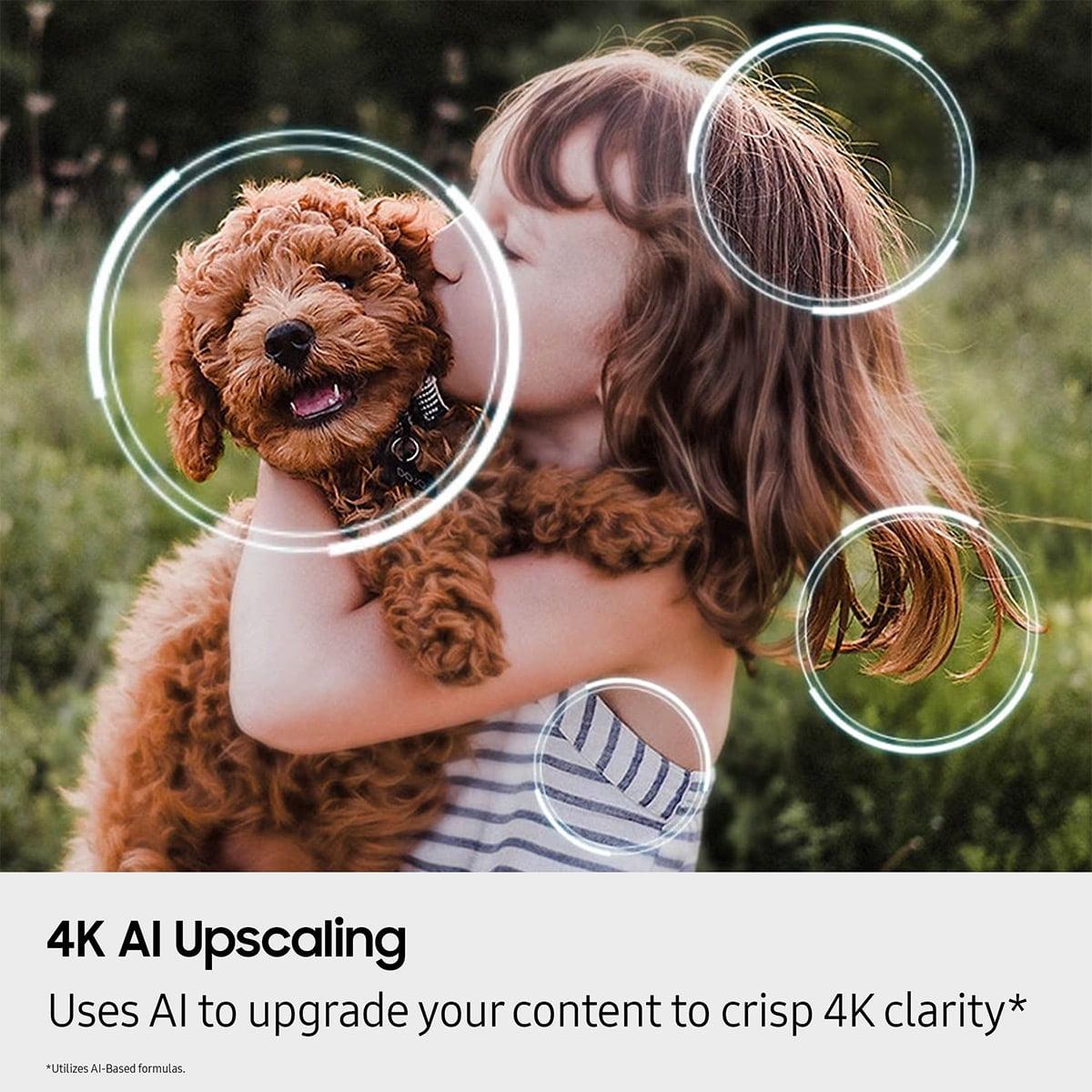
The Samsung's AI upscaling particularly impresses when watching lower-resolution content. It analyzes incoming video in real-time and intelligently sharpens details, enhances textures, and reduces artifacts to make 1080p content look closer to native 4K quality.
Both platforms provide access to major streaming services, but the Samsung offers additional capabilities like multi-view (watching two sources simultaneously) and more advanced voice control features.
Neither TV will replace a dedicated sound system, but they handle built-in audio differently. The Samsung S85F includes a 20-watt system with Dolby Atmos processing, Object Tracking Sound Lite (which tries to match audio location to visual elements), and Q-Symphony technology that coordinates with compatible Samsung soundbars.
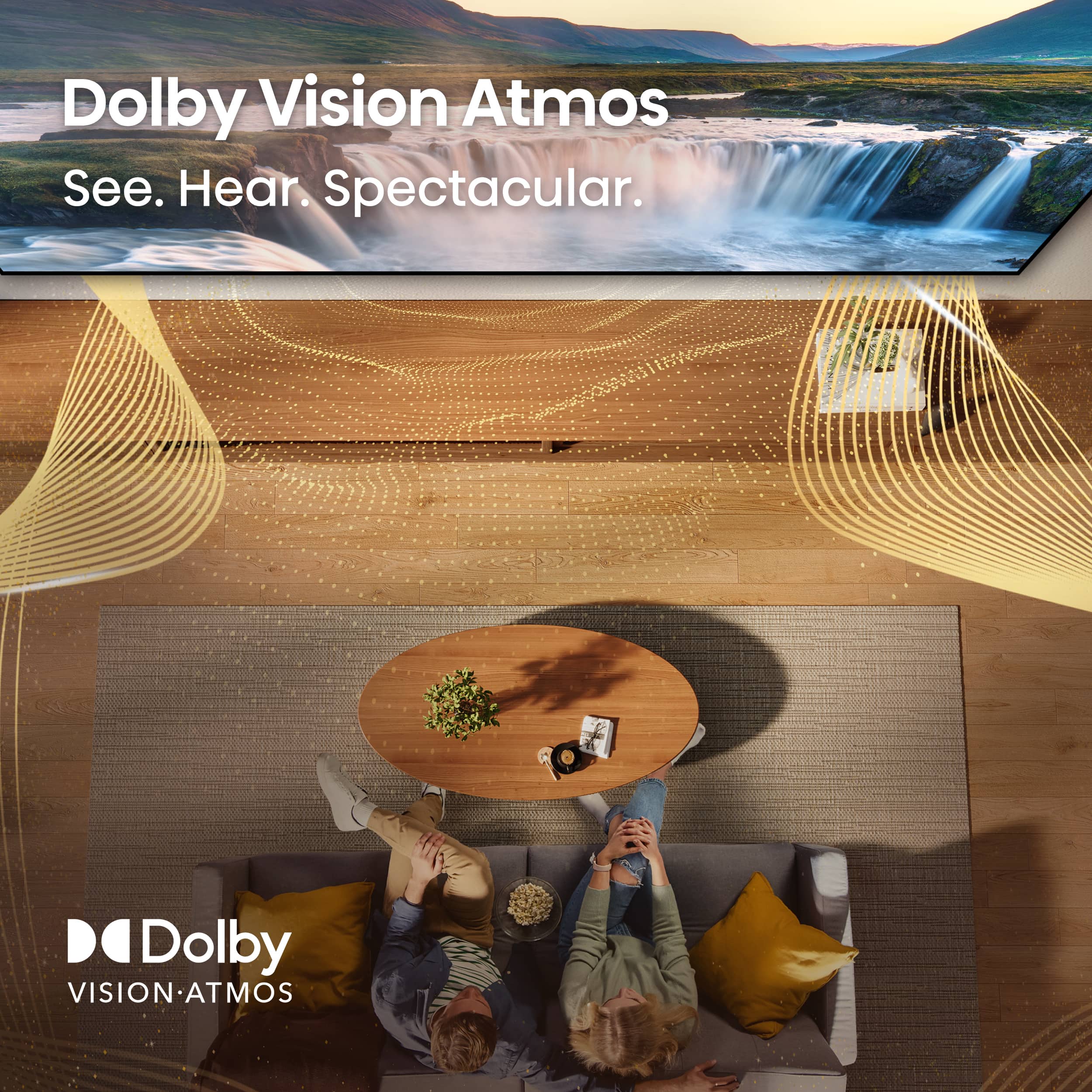
The Hisense QD6 provides basic speakers with Dolby Atmos support but lacks the processing power for sophisticated audio features. For most users, both will require an external sound solution for truly immersive audio.
For dedicated home theater use in a controlled lighting environment, the Samsung S85F provides a significantly more cinematic experience. Its perfect blacks create the letterbox bars that completely disappear, making the image appear to float in space. The wider viewing angles accommodate multiple seating positions without image degradation.
However, the Samsung's brightness limitations become more apparent with HDR content that features bright highlights like explosions, sunlight, or fire. Mini-LED TVs in higher price brackets provide more impactful HDR, but that's beyond the Samsung S85F's capability.
The Hisense QD6 works well for casual movie watching and family viewing, but lacks the refinement for serious home theater applications. Its narrower viewing angles also limit seating arrangements.
At the time of writing, the price difference between these TVs represents a significant decision point. The Hisense QD6 delivers genuinely good performance at an exceptional price point, making quality 4K viewing accessible without major investment.
The Samsung S85F commands a substantial premium but provides technologies—perfect blacks, wide viewing angles, advanced gaming features—that fundamentally improve the viewing experience in specific scenarios.
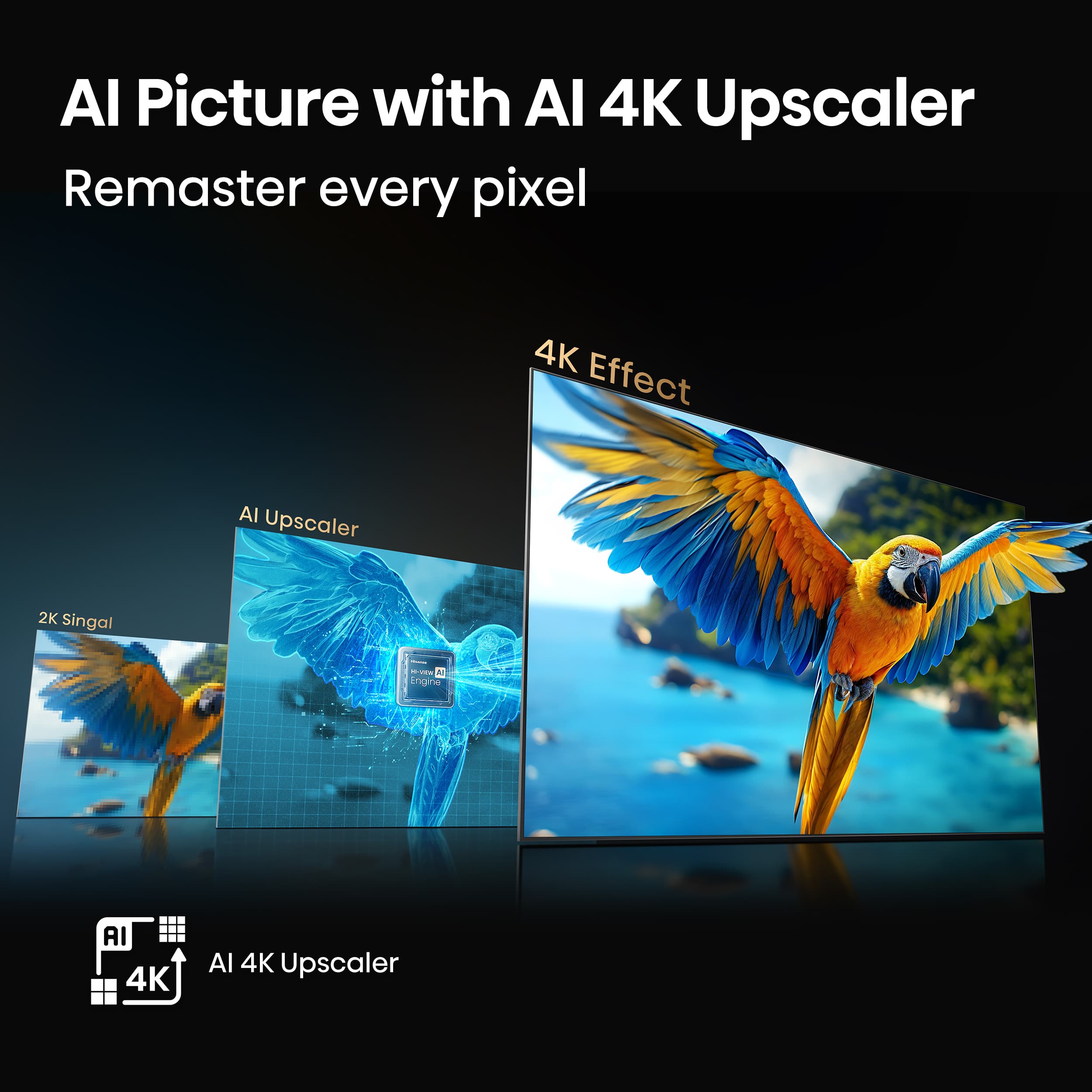
Consider this: if you're upgrading from an older LCD TV, the Hisense QD6 will represent a massive improvement in color, resolution, and smart features. The quantum dot enhancement and AI upscaling make even standard HD content look significantly better than older displays.
If you're coming from a premium TV or have specific requirements like dark room viewing, wide seating arrangements, or serious gaming, the Samsung S85F provides capabilities that justify its higher cost for those use cases.
The Hisense QD6 makes the most sense for buyers who want excellent value and good performance across most content types. It's ideal for bright living rooms, casual viewing, and situations where budget considerations are important. The quantum dot colors and Fire TV platform provide a modern, engaging experience without premium pricing.
Choose the Hisense QD6 if you primarily watch during daytime, don't need wide viewing angles, game casually, and want to maximize value while still getting modern TV features.
The Samsung S85F serves buyers who prioritize image quality and have specific performance requirements. Its perfect blacks, wide viewing angles, and advanced gaming capabilities create a premium experience that justifies the higher investment for the right user.
Choose the Samsung S85F if you watch in dark or controlled lighting, have multiple seating positions, game seriously with modern consoles, or simply want the best possible picture quality available in this technology category.
These TVs represent two valid but very different approaches to home entertainment. The Hisense QD6 proves that modern display technology can deliver impressive results at accessible prices, while the Samsung S85F showcases what's possible when you're willing to pay for premium OLED technology.
Your viewing environment, content preferences, and budget priorities will determine which approach better serves your needs. Both will provide years of enjoyable viewing, but they excel in different scenarios and for different types of users.
Neither TV is inherently better than the other—they're simply optimized for different priorities and price points in the diverse world of modern home entertainment.
| Hisense 65" QD6 Series Hi-QLED Fire TV (2025) | Samsung 65" S85F OLED 4K Smart TV (2025) |
|---|---|
| Display Technology - Core difference affecting all picture quality aspects | |
| VA panel with full-array LED backlight + quantum dots | QD-OLED with self-illuminating pixels + quantum dots |
| Black Levels - Most noticeable difference for movie watching | |
| Very dark gray (excellent for LED, but not true black) | Perfect black (infinite contrast, pixels turn completely off) |
| Peak Brightness - Critical for bright room viewing and HDR impact | |
| ~385 nits (better for daytime/bright rooms) | ~750 nits small highlights, ~150 nits full screen (optimized for dark rooms) |
| Refresh Rate - Important for gaming and sports | |
| 60Hz native with Motion Rate 120 interpolation | 120Hz native with Motion Xcelerator |
| Gaming Features - Next-gen console compatibility | |
| VRR, ALLM, 4K@60Hz max (HDMI 2.0 ports) | VRR, ALLM, 4K@120Hz, near-instant response (HDMI 2.1 ports) |
| Viewing Angles - Affects seating arrangement flexibility | |
| Narrow (VA panel limitation, colors shift off-center) | Ultra-wide (OLED advantage, consistent from all angles) |
| Smart Platform - Daily user experience and ecosystem | |
| Fire TV OS with basic ARM processor | Tizen OS with NQ4 AI Gen2 processor (advanced features) |
| HDR Format Support - Streaming service compatibility | |
| Dolby Vision, HDR10+, HDR10, HLG | HDR10+, OLED HDR (no Dolby Vision support) |
| Color Accuracy - Professional content reproduction | |
| Quantum dot enhanced, good out-of-box accuracy | Pantone Validated (2,140+ colors), professional calibration |
| Audio System - Built-in sound quality | |
| Basic speakers with Dolby Atmos support | 20W 2.0 with Object Tracking Sound Lite, Q-Symphony |
| Best Use Case - Optimal viewing scenarios | |
| Bright rooms, casual viewing, exceptional value | Dark rooms, serious gaming, premium picture quality |
| Value Proposition - Cost vs performance relationship | |
| Outstanding performance per dollar, budget-friendly premium features | Premium OLED experience with significant price premium |
The Hisense 65" QD6 Series Hi-QLED Fire TV (2025) performs better in bright rooms due to its higher peak brightness of around 385 nits and better glare handling. The Samsung 65" S85F OLED 4K Smart TV (2025) is optimized for dark or controlled lighting environments where its perfect blacks shine.
The core difference is display technology: the Hisense QD6 uses LED backlighting with quantum dots, while the Samsung S85F uses QD-OLED technology where each pixel creates its own light. This means the Samsung delivers perfect blacks and infinite contrast, while the Hisense offers better brightness for daytime viewing.
The Samsung S85F is superior for gaming with 4K@120Hz support, four HDMI 2.1 ports, and near-instantaneous response times. The Hisense QD6 is limited to 60Hz and HDMI 2.0 ports, making it adequate for casual gaming but not ideal for next-gen consoles.
Yes, both support HDR but with different formats. The Hisense QD6 supports Dolby Vision, HDR10+, HDR10, and HLG. The Samsung S85F supports HDR10+ and Samsung's OLED HDR but notably lacks Dolby Vision support.
The Samsung S85F has significantly better viewing angles due to OLED technology, maintaining color accuracy and contrast when viewed from the side. The Hisense QD6 uses a VA panel that shows color shifting and contrast loss when viewed off-center.
For dedicated home theater setups in dark rooms, the Samsung S85F provides a more cinematic experience with perfect blacks that make letterbox bars disappear completely. The Hisense QD6 works well for casual movie watching but lacks the refinement for serious home theater applications.
The Hisense QD6 runs Amazon's Fire TV OS with built-in Alexa integration, offering straightforward navigation and Amazon ecosystem benefits. The Samsung S85F uses Samsung's Tizen OS with advanced AI features, SmartThings hub functionality, and more sophisticated processing capabilities.
The Hisense QD6 offers exceptional value with quantum dot colors, modern smart features, and solid performance at a budget-friendly price. The Samsung S85F commands a premium but delivers OLED's perfect blacks, wide viewing angles, and advanced gaming features that justify the higher cost for specific use cases.
The Samsung S85F delivers perfect blacks with infinite contrast since OLED pixels turn completely off. The Hisense QD6 produces very dark grays rather than true blacks due to its backlit LED design, though this is excellent performance for LED technology.
Sports viewing depends on your room setup. The Hisense QD6 performs better in bright rooms where sports are often watched, but its narrow viewing angles limit group viewing. The Samsung S85F offers wider viewing angles for multiple viewers but may struggle with brightness in well-lit rooms.
Both TVs cover approximately 90% of the DCI-P3 color space. The Samsung S85F is Pantone Validated for professional color accuracy across 2,140+ colors. The Hisense QD6 uses quantum dots for vibrant, engaging colors that are well-calibrated out of the box.
Choose the Hisense QD6 if you prioritize value, watch primarily in bright rooms, game casually, and want modern features without premium pricing. Choose the Samsung S85F if you want the best possible picture quality, watch in dark rooms, game seriously, need wide viewing angles, and can justify the higher investment for OLED technology.
We've done our best to create useful and informative comparisons to help you decide what product to buy. Our research uses advanced automated methods to create this comparison and perfection is not possible - please contact us for corrections or questions. These are the sites we've researched in the creation of this article: pcvarge.com - bestbuy.com - rtings.com - youtube.com - rtings.com - youtube.com - consumerreports.org - leaseville.com - hisense-usa.com - device.report - hisense-usa.com - youtube.com - flatpanelshd.com - displayspecifications.com - retailspecs.com - rtings.com - samsung.com - youtube.com - rtings.com - youtube.com - samsung.com - bestbuy.com - avsforum.com - avsforum.com - samsung.com - displayspecifications.com - videoandaudiocenter.com - bestbuy.com - flatpanelshd.com - myallsouth.com - samsung.com - richstv.com - samsung.com - heartlandappliance.com

Privacy Policy
Terms and Conditions - Affiliate Policy
Home Security
© Copyright 2008-2026.
11816 Inwood Rd #1211, Dallas, TX 75244