

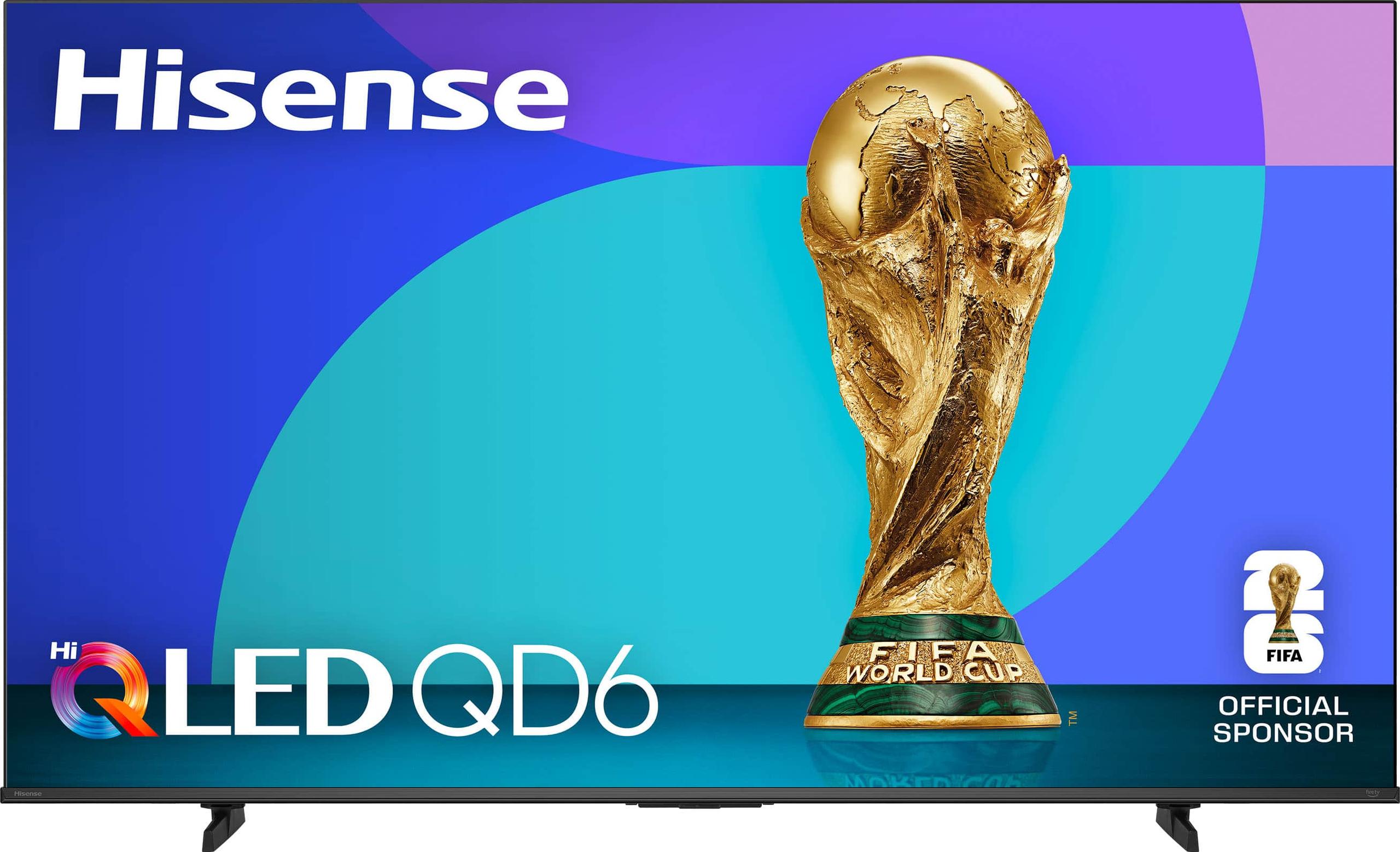

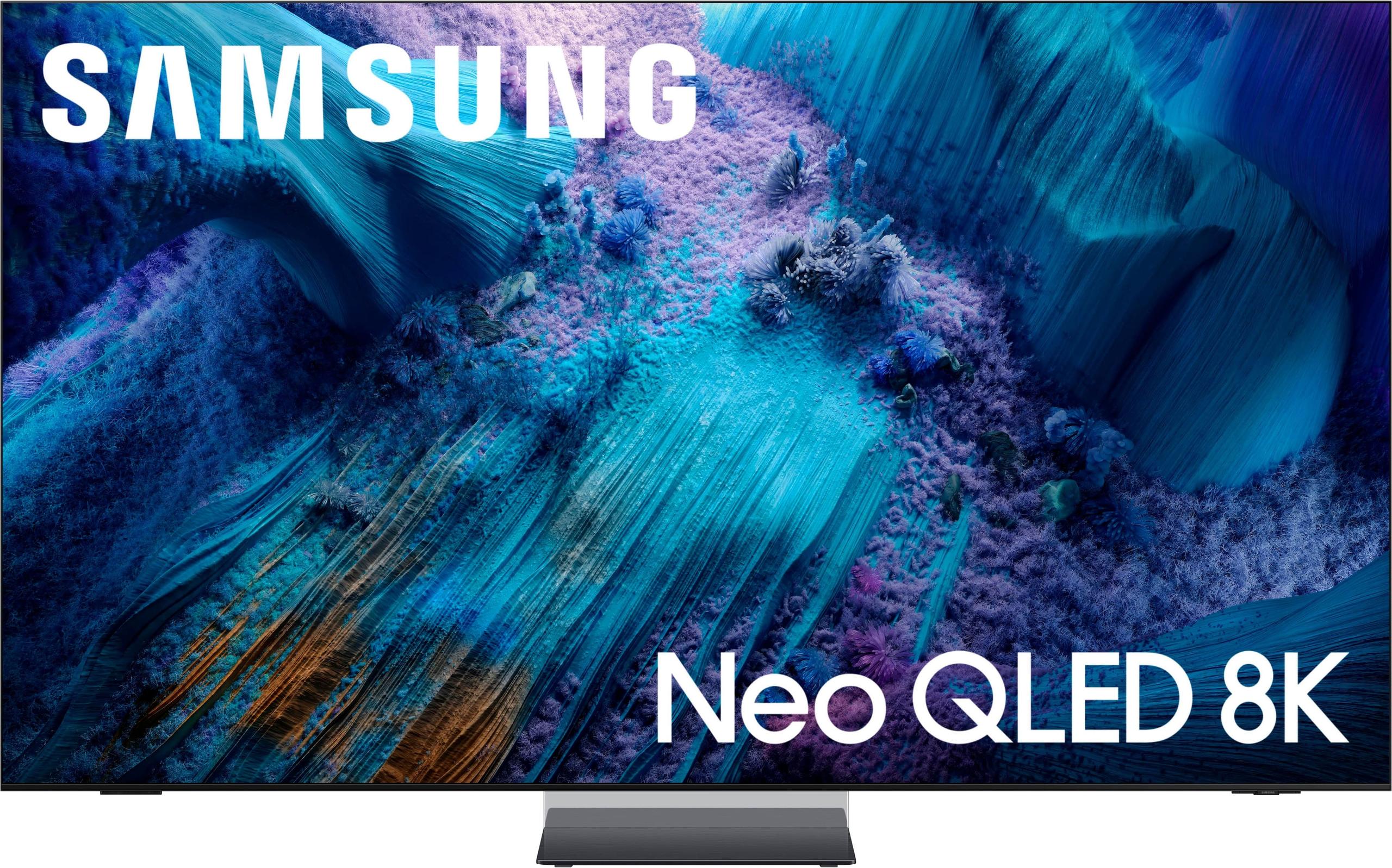
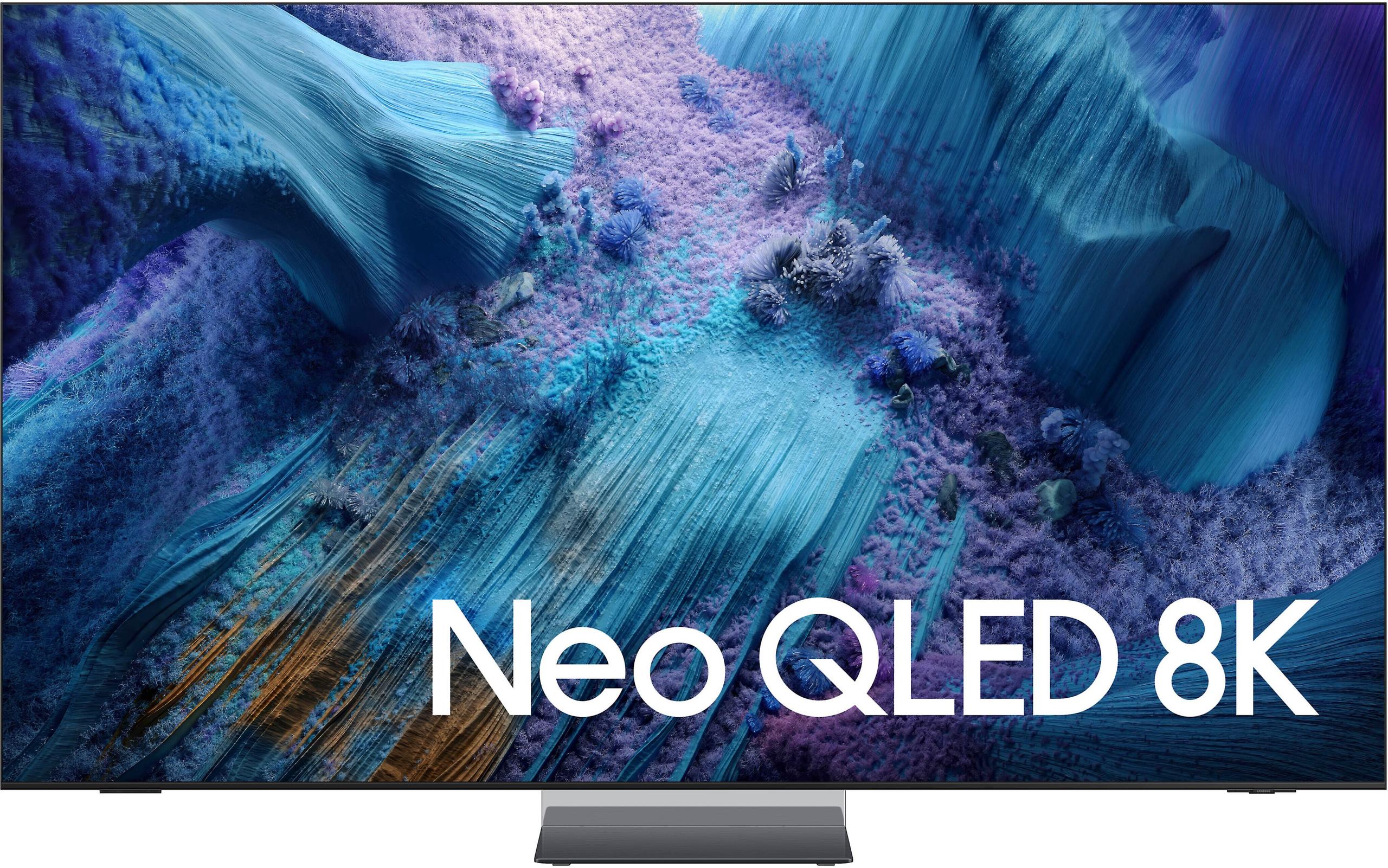
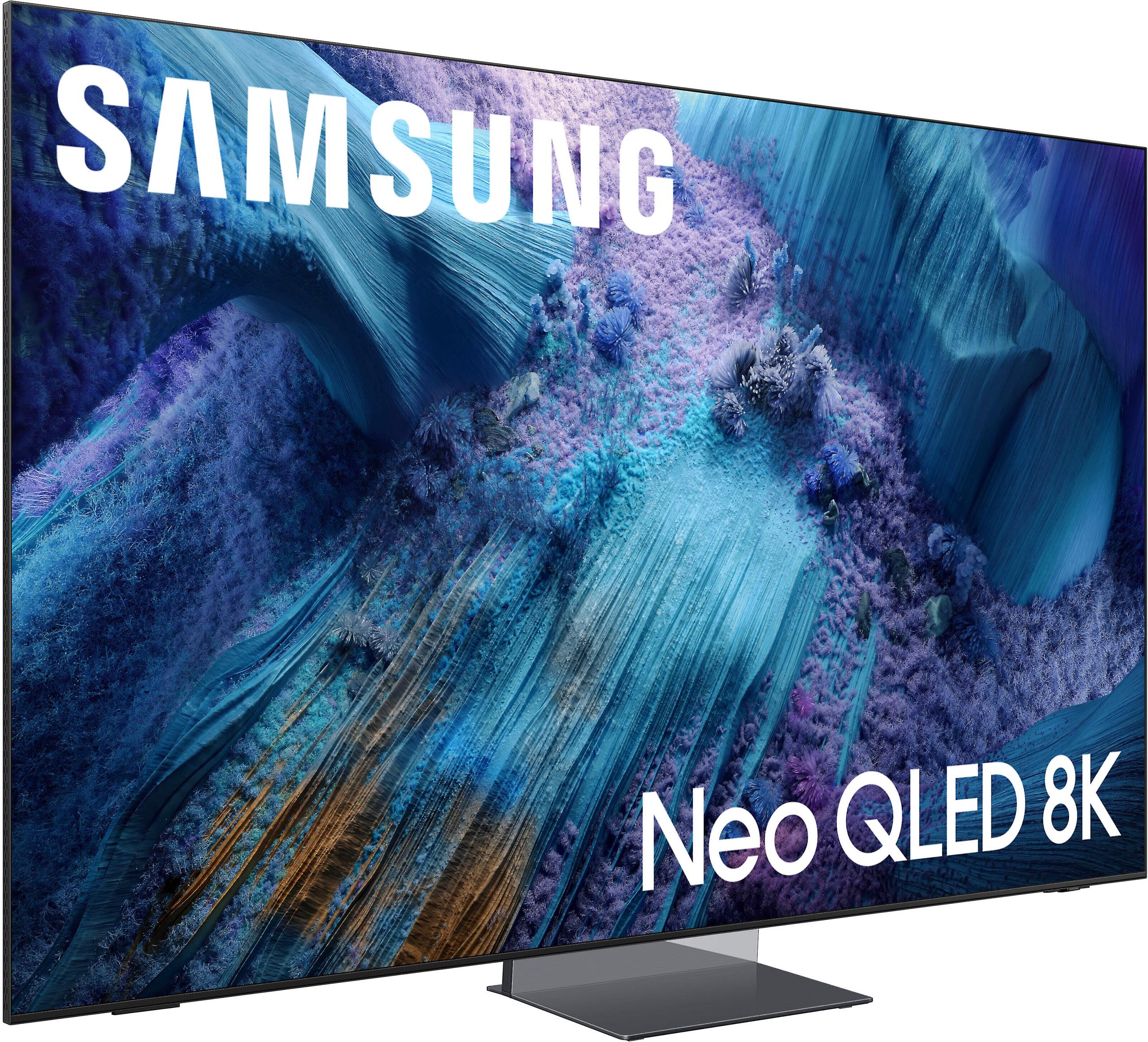
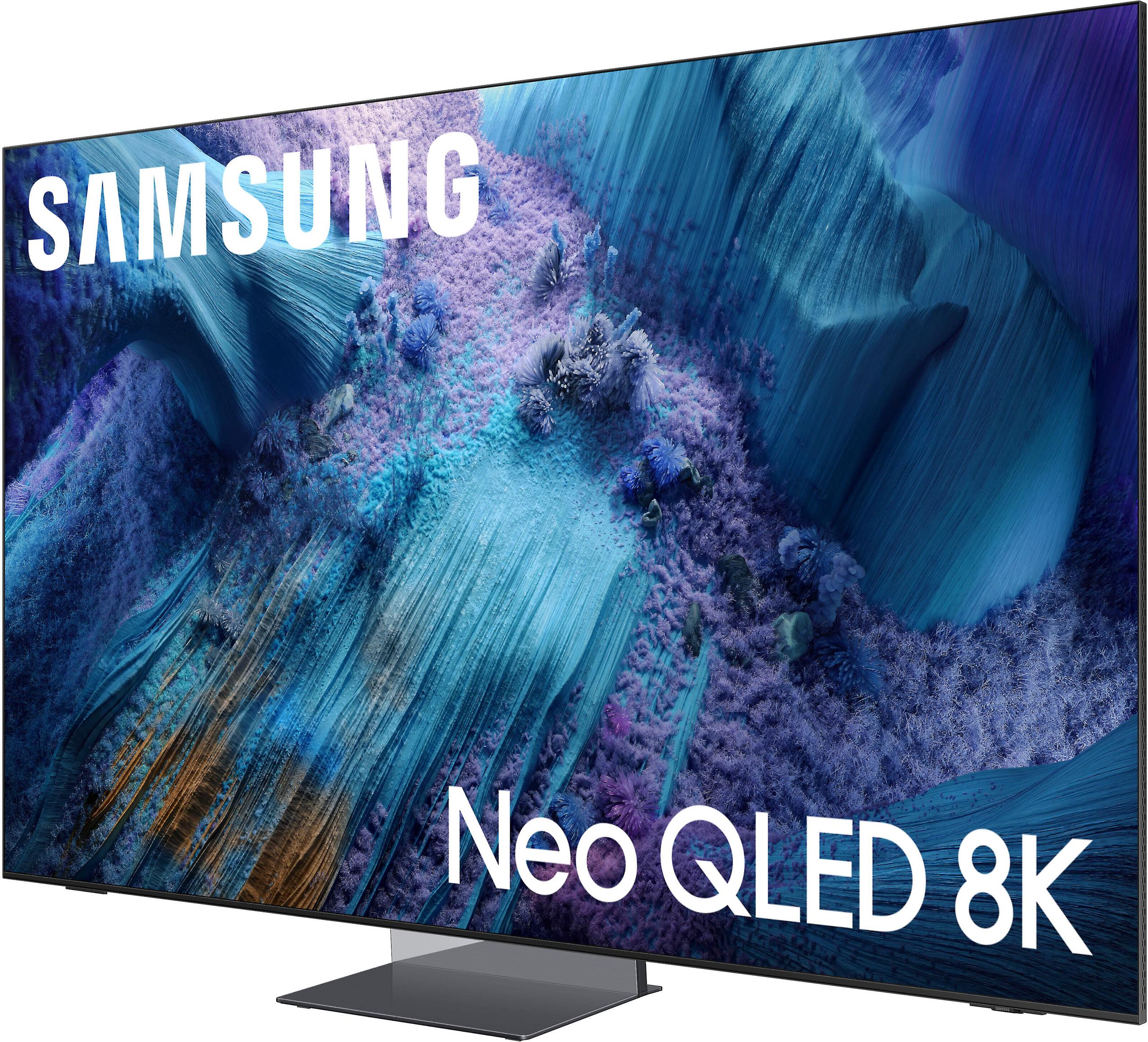
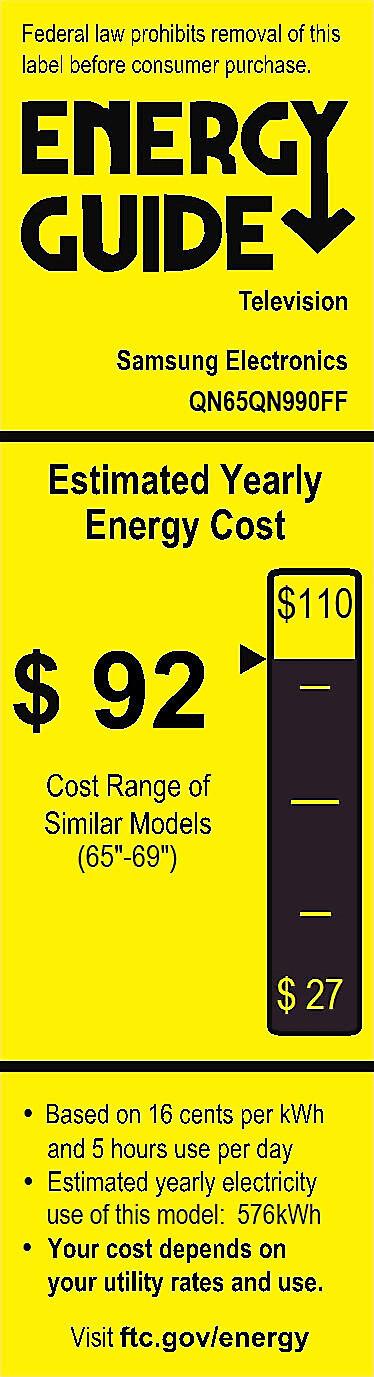
When you're shopping for a 65-inch TV, you'll quickly discover the market splits into distinct tiers. On one end, you have budget-friendly options that deliver solid performance without breaking the bank. On the other, premium models push every technological boundary while commanding eye-watering prices. The Hisense 65" QD6 Series and Samsung 65" Neo QLED QN990F represent these opposing philosophies perfectly.
Both TVs launched in 2025, but they target completely different buyers. The Hisense QD6 aims to democratize large-screen viewing with quantum dot technology at an accessible price point. Meanwhile, the Samsung QN990F showcases cutting-edge Mini-LED backlighting and 8K resolution for those who want the absolute best picture quality available.
Understanding these differences matters because the gap between budget and premium TVs has never been wider. Modern display technology creates dramatic performance variations that significantly impact your viewing experience, especially in challenging lighting conditions or with demanding content like HDR movies and fast-paced gaming.
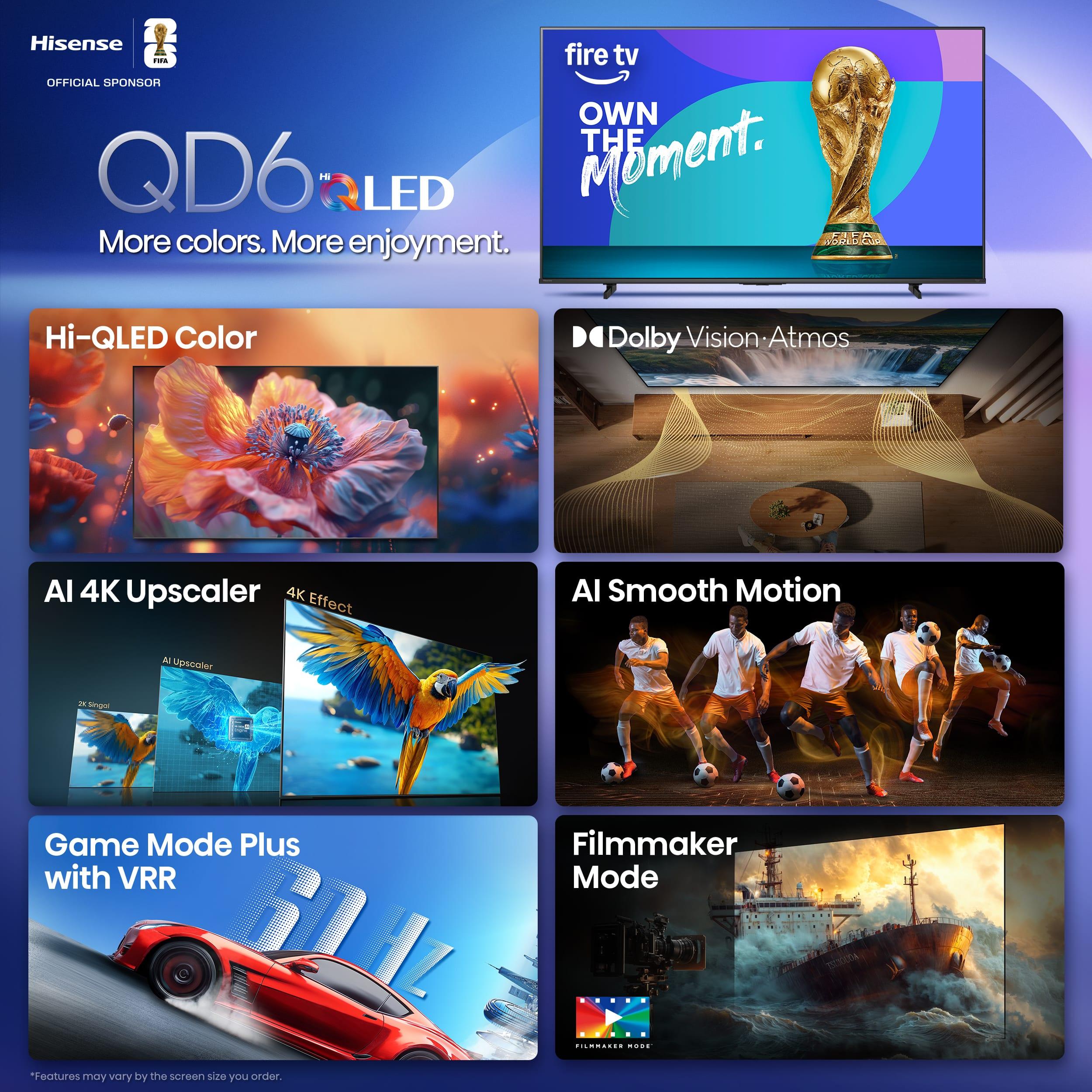
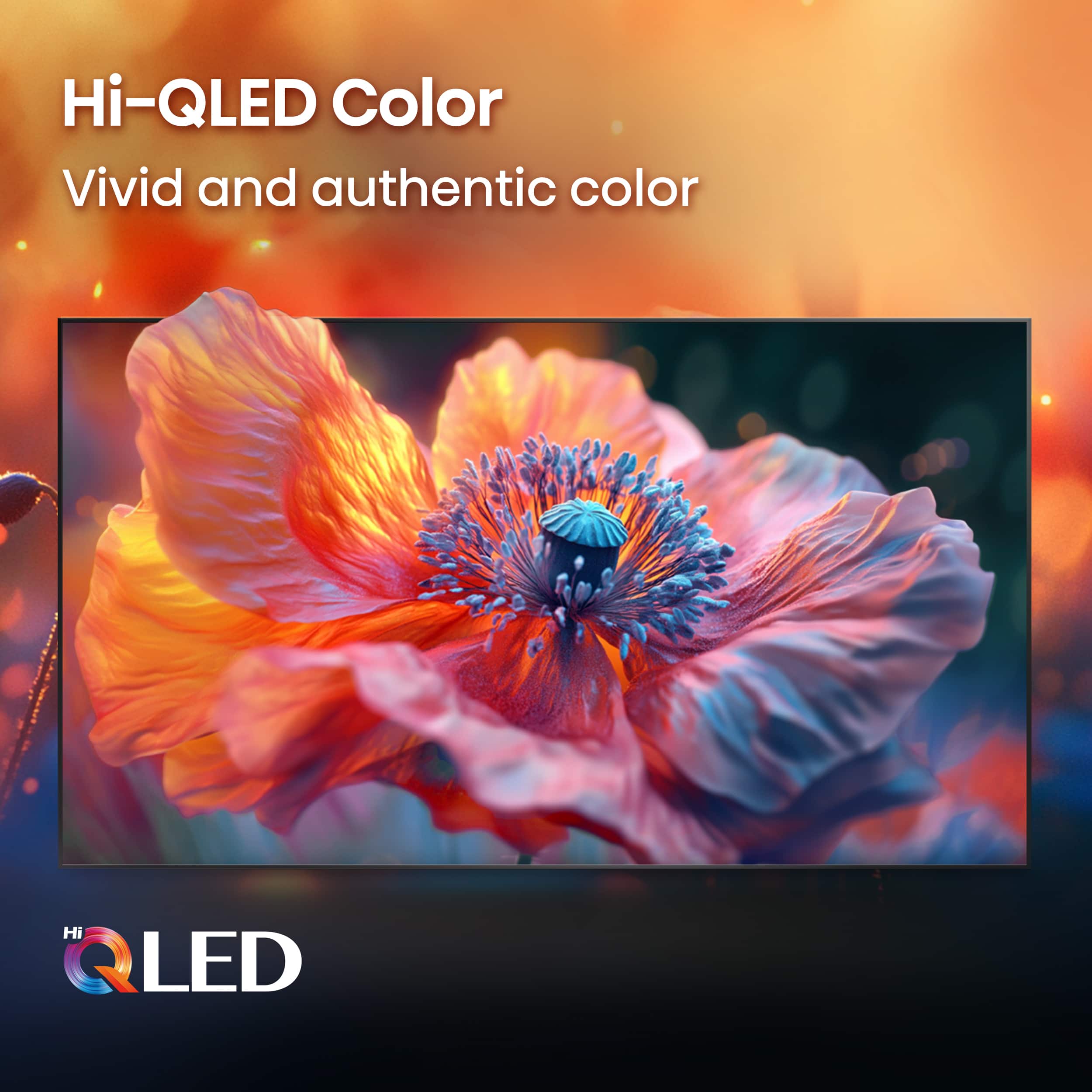
Before diving into specifics, let's clarify the key technologies that separate these TVs. Quantum dots are microscopic crystals that enhance color reproduction when light passes through them, creating more vibrant and accurate colors than traditional LED displays. The Hisense QD6 uses this technology in what's called a "Hi-QLED" configuration—essentially quantum dots applied to a standard LED backlight system.
Mini-LED technology, found in the Samsung QN990F, represents a significant leap forward. Instead of using large LED bulbs for backlighting, Mini-LEDs employ thousands of tiny LEDs that can be controlled independently. This creates what's called "local dimming zones"—areas of the screen that can brighten or dim individually to create better contrast between dark and bright elements in the same scene.
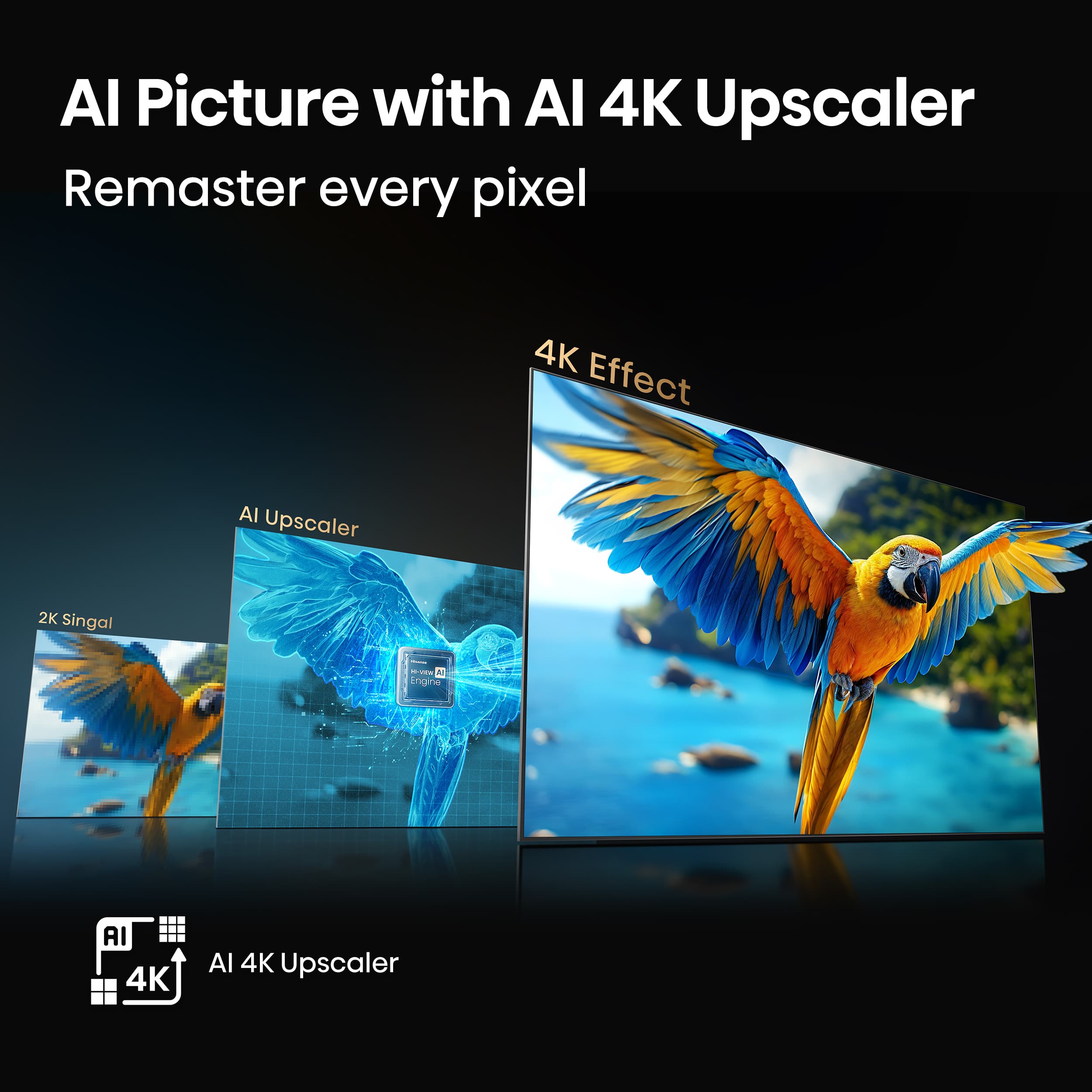
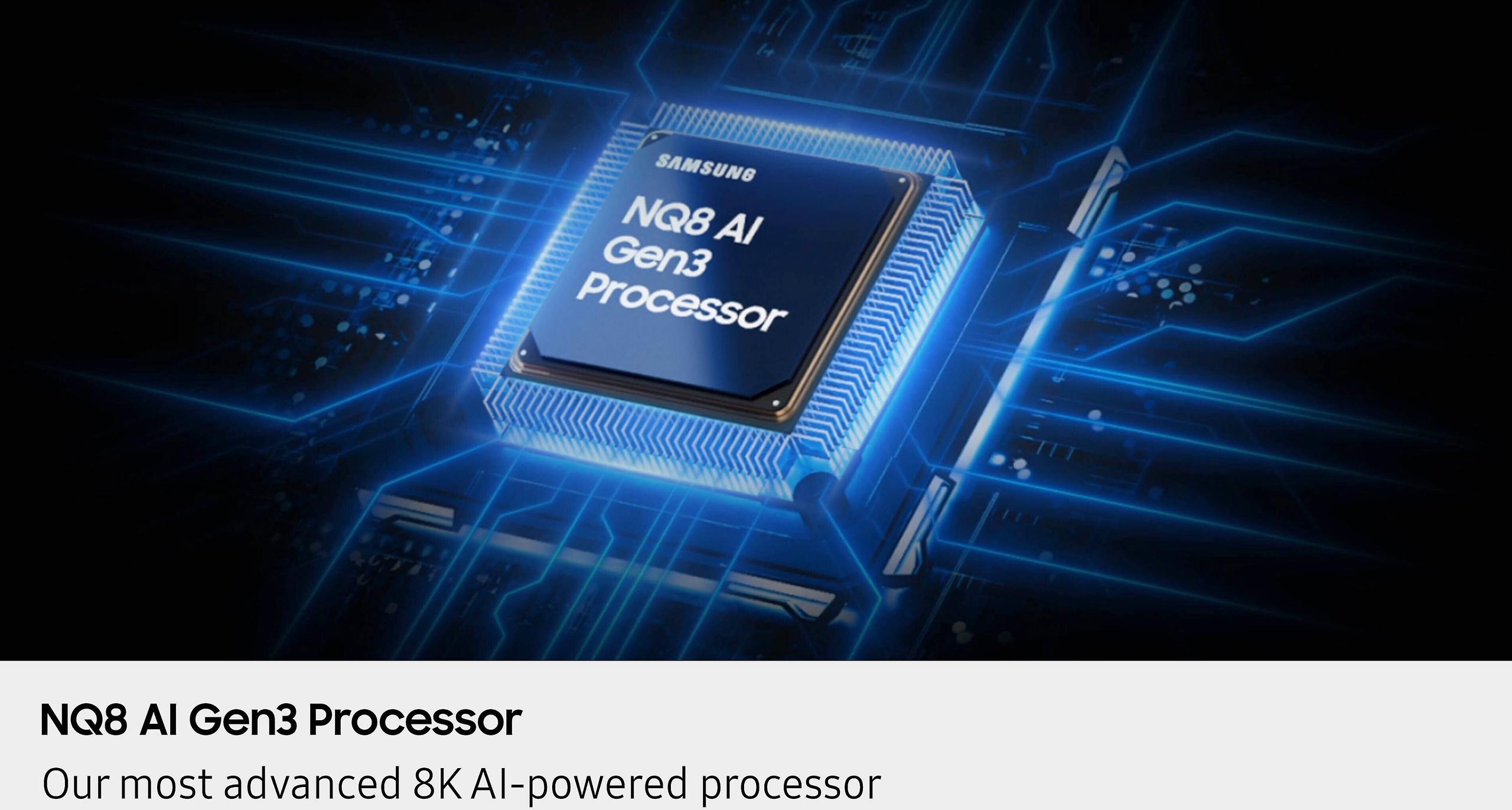
The resolution difference is equally important. 4K displays like the Hisense QD6 pack about 8.3 million pixels, which already delivers incredibly sharp images at typical viewing distances. 8K displays in the Samsung QN990F quadruple that to 33 million pixels, though native 8K content remains scarce. The real benefit comes from advanced upscaling—the process where the TV intelligently fills in extra detail when showing lower-resolution content.
Picture quality separates these TVs most dramatically. Our research into expert reviews and user feedback reveals stark performance differences across multiple metrics.
Peak brightness determines how impactful HDR (High Dynamic Range) content appears. HDR works by expanding the range between the darkest blacks and brightest whites, creating more lifelike images. However, this only works effectively when your TV can actually produce those bright highlights.
The Hisense QD6 reaches approximately 385 cd/m² (candelas per square meter—a measure of brightness), which handles moderately lit rooms adequately but struggles in bright environments. More critically, it lacks local dimming zones. When a bright star appears in a dark space scene, the entire screen brightens slightly to accommodate that highlight, washing out what should be deep black space around it.
Professional reviews consistently praise the Samsung QN990F for delivering significantly higher peak brightness through its Mini-LED system. Those thousands of individual zones mean a bright explosion in an action movie doesn't affect the darkness of shadows elsewhere on screen. This precision creates the dramatic contrast that makes HDR content truly impressive.
For home theater enthusiasts, this difference becomes crucial. A dark basement setup can somewhat mask the Hisense QD6's contrast limitations, but any ambient light reveals the compromises. The Samsung QN990F maintains deep blacks and bright highlights simultaneously, regardless of room lighting.
Color reproduction involves two main factors: how many different colors the TV can display (color gamut) and how accurately it reproduces them (color accuracy). The Hisense QD6 covers about 90% of the DCI-P3 color space—the standard used for most HDR content. That's genuinely impressive for its price tier and creates noticeably more vibrant colors than basic LED TVs.
However, our analysis of professional calibration data shows the Samsung QN990F achieving wider color gamut coverage with superior accuracy across the entire spectrum. This means skin tones appear more natural, landscapes look more realistic, and animated content pops with appropriate vibrancy without appearing oversaturated.
The quantum dot enhancement in both TVs works similarly—these microscopic crystals convert blue LED light into precise red and green wavelengths. But the Samsung QN990F's more advanced processing and calibration deliver noticeably superior results in side-by-side comparisons.
The resolution debate extends beyond simple pixel counting. Most content remains 4K or lower, making upscaling algorithms crucial for daily viewing.
The Hisense QD6 employs AI 4K upscaling that analyzes content to sharpen edges and enhance textures. User reports suggest it handles standard streaming content well, making HD Netflix shows appear crisp and detailed on the large 65-inch screen. However, low-quality sources like compressed video calls or older content can still appear soft.
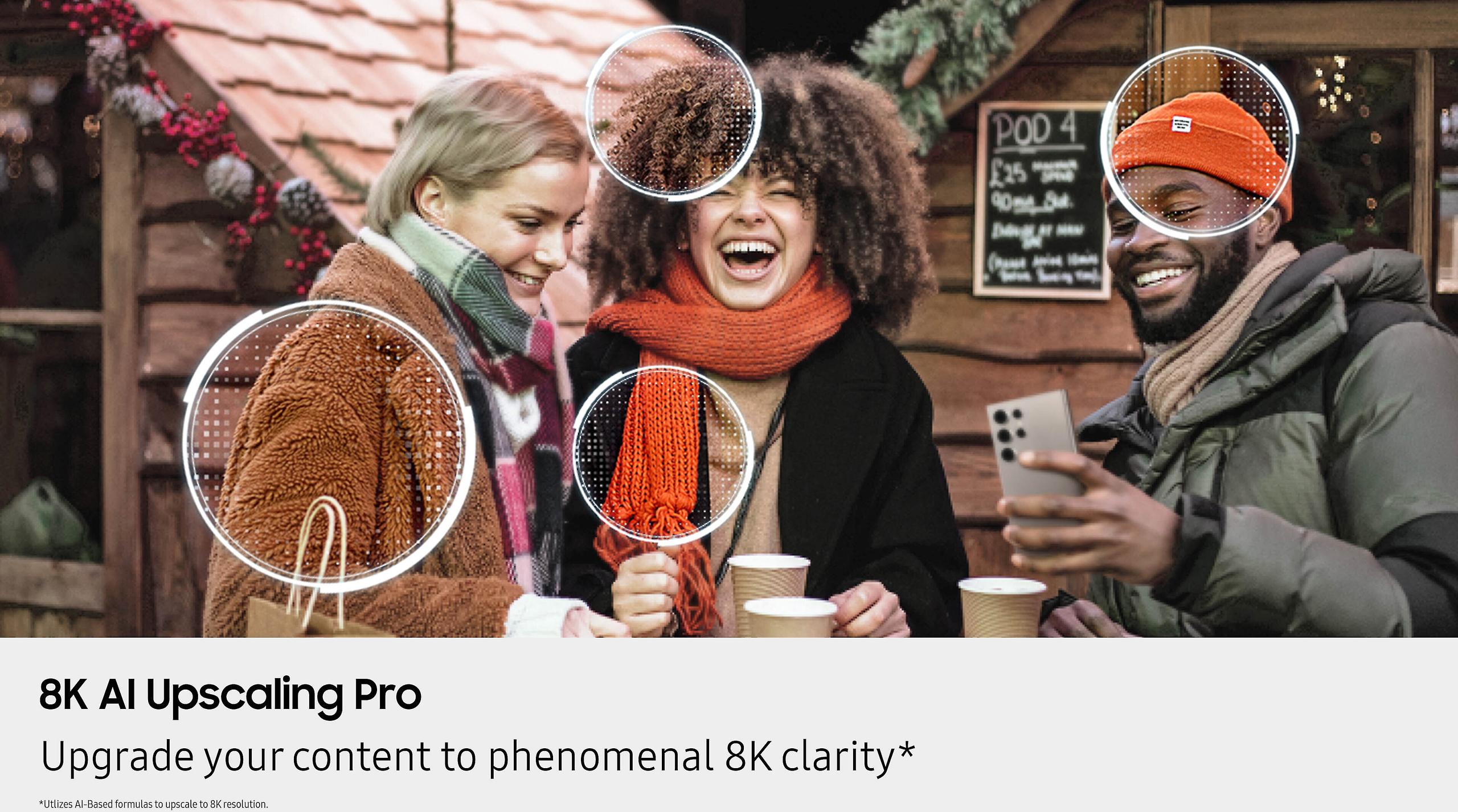
The Samsung QN990F's 8K AI Upscaling Pro utilizes 768 neural networks—essentially AI processing units trained on millions of images to recognize and enhance specific types of content. This creates dramatically sharper upscaling performance. Reviews consistently note that even standard HD cable programming appears remarkably detailed, approaching native 4K quality in many scenes.
For practical viewing, this means the Samsung QN990F makes all your existing content look better, while the Hisense QD6 provides adequate upscaling that won't disappoint casual viewers but may leave videophiles wanting more detail.
The 8K native resolution advantage remains theoretical for most users. Native 8K content exists primarily in tech demos and select YouTube videos. However, the superior processing power required for 8K upscaling creates benefits even with 4K content, resulting in sharper text, cleaner gradients, and reduced compression artifacts.
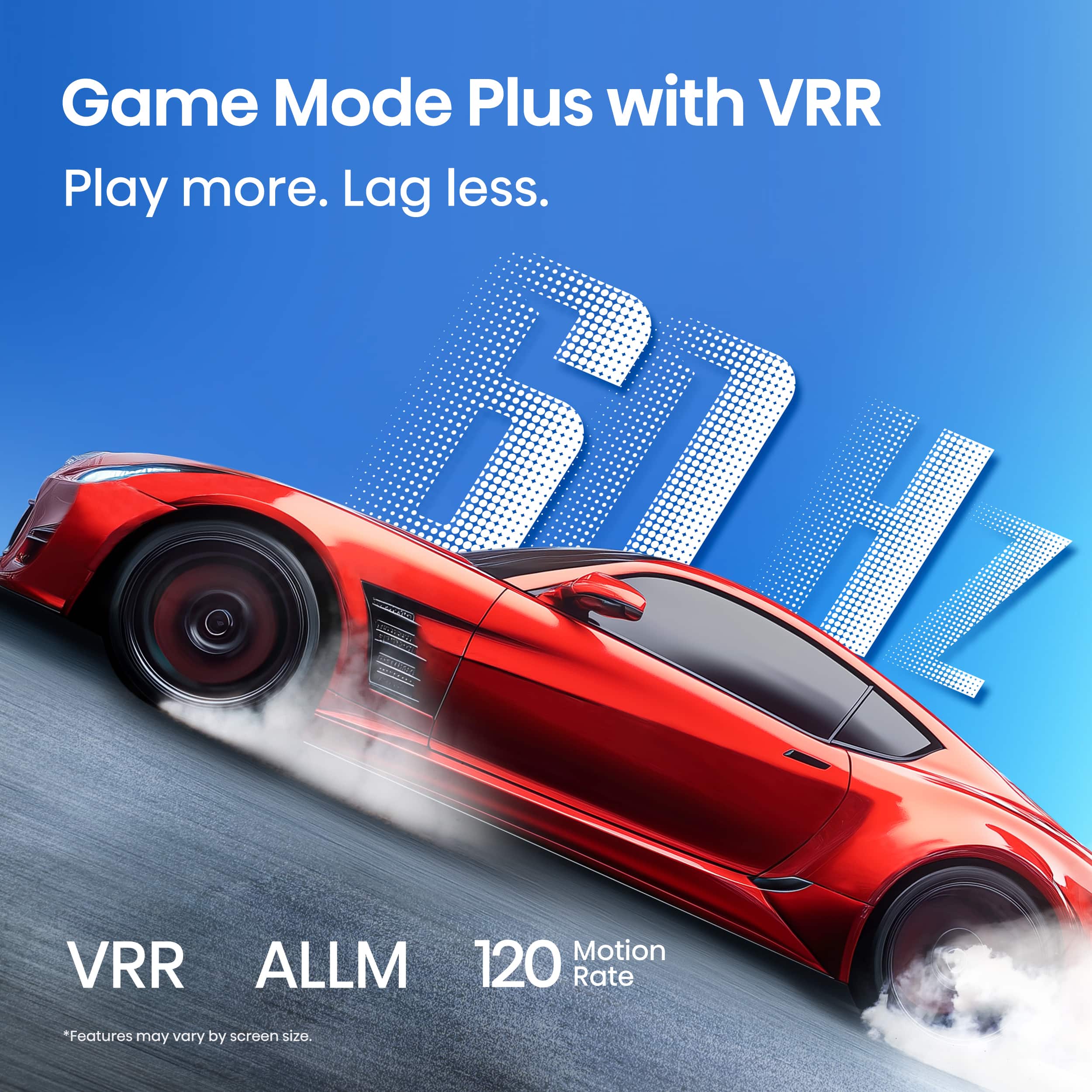
Gaming capabilities have become increasingly important as console gaming pushes higher frame rates and resolutions. Both TVs support Variable Refresh Rate (VRR) and Auto Low Latency Mode (ALLM)—technologies that eliminate screen tearing and reduce input delay when gaming.
The Hisense QD6 maxes out at 60Hz refresh rate with approximately 10ms input lag in Game Mode. This works fine for casual gaming and older consoles, but creates limitations with modern systems. When your PlayStation 5 or Xbox Series X drops from 60fps to 45fps during intensive scenes, you'll notice screen tearing since the TV can't adjust its refresh rate fast enough.
Gaming reviews highlight the Samsung QN990F's Motion Xcelerator 240Hz as a significant advantage. This technology enables refresh rates up to 240Hz at 4K resolution, creating buttery-smooth motion in supported games. Even when games don't hit those extreme frame rates, the additional headroom means VRR works more effectively across a wider range of performance scenarios.
For competitive gaming, input lag becomes critical—the delay between pressing a controller button and seeing the result on screen. While both TVs achieve acceptably low lag in Game Mode, the Samsung QN990F's advanced processing maintains low latency while preserving more picture quality features that typically get disabled in game modes.
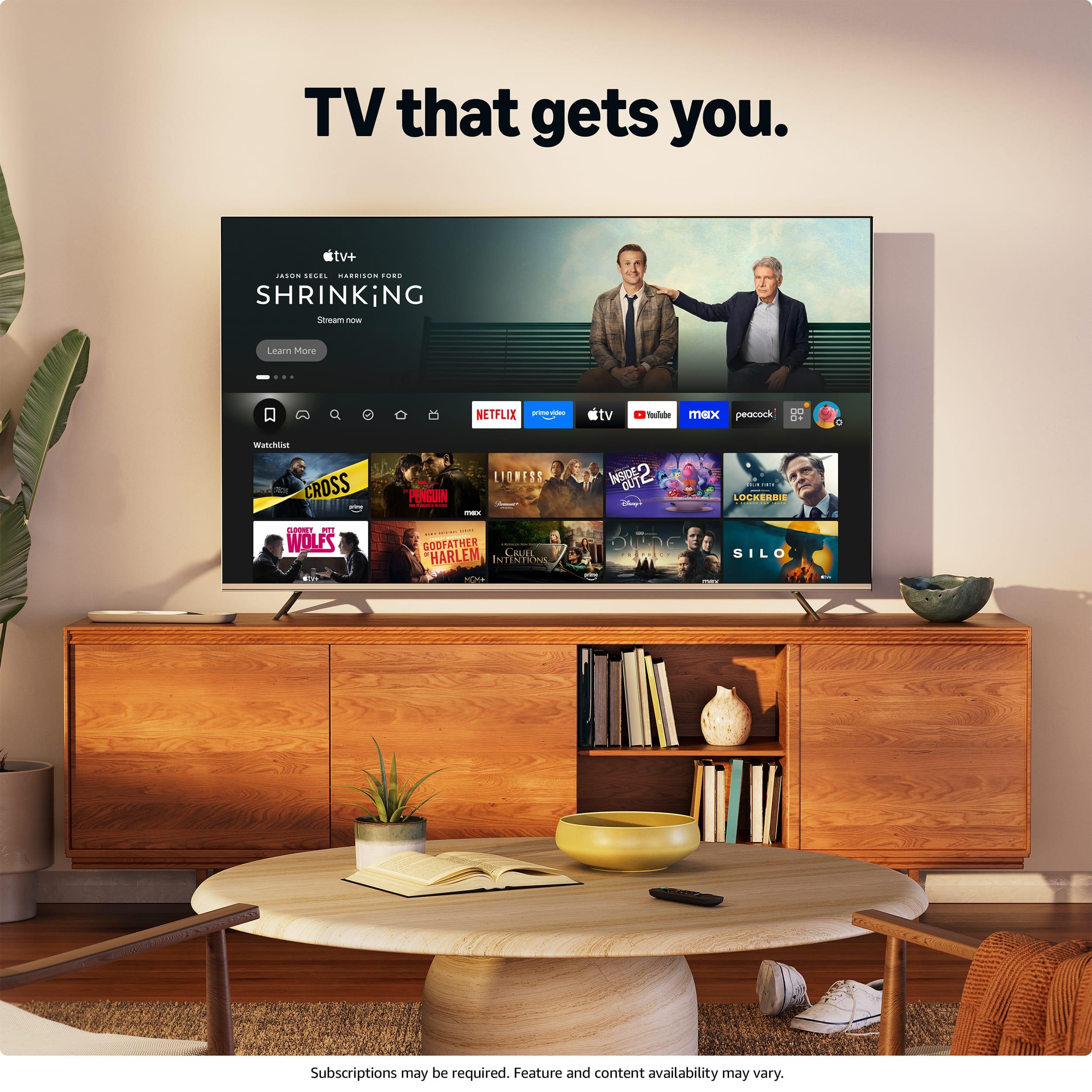
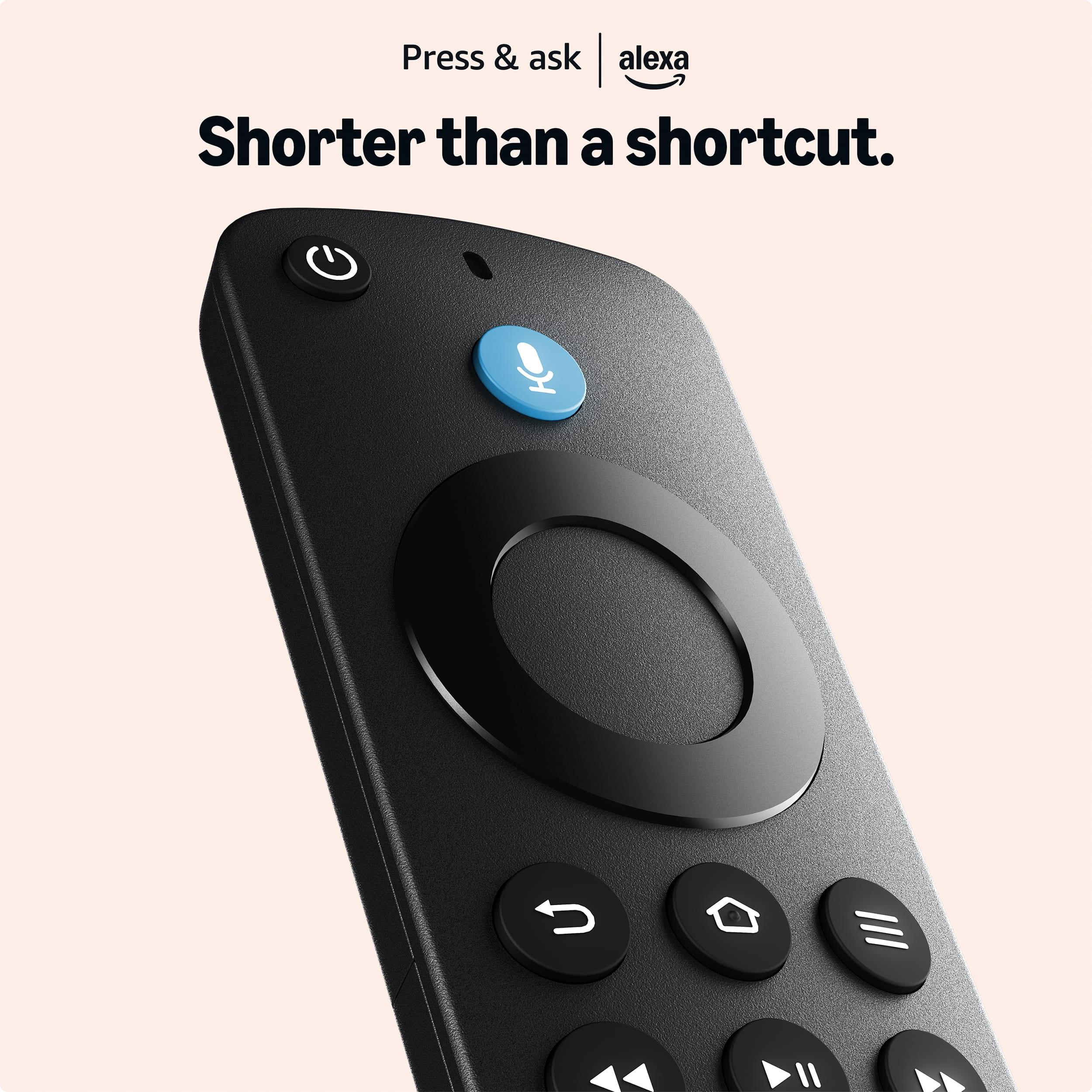
The software experience deserves consideration since you'll interact with it daily. The Hisense QD6 runs Amazon's Fire TV platform, which provides excellent streaming app support and tight integration with Alexa voice commands. The interface feels familiar to anyone who's used a Fire TV stick, with predictable navigation and reliable performance.
Fire TV's strength lies in content discovery and Amazon ecosystem integration. If you're already invested in Amazon Prime Video, Audible, or other Amazon services, the Hisense QD6 creates a seamless experience. However, some users report occasional menu lag and slower app loading compared to higher-end platforms.
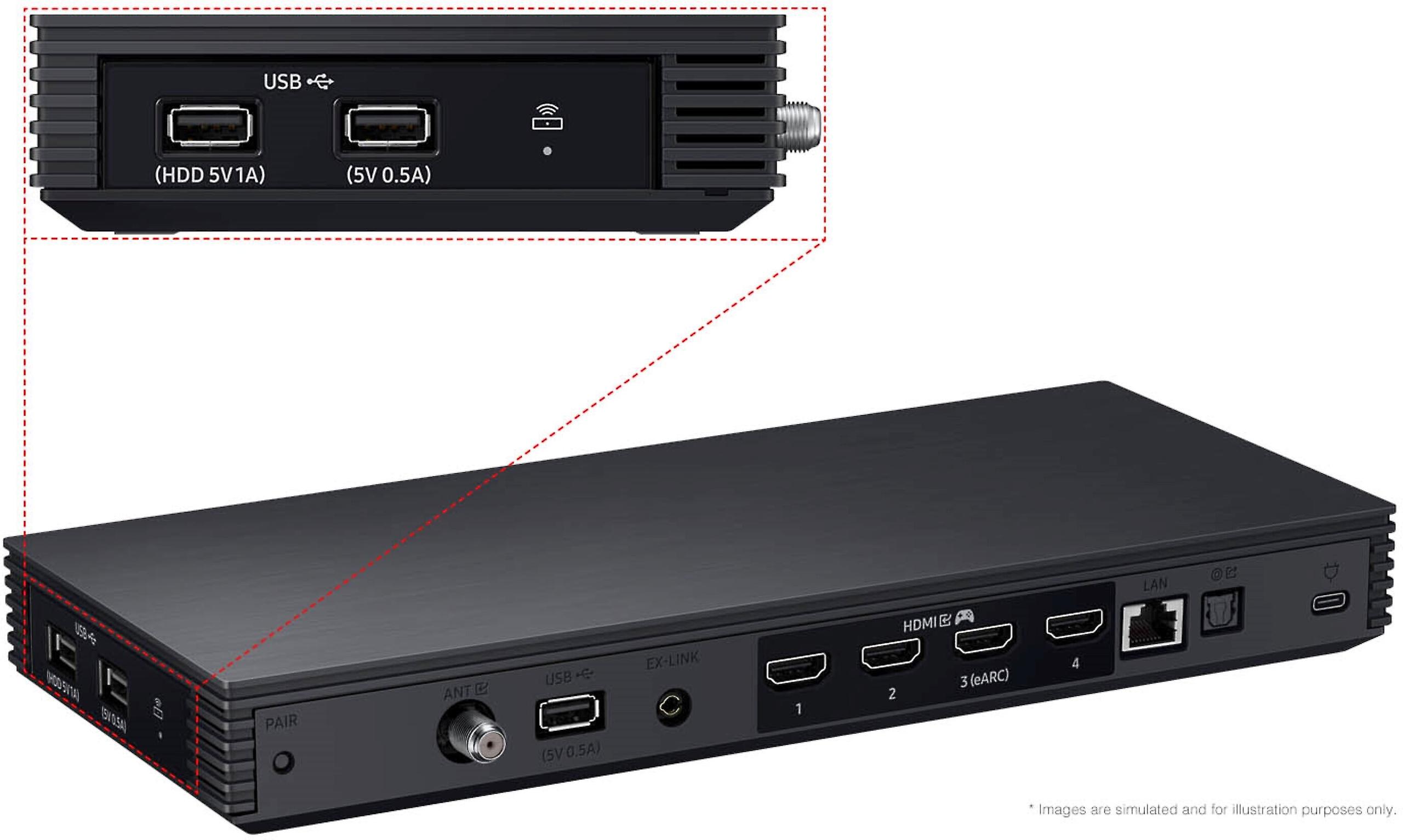
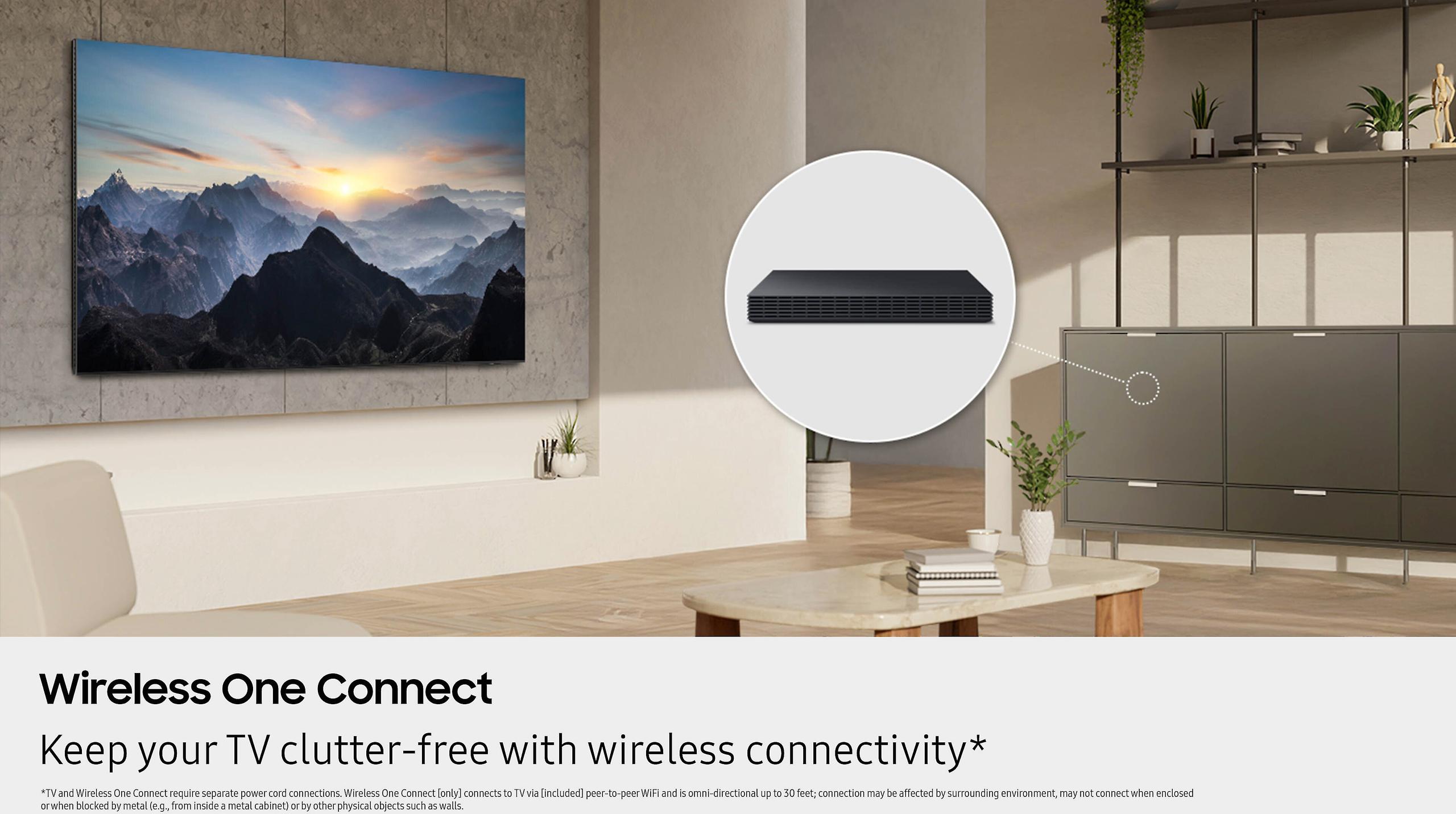
The Samsung QN990F runs Samsung's Tizen-based Smart TV platform, which has evolved significantly over recent years. The interface feels more premium with smoother animations and faster response times, befitting the higher-end hardware. Samsung's platform also includes unique features like wireless connectivity to external devices through the One Connect box—eliminating cable clutter by connecting your cable box, gaming consoles, and other devices wirelessly.
For home theater setups where you might prefer external streaming devices anyway, the platform differences matter less. But for users who plan to rely primarily on built-in smart features, the Samsung QN990F's superior processing power creates a noticeably more responsive experience.
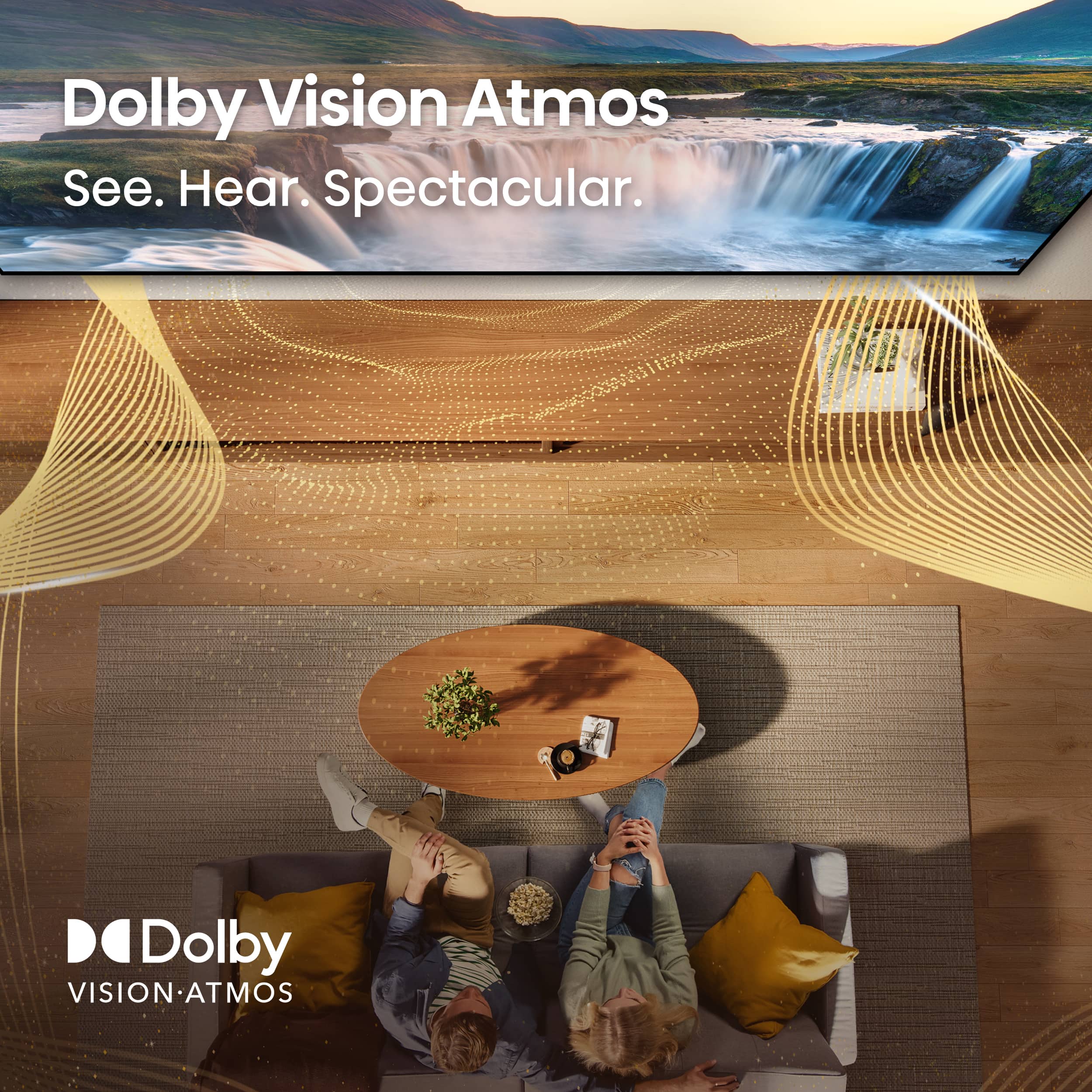
Both TVs include Dolby Atmos support, but implement it differently. Dolby Atmos creates three-dimensional soundscapes by bouncing audio off your ceiling and walls, making helicopter sounds appear to move overhead or footsteps seem to travel across the room.
The Hisense QD6 provides basic Dolby Atmos processing through its built-in speakers, which creates some spatial audio effects but lacks the dedicated hardware for truly immersive experiences. For its price point, the audio quality exceeds expectations and works well for casual viewing.
The Samsung QN990F features Object Tracking Sound Pro with dedicated upward-firing speakers and more sophisticated processing. Reviews consistently praise its ability to match audio positioning with on-screen action—explosions seem to emanate from their visual location, and dialogue follows characters as they move across the screen.
Home theater enthusiasts will likely add external sound systems regardless of built-in capabilities, but for users planning to rely on TV audio, the Samsung QN990F's superior implementation creates substantially more engaging experiences.
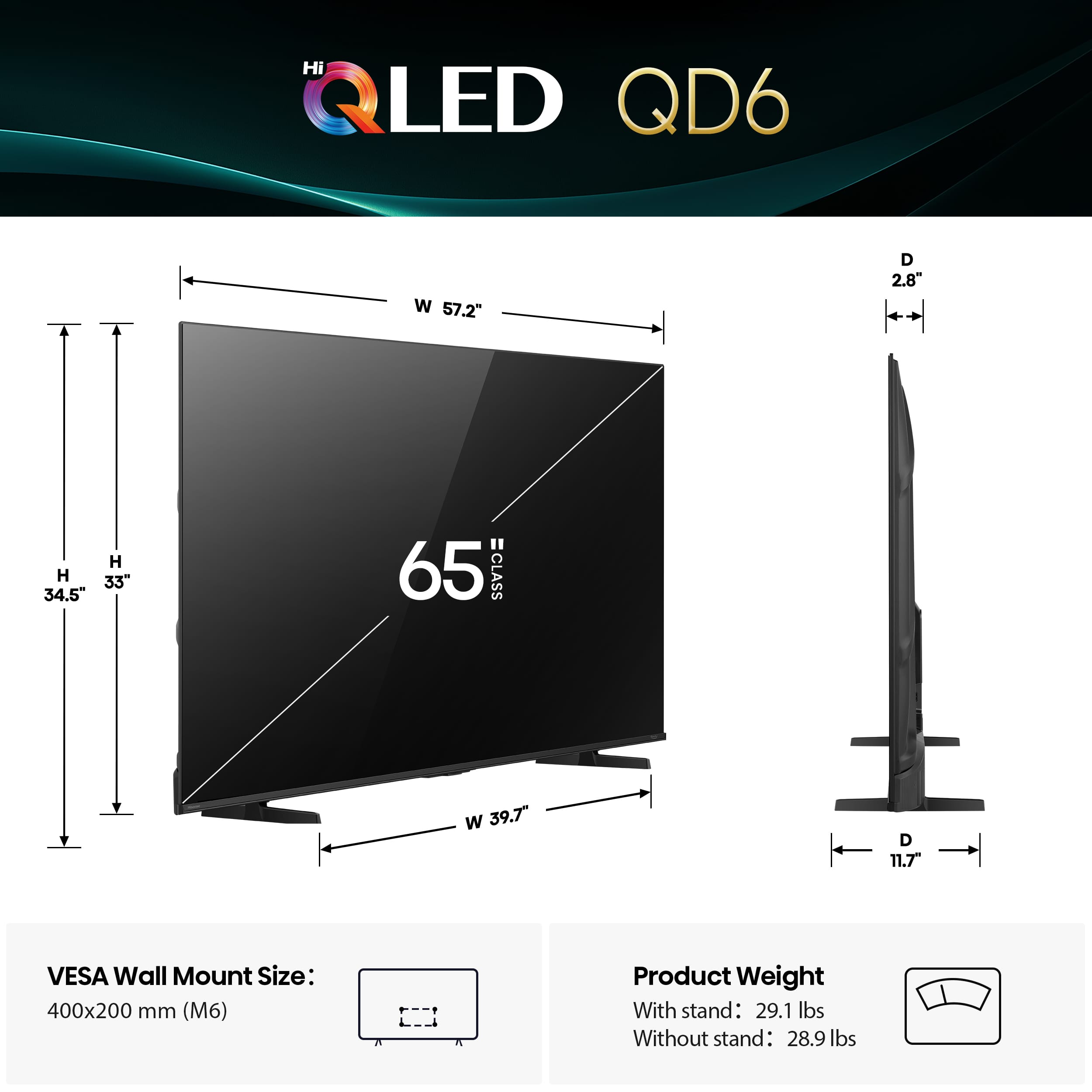
Physical construction reveals each manufacturer's priorities. The Hisense QD6 employs a straightforward design with a thicker profile typical of budget LED TVs. The build quality feels solid without being premium, with plastic construction that assembles easily and includes well-designed feet that don't require multiple people for setup.
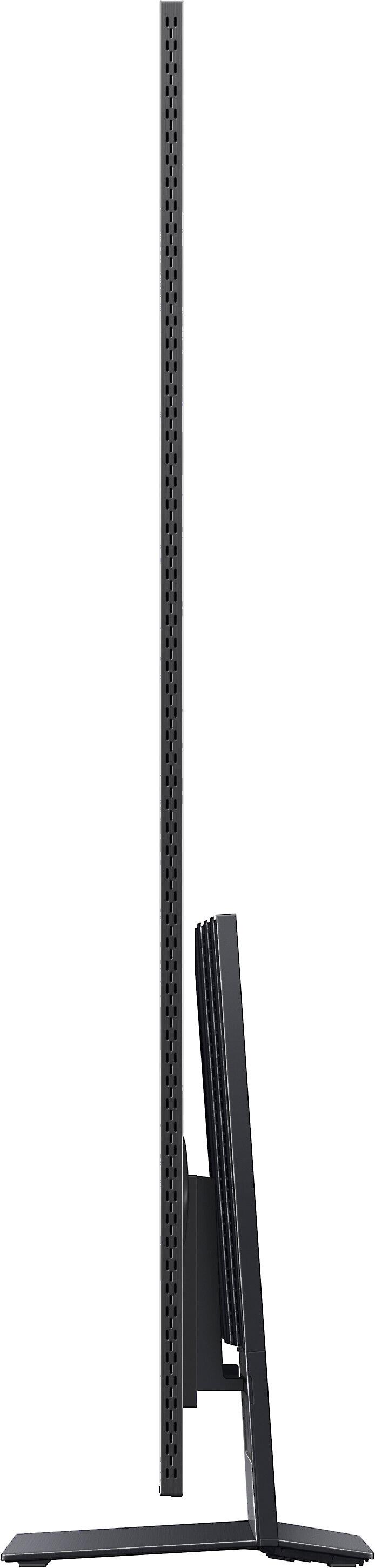
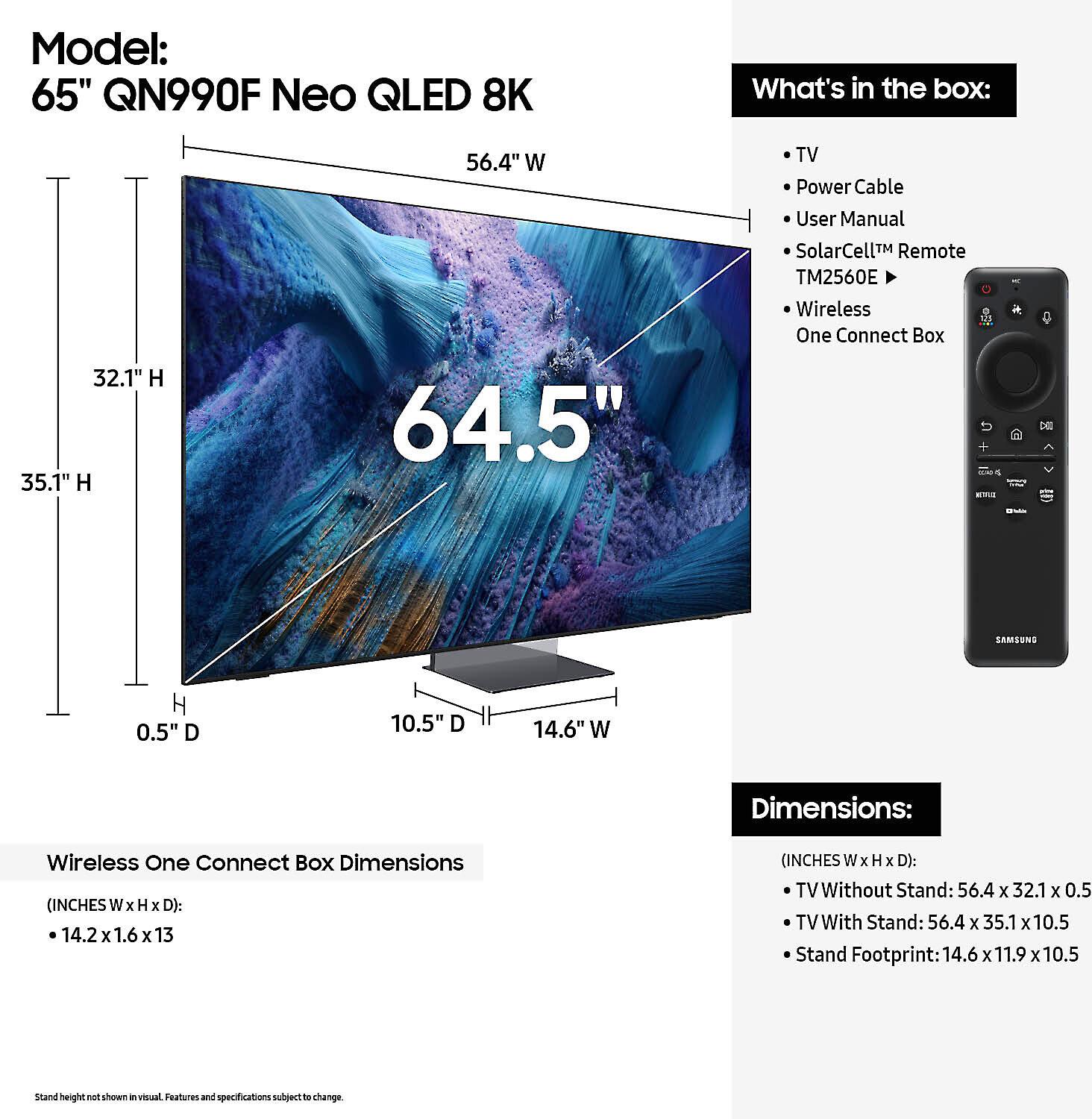
The Samsung QN990F showcases premium design elements including a nearly edgeless display, metal frame construction, and sophisticated cable management through the wireless One Connect system. This creates installation flexibility—you can mount the ultra-thin display on the wall while keeping all input devices up to 30 feet away in a hidden cabinet.
For living room aesthetics, these differences matter significantly. The Hisense QD6 looks like a TV—functional but obvious. The Samsung QN990F aims to disappear into premium interior design with minimal visual distraction from the viewing experience.
At the time of writing, these TVs occupy completely different price tiers, with the Samsung QN990F costing roughly 15 times more than the Hisense QD6. This dramatic price difference requires careful consideration of the performance improvements you actually receive.
The Hisense QD6 delivers exceptional value by including quantum dot color enhancement, modern smart TV features, and basic gaming capabilities at a budget-friendly price. For many viewers—particularly those upgrading from older 1080p TVs—the picture quality improvement feels dramatic and satisfying.
However, the Samsung QN990F provides quantitatively superior performance across every metric. The Mini-LED backlighting, 8K resolution, advanced gaming features, and premium build quality create an experience that's genuinely different, not just incrementally better.
The value calculation depends entirely on your priorities and budget constraints. If you're seeking the largest possible screen within a tight budget, the Hisense QD6 maximizes screen real estate while providing modern features. If you're building a dedicated home theater or want cutting-edge performance regardless of cost, the Samsung QN990F justifies its premium through superior capabilities.
Choose the Hisense QD6 if you're upgrading from a smaller or older TV and want to experience quantum dot color enhancement without spending premium prices. It's ideal for casual viewers who primarily stream content in moderately lit rooms and don't require advanced gaming features. The Fire TV platform works particularly well if you're already invested in Amazon's ecosystem.
The Samsung QN990F makes sense for enthusiasts who prioritize absolute performance and can appreciate the technical improvements it provides. If you're building a dedicated home theater, frequently watch HDR content, engage in competitive gaming, or simply want the best available technology, the premium justifies itself through superior capabilities across every performance metric.
For most buyers, the Hisense QD6 provides an excellent balance of features and value that will satisfy daily viewing needs. The Samsung QN990F targets the minority of users who prioritize cutting-edge performance over cost considerations—but for those buyers, it delivers an genuinely superior experience that showcases what modern TV technology can achieve when budget constraints don't apply.
The decision ultimately depends on whether you view a TV as a functional appliance or a centerpiece technology investment. Both approaches have merit, and both TVs execute their respective visions successfully.
| Hisense 65" QD6 Series Hi-QLED Fire TV (2025) | Samsung 65" Neo QLED QN990F 8K Smart TV (2025) |
|---|---|
| Resolution - 8K provides future-proofing but limited current content | |
| 4K (3840 x 2160) with AI upscaling | 8K (7680 x 4320) with 768 neural network upscaling |
| Display Technology - Mini-LED offers superior contrast control | |
| Direct LED backlight with quantum dots | Quantum Matrix Mini-LED with thousands of zones |
| Peak Brightness - Critical for HDR impact and bright room viewing | |
| ~385 cd/m² (moderate rooms only) | Significantly higher with precise zone control |
| Refresh Rate - Higher rates reduce motion blur for sports and gaming | |
| 60Hz native (Motion Rate 120 interpolated) | Up to 240Hz at 4K with Motion Xcelerator |
| Local Dimming - Essential for true HDR contrast | |
| None (causes black level washout) | Full-array with thousands of Mini-LED zones |
| Color Gamut - Wider coverage creates more vibrant, accurate colors | |
| 90% DCI-P3 coverage | Superior coverage with advanced processing |
| Gaming Features - Modern consoles benefit from VRR and high refresh rates | |
| VRR, ALLM at 60Hz max, ~10ms input lag | VRR, ALLM up to 240Hz, advanced motion handling |
| Smart Platform - Daily interface experience and app ecosystem | |
| Fire TV with Alexa integration | Samsung Tizen with Bixby and wireless One Connect |
| Audio Technology - Dolby Atmos creates immersive 3D soundscapes | |
| Basic Dolby Atmos support | Object Tracking Sound Pro with dedicated top channels |
| Design Philosophy - Premium builds offer better aesthetics and flexibility | |
| Standard TV design with basic cable management | Nearly edgeless with wireless connectivity hub |
| HDR Support - Multiple formats ensure compatibility with streaming content | |
| Dolby Vision, HDR10+, HDR10, HLG | Advanced HDR processing with superior brightness |
| Connectivity - HDMI 2.1 enables full next-gen console features | |
| 4x HDMI 2.0, 2x USB 2.0, Wi-Fi 5 | Wireless One Connect with advanced connectivity |
| Target Audience - Understanding who each TV serves best | |
| Budget-conscious buyers wanting large quantum dot display | Premium enthusiasts prioritizing cutting-edge performance |
The Samsung QN990F delivers significantly superior picture quality with Mini-LED backlighting, 8K resolution, and higher peak brightness. However, the Hisense QD6 provides excellent value with quantum dot color enhancement at a much lower price point. For most viewers, the Hisense QD6 offers satisfying picture quality that represents exceptional value per dollar.
The Hisense QD6 features 4K resolution (8.3 million pixels) which provides sharp, detailed images for current content. The Samsung QN990F offers 8K resolution (33 million pixels) with advanced upscaling that makes even 4K content appear sharper. Since native 8K content is still rare, the main benefit comes from superior upscaling of existing HD and 4K sources.
The Samsung QN990F excels for gaming with up to 240Hz refresh rate, advanced VRR support, and superior motion handling. The Hisense QD6 provides basic gaming features with 60Hz, VRR, and ALLM that work well for casual gaming but may show limitations with demanding next-gen console games that benefit from higher refresh rates.
The Hisense QD6 runs Fire TV, offering excellent streaming app support and seamless Amazon ecosystem integration with Alexa voice control. The Samsung QN990F features Samsung's Tizen platform with faster performance, smoother interface, and unique wireless connectivity features through the One Connect box.
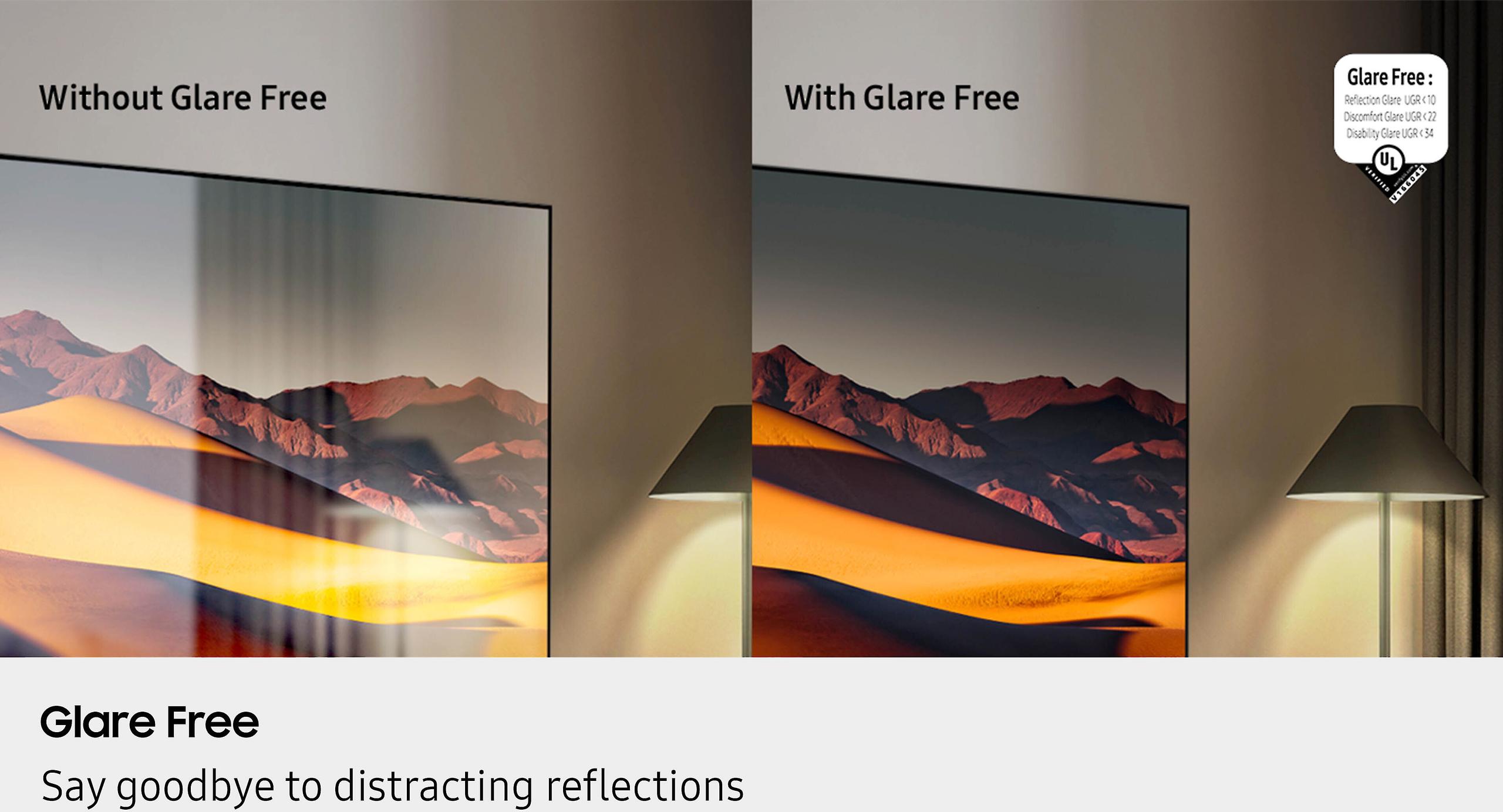
The Samsung QN990F handles bright rooms significantly better with higher peak brightness and glare-free screen technology that virtually eliminates reflections. The Hisense QD6 works adequately in moderately lit rooms but struggles with direct sunlight or very bright ambient lighting conditions.
Both TVs support Dolby Vision and HDR10+ formats, but the Samsung QN990F delivers dramatically better HDR impact through higher peak brightness and precise local dimming zones. The Hisense QD6 lacks local dimming, causing bright HDR highlights to wash out dark areas of the screen, reducing overall contrast effectiveness.
For dedicated home theater setups, the Samsung QN990F provides superior contrast, brightness, and processing that maximizes the controlled lighting environment. However, the Hisense QD6 can work well in darker home theater rooms where its contrast limitations are less noticeable, offering significant savings for budget-conscious theater builders.
The Samsung QN990F features Object Tracking Sound Pro with dedicated upward-firing speakers and sophisticated 3D audio processing. The Hisense QD6 includes basic Dolby Atmos support that creates some spatial effects but lacks the hardware for truly immersive audio experiences that audiophiles expect.
The Samsung QN990F showcases premium construction with a nearly edgeless metal frame design and wireless One Connect system for clean cable management. The Hisense QD6 features solid but basic plastic construction with standard cable management, prioritizing functionality over premium aesthetics.
Modern gaming benefits from Variable Refresh Rate (VRR) and Auto Low Latency Mode (ALLM), which both the Hisense QD6 and Samsung QN990F support. However, the Samsung QN990F adds 240Hz capability and advanced motion processing that provides smoother gameplay, especially for competitive gaming scenarios.
Both TVs excel at streaming with comprehensive app support, but the Samsung QN990F provides superior upscaling that makes all content appear sharper and more detailed. The Hisense QD6 handles streaming content well with good color reproduction and adequate processing for casual viewing needs.
Choose the Hisense QD6 if you want a large quantum dot TV with modern smart features at an affordable price point for moderate lighting conditions. Select the Samsung QN990F if you prioritize cutting-edge picture quality, advanced gaming features, premium build quality, and can justify the significantly higher investment for superior performance across all metrics.
We've done our best to create useful and informative comparisons to help you decide what product to buy. Our research uses advanced automated methods to create this comparison and perfection is not possible - please contact us for corrections or questions. These are the sites we've researched in the creation of this article: pcvarge.com - bestbuy.com - rtings.com - youtube.com - rtings.com - youtube.com - consumerreports.org - leaseville.com - hisense-usa.com - device.report - hisense-usa.com - youtube.com - flatpanelshd.com - displayspecifications.com - retailspecs.com - samsung.com - abt.com - bestbuy.com - pcnation.com - samsung.com - videoandaudiocenter.com - exertisalmo.com - displayspecifications.com - theapplianceplug.com - news.samsung.com

Privacy Policy
Terms and Conditions - Affiliate Policy
Home Security
© Copyright 2008-2026.
11816 Inwood Rd #1211, Dallas, TX 75244