

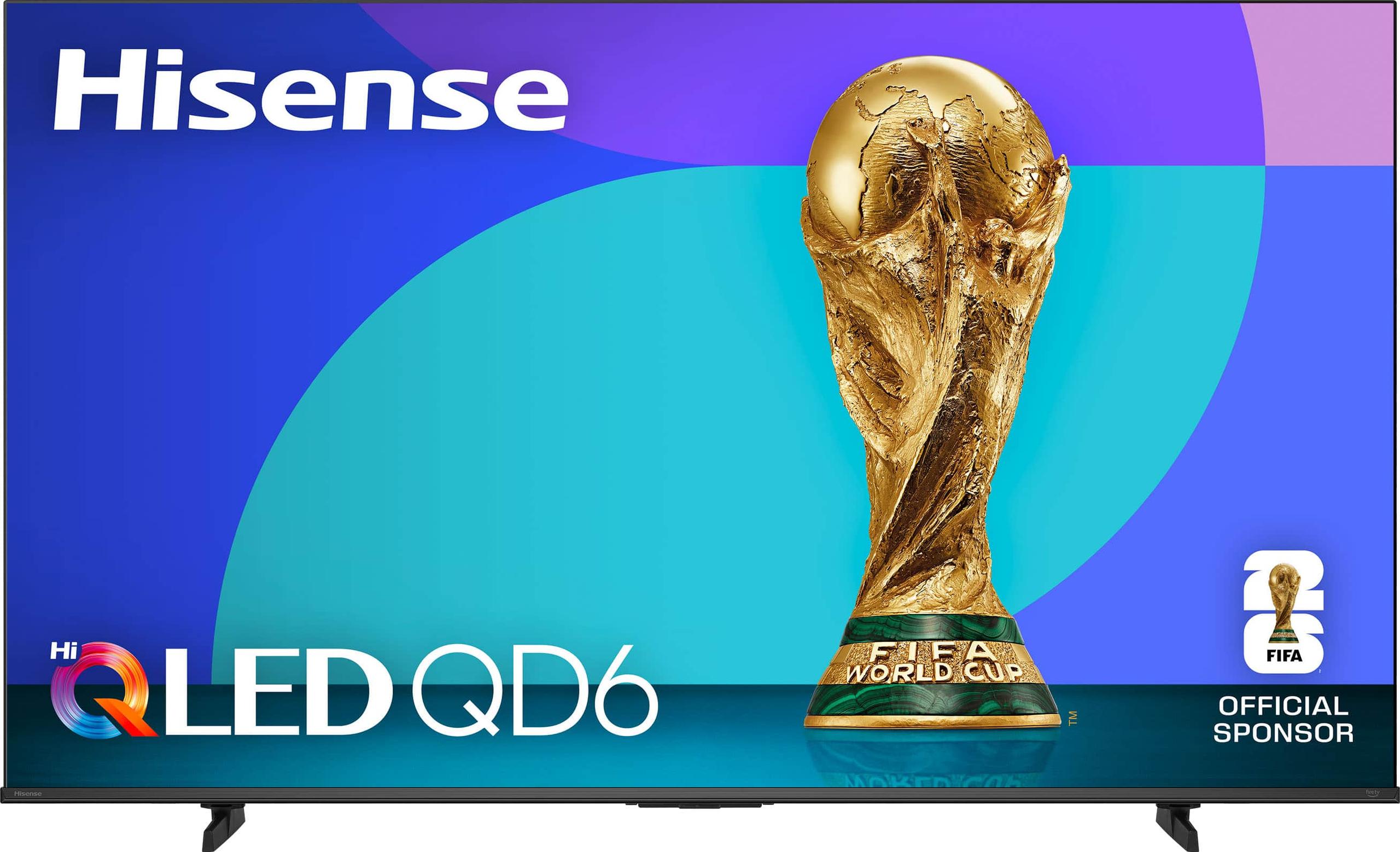

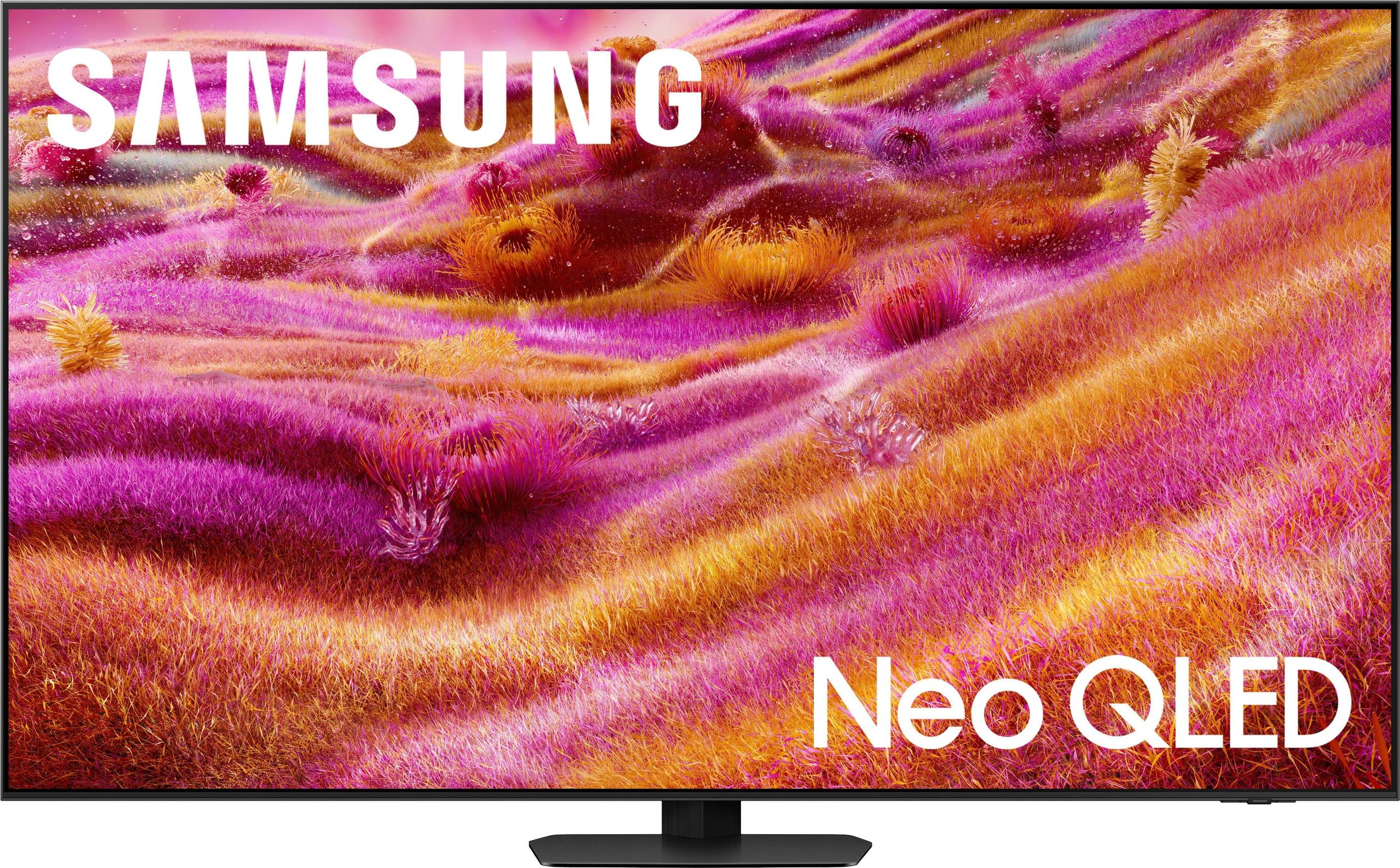
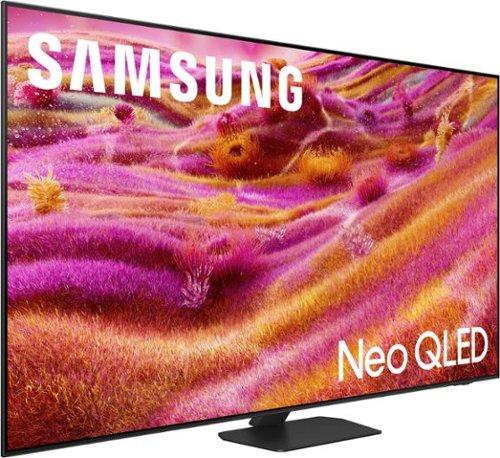
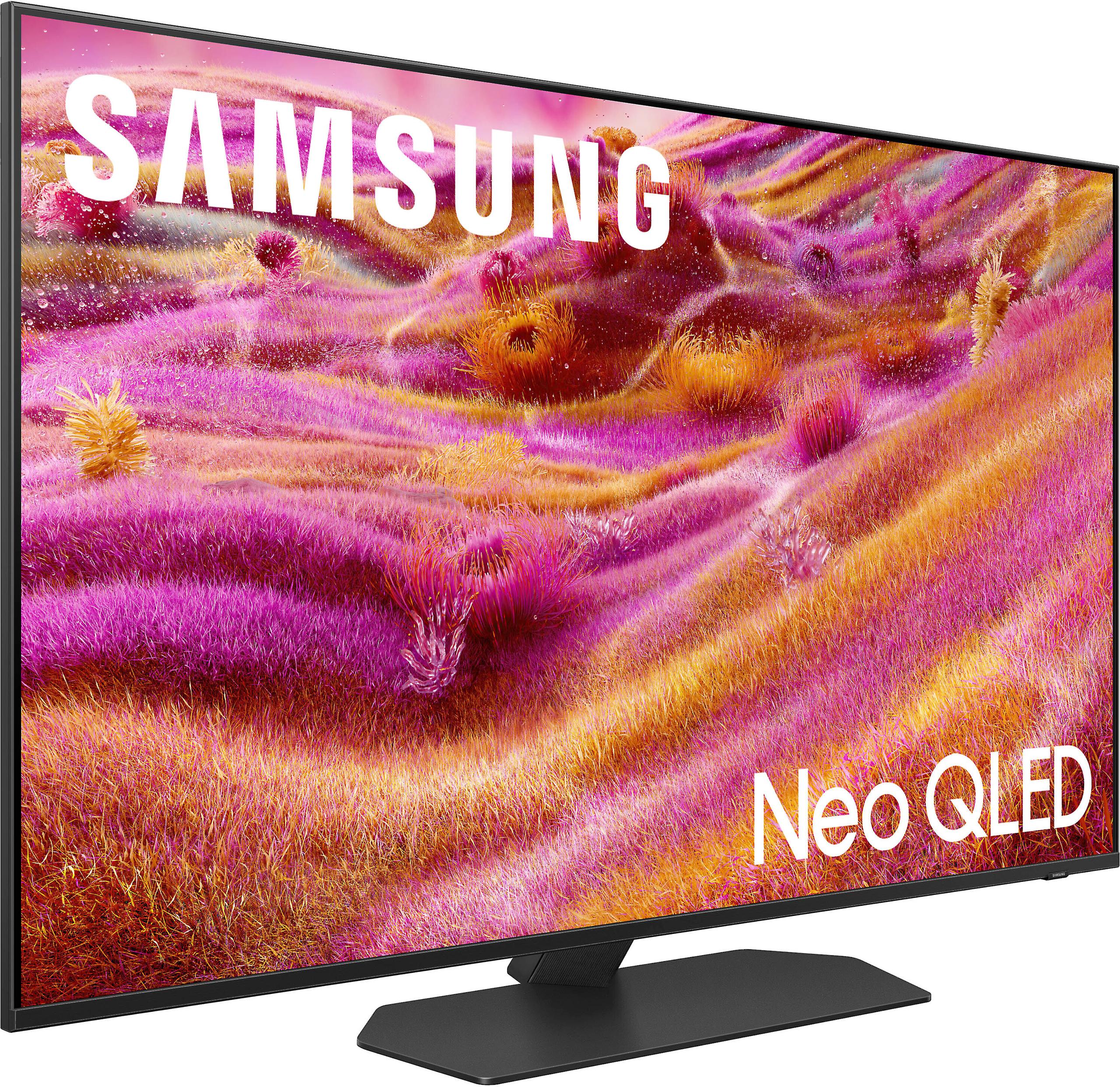
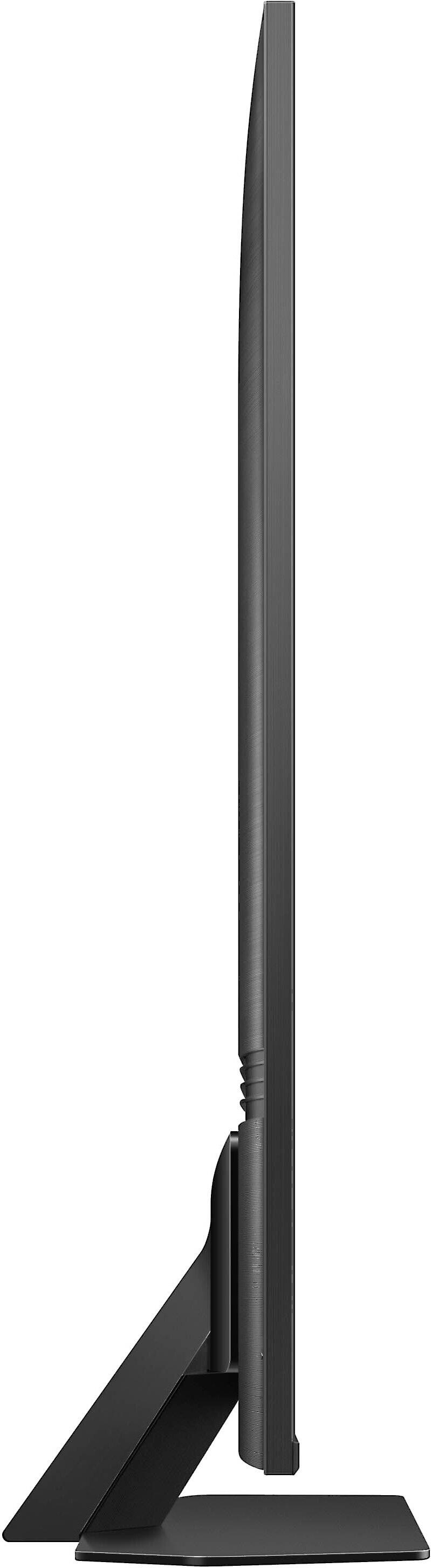
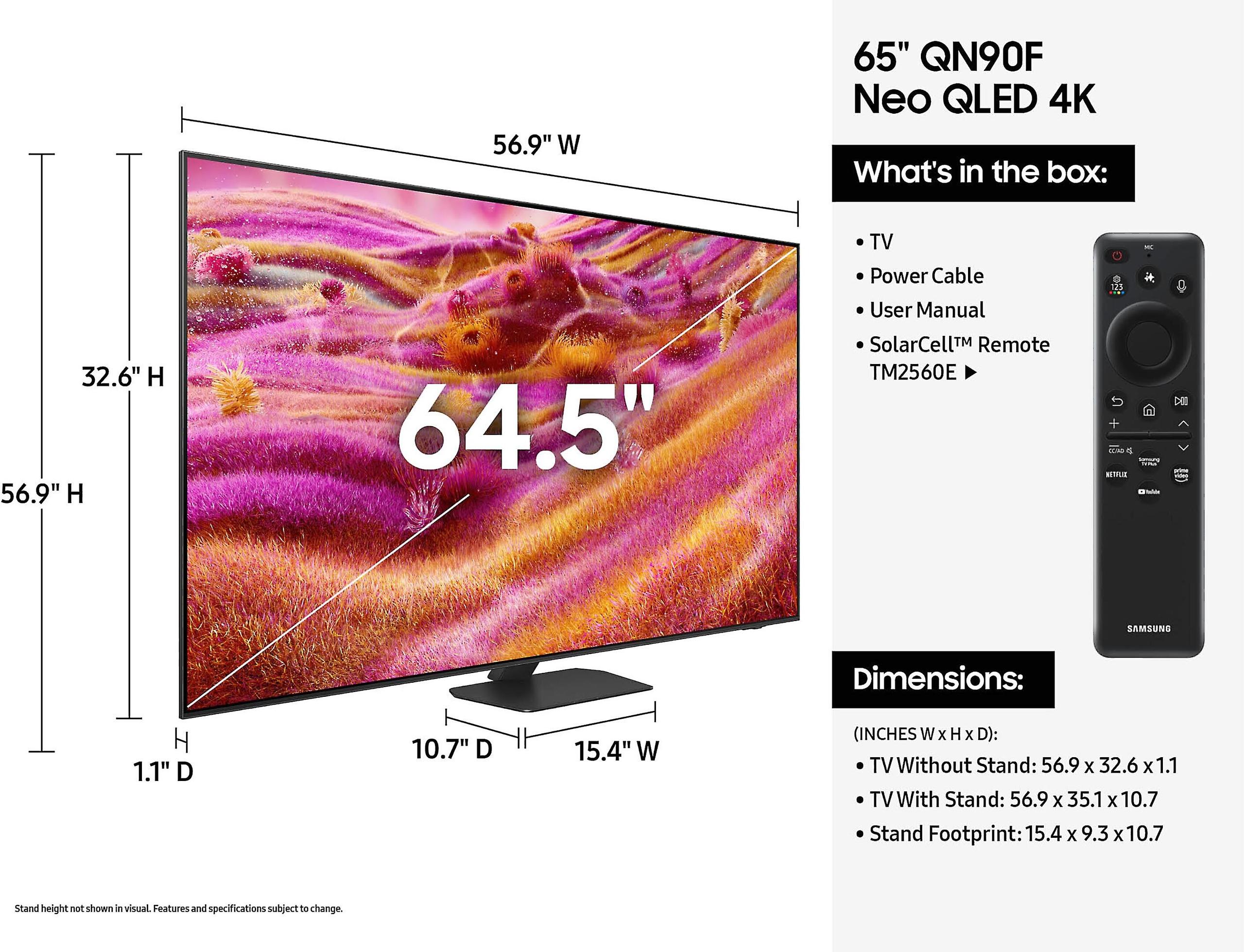
When shopping for a 65-inch 4K TV, you'll encounter an overwhelming range of options spanning from budget-friendly models around $400 to flagship units exceeding $2,000. The challenge isn't just finding something affordable—it's understanding what performance you're giving up or gaining at different price points. Today, we're comparing two TVs that perfectly illustrate this dilemma: the Hisense 65" QD6 Series Hi-QLED Fire TV and the Samsung 65" QN90F Neo QLED 4K Vision AI Smart TV.
What makes this comparison particularly interesting is that at the time of writing, these TVs are priced within just a few dollars of each other, despite representing entirely different performance tiers. This creates an unusual situation where a premium Mini-LED TV competes directly with an entry-level model on price alone.
Before diving into specifics, let's establish what actually matters when choosing a large 4K TV. Picture quality dominates everything else—specifically brightness, contrast, color accuracy, and how well the TV handles different lighting conditions in your room. Gaming capabilities have become increasingly important as more people use their TVs with PlayStation 5, Xbox Series X, or gaming PCs. Smart platform reliability affects your daily experience, while build quality determines how long your investment lasts.
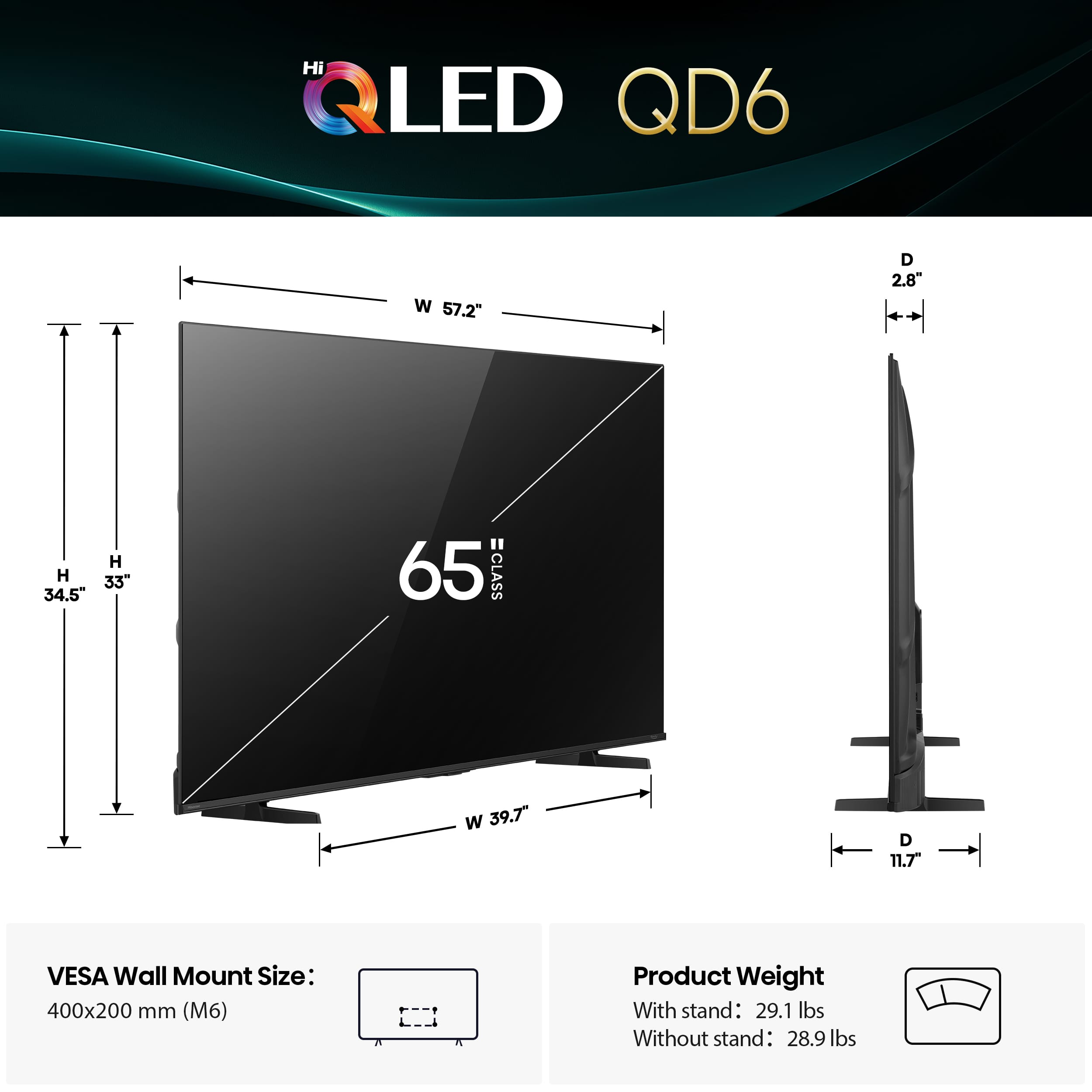
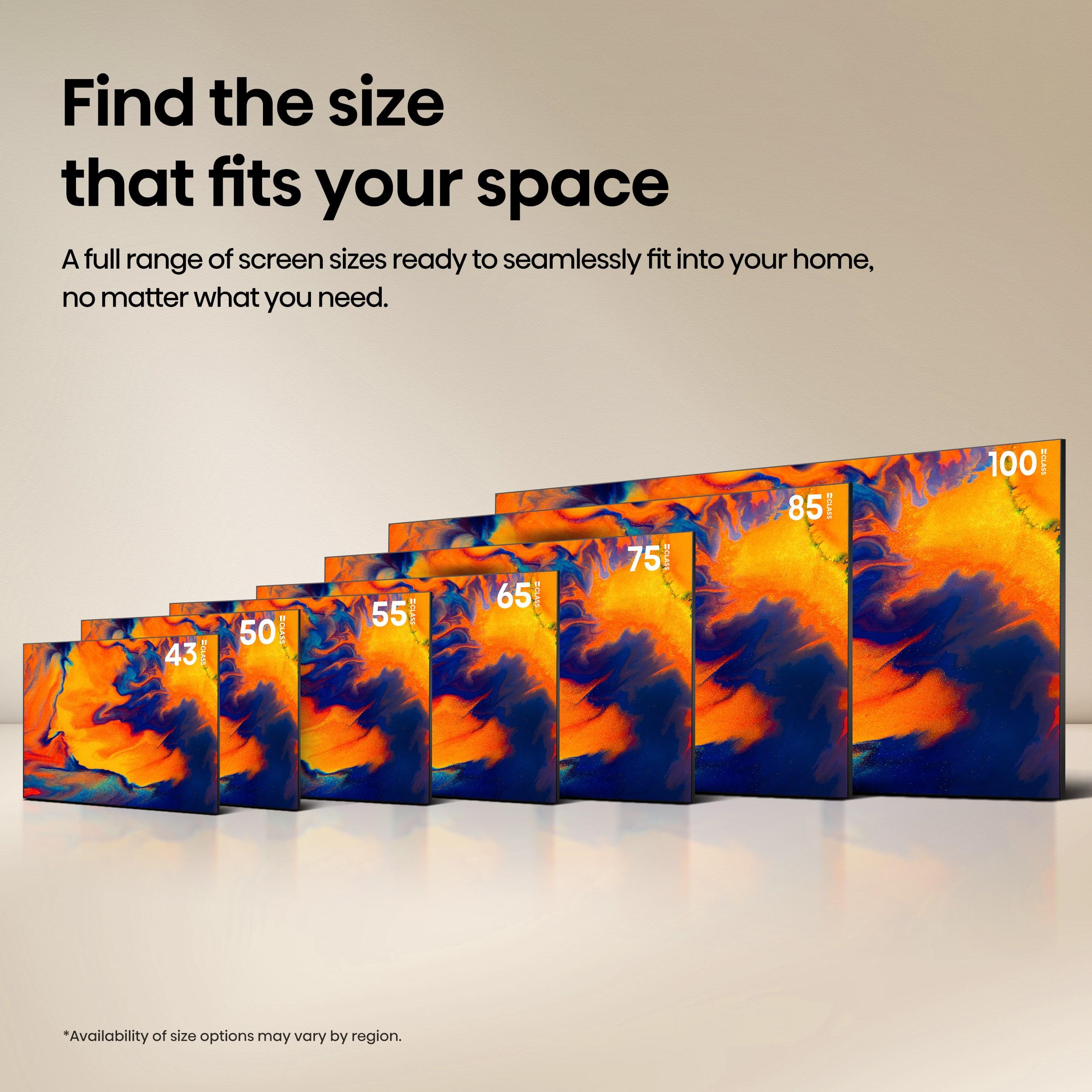
The 65-inch size hits a sweet spot for most living rooms, providing an immersive experience without overwhelming smaller spaces. However, larger screens also reveal flaws more easily, making picture quality even more critical than with smaller TVs.
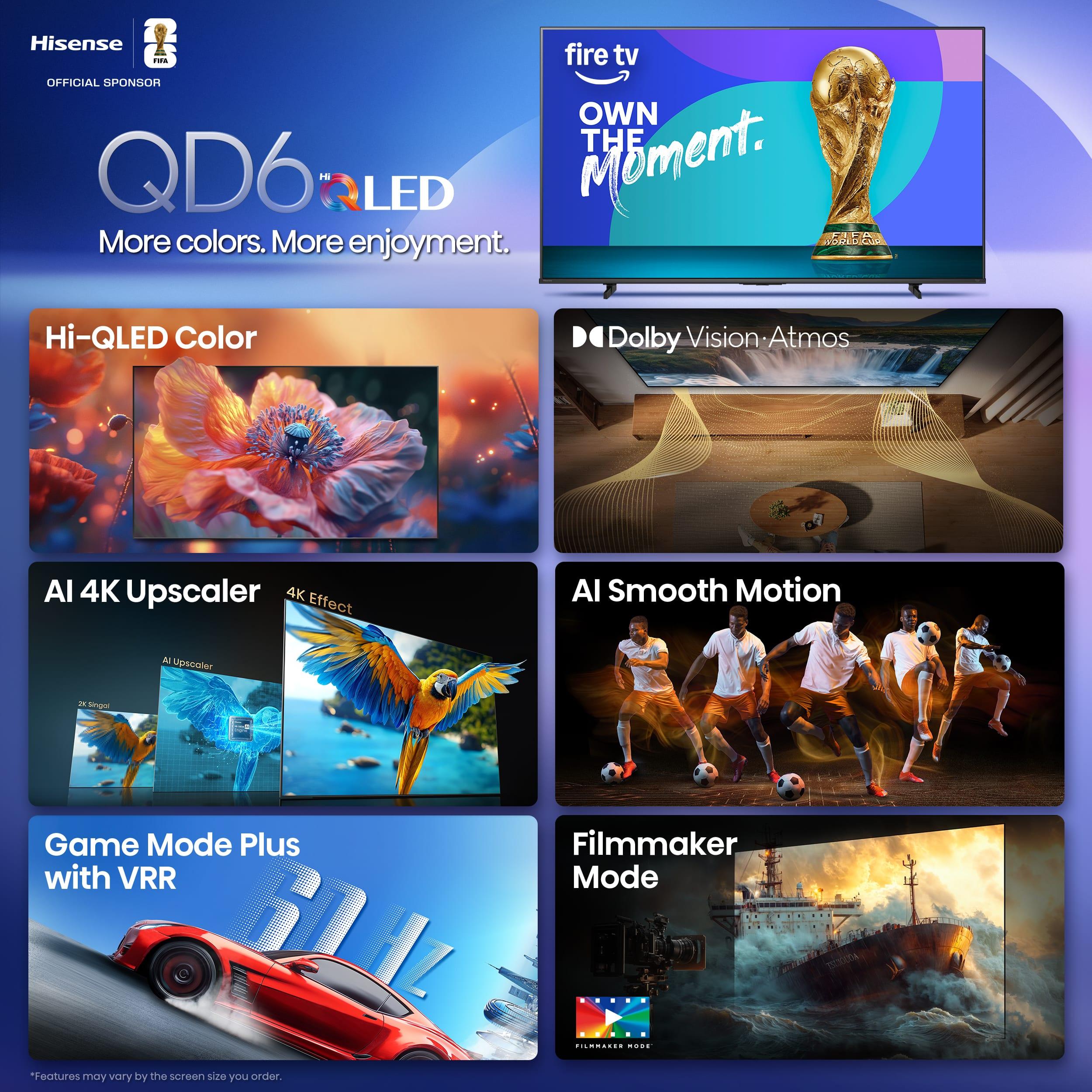
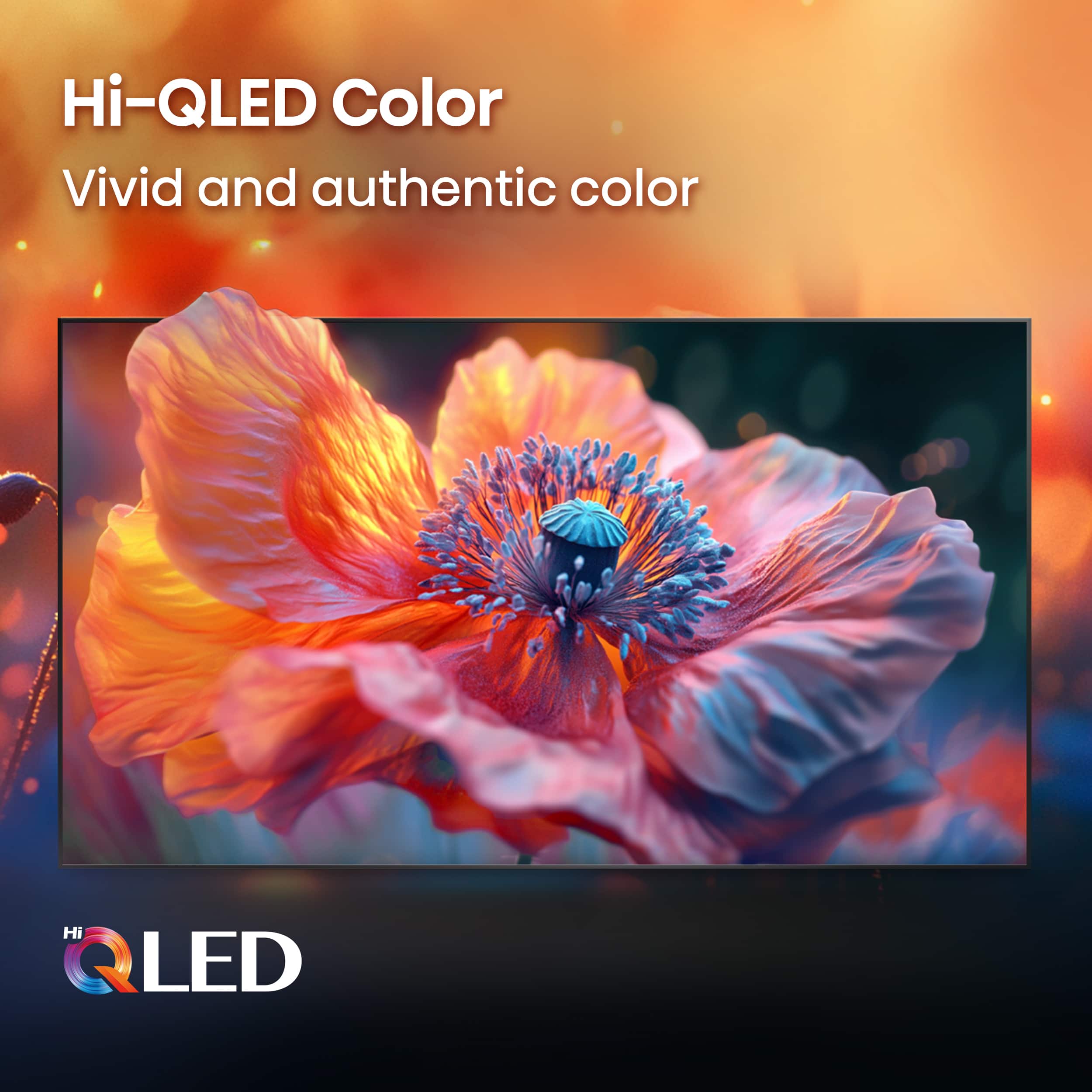
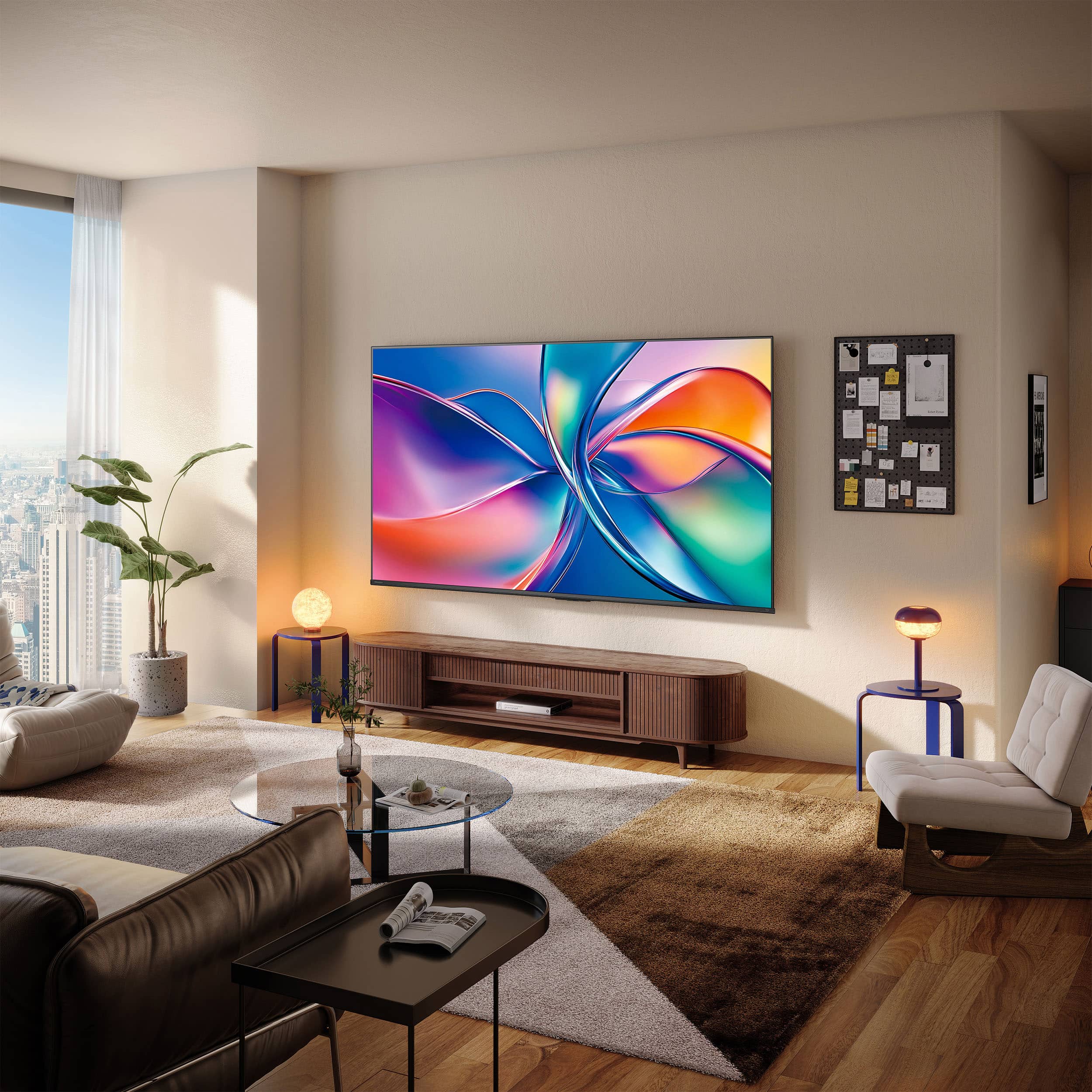
The Hisense QD6QF, released in 2025, represents the budget-friendly approach to large screen entertainment. It uses Hi-QLED technology, which is essentially a marketing term for quantum dots applied to a traditional VA LCD panel with direct LED backlighting. Think of quantum dots as tiny particles that enhance color production—they help the TV display more vivid reds, greens, and blues than standard LED TVs.
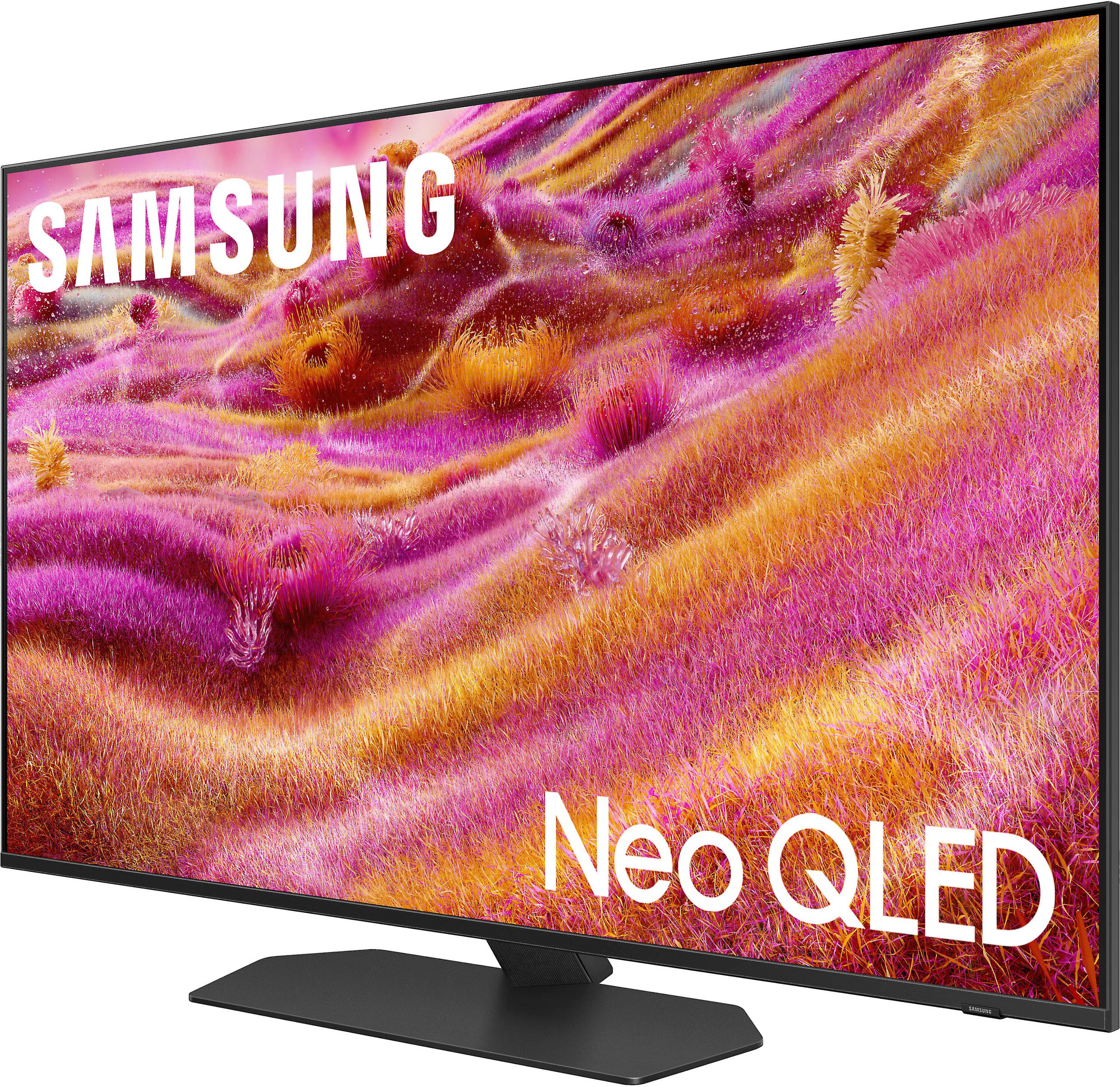
In contrast, the Samsung QN90F, also from 2025, employs Mini-LED technology with what Samsung calls Quantum Matrix Technology Pro. Mini-LEDs are exactly what they sound like—much smaller LED backlights that allow for thousands of individual dimming zones. This creates dramatically better contrast because the TV can brighten or dim specific areas of the screen independently.
The fundamental difference here is like comparing a basic flashlight to a sophisticated lighting system with hundreds of individually controlled bulbs. Both illuminate the room, but one offers far more precise control.
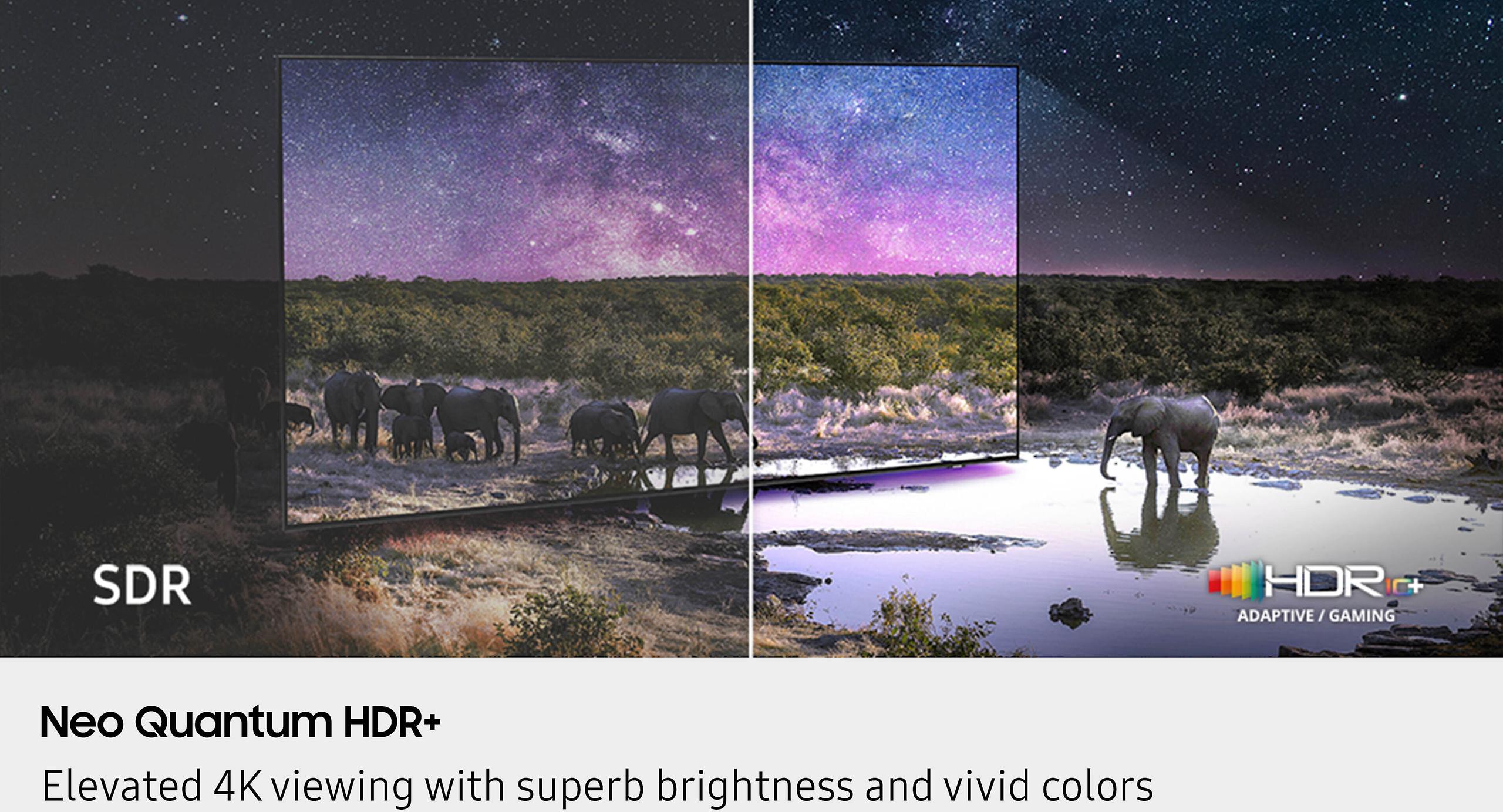
Brightness is where these TVs diverge most dramatically. The Samsung QN90F reaches peak brightness levels around 1,900 nits (a measurement of luminance) in small highlights, with sustained full-screen brightness exceeding 600 nits. To put this in perspective, most budget TVs struggle to exceed 400 nits, while professional monitors used for HDR mastering typically target 1,000 nits or higher.
The Hisense QD6QF peaks at approximately 385 nits—adequate for standard content in moderate lighting, but insufficient for impactful HDR (High Dynamic Range) viewing. HDR is designed to show both extremely bright highlights (like sunlight reflecting off water) and deep shadows in the same scene, requiring high peak brightness to work properly.
This brightness difference profoundly affects your viewing experience. On the Samsung, HDR movies and shows display brilliant highlights that genuinely look bright, making explosions pop and outdoor scenes feel sunny. On the Hisense, these same scenes appear flat and unrealistic because the TV simply can't produce enough light to create the intended effect.
Contrast ratio—the difference between the brightest whites and darkest blacks—determines how three-dimensional and realistic images appear. The Samsung QN90F uses full-array local dimming with hundreds of individually controlled Mini-LED zones. When a scene shows stars against a black sky, the TV can turn off LEDs behind the black areas while keeping bright LEDs active behind the stars.
The Hisense QD6QF lacks local dimming entirely. Its direct LED backlight illuminates the entire screen uniformly, meaning bright elements cause the entire image to brighten slightly. In that same starry sky scene, the blacks would appear grayish rather than truly dark.
Our research into user and expert reviews consistently shows this difference is immediately noticeable. Dark movie scenes on the Hisense appear washed out, while the Samsung maintains deep blacks that preserve the filmmaker's intended mood and atmosphere.
Both TVs use quantum dot technology, but they implement it differently. The Samsung QN90F combines quantum dots with advanced processing and wider color gamut coverage, producing colors that are both accurate and vibrant. Professional calibration reviews indicate excellent color accuracy out of the box.
The Hisense QD6QF covers about 90% of the DCI-P3 color space (a professional color standard used in digital cinema), which is respectable for the price point. However, reviews note issues with red color reproduction and limited color volume—meaning colors become less saturated as they get brighter or darker.
In practical terms, this means the Samsung displays more realistic skin tones, more vivid nature documentaries, and more accurate colors in animated content. The Hisense produces pleasant colors for casual viewing but lacks the precision for critical evaluation.
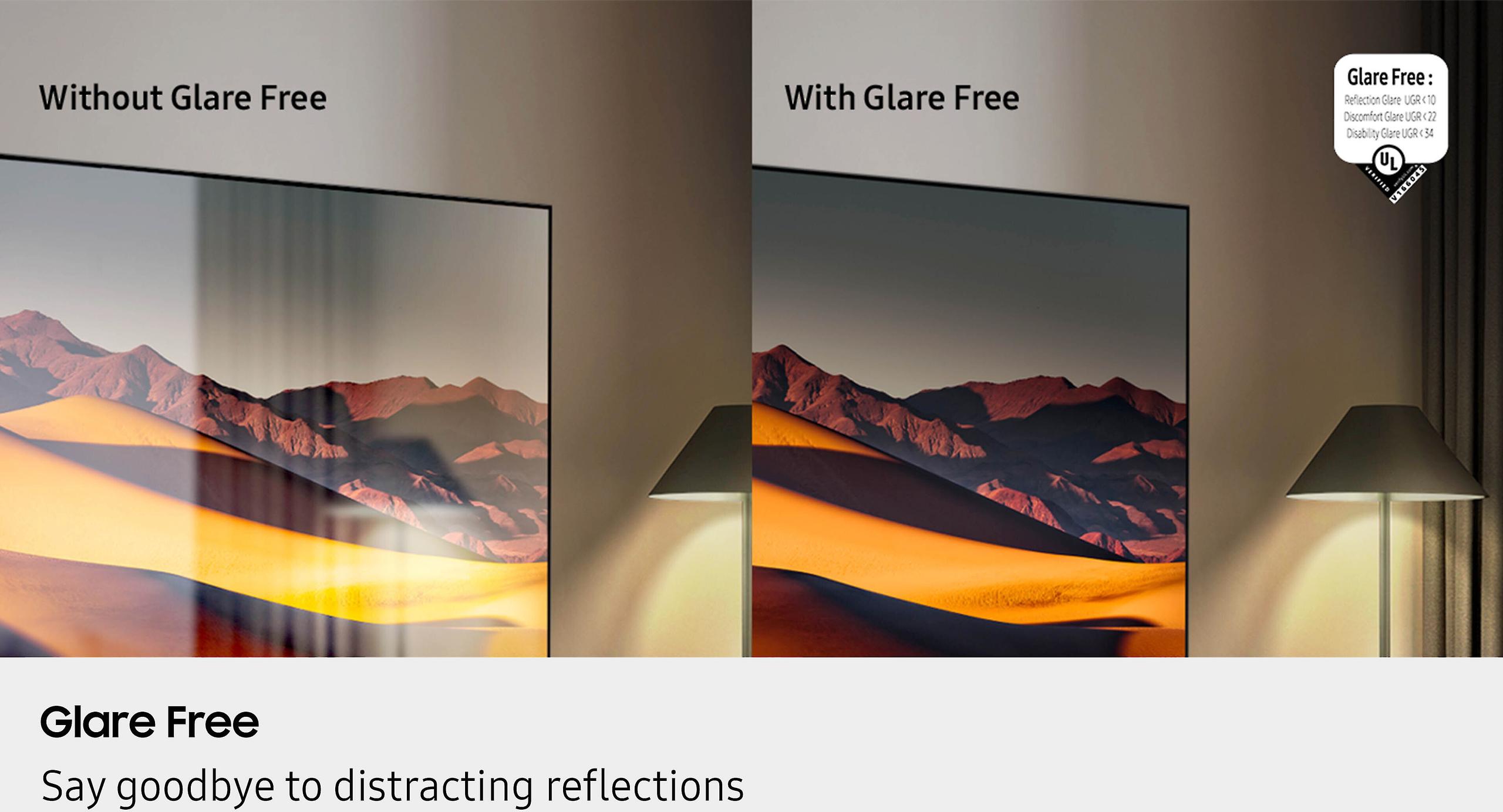
Here's where the Samsung QN90F truly excels. Samsung's Glare-Free technology uses a specialized matte coating that virtually eliminates reflections while maintaining color accuracy and contrast. This is a significant achievement—most anti-glare solutions reduce picture quality as a trade-off.
The Hisense QD6QF uses a standard glossy screen that acts like a mirror in bright rooms. While it performs adequately in controlled lighting, it becomes difficult to watch with windows open or lights on. The Samsung's anti-glare capabilities make it suitable for any lighting environment, including rooms with large windows or overhead lighting.
Gaming has become a crucial consideration for TV buyers, especially with current-generation consoles supporting 4K gaming at 120 frames per second.
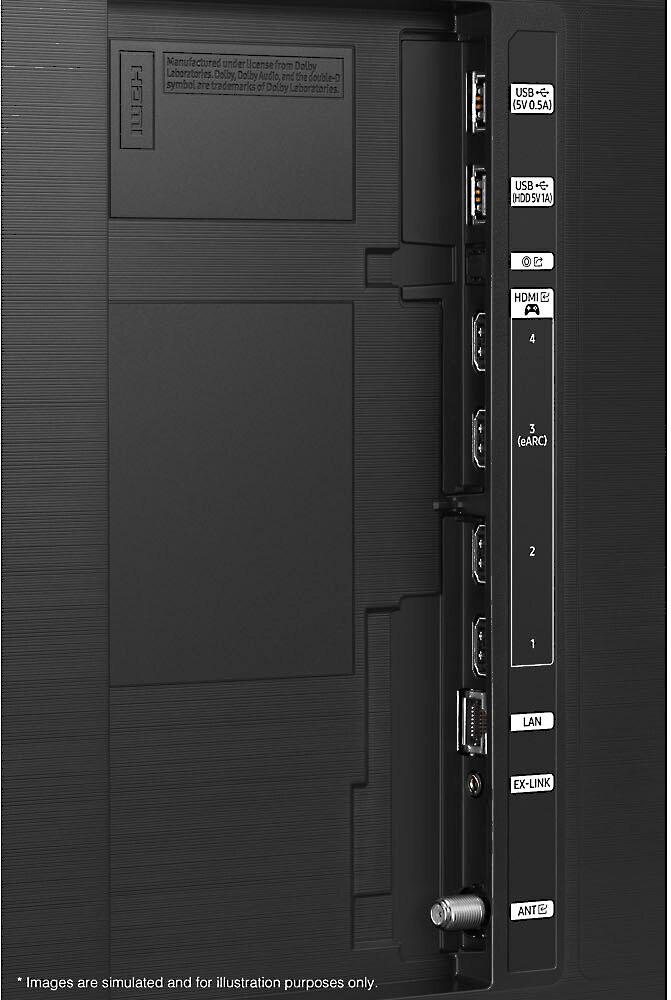
The Samsung QN90F delivers comprehensive gaming features: native 120Hz refresh rate (expandable to 165Hz for PC gaming), four HDMI 2.1 ports supporting full 48Gbps bandwidth, Variable Refresh Rate (VRR) to prevent screen tearing, and Auto Low Latency Mode (ALLM) for reduced input lag. These features ensure smooth, responsive gaming whether you're playing competitive online games or story-driven single-player titles.
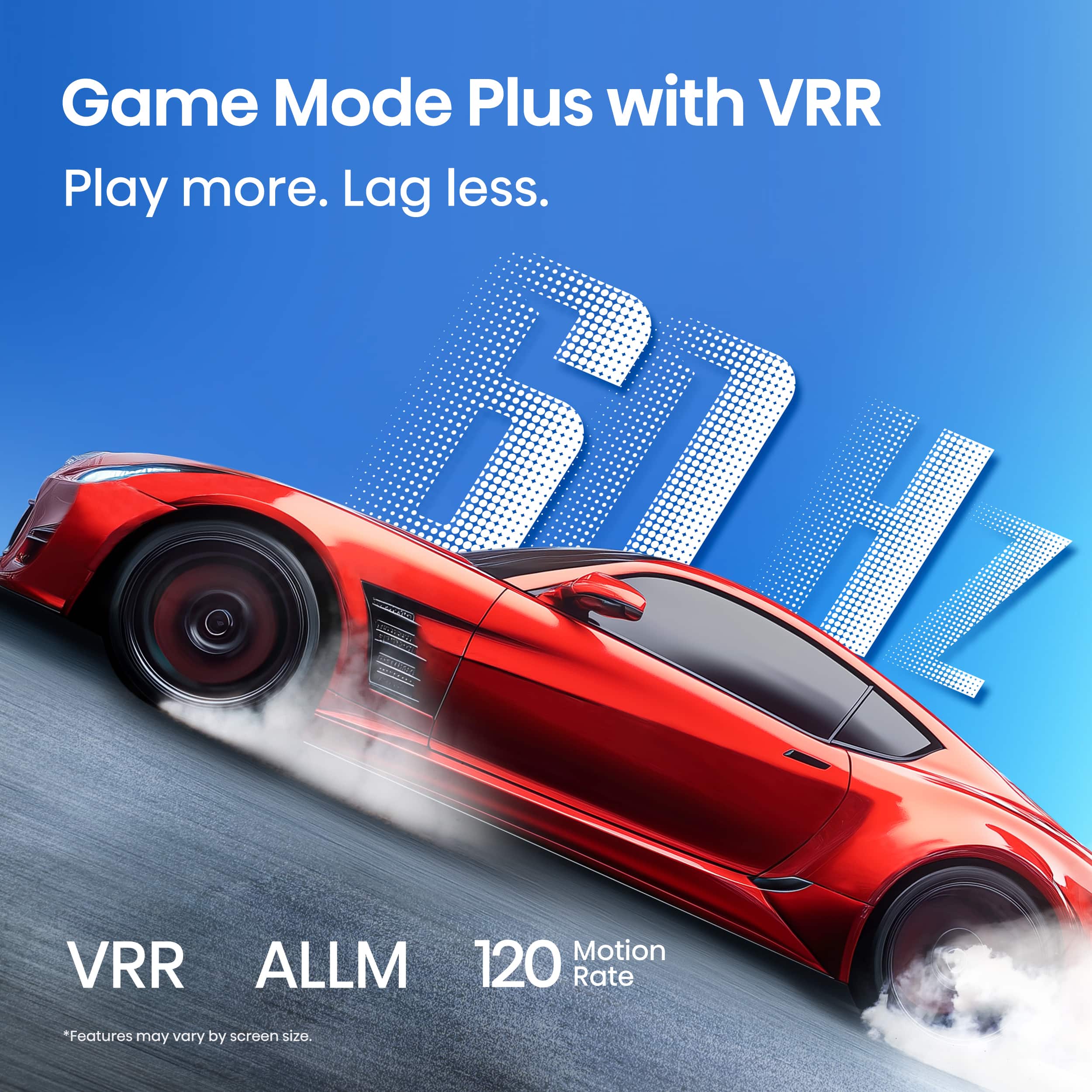
The Hisense QD6QF offers basic gaming support with 60Hz refresh rate, HDMI 2.0 ports, and basic VRR/ALLM implementation. While adequate for casual gaming, it lacks the bandwidth for next-generation gaming features. The 60Hz limitation means you won't experience the fluid motion that modern consoles can deliver.
Input lag—the delay between pressing a controller button and seeing the action on screen—measures around 10ms on both TVs in their respective game modes, which is excellent for competitive gaming. However, the Samsung's superior motion handling and higher refresh rate provide tangible advantages in fast-paced games.
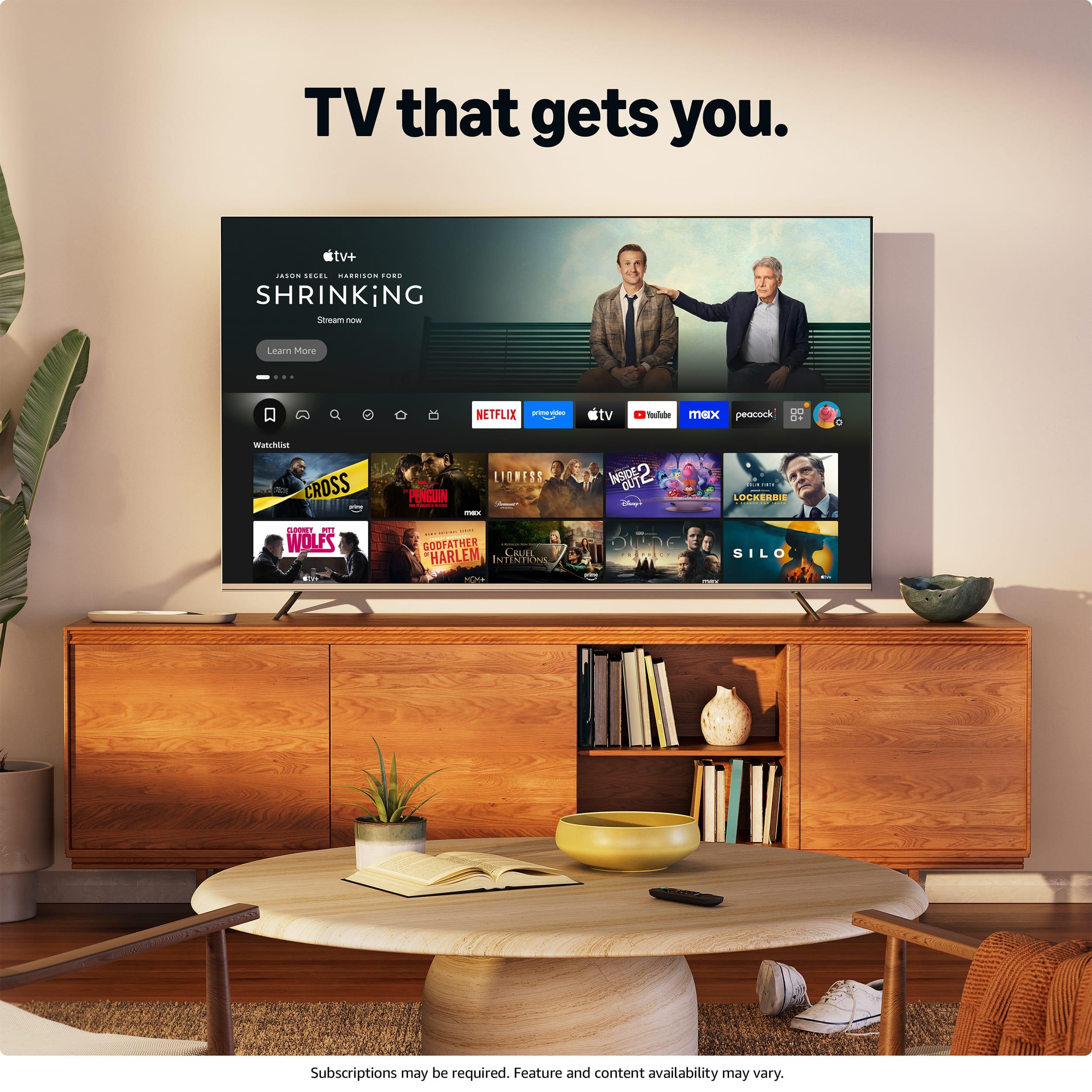
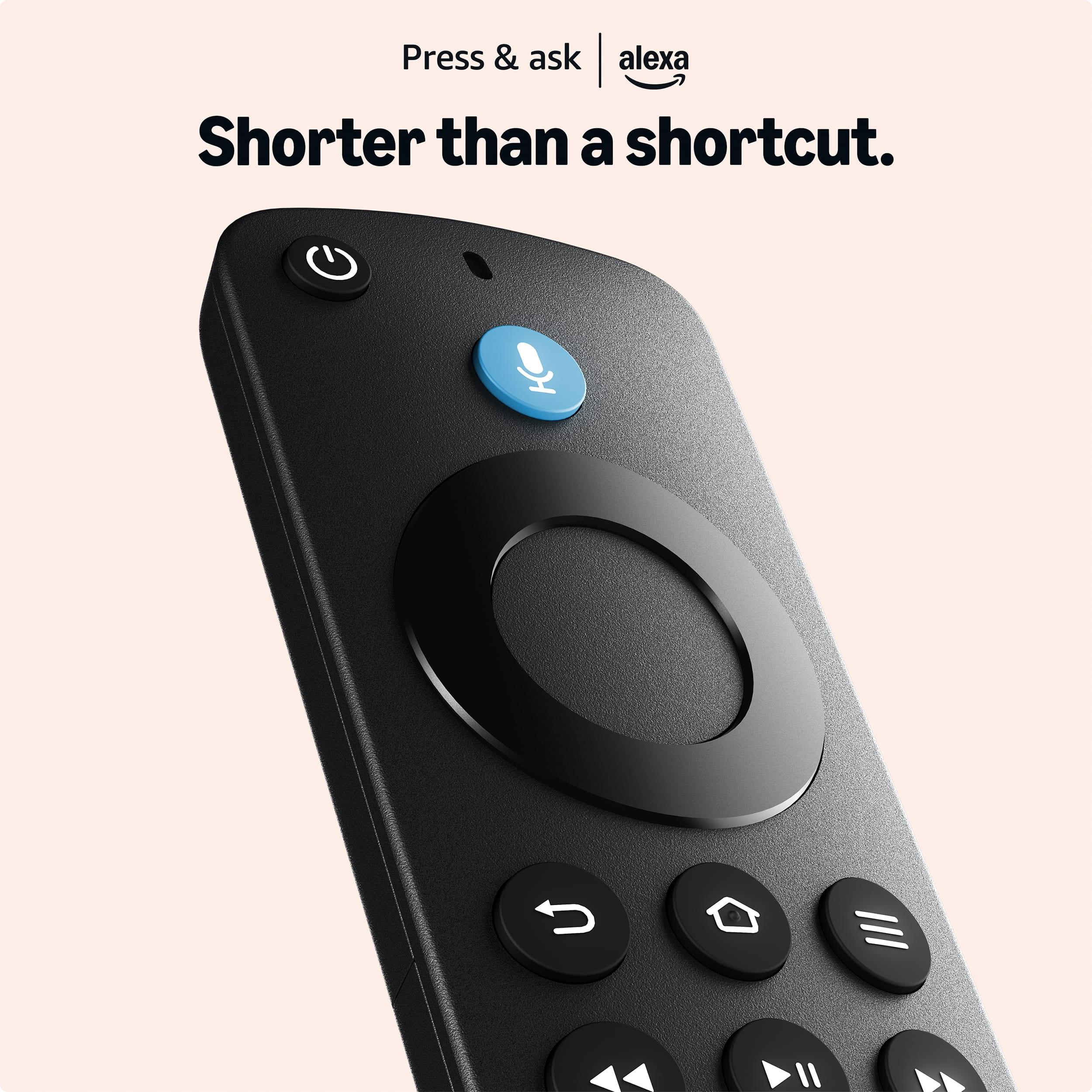
The platform difference here reflects two distinct philosophies. The Hisense QD6QF runs Amazon's Fire TV, which excels at content discovery and integrates seamlessly with Alexa voice control. The interface is straightforward and reliable, though some users report occasional lag in menu navigation.
The Samsung QN90F features Samsung's Tizen operating system enhanced with Vision AI capabilities. This isn't just marketing speak—the TV uses machine learning to analyze your viewing environment and content type, automatically adjusting picture and sound settings in real-time. The Vision AI system can recognize different types of content (sports, movies, news) and optimize accordingly.
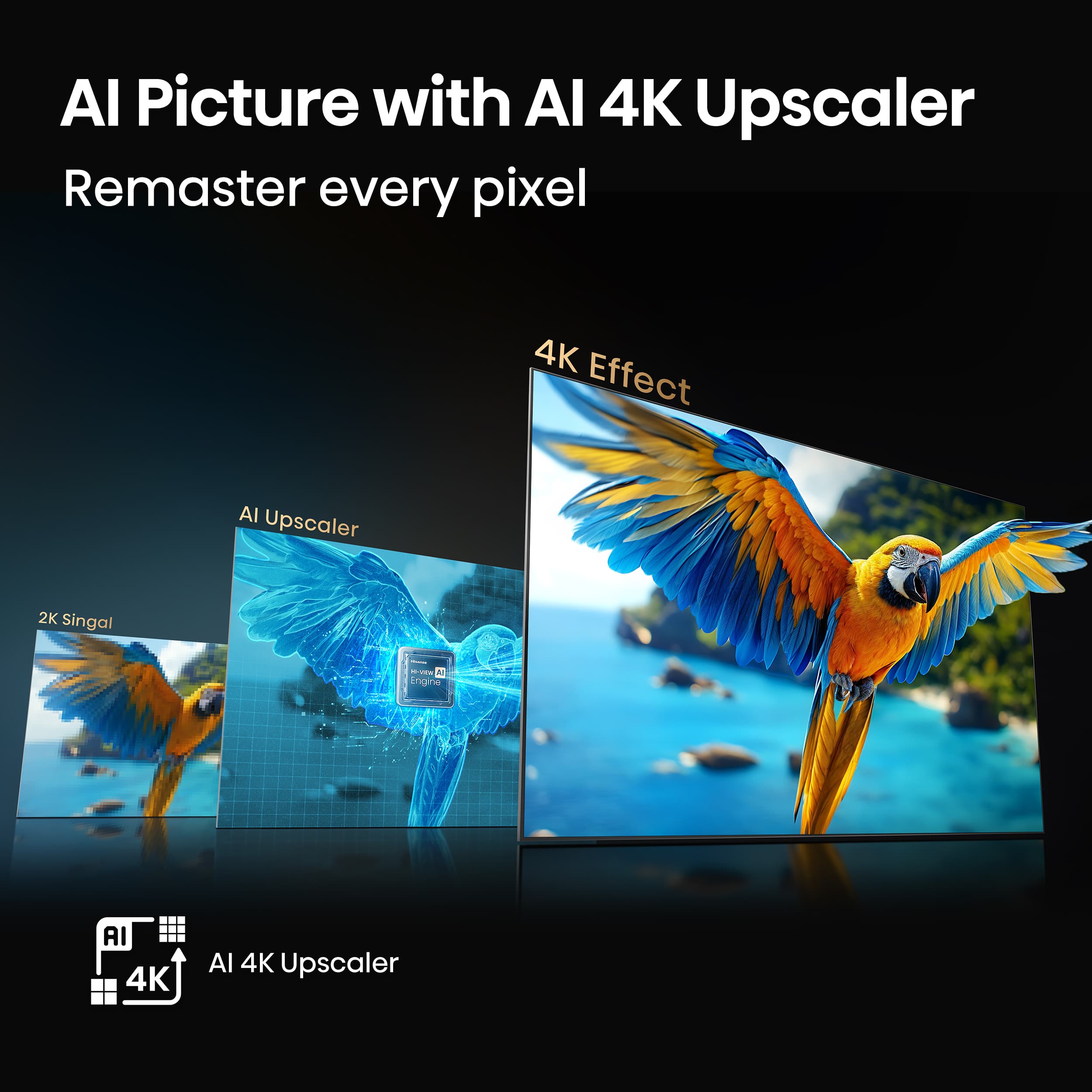
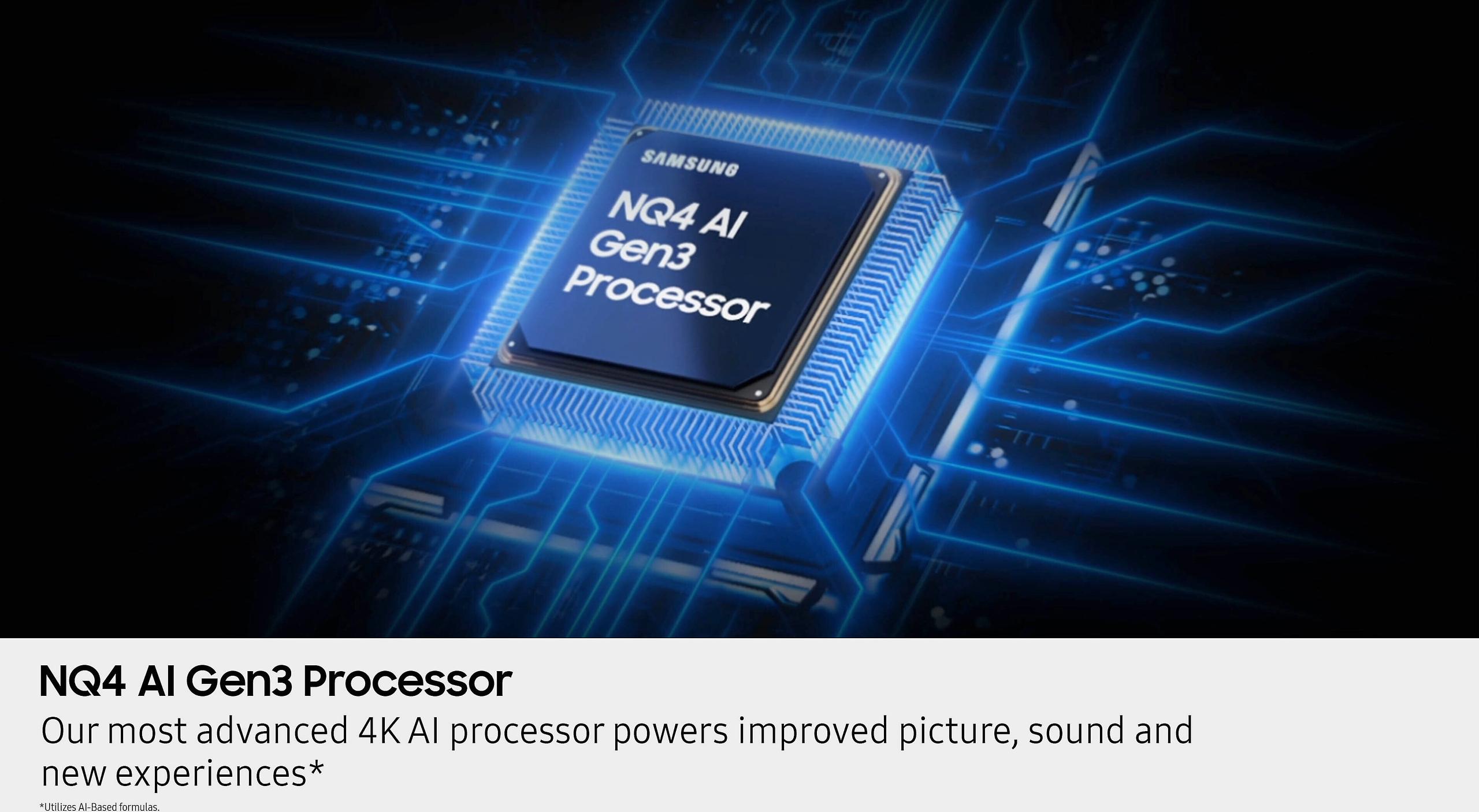
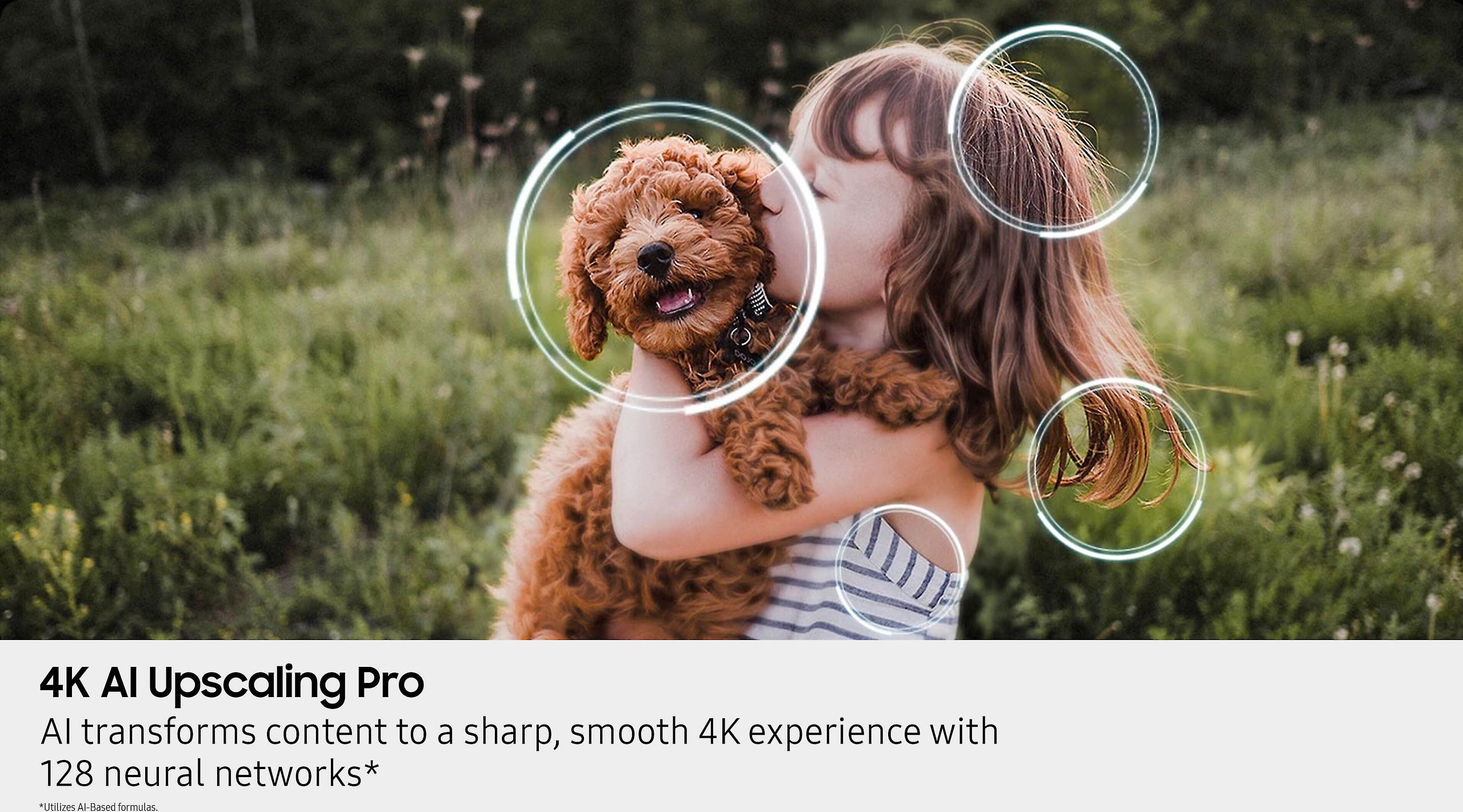
Samsung's NQ4 AI Gen3 processor, powered by 128 neural networks, provides superior 4K upscaling for lower-resolution content. When watching HD cable TV or older streaming content, the difference is immediately apparent. The Samsung produces sharper, more detailed images from imperfect sources.
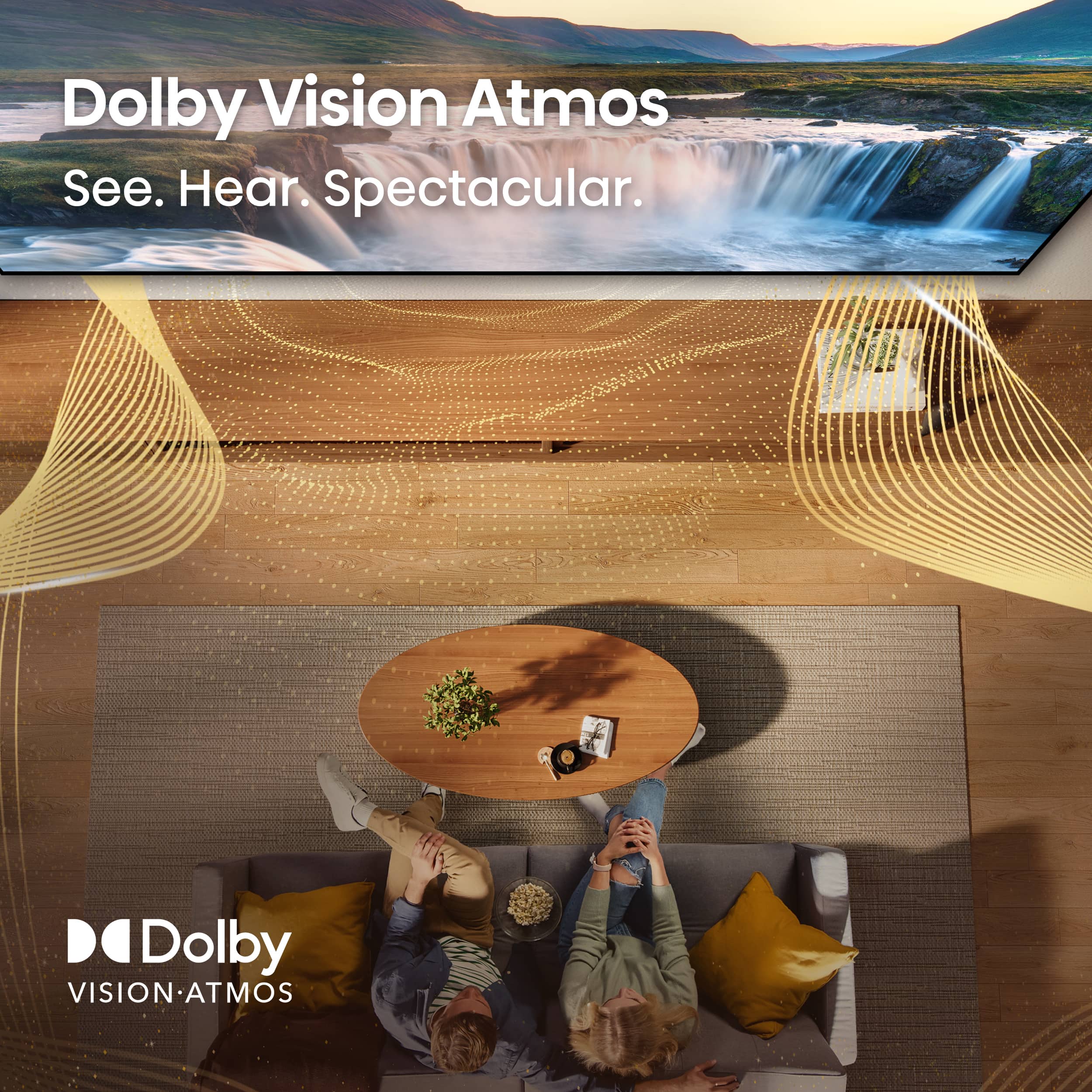
Both TVs support Dolby Atmos, the three-dimensional audio format that creates immersive surround sound. However, their implementation differs significantly.
The Samsung QN90F features a 60-watt, 4.2.2-channel speaker system with Object Tracking Sound+. This technology moves audio effects across the screen to match on-screen action—gunfire pans from left to right as characters move, creating a more engaging experience. The built-in speakers provide genuinely impressive sound quality for a flat-panel TV.
The Hisense QD6QF includes basic Dolby Atmos support but with limited speaker power and less sophisticated processing. While adequate for casual viewing, it lacks the clarity and impact needed for movie nights or critical listening.
For serious home theater setups, both TVs support external soundbars and receivers, but the Samsung offers more comprehensive audio format support and better integration options.
At the time of writing, these TVs are priced within a few dollars of each other, creating an unusual value proposition. Typically, you'd expect to pay significantly more for Mini-LED technology and premium features.
The Samsung QN90F represents exceptional value at its current pricing, delivering performance typically associated with TVs costing $1,500 or more. The combination of Mini-LED backlighting, 120Hz gaming support, and advanced AI processing provides future-proofing as content standards continue evolving.
The Hisense QD6QF offers standard budget TV performance at budget pricing. While it provides a large 4K screen and basic smart features, its 60Hz limitation and HDMI 2.0 connectivity may become obsolete more quickly as gaming and streaming standards advance.
The Samsung QN90F makes sense for almost everyone given the minimal price difference. It excels for gaming enthusiasts who want 120Hz performance and low latency, home theater enthusiasts seeking impressive HDR and contrast, and anyone dealing with bright room lighting where glare is problematic.
The TV particularly shines in family rooms with large windows, where its anti-glare technology and high brightness maintain excellent visibility throughout the day. For gaming, it's genuinely capable of competing with dedicated gaming monitors while offering the versatility of a smart TV.
The Hisense QD6QF has a narrower appeal given the pricing situation. It makes sense primarily for users who specifically prefer Amazon's Fire TV ecosystem over Samsung's Tizen platform, or for secondary TVs in bedrooms or controlled lighting environments where premium features aren't necessary.
Given the minimal price difference at the time of writing, the Samsung QN90F delivers substantially superior performance across virtually every metric. Its Mini-LED technology, advanced gaming features, and comprehensive smart capabilities provide better value and longer-term relevance.
The Hisense QD6QF remains a competent budget option, but only makes financial sense if significantly cheaper than the Samsung. At equivalent pricing, there's little reason to choose the entry-level option over the premium performer.
For most buyers, the Samsung represents an unusual opportunity to access flagship TV technology at mainstream pricing. Unless you have specific preferences for Fire TV or plan to use the TV exclusively for basic cable viewing in perfect lighting conditions, the Samsung's advantages justify the minimal additional cost.
This comparison illustrates how rapidly TV technology evolves and how pricing can shift dramatically. The Samsung QN90F brings Mini-LED technology—previously reserved for expensive flagship models—to the mainstream market, fundamentally changing the value equation for large-screen TV shopping.
| Hisense 65" QD6 Series Hi-QLED Fire TV (2025) | Samsung 65" QN90F Neo QLED 4K Vision AI Smart TV 2025 |
|---|---|
| Display Technology - Determines picture quality and contrast performance | |
| Hi-QLED with quantum dots on VA panel, direct LED backlighting (no local dimming) | Neo QLED with Mini-LED backlighting, full-array local dimming with hundreds of zones |
| Peak Brightness - Critical for HDR impact and bright room viewing | |
| ~385 nits (adequate for moderate lighting, poor HDR performance) | Up to 1,900 nits peak, 600+ nits sustained (excellent HDR, works in any lighting) |
| Refresh Rate - Important for gaming and sports viewing | |
| 60Hz native with Motion Rate 120 interpolation | 120Hz native, expandable to 165Hz for PC gaming |
| Gaming Features - Essential for console and PC gaming | |
| Basic VRR/ALLM, 4x HDMI 2.0 ports, limited to 4K@60Hz | Advanced VRR/ALLM, 4x HDMI 2.1 ports, supports 4K@165Hz gaming |
| Smart Platform - Affects daily user experience and app performance | |
| Fire TV with Alexa integration (occasional menu lag reported) | Tizen with Vision AI (adaptive optimization, gesture control, faster performance) |
| Anti-Glare Performance - Crucial for bright rooms and windows | |
| Standard glossy screen (mirrors reflections, struggles in bright rooms) | Glare-Free technology (virtually eliminates reflections while maintaining picture quality) |
| Audio System - Impacts built-in sound quality | |
| Basic speakers with Dolby Atmos support | 60W 4.2.2CH with Object Tracking Sound+ and Dolby Atmos |
| AI Processing - Enhances upscaling and picture optimization | |
| Basic AI 4K upscaler | NQ4 AI Gen3 processor with 128 neural networks for real-time optimization |
| Color Performance - Affects color accuracy and vibrancy | |
| 90% DCI-P3 coverage, issues with red reproduction and color volume | Wide color gamut with excellent accuracy and color volume |
| Target Use Case - Who this TV is best suited for | |
| Budget-conscious buyers, Fire TV ecosystem preference, controlled lighting | Gaming enthusiasts, bright rooms, HDR content, future-proofing, home theater |
The Samsung QN90F Neo QLED delivers significantly better picture quality with its Mini-LED technology, reaching up to 1,900 nits brightness compared to the Hisense QD6's 385 nits. This means much more impactful HDR content, deeper blacks, and better contrast for an immersive movie-watching experience.
Hi-QLED on the Hisense QD6 uses quantum dots with basic direct LED backlighting and no local dimming. Neo QLED on the Samsung QN90F combines quantum dots with advanced Mini-LED backlighting and hundreds of local dimming zones, providing dramatically better contrast and picture quality.
The Samsung QN90F is superior for gaming with its 120Hz refresh rate, four HDMI 2.1 ports, and support for 4K gaming up to 165Hz. The Hisense QD6 only supports 60Hz gaming through HDMI 2.0 ports, limiting next-gen console features.
The Hisense QD6 runs Fire TV with excellent Alexa integration but occasional menu lag. The Samsung QN90F features Tizen with Vision AI technology that automatically optimizes settings and provides faster performance with more advanced smart features.
The Samsung QN90F excels in bright rooms thanks to its Glare-Free technology that virtually eliminates reflections and much higher brightness levels. The Hisense QD6 has a glossy screen that mirrors reflections and insufficient brightness for comfortable bright room viewing.
The Samsung QN90F features a 60W 4.2.2-channel system with Object Tracking Sound+ that moves audio across the screen. The Hisense QD6 has basic speakers with Dolby Atmos support but limited power and less sophisticated audio processing.
The Samsung QN90F is excellent for home theater with its Mini-LED contrast, high brightness for HDR content, and superior audio system. The Hisense QD6 lacks the contrast and brightness needed for impressive home theater performance, though it works for basic viewing.
At similar pricing, the Samsung QN90F provides exceptional value with premium Mini-LED technology typically found in much more expensive TVs. The Hisense QD6 offers standard budget performance but less compelling value when priced similarly to the Samsung.
The Samsung QN90F offers 120Hz native refresh rate for smooth sports motion, while the Hisense QD6 has 60Hz with Motion Rate 120 interpolation. The Samsung provides genuinely smoother motion, especially for fast-paced sports content.
The Samsung QN90F features an advanced NQ4 AI Gen3 processor with 128 neural networks for superior 4K upscaling. The Hisense QD6 has basic AI upscaling that improves HD content but doesn't match the Samsung's sophisticated processing.
The Samsung QN90F includes four HDMI 2.1 ports supporting full 48Gbps bandwidth for future gaming and streaming standards. The Hisense QD6 has four HDMI 2.0 ports with limited bandwidth, potentially becoming obsolete as content standards evolve.
Choose the Samsung QN90F for superior picture quality, gaming capabilities, and bright room performance at minimal additional cost. The Hisense QD6 only makes sense if you specifically prefer Fire TV or need a secondary TV for controlled lighting environments where premium features aren't essential.
We've done our best to create useful and informative comparisons to help you decide what product to buy. Our research uses advanced automated methods to create this comparison and perfection is not possible - please contact us for corrections or questions. These are the sites we've researched in the creation of this article: pcvarge.com - bestbuy.com - rtings.com - youtube.com - rtings.com - youtube.com - consumerreports.org - leaseville.com - hisense-usa.com - device.report - hisense-usa.com - youtube.com - flatpanelshd.com - displayspecifications.com - retailspecs.com - rtings.com - images.samsung.com - youtube.com - listenup.com - youtube.com - cullenshomecenter.com - rtings.com - shopjetson.com - youtube.com - samsung.com - samsung.com - videoandaudiocenter.com - rtings.com - bestbuy.com - youtube.com - news.samsung.com - news.samsung.com - news.samsung.com - bestbuy.com - news.samsung.com - youtube.com - news.samsung.com - youtube.com - smarthomesounds.co.uk

Privacy Policy
Terms and Conditions - Affiliate Policy
Home Security
© Copyright 2008-2026.
11816 Inwood Rd #1211, Dallas, TX 75244