

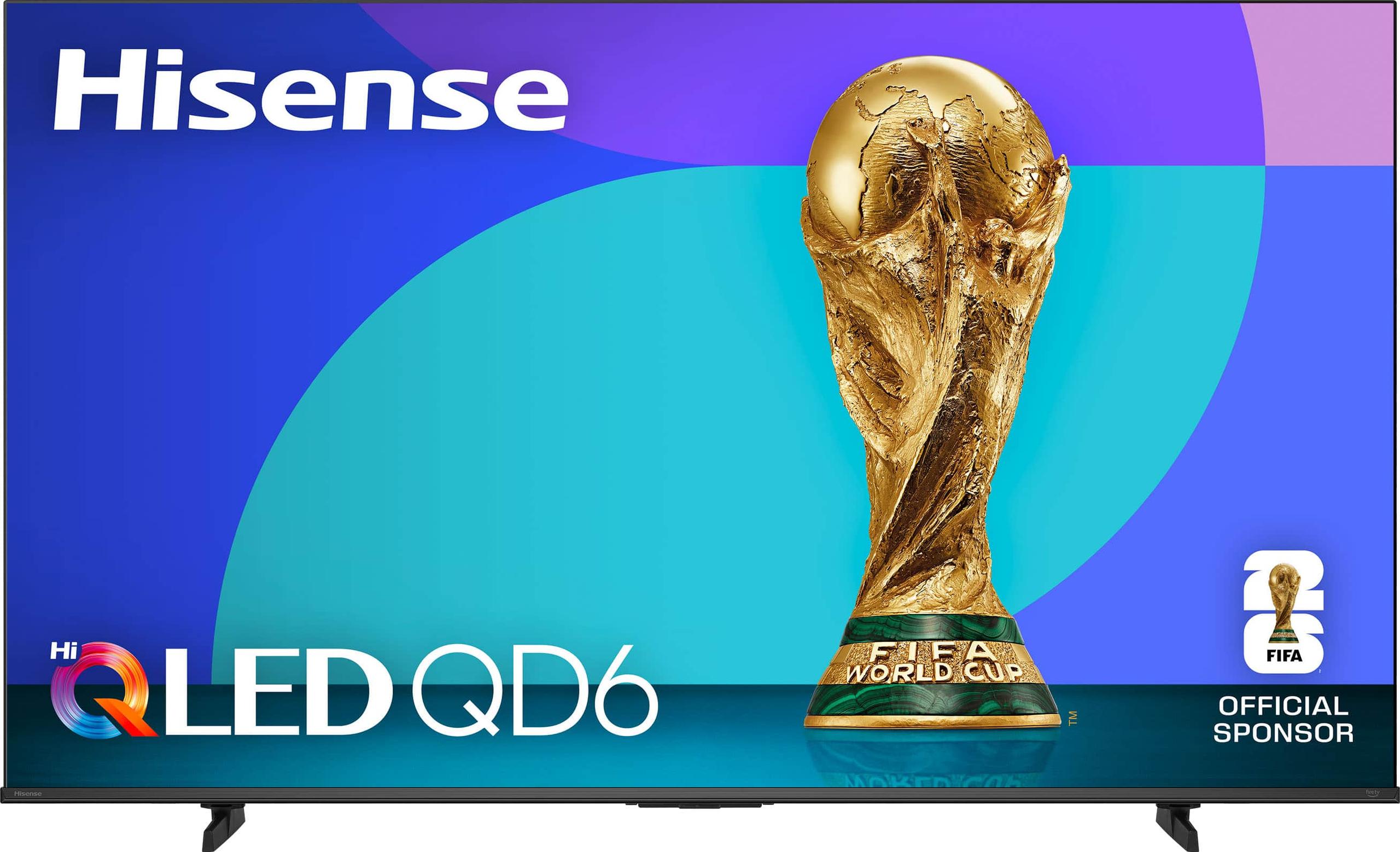
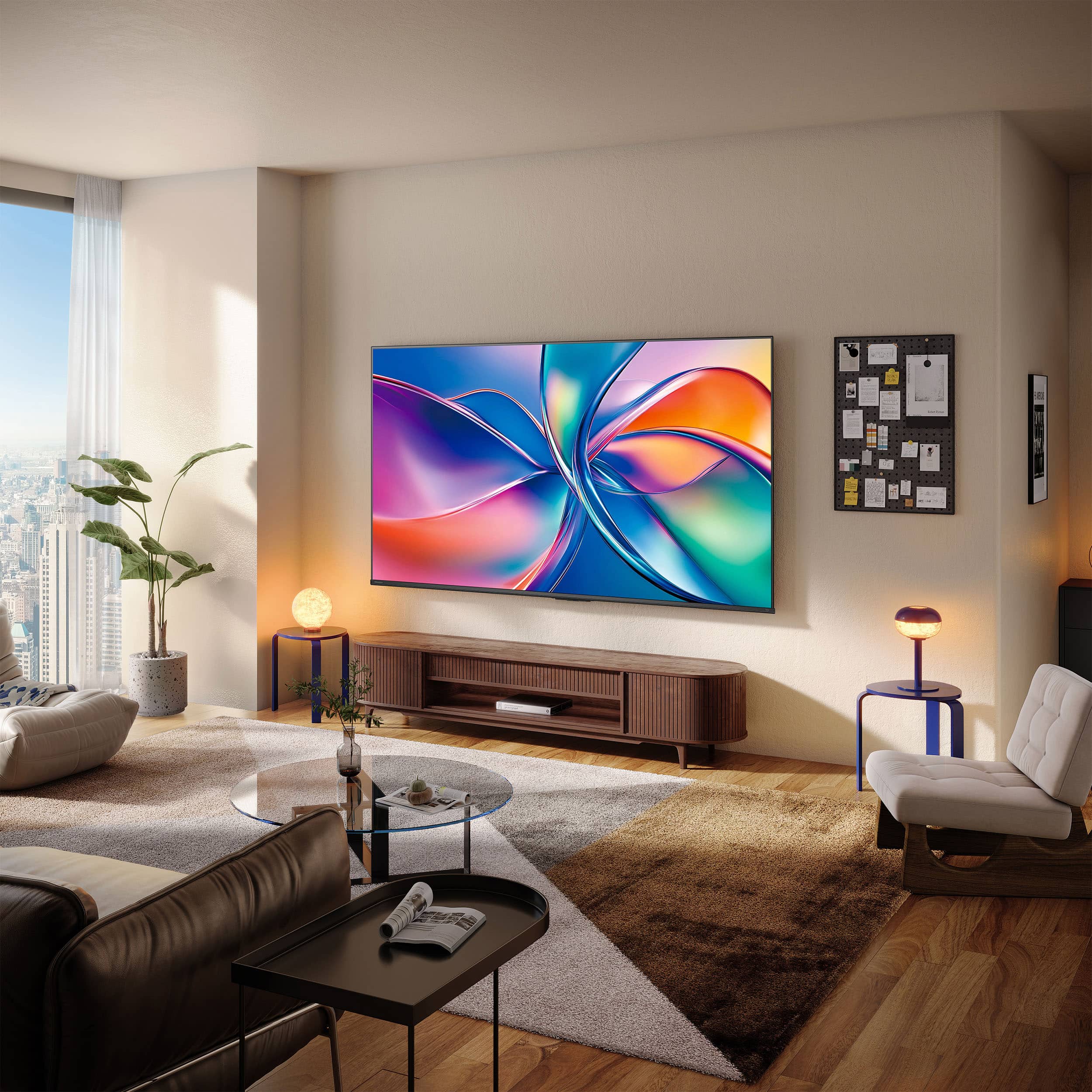
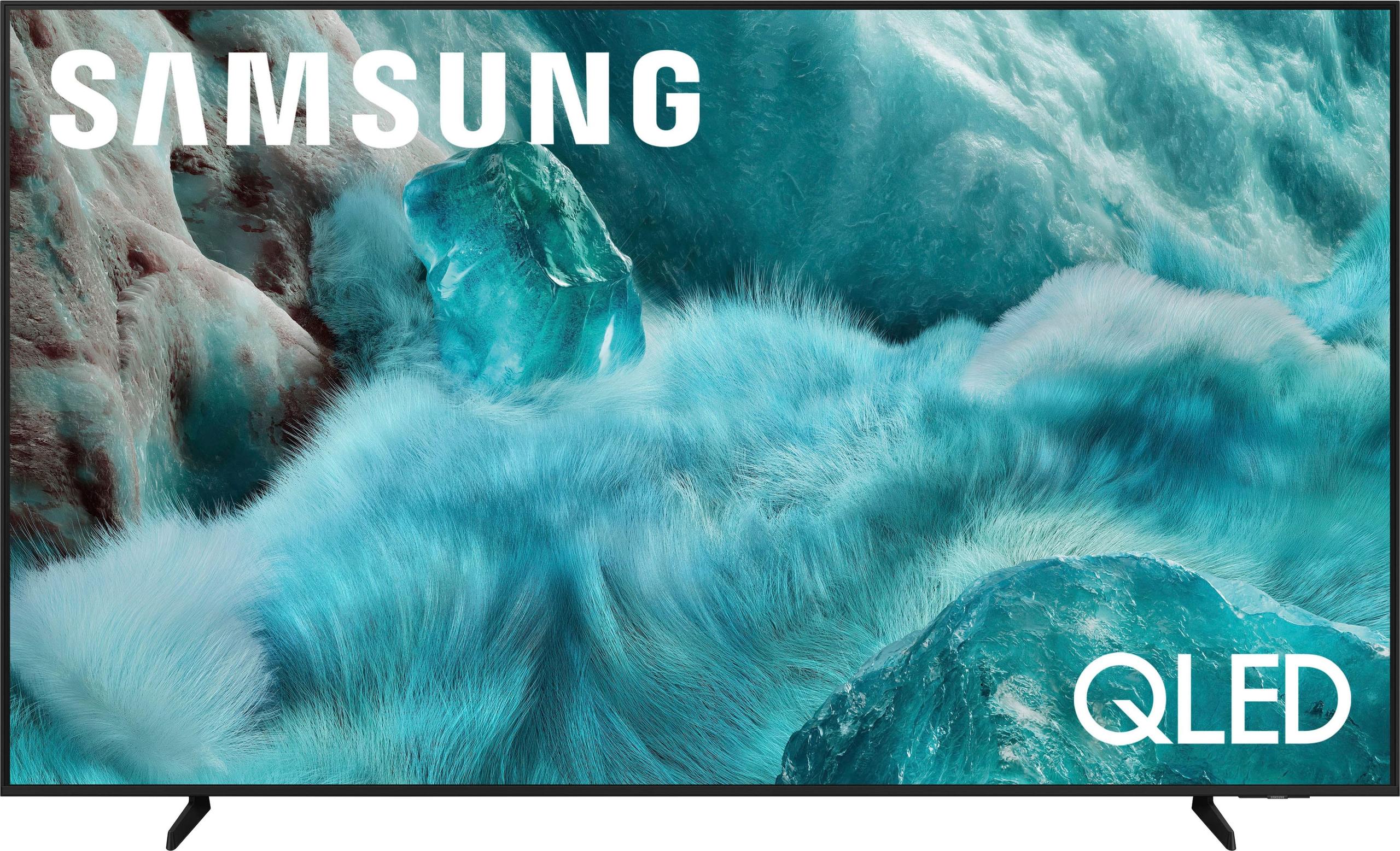

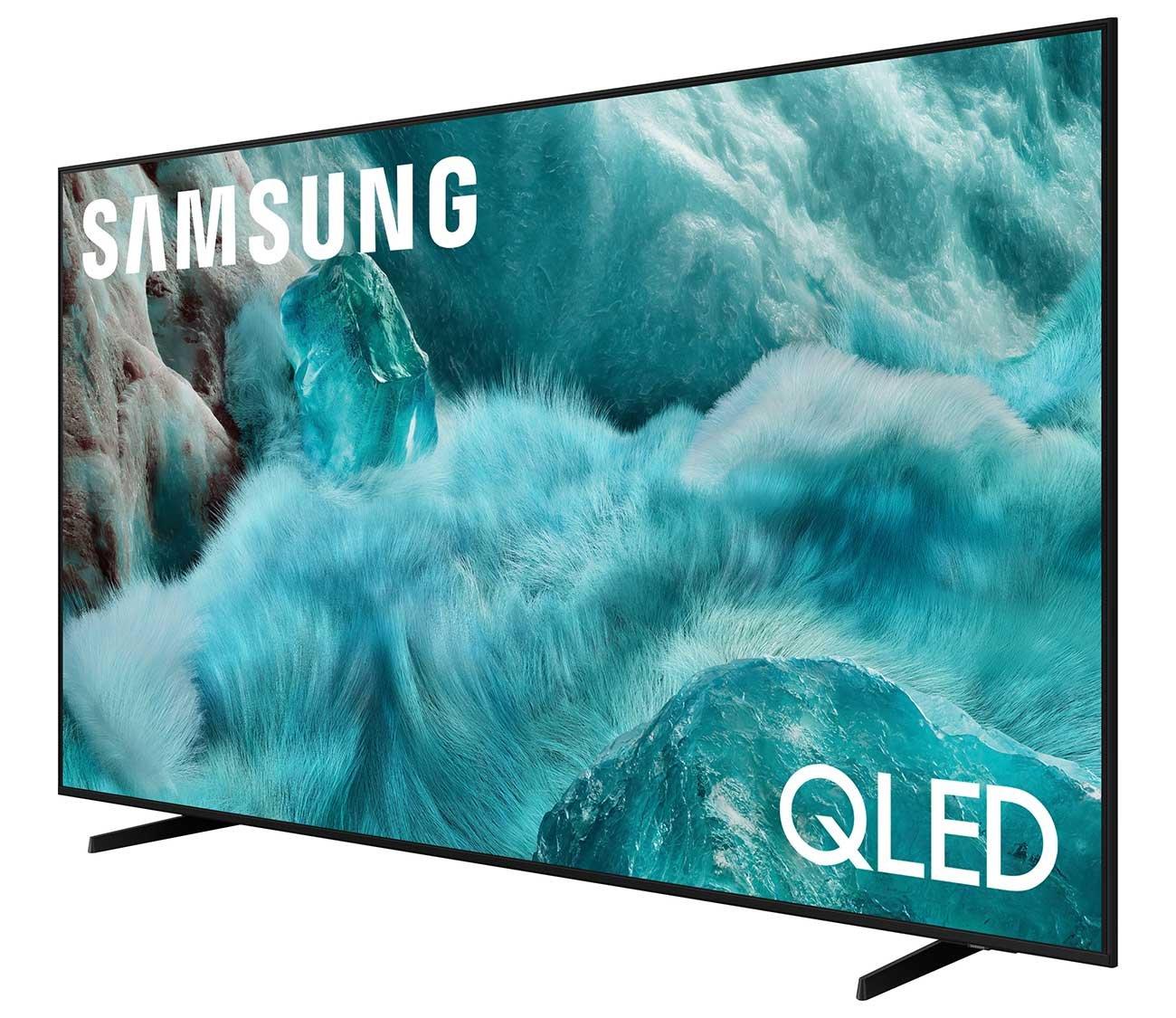
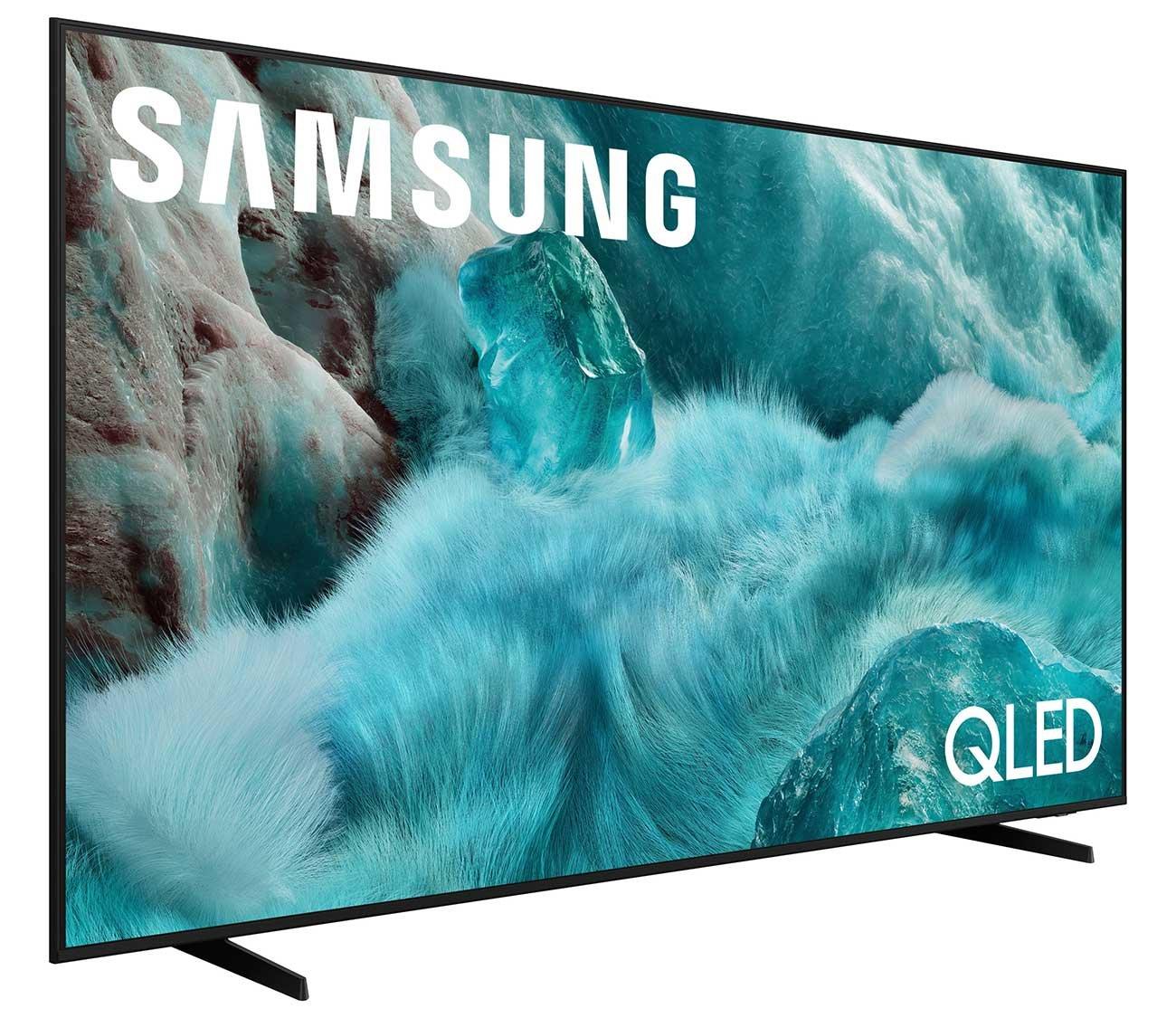

Shopping for a 65-inch TV under $500? You're probably looking at two compelling options that dominate this price range: the Hisense 65" QD6 Series Hi-QLED Fire TV and the Samsung 65" Q7F QLED. Both hit stores in 2025 as entry-level QLED models, but they take notably different approaches to delivering premium-ish features at budget prices.
Here's the thing about budget QLED TVs in 2025 – they're significantly better than what you could get just three years ago. The technology has trickled down from flagship models, bringing quantum dot color enhancement and respectable smart TV platforms to price points that used to mean accepting basic LED panels with terrible interfaces. But "budget QLED" still means compromises, and understanding where each TV cuts corners helps you pick the right one.
Before diving into specifics, let's clarify what you're actually buying. QLED stands for "Quantum Dot Light Emitting Diode," which sounds fancy but essentially means these TVs use tiny semiconductor particles called quantum dots to enhance color reproduction. Think of quantum dots as color filters that help regular LED backlights produce more accurate and vibrant colors than standard LED TVs.
Both the Hisense QD6QF and Samsung Q7F use this technology, but neither approaches the performance of premium QLED models with features like Mini-LED backlighting or full-array local dimming. They're essentially enhanced LED TVs with quantum dot color improvements – a meaningful step up from basic LED panels, but not revolutionary.
The main considerations when choosing between budget QLED models come down to picture quality fundamentals (brightness, color accuracy, contrast), smart TV platform preferences, gaming capabilities, and overall value. Neither TV will blow you away in dark room home theater setups like an OLED would, but both can deliver satisfying performance for mixed-use family rooms.
Brightness matters more than many people realize, especially if your TV sits in a room with windows. It affects how well you can see the screen during daytime viewing and determines how impactful HDR (High Dynamic Range) content looks. HDR is supposed to make images more lifelike by displaying a wider range of brightness levels, but it only works well when TVs can actually get bright enough.
Our research into professional reviews reveals the Hisense QD6QF achieves around 385 cd/m² peak brightness, while the Samsung Q7F specs suggest 500 cd/m². However, real-world testing often shows smaller gaps than manufacturer specifications suggest. Both TVs fall short of the 600-1000+ cd/m² you'd want for truly impressive HDR, but the Hisense appears to deliver slightly better measured performance despite its lower official specs.
This brightness limitation means neither TV excels at HDR content. You'll see some improvement over standard dynamic range content, but don't expect the jaw-dropping highlights and deep shadows that make HDR worthwhile on premium TVs. If HDR performance is a priority, you're better off stretching your budget toward Mini-LED models with local dimming capabilities.
For regular SDR (Standard Dynamic Range) content like cable TV, streaming shows, and older movies, both TVs provide adequate brightness for most viewing environments. They'll work fine in moderately lit family rooms but struggle against direct sunlight.
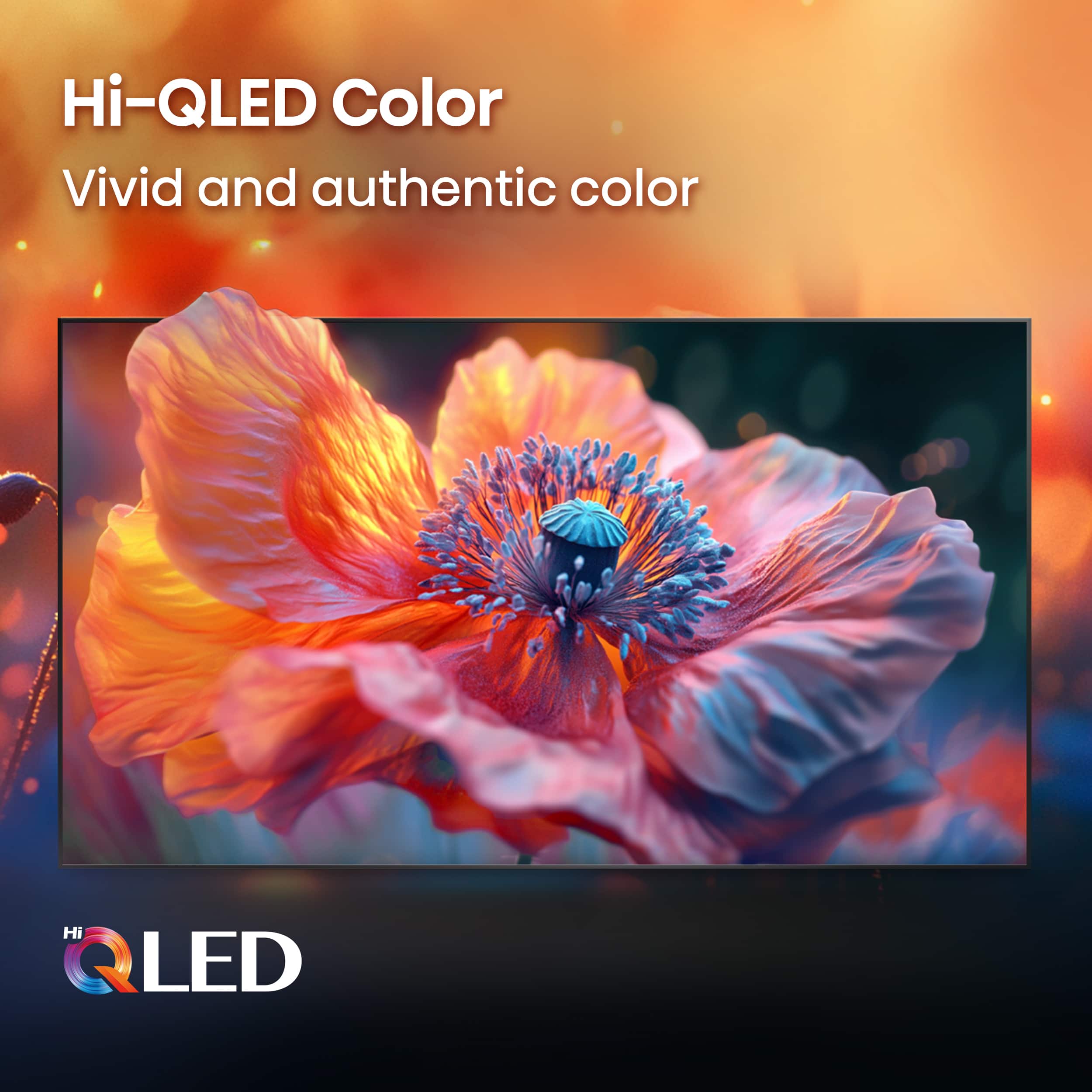
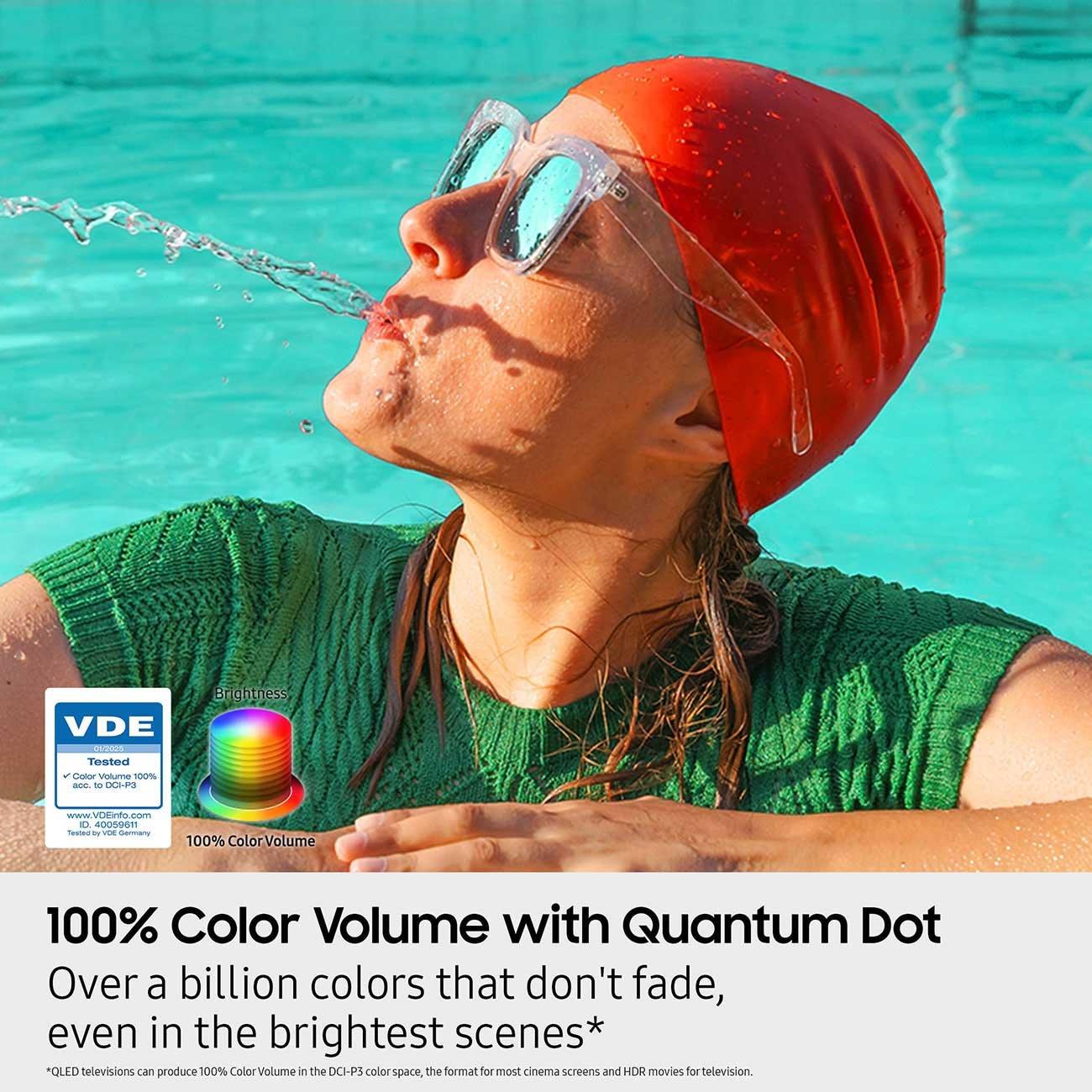
Color performance represents where these TVs show their quantum dot advantages. The Hisense QD6QF covers about 90% of the DCI-P3 color space, which is the standard for HDR content. That's genuinely good coverage for a budget TV – you're getting noticeably more vibrant and accurate colors than basic LED panels.
The Samsung Q7F takes a different approach, emphasizing Pantone color certification. Pantone is the company that standardizes colors for professional applications, so this certification suggests Samsung prioritized color accuracy over pure color volume. In practical terms, the Samsung might display more natural-looking colors, while the Hisense might produce more vivid, eye-catching colors.
Which approach you prefer depends on your viewing habits. If you watch a lot of nature documentaries, sports, or animated content where vibrant colors enhance the experience, the Hisense's wider color gamut could be appealing. If you prefer accurate, film-like colors that don't fatigue your eyes during long viewing sessions, Samsung's approach might suit you better.
Here's where both TVs show their budget nature most clearly. Neither offers local dimming, which means they can't selectively dim parts of the screen to achieve deeper blacks. When bright objects appear on screen alongside dark areas, the entire backlight stays bright, causing blacks to look grayish rather than truly black.
The Hisense QD6QF uses a VA (Vertical Alignment) panel, which typically provides better native contrast than IPS panels but narrower viewing angles. The Samsung Q7F claims a 4500:1 static contrast ratio, which is decent but not exceptional by today's standards.
In dark room viewing, you'll notice this limitation immediately. Both TVs will look washed out compared to OLED or high-end LED models with full-array local dimming. This makes them less ideal for dedicated home theater setups where you're watching movies in darkened rooms. They're much better suited for family rooms with ambient light, where the contrast limitations become less noticeable.
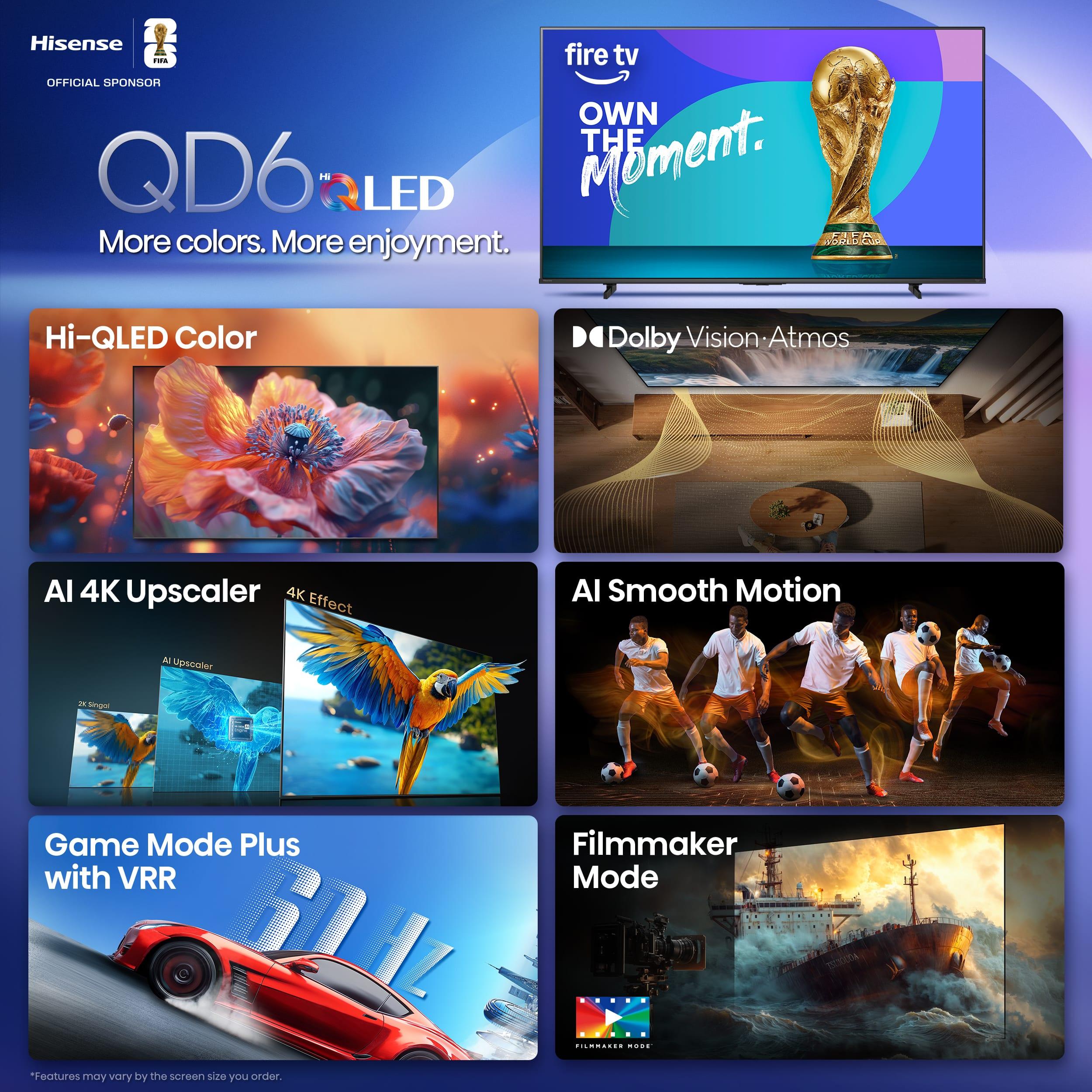
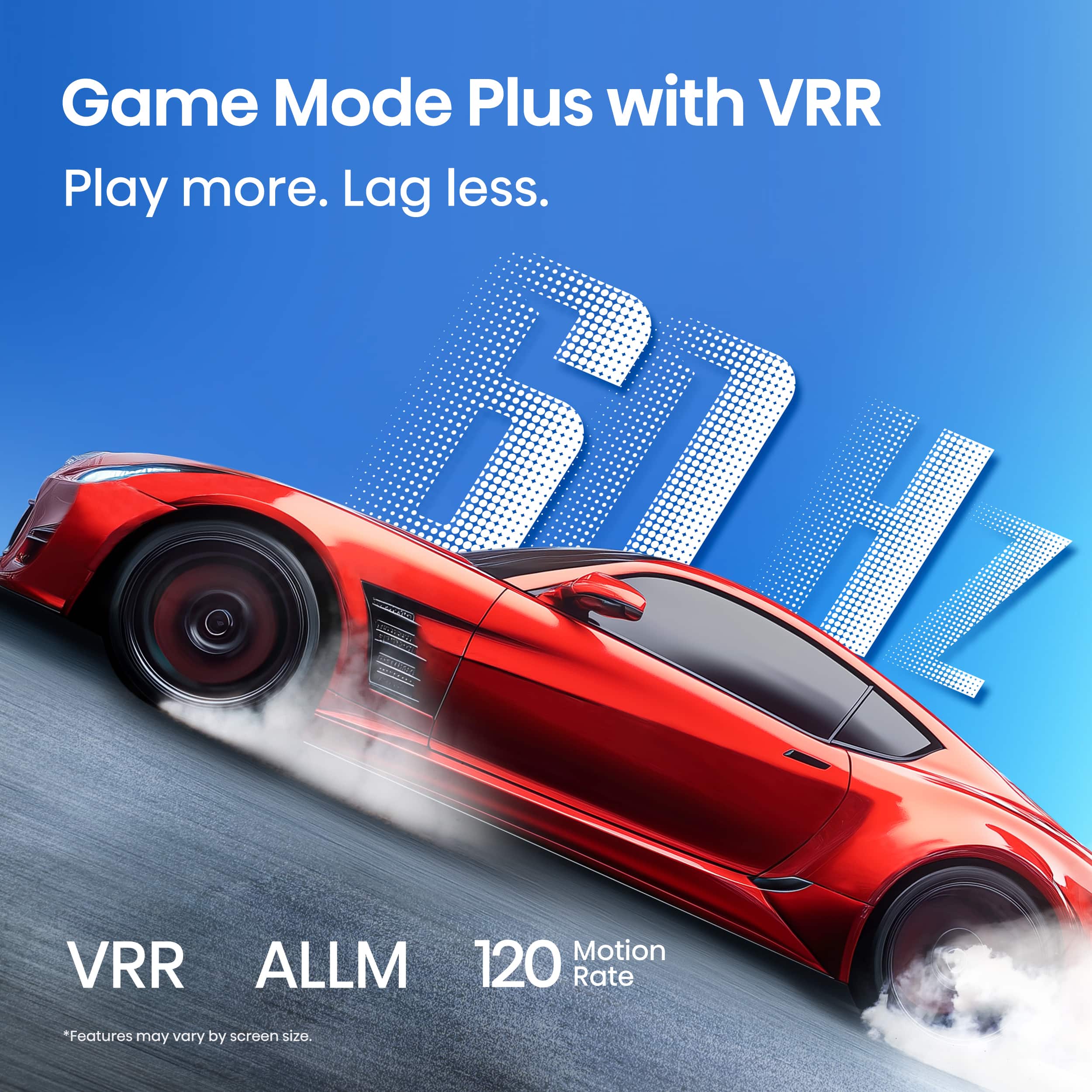
Gaming capabilities reveal perhaps the biggest practical difference between these models. The Hisense QD6QF includes specific gaming optimizations like Variable Refresh Rate (VRR) and Auto Low Latency Mode (ALLM). VRR synchronizes the TV's refresh rate with your console's frame rate, eliminating screen tearing – those horizontal lines that appear when frame rates don't match. ALLM automatically switches the TV to its lowest latency mode when it detects gaming input.
More importantly, the Hisense achieves impressively low input lag around 10.2 milliseconds in game mode. Input lag is the delay between when you press a controller button and when the action appears on screen. Anything under 20ms is considered good for gaming, so 10.2ms puts this TV in competitive gaming territory.
The Samsung Q7F doesn't appear to offer comparable gaming features based on available specifications. This represents a significant advantage for the Hisense if you or family members game regularly on consoles like PlayStation 5 or Xbox Series X/S.
However, both TVs limit gaming to 60Hz refresh rates due to HDMI 2.0 connectivity rather than HDMI 2.1. This means you won't get 4K gaming at 120fps, which some newer games support. For most gaming scenarios, though, 60fps at 4K with low input lag provides an excellent experience.
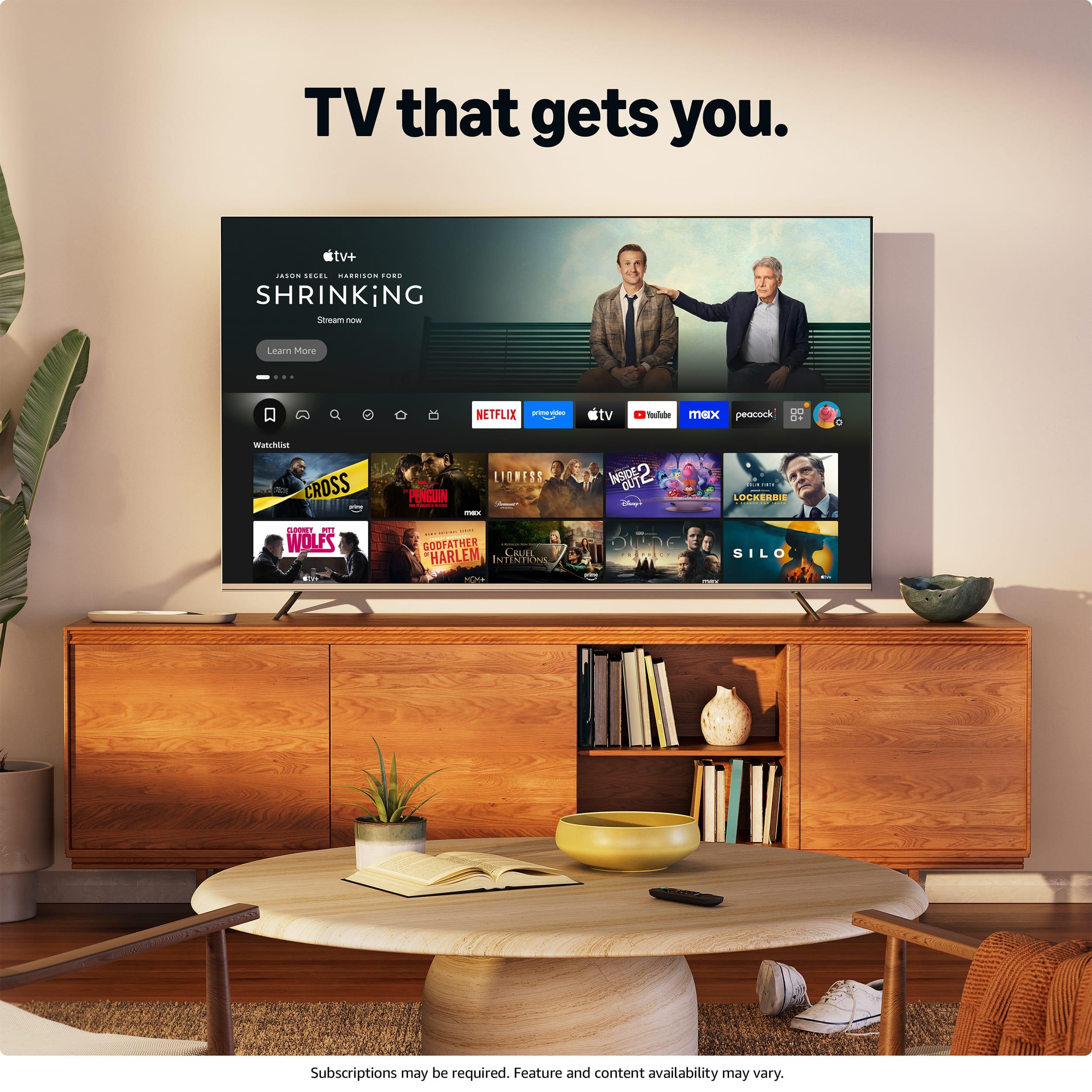
The software experience differs significantly between these TVs. The Hisense QD6QF runs Amazon's Fire TV platform, while the Samsung Q7F uses Samsung's Tizen operating system with Vision AI enhancements.
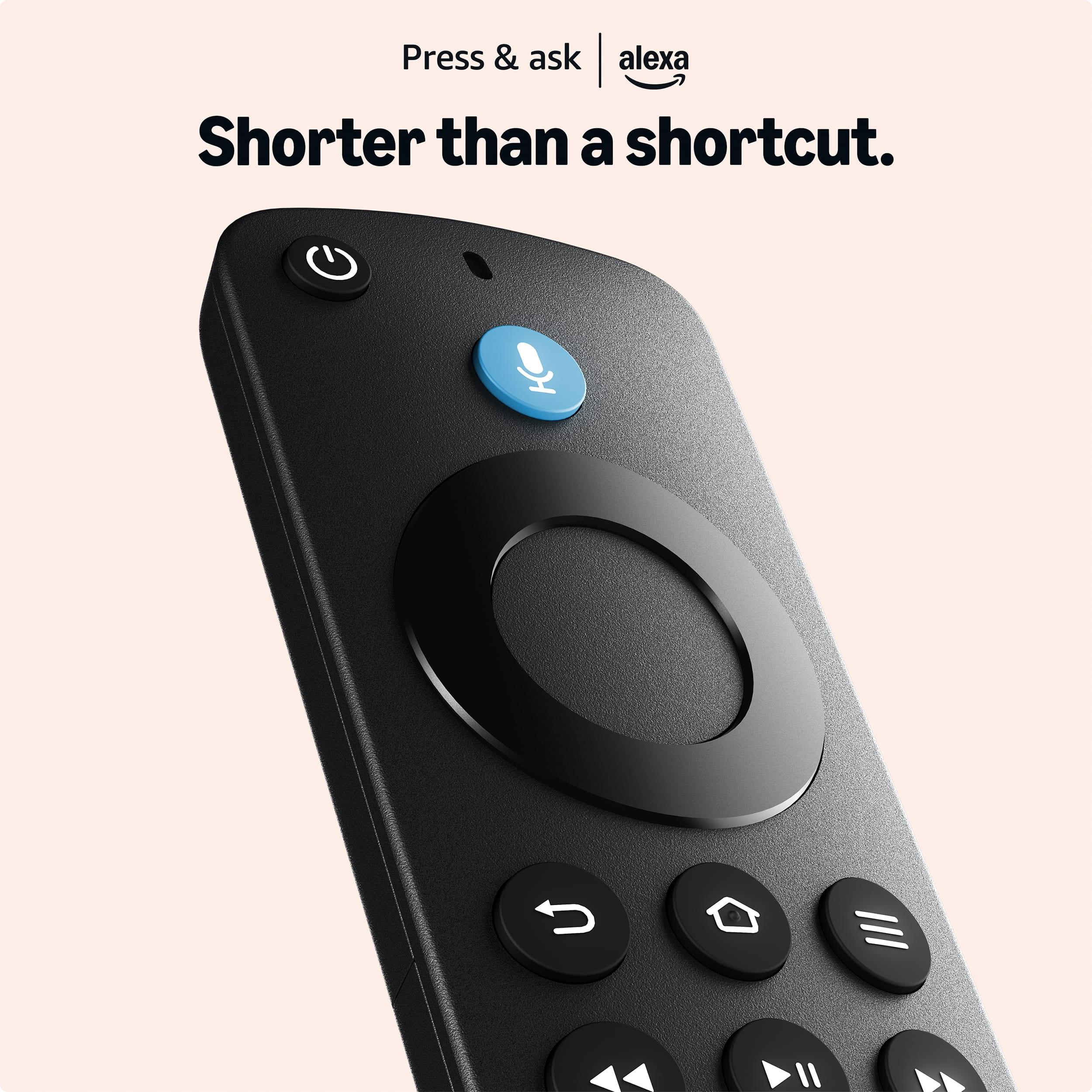
Fire TV has become surprisingly capable over the years. It offers extensive app support, including all major streaming services, and integrates naturally with Amazon's ecosystem. If you use Alexa smart home devices or shop frequently on Amazon, Fire TV provides convenient voice control and content recommendations. The interface feels responsive in most usage, though some users report occasional lag in menus.
Tizen represents Samsung's mature smart TV platform, refined through years of development. It tends to feel more polished than Fire TV, with smoother animations and better overall responsiveness. Samsung's Vision AI adds intelligent features like automatic picture mode selection and content enhancement, though the practical benefits vary by content type.
The choice often comes down to ecosystem preferences. Fire TV works better if you're invested in Amazon's services, while Tizen integrates more seamlessly with Samsung devices and Google services. Both support major streaming apps and voice assistants, so basic functionality won't differ dramatically.
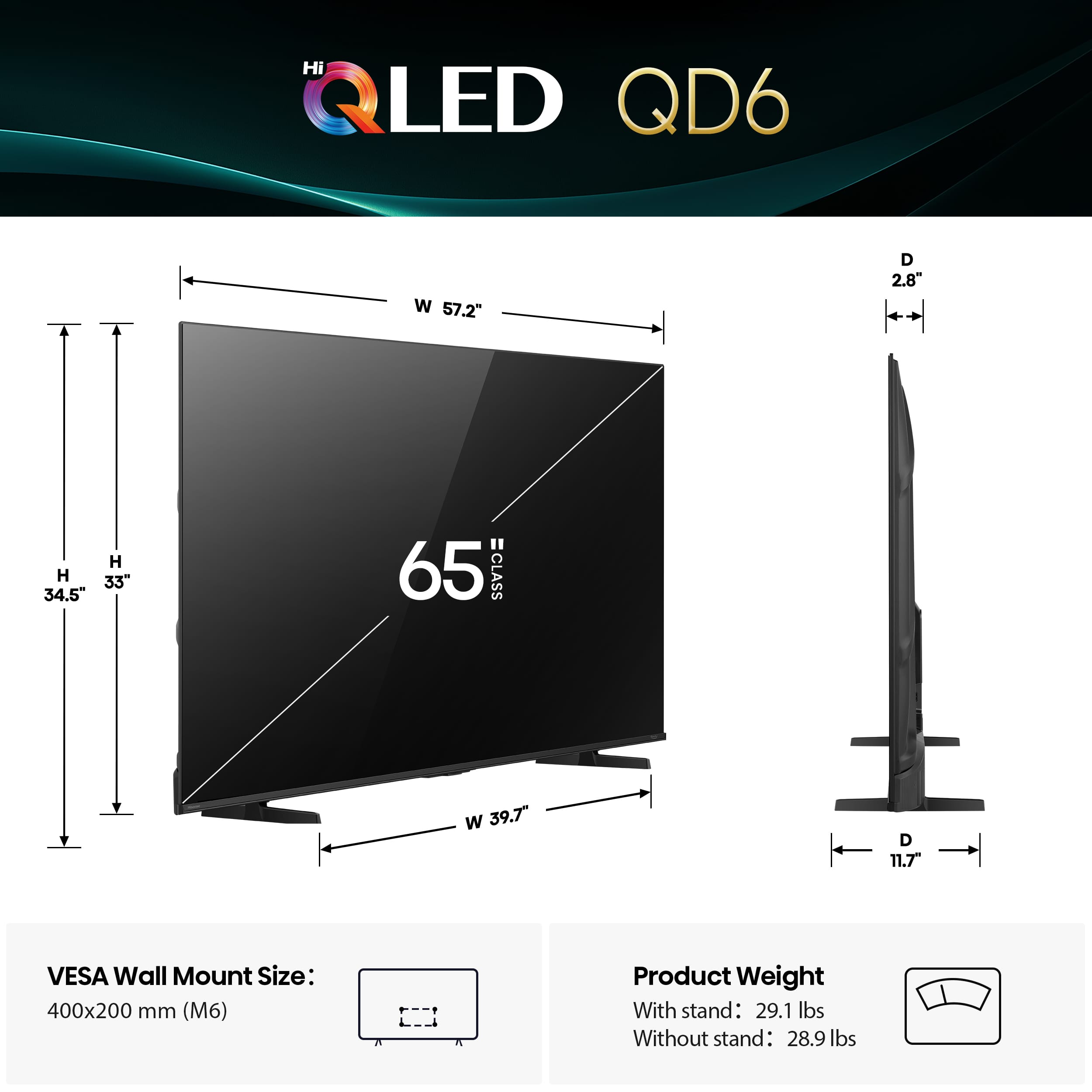
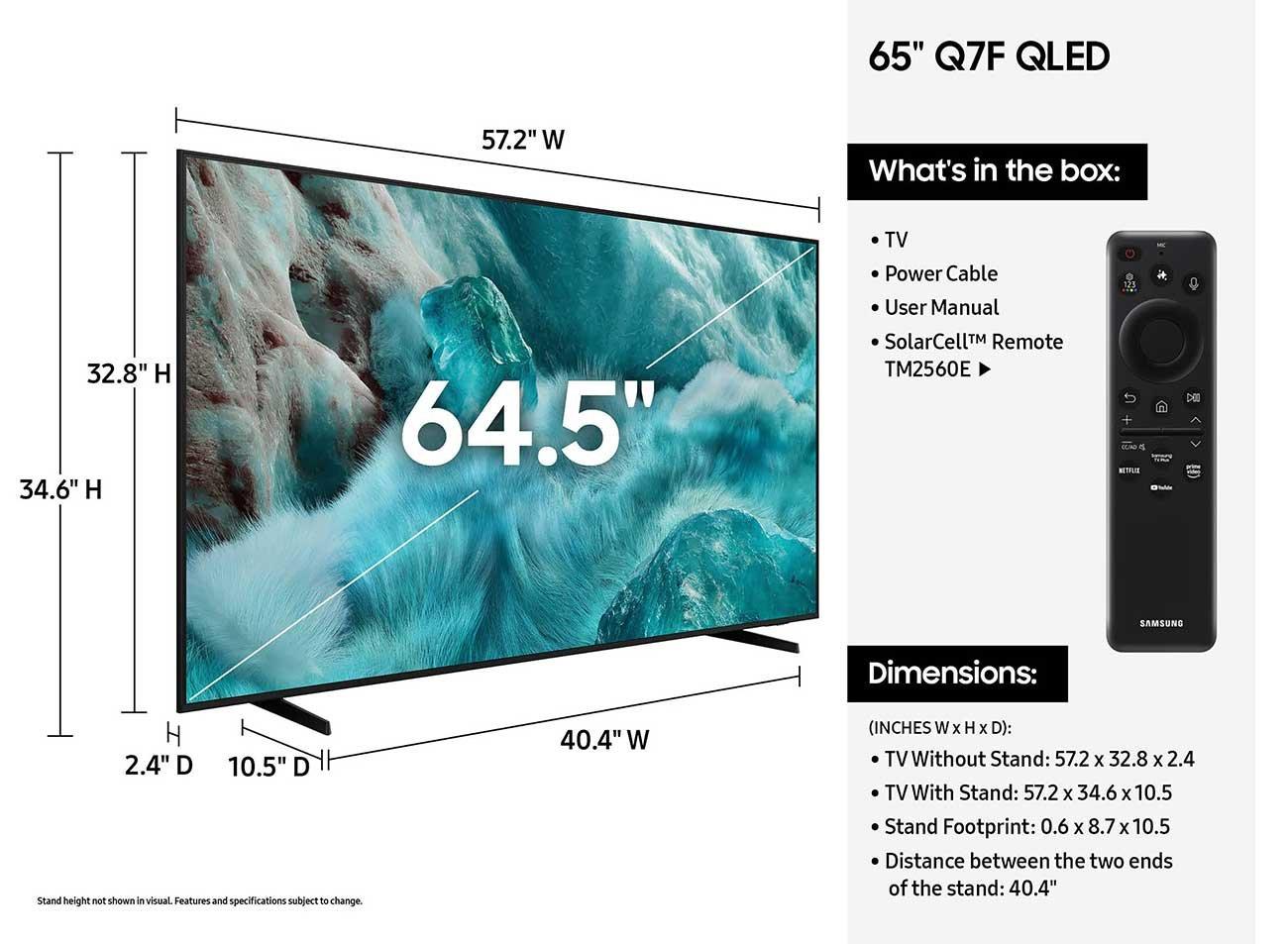
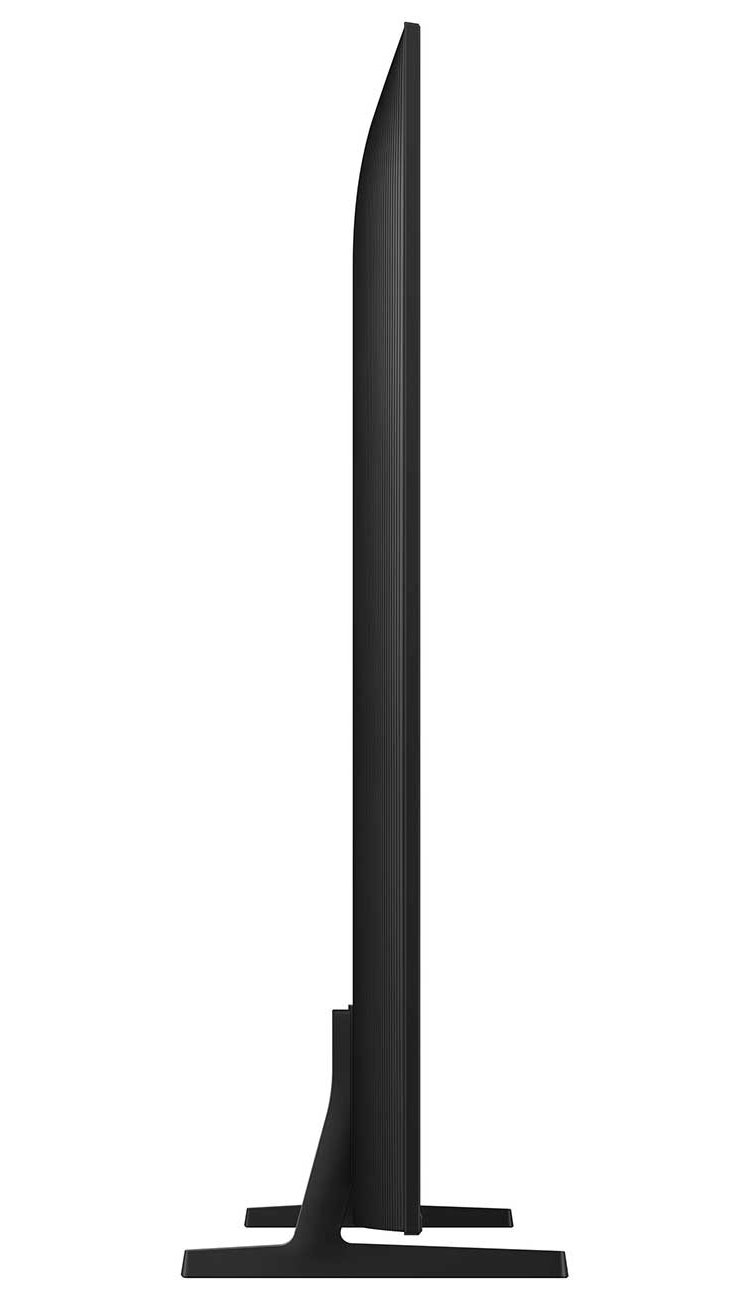
Physical design reveals different priorities between manufacturers. The Samsung Q7F achieves a slimmer 2.4-inch depth compared to the Hisense's 2.8 inches – not a huge difference, but noticeable if wall mounting. Samsung also includes their innovative BT SolarCell Remote, which charges via ambient light and reduces battery waste.
The Hisense QD6QF takes a more utilitarian approach with wider-set feet that provide better stability and four HDMI ports versus Samsung's three. For households with multiple gaming consoles, streaming devices, and other HDMI equipment, that extra port eliminates the need for HDMI switching.
Both TVs use fairly standard LED-LCD construction. Neither feels premium like flagship models, but both appear solidly built for their price points. The Samsung edges ahead on aesthetic refinement, while the Hisense prioritizes practical features.
At the time of writing, the Hisense QD6QF typically costs about $125-150 less than the Samsung Q7F, making it the clear value winner. That price difference becomes more significant when you consider the Hisense actually delivers slightly better measured picture quality in key areas like brightness and color gamut coverage.
The Samsung commands its premium based on brand reputation, design refinement, and platform maturity. Whether that's worth the extra cost depends on your priorities and budget flexibility. If you're stretching to afford a 65-inch QLED TV, the Hisense represents better pure performance per dollar.
However, Samsung's higher resale value and longer software support history might justify the premium for some buyers. Samsung typically provides several years of Tizen updates, while Hisense's update track record varies by model.
Neither TV truly excels in dedicated home theater applications, but they can work adequately with proper expectations. The lack of local dimming severely limits dark room performance – you'll see significant blooming around bright objects against dark backgrounds, and black levels won't approach OLED quality.
For home theater use, both TVs benefit from careful calibration and proper room lighting control. Their Filmmaker Mode features (which disable motion smoothing and other processing) help preserve director intent for movies. The Hisense QD6QF supports Dolby Atmos audio passthrough, potentially providing better surround sound integration with external audio systems.
If you're building a dedicated theater room, honestly consider stretching toward OLED or Mini-LED options instead. These budget QLEDs shine more in mixed-use family rooms where ambient light helps mask their contrast limitations.
The Hisense QD6QF makes the most sense for budget-conscious buyers who want maximum features per dollar. Choose this if you:
The Samsung Q7F suits buyers who prioritize brand reputation and design refinement. Choose this if you:
Based on our research into professional reviews and user feedback, the Hisense QD6QF emerges as the smarter purchase for most buyers. It delivers competitive picture quality, superior gaming features, more connectivity, and better value – all while costing significantly less than the Samsung alternative.
The Samsung Q7F isn't a bad TV, but it's harder to recommend when the Hisense offers similar or better performance at a lower price. Samsung's advantages in design and platform polish don't justify the price premium for most budget-conscious buyers.
That said, if you're committed to Samsung's ecosystem or find the Q7F on sale at comparable pricing, it becomes more competitive. Both TVs represent solid entry points into QLED technology, just with different philosophies about balancing features, performance, and price.
For buyers seeking the best possible performance in this budget range, though, the math favors the Hisense QD6QF. It proves that sometimes the underdog brand delivers more bang for your buck.
| Hisense 65" QD6 Series Hi-QLED Fire TV (2025) | Samsung 65" Q7F QLED 4K Vision AI Smart TV 2025 |
|---|---|
| Peak Brightness - Critical for HDR impact and bright room viewing | |
| ~385 cd/m² (adequate for moderate lighting, struggles with HDR) | ~500 cd/m² (manufacturer spec, real-world performance similar to Hisense) |
| Color Performance - Affects vibrancy and accuracy of all content | |
| 90% DCI-P3 coverage with quantum dots (wide color gamut, vivid colors) | Pantone-certified color accuracy (more natural, film-like colors) |
| Gaming Features - Essential for console gaming performance | |
| VRR, ALLM, 10.2ms input lag (excellent for competitive gaming) | Basic gaming support (no documented VRR/ALLM features) |
| Smart TV Platform - Determines daily user experience | |
| Fire TV with Alexa (Amazon ecosystem, extensive app support) | Tizen with Vision AI (Samsung ecosystem, polished interface) |
| HDMI Connectivity - Important for multiple devices | |
| 4x HDMI 2.0 ports (no HDMI 2.1, but more total ports) | 3x HDMI ports (fewer connections available) |
| Display Technology - Affects contrast and viewing angles | |
| VA panel with quantum dots, no local dimming (good contrast, narrow angles) | Direct-lit LED with 4500:1 contrast (decent blacks, no local dimming) |
| Design and Build - Physical appearance and premium feel | |
| 2.8" depth, utilitarian design, wide-set stable feet | 2.4" depth, slimmer profile, includes BT SolarCell Remote |
| Audio Support - For home theater integration | |
| Dolby Atmos passthrough, optical output | Standard audio features |
| AI Processing - Upscaling and motion handling | |
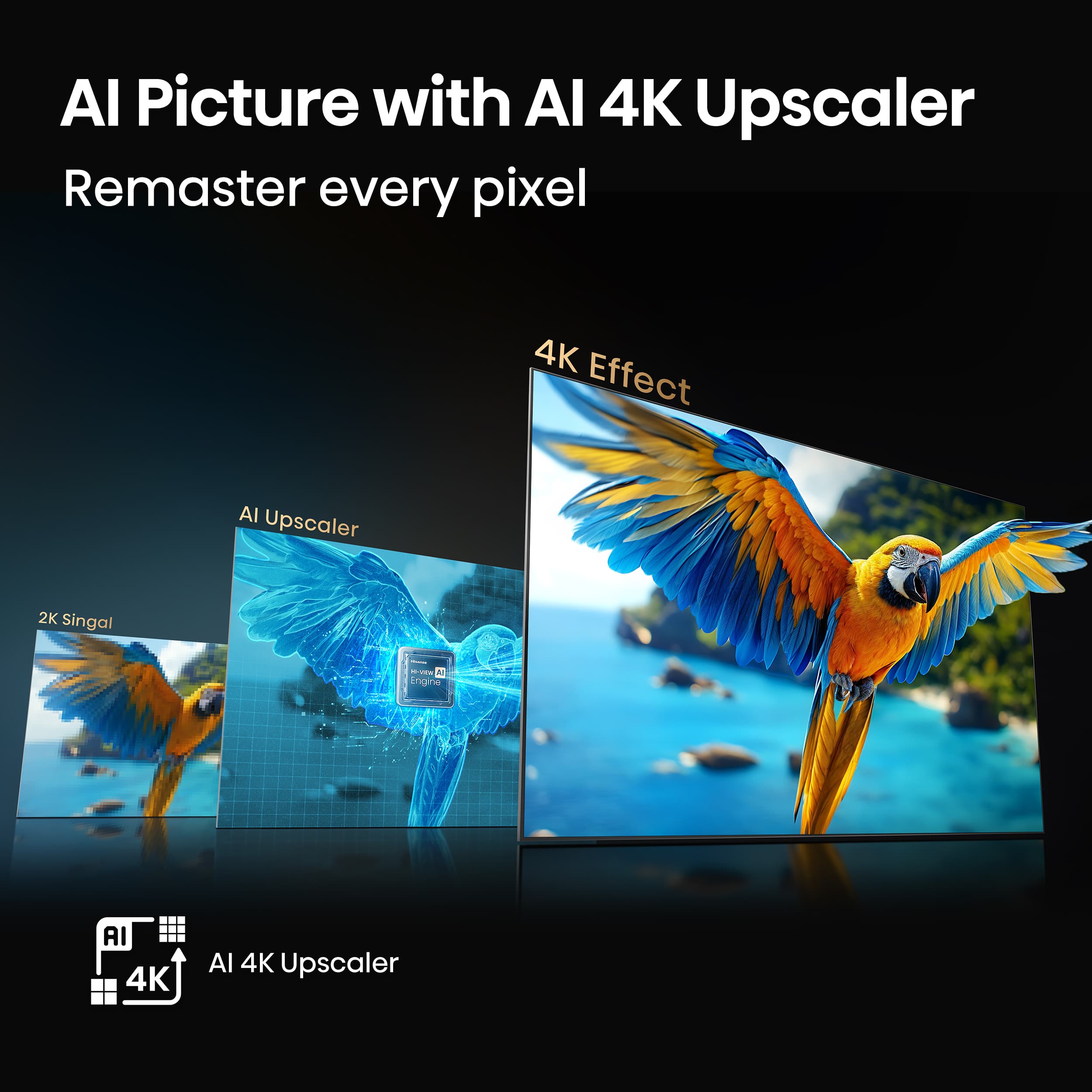
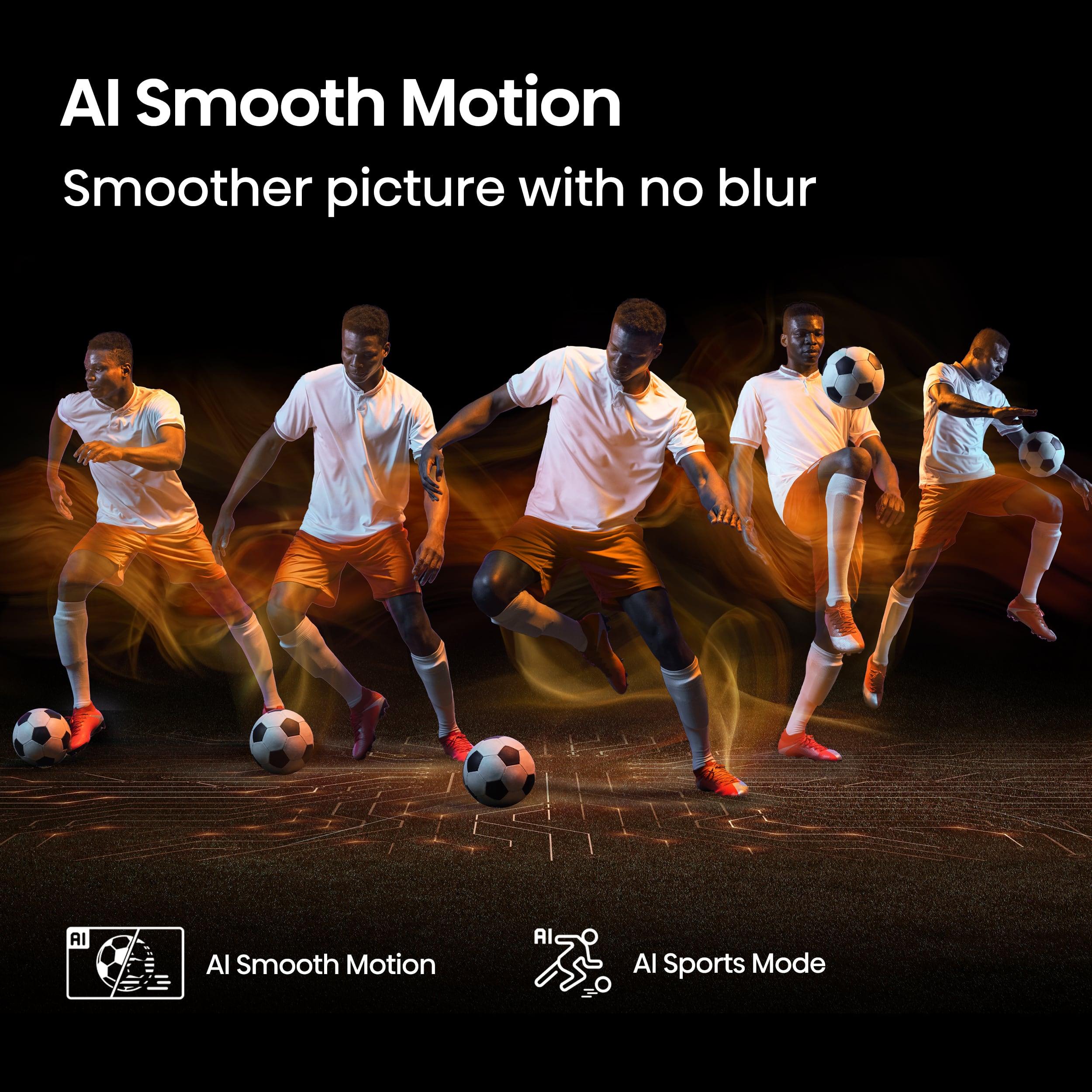
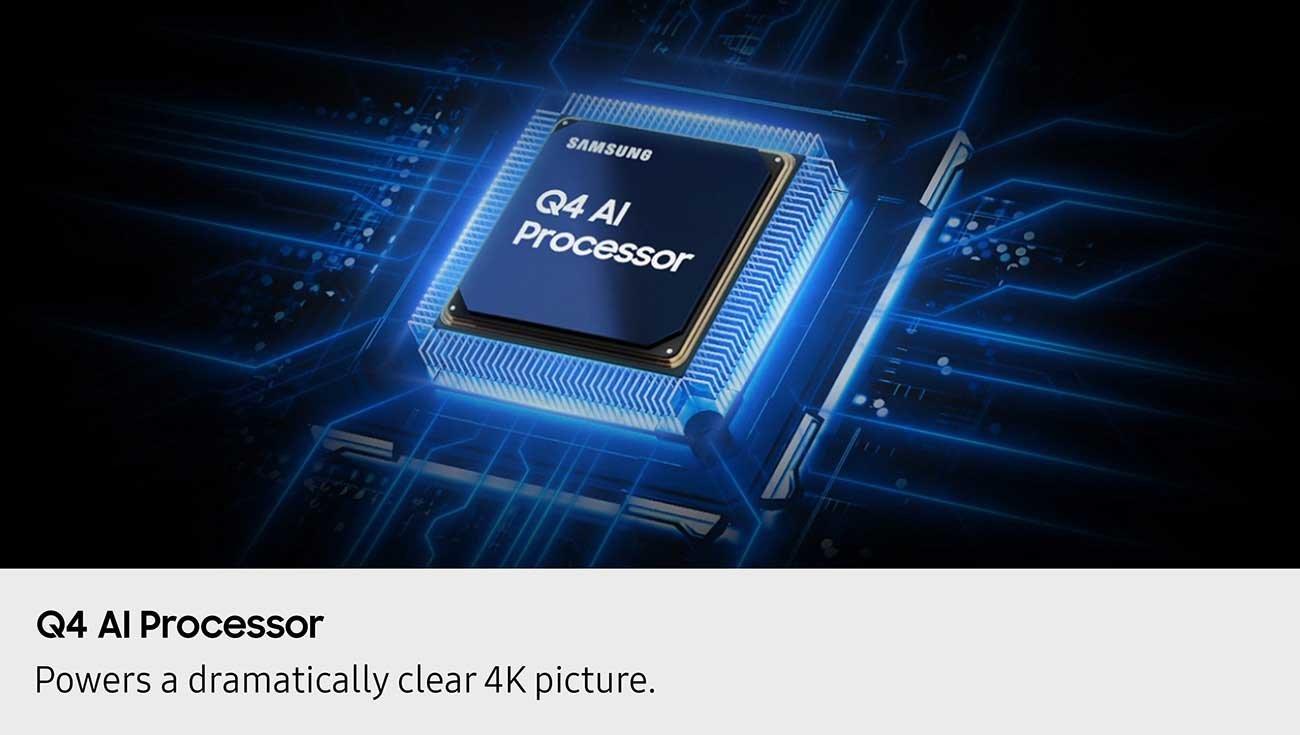
| AI 4K Upscaler, AI Smooth Motion with MEMC | Q4 AI Processor with Vision AI enhancements |
| HDR Format Support - Compatibility with premium content | |
| Dolby Vision, HDR10+, HDR10, HLG (comprehensive support) | HDR10+ support (limited format compatibility) |
| Refresh Rate - Gaming and motion performance | |
| 60Hz native (Motion Rate 120 with interpolation) | 60Hz with Motion Xcelerator enhancement |
| Value Proposition - Performance per dollar spent | |
| Superior features and performance at lower cost | Premium branding with modest performance gains |
The Hisense 65" QD6 Series delivers slightly better measured brightness at around 385 cd/m² and covers 90% of the DCI-P3 color space for vivid colors. The Samsung 65" Q7F offers Pantone-certified color accuracy for more natural-looking images. Both use quantum dot technology, but the Hisense provides better overall picture performance for the price.
The Hisense QD6 Series is significantly better for gaming, offering Variable Refresh Rate (VRR), Auto Low Latency Mode (ALLM), and extremely low 10.2ms input lag. The Samsung Q7F lacks these dedicated gaming features. If you game on consoles like PlayStation or Xbox, the Hisense is the clear winner.
Both platforms are capable, but serve different preferences. The Hisense QD6 runs Fire TV, which integrates well with Amazon's ecosystem and Alexa devices. The Samsung Q7F uses Tizen with Vision AI, offering a more polished interface and Samsung device integration. Choose based on your existing smart home setup.
Yes, both support HDR, but with limitations. The Hisense QD6 supports all major HDR formats including Dolby Vision, HDR10+, and HDR10. The Samsung Q7F supports HDR10+. However, neither TV gets bright enough for truly impressive HDR performance, making this a minor consideration between the two.
The Hisense QD6 Series provides superior value, offering better measured picture quality, more gaming features, and additional HDMI ports at a lower price point. The Samsung Q7F costs more for similar performance, though it does offer premium branding and slightly better build quality.
Neither the Hisense QD6 nor Samsung Q7F excels in dark room home theater setups due to lack of local dimming technology. Both will show grayish blacks and blooming around bright objects. They work better in moderately lit family rooms where ambient light helps mask these contrast limitations.
The Hisense QD6 Series offers 4 HDMI 2.0 ports, 2 USB ports, and Wi-Fi 5 connectivity. The Samsung Q7F provides only 3 HDMI ports. If you have multiple gaming consoles, streaming devices, or other HDMI equipment, the Hisense offers more connection flexibility.
No, neither the Hisense QD6 nor Samsung Q7F supports 4K at 120Hz due to HDMI 2.0 limitations rather than HDMI 2.1. Both are limited to 60Hz refresh rates at 4K resolution, which is still adequate for most gaming scenarios but not cutting-edge.
The Samsung Q7F features a slimmer 2.4-inch profile and includes an innovative BT SolarCell Remote that charges via ambient light. The Hisense QD6 has a thicker 2.8-inch design but offers more stable wide-set feet. Samsung edges ahead on premium aesthetics and environmental features.
The Hisense QD6 covers 90% of the DCI-P3 color gamut for wide, vibrant colors that pop on screen. The Samsung Q7F emphasizes Pantone-certified accuracy for natural, film-like colors. Choose Hisense for vivid content like sports and animation, or Samsung for accurate movie watching.
Both the Hisense QD6 Series and Samsung Q7F handle moderate lighting adequately but struggle against direct sunlight. The Hisense achieves slightly better measured brightness in real-world testing, making it marginally better for bright room viewing, though neither excels in this scenario.
Choose the Hisense QD6 Series if you want the best value, gaming features, and measured performance per dollar. Select the Samsung Q7F if you prioritize brand reputation, premium design, and Tizen platform benefits. For most budget-conscious buyers, the Hisense offers superior overall value and performance.
We've done our best to create useful and informative comparisons to help you decide what product to buy. Our research uses advanced automated methods to create this comparison and perfection is not possible - please contact us for corrections or questions. These are the sites we've researched in the creation of this article: pcvarge.com - bestbuy.com - rtings.com - youtube.com - rtings.com - youtube.com - consumerreports.org - leaseville.com - hisense-usa.com - device.report - hisense-usa.com - youtube.com - flatpanelshd.com - displayspecifications.com - retailspecs.com - bestbuy.com - youtube.com - samsung.com - samsung.com - pcrichard.com - samsung.com - samsung.com - videoandaudiocenter.com - displayspecifications.com - bestbuy.com - samsung.com - samsung.com - samsung.com - samsung.com - news.samsung.com

Privacy Policy
Terms and Conditions - Affiliate Policy
Home Security
© Copyright 2008-2026.
11816 Inwood Rd #1211, Dallas, TX 75244