

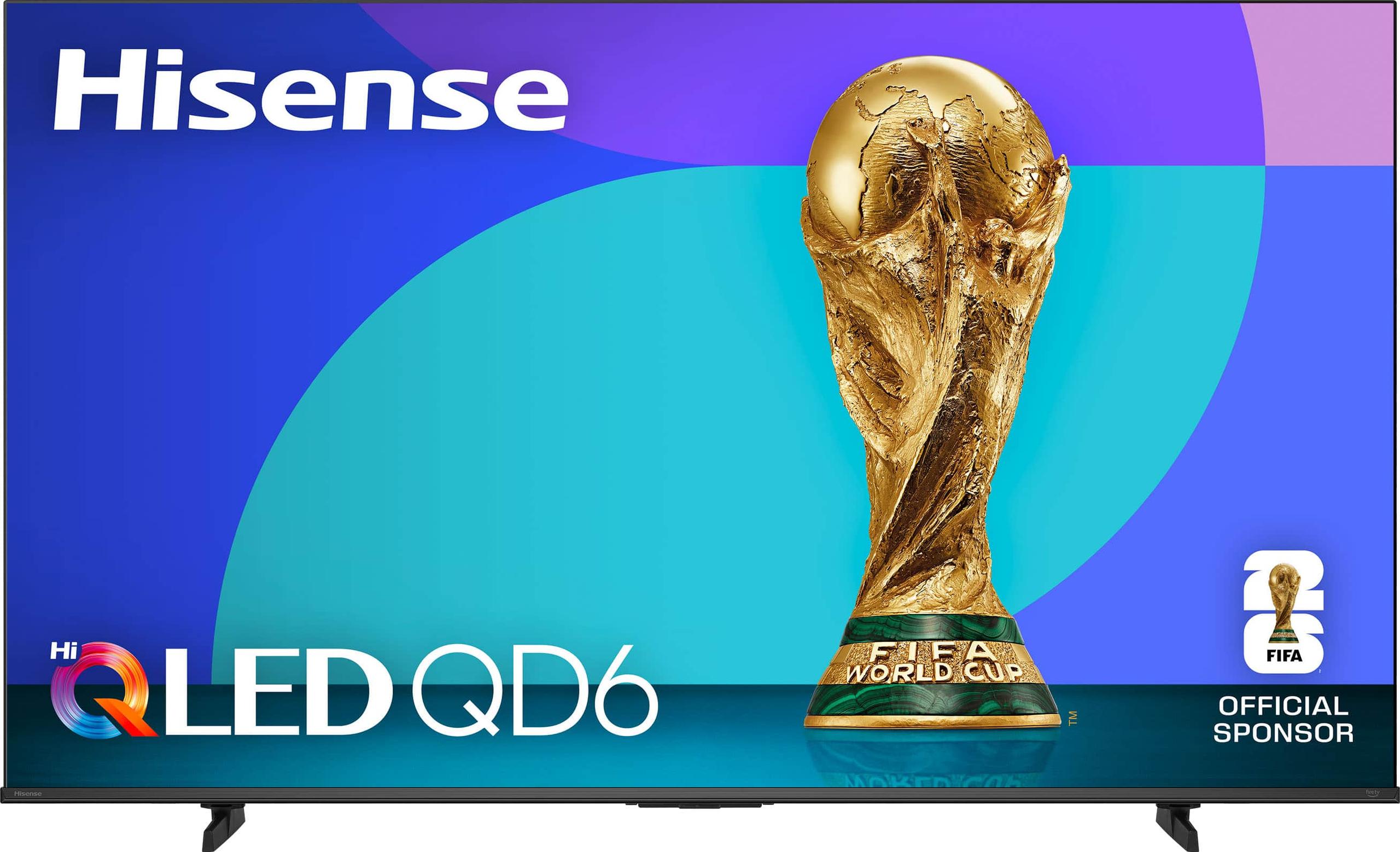
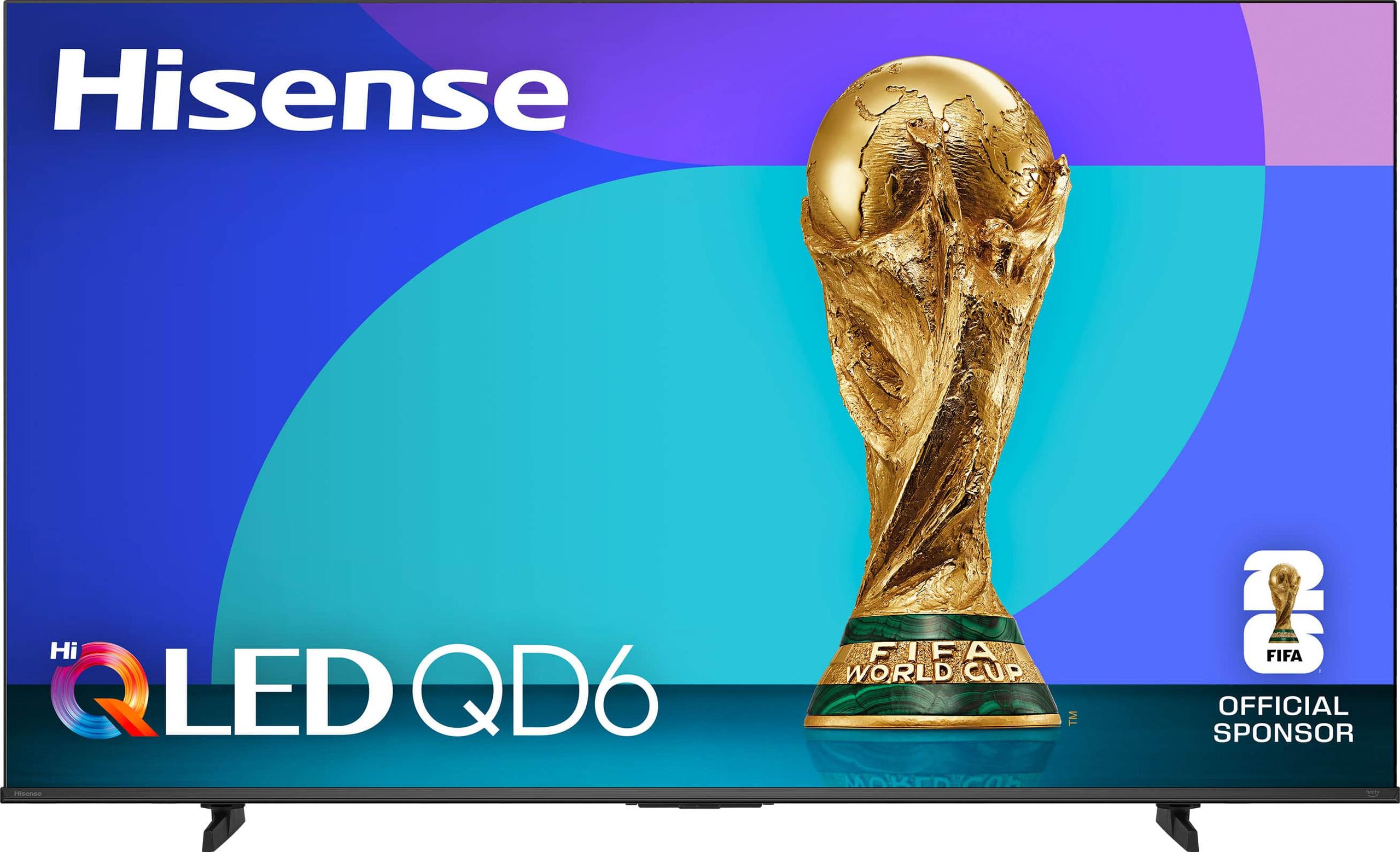


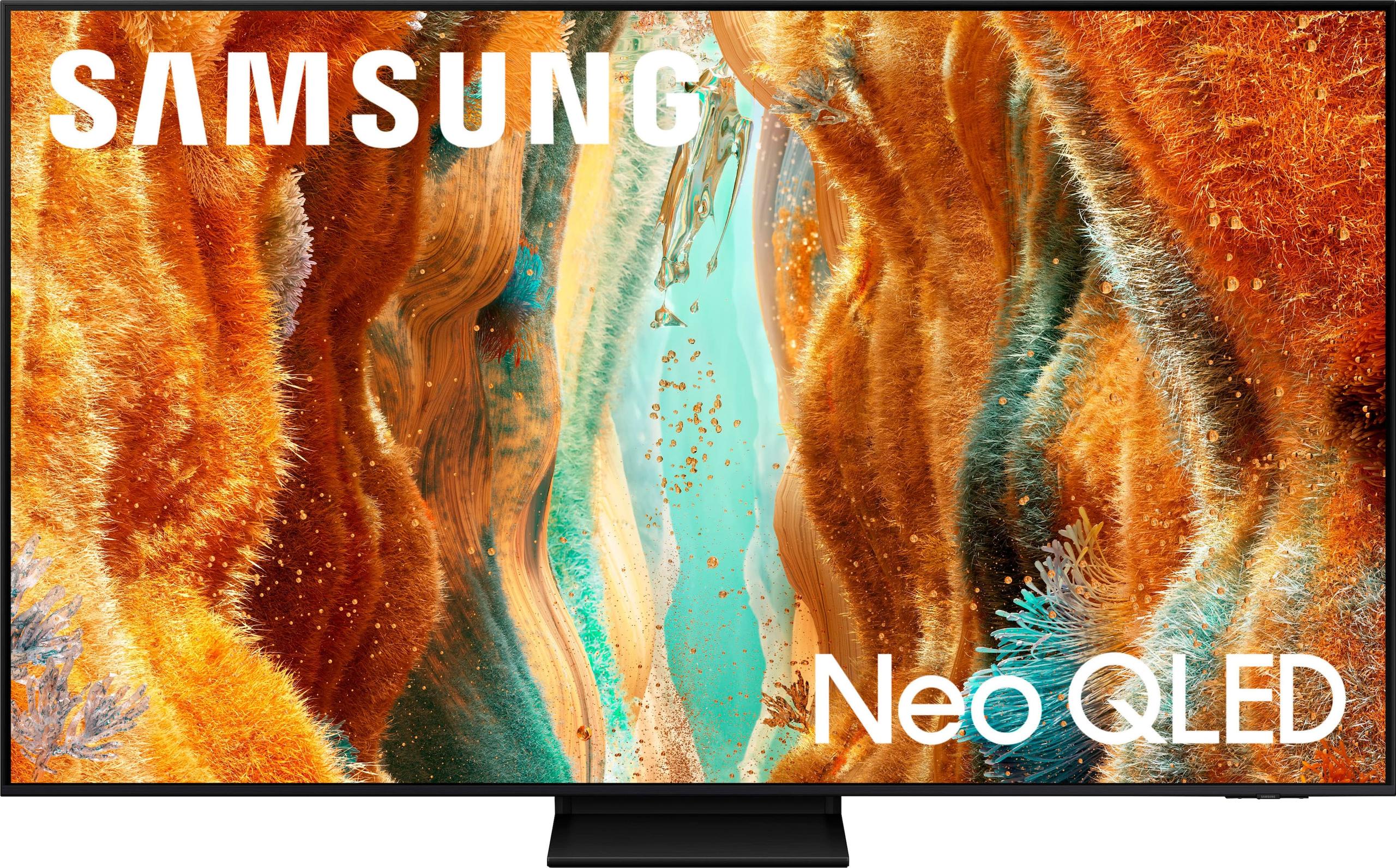
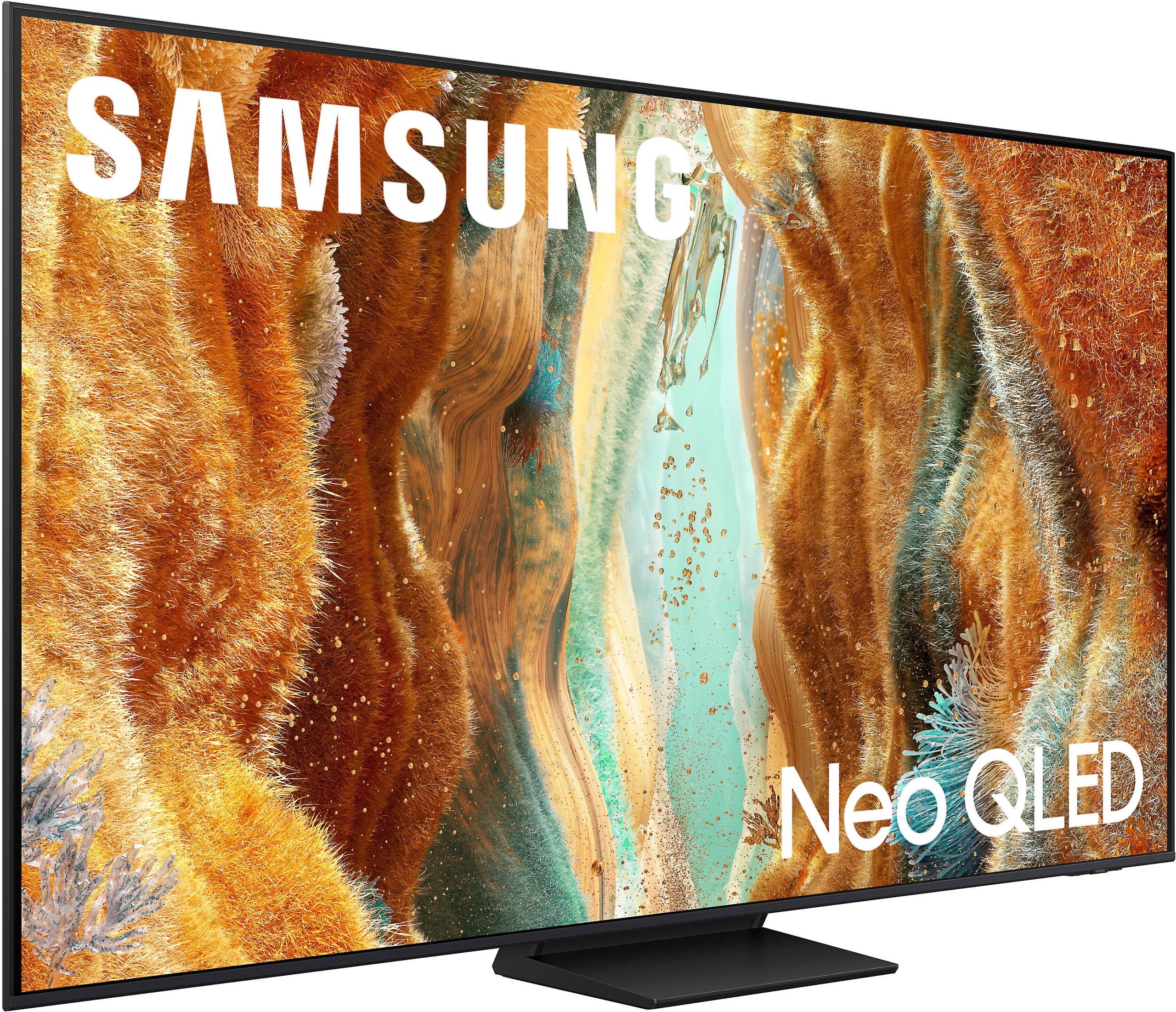
When you're shopping for a 65-inch TV, you'll quickly discover that not all displays are created equal—even when they share the same screen size. The Hisense 65" QD6 Series and Samsung 65" QN70F represent two fundamentally different approaches to delivering 4K entertainment, and understanding these differences is crucial for making the right choice.
The 65-inch TV market splits into several distinct tiers, each targeting different needs and budgets. At the entry level, you'll find basic LED displays that prioritize affordability. Moving up, QLED TVs (like the Hisense QD6) add quantum dot technology for enhanced colors. At the premium end, Mini-LED displays (like the Samsung QN70F) use thousands of tiny LEDs for superior brightness and contrast control.
The key factors that separate these categories include display technology, processing power, gaming capabilities, and smart features. Understanding where each TV sits in this hierarchy helps explain why prices can vary dramatically—and why paying more might (or might not) be worth it for your specific needs.
The Hisense QD6QF, released in 2025, represents Hisense's effort to bring quantum dot color enhancement to budget-conscious buyers. It uses traditional full-array LED backlighting combined with quantum dots—microscopic particles that enhance color reproduction—to deliver more vivid images than standard LED TVs.
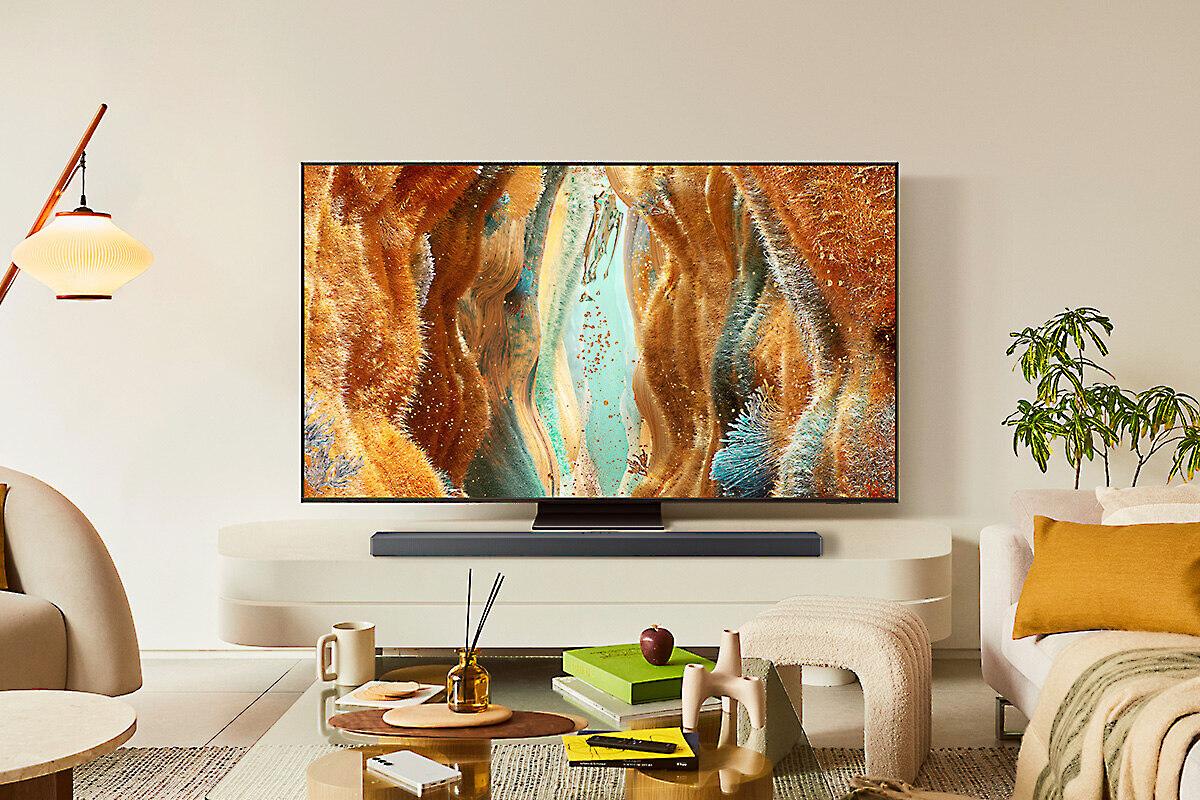
The Samsung QN70F, also from 2025, takes a completely different approach. As Samsung's entry-level Neo QLED model, it employs Mini-LED technology, where hundreds or thousands of tiny LEDs replace traditional larger backlights. This allows for much more precise control over brightness and darkness across different parts of the screen.
These different technologies create a fascinating comparison: budget-friendly color enhancement versus more sophisticated lighting control. The question becomes whether you prioritize vibrant colors on a budget or are willing to invest in superior contrast performance.
The biggest technical difference between these TVs lies in their backlighting systems. The Hisense QD6QF uses direct LED backlighting—essentially large LEDs positioned behind the entire screen. While this provides decent uniformity, it can't precisely control lighting in specific screen areas. When a bright object appears next to a dark one, the entire section brightens, washing out what should be deep blacks.
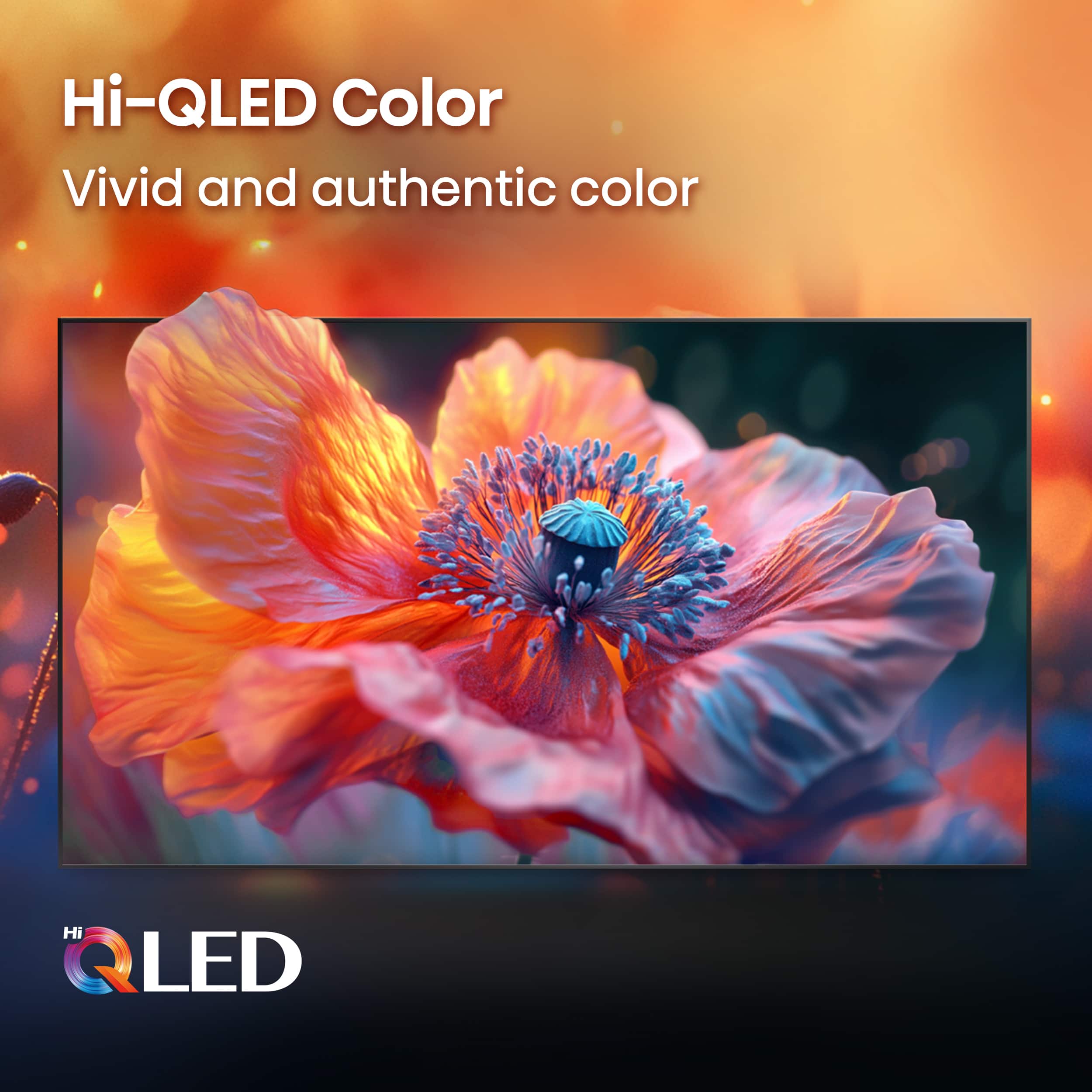
Quantum dots in the Hisense work by converting blue LED light into more precise red and green wavelengths, expanding the color gamut (the range of colors the TV can display) to about 90% of the DCI-P3 standard used in modern movies and shows. This technology, originally developed for high-end displays, has trickled down to budget models, making colors more saturated and accurate than traditional LED TVs.
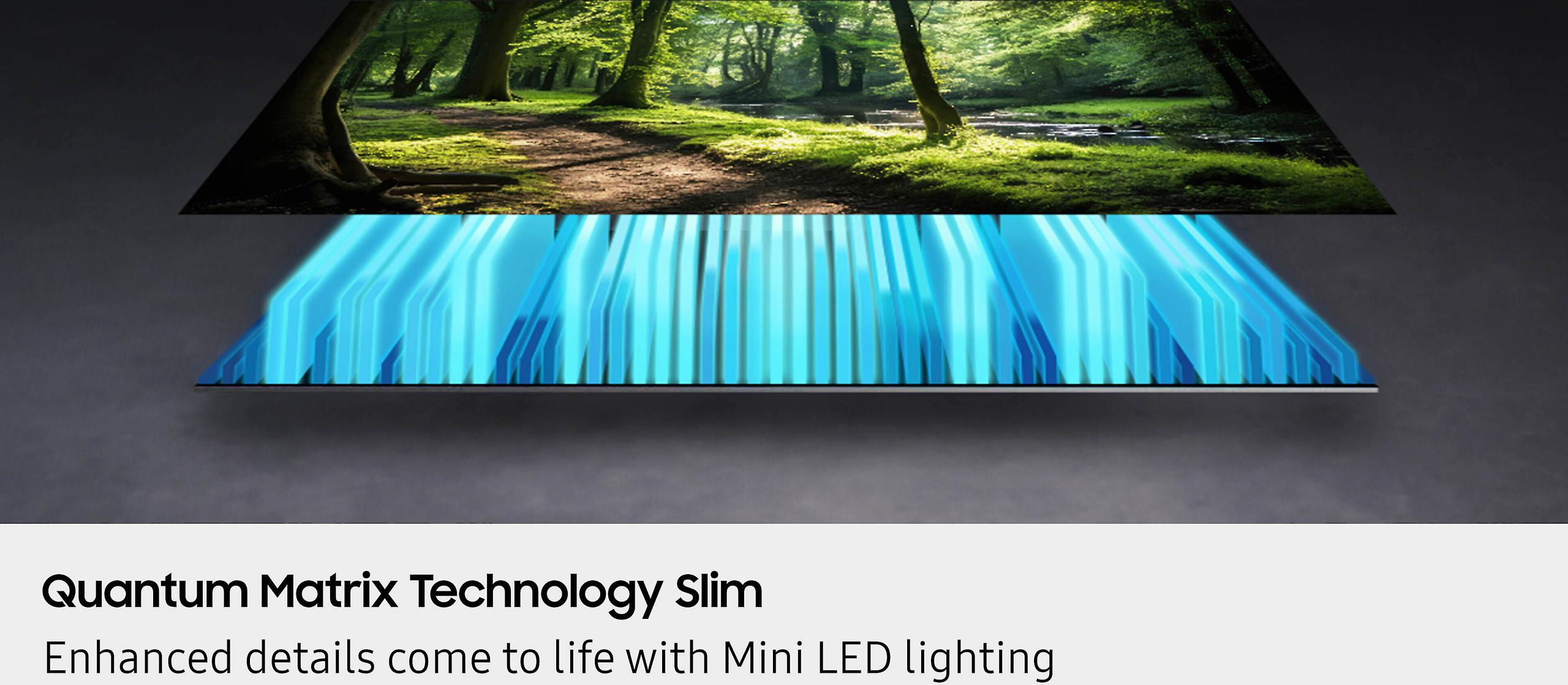
The Samsung QN70F employs Quantum Matrix Slim technology, Samsung's implementation of Mini-LED backlighting. Instead of large LEDs, it uses thousands of tiny LEDs that can be controlled independently or in small groups. This creates what's called "local dimming zones"—areas where brightness can be adjusted without affecting neighboring sections.
Mini-LED technology addresses one of traditional LED TV's biggest weaknesses: the inability to display true blacks alongside bright whites in the same scene. When you're watching a movie with stars against a night sky, Mini-LED can keep the sky dark while making stars brilliantly bright. Traditional LED backlighting would brighten the entire area, making the sky appear grayish.
Based on our research into user experiences and expert reviews, the picture quality differences between these models are significant and immediately noticeable in real-world viewing.
The Hisense QD6QF delivers impressive color performance for its price point. Reviews consistently praise its quantum dot implementation, noting that colors appear vibrant and saturated, particularly in HDR content. However, the TV's peak brightness of approximately 385 cd/m² (candelas per square meter—a measure of luminance) limits its HDR impact. In bright rooms or when watching content with brilliant highlights like fireworks or sunlight reflections, the image can appear somewhat flat compared to brighter displays.
The Samsung QN70F excels in scenarios where the Hisense struggles. Its Mini-LED backlighting produces significantly higher peak brightness, making HDR highlights more impactful. More importantly, its local dimming capability creates deeper blacks and better contrast ratios. When watching movies in dark rooms—arguably the most demanding test for any TV—the Samsung maintains detail in shadows while keeping bright elements properly illuminated.
However, both TVs share some limitations common to VA-type LCD panels (the panel technology both use). Viewing angles remain narrow compared to OLED displays, meaning colors and contrast degrade when viewed from the side. For most living room setups where viewers sit relatively centered, this isn't problematic, but it's worth considering for larger rooms with multiple seating areas.
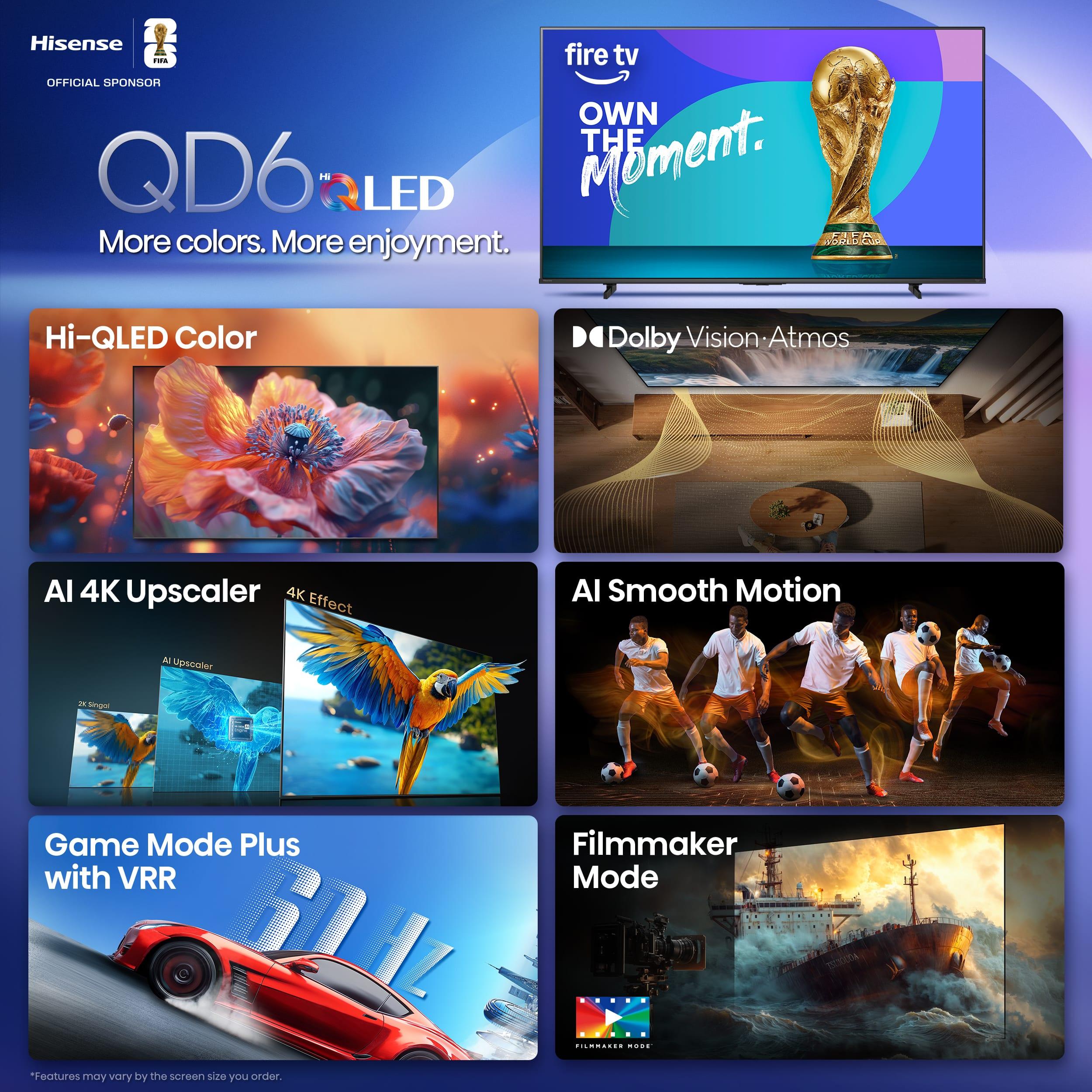
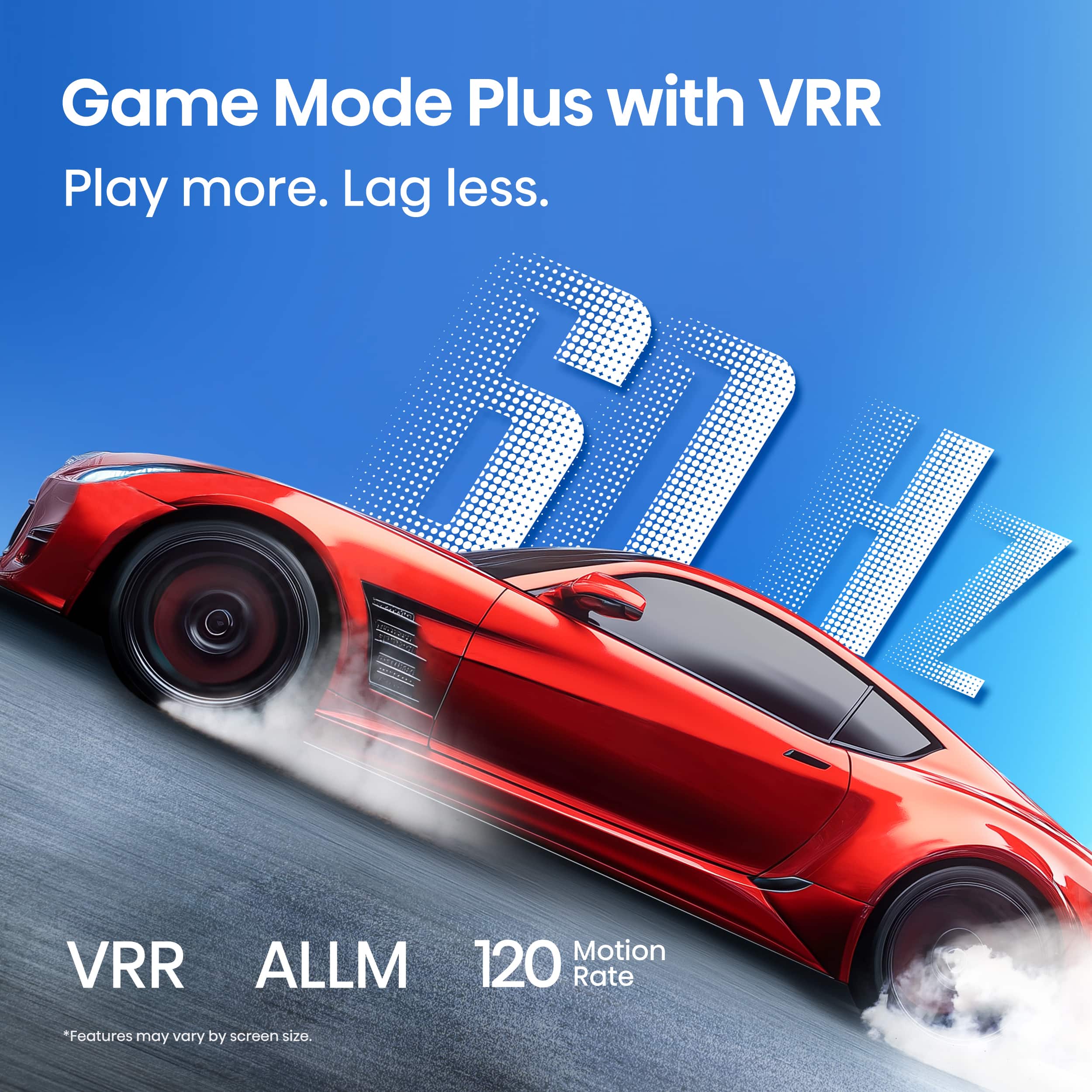
The gaming capabilities of these TVs reveal perhaps their starkest differences. The Hisense QD6QF offers a 60Hz native refresh rate with Motion Rate 120 processing (which interpolates frames to create smoother motion but doesn't increase actual input responsiveness). It includes Variable Refresh Rate (VRR) and Auto Low Latency Mode (ALLM), but these features work within the 60Hz limitation.
For casual gaming—playing single-player adventures, RPGs, or older titles—the Hisense performs adequately. Input lag measures around 10 milliseconds in game mode, which feels responsive for most players. However, the 60Hz ceiling becomes noticeable in fast-paced competitive games or when using high-end gaming PCs capable of pushing beyond 60 frames per second.
The Samsung QN70F transforms the gaming experience with its 100Hz native refresh rate, expandable to 144Hz for supported content. This means the TV can actually display up to 144 unique images per second, not just interpolated versions of 60Hz content. Combined with AMD FreeSync Premium Pro support, it virtually eliminates screen tearing (the visual artifact where parts of two different frames appear simultaneously) and provides noticeably smoother motion in fast games.
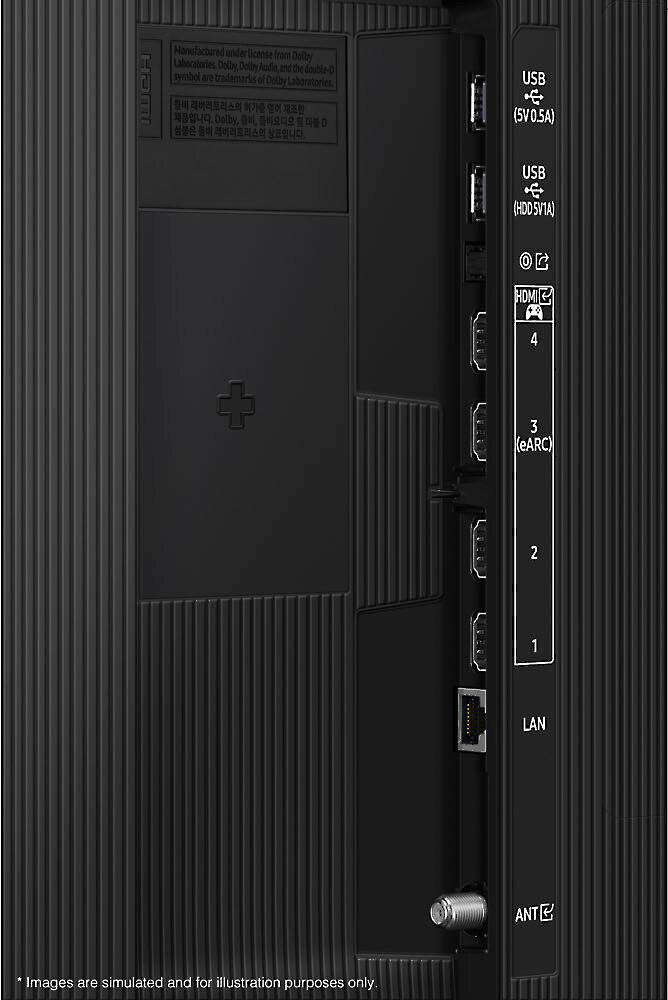
For PlayStation 5 or Xbox Series X owners, the Samsung properly supports 4K@120Hz gaming, allowing these consoles to deliver their smoothest possible performance. The Hisense, limited to HDMI 2.0 ports, cannot display 4K content above 60Hz, regardless of the source device's capabilities.
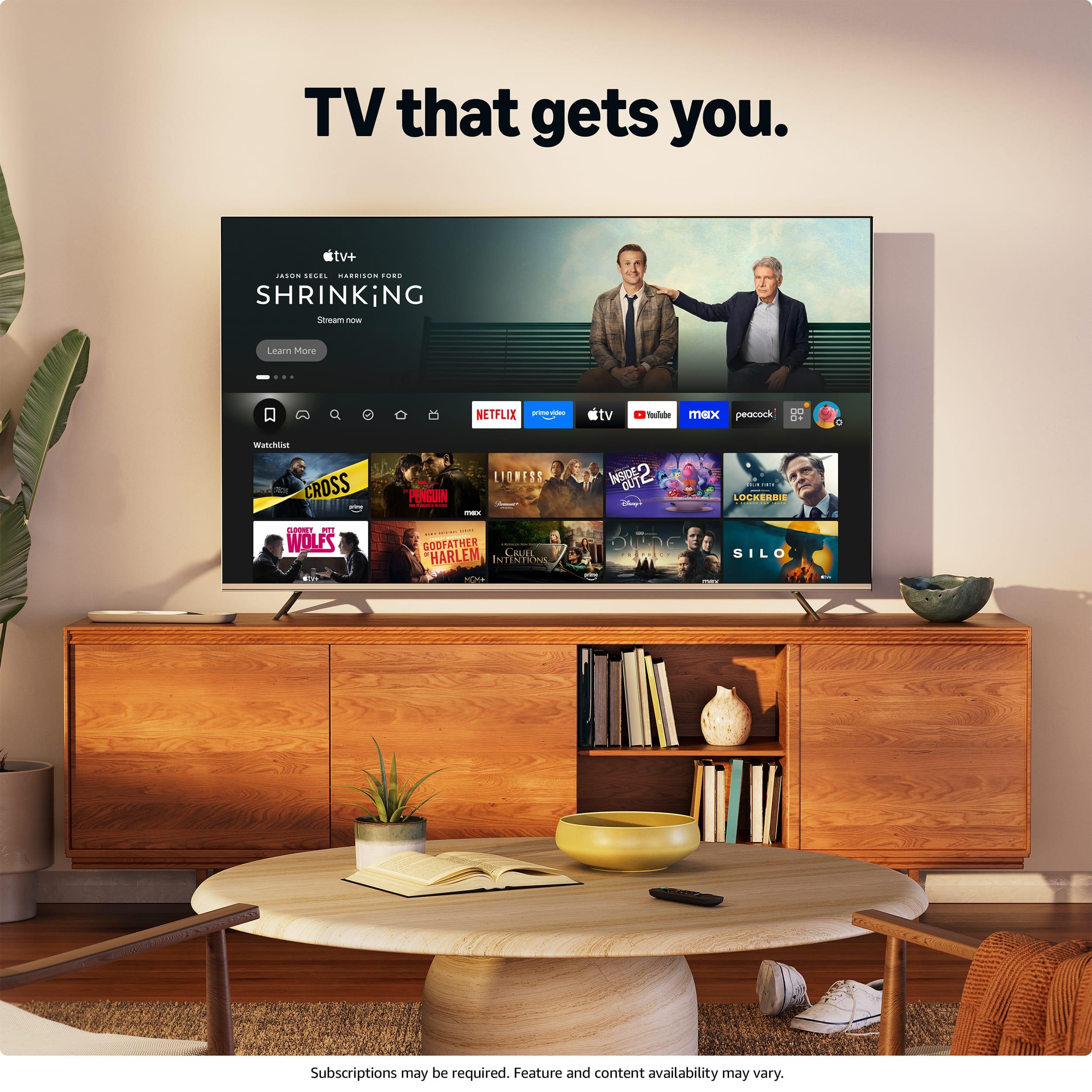
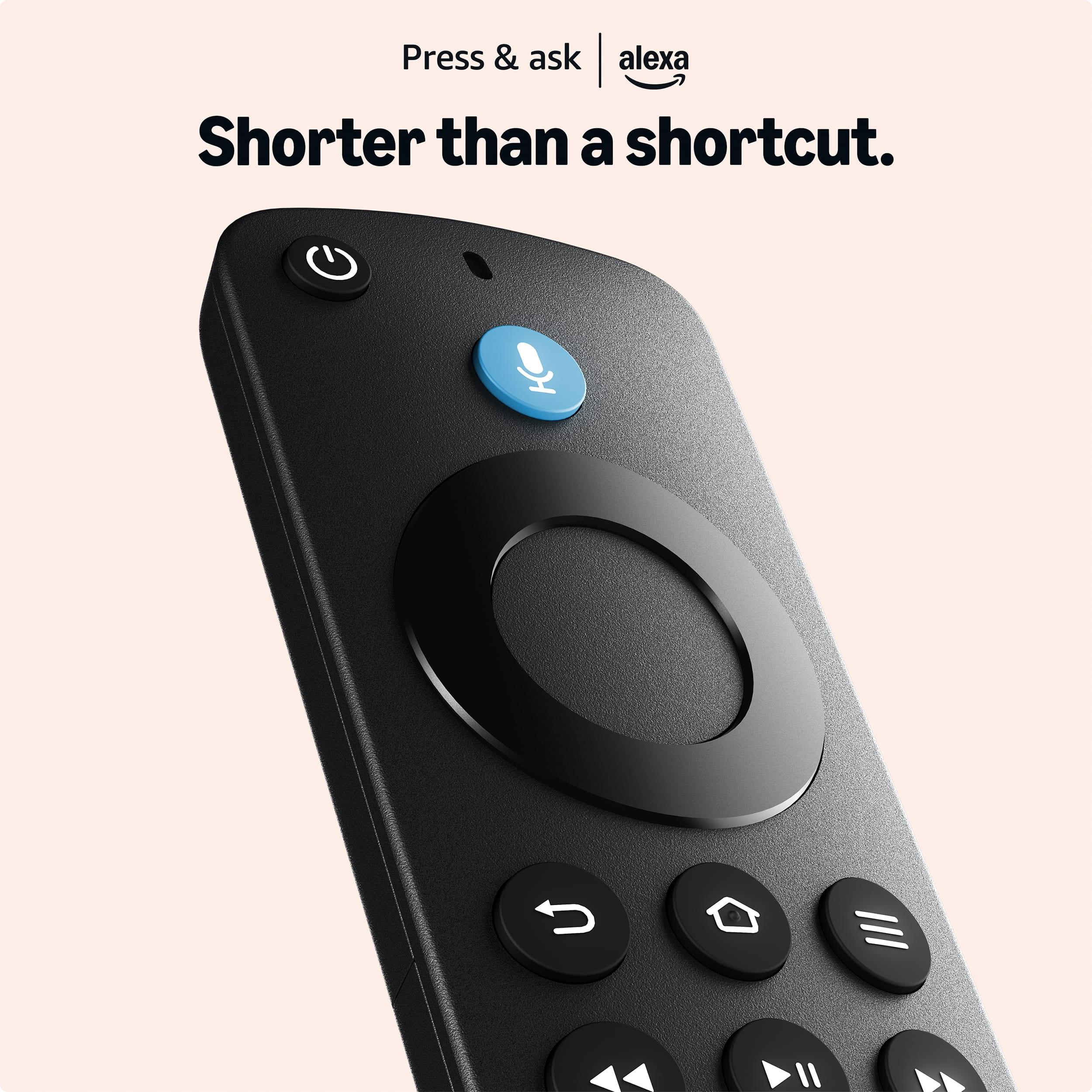
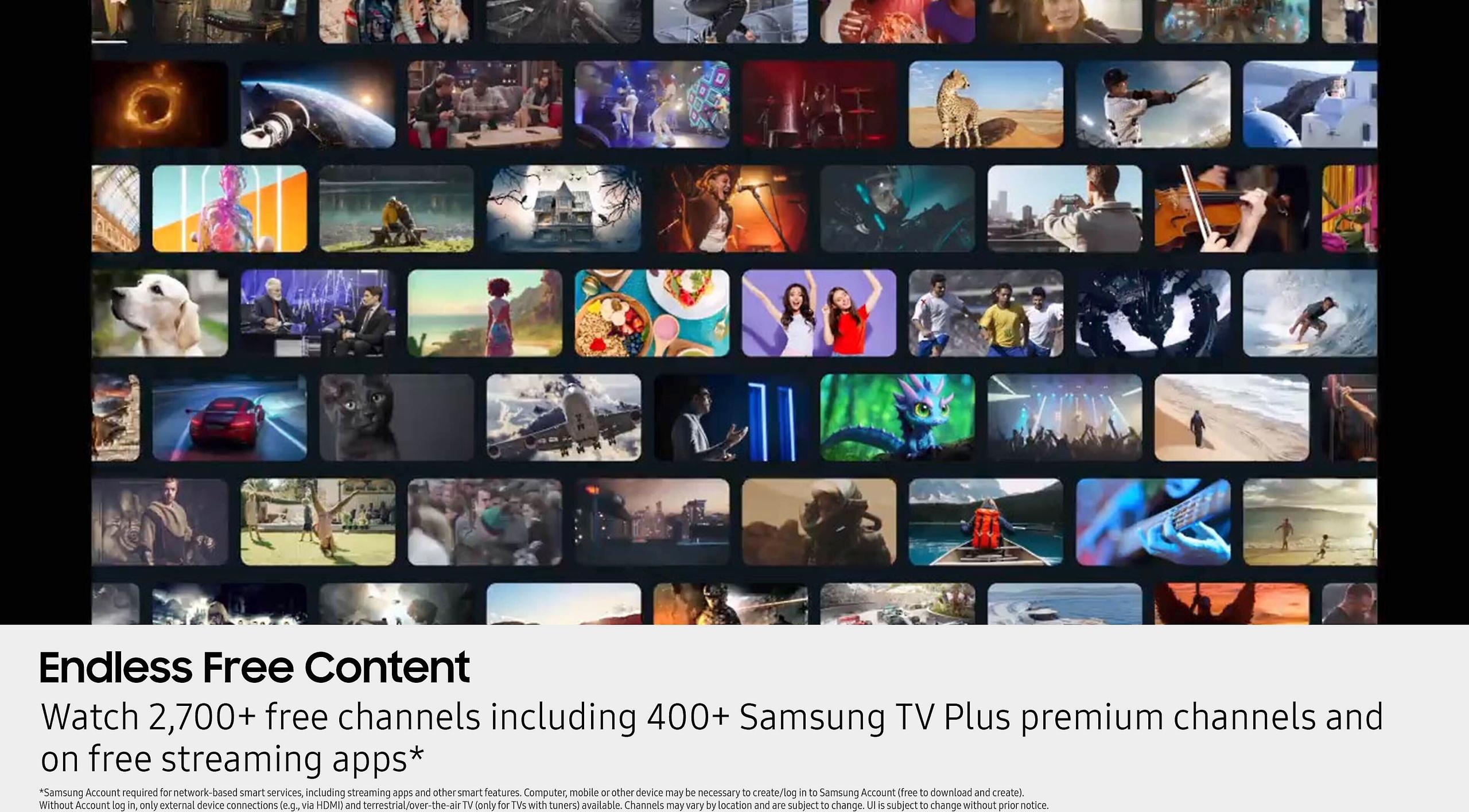
Both TVs showcase different philosophies toward smart TV implementation. The Hisense QD6QF runs Amazon's Fire TV platform, providing extensive streaming app support and deep Alexa integration. Fire TV's strength lies in its mature ecosystem and universal search capabilities across multiple streaming services.
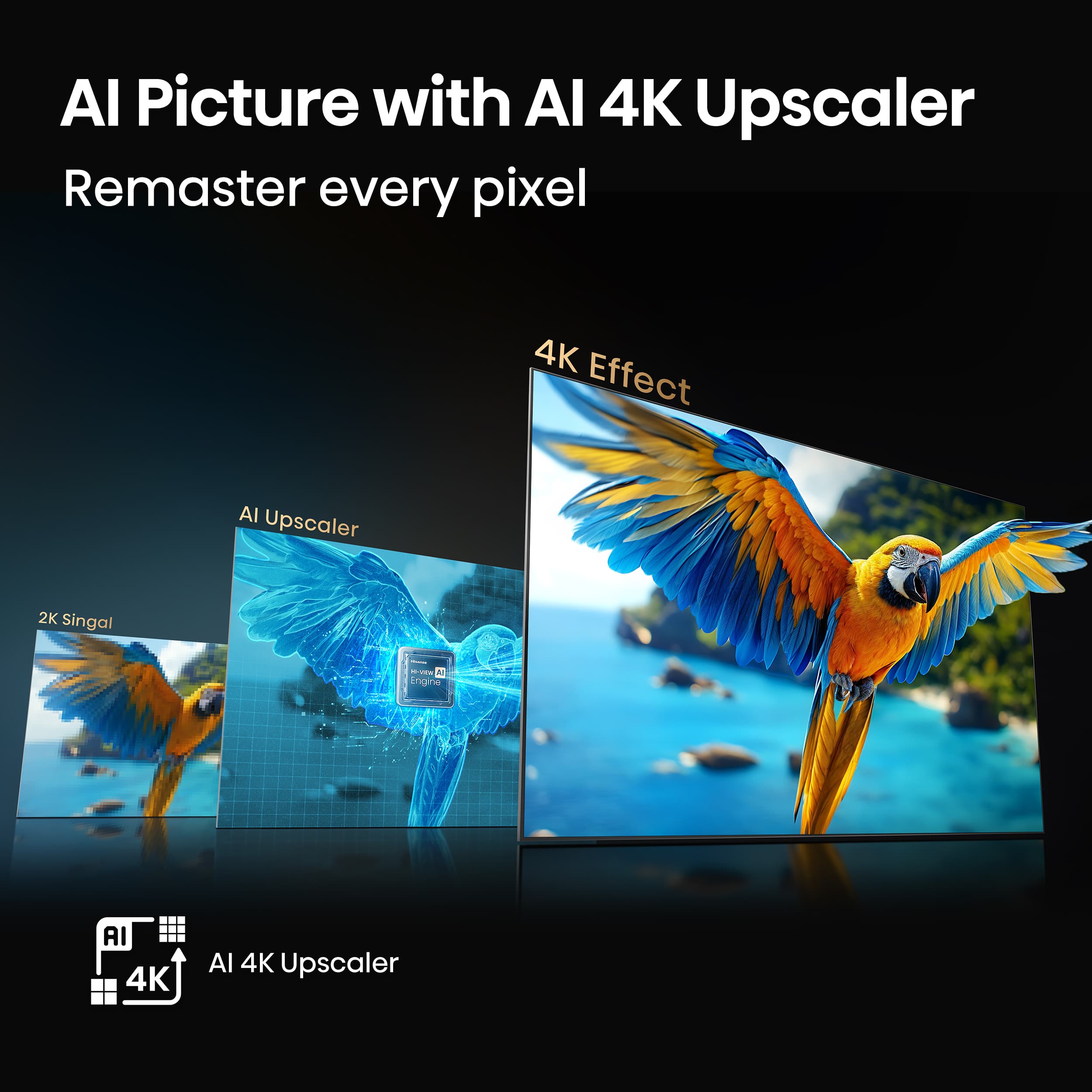
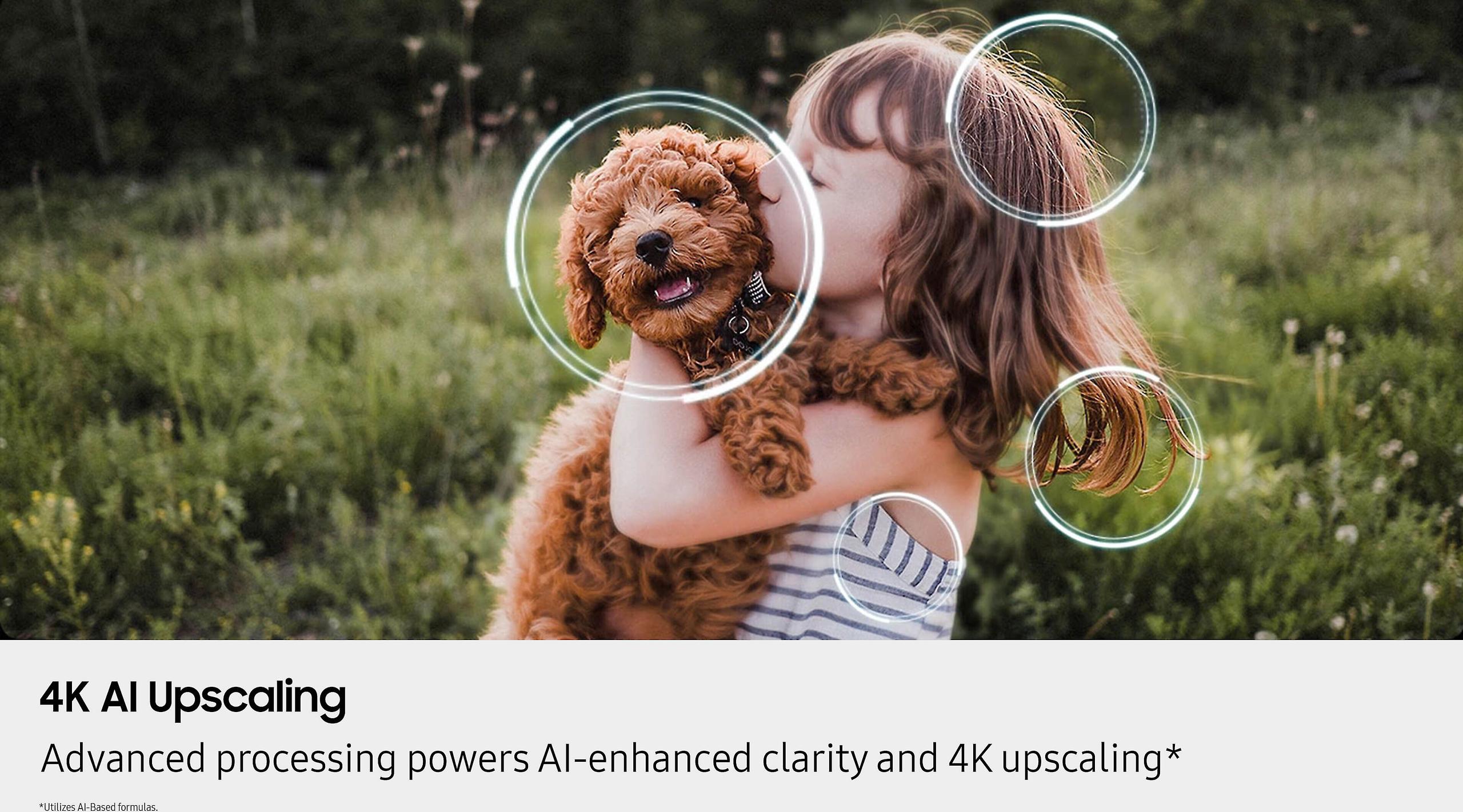
The AI 4K Upscaler in the Hisense uses machine learning to enhance lower-resolution content, sharpening details and reducing artifacts in 1080p or cable TV sources. While effective, it's a relatively basic implementation compared to more advanced processors.
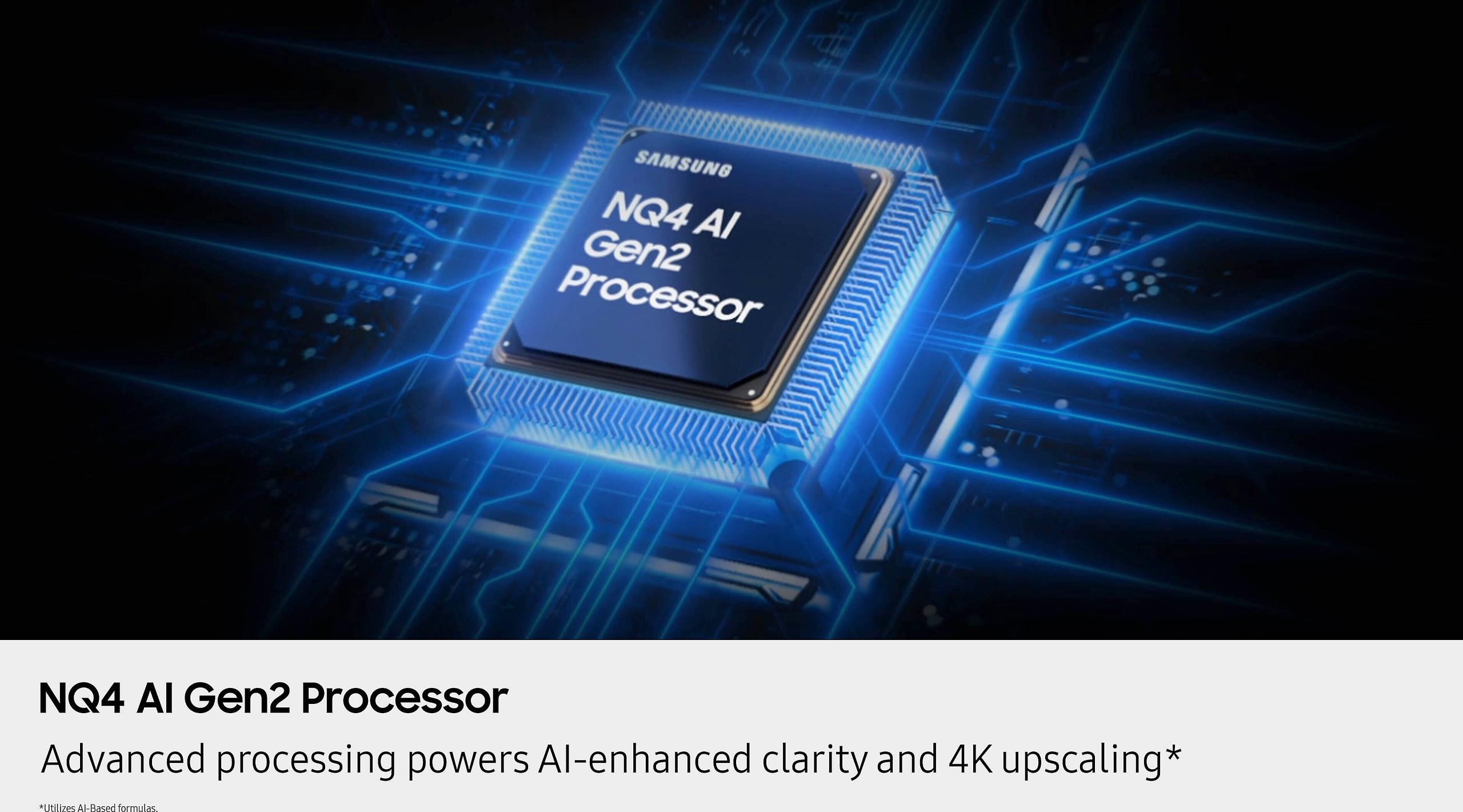
Samsung's approach with the QN70F centers around its NQ4 AI Gen2 processor and Vision AI features. This more powerful chipset enables real-time content analysis and optimization. Features like "Click to Search" let you point at any actor or object on screen to get instant information, while "Live Translate" provides real-time subtitle translations for foreign content.
The Samsung also includes Real Depth Enhancer, which analyzes each scene to increase foreground contrast while leaving backgrounds unchanged. This creates a more three-dimensional appearance that's particularly effective with nature documentaries or sports broadcasts.
Audio performance represents another area where the Samsung QN70F demonstrates its premium positioning. Its Object Tracking Sound Lite technology attempts to match audio movement with on-screen action, while Q-Symphony allows coordination with compatible Samsung soundbars for enhanced surround effects.
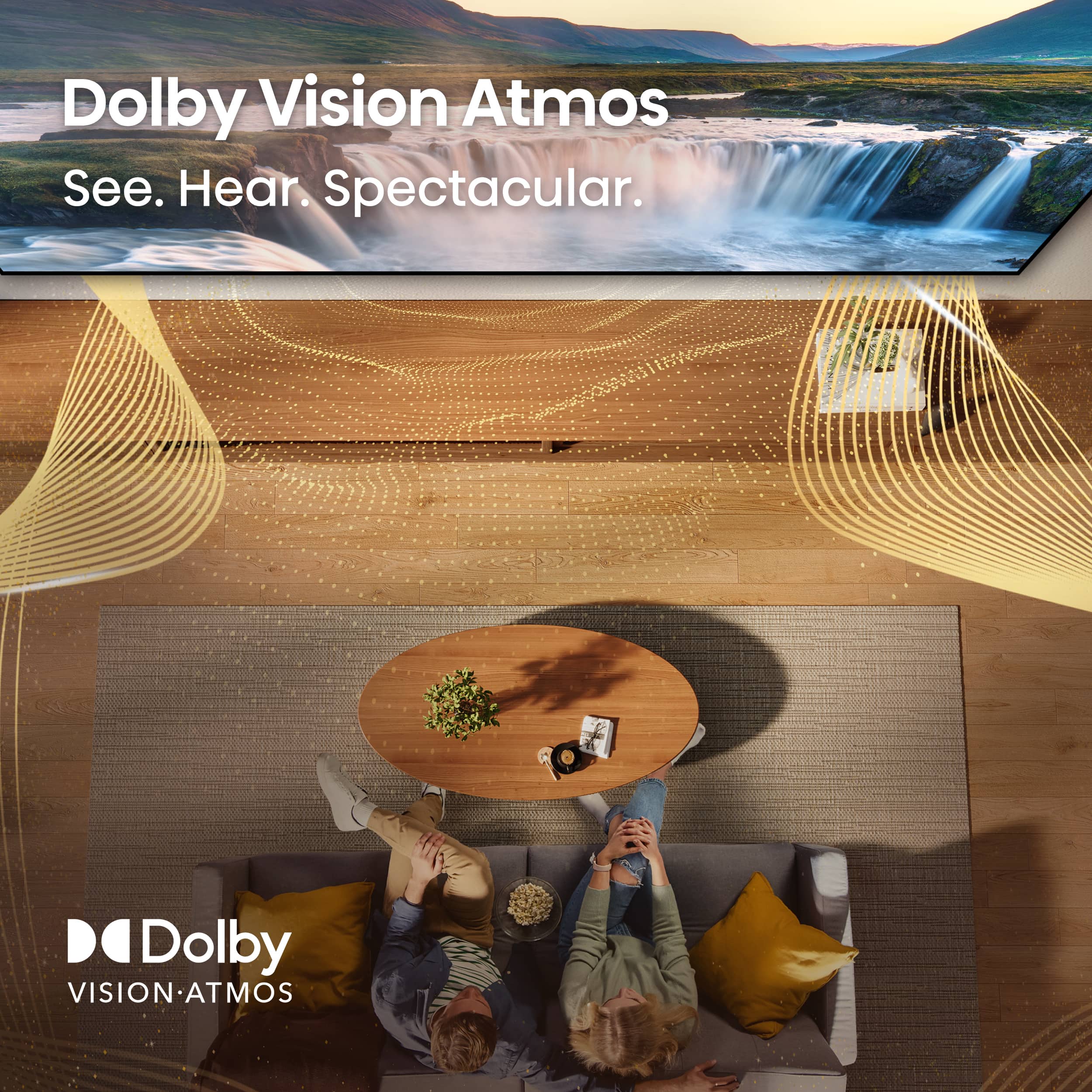
The Hisense QD6QF includes Dolby Atmos support, which enables immersive three-dimensional audio when paired with appropriate content and external audio equipment. However, its built-in speakers provide basic performance that most users will want to supplement with a soundbar or home theater system.
Both TVs benefit significantly from external audio solutions, but the Samsung offers more sophisticated processing and compatibility options for users planning to build comprehensive home theater setups.
For dedicated home theater use, these TVs reveal their different strengths and weaknesses. The Samsung QN70F excels in dark-room viewing thanks to its superior contrast control and higher peak brightness. HDR content displays with more impact, and the local dimming prevents bright elements from washing out dark scenes—crucial for cinematic experiences.
The Hisense QD6QF performs adequately in controlled lighting but struggles in demanding home theater scenarios. Without local dimming, bright highlights lift black levels across the entire screen, reducing the dramatic impact that makes movie watching immersive.
Both TVs include Filmmaker Mode, which disables motion processing and other artificial enhancements to display content as directors intended. However, the Samsung maintains better color accuracy and contrast in this mode.
At the time of writing, these TVs occupy very different price segments, reflecting their distinct target markets. The Hisense QD6QF typically costs significantly less than the Samsung QN70F, making it an attractive option for buyers seeking quantum dot color enhancement without premium pricing.
However, the price gap reflects genuine technological differences. The Samsung justifies its higher cost through Mini-LED backlighting, more powerful processing, advanced gaming features, and better overall build quality. Whether these improvements warrant the additional expense depends entirely on your priorities and budget.
For buyers focused primarily on basic 4K viewing with enhanced colors, the Hisense delivers excellent value. Its quantum dot implementation provides noticeably better colors than standard LED TVs, and Fire TV offers a robust smart platform.
Conversely, the Samsung makes sense for users who prioritize picture quality, serious gaming, or plan to build a dedicated home theater. Its technical advantages become increasingly apparent in demanding viewing scenarios.
The Hisense 65" QD6QF suits buyers who want a significant step up from basic LED TVs without stretching their budget. It's ideal for families primarily streaming content in moderately lit rooms, casual gamers who don't need high refresh rates, and anyone who values Fire TV's ecosystem. The quantum dot colors enhance everyday viewing, making shows and movies more engaging than standard displays.
Choose the Samsung 65" QN70F if you're serious about picture quality, plan to game competitively, or want a TV that performs well in various lighting conditions. Its Mini-LED technology and advanced processing create noticeably better images, particularly with HDR content. Gamers with current-generation consoles will appreciate the proper 4K@120Hz support and reduced input lag.
The Samsung also makes more sense for users planning long-term ownership. Its superior build quality, more powerful processor, and Samsung's typically longer software support cycle suggest better longevity.
Ultimately, these TVs represent different philosophies: budget-conscious enhancement versus premium technology implementation. The Hisense QD6QF maximizes value by bringing quantum dot colors to an affordable package, while the Samsung QN70F leverages advanced Mini-LED technology for superior overall performance.
Consider your viewing habits, gaming needs, and budget carefully. If you primarily watch streaming content in normal lighting and want better colors than basic LED TVs provide, the Hisense offers compelling value. If you demand the best possible picture quality, plan to use the TV for serious gaming, or want a display that excels in challenging viewing scenarios, the Samsung justifies its higher price through genuine technological advantages.
Both represent solid choices within their respective categories, but understanding these differences ensures you'll select the TV that best matches your specific needs and expectations.
| Hisense 65" QD6 Series Hi-QLED Fire TV (2025) | Samsung 65" QN70F Neo QLED 4K Vision AI Smart TV 2025 |
|---|---|
| Display Technology - Foundation that determines picture quality and price | |
| Full-array LED with quantum dots on VA panel | Mini-LED (Quantum Matrix Slim) with local dimming zones |
| Peak Brightness - Critical for HDR impact and bright room viewing | |
| ~385 cd/m² (adequate for moderate lighting) | Significantly higher (excellent HDR highlights and bright room performance) |
| Gaming Refresh Rate - Essential for smooth gaming and future-proofing | |
| 60Hz native (Motion Rate 120 interpolation only) | 100Hz native, up to 144Hz (true high refresh gaming) |
| HDMI Ports - Determines gaming console and device compatibility | |
| 4x HDMI 2.0 (limited to 4K@60Hz) | 4x HDMI 2.1 (supports 4K@144Hz gaming) |
| HDR Support - Enhances color depth and contrast in premium content | |
| Dolby Vision, HDR10+, HDR10, HLG | Neo Quantum HDR, HDR10+ Adaptive, superior brightness handling |
| Local Dimming - Controls contrast between bright and dark screen areas | |
| None (full-screen brightness adjustment only) | Mini-LED zones (precise brightness control for better contrast) |
| Color Coverage - Determines color vibrancy and accuracy | |
| 90% DCI-P3 with quantum dots (good color enhancement) | Enhanced quantum dot with Color Booster Pro (superior accuracy) |
| Smart Platform - Affects app selection and user experience | |
| Fire TV with Alexa (extensive streaming apps, simple interface) | Tizen with Samsung Vision AI (advanced AI features, click-to-search) |
| Gaming Features - Important for console and PC gaming performance | |
| VRR, ALLM, Game Mode Plus (~10ms input lag) | AMD FreeSync Premium Pro, VRR, ALLM (optimized for next-gen consoles) |
| Processor - Powers upscaling, AI features, and overall responsiveness | |
| ARM Cortex-A53 with AI 4K Upscaler (basic AI processing) | NQ4 AI Gen2 with Real Depth Enhancer (advanced AI and real-time optimization) |
| Audio Technology - Built-in sound quality and external compatibility | |
| Dolby Atmos support, basic speakers | Object Tracking Sound Lite, Q-Symphony, Active Voice Amplifier Pro |
| Build Quality & Design - Affects durability and aesthetic appeal | |
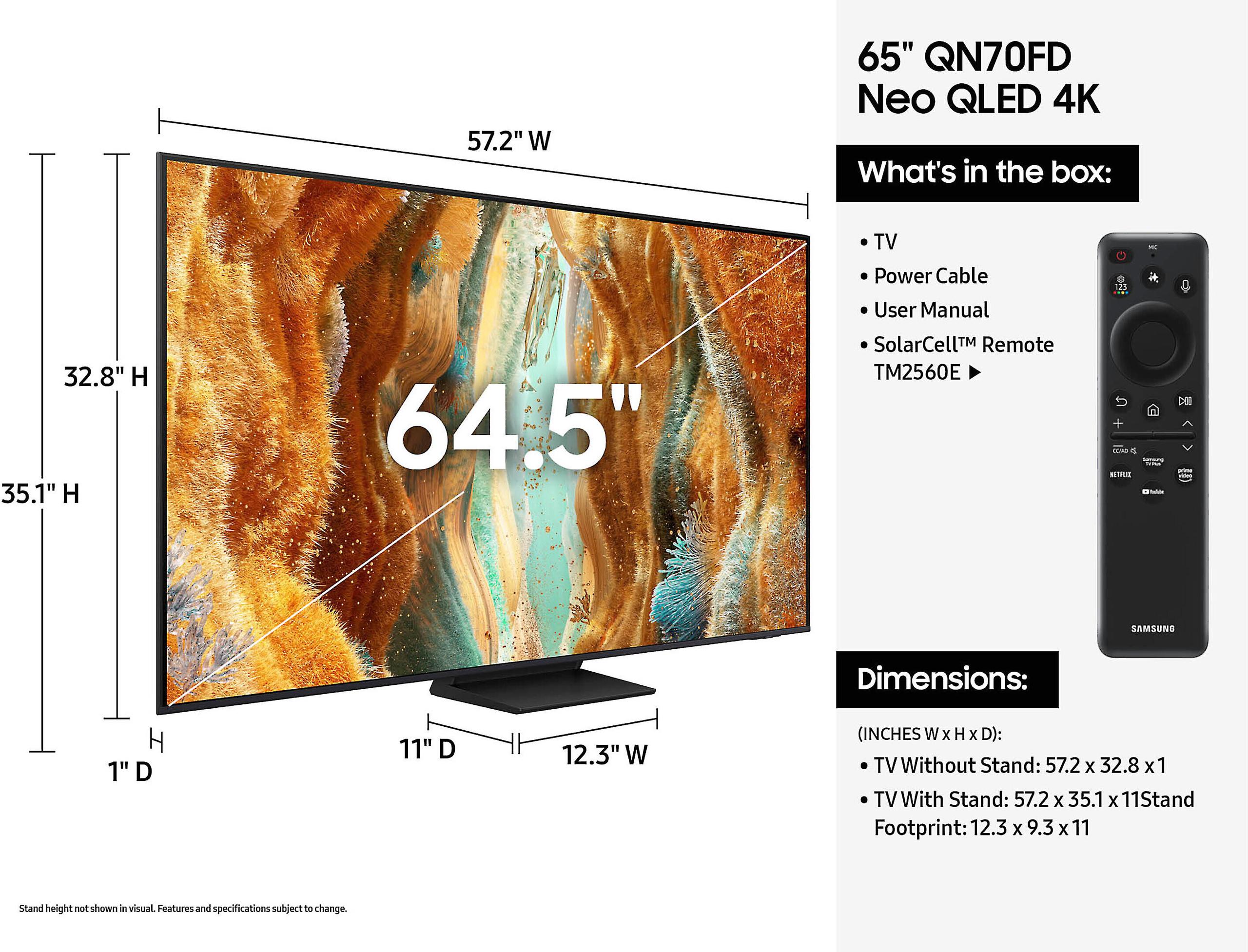
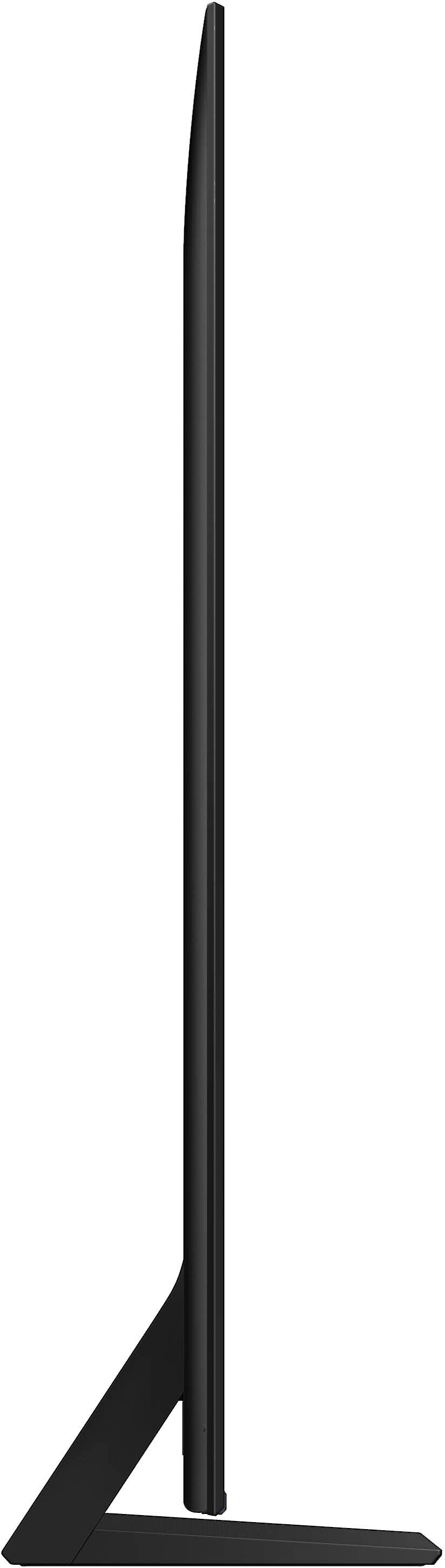
| Standard plastic construction, thicker profile | Premium build quality, slimmer design, BT SolarCell Remote |
| Target User - Best fit based on needs and budget | |
| Budget-conscious viewers wanting better colors than basic LED | Serious gamers, movie enthusiasts, and users prioritizing picture quality |
The Samsung 65" QN70F Neo QLED delivers superior picture quality thanks to its Mini-LED backlighting technology, which provides better contrast control and higher peak brightness. While the Hisense 65" QD6 Series offers good color enhancement through quantum dots, it lacks local dimming zones that make dark scenes and HDR content truly impactful. For movie watching, especially in dark rooms, the Samsung QN70F provides a more cinematic experience.
Yes, the Hisense 65" QD6 Series excels for casual streaming and everyday TV watching. Its quantum dot technology delivers vibrant colors that significantly improve over basic LED TVs, and Fire TV provides excellent app selection. For viewers who primarily watch streaming content in moderately lit rooms and don't need premium gaming features, the Hisense QD6 offers excellent value.
The Samsung 65" QN70F Neo QLED is significantly better for next-generation console gaming. It supports true 4K@120Hz gaming through HDMI 2.1 ports and includes AMD FreeSync Premium Pro for tear-free gameplay. The Hisense 65" QD6 Series is limited to 60Hz gaming due to HDMI 2.0 ports, making it suitable only for casual gaming rather than competitive or high-performance play.
Both TVs support HDR content, but with different capabilities. The Hisense 65" QD6 Series includes Dolby Vision, HDR10+, HDR10, and HLG support with decent color reproduction. However, the Samsung 65" QN70F Neo QLED delivers more impactful HDR performance due to higher peak brightness and local dimming zones that create better contrast between bright and dark elements in HDR scenes.
Both platforms offer user-friendly experiences but with different strengths. The Hisense 65" QD6 Series runs Fire TV, which provides excellent streaming app selection and seamless Alexa integration. The Samsung 65" QN70F Neo QLED features Tizen with Samsung Vision AI, offering advanced features like click-to-search and live translation. Fire TV tends to be more straightforward, while Samsung's platform offers more sophisticated AI-powered features.
The price gap reflects genuine technological differences. The Samsung 65" QN70F Neo QLED justifies its higher cost through Mini-LED technology, superior gaming capabilities, and advanced AI processing. The Hisense 65" QD6 Series provides excellent value for budget-conscious buyers who want better colors than basic LED TVs. Whether the upgrade is worthwhile depends on your priorities for gaming, HDR performance, and overall picture quality.
The Samsung 65" QN70F Neo QLED handles bright rooms much better due to its higher peak brightness and better reflection handling. The Hisense 65" QD6 Series with approximately 385 cd/m² peak brightness can appear washed out in very bright environments. For rooms with significant natural light or overhead lighting, the Samsung's superior brightness makes colors and contrast more visible and engaging.
For dedicated home theater use, the Samsung 65" QN70F Neo QLED is the clear winner. Its Mini-LED local dimming creates the deep blacks and bright highlights essential for cinematic viewing in dark rooms. The Hisense 65" QD6 Series lacks local dimming, which causes bright elements to wash out dark scenes—reducing the dramatic impact crucial for movie experiences. Both support Filmmaker Mode for accurate content reproduction.
Samsung typically provides longer software support cycles and more frequent updates for their TVs. The Samsung 65" QN70F Neo QLED also features more powerful processing hardware that's better equipped to handle future software updates. While the Hisense 65" QD6 Series receives regular Fire TV updates from Amazon, Samsung's track record suggests better longevity for smart features and performance optimization over time.
Both TVs use VA-type LCD panels, which means viewing angles are somewhat limited compared to OLED displays. Colors and contrast degrade when viewed from extreme side angles. However, for typical living room setups where most viewers sit relatively centered, both the Hisense 65" QD6 Series and Samsung 65" QN70F Neo QLED provide adequate viewing angles for family use. The Samsung maintains slightly better color accuracy when viewed off-center.
The Samsung 65" QN70F Neo QLED offers superior audio features including Object Tracking Sound Lite and Q-Symphony support for Samsung soundbars. The Hisense 65" QD6 Series includes Dolby Atmos support but with more basic built-in speakers. Both TVs benefit significantly from external sound systems, but the Samsung provides better audio processing and more sophisticated sound enhancement features out of the box.
For streaming content, your choice depends on viewing conditions and quality expectations. The Hisense 65" QD6 Series provides excellent value with vibrant quantum dot colors and comprehensive Fire TV app support, perfect for casual viewing. The Samsung 65" QN70F Neo QLED delivers superior HDR performance and better contrast for premium streaming content, especially in dark rooms. Choose the Samsung for the best possible streaming quality, or the Hisense for great value with good color enhancement.
We've done our best to create useful and informative comparisons to help you decide what product to buy. Our research uses advanced automated methods to create this comparison and perfection is not possible - please contact us for corrections or questions. These are the sites we've researched in the creation of this article: pcvarge.com - bestbuy.com - rtings.com - youtube.com - rtings.com - youtube.com - consumerreports.org - leaseville.com - hisense-usa.com - device.report - hisense-usa.com - youtube.com - flatpanelshd.com - displayspecifications.com - retailspecs.com - rtings.com - youtube.com - wifihifi.com - samsung.com - samsung.com - samsung.com - samsung.com - flatpanelshd.com - news.samsung.com - bestbuy.com

Privacy Policy
Terms and Conditions - Affiliate Policy
Home Security
© Copyright 2008-2026.
11816 Inwood Rd #1211, Dallas, TX 75244