


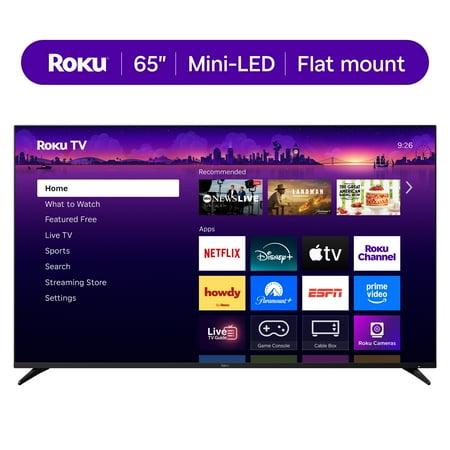
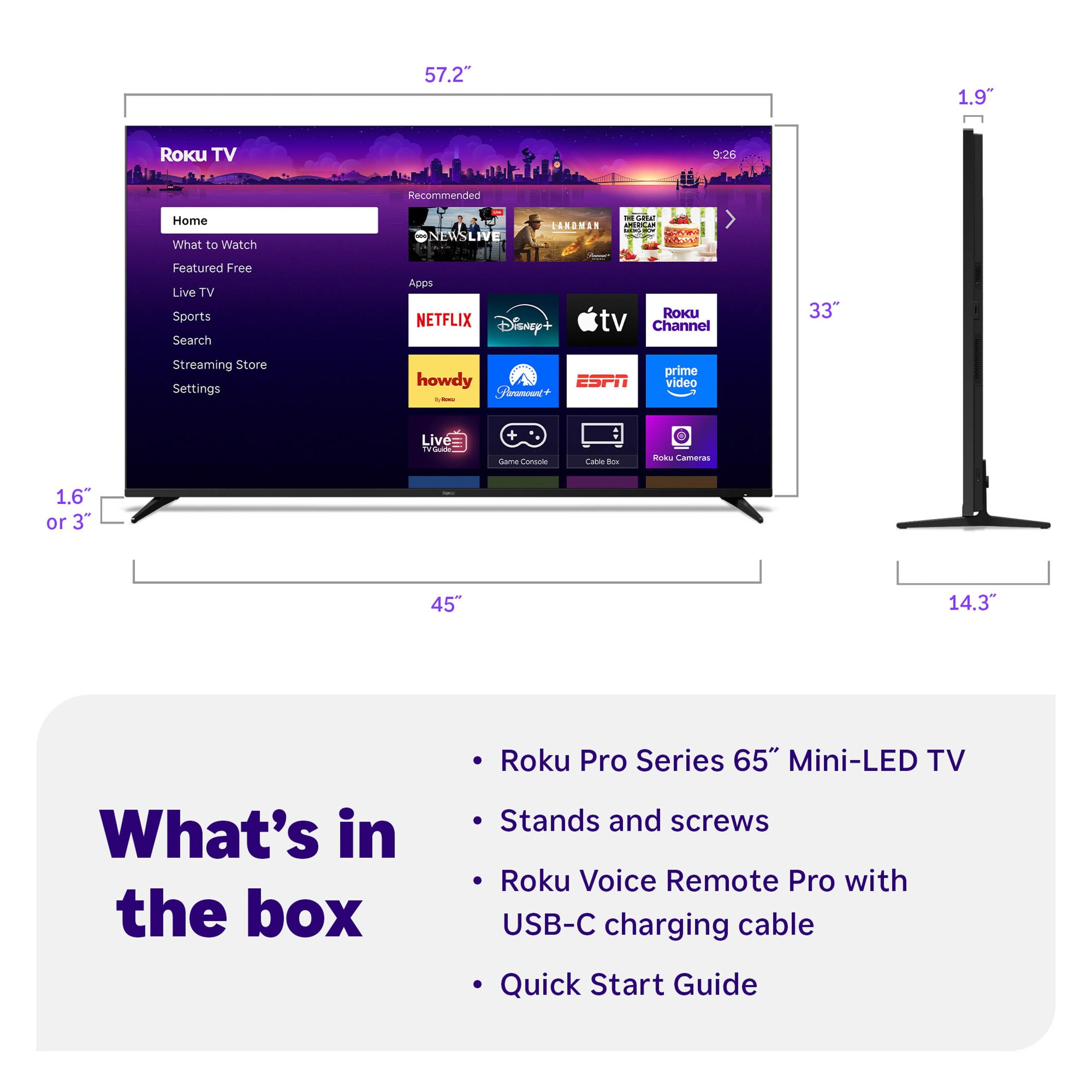
Finding the right 65-inch TV in 2025 means navigating an increasingly complex landscape of display technologies, smart platforms, and gaming features. Two TVs that perfectly illustrate this complexity are the budget-friendly Hisense 65" QD6 Series and the premium Roku 65" Pro Series 2025. At the time of writing, these TVs represent dramatically different approaches to delivering 4K entertainment, with a price gap that reflects some genuinely significant technological differences.
The 65-inch TV market has evolved rapidly over the past few years. What used to be a simple choice between basic LED and premium OLED has expanded to include quantum dot technology, Mini-LED backlighting, and advanced gaming features that weren't even considerations just a few years ago. Both of these 2025 models showcase how manufacturers are pushing different boundaries – one focusing on exceptional value, the other on bringing flagship features to a more accessible price point.
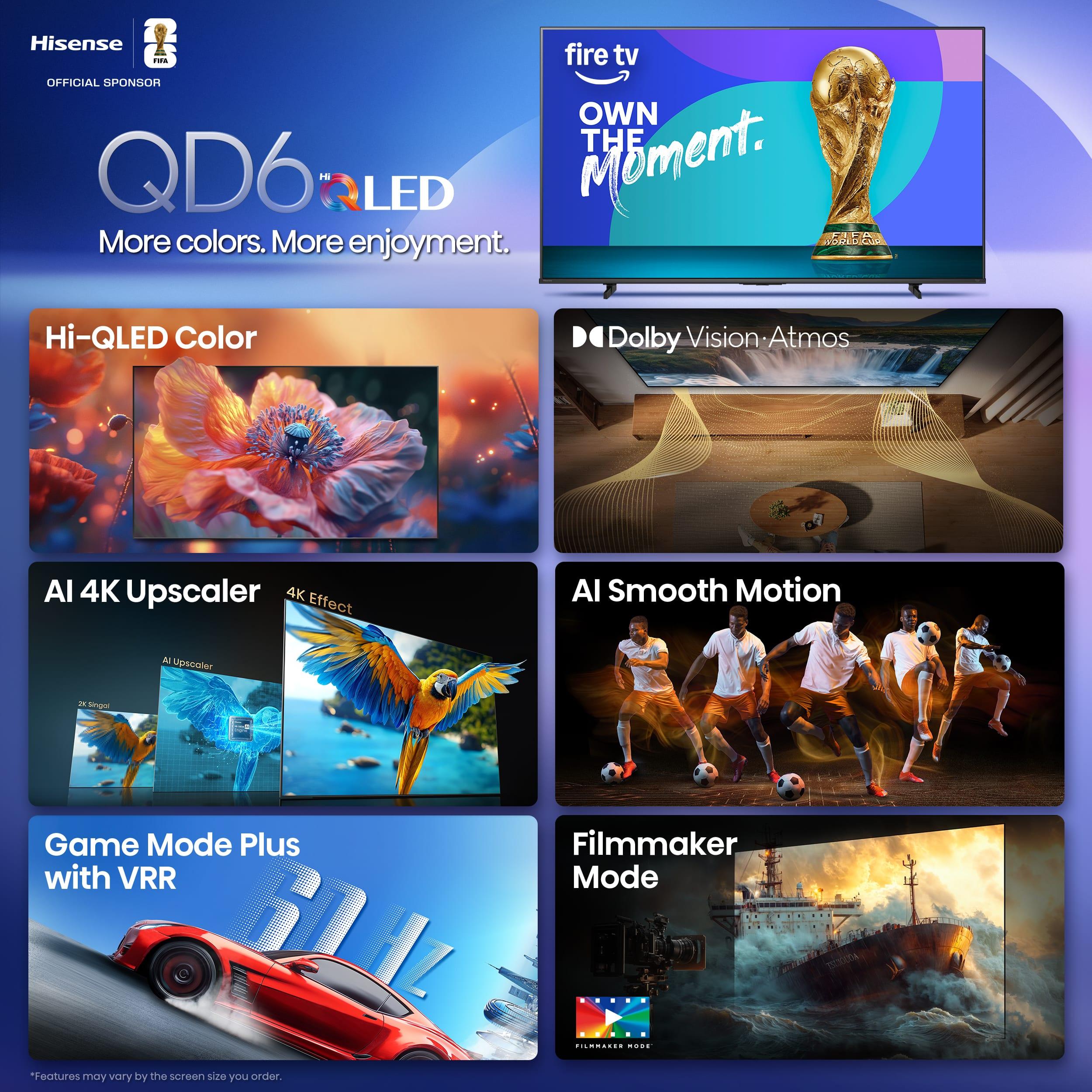
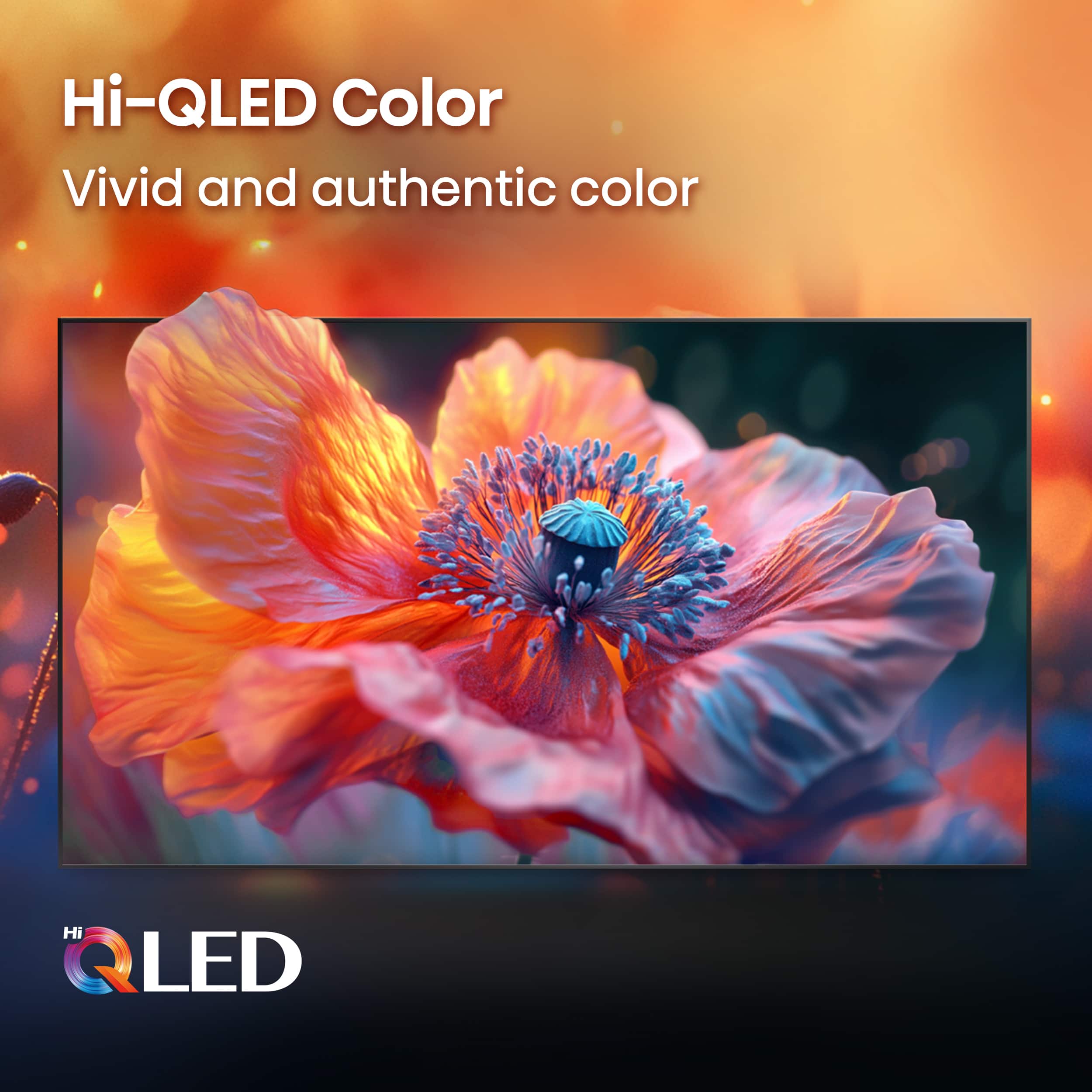
The Hisense QD6 Series represents the new generation of budget TVs that don't feel budget. Released in 2025, it uses Hi-QLED technology, which is Hisense's term for quantum dot enhancement on a standard LED backlight. Think of quantum dots as tiny crystals that, when hit with light, produce incredibly pure colors – much more vibrant than what traditional LED TVs can achieve. This technology was once reserved for premium models but has trickled down to make affordable TVs much more colorful than they used to be.
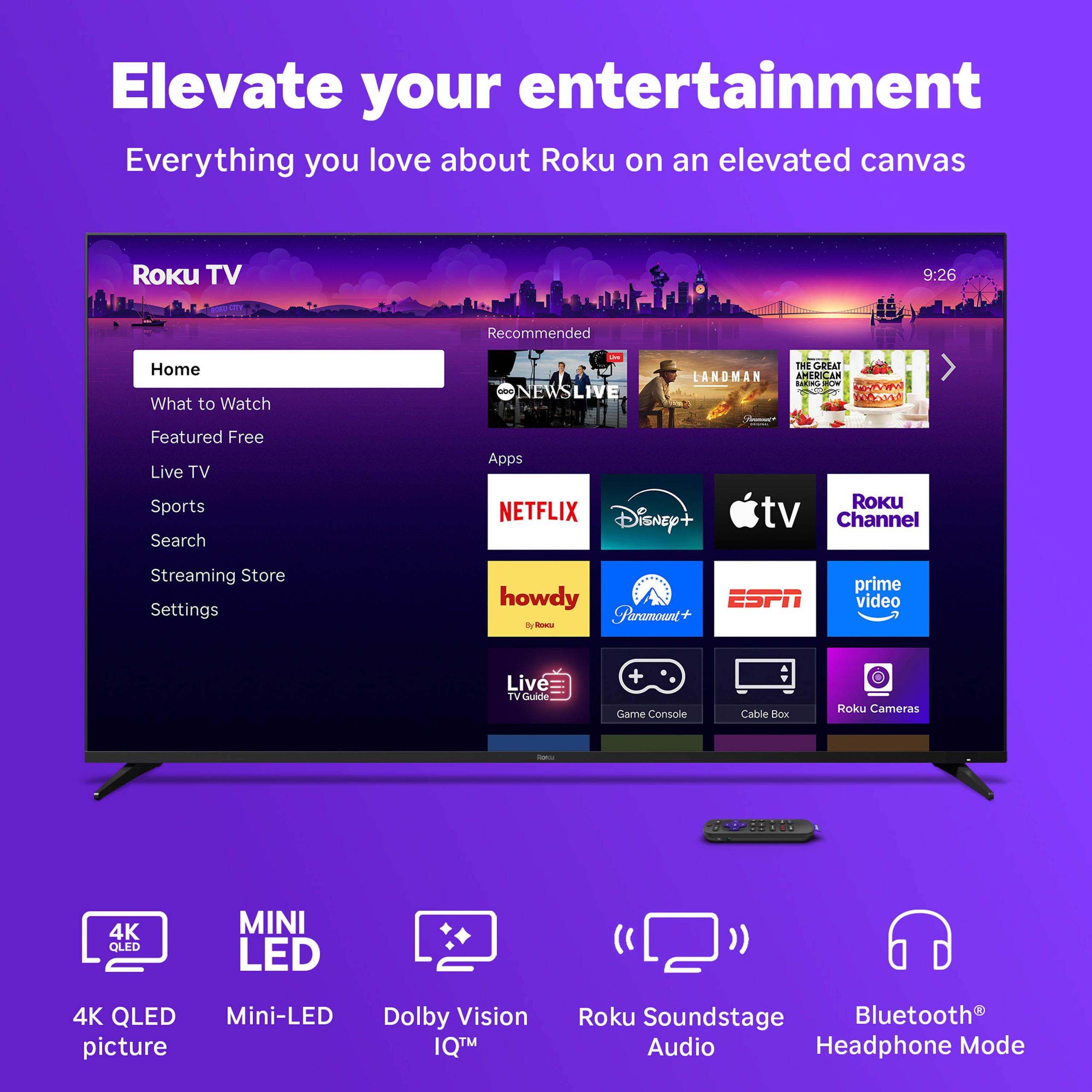
The Roku Pro Series 2025, also released this year, takes a completely different approach. It uses Mini-LED backlighting, which is essentially thousands of tiny LEDs behind the screen that can be controlled in groups (called zones) to make some areas very bright while keeping others completely dark. This creates much better contrast – the difference between the brightest whites and deepest blacks – which is crucial for both HDR content and general picture quality.
The key difference here isn't just about price; it's about fundamental display technology. The Hisense prioritizes color volume and smart features at an accessible price point, while the Roku focuses on contrast performance and premium gaming capabilities.
When it comes to picture quality, brightness is absolutely critical – especially if you watch TV during the day or have windows in your viewing room. Based on our research into professional measurements and user experiences, the differences here are dramatic. The Roku Pro Series can reach peak brightness levels of around 1,800 nits in HDR content, while the Hisense QD6 maxes out at approximately 385 nits.
To put this in perspective, a typical living room on a sunny day might have ambient light levels of 100-200 nits. The Hisense provides enough brightness for moderate lighting conditions – it won't wash out completely like older budget TVs might – but the Roku can actually overpower bright room conditions and make HDR content look truly spectacular.
HDR, or High Dynamic Range, is essentially about displaying a wider range of brightness levels to make images look more like what your eyes would see in real life. When a movie shows a bright explosion against a dark night sky, HDR-capable displays can show both the brilliant flash and the deep darkness simultaneously. The Roku's much higher brightness capability means those bright highlights actually pop off the screen, while the Hisense tends to make HDR content look relatively flat by comparison.
This brightness difference becomes especially important for home theater setups. If you're planning a dedicated movie room with controlled lighting, the Hisense can still deliver enjoyable results. But if your TV needs to perform in a bright living room or family room, the Roku will maintain picture quality in conditions where the Hisense struggles.
Here's where we see the biggest technological divide between these TVs. The Roku Pro Series includes full-array local dimming with its Mini-LED system, meaning it can brighten or dim specific areas of the screen independently. When you're watching a movie with white text on a black background, the Roku can keep the text area bright while making the black areas truly dark.
The Hisense QD6 uses what's called a full-array LED backlight, but without local dimming zones. This means the entire backlight system brightens or dims together. In that same white-text-on-black-background scenario, the black areas will appear grayish because the backlight needs to stay on to illuminate the white text.
This difference fundamentally affects the viewing experience. Dark movie scenes on the Roku maintain that inky black depth that makes you feel immersed in the scene. The same content on the Hisense will have lifted blacks – meaning dark areas appear gray instead of true black – which can make nighttime scenes look washed out.
User reviews consistently praise the Roku's ability to minimize blooming (bright halos around small bright objects on dark backgrounds) compared to budget TVs without local dimming. The Hisense, while respectable for its price class, simply can't compete in this area due to its fundamental backlight design.
Both TVs use quantum dot technology, but their implementation and results differ significantly. The Hisense QD6 covers about 90% of the DCI-P3 color space, which is the standard for most HDR content. This represents a substantial improvement over standard LED TVs and delivers vibrant, saturated colors that make animated movies and nature documentaries really pop.
The Roku Pro Series pushes this further, covering 96.9% of the UHDA-P3 color space with better color accuracy overall. Professional measurements show it achieving a color accuracy rating of 2.6 delta-E, which is approaching reference monitor levels. For context, anything under 3.0 delta-E is considered excellent and virtually indistinguishable from perfect accuracy to most viewers.
What this means in practical terms is that both TVs will display much more vibrant colors than older TVs, but the Roku will be more accurate to what content creators intended. The Hisense might actually appear more saturated in some content, which some viewers prefer, even if it's technically less accurate.
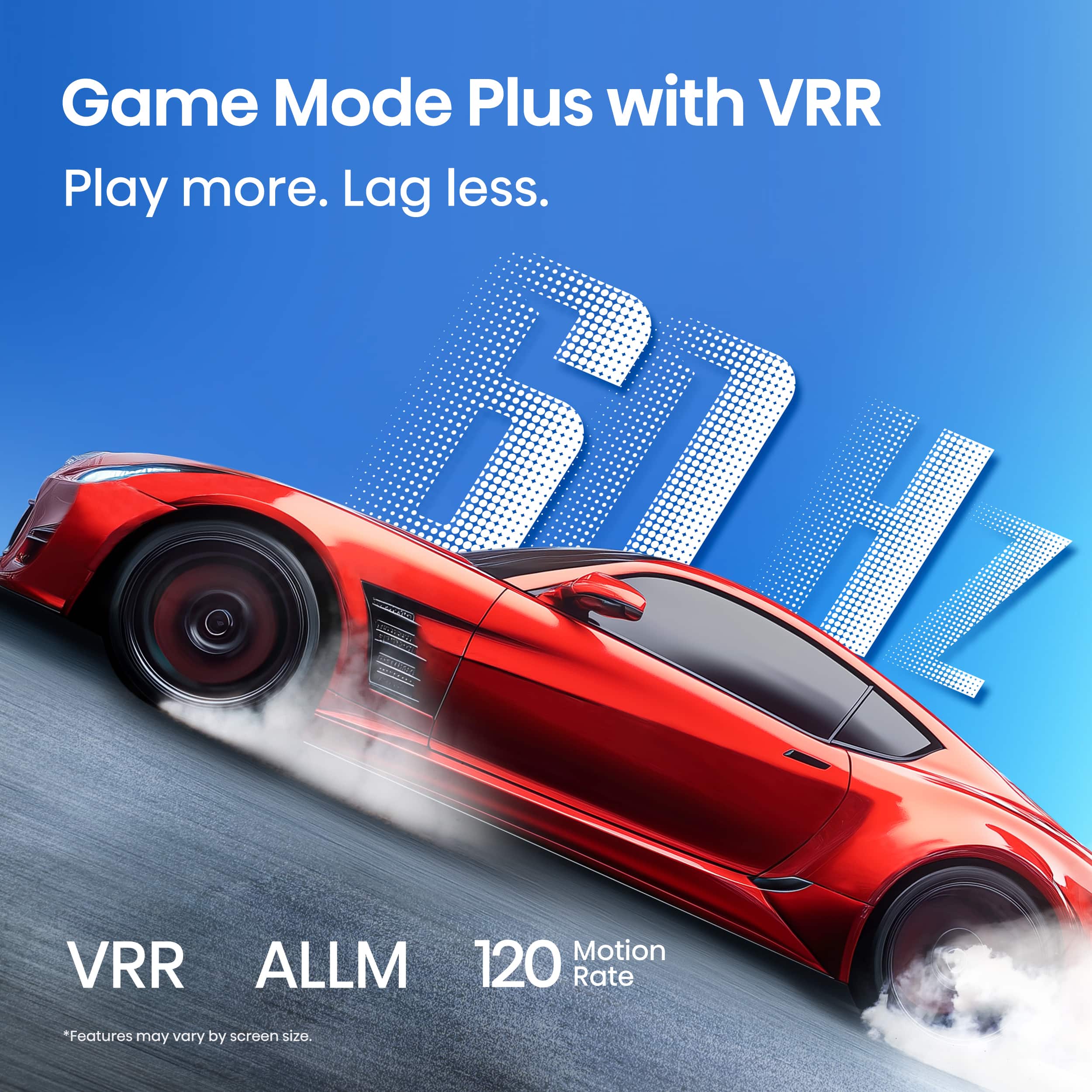
Gaming capabilities represent perhaps the most significant functional difference between these TVs. The Roku Pro Series includes two HDMI 2.1 ports capable of 4K resolution at 120Hz, along with Variable Refresh Rate (VRR) and Auto Low Latency Mode (ALLM). The Hisense QD6 is limited to HDMI 2.0 ports with 4K at 60Hz maximum, though it does include VRR and ALLM within those constraints.
For PlayStation 5 and Xbox Series X owners, this difference is substantial. Modern games increasingly offer 120Hz modes that provide smoother motion and more responsive controls. Racing games, first-person shooters, and sports games all benefit significantly from higher refresh rates. The Roku can take full advantage of these modes, while Hisense users are limited to 60Hz gaming.
The Roku's input lag measurements of around 5.2ms at 120Hz are exceptionally good for competitive gaming, while the Hisense's 10.2ms at 60Hz is still respectable for most gaming scenarios. Both TVs automatically switch to low-latency game mode when they detect a gaming console, which is important for responsive gameplay.
Variable Refresh Rate technology synchronizes the TV's refresh rate with the gaming console's output to eliminate screen tearing (where the image appears to be split horizontally). While both TVs support this feature, the Roku's higher refresh rate ceiling makes VRR more effective since it can adapt to a wider range of frame rates.
Audio performance shows another clear distinction between these models. The Hisense QD6 includes Dolby Atmos support with standard built-in speakers, which is adequate for most viewing but nothing exceptional. User reviews suggest it's about what you'd expect from a TV in this price range – clear dialogue and reasonable volume, but lacking in bass response and overall fullness.
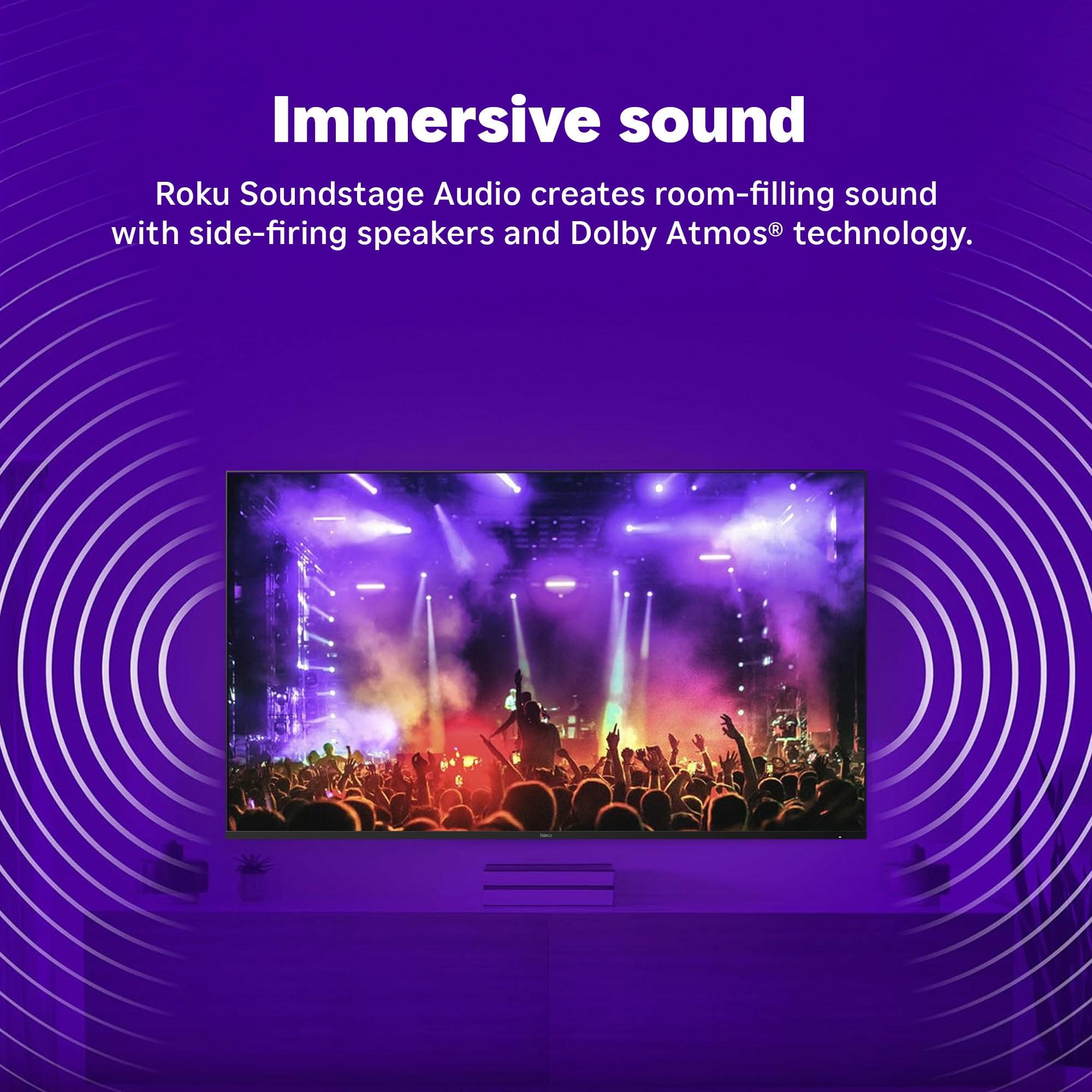
The Roku Pro Series features what the company calls Sound Stage audio with side-firing speakers and enhanced Dolby Atmos implementation. User feedback consistently praises its audio quality, with several reviewers noting bass response that "rattles walls" and overall sound quality that rivals entry-level soundbars.
This audio difference matters more than you might expect. Good built-in audio can delay or eliminate the need for a separate sound system, saving money and reducing setup complexity. For bedroom TVs or secondary viewing areas, the Roku's superior audio might be the difference between needing additional equipment or not.
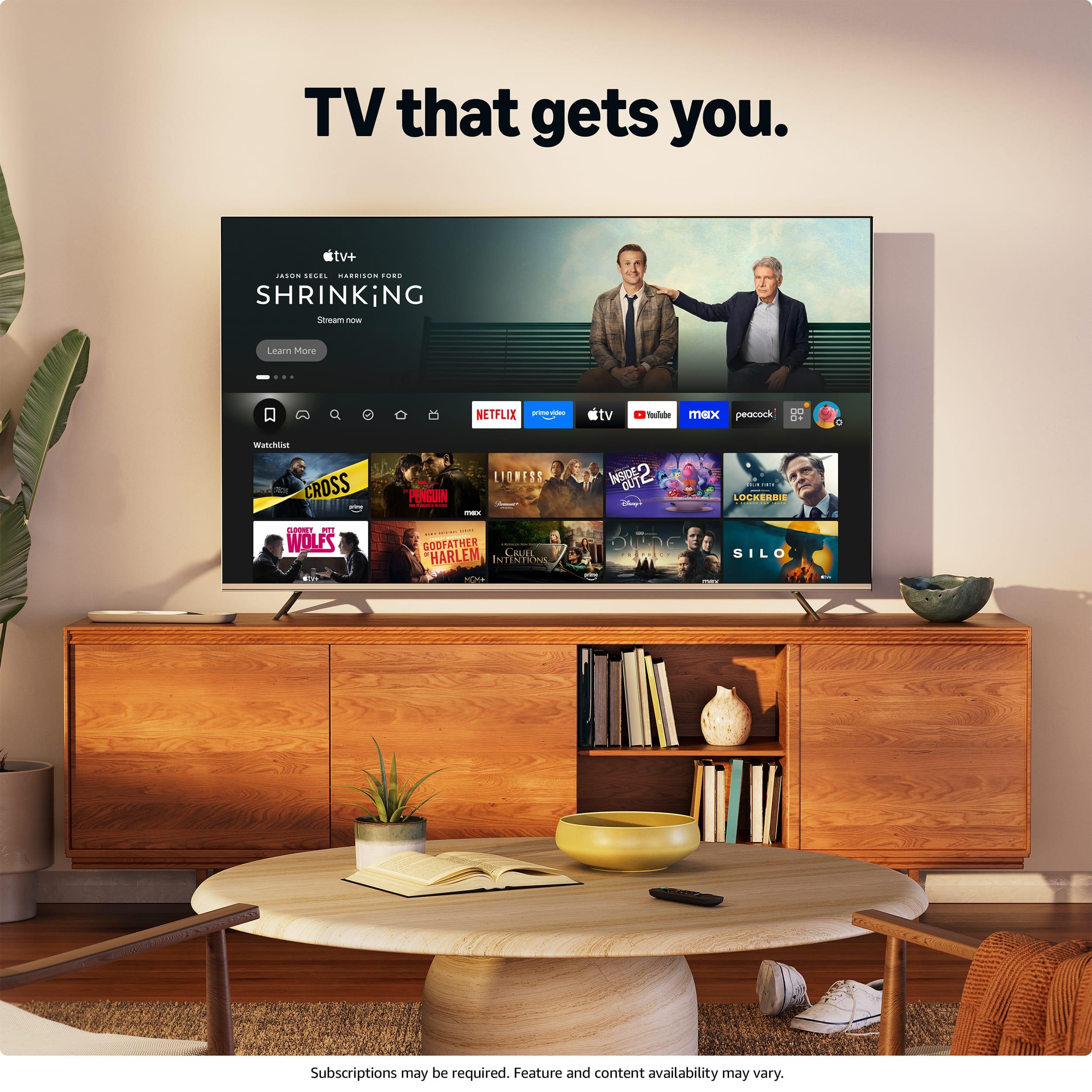
Both TVs run mature, well-developed smart platforms, but they take different approaches. The Hisense QD6 uses Amazon's Fire TV OS, which excels at integrating with Amazon services and provides robust app support. The interface is Amazon-centric, promoting Prime Video content prominently, which some users love and others find intrusive.
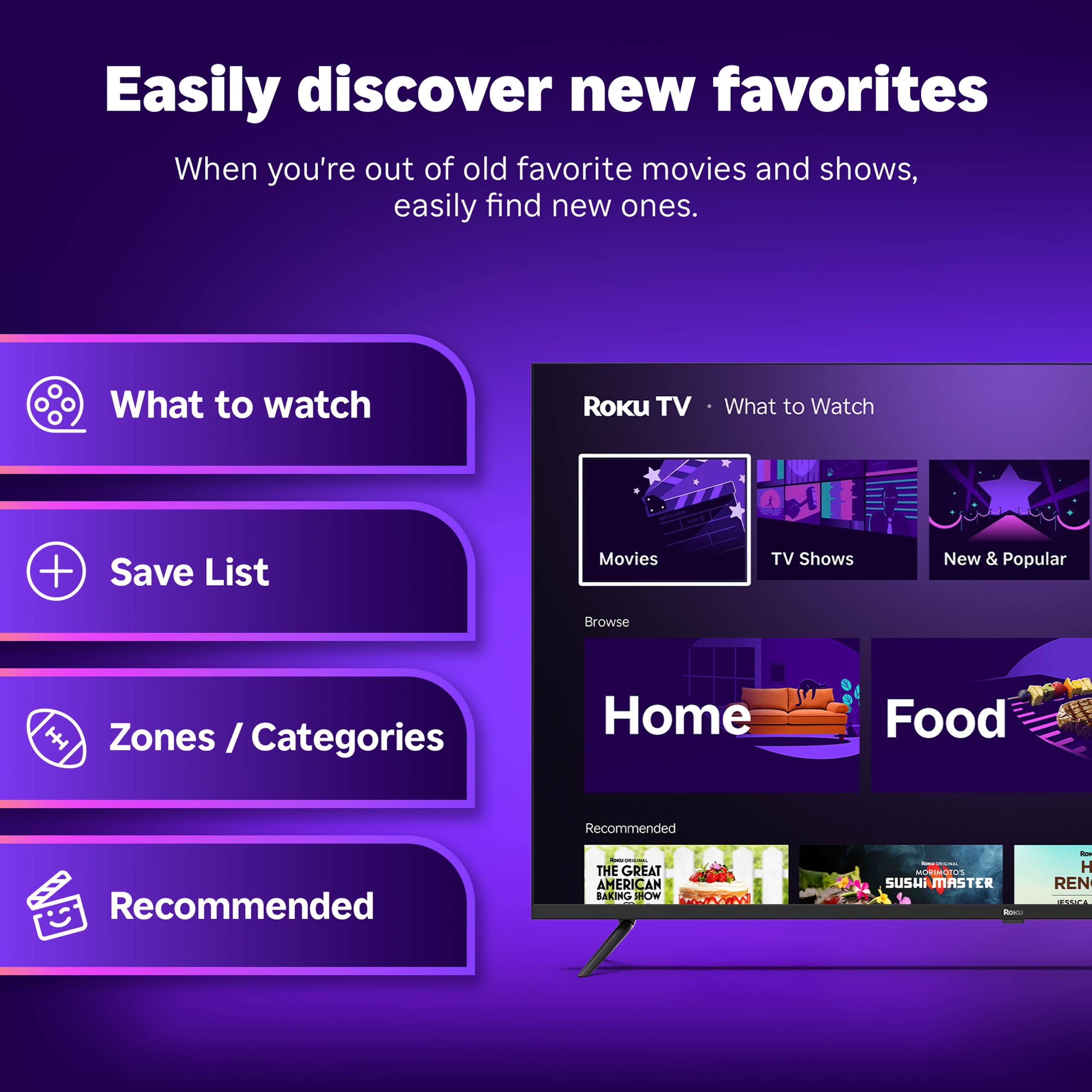
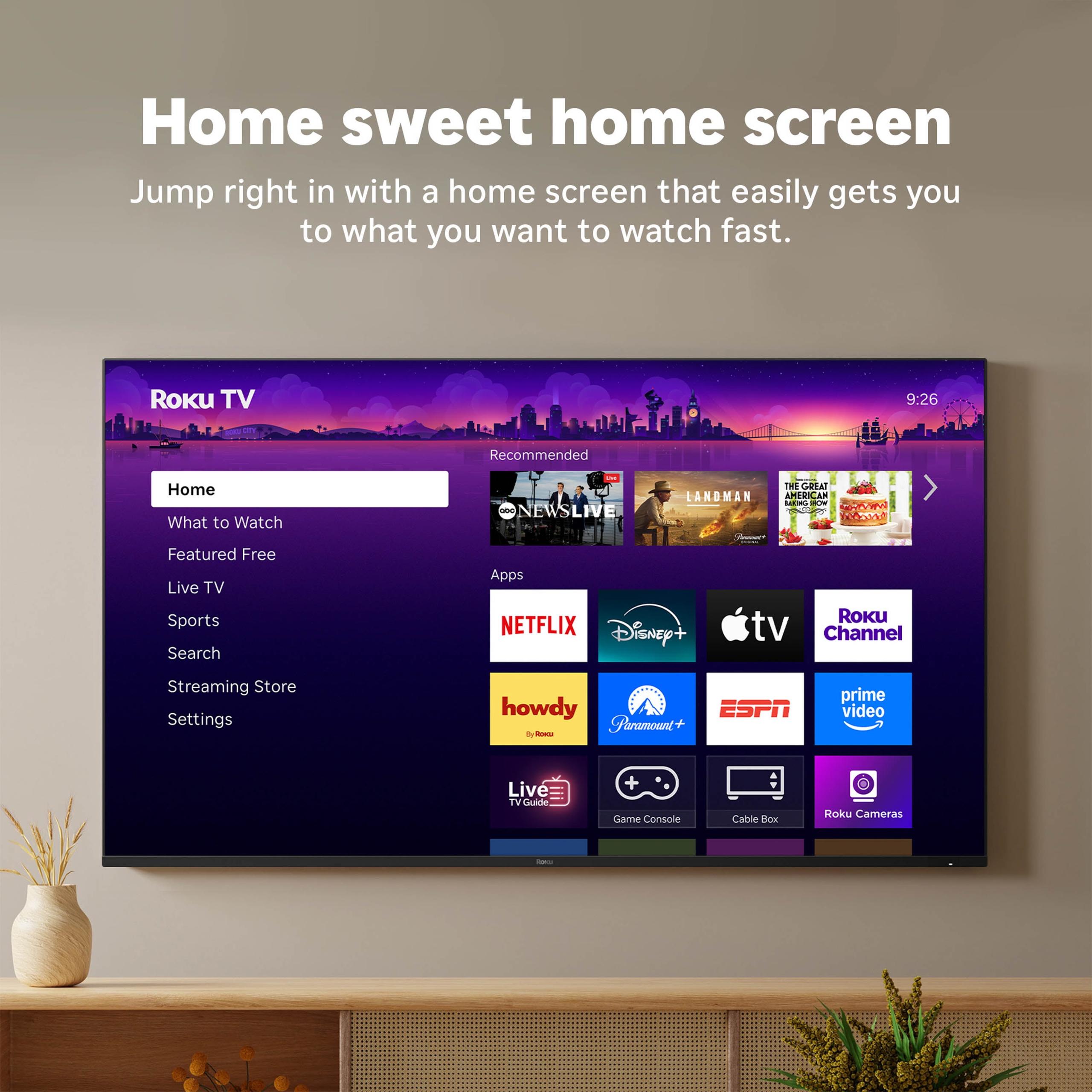
The Roku Pro Series runs Roku's own TV OS, which takes a more content-agnostic approach. Instead of promoting one service over others, Roku aggregates content from multiple platforms and presents it in a unified interface. The Roku also benefits from Wi-Fi 6 connectivity and what appears to be more optimized hardware, resulting in faster app launches and smoother navigation.
User experiences suggest the Roku maintains better performance over time, with less slowdown as more apps are installed. The Hisense occasionally experiences menu lag, though Fire TV generally remains responsive for most users.
The Roku's native 120Hz panel provides inherently better motion handling for sports and fast-action content. When watching football or basketball, player movement appears clearer with less motion blur. The Hisense QD6 uses motion interpolation (sometimes called the "soap opera effect") to simulate smoother motion from its 60Hz panel, but this processing can create artifacts around fast-moving objects.
Both TVs include sports-optimized picture modes, but the Roku's higher refresh rate provides a more natural advantage for live sports viewing. User reviews consistently note better clarity during fast action sequences and less blur trailing behind moving objects.
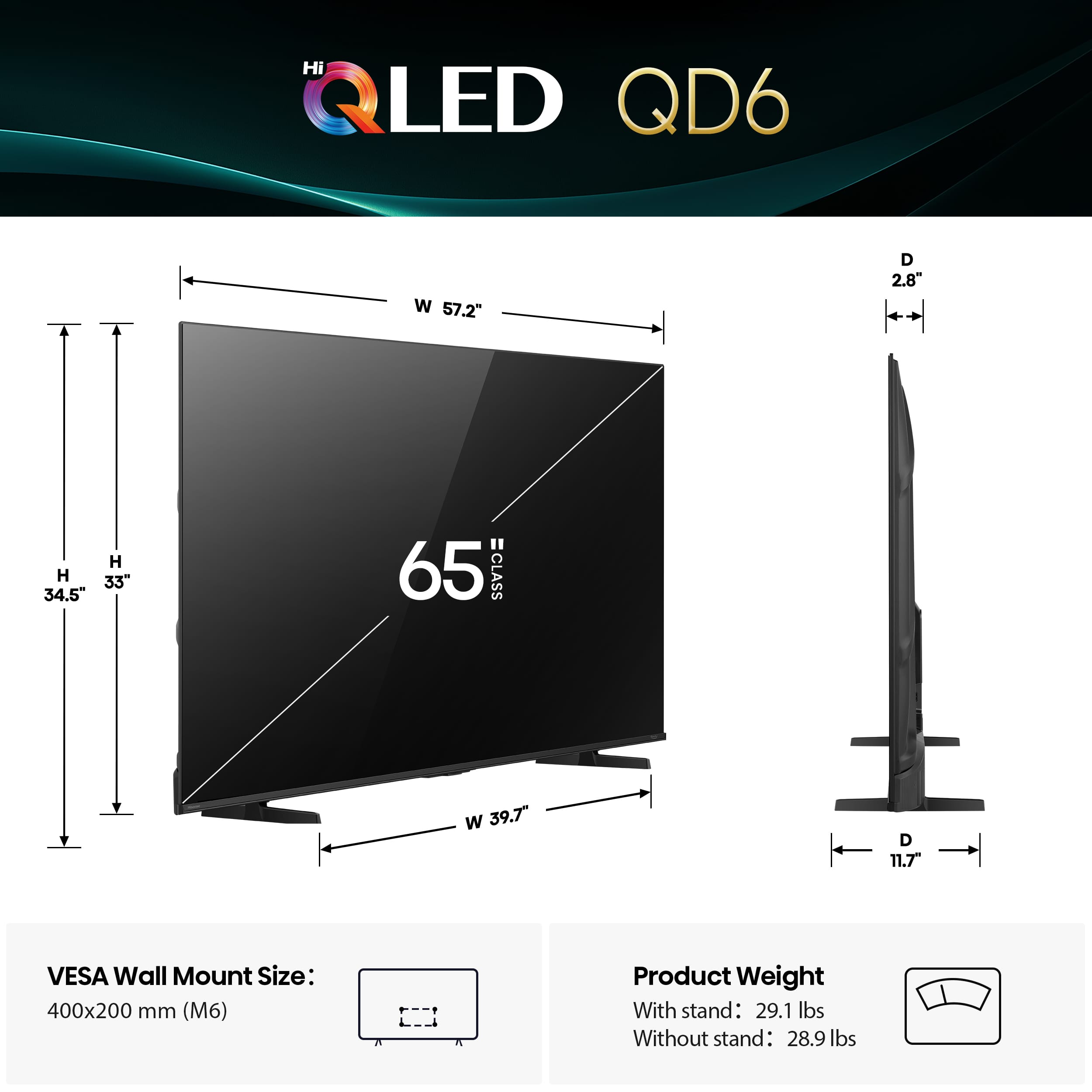
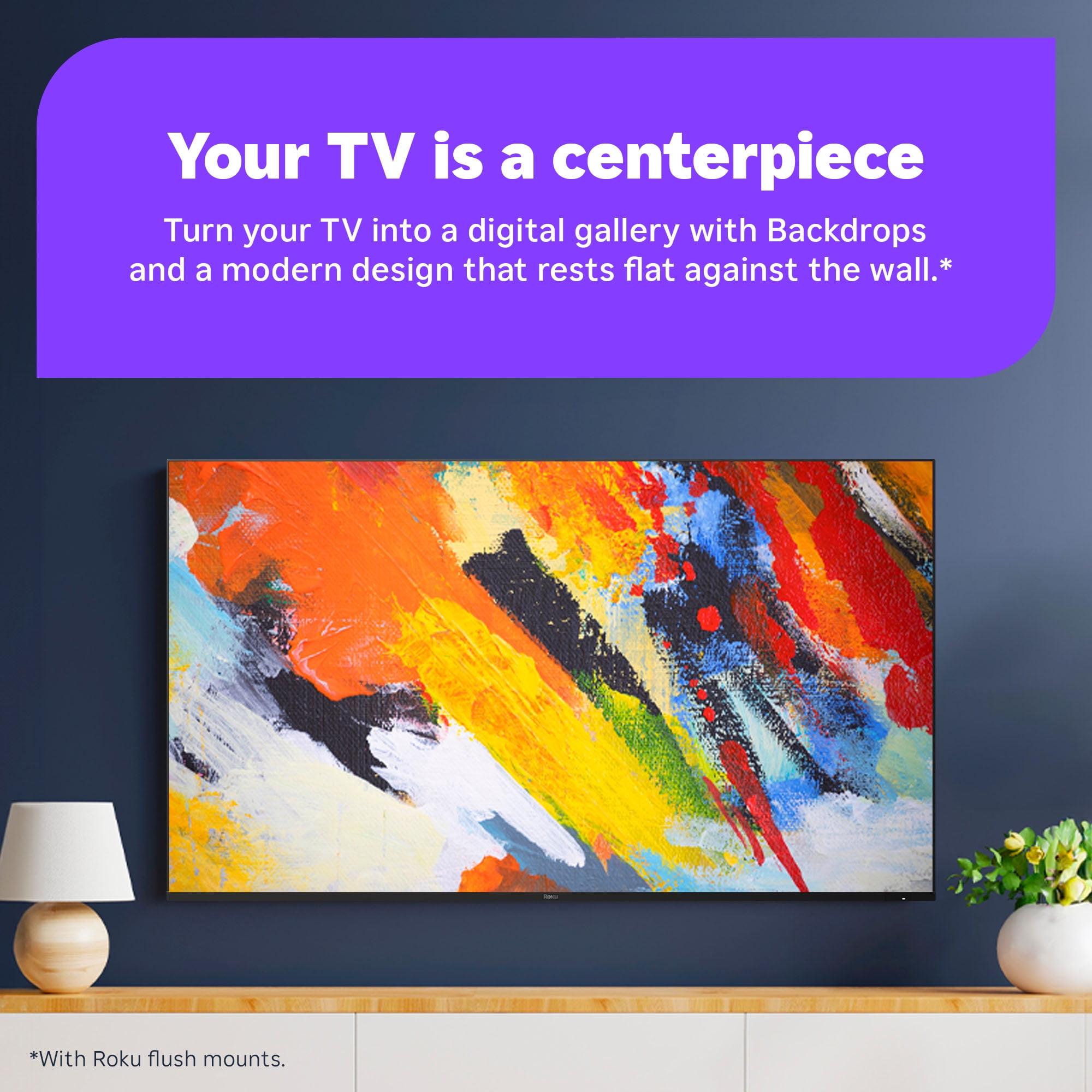
The Roku Pro Series includes premium design elements like a custom wall mount system that allows the TV to sit nearly flush against the wall. The overall construction feels more premium, with better materials and more refined industrial design.
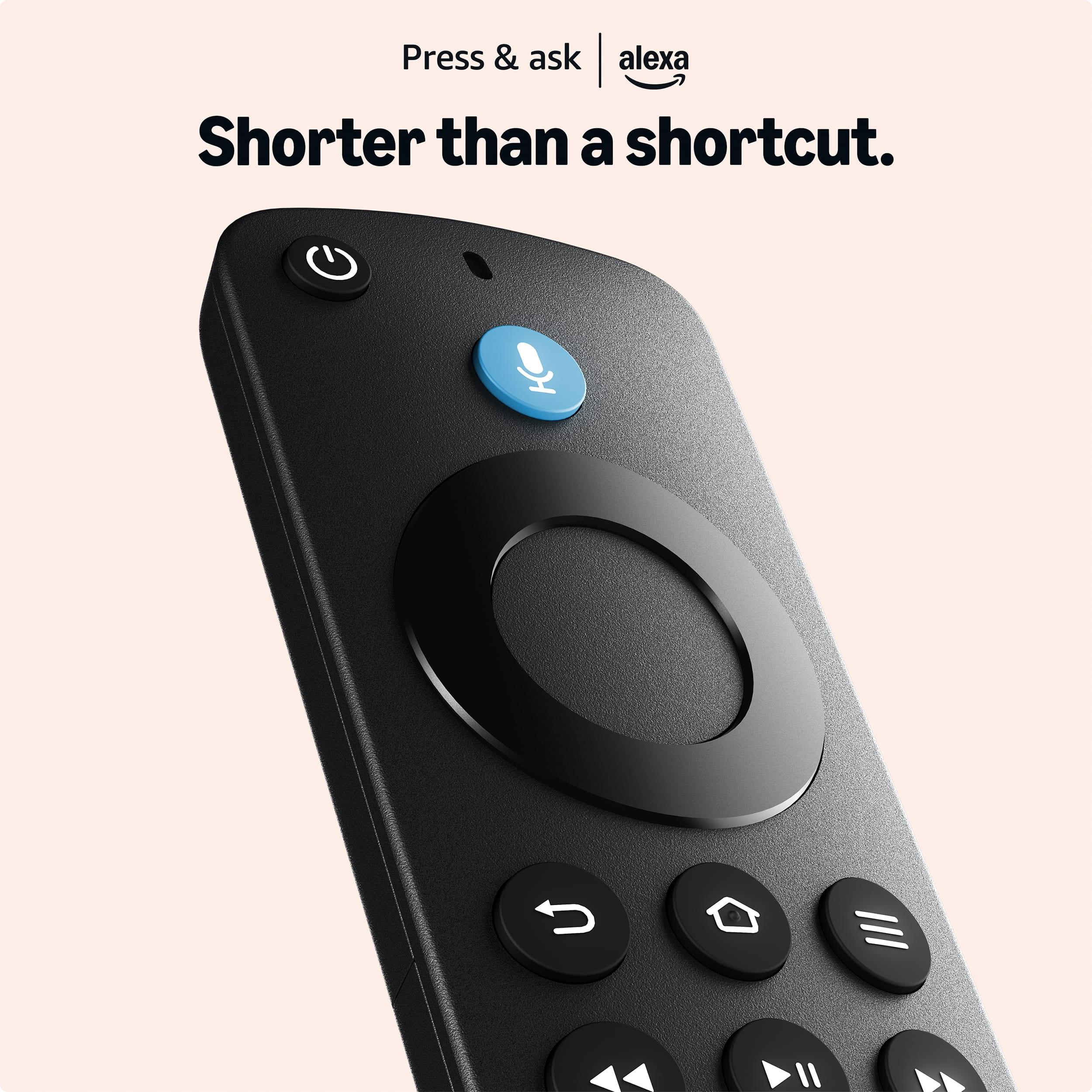
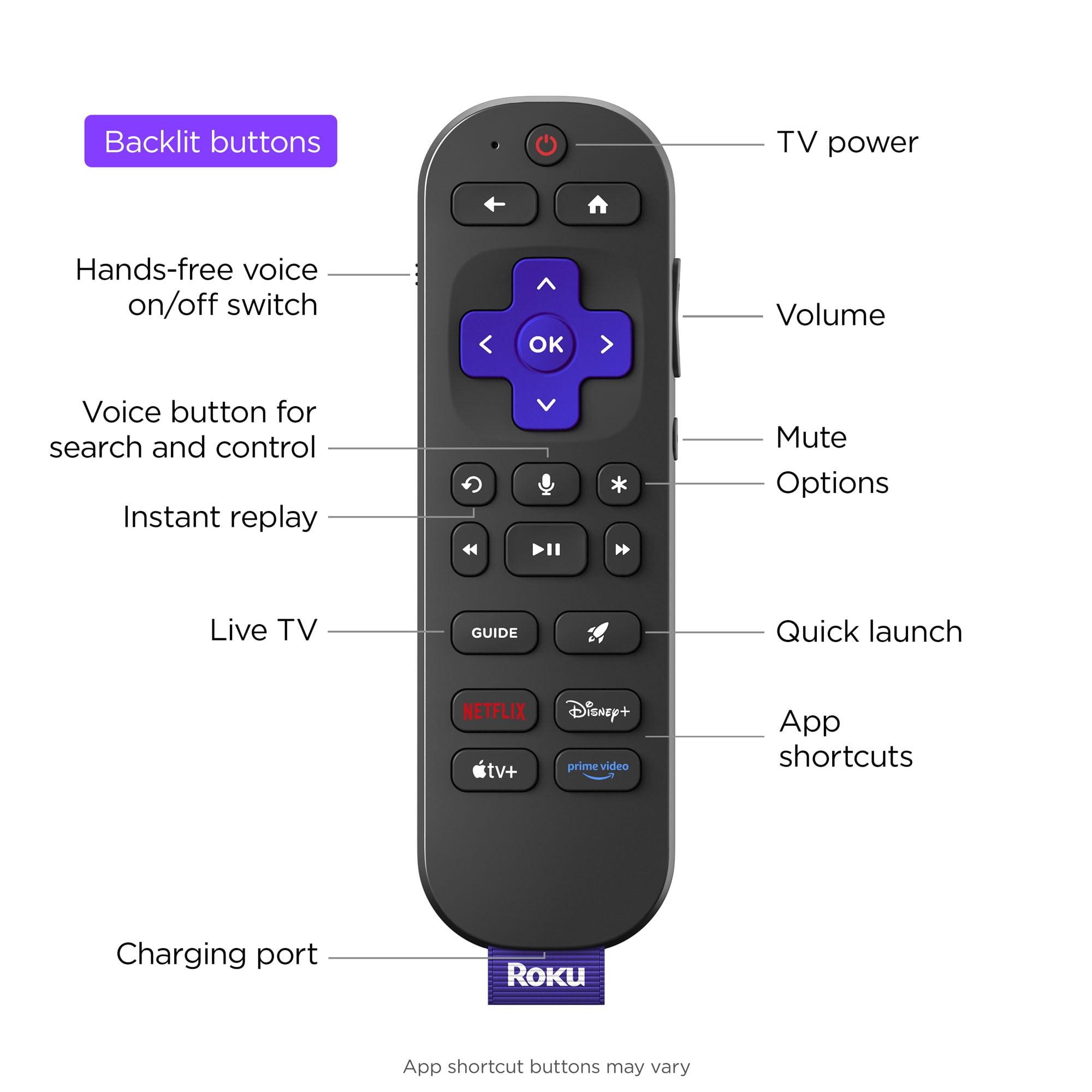
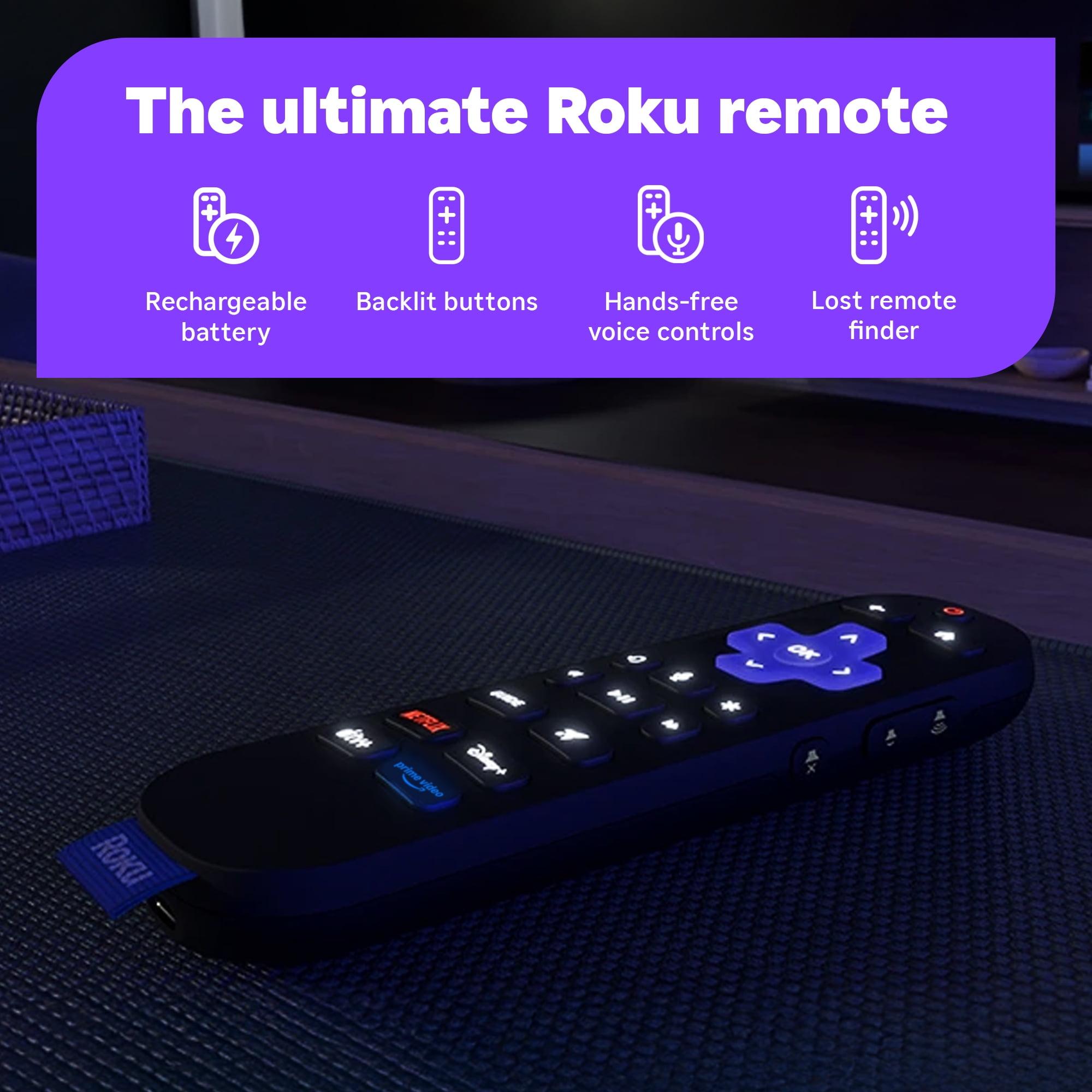
The Hisense QD6 uses a more conventional thick LED-LCD design, but it's still well-built for its price class. The included remote is basic but functional, while the Roku includes a rechargeable backlit voice remote with a find-my-remote feature – small touches that enhance the daily user experience.
The Hisense 65" QD6 Series makes the most sense for buyers who prioritize value and aren't planning intensive gaming or home theater use. It's an excellent choice for family rooms, bedrooms, or any scenario where you want significantly better picture quality than basic LED TVs without paying premium prices. The Fire TV platform will appeal particularly to Amazon ecosystem users.
At the time of writing, this TV represents exceptional value in the budget QLED category, delivering quantum dot color enhancement and modern smart features at a price point that would have been impossible just a few years ago. It's particularly well-suited for viewers who primarily watch streaming content in moderate lighting conditions.
The Roku Pro Series 2025 targets enthusiasts who want flagship-level performance without flagship pricing. It's the clear choice for serious gamers, bright-room viewing, or anyone planning a home theater setup. The Mini-LED backlighting and superior brightness make it dramatically better for HDR content, while the 120Hz gaming capabilities future-proof it for next-generation gaming.
Based on our research into user experiences and professional reviews, the Roku justifies its higher price through genuinely superior technology rather than just premium branding. It competes with TVs costing significantly more while offering a more user-friendly smart platform than many competitors.
The choice between these TVs ultimately comes down to matching features to your specific needs and budget. The price difference between them represents real technological advantages rather than just marketing positioning. If you're upgrading from an older TV and primarily watch streaming content in moderate lighting, the Hisense QD6 will likely exceed your expectations while leaving money for other home entertainment upgrades.
If you're building a more serious entertainment setup, plan to do substantial gaming, or need a TV that performs well in bright conditions, the Roku Pro Series offers substantially better performance that will remain relevant longer as content and gaming technology continues to evolve.
The TV market in 2025 offers more genuine choice than ever before. Both of these models succeed at their intended purposes – one democratizing good picture quality, the other bringing premium features to broader accessibility. Understanding which approach matches your priorities will lead to years of viewing satisfaction.
| Hisense 65" QD6 Series Hi-QLED Fire TV (2025) | Roku 65" Pro Series 2025 4K QLED TV |
|---|---|
| Peak HDR Brightness - Critical for daytime viewing and impactful HDR content | |
| ~385 nits (adequate for moderate lighting) | ~1,800 nits (excellent for bright rooms and stunning HDR) |
| Display Technology - Determines contrast and picture quality | |
| Full-array LED with quantum dots (no local dimming) | Mini-LED with thousands of local dimming zones |
| Refresh Rate - Essential for gaming and smooth sports viewing | |
| 60Hz native (Motion Rate 120 with interpolation) | 120Hz native (true high refresh rate) |
| Gaming Features - Important for console gamers | |
| HDMI 2.0, 4K@60Hz, VRR, ALLM, 10.2ms input lag | HDMI 2.1, 4K@120Hz, VRR, ALLM, 5.2ms input lag |
| Color Gamut Coverage - Affects color vibrancy and accuracy | |
| 90% DCI-P3 (good quantum dot enhancement) | 96.9% UHDA-P3 (excellent color accuracy) |
| Smart Platform - Daily user experience and app performance | |
| Fire TV OS (Amazon-focused, occasional lag) | Roku TV OS with Wi-Fi 6 (faster, content-agnostic) |
| Audio Quality - Determines if you need a soundbar | |
| Standard Dolby Atmos speakers | Enhanced Sound Stage with side-firing Dolby Atmos |
| Black Level Performance - Critical for dark room movie watching | |
| Lifted blacks due to no local dimming | Deep blacks with minimal blooming from Mini-LED zones |
| Build Quality and Design - Long-term satisfaction factors | |
| Standard LED-LCD design, basic plastic remote | Premium construction, custom flush wall mount, backlit rechargeable remote |
| Best Use Cases - Who should consider each TV | |
| Budget-conscious buyers, moderate lighting, casual gaming | Enthusiasts, bright rooms, serious gaming, home theater setups |
The Roku Pro Series 2025 is significantly better for bright rooms with its peak brightness of around 1,800 nits compared to the Hisense QD6 Series's 385 nits. This 4.7x brightness advantage means the Roku can overcome glare and maintain vibrant colors even in rooms with large windows or overhead lighting.
The primary difference is display technology: the Hisense QD6 uses standard LED backlighting with quantum dots, while the Roku Pro Series features Mini-LED backlighting with thousands of local dimming zones. This gives the Roku much better contrast, deeper blacks, and brighter highlights for superior picture quality.
The Roku Pro Series 2025 is superior for gaming with its 120Hz refresh rate, HDMI 2.1 ports supporting 4K@120Hz, and 5.2ms input lag. The Hisense QD6 is limited to 60Hz gaming with 10.2ms input lag, making the Roku the better choice for PlayStation 5 and Xbox Series X owners.
The Hisense QD6 runs Amazon Fire TV, which integrates well with Amazon services but can be Amazon-centric in content recommendations. The Roku Pro Series uses Roku's platform, which is more content-neutral and generally faster due to Wi-Fi 6 connectivity and better optimization.
The Roku Pro Series 2025 delivers superior movie picture quality due to its Mini-LED local dimming, which provides true blacks and excellent contrast for dark scenes. The Hisense QD6 suffers from lifted blacks without local dimming, making it less ideal for home theater movie watching.
Both TVs use quantum dot technology, but the Roku Pro Series covers 96.9% of the UHDA-P3 color space with better accuracy, while the Hisense QD6 covers 90% DCI-P3. Both offer vibrant colors compared to standard LED TVs, with the Roku being more accurate to filmmaker intentions.
The Roku Pro Series 2025 has significantly better built-in audio with its Sound Stage system and side-firing Dolby Atmos speakers that users describe as having "theater-like" bass. The Hisense QD6 has basic Dolby Atmos but standard TV speakers that are adequate but not impressive.
The Roku Pro Series's native 120Hz panel provides naturally smoother sports viewing with less motion blur. The Hisense QD6 uses motion interpolation to simulate smoothness from its 60Hz panel, but this can create artifacts around fast-moving players.
The Hisense QD6 Series offers exceptional value in the budget category, providing quantum dot colors and modern smart features at an accessible price. The Roku Pro Series offers premium Mini-LED technology typically found in much more expensive TVs, making it excellent value in the mid-range segment.
Both support Dolby Vision and HDR10+, but the Roku Pro Series 2025 delivers much more impactful HDR due to its higher peak brightness and local dimming. HDR content on the Hisense QD6 appears relatively flat due to insufficient brightness for true HDR impact.
The Roku Pro Series 2025 is far superior for home theater use due to its Mini-LED local dimming providing true blacks, higher peak brightness for impactful highlights, and better built-in audio. The Hisense QD6 lacks the contrast performance needed for an immersive dark-room movie experience.
Choose the Hisense QD6 Series if you want good 4K picture quality on a budget, primarily watch streaming content, and don't need advanced gaming features. Select the Roku Pro Series 2025 if you want premium picture quality, plan serious gaming, need bright-room performance, or are building a home theater setup.
We've done our best to create useful and informative comparisons to help you decide what product to buy. Our research uses advanced automated methods to create this comparison and perfection is not possible - please contact us for corrections or questions. These are the sites we've researched in the creation of this article: pcvarge.com - bestbuy.com - rtings.com - youtube.com - rtings.com - youtube.com - consumerreports.org - leaseville.com - hisense-usa.com - device.report - hisense-usa.com - youtube.com - flatpanelshd.com - displayspecifications.com - retailspecs.com - bestbuy.com - rtings.com - techradar.com - youtube.com - roku.com - youtube.com - walmart.com - bestbuy.com - youtube.com - electronicexpress.com - roku.com - pcvarge.com - ecoustics.com

Privacy Policy
Terms and Conditions - Affiliate Policy
Home Security
© Copyright 2008-2026.
11816 Inwood Rd #1211, Dallas, TX 75244