

![LG B5 Series OLED 65" 4K Smart TV 2025[1][7][9]](https://images.hometheaterreview.com/htr-stateless/2025/07/31238cd0-lg-b5-series-oled-65-4k-smart-tv-2025179.jpg)
![LG B5 Series OLED 65" 4K Smart TV 2025[1][7][9]](https://images.hometheaterreview.com/htr-stateless/2025/07/3368ce40-25ef-4d07-b442-bb0af89e3a29.jpg)
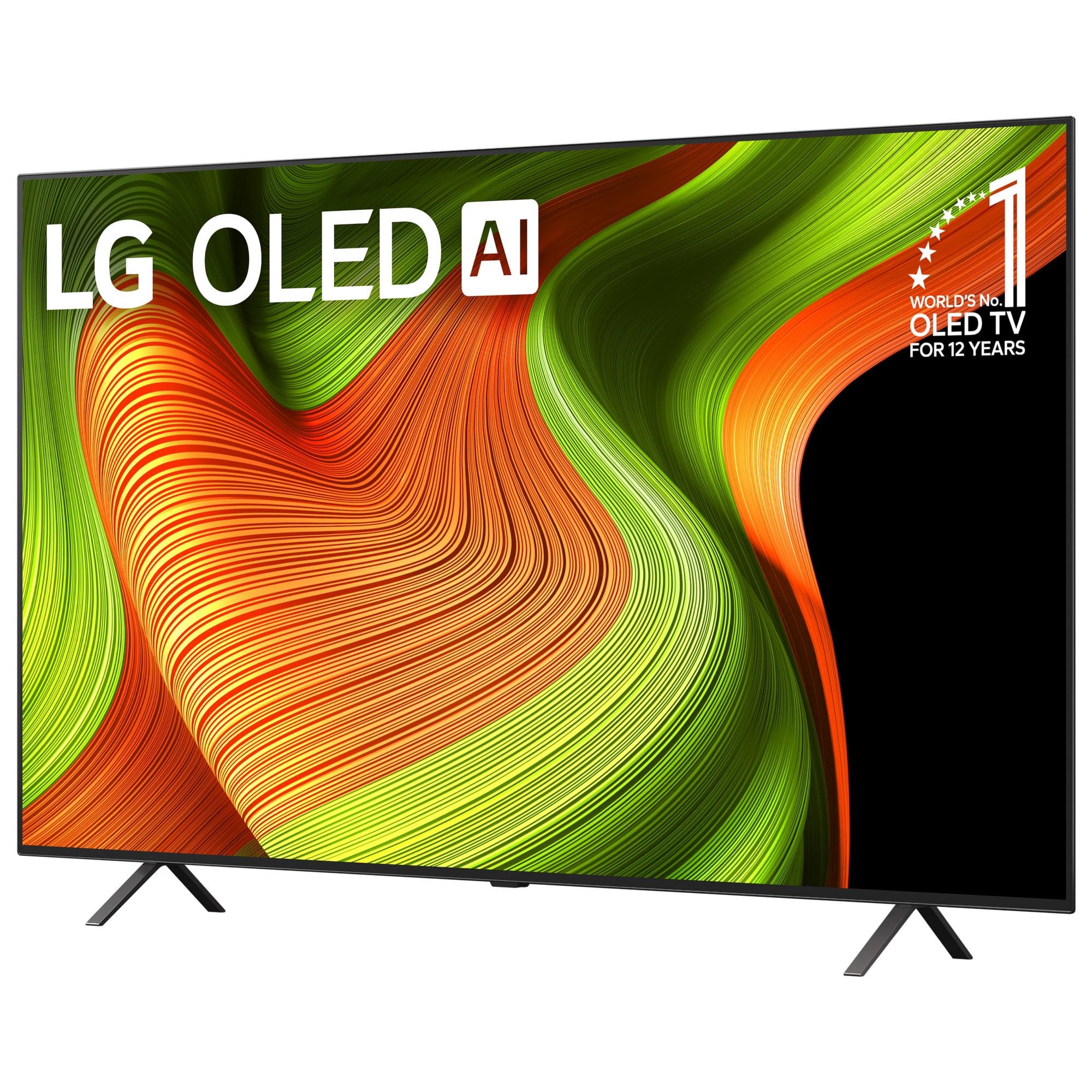
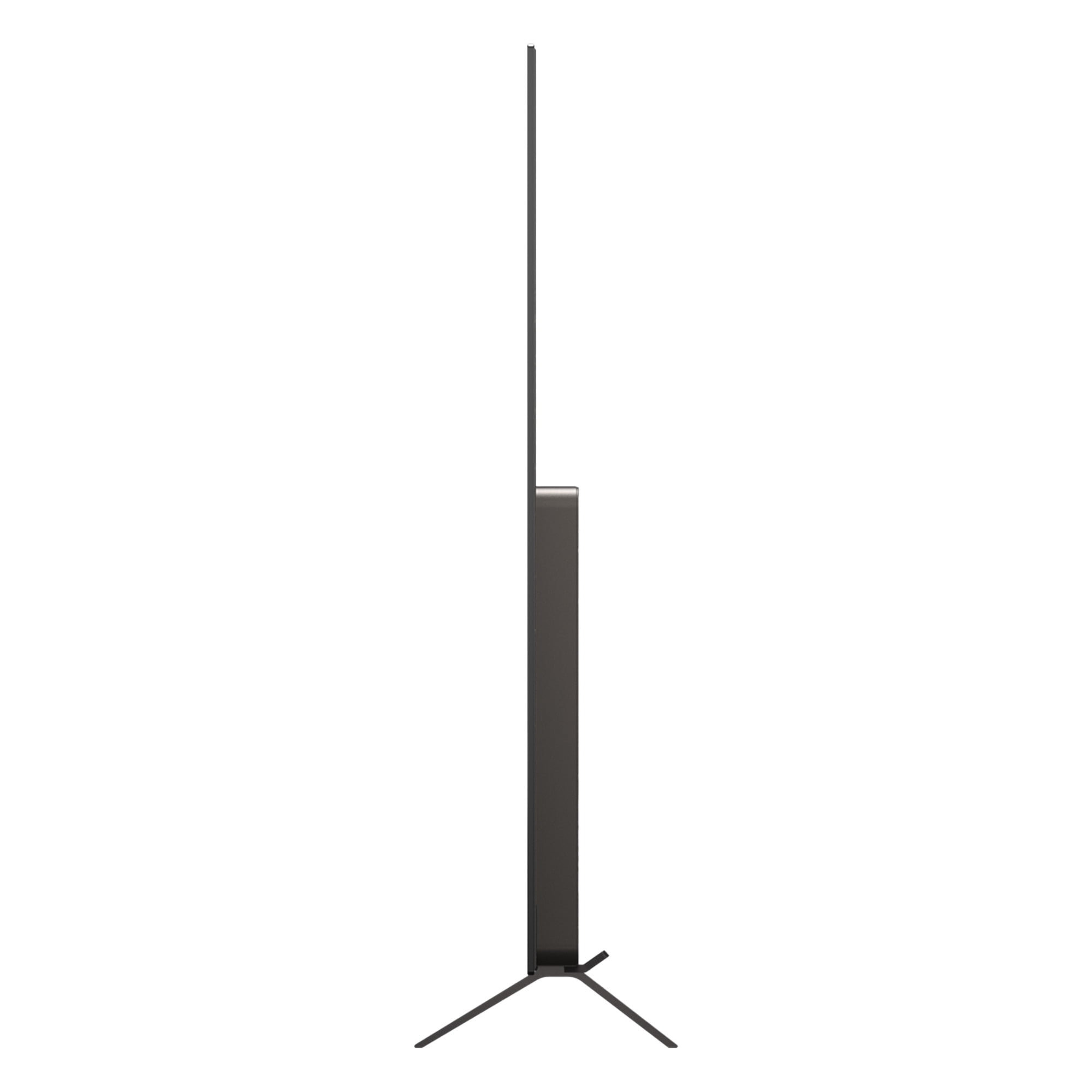
Choosing a 65-inch TV in 2025 means navigating two very different worlds. You can grab a solid quantum dot LED TV for under $400, or step up to OLED technology for nearly three times the price. The question isn't just about money—it's about understanding what you're actually getting for that extra investment.
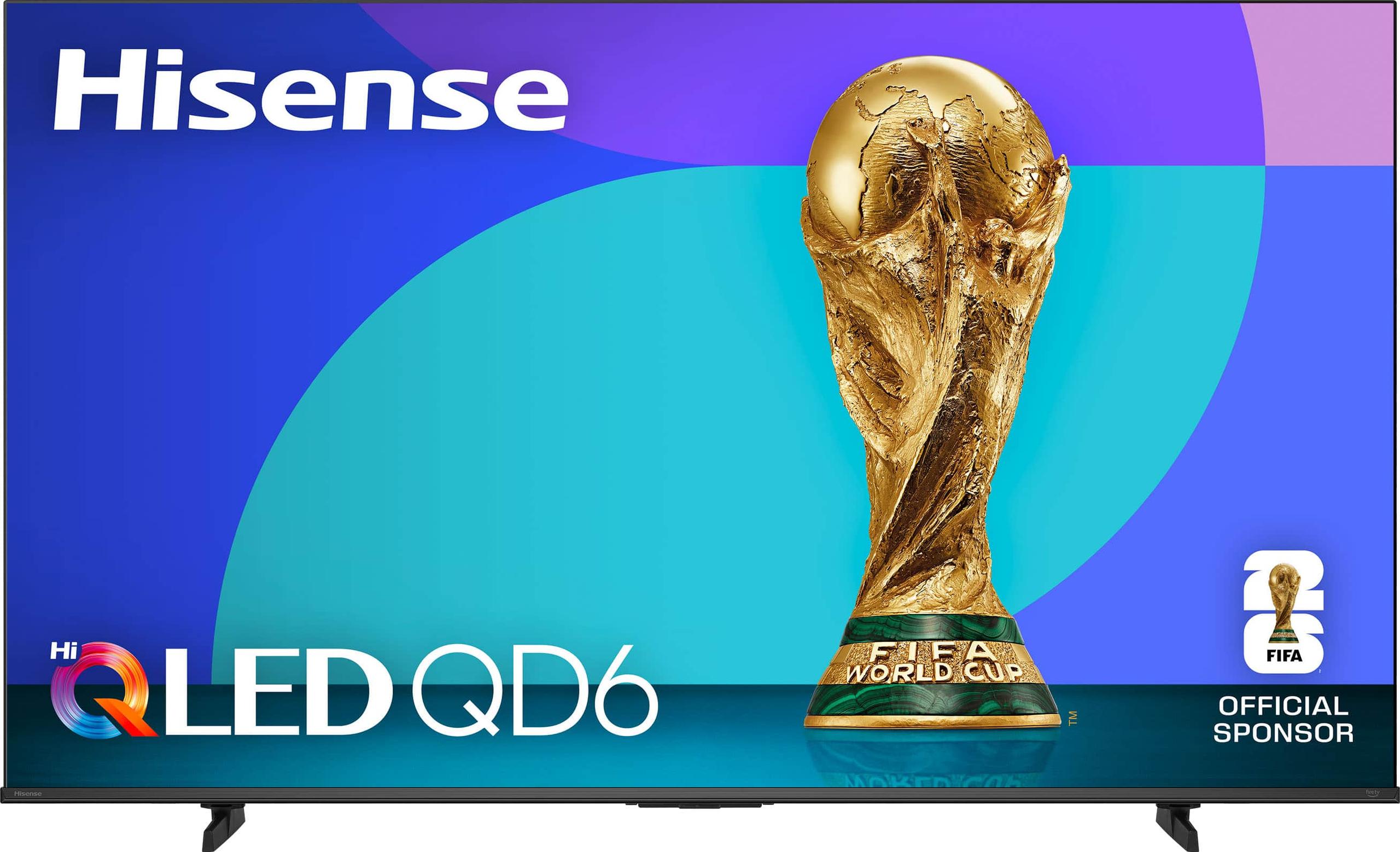
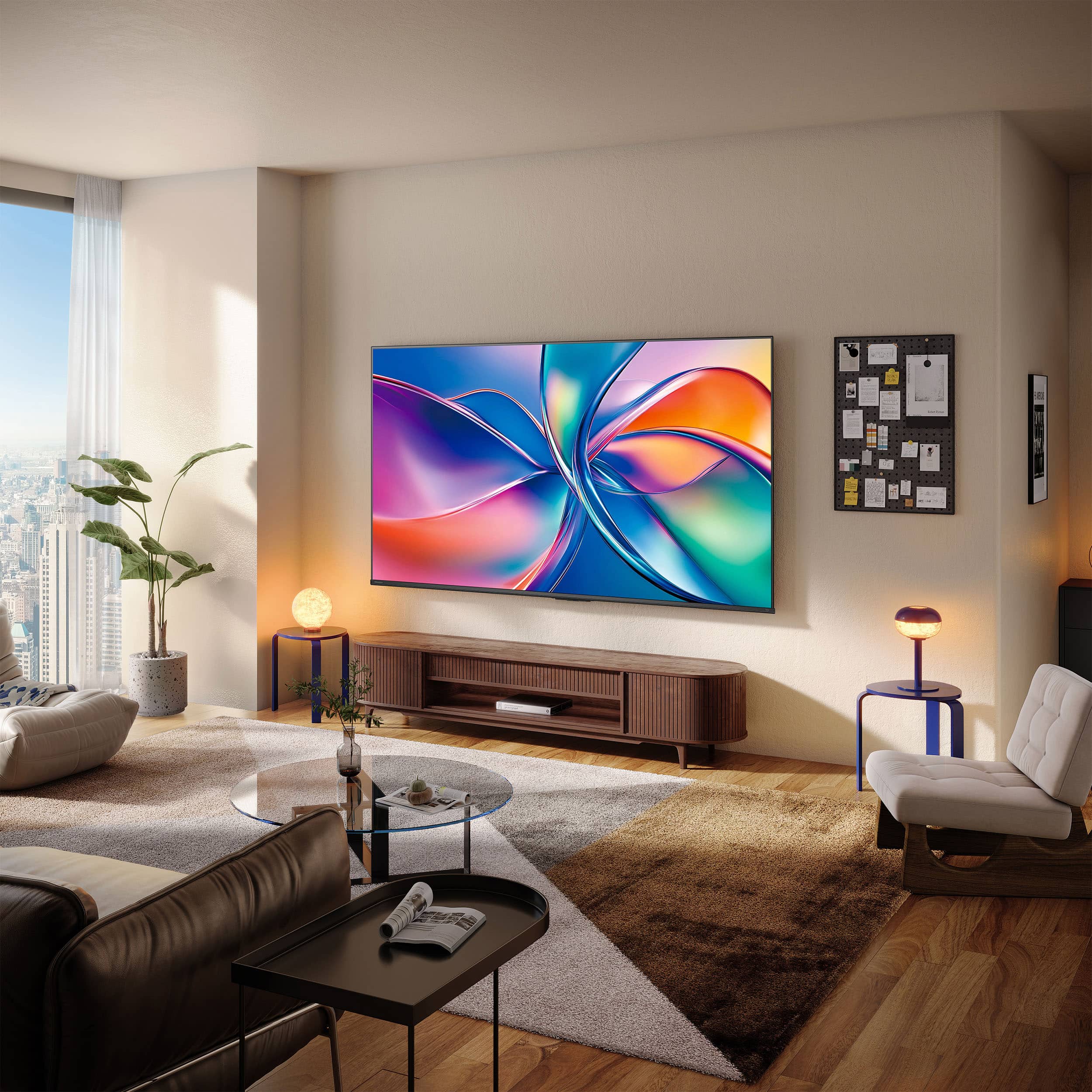
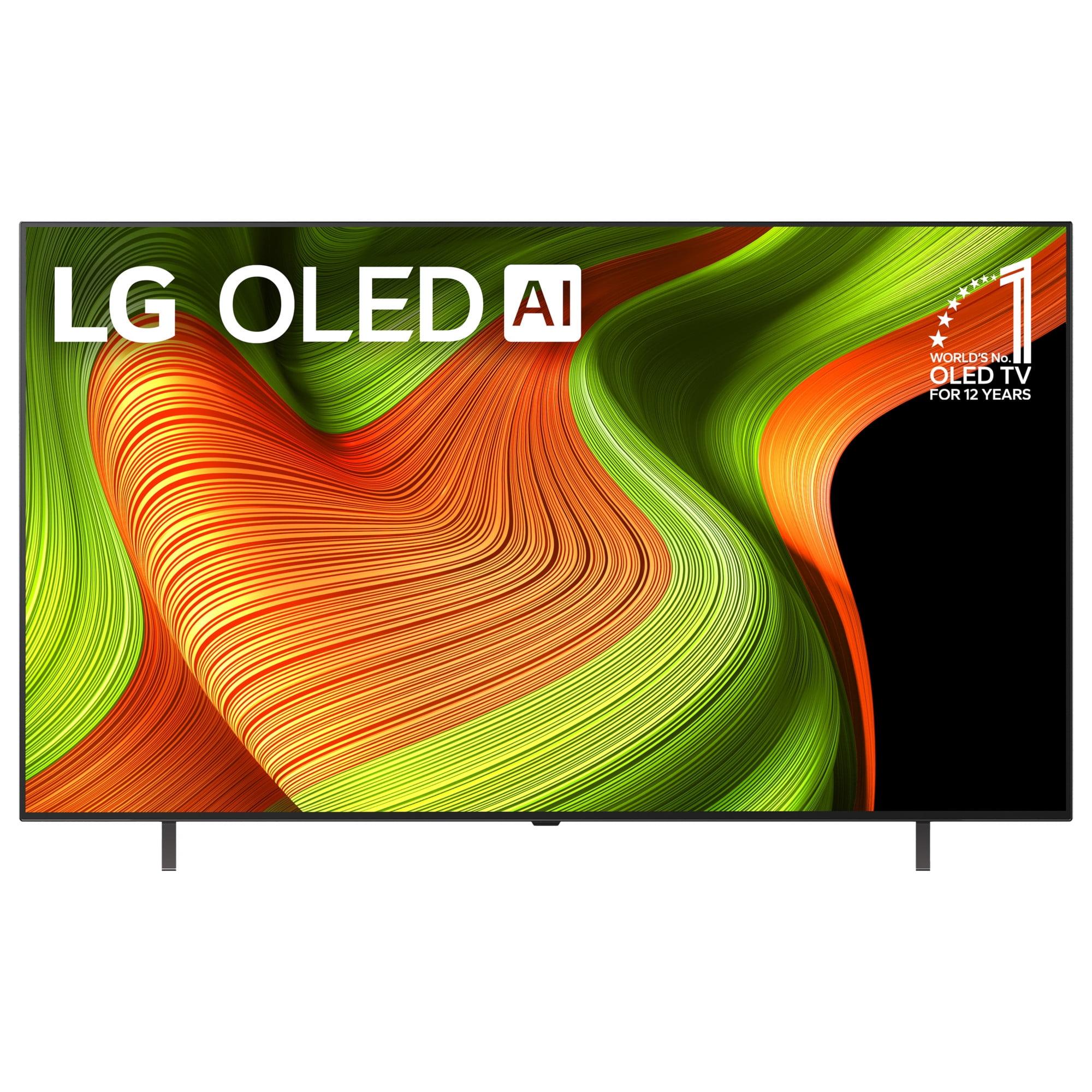
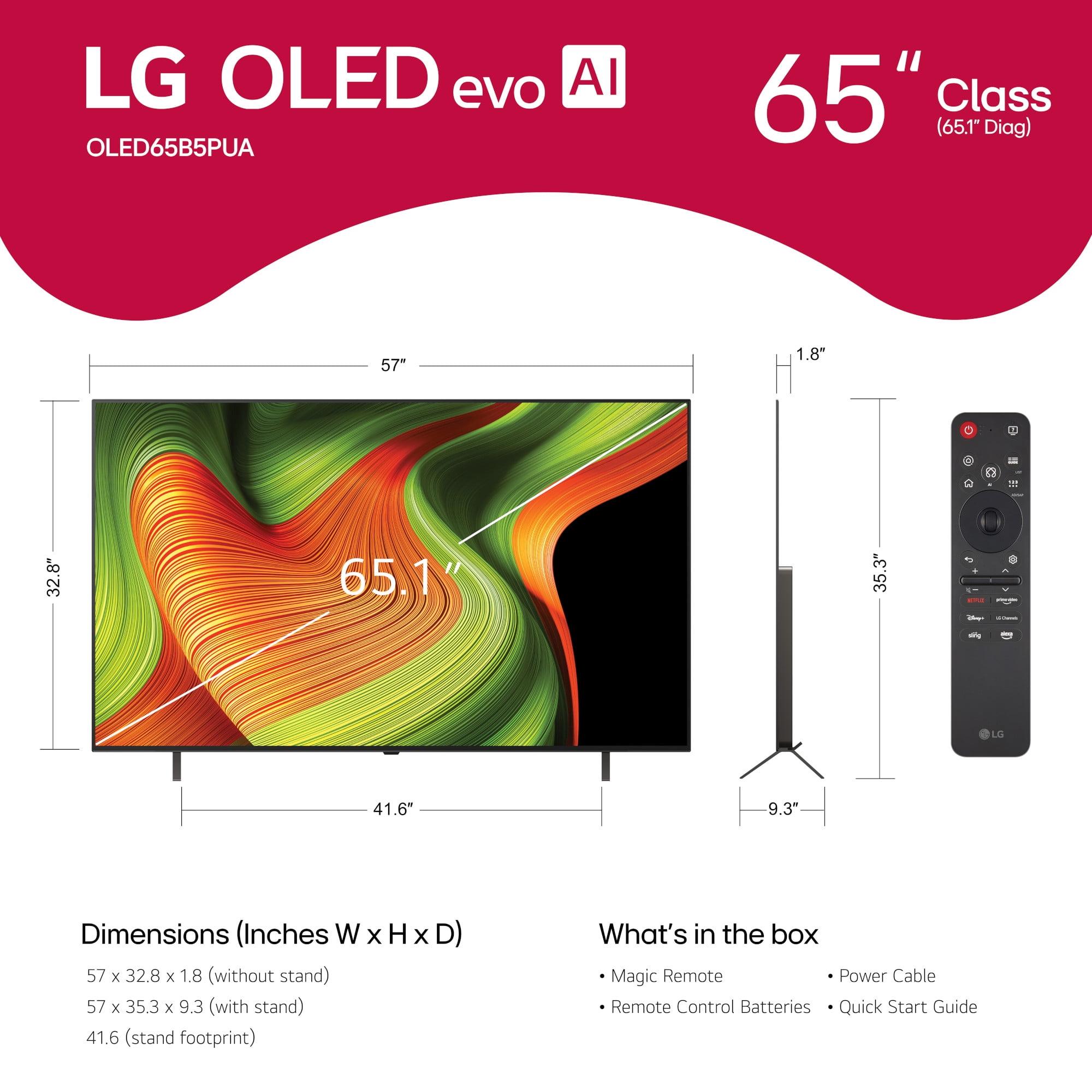
The Hisense 65" QD6 Series Hi-QLED Fire TV (2025) represents the sweet spot of budget 4K TVs, while the LG B5 Series OLED 65" 4K Smart TV (2025) serves as LG's most affordable entry into OLED territory. Both launched in 2025, but they target completely different buyers with fundamentally different display technologies.
The biggest difference between these TVs isn't their size or smart features—it's how they create the picture you see. This distinction affects everything from how dark your movies look to how responsive your games feel.
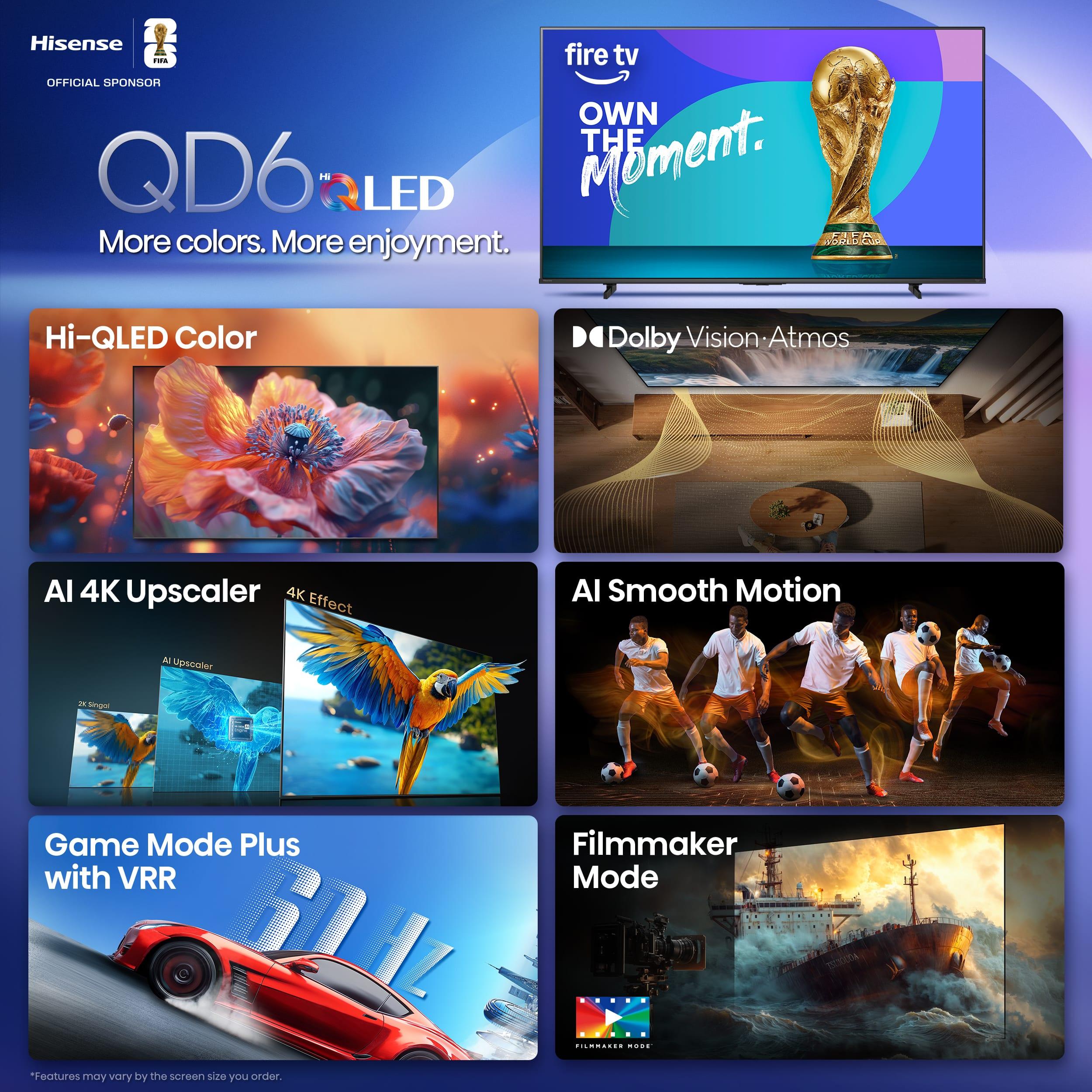
The Hisense QD6QF uses what's called a quantum dot LED panel. Think of it like a traditional TV with an LED backlight shining through a liquid crystal display, but with tiny quantum dot particles that enhance color production. These microscopic crystals can produce more vibrant colors than standard LEDs, covering about 90% of the DCI-P3 color space (the standard used for HDR content). The "Hi-QLED" marketing term basically means "quantum dot LED," though it's not quite the same technology as Samsung's premium QLED panels.
The LG B5 OLED, on the other hand, uses organic light-emitting diodes. Each of the 8.3 million pixels produces its own light and can turn completely off when displaying black. This isn't just a technical difference—it fundamentally changes how the TV displays dark scenes, bright highlights, and everything in between.
Here's where the technology gap becomes obvious. The LG B5 OLED achieves what display engineers call "perfect black"—when a pixel needs to show black, it simply turns off. No light leaks, no grayish tint, just pure black. This creates an infinite contrast ratio, meaning the difference between the darkest black and brightest white is as dramatic as physically possible.
The Hisense QD6QF can't match this because it relies on a backlight that stays on even during dark scenes. Even in its best moments, blacks look more like dark gray. This becomes particularly noticeable when watching movies with letterbox bars (those black strips above and below widescreen content) or dark scenes in films like Dune or Blade Runner 2049.
What makes this worse for the Hisense is the lack of local dimming—a feature where different zones of the backlight can dim independently. Without this, bright objects in dark scenes cause the entire panel to brighten slightly, washing out what should be deep blacks.
This is where things get more nuanced. The Hisense QD6QF actually gets brighter than the LG B5 OLED in terms of peak brightness, hitting around 385 cd/m² (candelas per square meter—essentially how much light the TV can produce). This makes it more usable in bright, sunny rooms where you're fighting against window glare.
However, brightness alone doesn't determine HDR quality. HDR (High Dynamic Range) content is designed to show both very bright highlights and very dark shadows simultaneously. The LG B5's perfect blacks make its HDR more impactful even with lower peak brightness, because the contrast between bright and dark areas is more dramatic. It's like the difference between a photo taken in bright sunlight versus one taken with professional lighting that carefully controls shadows.
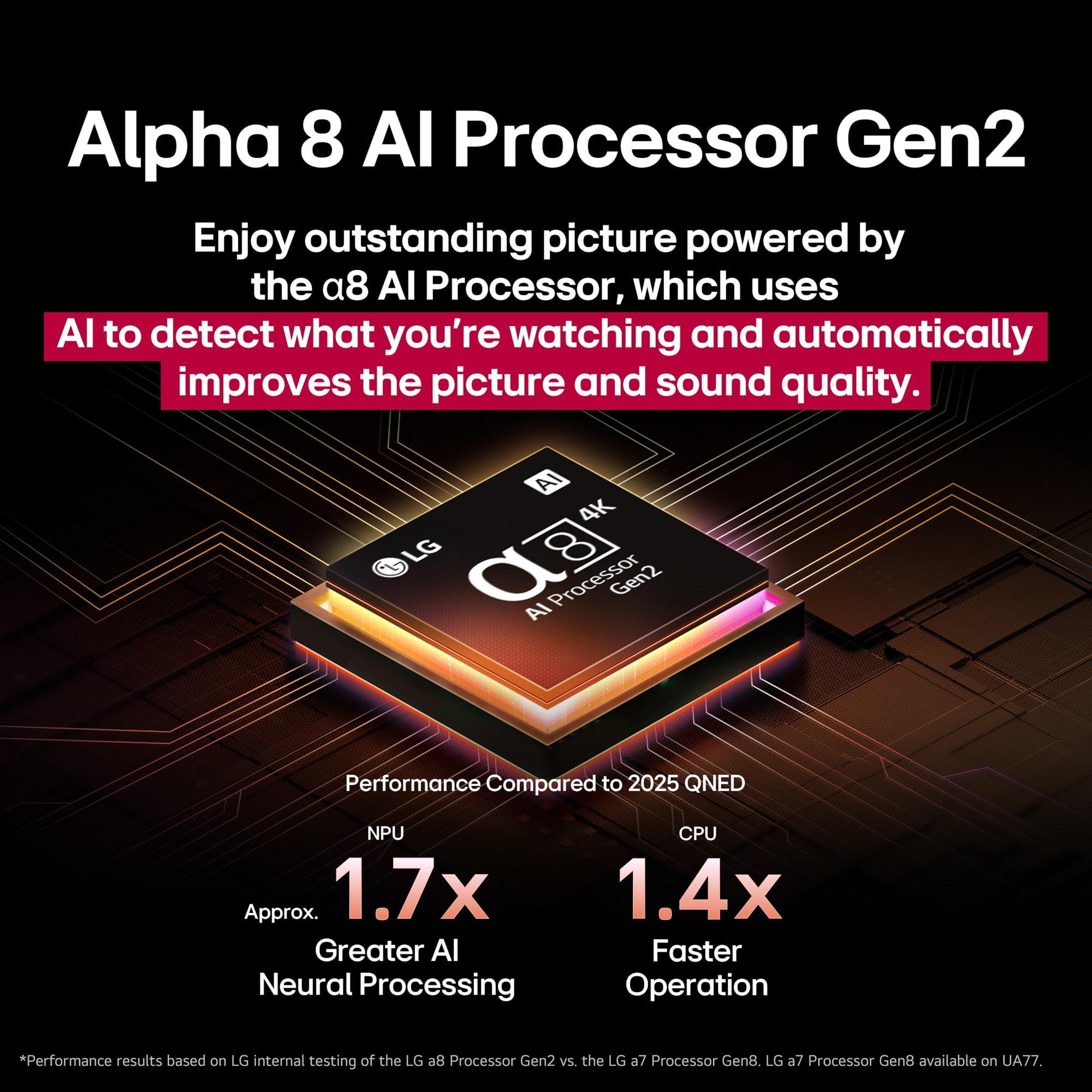
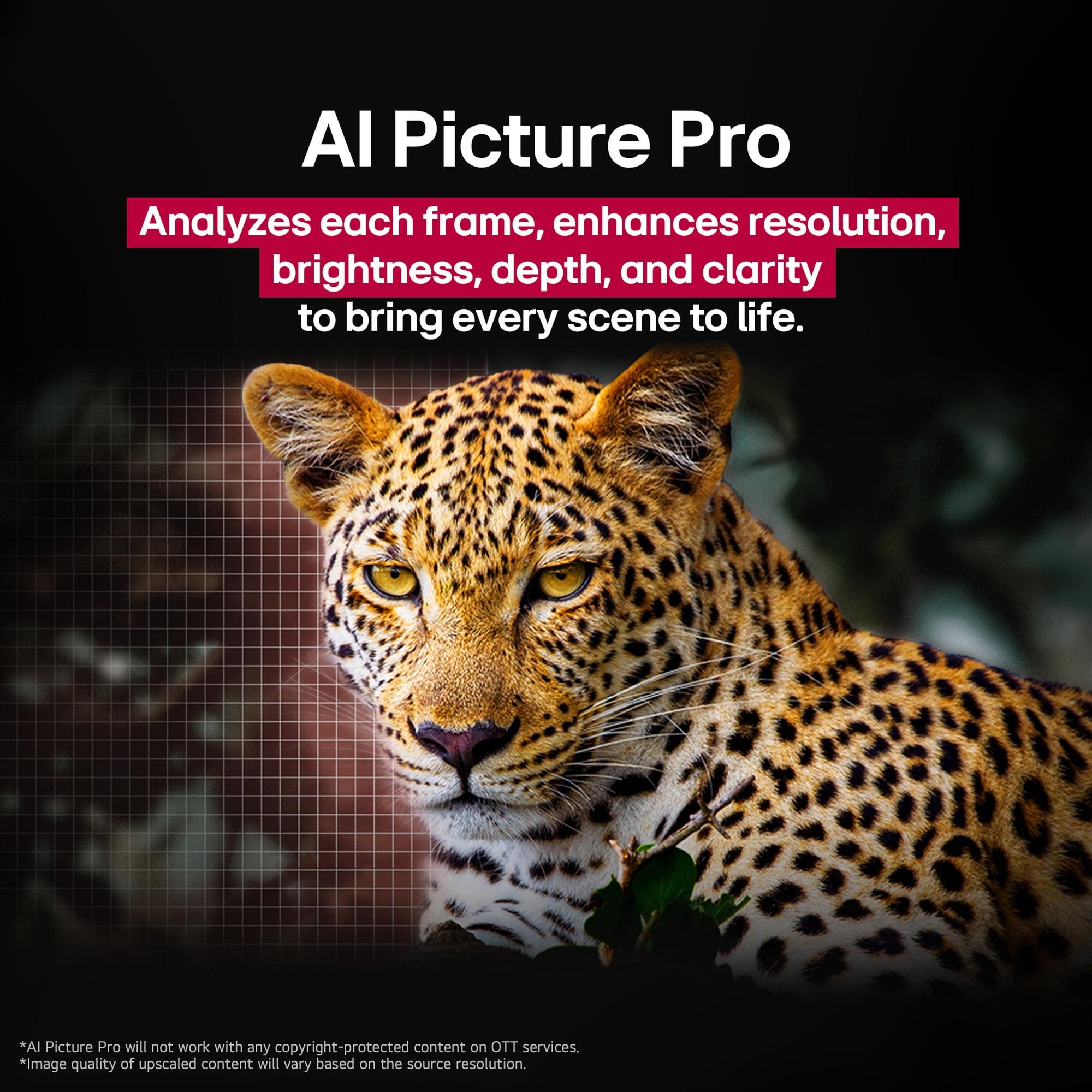
Both TVs support Dolby Vision, HDR10+, and standard HDR10, but the LG processes these formats more effectively thanks to its α8 AI Processor 4K Gen2. This chip analyzes content in real-time and adjusts brightness, contrast, and color on a scene-by-scene basis.
The LG B5 OLED is certified for 100% Color Volume and 100% Color Fidelity—industry standards that ensure colors look accurate across all brightness levels. This matters more than you might think. Many TVs can produce vibrant colors in bright scenes but struggle to maintain color accuracy in darker content.
The Hisense QD6QF produces good, vibrant colors thanks to its quantum dot layer, but it's not professionally calibrated out of the box. User reviews consistently mention needing to tweak settings to get optimal picture quality, while the LG looks excellent with minimal adjustment.
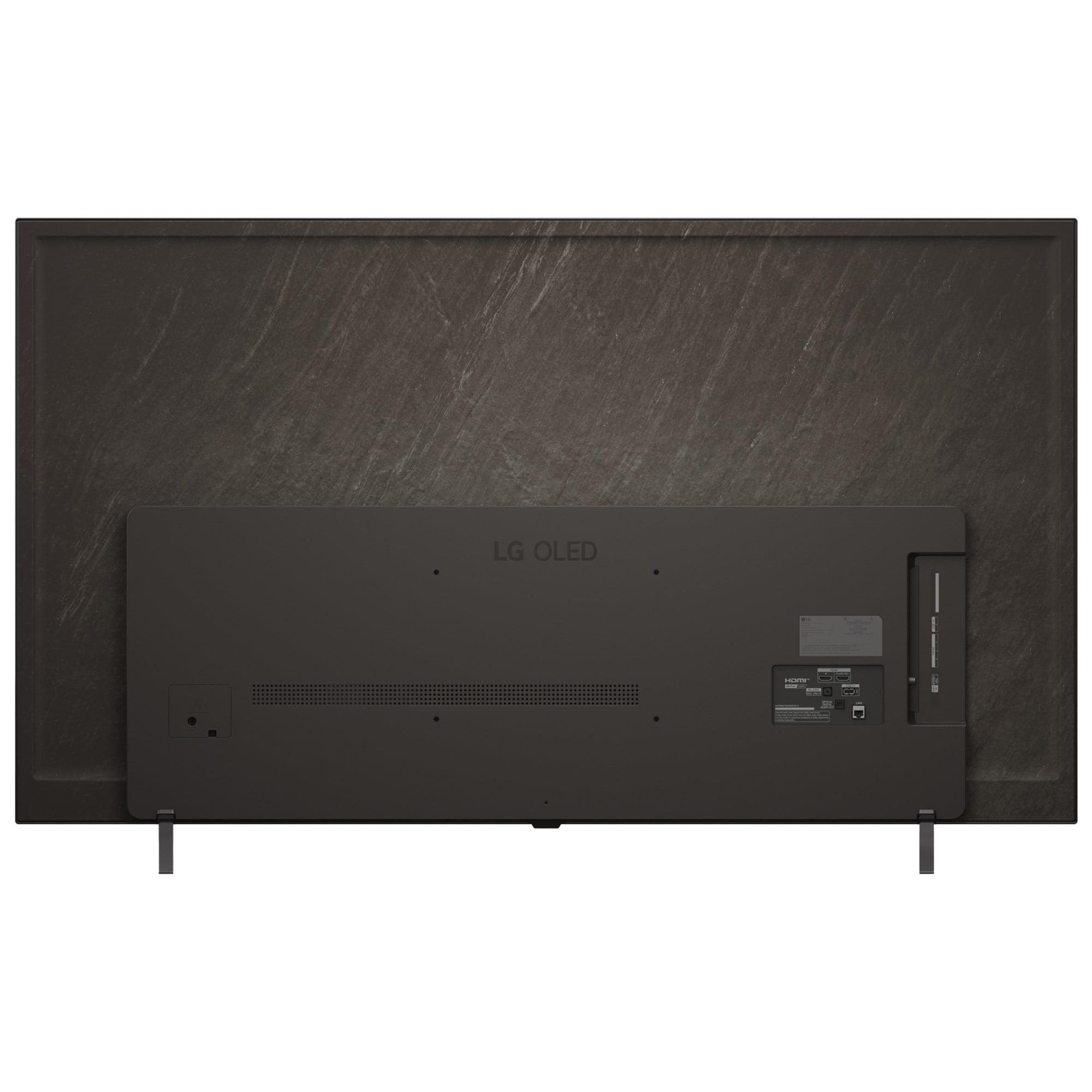
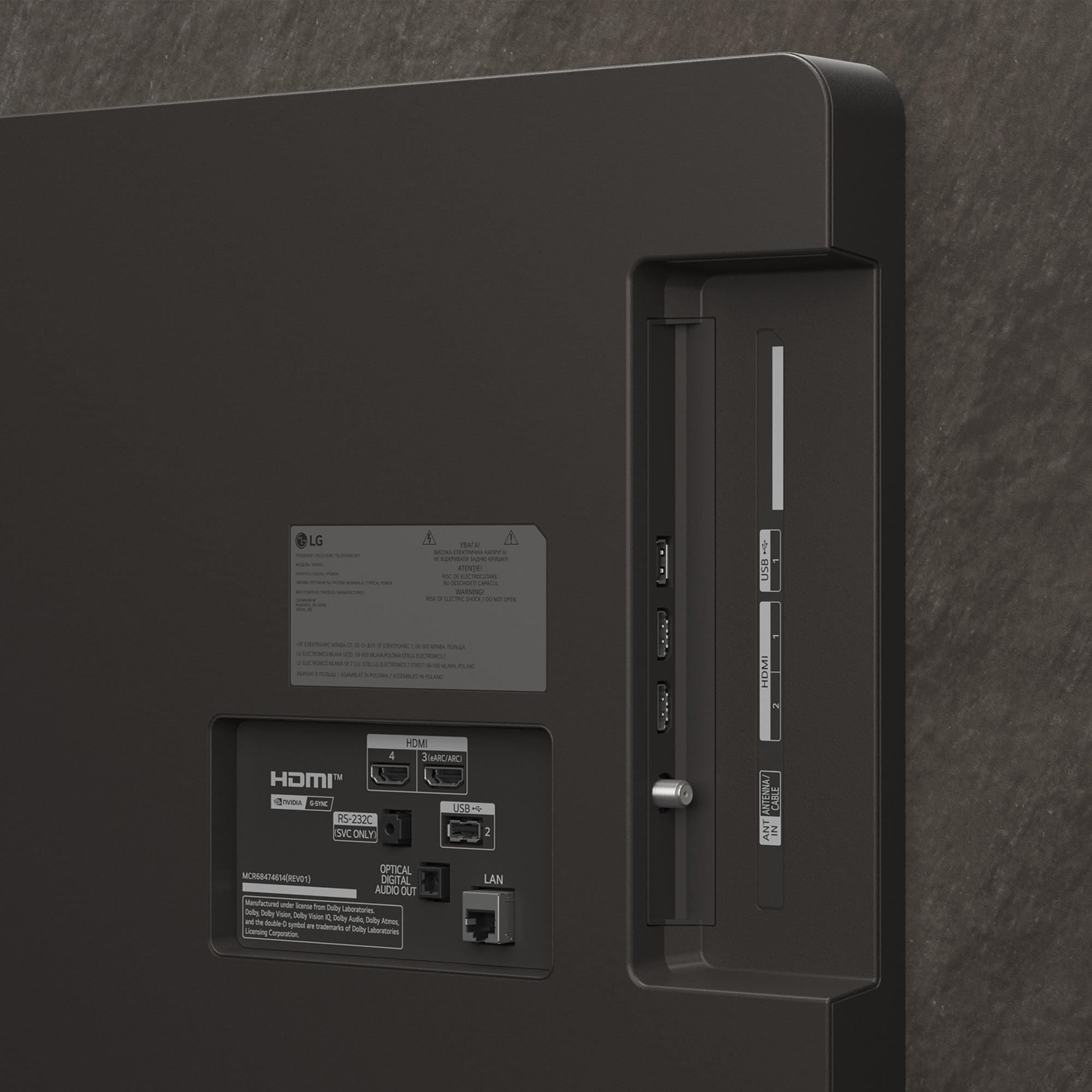
If you own a PlayStation 5, Xbox Series X, or game on PC, the differences become stark. The LG B5 OLED offers everything modern gaming demands: native 120Hz refresh rate, four HDMI 2.1 ports capable of full 4K@120Hz bandwidth, and a response time of just 0.1 milliseconds.
That response time number is crucial—it measures how quickly pixels can change from one color to another. The faster this happens, the less motion blur you see during fast action. At 0.1ms, the LG essentially eliminates motion blur entirely.
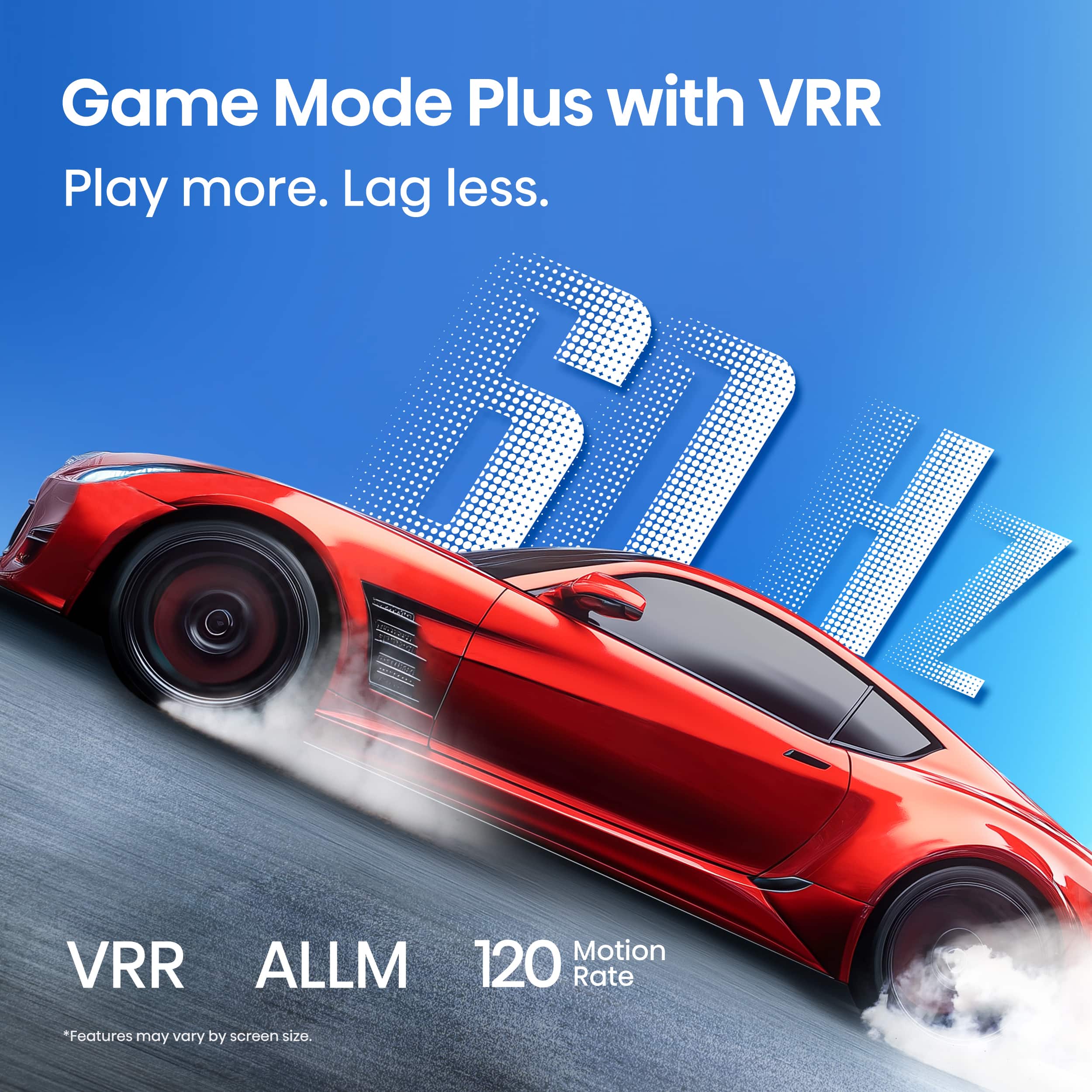
The Hisense QD6QF tries to keep up with gaming features but faces hardware limitations. While it supports Variable Refresh Rate (VRR) and Auto Low Latency Mode (ALLM), these features only work up to 60Hz. Its native refresh rate is 60Hz, and while it can interpolate frames to create a 120Hz effect for movies and TV, this doesn't help with gaming. The HDMI 2.0 ports also lack the bandwidth for 4K@120Hz gaming.
This creates a practical problem: if your PS5 or Xbox Series X drops from 120fps to, say, 100fps during intense scenes, the Hisense can't adjust its refresh rate accordingly, leading to screen tearing (visible horizontal lines during motion). The LG seamlessly adjusts its refresh rate to match, maintaining smooth gameplay.
For casual gaming or if you primarily use older consoles, the Hisense performs adequately with input lag around 10.2ms in Game Mode Plus—fast enough for most players.
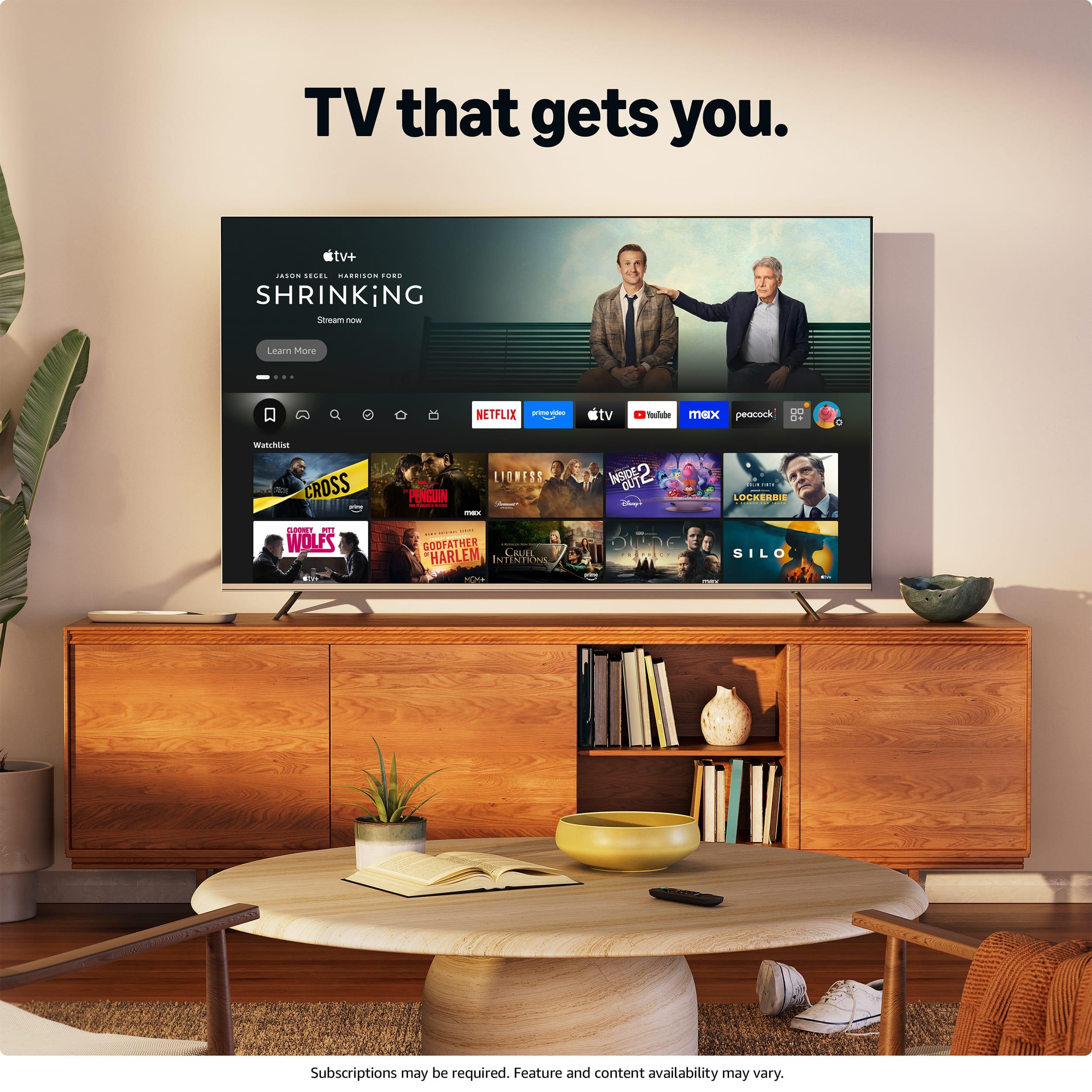
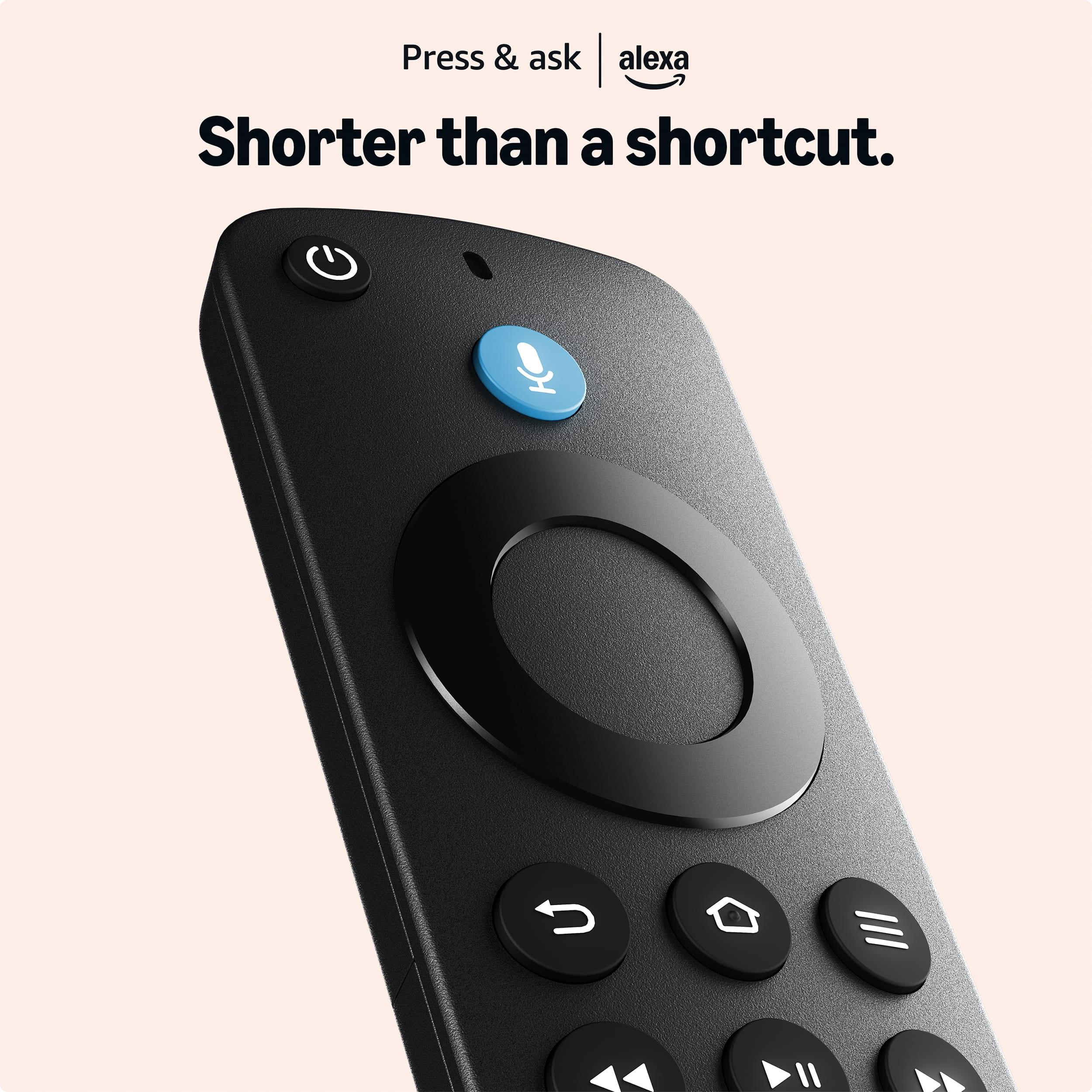
Both TVs run different smart platforms, each with distinct advantages. The Hisense QD6QF uses Amazon's Fire TV, which excels at content discovery and integrates deeply with Amazon Prime Video and other Amazon services. The interface is familiar to anyone who's used a Fire TV stick, and it includes robust voice control through Alexa.
However, user reviews consistently mention occasional lag and slow menu responsiveness with the Hisense's implementation. Some buyers end up connecting external streaming devices like Apple TV or Roku to bypass these performance issues entirely.
The LG B5 OLED runs webOS 25, LG's latest smart TV platform. It's notably snappier thanks to the more powerful α8 processor and includes AI-powered features like personalized recommendations and voice ID recognition. Quick Cards let you group favorite apps into categories, and LG Channels provides access to over 300 free streaming channels.
Perhaps more importantly, LG commits to five years of software updates through their Re:New program, ensuring your TV stays current with new apps and security patches.
Both TVs support Dolby Atmos, the spatial audio format that creates a three-dimensional soundscape around your listening position. The LG B5 processes Atmos content more sophisticatedly thanks to its AI audio optimization, which adjusts sound based on room characteristics and content type.
For serious home theater setups, both TVs include eARC (enhanced Audio Return Channel) support, allowing you to send high-quality audio to compatible soundbars or receivers. The LG is specifically designed to pair with LG's soundbar ecosystem for seamless integration.
Neither TV will replace a dedicated sound system for critical listening, but the LG's processing makes its built-in speakers more tolerable for casual viewing.
At the time of writing, the Hisense QD6QF costs roughly one-third the price of the LG B5 OLED. That's not a small difference—it's the gap between an impulse purchase and a considered investment.
The Hisense delivers genuine 4K resolution, quantum dot color enhancement, and smart TV functionality at a price point that seemed impossible just a few years ago. If you're upgrading from a 1080p TV or need a large screen for basic streaming and cable viewing, it represents excellent value.
The LG B5 costs significantly more but provides technologies that were cutting-edge just a generation ago. OLED panels, 120Hz gaming support, and professional-grade color accuracy used to be reserved for flagship models costing thousands more.
For dedicated home theater rooms or serious movie watching, the choice becomes clearer. The LG B5 OLED's perfect blacks and accurate colors make it significantly better for cinematic content, especially in darker viewing environments. FILMMAKER MODE automatically adjusts settings to match the director's intended presentation, and the TV's wide color gamut ensures you're seeing movies as they were meant to be seen.
The Hisense QD6QF struggles in dark rooms because its imperfect black levels become more noticeable. However, in brighter family rooms where ambient light is present anyway, this limitation matters less.
The LG B5 OLED better positions you for the future. Its HDMI 2.1 ports and 120Hz capability mean it can handle whatever gaming consoles or streaming standards emerge over the next several years. The five-year software support commitment also ensures continued app compatibility.
The Hisense QD6QF may feel outdated sooner, particularly as 120Hz gaming becomes more common and streaming services adopt higher frame rate content.
Choose the Hisense 65" QD6 Series Hi-QLED Fire TV if you want the largest 4K screen possible within a tight budget, primarily watch streaming content in well-lit rooms, and don't need advanced gaming features. It's perfect for families wanting to upgrade to 4K without breaking the bank or for secondary TVs in bedrooms or guest rooms.
Choose the LG B5 Series OLED 65" 4K Smart TV if you can stretch your budget for dramatically better picture quality, watch movies regularly (especially in darker rooms), game on modern consoles, or want a TV that will remain capable for many years. The investment pays off through superior contrast, accurate colors, and comprehensive feature support.
The technology gap between these TVs is genuine and significant. The Hisense provides good value within its price tier, while the LG delivers a fundamentally superior viewing experience that justifies its higher cost. Your decision should align with both your budget and how you actually use your TV—but understand that the cheaper option involves real compromises that you'll notice every day.
| Hisense 65" QD6 Series Hi-QLED Fire TV (2025) | LG B5 Series OLED 65" 4K Smart TV (2025) |
|---|---|
| Display Technology - The fundamental difference that affects all picture quality | |
| Quantum Dot LED with full-array backlight (no local dimming) | Self-lit OLED with 8.3 million individually controlled pixels |
| Black Levels - Most noticeable difference in dark room viewing | |
| Dark gray blacks due to always-on backlight | Perfect blacks (pixels turn completely off) |
| Peak Brightness - Important for HDR impact and bright room viewing | |
| ~385 cd/m² (decent for moderately lit rooms) | Lower peak brightness but superior contrast makes HDR more impactful |
| Gaming Refresh Rate - Critical for PS5/Xbox Series X owners | |
| 60Hz native (VRR limited to 60Hz, causes tearing) | 120Hz native with full 4K@120Hz VRR support |
| Gaming Response Time - Affects motion blur during fast action | |
| Typical LED response time (some blur visible) | 0.1ms (virtually eliminates motion blur) |
| HDMI Ports - Determines future gaming console compatibility | |
| 4x HDMI 2.0 (limited bandwidth for modern gaming) | 4x HDMI 2.1 (full bandwidth for next-gen consoles) |
| Color Accuracy - Professional calibration vs good enough | |
| 90% DCI-P3 coverage, requires manual tweaking | 100% Color Volume/Fidelity certified, excellent out-of-box |
| Smart TV Platform - Daily user experience quality | |
| Fire TV (occasional lag reported by users) | webOS 25 with AI features (faster, 5-year update commitment) |
| HDR Support - All formats supported but processing quality differs | |
| Dolby Vision, HDR10+, HDR10, HLG (basic processing) | Same formats with α8 AI processor for scene-by-scene optimization |
| Local Dimming - Controls backlight blooming around bright objects | |
| None (causes light bleed in dark scenes) | Per-pixel dimming (perfect zone control) |
| Gaming Features - Modern console compatibility | |
| VRR, ALLM at 60Hz only | NVIDIA G-SYNC, AMD FreeSync Premium, VRR up to 120Hz |
| Value Proposition - What you get for the investment | |
| Excellent budget option for basic 4K viewing | Entry-level OLED with premium picture quality |
The LG B5 Series OLED delivers significantly better picture quality due to its OLED technology. Each pixel produces its own light and can turn completely off, creating perfect blacks and infinite contrast. The Hisense 65" QD6 Series Hi-QLED Fire TV uses LED backlighting which results in grayish blacks and light bleeding in dark scenes.
The LG B5 OLED costs roughly three times more than the Hisense QD6 but provides a fundamentally superior viewing experience. You get perfect blacks, 120Hz gaming, four HDMI 2.1 ports, and professional-grade color accuracy. The price difference reflects a technology gap rather than minor improvements.
The LG B5 Series OLED is far superior for gaming with native 120Hz refresh rate, 0.1ms response time, and full 4K@120Hz support through HDMI 2.1 ports. The Hisense QD6 is limited to 60Hz gaming and lacks the bandwidth for next-generation console features like high refresh rate gaming.
Yes, both the Hisense 65" QD6 Series Hi-QLED Fire TV and LG B5 OLED support Dolby Vision, HDR10+, HDR10, and HLG formats. However, the LG B5 processes HDR content more effectively with its α8 AI processor and superior contrast capabilities.
The Hisense QD6 gets brighter than the LG B5 OLED, making it more suitable for very bright rooms with lots of sunlight. However, the LG B5's superior contrast often makes it look better even in moderately bright environments.
The Hisense 65" QD6 Series Hi-QLED Fire TV runs Amazon Fire TV with Alexa integration, while the LG B5 Series OLED uses webOS 25 with AI-powered features. The LG platform is generally faster and includes a five-year software update commitment.
The LG B5 OLED is significantly better for home theater use due to its perfect blacks, accurate colors, and FILMMAKER MODE. Dark scenes in movies look dramatically better on OLED technology. The Hisense QD6 struggles with dark content due to its LED backlight limitations.
Both the Hisense QD6 and LG B5 OLED support Dolby Atmos, but neither excels at built-in audio. The LG B5 has slightly better audio processing with AI optimization. Most users will want to add a soundbar for optimal audio experience with either TV.
The Hisense 65" QD6 Series Hi-QLED Fire TV offers excellent value for budget buyers, delivering 4K resolution, quantum dot colors, and smart features at a fraction of the cost. However, the LG B5 provides better long-term value through superior technology and future-proofing.
The LG B5 Series OLED offers comprehensive gaming features including NVIDIA G-SYNC, AMD FreeSync Premium, and VRR up to 120Hz. The Hisense QD6 has basic gaming features like VRR and ALLM but limited to 60Hz, which causes screen tearing during frame rate drops.
The LG B5 OLED is better positioned for the future with HDMI 2.1 ports, 120Hz capability, and five years of guaranteed software updates. The Hisense 65" QD6 Series Hi-QLED Fire TV may feel outdated sooner as 120Hz gaming and advanced streaming features become standard.
Choose OLED (LG B5) if you prioritize picture quality, watch movies in darker rooms, and want the best contrast and colors. Choose QLED (Hisense QD6) if you need to stay within a tight budget, primarily watch TV in bright rooms, and don't require advanced gaming features.
We've done our best to create useful and informative comparisons to help you decide what product to buy. Our research uses advanced automated methods to create this comparison and perfection is not possible - please contact us for corrections or questions. These are the sites we've researched in the creation of this article: pcvarge.com - bestbuy.com - rtings.com - youtube.com - rtings.com - youtube.com - consumerreports.org - leaseville.com - hisense-usa.com - device.report - hisense-usa.com - youtube.com - flatpanelshd.com - displayspecifications.com - retailspecs.com - eftm.com - bestbuy.com - rtings.com - youtube.com - rtings.com - tomsguide.com - youtube.com - nationalproductreview.com.au - lg.com - manchesterbrothers.com - avsforum.com - lg.com - lg.com - lg.com - lg.com - retailspecs.com - american-homeappliance.com - perpichtv.com

Privacy Policy
Terms and Conditions - Affiliate Policy
Home Security
© Copyright 2008-2026.
11816 Inwood Rd #1211, Dallas, TX 75244