

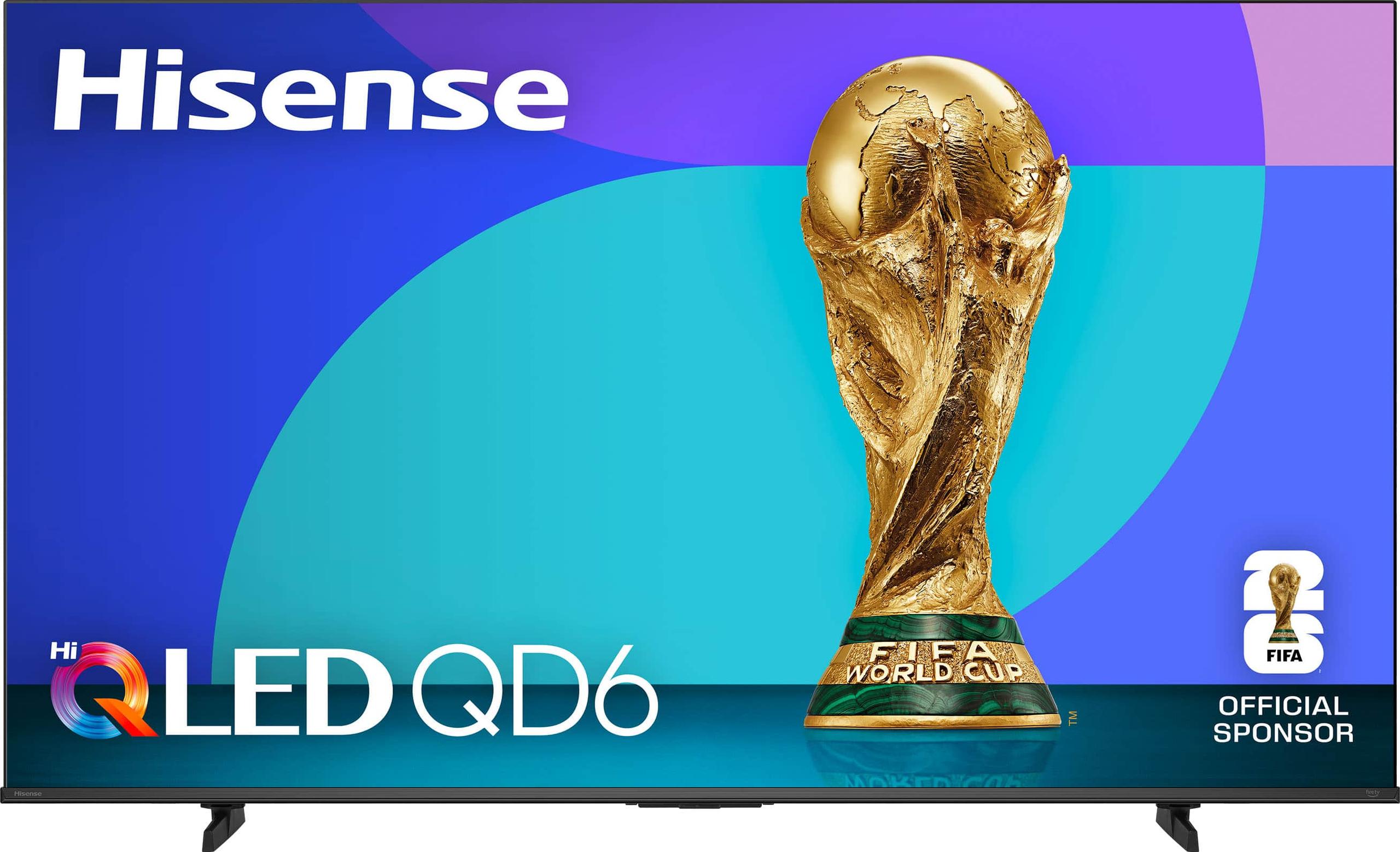
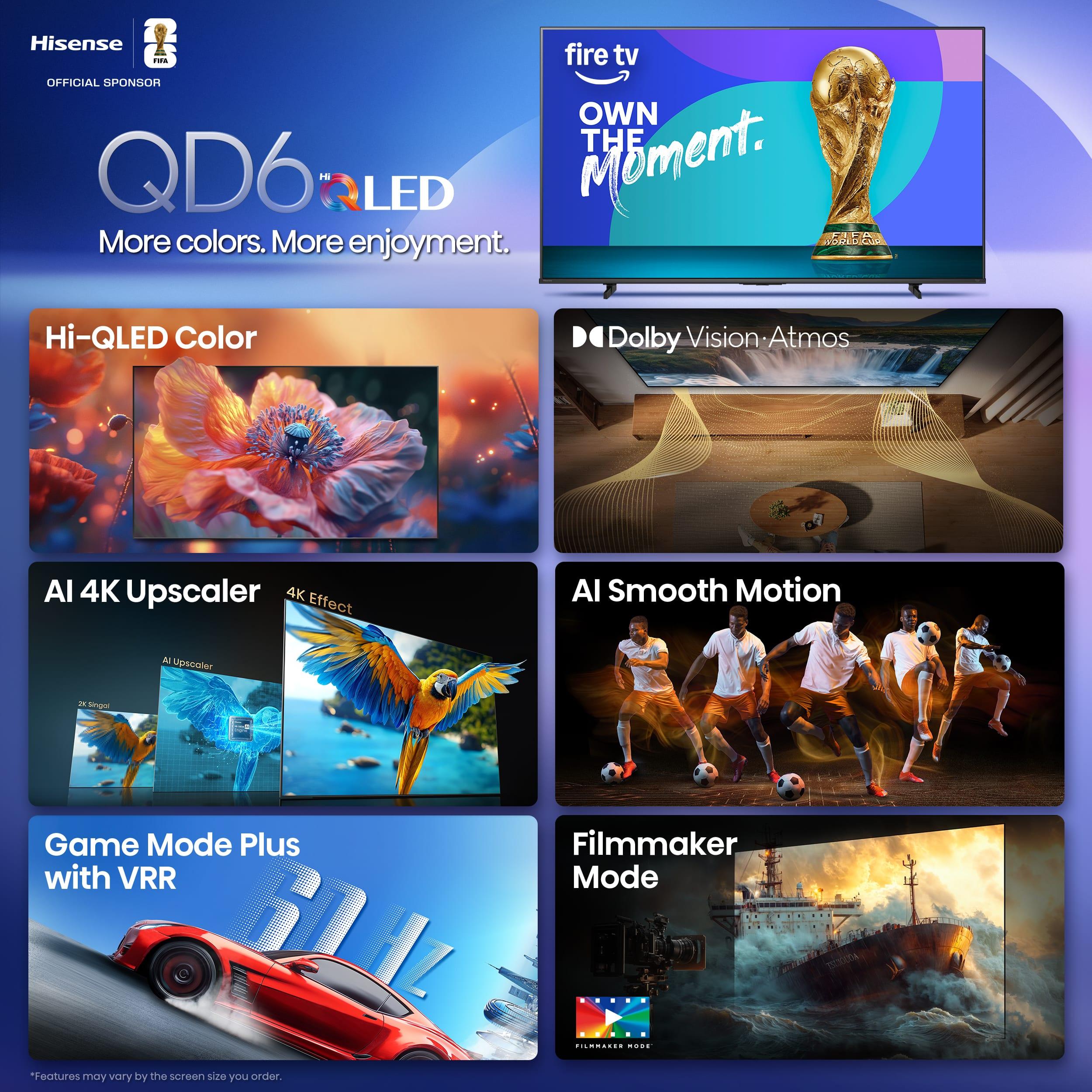
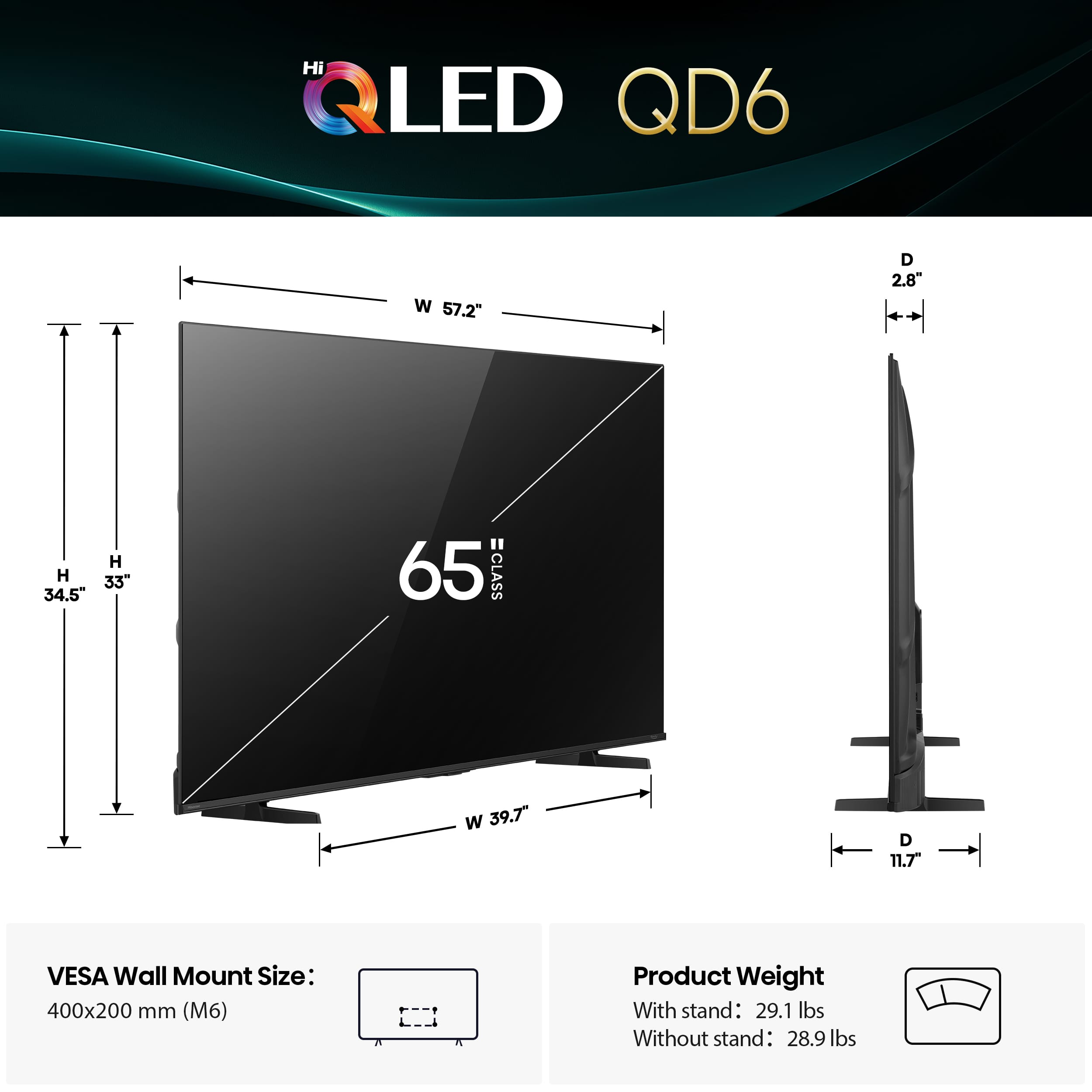
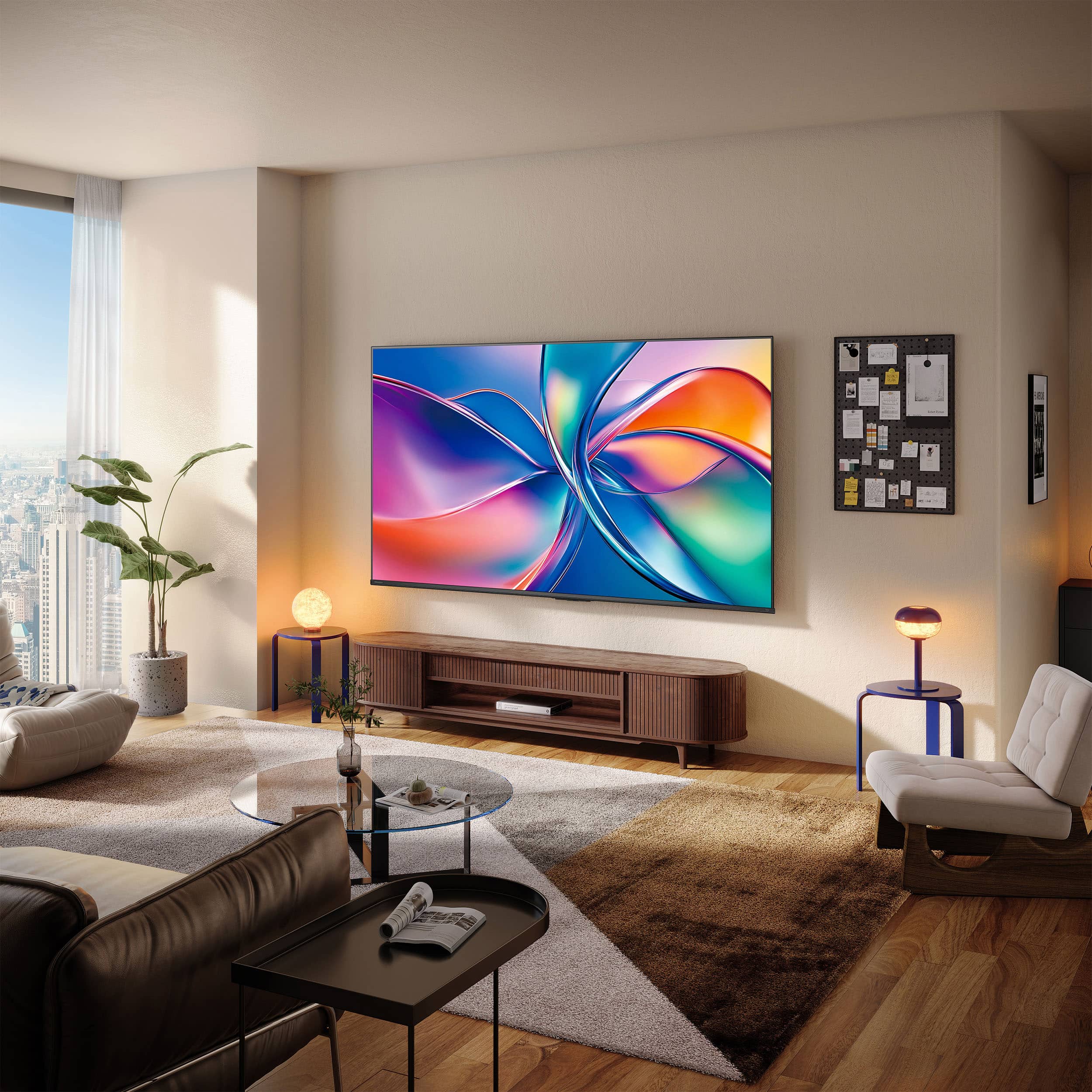
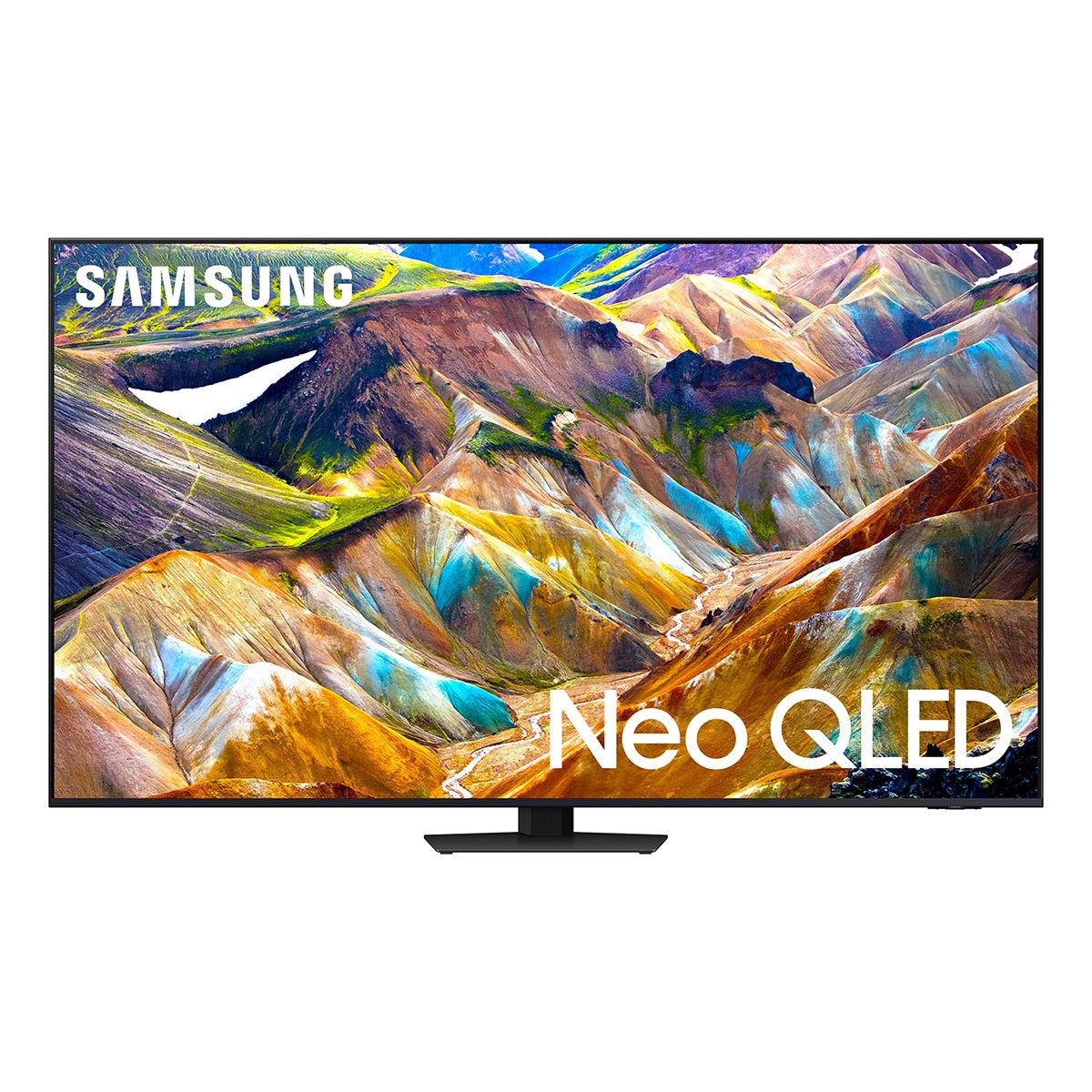
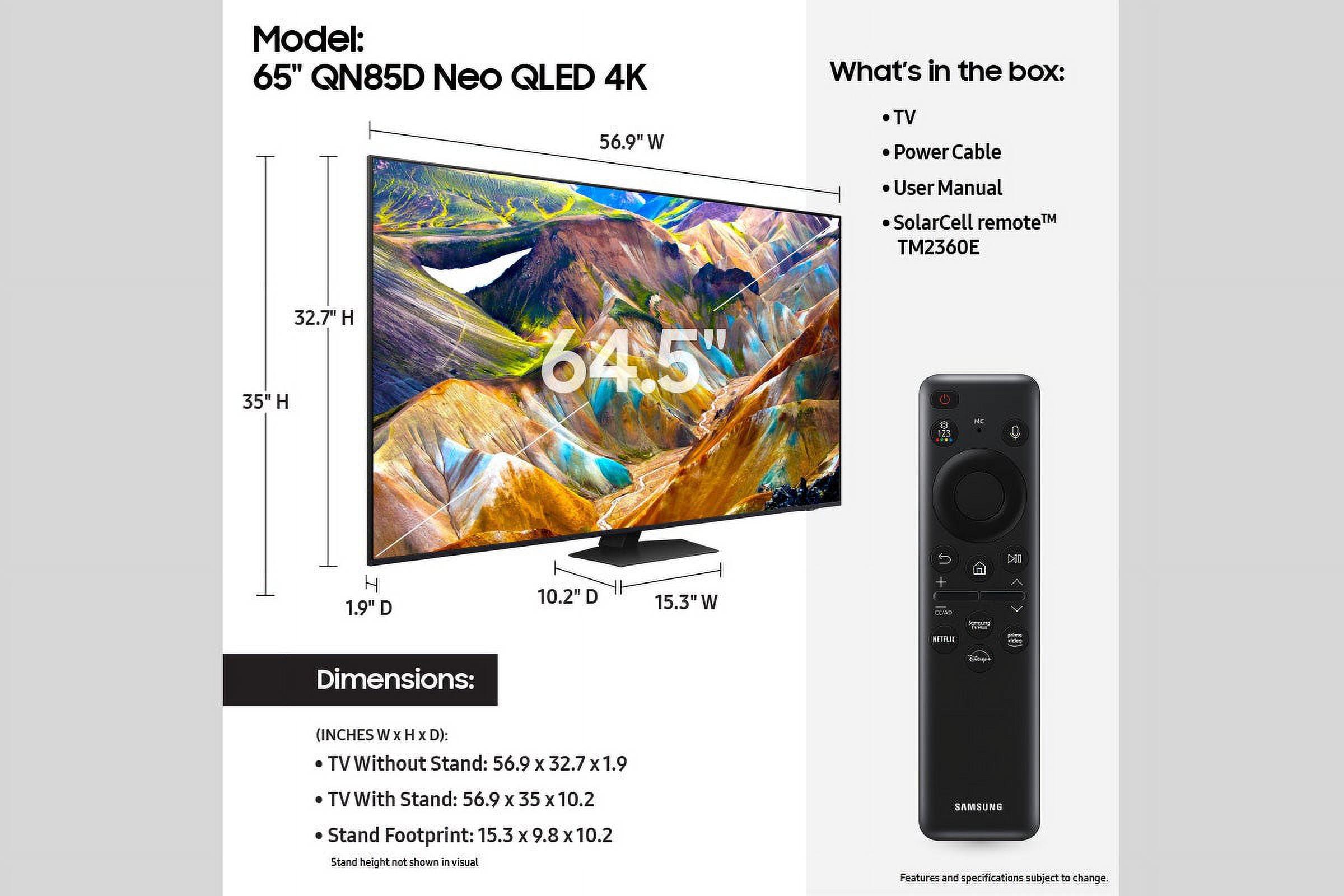
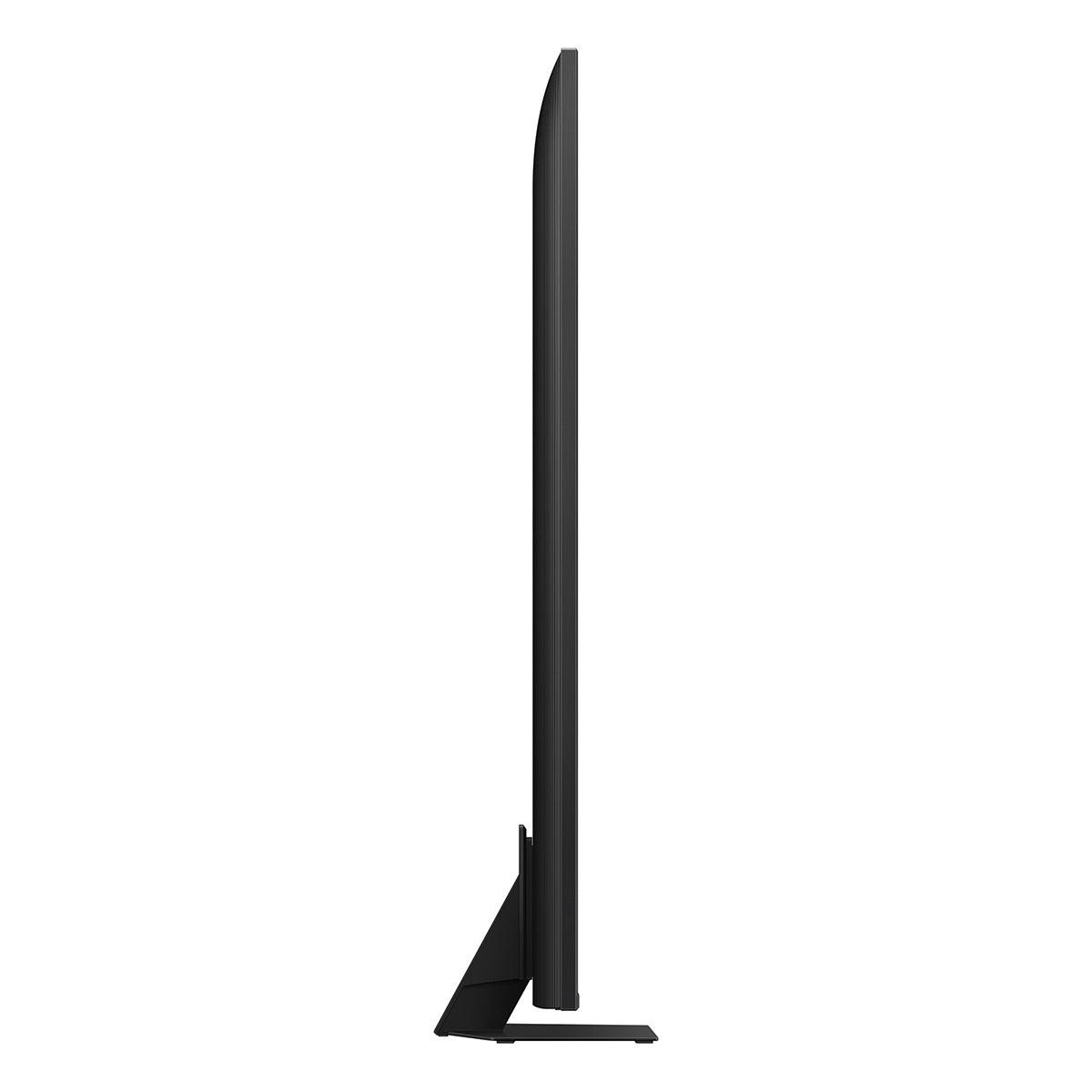
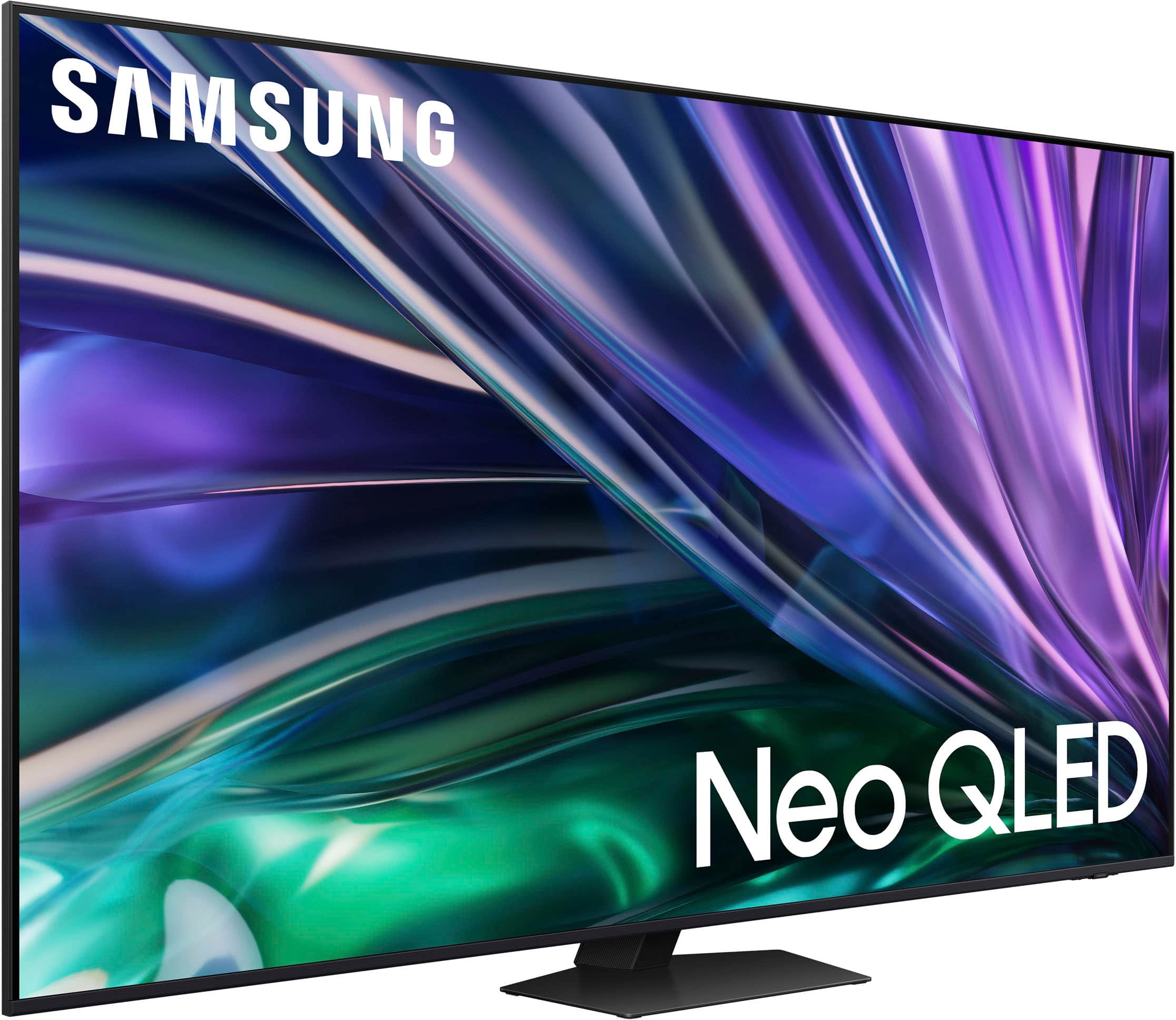
When shopping for a 65-inch TV in 2025, you're entering one of the most competitive segments in the display market. The premium LED category offers a sweet spot between budget TVs that cut too many corners and OLED displays that might stretch your wallet. Two standout options represent very different approaches: the Hisense 65" QD6 Series delivers quantum dot technology at an almost unbelievable price point, while the Samsung QN85D Neo QLED brings Mini-LED backlighting to the mid-range market.
Understanding what separates these TVs isn't just about specs—it's about recognizing how different display technologies impact your actual viewing experience. At the time of writing, the price gap between these models represents one of the most interesting value propositions in the TV market, with the Hisense QD6 positioned as an entry-level QLED and the Samsung QN85D commanding a significant premium for its advanced Mini-LED technology.
Both TVs released their current generations in the past two years, representing significant technological leaps from their predecessors. The Hisense QD6 Series launched in 2025 with improved AI processing and better color accuracy than previous Hisense budget models. Meanwhile, the Samsung QN85D arrived in 2024 as Samsung's answer to growing competition in the Mini-LED space, featuring a completely redesigned backlighting system compared to earlier QN85 models.
The fundamental difference lies in their backlighting approaches. Traditional LED TVs use edge lighting or basic direct lighting, which creates uneven brightness and poor contrast. Quantum dot technology, found in the Hisense QD6, adds a layer of nanocrystals that enhance color reproduction—think of it as a color filter that makes reds redder and blues bluer without requiring more powerful backlighting.
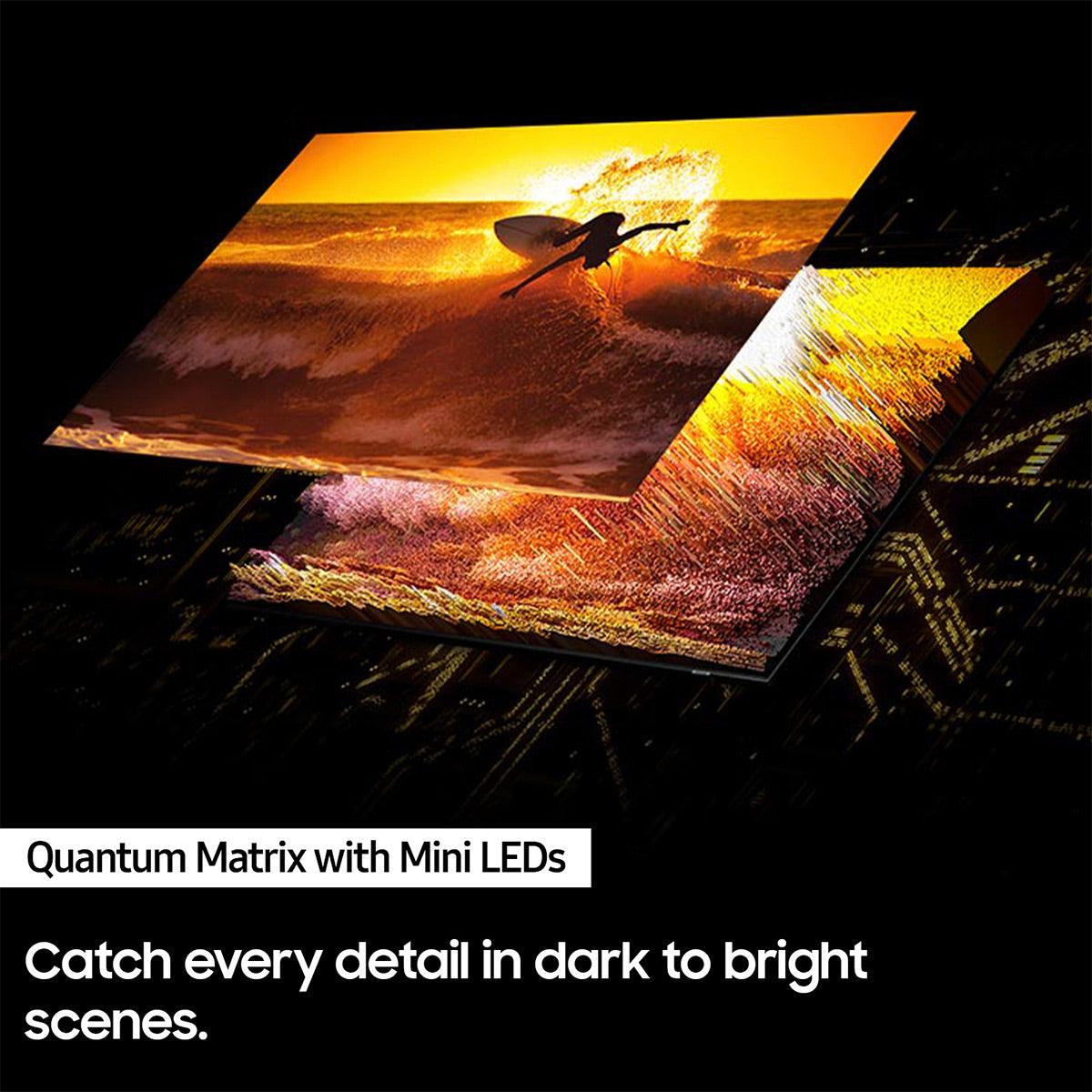
Mini-LED technology in the Samsung QN85D takes a different approach entirely. Instead of using dozens of large LED zones, it employs thousands of tiny LEDs that can be controlled individually. This creates what's essentially a more precise lighting system—imagine the difference between painting with a house brush versus a fine art brush. The result is dramatically better contrast because dark areas of the screen can actually be dark while bright areas stay bright.
Peak brightness represents one of the most crucial differences between these displays. The Hisense QD6 reaches approximately 385 cd/m² (candelas per square meter—essentially how bright the screen can get), which sounds technical but translates to real-world limitations. In a moderately lit living room, this brightness level works fine for standard content, but HDR (High Dynamic Range) content—which is designed to showcase bright highlights like sunlight or explosions—falls flat.
HDR content is mastered expecting displays capable of 1,000 cd/m² or higher. When the Hisense QD6 tries to display a bright sunset in an HDR movie, it simply can't get bright enough to create that "wow" moment. The highlights look dull, and the enhanced contrast HDR promises gets lost. It's like trying to show someone a brilliant sunrise through sunglasses—technically you can see it, but the impact disappears.
The Samsung QN85D achieves significantly higher peak brightness, though Samsung doesn't publish exact numbers. Based on our research of professional reviews, it reaches well over 1,000 cd/m² in HDR mode. This means HDR content actually looks HDR—bright specular highlights pop off the screen, creating that immersive effect content creators intended.
Here's where the Mini-LED advantage becomes obvious. Both TVs use VA (Vertical Alignment) panels, which naturally produce better contrast than IPS panels by blocking more light when displaying black. However, the Hisense QD6 uses a basic direct LED backlight without local dimming zones. When a bright object appears on screen—say, white text on a black background—the entire backlight must illuminate, causing what's called "black lift." The supposedly black areas become grayish, destroying the contrast effect.
The Samsung QN85D divides its backlight into over 160 independent zones that can dim or brighten individually. When displaying that same white text on black, only the zones behind the text illuminate while the rest stay dark. Professional reviewers consistently measure contrast ratios exceeding 160,000:1 on the Samsung—an outstanding figure that translates to genuinely deep blacks and bright whites existing simultaneously.
This isn't just about numbers. In a dark room watching a movie with dramatic lighting, the Samsung QN85D maintains the director's intended atmosphere. Space scenes actually look like space, with bright stars against deep black voids. The Hisense QD6 turns those same scenes into gray backdrops with bright objects—still watchable, but missing the visual impact.
Both displays feature quantum dot technology, but implementation matters enormously. The Hisense QD6 covers about 90% of the DCI-P3 color gamut—the color space used for HDR content. This sounds impressive and represents a significant improvement over basic LED TVs, delivering vibrant colors that pop in well-lit rooms.
However, color volume—how well a TV maintains color saturation at different brightness levels—tells the real story. The Samsung QN85D not only covers more of the color gamut but maintains those colors more effectively across brightness ranges. In practical terms, this means colors look more natural and consistent. A red car doesn't shift toward orange in bright scenes, and blue skies maintain their richness in HDR content.
Professional calibration reveals another difference. The Hisense QD6 arrives with surprisingly good out-of-box accuracy for SDR content, though HDR color tracking needs adjustment. The Samsung QN85D provides more refined color processing with Samsung's NQ4 AI Gen2 processor, which analyzes content in real-time and adjusts color reproduction scene by scene.
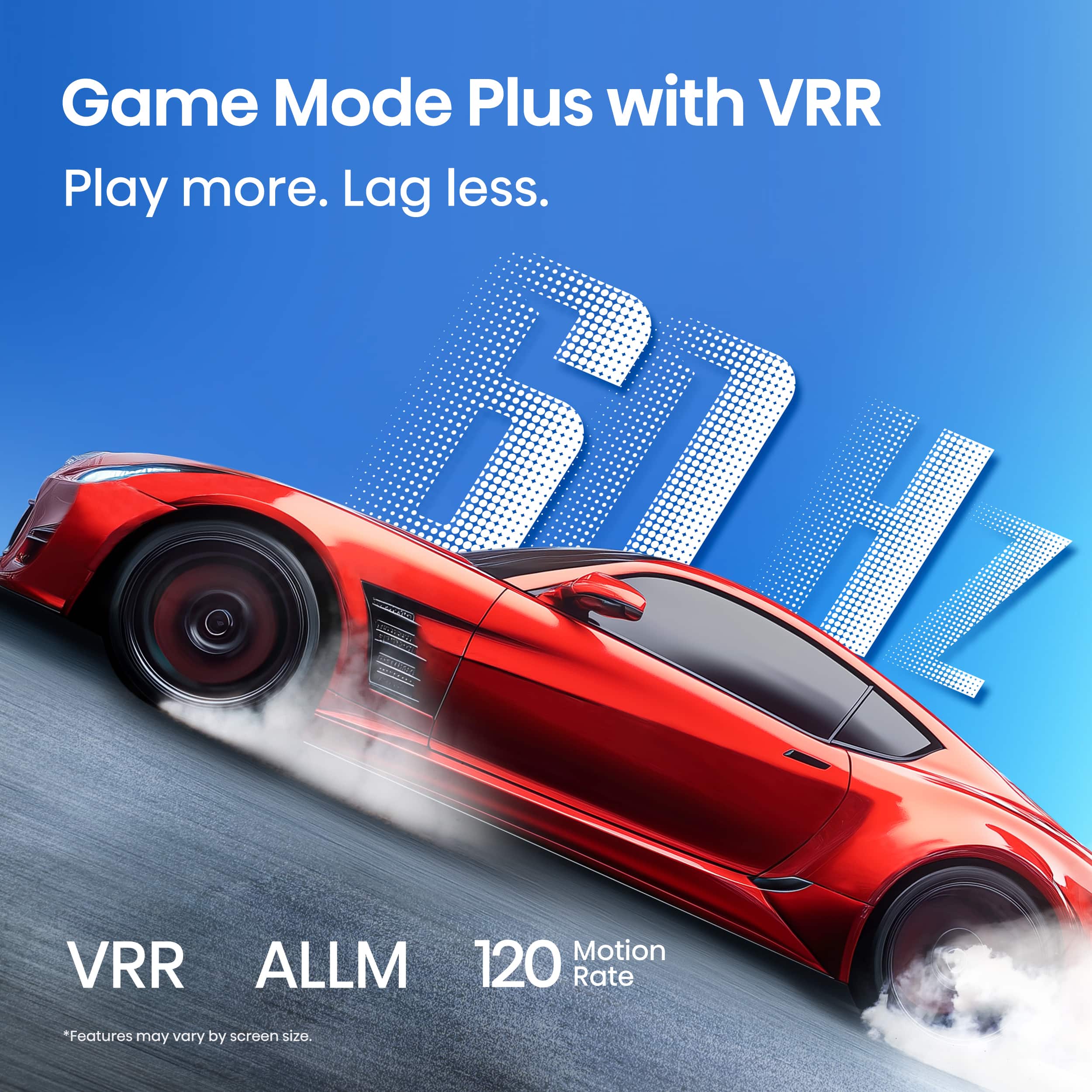
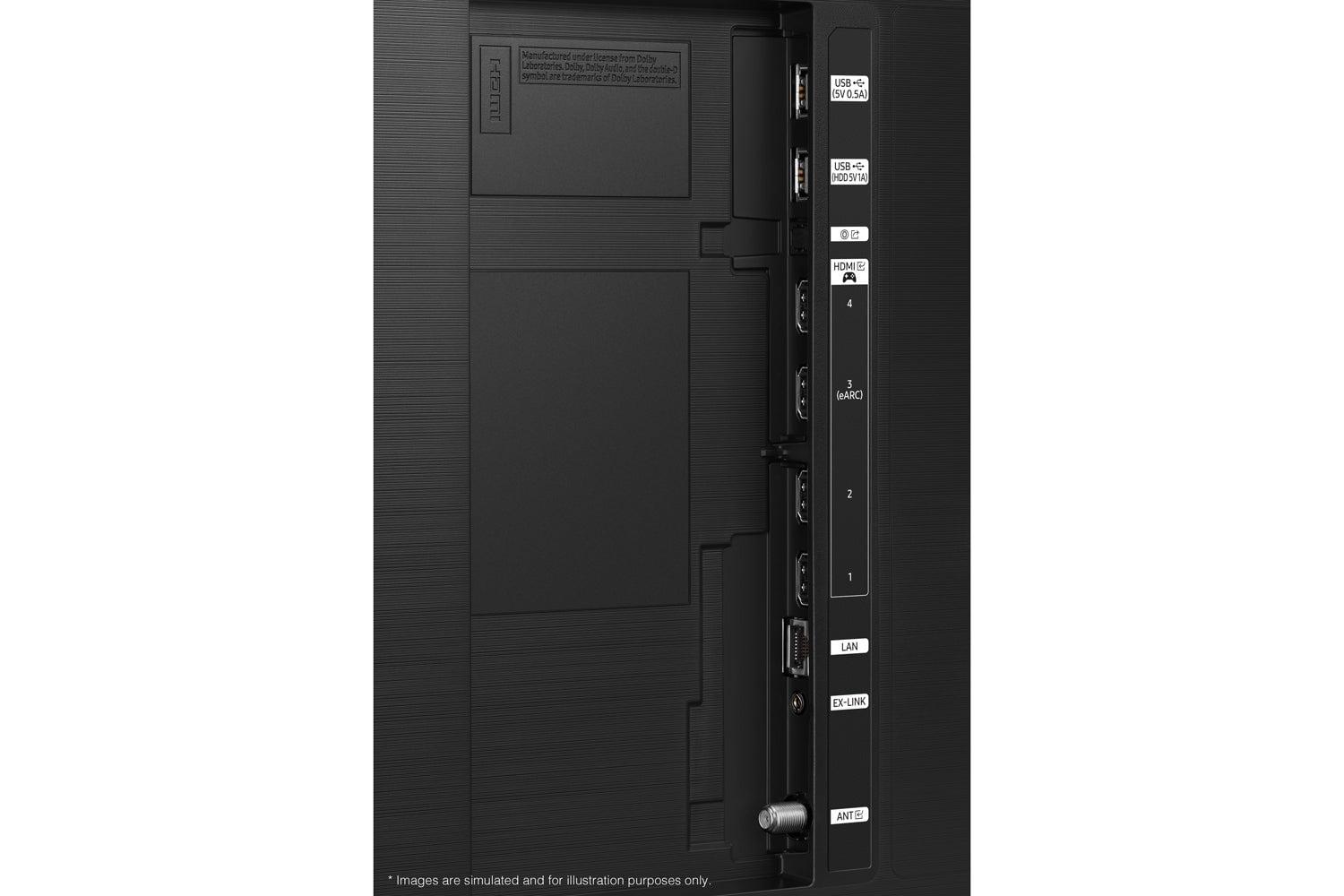
Gaming represents the starkest difference between these TVs. The Hisense QD6 supports a 60Hz refresh rate with HDMI 2.0 ports, while the Samsung QN85D offers native 120Hz with four HDMI 2.1 ports. This technical difference creates dramatically different gaming experiences.
Modern gaming consoles like the PlayStation 5 and Xbox Series X can output games at 120 frames per second, but only when connected to compatible displays. The Hisense QD6 limits these consoles to 60fps maximum, regardless of the game's capabilities. For competitive gaming or fast-paced action titles, this creates a noticeable disadvantage in smoothness and responsiveness.
Both TVs support Variable Refresh Rate (VRR) and Auto Low Latency Mode (ALLM)—technologies that reduce screen tearing and input lag. However, VRR works much more effectively at higher refresh rates. When playing at 60Hz on the Hisense QD6, frame rate drops below 60fps still cause visible tearing. The Samsung QN85D handles these situations more gracefully, smoothing out frame rate variations between 48-120fps.
Input lag measurements tell another part of the story. Both TVs achieve low input lag in game mode—around 10-15 milliseconds—but the Samsung QN85D maintains this performance while providing superior motion clarity thanks to its faster panel response time and motion processing.
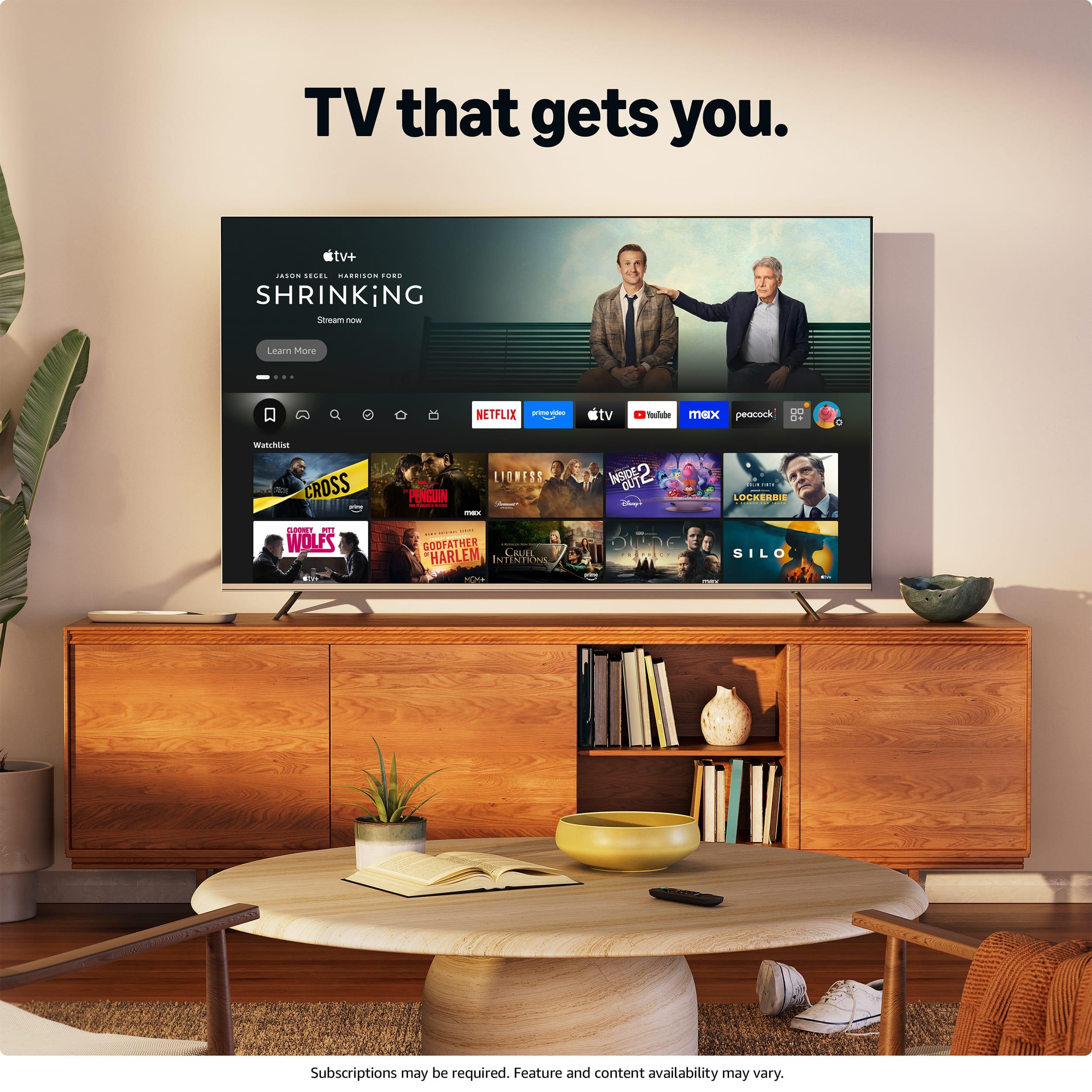
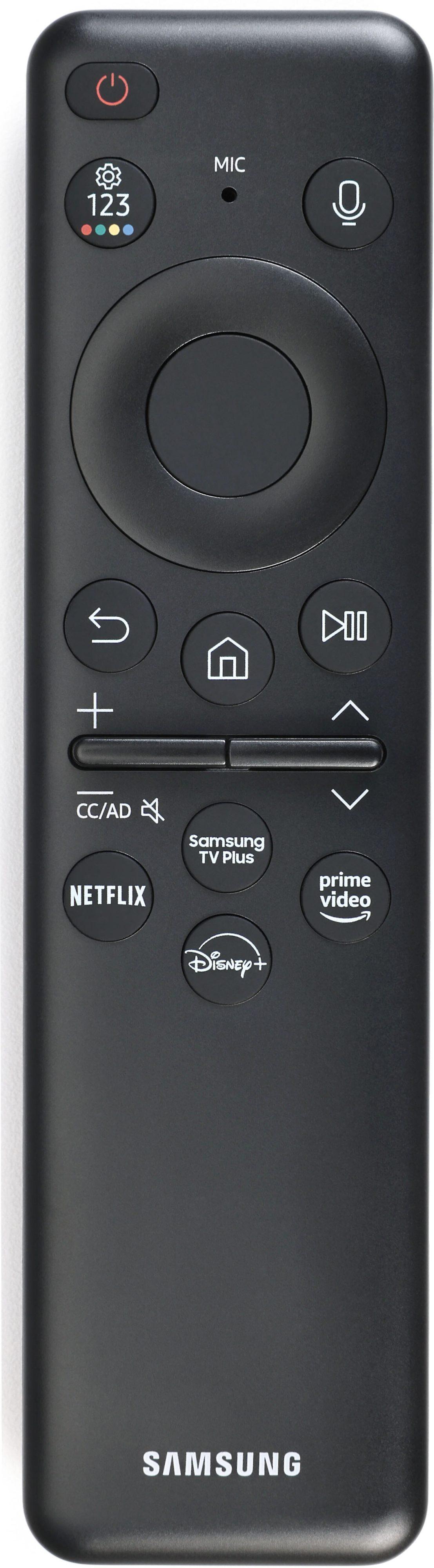
The smart TV experience often gets overlooked until you're actually using it daily. The Hisense QD6 runs Amazon's Fire TV platform, which excels at content discovery and integration with Amazon services. The interface feels familiar to anyone who's used a Fire TV stick, with easy access to Prime Video, Netflix, and other major streaming services.
However, our research into user feedback reveals occasional performance hiccups with Fire TV on budget hardware. Menu lag and app loading delays appear more frequently compared to higher-end implementations. For casual viewing, this isn't deal-breaking, but power users might find the experience frustrating during extended use.
The Samsung QN85D uses Samsung's Tizen OS, widely regarded as one of the most polished smart TV platforms. The interface responds quickly, apps load faster, and Samsung provides longer software support—typically 4-6 years of major updates compared to 2-3 years for most budget TV manufacturers. Samsung's Gaming Hub also provides access to cloud gaming services like Xbox Cloud Gaming and GeForce Now, effectively turning the TV into a console-free gaming platform.
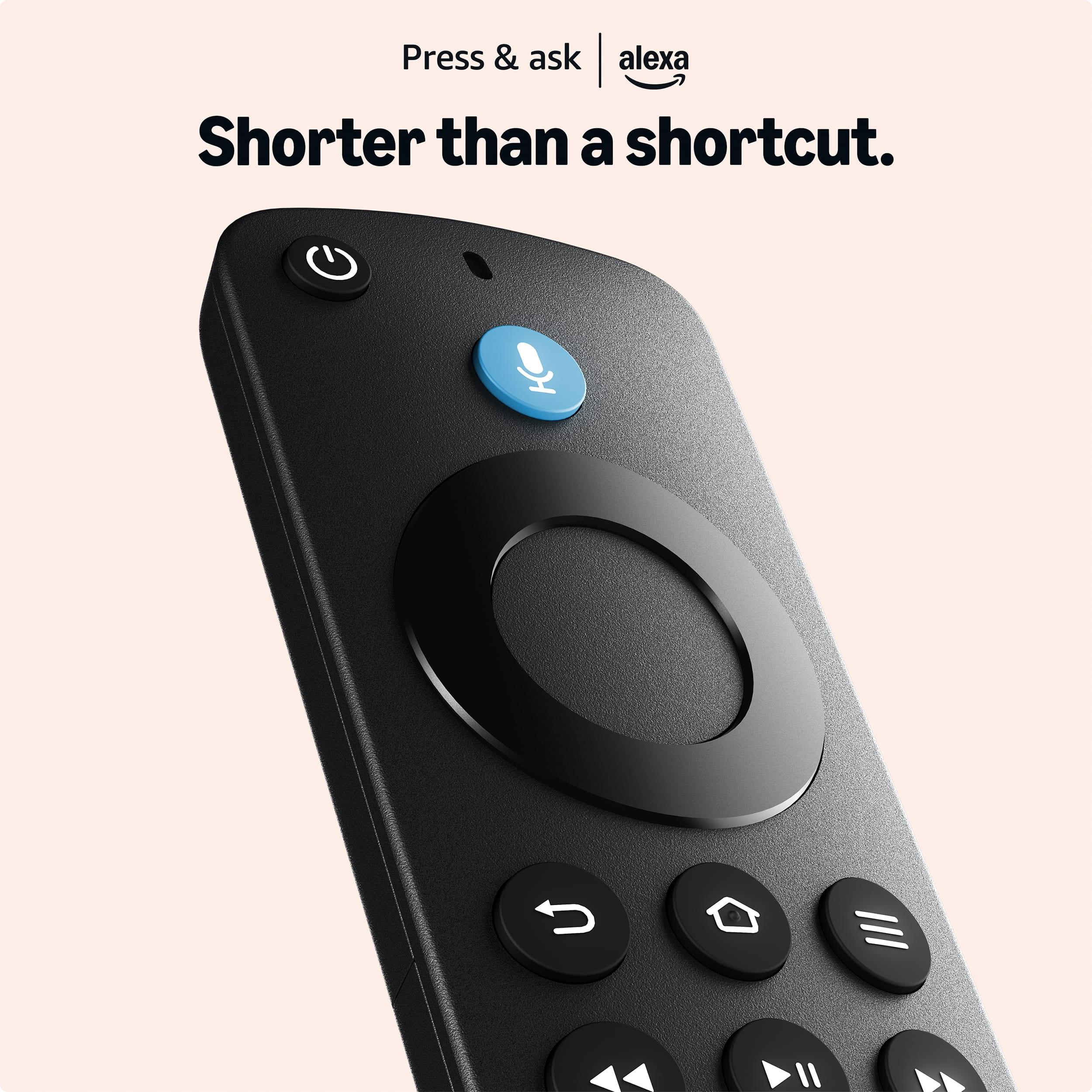
Both platforms support major voice assistants, though integration varies. The Hisense QD6 naturally works best with Alexa, while the Samsung QN85D supports multiple assistants including Bixby, Alexa, and Google Assistant.
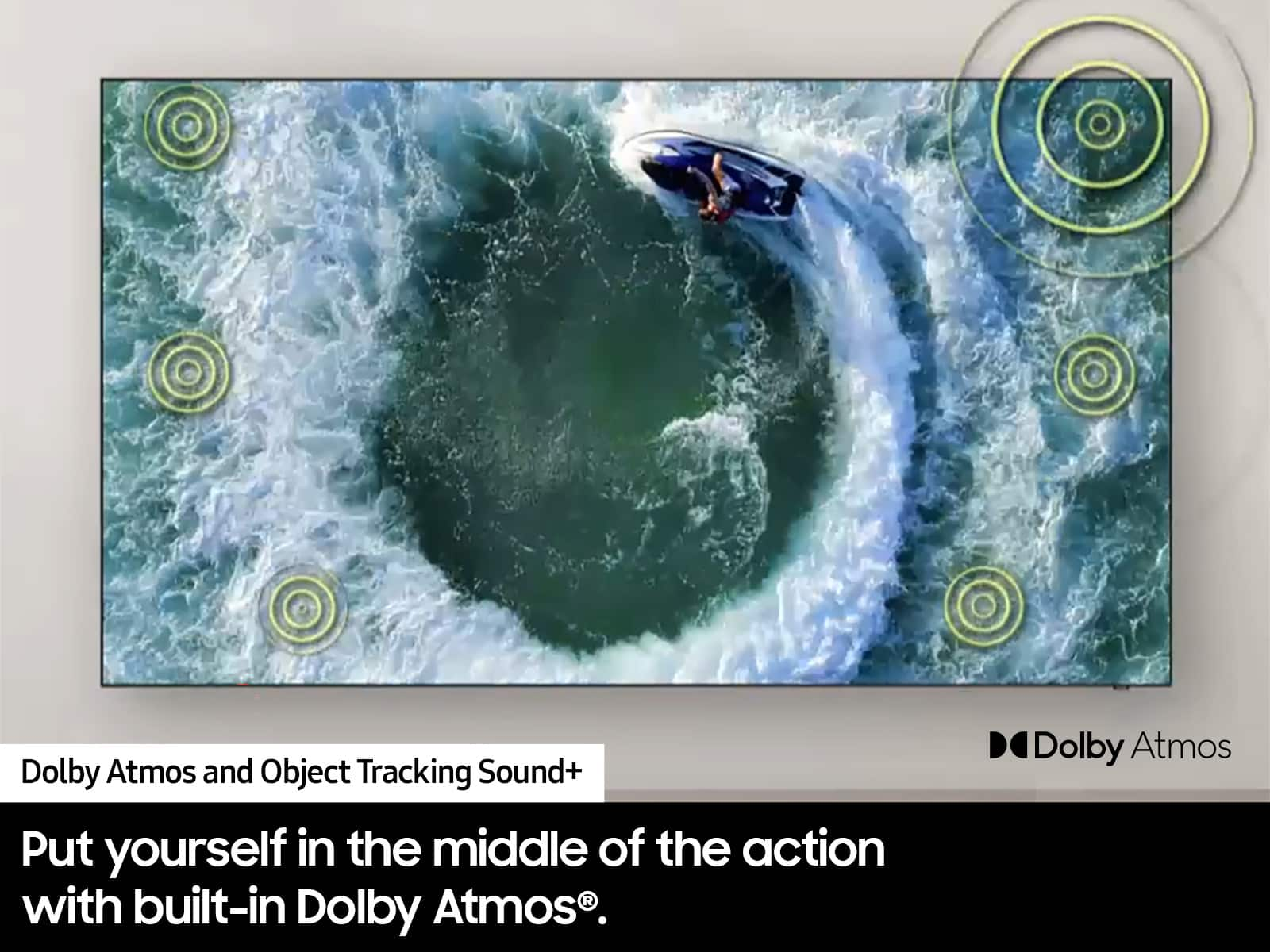
Neither TV excels in audio—a common limitation across the category—but their approaches differ meaningfully. The Hisense QD6 includes basic Dolby Atmos support through its built-in speakers, providing simulated surround sound that works adequately for casual viewing.
The Samsung QN85D features Object Tracking Sound Lite, which attempts to match audio movement with on-screen action. While no built-in TV speakers replace a dedicated sound system, Samsung's implementation provides noticeably better dialogue clarity and a wider soundstage. The difference becomes apparent during action sequences where sound effects need to track movement across the screen.
For serious home theater use, both TVs support eARC (enhanced Audio Return Channel) for connecting external sound systems, though the Samsung QN85D provides more reliable compatibility with high-end audio equipment.
In dedicated home theater environments, the performance gap widens significantly. The Hisense QD6 struggles with the controlled lighting and critical viewing distances typical of home theaters. Its limited peak brightness makes HDR content appear flat, while the lack of local dimming prevents the deep blacks essential for cinematic immersion.
Professional reviewers consistently note that the Samsung QN85D performs admirably in home theater settings, though it doesn't quite match OLED displays for ultimate contrast. Its Mini-LED backlighting provides sufficient peak brightness for HDR impact while maintaining deep enough blacks for dark room viewing. The superior motion processing also handles 24fps film content more naturally, reducing judder and maintaining the cinematic frame rate.
However, both TVs use VA panels with inherent viewing angle limitations. In home theaters with multiple seating positions, viewers sitting significantly off-center will experience color shifting and contrast reduction. This represents a fundamental limitation of LCD technology compared to OLED alternatives.
At the time of writing, the Hisense QD6 represents exceptional value for its price point, delivering quantum dot color enhancement and modern smart features at a fraction of premium TV costs. This makes it ideal for viewers upgrading from basic LED TVs who want improved color performance without flagship pricing.
The Samsung QN85D commands a significant premium but justifies it with Mini-LED technology, superior gaming capabilities, and long-term software support. For enthusiasts willing to invest in better performance, it provides near-flagship features without the extreme pricing of Samsung's highest-end models.
Consider room usage patterns when evaluating value. In bright family rooms used for casual viewing, the Hisense QD6 delivers satisfying performance at remarkable value. For dedicated entertainment rooms or households with serious gamers, the Samsung QN85D provides capabilities that justify its higher cost.
Choose the Hisense QD6 Series if you're budget-conscious but want quantum dot benefits, primarily watch streaming content in moderately lit rooms, and don't need advanced gaming features. It's perfect for viewers upgrading from older LED TVs who want modern smart features and improved color reproduction without premium pricing.
The Samsung QN85D makes sense for users who prioritize picture quality, game regularly on modern consoles, watch significant HDR content, or plan to use the TV for several years and want reliable software support. Its Mini-LED technology provides performance that approaches flagship models at more reasonable pricing.
Both TVs represent their categories well, but serve different needs and budgets. The Hisense QD6 proves that modern budget TVs can deliver surprising quality, while the Samsung QN85D demonstrates why Mini-LED technology represents the current sweet spot between LCD and OLED performance. Your choice should align with your viewing habits, room conditions, and willingness to invest in premium features.
| Hisense 65" QD6 Series Hi-QLED Fire TV (2025) | Samsung 65" QN85D Neo QLED 4K Smart TV |
|---|---|
| Peak Brightness - Critical for HDR impact and bright room viewing | |
| ~385 cd/m² (adequate for moderate lighting, HDR appears flat) | 1,000+ cd/m² (excellent for bright rooms, impactful HDR) |
| Backlight Technology - Determines contrast and black level quality | |
| Direct LED with quantum dots, no local dimming | Mini-LED with 160+ local dimming zones |
| Native Contrast Ratio - How deep blacks appear next to bright whites | |
| Good VA panel contrast but blacks lift with bright content | Outstanding 160,000:1 with Mini-LED zones |
| Refresh Rate - Essential for smooth gaming and motion | |
| 60Hz native (limits modern gaming performance) | 120Hz native (supports next-gen console gaming) |
| HDMI Connectivity - Determines gaming and device compatibility | |
| 4x HDMI 2.0 ports (4K@60Hz maximum) | 4x HDMI 2.1 ports (4K@120Hz, VRR, ALLM) |
| Color Gamut Coverage - Affects color vibrancy and accuracy | |
| 90% DCI-P3 with quantum dots (vibrant but limited volume) | Superior color volume with advanced processing |
| HDR Format Support - Compatibility with different HDR content | |
| Dolby Vision, HDR10+, HDR10, HLG | HDR10, HDR10+ (lacks Dolby Vision) |
| Smart Platform - Long-term usability and app performance | |
| Fire TV OS (Amazon-focused, occasional lag reported) | Tizen OS (fast, responsive, 4-6 years software support) |
| Gaming Features - Performance for console and PC gaming | |
| VRR, ALLM, low input lag but 60Hz limitation causes tearing | Full gaming suite: 120Hz, VRR, ALLM, Motion Xcelerator Turbo |
| Audio Technology - Built-in sound quality | |
| Basic Dolby Atmos support | Dolby Atmos with Object Tracking Sound Lite |
| Target Market - Best suited for which buyers | |
| Budget-conscious buyers wanting QLED benefits | Gaming enthusiasts and picture quality prioritizers |
| Value Proposition - Cost vs performance consideration | |
| Exceptional value for quantum dot technology at entry price | Premium pricing justified by Mini-LED and comprehensive features |
The Samsung QN85D Neo QLED is significantly better for gaming with its 120Hz refresh rate, four HDMI 2.1 ports supporting 4K@120Hz, and comprehensive VRR support. The Hisense QD6 Series is limited to 60Hz with HDMI 2.0 ports, making it adequate for casual gaming but not ideal for next-gen consoles or competitive PC gaming.
The Hisense QD6 uses standard QLED with quantum dots and direct LED backlighting, while the Samsung QN85D features Neo QLED with Mini-LED technology. Neo QLED provides superior contrast with over 160 local dimming zones compared to no local dimming on the Hisense QD6, resulting in much deeper blacks and better HDR performance.
The Samsung QN85D achieves significantly higher peak brightness (over 1,000 cd/m²) compared to the Hisense QD6's approximately 385 cd/m². This makes the Samsung much better for bright rooms and delivers more impactful HDR content, while the Hisense works best in moderately lit environments.
The Hisense QD6 Series supports Dolby Vision, HDR10+, HDR10, and HLG formats. However, the Samsung QN85D notably lacks Dolby Vision support, offering only HDR10 and HDR10+. This gives the Hisense an advantage for streaming services that primarily use Dolby Vision.
The Hisense QD6 runs Fire TV OS, which excels at Amazon integration but may experience occasional lag. The Samsung QN85D uses Tizen OS, widely considered more responsive with faster app loading and longer software support (4-6 years vs 2-3 years). Tizen also includes Samsung's Gaming Hub for cloud gaming services.
The Samsung QN85D delivers superior black levels with its Mini-LED backlighting and local dimming zones, achieving contrast ratios over 160,000:1. The Hisense QD6 has good native VA panel contrast but suffers from black lift when bright content appears, as it lacks local dimming zones.
The Hisense QD6 Series provides exceptional value, delivering quantum dot color enhancement and modern smart features at a budget-friendly price point. The Samsung QN85D costs significantly more but justifies the premium with Mini-LED technology, superior gaming capabilities, and long-term software support.
The Samsung QN85D performs much better in dedicated home theater environments with its higher peak brightness for HDR impact and superior local dimming for deep blacks in dark rooms. The Hisense QD6 struggles in home theater settings due to limited brightness and lack of local dimming, making HDR content appear flat.
Both TVs use quantum dot technology, but the Samsung QN85D offers superior color volume and more natural color reproduction with advanced processing. The Hisense QD6 covers 90% of DCI-P3 color space with vibrant colors, but the Samsung QN85D maintains color accuracy better across different brightness levels.
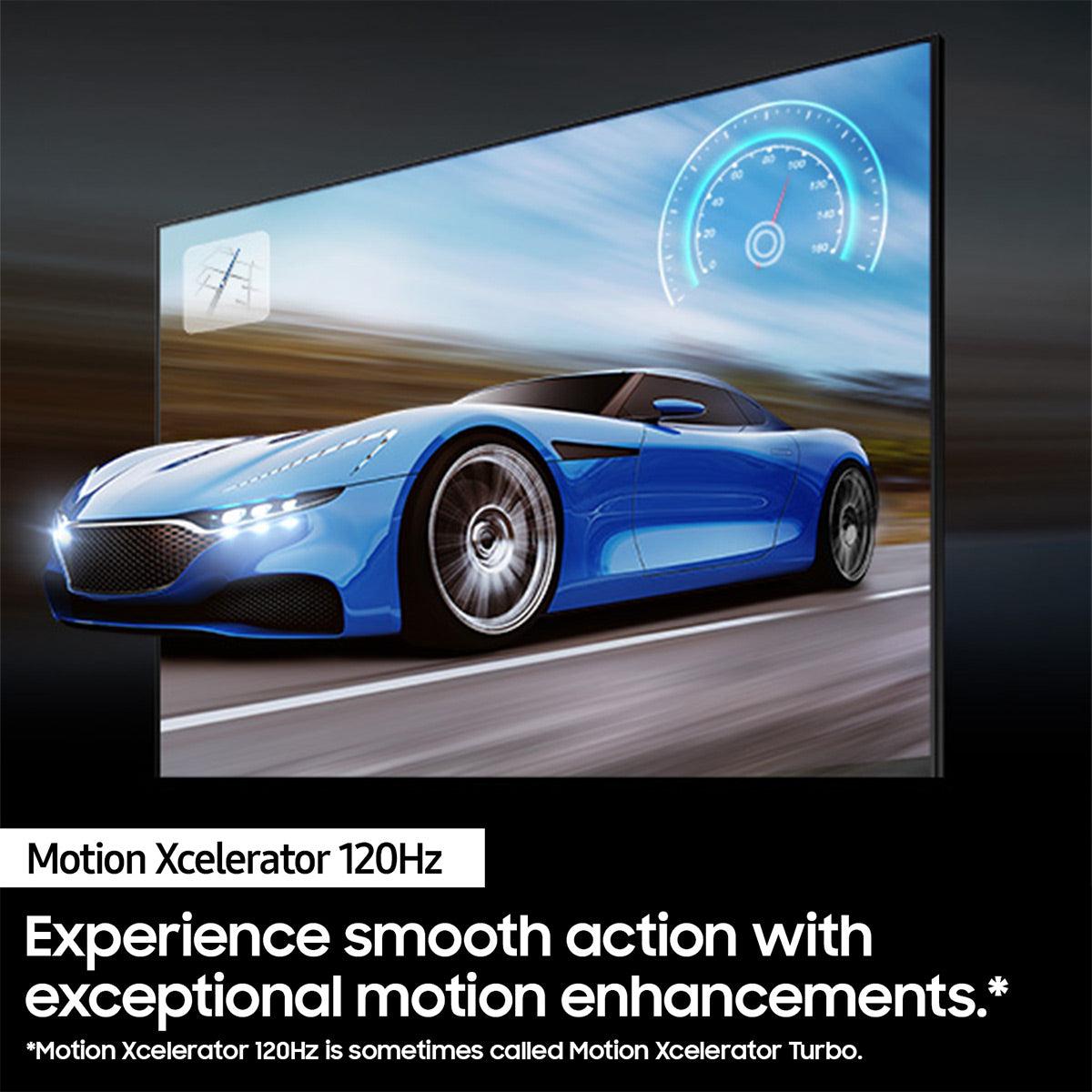
The Samsung QN85D provides superior motion handling with its 120Hz refresh rate and Motion Xcelerator Turbo processing, making it excellent for fast-paced sports content. The Hisense QD6 has adequate motion processing but is limited by its 60Hz refresh rate, which can show blur during rapid movement.
The Samsung QN85D fully supports next-gen console features including 4K@120Hz gaming, VRR, and ALLM across all HDMI 2.1 ports. The Hisense QD6 Series supports VRR and ALLM but is limited to 4K@60Hz due to HDMI 2.0 ports, preventing access to high frame rate gaming modes.
Choose the Hisense QD6 for budget-conscious buyers who primarily watch streaming content in moderately lit rooms and don't need advanced gaming features. Select the Samsung QN85D if you prioritize picture quality, game regularly, watch lots of HDR content, or have a bright living room that requires higher peak brightness.
We've done our best to create useful and informative comparisons to help you decide what product to buy. Our research uses advanced automated methods to create this comparison and perfection is not possible - please contact us for corrections or questions. These are the sites we've researched in the creation of this article: pcvarge.com - bestbuy.com - rtings.com - youtube.com - rtings.com - youtube.com - consumerreports.org - leaseville.com - hisense-usa.com - device.report - hisense-usa.com - youtube.com - flatpanelshd.com - displayspecifications.com - retailspecs.com - bestbuy.com - rtings.com - youtube.com - youtube.com - avsforum.com - youtube.com - samsung.com - videoandaudiocenter.com - shopjetson.com - mysoundconcepts.com - samsung.com - merlinstv.com - youtube.com - samsung.com - samsung.com

Privacy Policy
Terms and Conditions - Affiliate Policy
Home Security
© Copyright 2008-2026.
11816 Inwood Rd #1211, Dallas, TX 75244