

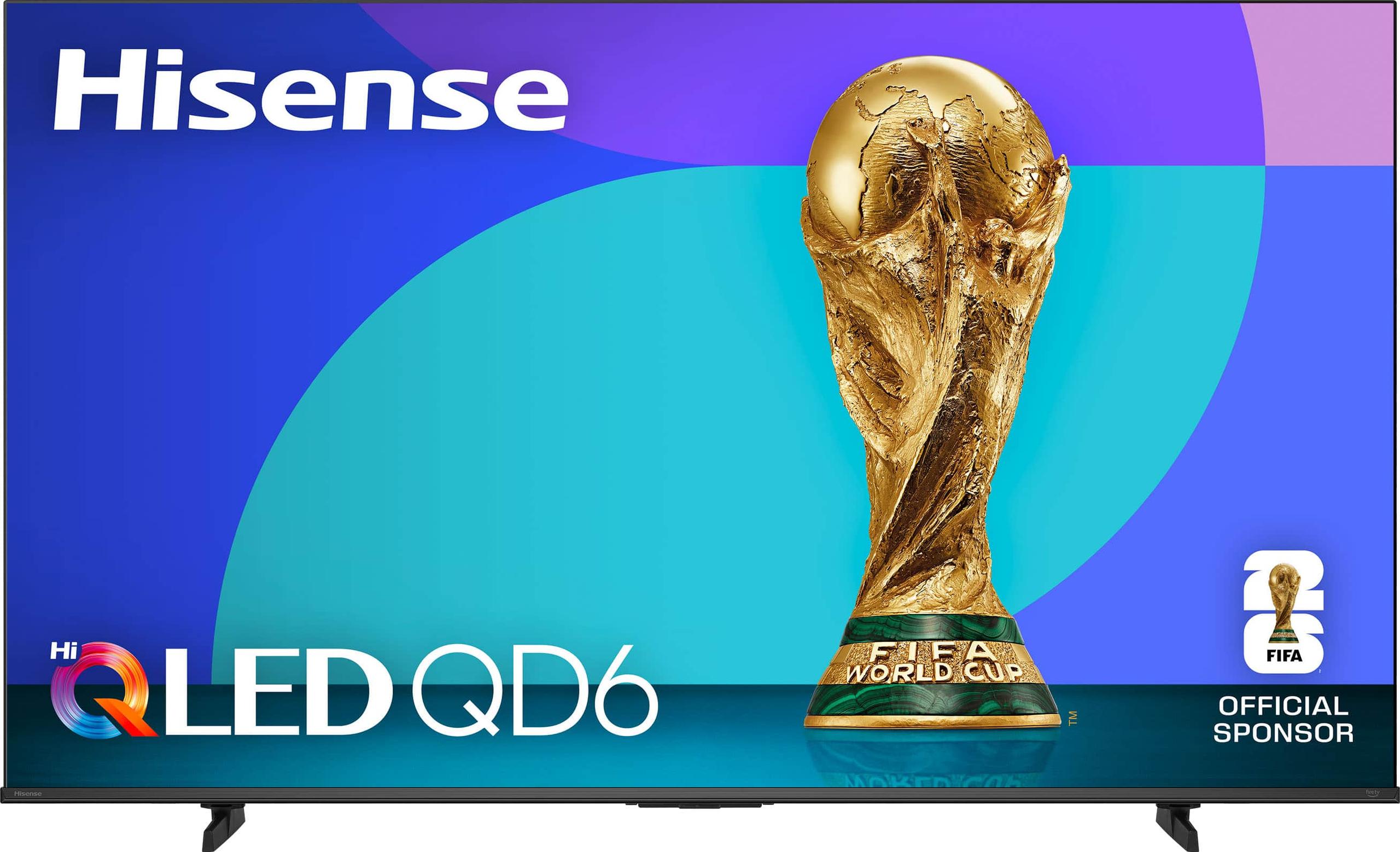
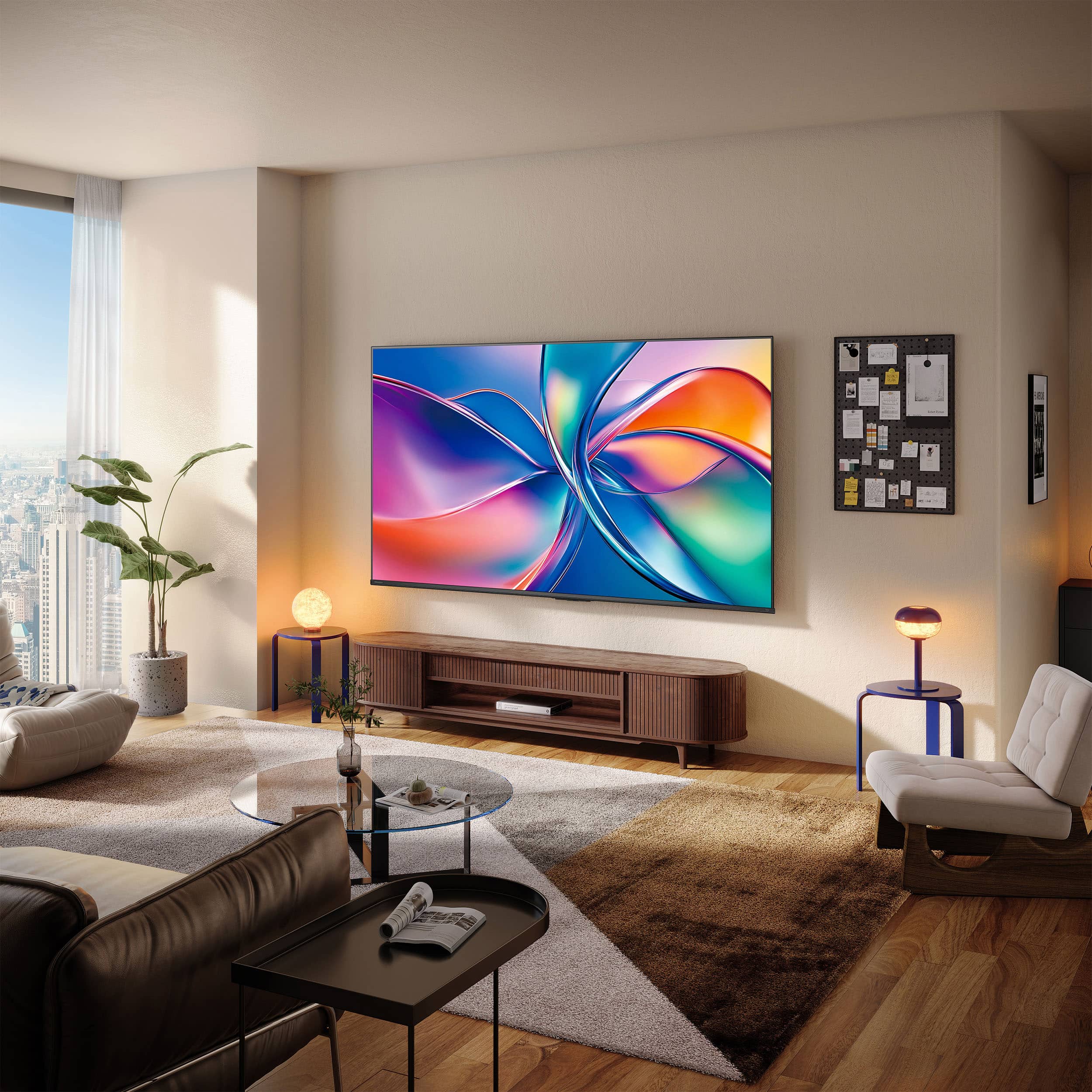
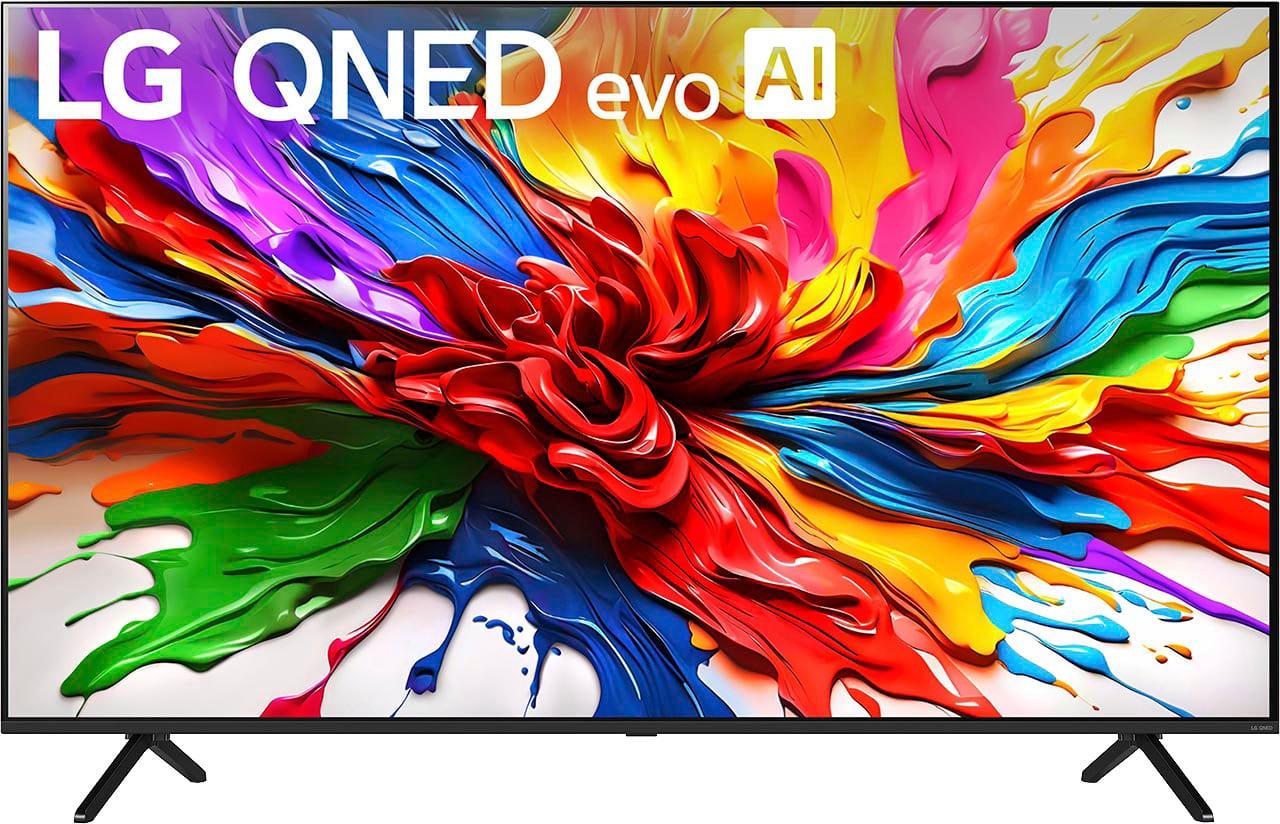
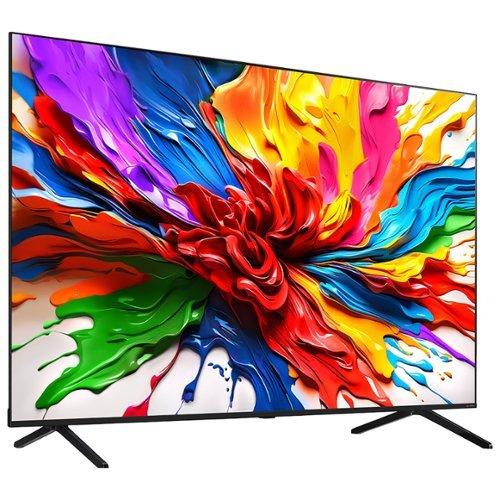
When you're shopping for a 65-inch 4K TV, the sheer number of options can feel overwhelming. Today we're comparing two TVs that represent completely different philosophies: the budget-friendly Hisense 65" QD6 Series Hi-QLED Fire TV and the premium LG 65" QNED92A QNED evo AI Mini LED. These aren't just different price points—they're fundamentally different approaches to display technology.
At the time of writing, these TVs sit at opposite ends of the value spectrum. The Hisense QD6 targets buyers looking for solid 4K performance without breaking the bank, while the LG QNED92A aims to deliver near-OLED quality using advanced Mini LED technology. Both launched in 2025, representing the latest in their respective categories.
The biggest difference between these TVs lies in their backlighting systems, which fundamentally determine picture quality. The Hisense QD6 uses traditional full-array LED backlighting—imagine a grid of LED lights behind the entire screen that can be dimmed together but not individually controlled in specific areas. This approach works well for the price but has limitations when displaying scenes with both very bright and very dark elements simultaneously.
The LG QNED92A, on the other hand, uses Mini LED technology with what LG calls "Precision Dimming Pro." Mini LEDs are dramatically smaller than traditional LEDs—about 1/40th the size—allowing for hundreds of individual dimming zones across the screen. Think of it like having hundreds of tiny flashlights behind your TV that can be turned on or off independently. When a scene shows a bright moon against a dark sky, the zones behind the moon can shine brightly while the zones behind the dark sky remain dim or turn off completely.
Both TVs incorporate quantum dot technology, which enhances color reproduction by using nanoparticles that emit specific colors when hit by light. However, the LG QNED92A combines quantum dots with LG's NanoCell technology (called "QNED evo"), creating what the company claims achieves 100% color volume—meaning it can reproduce colors accurately at any brightness level.
The performance gap between these displays becomes immediately apparent when measuring brightness and contrast. Our research into professional reviews reveals that the Hisense QD6 peaks at around 385 nits (a measure of brightness), which is respectable for moderate lighting conditions but insufficient for impactful HDR (High Dynamic Range) content. HDR is designed to show much brighter highlights and deeper shadows than standard content, creating more lifelike images.
The LG QNED92A delivers dramatically different results, reaching up to 1,520 nits in bright scenes. This isn't just a numbers game—it translates to HDR content that actually looks HDR. When watching a scene with sunlight streaming through a window or explosions in an action movie, the LG can make these highlights genuinely bright and eye-catching, while the Hisense QD6 renders them as merely "less dark."
Black level performance tells an equally important story. The Hisense QD6's VA panel provides decent native contrast, but without local dimming, bright elements in a scene cause the entire screen's black level to lift. Imagine watching a movie with a bright flashlight scene—the areas that should be pitch black become grayish. The LG QNED92A's Mini LED zones can keep truly dark areas dark while bright areas remain bright, creating the kind of contrast that makes images pop off the screen.
Color accuracy represents another significant divide. The Hisense QD6 covers about 90% of the DCI-P3 color space (the standard for HDR content), which produces noticeably more vibrant colors than basic LED TVs. However, the LG QNED92A reaches 97% DCI-P3 coverage with superior color volume, meaning it maintains color accuracy even in very bright or very dark scenes where the Hisense QD6 might struggle.
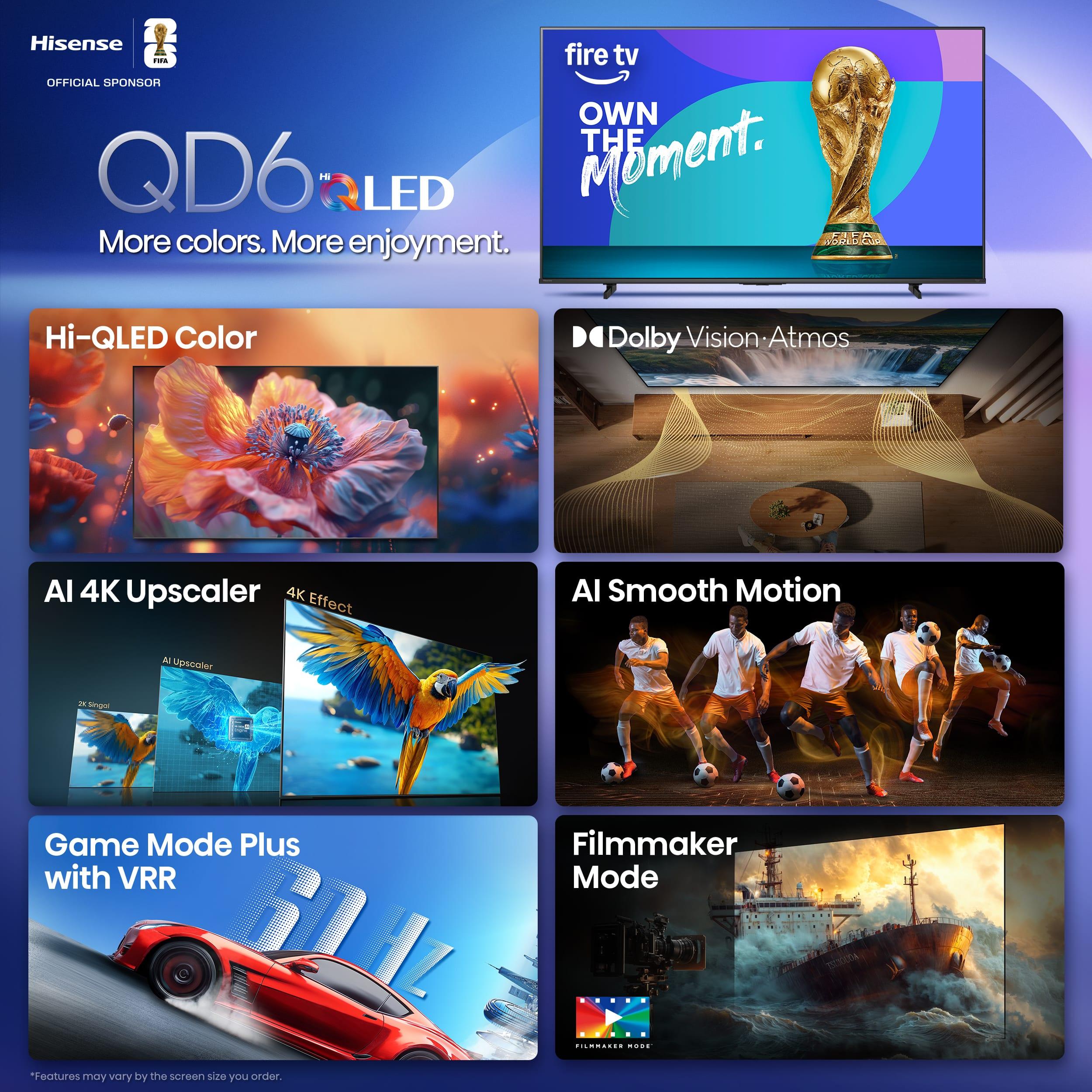
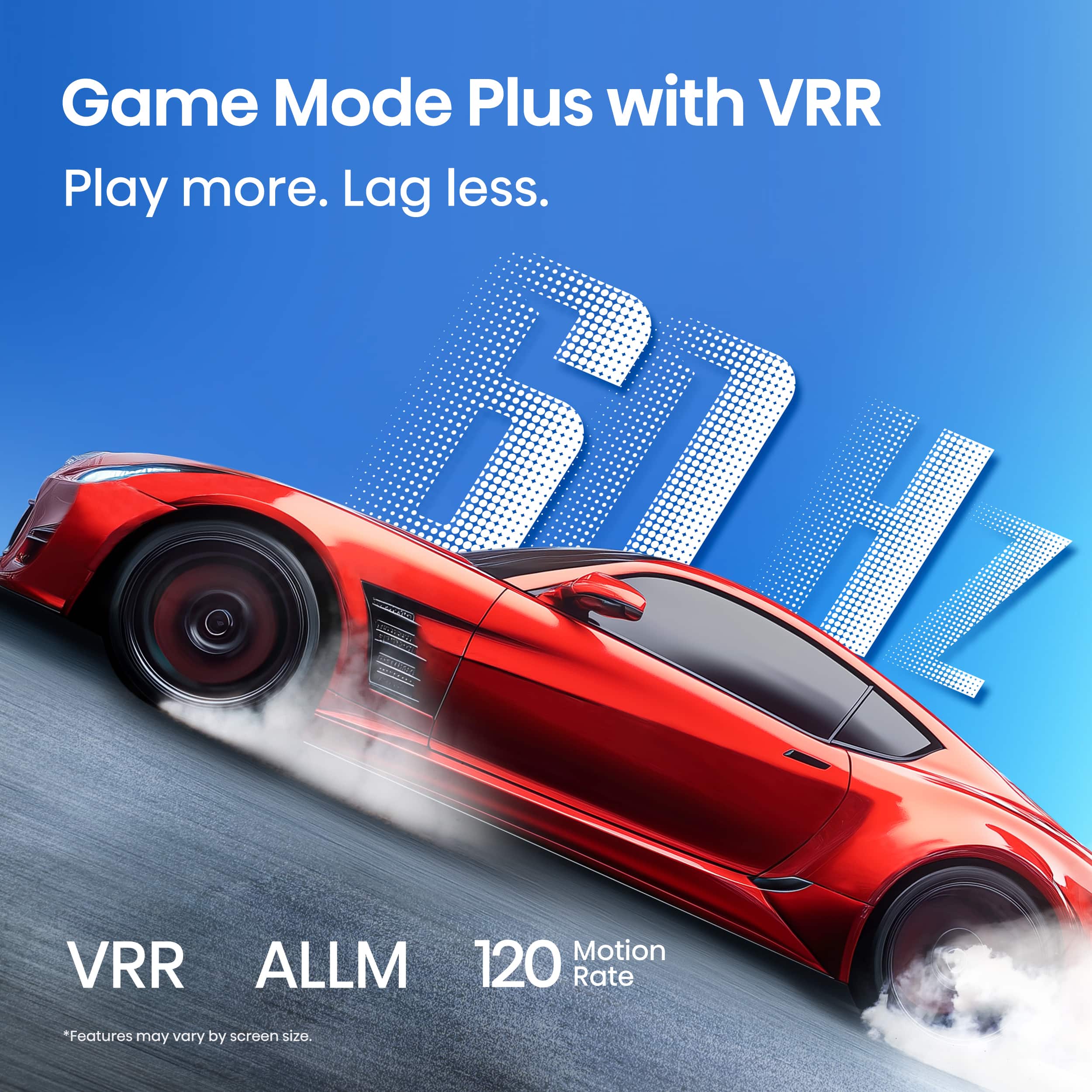
Gaming performance reveals perhaps the starkest difference between these TVs. The Hisense QD6 includes modern gaming features like Variable Refresh Rate (VRR) and Auto Low Latency Mode (ALLM), but it's fundamentally limited by its 60Hz refresh rate and HDMI 2.0 connections. VRR eliminates screen tearing by matching the TV's refresh rate to your gaming console's output, while ALLM automatically switches to game mode to reduce input lag—the delay between pressing a button and seeing the action on screen.
However, the Hisense QD6's 60Hz limitation means it can't take advantage of games that run at higher frame rates. Modern gaming consoles like the PlayStation 5 and Xbox Series X can output certain games at 120 frames per second, but this TV can only display 60 of those frames, essentially wasting half the console's capability.
The LG QNED92A operates at native 120Hz and includes four HDMI 2.1 ports, making it fully compatible with next-generation gaming features. It can display 4K resolution at 120Hz, supports VRR up to 144Hz, and maintains extremely low input lag at 9.6 milliseconds. For competitive gaming or anyone wanting the smoothest possible experience, this represents a significant advantage.
Both TVs handle casual gaming well, but the LG's superior motion clarity and higher refresh rate make fast-paced games noticeably smoother. Sports games, racing games, and first-person shooters all benefit from the reduced motion blur and higher frame rates.
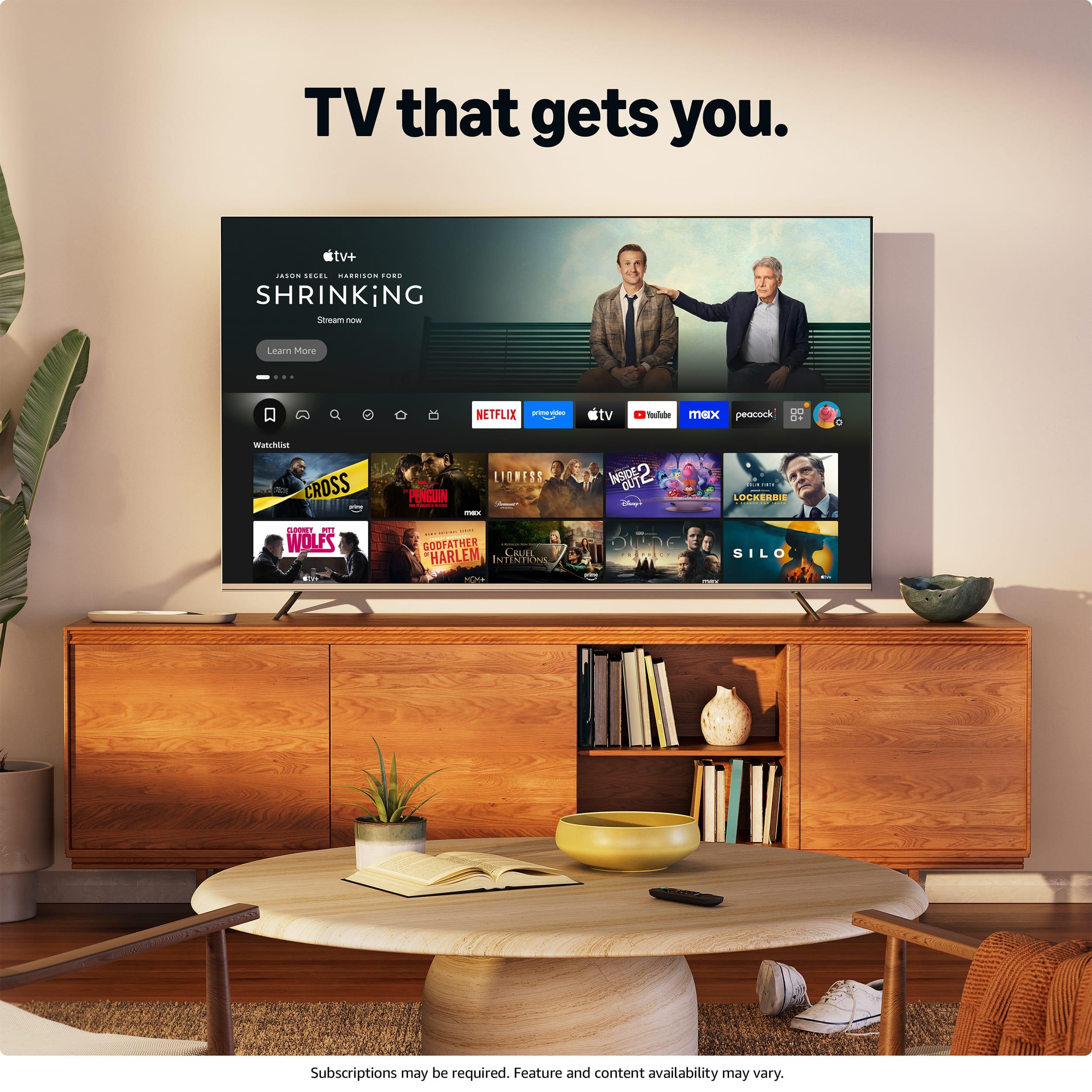
The choice between Fire TV and webOS often comes down to personal preference and ecosystem investment. The Hisense QD6 runs Amazon's Fire TV platform, which excels for Prime Video users and integrates seamlessly with Alexa devices. The interface is straightforward, though some users report occasional lag during navigation—likely due to the basic ARM Cortex-A53 processor handling the workload.
LG's webOS on the QNED92A feels more polished and responsive, powered by the company's α8 AI Gen2 processor. This chip doesn't just handle interface duties; it actively processes incoming video signals using AI algorithms to enhance picture quality in real-time. The processor can upscale lower-resolution content more effectively and apply noise reduction that adapts to different content types.
WebOS also comes with LG's commitment to five years of software updates, ensuring the TV remains current with new apps and features. This long-term support represents genuine value for anyone planning to keep their TV for several years.
For dedicated home theater setups, the differences between these TVs become even more pronounced. The LG QNED92A includes FILMMAKER MODE, which disables motion smoothing and adjusts color settings to match the director's original intent. Combined with its superior contrast and brightness, this makes it genuinely suitable for serious movie watching in a dedicated theater room.
The Hisense QD6 includes basic HDR support with Dolby Vision, but without adequate brightness to make HDR content truly shine. In a darkened theater room, its contrast limitations become more apparent, with black areas appearing grayish when bright elements appear on screen.
Both TVs support Dolby Atmos audio, but the LG QNED92A's enhanced 2.2 channel system and AI sound processing provide noticeably better built-in audio. However, serious home theater enthusiasts will likely connect external sound systems to either TV.
Your room's lighting conditions play a crucial role in TV selection. The Hisense QD6 performs adequately in moderately lit rooms but struggles in bright environments where its limited peak brightness can't overcome ambient light. The glossy screen finish also reflects direct light sources, creating distracting mirror images.
The LG QNED92A's dramatically higher brightness makes it excellent for bright living rooms, including those with large windows or overhead lighting. The Mini LED backlighting maintains good contrast even in challenging lighting conditions, ensuring the picture doesn't wash out during daytime viewing.
Viewing angles represent another consideration. Both use VA-type panels that maintain good color saturation when viewed straight-on but show color shifting when viewed from extreme angles. This matters most for large family gatherings or rooms where seating spreads wide to either side of the TV.
The Hisense QD6 delivers impressive value for budget-conscious buyers. At the time of writing, it costs roughly one-quarter the price of the LG QNED92A while still providing quantum dot color enhancement, modern smart features, and basic gaming capabilities. For a bedroom TV, secondary viewing area, or anyone prioritizing cost savings, it offers solid 4K performance.
However, the LG QNED92A justifies its premium pricing through genuinely superior performance. The Mini LED backlighting, higher brightness, superior color accuracy, and advanced gaming features create a viewing experience that's qualitatively different, not just incrementally better.
Consider the cost per year of ownership over a typical 7-10 year TV lifespan. While the LG costs significantly more upfront, its superior future-proofing through HDMI 2.1 ports, 120Hz capability, and five-year software update commitment may provide better long-term value for users who keep TVs for many years.
Choose the Hisense QD6 if you're working within a strict budget but still want modern 4K features. It's ideal for moderate lighting conditions, casual viewing, and situations where "good enough" picture quality meets your needs. The Fire TV platform appeals to Amazon ecosystem users, and the quantum dot enhancement provides noticeably better colors than basic LED TVs.
The LG QNED92A makes sense for anyone prioritizing picture quality, serious gaming, or bright room viewing. Its Mini LED technology delivers contrast and brightness that approaches OLED performance without burn-in concerns. The 120Hz capability and HDMI 2.1 ports future-proof your investment for next-generation gaming and content.
For home theater enthusiasts, the LG's superior contrast, brightness, and FILMMAKER MODE support make it the clear choice despite the higher cost. The difference in HDR performance alone justifies the premium for anyone who regularly watches movies or high-quality streaming content.
Ultimately, both TVs serve their intended markets well. The Hisense QD6 proves you don't need to spend a fortune for decent 4K quality, while the LG QNED92A demonstrates what's possible when you invest in premium LED technology. Your choice should align with your budget, viewing habits, and how long you plan to keep your next TV.
The TV market moves quickly, but these 2025 models represent mature implementations of their respective technologies. Whether you choose budget-conscious practicality or premium performance, either option will provide years of entertainment—just at very different quality levels.
| Hisense 65" QD6 Series Hi-QLED Fire TV | LG 65" QNED92A QNED evo AI Mini LED |
|---|---|
| Peak Brightness - Critical for HDR impact and bright room viewing | |
| ~385 nits (adequate for moderate lighting) | Up to 1,520 nits (excellent for bright rooms and true HDR) |
| Backlighting Technology - Determines contrast and black levels | |
| Full-array LED without local dimming | Mini LED with hundreds of dimming zones (Precision Dimming Pro) |
| Refresh Rate - Essential for smooth gaming and sports | |
| 60Hz native (Motion Rate 120 with interpolation) | 120Hz native (supports up to 144Hz with VRR) |
| HDMI Connectivity - Future-proofing for gaming consoles | |
| 4x HDMI 2.0 ports (limited to 4K@60Hz) | 4x HDMI 2.1 ports (supports 4K@120Hz gaming) |
| Color Coverage - Affects color vibrancy and accuracy | |
| 90% DCI-P3 color space | 97% DCI-P3 with 100% color volume certification |
| Gaming Features - Important for console and PC gaming | |
| VRR, ALLM, Game Mode Plus at 60Hz | VRR up to 144Hz, ALLM, Game Optimizer, FreeSync Premium |
| Smart TV Platform - Daily interface and app experience | |
| Fire TV (Amazon ecosystem integration) | webOS 25 with 5-year update guarantee |
| Processor - Affects interface speed and picture processing | |
| ARM Cortex-A53 (basic performance) | α8 AI Gen2 with real-time AI optimization |
| Input Lag - Critical for responsive gaming | |
| ~10.2ms in game mode | 9.6ms (extremely responsive) |
| HDR Support - Enhanced contrast and color range | |
| Dolby Vision, HDR10+, HDR10, HLG | Dolby Vision IQ, HDR10, HLG, FILMMAKER MODE |
| Audio System - Built-in sound quality | |
| Basic Dolby Atmos support | 2.2 channel with α8 AI Sound Pro and Bluetooth Surround |
| Wi-Fi Standard - Streaming performance and reliability | |
| Wi-Fi 5 (adequate for most streaming) | Wi-Fi 6E (faster, more reliable for 4K streaming) |
| Motion Handling - Sports and action content clarity | |
| Okay response time, struggles with dark transitions | Superior 120Hz motion clarity with advanced processing |
| Best Use Cases - Who should choose this TV | |
| Budget buyers, moderate lighting, casual gaming, Fire TV fans | Premium picture quality, bright rooms, serious gaming, home theater |
The biggest difference is display technology. The Hisense 65" QD6 Series Hi-QLED Fire TV uses traditional LED backlighting with quantum dots, while the LG 65" QNED92A QNED evo AI Mini LED features advanced Mini LED technology with hundreds of dimming zones. This gives the LG dramatically better contrast, brightness (1,520 nits vs 385 nits), and HDR performance.
The LG 65" QNED92A QNED evo AI Mini LED is significantly better for gaming. It offers 120Hz native refresh rate, four HDMI 2.1 ports supporting 4K@120Hz, and VRR up to 144Hz. The Hisense QD6 is limited to 60Hz with HDMI 2.0 ports, making it suitable only for casual gaming.
The LG QNED92A performs much better in bright rooms due to its peak brightness of 1,520 nits compared to the Hisense QD6's 385 nits. The LG can overcome ambient light and maintain good contrast, while the Hisense struggles in well-lit environments and may appear washed out.
Both platforms work well, but serve different users. The Hisense QD6 runs Fire TV, which is excellent for Amazon Prime users and Alexa integration. The LG QNED92A uses webOS 25, which offers a more polished interface, faster performance, and includes LG's 5-year software update guarantee for better long-term support.
The LG QNED92A delivers superior movie picture quality with its Mini LED backlighting, higher brightness, better contrast control, and FILMMAKER MODE for accurate color reproduction. The Hisense QD6 provides decent picture quality for the price but lacks the contrast and HDR impact needed for premium movie viewing.
The LG 65" QNED92A is excellent for home theater use, offering Mini LED contrast approaching OLED quality, proper HDR brightness, and FILMMAKER MODE for cinematic accuracy. The Hisense QD6 works for basic home theater needs but lacks the contrast control and brightness for a true premium theater experience.
Value depends on your priorities. The Hisense QD6 offers exceptional value for budget-conscious buyers, providing quantum dot colors and modern smart features at a fraction of the cost. The LG QNED92A justifies its premium pricing with dramatically superior performance, future-proofing, and long-term software support.
The LG QNED92A has superior color performance with 97% DCI-P3 coverage and 100% color volume certification, maintaining accurate colors at all brightness levels. The Hisense QD6 covers 90% DCI-P3 and provides good color enhancement over basic LED TVs, but with more limited color volume in bright and dark scenes.
The LG 65" QNED92A is better for sports due to its 120Hz refresh rate, superior motion handling, and brightness that works well in lit rooms where sports are typically watched. The Hisense QD6 can show sports adequately but may have motion blur during fast action and struggles with uniformity in bright scenes.
HDR performance differs dramatically between these TVs. The LG QNED92A delivers true HDR impact with 1,520 nits peak brightness and local dimming zones that create genuine contrast. The Hisense QD6 supports HDR formats like Dolby Vision but lacks the brightness to make HDR content truly shine, appearing more like enhanced standard content.
The LG QNED92A is better for long-term use with its HDMI 2.1 ports future-proofing for next-gen gaming, 5-year webOS update guarantee, and premium build quality. The Hisense QD6 may become outdated sooner due to HDMI 2.0 limitations and basic processor, though it should provide reliable service for casual viewing needs.
Choose the Hisense QD6 if you're budget-conscious, use moderate lighting, do casual gaming, and want Fire TV features. Choose the LG QNED92A if you prioritize picture quality, have bright rooms, are serious about gaming or home theater, and want a premium TV that will stay current for years.
We've done our best to create useful and informative comparisons to help you decide what product to buy. Our research uses advanced automated methods to create this comparison and perfection is not possible - please contact us for corrections or questions. These are the sites we've researched in the creation of this article: pcvarge.com - bestbuy.com - rtings.com - youtube.com - rtings.com - youtube.com - consumerreports.org - leaseville.com - hisense-usa.com - device.report - hisense-usa.com - youtube.com - flatpanelshd.com - displayspecifications.com - retailspecs.com - stereoindex.com - youtube.com - youtube.com - digitaltrends.com - abt.com - lg.com - youtube.com - ecoustics.com - hometheaterforum.com - lg.com - valueelectronics.com - listenup.com - pcrichard.com - furnitureconnectionnd.com - avnirvana.com - files.bbystatic.com - lg.com - lgnewsroom.com - techradar.com - bestbuy.com - bestbuy.com - youtube.com - youtube.com

Privacy Policy
Terms and Conditions - Affiliate Policy
Home Security
© Copyright 2008-2026.
11816 Inwood Rd #1211, Dallas, TX 75244