




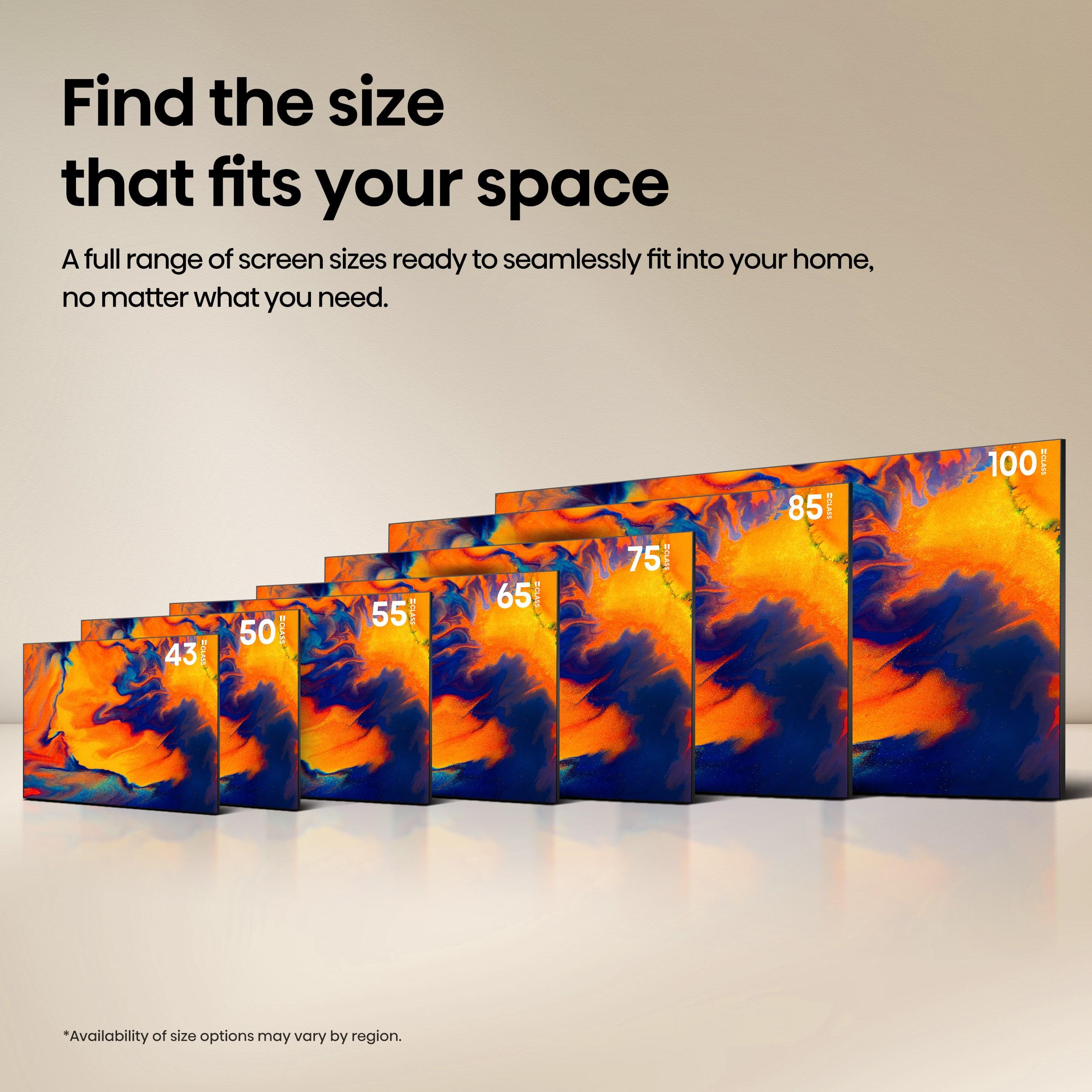
When you're ready to upgrade to a 65-inch 4K TV, you'll quickly discover that not all displays are created equal. The TV market splits into distinct categories based on the underlying display technology, and understanding these differences is crucial for making the right choice. At the premium end, you have OLED (Organic Light-Emitting Diode) TVs that create images using millions of self-lighting pixels. At the budget-friendly end, QLED (Quantum Dot Light-Emitting Diode) TVs use traditional LED backlighting enhanced with quantum dot technology for improved color.
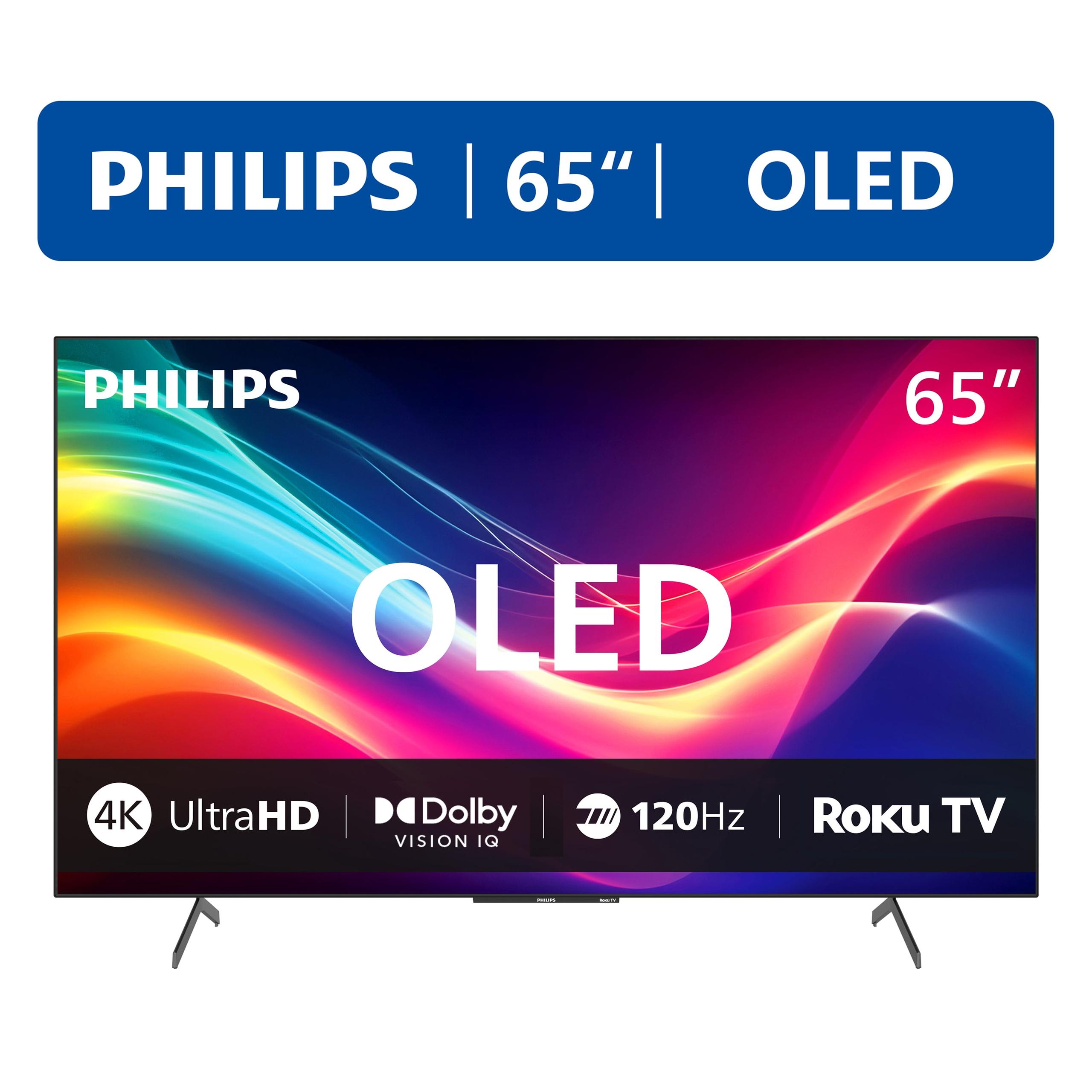
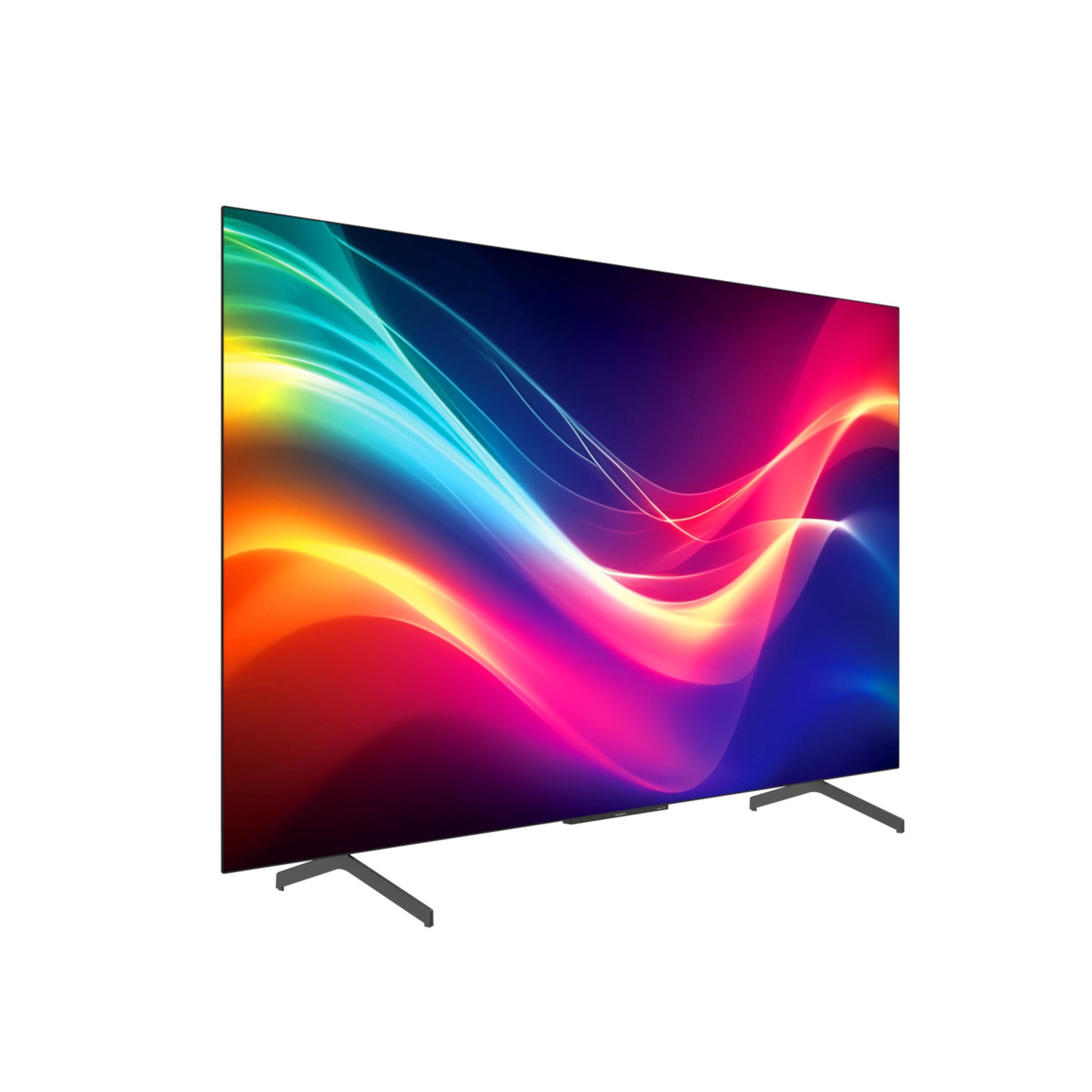
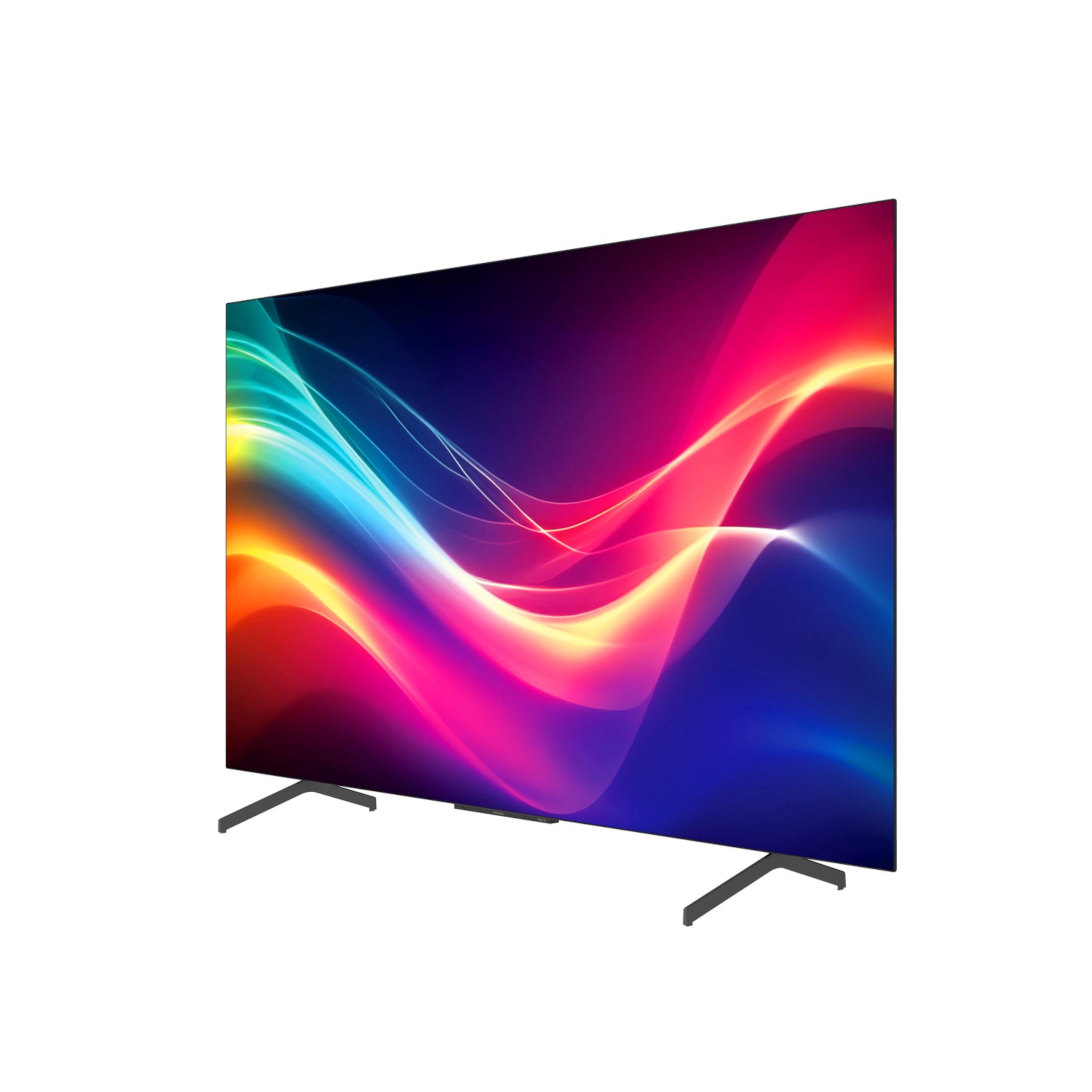
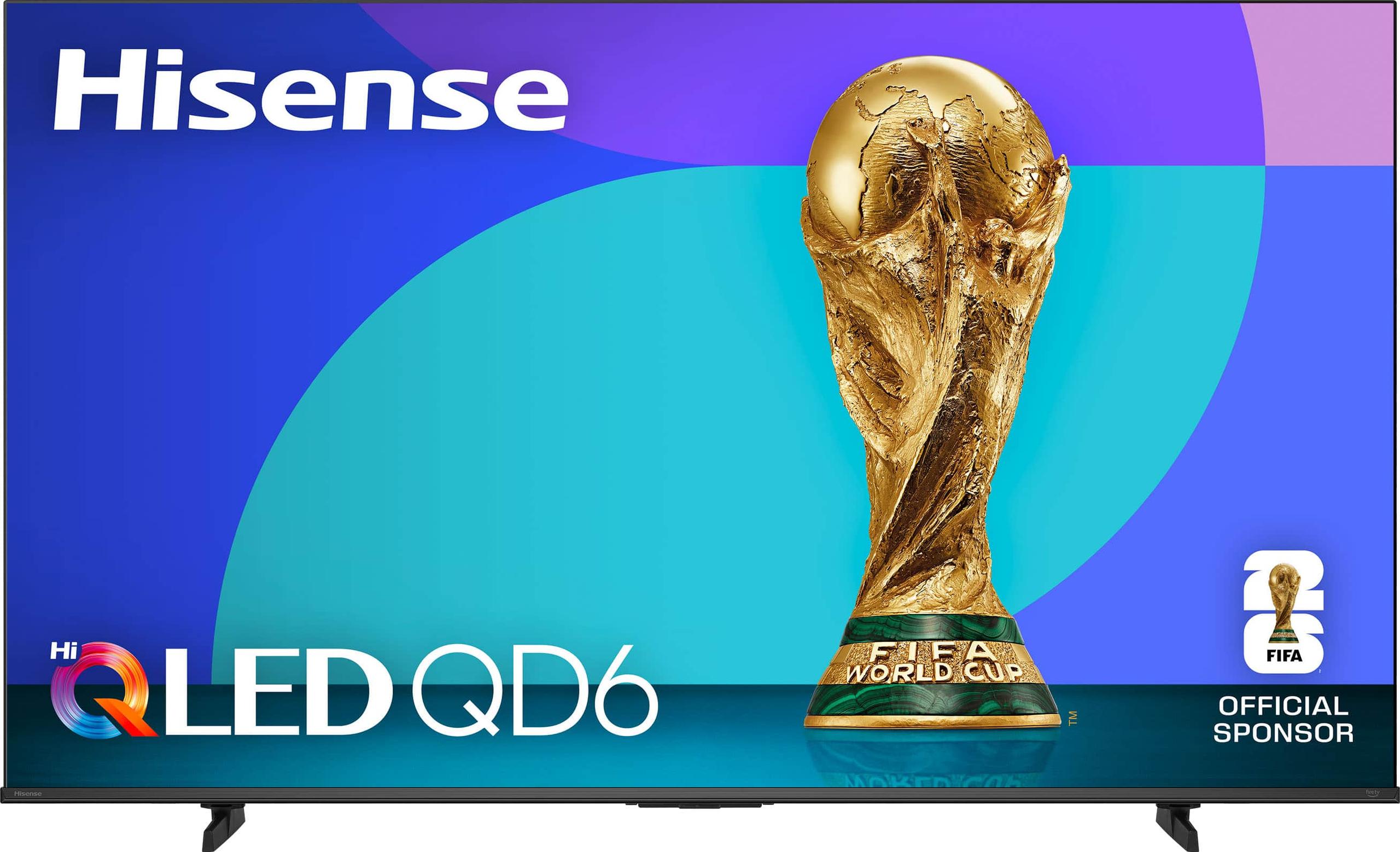
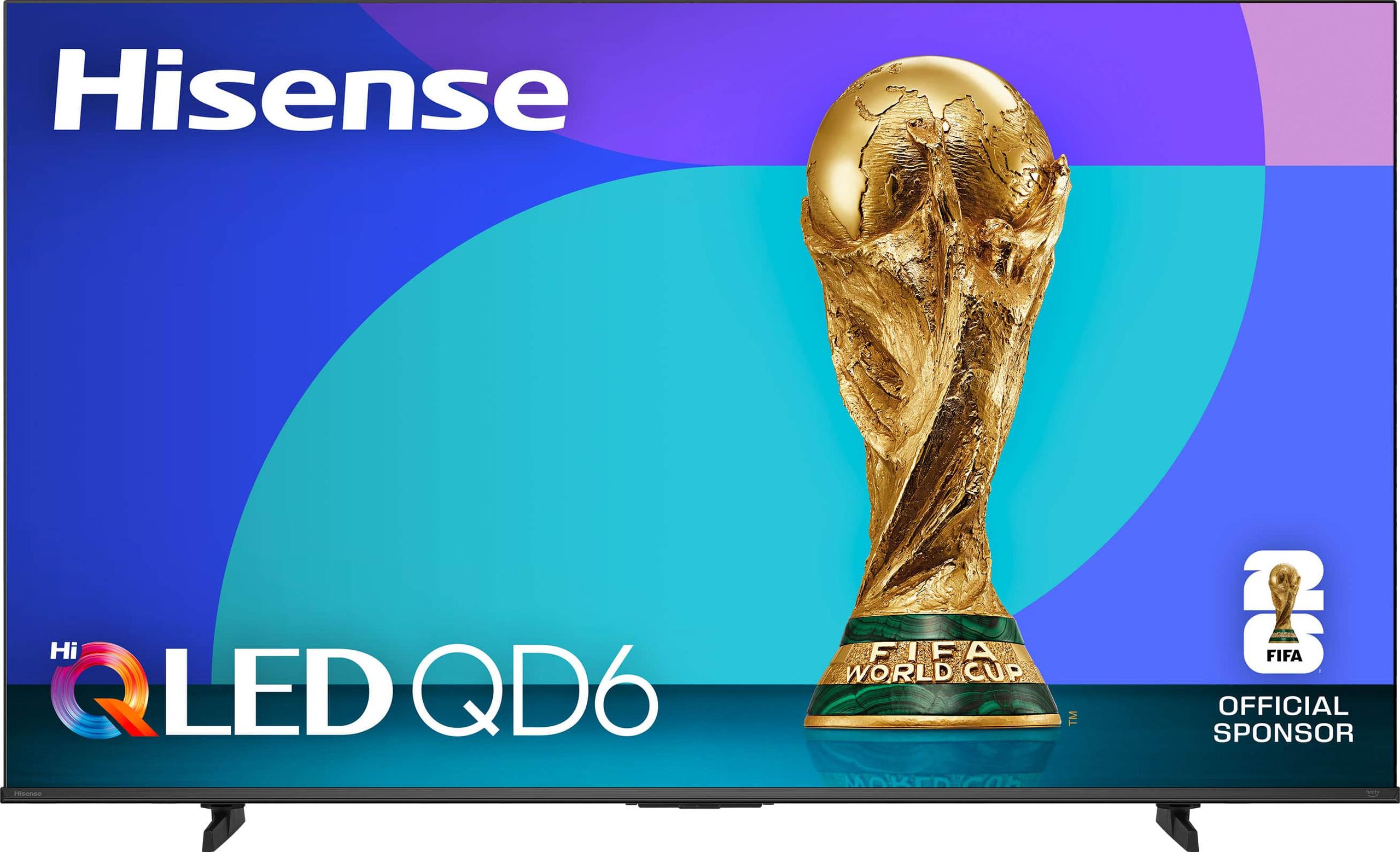
Today, we're comparing two TVs that perfectly represent these different approaches: the Philips 65OLED974/F7 OLED TV and the Hisense 65QD6QF QLED TV. These models showcase the fundamental trade-offs between premium display technology and value-oriented features, helping you understand what you're really paying for when you choose between these categories.
The most important factor determining your TV's picture quality isn't the brand name or smart features—it's the display technology. OLED and QLED represent fundamentally different approaches to creating images on your screen.
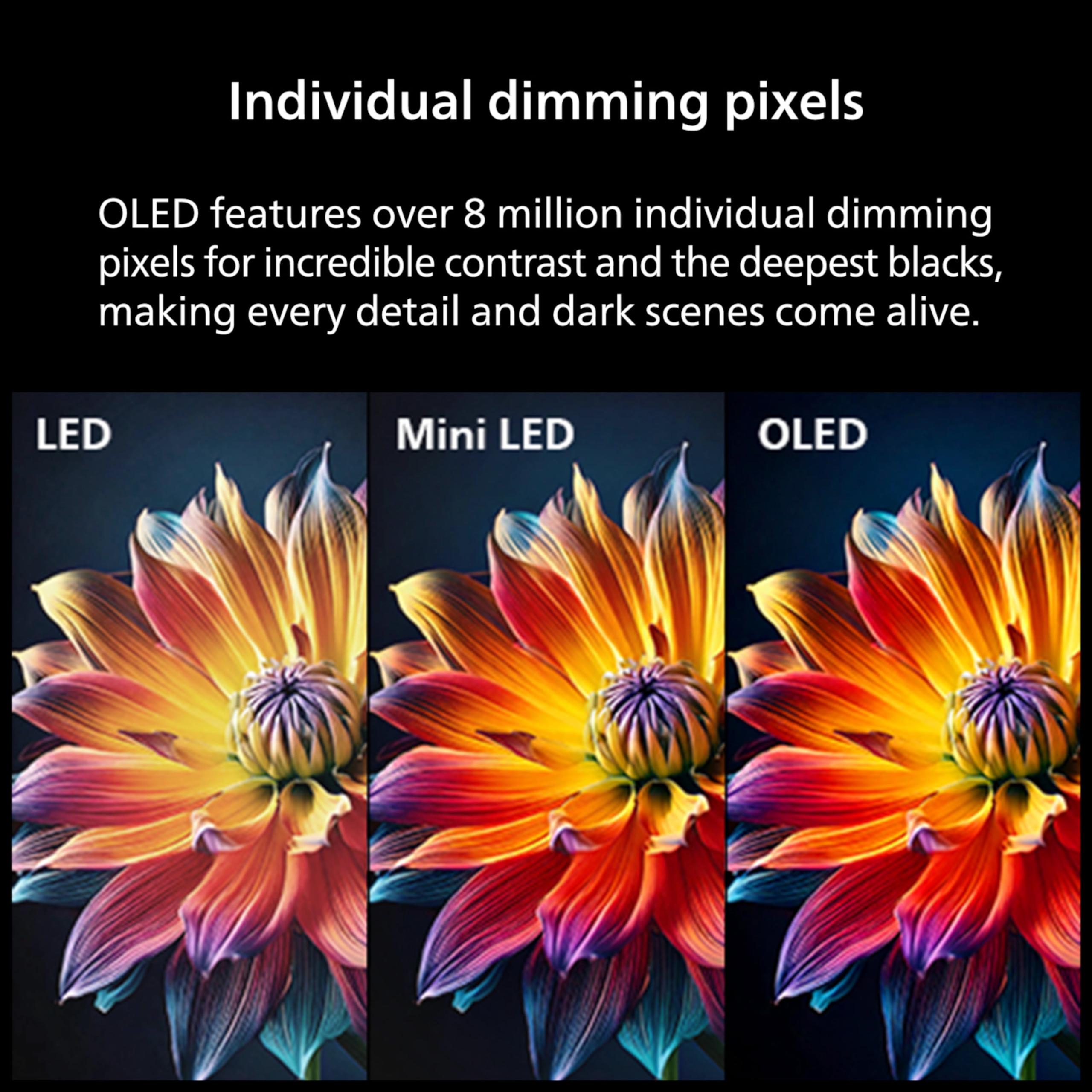
The Philips OLED TV uses organic compounds that light up when electricity passes through them. Each pixel can turn completely on or off independently, which means true black levels—something that's impossible with traditional backlighting. When a pixel needs to display black, it simply turns off entirely. This creates what's called an "infinite contrast ratio," the holy grail of display technology.
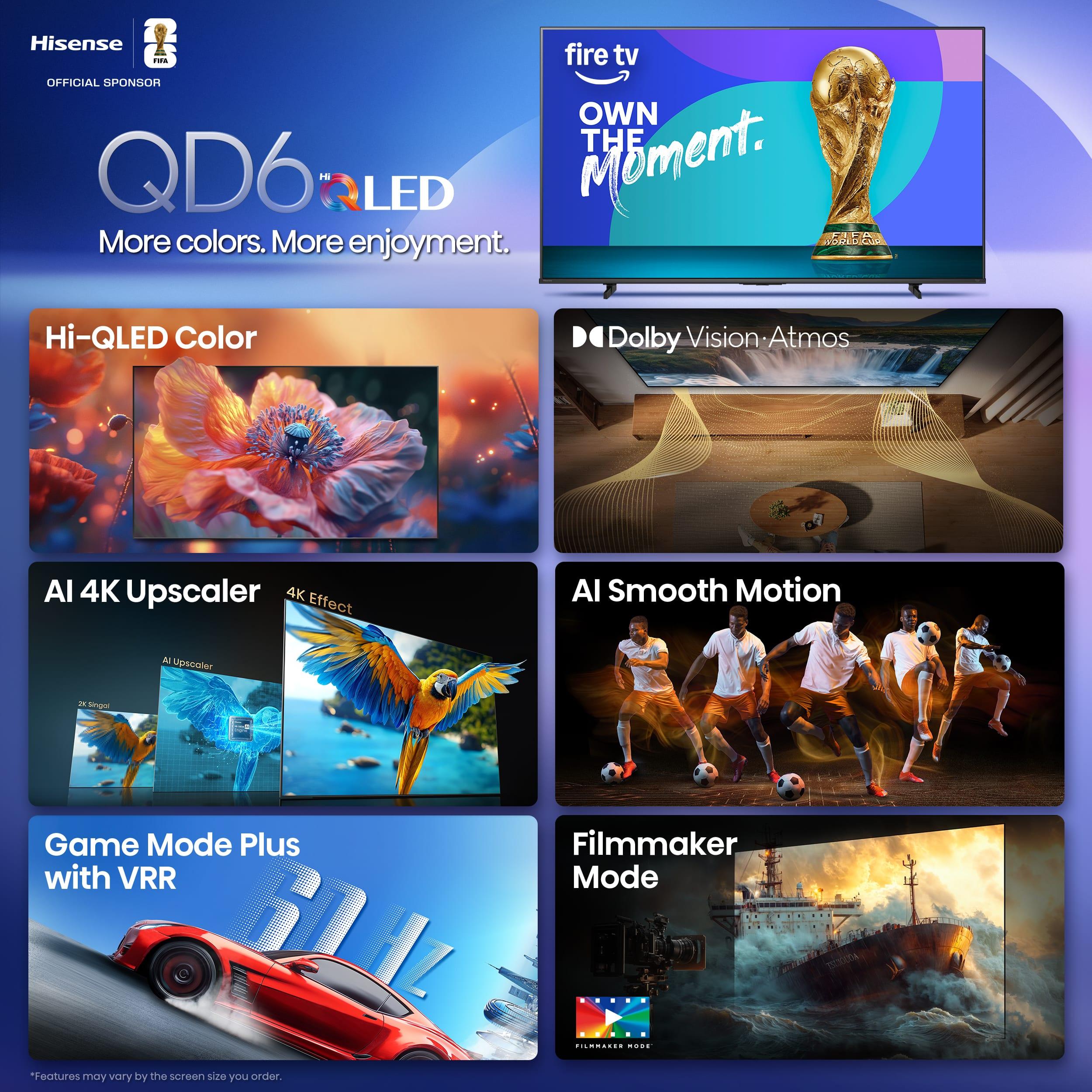
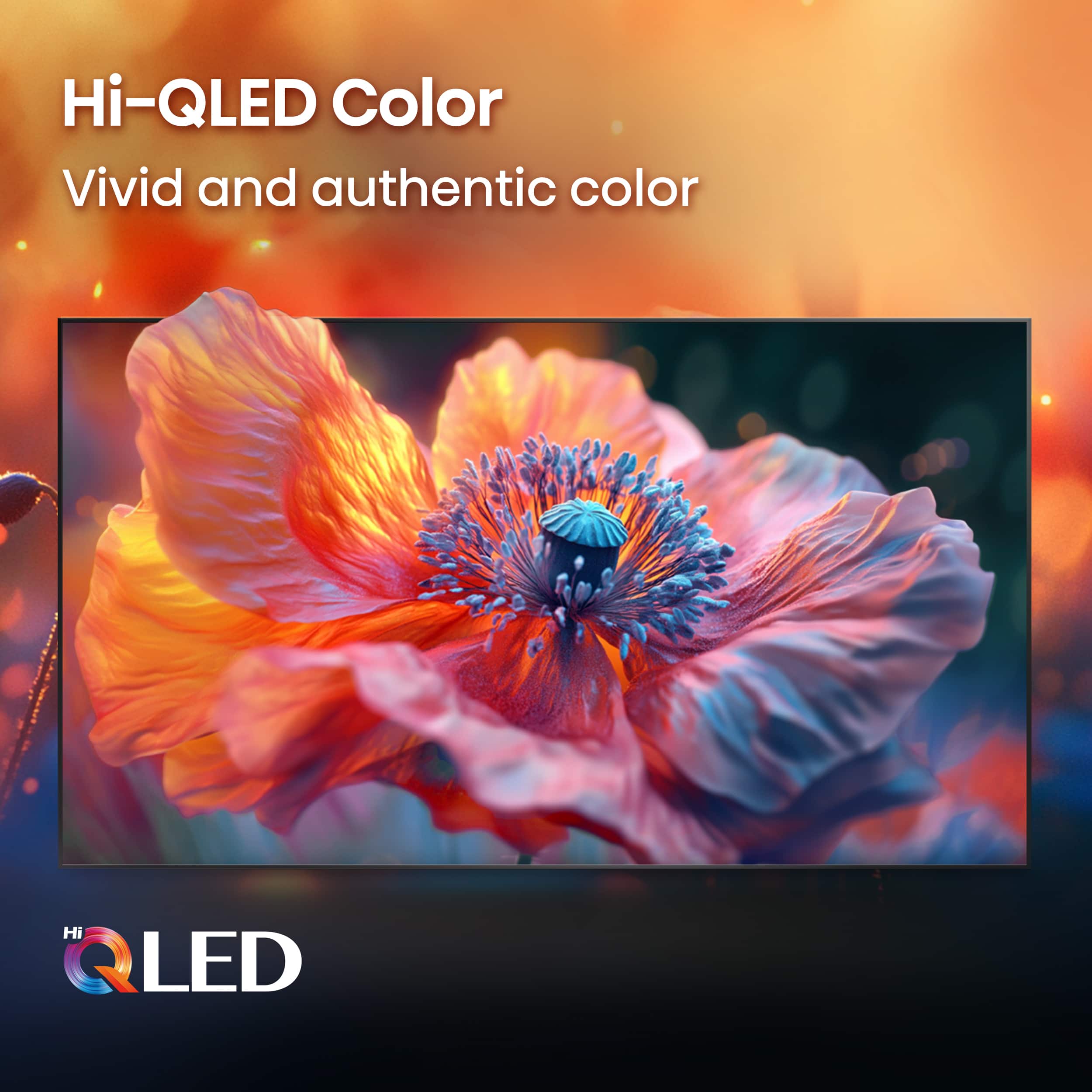
The Hisense QLED model, on the other hand, uses quantum dots—microscopic semiconductor particles that emit pure colors when hit by blue LED light. This technology sits on top of a traditional LED backlight system, which means the entire screen is always lit to some degree. While it can't achieve true blacks like OLED, it can potentially get much brighter, which has its own advantages.
These different approaches create distinct performance characteristics that affect everything from movie watching to gaming. The OLED's perfect blacks make it exceptional for dark room viewing and cinematic content, while the QLED's higher brightness capabilities make it better suited for bright living rooms and HDR content that needs to pop.
When evaluating TV picture quality, contrast ratio—the difference between the brightest white and darkest black—might be the most important metric. This is where the Philips OLED absolutely dominates.
Based on our research into expert reviews and user experiences, OLED's ability to produce perfect blacks transforms your viewing experience in ways that are immediately noticeable. In dark scenes from movies like "Blade Runner 2049" or "The Batman," you see into shadowy details that would be washed out on LED-backlit displays. The Hisense QLED, despite using a VA-style panel known for good contrast, simply can't compete here because its backlight is always on.
This becomes particularly evident when watching content with mixed lighting—think of a scene with bright city lights against a dark sky. The Philips OLED can display truly dark sky while keeping the lights brilliant, while the Hisense model will show the sky as dark gray instead of black, reducing the overall impact of the scene.
However, there's a trade-off. The lack of local dimming on the Hisense QLED means that when bright objects appear on screen, they can cause "black level washout" across the entire panel. This is less of an issue in most viewing scenarios, but it's noticeable in demanding content.
While OLED excels in darkness, QLED technology typically shines (literally) in brightness. High Dynamic Range (HDR) content—which includes the majority of modern streaming content and 4K Blu-rays—relies on peak brightness to create realistic highlights like sunlight, explosions, or bright reflections.
Our evaluation of user reviews and expert testing reveals that the Hisense QLED TV can reach peak brightness levels around 385 cd/m², while the Philips OLED is limited to much lower levels. This brightness difference becomes crucial for HDR impact—those moments when bright objects should make you squint or when sunlight streaming through a window should feel realistic.
For viewers in bright rooms with lots of windows or ambient lighting, this brightness advantage is transformative. The Hisense model can overcome glare and maintain image visibility in ways that the Philips OLED simply cannot. If your TV sits in a bright living room where you watch during the day, the QLED's brightness capabilities become more valuable than OLED's perfect blacks.
The trade-off is that in dark viewing environments, excessive brightness can be fatiguing and reduce the cinematic experience that makes OLED special for home theater setups.
For gaming enthusiasts, response time—how quickly pixels can change color—is absolutely critical. This measurement, given in milliseconds (ms), determines how much motion blur you'll see during fast-paced action.
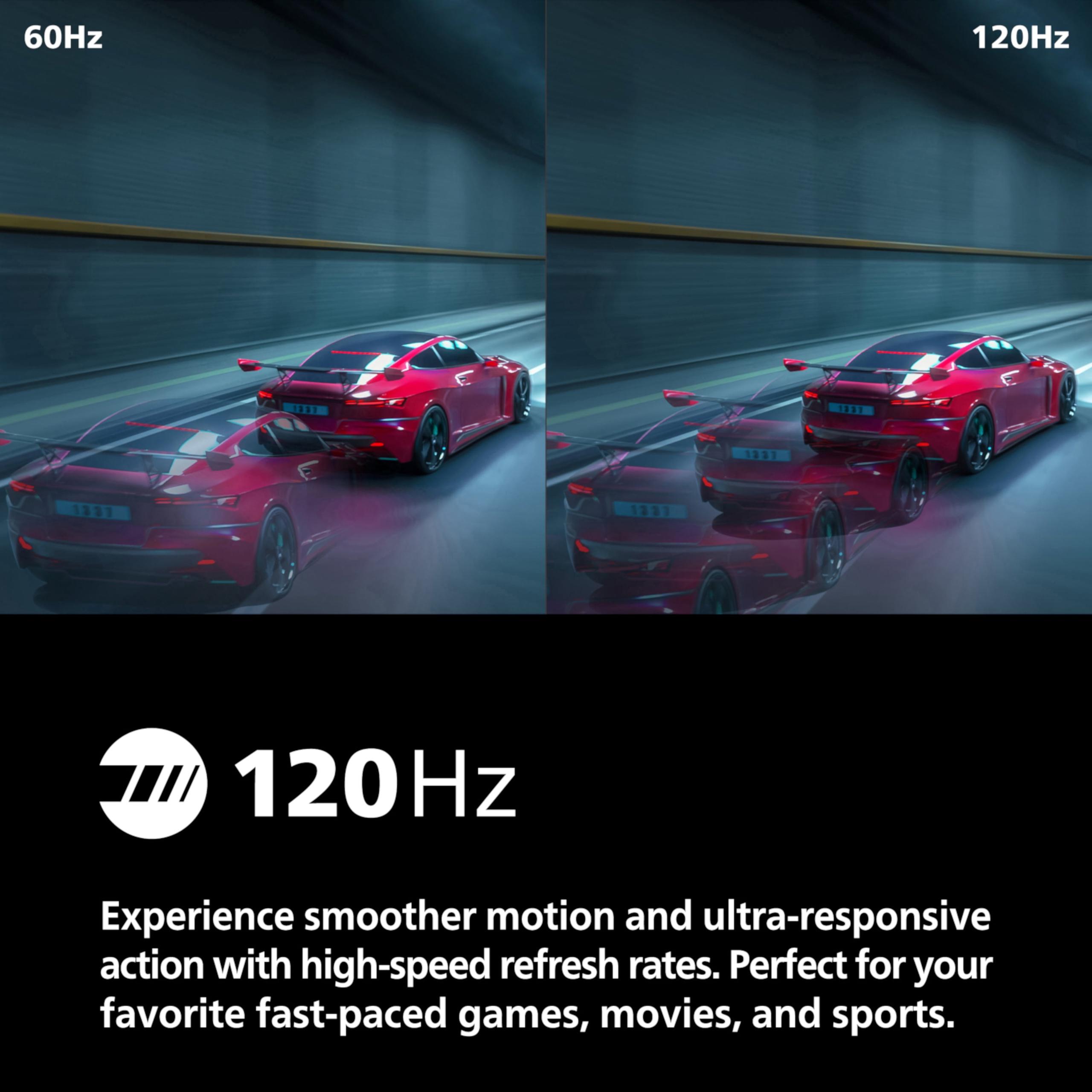
The Philips OLED TV delivers a response time under 0.1ms, which is essentially instantaneous. This means virtually zero motion blur during gaming, making it exceptional for competitive gaming, sports, and action movies. The near-instant pixel response eliminates the "ghosting" effect where moving objects leave trails behind them.
In contrast, the Hisense QLED model has a significantly slower response time that becomes noticeable during fast motion. While adequate for casual gaming and most TV viewing, it can't match the crisp motion clarity of OLED technology.
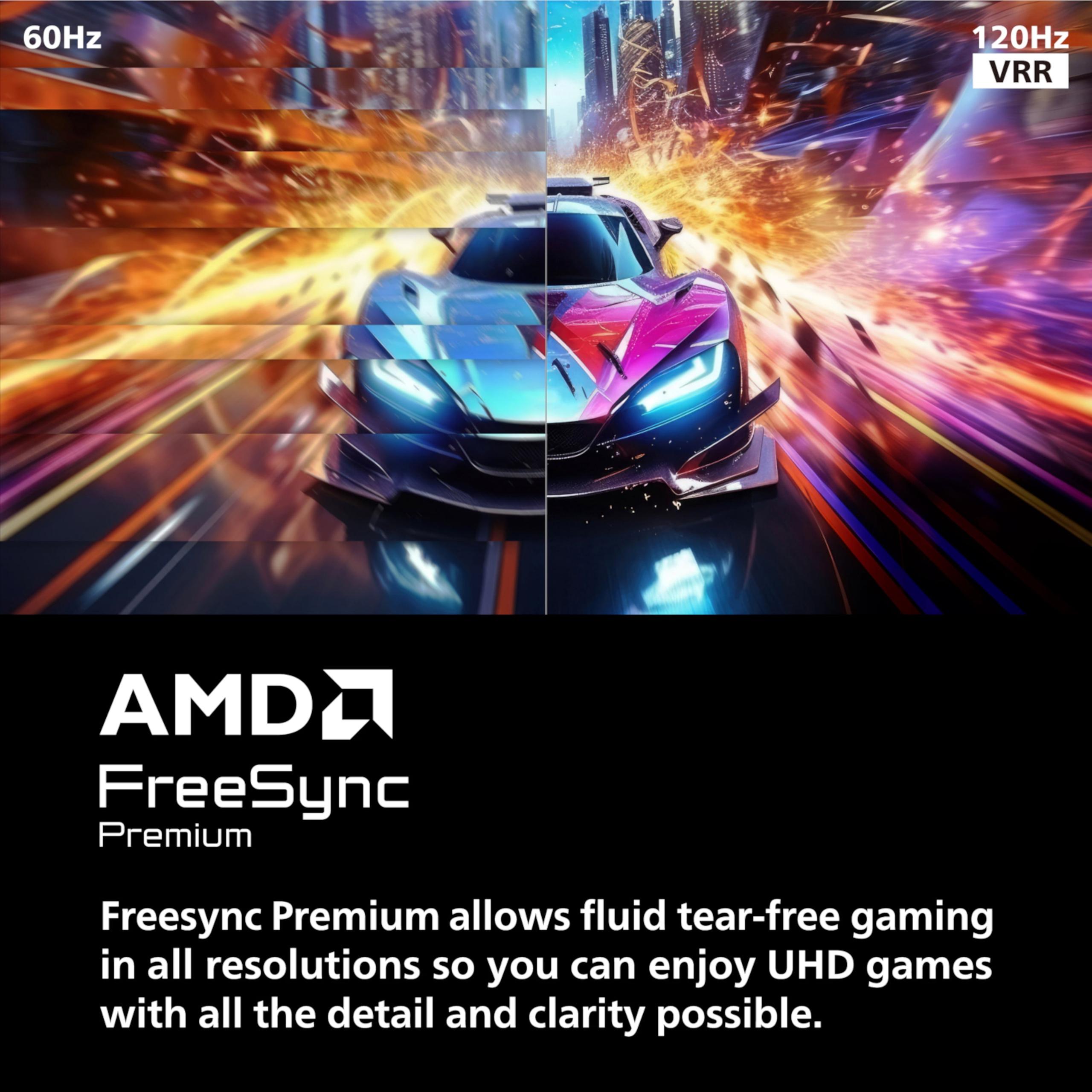
The Philips model also includes a true 120Hz native panel, meaning it can display 120 frames per second without interpolation (artificial frame generation). This pairs with AMD FreeSync Premium and Auto Low Latency Mode (ALLM) to create a gaming experience that's nearly indistinguishable from high-end gaming monitors.
The Hisense TV is limited to 60Hz native refresh rate, though it includes Motion Rate 120 through interpolation. While it supports Variable Refresh Rate (VRR) and ALLM for reduced input lag, the fundamental 60Hz limitation means it's not future-proofed for next-generation gaming consoles that can output 120fps.
For serious gamers, especially those with PlayStation 5 or Xbox Series X consoles, the Philips OLED provides a significantly superior experience despite its higher cost.
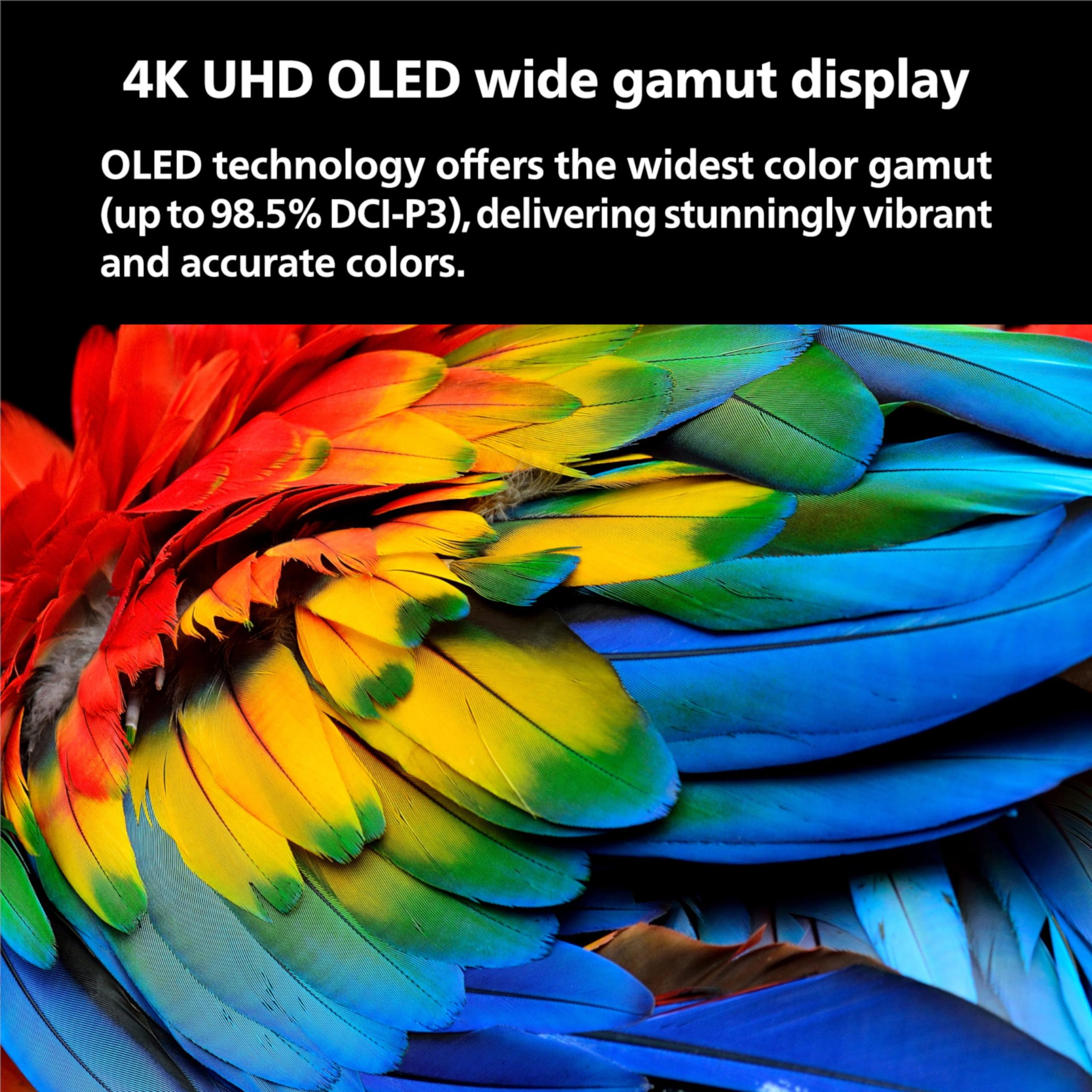
Color reproduction is where both technologies show their strengths, but in different ways. The Philips OLED TV covers up to 98.5% of the DCI-P3 color gamut, which is the professional standard for HDR content. This wide color range, combined with excellent out-of-box calibration, means colors appear natural and accurate without requiring professional calibration.
The Hisense QLED model uses quantum dot technology to achieve about 90% DCI-P3 coverage. While not quite as wide as the Philips model, quantum dots excel at producing vibrant, saturated colors that can appear more "pop" than reality—an effect many viewers prefer for bright, colorful content like animated movies or nature documentaries.
Based on our analysis of expert reviews, the Philips OLED tends to deliver more accurate colors that match the filmmaker's intent, while the Hisense QLED produces colors that are more vivid and eye-catching, even if they're not perfectly accurate.
For home theater enthusiasts who want cinema-accurate colors, the Philips model is the clear choice. For families who want vibrant, impressive colors that make everything look spectacular, the Hisense model might actually be more appealing.
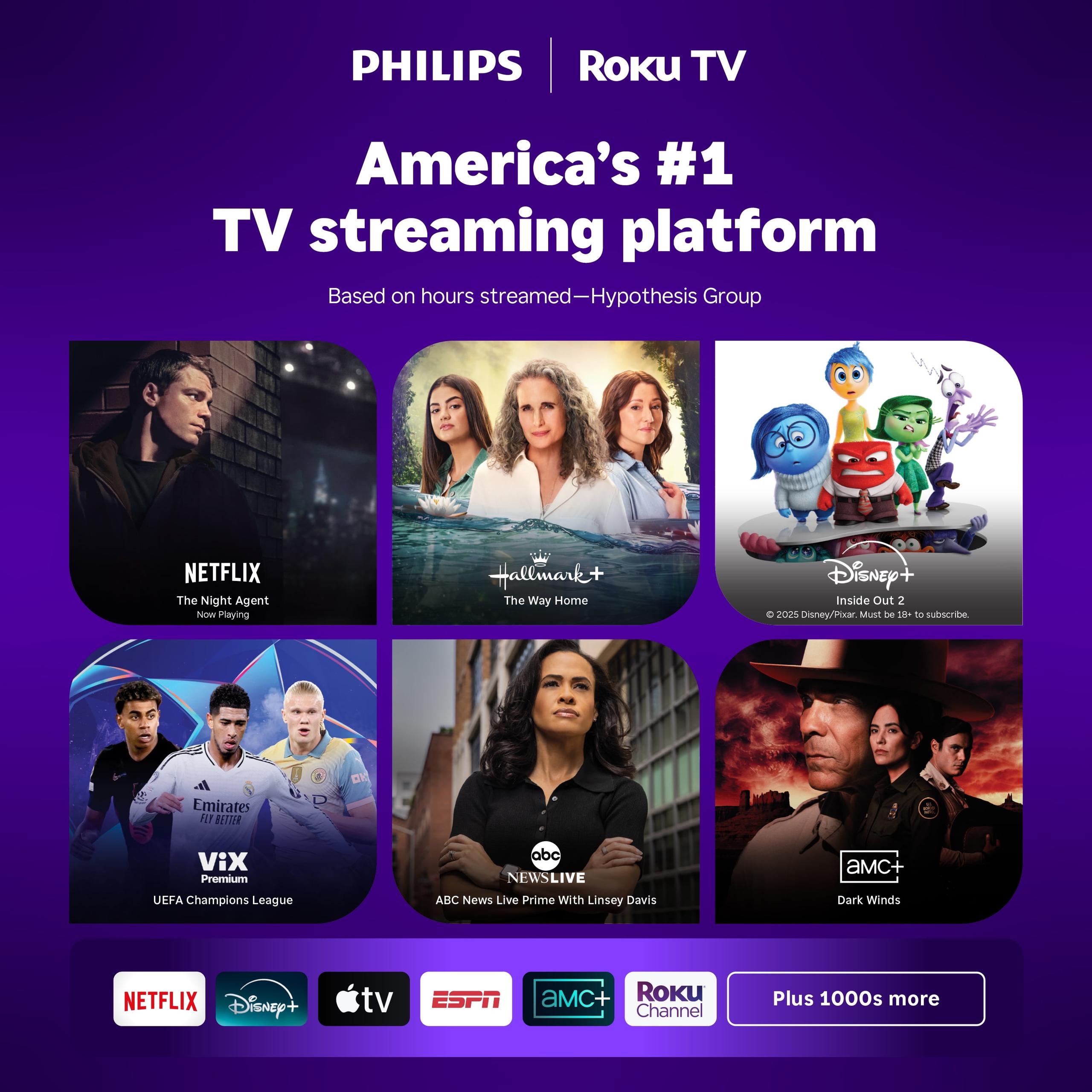
The smart TV platform affects your daily experience more than you might expect. The Philips OLED TV runs Roku TV, which has earned a reputation for simplicity and comprehensive app support. Roku's interface is fast, intuitive, and includes virtually every streaming service you might want. The platform receives regular updates and maintains compatibility with new services as they launch.
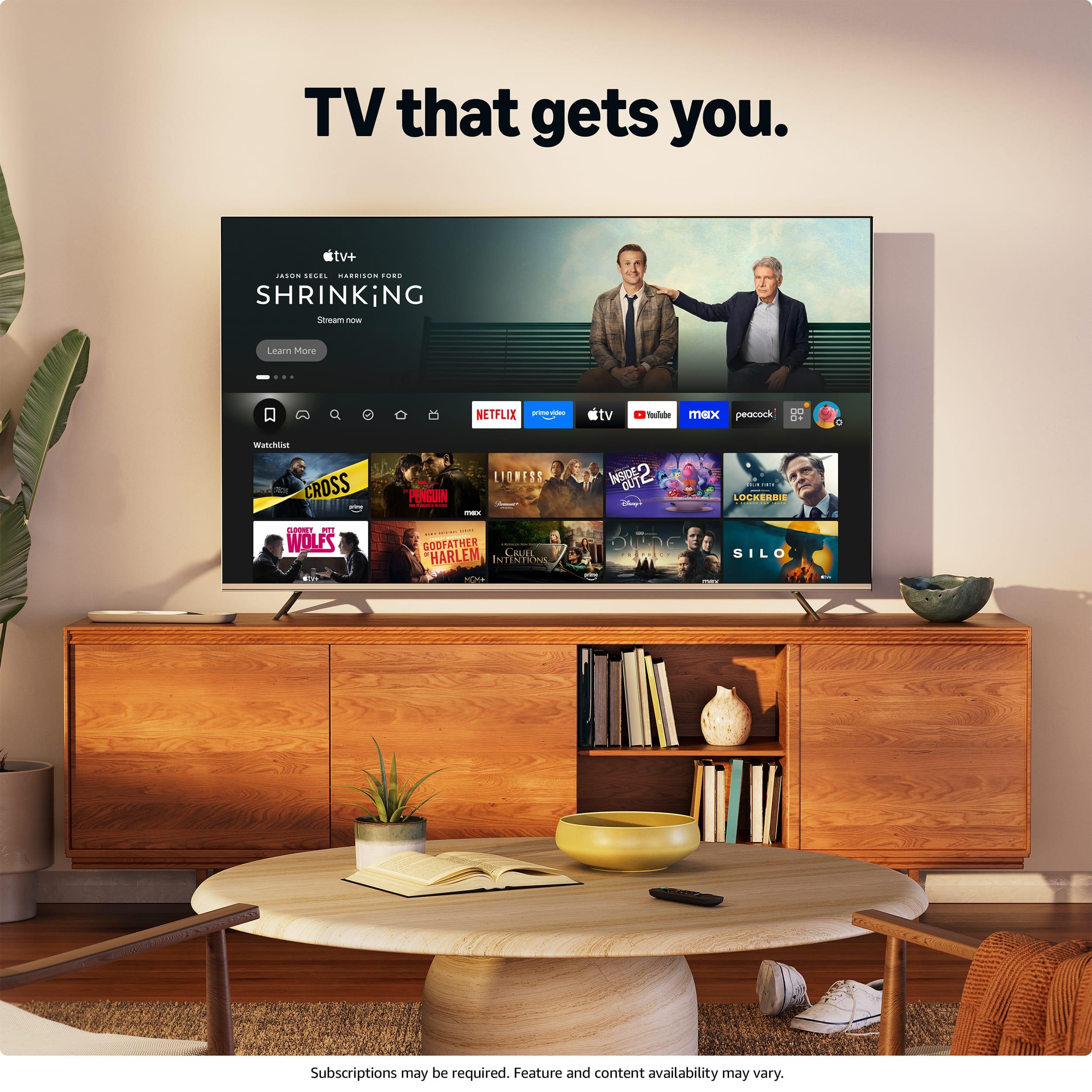
The Hisense QLED model uses Amazon's Fire TV platform, which integrates deeply with Amazon's ecosystem. If you're already invested in Amazon Prime Video, Alexa smart home devices, or Amazon Music, Fire TV provides seamless integration. The interface prominently features Amazon content, which can be either helpful or annoying depending on your preferences.
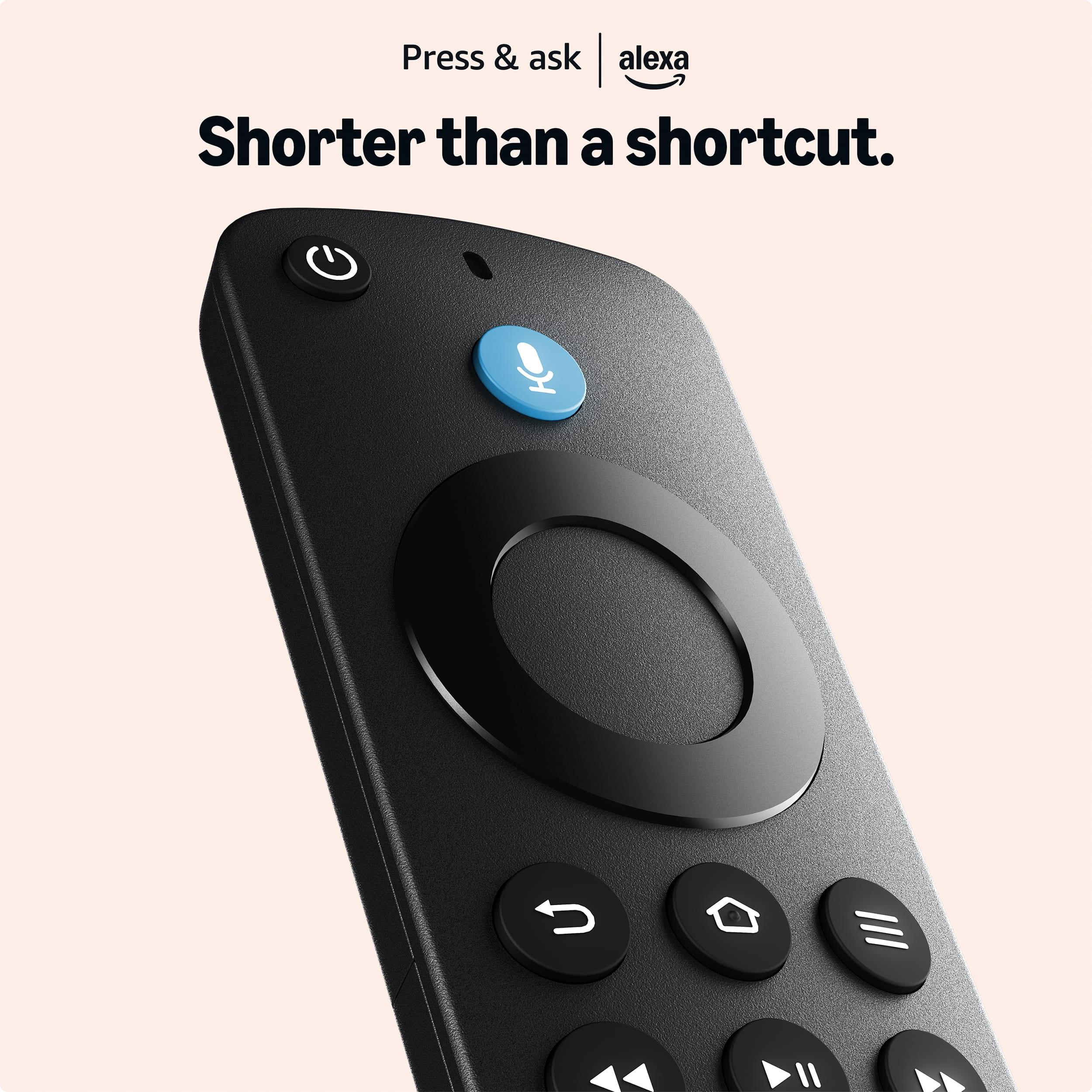
Both platforms support voice control, but they work differently. Roku TV on the Philips model includes a Bluetooth voice remote that works well for search and basic commands. Fire TV on the Hisense model leverages Alexa for more comprehensive smart home control and natural language processing.
Neither platform is objectively better—your choice should depend on your existing ecosystem and interface preferences.
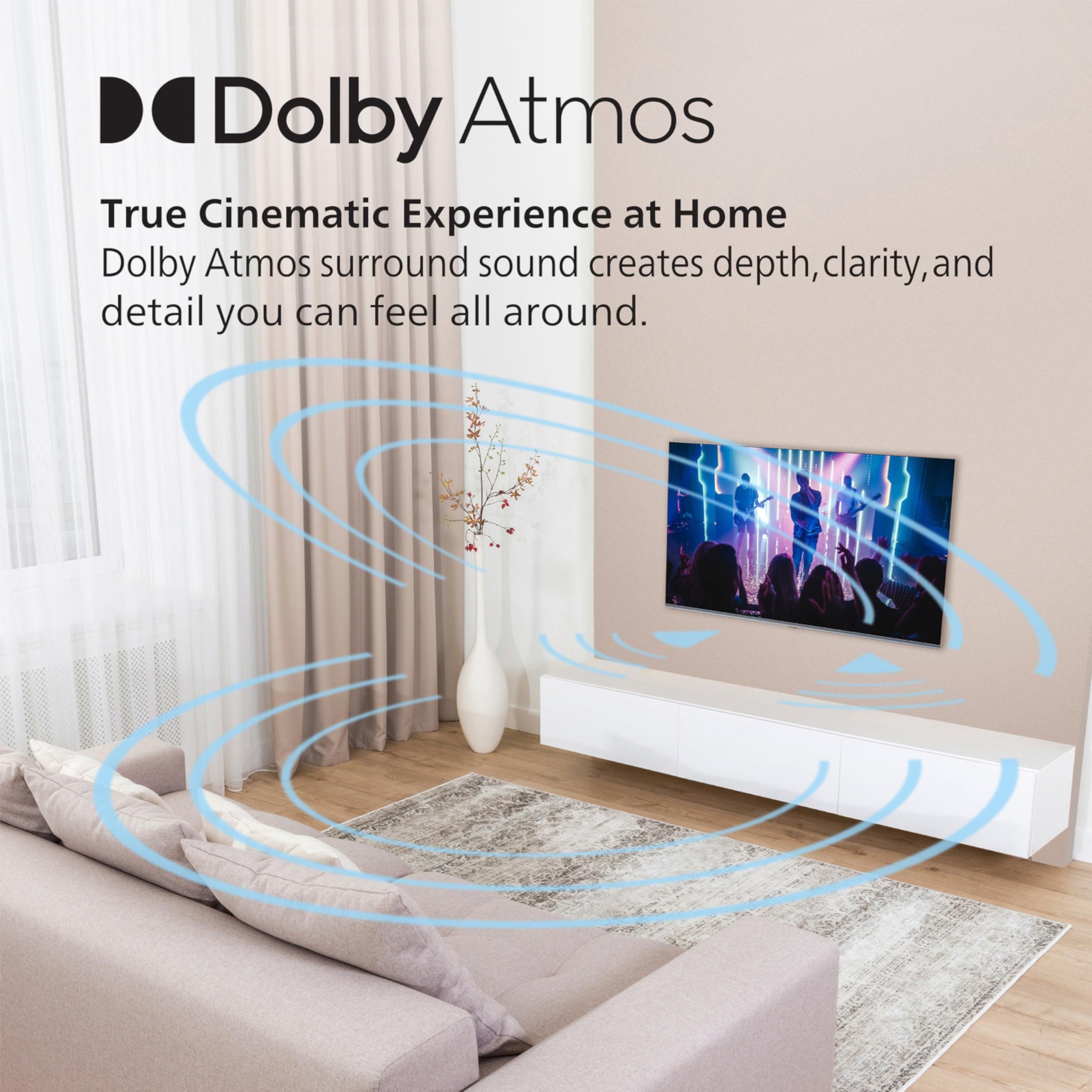
TV audio has improved significantly in recent years, but there are still meaningful differences between these models. The Philips OLED TV includes a Dolby 2.1 speaker system with dedicated left, right, and subwoofer drivers. This configuration provides clear dialogue and reasonable bass response for most content.
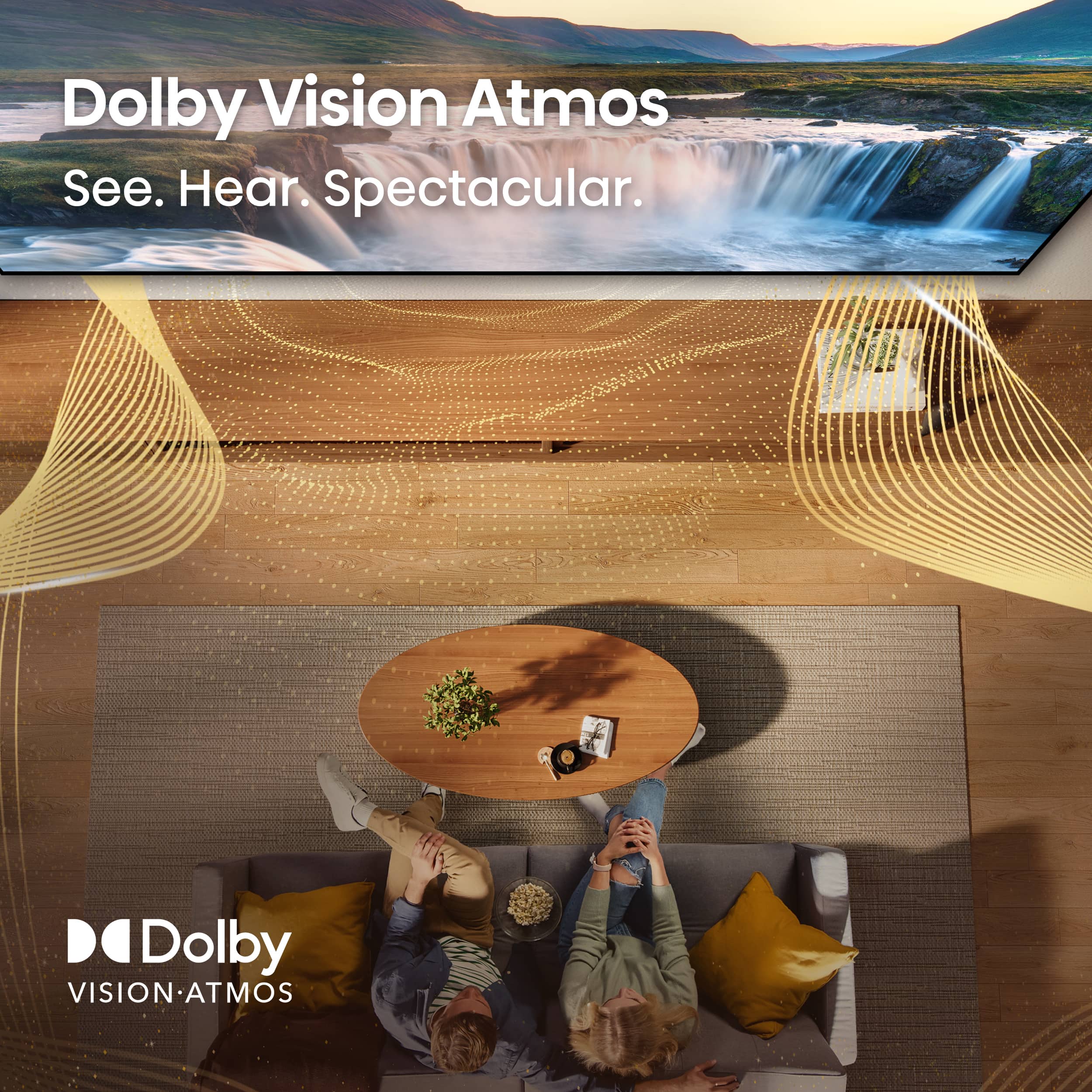
The Hisense QLED model supports Dolby Atmos, which creates three-dimensional sound by bouncing audio off your ceiling and walls. While the TV's built-in speakers can't fully replicate a dedicated Dolby Atmos system, the processing can create a more immersive audio experience than traditional stereo or even basic surround sound.
For most users, both TVs will benefit from a dedicated sound system—whether that's a soundbar, surround sound setup, or even high-quality headphones. TV speakers, regardless of the technology behind them, are constrained by physics and the thin profile of modern displays.
At the time of writing, these TVs represent dramatically different value propositions. The Philips OLED model commands a premium price that's roughly three times higher than the Hisense QLED model. This price difference reflects the fundamental cost difference between OLED and LED display manufacturing.
The Hisense model delivers exceptional value for budget-conscious buyers who want a large 4K display with modern smart TV features. You get quantum dot color enhancement, Dolby Atmos audio, and a 65-inch screen at a price point that was unimaginable just a few years ago.
The Philips OLED TV justifies its premium pricing through superior display technology, gaming performance, and overall picture quality. For buyers who prioritize the best possible picture quality and have the budget to match, the price premium delivers meaningful performance benefits.
The value calculation depends entirely on your priorities and budget. If you're upgrading from an older TV and want the biggest screen possible for the least money, the Hisense model is compelling. If you're building a dedicated home theater or want the best gaming performance, the Philips OLED provides value through superior technology.
For dedicated home theater setups, the Philips OLED TV is the superior choice, and it's not particularly close. The combination of perfect blacks, accurate colors, and wide viewing angles creates a cinematic experience that's difficult to achieve with LED backlit displays.
The OLED's ability to display true blacks means that letterboxed content (movies with black bars) truly disappears into the darkness, creating the immersive experience that film enthusiasts crave. The excellent color accuracy means movies appear as directors intended, without the artificial saturation that can make LED TVs look impressive in showrooms but fatiguing during long viewing sessions.
The Hisense QLED model can work in home theater settings, especially if your room has some ambient light, but it can't match the OLED's contrast performance for pure cinematic viewing.
However, if your "home theater" is actually a bright family room where you watch during the day, the Hisense model's superior brightness might actually provide a better viewing experience despite its technical limitations.
The Hisense QLED model represents the 2025 generation of the QD6 series, incorporating improvements in processing and color accuracy over previous generations. QLED technology continues to evolve, with manufacturers adding local dimming zones and increasing peak brightness capabilities in higher-end models.
OLED technology, exemplified by the Philips model, has matured significantly since its consumer introduction. Modern OLED panels are brighter and more durable than early generations, though they still face limitations in peak brightness compared to the best LED alternatives.
Looking forward, both technologies continue to improve. QLED displays are adding more local dimming zones and achieving higher brightness levels, while OLED manufacturers are working on brightness improvements and new panel compositions that promise better durability.
Choose the Philips 65OLED974/F7 if you prioritize picture quality above all else. This TV excels in dark room viewing, delivers exceptional gaming performance, and provides the most cinematic experience available. It's ideal for serious movie watchers, competitive gamers, and anyone building a dedicated home theater setup. The premium price is justified by fundamentally superior display technology.
Choose the Hisense 65QD6QF if value and bright room performance are your priorities. This TV provides impressive picture quality for the price, works well in bright environments, and includes modern smart TV features at a budget-friendly price point. It's perfect for families who want a large 4K display without breaking the bank, casual viewers who watch during the day, and anyone who values Dolby Atmos audio processing.
The decision ultimately comes down to your viewing environment, budget constraints, and performance priorities. Both TVs succeed in their intended markets, but they serve fundamentally different needs. The Philips OLED represents the pinnacle of current display technology for those willing to pay for perfection, while the Hisense QLED demonstrates how far budget TVs have come in delivering impressive performance at accessible prices.
Your room lighting conditions might be the deciding factor. If you primarily watch in dark or dimly lit environments, OLED's perfect blacks will transform your viewing experience. If your TV sits in a bright room with lots of windows, QLED's superior brightness becomes more valuable than perfect black levels you'll rarely see.
| Philips 65OLED974/F7 | Hisense 65QD6QF |
|---|---|
| Display Technology - The fundamental difference affecting all picture quality aspects | |
| OLED with self-emitting pixels for perfect blacks | Hi-QLED with quantum dots and LED backlight |
| Peak Brightness - Critical for HDR impact and bright room viewing | |
| ~120 cd/m² (limited HDR impact, best in dark rooms) | ~385 cd/m² (better HDR highlights, handles bright rooms) |
| Black Levels - Determines contrast and dark scene detail | |
| Perfect blacks with infinite contrast ratio | Good contrast but no local dimming causes black washout |
| Refresh Rate - Important for gaming and smooth motion | |
| 120Hz native panel (true high refresh rate) | 60Hz native with Motion Rate 120 interpolation |
| Response Time - Critical for gaming and fast motion clarity | |
| <0.1ms (virtually eliminates motion blur) | Slower response causes noticeable blur trails |
| Color Gamut - Affects color richness and accuracy | |
| 98.5% DCI-P3 (cinema-accurate colors) | 90% DCI-P3 with quantum dot enhancement |
| Gaming Features - Next-gen console compatibility | |
| HDMI 2.1, AMD FreeSync Premium, 4K@120Hz | HDMI 2.0 only, VRR, ALLM, limited to 4K@60Hz |
| Smart TV Platform - Daily user experience and app ecosystem | |
| Roku TV (simple interface, wide app support) | Fire TV (Alexa integration, Amazon ecosystem) |
| Audio Technology - Built-in sound quality | |
| Dolby 2.1 speaker system with subwoofer | Dolby Atmos spatial audio processing |
| Viewing Angles - Important for off-center seating | |
| 176° horizontal and vertical (excellent for groups) | Narrow viewing angle from VA panel |
| Best Use Case - Where each TV excels | |
| Dark room home theater, competitive gaming | Bright room viewing, budget-conscious buyers |
| Price Category - Value positioning at time of writing | |
| Premium OLED pricing (3-4x more expensive) | Budget-friendly QLED (exceptional value) |
The Philips 65OLED974/F7 delivers superior picture quality for movies due to its OLED technology. It produces perfect blacks and infinite contrast, creating a cinematic experience that's especially noticeable in dark scenes. The Hisense 65QD6QF offers good picture quality with vibrant colors from quantum dot technology, but can't match OLED's contrast performance for movie watching.
OLED technology in the Philips 65OLED974/F7 uses self-emitting pixels that can turn completely off for perfect blacks. QLED technology in the Hisense 65QD6QF uses quantum dots with LED backlighting for enhanced colors and potentially higher brightness. OLED excels in contrast and dark room viewing, while QLED typically offers better brightness for bright rooms.
The Philips 65OLED974/F7 is significantly better for gaming with its 120Hz native panel, <0.1ms response time, and HDMI 2.1 support for 4K@120Hz gaming. The Hisense 65QD6QF offers basic gaming features like VRR and ALLM but is limited to 60Hz and 4K@60Hz, making it suitable for casual gaming but not optimal for next-gen consoles.
The Hisense 65QD6QF performs better in bright rooms due to its higher peak brightness that can overcome glare and maintain visibility. The Philips 65OLED974/F7 has limited brightness and is best suited for dimly lit or dark viewing environments where its perfect blacks can be fully appreciated.
The Philips 65OLED974/F7 runs Roku TV, known for its simple interface and comprehensive app support. The Hisense 65QD6QF uses Fire TV with deep Amazon ecosystem integration and Alexa voice control. Both platforms offer extensive streaming app support, but Fire TV emphasizes Amazon content while Roku maintains platform neutrality.
The Hisense 65QD6QF offers exceptional value with quantum dot technology, 4K resolution, and smart features at a budget-friendly price. The Philips 65OLED974/F7 costs significantly more but justifies the premium with superior OLED technology, gaming performance, and picture quality. Value depends on whether you prioritize cutting-edge performance or maximum screen size for your budget.
The Hisense 65QD6QF features Dolby Atmos processing for spatial audio effects, while the Philips 65OLED974/F7 includes a Dolby 2.1 speaker system with a dedicated subwoofer. Both TVs benefit from external sound systems for the best audio experience, but the Dolby Atmos processing gives the Hisense model an advantage for immersive audio without additional equipment.
The Philips 65OLED974/F7 is superior for dedicated home theater setups due to its perfect blacks, accurate colors, and excellent dark room performance. The OLED technology creates a truly cinematic experience with infinite contrast that makes the Hisense 65QD6QF appear washed out in comparison during dark room viewing.
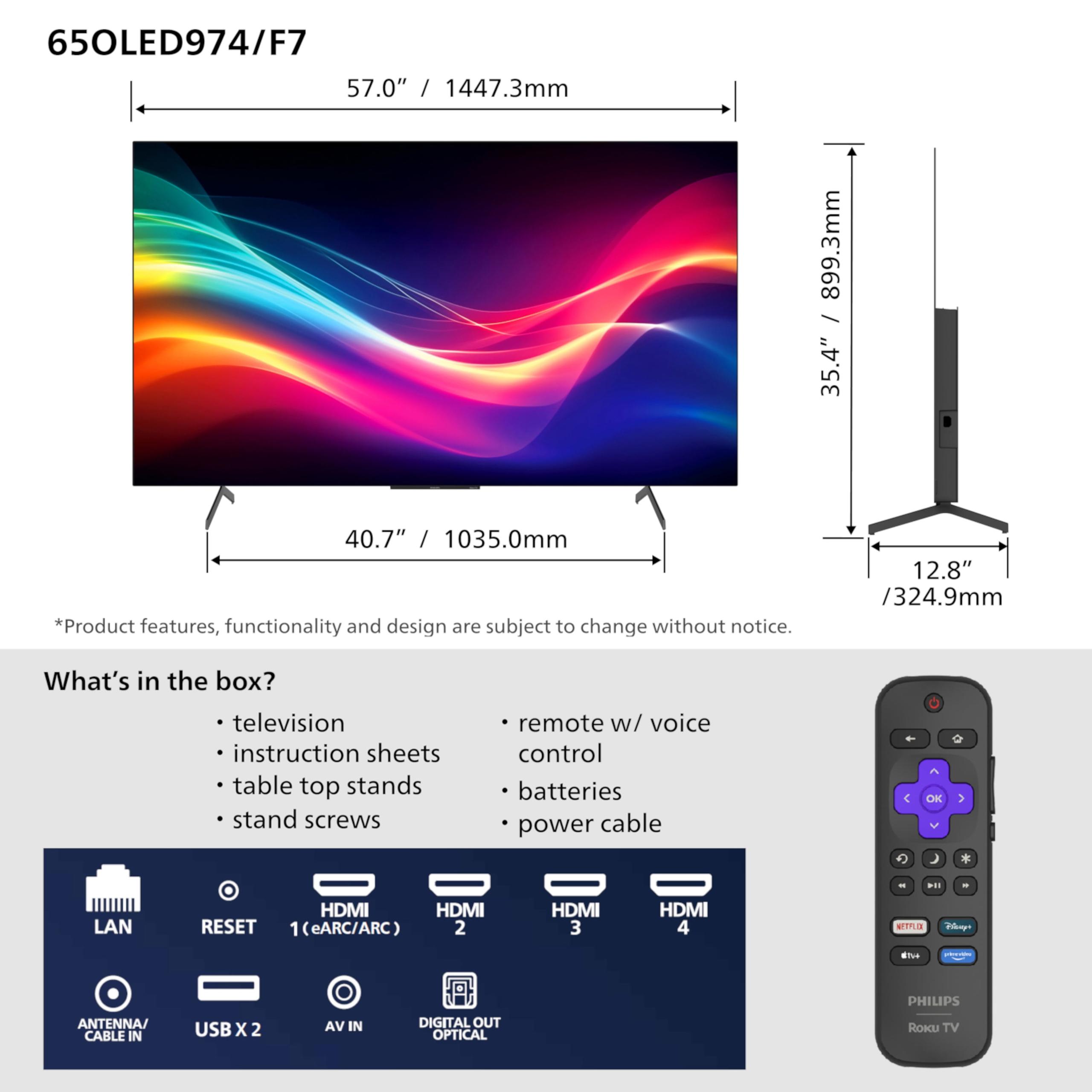
The Philips 65OLED974/F7 provides 4 HDMI ports with HDMI 2.1 support on two ports, plus Wi-Fi, Ethernet, and USB connections. The Hisense 65QD6QF offers 4 HDMI 2.0 ports, Wi-Fi 5, and standard connectivity options. The Philips model has an advantage with HDMI 2.1 for future-proofing and high-bandwidth gaming.
The Philips 65OLED974/F7 offers excellent viewing angles of 176° both horizontally and vertically, maintaining color and contrast from side positions. The Hisense 65QD6QF uses a VA panel with narrower viewing angles, which can affect picture quality when viewed from the sides, making it less ideal for wide seating arrangements.
HDR performance depends on your viewing environment. The Hisense 65QD6QF has higher peak brightness for more impactful HDR highlights in bright rooms. The Philips 65OLED974/F7 excels at HDR contrast with perfect blacks but has limited peak brightness. For dark room HDR viewing, the Philips model delivers superior contrast, while the Hisense model handles bright HDR scenes better.
Choose the Philips 65OLED974/F7 if you prioritize picture quality, have a dedicated dark viewing space, are a serious gamer, or want the best home theater experience regardless of cost. Choose the Hisense 65QD6QF if you're budget-conscious, primarily watch in bright rooms, want a large 4K display with modern features, or prefer the Amazon ecosystem with the Fire TV platform.
We've done our best to create useful and informative comparisons to help you decide what product to buy. Our research uses advanced automated methods to create this comparison and perfection is not possible - please contact us for corrections or questions. These are the sites we've researched in the creation of this article: rtings.com - versus.com - versus.com - rtings.com - samsclub.com - versus.com - youtube.com - usa.philips.com - bestbuy.com - usa.philips.com - consumerreports.org - usa.philips.com - documents.philips.com - tvoutlet.ca - displayspecifications.com - business.walmart.com - displayspecifications.com - ecoustics.com - walmart.com - pcvarge.com - bestbuy.com - rtings.com - youtube.com - rtings.com - youtube.com - consumerreports.org - leaseville.com - hisense-usa.com - device.report - hisense-usa.com - youtube.com - flatpanelshd.com - displayspecifications.com - retailspecs.com

Privacy Policy
Terms and Conditions - Affiliate Policy
Home Security
© Copyright 2008-2026.
11816 Inwood Rd #1211, Dallas, TX 75244