

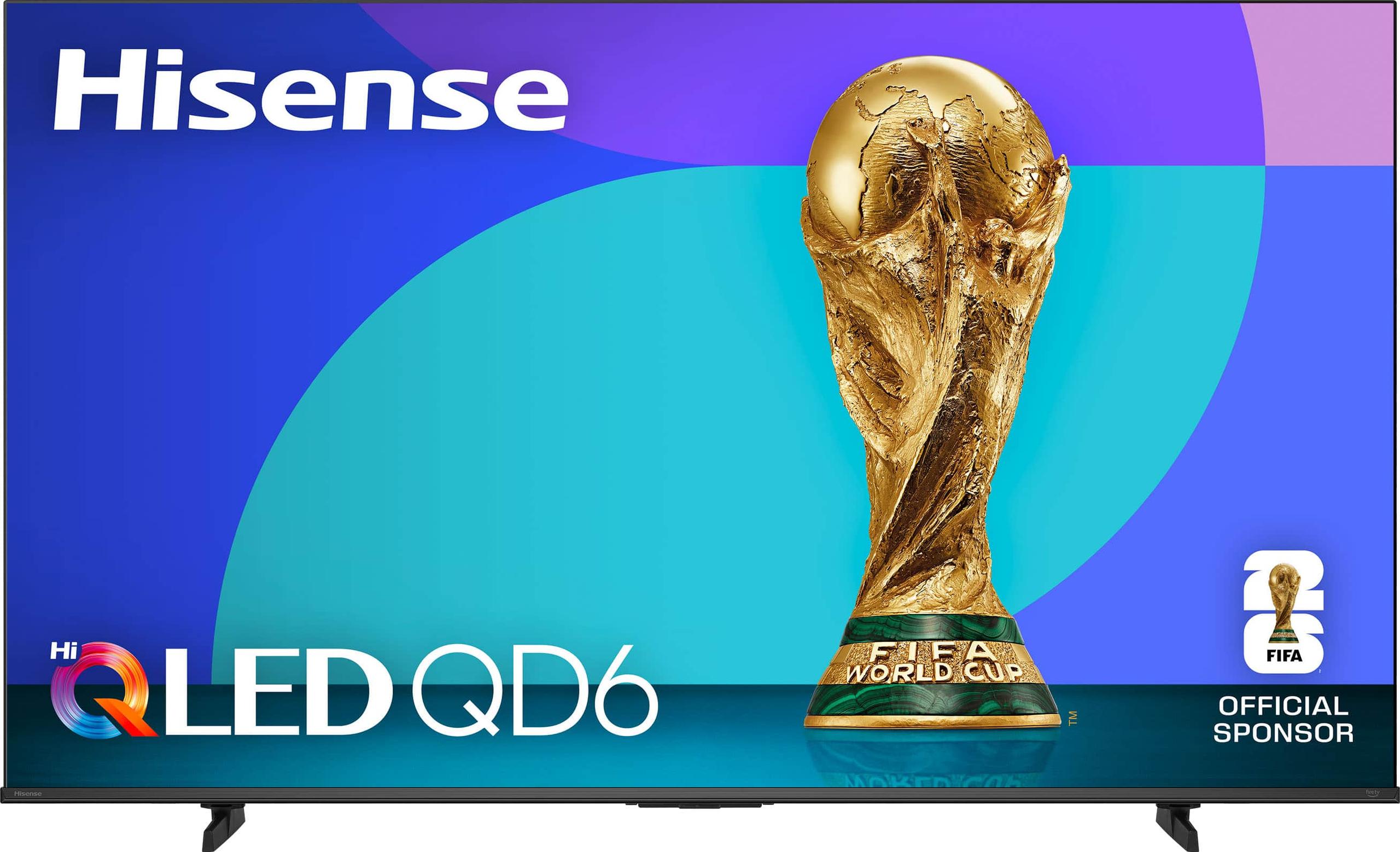
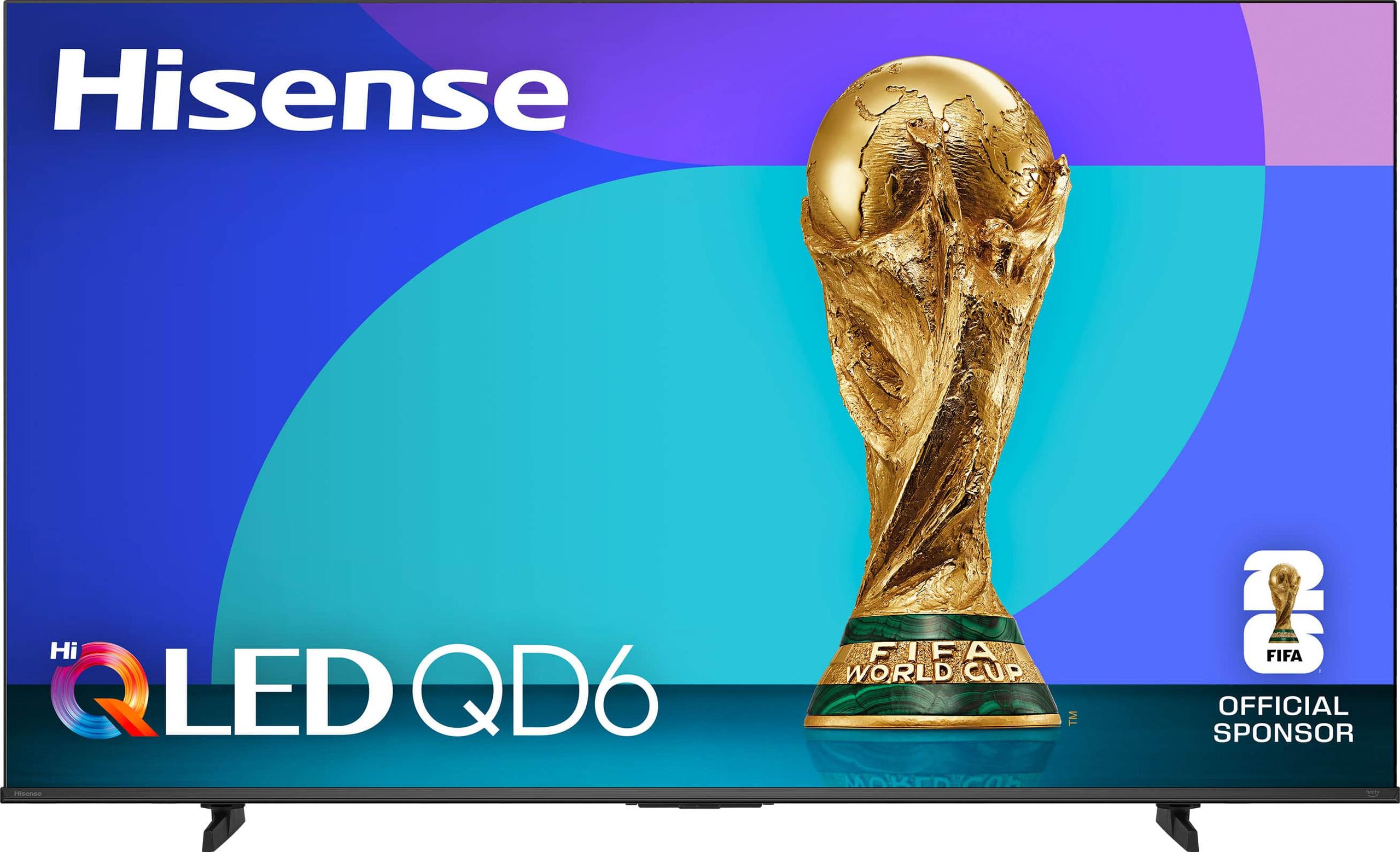



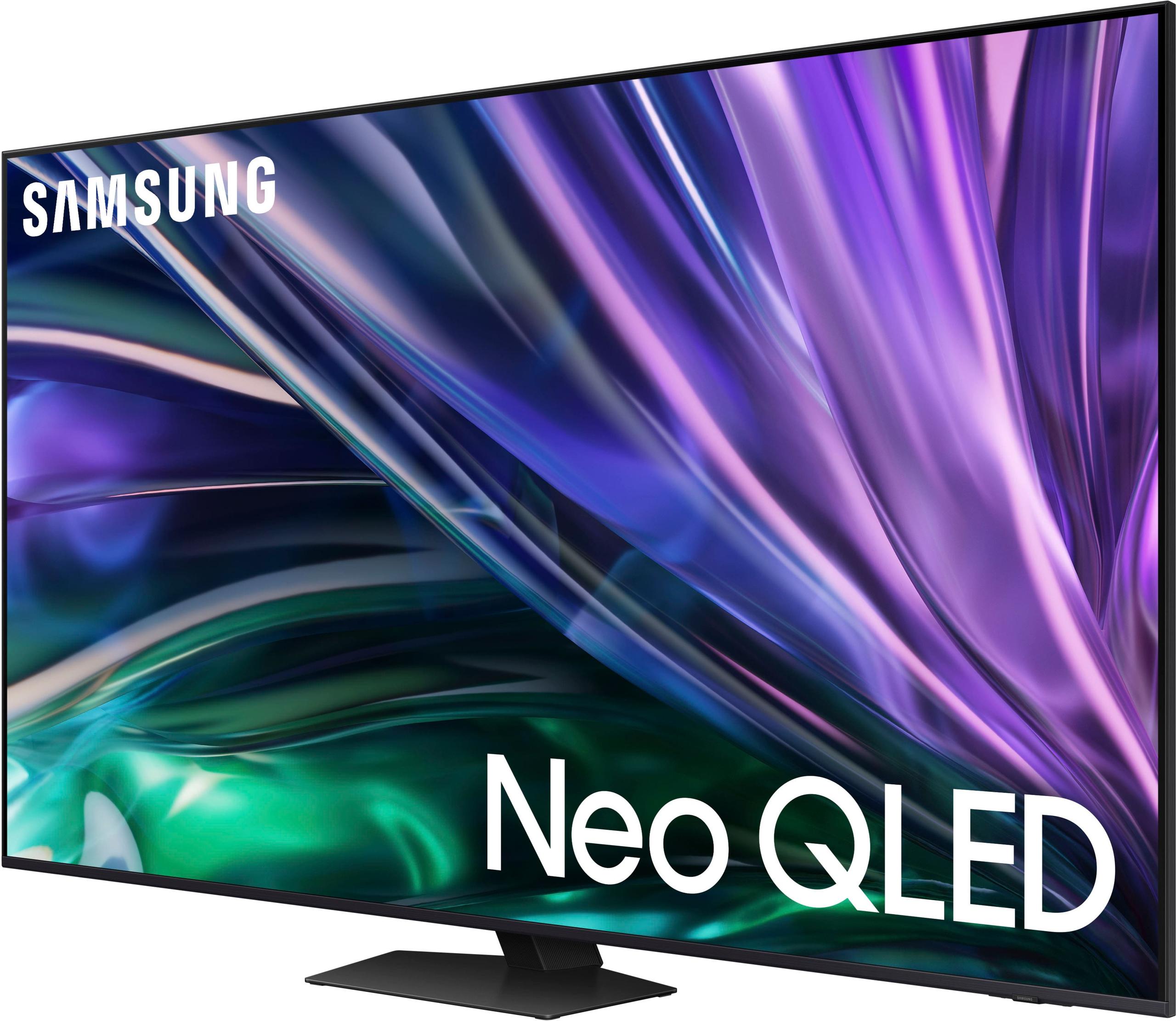
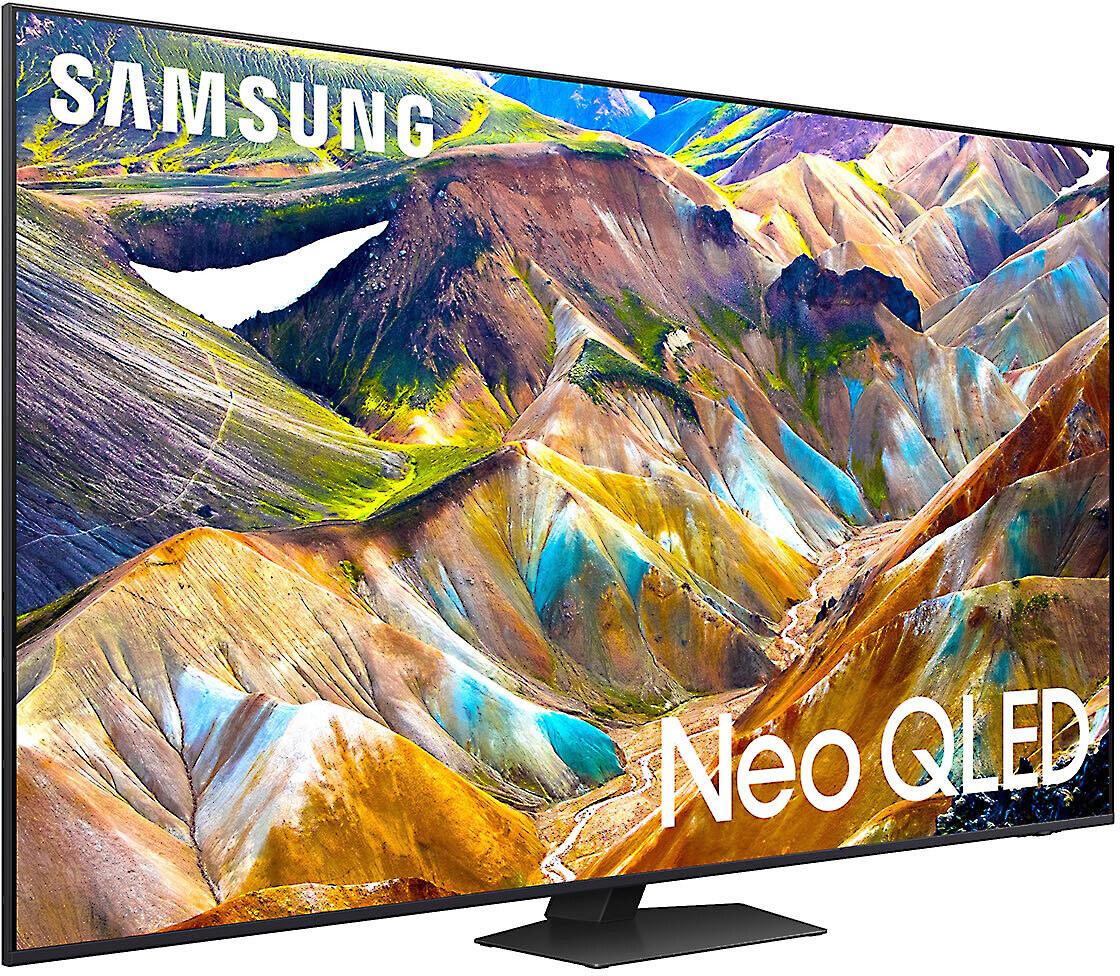
Shopping for a new 65-inch TV can feel overwhelming, especially when you're comparing vastly different technologies and price points. Today we're breaking down two popular options from 2024-2025 that represent completely different approaches to delivering your entertainment: the budget-friendly Hisense 65" QD6 Series Hi-QLED Fire TV and the premium Samsung 65" OLED S90D.
These TVs couldn't be more different in their core technology, yet they're both compelling choices depending on your needs, room setup, and budget. Let's dive deep into what makes each one tick and help you figure out which belongs in your living room.
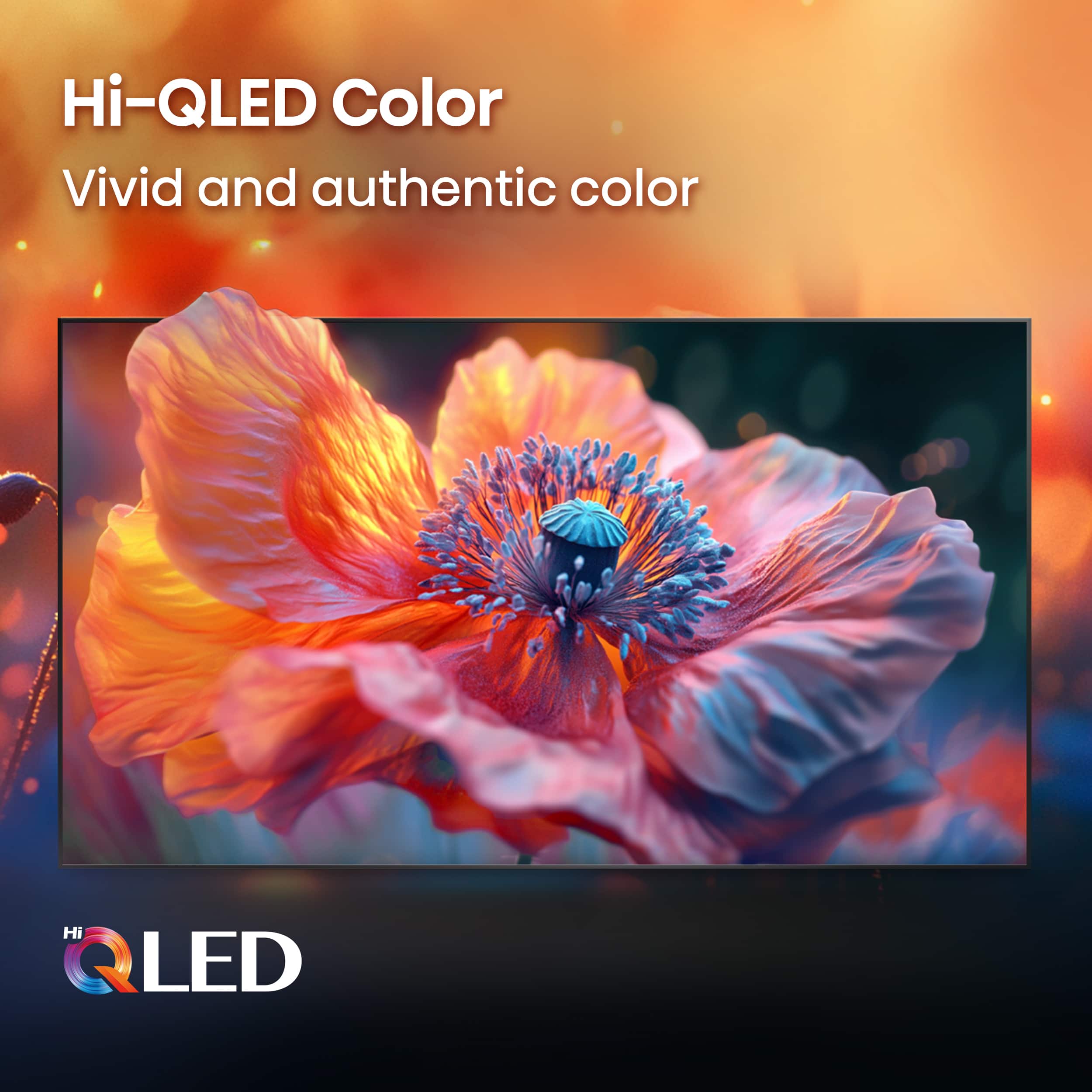
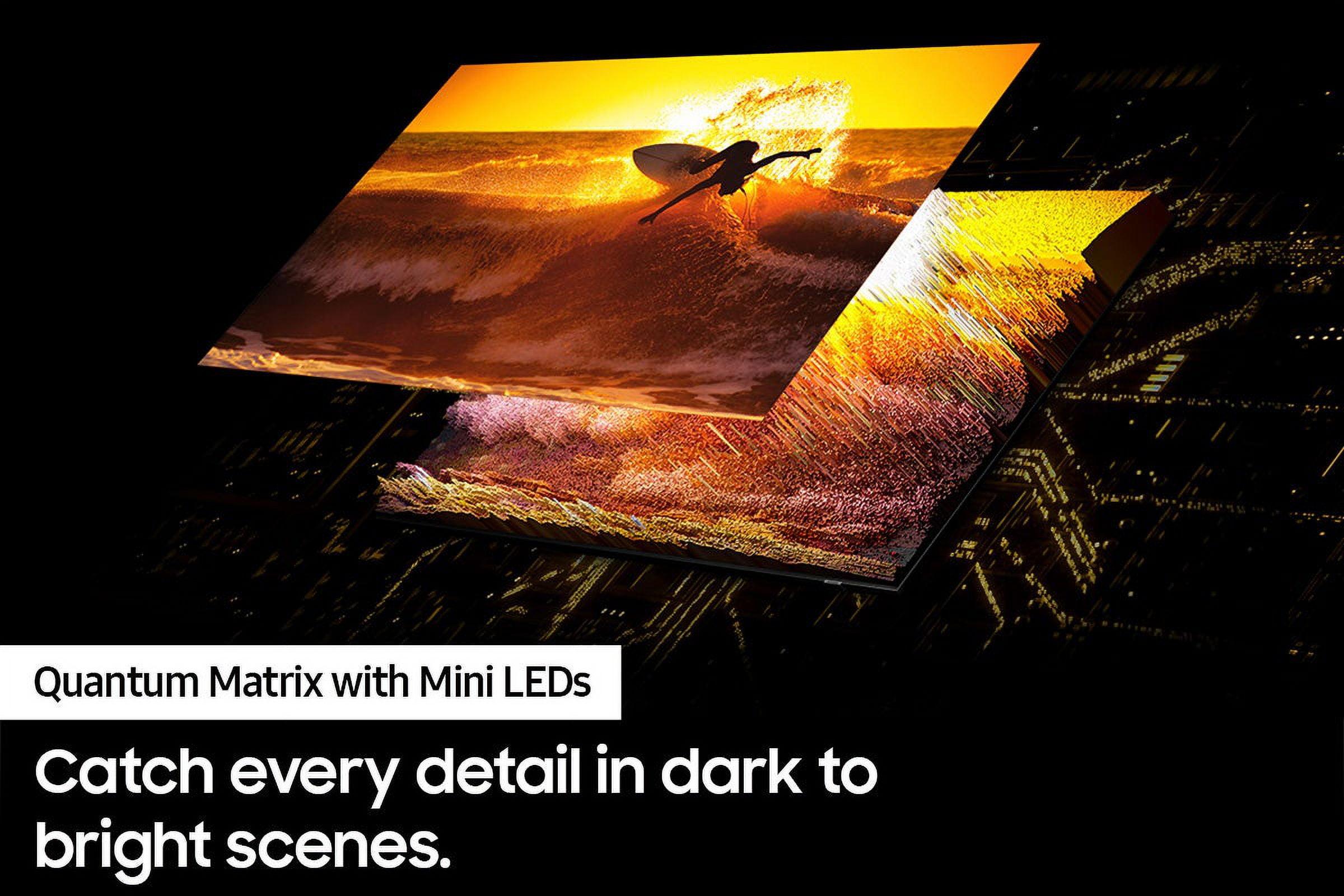
Before we get into the specifics, it's crucial to understand the fundamental difference between these two display technologies. The Hisense QD6 uses what's called Hi-QLED technology, which is essentially an enhanced LED-LCD panel with quantum dots. Think of it as a traditional LED TV with a special layer that produces more vibrant colors - the quantum dots act like tiny color filters that make reds redder and blues bluer.
The Samsung S90D, on the other hand, uses OLED technology. OLED stands for Organic Light-Emitting Diode, and here's why it's revolutionary: each pixel produces its own light. When you want black, the pixel simply turns off completely. This creates what we call "infinite contrast" - the difference between the brightest white and the darkest black is essentially unlimited.
This core technology difference ripples through every aspect of performance, from how they handle dark movie scenes to their price tags. At the time of writing, you can expect to pay roughly three times more for the Samsung OLED compared to the Hisense QD6, but you're getting fundamentally different capabilities.
Picture quality is where these TVs diverge most dramatically. The Samsung S90D delivers what many consider reference-quality imaging thanks to its OLED panel's perfect black levels. When you're watching a space movie with stars against the void, those black areas are truly black - not the dark gray you get with most LED TVs. This creates an almost three-dimensional pop to the image that's immediately noticeable.
The S90D also excels in color accuracy, featuring Pantone validation - essentially a stamp of approval that colors are reproduced exactly as intended. Its color gamut coverage (the range of colors it can display) is wider than most competitors, meaning you see more subtle gradations in skin tones and natural scenes.
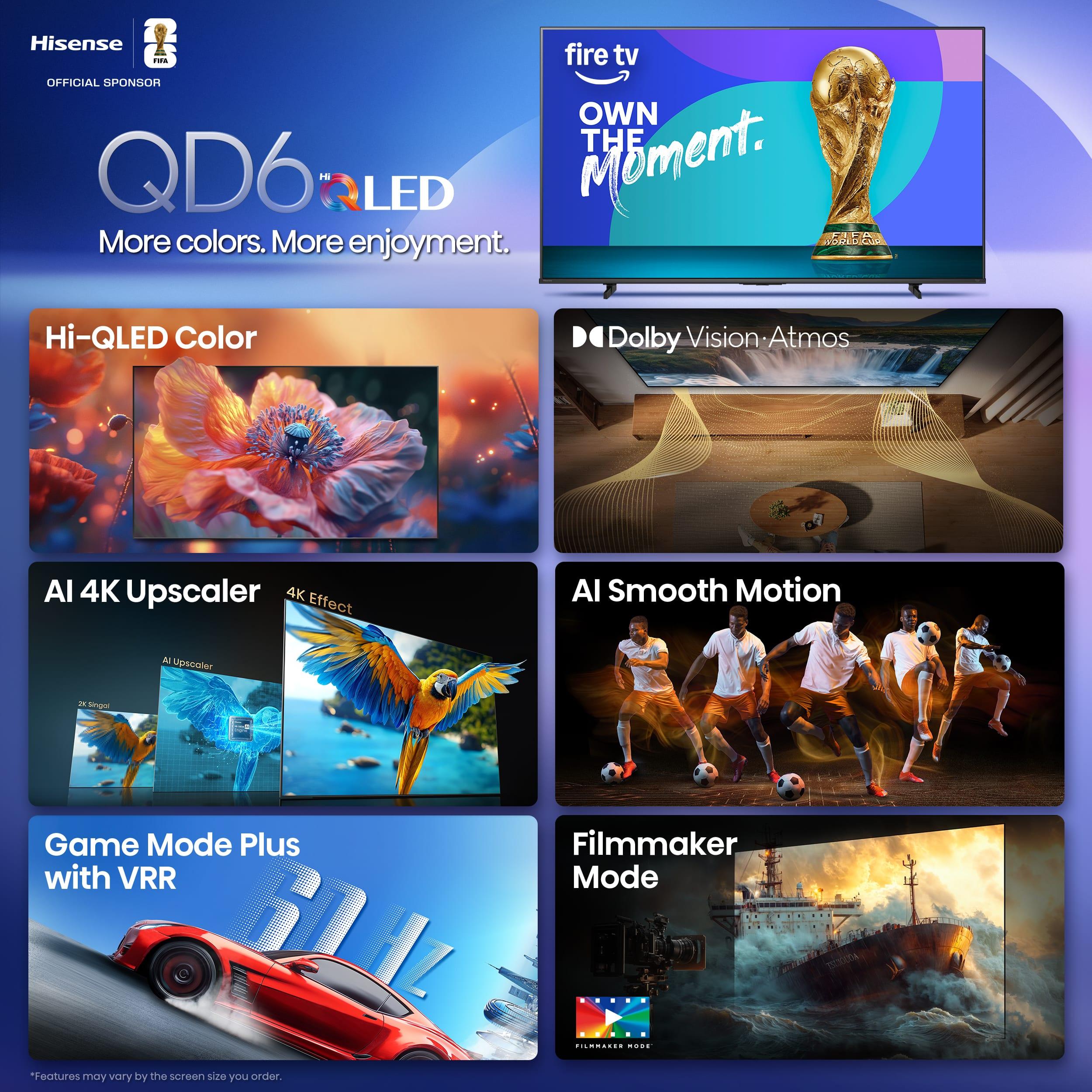
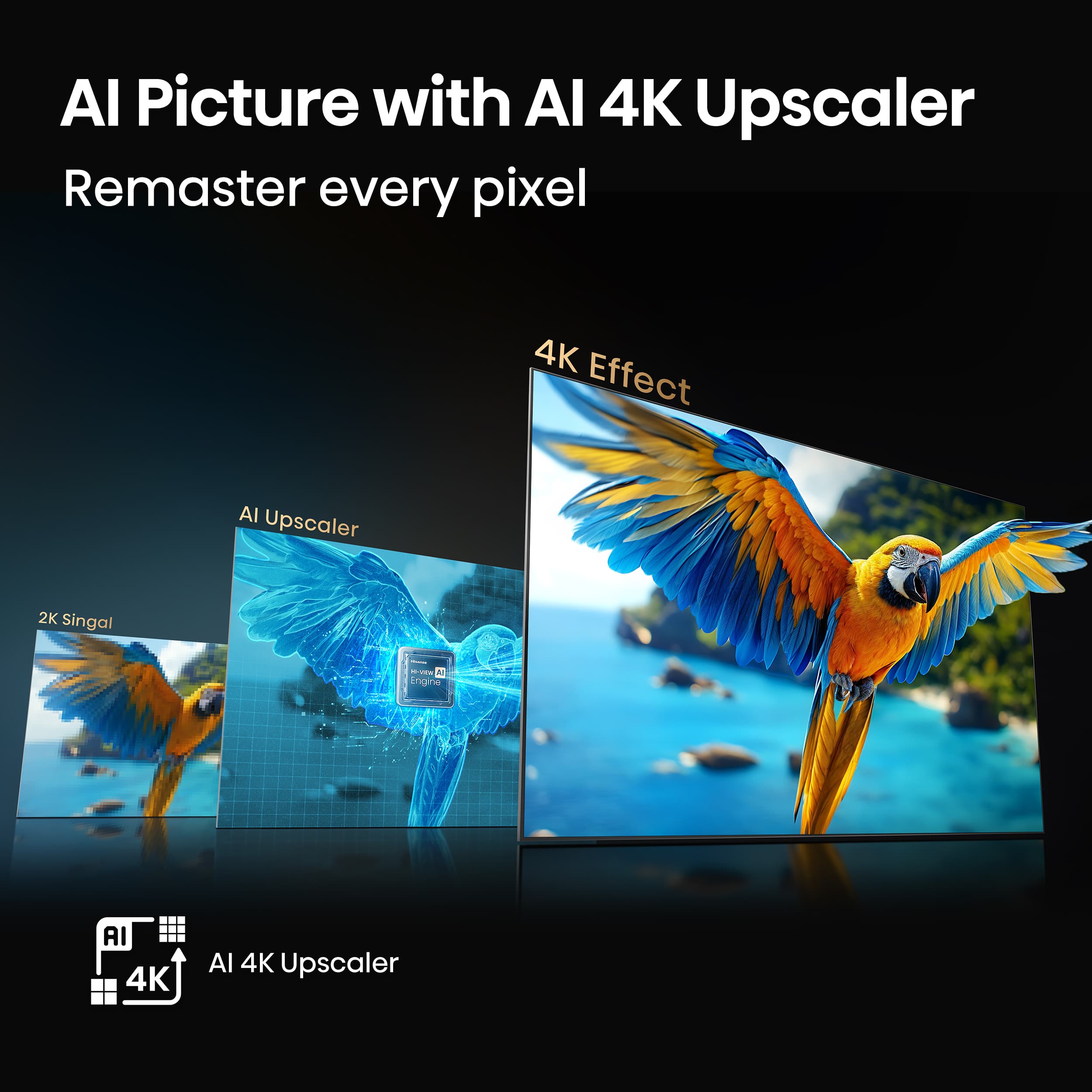
However, the Hisense QD6 shouldn't be dismissed entirely in the picture quality department. Its quantum dot enhancement delivers surprisingly vibrant colors for the price point, covering about 90% of the DCI-P3 color space. That's the professional standard used for HDR content, so you're getting legitimate wide color support. The AI 4K upscaler also does respectable work converting lower-resolution content to look sharp on the 4K screen.
Where the Hisense struggles is in contrast performance. Without local dimming (a technology that dims specific zones of the backlight), bright scenes tend to wash out the entire image. If you're watching a movie with a bright explosion, the whole screen gets brighter, making those deep blacks turn grayish. It's the classic LED TV limitation that OLED technology completely eliminates.
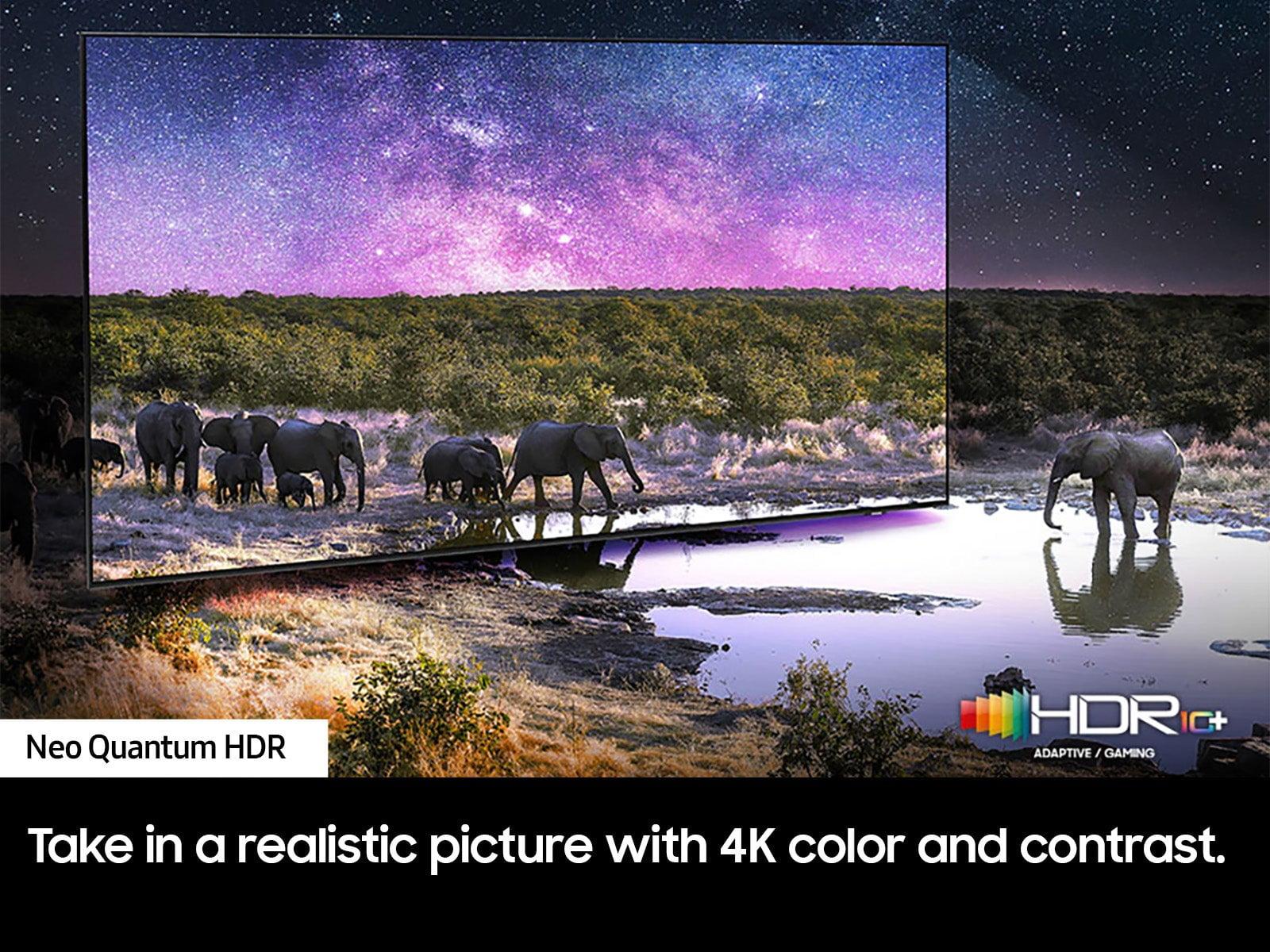
HDR, or High Dynamic Range, is one of the biggest improvements in TV technology over the past decade. It expands the range of brightness and color your TV can display, making highlights brighter and shadows deeper while showing more colors than standard content.
The Samsung S90D handles HDR content beautifully across all major formats - HDR10, HDR10+, and Dolby Vision. Its OLED HDR+ processing analyzes each scene and optimizes the brightness and contrast accordingly. More importantly, it can achieve the bright highlights that make HDR content pop while maintaining those perfect blacks. This creates the dramatic contrast that makes you feel like you're looking through a window rather than at a screen.
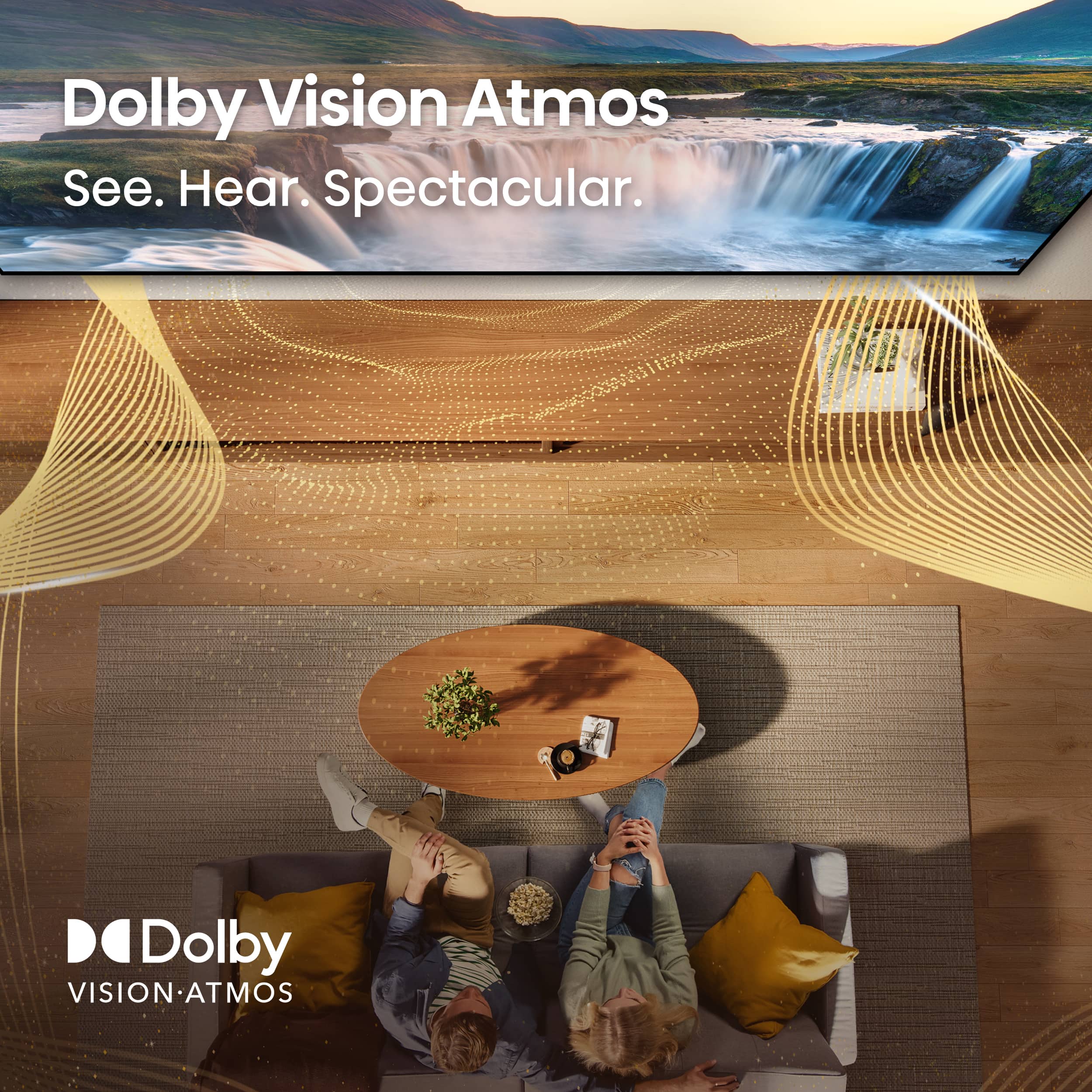
The Hisense QD6 supports the same HDR formats, including Dolby Vision, but its peak brightness of around 385 nits limits the impact. For reference, true HDR content benefits from at least 1,000 nits of peak brightness. This means HDR content will look better than standard content on the Hisense, but it won't deliver the full HDR experience you get with brighter displays.
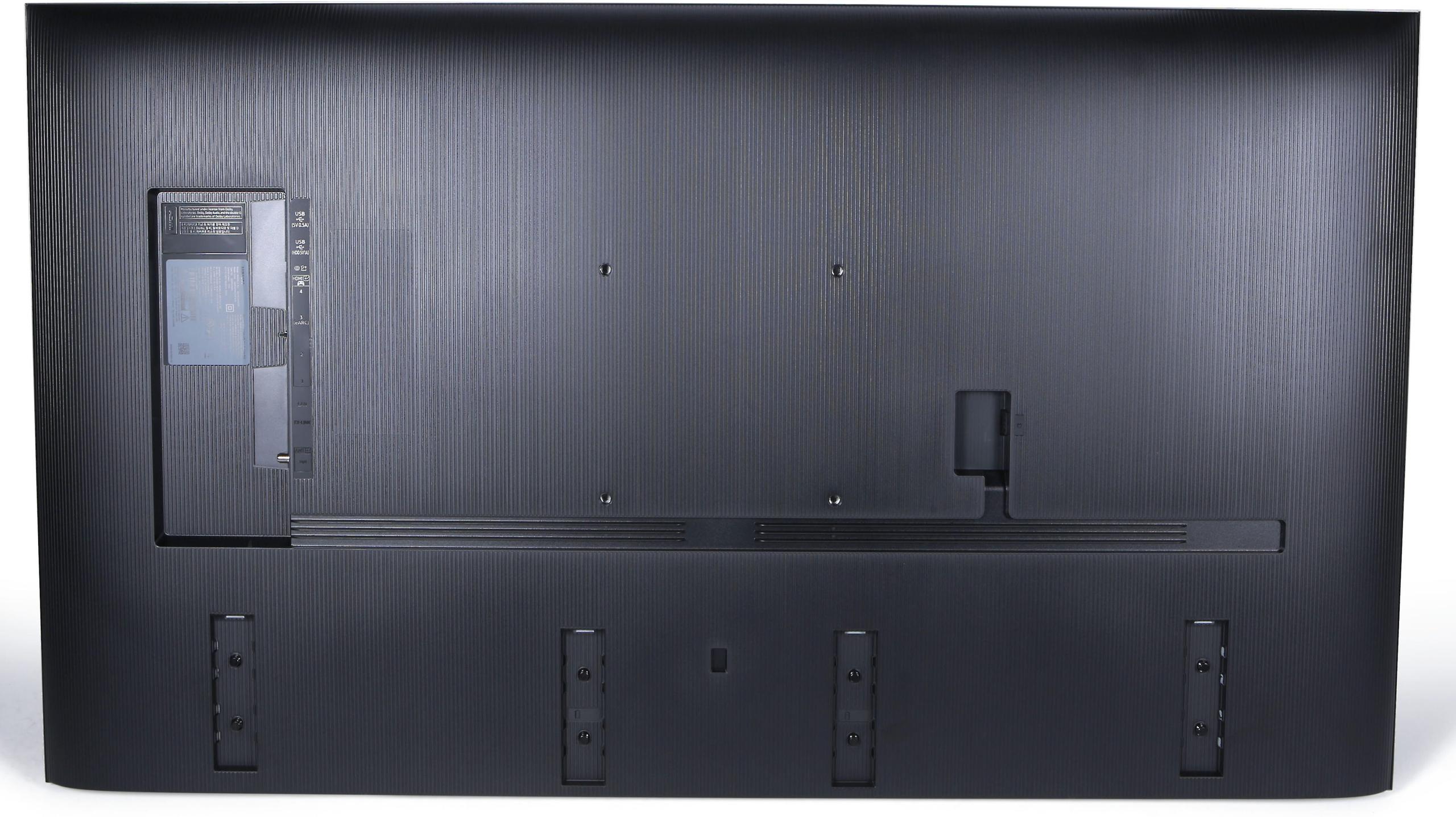
If gaming is important to you, these TVs represent completely different experiences. The Samsung S90D is a gaming powerhouse with four HDMI 2.1 ports capable of 4K at 144Hz. This means if you have a PlayStation 5, Xbox Series X, or a powerful gaming PC, you can take full advantage of high frame rate gaming with incredibly smooth motion.
The response time on the Samsung is nearly instantaneous - when you press a button, the action happens on screen without noticeable delay. Variable Refresh Rate (VRR) eliminates screen tearing (when the image appears split), and Auto Low Latency Mode (ALLM) automatically switches to game mode when it detects a gaming signal.
The Hisense QD6 offers basic gaming features but with significant limitations. It's stuck at 4K 60Hz due to its HDMI 2.0 ports, and while it supports VRR and ALLM, the 60Hz limitation means you can't take advantage of the 120fps modes available on modern consoles. The 10.2ms input lag is acceptable for casual gaming, but competitive gamers will notice the difference compared to the Samsung's nearly zero lag.
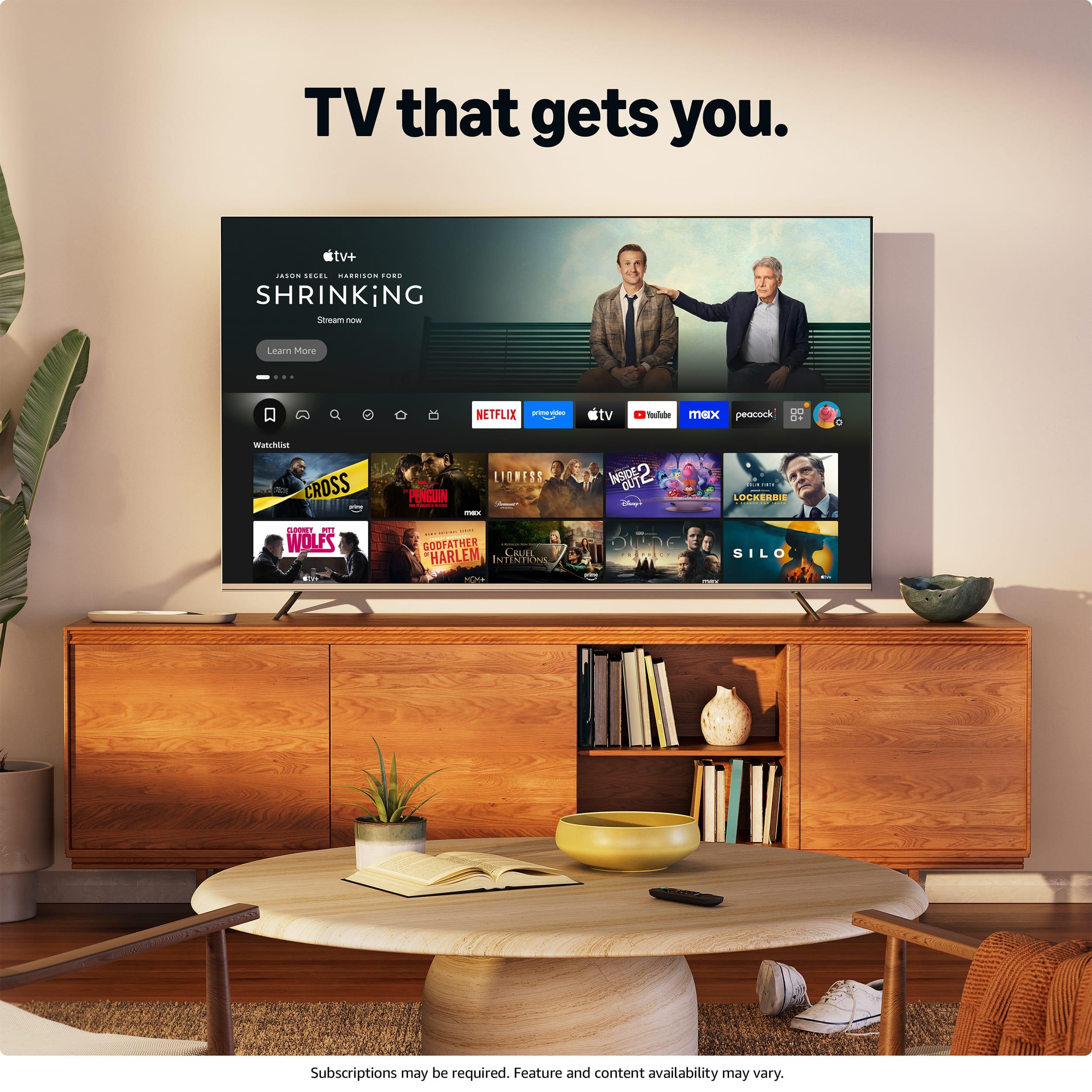
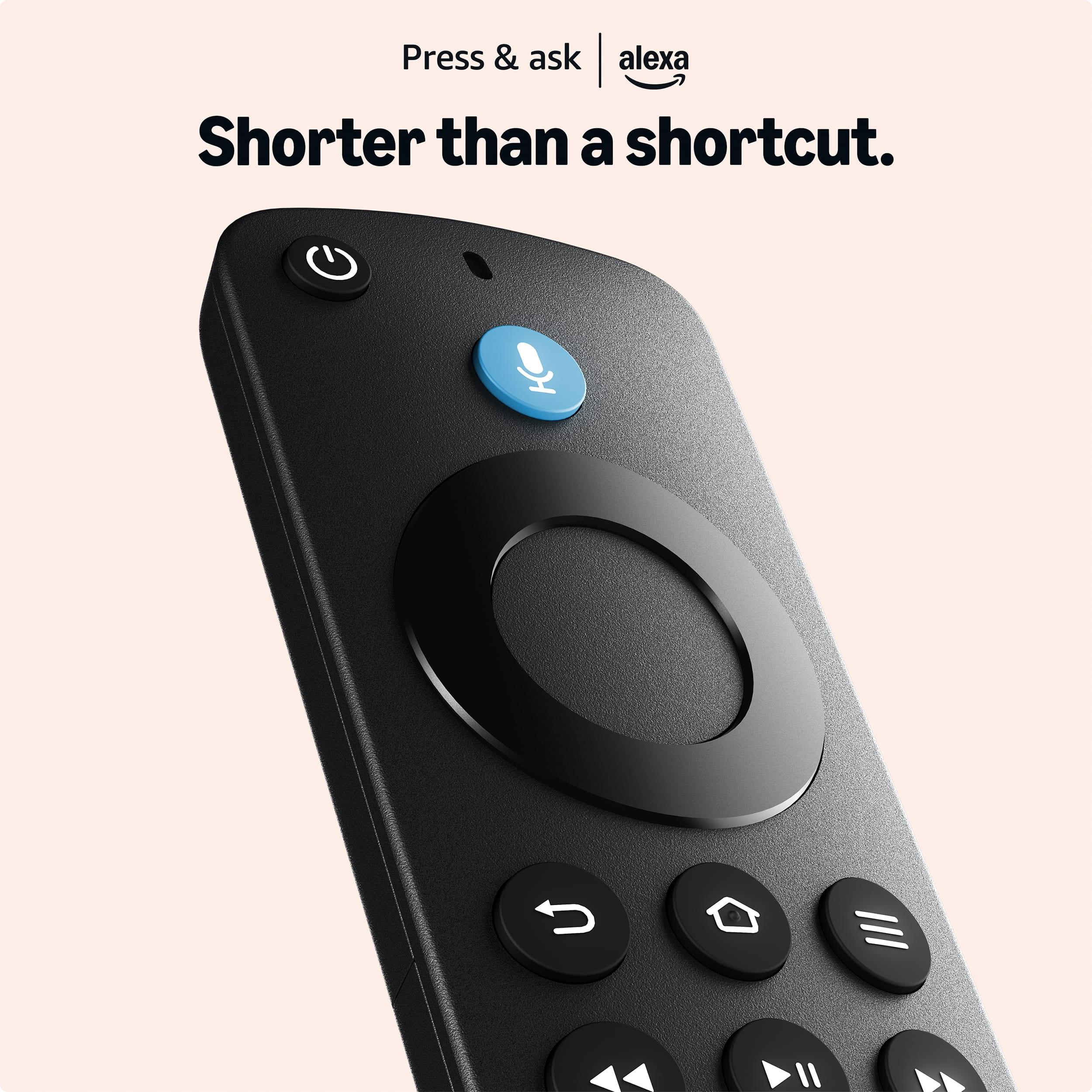
Smart TV platforms have become increasingly important as more people cut the cord and rely on streaming apps. The Hisense QD6 runs Amazon's Fire TV platform, which offers a robust ecosystem with excellent integration for Amazon Prime Video, Netflix, Disney+, and other major streaming services. Alexa voice control is built-in, making it easy to search for content or control smart home devices.
However, some users report occasional lag in the Fire TV interface, particularly when switching between apps or navigating menus. This can be frustrating when you just want to quickly switch from Netflix to YouTube.
The Samsung S90D uses Samsung's Tizen platform, which has evolved into one of the most polished smart TV experiences available. The interface is smooth and responsive, with excellent app support and regular updates. Samsung's commitment to software support means you'll likely receive updates for many years, keeping your TV current with new streaming services and features.
Your room's lighting conditions play a huge role in which TV will work better for you. The Hisense QD6 actually has an advantage in very bright rooms thanks to its higher peak brightness. If your TV is positioned opposite a large window or in a sunroom, the Hisense can fight through that ambient light better than the Samsung.
However, the Samsung S90D is the clear winner in mixed lighting and especially dark rooms. The perfect blacks create an almost cinematic experience when watching movies with the lights dimmed. The viewing angles are also dramatically better - you can sit off to the side and still see accurate colors and good contrast, while the Hisense's LCD panel looks washed out from extreme angles.
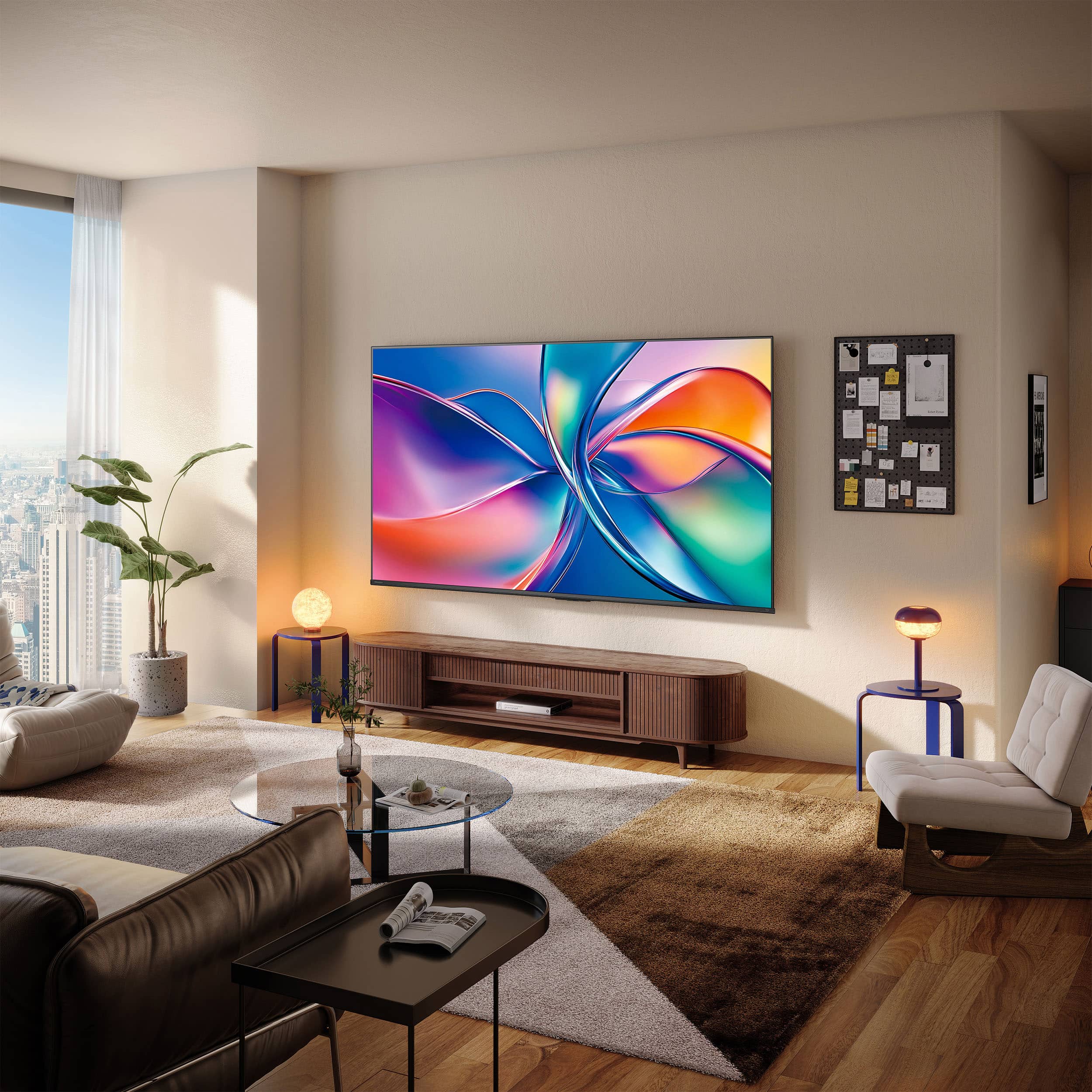
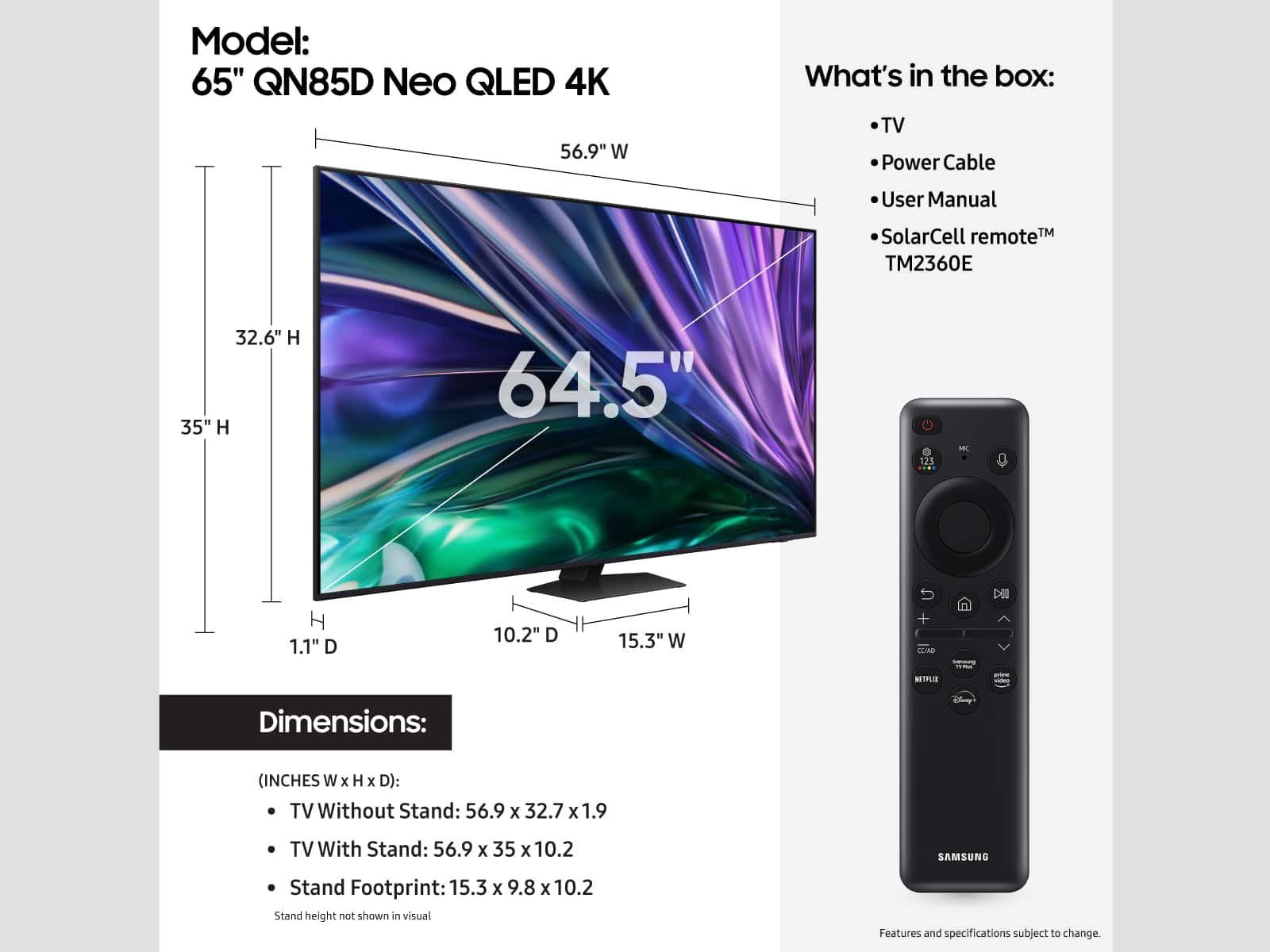
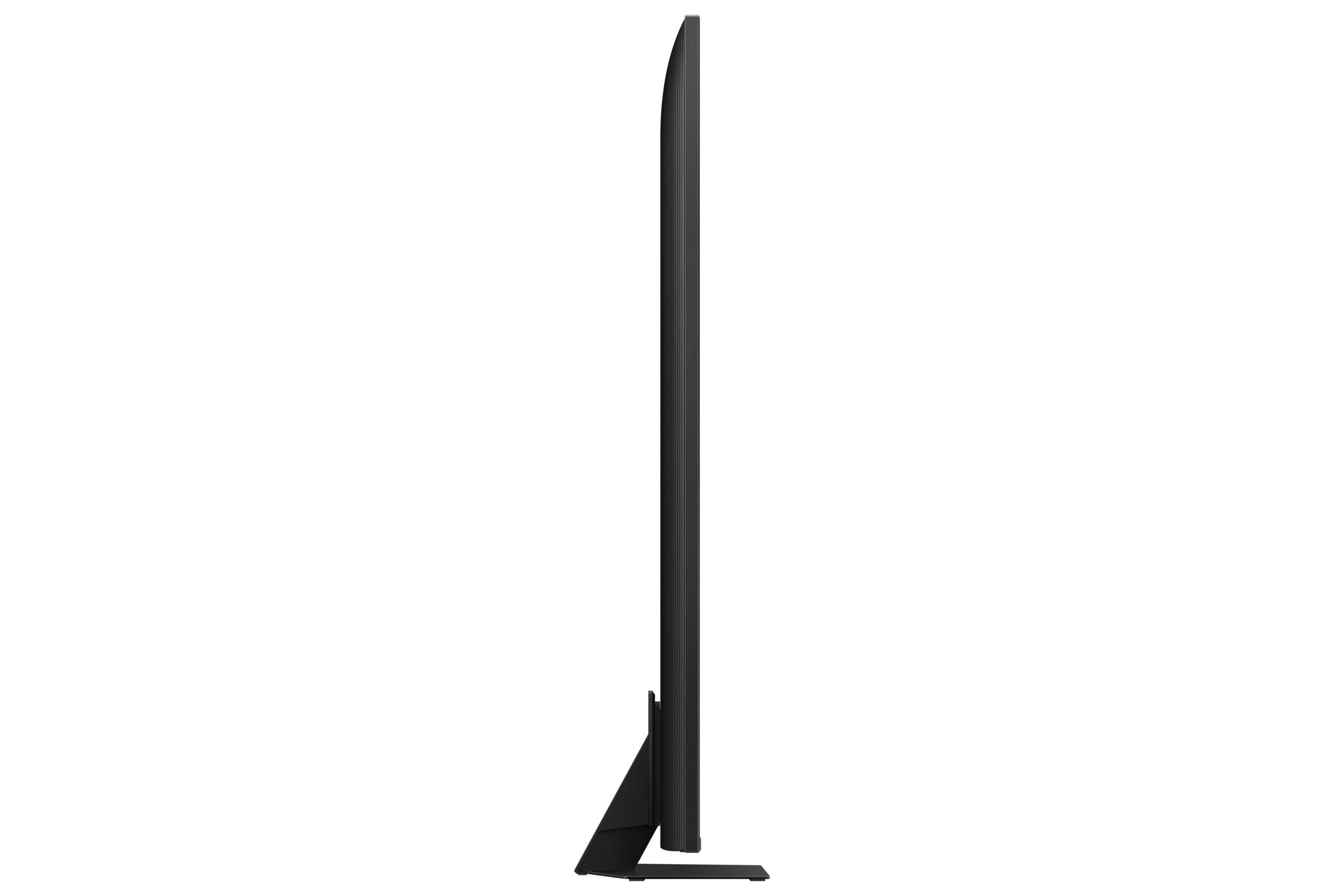
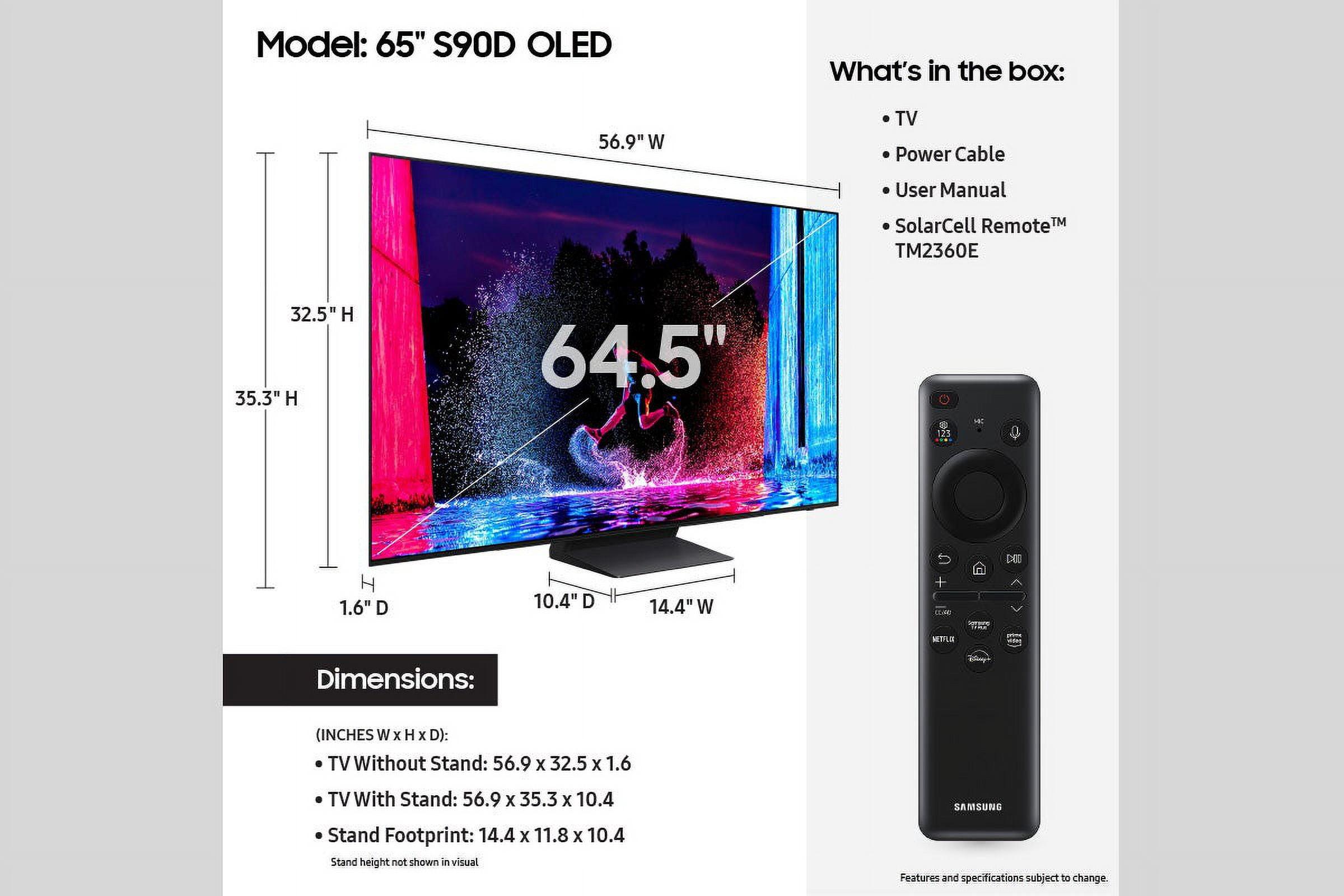
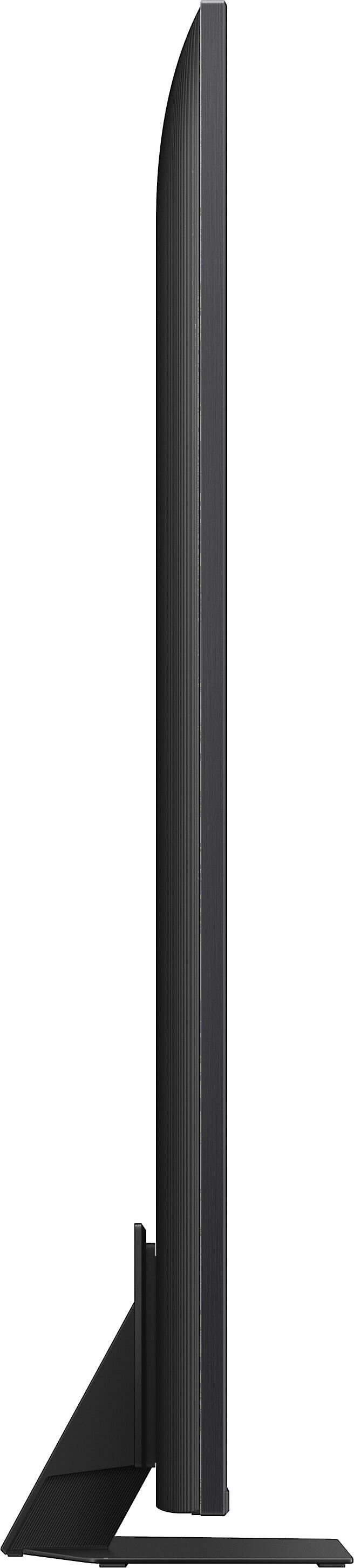
These TVs reflect their different price points in build quality and design. The Samsung S90D features premium materials and an incredibly slim profile at just 1.6 inches deep. It's designed to be a centerpiece in your living room, with attention to details like cable management and stand design.
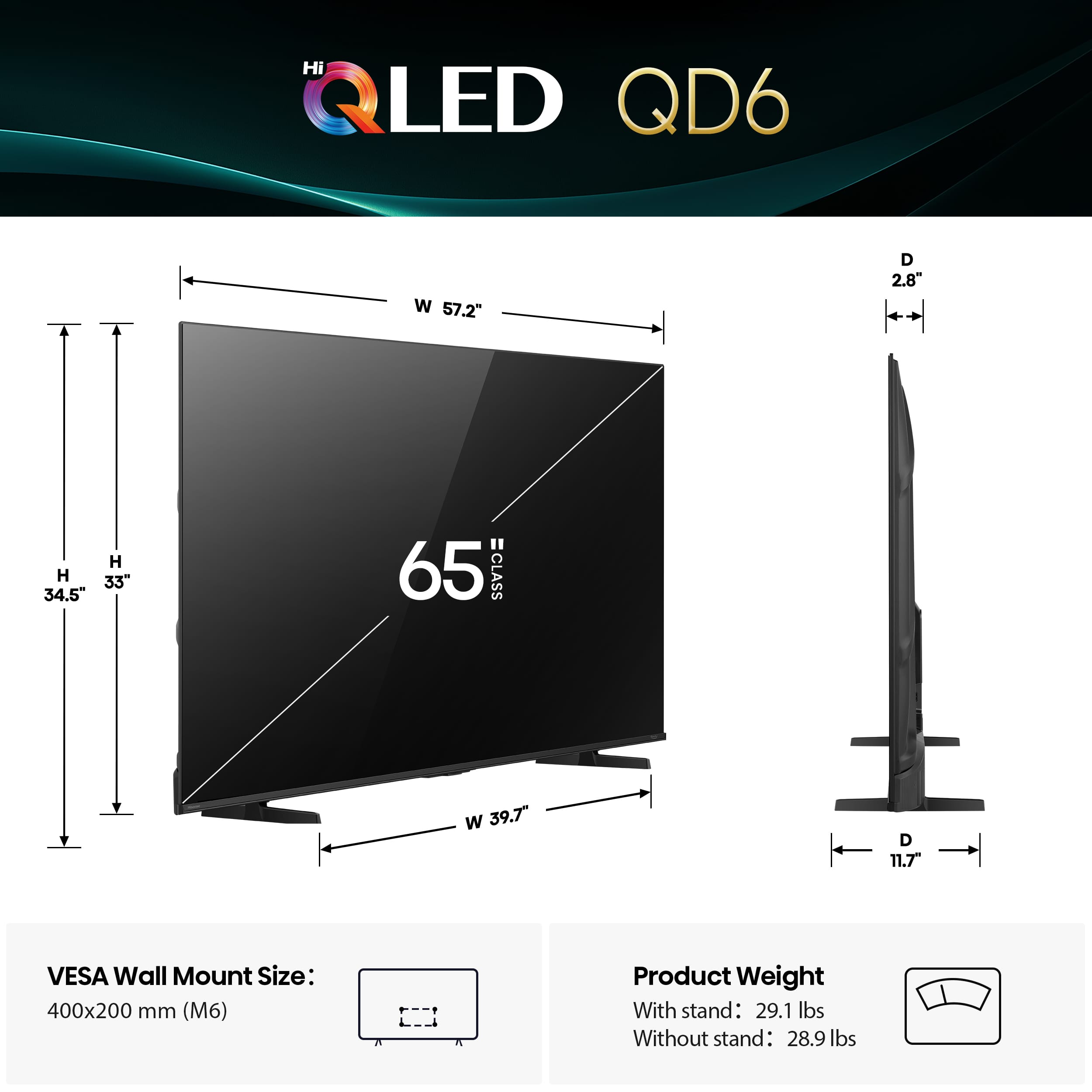
The Hisense QD6 has a more utilitarian approach. At 2.8 inches thick, it's not going to disappear on your wall, but the build quality is solid for the price point. The included stand is functional if not elegant, and the overall design emphasizes value over aesthetics.
This is where the decision gets interesting. The Hisense QD6 delivers remarkable value for basic 4K viewing needs. You get quantum dot color enhancement, decent upscaling, and a full smart TV experience for a fraction of the cost of premium options. For many viewers, especially those upgrading from older 1080p TVs, the improvement will be dramatic and satisfying.
The Samsung S90D costs significantly more but delivers performance that competes with TVs costing even more. The OLED technology, gaming capabilities, and premium smart platform justify the higher price for enthusiasts who want the best possible experience.
If you're building a dedicated home theater setup, the Samsung S90D is the obvious choice. The perfect blacks create the cinematic experience that movie enthusiasts crave, especially in a dark, controlled environment. The wide color gamut ensures you're seeing movies as the director intended, and the smooth motion handling works beautifully with 24fps film content.
The Hisense QD6 can work in a casual home theater setup, particularly if budget is the primary constraint. However, the limited contrast and motion blur during fast action scenes will be noticeable to anyone serious about movie watching.
The Hisense QD6 makes sense for several specific scenarios. If you're furnishing a bright living room where the TV competes with natural light, its higher peak brightness gives it an edge. It's also perfect for secondary TVs in bedrooms or kitchens where premium features aren't essential. Budget-conscious families who want a large screen for basic streaming and casual gaming will find it delivers impressive value.
The Samsung S90D is for anyone who considers their TV a primary entertainment investment. Movie enthusiasts will appreciate the cinematic picture quality, gamers need the high refresh rate and low lag for competitive play, and anyone who watches TV in darker environments will benefit from the superior contrast. It's also the better choice if you plan to keep your TV for 7-10 years, as the premium features will age better.
Both TVs represent recent technological developments. The 2025 Hisense QD6 includes improved AI processing over previous generations, with better upscaling and motion handling than earlier budget models. The quantum dot enhancement has also matured, delivering more accurate colors at lower price points than was possible just a few years ago.
The 2024 Samsung S90D represents the current state of affordable OLED technology. OLED has improved dramatically in brightness over the past few years while maintaining the perfect blacks that make it special. The gaming features reflect the current console generation's capabilities, ensuring compatibility with the latest PlayStation and Xbox features.
Ultimately, your choice comes down to priorities and budget. If you value the largest possible screen for your dollar and plan to use the TV primarily for casual viewing in bright conditions, the Hisense QD6 delivers exceptional value. Its Fire TV platform, decent picture quality, and quantum dot colors provide a satisfying experience without breaking the bank.
If picture quality, gaming performance, and premium features matter more than budget constraints, the Samsung S90D justifies its higher price with superior technology across every important metric. The OLED display, 144Hz gaming, and polished smart platform create an experience that feels truly premium.
Consider your viewing habits, room environment, and how long you plan to keep your TV. The Samsung represents a longer-term investment in superior technology, while the Hisense offers immediate value and satisfaction for less demanding use cases. Both are solid choices within their respective market segments - just make sure you're choosing the one that matches your actual needs and expectations.
| Hisense 65" QD6 Series Hi-QLED Fire TV | Samsung 65" OLED S90D TV |
|---|---|
| Display Technology - Determines picture quality, contrast, and viewing angles | |
| Hi-QLED (LED-LCD with quantum dots) | OLED (self-emitting pixels) |
| Peak Brightness - Critical for HDR impact and bright room viewing | |
| ~385 cd/m² (good for bright rooms, limited HDR) | Higher OLED brightness (excellent HDR, may wash out in direct sunlight) |
| Black Levels & Contrast - Makes the biggest visual difference in dark scenes | |
| Good native contrast but blacks lift with bright content | Perfect blacks, infinite contrast ratio |
| Refresh Rate - Essential for gaming and smooth motion | |
| 60Hz native (limits gaming to 60fps) | 120Hz native (supports up to 144Hz for gaming) |
| HDMI Ports - Determines gaming console compatibility | |
| 4x HDMI 2.0 (4K@60Hz max) | 4x HDMI 2.1 (4K@144Hz, future-proof) |
| Gaming Features - Critical for PS5/Xbox Series X owners | |
| Basic VRR/ALLM, 10.2ms input lag | Advanced VRR/ALLM, near-zero input lag, 4K@144Hz |
| Color Accuracy - Important for movies and professional content | |
| 90% DCI-P3, decent out-of-box accuracy | Pantone-validated colors, wider color gamut |
| Smart Platform - Affects daily usability and app performance | |
| Fire TV (robust but occasional lag reported) | Tizen (premium interface, smooth performance) |
| HDR Support - Enhances streaming and 4K content quality | |
| Dolby Vision, HDR10+, HDR10, HLG (limited by brightness) | Dolby Vision, HDR10+, HDR10 (excellent implementation) |
| Viewing Angles - Important for family viewing and room layout | |
| Narrow (typical LCD limitation) | Nearly perfect (OLED advantage) |
| Build Quality & Design - Affects aesthetics and durability | |
| 2.8" thick, basic plastic construction | 1.6" ultra-slim, premium materials |
| Motion Handling - Critical for sports and action content | |
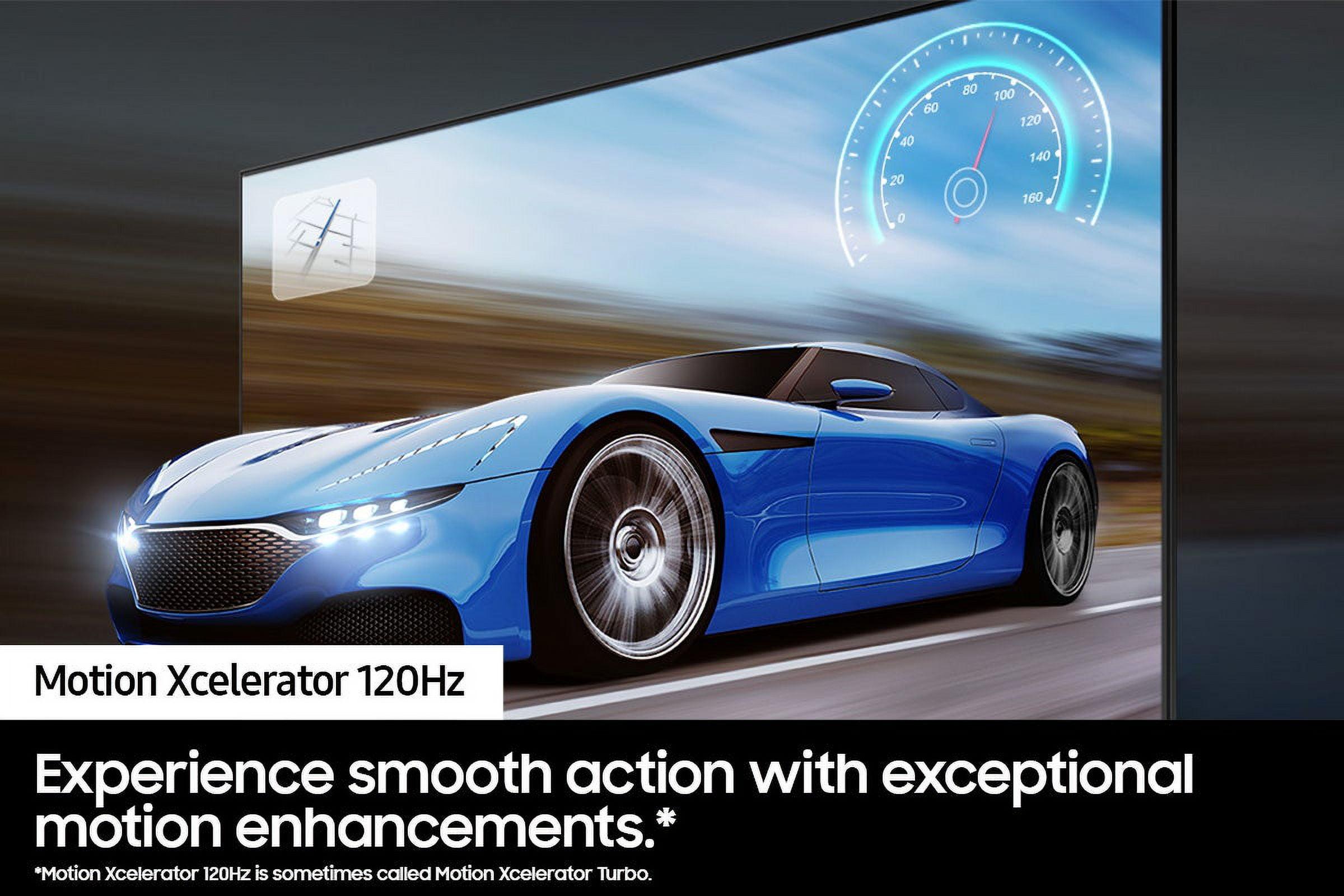
| Motion Rate 120 with MEMC (some blur in fast scenes) | Motion Xcelerator Turbo+ (exceptionally smooth) |
| Audio - Built-in sound quality without external speakers | |
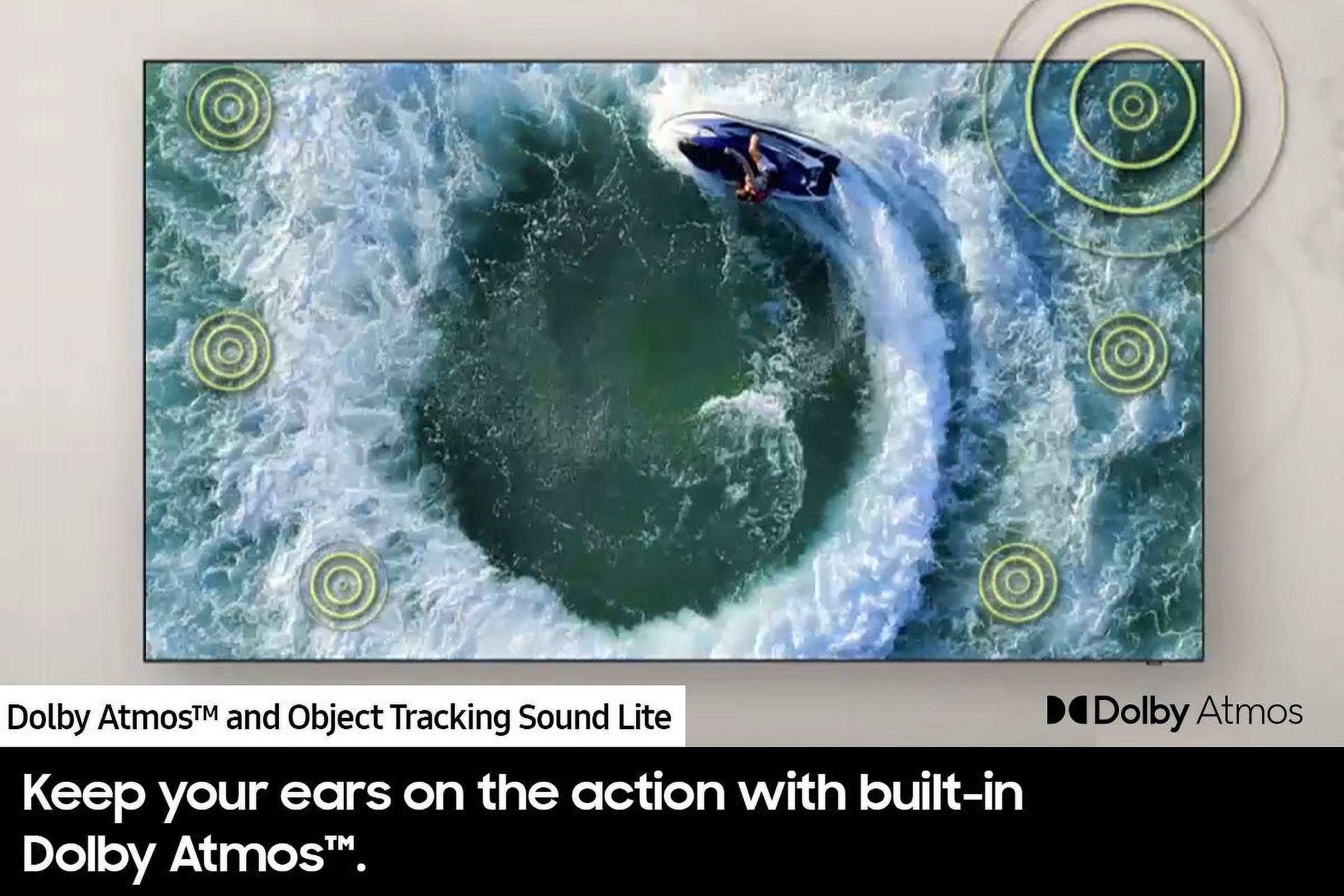
| Dolby Atmos support, standard TV speakers | Dolby Atmos with enhanced audio processing |
| Value Category - Who this TV is designed for | |
| Budget-conscious buyers seeking large screen size | Premium buyers wanting best-in-class performance |
The Samsung S90D OLED delivers significantly better picture quality with perfect blacks, infinite contrast, and Pantone-validated colors. The Hisense QD6 offers decent quantum dot colors but suffers from limited contrast and black level performance due to its LED-LCD technology.
The Samsung S90D costs approximately three times more than the Hisense QD6 but delivers premium OLED technology, 144Hz gaming, and superior picture quality. It's worth the extra cost if you prioritize picture quality, gaming performance, or plan to keep the TV for many years.
The Samsung S90D is dramatically better for gaming with four HDMI 2.1 ports supporting 4K at 144Hz, near-zero input lag, and advanced VRR features. The Hisense QD6 is limited to 60Hz gaming with basic features, making it suitable only for casual gaming.
The Samsung S90D uses OLED technology where each pixel produces its own light, creating perfect blacks and infinite contrast. The Hisense QD6 uses Hi-QLED, which is an LED-LCD panel enhanced with quantum dots for better colors but cannot achieve true black levels.
The Hisense QD6 performs better in very bright rooms due to its higher peak brightness of around 385 cd/m². The Samsung S90D is excellent but may wash out slightly in direct sunlight, though it handles mixed lighting conditions better overall.
Yes, both the Hisense QD6 and Samsung S90D support 4K resolution and major HDR formats including Dolby Vision, HDR10+, and HDR10. However, the Samsung delivers much better HDR performance due to its superior contrast and brightness capabilities.
The Hisense QD6 runs Fire TV, which offers good app selection and Alexa integration but some users report occasional lag. The Samsung S90D uses Tizen, which provides a more premium, smooth interface with excellent long-term software support.
The Samsung S90D is excellent for home theater with its perfect blacks, cinematic contrast, and accurate colors that preserve the director's intent. The Hisense QD6 can work for casual movie watching but lacks the contrast performance serious movie enthusiasts expect.
The Samsung S90D has nearly perfect viewing angles thanks to OLED technology, maintaining picture quality from any seating position. The Hisense QD6 has narrow viewing angles typical of LCD panels, with colors and contrast degrading when viewed from the side.
The Samsung S90D features premium materials and an ultra-slim 1.6-inch profile for a sophisticated look. The Hisense QD6 has a thicker 2.8-inch design with basic plastic construction but adequate build quality for the price point.
The Samsung S90D handles sports better with smooth motion processing, excellent viewing angles for group watching, and superior contrast. The Hisense QD6 struggles with motion blur during fast action and has viewing angle limitations for larger groups.
Choose the Samsung S90D if picture quality, gaming, and premium features are priorities and budget allows. Select the Hisense QD6 if you need a large screen on a tight budget, have a very bright room, or primarily use the TV for casual viewing and basic streaming.
We've done our best to create useful and informative comparisons to help you decide what product to buy. Our research uses advanced automated methods to create this comparison and perfection is not possible - please contact us for corrections or questions. These are the sites we've researched in the creation of this article: pcvarge.com - bestbuy.com - rtings.com - youtube.com - rtings.com - youtube.com - consumerreports.org - leaseville.com - hisense-usa.com - device.report - hisense-usa.com - youtube.com - flatpanelshd.com - displayspecifications.com - retailspecs.com - bestbuy.com - valueelectronics.com - youtube.com - cnet.com - bestbuy.com - videoandaudiocenter.com - youtube.com - samsung.com - samsung.com - pcrichard.com - samsung.com

Privacy Policy
Terms and Conditions - Affiliate Policy
Home Security
© Copyright 2008-2026.
11816 Inwood Rd #1211, Dallas, TX 75244