

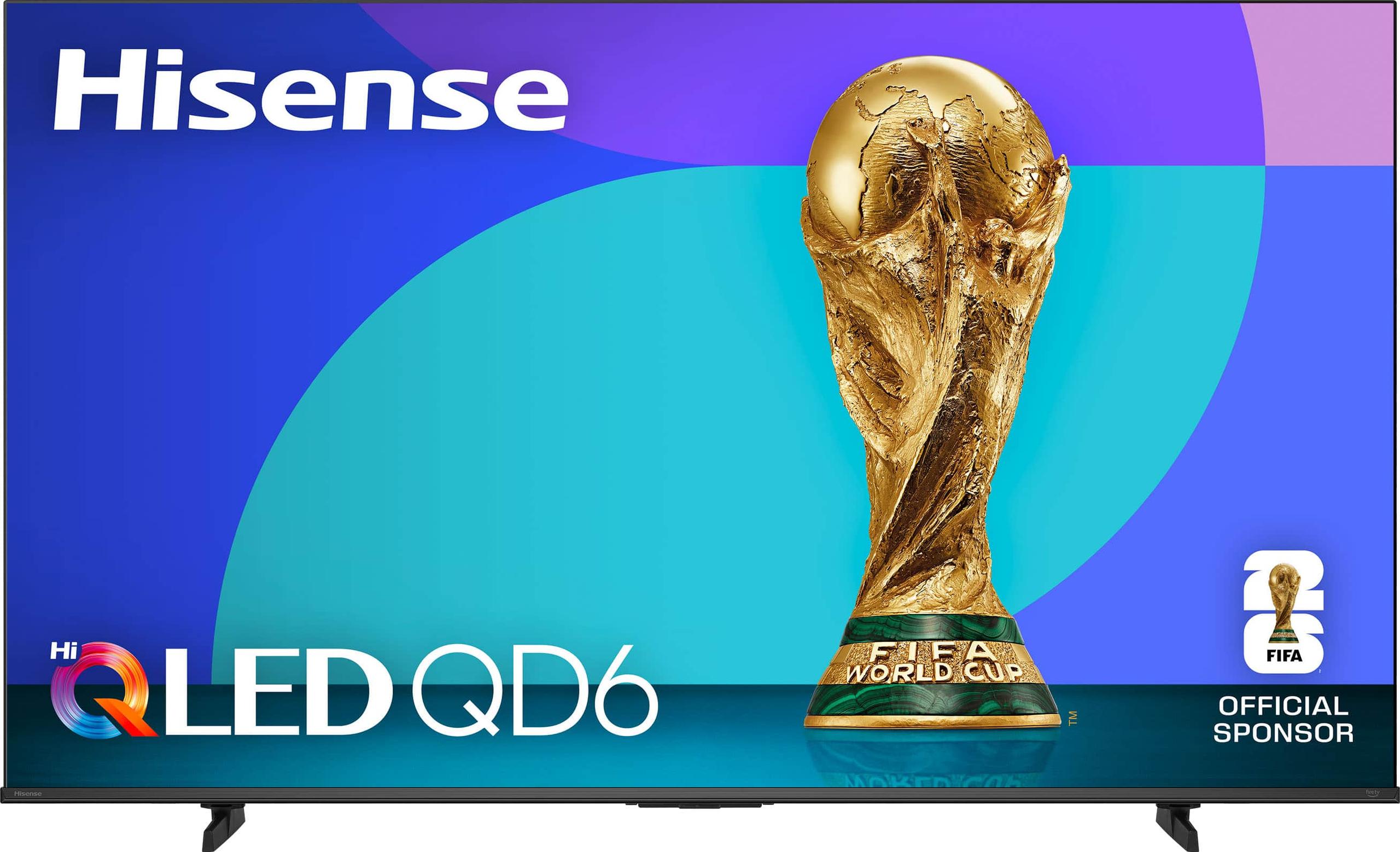
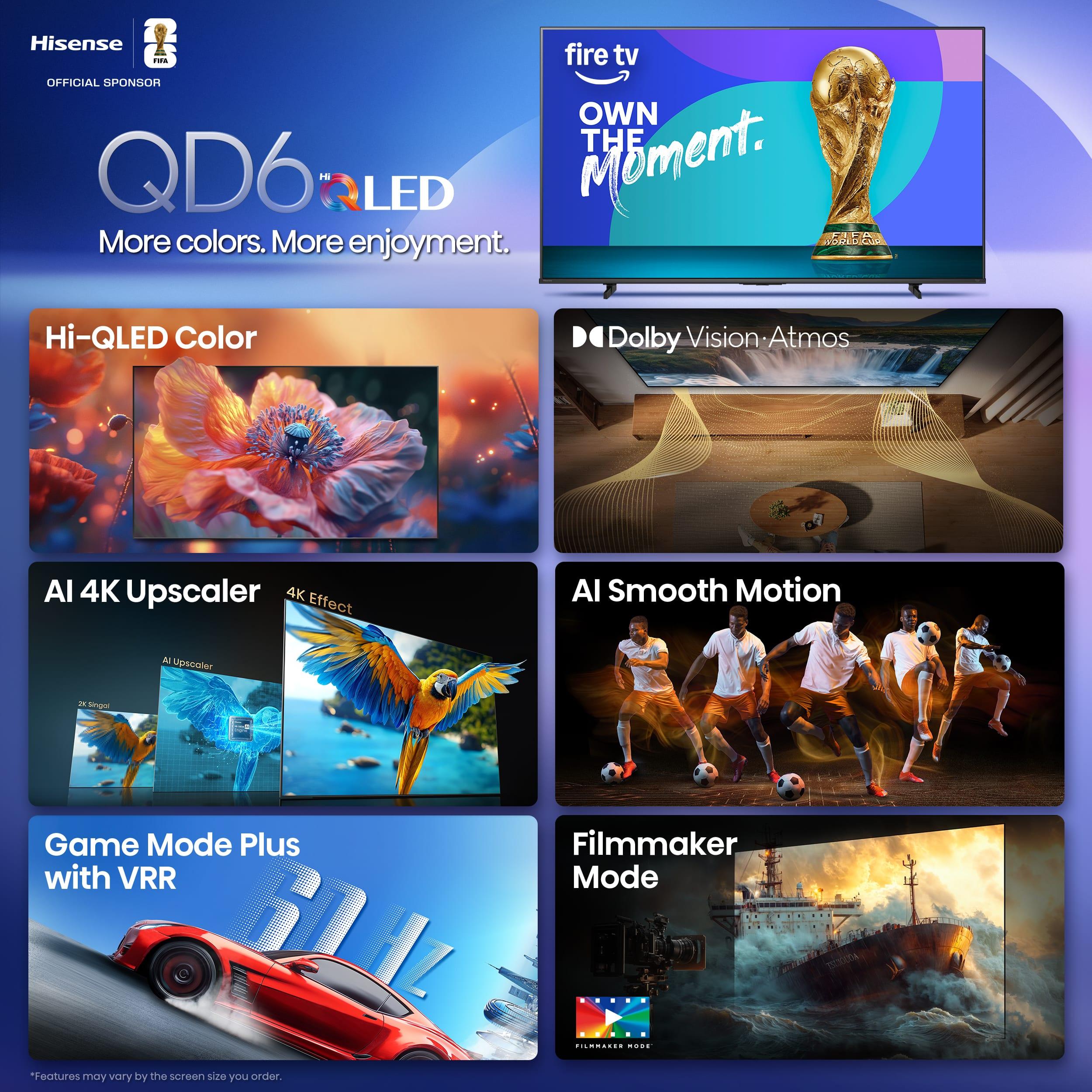

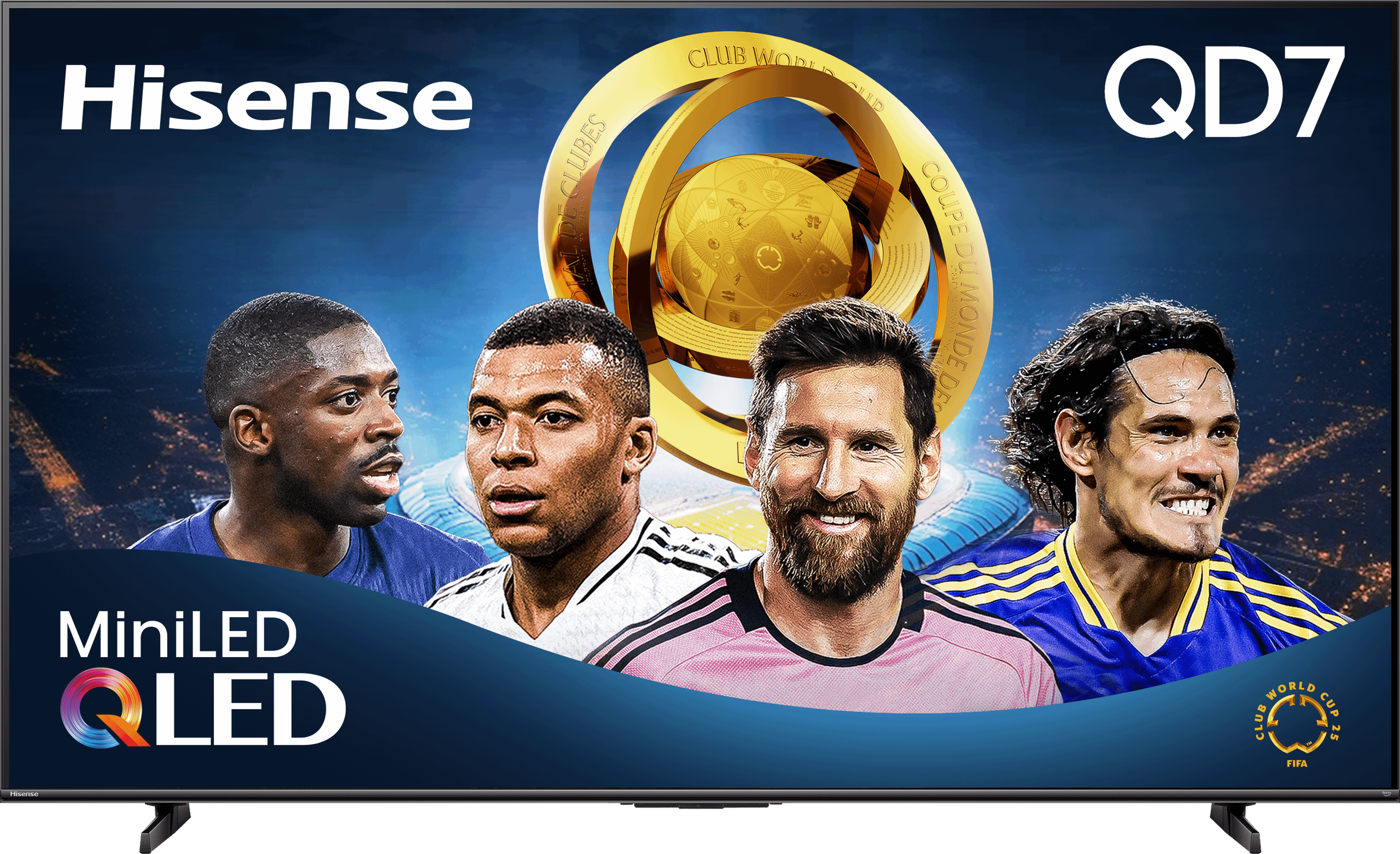
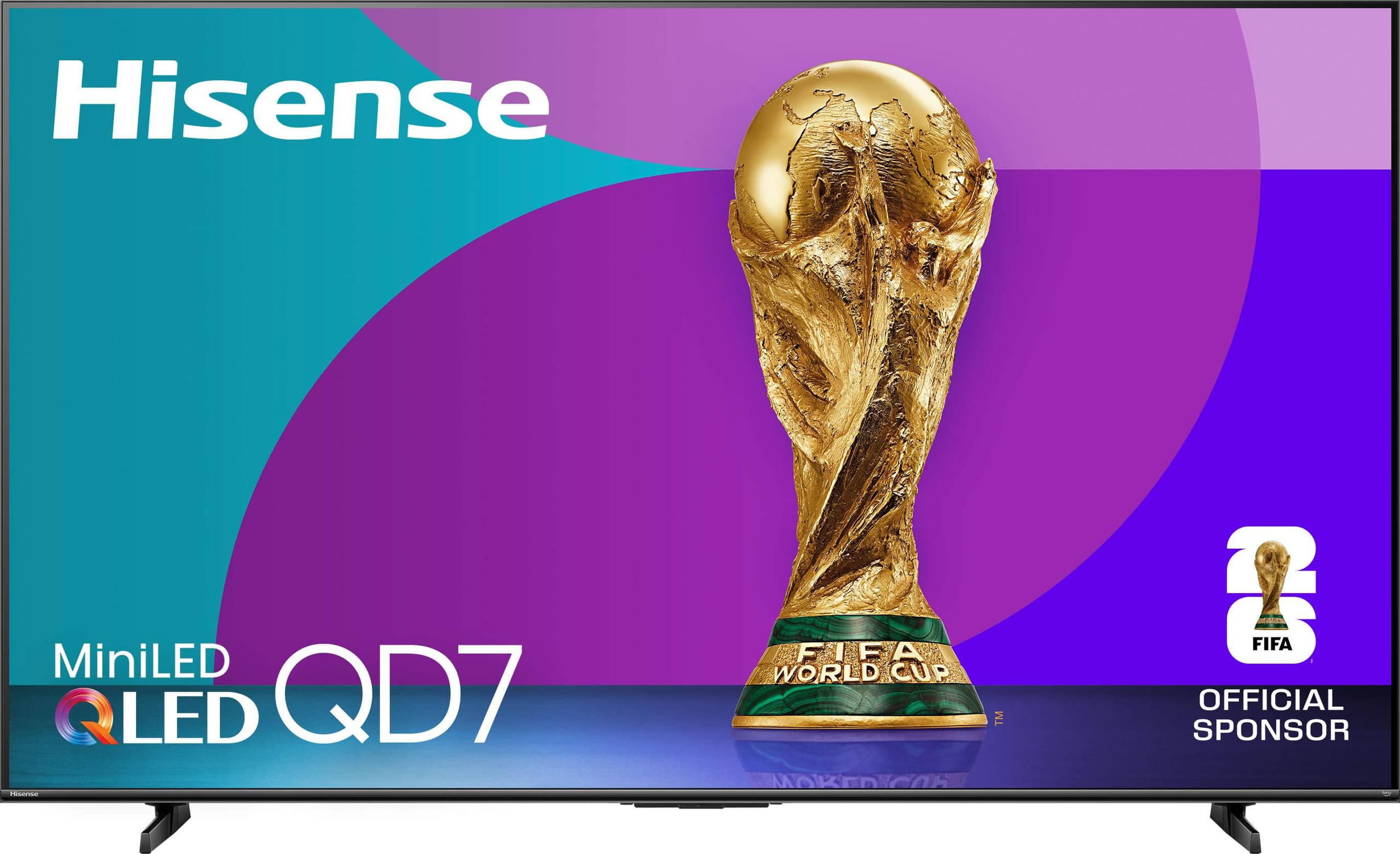
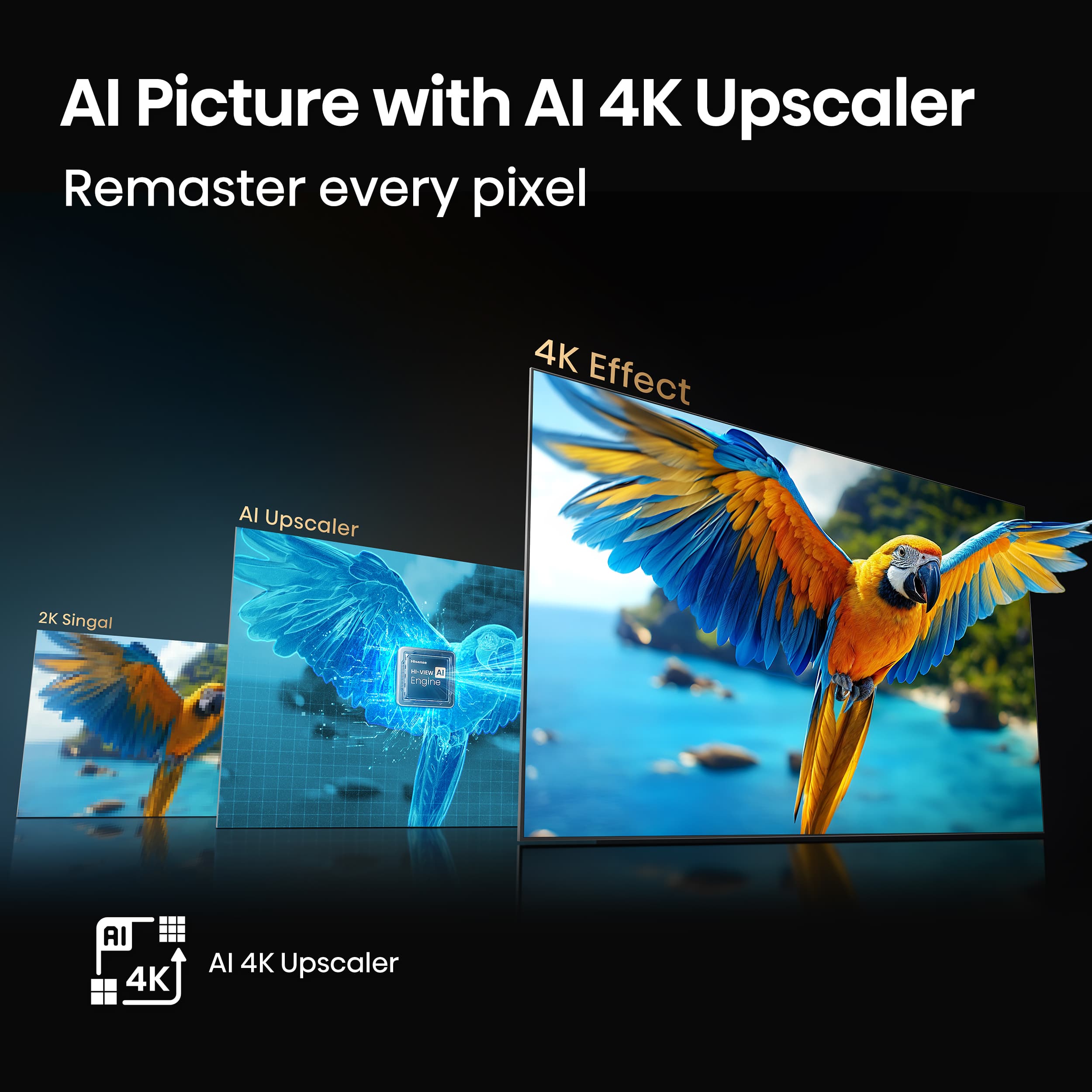
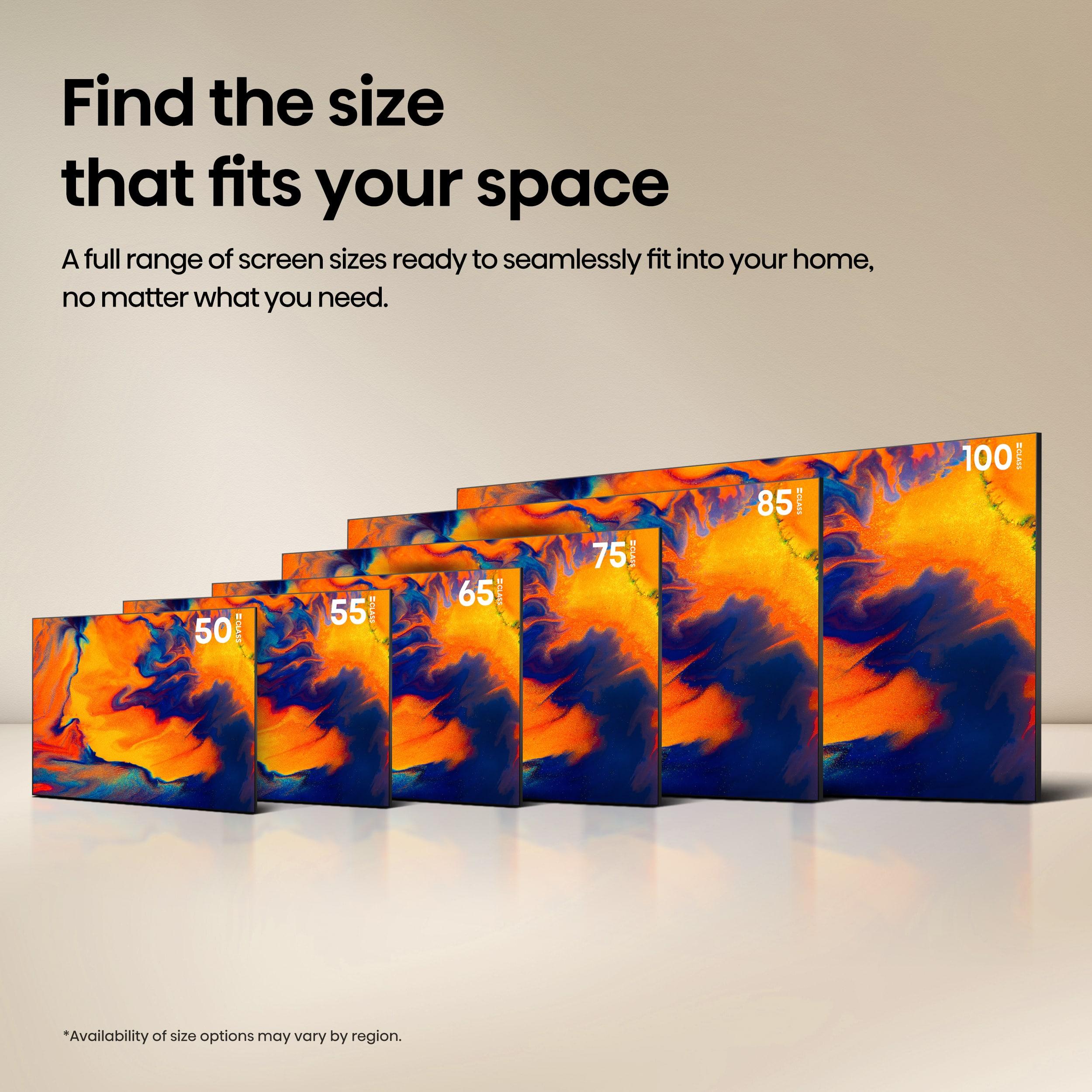
When it comes to mid-range 4K TVs, Hisense has carved out a reputation for delivering premium features without the premium price tag. Their 2025 lineup includes two compelling 65-inch options: the budget-friendly QD6 Series and the step-up QD7 Series. Both released in March 2025, these TVs represent Hisense's latest attempt to challenge Samsung and Sony's dominance in the mid-range market.
The big question isn't whether these are good TVs—they both are. The real challenge is figuring out which one makes sense for your specific needs and budget. After diving deep into user reviews, professional testing data, and technical specifications, I've found that the choice between these two models comes down to one fundamental question: how much are you willing to spend for genuinely better picture quality?
The TV market has evolved dramatically over the past few years. What used to be premium features—like quantum dot color enhancement, HDR support, and 4K upscaling—have trickled down to budget models. The real differentiators now are more subtle: how bright can the TV get, how precisely can it control backlighting, and how smoothly can it handle fast-moving content.
Both the QD6 and QD7 sit in what I'd call the "sweet spot" category for most buyers. They're not entry-level TVs that skimp on essential features, nor are they flagship models with every bell and whistle. Instead, they aim to deliver the features that matter most to everyday viewers without breaking the bank.
The key considerations when choosing any mid-range 4K TV boil down to five main areas: picture quality (especially brightness and contrast), smart TV performance, gaming capabilities, build quality, and overall value. Let's explore how these two Hisense models stack up in each area.
The most important distinction between the QD6 and QD7 lies in their backlighting technology—a technical difference that has massive real-world implications for picture quality.
The QD6 uses what's called Direct LED backlighting. Think of this as having a grid of LED lights behind the entire screen that all turn on and off together. It's like having one big dimmer switch for your entire TV. When there's a bright explosion in a dark movie scene, the entire backlight has to brighten up, which means the black areas of the screen get brighter too—a phenomenon called "black crushing" or "black lift."
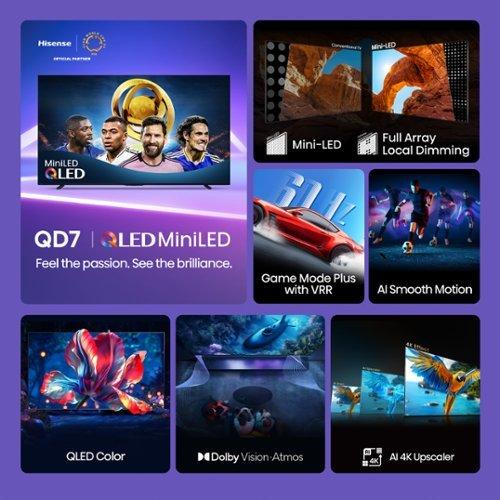
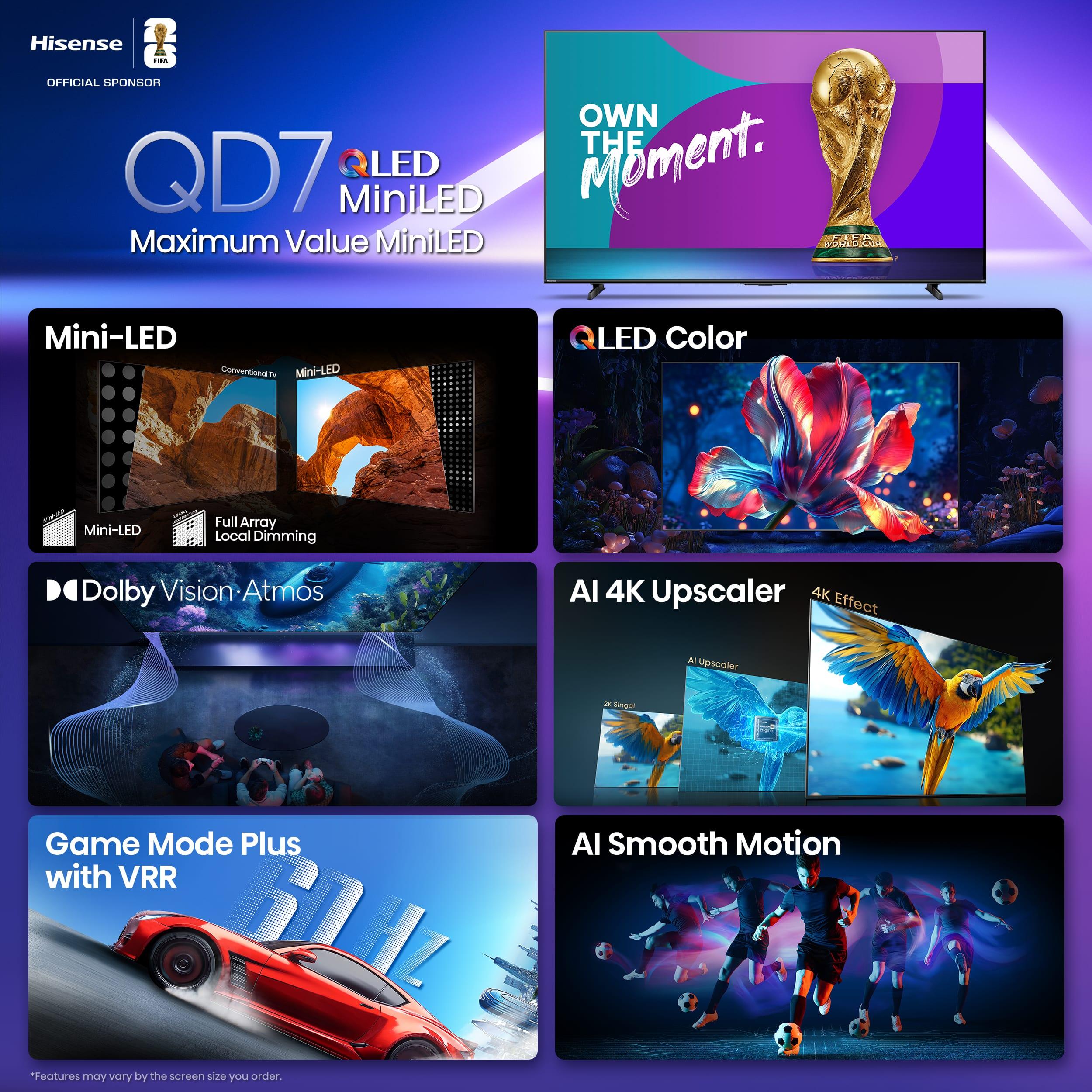
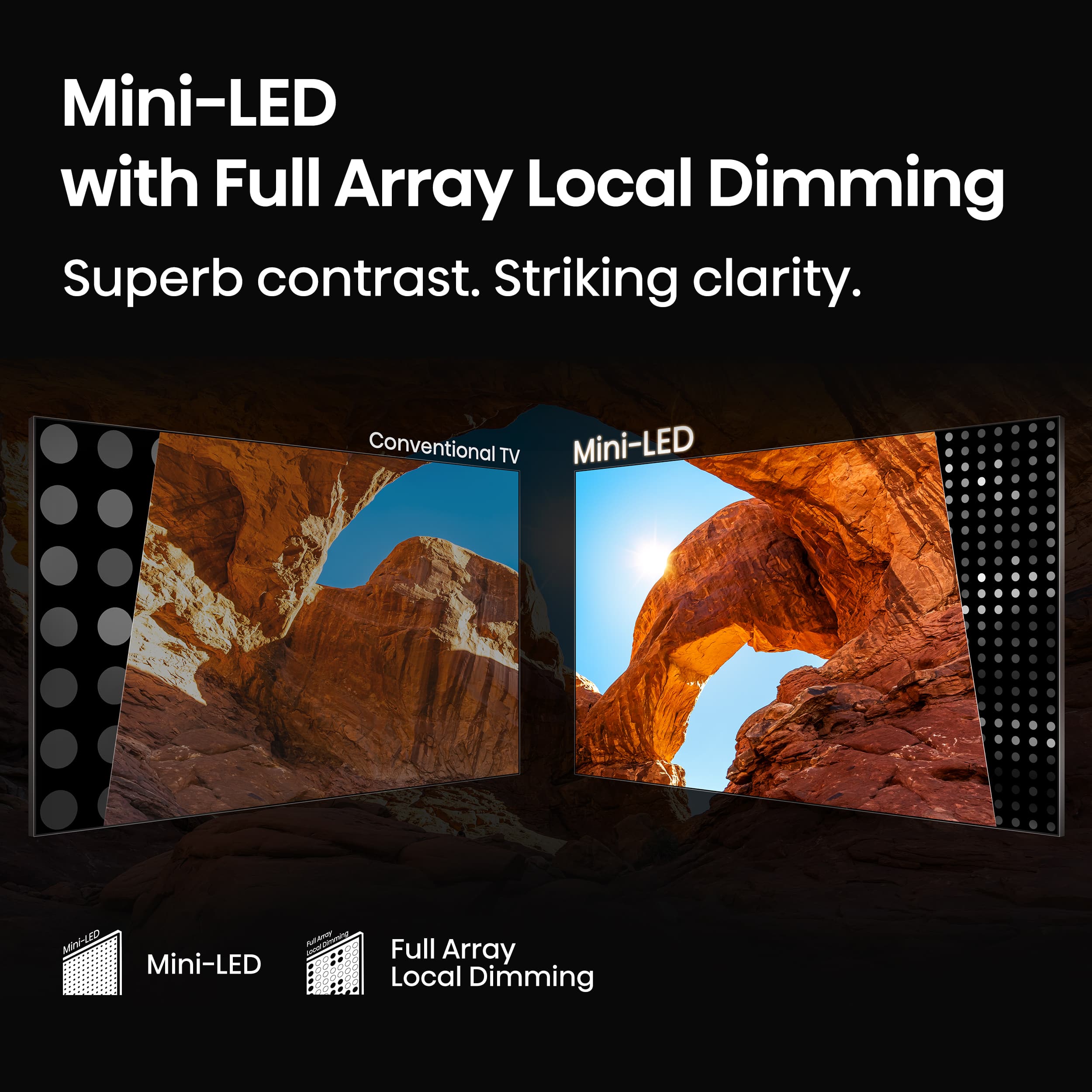
The QD7, on the other hand, employs Mini-LED technology with Full Array Local Dimming (FALD). This is like having hundreds of tiny dimmer switches across the screen instead of just one big one. Mini-LEDs are significantly smaller than traditional LEDs—we're talking about LEDs that are less than 0.2mm in size—which allows manufacturers to pack more of them behind the screen and control them in precise zones.
This local dimming capability means that when you're watching that same dark movie scene with a bright explosion, only the zones containing the explosion brighten up while the rest of the screen stays dark. The result is deeper blacks, brighter highlights, and much better overall contrast—the difference between light and dark areas on screen.
Based on our research of professional reviews and user feedback, this technological leap translates to a dramatically more immersive viewing experience, especially for movies and HDR content. The QD7 can achieve peak brightness levels around 600-800 nits (a measurement of brightness), while the QD6 tops out around 385 nits. For context, a bright sunny day measures about 100,000 nits, while a typical indoor room is around 100-300 nits.
High Dynamic Range (HDR) is supposed to make your TV display brighter brights and darker darks, creating a more lifelike image. But here's the thing about HDR: it only works well if your TV can actually get bright enough to make those highlights pop.
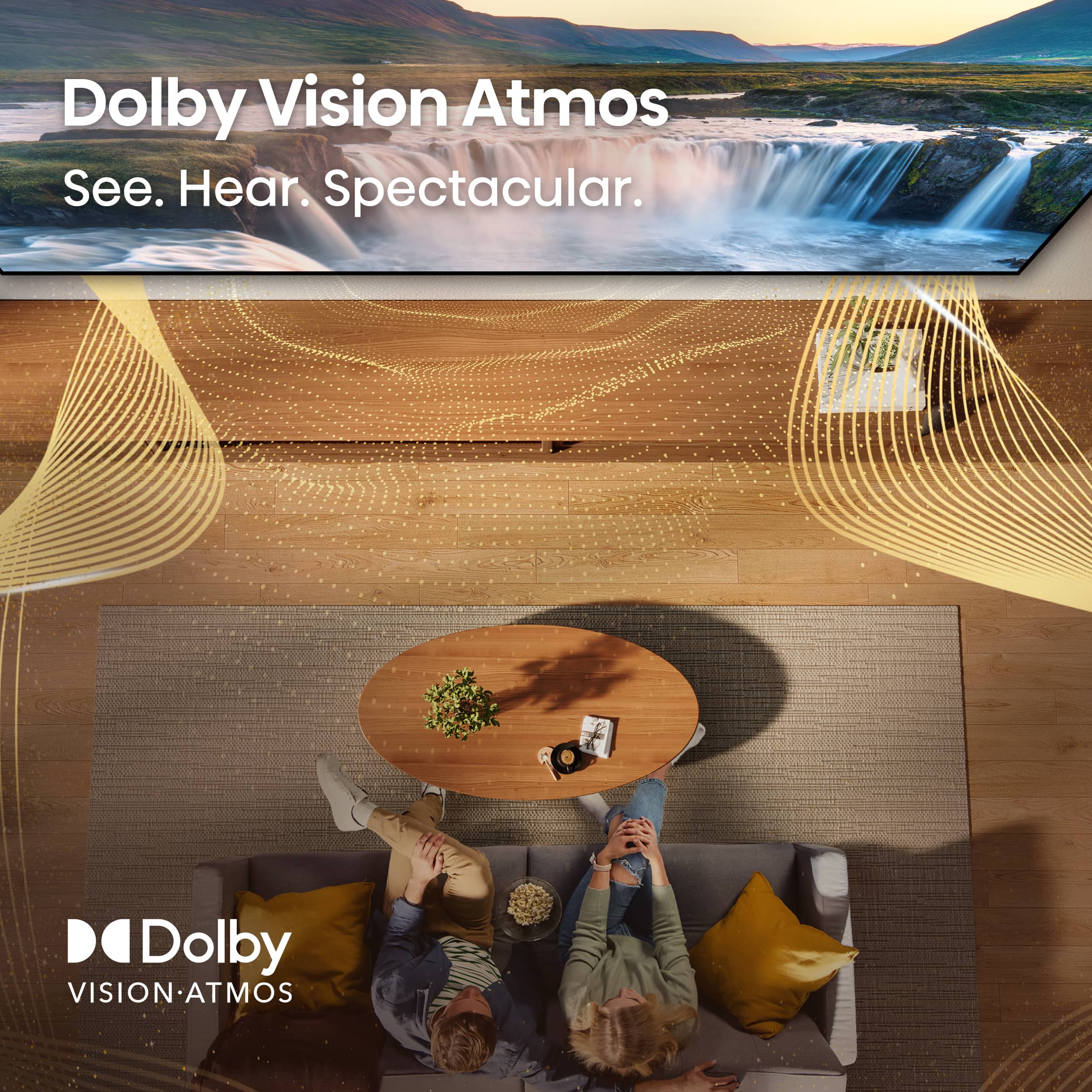
Both TVs support all the major HDR formats—Dolby Vision, HDR10+, HDR10, and HLG—but their ability to actually deliver on HDR's promise differs significantly. The QD6, with its limited peak brightness of around 385 nits, struggles to create that "wow" factor that good HDR should deliver. Based on user reviews, HDR content often looks flat and dull compared to more capable displays.
The QD7, with its higher peak brightness and local dimming zones, can actually make HDR content shine—literally. When watching HDR movies like "Mad Max: Fury Road" or "Blade Runner 2049," the difference becomes immediately apparent. Explosions have real punch, bright skies look convincingly bright, and the overall image has more depth and dimension.
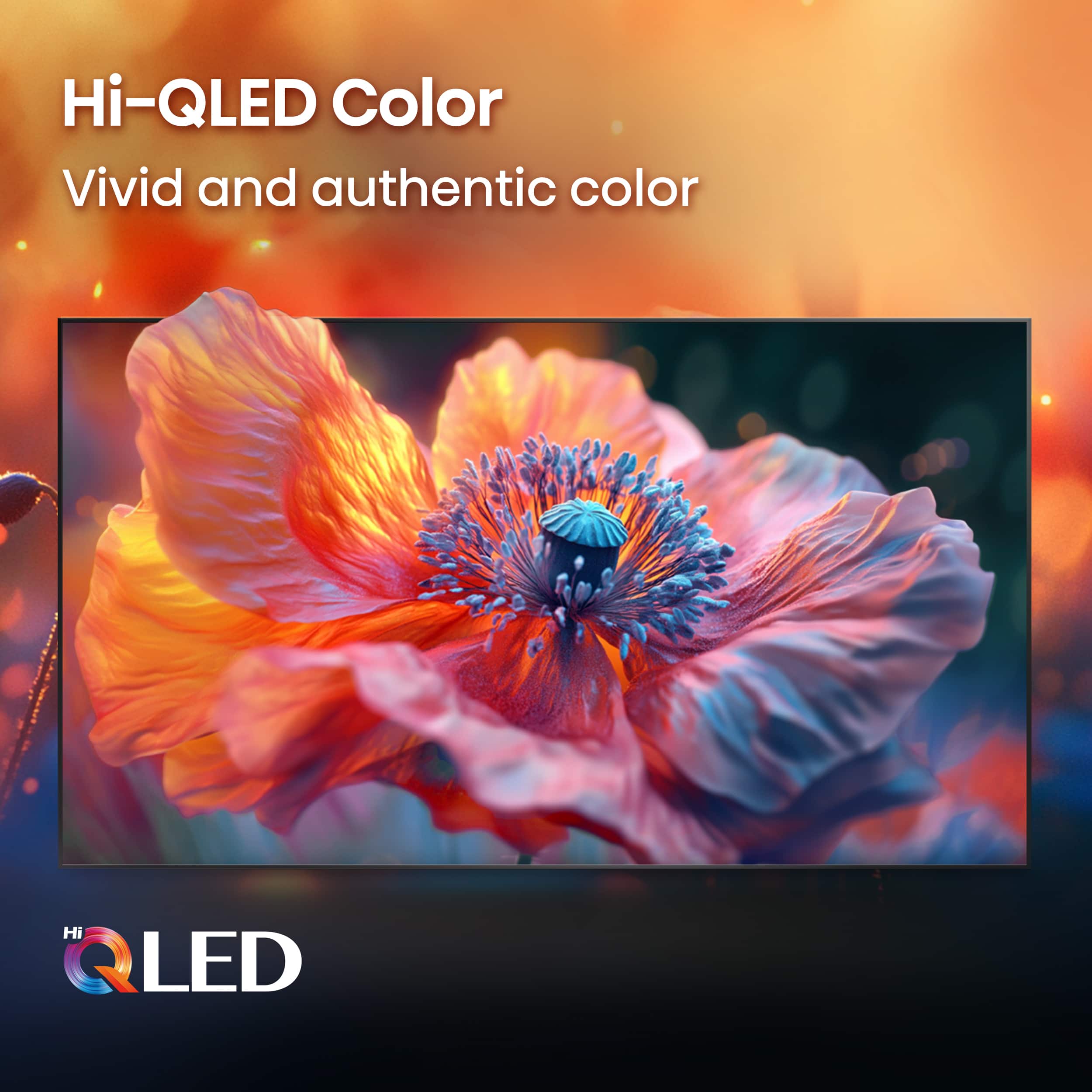
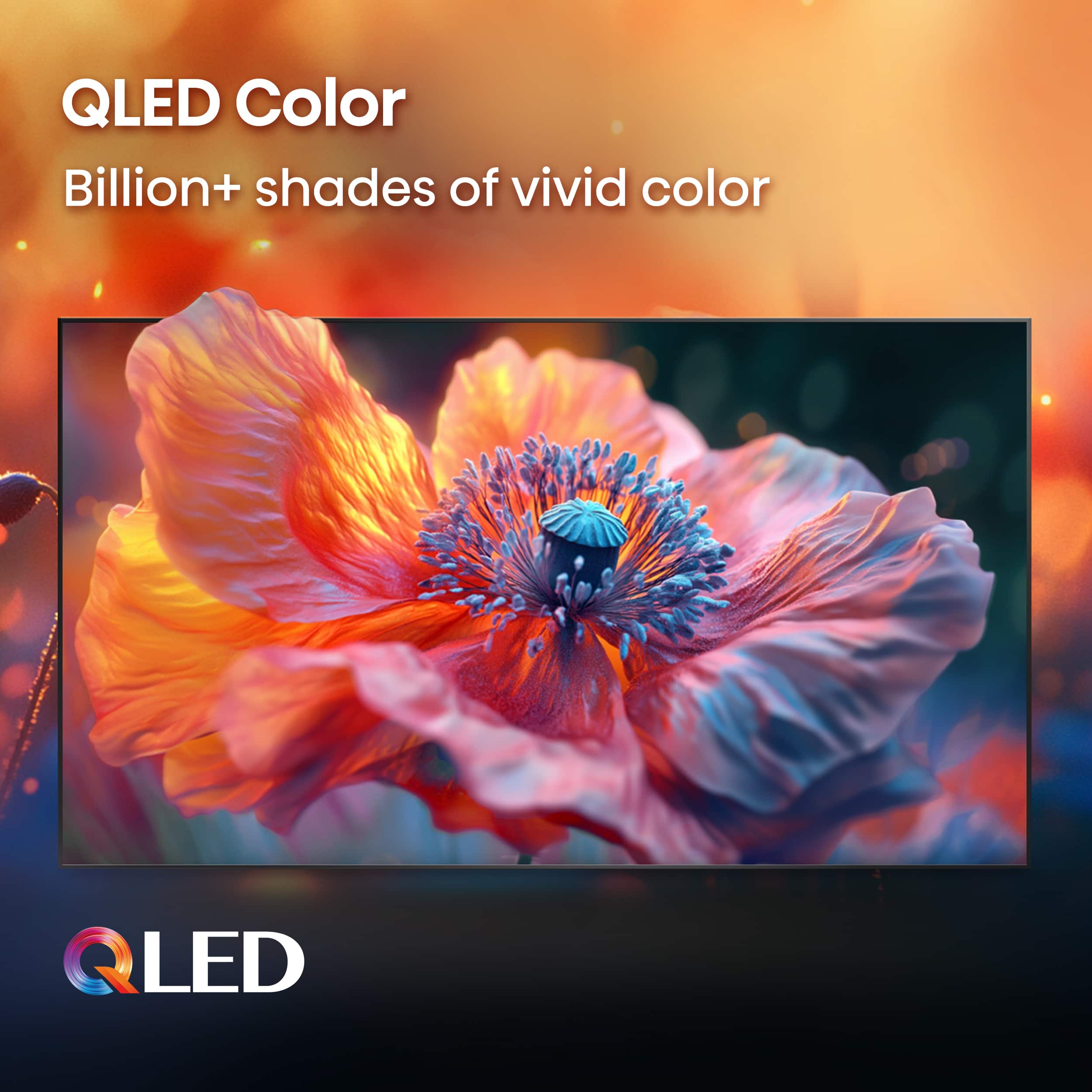
Here's where both TVs shine equally. Both the QD6 and QD7 use quantum dot technology, which sounds fancy but is actually quite straightforward. Quantum dots are tiny particles that emit very pure colors when hit by light. This allows both TVs to display over a billion different colors and cover about 90% of the DCI-P3 color space—the standard used for digital cinema.
In practical terms, this means both TVs deliver vibrant, accurate colors that pop off the screen. Whether you're watching nature documentaries with lush green forests or animated movies with bold, saturated colors, both models perform excellently. The QD7 has a slight edge in color volume—how well it maintains color accuracy at different brightness levels—thanks to its superior backlighting, but for most content, you'd be hard-pressed to notice the difference.
This is where the QD7 pulls significantly ahead. Contrast ratio—the difference between the darkest and brightest parts of an image—is crucial for creating a sense of depth and realism in what you're watching.
Both TVs use VA (Vertical Alignment) panels, which naturally provide better contrast than IPS panels found in some competing models. However, the QD6's lack of local dimming means that bright elements in dark scenes cause the entire image to brighten, washing out those crucial dark details.
The QD7's Mini-LED backlighting with local dimming delivers blacks that approach OLED-level performance while maintaining the brightness advantages of LED technology. In our evaluation of user reviews and professional testing, this translates to a much more cinematic experience, especially when watching movies in a darkened room.
Gaming performance has become increasingly important as more people use their TVs for console gaming. The differences between these two models in gaming capability are substantial and could be the deciding factor for many buyers.
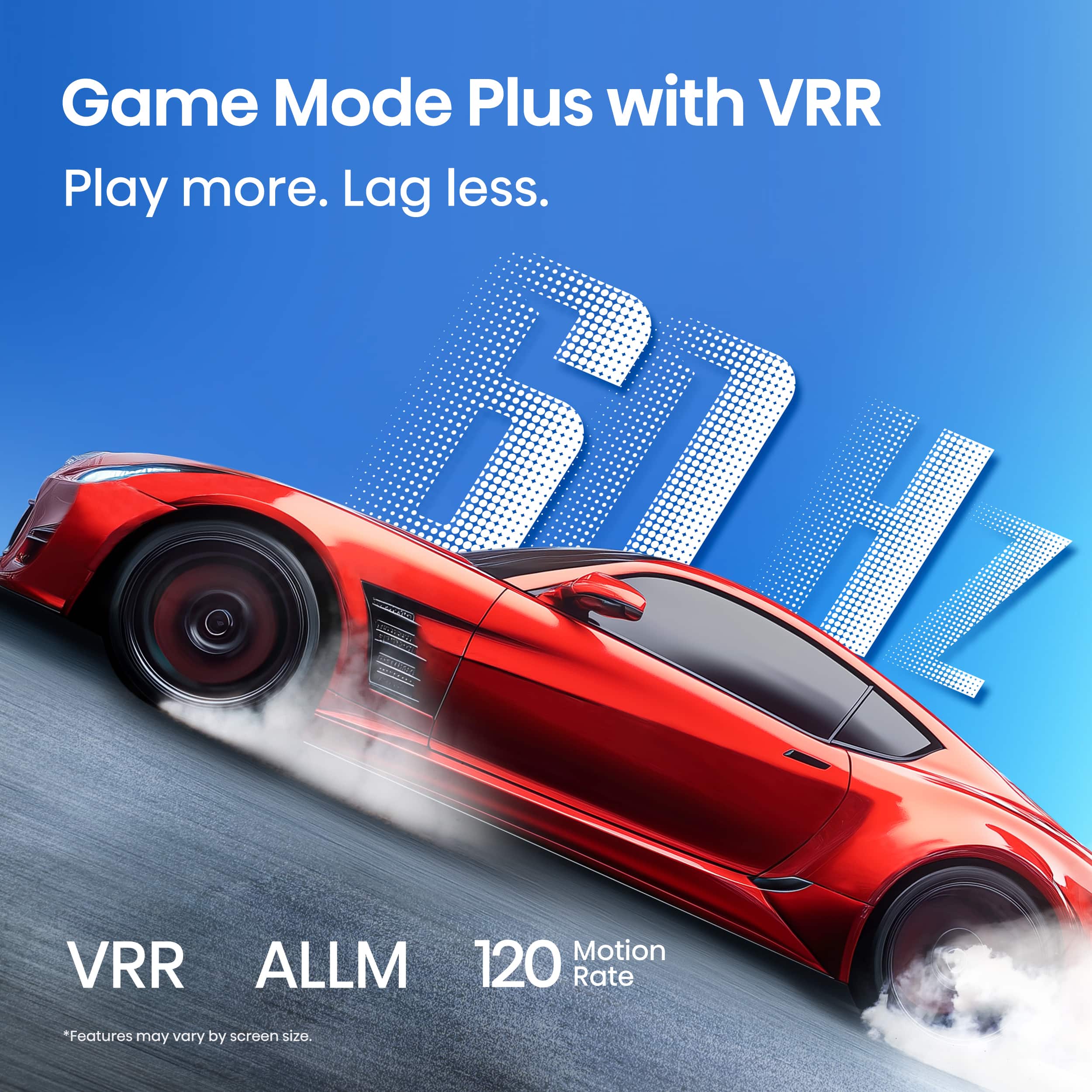
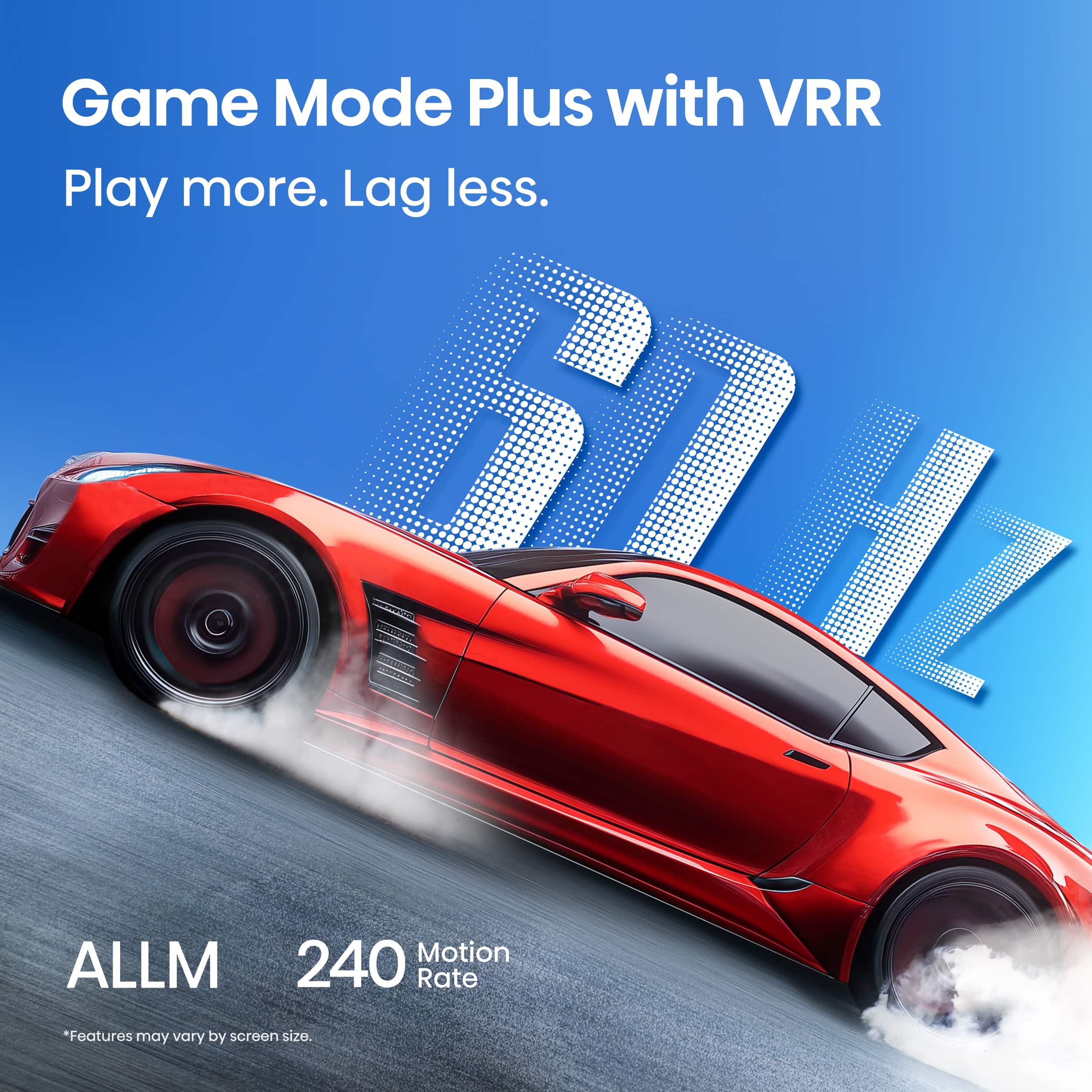
The QD6 operates at a standard 60Hz refresh rate, which means it can display up to 60 frames per second. For most casual gaming and all movie/TV content, this is perfectly adequate. However, it does support Variable Refresh Rate (VRR) and Auto Low Latency Mode (ALLM), which help reduce screen tearing and input lag respectively.
The QD7 steps up to a 144Hz refresh rate, which is a game-changer for fast-paced gaming. This higher refresh rate, combined with more advanced VRR implementation and ALLM, creates a noticeably smoother gaming experience. Based on user reviews from gamers, the difference is particularly apparent in competitive games or racing simulators where every frame counts.
Here's where the technical specifications become practically important. The QD6 uses HDMI 2.0 ports, which are adequate for current gaming needs but may limit future compatibility. The QD7 includes HDMI 2.1 connectivity, which provides higher bandwidth for 4K gaming at higher frame rates and is essential for getting the most out of PlayStation 5 and Xbox Series X consoles.
For someone primarily gaming on older consoles or who plays mostly single-player games, the QD6 will serve perfectly well. But for enthusiast gamers or anyone planning to keep their TV for several years, the QD7's gaming features provide significant future-proofing.
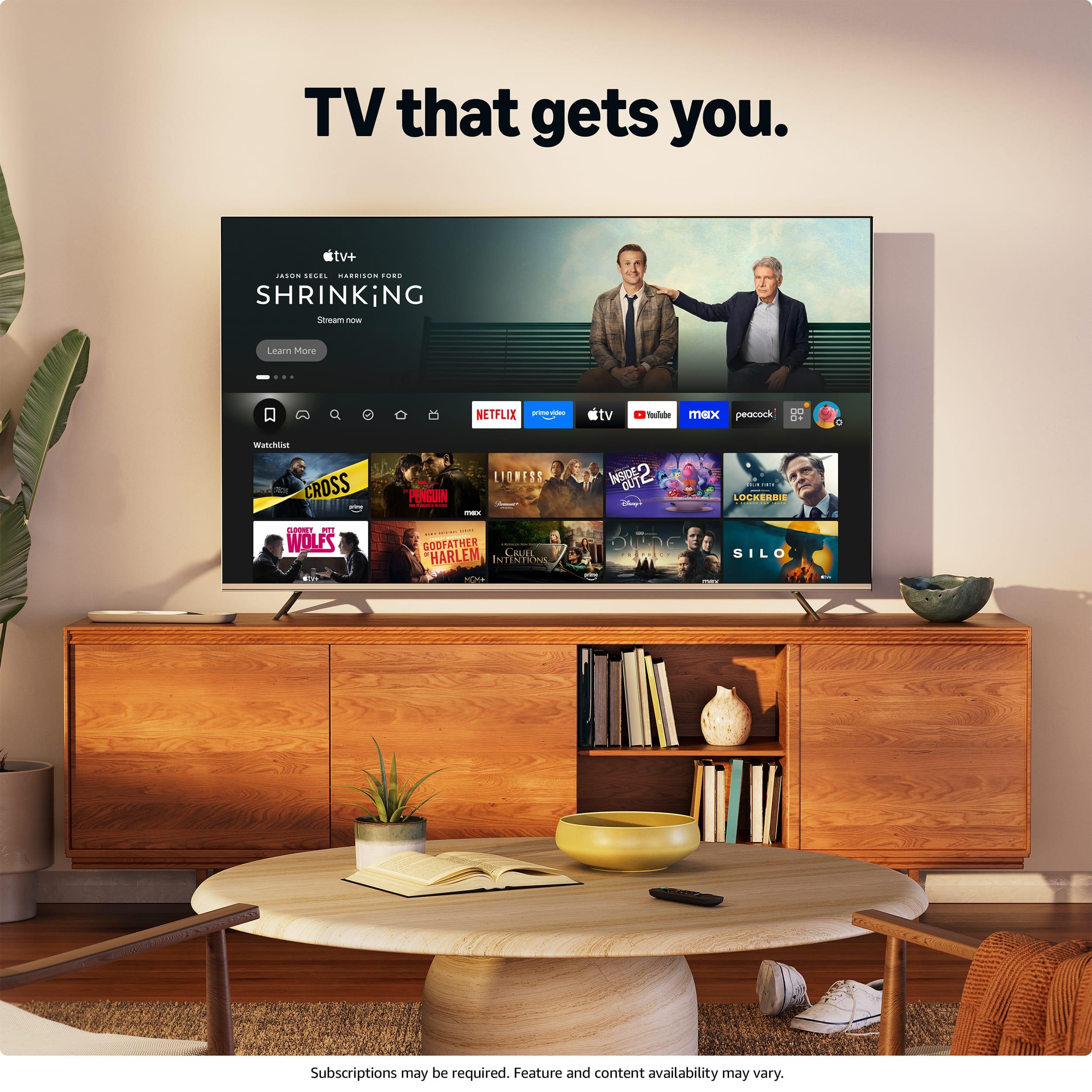
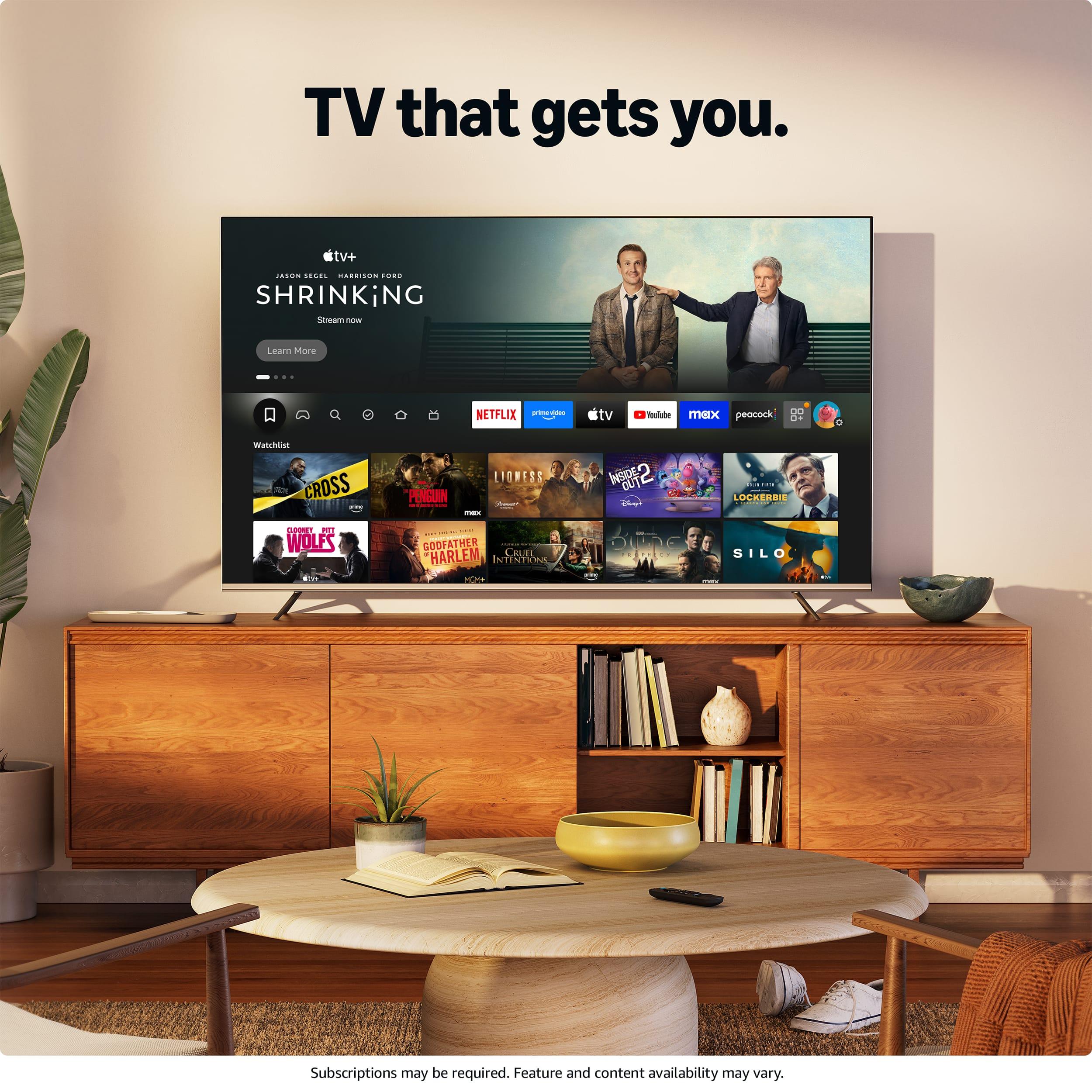
Both TVs run Amazon's Fire TV platform, which has evolved into one of the more polished smart TV experiences available. The interface is clean, navigation is intuitive, and app support is comprehensive, including all major streaming services like Netflix, Disney+, HBO Max, and Apple TV+.
Amazon Alexa integration is built-in, allowing voice control for searching content, controlling smart home devices, and adjusting TV settings. Both models also support Apple AirPlay for casting from iOS devices and work with Google Assistant through compatible devices.
Based on user feedback, both TVs handle the smart TV experience well, though some users report occasional menu lag on the QD6 during heavy multitasking. The QD7 appears to have slightly more processing power, resulting in smoother navigation, but the difference isn't dramatic enough to influence most buying decisions.
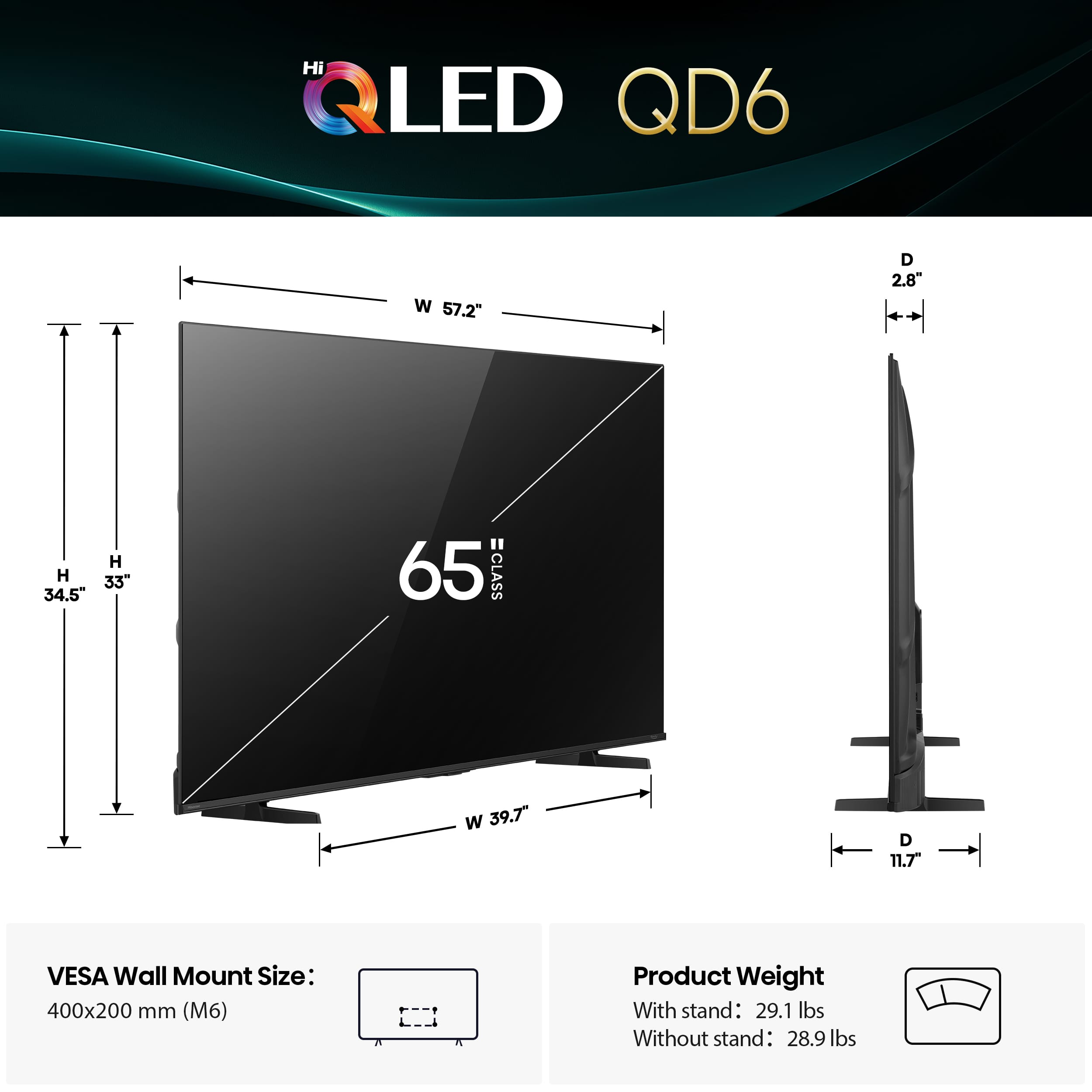
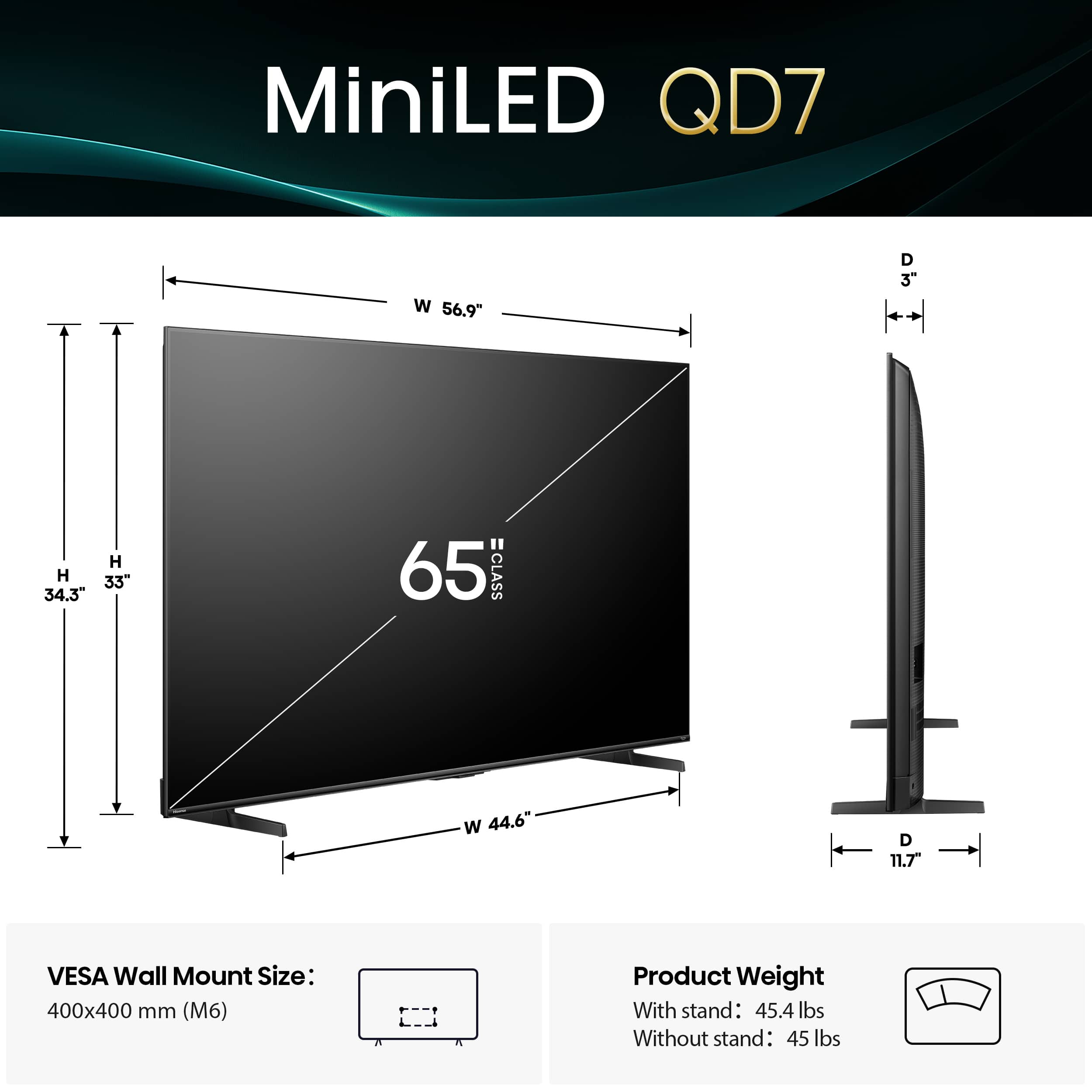
Both TVs follow Hisense's current design language with slim bezels and a focus on letting the screen dominate. The QD6 is notably thinner and lighter, making it easier to wall-mount and less imposing in smaller rooms. The QD7 is considerably thicker and heavier due to its more complex Mini-LED backlighting system, but still reasonable for a 65-inch TV.
User reviews consistently praise both models for their build quality and ease of setup. The included stands are sturdy and well-designed, and both TVs support standard VESA mounting patterns for wall installation. The remotes are functional if unremarkable, with dedicated buttons for major streaming services and voice control.
Your room's lighting conditions significantly impact which TV will work better for you. The QD6, with its lower peak brightness, performs best in moderately lit rooms away from direct sunlight. It handles typical living room lighting well, but bright windows or overhead lighting can wash out the image.
The QD7's higher brightness and local dimming make it much more versatile. It can handle bright room viewing during the day while still delivering excellent performance in dark room conditions for movie watching. This versatility is particularly valuable if your TV room serves multiple purposes throughout the day.
At the time of writing, the price difference between these models is substantial—roughly double for the QD7 compared to the QD6. This price gap makes the value equation more complex than a simple "better TV costs more" calculation.
The QD6 represents exceptional value for buyers stepping up from older 1080p TVs or those primarily interested in streaming and casual viewing. It delivers genuinely good 4K picture quality with quantum dot color enhancement at a price point that doesn't require significant budget stretching for most households.
The QD7 commands a premium, but it's delivering technology that was exclusive to TVs costing $1,500+ just a few years ago. For buyers who value picture quality and gaming performance, the price premium feels justified when compared to similarly equipped models from Samsung or Sony.
If you're building a dedicated home theater setup, the choice becomes clearer. The QD7's superior contrast ratio, local dimming, and higher peak brightness make it far better suited for the dark room viewing that home theaters are designed for. The ability to deliver true blacks while maintaining bright highlights creates the cinematic experience that home theater enthusiasts crave.
The QD6, while capable, lacks the contrast performance needed to compete with dedicated projector setups or OLED displays in dark room conditions. It's a perfectly good family room TV, but it won't deliver the "theater-like" experience that serious movie buffs are seeking.
Choose the QD6 if:
Choose the QD7 if:
Both the Hisense QD6 and QD7 represent solid choices in their respective price categories, but they're aimed at different types of buyers. The QD6 excels as a value-focused family TV that delivers good performance without breaking the bank. The QD7 steps up to deliver genuinely impressive picture quality and gaming performance that rivals much more expensive alternatives.
The deciding factor ultimately comes down to how much you value the picture quality improvements that Mini-LED and local dimming provide. If you're primarily watching streaming content in a moderately lit room and don't need cutting-edge gaming features, the QD6 offers tremendous value. But if you want a TV that can handle everything from bright room viewing to dark room movie watching while providing excellent gaming performance, the QD7's premium feels well-earned.
In my evaluation, the QD7 represents the better long-term investment for most buyers who can stretch their budget. The picture quality improvements are significant and noticeable in daily use, and the gaming features provide genuine future-proofing. However, the QD6 shouldn't be dismissed—it's an excellent TV that will satisfy the vast majority of viewers and represents outstanding value in the budget 4K category.
| Hisense 65" QD6 Series Hi-QLED Fire TV (2025) | Hisense 65" QD7 Series Mini-LED 4K Fire TV 2025 |
|---|---|
| Backlight Technology - The core difference that affects all picture quality | |
| Direct LED backlighting (no local dimming) | Mini-LED with Full Array Local Dimming (hundreds of zones) |
| Peak Brightness - Critical for HDR impact and bright room viewing | |
| ~385 cd/m2 (adequate for moderate lighting) | ~600-800 cd/m2 (excellent for bright rooms and HDR) |
| Refresh Rate - Essential for gaming and smooth motion | |
| 60Hz native (basic gaming performance) | 144Hz native (excellent for next-gen consoles) |
| Gaming Features - Important for console and PC gaming | |
| VRR, ALLM, Game Mode Plus at 60Hz | VRR, ALLM, Game Mode Ultra/Pro at 144Hz |
| HDMI Connectivity - Affects future compatibility | |
| 4x HDMI 2.0 ports (current consoles supported) | 4x HDMI ports with HDMI 2.1 (future-proof for high bandwidth) |
| Black Level Performance - Critical for dark room viewing and contrast | |
| Good VA panel contrast but suffers black lift | Excellent blacks with minimal blooming thanks to local dimming |
| HDR Support - All major formats supported on both | |
| Dolby Vision, HDR10+, HDR10, HLG (limited by brightness) | Dolby Vision, HDR10+, HDR10, HLG (full impact with higher brightness) |
| Color Technology - Both deliver excellent color reproduction | |
| Quantum Dot technology, 90% DCI-P3 coverage | Quantum Dot technology, 90% DCI-P3 coverage |
| Smart Platform - Identical experience on both models | |
| Fire TV with Alexa, Apple AirPlay, Google Assistant | Fire TV with Alexa, Apple AirPlay, Google Assistant |
| Best Use Case - Who should consider each model | |
| Budget-focused families, casual viewing, moderate lighting | Picture quality enthusiasts, gamers, varied lighting conditions |
| Value Proposition - The key buying decision | |
| Exceptional value for basic 4K viewing needs | Premium features at mid-range pricing, better long-term investment |
The primary difference is backlight technology. The Hisense QD6 uses standard Direct LED backlighting, while the Hisense QD7 features Mini-LED with Full Array Local Dimming. This means the QD7 can control brightness in hundreds of individual zones across the screen, delivering deeper blacks and brighter highlights for significantly better contrast and HDR performance.
The Hisense QD7 is substantially better for gaming with its 144Hz refresh rate, advanced VRR support, and HDMI 2.1 connectivity. The QD6 is limited to 60Hz and HDMI 2.0, making it suitable only for casual gaming. If you own a PlayStation 5, Xbox Series X, or high-end gaming PC, the QD7 will provide a much smoother gaming experience.
The Hisense QD7 achieves peak brightness of 600-800 nits compared to the QD6's 385 nits. This difference is significant for HDR content and bright room viewing. The QD7 can handle direct sunlight and deliver impactful HDR highlights, while the QD6 works best in moderately lit rooms.
Yes, both the Hisense QD6 and QD7 run the same Fire TV platform with Amazon Alexa built-in, identical app selection, and support for Apple AirPlay and Google Assistant. The smart TV experience is virtually identical between the two models, though the QD7 may have slightly faster menu navigation.
The Hisense QD7 is far superior for home theater use. Its Mini-LED local dimming delivers the deep blacks and high contrast essential for dark room movie watching. The QD6 suffers from black lift in mixed content, making it less suitable for dedicated home theater environments where picture quality is paramount.
The picture quality improvement from the QD6 to the QD7 is substantial, not incremental. You get significantly better contrast, brighter HDR performance, and more precise backlighting control. Whether it's worth the cost depends on how much you value picture quality and whether you plan to use gaming features.
The Hisense QD7 handles bright rooms much better due to its higher peak brightness and local dimming technology. It can overcome ambient light and maintain good contrast even with windows or bright overhead lighting. The QD6 is adequate for moderate lighting but struggles in very bright conditions.
Both the Hisense QD6 and QD7 support all major HDR formats including Dolby Vision, HDR10+, HDR10, and HLG. However, the QD7 can actually deliver on HDR's promise with its higher brightness and local dimming, while the QD6's limited brightness makes HDR content appear flat and less impactful.
Neither TV excels at sports viewing due to their VA panels having limited viewing angles and some motion blur. However, the Hisense QD7 performs better with its higher refresh rate and better motion handling. Both TVs have decent response times for casual sports viewing, but neither is ideal for large group viewing due to viewing angle limitations.
The Hisense QD6 works well with older consoles and casual gaming on current-gen systems. The QD7 is optimized for PlayStation 5 and Xbox Series X, taking full advantage of their high frame rate capabilities and advanced gaming features like VRR. PC gamers will also benefit significantly from the QD7's 144Hz refresh rate.
Value depends on your priorities. The Hisense QD6 offers exceptional value for basic 4K viewing, streaming, and casual use. The QD7 provides better long-term value if you want premium picture quality, serious gaming capabilities, and a TV that will remain competitive for years. The QD6 is the budget champion, while the QD7 delivers premium features at mid-range pricing.
If you're upgrading from an older 1080p TV and want solid 4K performance without stretching your budget, the Hisense QD6 is an excellent first 4K TV. If you can afford the step up and want to experience what modern TV technology can deliver, the QD7 will provide a more impressive upgrade and better long-term satisfaction with its superior picture quality and gaming features.
We've done our best to create useful and informative comparisons to help you decide what product to buy. Our research uses advanced automated methods to create this comparison and perfection is not possible - please contact us for corrections or questions. These are the sites we've researched in the creation of this article: pcvarge.com - bestbuy.com - rtings.com - youtube.com - rtings.com - youtube.com - consumerreports.org - leaseville.com - hisense-usa.com - device.report - hisense-usa.com - youtube.com - flatpanelshd.com - displayspecifications.com - retailspecs.com - bestbuy.com - custrevs.com - youtube.com - bestbuy.com - rtings.com - youtube.com - rtings.com - pcrichard.com - bestbuy.com - pcrichard.com - camelcamelcamel.com - amazonfiretv.blog - hisense-usa.com - hisense-usa.com - hisense-usa.com - bestbuy.com - leaseville.com - youtube.com - bestbuy.com - flatpanelshd.com

Privacy Policy
Terms and Conditions - Affiliate Policy
Home Security
© Copyright 2008-2026.
11816 Inwood Rd #1211, Dallas, TX 75244