

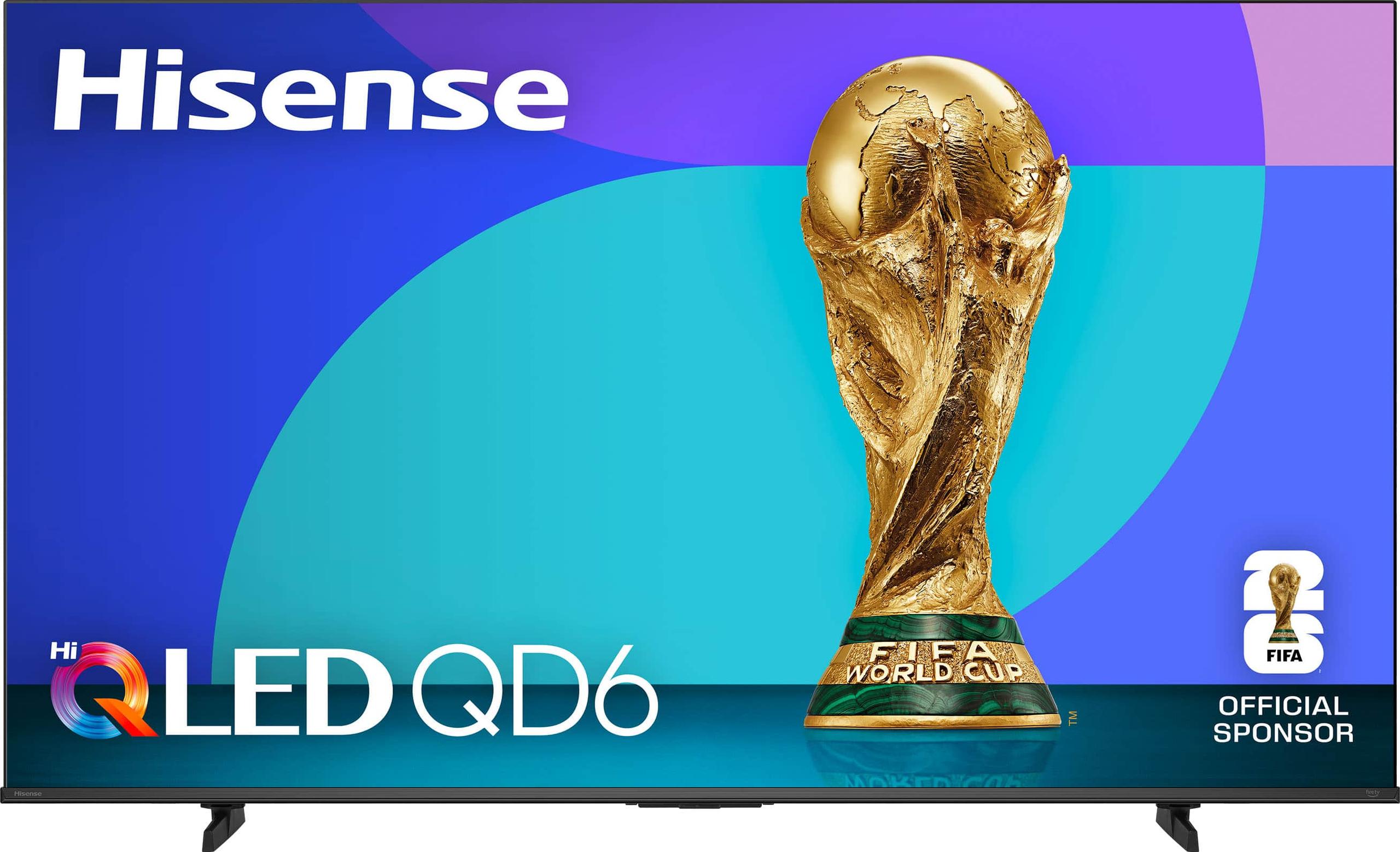

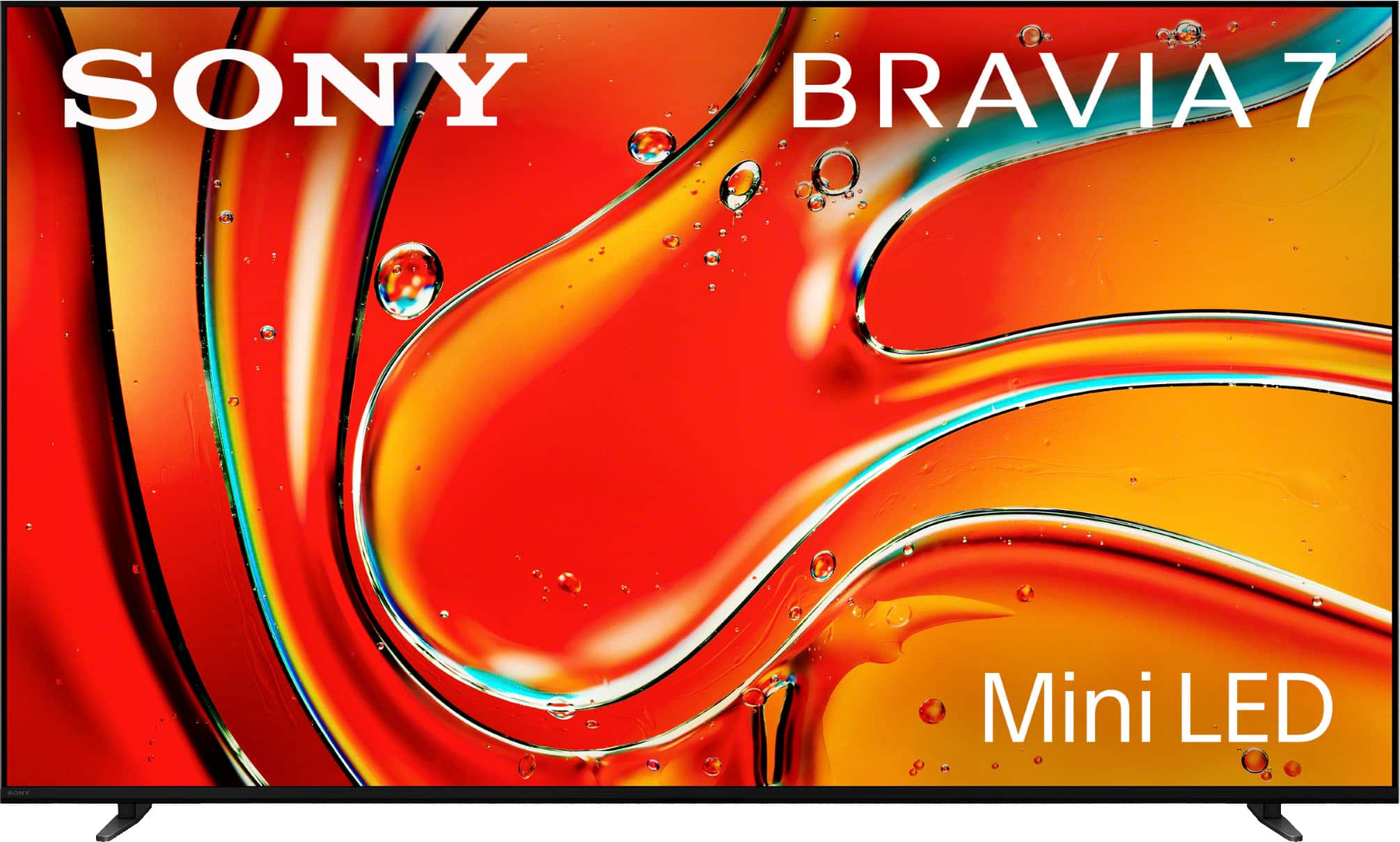
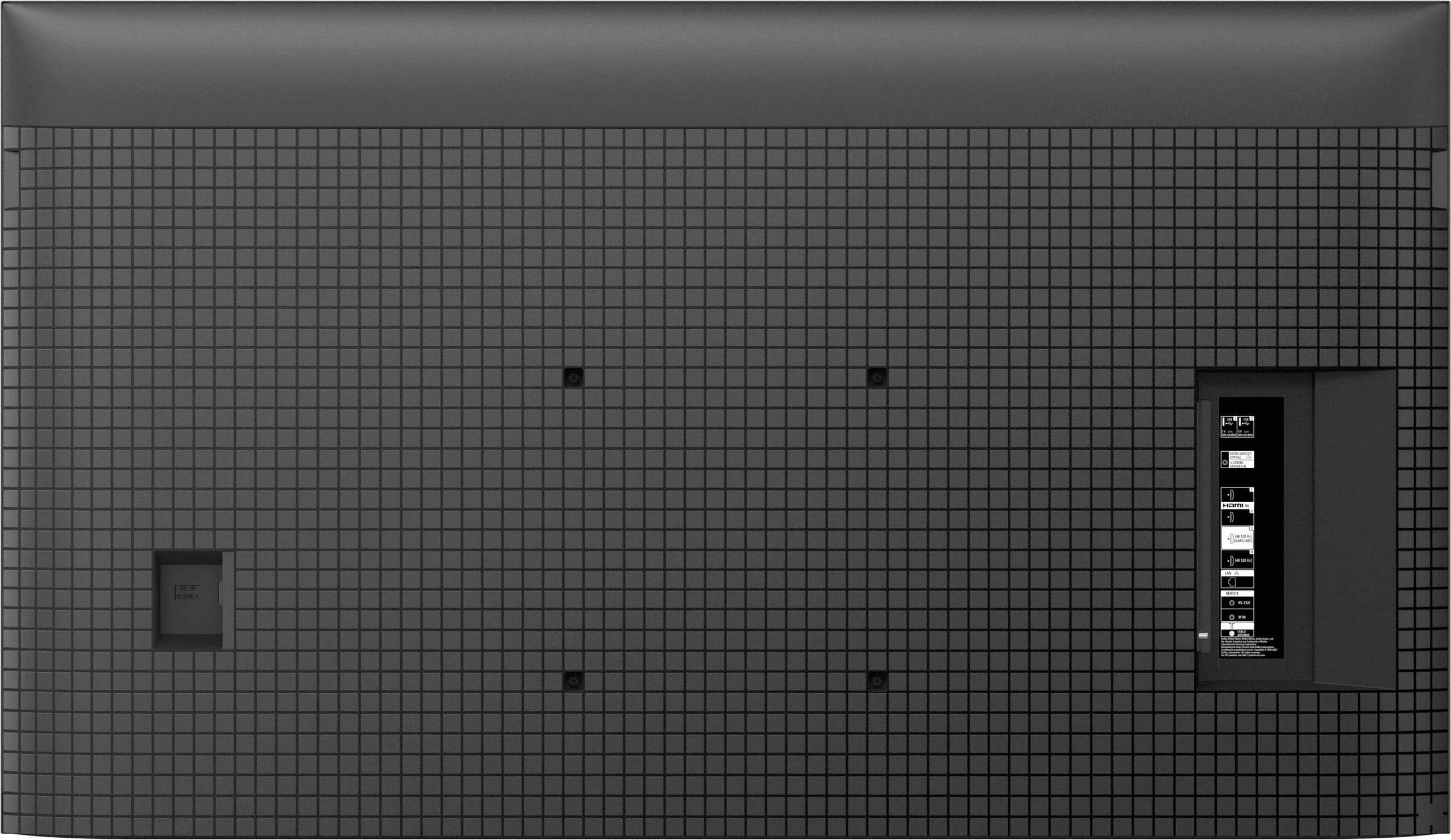
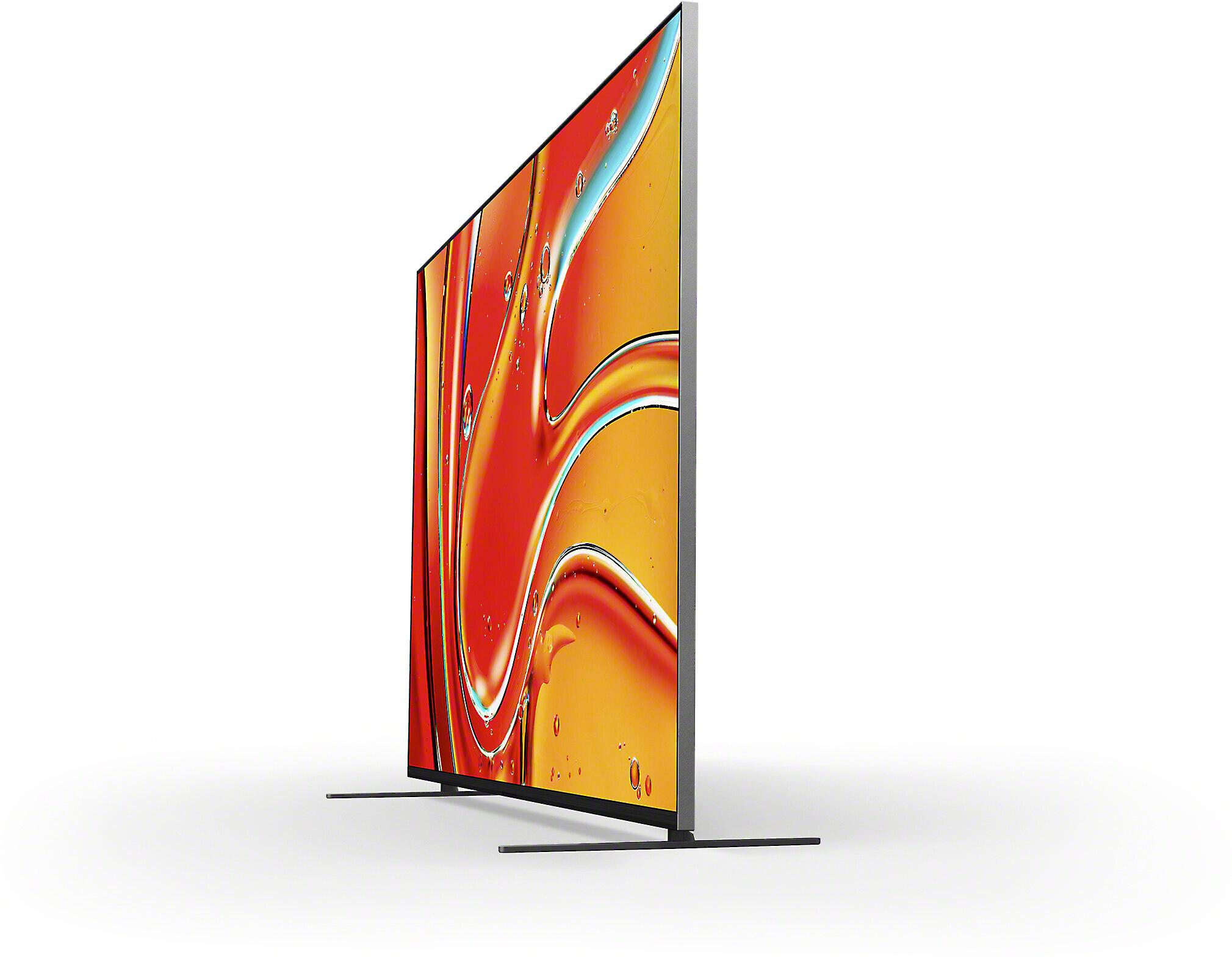
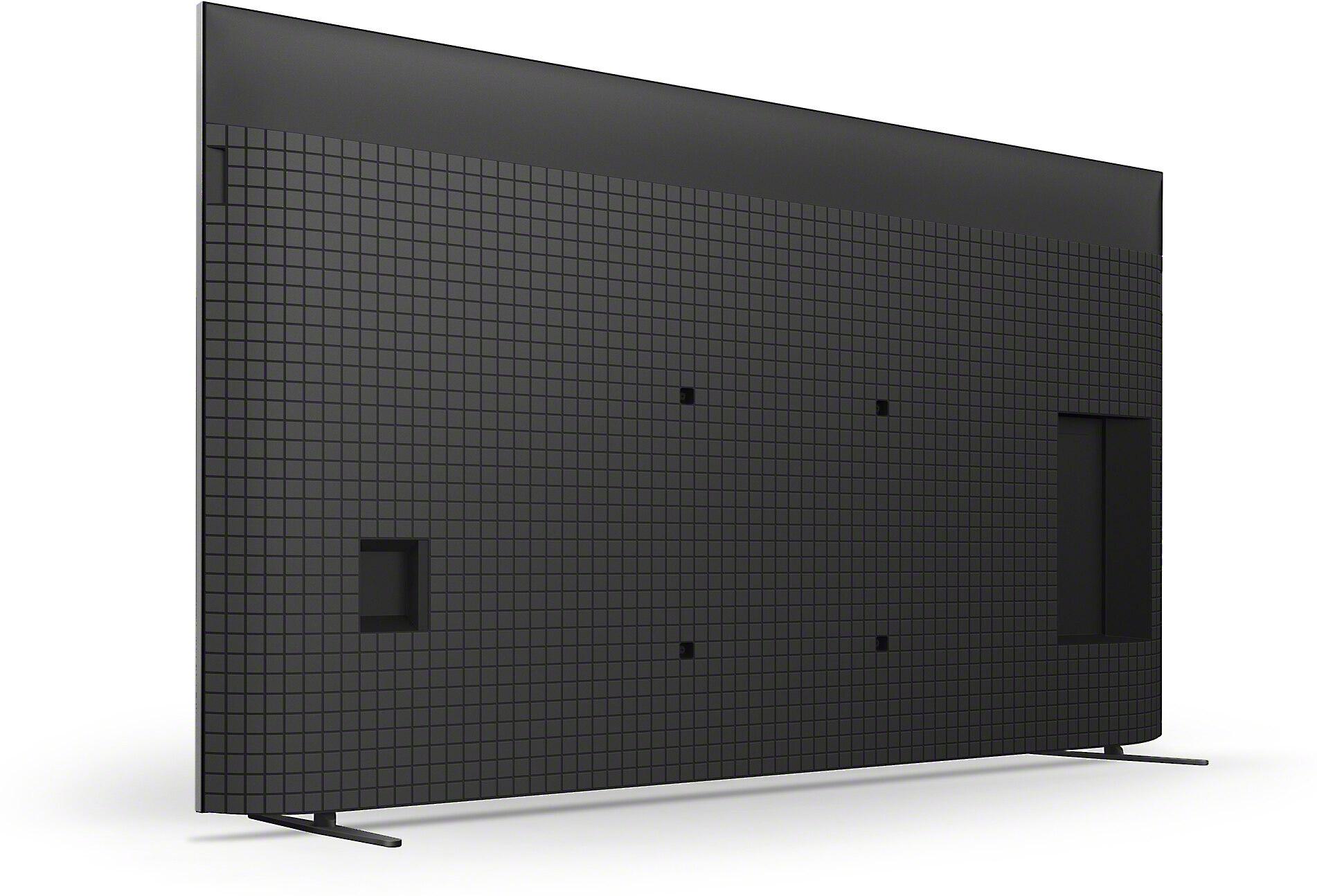
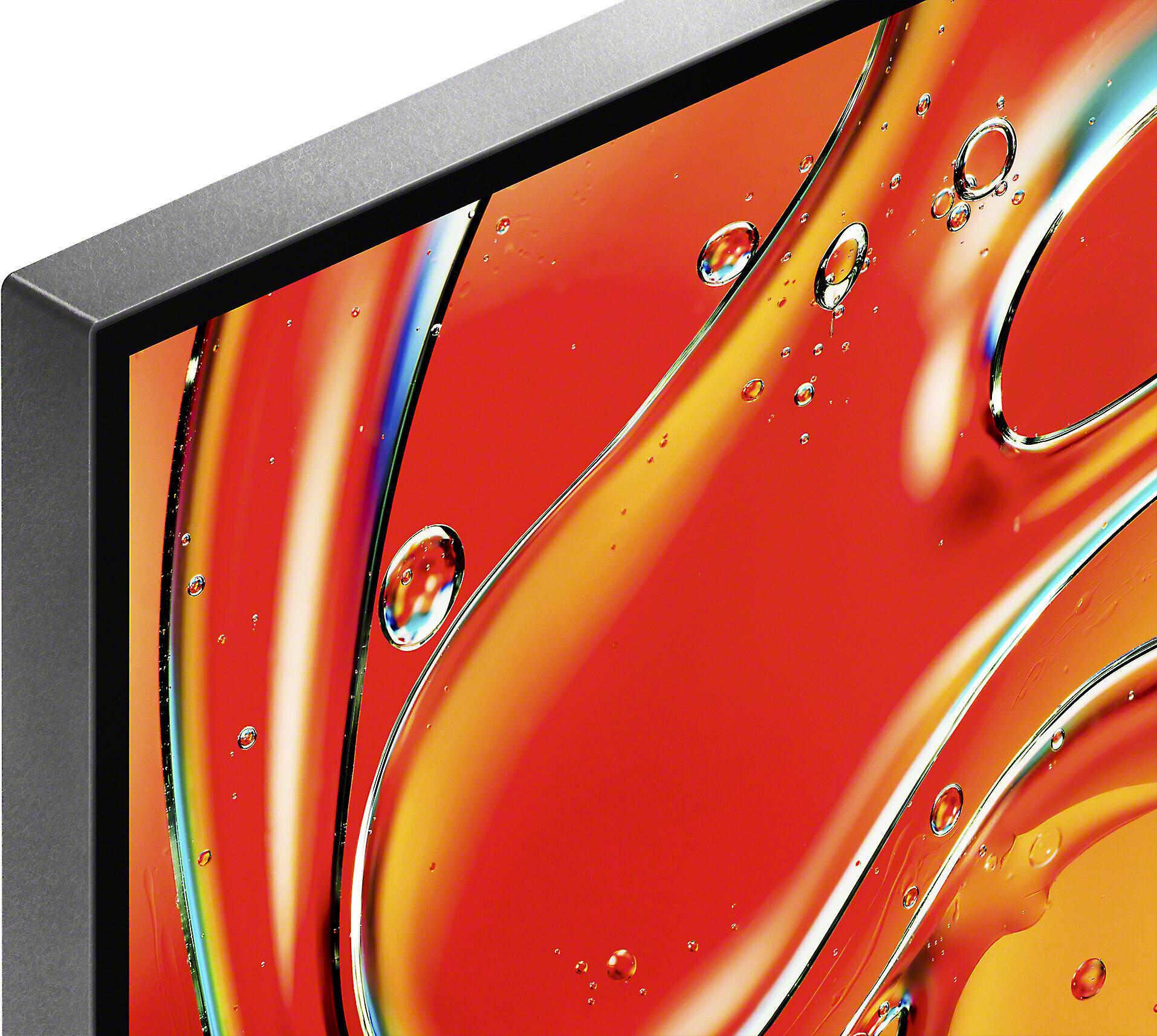
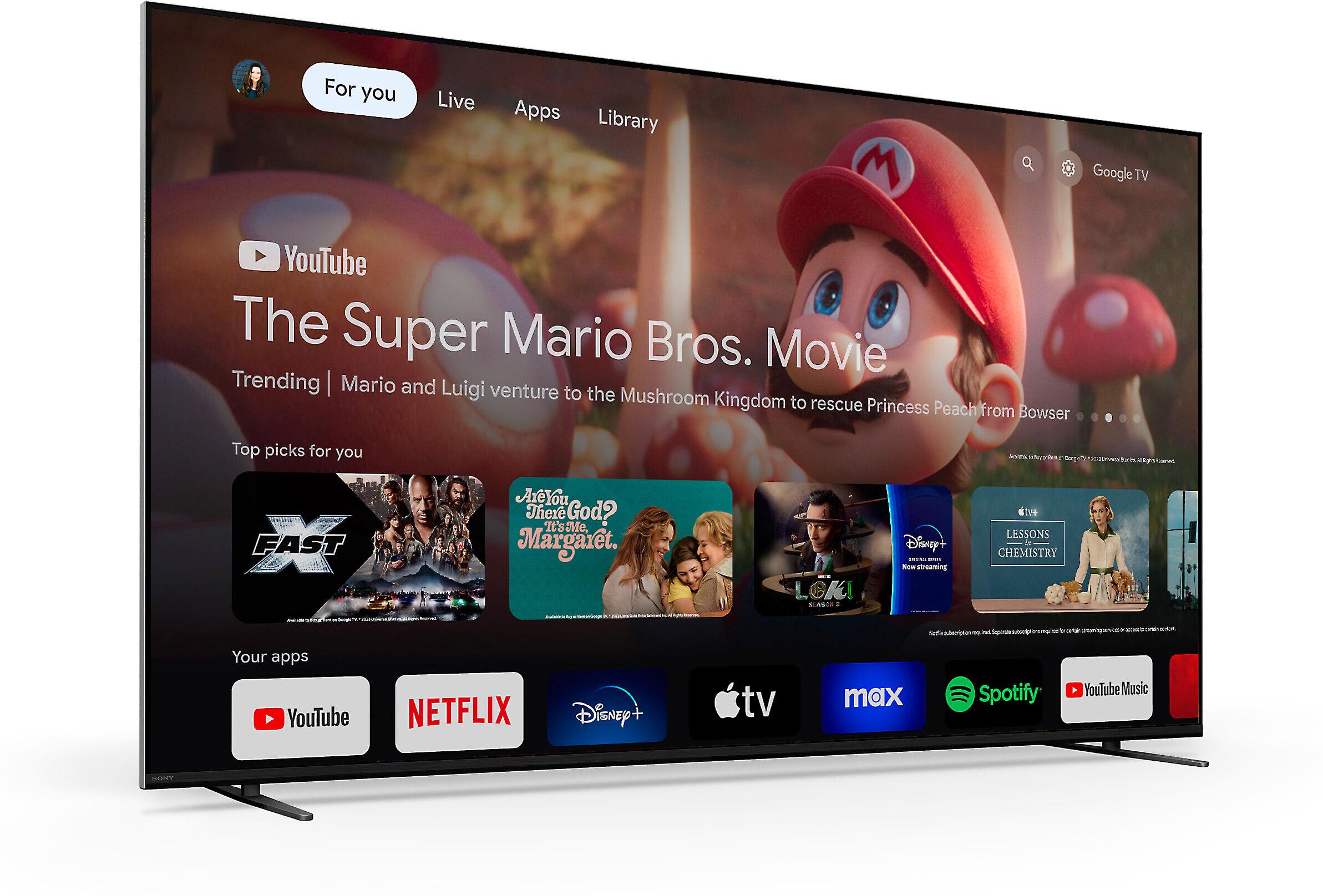
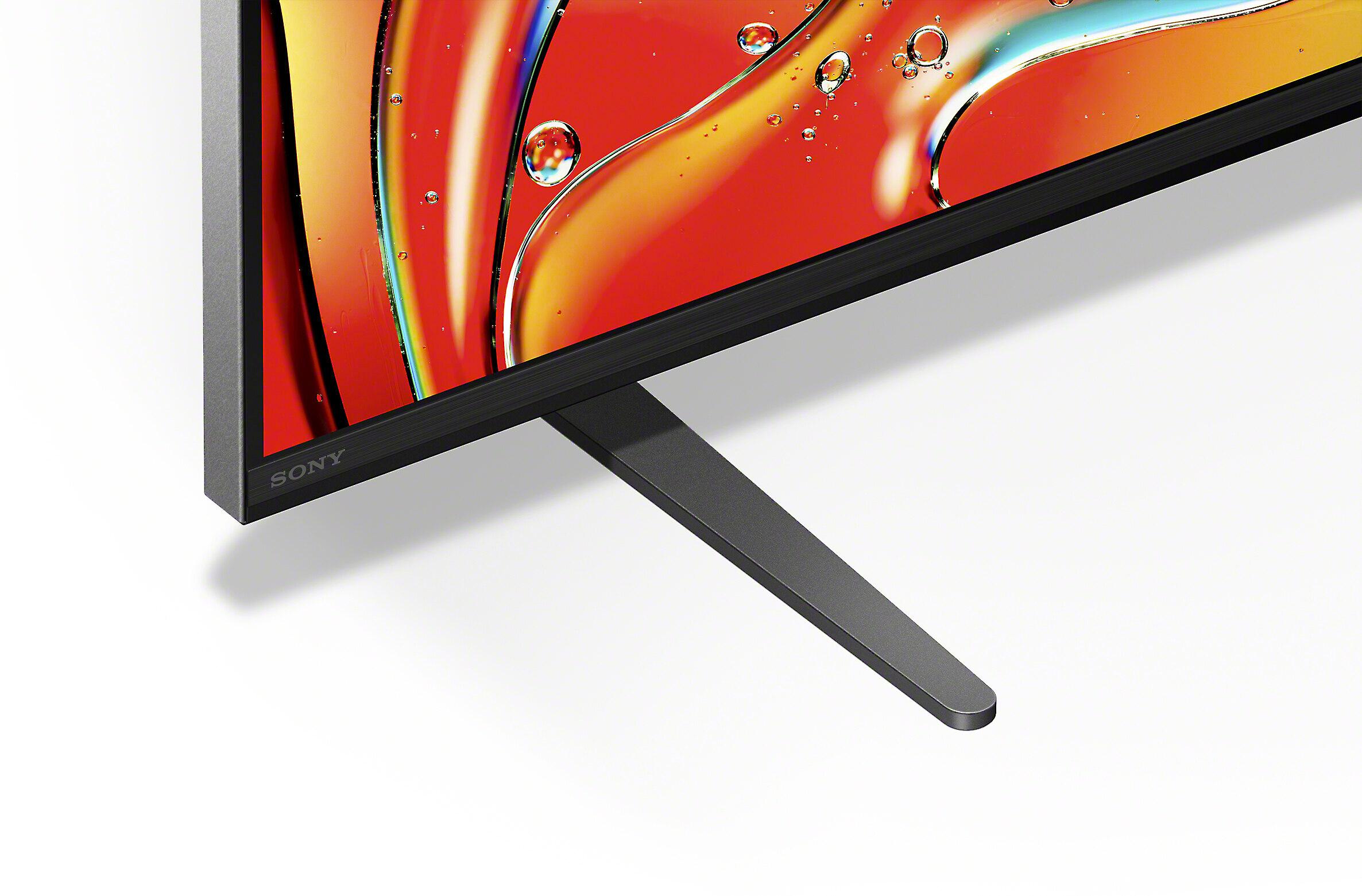
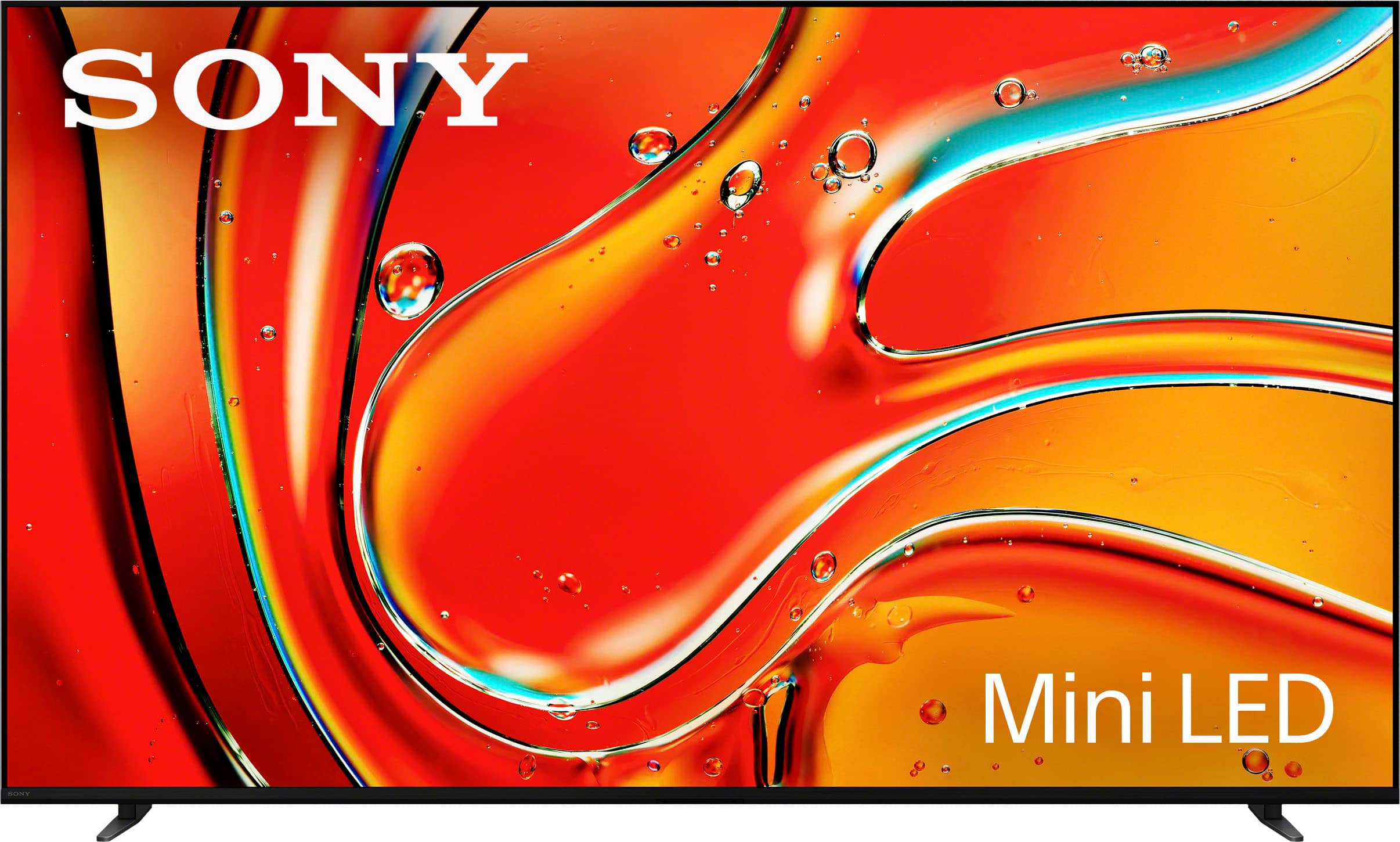
When shopping for a 65-inch TV, you'll quickly discover that "premium" means very different things depending on your budget. At the time of writing, two TVs perfectly illustrate this divide: the Hisense 65" QD6 Series Hi-QLED Fire TV (2025) and the Sony BRAVIA 7 65" 4K UHD Smart Google TV. One costs roughly four times more than the other, yet both claim to deliver premium picture quality through similar Mini-LED technology.
The question isn't simply which TV is better—it's which approach to premium TV engineering makes more sense for your specific needs and budget. After researching extensive user reviews and expert evaluations, the answer depends heavily on whether you prioritize exceptional value or refined performance.
The 65-inch size has become the sweet spot for modern home entertainment. It's large enough to create an immersive viewing experience without overwhelming most living rooms, yet affordable enough for mainstream buyers. But within this category, manufacturers take dramatically different approaches to achieving "premium" status.
The most important performance characteristics in this segment include peak brightness (measured in nits or cd/m²), contrast ratio (the difference between the darkest blacks and brightest whites), color accuracy (how faithfully the TV reproduces intended colors), motion handling (how well it displays fast-moving content without blur), and input lag (the delay between your controller input and screen response during gaming).
What's particularly interesting about both the Hisense QD6 and Sony BRAVIA 7 is that they use fundamentally similar display technology—Mini-LED backlighting with quantum dots—but implement it in vastly different ways that reflect their target markets.
The Hisense QD6 Series, released in 2025, represents something of a minor miracle in TV manufacturing. Just a few years ago, Mini-LED technology was exclusive to TVs costing several thousand dollars. Mini-LED uses thousands of tiny LEDs behind the screen (instead of traditional edge lighting) to create precise brightness control in different areas of the picture—a technology called Full Array Local Dimming.
What Hisense has accomplished is bringing this advanced backlighting to an extremely accessible price point. The QD6 includes hundreds of dimming zones, which means it can make specific parts of the screen darker while keeping other areas bright. This creates much better contrast than basic LED TVs, especially noticeable when watching movies with dark scenes that include bright elements like stars or car headlights.
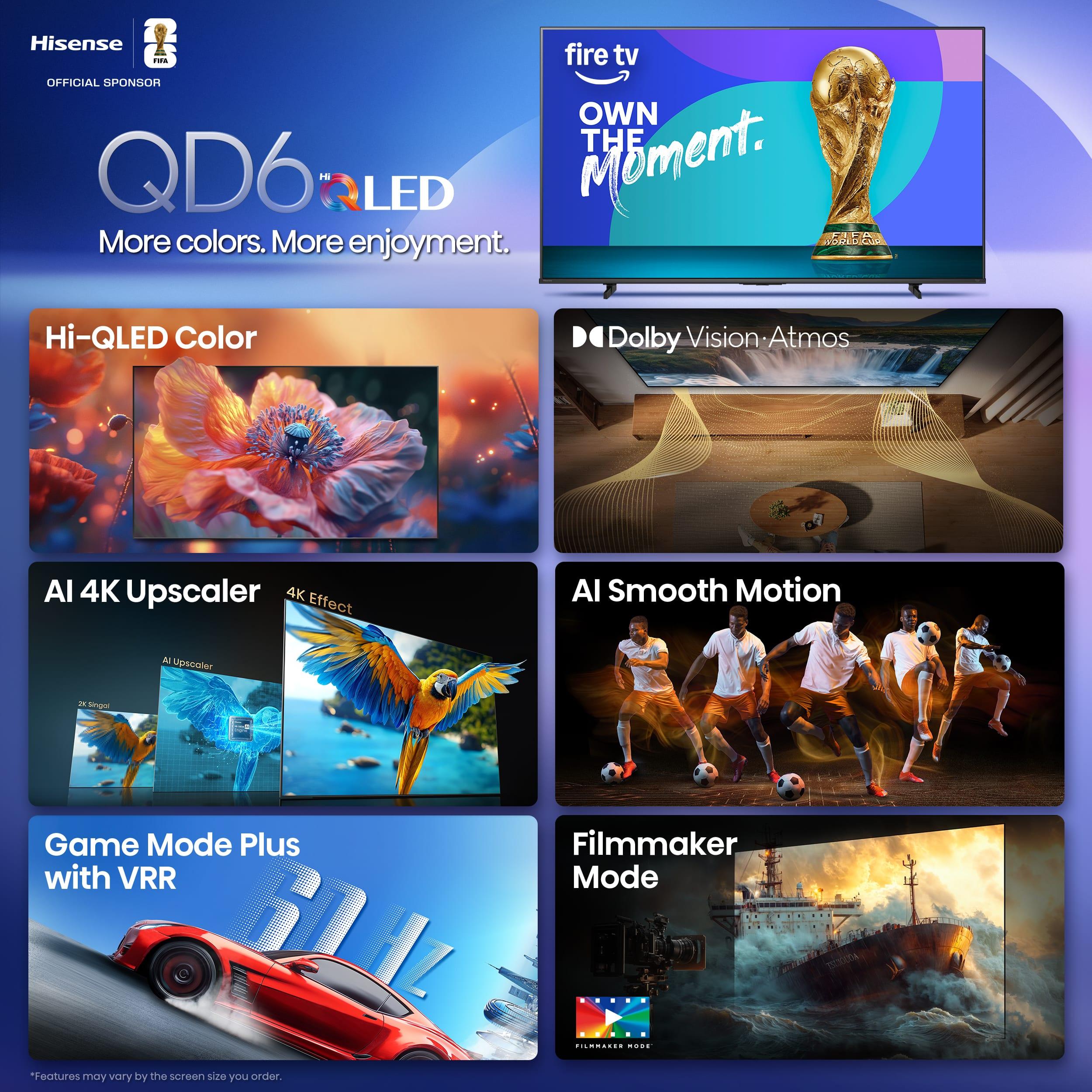
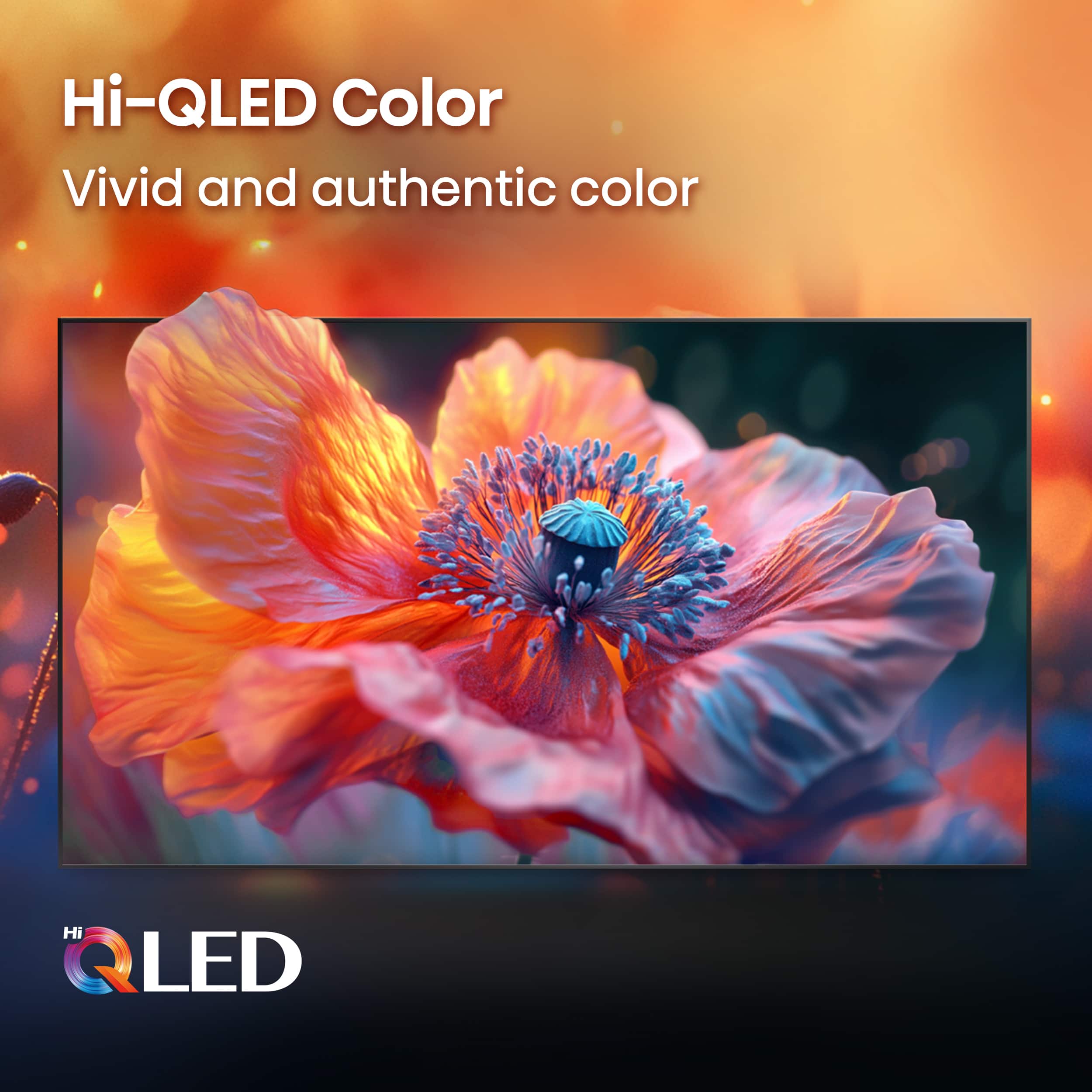
The quantum dot layer (the "QD" in the model name) enhances color reproduction by converting blue LED light into precise red and green wavelengths. This allows the Hisense QD6 to cover about 90% of the DCI-P3 color space—a professional standard used in movie theaters. For context, basic LED TVs typically cover only 70-80% of this color space.
However, achieving this aggressive pricing required compromises. The TV's peak brightness reaches approximately 385 cd/m², which is adequate for most viewing environments but can struggle in very bright rooms with large windows. The processing power is also more limited, using an ARM Cortex-A53 processor that handles basic upscaling and motion interpolation but lacks the sophisticated real-time analysis found in premium TVs.
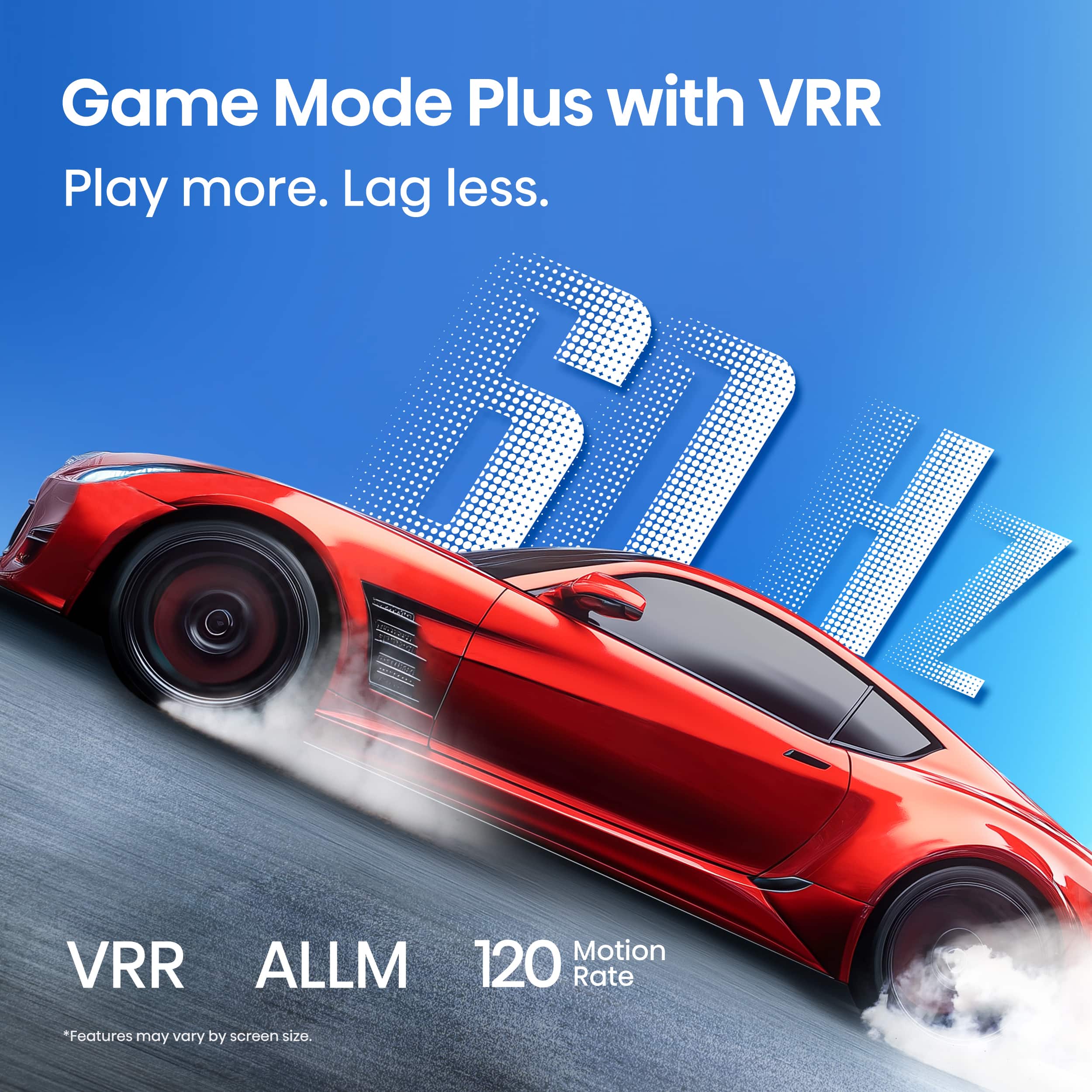
Perhaps most significantly for some users, the Hisense QD6 includes only HDMI 2.0 ports rather than the newer HDMI 2.1 standard. This limits the TV to 60Hz at 4K resolution, though it does support Variable Refresh Rate (VRR) and Auto Low Latency Mode (ALLM) for gaming. Input lag measures around 10-12 milliseconds in game mode, which is excellent for most gaming scenarios.
The Sony BRAVIA 7, released in 2024, takes a fundamentally different approach to Mini-LED implementation. While it uses similar underlying technology, Sony's execution focuses on precision and processing sophistication rather than aggressive cost-cutting.
Sony's XR Backlight Master Drive technology controls thousands of Mini-LEDs with much finer granularity than the Hisense QD6. This translates to better contrast control, especially in challenging scenes where bright and dark elements appear close together. The difference becomes particularly apparent in HDR content, where specular highlights (like reflections on water or metal) appear more realistic and punchy.
The real differentiator lies in Sony's XR Cognitive Processor, which analyzes each scene in real-time to optimize multiple picture elements simultaneously. Unlike basic processing that adjusts brightness, contrast, and color independently, the XR processor understands how humans perceive images and adjusts these elements in relation to each other. For example, it might slightly reduce the saturation of background elements to make foreground subjects appear more three-dimensional.
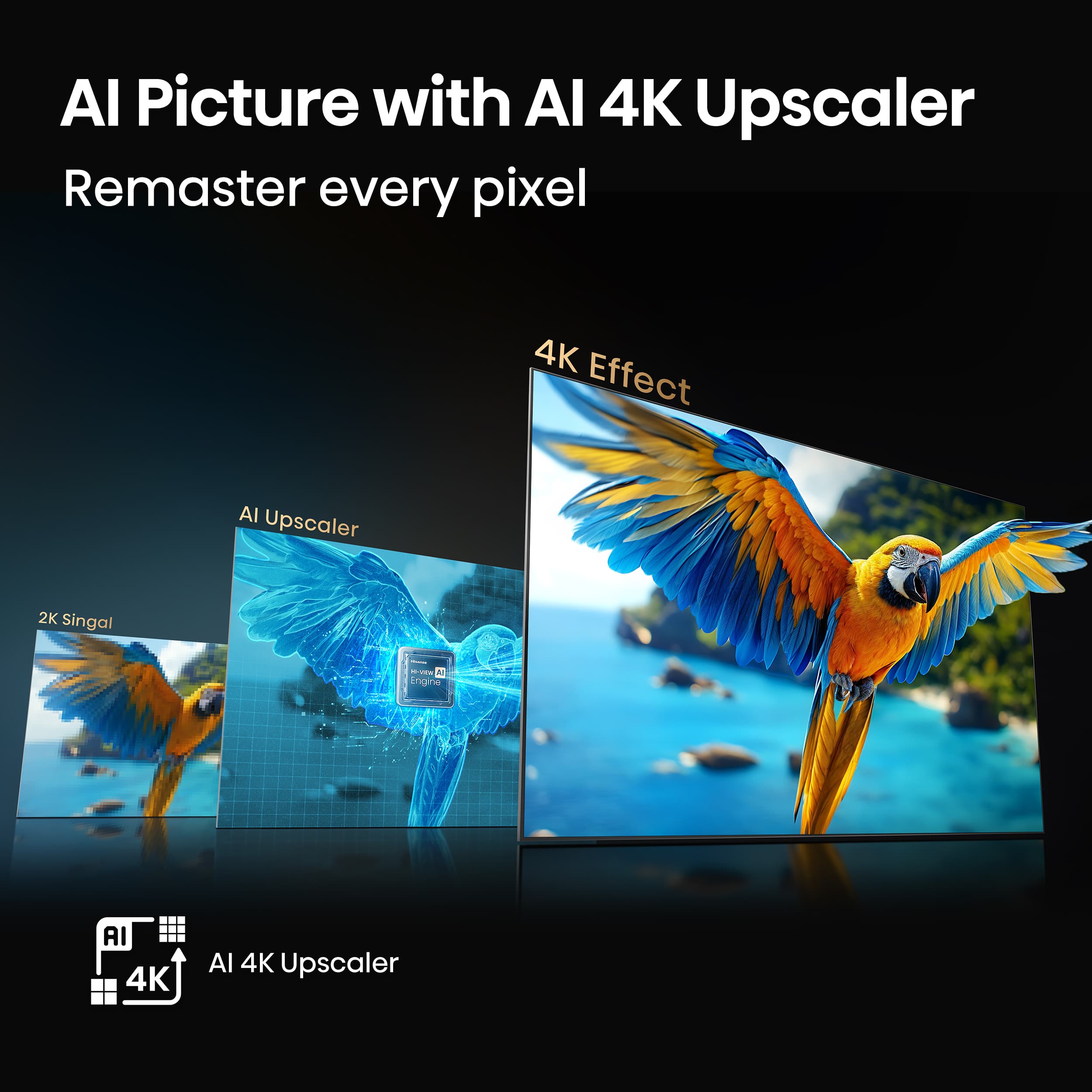
This processing power extends to upscaling lower-resolution content. While the Hisense QD6 includes competent AI upscaling that sharpens HD content, Sony's XR Clear Image technology goes further by analyzing texture patterns and rebuilding detail that was lost during compression or transmission. The difference is particularly noticeable with streaming content, where bitrate limitations often create artifacts that Sony's processing can partially reconstruct.
The Sony BRAVIA 7 also includes studio-calibrated picture modes for major streaming services. These modes ensure that content appears exactly as the creators intended, with color and brightness settings that match the professional monitors used during post-production. This attention to accuracy appeals to enthusiasts who want cinema-quality picture reproduction at home.
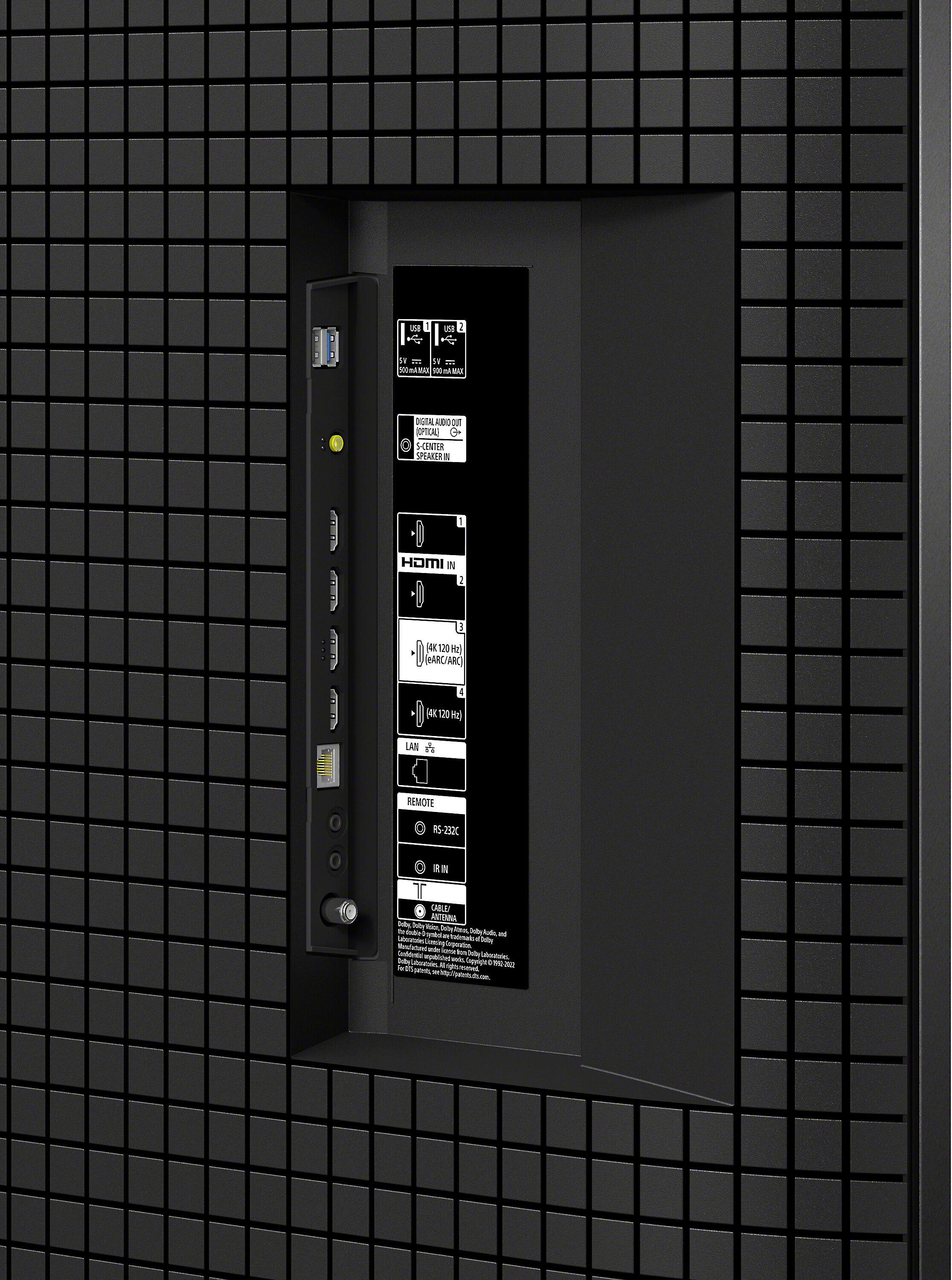
Both TVs cater to modern gaming, but with different strengths. The Sony BRAVIA 7 includes HDMI 2.1 ports that support 4K gaming at 120Hz, which creates smoother motion in compatible games on PlayStation 5 or Xbox Series X. Input lag measures approximately 8.5 milliseconds, slightly better than the Hisense QD6.
The Sony also includes specific PlayStation 5 optimizations, including Auto HDR Tone Mapping that automatically adjusts HDR settings for optimal gaming visuals. XR Motion Clarity reduces motion blur during fast-paced gaming without introducing the soap opera effect that can make games feel artificial.
The Hisense QD6, while limited to 4K at 60Hz, still provides excellent gaming performance for most users. VRR support eliminates screen tearing, and ALLM automatically switches to game mode when it detects gaming signals. The 60Hz limitation mainly affects competitive gaming where ultra-smooth motion provides advantages, or when playing games that specifically support 120Hz modes.
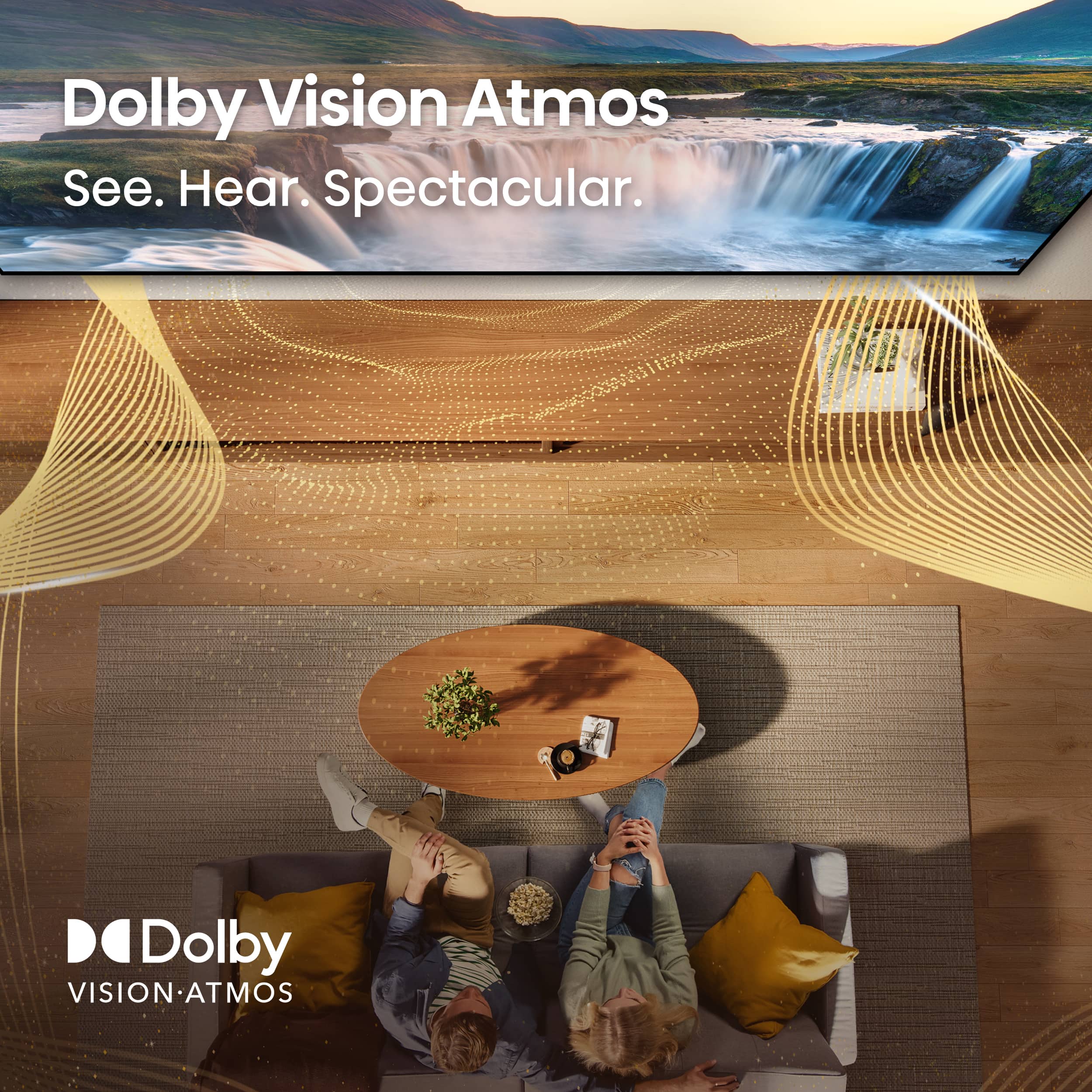
Audio represents perhaps the largest performance gap between these TVs. The Sony BRAVIA 7 includes a sophisticated 40-watt speaker system with Dolby Atmos support and Acoustic Multi-Audio technology. This system can create height effects and room-filling sound that genuinely enhances the viewing experience without external speakers.
The Hisense QD6 includes basic speakers with Dolby Atmos support, but the implementation is more about format compatibility than actual performance. While perfectly adequate for casual viewing, it lacks the clarity and spatial effects that make the Sony engaging for movie watching without a soundbar or surround sound system.
This difference matters significantly for users who don't plan to invest in external audio equipment immediately. The Sony can serve as a complete entertainment solution, while the Hisense really benefits from audio upgrades to reach its full potential.
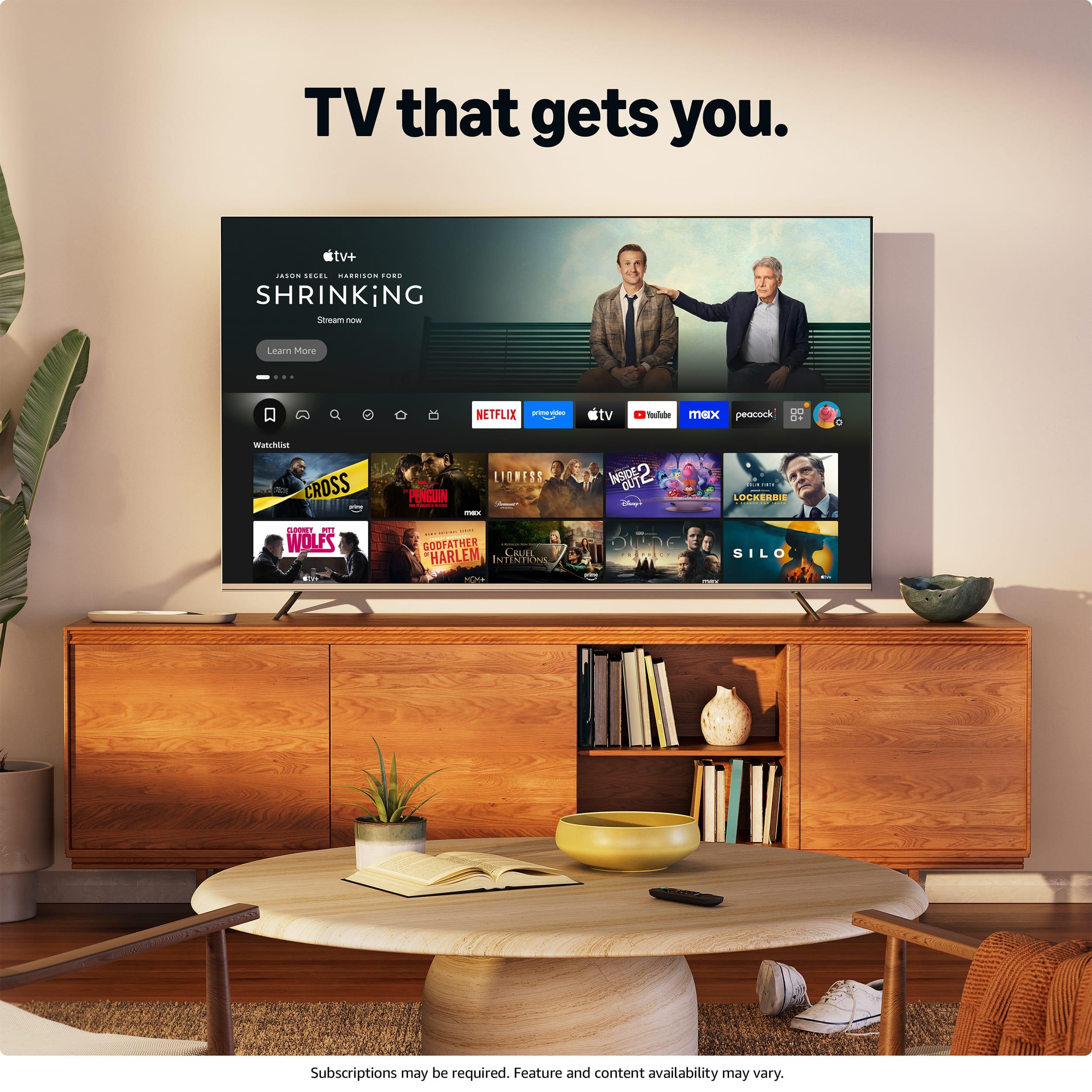
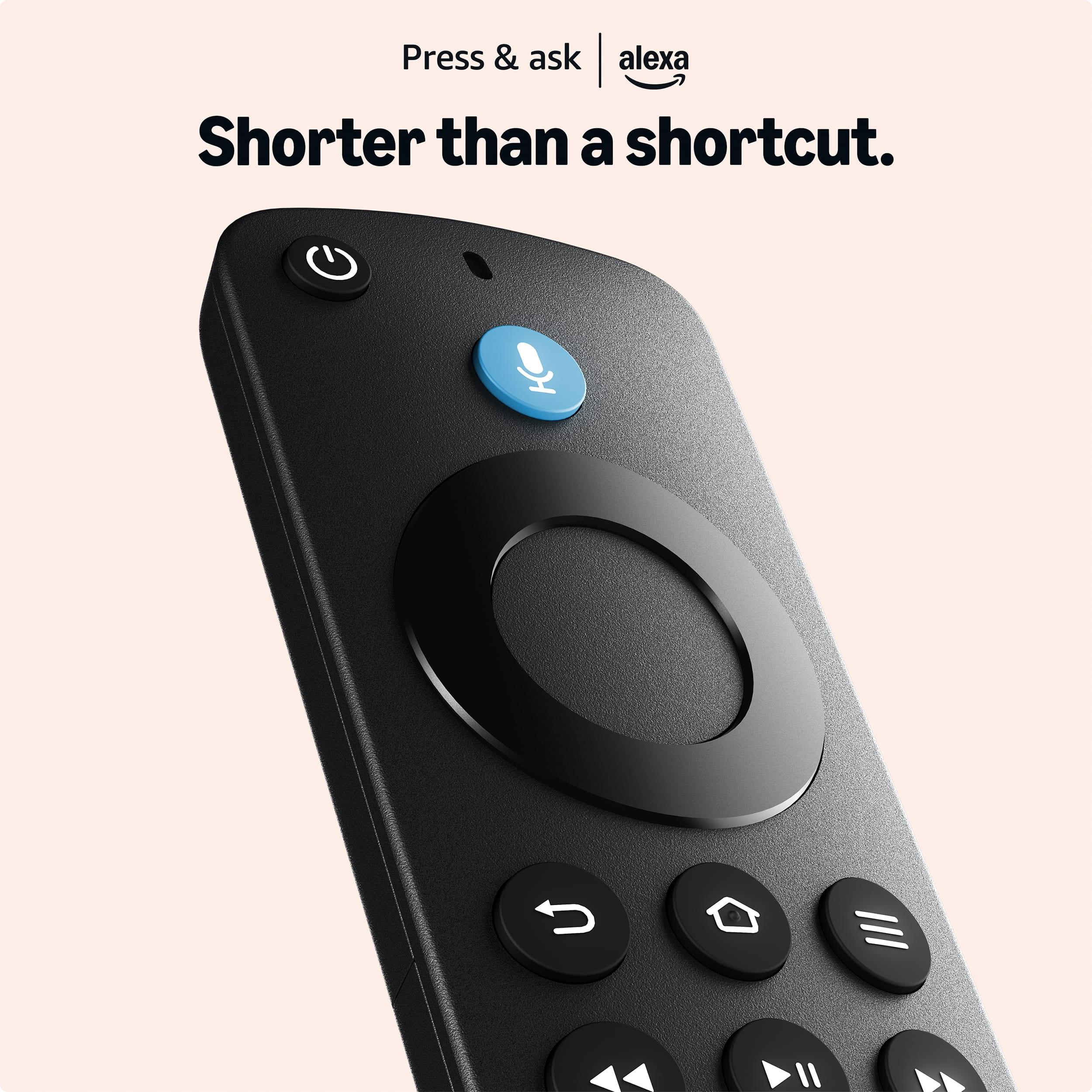
The choice between Fire TV (Hisense QD6) and Google TV (Sony BRAVIA 7) often comes down to ecosystem preferences. Fire TV integrates seamlessly with Amazon services and Alexa voice control, making it ideal for households already invested in Amazon's smart home ecosystem.
Google TV offers superior content discovery, aggregating recommendations from multiple streaming services and learning your preferences over time. It also provides better integration with Android devices and Google services. Both platforms support all major streaming apps with responsive performance, though some users report occasional menu lag on the Hisense compared to the Sony's more powerful processing hardware.
Sony's reputation for long-term reliability isn't accidental. The BRAVIA 7 uses premium materials and tighter manufacturing tolerances that typically translate to better durability and consistent performance over many years. The backlit remote includes a finder function, and the overall fit and finish reflects Sony's attention to detail.
The Hisense QD6 offers solid construction for its price point, but represents a more typical approach to cost-conscious manufacturing. While perfectly adequate, it doesn't match Sony's premium feel or expected longevity. For buyers planning to keep their TV for many years, this difference in build quality becomes more significant over time.
For dedicated home theater use, the Sony BRAVIA 7 provides clear advantages. Its superior brightness control, color accuracy, and processing make it better suited for critical viewing in controlled lighting environments. The studio-calibrated modes ensure that movies appear as directors intended, while the advanced local dimming handles challenging HDR content more gracefully.
The Hisense QD6 can certainly serve in a home theater, especially considering its exceptional value, but may require more careful setup and calibration to achieve optimal results. Its lower peak brightness can also limit HDR impact in dedicated theater environments where maximum contrast is desired.
At the time of writing, the price difference between these TVs is substantial—the Sony BRAVIA 7 costs roughly four times more than the Hisense QD6. This creates two very different value propositions.
The Hisense represents exceptional value by delivering about 75% of premium TV performance at 25% of the cost. For most users in typical viewing environments, it provides all the modern features and picture quality needed for an excellent entertainment experience. The inclusion of Mini-LED technology at this price point would have been unimaginable just a few years ago.
The Sony justifies its premium pricing through superior execution across virtually every performance category. The question becomes whether these improvements matter enough to justify the significant cost increase. For enthusiasts who prioritize picture accuracy, build quality, and long-term reliability, the answer is often yes.
The Hisense QD6 makes sense for buyers who want modern premium features without premium pricing. It's ideal for households where the TV will be used for mixed content in normal lighting conditions, especially if external audio equipment is planned. The Fire TV platform works particularly well for Amazon ecosystem users, and the gaming features satisfy most casual to serious gamers.
Choose the Sony BRAVIA 7 if picture accuracy and refined performance justify the significant cost increase. It's the better choice for home theater enthusiasts, users who prioritize built-in audio quality, and those who want the confidence of Sony's reputation for longevity. The superior processing and brightness also make it better suited for bright rooms where maximum picture impact is desired.
The decision ultimately depends on your viewing priorities and budget flexibility. The Hisense QD6 proves that exceptional value doesn't require sacrificing modern features, while the Sony BRAVIA 7 demonstrates why some buyers willingly pay premium prices for engineering refinement and long-term quality.
Both represent smart choices within their respective market segments, but they serve distinctly different customer needs despite sharing similar underlying technology. Understanding which approach aligns with your priorities—exceptional value or premium performance—will guide you to the right choice for your home entertainment setup.
| Hisense 65" QD6 Series Hi-QLED Fire TV (2025) | Sony BRAVIA 7 65" 4K UHD Smart Google TV |
|---|---|
| Price Point - The fundamental value equation | |
| Budget-premium positioning with exceptional value | Premium pricing with professional-grade features |
| Display Technology - Core picture quality foundation | |
| Mini-LED with hundreds of local dimming zones | Mini-LED with thousands of precisely controlled zones |
| Peak Brightness - Critical for HDR impact and bright room viewing | |
| ~385 cd/m² (adequate for most rooms, struggles in very bright spaces) | Significantly higher peak brightness (excellent for any lighting condition) |
| Color Accuracy - How faithfully colors match real life | |
| 90% DCI-P3 coverage with decent out-of-box accuracy | Professional color processing with studio-calibrated modes |
| Smart Platform - Your daily interface experience | |
| Fire TV with Alexa integration (ideal for Amazon ecosystem users) | Google TV with superior content discovery (better Android integration) |
| Gaming Performance - 4K gaming capabilities | |
| 4K@60Hz with VRR/ALLM, 10-12ms input lag (excellent for most gaming) | 4K@120Hz with VRR/ALLM, 8.5ms input lag (optimal for competitive gaming) |
| Audio Quality - Built-in sound without external speakers | |
| Basic speakers with Dolby Atmos support (needs soundbar for best experience) | 40W Dolby Atmos system with room-filling sound (excellent without additions) |
| Processing Power - How well it handles upscaling and motion | |
| ARM Cortex-A53 with competent AI upscaling | XR Cognitive Processor with advanced real-time scene analysis |
| HDMI Connectivity - Future-proofing for next-gen devices | |
| 4x HDMI 2.0 ports (limited to 60Hz at 4K) | HDMI 2.1 support for full next-gen console capabilities |
| Build Quality - Long-term reliability expectations | |
| Solid construction for price point (typical budget-premium durability) | Premium materials with Sony's reputation for longevity |
| Best For - Target user scenarios | |
| Value-conscious buyers wanting modern features without premium costs | Home theater enthusiasts and quality-focused buyers willing to pay for refinement |
The Hisense 65" QD6 Series provides exceptional value by delivering Mini-LED technology and modern features at a budget-friendly price point. The Sony BRAVIA 7 costs significantly more but justifies the premium through superior picture processing, build quality, and audio performance. For most buyers, the Hisense offers the best price-to-performance ratio.
Both TVs use Mini-LED backlighting, but the Sony BRAVIA 7 implements it with thousands of precisely controlled zones compared to the Hisense QD6's hundreds of zones. The Sony also features advanced XR processing for better color accuracy and upscaling, while the Hisense provides solid picture quality that's impressive for its price category.
The Sony BRAVIA 7 offers superior gaming with 4K@120Hz support, 8.5ms input lag, and HDMI 2.1 connectivity. The Hisense QD6 provides excellent gaming performance with 4K@60Hz, VRR support, and 10-12ms input lag, which satisfies most gamers. Choose Sony for competitive gaming or next-gen console optimization.
The Hisense QD6 runs Fire TV with excellent Alexa integration, ideal for Amazon ecosystem users. The Sony BRAVIA 7 features Google TV with superior content discovery and Android device integration. Both platforms support all major streaming apps with responsive performance.
The Sony BRAVIA 7 clearly wins with its 40-watt Dolby Atmos system that provides room-filling, immersive sound without external speakers. The Hisense QD6 includes basic speakers with Dolby Atmos support but really benefits from adding a soundbar or external audio system for optimal performance.
The Sony BRAVIA 7 handles bright rooms better with higher peak brightness levels and superior glare handling. The Hisense QD6 works well in moderately lit rooms but may struggle in spaces with large windows or direct sunlight. Both perform excellently in controlled lighting environments.
Sony has a strong reputation for long-term reliability, and the BRAVIA 7 uses premium materials and tighter manufacturing tolerances. The Hisense QD6 offers solid construction for its price point but doesn't match Sony's expected longevity. Consider Sony if you plan to keep the TV for many years.
Both TVs support Dolby Vision, HDR10, and HDR10+, but the Sony BRAVIA 7 delivers more impactful HDR with higher peak brightness and better contrast control. The Hisense QD6 provides good HDR performance that's impressive for its price, though bright HDR highlights won't be as punchy as the Sony.
The Sony BRAVIA 7 is superior for dedicated home theater use with its studio-calibrated picture modes, superior brightness control, and professional-grade processing. The Hisense QD6 can work in a home theater setup and offers excellent value, but may require more calibration to achieve optimal results.
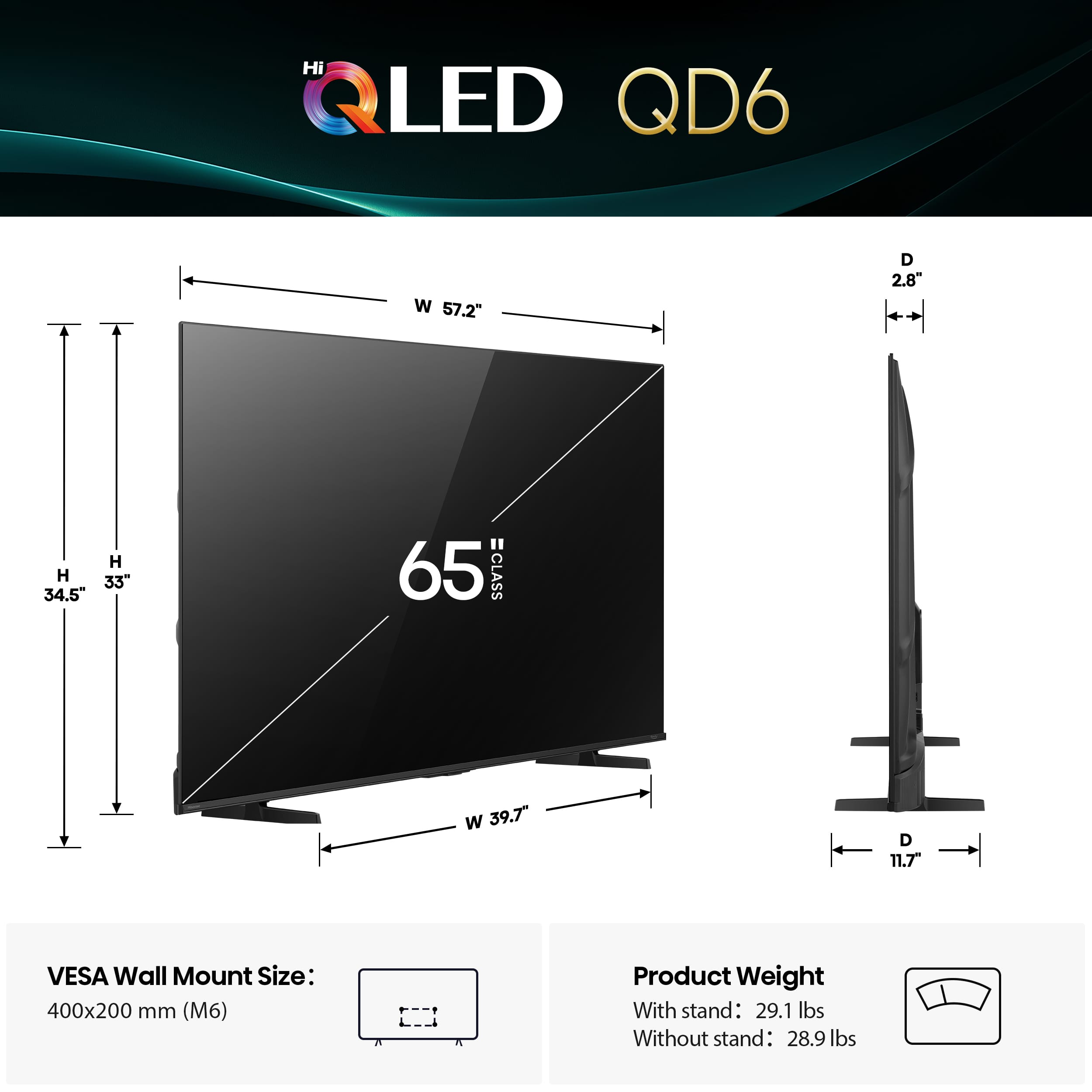
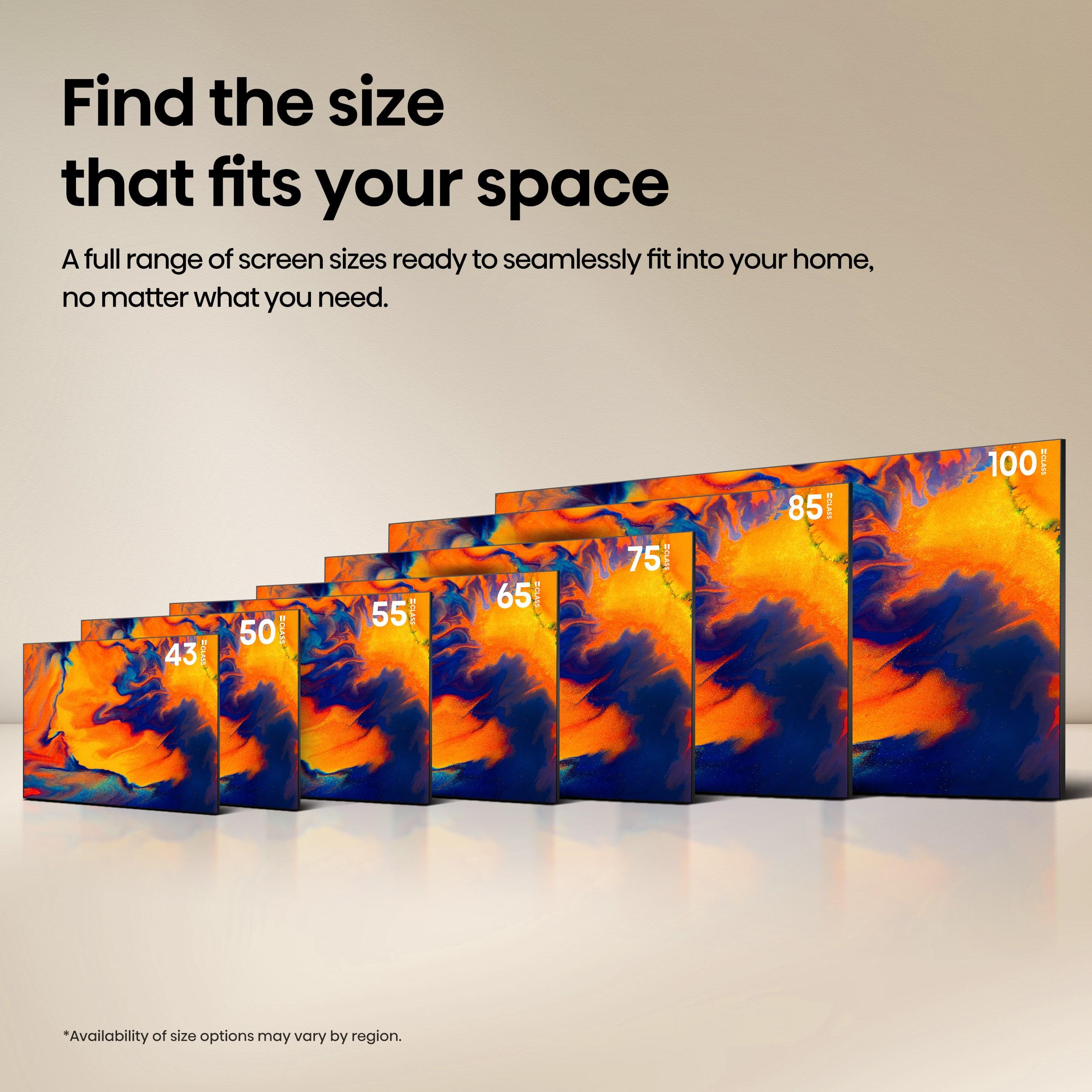
The Hisense QD6 is available in multiple sizes including 43", 50", 55", 65", 75", 85", and 100" models. The Sony BRAVIA 7 comes in fewer size options but includes the popular 65" size we're comparing. Both offer the 65-inch sweet spot for most living rooms.
The Sony BRAVIA 7 provides superior motion handling with XR Motion Clarity technology and 120Hz refresh rate. The Hisense QD6 includes AI Smooth Motion with MEMC processing for decent sports viewing, though it's limited to 60Hz native refresh rate. Sony is the better choice for sports enthusiasts.
Choose the Hisense QD6 if you want modern premium features at an exceptional value and don't mind adding external audio. Select the Sony BRAVIA 7 if you prioritize picture accuracy, superior built-in audio, and long-term reliability, and can justify the significantly higher investment for these refinements.
We've done our best to create useful and informative comparisons to help you decide what product to buy. Our research uses advanced automated methods to create this comparison and perfection is not possible - please contact us for corrections or questions. These are the sites we've researched in the creation of this article: pcvarge.com - bestbuy.com - rtings.com - youtube.com - rtings.com - youtube.com - consumerreports.org - leaseville.com - hisense-usa.com - device.report - hisense-usa.com - youtube.com - flatpanelshd.com - displayspecifications.com - retailspecs.com - bestbuy.com - bestbuy.com - avsforum.com - avsforum.com - crutchfield.com - sony.com - rtings.com - schaeferstv.com - youtube.com - displayspecifications.com

Privacy Policy
Terms and Conditions - Affiliate Policy
Home Security
© Copyright 2008-2026.
11816 Inwood Rd #1211, Dallas, TX 75244