


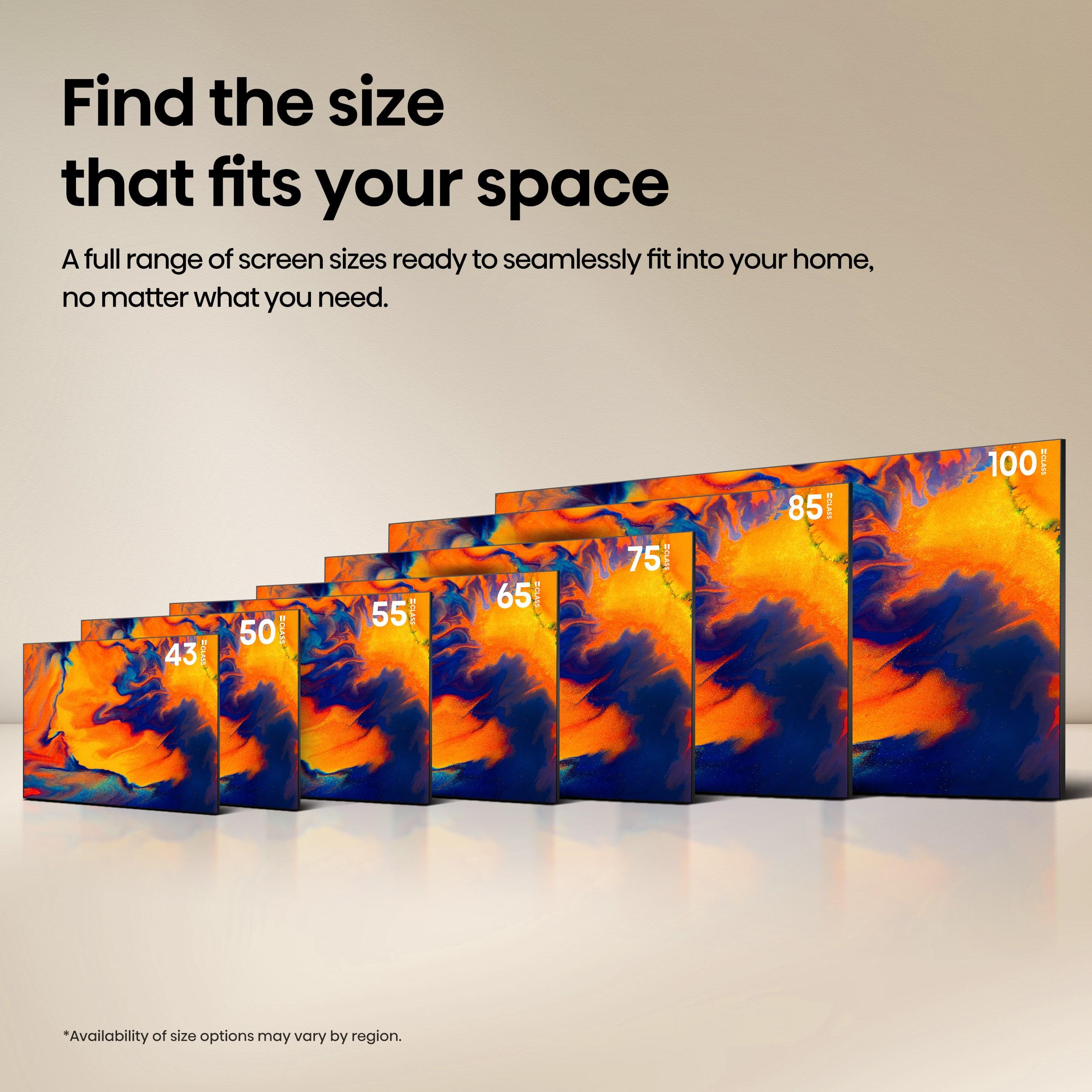

When you're shopping for a 65-inch TV, you're stepping into a category that offers everything from budget-friendly options to reference-quality displays that rival what you'd find in professional studios. The challenge isn't finding a good TV—it's finding the right TV for your specific needs and budget.
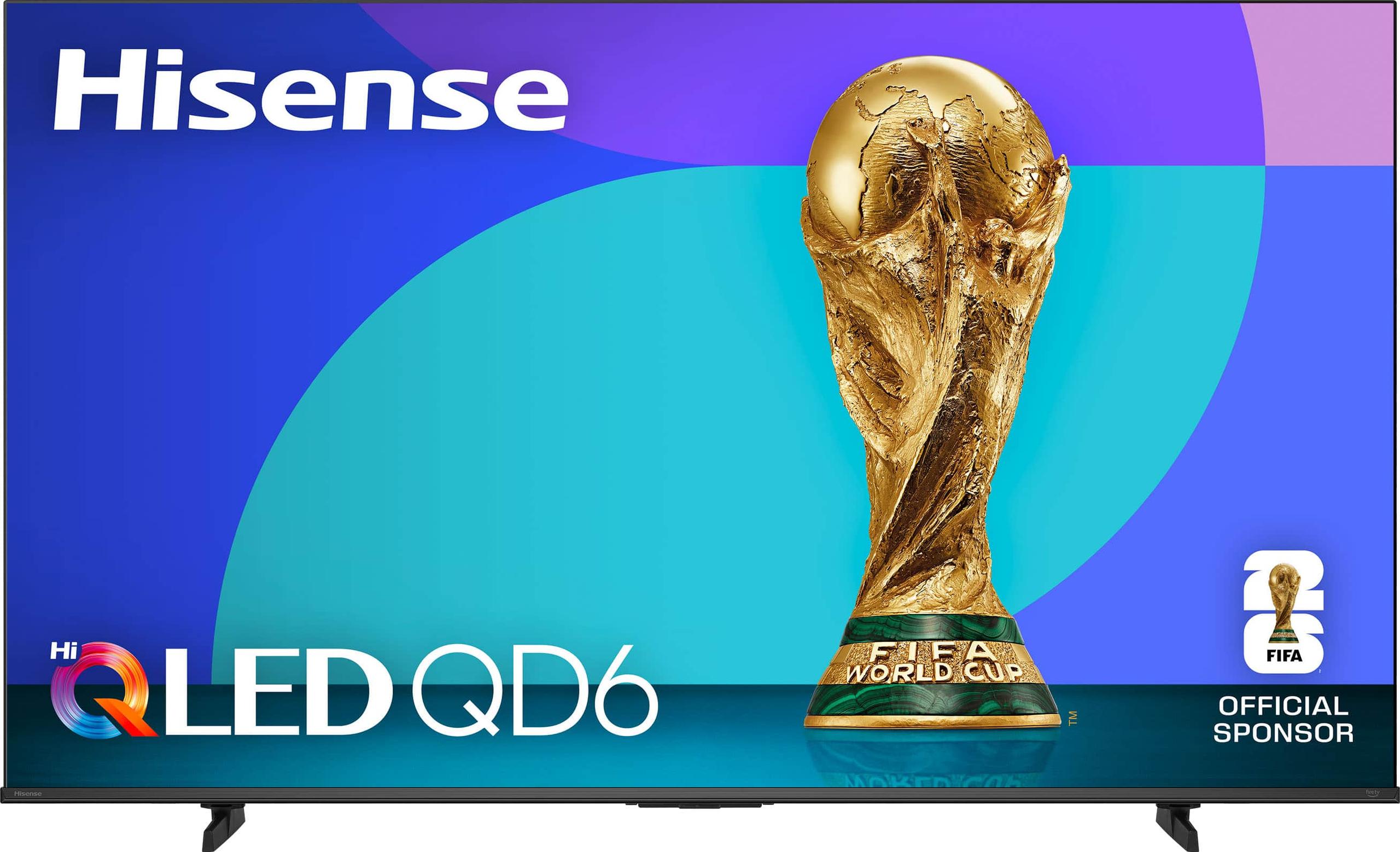
Today we're comparing two fundamentally different approaches to the 65-inch market: the Hisense 65" QD6 Series Hi-QLED Fire TV from 2025 and the Sony BRAVIA XR A95L 65" QD-OLED from 2023. These TVs represent opposite ends of the value spectrum, and understanding their differences will help you make the right choice for your living room.
The 65-inch TV market is where manufacturers really flex their technological muscles. At this size, picture quality differences become much more noticeable, and you'll want to consider several key factors before making your decision.
Display technology forms the foundation of everything else. Traditional LED TVs use a backlight behind an LCD panel, while OLED TVs have pixels that produce their own light. Each approach has distinct advantages: LED TVs typically get brighter and cost less, while OLEDs deliver perfect blacks and infinite contrast.
Picture quality metrics like brightness, contrast ratio, and color accuracy determine how realistic and engaging your content looks. Smart platform integration affects your daily experience—some platforms are faster and more intuitive than others. Gaming capabilities have become increasingly important as consoles support 4K at 120Hz and features like Variable Refresh Rate (VRR), which synchronizes your TV's refresh rate with your gaming device to eliminate screen tearing.
Finally, value proposition ties everything together. A TV might excel technically but offer poor value, while another might punch above its weight class at a budget price point.
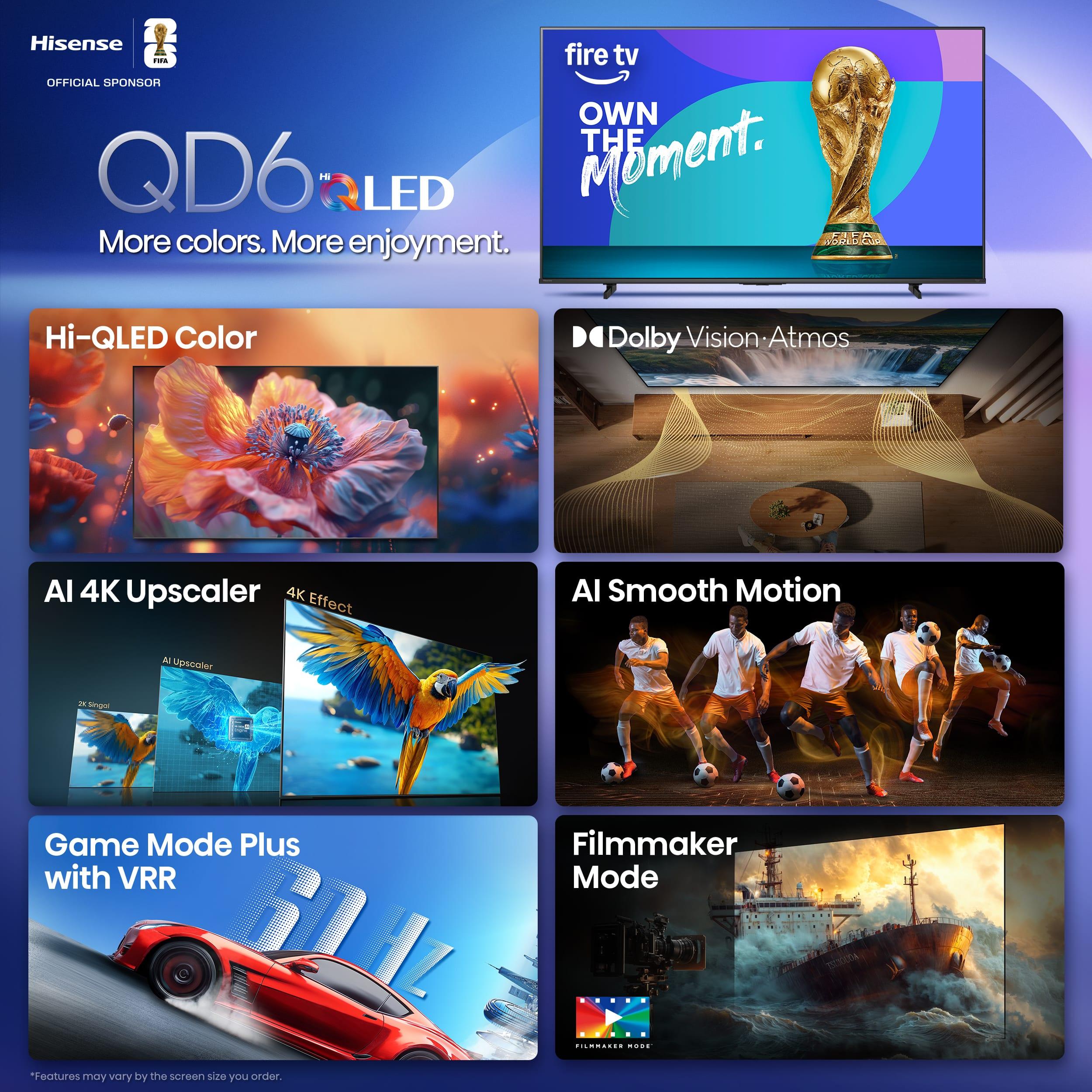
The Hisense QD6 represents the "maximum features for minimum cost" approach. Released in 2025, it's Hisense's attempt to bring premium technologies like quantum dots and gaming features to the budget market. At the time of writing, it typically sells for a fraction of what you'd pay for flagship models.
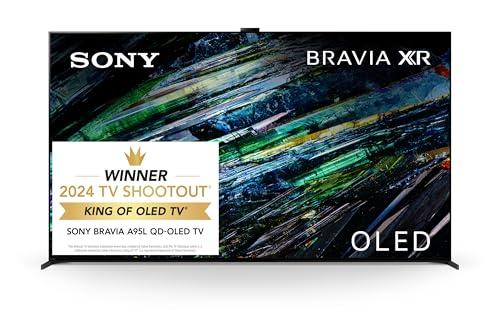
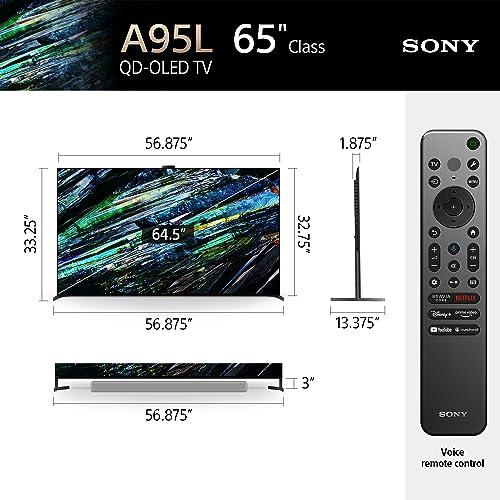
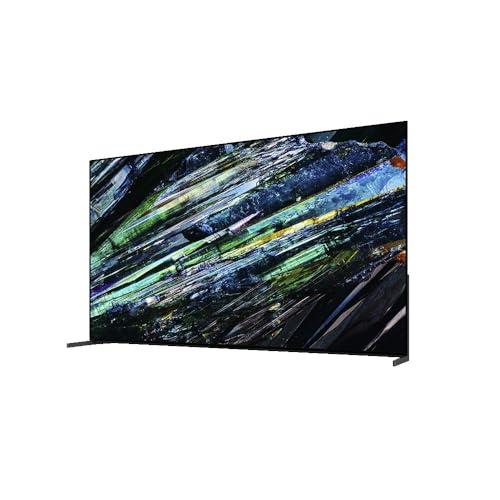
The Sony A95L, launched in 2023, takes the opposite approach: "best possible performance regardless of cost." It uses second-generation QD-OLED technology—a hybrid that combines OLED's perfect blacks with quantum dots' enhanced color performance. Sony has since discontinued the 55-inch and 65-inch models (as of early 2026), making this a premium option with limited availability.
Since the A95L's release, the TV landscape has evolved significantly. Newer models from Samsung and LG now exceed 2,000 nits of peak brightness, while manufacturers have refined gaming features and smart platforms. However, the fundamental technology differences between these two approaches remain relevant for understanding today's market.
Here's where these TVs diverge most dramatically. The Hisense QD6 uses what's called a VA (Vertical Alignment) LED panel with quantum dot enhancement and direct LED backlighting. This setup places a layer of quantum dots—microscopic semiconductor crystals—between the LED backlight and the LCD panel. When light hits these quantum dots, they emit very pure colors, significantly expanding the TV's color gamut compared to standard LED TVs.
The quantum dot layer allows the QD6 to cover approximately 90% of the DCI-P3 color space, which is the standard used for HDR content. This means you'll see more vibrant greens in nature documentaries and more accurate reds in action movies compared to basic LED TVs.
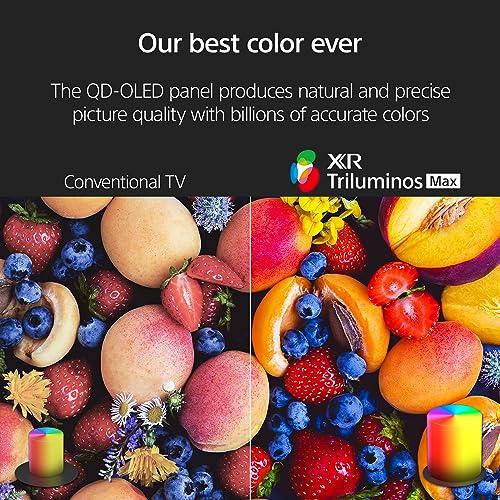
The Sony A95L uses QD-OLED technology, which represents a fascinating engineering achievement. Traditional OLED panels use white subpixels with color filters, but QD-OLED panels use blue OLED pixels that excite quantum dots to produce red and green light. This approach combines OLED's perfect pixel-level control with quantum dots' color purity.
The result is remarkable: each of the A95L's 8.3 million pixels can turn completely off for perfect blacks, while the quantum dot layer ensures exceptional color performance. The panel achieves around 1,300 nits of peak brightness—roughly double what most traditional OLEDs manage—while maintaining the infinite contrast ratio that makes OLED technology so compelling.
Peak brightness capabilities reveal perhaps the starkest difference between these displays. Our research indicates the Hisense QD6 reaches approximately 385 cd/m² (candelas per square meter) of peak brightness. To put this in perspective, that's adequate for moderately lit rooms but will struggle against direct sunlight streaming through windows.
The Sony A95L, by contrast, can hit around 1,300 nits—more than three times brighter. This brightness advantage becomes crucial when watching HDR (High Dynamic Range) content, where the difference between the darkest blacks and brightest whites creates the visual impact. HDR content is mastered expecting displays capable of 1,000+ nits, so the A95L can reproduce the filmmaker's intended experience while the QD6 falls short.
However, there's an important caveat here. The QD6's VA panel delivers good native contrast, meaning the difference between its blacks and whites is respectable for an LED TV. In a dark room, this creates engaging picture quality that many viewers will find perfectly satisfying, especially given the dramatic price difference.
The A95L's OLED technology provides infinite contrast because pixels can turn completely off. This means bright stars against a dark sky appear to float above the screen surface, creating a three-dimensional effect that LED TVs simply cannot match, regardless of their brightness capabilities.
Both TVs use quantum dot technology, but their implementation differs significantly. The Hisense QD6 applies quantum dots to enhance an LED backlight, improving color saturation and accuracy compared to standard LED TVs. Out of the box, color accuracy is surprisingly good for a budget model, with only minor deviations that most viewers won't notice during normal content consumption.
The Sony A95L integrates quantum dots directly into its OLED architecture through the XR Triluminos Max technology. This creates what Sony calls "color volume"—the ability to maintain color accuracy and saturation at both low and high brightness levels. The practical result is colors that appear more lifelike and three-dimensional, with subtle gradations that reveal details in shadows and highlights simultaneously.
Expert reviews consistently note the A95L's exceptional color performance. Skin tones appear natural across different lighting conditions, while colors maintain their vibrancy without appearing oversaturated or artificial. The QD6, while impressive for its price point, shows limitations in challenging scenes where multiple colors compete at different brightness levels.
The software experience deserves serious consideration since you'll interact with it daily. The Hisense QD6 runs Amazon's Fire TV platform, which has matured significantly in recent years. The interface prioritizes Amazon's content ecosystem while providing access to major streaming services. Navigation feels responsive most of the time, though some users report occasional lag when launching apps or switching between inputs.
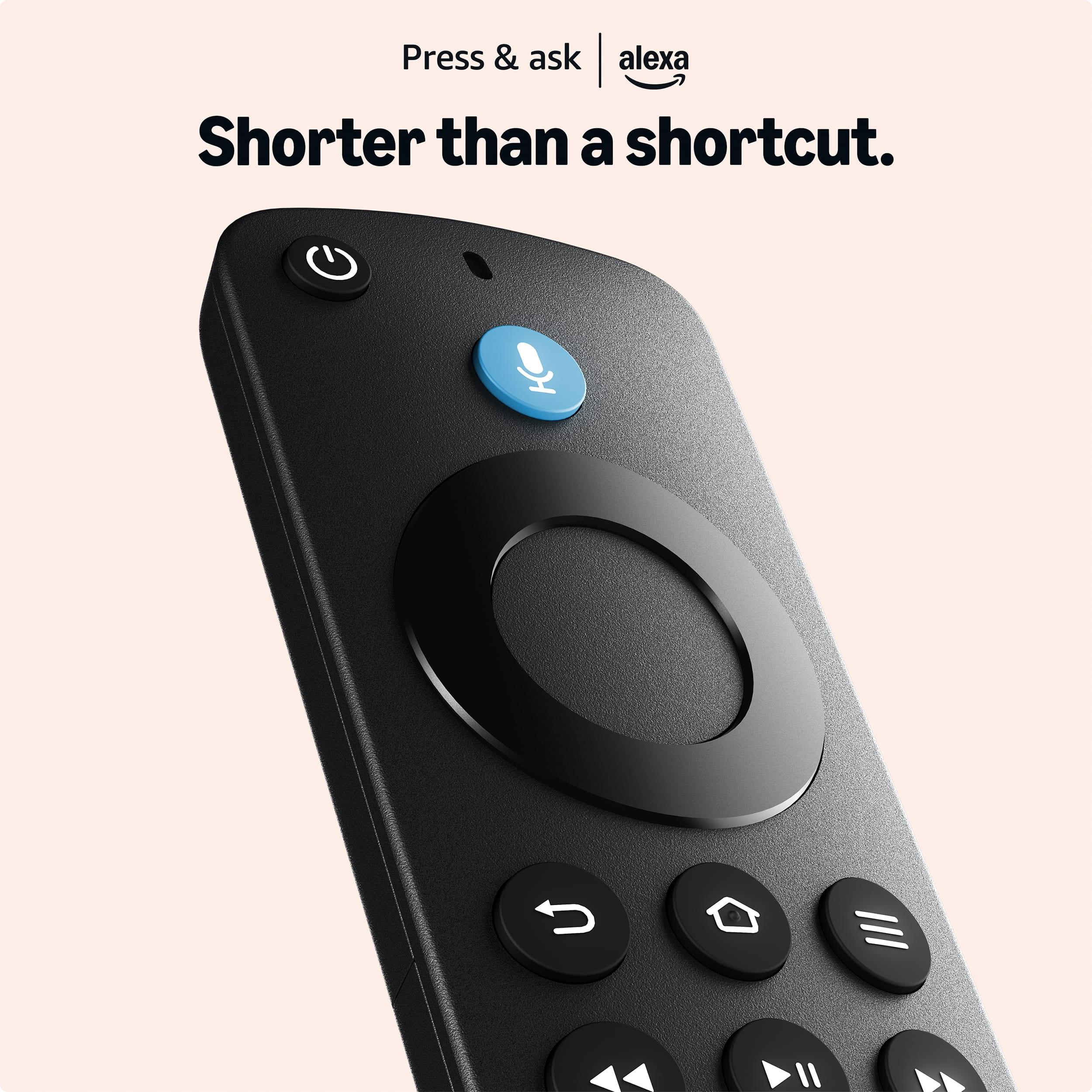
Fire TV's strength lies in its deep integration with Amazon's ecosystem. If you use Alexa devices throughout your home, voice control feels natural and comprehensive. The platform also handles content recommendations reasonably well, surfacing relevant shows and movies based on your viewing history.
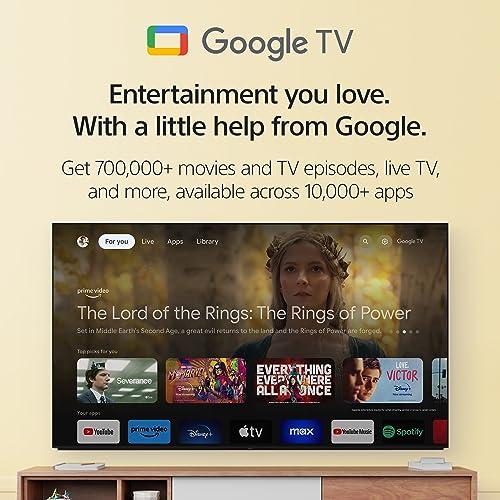
The Sony A95L runs Google TV, which builds on Android TV with a more refined interface. Google TV excels at content aggregation, pulling recommendations from across multiple streaming services to create a unified "For You" section. The platform feels more sophisticated overall, with smoother animations and more intuitive navigation.
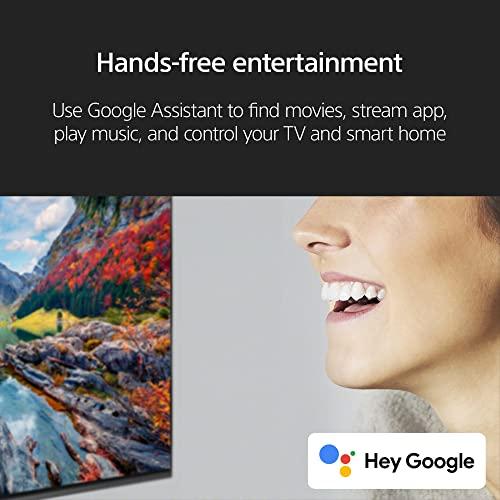
Google TV's integration with Google Assistant enables hands-free voice control through the TV's built-in microphone. You can ask questions, control smart home devices, or search for content without reaching for the remote. The platform also supports Apple AirPlay and HomeKit, making it friendlier to mixed-ecosystem households.
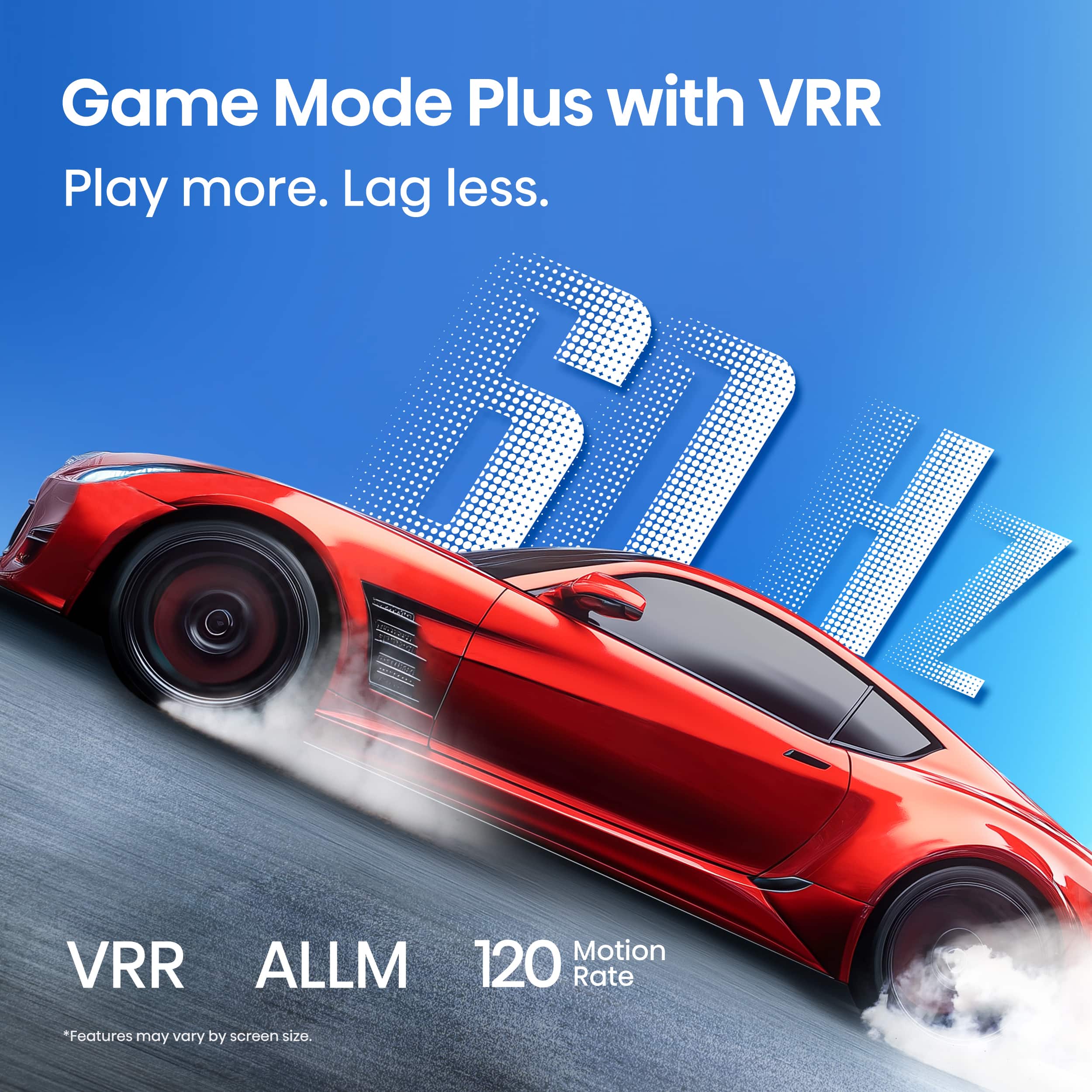
Gaming capabilities highlight another significant divide between these models. The Hisense QD6 supports gaming at 4K resolution up to 60Hz, which covers most current gaming scenarios adequately. It includes Variable Refresh Rate (VRR) and Auto Low Latency Mode (ALLM)—technologies that reduce screen tearing and input lag respectively.
However, the QD6's HDMI 2.0 ports limit its future-proofing. While current gaming consoles can run most games at 60fps, many newer titles offer 120Hz modes for smoother motion. The QD6 cannot display these higher refresh rates at 4K resolution.
Input lag measures around 10.2ms in Game Mode, which is responsive enough for most gaming but not quite at the level competitive gamers prefer. The TV's response time—how quickly pixels change from one color to another—shows some sluggishness with dark transitions, creating motion blur behind fast-moving objects.
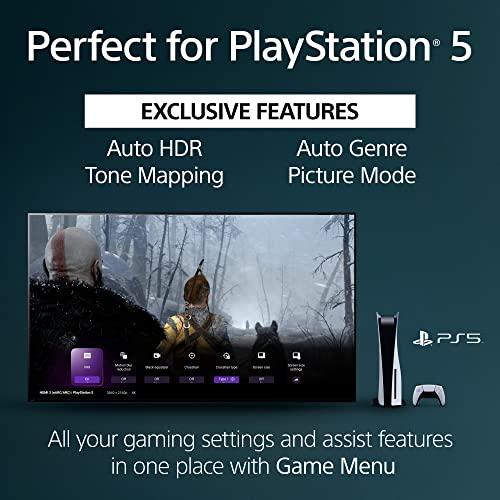
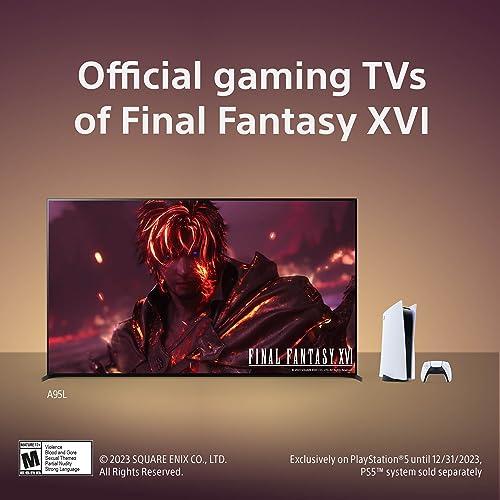
The Sony A95L represents a different class entirely for gaming. It supports 4K gaming at 120Hz through select HDMI 2.1 ports, unlocking the full potential of PlayStation 5 and Xbox Series X consoles. Input lag drops to approximately 9ms, while the OLED panel's near-instantaneous pixel response eliminates motion blur entirely.
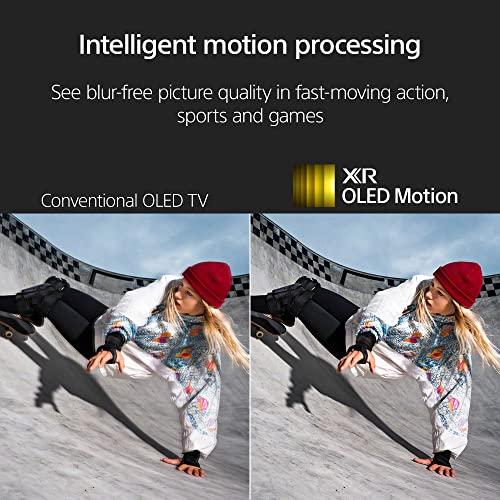
OLED's pixel-level response creates an almost surreal gaming experience where fast-moving objects appear perfectly sharp. Racing games benefit enormously from this clarity, as do first-person shooters where tracking fast movement is crucial.
Audio represents another area where these TVs diverge philosophically. The Hisense QD6 uses a traditional speaker setup with Dolby Atmos support. While adequate for casual viewing, the speakers lack the depth and clarity you'd want for movie nights or music listening.
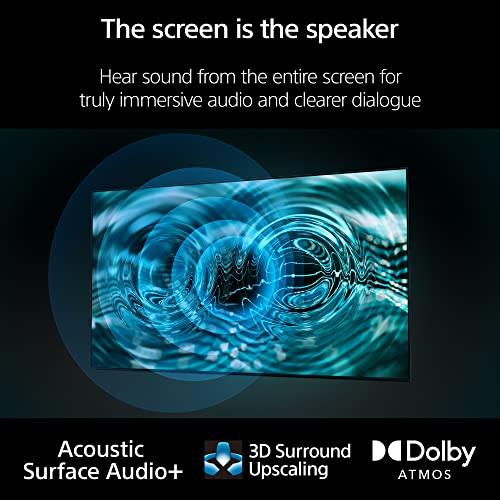
The Sony A95L features Sony's Acoustic Surface Audio+ technology, which uses actuators to vibrate the entire screen surface. This creates the illusion that dialogue comes directly from characters' mouths rather than from speakers below the screen. The effect is surprisingly immersive and represents a genuine innovation in TV audio.
The A95L can even function as a center channel speaker when paired with compatible Sony soundbars, creating a more cohesive surround sound experience for home theater enthusiasts.
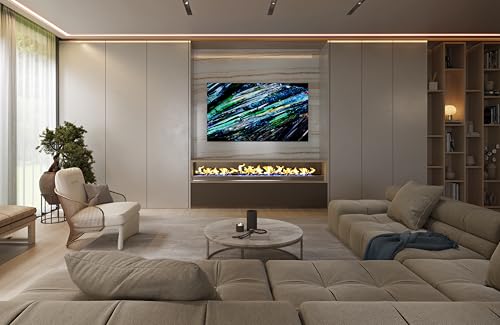
For dedicated home theater use, the differences between these TVs become even more pronounced. The Sony A95L delivers reference-level performance that rivals professional displays. Its perfect blacks create the immersive experience that makes you forget you're watching a screen, while its color accuracy ensures you're seeing content as directors intended.
The A95L's wide viewing angles mean the picture quality remains consistent from anywhere in the room—crucial for home theaters where viewers might not sit directly in front of the screen. Its anti-reflection coating minimizes glare from sconces or accent lighting.
The Hisense QD6 can work in a home theater setting, particularly if budget constraints are paramount. However, its limitations become more apparent in this environment. The lack of local dimming means bright scenes will lift black levels across the entire screen, reducing the contrast that makes dark movie scenes feel cinematic.
At the time of writing, these TVs operate in completely different value categories. The Hisense QD6 typically costs a fraction of what you'd pay for the Sony A95L, making the value comparison complex.
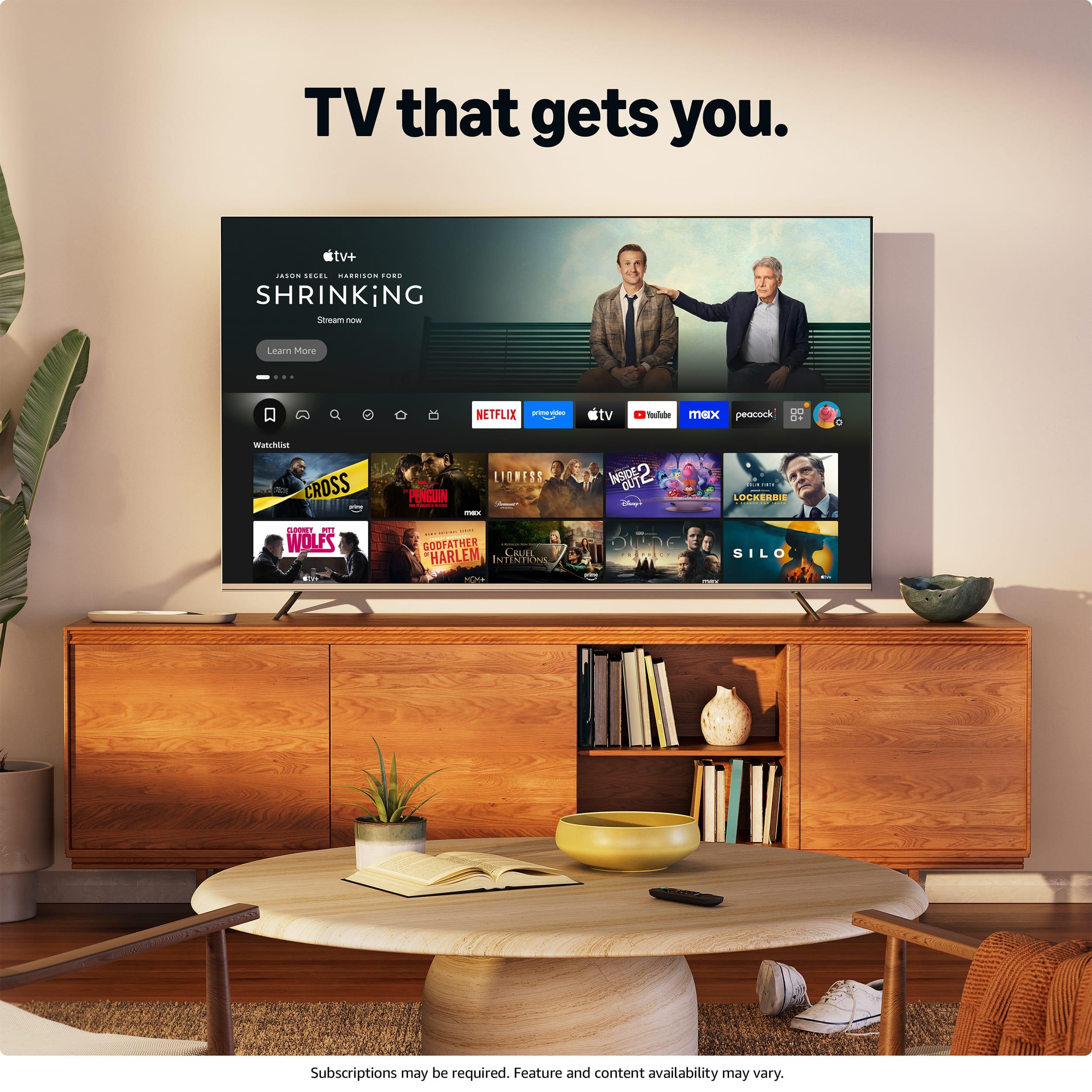
The QD6 delivers remarkable performance for its price point. Quantum dot color enhancement, gaming features, and a solid smart platform create an experience that exceeds what budget TVs offered just a few years ago. For viewers prioritizing screen size and basic picture quality over ultimate performance, it represents exceptional value.
The A95L justifies its premium pricing through best-in-class performance across virtually every metric. However, the law of diminishing returns applies here—you're paying significantly more for improvements that, while meaningful, may not justify the cost for casual viewers.
The Hisense QD6 makes sense for several specific scenarios. If you're prioritizing screen size over ultimate picture quality, need to stay within a strict budget, or primarily watch streaming content in moderately lit rooms, it delivers excellent value. The quantum dot enhancement ensures colors look vibrant and engaging, while gaming features provide decent future-proofing for console gaming.
Choose the QD6 if you want a large, capable TV without the premium price tag, appreciate the Fire TV ecosystem, or need to balance screen size against other household expenses.
The Sony A95L targets serious enthusiasts and home theater aficionados. If picture quality takes priority over cost considerations, you frequently watch movies in dark rooms, or you're building a dedicated entertainment space, the A95L's performance advantages justify its premium pricing.
Select the A95L if you want reference-level picture quality, plan to keep the TV for many years, prioritize gaming performance, or can appreciate the subtle differences that separate good displays from exceptional ones.
These two TVs represent fundamentally different philosophies in TV design. The Hisense QD6 democratizes advanced technologies like quantum dots and gaming features, bringing them to budget-conscious consumers without major compromises in daily usability.
The Sony A95L pushes technical boundaries to deliver the best possible viewing experience, regardless of cost. Its QD-OLED technology, advanced processing, and premium build quality create a viewing experience that few displays can match.
Your choice ultimately depends on how much picture quality improvement you're willing to pay for. Both TVs will provide years of enjoyable viewing, but they target different priorities and budgets. Understanding these differences ensures you'll choose the TV that best matches your specific needs and expectations.
| Hisense 65" QD6 Series Hi-QLED Fire TV | Sony BRAVIA XR A95L 65" QD-OLED |
|---|---|
| Display Technology - Determines picture quality fundamentals | |
| VA LED panel with quantum dots and direct LED backlighting | Second-generation QD-OLED with pixel-level light control |
| Peak Brightness - Critical for HDR impact and bright room viewing | |
| ~385 cd/m² (adequate for moderate lighting) | ~1,300 nits (excellent for any lighting condition) |
| Contrast Ratio - Affects depth and realism of dark scenes | |
| Good native contrast but no local dimming (blacks lift in bright scenes) | Infinite contrast ratio with perfect blacks |
| Color Performance - Impacts vibrancy and accuracy | |
| 90% DCI-P3 coverage with quantum dot enhancement | Wide color gamut with XR Triluminos Max, exceptional color volume |
| Gaming Capabilities - Important for console gaming future-proofing | |
| 4K@60Hz, VRR/ALLM, ~10ms input lag, HDMI 2.0 ports | 4K@120Hz, VRR/ALLM, ~9ms input lag, HDMI 2.1 support |
| Smart Platform - Affects daily user experience | |
| Fire TV with Amazon Alexa integration | Google TV with Google Assistant, Apple AirPlay/HomeKit |
| Audio Technology - Determines built-in sound quality | |
| Standard speakers with Dolby Atmos support | Acoustic Surface Audio+ (screen acts as speaker) |
| Motion Handling - Critical for sports and fast-action content | |
| 60Hz native with Motion Rate 120, some blur in fast scenes | 120Hz native with near-instantaneous pixel response |
| Viewing Angles - Important for group viewing | |
| Limited due to VA panel technology | Extremely wide angles with consistent picture quality |
| HDR Support - Affects premium content experience | |
| HDR10, HDR10+, Dolby Vision, HLG (limited by brightness) | HDR10, Dolby Vision, HLG with impactful highlights |
| Upscaling Quality - Important for non-4K content | |
| AI 4K Upscaler provides decent enhancement | Cognitive Processor XR delivers reference-level upscaling |
| Build Quality & Design - Affects longevity and aesthetics | |
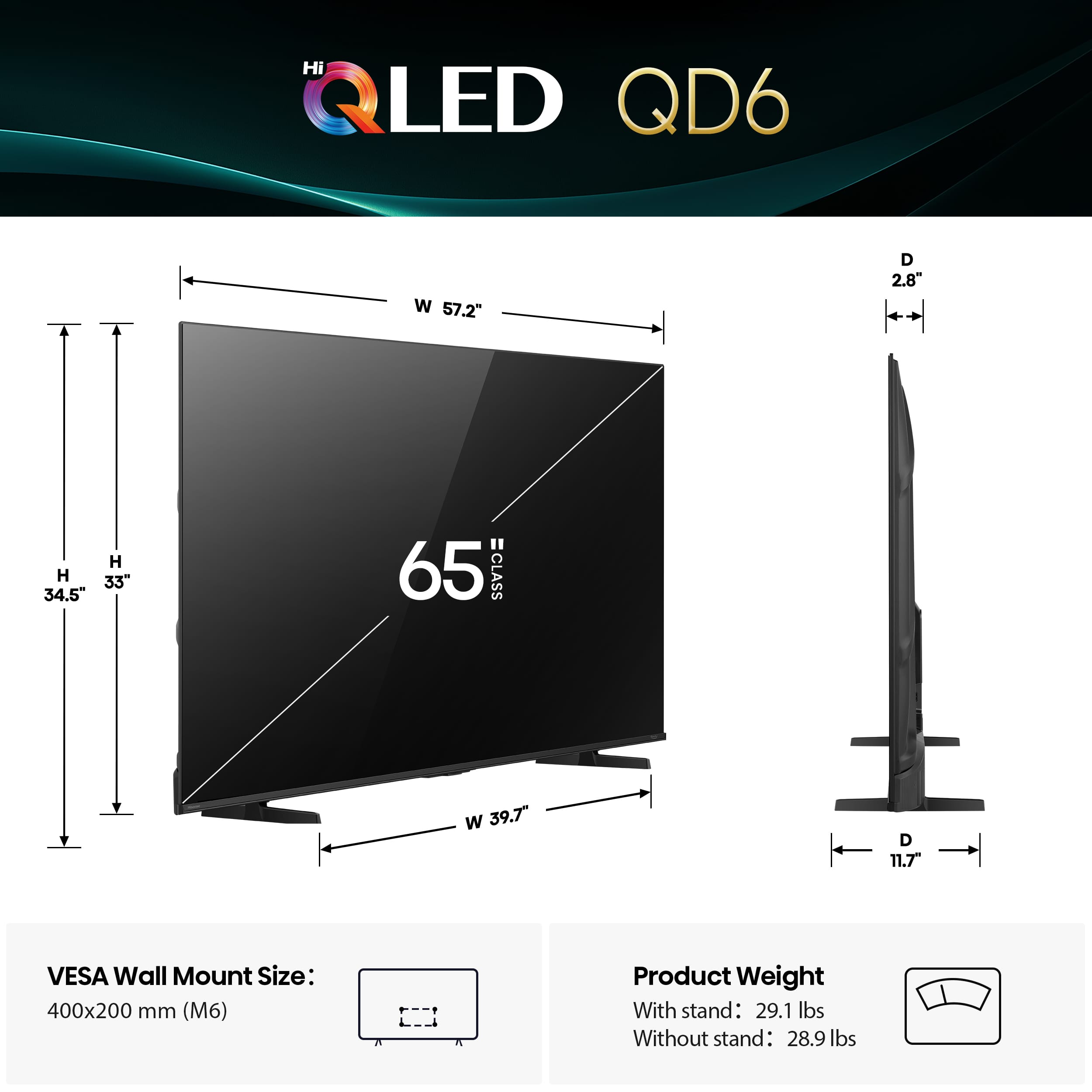
| Standard LED TV thickness with basic remote | Premium build with textured back, backlit premium remote |
| Target Audience - Who this TV is best for | |
| Budget-conscious buyers wanting large screen with good features | Home theater enthusiasts prioritizing ultimate picture quality |
The Sony BRAVIA XR A95L delivers superior picture quality with perfect blacks, exceptional brightness (1,300 nits), and reference-level color accuracy thanks to its QD-OLED technology. However, the Hisense QD6 offers remarkable value with quantum dot enhanced colors and good contrast for a fraction of the cost. For budget-conscious buyers, the Hisense QD6 provides excellent picture quality relative to its price point.
The Sony A95L is significantly better for gaming with 4K@120Hz support, HDMI 2.1 connectivity, and nearly instantaneous pixel response for blur-free motion. The Hisense QD6 is limited to 4K@60Hz due to HDMI 2.0 ports but still offers VRR and ALLM features for decent gaming performance. Serious gamers should choose the Sony A95L, while casual gamers will find the Hisense QD6 adequate.
The Sony A95L is much brighter at around 1,300 nits compared to the Hisense QD6's 385 cd/m² peak brightness. This makes the Sony A95L better for bright rooms with lots of natural light, while the Hisense QD6 works well in moderately lit environments but may struggle against direct sunlight.
The Hisense QD6 uses Hi-QLED technology, which adds quantum dots to a traditional LED backlight for enhanced colors. The Sony A95L uses QD-OLED, combining quantum dots with OLED's pixel-level light control for perfect blacks and superior contrast. QD-OLED in the Sony A95L represents more advanced technology but comes at a premium price compared to the Hisense QD6's LED-based approach.
Both platforms are capable, but they serve different preferences. The Hisense QD6's Fire TV integrates well with Amazon's ecosystem and Alexa devices. The Sony A95L's Google TV offers superior content aggregation across streaming services and supports both Google Assistant and Apple AirPlay/HomeKit for broader compatibility.
The Sony A95L is exceptional for home theaters with its perfect blacks, wide viewing angles, and reference-level picture quality that rivals professional displays. The Hisense QD6 can work in a home theater on a budget, but lacks the contrast and brightness needed for the most immersive cinematic experience. Serious home theater enthusiasts should choose the Sony A95L.
The Sony A95L offers extremely wide viewing angles with consistent picture quality from any position in the room. The Hisense QD6 has limited viewing angles due to its VA panel technology, with colors and brightness declining when viewed from the sides. For group viewing or large rooms, the Sony A95L is significantly better.
The Sony A95L excels at motion handling with its 120Hz native refresh rate and near-instantaneous pixel response, delivering blur-free sports action. The Hisense QD6 shows some motion blur in fast scenes due to its 60Hz panel and slower response times. Sports enthusiasts will prefer the Sony A95L's superior motion clarity.
Both TVs support major HDR formats including HDR10 and Dolby Vision. The Hisense QD6 also supports HDR10+ and HLG. However, the Sony A95L's higher peak brightness makes HDR content much more impactful with brighter highlights and better contrast, while the Hisense QD6 is limited by its lower brightness capabilities.
The Sony A95L features innovative Acoustic Surface Audio+ technology that uses the screen as a speaker for immersive sound and precise dialogue placement. The Hisense QD6 has standard speakers with Dolby Atmos support that are adequate for casual viewing but lack the depth of the Sony A95L's unique audio system.
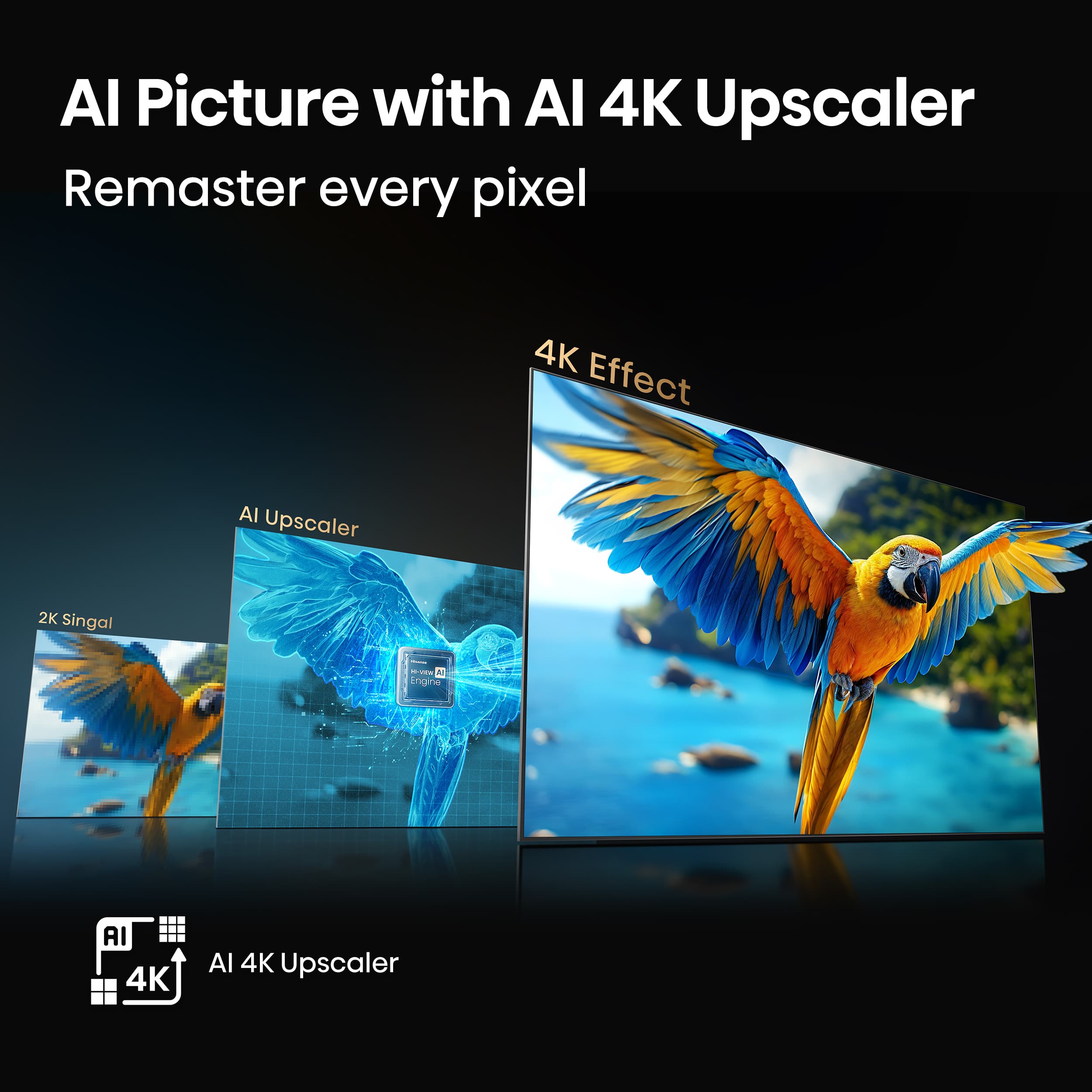
Both TVs handle streaming well, but the Sony A95L has superior upscaling through its Cognitive Processor XR, making lower-quality streams look significantly better. The Hisense QD6 includes AI 4K upscaling that provides decent enhancement of streaming content. For the best streaming experience, especially with lower-bitrate content, the Sony A95L is superior.
Choose the Hisense QD6 if you want a large, feature-rich TV at a budget-friendly price and primarily watch in moderate lighting. Select the Sony A95L if picture quality is your top priority, you have a flexible budget, and you want the best possible viewing experience. The Hisense QD6 offers excellent value, while the Sony A95L delivers premium performance.
We've done our best to create useful and informative comparisons to help you decide what product to buy. Our research uses advanced automated methods to create this comparison and perfection is not possible - please contact us for corrections or questions. These are the sites we've researched in the creation of this article: pcvarge.com - bestbuy.com - rtings.com - youtube.com - rtings.com - youtube.com - consumerreports.org - leaseville.com - hisense-usa.com - device.report - hisense-usa.com - youtube.com - flatpanelshd.com - displayspecifications.com - retailspecs.com - rtings.com - youtube.com - rtings.com - avsforum.com - rtings.com - smarthomesounds.co.uk - smarthomesounds.co.uk - rtings.com - smarthomesounds.co.uk - youtube.com - tomsguide.com - avsforum.com - rtings.com - perfectrec.com - flatpanelshd.com - videoandaudiocenter.com - sonypremiumhome.com - bestbuy.com - sony.com - electronics.sony.com - displayspecifications.com - donstv.com - youtube.com - static.pcrichard.com - smarthomesounds.co.uk - youtube.com - electronics.sony.com - electronics.sony.com - displayspecifications.com

Privacy Policy
Terms and Conditions - Affiliate Policy
Home Security
© Copyright 2008-2026.
11816 Inwood Rd #1211, Dallas, TX 75244