

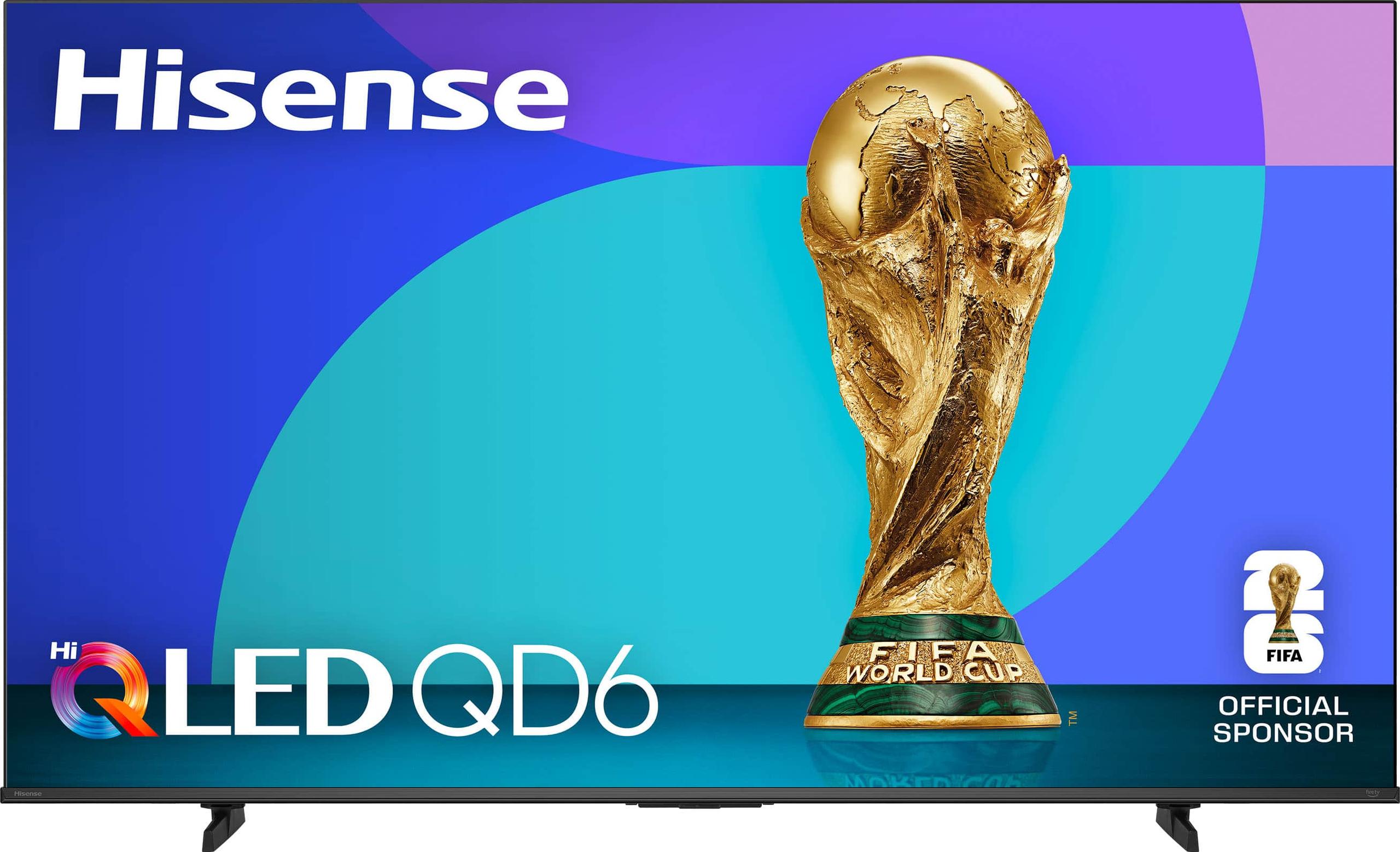
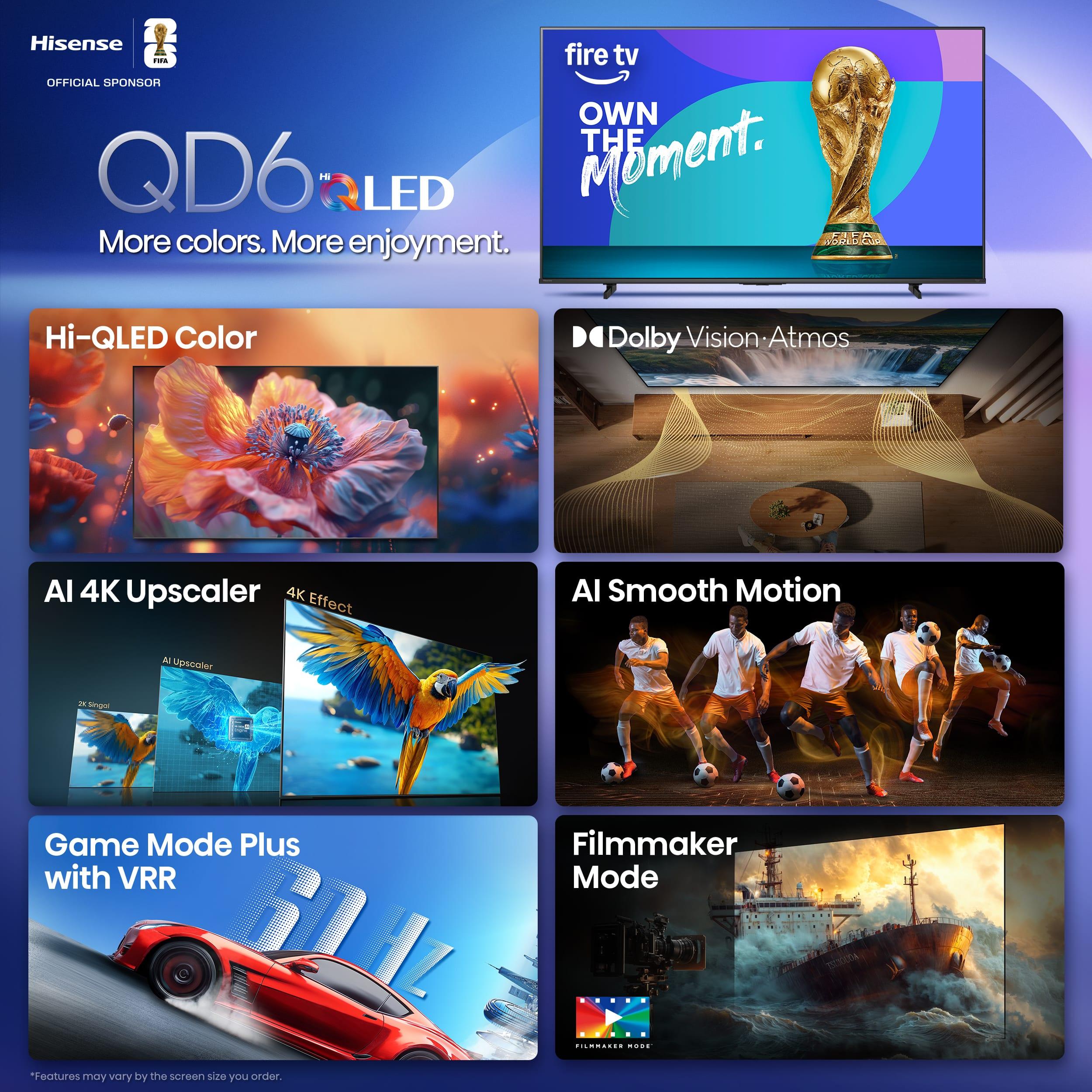
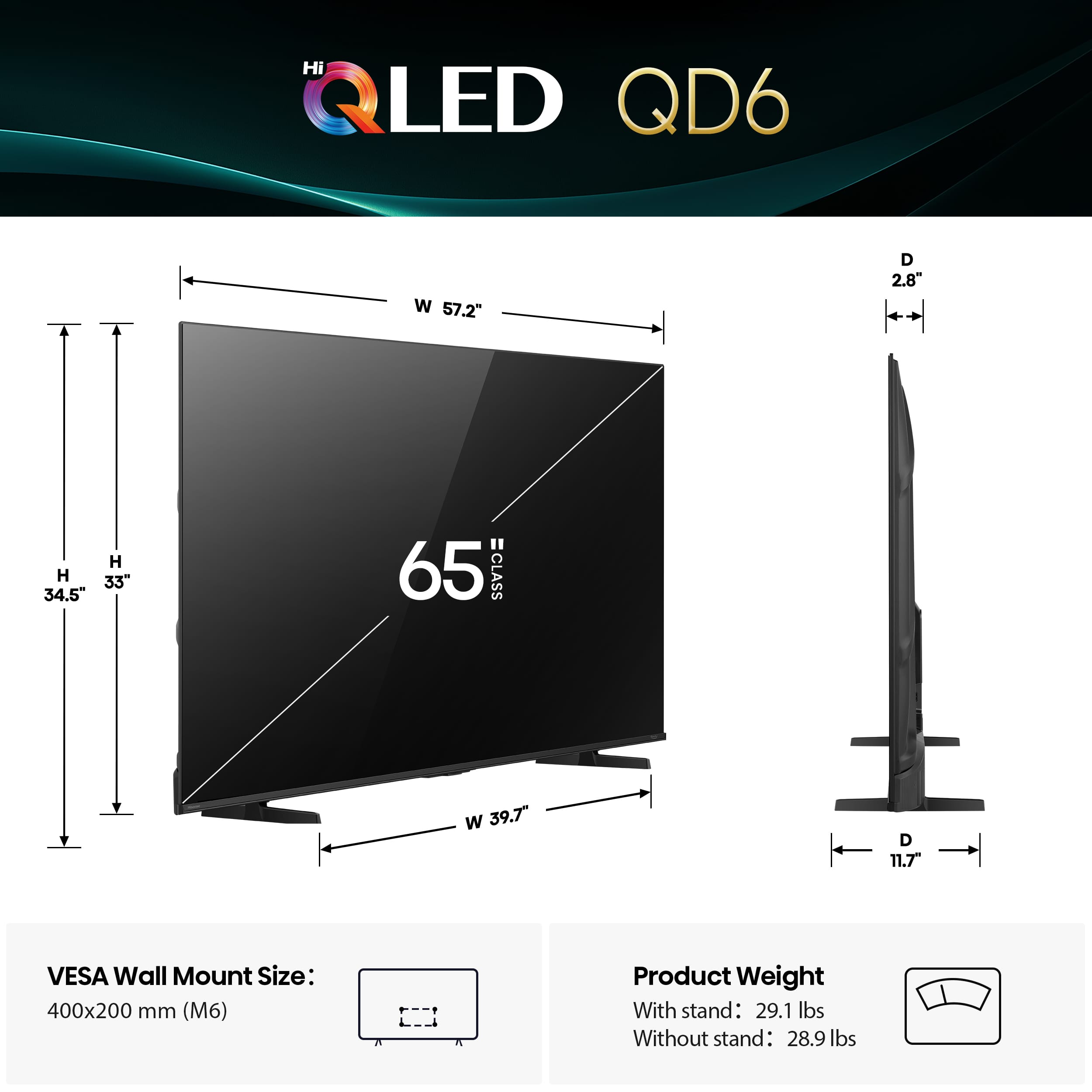

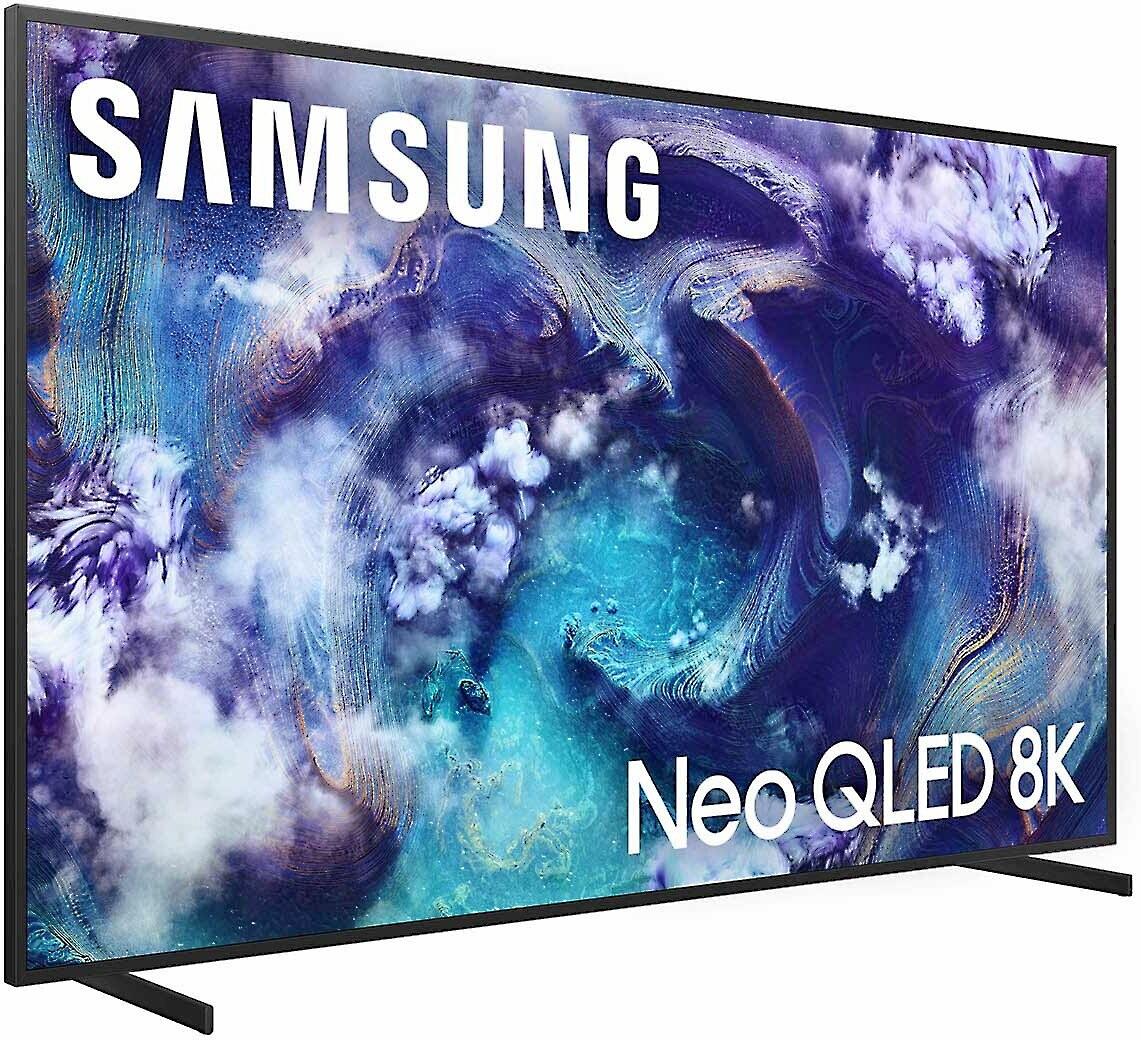
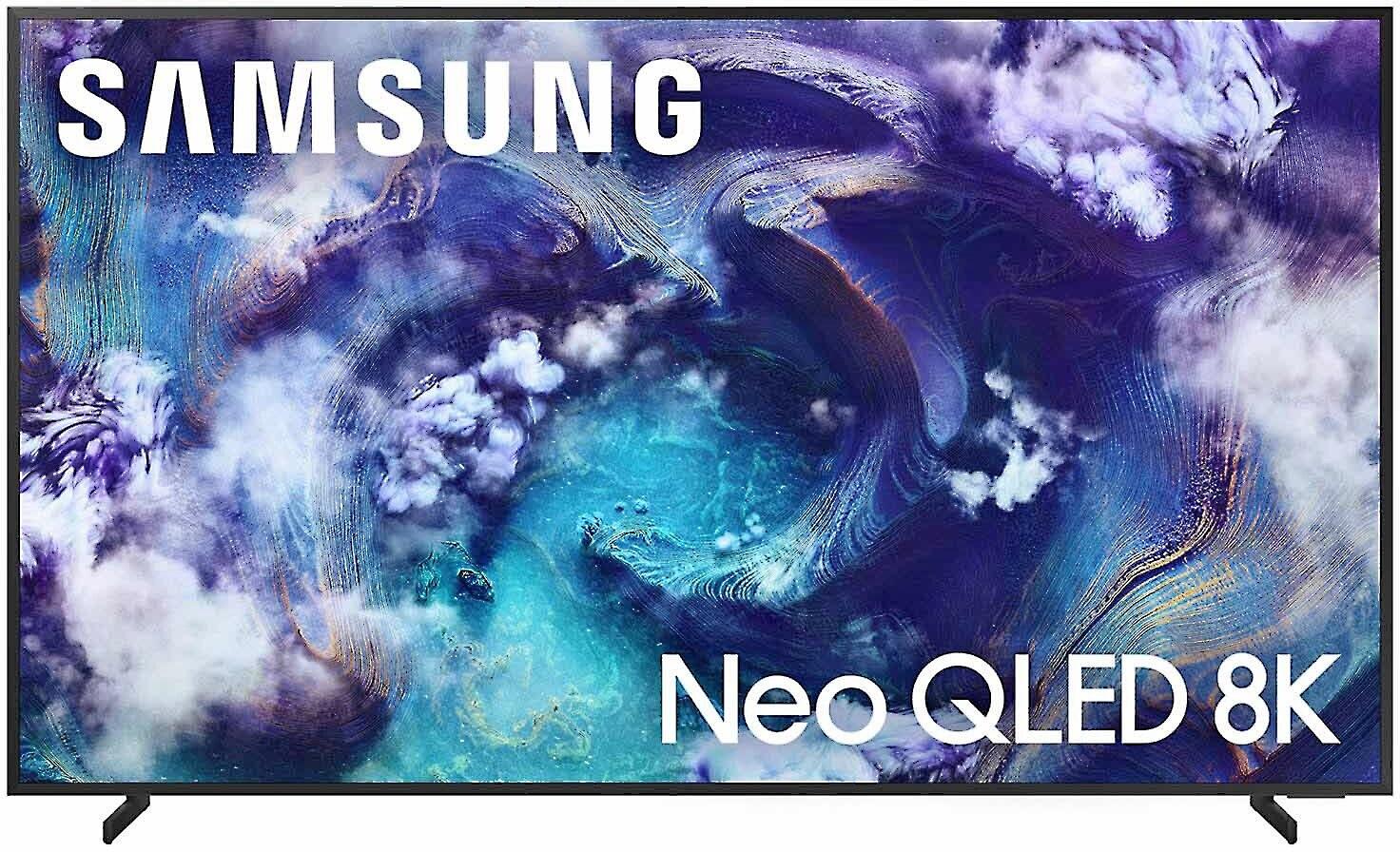
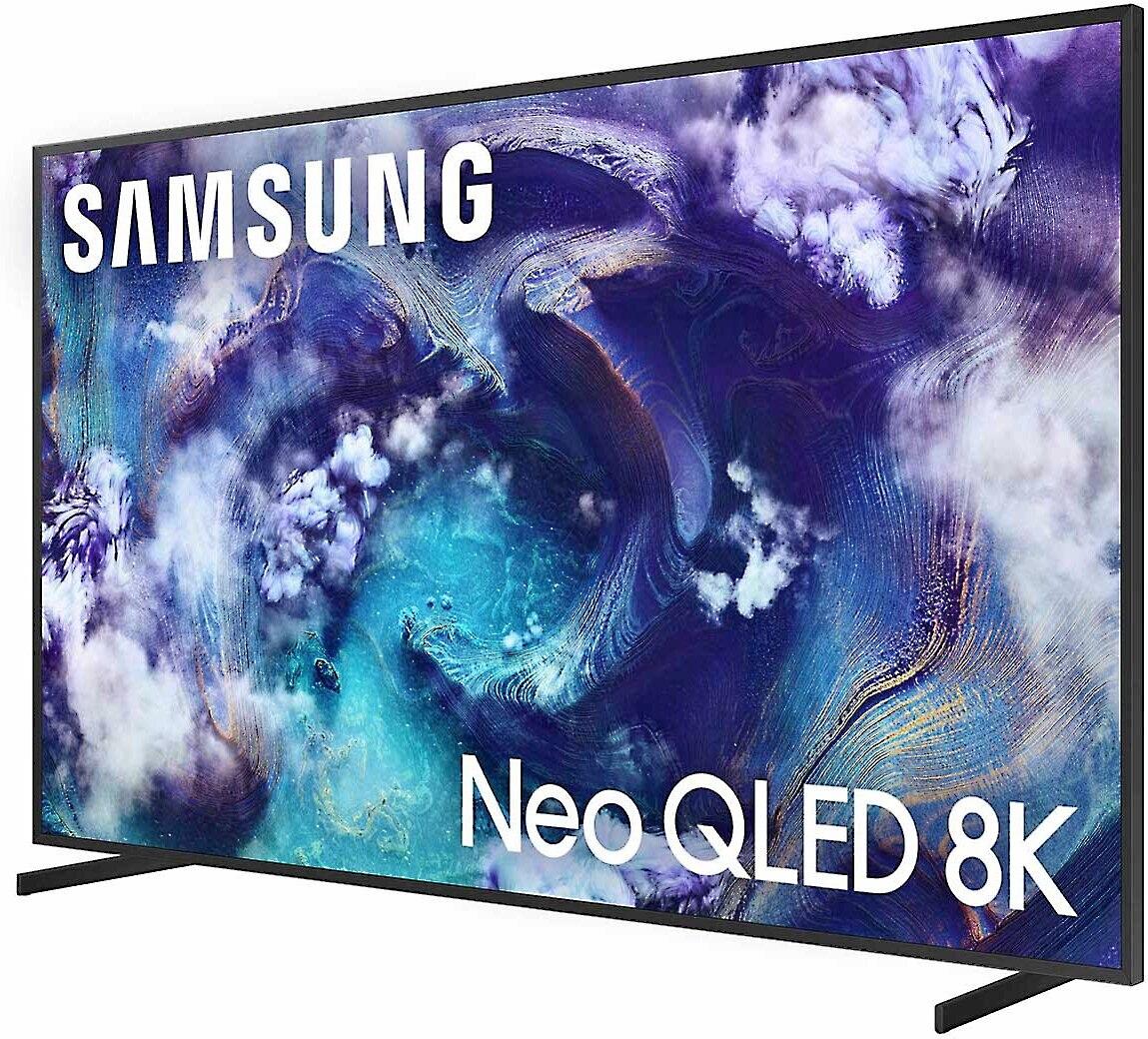

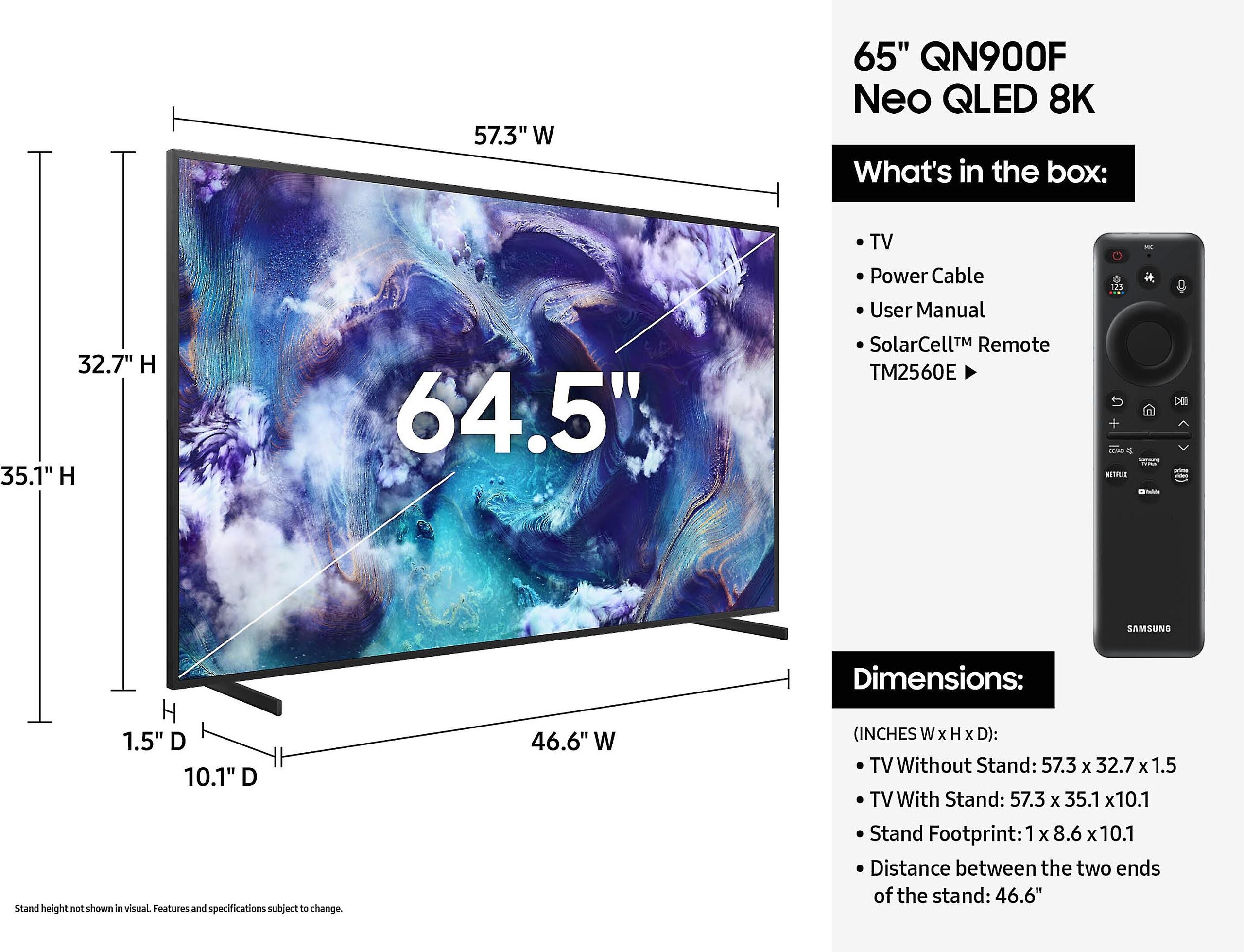
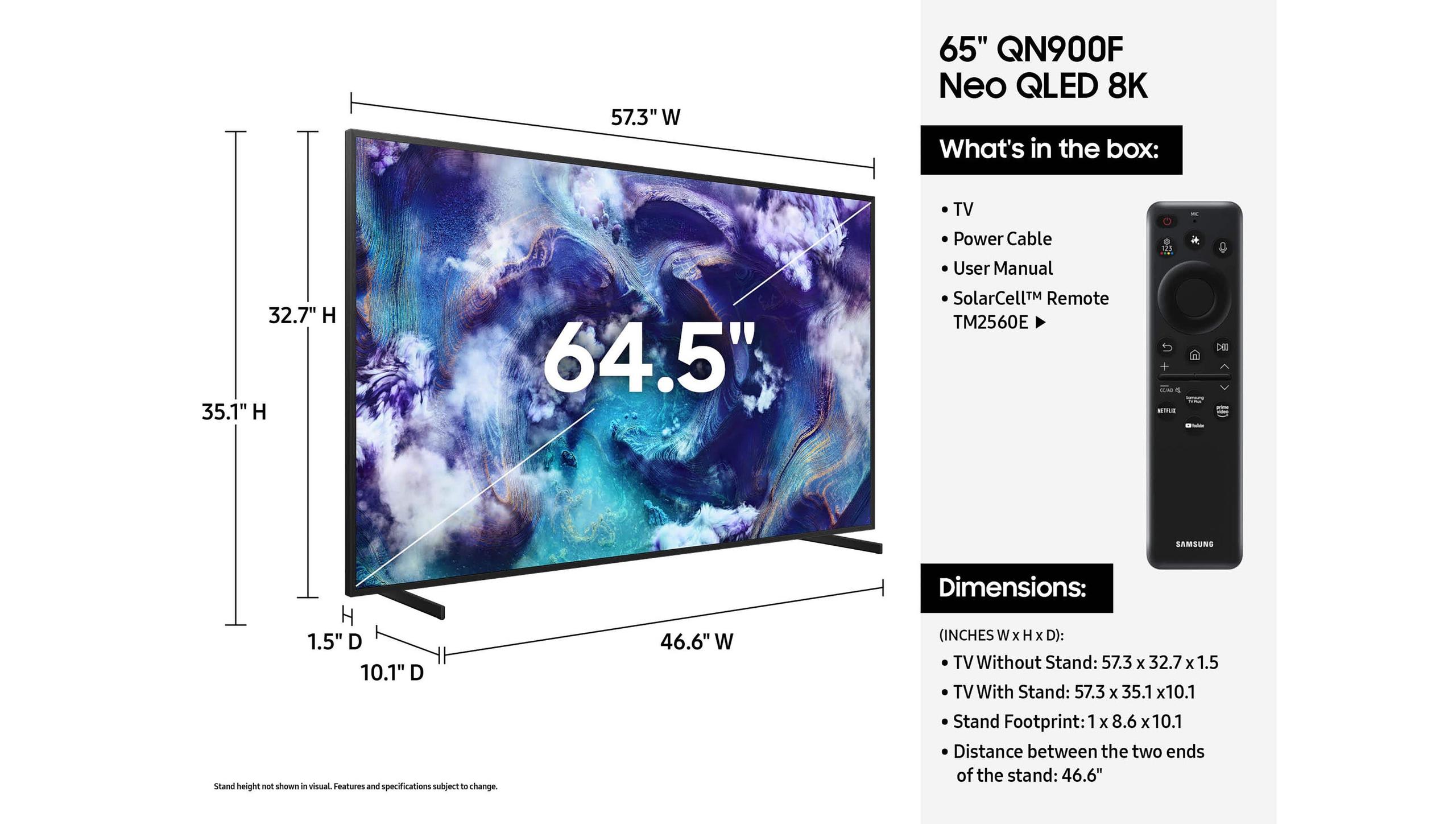
When you're shopping for a 65-inch TV, the sheer range of options can feel overwhelming. At the time of writing, you can find models ranging from under $400 to well over $1,500, which raises an obvious question: what exactly are you getting for that extra money? Today we're comparing two TVs that perfectly illustrate this price spectrum—the budget-friendly Hisense 65" QD6 Series Hi-QLED Fire TV and the premium Samsung 65" Neo QLED 8K QN900F Vision AI Smart TV.
These aren't just different price points; they represent fundamentally different philosophies about what a TV should do and how much you should pay for those capabilities. Let's dig into what separates a $400 TV from a $1,900 one, and more importantly, which approach makes sense for your living room.
Before we dive into specifics, it's worth understanding what really matters in today's TV market. Resolution gets most of the headlines—4K versus 8K—but the picture quality story is much more complex. Peak brightness determines how vibrant HDR (High Dynamic Range) content looks, especially those eye-popping highlights like explosions or sunlight. Color gamut coverage affects how realistic and saturated colors appear, while contrast ratio controls how deep blacks look next to bright whites.
For gaming, input lag (the delay between pressing a button and seeing the action on screen) and refresh rate (how many times per second the image updates) have become critical. Smart TV performance now rivals traditional streaming devices in importance, since most people use built-in apps rather than external boxes.
The Hisense QD6 Series, released in 2025, represents the modern budget approach: deliver the essential features most people need while cutting corners on premium technologies. The Samsung QN900F, also from 2025, showcases the "everything included" philosophy—every advanced feature Samsung has developed, packed into a single flagship model.
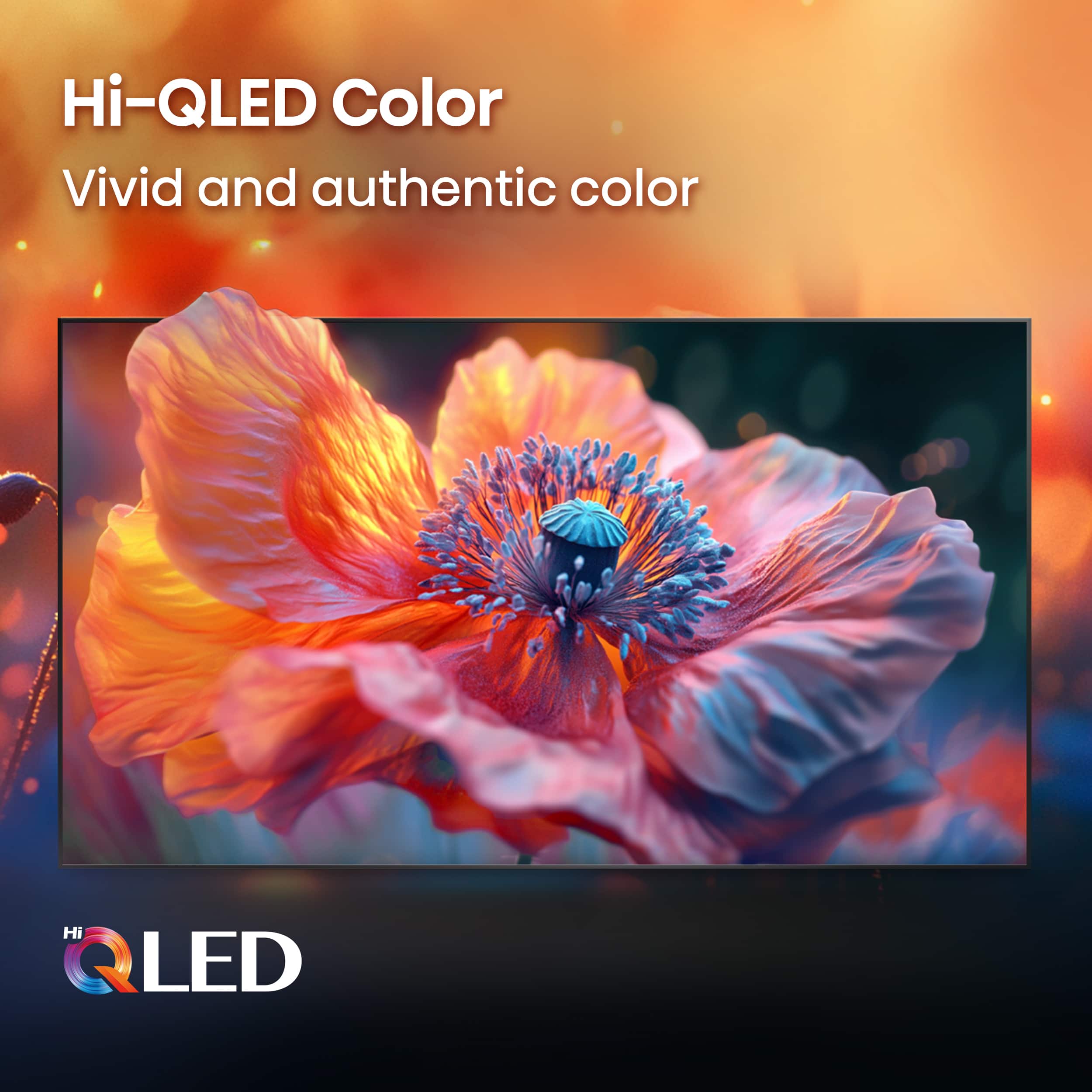
The most significant difference between these TVs lies in their fundamental display technology. The Hisense QD6 uses what's called a VA panel (Vertical Alignment) with quantum dots and direct LED backlighting. Think of quantum dots as tiny crystals that enhance color purity when light passes through them. This combination delivers decent contrast and vibrant colors for the price, but it's still relatively basic technology.
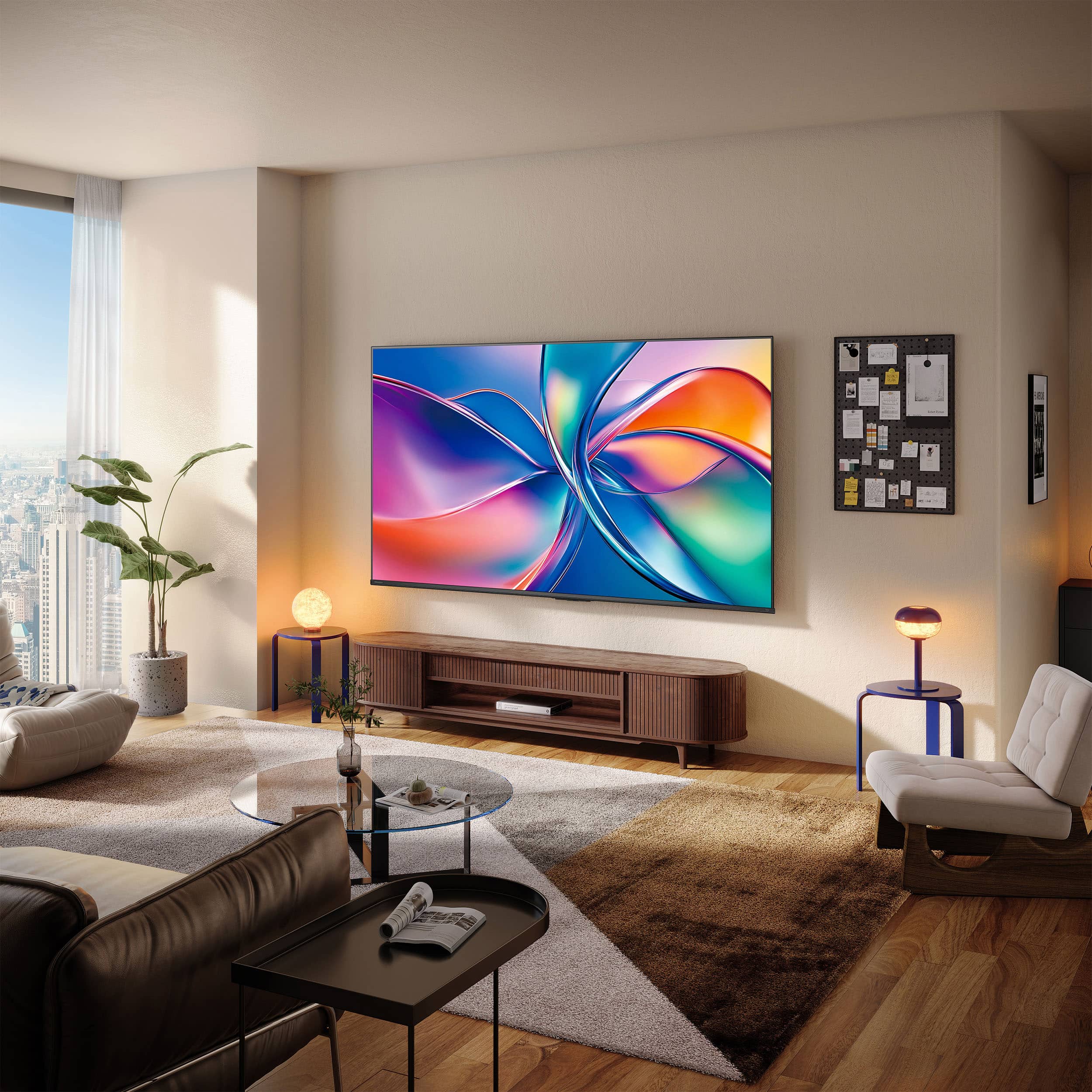
The Samsung QN900F employs Mini LED backlighting with thousands of individually controlled zones. While traditional LED TVs might have a few dozen dimming zones, this Samsung can control brightness in thousands of tiny areas simultaneously. When a movie shows a starry night sky, the TV can make specific stars bright while keeping the surrounding space perfectly black—something the Hisense simply cannot achieve with its full-array LED system.
This technological gap translates directly to viewing experience. The Samsung achieves peak brightness levels exceeding 1,000 nits (a measurement of luminance), making HDR highlights genuinely pop off the screen. The Hisense maxes out around 385 nits, which means bright scenes look flat and lack the dramatic impact that modern HDR content is designed to deliver.
The resolution difference—4K versus 8K—sounds dramatic on paper, but the reality is more nuanced. The Samsung's 8K display packs 33 million pixels compared to the Hisense's 8 million, but native 8K content remains extremely rare. What matters more is upscaling—how well the TV converts regular HD and 4K content to fill those extra pixels.
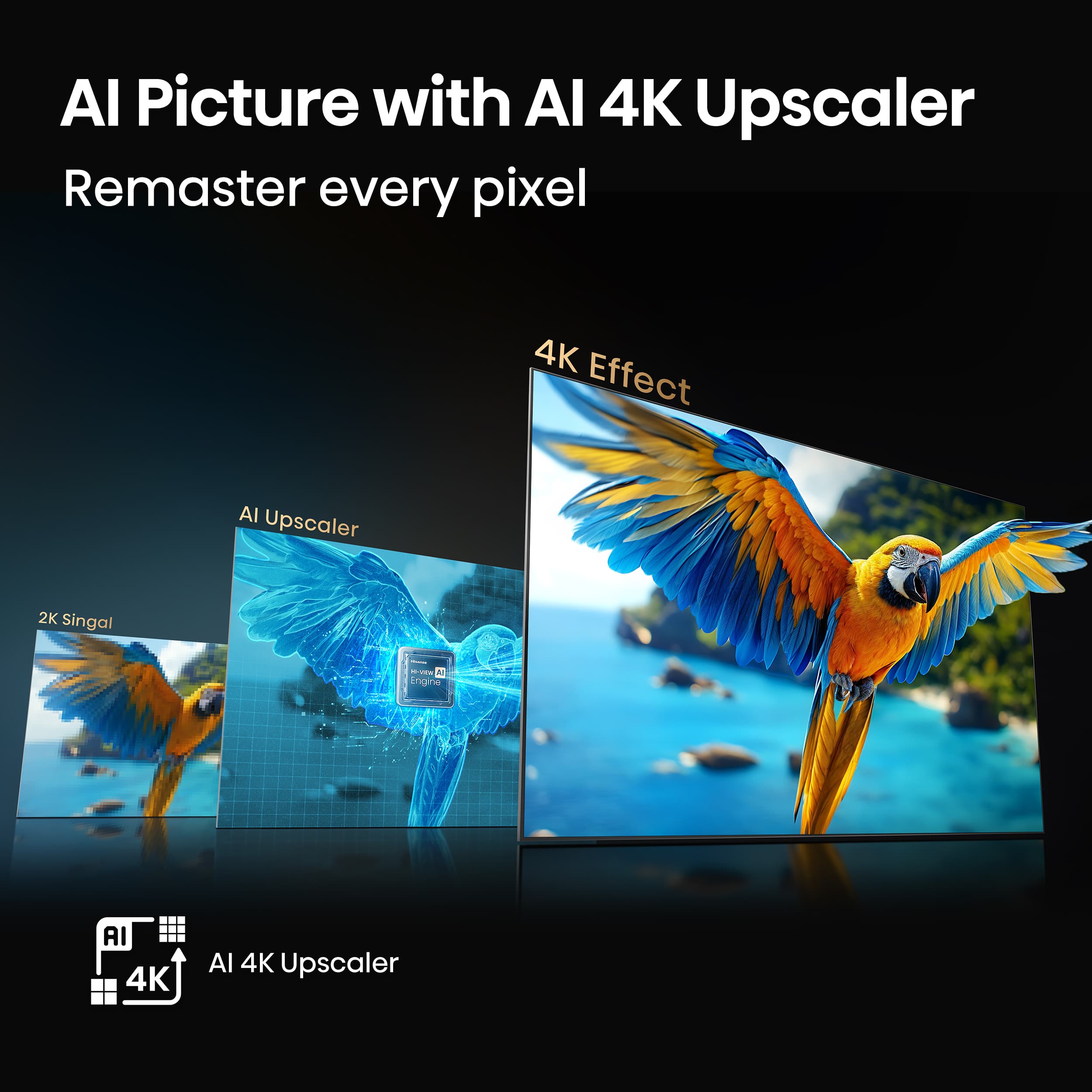
Samsung's NQ8 AI Gen3 processor uses machine learning algorithms trained on millions of images to intelligently add detail when upscaling. It can take a 1080p Netflix stream and make it look remarkably close to native 4K. The Hisense's ARM Cortex-A53 processor handles basic upscaling adequately, but it's nowhere near as sophisticated.
From our research into professional reviews and user feedback, the 8K advantage becomes noticeable on screens this size when sitting closer than about 8 feet. If you're a typical living room viewer sitting 10+ feet away, the upscaling improvements matter more than the raw resolution increase.
Gaming capabilities reveal another clear divide between these approaches. The Samsung QN900F includes full HDMI 2.1 support, enabling 4K gaming at 120Hz with Variable Refresh Rate (VRR) technology that eliminates screen tearing. Input lag measures under 10 milliseconds in game mode, which is imperceptible even for competitive gaming.
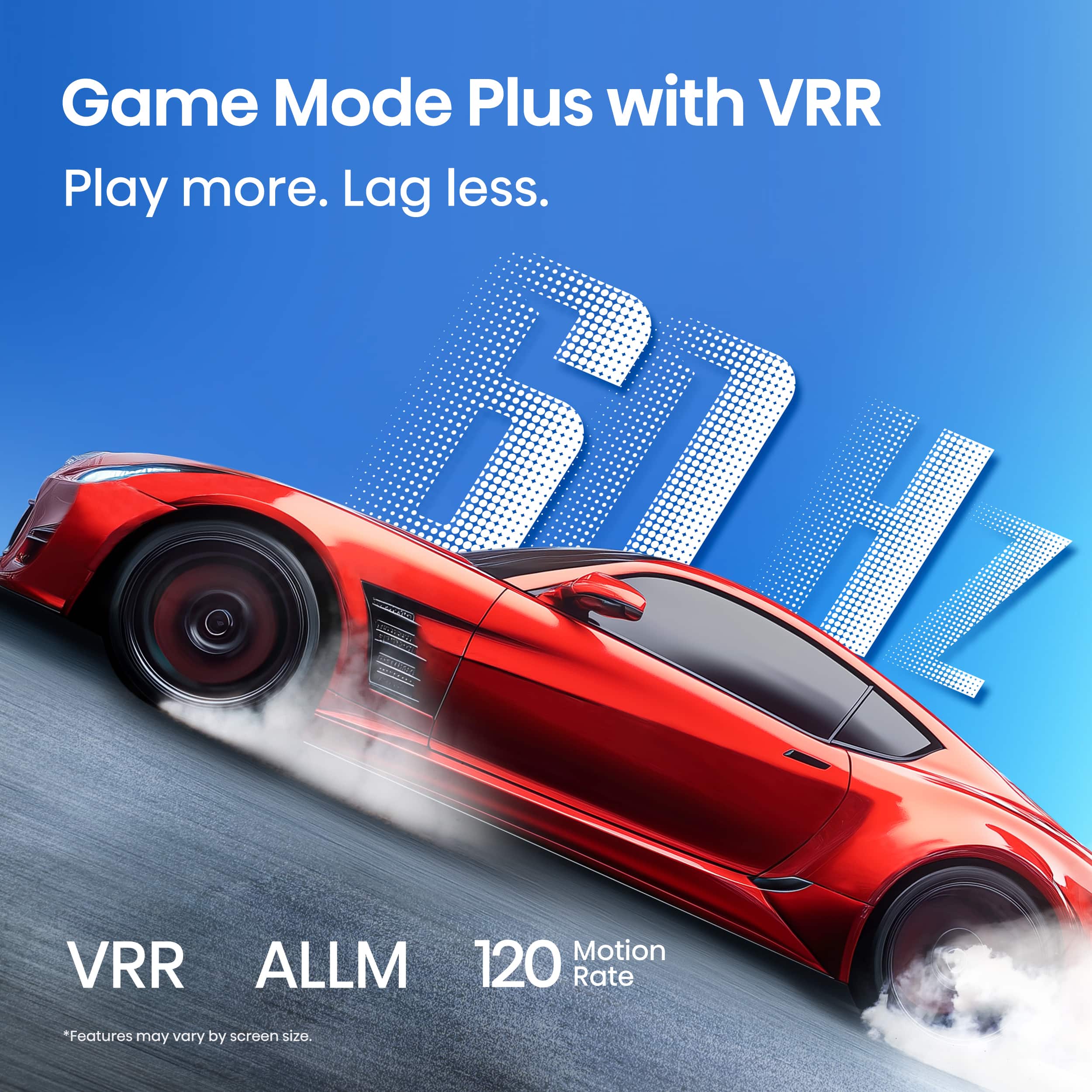
The Hisense QD6 offers respectable gaming features for its price class—low input lag and basic VRR support—but it's limited to 60Hz refresh rates and HDMI 2.0 bandwidth. For casual gaming, this works fine. For serious gamers with PlayStation 5 or Xbox Series X consoles, it's limiting their hardware's capabilities.
Variable Refresh Rate deserves explanation since it's becoming standard. Traditional TVs refresh at fixed intervals (60 or 120 times per second), but game frame rates fluctuate constantly. VRR lets the TV sync its refresh to match the console's output, preventing the visual tearing that occurs when these frequencies don't align.
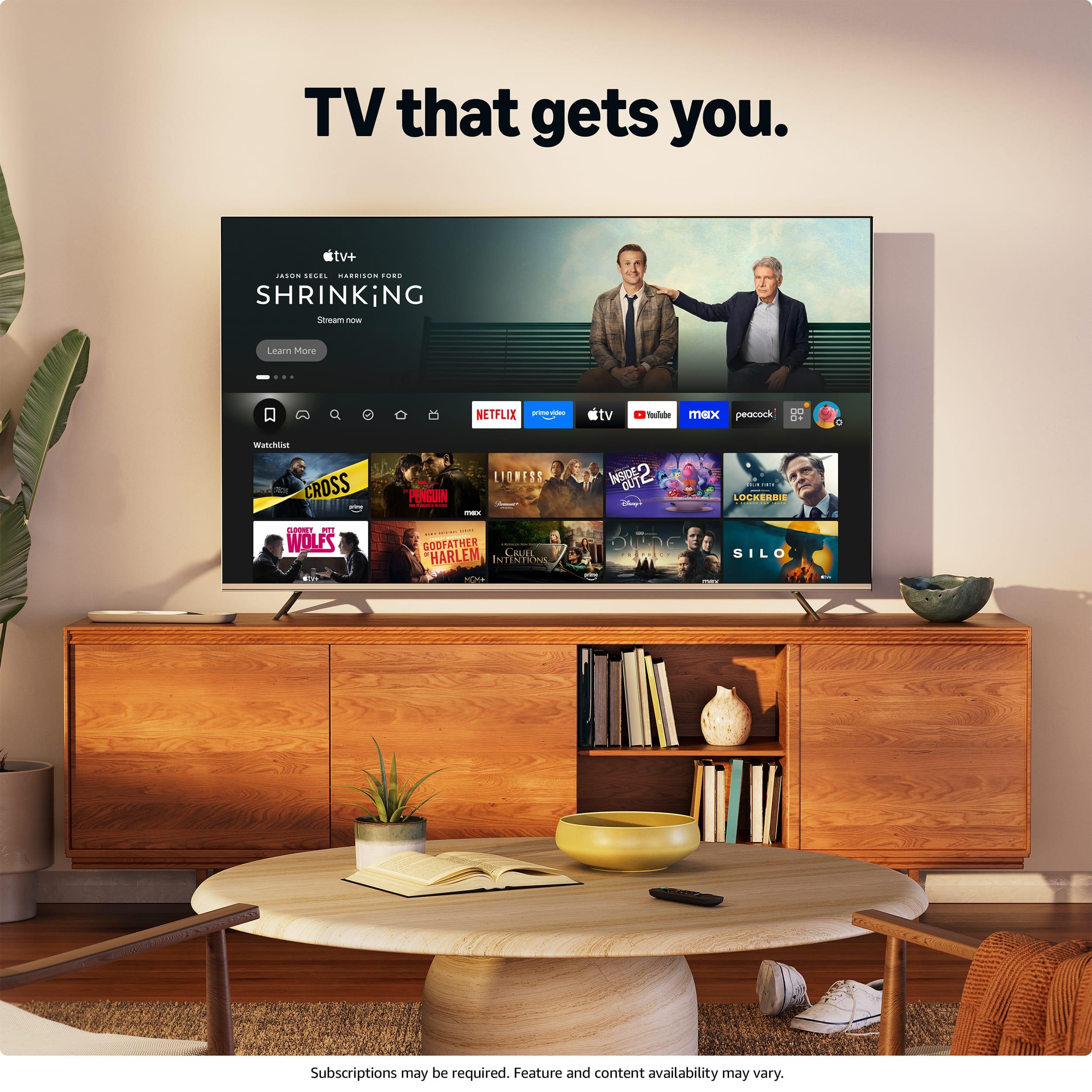
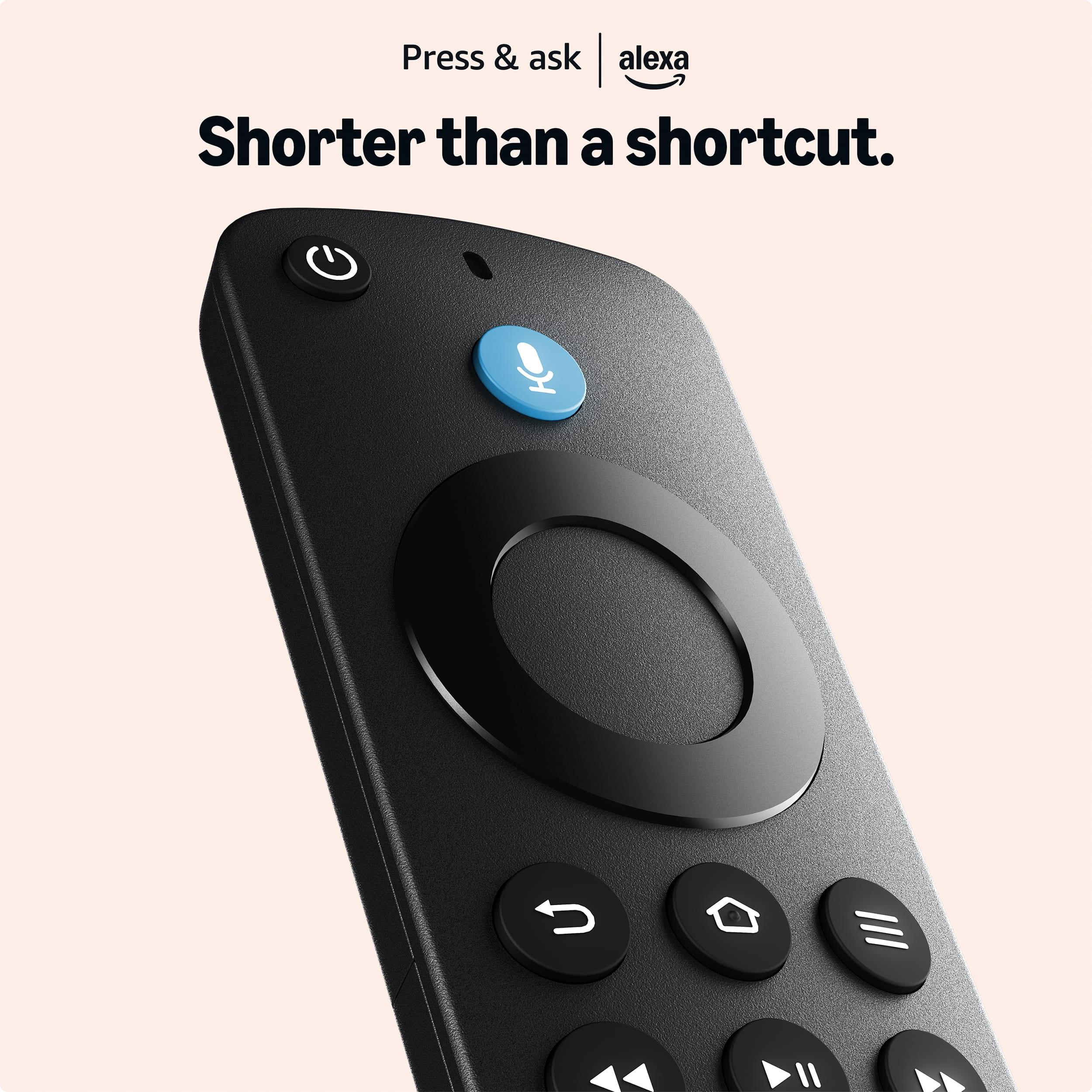
The smart TV experience differs significantly between these models. The Hisense runs Amazon's Fire TV platform, which offers excellent integration with Alexa voice control and Amazon's ecosystem. Navigation is generally smooth, though some users report occasional lag with menu transitions.
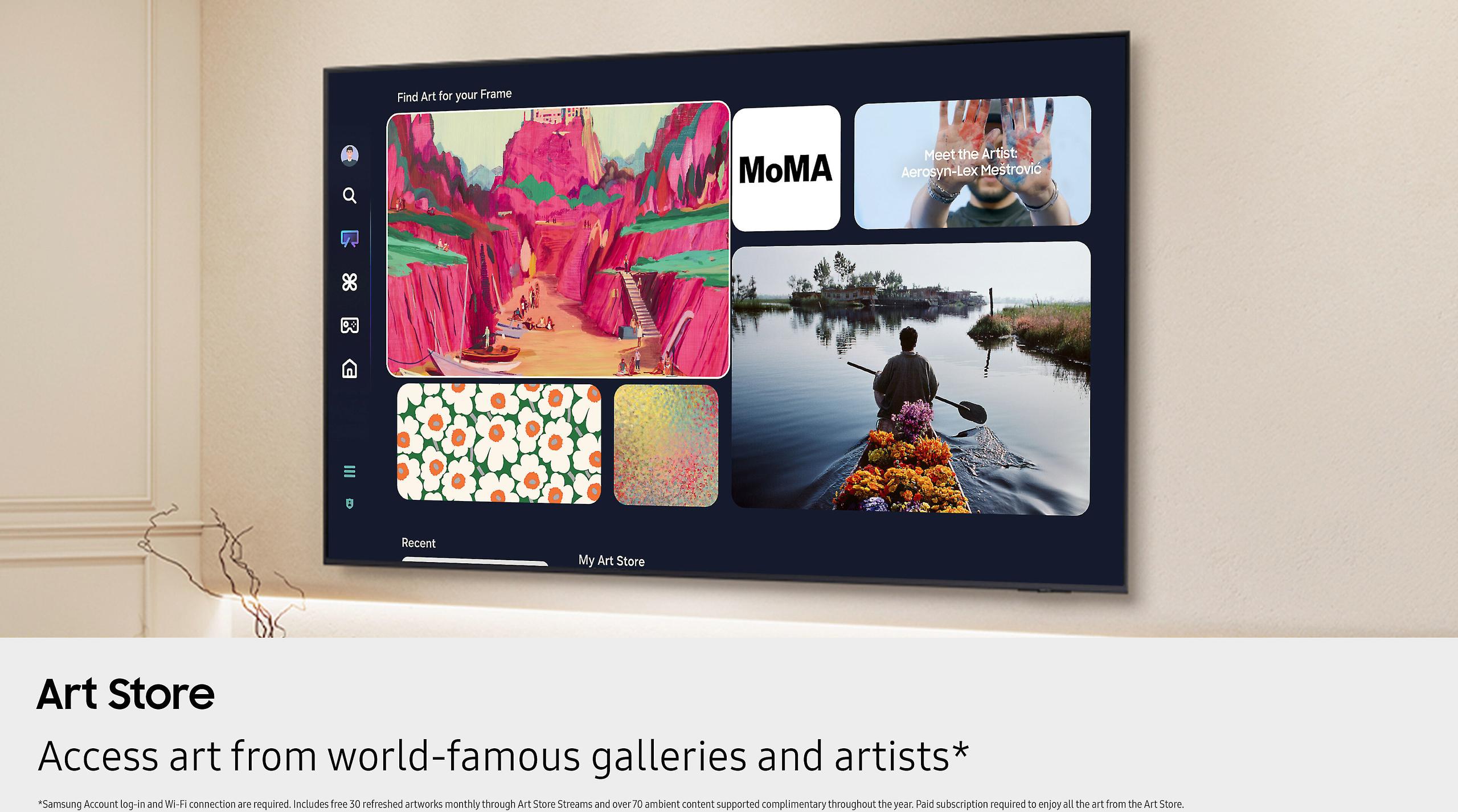
Samsung's Tizen operating system on the QN900F feels more premium and responsive. The dedicated processing power makes a noticeable difference in app loading times and multitasking. Samsung's AI also powers more sophisticated features like automatic content recommendations and scene optimization that adapts picture settings to what you're watching.
Both platforms offer the major streaming apps you'd expect—Netflix, Disney+, YouTube, and so forth. The practical difference comes down to ecosystem preference and performance expectations.
Audio represents one area where the price difference becomes immediately apparent. The Samsung's 4.2.2-channel speaker system with Object Tracking Sound Pro creates genuinely immersive audio that moves around the screen. When a helicopter flies across a movie scene, you hear it travel from speaker to speaker.
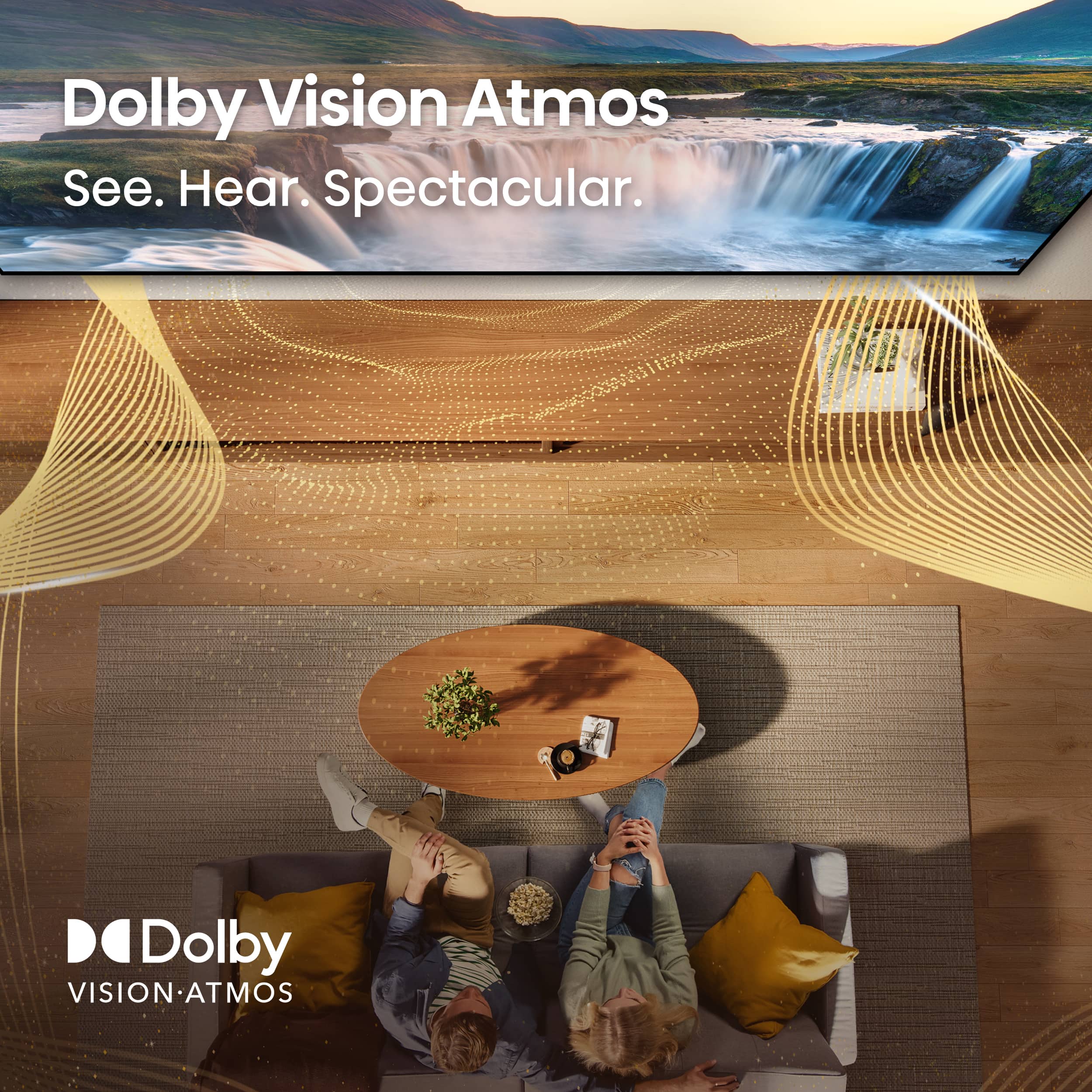
The Hisense QD6 includes basic speakers that support Dolby Atmos processing, but the hardware lacks the drivers and power to create truly enveloping sound. For casual viewing, it's adequate. For movie nights or gaming sessions, you'll likely want to add a soundbar.
Peak brightness capabilities create the most dramatic viewing differences between these TVs. HDR content is mastered assuming TVs can hit specific brightness targets—typically 1,000 nits for premium content. The Samsung easily exceeds this threshold, making sun-drenched scenes and bright highlights look genuinely stunning.
The Hisense falls well short of these targets, which means HDR content looks more like enhanced standard dynamic range. Bright scenes appear washed out, and the dramatic contrast that makes HDR compelling simply isn't there.
Color performance also varies significantly. The Samsung achieves 100% color volume, meaning it can display vibrant colors at any brightness level. The Hisense covers about 90% of the DCI-P3 color space—respectable for the price, but colors noticeably fade in bright scenes.
Contrast ratio differences become obvious in dark room viewing. The Samsung's Mini LED zones can create nearly perfect blacks adjacent to bright elements, while the Hisense suffers from light bleeding that lifts black levels across the entire screen when bright highlights appear.
For dedicated home theater use, these TVs serve very different purposes. The Samsung QN900F delivers reference-quality performance that justifies a dark, controlled viewing environment. Its anti-glare coating and high peak brightness also make it suitable for bright living rooms—a rare combination.
The Hisense QD6 works better as a family room TV where convenience and size matter more than ultimate picture quality. Its Fire TV platform excels for streaming content, and the quantum dot enhancement does improve colors noticeably over basic LED TVs.
Motion handling differs substantially between these models. The Samsung includes sophisticated motion processing and higher refresh rates that make sports and action scenes look smooth and detailed. The Hisense can struggle with fast motion, showing blur trails behind moving objects—particularly noticeable during sports.
At the time of writing, these TVs target completely different value equations. The Hisense delivers about 70% of what most people need from a modern TV at roughly 20% of flagship pricing. That's extraordinary value if you prioritize screen size and basic functionality over cutting-edge features.
The Samsung QN900F commands premium pricing for genuinely premium technology. Every major specification—brightness, color, contrast, processing power, gaming features—represents best-in-class performance. Whether that justifies the cost depends entirely on your priorities and budget.
Both 2025 models show meaningful improvements over their predecessors. The Hisense QD6 gained better color accuracy, improved upscaling, and more stable VRR support compared to earlier budget models. The Samsung benefits from newer Mini LED zones that provide even more precise brightness control and updated AI processing that handles upscaling more naturally.
These improvements matter because they address real-world pain points. Earlier budget TVs often had poor motion handling and inconsistent color accuracy. Premium TVs suffered from aggressive processing that made content look artificial. The 2025 generations largely solve these issues.
The Hisense QD6 makes sense for several specific scenarios. If you need a large screen for a secondary room, want to prioritize size over features, or simply need a reliable TV for streaming content, it delivers excellent value. The Fire TV platform particularly appeals to households already invested in Amazon's ecosystem.
The Samsung QN900F justifies its premium pricing for users who want the best possible experience. Home theater enthusiasts, serious gamers, and anyone who values cutting-edge technology will appreciate its capabilities. The 8K resolution also provides some future-proofing as content availability slowly increases.
The choice between these TVs ultimately comes down to priorities and budget constraints at the time of writing. If you need a large, capable TV without premium pricing, the Hisense QD6 delivers impressive functionality for the money. Its limitations become apparent mainly when directly compared to premium alternatives.
If you want reference-quality performance and have the budget for flagship features, the Samsung QN900F represents the current state of the art in TV technology. Every aspect of the viewing experience—from picture quality to smart features to gaming performance—reflects premium engineering.
Consider your viewing habits, room setup, and long-term expectations. The Hisense works beautifully for casual viewing and streaming content. The Samsung excels when picture quality and advanced features matter most. Both represent smart purchases within their respective market segments, just with very different value propositions.
The gap between budget and premium TVs remains substantial in 2025, but manufacturers like Hisense have done remarkable work bringing essential features to affordable price points. Whether you need those premium capabilities depends entirely on how you use your TV and what compromises you're willing to accept.
| Hisense 65" QD6 Series Hi-QLED Fire TV (2025) | Samsung 65" Neo QLED 8K QN900F Vision AI Smart TV 2025 |
|---|---|
| Display Resolution - Higher resolution provides sharper detail, especially when sitting close | |
| 4K (3,840 x 2,160) - Standard for streaming content | 8K (7,680 x 4,320) - 4x more pixels with AI upscaling |
| Peak Brightness - Critical for HDR impact and bright room viewing | |
| ~385 nits (adequate for moderate lighting) | 1,000+ nits (excellent HDR and glare resistance) |
| Backlight Technology - Determines contrast and black level quality | |
| Direct LED with quantum dots (basic local dimming) | Mini LED with thousands of zones (precise contrast control) |
| Refresh Rate - Important for gaming and sports viewing smoothness | |
| 60Hz native (Motion Rate 120 with interpolation) | 120Hz native (up to 165Hz for gaming) |
| Gaming Features - Essential for console gaming performance | |
| VRR, ALLM, 10.2ms input lag (60Hz limited) | VRR, ALLM, <10ms lag, 4K@120Hz gaming |
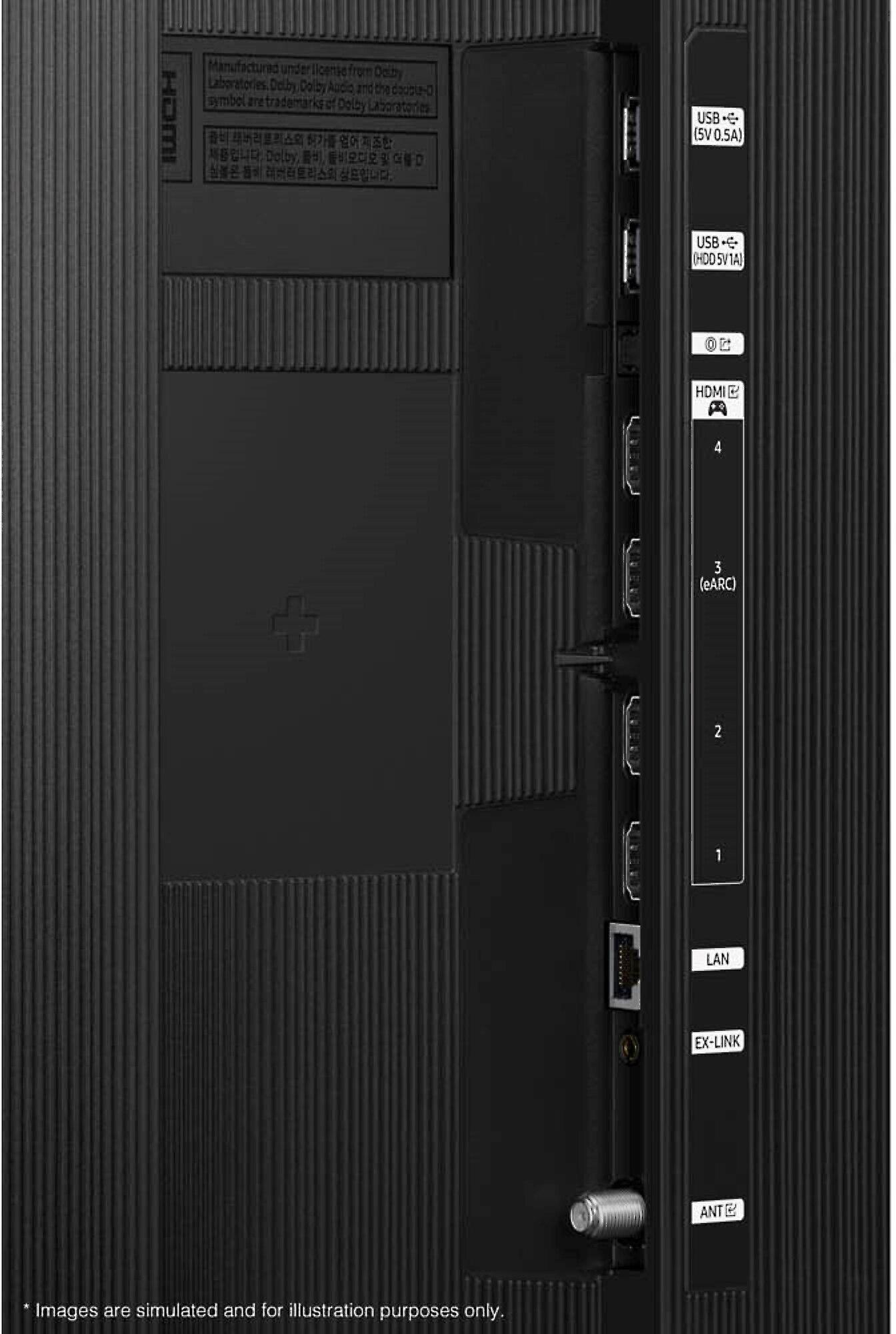
| HDMI Connectivity - Determines future-proofing for gaming consoles | |
| 4x HDMI 2.0 ports (limited bandwidth) | 4x HDMI 2.1 ports (full next-gen console support) |
| Smart TV Platform - Affects daily usability and app performance | |
| Fire TV (Amazon ecosystem, occasional lag) | Tizen 9.0 (premium responsiveness, AI features) |
| Color Performance - Impacts how vibrant and accurate colors appear | |
| 90% DCI-P3 coverage (good for price point) | 100% color volume (maintains vibrancy at all brightness) |
| HDR Support - Determines compatibility with premium content | |
| Dolby Vision, HDR10+, HDR10, HLG | HDR10+, HLG (no Dolby Vision support) |
| Audio System - Built-in sound quality without external speakers | |
| Basic Dolby Atmos support (limited drivers) | 4.2.2 channels with Object Tracking Sound Pro |
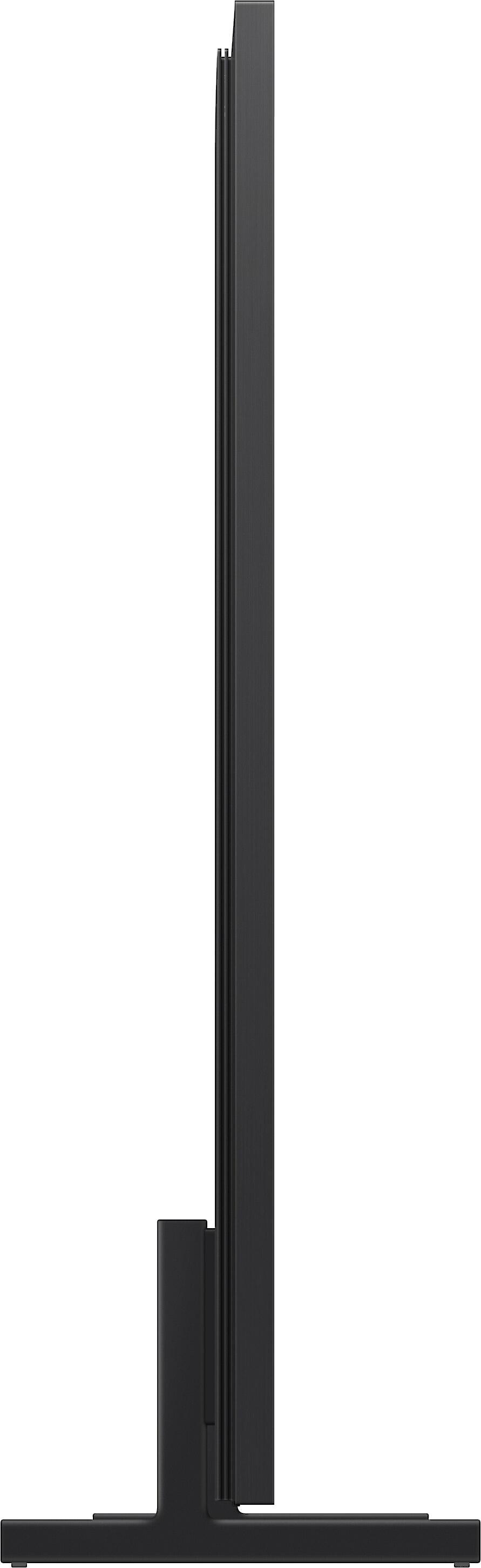
| Design and Build Quality - Premium feel and room aesthetics | |
| Standard LED-LCD thickness, plastic construction | Ultra-slim metal frame design with premium materials |
| AI Processing Power - Affects upscaling and smart features | |
| ARM Cortex-A53 (basic upscaling) | NQ8 AI Gen3 with 256 neural networks |
The Hisense 65" QD6 Series Hi-QLED Fire TV is a budget-friendly 4K TV with basic quantum dot technology, while the Samsung 65" Neo QLED 8K QN900F is a premium 8K TV with advanced Mini LED backlighting and AI processing. The Samsung offers superior picture quality, gaming features, and smart TV performance at a significantly higher price point.
The Samsung QN900F is significantly better for gaming with 4K@120Hz support, HDMI 2.1 ports, advanced VRR, and sub-10ms input lag. The Hisense QD6 offers basic gaming features with 60Hz refresh rate and HDMI 2.0 ports, making it suitable for casual gaming but limiting next-gen console capabilities.
Yes, both support HDR but with different capabilities. The Hisense QD6 supports Dolby Vision, HDR10+, HDR10, and HLG but has limited peak brightness (~385 nits) that reduces HDR impact. The Samsung QN900F supports HDR10+ and HLG with excellent brightness (1000+ nits) for stunning HDR performance, though it lacks Dolby Vision support.
The Samsung QN900F offers a more premium smart experience with Tizen 9.0, AI-powered recommendations, and superior processing power for faster navigation. The Hisense QD6 uses Fire TV with good Alexa integration and streaming capabilities, though some users report occasional menu lag.
The 8K resolution on the Samsung QN900F provides minimal benefit since native 8K content is extremely rare. However, Samsung's advanced AI upscaling makes 4K and HD content look noticeably sharper. Whether this justifies the price difference depends on your budget and desire for cutting-edge technology.
The Samsung QN900F excels in bright rooms with its anti-glare coating, high peak brightness, and superior contrast control. The Hisense QD6 can handle moderate lighting but struggles with direct sunlight and bright room viewing due to its lower brightness capabilities.
The Samsung QN900F features a sophisticated 4.2.2-channel system with Object Tracking Sound Pro and Dolby Atmos for immersive audio. The Hisense QD6 includes basic speakers with Dolby Atmos support that are adequate for casual viewing but may require a soundbar for the best experience.
Value depends on your priorities. The Hisense QD6 offers exceptional value for budget-conscious buyers who want a large 4K screen with decent features. The Samsung QN900F provides premium value for enthusiasts who want the best possible picture quality and advanced features.
The Samsung QN900F is excellent for home theater with reference-quality picture performance, precise contrast control, and immersive audio. The Hisense QD6 works well for casual home theater use but lacks the deep blacks and bright highlights needed for a premium cinematic experience.
The Hisense QD6 includes 4x HDMI 2.0 ports, 2x USB 2.0, Ethernet, and Wi-Fi 5. The Samsung QN900F offers 4x HDMI 2.1 ports with higher bandwidth, plus advanced connectivity features and Wi-Fi 6 for better streaming performance and future-proofing.
Picture quality differs dramatically. The Samsung QN900F delivers superior brightness, deeper blacks, wider color gamut, and precise local dimming through Mini LED technology. The Hisense QD6 offers decent picture quality with quantum dot enhancement but suffers from light bleeding and limited contrast compared to the premium Samsung model.
Choose the Hisense QD6 if you want a large, capable TV for streaming content at a budget-friendly price and don't mind some picture quality compromises. Select the Samsung QN900F if you prioritize the best possible picture quality, gaming performance, and premium features for your primary entertainment display.
We've done our best to create useful and informative comparisons to help you decide what product to buy. Our research uses advanced automated methods to create this comparison and perfection is not possible - please contact us for corrections or questions. These are the sites we've researched in the creation of this article: pcvarge.com - bestbuy.com - rtings.com - youtube.com - rtings.com - youtube.com - consumerreports.org - leaseville.com - hisense-usa.com - device.report - hisense-usa.com - youtube.com - flatpanelshd.com - displayspecifications.com - retailspecs.com - rtings.com - samsung.com - techradar.com - dolby.com - youtube.com - samsung.com - youtube.com - samsung.com - samsung.com - samsung.com - samsung.com - displayspecifications.com - samsung.com - rtings.com - bestbuy.com - merlinstv.com - news.samsung.com - bestbuy.com

Privacy Policy
Terms and Conditions - Affiliate Policy
Home Security
© Copyright 2008-2026.
11816 Inwood Rd #1211, Dallas, TX 75244