

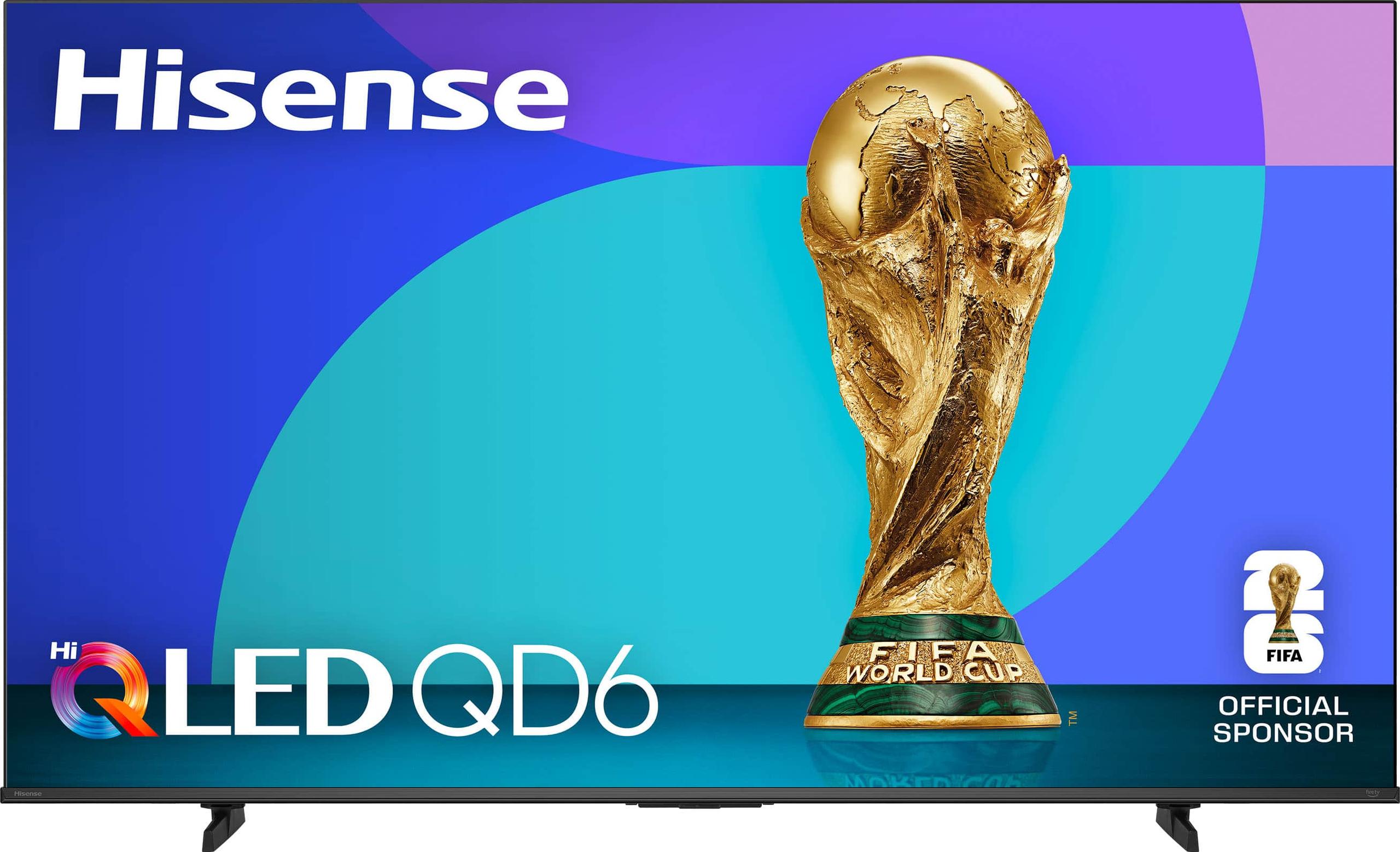



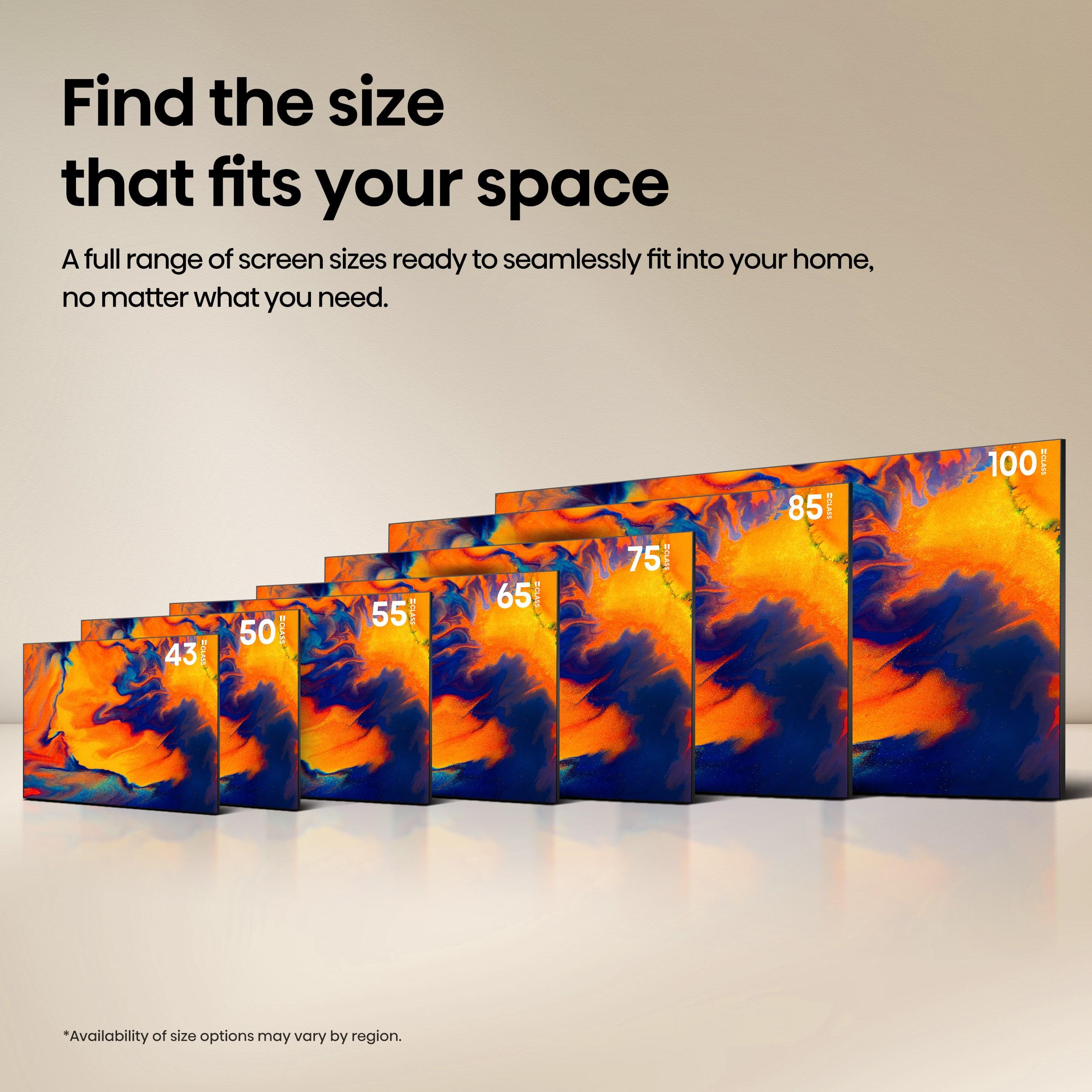
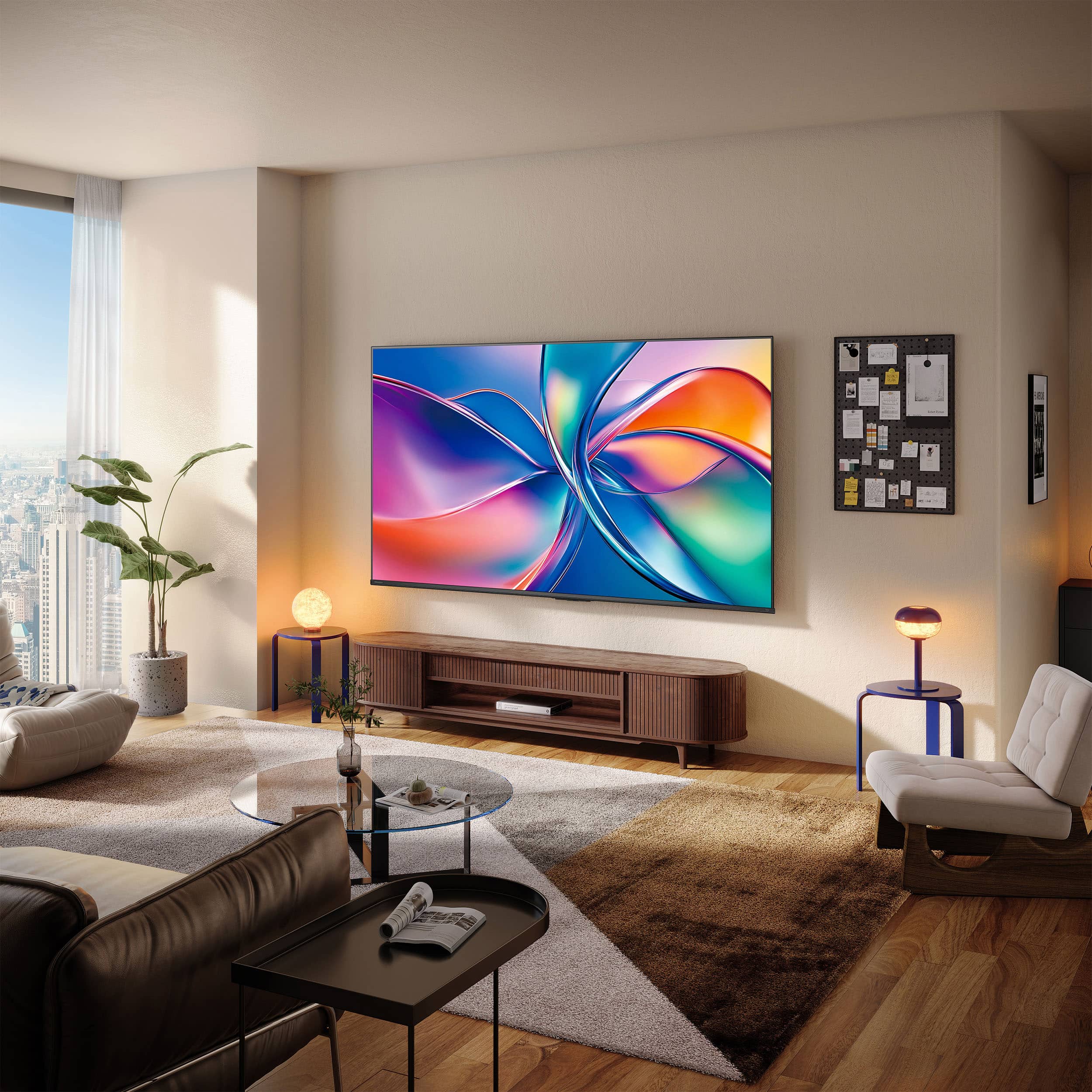
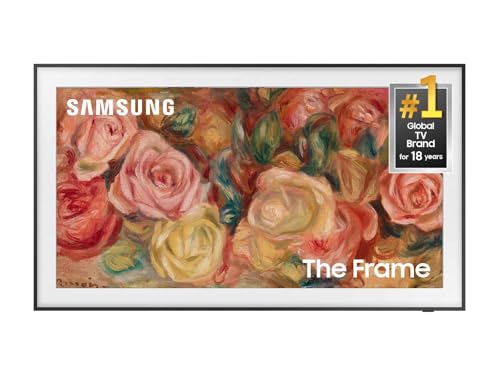
When shopping for a 65-inch TV in 2025, you'll encounter two dramatically different approaches to what a television should be. The Hisense 65" QD6 Series represents the traditional value-focused philosophy—deliver solid picture quality and features at an accessible price. The Samsung 65" Frame, released in 2024, takes the opposite approach: create a premium lifestyle product that happens to be an excellent TV.
Both use quantum dot technology (QLED), which adds tiny particles that enhance color reproduction compared to standard LED TVs. But beyond that shared foundation, these TVs serve entirely different needs and buyers. Understanding which philosophy matches your priorities will guide you to the right choice.
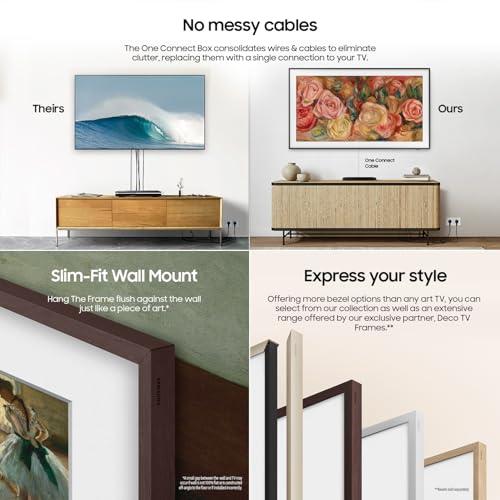
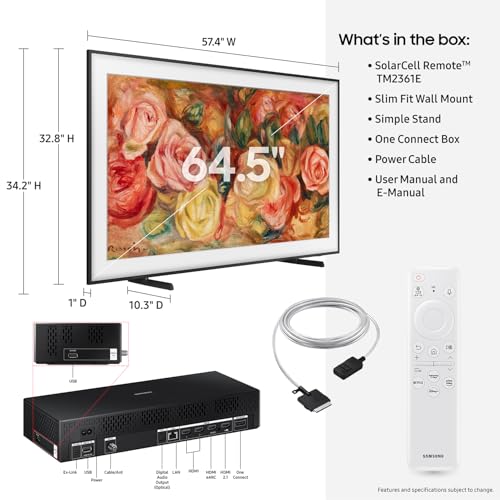
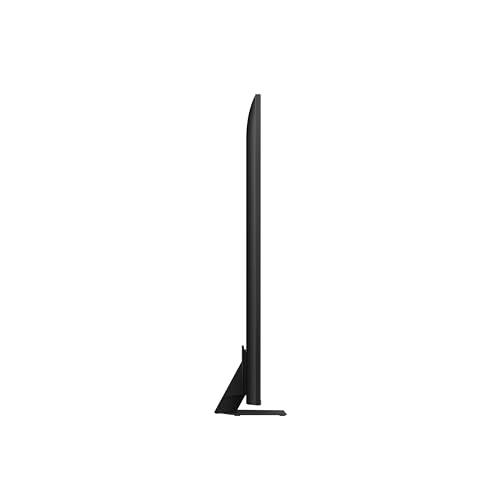
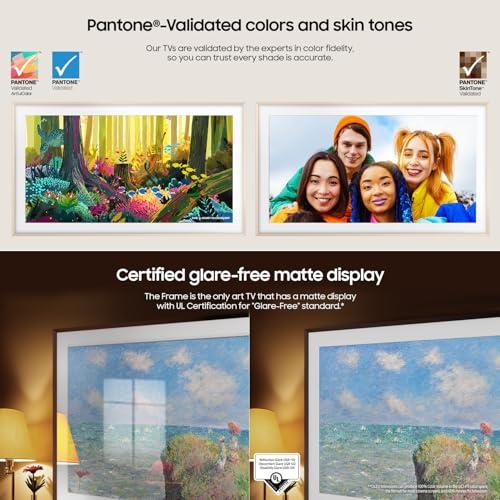
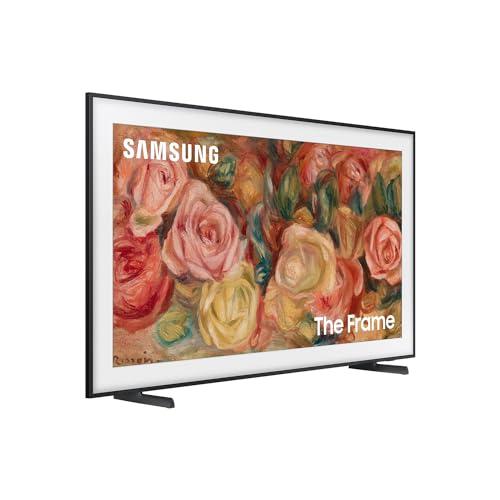
The most obvious difference hits you the moment you unbox these TVs. The Samsung Frame measures just one inch deep—thinner than most picture frames—and comes with a flush wall mount designed to make it disappear into your wall. Its matte anti-reflective screen coating scattered ambient light effectively, reducing glare to nearly zero in most lighting conditions.
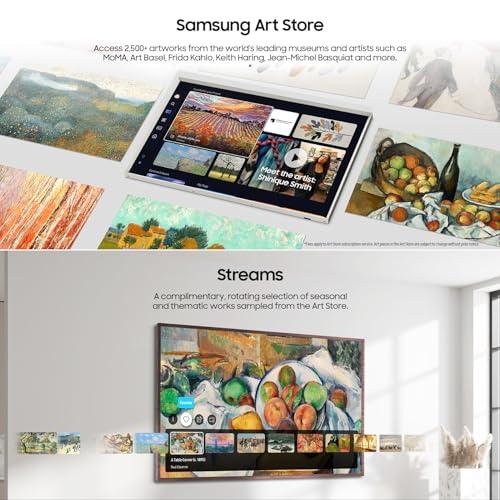
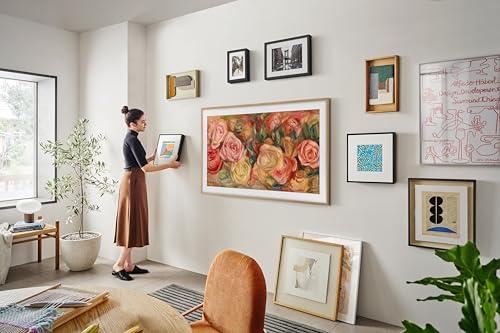
What makes the Samsung Frame truly unique is its customizable magnetic bezel system. These frames snap onto the TV's edges, allowing you to match your decor with options ranging from modern white to ornate gold finishes. When not watching content, Art Mode transforms the screen into a digital gallery, displaying everything from classical paintings to your own photos. A motion sensor automatically switches between TV and art modes based on room activity.
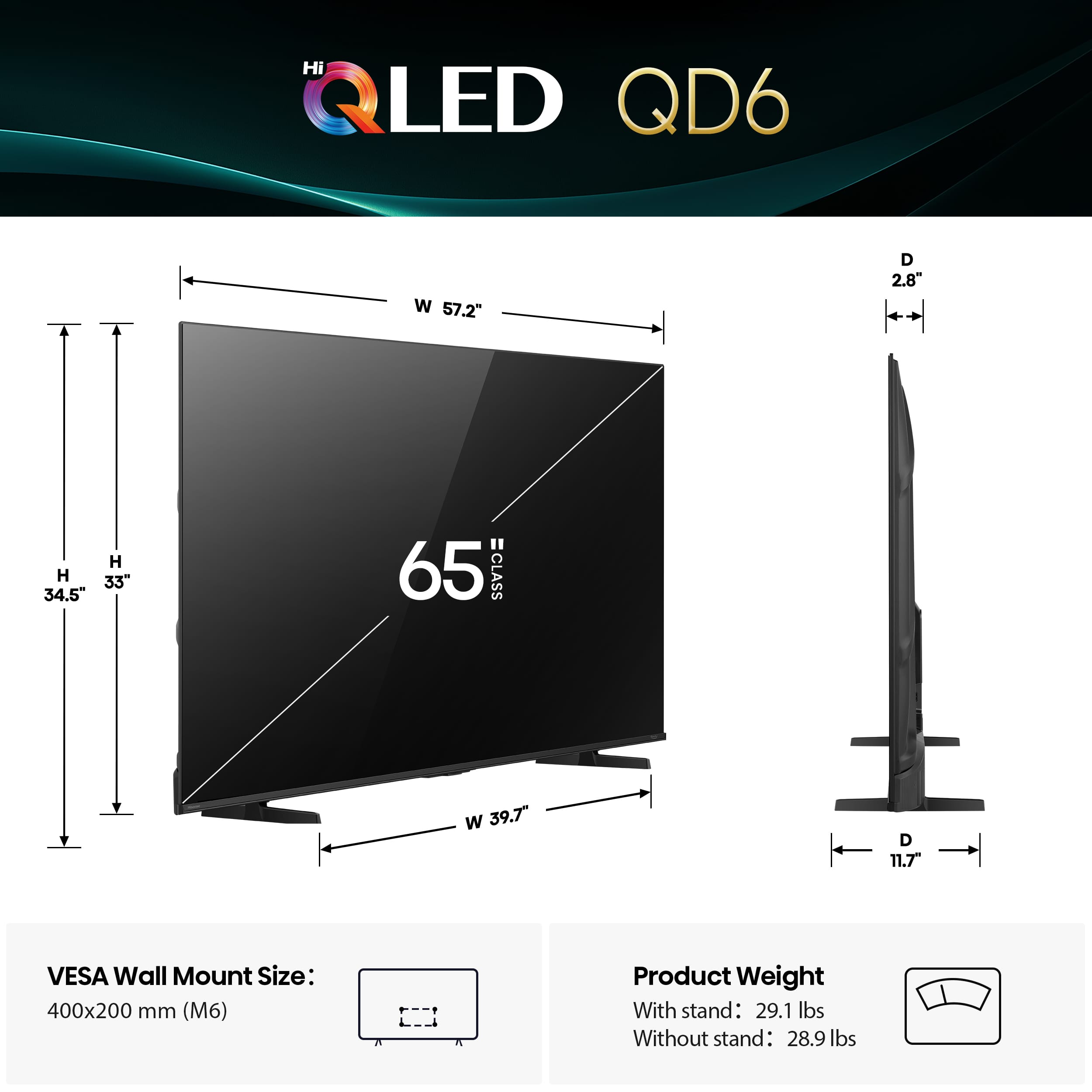
The Hisense QD6, released in 2025, takes the conventional approach. At 2.8 inches deep, it's significantly thicker with a standard plastic construction and glossy screen finish. There's no aesthetic customization—it looks like what most people expect a TV to look like. The wide-set feet are functional but unremarkable, and you'll see all your cables running directly to the TV rather than a separate box.
This design difference reflects each TV's core mission. The Samsung Frame prioritizes room integration above all else, while the Hisense QD6 focuses resources on picture quality and features rather than premium materials or aesthetic innovation.
Understanding picture quality differences requires examining several key metrics that matter most to your viewing experience.
Peak brightness determines how vibrant highlights appear, especially in HDR (High Dynamic Range) content where bright elements like explosions or sunlight should really pop off the screen. Our research into professional reviews reveals the Samsung Frame achieves approximately 590 cd/m² in HDR scenes, while the Hisense QD6 reaches about 385 cd/m².
This difference becomes noticeable when watching HDR movies or shows. The Samsung Frame delivers more impactful bright highlights—think the gleam of armor in a medieval epic or stadium lights during night games. The Hisense QD6 still handles HDR well for its price range, but bright scenes won't have quite the same punch.
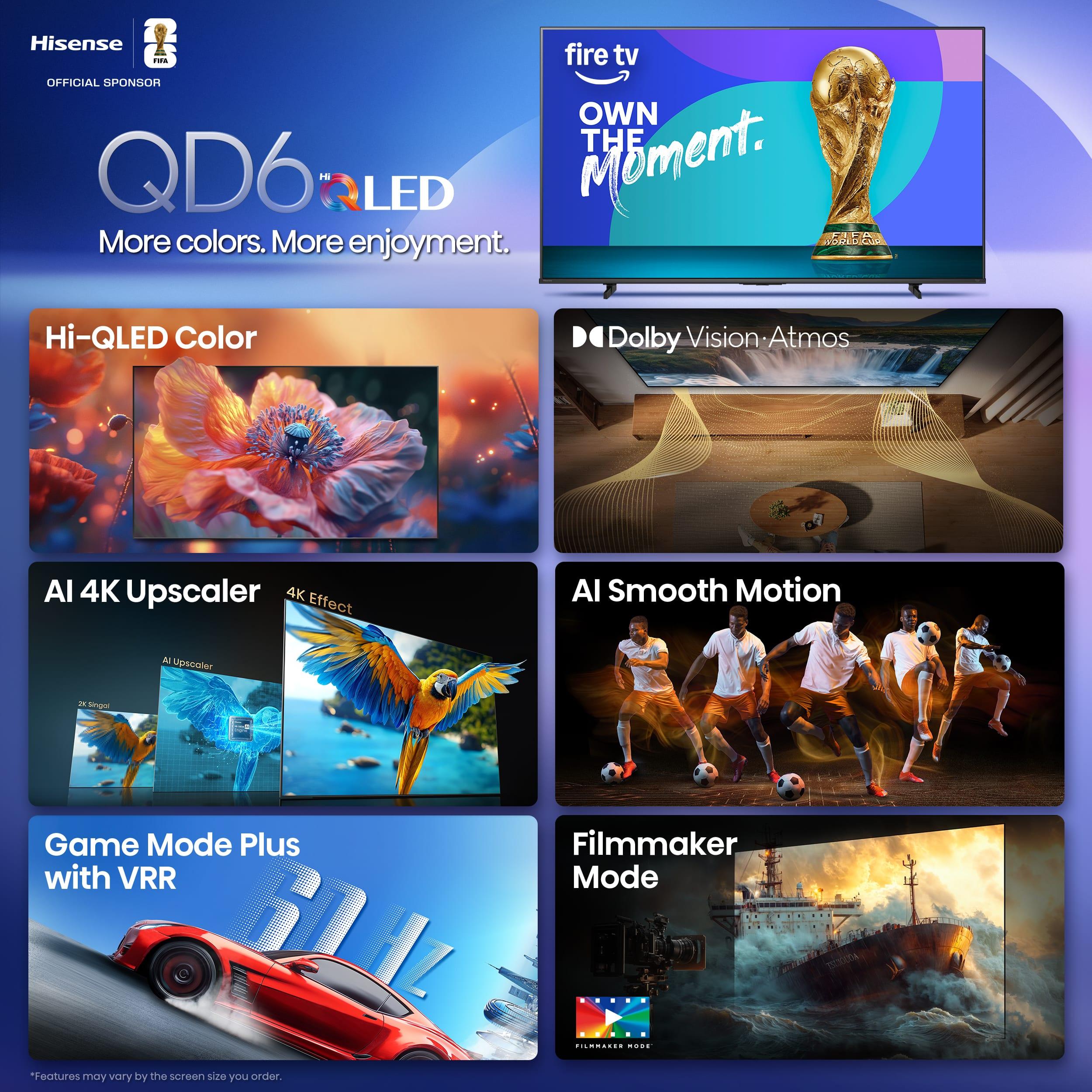
However, the Hisense QD6 supports Dolby Vision, a premium HDR format that adjusts brightness and color scene-by-scene using advanced metadata. The Samsung Frame only supports HDR10+, which is good but not quite as sophisticated. For streaming content where Dolby Vision is common (Netflix, Disney+), the Hisense QD6 will optimize each scene more precisely.
Both TVs lack local dimming, a technology where different screen sections can dim independently to create deeper blacks. This means when bright and dark elements appear simultaneously, neither TV can maintain truly deep blacks—the entire screen brightens slightly.
The Hisense QD6 uses a VA-style panel, which naturally produces better contrast than the edge-lit design in the Samsung Frame. In dark room viewing, the Hisense QD6 maintains more convincing black levels, making it slightly better for movie nights with lights off.
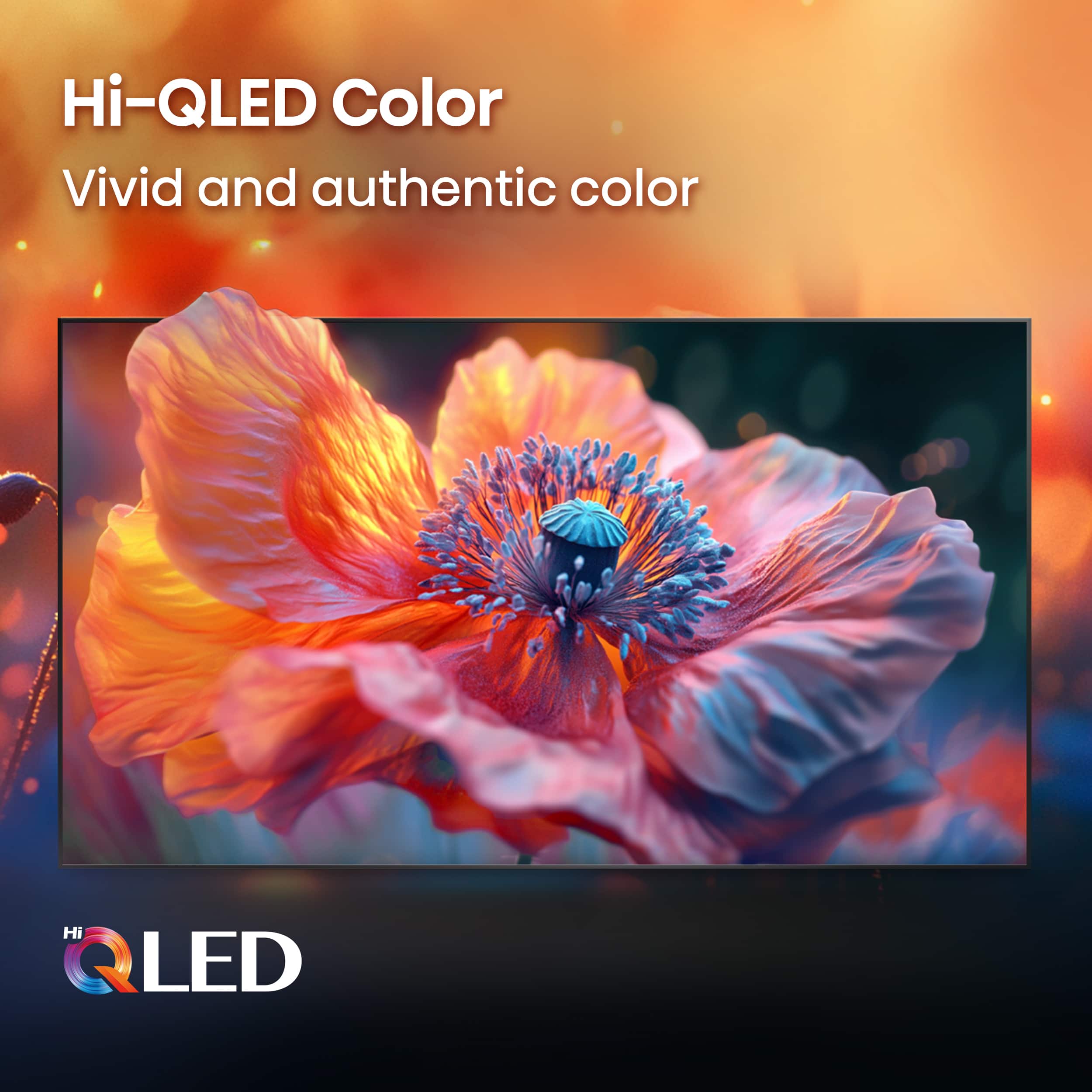
Color performance reveals an interesting trade-off. The Hisense QD6 covers about 90% of the DCI-P3 color space, delivering vibrant, punchy colors that make content feel lively and engaging. The Samsung Frame achieves 100% color volume according to Samsung's claims and earned Pantone art certification, ensuring accurate color reproduction specifically for displaying artwork and photography.
For watching movies and TV shows, the Hisense QD6's approach works well—colors pop without being oversaturated. For displaying art or photography, the Samsung Frame's color accuracy becomes more important since you want artwork to look as the artist intended.
The Hisense QD6's VA panel struggles with viewing angles—sit too far off-center and colors shift noticeably. The Samsung Frame incorporates Wide Viewing Angle technology, maintaining consistent picture quality from various seating positions. For family rooms where people sit at different angles, this gives the Samsung Frame a clear advantage.
Gaming capabilities have become increasingly important as console technology advances, and here we see the biggest performance gap between these TVs.
The Samsung Frame offers native 120Hz refresh rate support, meaning it can display 120 unique frames per second. This creates smoother motion in fast-paced games and allows compatible consoles to run certain games at higher frame rates. Combined with Variable Refresh Rate (VRR) technology, which eliminates screen tearing by matching the TV's refresh rate to the console's output, gaming feels noticeably smoother.
The Hisense QD6 is limited to 60Hz, though it does support VRR within that range. While perfectly adequate for casual gaming, you'll miss out on the enhanced smoothness that 120Hz provides in supported games. The TV also includes ALLM (Auto Low Latency Mode), which automatically reduces input lag to approximately 10.2ms when gaming.
HDMI connectivity tells the full story. The Samsung Frame includes one HDMI 2.1 port capable of 4K at 120Hz, while the Hisense QD6 uses HDMI 2.0 throughout, limiting all inputs to 4K at 60Hz maximum. If you own or plan to buy a PlayStation 5 or Xbox Series X, the Samsung Frame can utilize their full capabilities, while the Hisense QD6 cannot.
However, for most casual gamers, the Hisense QD6 performs admirably. The low input lag ensures responsive controls, and 60Hz remains smooth for most gaming scenarios. The limitation primarily affects competitive gamers or those wanting to maximize their console's potential.
The software experience differs significantly between these TVs, affecting daily usability more than most buyers realize.
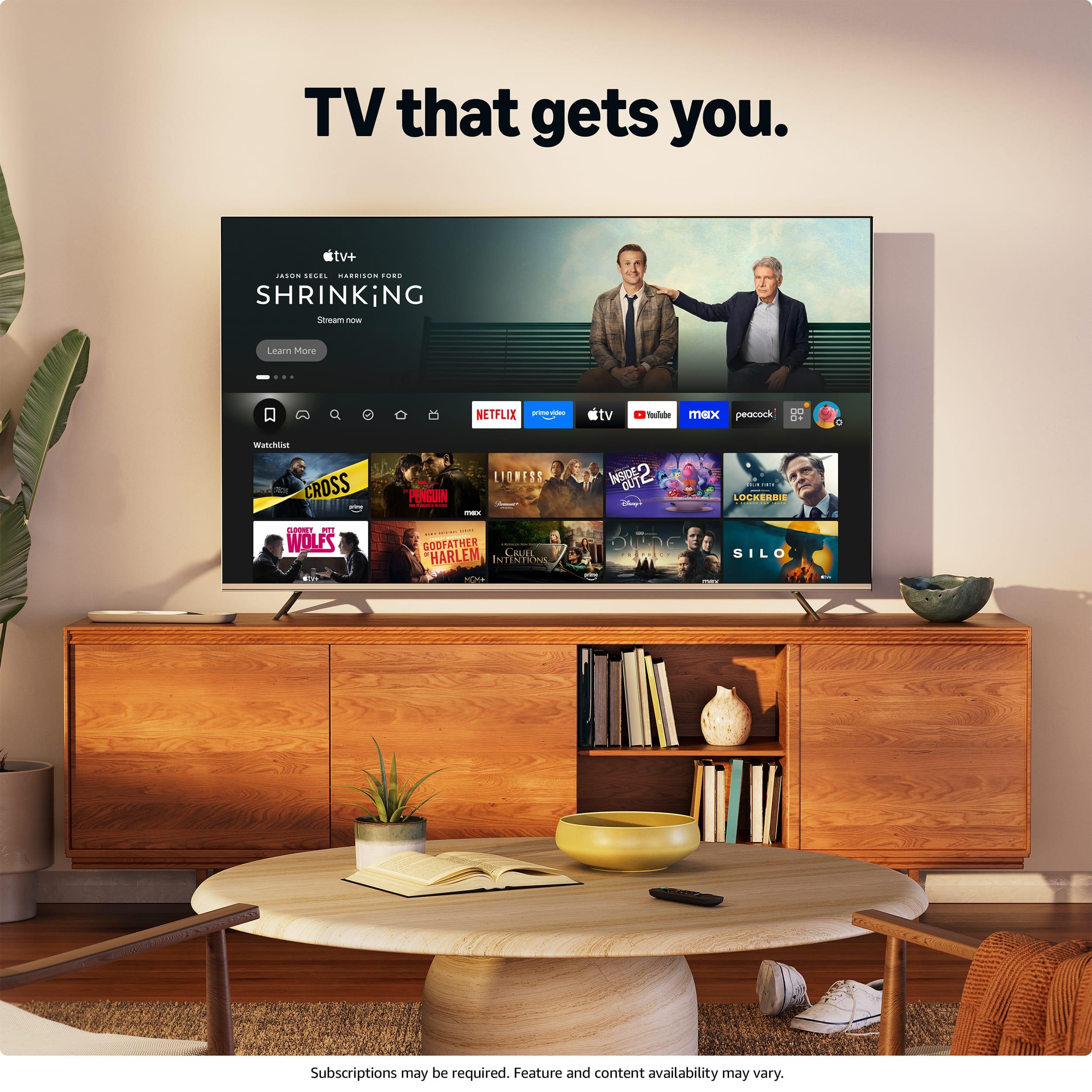
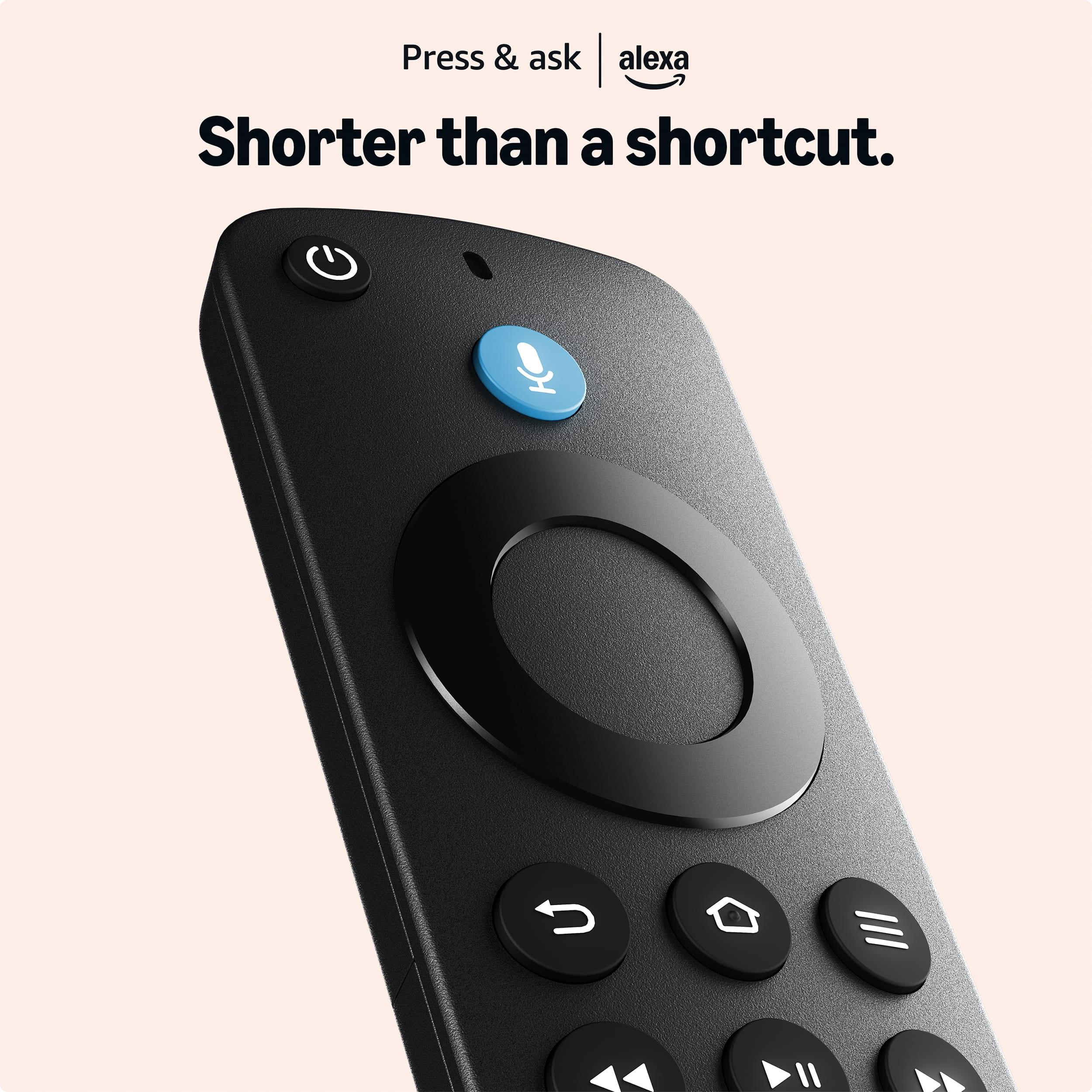
The Hisense QD6 runs Fire TV, Amazon's streaming platform that excels at content discovery and organization. The interface feels intuitive, with personalized recommendations that actually improve over time. Voice control through Alexa works seamlessly, and the remote design places commonly used buttons logically. Fire TV also supports virtually every major streaming service and loads apps quickly.
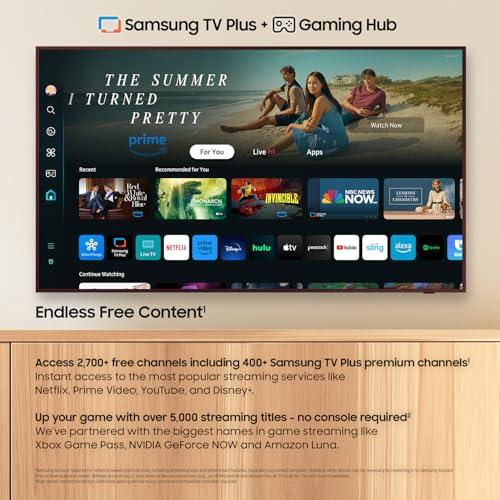
Samsung's Tizen platform on the Samsung Frame functions well but feels less polished for content discovery. The interface can seem cluttered, and recommendations aren't as sophisticated as Fire TV's algorithms. However, Tizen integrates excellently with Samsung's broader ecosystem, including SmartThings smart home control and Samsung Health fitness tracking.
The Samsung Frame's unique advantage lies in its Art Store integration and the SmartThings app that lets you upload personal photos for display. Managing your art collection feels natural and well-designed, though accessing Samsung's curated artwork library requires a monthly subscription (at the time of writing, around $5-6 monthly).
Both TVs deliver respectable audio for their form factors, but with different approaches.
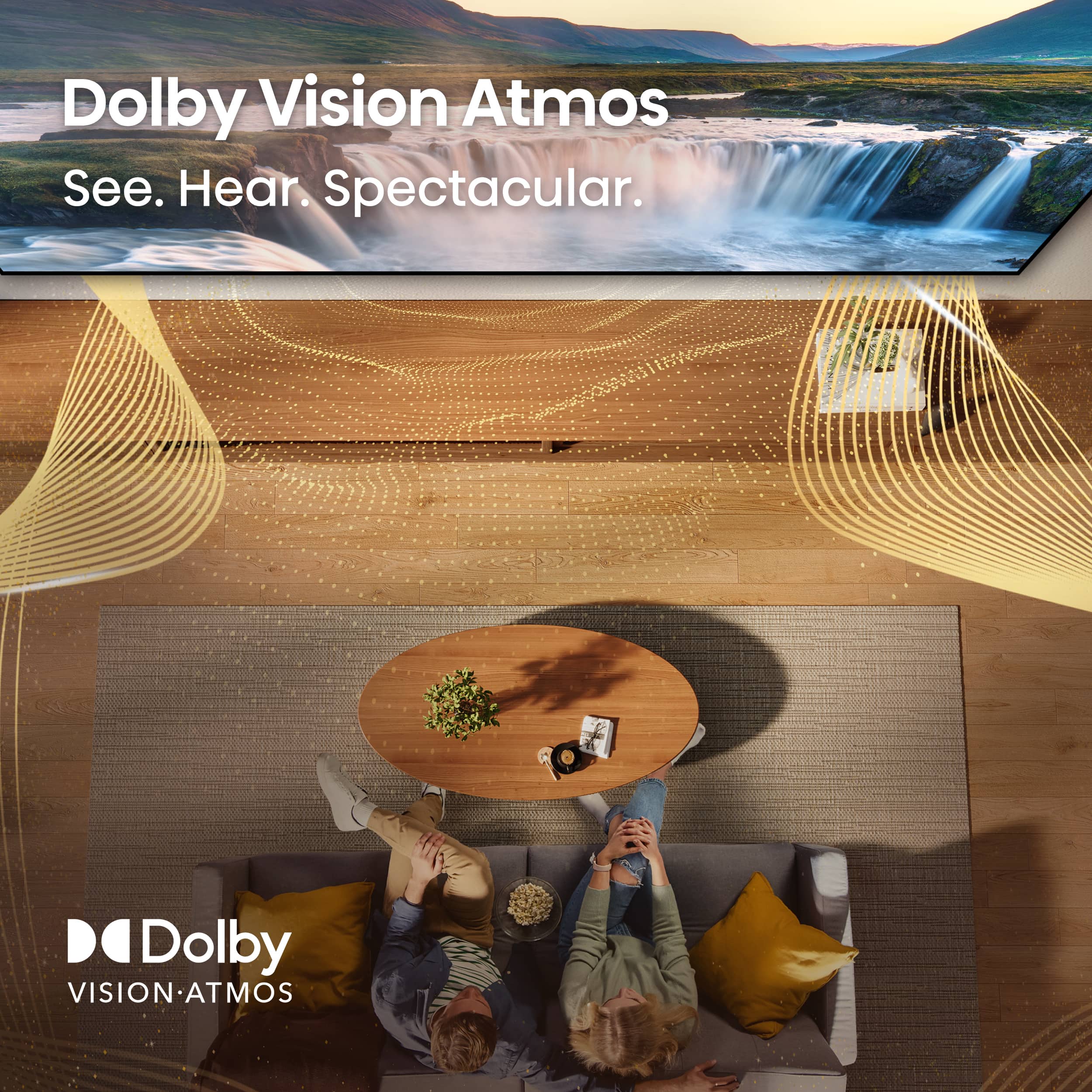
The Samsung Frame includes a 40W 2.0.2 channel speaker system with True Dolby Atmos support. Object Tracking Sound (OTS) technology helps audio follow action across the screen, creating a more immersive experience. The up-firing speakers attempt to create height effects, though the laws of physics limit what's possible from such a thin profile.
The Hisense QD6 offers basic speakers with Dolby Atmos processing but lacks the sophisticated speaker configuration of the Samsung Frame. For casual viewing, it provides clear dialogue and adequate volume, but don't expect rich bass or detailed soundstaging.
Both benefit significantly from external sound systems. The Samsung Frame's eARC support through its One Connect Box makes soundbar integration seamless, while the Hisense QD6 includes standard optical audio output for external audio systems.
The Samsung Frame's Art Mode deserves deeper exploration because it represents a fundamental shift in how TVs integrate into living spaces.
Art Mode isn't just a screensaver—it's a carefully engineered experience. The matte display coating eliminates the glossy "TV look," making displayed artwork appear more like actual paintings or photographs. A brightness sensor automatically adjusts the image to match room lighting, ensuring artwork looks natural throughout the day.
The motion sensor activates Art Mode when you leave the room and returns to normal TV operation when you return. This seamless transition, combined with the customizable bezels, can genuinely make the TV disappear into your decor when not actively watching content.
However, this lifestyle approach comes with ongoing costs. While the TV includes some artwork, accessing Samsung's full Art Store library requires a monthly subscription. Additional bezel options cost extra, and the premium pricing reflects the lifestyle positioning rather than pure performance value.
At the time of writing, these TVs occupy very different price ranges, with the Hisense QD6 typically costing significantly less than the Samsung Frame. This price difference reflects their different priorities entirely.
The Hisense QD6 delivers excellent value for traditional TV viewing. You get solid 4K picture quality, comprehensive HDR support including Dolby Vision, and the best smart TV platform available, all at a budget-friendly price. For most families wanting a good TV experience without premium costs, it represents outstanding value.
The Samsung Frame commands a premium for its lifestyle features rather than raw picture quality improvements. You're paying for design innovation, premium materials, Art Mode functionality, and the engineering required to create such a thin profile. For buyers prioritizing aesthetics and room integration, this premium may feel justified.
Consider total ownership costs too. The Hisense QD6 requires no additional purchases for full functionality. The Samsung Frame works perfectly out of the box, but maximizing its aesthetic potential involves optional bezel purchases and Art Store subscriptions that add to long-term costs.
For dedicated home theater setups, both TVs have limitations that serious enthusiasts should understand.
Neither includes local dimming, which remains essential for convincing black levels in dark room viewing. The Hisense QD6's better native contrast helps somewhat, but both struggle with the "black lift" effect where dark scenes appear grayish rather than truly black.
The Samsung Frame's matte finish, while excellent for glare reduction, can slightly impact perceived contrast and color saturation in completely dark rooms. Some home theater enthusiasts find matte screens less appealing for movie watching, preferring the deeper blacks possible with glossy screens in controlled lighting.
Both TVs handle motion reasonably well for movies, though neither excels with fast sports or action sequences. The Samsung Frame's 120Hz capability helps with motion clarity, but response times aren't fast enough to eliminate all blur in rapid movement.
For serious home theater applications, both TVs work best as secondary displays or in rooms with some ambient lighting. Dedicated theater rooms benefit more from TVs with local dimming or OLED technology.
The decision ultimately comes down to matching each TV's strengths to your priorities and living situation.
Choose the Hisense QD6 if you want traditional TV excellence at an accessible price. It excels for families prioritizing picture quality and smart features over aesthetics. The Fire TV platform provides the best streaming experience, Dolby Vision support enhances compatible content, and the overall package delivers excellent value. It's ideal for basement family rooms, bedrooms, or any space where TV performance matters more than design integration.
The Samsung Frame makes sense for design-conscious buyers willing to pay premium prices for aesthetic integration. It's perfect for main living areas where the TV needs to complement rather than dominate the decor. The 120Hz gaming capabilities appeal to console gamers, and Art Mode genuinely transforms how a TV fits into daily life. However, you must value these lifestyle benefits enough to justify the price premium over performance-focused alternatives.
Both represent solid choices within their intended markets. The Hisense QD6 delivers honest value for traditional TV buyers, while the Samsung Frame pioneered the art TV category that's increasingly popular among style-conscious consumers. Your choice should reflect whether you prioritize performance per dollar or aesthetic innovation in your living space.
Understanding these different approaches helps explain why both TVs succeed—they're solving different problems for different buyers, and each excels at its intended mission.
| Hisense 65" QD6 Series Hi-QLED Fire TV (2025) | Samsung 65" The Frame QLED 4K 2024 TV |
|---|---|
| Display Technology - Core picture quality foundation | |
| Full-array LED with quantum dots, VA-style panel | Edge-lit QLED with quantum dots, matte anti-reflective coating |
| Peak Brightness - Critical for HDR impact and daytime viewing | |
| ~385 cd/m² (good for moderately lit rooms) | ~590 cd/m² (better HDR highlights, excellent glare resistance) |
| Refresh Rate - Essential for gaming and smooth motion | |
| 60Hz native (Motion Rate 120 with interpolation) | 120Hz native (true high refresh rate) |
| HDR Support - Determines premium content quality | |
| Dolby Vision, HDR10+, HDR10, HLG (most comprehensive) | HDR10+, HDR10, HLG (no Dolby Vision support) |
| HDMI Connectivity - Affects gaming and future-proofing | |
| 4x HDMI 2.0 (limited to 4K@60Hz) | 3x HDMI 2.0 + 1x HDMI 2.1 (supports 4K@120Hz) |
| Gaming Features - Important for console compatibility | |
| VRR, ALLM, 10.2ms input lag (60Hz gaming only) | VRR, ALLM, FreeSync Premium, 9.2ms input lag (120Hz capable) |
| Smart TV Platform - Daily user experience quality | |
| Fire TV (excellent content discovery and interface) | Tizen (functional but less refined recommendations) |
| Design Philosophy - How it fits in your room | |
| Traditional 2.8" thick TV with glossy screen | Ultra-thin 1" profile with customizable bezels and Art Mode |
| Local Dimming - Critical for dark scene quality | |
| None (blacks lift in mixed content) | None (edge-lit limitations in dark scenes) |
| Viewing Angles - Group viewing performance | |
| Narrow (VA panel limitations) | Wide Viewing Angle technology (better for multiple viewers) |
| Audio System - Built-in sound quality | |
| Basic speakers with Dolby Atmos processing | 40W 2.0.2CH with True Dolby Atmos and Object Tracking Sound |
| Unique Features - What sets each apart | |
| AI 4K Upscaler, excellent value proposition | Art Mode, customizable bezels, One Connect Box, Pantone certification |
| Best Use Case - Who should choose this TV | |
| Budget-conscious buyers wanting solid performance | Design-focused users prioritizing aesthetics and gaming |
The Hisense 65" QD6 Series offers significantly better value for traditional TV viewing, delivering solid 4K picture quality, comprehensive HDR support including Dolby Vision, and excellent Fire TV smart features at a budget-friendly price. The Samsung 65" Frame costs considerably more but provides unique lifestyle features like Art Mode and customizable bezels that justify the premium for design-conscious buyers.
The core difference is philosophy: the Hisense QD6 focuses on delivering excellent picture quality and features for the price, while the Samsung Frame prioritizes aesthetics and room integration. The Frame can display artwork when not in use and includes customizable bezels, making it function as wall decor, whereas the QD6 is a traditional high-performance TV.
For pure picture quality per dollar, the Hisense QD6 performs better with superior native contrast from its VA panel and Dolby Vision support for optimized HDR content. The Samsung Frame offers higher peak brightness (590 vs 385 cd/m²) for more impactful HDR highlights, but lacks Dolby Vision. Both have limitations without local dimming for dark room viewing.
The Samsung Frame is significantly better for gaming with native 120Hz refresh rate, HDMI 2.1 support for 4K@120Hz, and VRR technology for smooth gameplay. The Hisense QD6 is limited to 60Hz and HDMI 2.0, making it adequate for casual gaming but unable to utilize next-gen consoles' full capabilities.
The Samsung Frame excels in bright rooms thanks to its anti-glare matte display coating that effectively reduces reflections and maintains picture quality under various lighting conditions. The Hisense QD6 has a glossy screen that reflects direct light sources, making it less suitable for very bright environments.
Yes, both the Hisense QD6 and Samsung Frame support 4K resolution (3,840 x 2,160) and HDR content. However, the Hisense includes Dolby Vision support alongside HDR10+ and HDR10, while the Samsung only supports HDR10+ and HDR10. Dolby Vision provides more sophisticated scene-by-scene optimization for streaming content.
The Hisense QD6 runs Fire TV, which offers superior content discovery, intuitive interface design, and excellent voice control through Alexa. Samsung's Tizen platform on the Frame is functional but less polished for recommendations and content organization, though it integrates well with Samsung's smart home ecosystem.
The Samsung Frame is specifically designed for wall mounting with an included slim-fit mount that creates a flush, picture-frame appearance at just 1 inch deep. The Hisense QD6 can be wall-mounted using standard VESA 400x300 mounting, but at 2.8 inches deep, it won't achieve the same seamless wall integration.
The Samsung Frame features superior audio with 40W 2.0.2 channel speakers, True Dolby Atmos support, and Object Tracking Sound technology for more immersive audio. The Hisense QD6 includes basic speakers with Dolby Atmos processing but lacks the sophisticated speaker configuration and power of the Frame.
The Hisense QD6 has no additional required costs for full functionality. The Samsung Frame works completely out of the box, but accessing Samsung's full Art Store library requires a monthly subscription, and additional decorative bezels cost extra to maximize the aesthetic customization options.
Neither TV is ideal for dedicated home theater use due to the lack of local dimming technology, which is essential for deep blacks in dark rooms. The Hisense QD6 has slightly better native contrast for dark viewing, while the Samsung Frame's matte coating can reduce perceived contrast in completely dark environments. Both work better as secondary displays or in rooms with some ambient lighting.
Choose the Hisense QD6 if you prioritize performance, value, and traditional TV functionality with excellent smart features. Select the Samsung Frame if you want a TV that doubles as wall art, need better gaming capabilities with 120Hz support, or prioritize design integration over pure performance value. Your choice should depend on whether aesthetics or performance-per-dollar matters most to you.
We've done our best to create useful and informative comparisons to help you decide what product to buy. Our research uses advanced automated methods to create this comparison and perfection is not possible - please contact us for corrections or questions. These are the sites we've researched in the creation of this article: pcvarge.com - bestbuy.com - rtings.com - youtube.com - rtings.com - youtube.com - consumerreports.org - leaseville.com - hisense-usa.com - device.report - hisense-usa.com - youtube.com - flatpanelshd.com - displayspecifications.com - retailspecs.com - tomsguide.com - rtings.com - rtings.com - youtube.com - bestbuy.com - techlicious.com - youtube.com - smalllilystudio.com - theeverymom.com - livingetc.com - pcrichard.com - image-us.samsung.com - samsung.com - images.samsung.com - samsung.com - buydig.com - tvsbook.com - bestbuy.com - samsung.com - samsung.com - flatpanelshd.com

Privacy Policy
Terms and Conditions - Affiliate Policy
Home Security
© Copyright 2008-2026.
11816 Inwood Rd #1211, Dallas, TX 75244