

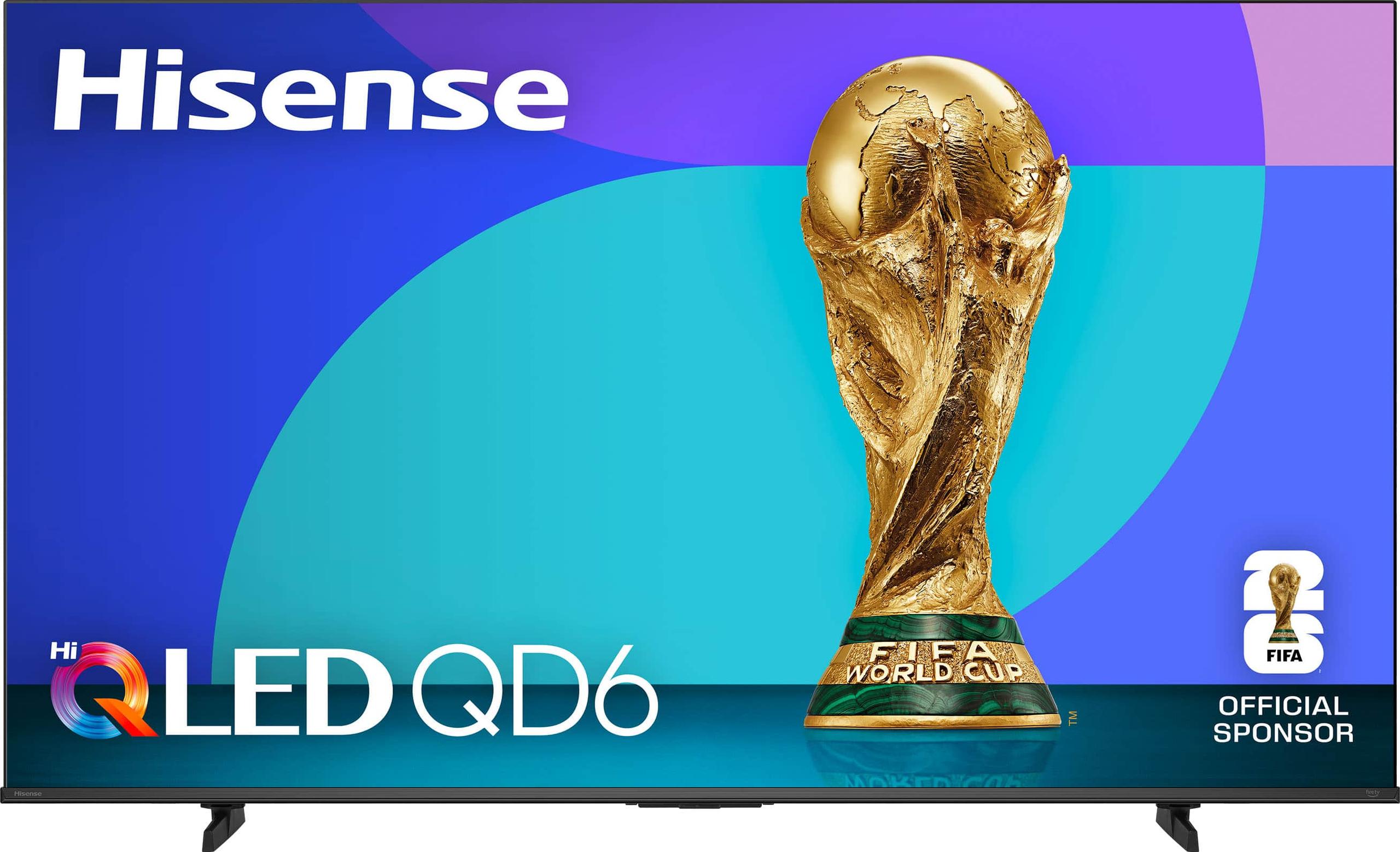

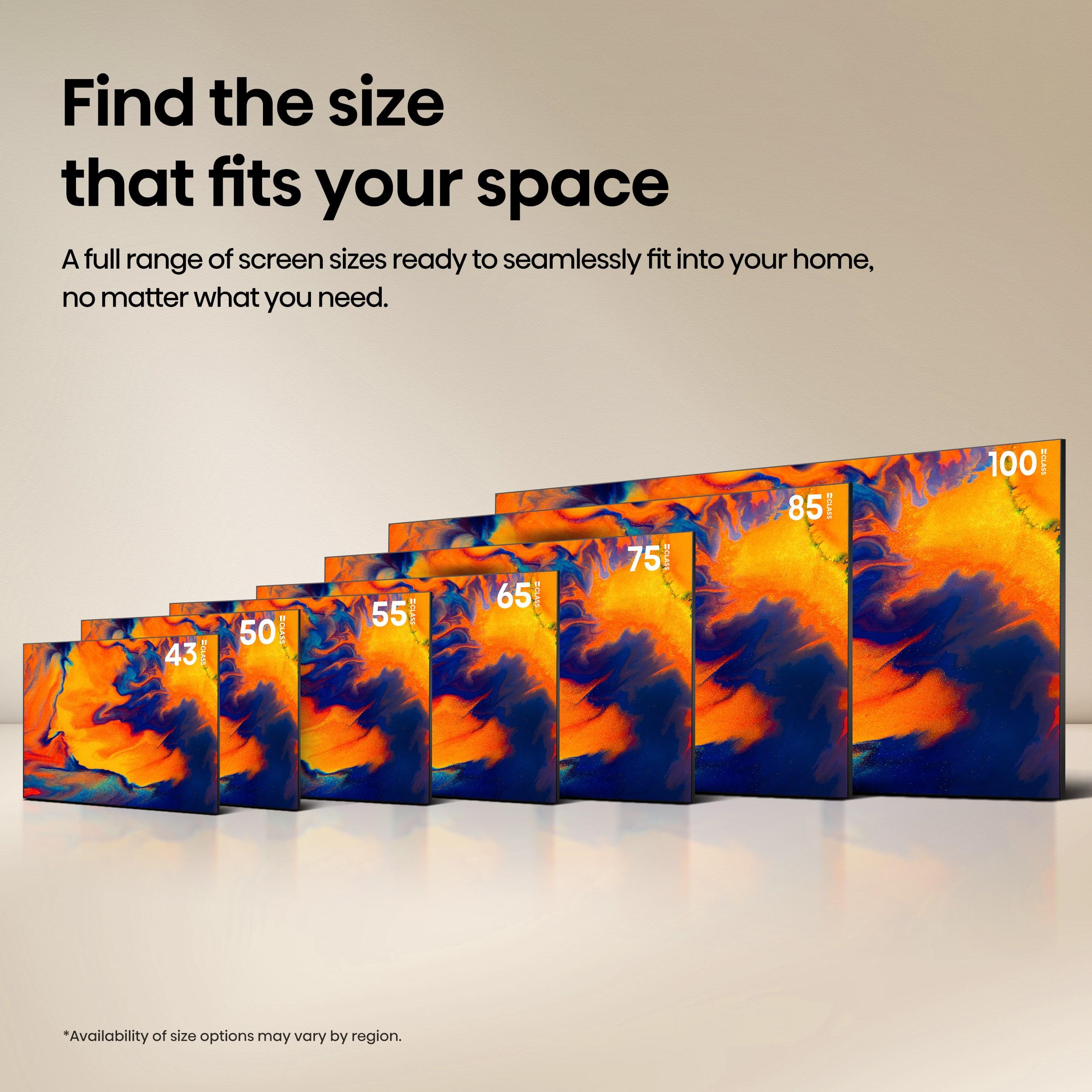
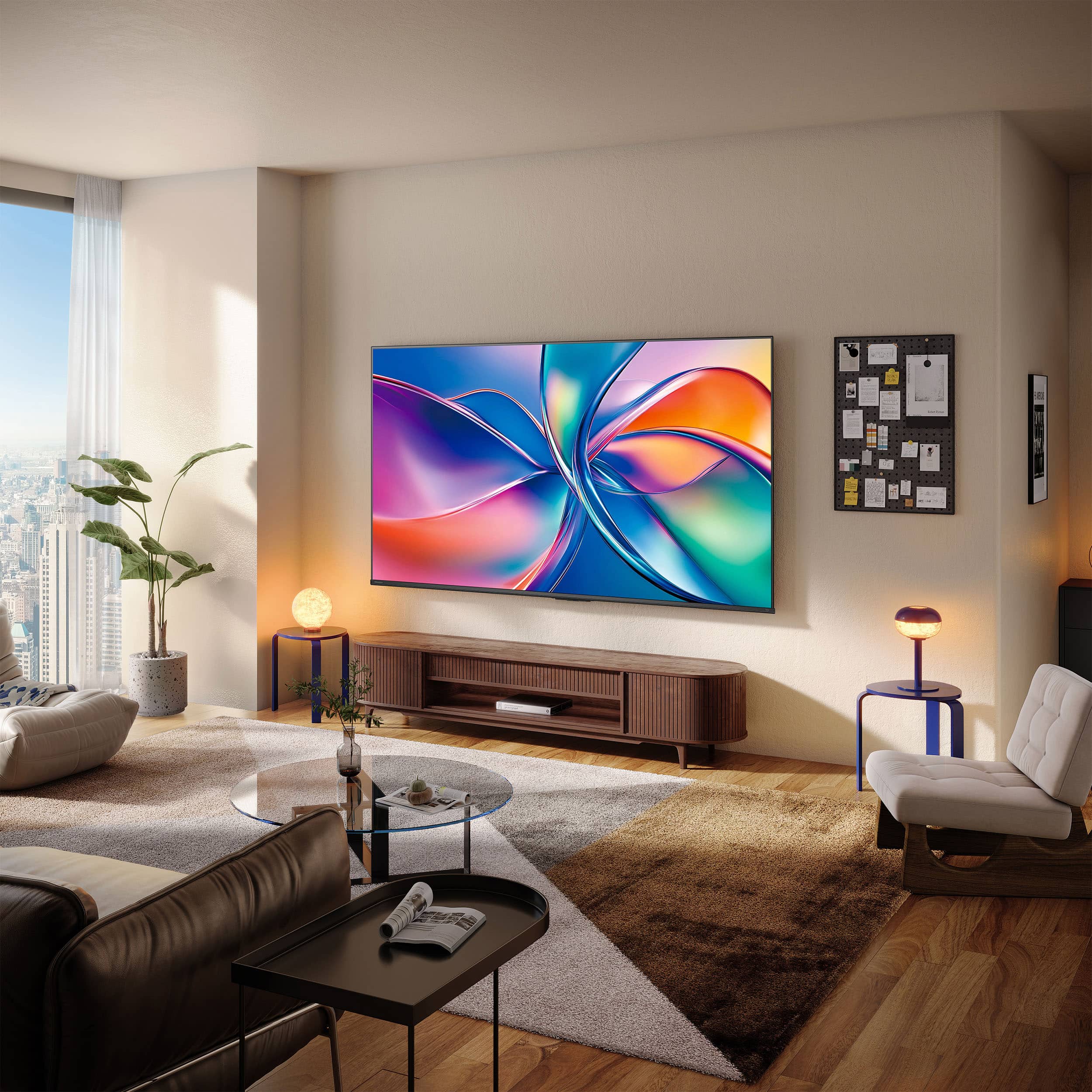

Shopping for a 65-inch 4K TV in 2025 feels like navigating a maze of marketing terms and technical specs. Two models that consistently appear in budget searches are the Hisense QD6 Series Hi-QLED Fire TV and the Sony BRAVIA 2 II 4K LED Google TV. At the time of writing, these TVs represent vastly different approaches to delivering big-screen entertainment, with a significant price gap that makes the decision even more complex.
The budget 65-inch TV market has evolved dramatically over the past few years. What once required spending over $1,000 now costs significantly less, thanks to improved manufacturing processes and increased competition. Both the Hisense QD6 and Sony BRAVIA 2 II launched in 2025, incorporating lessons learned from previous generations while addressing the core needs of mainstream viewers.
The most striking difference between these TVs is their pricing strategy. The Hisense QD6 positions itself as a feature-rich budget option, while the Sony BRAVIA 2 II costs approximately 45% more, representing Sony's entry point into their 2025 lineup. This price gap isn't arbitrary—it reflects fundamentally different philosophies about what matters most in a TV.
Budget TVs have traditionally meant compromising on picture quality, but 2025 models challenge that assumption. The Hisense QD6 brings quantum dot technology—previously reserved for premium models—to an accessible price point. Meanwhile, the Sony BRAVIA 2 II focuses on the processing power and color accuracy that Sony has perfected over decades.
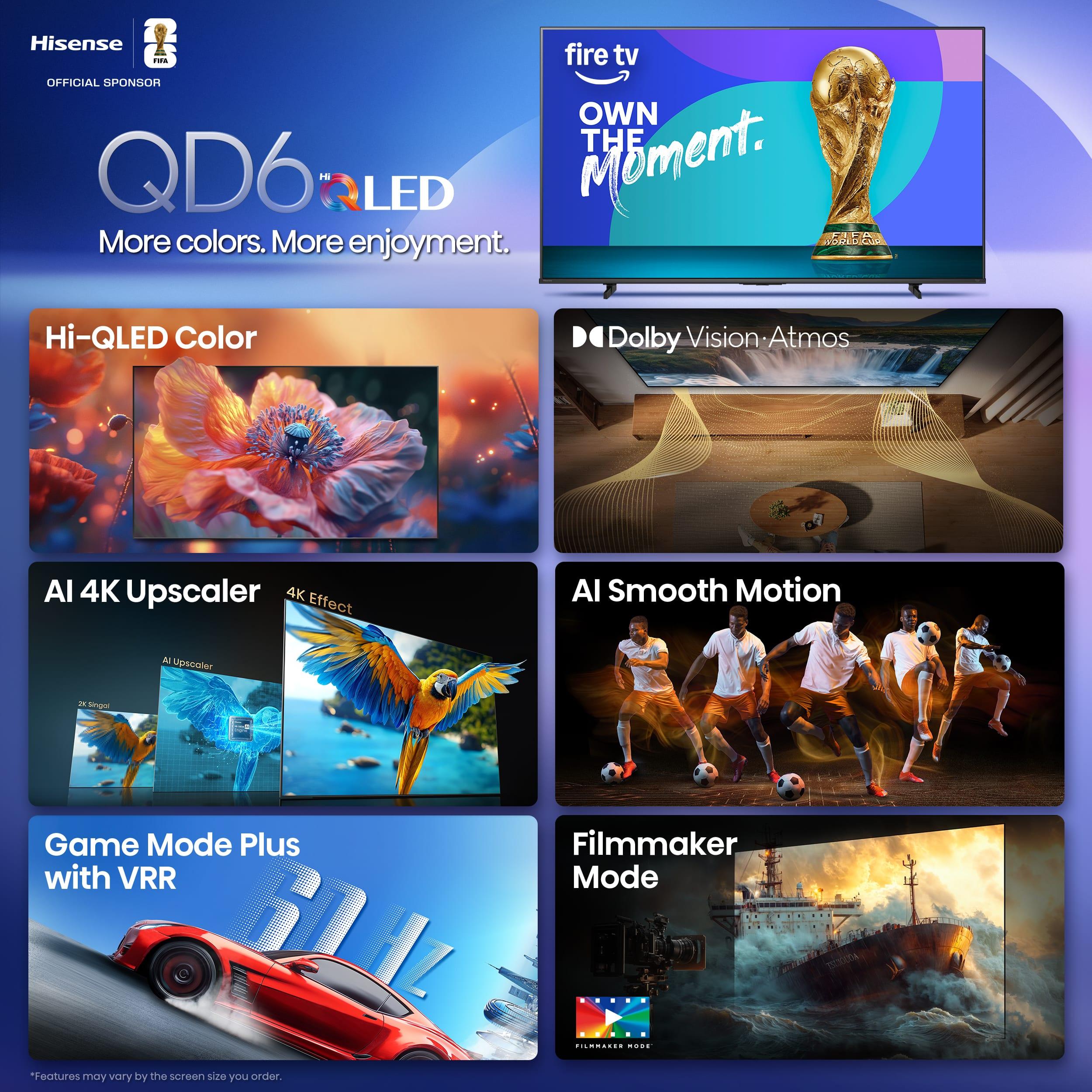
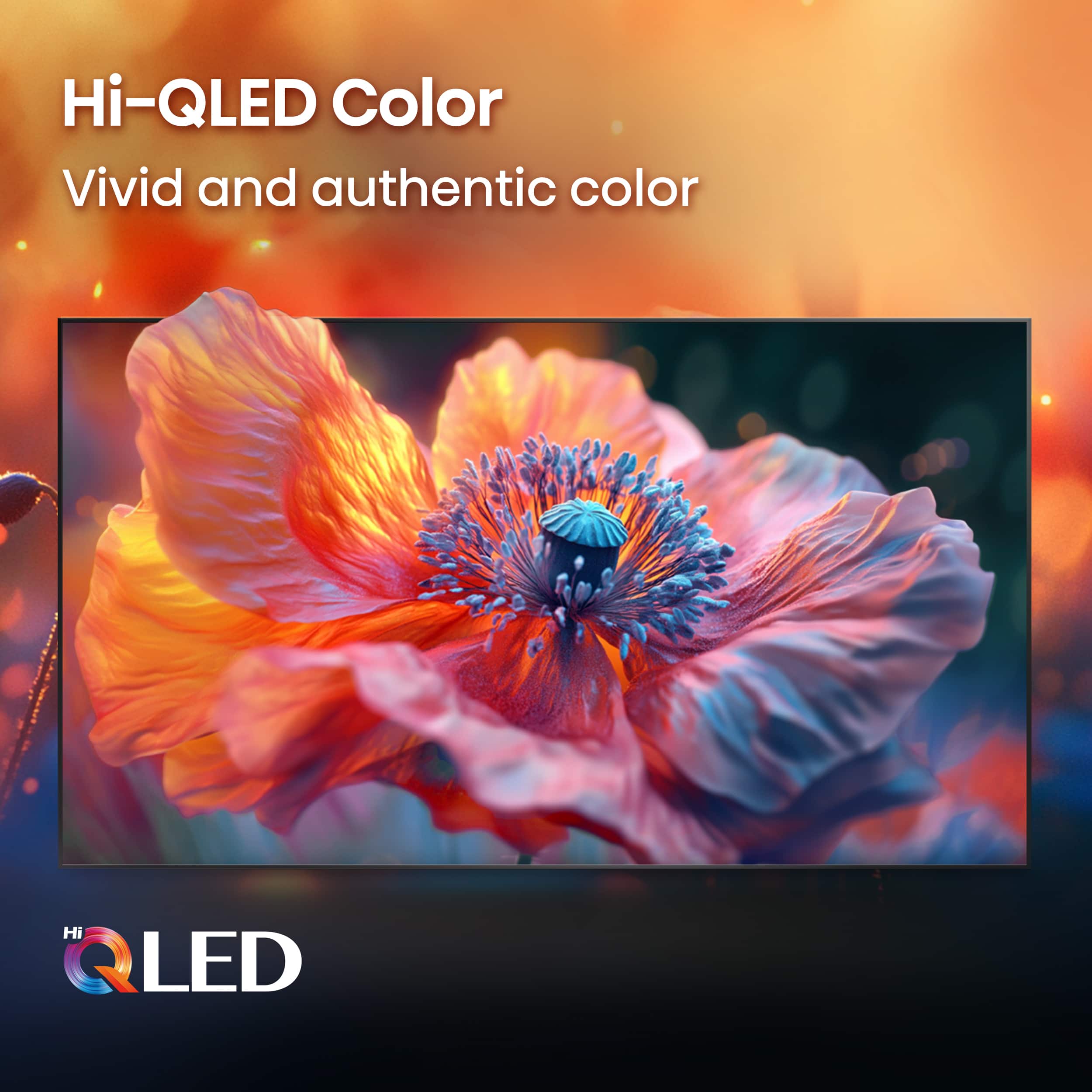
The biggest technical difference between these models lies in their color reproduction approach. The Hisense QD6 uses quantum dot technology, which involves microscopic semiconductor particles that emit precise colors when hit by light. This allows the TV to cover 90% of the DCI-P3 color space—the same standard used in movie theaters—compared to around 75% coverage in the Sony BRAVIA 2 II.
In practical terms, quantum dots make colors pop with an intensity that's immediately noticeable. Watching nature documentaries or animated movies on the Hisense QD6 reveals vibrant greens in forests and rich blues in ocean scenes that feel almost three-dimensional. This technology particularly shines with HDR (High Dynamic Range) content, where the expanded color palette creates a more immersive viewing experience.
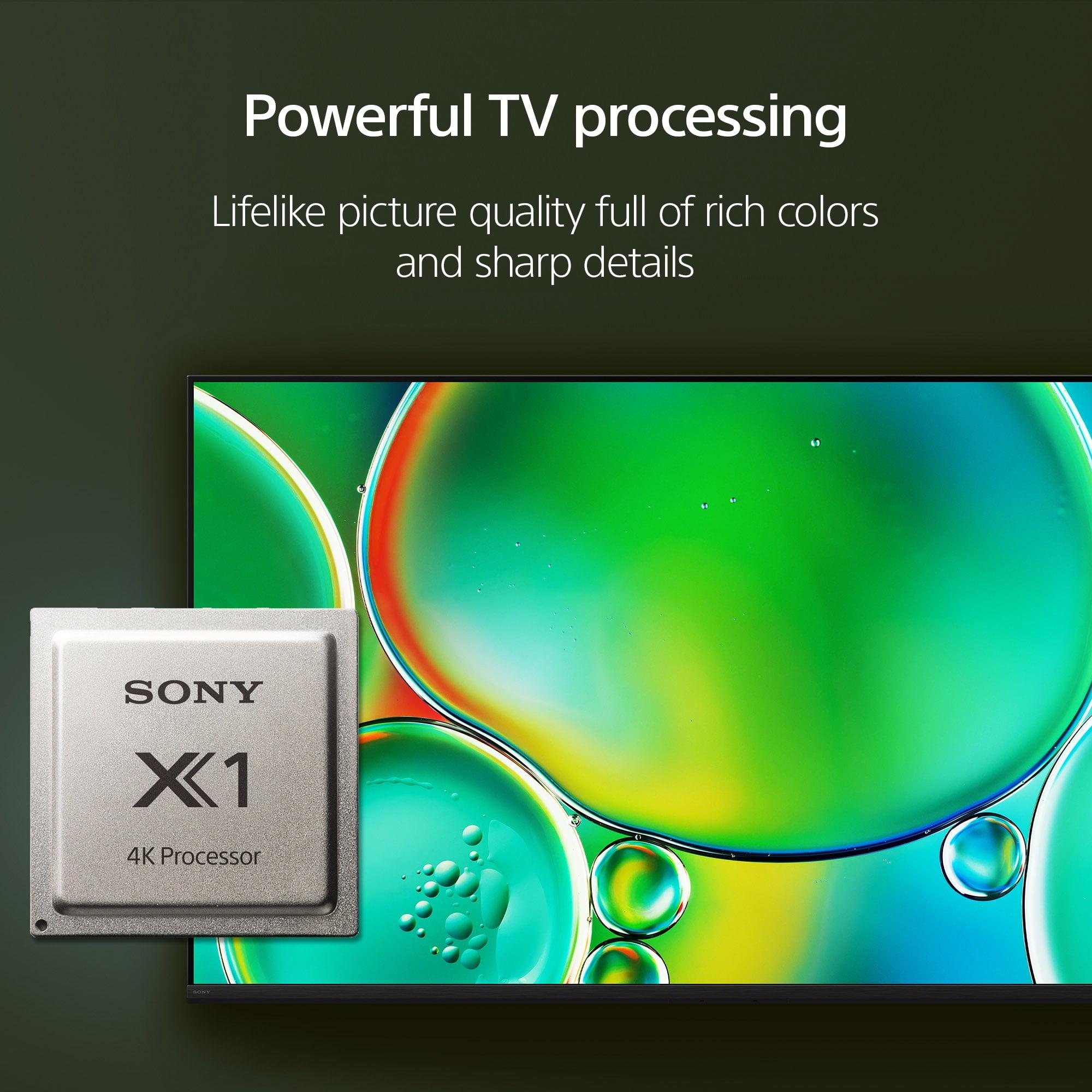
The Sony BRAVIA 2 II takes a different approach, prioritizing color accuracy over saturation. Sony's Live Color technology and 4K Processor X1 work together to ensure that skin tones look natural and colors appear as the content creator intended. This matters more than you might think—while vivid colors grab attention in store demonstrations, accurate colors reduce eye fatigue during long viewing sessions and make dramatic content feel more believable.
Based on our research into professional reviews and user feedback, the choice between these approaches often comes down to viewing preferences. The Hisense QD6 excels when you want that "wow factor" that makes everything look more vibrant than real life. The Sony BRAVIA 2 II shines when watching critically acclaimed films or documentaries where natural color reproduction enhances the storytelling.
Peak brightness determines how well a TV performs in bright rooms and how impactful HDR content appears. The Hisense QD6 achieves approximately 385 cd/m² (candelas per square meter), which outperforms both the Sony BRAVIA 2 II and the budget TV average of around 320 cd/m². This 20% brightness advantage makes a meaningful difference in typical home environments.
HDR support varies significantly between models. The Hisense QD6 supports the full spectrum: Dolby Vision (dynamic metadata that adjusts scene-by-scene), HDR10+ (Samsung's competing standard), standard HDR10, and HLG (broadcast HDR). The Sony BRAVIA 2 II supports HDR10 and HLG but lacks Dolby Vision and HDR10+.
This HDR difference matters more than the technical specs suggest. Dolby Vision content, available on Netflix, Disney+, and Apple TV+, uses dynamic metadata to optimize every scene individually. Without Dolby Vision support, the Sony BRAVIA 2 II treats these titles as standard HDR10, losing some of the intended visual impact.
However, neither TV reaches the 600+ cd/m² brightness where HDR truly shines. Both perform adequately with HDR content but can't deliver the dramatic bright highlights that make premium TVs so compelling. For home theater enthusiasts seeking reference-quality HDR, stepping up to Mini-LED or OLED technology becomes necessary.
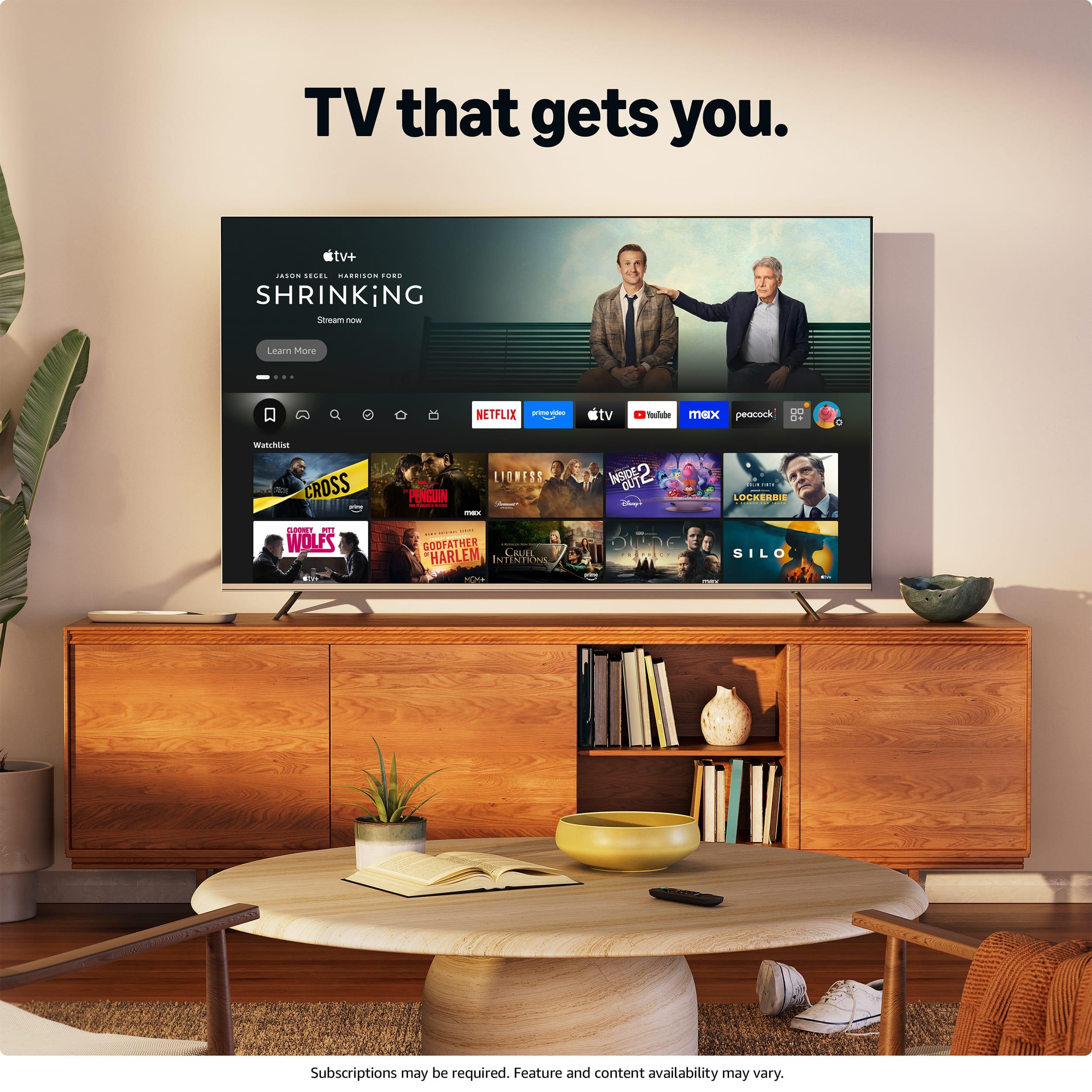
The smart TV experience has become increasingly important as traditional cable subscriptions decline. The Hisense QD6 runs Amazon's Fire TV, while the Sony BRAVIA 2 II uses Google TV—and this choice significantly impacts daily usability.
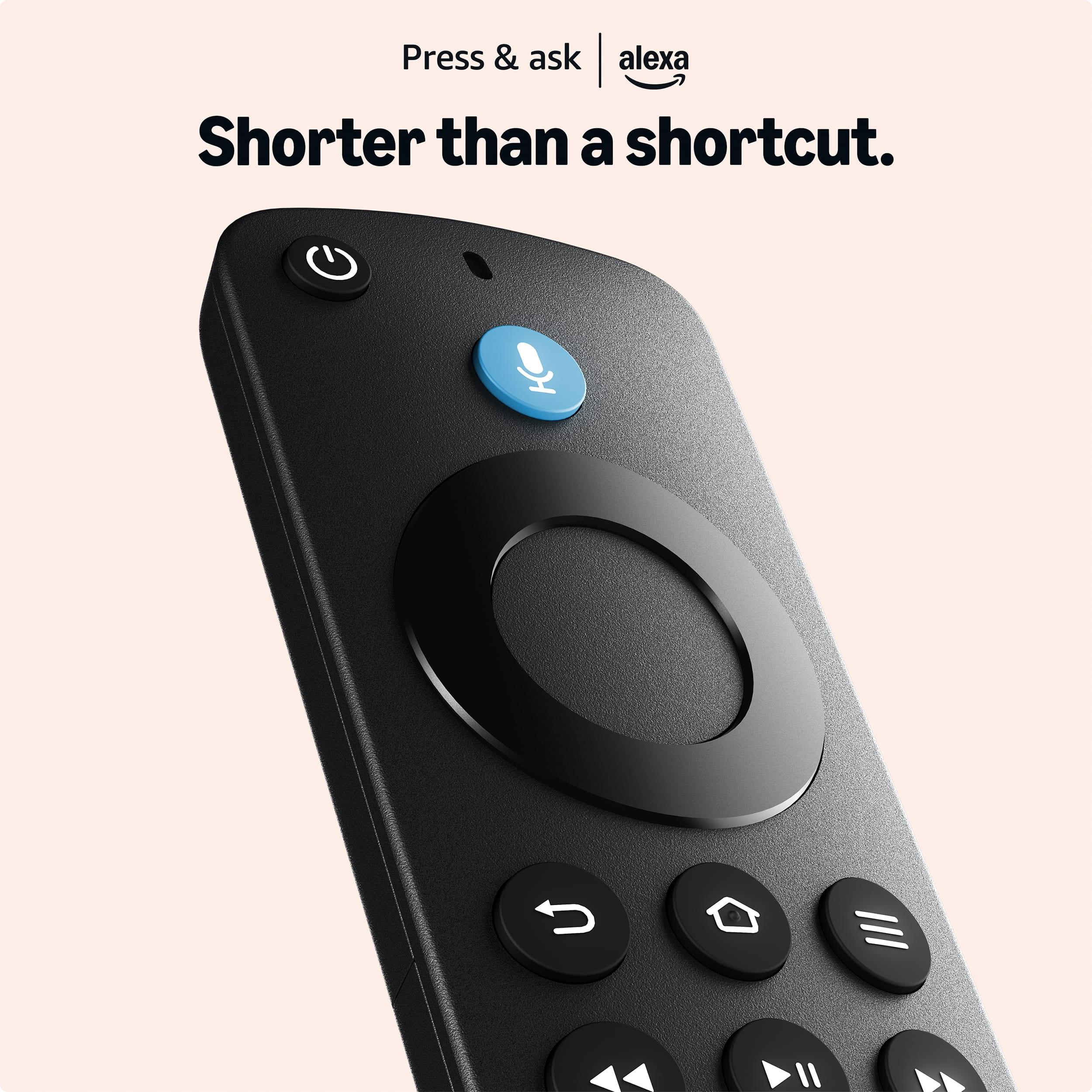
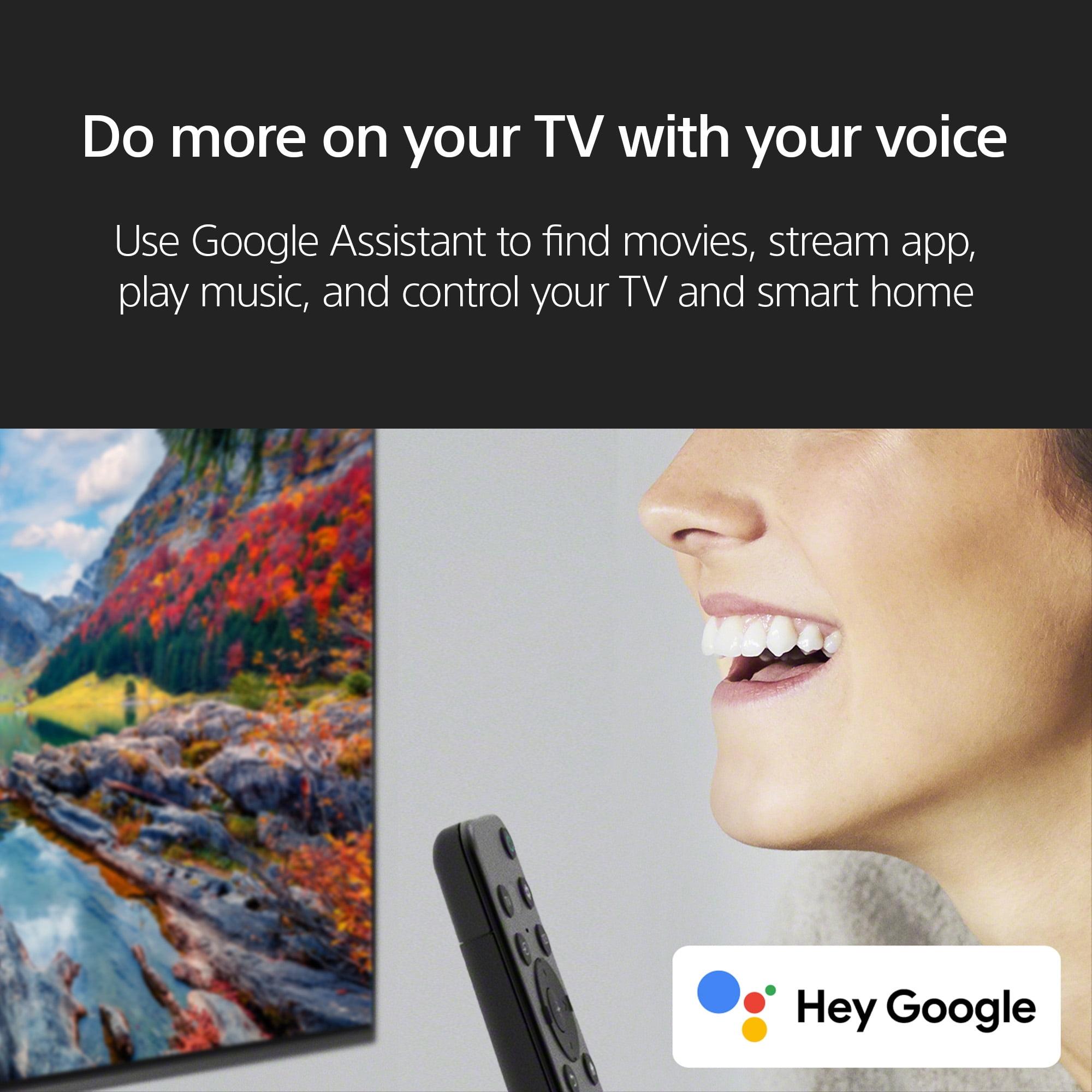
Fire TV offers a clean, intuitive interface that prioritizes recently watched content and popular streaming apps. Amazon's content recommendations work well if you use Prime Video, but the platform excels at staying out of your way. Navigation feels responsive, and the voice remote with Alexa integration handles everything from adjusting volume to controlling smart home devices.
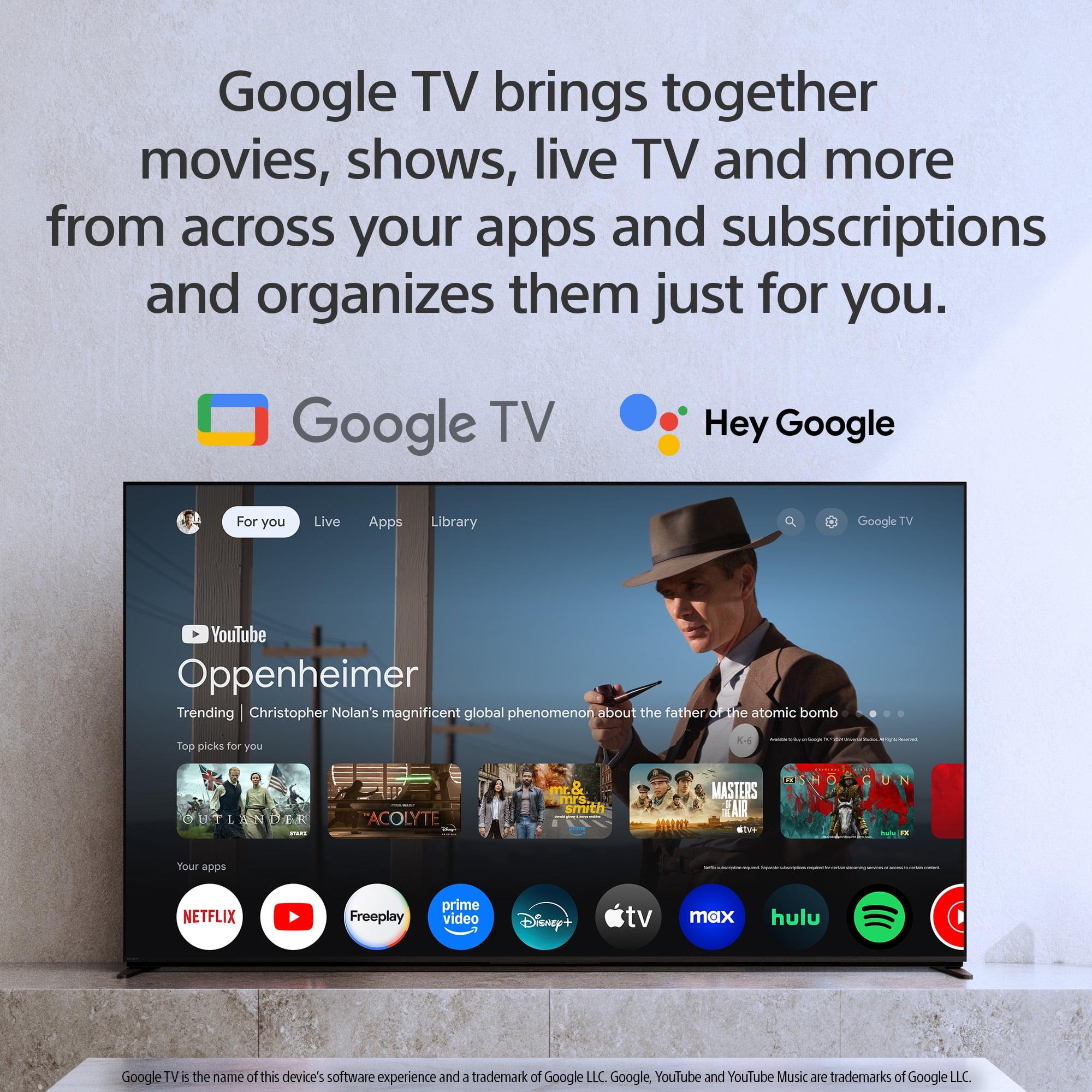
Google TV takes a more aggressive approach to content discovery, aggregating shows and movies from multiple streaming services into unified recommendations. If you subscribe to Netflix, Disney+, and HBO Max, Google TV helps you find new content across all platforms rather than forcing you to browse each app individually. The Google Assistant integration also tends to understand natural language queries better than Alexa.
The platform choice often depends on your existing ecosystem. If you use Amazon Echo devices, Kindle tablets, or shop frequently on Amazon, Fire TV integration feels seamless. Google TV works better if you rely on Gmail, Google Photos, or Chromecast devices throughout your home.
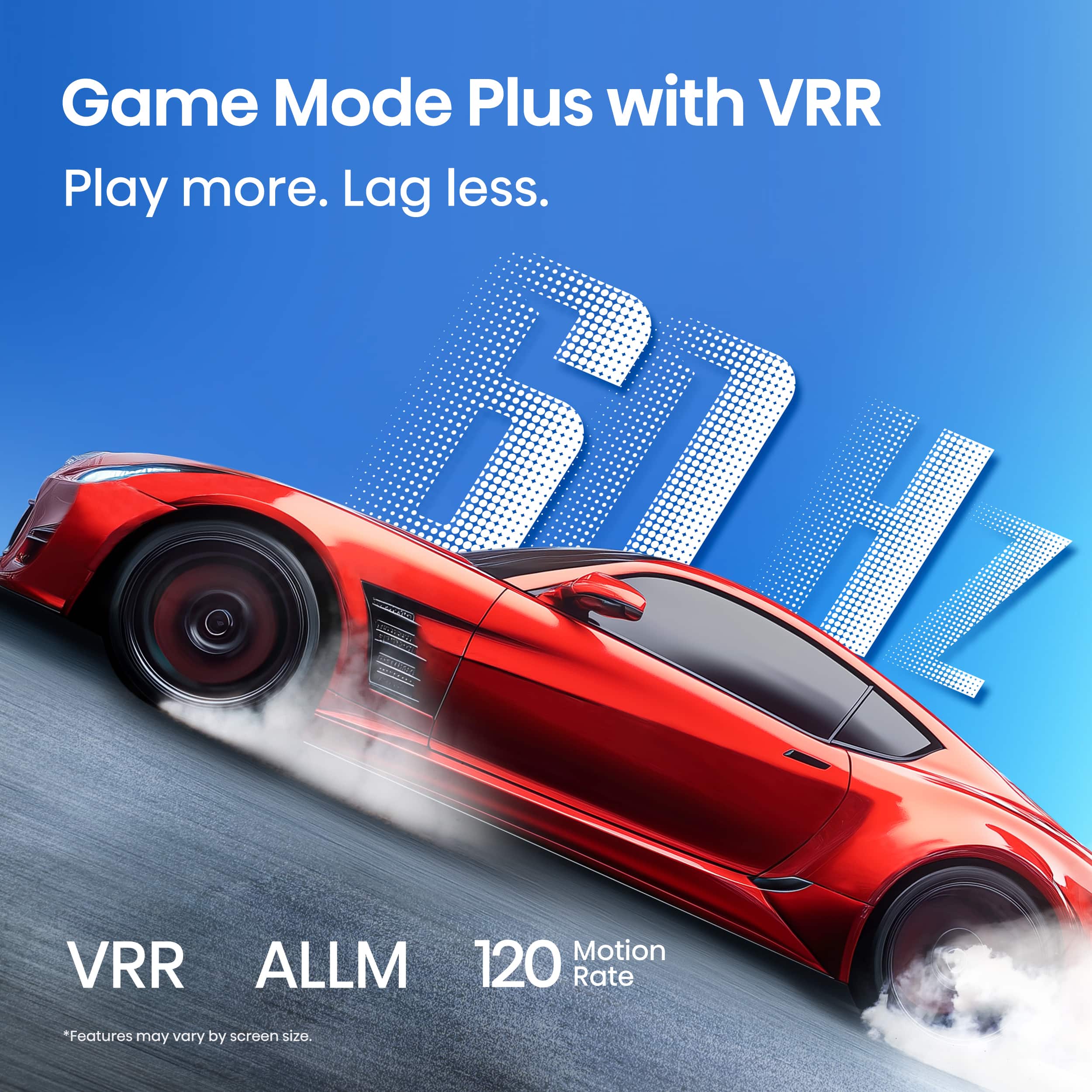
Both TVs target casual gamers rather than competitive players, which becomes evident in their gaming specifications. The Hisense QD6 includes Variable Refresh Rate (VRR) support, which synchronizes the TV's refresh rate with game console output to eliminate screen tearing. It also features Auto Low Latency Mode (ALLM), which automatically switches to game mode when it detects a console, reducing input lag to approximately 10.2 milliseconds.
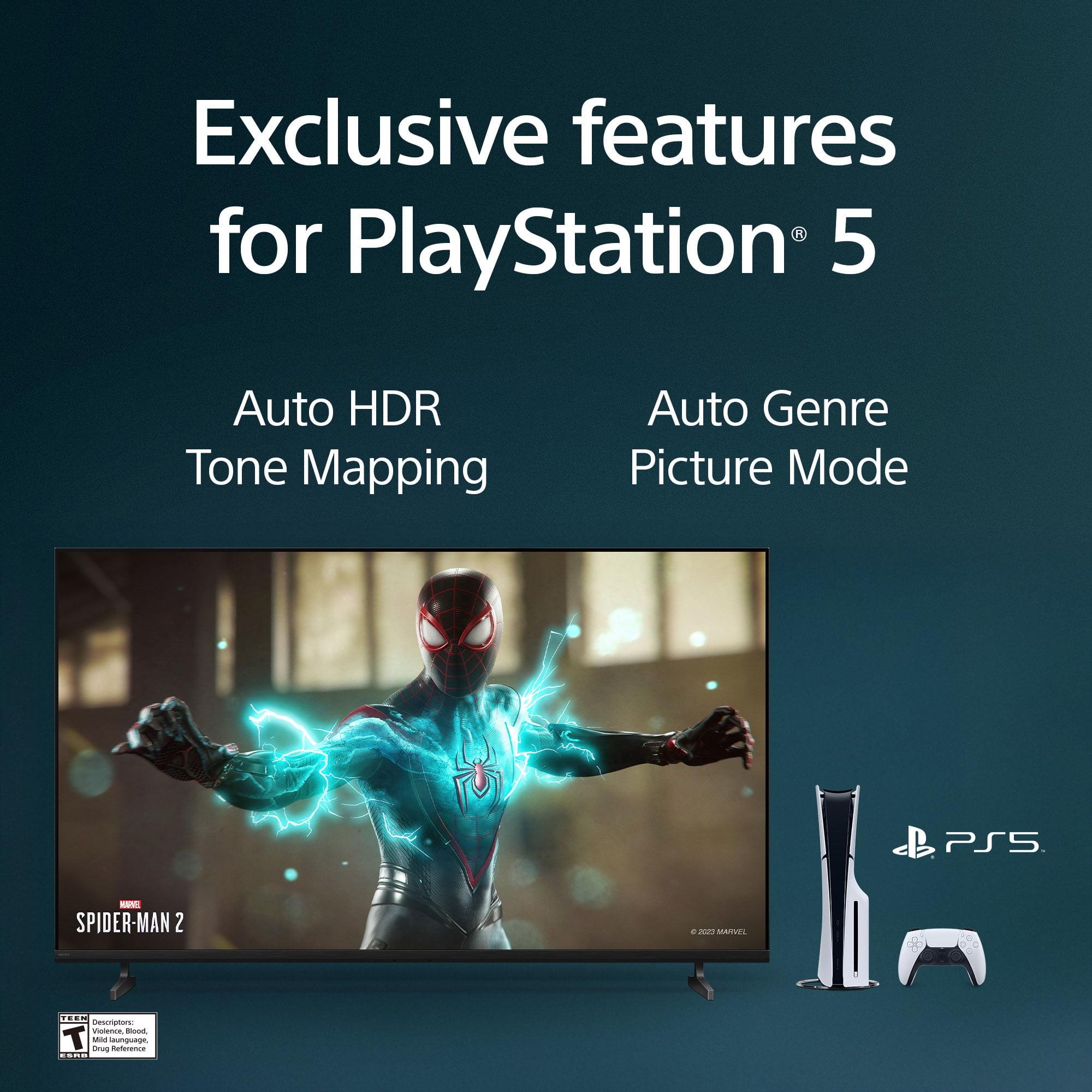
The Sony BRAVIA 2 II focuses on PlayStation 5 compatibility with features like Auto HDR Tone Mapping and Auto Genre Picture Mode, but lacks VRR support entirely. This creates a frustrating situation for PS5 owners who experience screen tearing during frame rate drops—exactly when smooth gameplay matters most.
Both TVs max out at 4K resolution with 60Hz refresh rates through HDMI 2.0 ports. This limitation means missing out on 4K gaming at 120Hz, which has become a selling point for current-generation consoles. For serious gamers, this restriction alone might justify spending more on TVs with HDMI 2.1 support.
That said, casual gaming on either TV works fine. Playing single-player adventures, watching streaming content, or enjoying family-friendly games feels smooth and responsive. The Hisense QD6's VRR support provides a slight edge for console gaming, while the Sony BRAVIA 2 II offers PlayStation-specific optimizations that many users never notice.
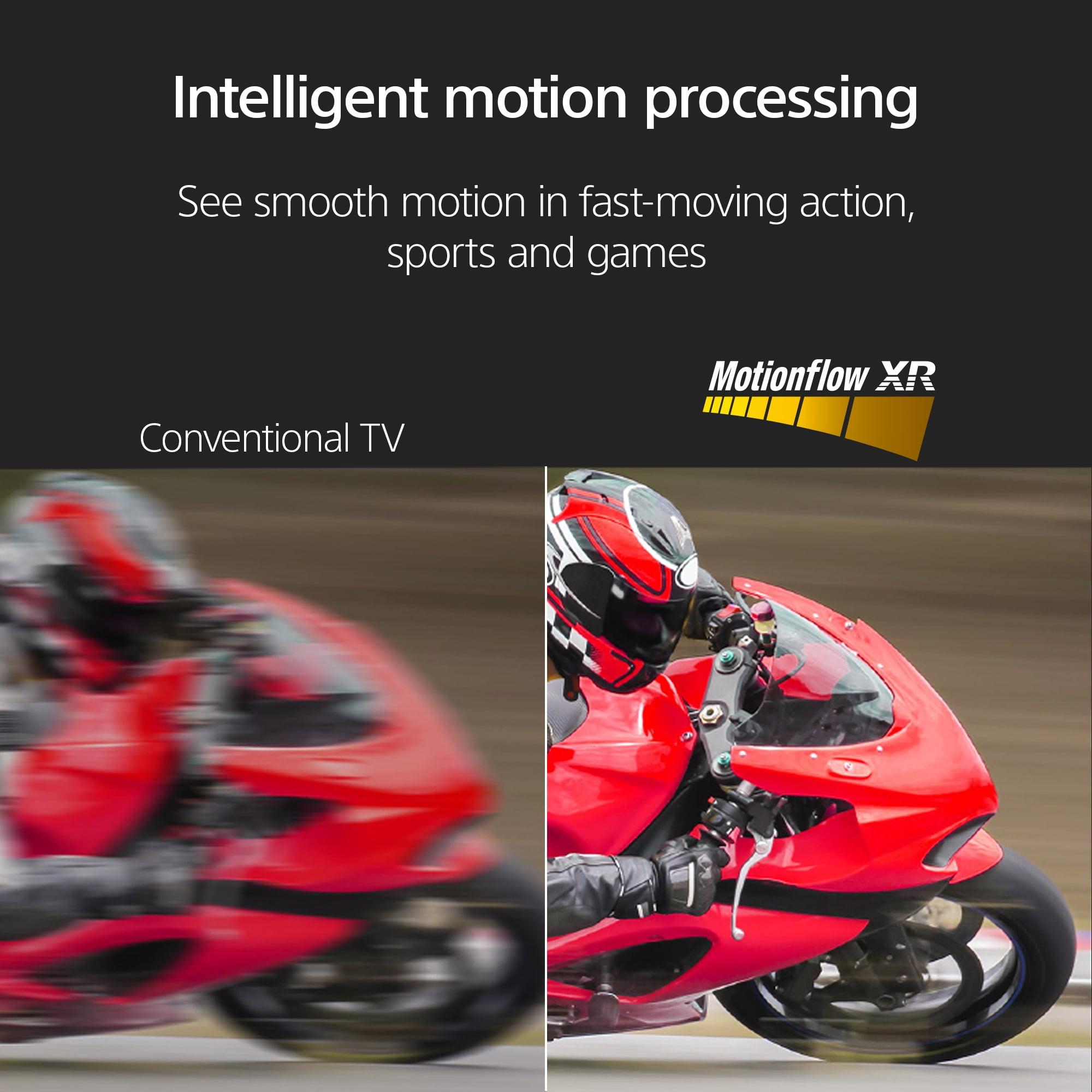
Fast-moving content reveals significant differences between these TVs. The Sony BRAVIA 2 II includes Motionflow XR technology, which uses sophisticated algorithms to reduce motion blur during action scenes and sports broadcasts. This processing helps maintain detail when cameras pan across football fields or during car chase sequences.
The Hisense QD6 relies on Motion Rate 120 technology, which interpolates frames to create smoother motion from the native 60Hz panel. While this helps with basic motion blur, our research suggests it's less effective than Sony's implementation, particularly during dark scenes where response times slow noticeably.
Sports viewing highlights these differences most clearly. Professional reviews consistently note that the Sony BRAVIA 2 II handles fast camera movements and player tracking more smoothly, making it better suited for watching live sports with groups. The Hisense QD6 can struggle with motion blur during rapid action, though its brighter panel and vivid colors make stadium lighting and team uniforms appear more vibrant.
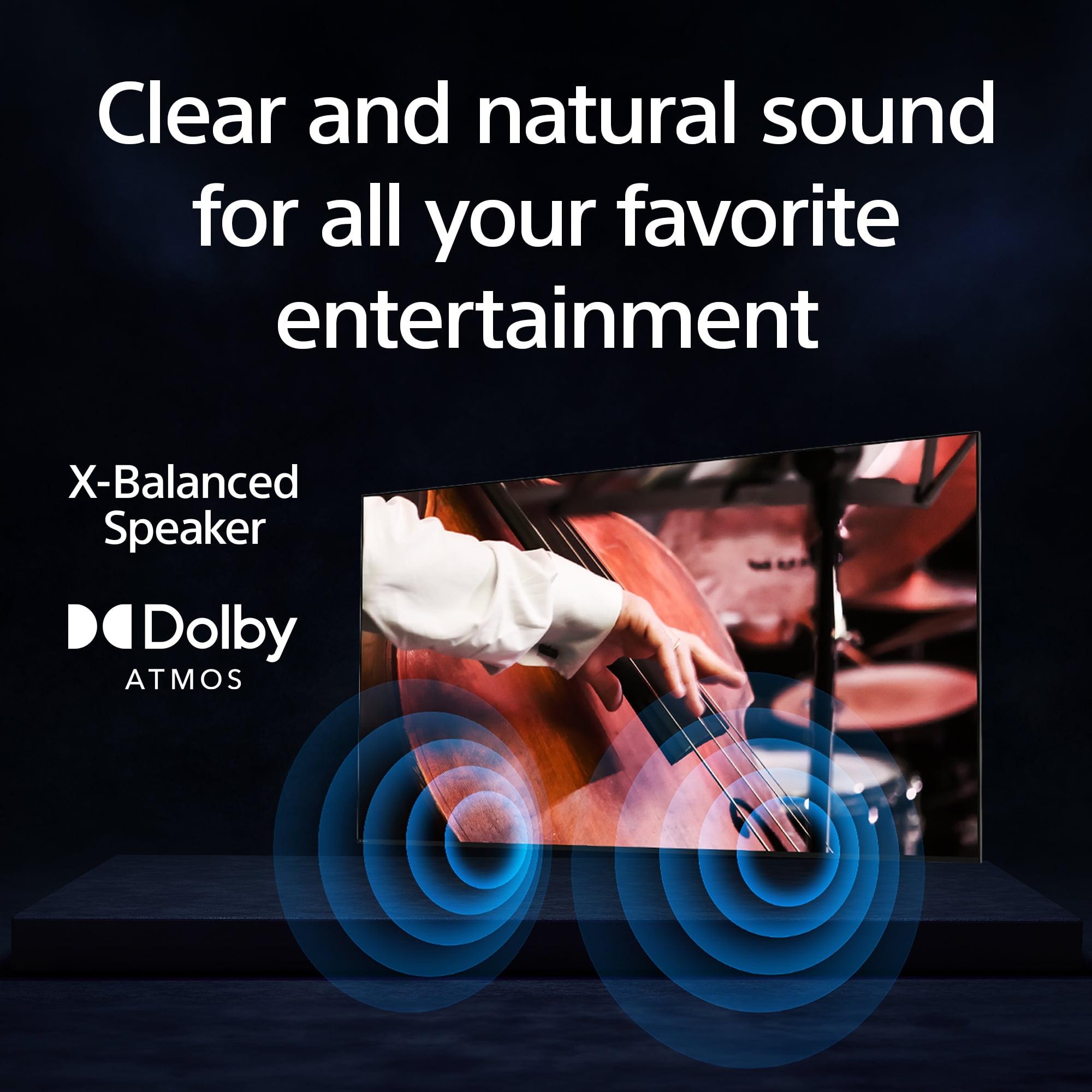
Built-in TV audio rarely impresses, but both models include decent speaker systems for their price points. The Sony BRAVIA 2 II features an Open Baffle Speaker system with 40W total output and Clear Phase technology for better acoustic alignment. The result is clearer dialogue and more balanced sound than typical budget TV speakers.
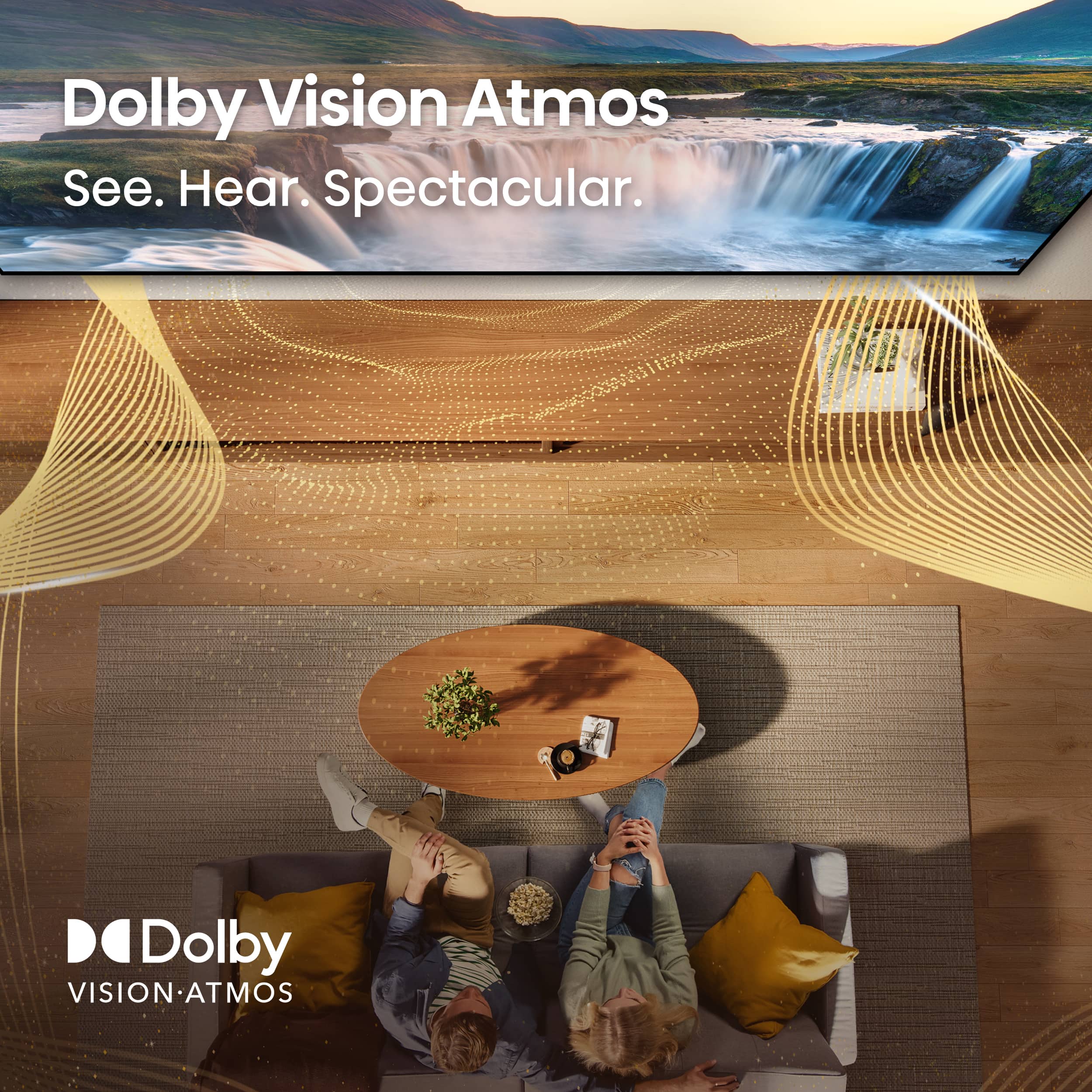
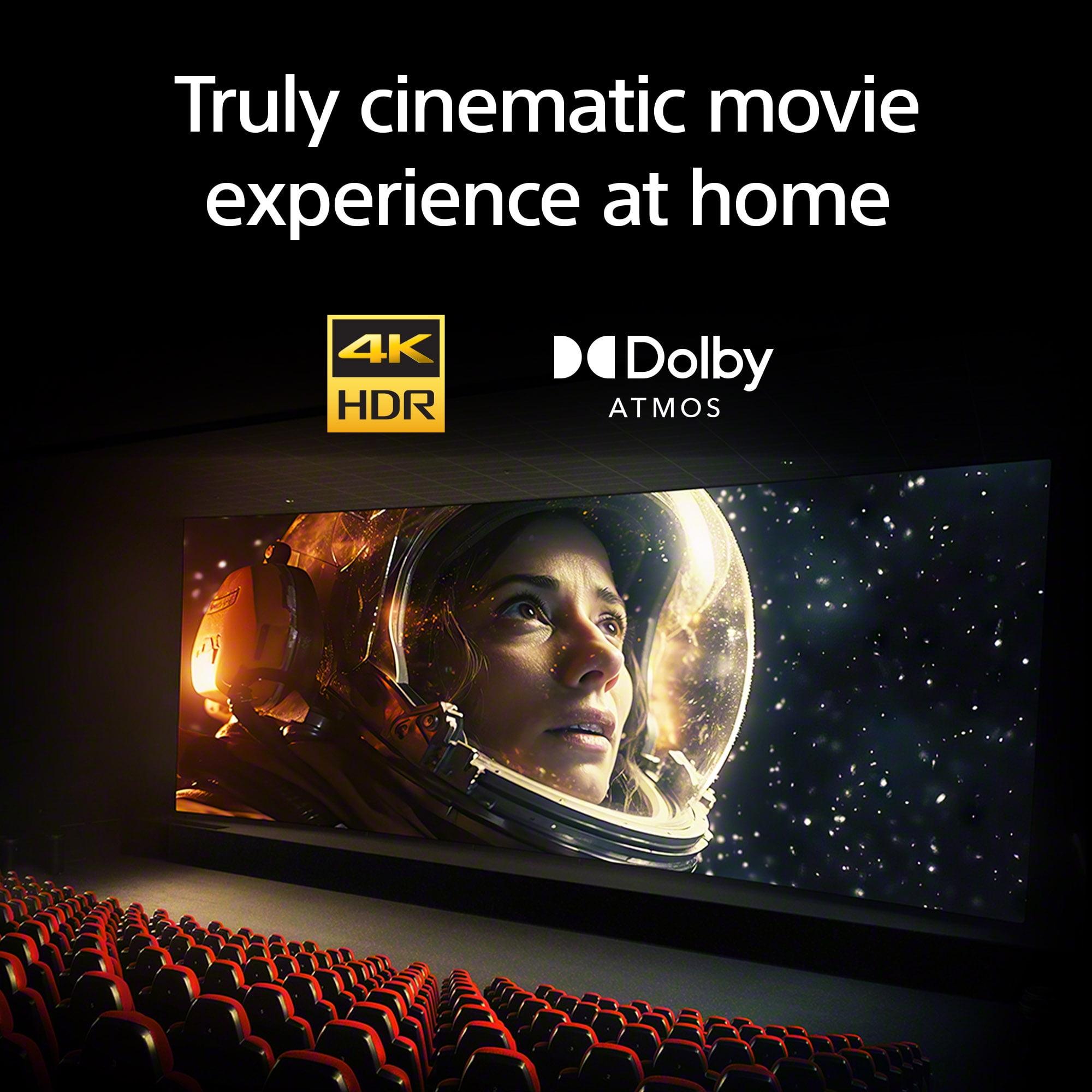
The Hisense QD6 supports Dolby Atmos, which creates virtual surround sound effects from the built-in speakers. While impressive for dialogue-heavy content, both TVs benefit significantly from external sound systems for movie nights or music listening.
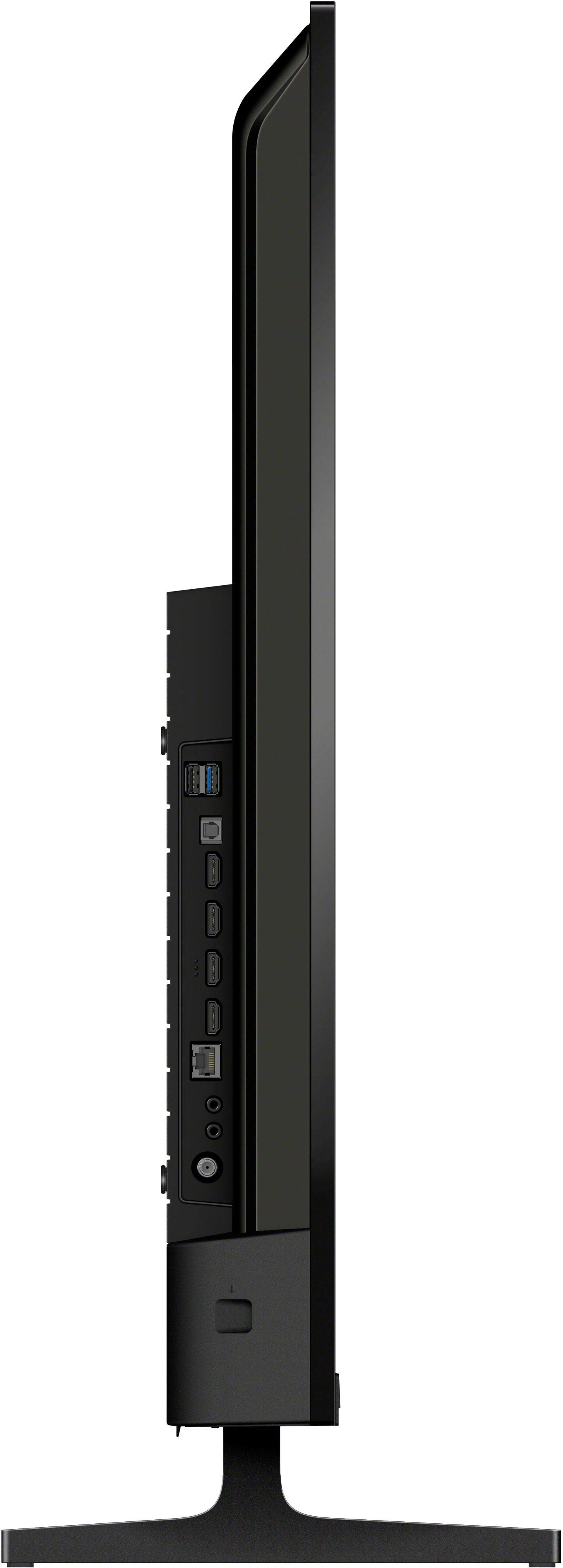
For home theater setups, audio output options matter more than built-in speakers. Both TVs include optical audio outputs for connecting soundbars or receiver systems. The Sony BRAVIA 2 II adds eARC (enhanced Audio Return Channel) support, which allows bidirectional audio communication with compatible sound systems and supports higher-quality audio formats.
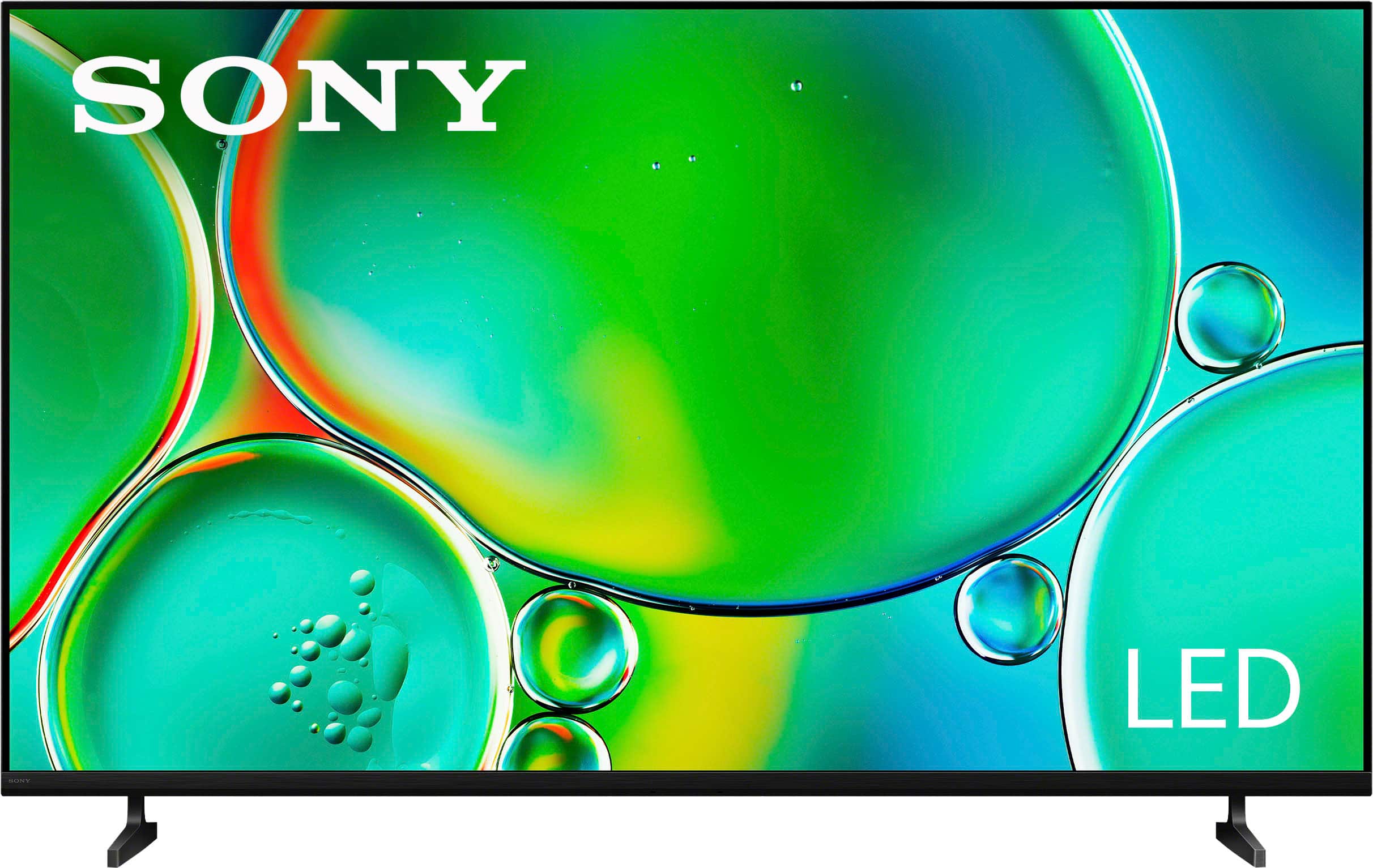
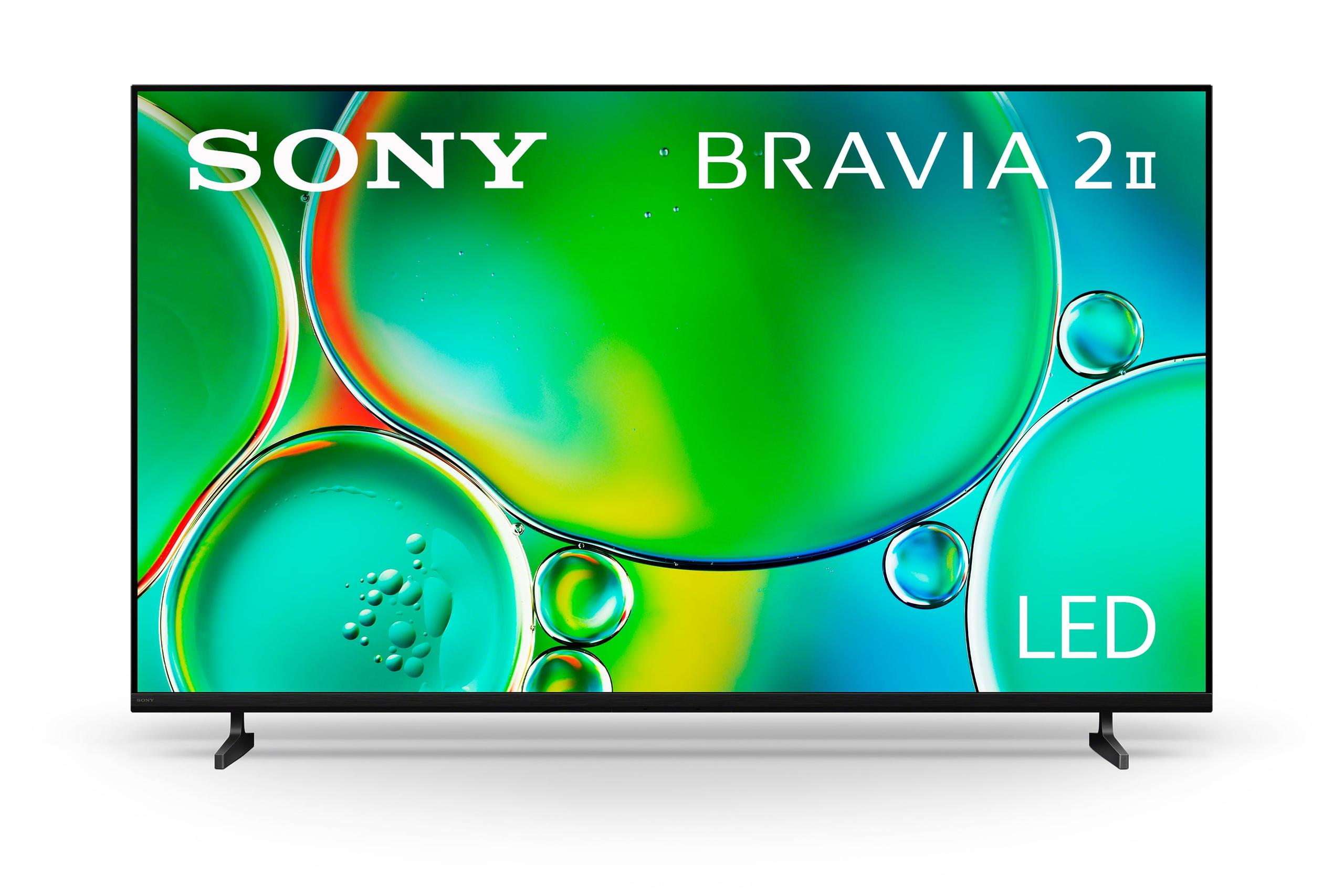
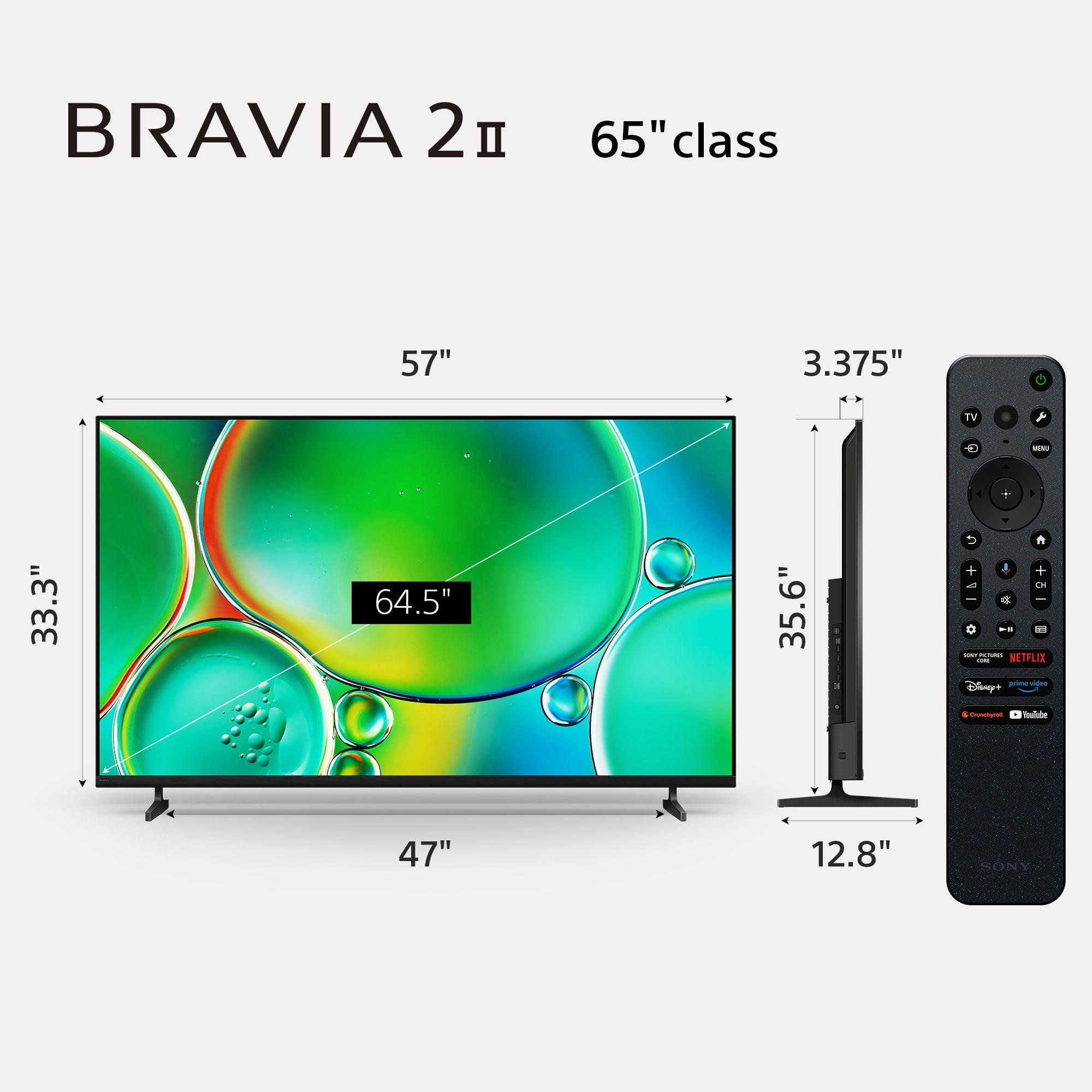
Physical design differences become apparent the moment you unbox these TVs. The Sony BRAVIA 2 II features a sleek, bezel-less design with a metal frame and slim T-Shape Blade Stand that gives it a premium appearance despite its entry-level pricing. The overall aesthetic fits well in modern living rooms and feels substantial without being bulky.
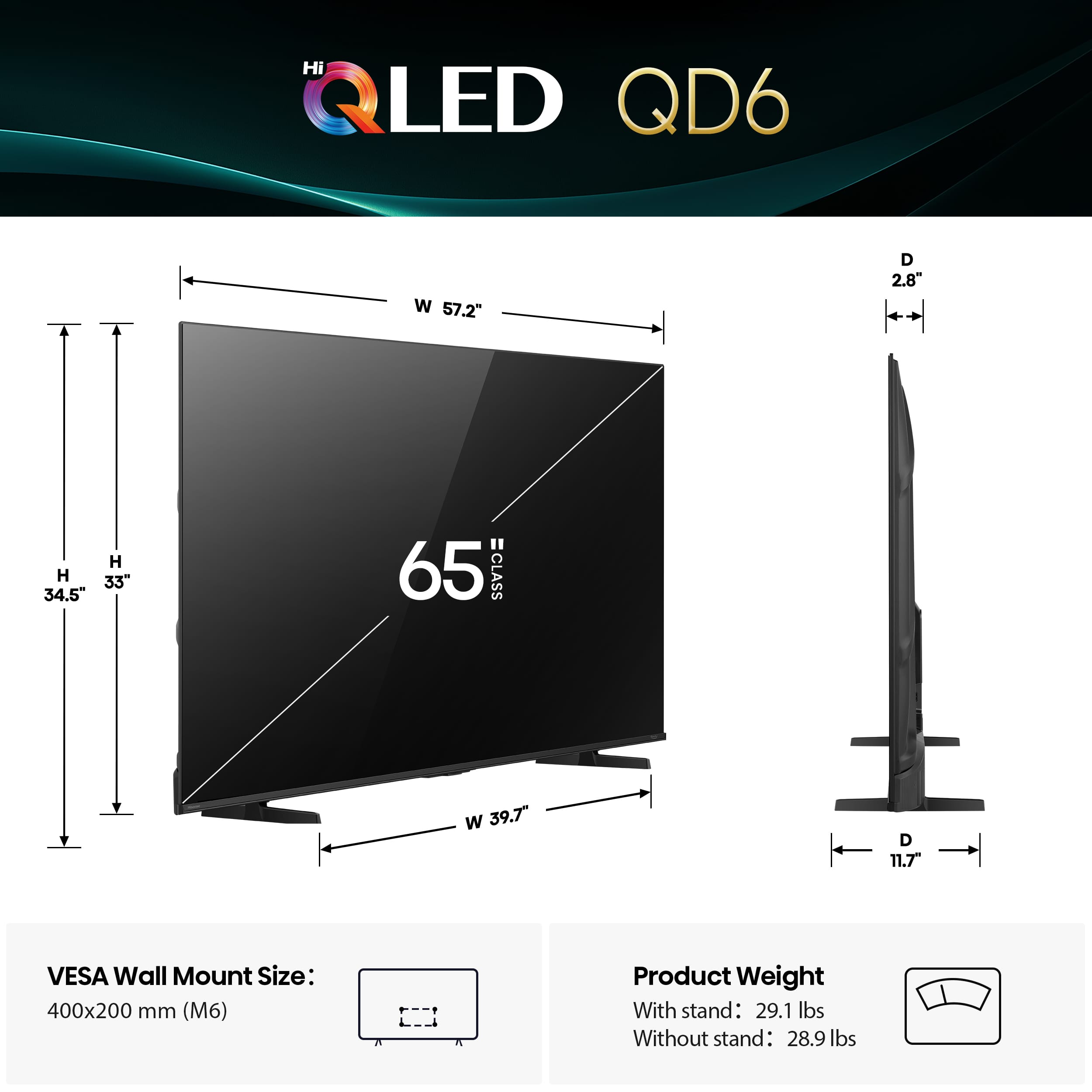
The Hisense QD6 uses a more traditional thick LED-LCD design with wider bezels and a functional but unremarkable plastic frame. While perfectly adequate, it lacks the refined appearance of the Sony model. The wide-set feet require a larger entertainment center but provide stable support for the 65-inch panel.
Remote control quality varies significantly. The Sony BRAVIA 2 II includes a standard but functional remote with dedicated buttons for popular streaming services. The Hisense QD6 comes with a basic plastic remote that feels cheap but includes well-placed Alexa and navigation buttons.
The Hisense QD6 excels in bright living rooms where its superior brightness and quantum dot color technology overcome ambient light. It's ideal for families who primarily watch streaming content, animated movies, or nature documentaries where vivid colors enhance the experience. The Fire TV platform works particularly well for Amazon Prime subscribers and Alexa users.
The Sony BRAVIA 2 II suits viewers who prioritize accurate color reproduction and smooth motion over visual impact. It's better for watching critically acclaimed films, sports broadcasts, or any content where natural colors matter more than saturation. The Google TV platform appeals to users invested in Google services or those who want sophisticated content discovery.
For home theater setups, both TVs serve as adequate entry points, though neither delivers reference-quality performance. The Sony BRAVIA 2 II edges ahead with better motion processing and eARC support, while the Hisense QD6 provides more impactful HDR performance despite lower peak brightness.
At the time of writing, the significant price difference makes this decision largely about priorities and budget constraints. The Hisense QD6 delivers exceptional value by bringing quantum dot technology to budget pricing, offering a visual experience that punches well above its weight class.
The Sony BRAVIA 2 II justifies its higher cost through superior processing, motion handling, and build quality. It's the better choice for viewers who plan to keep their TV for many years and value refinement over raw visual impact.
Consider the Hisense QD6 if you want maximum picture impact at minimum cost, use Amazon services extensively, or need a TV for bright room viewing. Choose the Sony BRAVIA 2 II if you prefer accurate colors over vivid ones, watch a lot of sports or action content, or want the polish that comes with Sony's decades of display expertise.
Both TVs represent solid value in the 2025 budget market, but they serve different audiences with different priorities. Neither will satisfy serious gamers or videophiles, but both deliver satisfying big-screen experiences for mainstream viewers willing to accept their respective limitations.
| Hisense 65" QD6 Series Hi-QLED Fire TV | Sony BRAVIA 2 II 65" 4K LED Google TV |
|---|---|
| Display Technology - Determines color vibrancy and picture quality | |
| Full-array LED with quantum dots (VA panel) | Standard LED with LCD panel |
| Color Gamut Coverage - Higher percentage means more vivid, lifelike colors | |
| 90% DCI-P3 (cinema-grade color space) | ~75% DCI-P3 (standard color range) |
| Peak Brightness - Critical for bright room viewing and HDR impact | |
| ~385 cd/m² (above average for budget class) | ~320 cd/m² (typical for entry-level) |
| HDR Support - More formats mean compatibility with premium streaming content | |
| Dolby Vision, HDR10+, HDR10, HLG (comprehensive) | HDR10, HLG only (basic support) |
| Smart TV Platform - Affects daily usability and app selection | |
| Fire TV with Alexa voice control | Google TV with Google Assistant |
| Gaming Features - Important for console players | |
| VRR, ALLM, Game Mode Plus (tear-free gaming) | PlayStation 5 optimizations, ALLM (no VRR) |
| Refresh Rate - Higher rates provide smoother motion | |
| 60Hz native (Motion Rate 120 interpolation) | 60Hz native (Motionflow XR 200) |
| Audio Technology - Affects built-in speaker quality | |
| Dolby Atmos support, standard speakers | Open Baffle speakers (40W), Dolby Atmos, DTS:X |
| Connectivity - Determines compatibility with external devices | |
| 4x HDMI 2.0, 2x USB 2.0, Wi-Fi 5 | 4x HDMI, 2x USB, Wi-Fi 6, Bluetooth 5.3 |
| Design Quality - Impacts living room aesthetics | |
| Thick LED design, plastic frame, functional | Slim bezel-less design, metal frame, premium look |
| Motion Processing - Reduces blur in sports and action content | |
| Basic motion smoothing with some artifacts | Advanced Motionflow XR for cleaner motion |
| Picture Processor - Affects upscaling and image enhancement | |
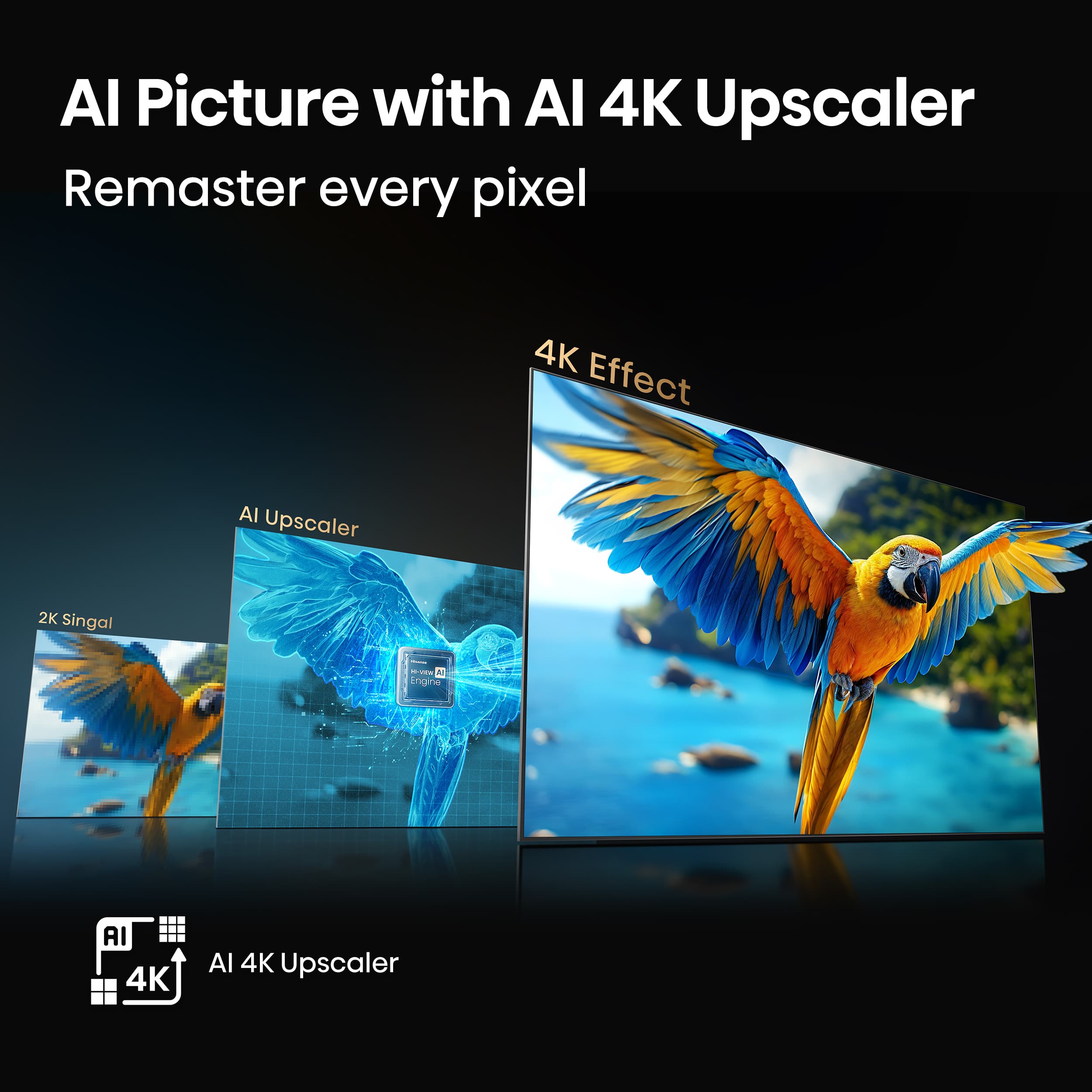
| Standard processor with AI upscaling | 4K Processor X1 with superior processing power |
| Build Quality - Influences long-term reliability and appearance | |
| Good for price point, basic materials | Sony premium construction and finish |
The Hisense QD6 offers superior color vibrancy and brightness thanks to its quantum dot technology, covering 90% of the DCI-P3 color space compared to the Sony BRAVIA 2 II's 75% coverage. However, the Sony BRAVIA 2 II provides more accurate colors and better motion processing with its 4K Processor X1. For vivid, eye-catching visuals, choose the Hisense QD6. For natural, film-accurate colors, the Sony BRAVIA 2 II is better.
The Hisense QD6 runs Fire TV, which integrates seamlessly with Amazon services and Alexa devices, offering a clean interface focused on popular streaming apps. The Sony BRAVIA 2 II uses Google TV, which aggregates content from multiple streaming services and provides superior search capabilities with Google Assistant. Choose based on your existing ecosystem - Amazon users prefer Fire TV, while Google service users benefit more from Google TV.
The Hisense QD6 has a slight gaming advantage with Variable Refresh Rate (VRR) support that eliminates screen tearing, plus Auto Low Latency Mode for reduced input lag. The Sony BRAVIA 2 II offers PlayStation 5-specific optimizations but lacks VRR support. Both are limited to 4K at 60Hz through HDMI 2.0 ports, making them suitable for casual gaming but not ideal for competitive players who need 120Hz support.
The Hisense QD6 performs significantly better in bright rooms with approximately 385 cd/m² peak brightness compared to the Sony BRAVIA 2 II's 320 cd/m². The quantum dot technology in the Hisense QD6 also helps colors remain vibrant under ambient light. If your TV will be in a bright living room with lots of windows, the Hisense QD6 is the clear winner.
Both TVs offer comprehensive smart features, but they differ in approach. The Hisense QD6 with Fire TV provides access to all major streaming apps plus Amazon's ecosystem integration. The Sony BRAVIA 2 II with Google TV offers over 10,000 apps and better cross-platform content discovery. Both support voice control and casting, so choose based on whether you prefer Amazon's or Google's services and interface style.
The Hisense QD6 offers comprehensive HDR support including Dolby Vision, HDR10+, HDR10, and HLG, ensuring compatibility with premium content from Netflix, Disney+, and other services. The Sony BRAVIA 2 II only supports HDR10 and HLG, missing the advanced Dolby Vision format. For maximum HDR compatibility and impact, the Hisense QD6 is superior.
The Sony BRAVIA 2 II handles sports better thanks to its advanced Motionflow XR technology that reduces motion blur during fast camera movements and player tracking. While the Hisense QD6 offers brighter, more vivid colors that make team uniforms pop, it can struggle with motion blur during rapid action sequences. For sports viewing, prioritize the Sony BRAVIA 2 II's smoother motion processing.
The Sony BRAVIA 2 II has superior built-in audio with its Open Baffle Speaker system (40W total) and Clear Phase technology for better sound alignment. While the Hisense QD6 supports Dolby Atmos, its standard speakers are more basic. However, both TVs benefit significantly from external soundbars or speaker systems for optimal audio quality in home theater setups.
The Hisense QD6 provides exceptional value by bringing quantum dot technology and comprehensive HDR support to budget pricing. The Sony BRAVIA 2 II costs significantly more but justifies the premium with superior processing, motion handling, and build quality. Choose the Hisense QD6 for maximum features per dollar, or the Sony BRAVIA 2 II if you prioritize refinement and long-term reliability.
The Sony BRAVIA 2 II features a premium design with a slim, bezel-less appearance, metal frame, and elegant T-Shape Blade Stand that looks great in modern living rooms. The Hisense QD6 has a more traditional thick LED design with wider bezels and plastic construction. While both are well-built for their respective price points, the Sony BRAVIA 2 II offers superior aesthetics and materials.
For home theater use, both TVs serve as adequate entry points, though neither delivers reference-quality performance. The Sony BRAVIA 2 II edges ahead with better motion processing for films and eARC support for high-quality audio systems. The Hisense QD6 provides more impactful colors and HDR performance despite lower peak brightness. Serious home theater enthusiasts should consider stepping up to Mini-LED or OLED technology for either brand.
Quantum dot technology in the Hisense QD6 produces more vibrant, saturated colors that make content appear more vivid than real life - ideal for animated movies, nature documentaries, and viewers who want maximum visual impact. Standard LED processing in the Sony BRAVIA 2 II prioritizes color accuracy and natural reproduction, better for dramatic films and viewers who prefer realistic colors. The choice depends on whether you want "wow factor" colors or film-accurate reproduction.
We've done our best to create useful and informative comparisons to help you decide what product to buy. Our research uses advanced automated methods to create this comparison and perfection is not possible - please contact us for corrections or questions. These are the sites we've researched in the creation of this article: pcvarge.com - bestbuy.com - rtings.com - youtube.com - rtings.com - youtube.com - consumerreports.org - leaseville.com - hisense-usa.com - device.report - hisense-usa.com - youtube.com - flatpanelshd.com - displayspecifications.com - retailspecs.com - bestbuy.com - notebookcheck.net - rtings.com - youtube.com - youtube.com - rtings.com - avsforum.com - croma.com - totonstv.com - electronics.sony.com - listenup.com - pcrichard.com - youtube.com - flanners.com - brandsmartusa.com - displayspecifications.com - pioneertvandappliance.com - donstv.com

Privacy Policy
Terms and Conditions - Affiliate Policy
Home Security
© Copyright 2008-2026.
11816 Inwood Rd #1211, Dallas, TX 75244