

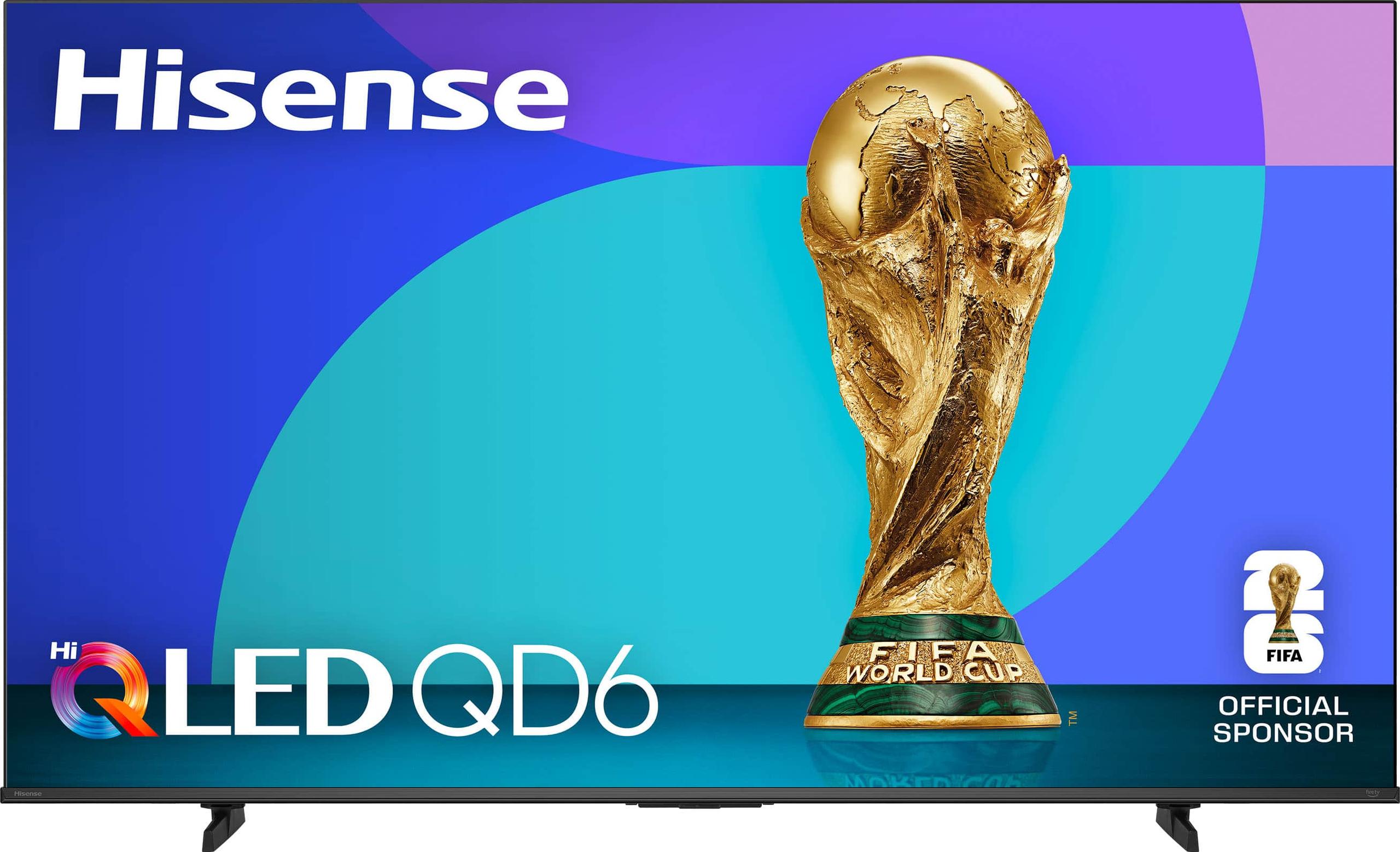



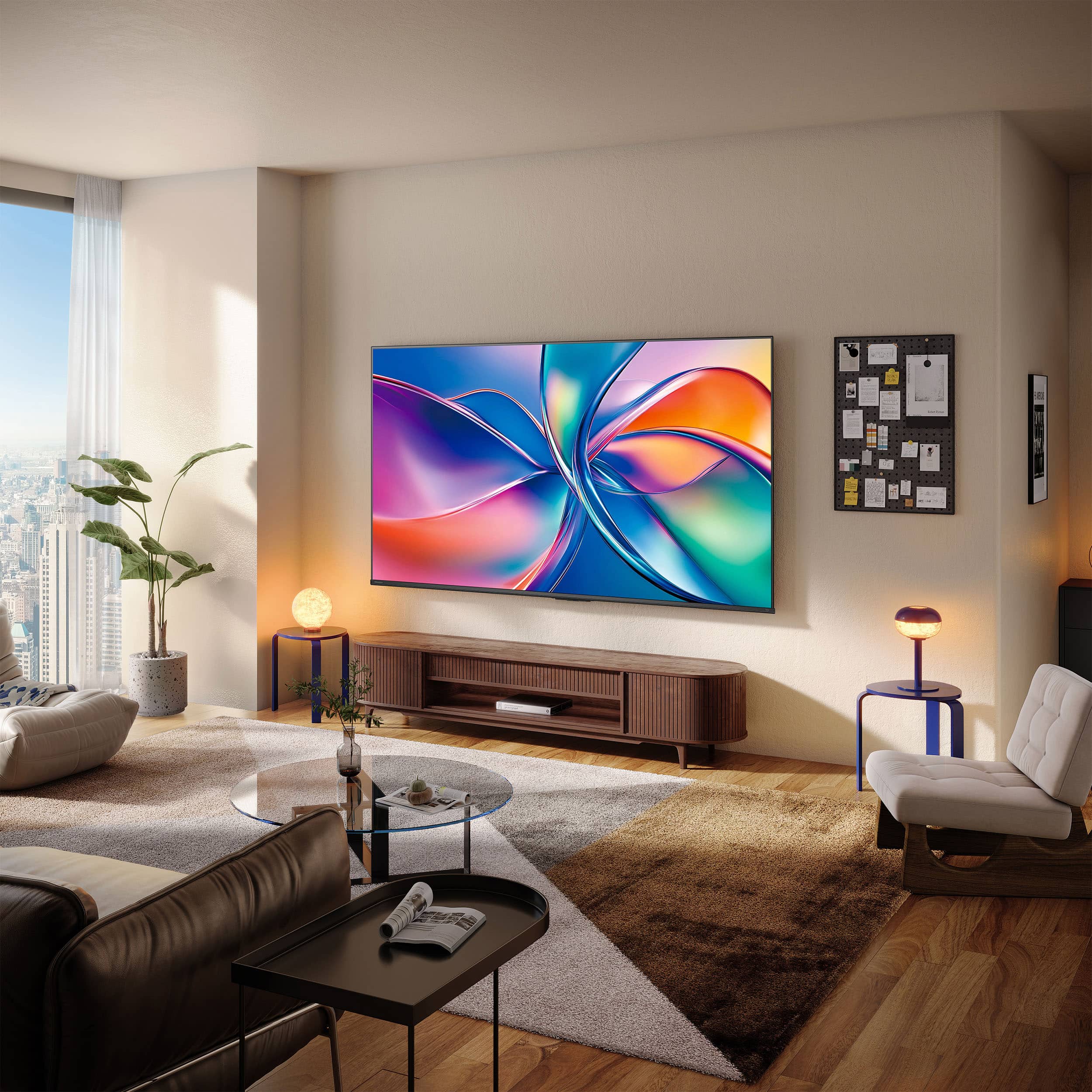
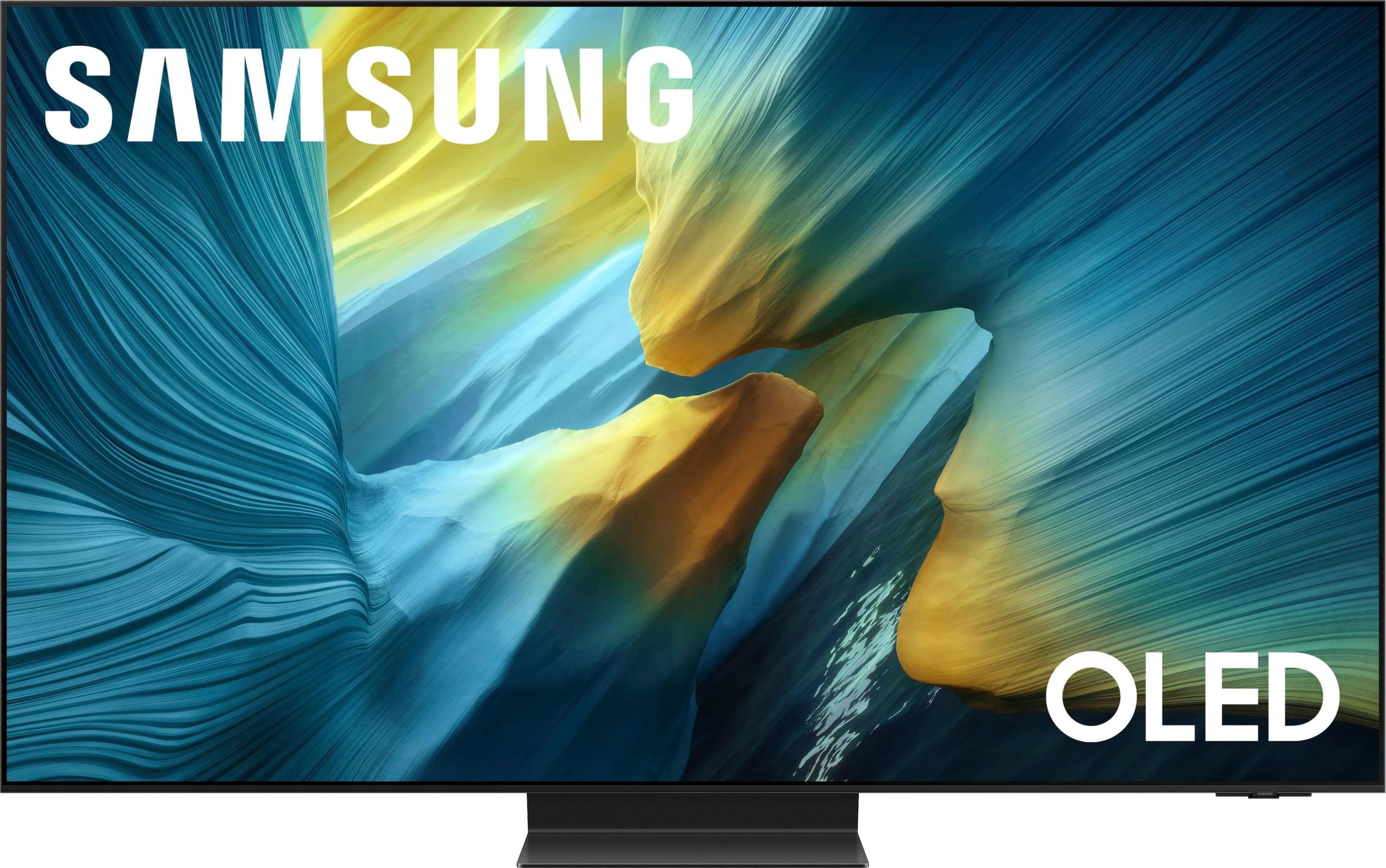
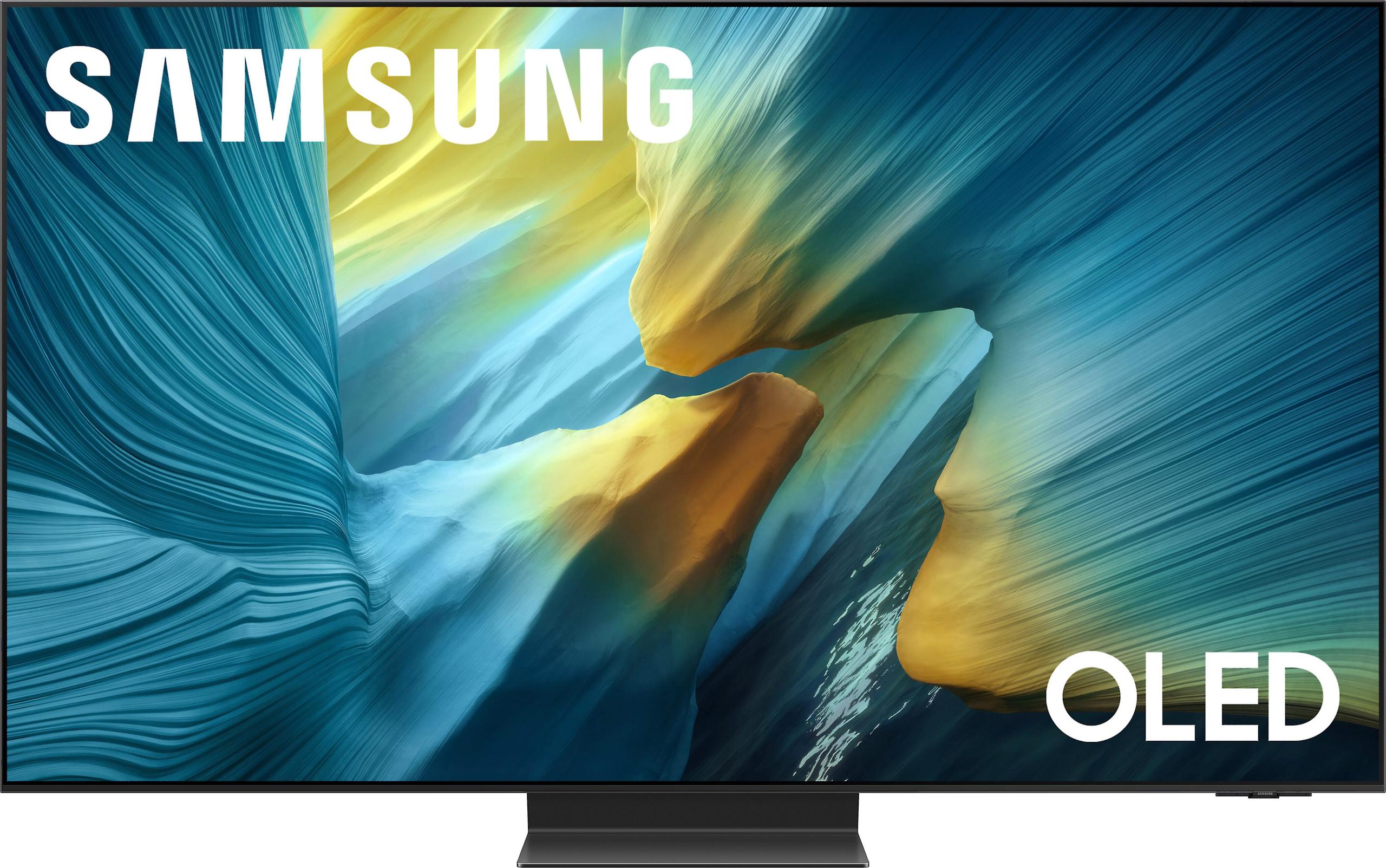
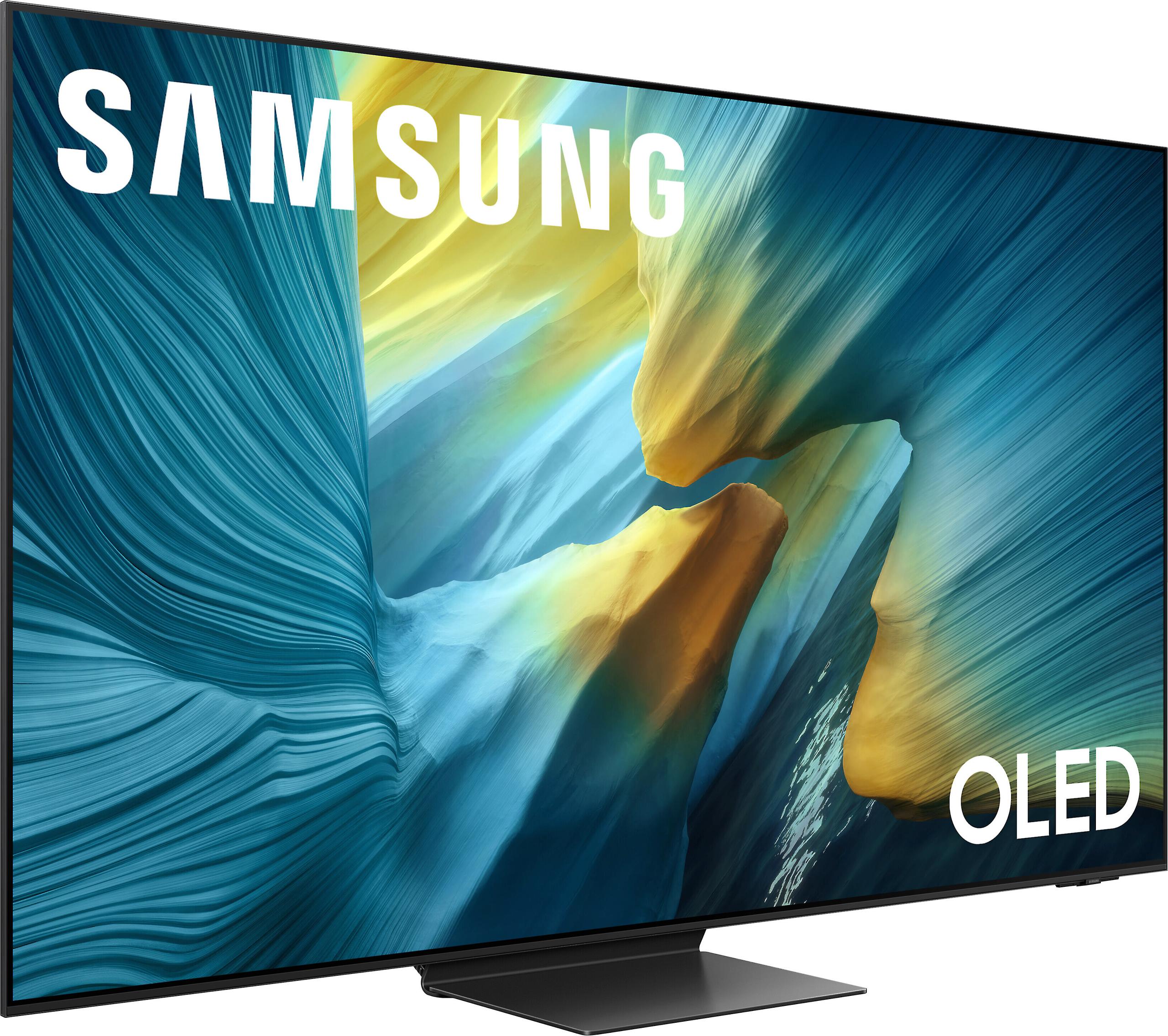
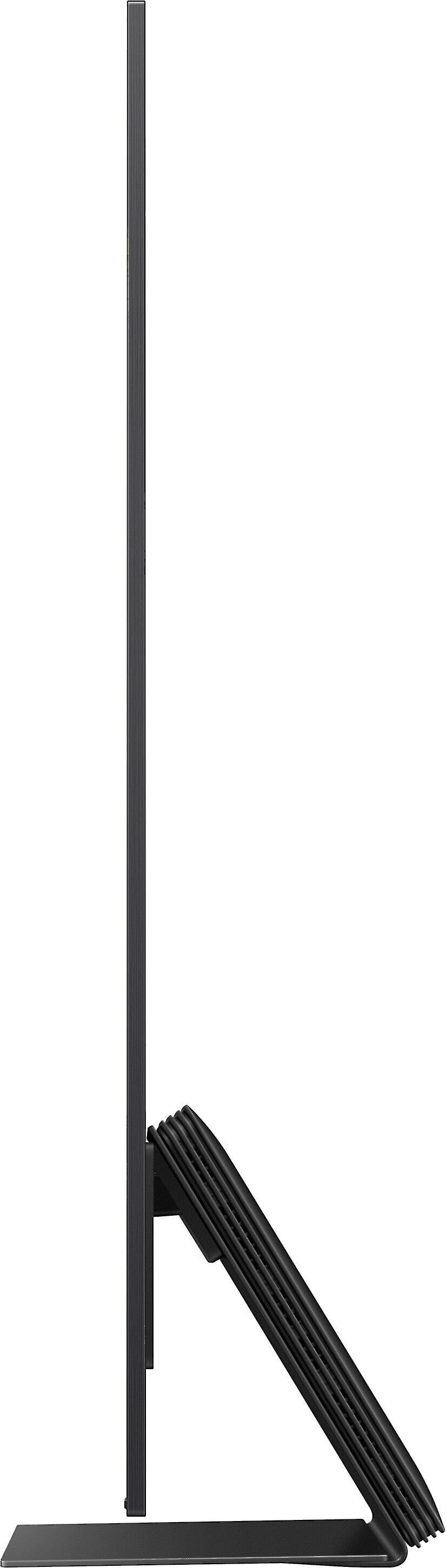
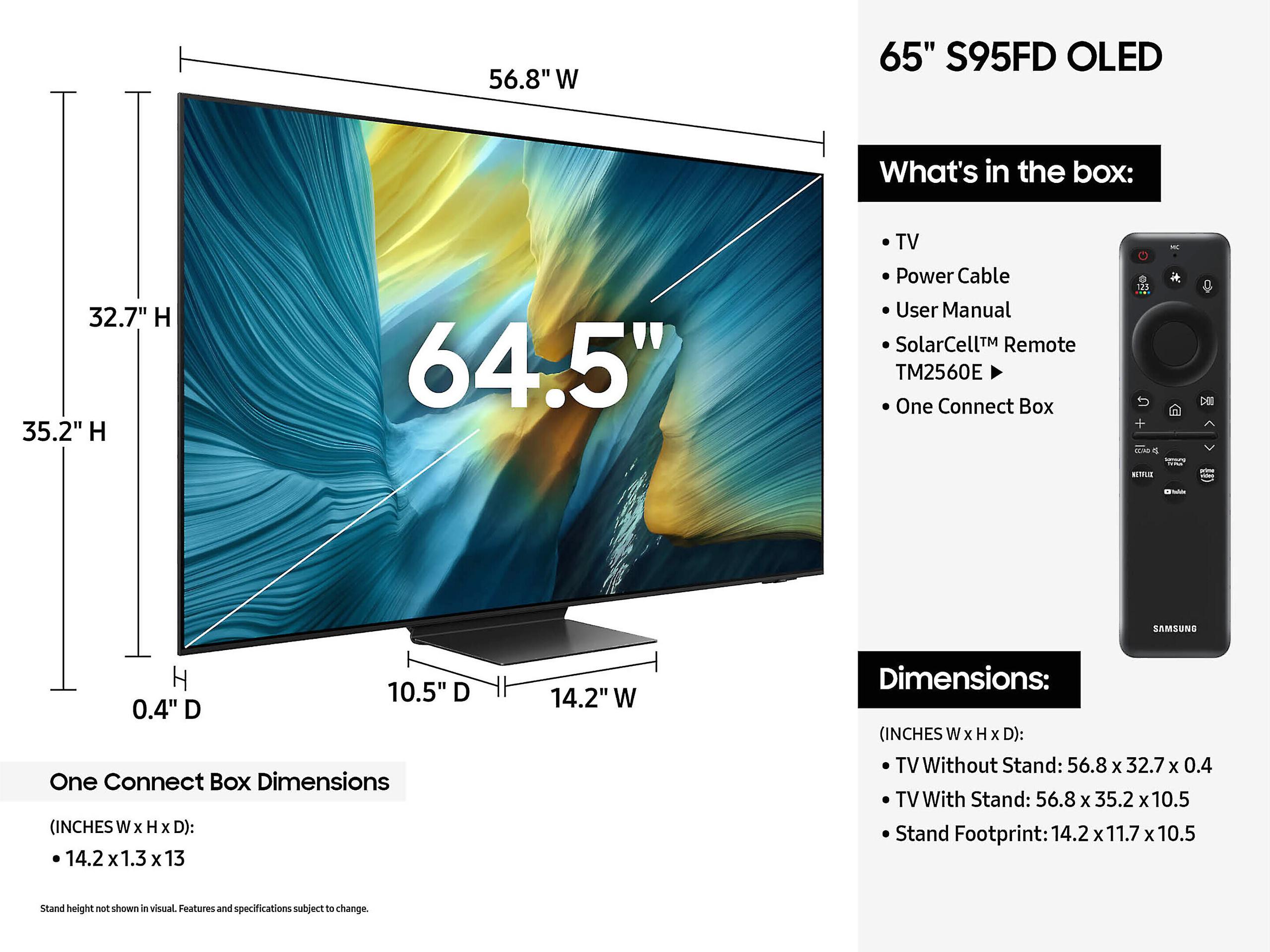
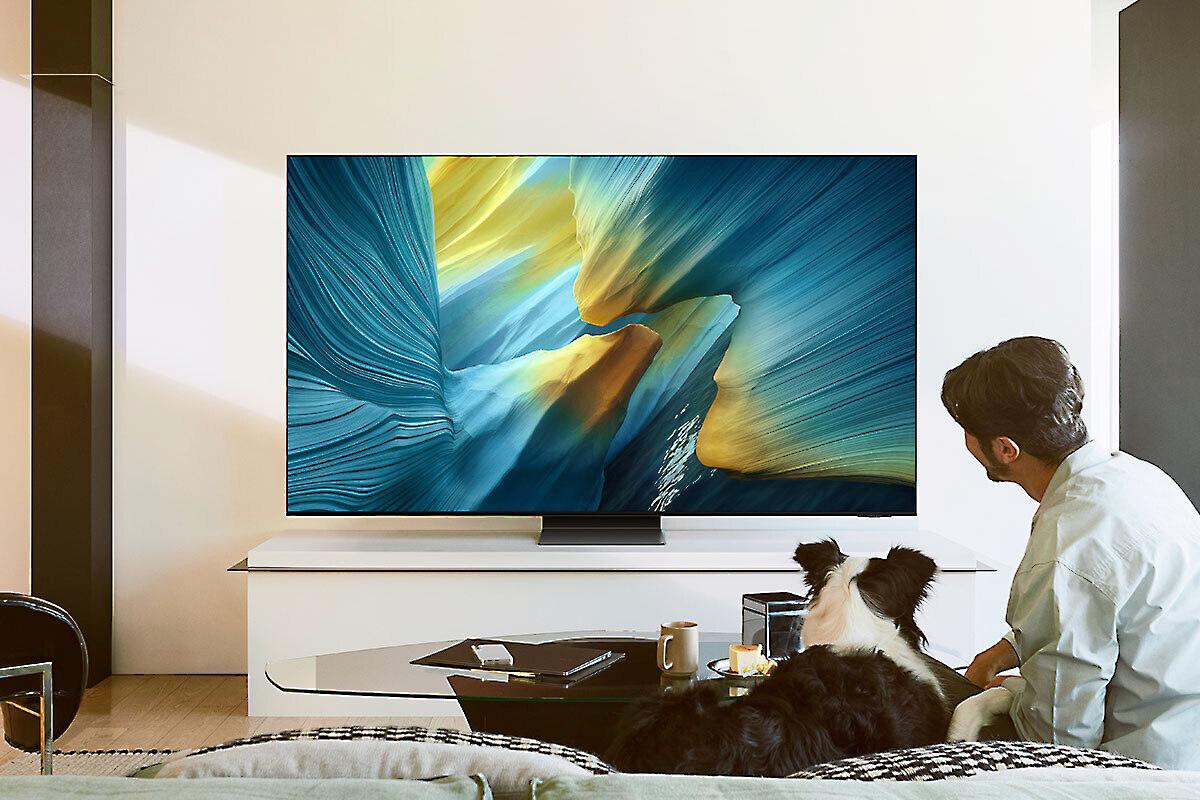
Shopping for a 65-inch TV in 2025 means navigating one of the most exciting yet confusing times in display technology. The gap between budget and premium TVs has never been wider, and these two models perfectly illustrate why. The Hisense QD6 Series represents incredible value in the budget QLED space, while the Samsung S95F pushes OLED technology to new heights with premium features that would have been impossible just a few years ago.
Both TVs launched in 2025, arriving in a market where display technology is advancing rapidly. Samsung's latest OLED generation introduces glare-free matte coatings and brightness levels that finally challenge traditional LED advantages, while Hisense continues refining quantum dot technology to deliver remarkable color at budget prices. Understanding these advances helps explain why one TV costs nearly nine times more than the other—and whether that difference matters for your living room.
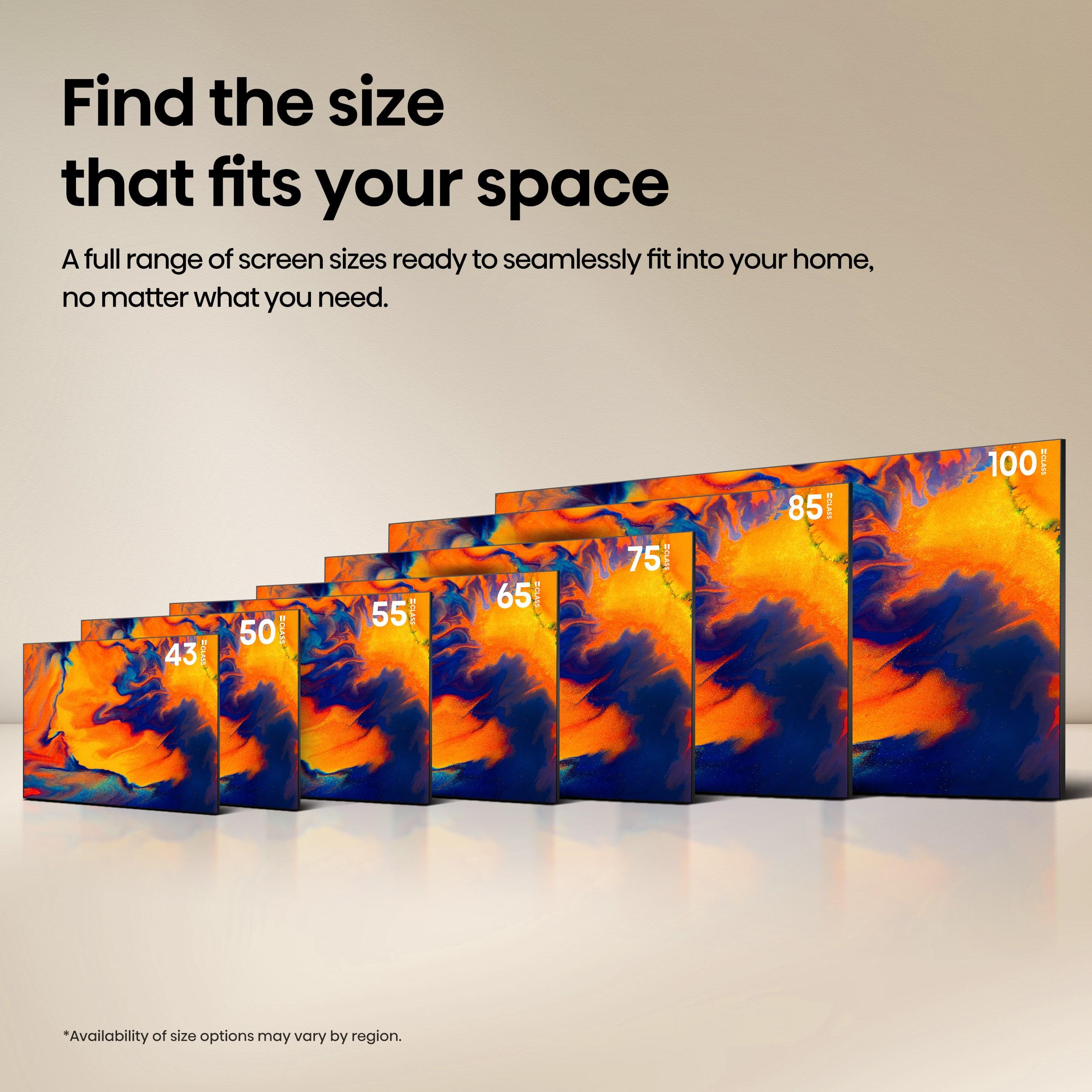
The 65-inch TV category sits in the sweet spot for most living rooms, offering cinematic immersion without overwhelming smaller spaces. At this size, display technology differences become immediately apparent. Picture quality, smart features, gaming capabilities, and long-term value represent the primary considerations driving purchase decisions.
The fundamental divide remains between LED-based displays (including QLED variants like the Hisense QD6) and OLED technology (exemplified by the Samsung S95F). LED TVs use backlighting combined with liquid crystal layers to create images, while OLED displays feature self-illuminating pixels that can turn completely off for perfect blacks.
This technological difference creates distinct advantages: LED TVs typically achieve higher peak brightness and cost less to manufacture, while OLEDs deliver superior contrast and viewing angles. Recent developments in both camps have narrowed some gaps while widening others, making 2025 an particularly interesting year for TV buyers.
Picture quality represents the most crucial differentiator between these TVs, and the contrast couldn't be starker. The Samsung S95F leverages OLED's inherent advantages with significant 2025 improvements, while the Hisense QD6 maximizes what's possible in budget LED territory.
OLED's signature advantage shines through in the Samsung S95F. Each pixel can shut off completely, creating true blacks that LED TVs simply cannot match. This creates an infinite contrast ratio—the mathematical difference between the brightest whites and darkest blacks. In practical terms, this means space scenes look genuinely black rather than dark gray, and shadow details remain visible without washing out.
The Hisense QD6 faces inherent LED limitations here. Without local dimming (technology that dims specific backlight zones), bright scenes cause blacks to lift across the entire screen. This creates a noticeable gray wash in dark room viewing, though it's less problematic in well-lit environments where ambient light naturally raises black levels.
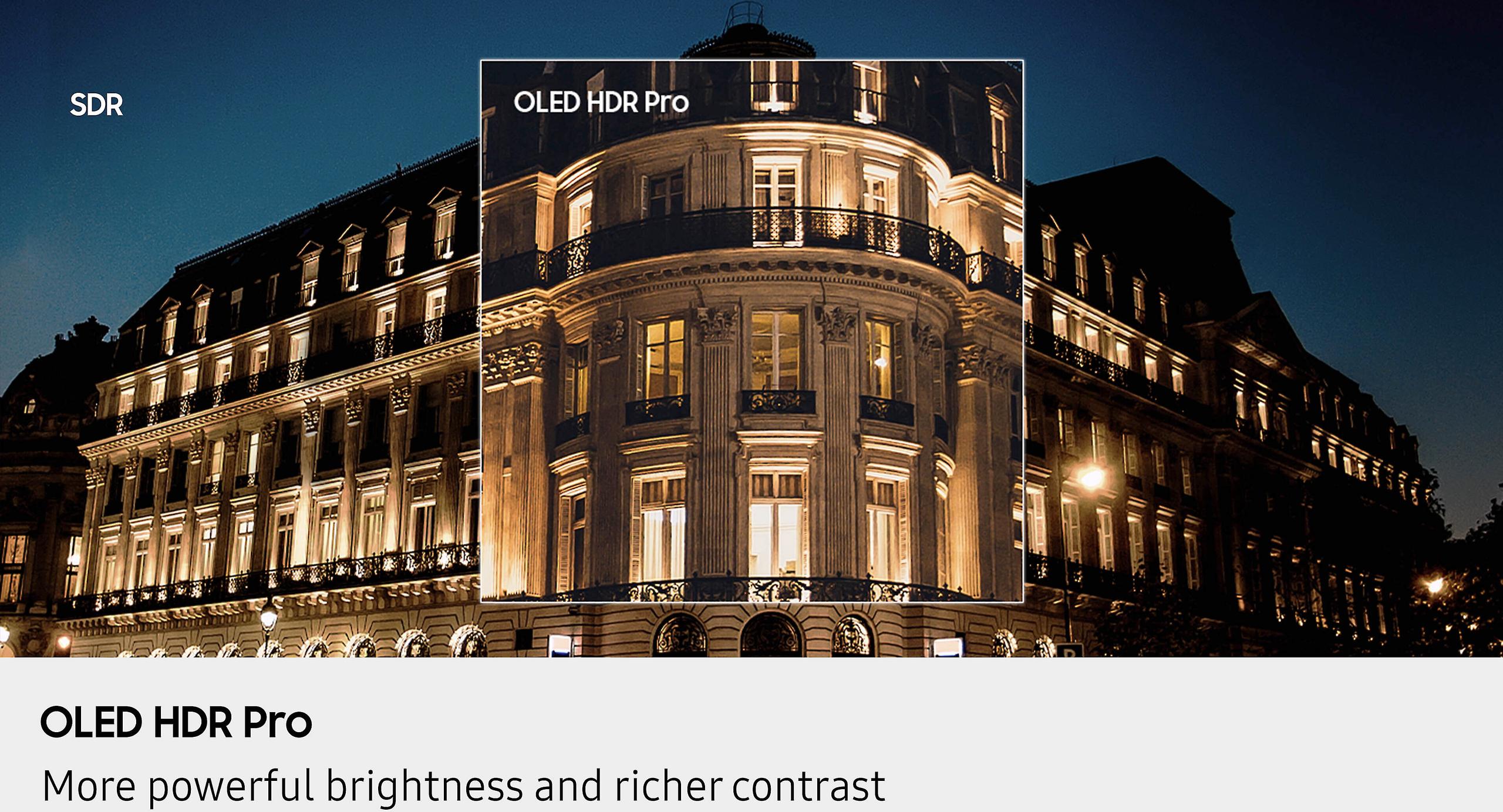
Brightness tells a more complex story. The Samsung S95F achieves an impressive 2,089 nits peak brightness in small highlight areas—exceptional for OLED technology, which traditionally struggled with brightness. This enables proper HDR (High Dynamic Range) performance, where bright highlights like sun reflections or explosions can truly pop against dark backgrounds.
The Hisense QD6 reaches approximately 385 nits peak brightness, adequate for moderate lighting conditions but insufficient for impactful HDR viewing. HDR content designed to showcase brightness ranges from deep shadows to brilliant highlights loses much of its intended effect on displays this dim. However, this brightness level works fine for standard dynamic range content in typical living rooms.
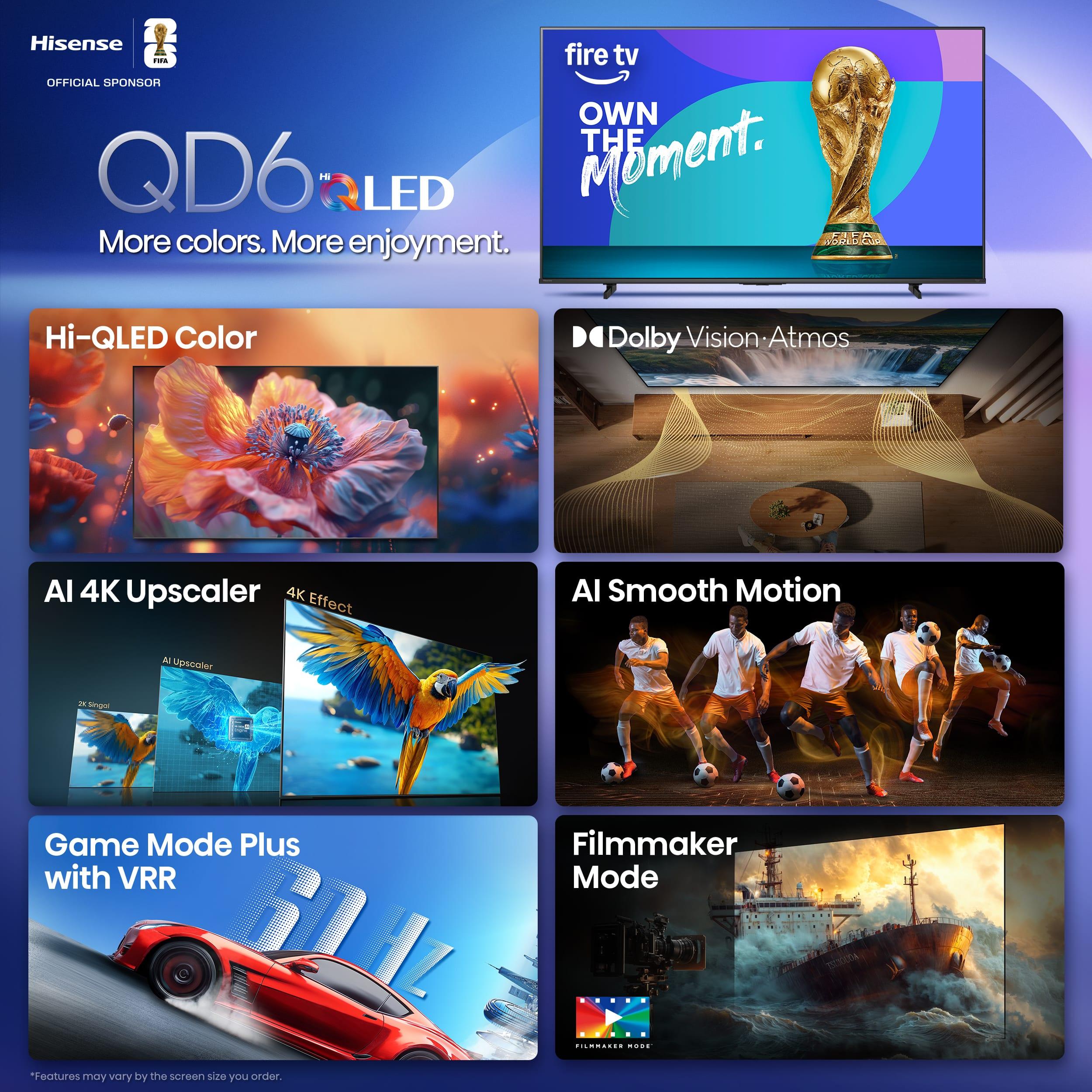
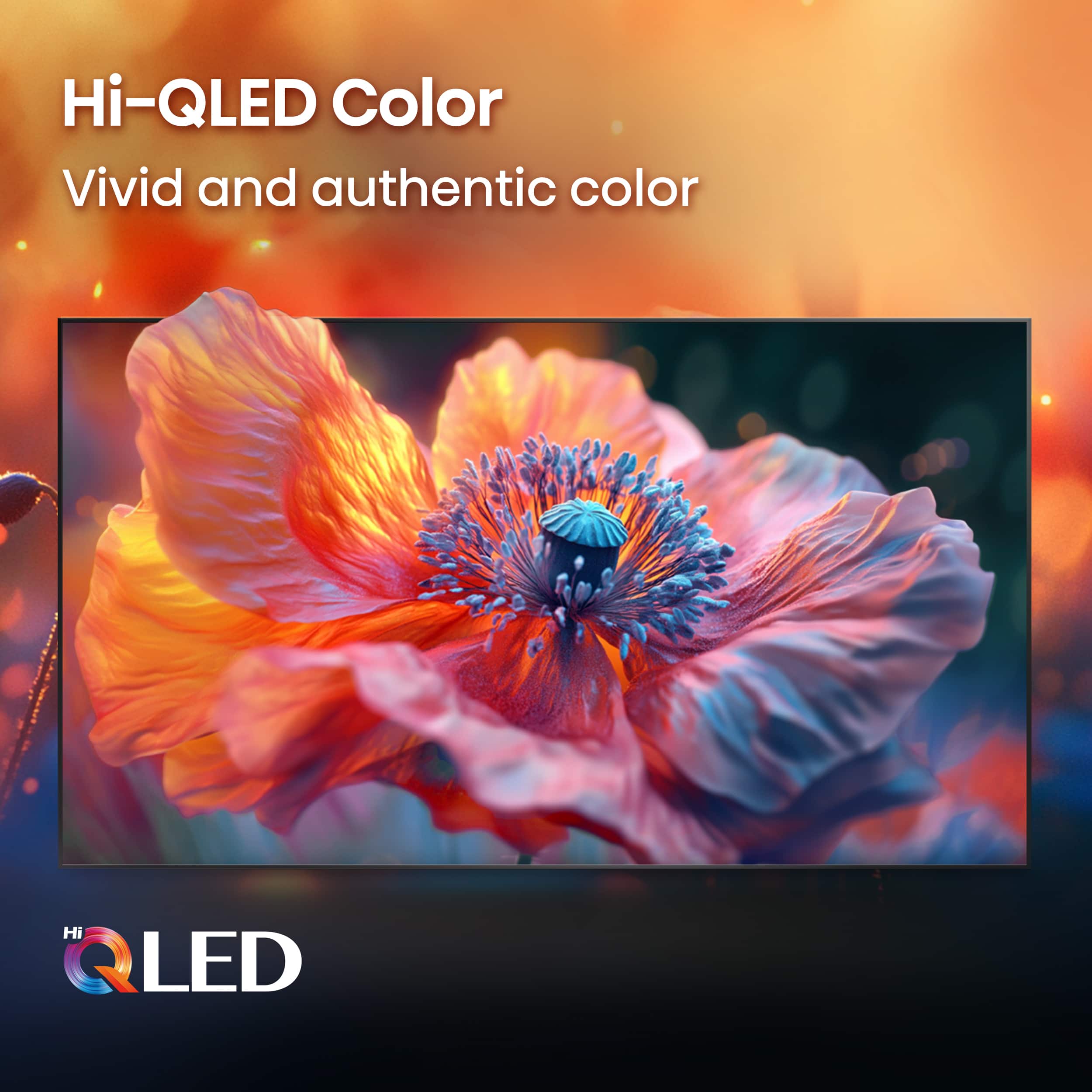
Both TVs utilize quantum dot technology, though implemented differently. The Hisense QD6 covers about 90% of the DCI-P3 color gamut (the range of colors displays can reproduce), delivering vibrant colors that surpass basic LED TVs. Quantum dots are microscopic particles that emit precise colors when excited by backlight, creating more accurate and saturated hues.
The Samsung S95F combines quantum dots with OLED's precise pixel control, potentially achieving even wider color coverage with perfect saturation at any brightness level. This combination excels particularly in HDR content, where extended color ranges become most apparent.
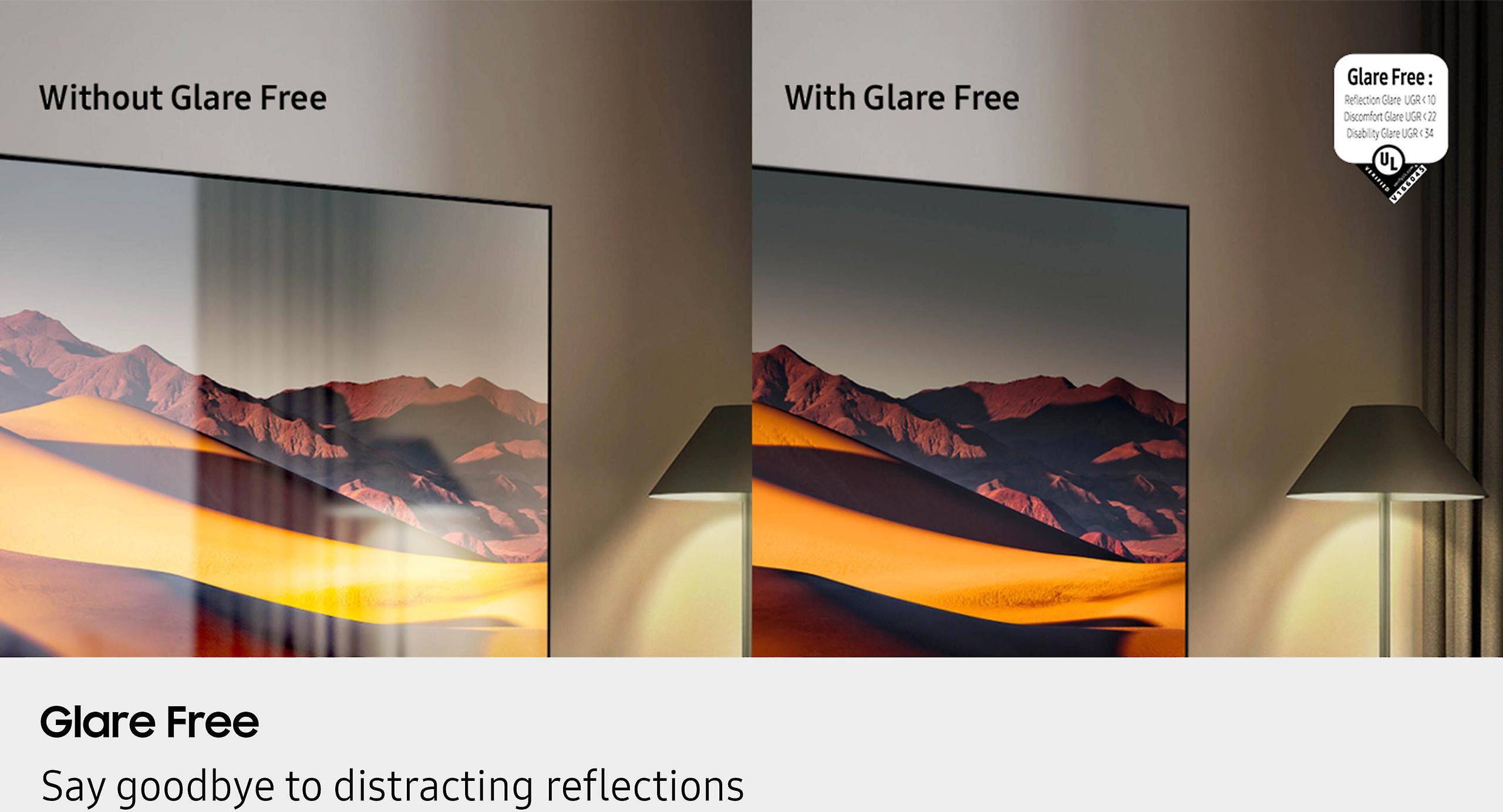
One of the Samsung S95F's standout 2025 improvements is its glare-free matte coating. Traditional OLED screens suffer badly from reflections due to their glossy surfaces, limiting usability in bright rooms. Samsung's new matte treatment virtually eliminates reflections while maintaining image quality—a breakthrough that addresses OLED's biggest practical limitation.
The Hisense QD6 features a glossy screen typical of budget TVs. Direct light sources create intense reflections that can overwhelm viewing in certain seating positions, though the LED backlight provides enough brightness to overcome moderate ambient light better than traditional OLEDs.
Gaming capabilities reveal perhaps the starkest difference between these TVs. The Samsung S95F targets serious gamers with cutting-edge specifications, while the Hisense QD6 covers basic gaming needs adequately.
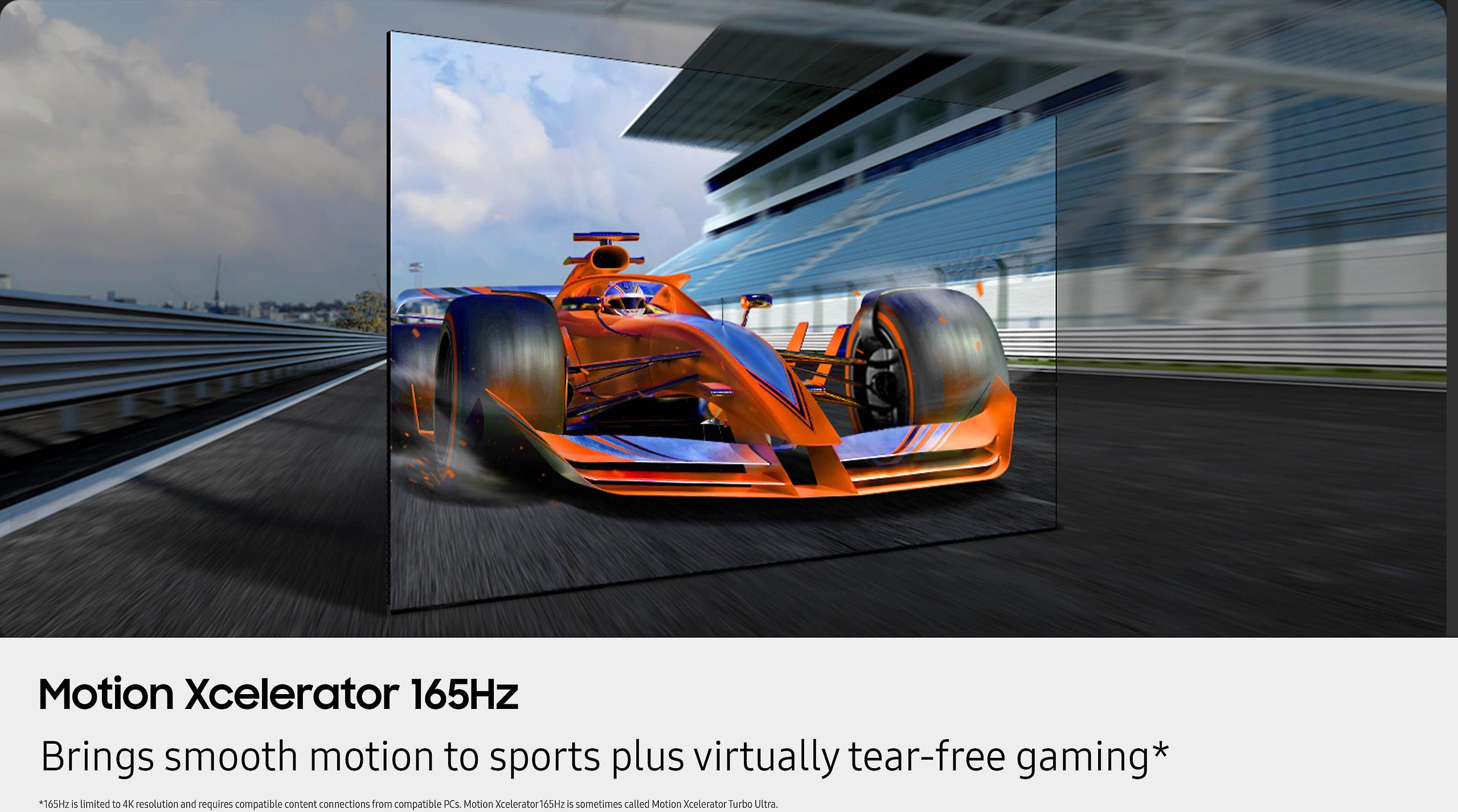
Refresh rate determines how many times per second the display updates its image. Higher refresh rates create smoother motion, especially important for fast-paced games and sports. The Samsung S95F offers a native 165Hz refresh rate with Motion Xcelerator technology, supporting up to 4K resolution at 165 frames per second through its HDMI 2.1 ports.
This specification future-proofs the TV for next-generation gaming consoles and high-end PC graphics cards. Games that can output 120fps or higher benefit dramatically from the increased smoothness, particularly competitive shooters and racing games where motion clarity impacts performance.
The Hisense QD6 provides a 60Hz native refresh rate with Motion Rate 120 processing. Motion Rate 120 refers to interpolation technology that creates intermediate frames to smooth motion, but this isn't the same as true high refresh rate gaming. The TV supports Variable Refresh Rate (VRR) and Auto Low Latency Mode (ALLM) through its HDMI 2.0 ports, but remains limited to 4K at 60fps maximum.
Input lag measures the delay between controller input and on-screen response. Lower numbers feel more responsive, crucial for competitive gaming. The Samsung S95F achieves ultra-low input lag across its gaming modes, while the Hisense QD6 maintains respectable 10.2ms input lag—fast enough for most gaming but not class-leading.
AMD FreeSync Premium Pro certification on the Samsung S95F ensures tear-free gaming across a wide refresh rate range, while the Hisense's VRR support provides basic anti-tearing but with a more limited range.
For casual gaming and current-generation consoles, the Hisense QD6 handles gaming adequately. Its 4K@60Hz support covers most current gaming scenarios, and the low input lag ensures responsive control. However, serious gamers investing in next-generation hardware will quickly outgrow its capabilities.
The Samsung S95F provides a premium gaming experience that won't become obsolete as gaming technology advances. Its 4K@165Hz capability and advanced VRR support justify the investment for enthusiast gamers, though casual players may not notice the difference.
Smart TV software significantly impacts daily usability and long-term satisfaction. Both platforms offer comprehensive streaming access, but differ in philosophy and long-term support.
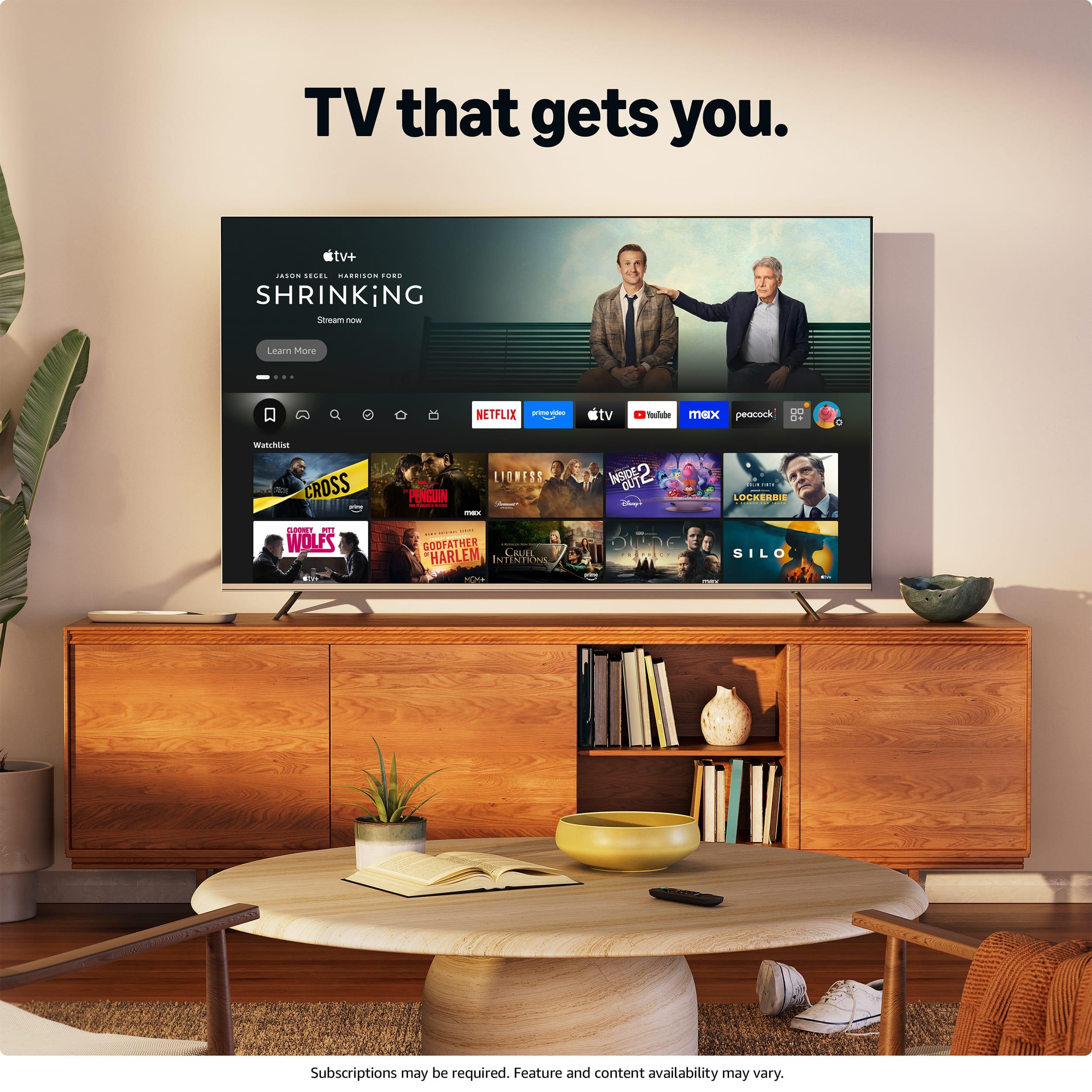
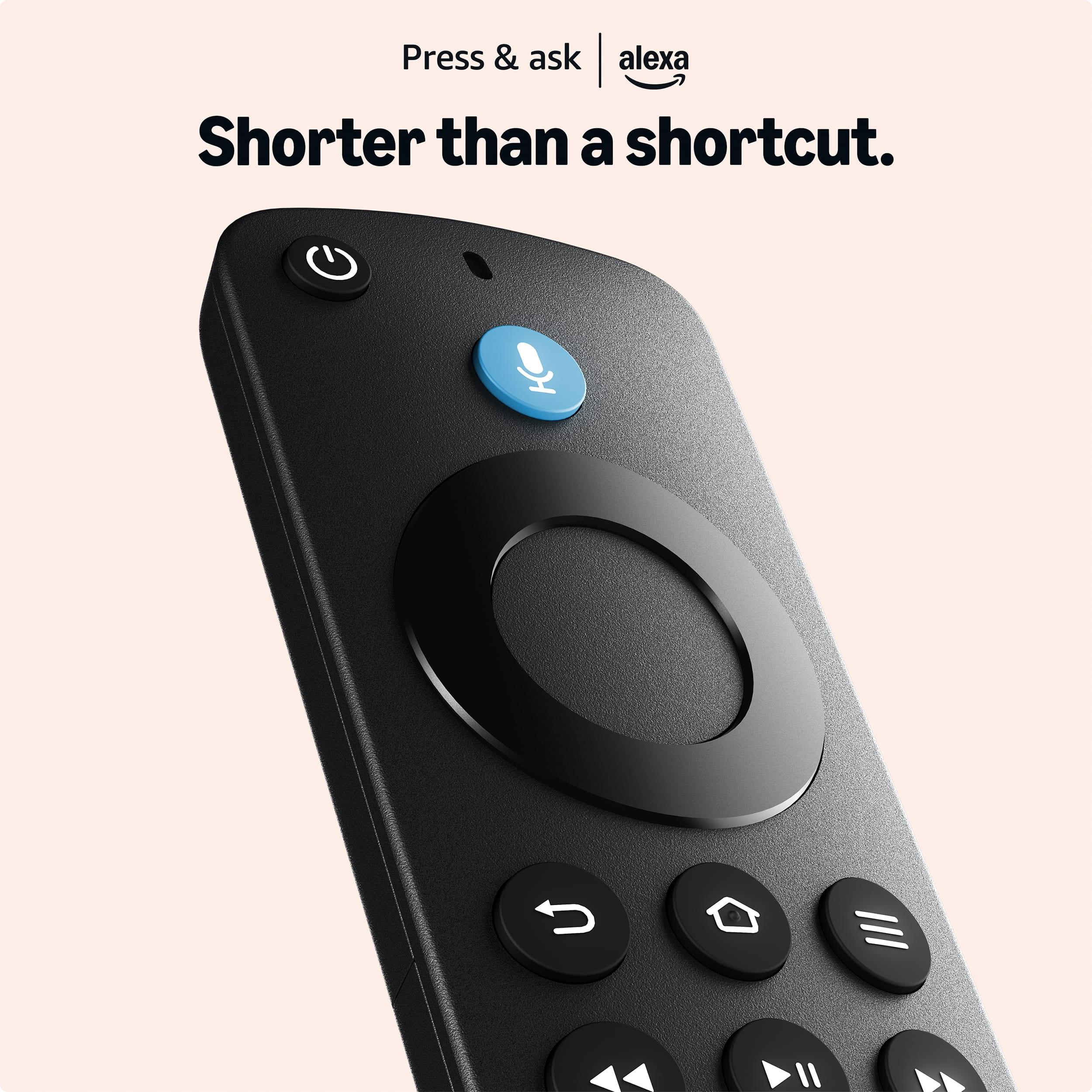
The Hisense QD6 runs Amazon's Fire TV platform, which emphasizes content discovery and Amazon ecosystem integration. The interface prioritizes streaming services and makes finding content across multiple apps relatively straightforward. Alexa voice control works naturally for Amazon device users, and the platform supports Google Assistant and Apple AirPlay for broader compatibility.
Fire TV's strength lies in its straightforward approach to streaming. The interface rarely gets in the way, though some users report occasional lag in menus and apps. For households already invested in Amazon's ecosystem, the integration feels natural and comprehensive.
The Samsung S95F features Samsung's Tizen OS, which has evolved into one of the most polished smart TV platforms. The 2025 version incorporates Samsung Vision AI powered by 128 neural networks, enabling intelligent content optimization and personalized recommendations that adapt to viewing habits.
Samsung commits to seven years of OS and software updates for the S95F, ensuring the TV remains compatible with new streaming services and features through 2032. This represents exceptional long-term support that protects the premium investment.
The Hisense QD6 receives standard manufacturer support, though specific update commitments aren't as clearly defined. Budget TVs typically receive fewer major updates over their lifespan, potentially limiting access to new streaming services or features in later years.
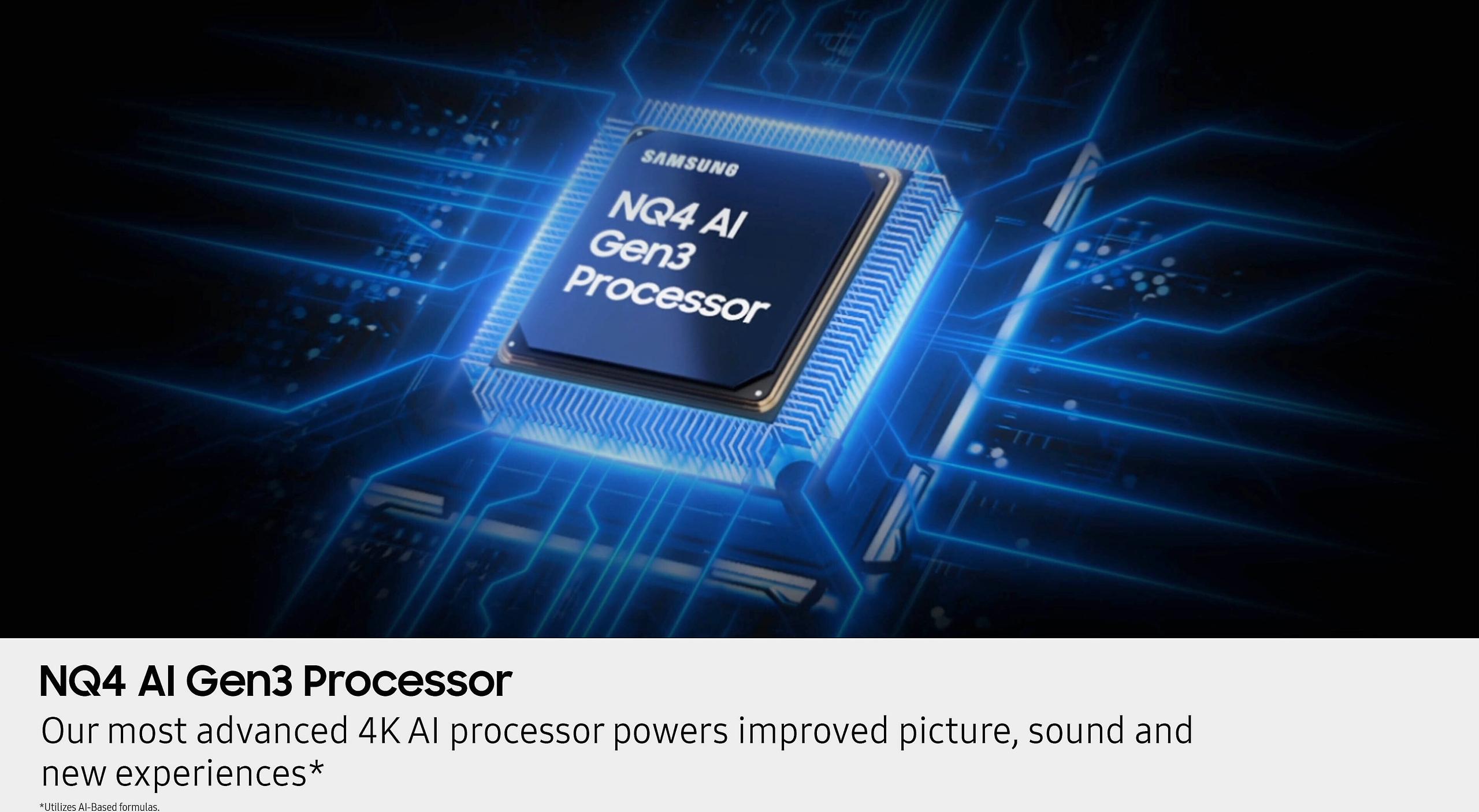
Samsung Vision AI in the S95F automatically adjusts picture settings based on content type and viewing environment. Smart Calibration helps optimize display settings without professional calibration equipment, while AI upscaling enhances lower-resolution content intelligently.
The Hisense QD6 includes AI 4K upscaling and AI Smooth Motion, though these features operate with less sophistication than Samsung's implementation. The processing improvements over previous Hisense models deliver better image quality, but don't match premium TV capabilities.
Built-in audio rarely excites in modern TVs, but differences exist between these models. The Samsung S95F features a 70W, 4.2.2-channel speaker system with Object Tracking Sound Plus. This technology attempts to move audio effects across the screen to match on-screen action, creating a more immersive experience than traditional TV speakers.
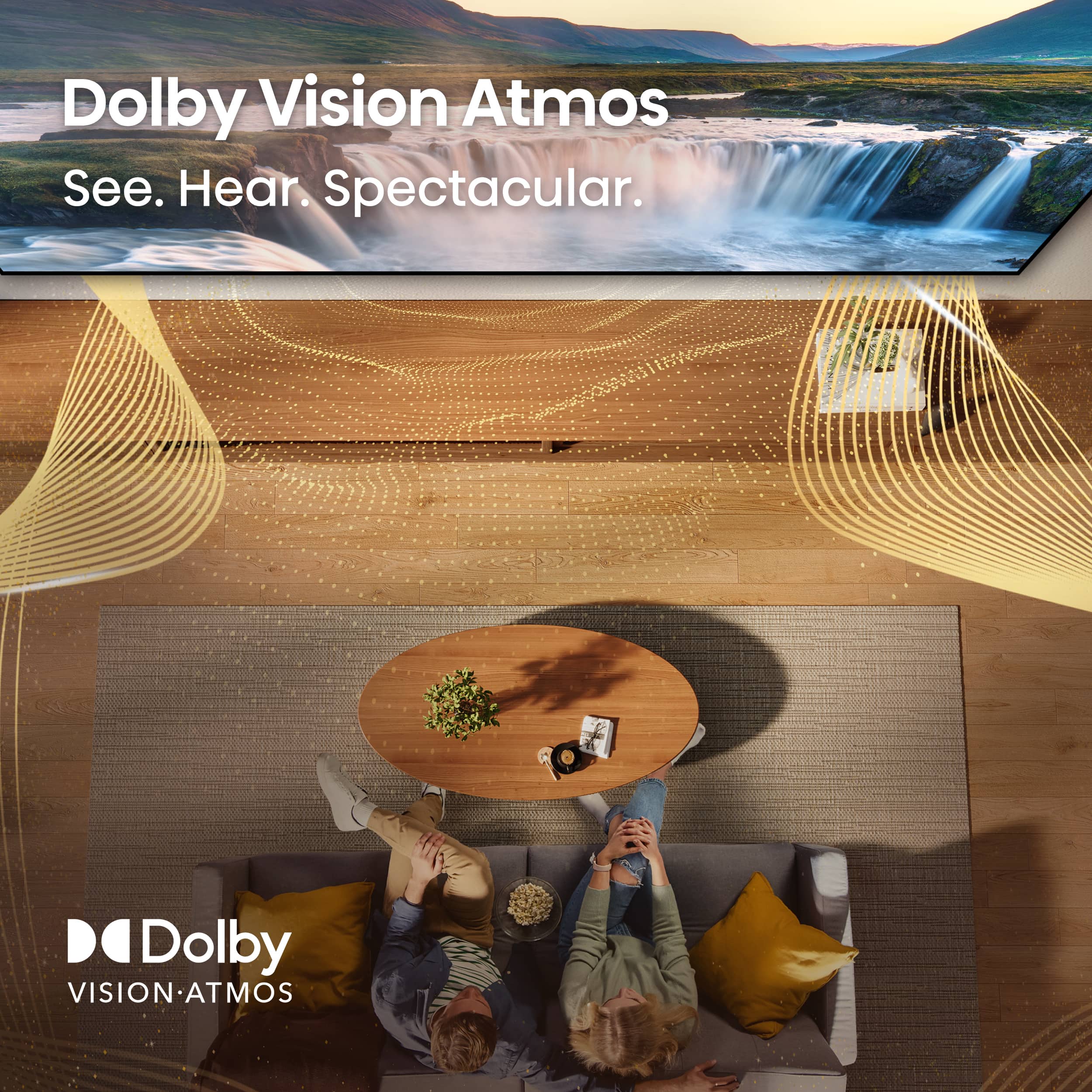
Dolby Atmos support in both TVs enables spatial audio processing, though the Samsung's more powerful speaker system can better utilize the format's capabilities. Q-Symphony compatibility allows the S95F to work with Samsung soundbars, using both TV and soundbar speakers simultaneously for enhanced audio.
The Hisense QD6 provides basic built-in speakers with Dolby Atmos processing, adequate for casual viewing but likely requiring external audio solutions for serious movie watching or gaming.
For home theater applications, both TVs benefit significantly from dedicated sound systems. The Samsung S95F's superior built-in audio provides better temporary performance while planning audio upgrades, but neither TV replaces proper home theater speakers for serious enthusiasts.
At the time of writing, these TVs occupy completely different market segments. The Hisense QD6 represents exceptional value in budget QLED territory, delivering 65-inch 4K viewing with quantum dot color enhancement at prices that would have seemed impossible just a few years ago.
The TV excels for buyers prioritizing screen size over cutting-edge features. Families wanting big-screen entertainment for streaming, basic gaming, and casual viewing find tremendous value here. The Fire TV platform covers modern streaming needs comprehensively, and the picture quality surpasses smaller premium TVs costing similar amounts.
However, limitations become apparent in challenging viewing conditions. Bright rooms with multiple light sources expose the glossy screen's reflection issues, while dark room movie watching reveals the contrast limitations of LED technology without local dimming.
The Samsung S95F commands premium pricing that reflects its advanced technology and capabilities. The investment targets buyers seeking reference-quality displays that won't become obsolete as content and gaming technology advance.
For home theater enthusiasts, the Samsung's perfect blacks and HDR capabilities justify the cost difference. The glare-free matte coating solves OLED's traditional bright room limitations, while 165Hz gaming support future-proofs the display for years.
Home theater applications favor the Samsung S95F decisively. OLED's perfect blacks create the cinematic experience that movie enthusiasts crave, especially in dedicated dark viewing environments. HDR content displays with proper dynamic range, showcasing the format's intended impact.
The Hisense QD6 works adequately in mixed-use living rooms but disappoints in dedicated home theater setups. Without local dimming, bright scenes wash out shadow details, and the limited peak brightness reduces HDR's effectiveness. The TV handles standard dynamic range content well, but movie enthusiasts will notice the compromises.
Filmmaker Mode support in both TVs attempts to preserve content creators' original intent, though the Samsung's superior contrast and brightness capabilities better realize this vision.
Both TVs launched in 2025 representing their manufacturers' latest display innovations. The Hisense QD6 improves upon its 2024 predecessor with better color accuracy, enhanced upscaling, and added VRR support, demonstrating how budget TVs continue gaining features previously limited to premium models.
The Samsung S95F showcases 2025's OLED breakthroughs, particularly the glare-free matte coating that addresses OLED's biggest practical limitation. The brightness improvements over previous OLED generations finally enable proper HDR viewing in realistic room conditions.
These 2025 improvements illustrate how display technology continues evolving rapidly. Features that seemed impossible or prohibitively expensive just years ago now appear in mainstream products, though the premium tier continues pushing boundaries further ahead.
The Hisense QD6 suits buyers prioritizing value and screen size over ultimate performance. Families wanting big-screen entertainment for streaming Netflix, casual gaming, and daily TV watching find exceptional value here. The Fire TV platform handles modern streaming needs effectively, and the quantum dot color enhancement surpasses basic LED TVs noticeably.
Choose the Hisense if your budget constrains premium TV purchases, your viewing room has moderate lighting conditions, and your entertainment needs center on streaming content rather than reference-quality movie watching or serious gaming.
The Samsung S95F targets enthusiasts and buyers wanting the best possible display technology regardless of cost. Serious gamers benefit from 4K@165Hz support and advanced VRR capabilities, while movie lovers appreciate OLED's perfect contrast and HDR performance.
Choose the Samsung if picture quality represents your top priority, your budget allows premium investments, you game seriously on next-generation hardware, or your viewing room has challenging lighting conditions that benefit from the anti-glare coating.
The choice between these TVs ultimately depends on your priorities and budget constraints at the time of writing. The Hisense QD6 delivers remarkable value for buyers seeking large-screen 4K entertainment without premium pricing, while the Samsung S95F provides reference-quality performance for those willing to invest in cutting-edge display technology.
Consider your actual usage patterns honestly. If you primarily stream content in normal lighting conditions and game occasionally, the Hisense provides excellent value that frees budget for other home theater components. If you're building a serious entertainment system, value long-term future-proofing, or have challenging viewing conditions, the Samsung's advanced capabilities justify their premium cost.
Both TVs succeed in their respective market segments, making the decision less about which TV is "better" and more about which approach matches your specific needs and budget reality.
| Hisense 65" QD6 Series Hi-QLED Fire TV | Samsung 65" OLED S95F 4K Smart TV |
|---|---|
| Display Technology - Fundamental difference affecting picture quality | |
| QLED with quantum dots and VA panel | OLED with self-illuminating pixels |
| Peak Brightness - Critical for HDR impact and bright room viewing | |
| 385 cd/m² (adequate for moderate lighting) | 2,089 nits (exceptional HDR performance) |
| Black Levels & Contrast - Most noticeable difference in dark scenes | |
| Good native contrast but no local dimming (blacks wash out in bright scenes) | Perfect blacks with infinite contrast ratio |
| Gaming Refresh Rate - Important for smooth gaming and sports | |
| 60Hz native with Motion Rate 120 interpolation | 165Hz native with Motion Xcelerator |
| Gaming Support - Future-proofing for next-gen consoles | |
| 4K@60Hz max, VRR/ALLM via HDMI 2.0 | 4K@165Hz, AMD FreeSync Premium Pro via HDMI 2.1 |
| Anti-Glare Performance - Crucial for bright room usability | |
| Glossy screen with intense reflections in direct light | Matte OLED coating virtually eliminates reflections |
| Color Coverage - Affects vibrancy and accuracy | |
| 90% DCI-P3 with quantum dot enhancement | Wide color gamut with OLED precision |
| Smart TV Platform - Daily usability and long-term updates | |
| Fire TV with Alexa (standard update cycle) | Tizen OS with 7-year update guarantee |
| Audio System - Built-in sound quality | |
| Basic speakers with Dolby Atmos support | 70W 4.2.2CH with Object Tracking Sound Plus |
| HDR Support - Premium content compatibility | |
| Dolby Vision, HDR10+, HDR10, HLG (limited by brightness) | HDR10+, HDR10, HLG with OLED HDR Pro (no Dolby Vision) |
| Input Lag - Gaming responsiveness | |
| 10.2ms (good for most gaming) | Ultra-low across all modes (excellent for competitive gaming) |
| AI Features - Picture optimization and upscaling | |
| AI 4K Upscaler, AI Smooth Motion | Samsung Vision AI with 128 neural networks, Smart Calibration |
| Best For - Target buyer profile | |
| Budget-conscious families wanting large 4K screen | Enthusiasts prioritizing ultimate picture quality and gaming |
The Hisense QD6 Series uses QLED technology with LED backlighting and quantum dots, while the Samsung S95F features OLED technology with self-illuminating pixels. This means the Samsung offers perfect blacks and infinite contrast, while the Hisense provides brighter colors at a much lower price point but with some contrast limitations.
The Samsung S95F is significantly better for gaming with its 165Hz refresh rate, 4K@165Hz support, AMD FreeSync Premium Pro, and ultra-low input lag across all HDMI 2.1 ports. The Hisense QD6 offers basic gaming features with 60Hz refresh rate, VRR/ALLM support, and 10.2ms input lag through HDMI 2.0 ports, which is adequate for casual gaming but not future-proof.
The Samsung S95F excels in bright rooms thanks to its revolutionary glare-free matte coating that virtually eliminates reflections, combined with 2,089 nits peak brightness. The Hisense QD6 has a glossy screen that creates intense reflections in direct light, though its 385 nits brightness is adequate for moderately lit rooms.
The Samsung S95F delivers superior picture quality with perfect blacks, infinite contrast ratio, exceptional HDR performance, and wide color coverage. The Hisense QD6 offers good picture quality for its price range with quantum dot color enhancement covering 90% DCI-P3, but lacks local dimming and has limited peak brightness that affects HDR impact.
The Hisense QD6 runs Amazon Fire TV with Alexa voice control, Google Assistant compatibility, and comprehensive streaming app support. The Samsung S95F features Samsung's Tizen OS with Samsung Vision AI, Bixby voice control, and comes with a 7-year software update guarantee for long-term compatibility.
The Samsung S95F is far superior for dedicated home theater use, offering perfect blacks crucial for cinematic viewing, exceptional HDR performance with proper dynamic range, and Filmmaker Mode support. The Hisense QD6 works adequately in mixed-use living rooms but disappoints in dark home theater environments due to contrast limitations and washout in bright scenes.
The Samsung S95F features a premium 70W 4.2.2-channel speaker system with Object Tracking Sound Plus, Q-Symphony soundbar compatibility, and robust Dolby Atmos support. The Hisense QD6 includes basic built-in speakers with Dolby Atmos processing that's adequate for casual viewing but will likely require external audio for serious entertainment.
The Hisense QD6 provides exceptional value for budget-conscious buyers seeking large-screen 4K entertainment with quantum dot color enhancement and comprehensive smart features. The Samsung S95F justifies its premium pricing through cutting-edge OLED technology, advanced gaming features, and long-term software support for buyers prioritizing ultimate performance.
The Hisense QD6 supports Dolby Vision, HDR10+, HDR10, and HLG, though its limited 385 nits peak brightness reduces HDR effectiveness. The Samsung S95F supports HDR10+, HDR10, and HLG with exceptional 2,089 nits brightness for impactful HDR viewing, but notably lacks Dolby Vision support.
The Samsung S95F includes Samsung's commitment to 7 years of OS and software updates, ensuring compatibility with new streaming services through 2032. The Hisense QD6 receives standard manufacturer support with typical budget TV update cycles, though specific long-term commitments aren't as clearly defined.
For serious movie watching, the Samsung S95F excels with perfect blacks, exceptional contrast, proper HDR performance, and anti-glare technology that works in various lighting conditions. The Hisense QD6 handles standard TV shows and streaming content well in moderate lighting but shows limitations with dark scenes and HDR movies due to contrast constraints.
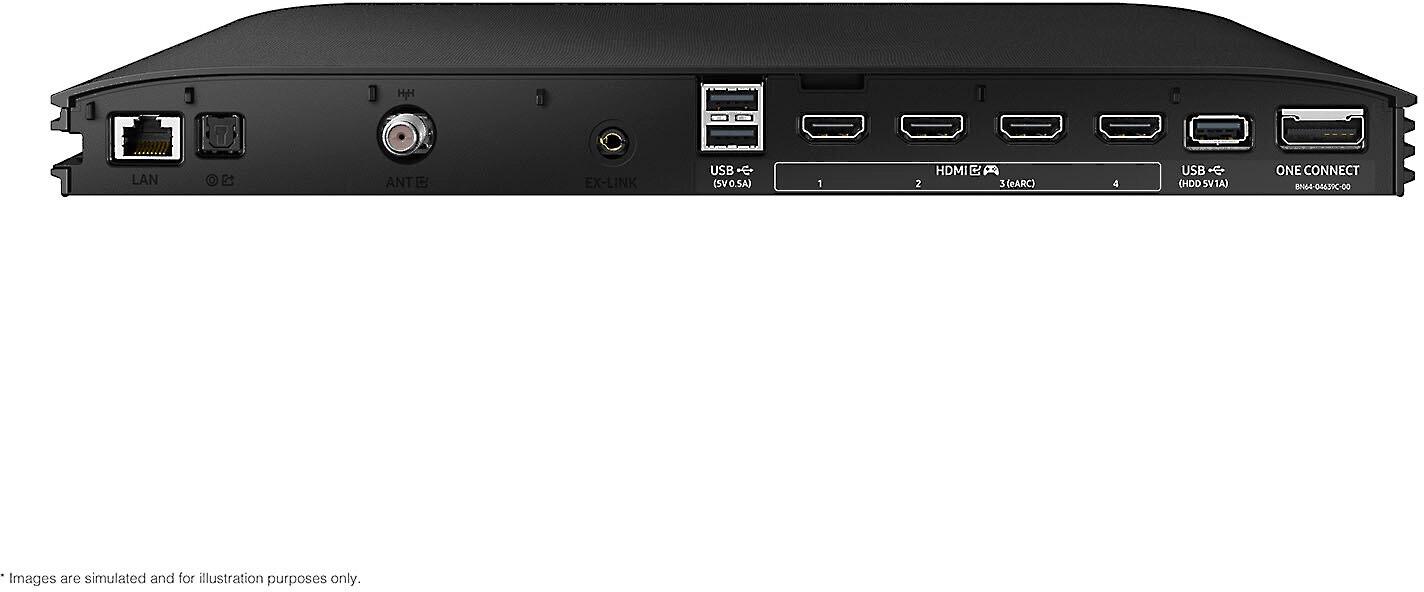
The Hisense QD6 provides 4 HDMI 2.0 ports, 2 USB 2.0 ports, Ethernet, Wi-Fi 5, and eARC support, adequate for current devices but limited for future gaming. The Samsung S95F features 4 HDMI 2.1 ports supporting advanced gaming features, plus comprehensive connectivity options that future-proof the investment for next-generation devices and gaming consoles.
We've done our best to create useful and informative comparisons to help you decide what product to buy. Our research uses advanced automated methods to create this comparison and perfection is not possible - please contact us for corrections or questions. These are the sites we've researched in the creation of this article: pcvarge.com - bestbuy.com - rtings.com - youtube.com - rtings.com - youtube.com - consumerreports.org - leaseville.com - hisense-usa.com - device.report - hisense-usa.com - youtube.com - flatpanelshd.com - displayspecifications.com - retailspecs.com - businessinsider.com - tomsguide.com - youtube.com - avsforum.com - zdnet.com - samsung.com - pioneertvandappliance.com - samsung.com - displayspecifications.com - samsung.com

Privacy Policy
Terms and Conditions - Affiliate Policy
Home Security
© Copyright 2008-2026.
11816 Inwood Rd #1211, Dallas, TX 75244