

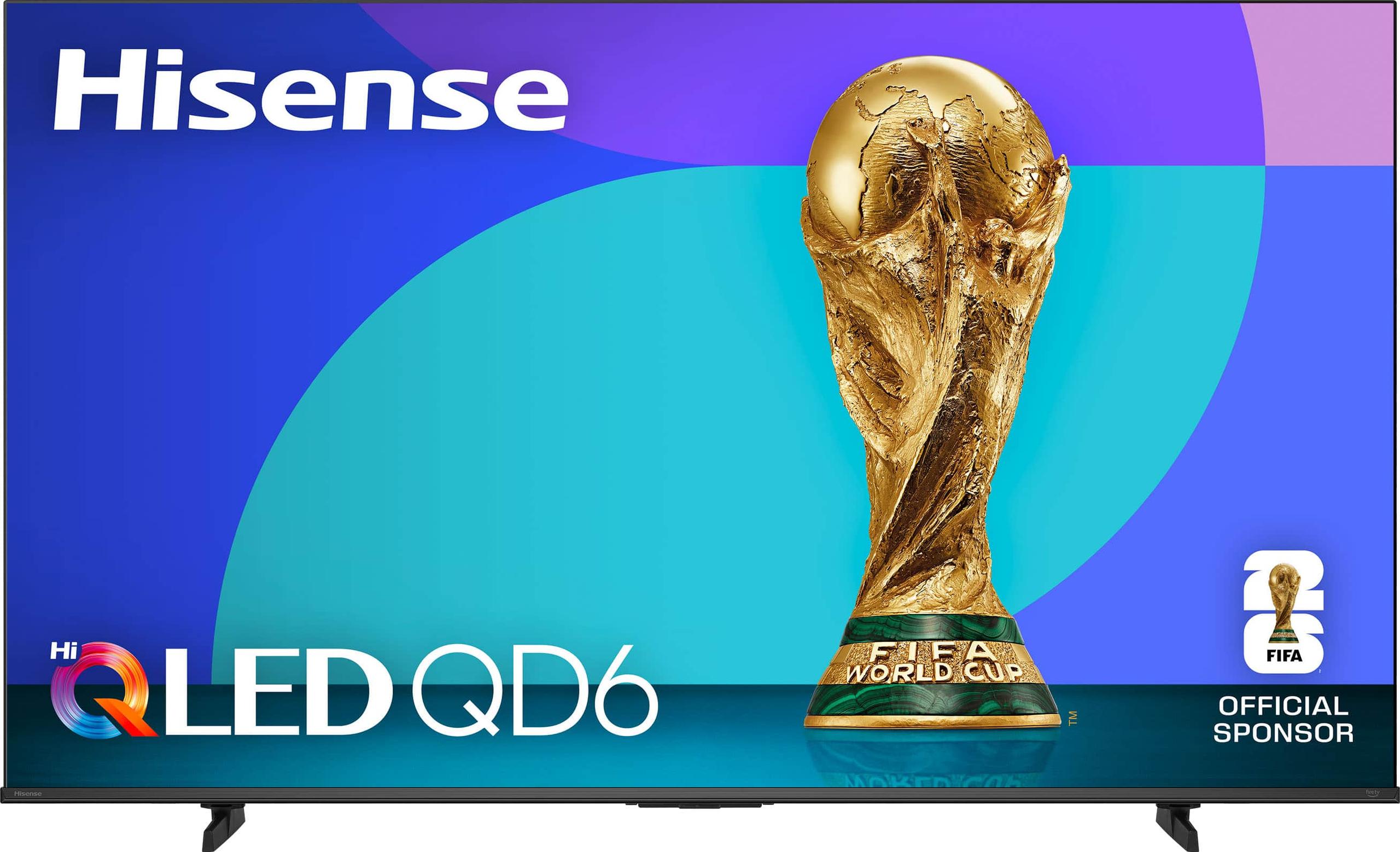




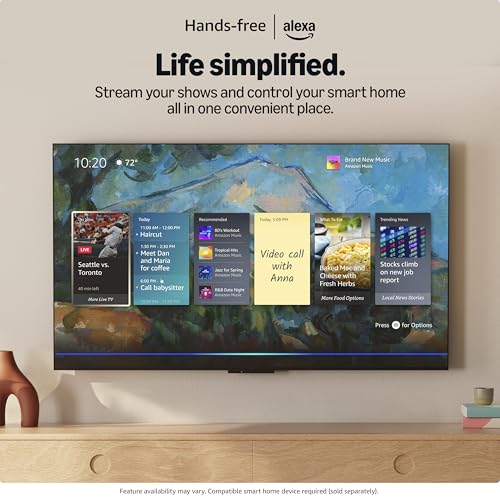
Choosing between the Hisense 65" QD6 Series Hi-QLED Fire TV and the Panasonic Z95B Series 65" OLED 4K Smart Fire TV feels like comparing a reliable Toyota to a Ferrari. Both will get you where you need to go, but the experience and cost are worlds apart. At the time of writing, you're looking at roughly a five-fold price difference between these 65-inch TVs, which raises the obvious question: is premium OLED technology really worth that much more than capable budget QLED?
Let's dig into the technical details and real-world performance differences to help you make the right choice for your living room and wallet.
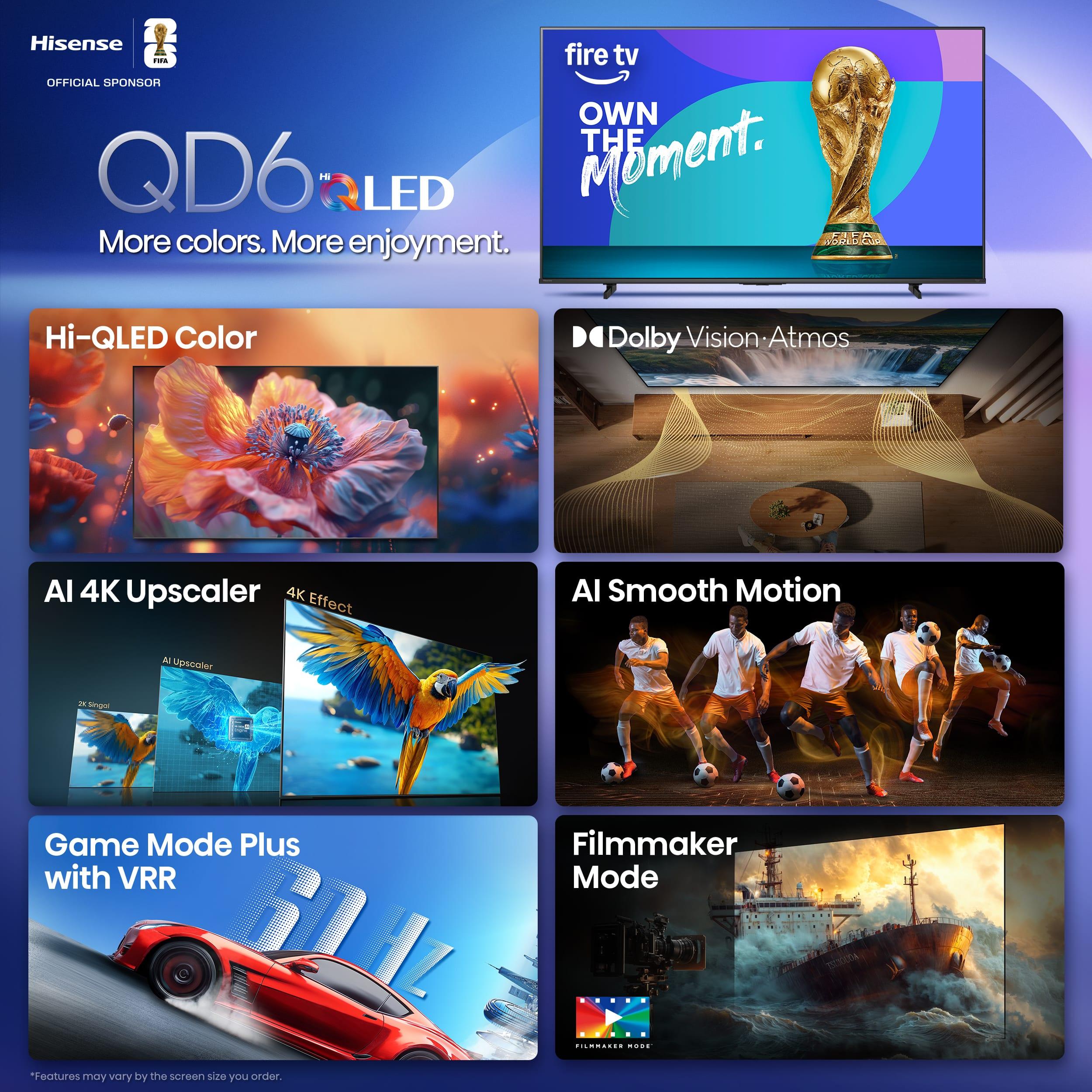
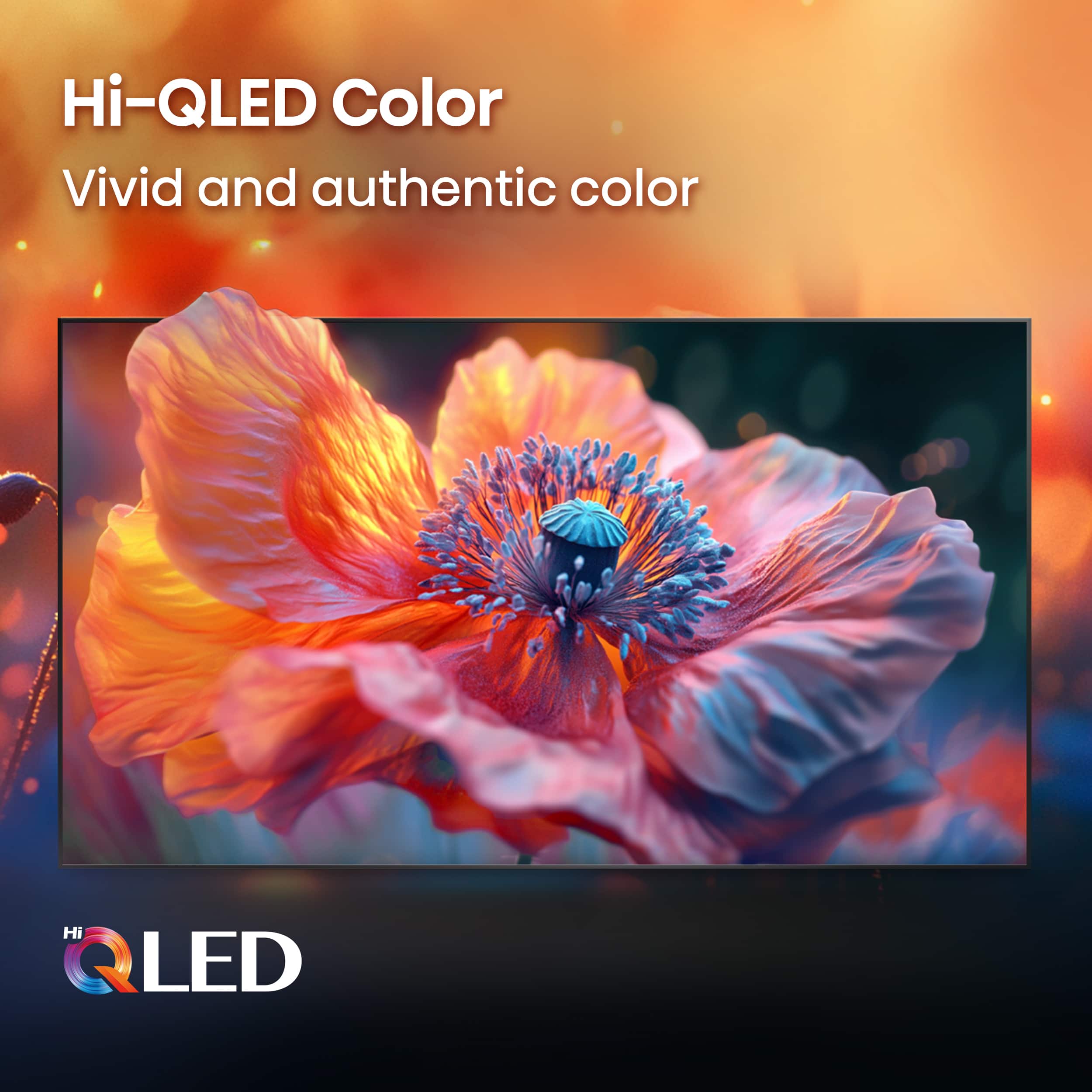
The core difference between these TVs lies in how they create light and color. The Hisense QD6QF uses quantum dot technology on top of a traditional LED backlight system. Think of quantum dots as tiny crystals that act like color filters, taking the blue light from LEDs and converting it into pure red and green colors. This creates more vibrant colors than standard LED TVs while keeping costs reasonable.
The Panasonic Z95B, on the other hand, uses OLED (Organic Light-Emitting Diode) technology where each pixel generates its own light. No backlight needed. When a pixel needs to be black, it simply turns off completely. This fundamental difference explains why OLED TVs can achieve perfect blacks and infinite contrast ratios—something that LED-based displays with backlights simply cannot match.
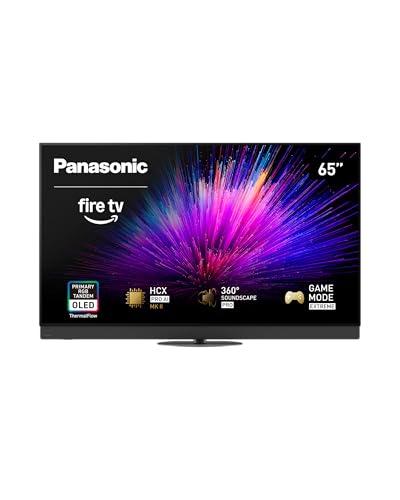
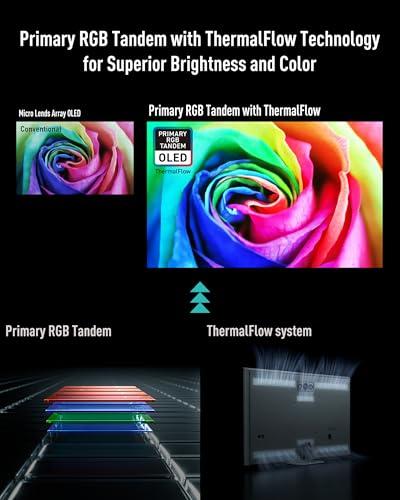
But here's where it gets interesting: Panasonic's 2025 model uses what they call "Primary RGB Tandem OLED" technology. This is a four-layer panel structure that increases light efficiency by about 40% compared to traditional OLED panels. It's a significant technological leap that addresses one of OLED's historical weaknesses: brightness limitations in bright rooms.
The contrast difference between these TVs is night and day—literally. The Hisense QD6QF uses a VA (Vertical Alignment) panel with good native contrast, meaning it can produce reasonably deep blacks in a dark room. However, since it relies on a backlight that illuminates the entire screen, bright objects on screen cause what's called "black level lifting." Imagine watching a movie with a bright explosion—the entire screen subtly brightens, making blacks appear grayish.
The Panasonic Z95B doesn't have this problem at all. Each pixel controls its own light, so a bright star in a dark sky doesn't affect the surrounding black pixels. This creates that "floating in space" effect that OLED enthusiasts rave about. Based on our research into user experiences, this difference is immediately noticeable when watching movies with dark scenes, space films, or any content with high contrast.
Here's where the comparison gets more nuanced. The Hisense QD6QF peaks at around 385 nits of brightness—adequate for HDR content in moderate lighting but nowhere near the impact you'll get from higher-end displays. HDR (High Dynamic Range) content is designed to showcase bright highlights, like sunlight reflecting off water or the glow of a lightsaber. At 385 nits, these highlights appear flat and unconvincing.
The Panasonic Z95B flips this script entirely. Thanks to its Primary RGB Tandem technology, it can hit over 2,260 nits in peak highlights while maintaining perfect blacks. This dramatic range makes HDR content pop with realistic brightness levels. Reviewers consistently note that HDR movies and shows look significantly more impactful on this OLED panel.
The Z95B also supports both Dolby Vision IQ and HDR10+—it's actually one of the few TVs that handles both premium HDR formats. This means whether you're watching Netflix (which uses Dolby Vision) or Amazon Prime Video (which often uses HDR10+), you're getting the best possible experience.
Both TVs use quantum dot technology, but they implement it differently. The Hisense QD6QF covers about 90% of the DCI-P3 color space, which is quite good for its price range. Colors appear vibrant and saturated, especially in HDR content, though the overall color volume is somewhat limited by the display's brightness constraints.
The Panasonic Z95B takes color reproduction to another level with its Primary RGB structure. Instead of using white OLEDs with color filters (like most OLED TVs), this panel generates pure red, green, and blue light directly. The result is enhanced color volume and purity that creates more realistic and nuanced color reproduction. Professional colorists and filmmakers often prefer displays with this level of accuracy.
Gaming capabilities reveal another significant divide between these TVs. The Hisense QD6QF is limited to 60Hz refresh rates due to its HDMI 2.0 connections. While it supports Variable Refresh Rate (VRR) and Auto Low Latency Mode (ALLM)—features that reduce screen tearing and input lag—the 60Hz limitation means you can't take full advantage of modern gaming consoles like the PS5 or Xbox Series X when they output 120Hz content.
The motion handling on the Hisense is also sluggish, particularly with dark scenes. Fast-moving objects often leave blur trails, which becomes noticeable in racing games or first-person shooters. Input lag is respectably low at around 10.2 milliseconds, but the overall gaming experience feels limited compared to higher-refresh displays.
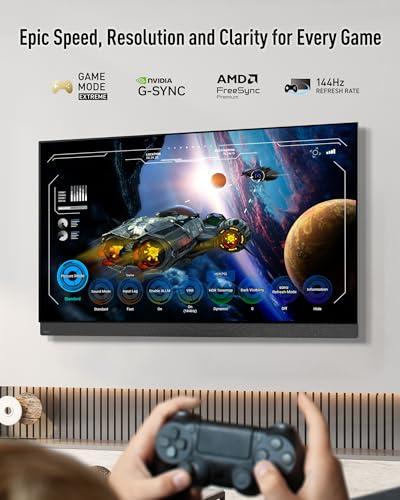
The Panasonic Z95B transforms gaming into a completely different experience. Supporting up to 144Hz with HDMI 2.1 bandwidth on two ports, it can handle everything modern consoles throw at it. The near-instantaneous pixel response time means motion appears incredibly sharp and clear. Whether you're playing competitive online games or cinematic single-player adventures, the difference in motion clarity is immediately apparent.
The Z95B also supports AMD FreeSync Premium and NVIDIA G-SYNC Compatible technologies, ensuring smooth gameplay across different graphics cards and consoles. The ultra-low input lag in Game Mode Extreme makes competitive gaming feel responsive and precise.
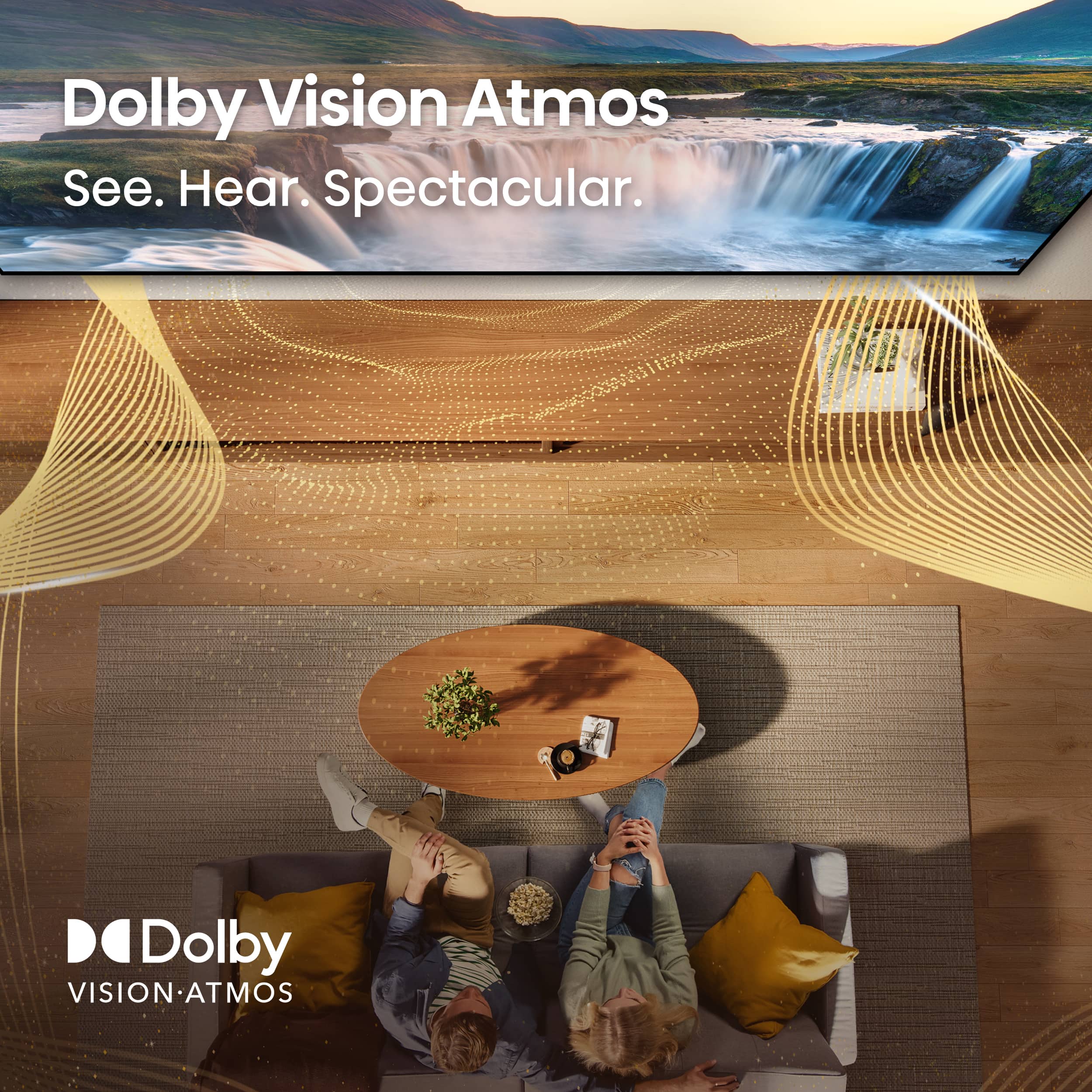
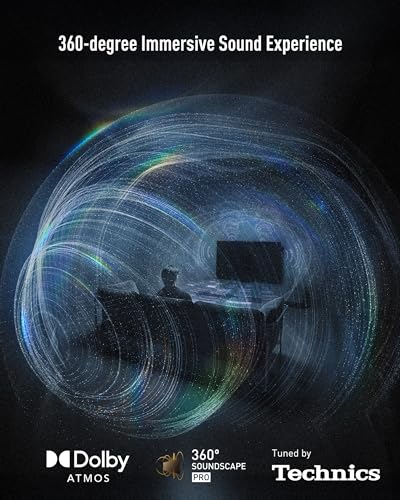
Built-in TV audio rarely impresses, but the Panasonic Z95B breaks this trend with its 360° Soundscape Pro system, tuned by Technics. This isn't marketing fluff—it's a genuine 10-channel Dolby Atmos system with side-firing and up-firing speakers that create spatial audio effects. Based on user feedback, many owners find they don't need to immediately upgrade to a soundbar, which is unusual for modern TVs.
The Hisense QD6QF includes basic speakers with Dolby Atmos support, but they lack the depth and spatial awareness of a premium system. You'll likely want to budget for a soundbar if audio quality matters to you.
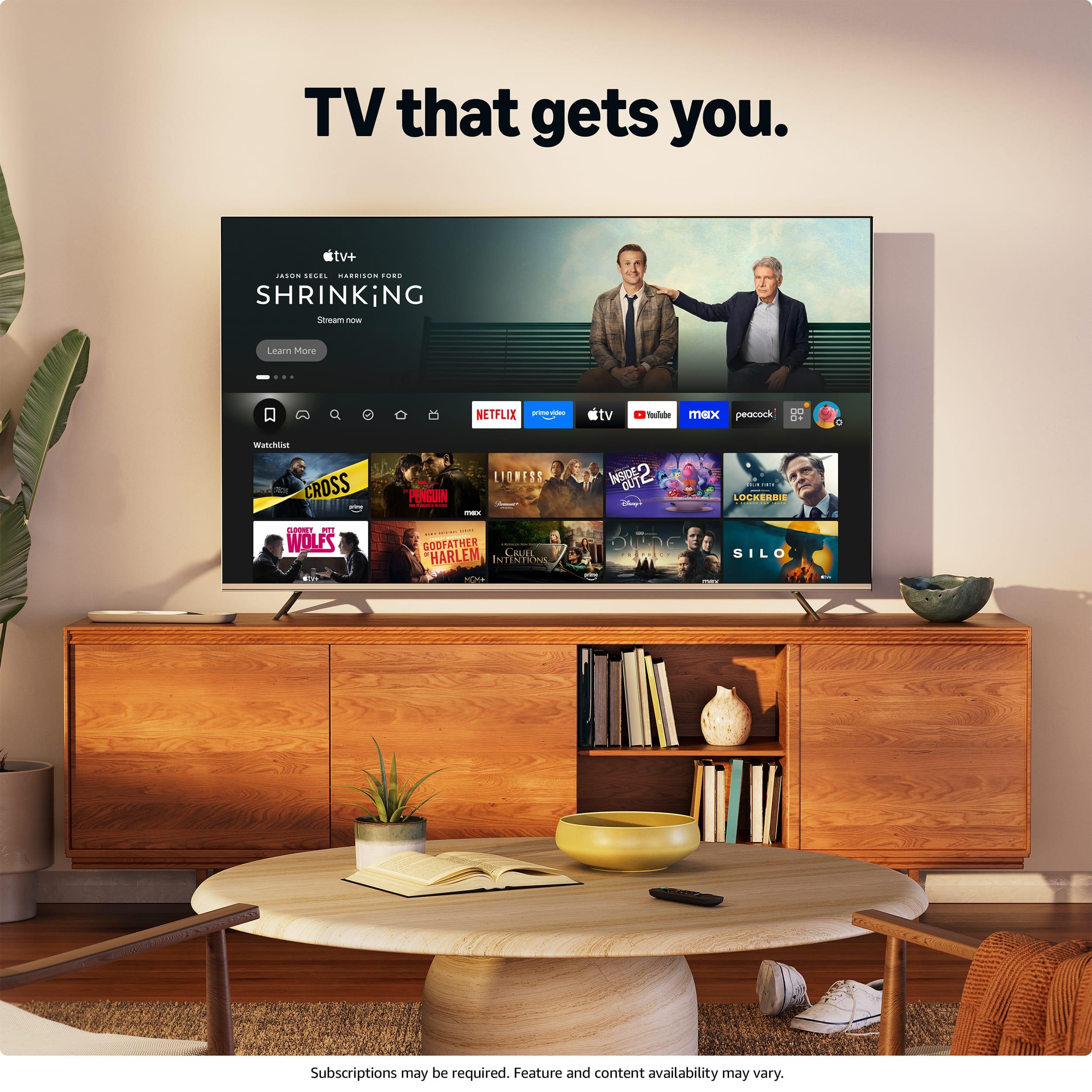
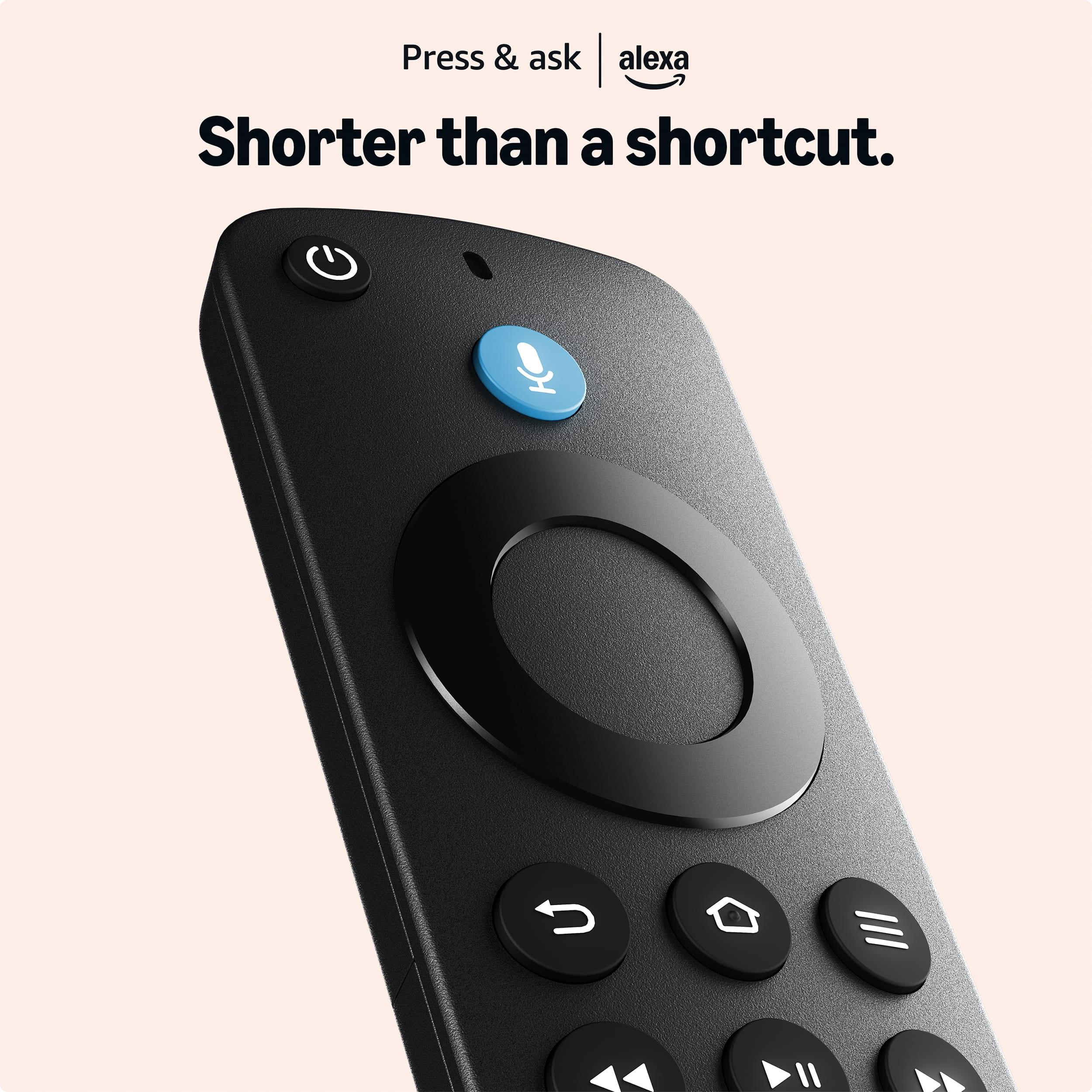
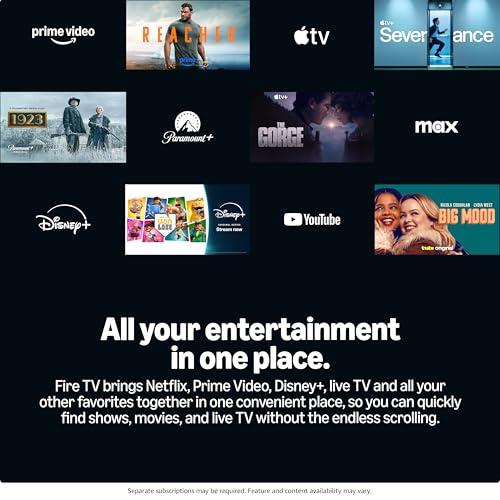
Both TVs run Fire TV OS, so the smart TV experience is largely identical. You get the same interface, app selection, and Alexa voice control features. However, the underlying hardware differs significantly.
The Hisense QD6QF includes four HDMI 2.0 ports and Wi-Fi 5 connectivity. It's adequate for most current devices, but you might run into bandwidth limitations with future 4K content or gaming features.
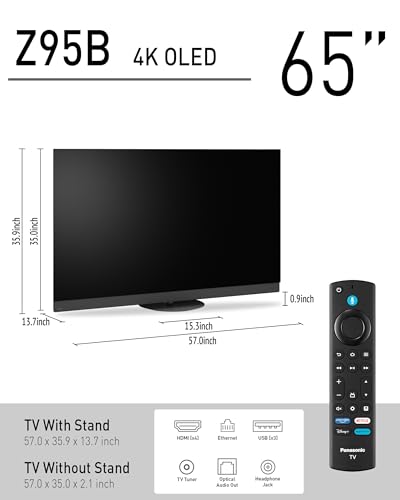
The Panasonic Z95B offers two HDMI 2.1 ports plus two HDMI 2.0 connections, along with more robust processing power that makes the interface feel snappier. It also includes an ATSC 3.0 tuner for next-generation over-the-air broadcasts.
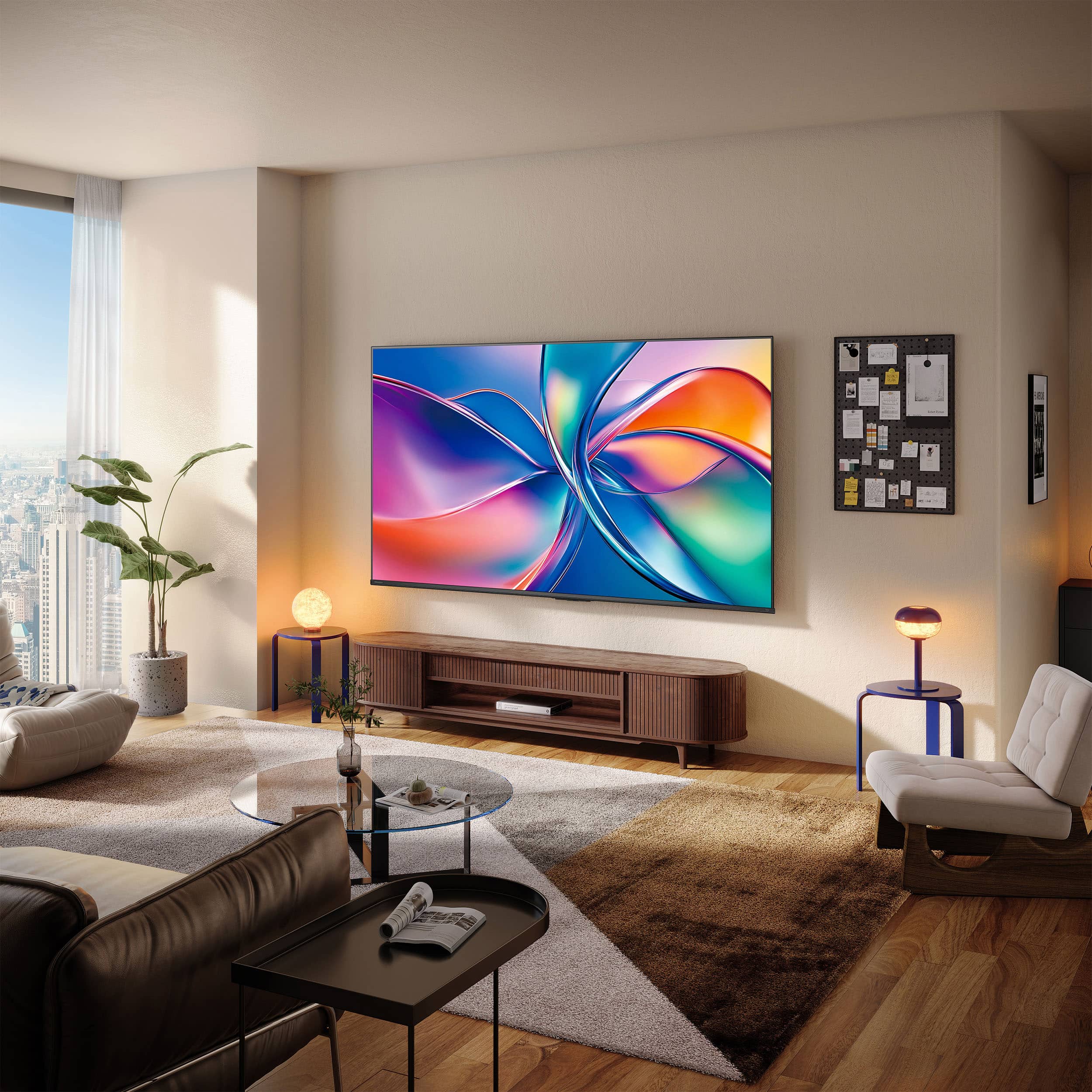
The viewing environment plays a crucial role in determining which TV makes sense. The Hisense QD6QF performs best in moderately lit rooms away from direct sunlight. Its brightness limitations become apparent in very bright spaces, and the glossy screen can reflect light sources directly back at viewers.
The Panasonic Z95B excels in virtually any lighting condition. Its exceptional peak brightness handles bright rooms well, while the perfect blacks create an unmatched cinematic experience in dark rooms. For dedicated home theater setups, the OLED technology provides that "window into another world" effect that enthusiasts seek.
At the time of writing, the Hisense QD6QF represents exceptional value for budget-conscious buyers. It delivers quantum dot color enhancement, solid 4K upscaling, and basic gaming features at a price point that makes 65-inch premium TV experiences accessible to many households. However, its 60Hz limitation and lack of advanced HDR processing mean it may feel dated sooner than higher-end alternatives.
The Panasonic Z95B commands premium pricing but delivers cutting-edge technology that should remain relevant for many years. The Primary RGB Tandem OLED technology, 144Hz gaming support, and professional calibration features represent current state-of-the-art capabilities. If you're planning to keep your TV for 7-10 years, the additional longevity could justify the higher initial cost.
The Hisense QD6QF makes perfect sense for several scenarios. If you're furnishing a first apartment, upgrading from an older TV, or need a secondary display for a bedroom or den, it provides impressive picture quality without stretching your budget. Casual gamers who primarily play single-player games or don't have the latest consoles will find the 60Hz performance adequate. It's also ideal for households where TV watching is primarily streaming content and cable programming rather than movie nights and gaming sessions.
The Panasonic Z95B targets serious home theater enthusiasts, dedicated gamers, and anyone who prioritizes ultimate picture quality. If you've invested in a 4K Blu-ray collection, have a PS5 or Xbox Series X, or regularly watch movies in a darkened room, the OLED technology provides experiences that simply can't be replicated on LED displays. Content creators and professionals who need color accuracy will also appreciate the calibration support and natural color reproduction.
The choice between these TVs ultimately depends on your priorities and budget constraints. The Hisense QD6QF delivers remarkable performance for its price class—you're getting quantum dot color enhancement and solid 4K picture quality that would have been considered premium just a few years ago. For many viewers, especially those upgrading from older TVs, it provides a satisfying experience without financial stress.
The Panasonic Z95B represents what's possible when engineering teams push display technology forward without significant cost constraints. The Primary RGB Tandem OLED technology, exceptional brightness, and premium audio system create viewing experiences that justify the investment for enthusiasts and professionals.
Consider your viewing habits, room setup, and how long you typically keep TVs before upgrading. If you watch a lot of dark content, play games regularly, or plan to keep your TV for many years, the OLED investment makes compelling sense. If you primarily watch news, sports, and streaming content in a bright room and prefer to upgrade more frequently, the QLED option provides excellent value.
Both TVs represent solid choices within their respective market segments. The key is honestly assessing your needs, budget, and priorities rather than getting caught up in specification sheets or marketing claims. Your daily viewing experience matters more than peak brightness numbers or refresh rate specifications that you may rarely utilize.
| Hisense 65" QD6 Series Hi-QLED Fire TV | Panasonic Z95B Series 65" OLED 4K Smart Fire TV |
|---|---|
| Display Technology - Determines contrast, black levels, and overall picture quality | |
| VA LED with Quantum Dots, Direct LED backlight | Primary RGB Tandem OLED (4-layer panel) |
| Peak Brightness - Critical for HDR impact and bright room viewing | |
| ~385 nits (adequate for moderate lighting) | >2,260 nits (excellent for any room brightness) |
| Contrast Ratio - Affects depth and realism of dark scenes | |
| Good native contrast but blacks lift with bright content | Infinite contrast with perfect blacks |
| Refresh Rate - Important for gaming and sports | |
| 60Hz (Motion Rate 120 with interpolation) | Up to 144Hz native |
| Gaming Features - Essential for console gaming | |
| VRR, ALLM, 10.2ms input lag, HDMI 2.0 only | VRR, FreeSync Premium, G-SYNC Compatible, ultra-low lag, 2x HDMI 2.1 |
| HDR Support - Determines which premium content formats work best | |
| Dolby Vision, HDR10+, HDR10, HLG | Dolby Vision IQ, HDR10+ Adaptive, HDR10, HLG (rare dual premium HDR support) |
| Color Coverage - Affects color vibrancy and accuracy | |
| 90% DCI-P3 (good for the price) | Enhanced color volume via Primary RGB technology |
| Audio System - Determines if you need external speakers | |
| Basic speakers with Dolby Atmos support | 360° Soundscape Pro by Technics, 10-channel Dolby Atmos/DTS:X (170W) |
| Smart TV Platform - User interface and app performance | |
| Fire TV OS (identical experience) | Fire TV OS with more robust processing |
| Local Dimming - Controls backlight blooming and contrast | |
| None (causes washing out in mixed content) | Per-pixel control (OLED advantage) |
| Motion Handling - Affects blur in fast scenes and gaming | |
| Sluggish with dark transitions, visible blur trails | Near-instantaneous pixel response, sharp motion |
| Professional Features - Important for calibration and content creation | |
| Limited calibration options | Filmmaker Mode, Prime Video Calibrated, Calman support, ISFccc |
| Viewing Angle - Matters for wide seating arrangements | |
| Narrow (VA panel limitation) | Wide viewing angles maintain color accuracy |
| Build Quality & Design - Affects aesthetics and durability | |
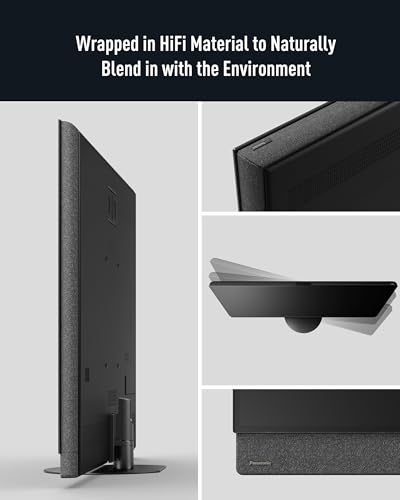
| Standard thick LED design, basic remote | Premium materials, swivel stand, ThermalFlow cooling system |
| Size Options - Available screen sizes | |
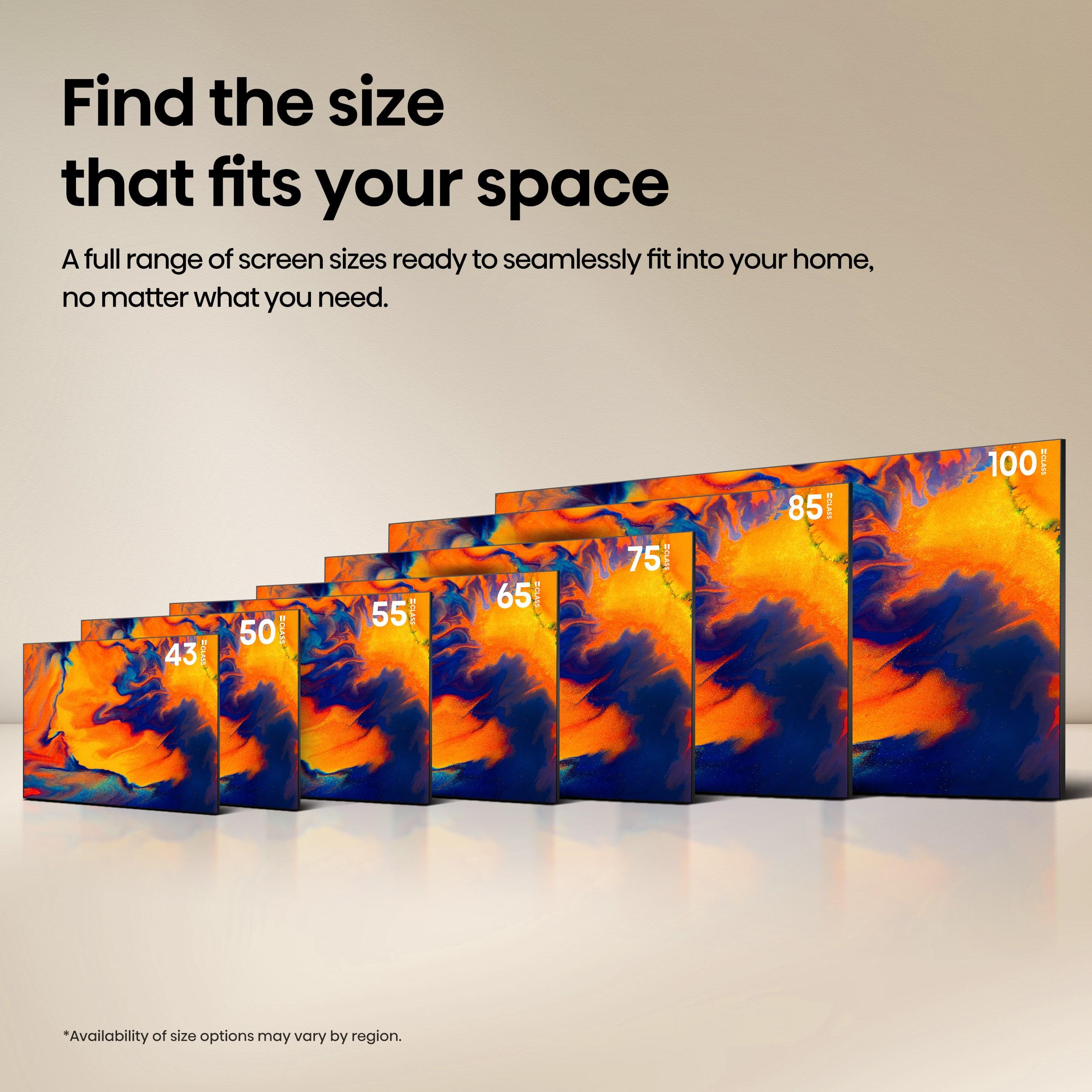
| 43", 50", 55", 65", 75", 85", 100" | 55", 65", 77" |
The Hisense 65" QD6 Series uses quantum dot LED technology with a traditional backlight, while the Panasonic Z95B Series uses advanced OLED technology where each pixel creates its own light. This means the Panasonic offers perfect blacks and infinite contrast, while the Hisense provides good picture quality at a much lower cost. The price difference reflects fundamentally different display technologies.
The Panasonic Z95B Series is significantly better for dark room viewing due to its OLED technology that produces perfect blacks. Dark scenes appear truly dark without the grayish glow that affects the Hisense QD6 Series. For home theater enthusiasts who watch movies in darkened rooms, the OLED's infinite contrast ratio creates a more cinematic experience.
The Panasonic Z95B is much better for gaming, supporting up to 144Hz refresh rates with HDMI 2.1 ports, VRR, and ultra-low input lag. The Hisense QD6 is limited to 60Hz gaming due to HDMI 2.0 ports, though it does support VRR and ALLM for smoother gameplay. Serious gamers will notice the difference in motion clarity and responsiveness.
Surprisingly, the Panasonic Z95B is much brighter despite being an OLED, reaching over 2,260 nits compared to the Hisense QD6's ~385 nits. This makes the Panasonic better for bright rooms and HDR content impact. The Hisense works fine in moderately lit rooms but struggles with direct sunlight or very bright spaces.
The Panasonic Z95B features an exceptional 360° Soundscape Pro audio system tuned by Technics that many users find eliminates the need for a soundbar. The Hisense QD6 has basic speakers that, while including Dolby Atmos support, will likely require external audio for the best experience.
The Hisense QD6 offers exceptional value for budget-conscious buyers, delivering quantum dot color enhancement and solid 4K performance at an accessible price. The Panasonic Z95B provides premium value for those prioritizing ultimate picture quality, with cutting-edge OLED technology justifying its higher cost for enthusiasts.
Both the Hisense QD6 and Panasonic Z95B run the same Fire TV operating system, providing identical app selection and streaming capabilities. However, the Panasonic's superior HDR support (both Dolby Vision and HDR10+) and higher brightness make streaming content look more impactful, especially premium HDR movies and shows.
The Panasonic Z95B has significantly better motion handling due to its near-instantaneous pixel response time and higher refresh rates. The Hisense QD6 suffers from motion blur, especially in dark scenes, making fast sports action appear less sharp. The OLED's superior motion clarity is noticeable during fast-paced sporting events.
Both TVs use Fire TV OS with identical smart features, but the Panasonic Z95B has more robust processing power making the interface feel snappier. The Hisense QD6 occasionally experiences menu lag. Both support Alexa voice control and major streaming apps equally well.
The Panasonic Z95B delivers dramatically superior HDR performance with much higher peak brightness and support for both Dolby Vision IQ and HDR10+ formats. The Hisense QD6 supports the same HDR formats but lacks the brightness needed for impactful HDR highlights, making bright scenes appear flat and unconvincing.
The Panasonic Z95B maintains color accuracy and contrast from wide viewing angles, making it better for larger seating arrangements. The Hisense QD6 uses a VA panel with narrow viewing angles, so colors and contrast degrade when viewed from the sides. Consider your room layout and seating arrangement when choosing.
The Panasonic Z95B offers better future-proofing with HDMI 2.1 ports, 144Hz support, and advanced HDR formats that will remain relevant longer. The Hisense QD6 may feel dated sooner due to its 60Hz limitation and HDMI 2.0 ports, but it still provides solid performance for current content and casual use.
We've done our best to create useful and informative comparisons to help you decide what product to buy. Our research uses advanced automated methods to create this comparison and perfection is not possible - please contact us for corrections or questions. These are the sites we've researched in the creation of this article: pcvarge.com - bestbuy.com - rtings.com - youtube.com - rtings.com - youtube.com - consumerreports.org - leaseville.com - hisense-usa.com - device.report - hisense-usa.com - youtube.com - flatpanelshd.com - displayspecifications.com - retailspecs.com - rtings.com - whathifi.com - techradar.com - tomsguide.com - youtube.com - youtube.com - youtube.com - avsforum.com - bestbuy.com - manuals.plus - na.panasonic.com - panasonic.com - displayspecifications.com - valueelectronics.com - flatpanelshd.com - valueelectronics.com - displayspecifications.com - flatpanelshd.com

Privacy Policy
Terms and Conditions - Affiliate Policy
Home Security
© Copyright 2008-2026.
11816 Inwood Rd #1211, Dallas, TX 75244