

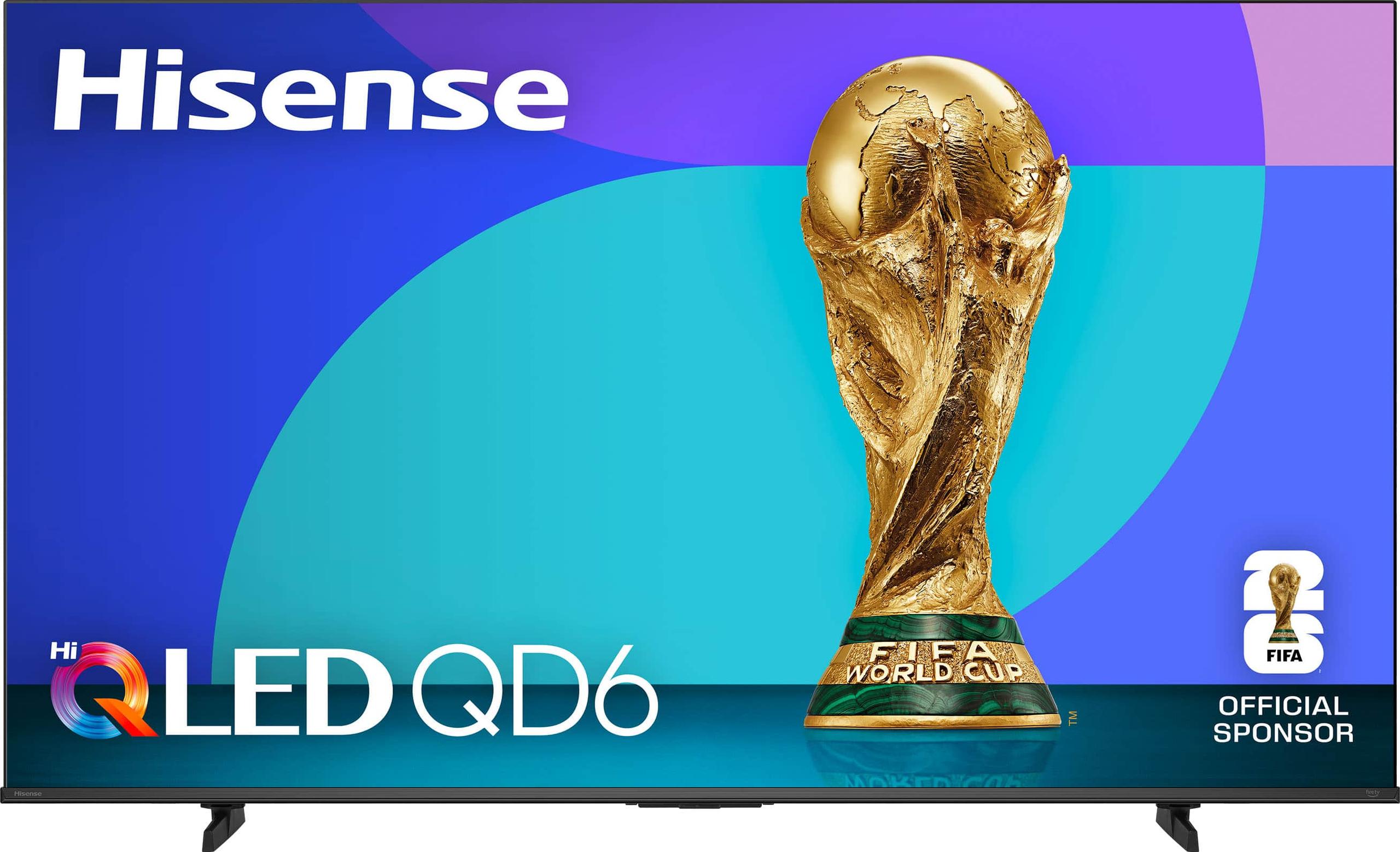
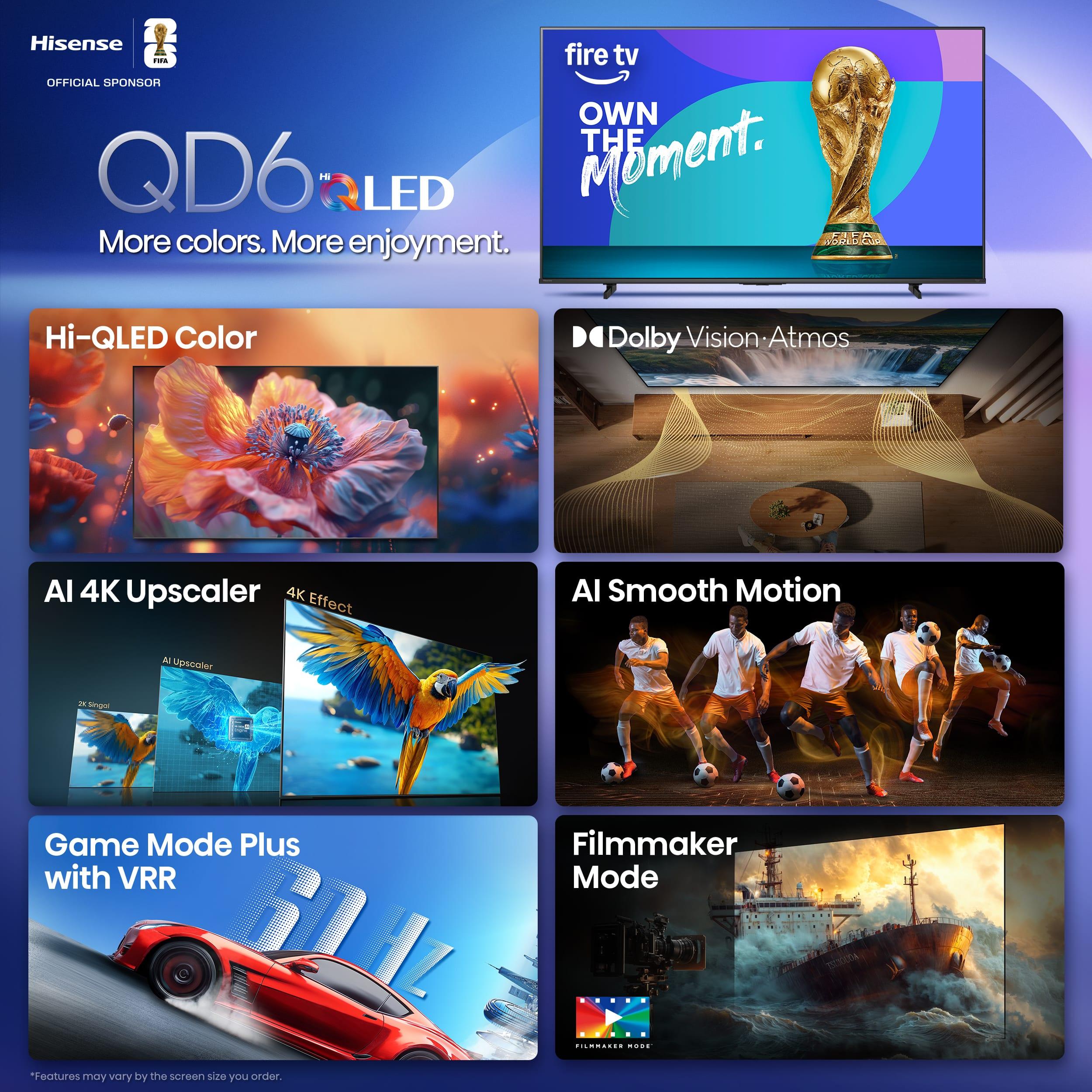
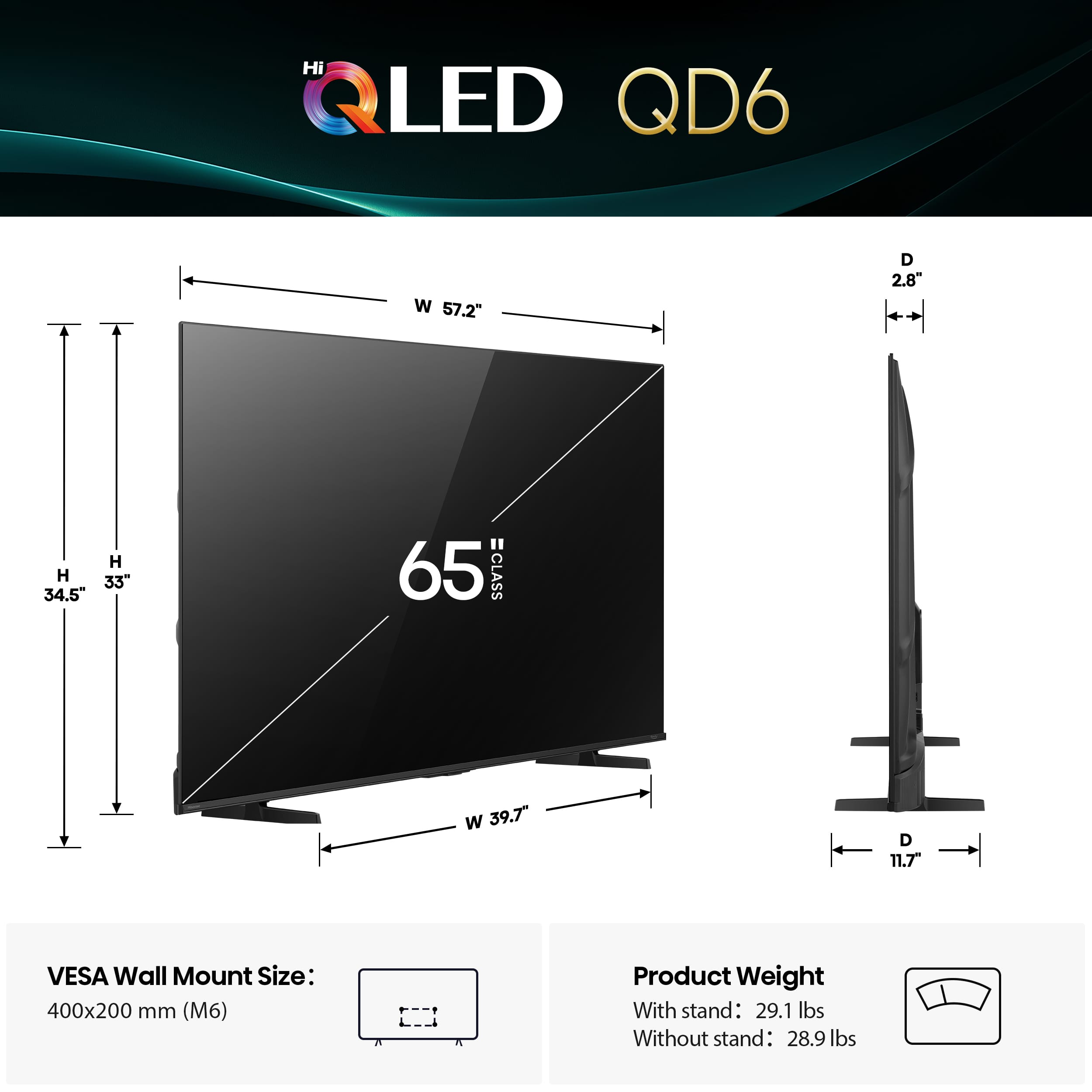



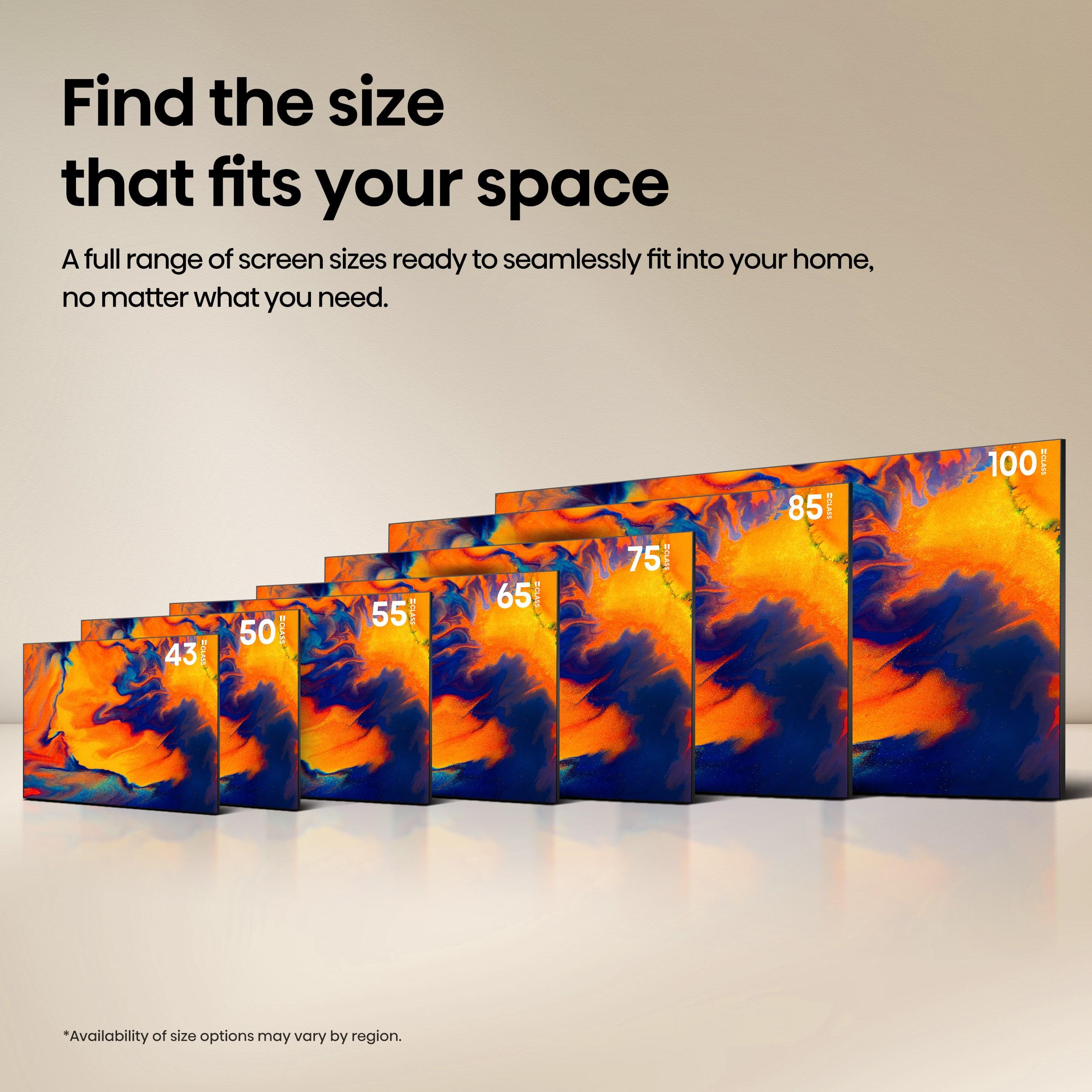
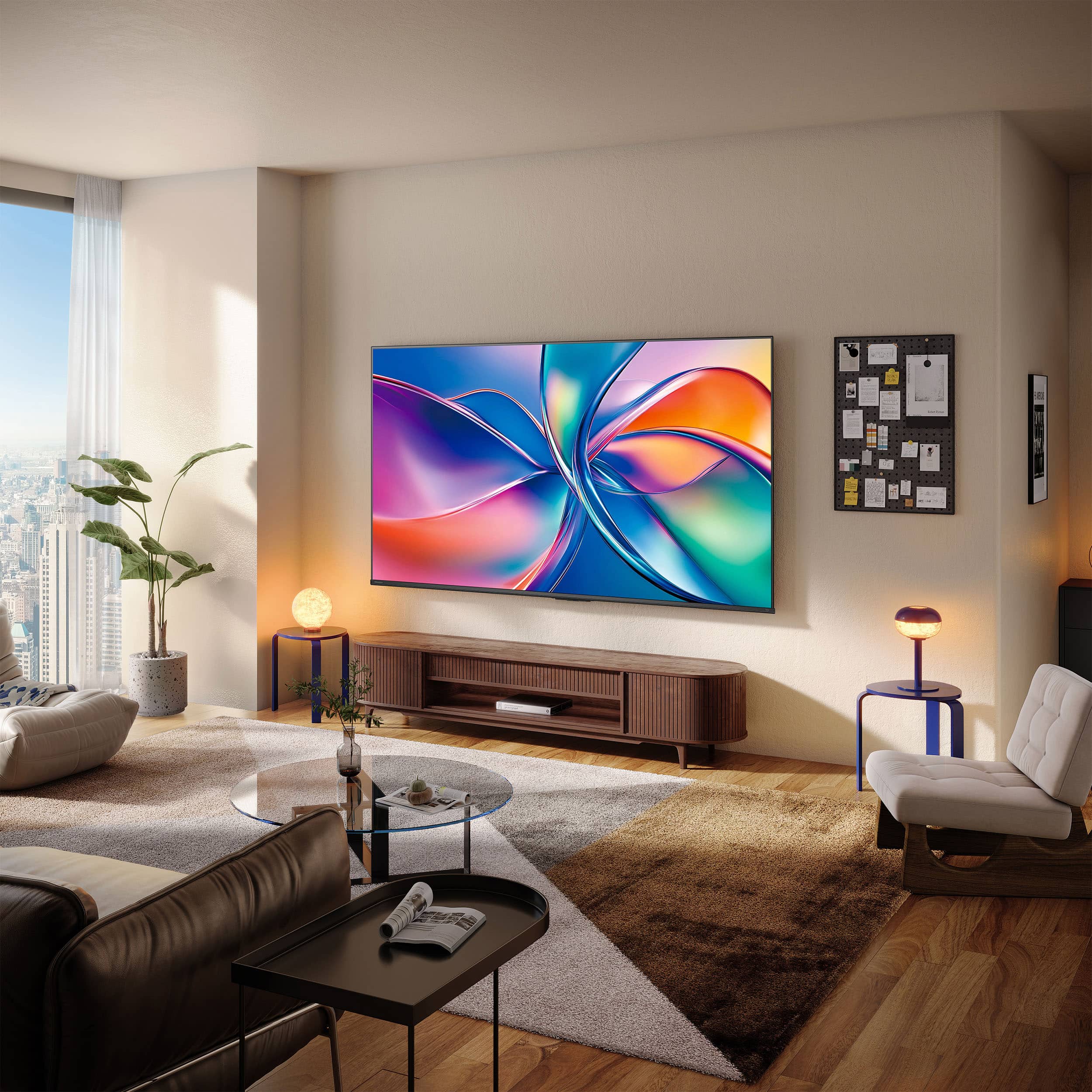
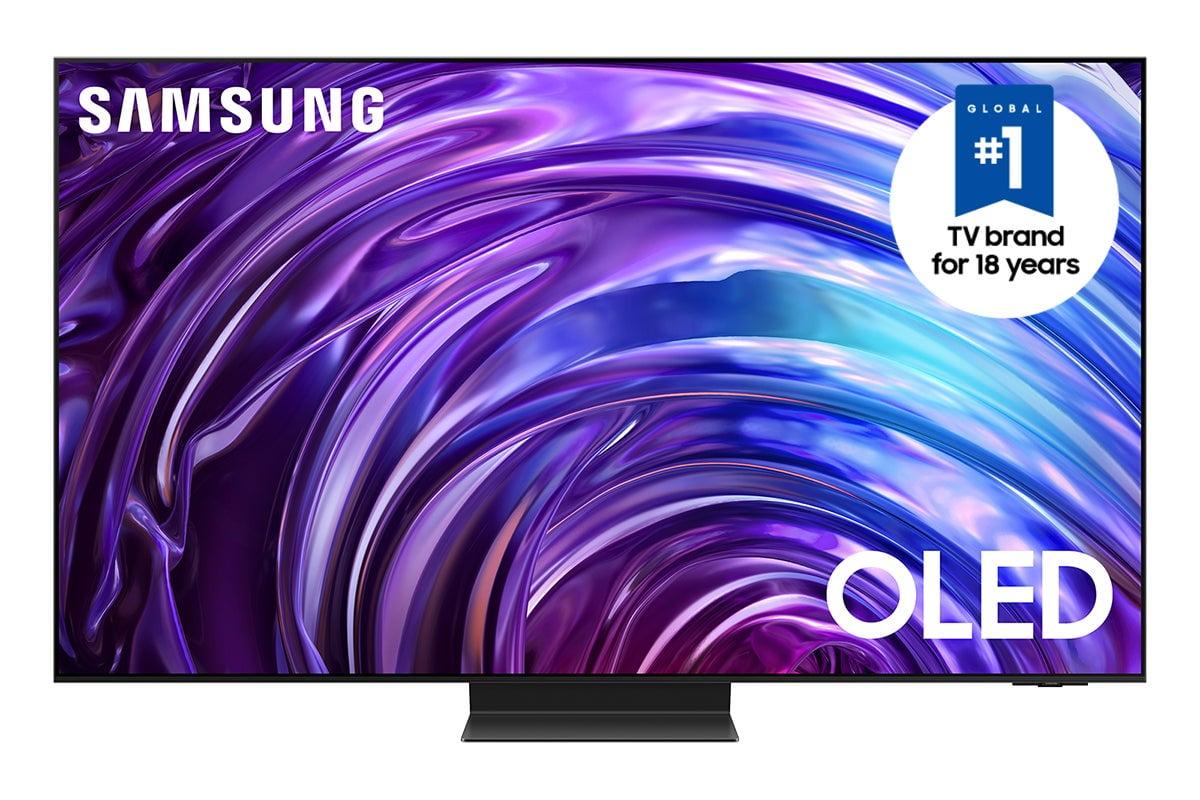
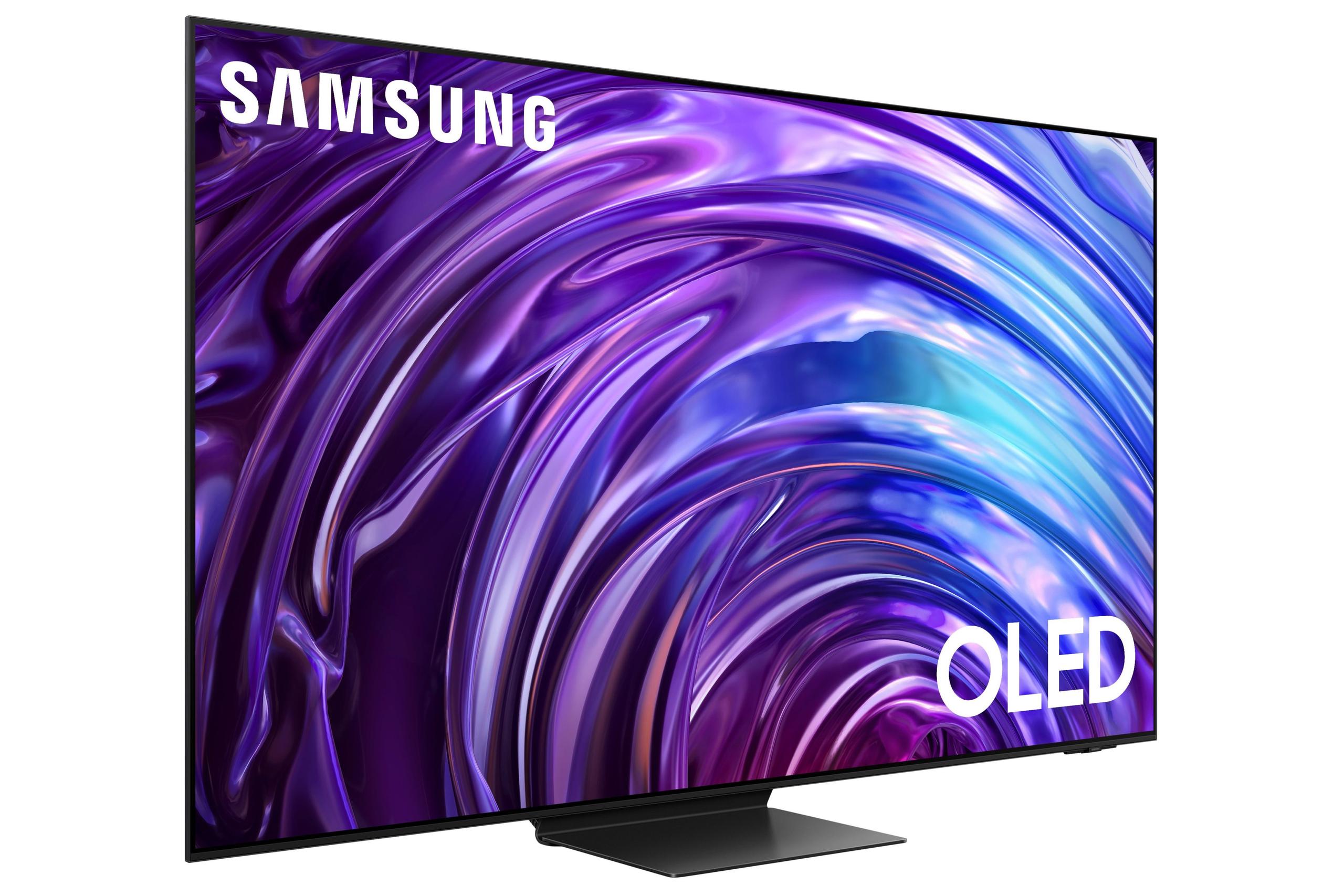
When you're ready to upgrade to a 65-inch TV, you'll quickly discover that bigger doesn't automatically mean better. The real magic happens in the display technology powering those extra inches. Today we're comparing two fundamentally different approaches to large-screen entertainment: the budget-friendly Hisense 65" QD6 Series from 2025 and Samsung's premium 65" S95D OLED from 2024.
This isn't just about spending more money to get better quality—though that's certainly part of the equation. These TVs represent entirely different philosophies about what makes a great viewing experience, and understanding those differences will help you make the right choice for your home and budget.
The 65-inch category sits in the sweet spot for most living rooms and home theaters. It's large enough to create that cinematic feel without overwhelming smaller spaces, and at this size, the differences between display technologies become much more apparent than they would on a smaller screen.
When evaluating any large TV, the most critical factors include how it handles different lighting conditions (since your TV will likely be the centerpiece of a multipurpose room), gaming performance (with modern consoles pushing 4K at high refresh rates), and overall value relative to your viewing habits.
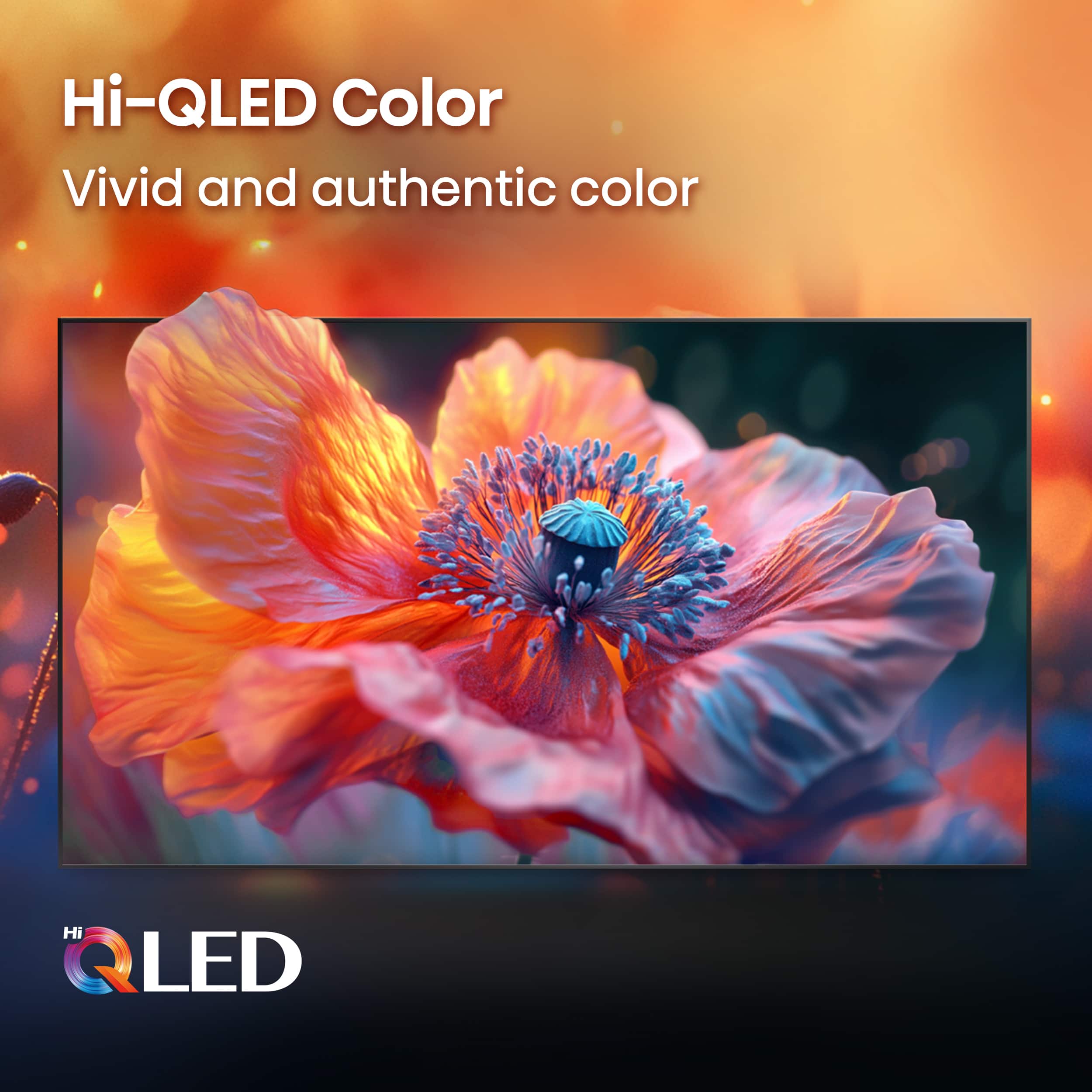
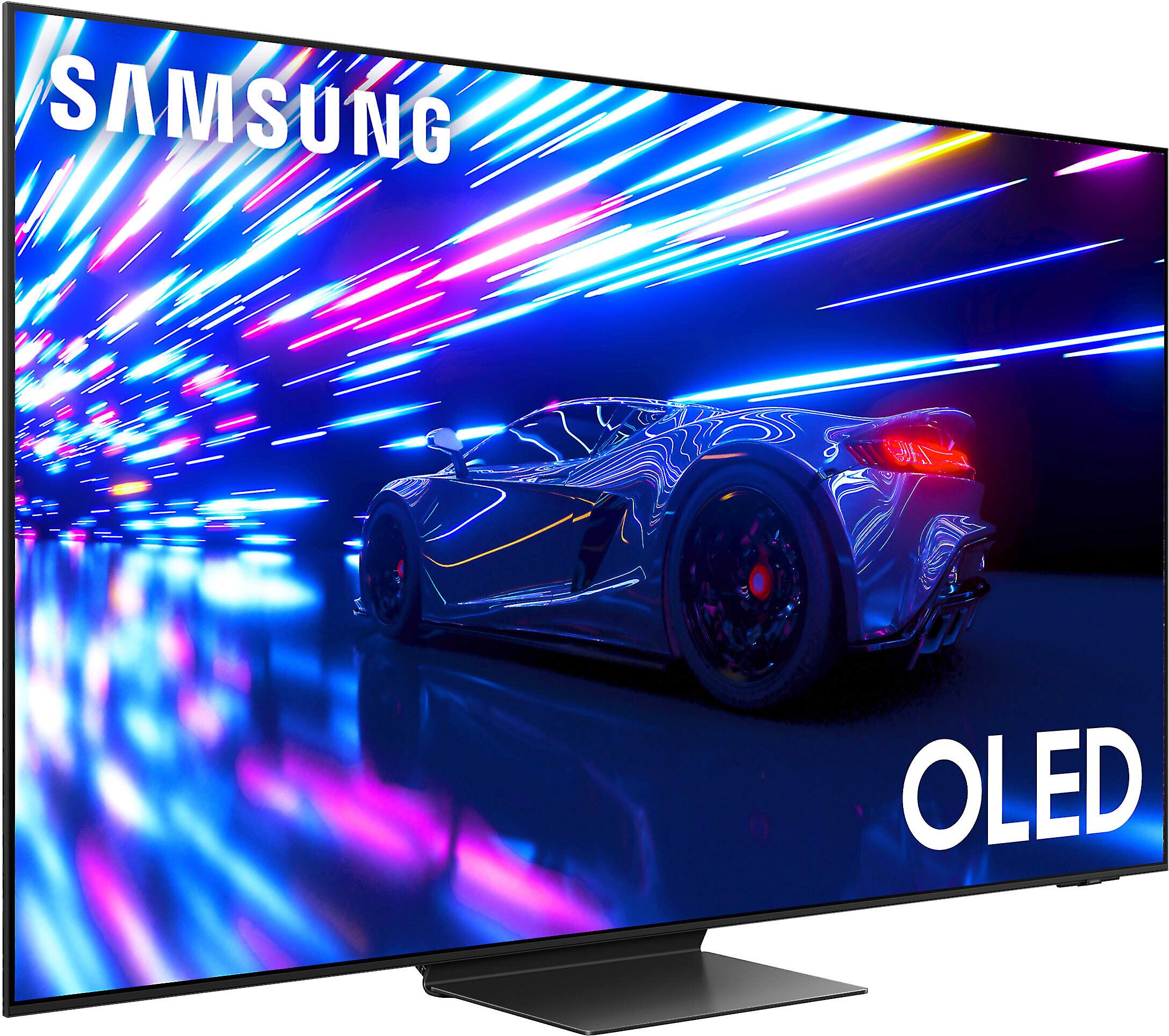
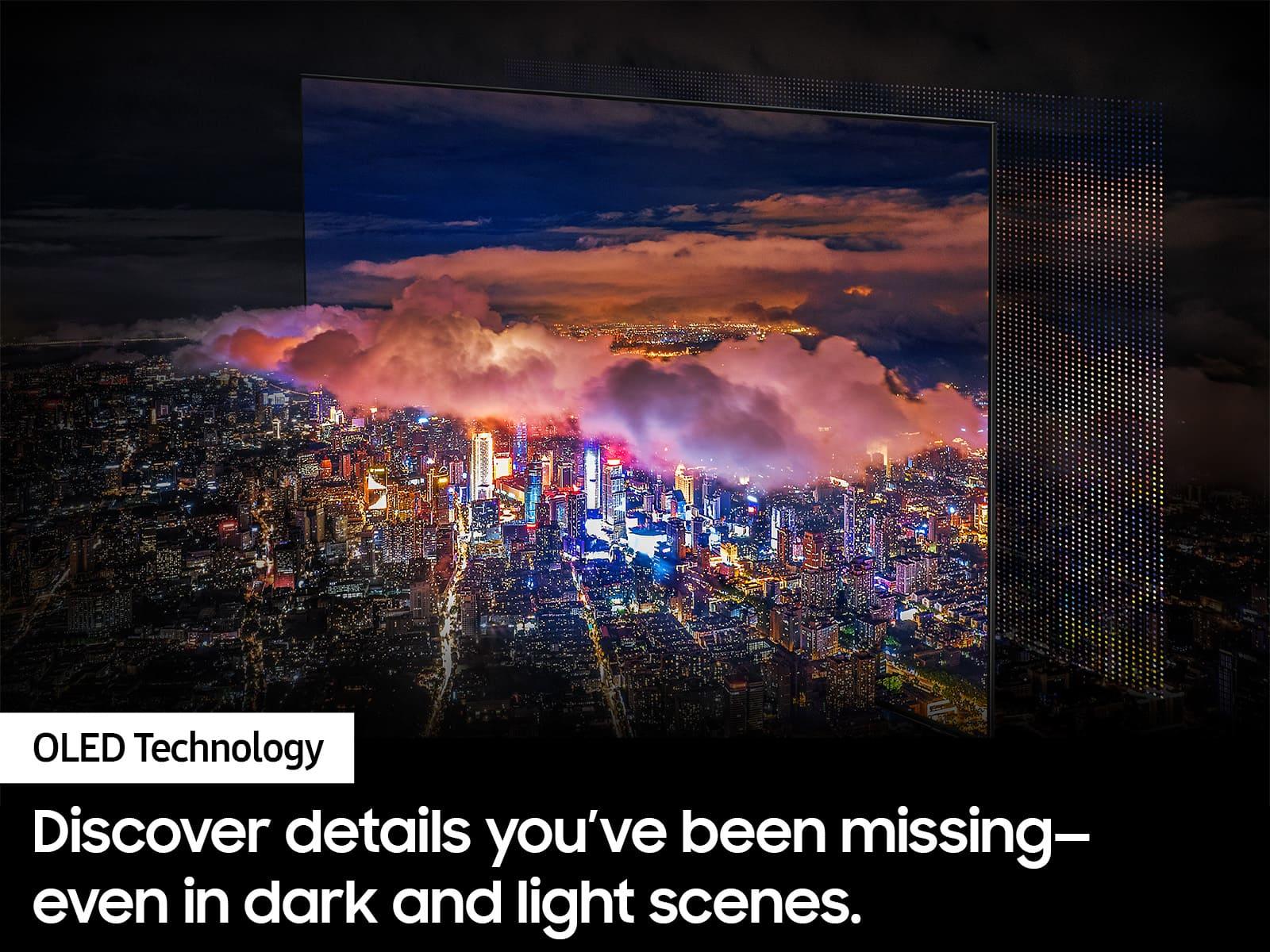
Display technology forms the foundation of everything else. The Hisense QD6 uses quantum dot-enhanced LED backlighting—essentially a traditional LCD panel with a special layer that makes colors more vibrant. The Samsung S95D employs QD-OLED technology, where each pixel generates its own light and can turn completely off for true blacks.
High Dynamic Range (HDR) content—found on Netflix, Disney+, and 4K Blu-rays—requires TVs to display both very bright highlights and deep shadows simultaneously. This is where the fundamental differences between these displays become obvious.
The Samsung S95D excels here with its QD-OLED technology. Each pixel can independently control its brightness while the quantum dot layer ensures colors remain saturated even at peak brightness levels. When you're watching a sunrise scene in a nature documentary, the sun can be blazingly bright while the surrounding landscape maintains perfect shadow detail.
The Hisense QD6, reaching approximately 385 cd/m² peak brightness, performs adequately in moderately lit rooms but struggles with impactful HDR content. At the time of writing, this brightness level puts it slightly above some competing budget models but well below what's needed for that "wow factor" HDR experience. The lack of local dimming means that when bright elements appear on screen, the entire image becomes washed out—those deep shadows in your favorite thriller series won't look nearly as dramatic.
Contrast ratio—the difference between the darkest black and brightest white a TV can display—arguably matters more than resolution for perceived picture quality. This is where OLED technology shows its biggest advantage.
The Samsung S95D achieves infinite contrast because pixels can turn completely off. When you're watching a space movie with stars against the black void, those blacks are truly black, not the dark gray you get from LED backlighting. This creates an almost three-dimensional depth to images that's immediately noticeable.
The Hisense QD6 uses a VA panel (Vertical Alignment), which offers better contrast than cheaper IPS panels but can't match OLED performance. Without local dimming zones to darken specific screen areas, bright scenes cause black levels to rise across the entire display. In practical terms, this means night scenes in movies or dark video game environments won't have that immersive, inky blackness that draws you into the content.
Both TVs use quantum dots to enhance color reproduction, but the implementation differs significantly. Quantum dots are microscopic particles that emit specific colors when hit by light, allowing displays to reproduce a wider range of colors than traditional LED TVs.
The Samsung S95D combines quantum dots with OLED's precise light control, resulting in Pantone-validated colors that remain accurate across all brightness levels. Whether you're watching animated movies with vibrant cartoon colors or nature documentaries with subtle earth tones, colors appear as the creators intended.
The Hisense QD6 covers about 90% of the DCI-P3 color gamut—the standard used for HDR content. While this sounds impressive, our research indicates the TV struggles with color volume, meaning colors lose saturation as they get brighter or darker. Red reproduction is particularly weak, which becomes noticeable in content with warm sunset scenes or bright red objects.
Here's where the Samsung S95D introduces something genuinely innovative. Traditional OLED TVs suffer in bright rooms because their glossy screens reflect light like mirrors. Samsung's matte coating on the S95D nearly eliminates reflections while maintaining color vibrancy—a breakthrough that expert reviews consistently praise as transformative for bright room viewing.
The Hisense QD6 uses a glossy finish that intensely reflects direct light sources. If you have windows facing your TV or prominent light fixtures, reflections will be noticeable and potentially distracting. This limits optimal viewing to controlled lighting environments, which may not match how you actually use your living space.
Modern gaming consoles like the PlayStation 5 and Xbox Series X can output 4K resolution at 120 frames per second, but only if your TV can keep up. This is where the technical specifications translate directly into real-world gaming experience.
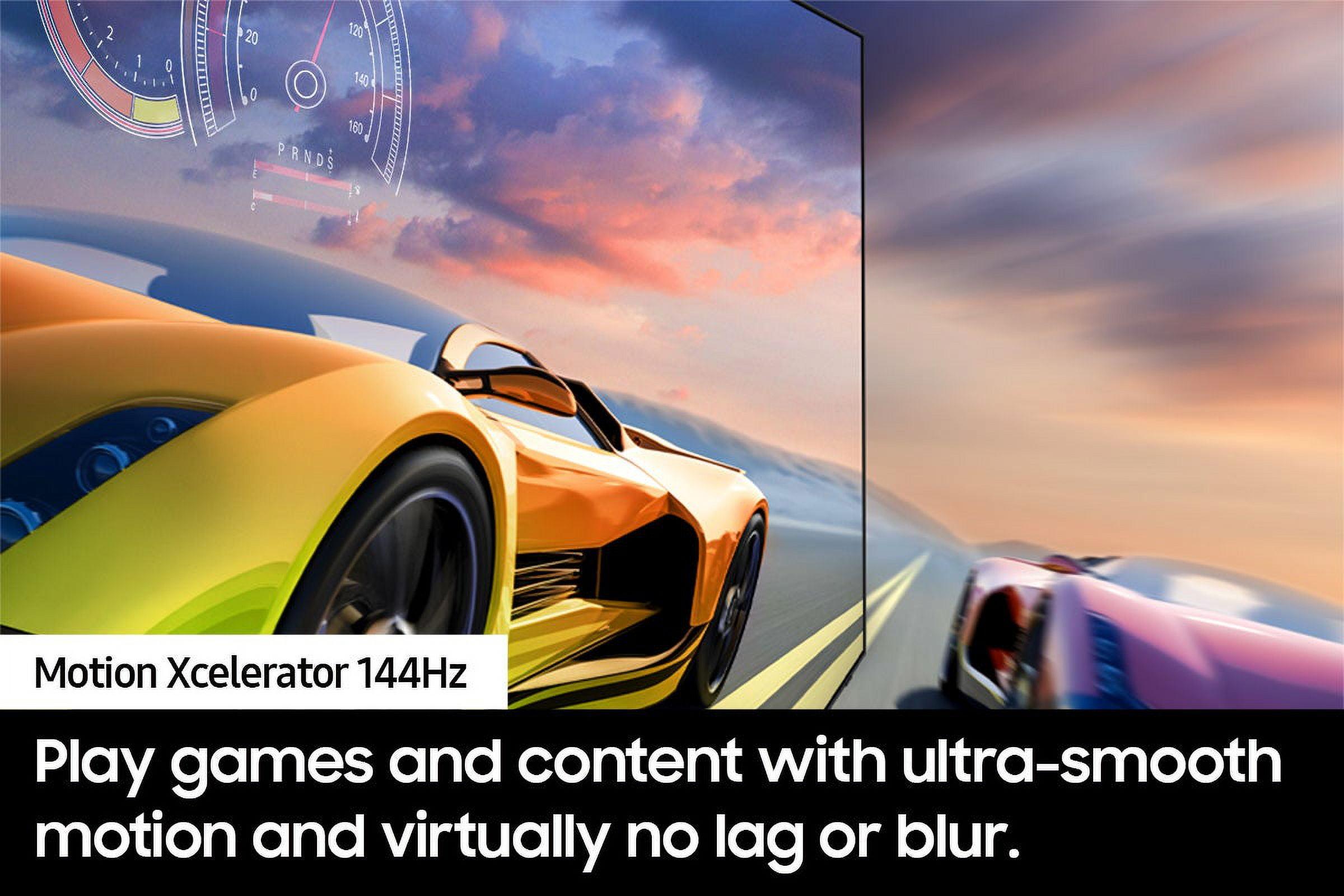
The Samsung S95D offers true 120Hz refresh rate capability with HDMI 2.1 ports that provide the bandwidth needed for 4K@120Hz gaming. Its Motion Xcelerator 144Hz processing further smooths fast-moving content, making it ideal for competitive gaming or fast-paced action movies.
The Hisense QD6 is limited to 60Hz native refresh rate with HDMI 2.0 ports. While it includes Motion Rate 120 through interpolation (where the TV creates intermediate frames), this isn't the same as true high refresh rate gaming. You'll be locked to 4K@60Hz maximum, and frame drops can cause screen tearing since the TV can't perfectly sync with console output.
Input lag—the delay between pressing a controller button and seeing the action on screen—matters tremendously for gaming. Both TVs perform well here, with the Samsung S95D achieving approximately 9 milliseconds and the Hisense QD6 delivering competitive low-latency performance in game mode.
Both support Variable Refresh Rate (VRR) and Auto Low Latency Mode (ALLM), which automatically optimize settings when gaming consoles are detected. However, the Hisense QD6's 60Hz limitation means VRR can't prevent tearing as effectively as higher refresh rate displays.
The smart TV experience has become increasingly important as streaming services dominate how we consume content. These TVs take notably different approaches.
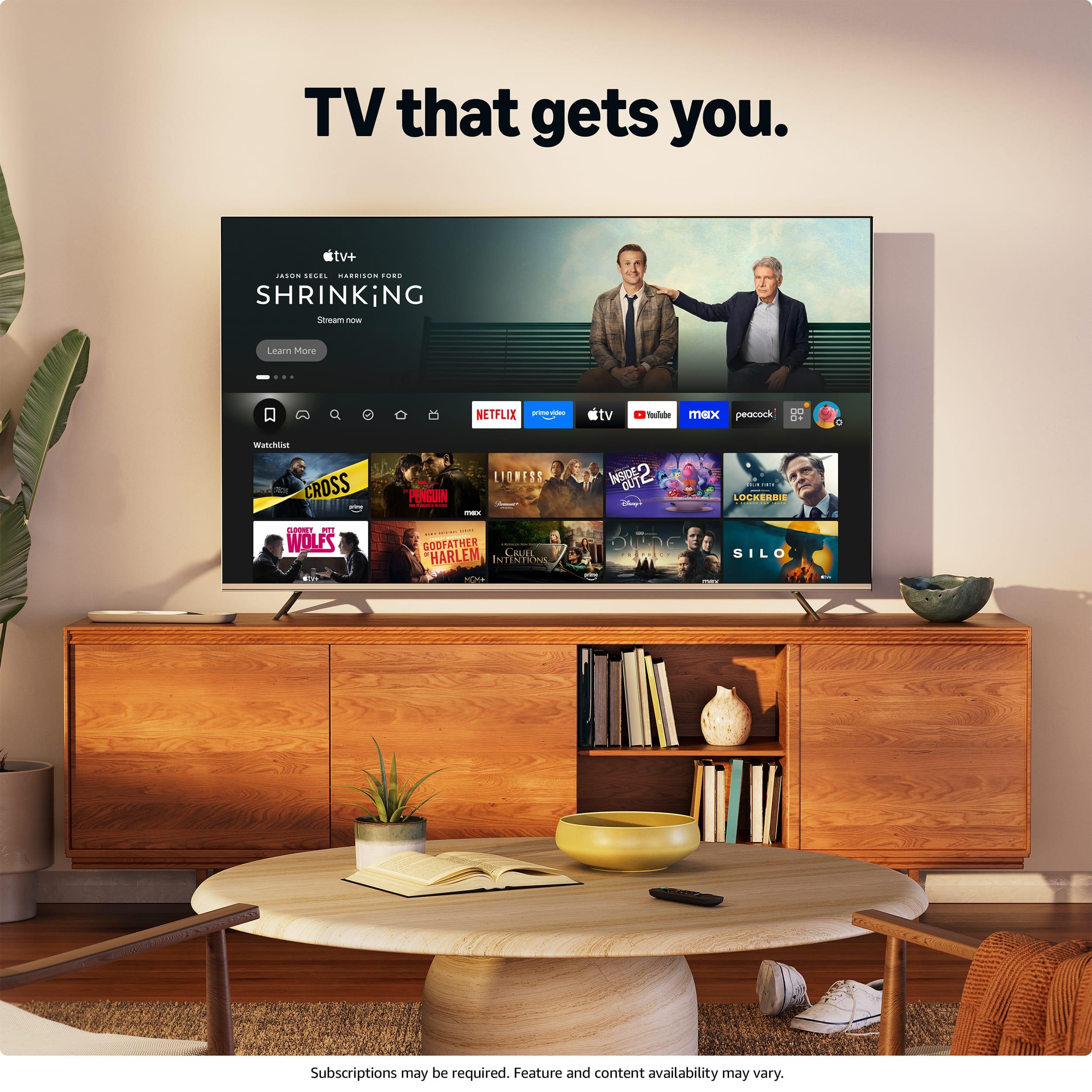
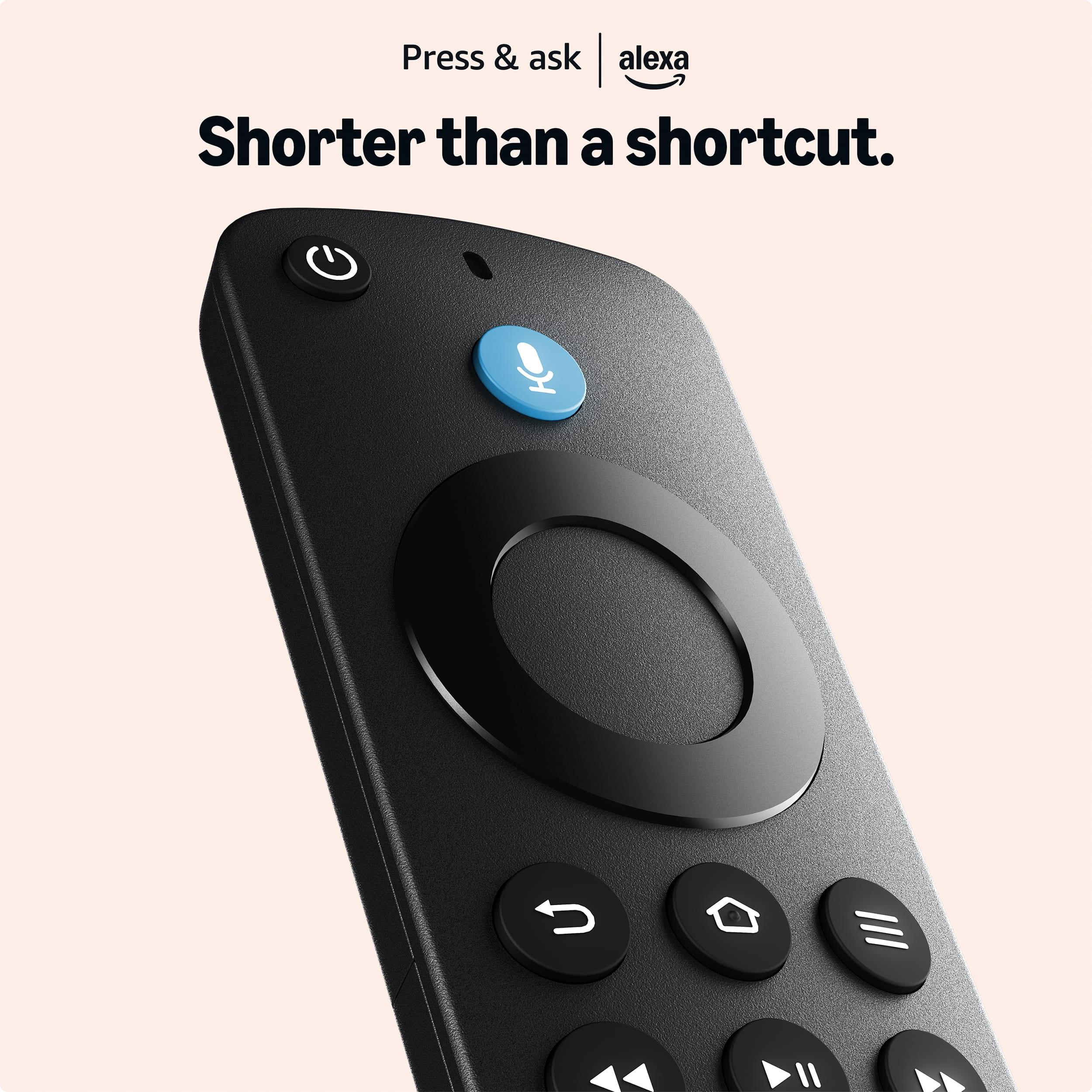
The Hisense QD6 runs Fire TV OS, Amazon's streaming platform that emphasizes content discovery and voice control through Alexa. The interface is robust and user-friendly, with quick access to major streaming services. However, some users report occasional lag in menu navigation and app loading.
The Samsung S95D uses Samsung's Tizen OS with the Smart Hub interface. It offers broader app compatibility and integrates well with Samsung's SmartThings ecosystem for smart home control. The NQ4 AI Gen2 processor ensures smooth navigation and includes advanced upscaling that can transform lower-resolution content into sharp 4K visuals.
Both platforms receive regular updates, but Samsung's track record for long-term software support tends to be more consistent across their premium models.
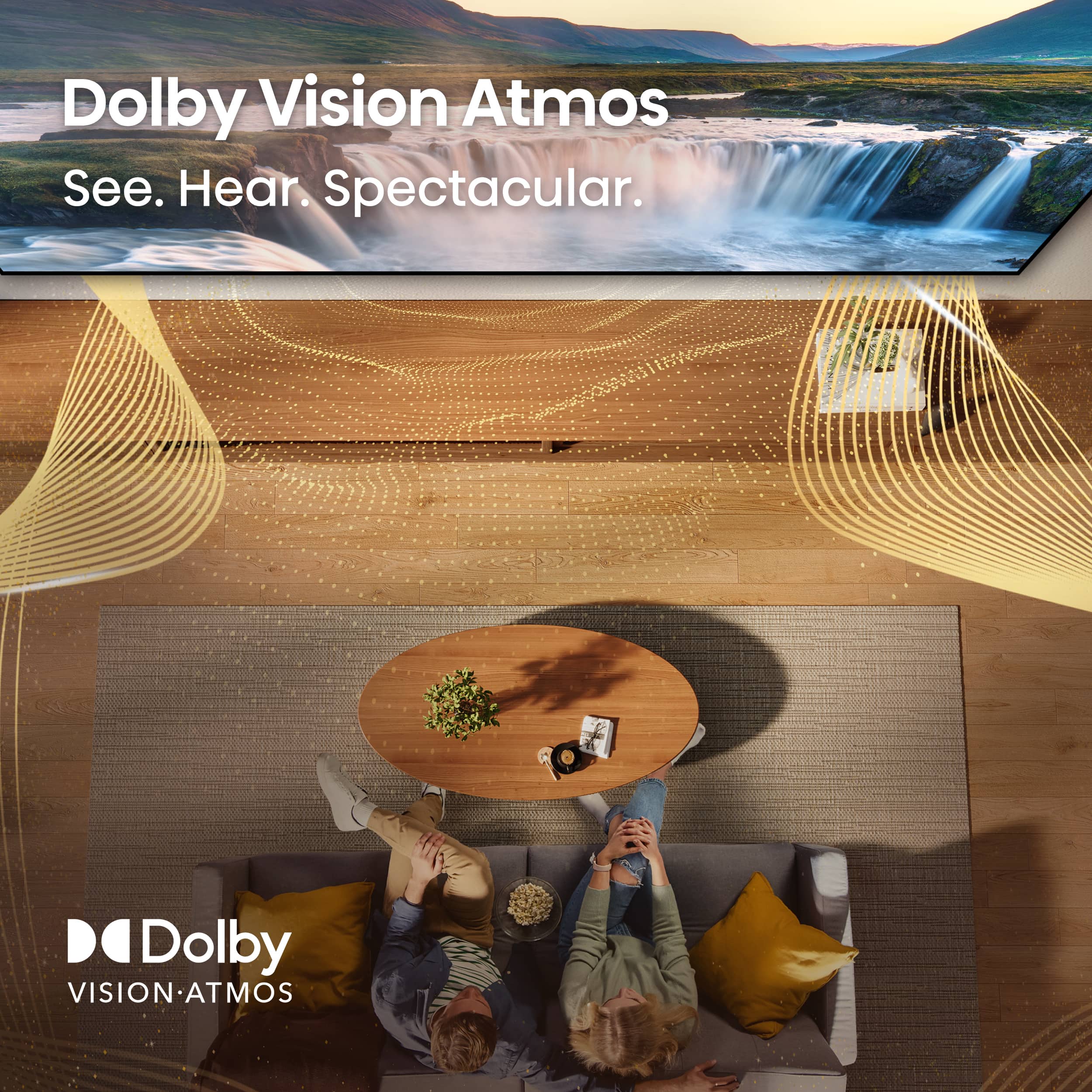
The Samsung S95D includes a sophisticated 4.2.2 channel audio system with 70 watts total power. Its Object Tracking Sound+ technology moves audio around the screen to match on-screen action—when a car drives across the screen, the sound follows. Combined with Dolby Atmos support, this creates a more immersive audio experience without additional speakers.
The Hisense QD6 supports Dolby Atmos through its built-in speakers, but the implementation is more basic. While adequate for casual viewing, it lacks the positional audio precision of Samsung's system. For serious home theater use, you'll likely want to add a soundbar regardless of which TV you choose.
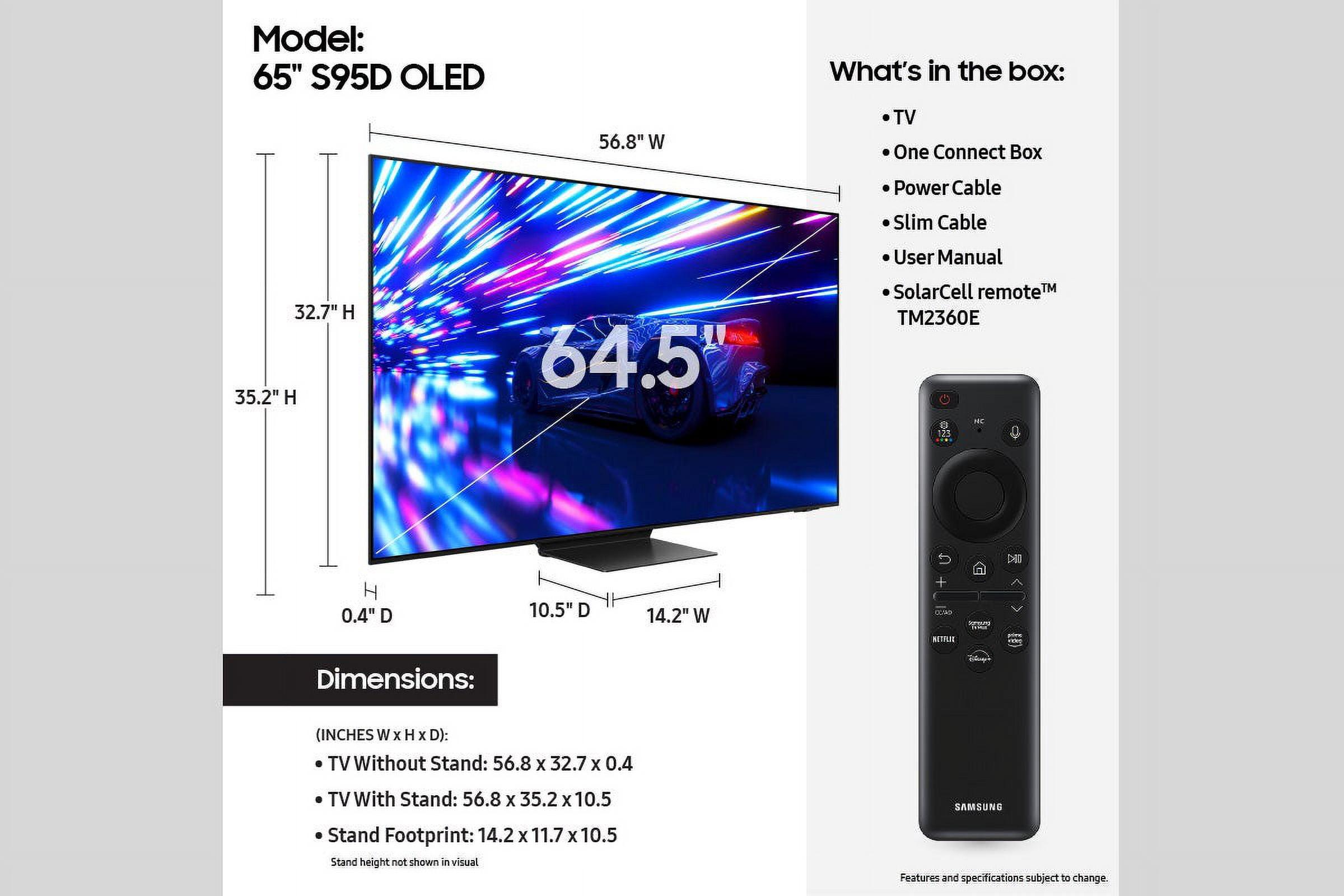
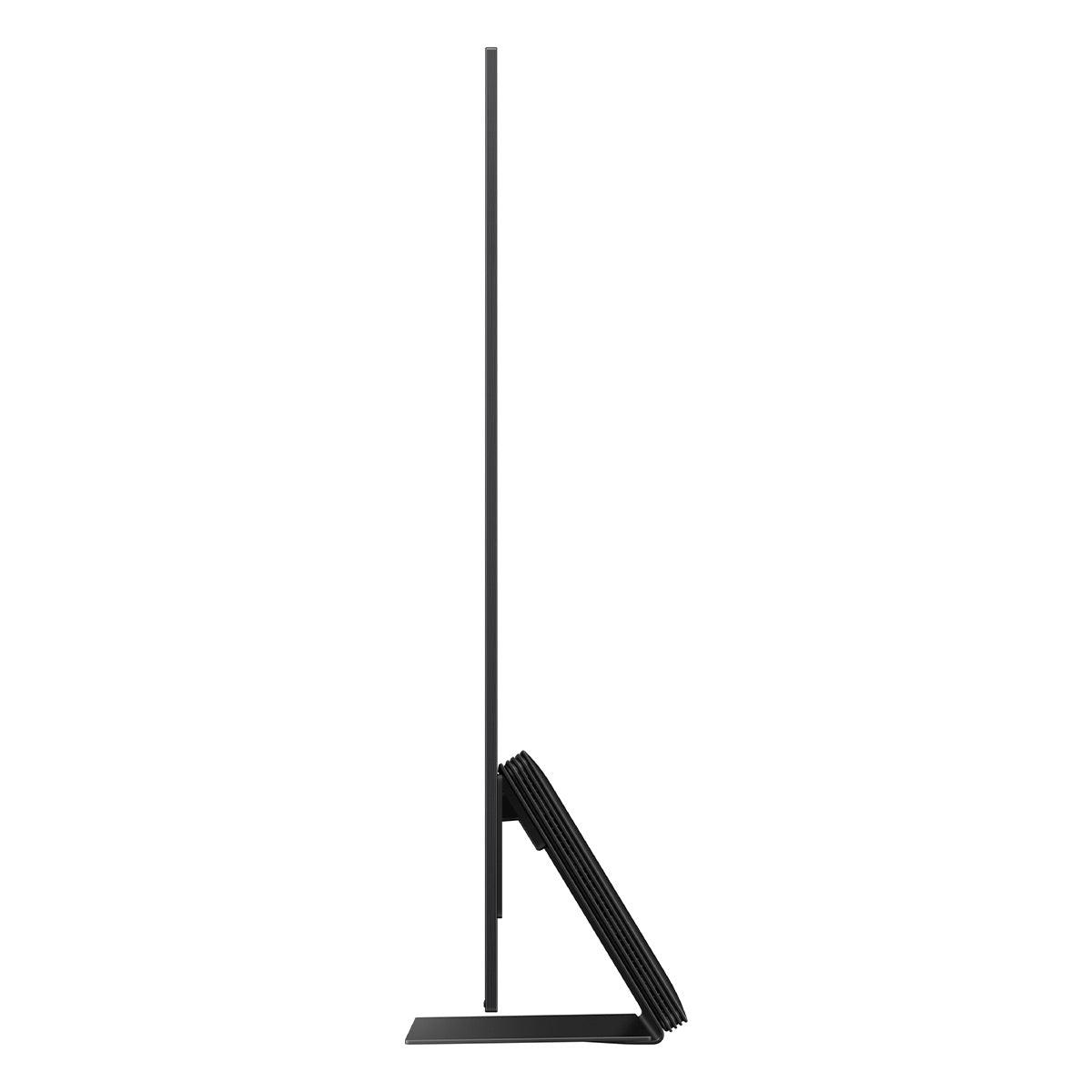
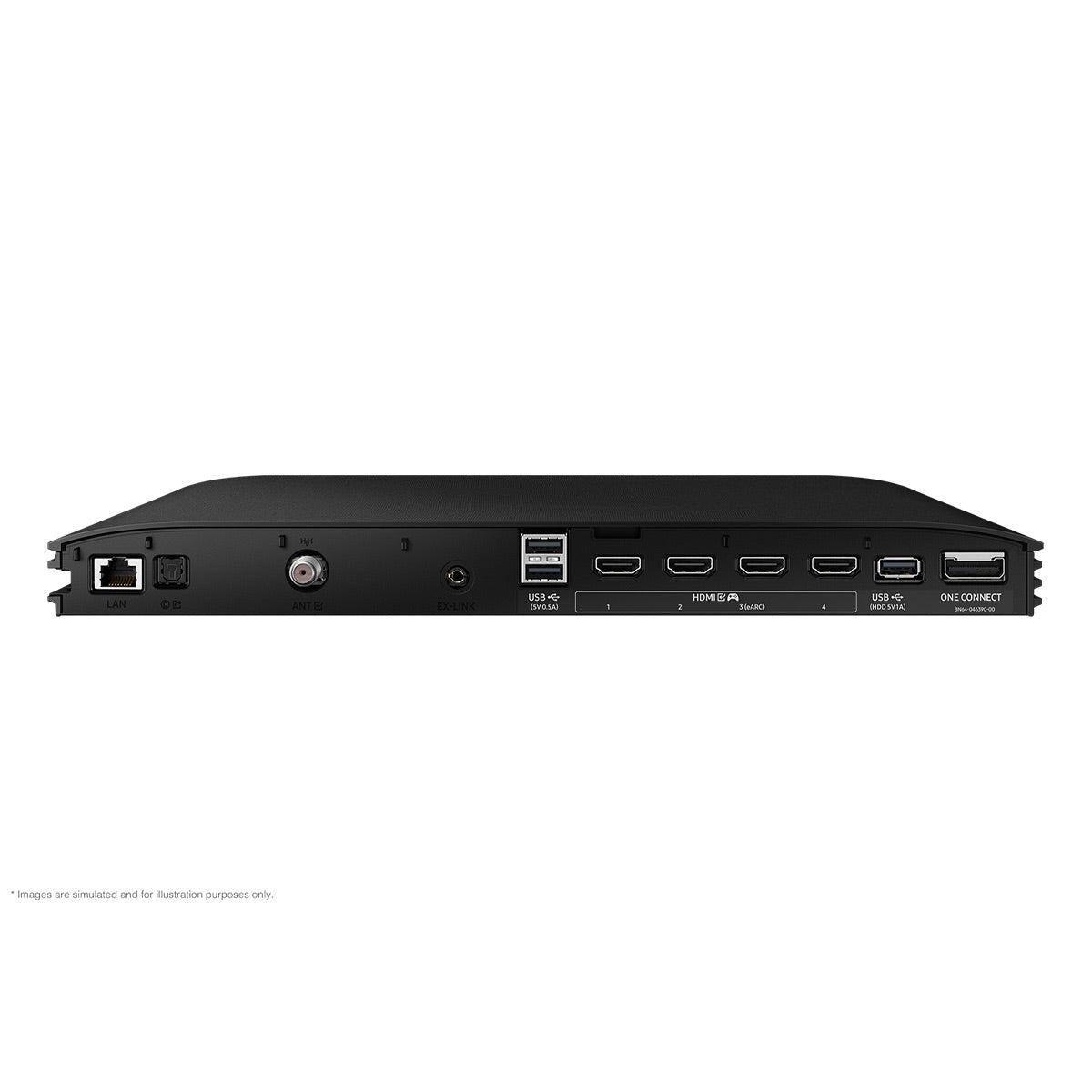
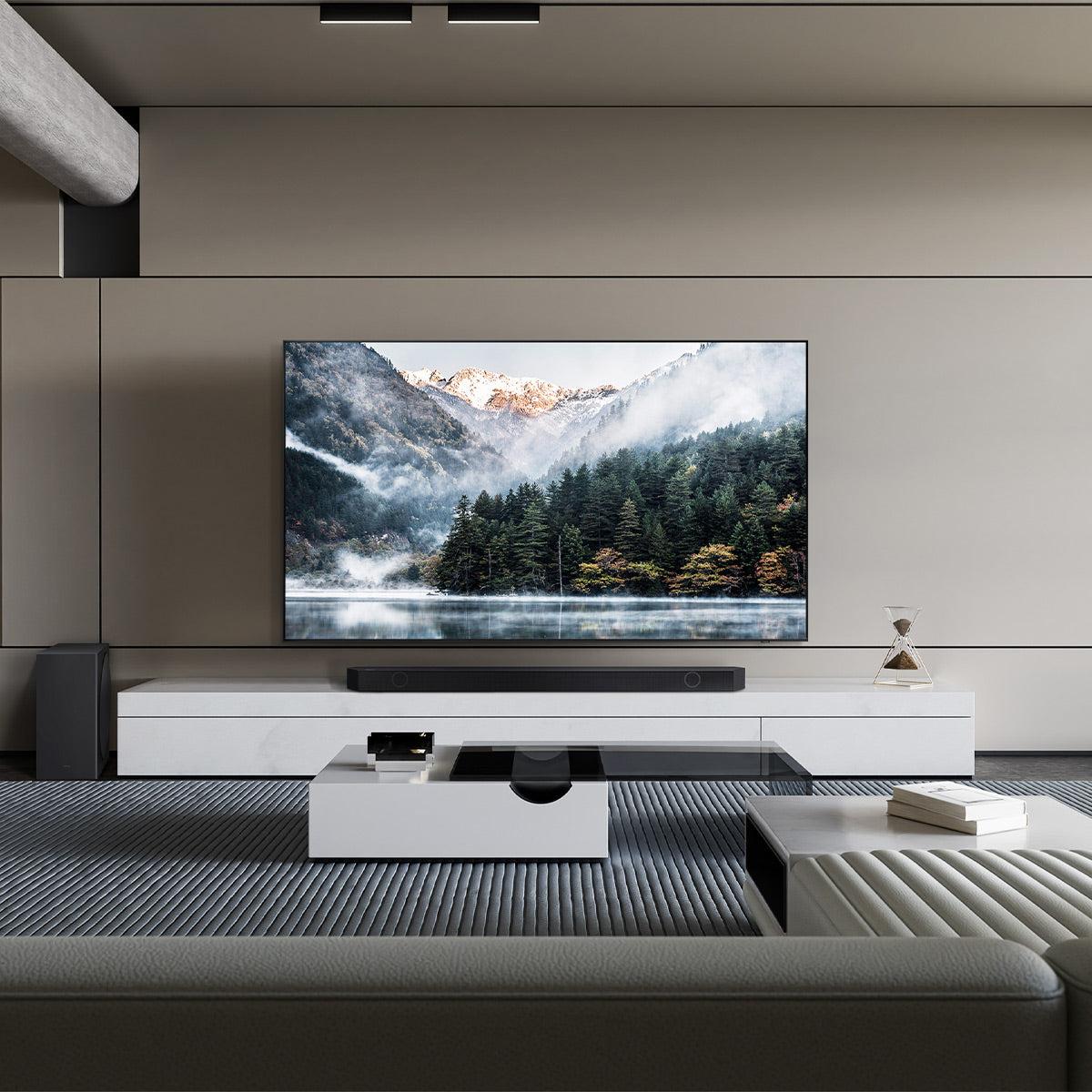
The Samsung S95D showcases premium design thinking with its external One Connect box. This houses all the inputs and connects to the TV through a single thin cable, allowing the display panel itself to be just 11 millimeters thick. Wall-mounted, it looks almost like a piece of art rather than traditional electronics.
The Hisense QD6 takes a more conventional approach with integrated ports and typical LED-LCD thickness. While less elegant, this design is straightforward to set up and doesn't require planning for where to place an external connection box.
At the time of writing, these TVs occupy completely different price tiers. The Hisense QD6 typically costs several thousand dollars less than the Samsung S95D, positioning them for entirely different buyers.
The Hisense QD6 represents exceptional value for buyers wanting quantum dot color enhancement without premium pricing. It delivers noticeable improvements over basic LED TVs, with decent 4K upscaling and solid streaming platform integration. For many viewers, especially those upgrading from older 1080p displays, it provides a significant quality jump.
The Samsung S95D commands premium pricing but delivers flagship performance that justifies the investment for discerning viewers. The anti-glare coating alone makes it viable in rooms where other OLED TVs would struggle, effectively expanding where you can place a premium display.
For dedicated home theater use, the Samsung S95D is the clear choice despite its higher cost. The perfect blacks create that cinema-like experience where the screen seems to disappear in dark scenes. Combined with its accurate color reproduction and support for all major HDR formats, it reproduces content as filmmakers intended.
The Hisense QD6 can work in a home theater setting, but its limitations become more apparent in dedicated viewing environments. The lack of local dimming and lower peak brightness reduce the impact of dramatic scenes, and the glossy screen requires careful light control.
Choose the Hisense QD6 if you're budget-conscious but want a meaningful upgrade from basic LED TVs. It's ideal for mixed-use living spaces where you watch a variety of content and don't need cutting-edge gaming features. The Fire TV platform makes it particularly appealing if you're already invested in Amazon's ecosystem.
The TV works best in rooms where you can control lighting, making it suitable for evening viewing or rooms without large windows facing the screen. For casual gaming at 60Hz and standard streaming content, it delivers solid performance at an accessible price point.
Choose the Samsung S95D if picture quality is your top priority and you can justify the premium cost. It's the better choice for bright rooms, serious gaming with next-gen consoles, and home theater applications. The anti-glare coating makes it uniquely suitable for challenging room layouts where other premium TVs would struggle.
This Samsung model represents the current pinnacle of consumer TV technology, incorporating innovations that address traditional OLED weaknesses while maintaining all the advantages. If you frequently watch HDR content, game competitively, or want a TV that performs exceptionally in any lighting condition, the investment makes sense.
These TVs succeed in their respective market segments, but they're solving different problems. The Hisense QD6 makes quantum dot color technology accessible to budget-conscious buyers, while the Samsung S95D pushes the boundaries of what's possible in consumer display technology.
Your choice should align with how you actually use your TV, your room's lighting conditions, and your tolerance for the significant price difference. Both represent smart purchases for their intended audiences—the question is which audience includes you.
| Hisense 65" QD6 Series | Samsung 65" S95D OLED |
|---|---|
| Display Technology - The foundation that determines picture quality | |
| Quantum Dot LED with VA panel | QD-OLED with perfect pixel control |
| Peak Brightness - Critical for HDR impact and bright room viewing | |
| ~385 cd/m² (adequate for moderate lighting) | High brightness OLED (excellent for all conditions) |
| Contrast Ratio - Determines depth and realism in dark scenes | |
| Good VA contrast but no local dimming | Infinite contrast with perfect blacks |
| Refresh Rate - Essential for smooth gaming and sports | |
| 60Hz native (Motion Rate 120 interpolation) | True 120Hz with Motion Xcelerator 144Hz |
| Gaming Connectivity - Future-proofing for next-gen consoles | |
| 4x HDMI 2.0 (limited to 4K@60Hz) | HDMI 2.1 support (full 4K@120Hz capability) |
| Input Lag - Response time for competitive gaming | |
| Very low (~10ms in game mode) | Excellent (~9ms in game mode) |
| VRR/ALLM Support - Prevents screen tearing and optimizes gaming | |
| Yes (limited by 60Hz panel) | Yes (full implementation with 120Hz) |
| Glare Handling - Determines usability in bright rooms | |
| Glossy finish with intense reflections | Revolutionary matte coating eliminates glare |
| Color Gamut - Range of colors the TV can display | |
| 90% DCI-P3 with decent accuracy | Pantone-validated colors with superior volume |
| HDR Support - Enhanced contrast and color in premium content | |
| Dolby Vision, HDR10+, HDR10, HLG | OLED HDR Pro with all major formats |
| Smart Platform - Streaming interface and app ecosystem | |
| Fire TV OS with Alexa integration | Samsung Tizen with SmartThings hub |
| Audio System - Built-in sound quality | |
| Dolby Atmos with basic speakers | 4.2.2 channels with Object Tracking Sound+ |
| Design Profile - Wall-mounting and aesthetic appeal | |
| Standard LED-LCD thickness | Ultra-slim 11mm with One Connect box |
| Viewing Angle - Picture quality when viewed off-center | |
| Narrow VA panel angle | Wide OLED viewing angle |
| Upscaling Quality - How well it enhances lower resolution content | |
| AI 4K Upscaler (decent performance) | NQ4 AI Gen2 processor (advanced upscaling) |
| Price Positioning - Value proposition at time of writing | |
| Budget-friendly quantum dot entry point | Premium flagship with cutting-edge technology |
The Hisense 65" QD6 Series uses quantum dot LED technology with a traditional backlight, while the Samsung 65" S95D OLED features QD-OLED technology where each pixel creates its own light. This means the Samsung offers perfect blacks and infinite contrast, while the Hisense provides good color enhancement at a much lower price point.
The Samsung S95D OLED is significantly better for bright rooms thanks to its revolutionary matte anti-glare coating that virtually eliminates reflections. The Hisense QD6 has a glossy finish that creates intense reflections from windows and lights, making it better suited for rooms with controlled lighting.
The Samsung S95D justifies its premium price if you prioritize picture quality, bright room viewing, and advanced gaming features. However, the Hisense QD6 offers excellent value for budget-conscious buyers who want quantum dot color enhancement without flagship pricing. Your decision should depend on your viewing priorities and budget flexibility.
The Samsung S95D OLED is superior for next-gen gaming with true 120Hz refresh rate, HDMI 2.1 ports supporting 4K@120Hz, and excellent input lag around 9ms. The Hisense QD6 is limited to 60Hz and 4K@60Hz gaming due to HDMI 2.0 ports, though it still offers low input lag and VRR support for solid 60fps gaming.
Yes, both TVs support HDR content. The Hisense QD6 supports Dolby Vision, HDR10+, HDR10, and HLG formats with decent color reproduction. The Samsung S95D offers superior HDR performance with OLED HDR Pro technology, providing much brighter highlights and deeper contrast for more impactful HDR viewing.
The Hisense QD6 runs Fire TV OS with excellent Amazon ecosystem integration and Alexa voice control. The Samsung S95D uses Tizen OS with broader app compatibility and SmartThings integration. Both platforms offer major streaming services, but Samsung's tends to receive longer software support on premium models.
The Hisense QD6 can work in a home theater but has limitations including lack of local dimming and lower peak brightness that reduce dramatic impact in dark scenes. For dedicated home theater use, the Samsung S95D is much better with perfect blacks, infinite contrast, and accurate colors that create a true cinema experience.
The Samsung S95D has superior built-in audio with a 4.2.2 channel system, Object Tracking Sound+ that moves audio with on-screen action, and 70 watts total power. The Hisense QD6 supports Dolby Atmos but with more basic speaker implementation. Both benefit from adding a soundbar for serious home theater use.
The Samsung S95D OLED maintains excellent picture quality when viewed from the side, making it ideal for larger seating arrangements. The Hisense QD6 uses a VA panel with narrower viewing angles where colors and contrast degrade when viewed off-center, making it better suited for direct front viewing.
The Samsung S95D handles fast motion better with its 120Hz refresh rate and advanced motion processing. The Hisense QD6 has slower response times that can cause motion blur in fast sports scenes, plus poor gray uniformity that makes sports fields look patchy. The Samsung is clearly superior for sports viewing.
Both TVs handle 4K streaming well. The Hisense QD6 includes AI 4K upscaling that enhances lower resolution content to near-4K quality. The Samsung S95D features more advanced NQ4 AI Gen2 processing that provides superior upscaling and real-time content optimization, making all content look sharper and more detailed.
For evening viewing in controlled lighting, both TVs perform well, but the Samsung S95D offers a more premium experience with perfect blacks that make dark scenes incredibly immersive. The Hisense QD6 provides solid evening performance at a much lower cost, making it an excellent choice if you primarily watch after sunset and want good value.
We've done our best to create useful and informative comparisons to help you decide what product to buy. Our research uses advanced automated methods to create this comparison and perfection is not possible - please contact us for corrections or questions. These are the sites we've researched in the creation of this article: pcvarge.com - bestbuy.com - rtings.com - youtube.com - rtings.com - youtube.com - consumerreports.org - leaseville.com - hisense-usa.com - device.report - hisense-usa.com - youtube.com - flatpanelshd.com - displayspecifications.com - retailspecs.com - techradar.com - videoandaudiocenter.com - avsforum.com - cnet.com - abt.com - merlinstv.com - nfm.com - rtings.com - flintsfurniture.com - samsung.com - bestbuy.com - displayspecifications.com

Privacy Policy
Terms and Conditions - Affiliate Policy
Home Security
© Copyright 2008-2026.
11816 Inwood Rd #1211, Dallas, TX 75244