

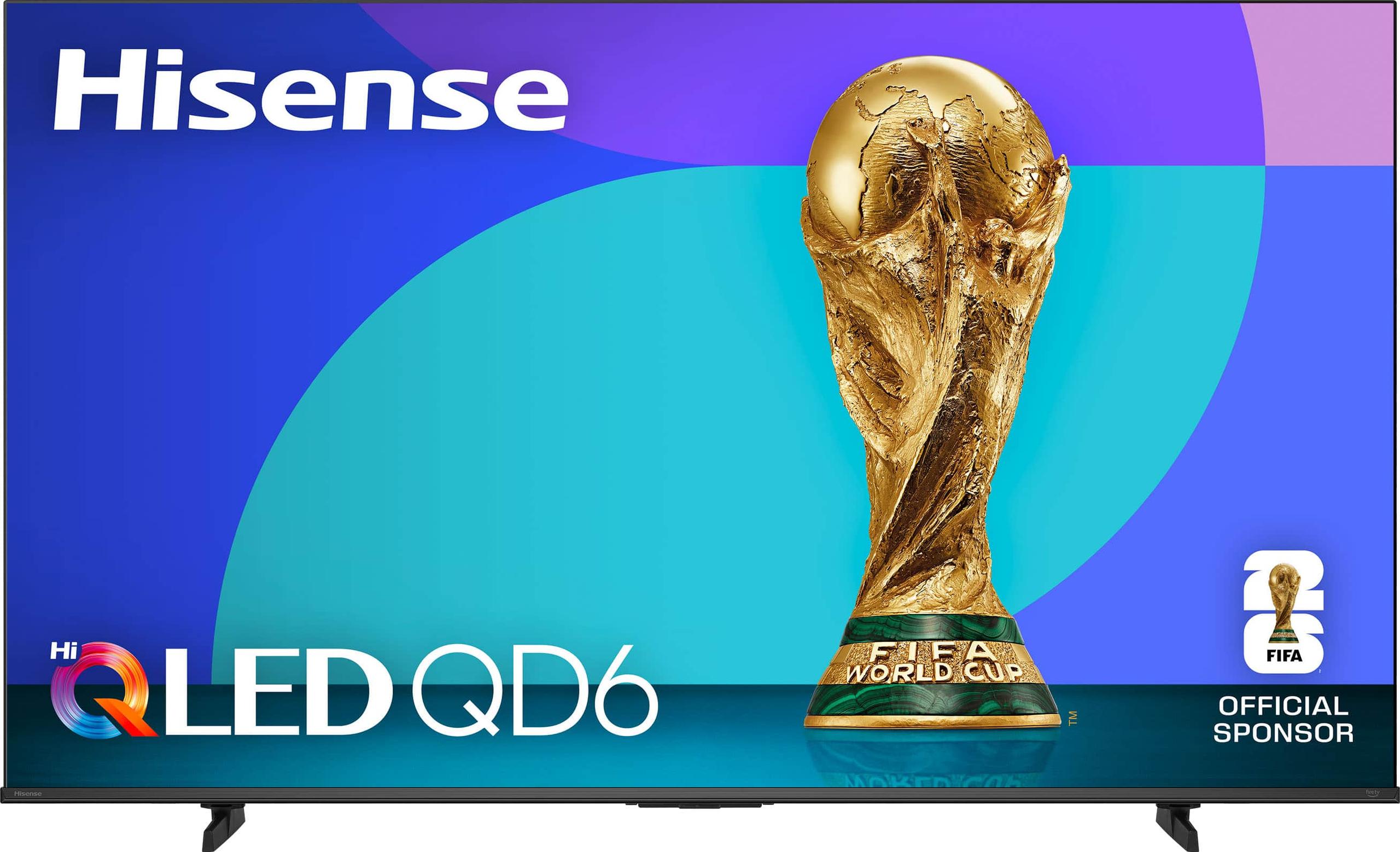
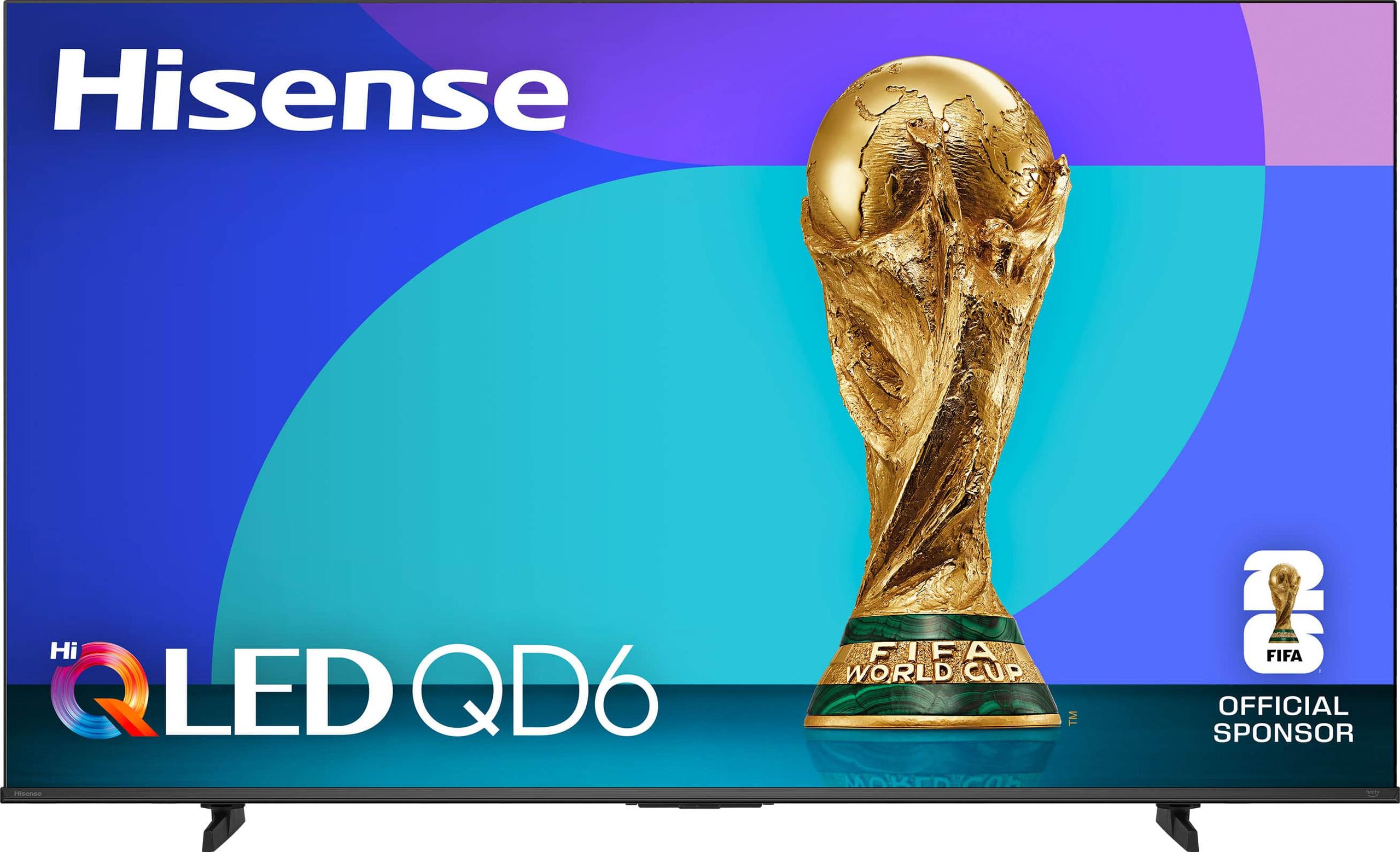

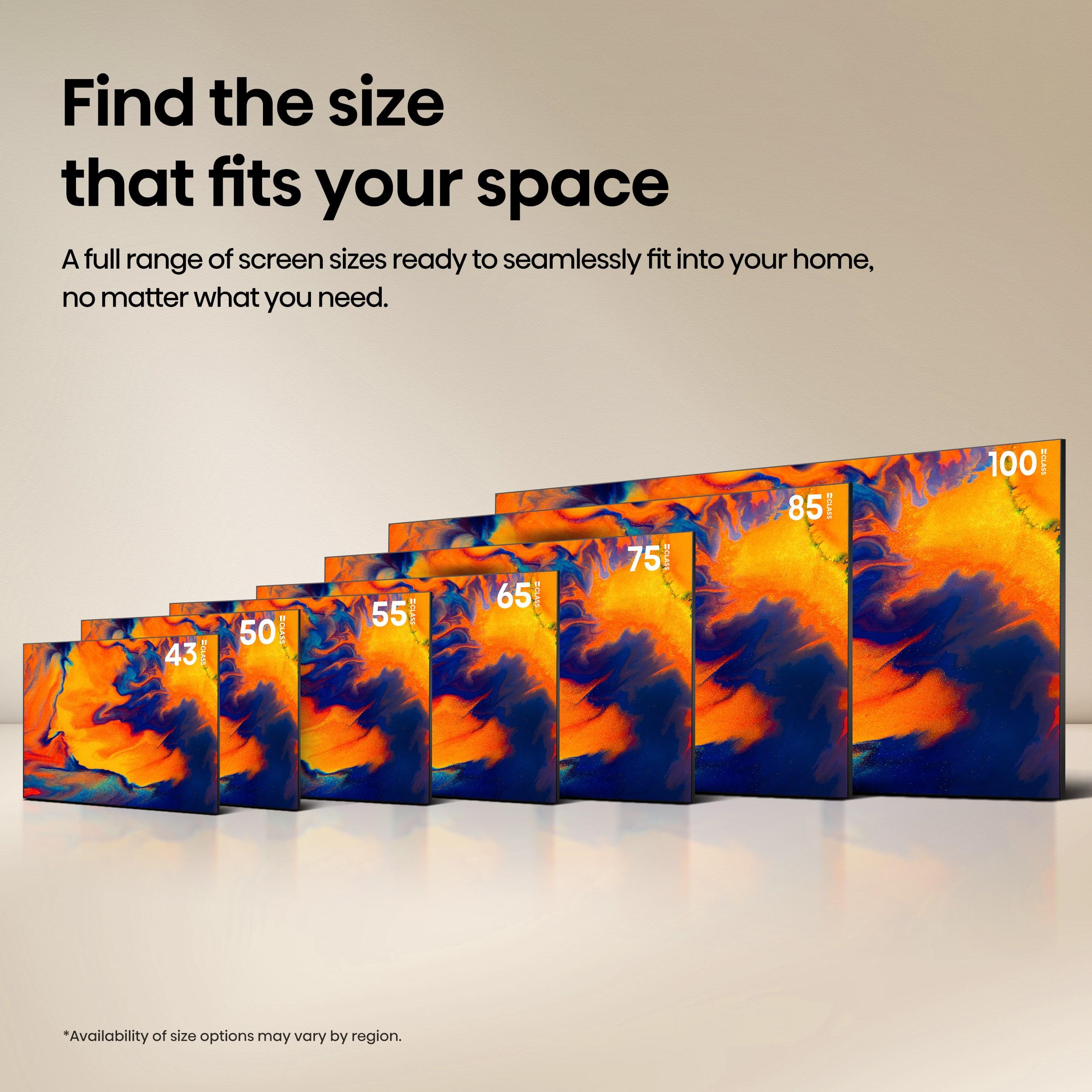
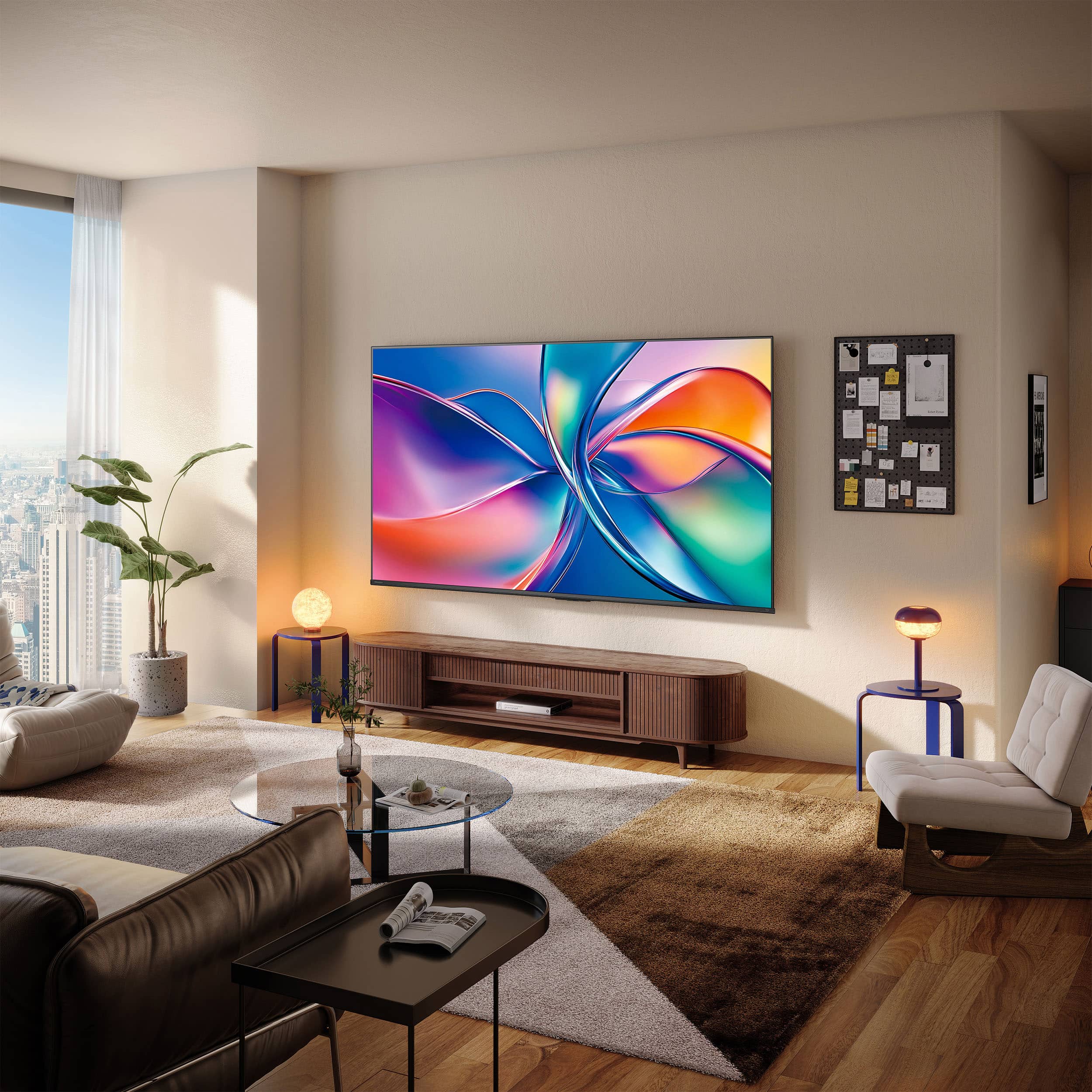
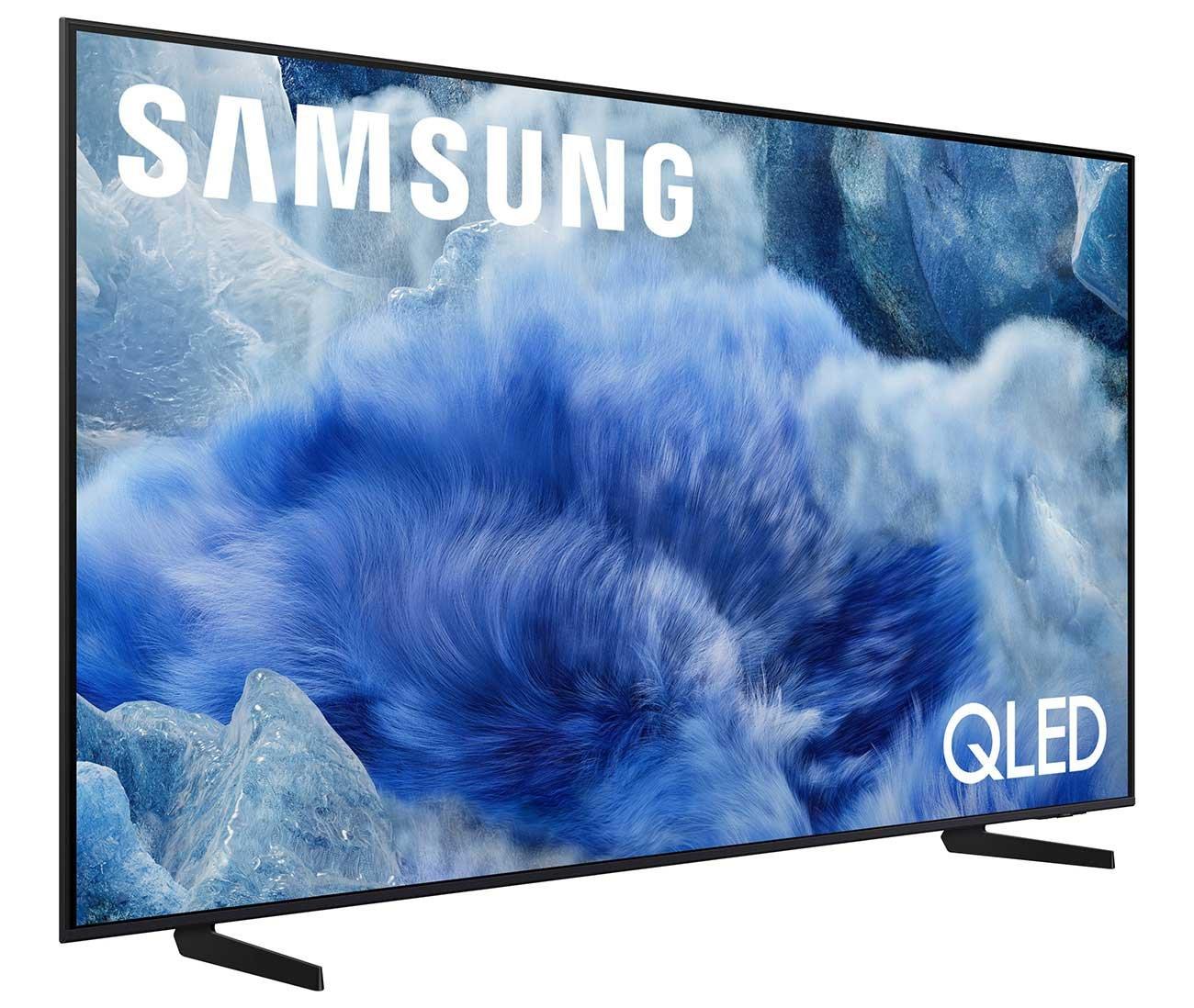
The 65-inch TV market hit a sweet spot in 2025, with manufacturers finally bringing quantum dot technology down to truly affordable prices. Two standouts emerged in this budget QLED category: the Hisense 65" QD6 Series Hi-QLED Fire TV (2025) and the Samsung 65" QN8F Series QLED 4K Vision AI Smart TV. At the time of writing, these TVs represent dramatically different approaches to delivering premium-looking picture quality without premium pricing.
Before diving into specifics, let's talk about what quantum dot technology actually means for your viewing experience. Quantum dots are microscopic semiconductor particles that emit specific colors when hit by light. Think of them as tiny color filters that can produce incredibly pure, vibrant colors that regular LED TVs simply can't match. This technology used to be exclusive to $2,000+ televisions, but 2025 marked a turning point where it became accessible in the $300-600 range.
The key difference between budget and premium QLED TVs isn't the quantum dots themselves – it's everything else. Premium models add local dimming zones (sections of the backlight that can dim independently for better contrast), higher peak brightness, faster processors, and advanced gaming features. Budget QLEDs like the Hisense QD6QF and Samsung QN8F give you the color benefits while making strategic cuts elsewhere to hit their price targets.
Peak brightness matters more than most people realize, especially if you're watching HDR (High Dynamic Range) content. HDR essentially tells your TV to display both extremely bright highlights and deep shadows in the same scene – think of sunlight streaming through a dark forest. Without sufficient brightness, those sunlit areas look flat and unimpressive.
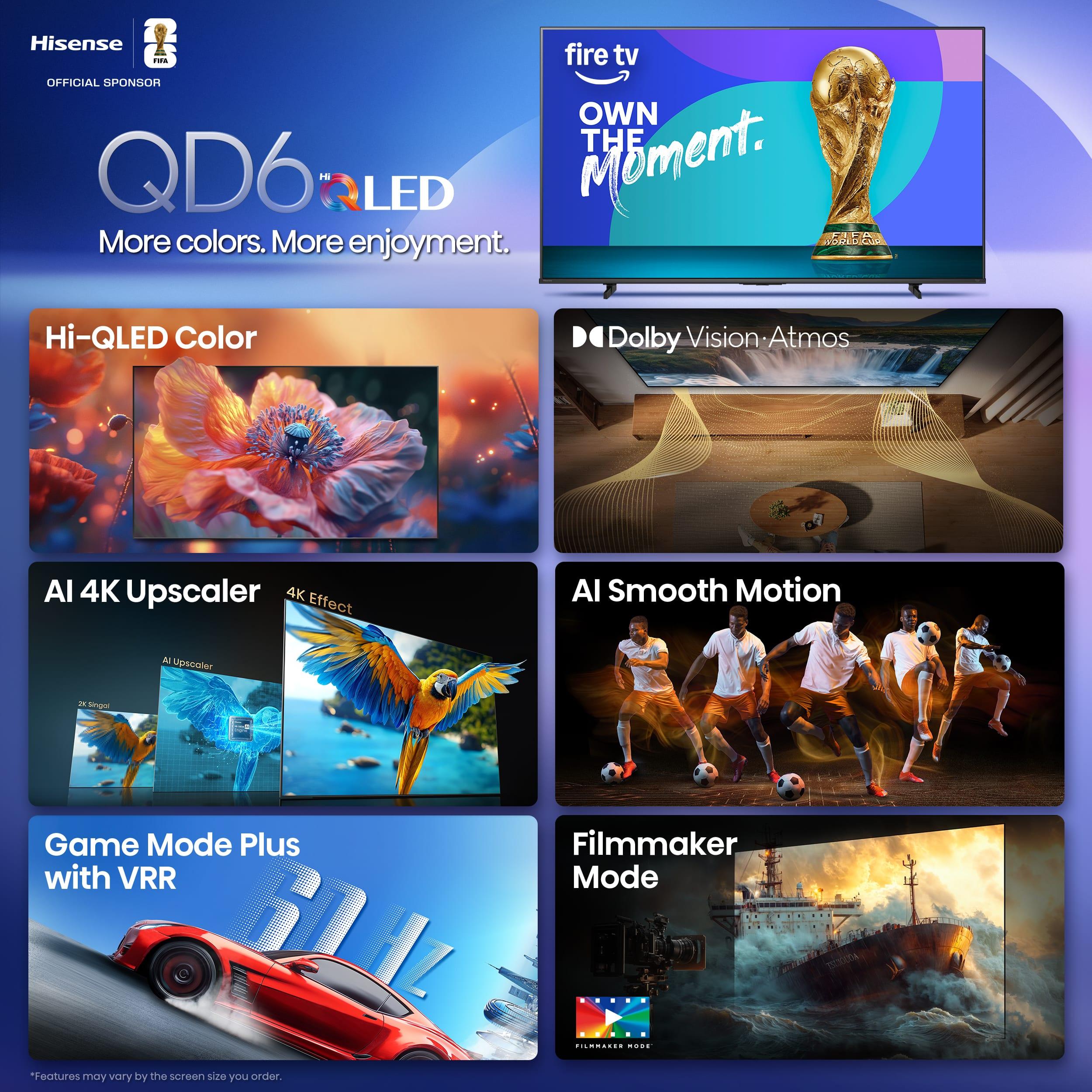
The Hisense QD6QF manages around 385 cd/m² (candelas per square meter) of peak brightness, which actually edges out many competitors in its price range that typically hover around 320 cd/m². This translates to slightly more impactful HDR highlights and better performance in bright living rooms. The Samsung QN8F delivers comparable brightness levels, though exact measurements vary by specific model configuration.
Neither TV will blow you away with HDR the way a $1,500 Mini-LED model would, but both provide a noticeable improvement over standard LED TVs. The difference between these two comes down to implementation: the Hisense tends to push highlights a bit more aggressively, while the Samsung focuses on overall balance through its Q4 AI processor optimization.
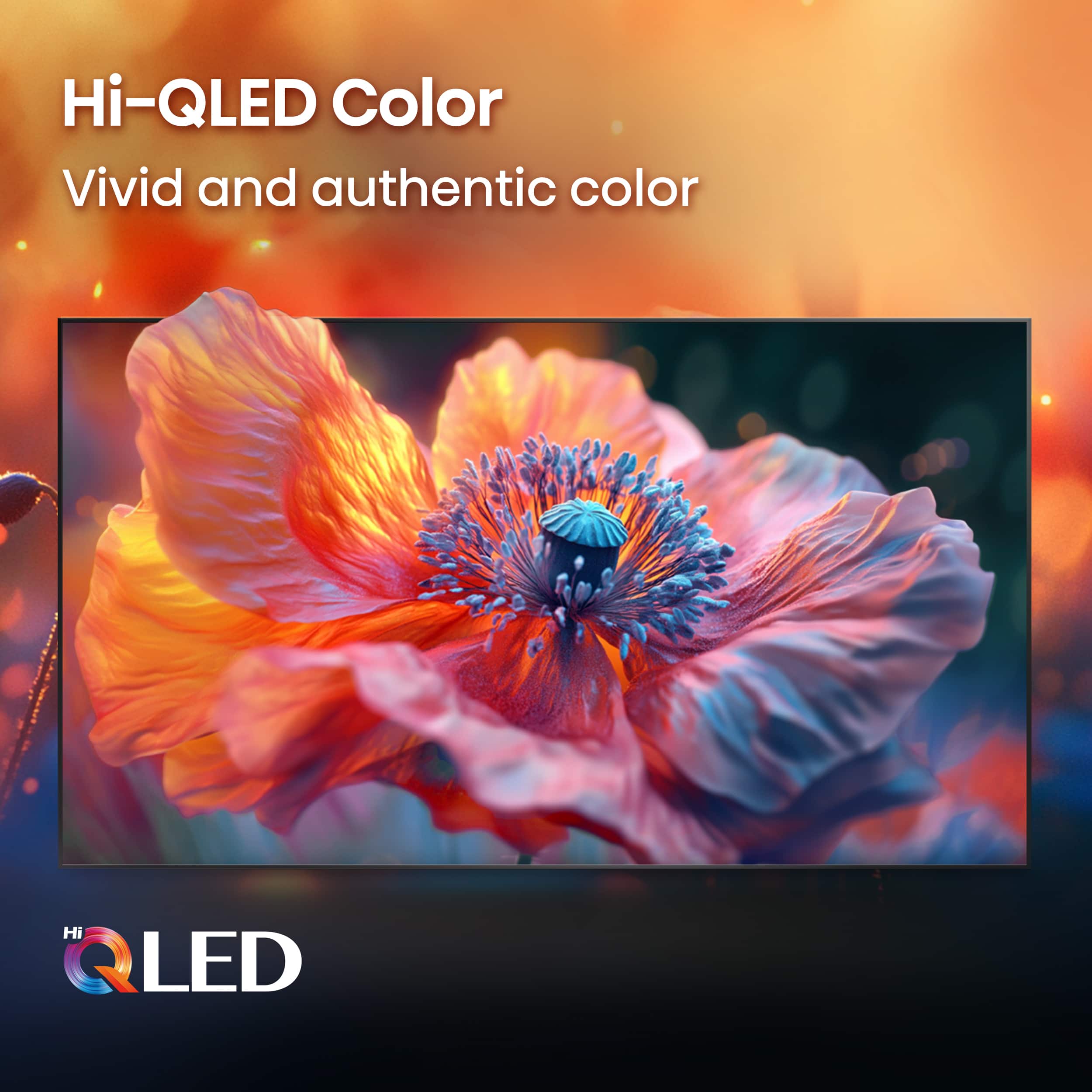
Here's where quantum dot technology really shines, and where these TVs show their biggest differences. The Hisense QD6QF covers about 90% of the DCI-P3 color gamut – that's the color standard used by movie studios for digital cinema. In practical terms, this means reds look redder, greens look more vibrant, and the overall picture has a richness that standard LED TVs can't match.
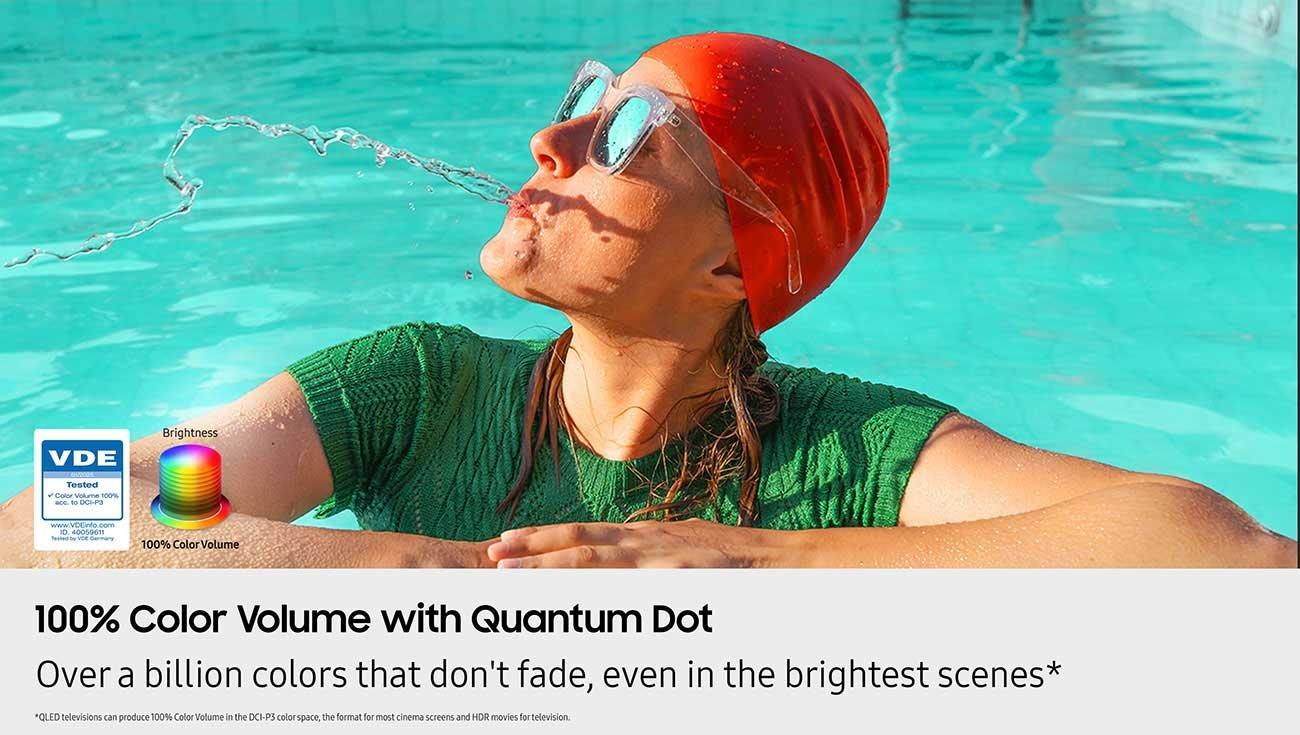
The Samsung QN8F takes this further with what Samsung calls "100% Color Volume," which combines wide color gamut coverage with the ability to maintain those colors at different brightness levels. This is particularly noticeable in scenes with bright, saturated colors – like animated movies or nature documentaries. The Samsung's color reproduction is demonstrably more sophisticated, though whether you'll notice the difference depends on your viewing habits and the content you watch.
Both TVs use VA panels (Vertical Alignment), which provide better contrast than IPS panels but come with narrower viewing angles. This means colors and contrast degrade when you watch from the side – fine for a centered couch, problematic for wide seating arrangements.
Neither the Hisense QD6QF nor the Samsung QN8F includes true local dimming, which is one of the biggest compromises in budget QLED TVs. Local dimming allows different sections of the backlight to dim independently, creating deeper blacks by darkening areas of the screen that should be black while keeping bright areas bright.
Without local dimming, both TVs suffer from "black lift" – when bright elements on screen cause the entire backlight to brighten, making black areas look gray. This is most noticeable in dark movie scenes with bright elements, like a character holding a flashlight in a cave.
The Samsung QN8F uses what it calls "Dual LED" backlighting, which provides some basic zonal control but isn't true local dimming. The Hisense relies on its VA panel's naturally good contrast ratio to provide decent black levels. In our research of user experiences, the difference between these two approaches is minimal – both provide acceptable contrast for bright room viewing but disappoint in dedicated dark room setups.
Gaming requirements changed dramatically over the past few years, with new consoles pushing 4K at 120Hz and introducing features like Variable Refresh Rate (VRR) and Auto Low Latency Mode (ALLM). This is where these two TVs diverge most significantly.
The Samsung QN8F delivers a native 120Hz refresh rate, meaning it can actually display 120 unique frames per second. This makes a substantial difference for gaming, sports viewing, and action movies. The TV can even push to 144Hz for compatible PC gaming, putting it on par with dedicated gaming monitors.
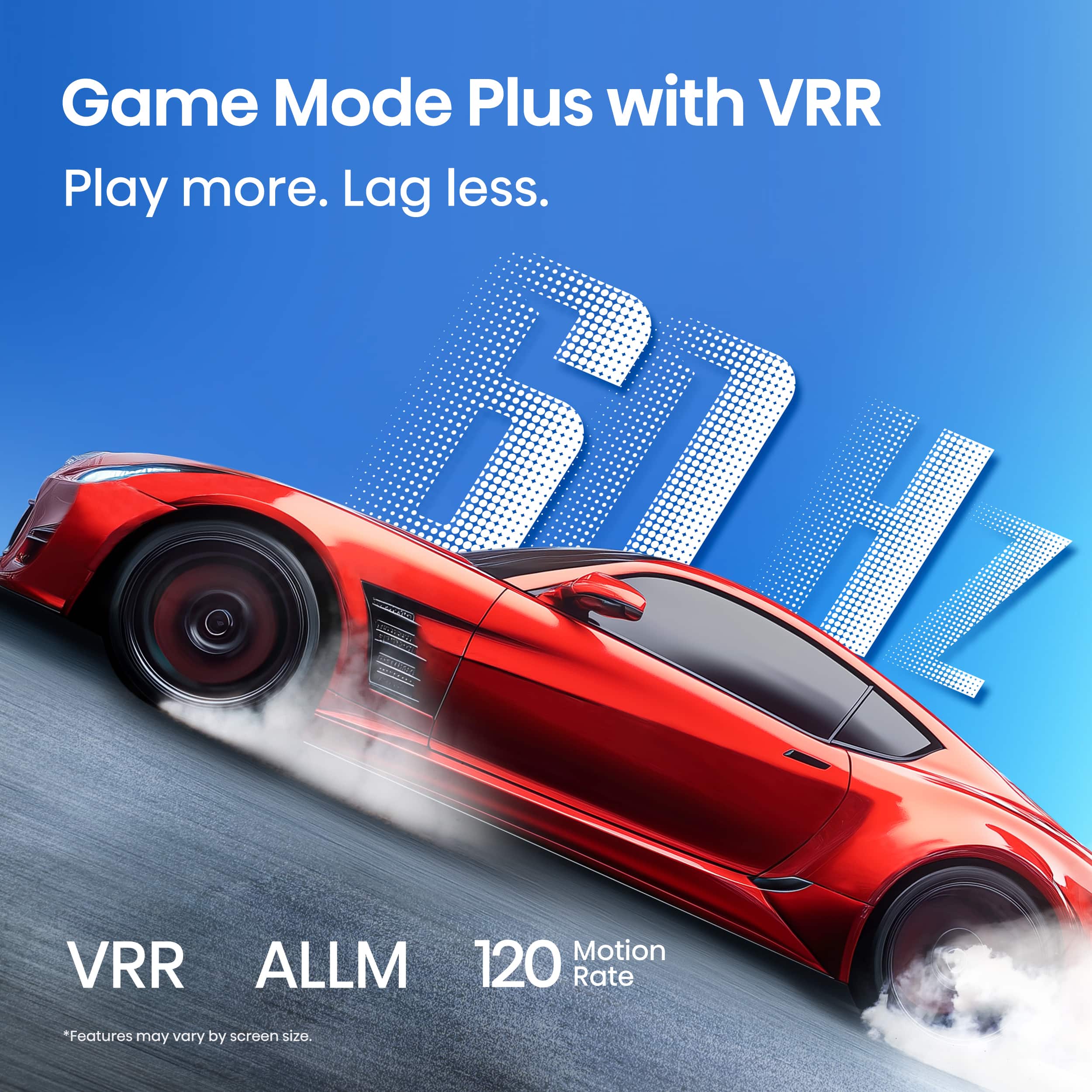
The Hisense QD6QF runs at a native 60Hz but uses Motion Rate 120 through interpolation and frame processing to smooth motion. This isn't the same as true 120Hz – the TV is essentially creating intermediate frames between the actual 60 frames it receives. While this helps with motion blur in movies, it can't provide the responsive gaming experience that native 120Hz delivers.
For competitive gaming or if you own a PlayStation 5 or Xbox Series X, this difference is significant. Games that support 120Hz mode feel noticeably more responsive and smooth on the Samsung. Casual gamers might not notice the difference, especially in slower-paced games.
Both TVs support VRR and ALLM, which eliminate screen tearing and reduce input delay when gaming. The Hisense achieves impressively low input lag of around 10.2ms in Game Mode, which is excellent for any type of gaming. The Samsung likely achieves similar numbers, though specific measurements vary.
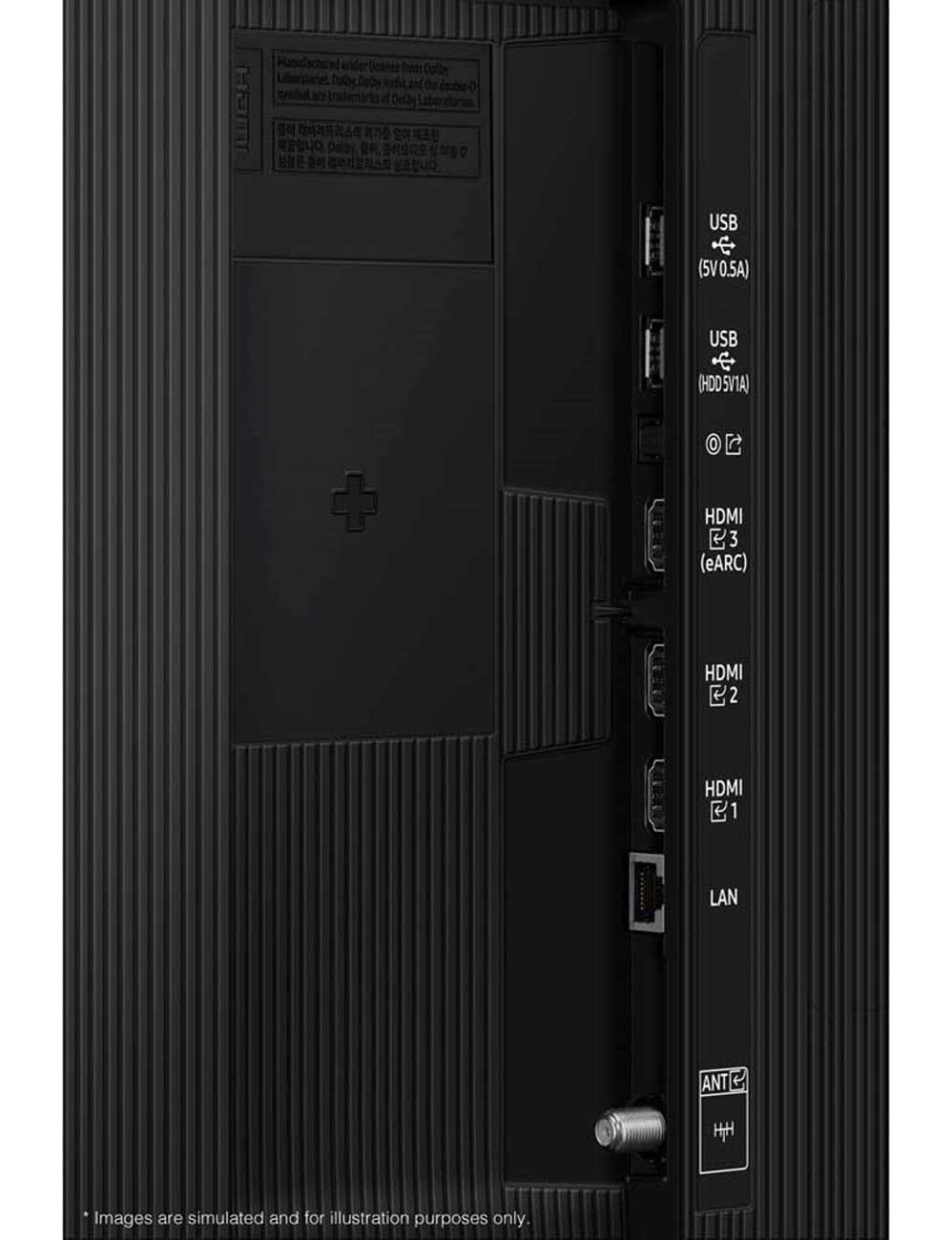
The crucial difference lies in connectivity. The Samsung QN8F includes HDMI 2.1 bandwidth across all its ports, supporting the full feature set of modern consoles at 4K/120Hz. The Hisense uses HDMI 2.0 ports, which limits it to 4K at 60Hz maximum. This isn't a problem now for most content, but it limits future compatibility as more games support high refresh rates.
The software experience differs substantially between these TVs, and your preference might influence your decision as much as picture quality.
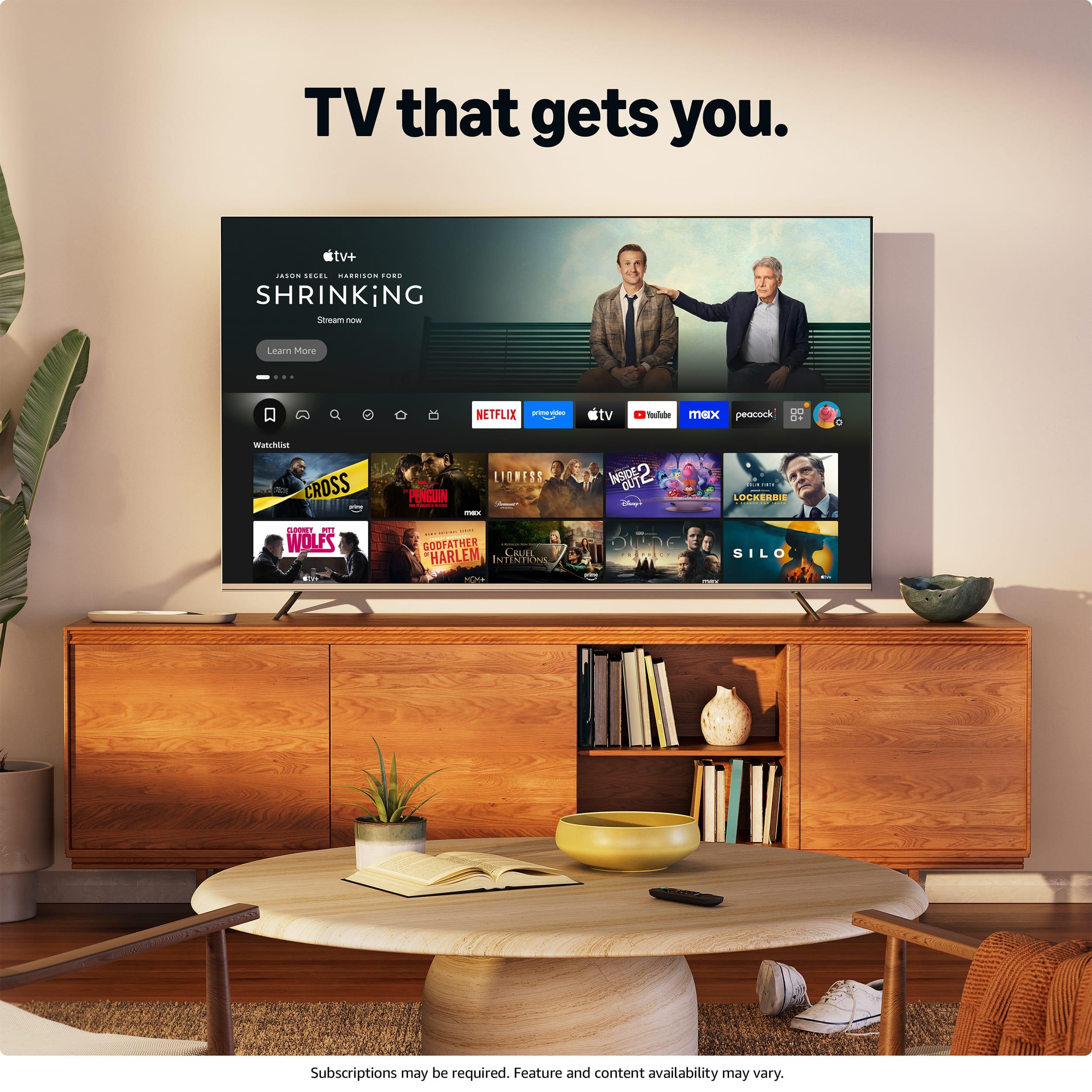
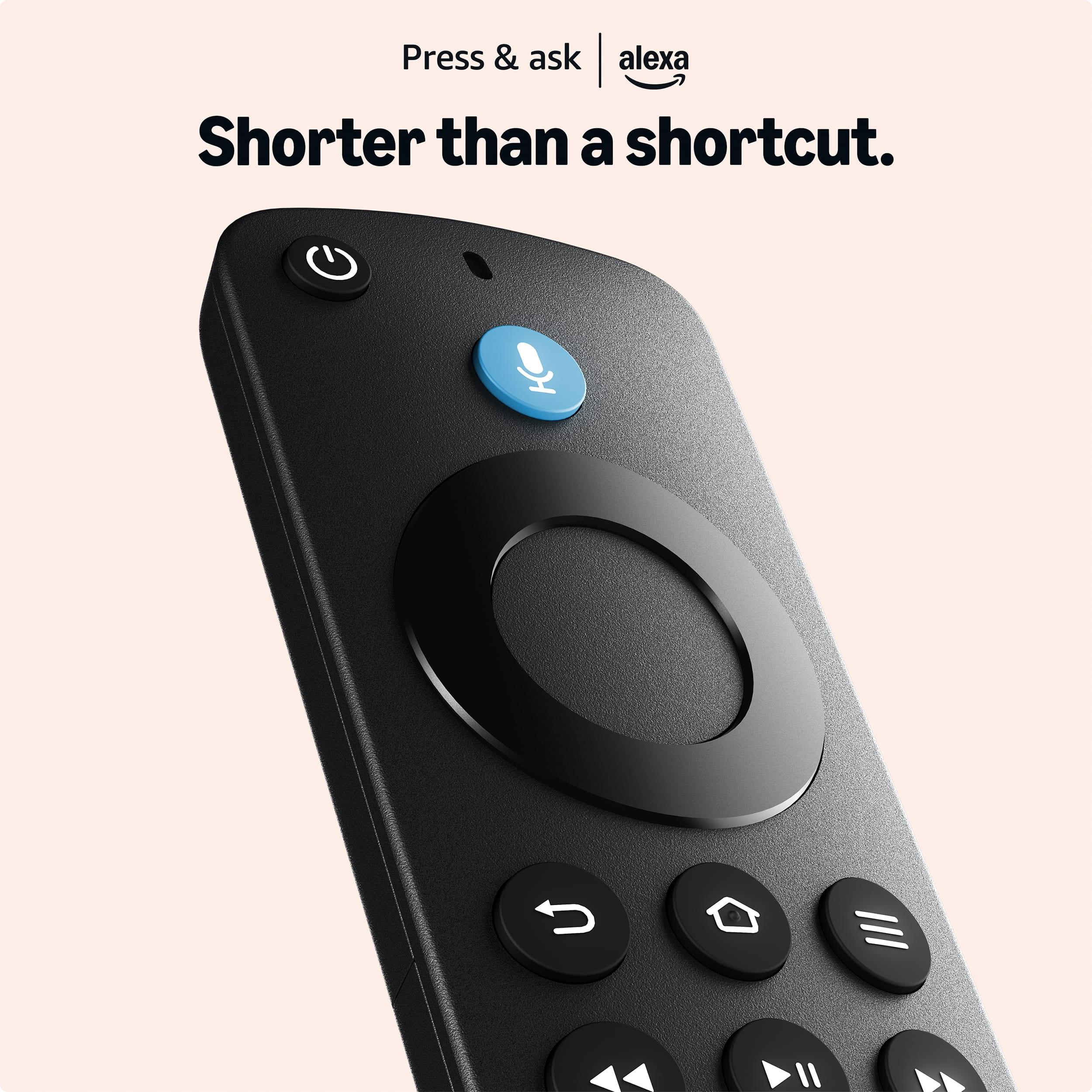
The Hisense QD6QF runs Amazon's Fire TV platform, which has evolved significantly since its early days. It's particularly strong if you're already invested in Amazon's ecosystem – Prime Video content integrates seamlessly, and Alexa voice control works reliably. The interface prioritizes Amazon content but provides access to all major streaming services.
Fire TV's strength lies in its simplicity and content discovery. It does a good job surfacing shows and movies across different services, though it tends to favor Amazon content in recommendations. The platform runs smoothly on the Hisense, though some users report occasional lag when switching between apps or navigating menus during busy usage periods.
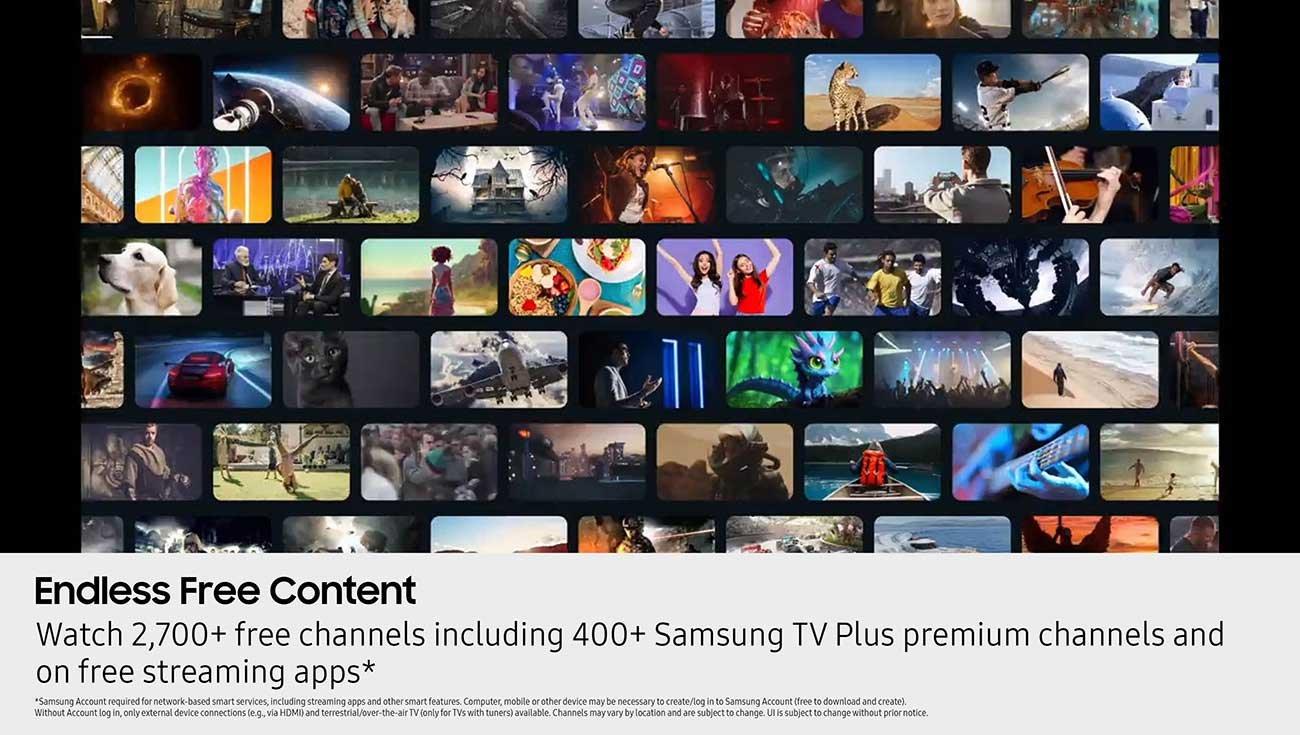
The Samsung QN8F runs Samsung's Tizen operating system, which offers a more comprehensive smart TV experience. Tizen provides access to Samsung TV Plus (free ad-supported channels), better integration with Samsung devices, and generally snappier performance thanks to the more powerful Q4 AI processor.
Samsung's platform excels at multitasking and customization. The interface lets you create personalized home screens, and features like Multi-View allow you to watch multiple sources simultaneously. If you use other Samsung products – phones, tablets, soundbars – the ecosystem integration provides genuine convenience.
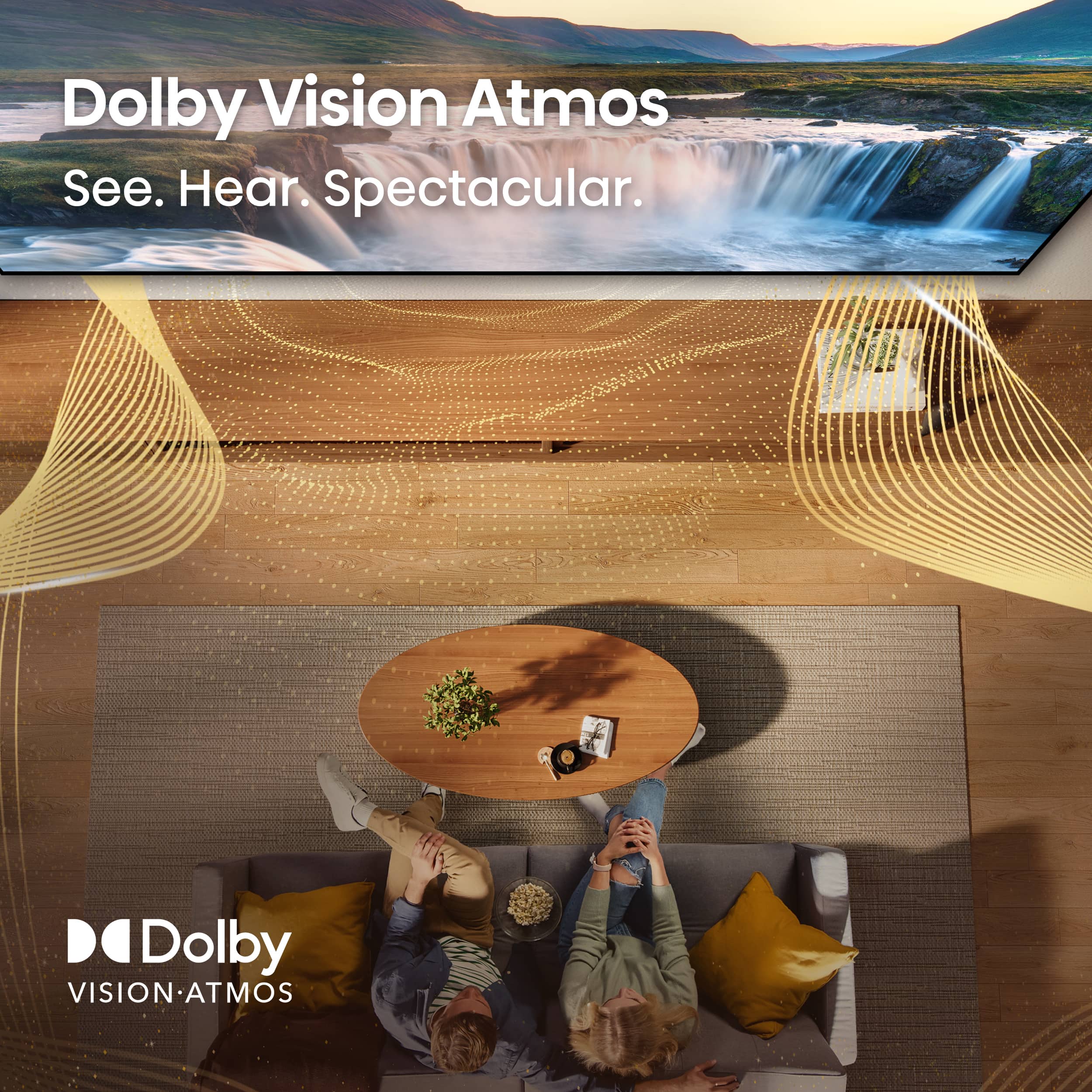
Neither TV will replace a dedicated sound system, but their approaches to audio differ meaningfully. The Hisense QD6QF supports Dolby Atmos, which creates a more three-dimensional soundscape when playing compatible content. However, the TV's built-in speakers limit how much you'll actually notice this enhancement.
The Samsung QN8F takes a more sophisticated approach with its 20W 2-channel speaker system, Object Tracking Sound Lite (which tries to move audio across the screen to follow action), and Adaptive Sound+ that adjusts audio based on content type and room acoustics. Samsung's Q-Symphony feature also allows the TV to work in tandem with compatible Samsung soundbars, using both the TV speakers and soundbar together rather than disabling the TV audio.
For casual viewing, the Samsung provides a noticeably better audio experience. For serious movie watching or gaming, you'll want to add a soundbar or surround sound system to either TV.
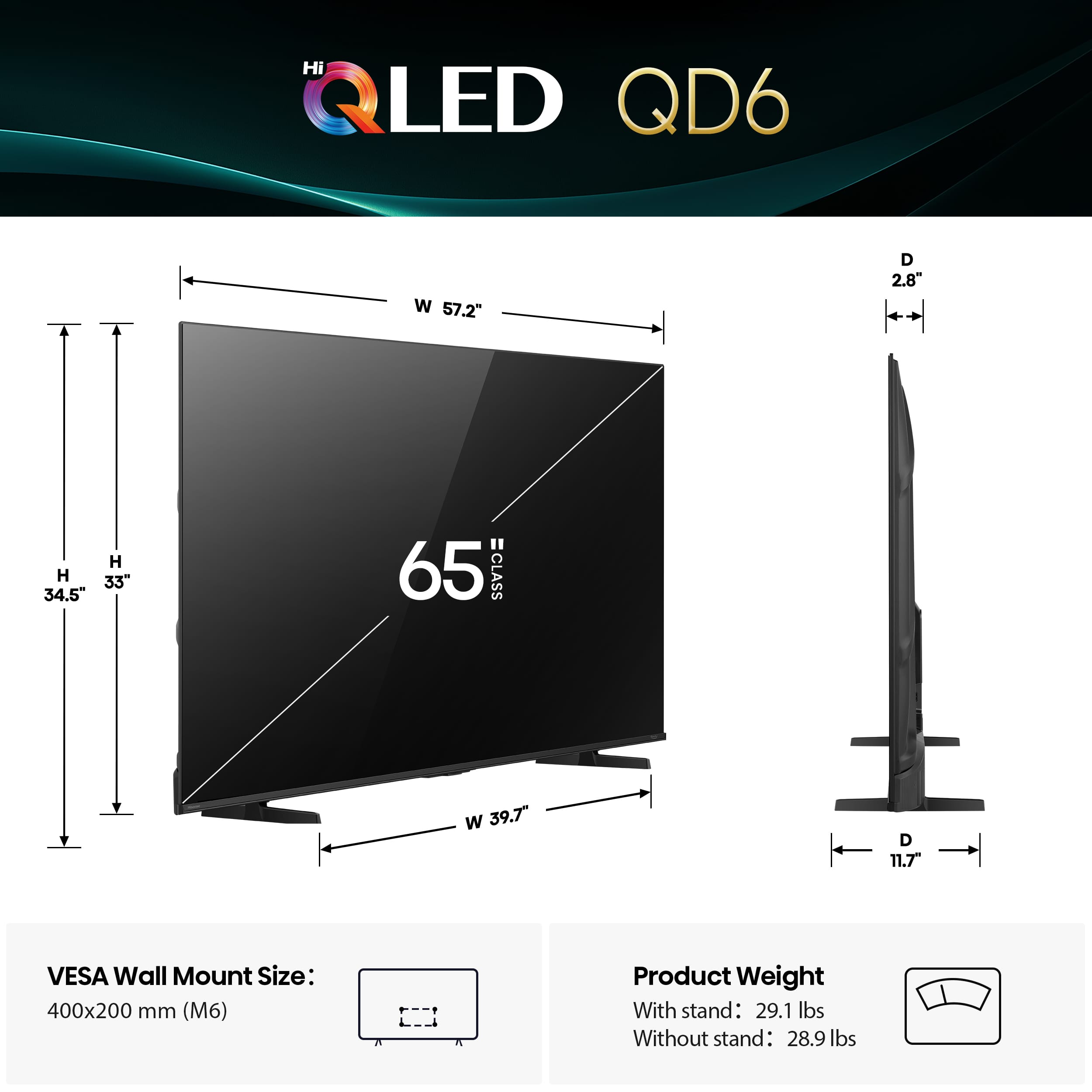
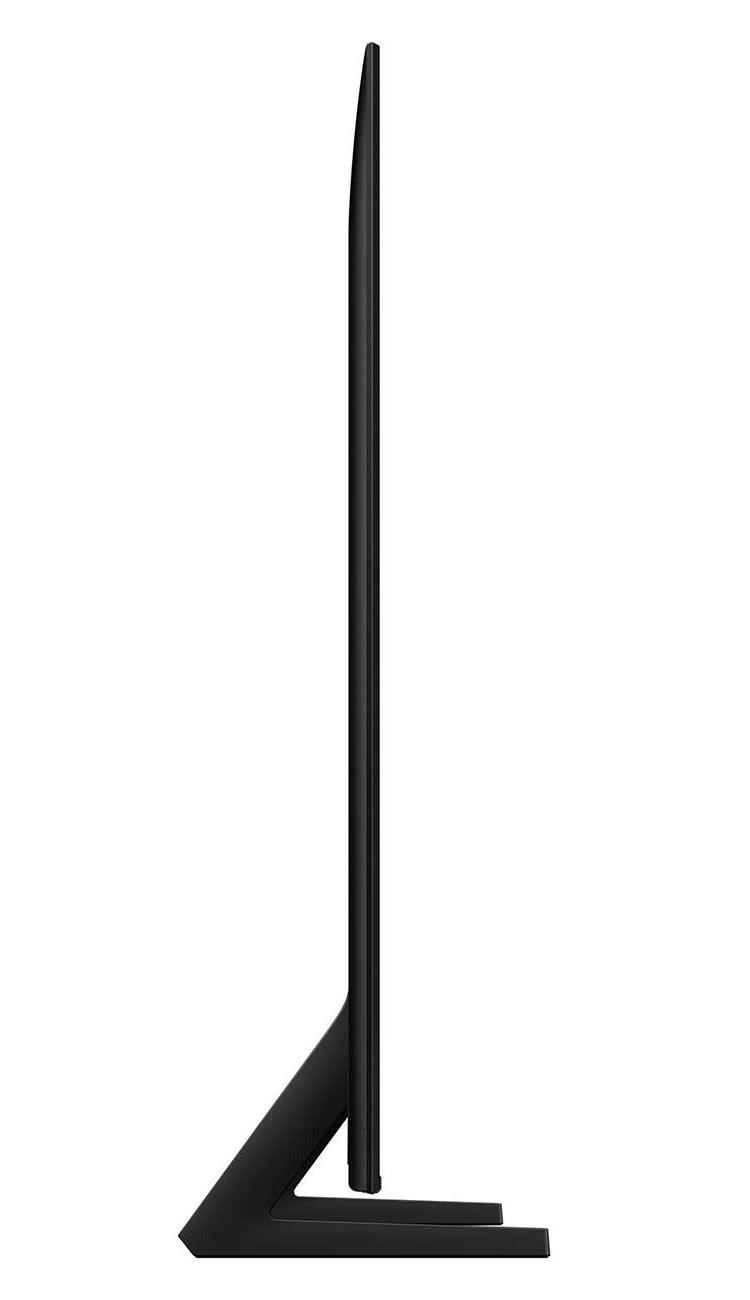
Physical design represents one of the clearest distinctions between these TVs. The Hisense QD6QF uses a traditional thick LED-LCD design – it's functional but won't win any style awards. The plastic construction feels adequate but not premium, and the included remote, while well-laid-out, has a distinctly budget feel.
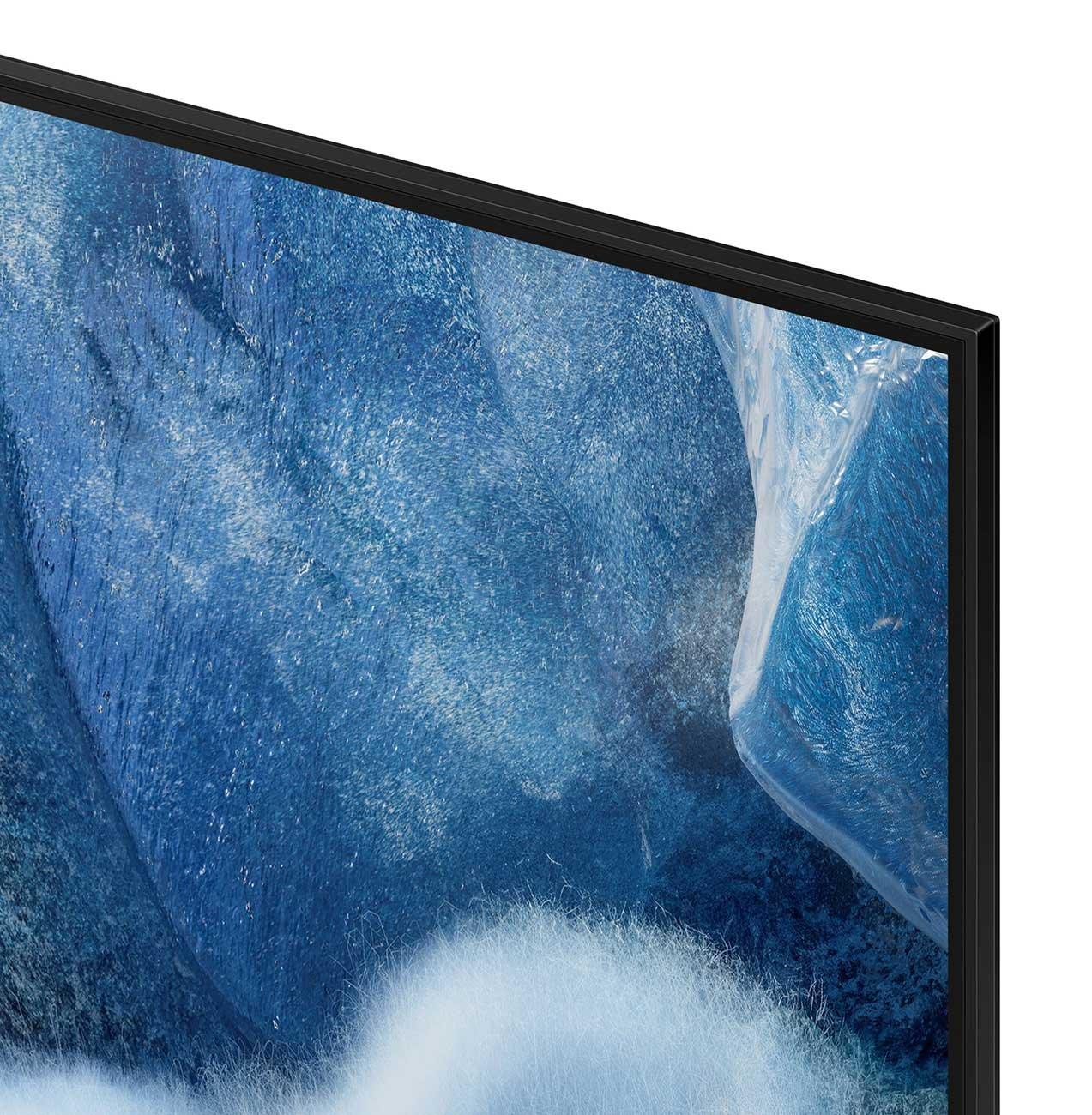
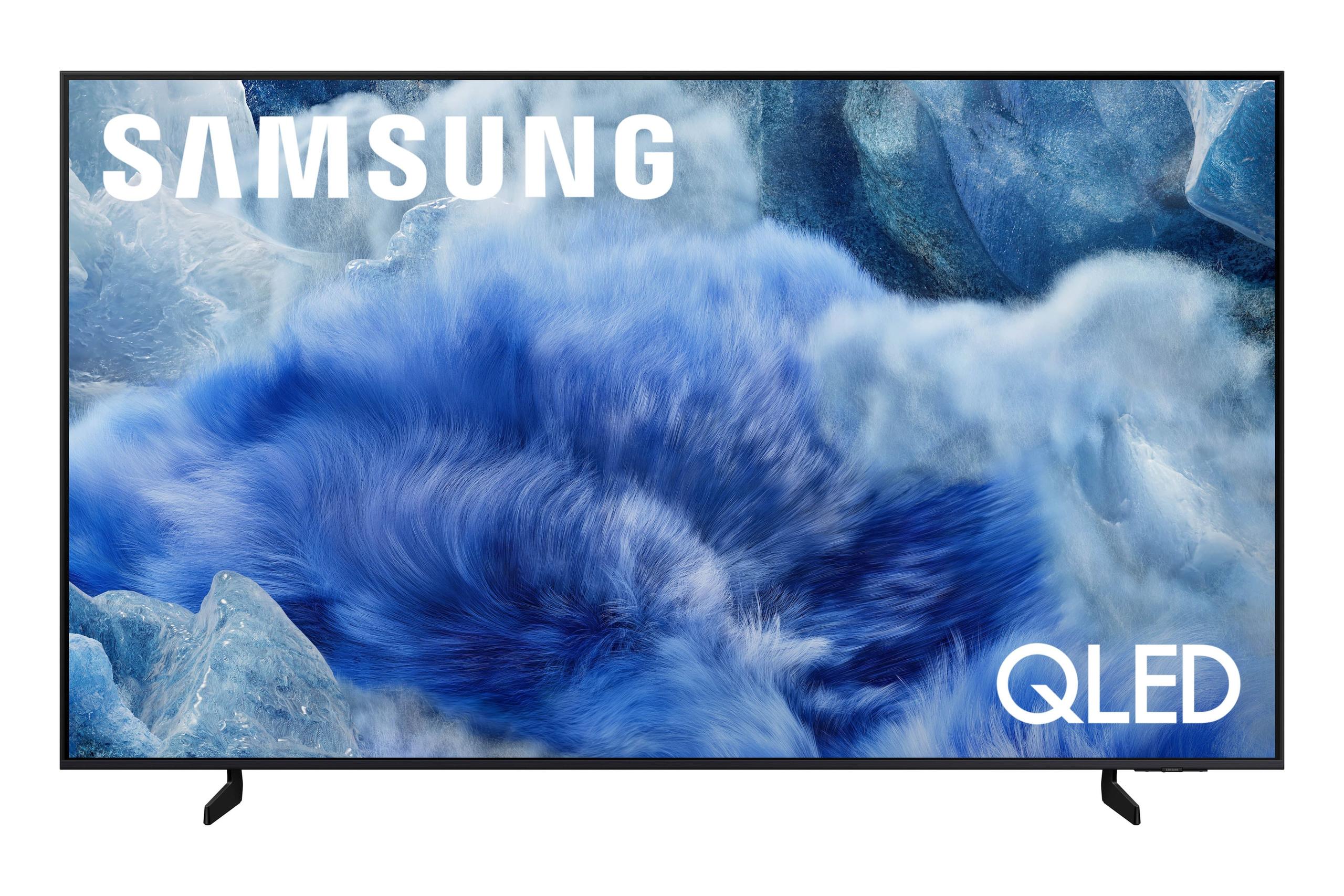
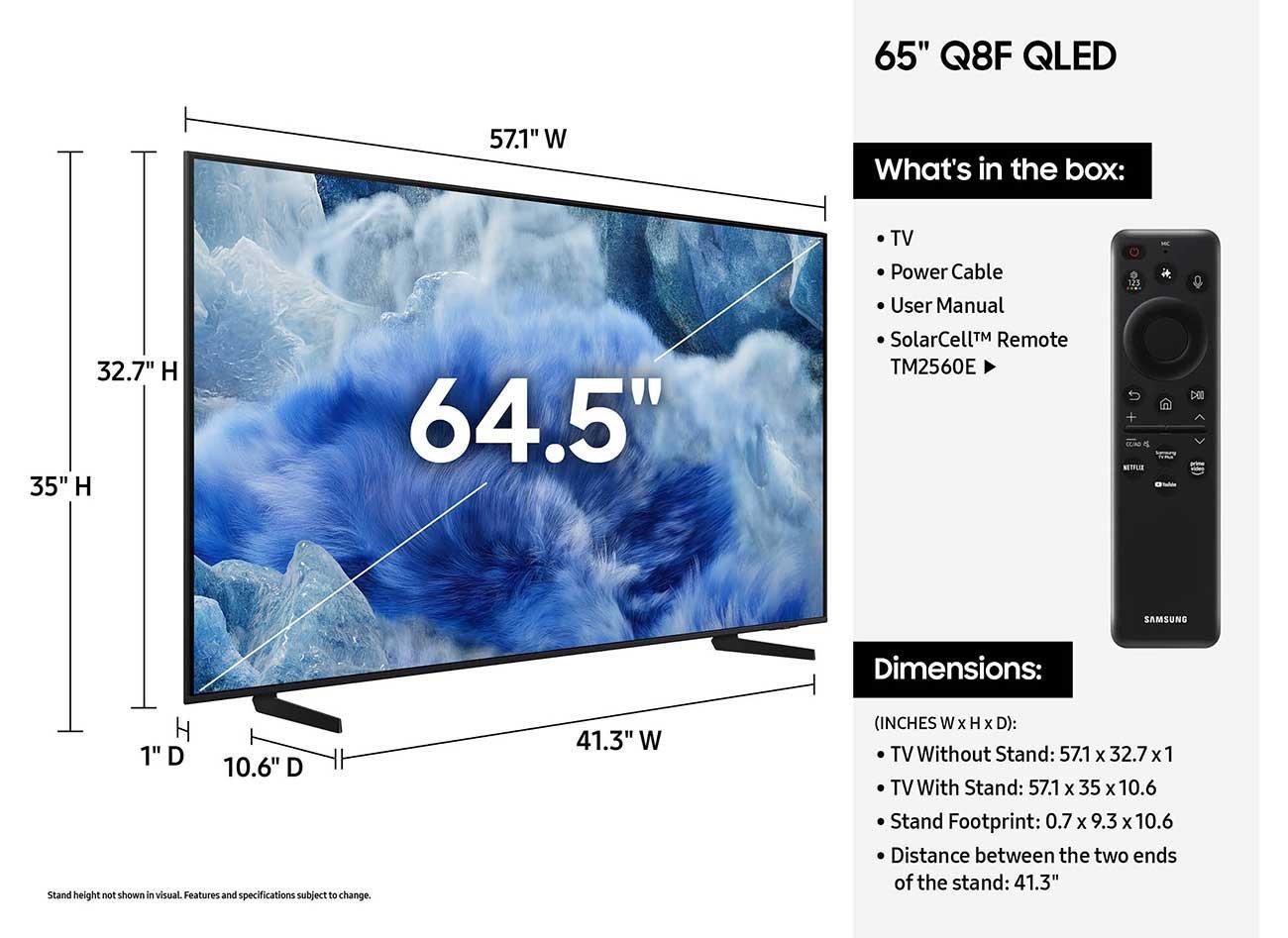
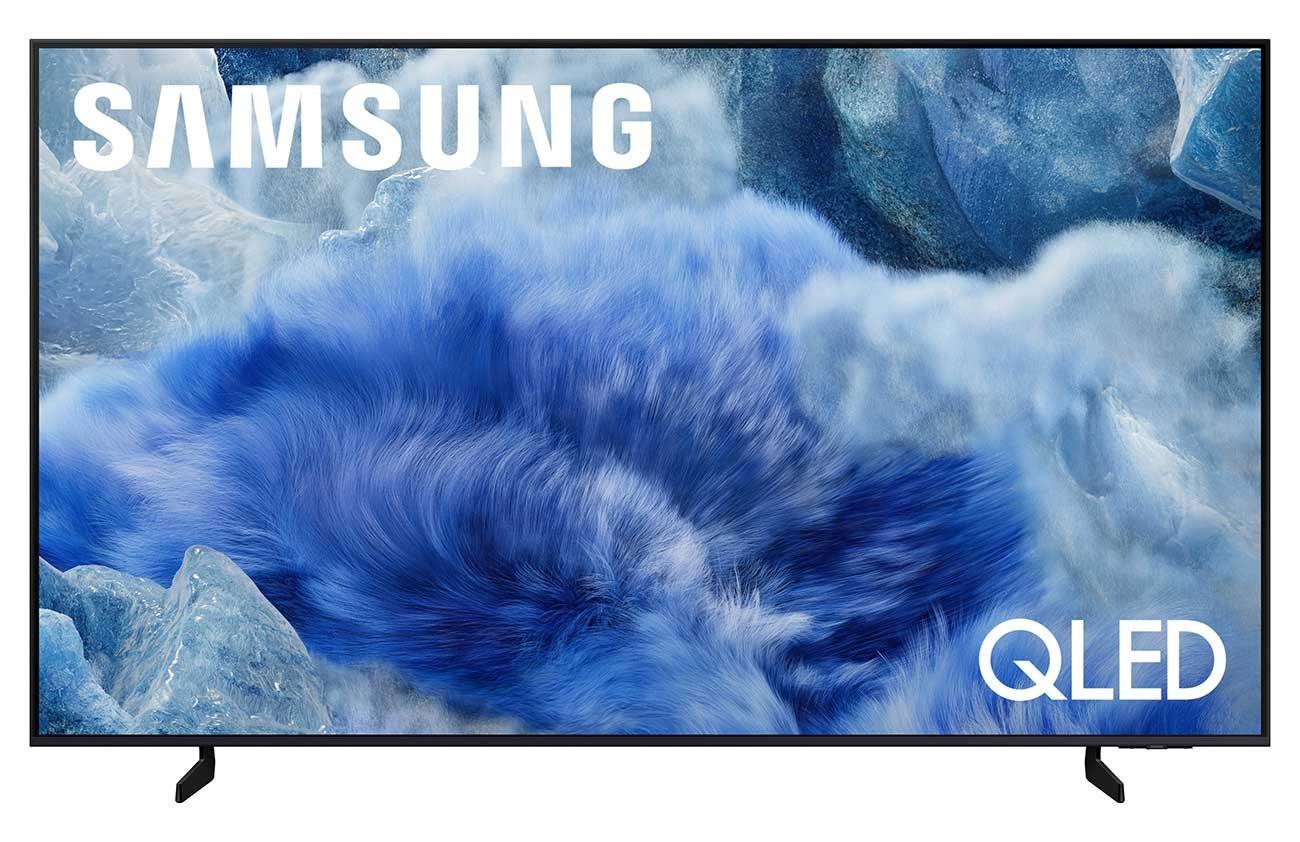
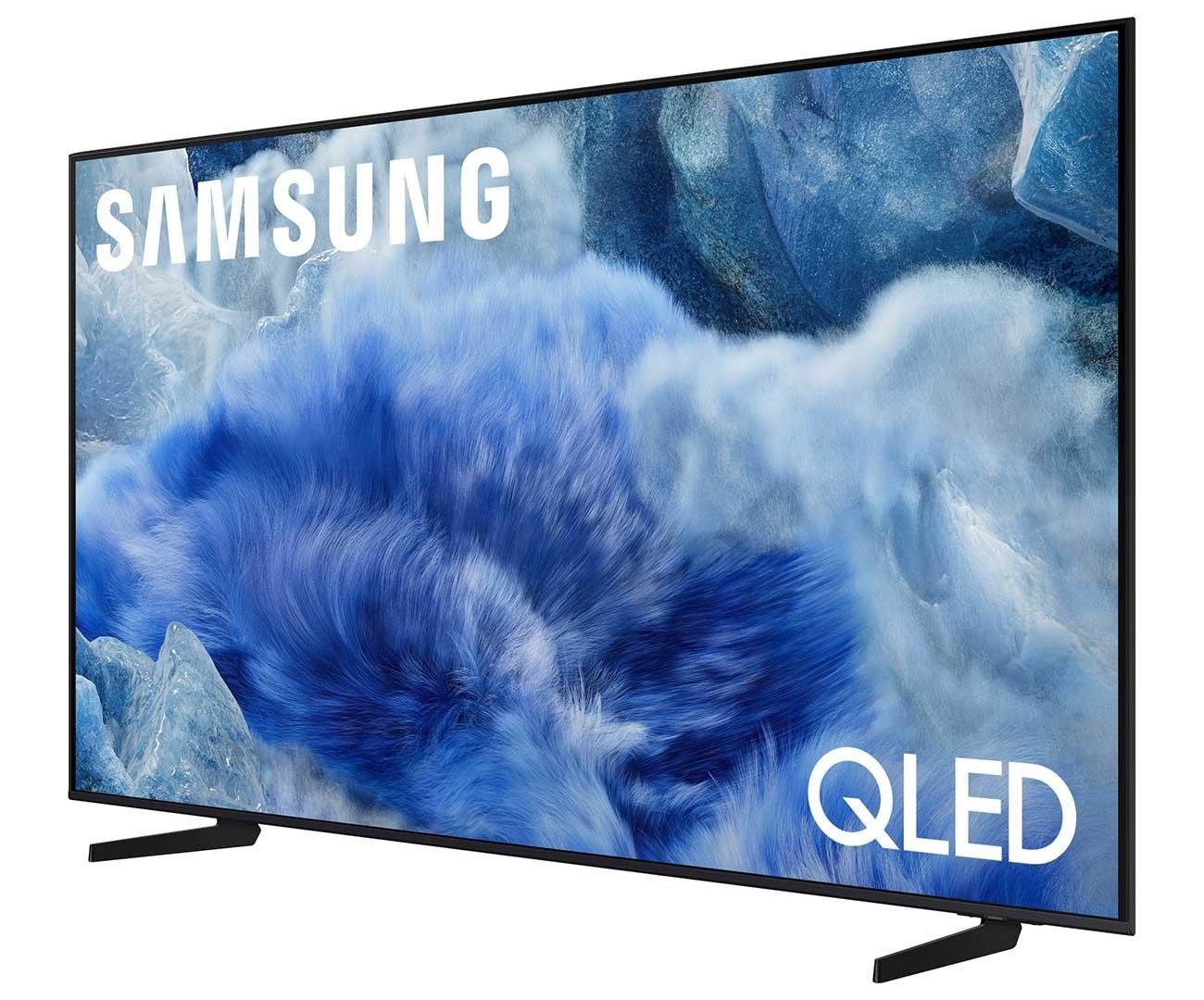
The Samsung QN8F showcases Samsung's AirSlim design philosophy, creating a sleeker profile that looks more expensive than its price suggests. The build quality feels more refined, and Samsung includes their BT SolarCell remote, which charges via room light and eliminates the need for battery replacements – a small but appreciated touch that reduces waste and hassle.
If you're building a dedicated home theater setup, both TVs have limitations that are important to understand. The lack of local dimming in both models means neither excels in dark room viewing, where contrast becomes most critical. You'll notice black levels that aren't truly black and some loss of detail in dark scenes.
The Samsung QN8F edges ahead for home theater use thanks to its 120Hz capability for smoother action scenes and better processing for motion. However, neither TV includes features like 24p judder removal that film enthusiasts typically want.
For most living room setups with some ambient light, both TVs perform admirably. The Hisense handles reflections slightly better, making it more suitable for rooms with windows or multiple light sources.
At the time of writing, the price gap between these TVs is substantial – roughly 40-50% more for the Samsung QN8F compared to the Hisense QD6QF. This premium buys you meaningful upgrades: true 120Hz gaming, more sophisticated processing, better audio, and premium design.
The Hisense 65" QD6 Series represents exceptional value engineering – delivering quantum dot color enhancement and solid overall performance at a price point that makes premium picture quality accessible. It's the better choice for budget-conscious buyers who primarily stream content and don't need cutting-edge gaming features.
The Samsung 65" QN8F Series justifies its premium through genuine feature advantages that matter for specific use cases. The 120Hz gaming capability alone makes it worthwhile for console owners, and the superior processing and platform experience provide daily benefits that accumulate over years of ownership.
Both TVs succeed at their intended missions. The Hisense maximizes picture quality impact per dollar spent, while the Samsung provides a more complete feature set for users willing to pay for enhanced capabilities. Your choice should align with your specific priorities: maximum value or enhanced features and future-proofing.
Neither TV will satisfy videophiles seeking reference-quality performance, but both deliver quantum dot color benefits that make standard LED TVs look outdated. For the vast majority of viewers, either choice will provide years of satisfying viewing with notably better color reproduction than what was available at these price points just a few years ago.
| Hisense 65" QD6 Series Hi-QLED Fire TV (2025) | Samsung 65" QN8F Series QLED 4K Vision AI Smart TV 2025 |
|---|---|
| Display Technology - Core picture quality foundation | |
| Hi-QLED with Quantum Dots, VA panel with Direct LED backlight | QLED with Quantum Dots, Dual LED backlighting |
| Peak Brightness - Critical for HDR impact and bright room viewing | |
| 385 cd/m² (slightly above average for this class) | Standard brightness levels typical for budget QLED |
| Color Performance - Determines vibrancy and accuracy | |
| 90% DCI-P3 color gamut coverage | 100% Color Volume with over 1 billion shades |
| Refresh Rate - Essential for gaming and smooth motion | |
| 60Hz native with Motion Rate 120 interpolation | 120Hz native, up to 144Hz for gaming |
| Gaming Features - Modern console compatibility | |
| VRR, ALLM, 10.2ms input lag, HDMI 2.0 ports only | VRR, ALLM, low input lag, HDMI 2.1 on all ports |
| Local Dimming - Determines contrast quality in dark scenes | |
| None (relies on VA panel contrast) | None (uses Dual LED for basic zonal control) |
| Smart Platform - Daily user experience and app performance | |
| Fire TV with Alexa integration | Tizen OS with Samsung TV Plus and Vision AI |
| Processor - Affects upscaling and overall responsiveness | |
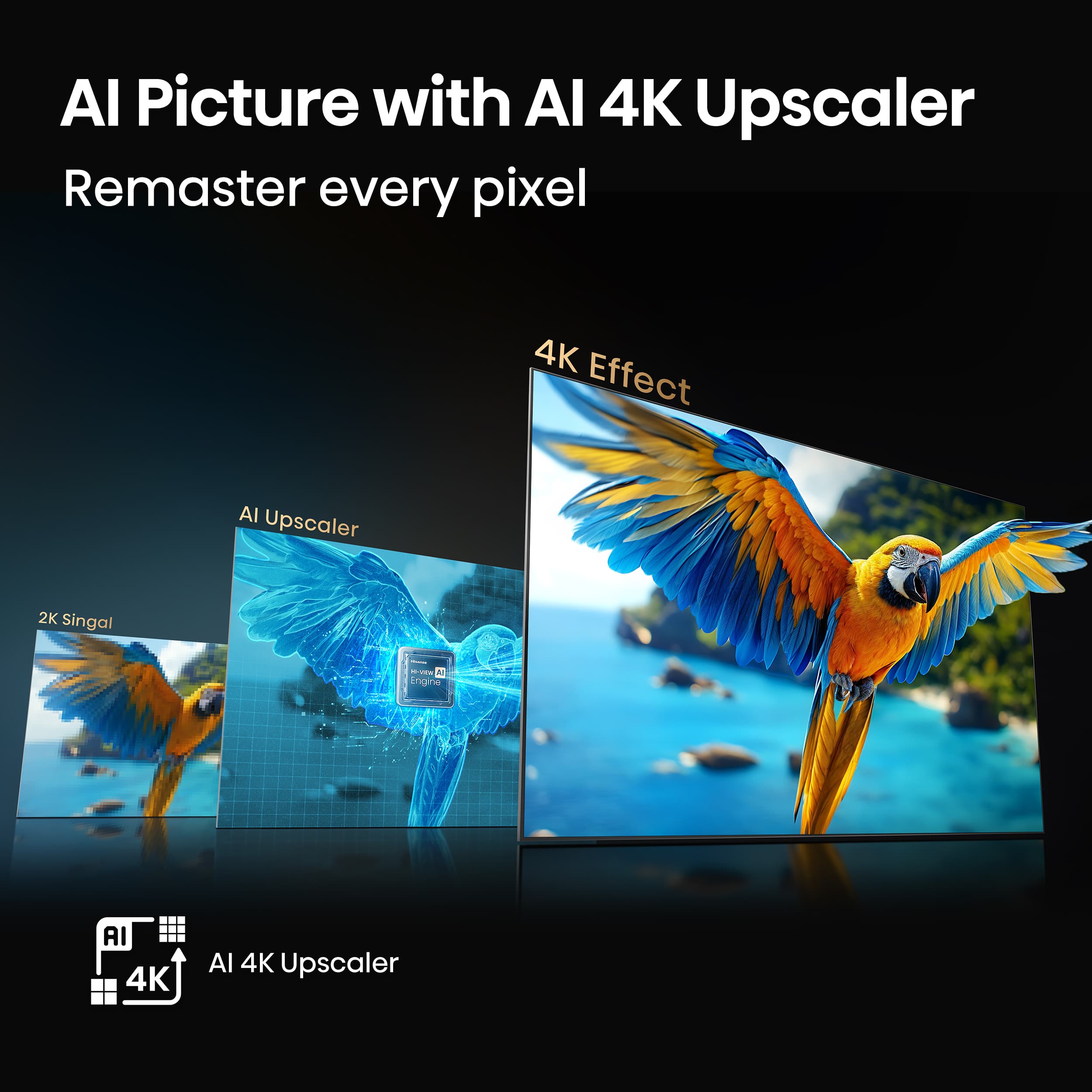
| ARM Cortex-A53 with AI 4K Upscaler | Q4 AI Processor with Vision AI optimization |
| Audio System - Built-in sound quality | |
| Dolby Atmos support, standard speakers | 20W 2CH, OTS Lite, Adaptive Sound+, Q-Symphony |
| Design Quality - Physical appearance and build | |
| Traditional thick LED design, basic plastic remote | AirSlim design, premium build, BT SolarCell remote |
| HDR Support - Compatibility with high dynamic range content | |
| Dolby Vision, HDR10+, HDR10, HLG | Quantum HDR+, HDR10+ (Adaptive/Gaming) |
| Connectivity Options - Future-proofing and device compatibility | |
| 4× HDMI 2.0, 2× USB 2.0, Wi-Fi 5, eARC | 4× HDMI 2.1, modern connectivity standards |
| Value Proposition - Price-to-performance positioning | |
| Exceptional budget value with solid quantum dot benefits | Premium budget option with advanced gaming and processing |
The Hisense QD6 Series delivers exceptional picture quality for its price point, with quantum dot technology providing vibrant colors and 385 cd/m² peak brightness that outperforms many competitors. The Samsung QN8F Series offers more sophisticated color processing with 100% Color Volume and advanced AI optimization, but at a higher cost. For pure value, the Hisense wins, while the Samsung provides more refined picture processing.
The biggest gaming difference is refresh rate capability. The Samsung QN8F Series offers true 120Hz gaming with HDMI 2.1 ports, supporting next-gen console features at 4K/120Hz. The Hisense QD6 Series is limited to 60Hz with HDMI 2.0 ports, though it still provides low input lag and VRR support. Serious gamers should choose the Samsung, while casual gamers will be satisfied with the Hisense.
The Hisense QD6 Series runs Fire TV, which excels for Amazon ecosystem users with seamless Prime Video integration and reliable Alexa control. The Samsung QN8F Series uses Tizen OS, offering broader app selection, Samsung TV Plus free channels, and better overall performance. Fire TV is simpler and Amazon-focused, while Tizen provides more comprehensive smart features and customization options.
Both TVs handle bright rooms reasonably well, but the Hisense QD6 Series has slightly better reflection handling and maintains color saturation in ambient light. The higher peak brightness of around 385 cd/m² helps it compete with room lighting. The Samsung QN8F Series performs similarly in bright conditions but focuses more on overall picture balance than pure brightness.
The Samsung QN8F Series provides superior built-in audio with 20W speakers, Object Tracking Sound Lite, Adaptive Sound+, and Q-Symphony soundbar compatibility. The Hisense QD6 Series supports Dolby Atmos but has more basic speaker implementation. For better out-of-box audio experience, choose the Samsung, though both benefit significantly from adding external audio.
The Samsung QN8F Series features Samsung's AirSlim design with premium aesthetics and a BT SolarCell remote that charges via room light. The Hisense QD6 Series uses a traditional thick LED design with functional but basic build quality. The Samsung looks and feels more expensive, while the Hisense prioritizes performance over premium design elements.
Both TVs support comprehensive HDR formats, but with different strengths. The Hisense QD6 Series provides slightly more impactful HDR highlights due to its peak brightness advantage and supports Dolby Vision for dynamic optimization. The Samsung QN8F Series uses Quantum HDR+ with better overall processing and scene-by-scene optimization through its AI processor. Neither excels at HDR like premium models, but both offer noticeable improvements over standard LED TVs.
The Samsung QN8F Series handles sports better with its native 120Hz refresh rate and Motion Xcelerator 144Hz processing, providing smoother motion and less blur during fast action. The Hisense QD6 Series uses 60Hz with Motion Rate 120 interpolation, which helps but isn't as effective as true high refresh rates. Sports enthusiasts should prefer the Samsung for its superior motion handling.
Both TVs handle popular streaming apps well, but the Samsung QN8F Series generally provides snappier performance thanks to its more powerful Q4 AI processor. The Hisense QD6 Series runs streaming apps adequately on Fire TV, though some users report occasional lag during heavy usage. The Samsung offers more consistent performance across different apps and multitasking scenarios.
Both the Hisense QD6 Series and Samsung QN8F Series use VA panels, which provide good contrast but limited viewing angles compared to IPS displays. Colors and contrast degrade when viewed from the side, making both better suited for centered seating arrangements rather than wide room layouts. There's no significant advantage for either TV in viewing angle performance.
For dedicated home theater use, both TVs have limitations due to lack of local dimming, which affects dark room contrast. The Samsung QN8F Series edges ahead with 120Hz capability for smoother action and better processing, but neither excels in pure dark room performance. The Hisense QD6 Series offers better value if budget is primary, while the Samsung provides more complete features for serious movie watching.
Yes, ecosystem integration matters significantly. Choose the Hisense QD6 Series if you're heavily invested in Amazon services, use Alexa extensively, or prefer Fire TV's content-focused approach. Select the Samsung QN8F Series if you own other Samsung devices, want broader smart platform capabilities, or prefer Tizen's more comprehensive interface. The Samsung also offers better long-term software support and feature updates.
We've done our best to create useful and informative comparisons to help you decide what product to buy. Our research uses advanced automated methods to create this comparison and perfection is not possible - please contact us for corrections or questions. These are the sites we've researched in the creation of this article: pcvarge.com - bestbuy.com - rtings.com - youtube.com - rtings.com - youtube.com - consumerreports.org - leaseville.com - hisense-usa.com - device.report - hisense-usa.com - youtube.com - flatpanelshd.com - displayspecifications.com - retailspecs.com - bestbuy.com - samsung.com - rtings.com - youtube.com - samsung.com - pcrichard.com - abt.com - images.samsung.com - cnet.com - news.samsung.com - samsung.com - bestbuy.com

Privacy Policy
Terms and Conditions - Affiliate Policy
Home Security
© Copyright 2008-2026.
11816 Inwood Rd #1211, Dallas, TX 75244