

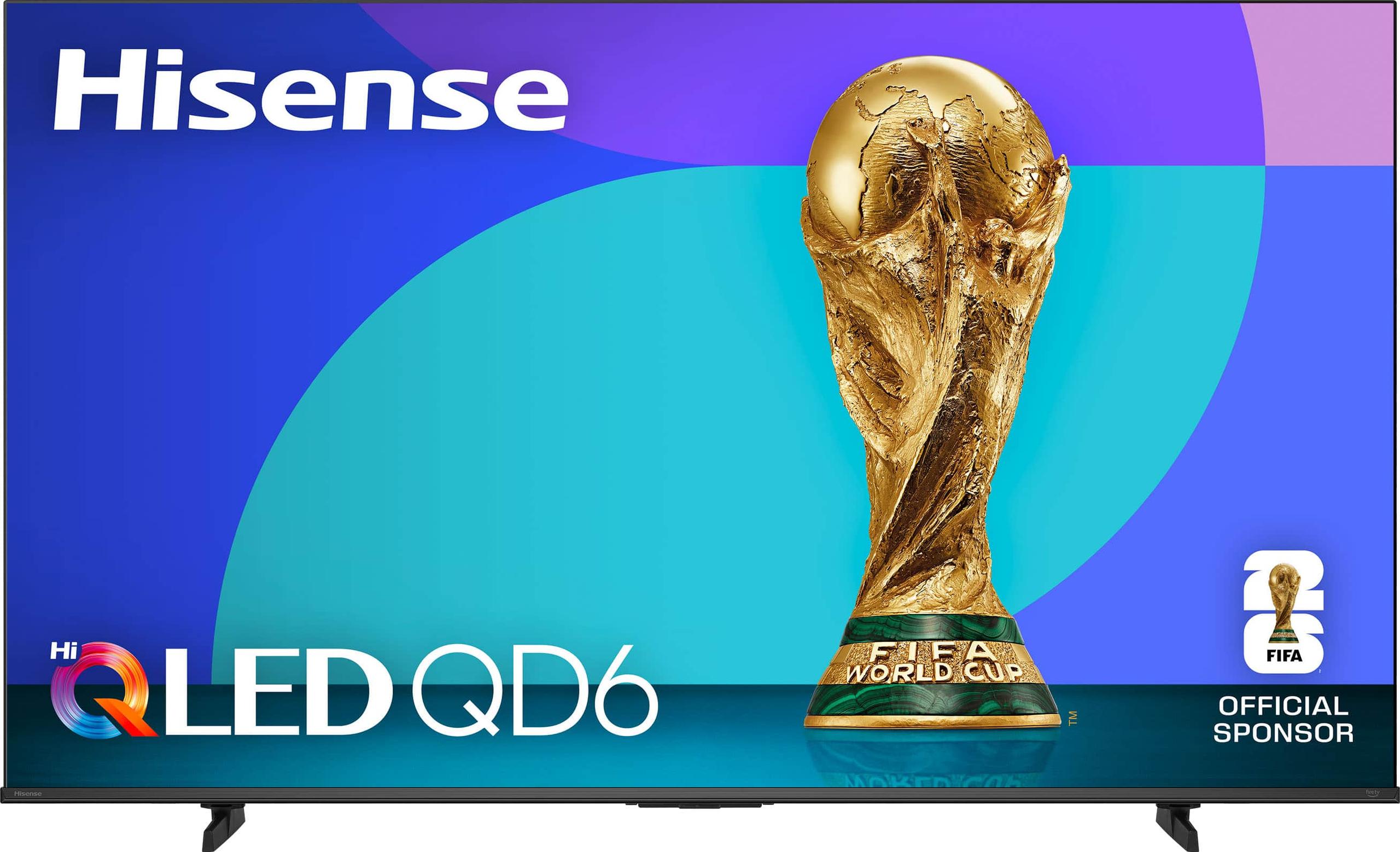
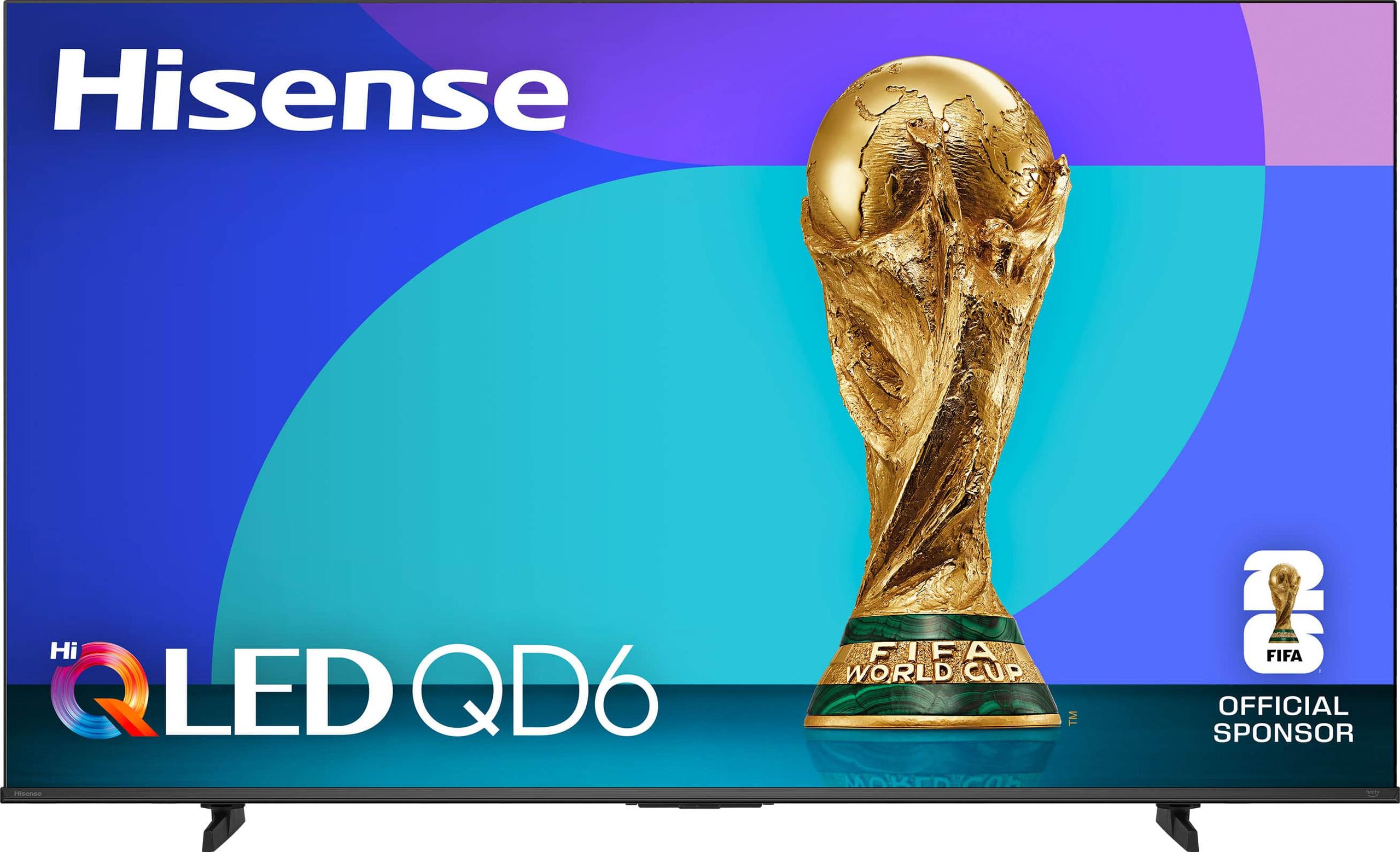


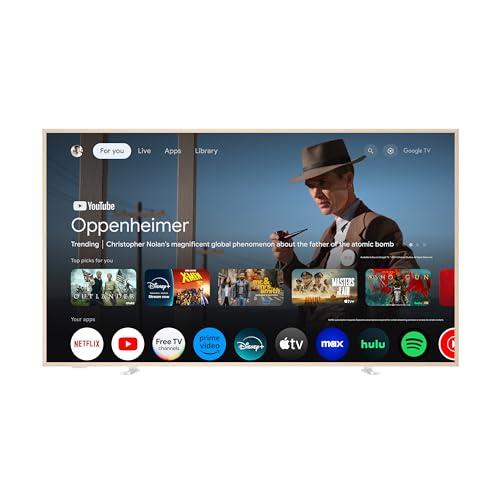
When you're shopping for a new 65-inch TV, you might assume all QLED models are basically the same – just pick based on price and brand preference. But the Hisense 65" QD6 Series and TCL 65" NXTVISION QLED 4K Art Frame TV represent completely different philosophies about what a TV should be in your living room.
The Hisense QD6, released in 2025, follows the traditional approach: deliver the best possible picture quality and features for the money. Meanwhile, the TCL NXTVISION, also from 2025, asks a different question entirely – what if your TV could disappear into your décor when you're not watching it?
After researching extensive user reviews and professional evaluations, it's clear these TVs serve fundamentally different needs. Let me break down exactly what that means for your viewing experience.
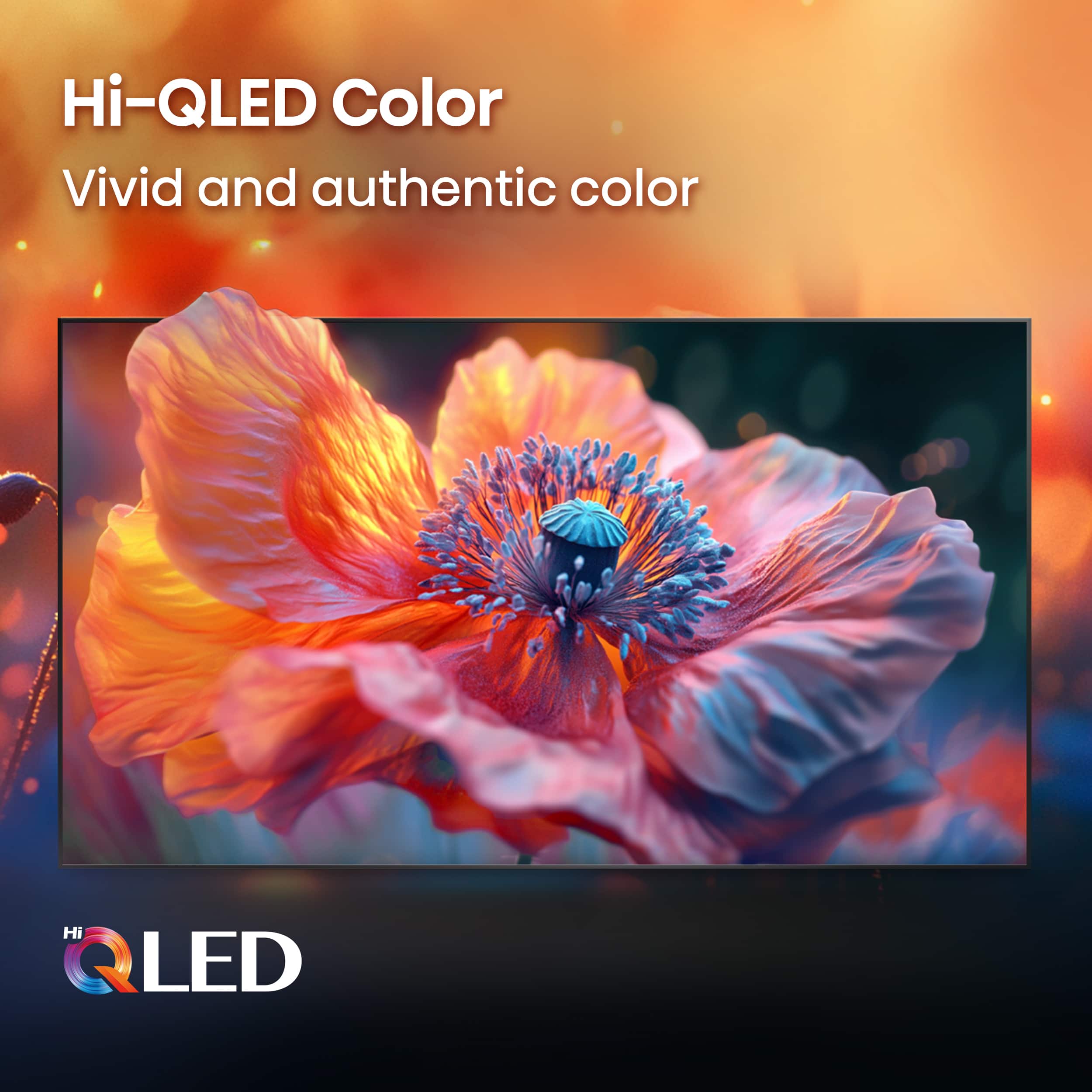
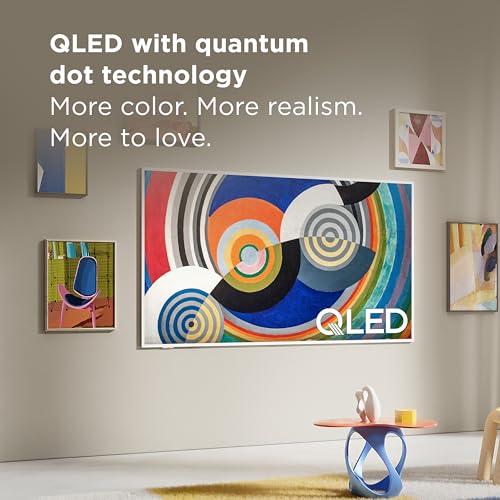
Both TVs use QLED technology, which stands for Quantum Dot Light Emitting Diode. This means they use tiny semiconductor particles called quantum dots to produce more vibrant and accurate colors than standard LED TVs. Think of quantum dots as microscopic color filters that can produce very pure reds, greens, and blues.
But that's where the similarities end. The Hisense QD6 uses these quantum dots in service of traditional TV performance – better colors for movies, sports, and gaming. The TCL NXTVISION uses them as part of a broader lifestyle product that happens to also be a TV.
The key considerations when comparing these approaches are whether you prioritize pure viewing performance or want a TV that integrates seamlessly into your living space. At the time of writing, there's also a significant price gap, with the Hisense QD6 positioned as a budget-friendly option while the TCL NXTVISION commands a substantial premium for its unique features.
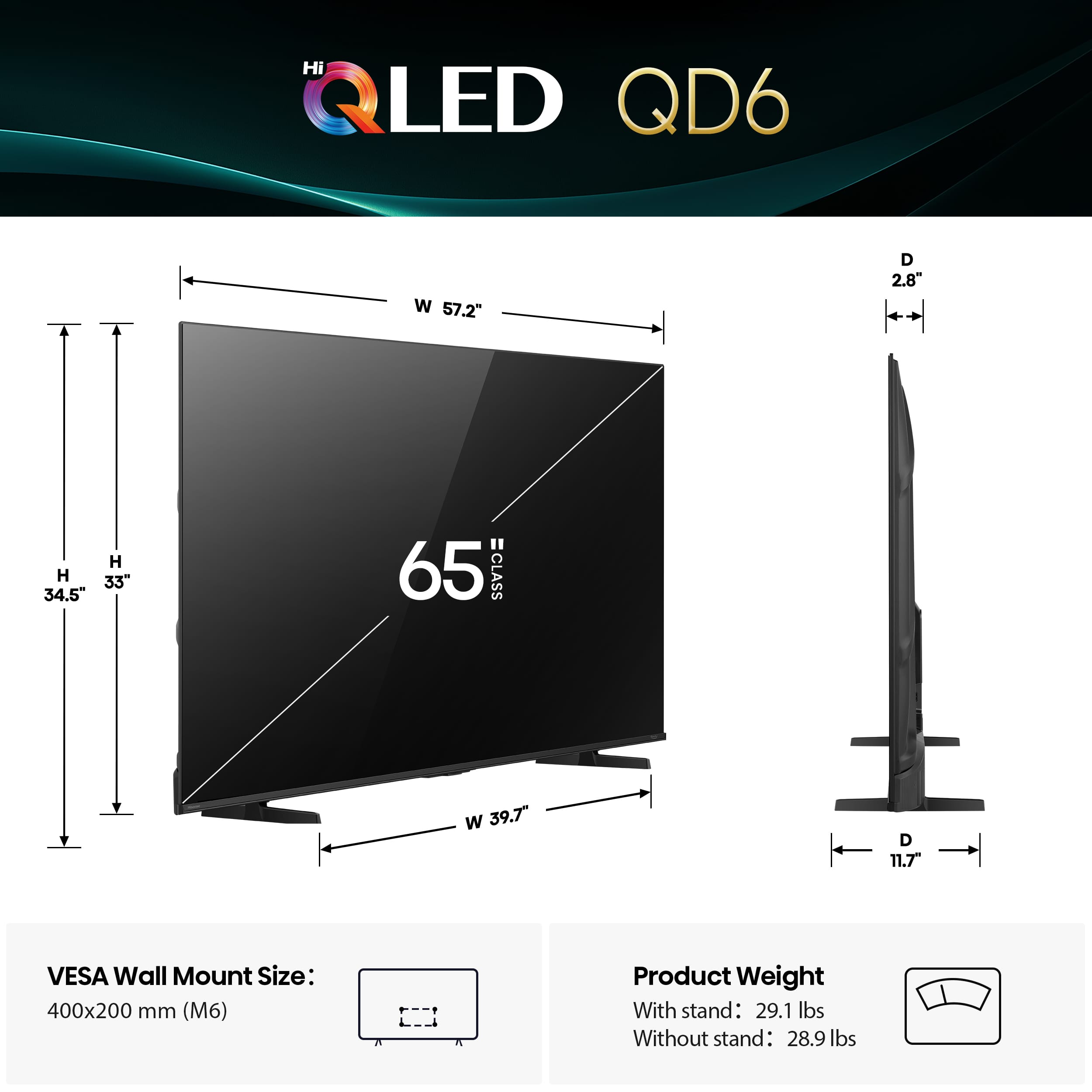
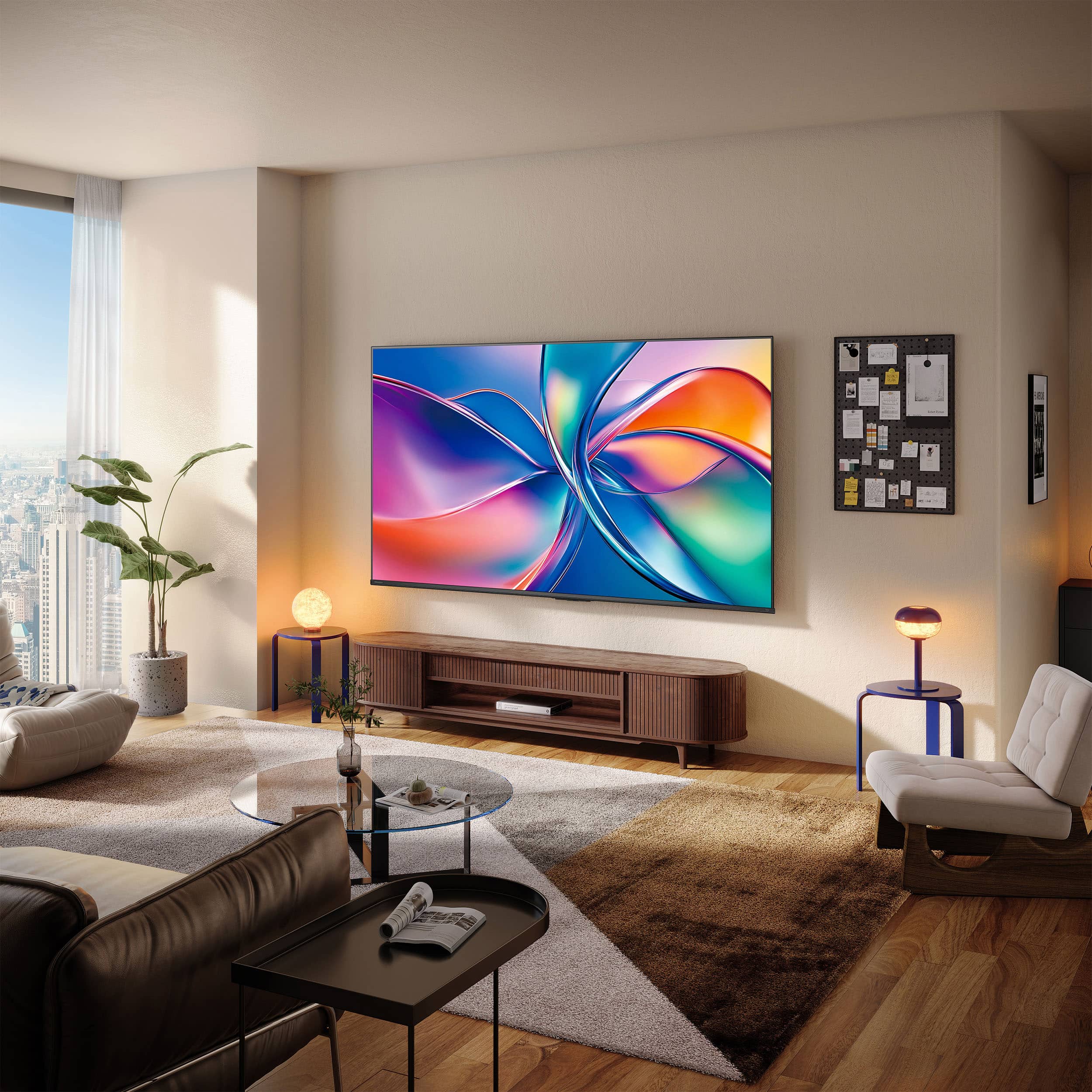
The most obvious difference is physical design. The Hisense QD6 looks like what you'd expect from a modern TV – slim bezels, conventional stand, and a typical depth of about 2.8 inches. It's designed to deliver great performance without drawing attention to itself.
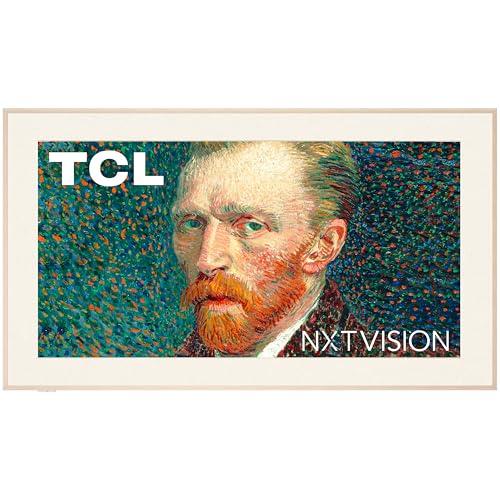
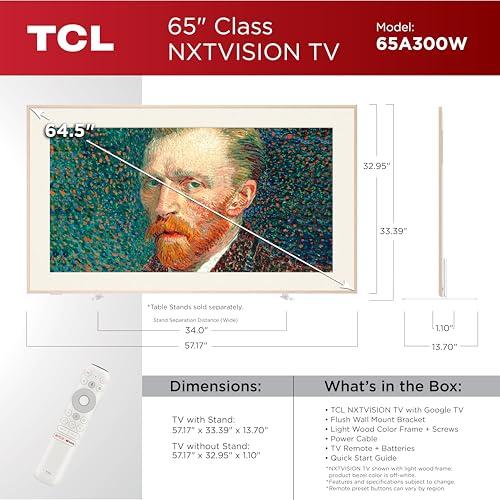
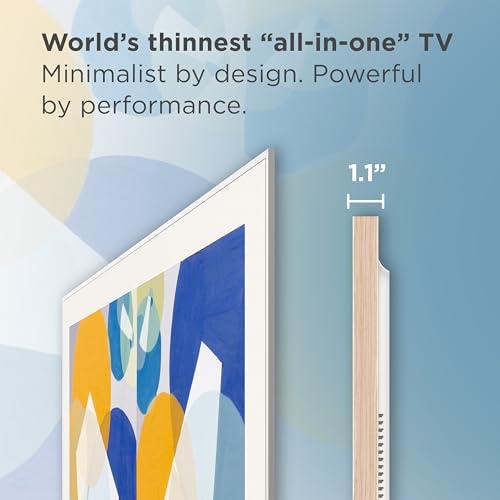
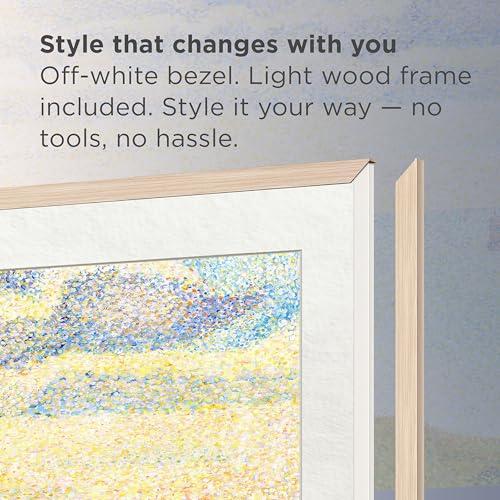
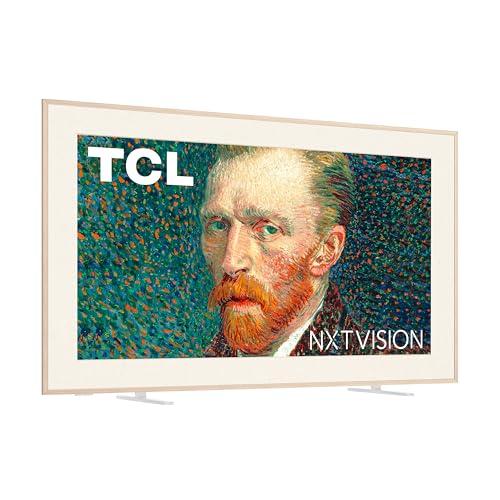
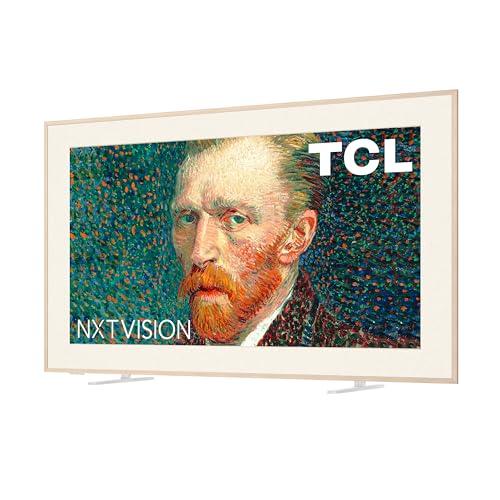
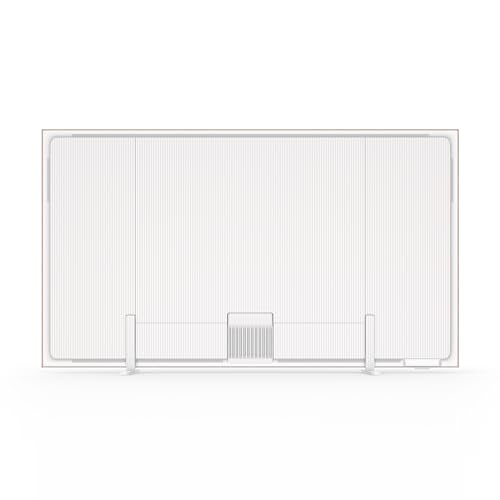
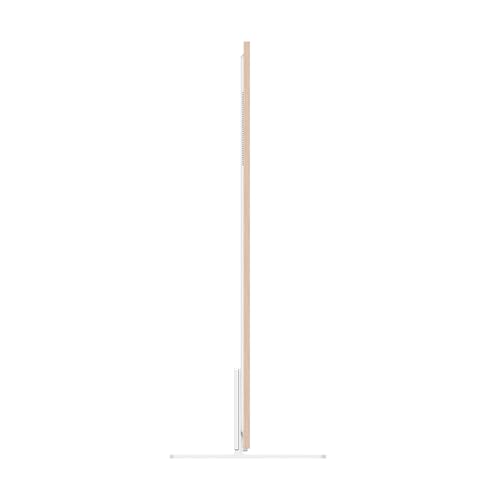
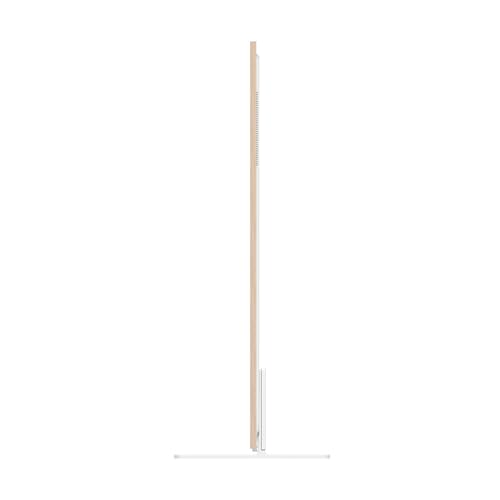
The TCL NXTVISION takes the opposite approach. At just 1.1 inches deep, it's among the thinnest TVs ever made. More importantly, it includes a magnetic wood-like frame that completely changes its appearance. When displaying artwork from its built-in library of over 400 pieces, it genuinely looks like a framed painting on your wall.
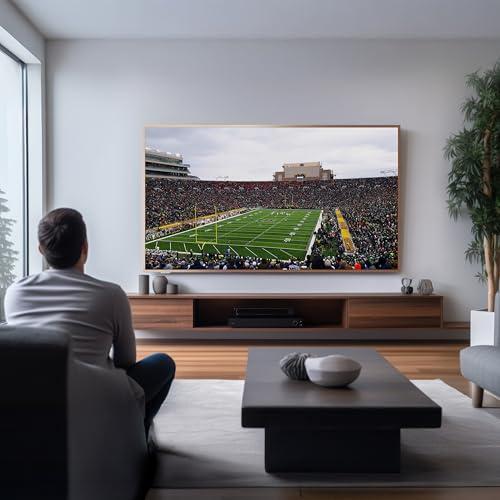
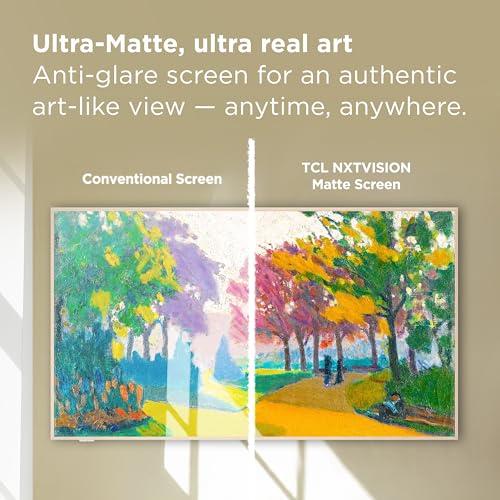
This isn't just marketing fluff. The ultra-matte anti-glare screen on the TCL NXTVISION uses specialized coatings that eliminate reflections almost entirely. In bright rooms with lots of windows, this makes a dramatic difference. Where a traditional TV screen would show reflections of lamps, windows, and people moving around, the matte screen maintains a consistent, artwork-like appearance.
However, this matte coating comes with trade-offs that become apparent when you're actually watching TV content, especially in darker scenes.
This is where the fundamental design differences create the biggest performance gap. The Hisense QD6 uses a VA (Vertical Alignment) panel, which naturally produces deeper blacks and better contrast ratios. Our research indicates it achieves around 3800:1 contrast, meaning whites are 3800 times brighter than blacks.
The TCL NXTVISION sacrifices this contrast performance for its matte coating. While exact specifications aren't published, user reviews consistently mention that dark scenes appear gray rather than truly black. This is the price of that anti-glare technology – the coating that eliminates reflections also prevents the panel from achieving deep blacks.
In practical terms, this means the Hisense QD6 delivers a more immersive experience for movie nights or binge-watching sessions, especially in darker rooms. The TCL NXTVISION excels during daytime viewing when ambient light would normally wash out a traditional TV screen.
Both TVs support quantum dot technology, but they implement it differently. The Hisense QD6 achieves better out-of-box color accuracy, covering about 90% of the DCI-P3 color gamut (the standard used for HDR content). This means colors appear more true-to-life without requiring manual adjustments.
The TCL NXTVISION prioritizes vibrant, eye-catching colors that look impressive in art mode but aren't as accurate for video content. Professional reviews consistently note poor color accuracy in both standard and HDR modes, though many users don't notice these technical shortcomings in everyday use.
Peak brightness is crucial for HDR performance and bright room viewing. The Hisense QD6 reaches approximately 385 cd/m² (candelas per square meter), which is adequate for its price range but not exceptional. The TCL NXTVISION appears to have similar peak brightness, but its matte coating reduces the perceived impact of bright highlights.
Both TVs support all major HDR formats – Dolby Vision, HDR10+, HDR10, and HLG. HDR (High Dynamic Range) is supposed to deliver more realistic lighting with brighter highlights and deeper shadows, but neither TV has the peak brightness or local dimming (individual backlight zones) needed for truly impressive HDR.
Local dimming is where the backlight behind the screen can brighten or dim specific areas independently. Without it, both TVs suffer from "black lift" – when bright elements on screen cause dark areas to appear gray instead of black. The Hisense QD6 handles this better due to its superior native contrast, but neither delivers the HDR impact you'd get from more expensive mini-LED or OLED displays.
This is important context: if HDR performance is a priority, you'll need to spend significantly more regardless of which of these models you choose.
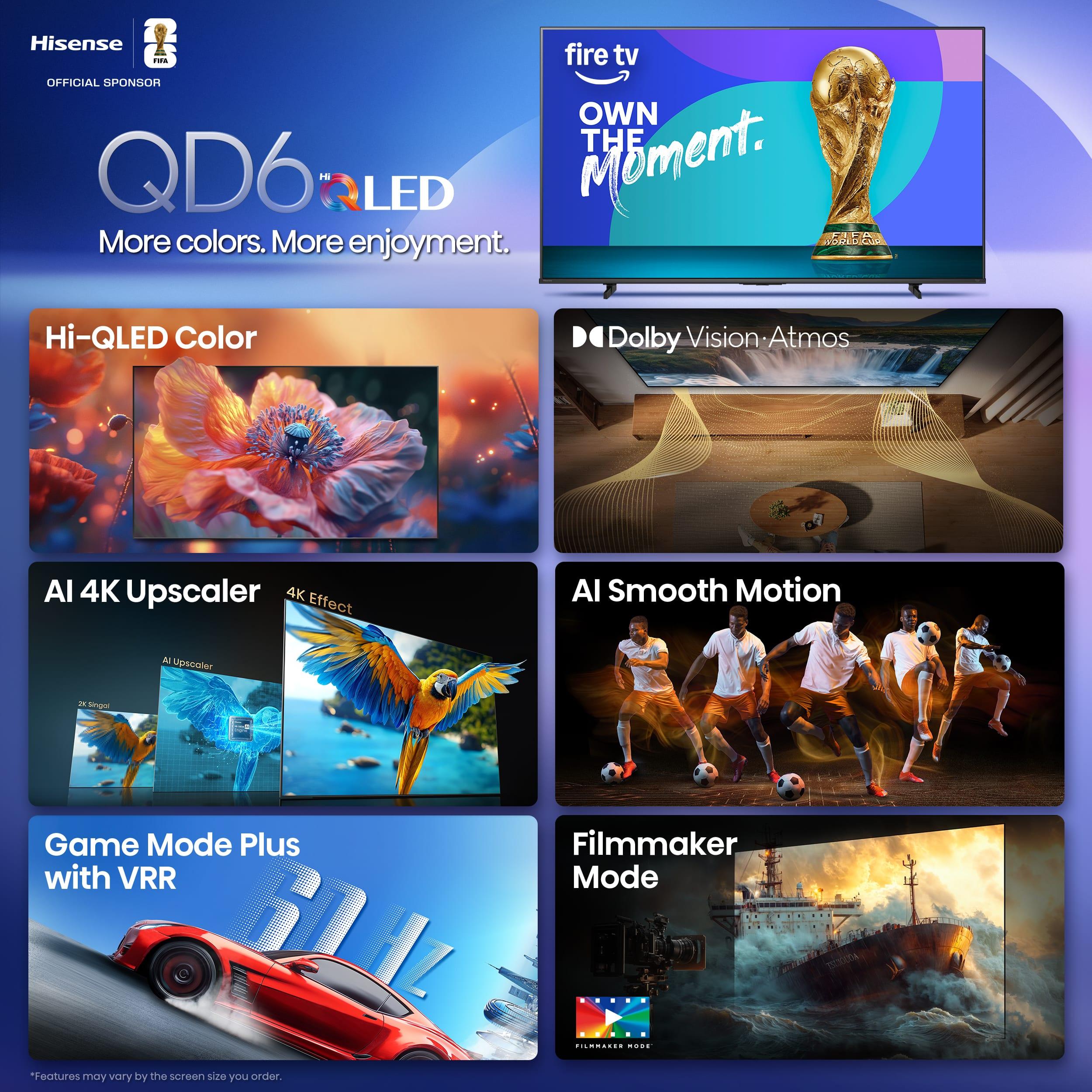
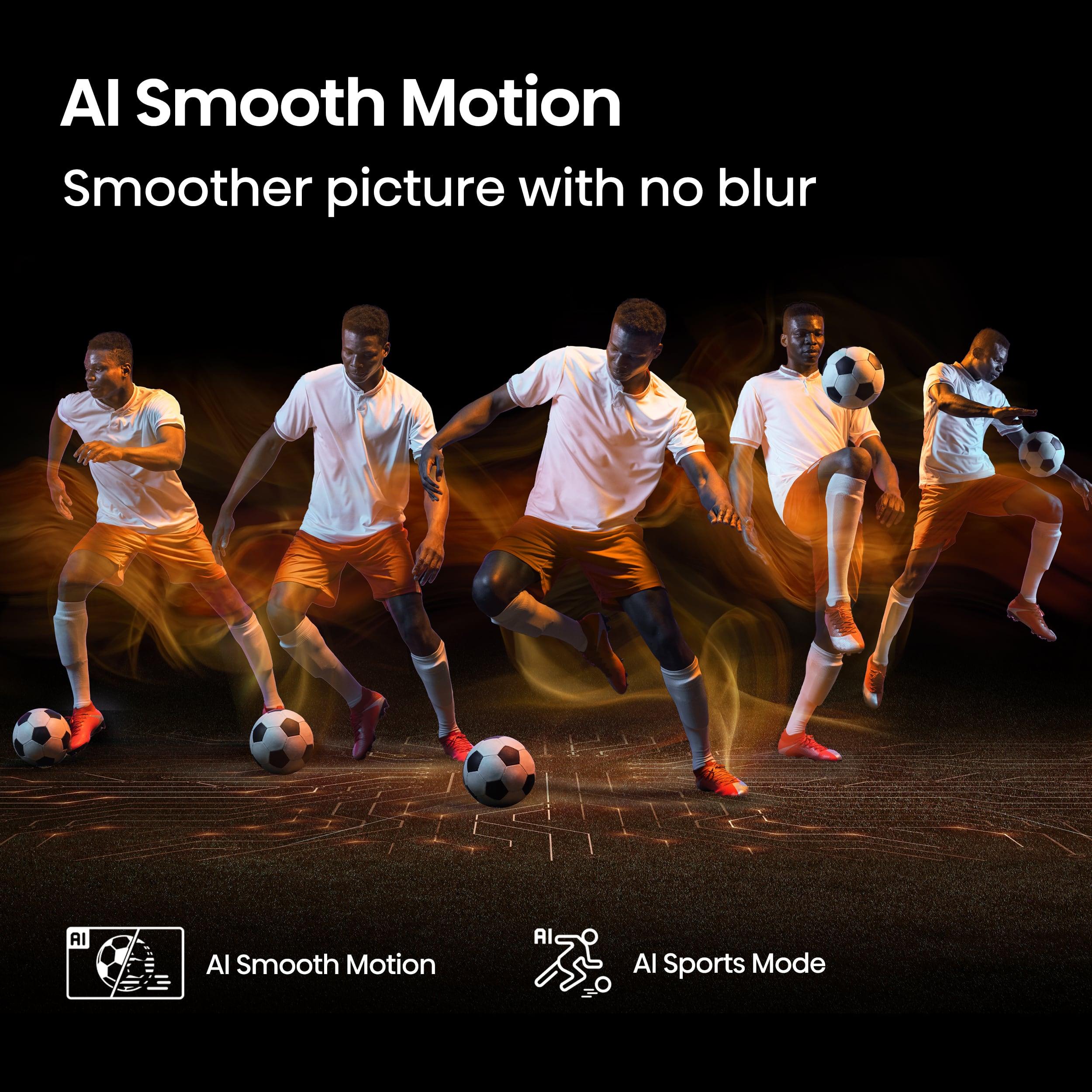
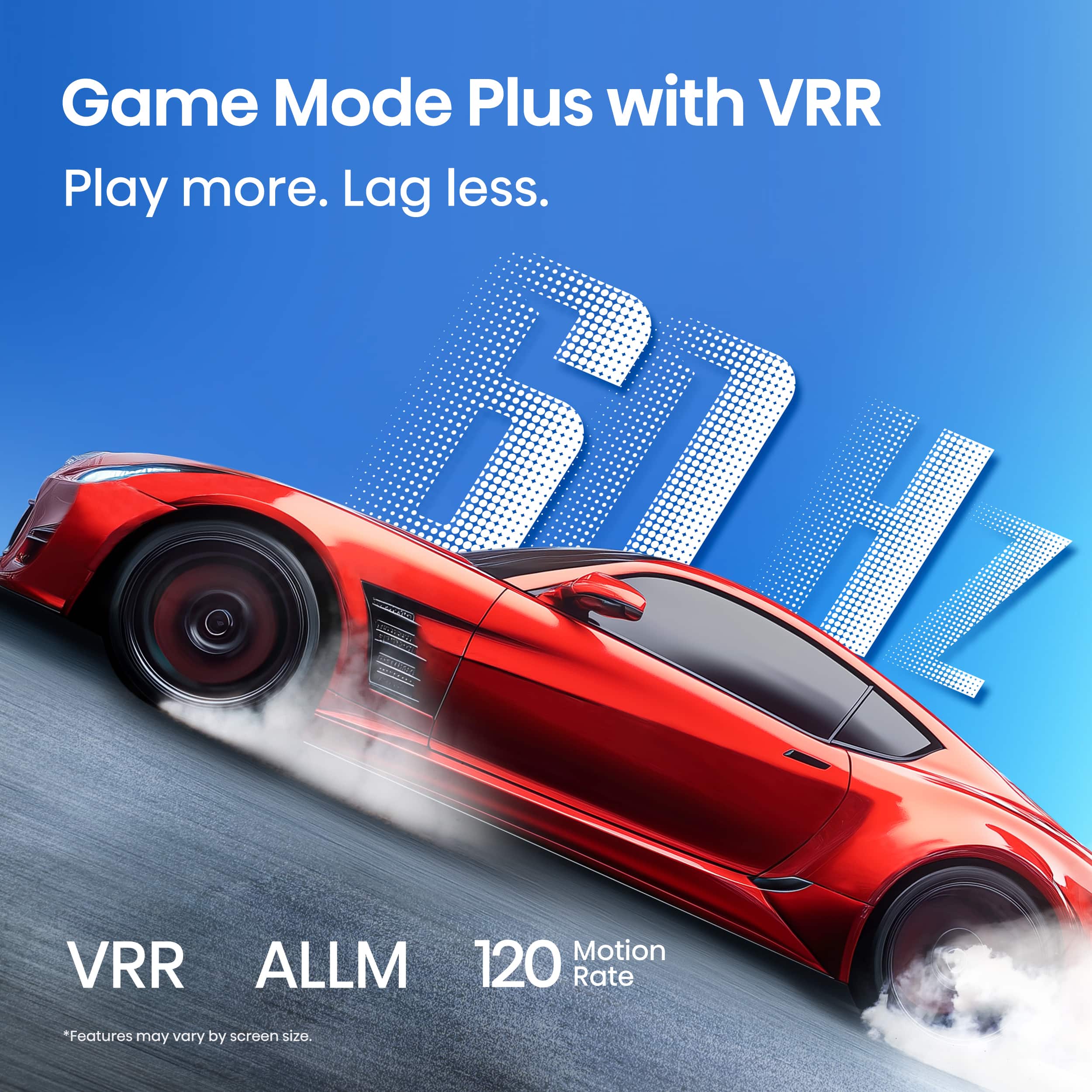
Motion clarity becomes crucial for sports, action movies, and gaming. The Hisense QD6 includes AI Smooth Motion powered by MEMC (Motion Estimation, Motion Compensation), which analyzes each frame and creates intermediate frames to smooth out motion. It achieves Motion Rate 120, meaning it interpolates the native 60Hz refresh rate to reduce blur.
The TCL NXTVISION claims Motion Rate 480 with more advanced processing, but real-world performance tells a different story. User reviews consistently mention slower pixel response times, which create noticeable blur trails behind moving objects. This makes it less suitable for sports viewing or fast-paced content.
For sports enthusiasts, the Hisense QD6 provides a clearer viewing experience, though neither TV matches the motion clarity of higher-end models with 120Hz native refresh rates.
Gaming specifications look impressive on paper for the TCL NXTVISION. It includes HDMI 2.1 ports supporting up to 144Hz variable refresh rate (VRR), Auto Low Latency Mode (ALLM), and AMD FreeSync Premium. These features should deliver tear-free, responsive gaming.
The Hisense QD6 offers more basic gaming features – VRR and ALLM at 60Hz maximum, with HDMI 2.0 connectivity limiting bandwidth. Input lag measures around 10.2ms, which is very responsive for casual gaming.
However, our research reveals that gaming performance doesn't match specifications for the TCL NXTVISION. The slow pixel response time and poor contrast undermine the advanced features. Many users report disappointing gaming experiences despite the impressive spec sheet.
For casual gaming, the Hisense QD6 provides a more consistent, if limited, experience. For serious gaming, neither TV offers the performance you'd want – you'd need to look at dedicated gaming displays or higher-end TVs with proper 120Hz panels and local dimming.
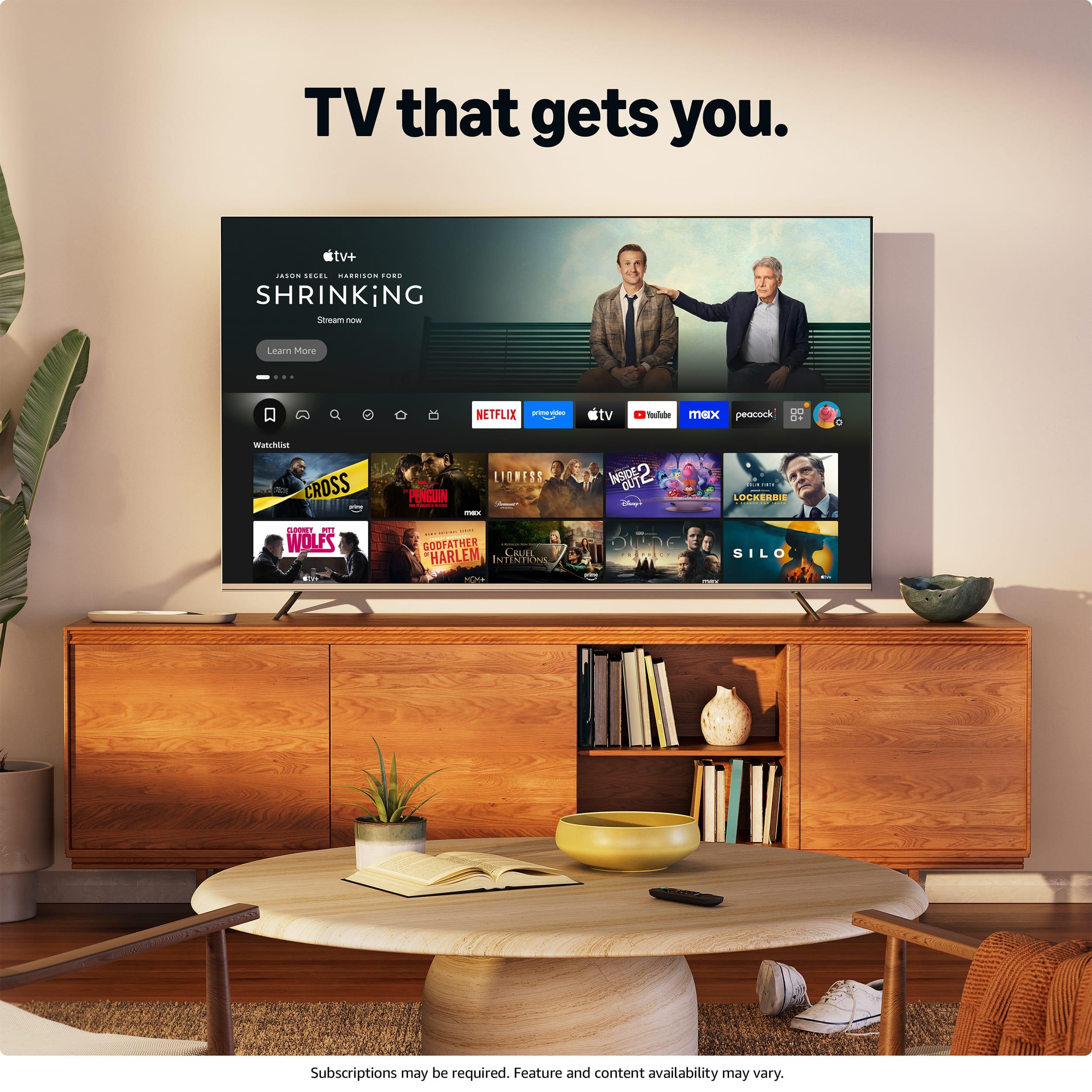
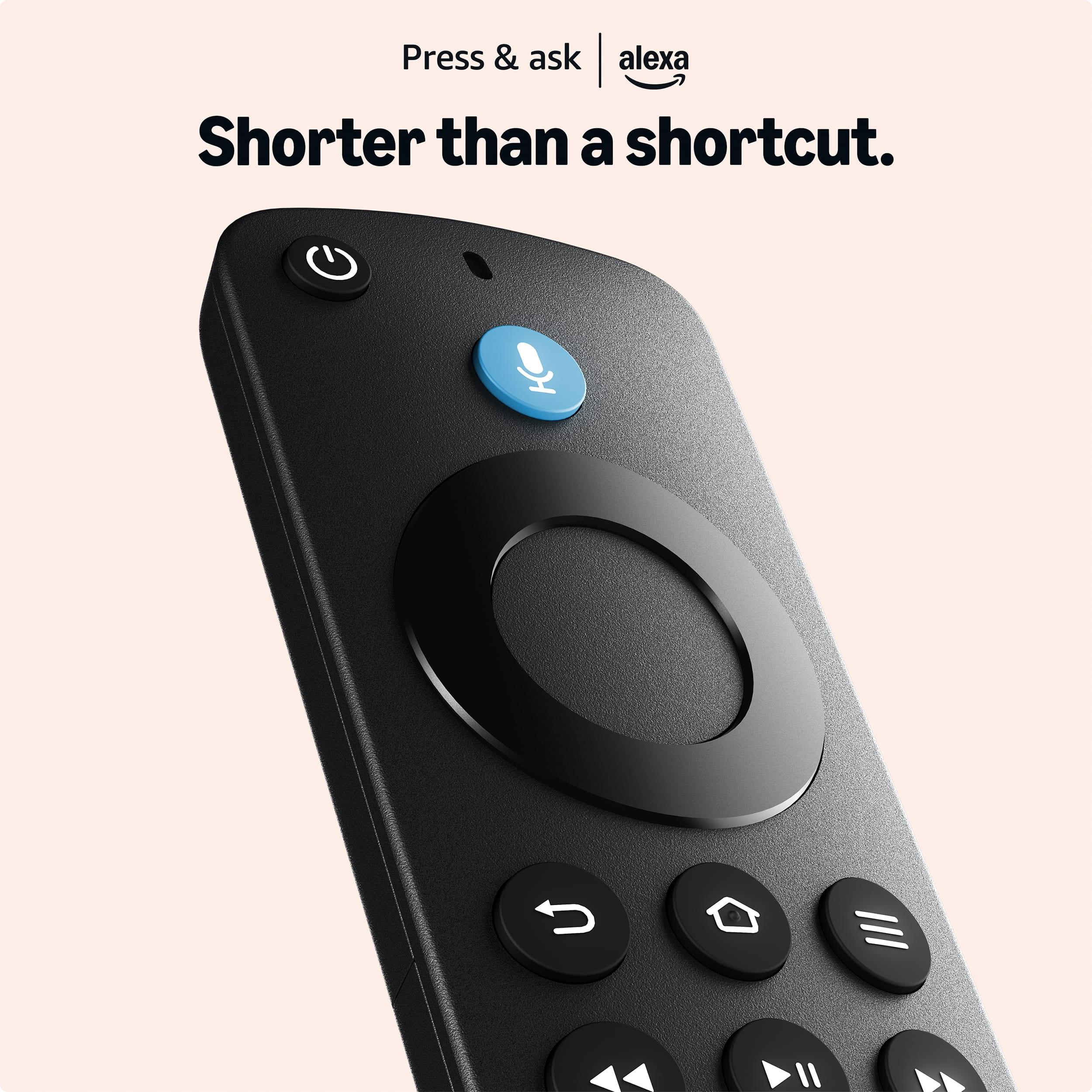
The Hisense QD6 runs Fire TV, Amazon's streaming platform. It's comprehensive and user-friendly, with good integration of major streaming services and Alexa voice control. The interface can occasionally feel sluggish, but it's generally reliable for everyday use.
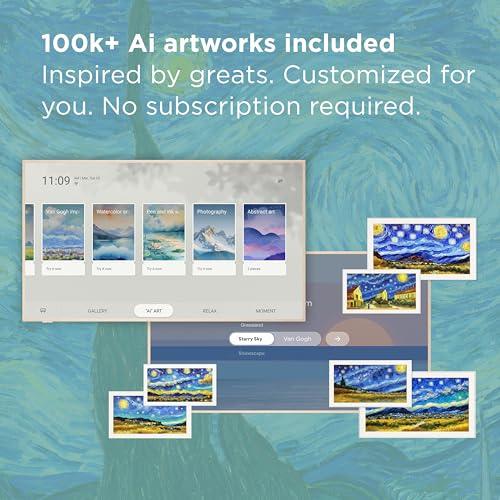
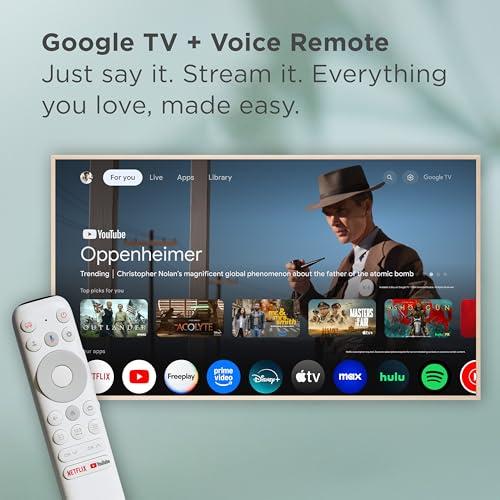
The TCL NXTVISION uses Google TV, which offers excellent content recommendations and smooth performance. More importantly for its target audience, it seamlessly integrates the art display functionality. You can rotate through curated artwork, display personal photos, or even generate AI art directly on the TV.
This art functionality isn't just a gimmick – it genuinely transforms how the TV integrates into your living space. When not in active use, it can display rotating artwork that changes throughout the day, making it feel more like décor than technology.
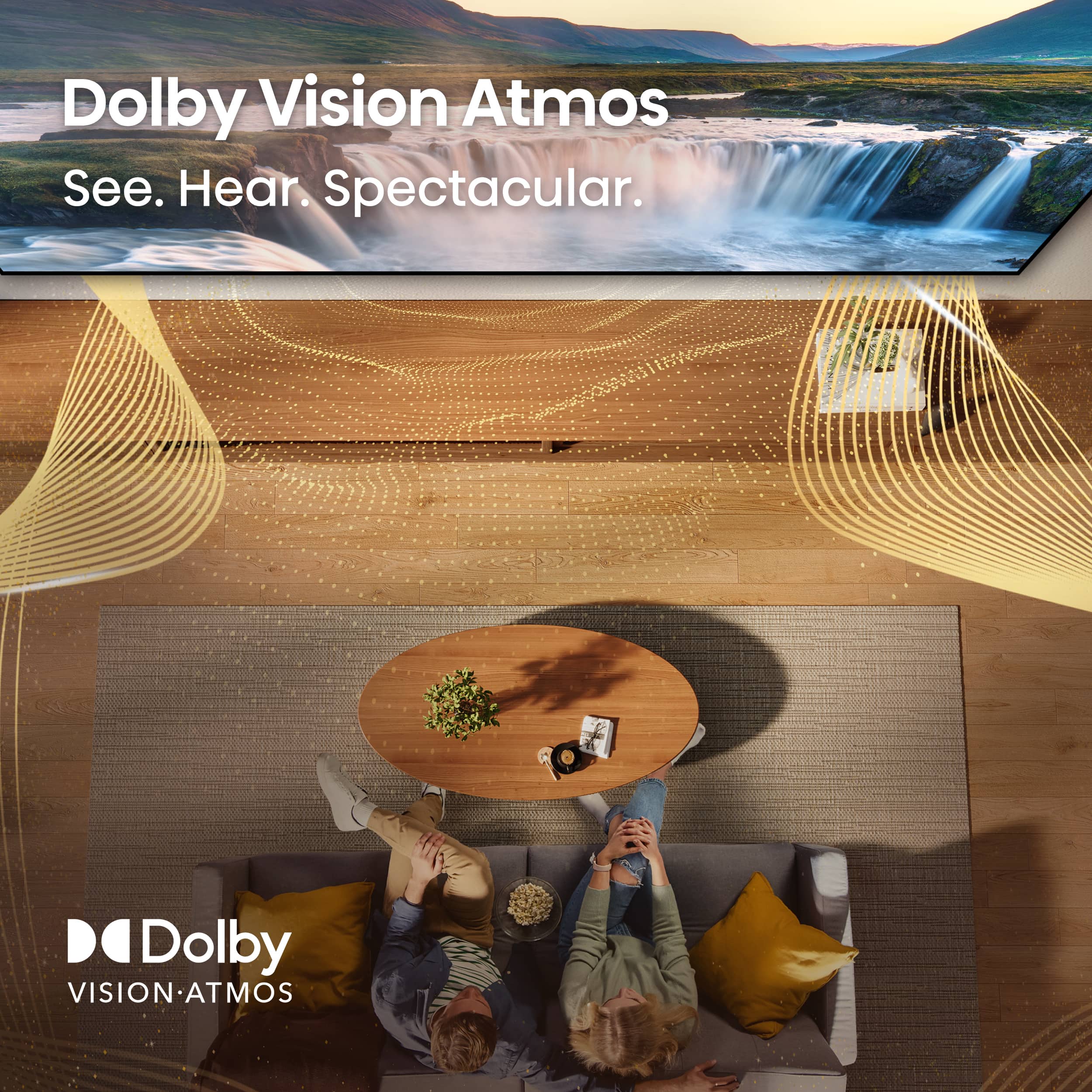
Neither TV will replace a dedicated sound system, but there are differences worth noting. The Hisense QD6 supports Dolby Atmos, which creates a more immersive surround sound experience through audio processing, even with just built-in speakers.
The TCL NXTVISION also includes Dolby Atmos plus DTS Virtual:X for spatial audio. Its ultra-thin profile limits speaker size, but most users find the audio quality acceptable for everyday viewing. Both TVs benefit significantly from external soundbars or audio systems.
Installation differs significantly between these models. The Hisense QD6 uses standard VESA mounting (400x300) and includes traditional TV legs. Setup is straightforward and familiar.
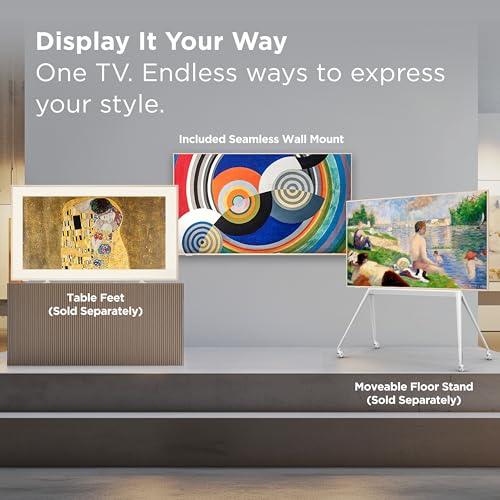
The TCL NXTVISION requires its proprietary flush wall mount system. While this creates the seamless, artwork-like appearance, it limits your installation options. The included mount is well-designed and relatively easy to install, but you're committed to the specific aesthetic it creates.
The ultra-slim profile means the TCL NXTVISION essentially disappears into the wall when mounted, which is exactly the point. However, this specialized mounting system and unique form factor might complicate future upgrades or room changes.
At the time of writing, there's a substantial price difference between these TVs. The Hisense QD6 positions itself as a budget-friendly option that delivers solid performance without premium features. For pure TV functionality, it offers excellent value.
The TCL NXTVISION commands a significant premium for its unique design and art display capabilities. Whether this premium is justified depends entirely on how much you value the lifestyle features versus traditional TV performance.
From a pure performance perspective, the Hisense QD6 delivers better picture quality, motion handling, and overall viewing experience for less money. The TCL NXTVISION offers something genuinely different – a TV that integrates into your décor – but at the cost of traditional performance and a much higher price.
For dedicated home theater use, the Hisense QD6 is the clear choice. Its superior contrast, better motion handling, and focus on picture quality make it more suitable for movie watching in controlled lighting conditions.
The TCL NXTVISION's poor black levels and compromised dark room performance make it unsuitable for serious home theater use. The matte coating that works so well for art display actively works against creating an immersive cinematic experience.
However, if your "home theater" is really a family room that serves multiple purposes throughout the day, the TCL NXTVISION's bright room performance and aesthetic integration might outweigh its technical limitations.
Choose the Hisense QD6 if:
Choose the TCL NXTVISION if:
These TVs represent two completely different approaches to the same basic need. The Hisense QD6 asks "how can we make the best TV possible at this price?" The TCL NXTVISION asks "how can we make a TV that doesn't look like a TV?"
For most buyers focused on getting the best viewing experience for their money, the Hisense QD6 is the clear winner. It delivers superior performance across virtually every technical measure while costing significantly less.
The TCL NXTVISION succeeds at its unique goal of blending into high-end interior design, but it requires accepting compromised TV performance for that aesthetic integration. It's a luxury product for specific use cases, not a mainstream TV recommendation.
If you're unsure which approach fits your needs, consider how you actually use your TV space. Do you primarily watch in the evening with lights dimmed? Go with the Hisense QD6. Is your TV in a bright, design-conscious living area where it needs to look good even when off? The TCL NXTVISION might justify its premium.
The key is being honest about your priorities. Don't pay extra for lifestyle features you won't use, but also don't underestimate how much a well-integrated TV can improve your daily living environment if aesthetics matter to you.
| Hisense 65" QD6 Series Hi-QLED Fire TV | TCL 65" NXTVISION QLED 4K Art Frame TV |
|---|---|
| Display Type - Determines picture quality fundamentals | |
| VA Panel with Direct LED backlight (better contrast) | Edge-lit LED with matte coating (anti-glare priority) |
| Contrast Ratio - Critical for dark scene performance and HDR impact | |
| 3,800:1 (deep blacks, immersive movie experience) | Poor native contrast due to matte screen (washed out darks) |
| Peak Brightness - Essential for HDR and bright room viewing | |
| 385 cd/m² (adequate for price range, limited HDR impact) | Similar brightness but reduced by matte coating |
| Refresh Rate & Gaming - Determines motion clarity and gaming capability | |
| 60Hz native, VRR, ALLM, 10.2ms input lag | 120Hz native, 144Hz VRR, HDMI 2.1 (specs better than performance) |
| Motion Handling - Critical for sports and fast action content | |
| Motion Rate 120 with AI Smooth Motion (good for sports) | Motion Rate 480 claimed but slow response time causes blur |
| Design & Installation - How it integrates into your room | |
| Traditional 2.8" depth, standard VESA mount, TV legs included | Ultra-slim 1.1" depth, flush wall mount only, magnetic wood frame |
| Anti-Glare Performance - Daytime and bright room viewing | |
| Standard reflective screen (problematic in bright rooms) | Ultra-matte coating eliminates reflections (excellent bright room performance) |
| Art Display Features - Lifestyle integration when TV is off | |
| None (traditional TV screensaver) | 400+ curated artworks, AI art generation, personal photo gallery |
| Smart Platform - Interface and streaming capabilities | |
| Fire TV with Alexa (comprehensive, occasionally sluggish) | Google TV (smooth performance, excellent art mode integration) |
| HDR Support - Enhanced contrast and color range | |
| Dolby Vision, HDR10+, HDR10, HLG (limited by brightness/contrast) | Same HDR formats but weaker implementation due to panel limitations |
| Audio Quality - Built-in sound performance | |
| Dolby Atmos, 20W output (typical for price range) | Dolby Atmos, DTS Virtual:X (limited by ultra-thin profile) |
| Color Accuracy - True-to-life color reproduction | |
| Good out-of-box accuracy, 90% DCI-P3 coverage | Poor accuracy prioritizing vibrant art display over video content |
| Best Use Cases - Who should buy each TV | |
| Budget-conscious buyers wanting good TV performance | Design-focused users prioritizing aesthetics and bright room viewing |
The Hisense 65" QD6 Series is significantly better for dark room movie watching. Its VA panel delivers a 3,800:1 contrast ratio with deep blacks, creating an immersive cinematic experience. The TCL NXTVISION has poor black levels due to its matte anti-glare coating, making dark scenes appear gray rather than truly black.
The core difference is purpose: the Hisense QD6 is a traditional TV focused on delivering the best picture quality for the money, while the TCL NXTVISION is designed as a lifestyle product that doubles as digital artwork when not in use. The TCL NXTVISION features an ultra-slim 1.1" profile and can display over 400 curated artworks.
The TCL NXTVISION QLED 4K Art Frame TV excels in bright rooms thanks to its ultra-matte anti-glare screen that virtually eliminates reflections. The Hisense QD6 has a standard reflective screen that can be problematic with windows or bright lighting, showing reflections of lamps and people moving around the room.
For casual gaming, the Hisense 65" QD6 Series provides a better experience with 10.2ms input lag and consistent performance, despite being limited to 60Hz. The TCL NXTVISION has impressive gaming specs on paper (144Hz VRR, HDMI 2.1) but suffers from slow response times that create motion blur, making real-world gaming disappointing.
The Hisense QD6 delivers significantly better value for traditional TV viewing, offering superior picture quality, motion handling, and overall performance at a much lower price point. The TCL NXTVISION commands a substantial premium for its unique art display features and design, which may not justify the cost for buyers focused primarily on TV performance.
Only the TCL NXTVISION QLED 4K Art Frame TV offers dedicated art display functionality with over 400 curated artworks, AI art generation, and personal photo galleries. It includes a magnetic wood frame and ultra-matte screen designed to mimic real artwork. The Hisense QD6 functions as a traditional TV with standard screensavers when not in use.
The Hisense 65" QD6 Series provides better sports viewing with its AI Smooth Motion technology and Motion Rate 120, delivering clearer motion during fast-paced action. The TCL NXTVISION suffers from slower pixel response times that create noticeable blur trails behind moving players and objects, making sports less enjoyable to watch.
The Hisense QD6 runs Fire TV with comprehensive streaming services and Alexa integration, though it can occasionally feel sluggish. The TCL NXTVISION uses Google TV, which offers smooth performance and excellent content recommendations, plus seamless integration with the art display features that make it unique among smart TV platforms.
For dedicated home theater use, the Hisense 65" QD6 Series is the clear choice due to its superior contrast ratio, better motion handling, and focus on picture quality in controlled lighting conditions. The TCL NXTVISION is unsuitable for serious home theater applications because its matte coating and poor black levels work against creating an immersive cinematic experience.
The Hisense QD6 offers flexible installation with standard VESA mounting and included TV legs for table placement. The TCL NXTVISION QLED 4K Art Frame TV requires its proprietary flush wall mount system and cannot be used with standard TV stands, limiting placement options but creating a seamless, artwork-like appearance when wall-mounted.
The Hisense 65" QD6 Series delivers good out-of-box color accuracy covering 90% of the DCI-P3 color gamut, making colors appear true-to-life for video content. The TCL NXTVISION prioritizes vibrant, eye-catching colors optimized for art display rather than accurate video reproduction, resulting in poor color accuracy for movies and shows.
For daytime viewing, the TCL NXTVISION is superior due to its ultra-matte anti-glare screen that eliminates reflections from windows and lighting. However, if you also watch content in darker conditions, the Hisense QD6 provides better overall versatility with decent bright room performance and excellent dark room capabilities at a significantly lower price.
We've done our best to create useful and informative comparisons to help you decide what product to buy. Our research uses advanced automated methods to create this comparison and perfection is not possible - please contact us for corrections or questions. These are the sites we've researched in the creation of this article: pcvarge.com - bestbuy.com - rtings.com - youtube.com - rtings.com - youtube.com - consumerreports.org - leaseville.com - hisense-usa.com - device.report - hisense-usa.com - youtube.com - flatpanelshd.com - displayspecifications.com - retailspecs.com - rtings.com - tcl.com - bestbuy.com - tcl.com - bestbuy.com - tcl.com - youtube.com - rcwilley.com - businessinsider.com - bestbuy.com - target.com - youtube.com - support.tcl.com - nfm.com - woodruffappliance.com - flatpanelshd.com - tcl.com

Privacy Policy
Terms and Conditions - Affiliate Policy
Home Security
© Copyright 2008-2026.
11816 Inwood Rd #1211, Dallas, TX 75244