

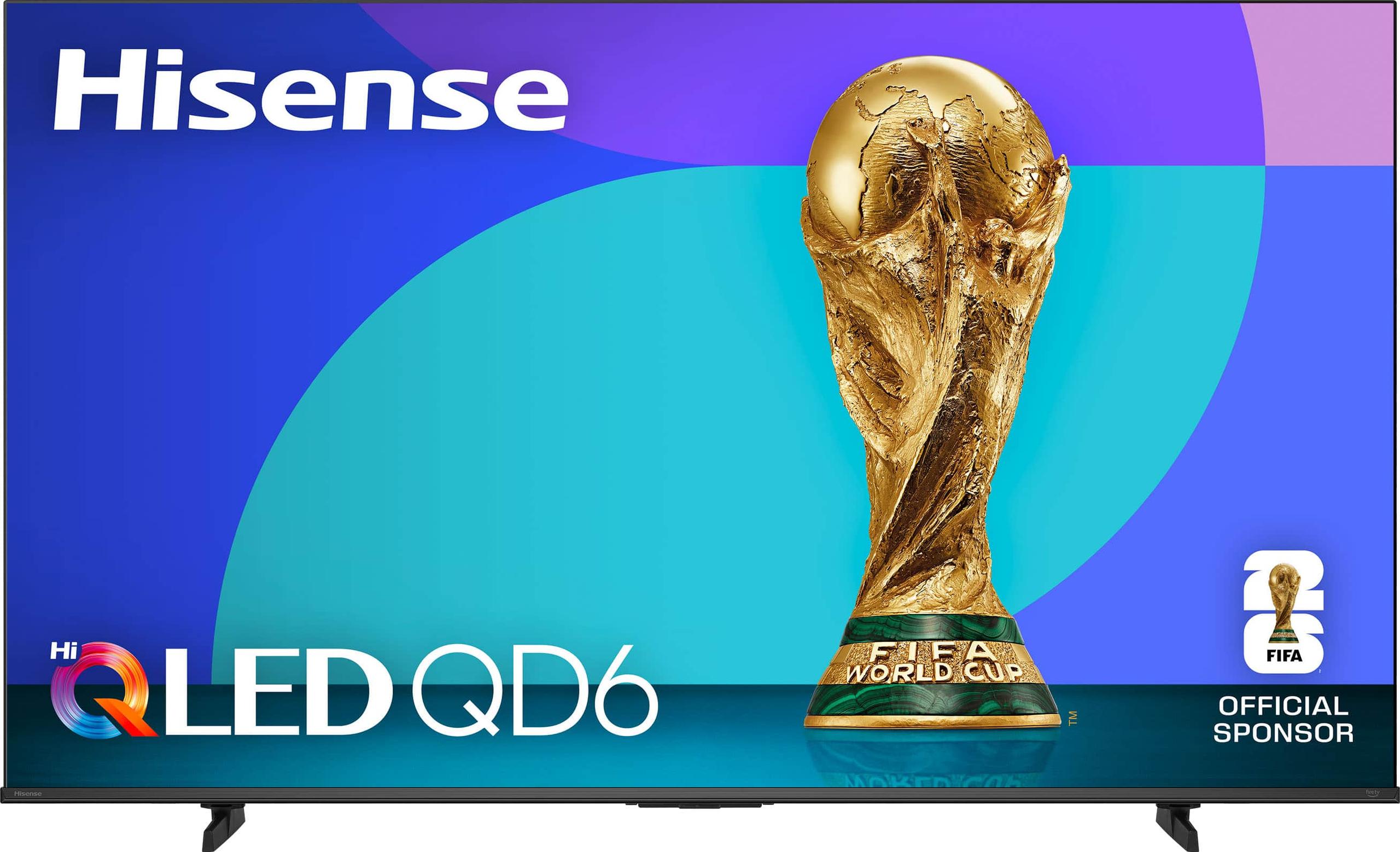
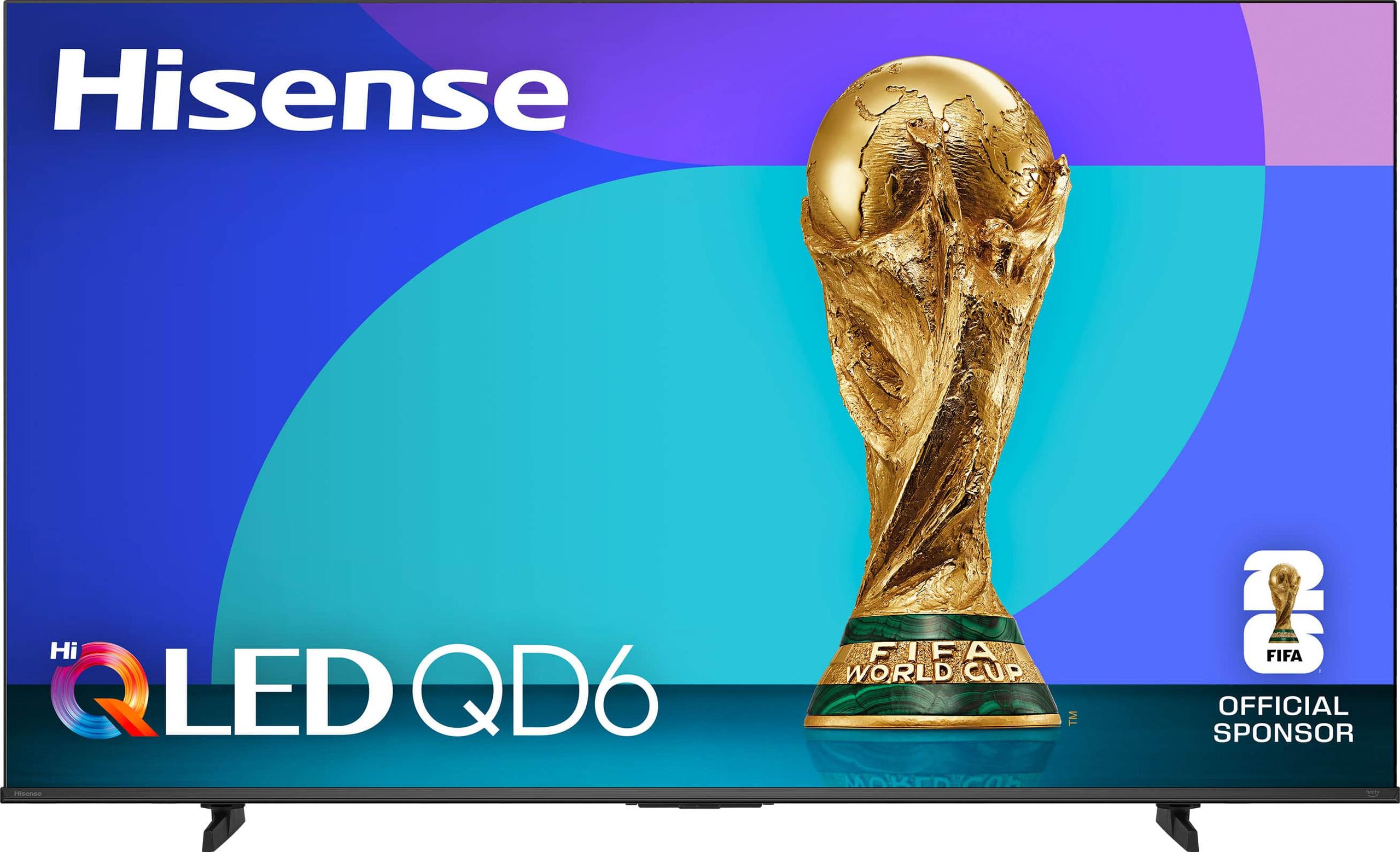
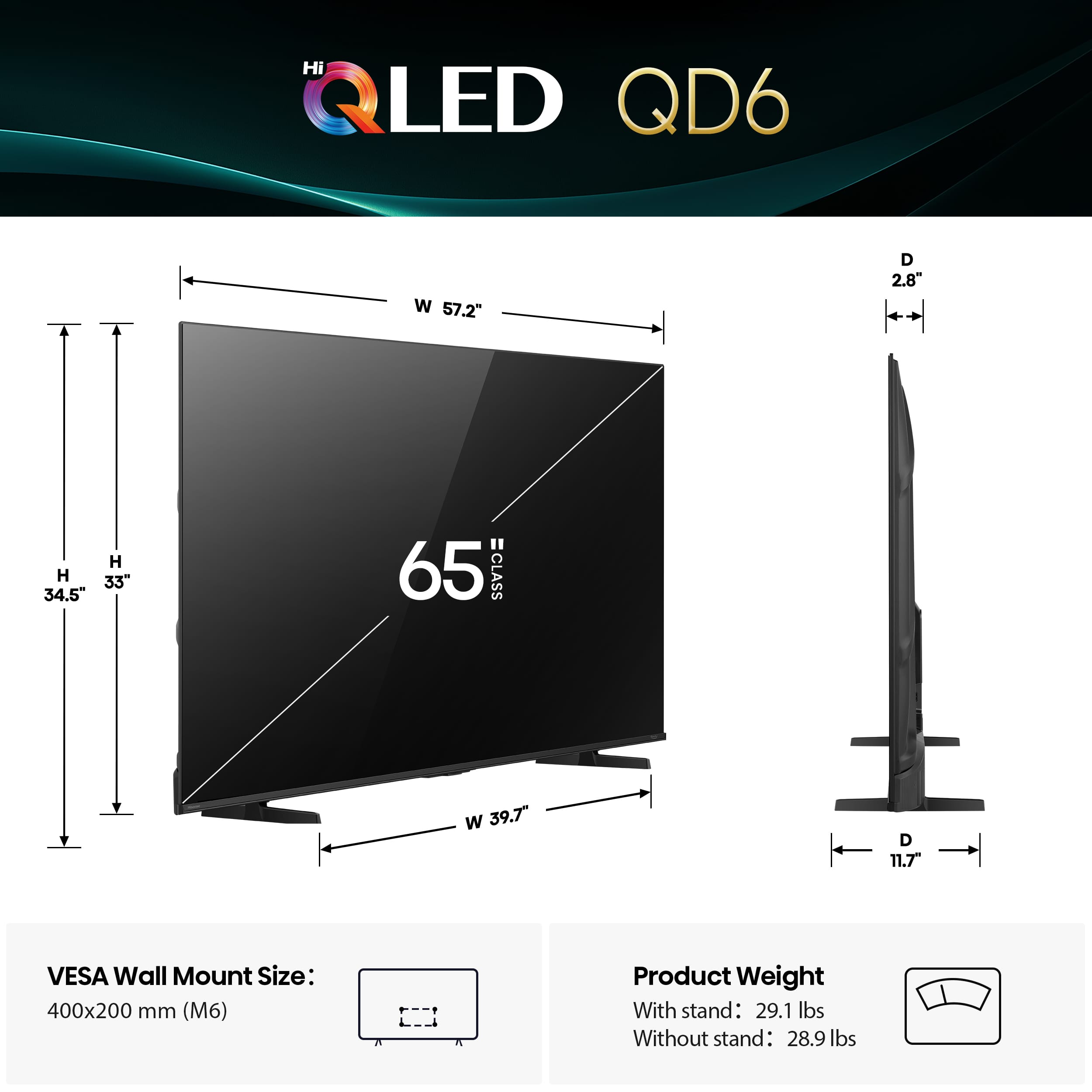


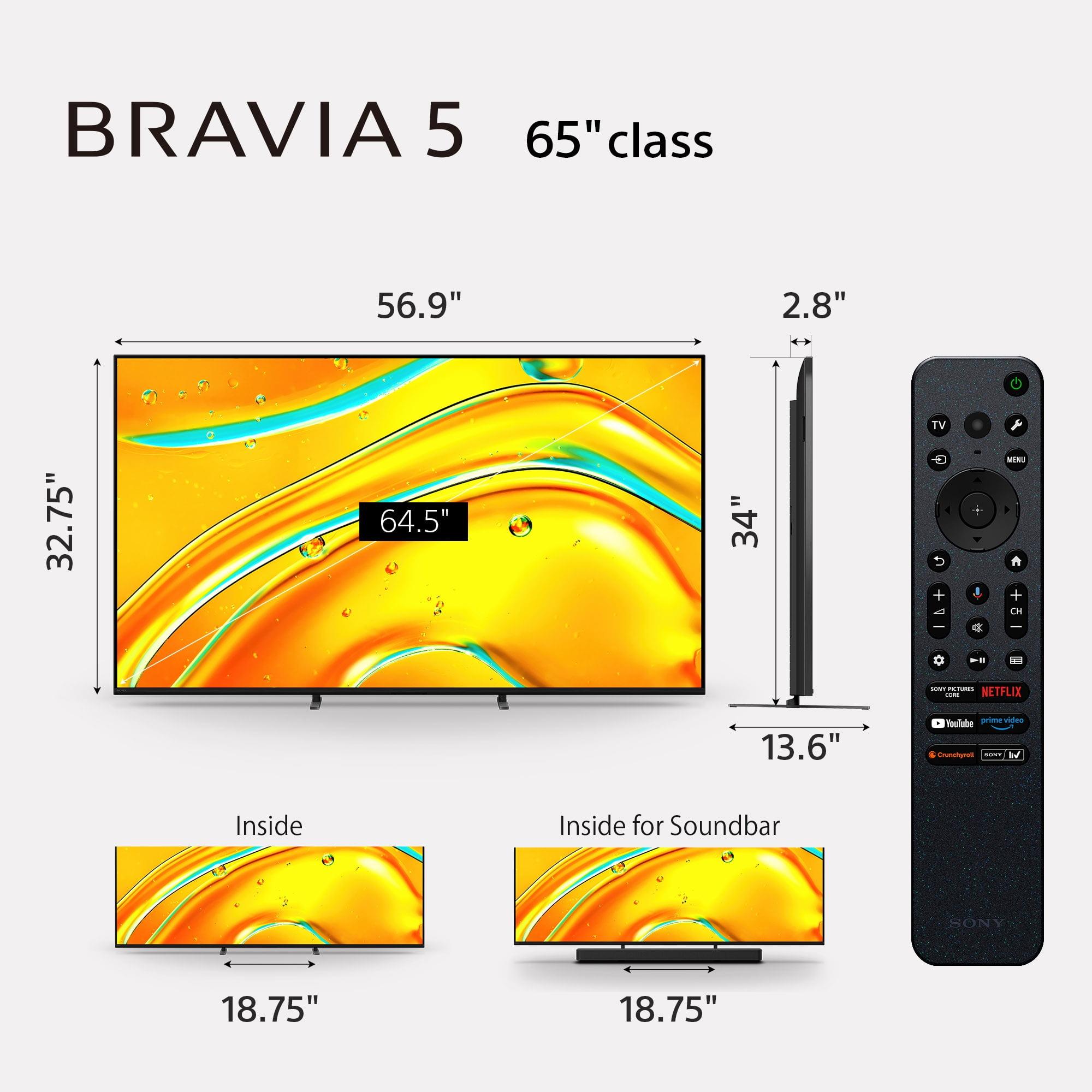
Shopping for a 65-inch TV in 2025 means navigating a landscape where even budget options deliver decent 4K picture quality, but the gap between cheap and premium has never been wider. Two TVs that perfectly illustrate this divide are the Hisense QD6 Series and the Sony BRAVIA 5 Mini LED. At the time of writing, these models represent vastly different approaches to the same goal: delivering great entertainment in your living room.
The Hisense QD6QF launched in early 2025 as an aggressively priced quantum dot TV that promises flagship features at budget pricing. Meanwhile, the Sony BRAVIA 5 arrived a few months later as Sony's answer to the growing Mini LED trend, bringing professional-grade picture processing to the mid-range market. The price difference between these TVs is substantial – roughly three times more for the Sony – but understanding what that premium buys you is crucial for making the right choice.
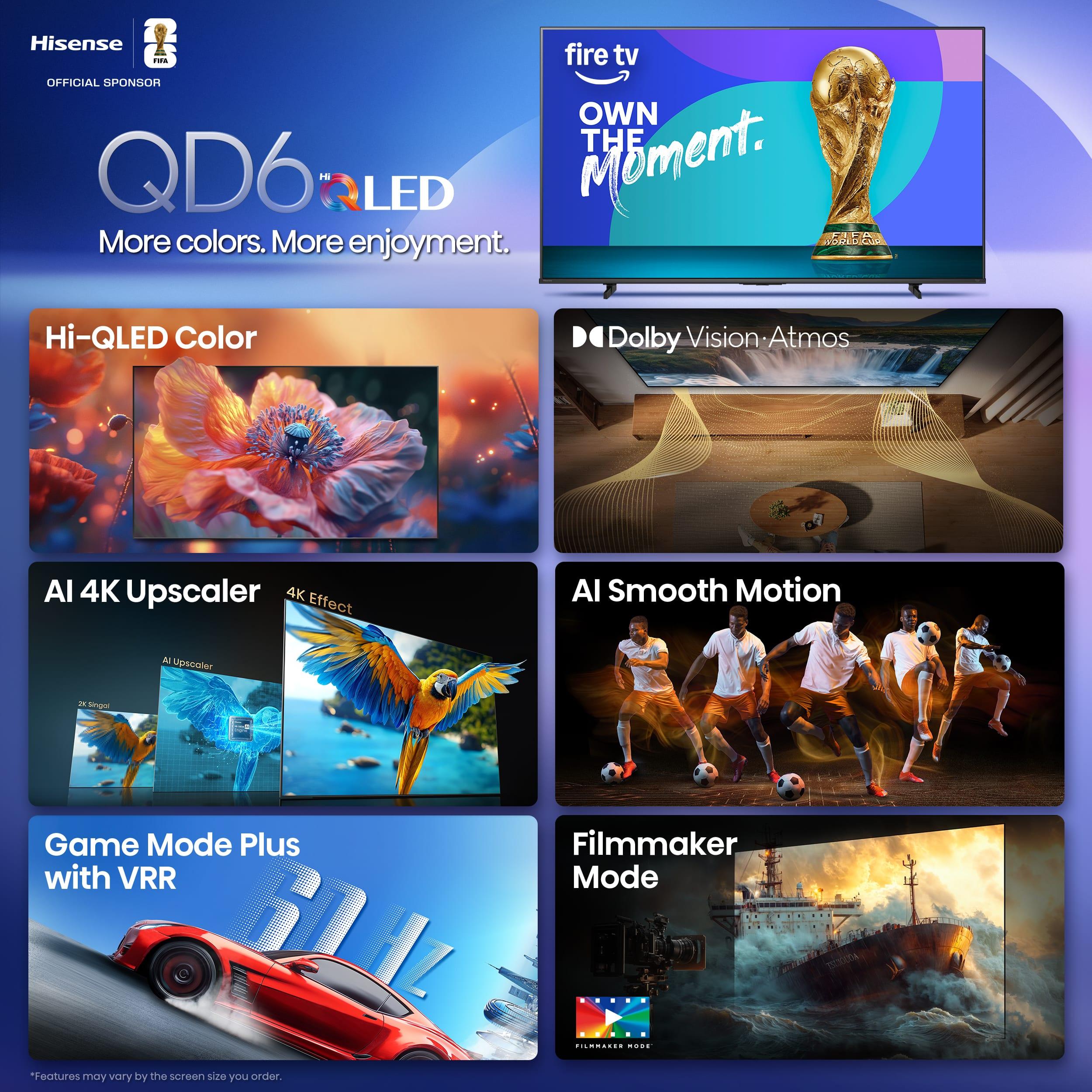
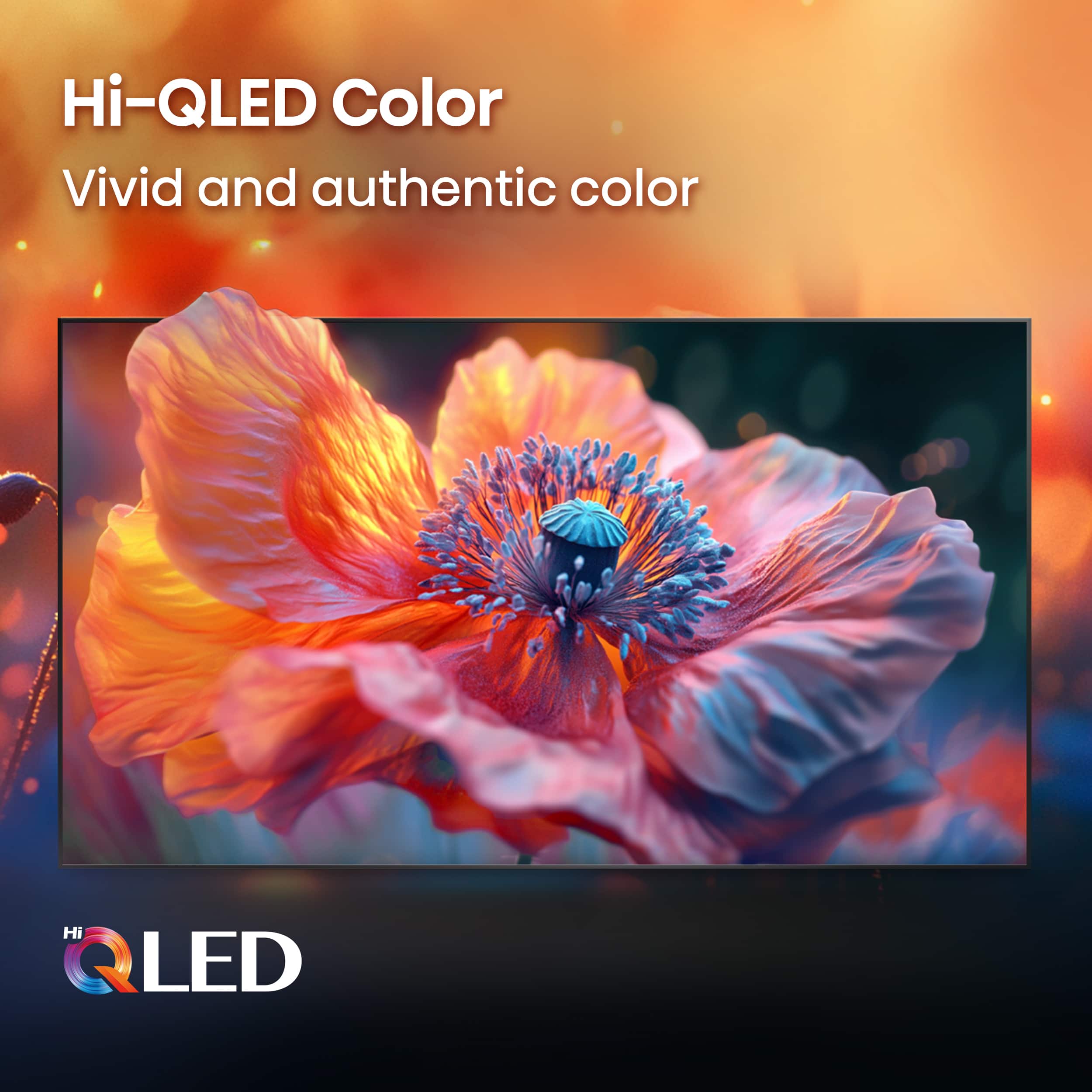
Before diving into specifics, it's worth understanding what sets these TVs apart technologically. Both use LCD panels with LED backlighting, but their approaches couldn't be more different. The Hisense QD6QF uses quantum dots – microscopic particles that enhance color when hit by blue LED light – combined with full-array local dimming. This means the backlight consists of multiple zones that can dim independently, creating better contrast than basic edge-lit TVs.
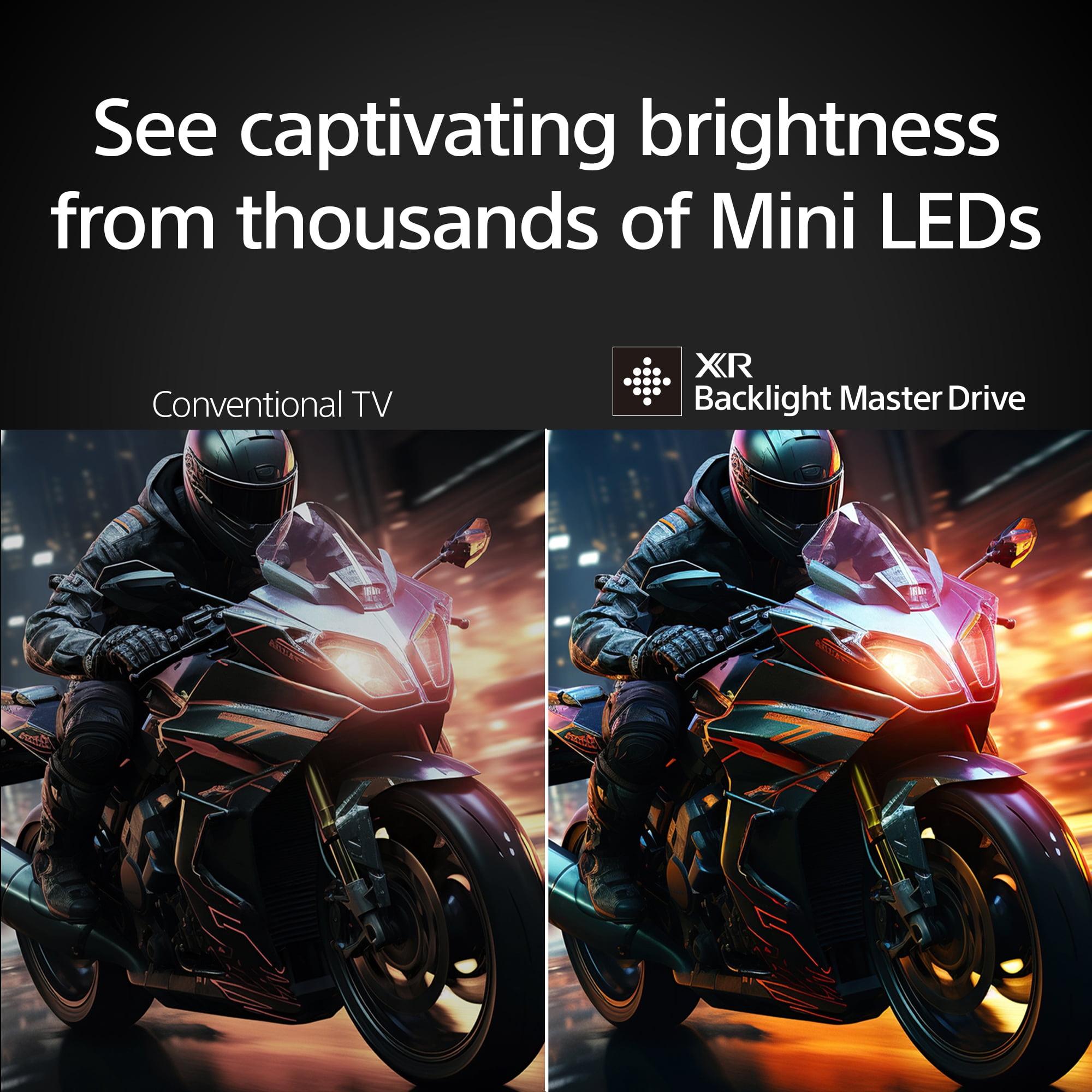
The Sony BRAVIA 5, however, takes this concept much further with Mini LED technology. Where traditional LED TVs might have dozens of dimming zones, Mini LED uses thousands of tiny LEDs arranged behind the screen. Think of it like the difference between adjusting lighting with a few light switches versus having a dimmer for every bulb in a chandelier. Sony's XR Backlight Master Drive technology controls these Mini LEDs with precision that approaches OLED-like contrast, but without the brightness limitations that OLED panels face.
The most significant difference between these TVs becomes apparent when watching content with both dark and bright elements – think a nighttime scene with streetlights, or a movie with bright explosions against dark backgrounds. Our research into professional and user reviews consistently shows the Sony BRAVIA 5 excelling here. Its Mini LED system can keep bright highlights blazing while maintaining deep blacks in adjacent areas of the screen.
The Hisense QD6QF, by contrast, suffers from what's called "black crush" or "blooming." When bright objects appear on screen, the surrounding black areas become grayish because the local dimming zones aren't precise enough. It's the difference between a flashlight beam in a dark room (Sony) versus turning on a lamp that illuminates more than you want it to (Hisense). For casual viewing, this isn't necessarily deal-breaking, but movie enthusiasts will notice it immediately.
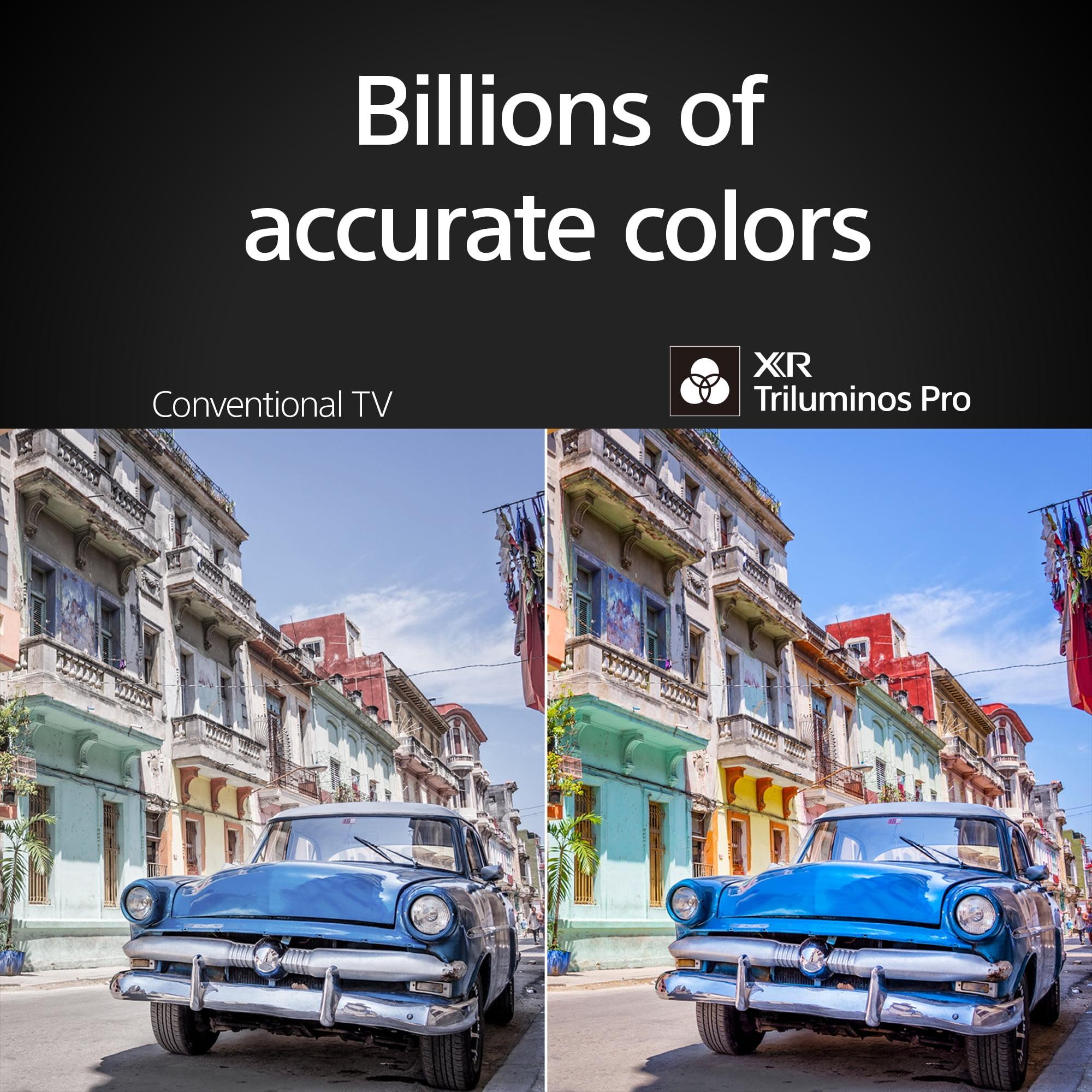
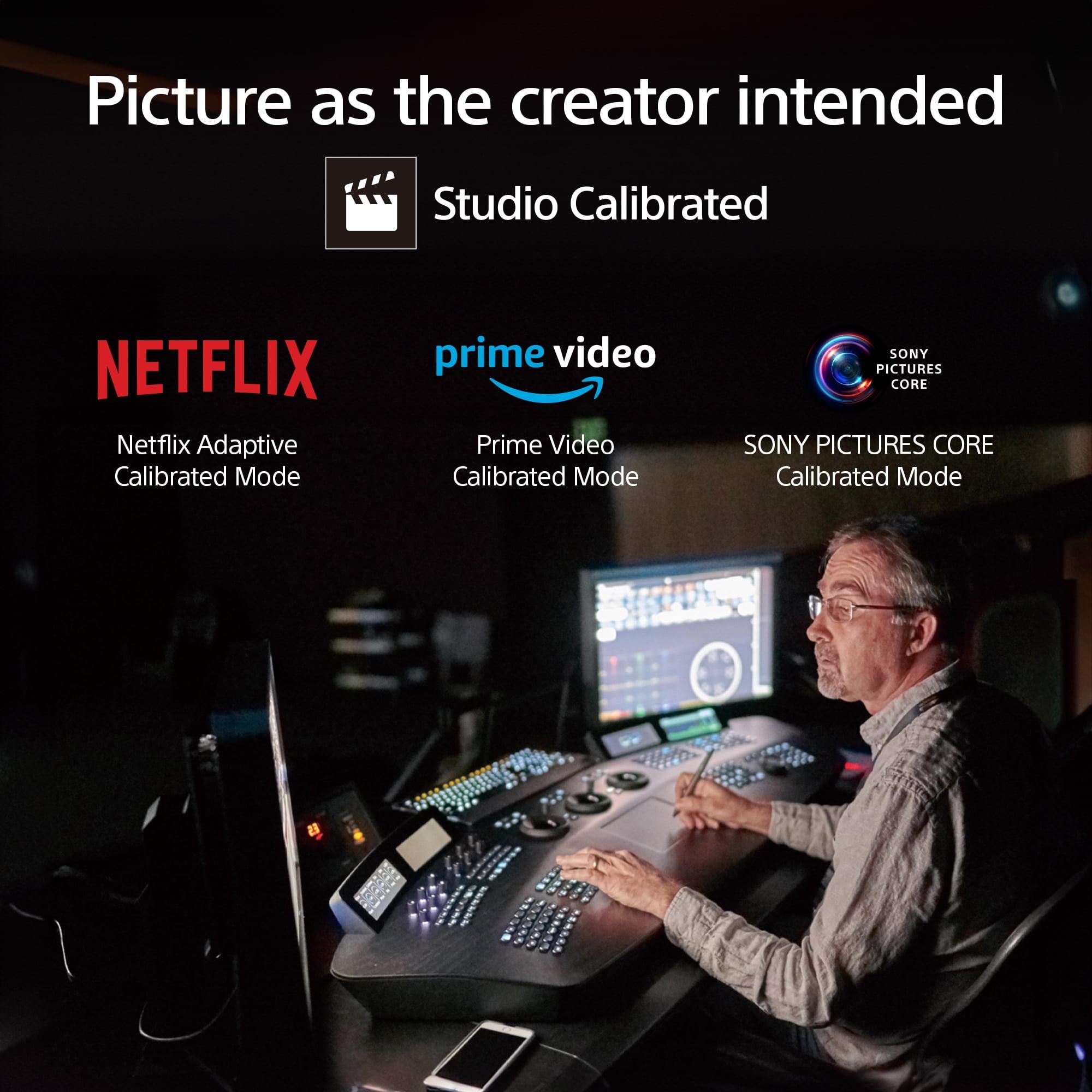
Here's where personal preference starts to matter. The Sony BRAVIA 5 prioritizes color accuracy through its XR Triluminos Pro technology. This system aims to reproduce colors exactly as filmmakers intended, with natural skin tones and realistic environments. Sony's XR Processor analyzes each scene and makes hundreds of adjustments per second to maintain this accuracy.
The Hisense QD6QF takes a different approach with its quantum dot layer, which boosts color saturation significantly. Colors pop more dramatically – grass looks greener, skies bluer, and reds more vibrant. This can actually look more impressive at first glance, which is why many people prefer it in store demonstrations. However, extended viewing can become fatiguing, and the oversaturated colors don't always match what content creators intended.
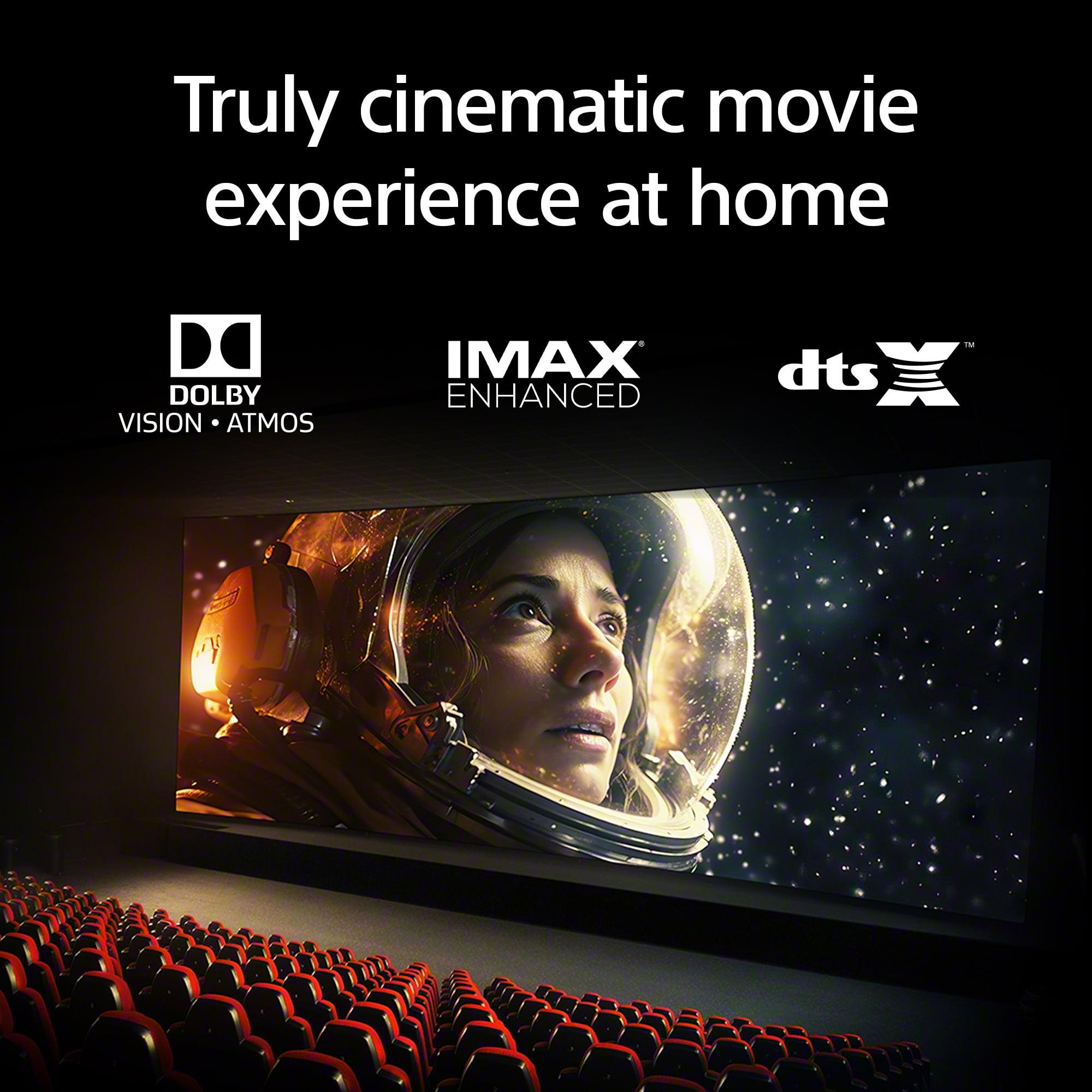
High Dynamic Range (HDR) content requires TVs to display both very bright and very dark elements simultaneously. This is where the Sony BRAVIA 5 truly separates itself. Its Mini LED system can achieve peak brightness levels that make HDR highlights actually pop – sun reflections on water, car headlights, or explosions gain that wow factor that HDR promises.
The Hisense QD6QF supports all major HDR formats including Dolby Vision, but its limited peak brightness (around 385 nits) means HDR content often looks flat. Bright scenes that should be dazzling appear dim, and the contrast between light and dark elements gets compressed. It's like viewing a sunset through sunglasses – you can see it's supposed to be bright, but the impact is lost.
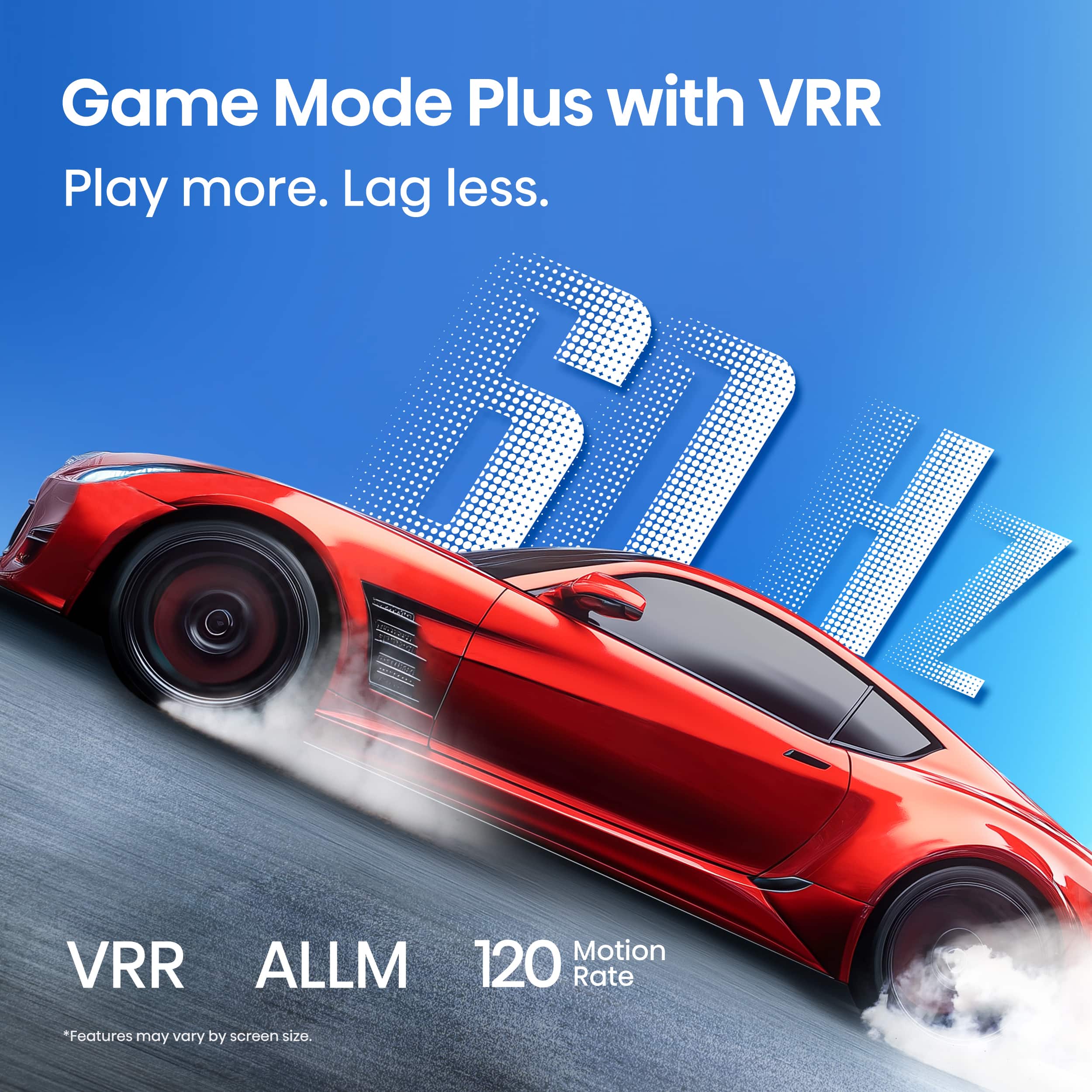
Modern gaming demands have pushed TV manufacturers to include features that were unthinkable just a few years ago. Both TVs include Variable Refresh Rate (VRR) and Auto Low Latency Mode (ALLM) – technologies that eliminate screen tearing and reduce input lag when gaming. However, their implementations differ significantly.
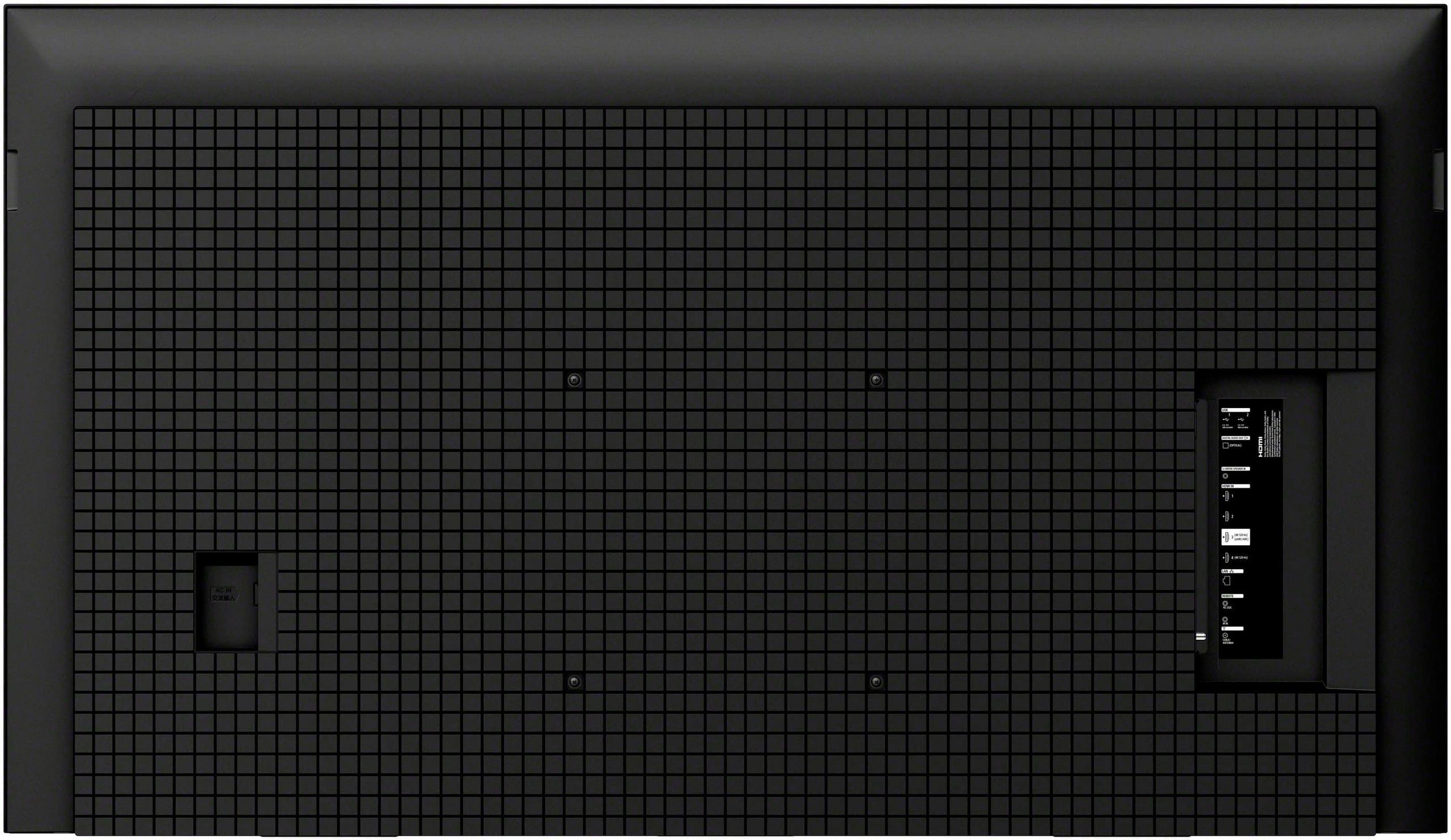
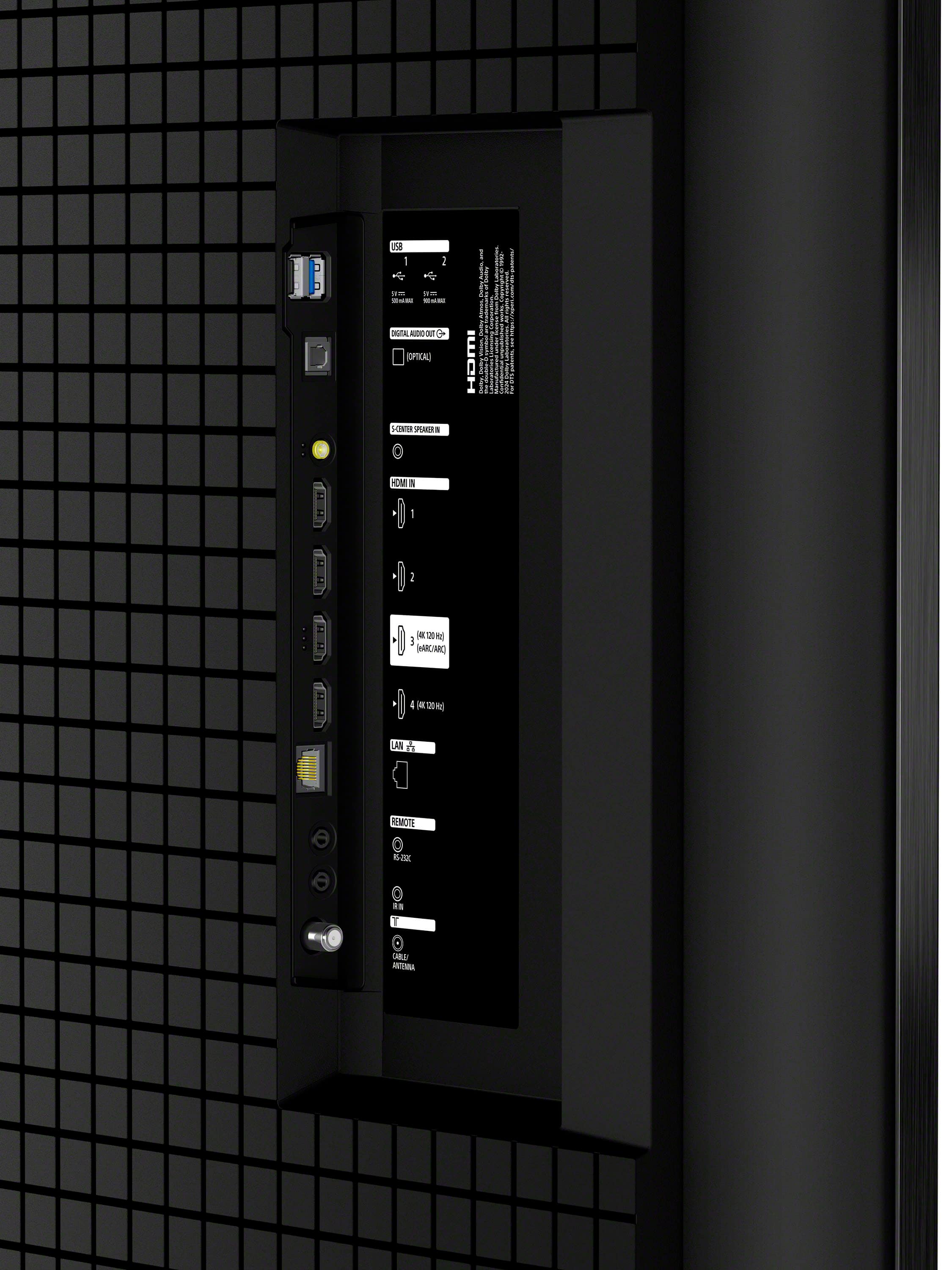
The Sony BRAVIA 5 includes two HDMI 2.1 ports capable of 4K gaming at 120Hz, which matches the capabilities of PlayStation 5 and Xbox Series X consoles. Sony's integration with PlayStation 5 is particularly impressive – the TV automatically switches to optimized picture modes for different game types and adjusts HDR settings on the fly. Input lag in gaming mode drops to nearly imperceptible levels.
The Hisense QD6QF supports gaming features but remains limited to 4K at 60Hz due to its HDMI 2.0 ports. This creates a ceiling for gaming performance that becomes noticeable with demanding games. Interestingly, despite being the budget option, the Hisense actually handles motion better than the Sony during fast-paced gaming due to faster pixel response times. This is one area where paying more doesn't necessarily mean better performance.
One of the most counterintuitive findings from our research is that the Hisense QD6QF actually outperforms the Sony BRAVIA 5 in motion clarity. The Hisense has faster pixel response times, meaning moving objects appear sharper during sports, action movies, or gaming. This is partly because Mini LED systems can sometimes struggle with pixel transitions, creating slight motion blur.
The Sony BRAVIA 5 attempts to compensate with XR Motion Clarity technology, which analyzes movement across multiple frames and synchronizes the backlight accordingly. This works well for some content but can introduce artifacts in others. For sports enthusiasts who prioritize crisp motion over overall picture quality, this represents a significant consideration in favor of the budget option.
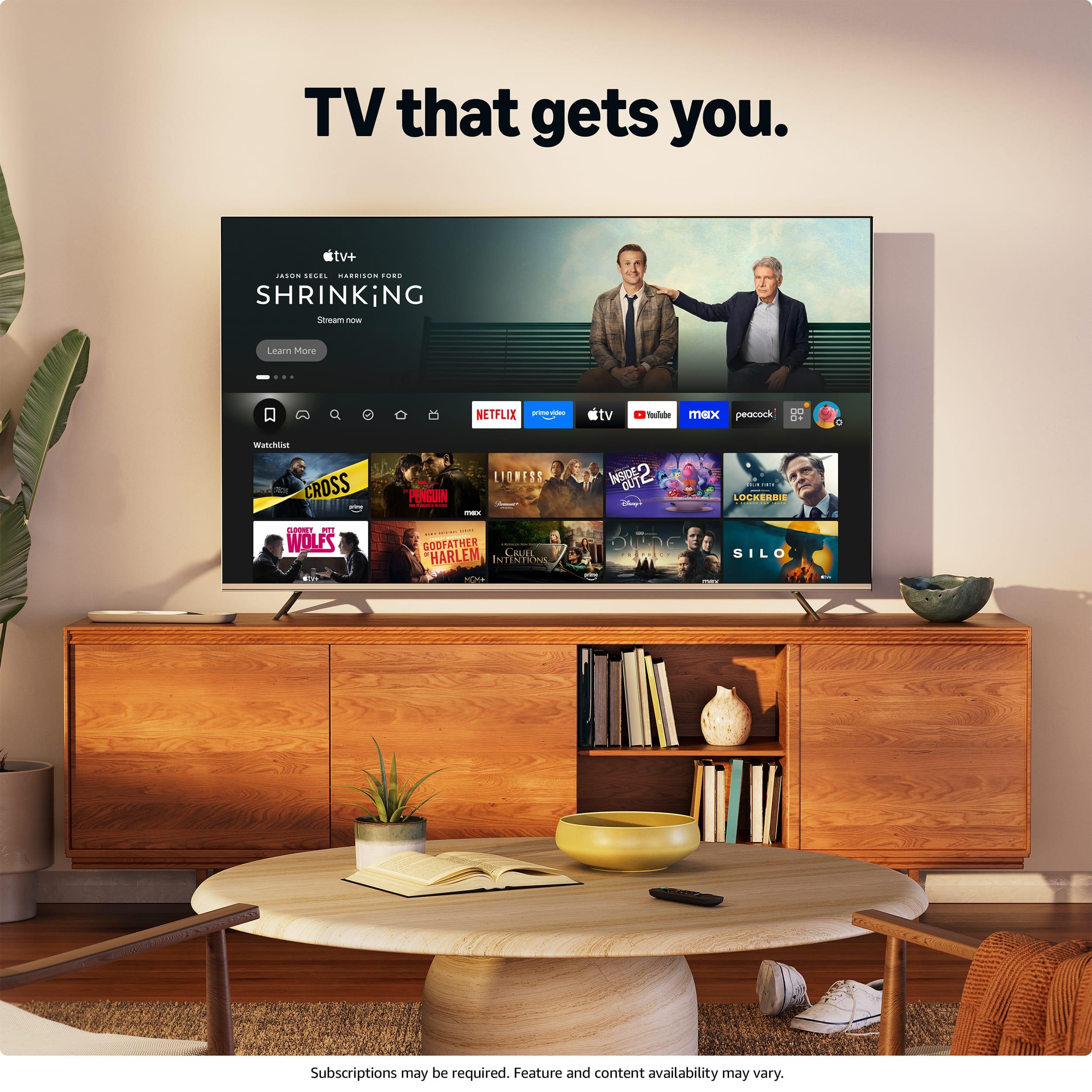
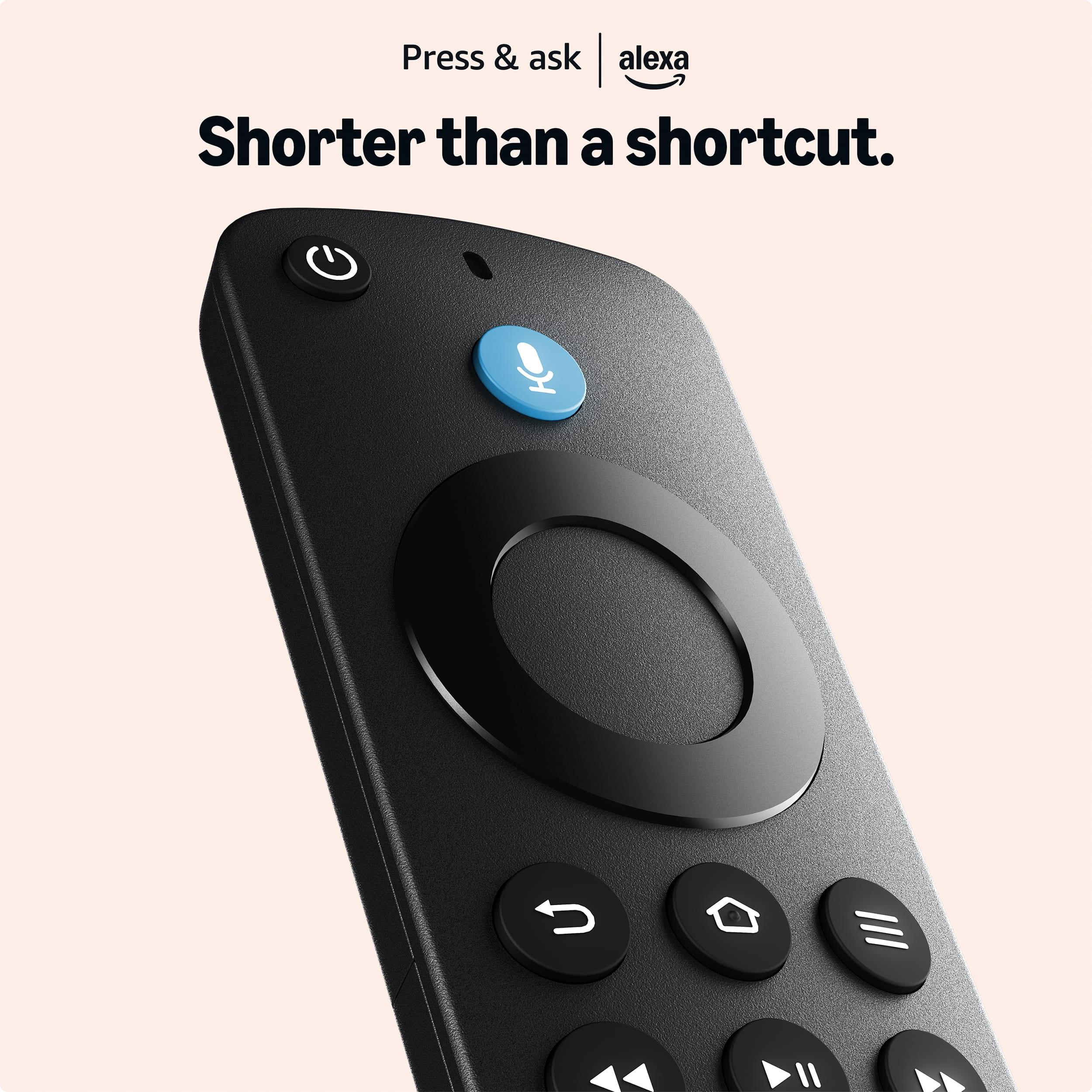
The smart TV experience has become almost as important as picture quality for many users. The Hisense QD6QF runs Amazon's Fire TV platform, which feels snappy and responsive in daily use. The interface prioritizes Amazon's content and services, but supports all major streaming apps. Voice control through Alexa is well-integrated, and the platform rarely shows the lag that some smart TV systems suffer from.
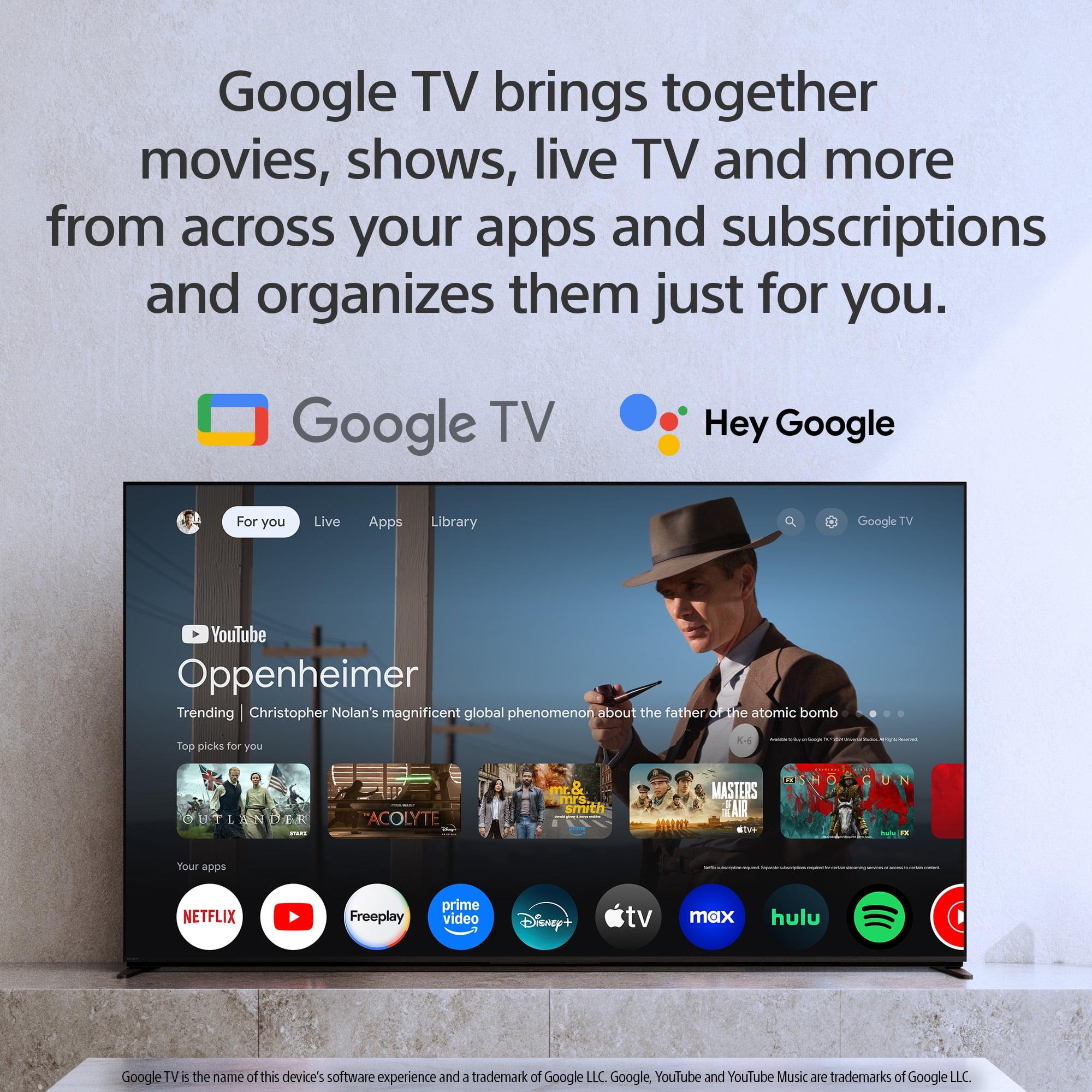
The Sony BRAVIA 5 uses Google TV (the newer version of Android TV), which offers broader app support and tighter integration with Google services. The interface is more sophisticated, with better content discovery features and more customization options. However, our research indicates occasional lag during navigation and app switching, particularly with heavy apps like Netflix or Disney+. Google TV's strength lies in its open ecosystem approach and longer-term software support.
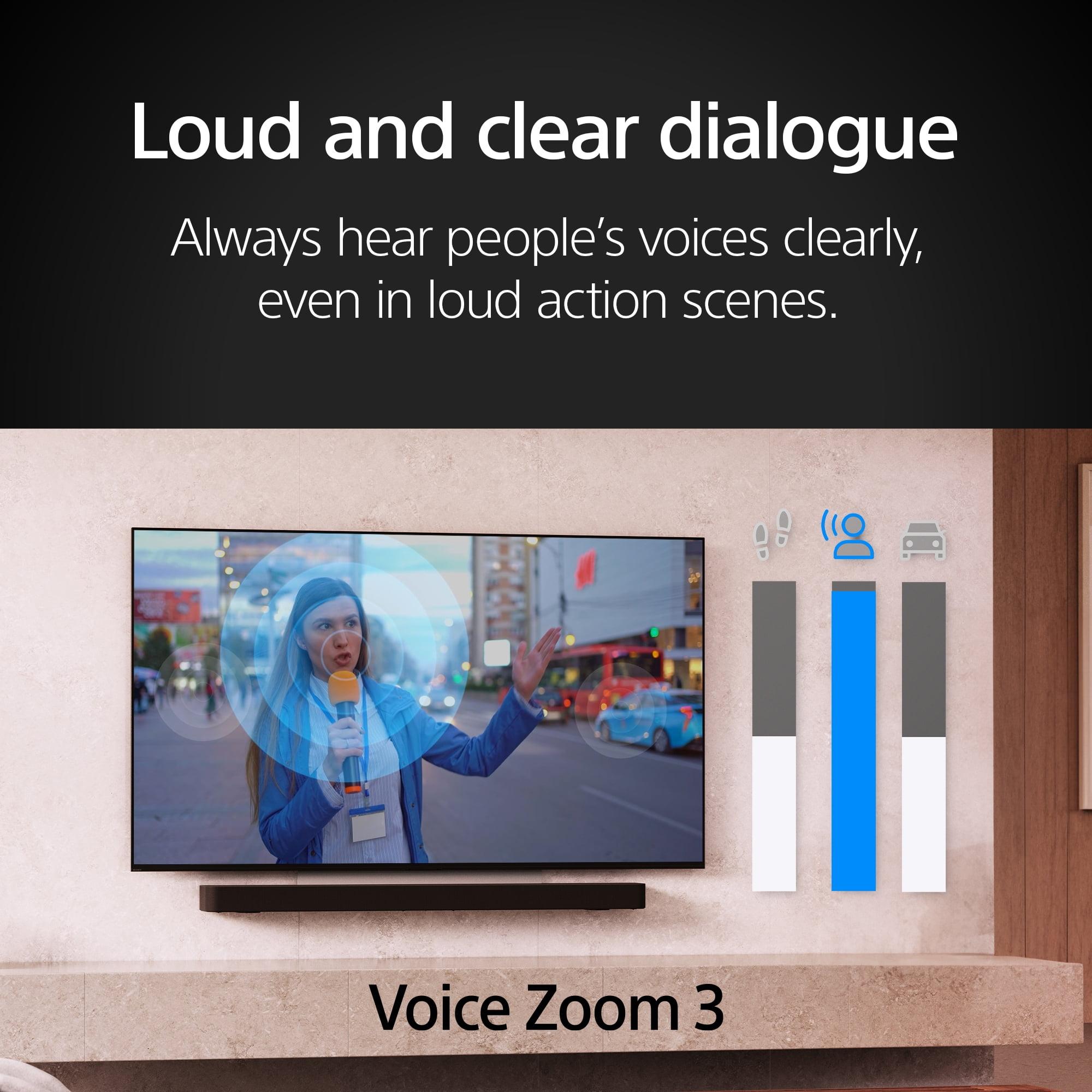
Both TVs include Dolby Atmos support, but their approach to audio differs significantly. The Sony BRAVIA 5 features Acoustic Multi-Audio technology that positions sound to match on-screen action, creating a more immersive experience from built-in speakers. Sony's Voice Zoom 3 technology uses AI to enhance dialogue clarity, which proves particularly useful during movies with complex soundtracks.
The Hisense QD6QF delivers surprisingly good audio quality for its price point, with clear dialogue and adequate bass response. However, it lacks the sophisticated audio processing of the Sony. Both TVs can serve as center channels when paired with compatible soundbars, though Sony's implementation is more seamless.
For home theater enthusiasts planning to add a soundbar or surround system, the audio differences become less critical. However, for users relying on built-in speakers, the Sony BRAVIA 5 provides a noticeably better experience.
At the time of writing, the price difference between these TVs is substantial – the Sony BRAVIA 5 costs roughly three times more than the Hisense QD6QF. This raises the fundamental question: what does that premium actually buy you?
The Hisense QD6QF delivers exceptional value by providing genuine 4K smart TV features at an accessible price point. For casual viewers who primarily stream content in moderately lit rooms, it's difficult to fault. The quantum dot enhancement creates vibrant colors that look impressive, and the Fire TV platform handles all major streaming services without issue. The biggest compromises – limited HDR brightness and local dimming precision – only become apparent when directly compared to premium options.
The Sony BRAVIA 5 justifies its premium through several key advantages: professional-grade color accuracy, superior contrast control, better build quality, longer software support, and advanced gaming features. These improvements compound over time – the better processing and color accuracy become more apparent as you watch more varied content, and the superior HDR performance makes premium streaming services more worthwhile.
For dedicated home theater use, the differences between these TVs become more pronounced. The Sony BRAVIA 5 excels in darkened rooms where its superior contrast and color accuracy create a more cinematic experience. Its filmmaker modes disable processing that can interfere with content as intended, making it better suited for movie enthusiasts who care about technical accuracy.
The Hisense QD6QF works adequately for home theater use but shows its limitations with complex scenes. Dark movie scenes can appear washed out, and the limited peak brightness reduces the impact of well-mastered HDR content. However, for families who primarily watch streaming content rather than pursuing the ultimate movie experience, these compromises may be acceptable.
The Hisense QD6QF makes sense for buyers who prioritize value above all else. It's ideal for casual viewers who primarily stream content, families looking for a large TV without breaking the budget, and users who prefer vibrant, punchy colors over technical accuracy. The Fire TV platform appeals to Amazon ecosystem users, and the motion handling advantage benefits sports fans. Most importantly, it provides a genuine 4K smart TV experience without the premium price.
The Sony BRAVIA 5 targets quality-focused buyers who can justify the higher cost. It's the better choice for movie enthusiasts who care about filmmaker intent, gamers with PlayStation 5 consoles, and users who want longer-term software support and build quality. The superior HDR performance makes premium streaming services more worthwhile, and the color accuracy becomes more apparent over extended viewing periods.
The choice between these TVs ultimately comes down to your priorities and budget tolerance. The Hisense QD6QF proves that budget TVs have improved dramatically – it delivers solid performance that would have been considered premium just a few years ago. However, the Sony BRAVIA 5 demonstrates why some users still choose to pay more for refined processing, superior contrast, and brand reliability.
If you're shopping primarily on price and need basic 4K smart TV features, the Hisense delivers exceptional value. If you're building a dedicated home theater, care deeply about color accuracy, or own next-generation gaming consoles, the Sony's premium is likely justified. The gap between these TVs reflects the broader market: you can get excellent value at the budget end, but premium features still command premium pricing.
Both TVs represent solid choices within their respective market segments. Your decision should align with how you actually use your TV, your viewing environment, and whether the Sony's advantages matter enough to justify its significantly higher price in your specific situation.
| Hisense 65" QD6 Series Hi-QLED Fire TV | Sony BRAVIA 5 65" Mini LED 4K Google TV |
|---|---|
| Display Technology - Determines contrast quality and black levels | |
| Hi-QLED with quantum dots and full-array local dimming | Mini LED with XR Backlight Master Drive (thousands of zones) |
| Peak Brightness - Critical for HDR impact and daytime viewing | |
| ~385 cd/m² (adequate for controlled lighting) | Significantly higher (excellent HDR performance) |
| Refresh Rate - Important for gaming and motion clarity | |
| 60Hz native (Motion Rate 120 with interpolation) | 120Hz native (true high refresh rate) |
| HDMI Connectivity - Affects gaming console compatibility | |
| 4 x HDMI 2.0 ports (4K@60Hz maximum) | 2 x HDMI 2.1 + 2 x HDMI 2.0 (4K@120Hz capable) |
| Gaming Features - Next-gen console support | |
| VRR, ALLM at 60Hz (basic gaming features) | VRR, ALLM, G-SYNC at 120Hz plus PS5 integration |
| Color Technology - Affects color accuracy vs vibrancy | |
| Quantum dots for vibrant, saturated colors | XR Triluminos Pro for filmmaker-accurate colors |
| Smart Platform - User experience and app ecosystem | |
| Fire TV (Amazon-centric, responsive interface) | Google TV (broader app support, occasional lag) |
| HDR Support - Premium content compatibility | |
| Dolby Vision, HDR10+, HDR10, HLG | Dolby Vision, HDR10, HLG, IMAX Enhanced |
| Motion Handling - Sports and action content clarity | |
| Fast pixel response (better motion clarity) | Slower transitions but XR Motion Clarity processing |
| Audio Technology - Built-in sound quality | |
| Dolby Atmos support (good for price point) | Acoustic Multi-Audio + Voice Zoom 3 (premium features) |
| Processor - Picture enhancement and upscaling | |
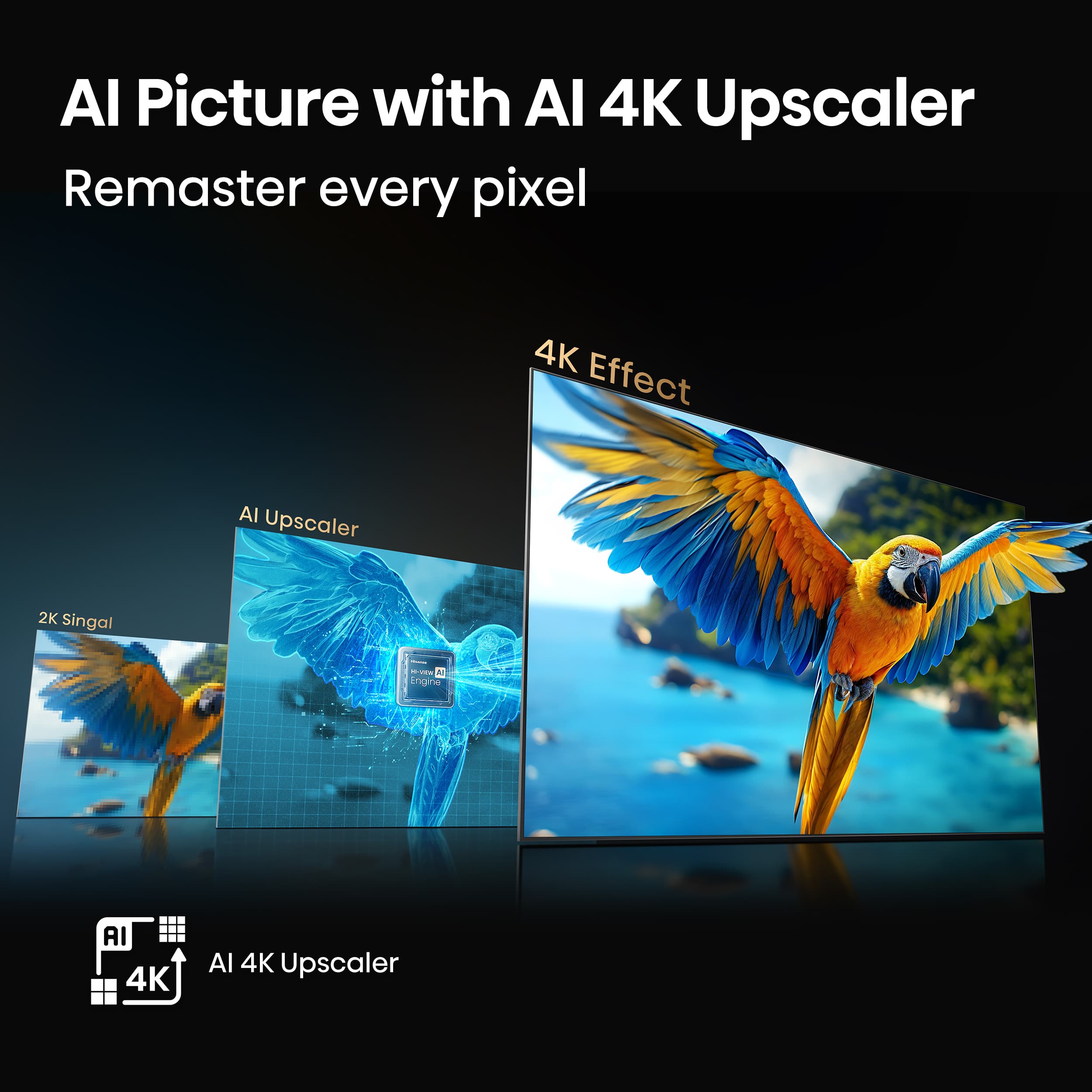
| AI 4K Upscaler with basic enhancement | XR Processor with real-time AI scene optimization |
| Value Proposition - Price-to-performance ratio | |
| Exceptional budget value with solid 4K features | Premium pricing justified by superior technology |
The biggest difference is display technology. The Hisense QD6 Series uses standard quantum dot LED with basic local dimming, while the Sony BRAVIA 5 features advanced Mini LED backlighting with thousands of individually controlled zones. This gives the Sony significantly better contrast, deeper blacks, and brighter highlights, but at a much higher price point.
The Sony BRAVIA 5 is superior for serious gaming, offering two HDMI 2.1 ports with 4K@120Hz support, G-SYNC compatibility, and excellent PlayStation 5 integration. The Hisense QD6 includes gaming features like VRR and ALLM but is limited to 4K@60Hz. However, the Hisense actually has better motion clarity due to faster pixel response times.
The Sony BRAVIA 5 costs roughly three times more than the Hisense QD6 but delivers professional-grade picture processing, superior HDR performance, and better build quality. It's worth the premium if you prioritize color accuracy, watch a lot of movies, or own next-gen gaming consoles. For casual viewing, the Hisense offers excellent value.
Picture quality depends on your priorities. The Sony BRAVIA 5 excels in contrast, color accuracy, and HDR brightness, making it ideal for movies and dark room viewing. The Hisense QD6 produces more vibrant, saturated colors that many prefer for everyday viewing, though it struggles with HDR content due to limited brightness.
The Hisense QD6 runs Fire TV, which is faster and more responsive but Amazon-centric. The Sony BRAVIA 5 uses Google TV, offering broader app support and better content discovery but with occasional lag. Fire TV works better if you're in Amazon's ecosystem, while Google TV provides more flexibility and longer software support.
The Sony BRAVIA 5 handles bright rooms better thanks to its higher peak brightness and superior anti-glare properties. The Hisense QD6 performs adequately in moderate lighting but struggles with direct sunlight and reflections, making it better suited for controlled lighting environments.
Yes, both support major HDR formats. The Hisense QD6 includes Dolby Vision, HDR10+, HDR10, and HLG support. The Sony BRAVIA 5 supports these plus IMAX Enhanced. However, the Sony's higher peak brightness makes HDR content much more impactful, while HDR on the Hisense often appears flat and dim.
The Hisense QD6 surprisingly outperforms the Sony BRAVIA 5 for sports due to faster pixel response times that create clearer motion. However, the Sony offers better overall brightness for daytime sports viewing. Both include motion enhancement features, but the Hisense delivers sharper action scenes.
The Sony BRAVIA 5 features superior audio with Acoustic Multi-Audio technology and Voice Zoom 3 for enhanced dialogue clarity. The Hisense QD6 provides surprisingly good Dolby Atmos support for its price range but lacks the sophisticated audio processing of the Sony. Both work well with external soundbars.
The Hisense QD6 delivers exceptional value, providing genuine 4K smart TV features at budget pricing. It's perfect for casual viewers who want a large screen without premium costs. The Sony BRAVIA 5 offers premium value for quality-focused buyers who can justify the higher investment for superior technology.
The Sony BRAVIA 5 excels for dedicated home theaters with its superior contrast, color accuracy, and filmmaker modes that preserve content as intended. The Hisense QD6 works for casual home theater use but shows limitations in dark scenes and HDR content. For serious movie watching, the Sony is the clear choice.
Choose the Hisense QD6 if you want maximum value for streaming, casual gaming, and general family viewing. Pick the Sony BRAVIA 5 if picture quality matters more than price, you own gaming consoles, or you frequently watch movies and premium content. Both deliver solid performance within their respective price ranges.
We've done our best to create useful and informative comparisons to help you decide what product to buy. Our research uses advanced automated methods to create this comparison and perfection is not possible - please contact us for corrections or questions. These are the sites we've researched in the creation of this article: pcvarge.com - bestbuy.com - rtings.com - youtube.com - rtings.com - youtube.com - consumerreports.org - leaseville.com - hisense-usa.com - device.report - hisense-usa.com - youtube.com - flatpanelshd.com - displayspecifications.com - retailspecs.com - rtings.com - pro.sony - youtube.com - electronics.sony.com - electronics.sony.com - electronics.sony.com - bestbuy.com - electronics.sony.com - youtube.com - bestbuy.com - videoandaudiocenter.com - valueelectronics.com - youtube.com - sony.ca - perpichtv.com - sony.com - displayspecifications.com - pioneertvandappliance.com - flatpanelshd.com

Privacy Policy
Terms and Conditions - Affiliate Policy
Home Security
© Copyright 2008-2026.
11816 Inwood Rd #1211, Dallas, TX 75244