

Shopping for a 65-inch TV in today's market means navigating a massive gap between budget and premium options. At the time of writing, you can find solid performers starting around $500-700, while flagship models push well beyond $2,000. The question isn't just about spending more money—it's about understanding what those extra dollars actually buy you in real-world performance.
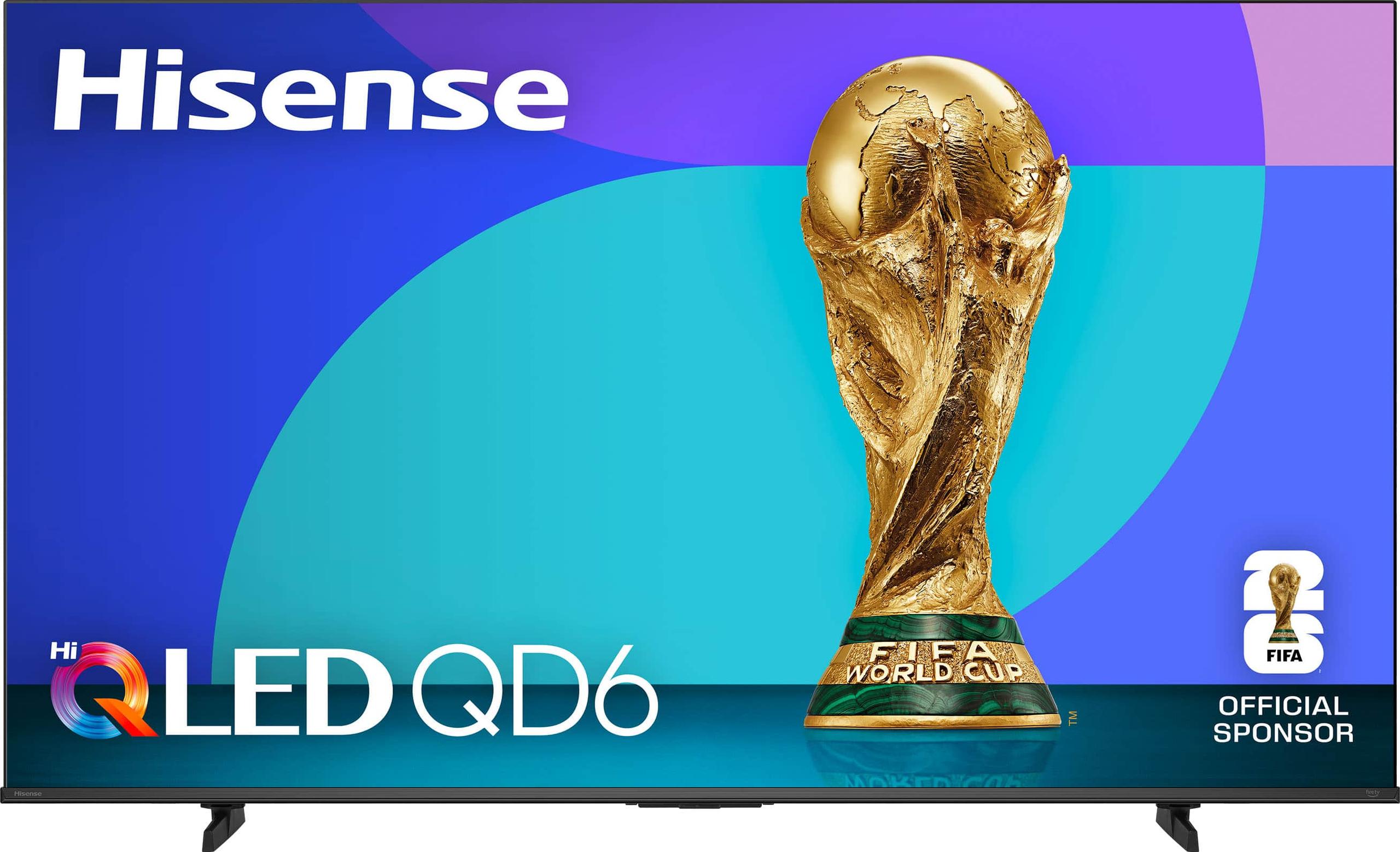
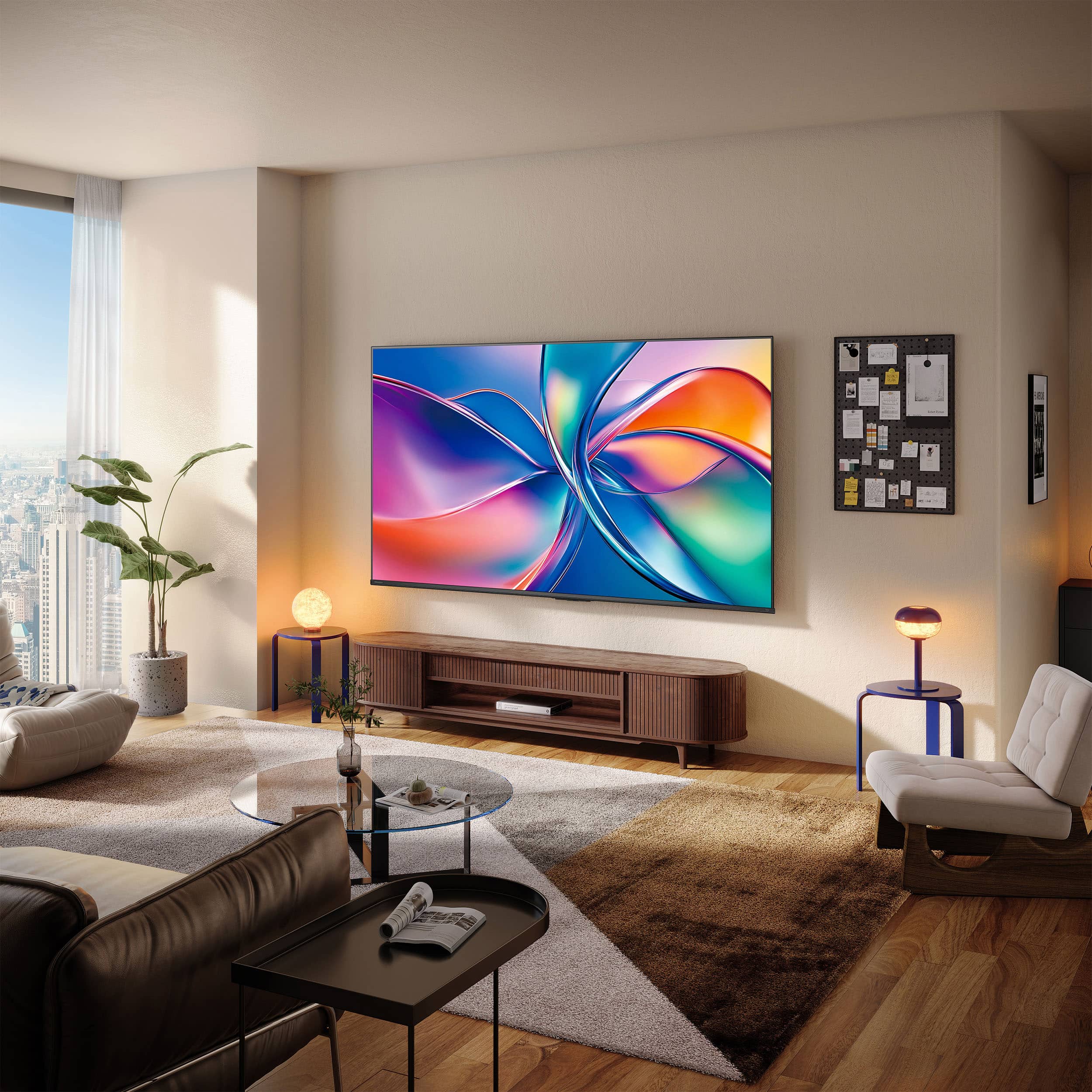
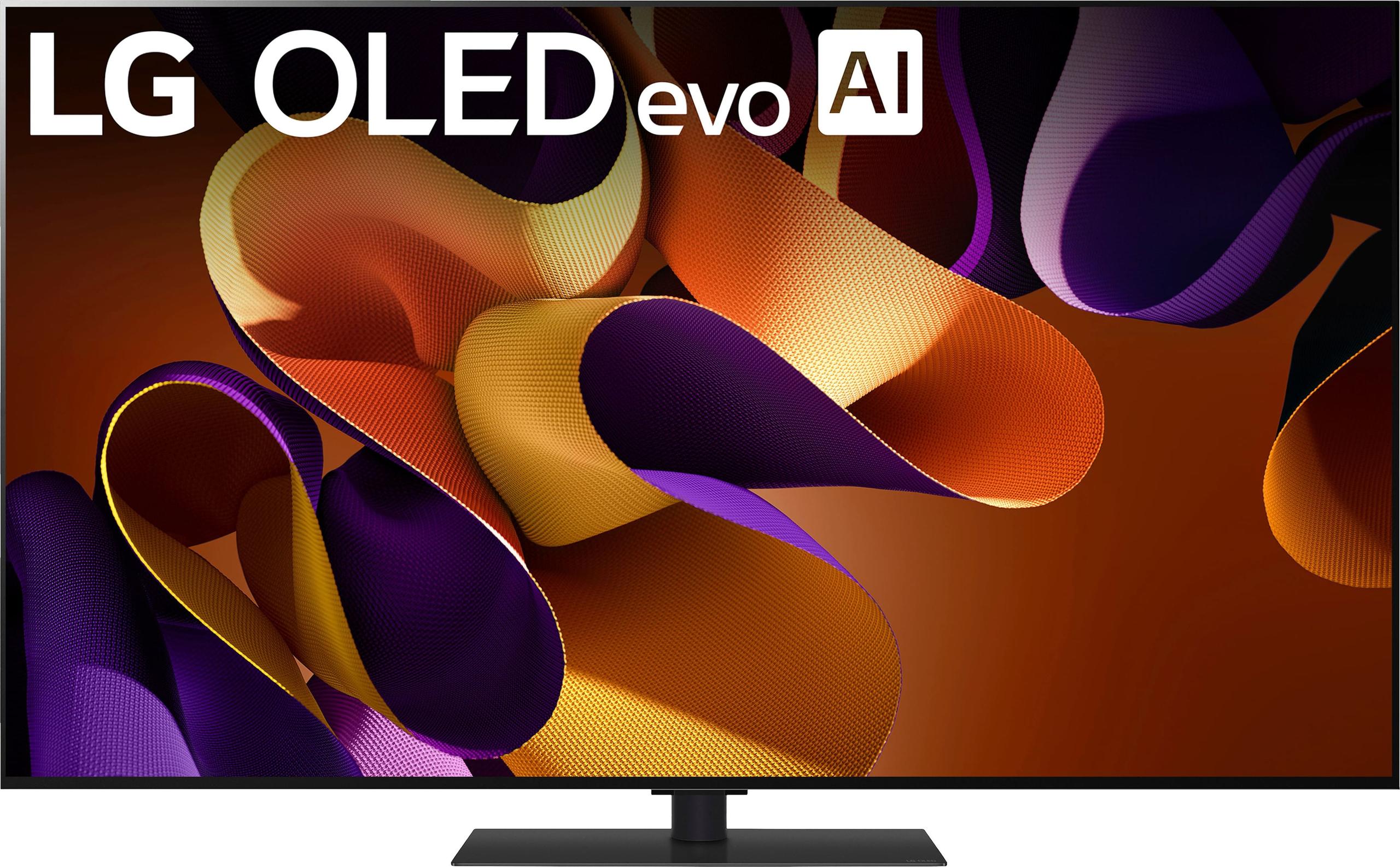
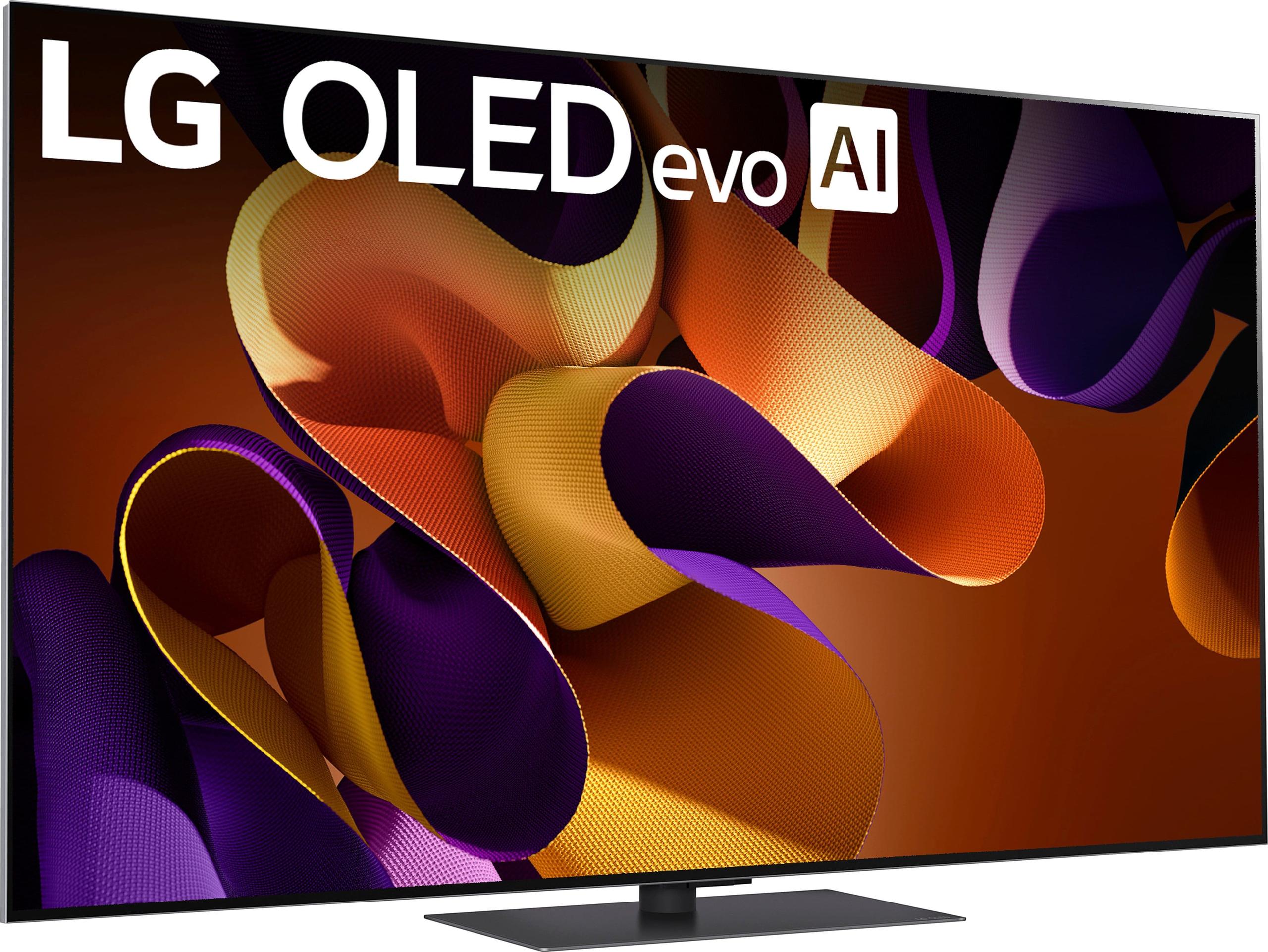
Today we're comparing two TVs that represent opposite ends of this spectrum: the Hisense 65" QD6 Series Hi-QLED Fire TV (2025) and the LG 65" G4 Series OLED evo 4K UHD Smart TV (2024). These aren't just different price points—they use fundamentally different display technologies that create completely different viewing experiences.
Before diving into specifics, let's clarify what we're actually comparing. The Hisense QD6 uses quantum dot-enhanced LED technology (Hi-QLED), while the LG G4 employs OLED (Organic Light-Emitting Diode) technology. This distinction shapes everything about how these TVs perform.
Traditional LED TVs like the QD6 use a backlight that shines through liquid crystal panels to create the picture. Quantum dots—microscopic semiconductor particles—enhance color by converting some of that backlight into more precise wavelengths. It's an evolution of standard LED that delivers better colors without the complexity of OLED.
OLED technology is completely different. Each pixel generates its own light and can turn completely off to create true black. When an OLED pixel is off, it produces zero light—something no backlit display can achieve. This fundamental difference affects contrast, color accuracy, and overall picture quality in ways that become obvious once you see them side by side.
The LG G4, released in 2024, represents LG's latest OLED advancement with their second-generation Micro Lens Array (MLA) technology. This innovation addresses OLED's traditional weakness—peak brightness—by making each pixel more efficient at directing light toward the viewer. The result is an OLED that can compete with high-end LED TVs in bright rooms while maintaining perfect blacks.
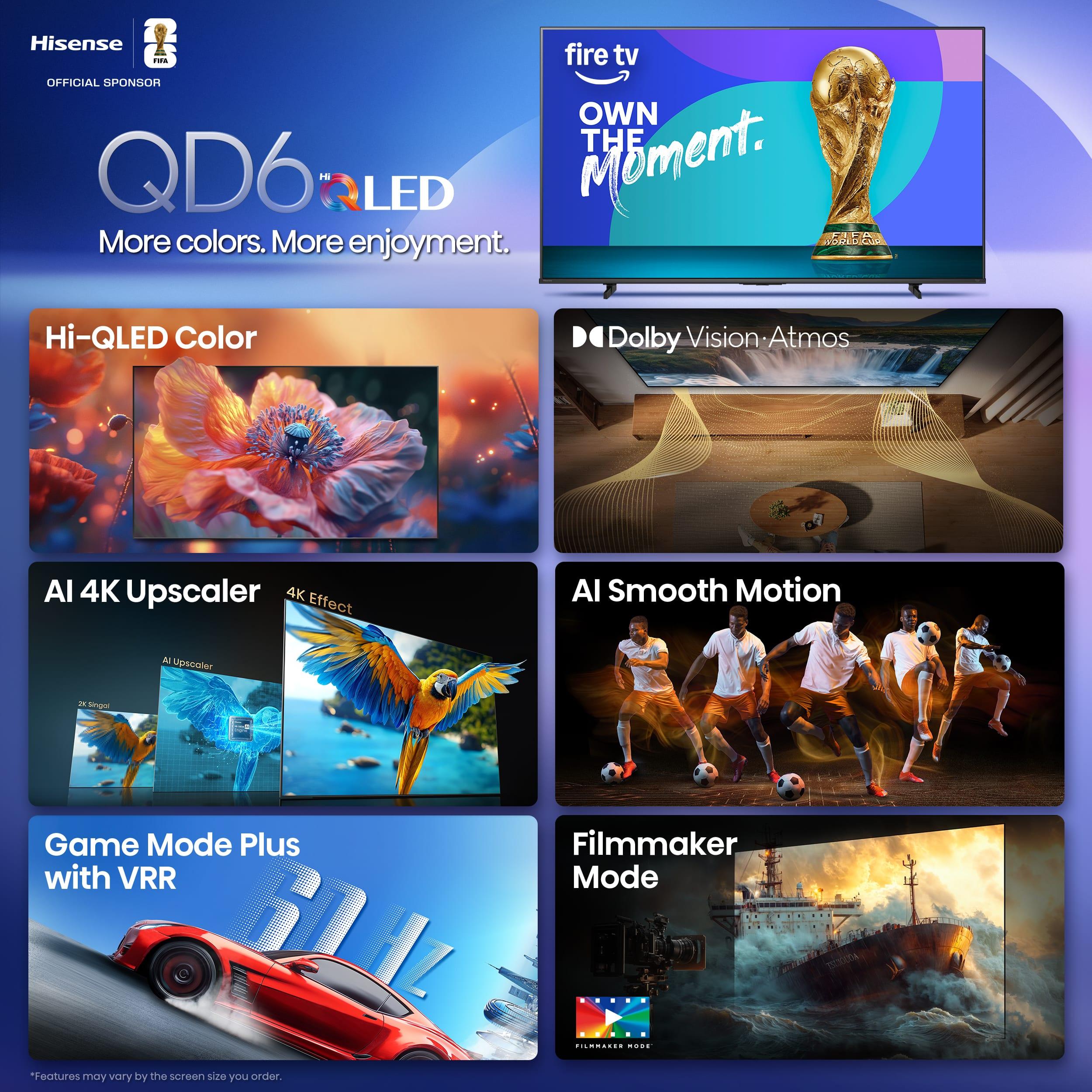
Meanwhile, the Hisense QD6 launched in 2025 as an updated budget offering that includes quantum dot enhancement and modern gaming features at an accessible price point. It's Hisense's attempt to pack premium-sounding features into a value-oriented package.
This is where OLED technology shows its most dramatic advantage. The LG G4 delivers infinite contrast because its pixels can turn completely off. When you watch a scene with both bright stars and deep space, the black areas are truly black—not the dark gray you get from even the best LED backlights.
The Hisense QD6 uses a VA panel, which provides better contrast than IPS panels but can't compete with OLED. More importantly, it lacks local dimming—a feature where sections of the backlight can dim independently. This means when there's a bright object on screen, the entire backlight stays on, lifting black levels across the whole image.
In practical terms, this matters most during dark room viewing. Movie scenes with mixed bright and dark elements—like a campfire scene or city lights at night—reveal the difference immediately. The G4 maintains deep blacks even with bright highlights, while the QD6's blacks become washed out and grayish.
Surprisingly, this is where the LG G4 flips the traditional OLED vs LED narrative. Thanks to its Micro Lens Array technology, the G4 can reach peak brightness levels over 2,200 nits—brighter than most LED TVs and certainly brighter than any previous LG OLED. This brightness combines with perfect blacks to create exceptional HDR (High Dynamic Range) performance.
HDR content relies on both bright highlights and dark shadows to create realistic images. The Hisense QD6 manages around 385 nits peak brightness, which sounds adequate but falls short for impactful HDR. Bright highlights in HDR movies—like sunlight reflecting off water or explosion effects—appear dull and flat rather than eye-catching and realistic.
The difference becomes obvious with content like nature documentaries or action movies. The G4 makes bright scenes feel genuinely bright while maintaining detail in shadows. The QD6 shows the same content, but without the dynamic range that makes HDR worthwhile.
Both TVs handle color differently, and both have merits. The LG G4 achieves near-perfect color accuracy out of the box, covering 100% of relevant color spaces with excellent volume—meaning it can display accurate colors even at high brightness levels.
The Hisense QD6 uses quantum dots to enhance its color gamut to about 90% of DCI-P3 (the color space used for HDR content). While not as extensive as the G4's coverage, this still delivers noticeably more vibrant colors than standard LED TVs. The quantum dot enhancement works particularly well with animated content and nature documentaries where saturated colors create impact.
However, color volume becomes the QD6's limitation. As brightness increases, color saturation decreases—a common issue with LED displays. The G4 maintains color accuracy and saturation even at peak brightness, creating more realistic and engaging images.
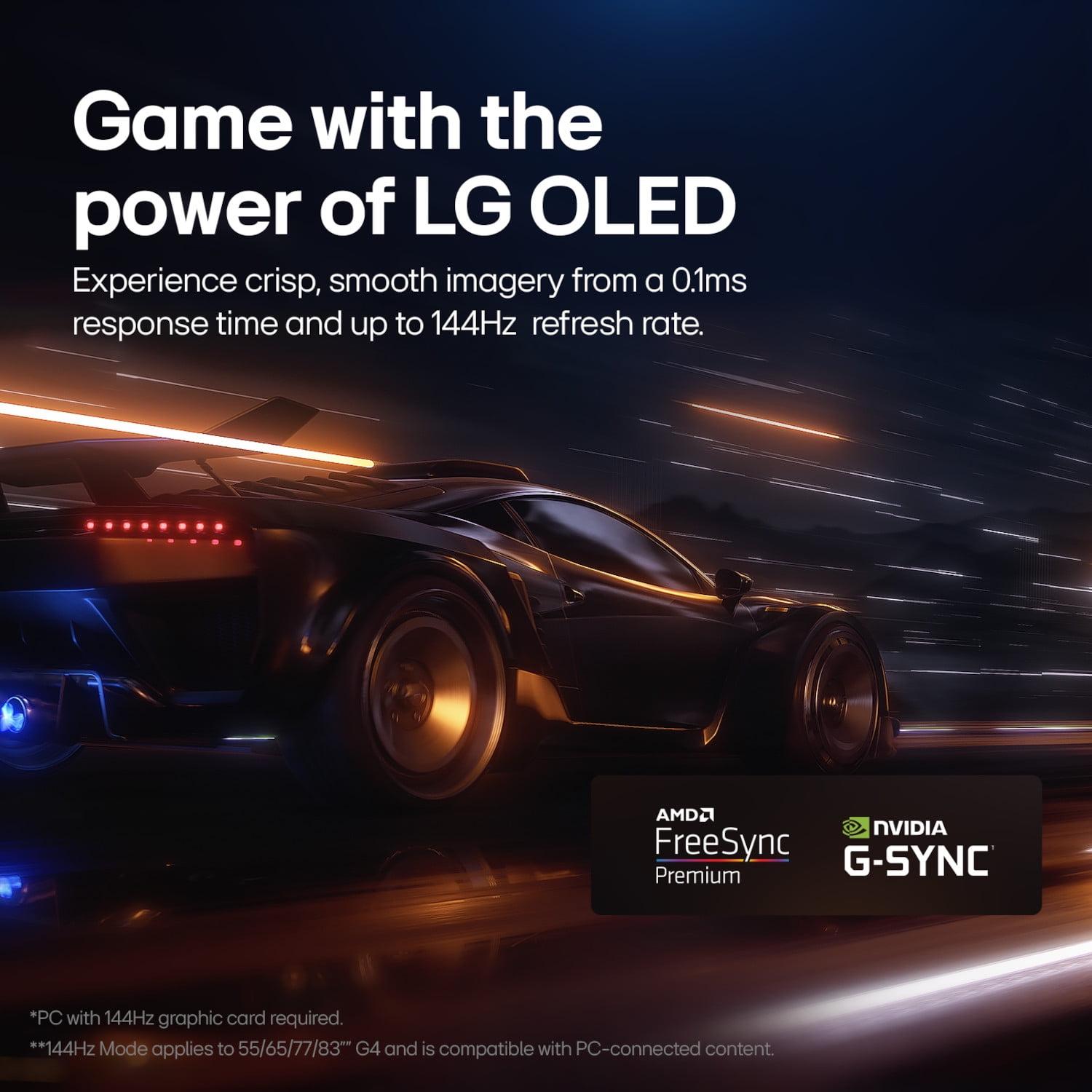
Motion handling reveals another significant gap between these technologies. The LG G4 achieves near-instantaneous response times (0.1ms) thanks to OLED's pixel-switching speed. This creates crisp motion with minimal blur, ideal for sports, action movies, and gaming.
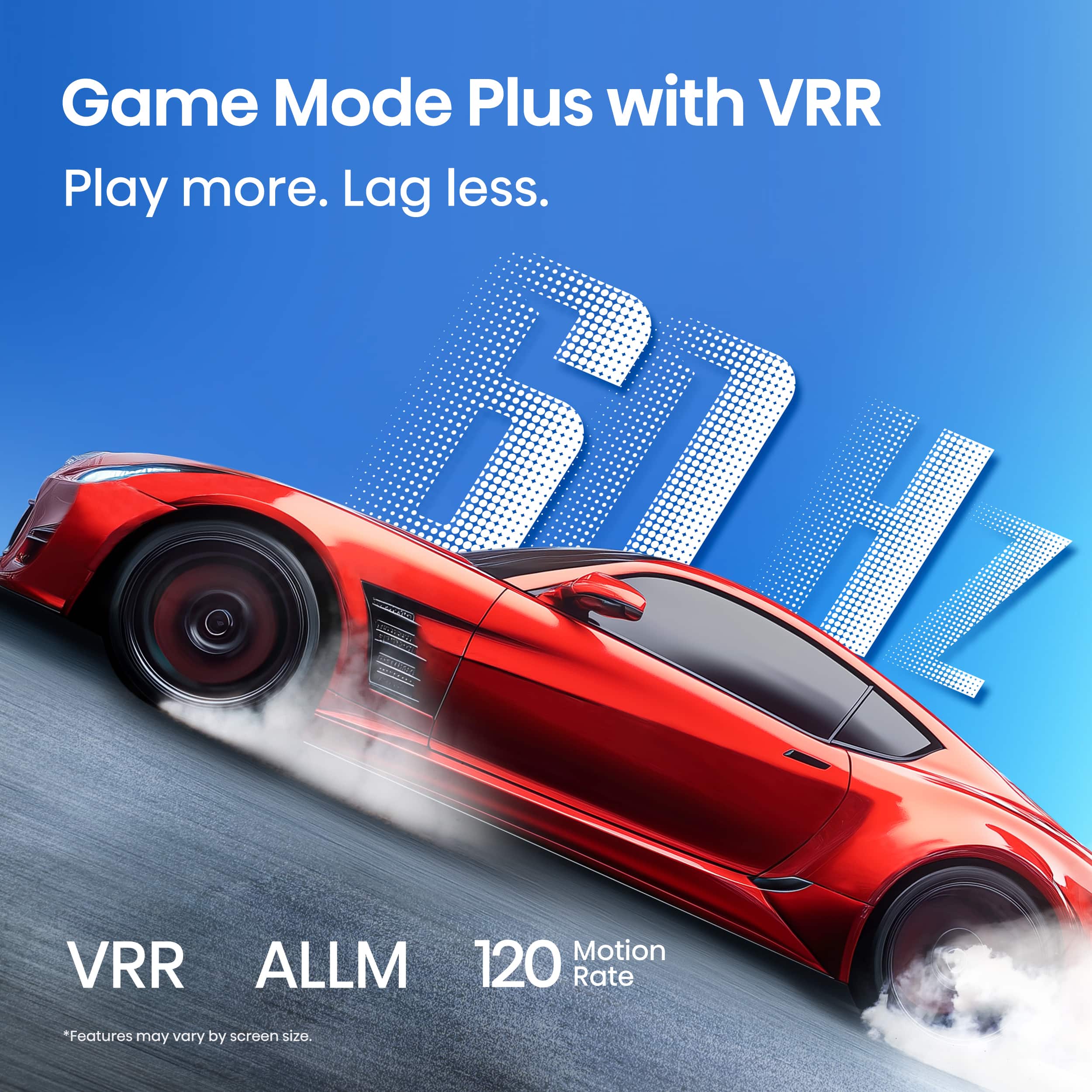
The Hisense QD6 struggles with motion, particularly dark transitions. When dark objects move across lighter backgrounds, you'll notice blur trails and artifacts. The TV includes Motion Rate 120 processing (interpolating from its native 60Hz to create smoother motion), but this introduces its own artifacts and soap opera effect.
For sports viewing, this difference matters enormously. Fast-moving balls, players, and camera pans look sharp and natural on the G4, while the QD6 shows noticeable blur that can make following action frustrating. The same applies to action movies—car chases and fight scenes maintain clarity on the OLED but become muddy on the LED.
Gaming represents one of the clearest distinctions between these TVs. The LG G4 includes four HDMI 2.1 ports capable of 4K at 144Hz, plus Variable Refresh Rate (VRR) and both G-Sync and FreeSync compatibility. This makes it fully ready for current and future gaming consoles and high-end gaming PCs.
The Hisense QD6 offers more basic gaming features with HDMI 2.0 ports limited to 4K at 60Hz. It includes VRR and Auto Low Latency Mode (ALLM), which helps with responsiveness, but the 60Hz limitation means you can't take advantage of higher frame rates from modern consoles or gaming PCs.
Input lag—the delay between controller input and on-screen response—is low on both TVs in game mode. However, the G4's superior motion handling makes fast-paced games feel more responsive and clear. Competitive gamers will definitely notice the difference, while casual players might find the QD6 adequate.
The connectivity difference also matters for future-proofing. As games increasingly support 120Hz and higher frame rates, the QD6's 60Hz limitation becomes more restrictive. The G4's 144Hz capability ensures compatibility with gaming developments for years to come.
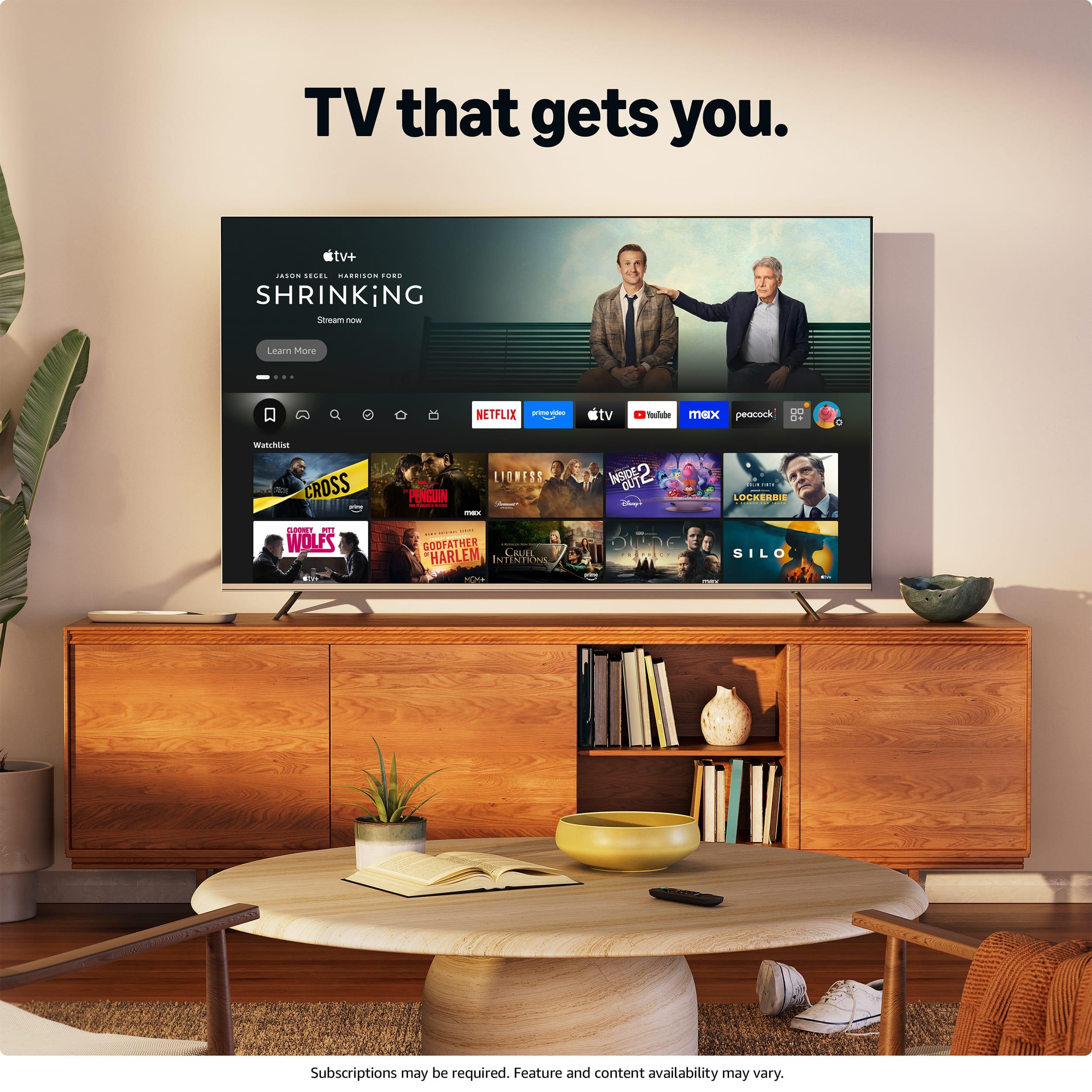
Both TVs offer capable smart platforms, but with different strengths. The Hisense QD6 runs Amazon's Fire TV, which integrates seamlessly with Amazon services and offers excellent app selection. The interface prioritizes Amazon content but provides access to all major streaming services.
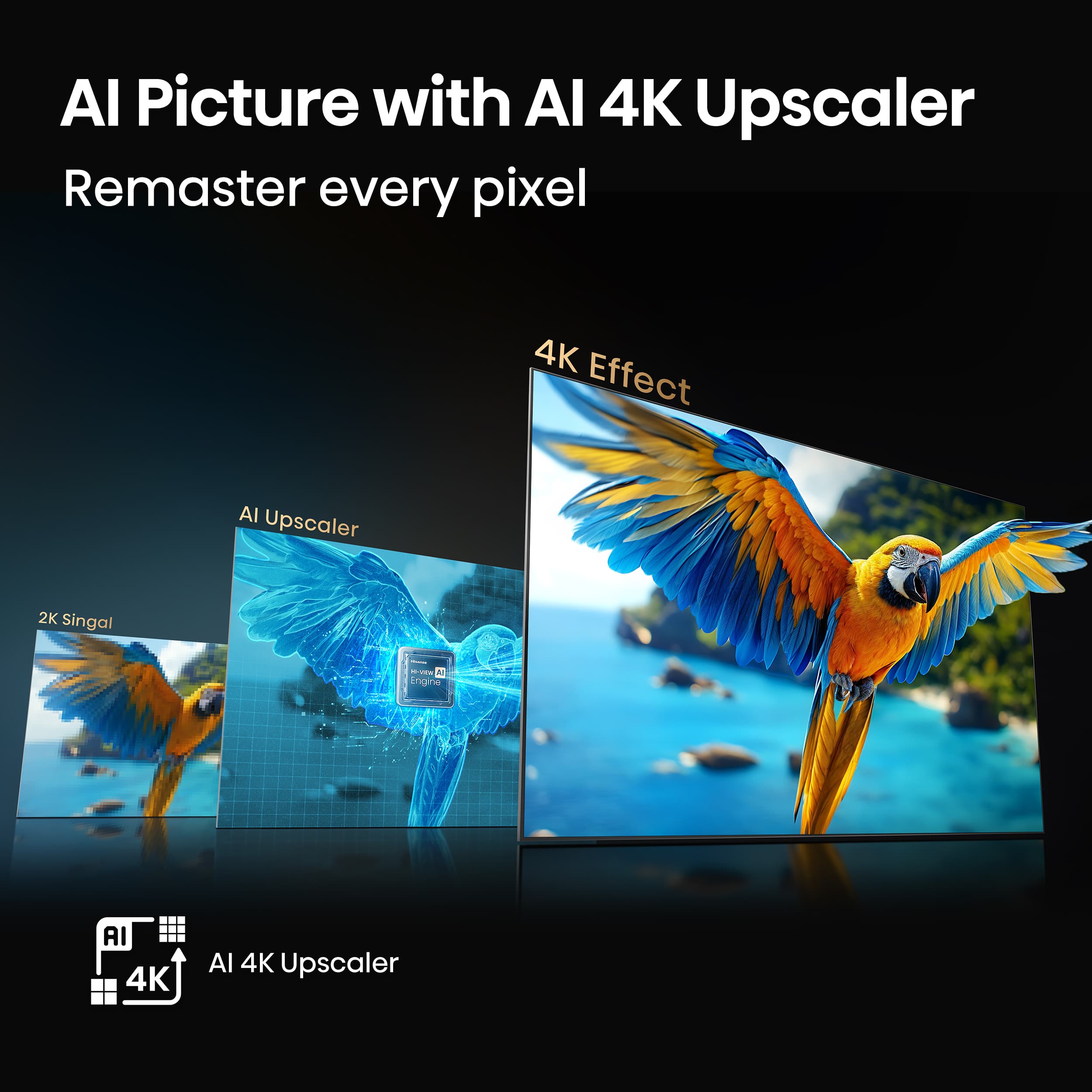
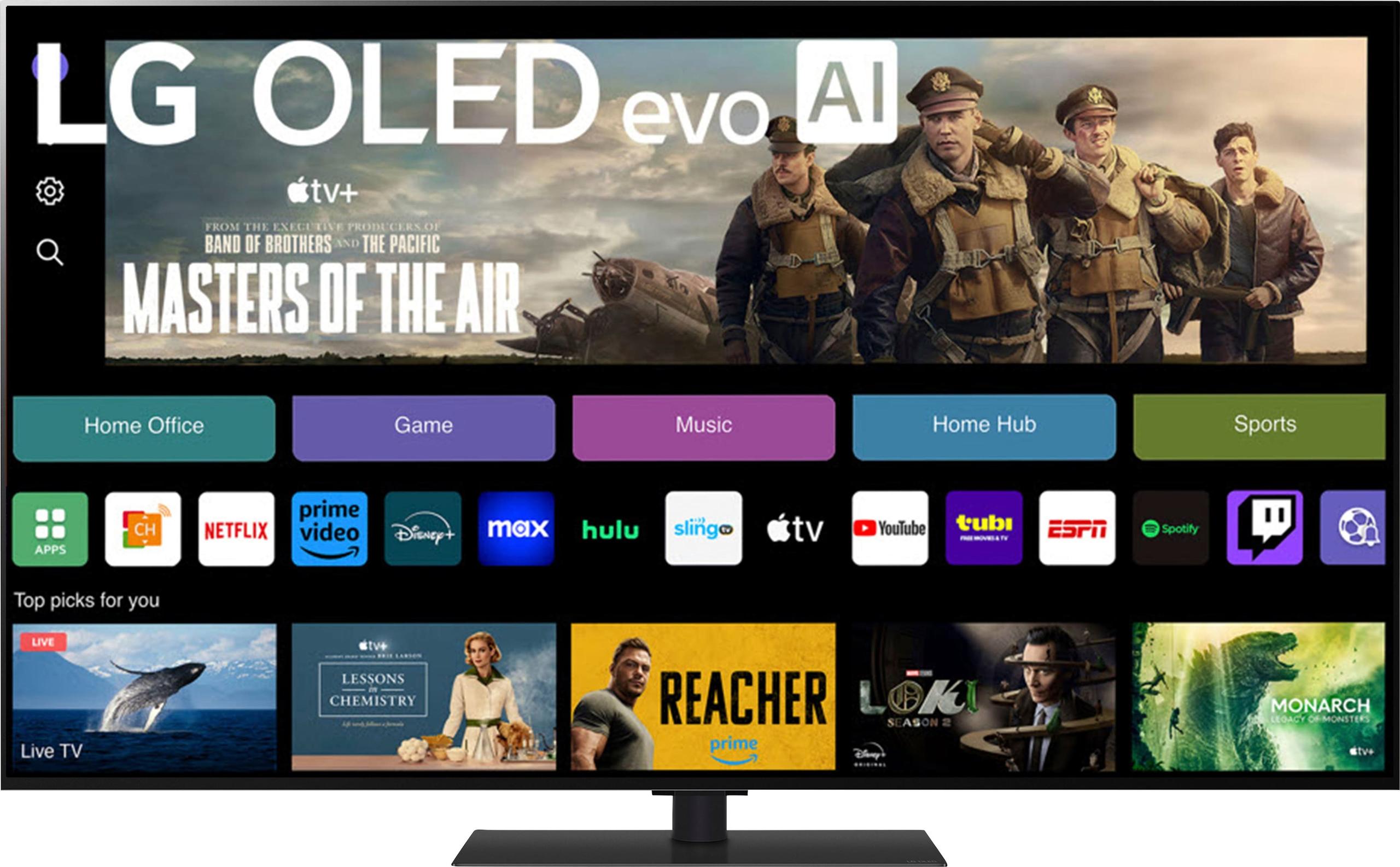
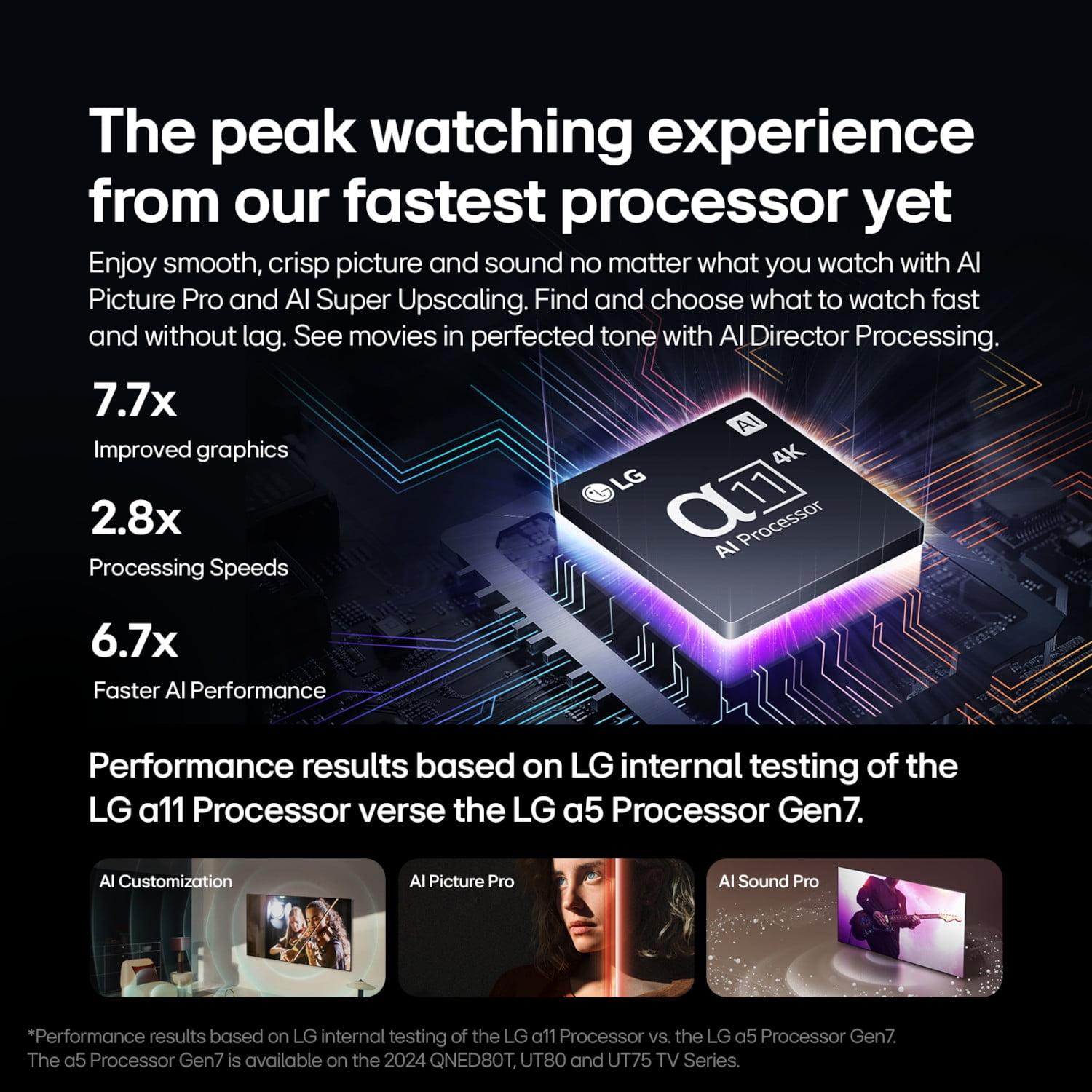
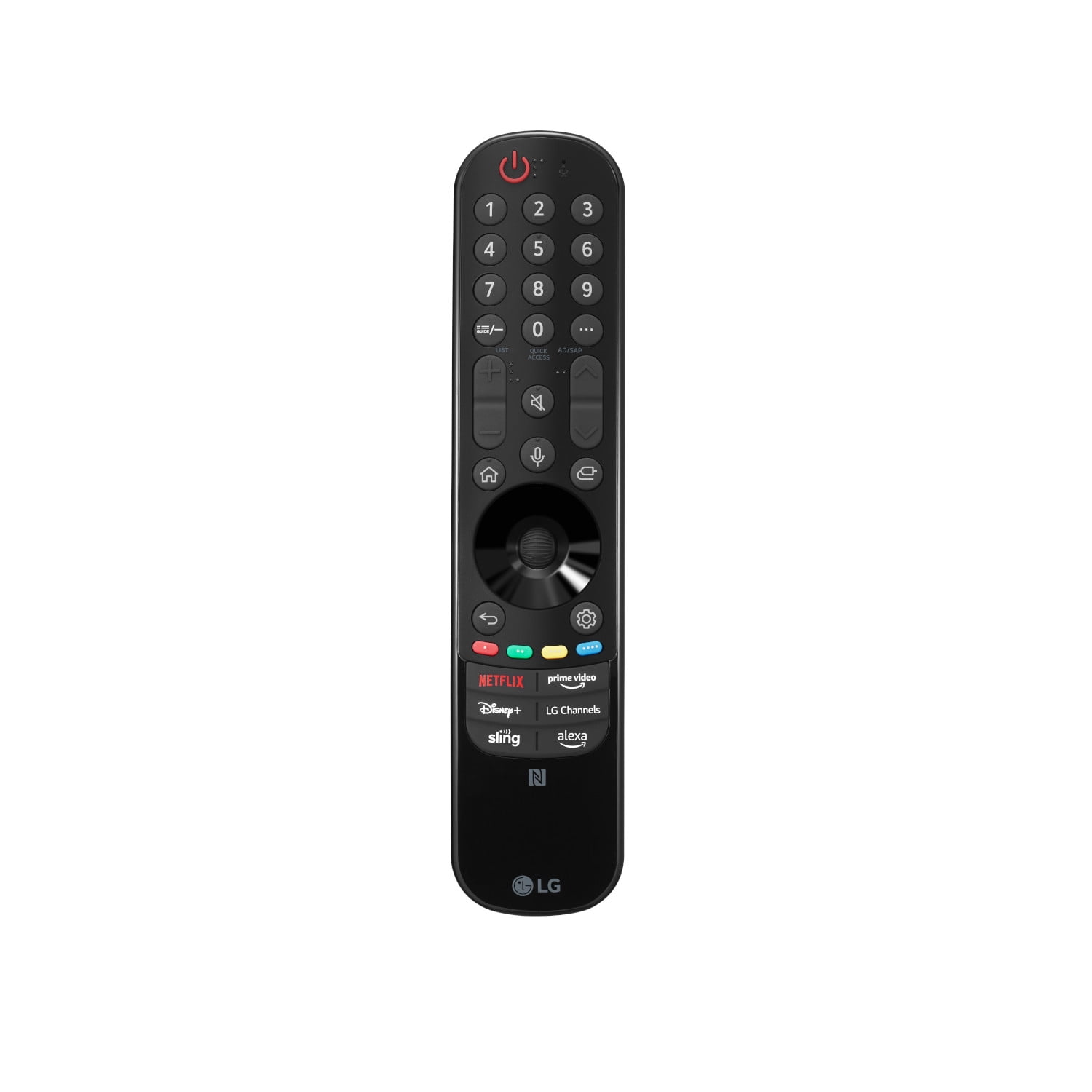
The LG G4 uses webOS 24, LG's latest smart platform powered by the α11 AI processor. This delivers faster navigation, AI-enhanced picture processing, and features like AI Super Upscaling that improves lower-resolution content. The interface feels more premium and responsive, though some users prefer Fire TV's straightforward approach.
Processing power makes a noticeable difference in daily use. The G4's advanced processor handles app switching and menu navigation smoothly, while the QD6 occasionally shows lag during interface transitions. For streaming-focused usage, both work well, but the G4 provides a more refined experience.
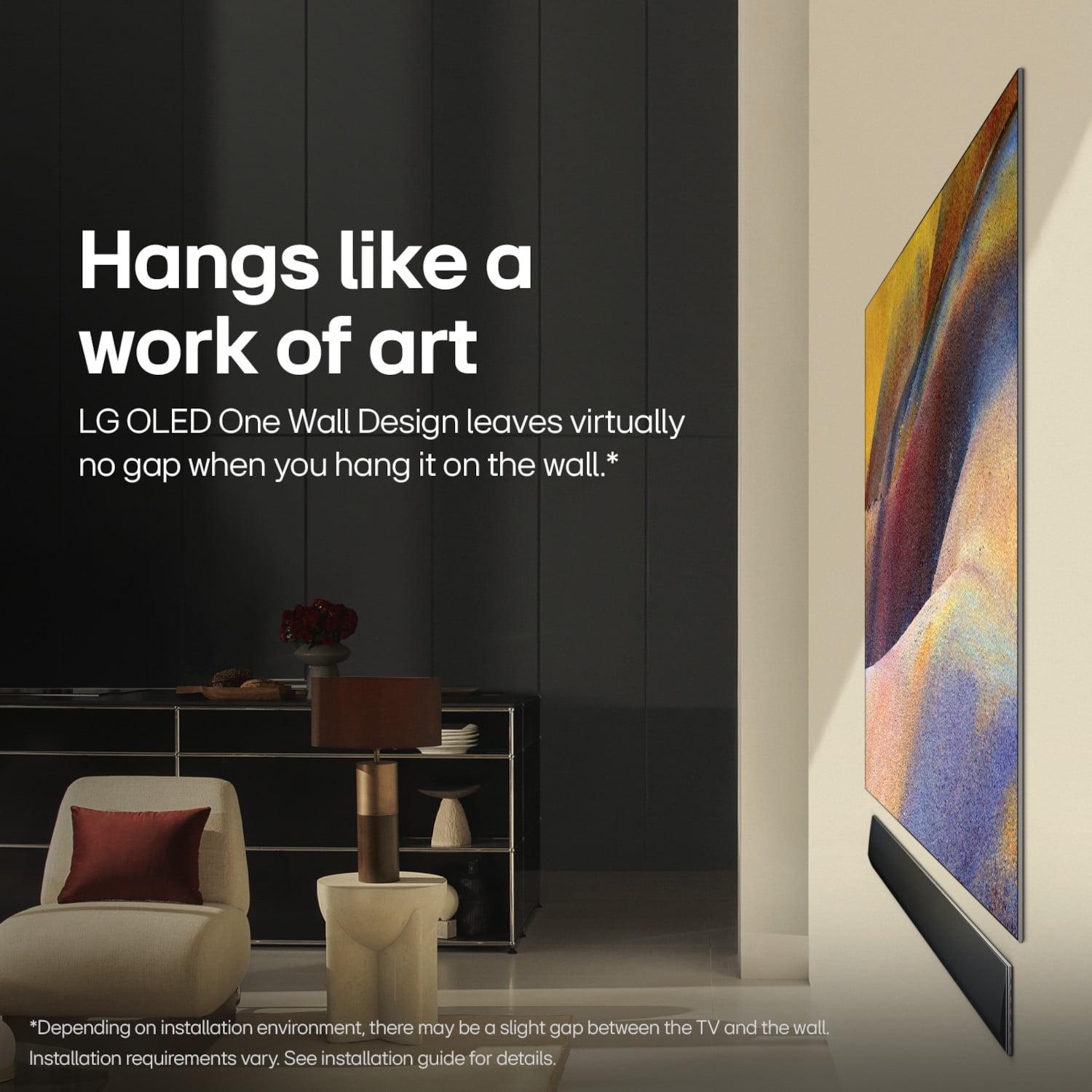
Physical design reflects each TV's market position clearly. The LG G4 measures just 24.3mm thin and includes a flush wall-mount system designed to make the TV appear like wall-mounted art. The build quality feels premium throughout, with minimal bezels and high-quality materials.
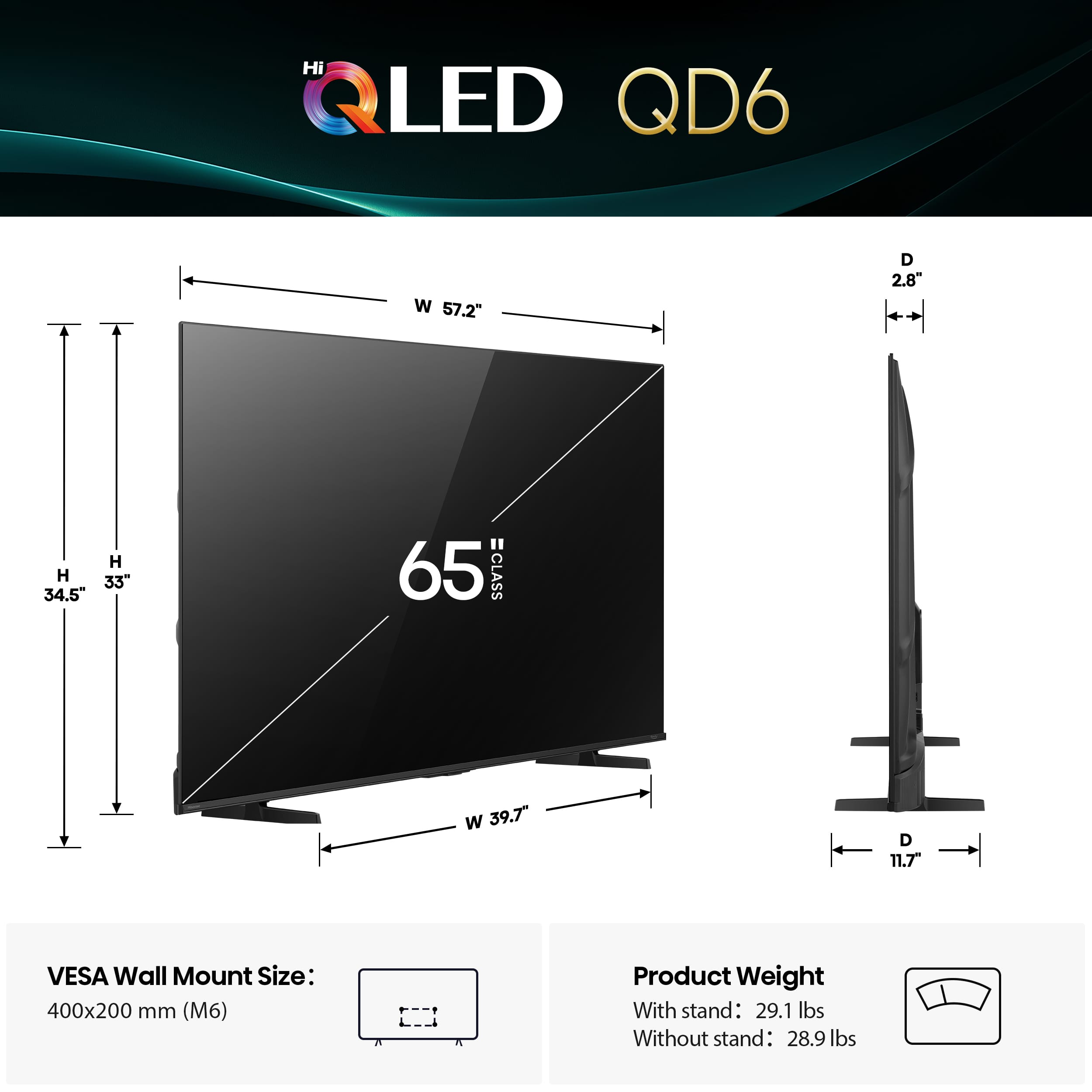
The Hisense QD6 looks like a typical LED TV—thicker profile, standard bezels, and basic stand design. It's well-built for its price point but lacks the premium aesthetic of the OLED. For wall mounting, it uses standard VESA mounting rather than the G4's gallery-style approach.
These differences matter if your TV serves as a room's focal point. The G4 was designed to blend into premium interiors, while the QD6 prioritizes function over form—which aligns perfectly with their respective market positions.
Price differences between these TVs reflect more than just profit margins—they represent fundamentally different approaches to value. At the time of writing, you'll pay roughly 3-4 times more for the LG G4 compared to the Hisense QD6.
The question becomes whether that premium delivers proportional value. For picture quality alone, the G4 provides dramatic improvements in contrast, brightness, color accuracy, and motion handling. These differences compound during actual viewing, creating an experience that feels substantially better rather than incrementally improved.
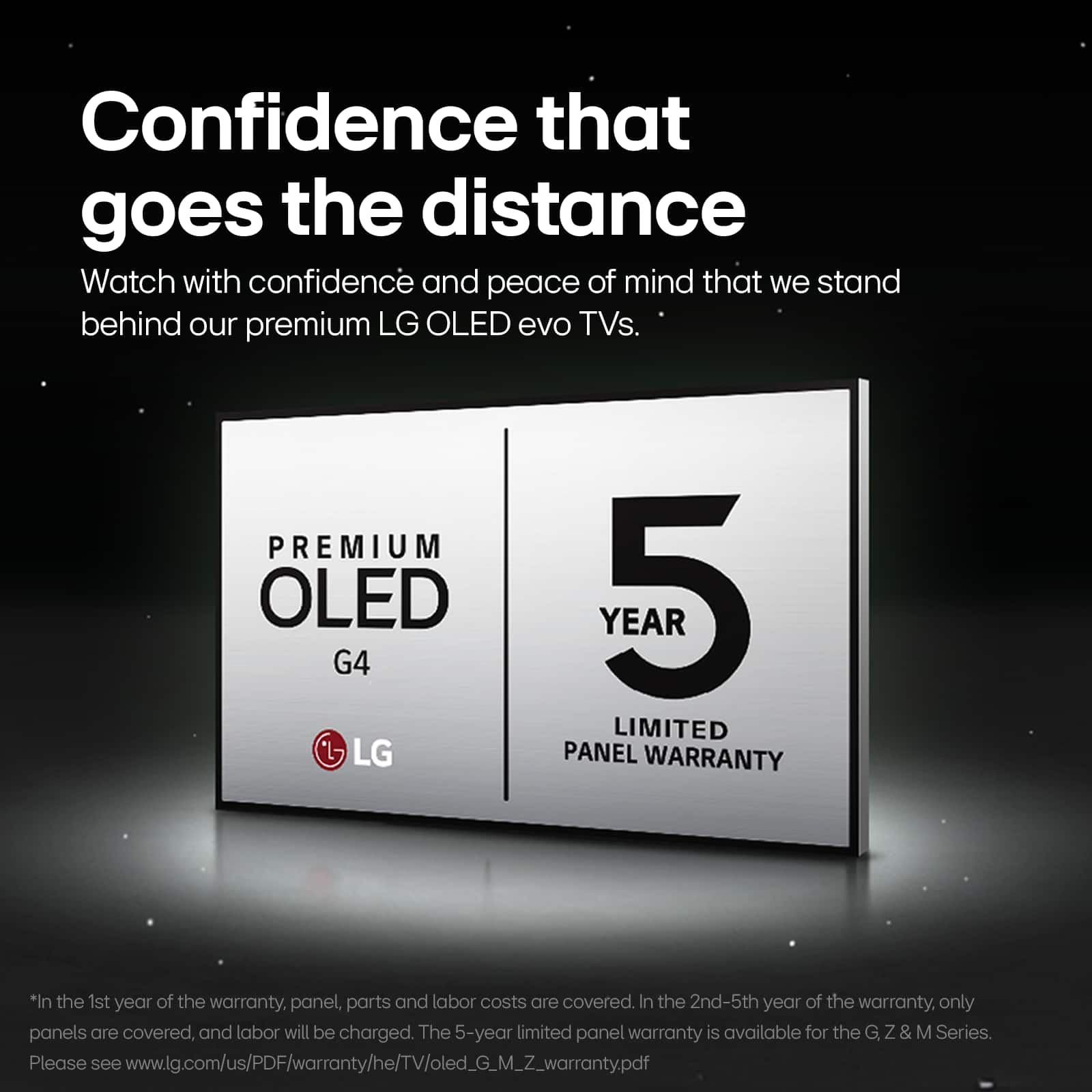
Warranty coverage also differs significantly. LG provides a 5-year panel warranty for the G4, including burn-in protection—addressing the primary concern potential OLED buyers have. The QD6 includes a standard 1-year warranty. Over five years, this extended coverage adds considerable value to the OLED investment.
For dedicated home theater use, these TVs serve very different purposes. The LG G4 excels in dark room environments where its perfect blacks and high brightness create exceptional contrast. HDR movies look dramatically better, with highlights that pop and shadows that maintain detail.
The Hisense QD6 works adequately for casual movie watching but lacks the dynamic range that makes home theater compelling. Without local dimming, bright scenes wash out dark areas, reducing the cinematic impact that makes movie nights special.
Audio represents a weakness for both TVs, though the G4's 60W system with AI processing performs slightly better. Serious home theater setups will require external audio regardless of which TV you choose.
The Hisense QD6 makes sense for budget-conscious buyers who want modern features without premium pricing. If you're upgrading from an older TV and watch in moderately controlled lighting, the quantum dot enhancement and Fire TV platform provide solid value. It's particularly appealing for secondary rooms or if 60Hz gaming meets your needs.
Choose the QD6 if you prioritize maximum features per dollar, prefer Fire TV's interface, or can't justify spending significantly more on a TV. It delivers a complete modern experience at an accessible price point.
The LG G4 justifies its premium pricing for anyone prioritizing picture quality, gaming performance, or future-proofing. If you watch movies in dark rooms, play games at high frame rates, or want a TV that won't feel outdated in five years, the additional investment pays off through superior daily experience.
The G4 makes particular sense for enthusiasts who appreciate the difference between good and exceptional picture quality. Once you experience perfect blacks and HDR highlights on OLED, returning to LED feels like a step backward.
These TVs succeed in their respective markets by targeting different priorities. The Hisense QD6 democratizes modern TV features, bringing quantum dot enhancement, smart capabilities, and basic gaming features to budget-conscious buyers. It represents excellent value for its intended audience.
The LG G4 showcases what current display technology can achieve when cost isn't the primary constraint. It delivers reference-quality picture performance, future-ready gaming features, and build quality that justifies its premium positioning.
Your choice depends on whether you value maximum features for minimum cost or maximum performance regardless of price. Both approaches have merit, but understanding these fundamental differences ensures you'll choose the TV that best matches your priorities and expectations.
At the time of writing, the gap between budget and premium TVs has never been wider in terms of actual performance, even as the feature lists look increasingly similar. The QD6 proves you don't need to spend a fortune for a satisfying modern TV experience, while the G4 demonstrates why some buyers gladly pay premium prices for demonstrably superior performance.
| Hisense 65" QD6 Series Hi-QLED Fire TV (2025) | LG 65" G4 Series OLED evo 4K UHD Smart TV (2024) |
|---|---|
| Display Technology - Fundamental difference affecting all picture quality | |
| Hi-QLED (LED with quantum dots, VA panel) | OLED evo with Micro Lens Array (MLA) |
| Peak Brightness - Critical for HDR impact and bright room viewing | |
| ~385 cd/m2 (adequate for moderate lighting) | Up to 2,268 nits (excellent for any environment) |
| Black Levels - Most noticeable picture quality difference | |
| Good VA contrast but no local dimming (blacks lift in mixed scenes) | Perfect infinite contrast (pixels turn completely off) |
| Refresh Rate - Determines gaming capability and motion smoothness | |
| 60Hz native (Motion Rate 120 with interpolation) | 120Hz native (supports up to 144Hz with VRR) |
| Gaming Connectivity - Future-proofing for next-gen consoles | |
| 4x HDMI 2.0 (limited to 4K@60Hz) | 4x HDMI 2.1 (supports 4K@144Hz) |
| Variable Refresh Rate - Eliminates screen tearing in games | |
| Basic VRR at 60Hz (prone to tearing on frame drops) | Advanced VRR up to 144Hz plus G-Sync/FreeSync Premium |
| Input Lag - Responsiveness for competitive gaming | |
| Low lag in game mode but slower panel response | Ultra-low 0.1ms response time |
| Color Coverage - Affects color vibrancy and accuracy | |
| 90% DCI-P3 with quantum dots (good for price point) | 100% color volume with perfect accuracy |
| Motion Handling - Critical for sports and action content | |
| Sluggish dark transitions with visible blur trails | Excellent 0.1ms response with crisp motion |
| Smart Platform - Daily user experience and app performance | |
| Fire TV (robust Amazon ecosystem, occasional lag) | webOS 24 with α11 processor (premium, responsive interface) |
| Build Quality - Design and long-term durability | |
| Standard LED thickness, decent build for price | Premium 24.3mm thin profile, gallery-style mounting |
| Warranty Coverage - Protection for your investment | |
| 1 year standard warranty | 5 year panel warranty including burn-in protection |
| Best For - Target buyer and use cases | |
| Budget-conscious buyers, controlled lighting, casual gaming | Picture quality enthusiasts, serious gaming, home theater |
The LG G4 OLED delivers significantly better picture quality with perfect blacks, exceptional brightness up to 2,268 nits, and 100% color accuracy. The Hisense QD6 offers decent quantum dot-enhanced colors but lacks local dimming, causing washed-out blacks in dark scenes. For home theater use, the LG G4 provides a dramatically more immersive viewing experience.
The LG G4 uses OLED technology where each pixel creates its own light and can turn completely off for true blacks. The Hisense QD6 uses Hi-QLED, which is LED backlighting enhanced with quantum dots for better colors but still relies on a backlight that can't achieve true blacks. This fundamental difference makes the LG G4 superior for contrast and overall picture quality.
The LG G4 OLED is significantly better for gaming with four HDMI 2.1 ports supporting 4K at 144Hz, advanced VRR, and 0.1ms response time. The Hisense QD6 only supports 4K at 60Hz through HDMI 2.0 ports and has slower motion handling. For next-gen gaming, the LG G4 is the clear choice.
The Hisense QD6 runs Amazon Fire TV, which integrates well with Amazon services and offers excellent app selection. The LG G4 uses webOS 24 powered by the α11 processor, providing faster navigation and AI features. Both platforms work well, but the LG G4 offers a more premium and responsive interface.
Surprisingly, the LG G4 OLED handles bright rooms better despite common OLED concerns, thanks to its Micro Lens Array technology achieving over 2,200 nits peak brightness. The Hisense QD6 manages around 385 nits, which is adequate for moderate lighting but struggles with direct sunlight. The LG G4 works well in any lighting condition.
The LG G4 includes a comprehensive 5-year panel warranty that covers burn-in protection, while the Hisense QD6 comes with a standard 1-year warranty. This extended coverage adds significant value to the LG G4 investment and addresses common OLED longevity concerns.
The Hisense QD6 provides excellent value for budget-conscious buyers, offering quantum dot enhancement and modern features at an accessible price. The LG G4 costs significantly more but delivers dramatically superior performance across all categories. Value depends on your priorities: maximum features per dollar (Hisense QD6) or maximum performance (LG G4).
The LG G4 OLED excels at motion with 0.1ms response time, creating crisp action scenes and smooth sports viewing. The Hisense QD6 struggles with motion blur, especially during dark transitions, making fast-paced content less enjoyable. For sports enthusiasts, the LG G4 provides a significantly better experience.
The LG G4 OLED is dramatically better for dark room viewing thanks to perfect blacks and exceptional contrast. The Hisense QD6 lacks local dimming, so bright scenes wash out dark areas, reducing the cinematic experience. For dedicated home theater use, the LG G4 is the clear choice.
The LG G4 features premium construction with a 24.3mm thin profile and gallery-style wall mounting system designed to look like art. The Hisense QD6 has a standard LED TV design with thicker profile and basic stand. The LG G4 serves as a premium room centerpiece, while the Hisense QD6 prioritizes function over form.
The LG G4 OLED delivers exceptional HDR with bright highlights up to 2,268 nits combined with perfect blacks for maximum dynamic range. The Hisense QD6 supports HDR formats but lacks the brightness and contrast needed for impactful HDR, making highlights appear dull. The LG G4 makes HDR content truly shine.
Choose the Hisense QD6 if you want modern TV features on a budget, prefer Fire TV, and can accept 60Hz gaming limitations. Choose the LG G4 if picture quality is your priority, you game at high refresh rates, want future-proofing, or use your TV for serious home theater. The LG G4 justifies its premium pricing through superior performance across all categories.
We've done our best to create useful and informative comparisons to help you decide what product to buy. Our research uses advanced automated methods to create this comparison and perfection is not possible - please contact us for corrections or questions. These are the sites we've researched in the creation of this article: pcvarge.com - bestbuy.com - rtings.com - youtube.com - rtings.com - youtube.com - consumerreports.org - leaseville.com - hisense-usa.com - device.report - hisense-usa.com - youtube.com - flatpanelshd.com - displayspecifications.com - retailspecs.com - hometechnologyreview.com - hometechnologyreview.com - whathifi.com - hometechnologyreview.com - youtube.com - tomsguide.com - tomsguide.com - smarthomesounds.co.uk - rtings.com - rtings.com - bhphotovideo.com - youtube.com - schaeferstv.com - bestbuy.com - costco.com - lg.com - lg.com - shopsilica.com - bestbuy.com - techradar.com - bestbuy.com - bestbuy.com - lg.com - lgnewsroom.com

Privacy Policy
Terms and Conditions - Affiliate Policy
Home Security
© Copyright 2008-2026.
11816 Inwood Rd #1211, Dallas, TX 75244