


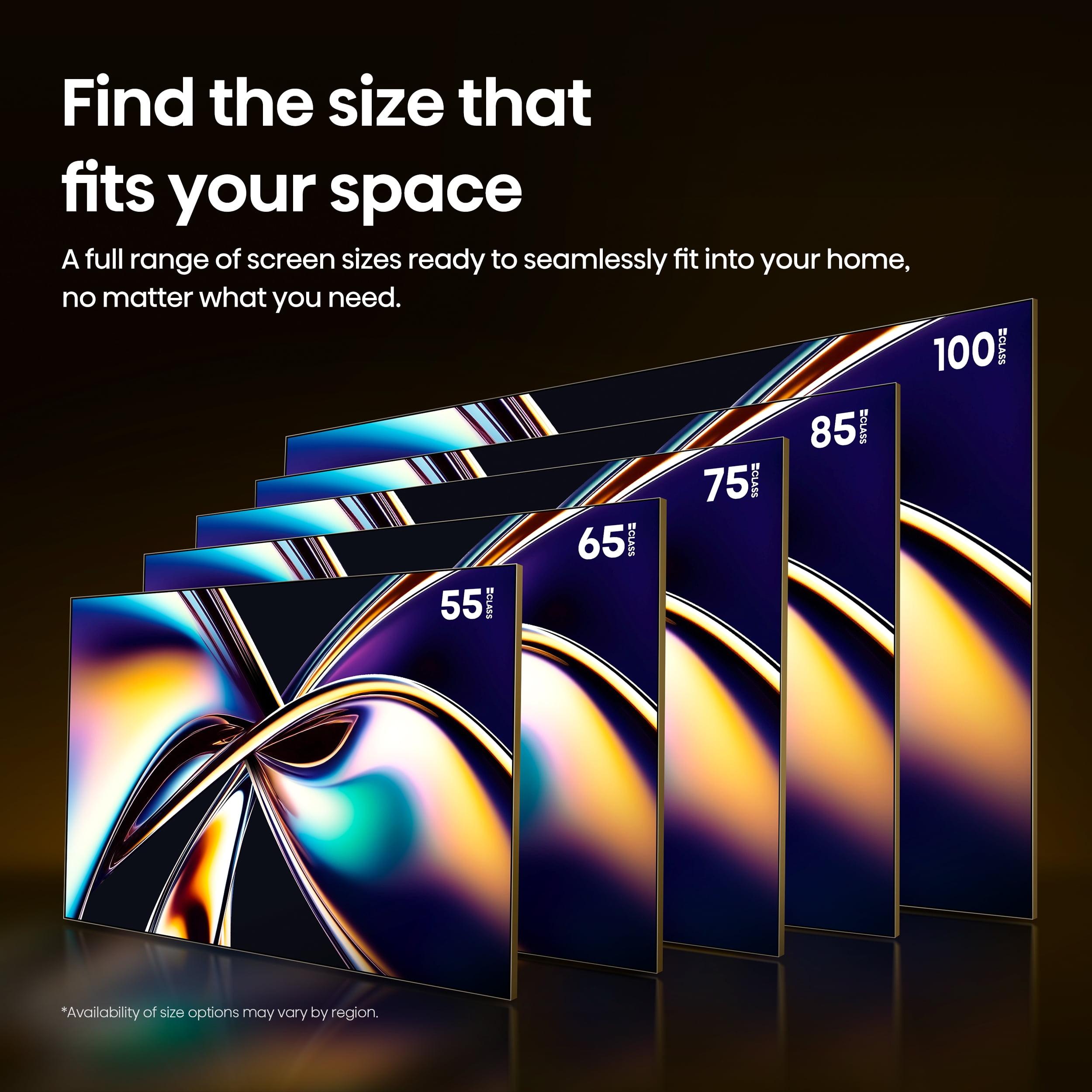
Finding the perfect 65-inch TV can feel overwhelming with dozens of models flooding the market each year. Two standout options from Hisense's 2025 lineup—the QD6 Series and U8 Series—represent vastly different approaches to delivering quality entertainment. While both carry the Hisense name and 65-inch screen size, they target completely different buyers with distinct priorities and budgets.
At the time of writing, the price gap between these models is substantial, with the QD6 Series positioned as an entry-level option while the U8 Series commands premium pricing for advanced features. This difference reflects genuine performance gaps rather than marketing positioning, making your choice heavily dependent on how you'll actually use your TV.
Before diving into specifics, it's worth understanding what separates good TVs from great ones in 2025. The most crucial factors are brightness (measured in nits—think of it as how intensely the screen can glow), contrast (the difference between the darkest blacks and brightest whites), color accuracy, and motion handling. For gamers, refresh rate (how many times per second the screen updates) and input lag (delay between controller input and screen response) become equally important.
HDR, or High Dynamic Range, has become the standard for premium content. Think of HDR like the difference between a smartphone photo and what your eyes actually see—it captures more detail in both shadows and highlights. However, HDR only delivers its full impact when your TV can get bright enough to display those brilliant highlights properly.
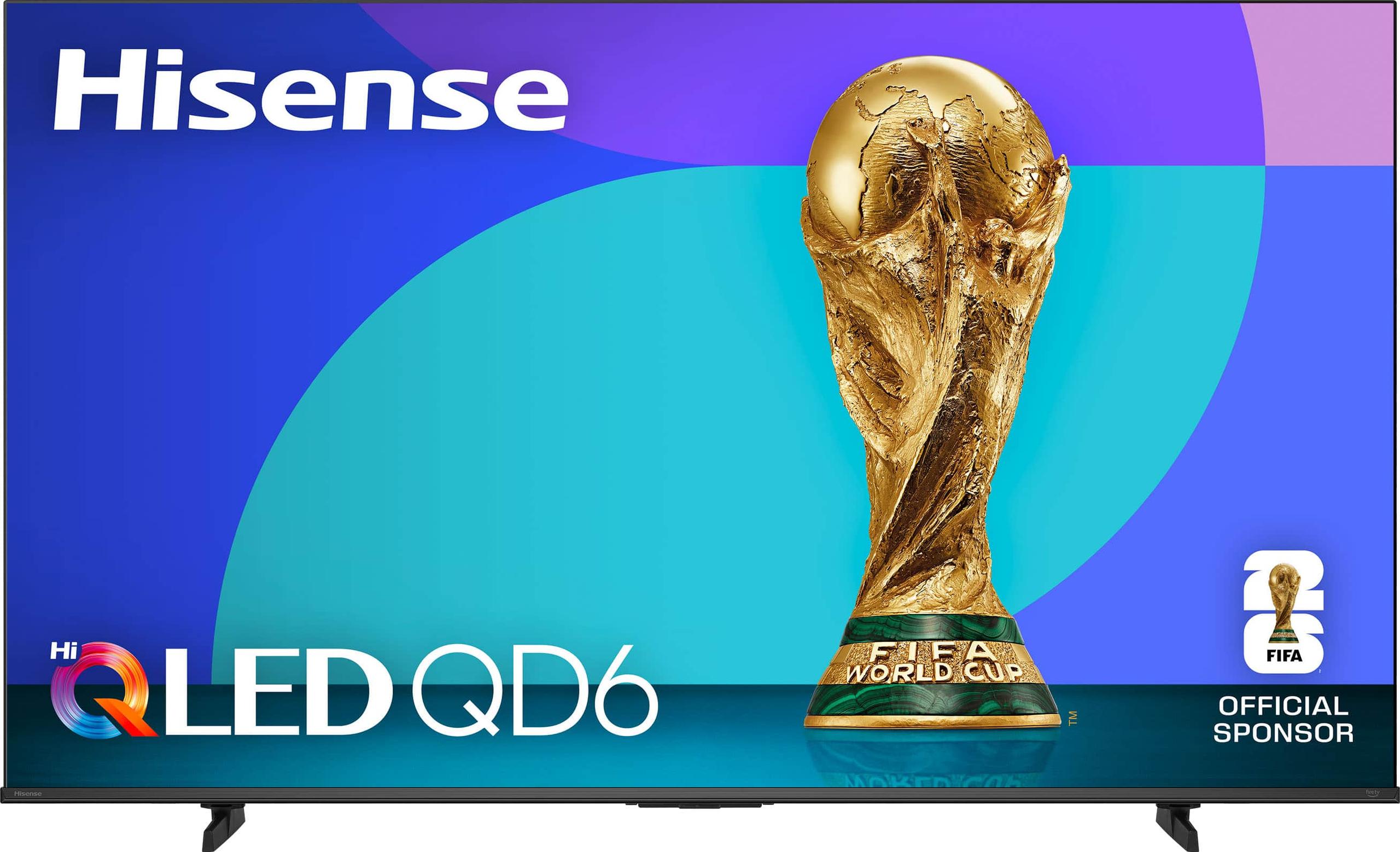
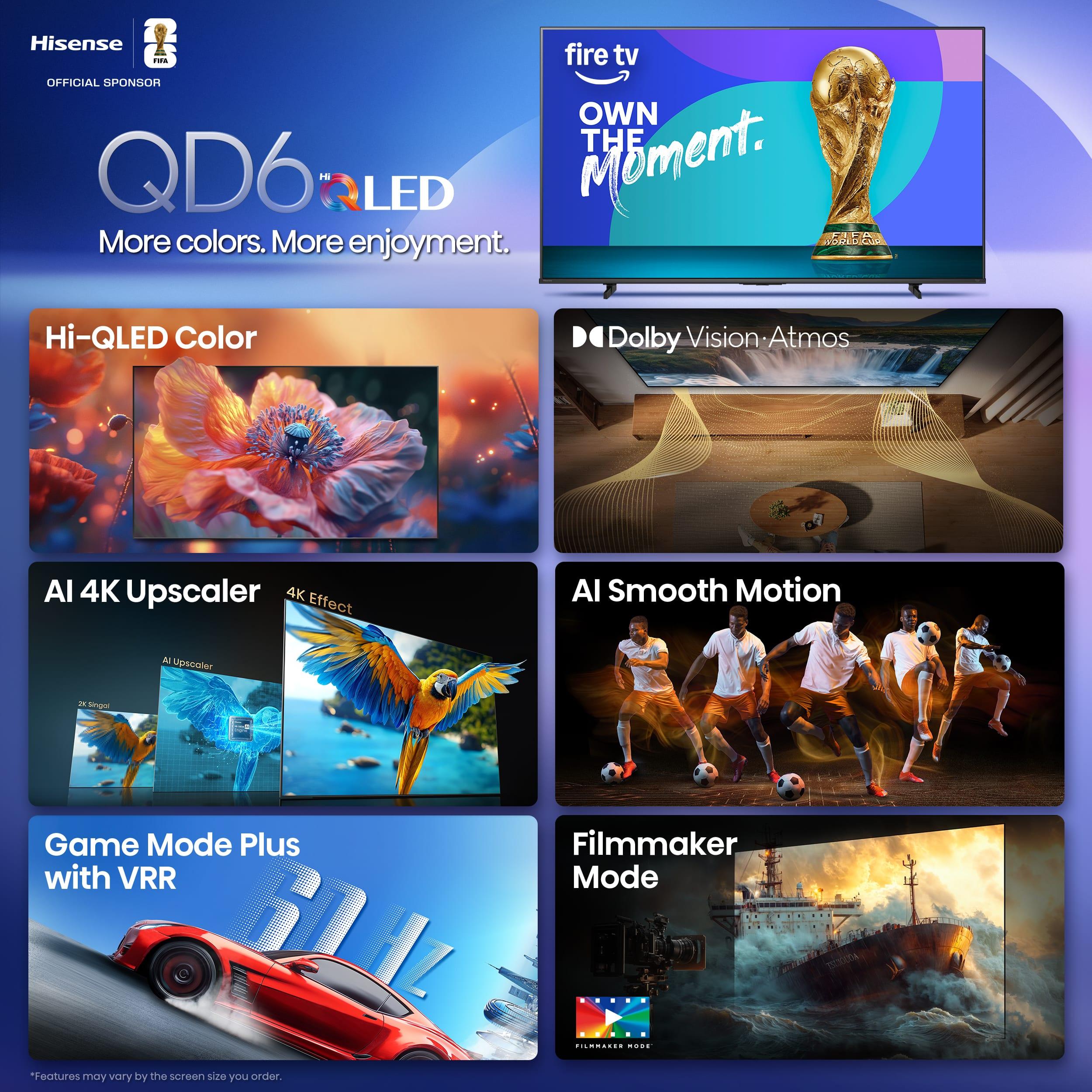
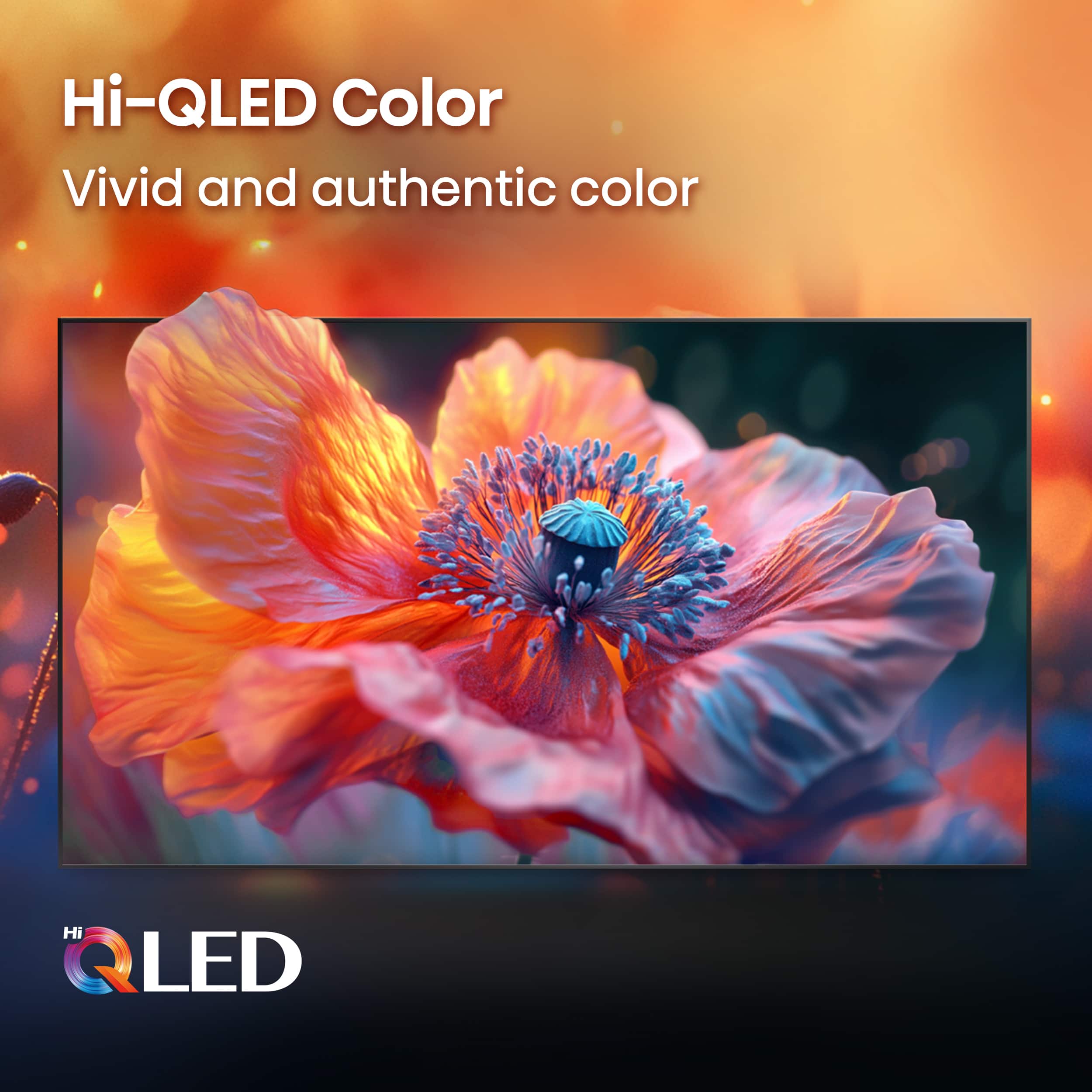
The QD6 Series launched in 2025 as Hisense's answer to budget-conscious buyers who refuse to compromise on essential features. At its core sits a VA panel—a type of LCD technology that delivers better contrast than cheaper IPS panels but narrower viewing angles. The "Hi-QLED" branding refers to quantum dot enhancement, tiny nanocrystals that improve color reproduction beyond standard LED TVs.
What impressed us most about the QD6 is its brightness performance for the price point. At roughly 385 nits peak brightness, it outperforms similarly priced competitors that often struggle to reach 320 nits. This might not sound like much, but that extra brightness makes HDR content more impactful and helps the TV hold up better in moderately lit rooms.
The quantum dot technology covers about 90% of the DCI-P3 color space—the standard used by Hollywood for HDR content. In practical terms, this means reds appear more vivid, greens look more natural, and the overall color palette feels more lifelike than basic LED TVs. Out of the box color accuracy is excellent, requiring minimal calibration for most users.
However, the QD6's Achilles heel becomes apparent in dark room viewing. Without local dimming (the ability to selectively brighten or dim specific screen areas), bright highlights lift the black levels across the entire panel. Imagine trying to watch a space movie—when a bright star appears, the entire black void of space becomes slightly gray. This blooming effect doesn't ruin the experience, but it's noticeable in demanding content.
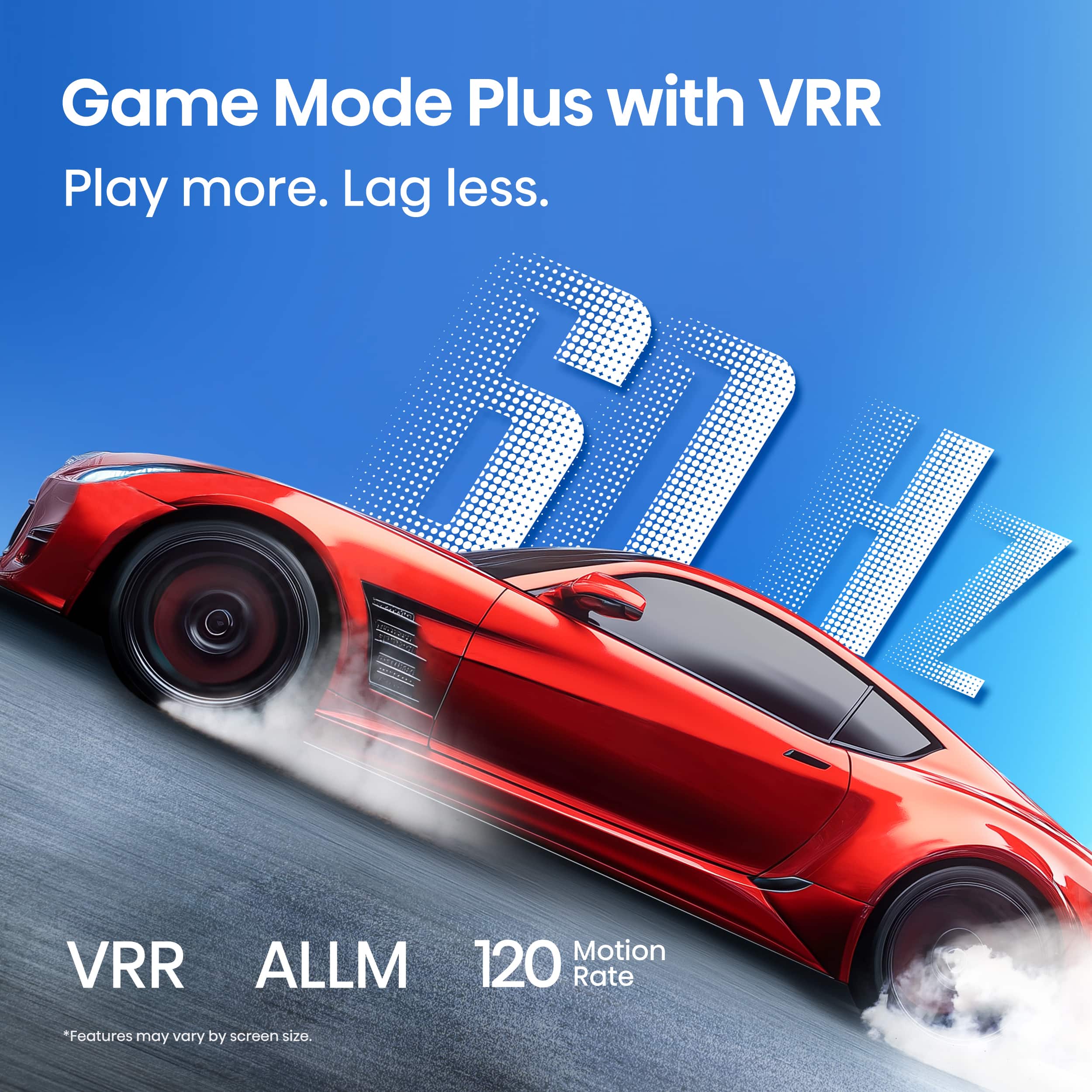
For gaming, the QD6 includes Variable Refresh Rate (VRR) and Auto Low Latency Mode (ALLM)—features that eliminate screen tearing and reduce input lag to around 10 milliseconds. That's fast enough for competitive gaming, though the 60Hz refresh rate means you can't take advantage of 120fps gaming on newer consoles without dropping to lower resolutions.
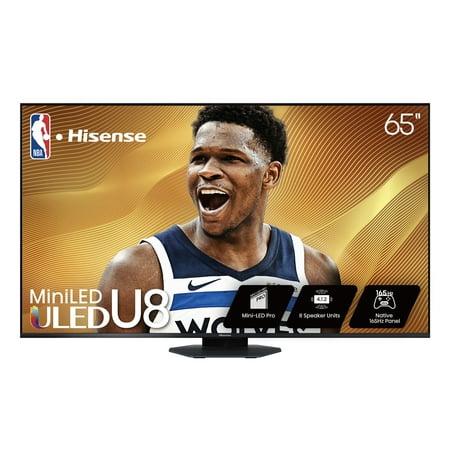
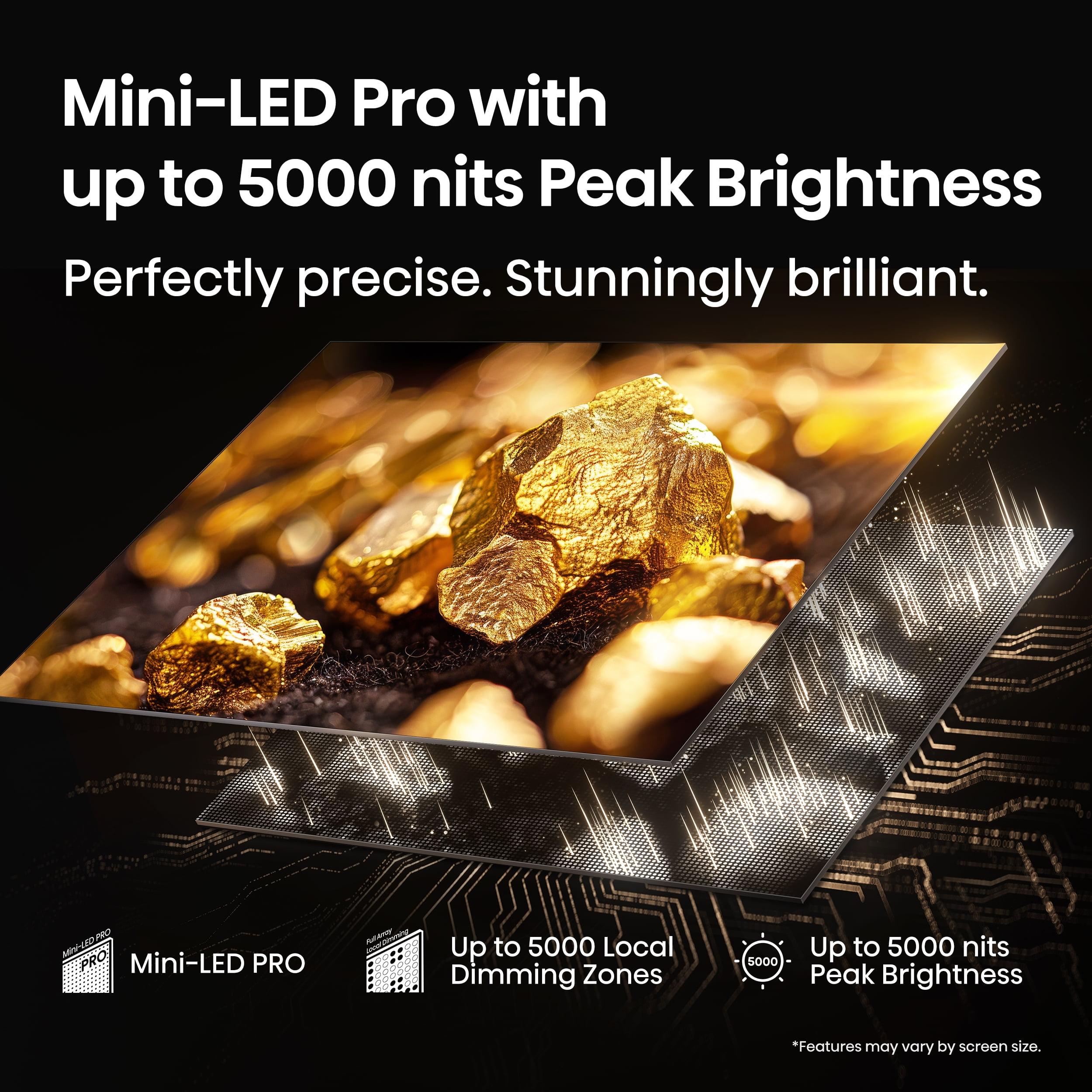
The U8 Series represents Hisense's serious attempt at premium performance, built around Mini-LED technology that fundamentally changes how the TV produces light. Instead of a traditional LED backlight, Mini-LEDs use thousands of tiny LEDs—think rice grain-sized rather than coin-sized—allowing for over 2000 local dimming zones.
This technical advancement translates into dramatic real-world improvements. Peak brightness reaches 3000 nits—bright enough to make HDR highlights genuinely eye-catching and maintain excellent visibility in bright rooms. More importantly, the extensive local dimming means bright objects can appear brilliant while adjacent dark areas remain truly black, eliminating the blooming issues that plague the QD6.
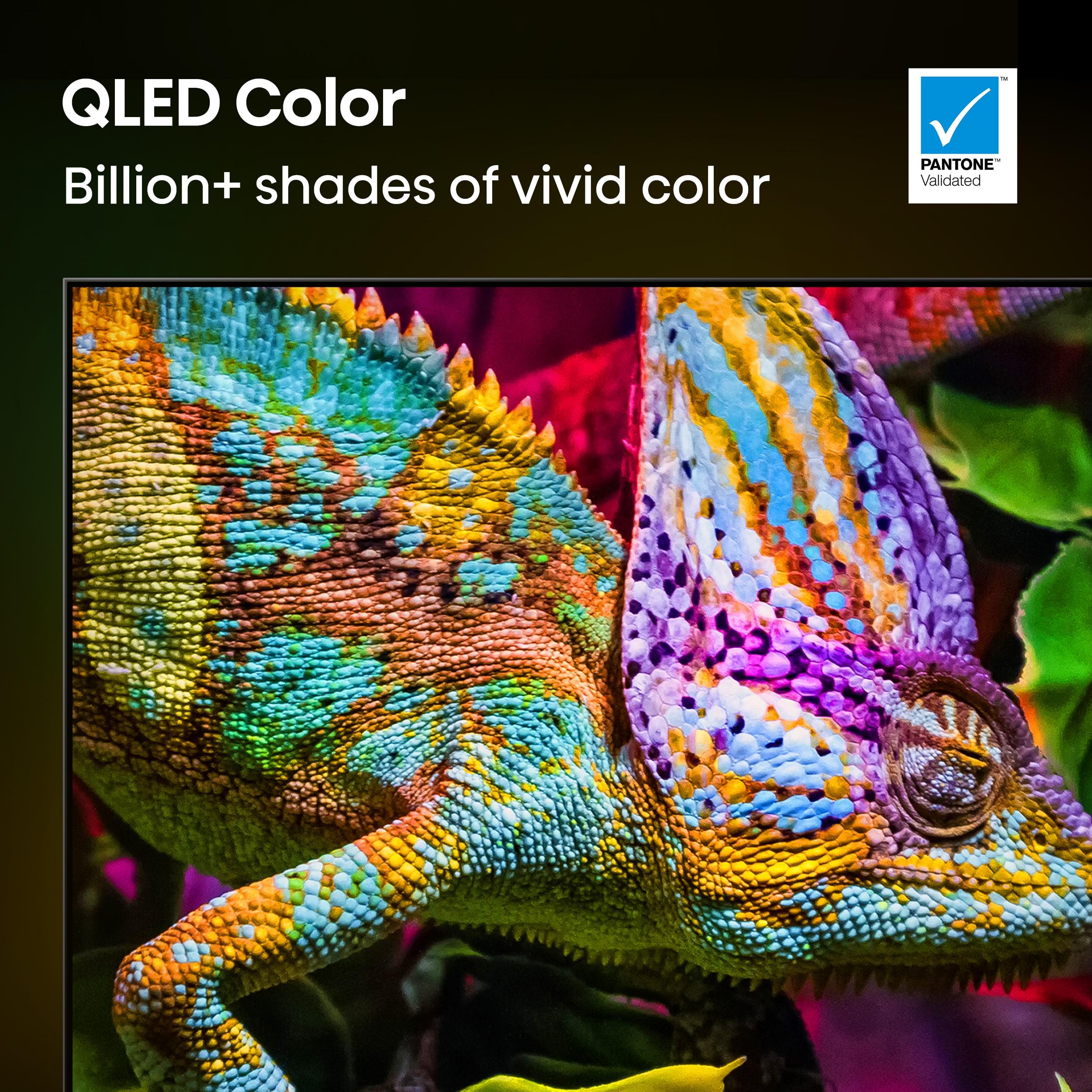
The quantum dot implementation in the U8 is more sophisticated, covering a wider color gamut with professional Pantone validation. Colors aren't just more saturated—they're more accurate, which matters for both movies and photo viewing. The difference becomes particularly apparent in reds and greens, where the U8 delivers shades that simply aren't possible on the QD6.
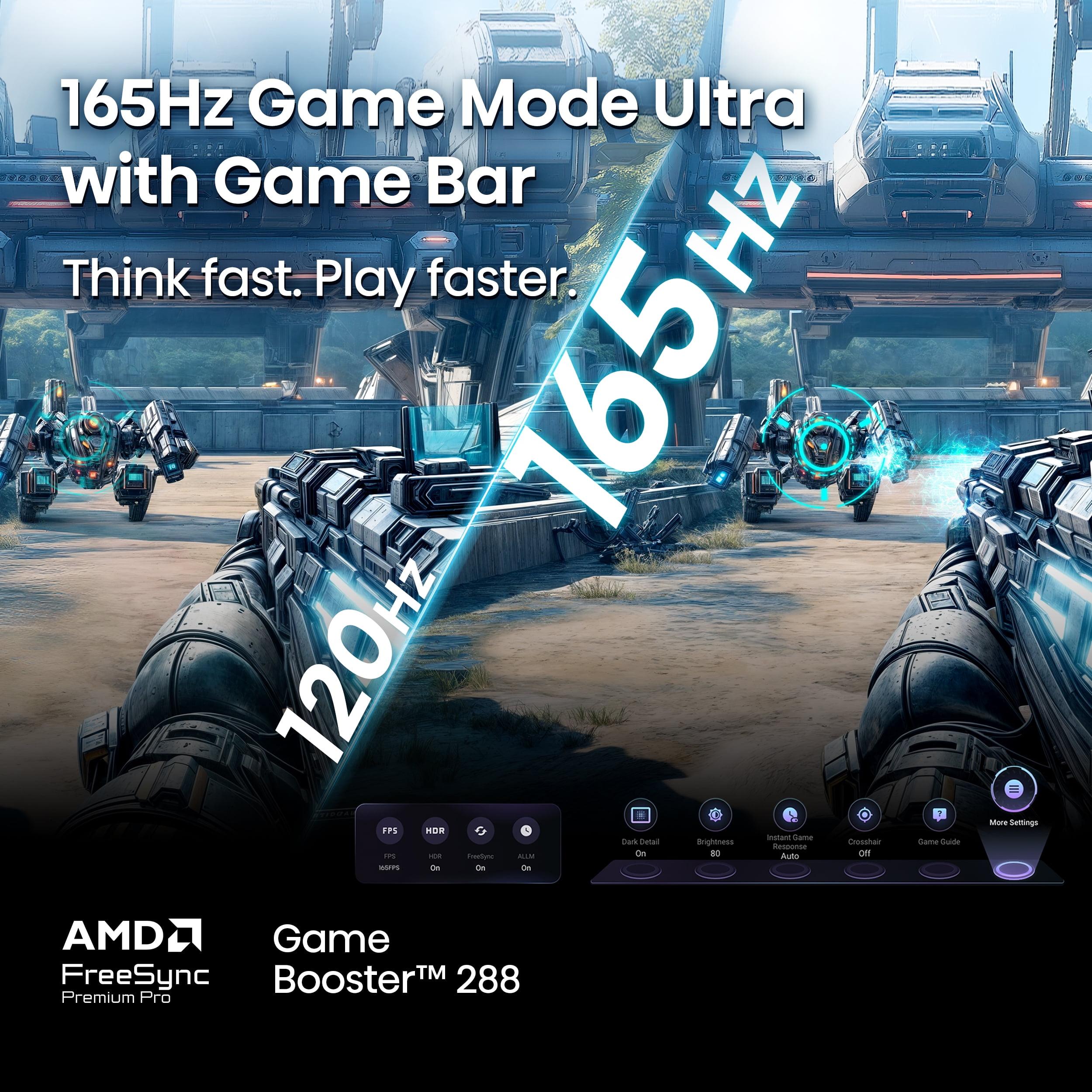
Gaming performance sets the U8 apart from most TVs regardless of price. The 144Hz native refresh rate supports smooth 4K gaming at up to 120fps (limited by console capabilities), while comprehensive VRR support ranging from 48Hz to 144Hz eliminates stuttering across all frame rates. AMD FreeSync Premium Pro certification ensures compatibility with high-end PC graphics cards, making this TV suitable as a large gaming monitor.
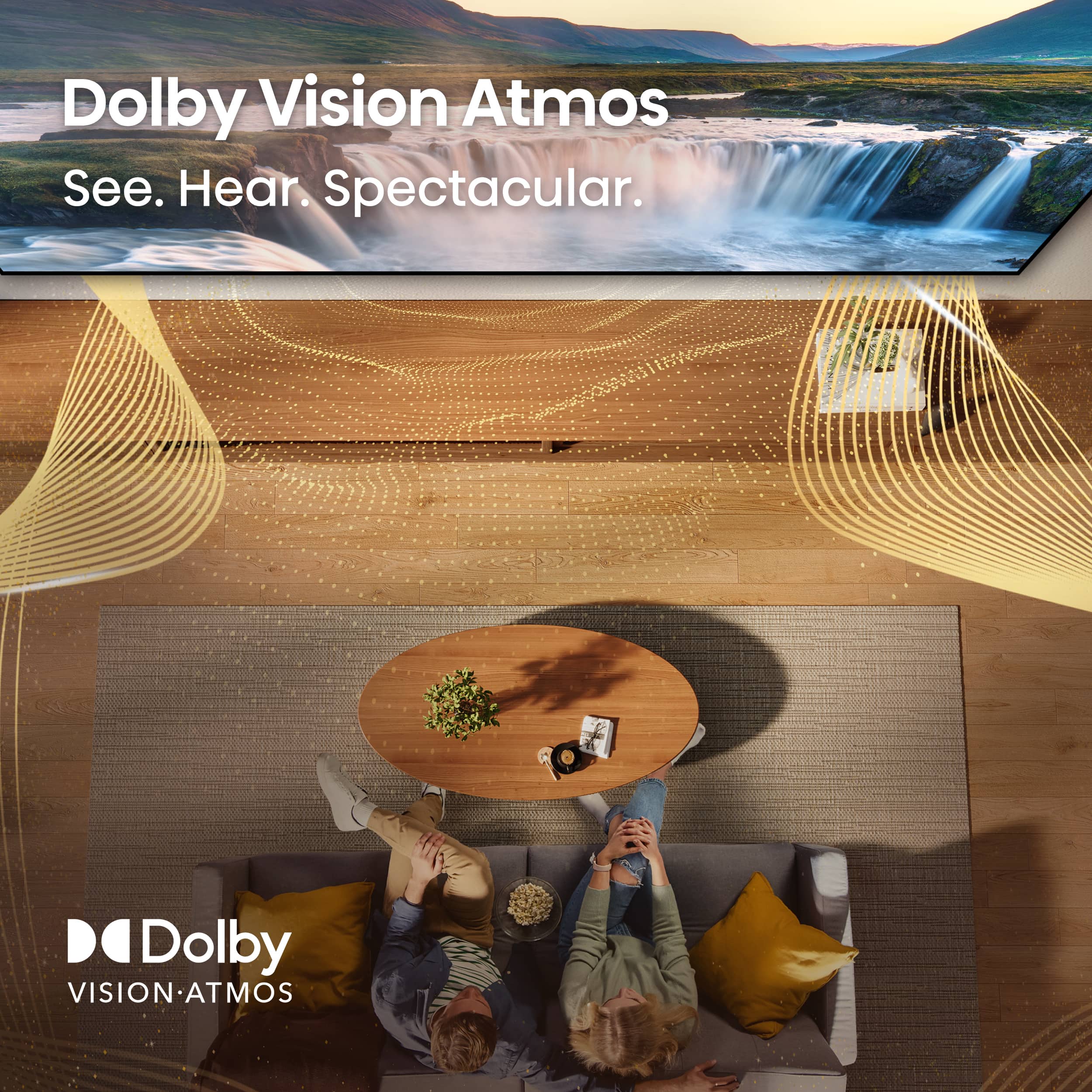
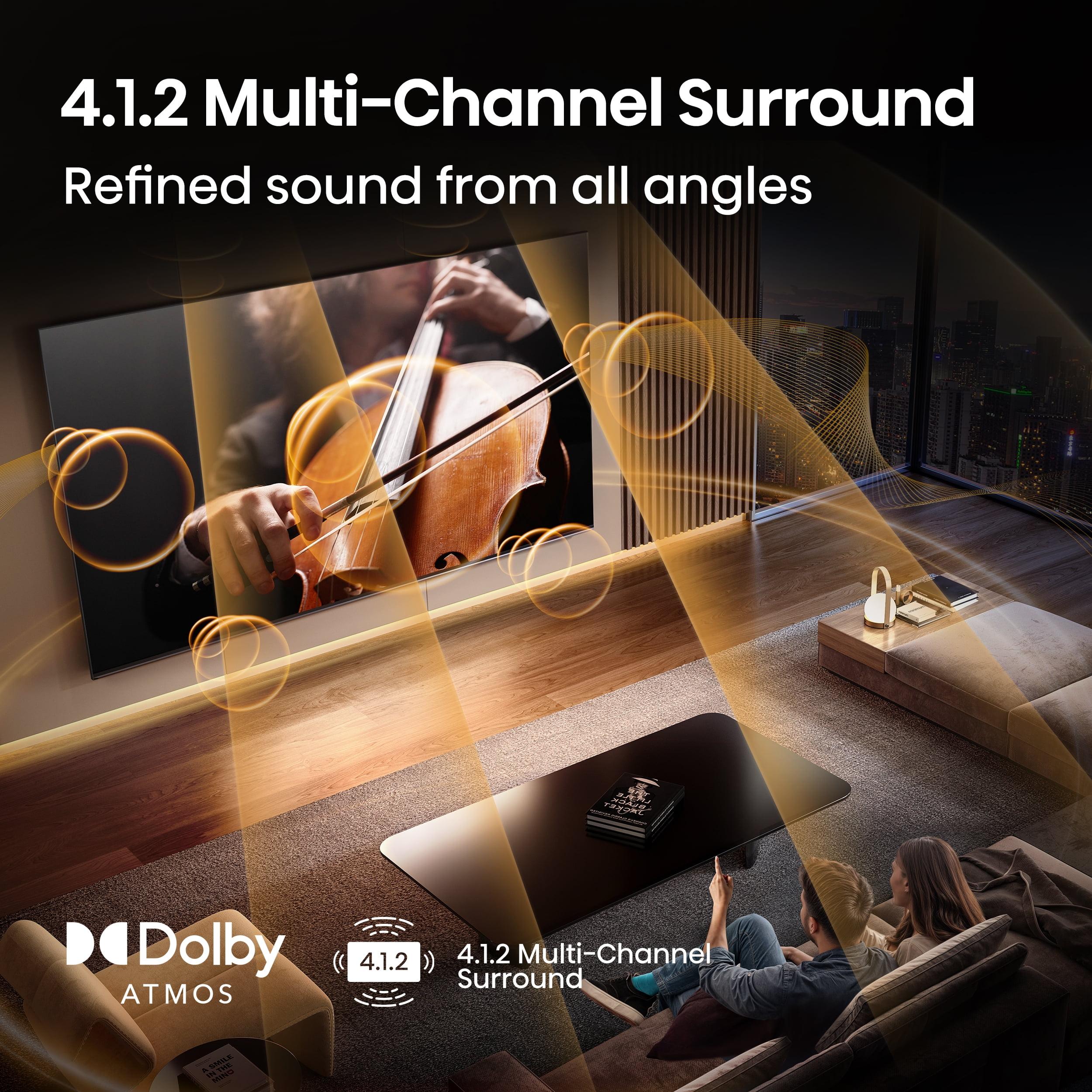
The built-in audio deserves special mention. The 50-watt 2.1.2 channel system with actual upward-firing drivers creates convincing Dolby Atmos effects. While it won't replace a dedicated soundbar for audiophiles, it's genuinely impressive for integrated TV speakers and eliminates the immediate need for additional audio equipment.
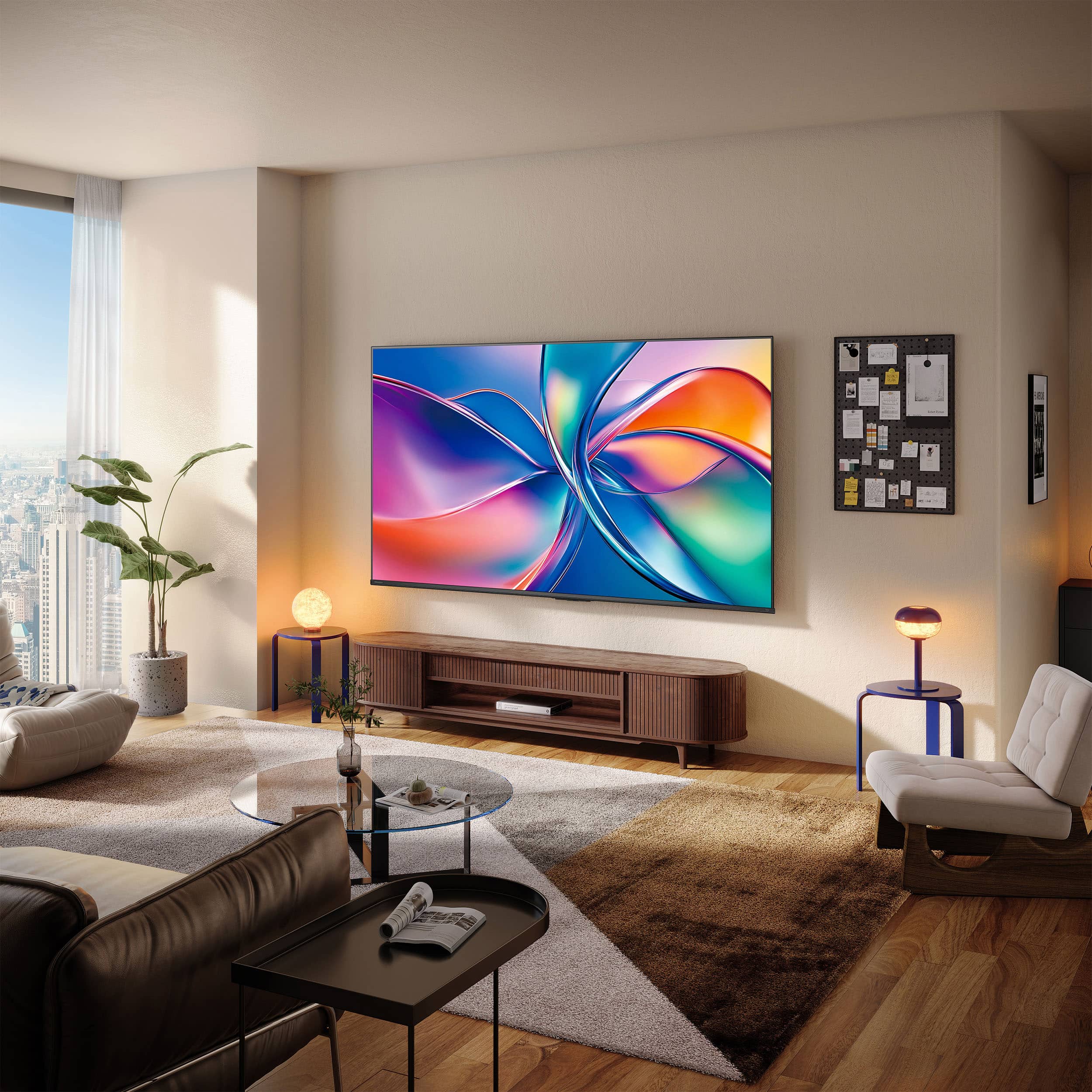
Room lighting dramatically affects TV performance, and these models handle ambient light very differently. The QD6 performs admirably in living rooms with moderate lighting—table lamps, overhead lighting, even some window light during the day. The anti-glare coating helps reduce reflections, though bright direct sunlight will wash out the picture.
The U8 Series excels in challenging lighting conditions that would overwhelm the QD6. Its peak brightness of 3000 nits means HDR highlights remain impactful even with windows open on sunny days. The anti-glare technology is more sophisticated, maintaining color saturation and contrast even with problematic lighting.
For dedicated home theater setups with controlled lighting, both TVs perform well, but the U8's superior contrast through local dimming creates a more immersive experience. Dark scenes in movies reveal shadow details that remain crushed on the QD6, while bright scenes avoid the blooming that can distract from the viewing experience.
Gaming performance reveals the most significant practical difference between these models. The QD6 handles current-generation gaming excellently—60fps gameplay feels smooth, input lag is low enough for competitive play, and VRR eliminates most stuttering. However, it's essentially maxed out. You cannot push 4K resolution beyond 60fps, and 120Hz gaming requires dropping to 1440p or 1080p resolution.
The U8 Series provides headroom for future gaming developments. Today's Xbox Series X and PlayStation 5 can output certain games at 4K/120fps, and the U8 displays them properly. PC gamers particularly benefit from the higher refresh rate when playing competitive titles like first-person shooters or racing games where smooth motion provides competitive advantages.
Perhaps more importantly, the U8's HDMI 2.1 bandwidth ensures compatibility with whatever gaming developments emerge over the next few years. As game developers optimize for newer hardware, having that extra performance capability becomes increasingly valuable.
Your viewing habits should heavily influence this decision. If you primarily stream Netflix, Disney+, and similar services on a regular schedule, the QD6 delivers excellent results. Its upscaling technology makes 1080p content look sharp at 4K resolution, and streaming services' HDR content appears vibrant despite the brightness limitations.
For movie enthusiasts who collect 4K Blu-rays or prioritize the highest quality streaming tiers, the U8 Series justifies its premium pricing. The extended brightness range reveals details in both shadows and highlights that simply aren't visible on the QD6. Films shot with HDR mastering—particularly sci-fi movies with space scenes or nature documentaries with bright skies—demonstrate the dramatic difference capable displays can make.
Sports viewing presents an interesting case study. Both TVs handle fast motion reasonably well, but the QD6's VA panel has slower pixel response times, creating slight motion blur during rapid camera movements. The U8's faster panel and superior processing reduce this blur, making it better suited for sports enthusiasts or action movie fans.
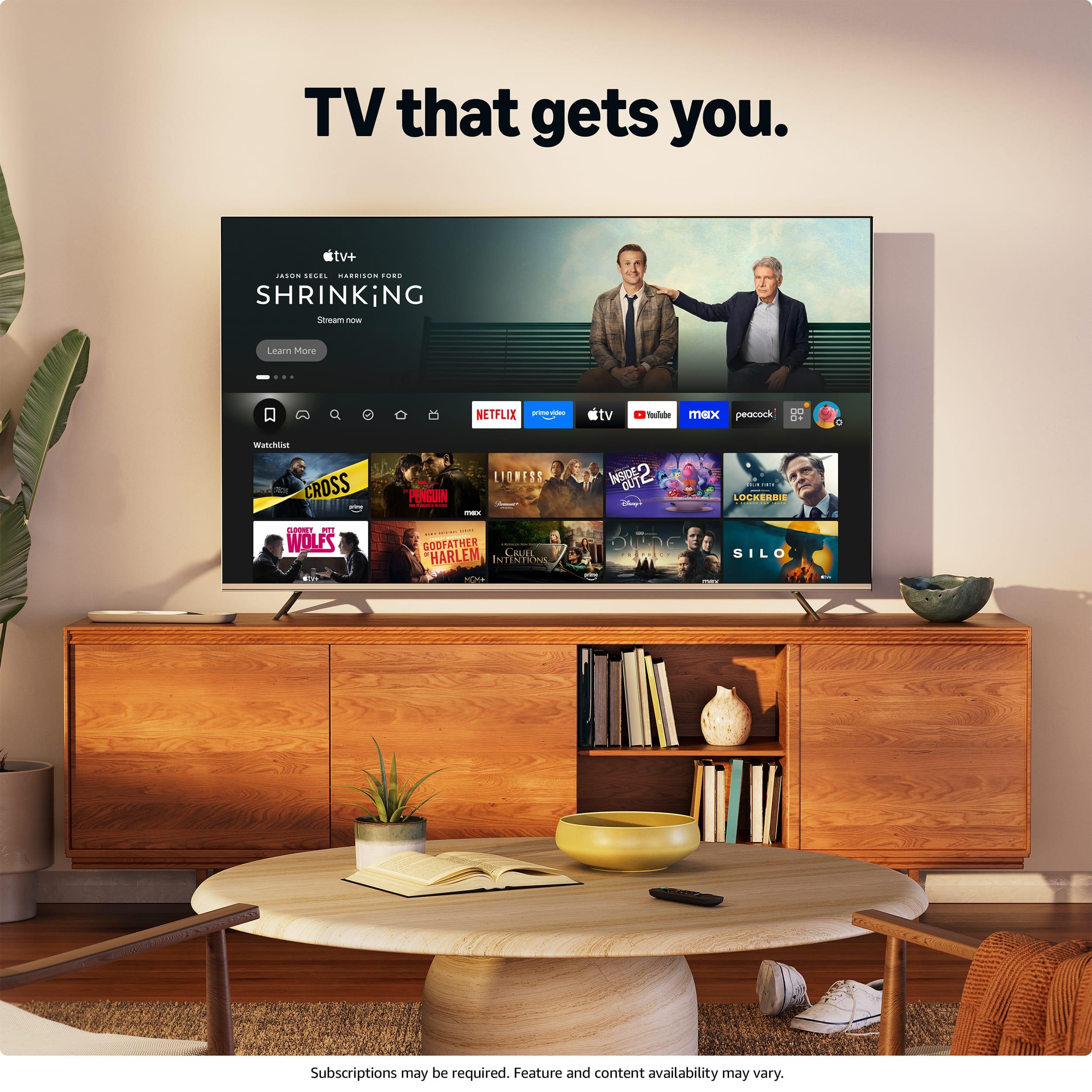
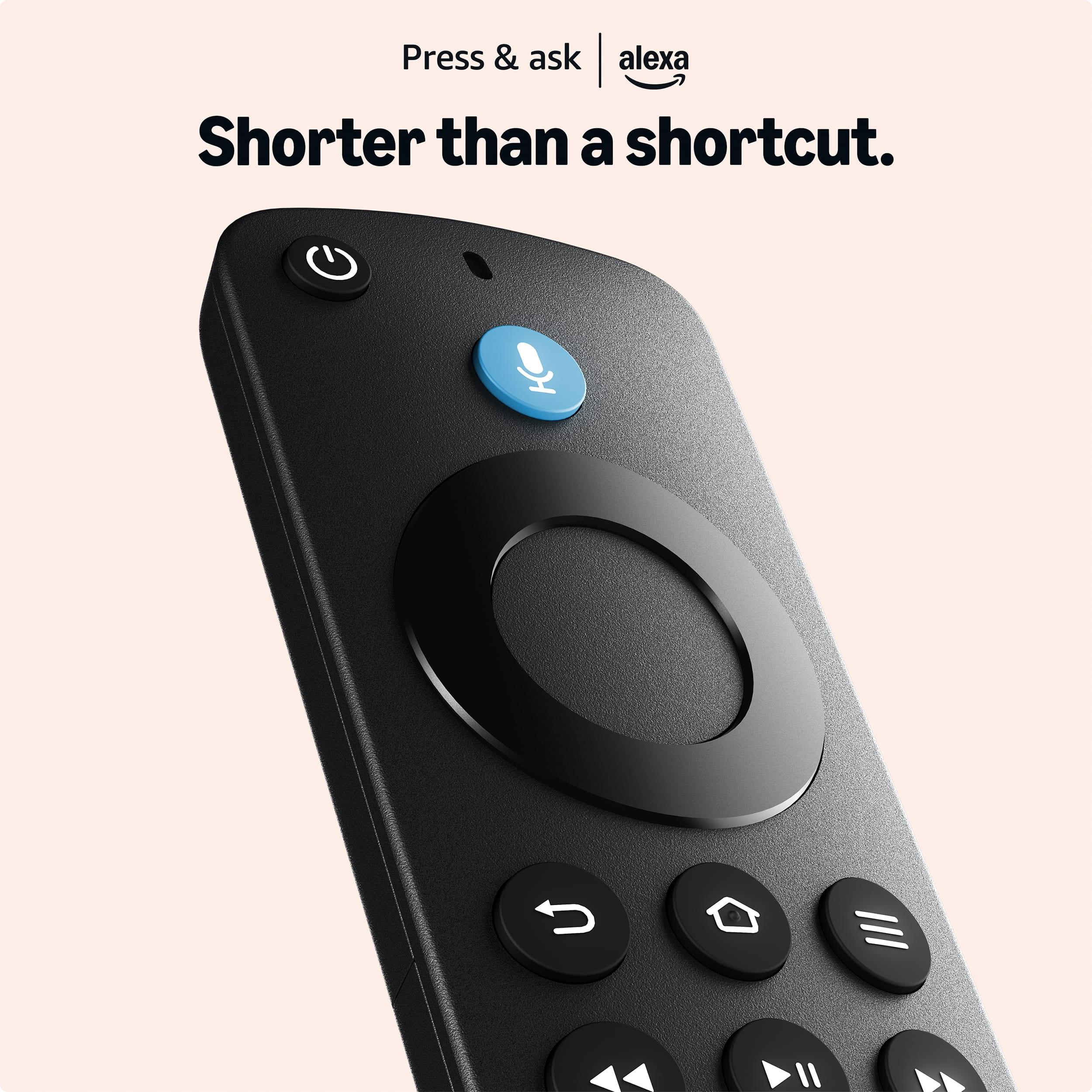
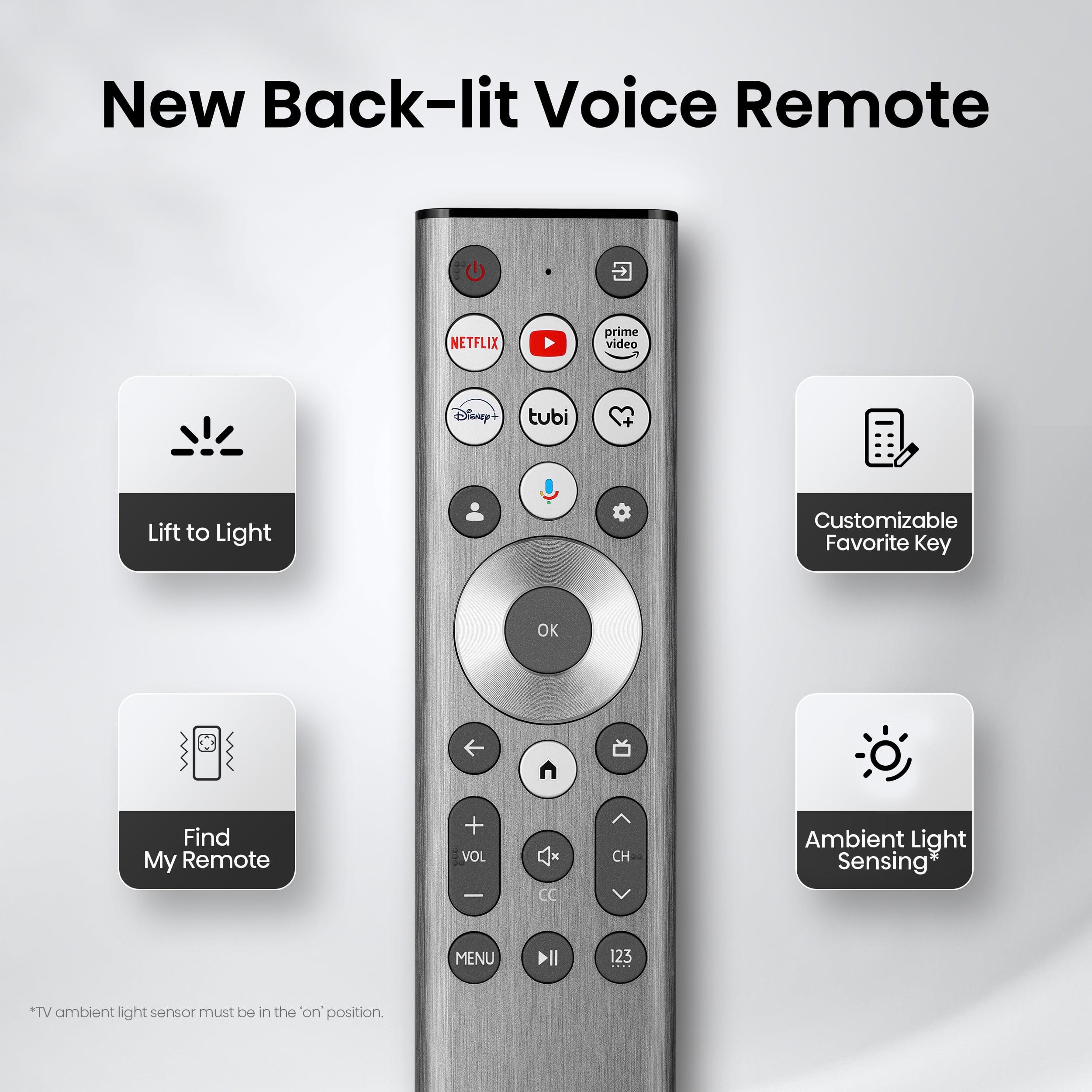
The platform difference between Fire TV on the QD6 and Google TV on the U8 might seem minor, but daily usage reveals meaningful distinctions. Fire TV excels for Amazon Prime Video content and integrates seamlessly with Alexa smart home devices. The interface prioritizes Amazon content prominently, which could be an advantage or annoyance depending on your subscription preferences.
Google TV offers more platform-agnostic content recommendations and superior integration with other Google services. The interface feels more responsive based on user feedback, though both platforms occasionally show minor lag during navigation. Google's voice search tends to understand natural language queries better than Alexa in our experience with TV interfaces.
Both platforms support all major streaming services, so your choice often comes down to existing ecosystem preferences and interface aesthetics rather than fundamental capabilities.
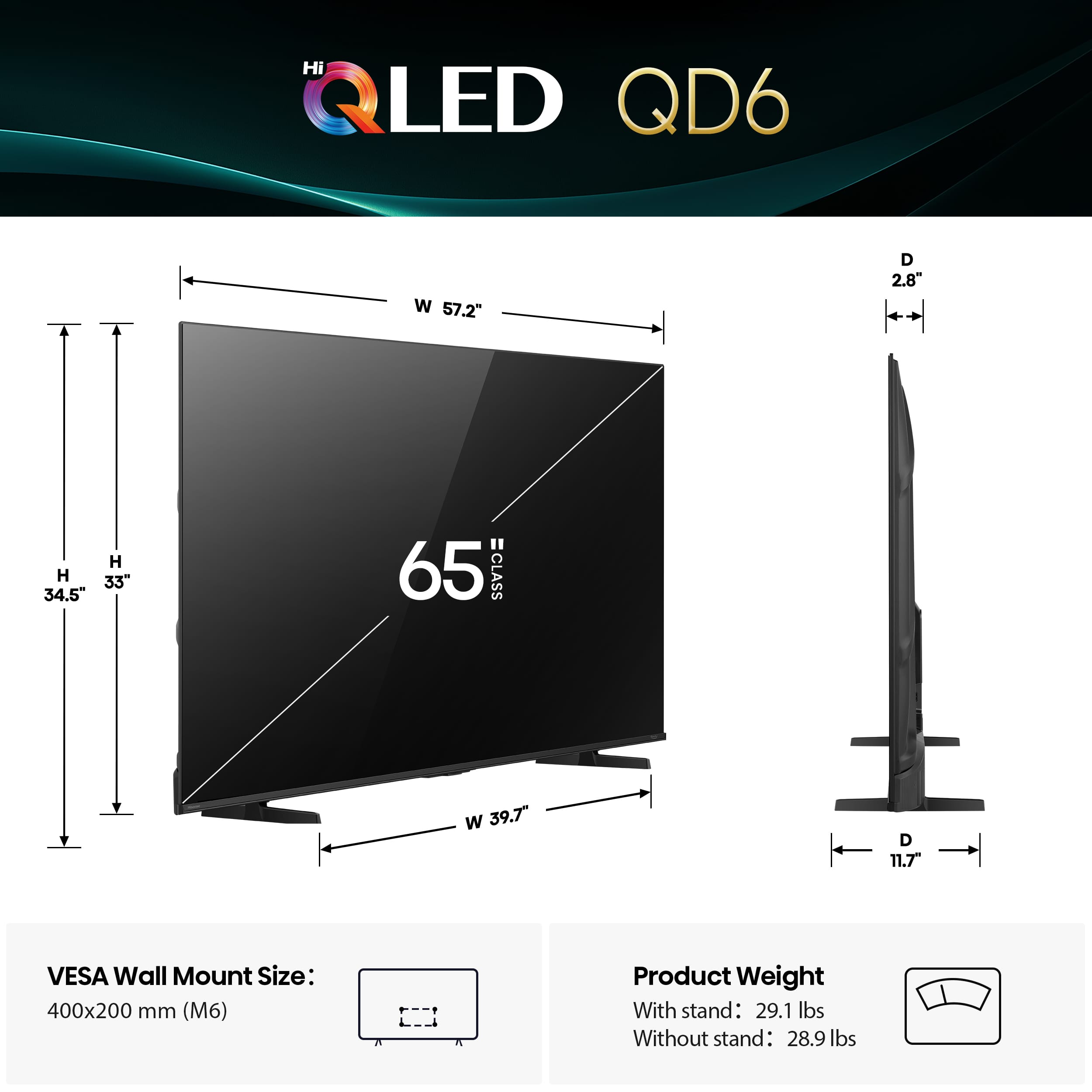
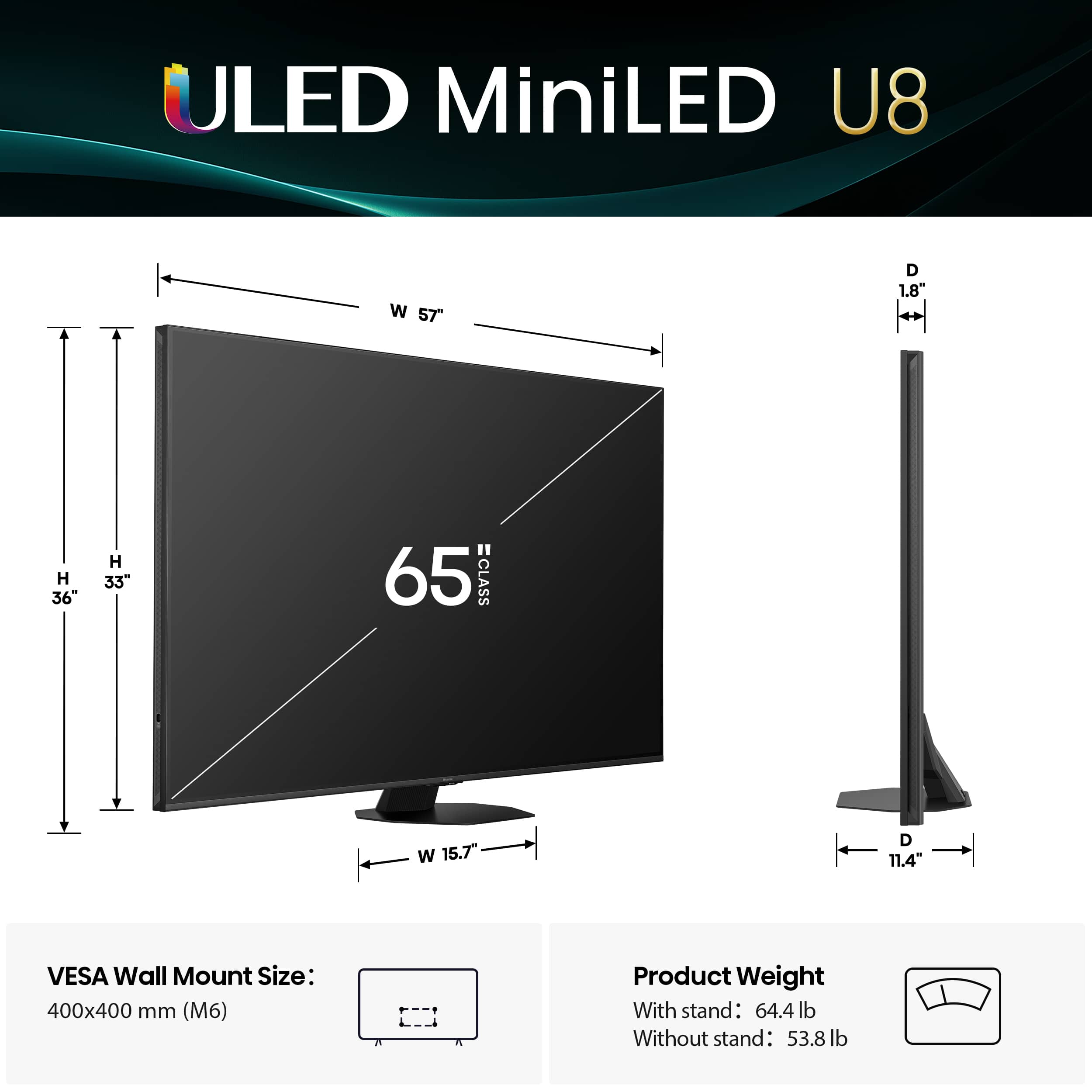
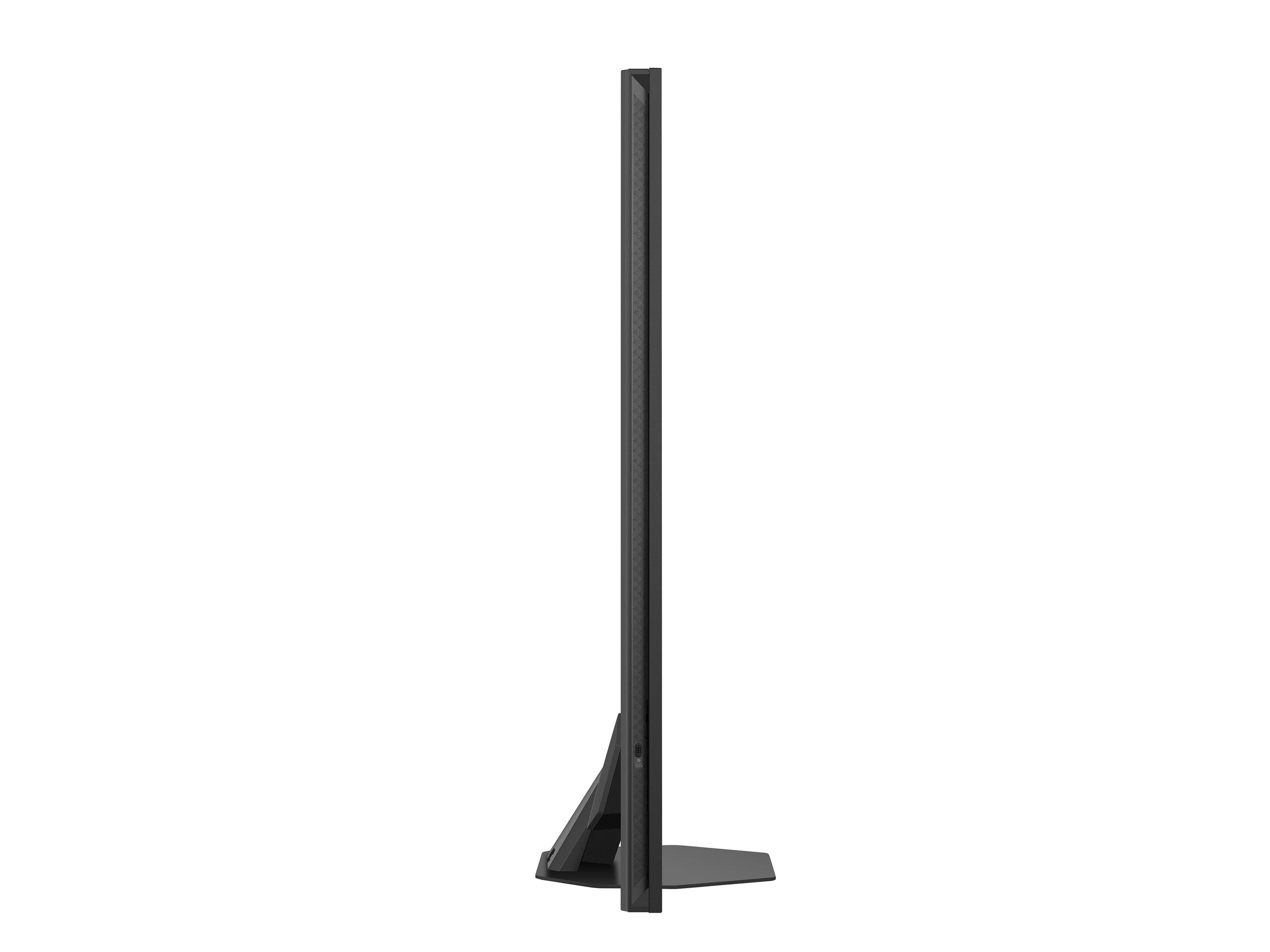
The physical construction reveals the different market positioning immediately. The QD6 uses a practical but unremarkable design with a thick rear profile and wide-set plastic feet. It's perfectly functional and includes cable management, but it won't be mistaken for premium furniture.
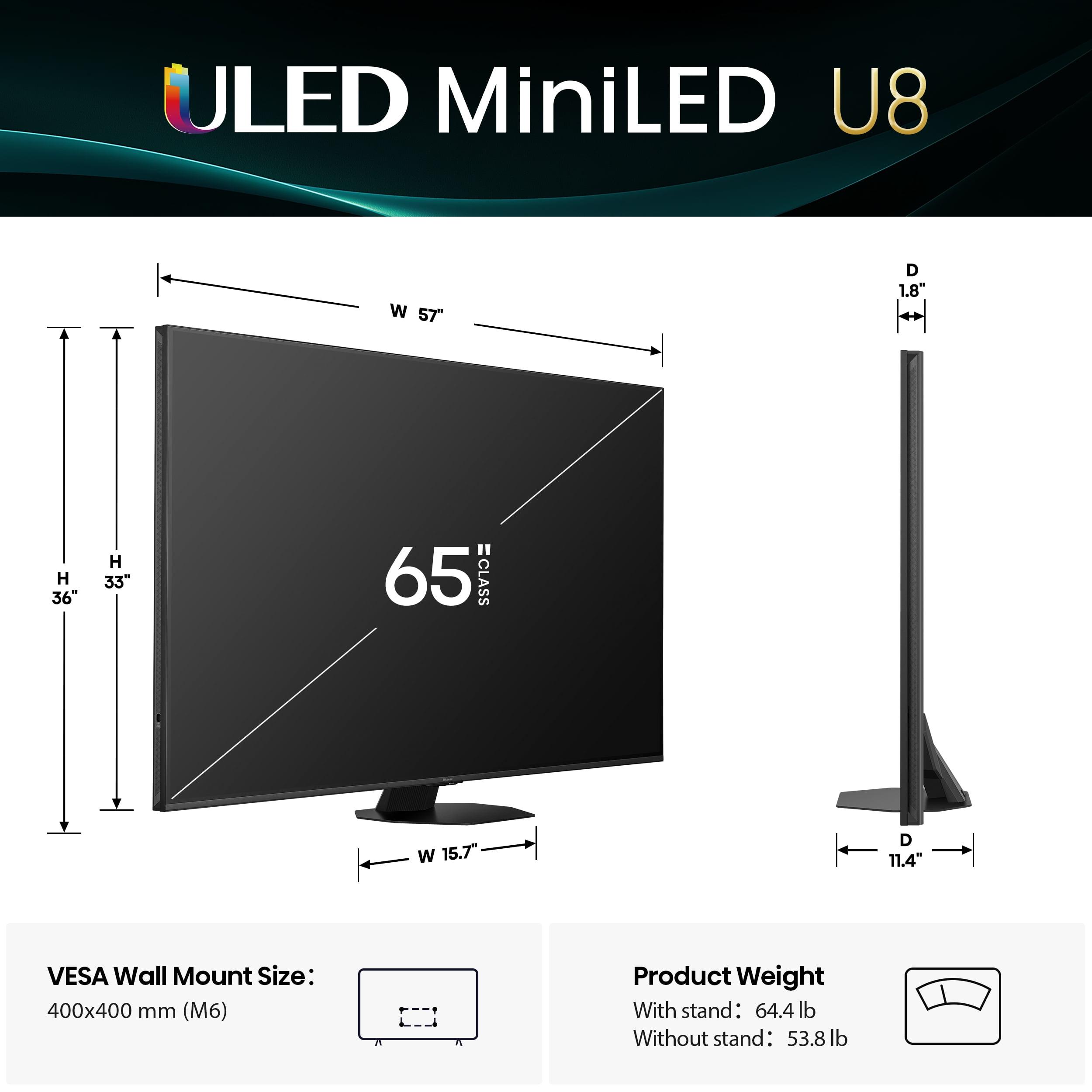
The U8 Series adopts a more premium approach with thinner bezels, a central stand that accommodates soundbars, and better cable routing. The two-year warranty (versus one year for the QD6) reflects Hisense's confidence in the superior build quality and provides additional peace of mind for a larger investment.
For dedicated home theater rooms, the choice becomes clearer. The U8 Series supports the controlled lighting environment that allows its contrast capabilities to shine. In a dark room, the local dimming creates an almost OLED-like viewing experience with deep blacks and bright highlights that enhance movie immersion.
The QD6 works in home theaters, but its limitations become more apparent in the critical viewing environment that enthusiasts create. The lack of local dimming means dark scenes never achieve true blacks, and bright highlights lack the impact that makes HDR content special.
However, for multi-purpose rooms where the TV serves both as entertainment center and casual viewing device, the QD6's excellent brightness and good overall performance might prove more practical than the U8's premium features.
The choice between these models ultimately depends on your priorities and viewing environment. Choose the QD6 Series if you want solid 4K performance with modern features at an entry-level price point. It's particularly suitable for buyers who primarily stream content, game casually on current consoles, and view in moderately lit rooms. The quantum dot enhancement and good color accuracy make it punch above its weight class for picture quality.
Select the U8 Series if you want premium performance that rivals much more expensive TVs. It's the clear choice for serious gamers who own or plan to buy next-generation consoles, movie enthusiasts who prioritize HDR performance, or anyone planning to use their TV in bright rooms. The superior build quality and extended warranty also make it more suitable as a long-term investment.
The performance gap between these models is genuine and substantial. While the QD6 delivers impressive value for its market segment, the U8 Series operates in a different performance class entirely. At the time of writing, the price difference reflects this capability gap rather than brand premium, making both models compelling choices for their intended audiences.
Your decision should focus on whether you need the U8's advanced capabilities for your specific use case, or if the QD6's excellent fundamental performance meets your needs while leaving budget for other home theater components. Both represent strong values in their respective market segments, but they serve distinctly different types of users.
| Hisense 65" QD6 Series Hi-QLED Fire TV | Hisense 65" U8 Series Mini-LED ULED 4K Google TV |
|---|---|
| Peak Brightness - Critical for HDR impact and bright room viewing | |
| 385 nits (good for moderate lighting, HDR highlights appear dull) | 3,000 nits (excellent for any lighting, dramatic HDR performance) |
| Local Dimming Zones - Controls contrast and black levels | |
| None (causes black lift and blooming in mixed scenes) | 2000+ zones (deep blacks with minimal blooming, near-OLED contrast) |
| Gaming Refresh Rate - Determines smoothness for next-gen consoles | |
| 60Hz native with VRR (current-gen gaming only, no 4K@120Hz) | 144Hz native with VRR (supports 4K@120Hz gaming, future-ready) |
| HDMI Connectivity - Affects gaming and future device compatibility | |
| 4x HDMI 2.0 (limits bandwidth for high refresh gaming) | HDMI 2.1 bandwidth (full next-gen console support) |
| Color Gamut Coverage - Affects color vibrancy and accuracy | |
| 90% DCI-P3 with quantum dots (vivid colors, good for the price) | Wider gamut with Pantone validation (professional-grade color accuracy) |
| Built-in Audio System - Determines if you need a soundbar | |
| Basic Dolby Atmos support (adequate but benefits from soundbar) | 50W 2.1.2 system with subwoofer (genuinely immersive, delays soundbar need) |
| Smart TV Platform - Affects daily usability and app performance | |
| Fire TV with Alexa (Amazon-focused, occasional menu lag) | Google TV (smoother performance, better content recommendations) |
| Panel Type and Motion Handling - Important for sports and action content | |
| VA panel with slower response (some motion blur in fast scenes) | Faster Mini-LED panel (cleaner motion, better for sports) |
| Viewing Angles - Matters for family viewing and room layout | |
| Narrow VA panel angles (color/brightness loss when viewed from side) | Narrow but better than QD6 (still best viewed head-on) |
| Future-Proofing Features - Ensures longevity of purchase | |
| Wi-Fi 5, basic connectivity (meets current needs) | Wi-Fi 6E, NEXTGEN TV tuner (ready for emerging standards) |
| Build Quality and Warranty - Reflects long-term value | |
| 1-year warranty, basic construction (functional but unremarkable) | 2-year warranty, premium design (better materials and peace of mind) |
| Best Use Cases - Who should buy this TV | |
| Budget-conscious buyers, casual gaming, moderate lighting, streaming focus | Premium performance seekers, serious gaming, bright rooms, movie enthusiasts |
The biggest difference is display technology. The Hisense QD6 Series uses basic LED backlighting without local dimming, while the Hisense U8 Series features advanced Mini-LED technology with over 2000 local dimming zones. This means the U8 Series delivers much better contrast, deeper blacks, and brighter highlights for a more premium viewing experience.
The Hisense U8 Series is significantly better for gaming, especially with next-gen consoles. It offers 144Hz refresh rate, HDMI 2.1 bandwidth for 4K@120Hz gaming, and comprehensive VRR support. The Hisense QD6 Series is limited to 60Hz gaming and lacks HDMI 2.1, making it suitable only for current-gen gaming at standard refresh rates.
The Hisense U8 Series reaches up to 3000 nits peak brightness, compared to just 385 nits on the Hisense QD6 Series. This massive difference means the U8 Series performs much better in bright rooms and delivers impactful HDR highlights, while the QD6 works best in moderately lit environments.
Both TVs offer excellent smart platforms but with different approaches. The Hisense QD6 Series runs Fire TV with Alexa integration, while the Hisense U8 Series uses Google TV with "Hey Google" support. The U8 Series generally offers smoother performance and more platform-neutral content recommendations.
Yes, the picture quality difference between the Hisense U8 Series and Hisense QD6 Series is substantial and justifies the price premium. The U8 offers dramatically better contrast, brightness, color accuracy, and HDR performance. However, the QD6 still delivers excellent value for budget-conscious buyers who don't need premium features.
The Hisense U8 Series is much better suited for dedicated home theater use. Its Mini-LED local dimming creates deep blacks and bright highlights that enhance movie immersion in dark rooms. The Hisense QD6 Series works in home theaters but lacks the contrast performance that serious movie enthusiasts expect.
The Hisense U8 Series includes a genuinely impressive 50W 2.1.2 channel audio system with Dolby Atmos that may delay your need for a soundbar. The Hisense QD6 Series has basic built-in speakers that, while adequate, would benefit significantly from adding a soundbar for better audio quality.
The Hisense U8 Series handles bright rooms much better thanks to its 3000-nit peak brightness and superior anti-glare technology. It maintains excellent picture quality even with windows open during the day. The Hisense QD6 Series works in moderately lit rooms but struggles with direct sunlight or very bright ambient lighting.
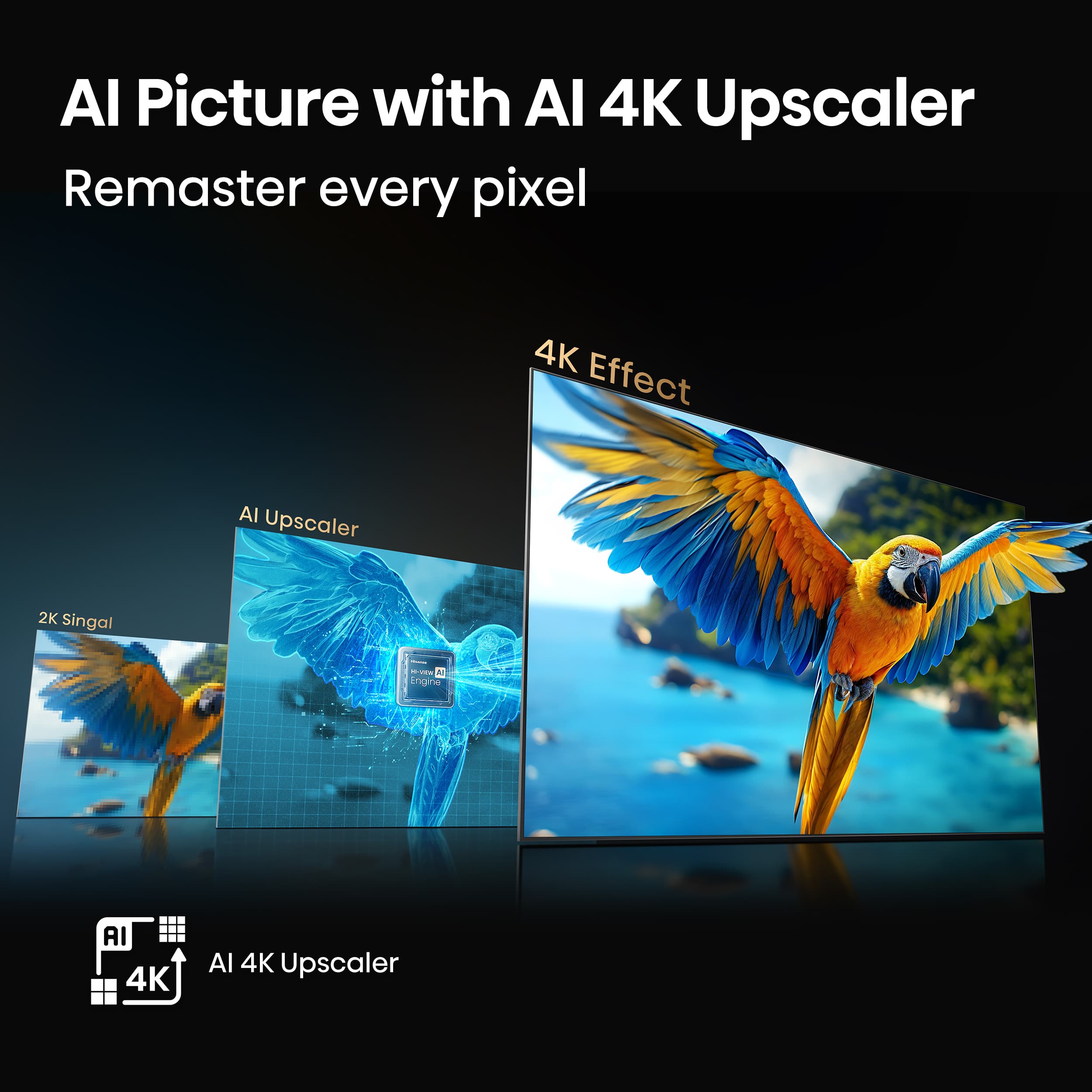
Yes, both the Hisense QD6 Series and Hisense U8 Series display native 4K content excellently and include AI upscaling for lower-resolution sources. However, the U8 Series delivers superior HDR performance and color accuracy that makes 4K content more impactful and lifelike.
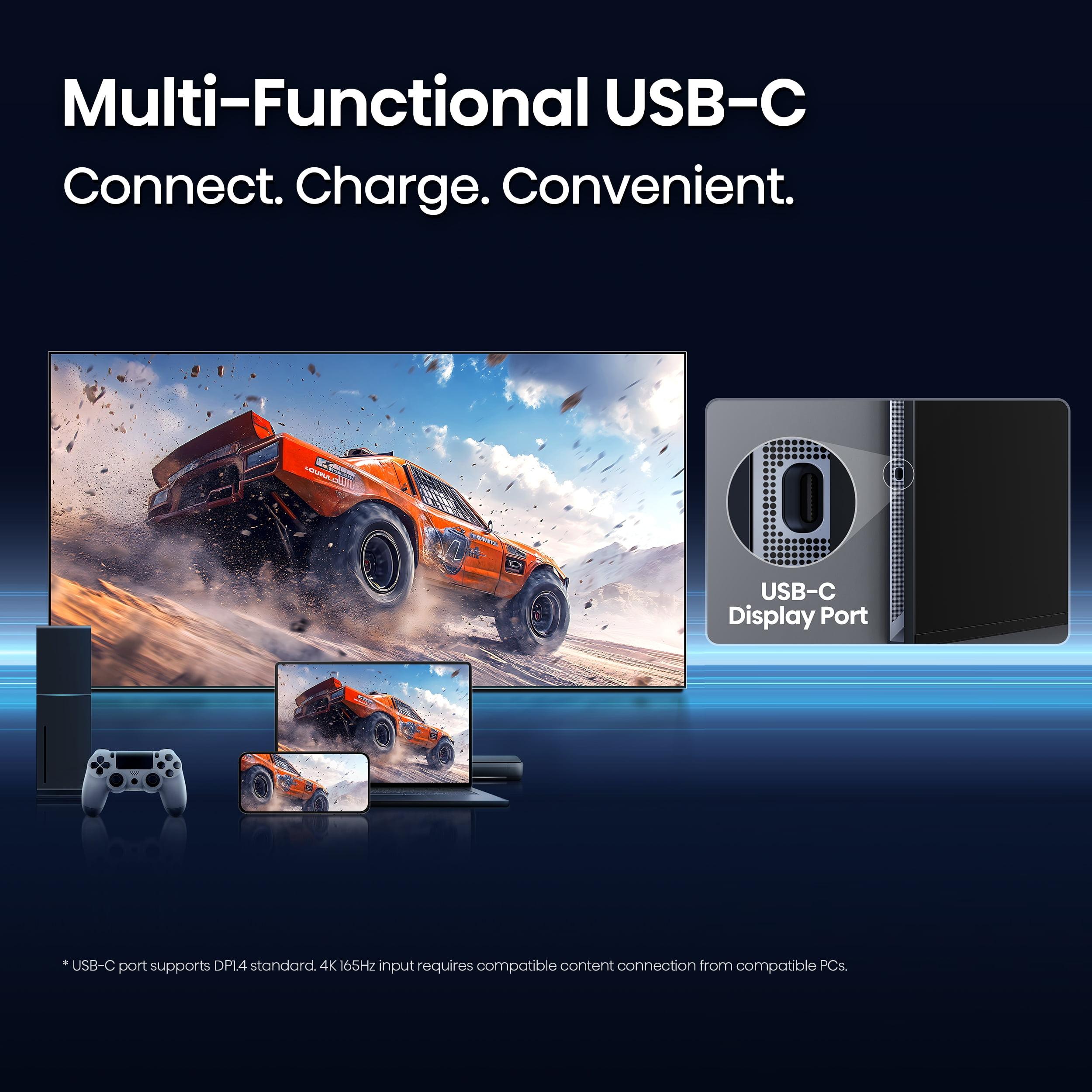
The Hisense U8 Series is significantly more future-proof with HDMI 2.1 bandwidth, Wi-Fi 6E, NEXTGEN TV tuner, and 144Hz gaming support. The Hisense QD6 Series uses HDMI 2.0 and Wi-Fi 5, which meet current needs but may become limiting as new devices and standards emerge.
Both TVs use VA-style panels with relatively narrow viewing angles, meaning picture quality degrades when viewed from the side. The Hisense U8 Series performs slightly better off-angle than the Hisense QD6 Series, but neither is ideal for wide seating arrangements. Both work best when viewed straight-on.
Value depends on your needs and budget. The Hisense QD6 Series offers exceptional value for budget-conscious buyers, delivering solid 4K performance with modern features at an entry-level price. The Hisense U8 Series provides premium value by offering near-flagship performance at a mid-range price point, making both compelling choices in their respective categories.
We've done our best to create useful and informative comparisons to help you decide what product to buy. Our research uses advanced automated methods to create this comparison and perfection is not possible - please contact us for corrections or questions. These are the sites we've researched in the creation of this article: pcvarge.com - bestbuy.com - rtings.com - youtube.com - rtings.com - youtube.com - consumerreports.org - leaseville.com - hisense-usa.com - device.report - hisense-usa.com - youtube.com - flatpanelshd.com - displayspecifications.com - retailspecs.com - bestbuy.com - hisense-usa.com - rtings.com - bestbuy.com - rtings.com - hisense-usa.com - youtube.com - hisense-usa.com - avsforum.com - hisense-usa.com - hisense-usa.com - rtings.com - avsforum.com - hisense-usa.com - prnewswire.com - hisense-usa.com - bestbuy.com - youtube.com - hisense-usa.com

Privacy Policy
Terms and Conditions - Affiliate Policy
Home Security
© Copyright 2008-2026.
11816 Inwood Rd #1211, Dallas, TX 75244