

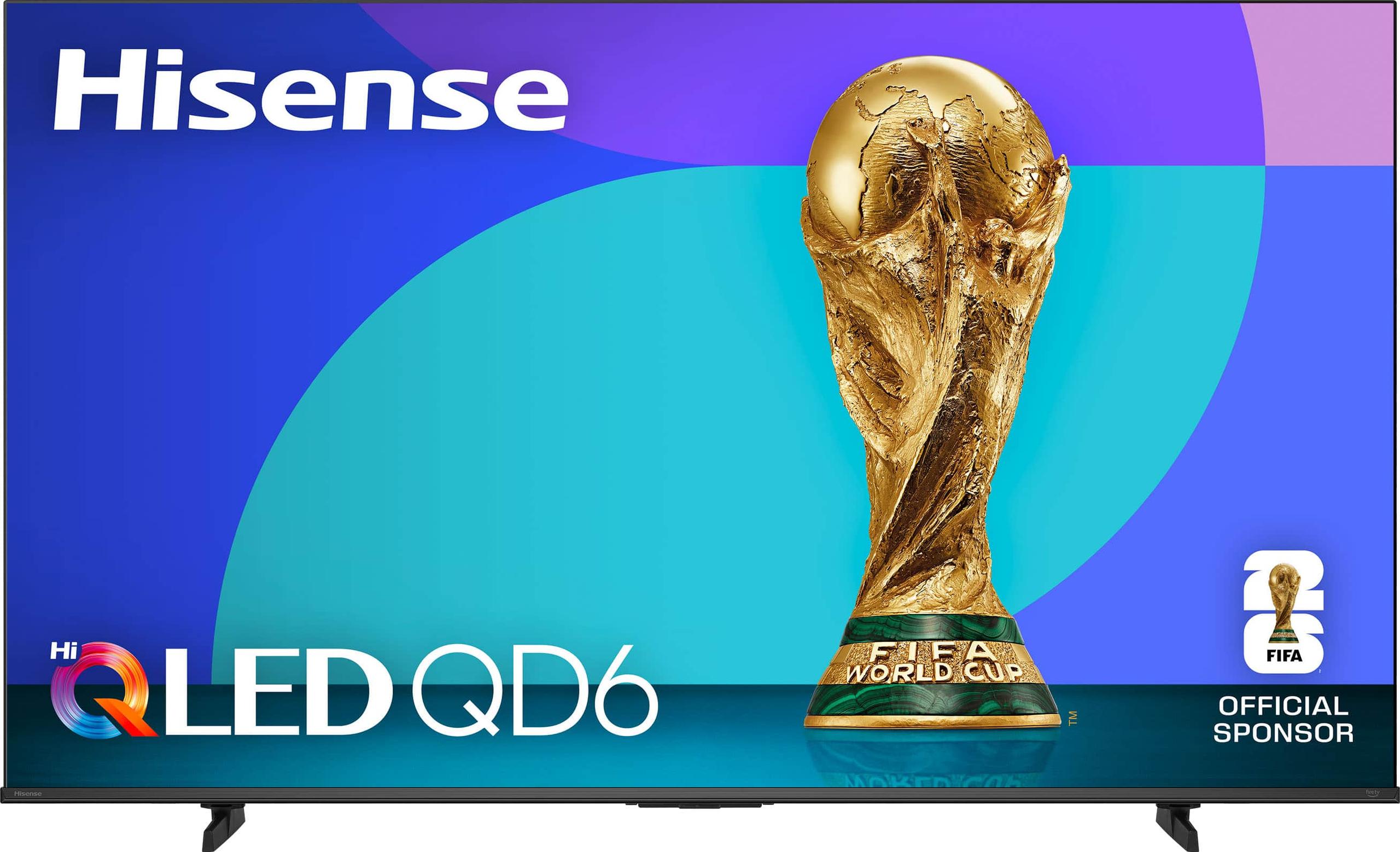
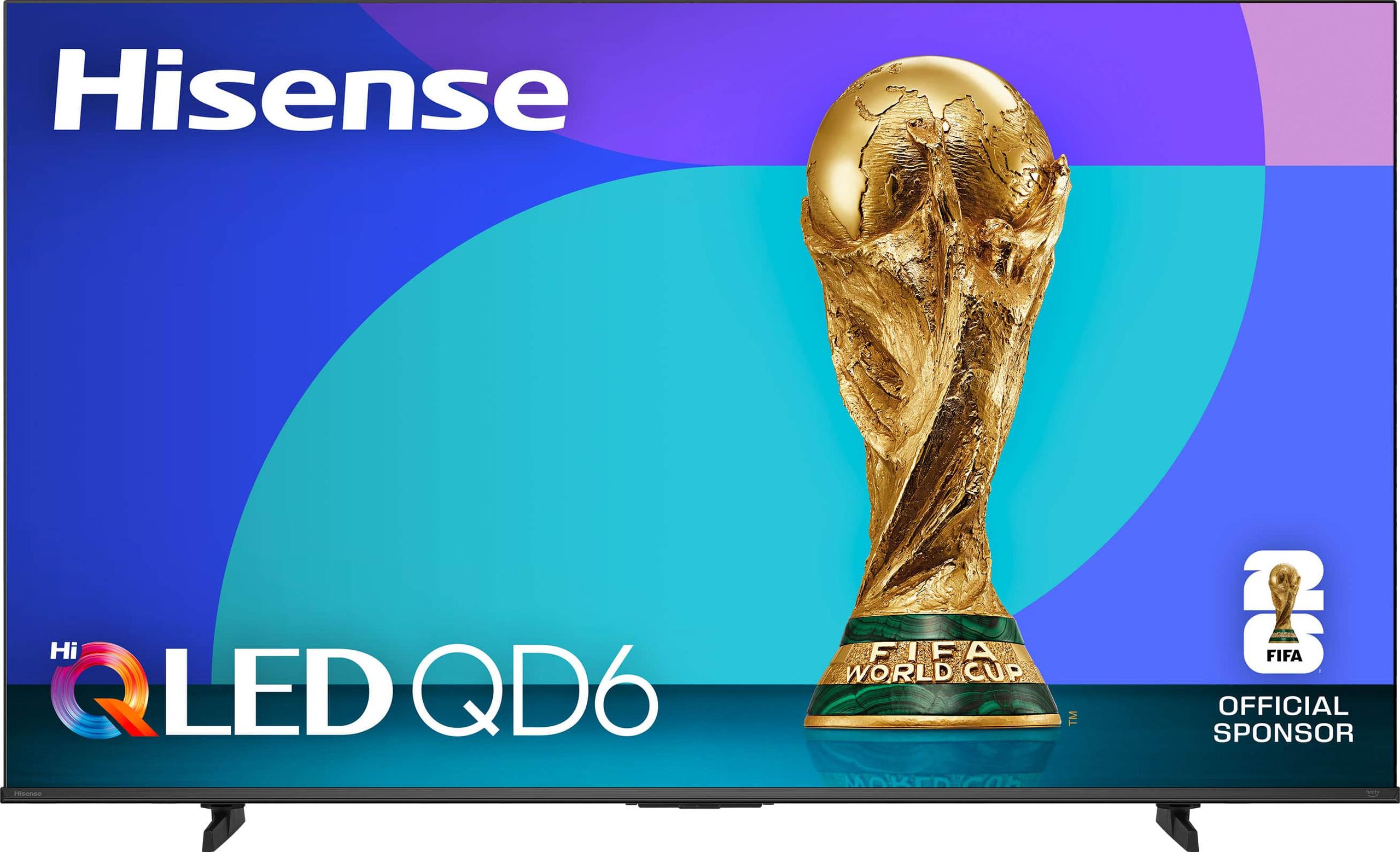
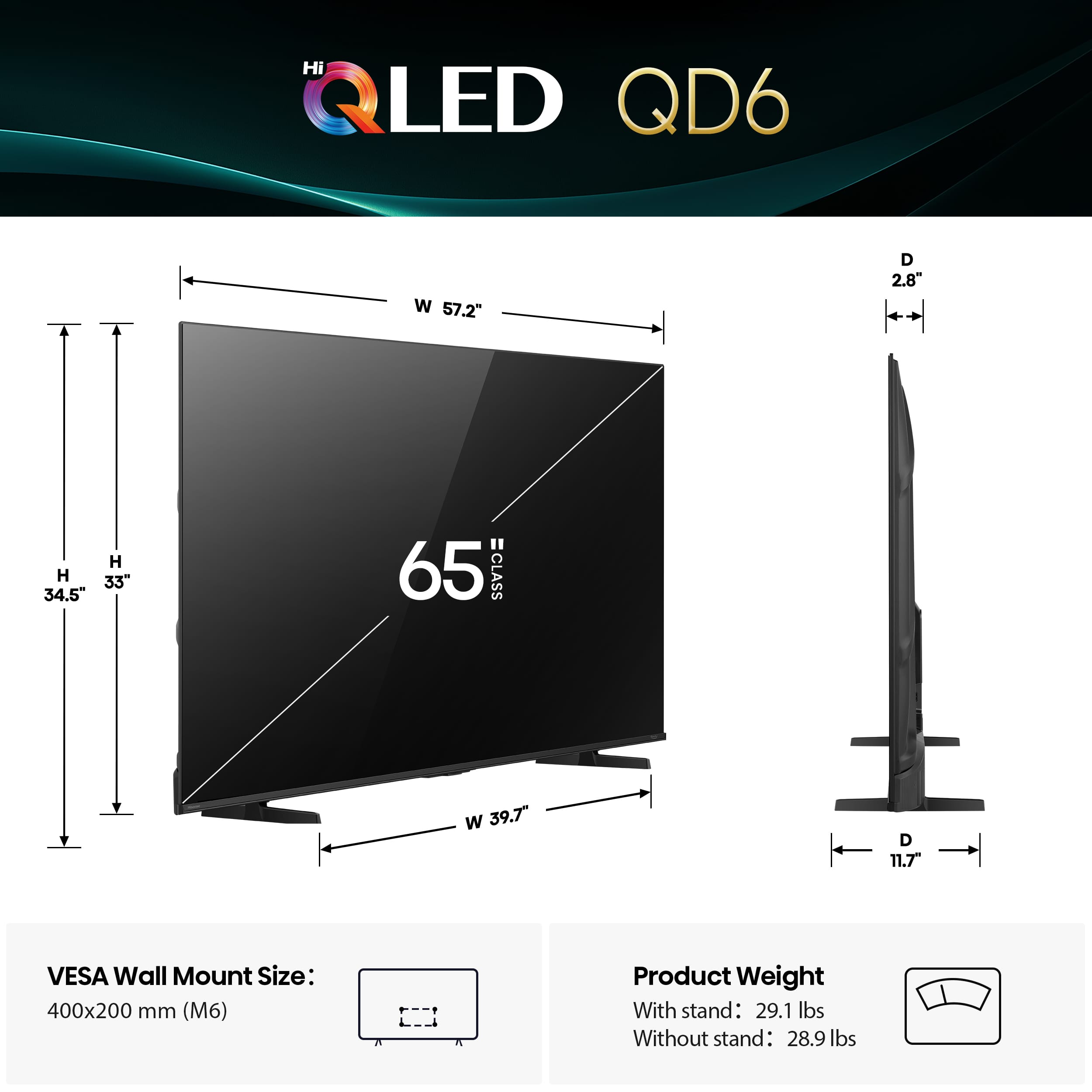


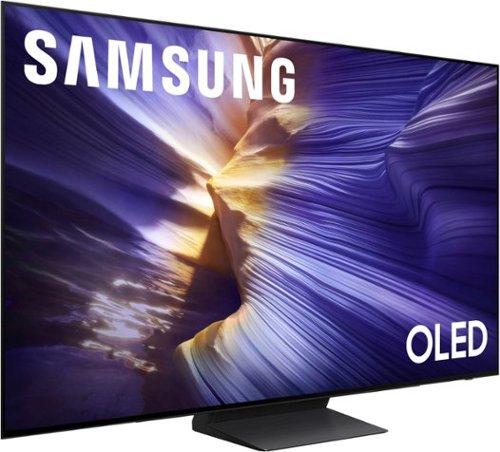
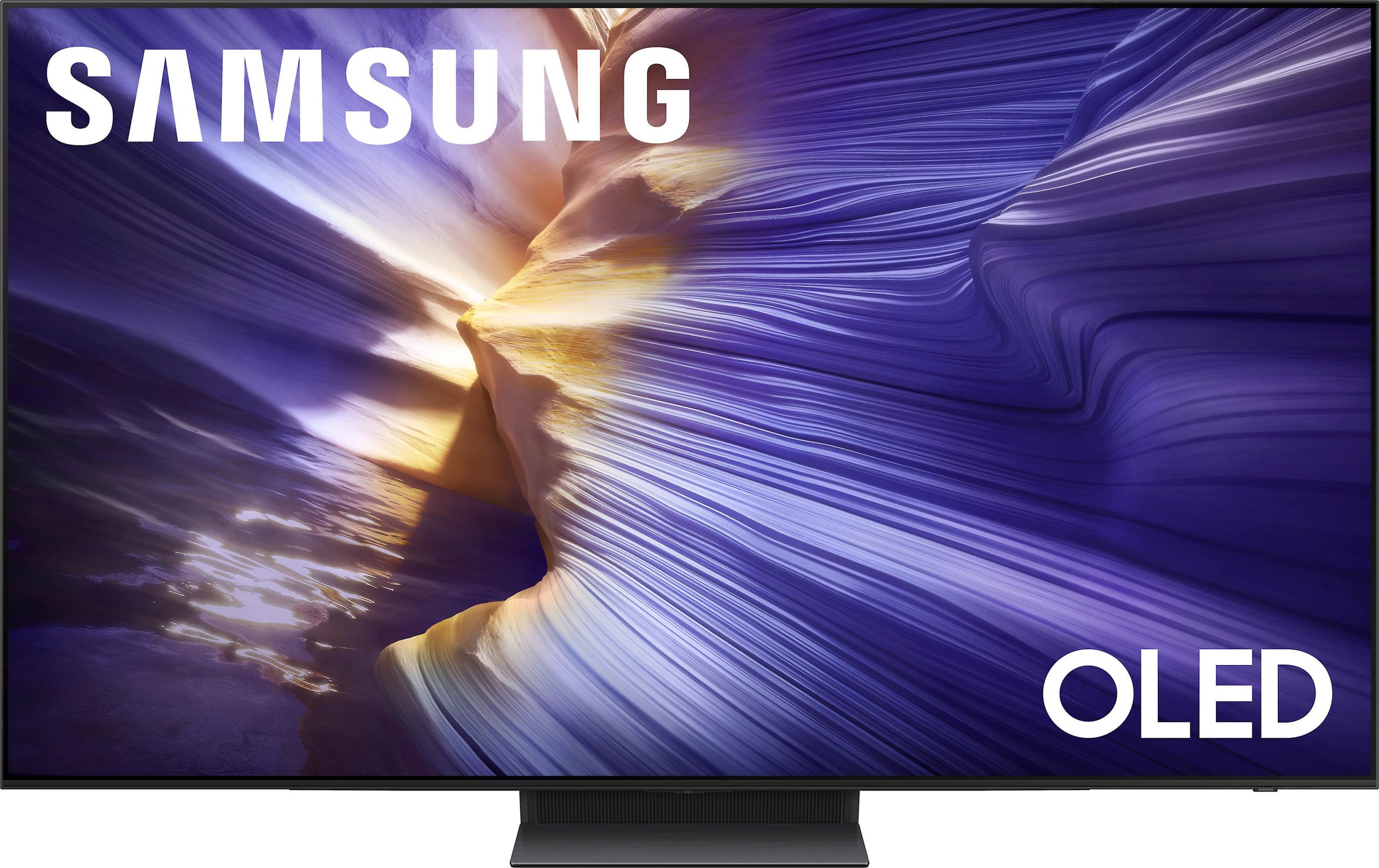
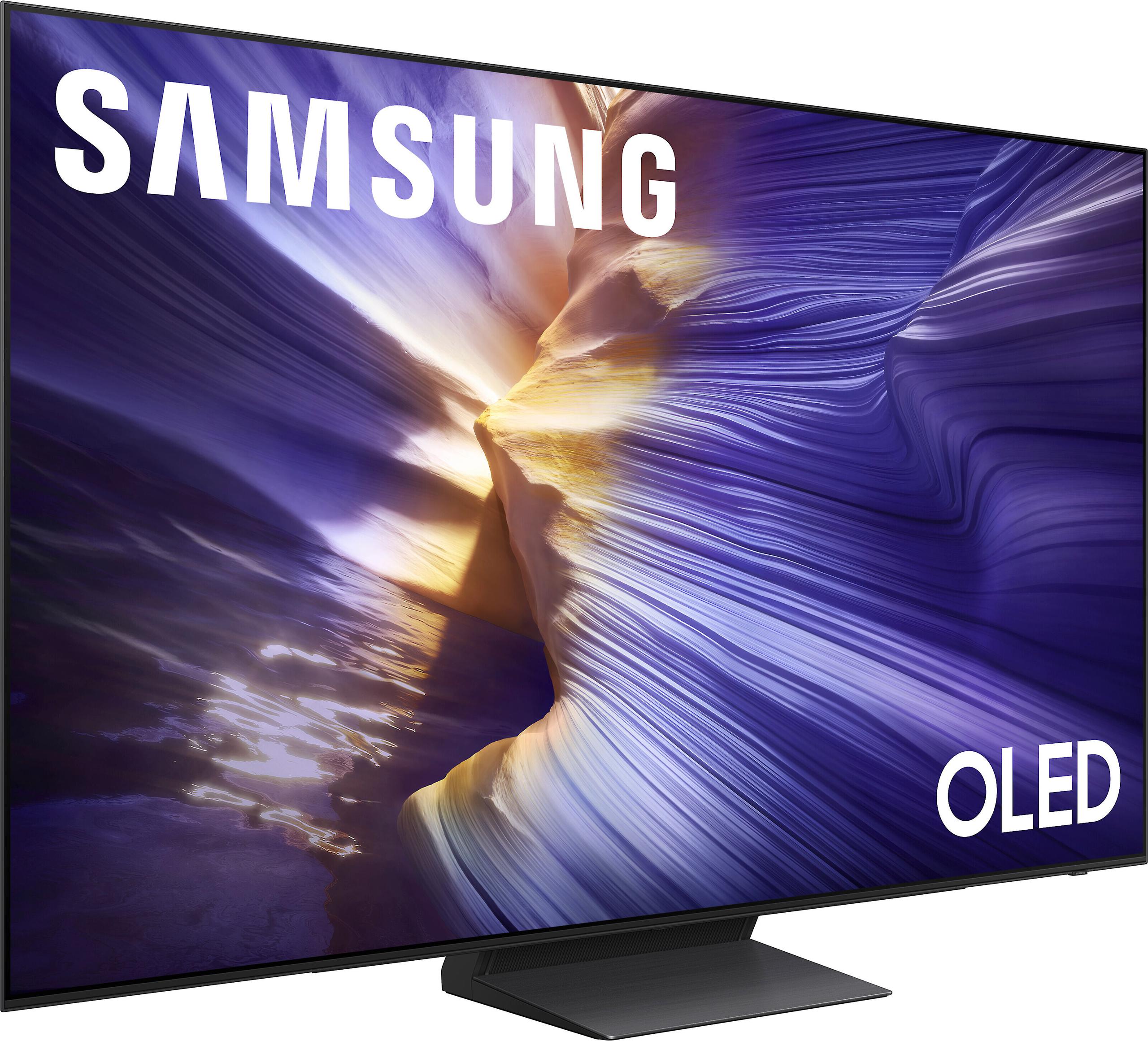
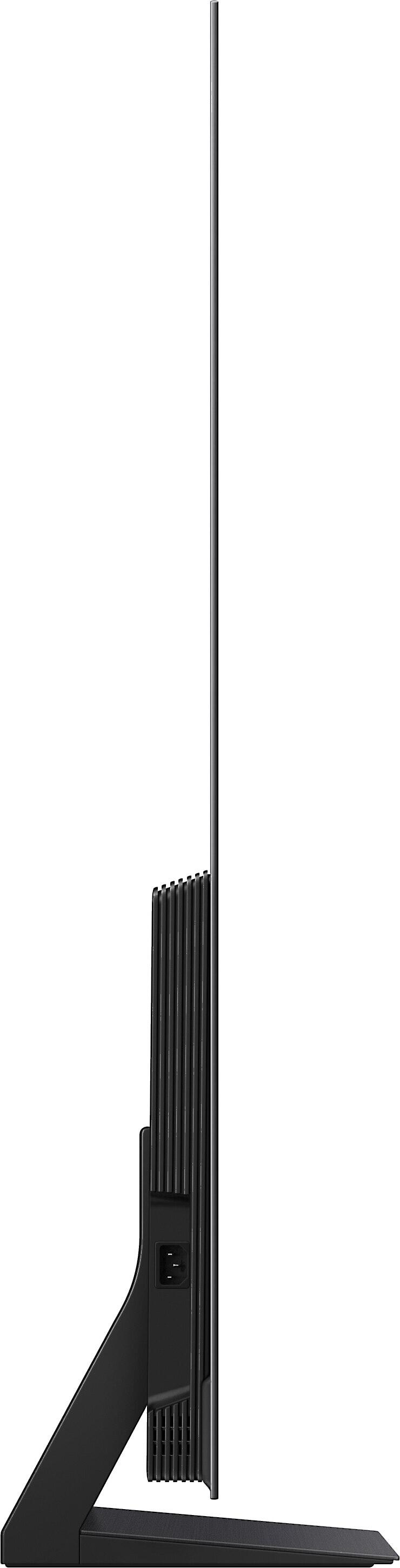
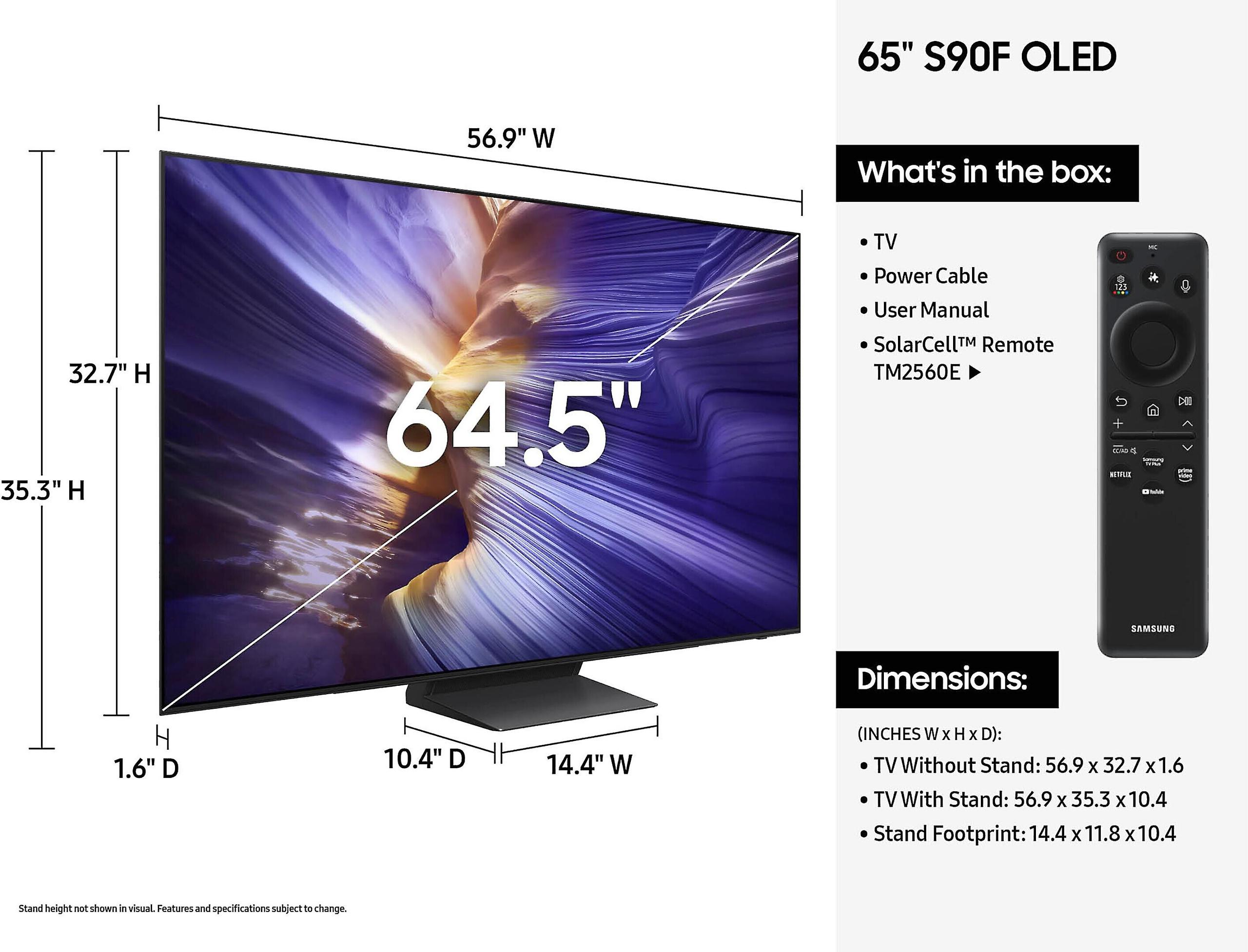
When shopping for a 65-inch TV in 2025, you might find yourself comparing two very different approaches to premium home entertainment. The Hisense QD6 Series and Samsung S90F OLED both launched in 2025, but they represent fundamentally different philosophies about what makes a great television experience.
At the time of writing, these TVs are priced surprisingly close to each other, creating an unusual situation where budget-friendly quantum dot technology competes directly with premium OLED displays. This price convergence makes the decision more complex than usual, since you're essentially choosing between two completely different display technologies at similar price points.
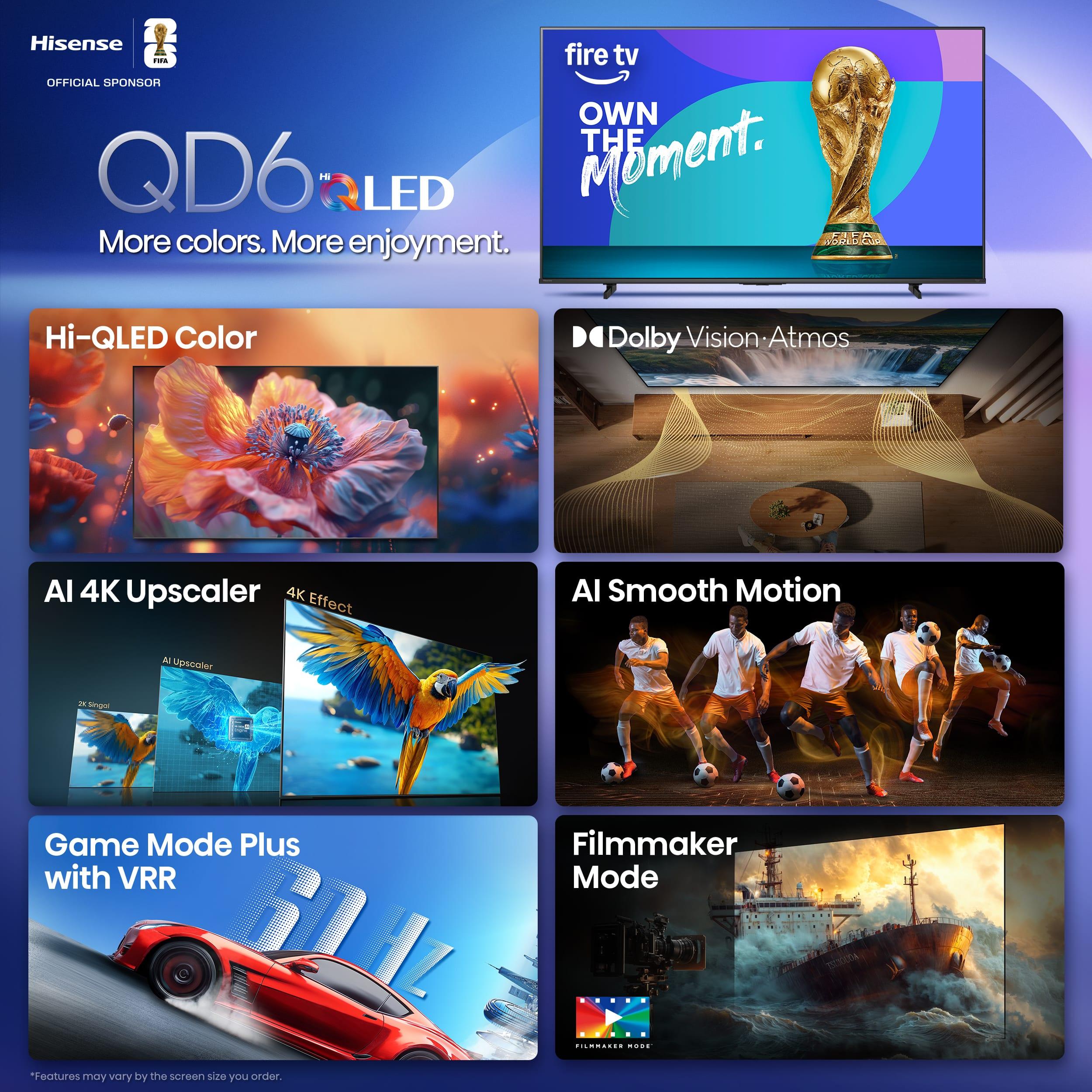
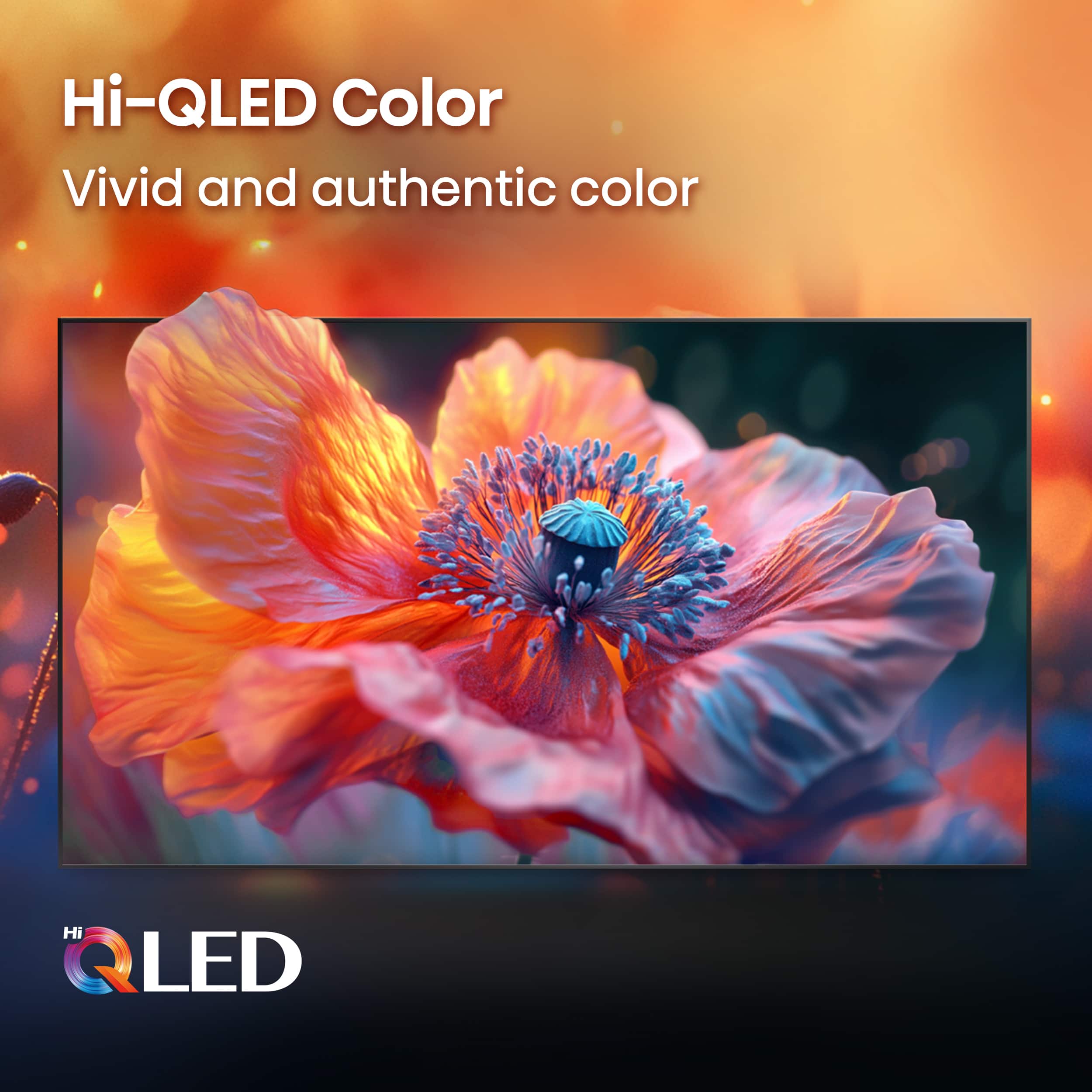
Before diving into specifics, it's crucial to understand what separates these two approaches. The Hisense QD6 uses Hi-QLED technology, which is essentially a traditional LED-backlit LCD panel enhanced with quantum dots – tiny semiconductor particles that emit very pure colors when hit by light. Think of quantum dots as color filters that make reds more red and blues more blue, resulting in more vibrant images than standard LED TVs.
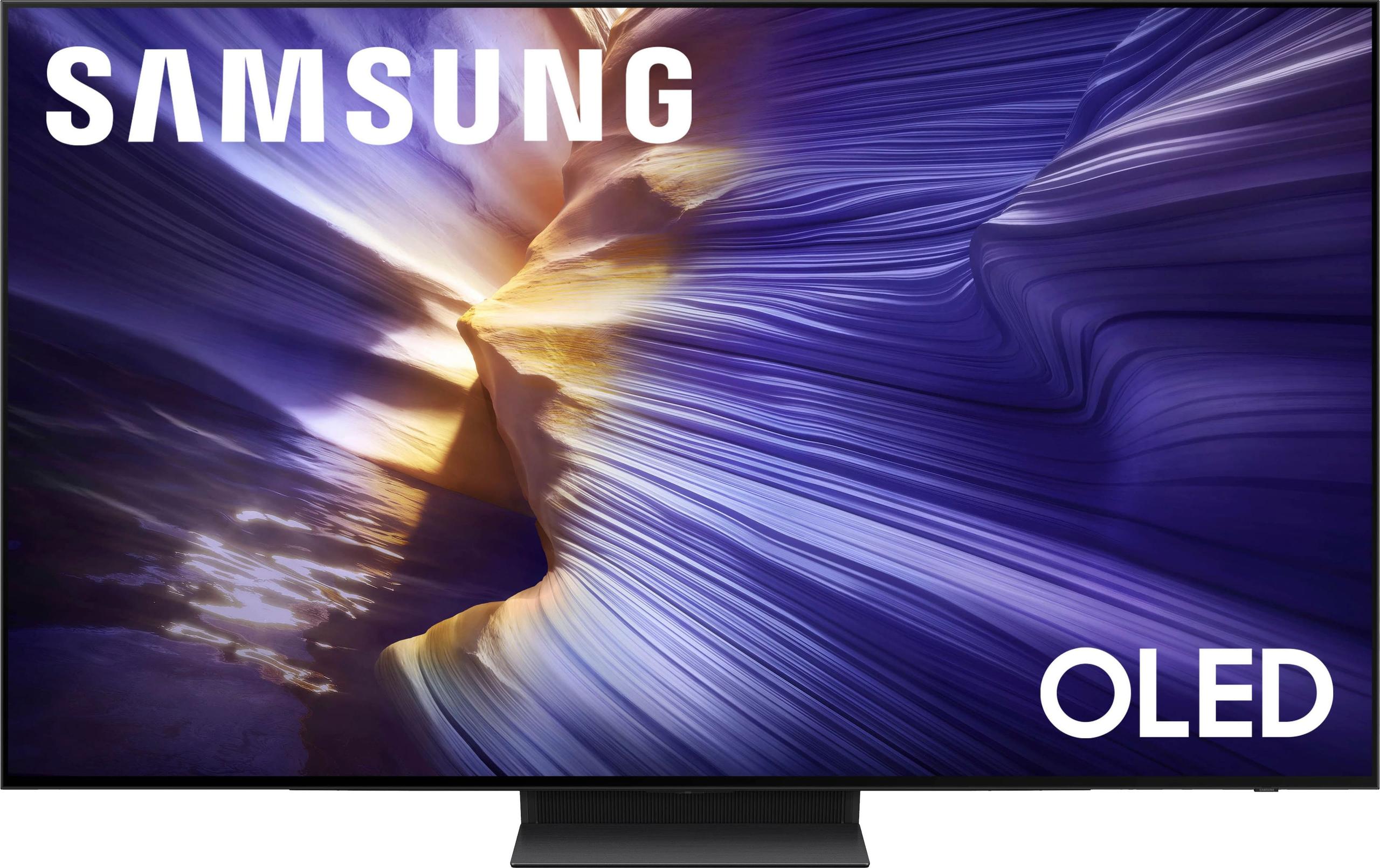
The Samsung S90F, meanwhile, uses QD-OLED technology, which combines quantum dots with organic light-emitting diodes. Each pixel in an OLED display is essentially a tiny light bulb that can turn completely on or off independently. This fundamental difference affects everything from contrast to viewing angles to long-term durability.
Since 2020, both technologies have made significant strides. OLED displays have become brighter and more resistant to burn-in (permanent image retention), while quantum dot LED TVs have improved their color accuracy and added more gaming features. The 2025 models we're comparing represent mature versions of both technologies.
This is where the Samsung S90F absolutely dominates. OLED's ability to turn pixels completely off creates what we call "infinite contrast" – when a pixel is off, it produces true black, not the dark gray you get from LED backlights trying to dim down. Watching a movie like "Blade Runner 2049" or "Dune," where dark scenes are crucial to the atmosphere, reveals this difference immediately.
The Hisense QD6 uses a VA (Vertical Alignment) panel, which naturally provides better contrast than IPS panels but still relies on an LED backlight. Without local dimming zones (individual sections of the backlight that can dim independently), the entire screen lightens up when bright objects appear. Picture a night scene where a car's headlights cause the whole "black" sky to become grayish – that's the limitation we're talking about.
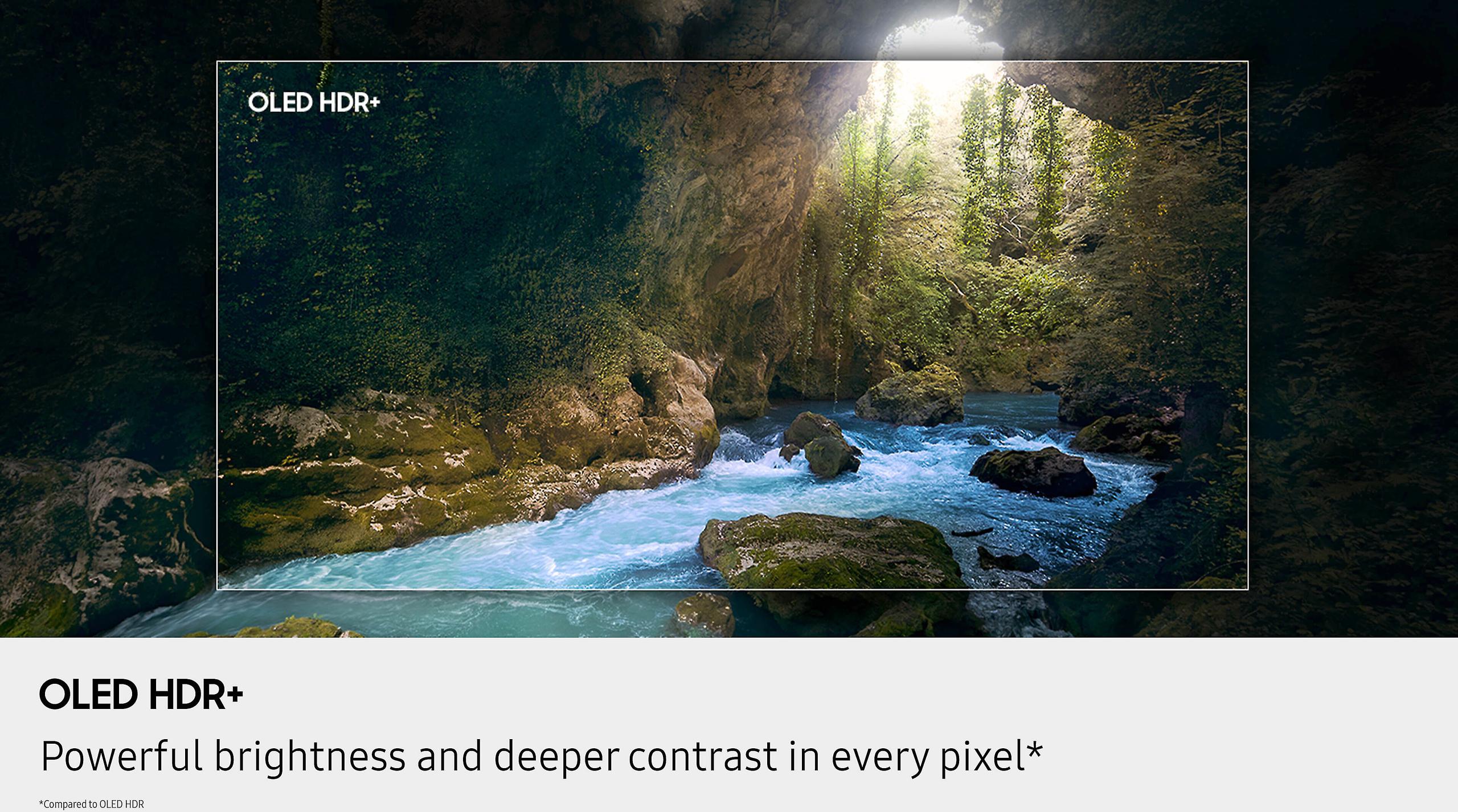
Here's where things get interesting. The Samsung S90F can hit around 1,460-1,500 nits of peak brightness in small areas, which is genuinely impressive for an OLED. This brightness, combined with perfect blacks, creates HDR (High Dynamic Range) images with incredible punch. HDR content like nature documentaries on Netflix or action movies on Disney+ will show bright sun reflections off water or explosive highlights that genuinely pop off the screen.
The Hisense QD6, meanwhile, maxes out around 385 nits across larger areas of the screen. While this is adequate for normal viewing and better than many budget TVs, HDR content will look relatively flat. Those same sun reflections will appear bright but won't have that "wow" factor that makes you feel like you're looking through a window.
The practical difference? In a moderately lit living room, both will look good with regular TV shows and movies. But put on a 4K HDR movie, dim the lights, and the Samsung S90F will transport you into the scene while the Hisense QD6 will just show you a nice picture.
Both TVs use quantum dots, but they implement them differently. The Samsung S90F combines quantum dots with OLED's perfect blacks to create what experts call excellent "color volume" – the ability to produce vibrant colors at both bright and dark levels. Its Pantone validation means colors have been professionally certified for accuracy.
The Hisense QD6 covers about 90% of the DCI-P3 color space (the standard used for digital cinema), which produces more vivid colors than standard TVs. However, its limited brightness constrains how vibrant those colors can appear, especially in HDR content.
In real-world terms, both will make animated movies like "Spider-Man: Into the Spider-Verse" look great, but the Samsung S90F will render those neon-bright scenes with more intensity and accuracy.
Gaming capabilities represent another major divide between these models. The Samsung S90F supports a native 144Hz refresh rate, meaning it can display 144 frames per second of smooth motion. Combined with Variable Refresh Rate (VRR) technology, which synchronizes the TV's refresh with your gaming console's output, it eliminates screen tearing – those annoying horizontal lines that appear during fast movement.
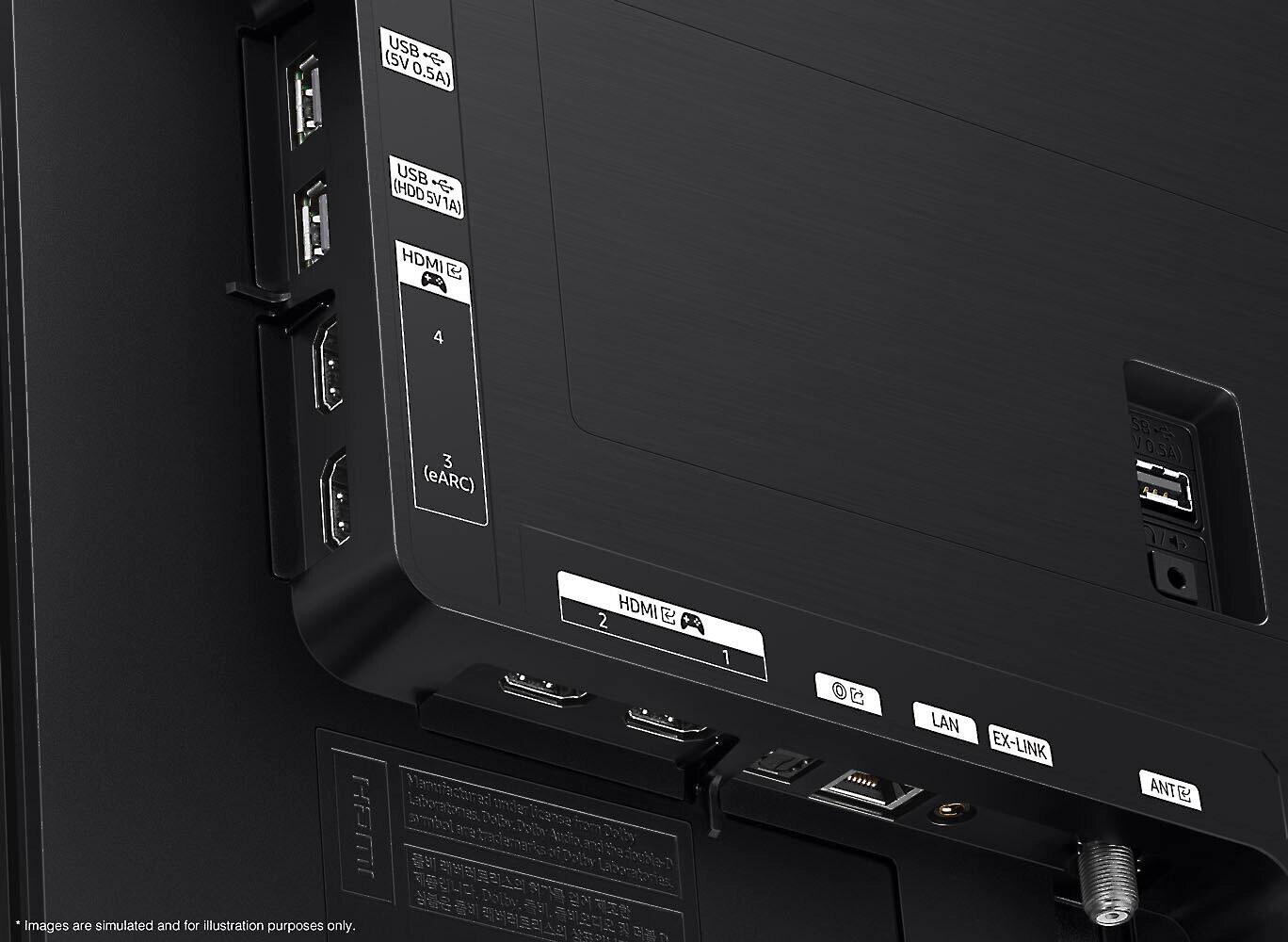
More importantly for console gamers, the Samsung S90F supports 4K gaming at 120Hz through its HDMI 2.1 ports, making it fully compatible with PlayStation 5 and Xbox Series X capabilities. Input lag (the delay between pressing a button and seeing the result on screen) measures around 10 milliseconds, which is imperceptible during gameplay.
The Hisense QD6 takes a more basic approach with its 60Hz panel and HDMI 2.0 ports. While it supports VRR and Auto Low Latency Mode (ALLM), it's limited to 4K at 60 frames per second. For casual gaming, this works fine, but competitive gamers or anyone wanting to fully utilize modern consoles will notice the limitation. The Motion Rate 120 feature uses interpolation (adding artificial frames between real ones) to smooth motion, but this isn't the same as native high refresh gaming.
If you primarily play single-player adventure games or RPGs, the Hisense QD6 will serve you well. But for fast-paced shooters, racing games, or if you plan to keep this TV for several years as gaming technology advances, the Samsung S90F is the clear choice.
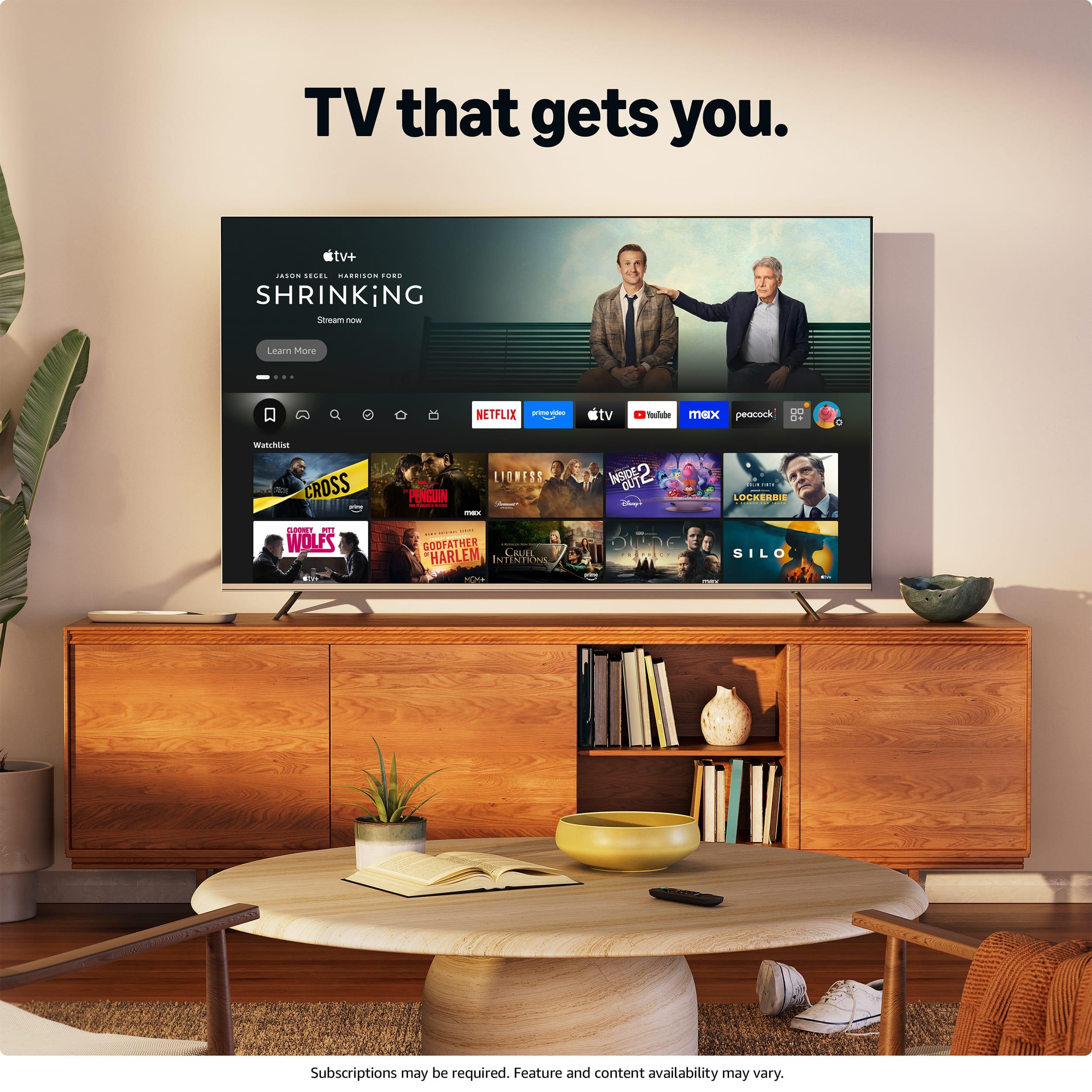
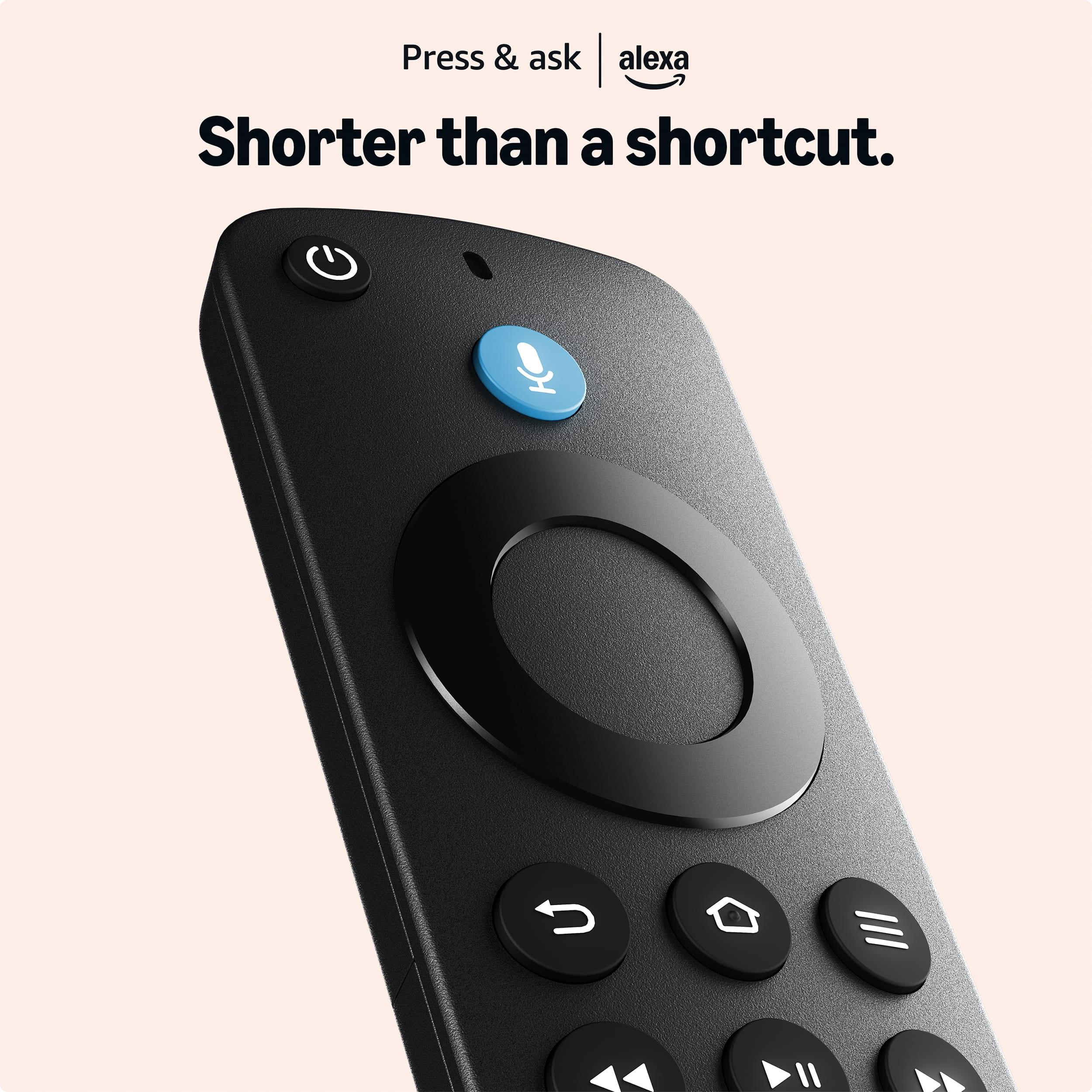
Both TVs run different smart platforms that affect daily usability. The Hisense QD6 uses Amazon's Fire TV, which integrates heavily with Amazon Prime Video and Alexa voice control. The interface is straightforward and includes all major streaming apps, though some users report occasional slowdowns when navigating menus or switching between apps.
The Samsung S90F runs Tizen OS with Samsung's Vision AI enhancement. This system uses artificial intelligence to optimize picture and sound settings based on what you're watching. The AI can recognize whether you're viewing a dark movie, bright sports content, or animated shows and adjust accordingly. The interface feels more responsive, and the voice control through Bixby handles more complex commands.
Both platforms support major streaming services like Netflix, Disney+, Apple TV+, and YouTube, but Fire TV's Amazon integration might appeal to Prime subscribers who frequently rent or buy movies through Amazon.
Neither TV will replace a dedicated sound system, but they handle audio differently. The Samsung S90F includes Adaptive Sound Pro, which uses AI to optimize audio based on both the content type and your room's acoustics. It can distinguish between dialogue and background music, enhancing voices while balancing other sounds.
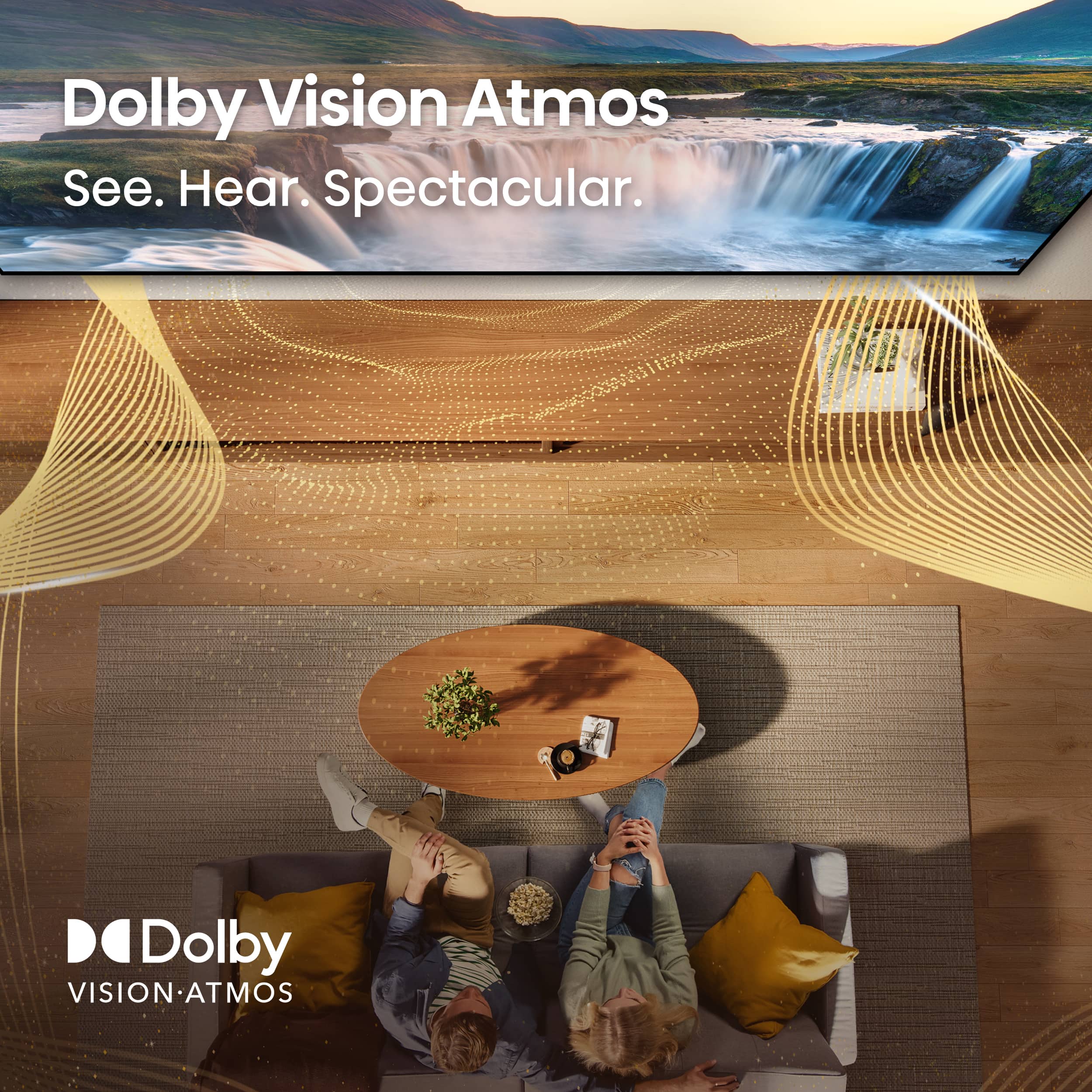
The Hisense QD6 supports Dolby Atmos, which creates a more three-dimensional soundscape when watching compatible content. While the built-in speakers aren't powerful enough to create true surround sound, the processing does improve the sense of space and immersion.
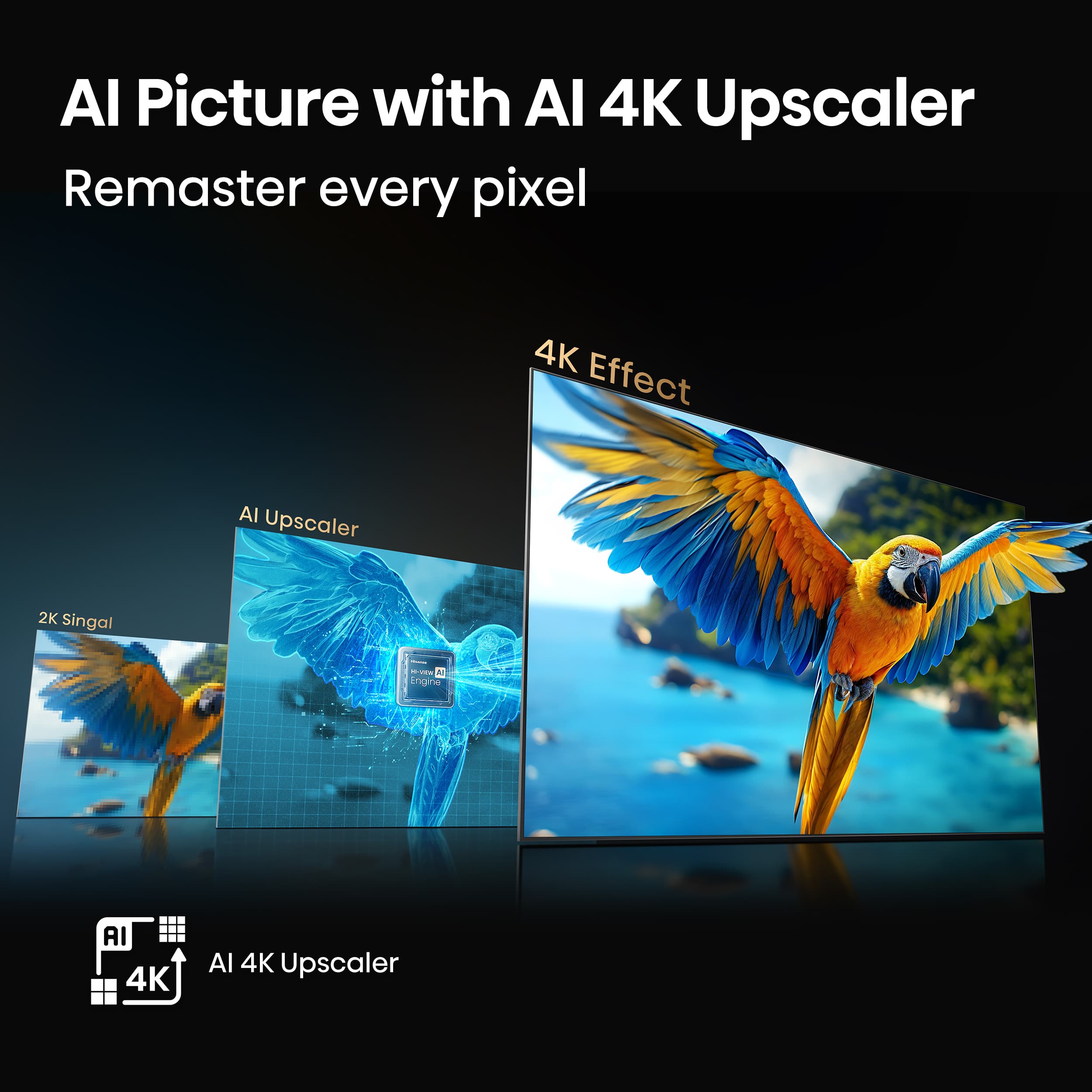
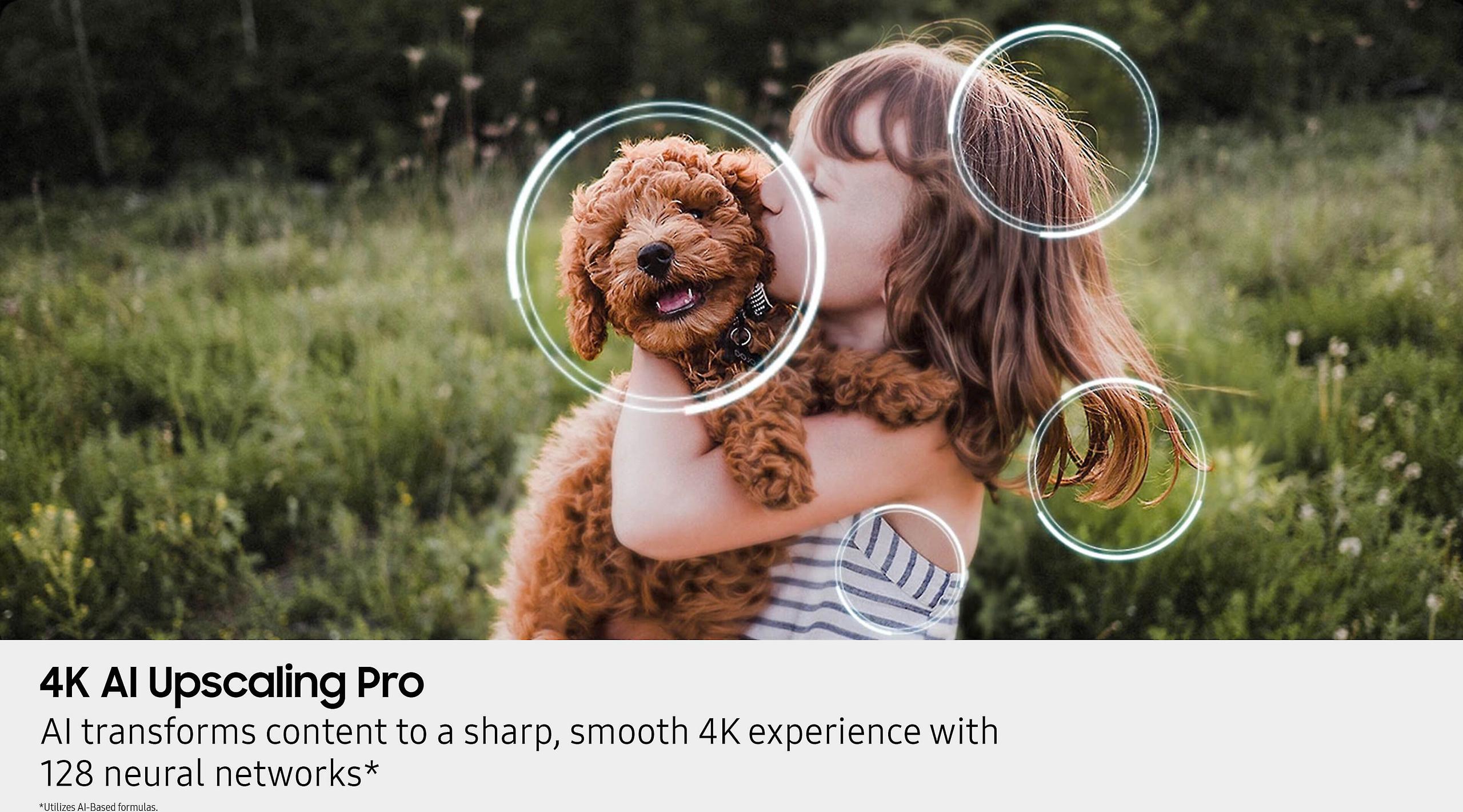
Both TVs include unique smart features that reflect their target audiences. The Samsung S90F offers "Pet Care," which can detect pet sounds through its microphone and automatically play calming content for your animals when you're away. The Hisense QD6 focuses on practical features like AI-enhanced upscaling that improves lower-resolution content to near-4K quality.
For dedicated home theater setups, the choice becomes clearer. The Samsung S90F excels in controlled lighting environments where its perfect blacks and high brightness create that cinematic experience. Its support for Filmmaker Mode ensures movies appear as directors intended, without artificial processing that can make films look like soap operas.
The wide viewing angles of OLED technology mean the Samsung S90F maintains picture quality even when viewed from the side, making it ideal for wider seating arrangements. If you host movie nights or have a large family, this matters more than you might expect.
The Hisense QD6 works well for casual home theater use but has limitations. Its VA panel provides narrower viewing angles, so people sitting off to the sides will see some color shifting and reduced brightness. The lack of local dimming also means dark movie scenes won't have the dramatic impact that makes the theater experience special.
At the time of writing, these TVs are priced remarkably close, creating an unusual value proposition. Typically, OLED technology commands a significant premium over quantum dot LED displays. This pricing convergence makes the Samsung S90F an exceptional value, essentially offering premium display technology at near-budget prices.
From a longevity perspective, the Samsung S90F better positions you for future content standards. As streaming services continue improving their 4K HDR offerings and gaming consoles push higher frame rates, the superior technical capabilities become more valuable over time.
The Hisense QD6 represents solid value for users who prioritize the Fire TV ecosystem or need basic premium features without complexity. Its quantum dot enhancement and decent upscaling will handle current content well, though it may feel limited as technology advances.
Choose the Samsung S90F if you:
Choose the Hisense QD6 if you:
The similar pricing of these TVs creates a rare opportunity to get OLED technology without the typical premium. For most buyers, the Samsung S90F offers significantly superior picture quality, gaming performance, and long-term value. Its combination of perfect blacks, high brightness, and 144Hz gaming support represents what premium TVs should deliver in 2025.
The Hisense QD6 serves specific niches well – primarily Fire TV enthusiasts and casual viewers who don't need cutting-edge performance. It's a competent TV that delivers on its promises, but those promises are more modest.
Unless you have specific reasons to prefer Fire TV or plan very casual usage, the Samsung S90F provides dramatically better technology at essentially the same price point. In the current market, that makes it one of the best TV values available, representing a rare chance to step up to premium OLED without paying premium prices.
| Hisense 65" QD6 Series Hi-QLED Fire TV (2025) | Samsung 65" S90F OLED 4K Vision AI Smart TV 2025 |
|---|---|
| Display Technology - Fundamentally affects contrast, blacks, and overall picture quality | |
| Hi-QLED (LED backlight with quantum dots) | QD-OLED (self-illuminating pixels with quantum dots) |
| Peak Brightness - Critical for HDR impact and daytime viewing | |
| ~385 nits (adequate for moderate lighting) | ~1,460-1,500 nits (excellent for bright rooms and HDR) |
| Contrast Ratio - Determines depth and realism in dark scenes | |
| ~3,000:1 native contrast (no local dimming) | Infinite contrast (perfect blacks, each pixel turns off) |
| Refresh Rate - Essential for smooth gaming and sports | |
| 60Hz native (Motion Rate 120 with interpolation) | 144Hz native (true high refresh rate) |
| Gaming Features - Compatibility with PS5/Xbox Series X | |
| 4K@60Hz, VRR, ALLM via HDMI 2.0 | 4K@144Hz, VRR, ALLM via HDMI 2.1 |
| Input Lag - Response time for gaming (lower is better) | |
| ~10.2ms (good for casual gaming) | ~10ms (excellent for competitive gaming) |
| Color Coverage - Affects vibrancy and accuracy | |
| 90% DCI-P3 with quantum dots | Wide color gamut with Pantone validation |
| HDR Support - Enhanced contrast and colors for premium content | |
| Dolby Vision, HDR10+, HDR10, HLG | Advanced HDR with OLED HDR+ processing |
| Smart Platform - Daily user interface and app ecosystem | |
| Fire TV with Alexa integration | Tizen OS with Samsung Vision AI |
| Viewing Angles - Picture quality when viewed from the side | |
| Limited (VA panel, colors shift off-angle) | Excellent (OLED maintains quality from all angles) |
| Audio Features - Built-in sound enhancement | |
| Dolby Atmos support | Adaptive Sound Pro with AI optimization |
| AI Processing - Content optimization and upscaling | |
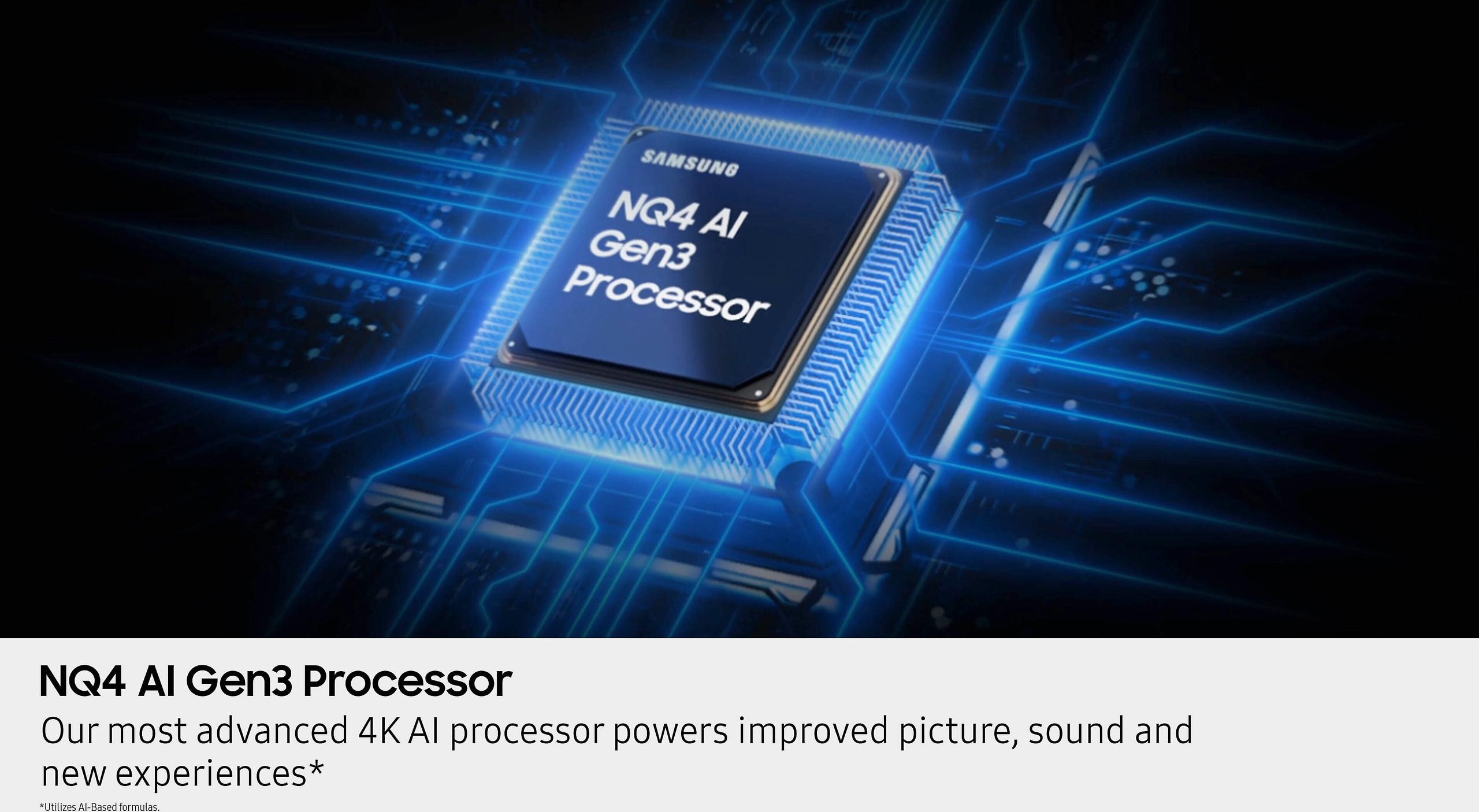
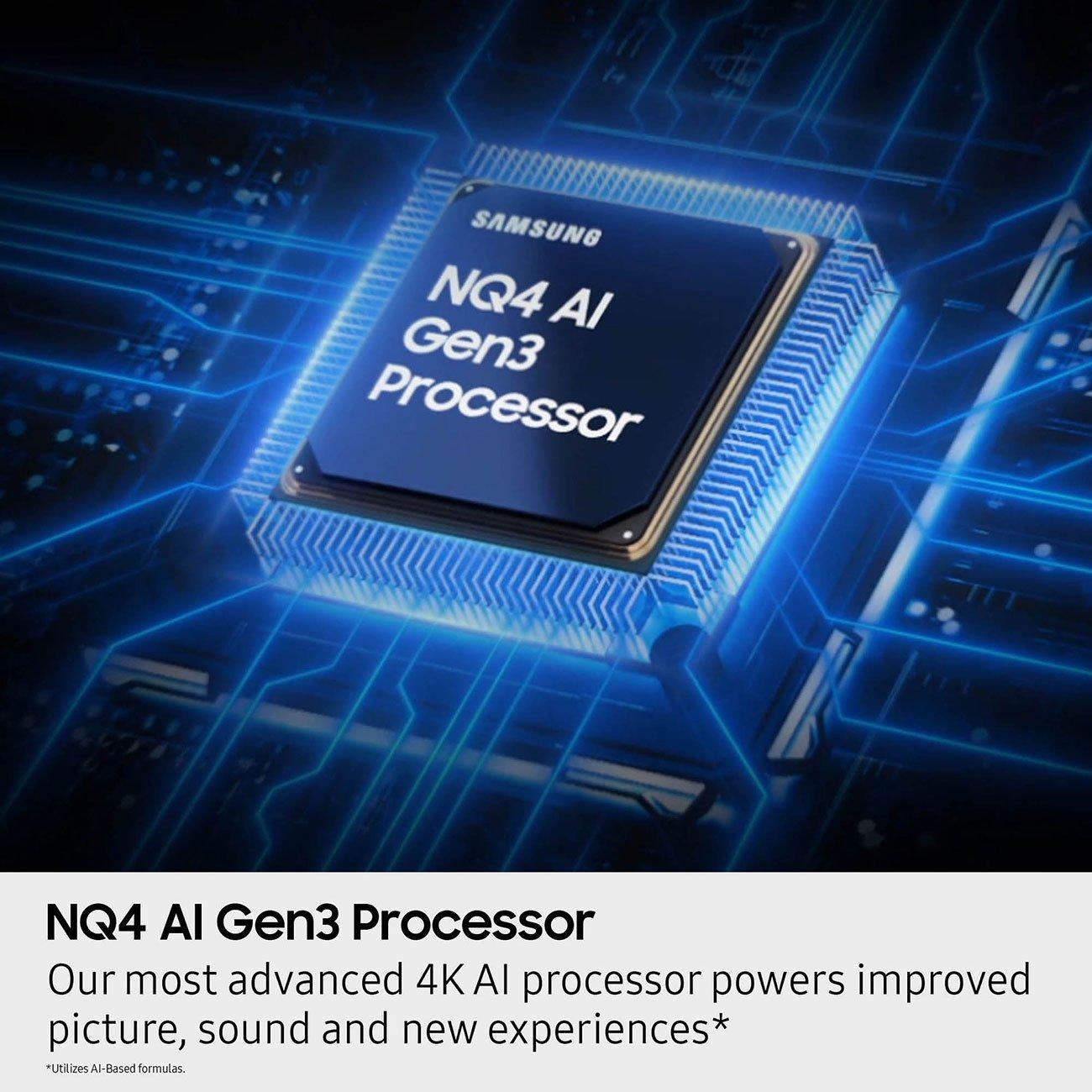
| Basic AI 4K upscaler | NQ4 AI Gen3 with Vision AI content analysis |
| Motion Handling - Clarity during fast action and sports | |
| Adequate with some blur in dark scenes | Excellent with Motion Xcelerator 144Hz |
| Size Options - Available screen sizes for different rooms | |
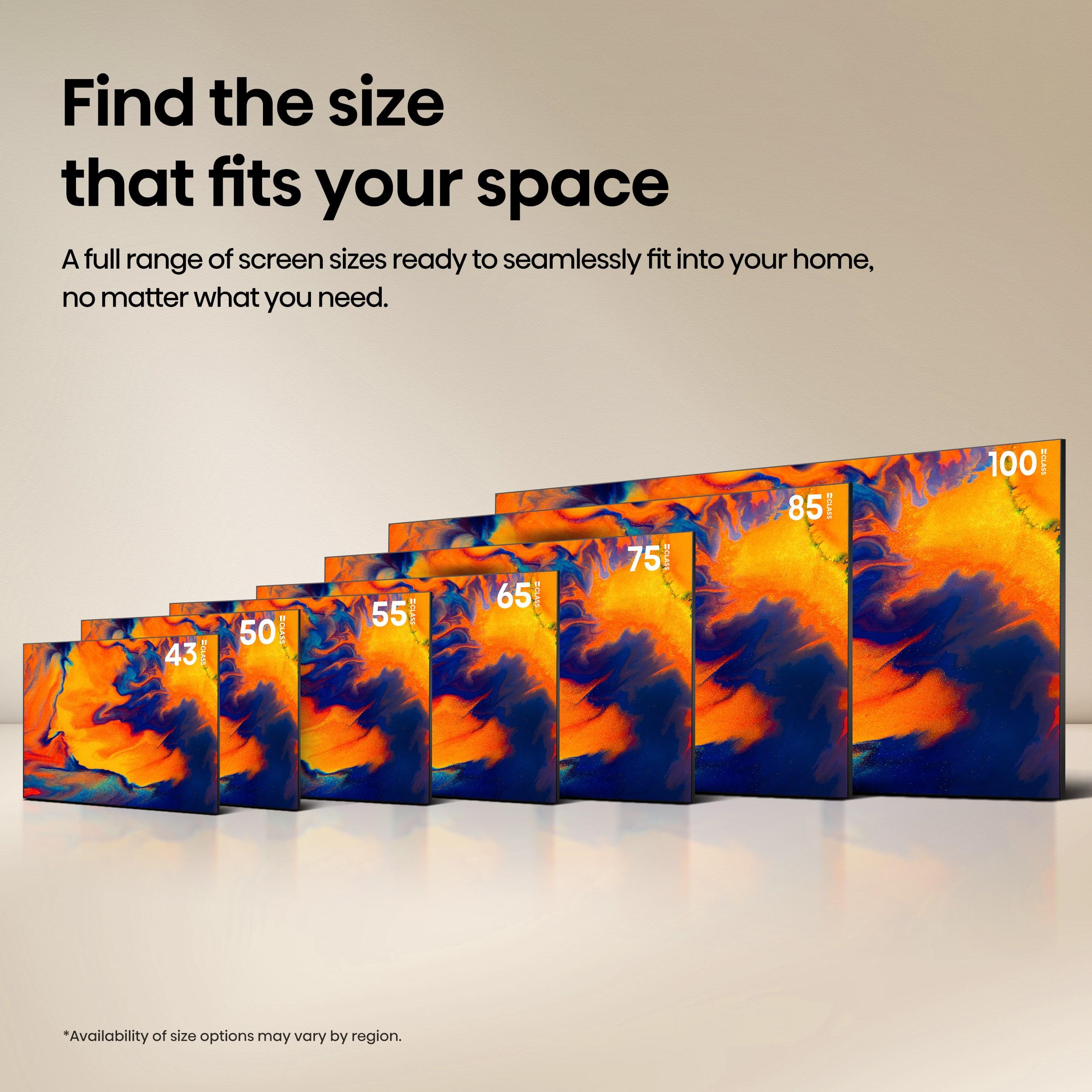
| 43", 50", 55", 65", 75", 85", 100" | Typically 55", 65", 77", 83" |
| Best Use Case - Ideal buyer and viewing scenario | |
| Budget-conscious buyers, Fire TV users, casual viewing | Home theater enthusiasts, gamers, HDR content lovers |
The Samsung S90F OLED delivers significantly better picture quality with perfect blacks, infinite contrast, and peak brightness around 1,460-1,500 nits. The Hisense QD6 offers decent picture quality with quantum dot colors but is limited by its LED backlight and lower 385-nit brightness, resulting in less impactful HDR performance.
The Hisense QD6 uses Hi-QLED technology, which adds quantum dots to a traditional LED-backlit LCD panel for enhanced colors. The Samsung S90F uses QD-OLED technology where each pixel emits its own light and can turn completely off, creating perfect blacks and infinite contrast that LED TVs cannot match.
The Samsung S90F OLED is superior for gaming with its 144Hz native refresh rate, HDMI 2.1 ports supporting 4K@144Hz, and ~10ms input lag. The Hisense QD6 is limited to 60Hz and 4K@60Hz gaming through HDMI 2.0 ports, making it adequate for casual gaming but not ideal for competitive play or next-gen consoles.
The Hisense QD6 runs Fire TV with excellent Amazon integration and Alexa voice control, though some users report occasional menu lag. The Samsung S90F uses Tizen OS with Vision AI that intelligently optimizes picture and sound settings based on content, offering a more responsive and feature-rich smart experience.
The Samsung S90F OLED excels at HDR with its high peak brightness and perfect blacks creating dramatic contrast for impactful highlights. The Hisense QD6 supports the same HDR formats (Dolby Vision, HDR10+) but its limited brightness makes HDR content appear relatively flat and less immersive.
The Samsung S90F maintains excellent picture quality when viewed from the side thanks to OLED technology, making it ideal for wide seating arrangements. The Hisense QD6 uses a VA panel with narrower viewing angles, so colors and brightness diminish noticeably when viewed off-center.
The Samsung S90F OLED is significantly better for home theater use with its perfect blacks, high contrast, wide viewing angles, and Filmmaker Mode for authentic movie presentation. The Hisense QD6 works for casual home theater but lacks the dramatic contrast and wide viewing angles that create a truly cinematic experience.
Both TVs offer enhanced audio processing - the Hisense QD6 includes Dolby Atmos support while the Samsung S90F features Adaptive Sound Pro with AI optimization that adjusts audio based on content type and room acoustics. Neither replaces a dedicated sound system, but both improve over basic TV speakers.
The Samsung S90F provides superior motion handling with its 144Hz refresh rate and Motion Xcelerator technology, delivering smooth, blur-free sports action. The Hisense QD6 offers adequate motion with its 60Hz panel and Motion Rate 120 interpolation, but may show some blur during fast-paced scenes.
The Samsung S90F includes advanced Vision AI with NQ4 AI Gen3 processor that analyzes content and optimizes settings automatically, plus features like Pet Care. The Hisense QD6 offers basic AI 4K upscaling and motion smoothing but lacks the comprehensive content analysis and optimization of the Samsung model.
At similar price points, the Samsung S90F OLED offers exceptional value by providing premium OLED technology typically found in much more expensive TVs. The Hisense QD6 provides good value for budget-conscious buyers who prioritize Fire TV integration over cutting-edge display technology.
Choose the Samsung S90F if you want the best picture quality, plan to game on modern consoles, or watch a lot of HDR content. Select the Hisense QD6 if you prefer Fire TV's Amazon ecosystem, primarily watch standard streaming content, or need a TV for casual viewing where premium features won't be fully utilized.
We've done our best to create useful and informative comparisons to help you decide what product to buy. Our research uses advanced automated methods to create this comparison and perfection is not possible - please contact us for corrections or questions. These are the sites we've researched in the creation of this article: pcvarge.com - bestbuy.com - rtings.com - youtube.com - rtings.com - youtube.com - consumerreports.org - leaseville.com - hisense-usa.com - device.report - hisense-usa.com - youtube.com - flatpanelshd.com - displayspecifications.com - retailspecs.com - youtube.com - t3.com - rtings.com - bestbuy.com - stereonet.com - samsung.com - bestbuy.com - flatpanelshd.com - myallsouth.com - pcrichard.com - samsung.com - bestbuy.com - samsung.com - samsung.com - samsung.com

Privacy Policy
Terms and Conditions - Affiliate Policy
Home Security
© Copyright 2008-2026.
11816 Inwood Rd #1211, Dallas, TX 75244