

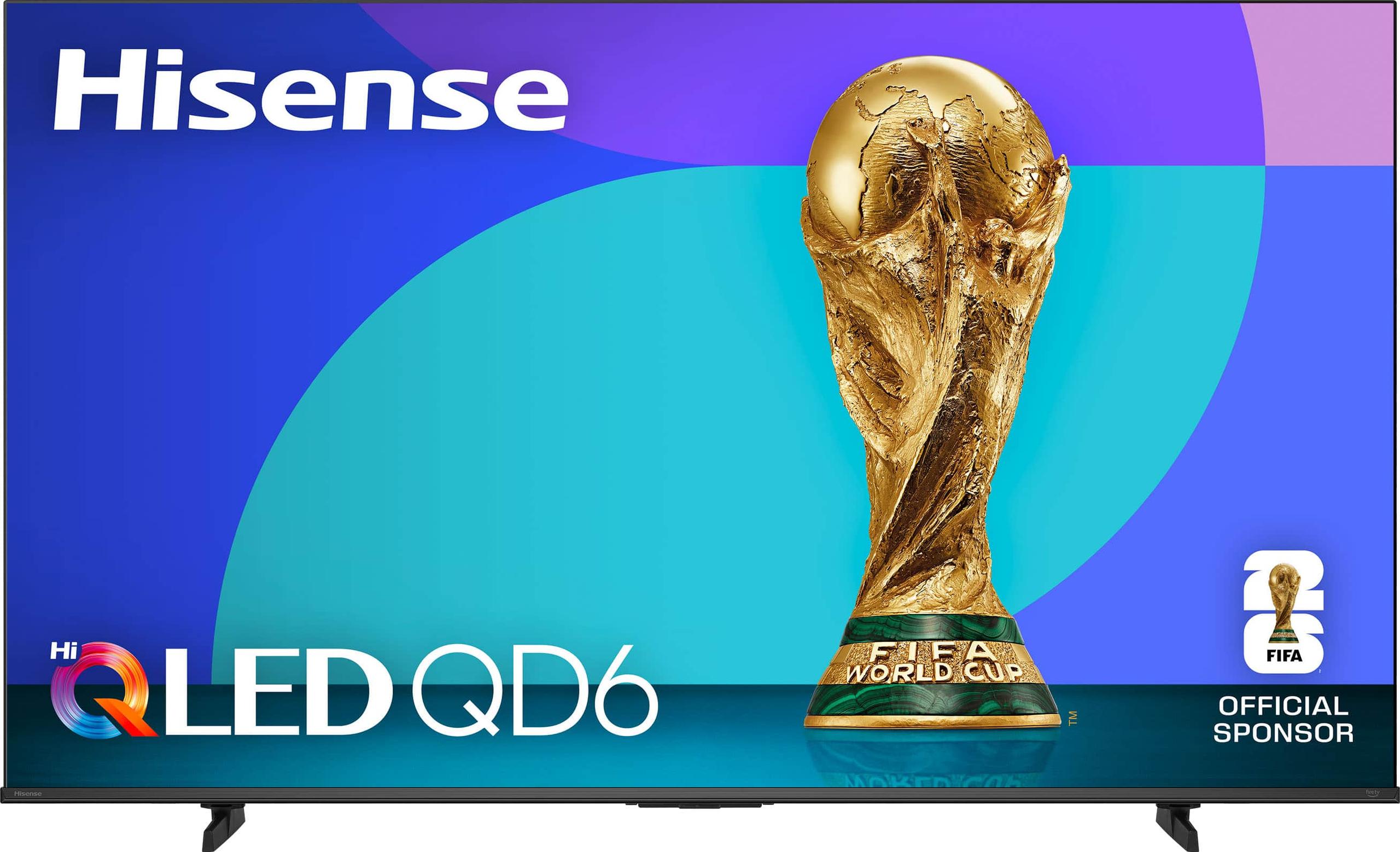
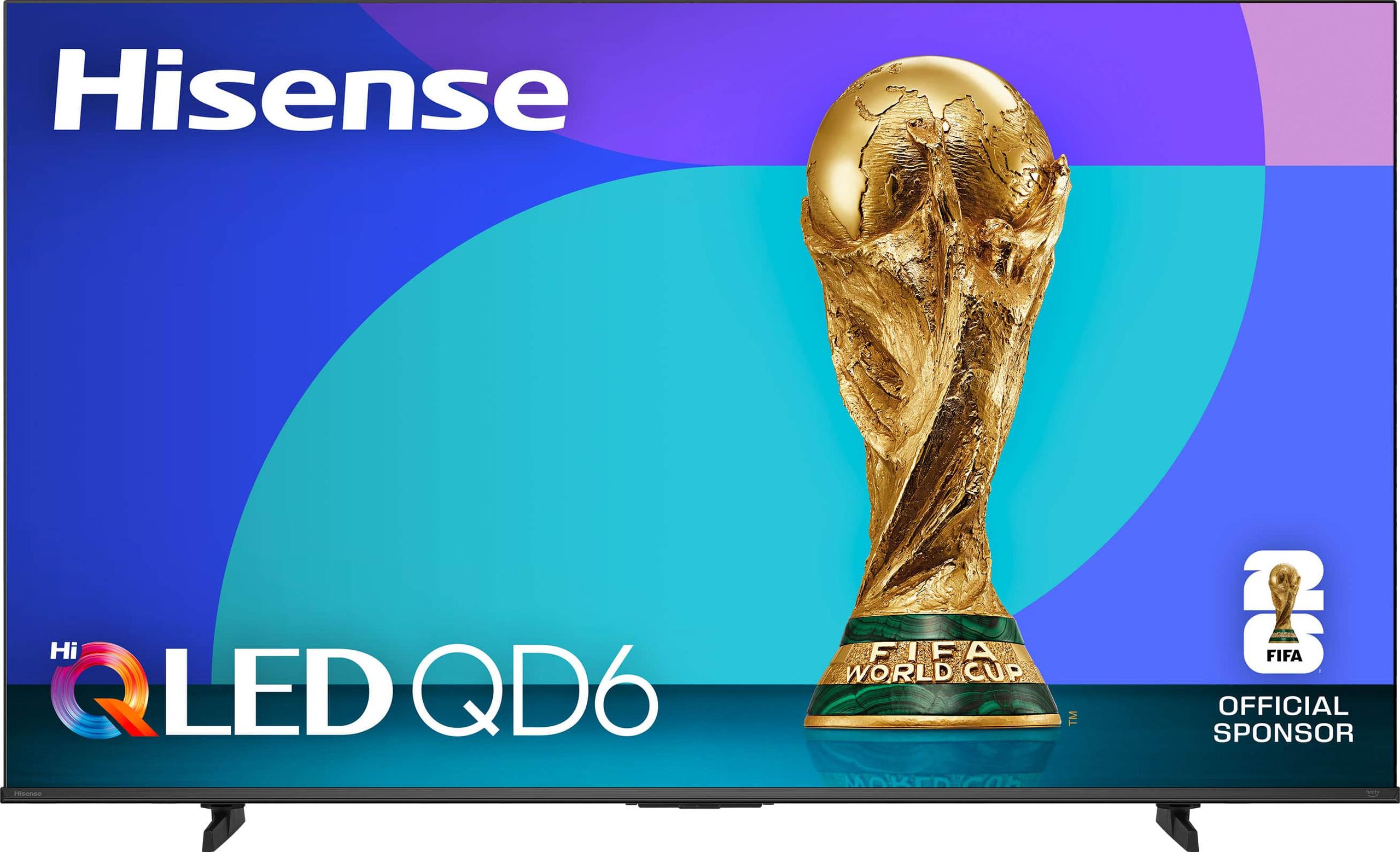
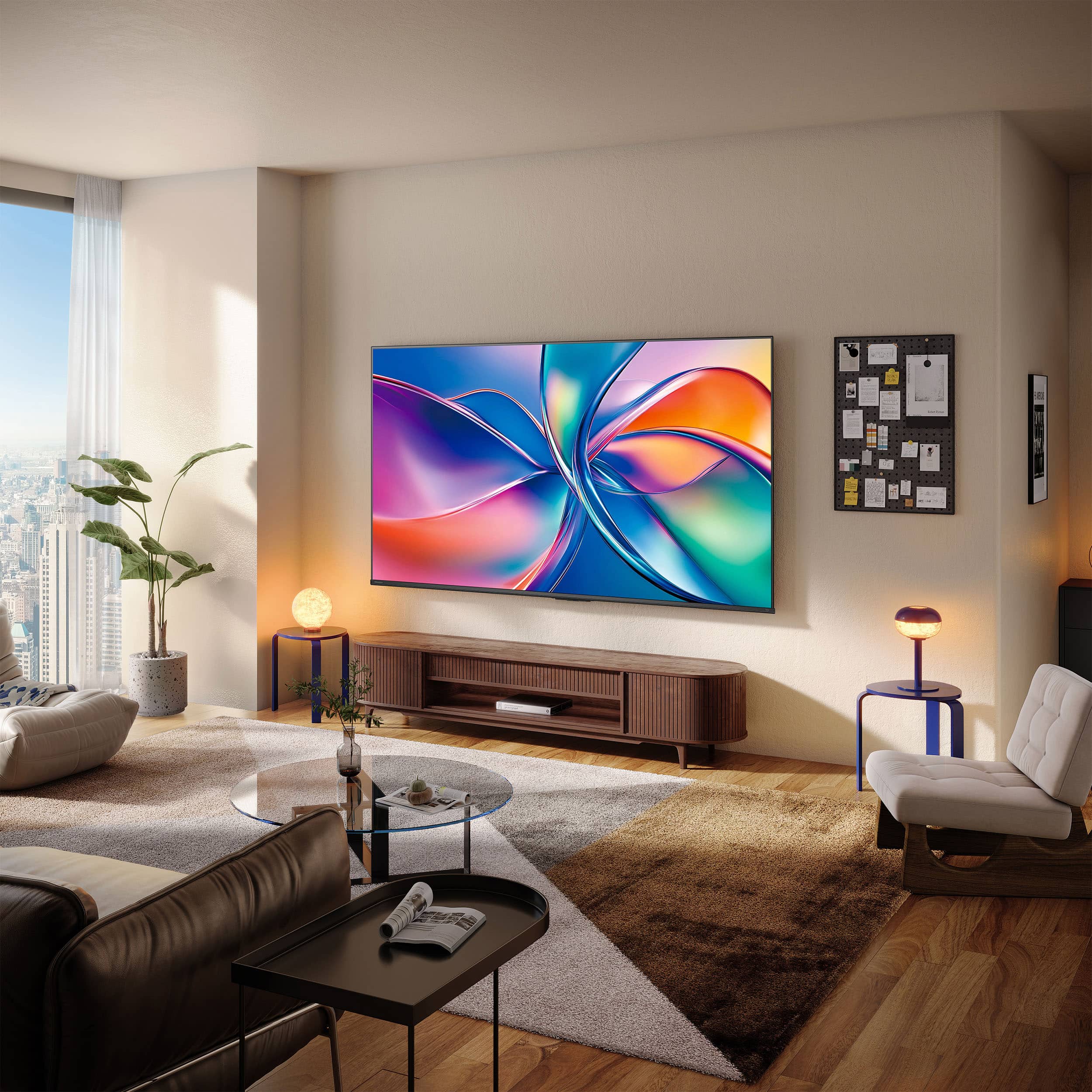
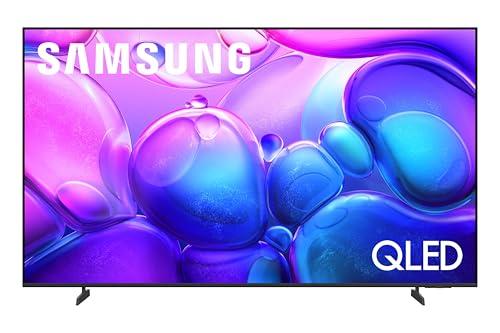
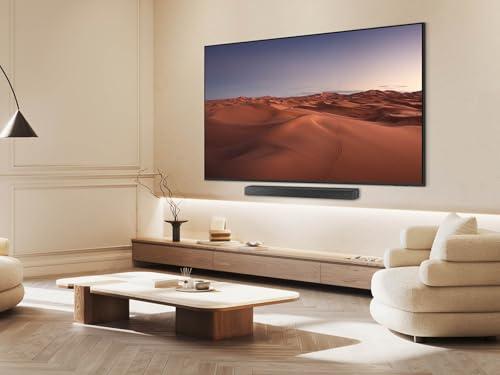
Shopping for a budget QLED TV in 2025 means making tough choices between screen size and picture quality. Two standout options represent different philosophies in this space: the Hisense 65" QD6 Series Hi-QLED Fire TV prioritizes visual performance, while the Samsung 75" Q6F Series QLED maximizes screen real estate. Both launched in 2025 as entry-level QLED models, but their approaches couldn't be more different.
Before diving into specifics, let's clarify what QLED actually means. QLED stands for "Quantum Dot Light Emitting Diode," where quantum dots are microscopic particles that enhance color reproduction when hit by LED backlighting. Think of them as tiny color filters that make reds redder and blues bluer while maintaining brightness levels that traditional LED TVs struggle with.
Both TVs use this quantum dot technology, but at different price points that create interesting trade-offs. At the time of writing, you're looking at roughly a $200-250 price difference, with the Samsung commanding a premium despite being an entry-level model in its lineup. This price gap becomes the foundation for understanding which TV delivers better value for your specific needs.
The budget QLED category has evolved significantly since Samsung introduced the technology in 2017. Early models suffered from limited brightness and poor HDR performance. The 2025 models we're examining represent substantial improvements, particularly in color accuracy and smart TV integration, though they still make compromises compared to premium models.
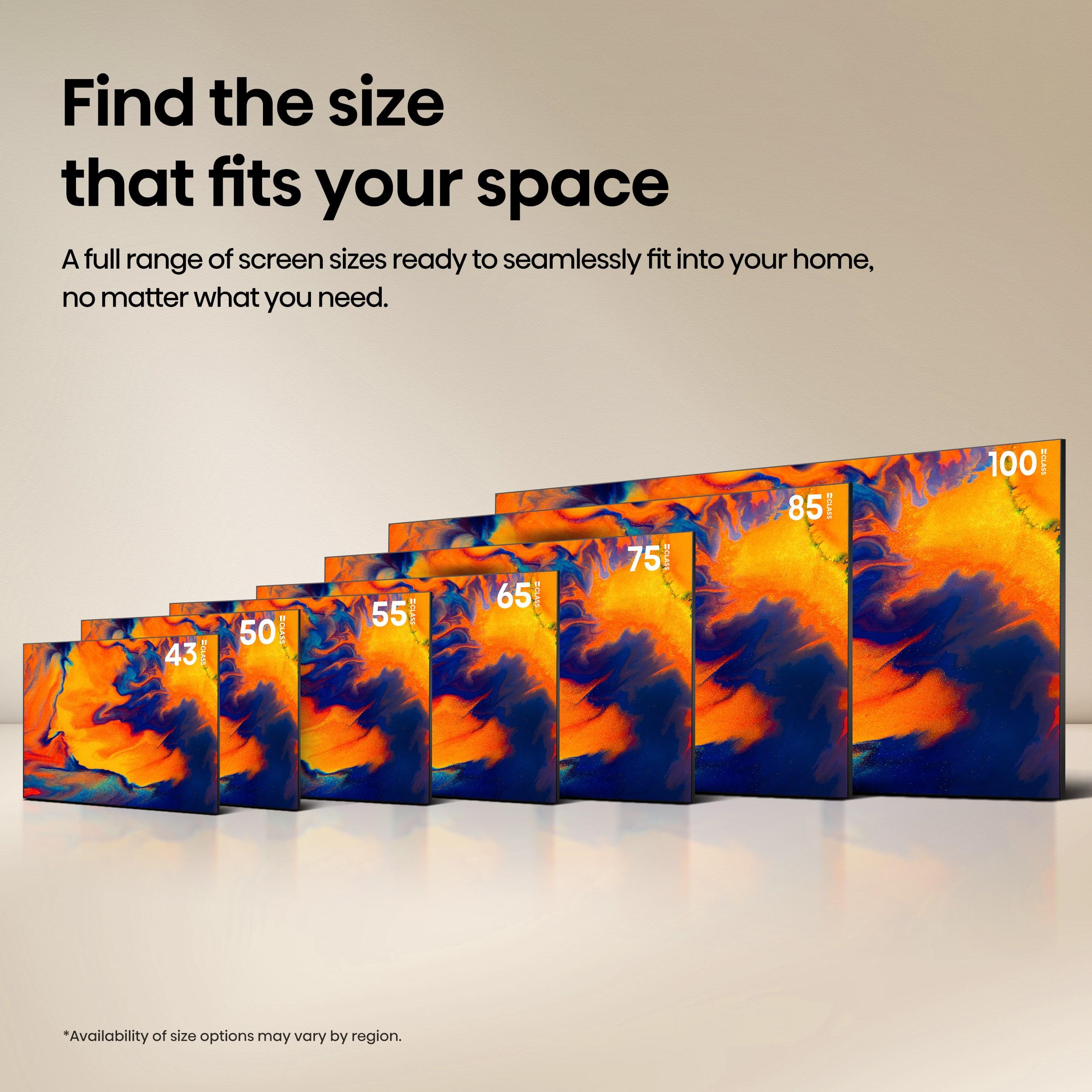
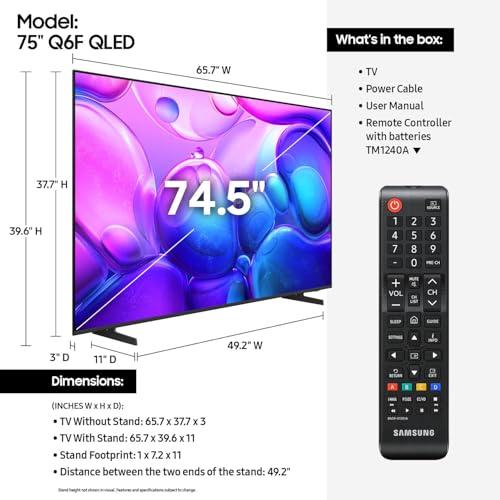
The most obvious difference between these TVs is size – and it's substantial. The Samsung Q6F's 75-inch display provides roughly 40% more viewing area than the Hisense QD6's 65-inch screen. To put this in perspective, if you're sitting 10 feet away from either TV, the Samsung fills more of your peripheral vision, creating a more immersive experience for movies and sports.
However, screen size affects more than just visual impact. Larger displays require more powerful processing to upscale content effectively, and they expose picture quality flaws more readily. A slightly soft image that looks fine on 65 inches can appear noticeably blurry when stretched across 75 inches. This creates an interesting dynamic where the Hisense QD6's smaller size might actually work in its favor for picture quality.
Room compatibility becomes crucial here. The Samsung works best in larger living rooms or family rooms where you can sit 9-12 feet away. Closer viewing distances reveal pixel structure and make any motion blur more apparent. The Hisense fits comfortably in medium-sized rooms with 7-10 foot viewing distances, making it more versatile for apartments or bedrooms.
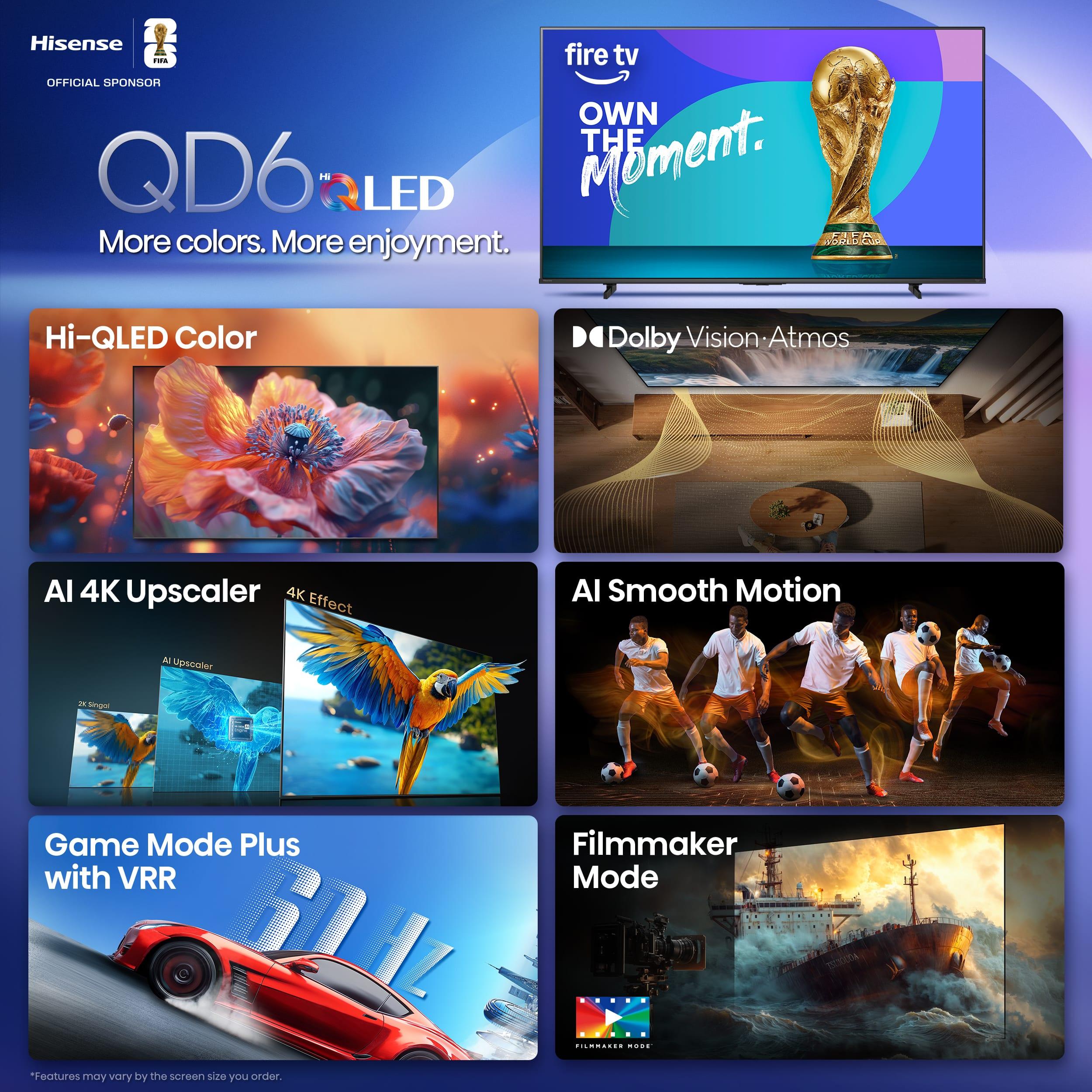
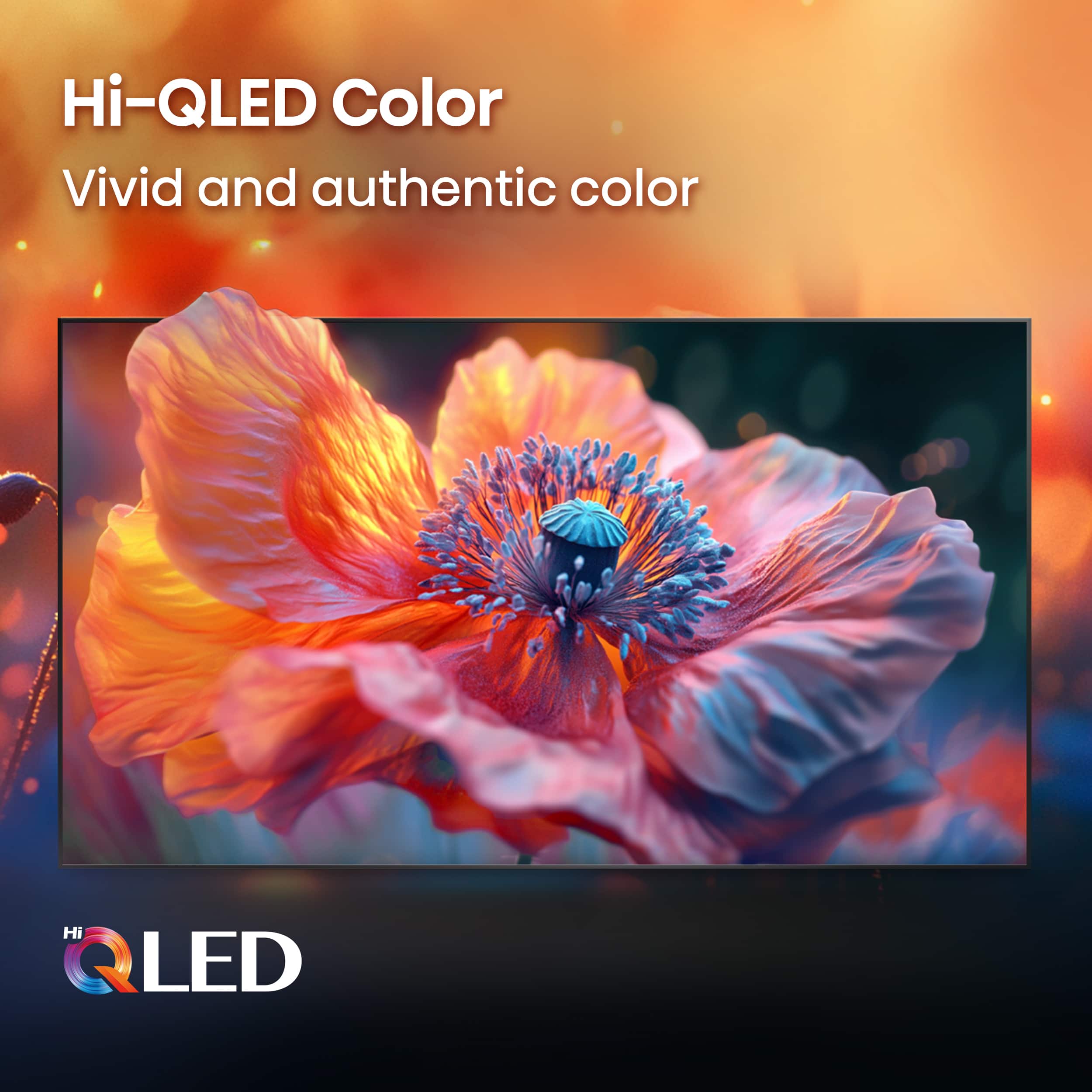
The Hisense QD6 achieves 90% DCI-P3 color coverage, which represents the color space used in movie theaters. This means when you're watching the latest Marvel movie, you're seeing colors much closer to what the filmmakers intended. The quantum dot layer in this TV works with a VA-style panel (Vertical Alignment), which provides better native contrast than typical edge-lit displays.
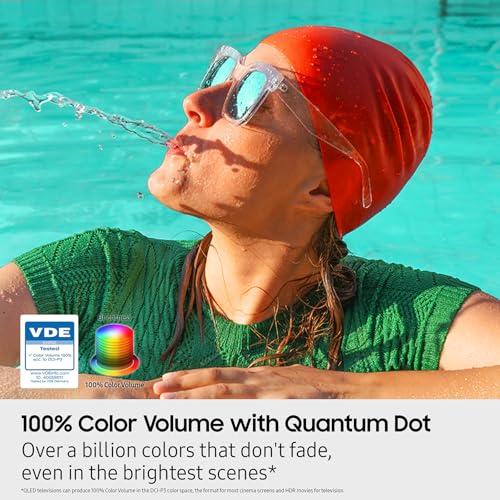
Samsung's approach differs significantly. The Q6F uses edge-lit LED backlighting where LEDs sit along the edges and shine across the entire panel through a light guide. While Samsung claims "100% color volume," this marketing term doesn't directly correspond to industry-standard color space measurements like DCI-P3. Based on user feedback and expert analysis, the Samsung achieves good color performance but falls short of the Hisense's measured specifications.
Peak brightness determines how impactful HDR (High Dynamic Range) content appears. HDR works by displaying a wider range from the darkest blacks to the brightest whites, but TVs need sufficient brightness to make highlights pop. The Hisense QD6 reaches approximately 385 cd/m² peak brightness, which puts it in decent territory for budget QLEDs but still well below what premium models achieve (often 1000+ cd/m²).
The Samsung Q6F shows lower peak brightness in most lighting conditions, though its larger size can somewhat compensate by filling more of your visual field. Neither TV excels at HDR compared to mid-range or premium models, but the Hisense provides more noticeable HDR impact when watching Netflix's HDR content or 4K Blu-rays.
Here's where room lighting becomes critical. If you watch TV in a bright living room with lots of windows, neither TV will overcome ambient light effectively. Both work better in moderately lit environments where you can control lighting during viewing.
Both TVs share a significant limitation: neither includes local dimming. Local dimming allows different sections of the backlight to dim independently, creating better contrast by darkening blacks while keeping bright areas illuminated. Without this feature, both the Hisense and Samsung suffer from "blooming" where bright objects on dark backgrounds cause the entire screen to lift slightly.
The Hisense's VA panel provides better native contrast, meaning the difference between black and white without any processing tricks. This gives it an advantage in dark room viewing, though both TVs struggle when bright HDR highlights appear alongside dark shadows in the same scene.
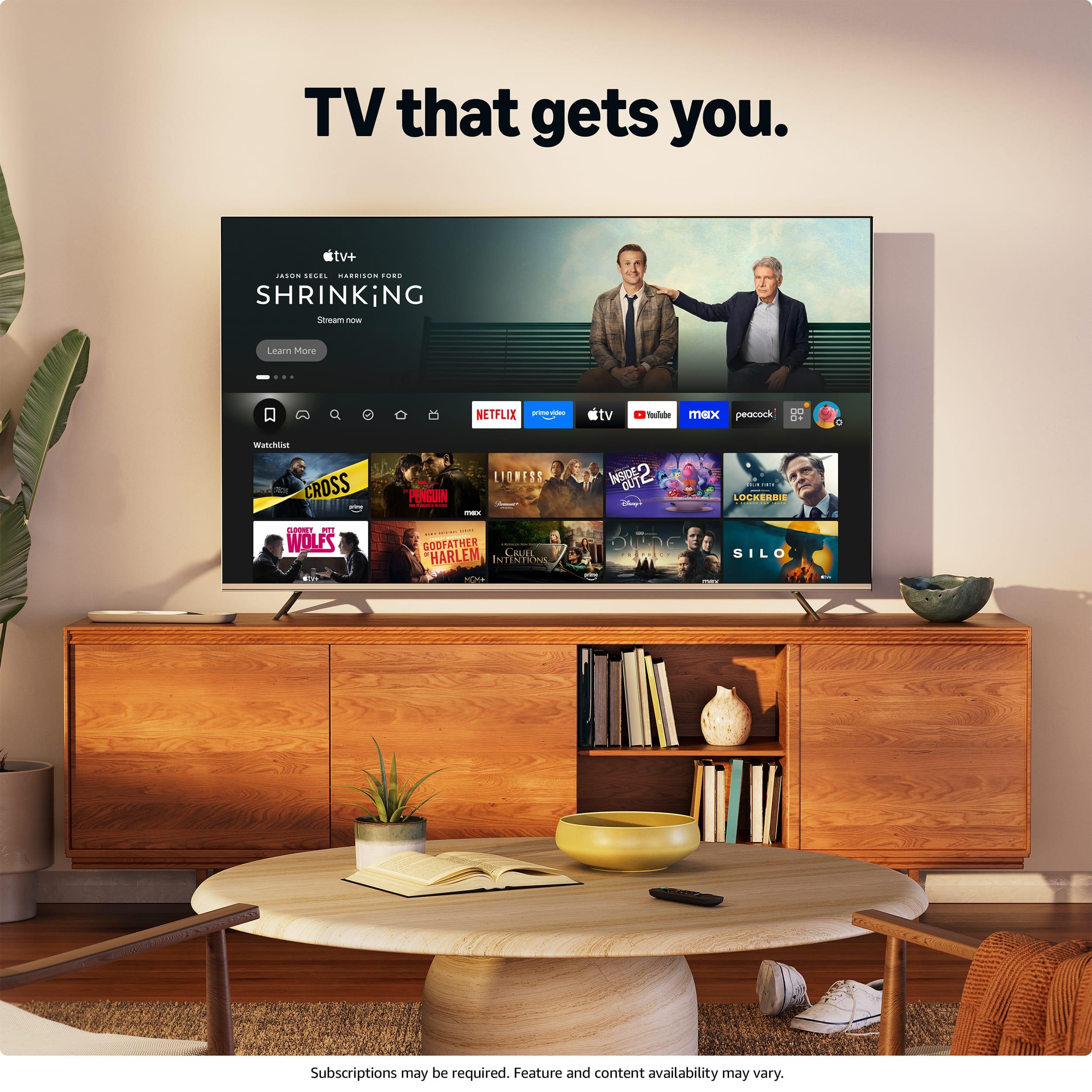
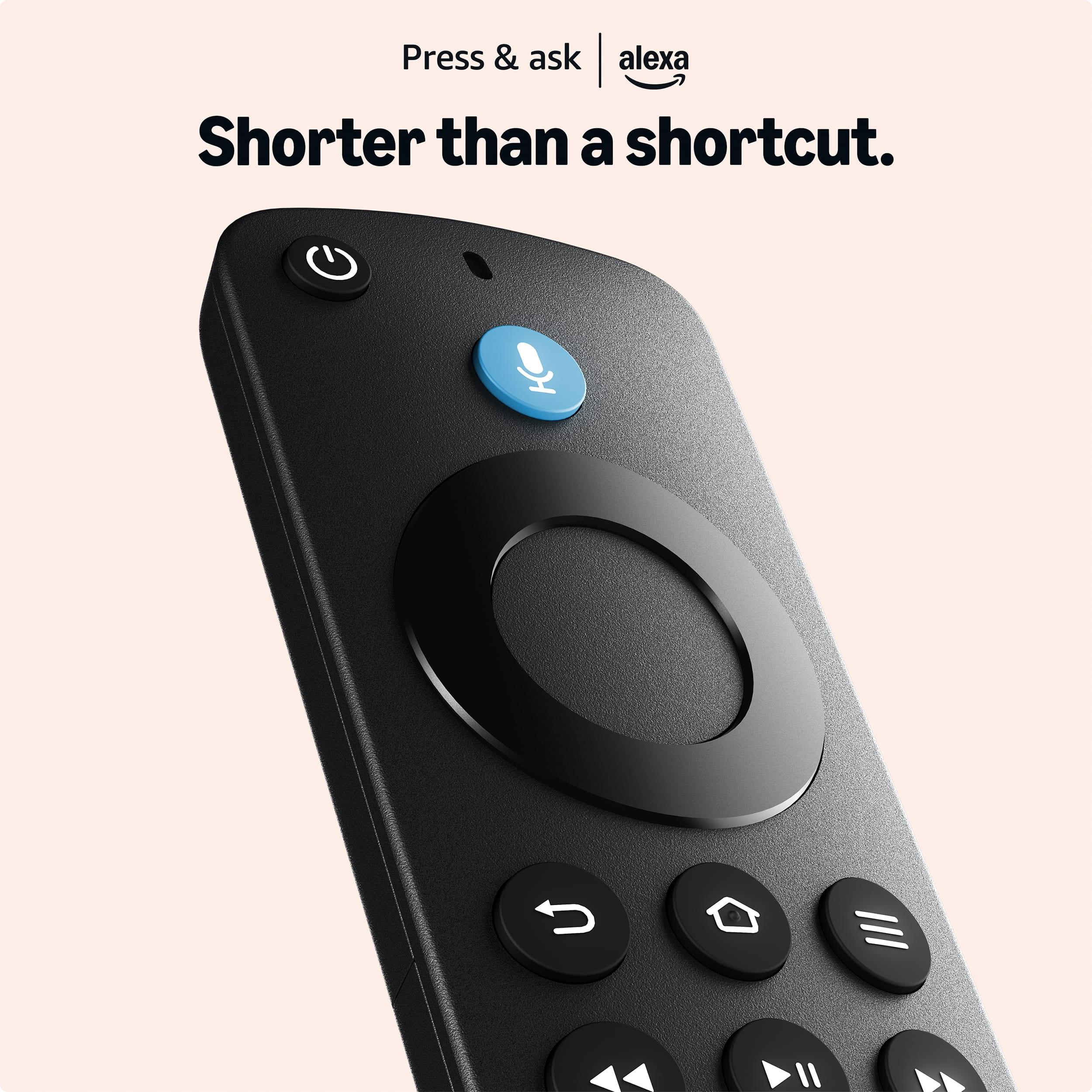
Platform choice significantly impacts daily usability. The Hisense runs Amazon's Fire TV, which excels at content discovery and integrates seamlessly with Amazon's ecosystem. If you use Alexa devices throughout your home, voice commands work naturally. Fire TV also provides excellent app selection, though some users report occasional menu lag when navigating between apps or adjusting settings.
The Samsung's Tizen platform offers a different experience focused on speed and visual polish. Tizen consistently receives praise for responsive navigation and quick app launches. Samsung TV Plus provides access to over 2000 free streaming channels, which adds significant value for cord-cutters. The interface feels more premium and integrates well with Samsung smartphones and SmartThings smart home devices.
Long-term software support favors Samsung. The company typically provides major OS updates for 4-6 years, while Amazon's Fire TV support varies by hardware generation. This becomes important if you plan to keep your TV for many years.
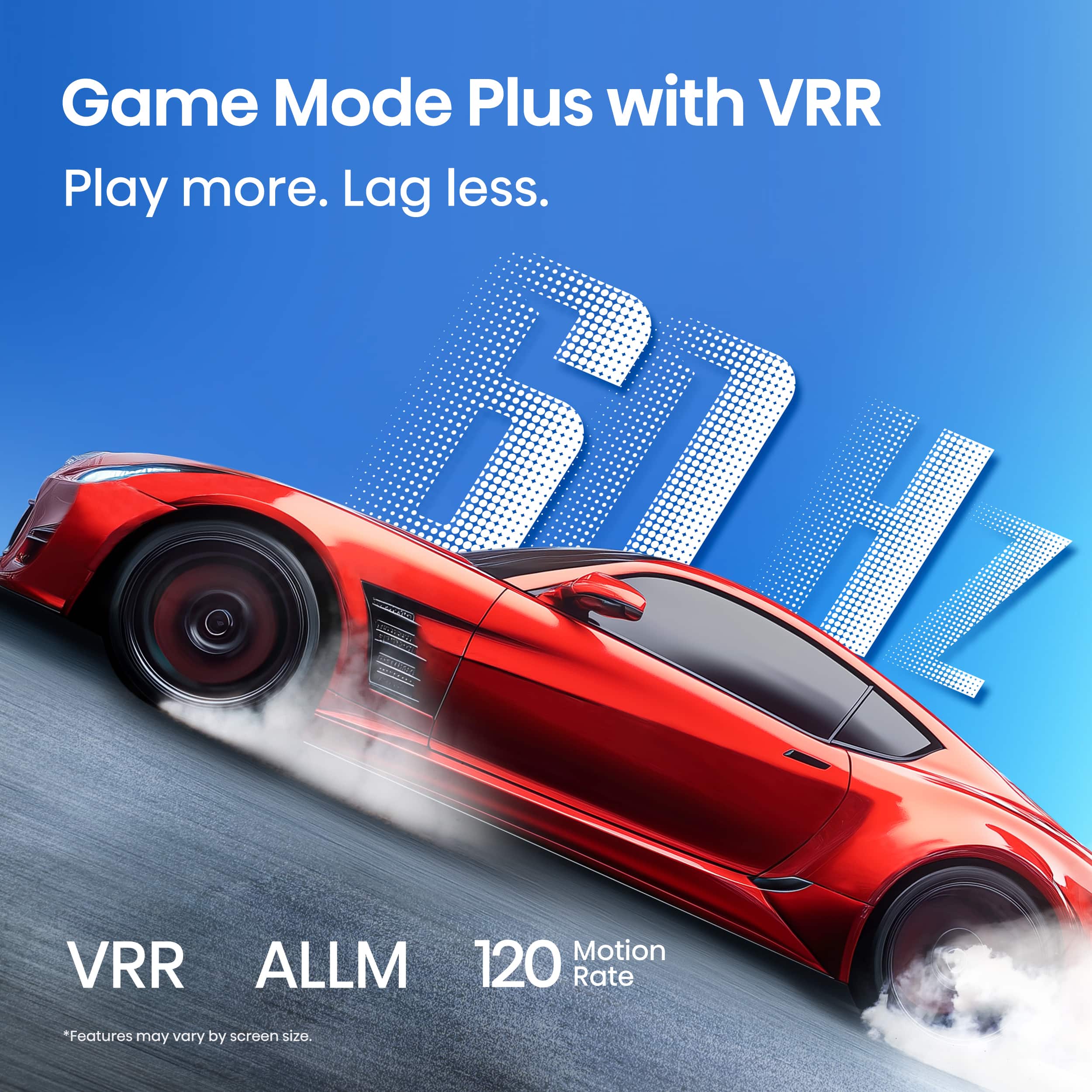
Gaming capabilities represent one area where both TVs show their budget nature. Both are limited to 60Hz refresh rates, which handles most content well but falls short of what serious gamers expect from modern consoles. The PlayStation 5 and Xbox Series X can output 4K at 120Hz, but these TVs can't display those higher frame rates.
However, both include essential gaming features. Auto Low Latency Mode (ALLM) automatically switches to game mode when it detects a console, reducing input lag – the delay between pressing a controller button and seeing the action on screen. Variable Refresh Rate (VRR) helps eliminate screen tearing by synchronizing the display refresh with the console's frame output.
The Samsung typically achieves slightly lower input lag, making it marginally better for competitive gaming. Its Gaming Hub feature provides easy access to cloud gaming services like Xbox Game Pass and Samsung's gaming app recommendations. The Hisense's Game Mode Plus offers basic optimizations but lacks the ecosystem integration Samsung provides.
For casual gaming – playing single-player adventures or party games – both TVs perform adequately. Serious competitive gamers should consider spending more on TVs with HDMI 2.1 and 120Hz support.
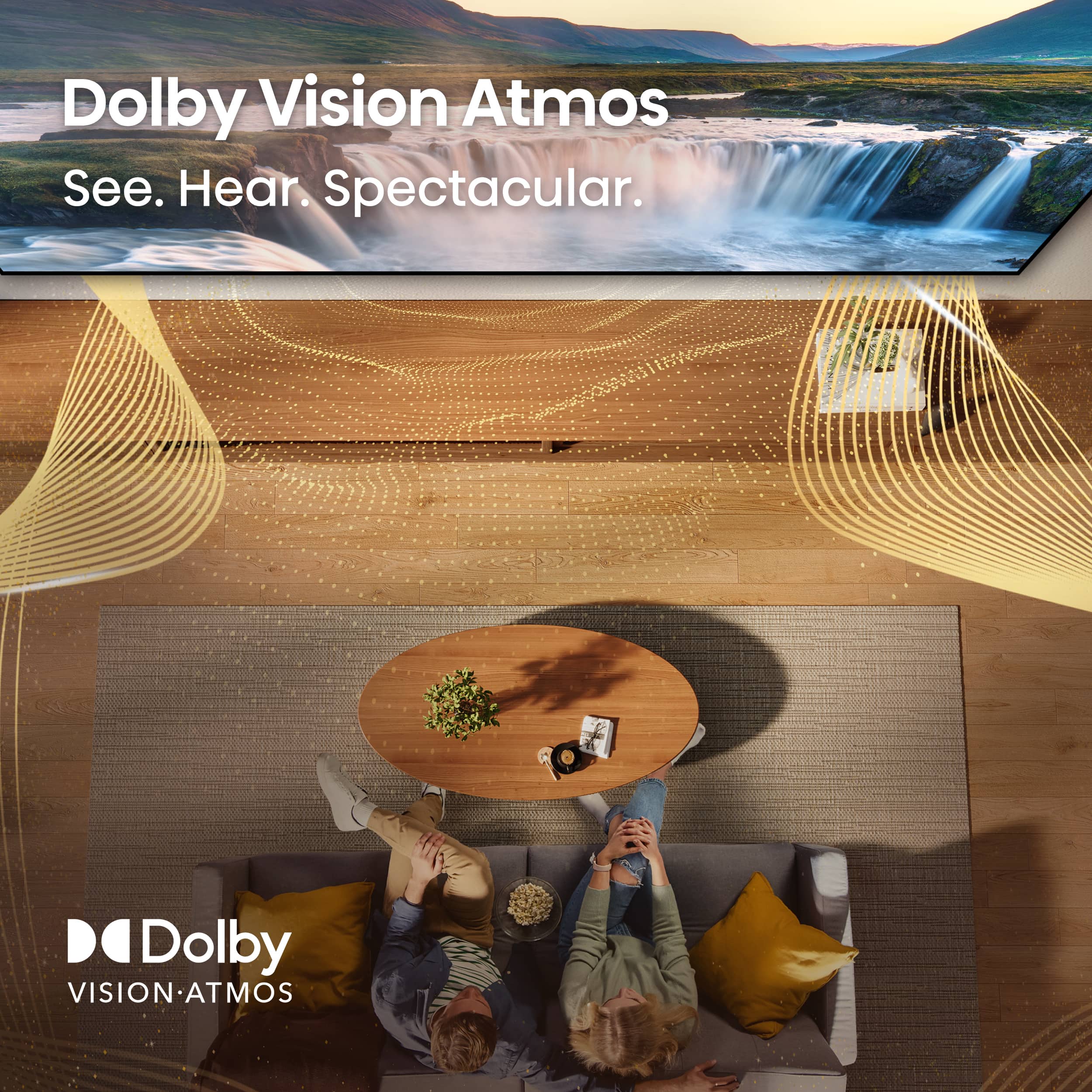
Audio represents another area where budget constraints show. The Hisense supports Dolby Atmos, which creates three-dimensional sound by bouncing audio off your ceiling. While the built-in speakers can't fully deliver true Atmos effects, the processing helps create a wider soundstage than standard stereo speakers.
The Samsung's Object Tracking Sound Lite attempts to match audio with on-screen action, making dialogue seem to come from actors' mouths rather than below the screen. Q-Symphony technology allows Samsung soundbars to work in harmony with the TV's built-in speakers, though this requires purchasing compatible Samsung audio equipment.
Both TVs include eARC (enhanced Audio Return Channel) support, enabling high-quality audio passthrough to soundbars or AV receivers. This becomes essential if you plan to build a proper home theater system, as both TVs' built-in audio is adequate for casual viewing but lacks the depth and power for cinematic experiences.
Motion performance affects how smooth fast-moving content appears. Sports, action movies, and even panning shots in nature documentaries can suffer from motion blur or judder on TVs with poor motion processing.
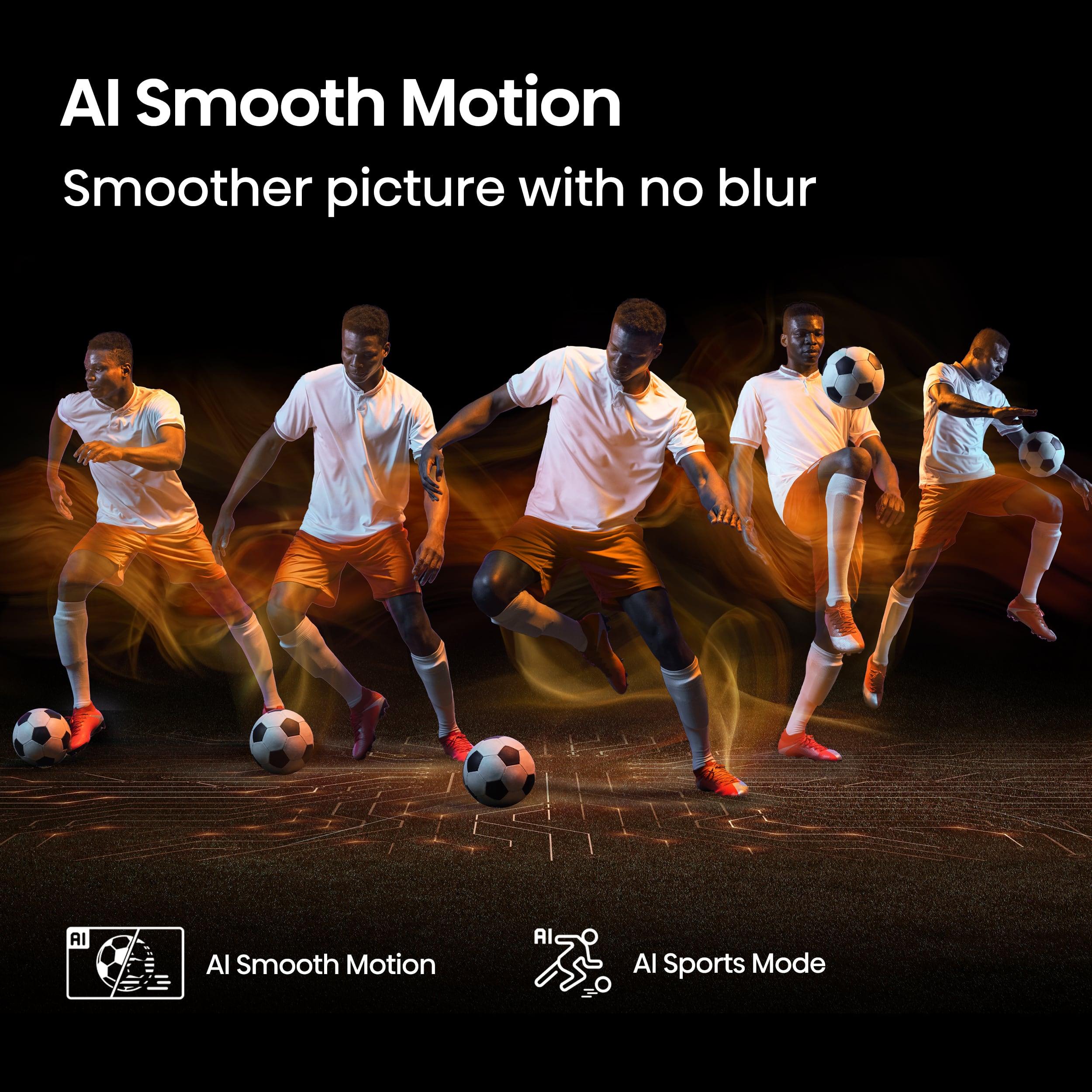
The Hisense's AI Smooth Motion uses MEMC (Motion Estimation, Motion Compensation) to insert interpolated frames between the original 24fps or 30fps content, effectively creating 120Hz motion from 60Hz displays. This can make sports appear smoother but sometimes creates the dreaded "soap opera effect" where movies look artificially smooth.
The Samsung's Motion Xcelerator takes a different approach, using frame prediction algorithms to reduce blur without heavy interpolation. Most users find Samsung's motion processing more natural-looking, though personal preferences vary significantly.
For sports viewing, both TVs provide acceptable performance for casual fans. However, their narrow viewing angles (typical of VA panels) limit group viewing scenarios where people sit at various angles to the TV.
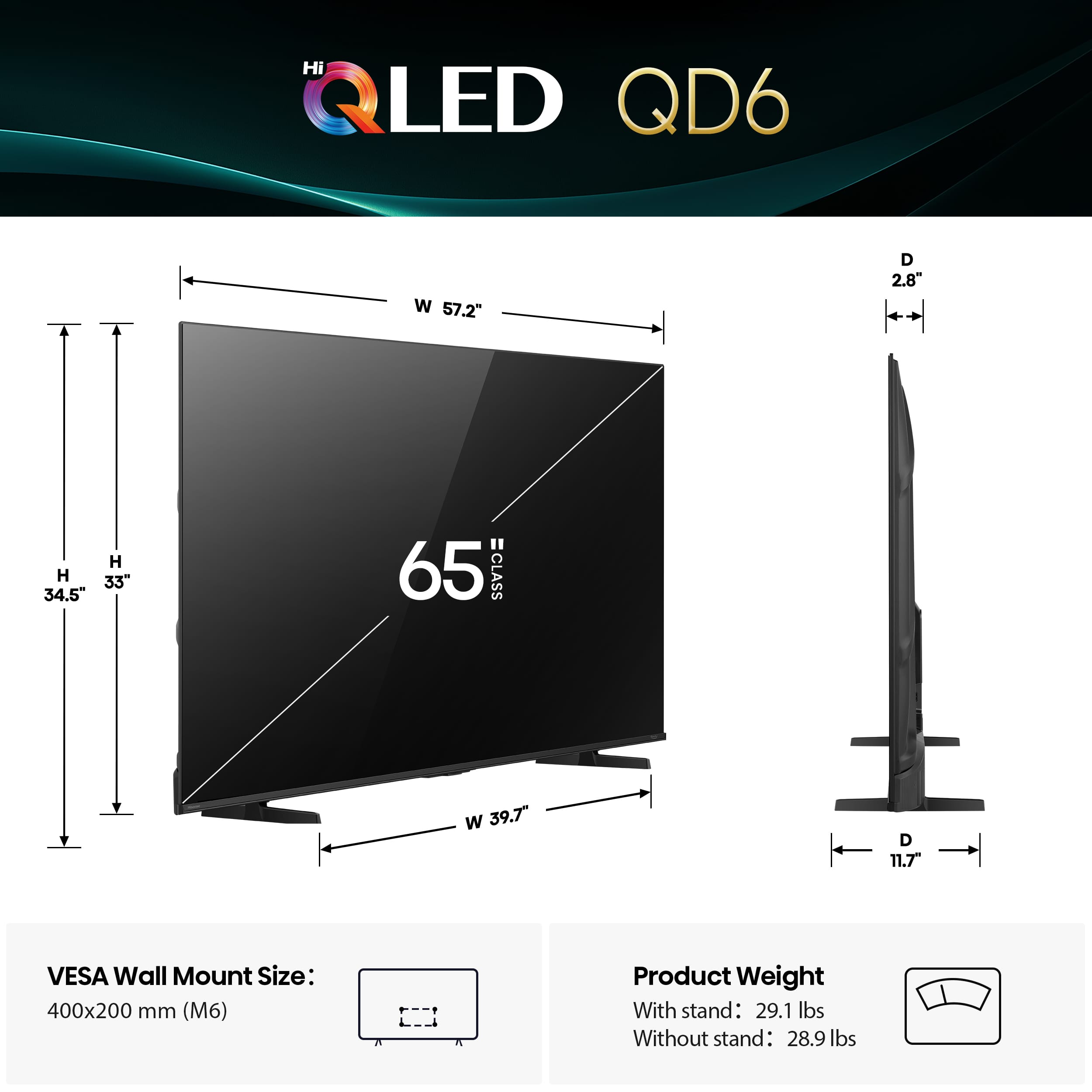
Physical construction reveals different priorities. The Hisense uses a standard LED-LCD design with slim, wide-set feet that provide good stability without requiring an oversized entertainment center. The VESA 400x300 mounting pattern works with most wall mounts, and the overall build feels solid despite the budget pricing.
The Samsung features a metal stream rear panel crafted from a single piece of metal, giving it a more premium appearance than typical budget TVs. The adjustable feet can be configured in narrow (31.2") or wide (49.2") positions, providing flexibility for different furniture arrangements. This design consideration becomes important with a 75-inch display that needs secure mounting.
Neither TV wins awards for design innovation, but both avoid the cheap plastic look that characterized budget TVs just a few years ago.
For dedicated home theater setups, both TVs present compromises that enthusiasts should understand. The lack of local dimming fundamentally limits their contrast performance in dark rooms. When a movie shows a bright moon against a dark sky, both TVs will lighten the entire dark area rather than keeping it truly black.
The Hisense's superior color accuracy and HDR performance make it the better choice for movie viewing, especially in rooms where you can control lighting. Its Dolby Vision support provides better metadata for HDR content optimization compared to the Samsung's HDR10+ limitation.
However, the Samsung's larger size creates more immersive viewing experiences that some users prefer despite the picture quality trade-offs. The 75-inch display better fills peripheral vision from typical home theater seating distances.
Neither TV represents an ideal home theater solution compared to mid-range models with local dimming and higher brightness, but budget constraints sometimes dictate compromise.
The decision between these TVs depends heavily on your priorities and viewing environment. The Hisense QD6 delivers superior picture quality per dollar spent. Its better color accuracy, higher peak brightness, and Dolby Vision support provide measurably better visual performance. This TV works best for users who prioritize image quality over screen size and prefer Fire TV's content ecosystem.
The Samsung Q6F maximizes screen impact within budget constraints. Despite picture quality compromises, the 40% larger viewing area creates significantly more immersive experiences for movies and sports. Samsung's superior smart TV platform and longer software support timeline add value for users who keep TVs for many years.
Consider the Hisense if you sit 7-10 feet from your TV, prefer better HDR performance, want Dolby Vision support, or use Amazon's ecosystem extensively. The money saved could fund a quality soundbar or streaming device upgrades.
Choose the Samsung for large rooms where you sit 9+ feet away, prioritize maximum screen impact, prefer Tizen's polished interface, or plan extensive smart home integration. The premium feels justified if screen size trumps picture quality refinements in your viewing priorities.
Both TVs represent solid value in the budget QLED segment, just with different strengths. Your specific room, viewing habits, and priorities should drive the decision more than specifications alone.
| Hisense 65" QD6 Series Hi-QLED Fire TV (2025) | Samsung 75-Inch QLED Q6F Series 2025 Smart TV |
|---|---|
| Screen Size - Impacts immersion and room requirements | |
| 65 inches (suits 7-10 foot viewing distances) | 75 inches (40% more viewing area, needs 9-12 foot distances) |
| Display Technology - Affects contrast and color performance | |
| VA panel with Direct LED backlight + quantum dots | Edge-lit LED with quantum dot layer |
| Peak Brightness - Critical for HDR impact and bright room viewing | |
| ~385 cd/m² (adequate for moderate lighting) | Lower peak brightness (struggles more in bright rooms) |
| Color Coverage - Determines color accuracy and vibrancy | |
| 90% DCI-P3 color space (excellent for the price) | "100% color volume" (marketing term, actual coverage unclear) |
| HDR Support - Affects premium content quality | |
| Dolby Vision, HDR10+, HDR10, HLG (comprehensive support) | HDR10+, Quantum HDR (no Dolby Vision) |
| Refresh Rate - Important for gaming and motion | |
| 60Hz native (Motion Rate 120 with interpolation) | 60Hz native (Motion Xcelerator processing) |
| Gaming Features - Essential for console users | |
| VRR, ALLM, Game Mode Plus (basic but functional) | VRR, ALLM, Gaming Hub (better ecosystem integration) |
| Smart Platform - Affects daily usability and app selection | |
| Fire TV (Amazon ecosystem, occasional lag reported) | Tizen (faster, more polished, Samsung TV Plus included) |
| Audio Technology - Impacts built-in sound quality | |
| Dolby Atmos support (dimensional audio processing) | Object Tracking Sound Lite + Q-Symphony (soundbar integration) |
| HDMI Connectivity - Affects device connections | |
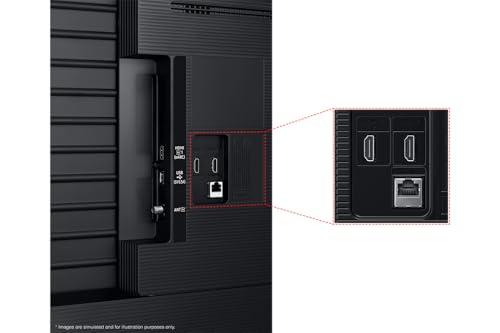
| 4x HDMI 2.0 ports (more connections available) | 3x HDMI 2.0 ports (sufficient for most setups) |
| Local Dimming - Critical for contrast in dark scenes | |
| None (blacks lift during bright scenes) | None (uniform but limited contrast depth) |
| Voice Control - Smart home integration capabilities | |
| Alexa built-in, Google Assistant, Apple compatibility | Bixby, Alexa, Google Assistant, SmartThings Hub |
| Processor - Affects upscaling and overall performance | |
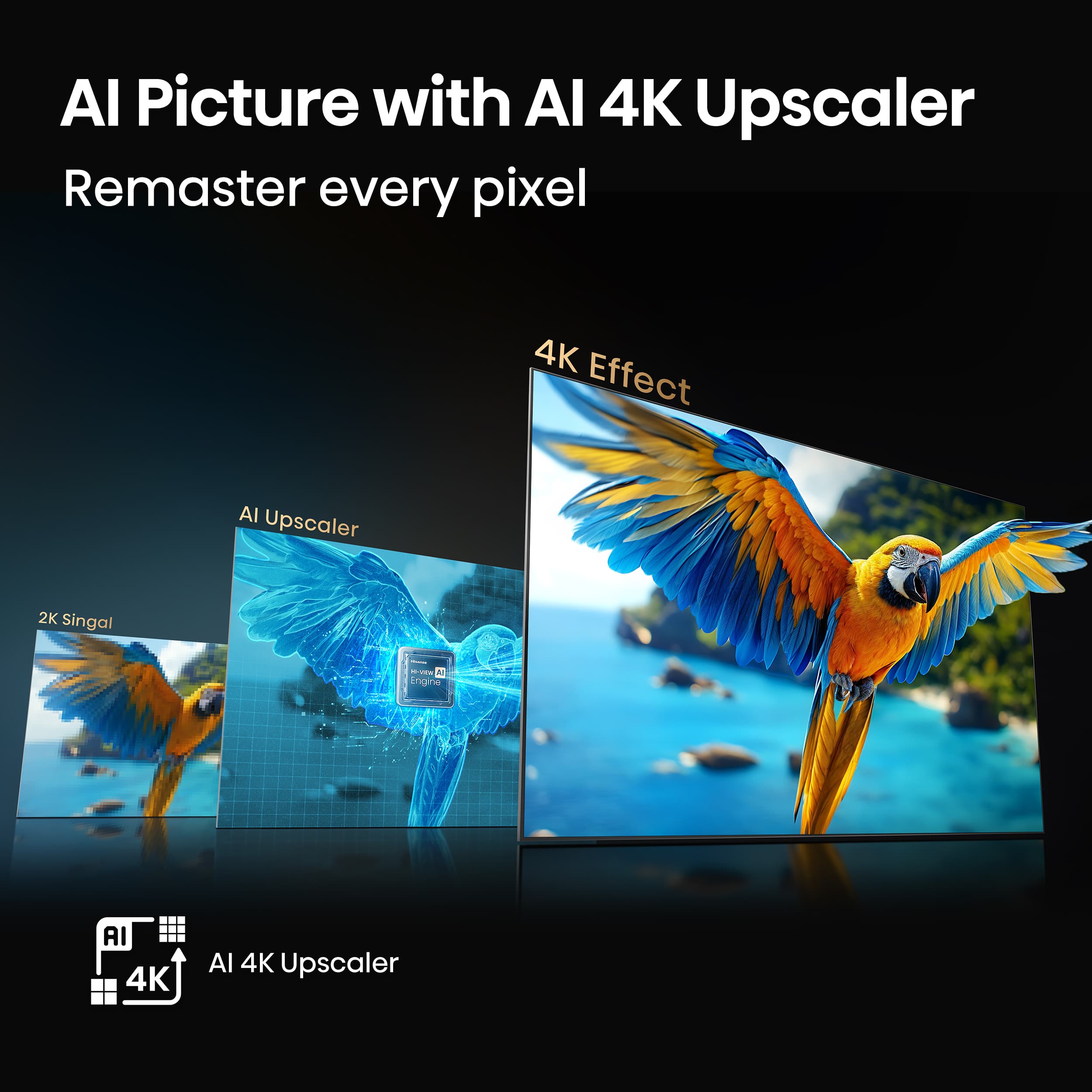
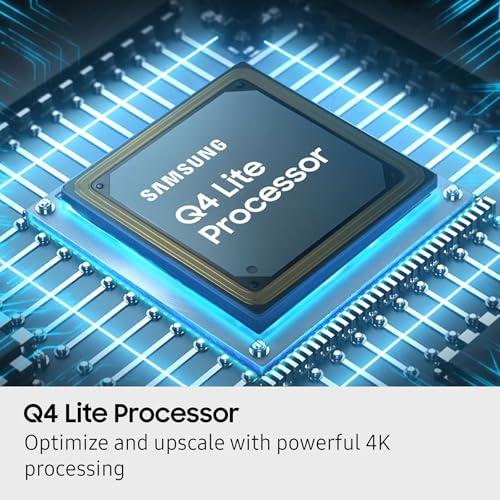
| ARM Cortex-A53 with AI 4K Upscaler | Q4 Lite Processor (optimizes picture and sound) |
| Design Features - Build quality and aesthetics | |
| Standard LED thickness, adjustable wide-set feet | Metal stream rear panel, adjustable feet (narrow/wide) |
The Hisense 65" QD6 delivers superior picture quality with 90% DCI-P3 color coverage, higher peak brightness around 385 cd/m², and comprehensive HDR support including Dolby Vision. The Samsung 75" Q6F offers good colors but lower peak brightness and lacks Dolby Vision support. For pure image quality, the Hisense QD6 is the clear winner.
The Samsung Q6F features a 75-inch display compared to the Hisense QD6's 65-inch screen. This represents roughly 40% more viewing area with the Samsung, making it significantly more immersive for movies and sports. The Samsung works best for 9-12 foot viewing distances, while the Hisense fits well at 7-10 feet.
Both the Hisense QD6 and Samsung Q6F offer similar gaming capabilities with 60Hz refresh rates, VRR, and ALLM support. The Samsung Q6F typically has slightly lower input lag and includes Gaming Hub for cloud gaming access. However, serious gamers should consider higher-end models with HDMI 2.1 and 120Hz support.
Neither TV excels in very bright rooms due to limited peak brightness. The Hisense QD6 performs slightly better with higher brightness output, while the Samsung Q6F's larger size can help compensate. Both work best in moderately lit environments where you can control ambient lighting during viewing.
The Hisense QD6 runs Fire TV, which offers excellent Amazon ecosystem integration and comprehensive app selection, though some users report occasional menu lag. The Samsung Q6F uses Tizen, known for faster navigation, responsive performance, and Samsung TV Plus with over 2000 free channels. Tizen generally provides a more polished experience.
Yes, both support HDR but with different capabilities. The Hisense QD6 supports Dolby Vision, HDR10+, HDR10, and HLG for comprehensive HDR compatibility. The Samsung Q6F supports HDR10+ and Quantum HDR but lacks Dolby Vision. The Hisense offers better HDR performance overall due to higher brightness and broader format support.
The Hisense QD6 includes Dolby Atmos support for dimensional audio processing, while the Samsung Q6F features Object Tracking Sound Lite and Q-Symphony for soundbar integration. Both offer decent built-in audio, but the Samsung provides better expandability options with compatible Samsung soundbars.
Both TVs have limitations for dedicated home theaters due to lack of local dimming, which affects contrast in dark rooms. The Hisense QD6 is better suited for home theater use due to superior color accuracy, Dolby Vision support, and better HDR performance. However, the Samsung Q6F's larger size creates more immersive viewing experiences.
The Hisense QD6 offers 4 HDMI 2.0 ports, providing more connectivity options for multiple devices. The Samsung Q6F includes 3 HDMI 2.0 ports, which is sufficient for most setups but offers fewer connections. Both support eARC for high-quality audio passthrough to soundbars.
Value depends on priorities. The Hisense QD6 delivers superior picture quality per dollar with better color accuracy and HDR performance. The Samsung Q6F maximizes screen size for the budget, offering 40% more viewing area. Choose the Hisense for picture quality or the Samsung for screen size impact.
No, neither the Hisense QD6 nor Samsung Q6F includes local dimming zones. This budget limitation means both TVs struggle with contrast in scenes mixing bright and dark elements, causing black levels to lift when bright objects appear. For true local dimming, you'd need to step up to mid-range models.
Both TVs offer adequate sports performance for casual viewing. The Samsung Q6F's larger screen provides more immersive sports experiences, while the Hisense QD6's better motion processing reduces blur. However, both have narrow viewing angles that limit group viewing scenarios. The Samsung wins for sports due to screen size impact.
We've done our best to create useful and informative comparisons to help you decide what product to buy. Our research uses advanced automated methods to create this comparison and perfection is not possible - please contact us for corrections or questions. These are the sites we've researched in the creation of this article: pcvarge.com - bestbuy.com - rtings.com - youtube.com - rtings.com - youtube.com - consumerreports.org - leaseville.com - hisense-usa.com - device.report - hisense-usa.com - youtube.com - flatpanelshd.com - displayspecifications.com - retailspecs.com - youtube.com - rtings.com - cnet.com - youtube.com - rtings.com - samsung.com - bestbuy.com - samsung.com - samsung.com - bestbuy.com - manuals.plus - arrowassociatedstores.com - samsung.com - samsung.com - samsung.com - flatpanelshd.com - device.report

Privacy Policy
Terms and Conditions - Affiliate Policy
Home Security
© Copyright 2008-2026.
11816 Inwood Rd #1211, Dallas, TX 75244