







When shopping for a 65-inch TV, you might assume all models in the same brand's lineup serve similar purposes. But the Hisense QD6 Series and Hisense S7N CanvasTV prove that assumption wrong. Despite sharing the Hisense name and 65-inch screen size, these TVs target completely different buyers with distinct priorities.
The QD6 Series, released in 2025, represents Hisense's commitment to delivering QLED technology at budget-friendly prices. Meanwhile, the S7N CanvasTV from 2024 takes a premium approach, positioning itself as both entertainment device and home décor element. At the time of writing, you're looking at roughly a $500+ price difference between these models—a gap that reflects fundamentally different design philosophies.
Before diving into specifics, let's establish what separates good 65-inch TVs from mediocre ones. Picture quality forms the foundation—this includes how bright the screen gets (measured in nits or cd/m²), how deep the blacks appear, and how accurately colors reproduce. Gaming performance has become increasingly important, with refresh rates (how many times per second the screen updates) and input lag (delay between controller and screen) now critical specifications.
Smart TV platforms matter more than many realize. A sluggish interface can frustrate daily use, while limited app selection restricts your viewing options. Design considerations have evolved too—modern TVs often serve as room focal points, making aesthetics nearly as important as performance for many buyers.
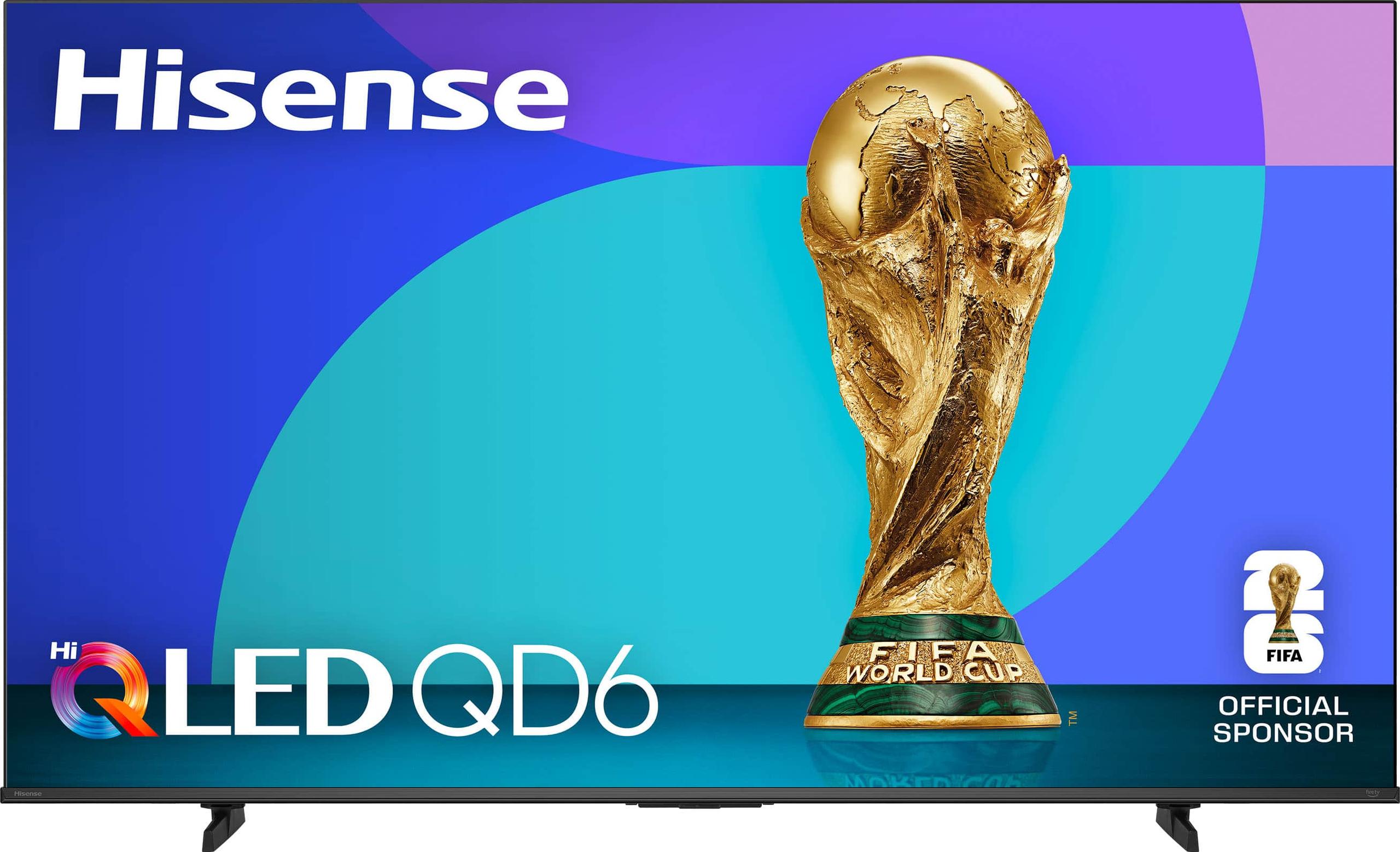
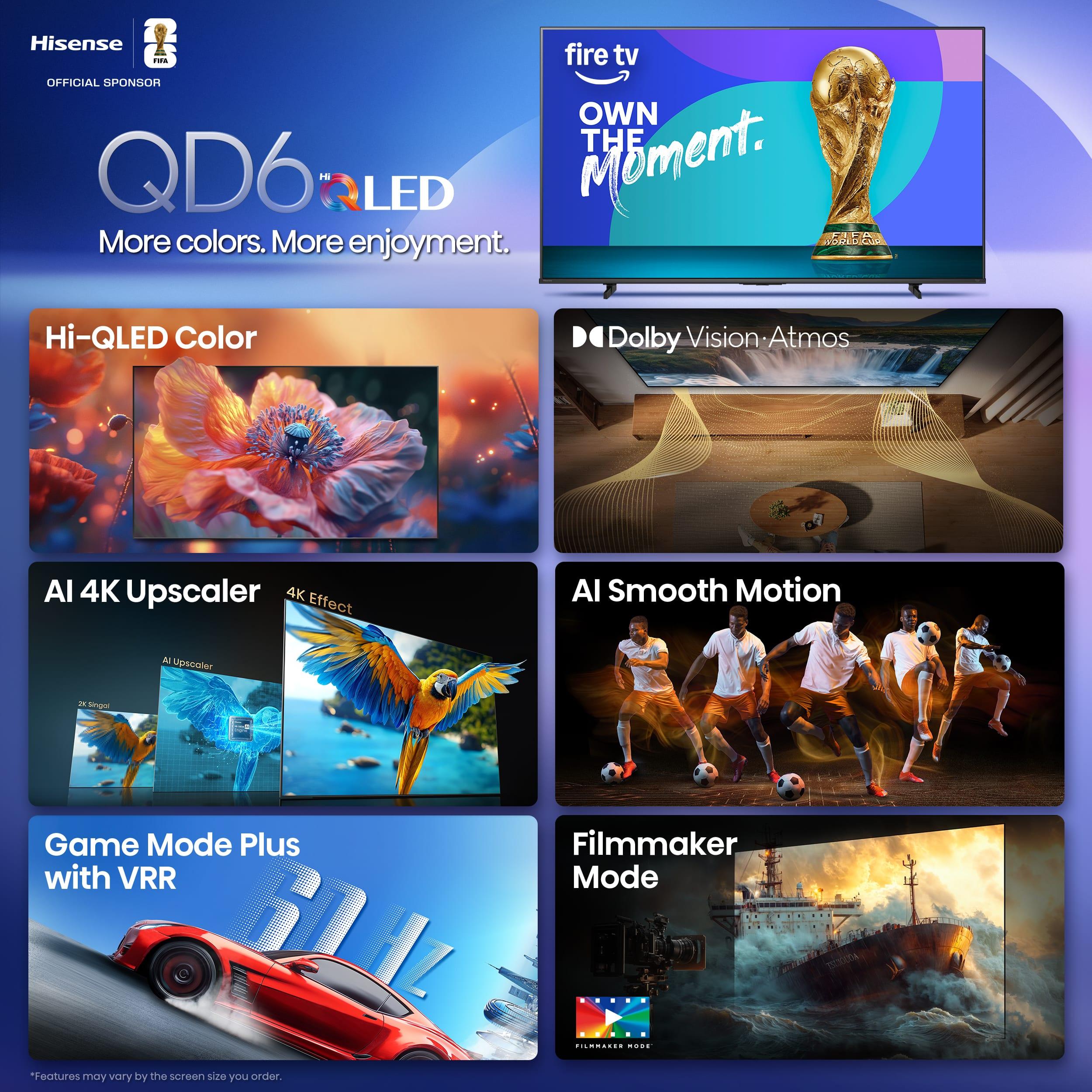
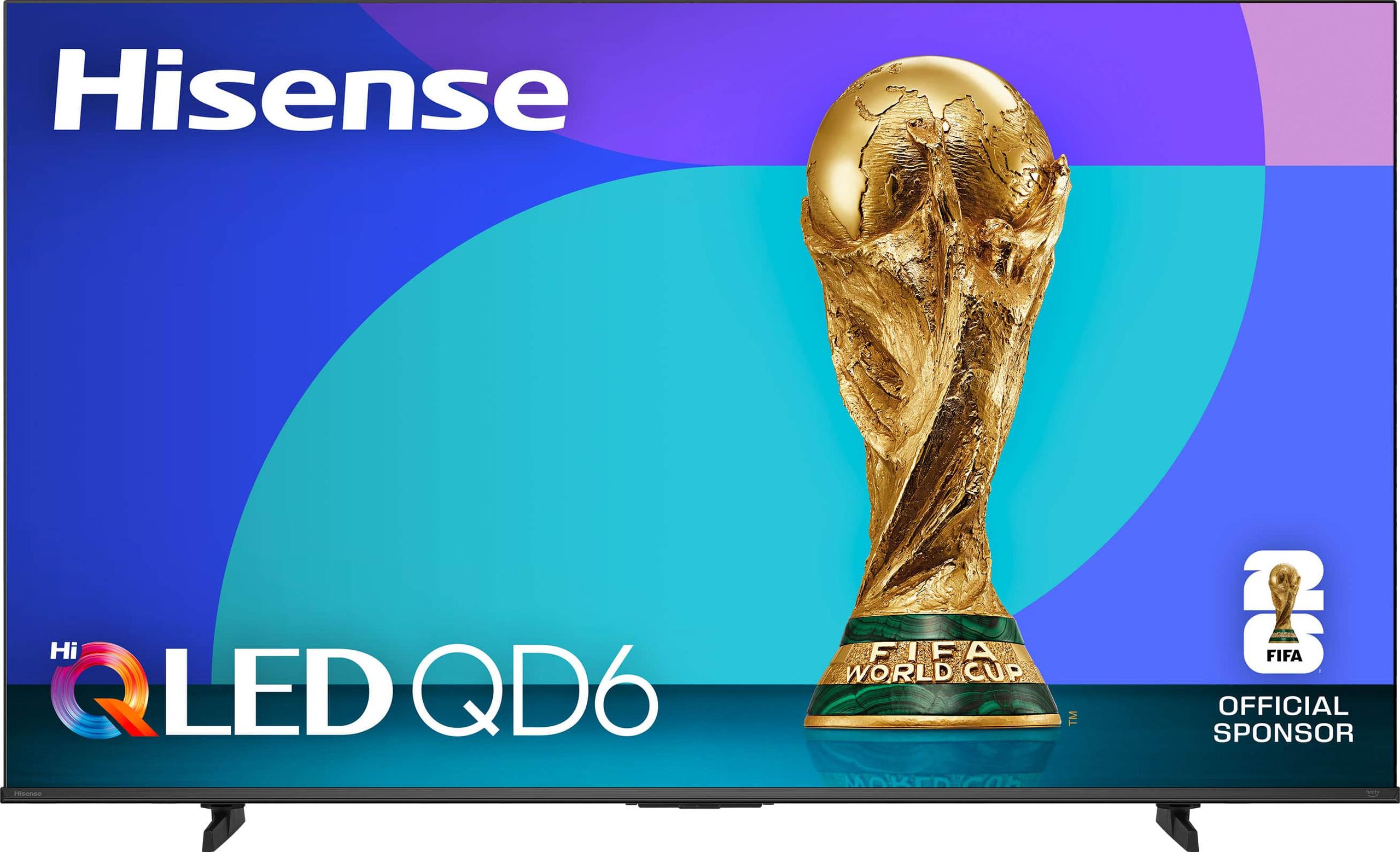
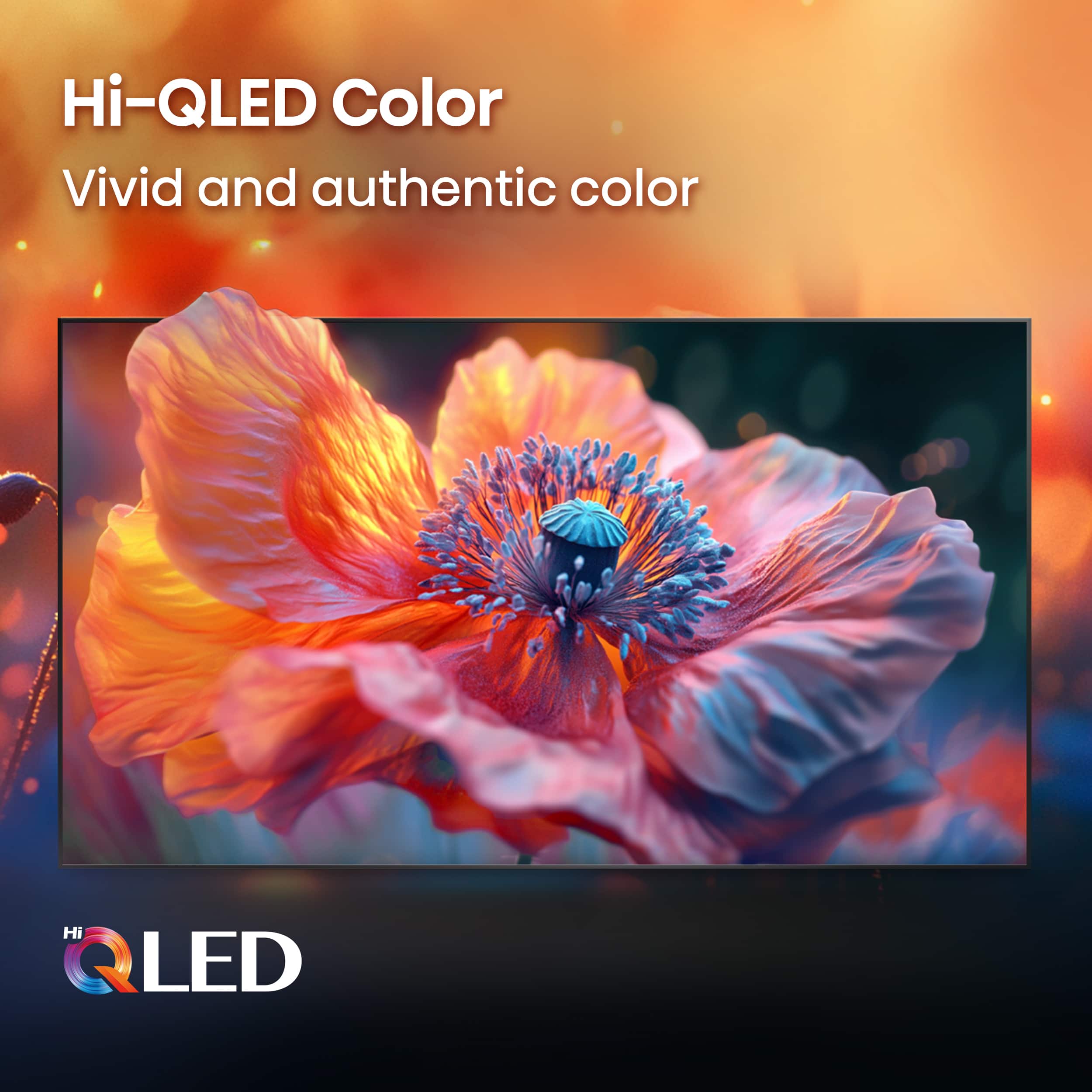
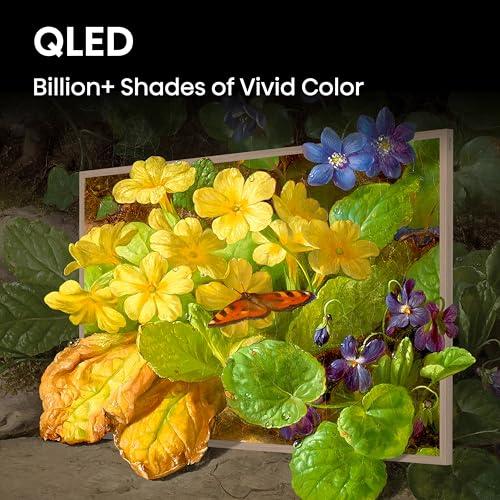
The Hisense QD6 Series exemplifies the "maximum bang for your buck" philosophy. Its QLED panel uses quantum dot technology—microscopic crystals that convert blue LED light into precise red and green wavelengths. This process creates more accurate colors than traditional LED TVs, covering about 90% of the DCI-P3 color space (the standard used for HDR content).
What sets the QD6 apart from cheaper alternatives is its full-array local dimming system. Instead of edge-lit LEDs that illuminate the entire screen uniformly, this TV uses 50-100 independently controlled LED zones behind the panel. When displaying a night scene with bright stars, only the zones behind those stars light up while surrounding areas dim significantly. The result? Much better contrast than you'd expect from a budget TV.
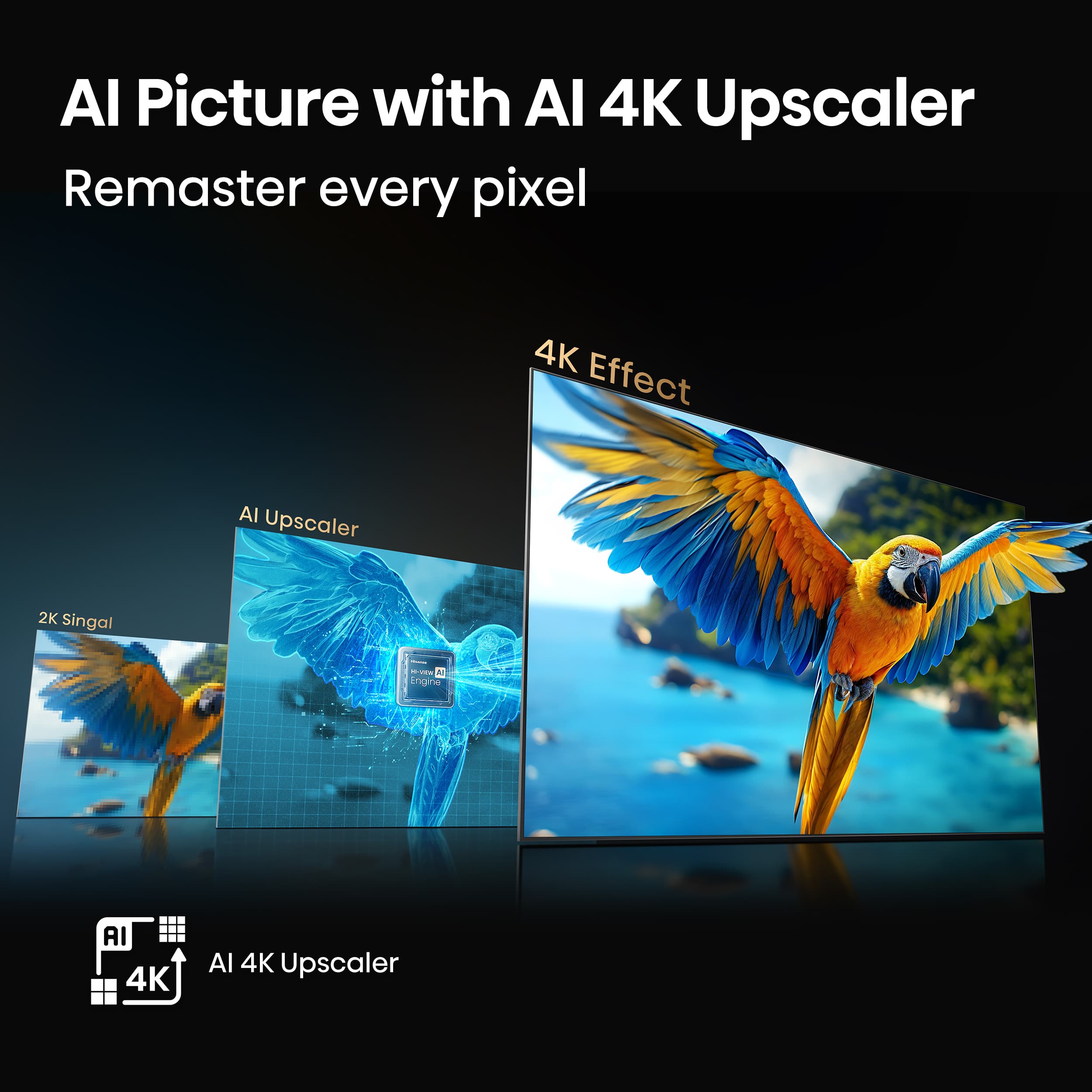
The AI 4K Upscaler deserves special mention. Most content you'll watch—streaming shows, cable TV, older movies—arrives in resolutions lower than the TV's native 4K. Machine learning algorithms analyze this content in real-time, sharpening edges and enhancing details to approach true 4K quality. Having observed various upscaling implementations, Hisense's 2025 version performs admirably for the price point.
However, the QD6's 60Hz refresh rate reveals its budget nature. While it supports Variable Refresh Rate (VRR) to eliminate screen tearing and Auto Low Latency Mode (ALLM) to reduce input lag, the 60Hz limitation means gaming at higher frame rates requires stepping up to pricier models. For casual gaming and standard TV viewing, this suffices—but competitive gamers will notice the difference.
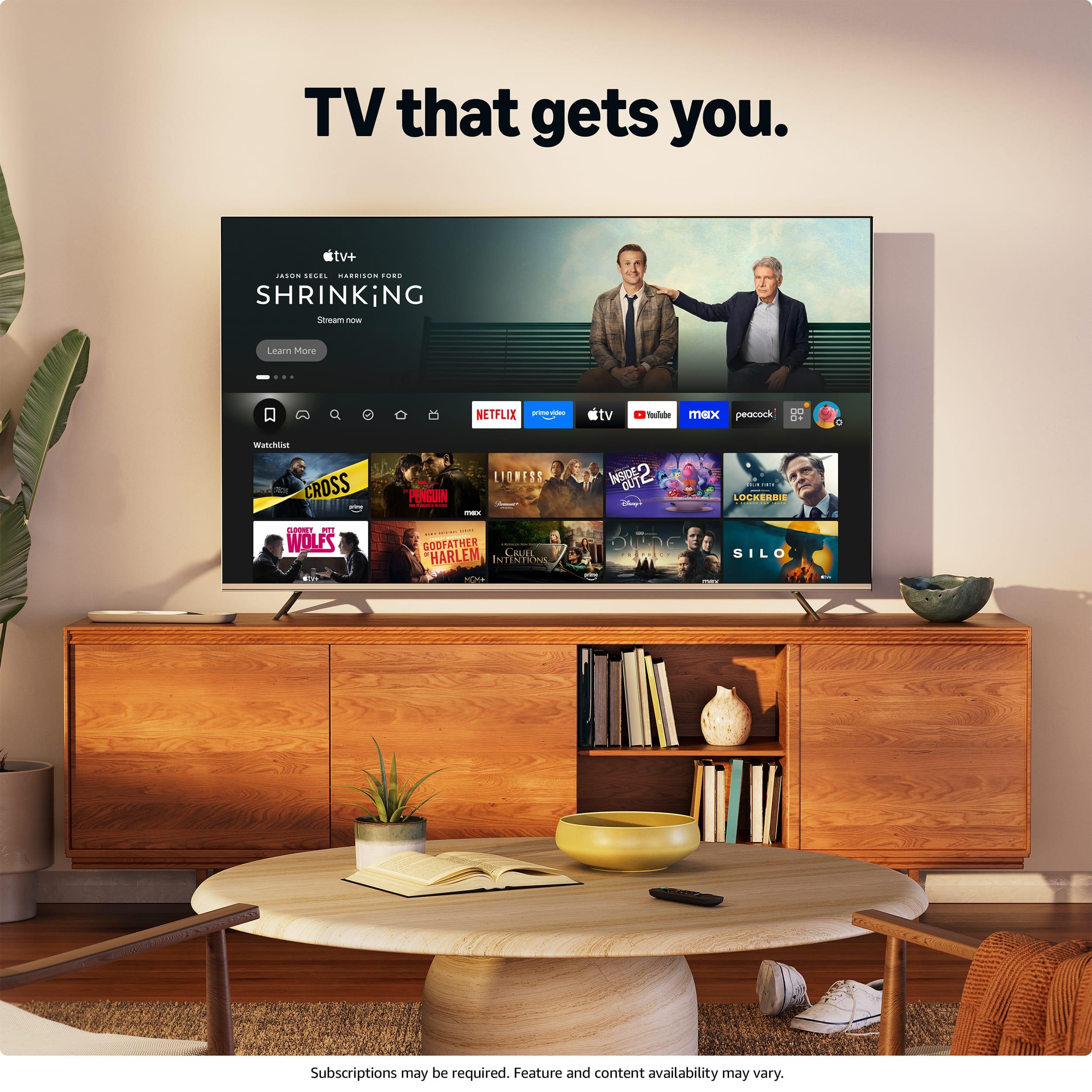
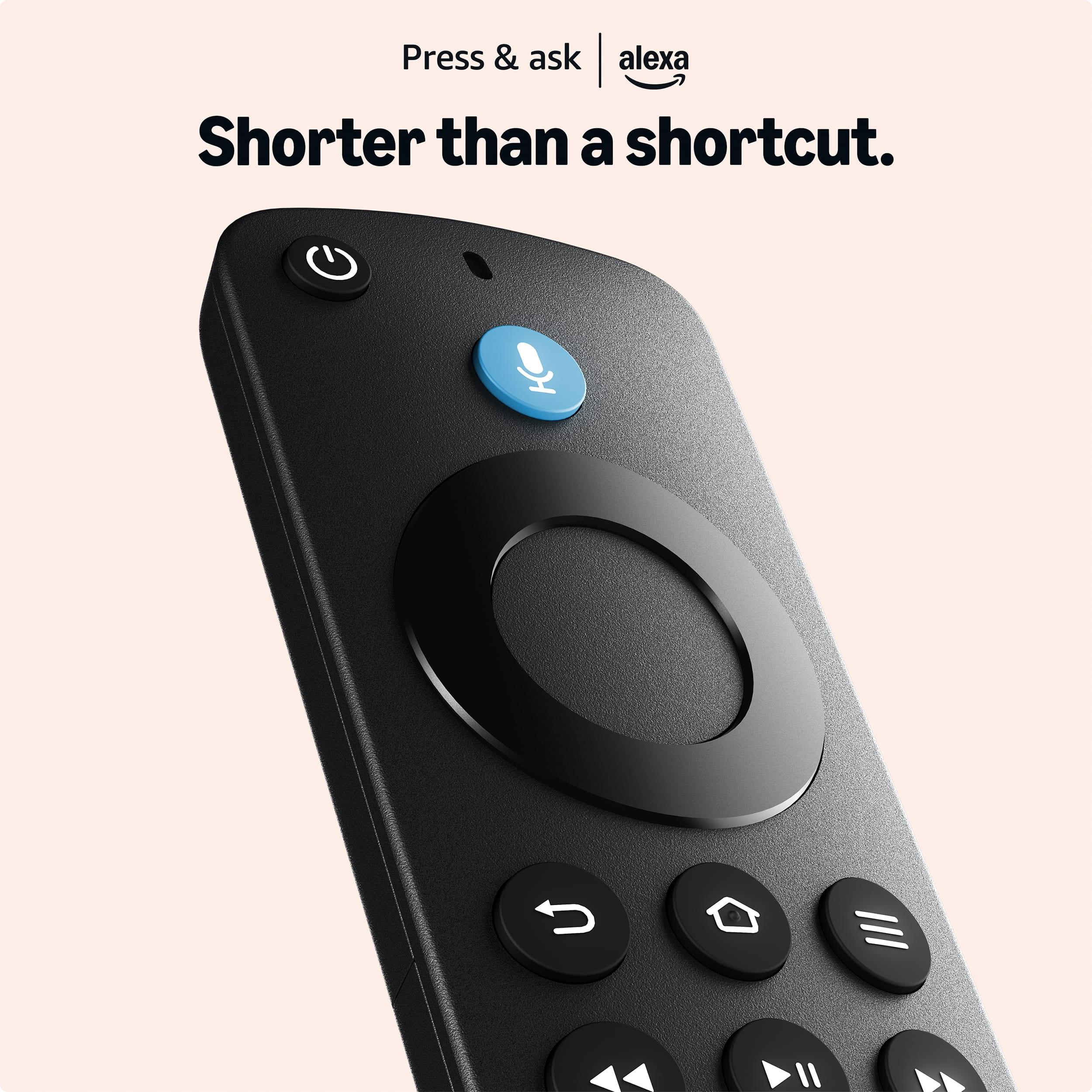
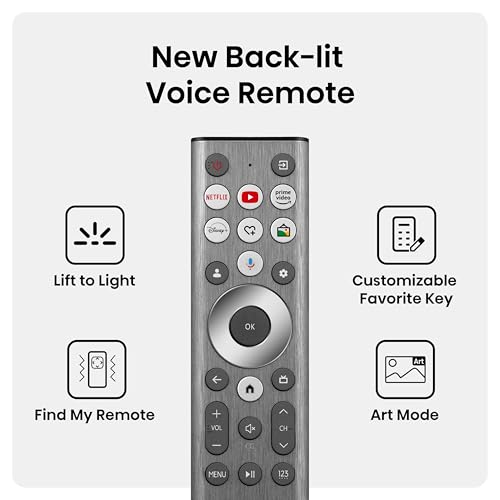
Fire TV integration provides the smart platform, Amazon's increasingly mature ecosystem. The interface responds quickly to navigation commands, and the voice remote with Alexa works reliably for basic commands. If you're embedded in Amazon's ecosystem—Prime Video, Alexa smart home devices, Fire tablets—this creates seamless integration.
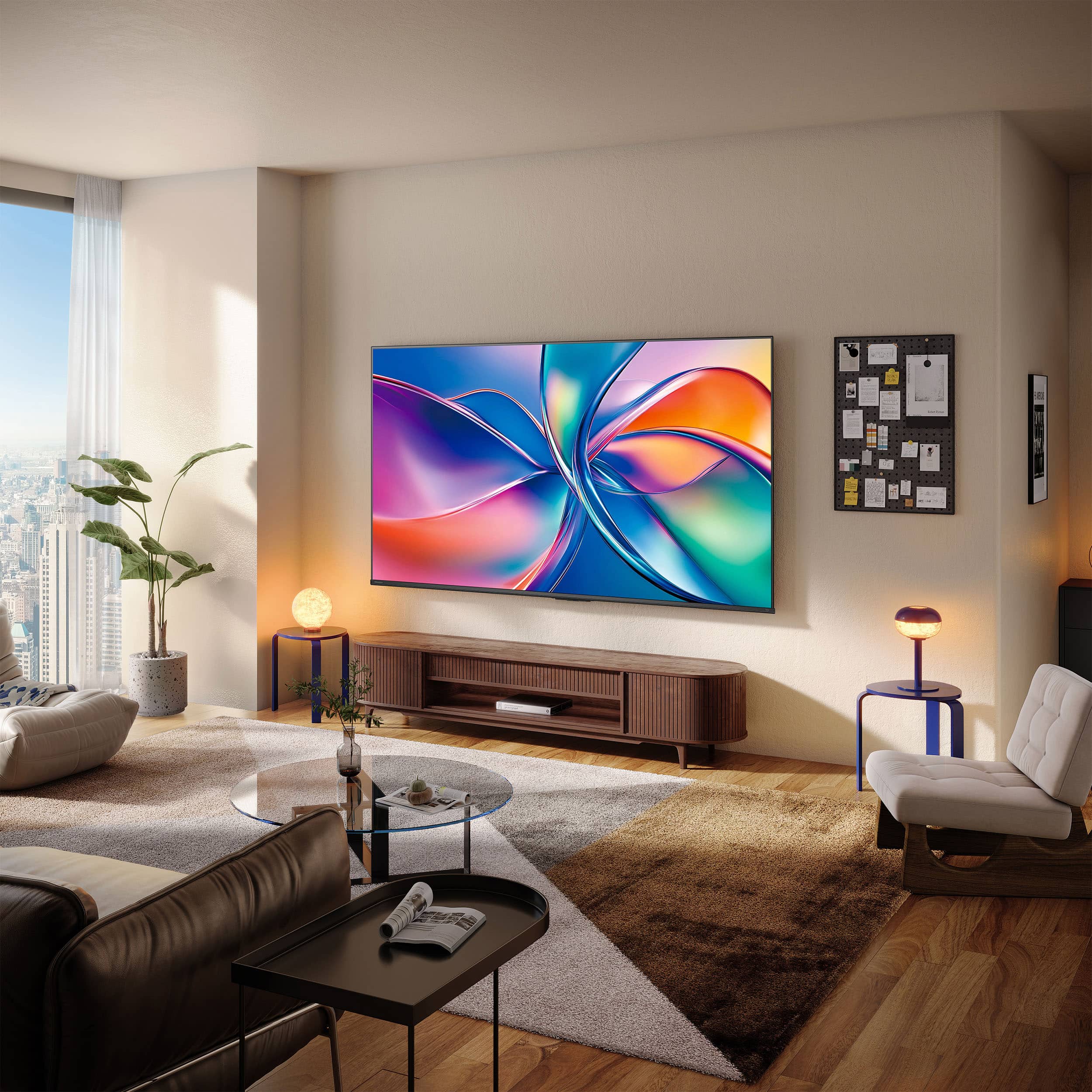
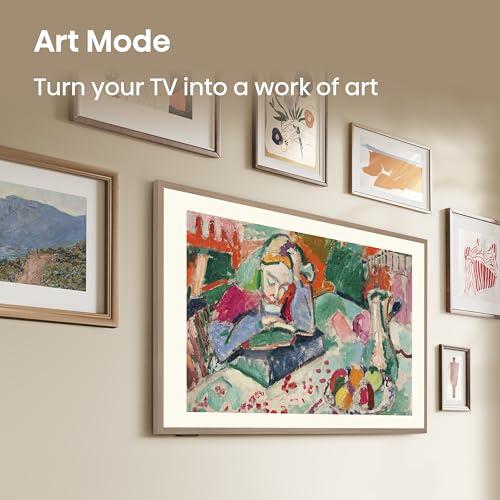
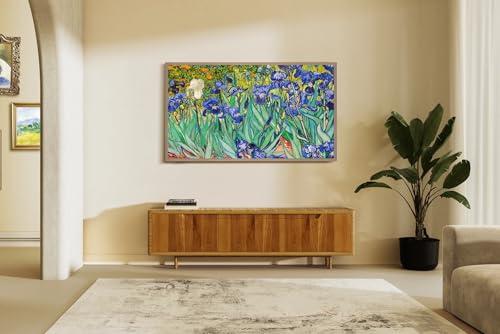
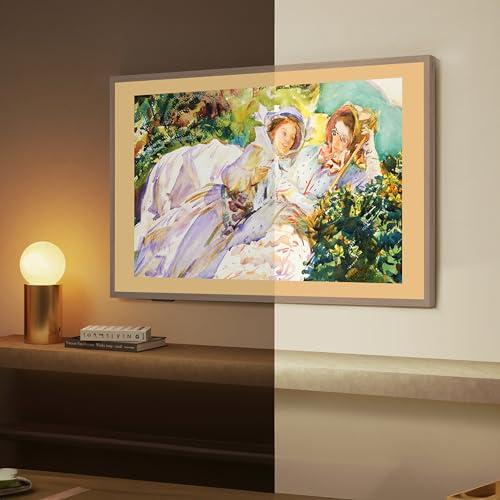
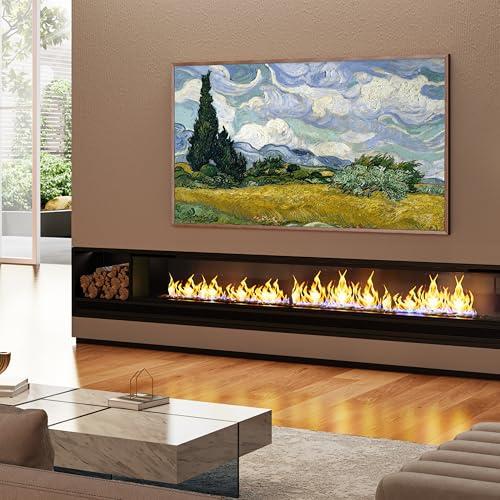
The Hisense S7N CanvasTV approaches television differently. Its defining feature isn't just superior specifications but a fundamental reimagining of what a TV should be when you're not watching it. Art Mode transforms the screen into a digital gallery, displaying curated artwork or your personal photos with a motion sensor that activates the feature when someone enters the room.
But calling it just a "pretty TV" undersells its technical capabilities. The 144Hz refresh rate represents a significant leap over the QD6's 60Hz, delivering ultra-smooth motion that benefits both gaming and fast-paced content like sports. This isn't marketing fluff—the difference between 60Hz and 144Hz is immediately noticeable when watching action sequences or playing games.
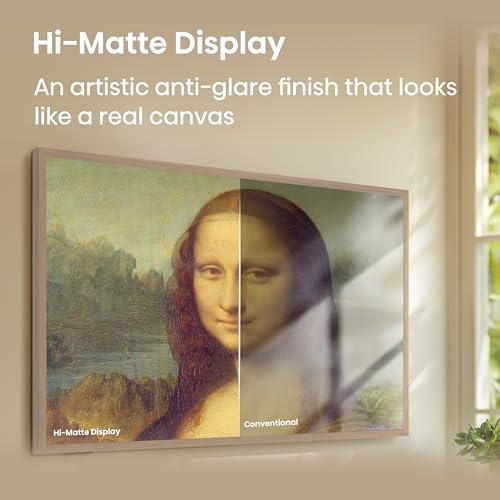
The Hi-Matte anti-glare coating addresses a common complaint about TVs in bright rooms. Traditional TV screens act like mirrors when sunlight or lamps create reflections. The S7N's matte surface reduces these reflections to just 5% of typical levels, maintaining image clarity even in sun-drenched living rooms. This coating does slightly reduce color vibrancy compared to glossy screens, but the trade-off proves worthwhile for most lighting conditions.
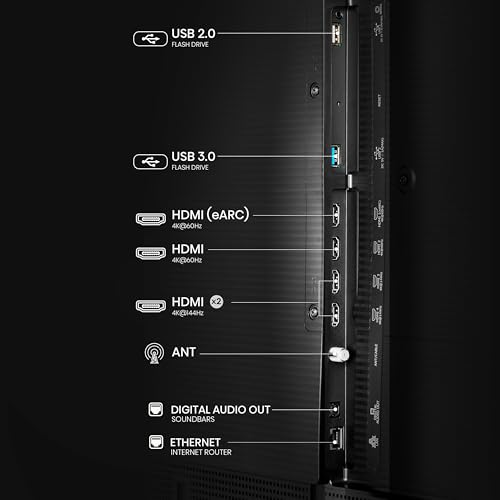
HDMI 2.1 support on two ports enables the S7N to handle 4K gaming at 144Hz—a capability the QD6 can't match with its HDMI 2.0 limitations. For PlayStation 5 or Xbox Series X owners, this translates to smoother gameplay and the ability to take full advantage of next-generation console capabilities.
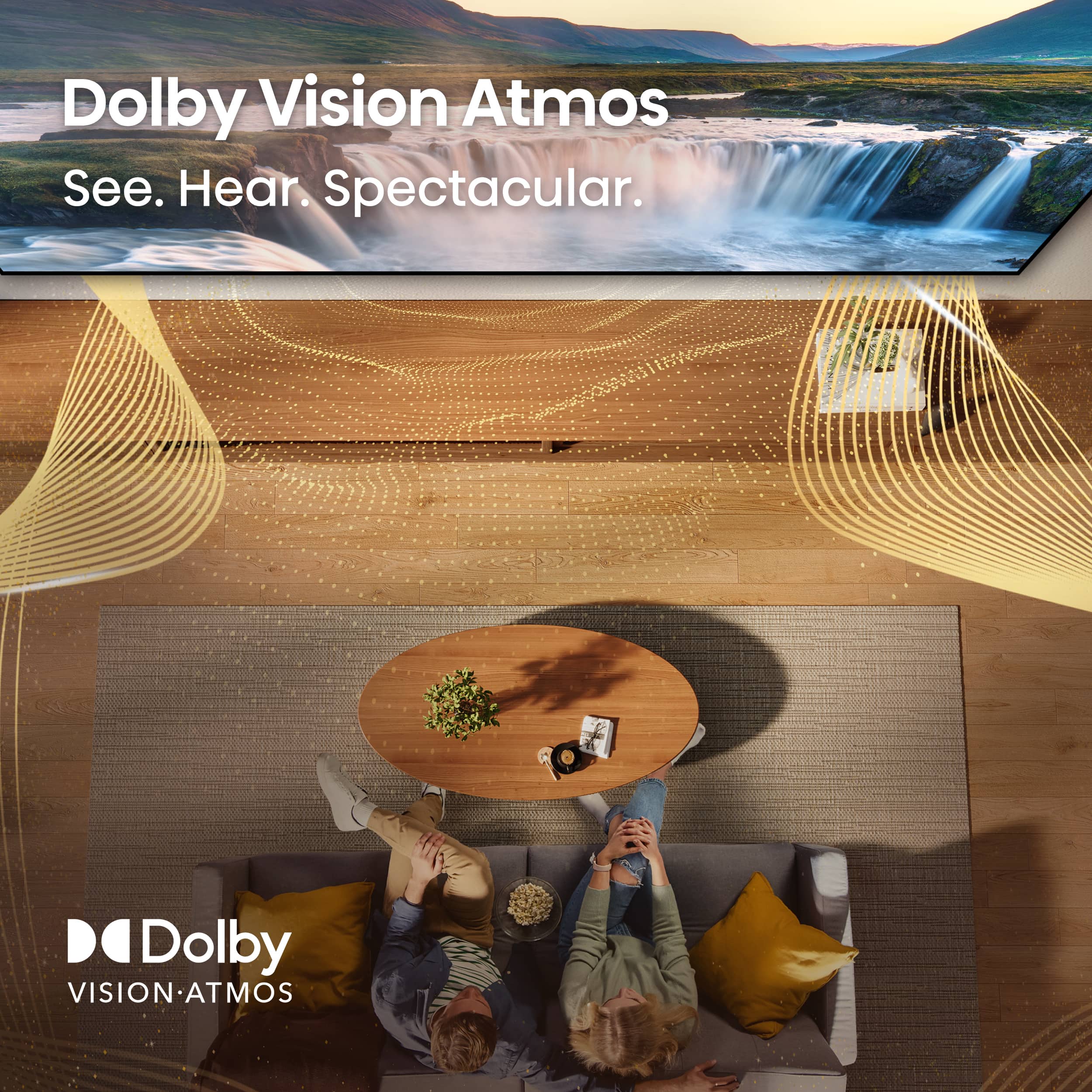
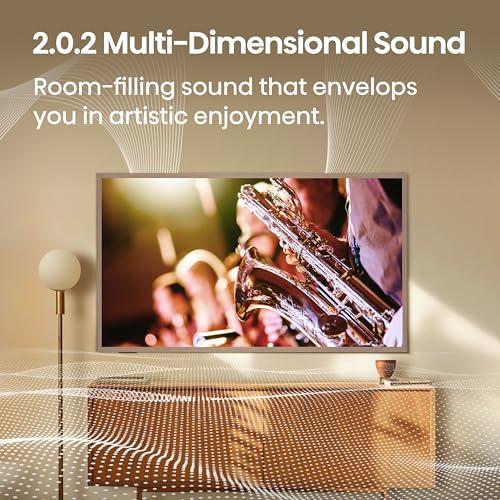
The 2.0.2 surround sound system includes upward-firing speakers that bounce audio off the ceiling, creating a more immersive soundscape than traditional forward-firing speakers. While no TV's built-in audio rivals a dedicated sound system, the S7N's speakers perform notably better than the QD6's standard configuration.
Gaming represents the largest performance differential between these TVs. The QD6 Series handles casual gaming adequately—its VRR support prevents screen tearing, and ALLM reduces input lag to around 10 milliseconds. For single-player adventures or turn-based games, you'll have a perfectly enjoyable experience.
The S7N CanvasTV transforms into a serious gaming display. That 144Hz refresh rate eliminates motion blur during fast camera movements, while input lag drops to approximately 5.4 milliseconds—approaching gaming monitor territory. FreeSync Premium ensures tear-free gameplay across variable frame rates, and the dedicated Game Bar provides quick access to optimization settings.
For context, competitive online gaming benefits significantly from these improvements. In fast-paced shooters or racing games, the smoother motion and lower latency can mean the difference between landing shots and missing them. Casual players might not notice immediately, but once you experience 144Hz gaming, returning to 60Hz feels sluggish.
The HDMI bandwidth limitation on the QD6 becomes particularly relevant here. While it accepts 4K@60Hz signals, modern consoles can output 4K@120Hz in supported games. The S7N handles these signals natively, future-proofing your setup as more games adopt higher frame rates.
Both TVs use QLED technology, but their implementations serve different priorities. The QD6's full-array local dimming creates superior contrast in dark rooms—those LED zones can dim individual screen sections to near-black levels while keeping bright areas illuminated. This proves especially beneficial for movie watching in darkened home theaters.
Peak brightness levels between the TVs are similar, both reaching around 350-450 cd/m² under typical conditions. However, the S7N's anti-glare coating makes its brightness more usable in challenging lighting conditions. Standard TV screens lose contrast and color saturation when competing with bright room lighting, but the S7N maintains image quality even with windows behind the viewing position.
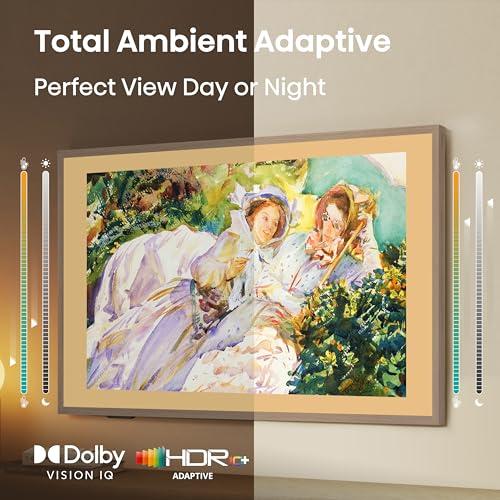
Color accuracy favors the S7N slightly, with more sophisticated processing that adapts to content type and ambient lighting. The Hi-View Engine PRO analyzes incoming signals and optimizes color reproduction in real-time. While both TVs support major HDR formats (Dolby Vision, HDR10+, HDR10, HLG), the S7N's implementation handles tone mapping—the process of converting HDR content to your display's capabilities—more gracefully.
Neither TV matches OLED displays for absolute black levels or Mini-LED models for peak brightness, but both deliver impressive image quality within their price categories. The QD6 excels in controlled lighting environments, while the S7N adapts better to varied room conditions.
The smart TV experience has evolved dramatically since earlier implementations that felt sluggish and limited. Both platforms here perform respectably, but with different strengths.
Fire TV on the QD6 prioritizes Amazon services while providing access to major streaming apps. The interface loads quickly, voice commands through Alexa work reliably, and integration with other Amazon devices creates a cohesive ecosystem. If you're already using Echo devices, Fire tablets, or heavily consume Prime Video content, this feels natural.
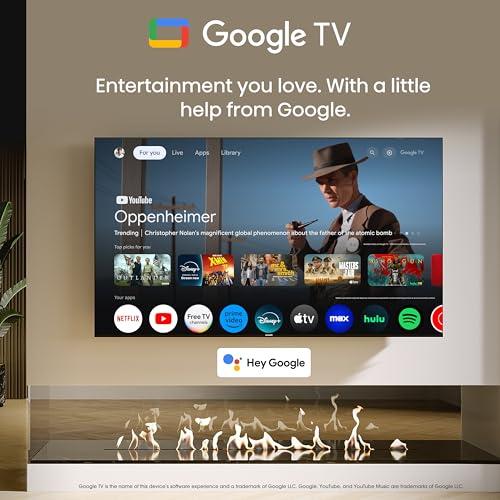
Google TV on the S7N takes a more universal approach, aggregating content recommendations across services and providing superior search functionality. The interface feels more polished, with better organization of your watchlist and more sophisticated content discovery. Google Assistant integration tends to understand natural language commands more accurately than Alexa in TV contexts.
Both platforms support all major streaming services—Netflix, Disney+, HBO Max, Hulu, YouTube, and dozens more. App performance is smooth on both, though Google TV's recommendations engine proves more helpful for discovering new content across multiple services.
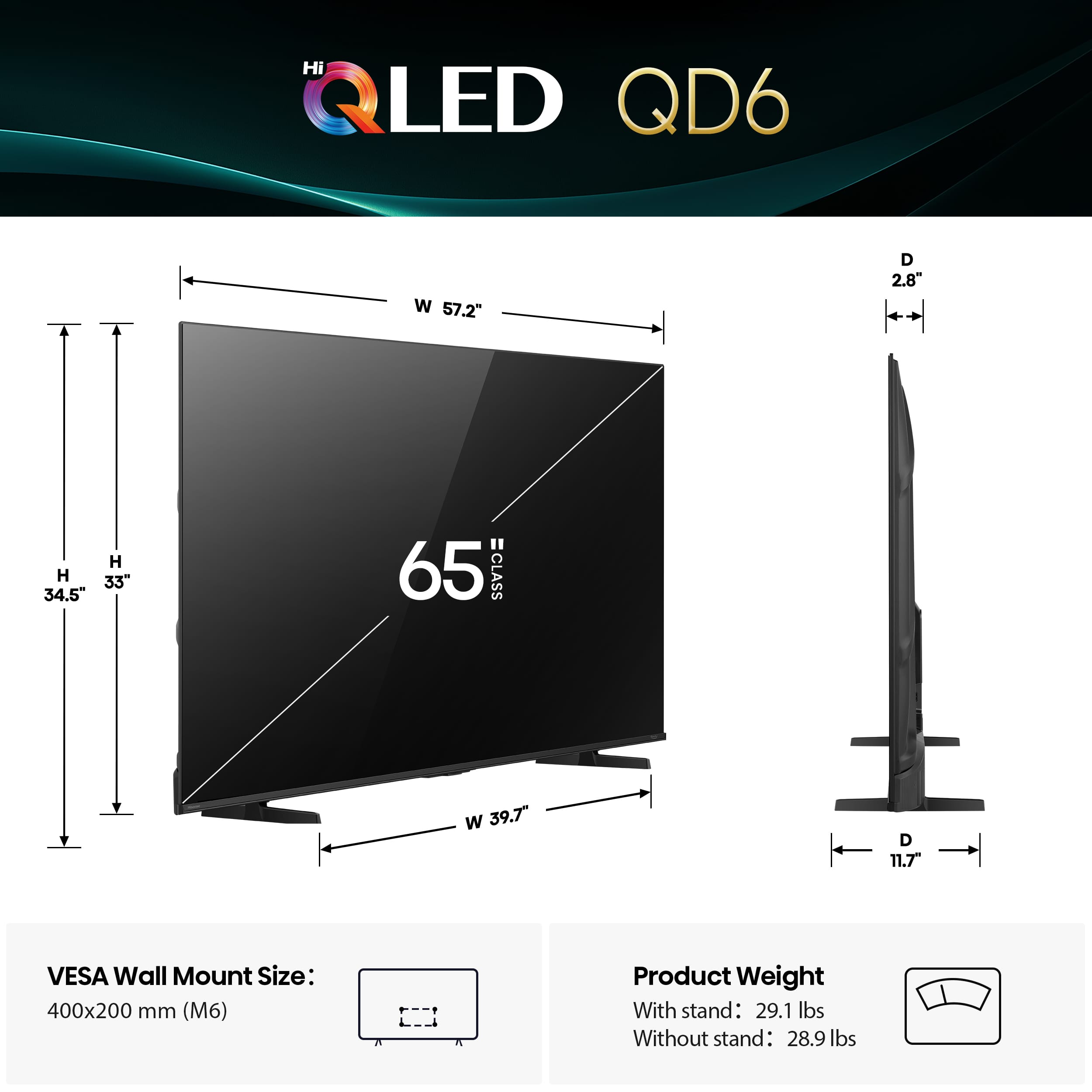
Here's where these TVs diverge most dramatically. The QD6 Series embraces traditional TV design—a black rectangle that disappears into your entertainment setup. The included stand works adequately, and wall mounting requires standard VESA brackets. It's functional, unremarkable, and won't conflict with any décor style.
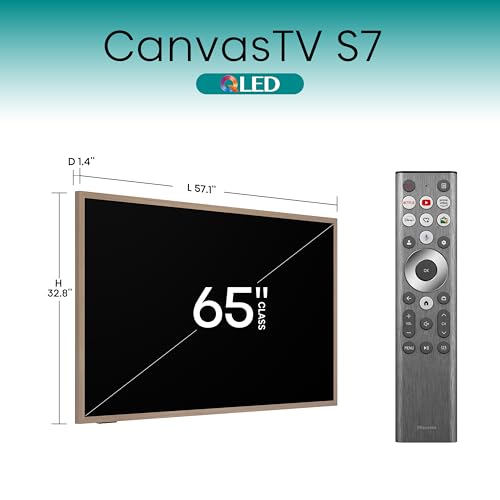
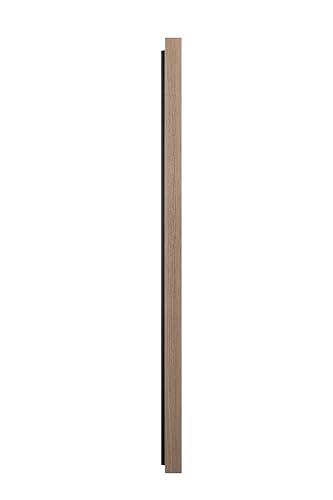
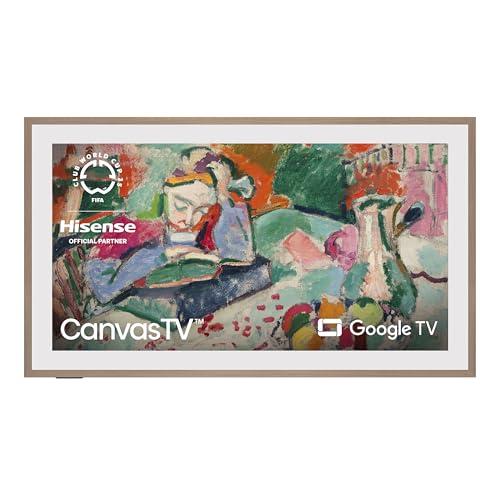
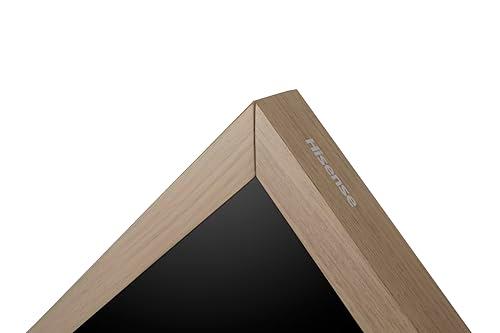
The S7N CanvasTV makes design a primary feature. The magnetic frame system lets you swap between wood finishes (teak comes standard, with white and walnut available separately) to match your furniture. The UltraSlim wall mount positions the TV just 3mm from the wall, creating an authentic picture-frame appearance.
Art Mode functionality transforms the S7N when idle. Motion sensors detect room occupancy, automatically switching between entertainment and gallery modes. The included artwork library provides hundreds of famous paintings and photographs, while mobile apps let you upload personal photos with various frame styles and effects.
This design focus comes with trade-offs. The S7N weighs more than typical TVs, requiring careful wall mounting. Cable management becomes more critical when the TV sits nearly flush with the wall. But for rooms where the TV serves as a focal point, these considerations pale compared to the aesthetic benefits.
TV speakers rarely impress, but the S7N CanvasTV makes a genuine effort. Its 2.0.2 configuration includes traditional forward-firing drivers plus upward-firing speakers that bounce sound off the ceiling. DTS Virtual:X processing creates a surprisingly wide soundstage for a flat-panel TV.
The QD6 Series uses standard TV speakers that handle dialogue clearly but lack depth for music or movie soundtracks. Both TVs support eARC (Enhanced Audio Return Channel) for connecting external sound systems, but the S7N's built-in audio reduces the immediate need for additional purchases.
For serious home theater setups, external audio remains preferable regardless of TV choice. However, the S7N's speakers provide genuinely usable sound quality for casual viewing, while the QD6 practically demands a soundbar for satisfying audio.
At the time of writing, the QD6 Series costs roughly half the S7N CanvasTV's price, making value comparison complex. The QD6 delivers impressive picture quality per dollar, offering QLED technology and local dimming at budget-friendly pricing. You're getting 80% of a premium TV experience for 40% of the cost.
The S7N CanvasTV justifies its premium through specialized features that matter enormously to certain buyers. If you struggle with glare in your viewing room, the anti-reflective coating alone might justify the extra cost. Serious gamers benefit significantly from 144Hz refresh rates and HDMI 2.1 bandwidth. Design-conscious buyers gain a TV that enhances rather than detracts from room aesthetics.
Neither TV represents poor value—they simply serve different priorities. The QD6 maximizes performance per dollar for traditional TV usage, while the S7N commands a premium for features that extend beyond basic viewing.
For dedicated home theater rooms with controlled lighting, the QD6 Series performs admirably. Its local dimming creates respectable contrast for movie watching, while support for major HDR formats ensures compatibility with premium content. The Fire TV platform handles streaming services smoothly, and the budget pricing leaves more room in your setup budget for external audio and other components.
The S7N CanvasTV's anti-glare coating becomes less relevant in dark viewing environments, though its superior motion handling benefits action movies and sports. The better built-in audio suits rooms where external speakers aren't practical, and the 144Hz capability handles high frame rate content smoothly.
For living rooms that serve multiple purposes, the S7N makes more sense. Its glare resistance maintains image quality during daytime viewing, while Art Mode transforms the space when entertainment isn't the focus.
Choose the Hisense QD6 Series if budget constraints are your primary concern and you're viewing in controlled lighting conditions. This TV delivers impressive QLED performance without premium pricing, making it ideal for secondary rooms, apartments, or situations where maximum value matters most. Casual gamers and Fire TV ecosystem users will find it particularly appealing.
The Hisense S7N CanvasTV justifies its premium for buyers with specific needs: bright room viewing, serious gaming, or design integration requirements. If your TV serves as a living room centerpiece, competes with significant natural light, or needs to complement carefully chosen décor, the extra investment pays dividends.
Consider the S7N essential if you're a dedicated gamer who wants 144Hz performance, struggle with glare issues that make standard TVs difficult to watch, or value the Art Mode functionality for transforming your space. The premium features target specific pain points that, once addressed, significantly improve daily satisfaction.
Both TVs represent solid choices within their intended markets. The QD6 proves you don't need premium pricing for quality QLED performance, while the S7N demonstrates how thoughtful design and advanced features can justify higher costs. Your choice should align with whether you need maximum value for traditional TV viewing or specialized capabilities that enhance your specific usage scenarios.
| Hisense 65" QD6 Series | Hisense 65" S7N CanvasTV |
|---|---|
| Price Category - Budget vs premium positioning | |
| Budget-friendly QLED (significant savings) | Premium design-focused TV (2x+ price premium) |
| Refresh Rate - Critical for gaming and sports viewing | |
| 60Hz native with motion interpolation | 144Hz native (major advantage for gaming) |
| Local Dimming - Controls contrast and black levels | |
| Full-array with 50-100 zones (good contrast) | No local dimming (relies on panel contrast) |
| Anti-Glare Technology - Reduces reflections in bright rooms | |
| Standard glossy screen (reflections visible) | Hi-Matte coating reduces reflections to 5% |
| HDMI Connectivity - Future-proofing for gaming consoles | |
| 4 x HDMI 2.0 (limited to 4K@60Hz) | 2 x HDMI 2.1, 2 x HDMI 2.0 (supports 4K@144Hz) |
| Gaming Performance - Input lag and responsiveness | |
| 10.2ms input lag, VRR/ALLM at 60Hz | 5.4ms input lag, FreeSync Premium, Game Bar |
| Smart TV Platform - Daily interface experience | |
| Fire TV with Alexa (Amazon ecosystem focus) | Google TV with Assistant (broader compatibility) |
| Design Philosophy - How it looks in your room | |
| Traditional black TV design | Art Mode with interchangeable frames, ultra-slim mount |
| Built-in Audio - Reduces need for external speakers | |
| Standard TV speakers (soundbar recommended) | 2.0.2 surround with upward-firing drivers |
| Peak Brightness - HDR impact and daytime viewing | |
| ~385 cd/m² (adequate for moderate lighting) | ~450 cd/m² (better for bright rooms) |
| Best Use Cases - Who should buy each model | |
| Budget buyers, controlled lighting, casual gaming | Design-focused rooms, serious gaming, bright spaces |
The Hisense S7N CanvasTV is significantly better for gaming with its 144Hz refresh rate, 5.4ms input lag, and HDMI 2.1 support for 4K@144Hz gaming. The Hisense QD6 Series is limited to 60Hz with 10.2ms input lag, making it suitable only for casual gaming. Serious gamers should choose the S7N CanvasTV.
The Hisense QD6 Series offers better contrast with full-array local dimming zones, making it superior for dark room viewing. The Hisense S7N CanvasTV features anti-glare coating that reduces reflections by 95%, making it much better for bright rooms with lots of natural light.
The Hisense S7N CanvasTV is designed specifically for bright rooms with its Hi-Matte anti-glare coating that virtually eliminates reflections. The QD6 Series struggles with glare and reflections in sunny rooms, making the S7N CanvasTV the clear choice for well-lit spaces.
Yes, both the Hisense QD6 Series (Fire TV) and S7N CanvasTV (Google TV) support all major streaming apps like Netflix, Disney+, Prime Video, and YouTube. The main difference is the interface - Fire TV integrates better with Amazon devices while Google TV offers more universal content recommendations.
The Hisense S7N CanvasTV has superior audio with its 2.0.2 surround sound system including upward-firing speakers and DTS Virtual:X. The QD6 Series has standard TV speakers that work for basic viewing but the S7N CanvasTV delivers notably better sound quality.
Art Mode transforms the Hisense S7N CanvasTV into a digital art gallery when not watching TV, displaying artwork or personal photos with interchangeable frames. Combined with motion sensors and ultra-slim wall mounting, it makes the TV look like wall art. This feature justifies the premium for design-conscious buyers but isn't necessary for the QD6 Series.
The Hisense QD6 Series offers exceptional value, delivering QLED technology and local dimming at a budget price point. The S7N CanvasTV costs significantly more but provides premium features like 144Hz gaming, anti-glare coating, and Art Mode. Choose the QD6 for maximum performance per dollar, or the S7N if specific premium features matter to you.
The Hisense QD6 Series supports 4K@60Hz gaming with VRR and ALLM but cannot handle 4K@120Hz due to HDMI 2.0 limitations. The S7N CanvasTV fully supports next-gen console gaming with 4K@144Hz capability through HDMI 2.1 ports, making it the better choice for maximizing console performance.
For dedicated home theaters with controlled lighting, the Hisense QD6 Series performs excellently with its local dimming creating good contrast for movies. However, the S7N CanvasTV offers better motion handling for action films and superior built-in audio, though both benefit from external sound systems in serious home theater setups.
The Hisense QD6 Series uses Fire TV which integrates seamlessly with Amazon services and Alexa devices. The S7N CanvasTV runs Google TV, offering better content discovery across multiple streaming services and more accurate voice recognition. Both are responsive, but Google TV feels more polished and universal.
Both TVs can be wall mounted, but the Hisense S7N CanvasTV is specifically designed for it with an included UltraSlim mount that positions the TV just 3mm from the wall for a picture-frame look. The QD6 Series uses standard wall mounting and will sit further from the wall, making the S7N better for seamless wall integration.
The Hisense QD6 Series major limitation is 60Hz refresh rate and HDMI 2.0, making it unsuitable for serious gaming or future-proofing. The S7N CanvasTV lacks local dimming so dark room contrast isn't as good, and it costs significantly more. Choose based on whether gaming/design features or budget/contrast matter more to your situation.
We've done our best to create useful and informative comparisons to help you decide what product to buy. Our research uses advanced automated methods to create this comparison and perfection is not possible - please contact us for corrections or questions. These are the sites we've researched in the creation of this article: pcvarge.com - bestbuy.com - rtings.com - youtube.com - rtings.com - youtube.com - consumerreports.org - leaseville.com - hisense-usa.com - device.report - hisense-usa.com - youtube.com - flatpanelshd.com - displayspecifications.com - retailspecs.com - bestbuy.com - hisense.sg - tomsguide.com - content.syndigo.com - rtings.com - hisense-usa.com - youtube.com - bestbuy.com - youtube.com - displayspecifications.com - displayspecifications.com - manuals.plus - displayspecifications.com - bestbuy.com - hisense-canada.com - manuals.plus - bargainoutletandmore.com - bestbuy.com - device.report

Privacy Policy
Terms and Conditions - Affiliate Policy
Home Security
© Copyright 2008-2026.
11816 Inwood Rd #1211, Dallas, TX 75244