

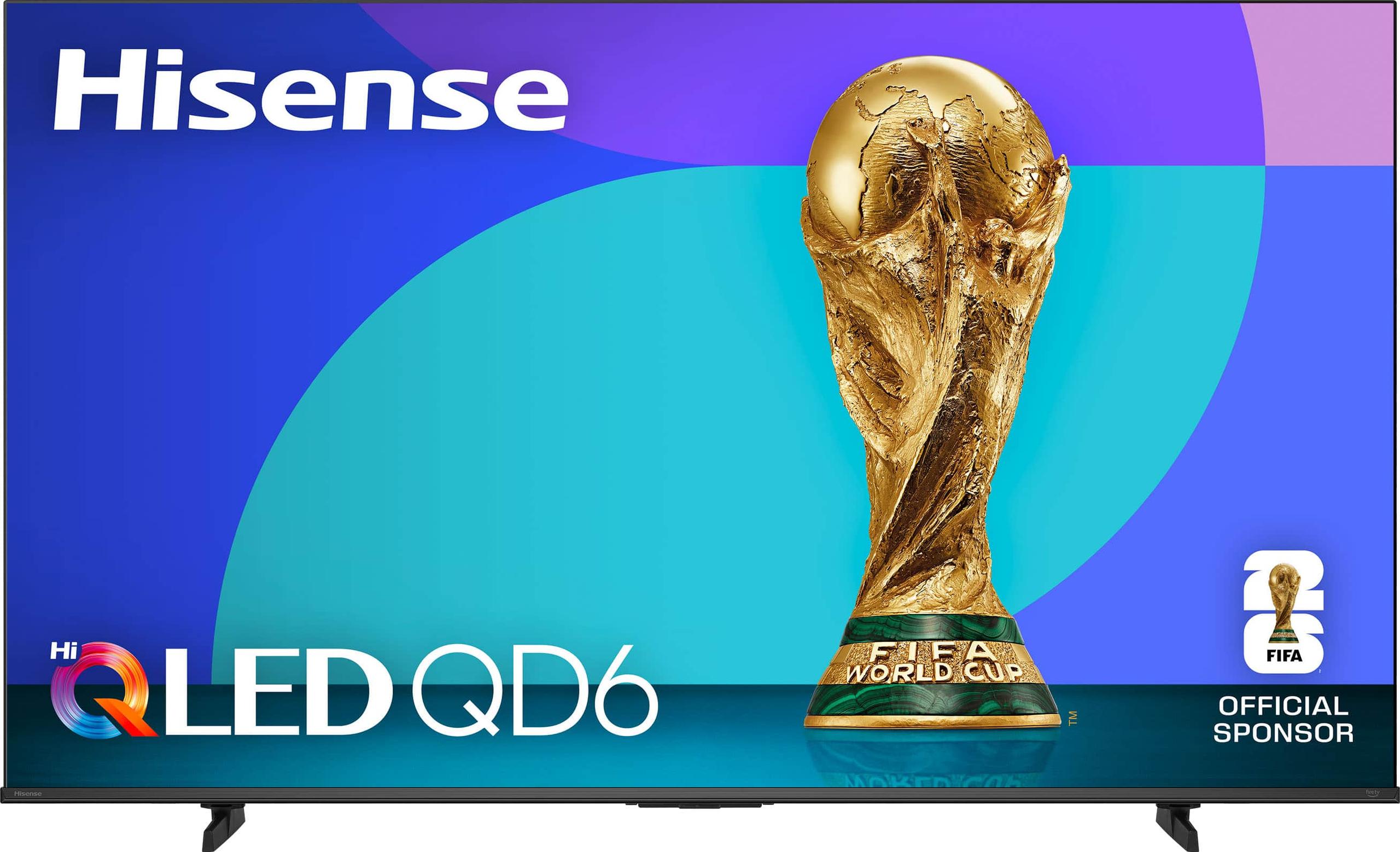

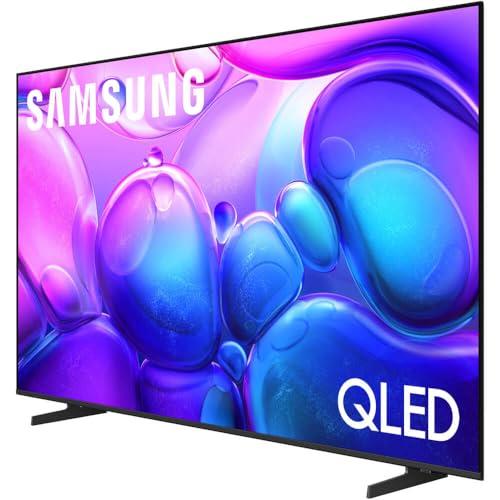
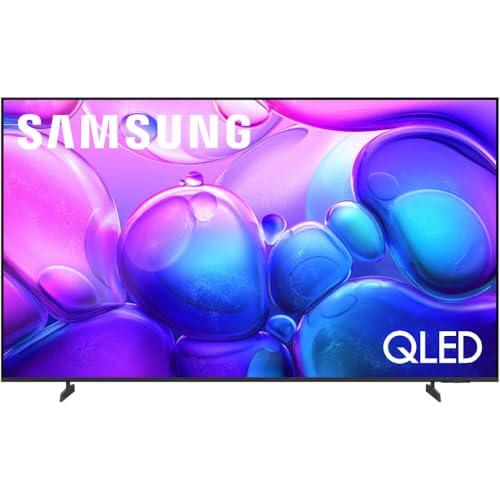
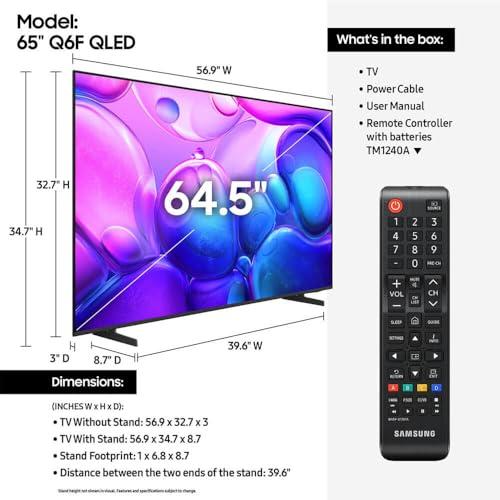
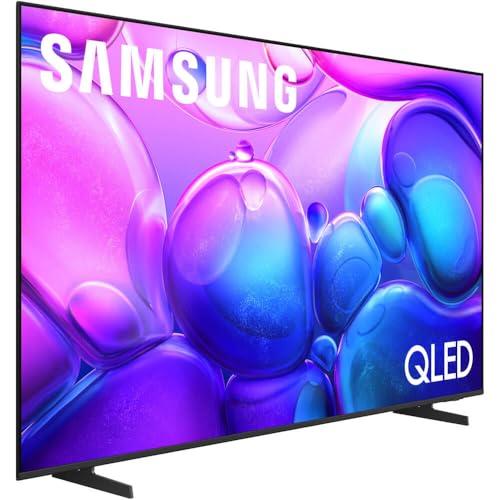
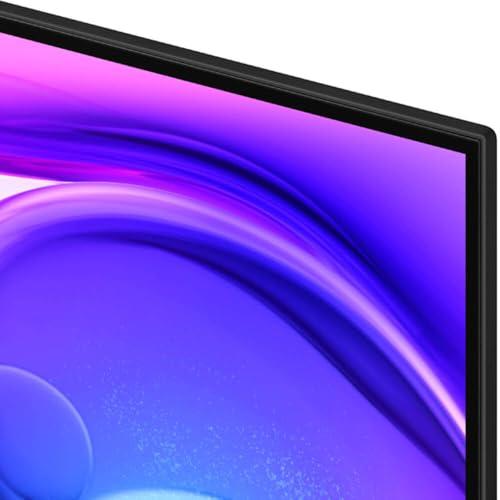
Shopping for a 65-inch TV under $400 feels like navigating a minefield. You want decent picture quality, smart features, and the kind of colors that make your Netflix shows pop—but without breaking the bank. That's exactly where the Hisense 65" QD6 Series and Samsung 65" Q6F come into play. Both released in 2025, these entry-level QLED TVs promise quantum dot color enhancement at prices that won't require a second mortgage.
But here's the thing about budget TVs: the differences matter more than you might think. A slightly brighter screen or a more responsive interface can make or break your daily viewing experience. After diving deep into user reviews, professional testing, and technical specifications, I've found that while these TVs share similar goals, they take notably different approaches to achieving them.
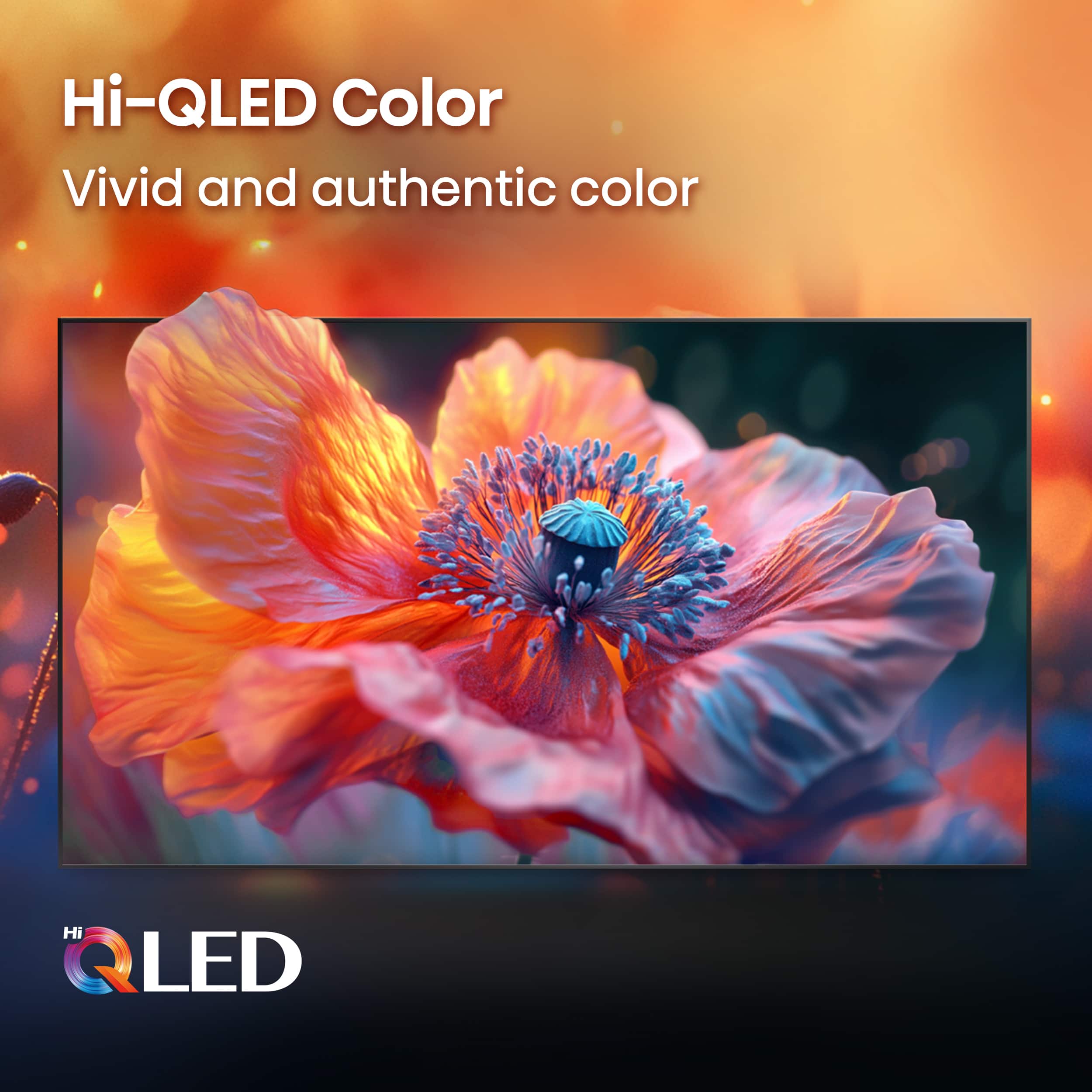
Before we pit these two against each other, let's talk about what QLED actually means at this price point. QLED stands for Quantum Dot Light Emitting Diode—essentially, it's a layer of microscopic particles called quantum dots that sit between the LED backlight and the LCD panel. When light hits these dots, they produce incredibly pure colors, especially reds and greens that traditional LED TVs struggle with.
The key thing to understand is that budget QLED isn't the same as premium QLED. You're not getting the mini-LED backlights with hundreds of dimming zones that you'd find in a $2,000 TV. Instead, both the Hisense QD6 and Samsung Q6F use simpler LED backlighting—the Hisense employs direct LED (lights behind the entire panel), while the Samsung uses edge-lit LED (lights around the perimeter). Neither has local dimming, which is the technology that selectively dims parts of the screen for better contrast.
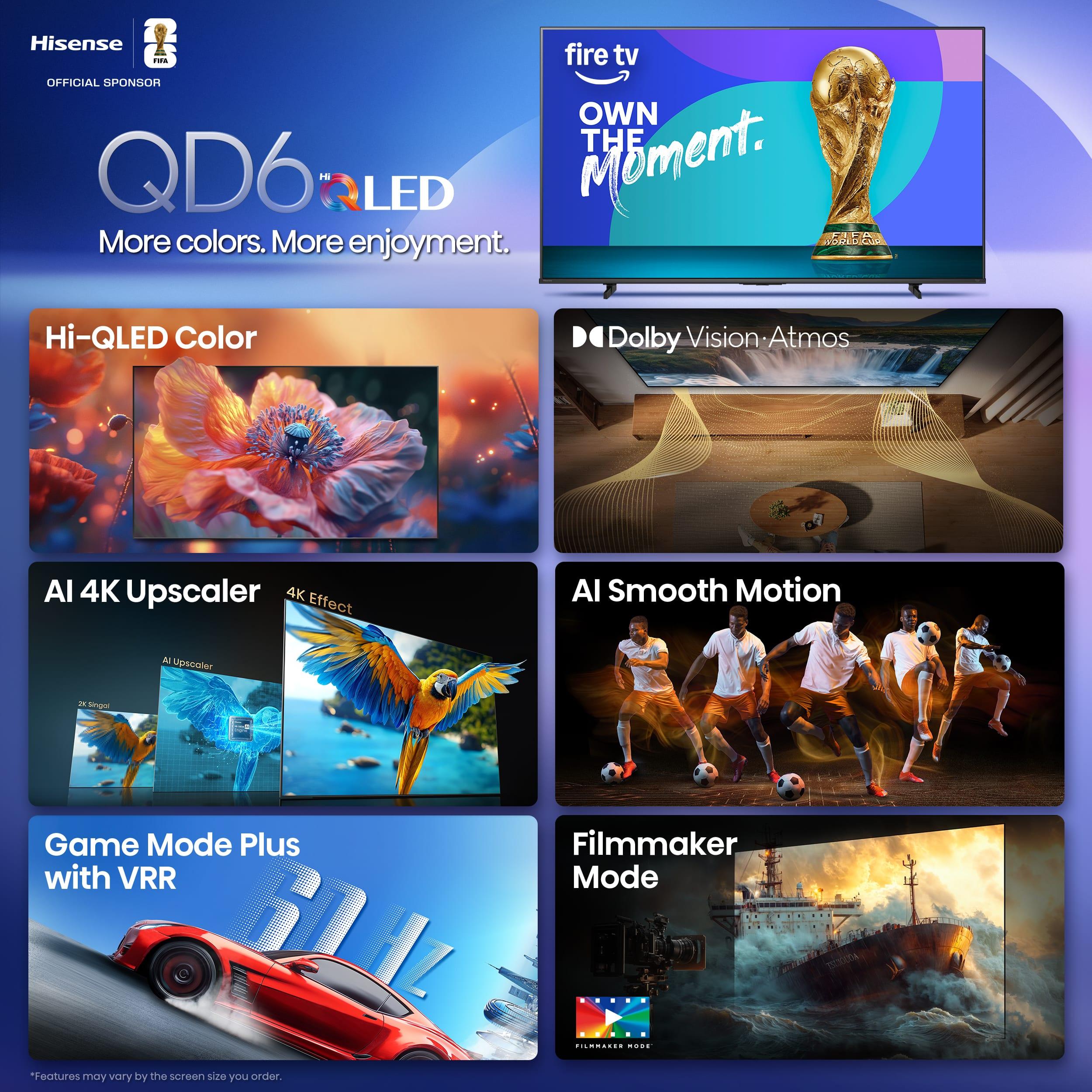
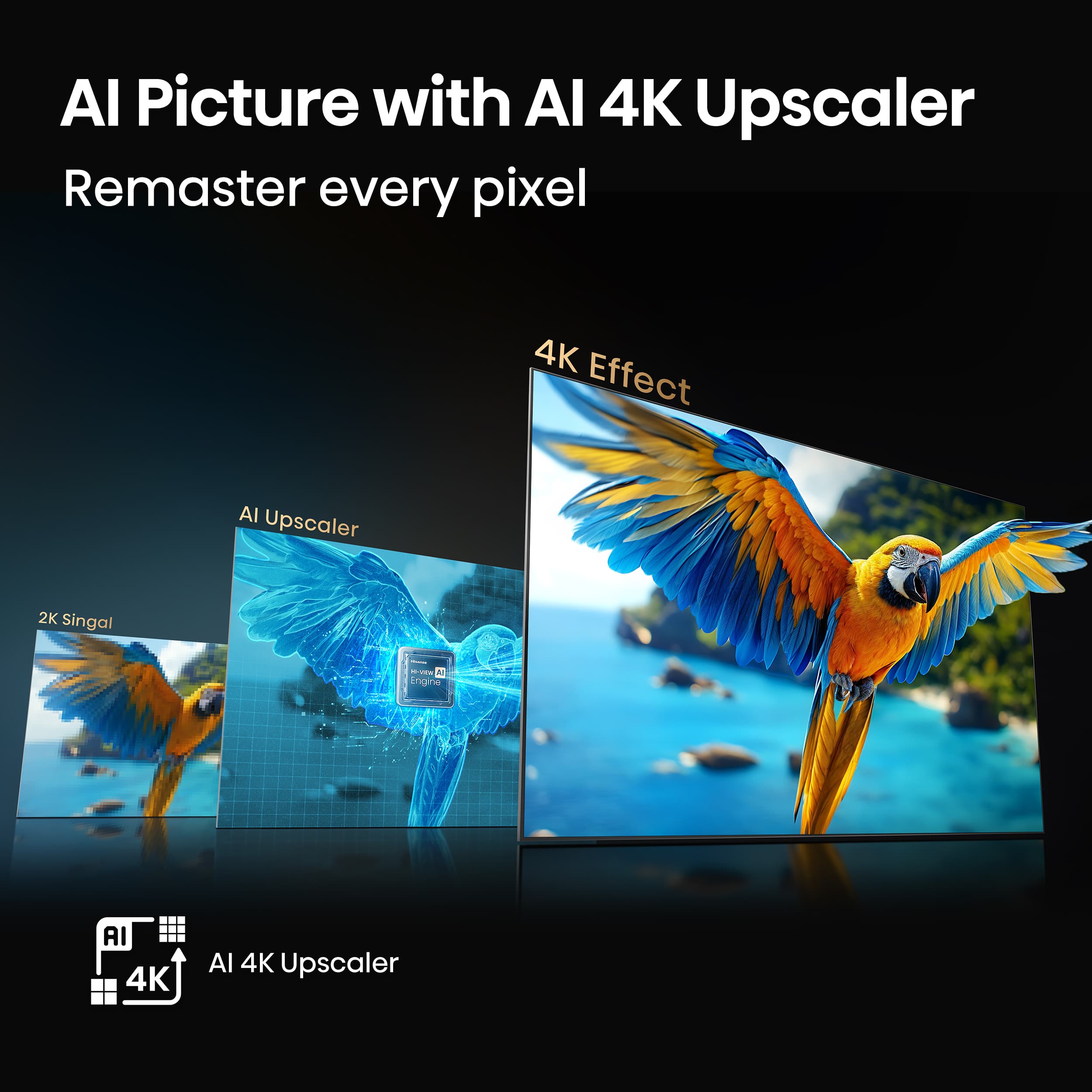
What you are getting is significantly better color than a standard LED TV, decent 4K upscaling, and modern smart TV features. The quantum dots make a real difference—colors look more saturated and lifelike, particularly in animated content and nature documentaries where vibrant greens and blues really shine.
Here's where things get interesting. The Hisense QD6 manages to squeeze out about 385 cd/m² (candelas per square meter—basically a measure of how bright the screen can get), while the Samsung Q6F tops out at a lower peak brightness. In practical terms, this means the Hisense handles moderately bright rooms better and gives HDR content slightly more punch.
But let's be honest about HDR performance at this price point—it's not great on either TV. True HDR requires peak brightness levels above 1,000 cd/m² to really make highlights pop and create that "wow" factor you see in movie theaters. Both TVs support HDR10, HDR10+, and the Hisense adds Dolby Vision support, but without the brightness to back it up, HDR content often looks flat and underwhelming compared to properly bright TVs.
That said, the modest brightness advantage of the Hisense QD6 does translate to marginally better performance in rooms with some ambient light. If your TV faces windows or you watch during the day, this difference becomes noticeable.
This is where the Hisense QD6's VA panel design really shines. VA (Vertical Alignment) panels naturally produce deeper blacks and better contrast than other LCD technologies. Combined with the direct LED backlighting, the Hisense delivers noticeably darker blacks when watching movies in dimmed rooms.
The Samsung Q6F, with its edge-lit design, struggles more with black uniformity. Edge-lit TVs push light from the sides of the panel, which can create uneven brightness across the screen and greyish blacks instead of true black. This becomes particularly obvious in dark movie scenes where you might notice brighter patches or "blooming" around bright objects.
For home theater use—think movie nights with the lights off—the Hisense QD6 has a clear advantage. The better contrast makes dark scenes more immersive and helps maintain the cinematic feel that gets lost on TVs with poor black levels.
Both TVs benefit from quantum dot technology, but they implement it differently. The Hisense QD6 covers about 90% of the DCI-P3 color space (the professional standard for digital cinema), while Samsung claims 100% color volume with their quantum dots.
In real-world viewing, both TVs produce vibrant, punchy colors that look great with animated content, sports, and modern TV shows. The quantum dots really help with color saturation—reds look more like actual red instead of orange-ish, and greens have that natural, lifelike quality that makes outdoor scenes more believable.
Where you'll notice differences is in color accuracy out of the box. Based on professional reviews, the Hisense QD6 tends to have better color accuracy in its default settings, meaning less tweaking required to get natural-looking skin tones and realistic colors.
Here's where both TVs show their budget origins. VA panels, while great for contrast, have notoriously narrow viewing angles. Sit more than about 30 degrees to either side of center, and you'll see colors fade and contrast drop significantly. This makes both TVs less ideal for large families or wide seating arrangements.
If you're planning to mount either TV in a large living room where people sit at various angles, this limitation becomes a real problem. OLED TVs excel here, but they cost significantly more. In this price range, it's an accepted compromise.
Samsung's Tizen platform consistently earns praise for good reason—it's genuinely smooth and responsive in ways that matter for daily use. Apps launch quickly, navigation feels snappy, and the interface rarely stutters or lags. After years of using various smart TV platforms, Tizen stands out for its reliability.
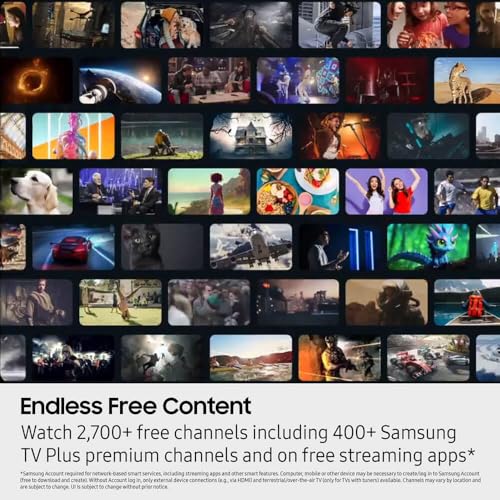
The Samsung Q6F includes Samsung's full ecosystem integration: SmartThings for smart home control, Samsung TV Plus for free streaming channels, and built-in voice assistants including Bixby, Alexa, and Google Assistant. The universal remote app works well, and features like mobile screen mirroring typically work without fuss.
One particularly nice touch is Samsung's ambient mode, which can display art, photos, or useful information when the TV isn't actively being used. It transforms the black rectangle into something more aesthetically pleasing in your living space.
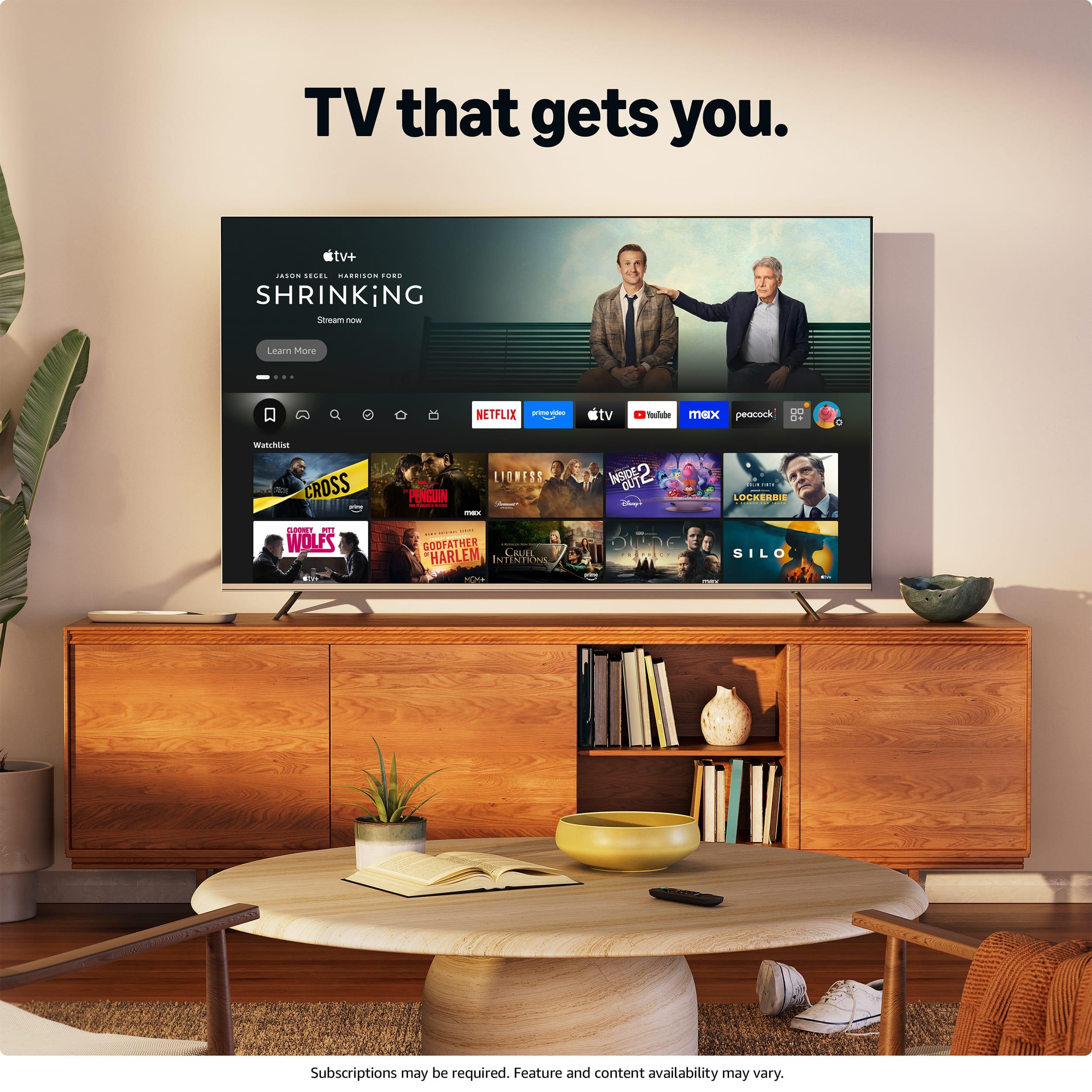
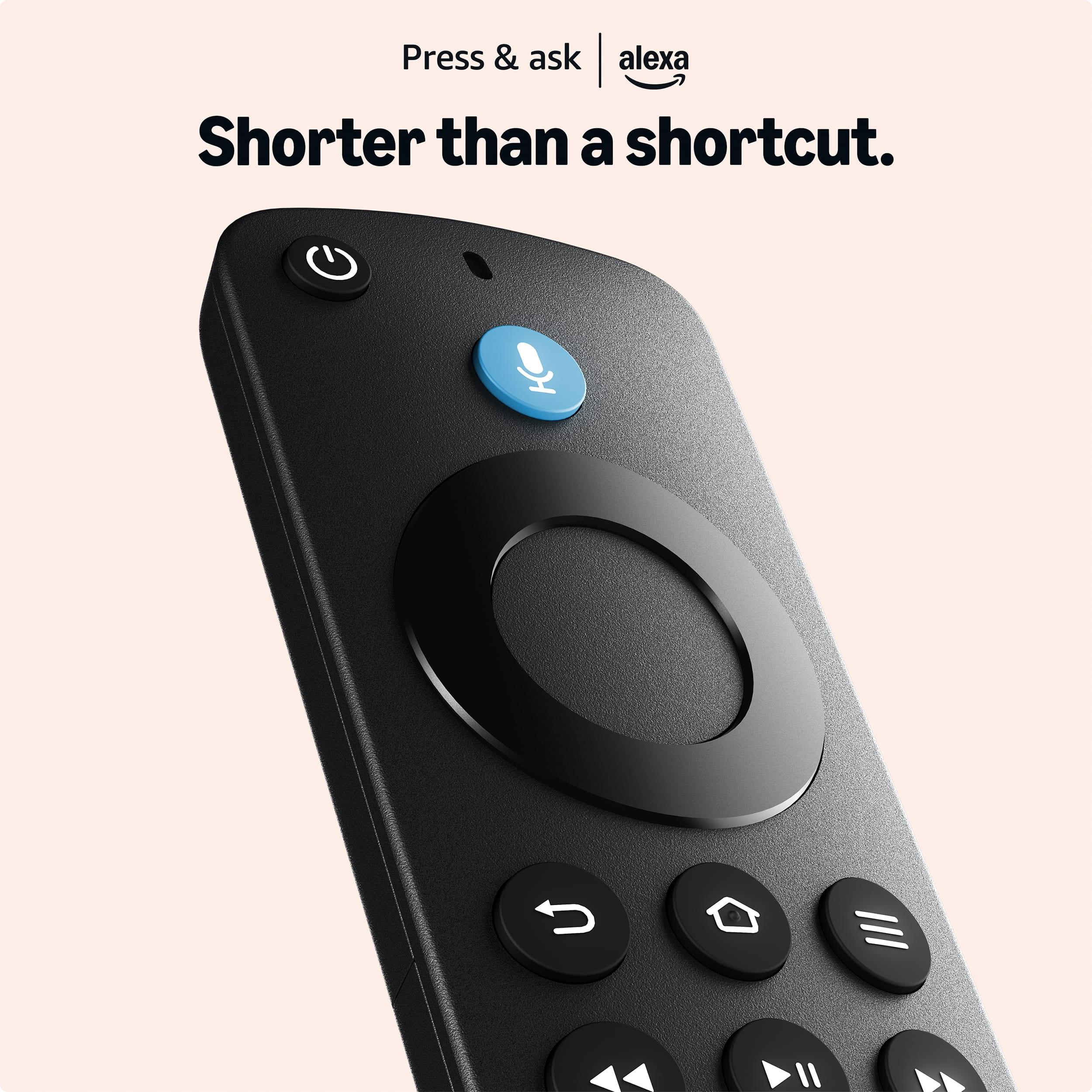
The Hisense QD6 runs Amazon's Fire TV platform, which excels if you're already invested in Amazon's ecosystem. Alexa integration feels more natural here than on TVs where it's added as an afterthought. You can control smart home devices, ask about weather, or search for content using voice commands that actually work reliably.
Fire TV's content recommendations tend to be quite good at surfacing shows and movies you might actually want to watch. The platform aggregates content from multiple streaming services, making it easier to find things without jumping between apps.
However, some users report occasional lag in the Fire TV interface, particularly when switching between apps or navigating menus quickly. It's not deal-breaking, but it's noticeable compared to Tizen's consistently smooth performance.
For gaming, input lag—the delay between pressing a button and seeing the action on screen—matters tremendously. The Samsung Q6F typically achieves input lag around 10 milliseconds in game mode, which is excellent for a TV in this price range. This makes it genuinely viable for competitive gaming where split-second reactions matter.
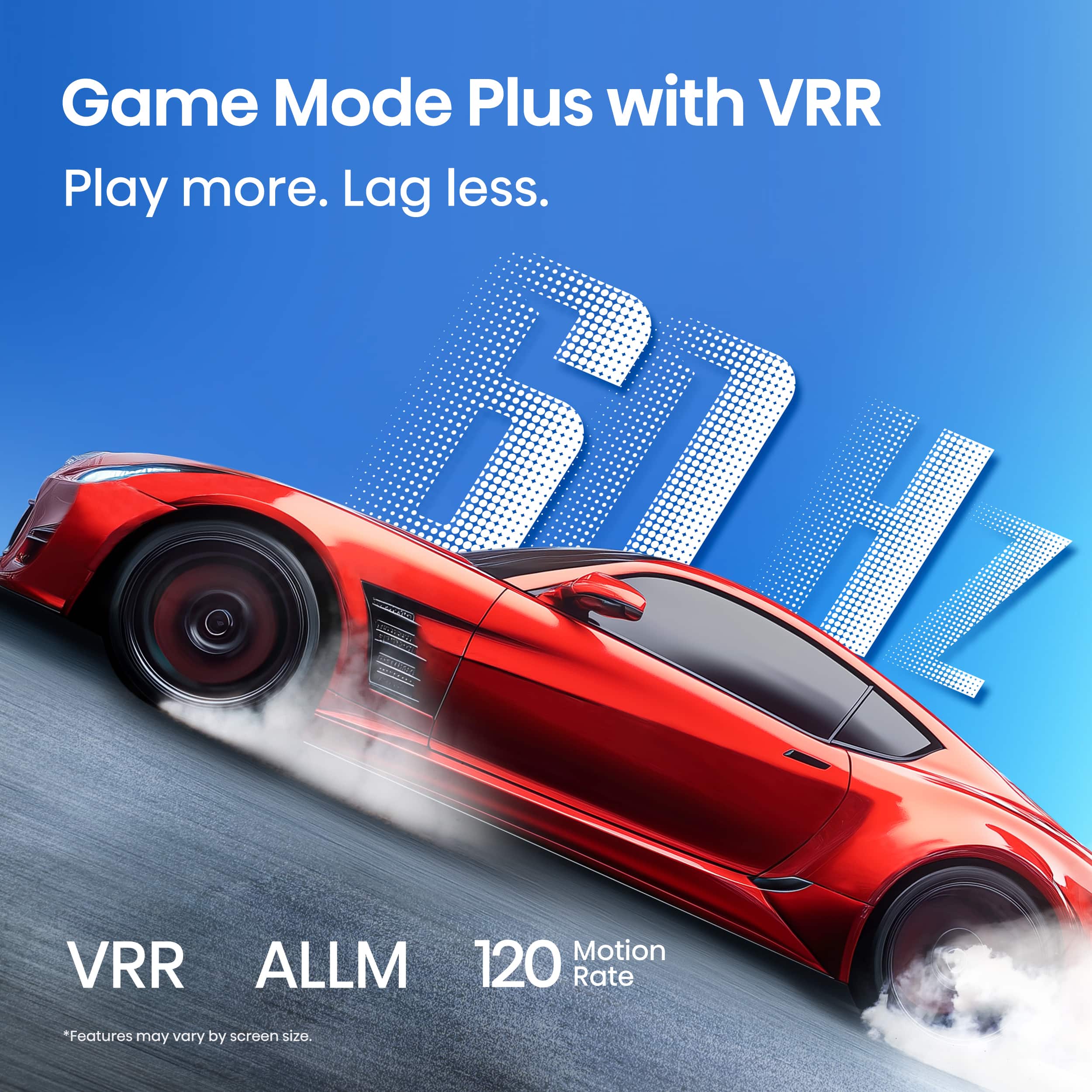
The Hisense QD6 has slightly higher input lag, though still within acceptable ranges for casual gaming. Where it makes up ground is with Variable Refresh Rate (VRR) support, which eliminates screen tearing when frame rates fluctuate. VRR makes games look smoother, particularly with older titles that struggle to maintain consistent 60fps.
Both TVs max out at 4K resolution at 60Hz refresh rate—there's no 120Hz gaming here. This means no taking advantage of the higher frame rates that PS5 and Xbox Series X can output in certain games. For budget gaming, though, 4K60 covers the vast majority of gaming scenarios perfectly well.
The Hisense QD6 includes Auto Low Latency Mode (ALLM), which automatically switches to game mode when it detects a gaming console, eliminating the need to manually switch settings. It's a small convenience that adds up over time.
Neither TV supports advanced gaming features like HDMI 2.1's full bandwidth or features like 1440p120Hz, but at this price point, those omissions are expected rather than disappointing.
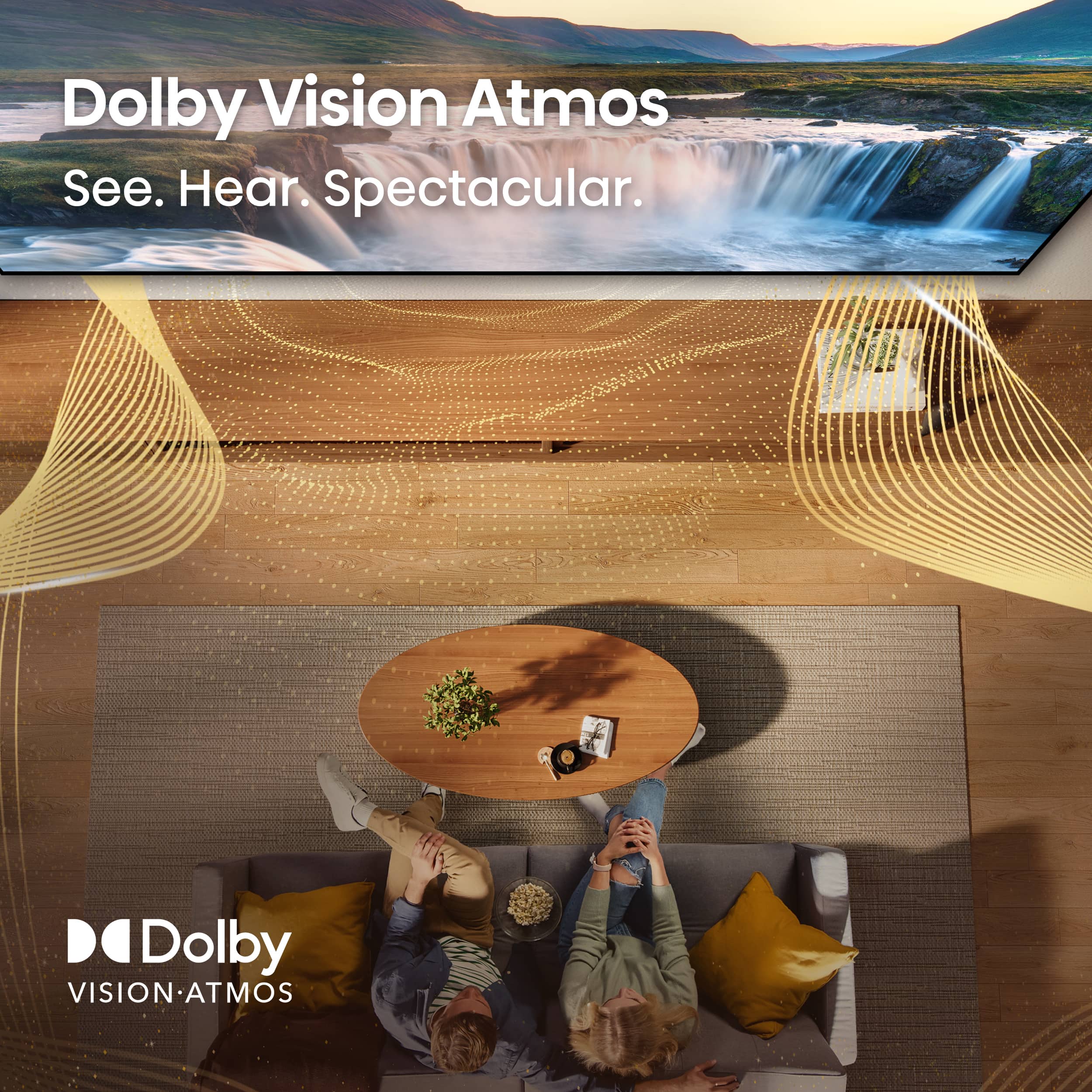
Both TVs deliver what you'd expect from thin, budget displays—adequate but uninspiring audio. The Hisense QD6 includes Dolby Atmos support, which can create a more spatial audio experience with compatible content, though the built-in speakers can't fully realize Atmos's potential.
The Samsung Q6F uses Object Tracking Sound Lite, which attempts to match audio to visual movement on screen. In practice, both systems provide clear dialogue and acceptable sound for casual viewing, but neither replaces a dedicated soundbar or audio system for serious movie watching.
For home theater use, plan on adding external audio regardless of which TV you choose. The good news is both TVs include eARC support for connecting modern soundbars with full bandwidth audio passthrough.
Samsung generally edges ahead in build quality and design refinement. The Samsung Q6F feels more premium in its construction, with a slimmer profile and more polished aesthetic. The included remote feels substantial and well-designed, with logical button placement and reliable build quality.
The Hisense QD6 gets the job done but feels more obviously budget-oriented in its construction. The remote, while functional, feels lighter and cheaper. These differences don't affect performance, but they do impact the daily experience of using the TV.
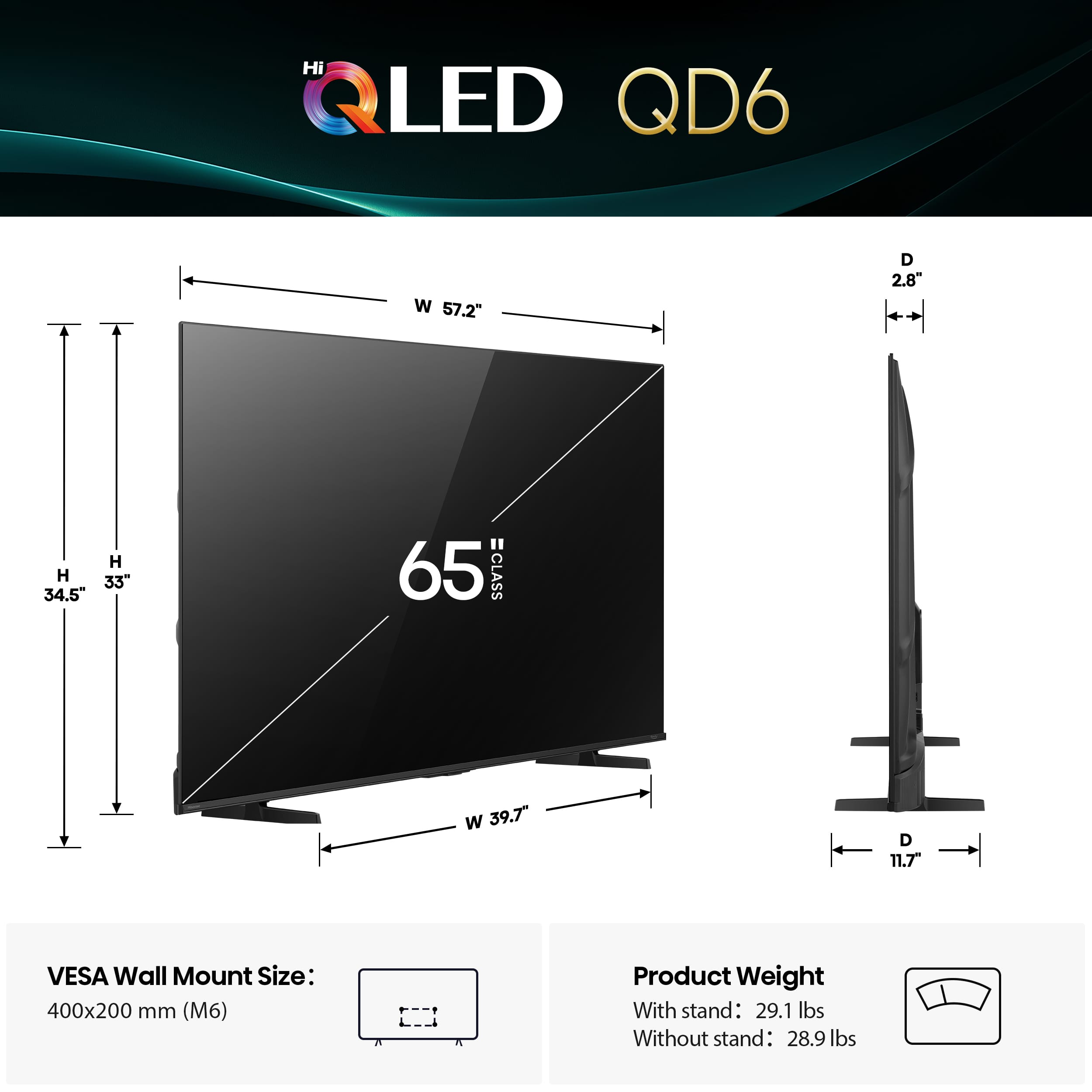
Both TVs include standard VESA mounting patterns and come with basic feet that work well on most TV stands. Wall mounting is straightforward with either model.
At the time of writing, the Samsung Q6F typically costs less than the Hisense QD6—often $20-50 cheaper depending on sales. This price advantage, combined with Samsung's superior smart TV platform and lower input lag, makes it the more broadly appealing choice for most users.
However, the Hisense QD6 offers specific advantages that matter for certain use cases. If you primarily watch movies in darker rooms, the better contrast and black levels provide a noticeably more cinematic experience. If you're invested in Amazon's ecosystem or prefer Fire TV's interface, the platform integration feels more natural.
For gaming, the choice depends on your priorities. Competitive gamers should lean toward the Samsung Q6F for its lower input lag, while those who value smoother visuals over raw responsiveness might prefer the Hisense QD6's VRR support.
If you're building a dedicated home theater setup, both TVs have significant limitations. The lack of local dimming means dark movie scenes won't have the depth and impact you get from higher-end displays. Neither TV gets bright enough to make HDR content truly impressive, which limits their cinematic impact.
That said, if home theater means "watching movies with the lights off in the family room," the Hisense QD6 performs better thanks to its superior contrast. Dark scenes look more convincing, and the overall cinematic experience feels more immersive than on the edge-lit Samsung.
For serious home theater enthusiasts, I'd recommend saving up for a TV with full-array local dimming or considering an OLED if your budget can stretch. These budget QLEDs work well for casual movie watching but don't deliver the visual impact that makes home theater truly special.
The Samsung Q6F makes sense for most people. Its superior smart TV platform, lower price, and better gaming responsiveness create a more satisfying daily experience. If you watch a variety of content, use multiple streaming services, and want something that just works without fuss, Samsung delivers.
Choose the Hisense QD6 if you're primarily a movie watcher who values contrast and black levels, if you're deeply invested in Amazon's ecosystem, or if VRR gaming support matters to you. The extra cost feels justified if these specific advantages align with your viewing habits.
Both TVs represent solid value in the budget QLED category, but neither transcends the limitations of their price point. They deliver notably better color than standard LED TVs while maintaining affordable pricing, which is exactly what they promise. Just set your expectations accordingly—these are good budget TVs, not miracle bargains that rival premium displays.
The quantum dot technology in both models does make a meaningful difference compared to standard LED TVs at similar prices. Colors look more vibrant and lifelike, and the 4K upscaling helps older content look sharp. For the money, you're getting legitimate improvements in picture quality alongside modern smart TV features and decent build quality.
| Hisense 65" QD6 Series Hi-QLED Fire TV (2025) | Samsung 65" QLED Q6F 4K Smart TV 2025 |
|---|---|
| Peak Brightness - Determines HDR impact and bright room performance | |
| ~385 cd/m² (slightly better for daytime viewing) | Lower peak brightness (adequate for dim to moderate lighting) |
| Panel Type & Backlighting - Affects contrast and black levels | |
| VA panel with Direct LED (better blacks, narrower viewing angles) | Edge-lit LED with quantum dots (less uniform lighting, budget construction) |
| Smart TV Platform - Your daily interaction experience | |
| Fire TV (excellent Amazon integration, occasional menu lag) | Tizen OS (consistently smooth and responsive, premium feel) |
| HDR Support - Enhanced color and contrast for compatible content | |
| Dolby Vision, HDR10+, HDR10, HLG (wider format support) | Quantum HDR, HDR10+ (no Dolby Vision support) |
| Gaming Input Lag - Critical for responsive gaming | |
| Higher input lag but acceptable for casual gaming | ~10ms input lag (excellent for competitive gaming) |
| Gaming Features - Modern console compatibility | |
| VRR, ALLM, Game Mode Plus (smoother gameplay) | Auto Game Mode, HGiG (basic but functional) |
| Refresh Rate - Determines motion smoothness | |
| 60Hz native with Motion Rate 120 via MEMC interpolation | 60Hz with Motion Xcelerator (frame prediction technology) |
| Color Performance - Vibrancy and accuracy | |
| 90% DCI-P3 coverage, better out-of-box accuracy | 100% color volume claim, quantum dot enhancement |
| Audio Technology - Built-in sound quality | |
| Dolby Atmos support (spatial audio enhancement) | Object Tracking Sound Lite, Q-Symphony soundbar compatibility |
| HDMI Connectivity - External device support | |
| 4x HDMI 2.0, eARC on port 3 | 3x HDMI 2.0, eARC/ARC support |
| Voice Assistant Integration - Smart home and content control | |
| Amazon Alexa (deeply integrated), Google Assistant | Bixby, Alexa, Google Assistant (multiple options) |
| Processor & Upscaling - Content enhancement quality | |
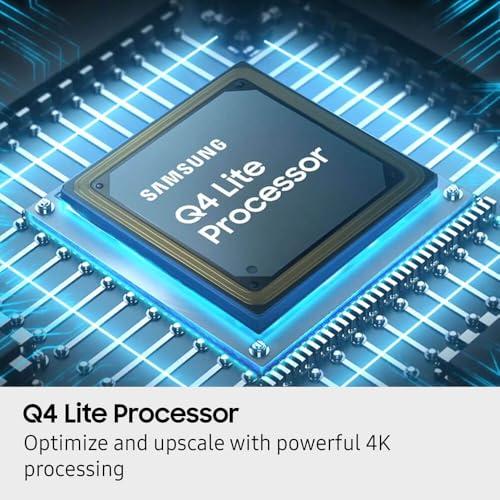
| AI 4K Upscaler with machine learning optimization | Q4 Lite Processor with intelligent scene optimization |
| Design & Build Quality - Premium feel and durability | |
| Thicker profile, budget-oriented remote and construction | Slimmer design, more premium remote, better build quality |
The Hisense 65" QD6 Series offers slightly better picture quality due to its higher peak brightness (~385 cd/m²) and superior contrast from its VA panel with direct LED backlighting. The Samsung Q6F uses edge-lit LED which can result in less uniform brightness and weaker black levels. However, both TVs deliver good color performance thanks to quantum dot technology.
The Hisense QD6 runs Amazon's Fire TV platform, which excels if you use Alexa and Amazon services regularly. The Samsung Q6F uses Tizen OS, which is consistently praised for being more responsive and smooth in daily use. Tizen typically has less lag when navigating menus and launching apps compared to Fire TV.
For competitive gaming, the Samsung Q6F is superior with its lower input lag (~10ms) making it more responsive for fast-paced games. However, the Hisense QD6 includes Variable Refresh Rate (VRR) support which eliminates screen tearing for smoother gameplay. Both are limited to 60Hz refresh rates and lack HDMI 2.1.
Yes, but with different formats. The Hisense QD6 supports Dolby Vision, HDR10+, HDR10, and HLG, giving it wider HDR format compatibility. The Samsung Q6F supports Quantum HDR and HDR10+ but lacks Dolby Vision support. Neither TV gets bright enough to deliver truly impactful HDR performance at this price point.
Both the Hisense QD6 and Samsung Q6F have narrow viewing angles typical of VA panels and budget LED designs. Colors and contrast degrade noticeably when viewed from the side, making neither ideal for wide seating arrangements or large groups watching together.
The Hisense QD6 includes Dolby Atmos support for enhanced spatial audio, while the Samsung Q6F features Object Tracking Sound Lite and Q-Symphony for soundbar compatibility. Both have adequate built-in speakers for casual viewing, but serious movie watchers should plan on adding a soundbar to either TV.
The Hisense QD6 performs better in dark rooms due to its VA panel and direct LED backlighting, which produce deeper blacks and better contrast. The Samsung Q6F's edge-lit design can create uneven brightness and greyish blacks that become noticeable during dark movie scenes.
The Samsung Q6F offers Samsung's full ecosystem including SmartThings smart home control, Samsung TV Plus free channels, and multiple voice assistants. The Hisense QD6 provides excellent Amazon ecosystem integration with natural Alexa control and Fire TV's content aggregation, but may have occasional interface lag.
The Samsung Q6F generally offers superior build quality with a more premium feel, slimmer profile, and better remote design. The Hisense QD6 has more budget-oriented construction and a lighter, cheaper-feeling remote, though both TVs are functionally reliable.
The Hisense QD6 handles moderately bright rooms better due to its higher peak brightness, but neither TV excels in very bright environments. Both struggle with glare and reflections, making them better suited for rooms with controlled lighting rather than spaces with large windows or direct sunlight.
The Hisense QD6 provides 4 HDMI 2.0 ports, 2 USB ports, and eARC support on HDMI 3. The Samsung Q6F includes 3 HDMI 2.0 ports, 1 USB port, and eARC/ARC support. Both offer Wi-Fi, Ethernet, and Bluetooth connectivity for wireless devices and streaming.
The Samsung Q6F typically costs less while offering a superior smart TV platform and better gaming responsiveness, making it the better value for most users. The Hisense QD6 costs slightly more but provides better contrast for movie watching and deeper Amazon ecosystem integration, making it worthwhile for specific use cases despite the higher price.
We've done our best to create useful and informative comparisons to help you decide what product to buy. Our research uses advanced automated methods to create this comparison and perfection is not possible - please contact us for corrections or questions. These are the sites we've researched in the creation of this article: pcvarge.com - bestbuy.com - rtings.com - youtube.com - rtings.com - youtube.com - consumerreports.org - leaseville.com - hisense-usa.com - device.report - hisense-usa.com - youtube.com - flatpanelshd.com - displayspecifications.com - retailspecs.com - tomsguide.com - bestbuy.com - samsung.com - rtings.com - youtube.com - rtings.com - bestbuy.com - samsung.com - samsung.com - samsung.com - manuals.plus - shopjetson.com - samsung.com - samsung.com - samsung.com - samsung.com - bestbuy.com - jefflynch.com

Privacy Policy
Terms and Conditions - Affiliate Policy
Home Security
© Copyright 2008-2026.
11816 Inwood Rd #1211, Dallas, TX 75244