

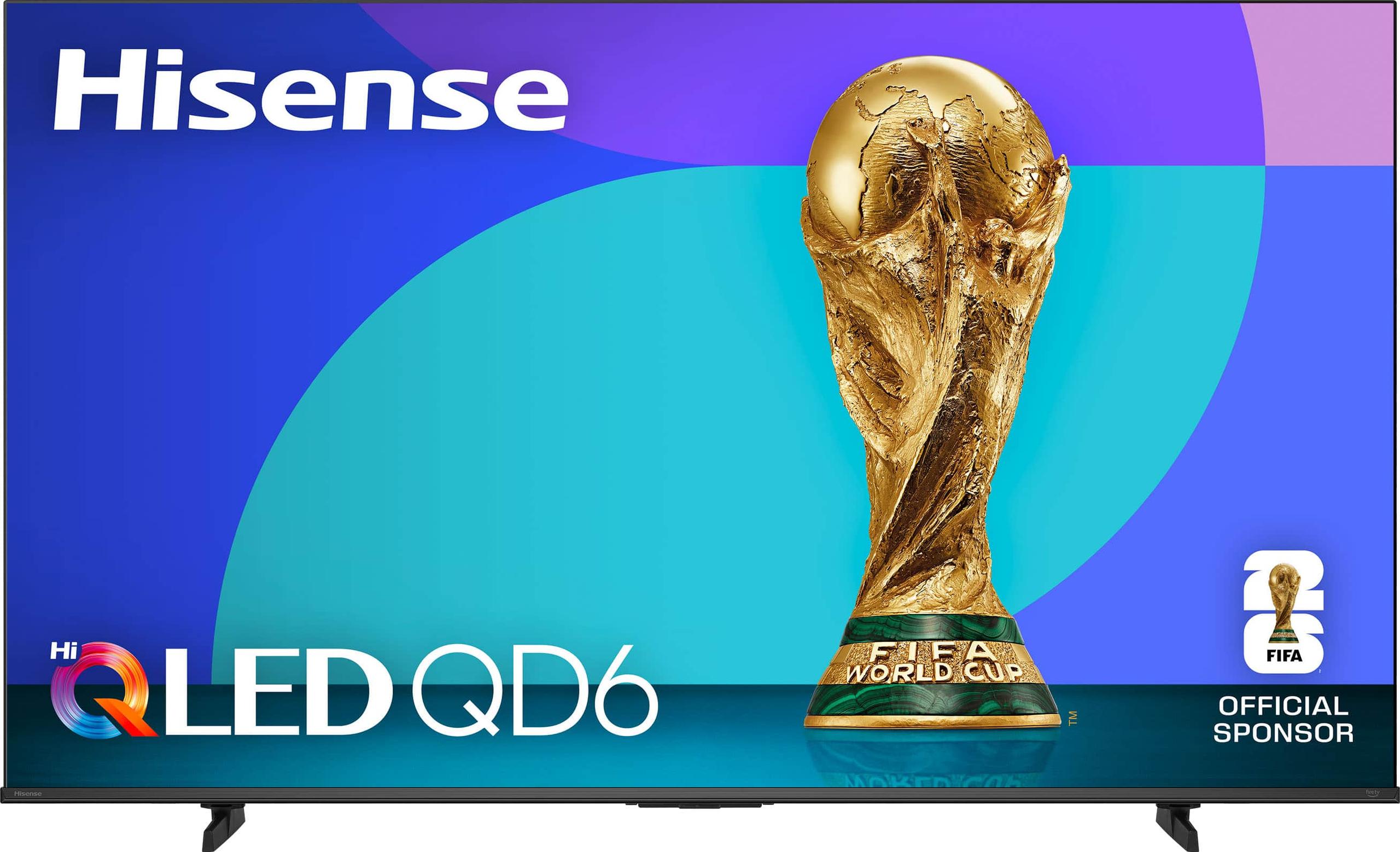
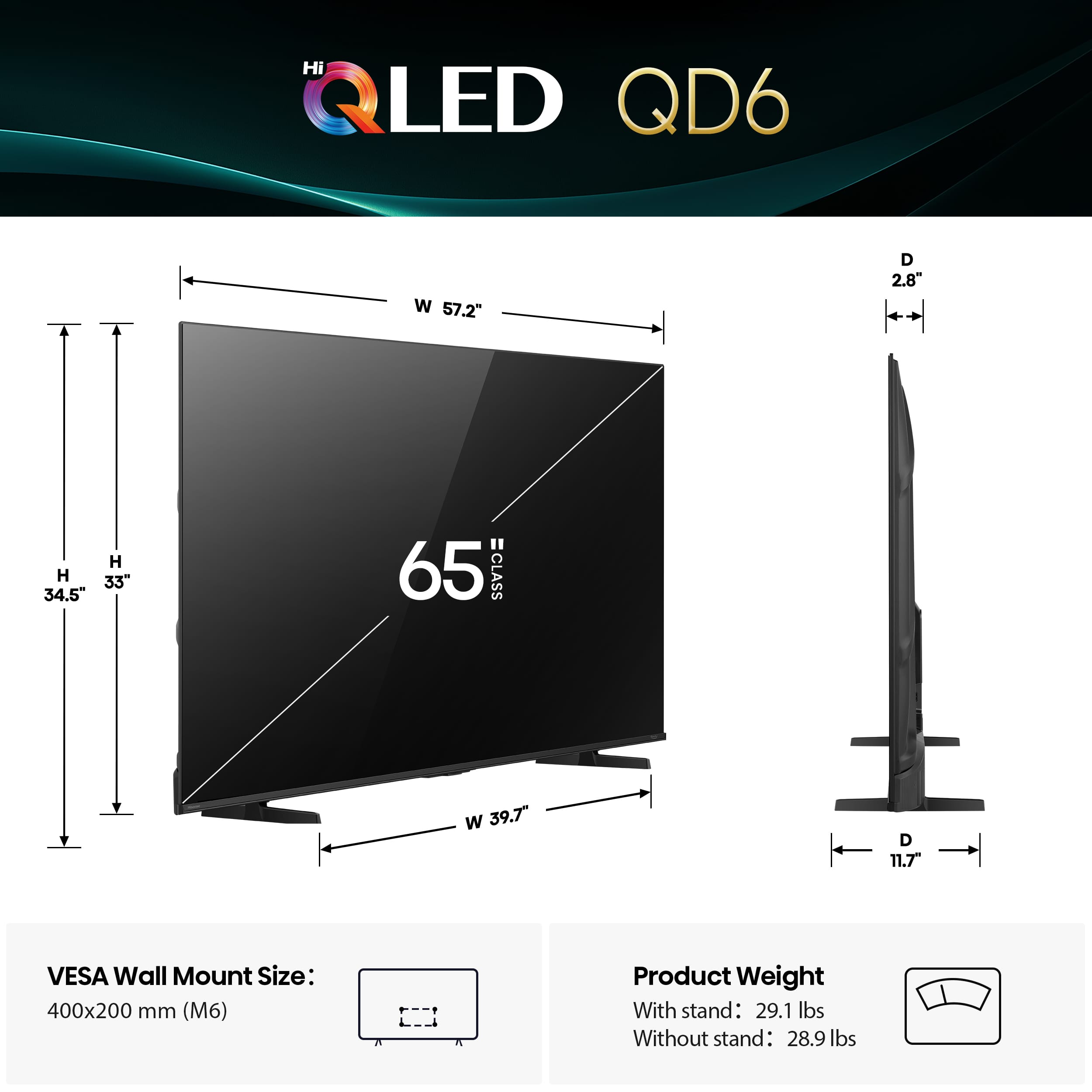

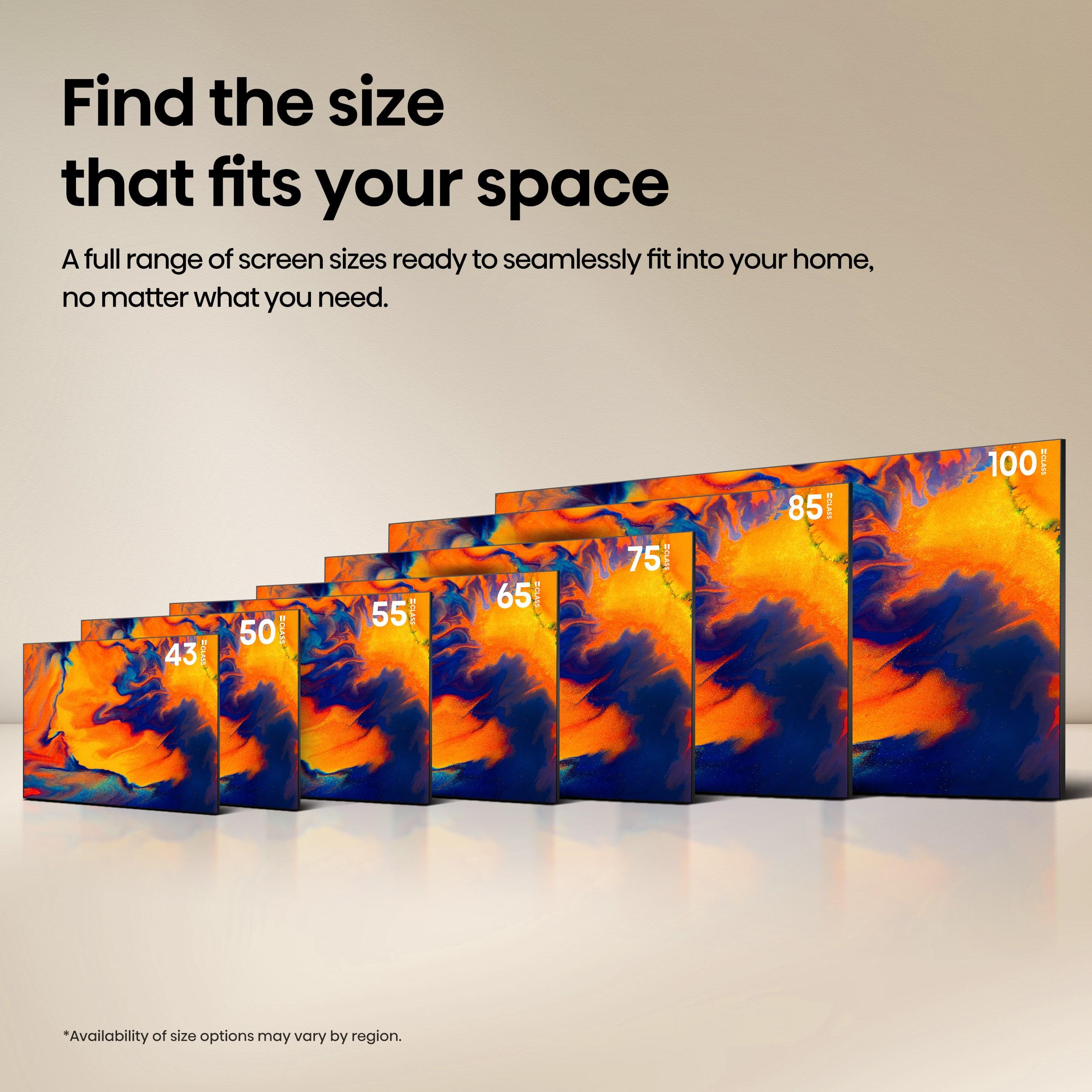
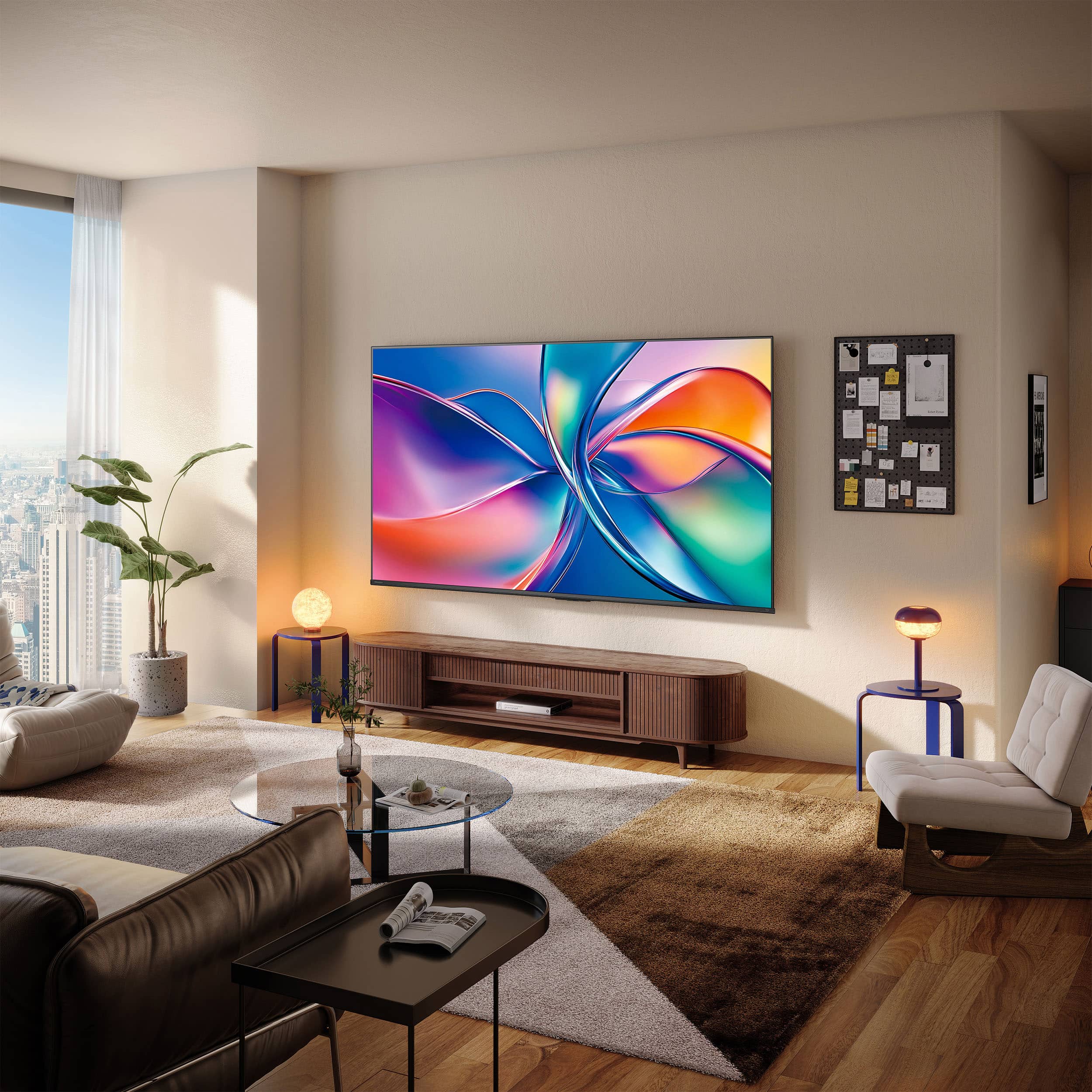
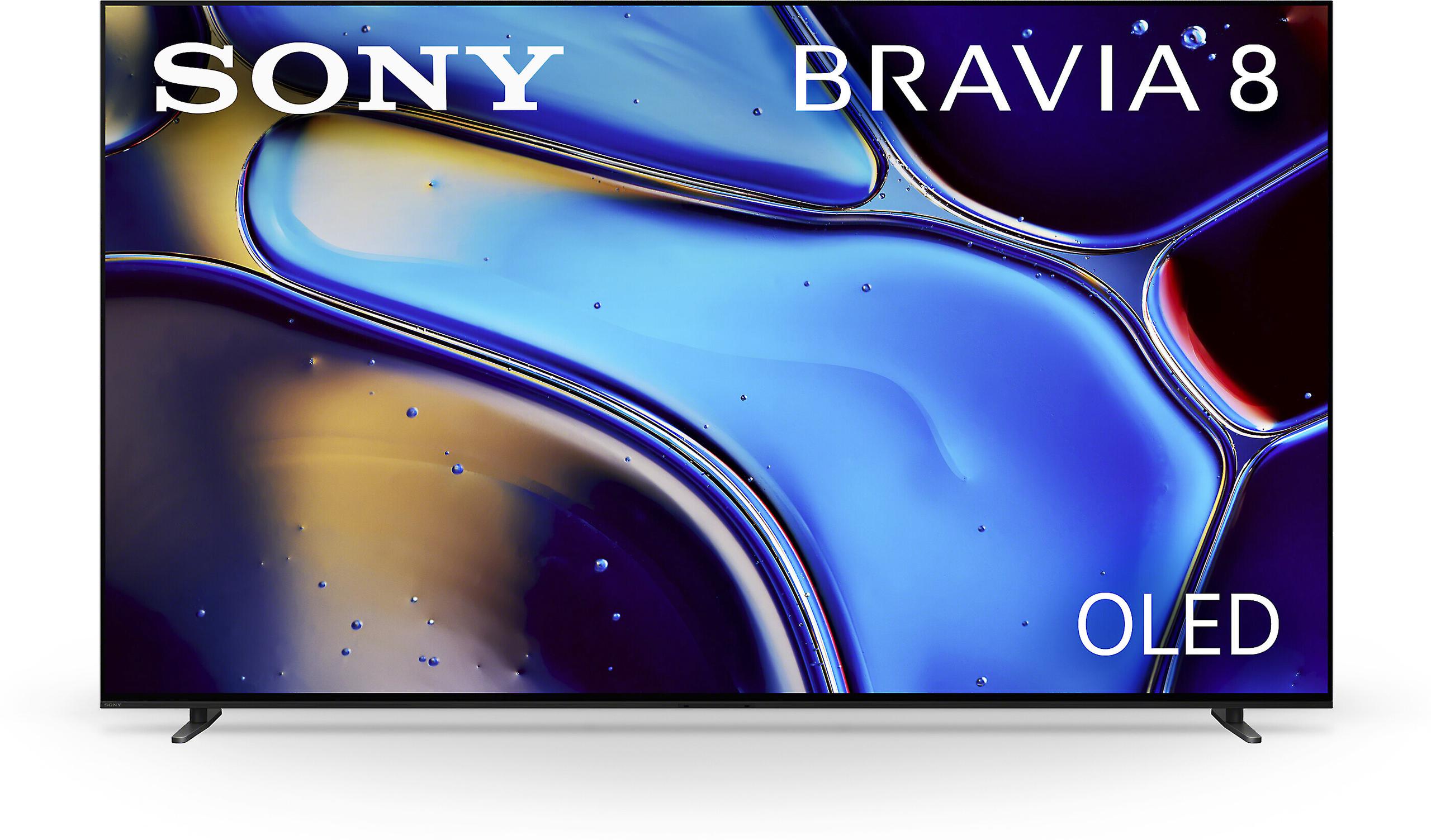
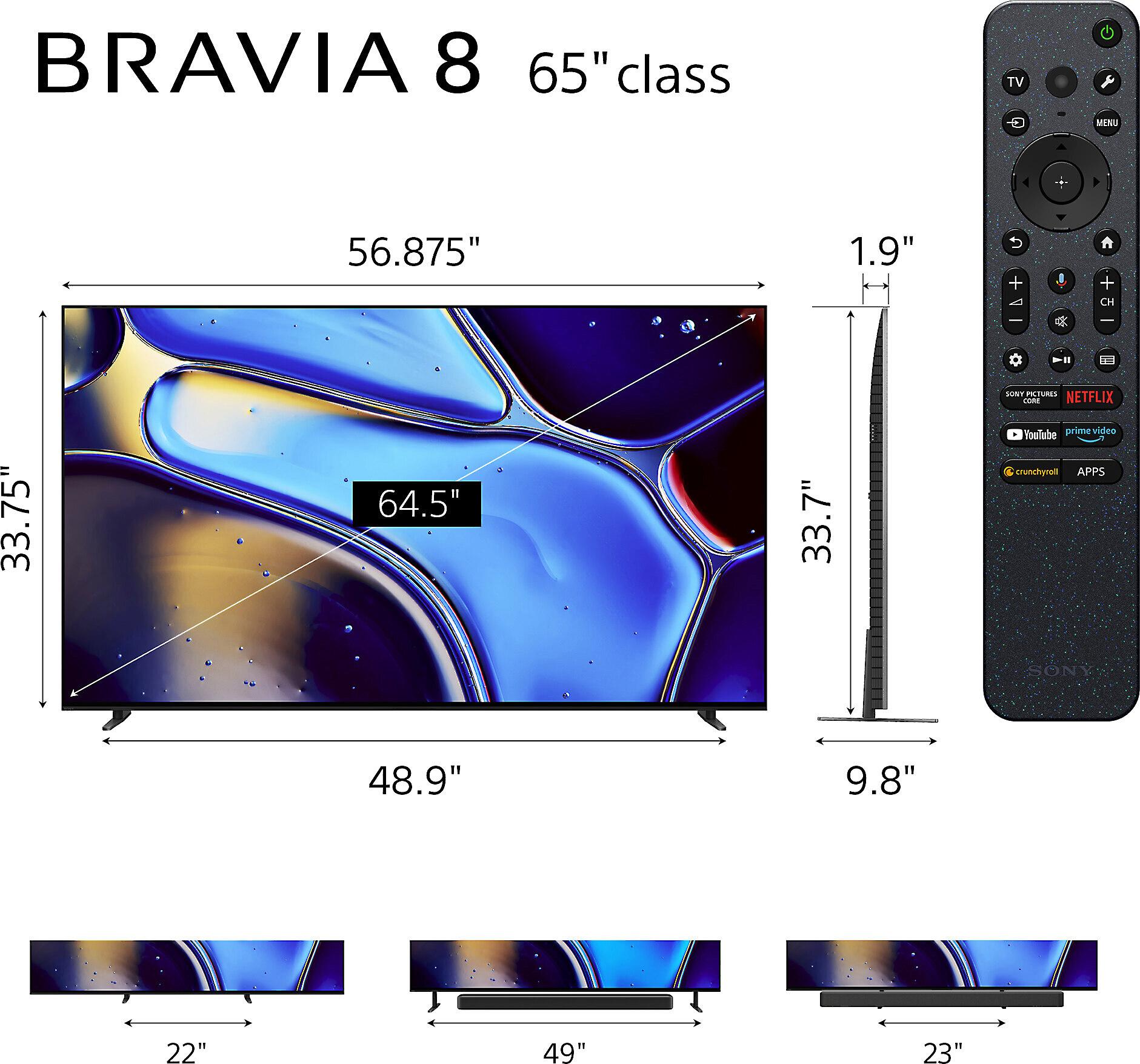
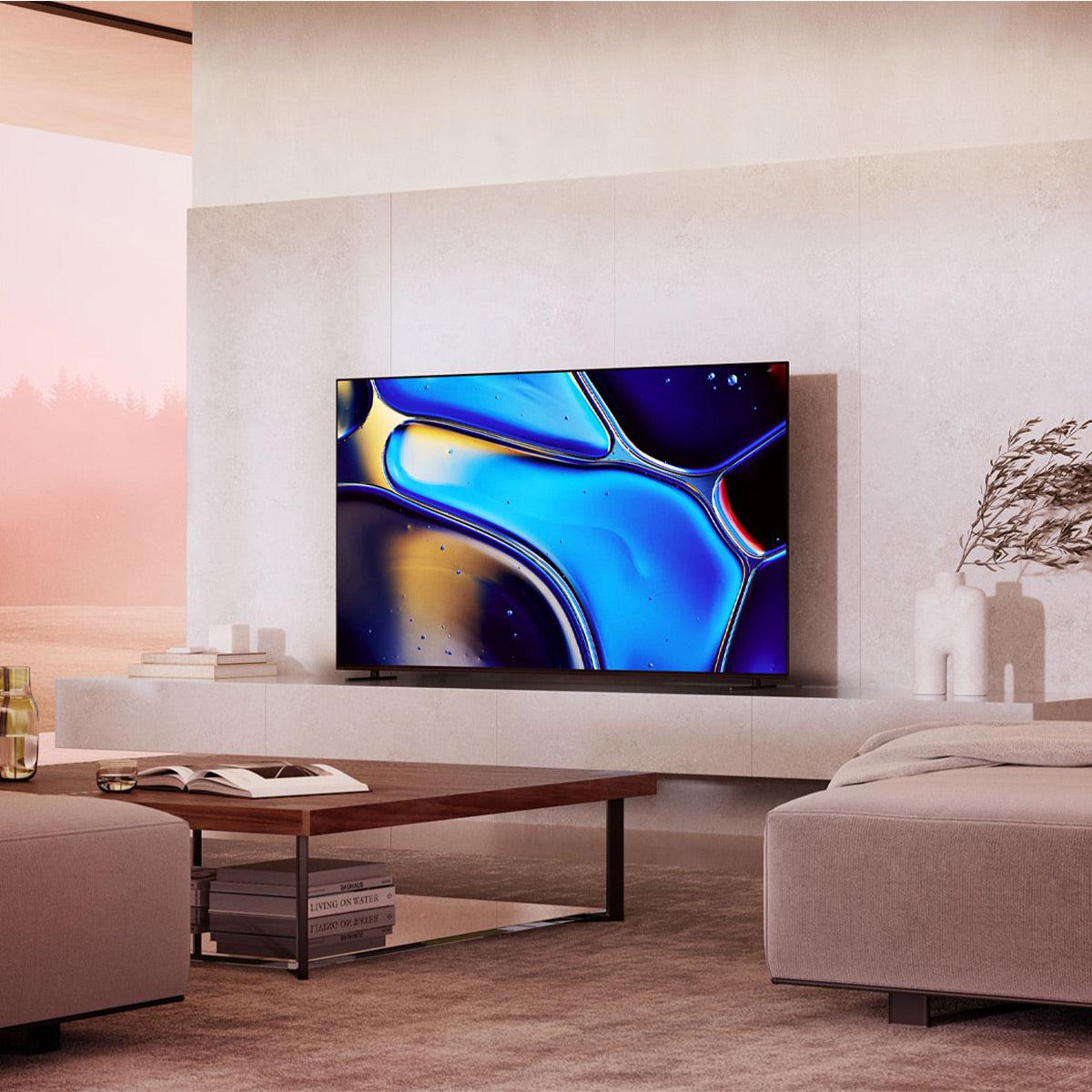
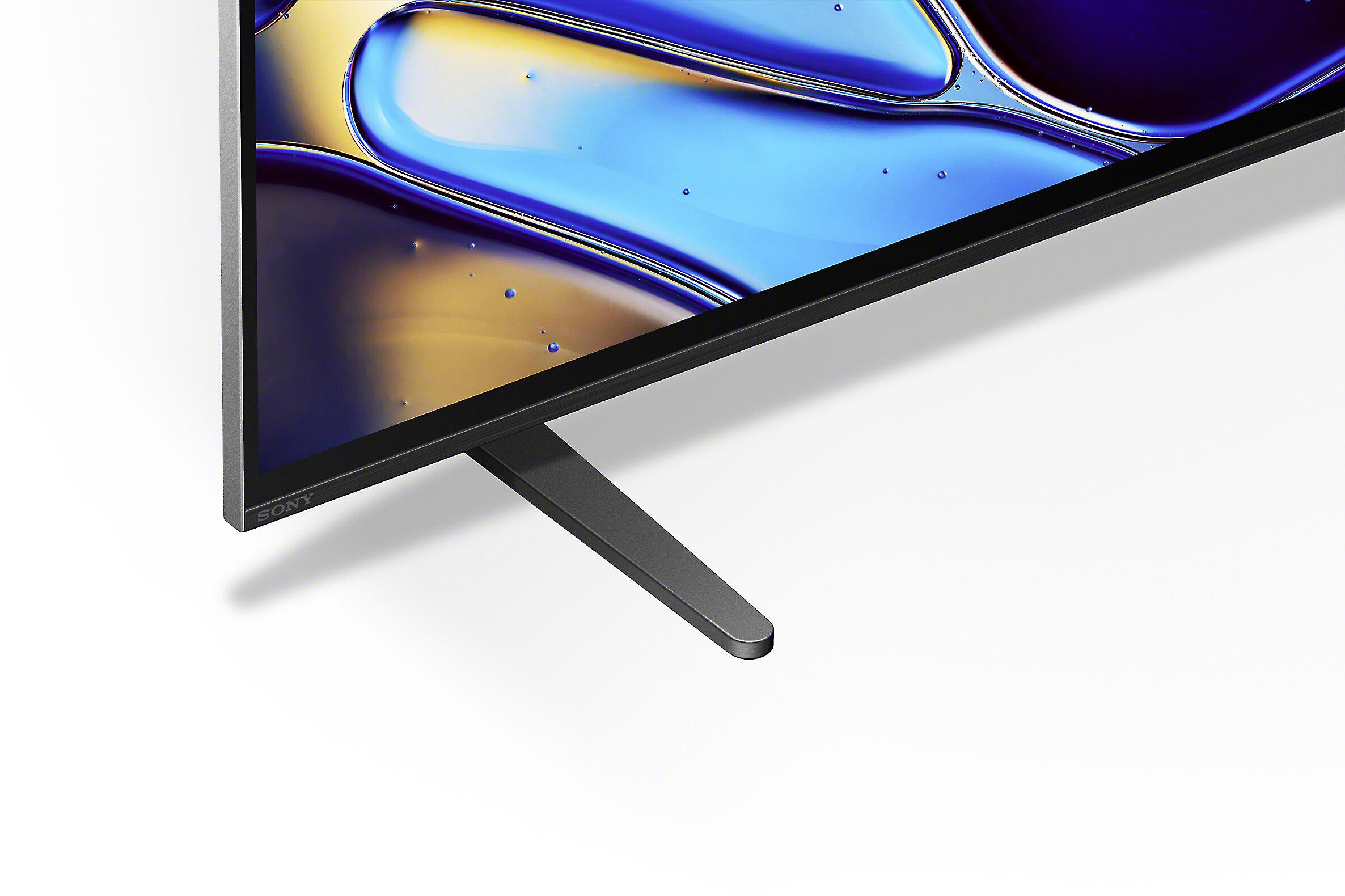
When you're shopping for a 65-inch TV, you'll quickly discover there's a massive gap between budget and premium options. At the time of writing, this difference is perfectly illustrated by comparing the Hisense 65" QD6 Series (released in 2025) with the Sony BRAVIA 8 65" OLED (released in 2024). These TVs represent two completely different philosophies: maximum screen size for your dollar versus cutting-edge display technology.
The price difference between these models is substantial—roughly double—which immediately raises the question: what exactly are you getting for that extra money, and is it worth it? After researching extensive user reviews and expert evaluations, the answer depends entirely on how you plan to use your TV and what compromises you're willing to make.
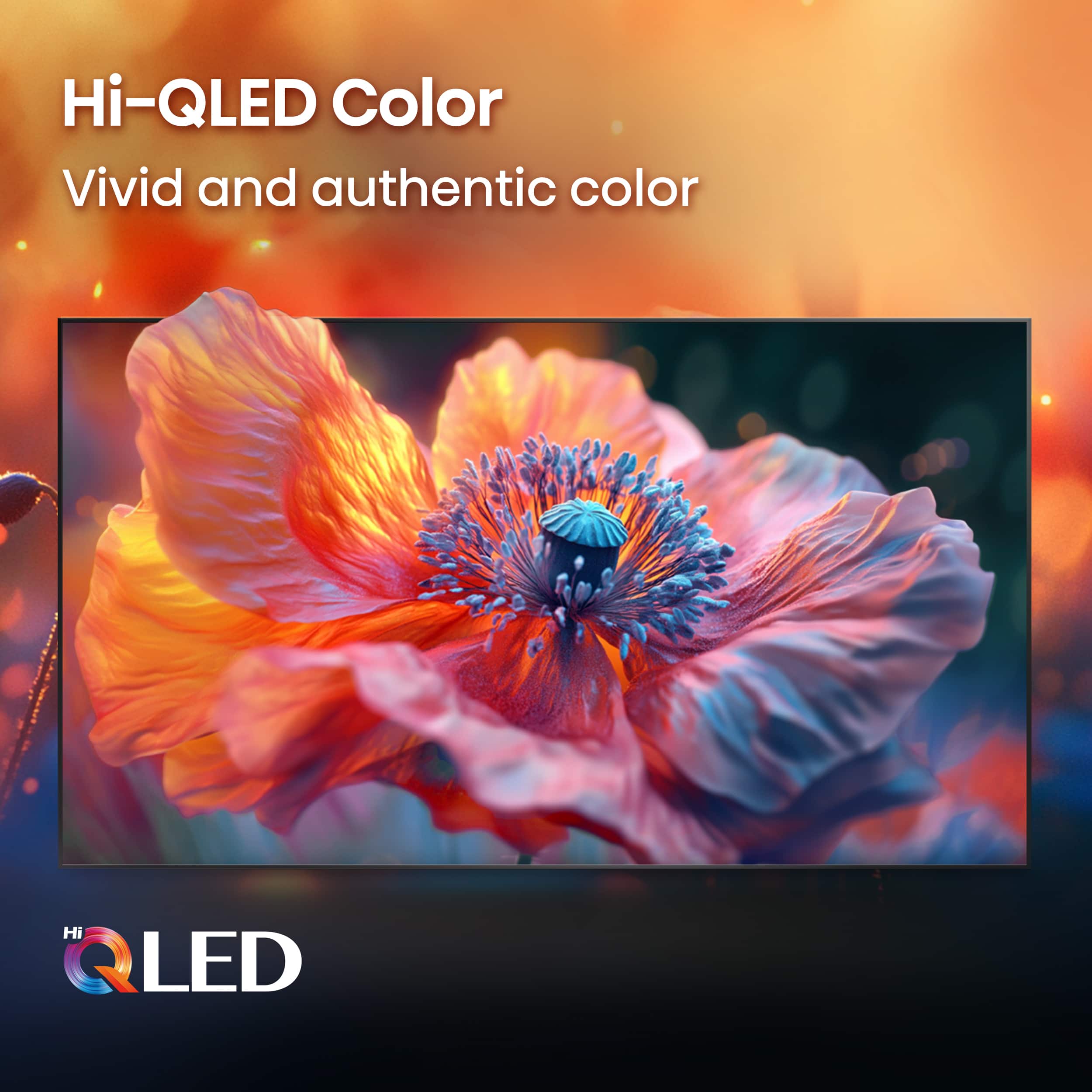
The TV landscape has evolved dramatically over the past few years. The Hisense QD6 represents the latest iteration of quantum dot LED technology, which uses tiny nanocrystals to enhance color production. Think of quantum dots as microscopic color filters that make reds redder and greens greener without requiring more backlighting power. This technology has trickled down to budget TVs, making vibrant colors accessible at lower price points.
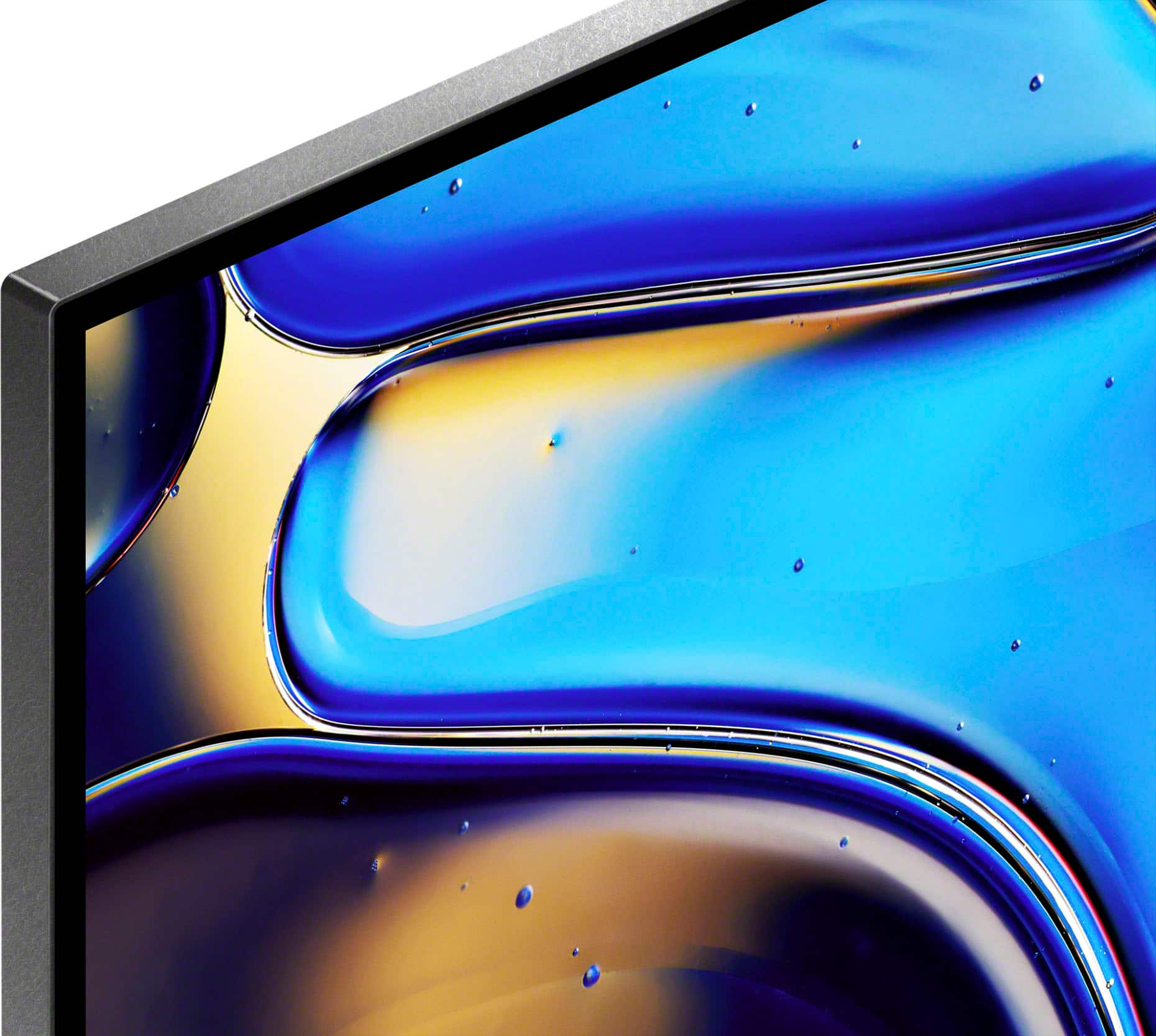
Meanwhile, the Sony BRAVIA 8 showcases OLED (Organic Light-Emitting Diode) technology, where each pixel produces its own light and can turn completely off. This fundamental difference means OLED TVs can display true black—not just very dark gray—creating contrast ratios that LED TVs simply cannot match.
The key considerations when choosing between these technologies are brightness capability, contrast performance, viewing angles, and longevity. LED TVs generally get brighter and last longer, while OLED TVs offer superior contrast and wider viewing angles but may be susceptible to burn-in over time.
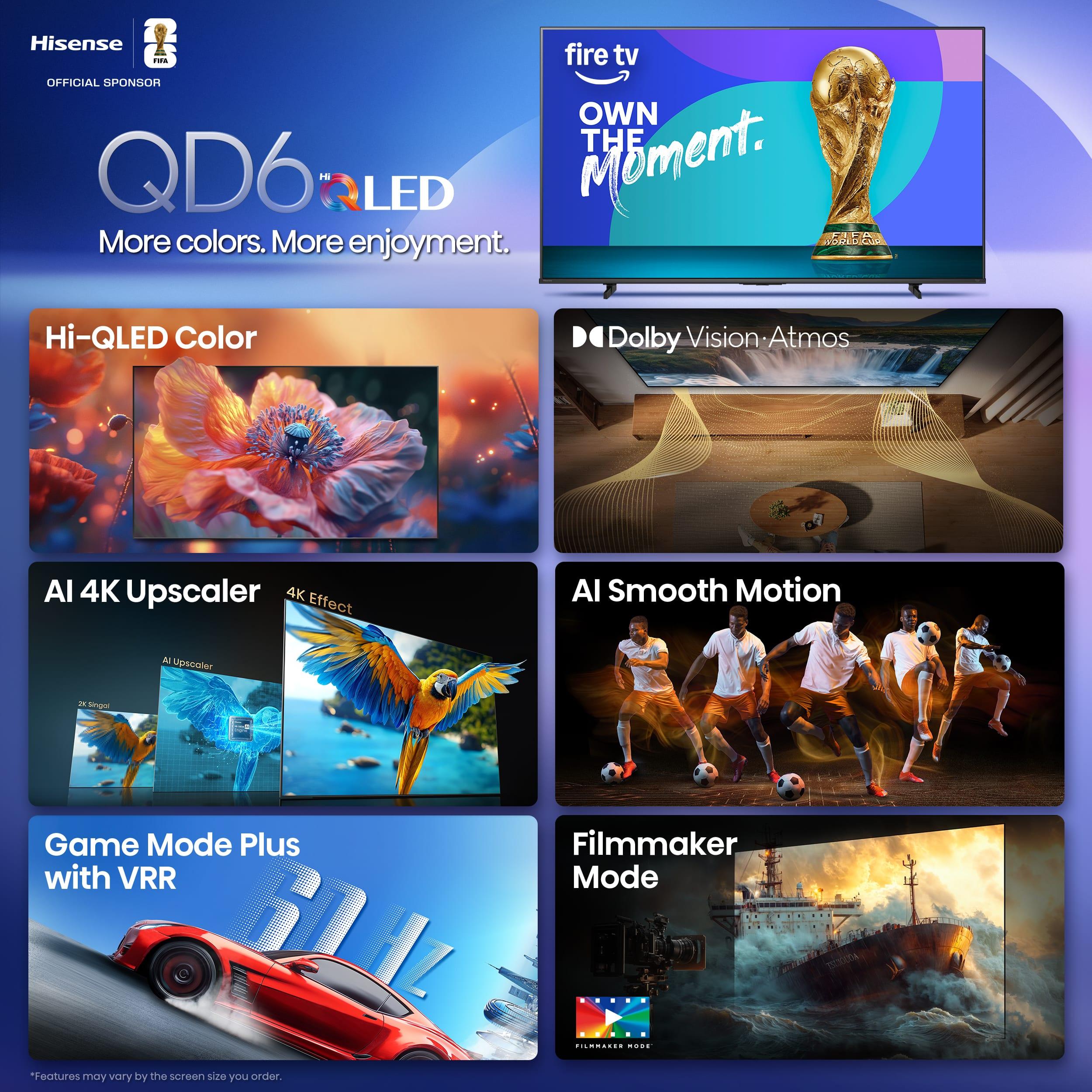
The Hisense QD6 uses a VA-style LED panel with direct backlighting and quantum dot enhancement. VA (Vertical Alignment) panels are known for good native contrast ratios—around 3,800:1 in this case—which means they can display reasonably deep blacks even without local dimming zones. Local dimming is a feature that dims specific backlight zones to improve contrast, but it's absent on this budget model.
The quantum dot layer covers 90% of the DCI-P3 color space, which is the standard used for most HDR content. While this sounds impressive, it's worth noting that premium TVs often exceed 95% coverage. The Hisense achieves a peak brightness of approximately 385 cd/m², which is adequate for moderately lit rooms but struggles in bright spaces with lots of windows.
The Sony BRAVIA 8, by contrast, uses OLED technology with what Sony calls "our highest OLED brightness" levels. While OLED TVs traditionally couldn't match LED brightness, recent advances have closed this gap significantly. More importantly, OLED's infinite contrast ratio—achieved by completely turning off black pixels—creates a viewing experience that many consider transformative, especially in dark room settings.
OLED panels also maintain consistent picture quality regardless of viewing angle. If you've ever noticed a TV's colors washing out when you sit to the side, that's typically a limitation of LED panels. The Sony doesn't suffer from this issue, making it better for larger seating arrangements.
Based on our research into expert reviews and user feedback, the picture quality differences between these TVs are immediately apparent. The Hisense QD6 delivers what most would consider good picture quality for its price range, with vibrant colors that pop during HDR content. However, its limitations become obvious in challenging scenarios.
Dark room viewing reveals the Hisense's biggest weakness: when bright highlights appear on screen, they lift the black levels across the entire display. This means that a bright explosion in a dark movie scene will make the entire black area appear grayish rather than truly black. Without local dimming zones to selectively control backlight regions, this compromise is unavoidable.
The Sony BRAVIA 8 excels precisely where the Hisense struggles. Its OLED technology can display a bright white star against a perfectly black space background simultaneously. This capability transforms the viewing experience for movies, making dark scenes feel more immersive and realistic.
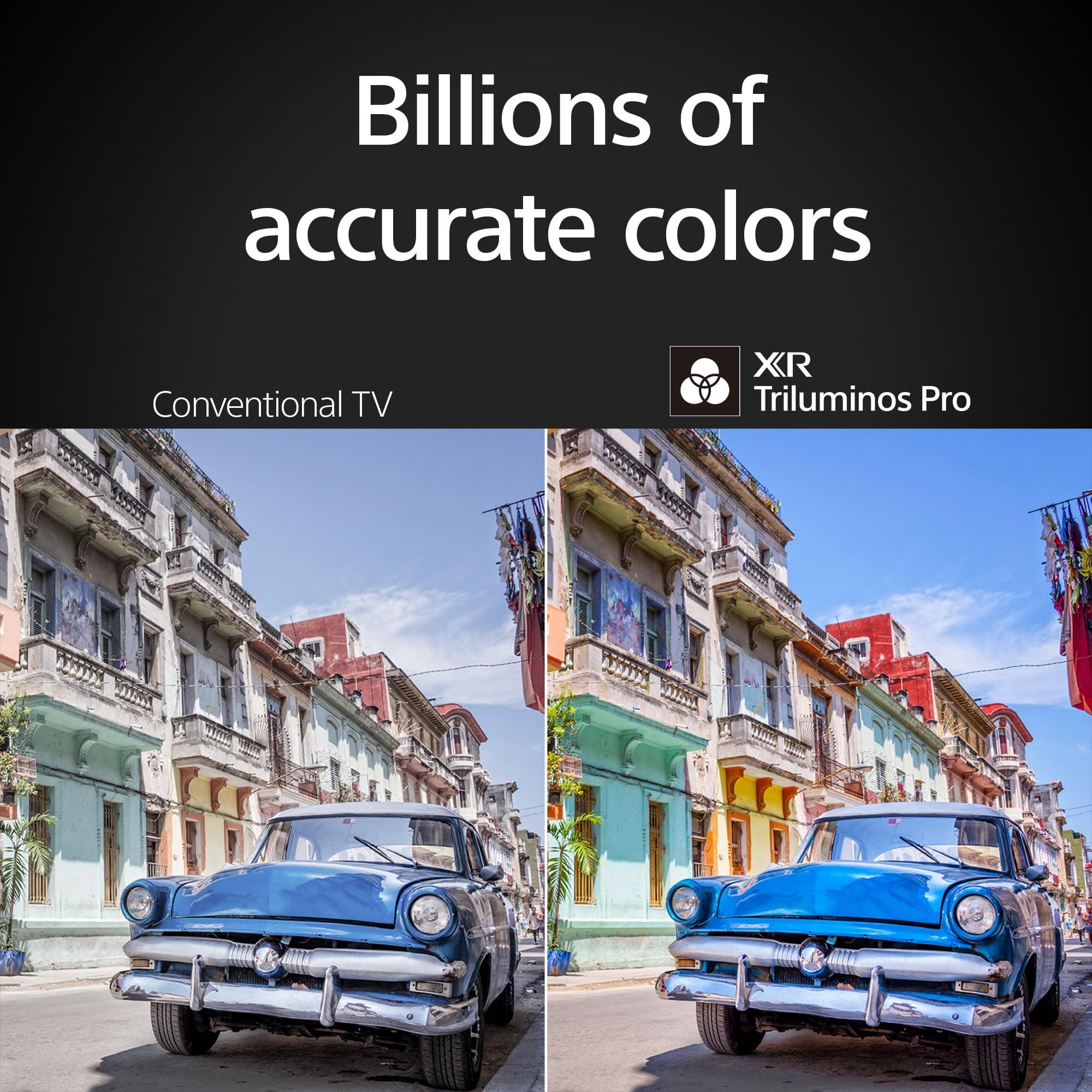
Color accuracy is another differentiator. While the Hisense offers excellent out-of-box accuracy for SDR content, the Sony includes professional-grade calibration and Sony's XR Triluminos Max color processing. This advanced processing analyzes content in real-time and adjusts colors based on human visual perception rather than just technical measurements.
Both TVs support Dolby Vision, HDR10+, and standard HDR10, but their HDR performance differs significantly. HDR (High Dynamic Range) is designed to display brighter highlights and deeper shadows simultaneously, creating more lifelike images. However, this requires sufficient peak brightness and contrast capability.
The Hisense QD6's 385 cd/m² peak brightness, while decent for standard content, falls short for impactful HDR. Expert reviews consistently note that bright HDR scenes appear dull and flat compared to higher-end TVs. The TV supports all the right HDR formats, but lacks the hardware capability to fully realize their potential.
The Sony BRAVIA 8 delivers substantially better HDR performance through its combination of higher peak brightness and infinite contrast. Dolby Vision content, which adjusts brightness and color scene-by-scene, particularly benefits from OLED's ability to simultaneously display bright and dark elements. This creates the dynamic range that HDR content is designed to showcase.
For home theater enthusiasts, this HDR performance difference is crucial. Movies mastered in HDR are designed with specific brightness targets in mind, and the Sony can actually deliver the intended viewing experience, while the Hisense provides a compromised version.
Gaming performance has become increasingly important as PlayStation 5 and Xbox Series X push 4K gaming at higher frame rates. The differences between these TVs in gaming capability are substantial and may influence your decision if you're a serious gamer.
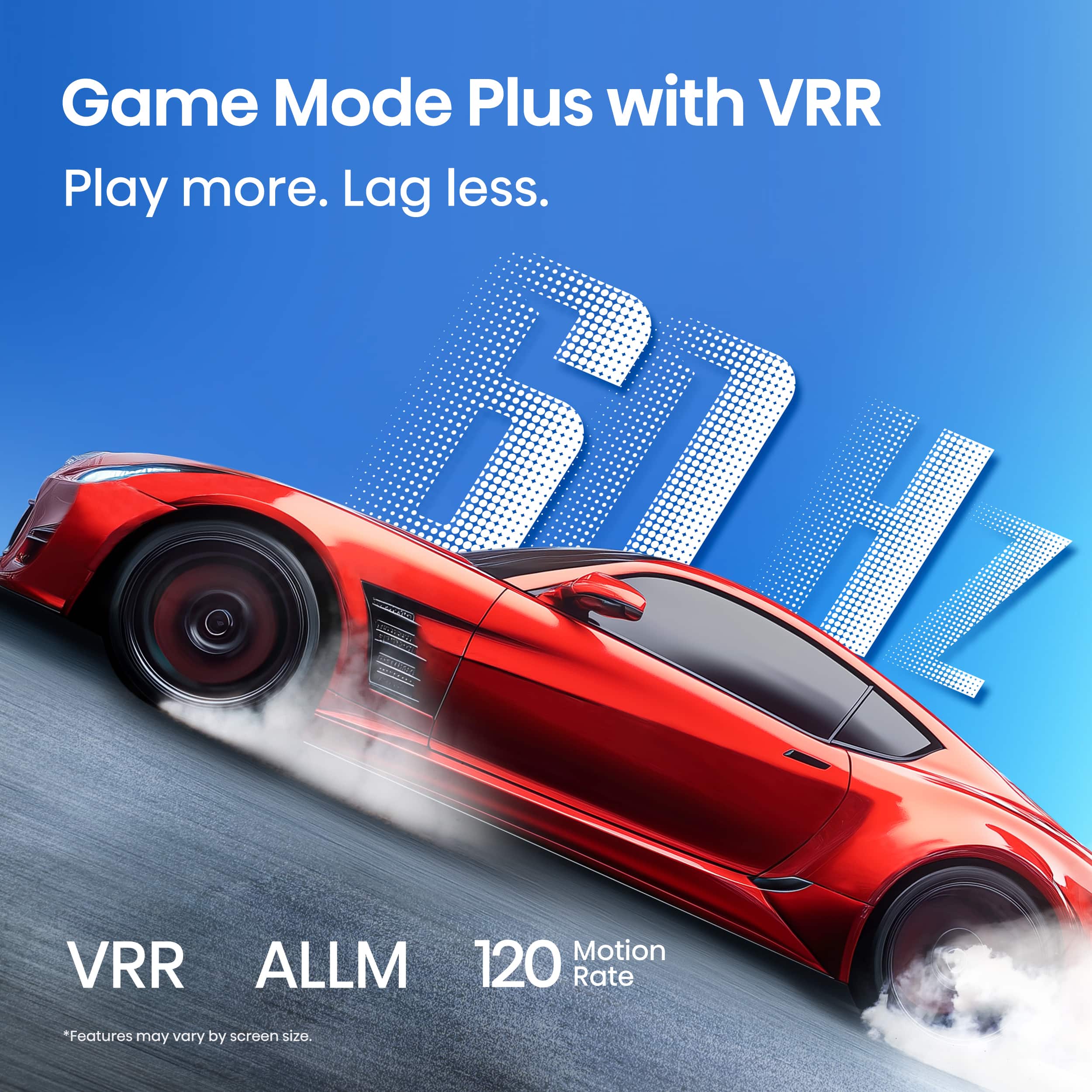
The Hisense QD6 includes Game Mode Plus with Variable Refresh Rate (VRR) and Auto Low Latency Mode (ALLM). VRR synchronizes the TV's refresh rate with the console's frame output to eliminate screen tearing, while ALLM automatically reduces input lag when gaming is detected. These features work well for casual gaming, with input lag measuring around 10.2ms in game mode.
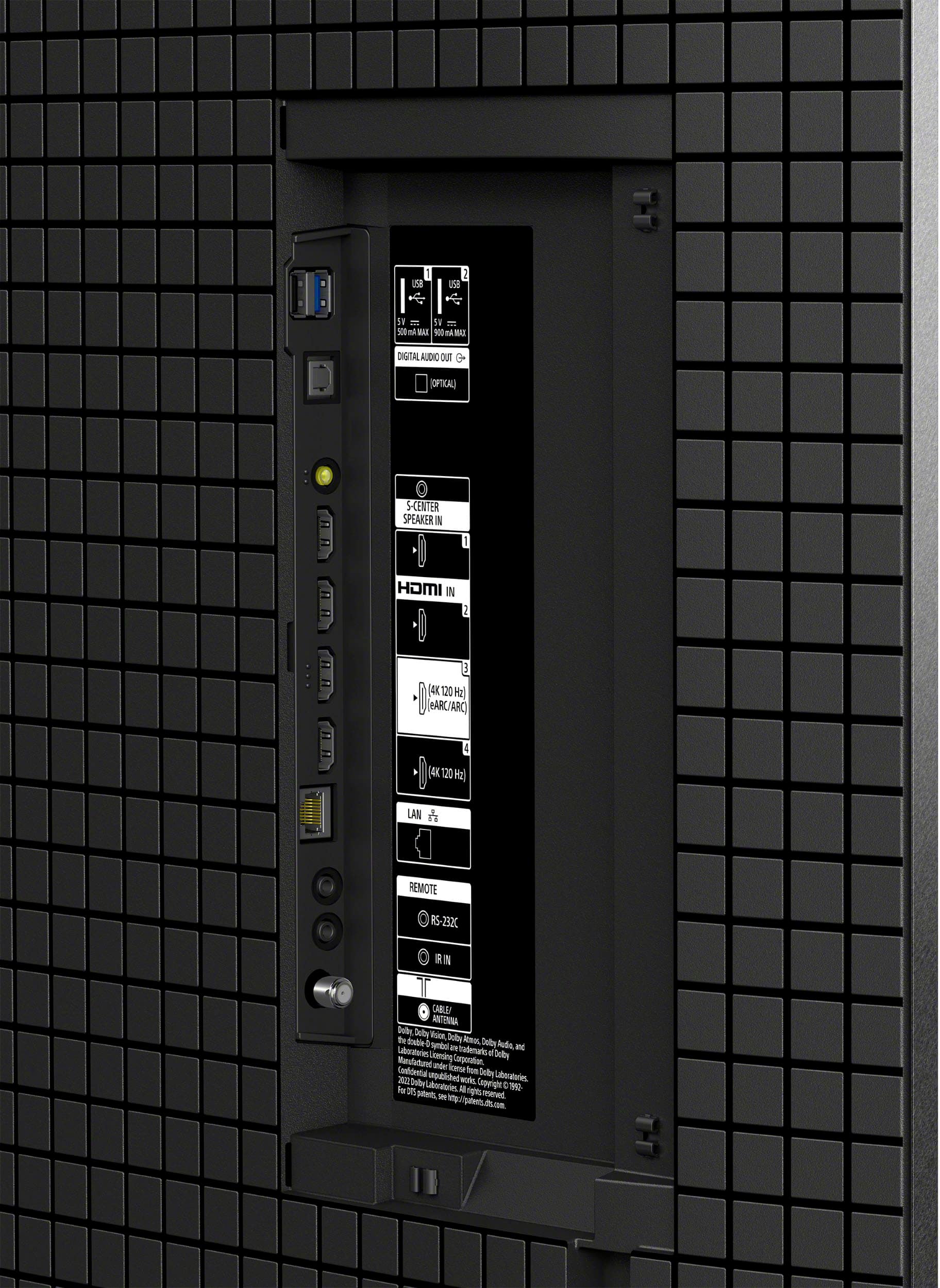
However, the Hisense is fundamentally limited by its 60Hz refresh rate and HDMI 2.0 ports. While it can display 4K content, it cannot handle 4K at 120Hz—a key feature of next-generation consoles. This means you're missing out on smoother motion and reduced input lag that newer games can provide.
The Sony BRAVIA 8 offers comprehensive gaming features with its 120Hz native refresh rate and two HDMI 2.1 ports. This enables true 4K@120Hz gaming, full VRR implementation up to 120Hz, and specialized features like Auto HDR Tone Mapping for PlayStation 5. The difference in gaming smoothness between 60Hz and 120Hz is immediately noticeable in fast-paced games.
For competitive gaming or if you want to future-proof your setup for upcoming games, the Sony's gaming capabilities justify the price premium. However, if you primarily play slower-paced games or use older consoles, the Hisense provides adequate performance.
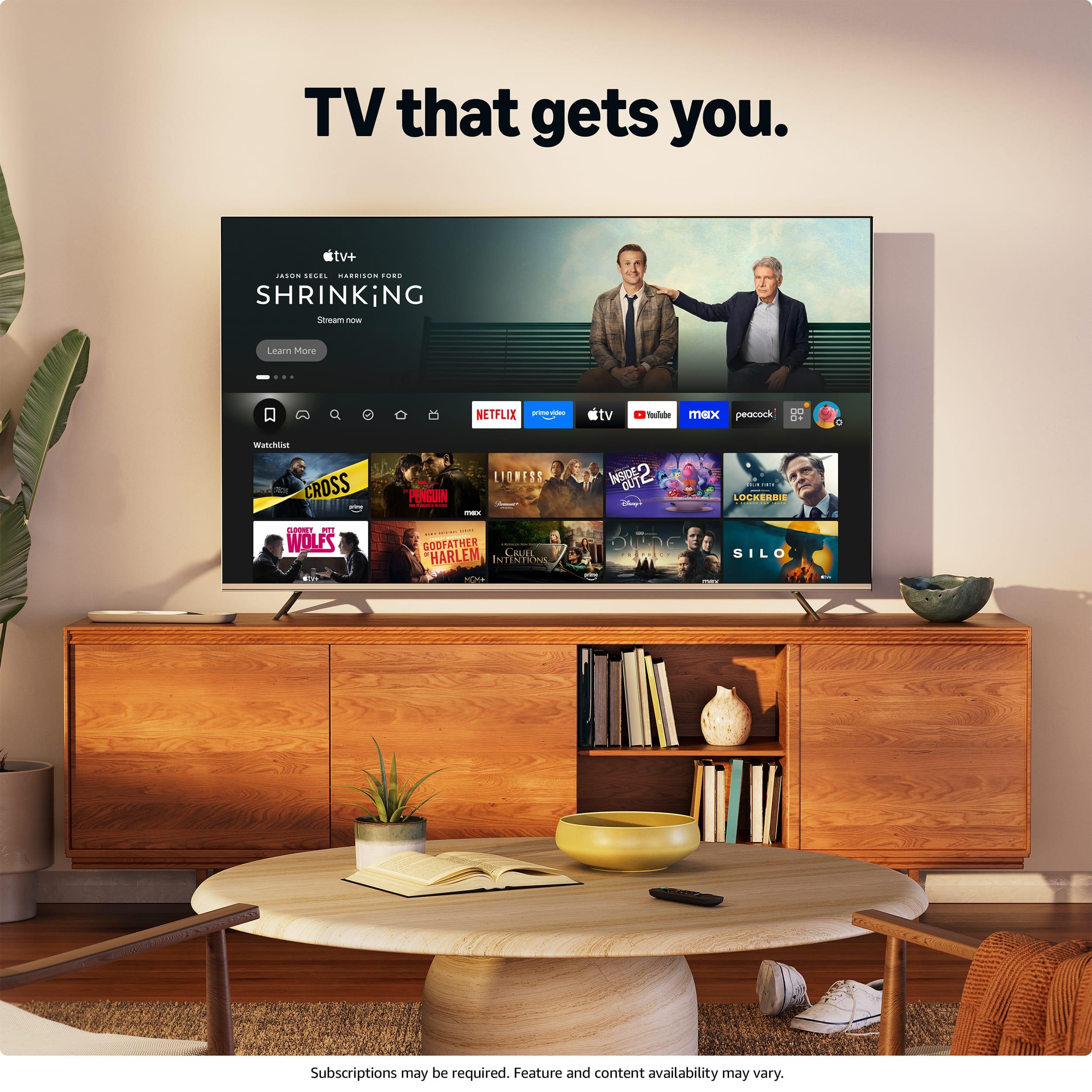
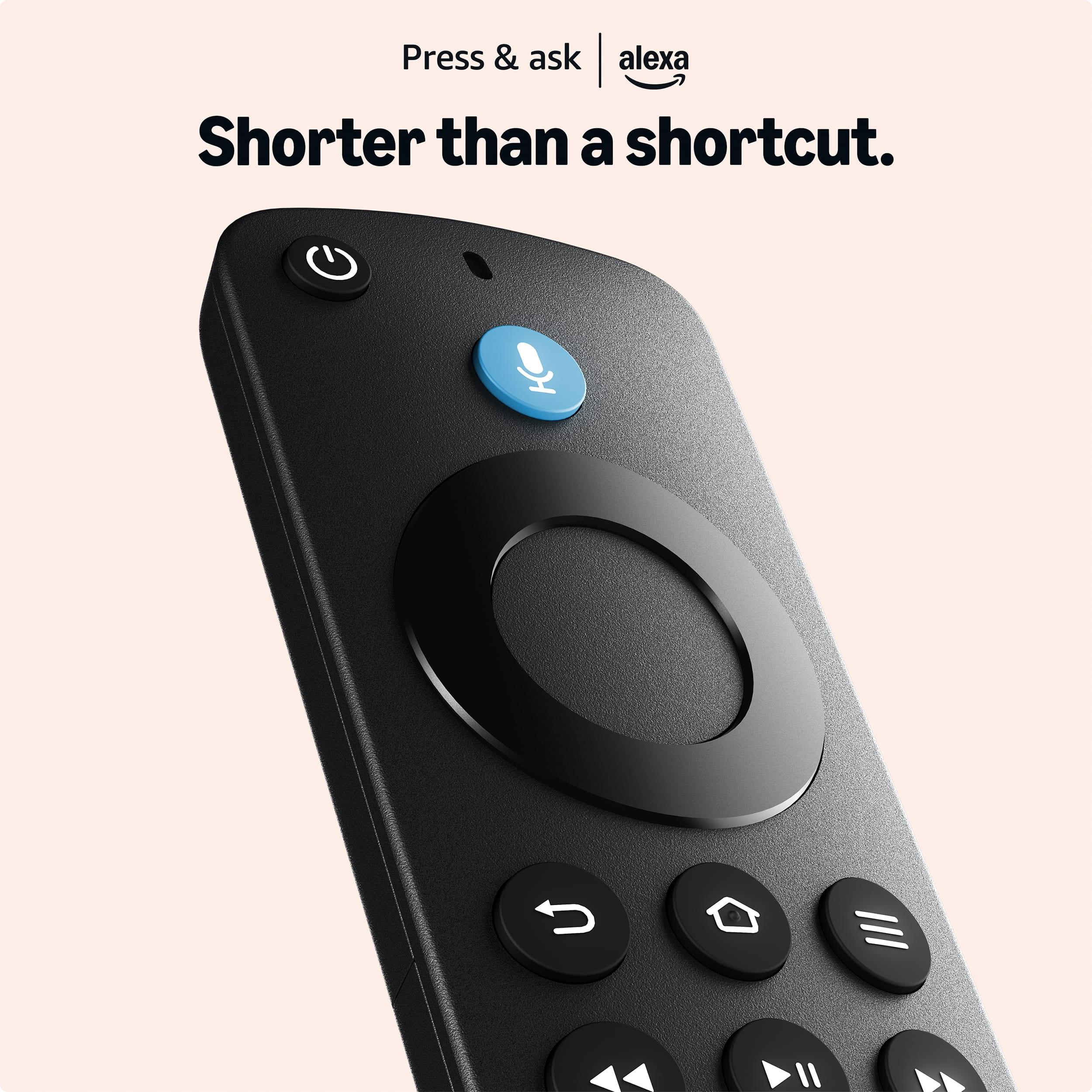
The smart platform often becomes your primary interface for streaming content, making this choice more important than many realize. The Hisense QD6 runs Fire TV, Amazon's interface that prioritizes Prime Video content and integrates seamlessly with Alexa voice control. Fire TV offers a comprehensive app selection and generally smooth navigation, though some users report occasional lag in menus.
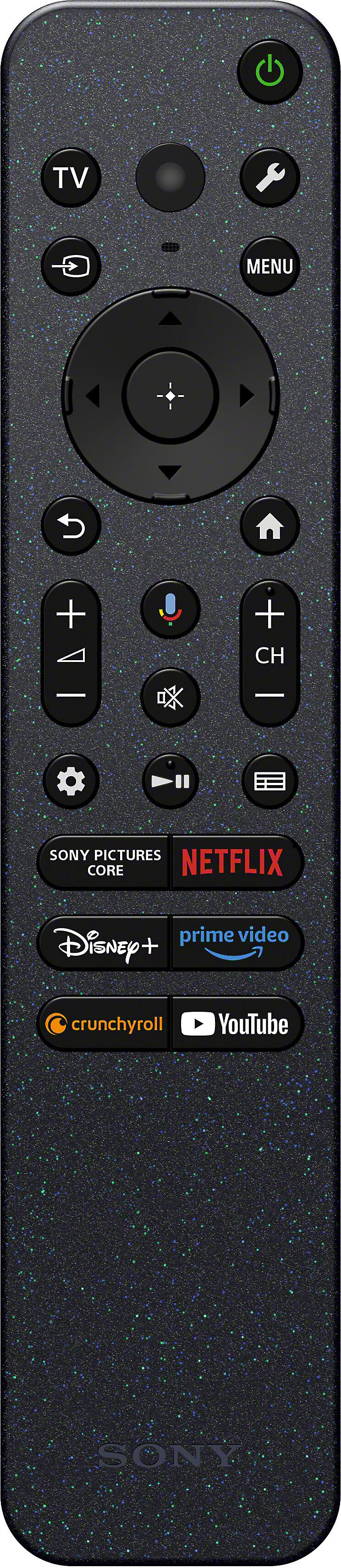
Fire TV's strength lies in its content discovery, particularly if you're already invested in Amazon's ecosystem. The interface surfaces relevant content from multiple streaming services, though it tends to favor Amazon's own content. Voice control through the included Alexa remote works reliably for basic functions like volume control, app launching, and content search.
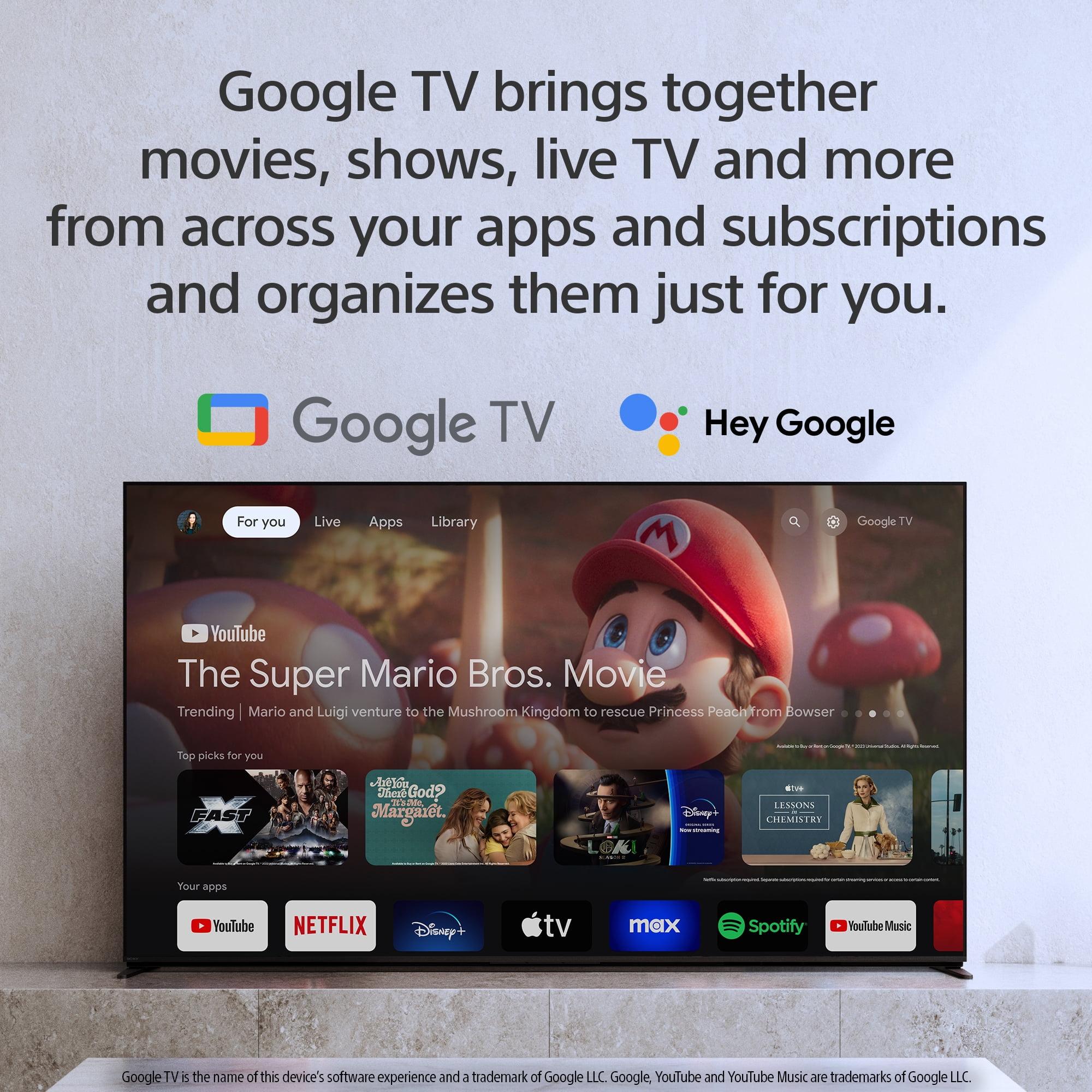
The Sony BRAVIA 8 uses Google TV, which provides more sophisticated content recommendations across streaming platforms. Google TV excels at unified content discovery, showing you movies and shows from Netflix, Disney+, HBO Max, and other services in a single interface. The platform also includes Google Assistant for voice control and smart home integration.
Google TV's advantage extends to casting capabilities with built-in Chromecast and Apple AirPlay 2 support. This makes it easier to share content from phones, tablets, or computers. The recommendation algorithm also tends to be more accurate over time as it learns your viewing preferences.
From a long-term perspective, Google TV receives more frequent updates and has broader industry support, while Fire TV's development is more tied to Amazon's specific priorities.
Motion handling becomes crucial for sports viewing and action movies. The Hisense QD6 includes AI Smooth Motion powered by MEMC (Motion Estimation, Motion Compensation), which creates intermediate frames to smooth motion. While this helps with sports content, expert reviews note visible blur trails during fast dark-to-light transitions.
The TV's 60Hz native refresh rate, enhanced to "Motion Rate 120" through interpolation, provides adequate motion smoothness for most content. However, the slower response times typical of budget LED panels mean fast-moving objects may appear blurry, particularly in sports scenarios with quick camera movements.
The Sony BRAVIA 8's 120Hz native refresh rate and OLED technology provide significantly superior motion handling. OLED pixels can change states nearly instantaneously, eliminating the blur trails common on LED panels. Sony's XR OLED Motion processing analyzes successive frames and intelligently interpolates motion without creating artifacts.
For sports enthusiasts or action movie fans, the Sony's motion performance justifies the investment. The difference is particularly noticeable during fast-paced sports like hockey or basketball, where player movements remain sharp and clear.
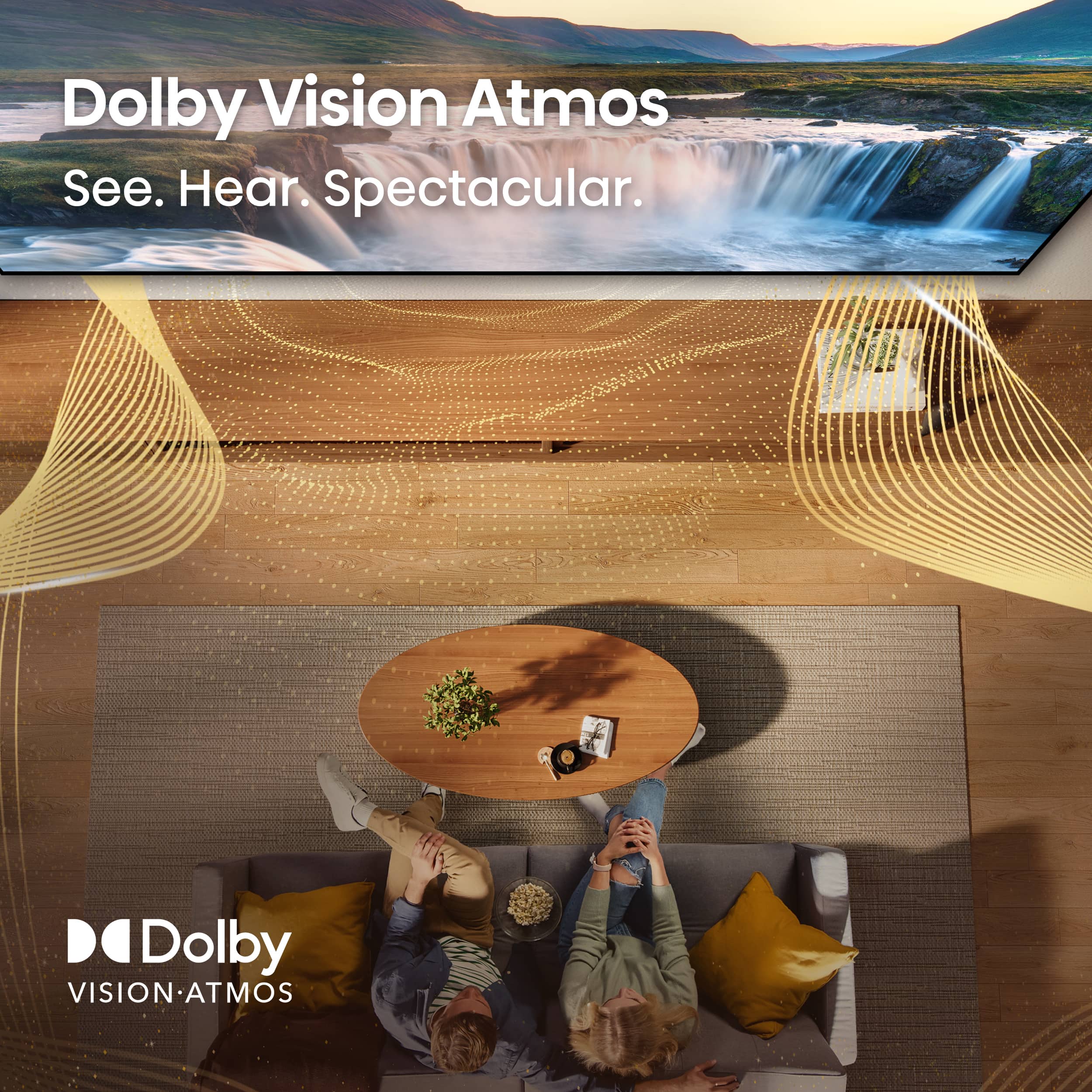
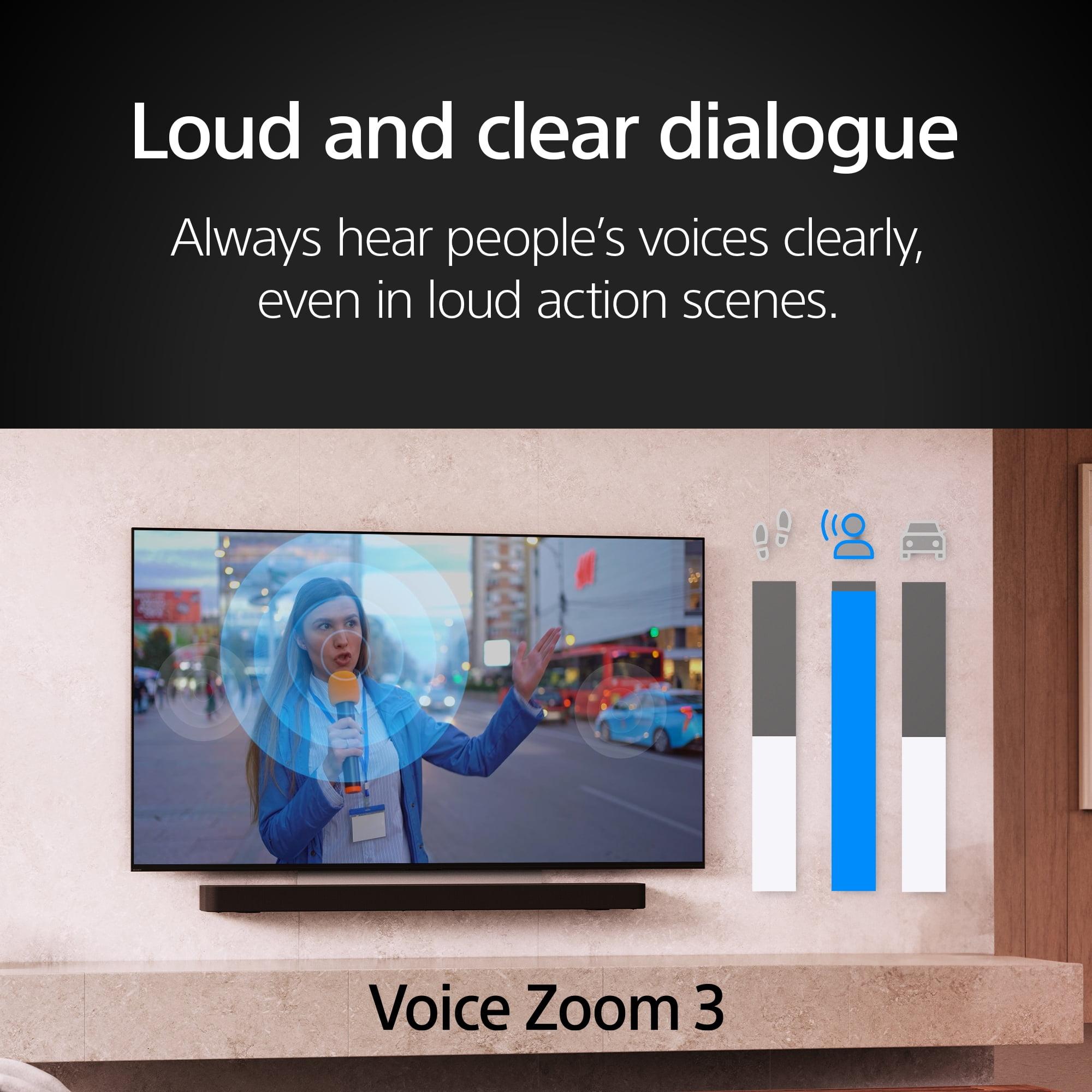
Audio often gets overlooked when TV shopping, but both models include interesting sound technologies. The Hisense QD6 features standard speakers with Dolby Atmos processing, providing decent sound quality for casual viewing. While not exceptional, the audio is adequate for most content without requiring an immediate soundbar purchase.
The Sony BRAVIA 8 includes Acoustic Surface Audio+ technology, which turns the entire OLED screen into a speaker. This creates sound that appears to come directly from the action on screen rather than from below the TV. Combined with a 2.1-channel system providing 50W total power, the audio quality surpasses most built-in TV speakers.
For home theater applications, the Sony's acoustic technology provides a more immersive experience, though serious enthusiasts will likely add a dedicated soundbar or surround system regardless of the TV choice.
If you're building a dedicated home theater space, the TV choice becomes even more critical. The Sony BRAVIA 8 excels in dark room environments where its OLED technology can showcase infinite contrast. Movies mastered for theaters translate better to OLED displays because they can reproduce the intended contrast ratios.
The Hisense QD6 faces limitations in home theater scenarios. Without local dimming, bright highlights wash out dark scenes, and the limited peak brightness means HDR content doesn't deliver the intended impact. Additionally, the lack of 24p judder removal from streaming apps can make movie content appear less smooth.
For serious home theater applications, the Sony provides a significantly more cinematic experience, particularly for movies shot in dark environments or with high contrast scenes.
At the time of writing, the price difference between these TVs reflects their target markets. The Hisense QD6 prioritizes screen size and basic 4K performance at an accessible price point. For many buyers, it delivers exactly what's needed: a large, colorful display for streaming content and casual viewing.
The Sony BRAVIA 8 targets enthusiasts willing to pay premium prices for cutting-edge technology. Its OLED panel, advanced processing, and comprehensive gaming features justify the higher cost for users who prioritize picture quality and future-proofing.
The value equation depends on your priorities. If maximizing screen size within budget is your goal, the Hisense provides exceptional value. If you want the best possible viewing experience and have the budget flexibility, the Sony offers superior performance across almost every metric.
Choose the Hisense QD6 if you need a 65-inch TV on a tighter budget, primarily watch streaming content, and don't require cutting-edge gaming features. It's excellent for bright rooms, casual viewing, and families who want maximum screen size without premium pricing.
Choose the Sony BRAVIA 8 if picture quality is your priority, you game on next-generation consoles, or you're building a home theater setup. The OLED technology and advanced features justify the premium for enthusiasts who want the best available viewing experience.
The decision ultimately comes down to whether the OLED advantages and gaming capabilities warrant the significant price premium. Both TVs serve their intended markets well, but they're designed for fundamentally different users and viewing scenarios.
| Hisense 65" QD6 Series Hi-QLED Fire TV | Sony BRAVIA 8 65" 4K OLED TV |
|---|---|
| Display Technology - Fundamentally affects contrast, brightness, and viewing experience | |
| VA LED panel with quantum dots and direct backlighting | OLED with per-pixel lighting and infinite contrast |
| Peak Brightness - Critical for HDR impact and bright room viewing | |
| 385 cd/m² (adequate for moderate lighting) | Sony's highest OLED brightness levels (superior HDR performance) |
| Contrast Ratio - Determines black depth and overall picture quality | |
| 3,800:1 static contrast (good but limited by backlight bleed) | Infinite contrast (true blacks with pixels completely off) |
| Refresh Rate - Essential for gaming and smooth motion | |
| 60Hz native (Motion Rate 120 with interpolation) | 120Hz native (genuine high refresh rate) |
| HDMI Connectivity - Affects gaming and future device compatibility | |
| 4x HDMI 2.0 ports (limited to 4K@60Hz) | 2x HDMI 2.1 + 2x HDMI 2.0 (supports 4K@120Hz gaming) |
| Gaming Features - Important for console gaming optimization | |
| VRR and ALLM at 60Hz, 10.2ms input lag | Full VRR up to 120Hz, ALLM, Auto HDR Tone Mapping for PS5 |
| Color Coverage - Affects color vibrancy and accuracy | |
| 90% DCI-P3 with quantum dot enhancement | XR Triluminos Max with professional-grade processing |
| HDR Support - Determines dynamic range capabilities | |
| Dolby Vision, HDR10+, HDR10 (limited by brightness) | Dolby Vision, HDR10 with scene-by-scene optimization |
| Smart Platform - Your daily interface for streaming and apps | |
| Fire TV with Alexa integration | Google TV with Google Assistant, AirPlay 2, Chromecast |
| Audio Technology - Built-in sound quality and features | |
| Standard speakers with Dolby Atmos processing | Acoustic Surface Audio+ (screen becomes speaker) + 2.1 system |
| Viewing Angles - Important for seating arrangement flexibility | |
| VA panel with narrow viewing angles (colors wash out off-axis) | OLED maintains consistent picture quality from all angles |
| Motion Handling - Critical for sports and action content | |
| MEMC with visible blur trails in fast transitions | XR OLED Motion with near-instantaneous pixel response |
| Local Dimming - Affects contrast in mixed bright/dark scenes | |
| None (causes black lift with bright highlights) | Per-pixel control (bright and dark elements displayed simultaneously) |
The biggest difference is display technology. The Hisense 65" QD6 Series uses LED backlighting with quantum dots, while the Sony BRAVIA 8 uses OLED technology where each pixel produces its own light. This means the Sony can achieve perfect blacks and infinite contrast, while the Hisense offers good brightness but cannot display true blacks.
The Sony BRAVIA 8 OLED is significantly better for dark rooms because its OLED pixels can turn completely off to create perfect blacks. The Hisense QD6 suffers from backlight bleed in dark scenes, making blacks appear grayish rather than true black, especially when bright highlights are present on screen.
The Sony BRAVIA 8 fully supports next-gen gaming with 4K@120Hz, VRR up to 120Hz, and HDMI 2.1 ports. The Hisense QD6 Series has gaming features like VRR and ALLM but is limited to 60Hz refresh rates and HDMI 2.0, so you won't get the full capabilities of PS5 or Xbox Series X.
While both TVs handle moderate lighting well, the Hisense QD6 with its LED backlighting can maintain consistent brightness in bright rooms. The Sony BRAVIA 8 uses Sony's brightest OLED technology but may still struggle in rooms with direct sunlight, though it performs much better than older OLED models.
The Hisense QD6 runs Fire TV, which integrates well with Amazon services and Alexa. The Sony BRAVIA 8 uses Google TV, offering better content discovery across multiple streaming services, Google Assistant integration, and built-in Chromecast and AirPlay support. Google TV generally receives more frequent updates.
The Sony BRAVIA 8 excels at motion handling with its native 120Hz refresh rate and near-instantaneous OLED pixel response times. The Hisense QD6 uses motion interpolation to improve its 60Hz panel but can show blur trails during fast movement, making it less ideal for sports viewing.
The Sony BRAVIA 8 is excellent for home theaters due to its infinite contrast, accurate colors, and ability to display bright and dark elements simultaneously. The Hisense QD6 Series faces limitations in home theater use because bright scenes wash out blacks and HDR content doesn't deliver full impact due to brightness constraints.
The Hisense QD6 provides exceptional value for buyers prioritizing screen size over premium features, offering solid 4K performance at a budget-friendly price. The Sony BRAVIA 8 costs significantly more but justifies the premium with superior picture quality, advanced gaming features, and OLED technology.
Both support Dolby Atmos, but the Sony BRAVIA 8 features Acoustic Surface Audio+ technology that turns the entire screen into a speaker, creating more immersive sound. The Hisense QD6 has standard speakers that provide adequate audio quality but nothing exceptional.
The Sony BRAVIA 8 OLED delivers superior HDR performance with its higher peak brightness and infinite contrast ratio, making HDR content appear as intended. The Hisense QD6 supports all HDR formats but lacks the brightness and contrast needed for impactful HDR, often making bright scenes appear dull.
The Sony BRAVIA 8 maintains consistent picture quality and colors from any viewing angle thanks to OLED technology. The Hisense QD6 Series uses a VA panel that shows color washing and contrast reduction when viewed from the side, making it less suitable for large seating arrangements.
Choose the Hisense QD6 if you want maximum screen size on a budget, primarily watch streaming content, and have moderate lighting. Choose the Sony BRAVIA 8 if picture quality is your priority, you game on next-gen consoles, or you want the best possible viewing experience and can justify the higher cost.
We've done our best to create useful and informative comparisons to help you decide what product to buy. Our research uses advanced automated methods to create this comparison and perfection is not possible - please contact us for corrections or questions. These are the sites we've researched in the creation of this article: pcvarge.com - bestbuy.com - rtings.com - youtube.com - rtings.com - youtube.com - consumerreports.org - leaseville.com - hisense-usa.com - device.report - hisense-usa.com - youtube.com - flatpanelshd.com - displayspecifications.com - retailspecs.com - bestbuy.com - bestbuy.com - crutchfield.com - avsforum.com - electronics.sony.com - sony.com - store.sony.co.nz - sony.com - displayspecifications.com

Privacy Policy
Terms and Conditions - Affiliate Policy
Home Security
© Copyright 2008-2026.
11816 Inwood Rd #1211, Dallas, TX 75244