

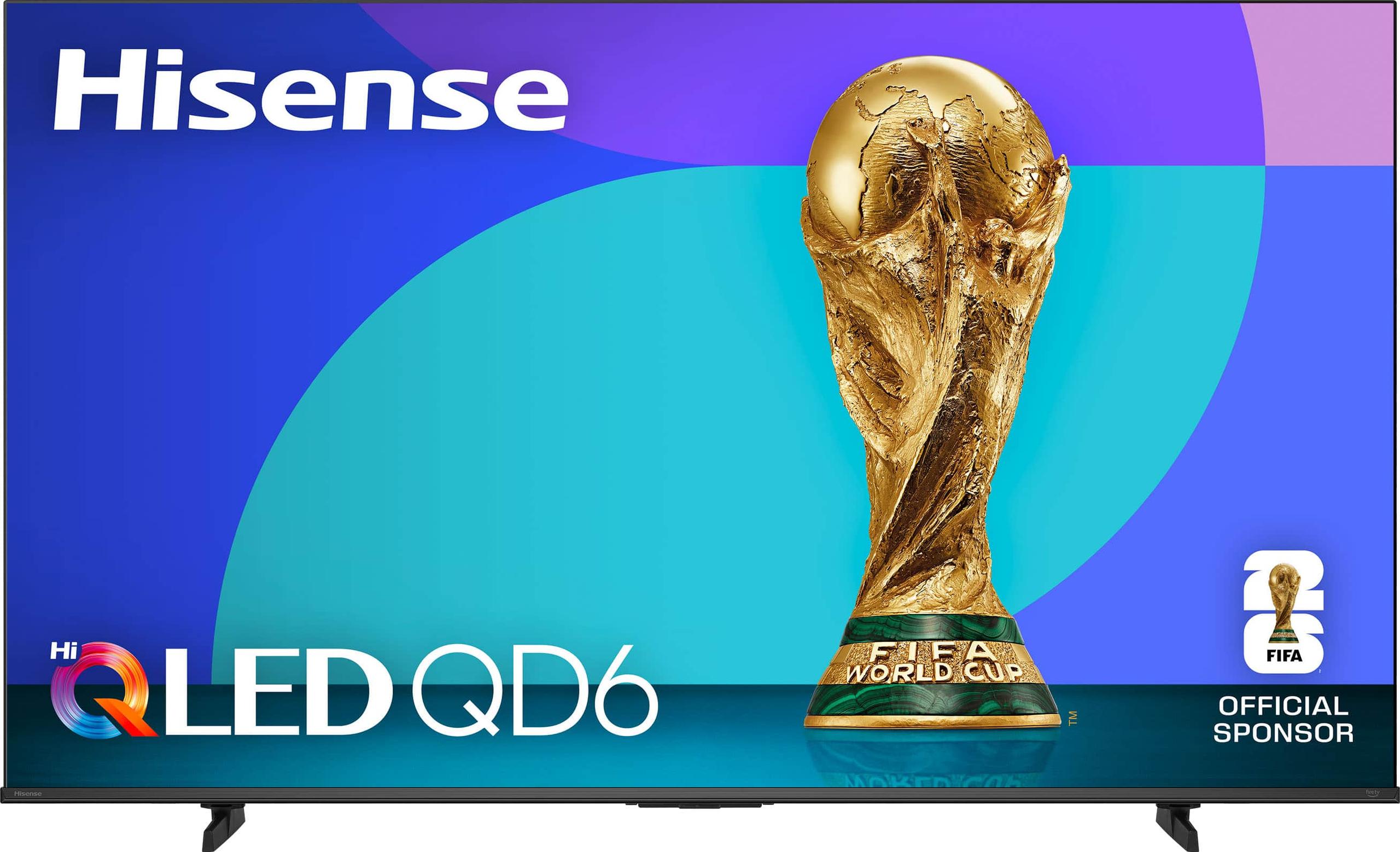





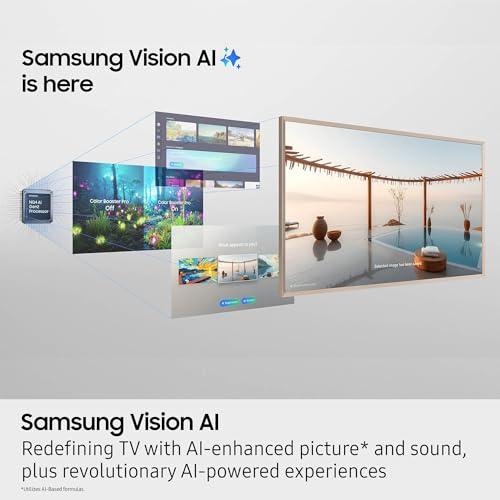
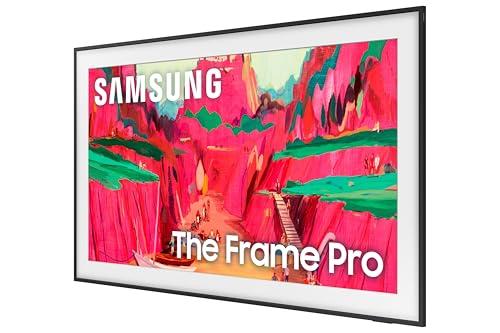
When shopping for a 65-inch TV in 2025, you're entering a market with more variety than ever before. At one end, budget manufacturers like Hisense are delivering impressive picture quality and gaming features for hundreds rather than thousands. At the premium end, Samsung has reimagined what a TV can be with models that transform into wall art when you're not binge-watching your favorite series.
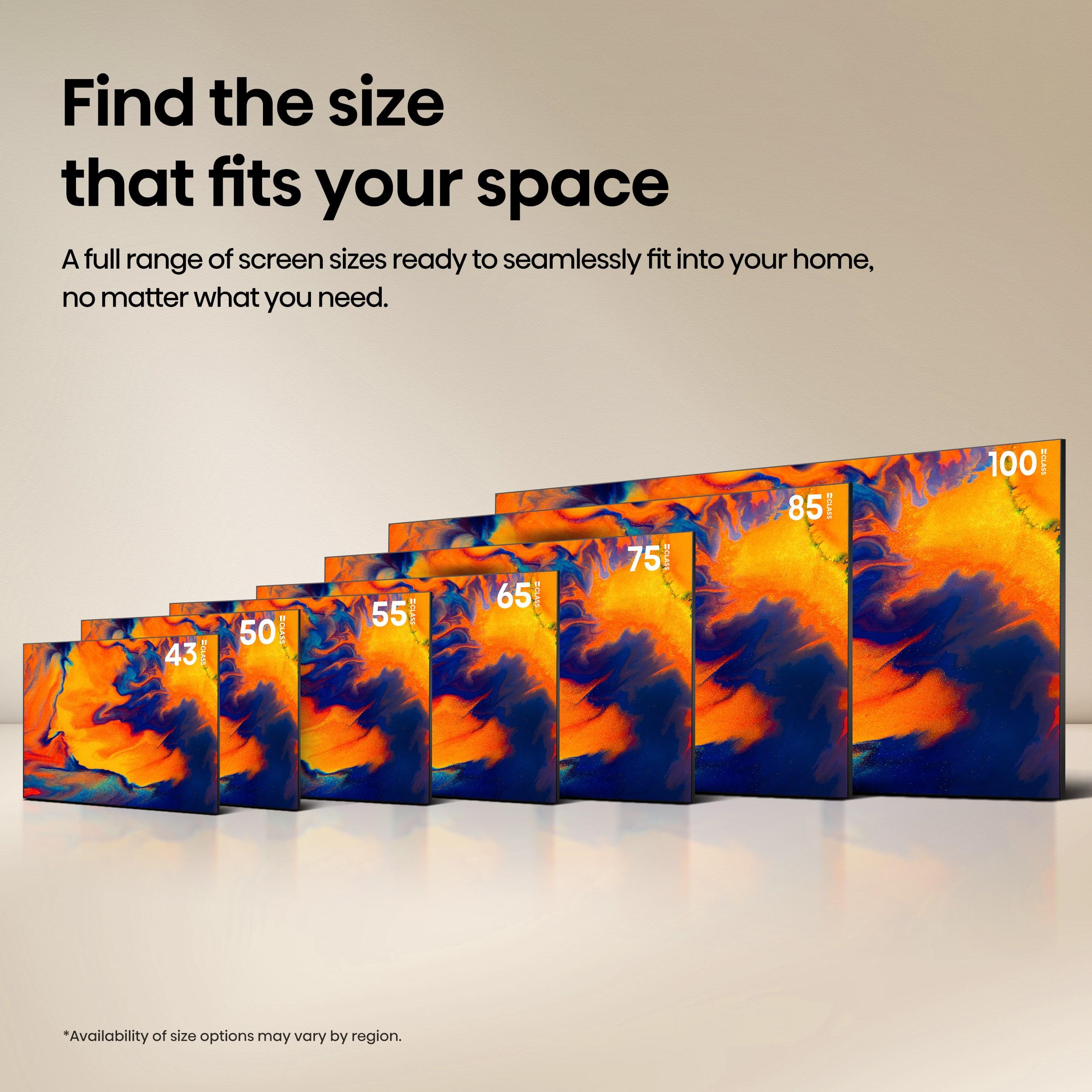
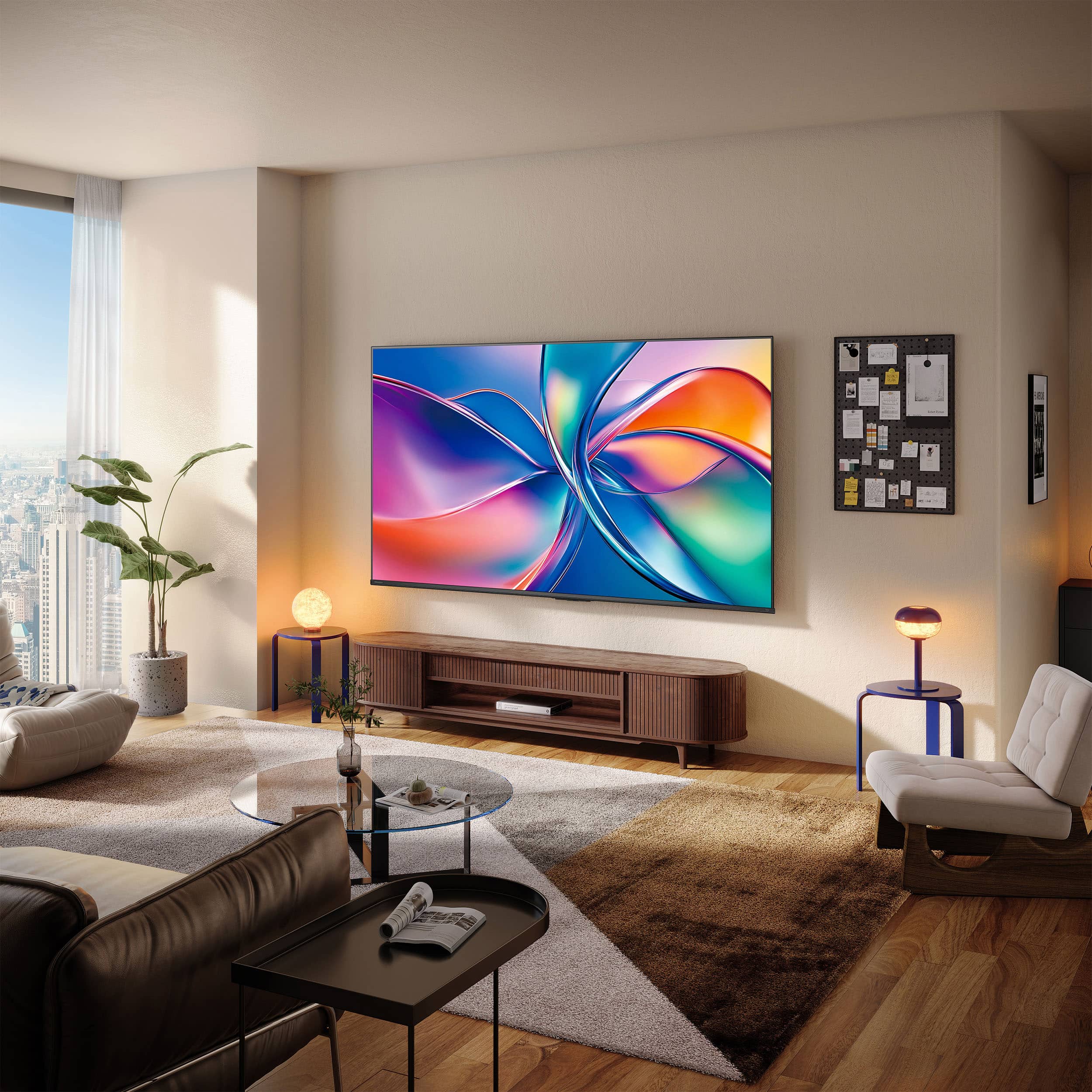
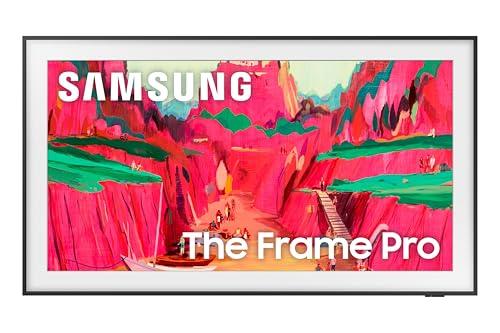
The Hisense 65" QD6 Series and Samsung Frame Pro 65" represent two completely different philosophies in TV design. At the time of writing, these models are separated by nearly $1,000 in price, which tells you everything about their target audiences. The Hisense prioritizes performance per dollar, while the Samsung focuses on lifestyle integration and premium design.
Understanding which approach suits your needs requires diving deep into what makes each TV tick, from display technology to smart features to real-world performance in your living room.
Today's large screen TVs serve multiple roles beyond just displaying broadcast content. They're gaming displays, streaming hubs, smart home controllers, and increasingly, design elements that need to blend seamlessly into modern interiors. This evolution has created distinct categories of TVs optimized for different priorities.
Picture quality remains fundamental, but how that quality is achieved varies dramatically. Peak brightness determines how well HDR (High Dynamic Range) content looks—those spectacular sunset scenes or explosive action sequences that make you feel like you're there. Local dimming, where different sections of the backlight can be controlled independently, creates deeper blacks and more realistic contrast. Color gamut coverage determines how vibrant and lifelike colors appear, especially in HDR content.
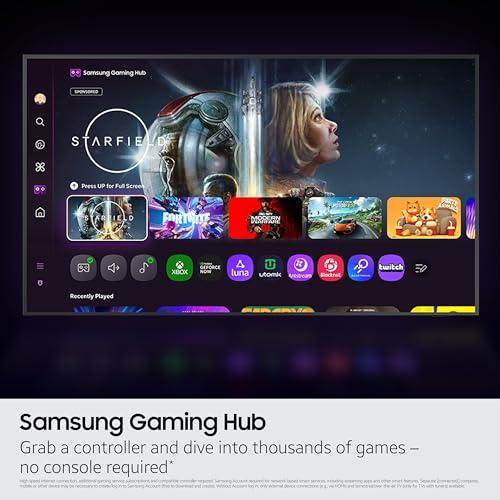
Gaming performance has become equally critical as PlayStation 5 and Xbox Series X push 4K resolution at high refresh rates. Input lag—the delay between pressing a controller button and seeing the action on screen—can mean the difference between victory and defeat in competitive gaming. Variable refresh rate (VRR) technology eliminates screen tearing when frame rates fluctuate.
Smart platforms have evolved into the primary interface most users interact with daily. The speed, app selection, and user experience of these systems often matters more than the underlying display technology for many buyers.
The most significant technical difference between these TVs lies in their backlighting systems, which fundamentally determines picture quality capabilities.
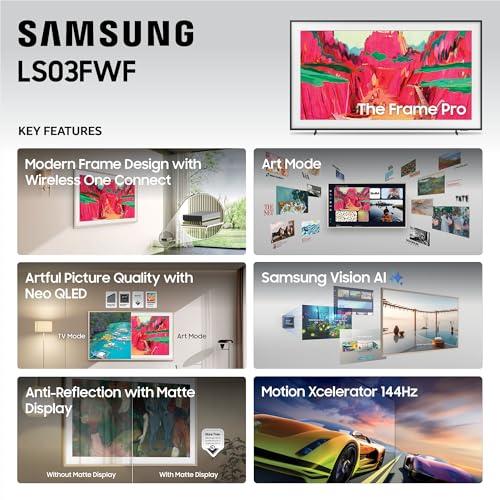
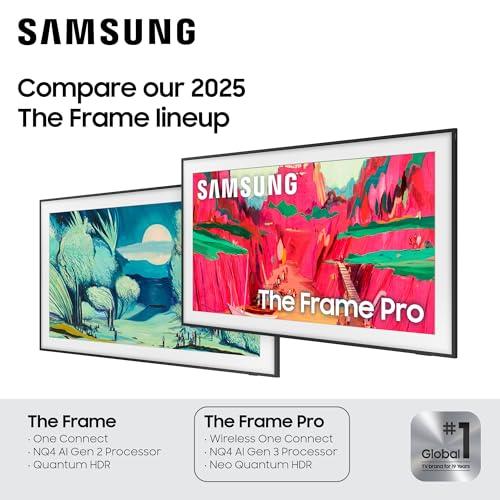
The Samsung Frame Pro employs Neo QLED technology, which combines quantum dots with Mini-LED backlighting. Think of Mini-LEDs as tiny, precise light sources—much smaller than traditional LED backlights—that can be controlled in zones to create local dimming. This means when you're watching a movie with a night scene, the TV can actually turn off the backlight in dark areas while keeping bright elements properly illuminated. The result is deeper blacks and more realistic contrast than standard LED TVs can achieve.
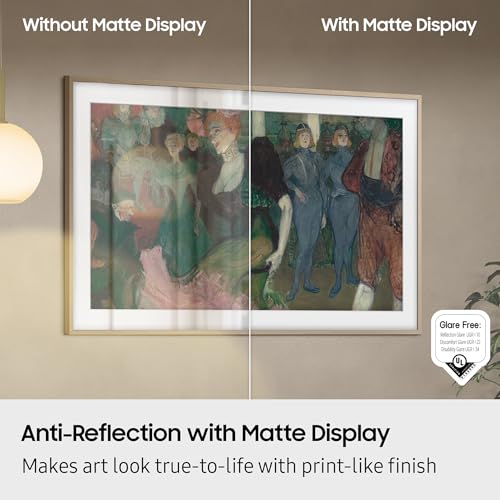
Samsung's implementation delivers around 1,000 nits of peak brightness, which is crucial for HDR content. HDR works by using a wider range of brightness levels than standard video, creating more lifelike images. Without sufficient peak brightness, HDR content looks flat and loses its impact. The Frame Pro's matte coating adds another layer of sophistication, diffusing reflections to maintain picture quality even in bright rooms.
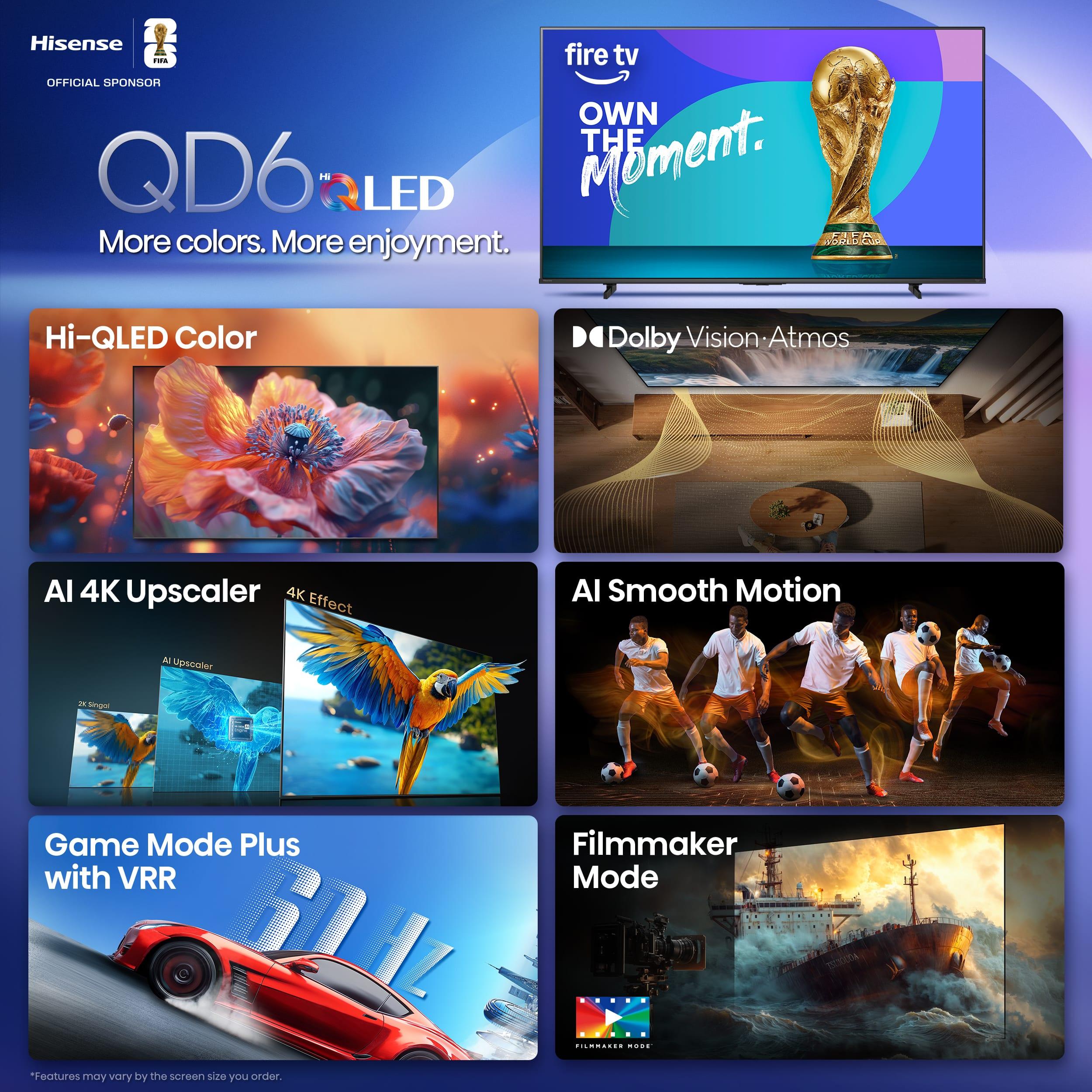
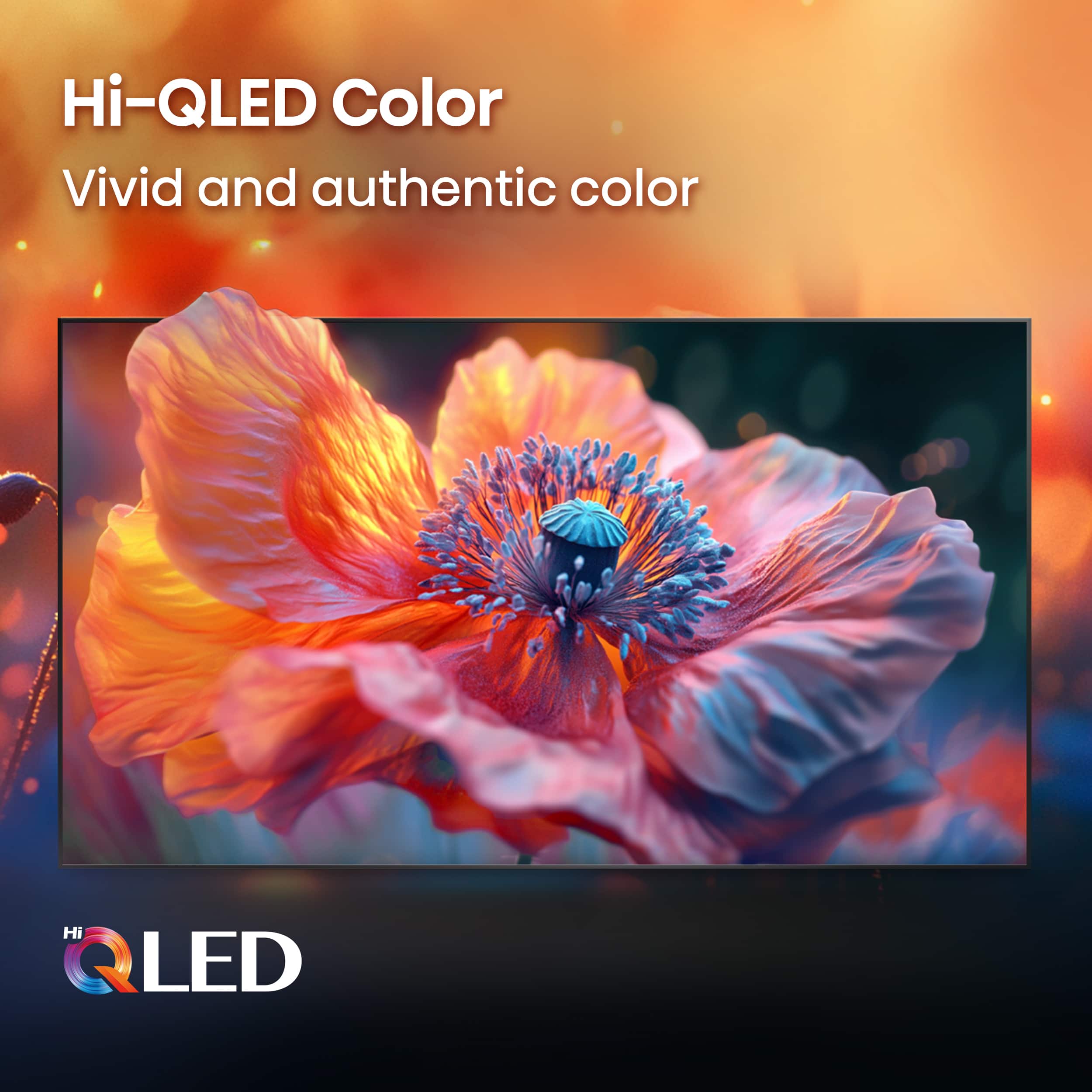
The Hisense QD6 takes a more traditional approach with Hi-QLED technology, which uses quantum dots over a standard LED backlight. Quantum dots are microscopic crystals that convert backlight into very pure, saturated colors, significantly expanding the color palette compared to regular LED TVs. However, without Mini-LED backlighting, the Hisense relies on its VA panel's natural contrast and achieves modest peak brightness around 385 nits.
This technical difference creates a clear performance hierarchy. The Samsung Frame Pro produces more impactful HDR, better bright room performance, and superior contrast in mixed lighting conditions. The Hisense QD6 delivers excellent color accuracy and surprisingly good contrast for its price point, but can't match the Samsung's brightness or local dimming capabilities.
Gaming performance represents where these TVs diverge most dramatically, despite both supporting modern gaming features.
The Hisense QD6 prioritizes gaming responsiveness with impressively low input lag around 10ms in game mode. Input lag is the total delay from controller input to screen response, and anything under 20ms feels responsive for most gaming. The TV supports Variable Refresh Rate and Auto Low Latency Mode—technologies that ensure smooth gameplay and minimize lag automatically when gaming systems are detected.
However, the Hisense is limited to 60Hz refresh rate and HDMI 2.0 ports, meaning it maxes out at 4K resolution at 60 frames per second. For PlayStation 5 or Xbox Series X gaming, this covers most current games adequately, though you'll miss out on 120fps modes in supported titles.
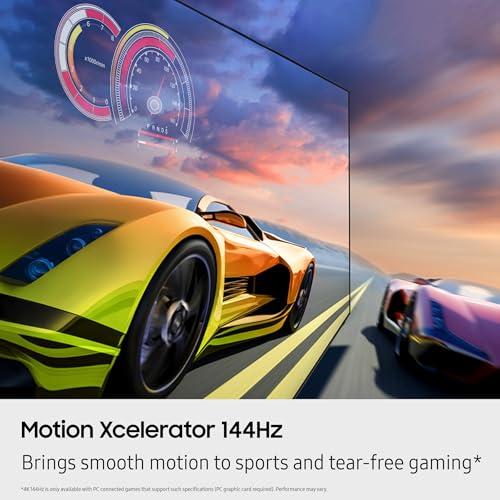
The Samsung Frame Pro offers more advanced gaming specifications on paper with 144Hz support and HDMI 2.1 ports capable of higher bandwidth. These specs suggest it could handle future gaming demands better than the Hisense.
But here's where specifications don't tell the whole story: our research into user and expert reviews reveals the Frame Pro suffers from notably high input lag exceeding 30ms. This makes it unsuitable for serious gaming, especially competitive titles where reaction time matters. Samsung includes a micro HDMI port directly on the TV for lower latency gaming, but this workaround highlights the fundamental compromise Samsung made prioritizing design over gaming performance.
For dedicated gamers, the Hisense QD6 is clearly superior despite its lower specifications. For casual gaming where aesthetics matter more than competitive performance, the Samsung Frame Pro might suffice, but you're paying premium prices for subpar gaming experience.
Real-world picture quality depends heavily on your viewing environment, and these TVs excel in different scenarios.
The Samsung Frame Pro is engineered for bright rooms and versatile viewing. Its high peak brightness overcomes ambient light that would wash out dimmer TVs, while the matte coating virtually eliminates reflections. This makes it exceptional for living rooms with large windows or multiple light sources. The Mini-LED backlight provides good contrast even in challenging lighting conditions.
During dark room viewing, the Frame Pro performs well but not exceptionally. The local dimming helps with contrast, but zone limitations mean you might notice some light blooming around bright objects against dark backgrounds—a common limitation of Mini-LED technology compared to OLED displays.
The Hisense QD6 performs best in controlled lighting environments. Its VA panel provides good native contrast for dark room viewing, creating that cinematic experience during movie nights. However, without local dimming, bright scenes can lift black levels across the entire screen, reducing the immersive quality of dark content.
In bright rooms, the Hisense struggles more than the Samsung. Its lower peak brightness and glossy finish mean reflections and ambient light significantly impact picture quality. This doesn't make it unusable, but it's noticeably less impressive than the Frame Pro in challenging lighting.
For HDR content specifically, the brightness difference becomes crucial. The Samsung Frame Pro makes HDR highlights pop with realistic intensity, while the Hisense QD6 renders the same content with more subdued impact due to brightness limitations.
Both TVs offer comprehensive smart platforms, but with different strengths and target audiences.
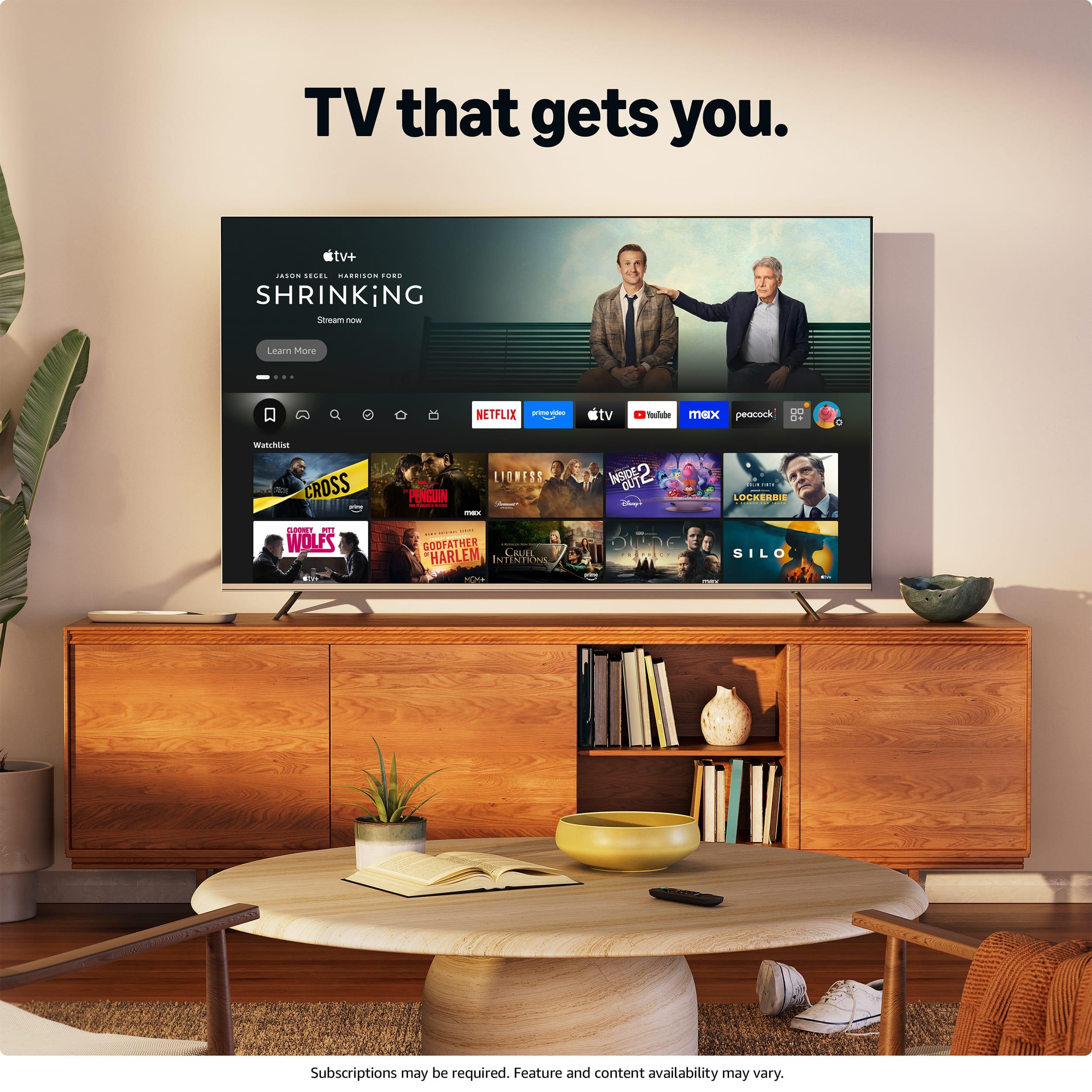
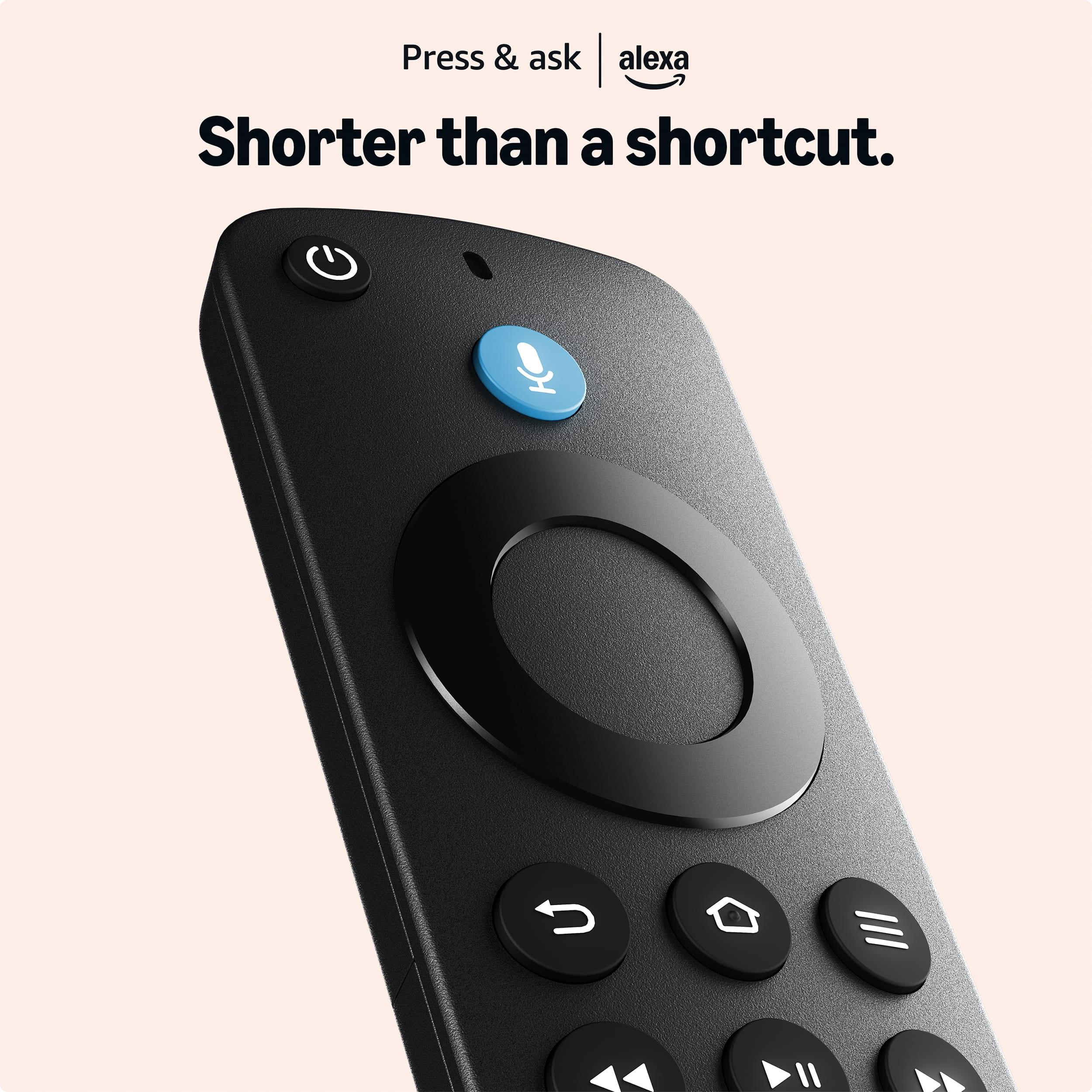
The Hisense QD6 runs Fire TV, Amazon's streaming platform that emphasizes content discovery and Alexa integration. Fire TV excels at surfacing content across multiple streaming services and provides robust voice control for navigation and smart home control. The interface is content-focused, making it easy to find something to watch without navigating through multiple apps.
Performance-wise, Fire TV on the Hisense generally runs smoothly, though some users report occasional lag in menu navigation. The platform supports all major streaming services and provides regular updates with new features.
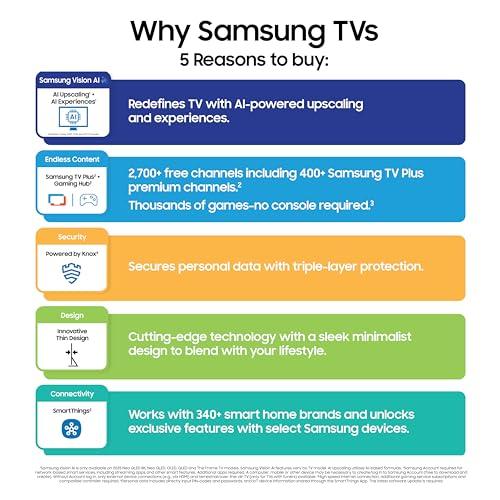
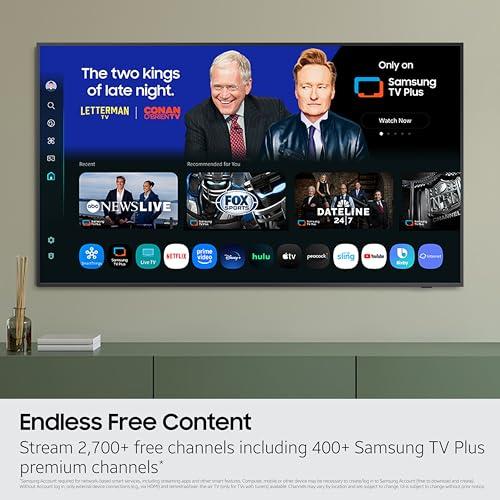
The Samsung Frame Pro uses Samsung's Tizen platform, which emphasizes visual polish and ecosystem integration. Tizen offers excellent app selection, smooth performance, and tight integration with Samsung smartphones and other Galaxy devices. The interface is more visually sophisticated than Fire TV, matching the premium positioning of the hardware.
Both platforms support voice control through multiple assistants, but Samsung provides more flexibility with built-in Bixby alongside Alexa and Google Assistant compatibility.
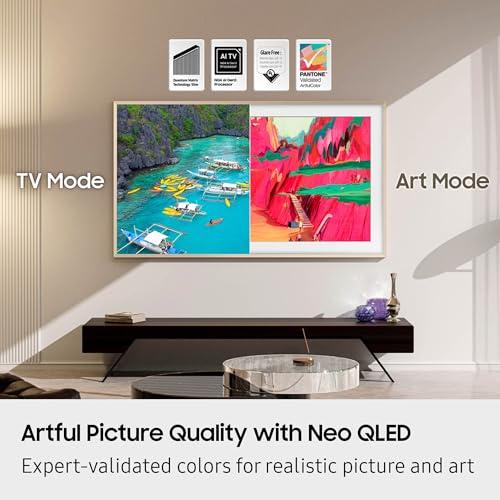
The Samsung Frame Pro's defining feature is its ability to function as a digital art display when not actively being used as a TV. This isn't just a screensaver—it's a fundamental rethinking of what a TV can be in modern homes.
The matte screen coating mimics the texture of canvas or photographic prints, reducing the "digital" appearance that makes most TVs obviously electronic when displaying still images. Combined with customizable bezels that can match your decor, the Frame Pro genuinely resembles a large framed artwork when wall-mounted.
Samsung's Art Store provides access to thousands of professional artworks, from classical paintings to contemporary photography. You can also display personal photos with surprisingly convincing results. The TV includes motion sensors to activate art mode when people enter the room and dim or turn off when the space is empty, managing power consumption.
This feature set transforms the TV from a black rectangle dominating your wall into an active design element. For design-conscious buyers, this capability alone justifies the premium price. However, it requires subscription fees for full Art Store access, and custom bezels cost extra—factors to consider in total ownership costs.
Modern connectivity requirements extend beyond simple HDMI inputs, and these TVs approach connectivity very differently.
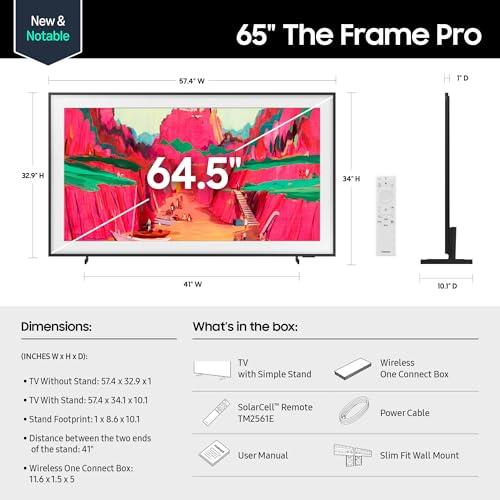
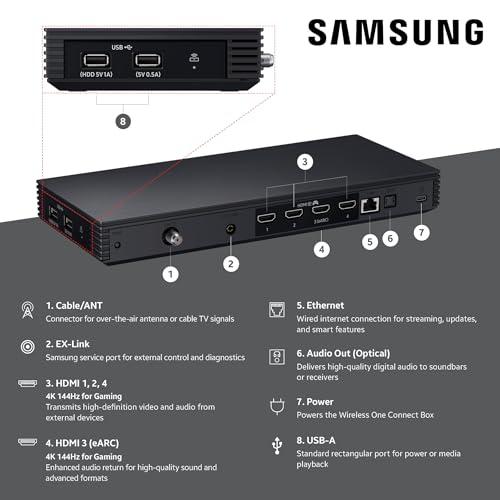
The Samsung Frame Pro includes a revolutionary Wireless One Connect Box that transmits video and audio wirelessly to the display. This eliminates visible cables entirely, allowing you to place all your source devices up to 33 feet away in a cabinet or entertainment center while maintaining the clean, artistic appearance of the wall-mounted display.
This wireless system supports the full bandwidth of modern gaming and streaming devices, including 4K at 144Hz for future gaming systems. Five HDMI ports on the Connect Box provide ample connectivity for multiple gaming systems, streaming devices, and cable boxes.
The Hisense QD6 takes a more traditional approach with four HDMI 2.0 ports directly on the TV. While this limits bandwidth compared to HDMI 2.1, it's sufficient for current gaming systems and streaming devices. The direct connection approach means shorter cable runs and no wireless interference concerns, but requires visible cable management.
Both TVs include Wi-Fi 5 and Ethernet connectivity, plus multiple USB ports for external storage and devices. The Samsung adds USB-C connectivity for modern device compatibility.
Audio performance often gets overlooked in TV comparisons, but both models include sophisticated audio technologies.
The Samsung Frame Pro features a 2.0.2 channel system with Dolby Atmos processing, creating virtual height channels for more immersive sound. Object Tracking Sound uses multiple drivers to match audio positioning with on-screen action, while Q-Symphony Pro enables seamless integration with Samsung soundbars for enhanced performance.
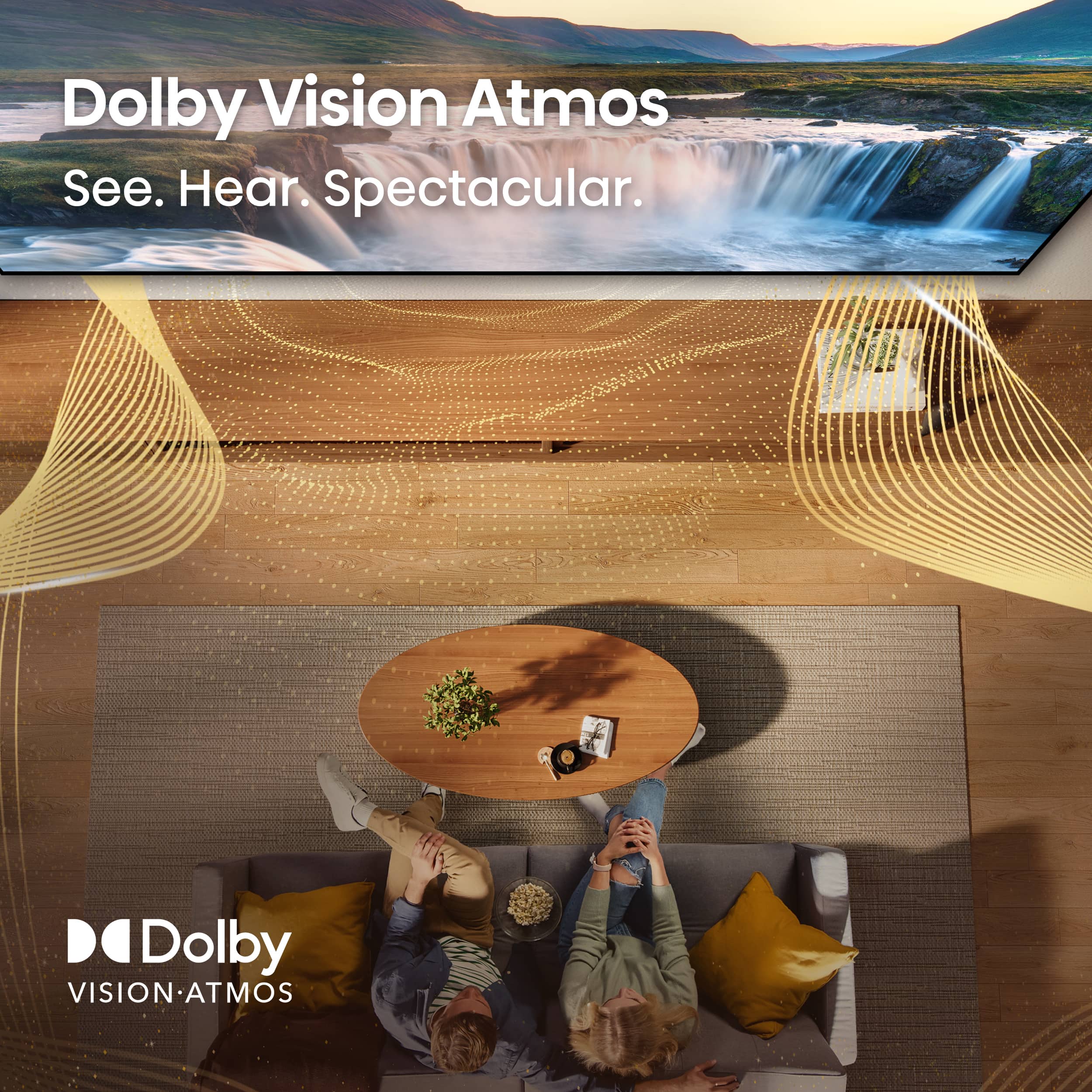
The Hisense QD6 also supports Dolby Atmos through its built-in speakers, though with less sophisticated driver configuration. The TV includes optical audio output for connecting to external sound systems, which many users will prefer for serious home theater setups.
Neither TV will satisfy audiophiles using built-in speakers alone, but both provide solid audio for casual viewing and excel when connected to dedicated audio systems.
For dedicated home theater use, these TVs present interesting trade-offs that depend on your priorities and viewing environment.
The Samsung Frame Pro excels in multi-purpose family rooms where the TV needs to blend aesthetically when not in use while still delivering good picture quality during movie nights. Its bright room performance and reflection handling make it suitable for spaces that can't be completely darkened.
However, the Frame Pro's gaming limitations and higher price make it less appealing for home theaters focused on gaming or where every dollar of picture quality matters. The matte coating, while excellent for art display and glare reduction, can slightly soften the image compared to glossy screens.
The Hisense QD6 provides better value for traditional home theater use where the TV will primarily be used for watching content and gaming. Its VA panel delivers good dark room contrast, and the lower price leaves budget for investing in a quality sound system or seating.
The Hisense's limitations become apparent in bright viewing environments or when you want the TV to disappear into the decor when not in use. It's clearly optimized for performance over aesthetics.
Choosing between these TVs requires honest assessment of your priorities, usage patterns, and budget constraints.
The Samsung Frame Pro makes sense for buyers who prioritize design integration and have the budget for premium features. If your TV will be prominently displayed in a main living area where aesthetics matter, if you frequently have the TV on as background ambiance, or if bright room viewing is common, the Frame Pro's unique capabilities justify its premium pricing.
The Frame Pro is also ideal for households where the TV serves multiple family members with different needs—art display for design-conscious adults, streaming for general entertainment, and light gaming for casual players. The wireless connectivity and premium build quality provide a more sophisticated overall experience.
However, the Frame Pro is a poor choice for serious gamers due to input lag issues, for budget-conscious buyers who prioritize picture quality per dollar, or for dedicated home theaters where the matte coating and design compromises don't add value.
The Hisense QD6 targets buyers who want solid performance without premium pricing. It excels for gaming enthusiasts who need low input lag and responsive performance, for budget-conscious buyers who still want quality picture and smart features, and for traditional TV usage patterns where aesthetics are secondary to performance.
The Hisense makes particular sense for secondary TVs, gaming rooms, or any scenario where you want good picture quality and features without paying for design elements you won't use.
Both TVs reflect the maturation of their respective market segments. The Hisense QD6 shows how far budget TV performance has advanced, delivering features and picture quality that would have cost thousands just a few years ago. The Samsung Frame Pro represents the evolution of premium TVs beyond just picture quality into lifestyle products that enhance your living space even when turned off.
Your choice ultimately depends on whether you value performance per dollar or design integration with premium features. Both approaches have merit, but they serve very different buyer priorities and usage scenarios.
| Hisense 65" QD6 Series Hi-QLED Fire TV (2025) | Samsung 65" The Frame Pro 4K Neo QLED Smart TV 2025 |
|---|---|
| Display Technology - Determines picture quality ceiling and price | |
| Hi-QLED with quantum dots, standard LED backlight | Neo QLED with Mini-LED backlight and quantum dots |
| Peak Brightness - Critical for HDR impact and bright room viewing | |
| ~385 cd/m² (moderate brightness, best in controlled lighting) | ~1,000 cd/m² (excellent HDR performance, handles bright rooms) |
| Local Dimming - Creates deeper blacks and better contrast | |
| None (relies on VA panel contrast) | Mini-LED zones (significantly better contrast control) |
| Gaming Refresh Rate - Higher rates mean smoother motion | |
| 60Hz native (adequate for most console gaming) | 144Hz capable (future-proofs for high refresh gaming) |
| Input Lag - Lower is better for responsive gaming | |
| ~10ms (excellent for competitive gaming) | 30ms+ (poor for serious gaming, casual use only) |
| HDMI Ports & Bandwidth - Affects gaming and future compatibility | |
| 4x HDMI 2.0 (sufficient for current consoles at 4K/60fps) | 5x HDMI 2.1 via wireless box (supports 4K/144Hz) |
| Smart Platform - Your daily interface experience | |
| Fire TV with Alexa (content-focused, occasional lag) | Tizen (polished interface, smooth performance) |
| Design Philosophy - Traditional TV vs lifestyle integration | |
| Standard TV design with thick profile | Ultra-slim art display with customizable bezels |
| Screen Coating - Affects reflections and image clarity | |
| Glossy (sharper image, more reflections) | Matte anti-glare (reduces reflections, slightly softer image) |
| Connectivity Innovation - Cable management and flexibility | |
| Traditional wired connections to TV | Wireless One Connect Box (eliminates visible cables) |
| Art Display Mode - When TV becomes wall decoration | |
| Not available (black screen when off) | Full art gallery with Samsung Art Store access |
| Audio System - Built-in sound quality | |
| Dolby Atmos support, basic speakers | 40W 2.0.2CH with OTS, Q-Symphony Pro integration |
| Best Use Cases - Who should buy each model | |
| Budget gaming, traditional TV viewing, performance value | Design-conscious buyers, bright rooms, art display needs |
The Samsung Frame Pro delivers superior picture quality with its Neo QLED Mini-LED technology, achieving around 1,000 nits peak brightness compared to the Hisense QD6's 385 nits. However, the Hisense QD6 offers exceptional value for its price point, providing good color accuracy and contrast that outperforms similarly-priced competitors. The Samsung costs significantly more but justifies it with brighter HDR, better local dimming, and premium build quality.
The Hisense QD6 is significantly better for gaming despite lower specifications. It achieves excellent input lag around 10ms with VRR and ALLM support, making it responsive for competitive gaming. The Samsung Frame Pro suffers from high input lag exceeding 30ms, making it unsuitable for serious gaming despite supporting 144Hz refresh rates and HDMI 2.1 connectivity.
The Samsung Frame Pro is designed as a lifestyle product that transforms into wall art when not in use, featuring customizable bezels, matte anti-glare coating, and ultra-slim profile. The Hisense QD6 follows traditional TV design with a thicker LED-LCD construction and standard appearance. The Samsung includes a wireless One Connect Box to eliminate visible cables, while the Hisense requires traditional wired connections.
The Samsung Frame Pro excels in bright rooms with its high peak brightness and matte anti-glare screen that virtually eliminates reflections. The Hisense QD6 struggles more in bright environments due to lower brightness and glossy finish that shows reflections. For living rooms with large windows or multiple light sources, the Samsung provides much better visibility and picture quality.
The Hisense QD6 runs Fire TV, Amazon's platform that emphasizes content discovery and Alexa integration with access to all major streaming services. The Samsung Frame Pro uses Samsung's Tizen platform, which offers polished performance, excellent app selection, and integration with Samsung devices. Both platforms support voice control, but Tizen generally provides smoother navigation.
For dedicated home theater use, the Hisense QD6 offers better value with good dark room contrast from its VA panel and low input lag for gaming. The Samsung Frame Pro works well in multi-purpose family rooms where bright room performance and aesthetic integration matter more than pure picture quality per dollar. The Samsung's matte coating can slightly soften images compared to the Hisense's glossy screen.
The Samsung Frame Pro features a more sophisticated 40W 2.0.2CH system with Dolby Atmos, Object Tracking Sound, and Q-Symphony Pro for soundbar integration. The Hisense QD6 also supports Dolby Atmos but with simpler built-in speakers and optical audio output. Neither TV satisfies audiophiles alone, but both work well with external sound systems for serious home theater setups.
Both TVs support Variable Refresh Rate (VRR) and Auto Low Latency Mode (ALLM) for modern console gaming. The Hisense QD6 maxes out at 4K/60Hz through HDMI 2.0 ports but delivers excellent responsiveness. The Samsung Frame Pro supports up to 4K/144Hz through HDMI 2.1 ports but has poor input lag performance that limits gaming enjoyment.
The Samsung Frame Pro provides more advanced connectivity with five HDMI 2.1 ports via its wireless One Connect Box, supporting higher bandwidth and eliminating cable clutter. The Hisense QD6 includes four HDMI 2.0 ports directly on the TV with traditional wired connections. The Samsung offers more future-proofing but requires wireless setup, while the Hisense provides simpler, reliable wired connectivity.
The Samsung Frame Pro delivers much more impactful HDR with its 1,000-nit peak brightness and Mini-LED local dimming, making highlights pop with realistic intensity. The Hisense QD6 supports all major HDR formats but limited brightness means HDR content appears more subdued. For true HDR impact, the Samsung provides a significantly better experience despite both TVs supporting Dolby Vision and HDR10+.
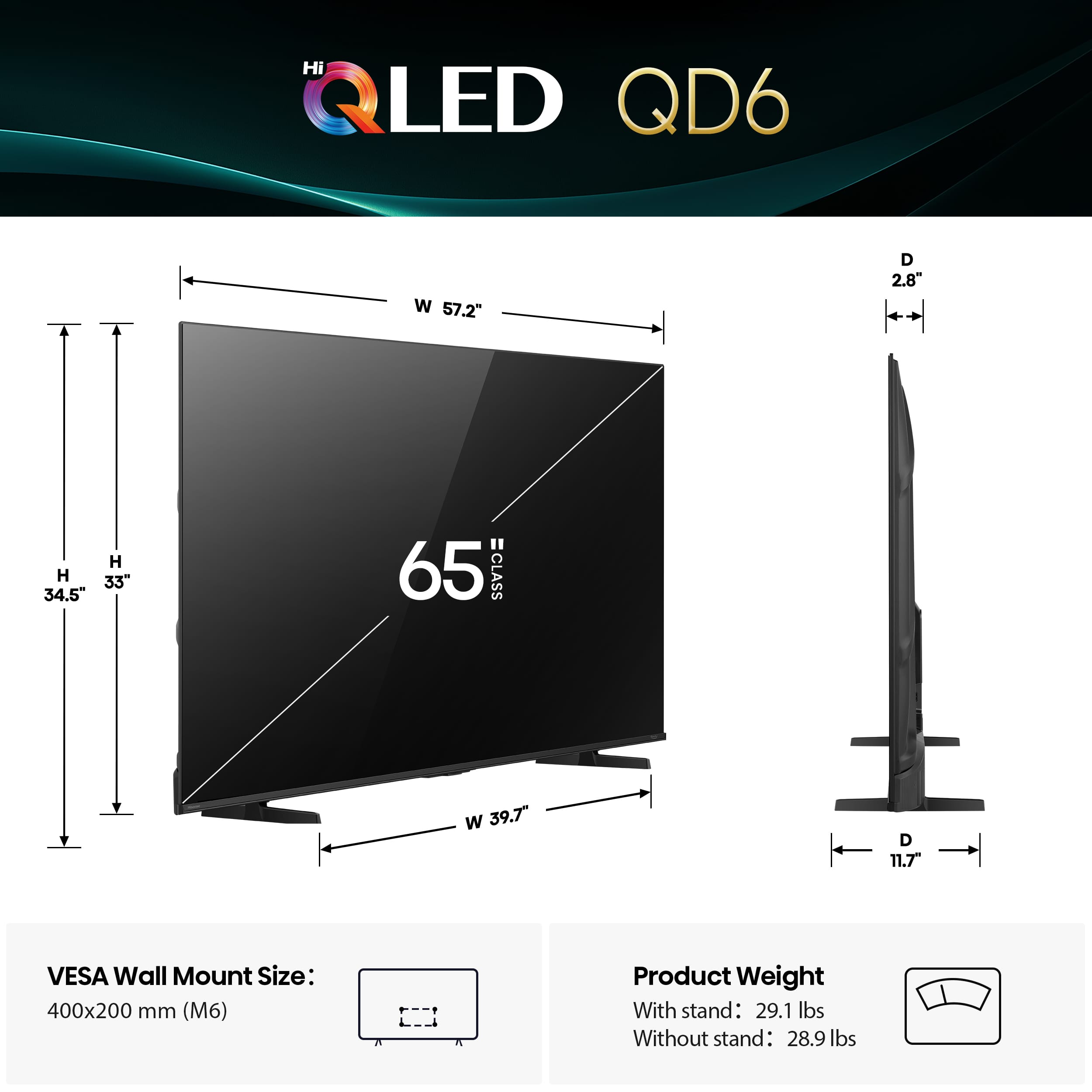
The Samsung Frame Pro is specifically designed for wall mounting with an included mount, ultra-slim profile, and wireless connectivity that eliminates visible cables. Its art display mode and customizable bezels make it look like a framed artwork when mounted. The Hisense QD6 supports standard VESA wall mounting but requires cable management and has a thicker profile that's more obviously a TV when wall-mounted.
Choose the Hisense QD6 if you prioritize gaming performance, want solid picture quality on a budget, prefer traditional TV functionality, or need low input lag for competitive gaming. Choose the Samsung Frame Pro if you value design integration, need excellent bright room performance, want art display functionality, have a larger budget for premium features, or prioritize aesthetic appeal over gaming performance.
We've done our best to create useful and informative comparisons to help you decide what product to buy. Our research uses advanced automated methods to create this comparison and perfection is not possible - please contact us for corrections or questions. These are the sites we've researched in the creation of this article: pcvarge.com - bestbuy.com - rtings.com - youtube.com - rtings.com - youtube.com - consumerreports.org - leaseville.com - hisense-usa.com - device.report - hisense-usa.com - youtube.com - flatpanelshd.com - displayspecifications.com - retailspecs.com - tomsguide.com - youtube.com - smarthomesounds.co.uk - images.samsung.com - rtings.com - samsung.com - bestbuy.com - bestbuy.com - businessinsider.com - dentonstv.com - samsung.com - flatpanelshd.com - samsung.com - jefflynch.com - youtube.com - costco.com

Privacy Policy
Terms and Conditions - Affiliate Policy
Home Security
© Copyright 2008-2026.
11816 Inwood Rd #1211, Dallas, TX 75244