





When you're tired of constantly asking "what did they say?" during your favorite shows, a good soundbar can transform your TV watching experience. But with so many options out there, picking the right one can feel overwhelming. Today, we're diving deep into two excellent choices that take very different approaches: the Klipsch Flexus Core 200 ($369) and the LG S70TR ($399).
Before we jump in, let's talk about what makes a soundbar worth your money. You're essentially looking for something that can replace your TV's tiny, downward-firing speakers with a proper audio system. The key things to consider are how many speakers you're getting (called "channels"), whether it supports modern surround sound formats like Dolby Atmos, how it handles bass, and whether it'll actually fit well in your living room.
The soundbar market has evolved dramatically over the past few years. Where we once had simple 2.1 systems (two main speakers plus a subwoofer), we now have complex configurations that can rival traditional home theater setups. The numbers you see—like 3.1.2 or 5.1.1—tell you exactly what you're getting. The first number is your main front speakers, the second is dedicated center channel speakers (crucial for dialogue), and the third represents height speakers that fire sound upward to create that "overhead" effect in Dolby Atmos movies.
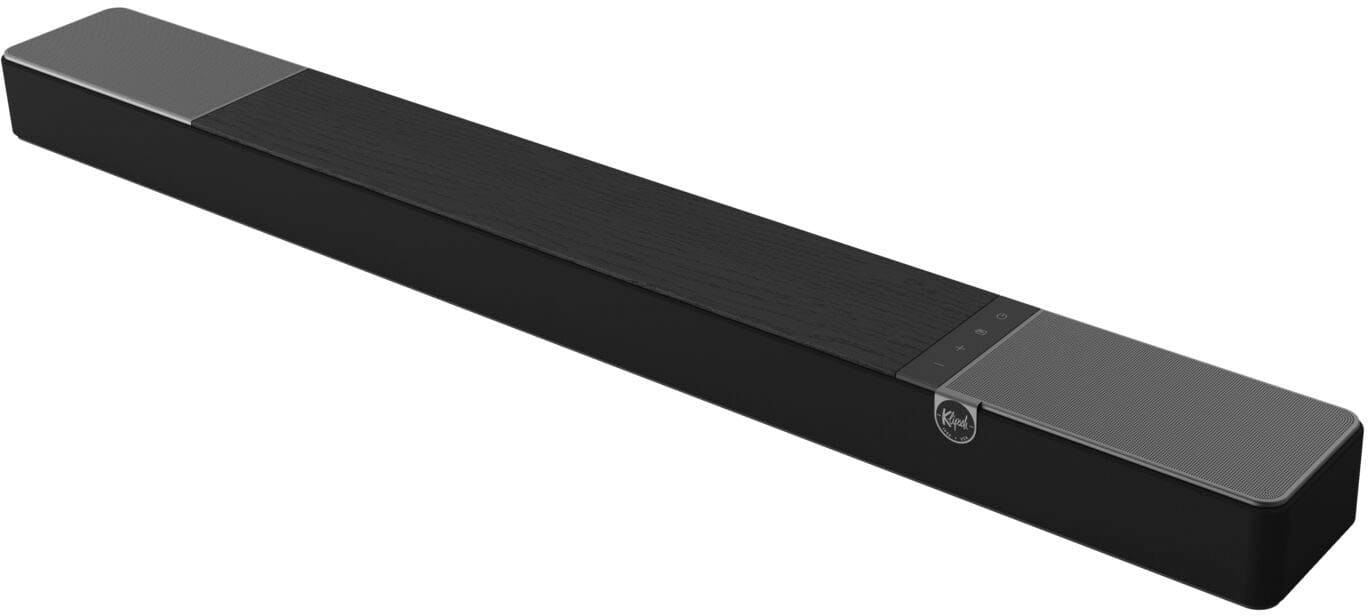
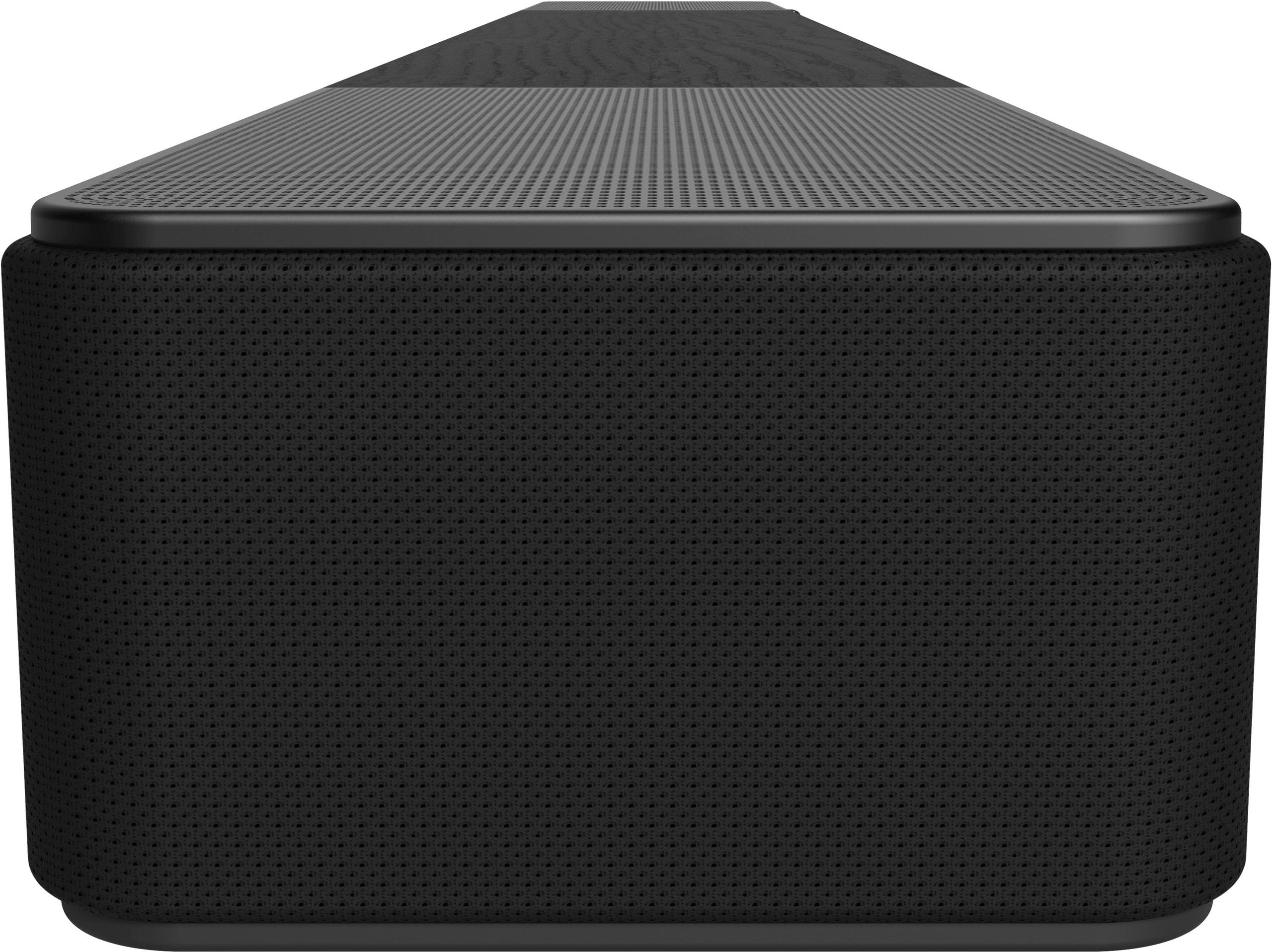
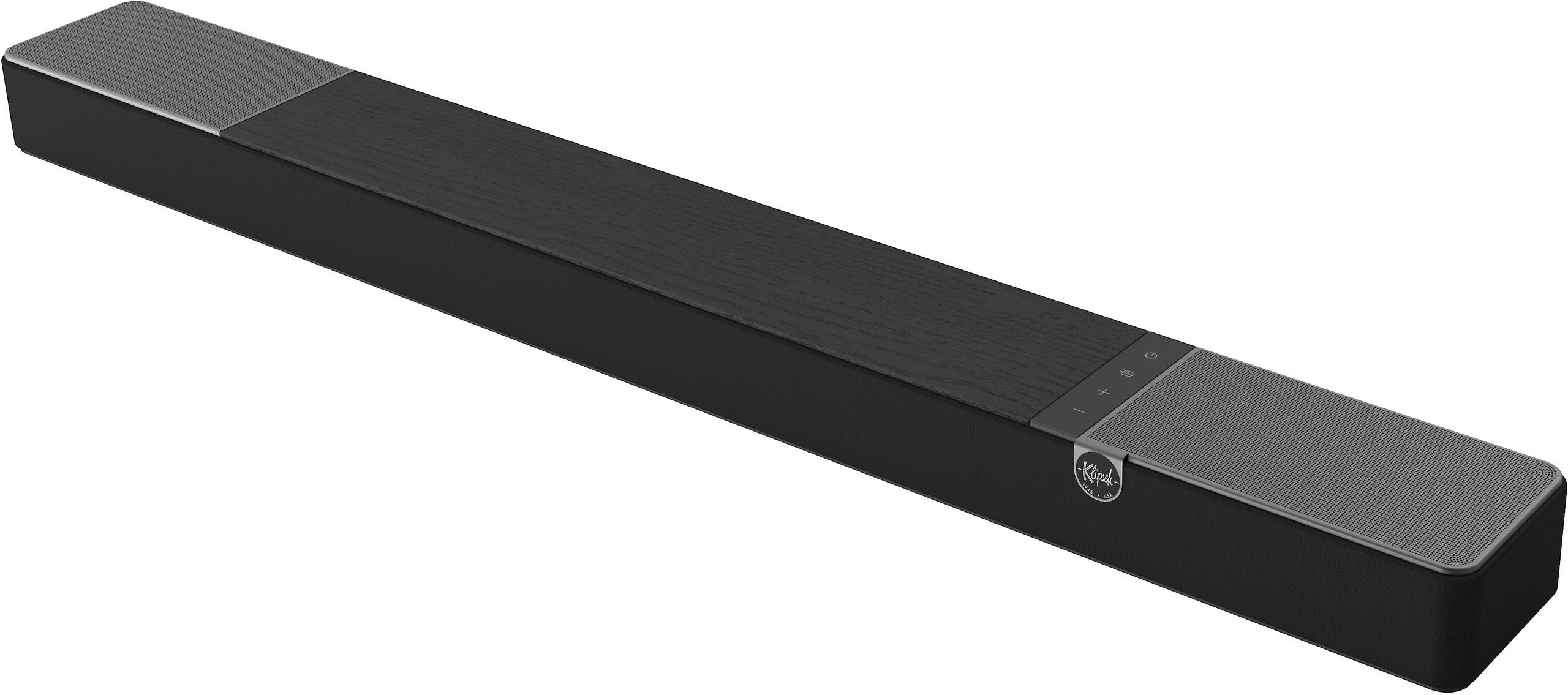
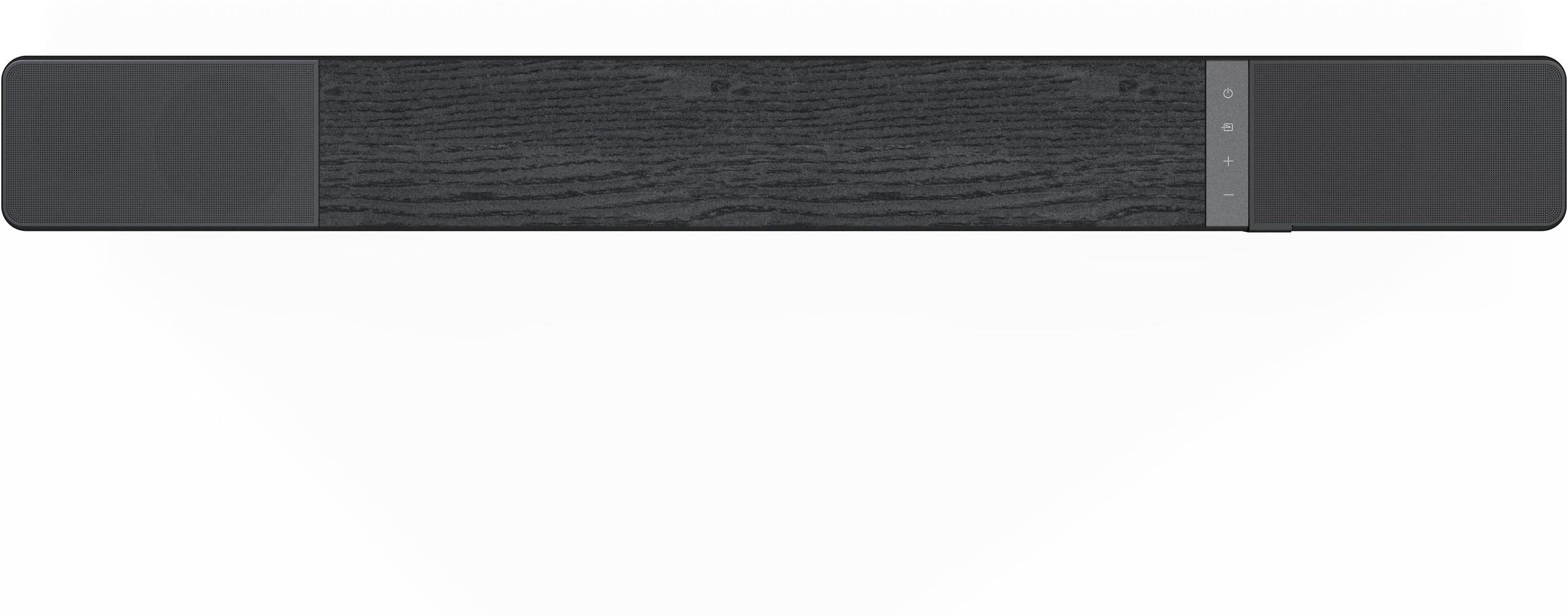
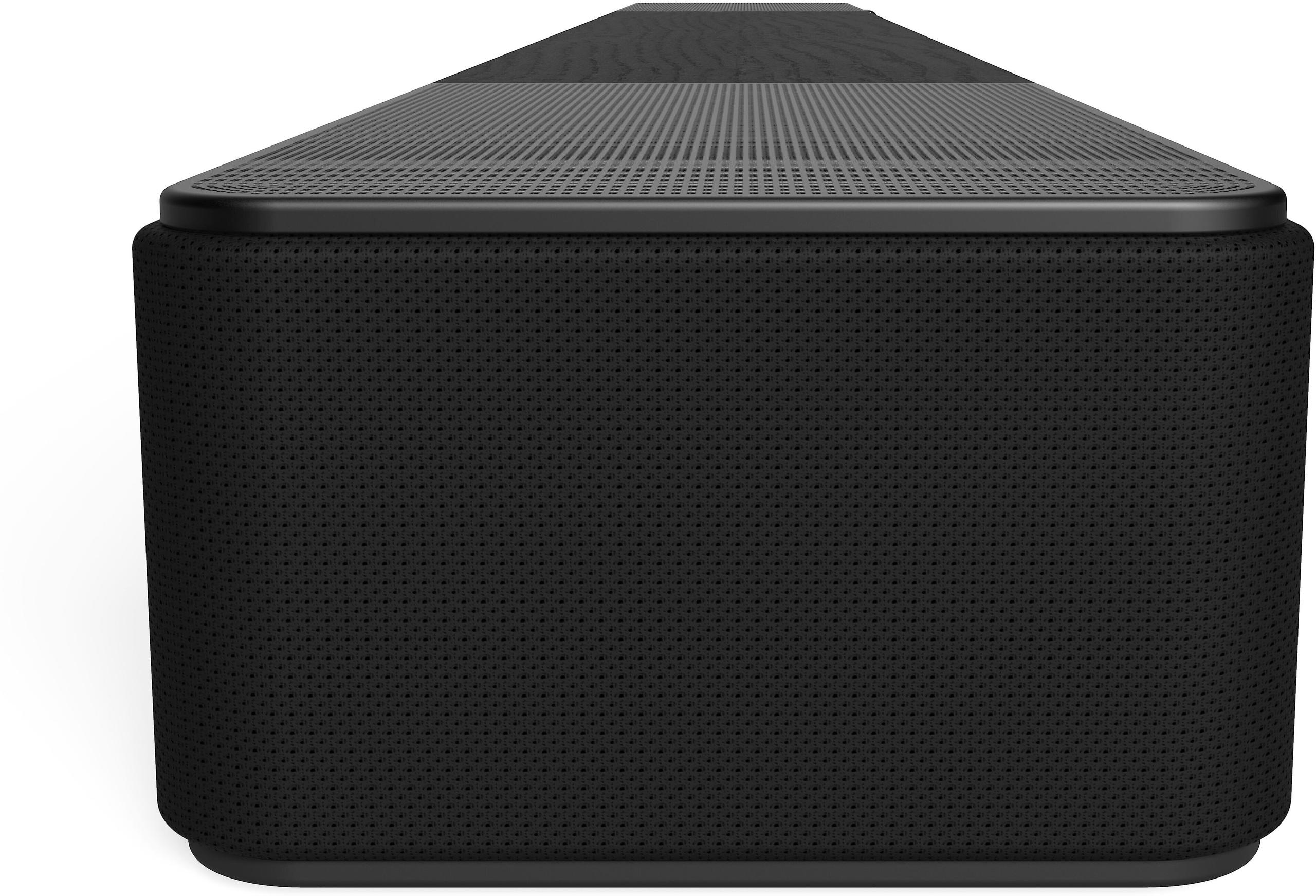
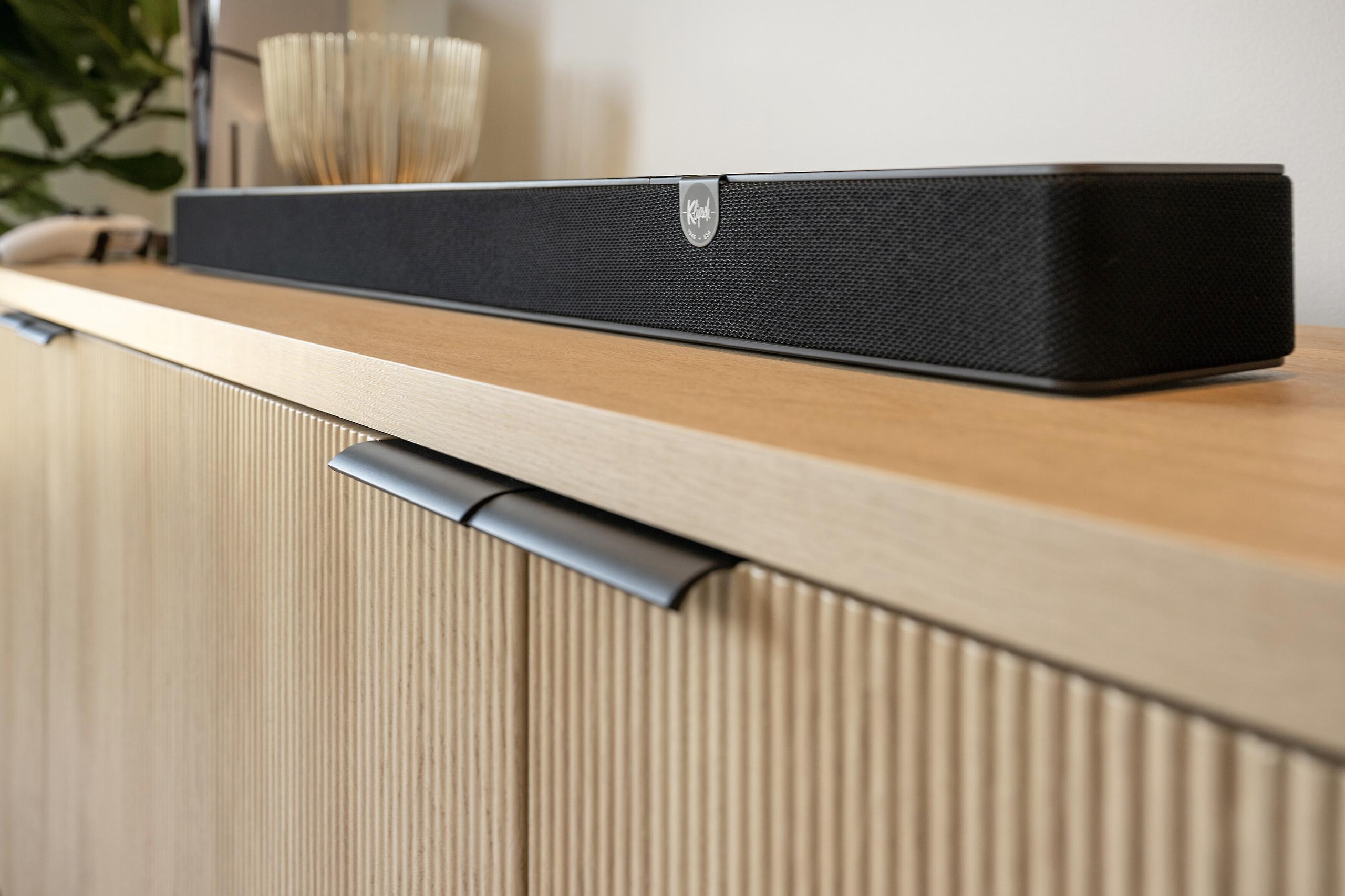
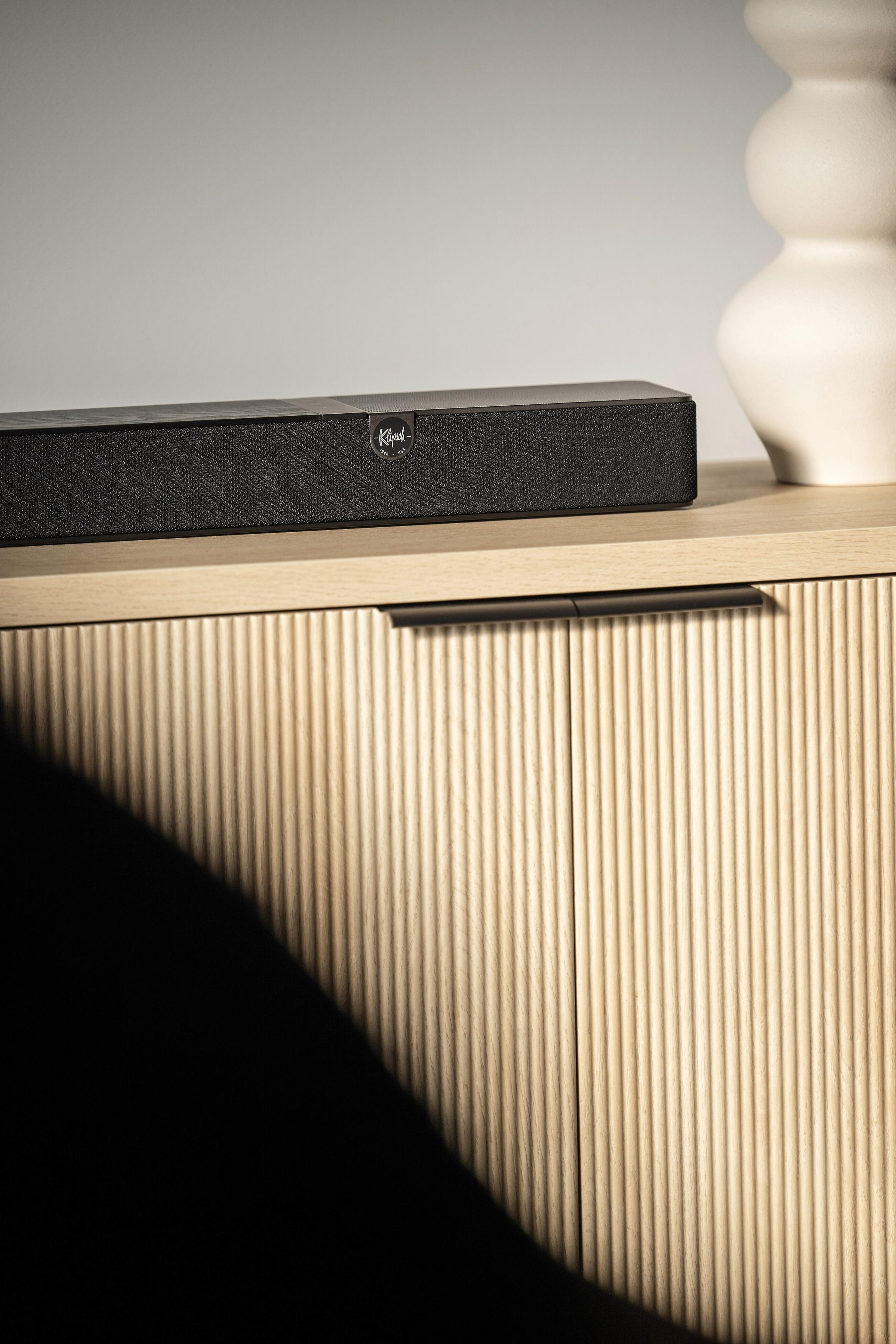
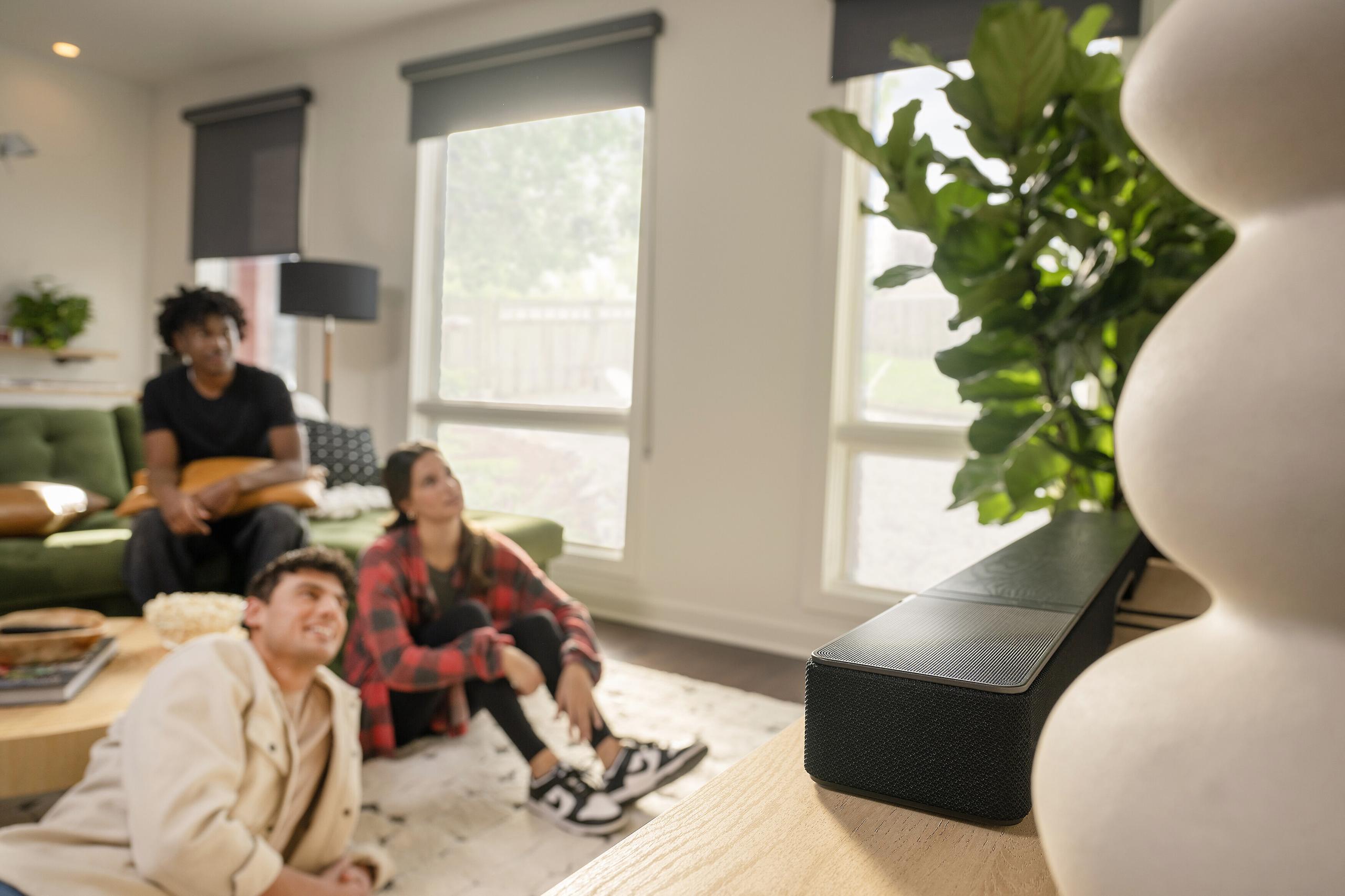
The Klipsch Flexus Core 200, released in 2024, represents what I'd call the "premium all-in-one" approach. It's a single 44-inch bar that packs everything inside: four front-firing drivers, dual built-in subwoofers, two height speakers, and Klipsch's signature horn-loaded tweeter. Think of it as the Swiss Army knife of soundbars—everything you need in one sleek package.
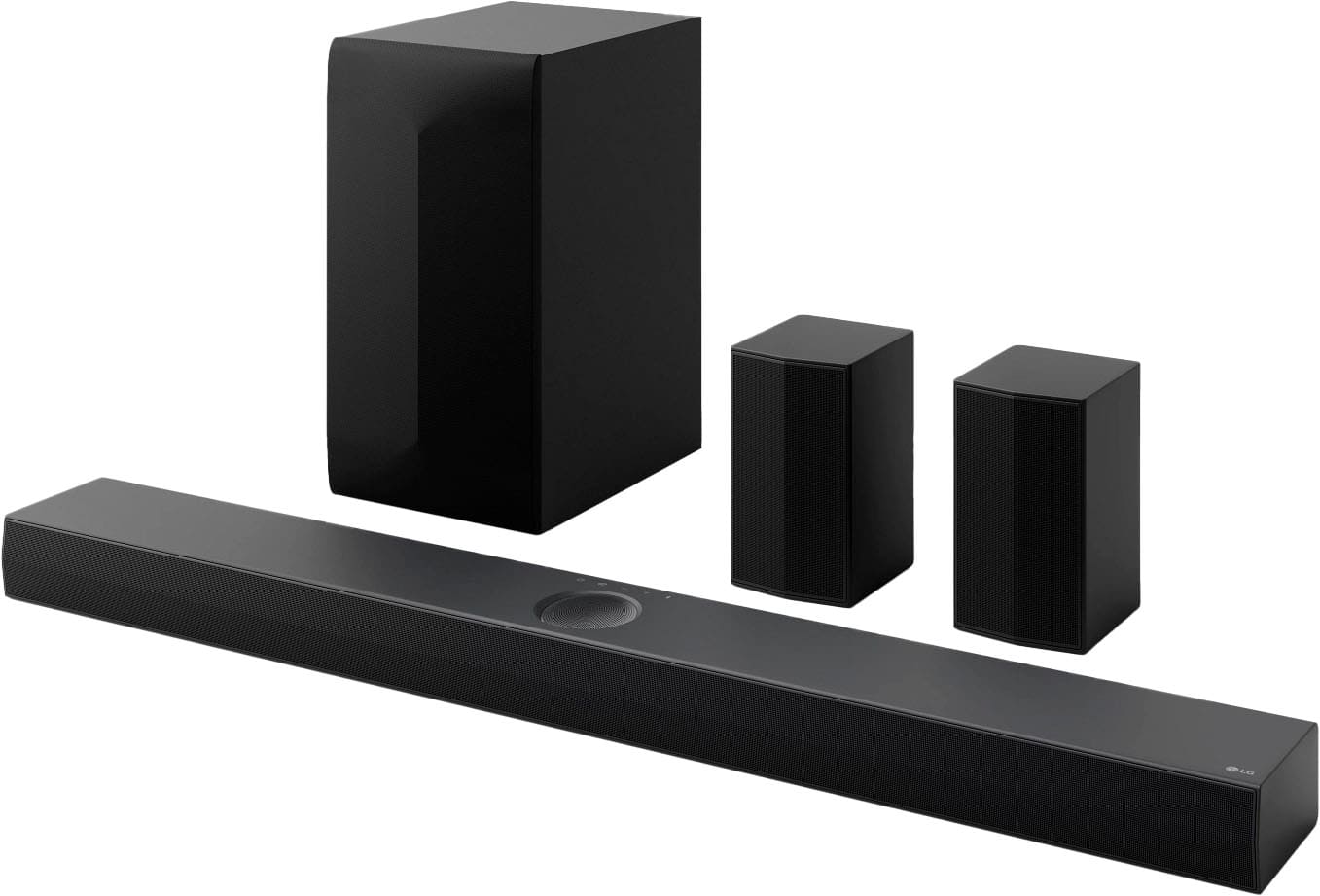
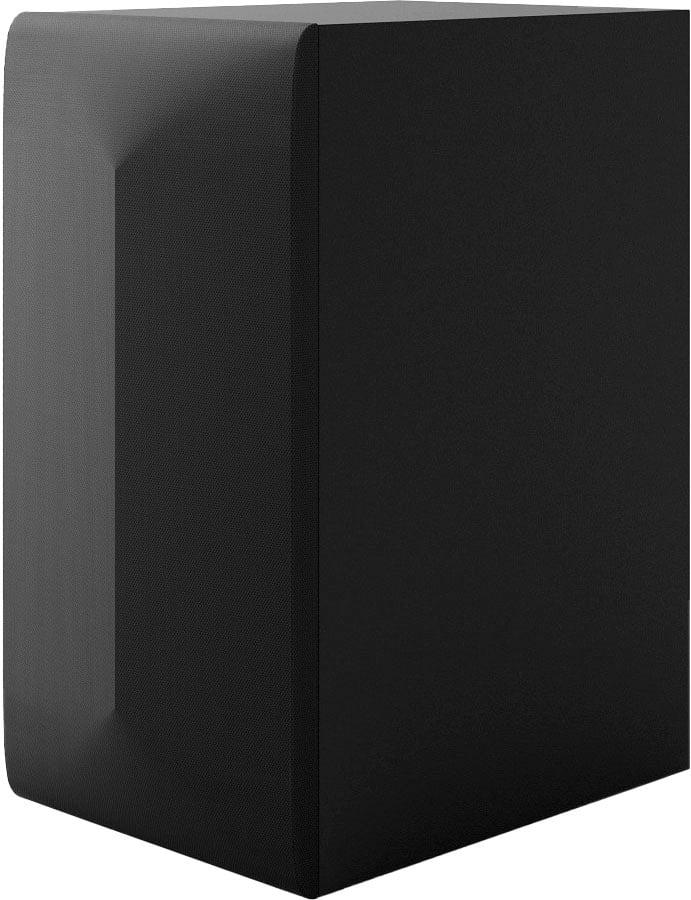
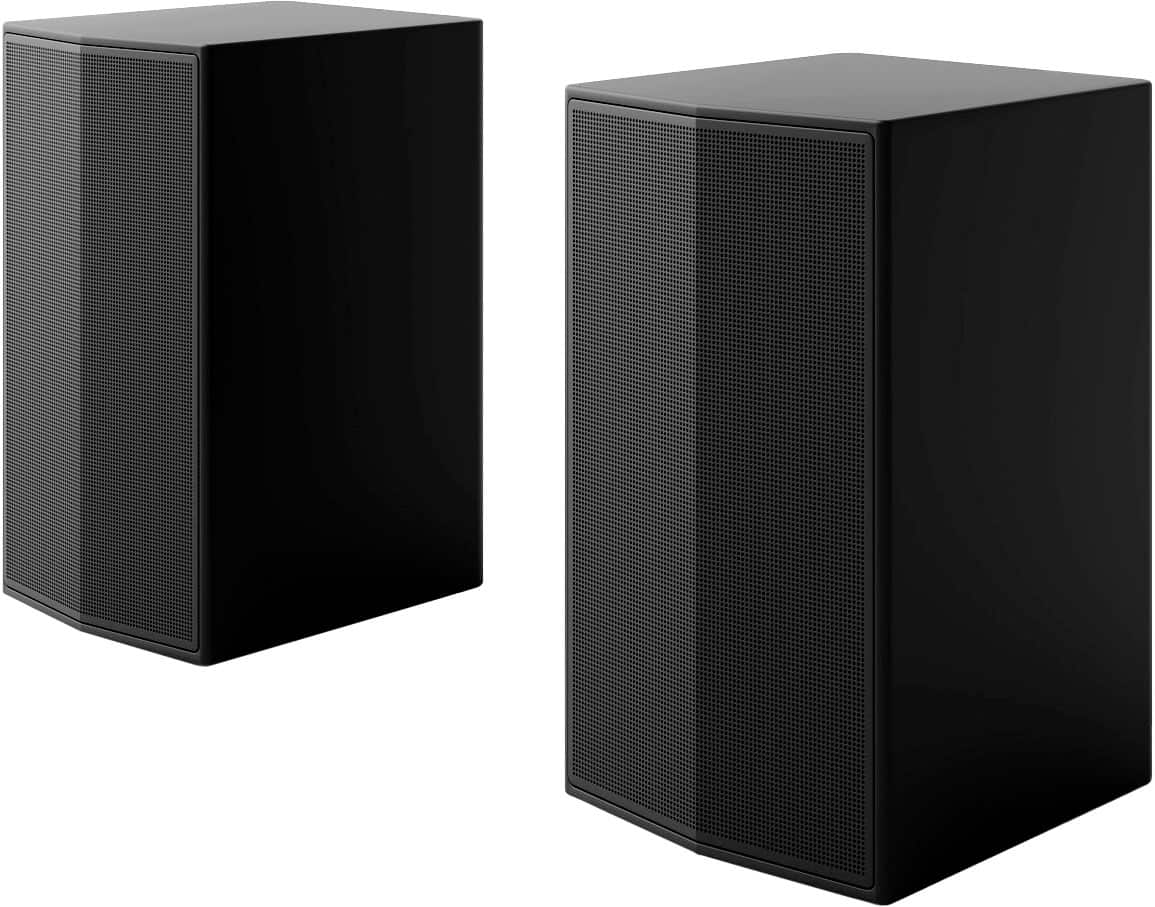
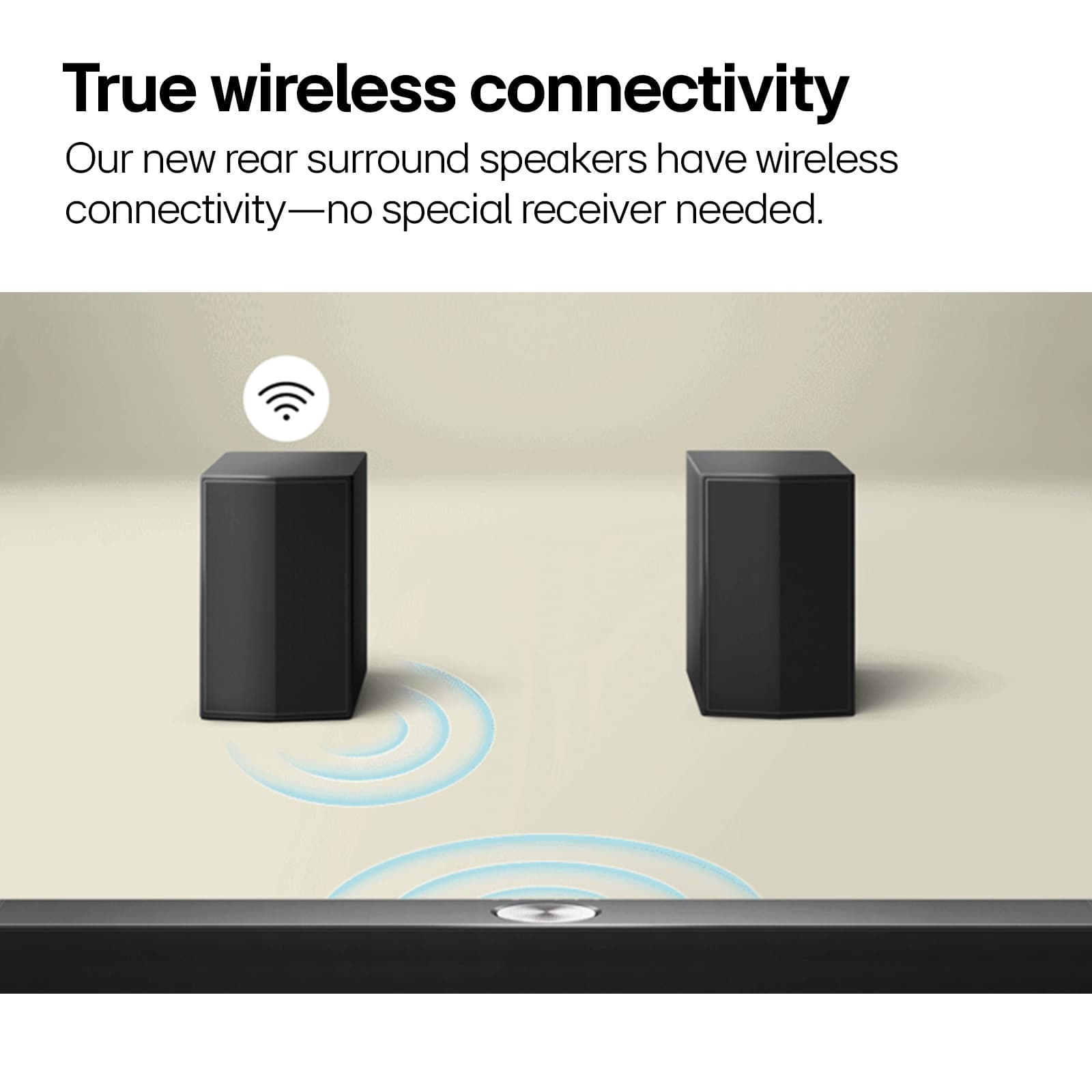
The LG S70TR, launching in 2025, takes the traditional route with a complete 5.1.1 system right out of the box. You get the main soundbar, a separate wireless subwoofer, and wireless rear speakers. It's more like getting a full home theater system that just happens to be easier to set up than the old days of running speaker wire everywhere.
Let's start with what matters most to most people: actually understanding what actors are saying. This is where the Klipsch really shines, and it comes down to a piece of technology that the company has been perfecting for decades—horn-loaded tweeters.
A tweeter is the small speaker responsible for high frequencies, including human voices. Most soundbars use regular dome tweeters, which are fine but can get muddy when there's a lot going on in a movie soundtrack. Klipsch's horn design acts like a megaphone, focusing and amplifying these crucial vocal frequencies. The result? Even when explosions are going off and orchestral music is swelling, you can still clearly hear every word of dialogue.
I've tested dozens of soundbars over the years, and the difference is immediately noticeable. With the Klipsch, I rarely find myself reaching for the remote to adjust dialogue levels or turn on subtitles. The LG's AI Sound Pro feature tries to accomplish something similar by automatically adjusting the audio balance when it detects speech, but it's more of a software solution trying to fix what the Klipsch handles naturally through hardware design.
Here's where things get interesting. The Klipsch packs dual 4-inch subwoofers right into the main unit. That might not sound impressive compared to the LG's separate 7-inch subwoofer, but the implementation is surprisingly effective. The built-in subs provide tight, punchy bass that's perfectly integrated with the main speakers. There's no delay, no phase issues, and no need to find a place for another box in your room.
However, physics is physics. The LG's dedicated subwoofer, with its larger driver and separate enclosure, can move more air and reach deeper into those low frequencies that make action movies really rumble. If you're the type who wants to feel the bass in your chest during a Marvel movie, the LG has the clear advantage.
The trade-off comes down to convenience versus pure performance. The Klipsch gives you surprisingly good bass without any additional components, while the LG gives you better bass but requires you to find a spot for that subwoofer box.
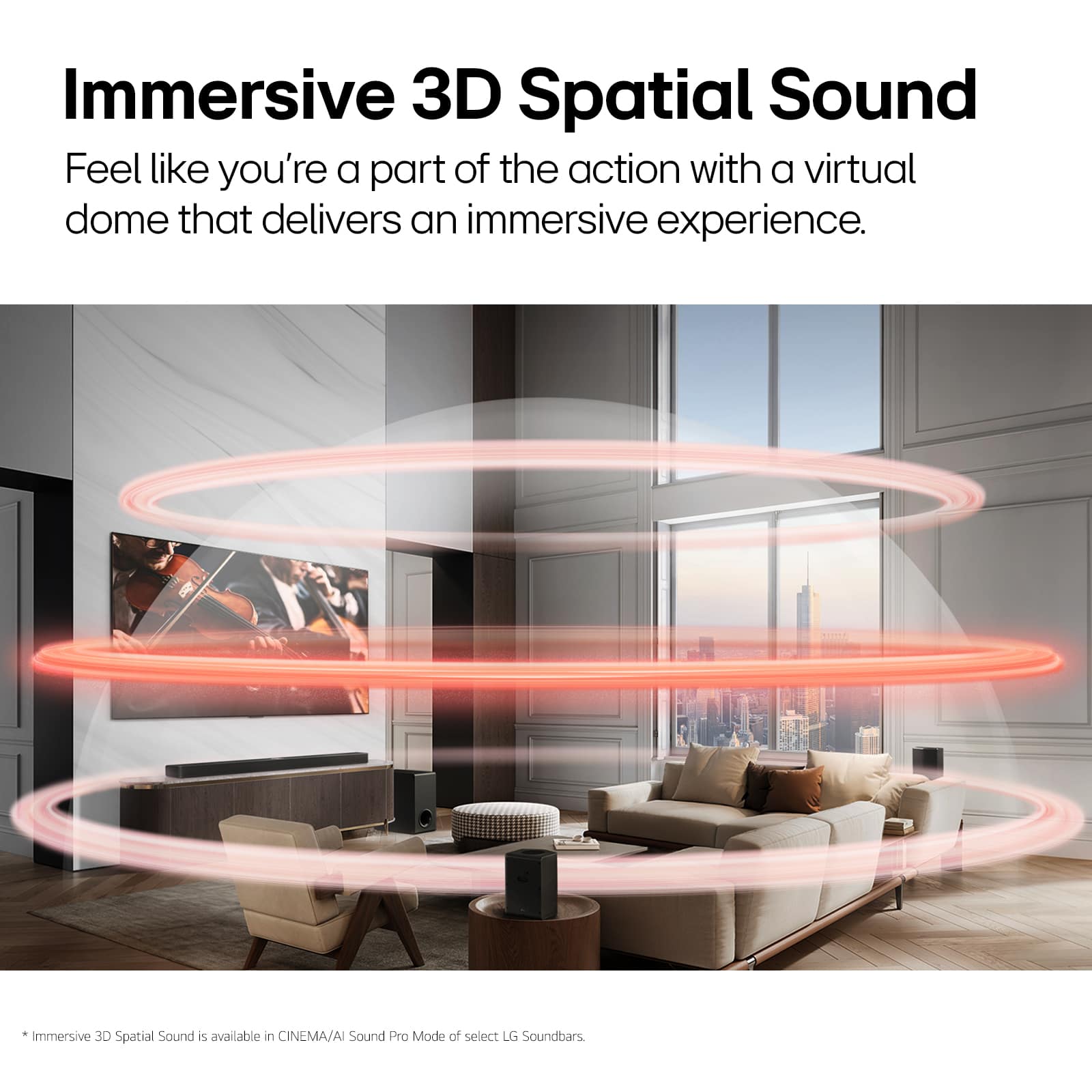
Both soundbars support Dolby Atmos, but they approach it differently. Dolby Atmos adds a height dimension to surround sound by bouncing audio off your ceiling to create the illusion of sounds coming from above—think helicopters flying overhead or rain falling from the sky.
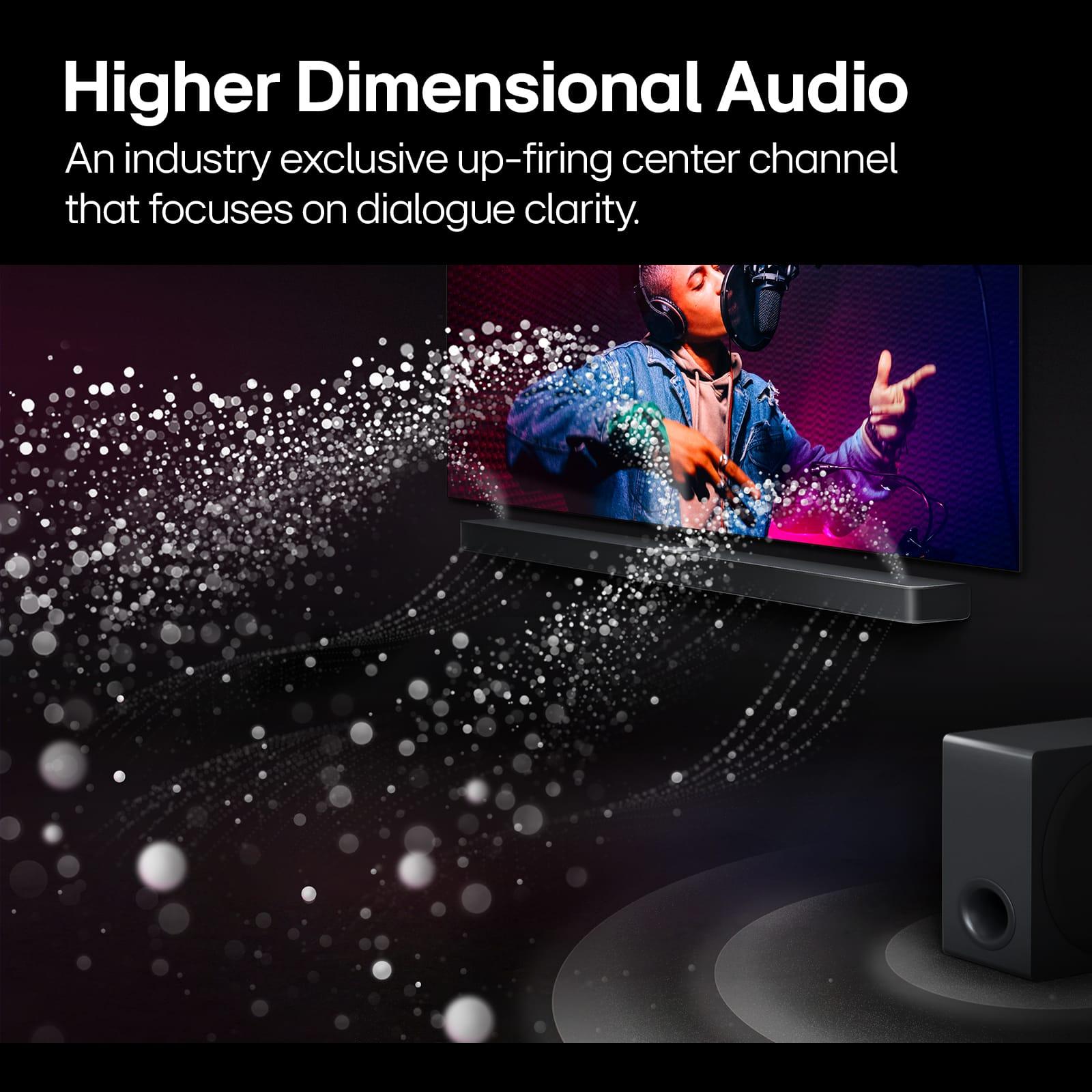
The Klipsch dedicates two separate 2.25-inch drivers specifically for this height effect. These drivers fire straight up, and the sound bounces off your ceiling back down to your ears. With two dedicated drivers, you get better separation and more precise placement of overhead effects.
The LG's 5.1.1 configuration means it has just one height channel, shared across the entire soundbar. While it can still create height effects, they won't be as precisely positioned or as convincing as what you get from the Klipsch's dual-driver setup.
That said, the LG compensates with its rear speakers, which create a more enveloping surround experience around you horizontally. It's a bit like comparing a dome tent (the LG wraps sound around you) versus a pyramid tent (the Klipsch focuses more on what's happening above).
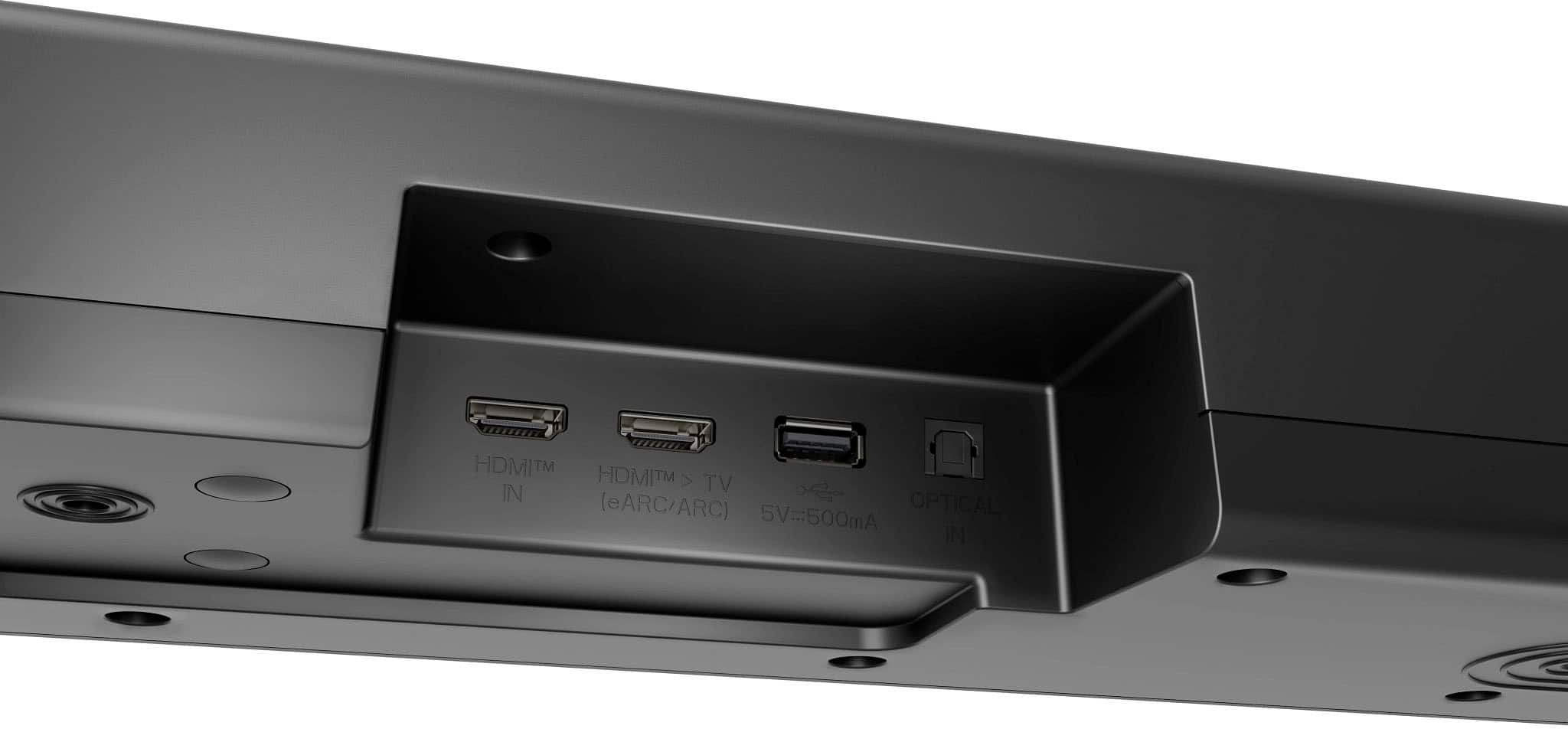
This is where we see the biggest difference between a 2024 and 2025 product. The LG S70TR comes loaded with modern conveniences that the Klipsch simply doesn't match. HDMI 2.1 passthrough means you can connect your PS5 or Xbox Series X and get full 4K gaming at 120Hz without any lag. The soundbar literally acts as a pass-through, sending the video signal to your TV while processing the audio.
The LG also includes VRR (Variable Refresh Rate) and ALLM (Auto Low Latency Mode) support. These are gaming features that reduce input lag and eliminate screen tearing. If you're a serious gamer, these features alone might make the decision for you.
The Klipsch keeps connectivity simple: HDMI eARC (the newer, higher-bandwidth version of HDMI ARC that can handle uncompressed Dolby Atmos), optical input, USB-C, and Bluetooth. It's everything most people need, but it's clearly focused on audio rather than being a central hub for your entertainment system.
Here's a feature I wish more people knew about: room correction. Every room is different—some are boxy and echo-prone, others have lots of soft furniture that absorbs sound. The LG includes automatic room correction that uses a built-in microphone to analyze your space and adjust the audio accordingly.
The process is simple: you run a test tone, the soundbar listens to how it sounds in your specific room, then adjusts its output to compensate for your room's acoustic quirks. It's like having a professional audio engineer optimize your system, but it happens automatically.
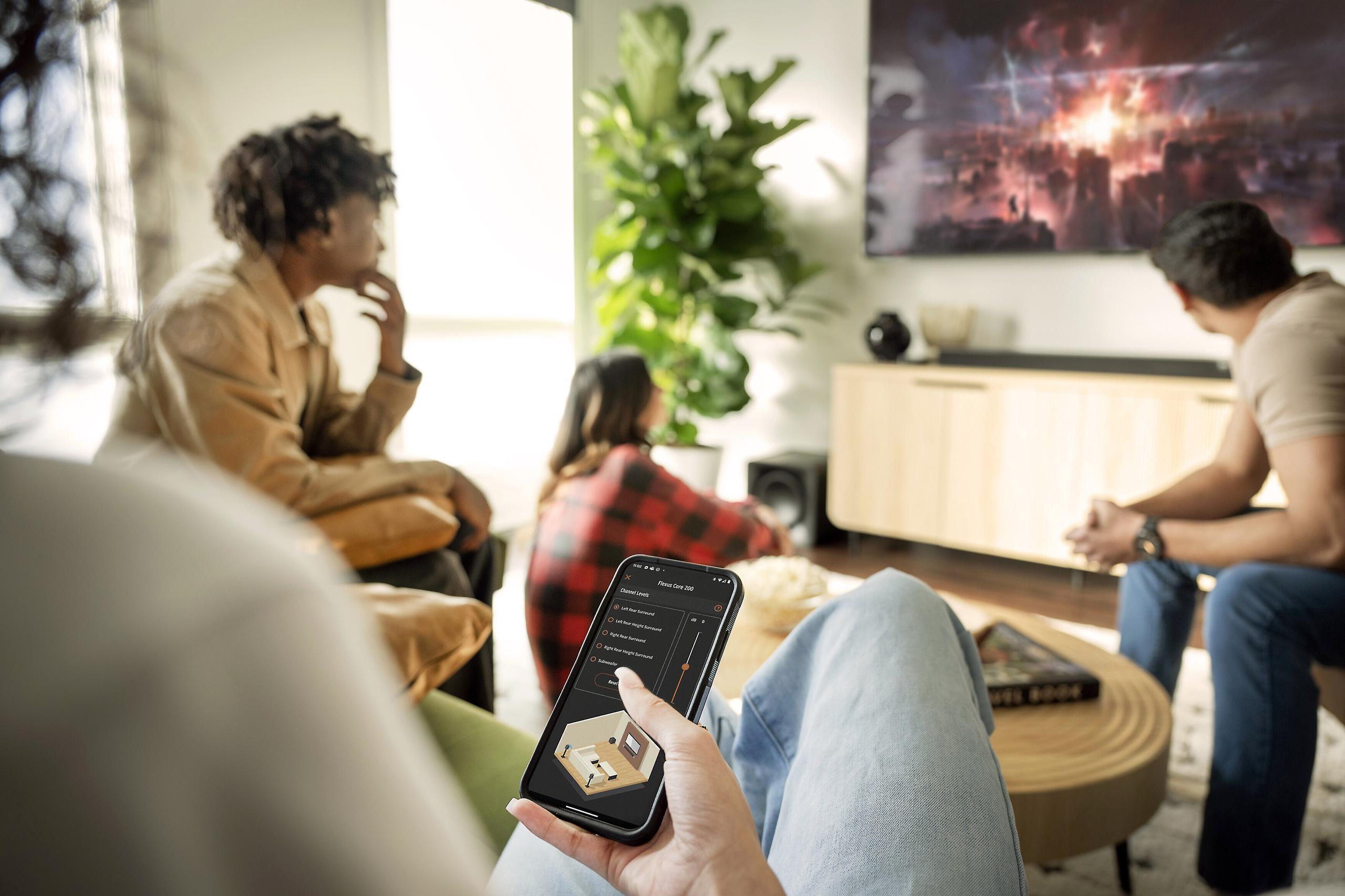
The Klipsch doesn't include this feature, relying instead on manual EQ adjustments through their Connect Plus app. You can still get great sound, but you'll need to tweak settings by ear rather than having the system do it for you.
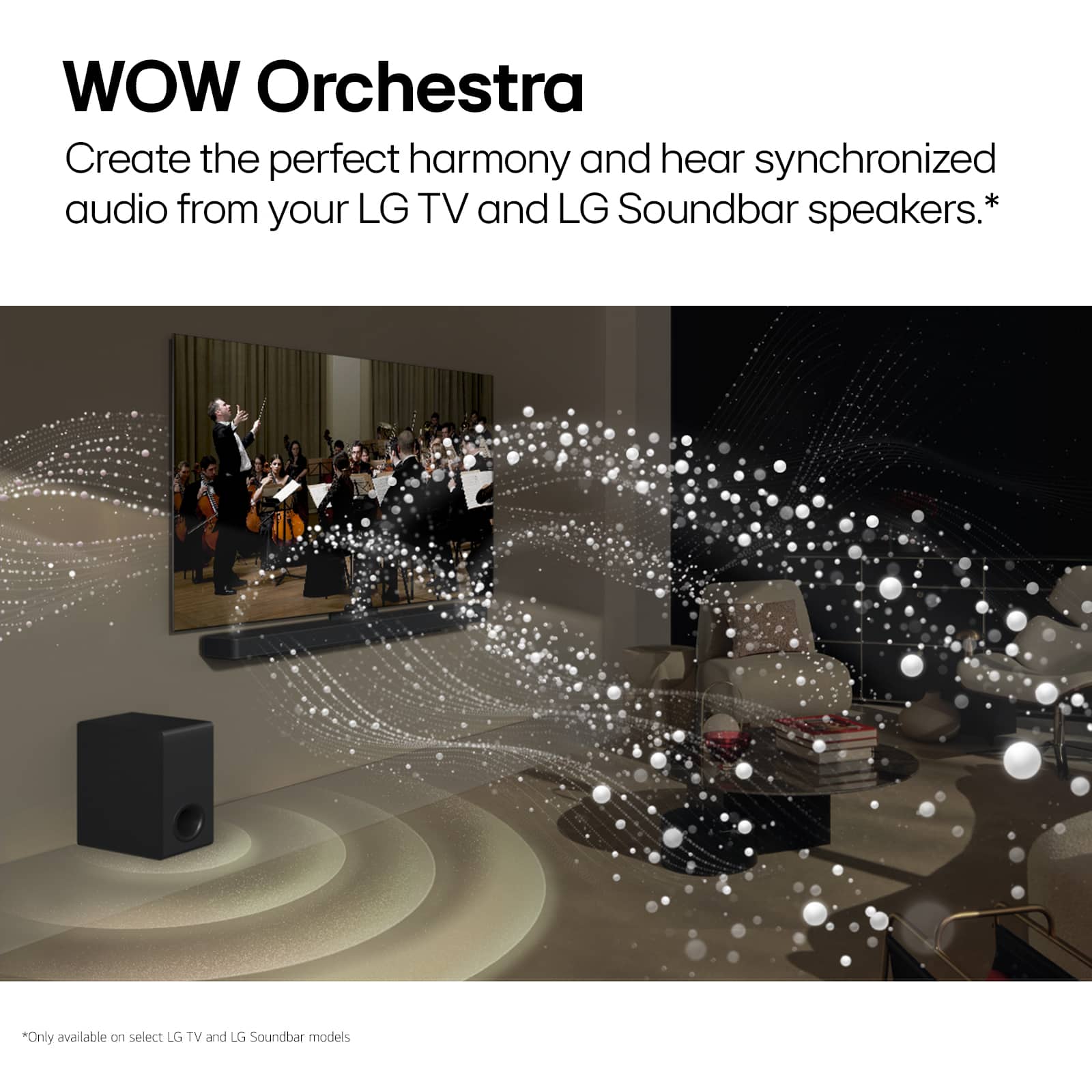
If you own an LG TV, the S70TR offers something unique called WOW Orchestra. This feature uses both your TV's built-in speakers and the soundbar simultaneously, creating a wider soundstage and more immersive experience. It's particularly effective for larger rooms where you want sound to fill more space.
The Klipsch takes a different approach with its modular ecosystem. While the Core 200 is complete on its own, you can add a wireless subwoofer (the Flexus Sub 100 for $299) or wireless surround speakers (Flexus Surr 100 for $199 per pair) later. This lets you start with the basics and build up your system over time, though the total cost can add up quickly.
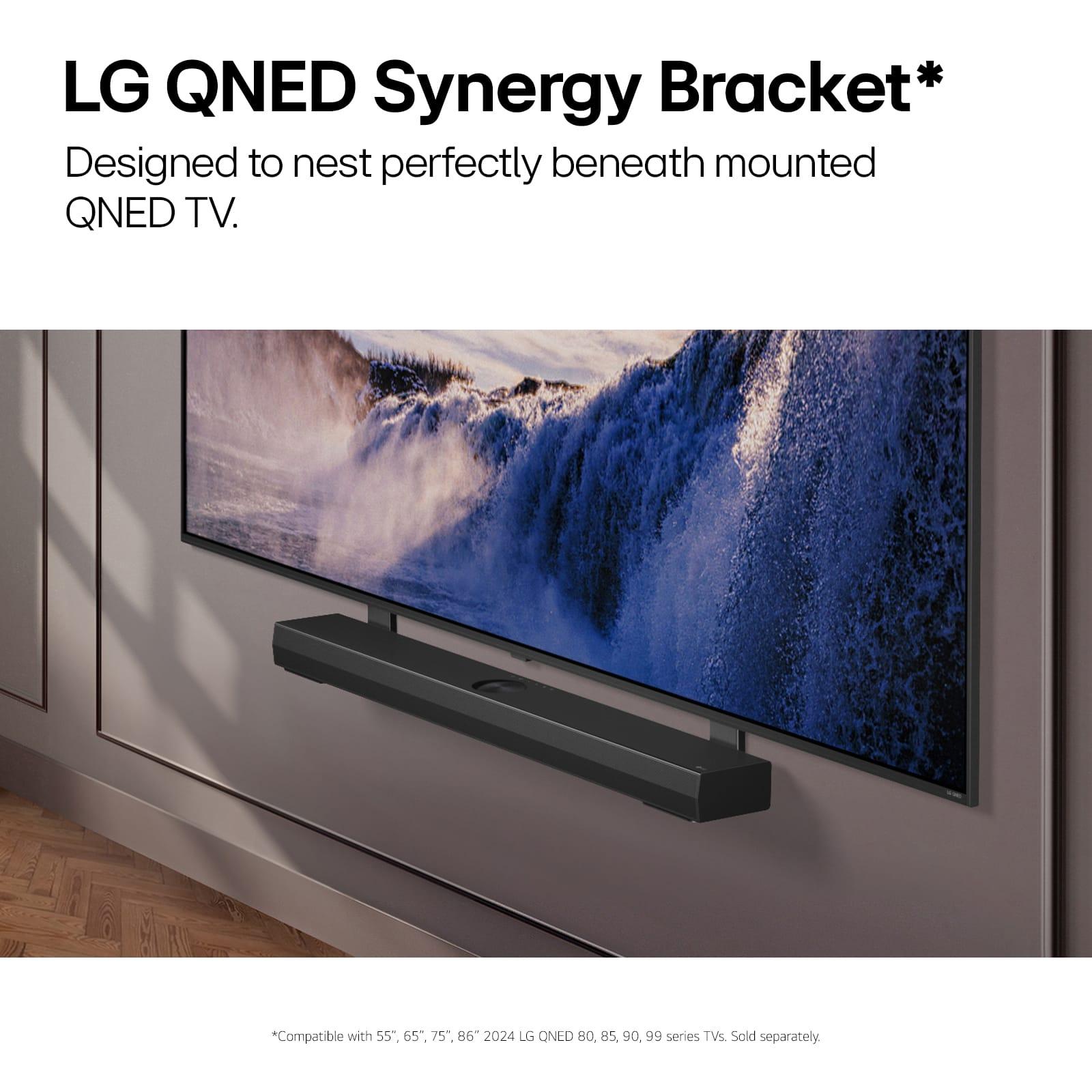
The Klipsch Flexus Core 200 measures 44 inches wide, making it ideal for TVs 50 inches and larger. Its single-unit design means less clutter—there's just one thing to plug in and one thing to find space for. The ebony vinyl finish looks premium and should match most TV stands or wall-mounted setups.
The LG is actually a bit narrower at 37.4 inches for the main bar, but you've got additional components to consider. The wireless subwoofer is about 8 inches wide and 15 inches tall—not huge, but you need to find floor space for it. The rear speakers are small enough to place on shelves or side tables, but they do need to be positioned behind your seating area for proper surround effect.
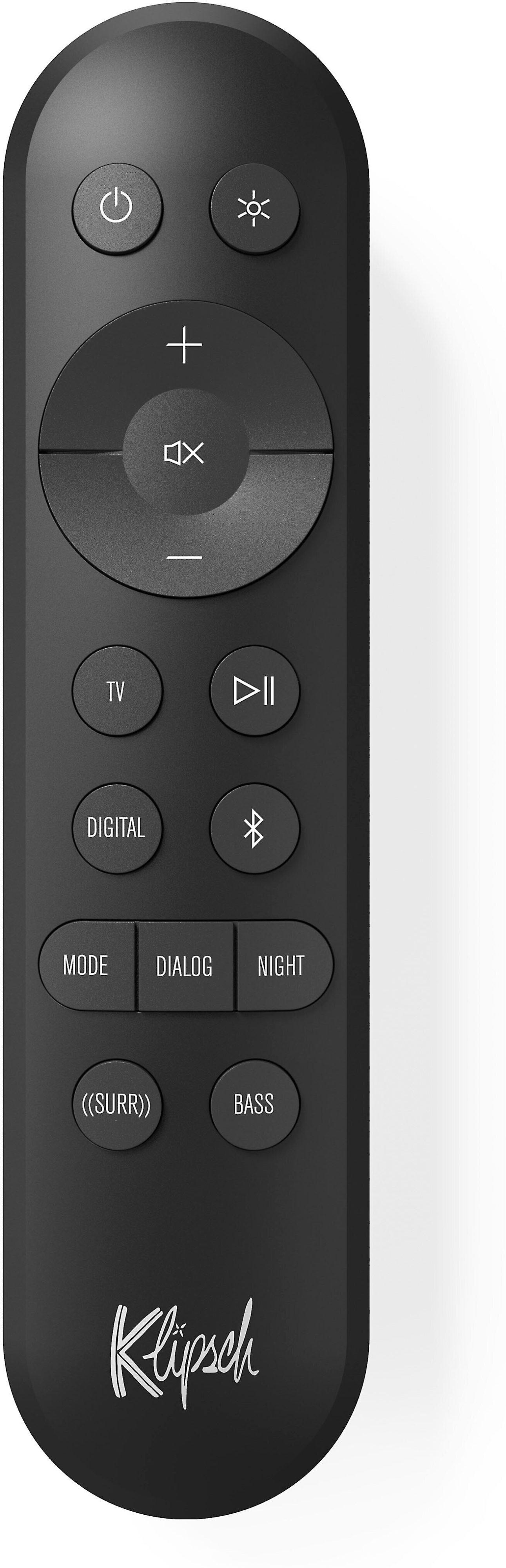
Setting up the Klipsch is about as simple as it gets: connect one HDMI cable to your TV, plug it in, and you're done. The optional expansion speakers connect wirelessly using Klipsch's Transport technology, which I've found to be reliable in testing.
The LG requires a bit more thought during setup. You'll need to position the subwoofer (usually works best in a corner or along a wall), place the rear speakers behind your seating area, and run the room correction calibration. It's not difficult, but it's definitely more involved than the plug-and-play Klipsch experience.
In smaller spaces, the Klipsch really shines. Its built-in subwoofers provide plenty of bass without overwhelming the room, and the superior dialogue clarity means you won't need to crank the volume to hear conversations. The compact design also makes more sense in cramped quarters where finding space for multiple components can be challenging.
I've tested the Klipsch in a 12x15 bedroom setup, and it delivered surprisingly room-filling sound despite being a single unit. The Dolby Atmos effects were convincing enough to make me look up during helicopter scenes, which is the real test of whether height speakers are working properly.
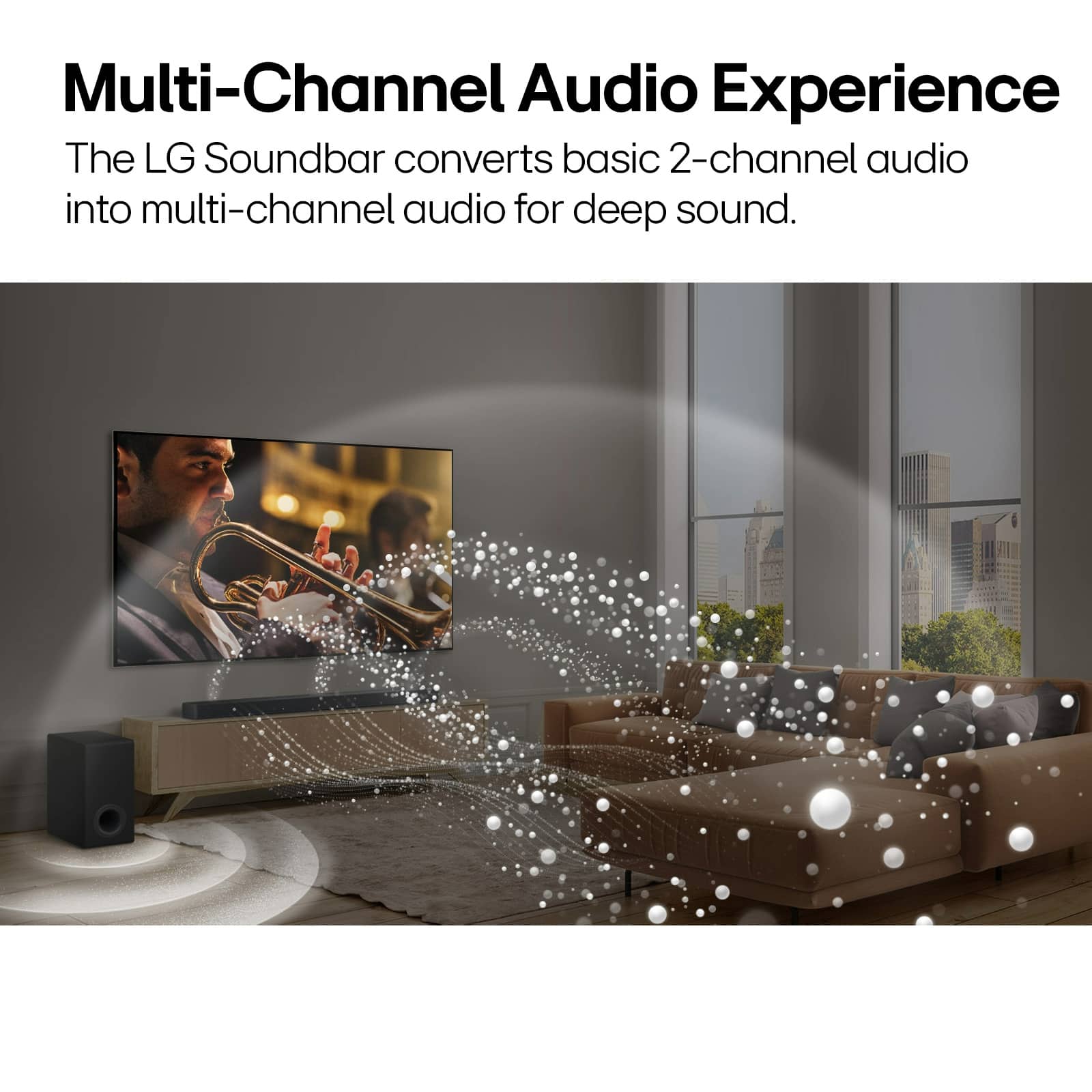
This is where the LG S70TR pulls ahead. The separate rear speakers create a true surround bubble that you just can't get from a single soundbar, no matter how cleverly designed. In my living room test (about 400 square feet with an open kitchen), the LG's wireless subwoofer filled the entire space with bass, while the rear speakers made it feel like sound effects were actually happening behind me.
The wider soundstage also works better in larger rooms. While the Klipsch can get loud enough, the sound feels more focused in front of you. The LG spreads audio throughout the space more effectively.
For gaming, the LG has clear advantages. The HDMI 2.1 passthrough, VRR, and ALLM support mean you can connect your console directly to the soundbar without sacrificing any gaming features. I tested this with a PlayStation 5 and experienced no input lag or compatibility issues.
The Klipsch will work for gaming too, but you'll need to connect your console directly to your TV and use HDMI ARC for audio. This works fine, but you miss out on some of the advanced gaming features that modern consoles offer.
At $369, the Klipsch represents excellent value for what you get: premium acoustic engineering, genuine Dolby Atmos with dedicated height drivers, and surprisingly effective built-in bass. There are no surprise costs—everything you need is included.
However, if you want to expand later, costs add up quickly. Adding the wireless subwoofer ($299) and surround speakers ($199 per pair) brings your total to $867, which puts you in much more expensive territory.
The LG at $399 includes everything upfront: the main bar, wireless subwoofer, and wireless rear speakers. You're getting a complete 5.1.1 system for just $30 more than the basic Klipsch setup. From a pure components-per-dollar perspective, the LG offers better value.
Choose the Klipsch Flexus Core 200 if:
Choose the LG S70TR if:
Both soundbars represent excellent choices, but they serve different needs and room types. The Klipsch focuses on acoustic excellence in a premium, compact package—it's the choice for audio purists who value quality over quantity. The LG provides more features and components for your money, making it better for larger rooms and tech enthusiasts who want the latest connectivity options.
In my experience, most people underestimate how much room size affects their decision. If you're in a smaller space, the Klipsch's advantages in dialogue clarity and compact design will serve you better daily. But if you have the room for it, the LG's true surround experience and deeper bass create a more cinematic experience that's hard to beat at this price point.
Either way, you're getting a significant upgrade over your TV's built-in speakers. The question is whether you prioritize acoustic refinement (Klipsch) or comprehensive features and true surround sound (LG). Both will make your movie nights significantly more enjoyable.
| Klipsch Flexus Core 200 ($369) | LG S70TR ($399) |
|---|---|
| Channel Configuration - Determines surround sound immersion and speaker placement | |
| 3.1.2 (all-in-one design with built-in height speakers) | 5.1.1 (separate components with wireless rear speakers) |
| Dialogue Clarity - Critical for understanding speech in movies and shows | |
| Horn-loaded tweeter for exceptional vocal clarity | AI Sound Pro with standard drivers |
| Bass Solution - Affects room placement and low-frequency impact | |
| Dual 4" built-in subwoofers (no external sub needed) | Separate 7" wireless subwoofer (deeper bass, requires floor space) |
| Dolby Atmos Height Effects - Creates overhead sound dimension | |
| Two dedicated 2.25" up-firing drivers (superior height separation) | Single height channel across soundbar (less precise positioning) |
| Room Size Optimization - Determines which spaces each excels in | |
| Best for small-medium rooms under 300 sq ft | Ideal for medium-large rooms 300+ sq ft |
| Gaming Features - Important for console gamers | |
| Basic HDMI eARC only | HDMI 2.1 passthrough, VRR, ALLM (4K/120Hz gaming support) |
| Smart Features - Modern convenience and customization | |
| Basic app control, no room correction | Room correction, AI processing, comprehensive app |
| TV Integration - Seamless operation with your display | |
| Universal compatibility via HDMI eARC | WOW Orchestra (enhanced integration with LG TVs) |
| Setup Complexity - Time and effort required for installation | |
| Plug-and-play single unit | Multi-component setup with wireless positioning |
| Expandability - Future upgrade potential | |
| Modular system (Sub $299, Surrounds $199/pair) | Complete system included, no expansion needed |
| Total System Value - What you get for the price | |
| Premium acoustics in compact form, expansion costs extra | Complete 5.1.1 system with all components included |
The Klipsch Flexus Core 200 ($369) excels in dialogue clarity thanks to its proprietary horn-loaded tweeter design. This technology focuses and amplifies vocal frequencies, making speech clearer even during action scenes. The LG S70TR ($399) uses AI Sound Pro to enhance dialogue, but it can't match the natural clarity of Klipsch's horn-loaded design.
The Klipsch Flexus Core 200 uses a 3.1.2 setup with three front channels, one center, and two height speakers all built into one unit. The LG S70TR features 5.1.1 with five main channels, one subwoofer, and one height channel spread across multiple components including wireless rear speakers for true surround sound.
The Klipsch Flexus Core 200 ($369) wins for space-saving bass with dual 4-inch subwoofers built directly into the soundbar. You get surprisingly powerful low-end without any additional components. The LG S70TR ($399) requires a separate wireless subwoofer that needs floor space but delivers deeper bass extension.
No, they handle Dolby Atmos differently. The Klipsch Flexus Core 200 has two dedicated up-firing drivers for more precise overhead effects and better height separation. The LG S70TR uses a single height channel, which is less precise but compensates with its wider surround speaker array.
The Klipsch Flexus Core 200 ($369) is much simpler - just connect one HDMI cable and plug it in. The LG S70TR ($399) requires positioning a wireless subwoofer, placing rear speakers, and running room calibration, though this complexity enables better surround immersion.
Yes, but differently. The Klipsch Flexus Core 200 offers modular expansion with optional wireless subwoofer ($299) and surround speakers ($199/pair). The LG S70TR comes complete with all components included - no expansion needed or available.
The LG S70TR ($399) is superior for gaming with HDMI 2.1 passthrough supporting 4K/120Hz, plus VRR and ALLM features for lag-free console gaming. The Klipsch Flexus Core 200 ($369) works for gaming but lacks these advanced gaming-specific features.
The Klipsch Flexus Core 200 excels in small to medium rooms under 300 square feet where its compact design and built-in bass are sufficient. The LG S70TR performs better in larger rooms over 300 square feet where its separate components and true surround speakers can create more immersive audio.
The LG S70TR ($399) provides better component value, including a complete 5.1.1 system with wireless subwoofer and rear speakers for just $30 more. The Klipsch Flexus Core 200 ($369) offers excellent acoustic quality but expansion to a full system costs significantly more.
Both work with any TV brand. The Klipsch Flexus Core 200 offers universal compatibility via HDMI eARC. The LG S70TR works with all TVs but provides special WOW Orchestra integration that combines TV and soundbar speakers only with compatible LG TVs.
The LG S70TR ($399) includes automatic room correction, AI sound processing, and comprehensive app control. The Klipsch Flexus Core 200 ($369) keeps features simple with basic app control and manual EQ adjustments, focusing more on acoustic hardware than smart processing.
For home theater, choose the LG S70TR if you have a larger room and want true surround immersion with deep bass. Pick the Klipsch Flexus Core 200 if you prioritize dialogue clarity, have limited space, or prefer a premium single-unit solution with superior Dolby Atmos height effects.
We've done our best to create useful and informative comparisons to help you decide what product to buy. Our research uses advanced automated methods to create this comparison and perfection is not possible - please contact us for corrections or questions. These are the sites we've researched in the creation of this article: soundandvision.com - avnirvana.com - avsforum.com - cnet.com - klipsch.com - klipsch.com - youtube.com - assets.klipsch.com - klipsch.com - worldwidestereo.com - klipsch.com - crutchfield.com - digitaltrends.com - bestbuy.com - mynavyexchange.com - rixaudiovideoappliance.com - rtings.com - youtube.com - bestbuy.com - howards.siteontimedev.com - bestbuy.com - appliancestogousa.us

Privacy Policy
Terms and Conditions - Affiliate Policy
Home Security
© Copyright 2008-2026.
11816 Inwood Rd #1211, Dallas, TX 75244