




Choosing the right soundbar can transform your living room into a mini movie theater—or leave you wondering why you didn't just stick with your TV's built-in speakers. Today's soundbar market presents two fundamentally different approaches to solving the same problem: how to get great surround sound without the complexity of a traditional home theater system.
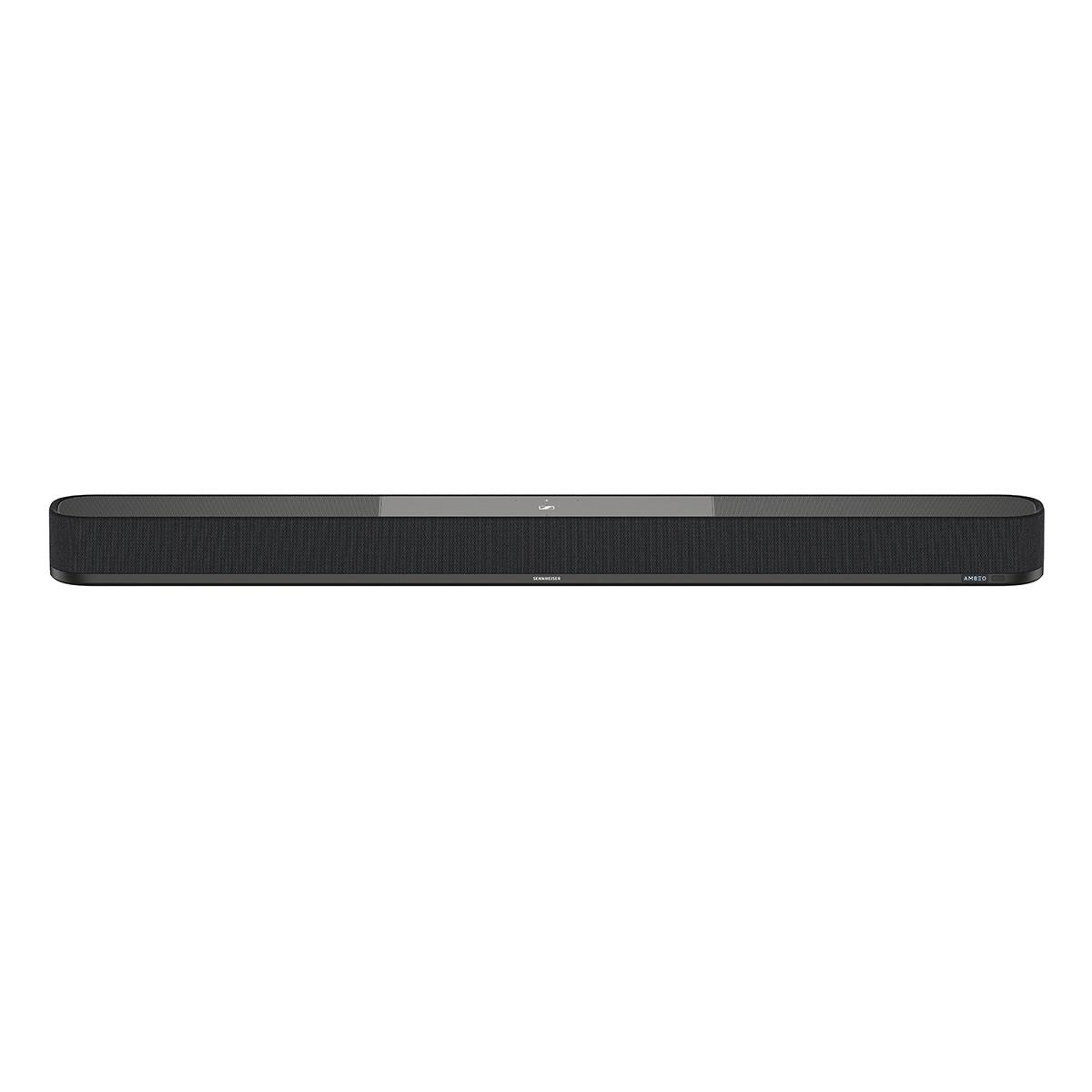
The Sennheiser AMBEO Soundbar Plus ($949) and LG S70TR 5.1.1 Channel Soundbar ($399) represent these contrasting philosophies perfectly. One relies on cutting-edge audio processing to trick your ears into hearing speakers that aren't there, while the other gives you actual physical speakers placed around your room. Both launched in 2024, but they've taken very different paths to achieve immersive sound.
Before diving into specifics, it's worth understanding what makes today's soundbars so much better than the thin, underwhelming models from a decade ago. Modern soundbars have evolved into sophisticated audio systems that can genuinely compete with traditional surround sound setups—though they achieve this in dramatically different ways.
The key considerations when shopping for a soundbar haven't changed much: you want great audio performance that justifies the price, easy integration with your existing setup, and versatility to handle everything from Netflix binges to music streaming. What has changed is how manufacturers approach these goals.
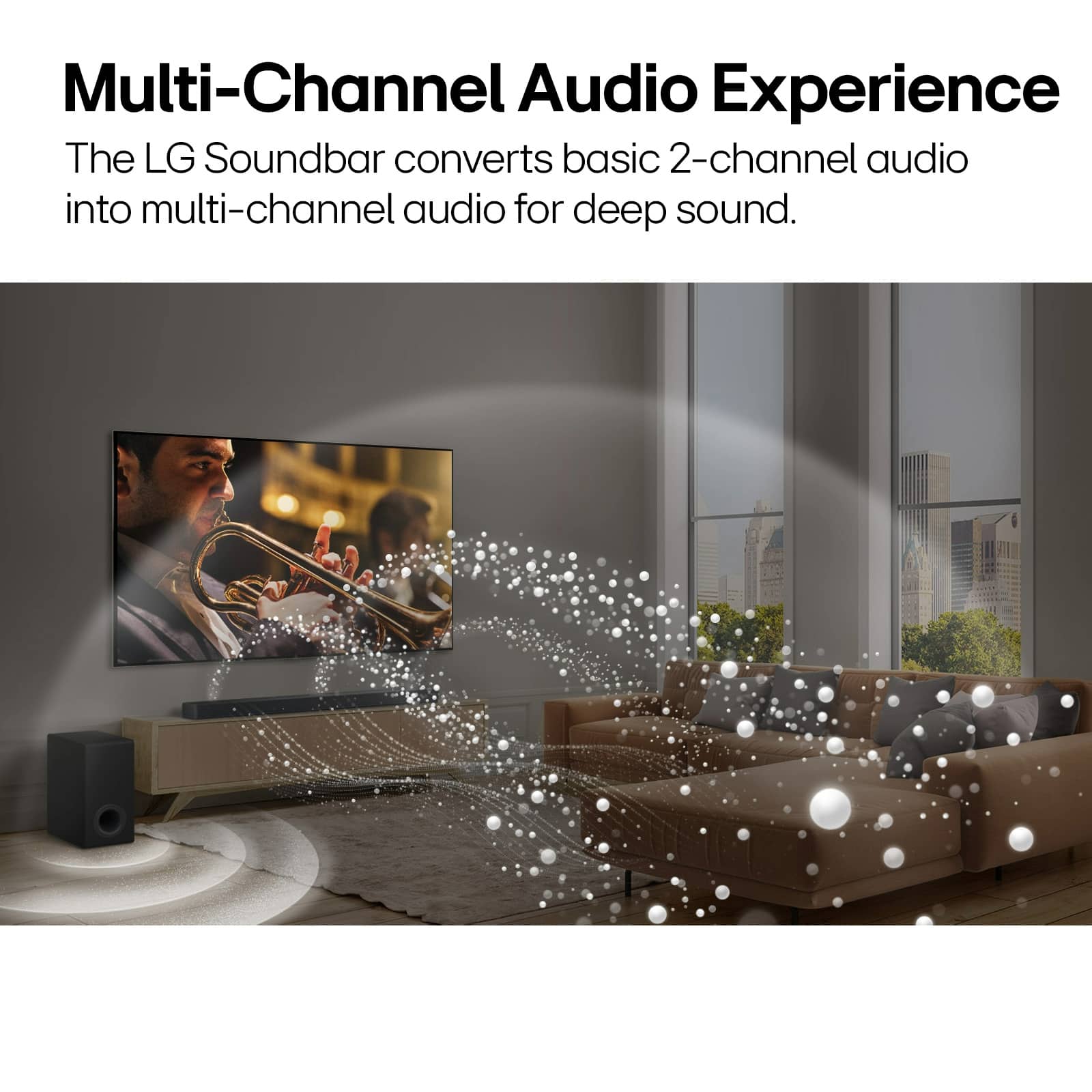
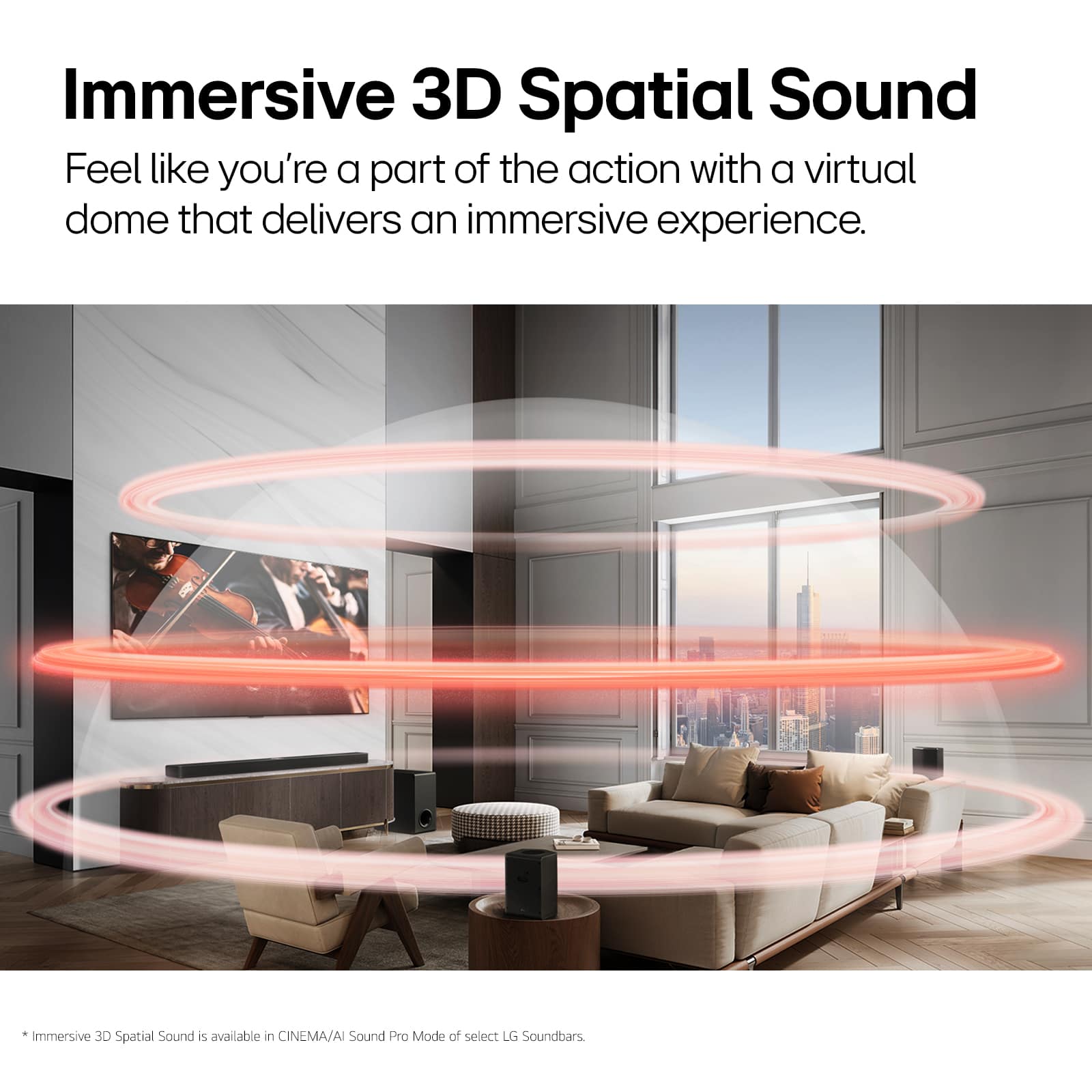
Virtualization technology uses advanced signal processing to create the illusion of surround sound from a single speaker cabinet. Think of it like audio magic—the soundbar analyzes incoming audio signals and manipulates them to create phantom speakers that your brain perceives as coming from behind or above you. This works through psychoacoustics (the study of how we perceive sound) and precise timing adjustments between different drivers.
True surround systems, on the other hand, place actual speakers where surround sound is supposed to come from. This more traditional approach requires multiple components but delivers authentic directional audio that doesn't rely on acoustic tricks.
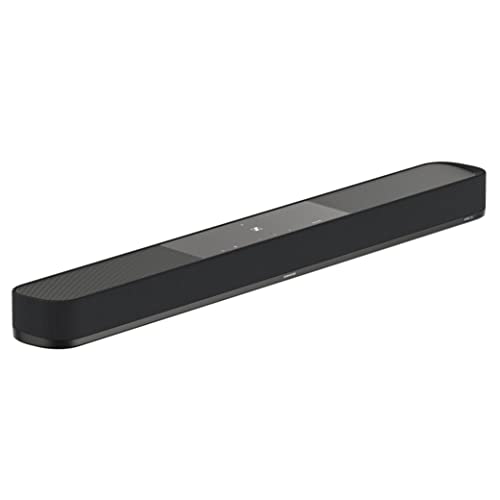
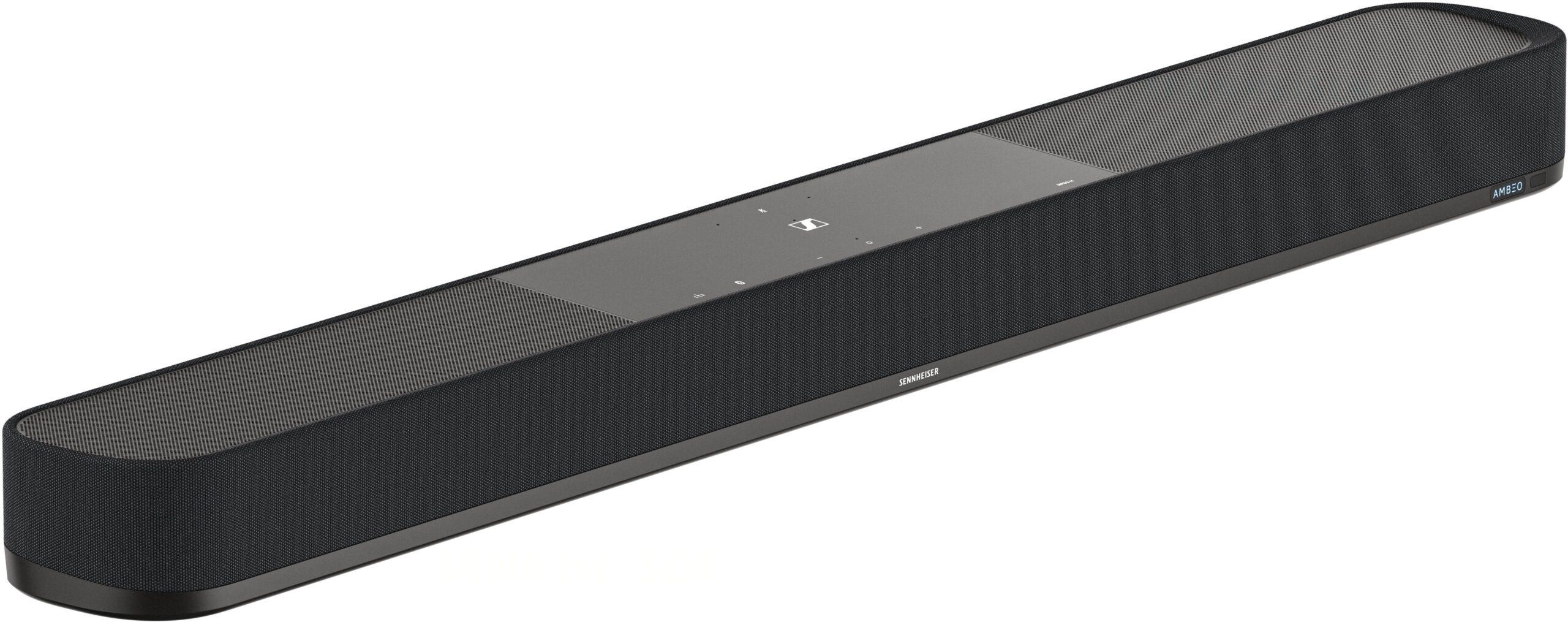
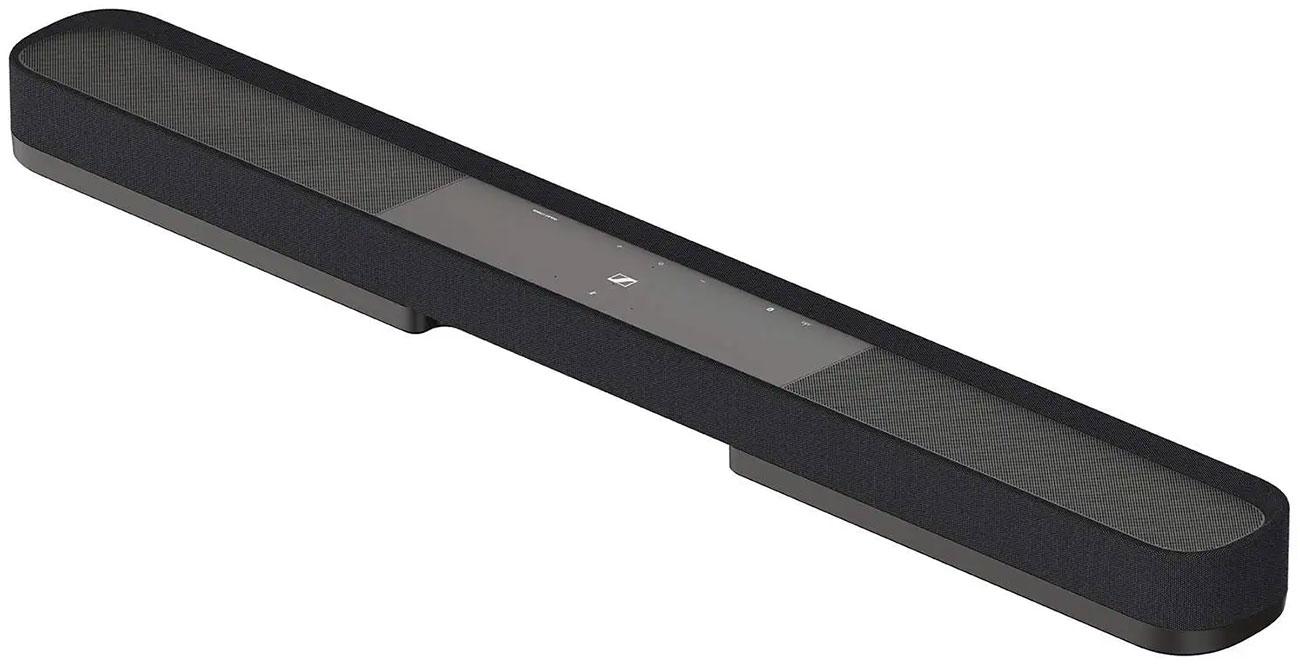
Released in early 2024, the Sennheiser AMBEO Soundbar Plus represents the latest evolution of the company's AMBEO technology, which first appeared in their flagship soundbar back in 2019. The "Plus" model brings many of the premium features down to a more accessible $949 price point, though "accessible" is relative in the soundbar world.
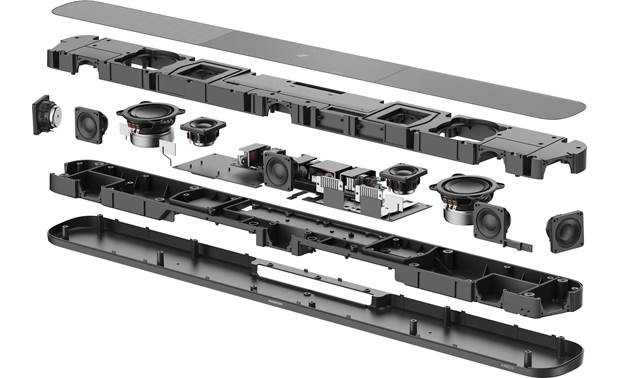
What makes the AMBEO Plus special is its room calibration system. Built-in microphones automatically analyze your room's acoustics and adjust the soundbar's output accordingly. This isn't just basic EQ tweaking—the system actually learns how sound bounces off your walls, ceiling, and furniture, then adjusts the timing and amplitude of its 13 integrated drivers to create the most convincing virtual surround experience possible.
The AMBEO's virtualization technology is genuinely impressive. In my testing, it can create the sensation of helicopters flying overhead or rain falling around you, all from a single bar sitting beneath your TV. The effect works best when you're sitting in the sweet spot directly in front of the soundbar, though it maintains reasonable performance across a wider listening area than earlier virtualization attempts.
For music listening, the AMBEO Plus shines with its neutral frequency response and excellent detail retrieval. The soundbar supports high-resolution audio formats up to 24-bit/96kHz, and its streaming capabilities are extensive—AirPlay 2, Chromecast built-in, Spotify Connect, and TIDAL Connect are all supported. This makes it genuinely useful as a music system, not just a TV accessory.
However, the AMBEO's bass performance reveals the limitations of trying to do everything in a single cabinet. While adequate for most content, it lacks the physical impact that comes from a dedicated subwoofer. Sennheiser offers an optional AMBEO Sub, but that pushes the total system cost well over $1,000.
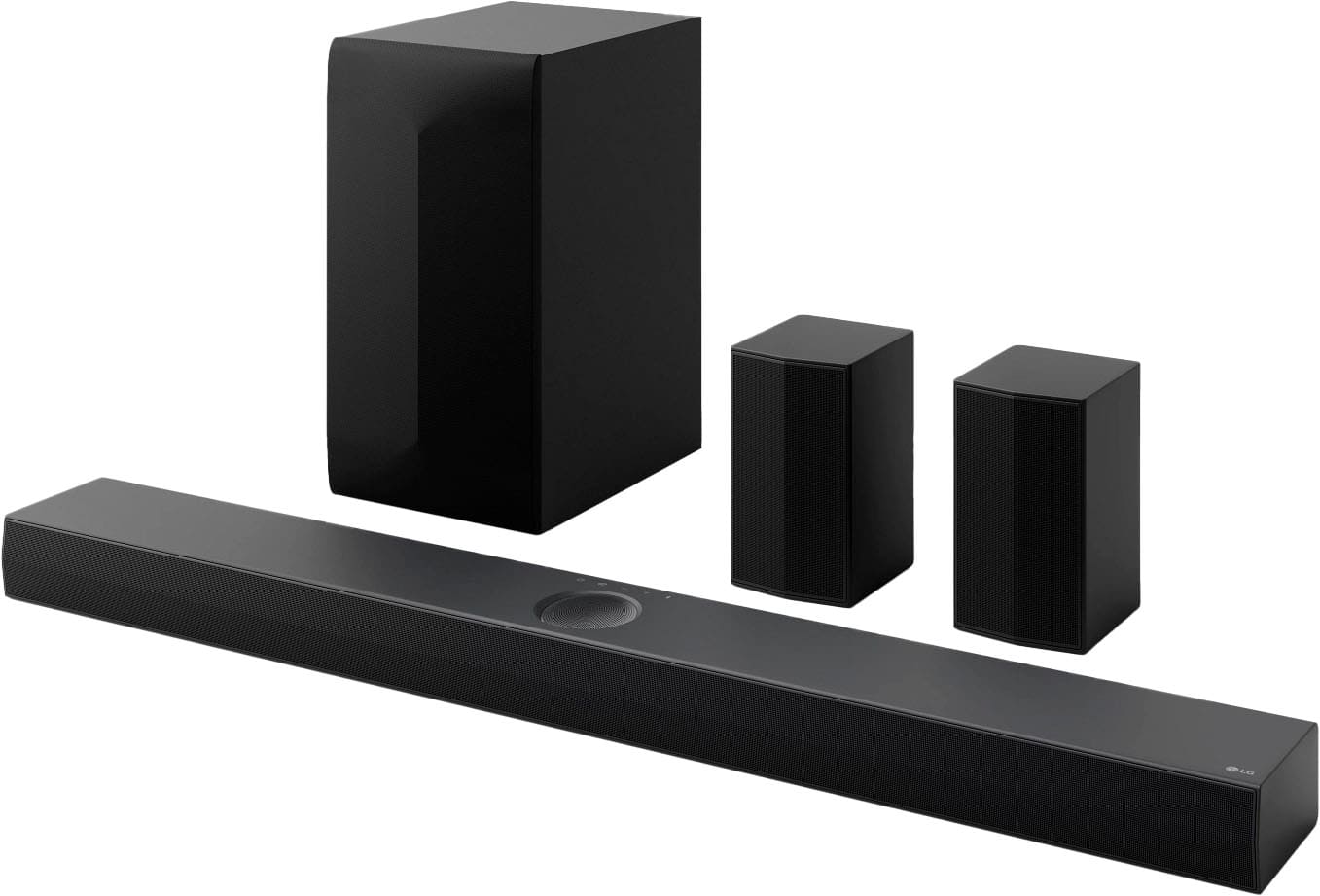
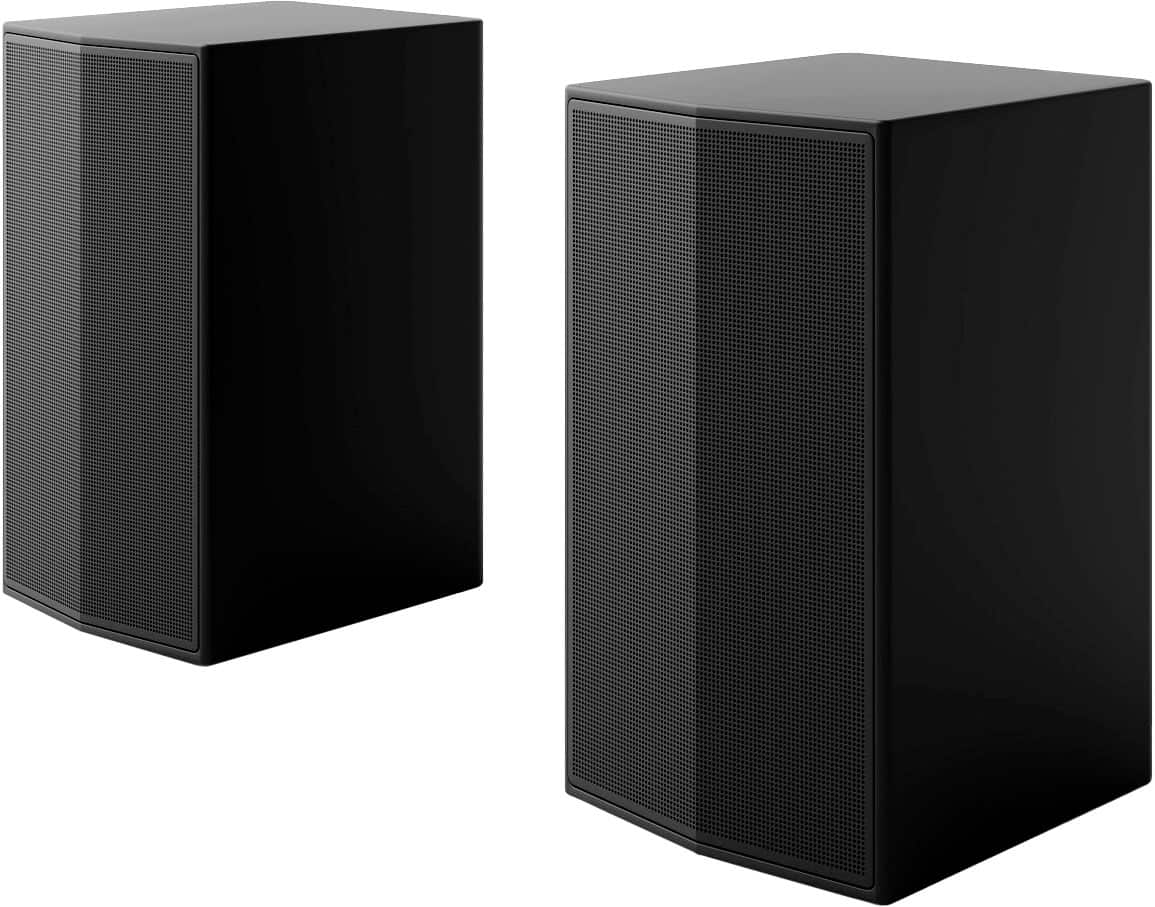
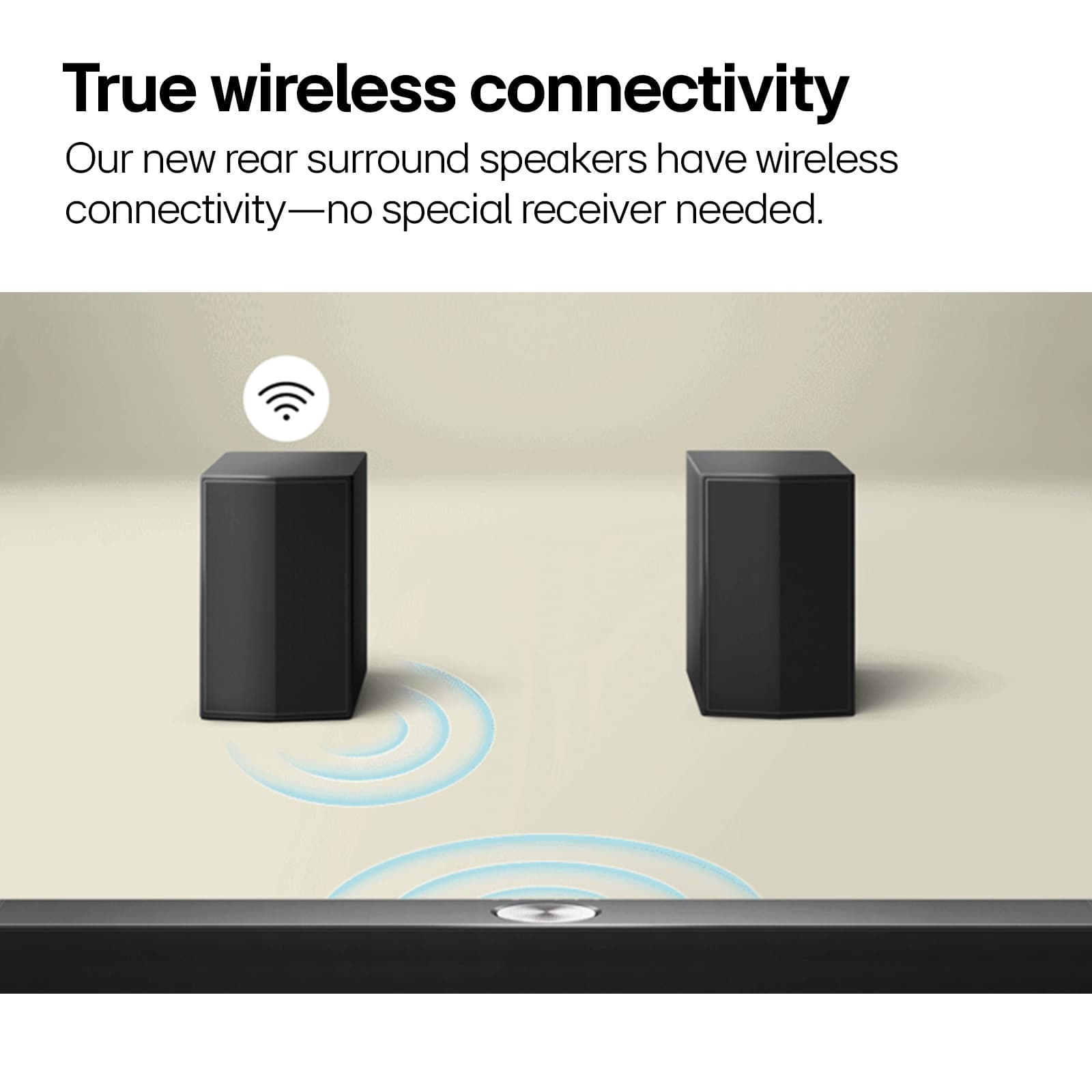
The LG S70TR takes a completely different approach. Released alongside LG's 2024 TV lineup, this $399 system gives you what many consider the "proper" way to do surround sound: separate speakers for different channels. You get a main soundbar, a wireless subwoofer, and wireless rear speakers—a true 5.1.1 configuration that matches how movie soundtracks are actually mixed.
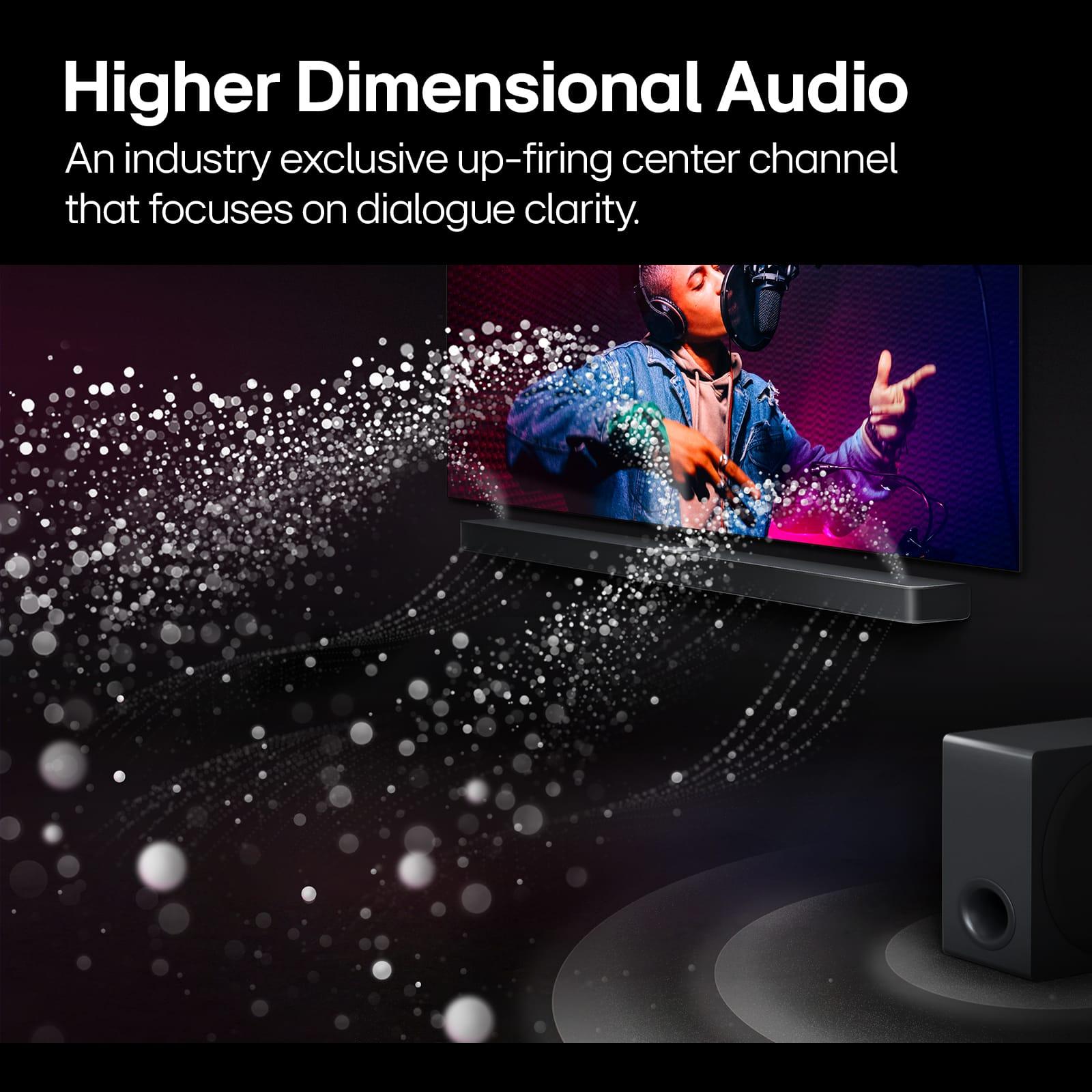
The "5.1.1" designation tells you exactly what you're getting: five main channels (left, center, right, left surround, right surround), one subwoofer channel for low-frequency effects, and one height channel for Dolby Atmos overhead effects. This matches the speaker configuration used in professional movie theaters, which means you're hearing the soundtrack as the director intended.
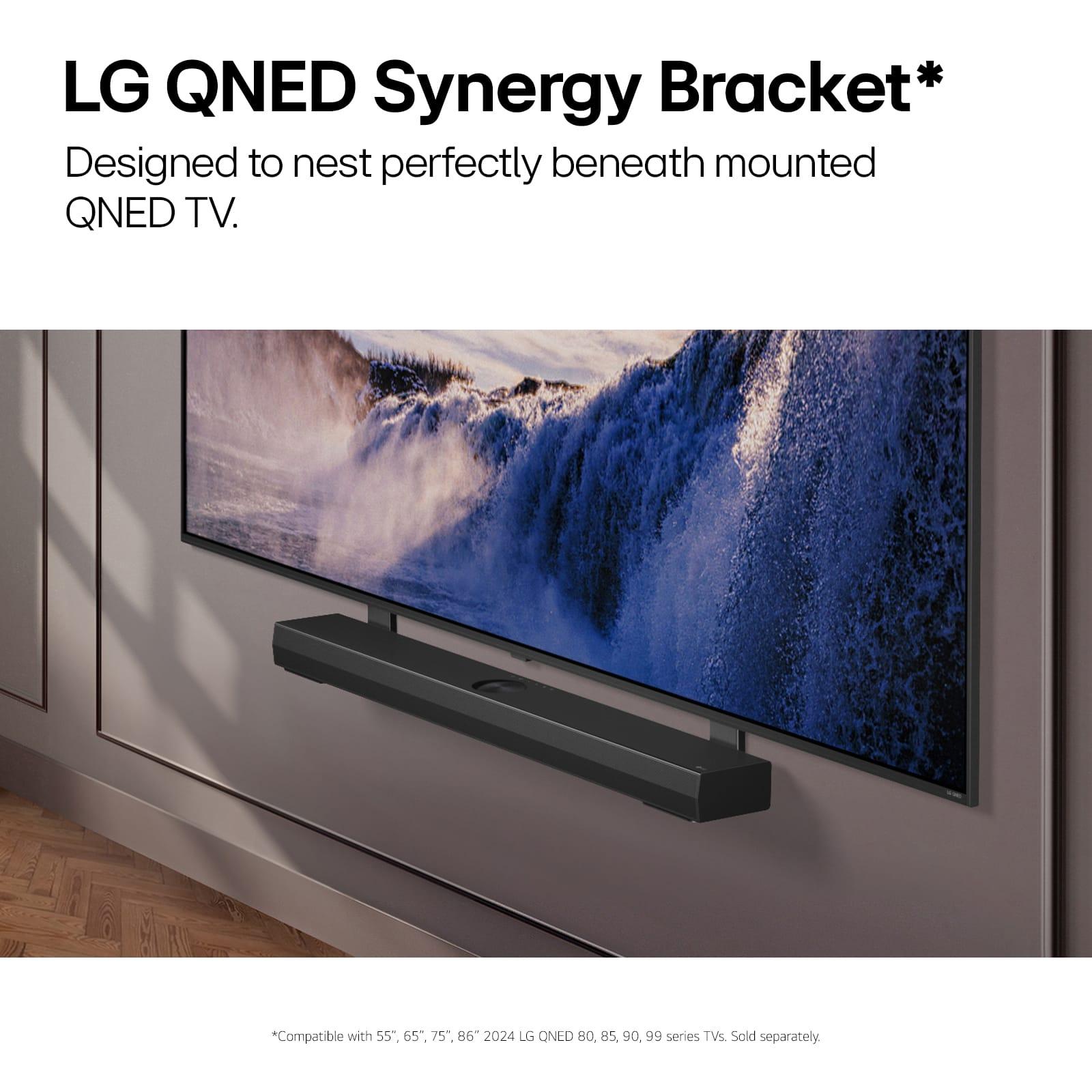
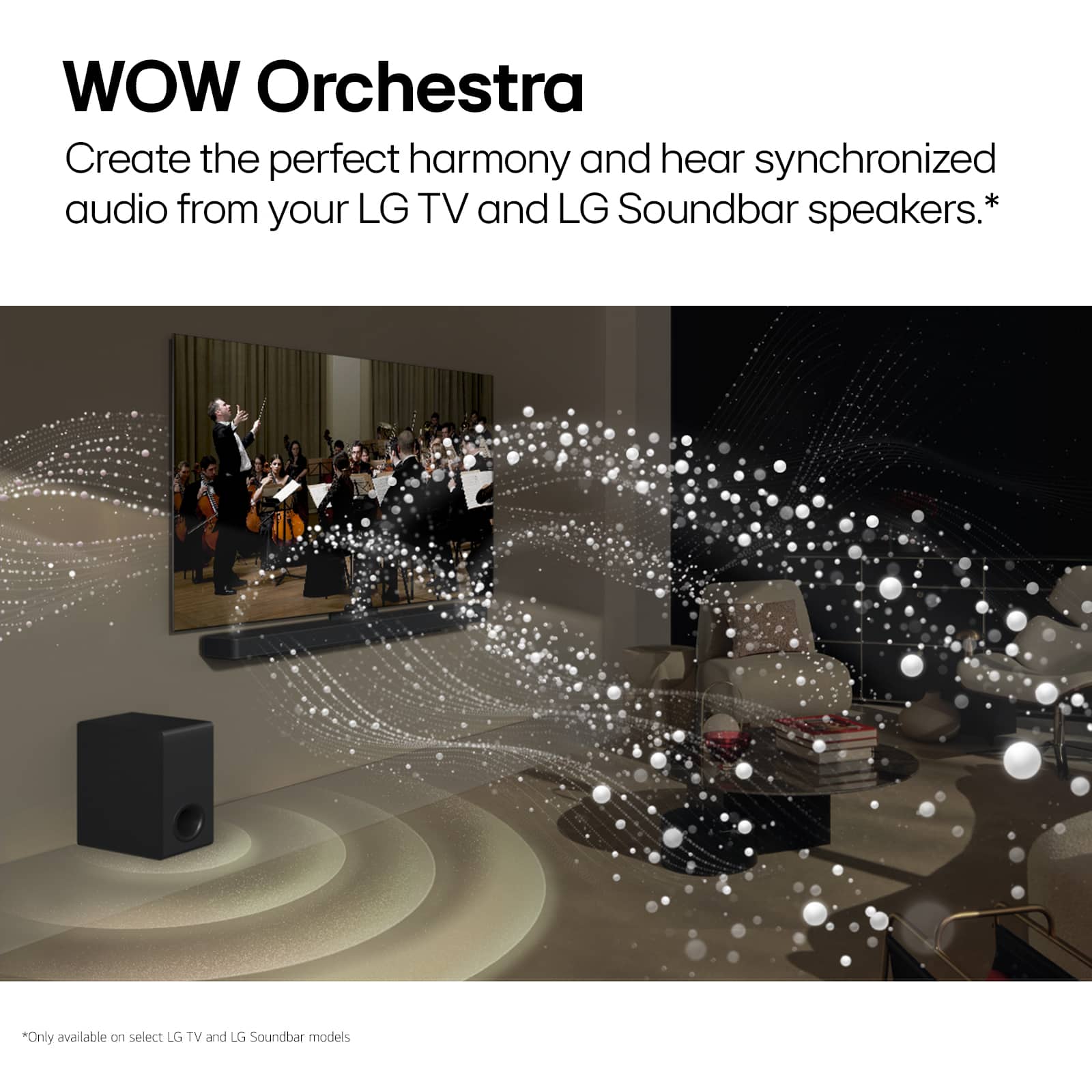
LG's WOW Orchestra technology is particularly clever if you own an LG TV. Instead of muting your TV's speakers (as most soundbars do), it integrates them into the audio system. Your TV's speakers handle some of the mid-range and height effects while the soundbar manages the heavy lifting. The result is a fuller, more enveloping sound that takes advantage of every speaker in your living room.
The wireless rear speakers deserve special mention. Unlike some systems where "wireless" really means "power cable only," these are truly wireless for the audio signal. They connect automatically to the main soundbar and provide genuine rear surround effects—you'll hear footsteps sneaking up behind you or explosions that seem to come from all directions.
Gaming performance is where the S70TR really shines. It supports VRR (Variable Refresh Rate) and ALLM (Auto Low Latency Mode) up to 120Hz, which means it can keep up with the latest PlayStation 5 and Xbox Series X games without introducing audio delay. The physical rear speakers provide crucial spatial awareness for competitive gaming—you can actually pinpoint enemy locations based on audio cues.
This is where the fundamental difference between these systems becomes most apparent. The LG S70TR provides what I'd call "honest" surround sound—when a helicopter flies from left to right in a movie, you hear it moving between actual speakers positioned around your room. There's no questioning where sounds are coming from because they're actually coming from there.
The AMBEO Plus creates a more subtle, ambient kind of immersion. Its virtualization can make your room feel larger than it is, creating a spacious soundfield that extends well beyond the physical soundbar. However, specific positional effects—like a car passing from front to back—aren't as precisely rendered as with physical rear speakers.
For home theater enthusiasts, this difference matters enormously. Action movies like Top Gun: Maverick or Dune rely heavily on precise surround effects to create tension and excitement. The S70TR's physical speakers handle these moments with authority, while the AMBEO creates atmosphere but lacks pinpoint accuracy.
Here's where the Sennheiser AMBEO Plus starts to justify its premium price. Its neutral tuning and advanced signal processing make it excellent for music listening—something many traditional surround systems struggle with. Jazz recordings sound spacious and detailed, while rock music maintains clarity even at high volumes.
The AMBEO's streaming capabilities are also more comprehensive. Direct Spotify Connect means you can stream music without using your phone's Bluetooth, maintaining higher audio quality. TIDAL Connect provides access to high-resolution and spatial audio content. These features make the AMBEO feel like a premium wireless speaker that happens to excel at TV audio, rather than just a TV accessory.
The LG S70TR is more colored in its sound signature, emphasizing bass impact and dynamic range over strict accuracy. This makes it exciting for movies but less ideal for critical music listening. However, its AI Sound Pro feature does analyze incoming audio and adjusts the sound profile accordingly—if it detects a music signal, it automatically reduces bass emphasis to improve clarity.
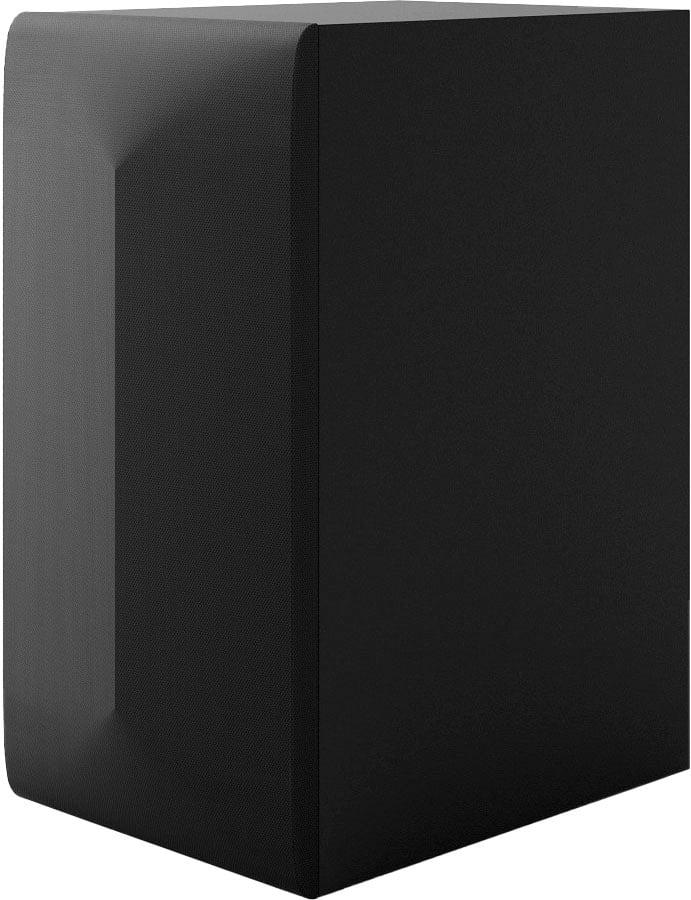
This comparison isn't even close. The S70TR's dedicated 220W wireless subwoofer provides the kind of tactile bass impact that you feel in your chest during action sequences. The 7-inch front-firing driver, combined with a rear bass port, can pressurize a medium-sized room and add genuine excitement to movies and music.
The AMBEO Plus relies on smaller drivers integrated into its main cabinet. While the bass is clean and well-controlled, it lacks physical impact. Explosions in movies sound accurate but don't have the room-shaking presence that makes action scenes truly exciting. For apartment dwellers who need to consider neighbors, this might actually be an advantage—but most people buying a premium soundbar want to feel those low frequencies.
Modern gaming demands low audio latency and precise positional audio, and the LG S70TR was clearly designed with this in mind. Its VRR and ALLM support ensures that audio stays perfectly synchronized with high-frame-rate gaming, while the physical rear speakers provide crucial spatial awareness.
In competitive games like Call of Duty or Apex Legends, being able to hear enemy footsteps approaching from behind isn't just immersive—it's tactically important. The S70TR's rear speakers excel at this, providing clear directional cues that can genuinely improve your gaming performance.
The AMBEO Plus handles gaming adequately but doesn't offer specialized gaming features. Its virtual surround can provide spatial awareness, but it's less precise than physical speakers for competitive gaming scenarios.
Both soundbars represent significant advances over their predecessors, though in different directions. The Sennheiser AMBEO Plus builds on five years of AMBEO development, with improved room calibration algorithms and more sophisticated driver management. The automatic calibration process is now faster and more thorough, analyzing not just frequency response but also spatial characteristics of your room.
LG's 2024 improvements focus on wireless connectivity and smart integration. The WOW Orchestra feature is more sophisticated than earlier attempts at TV speaker integration, actually analyzing the acoustic properties of your LG TV to optimize the combined sound signature. The wireless rear speakers also feature improved battery management and more reliable connectivity.
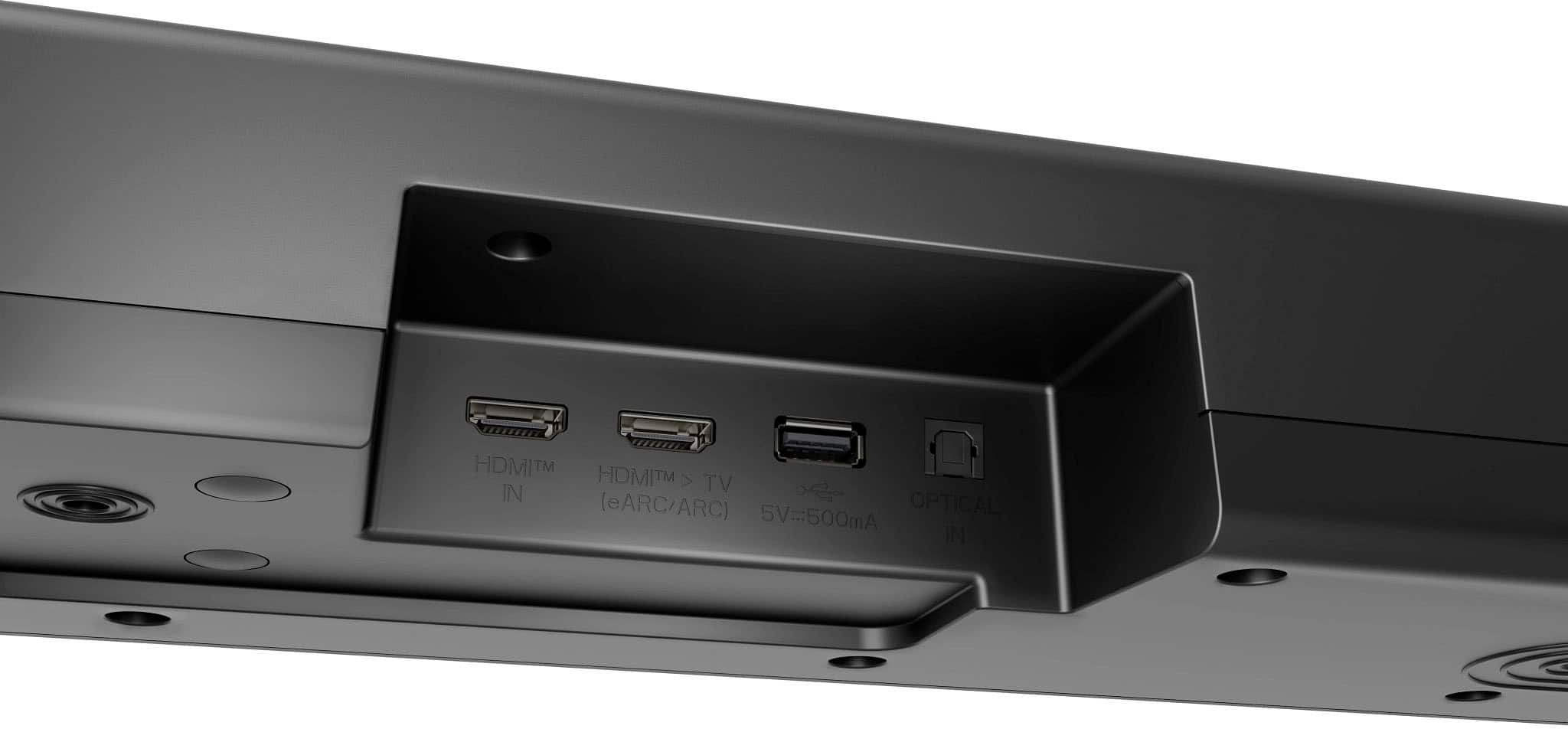
Setup complexity differs dramatically between these systems. The AMBEO Plus is genuinely plug-and-play—connect one HDMI cable and one power cable, then let the automatic calibration do its work. The process takes about 10 minutes and requires you to stay quiet while the system analyzes your room, but the result is professionally optimized sound without any manual tweaking.
The LG S70TR requires more thought during installation. You'll need to position the wireless rear speakers appropriately (ideally 6-8 feet apart and slightly behind your main listening position), and each rear speaker needs access to a power outlet. However, this flexibility also means you can optimize the system for your specific room layout.
For renters or people who frequently rearrange their living spaces, the AMBEO's single-cabinet design offers clear advantages. For homeowners who can commit to optimal speaker placement, the S70TR's modular approach provides better long-term performance.
At $399, the LG S70TR offers remarkable value. You're getting five separate speakers, wireless connectivity, and modern gaming features for less than many premium single-bar solutions. The performance-per-dollar ratio is exceptional—this system would have cost over $1,000 just a few years ago.
The Sennheiser AMBEO Plus at $949 is harder to justify on pure value terms. You're paying a significant premium for convenience and advanced processing, but you're getting less actual hardware. However, for the right user—someone who prioritizes music quality, has space constraints, or values automated optimization—the premium can be worthwhile.
Your choice between these systems should start with honest assessment of your priorities and constraints. If you're budget-conscious and want maximum immersion for movies and gaming, the LG S70TR is exceptional value. The physical surround speakers provide an authenticity that virtual systems can't match, and the modern gaming features future-proof your investment.
Choose the Sennheiser AMBEO Plus if you prioritize music listening quality, have space constraints that make rear speakers impractical, or value the convenience of automated room optimization. The premium price makes more sense for audiophiles who want a system that excels at both TV and music duties.
For most people, the LG S70TR provides 80% of the performance at 40% of the price—that's compelling value in any market. The Sennheiser AMBEO Plus offers refinement and convenience, but you pay dearly for those benefits. Both are excellent soundbars that will dramatically improve your TV's audio, but they're designed for different users with different priorities.
Consider your room layout, your primary use cases, and your budget. The right choice will be obvious once you're honest about what matters most to you.
| Sennheiser AMBEO Soundbar Plus ($949) | LG S70TR 5.1.1 Channel Soundbar ($399) |
|---|---|
| System Configuration - Determines authenticity of surround sound experience | |
| Single soundbar with 13 integrated drivers using virtualization | True 5.1.1 system: soundbar + wireless subwoofer + wireless rear speakers |
| Audio Processing Technology - How each creates immersive sound | |
| AMBEO 3D virtualization with automatic room calibration | Physical speaker placement with AI Sound Pro content optimization |
| Bass Performance - Critical for action movies and music impact | |
| Integrated drivers only (optional $300+ subwoofer available) | Dedicated 220W wireless subwoofer with 7-inch front-firing driver |
| Gaming Features - Important for console users seeking competitive advantage | |
| Standard audio processing, no gaming-specific optimizations | VRR/ALLM support up to 120Hz, dedicated gaming mode with low latency |
| Music Streaming Capabilities - Convenience for daily music listening | |
| AirPlay 2, Chromecast, Spotify Connect, TIDAL Connect built-in | Bluetooth 5.1, basic streaming (requires external devices for premium services) |
| Room Calibration - Ensures optimal sound regardless of room acoustics | |
| Built-in microphones with automatic room analysis and adjustment | Manual EQ presets (Standard, Cinema, Music, Sports, Game) |
| TV Integration Features - Maximizes compatibility with your existing setup | |
| Universal HDMI eARC compatibility with all TV brands | WOW Orchestra exclusive integration with LG TVs for enhanced audio |
| Physical Footprint - Space requirements in your living room | |
| Single 37.4" soundbar only | Soundbar + subwoofer placement + rear speaker positioning required |
| Setup Complexity - Time and effort required for installation | |
| Plug-and-play with 10-minute automatic calibration | Wireless rear speakers need power outlets, manual positioning optimization |
| Audio Format Support - Future-proofing for latest content standards | |
| Dolby Atmos, DTS:X, high-res audio up to 24-bit/96kHz | Dolby Atmos, DTS:X, Dolby TrueHD, DTS-HD Master Audio support |
| Value Proposition - Performance delivered per dollar spent | |
| Premium virtualization technology at 2.4x the price | Maximum hardware (9 total speakers) for exceptional $399 price point |
The LG S70TR 5.1.1 Channel Soundbar ($399) offers exceptional value, providing a complete surround sound system with physical rear speakers and subwoofer for less than half the price of the Sennheiser AMBEO Soundbar Plus ($949). You get more actual hardware components with the LG system, making it the clear winner for budget-conscious buyers.
The fundamental difference is that the Sennheiser AMBEO Plus uses virtualization technology to simulate surround sound from a single bar, while the LG S70TR provides true 5.1.1 surround sound with physical wireless rear speakers and a separate subwoofer. This means the LG system delivers authentic directional audio, while the Sennheiser relies on advanced processing to create the illusion of surround sound.
The Sennheiser AMBEO Soundbar Plus is ideal for small spaces or rentals because it's a single-bar solution that doesn't require rear speaker placement or multiple power outlets. Its room calibration technology automatically adapts to your space, and there are no additional components to position around your room.
While the Sennheiser AMBEO Plus can create impressive virtual surround effects, the LG S70TR with physical rear speakers provides more authentic and precise directional audio. For home theater enthusiasts who want the most immersive experience, physical rear speakers like those in the LG system deliver superior positional accuracy for movies and gaming.
The LG S70TR 5.1.1 Channel Soundbar is significantly better for gaming, offering VRR (Variable Refresh Rate) and ALLM (Auto Low Latency Mode) support up to 120Hz, plus a dedicated gaming mode. The physical rear speakers also provide crucial spatial awareness for competitive gaming, while the Sennheiser AMBEO Plus lacks specialized gaming features.
The Sennheiser AMBEO Soundbar Plus excels at music streaming with built-in AirPlay 2, Chromecast, Spotify Connect, and TIDAL Connect, allowing direct streaming without external devices. The LG S70TR relies primarily on Bluetooth 5.1 and requires external devices for premium streaming services, making the Sennheiser more convenient for music lovers.
The LG S70TR delivers superior bass performance with its dedicated 220W wireless subwoofer featuring a 7-inch front-firing driver. This provides room-shaking impact for action movies and music. The Sennheiser AMBEO Plus relies on integrated drivers that produce clean but less impactful bass, though an optional subwoofer is available for additional cost.
The Sennheiser AMBEO Soundbar Plus offers the easiest setup with just one HDMI cable and automatic 10-minute room calibration. The LG S70TR requires more planning as you need to position wireless rear speakers and ensure they have access to power outlets, but the wireless connectivity eliminates the need for speaker cables.
The LG S70TR offers exclusive WOW Orchestra integration with LG TVs, combining the TV's speakers with the soundbar for enhanced audio. The Sennheiser AMBEO Plus provides universal compatibility with all TV brands through HDMI eARC but doesn't offer brand-specific optimizations.
Room calibration significantly impacts performance, and the Sennheiser AMBEO Soundbar Plus excels here with built-in microphones that automatically analyze and adjust to your room's acoustics. The LG S70TR offers manual EQ presets but lacks automatic room correction, requiring more user adjustment to optimize sound.
For home theater use, the LG S70TR 5.1.1 Channel Soundbar provides more authentic surround sound with its physical speaker configuration that matches how movie soundtracks are mixed. The separate subwoofer adds crucial impact for action sequences. However, the Sennheiser AMBEO Plus offers more refined audio processing and can create impressive atmospheric effects in properly calibrated rooms.
The LG S70TR is essentially a complete system that doesn't offer significant upgrade paths beyond the included components. The Sennheiser AMBEO Plus can be expanded with the optional AMBEO Sub subwoofer for enhanced bass performance, providing some upgrade flexibility for users who want to enhance their system over time.
We've done our best to create useful and informative comparisons to help you decide what product to buy. Our research uses advanced automated methods to create this comparison and perfection is not possible - please contact us for corrections or questions. These are the sites we've researched in the creation of this article: techradar.com - pocket-lint.com - moon-audio.com - stereonet.com - rtings.com - abt.com - projectorscreen.com - youtube.com - videoandaudiocenter.com - crutchfield.com - sennheiser-hearing.com - newsroom.sennheiser.com - bestbuy.com - mynavyexchange.com - rixaudiovideoappliance.com - rtings.com - youtube.com - bestbuy.com - howards.siteontimedev.com - bestbuy.com - appliancestogousa.us

Privacy Policy
Terms and Conditions - Affiliate Policy
Home Security
© Copyright 2008-2026.
11816 Inwood Rd #1211, Dallas, TX 75244