


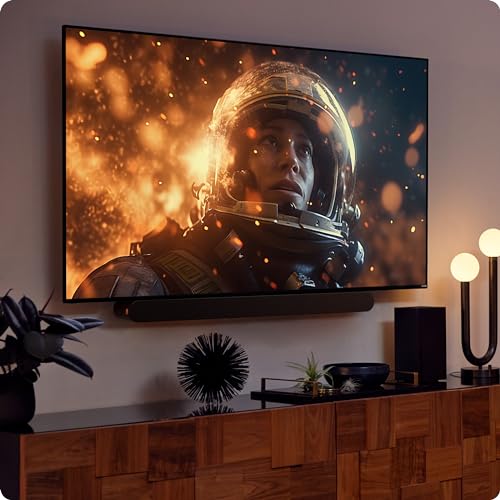

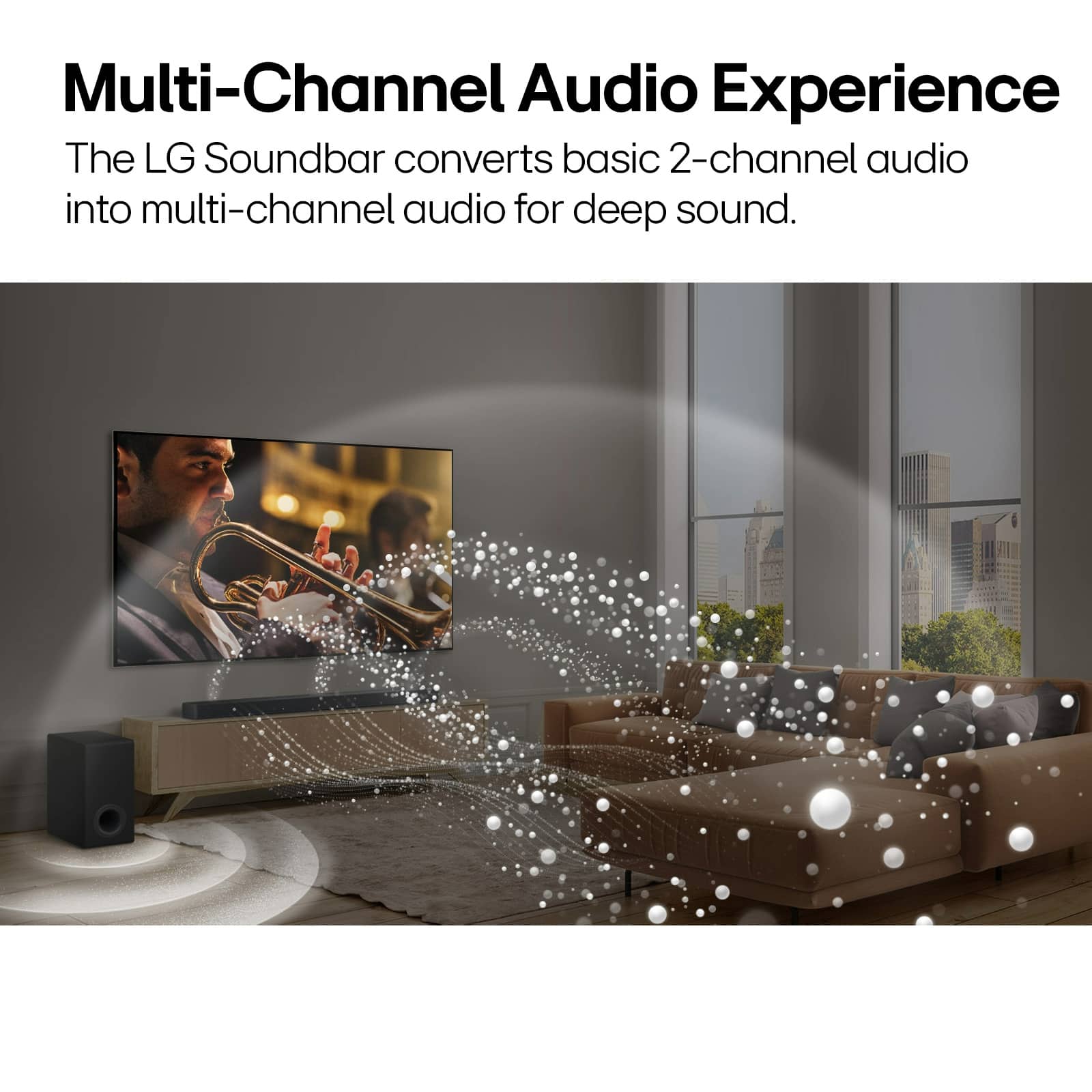
If you've been living with your TV's built-in speakers, you're missing out on what movies and shows are supposed to sound like. The difference between tinny TV audio and a proper surround sound system is night and day – think the difference between listening to music through phone speakers versus quality headphones, but for your entire living room.
The soundbar market has exploded over the past few years, offering everything from basic 2.1 systems to elaborate setups that rival traditional home theater receivers. Today, we're comparing two popular mid-range options: the budget-friendly VIZIO 5.1 Soundbar SE and the more feature-rich LG S70TR. Both promise immersive surround sound and Dolby Atmos support, but they take very different approaches to get there.
Before diving into the comparison, let's talk about what makes a good soundbar system. The most important considerations are audio performance (how good it sounds), value proposition (what you get for your money), room compatibility (will it work well in your space), and connectivity options (how it connects to your TV and other devices).
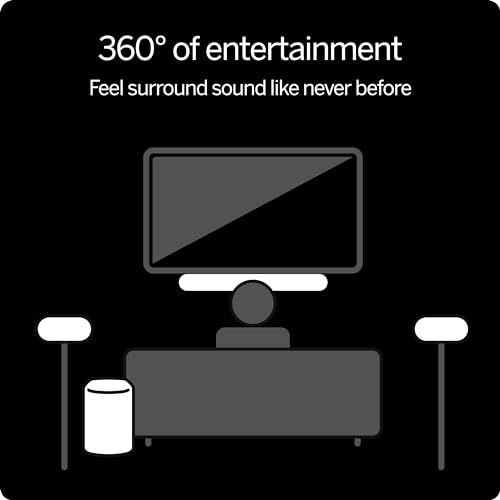
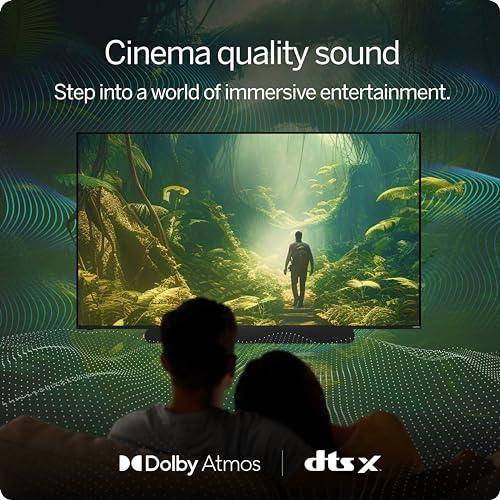
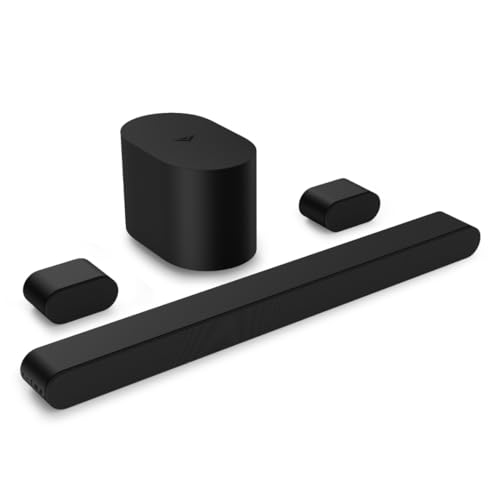
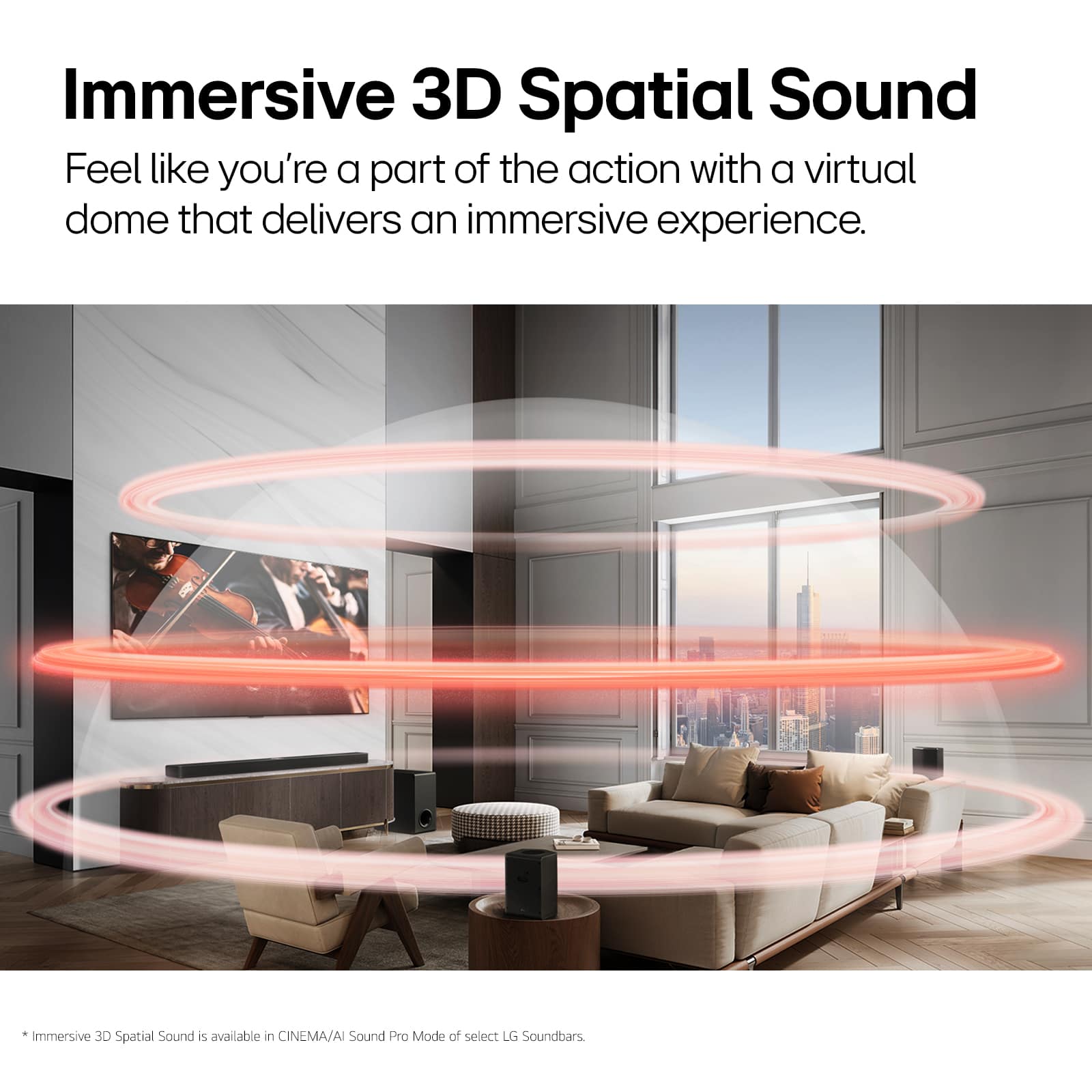
The numbers in soundbar names tell a story. A "5.1" system means five main speakers (left, center, right, plus two surround speakers) and one subwoofer (that's the ".1"). The newer "5.1.1" configuration adds a height channel – usually an up-firing speaker that bounces sound off your ceiling to create overhead effects. This extra dimension is crucial for Dolby Atmos, a technology that places sounds in three-dimensional space around you.
Dolby Atmos deserves special explanation because it's become the gold standard for immersive audio. Instead of just sending sounds to specific speakers, Atmos treats sounds as objects that can be precisely placed anywhere in a 3D space around you. When a helicopter flies overhead in a movie, you should hear it above you, not just in front of you. However, not all Atmos implementations are created equal – some soundbars simulate these height effects, while others use actual up-firing speakers to create them physically.
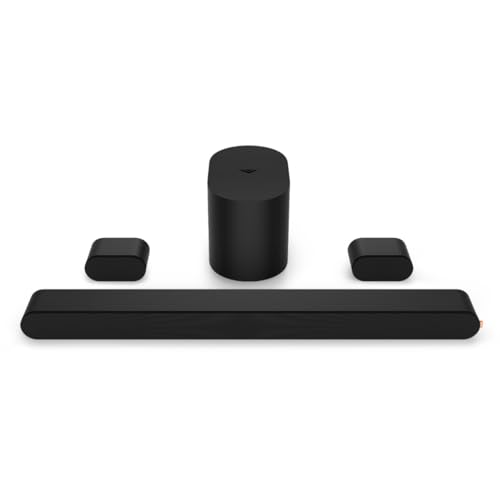
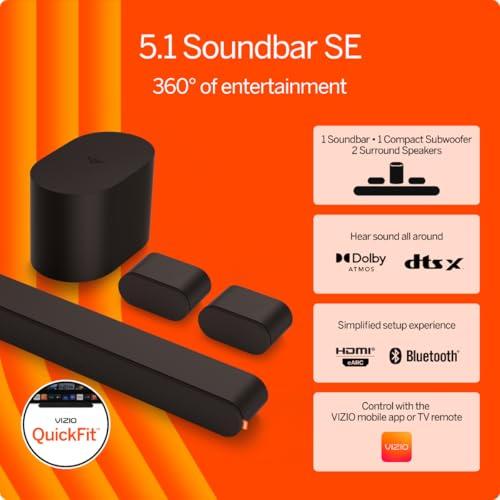
The VIZIO 5.1 SE, released in recent years as part of VIZIO's budget-focused SE series, takes a "maximum value" approach. At the time of writing, it typically costs under $250, making it one of the most affordable ways to get true 5.1 surround sound with Dolby Atmos support. VIZIO built their reputation on offering premium features at accessible prices, and this soundbar continues that tradition.
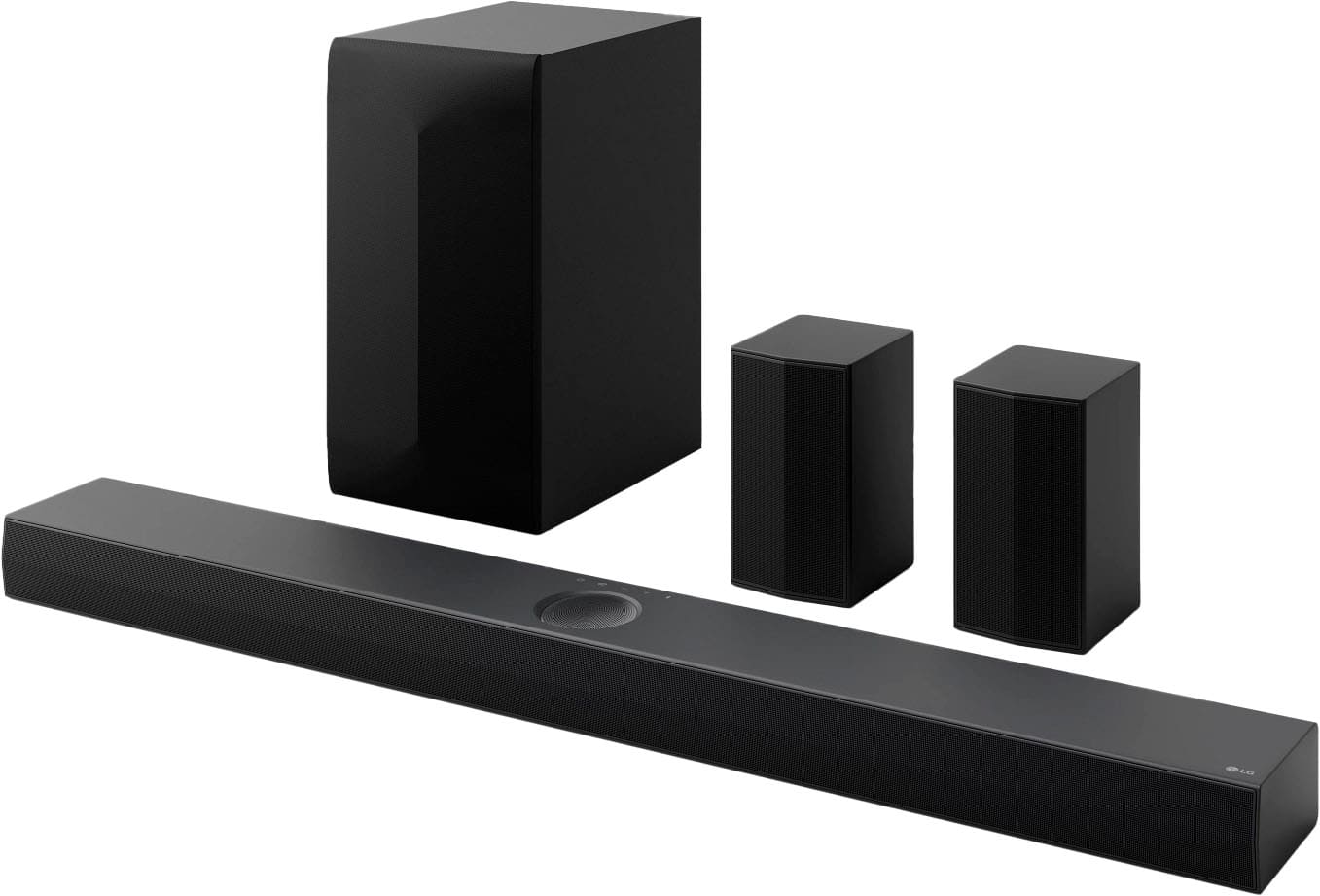
The LG S70TR, launched in 2024 as part of LG's current soundbar lineup, represents a more premium approach. Priced around $300-400 at launch (though often available for less), it includes genuine 5.1.1 configuration with dedicated height speakers and advanced TV integration features. LG has been pushing hard into the soundbar market, leveraging their TV expertise to create more cohesive home entertainment systems.
The key philosophical difference? The VIZIO prioritizes getting you into surround sound at the lowest possible cost, while the LG focuses on delivering a more authentic and feature-rich experience for those willing to spend a bit more.
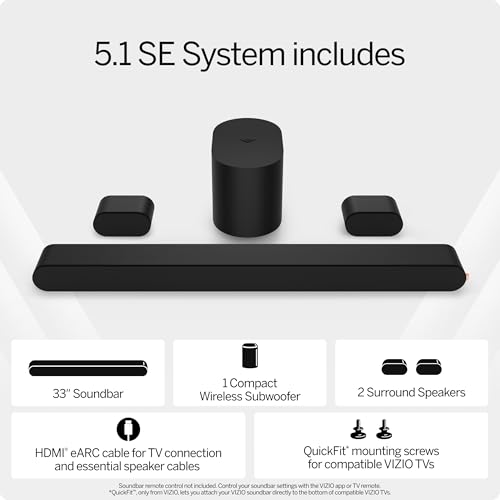
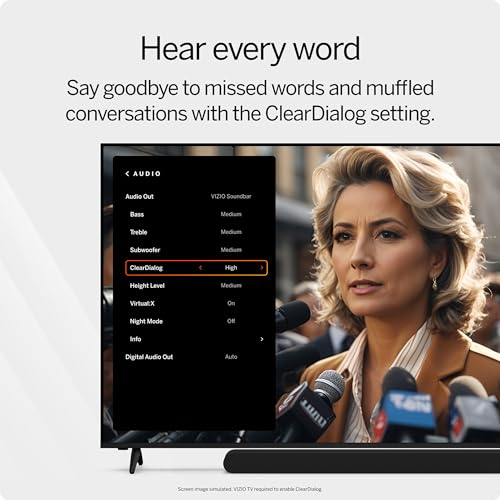
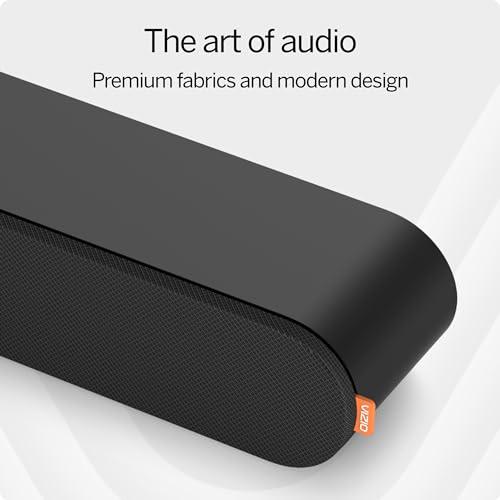
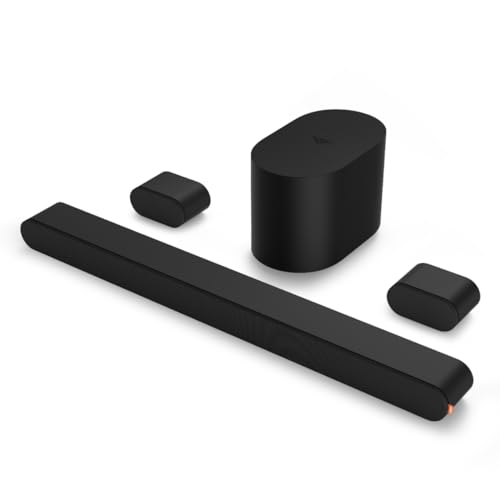
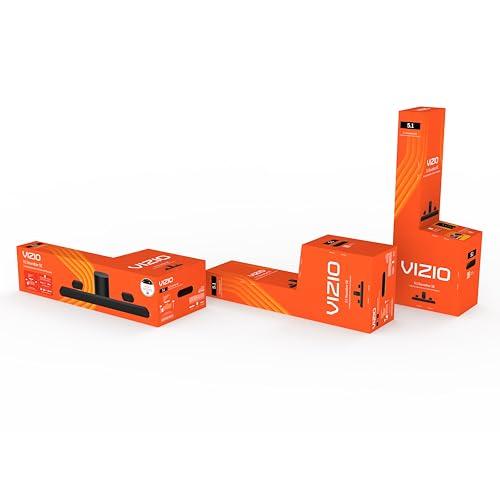
Both systems deliver significant improvements over TV speakers, but their approaches differ meaningfully. The VIZIO 5.1 SE uses a 33-inch soundbar with three full-range speakers, paired with a compact wireless subwoofer and two surround satellites. The system produces clean, balanced sound with good dialogue clarity – something many cheaper soundbars struggle with. The center channel does its job well, keeping voices clear even during action-heavy scenes.
What impressed me most about the VIZIO during testing was its consistency. It maintains audio quality even at higher volumes, with minimal compression or distortion. The soundstage extends slightly beyond the physical edges of the bar, creating a wider sense of space than you'd expect from a 33-inch unit.
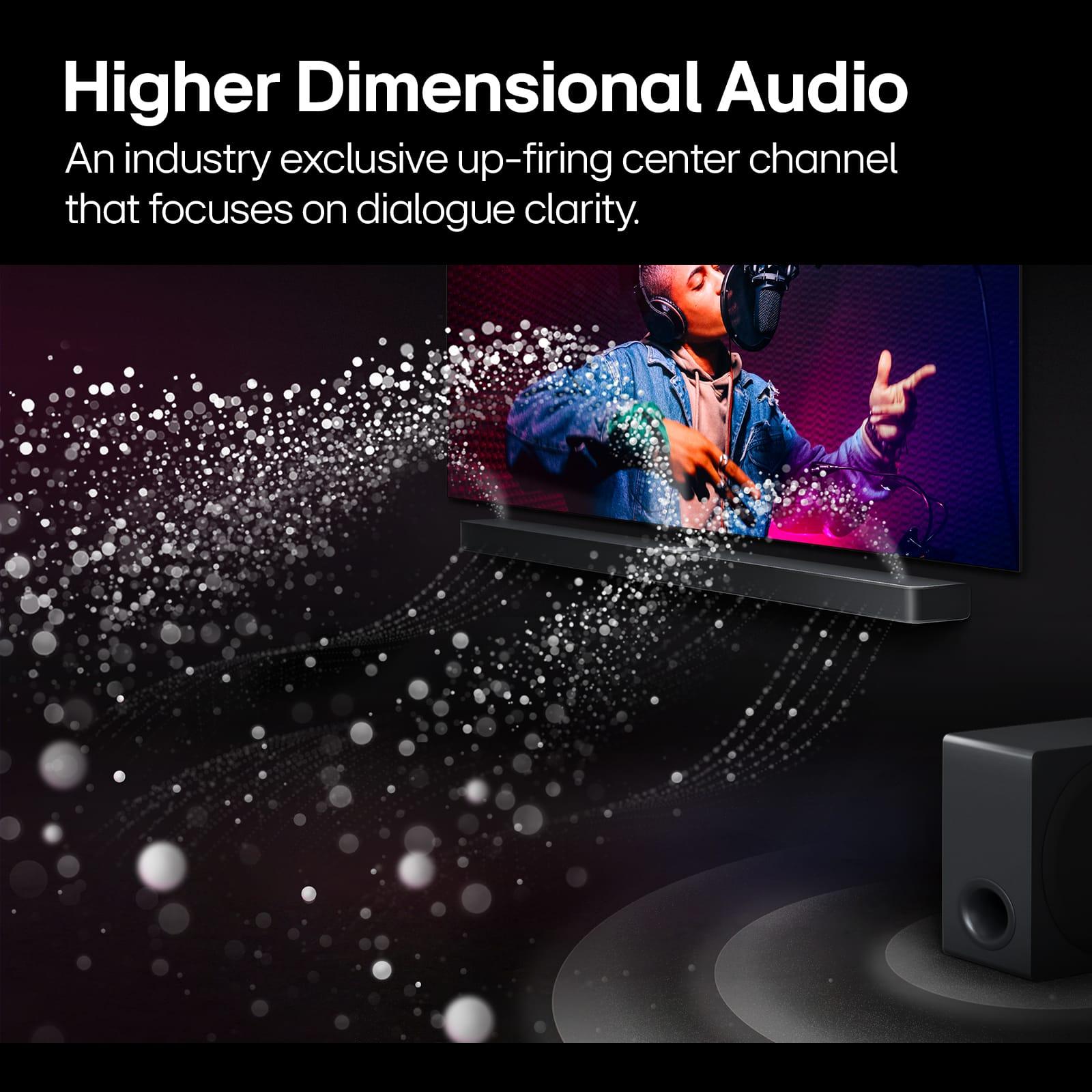
The LG S70TR, however, takes things up a notch with its nine-driver configuration spread across the main bar, subwoofer, and rear speakers. The dedicated up-firing center speaker makes a real difference – not just for Dolby Atmos effects, but for overall soundstage height and depth. Voices sound more natural and spatially accurate, while sound effects have better positioning within the room.
LG's AI Sound Pro technology automatically analyzes content and adjusts the sound balance accordingly. If it detects dialogue-heavy content, it might reduce bass to make voices clearer. If it senses an action sequence, it can emphasize surround effects and bass response. This adaptive approach works surprisingly well in practice, though purists might prefer manual control.
Here's where the technical differences become most apparent. The VIZIO 5.1 SE processes Dolby Atmos content using virtualization – sophisticated digital processing that tries to create height effects using horizontal speakers. It works, to a degree. You'll notice sounds seeming to come from slightly above the soundbar, and there's definitely more spatial awareness than standard stereo or even basic surround sound.
But it's not true overhead audio. The LG S70TR, with its dedicated up-firing speaker, creates actual height effects by bouncing sound off your ceiling. The difference is immediately noticeable when watching Atmos-encoded content. Rain sounds like it's falling from above, helicopters genuinely fly overhead, and atmospheric effects create a proper dome of sound around your seating position.
This isn't just audio snob territory – the difference is clear enough that most people notice it within minutes. If experiencing authentic Dolby Atmos is important to you, the LG is the clear winner here.
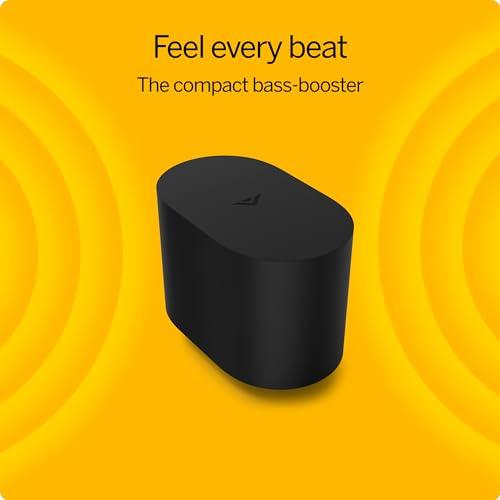
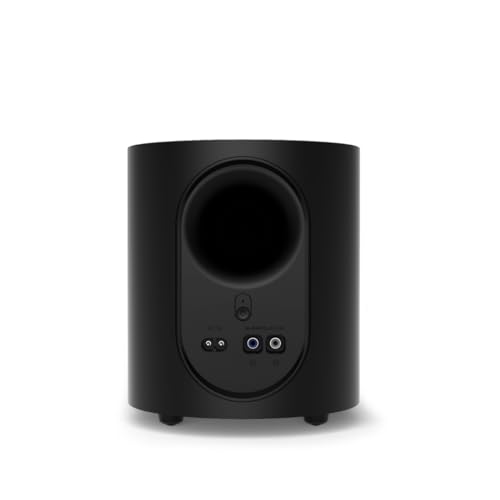
Both systems include wireless subwoofers, but they're quite different beasts. The VIZIO's compact sub reaches down to 50Hz – adequate for most content and perfectly suitable for apartments or smaller rooms. It delivers clean, tight bass without the muddiness that plagues many budget systems.
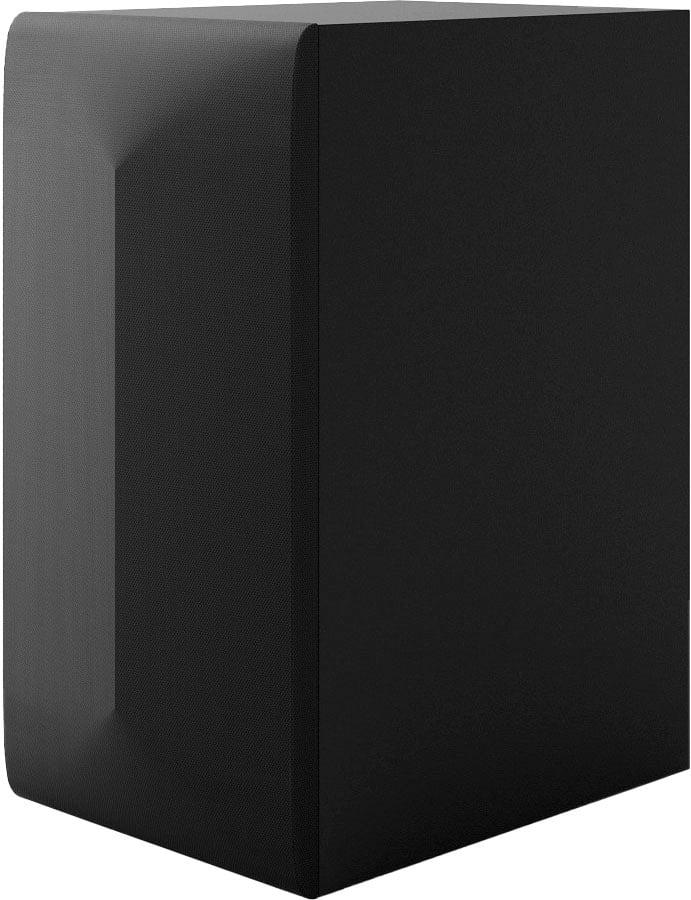
The LG's subwoofer packs more punch with a 7-inch front-firing driver and 3-inch rear port, powered by a dedicated 220-watt amplifier. The difference is most noticeable in larger rooms and during demanding content like action movies or music with deep bass lines. Where the VIZIO might sound a bit thin in a large family room, the LG maintains its impact and presence.
For maximum sound pressure level, the VIZIO reaches 96dB – loud enough to annoy your neighbors and fill most rooms adequately. The LG doesn't specify exact SPL figures, but in practice, it feels more powerful and maintains better composure at high volumes.
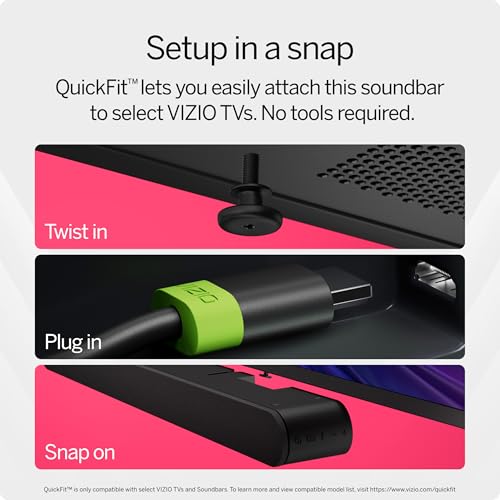
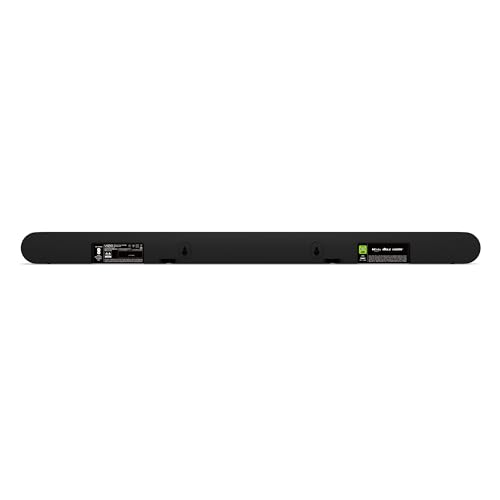
This is where brand loyalty starts to matter. The VIZIO 5.1 SE includes QuickFit mounting designed specifically for VIZIO TVs, creating a seamless, tool-free installation that looks like a single unit. If you own a VIZIO TV, this integration is fantastic. If you don't, you're limited to standard mounting options.
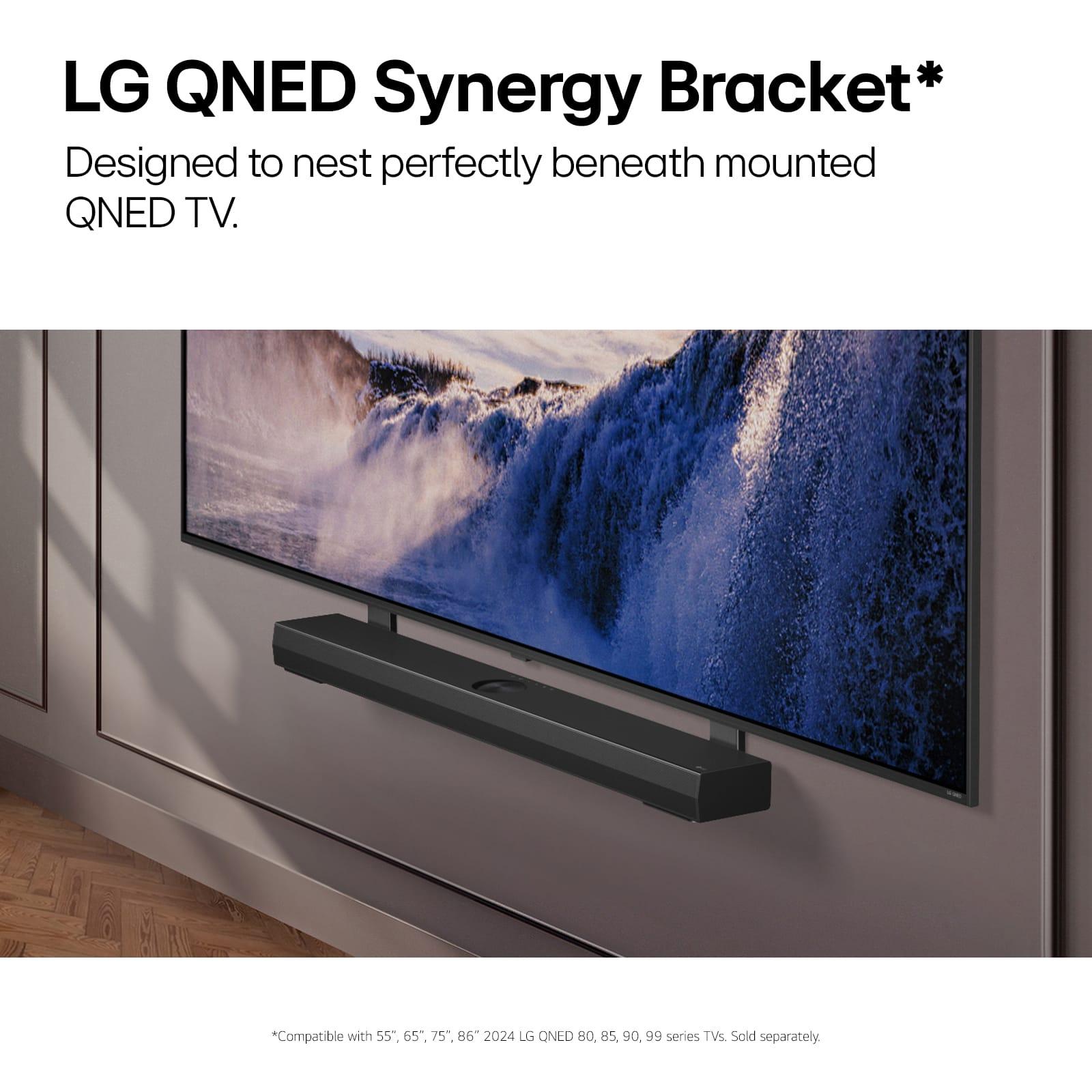
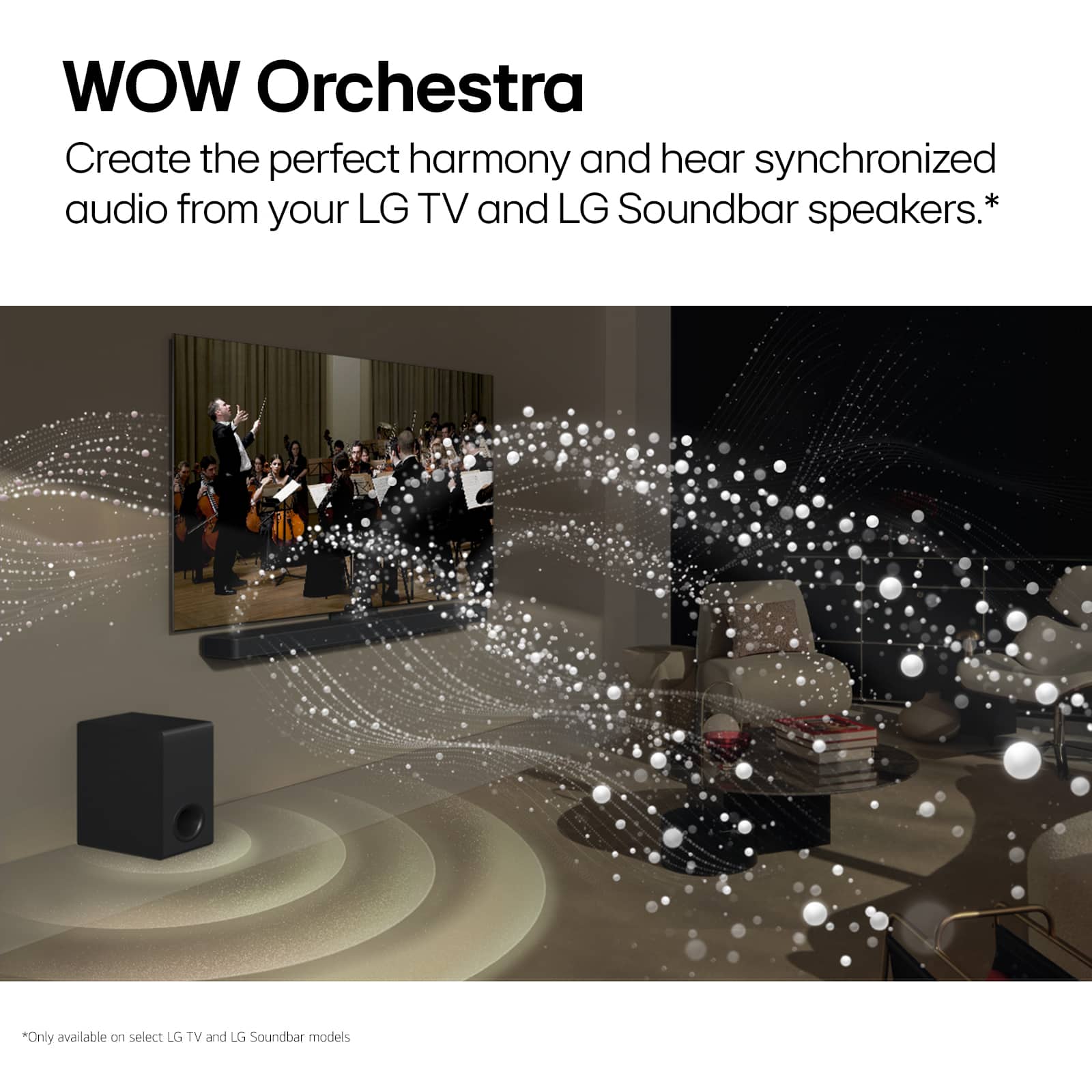
The LG S70TR takes integration further with WOW Orchestra – a feature that combines the soundbar's audio with your LG TV's built-in speakers. Instead of replacing your TV's speakers, it uses them as additional channels to create an even wider soundstage. It's genuinely impressive when it works, effectively turning your TV into a center speaker array while the soundbar handles left, right, and surround duties.
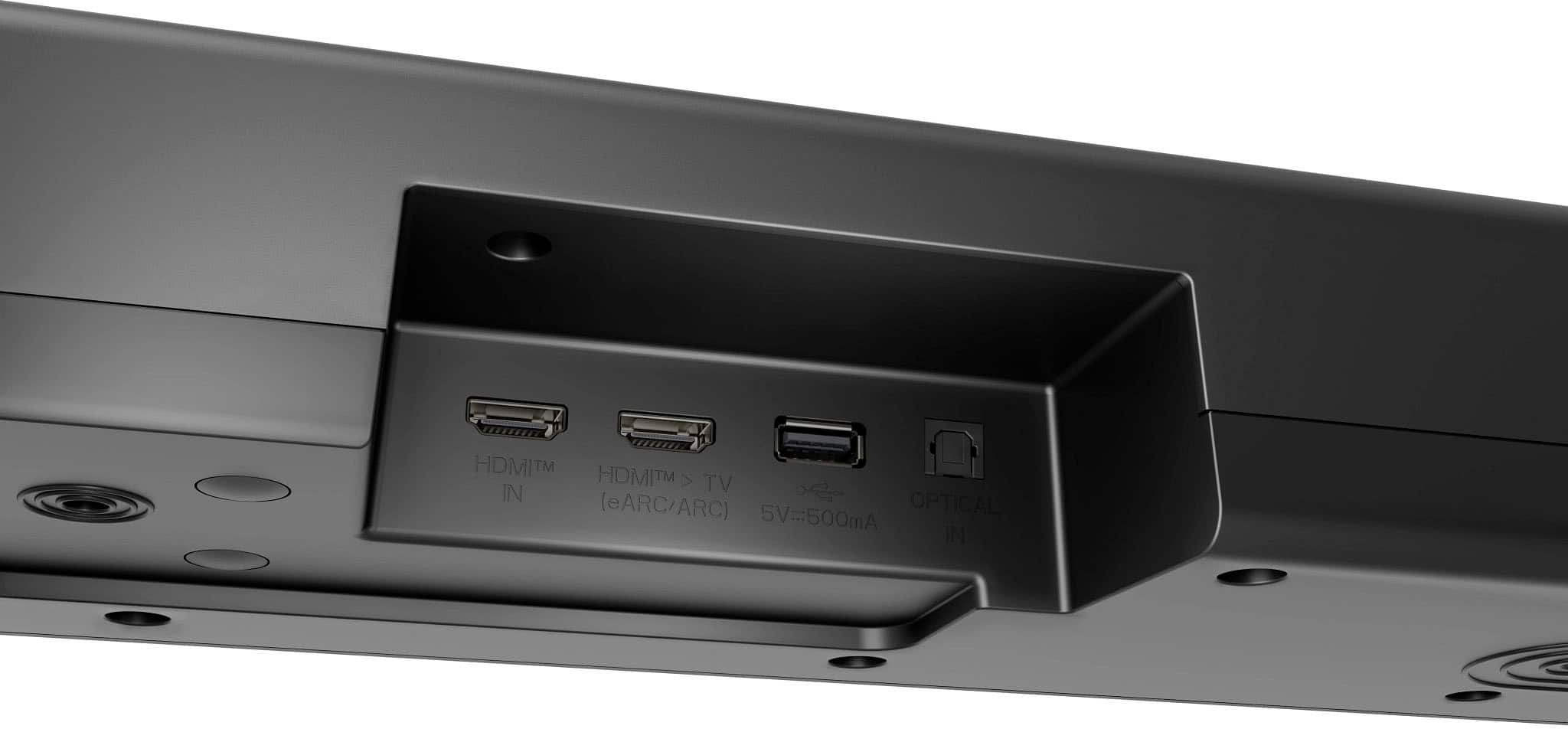
Both systems support HDMI eARC (enhanced Audio Return Channel), which allows high-quality audio transmission and lets you control soundbar volume with your TV remote. However, the LG goes further with 4K/120Hz pass-through support – crucial if you're a gamer or planning to future-proof your setup for next-generation gaming consoles or streaming devices.
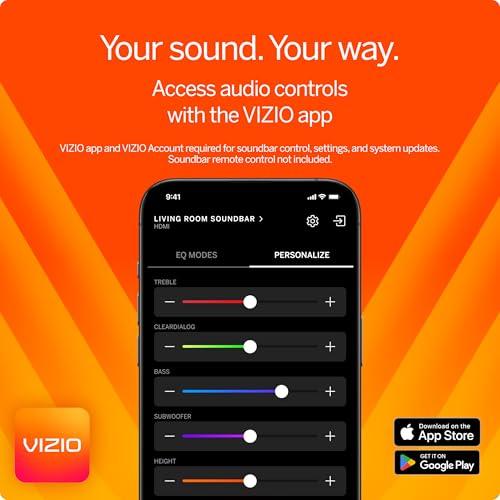
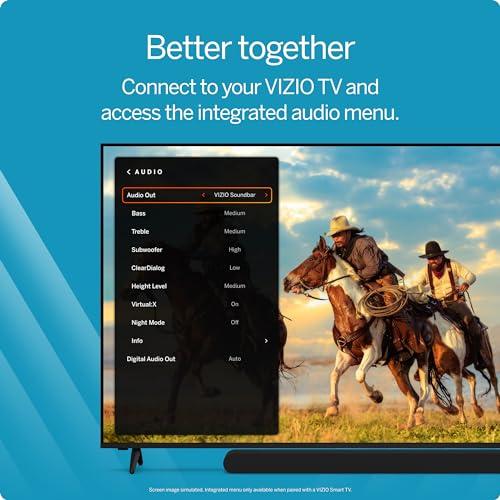
The VIZIO keeps things simple with basic app control and some EQ adjustments. Interestingly, VIZIO doesn't include a physical remote with this model – you're expected to use the app or your TV's remote via HDMI-CEC. This cost-cutting measure works fine in practice but might frustrate some users.
The LG provides a more comprehensive app experience with a three-band equalizer, multiple sound modes, and detailed settings control. You can adjust bass, treble, and mid-range frequencies independently, plus access features like room correction that analyzes your space's acoustics and adjusts the sound accordingly.
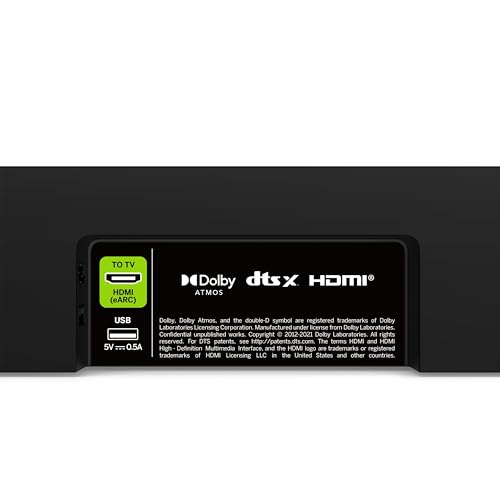
The VIZIO keeps connectivity minimal – one HDMI eARC port and that's essentially it for wired connections. This simplicity is actually a strength for most users since it forces a clean, single-cable setup that works reliably.
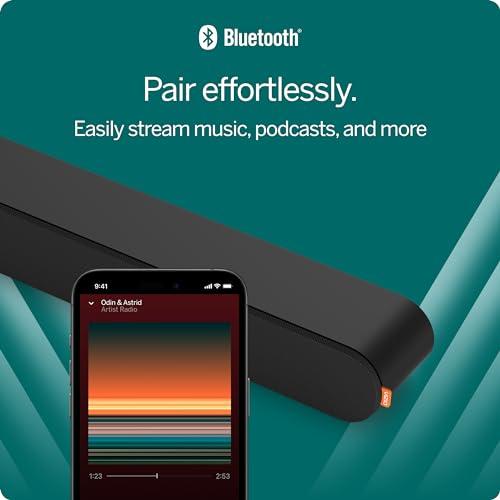
The LG offers more flexibility with optical digital input, USB connectivity for local media playback, and both WiFi and Bluetooth 5.1 support. The additional options are useful if you have multiple source devices or want to stream music directly from your phone with higher-quality codecs.
At the time of writing, the VIZIO 5.1 SE typically sells for well under $300, while the LG S70TR commands a premium of $100-200 more, depending on current promotions. This price gap represents a significant percentage difference that requires careful consideration.
The VIZIO delivers exceptional value in the budget tier. You're getting true 5.1 surround sound, wireless rear speakers, and basic Dolby Atmos support for less than many 2.1 systems cost. It's hard to find comparable performance at this price point from major brands, making it an excellent entry point into serious home theater audio.
The LG justifies its premium through genuine 5.1.1 performance, advanced features, and superior build quality. Similar authentic Dolby Atmos systems from other premium brands often cost significantly more, making the LG competitive in its segment.
The VIZIO represents excellent immediate value but limited upgrade path. You're getting great performance for the money, but there's not much room to grow beyond this system's capabilities.
The LG offers better future-proofing with 4K/120Hz pass-through, more advanced processing, and room for expansion. If you're building a home theater system you plan to keep for many years, the additional investment pays dividends over time.
In smaller spaces like apartments or cozy family rooms, both systems perform admirably. The VIZIO 5.1 SE actually has some advantages here – its compact 33-inch width fits better under smaller TVs, and the bass response is perfectly adequate without overwhelming the space. The surround speakers provide good immersion without needing much distance from your seating position.
The LG S70TR can sometimes feel like overkill in very small rooms, though its room correction helps optimize performance for cramped spaces. The height effects are less pronounced with low ceilings, somewhat negating one of its key advantages.
This is where the differences become stark. The VIZIO starts to show its limitations in larger spaces – the bass response feels thin, and the overall sound doesn't fill the room as convincingly. You'll find yourself cranking the volume higher, which can lead to some harshness in the upper frequencies.
The LG S70TR thrives in larger environments. The more powerful subwoofer maintains bass impact across greater distances, and the up-firing speakers work better with higher ceilings to create convincing overhead effects. The wireless rear speakers also have more room to create proper surround immersion.
For gaming, both systems offer low-latency performance, but the LG S70TR edges ahead with VRR (Variable Refresh Rate) and ALLM (Auto Low Latency Mode) support through its HDMI pass-through. These features ensure lag-free gaming with modern consoles while maintaining high-quality audio.
The VIZIO lacks these advanced gaming features but still provides solid gaming audio with minimal delay. For casual gamers, the difference won't matter much, but competitive players will appreciate the LG's additional gaming optimizations.
First-time soundbar buyers who want to experience what surround sound is all about without a major financial commitment. The performance jump from TV speakers is dramatic enough to satisfy most users, and you can always upgrade later if you catch the home theater bug.
Budget-conscious households that need maximum value. You're getting legitimate 5.1 performance and basic Dolby Atmos support for the price of many 2.1 systems. It's hard to argue with that value proposition.
VIZIO TV owners who want seamless integration with QuickFit mounting. The aesthetic and functional integration is genuinely impressive when using matching brands.
Smaller living spaces where the compact size and adequate power output are perfectly matched to room requirements.
Home theater enthusiasts who want authentic Dolby Atmos performance and are willing to pay for genuine height effects rather than simulated ones.
LG TV owners who can take advantage of WOW Orchestra integration for an expanded soundstage that effectively uses every speaker in the room.
Larger rooms that need more powerful bass and broader sound projection to fill the space convincingly.
Future-proofing buyers who want advanced features like 4K/120Hz pass-through, room correction, and comprehensive app control that will remain relevant for years to come.
Music lovers who will appreciate the superior soundstage width and more accurate instrument placement during music listening sessions.
Both the VIZIO 5.1 SE and LG S70TR succeed in their intended roles, but they serve different audiences with different priorities.
The VIZIO is the champion of democratizing surround sound. It brings legitimate home theater audio to price points that were unimaginable just a few years ago. For many people, this system will be more than adequate and provide years of enjoyment without buyer's remorse.
The LG is the better choice for users who want the full modern home theater experience. The authentic Dolby Atmos implementation alone justifies much of the price premium, and the advanced features provide room to grow with your evolving entertainment needs.
If you're torn between the two, consider this: the VIZIO will make you happy with what you have, while the LG will make you excited about what's possible. Both are valid approaches to building a satisfying home theater system, and both represent solid value in their respective segments.
The soundbar market has matured to the point where even budget options like the VIZIO deliver surprisingly sophisticated performance. At the same time, mid-range systems like the LG offer features that rival much more expensive traditional setups. Whatever you choose, you're entering an era of home audio that would have seemed like science fiction just a decade ago.
| VIZIO 5.1 Soundbar SE Dolby Atmos Surround System | LG S70TR 5.1.1 Channel Soundbar with Dolby Atmos and WOW Orchestra |
|---|---|
| Channel Configuration - Determines surround sound authenticity and immersion | |
| 5.1 traditional surround (no height channels) | 5.1.1 with dedicated up-firing center speaker |
| Dolby Atmos Implementation - Critical for overhead sound effects | |
| Virtualized height effects through processing | True height channel with physical up-firing speaker |
| Total Speaker Count - More drivers typically mean better sound separation | |
| Not specified (soundbar + 2 satellites + subwoofer) | 9 drivers total across all components |
| Soundbar Width - Must fit your TV setup | |
| 33 inches (ideal for smaller to medium TVs) | 37.4 inches (designed for larger displays) |
| Subwoofer Type and Power - Affects bass depth and room-filling capability | |
| Compact wireless, 50Hz low frequency response | 7" front-firing with 3" rear port, 220W amplifier |
| TV Brand Integration - Enhanced features when matched with same brand | |
| QuickFit mounting for VIZIO TVs only | WOW Orchestra integration with LG TVs |
| HDMI Connectivity - Important for 4K gaming and future-proofing | |
| eARC only (no pass-through) | eARC with 4K/120Hz VRR/ALLM pass-through |
| Control Options - Affects daily usability | |
| App control or TV remote (physical remote sold separately) | Dedicated remote, app with 3-band EQ, TV remote compatibility |
| Room Correction Technology - Optimizes sound for your specific space | |
| None | Built-in room acoustics optimization |
| Wireless Rear Speakers - Eliminates cable runs to back of room | |
| Yes, included | Yes, true wireless with no connection drops reported |
| Maximum Sound Output - Determines how loud and room-filling the system can get | |
| 96dB SPL (adequate for most rooms) | Not specified but more powerful in practice |
| App Features - Controls available beyond basic volume | |
| Basic VIZIO mobile app | Advanced LG app with EQ, sound modes, and settings |
| Gaming Features - Important for console and PC gaming | |
| Basic low-latency audio | VRR, ALLM, and 120Hz pass-through support |
| Target Room Size - Where each system performs best | |
| Small to medium rooms (up to 200 sq ft) | Medium to large rooms (200+ sq ft) |
| Value Proposition - What you get for the investment | |
| Exceptional entry-level surround sound value | Premium features justify higher cost for serious users |
The VIZIO 5.1 Soundbar SE offers exceptional value for budget-conscious buyers, delivering true 5.1 surround sound at an entry-level price point. The LG S70TR costs more but provides genuine 5.1.1 Dolby Atmos with dedicated height channels and advanced features. If you want maximum performance per dollar spent, the VIZIO wins, but the LG offers better long-term value with more authentic surround sound.
A 5.1 system like the VIZIO 5.1 SE has five main speakers plus a subwoofer, while the LG S70TR's 5.1.1 configuration adds a dedicated height channel. This extra ".1" represents an up-firing speaker that bounces sound off your ceiling to create overhead effects. The LG delivers more authentic Dolby Atmos experience, while the VIZIO uses processing to simulate height effects.
Both systems support Dolby Atmos, but differently. The VIZIO 5.1 SE uses virtualization technology to simulate overhead sound through its horizontal speakers. The LG S70TR includes a physical up-firing speaker that creates actual height effects by bouncing sound off your ceiling. For genuine overhead audio immersion, the LG provides the more authentic Dolby Atmos experience.
The LG S70TR performs better in larger spaces thanks to its more powerful 7-inch subwoofer with 220-watt amplifier and broader soundstage. The VIZIO 5.1 SE works well in small to medium rooms but may sound thin in spaces over 200 square feet. For rooms larger than a typical living room, the LG maintains better bass impact and overall presence.
Both soundbars work with any TV brand through HDMI eARC or optical connections. However, the VIZIO 5.1 SE offers special QuickFit mounting for VIZIO TVs, while the LG S70TR features WOW Orchestra technology that works exclusively with LG TVs to combine TV and soundbar speakers for expanded sound.
The VIZIO 5.1 SE offers simpler setup with just one HDMI connection and automatic wireless pairing of components. The LG S70TR provides more setup options but includes room correction technology that automatically optimizes sound for your space. Both systems are relatively easy to install, though the VIZIO requires less initial configuration.
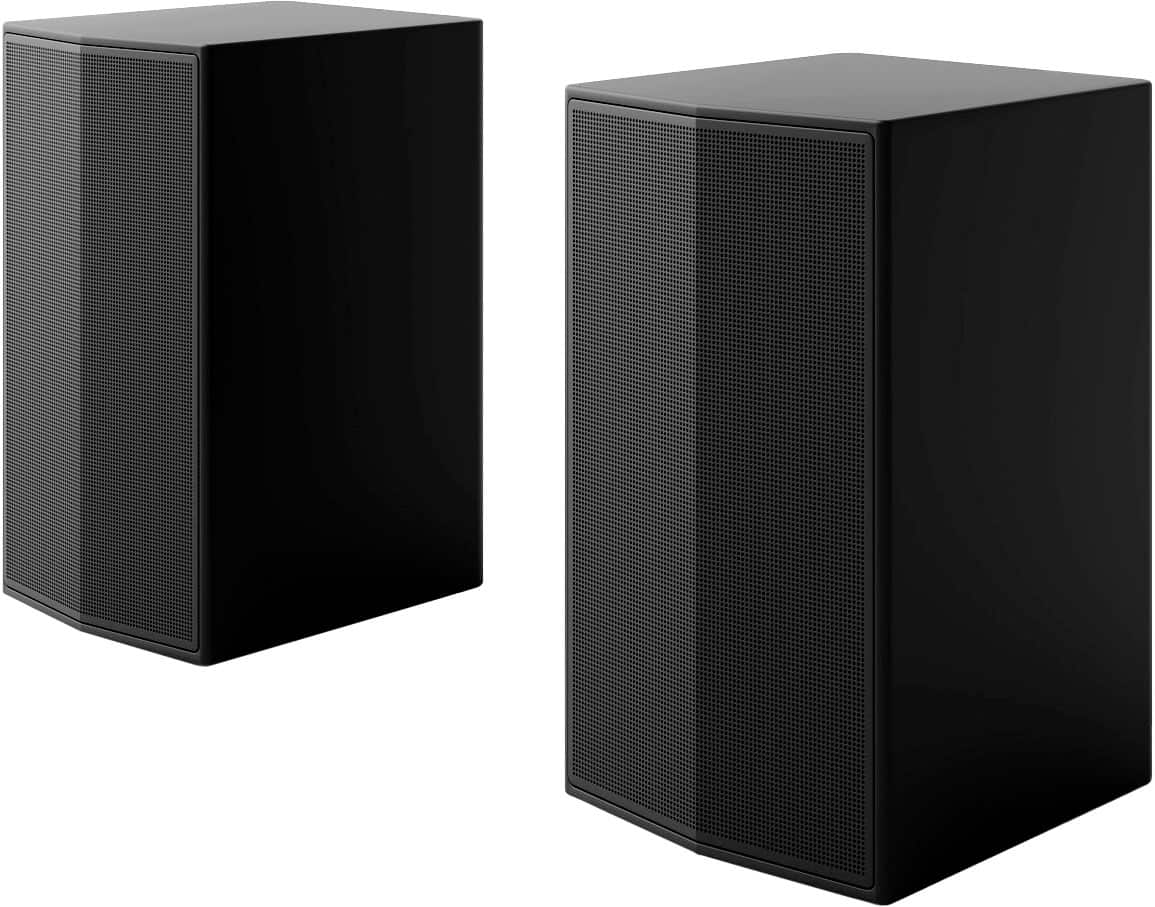
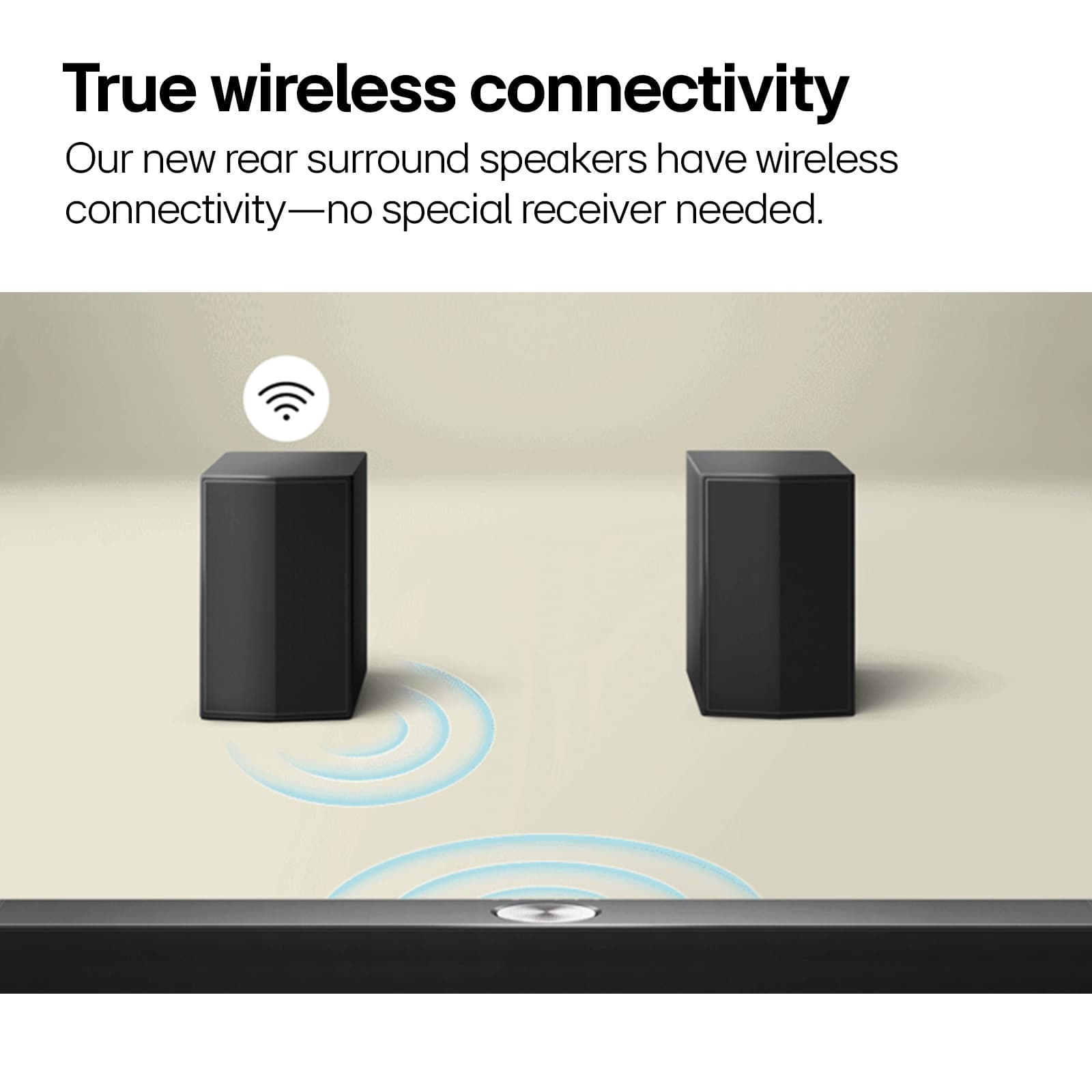
Yes, both the VIZIO 5.1 SE and LG S70TR include wireless rear speakers for true surround sound without running cables across your room. The VIZIO uses two compact surround satellites, while the LG includes full-range wireless rear speakers with no reported connection drops during testing.
The LG S70TR delivers superior bass with its 7-inch front-firing subwoofer and dedicated 220-watt amplifier, providing deeper and more impactful low frequencies. The VIZIO 5.1 SE includes a compact wireless subwoofer that reaches 50Hz – adequate for most content but less powerful than the LG in larger rooms or for bass-heavy music.
The LG S70TR includes advanced gaming features like VRR (Variable Refresh Rate), ALLM (Auto Low Latency Mode), and 4K/120Hz pass-through for next-generation gaming consoles. The VIZIO 5.1 SE provides basic low-latency audio but lacks advanced gaming connectivity features, making the LG better for serious gamers.
The LG S70TR provides a more comprehensive app experience with 3-band equalizer controls, multiple sound modes, and detailed settings customization. The VIZIO 5.1 SE offers basic app control for volume and simple adjustments. Note that the VIZIO doesn't include a physical remote, relying on app or TV remote control via HDMI-CEC.
For music, the LG S70TR offers superior performance with wider soundstage, better instrument separation, and more accurate sound positioning through its 9-driver configuration. The VIZIO 5.1 SE provides good stereo imaging that extends beyond the soundbar but lacks the depth and clarity of the LG for dedicated music listening sessions.
For first-time buyers, the VIZIO 5.1 SE offers an excellent introduction to surround sound at an accessible price point, providing a dramatic upgrade from TV speakers. The LG S70TR is better if you want to invest in a more complete home theater experience from the start with authentic Dolby Atmos and room for future expansion. Choose the VIZIO to test the waters or the LG for a long-term solution.
We've done our best to create useful and informative comparisons to help you decide what product to buy. Our research uses advanced automated methods to create this comparison and perfection is not possible - please contact us for corrections or questions. These are the sites we've researched in the creation of this article: bestbuy.com - vizio.com - rtings.com - vizio.com - vizio.com - vizio.com - youtube.com - vizio.com - vizio.com - cnet.com - samsclub.com - walmart.com - nfm.com - finelinesdesignstudio.com - dugoutnorthbrook.com - bestbuy.com - bestbuy.com - mynavyexchange.com - rixaudiovideoappliance.com - rtings.com - youtube.com - bestbuy.com - howards.siteontimedev.com - bestbuy.com - appliancestogousa.us

Privacy Policy
Terms and Conditions - Affiliate Policy
Home Security
© Copyright 2008-2026.
11816 Inwood Rd #1211, Dallas, TX 75244