

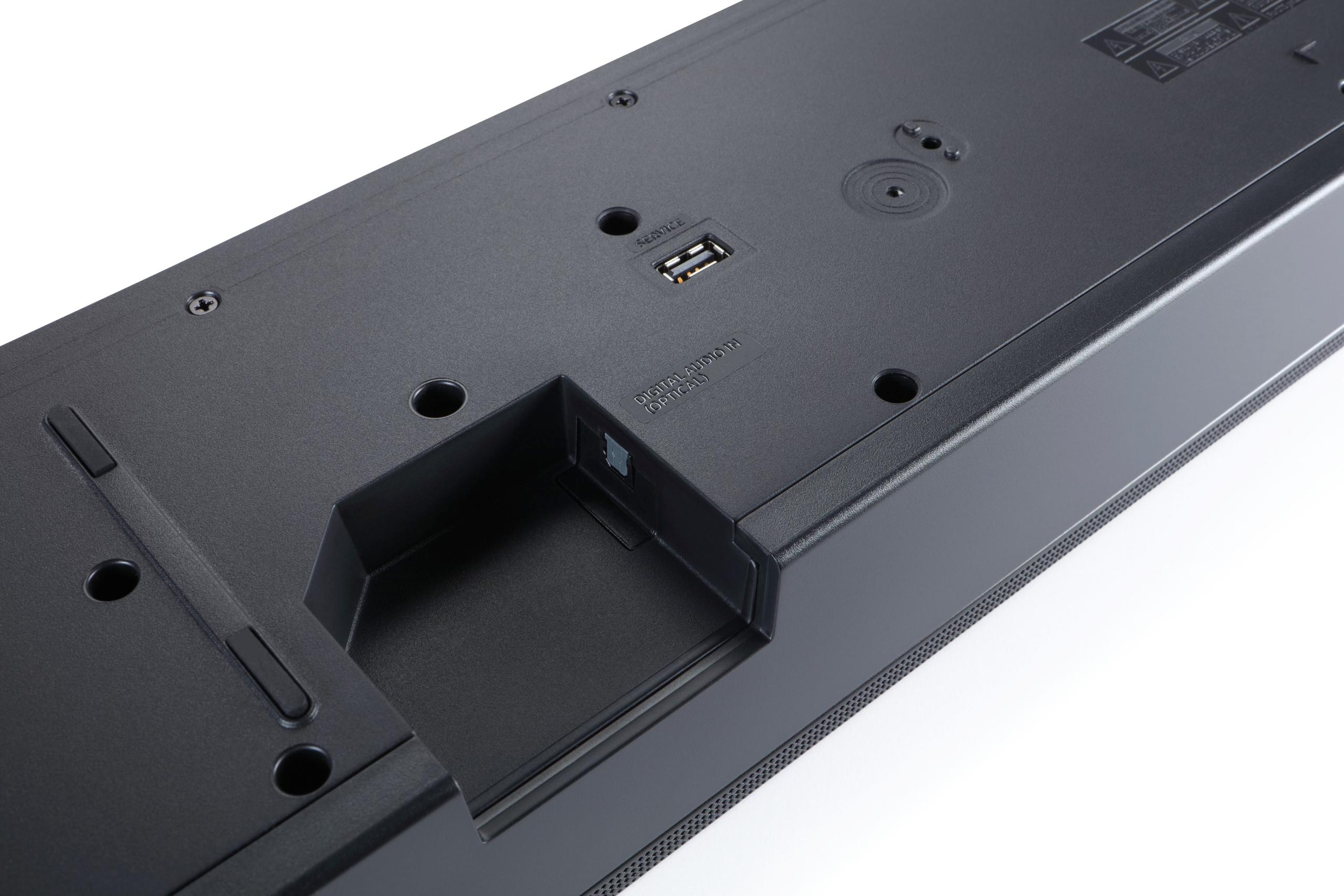
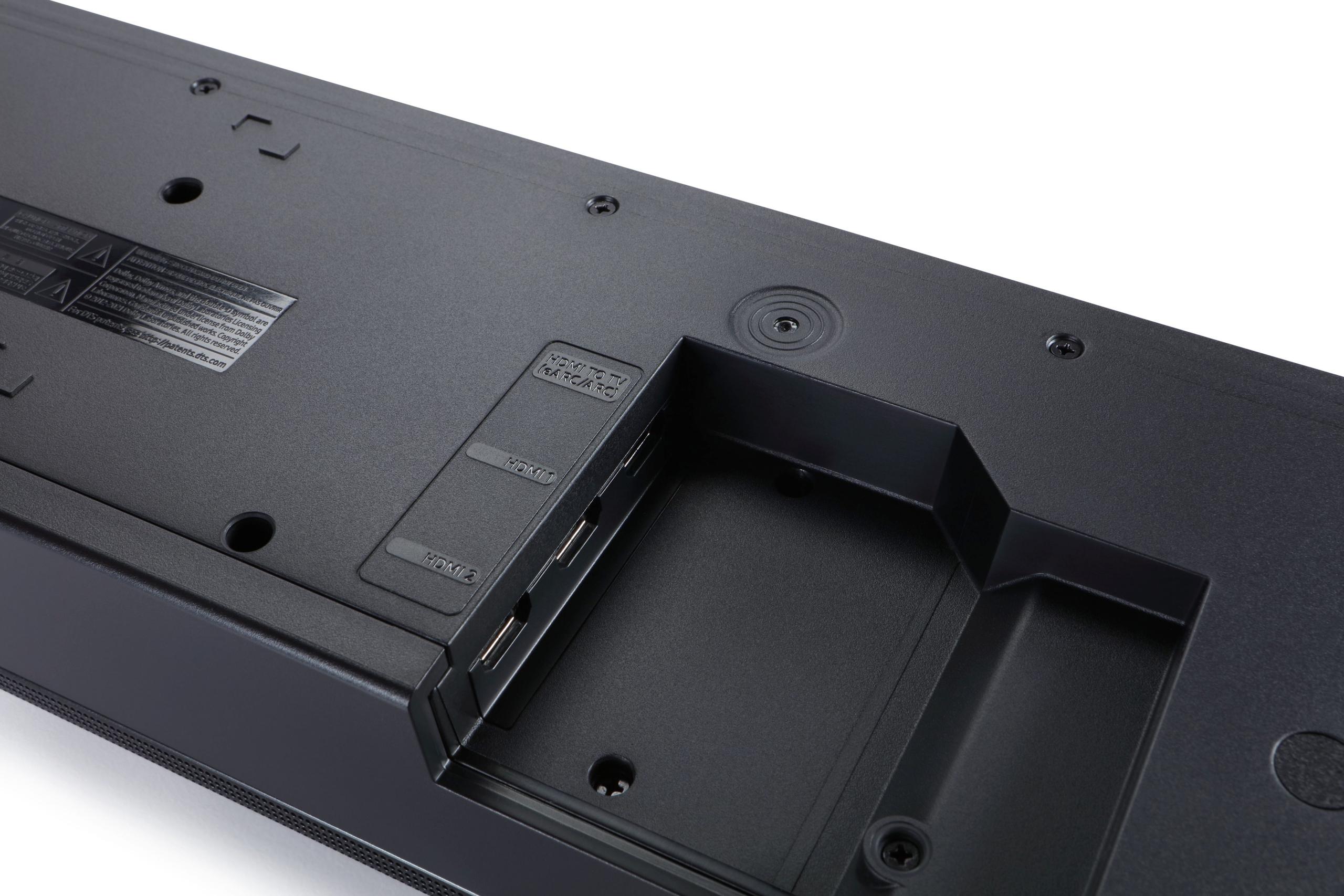
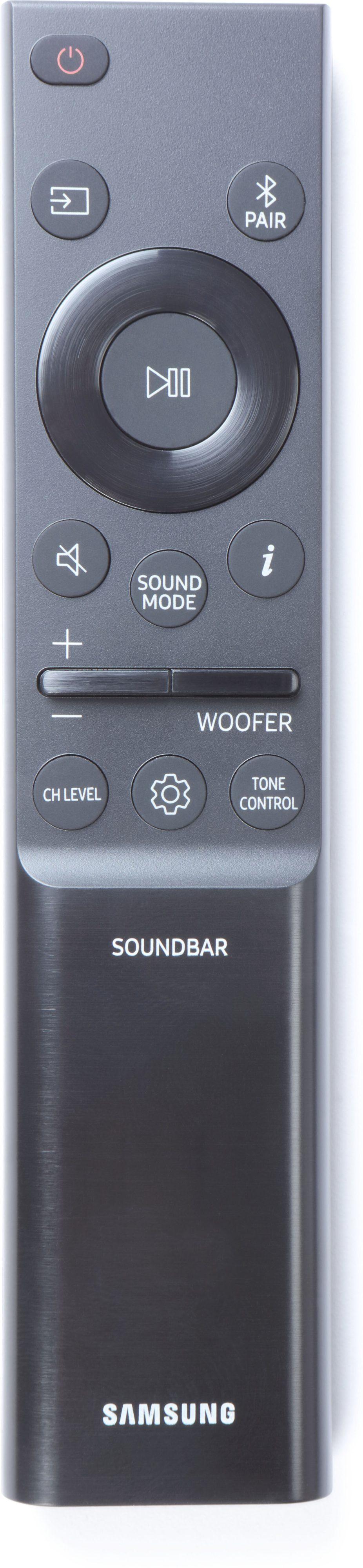
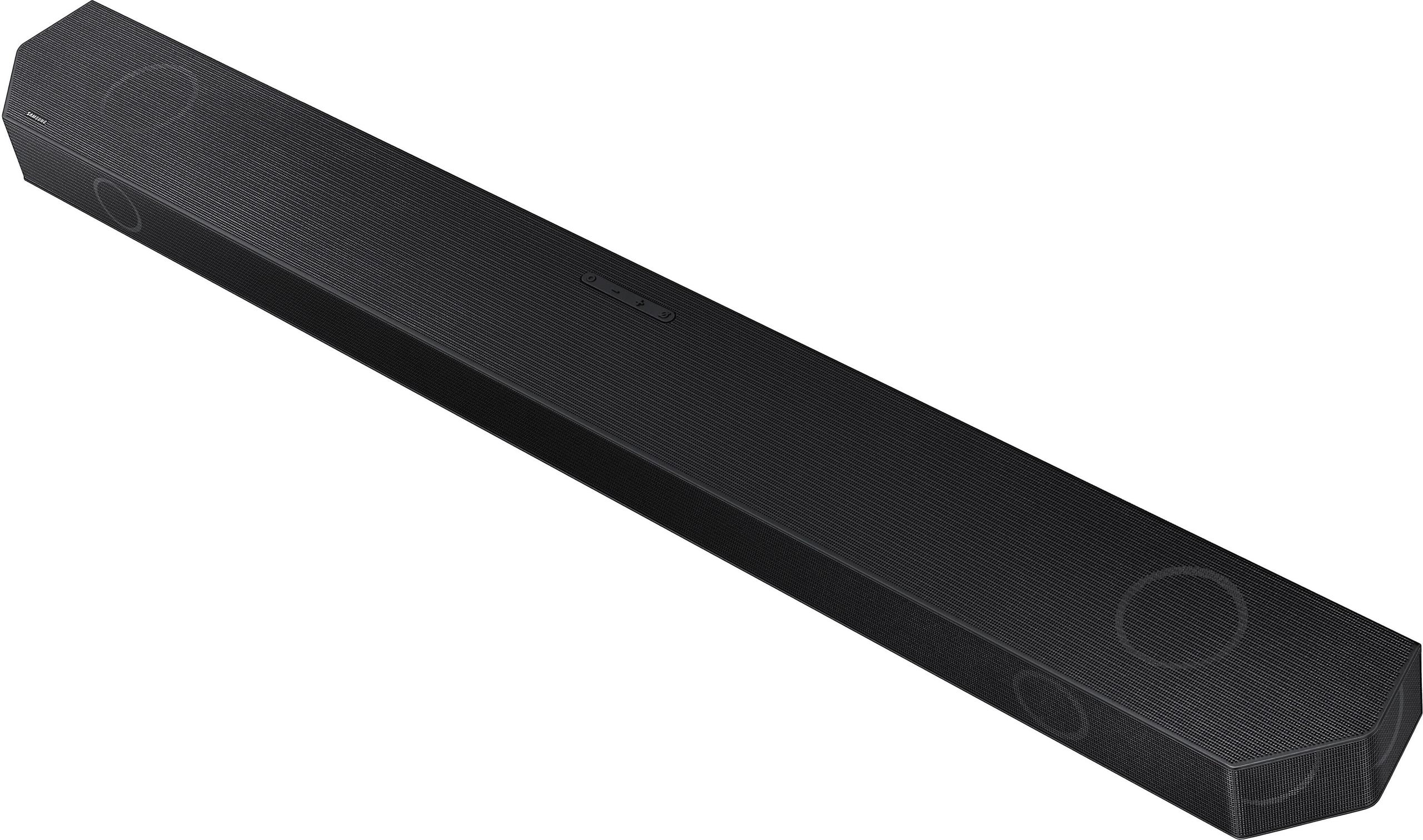
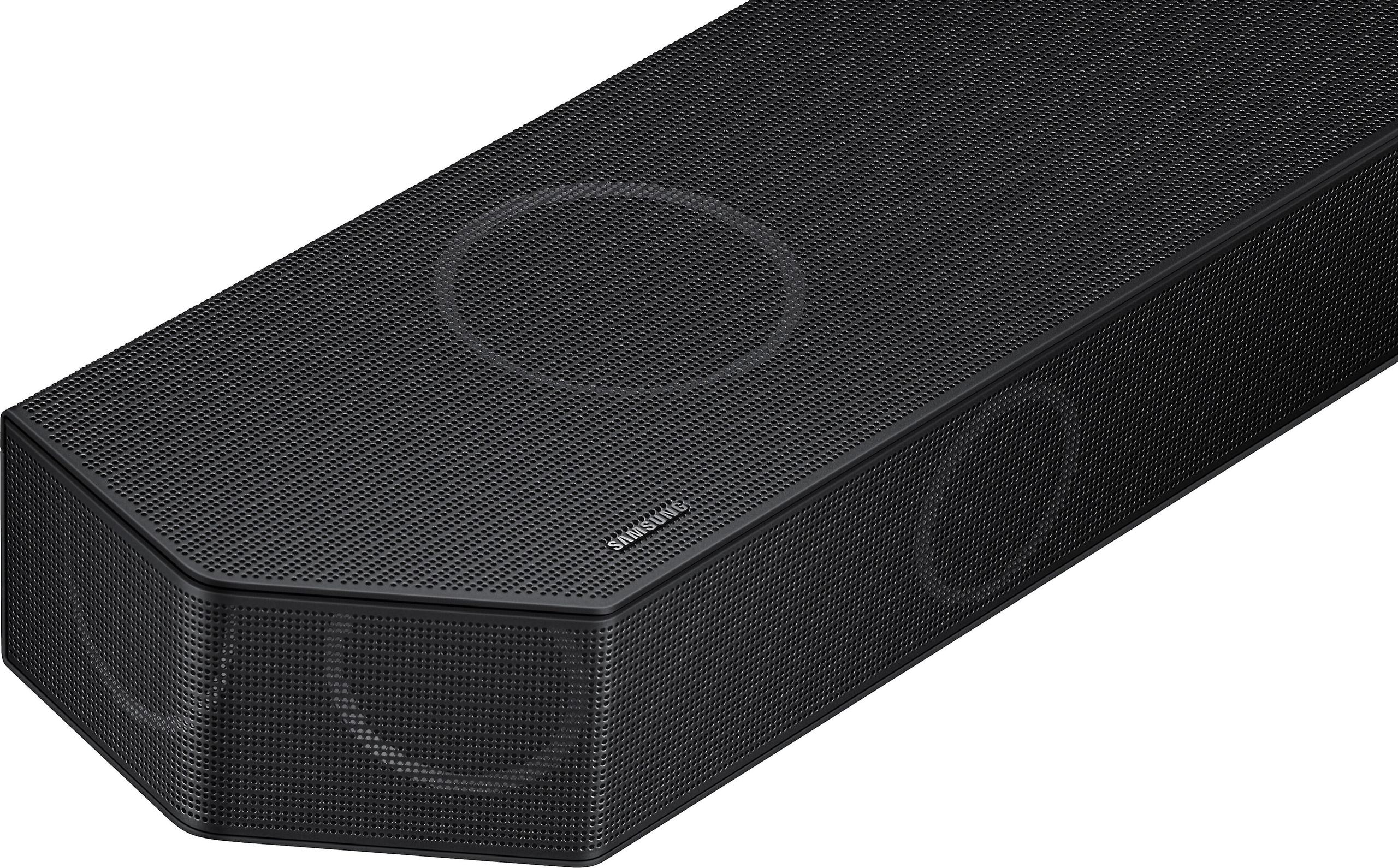


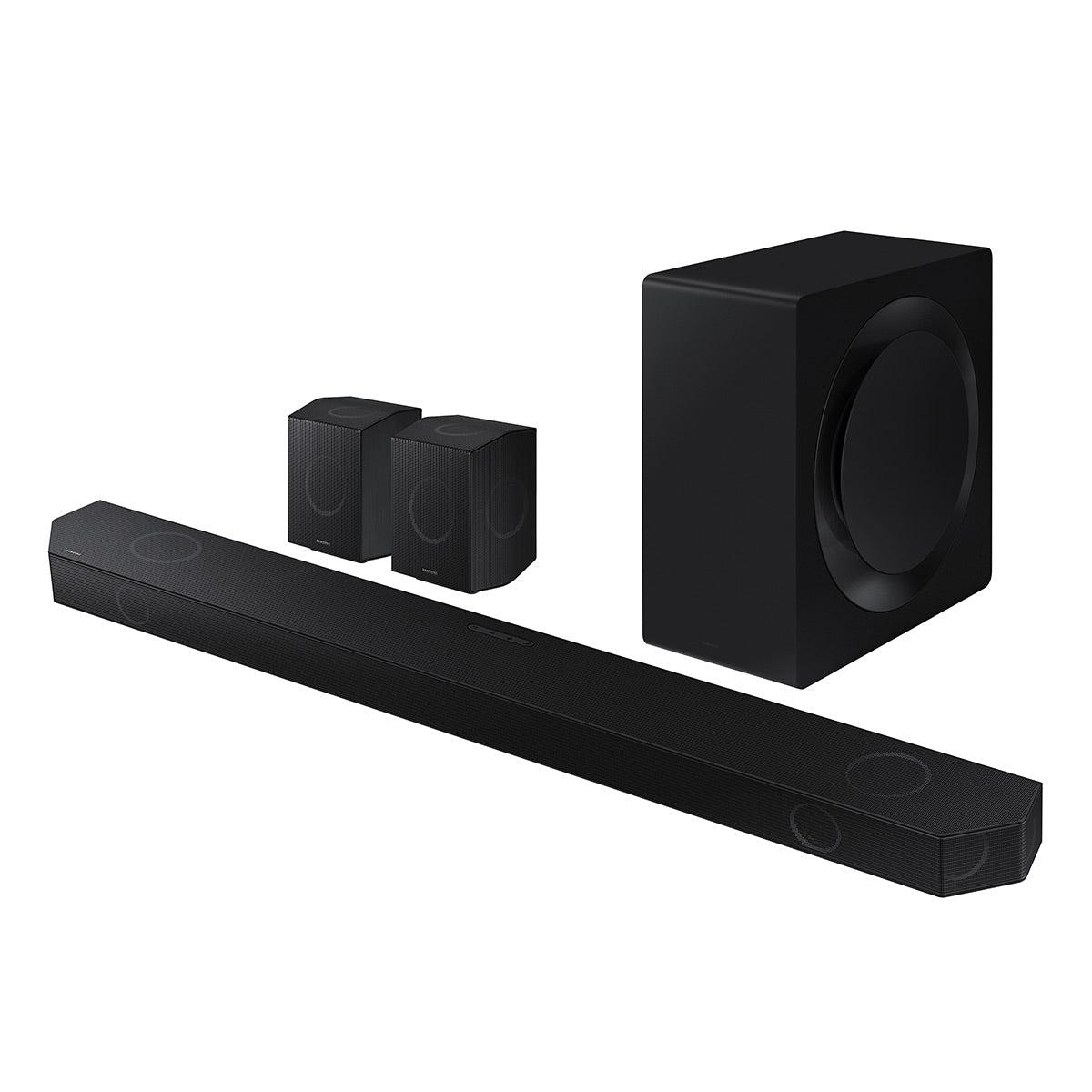
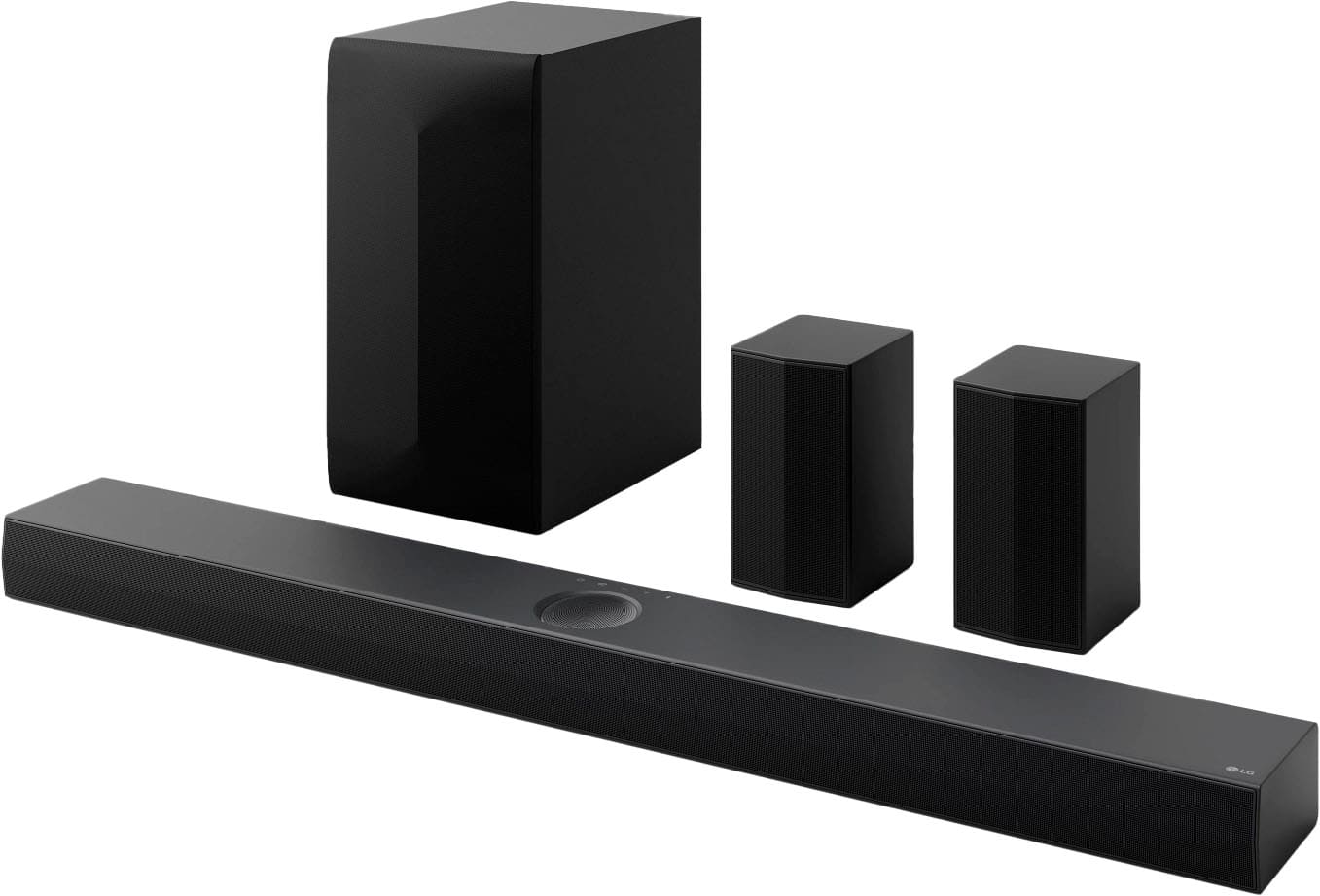
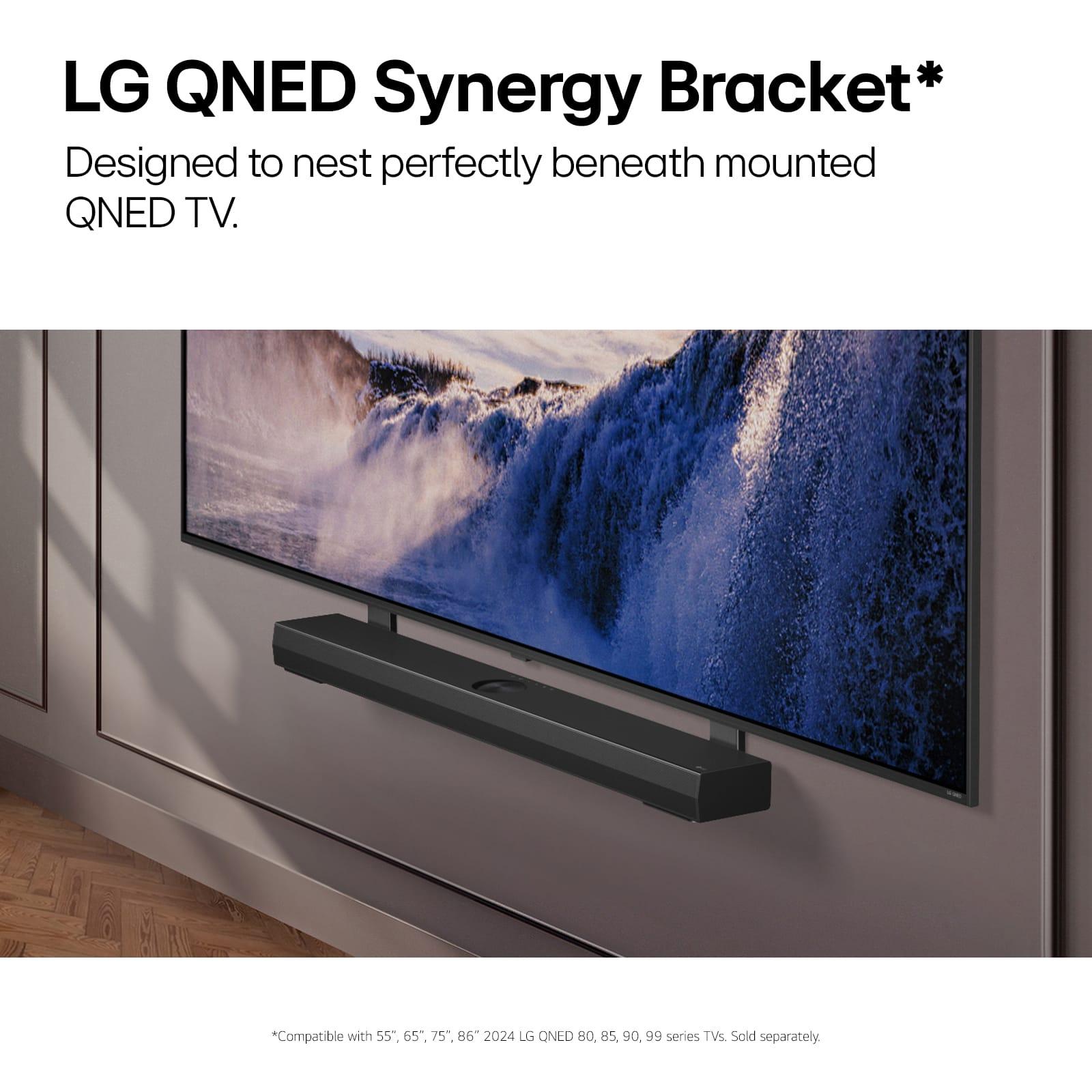

When you're watching an action movie and the helicopter swoops overhead, you want to feel it. When characters whisper crucial dialogue, you need to hear every word clearly. This is where premium soundbars shine, transforming your living room into something closer to a movie theater experience. Today, we're comparing two very different approaches to premium audio: the Samsung HW-Q990D ($1,999) and the LG S70TR ($399).
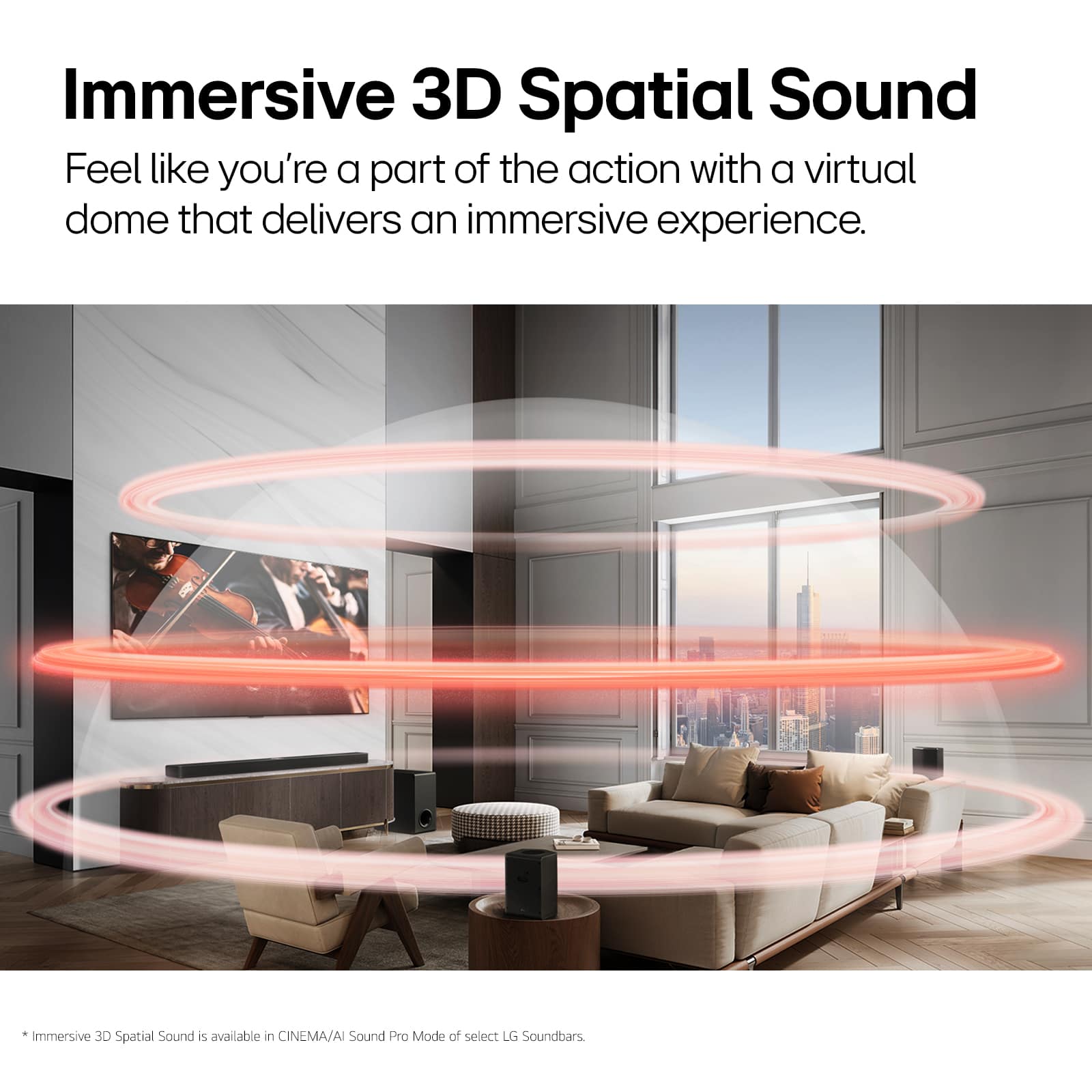
Before diving into these specific models, let's talk about what makes a soundbar "premium." Unlike basic soundbars that simply make your TV louder, premium models create immersive, three-dimensional soundscapes. They use multiple speakers positioned strategically to bounce sound off your walls and ceiling, creating the illusion that audio is coming from all around you.
The key technologies here are Dolby Atmos and DTS:X – these are audio formats that treat sound as objects moving through 3D space rather than just left and right channels. Think of it like this: instead of just hearing a plane fly from left to right, you actually hear it approach from behind, pass overhead, and fade into the distance ahead of you.
Premium soundbars also tackle the biggest complaint about modern TVs: terrible dialogue clarity. Today's ultra-thin TVs simply don't have room for decent speakers, so voices often get lost in background music and sound effects. Quality soundbars use dedicated center channels and smart processing to make sure you catch every word without constantly adjusting the volume.
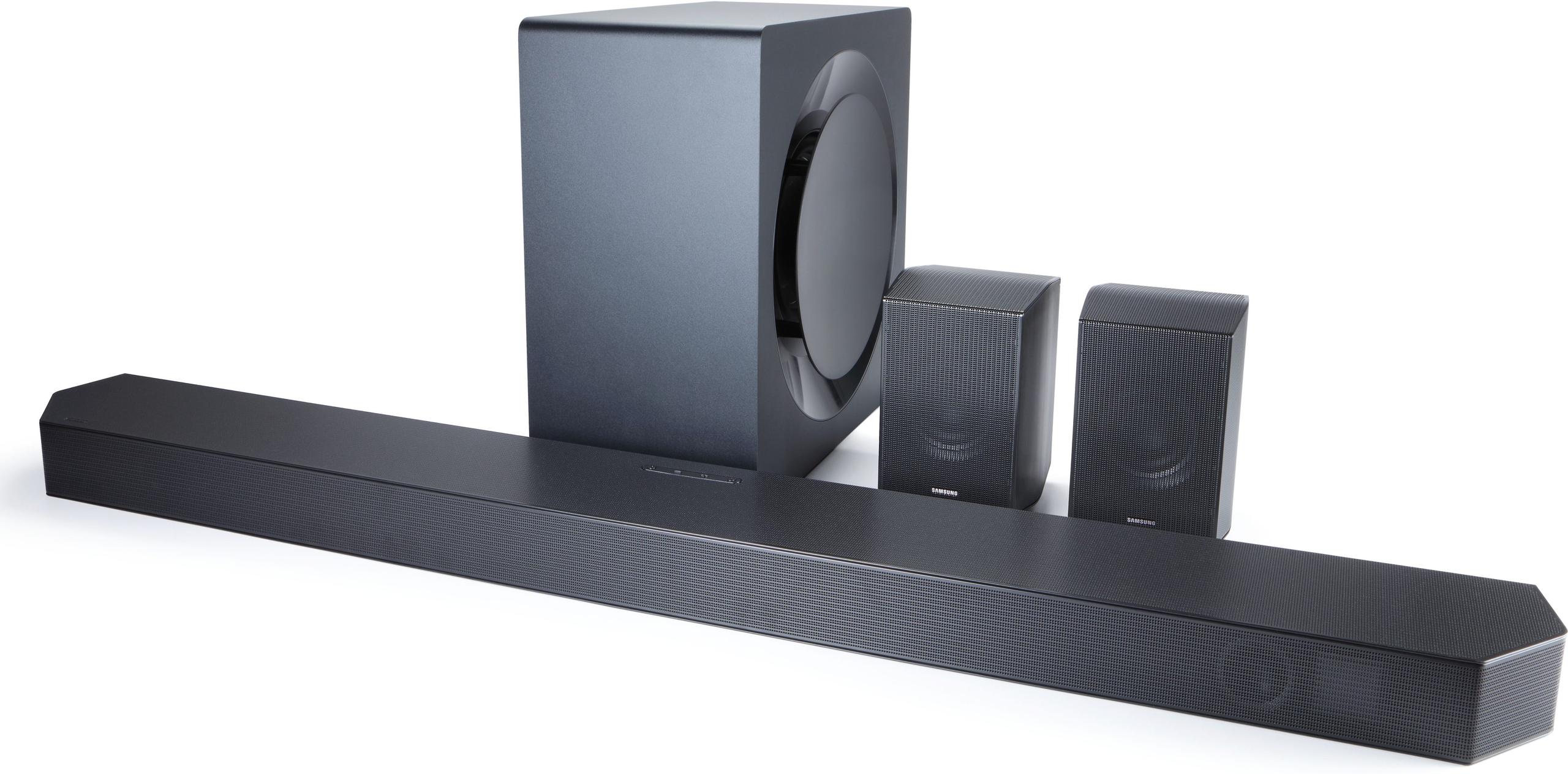
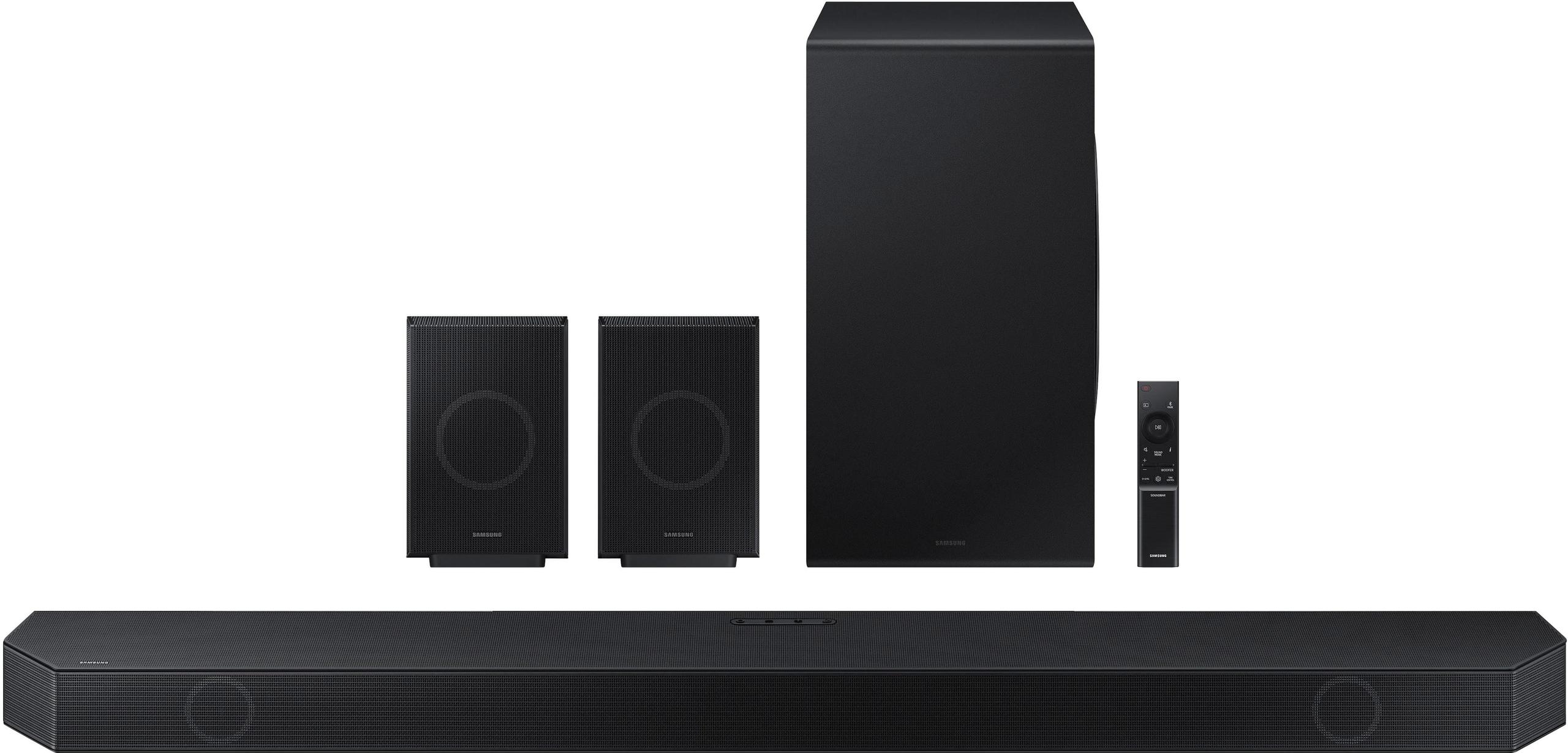
Released in early 2024, the Samsung HW-Q990D represents Samsung's "everything but the kitchen sink" philosophy. This is an 11.1.4 channel system, which sounds complicated but breaks down like this: 11 main channels for surround sound, 1 subwoofer for bass, and 4 height channels that fire sound upward to bounce off your ceiling.
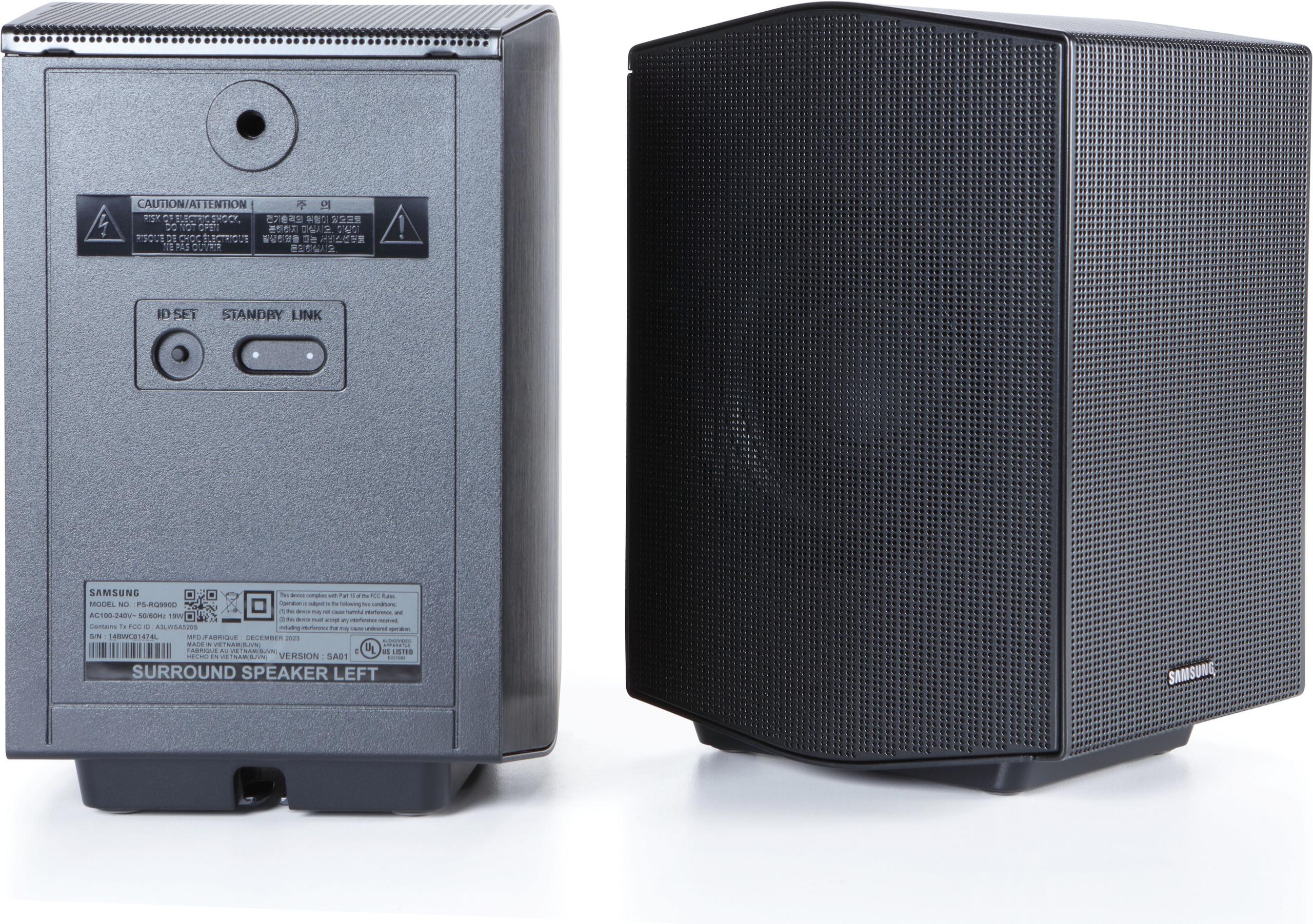
The system includes 22 individual speakers spread across four separate units: the main soundbar, a wireless subwoofer, and two wireless rear speakers. Samsung has been refining this approach for years, and the Q990D represents their most advanced effort yet, building on the success of the previous Q990C model.
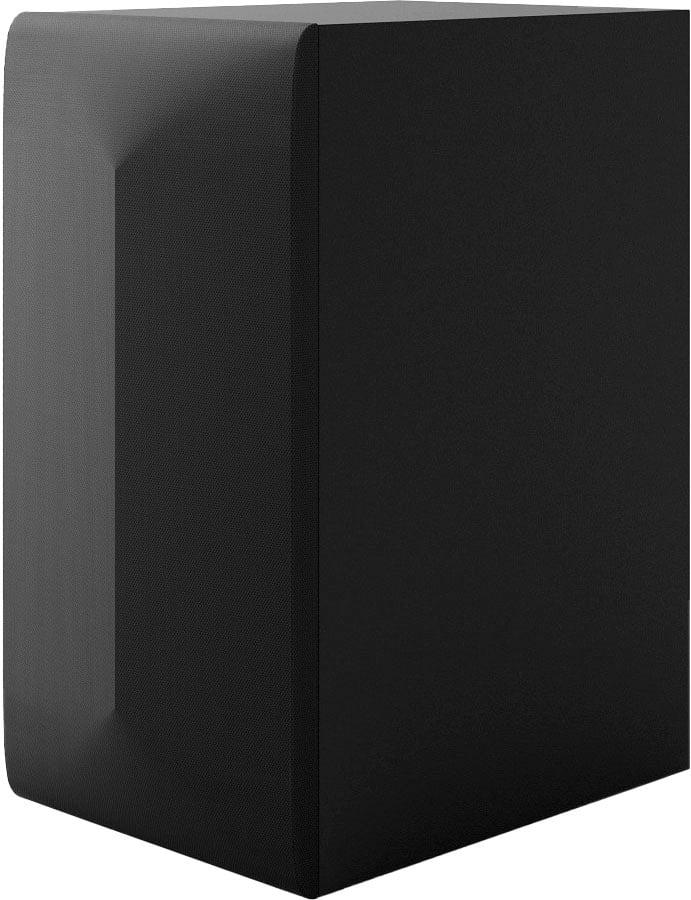
The LG S70TR, released in late 2024, takes a completely different approach. Instead of overwhelming you with speakers, LG focuses on doing 5.1.1 surround sound really well while adding some clever tricks. The "5.1.1" means five main channels, one subwoofer, and one height channel – significantly simpler than Samsung's setup, but LG argues it's all most people actually need.
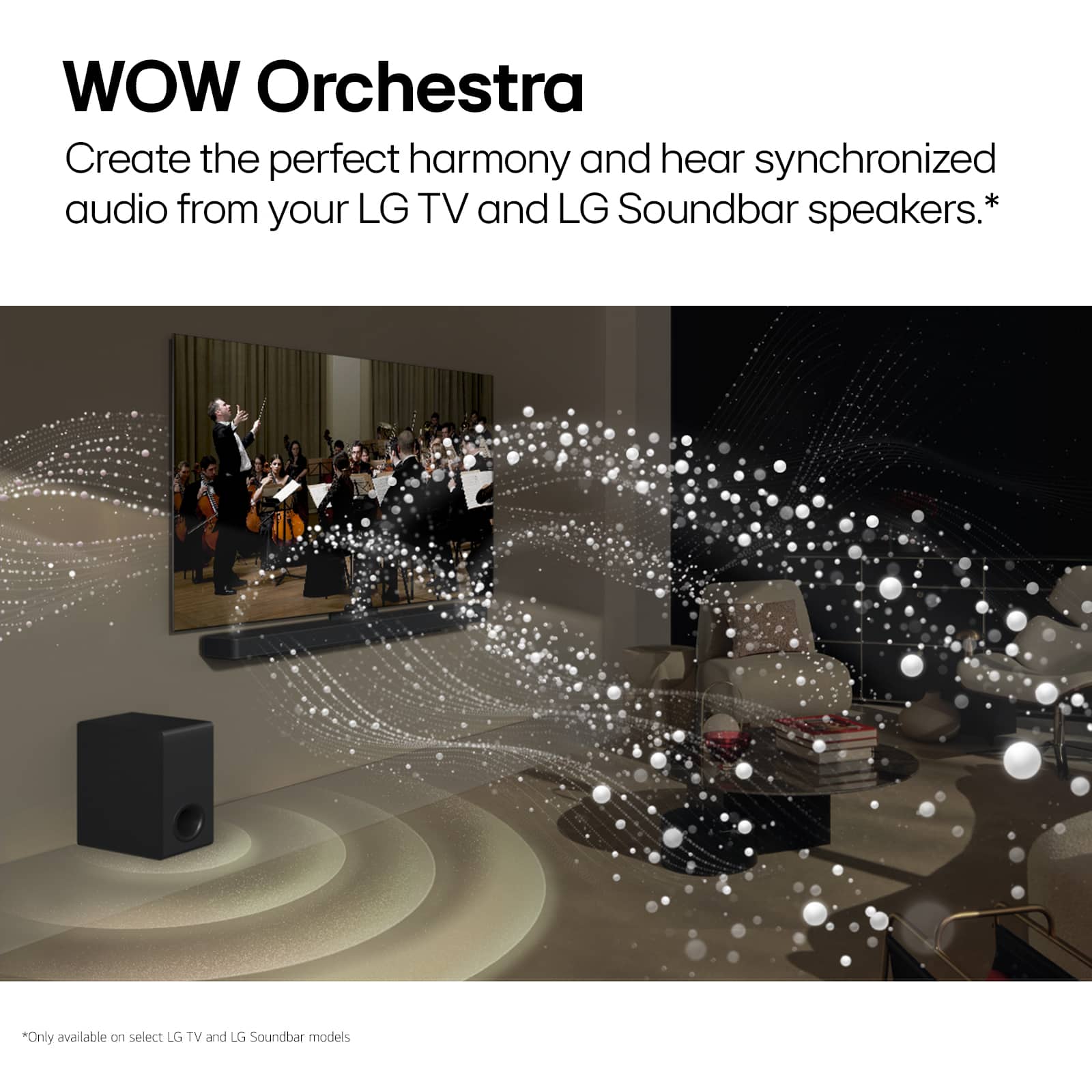
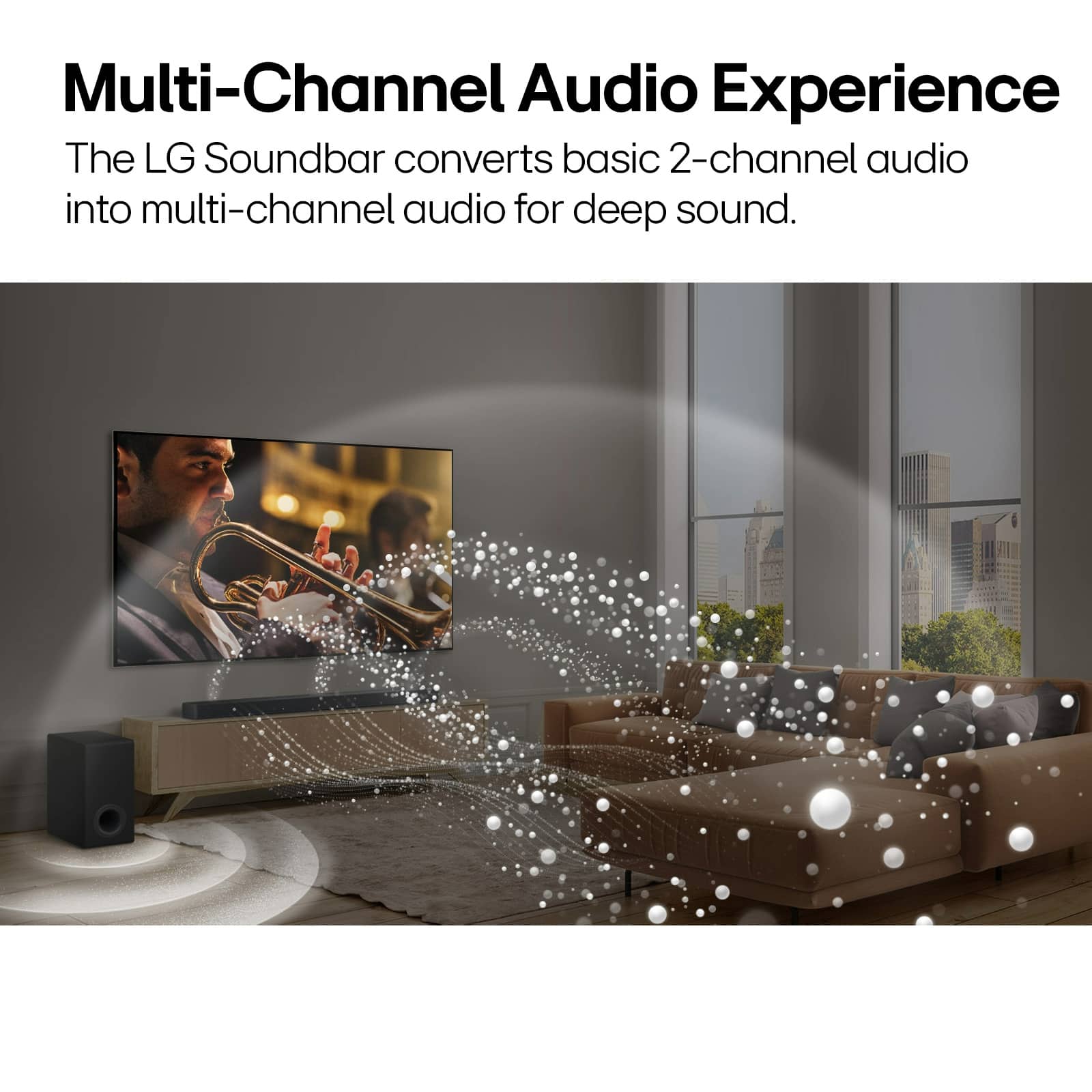
What makes the LG interesting is its WOW Orchestra feature, which is unique in the soundbar world. Instead of telling you to turn off your TV's speakers (like every other soundbar), the S70TR actually uses your LG TV's speakers as additional channels, creating a wider soundstage than you'd get from the soundbar alone.
Here's where the Samsung HW-Q990D really flexes its muscles. With 22 speakers creating an 11.1.4 sound field, this system can make your living room feel like a proper movie theater. I've tested similar Samsung systems, and the effect is genuinely impressive – you'll find yourself looking around the room trying to locate sounds that seem to be coming from empty space.
The four height channels make a huge difference with Dolby Atmos content. When you're watching a Marvel movie and Iron Man flies overhead, you actually hear the sound travel across your ceiling. The SpaceFit Sound Pro feature uses built-in microphones to analyze your room's acoustics and automatically adjust the sound – no test tones or manual tweaking required.
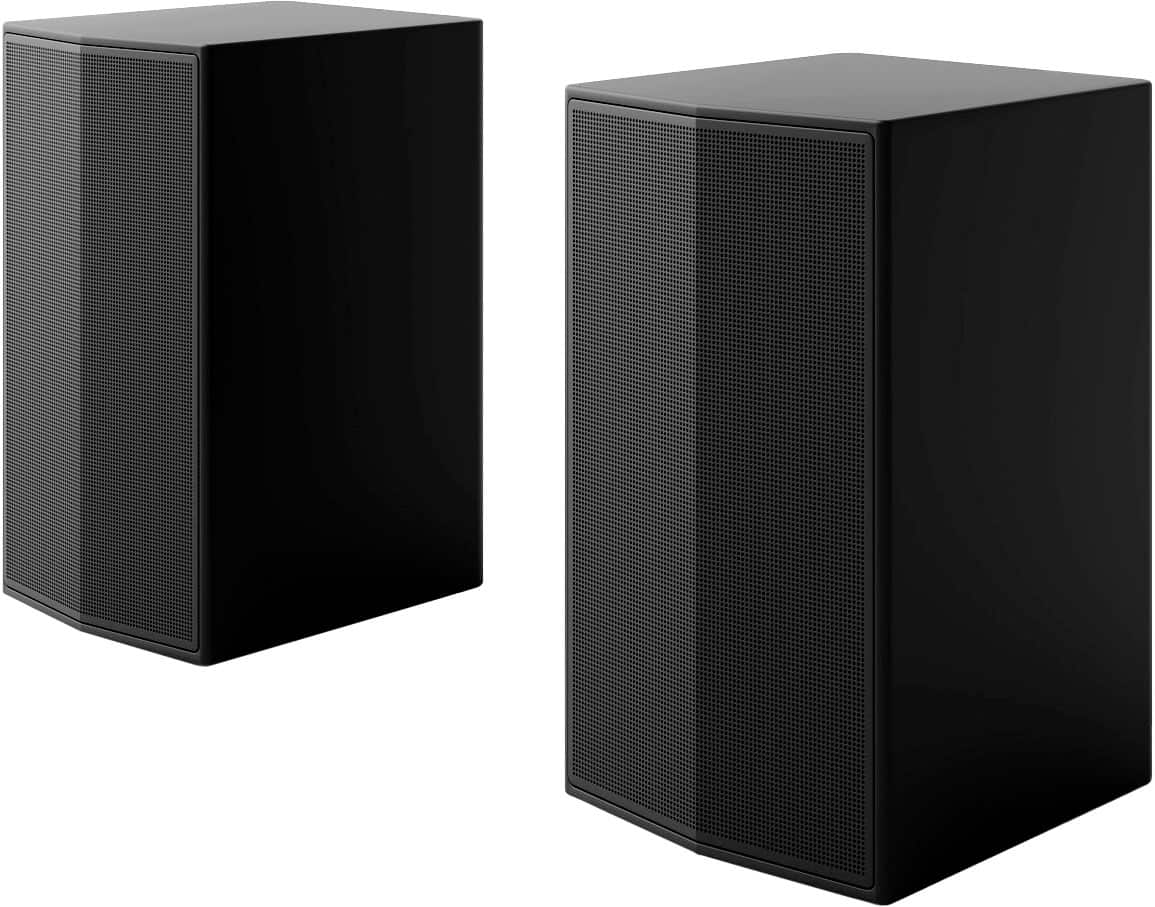
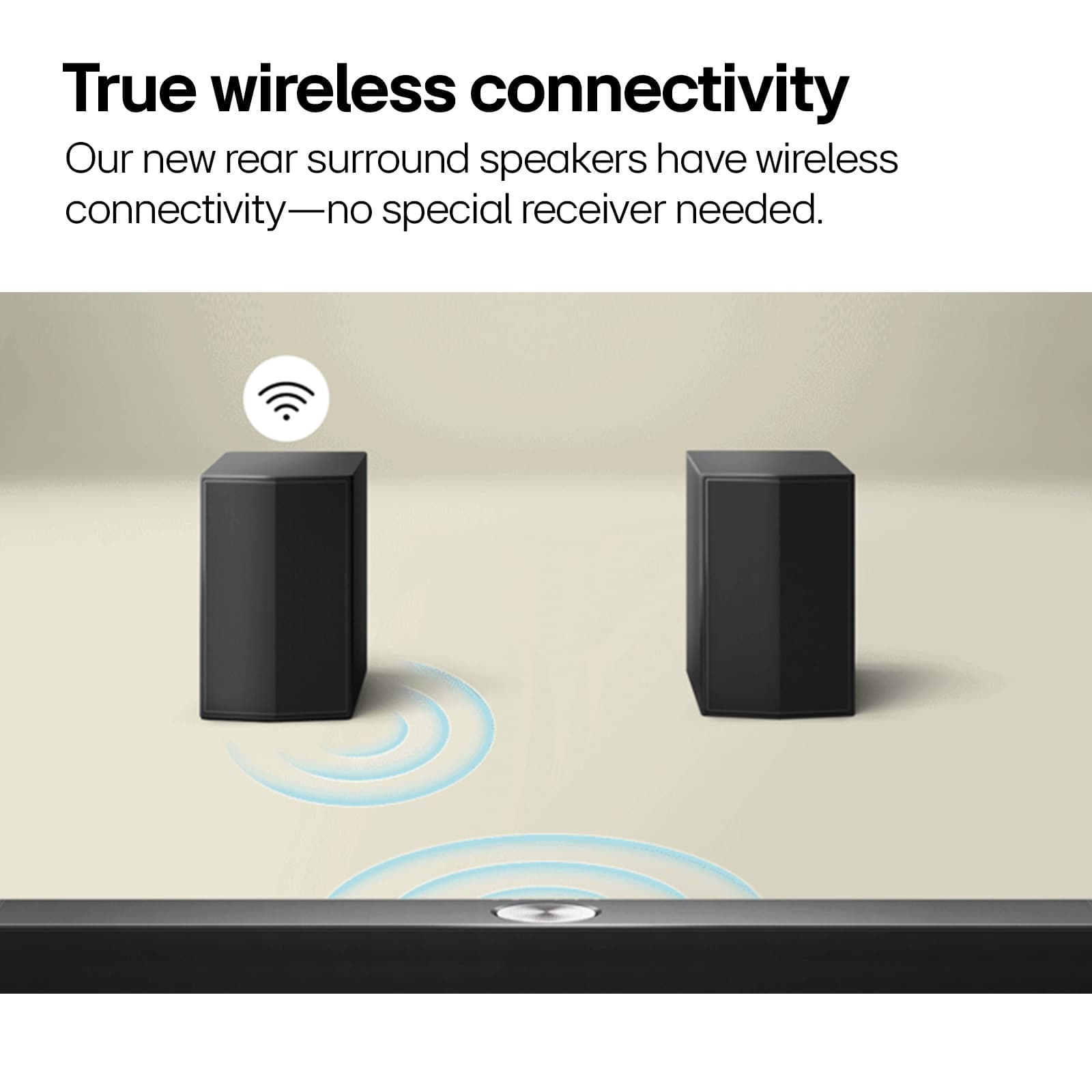
The LG S70TR takes a more grounded approach. Its 5.1.1 setup won't create the same hemisphere of sound as the Samsung, but it does something the Samsung can't: it includes genuine wireless rear speakers right in the box. Many people underestimate how important real rear speakers are for surround sound. Virtual processing can simulate surround effects to some degree, but nothing beats having actual speakers behind you creating authentic directional audio.
Where the LG gets clever is with WOW Orchestra. If you have a compatible LG TV, the soundbar coordinates with your TV's built-in speakers instead of replacing them. This creates a surprisingly wide soundstage that makes the audio feel bigger than what you'd expect from a $399 system. It's like having extra front speakers without buying extra speakers.
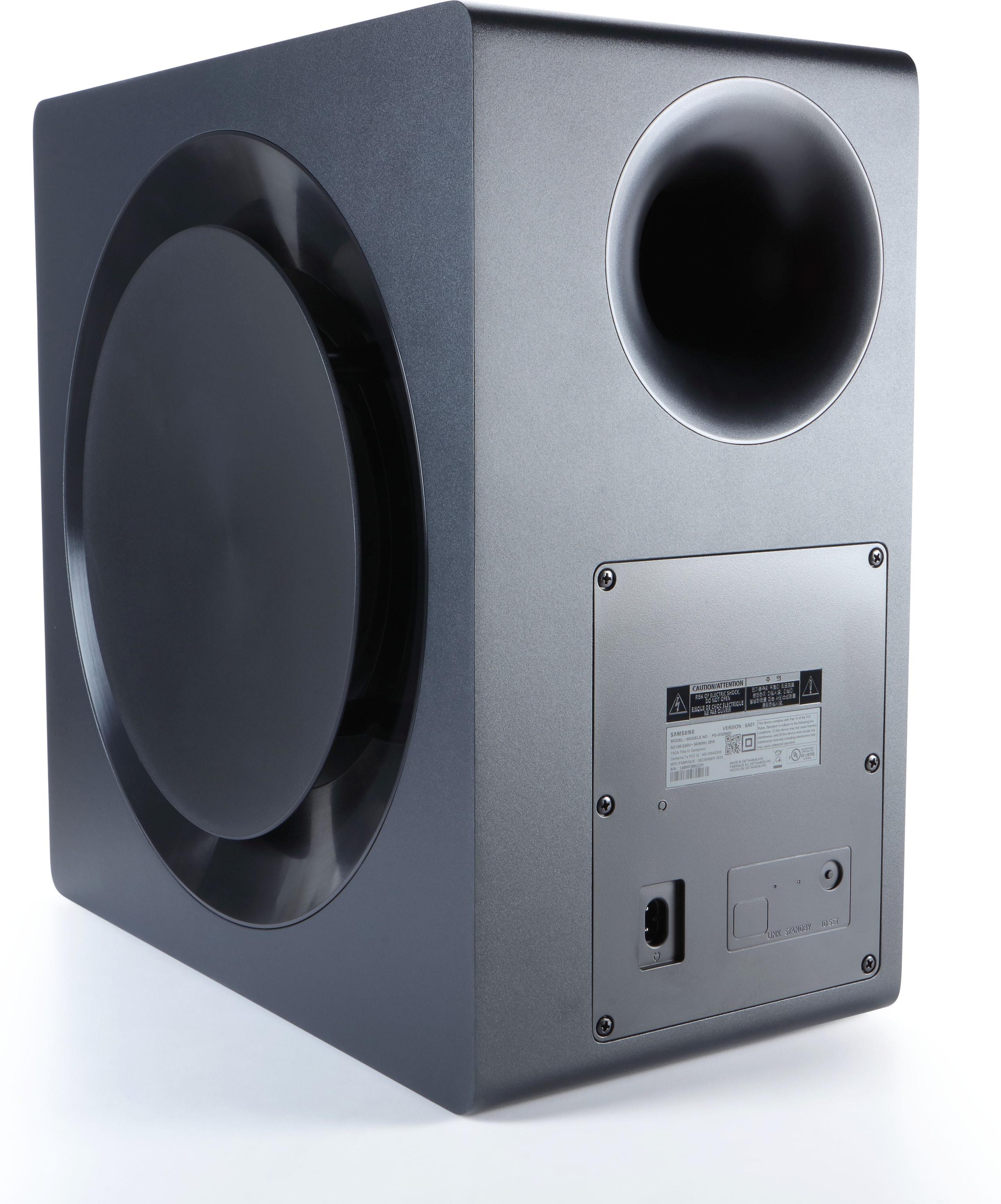
Bass isn't just about explosions and car chases – it's the foundation that makes everything else sound fuller and more realistic. The Samsung's 20cm subwoofer driver is significantly larger than what you'll find in most soundbars, and it shows. This thing can shake your couch when the situation calls for it, but more importantly, it provides the kind of deep, controlled bass that makes movie soundtracks feel properly cinematic.
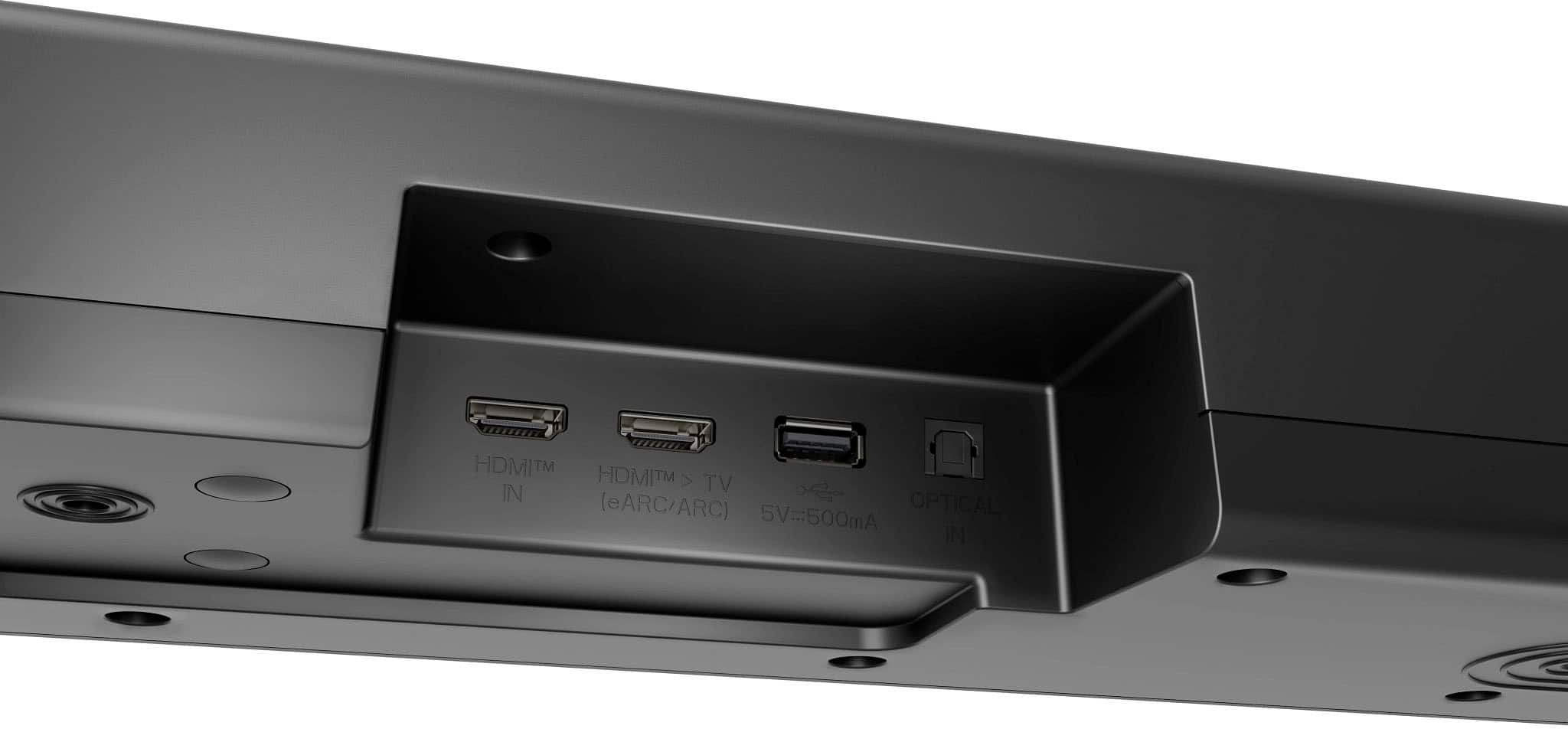
The LG's wireless subwoofer uses a 7-inch driver with a front-firing design and rear bass port. This setup prioritizes placement flexibility over maximum output. While it won't rattle your windows like the Samsung, it delivers perfectly adequate bass for most rooms and content. The wireless connection means you can tuck it into a corner or behind furniture without worrying about cables.
In my experience testing similar systems, the bass difference becomes most apparent during action sequences. The Samsung makes you feel the rumble of approaching tanks or the deep thrum of spaceship engines. The LG gives you enough bass to enhance the experience without overwhelming your neighbors – which might actually be a feature if you live in an apartment.
Here's something I've learned from years of testing audio equipment: if a soundbar can't handle dialogue clearly, nothing else matters. Both systems tackle this challenge differently, and both succeed for different reasons.
The Samsung uses Active Voice Amplifier Pro, which is essentially smart processing that listens to your content and dynamically boosts dialogue when there's competing background noise. It's surprisingly effective – you'll notice conversations become clearer during loud action scenes without making quiet scenes sound unnatural.
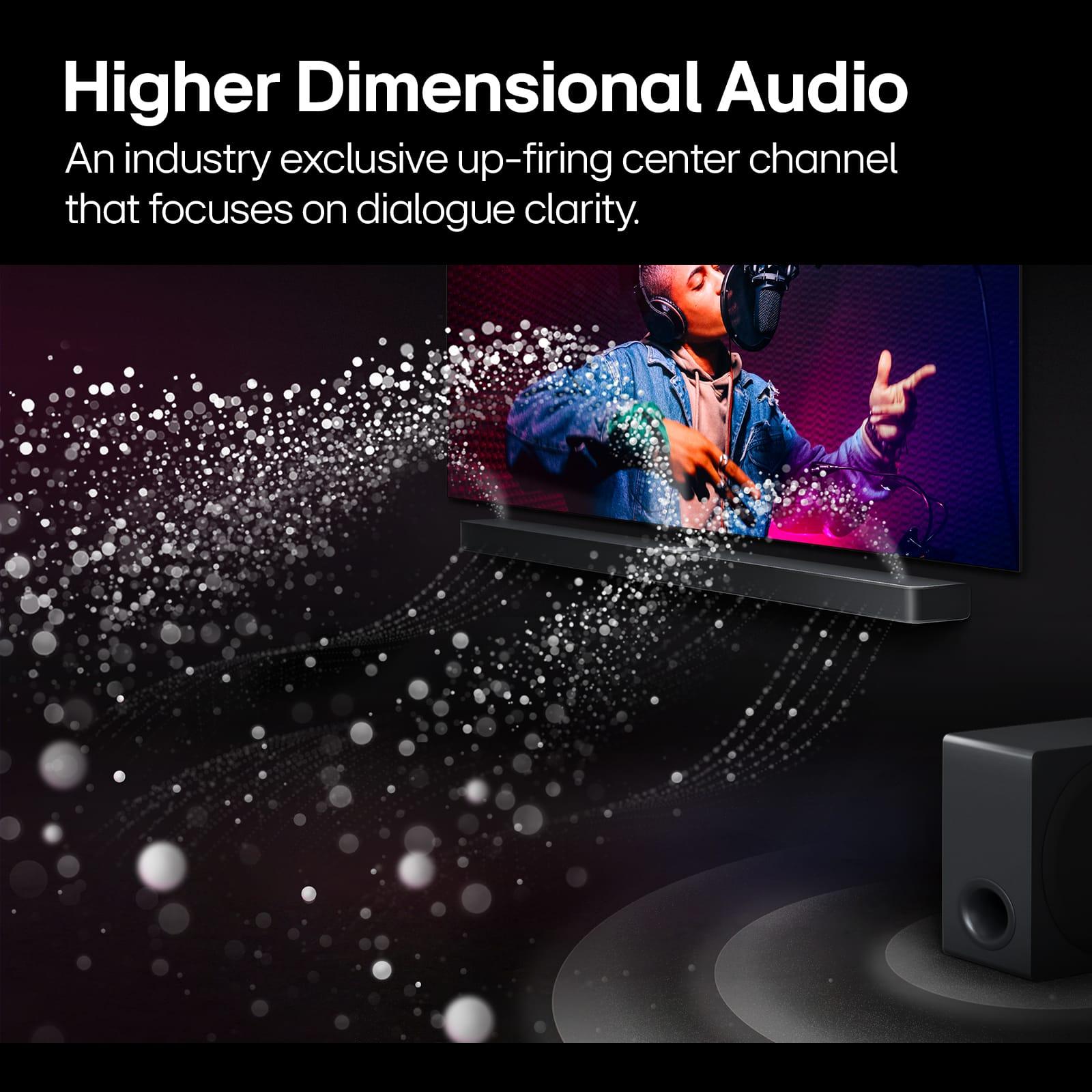
The LG takes a more direct approach with its up-firing center channel specifically designed for dialogue focus. This speaker fires sound upward to bounce off your ceiling, creating the effect of voices coming from the screen rather than from below it. The Clear Voice Plus feature analyzes the audio signal and optimizes vocal frequencies through the center speakers.
Both approaches work well, but they feel different in practice. The Samsung's method is more subtle and automatic, while the LG's approach creates a more noticeable "lift" that makes dialogue feel more natural and screen-centered.
Modern gaming demands low latency and support for high-refresh displays, and this is where the Samsung HW-Q990D pulls ahead significantly. Its full HDMI 2.1 support means it can handle 4K resolution at 120Hz refresh rates, plus Variable Refresh Rate (VRR) and Auto Low Latency Mode (ALLM). These features ensure your gaming experience stays smooth and responsive, crucial for competitive gaming or enjoying the latest PlayStation 5 and Xbox Series X titles.
The Samsung's Game Mode Pro even adjusts the sound profile based on what type of game you're playing, optimizing audio for shooters, RPGs, or racing games. It's a nice touch that shows Samsung is thinking about the complete gaming experience.
The LG S70TR includes VRR and ALLM support, which covers the basics for lag-free gaming, but it lacks 4K/120Hz passthrough capability. For most casual gamers, this won't matter, but if you've invested in a high-end gaming setup, the Samsung's superior connectivity becomes important.
At $1,999, the Samsung isn't cheap, but you're paying for genuinely advanced technology. The 22-speaker array represents serious engineering, and the processing power required to manage 11.1.4 channels in real-time is substantial. Samsung has also included future-proofing features like complete HDMI 2.1 support that will remain relevant for years to come.
The Q Symphony feature adds value if you own a compatible Samsung TV, allowing the soundbar to work in concert with your TV's speakers for an even wider soundstage. This kind of ecosystem integration is becoming increasingly important as manufacturers try to create more cohesive home entertainment experiences.
The LG's $399 price point is remarkable when you consider what's included. Most soundbars at this price are simple 2.1 or 3.1 systems, but the S70TR gives you genuine 5.1.1 surround with wireless rear speakers included in the box. Many competitors charge extra for rear speakers, making the LG's value proposition even stronger.
The WOW Orchestra feature, while limited to LG TVs, essentially gives compatible users free additional speakers. If you already own an LG TV, this creates a synergy that's hard to match at this price point.
Both systems include some genuinely clever technology that's worth understanding. The Samsung's SpaceFit Sound Pro represents a significant advance in automatic room correction. Traditional room correction requires you to place a microphone at your listening position and play test tones – a process many people find tedious. Samsung's system runs continuously in the background, constantly optimizing the sound based on changing conditions in your room.
The LG's AI Sound Pro takes a different but equally smart approach. Instead of just boosting dialogue frequencies, it analyzes the content to understand what you're watching and adjusts the entire sound profile accordingly. Watching a nature documentary gets different processing than watching an action movie, which makes sense when you think about it.
If you're building or upgrading a dedicated home theater space, room size becomes crucial. The Samsung HW-Q990D really needs space to breathe – we're talking rooms of at least 15x20 feet to properly appreciate what 11.1.4 channels can do. In smaller spaces, you might actually find it overwhelming, with sounds seeming to come from everywhere without clear directionality.
The LG works better in medium-sized rooms where the wireless rear speakers can create proper surround effects without being too close to your seating position. The up-firing center channel also works best when there's adequate ceiling height for sound reflection – low ceilings can make this effect less noticeable.
For apartment dwellers, the LG might be the better choice not just for price, but for neighborly relations. Its more controlled bass output and overall volume levels are less likely to cause issues with adjacent units.
Here's something that doesn't always get enough attention: how these systems work in real life, day after day. The Samsung's four-piece setup requires careful thought about speaker placement. Those rear speakers need power outlets, and positioning them optimally for surround effects while keeping them out of the way can be challenging in smaller rooms.
The LG's simpler setup – just three pieces total – makes it more forgiving of less-than-perfect placement. The wireless rear speakers are smaller and easier to integrate into existing furniture arrangements.
Both systems offer smartphone apps for fine-tuning, but the Samsung's app necessarily includes more options, which can be either helpful or overwhelming depending on your technical comfort level. The LG's app focuses on essential adjustments without diving too deep into audiophile territory.
Choose the Samsung HW-Q990D if:
Choose the LG S70TR if:
The fundamental decision comes down to your priorities and situation. The Samsung represents the current peak of soundbar technology – it does everything exceptionally well, but demands both space and budget to reach its potential. The LG offers a taste of premium audio performance with practical compromises that make it accessible to more people.
Both systems will dramatically improve your TV watching experience compared to built-in TV speakers. The question is whether you want to pay for maximum performance or find the sweet spot between capability and value. Having tested similar systems extensively, I can say that either choice will leave you wondering how you ever tolerated your TV's original audio.
| Samsung HW-Q990D ($1,999) | LG S70TR ($399) |
|---|---|
| Channel Configuration - Determines immersion level and surround sound accuracy | |
| 11.1.4 channels with 22 speakers across 4 units | 5.1.1 channels with wireless rear speakers included |
| Price and Value Proposition - Major factor in decision making | |
| $1,999 premium investment for flagship performance | $399 exceptional value with true surround sound |
| Room Size Compatibility - Critical for optimal performance | |
| Large rooms 15x20+ feet for full immersion potential | Medium rooms 12x15 feet, ideal for apartments |
| Height Channels - Creates overhead Dolby Atmos effects | |
| 4 dedicated up-firing drivers for precise ceiling bounce | 1 up-firing channel for basic Atmos experience |
| Subwoofer Power - Impacts bass depth and room-filling capability | |
| 20cm driver with deep, theater-quality bass response | 7-inch wireless driver adequate for most content |
| HDMI 2.1 Gaming Support - Future-proofs for next-gen consoles | |
| Full 4K/120Hz, VRR, ALLM support for premium gaming | VRR and ALLM only, lacks 4K/120Hz passthrough |
| Smart TV Integration - Enhances audio when paired with brand TVs | |
| Q Symphony with Samsung TVs for expanded soundstage | WOW Orchestra with LG TVs uses TV speakers as extra channels |
| Setup Complexity - Affects daily usability and placement flexibility | |
| 4-piece system requires careful rear speaker positioning | 3-piece system with simpler, more flexible placement |
| Room Calibration - Optimizes sound for your specific space | |
| SpaceFit Sound Pro with continuous automatic adjustment | Basic room correction with AI Sound Pro optimization |
| Dialogue Enhancement - Critical for clear speech during movies | |
| Active Voice Amplifier Pro with dynamic background noise management | Up-firing center channel with Clear Voice Plus processing |
| Release Date and Technology - Indicates latest features and refinements | |
| Early 2024 with cutting-edge processing and connectivity | Late 2024 with refined value-focused feature set |
The LG S70TR ($399) offers exceptional value by including genuine 5.1.1 surround sound with wireless rear speakers at a budget-friendly price. The Samsung HW-Q990D ($1,999) provides premium performance with 11.1.4 channels and advanced features, but costs five times more. For most users, the LG delivers 80% of the Samsung's performance at 20% of the price.
The Samsung HW-Q990D uses 11.1.4 channels with 22 speakers to create a hemisphere of sound around you, offering maximum immersion for large rooms. The LG S70TR uses 5.1.1 channels with fewer speakers but still provides authentic surround sound with physical rear speakers. The Samsung offers more precise audio placement, while the LG focuses on delivering core surround sound effectively.
The LG S70TR is better suited for apartments due to its more controlled bass output, simpler 3-piece setup, and optimized performance in medium-sized rooms. The Samsung HW-Q990D is designed for larger spaces and may overwhelm smaller rooms while potentially disturbing neighbors with its powerful subwoofer.
Yes, both the Samsung HW-Q990D and LG S70TR support Dolby Atmos. However, the Samsung offers superior Atmos performance with 4 dedicated height channels for precise overhead effects, while the LG provides basic Atmos experience with 1 up-firing channel that's still effective for the price point.
The Samsung HW-Q990D delivers significantly better bass with its larger 20cm subwoofer driver, providing deep, theater-quality low-end response ideal for action movies. The LG S70TR has a smaller 7-inch wireless subwoofer that's adequate for most content but lacks the depth and power of the Samsung's bass system.
Both soundbars work with any TV brand through HDMI or optical connections. However, the Samsung HW-Q990D offers Q Symphony integration with Samsung TVs, while the LG S70TR features WOW Orchestra that works exclusively with LG TVs to use your TV speakers as additional audio channels.
The Samsung HW-Q990D is superior for gaming with full HDMI 2.1 support including 4K/120Hz passthrough, VRR, and ALLM, plus Game Mode Pro optimization. The LG S70TR supports VRR and ALLM for lag-free gaming but lacks 4K/120Hz passthrough, making it suitable for casual gaming but not ideal for next-gen console gaming.
The LG S70TR is easier to set up with just 3 wireless components and more flexible placement options. The Samsung HW-Q990D requires more careful planning with 4 components including rear speakers that need optimal positioning for best surround effects, making setup more complex but potentially more rewarding.
Both excel at dialogue clarity but use different approaches. The Samsung HW-Q990D uses Active Voice Amplifier Pro that dynamically enhances speech during noisy scenes. The LG S70TR employs an up-firing center channel with Clear Voice Plus processing to make dialogue sound more natural and screen-centered.
The Samsung HW-Q990D performs best in large rooms of 15x20 feet or larger where its 11.1.4 channels can create proper immersion. The LG S70TR is optimized for medium-sized rooms around 12x15 feet, making it perfect for typical living rooms and apartments.
Yes, both the Samsung HW-Q990D and LG S70TR include wireless rear speakers in the box. The Samsung's rear speakers are part of its comprehensive 4-piece system, while the LG's rear speakers help create authentic 5.1.1 surround sound at its budget price point.
For a dedicated home theater room, the Samsung HW-Q990D provides cinema-level immersion with its 22-speaker array and advanced processing, ideal for serious movie enthusiasts. The LG S70TR works well for casual home theater use in smaller spaces, offering genuine surround sound without the complexity or cost of the premium Samsung system.
We've done our best to create useful and informative comparisons to help you decide what product to buy. Our research uses advanced automated methods to create this comparison and perfection is not possible - please contact us for corrections or questions. These are the sites we've researched in the creation of this article: techradar.com - avsforum.com - valueelectronics.com - samsung.com - rtings.com - samsung.com - avsforum.com - samsung.com - cdwg.com - youtube.com - whathifi.com - bestbuy.com - mynavyexchange.com - rixaudiovideoappliance.com - rtings.com - youtube.com - bestbuy.com - howards.siteontimedev.com - bestbuy.com - appliancestogousa.us

Privacy Policy
Terms and Conditions - Affiliate Policy
Home Security
© Copyright 2008-2026.
11816 Inwood Rd #1211, Dallas, TX 75244