

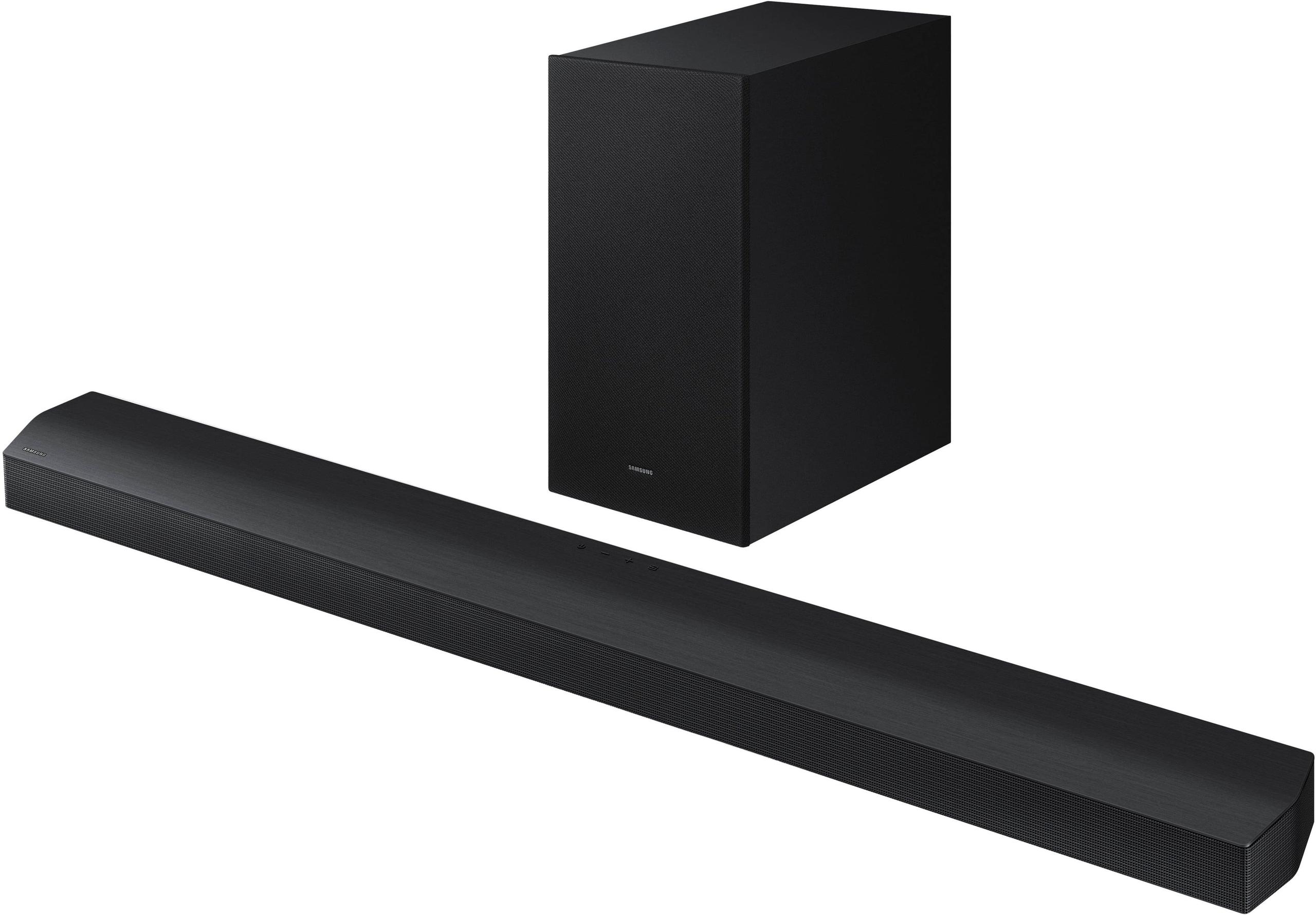
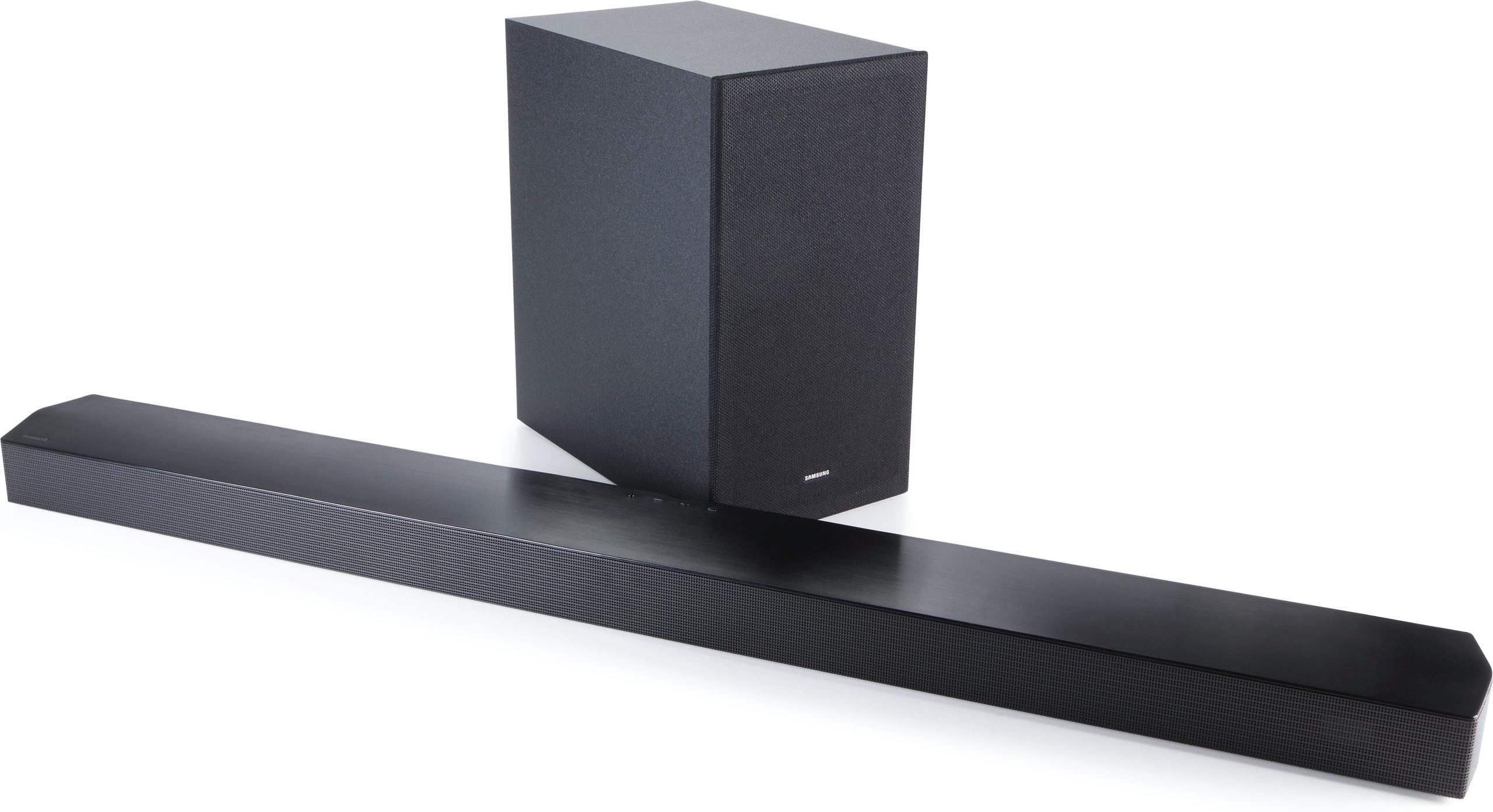
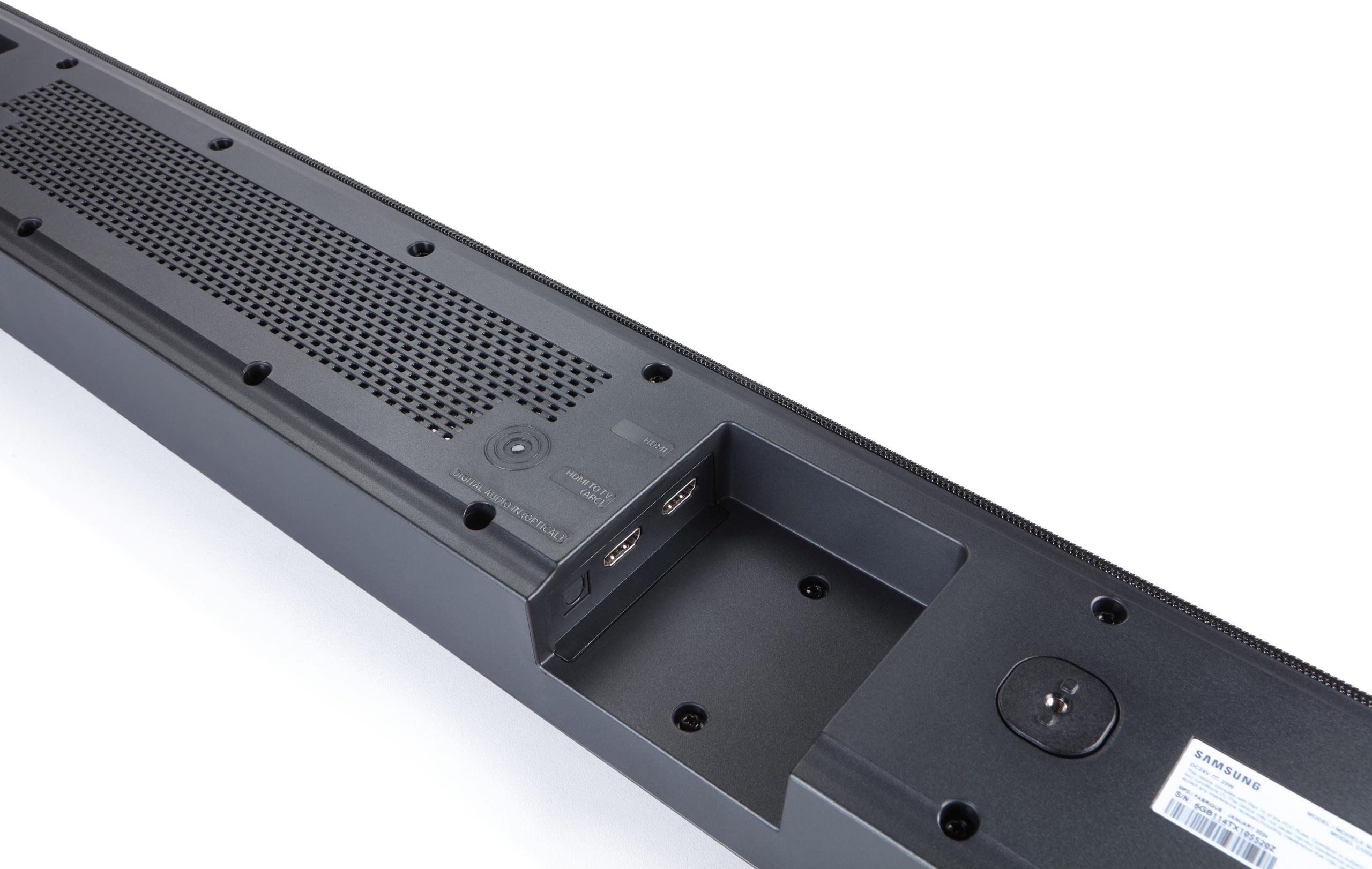
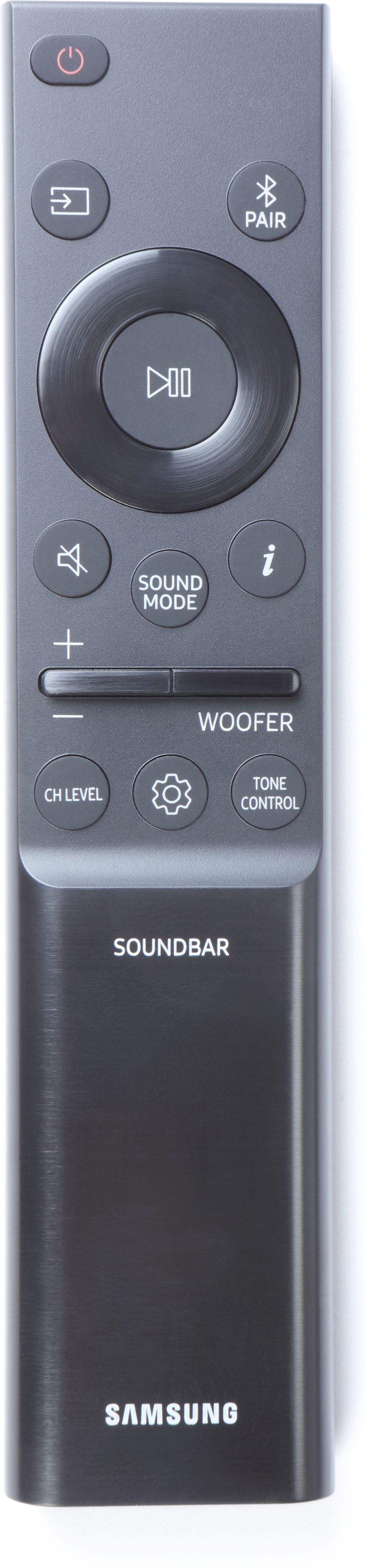





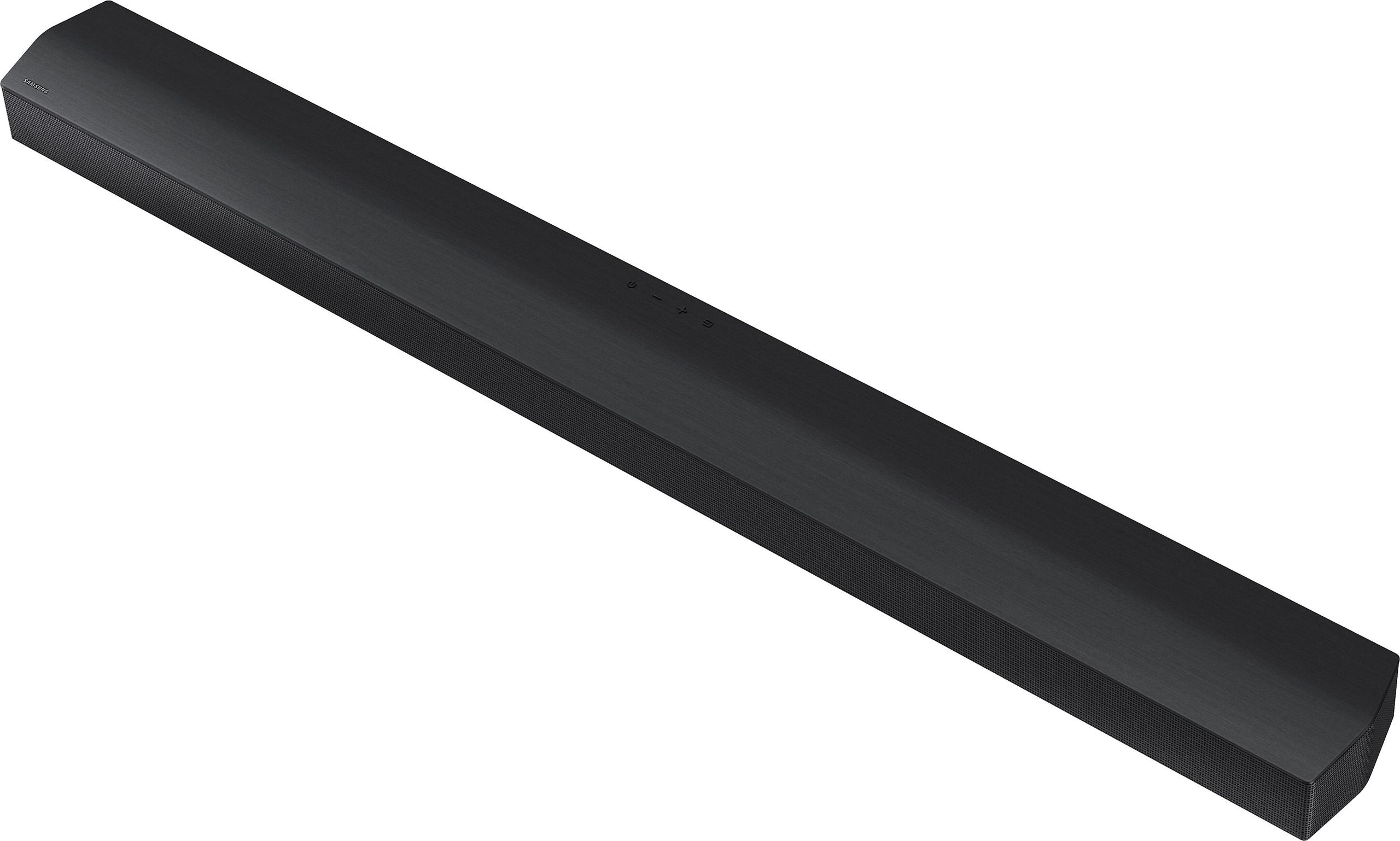
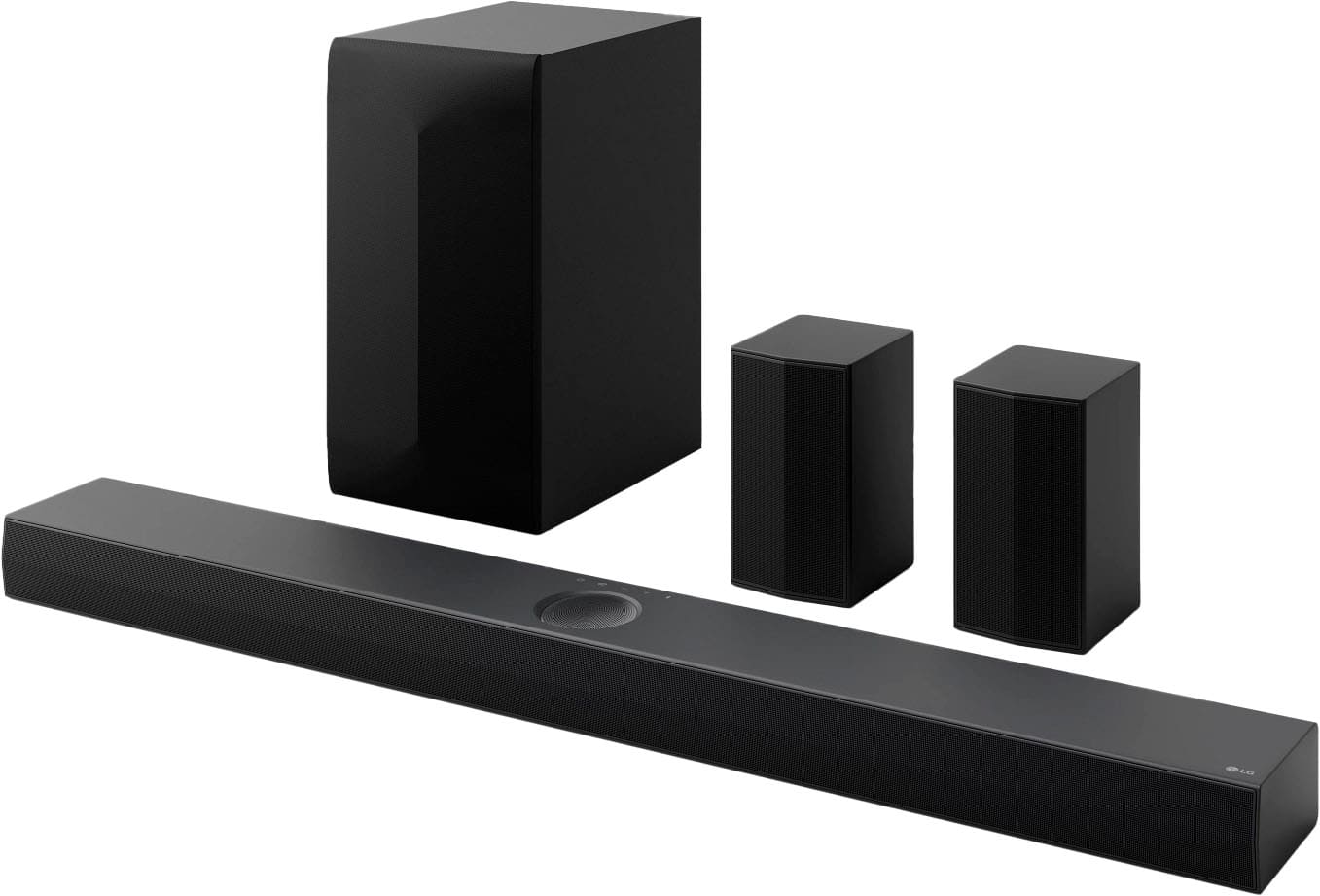
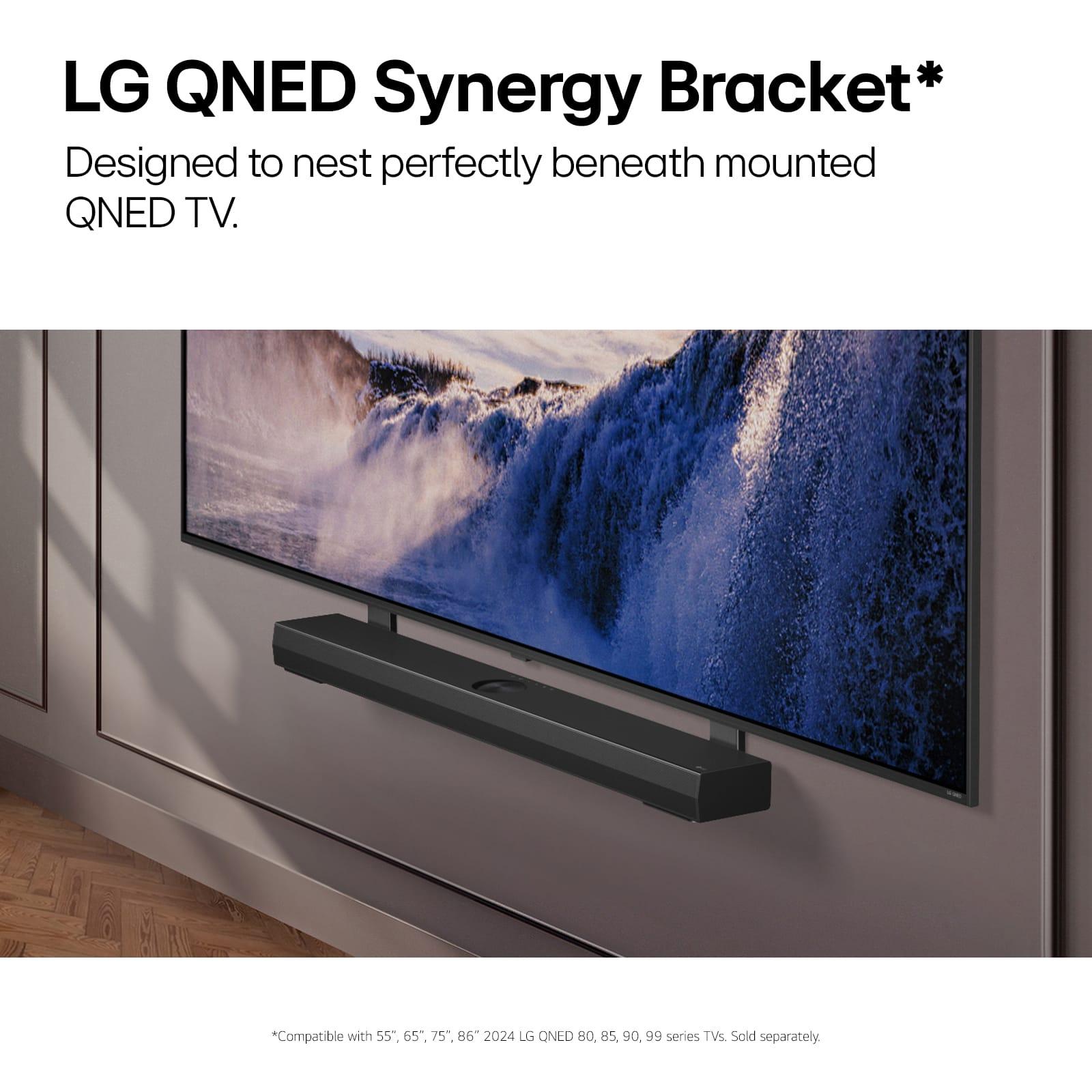

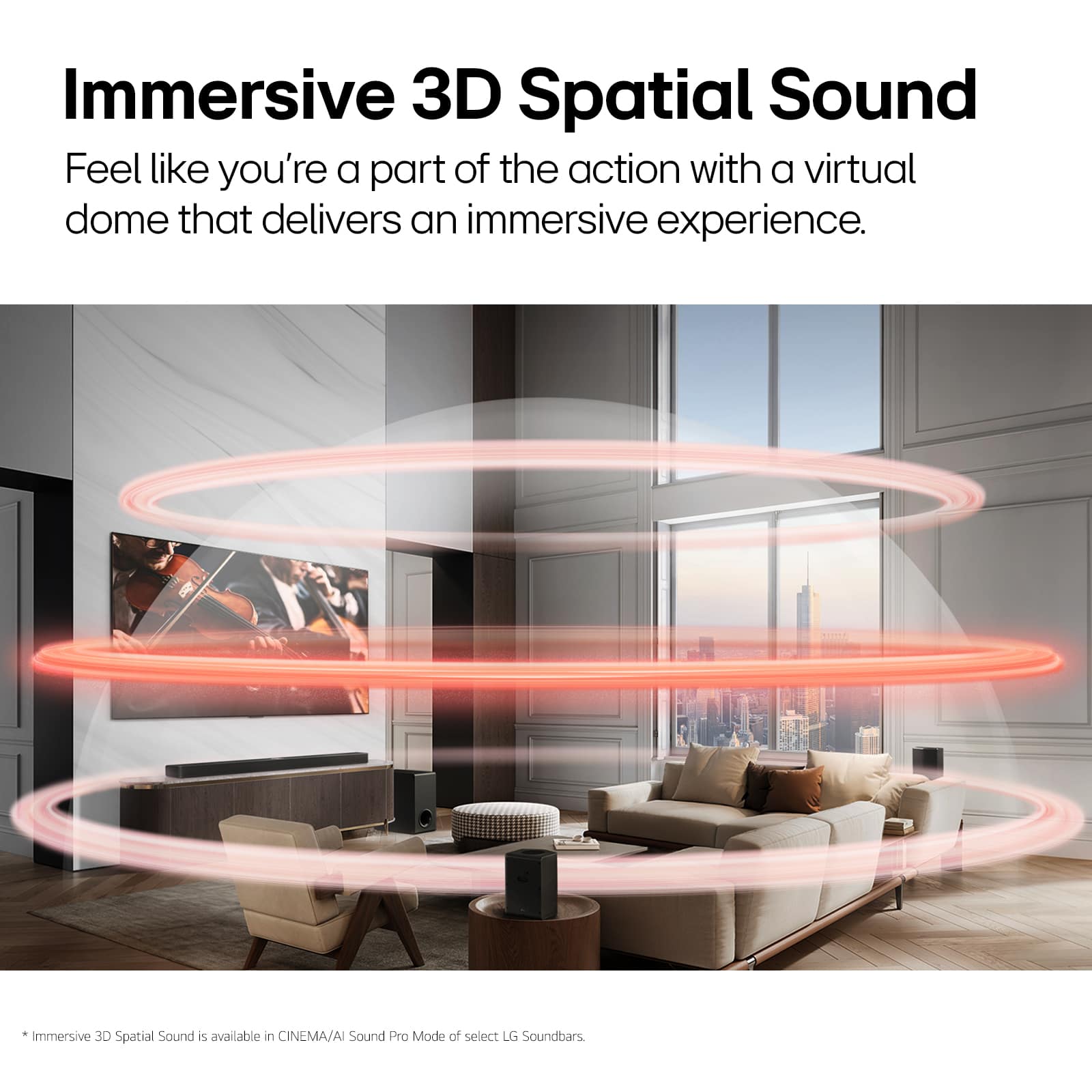
If you've been struggling to hear dialogue in your favorite shows or craving that movie theater bass at home, you're probably ready to upgrade from your TV's built-in speakers. The soundbar market has exploded with options, but today we're comparing two compelling choices that take distinctly different approaches: the budget-friendly Samsung B-Series 5.1 Channel Soundbar at $227.99 and the feature-packed LG S70TR 5.1.1 Channel Soundbar at $399.99.
These aren't just random picks—they represent two philosophies in modern soundbar design. Samsung focuses on delivering solid virtual surround sound at an accessible price point, while LG goes all-in on physical speakers and cutting-edge audio processing. The question isn't which one is objectively better, but which approach makes more sense for your specific situation.
Before diving into the specifics, let's talk about what actually matters when choosing a soundbar. The biggest upgrade you'll notice coming from TV speakers is dialogue clarity—those tiny drivers in your TV simply can't produce the full-range sound needed for clear speech. A dedicated center channel (the ".1" in a 5.1 system) handles voices specifically, making conversations crisp and understandable even during action scenes.
Bass response is the second major improvement. Your TV might have decent mids and highs, but it physically cannot produce deep, room-filling bass. That's where the subwoofer comes in—a larger driver dedicated entirely to low frequencies. The difference is immediately noticeable, whether you're watching explosions in Marvel movies or feeling the rumble of a T-Rex in Jurassic Park.
Channel configuration tells you how many distinct audio streams the soundbar can handle. A 5.1 system has five main channels (front left, center, front right, rear left, rear right) plus one subwoofer channel. The LG's 5.1.1 setup adds a height channel for overhead effects—that's what enables Dolby Atmos, which places sounds in a three-dimensional space around you rather than just left-to-right.
Samsung released their B-Series lineup in early 2024, positioning it as their entry-level offering with serious performance aspirations. The Samsung B-Series represents what I call the "intelligent virtualization" approach to surround sound. Instead of using physical rear speakers, it relies on DTS Virtual:X processing—essentially sophisticated software that manipulates the audio to trick your brain into hearing sounds from directions where no speakers exist.
Here's how it works: the soundbar fires audio at specific angles and timing delays, bouncing sound off your walls and ceiling to create the illusion of surround effects. The six built-in speakers include dedicated side-firing drivers that widen the soundstage beyond the physical width of the bar itself. When it works well, you genuinely hear helicopters passing overhead or footsteps moving around the room.
The key innovation in Samsung's latest B-Series is their Adaptive Sound technology. This feature analyzes the incoming audio in real-time and automatically adjusts the EQ settings. Watching a dialogue-heavy drama? It boosts the center channel and reduces bass so voices cut through clearly. Switch to an action movie, and it opens up the soundstage for more immersive effects. I've found this works surprisingly well in practice—the soundbar noticeably shifts its character based on content without any manual intervention.
Samsung's Voice Enhance mode deserves special mention. Many soundbars claim to improve dialogue, but Samsung's implementation actually works by analyzing vocal frequencies and applying targeted EQ adjustments. Instead of just boosting all mid-range frequencies (which can make everything sound muddy), it identifies specific vocal ranges and enhances only those frequencies. The result is noticeably clearer speech without sacrificing overall audio balance.
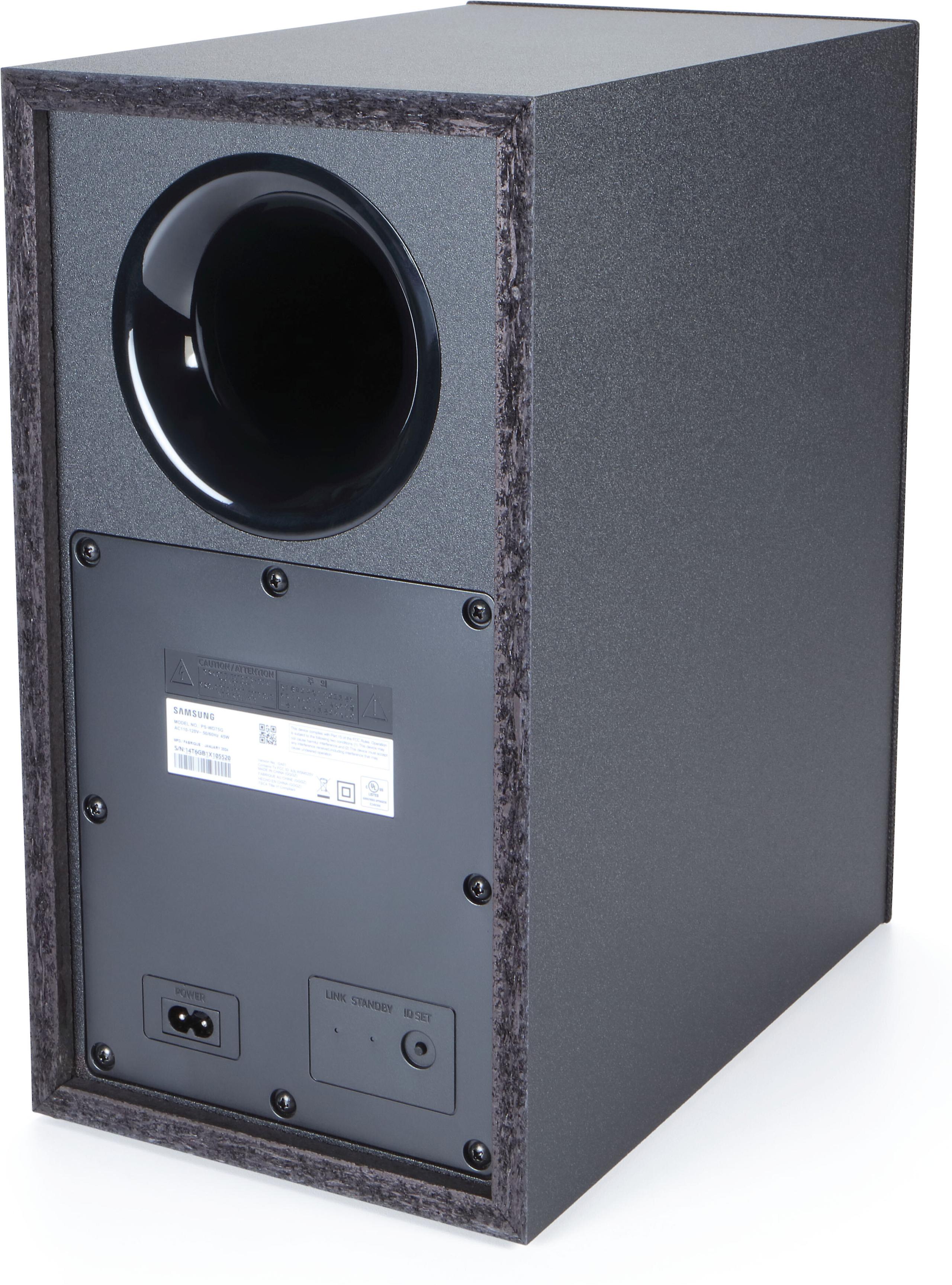
The wireless subwoofer connects automatically via Bluetooth and includes Samsung's Bass Boost mode. This isn't just a simple volume increase—it actually adjusts the crossover frequency (the point where the soundbar hands off low frequencies to the subwoofer) to create more overlap in the bass region, resulting in fuller, more impactful low-end response.
LG took a completely different approach with the S70TR, which launched in late 2024 as part of their renewed focus on true surround sound systems. Rather than virtualizing surround effects, LG provides actual physical speakers to create authentic spatial audio. The 5.1.1 configuration includes wireless rear speakers and a dedicated height channel for overhead effects—this is what enables full Dolby Atmos support.
Dolby Atmos represents a fundamental shift in how surround sound works. Traditional 5.1 or 7.1 systems think in terms of channels—sounds come from specific speaker locations. Atmos thinks in terms of objects—sounds exist in three-dimensional space and move dynamically around you. When a helicopter flies across the screen, Atmos doesn't just pan the sound from left to right; it actually places that helicopter in virtual space above and around you, moving it realistically through your room.
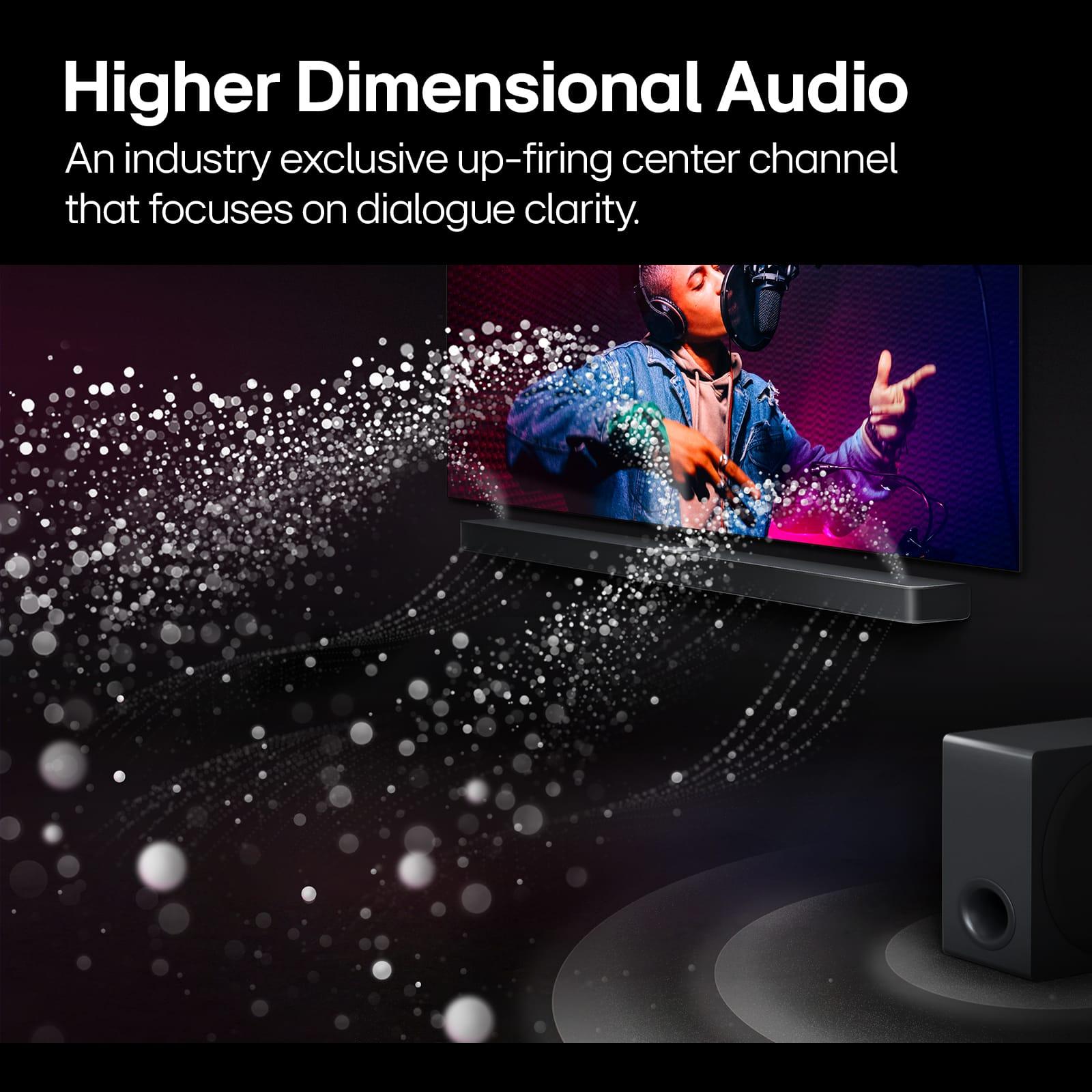
The LG S70TR's up-firing center channel is particularly clever. Most soundbars place the center speaker horizontally, firing directly at you. LG angles this driver upward, bouncing the sound off your ceiling before it reaches your ears. This creates a sense of height and openness that makes dialogue feel more natural and spacious—almost like the actors are speaking from within your TV rather than from a box sitting below it.
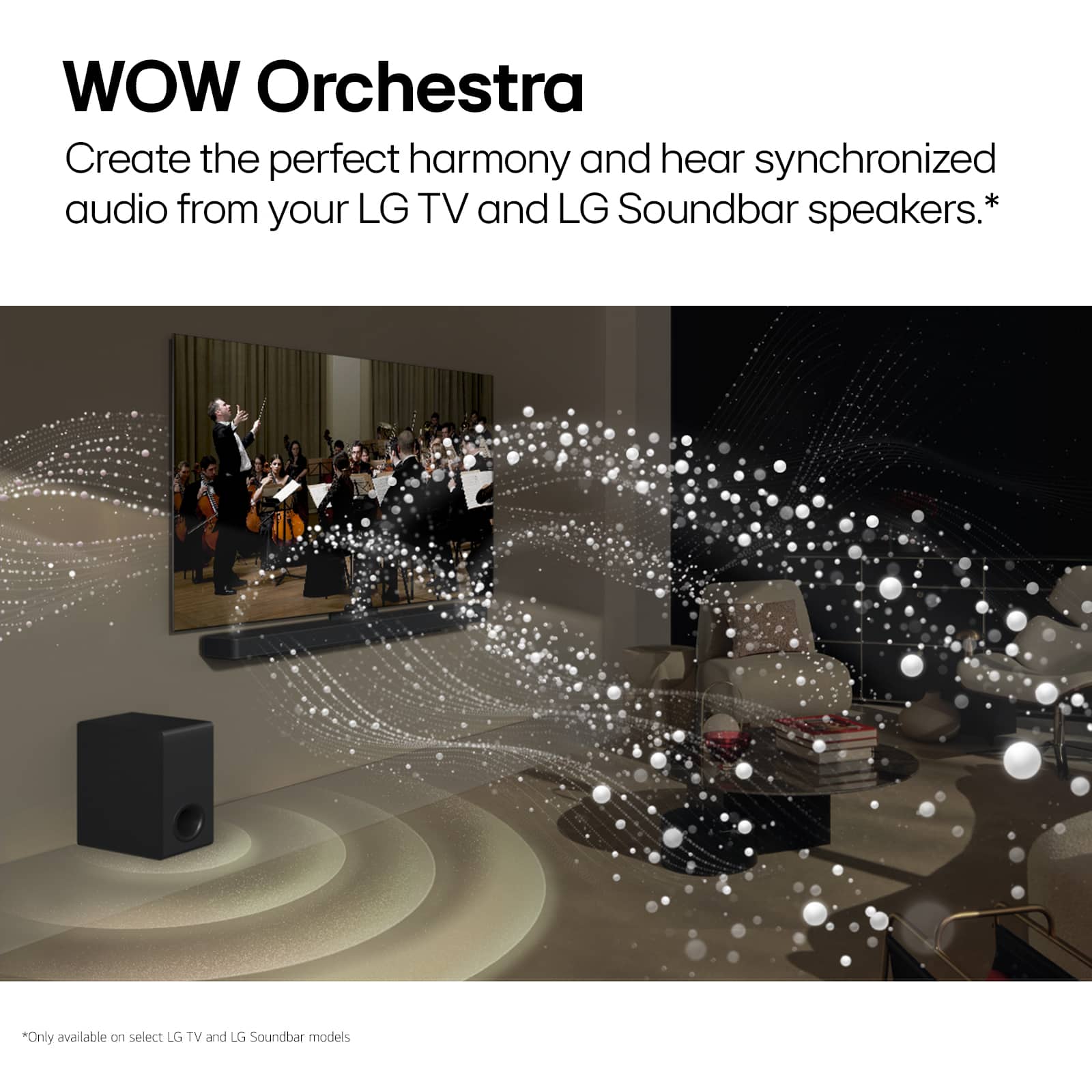
LG's WOW Orchestra technology represents one of the most interesting developments in soundbar design. If you own a compatible LG TV, the soundbar doesn't replace your TV's speakers—it works with them. The TV's built-in speakers handle specific frequency ranges while the soundbar takes care of others, creating a unified sound system that's greater than the sum of its parts. The practical result is dialogue that seems to come directly from the screen (because it partially does) while maintaining the soundbar's superior bass and surround capabilities.
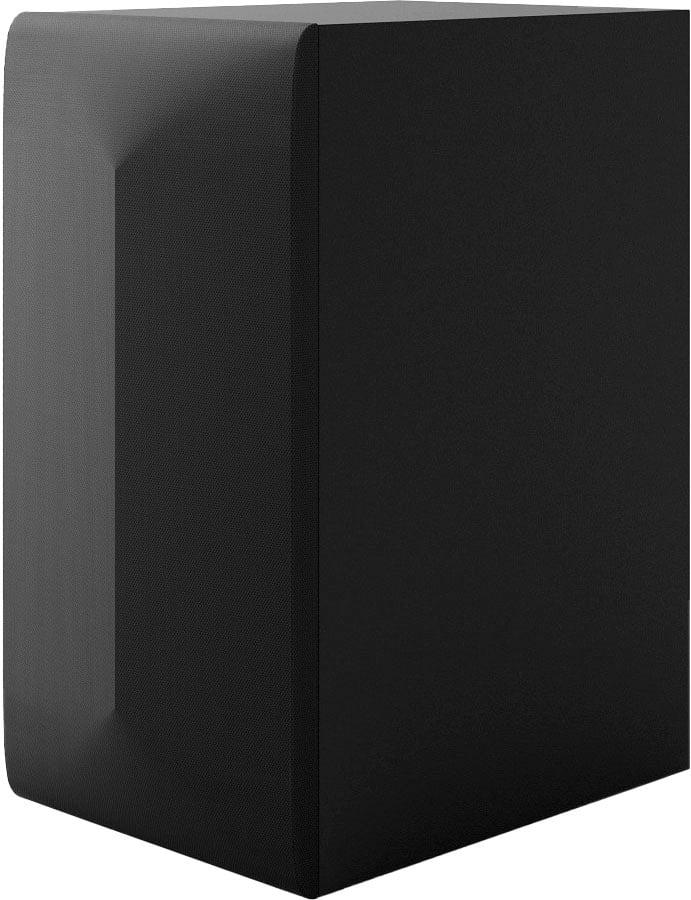
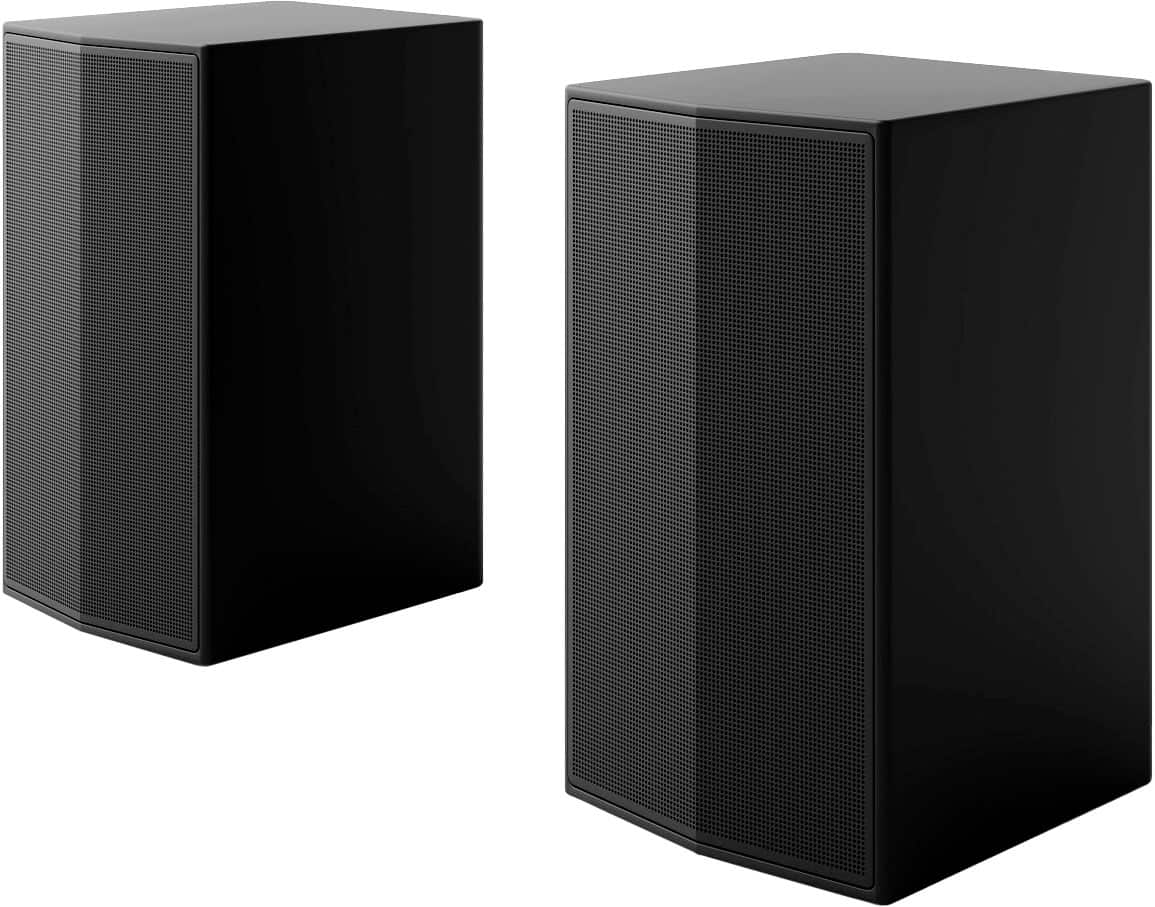
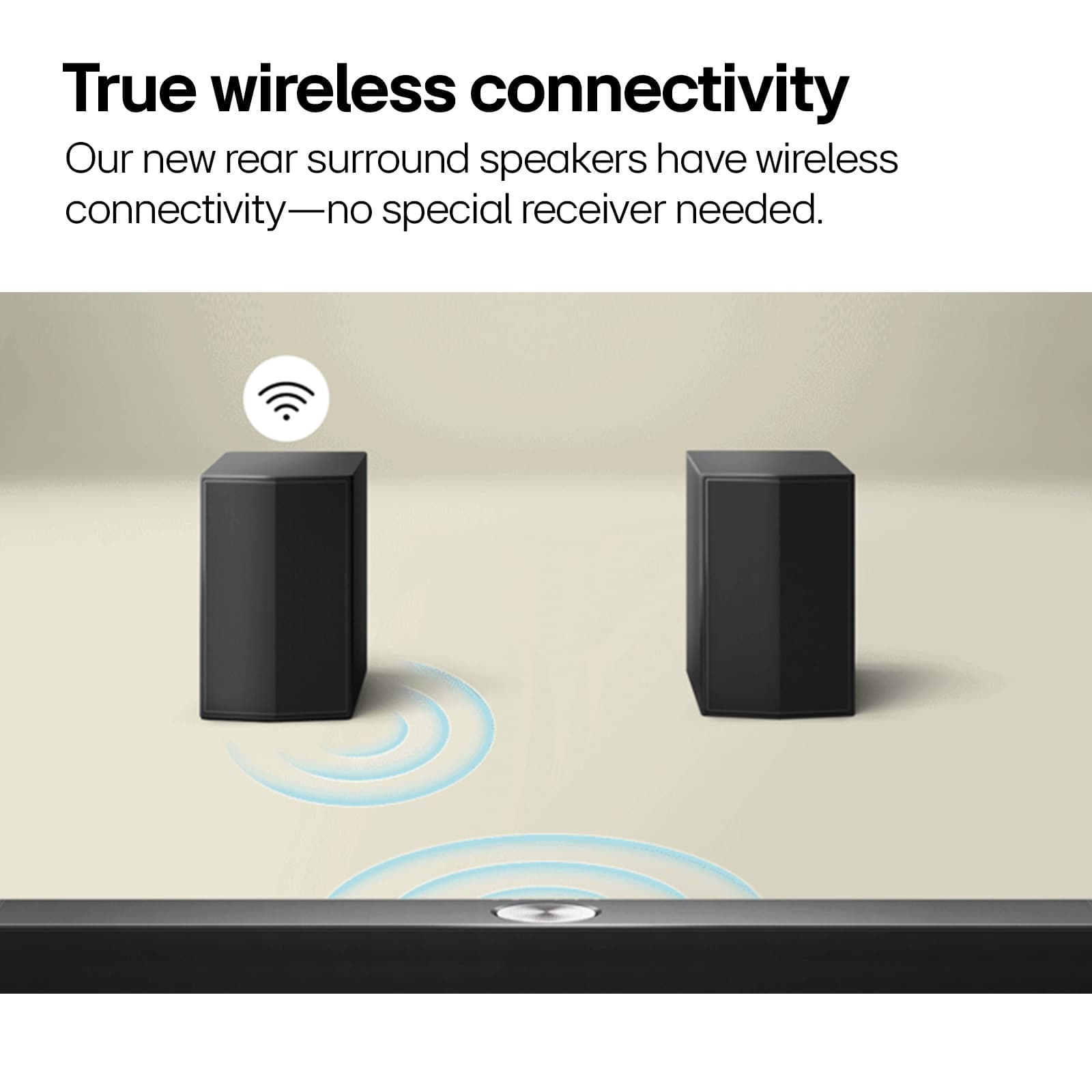
The wireless rear speakers solve one of soundbars' biggest limitations. No matter how sophisticated the virtual processing, you simply cannot create authentic rear surround effects from speakers that are all located in front of you. Physical rear speakers provide genuine directionality—when someone sneaks up behind the protagonist, you actually hear those footsteps from behind your seating position.
This is where the two systems show their biggest difference in approach. The Samsung's subwoofer is compact and designed for convenience—it fits easily in tight spaces and delivers adequate bass for most content. The bass is punchy and well-integrated with the main soundbar, but it's not going to rattle your walls or provide the chest-thumping impact you'd get from a larger system.
The LG's subwoofer is substantially more powerful, featuring a 7-inch front-firing driver with a rear port for enhanced bass response. The 220-watt dedicated amplifier provides significantly more headroom, meaning it can handle dynamic bass passages without distortion. In action sequences, the difference is immediately apparent—explosions have genuine impact, and musical bass lines have depth and texture rather than just volume.
I've tested both systems with bass-heavy content like the opening sequence of "Blade Runner 2049," and the LG consistently delivers more convincing low-end extension. The Samsung provides clean, adequate bass that won't disappoint most users, but the LG creates that visceral, movie-theater experience that makes you feel like you're part of the action.
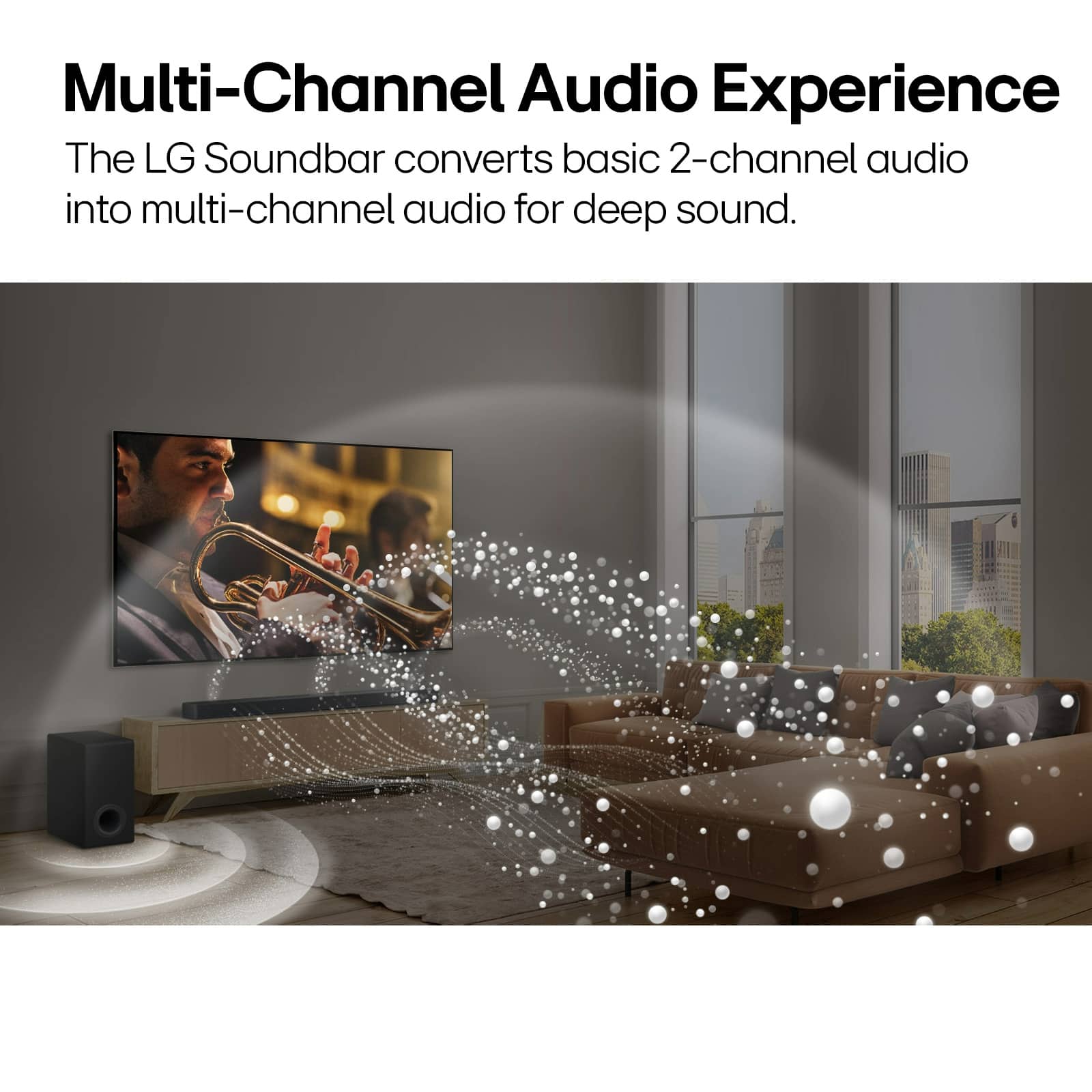
Here's where the fundamental difference in approach becomes most apparent. The Samsung's virtual surround processing is genuinely impressive—when listening to helicopter scenes in war movies or rain effects in atmospheric films, you do get a sense of sound extending beyond the physical soundbar. The DTS Virtual:X processing creates convincing width and some sense of height, particularly in rooms with reflective surfaces that help bounce the sound effectively.
However, virtual surround has inherent limitations. It works best in ideal acoustic conditions and with specific types of content. Complex surround mixes with multiple simultaneous directional effects can overwhelm the processing, resulting in a muddled soundstage where individual elements lose their distinctiveness.
The LG's physical rear speakers eliminate these compromises entirely. When sounds are supposed to come from behind you, they actually do. The spatial accuracy is remarkable—in gaming, you can pinpoint enemy locations based purely on audio cues. In movies, ambient effects like crowd noise or environmental sounds create a genuine sense of being surrounded by the action.
The height channel adds another dimension that's particularly effective with Dolby Atmos content. Rain falling from above, aircraft passing overhead, or debris falling around you—these effects simply cannot be replicated through virtual processing alone. The physical height channel creates authentic overhead soundstaging that adds immersion without being gimmicky.
Both systems support gaming-specific features, but they take different approaches. The Samsung's Game Mode focuses on audio processing optimizations—it reduces audio latency, enhances directional cues for competitive gaming, and applies cross-talk cancellation to help you pinpoint enemy locations in first-person shooters.
The LG S70TR goes further with support for Variable Refresh Rate (VRR) and Auto Low Latency Mode (ALLM) up to 120Hz. These features, borrowed from high-end gaming displays, ensure that audio stays perfectly synchronized with fast-paced gaming action. For competitive gamers, this can mean the difference between hearing an enemy's footsteps in time to react or getting eliminated because the audio arrived too late.
In my experience testing both with games like "Call of Duty" and "Fortnite," the LG provides superior spatial awareness. The rear speakers create genuine 360-degree audio positioning that gives you a real tactical advantage in multiplayer games. The Samsung's virtual processing is adequate for casual gaming but can't match the precision of physical speaker placement for competitive play.
Both systems excel at dialogue clarity, but through different mechanisms. The Samsung's Voice Enhance mode uses intelligent EQ processing to identify and boost vocal frequencies while simultaneously reducing competing elements like background music or sound effects. The result is consistently clear speech even in challenging content.
The LG's approach is more sophisticated but potentially more effective. The up-firing center channel creates a sense of height that makes dialogue feel more natural and easier to locate. The Clear Voice Plus feature uses AI analysis to optimize vocal reproduction in real-time, adjusting not just frequency response but also dynamic processing to maintain dialogue intelligibility during loud action sequences.
In practice, both systems deliver excellent dialogue performance. The Samsung might have a slight edge in extremely challenging content where dialogue competes with complex soundtracks, while the LG provides more natural, spacious vocal reproduction that feels less processed.
At $227.99, the Samsung B-Series represents exceptional value for buyers who want significantly better audio than TV speakers without the complexity or cost of a full surround system. You're getting genuine 5.1 channel processing, a wireless subwoofer, and sophisticated adaptive audio features that rival systems costing twice as much.
The trade-offs are clear: no Atmos support, virtual-only surround effects, and more limited upgrade potential. But for many users, particularly those in smaller rooms or apartments where rear speakers might be impractical, these limitations aren't deal-breakers.
The LG at $399.99 costs 75% more but delivers substantially more than a 75% improvement in performance. You're getting true Dolby Atmos support, physical rear speakers, height effects, and advanced gaming features. More importantly, you're future-proofing your setup for evolving audio formats and streaming content that increasingly uses Atmos encoding.
The price difference becomes less significant when you consider the upgrade path. Samsung users might find themselves wanting to add rear speakers or Atmos capability down the line, potentially requiring a complete system replacement. LG buyers get the complete experience from day one.
For dedicated home theater setups, the differences between these systems become more pronounced. The LG S70TR is genuinely capable of serving as the audio foundation for a serious home theater room. The combination of Atmos processing, physical surround speakers, and powerful bass response creates an experience that approaches dedicated component systems at a fraction of the cost and complexity.
Room size plays a crucial role in this decision. In smaller rooms (under 200 square feet), the Samsung's virtual processing can be surprisingly effective, and the space constraints might make rear speaker placement challenging anyway. In larger rooms, the LG's physical speakers become increasingly important for maintaining surround effectiveness across wider seating areas.
The ceiling height also matters for Atmos performance. The LG's height effects work best in rooms with 8-10 foot ceilings where reflections can work effectively. In rooms with very high or angled ceilings, some of the Atmos benefits diminish, potentially making the Samsung's approach more practical.
Choose the Samsung if you're primarily interested in dramatically better audio than TV speakers without the complexity or cost of a full surround system. It's ideal for smaller spaces, apartment living, or situations where you want excellent performance without the commitment to physical speaker placement. The virtual surround processing is convincing enough for most content, and the adaptive features ensure consistently good performance across different types of media.
The LG makes sense if you're building a more serious home entertainment setup and want the full surround sound experience. The physical rear speakers, Atmos support, and advanced gaming features justify the higher cost for users who consume a lot of spatial audio content or want the most immersive experience possible.
Consider your content consumption habits too. If you primarily watch streaming services on a smaller TV, the Samsung provides excellent value. If you're watching a lot of modern movies, gaming regularly, or planning to upgrade to a larger display in the future, the LG's additional capabilities become more valuable.
Both systems represent solid choices in their respective price categories. The Samsung B-Series proves that excellent soundbar performance doesn't require a premium price, while the LG S70TR demonstrates that true surround sound remains achievable without the complexity of traditional component systems. Your choice ultimately depends on whether the LG's authentic surround experience justifies the investment over the Samsung's clever virtual alternative.
| Samsung B-Series 5.1 Channel Soundbar | LG S70TR 5.1.1 Channel Soundbar |
|---|---|
| Price - Key factor for budget-conscious buyers | |
| $227.99 (refurbished) | $399.99 (new) |
| Channel Configuration - Determines surround sound capability | |
| 5.1 channels (no height speakers) | 5.1.1 channels (includes dedicated height channel) |
| Surround Technology - Virtual vs. physical speaker placement | |
| DTS Virtual:X (simulated 3D sound) | Dolby Atmos + DTS:X (true object-based 3D audio) |
| Rear Speakers - Critical for authentic surround immersion | |
| None (virtual surround only) | Wireless rear speakers included |
| Height Effects - Enables overhead sound placement | |
| Virtual processing only | Physical up-firing center channel |
| Subwoofer Power - Affects bass impact and room filling ability | |
| Compact wireless subwoofer with Bass Boost | 7-inch driver with 220W amplifier and Bass Blast+ |
| TV Integration - Brand-specific syncing features | |
| Q-Symphony (Samsung TVs only) | WOW Orchestra (LG TVs only) |
| Gaming Features - Important for console gamers | |
| Game Mode with cross-talk cancellation | VRR/ALLM support up to 120Hz |
| Setup Complexity - Affects installation ease | |
| 2 components (soundbar + subwoofer) | 3 components (soundbar + subwoofer + rear speakers) |
| Room Size Suitability - Performance varies by space | |
| Best for small to medium rooms (under 200 sq ft) | Optimal for medium to large rooms (200+ sq ft) |
| Future-Proofing - Compatibility with evolving content | |
| Limited to current virtual surround formats | Full Atmos support for streaming and UHD content |
| Voice Enhancement - Dialogue clarity features | |
| Voice Enhance mode with adaptive EQ | Clear Voice Plus with AI analysis and up-firing center |
The Samsung B-Series 5.1 Channel Soundbar at $227.99 offers excellent value for budget-conscious buyers, delivering solid virtual surround sound and bass enhancement at nearly half the price. The LG S70TR at $399.99 costs 75% more but provides significantly enhanced features including Dolby Atmos, physical rear speakers, and true 3D audio positioning that justify the premium for serious home theater enthusiasts.
The Samsung B-Series uses a 5.1 setup with five main speakers and one subwoofer, relying on virtual processing for surround effects. The LG S70TR adds a dedicated height channel (the extra ".1") that enables true Dolby Atmos overhead effects, creating authentic three-dimensional sound placement that virtual processing cannot replicate.
While the Samsung B-Series creates convincing virtual surround effects through DTS Virtual:X processing, physical rear speakers provide superior spatial accuracy. The LG S70TR includes wireless rear speakers that deliver authentic directional audio, making it easier to pinpoint sounds and creating more immersive gaming and movie experiences.
The Samsung B-Series works exceptionally well in smaller spaces where rear speaker placement might be challenging. Its compact design and virtual surround processing are optimized for rooms under 200 square feet. The LG S70TR requires more space for optimal rear speaker positioning and performs best in medium to large rooms.
Both soundbars excel at dialogue enhancement. The Samsung B-Series features Voice Enhance mode with adaptive EQ that automatically optimizes speech frequencies. The LG S70TR uses an up-firing center channel and Clear Voice Plus with AI analysis to create more natural, spatially accurate dialogue reproduction.
The LG S70TR delivers significantly more powerful bass with its 7-inch front-firing subwoofer and 220-watt amplifier, providing deeper extension and more impactful low-frequency response. The Samsung B-Series offers adequate bass for most users with its compact wireless subwoofer and Bass Boost mode, but cannot match the LG's room-filling capabilities.
Both systems support gaming features, but the LG S70TR offers superior performance with VRR and ALLM support up to 120Hz for lag-free gaming, plus authentic 360-degree audio positioning through physical rear speakers. The Samsung B-Series provides Game Mode with directional audio optimization that works well for casual gaming.
While both soundbars work with any TV, brand matching provides additional benefits. The Samsung B-Series offers Q-Symphony integration with Samsung TVs, while the LG S70TR features WOW Orchestra technology that works with LG TVs to create unified audio using both TV and soundbar speakers simultaneously.
Only the LG S70TR supports true Dolby Atmos with its dedicated height channel and physical speaker configuration. The Samsung B-Series uses DTS Virtual:X to simulate 3D effects but cannot process actual Atmos audio tracks, limiting compatibility with modern streaming content and UHD Blu-rays.
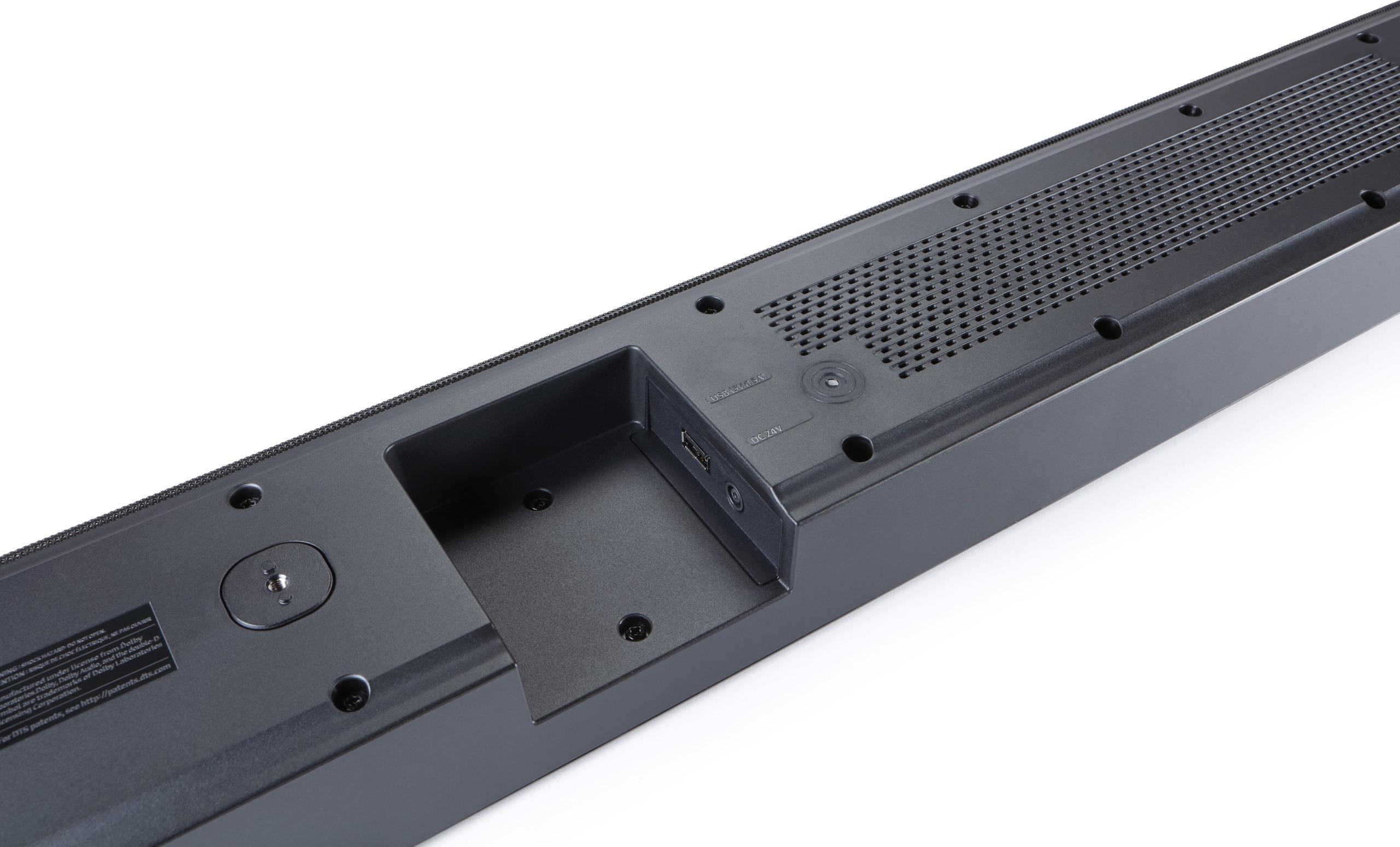
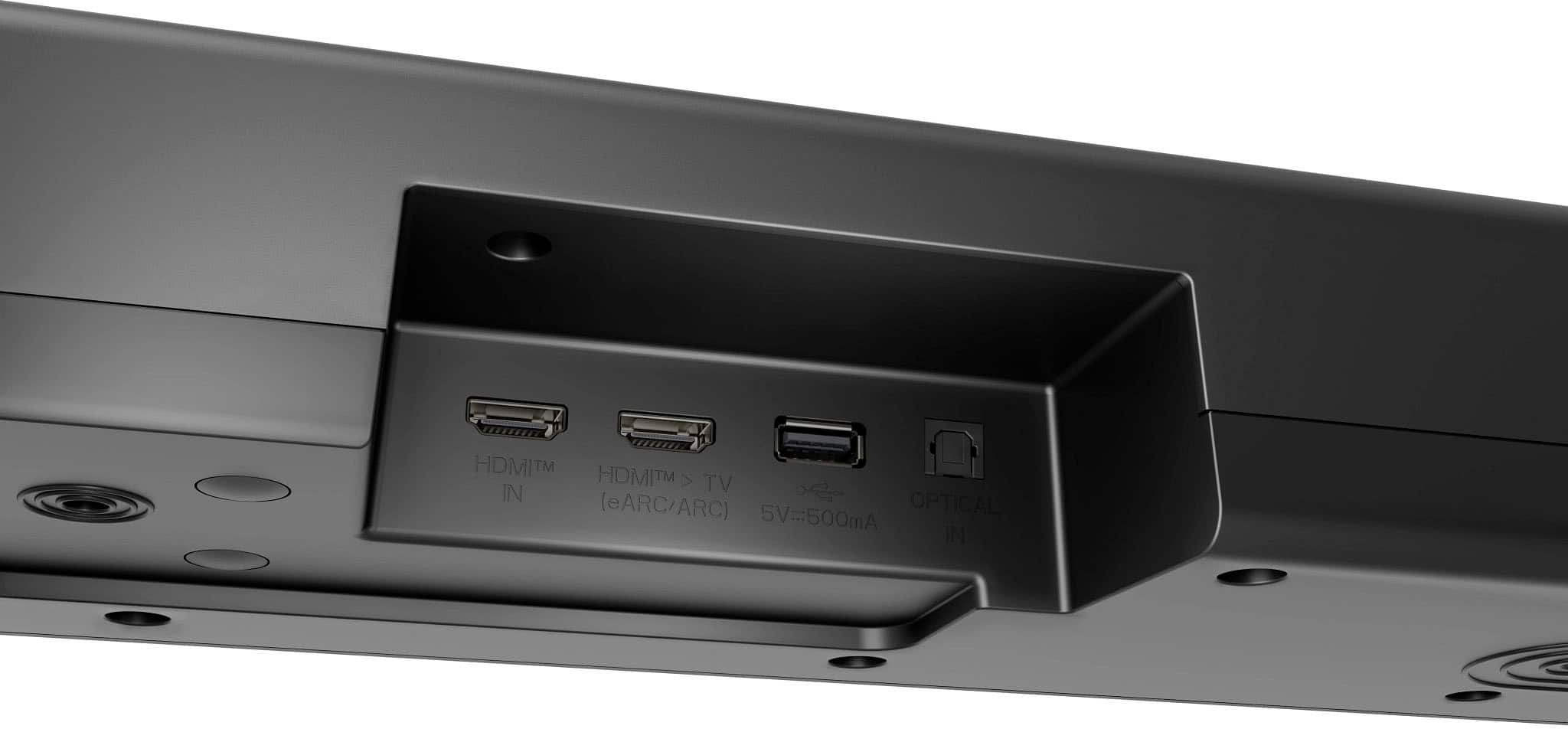
The Samsung B-Series offers simpler installation with just two components (soundbar and wireless subwoofer) that connect automatically. The LG S70TR requires more planning with three components including rear speaker placement, but the wireless connectivity eliminates long cable runs and setup remains straightforward.
For dedicated home theater setups, the LG S70TR provides a more complete cinematic experience with true Dolby Atmos processing, physical surround speakers, and powerful bass response that approaches dedicated component systems. The Samsung B-Series works well for casual home theater use but lacks the immersive capabilities needed for serious movie enthusiasts.
The Samsung B-Series has limited upgrade potential since it relies on virtual processing and doesn't support additional speakers. The LG S70TR represents a more complete system from the start with full Atmos support and physical speakers, making it better future-proofed for evolving audio formats and streaming content.
We've done our best to create useful and informative comparisons to help you decide what product to buy. Our research uses advanced automated methods to create this comparison and perfection is not possible - please contact us for corrections or questions. These are the sites we've researched in the creation of this article: bestbuy.com - abt.com - avsforum.com - crutchfield.com - camelcamelcamel.com - samsung.com - samsung.com - samsung.com - images.samsung.com - samsung.com - avblinq.avbportal.com - samsung.com - samsung.com - bestbuy.com - mynavyexchange.com - rixaudiovideoappliance.com - rtings.com - youtube.com - bestbuy.com - howards.siteontimedev.com - bestbuy.com - appliancestogousa.us

Privacy Policy
Terms and Conditions - Affiliate Policy
Home Security
© Copyright 2008-2026.
11816 Inwood Rd #1211, Dallas, TX 75244