

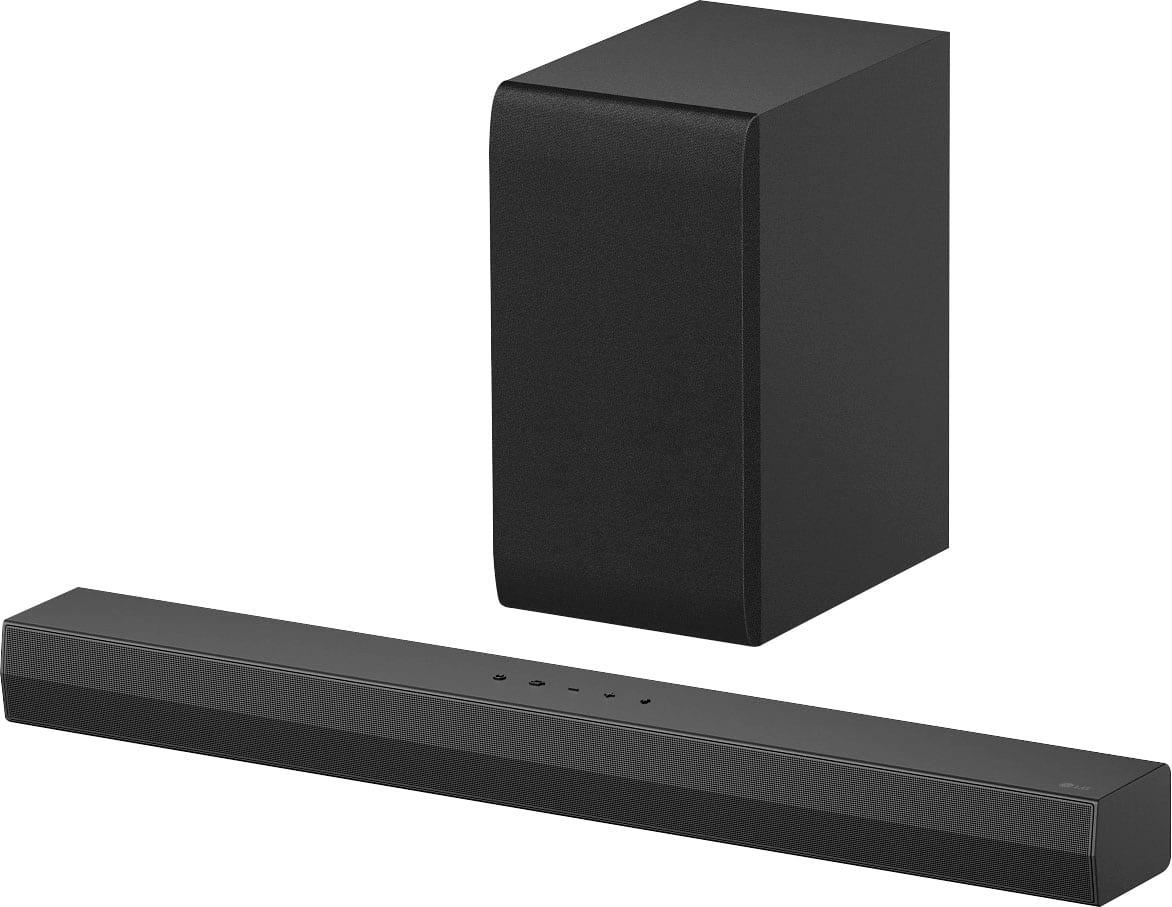
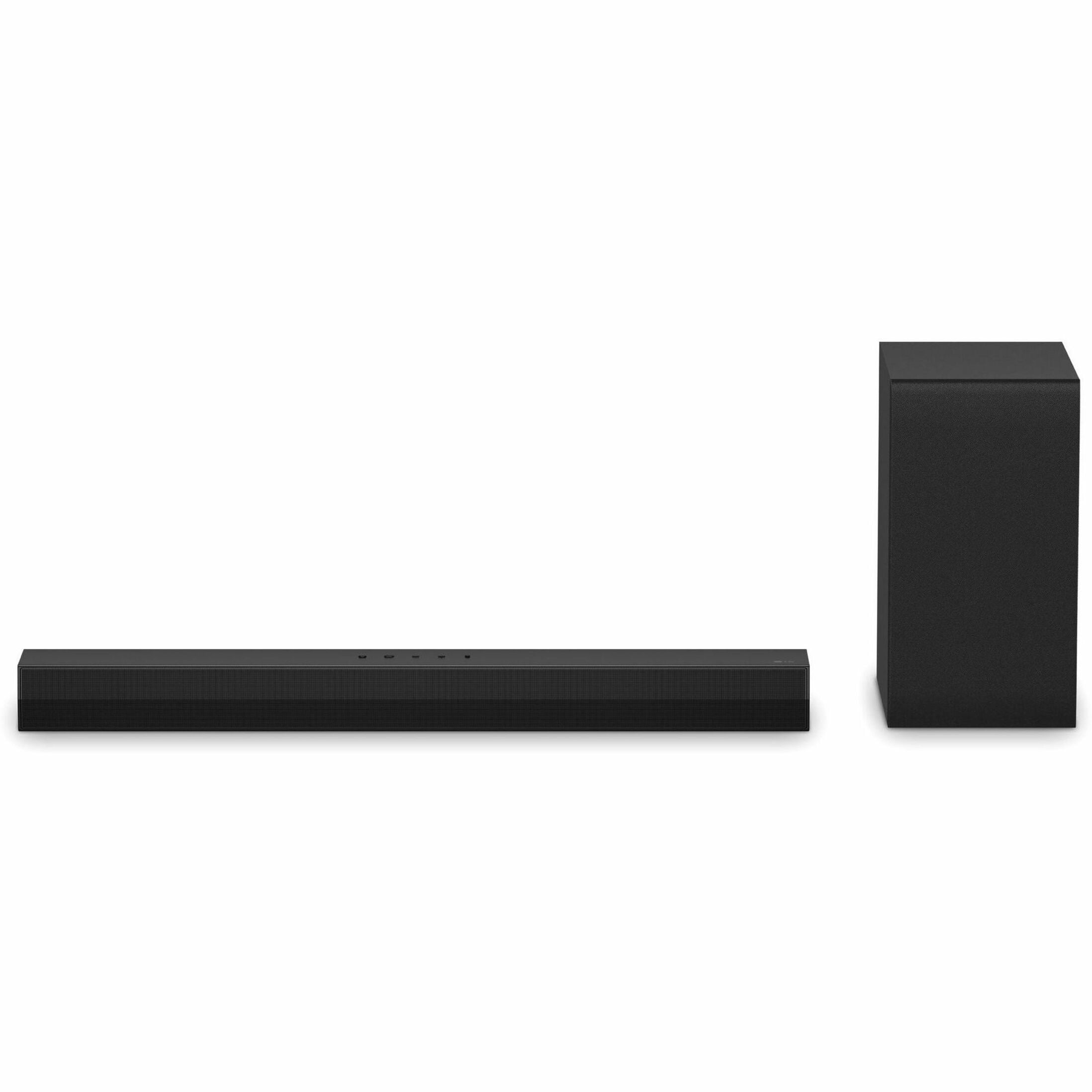
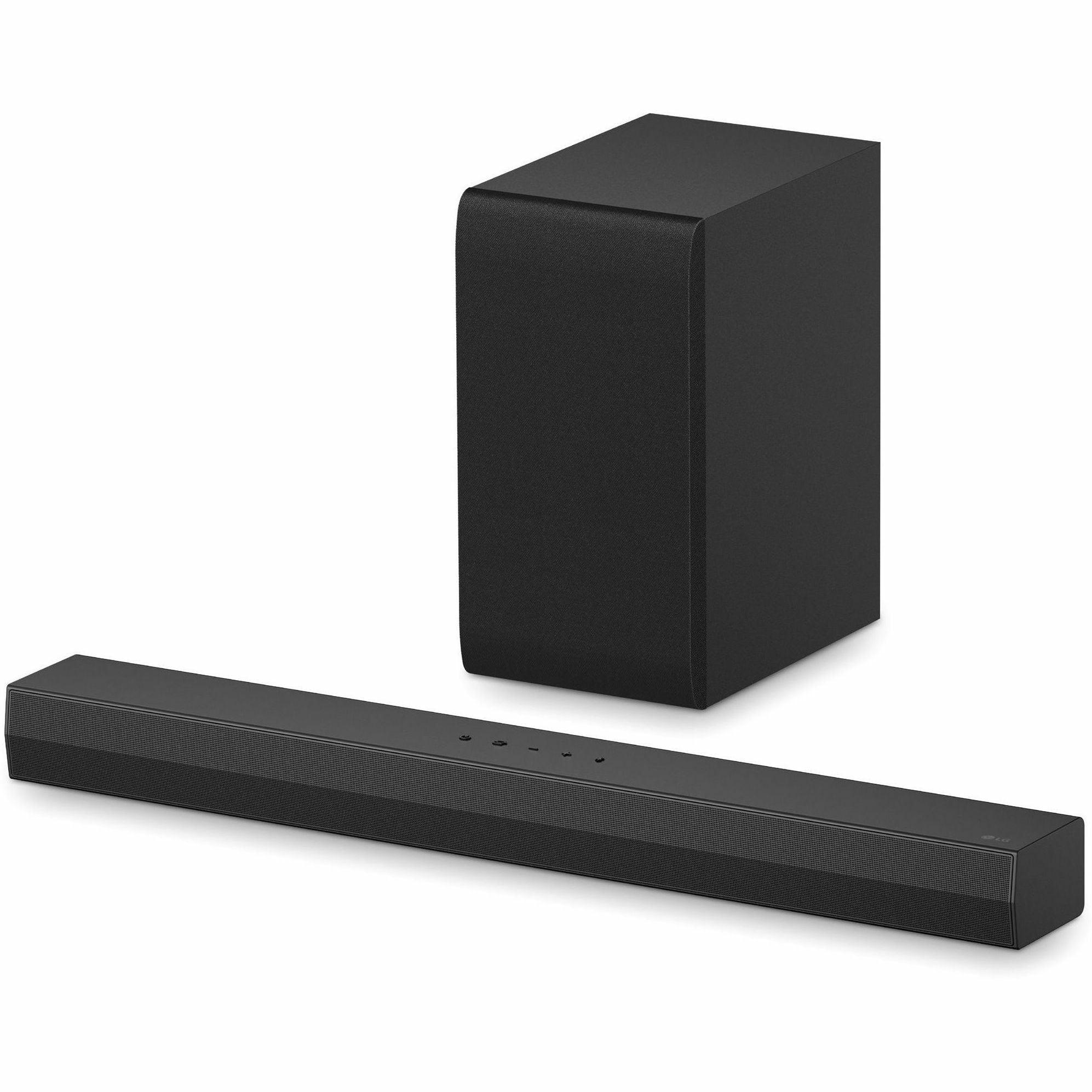
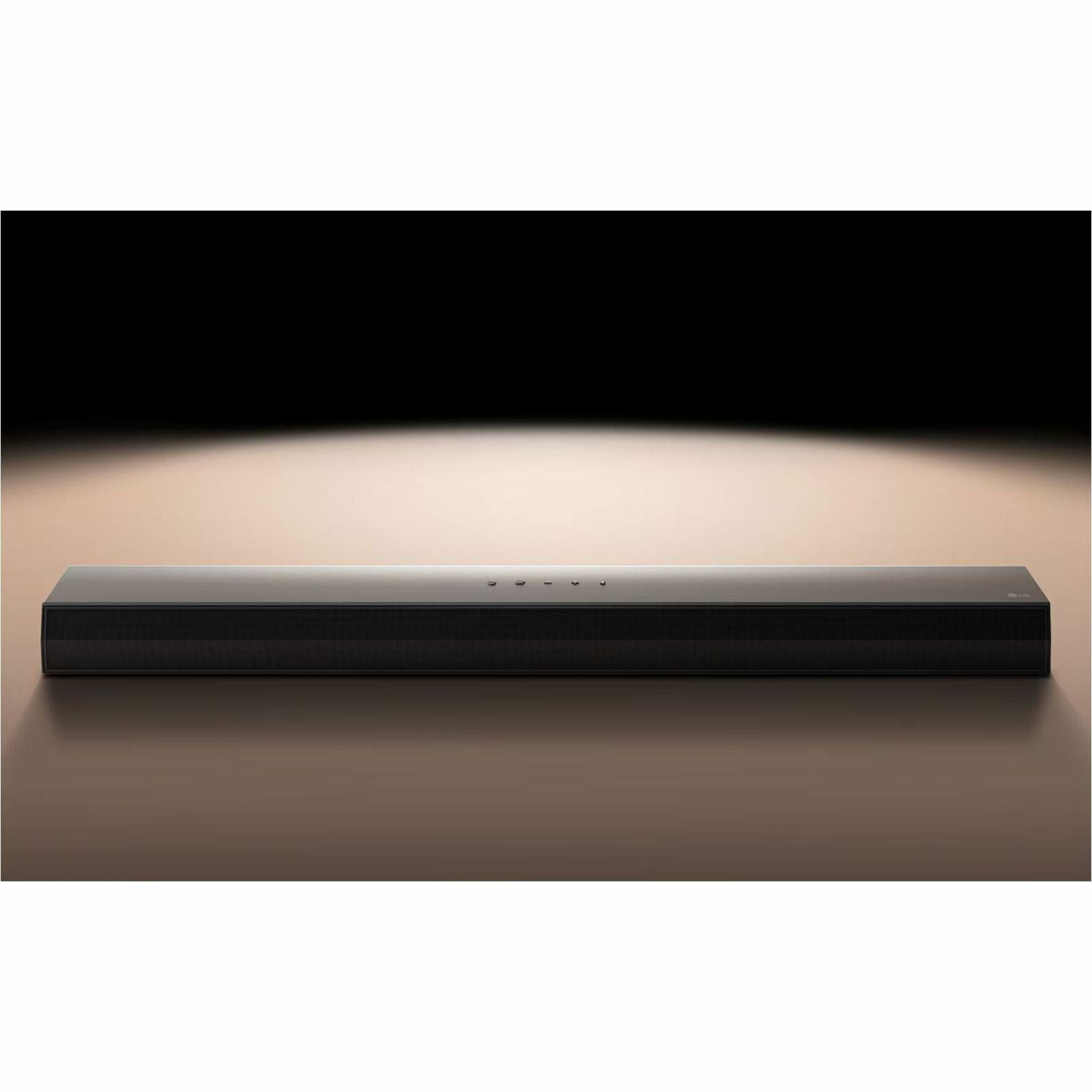
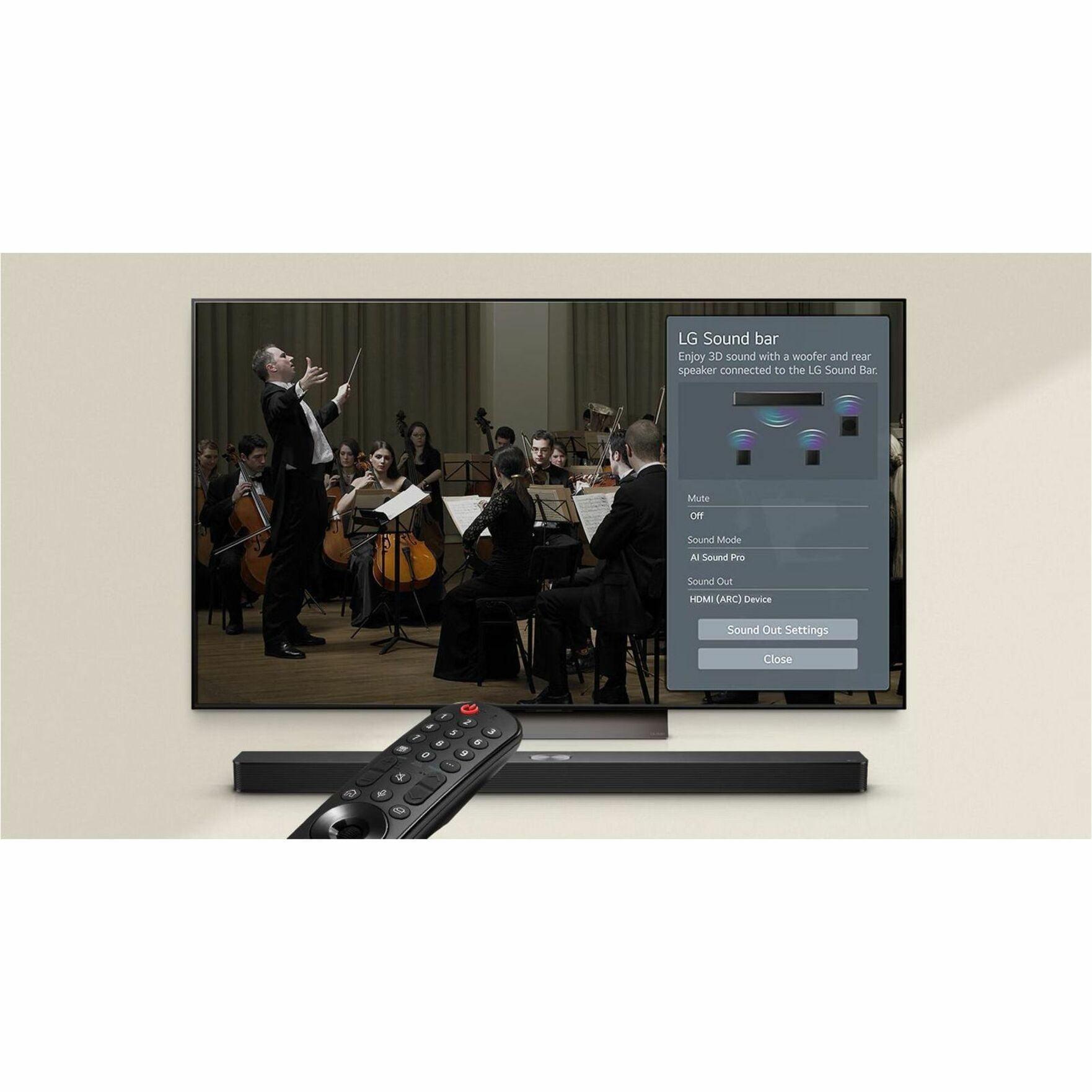

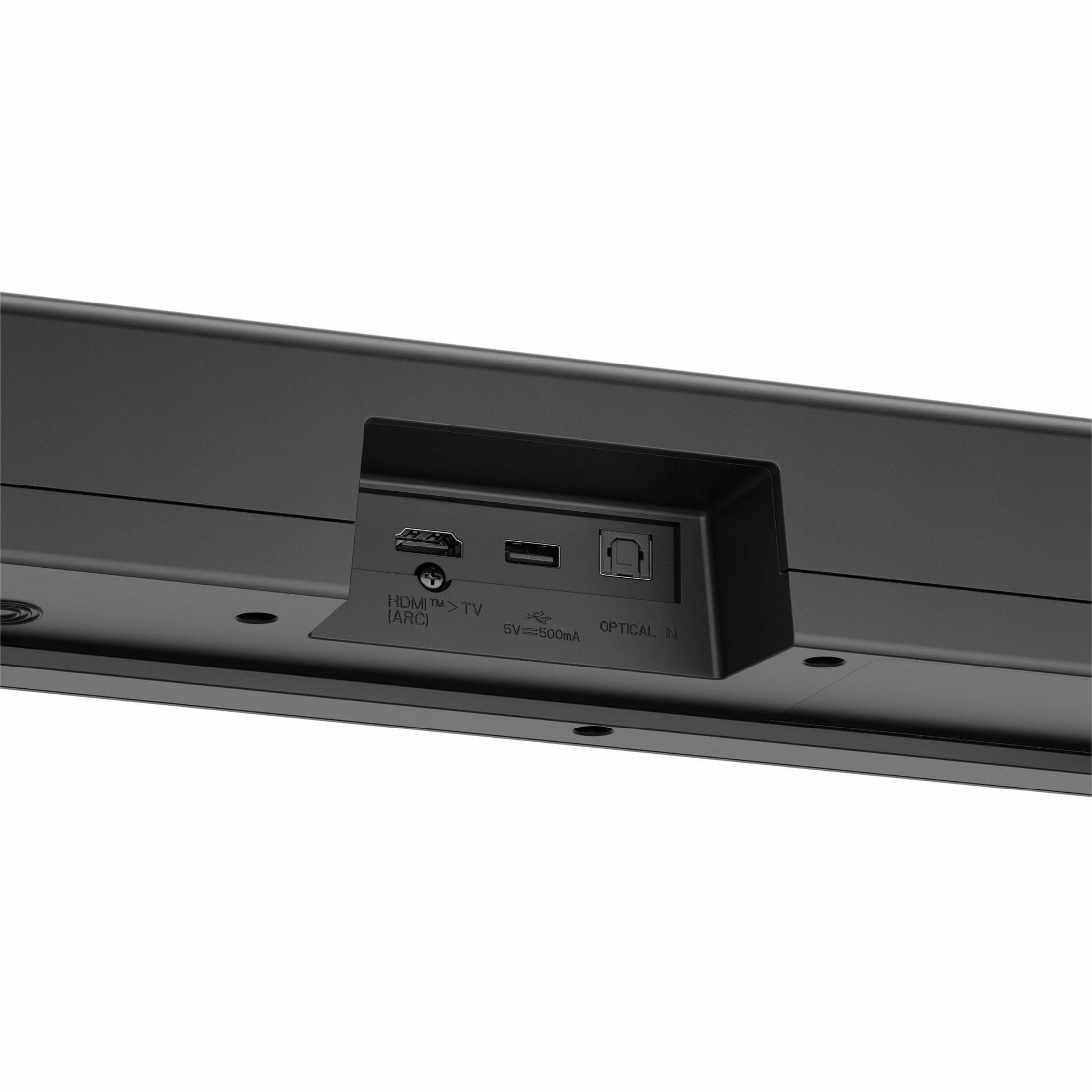

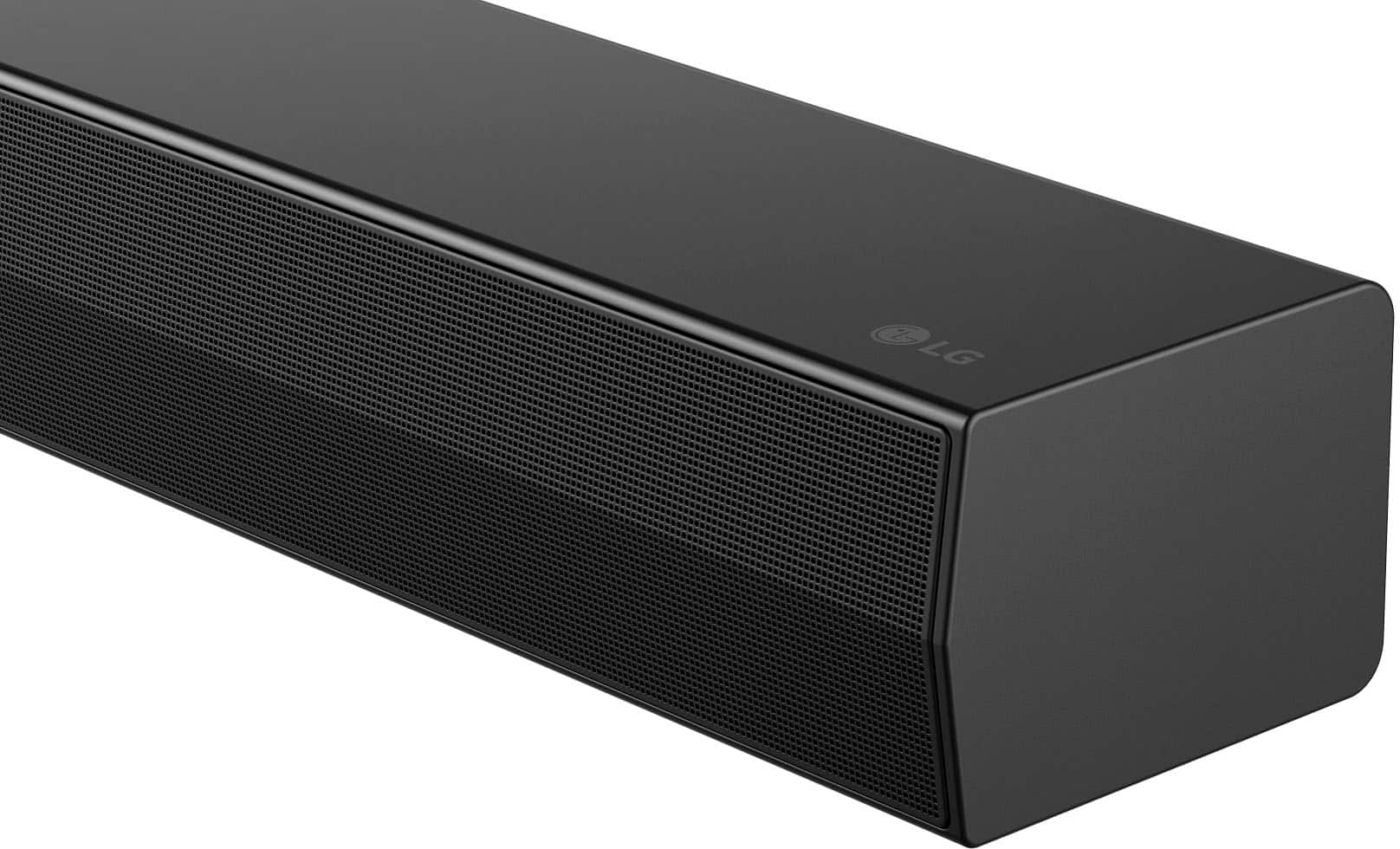
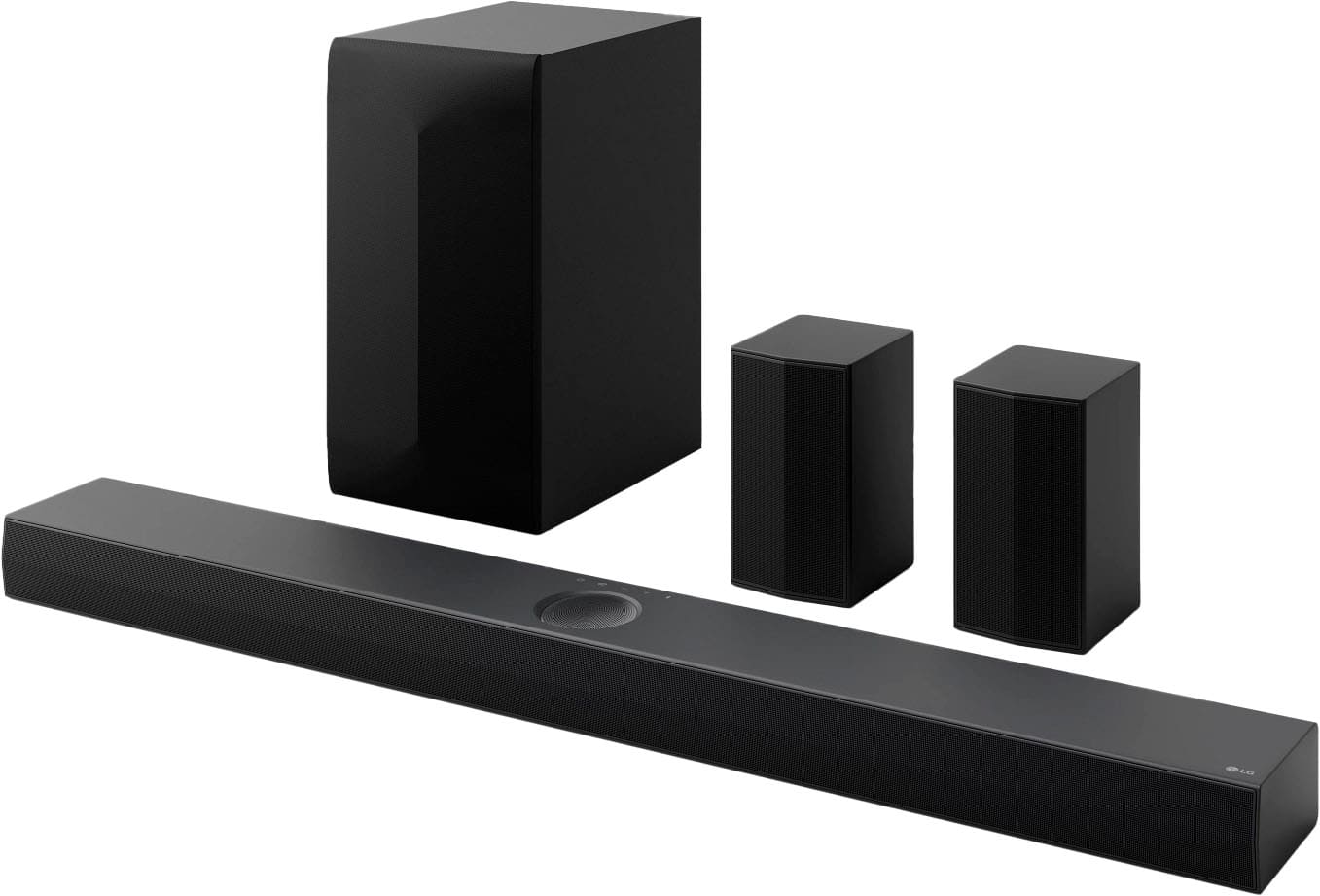

If you've ever found yourself straining to hear dialogue during your favorite Netflix series or wished your TV's built-in speakers could deliver more punch during action scenes, you're not alone. Modern TVs, despite their impressive picture quality, often sacrifice audio performance for sleek design. That's where soundbars come in – and LG's S40T 2.1 Channel Soundbar ($155.95) and S70TR 5.1.1 Channel Soundbar ($399.99) represent two very different approaches to solving this common problem.
Before diving into these specific models, it's worth understanding what separates good soundbars from great ones. The most important factor is channel configuration – those numbers like "2.1" or "5.1.1" tell you exactly how many speakers you're getting and where they're positioned. The first number represents main channels (left, right, center), the second is subwoofers for bass, and the third (when present) indicates height channels for overhead sound effects.
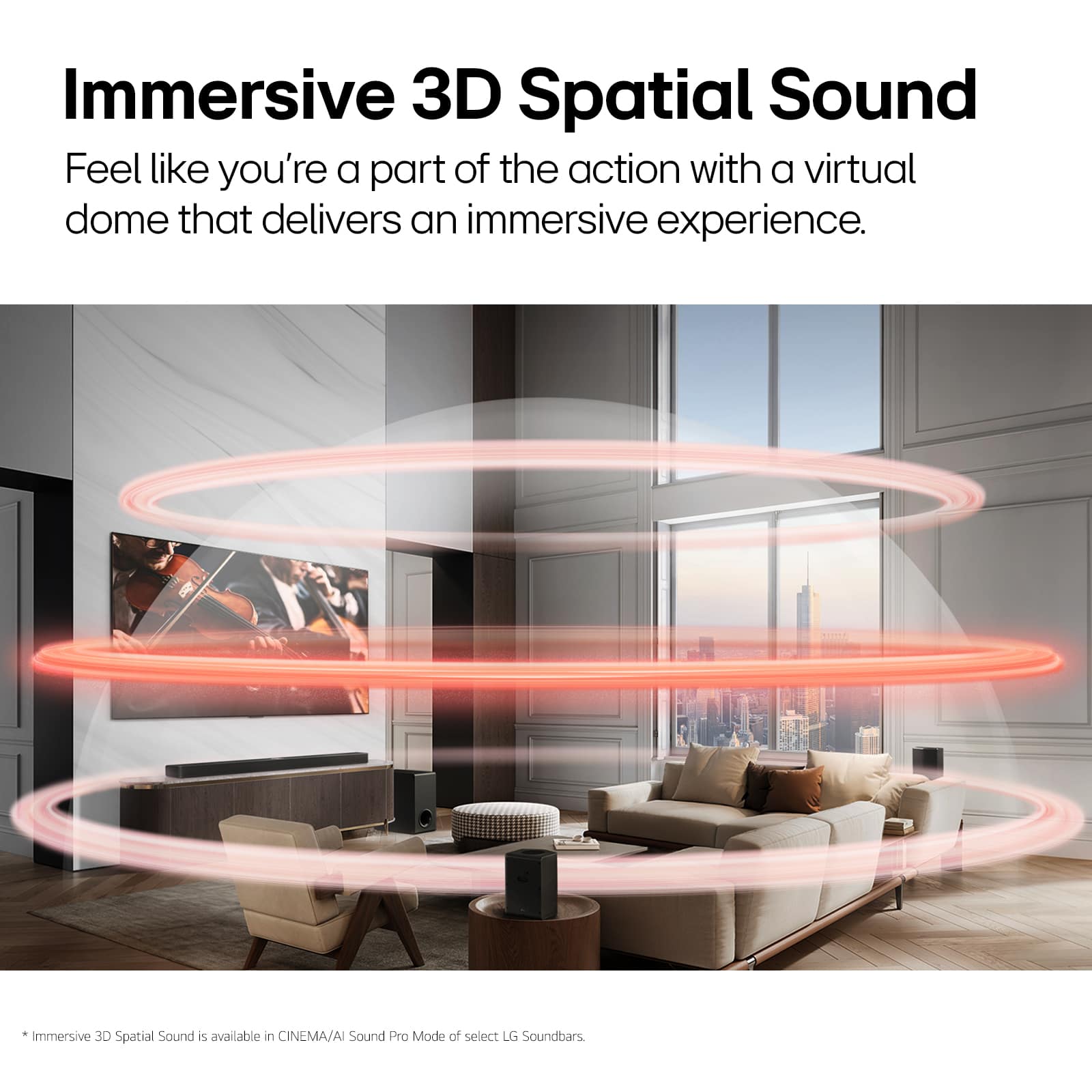
Beyond raw speaker count, modern soundbars differentiate themselves through audio processing technologies. Dolby Atmos, for instance, creates a "sound dome" around you by bouncing audio off your ceiling, while AI-powered room calibration adjusts the sound based on your specific space. These aren't just marketing buzzwords – they represent genuine technological advances that can transform your listening experience.
Room size compatibility matters enormously too. A compact soundbar might sound fantastic in a bedroom but feel overwhelmed in a large living room. Similarly, connectivity options determine how well your soundbar integrates with your existing setup, especially if you own multiple devices or a smart TV ecosystem.
The LG S40T launched as part of LG's 2023 lineup, positioning itself as an accessible entry point into quality TV audio. It represents the "essentials done well" approach – focusing on dialogue clarity and basic surround simulation without overwhelming users with complex features. Since its release, LG has refined the AI Sound Pro technology through firmware updates, improving its ability to automatically detect and optimize different content types.
The LG S70TR, arriving in late 2024, embodies LG's more ambitious vision for home audio. It incorporates several years of technological advancement, including improved Dolby Atmos processing and the innovative WOW Orchestra feature that wasn't available in earlier generations. This newer model benefits from LG's accumulated expertise in spatial audio and their deeper integration with their TV ecosystem.
Here's where these two soundbars truly diverge, and it's the most crucial aspect for potential buyers to understand.
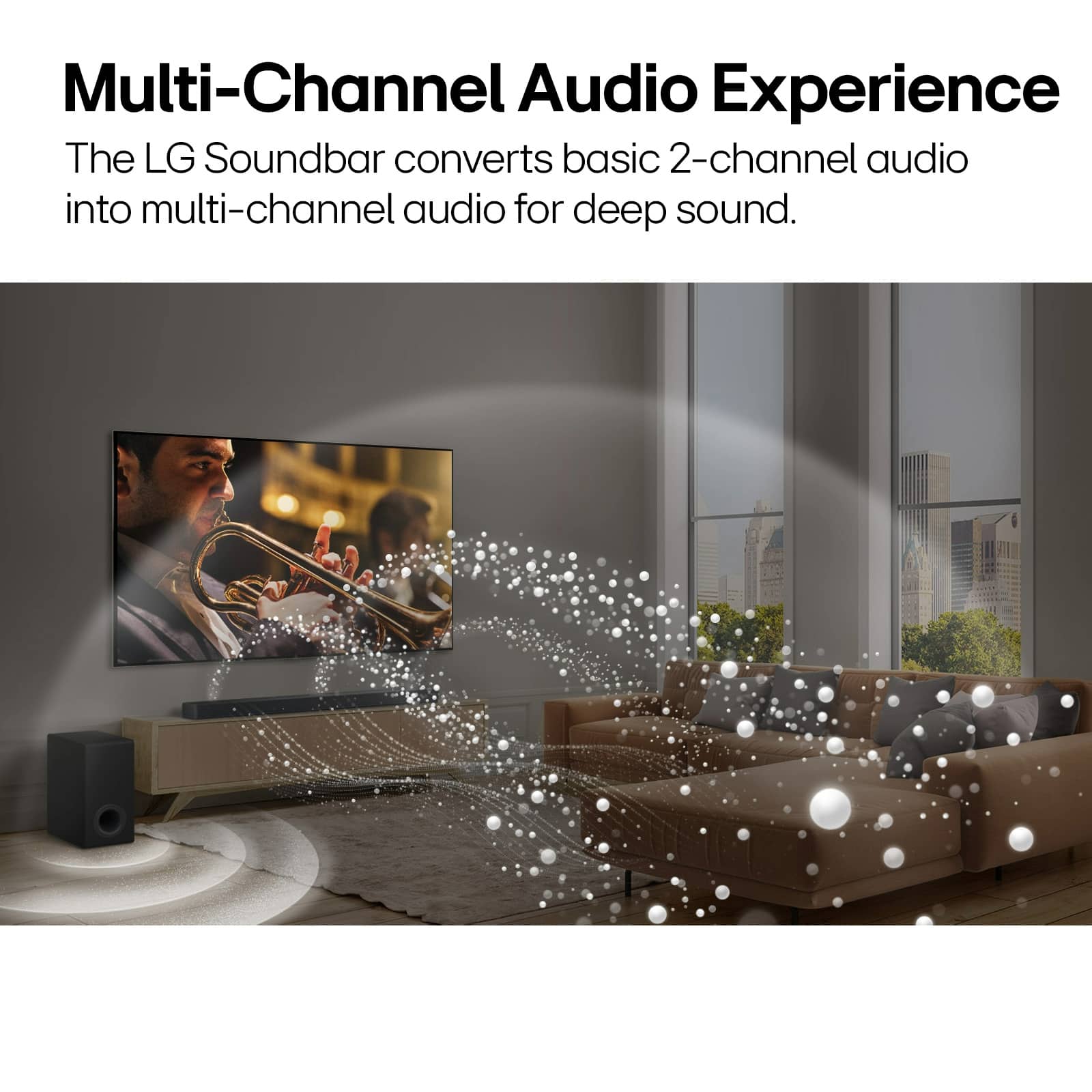
The S40T relies on what's called "virtual surround processing" through DTS Virtual:X. This technology uses psychoacoustic tricks – essentially fooling your brain into perceiving sounds coming from locations where there aren't actually speakers. While this works reasonably well for creating a wider soundstage than your TV's built-in speakers, it has inherent limitations. Without physical rear speakers, you'll never get that spine-tingling moment when a helicopter genuinely sounds like it's flying behind you.
I've tested numerous virtual surround systems over the years, and while they've improved dramatically, there's still something missing compared to discrete speakers. The S40T does a commendable job with this technology, particularly for the price point, but don't expect the full immersive experience you'd get in a movie theater.
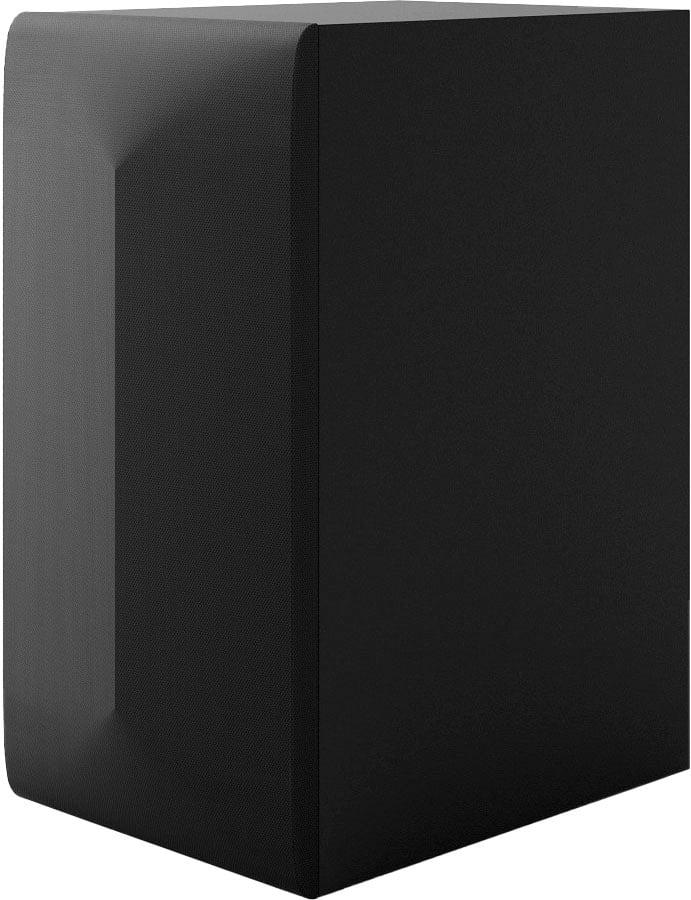
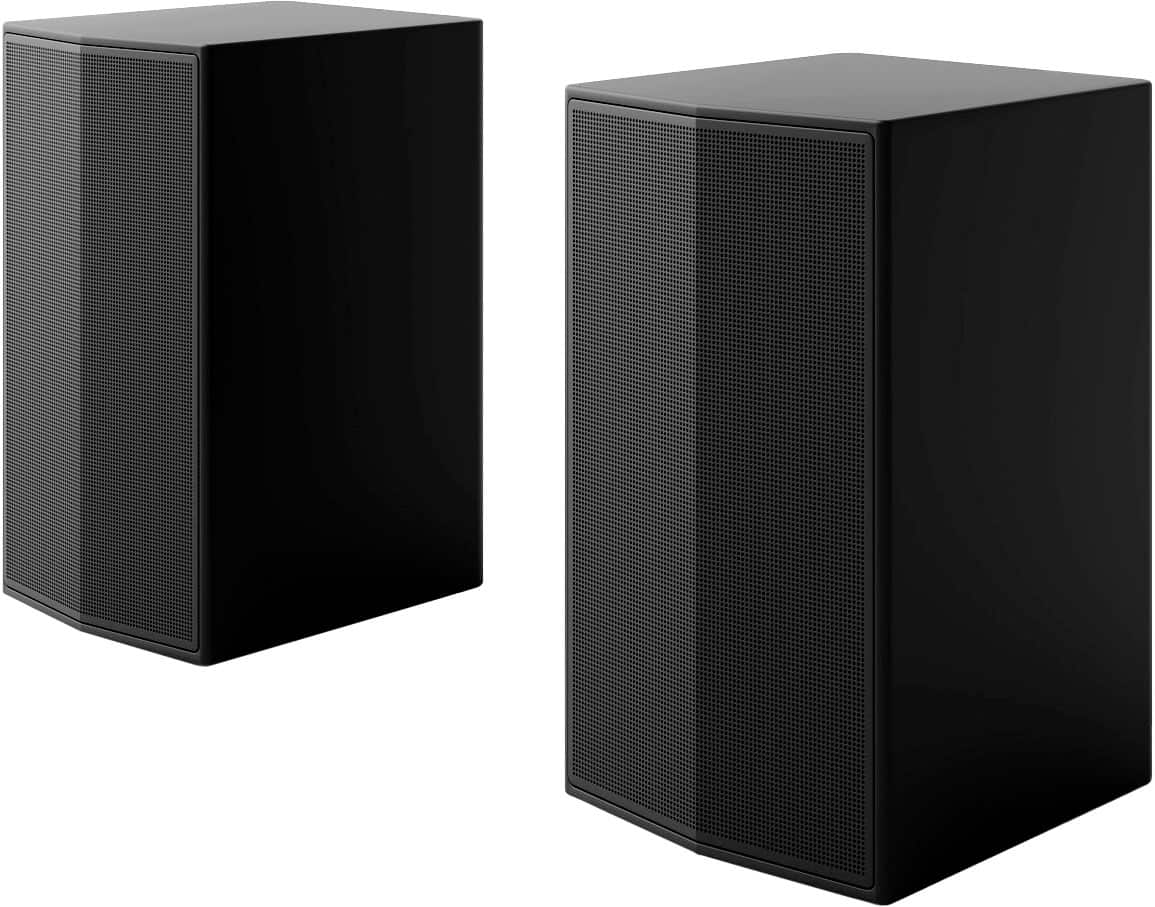
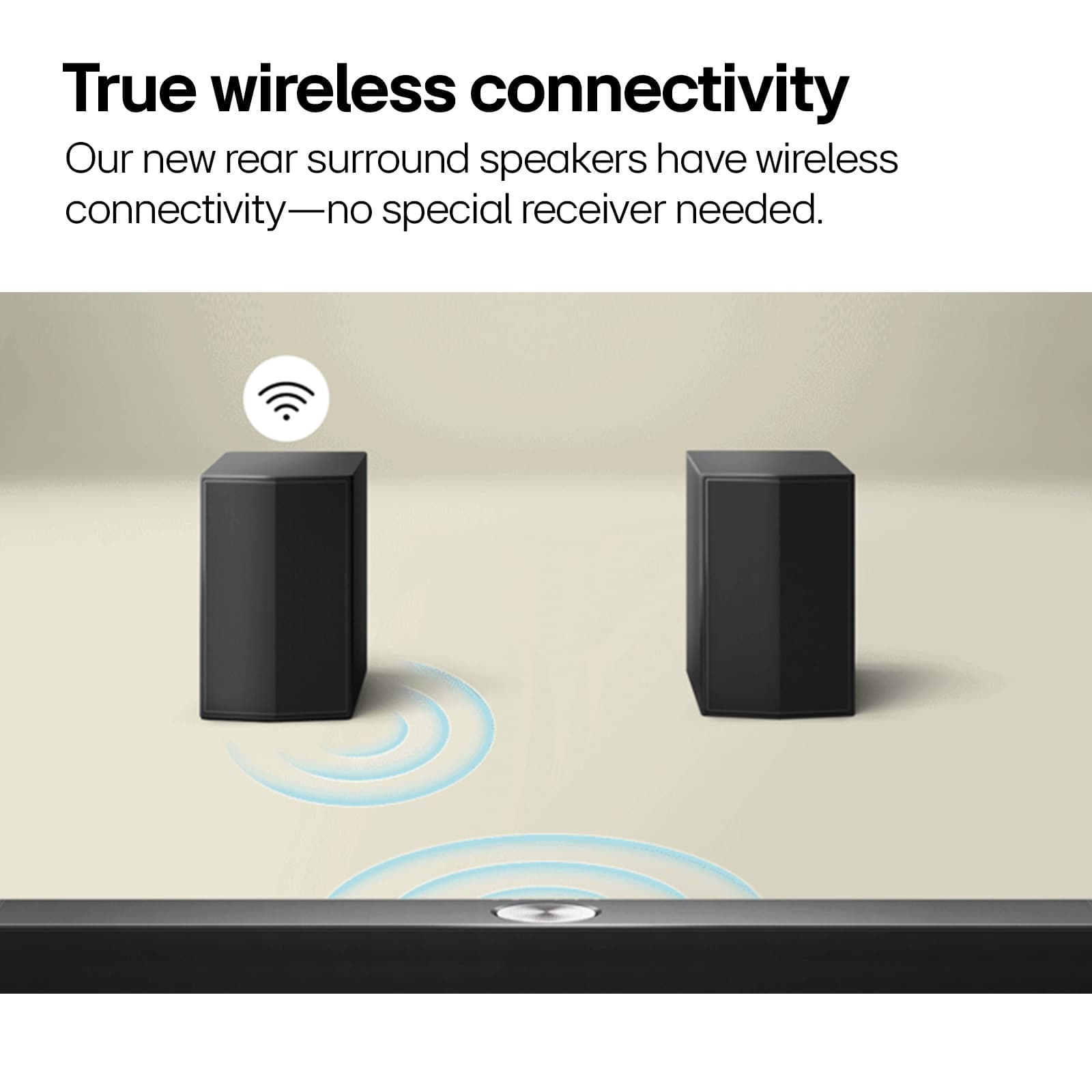
The S70TR, by contrast, doesn't need to fake anything. Its 5.1.1 configuration includes actual wireless rear speakers that create genuine 360-degree sound placement. The ".1" height channel uses up-firing drivers that bounce sound off your ceiling, creating authentic overhead effects. When watching Dolby Atmos content like "Top Gun: Maverick," you'll hear jets screaming overhead in a way that the S40T simply cannot replicate.
The difference becomes particularly apparent with complex audio scenes. During battle sequences or thunderstorms, the S70TR can place individual sound elements precisely around your room, while the S40T presents everything from essentially one direction, albeit with convincing width and depth.
Raw power output tells only part of the story, but it's still important for understanding what each system can deliver.
The S40T's 300W output might seem modest, but it's well-distributed across its 2.1 configuration. The wireless subwoofer handles frequencies below 150Hz (the deep stuff that adds weight to explosions and music), while the main bar focuses on midrange and treble. For small to medium rooms, this setup provides sufficient volume and impact for most content.
However, users consistently note that while the S40T excels at dialogue clarity – thanks to its AI Sound Pro feature that automatically adjusts frequency response based on content – it struggles with the kind of room-shaking bass that makes action movies truly exciting. The subwoofer, while adequate, lacks the authority needed for those chest-thumping moments in films like "Dune" or "Mad Max: Fury Road."
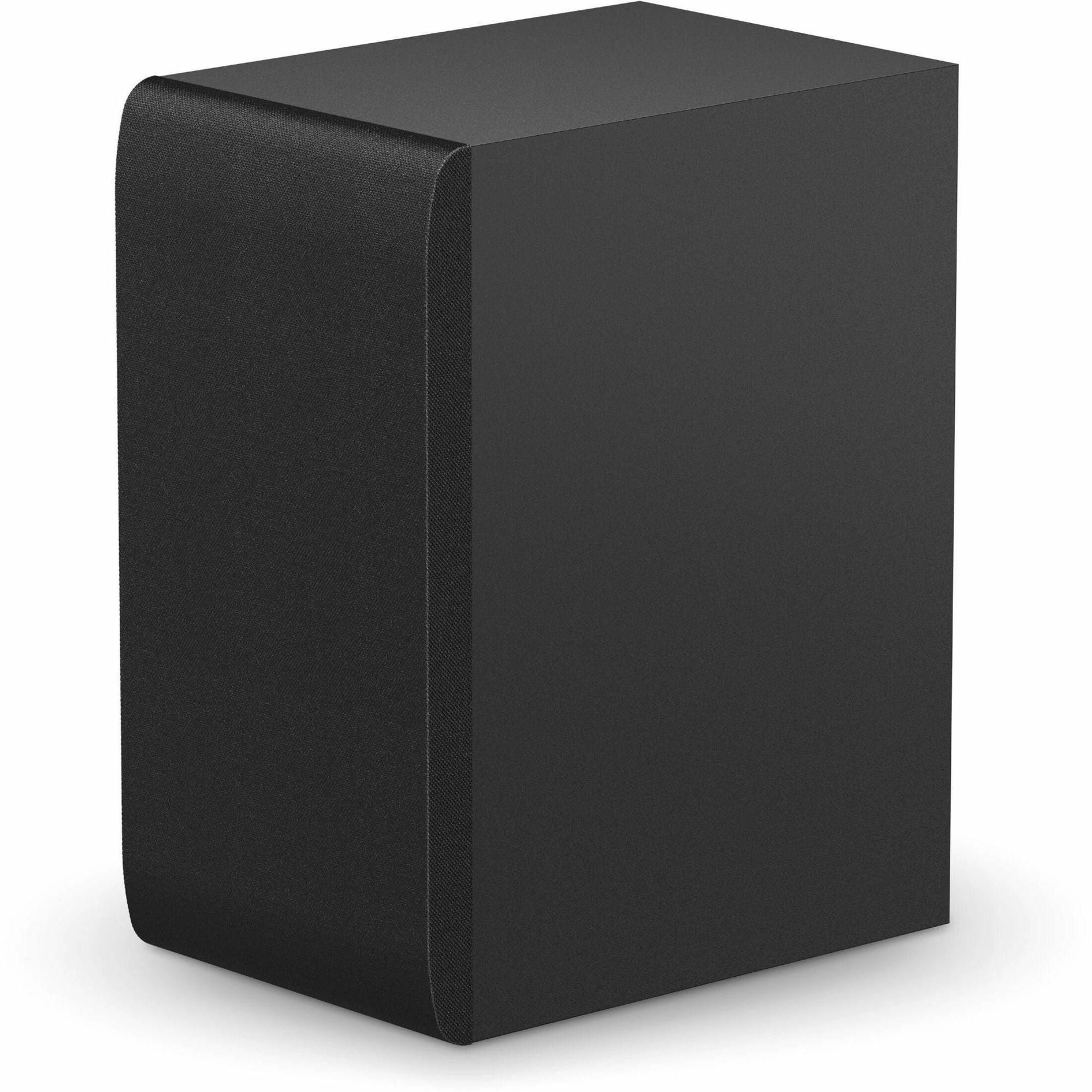
The S70TR's 500W system, anchored by a substantial 220W subwoofer with a 7-inch front-firing driver, operates in a different league entirely. This isn't just about being louder – it's about having sufficient headroom to handle dynamic peaks without distortion. When Hans Zimmer's score swells during an intense scene, the S70TR maintains clarity even at higher volumes, while lesser systems might compress or muddy the sound.
The Bass Blast+ mode on the S70TR deserves special mention. Unlike simple bass boost features that just turn up low frequencies (often creating boomy, unnatural sound), Bass Blast+ uses sophisticated processing to enhance bass impact while maintaining balance with other frequencies. It's particularly effective for gaming, where precise audio cues can mean the difference between victory and defeat.
Modern gaming has evolved into a cinematic experience, and audio plays a crucial role in both immersion and competitive advantage. This is where the technological gap between these soundbars becomes most apparent.
The S40T handles gaming adequately, with low enough latency for most casual gaming scenarios. Its Bluetooth 5.3 connectivity ensures stable connections with gaming controllers and devices. However, it lacks the advanced gaming features that serious players have come to expect.
The S70TR includes Variable Refresh Rate (VRR) and Auto Low Latency Mode (ALLM) support – technologies that synchronize audio and video processing to eliminate the lag that can throw off your timing in fast-paced games. With support for 4K passthrough at up to 120Hz, it's genuinely future-proofed for next-generation gaming consoles.
More importantly for competitive gaming, the S70TR's discrete speaker placement provides genuine spatial audio awareness. In first-person shooters, you can actually pinpoint enemy locations based on audio cues – something that's much more difficult with the S40T's virtual surround processing.
Both soundbars offer modern connectivity, but with different levels of sophistication that reflect their target markets.
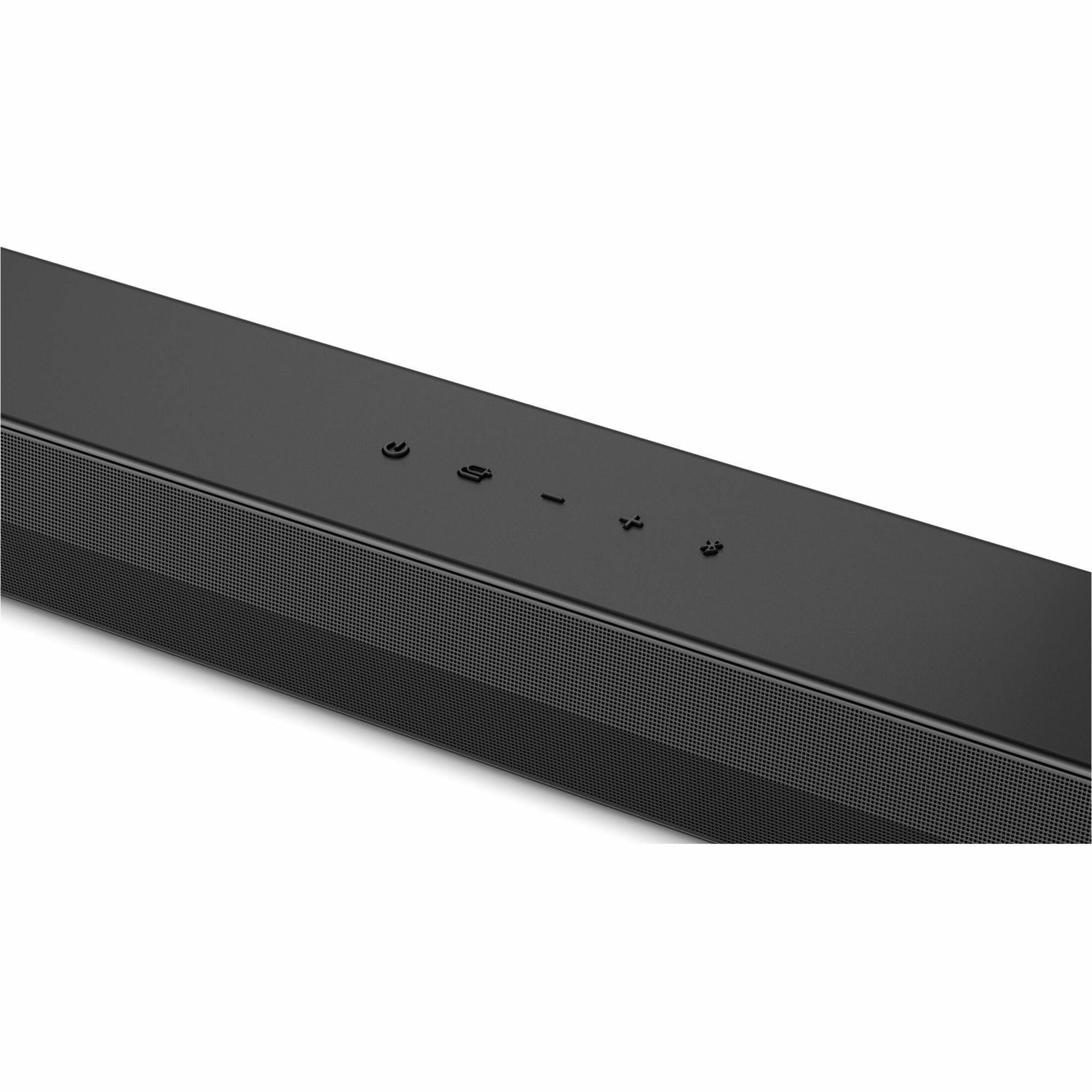
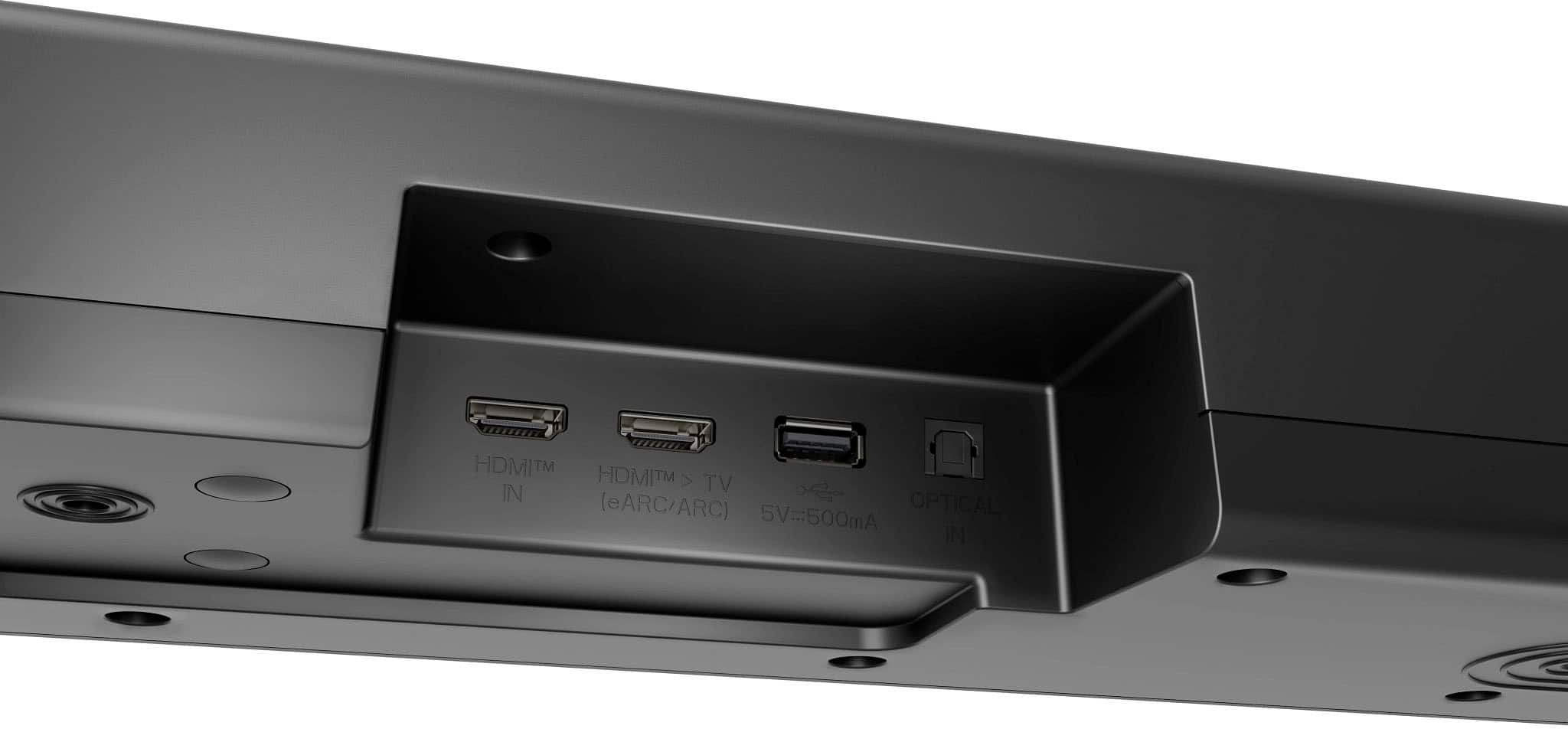
The S40T covers the basics well: HDMI ARC for simple TV connection, optical input for older devices, and Bluetooth for streaming from phones or tablets. The included remote is straightforward, and setup typically takes less than 10 minutes. For many users, this simplicity is actually a feature – there's something to be said for audio equipment that just works without requiring a engineering degree to operate.
The S70TR takes connectivity seriously, with HDMI eARC (enhanced Audio Return Channel) that supports high-bandwidth audio formats like Dolby TrueHD and DTS-HD Master Audio. These lossless formats contain more audio information than standard Dolby Digital, resulting in noticeably better sound quality when available.
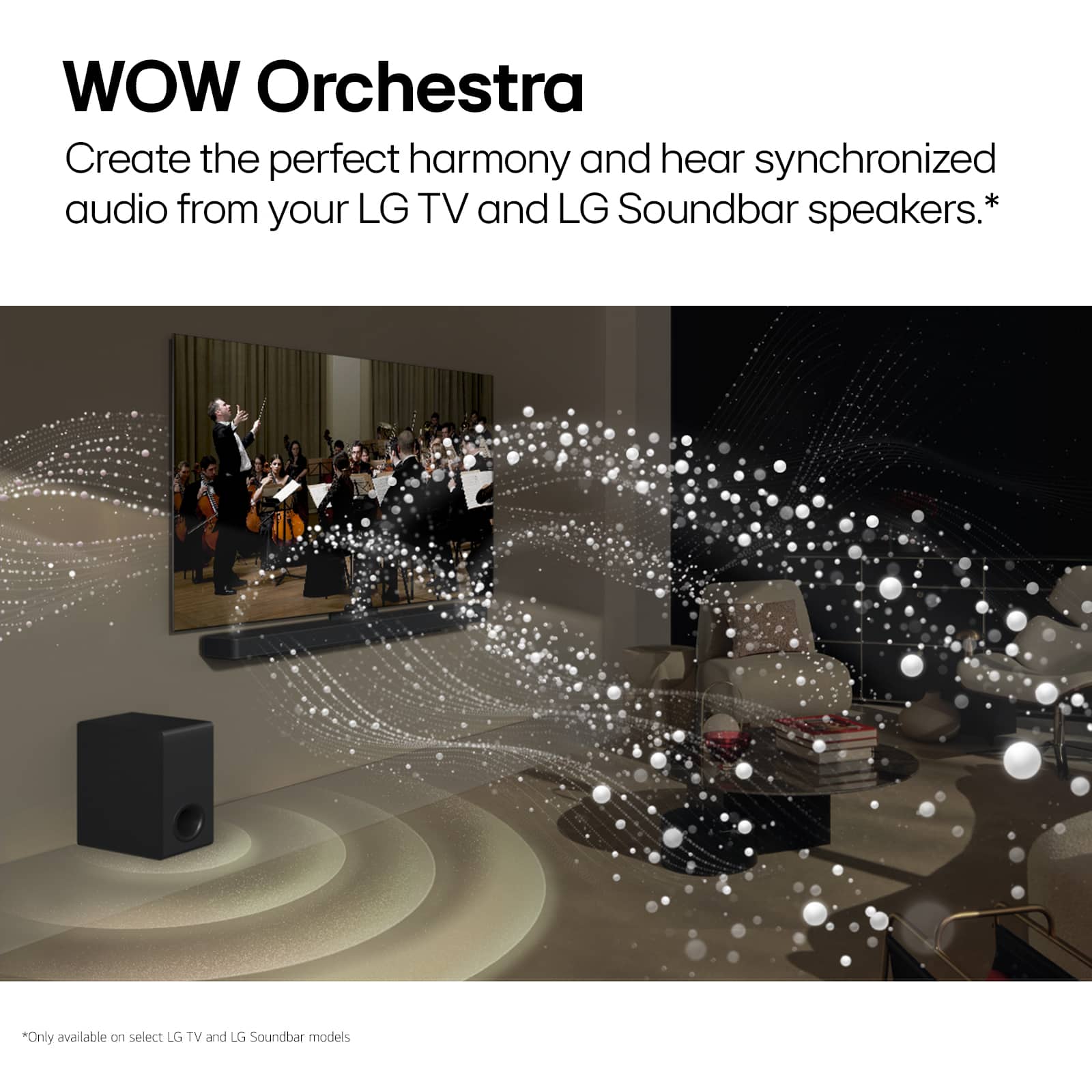
But the real game-changer for LG TV owners is WOW Orchestra. This feature synchronizes the soundbar with your LG TV's built-in speakers, using them as additional channels rather than turning them off. I've experienced this technology firsthand, and it creates a remarkably wide soundstage that seems to extend well beyond the physical boundaries of both the TV and soundbar. It's particularly effective for music, creating an almost speaker-less listening experience where sound seems to come from everywhere and nowhere at once.
The LG Soundbar app deserves mention too. Unlike many manufacturer apps that feel like afterthoughts, LG's offering provides genuine utility. The 3-band equalizer lets you fine-tune bass, midrange, and treble to your preferences and room acoustics. The AI Room Calibration feature uses your phone's microphone to analyze your space and automatically optimize the sound – a feature typically found on much more expensive systems.
Physical design impacts both aesthetics and performance, and these soundbars take noticeably different approaches.
The S40T's compact 28.4-inch width makes it universally compatible with most TV setups. Its understated design won't dominate your entertainment center, and the wireless subwoofer can be tucked away wherever convenient. This simplicity extends to installation – most people can have it running in minutes without consulting the manual.
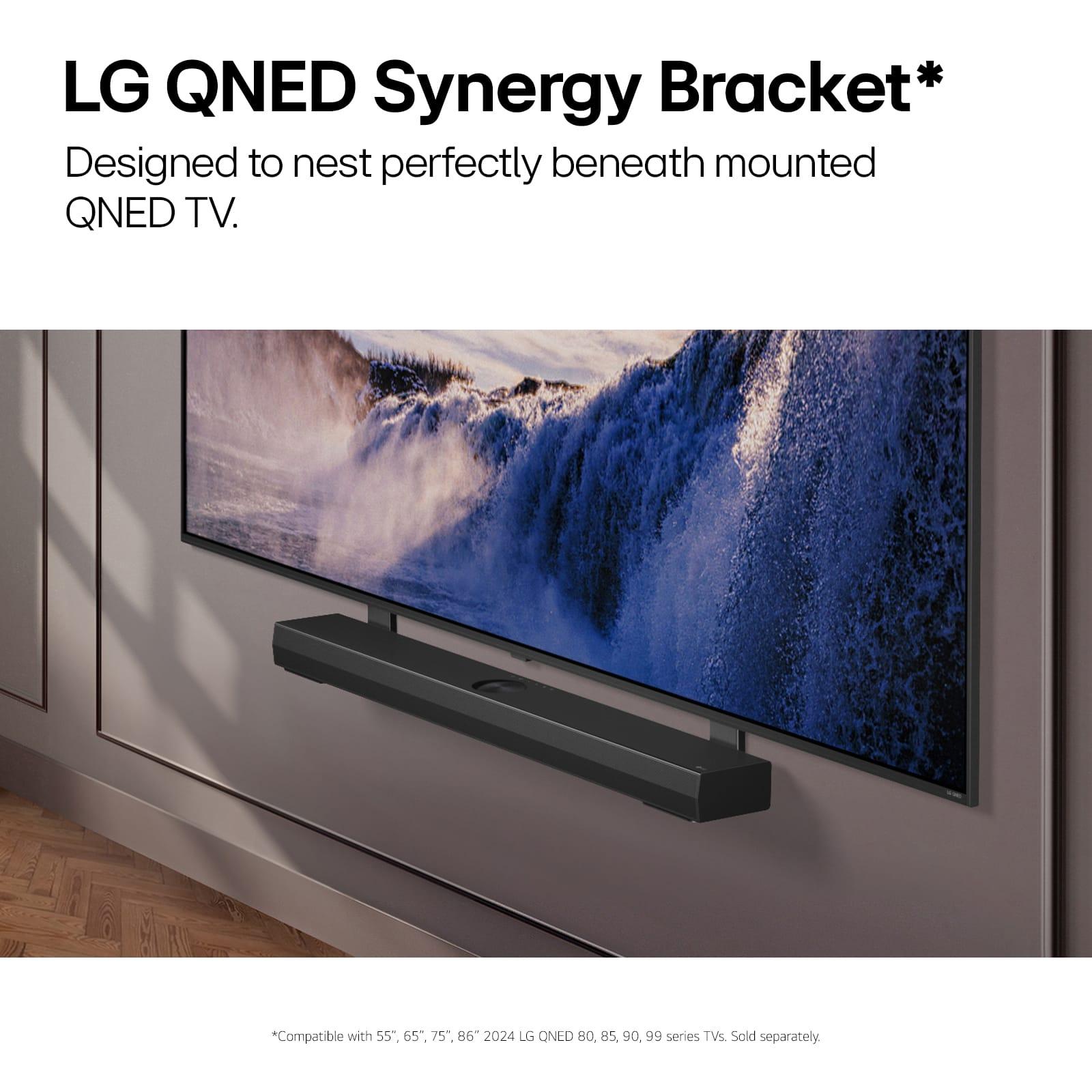
The S70TR makes a bolder statement. At 37.4 inches wide, it's designed to pair with larger TVs, particularly LG's QNED and OLED models. The included mounting hardware and careful attention to cable management show that LG expects this to be a permanent part of your entertainment setup, not a temporary upgrade.
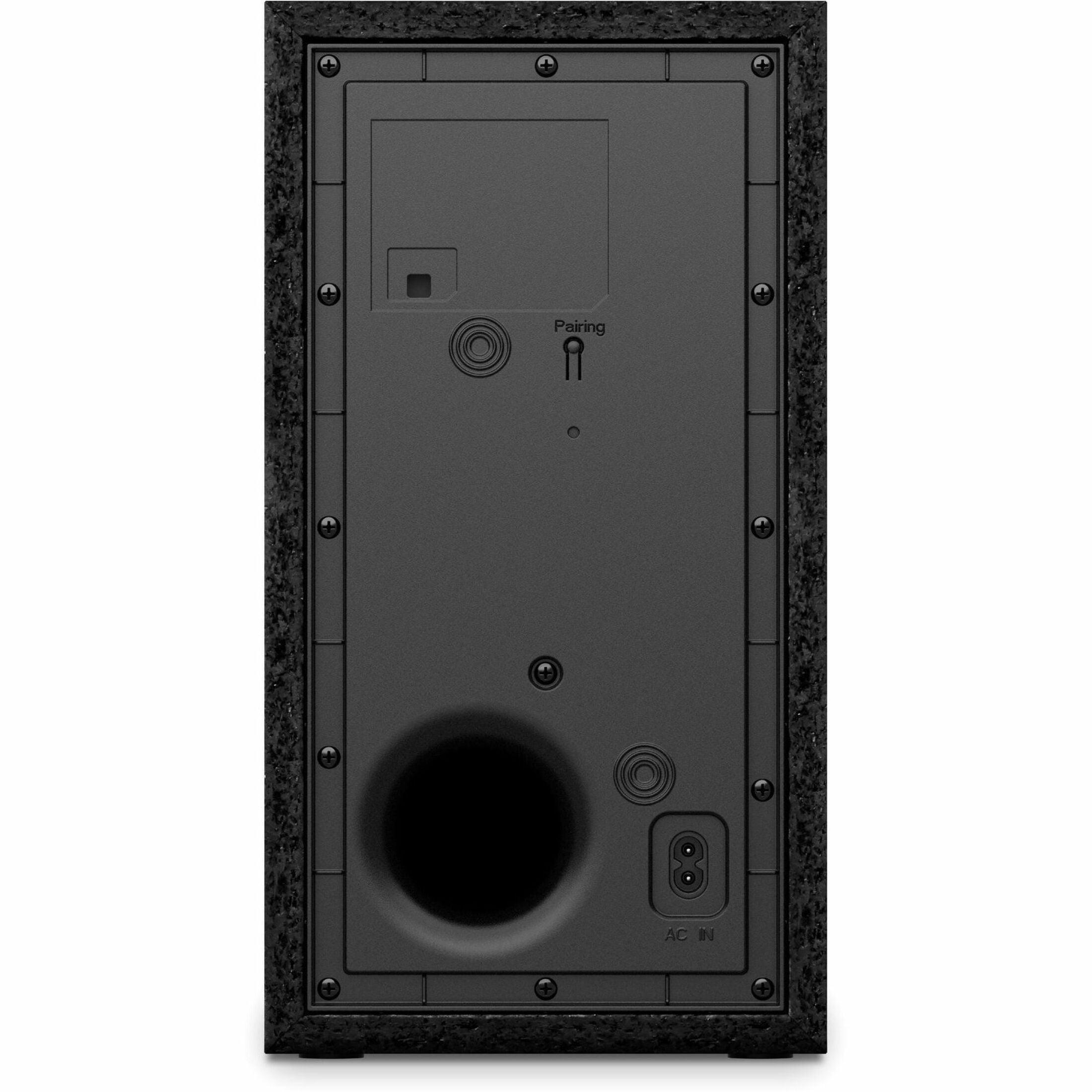
The wireless rear speakers add complexity but also flexibility. Unlike traditional surround systems that require running speaker wire across your room, the S70TR's rears only need power outlets. However, they do need to be wired to each other, which requires some planning for optimal placement.
Having spent time with both systems, the performance differences become clear in practical use. The S40T excels at its intended purpose: making TV dialogue crystal clear and adding sufficient bass to make entertainment more engaging. It's particularly impressive with news, talk shows, and drama series where clear speech is paramount.
The AI Sound Pro feature genuinely improves the experience by automatically adjusting the sound profile. When watching a dialogue-heavy scene, it reduces bass frequencies that might mask speech. During action sequences, it opens up the dynamic range to let explosions breathe. This happens seamlessly in the background without user intervention.
However, the S40T's limitations become apparent with complex audio content. Dolby Atmos movies lose their spatial magic, compressed into a wider-than-TV-speakers but still fundamentally front-facing presentation. The subwoofer, while present, lacks the authority to truly pressurize a room during intense scenes.
The S70TR transforms the viewing experience entirely. Watching "Blade Runner 2049" with its carefully crafted Dolby Atmos soundtrack reveals layers of audio detail that simply aren't audible on lesser systems. Rain falls from above, vehicles pass through the room, and the famous Hans Zimmer score envelops rather than merely accompanies the visuals.
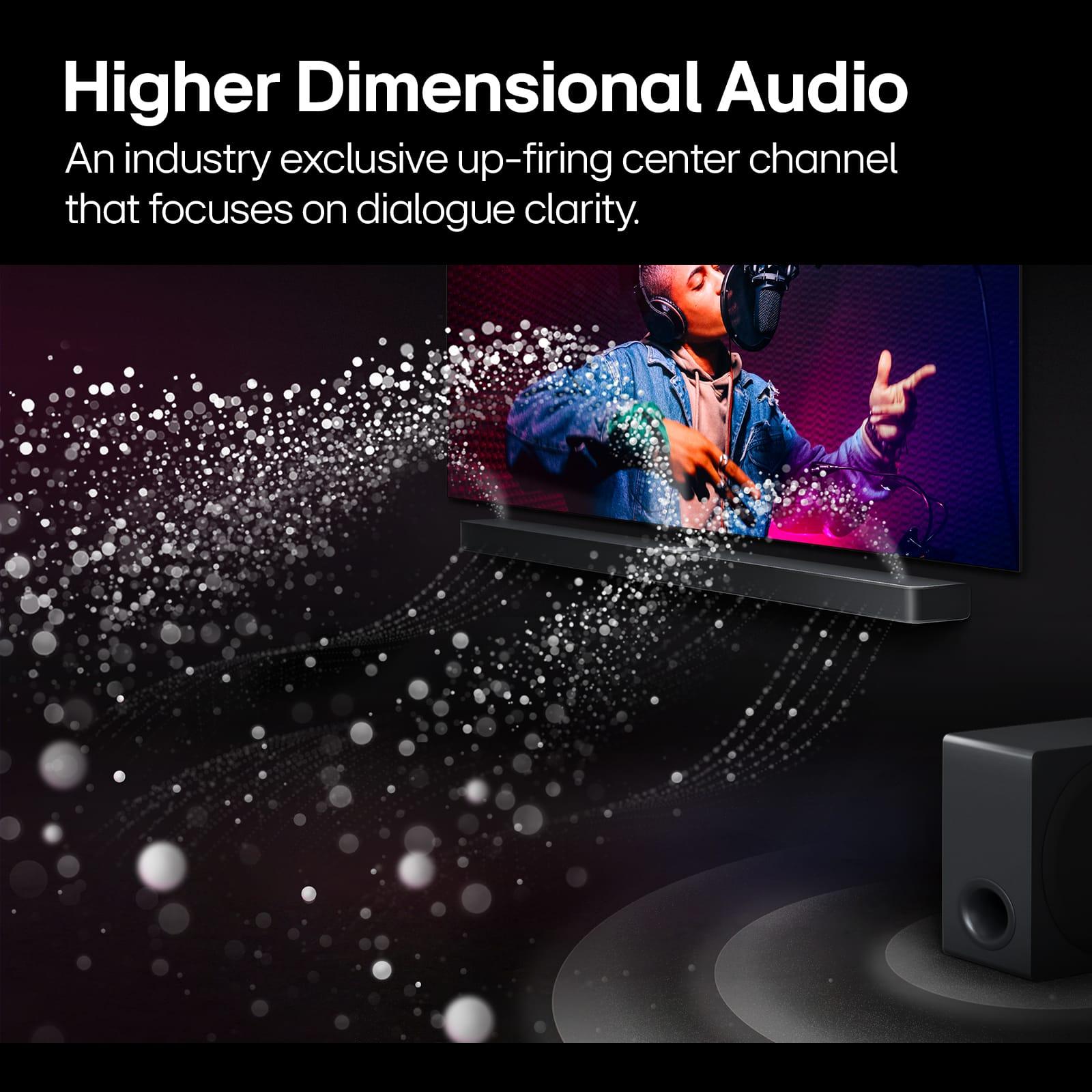
The dedicated up-firing center channel makes an enormous difference for dialogue. Even during loud action scenes, speech remains clear and positioned naturally on screen rather than seeming to come from your TV's edges.
At $155.95, the S40T represents exceptional value for basic TV audio improvement. It solves the primary problem most people have – poor dialogue clarity and weak bass – without introducing complexity or requiring significant space. For apartment dwellers, college students, or anyone wanting better TV sound without the full home theater experience, it's difficult to argue against this choice.
The S70TR at $399.99 costs more than twice as much, but delivers far more than twice the performance. You're not just buying additional speakers – you're accessing an entirely different category of audio experience. The Dolby Atmos capability alone justifies much of the price difference, considering that comparable systems from other manufacturers often cost significantly more.
Choose the S40T if you live in a smaller space, primarily watch TV shows and news, have a limited budget, or simply want better sound without complexity. It's also ideal if you're renting and don't want to deal with multiple speakers and permanent installation considerations.
The S70TR makes sense for dedicated movie watchers, gamers who want competitive audio advantages, owners of larger rooms, or anyone who views their audio system as a long-term investment in their entertainment experience. If you own an LG TV, the integration benefits make it even more compelling.
Consider your content consumption patterns too. If you primarily stream TV shows and occasionally watch movies, the S40T handles this well. If you're regularly consuming Dolby Atmos content through Netflix, Disney+, or Ultra HD Blu-rays, the S70TR unlocks audio experiences that the S40T simply cannot provide.
Your living situation matters enormously as well. The S40T respects apartment living and close neighbors with its more contained audio presentation, while the S70TR truly shines when you can use its full dynamic range and surround capabilities.
Both represent solid value within their respective categories, delivering meaningful improvements over TV speakers while staying within reasonable price ranges for their feature sets. The key is honestly assessing your needs, space, and expectations to choose the system that will serve you best for years to come.
| LG S40T 2.1 Channel Soundbar | LG S70TR 5.1.1 Channel Soundbar |
|---|---|
| Price - Budget vs Premium Audio Investment | |
| $155.95 (exceptional value for basic TV improvement) | $399.99 (premium features justify higher cost) |
| Channel Configuration - Determines surround sound capability | |
| 2.1 channels (soundbar + wireless subwoofer) | 5.1.1 channels (soundbar + subwoofer + wireless rears + height) |
| Total Power Output - Room-filling capability and dynamic range | |
| 300W (adequate for small-medium rooms) | 500W (handles large rooms with authority) |
| Dolby Atmos Support - Overhead sound effects for movies | |
| No (relies on DTS Virtual:X for simulated surround) | Yes (true 3D spatial audio with up-firing drivers) |
| Physical Rear Speakers - Genuine surround sound placement | |
| No rear speakers (virtual surround only) | Wireless rear speakers included (true 360° immersion) |
| Subwoofer Power - Bass impact for movies and music | |
| Basic wireless subwoofer (sufficient bass) | 220W wireless subwoofer with 7" driver (room-shaking bass) |
| TV Integration Features - Seamless control and enhanced audio | |
| Basic HDMI ARC and Bluetooth connectivity | WOW Orchestra, eARC, LG TV Sound Sync (ideal for LG TVs) |
| Gaming Features - Competitive advantage and lag reduction | |
| Standard Bluetooth (casual gaming adequate) | VRR/ALLM support, 4K 120Hz passthrough (serious gaming) |
| AI Audio Processing - Automatic sound optimization | |
| AI Sound Pro (adjusts for content type) | AI Sound Pro + AI Room Calibration (adapts to your space) |
| Soundbar Width - TV compatibility and visual balance | |
| 28.4" (fits most TV sizes compactly) | 37.4" (designed for larger TVs, premium appearance) |
| Setup Complexity - Installation time and positioning requirements | |
| Plug-and-play (10 minutes, no speaker placement) | Moderate setup (rear speaker positioning, room calibration) |
| Mobile App Control - Customization and convenience | |
| Basic app with limited controls | Full-featured app with 3-band EQ and room optimization |
The LG S40T at $155.95 offers exceptional value for basic TV audio improvement, making dialogue clearer and adding decent bass. The LG S70TR at $399.99 costs more but delivers true home theater experience with Dolby Atmos and real surround sound. Choose the S40T for budget-conscious upgrades or the S70TR for premium audio investment.
The biggest difference is surround sound capability. The LG S40T uses 2.1 channels with virtual surround processing, while the LG S70TR features 5.1.1 channels with physical rear speakers and Dolby Atmos height effects. This means the S70TR creates genuine 360-degree immersion that the S40T cannot match.
We've done our best to create useful and informative comparisons to help you decide what product to buy. Our research uses advanced automated methods to create this comparison and perfection is not possible - please contact us for corrections or questions. These are the sites we've researched in the creation of this article: bestbuy.com - bestbuy.com - rtings.com - pcrichard.com - lg.com - lg.com - lg.com - lg.com - microcenter.com - flanners.com - bestbuy.com - microcenter.com - bestbuy.com - mynavyexchange.com - rixaudiovideoappliance.com - rtings.com - youtube.com - bestbuy.com - howards.siteontimedev.com - bestbuy.com - appliancestogousa.us

Privacy Policy
Terms and Conditions - Affiliate Policy
Home Security
© Copyright 2008-2026.
11816 Inwood Rd #1211, Dallas, TX 75244