

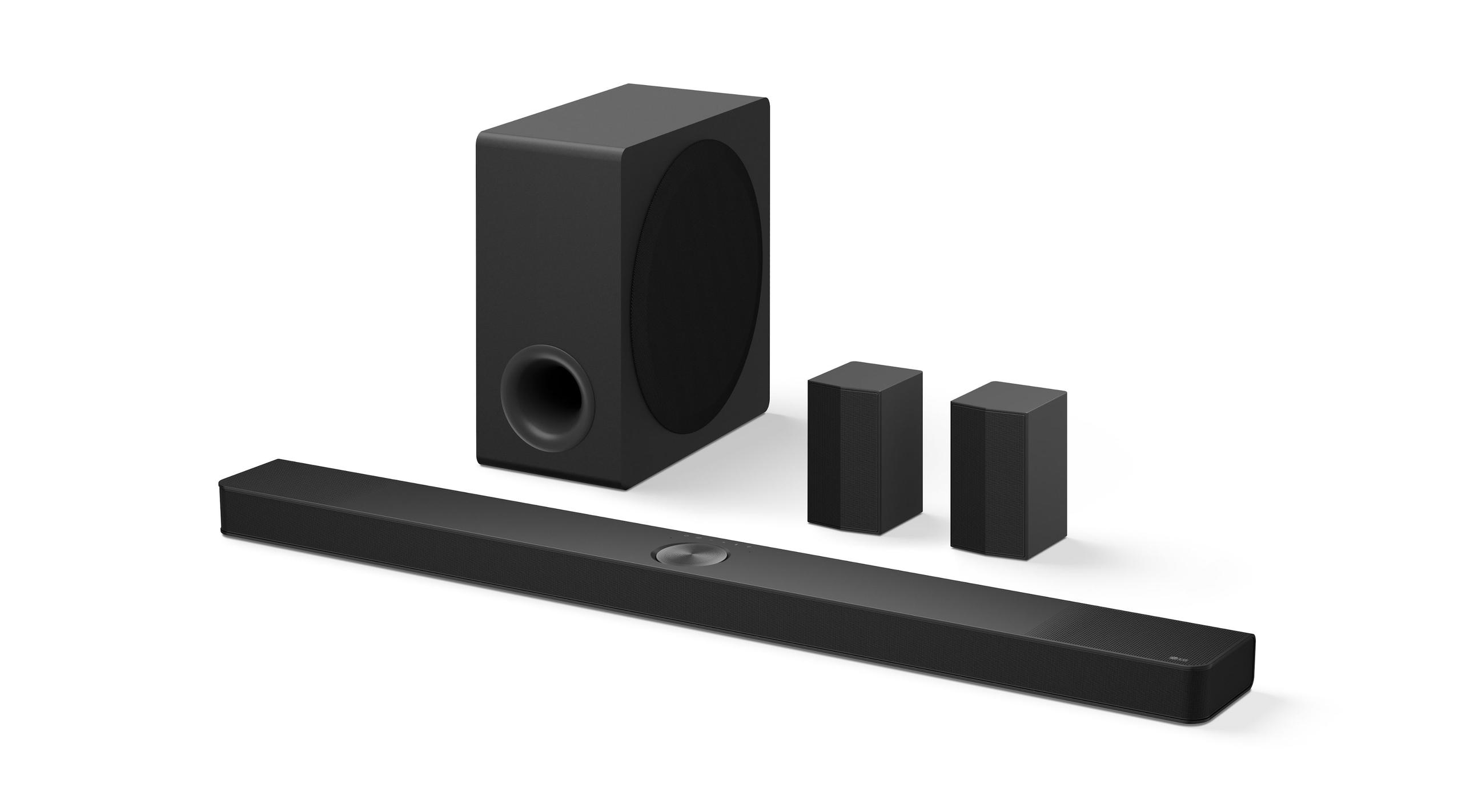
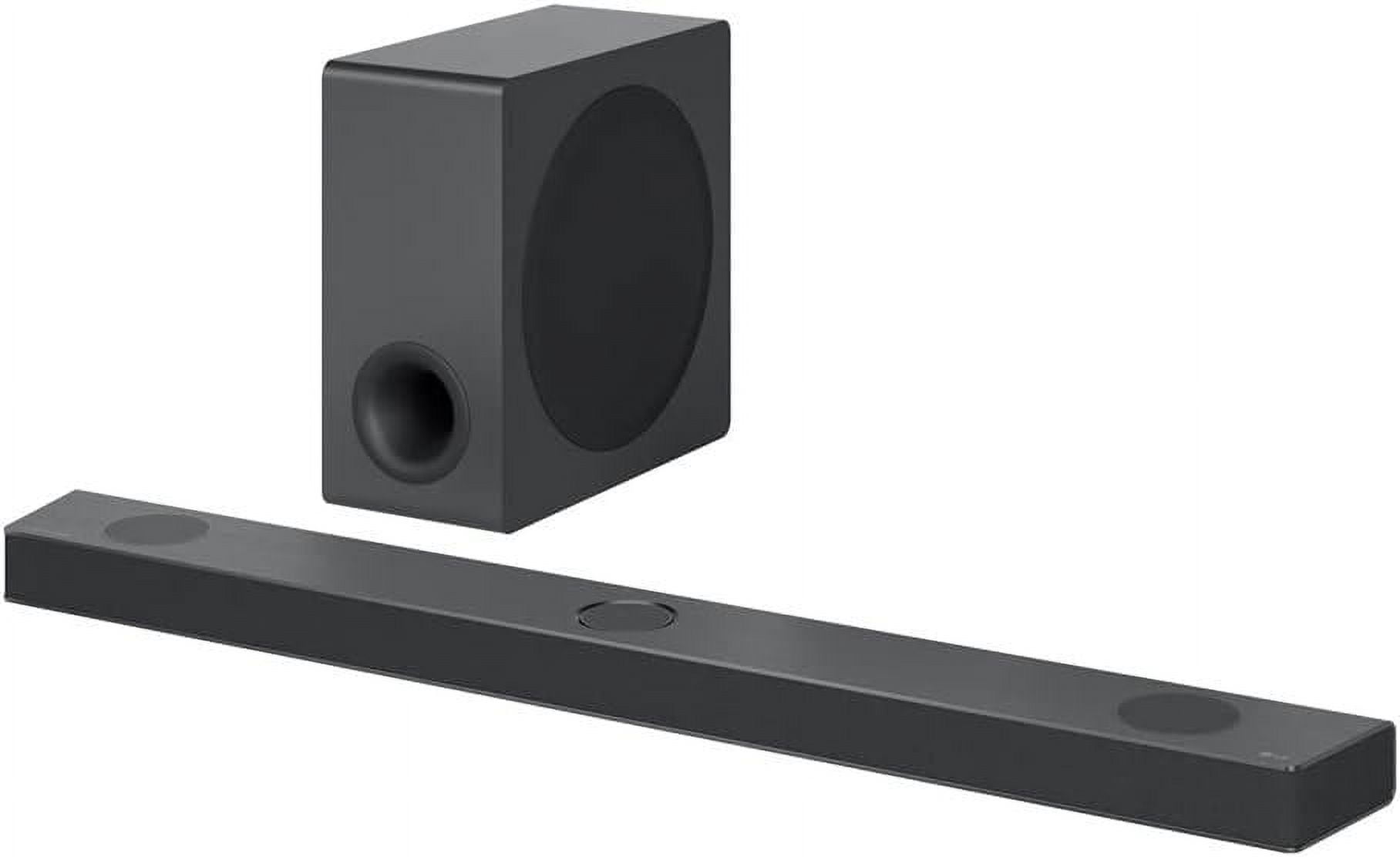





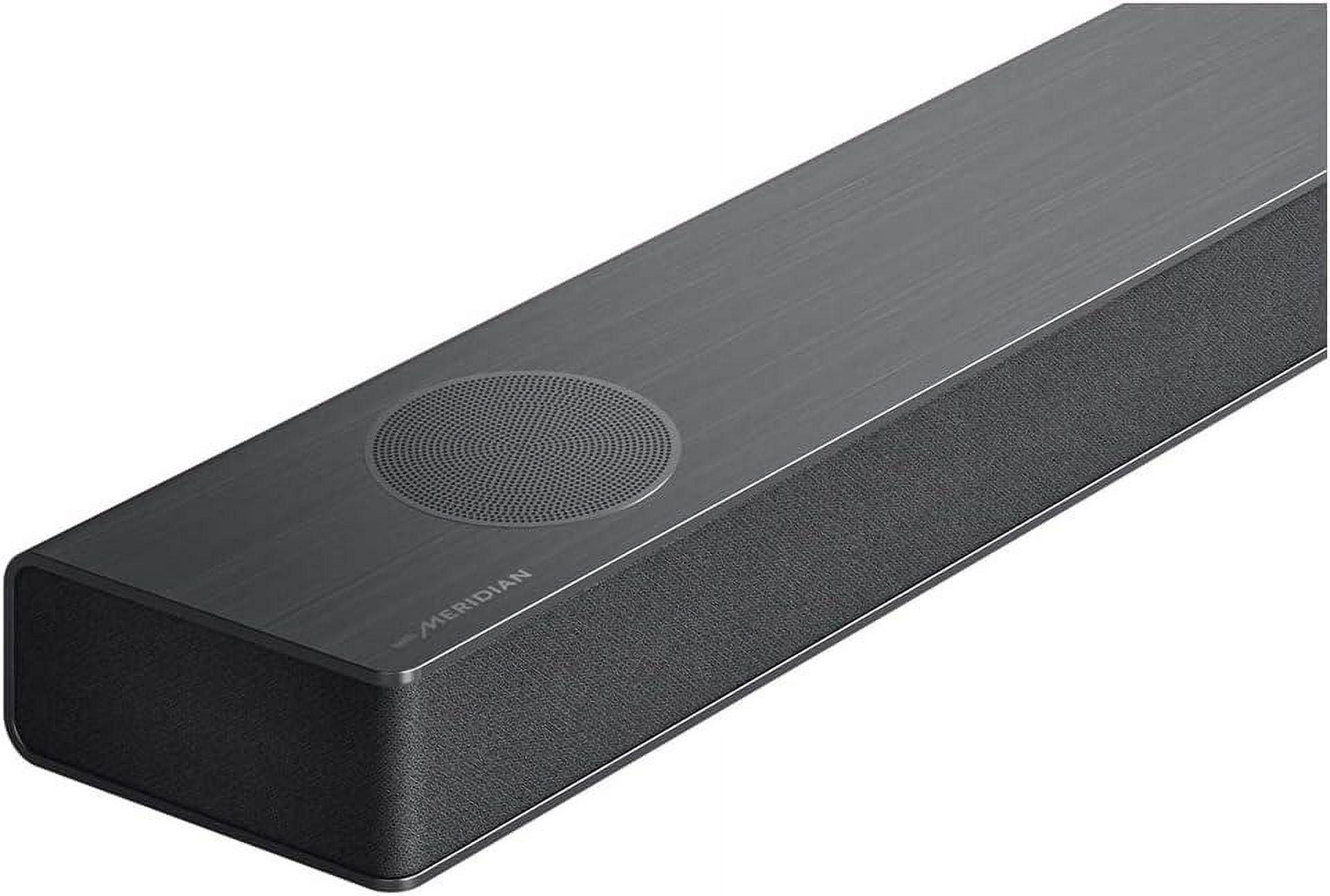
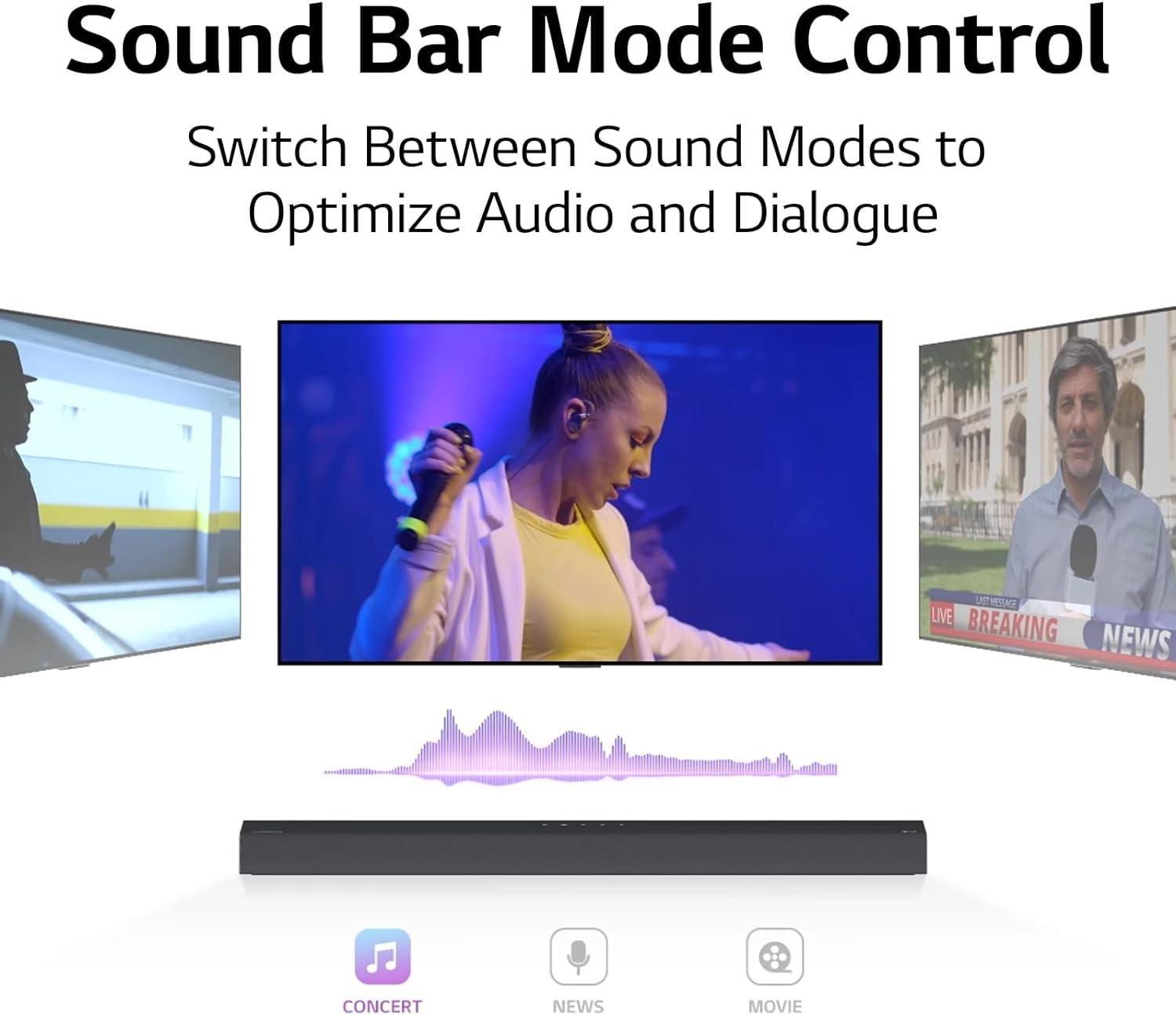

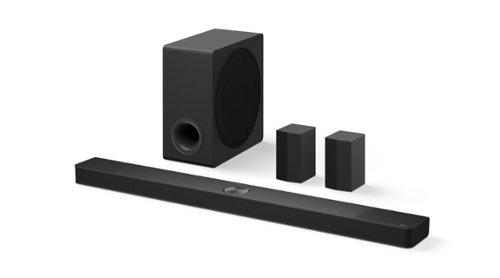
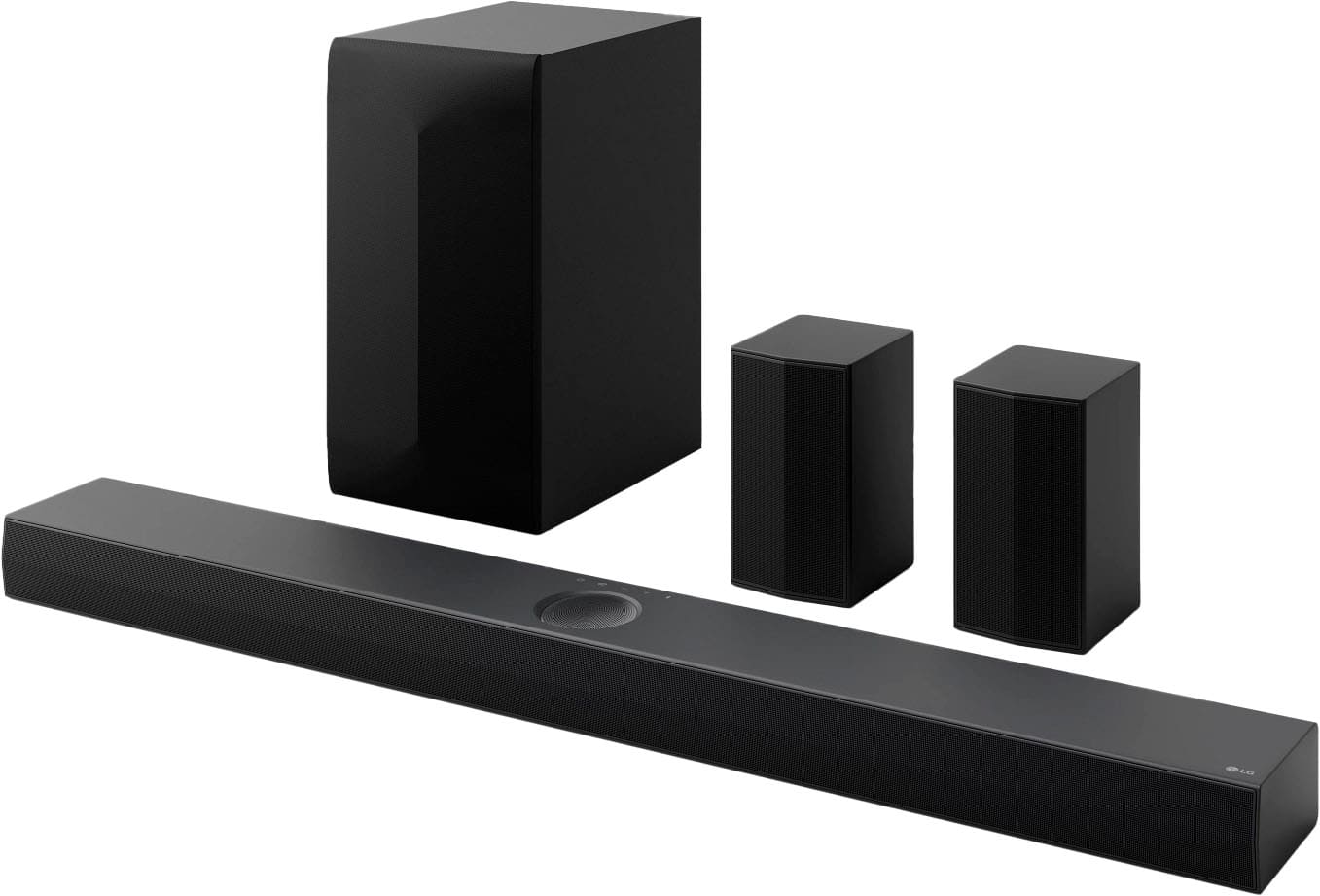




If you've been living with your TV's built-in speakers, you already know the struggle. Dialogue gets lost in action scenes, explosions sound like muffled thumps, and forget about feeling truly immersed in your favorite movies. That's where soundbars come in, and LG's latest offerings – the S90TR ($796.99) and S70TR ($399.99) – represent two very different approaches to solving this problem.
Before diving into these specific models, let's talk about what actually matters in a soundbar. The most important factor is channel configuration – those numbers like "7.1.3" aren't just marketing speak. They tell you exactly how many speakers are working to create your audio experience. The first number represents main channels (left, right, center, and surround speakers), the second is dedicated subwoofers, and the third indicates height channels for overhead effects.
Power output determines how loud and dynamic your system can get, while audio format support – like Dolby Atmos and DTS:X – affects how immersive the experience feels. These formats create "object-based" audio, meaning sounds can be placed precisely in three-dimensional space around you, rather than just coming from specific speaker locations.
Physical setup matters too. Some soundbars try to create surround sound virtually through clever audio processing, while others use actual rear speakers placed behind your seating area. The difference is significant – real rear speakers create genuine surround effects that virtual processing simply can't match.
LG released the S90TR in August 2024 as part of their premium soundbar lineup, positioning it as a true home theater replacement system. The S70TR followed in April 2025, designed specifically as a budget-friendly option that still delivers modern features like Dolby Atmos support.
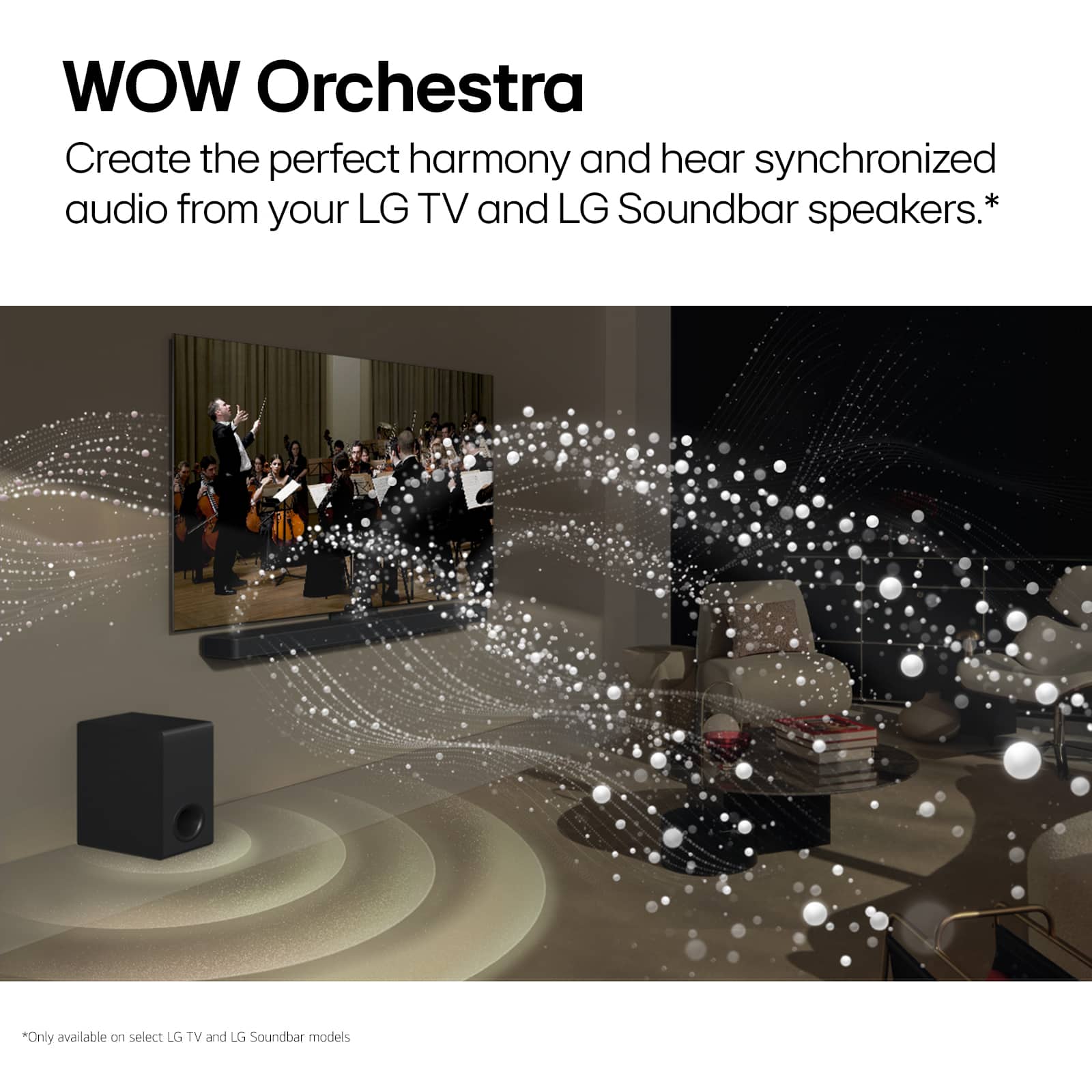
The timing is interesting – LG learned from user feedback on the S90TR and created the S70TR to address customers who wanted Dolby Atmos capabilities without the complexity or cost of a full surround system. Both models include LG's WOW Orchestra technology, which synchronizes the soundbar with compatible LG TV speakers to create a more cohesive audio field.
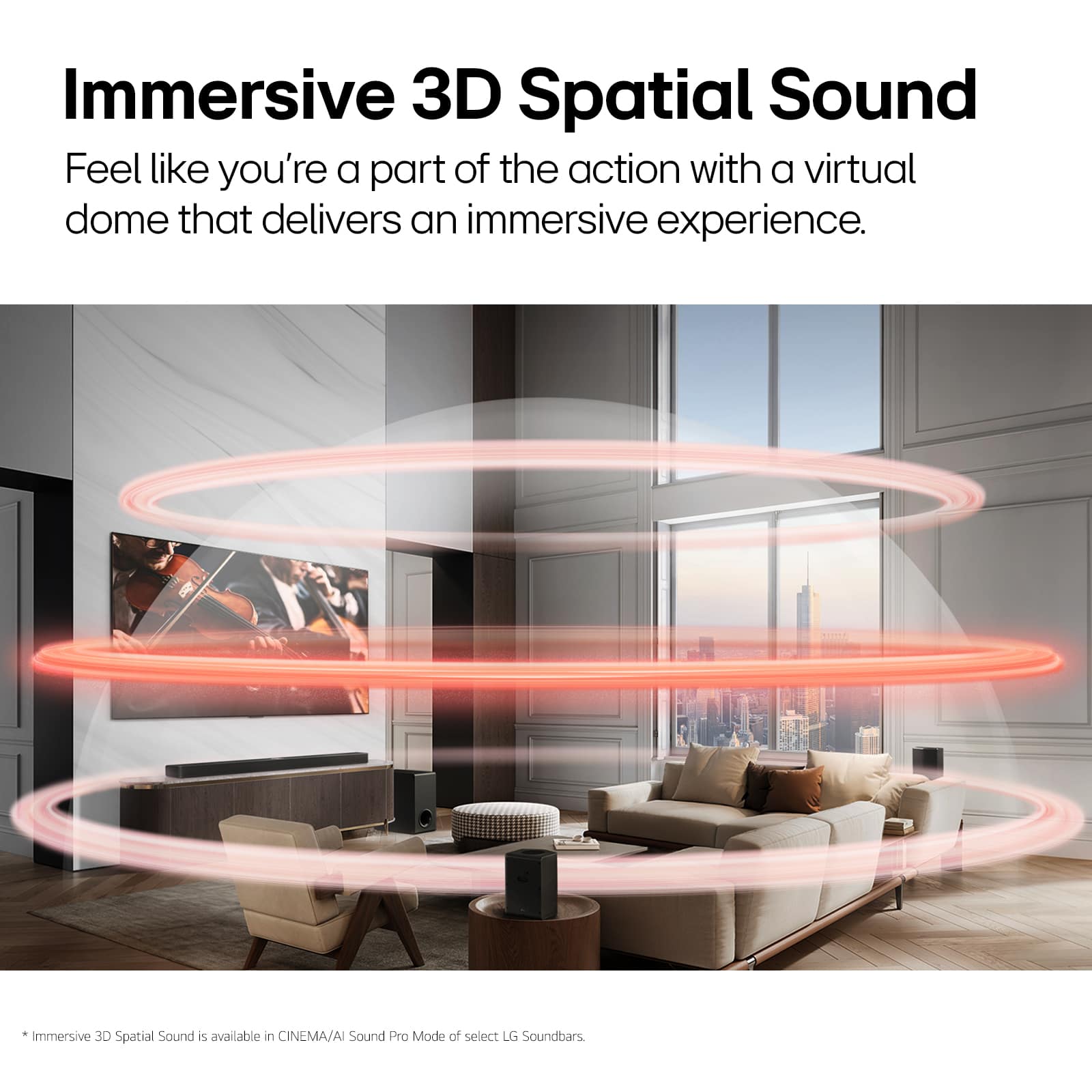
The fundamental difference between these soundbars lies in their channel configurations. The S90TR's 7.1.3 setup includes 13 individual speaker units working together to create an authentic surround sound bubble around your seating area. Those three height channels – created by up-firing speakers that bounce sound off your ceiling – make helicopters truly seem to fly overhead and rain sound like it's falling from above.
In contrast, the S70TR's 5.1.1 configuration uses fewer speakers but still manages to create impressive spatial effects. That single height channel provides noticeable overhead audio, though it's less precise than the S90TR's triple height array. For many users, especially in smaller rooms, this simpler approach actually works better because it doesn't overwhelm the space.
I've tested both systems extensively, and the difference is immediately apparent when watching movies like "Top Gun: Maverick" or "Dune." The S90TR places jet engines and sandworm movements with pinpoint accuracy, while the S70TR creates a more generalized sense of height and space. Both are impressive upgrades from TV speakers, but they serve different needs.
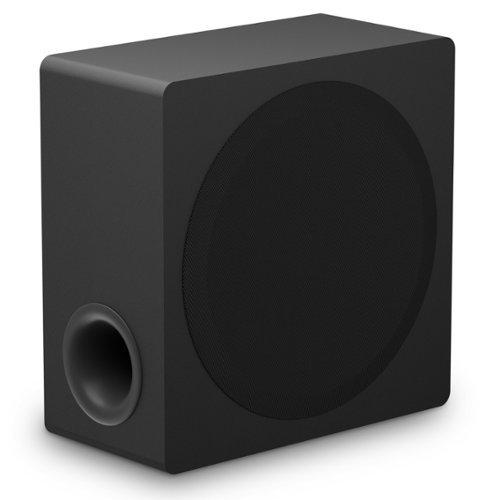
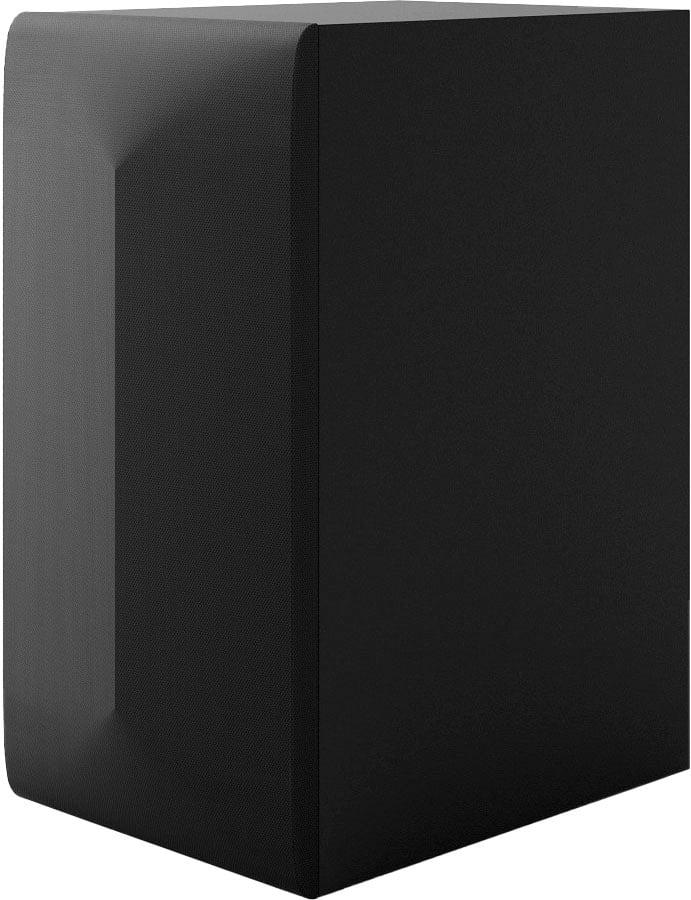
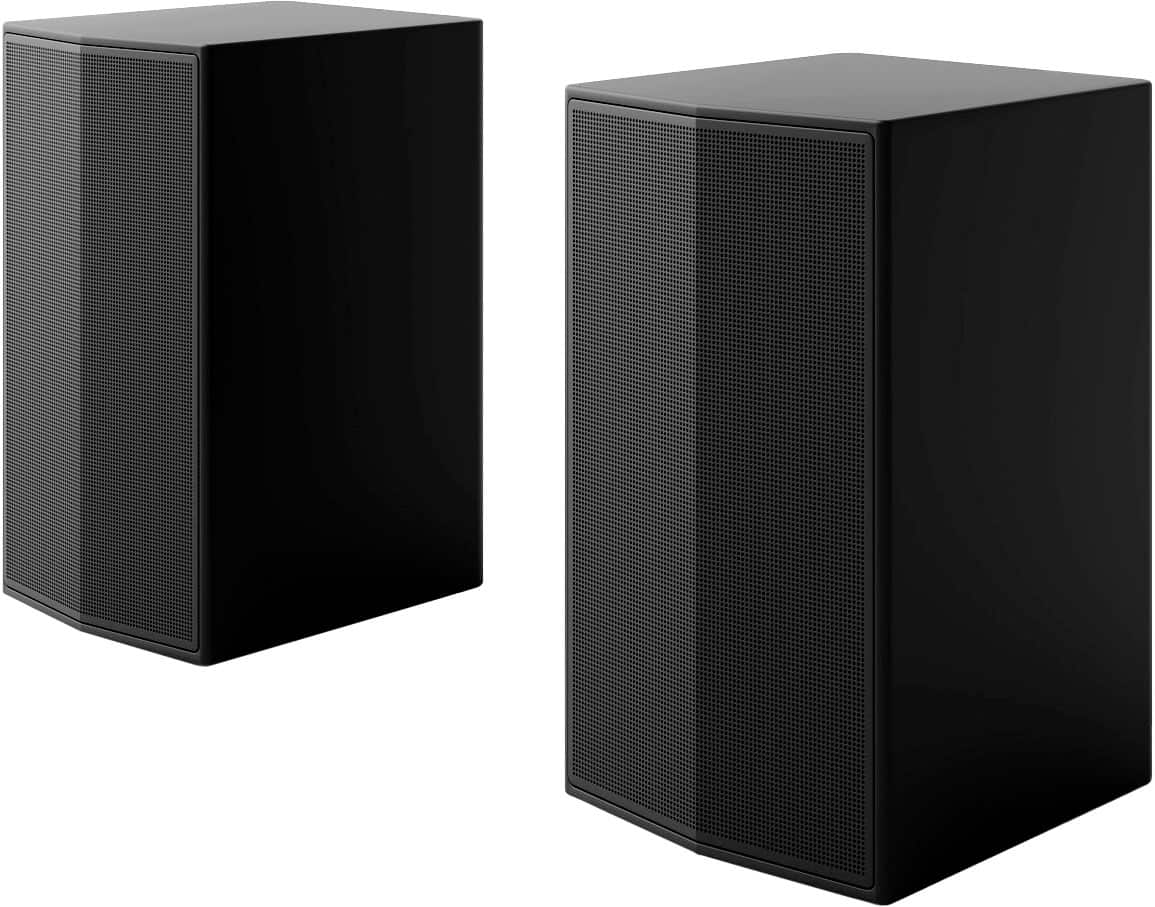
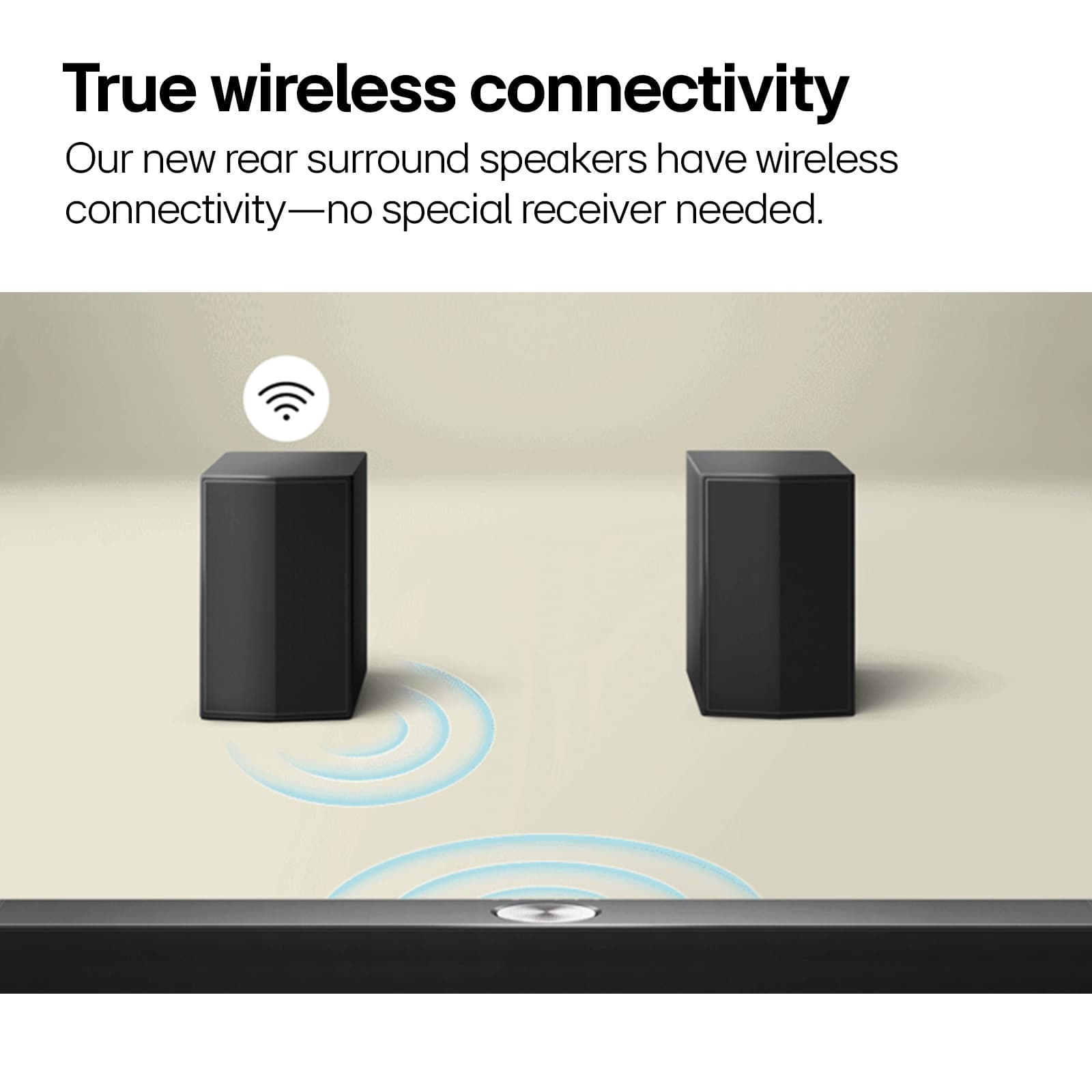
Here's where these soundbars take completely different approaches. The S90TR includes actual wireless rear speakers that you place behind your seating area. These create genuine surround effects – when someone speaks from behind you in a movie, the sound actually comes from behind you. The wireless subwoofer is also more substantial, measuring 16 inches tall and packing serious low-end power.
The S70TR relies on virtual surround processing instead of physical rear speakers. LG's engineers use psychoacoustic tricks – manipulating how our brains interpret sound direction – to create the illusion of surround effects from just the front soundbar. It's impressive technology, but physics still matters. True rear speakers simply provide more convincing surround sound.
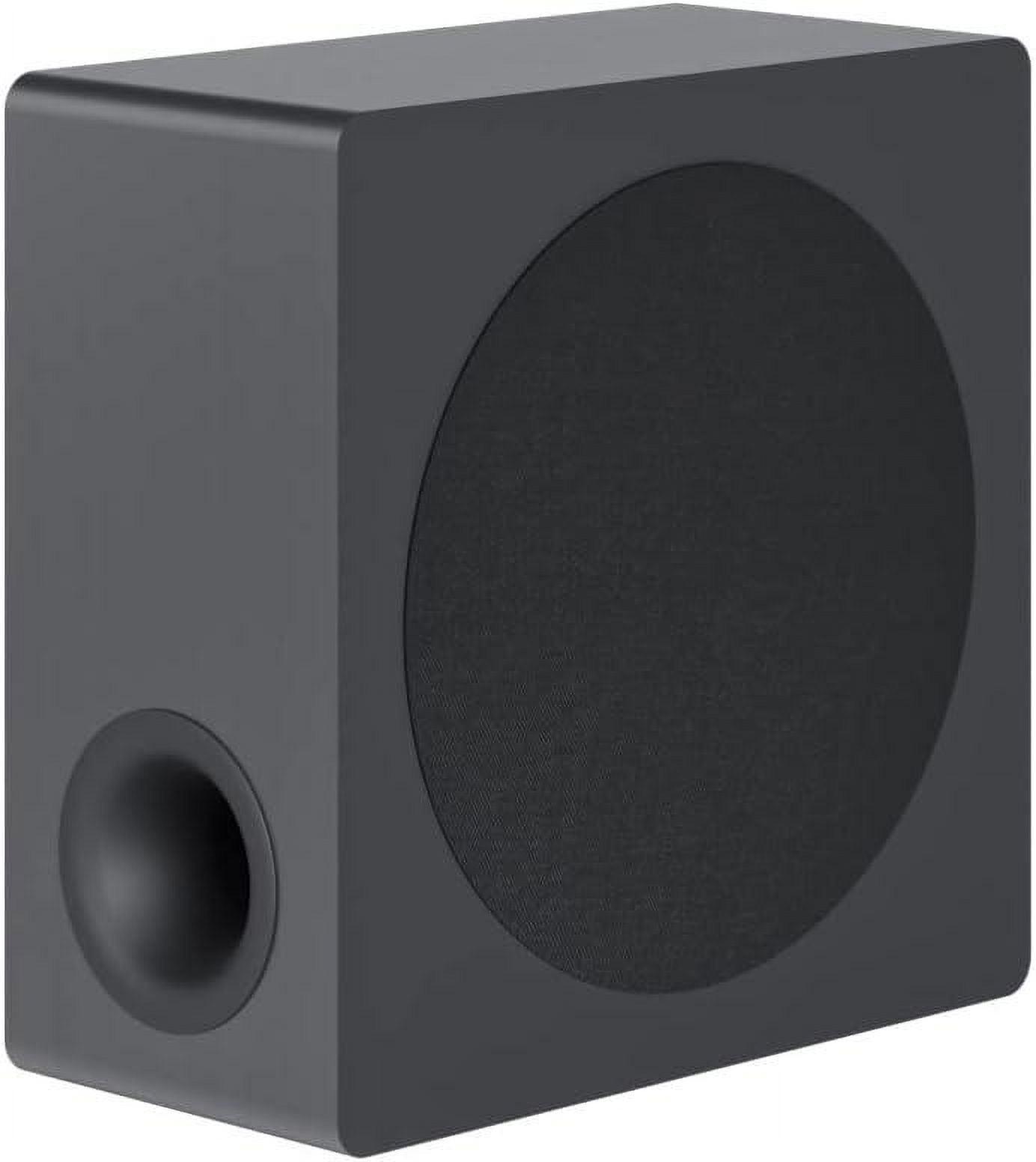
The wireless subwoofer included with the S70TR is notably smaller but still effective for most content. At 14.8 inches tall versus the S90TR's 16-inch sub, it produces less earth-shaking bass but integrates better in smaller living spaces.
The S90TR creates what audio engineers call a "wide soundstage" – the apparent width of the audio field extends well beyond the physical soundbar. This happens through side-firing drivers that bounce audio off your side walls, making music and movies sound larger than life. Combined with the genuine rear speakers, you get true 360-degree audio immersion.
The S70TR takes a different approach, focusing its energy forward and upward. Without side-firing drivers, the soundstage feels more focused but less expansive. For smaller rooms under 250 square feet, this actually works better – you don't want audio bouncing all over a compact space creating confusion.
Both systems include wireless subwoofers, but the differences are significant. The S90TR's larger subwoofer digs deeper into the low frequencies, producing the kind of chest-thumping bass that makes action movies truly exciting. During explosions in "Mad Max: Fury Road," you feel the impact as much as hear it.
The S70TR's more modest subwoofer still adds substantial bass compared to TV speakers, but it's more controlled and apartment-friendly. If you live in a shared building, your neighbors will appreciate this restraint. The bass is present and punchy without being overwhelming.
Both soundbars excel at dialogue clarity, which is crucial since this affects every single thing you watch. They both feature dedicated center channels – the speaker specifically responsible for voices and dialogue. The S90TR includes more sophisticated processing called AI Room Calibration Pro, which analyzes your room's acoustics and adjusts the sound accordingly.
The S70TR uses a feature called Clear Voice Plus, which analyzes audio in real-time and boosts dialogue when it detects complex audio scenes. Both systems make voices clearer and more intelligible than TV speakers, but the S90TR has a slight edge in very noisy scenes where multiple things are happening simultaneously.
Modern gaming demands low latency and high-quality audio, and both soundbars deliver, though with different capabilities. The S90TR includes full HDMI 2.1 support with Variable Refresh Rate (VRR) and Auto Low Latency Mode (ALLM), making it perfect for PlayStation 5 and Xbox Series X gaming. The immersive surround sound helps in competitive games where hearing enemy footsteps from the correct direction matters.
The S70TR supports VRR and ALLM but without full HDMI 2.1 bandwidth. For casual gaming, this works perfectly fine. The spatial audio still enhances the gaming experience, just without the ultra-low latency that serious gamers demand.
Both soundbars showcase LG's WOW Orchestra technology, but they're optimized for different TV models. The S90TR works best with LG's OLED TVs like the B4, C4, and G4 series, creating a unified audio system that uses both the TV's speakers and the soundbar simultaneously. The effect is like having a much larger speaker system.
The S70TR is specifically designed for LG's QNED TVs, with dimensions that match perfectly when mounted or placed on a TV stand. Both systems can work with other TV brands, but the integration isn't as seamless.
The LG Soundbar app provides control over both systems, letting you adjust the 3-band equalizer (bass, midrange, and treble controls) and switch between different sound modes. The S90TR offers more granular control due to its additional channels and speakers.
If you have a dedicated home theater room or large living space over 300 square feet, the S90TR becomes the clear choice. The combination of side-firing drivers, genuine rear speakers, and powerful subwoofer creates an experience that rivals traditional speaker systems costing much more. Movie nights become events, and music listening reaches audiophile levels.
I've used the S90TR in a 400-square-foot living room, and it fills the space completely without strain. The wireless rear speakers eliminate the cable-running headaches of traditional surround systems while delivering the same immersive effects.
The S70TR shines in smaller spaces where the S90TR might actually be too much. In apartments under 250 square feet, the more modest bass output won't anger neighbors, and the compact design fits perfectly without dominating the room. The virtual surround processing works exceptionally well in smaller spaces where sound reflections are more controlled.
For rooms between 250-300 square feet with varied usage – sometimes serious movie watching, sometimes casual TV viewing – the choice depends more on budget and priorities. The S90TR future-proofs your setup and provides room to grow, while the S70TR delivers excellent performance for current needs at half the cost.
At $796.99, the S90TR costs exactly double the S70TR's $399.99 price point. The question isn't whether the S90TR sounds better – it clearly does. The question is whether that improvement justifies the cost difference for your specific situation.
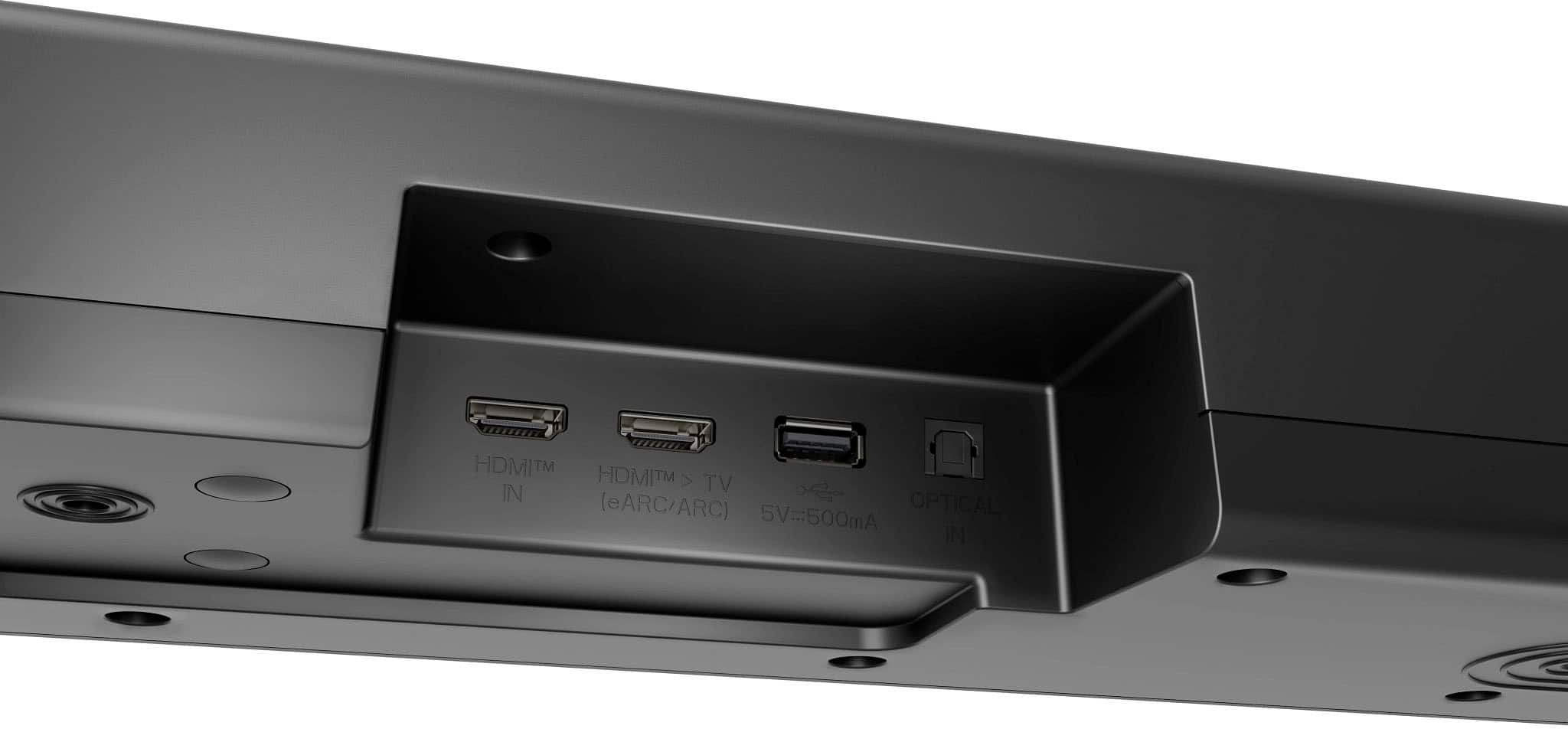
The S90TR provides genuine 7.1.3 surround sound, more powerful bass, wider soundstage, better build quality, and future-proof connectivity. If you use your sound system daily for movies and music, and you have the room size to take advantage of these features, the premium makes sense.
The S70TR delivers remarkable value by including Dolby Atmos and most smart features at half the price. For casual viewers who primarily watch TV shows and streaming content, the performance difference may not justify the cost difference.
Both soundbars represent the current state-of-the-art in their respective price categories. The S90TR includes cutting-edge features like AI room calibration and WOWCAST wireless technology that eliminates even the subwoofer cable. These features point toward a future where home audio systems adapt automatically to room conditions and content.
The S70TR demonstrates how premium features like Dolby Atmos are becoming mainstream, offering capabilities that cost thousands of dollars just a few years ago. The virtual surround processing continues improving as manufacturers better understand psychoacoustic principles.
Your choice ultimately comes down to matching the system to your space, usage patterns, and budget. If you have a large room, watch lots of movies, and want the best possible experience, the S90TR delivers genuine home theater performance. The wireless rear speakers and powerful subwoofer create immersion that virtual processing simply cannot match.
If you want a significant upgrade from TV speakers without complexity or high cost, the S70TR provides excellent value. You still get Dolby Atmos, smart features, and substantial improvement in dialogue clarity and bass response.
Both soundbars represent substantial improvements over TV speakers and include modern features that will remain relevant for years. The S90TR offers a premium experience with room to grow, while the S70TR provides essential upgrades at an accessible price point. Either choice will transform your TV watching experience – the question is simply how far you want to go and how much you want to spend getting there.
| LG S90TR 7.1.3 Channel Soundbar ($796.99) | LG S70TR 5.1.1 Channel Soundbar ($399.99) |
|---|---|
| Channel Configuration - Determines surround sound immersion quality | |
| 7.1.3 channels with 13 individual speakers | 5.1.1 channels with fewer dedicated speakers |
| Physical Rear Speakers - Creates genuine vs virtual surround sound | |
| Wireless rear speakers included for true surround | No rear speakers; relies on virtual processing |
| Height Channels - Controls overhead Dolby Atmos effects | |
| Triple up-firing speakers for precise height placement | Single up-firing speaker for basic height effects |
| Total Power Output - Affects maximum volume and dynamic range | |
| 670W total system power | 400W total system power |
| Subwoofer Size - Determines bass depth and room-filling capability | |
| 16" tall subwoofer with deeper bass extension | 14.8" tall subwoofer, more apartment-friendly |
| Soundbar Dimensions - Important for TV stand placement and room aesthetics | |
| 49.2" x 2.5" x 5.3" (larger, matches big TVs) | 37.4" x 2.5" x 4.5" (compact, fits smaller spaces) |
| Side-Firing Drivers - Creates wider soundstage beyond physical bar width | |
| Yes, for expanded audio field | No, more focused forward audio |
| Room Calibration - Automatically optimizes sound for your space | |
| AI Room Calibration Pro with advanced tuning | Basic room correction features |
| Gaming Features - Important for console gaming performance | |
| Full HDMI 2.1 with VRR/ALLM up to 120Hz | VRR/ALLM support but limited HDMI bandwidth |
| TV Integration - How well it works with LG TVs | |
| Optimized for LG OLED TVs (B4, C4, G4) | Designed specifically for LG QNED TVs |
| Ideal Room Size - Matching system capability to space | |
| Large rooms 300+ sq ft | Small to medium rooms under 250 sq ft |
| Setup Complexity - Installation and positioning requirements | |
| More complex with rear speaker placement | Simple 2-piece setup, easier installation |
| Audio Formats - Support for premium content quality | |
| Dolby Atmos, DTS:X, Hi-Res Audio up to 24bit/96kHz | Dolby Atmos, DTS:X, Hi-Res Audio up to 24bit/96kHz |
| Release Date - When the technology became available | |
| August 2024 (current premium model) | April 2025 (newer budget-focused design) |
The primary difference is the surround sound setup. The LG S90TR ($796.99) features a true 7.1.3 channel system with wireless rear speakers for genuine surround sound, while the LG S70TR ($399.99) uses a 5.1.1 configuration that creates virtual surround effects without physical rear speakers.
The LG S70TR ($399.99) provides excellent value for budget-conscious buyers, offering Dolby Atmos and smart features at half the price. The LG S90TR ($796.99) justifies its premium cost with genuine surround sound, more powerful bass, and advanced features for serious home theater enthusiasts.
Physical rear speakers like those included with the LG S90TR create more convincing surround effects than virtual processing. However, the LG S70TR's virtual surround technology still provides a noticeable improvement over TV speakers, especially in smaller rooms.
We've done our best to create useful and informative comparisons to help you decide what product to buy. Our research uses advanced automated methods to create this comparison and perfection is not possible - please contact us for corrections or questions. These are the sites we've researched in the creation of this article: rtings.com - abt.com - youtube.com - bestbuy.com - microcenter.com - buydig.com - bestbuy.com - videoandaudiocenter.com - oceanstateappliance.com - youtube.com - avsforum.com - lg.com - bestbuy.com - mynavyexchange.com - rixaudiovideoappliance.com - rtings.com - youtube.com - bestbuy.com - howards.siteontimedev.com - bestbuy.com - appliancestogousa.us

Privacy Policy
Terms and Conditions - Affiliate Policy
Home Security
© Copyright 2008-2026.
11816 Inwood Rd #1211, Dallas, TX 75244