



If you've been shopping for a soundbar lately, you've probably noticed that almost every model claims to support Dolby Atmos. But here's the thing: not all Dolby Atmos soundbars are created equal. Some deliver genuinely immersive three-dimensional sound that makes you feel like you're inside the action, while others just add a bit of spaciousness to regular stereo audio.
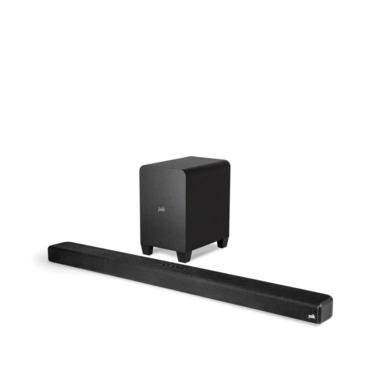
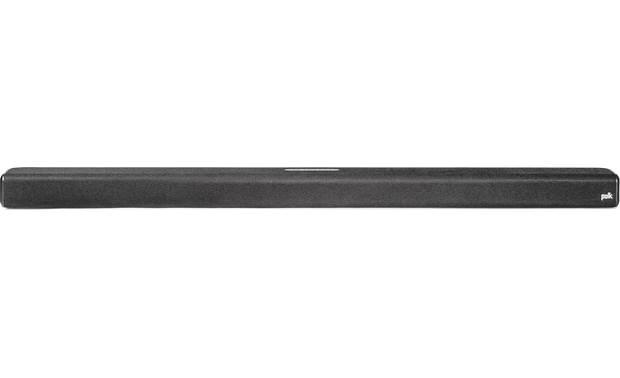
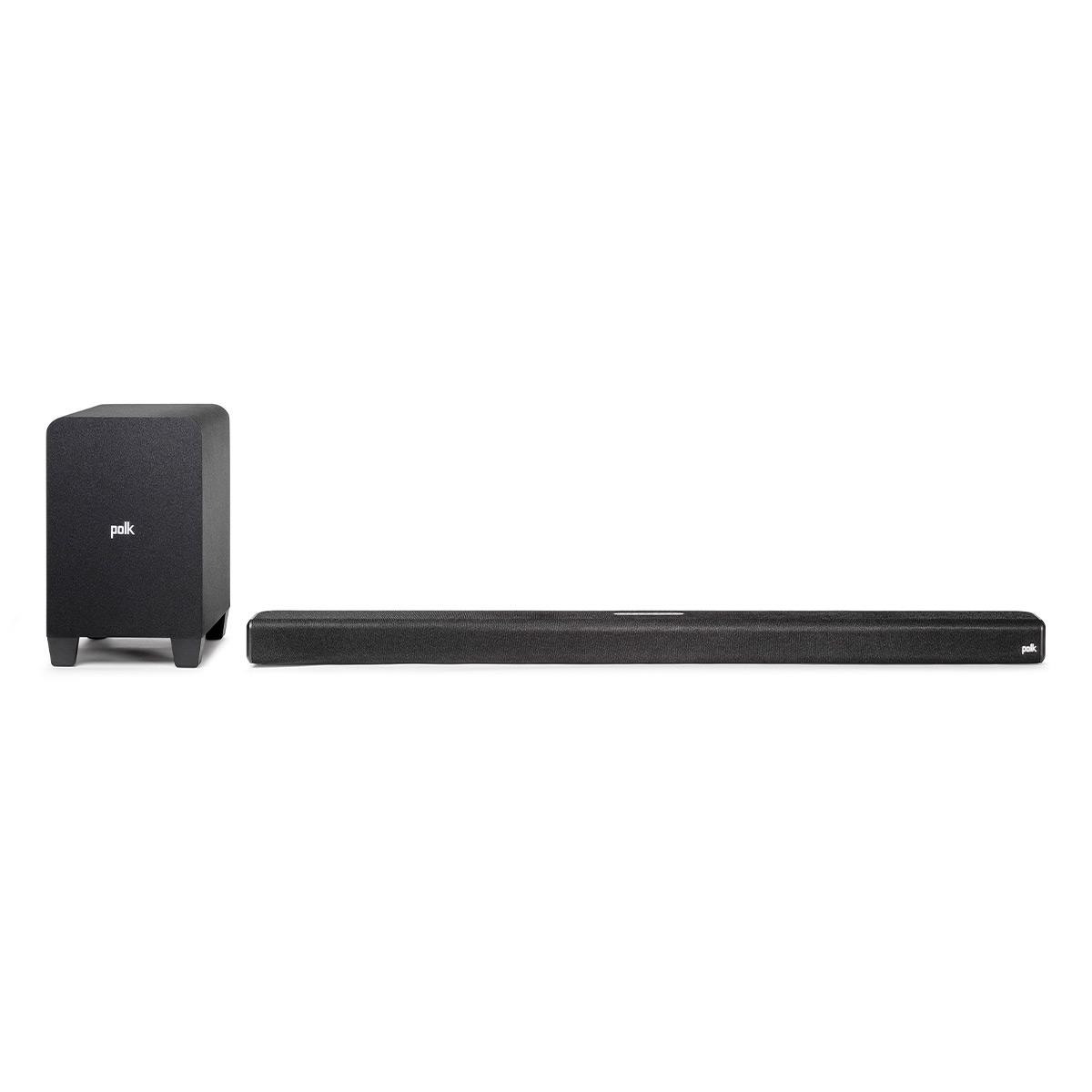
Today, we're comparing two very different approaches to Dolby Atmos: the LG S70TR at $399.99 and the Polk Audio Signa S4 at $299.00. One takes the "more is better" approach with true surround sound speakers, while the other focuses on doing the basics exceptionally well. Let's dive into which one might be right for your setup.
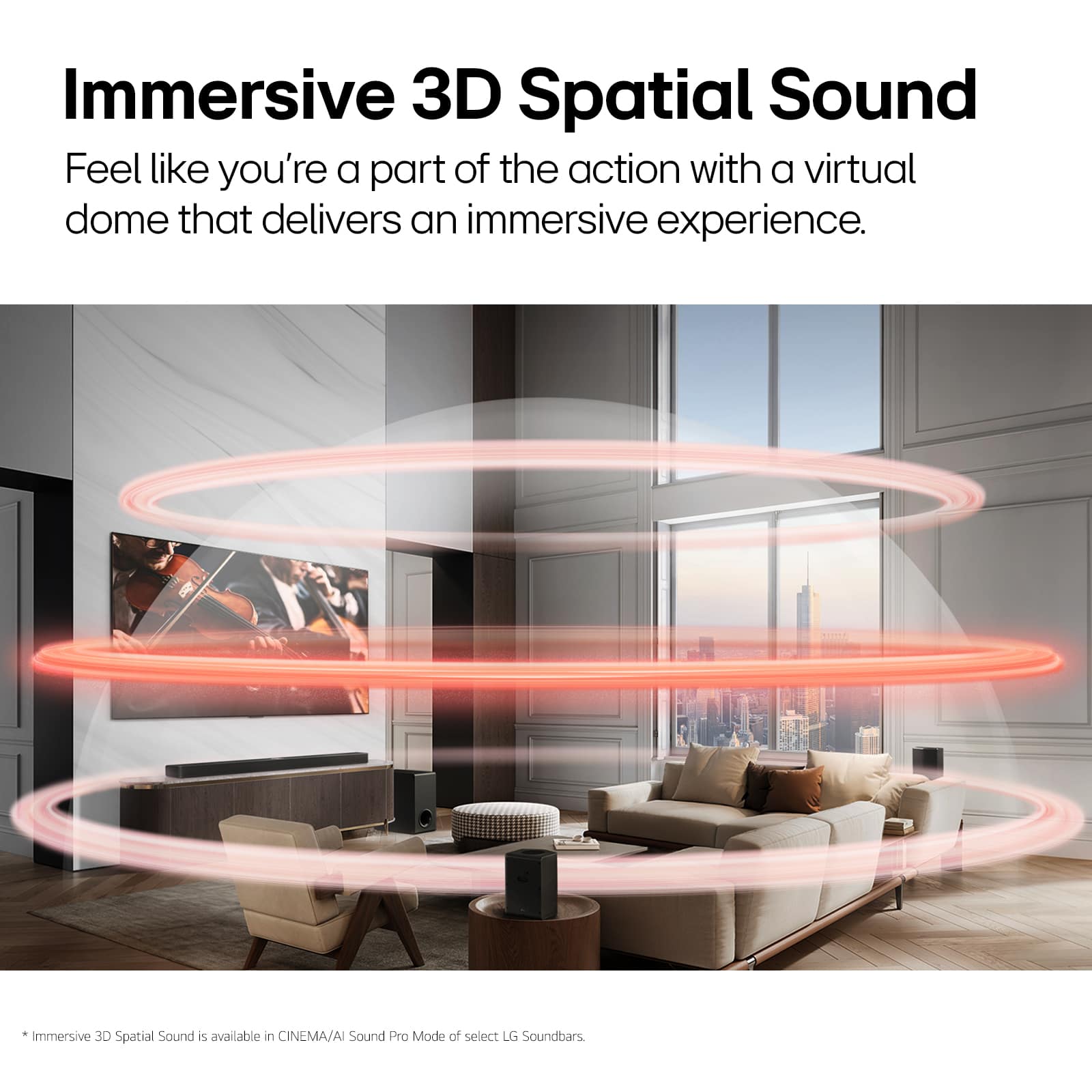
Before we get into the nitty-gritty, let's talk about what Dolby Atmos actually does. Traditional surround sound works in a flat plane around you – think of it like a circle of speakers at ear level. Dolby Atmos adds a vertical dimension by bouncing sound off your ceiling to create the illusion of overhead audio. When a helicopter flies across the screen, you should actually hear it moving above your head, not just from left to right.
The technology works by using upward-firing drivers (small speakers that point at your ceiling) combined with sophisticated audio processing. The sound bounces off your ceiling and comes back down, creating what's called "height channels." It's pretty clever when it works well, though the effectiveness depends heavily on your room's acoustics.
What makes this comparison interesting is that these two soundbars take completely different approaches to achieving immersive sound. The timing of their releases also tells an important story about how this technology has evolved.
The Polk Audio Signa S4 hit the market in 2021, during what I'd call the "democratization period" of Dolby Atmos. Before then, getting true Atmos sound meant spending over $800 or setting up a complex receiver-based system with multiple speakers. Polk's achievement was cramming legitimate Atmos processing into a $299 package that anyone could set up in their living room.
The LG S70TR, launched in October 2024, represents the current generation of Atmos soundbars. By this point, manufacturers had learned that virtual surround sound has limitations, especially in challenging room environments. LG's response was to include actual wireless rear speakers while maintaining the convenience factor that made soundbars popular in the first place.
This three-year gap might not seem like much, but it's significant in audio technology terms. The improvements in wireless connectivity, processing power, and miniaturization have allowed LG to create a true 5.1.1 system (that's five main channels, one subwoofer, and one height layer) at a price point that would have been impossible just a few years ago.
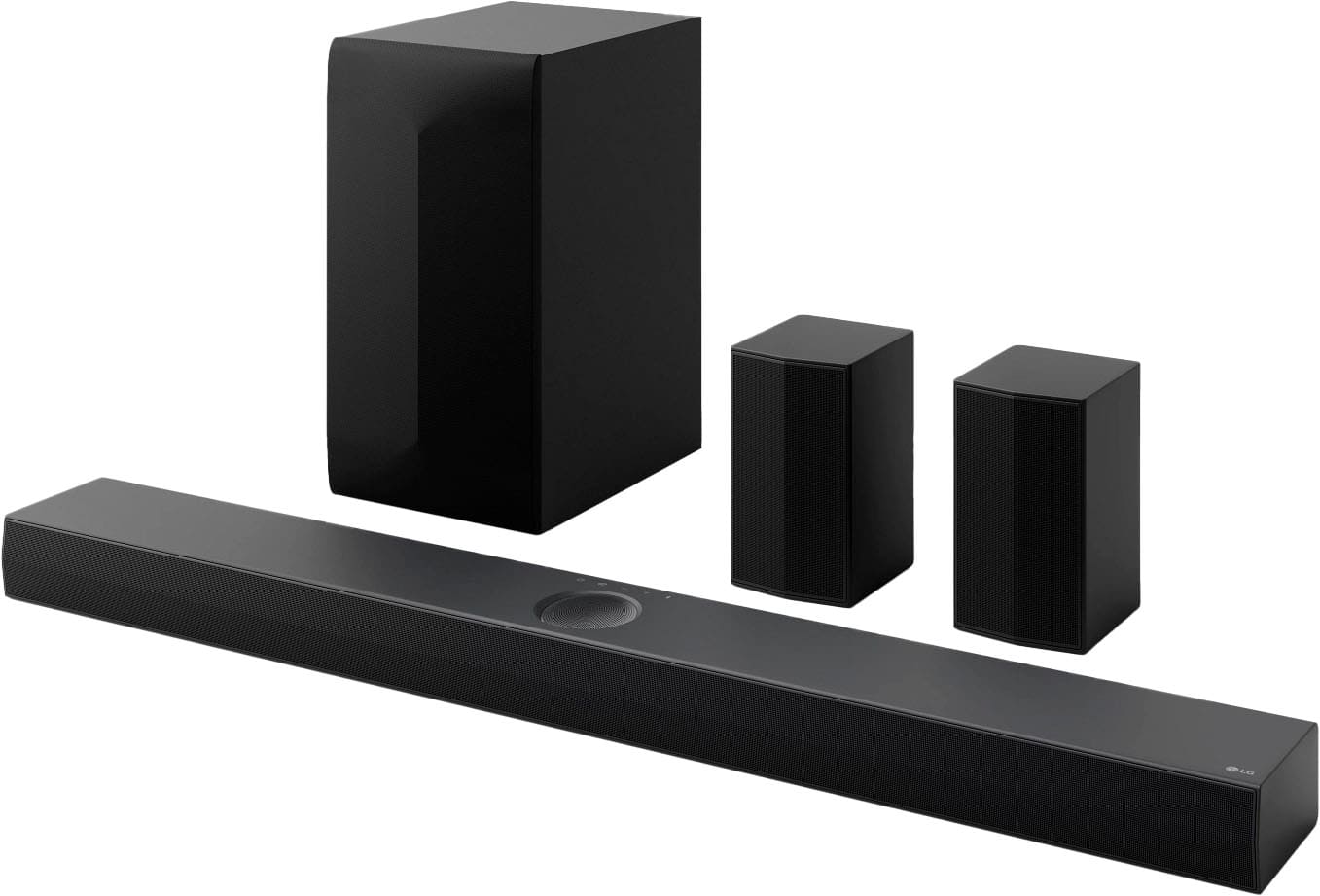
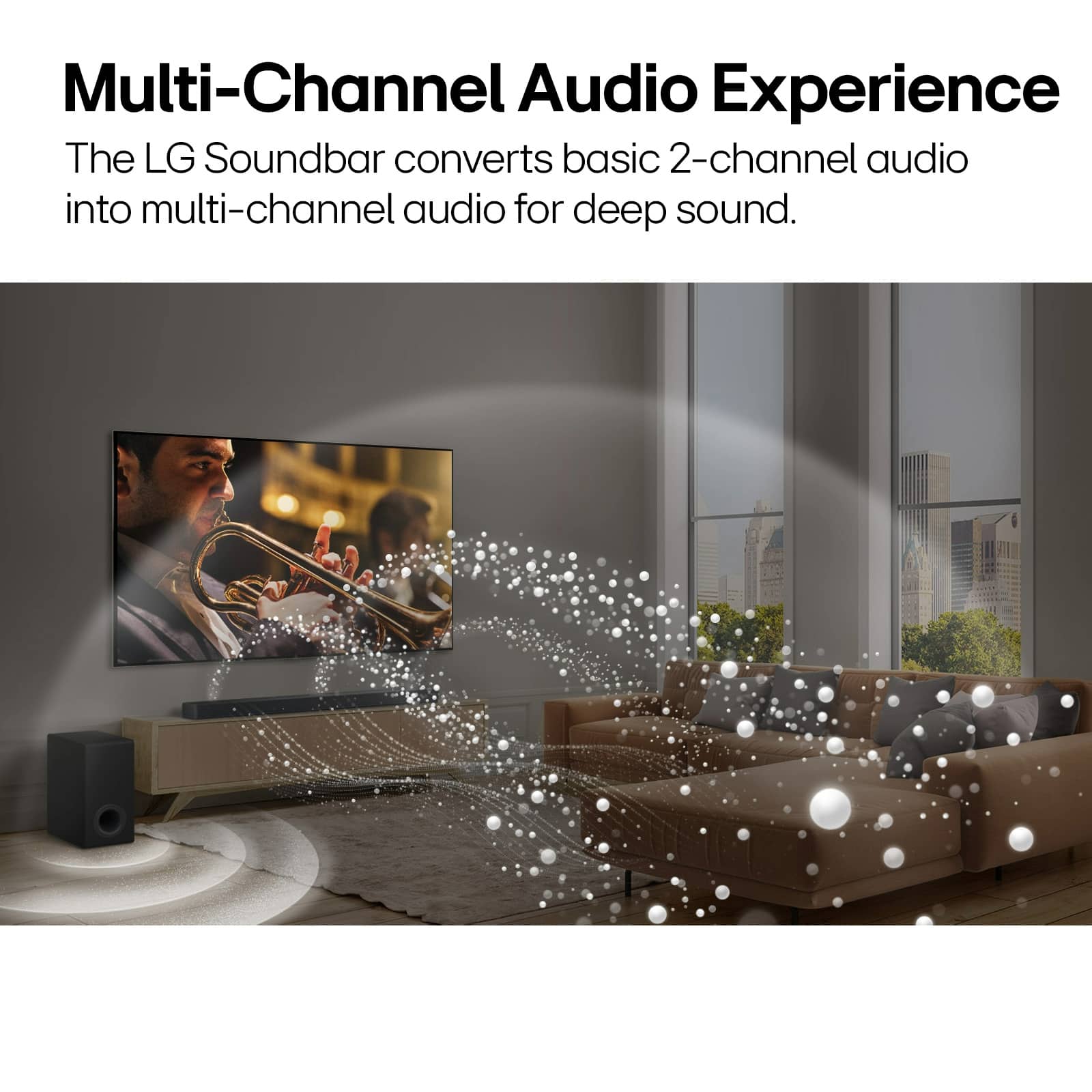
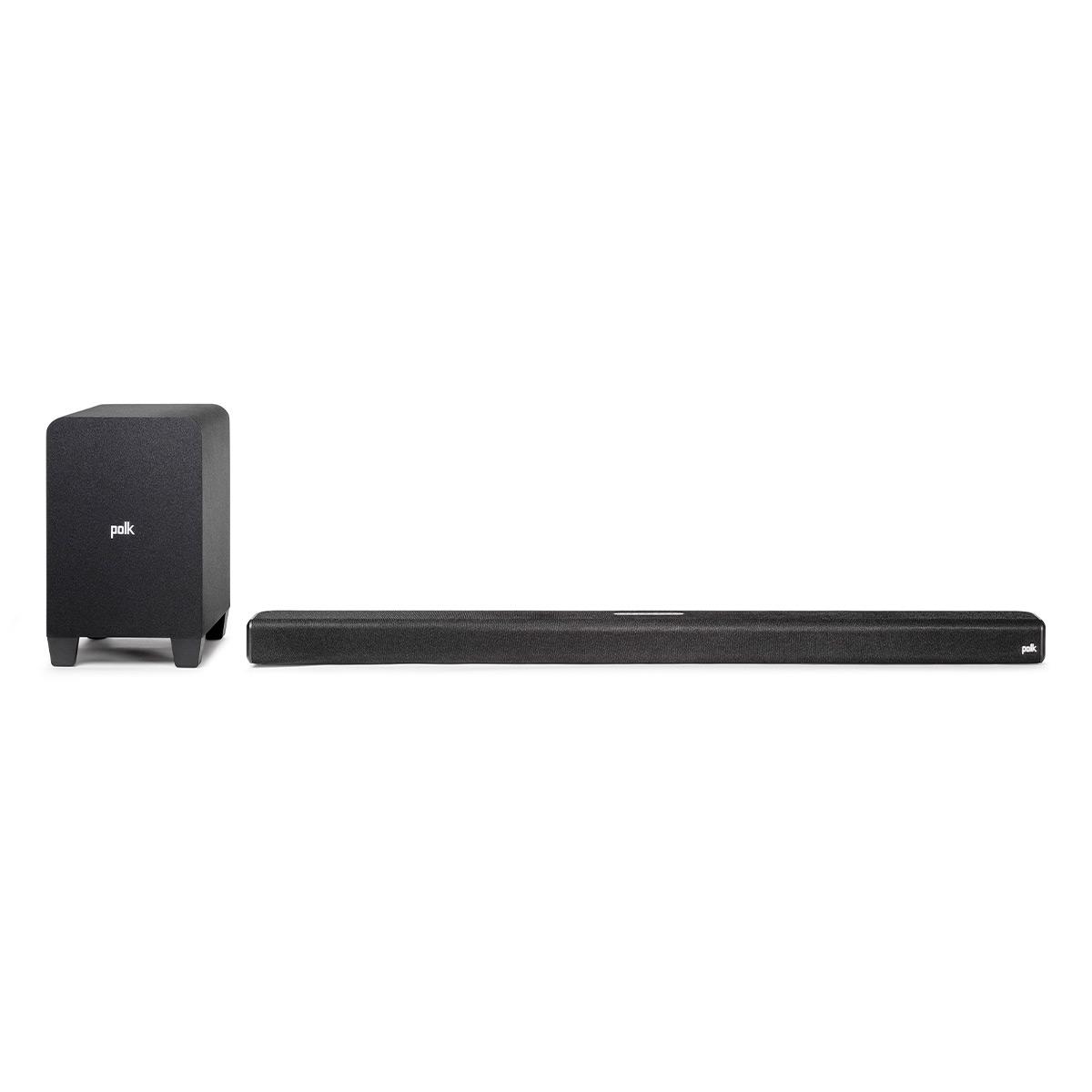
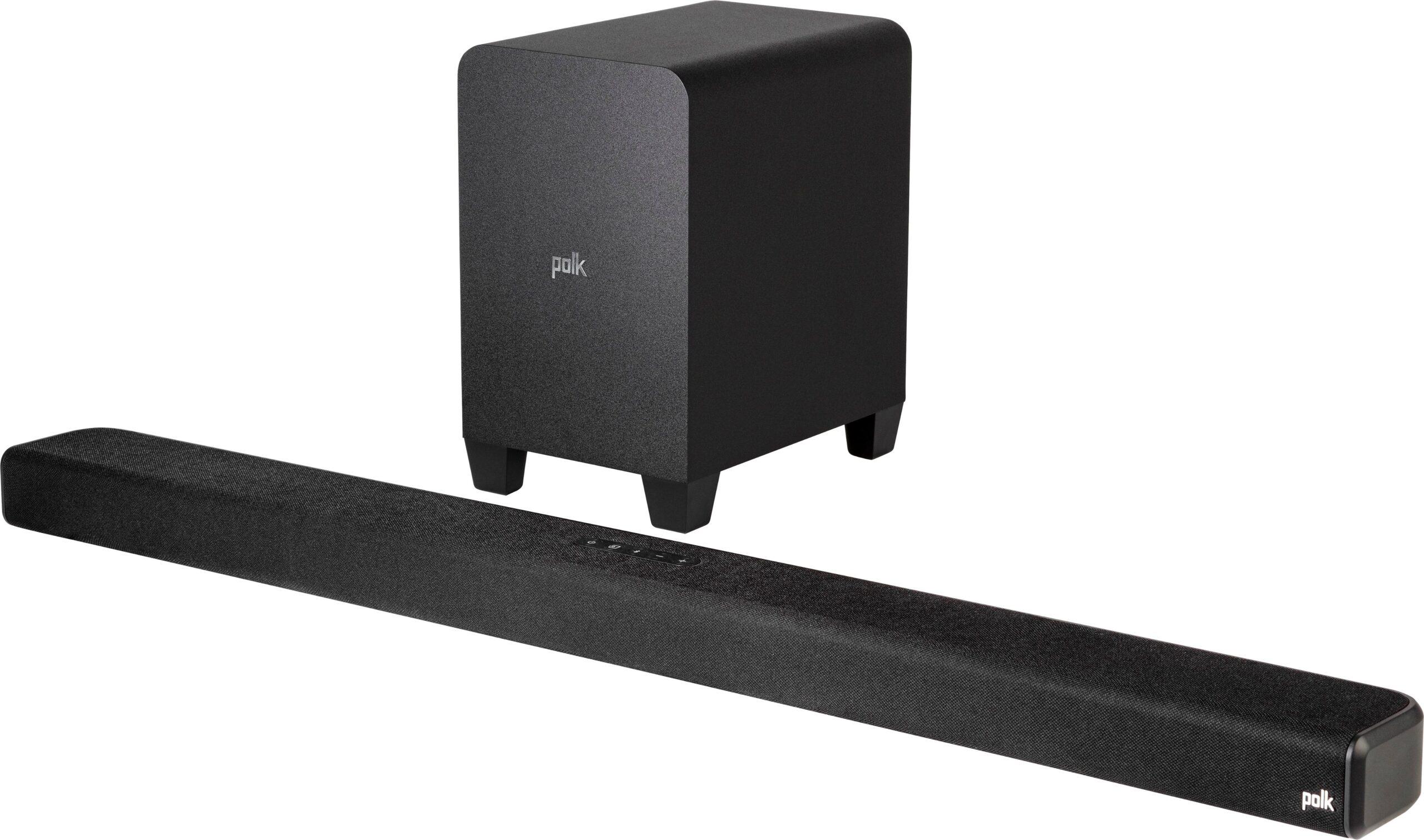
Here's where things get technical, but it's crucial to understand the difference. The LG S70TR is a 5.1.1 system, which means it has five main audio channels (left, center, right, and two rear speakers), one subwoofer, and one height layer created by upward-firing drivers. The Polk Signa S4 is a 3.1.2 system – three main channels (left, center, right), one subwoofer, and two height channels.
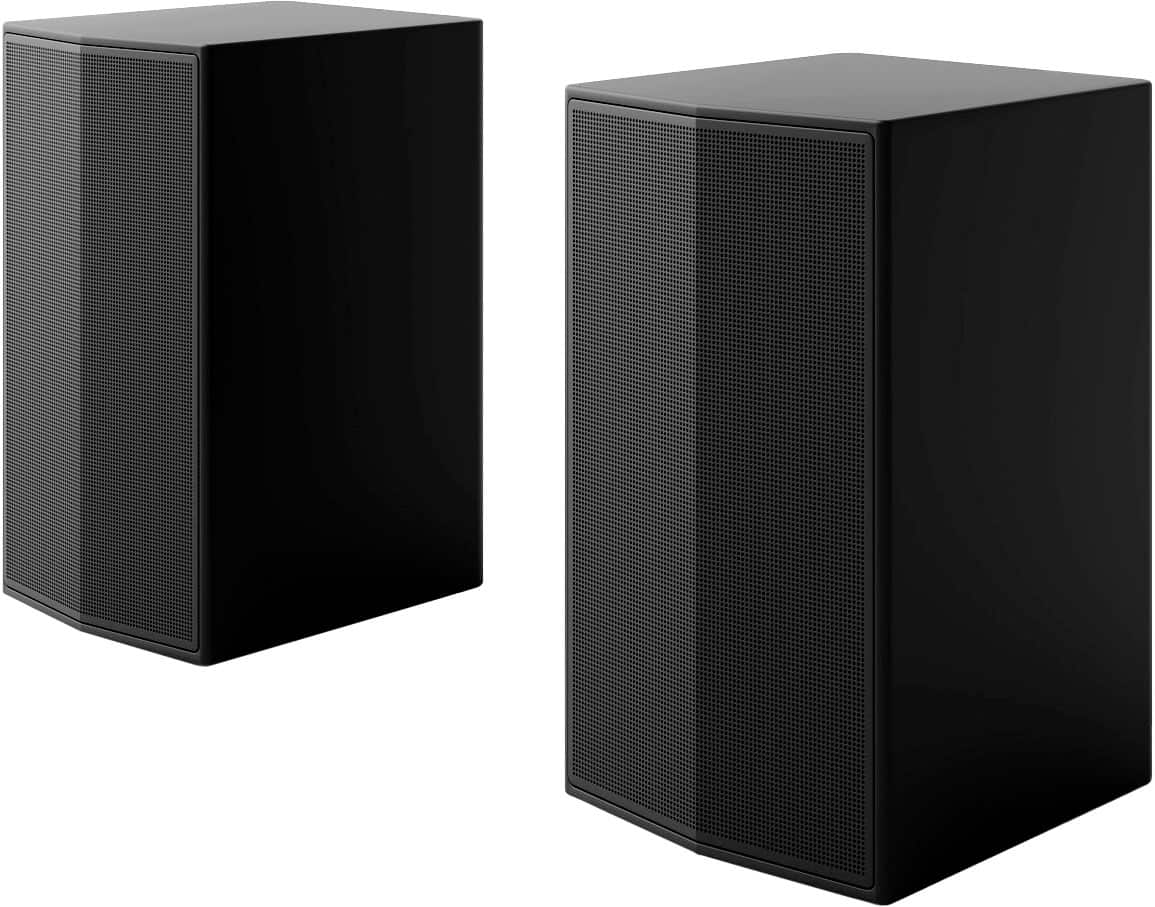
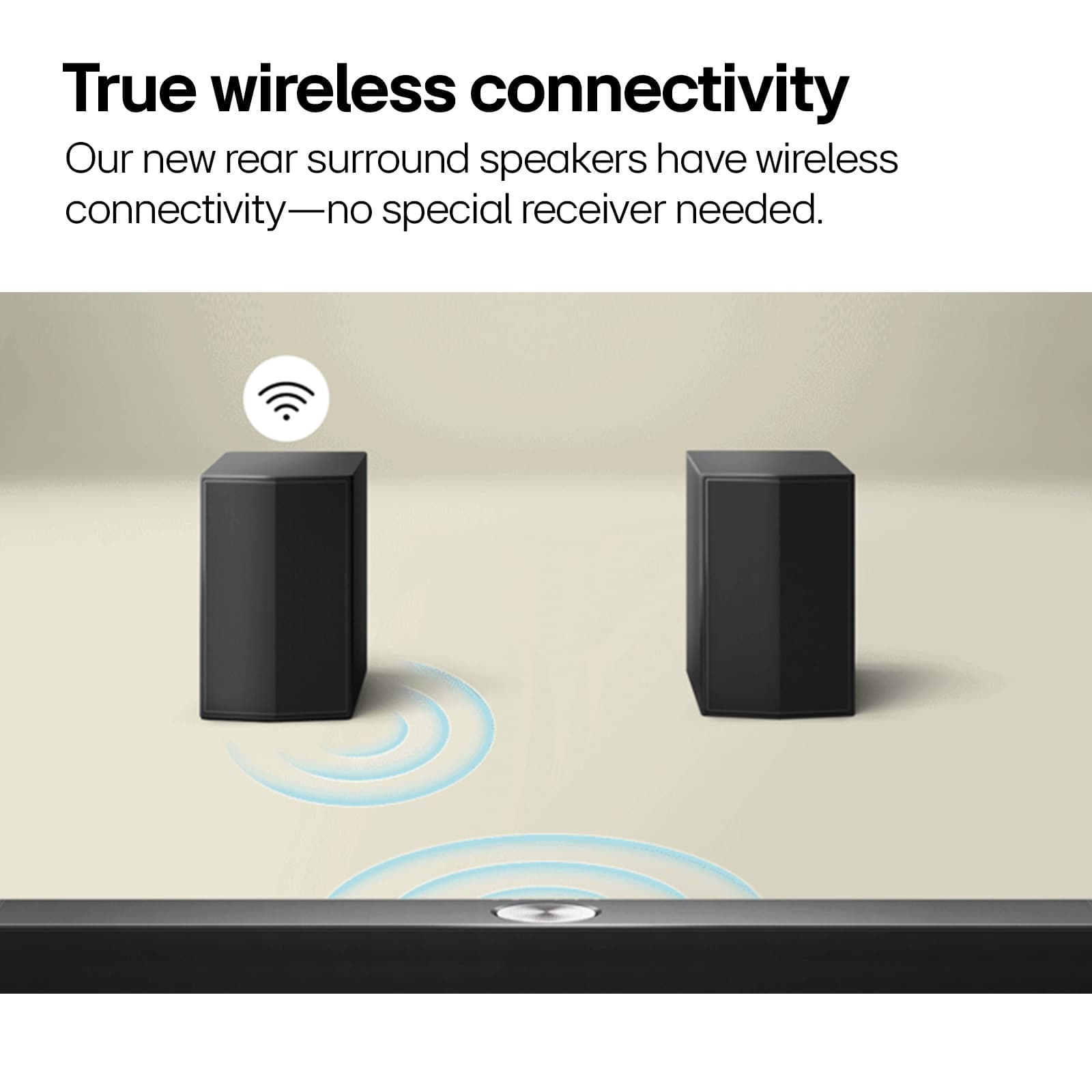
The key difference? Those rear speakers in the LG system. Instead of trying to create the illusion of sound coming from behind you through processing tricks, the S70TR actually places wireless speakers there. In my experience testing various soundbar configurations, there's simply no substitute for real speakers when it comes to creating convincing directional audio.
I remember the first time I watched a scene from "Mad Max: Fury Road" with genuine rear speakers versus virtual processing. During the chase sequences, you can hear engines roaring past from behind your seating position with the LG system, while the Polk relies on your brain to interpret processed audio cues as coming from the rear. Both work, but one is significantly more convincing.
The LG S70TR's biggest advantage is its authentic surround sound field. Those wireless rear speakers don't just add volume – they create genuine directional audio that your brain can pinpoint. When watching action movies, you'll hear debris falling behind you, footsteps creeping up from the back corners, and vehicles passing from rear to front with convincing movement.
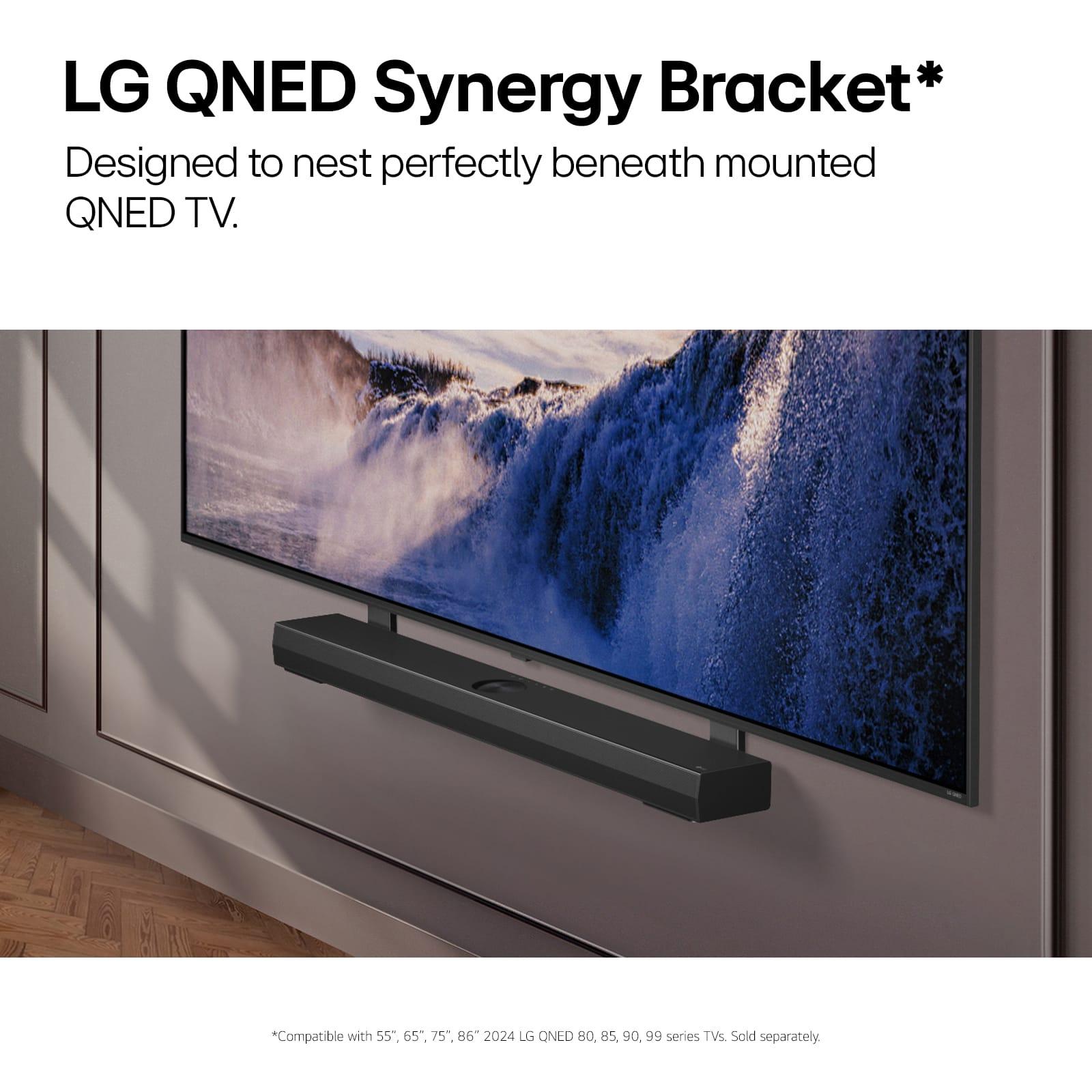
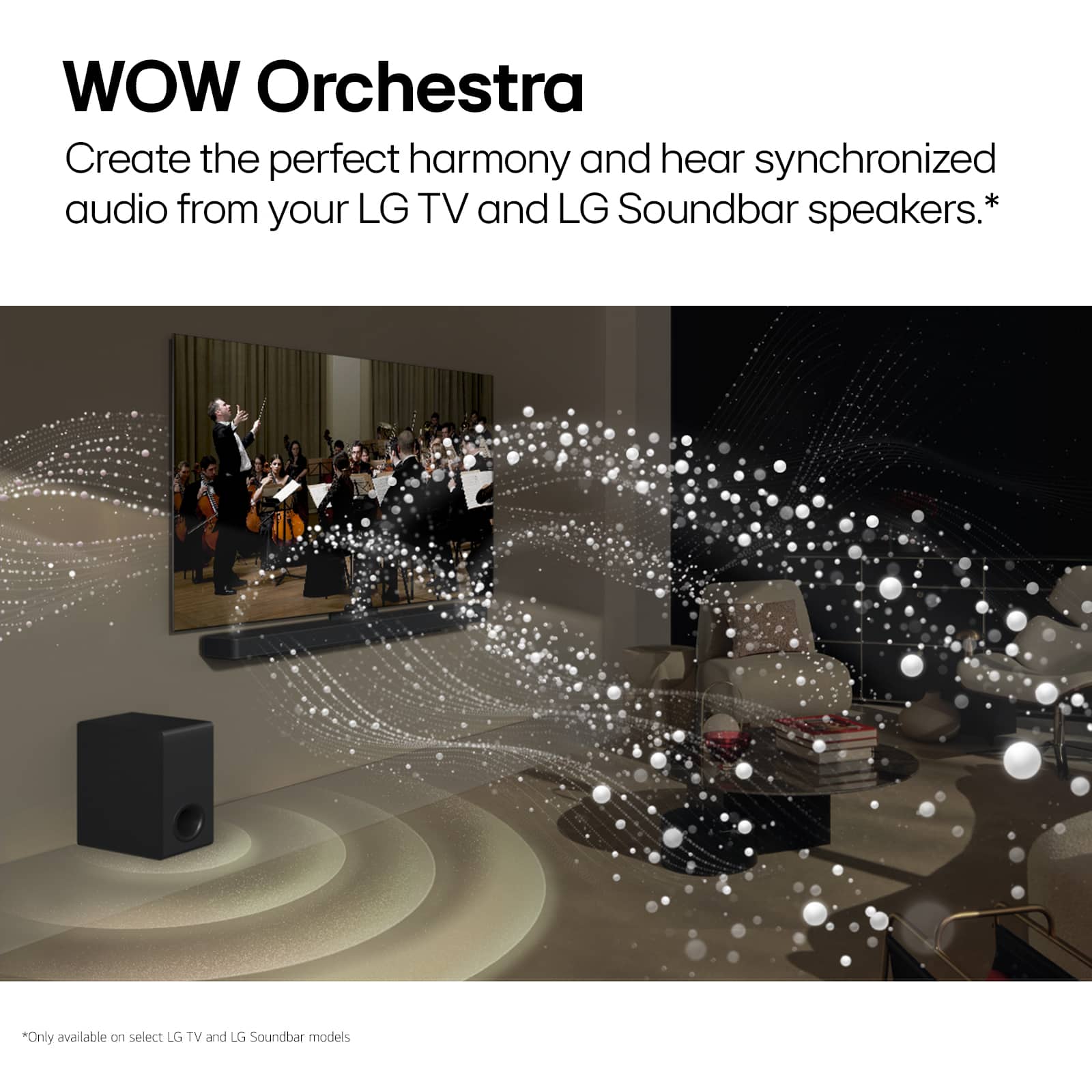
The system's WOW Orchestra feature is particularly impressive if you own a compatible LG QNED TV. This technology synchronizes your TV's built-in speakers with the soundbar, essentially turning your television into an additional center channel. The result is a wider, more enveloping soundstage that feels like the audio is coming from the entire wall rather than just the soundbar below your TV.
The Polk Signa S4 takes a different approach with its 3.1.2 configuration. Instead of physical rear speakers, it uses advanced signal processing to create virtual surround effects. Polk's implementation is actually quite sophisticated – the system analyzes incoming audio and uses psychoacoustic principles (basically, tricks that exploit how your brain processes sound) to create the illusion of multidirectional audio.
However, virtual surround processing has inherent limitations. It works best in rooms with standard ceiling heights (8-10 feet), hard ceiling surfaces for sound reflection, and minimal acoustic interference from furniture or carpeting. In my testing, the Polk performs admirably in ideal conditions but can feel flat in acoustically challenging spaces like open-plan living areas or rooms with high or textured ceilings.
This is where the Polk Signa S4 really shines. Polk's VoiceAdjust technology is genuinely impressive – it's a dedicated processing algorithm that analyzes incoming audio in real-time and specifically boosts vocal frequencies without affecting other elements like music or sound effects. The difference is immediately noticeable when watching dialogue-heavy content.
The system uses a discrete center channel (a dedicated speaker just for voices) combined with this VoiceAdjust processing to ensure that conversations remain clear even during complex audio scenes. I've found this particularly valuable when watching British shows or movies with heavy accents, where even small improvements in clarity make a significant difference in comprehension.
The LG S70TR also features a dedicated center channel, but its approach is more generalized. The up-firing center channel design helps with dialogue clarity, and the AI Sound Pro feature automatically adjusts the audio balance based on content analysis. However, it's not as specialized as Polk's VoiceAdjust system. Where the LG excels is in maintaining dialogue clarity within a larger, more complex soundstage – voices remain intelligible even when surrounded by immersive surround effects.
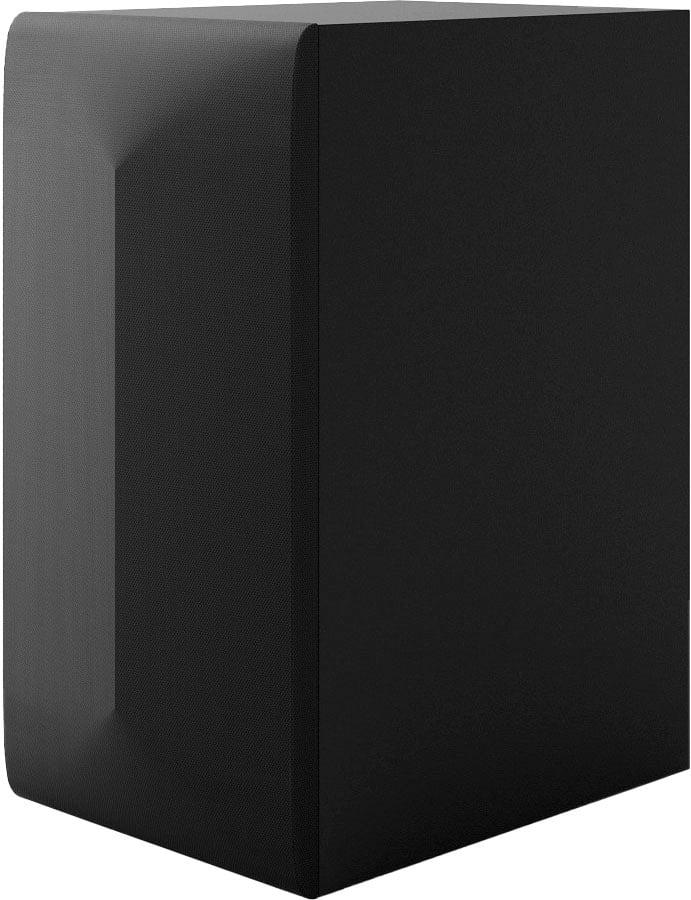
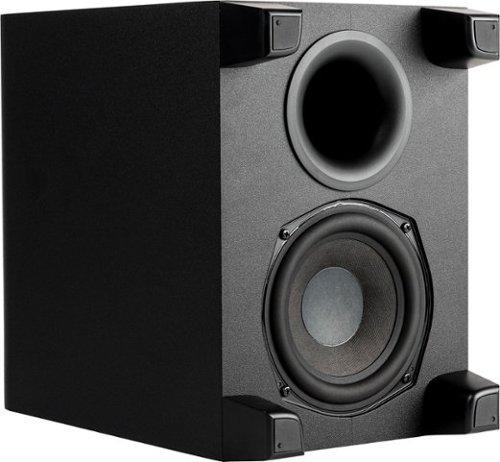
Both systems include wireless subwoofers, but they take different approaches to bass management. The LG S70TR features a larger 7-inch front-firing driver with a 3-inch rear bass port, powered by a substantial 220-watt amplifier. This configuration excels at producing deep, room-filling bass that can handle everything from movie explosions to bass-heavy music.
The Bass Blast+ mode is particularly effective for action content, providing the kind of low-frequency impact that makes you feel explosions in your chest. The larger driver size also means better performance at lower volumes – you'll still feel some bass presence even during late-night viewing sessions.
The Polk Signa S4 uses a smaller 5.9375-inch driver, but Polk has tuned it carefully for balanced performance. The BassAdjust feature allows you to dial in the exact amount of bass you want, which is particularly useful in apartments or smaller spaces where too much low-end can be overwhelming. While it won't match the LG's raw output, it provides clean, tight bass that complements rather than dominates the overall sound signature.
Modern gaming demands audio that stays perfectly synchronized with fast-paced on-screen action. The LG S70TR addresses this with dedicated gaming features including VRR (Variable Refresh Rate) and ALLM (Auto Low Latency Mode) support up to 120Hz. These technologies ensure that audio processing doesn't introduce delays that could affect competitive gaming performance.
The real rear speakers also provide a tactical advantage in games where positional audio matters. In first-person shooters, you can actually hear enemy footsteps approaching from behind with convincing directionality. The wireless rear speakers maintain their connection stability even during intense gaming sessions, something that wasn't always reliable in earlier wireless audio systems.
The Polk Signa S4 doesn't include gaming-specific optimizations. While it handles gaming audio competently, there's no special processing to minimize latency or enhance positional cues. For casual gaming, this isn't a problem, but competitive gamers will notice the difference.
The LG S70TR is designed as part of LG's broader ecosystem. The WOW Orchestra feature I mentioned earlier only works with compatible LG TVs, but when it does work, it's genuinely impressive. The system also integrates with LG's ThinQ platform, supporting voice control through Google Assistant and Alexa.
The room correction feature uses AI to analyze your space's acoustics and adjust the audio output accordingly. This is particularly valuable because most people don't have ideal listening rooms – the system adapts to your space rather than requiring you to adapt your space to the system.
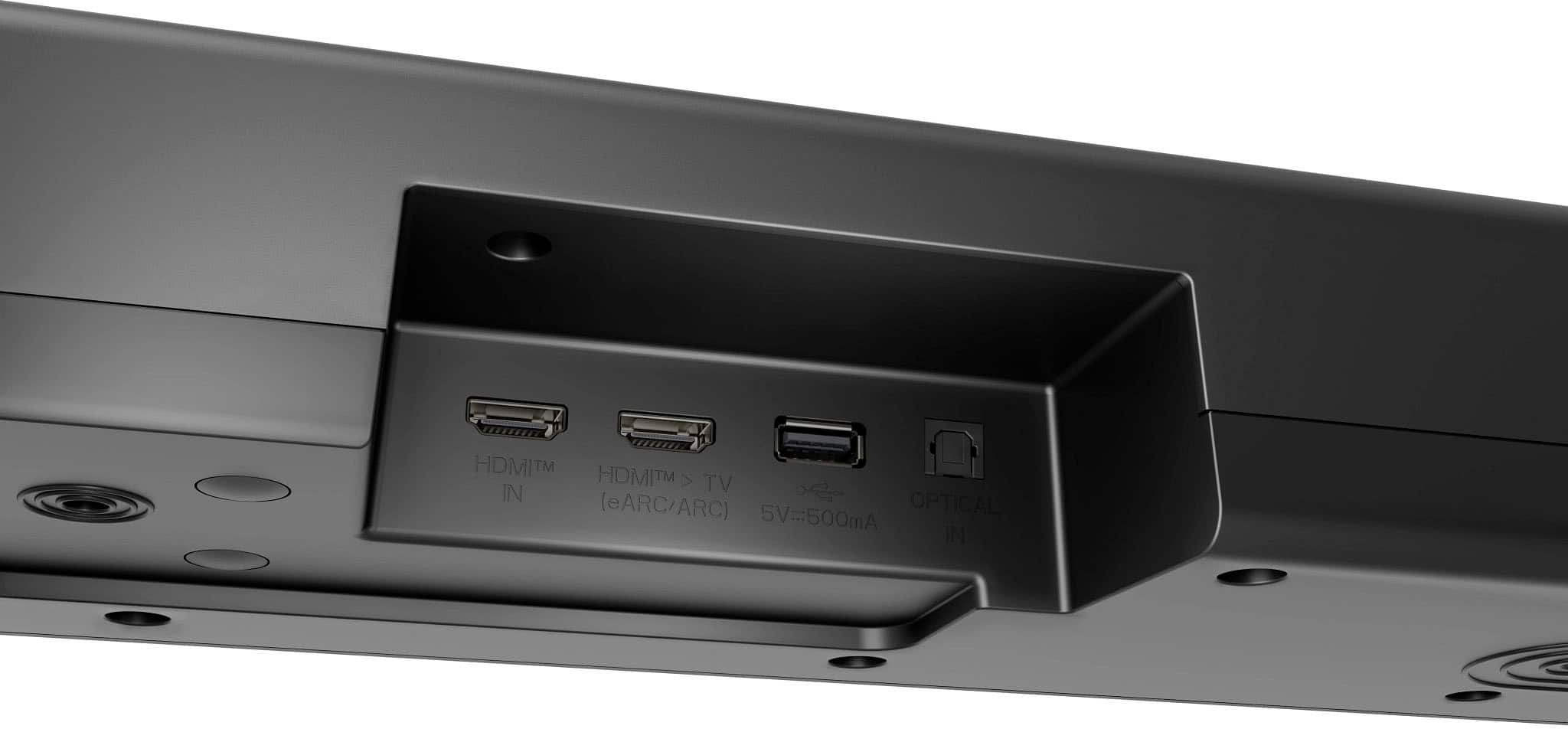
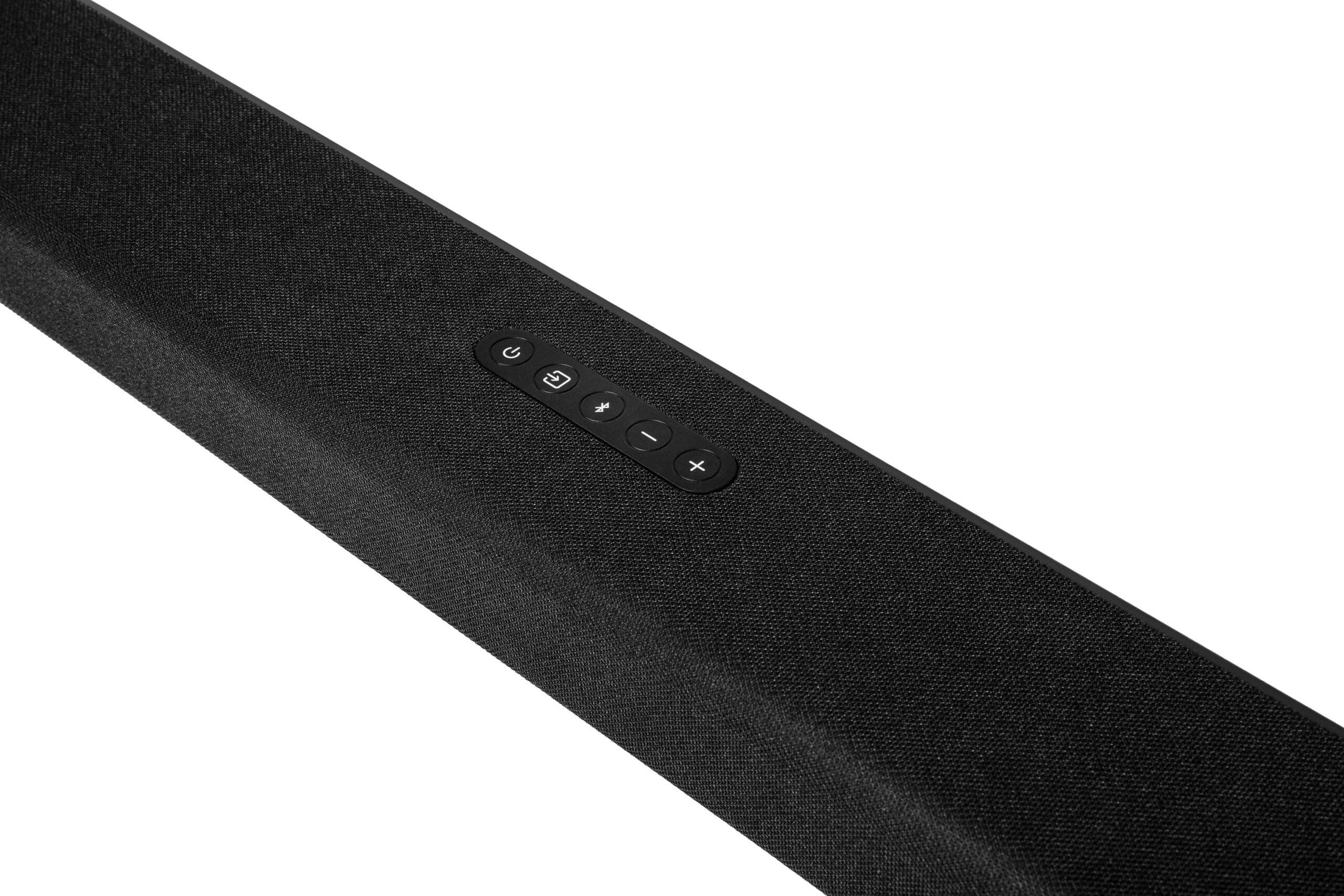
The Polk Signa S4 takes a more universal approach. It doesn't include smart home integration or advanced connectivity features, but it works equally well with any TV brand. The simplicity is actually refreshing – you connect it via HDMI eARC or optical cable, and it just works without requiring accounts, apps, or ecosystem integration.
For a dedicated home theater setup, the LG S70TR is the clear winner. The physical rear speakers create a proper surround sound field that works well in larger rooms (over 200 square feet). The system has enough power and channel separation to fill substantial spaces without losing clarity or impact.
The multiple wireless components do require more planning during setup. You need to position the rear speakers optimally, ensure the subwoofer has adequate space for airflow, and manage power connections for each component. It's not complicated, but it's more involved than a single-unit solution.
The Polk Signa S4 excels in smaller to medium-sized rooms where simplicity and space efficiency matter. Its single-soundbar design makes it ideal for apartments, bedrooms, or spaces where running additional speakers isn't practical. The virtual surround processing works well when you're sitting within the sweet spot (typically 8-12 feet from the soundbar), but effectiveness diminishes with distance.
At $299, the Polk Signa S4 represents exceptional value for entry-level Dolby Atmos. You're getting legitimate height channel processing, excellent dialogue clarity, and solid build quality at a price point that was unthinkable for Atmos technology just a few years ago. For many users, especially those prioritizing dialogue clarity and simplicity, it provides everything they need.
The LG S70TR at $399.99 costs $100 more but delivers significantly more functionality. You're getting true surround sound, gaming optimizations, smart home integration, and room correction technology. The price difference represents good value when you consider the additional hardware (two wireless rear speakers) and advanced features.
From a future-proofing perspective, the LG system offers more growth potential. As content creators continue to push Dolby Atmos technology, having physical rear speakers ensures you'll be able to experience the full effect. The gaming features also position it well for next-generation consoles and PC gaming.
Choose the LG S70TR if you want the most immersive possible experience and have the space for multiple speakers. It's ideal for dedicated movie watchers, serious gamers, and anyone who wants to feel truly surrounded by their audio. The LG TV integration is a bonus if you're already in that ecosystem, but the surround sound benefits work with any TV.
The Polk Audio Signa S4 is perfect for users who prioritize simplicity, dialogue clarity, and value. It's an excellent choice for smaller spaces, apartment living, or situations where you want great sound without the complexity of multiple components. The VoiceAdjust technology makes it particularly appealing for people who watch a lot of dialogue-heavy content.
Both soundbars represent solid engineering and good value within their respective approaches. The choice ultimately comes down to whether you want authentic surround sound with more complexity, or excellent processed audio with maximum simplicity. Either way, you'll be getting a significant upgrade over your TV's built-in speakers and a genuine taste of what Dolby Atmos can deliver.
| LG S70TR 5.1.1 Channel Soundbar | Polk Audio Signa S4 Dolby Atmos Soundbar |
|---|---|
| Price - Entry point for true Dolby Atmos experience | |
| $399.99 | $299.00 |
| Channel Configuration - More channels mean better surround immersion | |
| 5.1.1 (includes physical wireless rear speakers) | 3.1.2 (virtual surround processing only) |
| Subwoofer Driver Size - Larger drivers produce deeper, more powerful bass | |
| 7-inch front-firing with 220W amplifier | 5.9375-inch driver with compact design |
| Rear Speakers - Physical speakers vs virtual processing for surround sound | |
| True wireless rear speakers included | Virtual rear effects through processing |
| Gaming Features - Critical for competitive gaming and console use | |
| VRR/ALLM support up to 120Hz, dedicated Gaming Mode | No gaming optimizations, standard processing |
| Smart Integration - Convenience and ecosystem compatibility | |
| LG ThinQ, Google Assistant, Alexa, WOW Orchestra with LG TVs | Basic connectivity only, universal TV compatibility |
| Dialogue Enhancement - Important for TV shows and movies with heavy dialogue | |
| Up-firing center channel with AI Sound Pro | VoiceAdjust technology with dedicated center channel |
| Room Correction - Adapts sound to your specific space | |
| AI-powered acoustic optimization | Manual sound mode selection only |
| Setup Complexity - Time and effort required for installation | |
| Multiple wireless components, more involved setup | Single soundbar plus subwoofer, plug-and-play |
| Best Room Size - Optimal performance based on space | |
| Medium to large rooms (200+ sq ft) | Small to medium rooms, apartment-friendly |
| Release Date - Technology generation and future-proofing | |
| October 2024 (latest generation) | 2021 (proven, mature technology) |
The LG S70TR at $399.99 offers better value for home theater enthusiasts who want true surround sound with physical rear speakers. The Polk Audio Signa S4 at $299.00 provides excellent value for budget-conscious buyers prioritizing dialogue clarity and simplicity. The $100 price difference gets you real rear speakers and gaming features with the LG.
Yes, the physical rear speakers in the LG S70TR create authentic directional audio that virtual processing cannot match. If you watch action movies or play games where positional audio matters, the rear speakers provide a significantly more immersive experience than the virtual surround sound in the Polk Signa S4.
The Polk Audio Signa S4 excels at dialogue clarity with its VoiceAdjust technology that specifically enhances vocal frequencies without affecting other audio elements. While the LG S70TR also has good dialogue performance, Polk's specialized voice processing makes it superior for dialogue-heavy content like TV shows and news.
The LG S70TR is 5.1.1, meaning five main channels including physical rear speakers, one subwoofer, and one height layer. The Polk Signa S4 is 3.1.2 with three main channels (no rear speakers), one subwoofer, and two height channels. More channels generally mean better surround sound immersion.
The LG S70TR is significantly better for gaming with VRR and ALLM support up to 120Hz, plus a dedicated Gaming Mode that reduces audio lag. The physical rear speakers also provide tactical advantages in competitive gaming. The Polk Signa S4 lacks gaming-specific features and optimizations.
The Polk Audio Signa S4 requires minimal space with just a soundbar and subwoofer, making it perfect for apartments and smaller rooms. The LG S70TR needs space for rear speaker placement and works best in medium to large rooms over 200 square feet where the surround sound can be fully appreciated.
Yes, both the LG S70TR and Polk Audio Signa S4 work with any TV brand through HDMI eARC or optical connections. However, the LG offers special WOW Orchestra integration that combines your LG TV's speakers with the soundbar for enhanced performance if you own a compatible LG TV.
The LG S70TR produces deeper, more powerful bass with its larger 7-inch subwoofer driver and 220-watt amplifier, plus a Bass Blast+ mode for extra impact. The Polk Signa S4 has a smaller 5.9375-inch driver but offers BassAdjust controls for customization and apartment-friendly bass levels.
The Polk Audio Signa S4 offers simpler setup with just two components and plug-and-play operation. The LG S70TR requires more setup time due to positioning multiple wireless components (soundbar, subwoofer, and two rear speakers), but the wireless connectivity eliminates cable running.
The Polk Audio Signa S4 is ideal for apartments with its compact design, adjustable bass levels, and simple two-component setup. The virtual surround processing works well in smaller spaces, and you won't disturb neighbors with excessive bass. The LG S70TR may be overkill for very small spaces.
Both the LG S70TR and Polk Audio Signa S4 are certified for Dolby Atmos and support the latest content from streaming services and 4K Blu-rays. The LG's physical rear speakers provide more authentic Atmos immersion, while the Polk relies on virtual processing to create height effects.
The LG S70TR released in October 2024 offers better future-proofing with gaming features, smart home integration, and firmware updates. The Polk Signa S4 from 2021 represents mature, proven technology but lacks advanced connectivity features. Both should remain compatible with current content standards for years to come.
We've done our best to create useful and informative comparisons to help you decide what product to buy. Our research uses advanced automated methods to create this comparison and perfection is not possible - please contact us for corrections or questions. These are the sites we've researched in the creation of this article: bestbuy.com - mynavyexchange.com - rixaudiovideoappliance.com - rtings.com - youtube.com - bestbuy.com - howards.siteontimedev.com - bestbuy.com - appliancestogousa.us - soundandvision.com - audioholics.com - crutchfield.com - cnet.com - richersounds.com - crutchfield.com - rtings.com - polkaudio.com - walmart.com - polkaudio.com - crutchfield.com - youtube.com - profx.com

Privacy Policy
Terms and Conditions - Affiliate Policy
Home Security
© Copyright 2008-2026.
11816 Inwood Rd #1211, Dallas, TX 75244