






When you first turn on a modern TV, the picture quality probably amazes you—colors pop, details are crisp, and everything looks fantastic. But then the audio hits, and suddenly you're reminded that manufacturers have been cramming speakers into increasingly thin TV bezels for years. The result? Audio that sounds like it's coming from a tin can buried under a pillow.
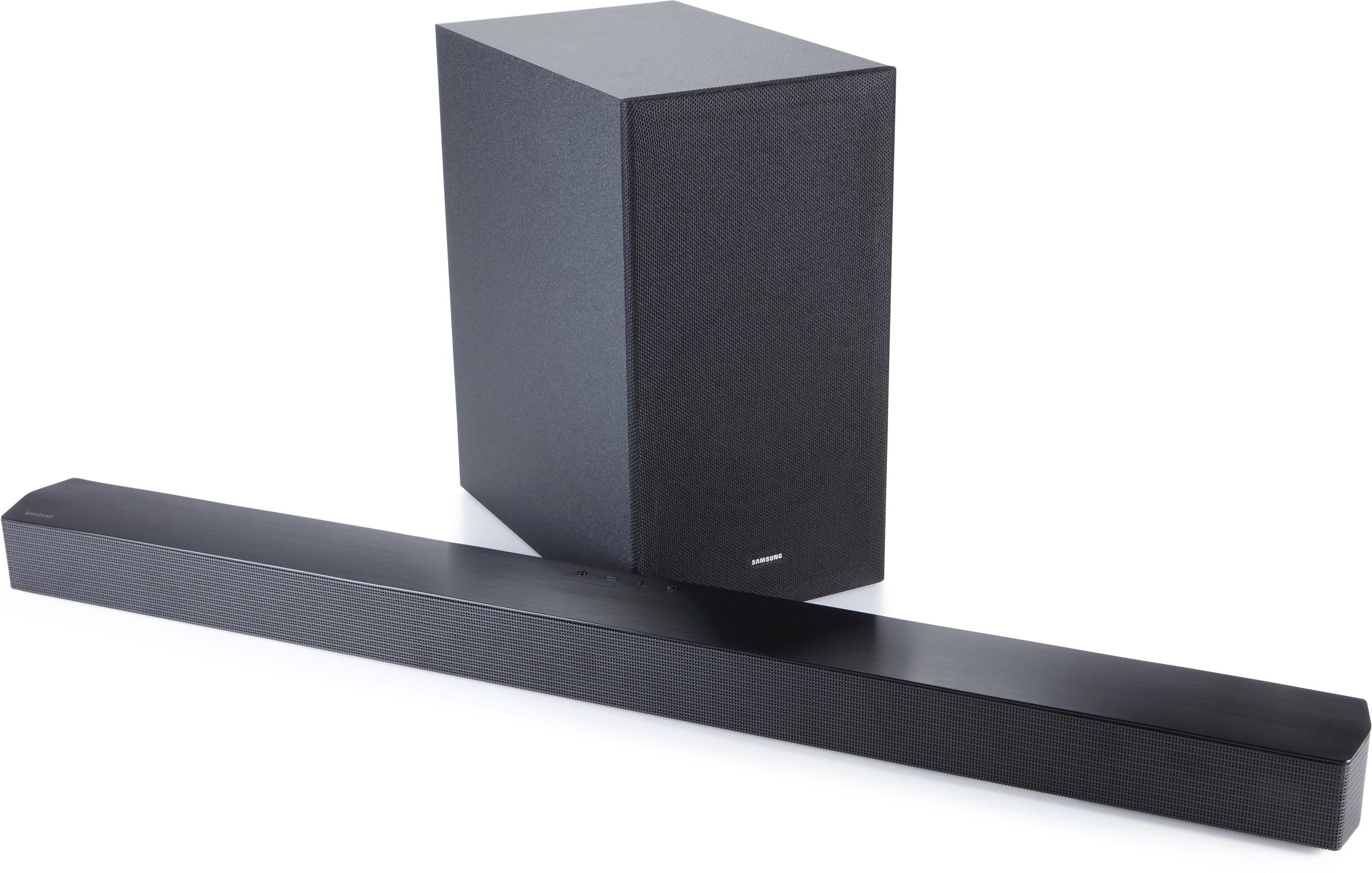
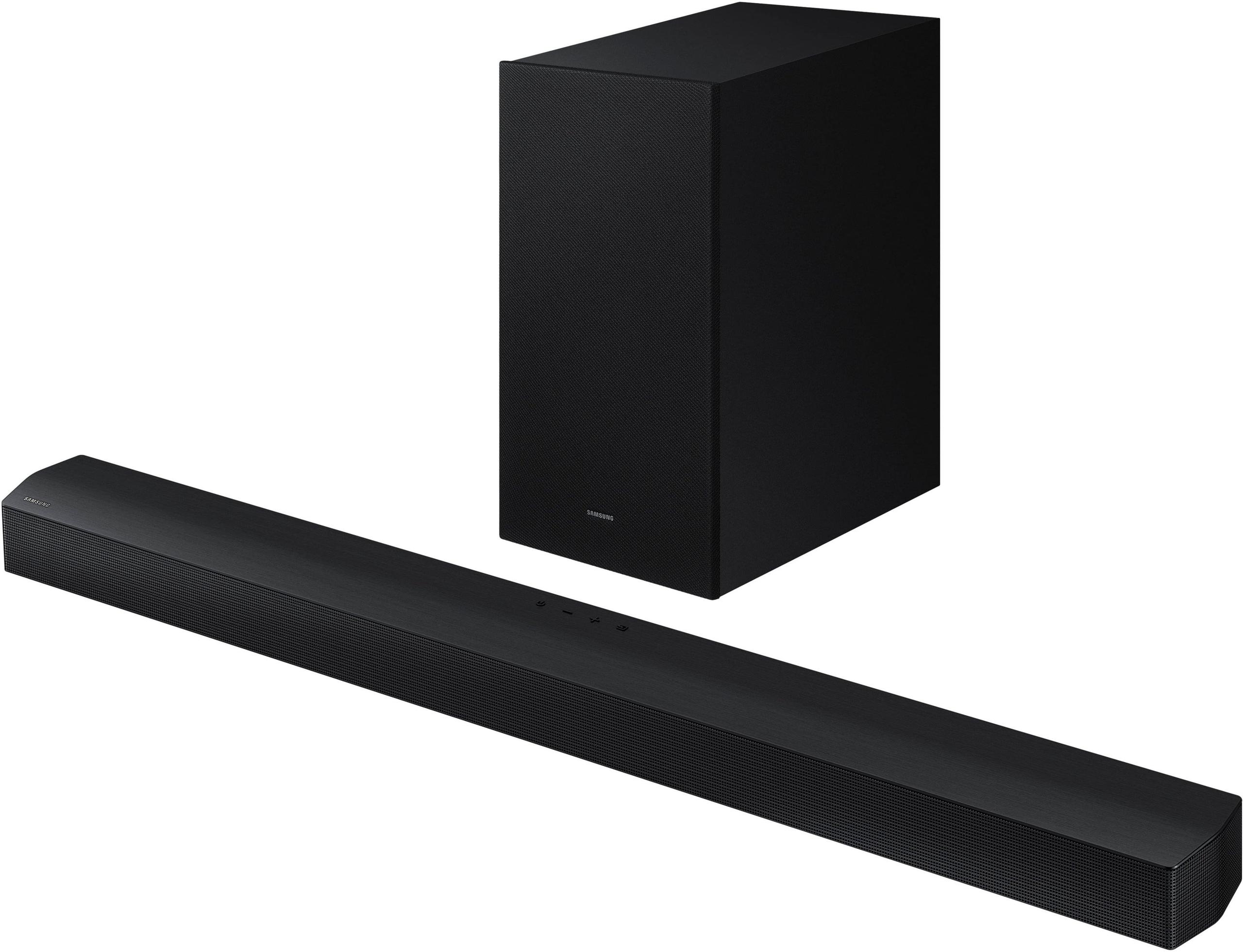
This is where soundbars come to the rescue. These sleek, horizontal speakers have become the go-to solution for anyone wanting better TV audio without turning their living room into a maze of wires and speakers. Today, we're comparing two very different approaches to this problem: the budget-friendly Samsung HW-B550D 3.1 Channel Sound Bar at $177.99 and the more premium LG S70TR 5.1.1 Channel Soundbar at $399.99.
Before diving into these specific models, let's talk about what those numbers actually mean. When you see "3.1" or "5.1.1," you're looking at channel configurations that tell you exactly how many speakers are working to create your audio experience.
The first number represents your main horizontal channels—left, center, and right speakers for dialogue and most sound effects. The second number is your subwoofer count (almost always "1" unless you're going really high-end). That final number in configurations like "5.1.1" represents height or upward-firing channels, which bounce sound off your ceiling to create overhead effects.
Think of it this way: a 3.1 system gives you stereo sound plus a center channel for clear dialogue, while a 5.1.1 system surrounds you with speakers and even adds sounds from above. The difference is like watching a movie through a window versus being inside the scene itself.
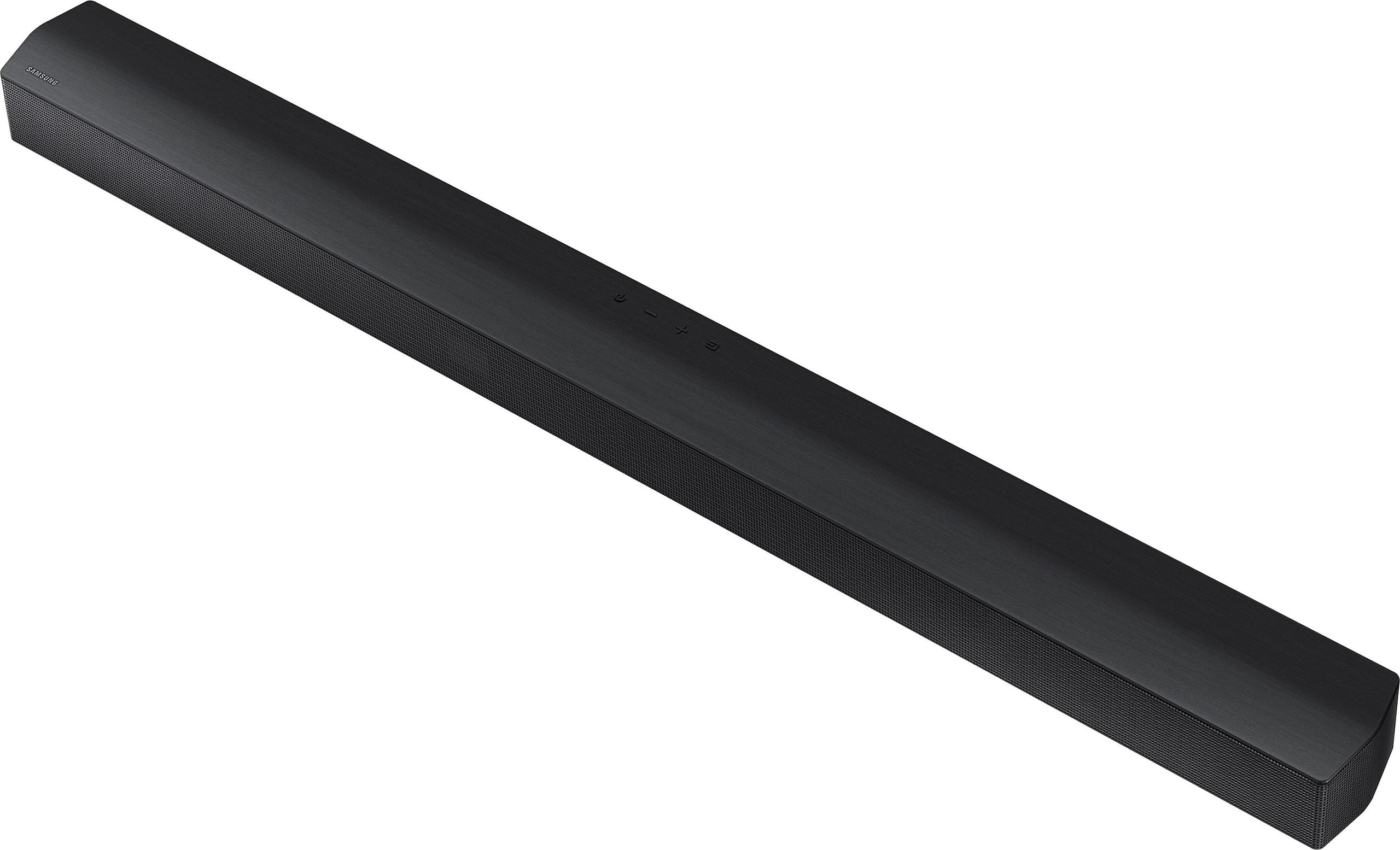
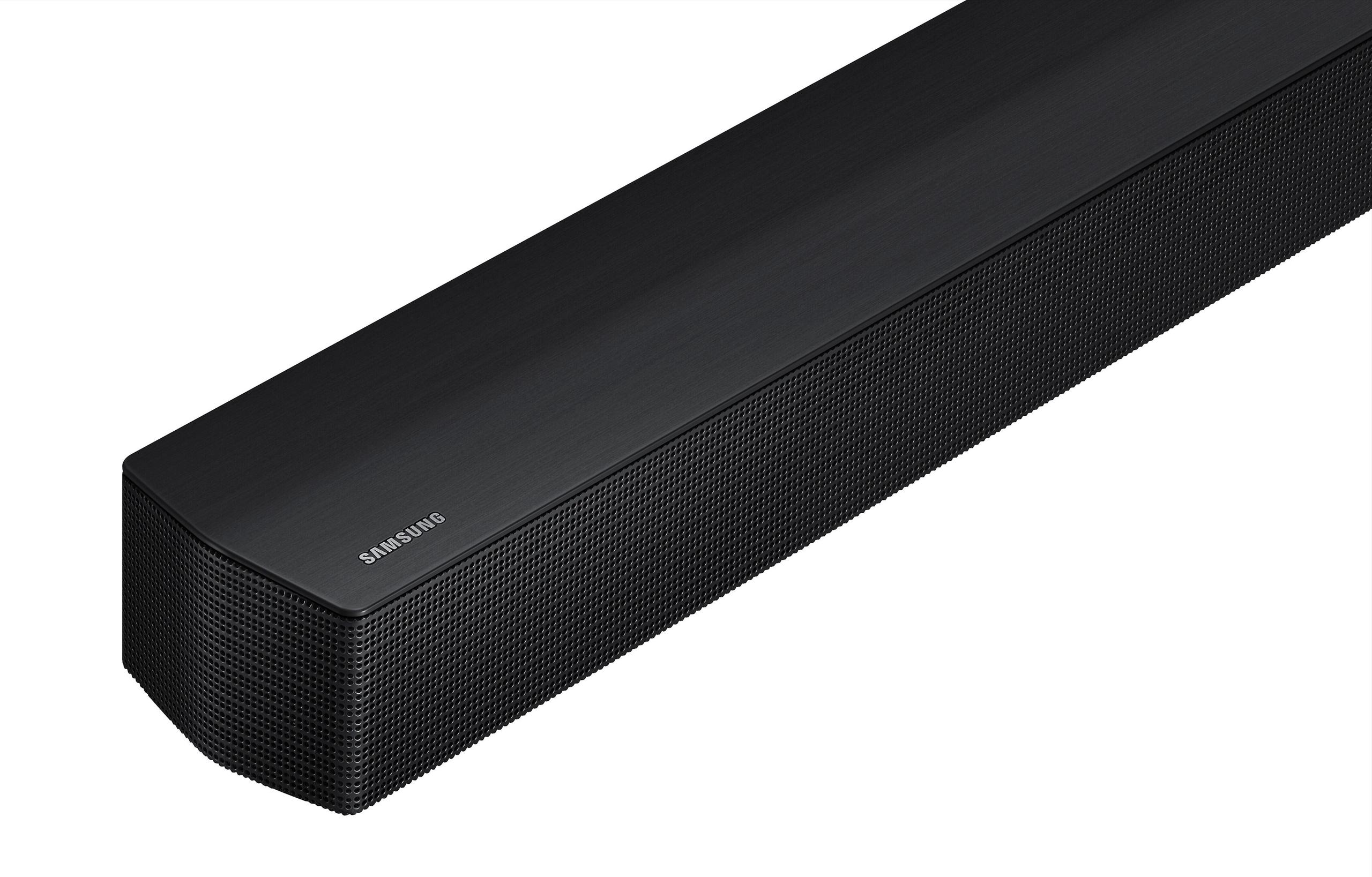
The Samsung HW-B550D represents Samsung's continued focus on delivering solid audio fundamentals at accessible prices. Released in 2024, it builds on years of Samsung's experience in making soundbars that just work without overwhelming users with features they might never use. Samsung has consistently positioned products like this as the sweet spot between TV speakers and full home theater systems.
The LG S70TR, launched in October 2024, showcases LG's push toward integrated smart home experiences. This isn't just about making sound better—it's about making your entire entertainment system work together seamlessly. LG has been particularly aggressive in developing features that work specifically with their TVs, creating an ecosystem approach that can be incredibly compelling if you're already in the LG family.
Both products arrive during an interesting time in the soundbar market. Dolby Atmos—the technology that creates those overhead sound effects—has moved from exotic high-end feature to expected standard. Meanwhile, wireless rear speakers have become more reliable and easier to set up, making true surround sound accessible to more people.
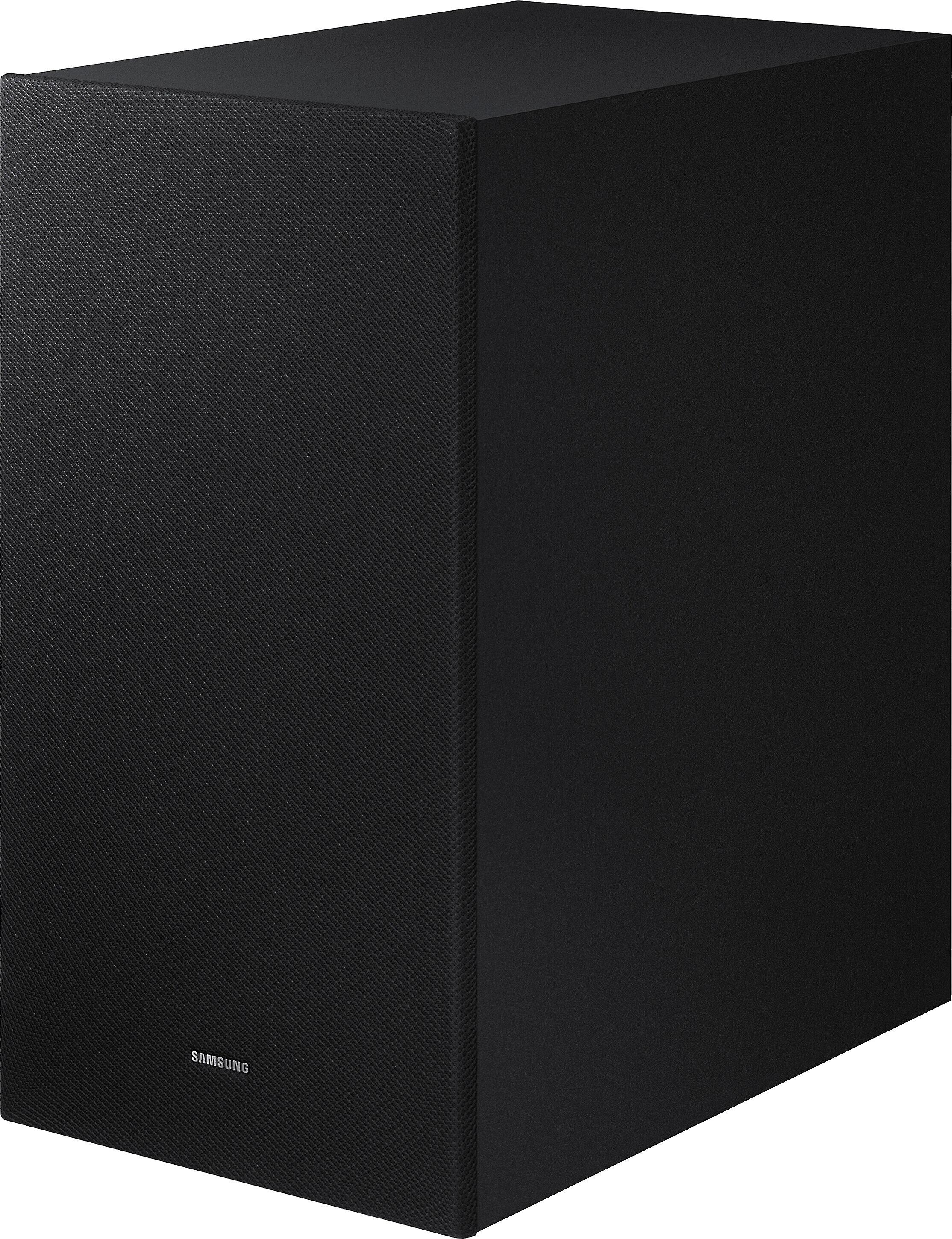
The Samsung HW-B550D takes what I'd call the "get it right first" approach. With its 3.1 configuration, you get three discrete front-firing speakers handling left, center, and right channels, plus a wireless subwoofer tucked away somewhere in your room handling the bass.
What makes this interesting is Samsung's implementation of DTS Virtual:X. This technology essentially tricks your ears into thinking you're hearing surround sound by carefully processing the audio and using the physical speakers to create phantom sound sources. It's like an audio magician—the sound appears to come from places where there aren't actually any speakers.
In practice, this works surprisingly well for dialogue clarity. The dedicated center channel means voices stay locked to the screen instead of wandering around your room. I've found that budget soundbars often struggle with this, but Samsung's implementation keeps conversations crisp and intelligible even during action sequences with lots of background noise.
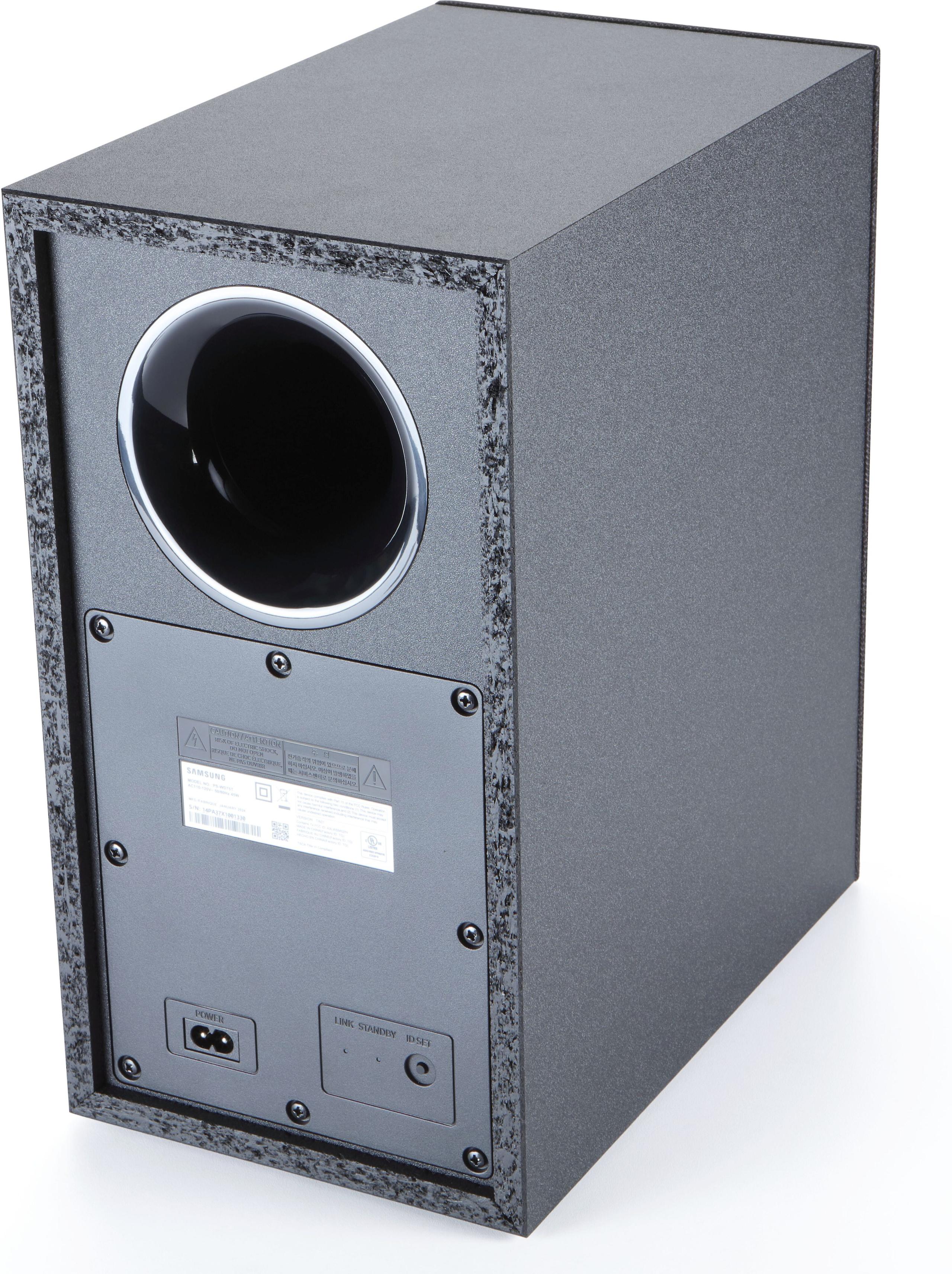
The wireless subwoofer features a 5-inch driver in a ported enclosure, which means it uses a carefully tuned opening to extend bass response. For a budget system, the bass impact is respectable—you'll feel movie explosions and music's low end without overwhelming your neighbors.
However, there are clear limitations. Without physical rear speakers, the surround effect relies entirely on audio processing tricks. In larger rooms or with more complex soundtracks, these limitations become apparent. The soundstage—the perceived width and depth of the audio—stays relatively narrow compared to true surround systems.
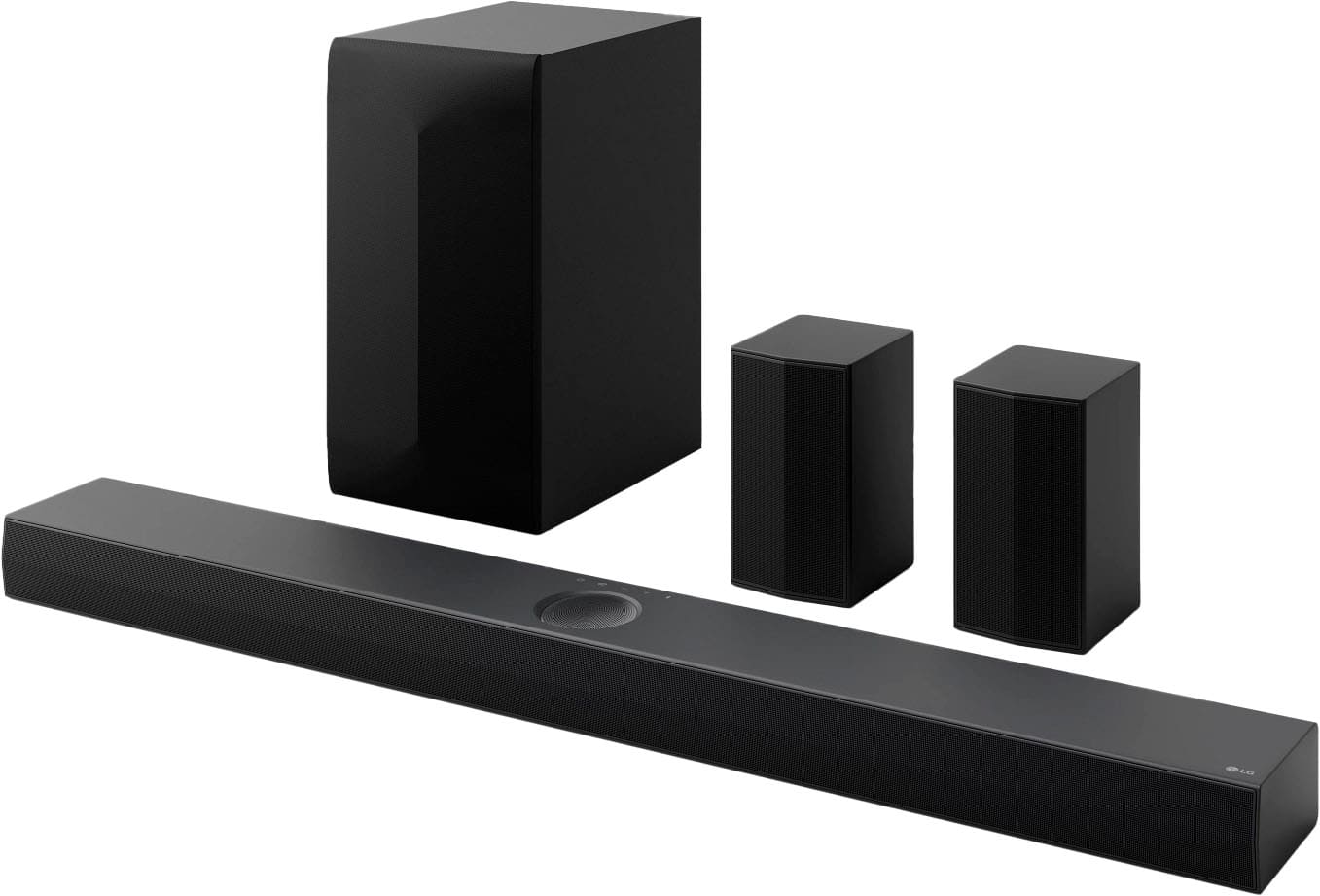
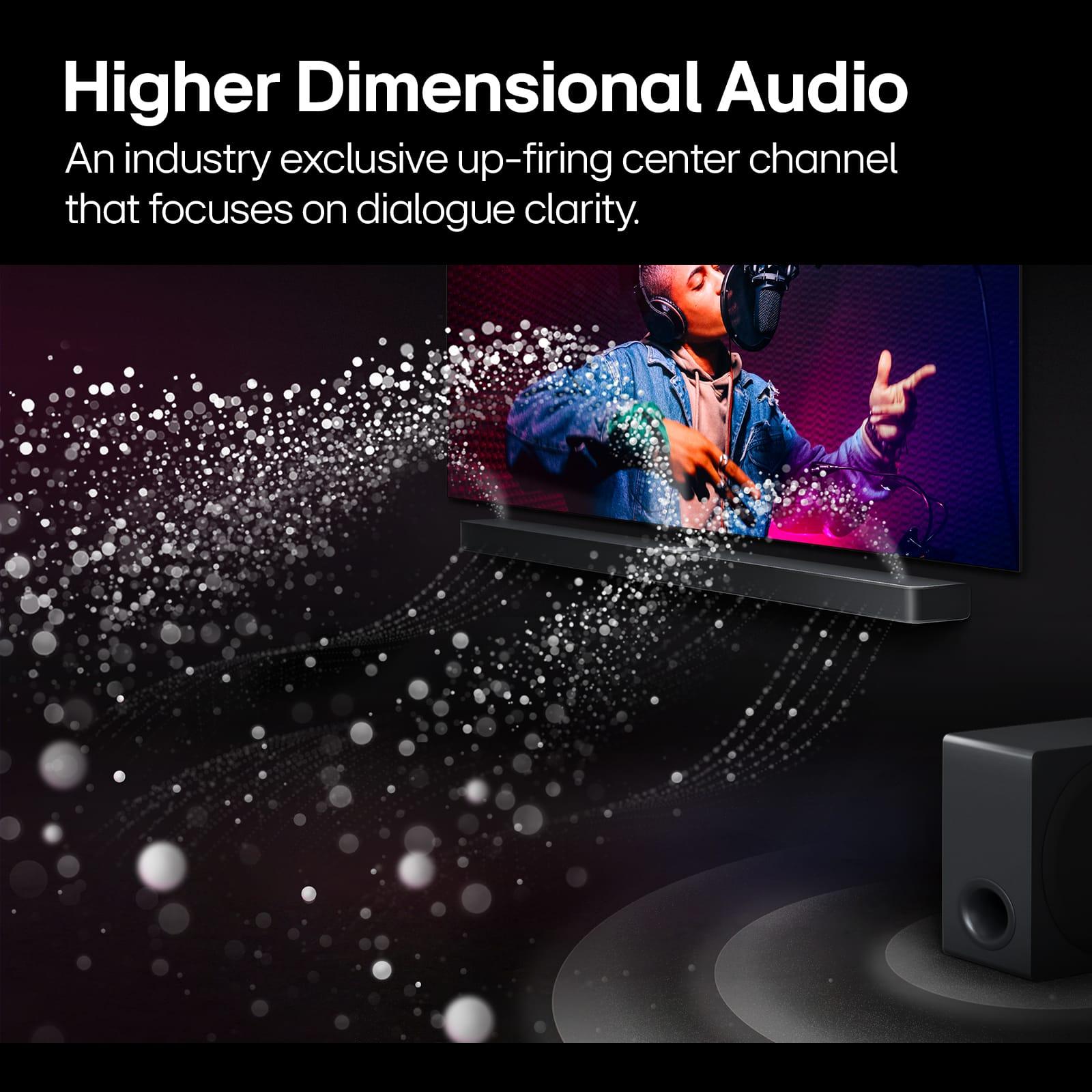
The LG S70TR takes a fundamentally different approach by giving you actual surround sound hardware. With 5.1.1 channels, you get discrete left, center, right, and rear speakers, plus a subwoofer and an upward-firing height channel for Dolby Atmos effects.
This matters more than you might think. When a helicopter flies across the screen in a movie, the LG system can actually move that sound from your front left speaker to your rear right speaker in real time. The Samsung has to create that movement illusion using only front-facing drivers.
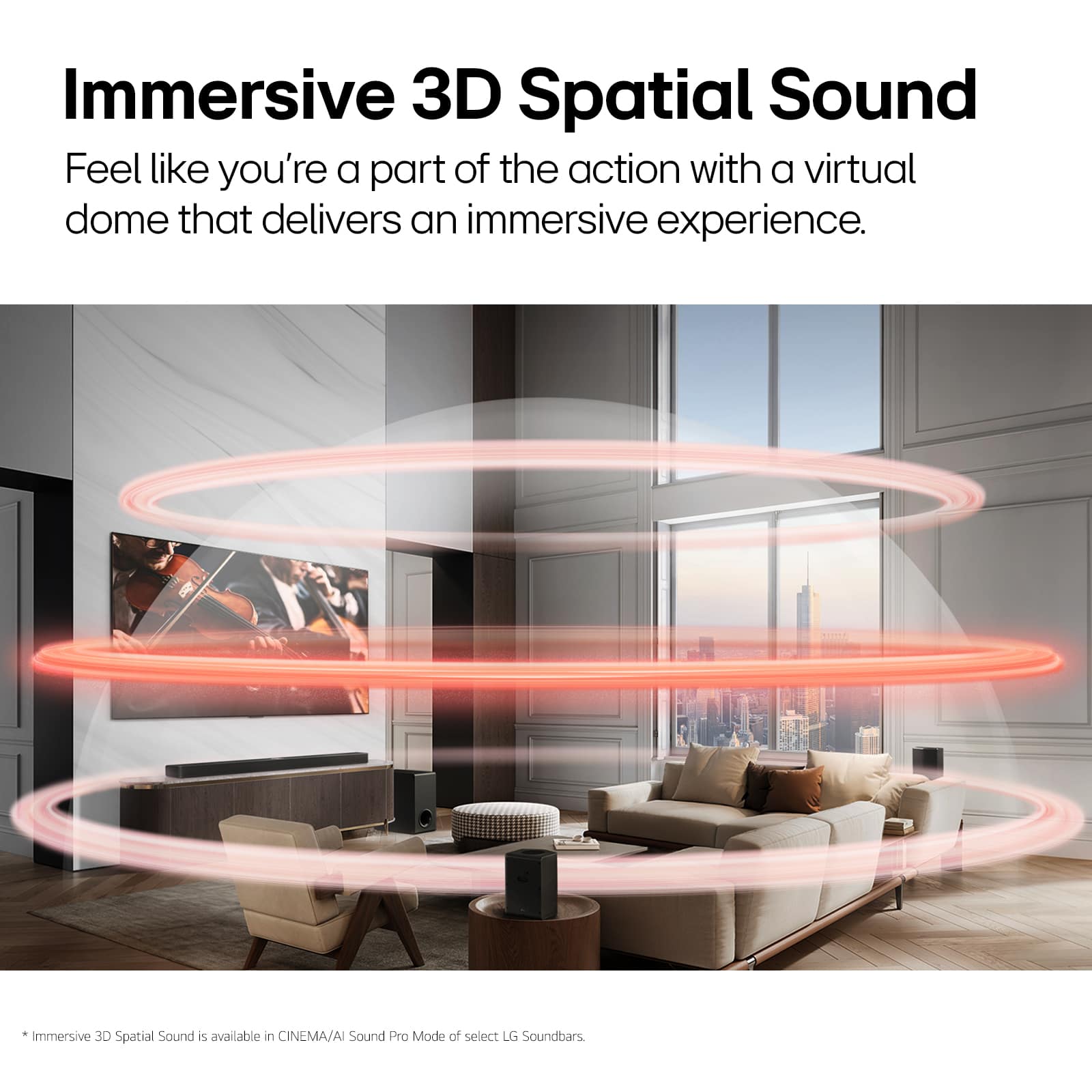
The height channel deserves special attention. This upward-firing speaker bounces sound off your ceiling to create overhead effects. When properly set up, rain sounds like it's falling from above, and aircraft genuinely seem to pass overhead. It's the difference between hearing about something happening and feeling like you're there when it happens.
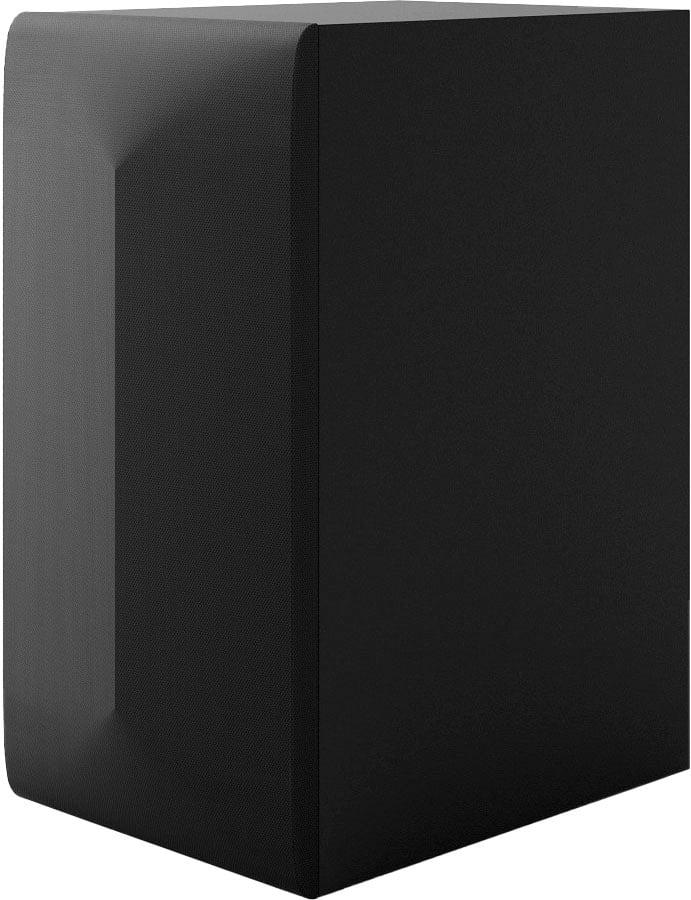
LG's subwoofer is also more substantial—a 7-inch front-firing driver with a 3-inch rear port, powered by 220 watts. This creates deeper, more controlled bass that can handle both the subtle rumble of distant thunder and the sharp impact of action sequences without losing composure.
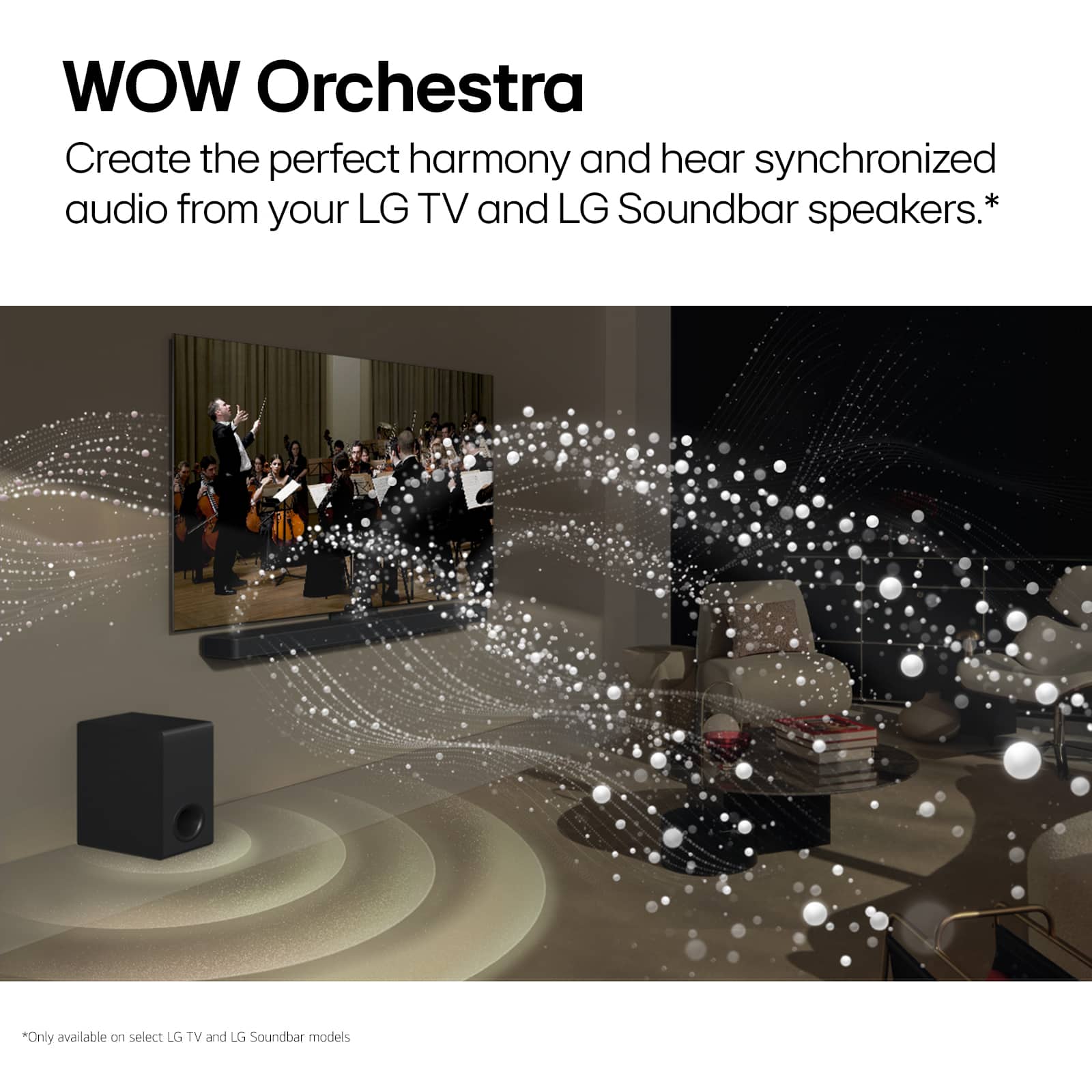
But here's where LG gets clever: WOW Orchestra. If you have a compatible LG TV, this feature uses your TV's built-in speakers as additional channels, working alongside the soundbar to create an even wider soundstage. It's like getting extra speakers for free, and in practice, it genuinely expands the audio beyond what the soundbar alone can achieve.
Gaming audio has become increasingly important as consoles like the PlayStation 5 and Xbox Series X push both visual and audio boundaries. Here's where these two systems diverge significantly.
The Samsung HW-B550D offers basic game mode functionality, which typically means reducing audio processing delays and adjusting the sound profile for gaming content. It's adequate for casual gaming but doesn't offer the advanced features that serious gamers might want.
The LG S70TR is built for modern gaming. It supports Variable Refresh Rate (VRR) and Auto Low Latency Mode (ALLM), which work with compatible gaming consoles to minimize the delay between controller input and what you see and hear on screen. For competitive gaming, these milliseconds matter. The system also supports 120Hz passthrough, meaning it won't bottleneck the high refresh rate capabilities of newer consoles.
In my experience testing gaming audio, the difference between basic and optimized systems is night and day for immersive games. The LG's true surround separation means you can actually hear enemy footsteps behind you in first-person shooters, while the Samsung's virtual surround might give you a general sense of direction but lacks the precision for competitive advantage.
Both systems connect to your devices, but they take different approaches to smart functionality.
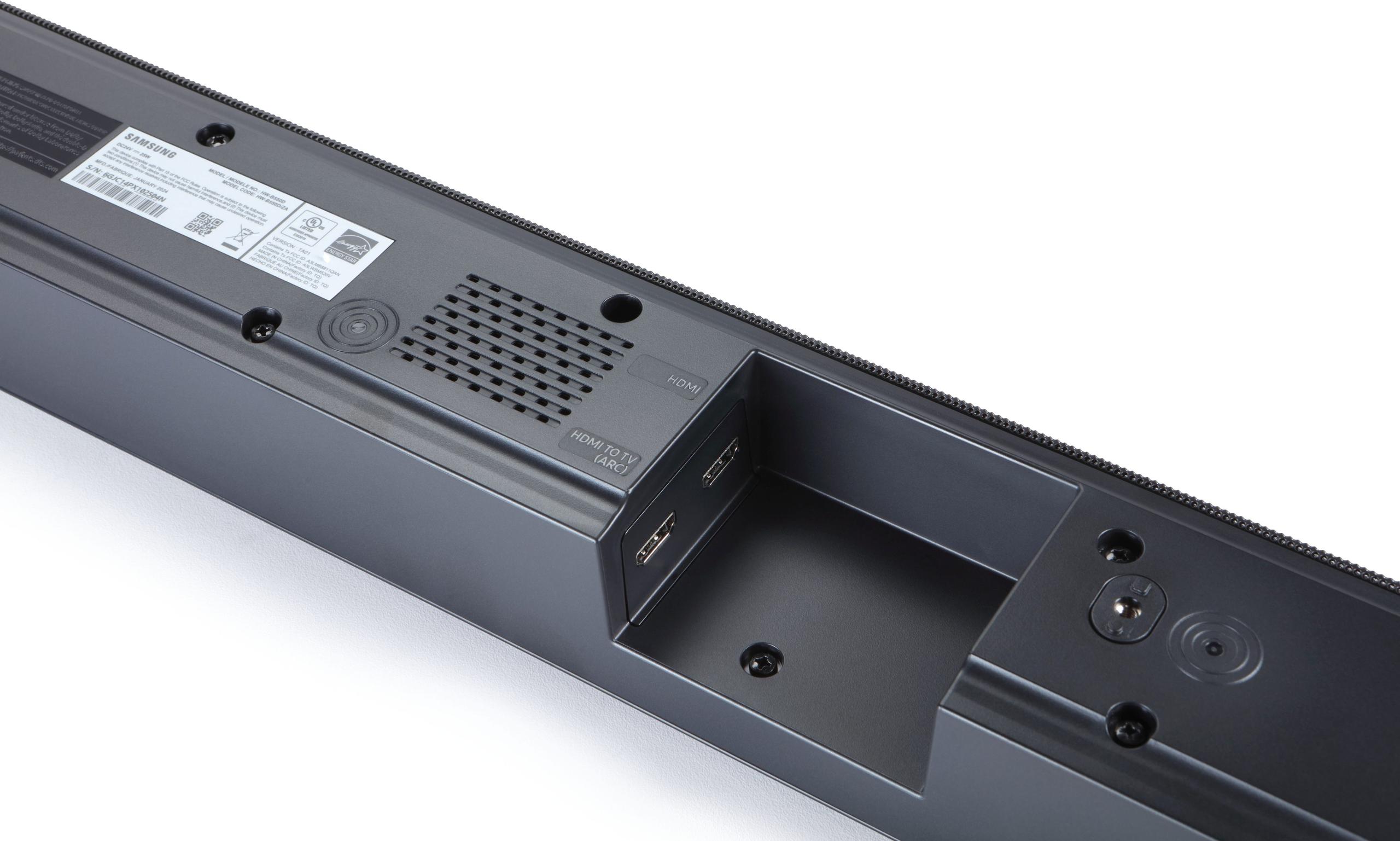
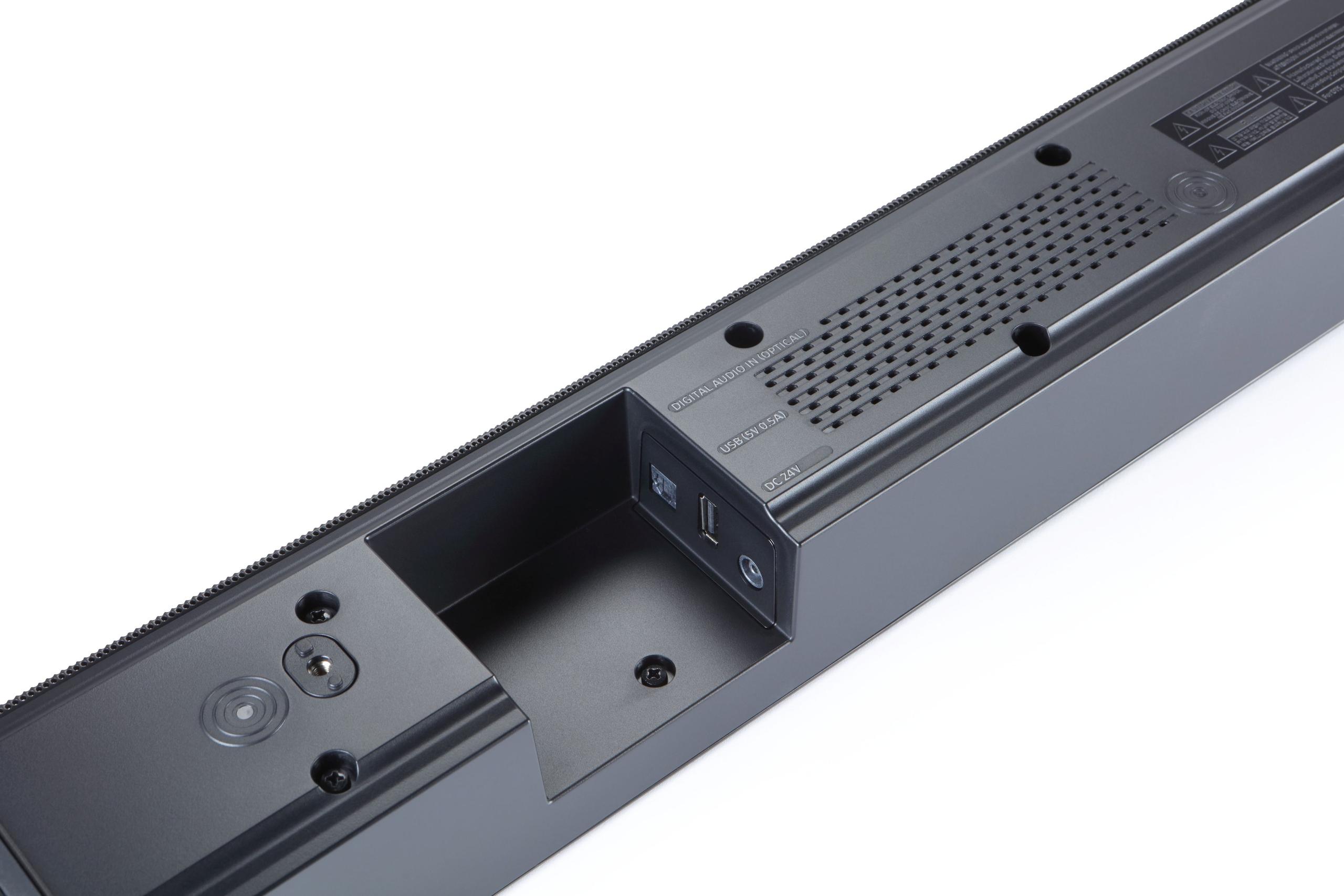
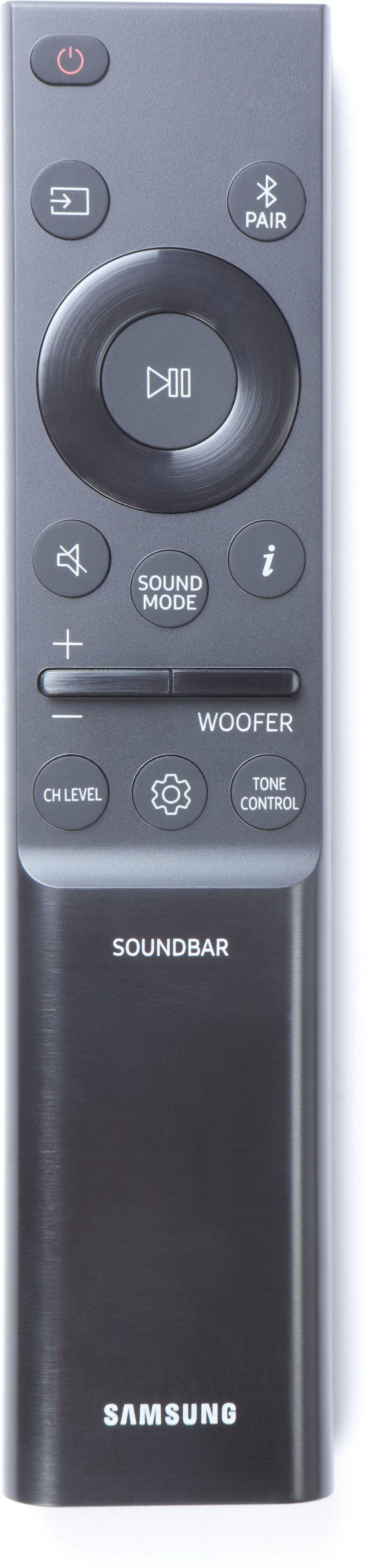
The Samsung HW-B550D keeps things simple with HDMI ARC (Audio Return Channel), optical input, and Bluetooth connectivity. HDMI ARC means you can control the soundbar volume with your TV remote and automatically switch inputs—convenient features that make daily use seamless. The Bluetooth connection works well for streaming music from phones or tablets, though it's limited to basic codecs.
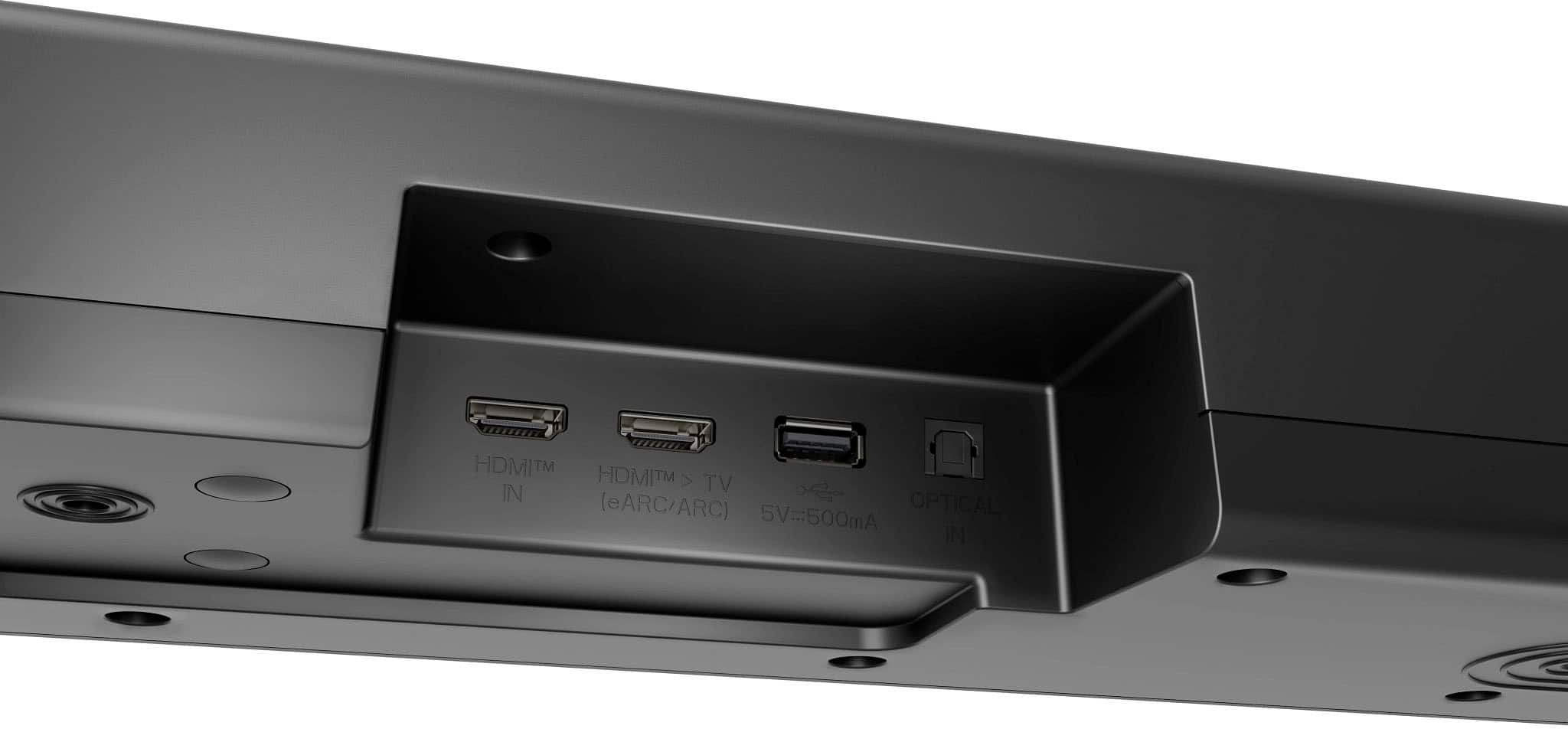
The LG S70TR goes much further with HDMI eARC (enhanced Audio Return Channel), which supports higher-quality audio formats like Dolby TrueHD and DTS-HD Master Audio. It also includes Wi-Fi connectivity and Bluetooth 5.1 with advanced codec support.
The real differentiator is the LG Soundbar App, which lets you customize the 3-band equalizer for both the main bar and rear speakers. You can adjust bass, mid-range, and treble independently, tailoring the sound to your room and preferences. The app also handles firmware updates automatically, keeping your system current with new features and improvements.
Your room significantly impacts which system will work better for you. I've tested both in different environments, and the results vary dramatically based on space and setup.
The Samsung HW-B550D excels in smaller to medium rooms—think typical bedrooms, apartments, or cozy living spaces up to about 200 square feet. In these environments, the virtual surround processing works effectively because sound reflections off nearby walls help create the illusion of surround sound. The single soundbar also means fewer placement considerations and cleaner aesthetics.
However, in larger rooms, the Samsung's limitations become apparent. The virtual surround effect weakens with distance, and the single subwoofer may struggle to fill bigger spaces with adequate bass. If your couch is more than 10-12 feet from the TV, you might find yourself cranking the volume to compensate, which can make the audio sound harsh.
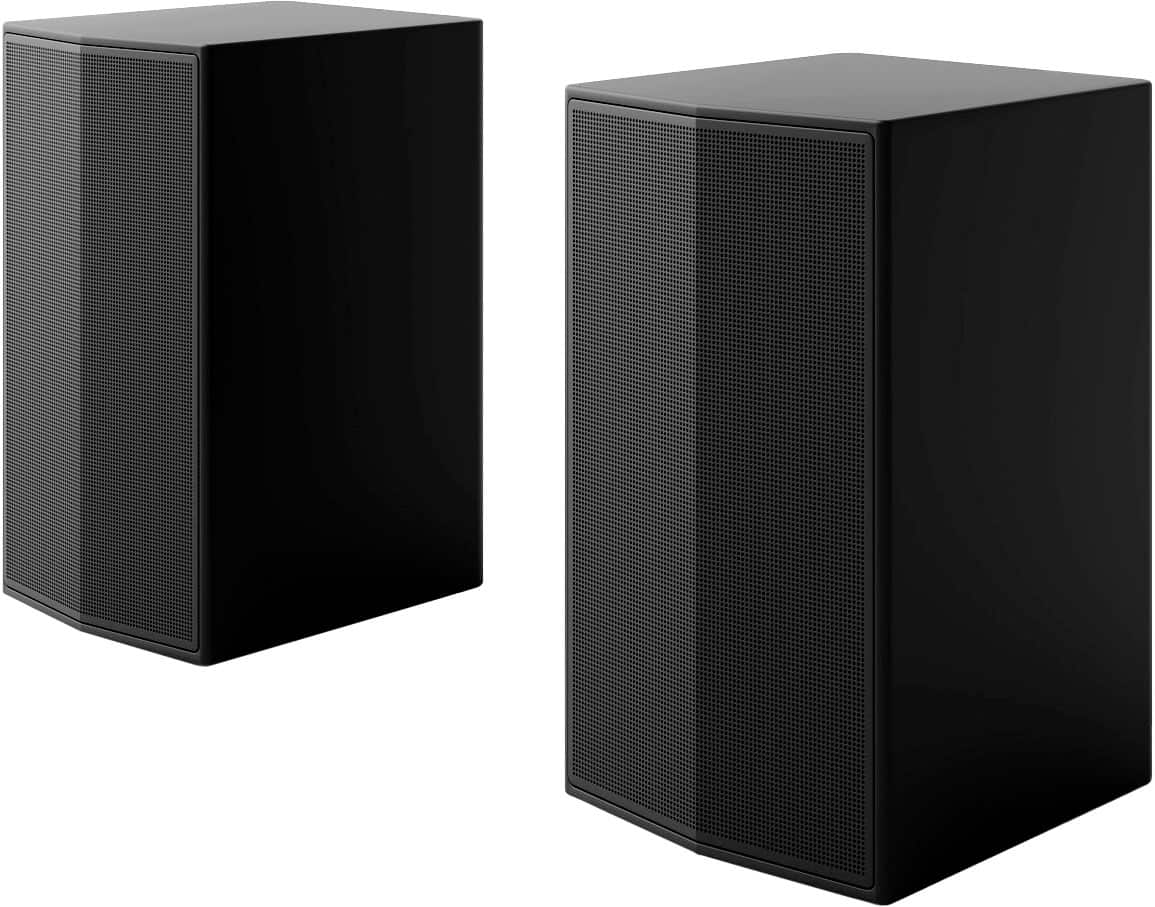
The LG S70TR really shines in medium to large rooms where its true surround architecture can breathe. The rear speakers need space to work properly—ideally positioned 6-8 feet behind your seating area and angled slightly inward. When properly placed, the system creates an impressive audio bubble that makes you feel surrounded by sound.
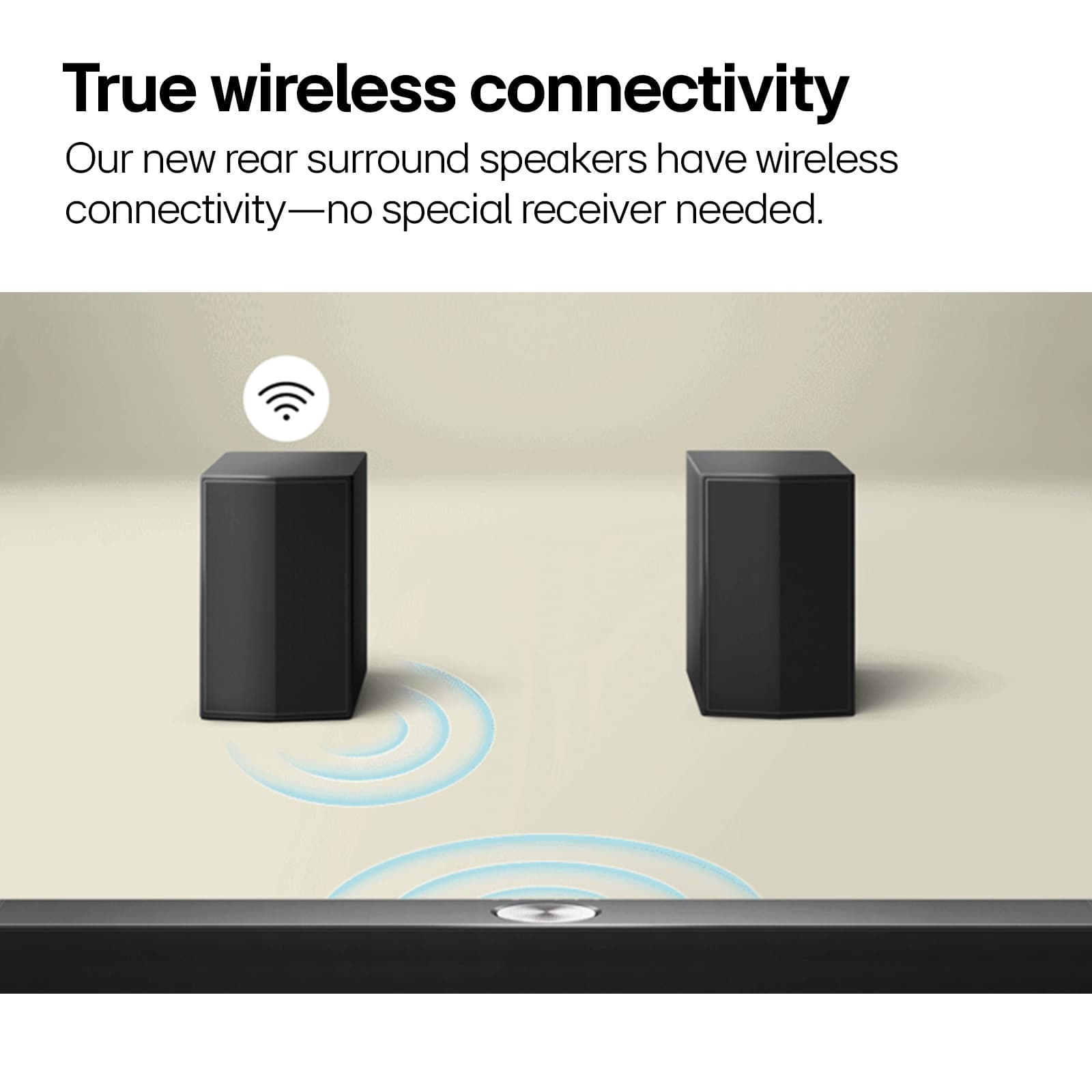
The wireless rear speakers are both a blessing and a consideration. They eliminate the need to run cables across your room, but they do need power connections and careful placement. In my testing, the wireless connection proved reliable with no noticeable dropouts, but you'll need to think about where to position them for both optimal sound and practical living.
At $177.99, the Samsung HW-B550D represents exceptional value for users who primarily want better dialogue clarity and some bass enhancement. It solves the most common TV audio problems—thin sound and muddy dialogue—without breaking the bank or complicating your setup.
The LG system, at $399.99, costs more than twice as much but delivers genuinely different capabilities. You're not just paying for better sound quality; you're buying a complete surround sound architecture that can transform your viewing experience. For movie enthusiasts and gamers, this investment often pays dividends in enjoyment and immersion.
The core technical difference lies in audio processing philosophy. Samsung uses psychoacoustic processing—algorithms that exploit how your brain interprets sound—to create surround effects. This works by carefully timing and filtering audio signals to create the illusion that sounds are coming from locations where no speakers exist.
LG's approach is more straightforward but requires more hardware: place actual speakers around the room and let them create real surround sound. The Dolby Atmos implementation adds another dimension by incorporating height information encoded in modern movie soundtracks.
Both systems support high-resolution audio playback, but the LG extends to 24-bit/96kHz while the Samsung tops out at lower resolutions. For most content, this difference won't be audible, but it does future-proof the LG for higher-quality sources.
Choose the Samsung HW-B550D if you're looking to solve TV audio problems without completely reimagining your entertainment setup. It's ideal for apartments, smaller rooms, or situations where you want significant improvement without complexity or high cost. If you're primarily watching TV shows, news, and occasional movies, and you're not a serious gamer, this system delivers excellent value.
Go with the LG S70TR if you want a true home theater audio experience and have the room to accommodate rear speakers. This system excels for movie nights, gaming sessions, and situations where audio immersion significantly enhances your enjoyment. If you own an LG TV, the WOW Orchestra feature adds even more value by expanding the soundstage beyond what the soundbar alone can achieve.
The decision ultimately comes down to your room, budget, and expectations. Both systems will dramatically improve your TV's audio, but they'll do it in fundamentally different ways. The Samsung gets you most of the way there for half the price, while the LG takes you all the way to a true surround sound experience.
Consider your listening habits, room layout, and long-term plans. If you're unsure, the Samsung offers a lower-risk entry point that you can always upgrade later. But if you know you want the full surround sound experience and have the budget for it, the LG S70TR delivers performance that justifies its premium price.
| Samsung HW-B550D 3.1 Channel Sound Bar | LG S70TR 5.1.1 Channel Soundbar |
|---|---|
| Price - Budget vs Premium Investment | |
| $177.99 (exceptional value for basics) | $399.99 (premium features justify cost) |
| Channel Configuration - Foundation of surround sound capability | |
| 3.1 channels (virtual surround only) | 5.1.1 channels (true surround + height) |
| Physical Components - What you actually get in the box | |
| Soundbar + wireless subwoofer | Soundbar + wireless subwoofer + wireless rear speakers |
| Dolby Atmos Support - Essential for modern movie immersion | |
| No (DTS Virtual:X only) | Yes (with dedicated height channel) |
| Room Size Optimization - Where each system performs best | |
| Small to medium rooms (up to 200 sq ft) | Medium to large rooms (300+ sq ft) |
| Subwoofer Specifications - Bass impact and room filling capability | |
| 5" driver, ported design | 7" front-firing + 3" rear port, 220W |
| Gaming Features - Critical for console gaming experience | |
| Basic game mode only | VRR, ALLM, 120Hz passthrough |
| Smart TV Integration - Convenience and ecosystem benefits | |
| Samsung TV remote compatibility | WOW Orchestra (LG TVs), comprehensive app control |
| Connectivity Options - Future-proofing and device compatibility | |
| HDMI ARC, optical, Bluetooth | HDMI eARC, Wi-Fi, Bluetooth 5.1, multiple inputs |
| Audio Processing - How each creates surround effects | |
| Psychoacoustic virtual surround | Physical speaker placement + AI Sound Pro |
| Setup Complexity - Installation and ongoing management | |
| Plug-and-play simplicity | Requires rear speaker placement planning |
| Best Use Cases - Who should choose each system | |
| Apartments, dialogue improvement, budget-conscious | Home theaters, movie enthusiasts, gamers |
The Samsung HW-B550D at $177.99 offers exceptional value for basic TV audio improvement, delivering clear dialogue and decent bass at half the price. The LG S70TR at $399.99 provides genuine surround sound with Dolby Atmos and wireless rear speakers, justifying its premium cost for users wanting a true home theater experience.
The Samsung HW-B550D uses 3.1 channels (left, center, right, plus subwoofer) with virtual surround effects. The LG S70TR features 5.1.1 channels with physical rear speakers and a height channel, creating authentic surround sound that places audio all around and above you.
No, only the LG S70TR supports Dolby Atmos with its dedicated height channel for overhead sound effects. The Samsung HW-B550D uses DTS Virtual:X to simulate surround sound but cannot produce true Atmos height effects.
The LG S70TR is superior for gaming with VRR (Variable Refresh Rate), ALLM (Auto Low Latency Mode), and 120Hz passthrough support for modern consoles. The Samsung HW-B550D offers only basic game mode without advanced gaming features.
The Samsung HW-B550D excels in small to medium rooms up to 200 square feet, while the LG S70TR is designed for medium to large rooms (300+ square feet) where its rear speakers and higher power can fully utilize the space.
The Samsung HW-B550D includes a soundbar and wireless subwoofer (2 components total). The LG S70TR provides a soundbar, wireless subwoofer, and wireless rear speakers (3 main components) for complete surround sound.
The LG S70TR delivers superior bass with its larger 7-inch front-firing subwoofer driver and 220-watt amplification. The Samsung HW-B550D has a smaller 5-inch subwoofer that's adequate for smaller rooms but less powerful overall.
Yes, the LG S70TR includes true wireless rear speakers that only need power connections, eliminating the need to run cables across your room. The Samsung HW-B550D doesn't include rear speakers, relying instead on virtual surround processing.
The Samsung HW-B550D offers simpler plug-and-play setup with just the soundbar and subwoofer to position. The LG S70TR requires more planning to optimally place the rear speakers and configure the system settings.
Both systems work with smart TVs, but the LG S70TR offers more advanced integration including HDMI eARC, Wi-Fi connectivity, and WOW Orchestra technology that works specifically with compatible LG TVs. The Samsung HW-B550D provides basic HDMI ARC and optical connections.
The LG S70TR excels for movies with true 5.1.1 surround sound, Dolby Atmos support, and immersive audio placement that makes you feel inside the action. The Samsung HW-B550D improves dialogue clarity and adds bass but cannot match the cinematic experience of true surround sound.
Choose the Samsung HW-B550D if you want significant audio improvement on a budget for smaller spaces and primarily watch TV shows. Select the LG S70TR if you have a larger room, higher budget, and want genuine home theater surround sound for movies and gaming.
We've done our best to create useful and informative comparisons to help you decide what product to buy. Our research uses advanced automated methods to create this comparison and perfection is not possible - please contact us for corrections or questions. These are the sites we've researched in the creation of this article: bestbuy.com - crutchfield.com - avsforum.com - consumerreports.org - abt.com - pcrichard.com - samsung.com - samsung.com - rtings.com - samsung.com - jeffsappliance.com - bestbuy.com - mynavyexchange.com - rixaudiovideoappliance.com - rtings.com - youtube.com - bestbuy.com - howards.siteontimedev.com - bestbuy.com - appliancestogousa.us

Privacy Policy
Terms and Conditions - Affiliate Policy
Home Security
© Copyright 2008-2026.
11816 Inwood Rd #1211, Dallas, TX 75244