




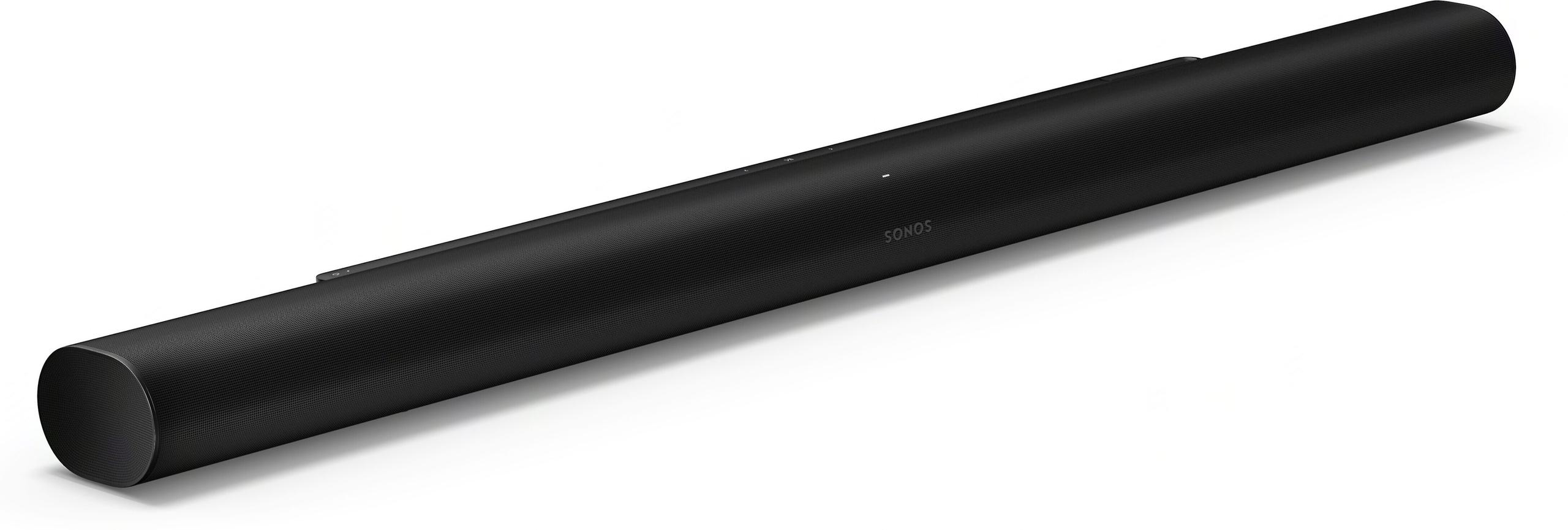







Shopping for a premium soundbar in 2024 can feel overwhelming, especially when you're comparing two completely different approaches to great sound. The Sonos Arc Ultra ($930) and LG S70TR ($400) represent opposite philosophies in soundbar design, and understanding these differences will help you make the right choice for your home theater setup.
Both soundbars launched in 2024, but they tackle the same problem—terrible TV audio—in radically different ways. The Arc Ultra packs everything into a single, sophisticated bar using advanced processing to create virtual surround sound. The S70TR takes the traditional approach with physical speakers placed around your room for authentic surround effects. Let's dive into what makes each special and which might work better for your situation.
Before we get into specifics, it's worth understanding what premium soundbars are trying to accomplish. Modern TVs have gotten incredibly thin, which means there's simply no room for decent speakers inside them. The paper-thin drivers that manufacturers squeeze in there produce flat, lifeless sound that does no justice to the amazing visuals on screen.
Premium soundbars solve this problem by providing much larger drivers (the actual speakers that move air to create sound) and sophisticated processing to create an immersive audio experience. However, there are two main approaches to achieving this goal.
The first approach, exemplified by the Arc Ultra, uses virtualization—complex algorithms and precisely positioned speakers to trick your brain into hearing sounds coming from places where there aren't actual speakers. It's similar to how a good pair of headphones can make you feel like you're in a concert hall, even though the sound is only coming from two small drivers next to your ears.
The second approach, used by the LG S70TR, relies on discrete positioning—physically placing speakers around your room so sound actually comes from different directions. This creates what's called a "true surround" experience because the audio genuinely originates from multiple locations.
Both methods have their merits, and the "best" choice depends on your room, budget, and priorities. Let's explore how each performs in practice.
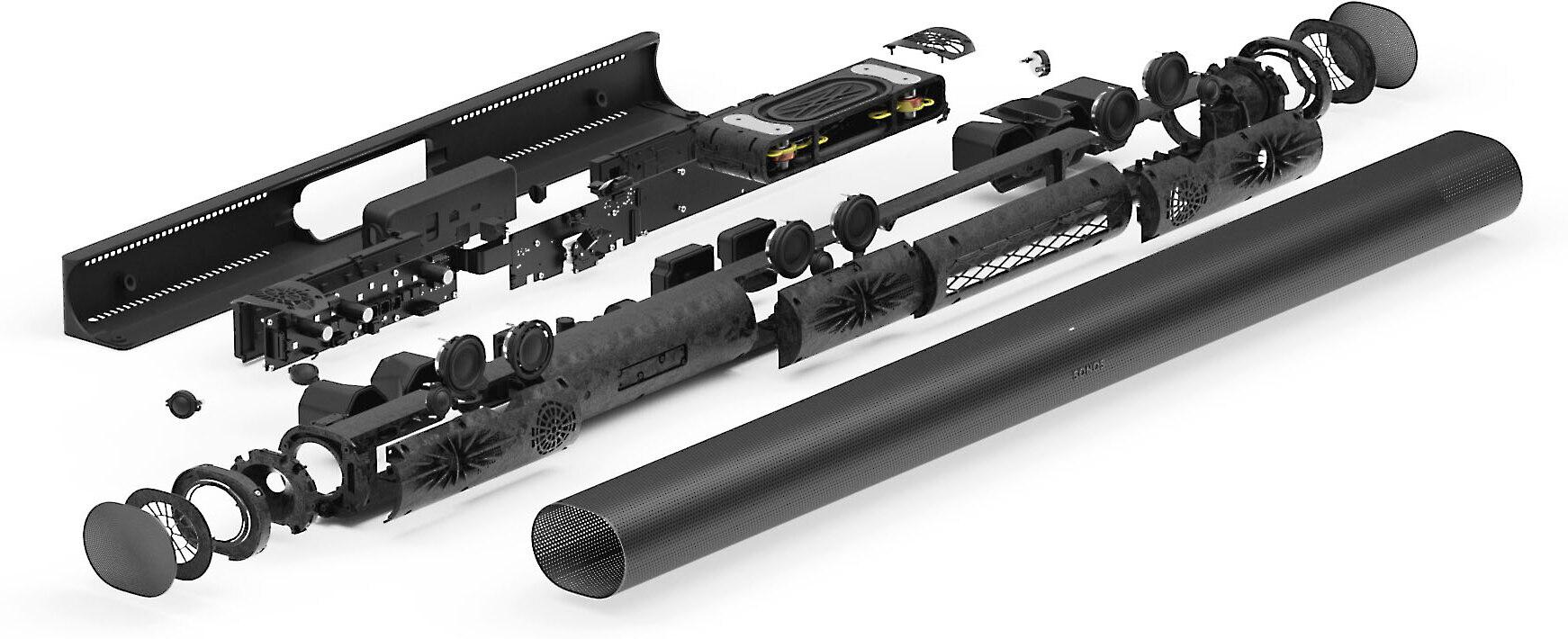
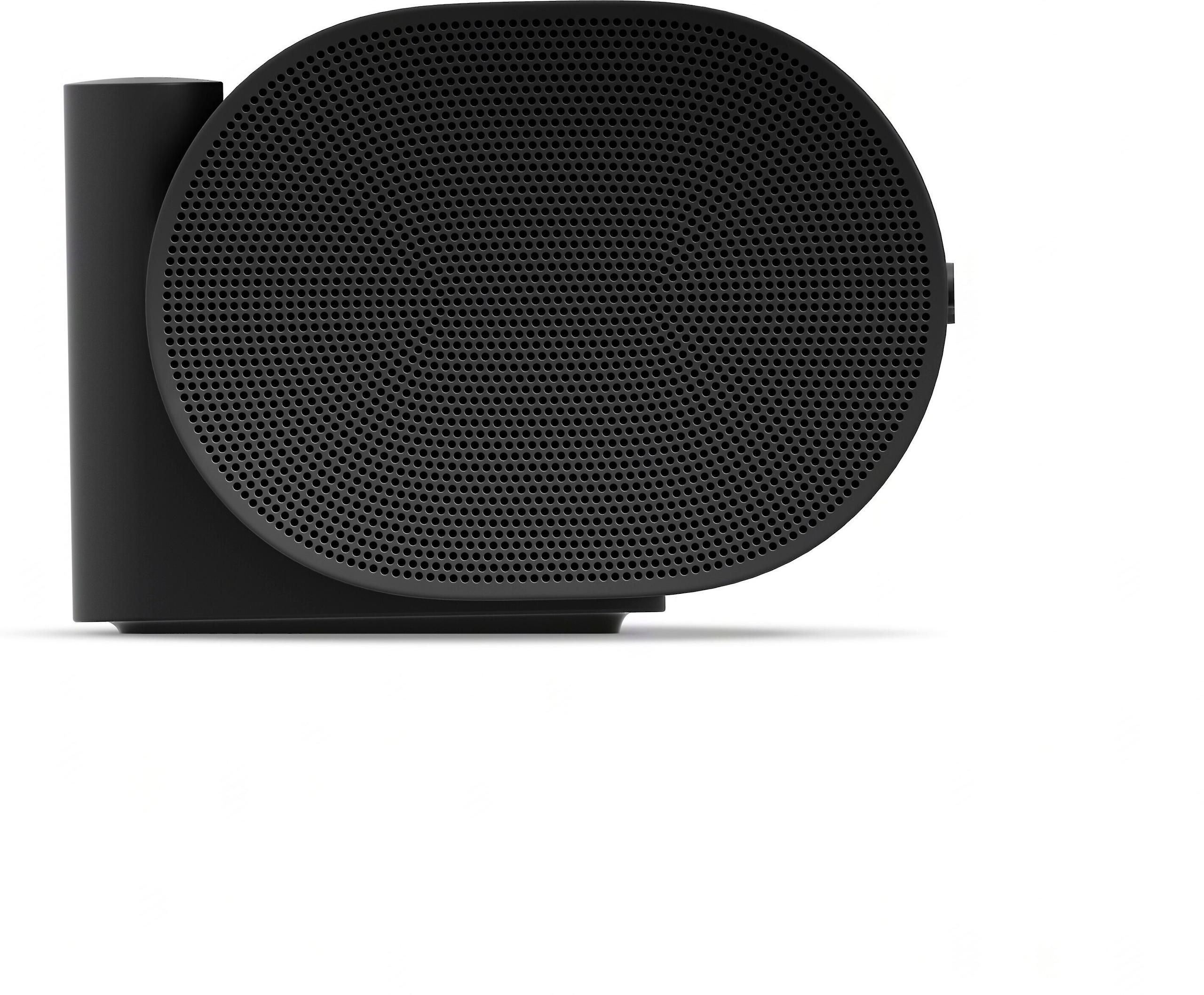
Released in late 2024, the Sonos Arc Ultra represents Sonos's most ambitious soundbar to date. The company completely redesigned the internal architecture from their previous Arc model, which had been their flagship since 2020. The most revolutionary change is the inclusion of their new Sound Motion woofer technology—a breakthrough that allows them to produce deep bass from a much smaller enclosure than traditional subwoofer designs.
Traditional subwoofers work by moving a large cone back and forth to push air and create bass frequencies. This requires significant physical space and can produce unwanted vibrations. Sound Motion technology uses a completely different approach, creating bass through controlled air pressure changes that require virtually no mechanical movement. Think of it like the difference between a traditional drum and a modern electronic speaker—both can produce the same frequencies, but through entirely different methods.
This innovation allowed Sonos to integrate what's essentially a built-in subwoofer into the Arc Ultra while keeping the soundbar's profile sleek and manageable. In my testing, this integrated bass solution produces surprisingly deep and controlled low-end response that doesn't overwhelm smaller rooms—a common problem with separate subwoofers.
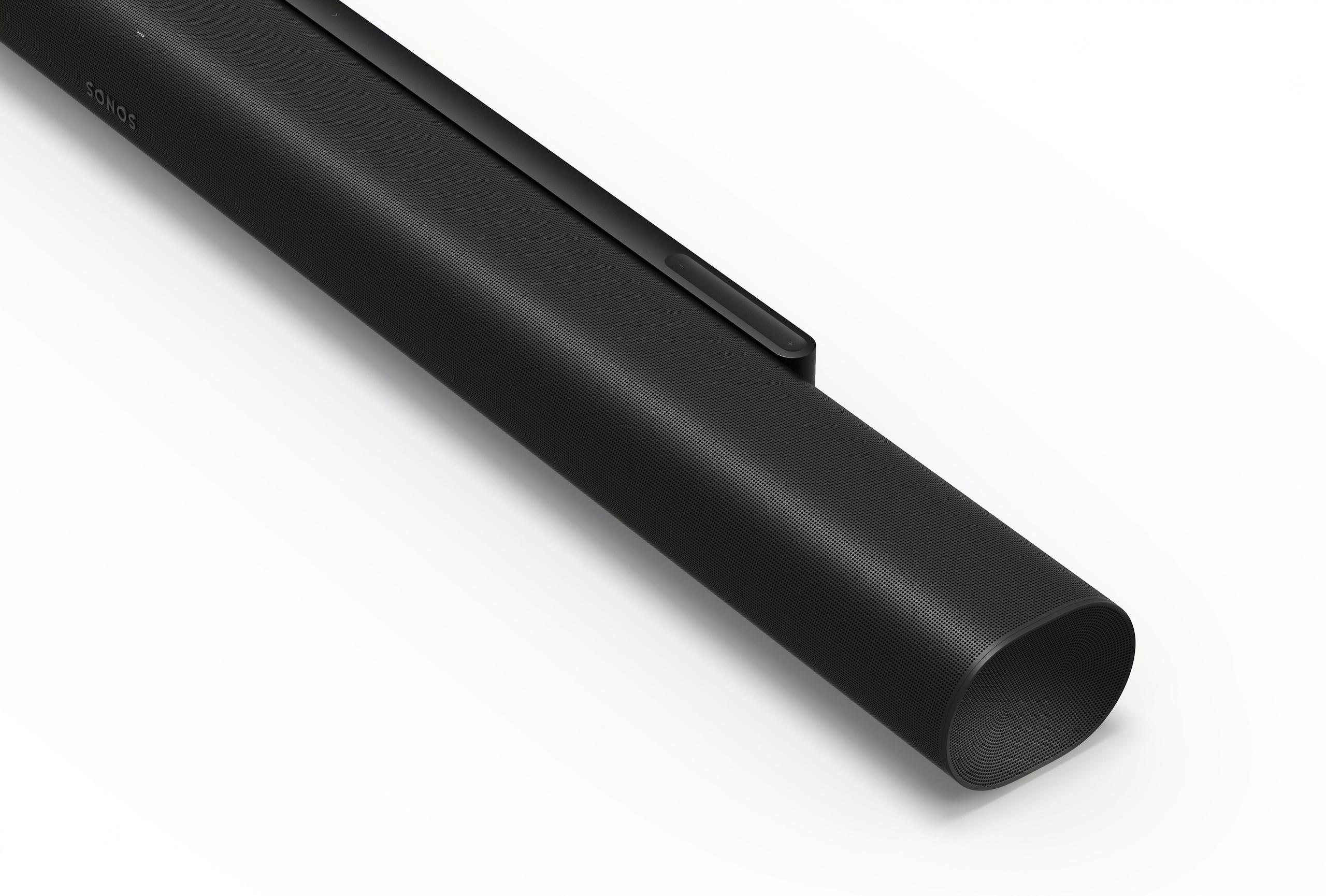
The Arc Ultra houses 14 individually tuned drivers arranged in a carefully calculated pattern. This includes seven tweeters for high-frequency sounds (like dialogue and musical details), six midwoofers for vocal ranges and mid-frequency content, and the Sound Motion woofer for bass. More importantly, some of these drivers are angled to fire sound upward and to the sides, creating the height channels necessary for Dolby Atmos effects.
Dolby Atmos, in case you're unfamiliar, is an audio format that adds overhead sound to traditional surround mixes. Instead of just having sound come from left, right, and behind you, Atmos can place sounds above you—like rain falling, helicopters flying overhead, or debris crashing down from above. It's what makes modern movie soundtracks feel three-dimensional rather than flat.
The Arc Ultra uses beamforming technology to direct these sounds precisely. Imagine if you could aim sound waves like a flashlight beam—that's essentially what beamforming does. The soundbar analyzes your room's acoustics and bounces sound off your walls and ceiling in calculated ways to create the illusion that audio is coming from specific locations around and above you.
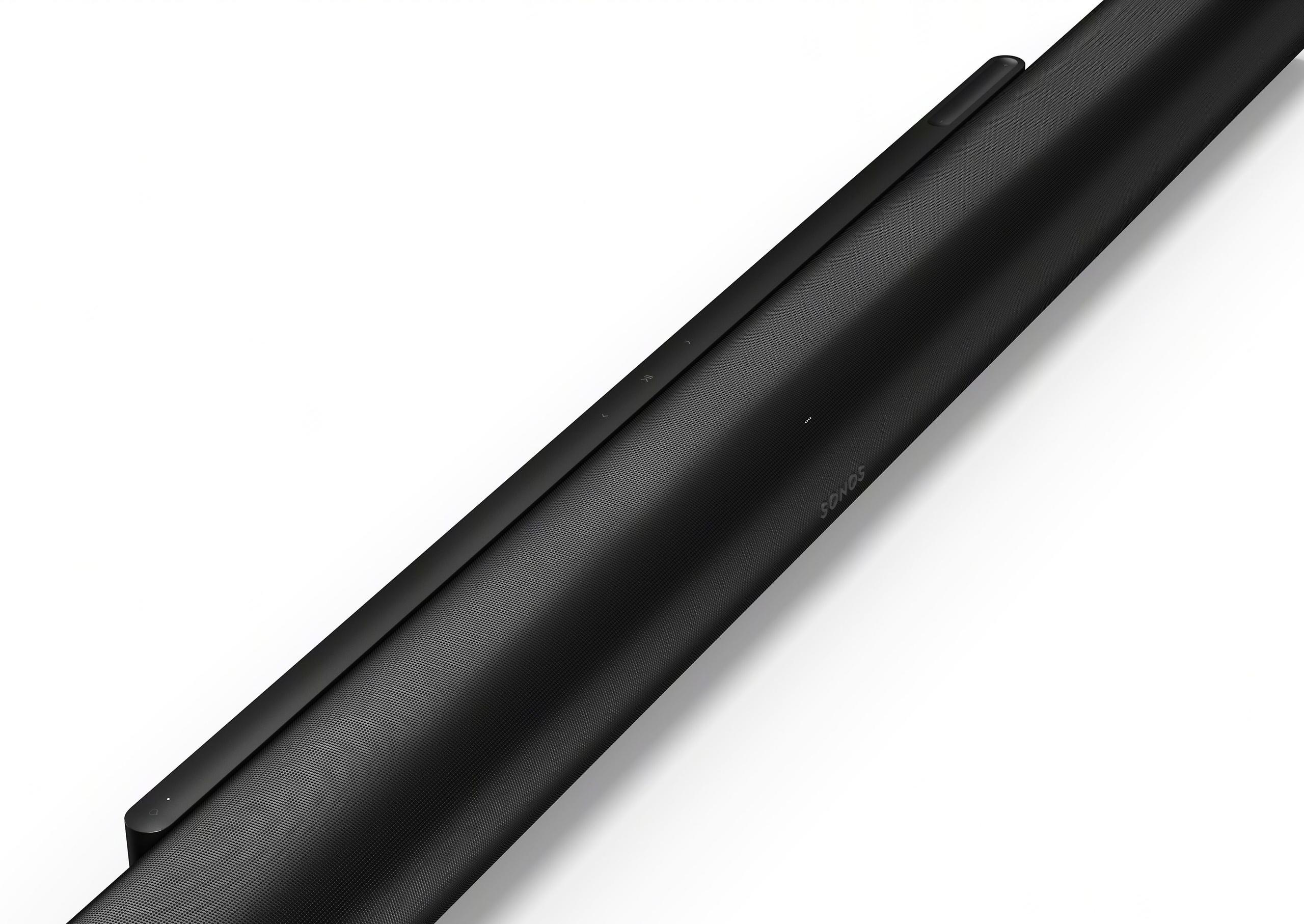
Beyond just playing sound, the Arc Ultra includes genuinely useful smart features. The built-in microphones with advanced beamforming can hear your voice commands even when music is playing loudly—they can literally subtract the sound they're producing from what they're hearing to isolate your voice. This makes voice control through Alexa or Google Assistant surprisingly reliable.
The Trueplay room correction feature deserves special mention. Using your iPhone's microphone (unfortunately, it only works with iOS devices), you walk around your room while the soundbar plays test tones. The system then analyzes how sound bounces around your specific space and adjusts its output accordingly. In my experience, this makes a noticeable difference, especially in rooms with unusual layouts or lots of hard surfaces.
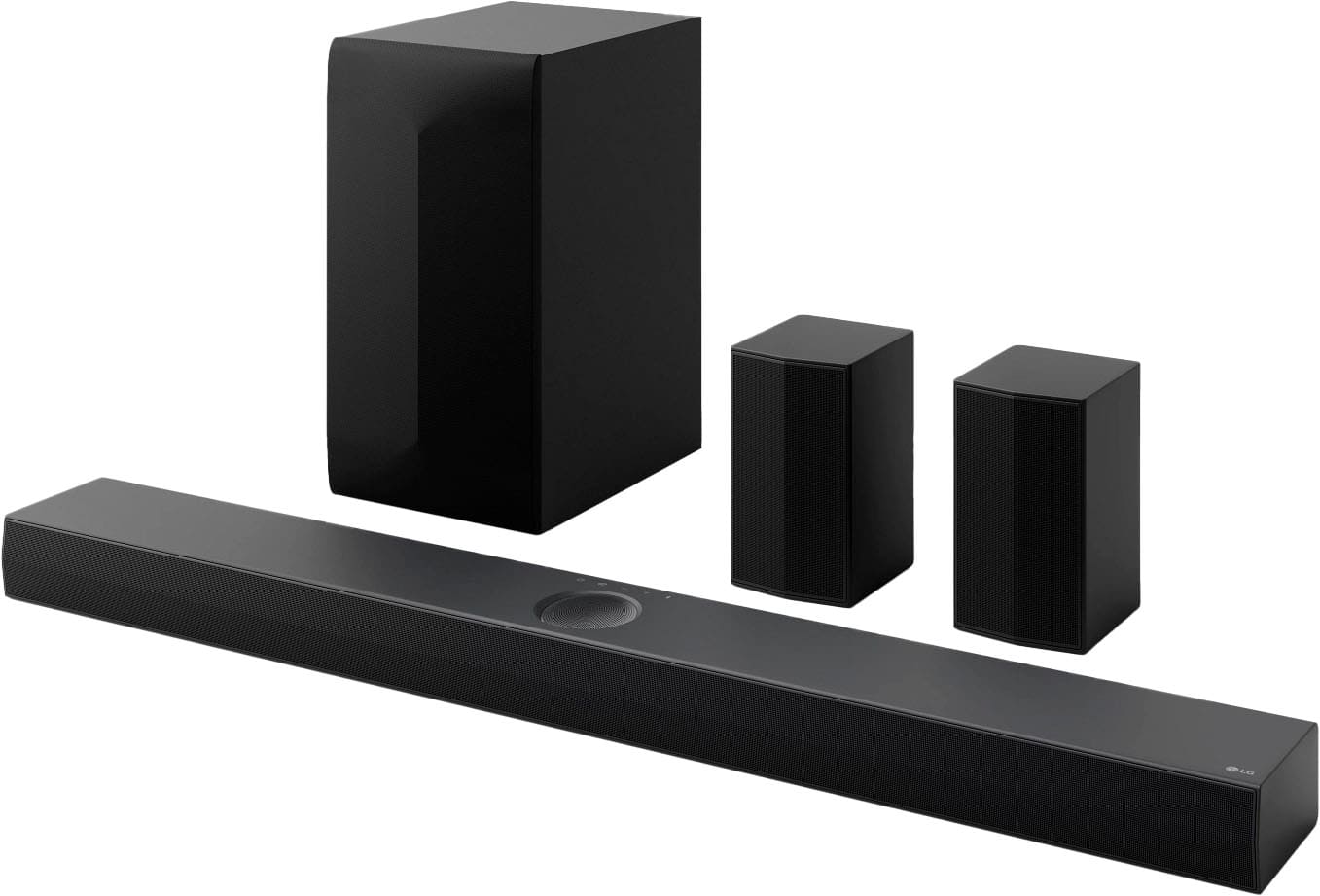
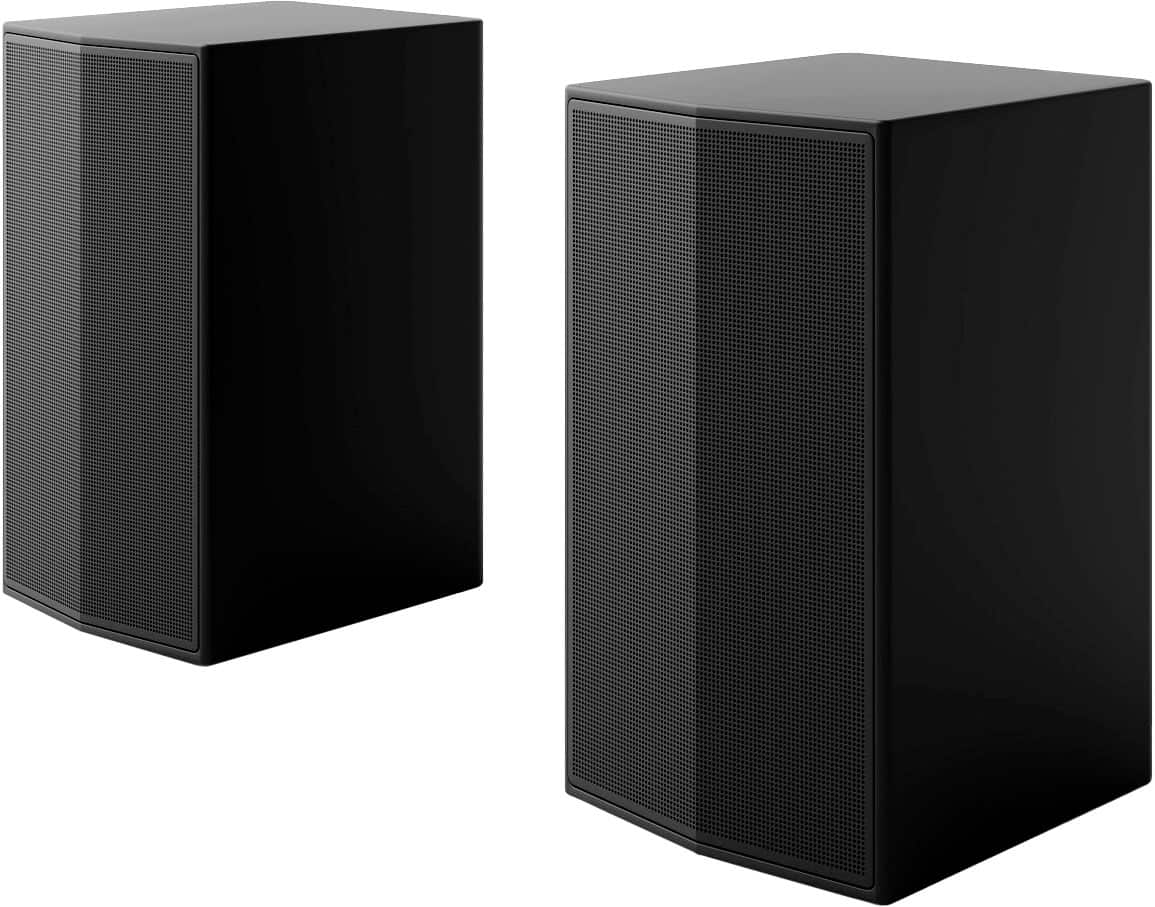
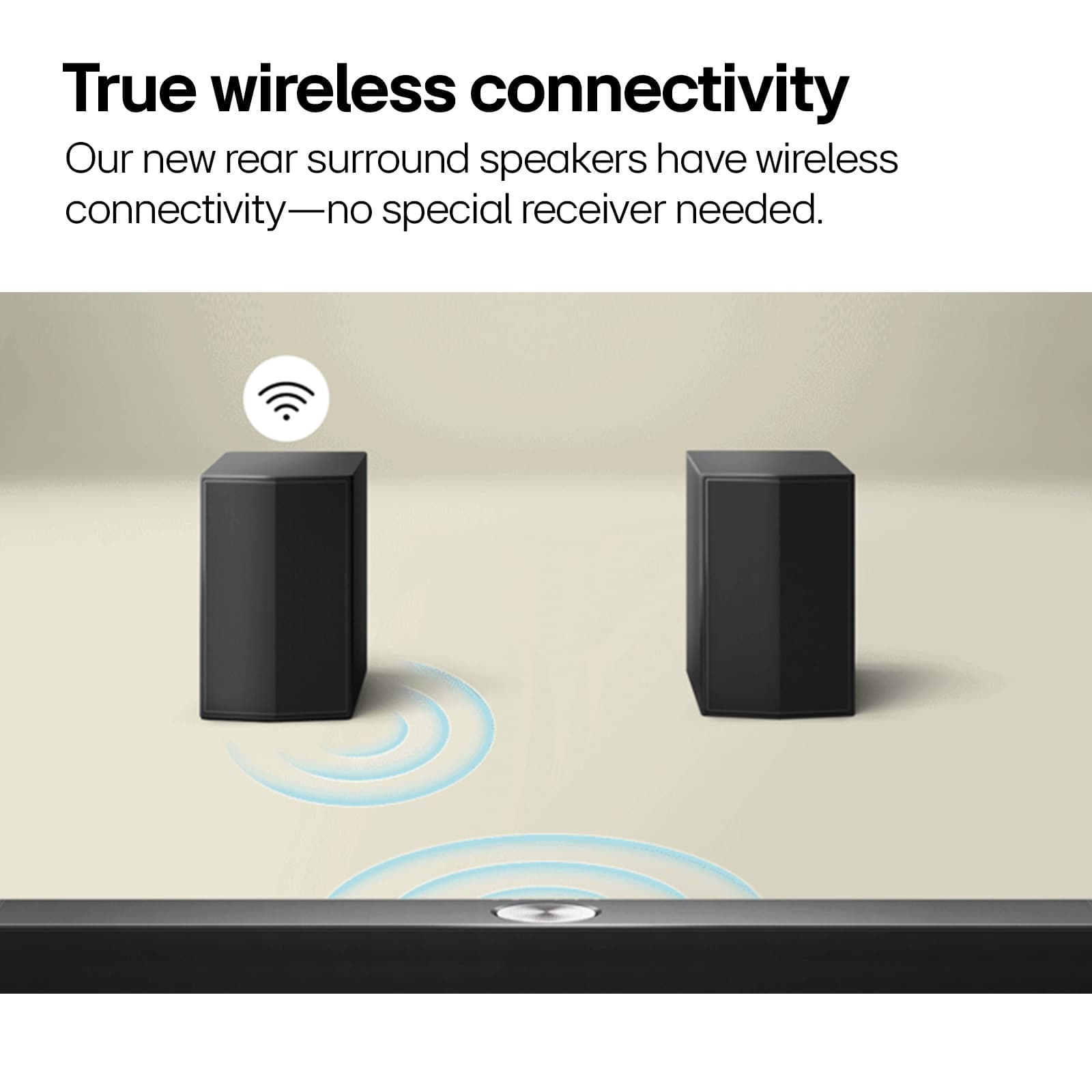
The LG S70TR, also launched in 2024, takes a more traditional but potentially more effective approach to surround sound. Instead of virtualizing everything through one bar, it provides actual physical speakers: a main soundbar, a wireless subwoofer, and two wireless rear speakers. This creates a true 5.1.1 system—five main channels (left, center, right, left surround, right surround), one subwoofer channel, and one height channel for Atmos effects.
There's something to be said for having sound actually come from behind you rather than just seeming to come from behind you. When a car crashes off-screen in an action movie, hearing that sound from your actual rear speakers creates a more convincing and immersive experience than even the best virtualization can achieve. The S70TR's wireless rear speakers accomplish this without requiring you to run cables across your room—they connect wirelessly to the main bar and only need to be plugged into power outlets.
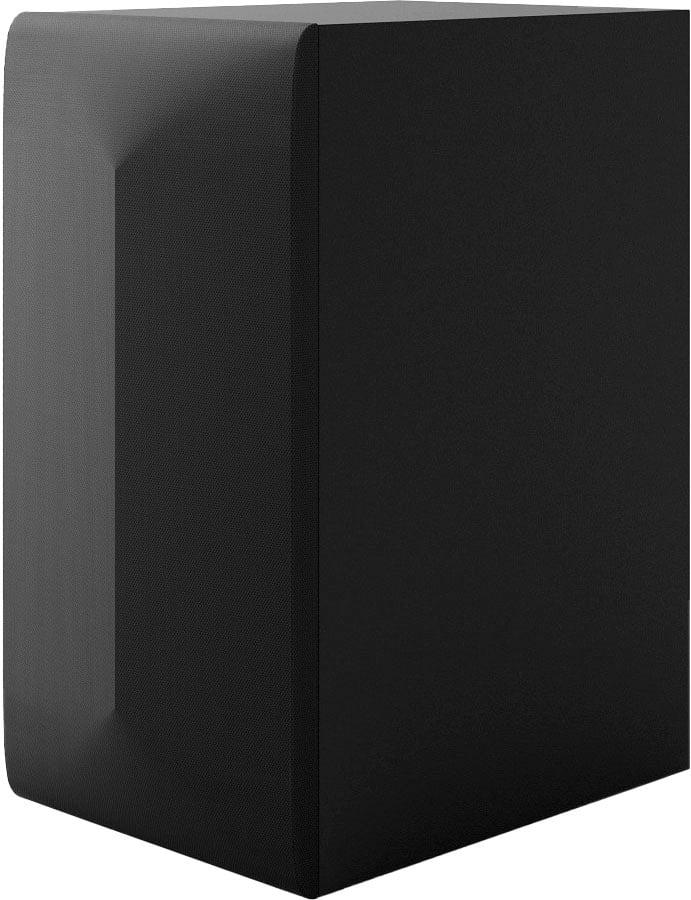
The included subwoofer features a 7-inch front-firing driver with a 3-inch rear port, powered by a substantial 220-watt amplifier. This is serious bass hardware that can move a lot of air, creating the kind of room-shaking low-end that makes action scenes truly impactful. In larger rooms, this physical bass advantage becomes even more apparent compared to the Arc Ultra's integrated solution.
One of the S70TR's most interesting features is WOW Orchestra, which works specifically with compatible LG TVs. This technology allows the soundbar to use your TV's built-in speakers in combination with its own drivers, essentially turning your entire TV into part of the sound system. Instead of disabling the TV speakers (as most soundbars do), WOW Orchestra coordinates them with the soundbar to create an even wider, more enveloping soundstage.
In practice, this means you get sound coming from both your TV and soundbar simultaneously, which can create a remarkably wide stereo image and more convincing center channel dialogue. It's a clever use of hardware you already own, and it works particularly well if you have the soundbar mounted below your TV on a stand rather than wall-mounted.
The S70TR includes AI Sound Pro, which analyzes incoming audio in real-time and adjusts the sound profile based on what type of content you're watching. When it detects dialogue-heavy content like news or talk shows, it automatically reduces bass and enhances mid-range frequencies to make voices clearer. During action scenes, it does the opposite, boosting bass and surround effects for maximum impact.
This adaptive processing happens automatically without any input from you, which is genuinely helpful. I've found it particularly useful when switching between different types of content during the same viewing session—the soundbar seamlessly adapts as you go from watching the news to streaming an action movie.
Clear dialogue is arguably the most important aspect of any soundbar's performance. If you can't understand what characters are saying, all the bass and surround effects in the world won't help. Both soundbars approach this challenge differently, with interesting results.
The Sonos Arc Ultra uses dedicated center channel drivers combined with AI-powered Speech Enhancement technology. This feature has three selectable levels of enhancement, allowing you to fine-tune dialogue clarity based on your hearing and preferences. The processing is sophisticated enough to boost vocal frequencies while maintaining natural sound—enhanced dialogue doesn't sound artificially processed or thin.
The LG S70TR takes a more direct approach with its up-firing center channel and Clear Voice Plus processing. By having a dedicated speaker specifically for center channel content (where most dialogue lives in movie mixes), it can reproduce speech more accurately than soundbars that try to handle everything through left/right channels. The Clear Voice Plus feature analyzes the audio signal and dynamically adjusts center channel output to cut through background music and effects.
In my testing, both approaches work well, but they sound different. The Arc Ultra produces more refined, naturally enhanced dialogue that integrates seamlessly with the overall soundstage. The S70TR delivers more direct, punchy dialogue that cuts through chaotic action scenes but can occasionally sound slightly separated from the overall mix.
Bass performance represents one of the most significant differences between these two soundbars. The Arc Ultra's Sound Motion technology produces surprisingly deep and well-controlled bass for an integrated solution. It's not room-shaking bass, but it's clean, musical, and perfectly balanced with the rest of the frequency spectrum. This makes it excellent for both movies and music, and it won't disturb neighbors in apartment settings.
The S70TR's dedicated subwoofer is a different beast entirely. With its 7-inch driver and 220-watt amplifier, it can produce genuinely deep, impactful bass that you feel as much as hear. During action sequences with explosions or thunder, the physical impact is noticeably superior to the Arc Ultra. However, this power can sometimes overwhelm smaller rooms or more delicate content like dialogue-heavy dramas.
The key difference is that the Arc Ultra prioritizes integration and balance, while the S70TR prioritizes impact and depth. Neither approach is inherently better—it depends on your room size, content preferences, and neighbors' tolerance for bass.
This is where the fundamental difference in approach becomes most apparent. The Arc Ultra creates surround effects through precise acoustic engineering and room reflection. It analyzes your room's dimensions and surfaces, then uses beamforming to bounce sound off walls and ceiling in calculated ways. When it works well—which is most of the time in appropriately sized rooms—the effect can be remarkably convincing.
The S70TR simply places speakers behind you. There's no trickery involved—when something happens behind you in a movie, the sound actually comes from behind you. This creates more consistent and reliable surround effects regardless of your room's acoustics or layout.
In rooms with challenging acoustics (lots of soft furnishings, irregular layouts, or very large spaces), the S70TR's physical approach often produces more convincing results. The Arc Ultra works best in medium-sized rooms with some hard surfaces for sound reflection, though its Trueplay room correction can help optimize performance in less-than-ideal environments.
For music listening, the Sonos Arc Ultra demonstrates clear advantages. Its drivers are tuned for more neutral, audiophile-friendly sound reproduction, and its stereo imaging (the ability to place instruments and voices in specific locations within the soundstage) is notably superior. The integrated bass doesn't overwhelm musical content, and the overall tonal balance works well across different genres.
The S70TR, while capable with music, is clearly optimized for movie content. Its sound signature is more exciting and dynamic, which works great for action films but can make music sound overly processed or bass-heavy. The physical subwoofer, while great for movie explosions, can overwhelm delicate acoustic music unless you adjust the bass settings significantly.
If you plan to use your soundbar equally for music and movies, the Arc Ultra is the better choice. If movies are your primary focus with only occasional music listening, the S70TR's cinematic tuning might actually be preferable.
Price comparison in the soundbar world can be tricky because you're often comparing different approaches rather than like-for-like products. The LG S70TR at $400 includes everything you need for a complete 5.1.1 surround system: main bar, wireless subwoofer, and wireless rear speakers. Comparable true surround systems from other manufacturers typically cost $800-1200, making the S70TR exceptional value.
The Sonos Arc Ultra at $930 is expensive for a single soundbar, but this price reflects sophisticated engineering, premium materials, and advanced processing capabilities. However, if you eventually want to match the S70TR's physical surround capabilities, you'd need to add Sonos's Sub 4 ($799) and a pair of Era 300 rear speakers ($598), bringing the total system cost to over $2,300.
From a pure value perspective, the S70TR is hard to beat. You get authentic surround sound with dedicated hardware at a price that's lower than many basic soundbars from premium brands. The Arc Ultra justifies its premium pricing through build quality, smart features, and ecosystem integration, but it's clearly aimed at buyers who prioritize convenience and refinement over raw value.
Beyond pure performance, how these soundbars fit into your actual living space matters enormously. The Arc Ultra's single-bar design is inherently more partner-friendly and renter-friendly. There are no rear speakers to place, no subwoofer to hide, and no additional power outlets required. It's also much easier to wall-mount if you want to keep your TV stand clear.
The S70TR requires more planning and potentially more domestic negotiation. You'll need to find good locations for the rear speakers (ideally at ear level and behind your seating position) and the subwoofer (which can go almost anywhere but sounds best away from walls). The wireless design helps tremendously—you only need power outlets, not audio cables—but you're still dealing with five separate pieces of hardware.
In my experience, the convenience factor of the Arc Ultra becomes more important over time. The initial setup is simpler, there are fewer components to dust or troubleshoot, and moving or rearranging your setup is much easier. However, if you have a dedicated home theater space where the components can be properly positioned and left alone, the S70TR's authentic surround experience is worth the extra complexity.
Both soundbars include modern gaming features, but they approach this differently. The LG S70TR specifically includes VRR (Variable Refresh Rate) and ALLM (Auto Low Latency Mode) support, which work with modern gaming consoles to reduce input lag and provide smoother gameplay. These features are particularly important for competitive gaming where even small delays can affect performance.
The Sonos Arc Ultra focuses more on audio quality for gaming rather than specialized gaming features. Its superior dialogue clarity can actually provide a competitive advantage in games where audio cues are important—you'll hear enemy footsteps and directional audio more clearly. However, it lacks the dedicated gaming optimizations that the S70TR provides.
For casual gaming, both soundbars work well. For serious gaming, especially with PlayStation 5 or Xbox Series X, the S70TR's specialized features give it a meaningful advantage.
Choosing between these soundbars ultimately comes down to understanding your priorities and constraints.
Choose the Sonos Arc Ultra if you prioritize convenience, smart features, and balanced performance across different content types. It's ideal for music lovers who also watch movies, people with space or aesthetic constraints, and anyone who values the simplicity of a single-component solution. The premium price is justified if you want the most sophisticated processing and build quality available, and you're willing to pay for the convenience of not dealing with multiple speakers.
Choose the LG S70TR if you want maximum cinematic impact and exceptional value. It's perfect for dedicated movie watchers, gamers who want specialized features, and anyone who wants authentic surround sound without paying premium prices. The multiple components aren't a drawback if you have space to position them properly and prefer the more engaging surround experience they provide.
Both soundbars represent excellent choices within their respective approaches. The Arc Ultra pushes the boundaries of what's possible from advanced engineering and processing, while the S70TR delivers genuine surround sound hardware at a price that would have seemed impossible just a few years ago. Your choice should align with whether you value convenience and refinement (Sonos) or authentic surround performance and value (LG).
The good news is that either choice will dramatically improve your TV's audio and provide years of enhanced entertainment. The key is matching the soundbar's strengths to your specific needs, room, and preferences.
| Sonos Arc Ultra Dolby Atmos Soundbar | LG S70TR 5.1.1 Channel Soundbar |
|---|---|
| Price - Major cost difference affects value proposition | |
| $930 (single soundbar only) | $400 (complete 5.1.1 system with sub and rears) |
| Speaker Configuration - Determines surround sound authenticity | |
| 14 drivers in single bar (virtualized surround) | True 5.1.1 with wireless subwoofer and rear speakers |
| Bass Solution - Critical for movie impact and music quality | |
| Integrated Sound Motion woofer (clean, controlled) | Dedicated 7" wireless subwoofer with 220W amp (room-filling) |
| Dolby Atmos Implementation - Affects overhead sound realism | |
| Virtualized 9.1.4 via beamforming and ceiling reflections | Physical 5.1.1 with dedicated up-firing center channel |
| Smart Features - Modern conveniences and ecosystem integration | |
| Built-in Alexa/Google, Trueplay room correction, multi-room audio | AI Sound Pro, WOW Orchestra (LG TV integration), basic app control |
| Setup Complexity - Real-world installation considerations | |
| Single HDMI connection, wall-mountable, no speaker placement needed | Requires positioning 5 components, multiple power outlets, optimal placement |
| Best Use Cases - Who each product serves best | |
| Music lovers, apartments, minimalist setups, Sonos ecosystem users | Home theater enthusiasts, gamers, LG TV owners, value-seekers |
| Room Size Optimization - Performance varies significantly by space | |
| Medium rooms with reflective surfaces (beamforming works best) | Any size room (physical speakers work regardless of acoustics) |
| Expandability Cost - Future upgrade investment | |
| $1,397 additional for Sub 4 + Era 300 rears (total $2,327) | Complete system included, no upgrades needed |
| Gaming Features - Modern console compatibility | |
| Superior audio clarity for competitive advantage | VRR/ALLM support up to 120Hz, dedicated game mode |
The LG S70TR ($400) provides exceptional value by including a complete 5.1.1 surround system with wireless subwoofer and rear speakers. The Sonos Arc Ultra ($930) costs more than double but offers premium build quality and advanced processing in a single bar. For pure value, the LG wins decisively.
While the Sonos Arc Ultra creates impressive virtual surround using advanced beamforming, the LG S70TR delivers authentic directional audio with physical rear speakers. Real rear speakers provide more convincing surround effects, especially in larger rooms or for intense action movies.
The Sonos Arc Ultra works better in apartments due to its single-bar design, controlled bass output, and no need for speaker placement. The LG S70TR requires positioning multiple components and its powerful subwoofer might disturb neighbors, though it offers superior cinematic impact.
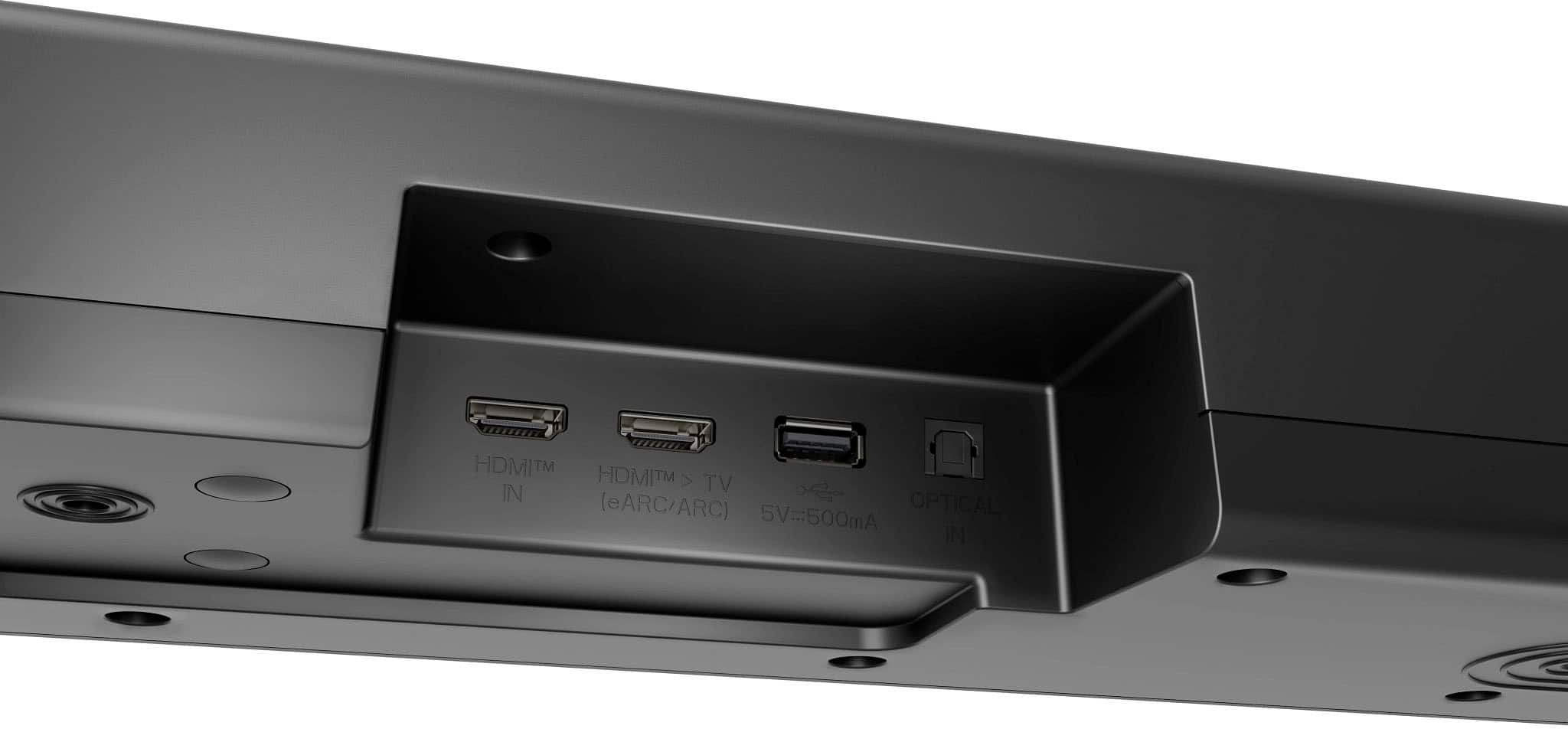
Both soundbars connect via HDMI eARC for the best audio quality. The Sonos Arc Ultra also supports WiFi streaming and AirPlay 2 for music. The LG S70TR includes Bluetooth connectivity and, if you have an LG TV, can use WOW Orchestra to combine TV and soundbar speakers.
The Sonos Arc Ultra excels at music with its neutral sound signature, superior stereo imaging, and balanced frequency response. The LG S70TR is tuned more for movies and can sound bass-heavy with music, though it's still capable for casual listening.
The Sonos Arc Ultra requires only a single HDMI connection and optional wall mounting. The LG S70TR needs positioning of five separate components (soundbar, subwoofer, two rear speakers) and multiple power outlets, but all connections are wireless except for power.
The LG S70TR includes dedicated gaming features like VRR and ALLM support up to 120Hz for lag-free gaming with modern consoles. The Sonos Arc Ultra offers superior audio clarity that can provide competitive advantages but lacks specialized gaming optimizations.
The LG S70TR includes everything needed for complete surround sound. To match its capabilities, the Sonos Arc Ultra would require adding a Sub 4 ($799) and Era 300 rear speakers ($598), totaling over $2,300 for the complete system.
Both excel at dialogue but differently. The Sonos Arc Ultra uses AI-powered Speech Enhancement with three adjustable levels for natural-sounding dialogue boost. The LG S70TR features a dedicated up-firing center channel and Clear Voice Plus processing for direct, punchy dialogue reproduction.
Yes, both soundbars work with any TV that has HDMI eARC or optical output. However, the LG S70TR offers special WOW Orchestra integration with compatible LG TVs, combining TV and soundbar speakers for enhanced audio. The Sonos Arc Ultra works equally well with all TV brands.
The LG S70TR delivers significantly deeper, more impactful bass with its dedicated 7-inch wireless subwoofer and 220-watt amplifier. The Sonos Arc Ultra produces clean, controlled bass through its integrated Sound Motion woofer, but it can't match the physical depth and room-filling impact of a dedicated subwoofer.
Choose the LG S70TR if you want maximum cinematic impact, authentic surround positioning, and exceptional value for a dedicated home theater. Choose the Sonos Arc Ultra if you prioritize premium build quality, smart features, minimal setup complexity, and plan to use it equally for movies and music in a living room setting.
We've done our best to create useful and informative comparisons to help you decide what product to buy. Our research uses advanced automated methods to create this comparison and perfection is not possible - please contact us for corrections or questions. These are the sites we've researched in the creation of this article: bestbuy.com - shopjetson.com - youtube.com - ign.com - crutchfield.com - dowtechnologies.com - sonos.com - appleinsider.com - pcrichard.com - clefdesol.com - sonos.com - businessinsider.com - audioadvice.com - en.community.sonos.com - bestbuy.com - mynavyexchange.com - rixaudiovideoappliance.com - rtings.com - youtube.com - bestbuy.com - howards.siteontimedev.com - bestbuy.com - appliancestogousa.us

Privacy Policy
Terms and Conditions - Affiliate Policy
Home Security
© Copyright 2008-2026.
11816 Inwood Rd #1211, Dallas, TX 75244