Denon + Polk Pairing Guide: Building the Perfect Home Theater, Step by Step
Home theater isn’t just about picking the best gear, it’s about pairing the right components together, and this guide shows how Denon and Polk can line up.
Nemanja Grbic is a tech writer with over a decade of journalism experience, covering everything from AV gear and smart home tech to the latest gadgets and trends. Before jumping into the world of consumer electronics, Nema was an award-winning sports writer, and he still brings that same storytelling energy to every article. At HomeTheaterReview, he breaks down the latest gear and keeps readers up to speed on all things tech.
Indiana Lang, owner of Emptor Audio and A/V Integration in Orlando, FL, brings extensive AV industry experience from inside sales to custom installations. Starting in the field at 17 and writing about Hifi since 2016, he boasts over 25 certifications from top brands and is the current Editor-In-Chief of HomeTheaterReview.com.
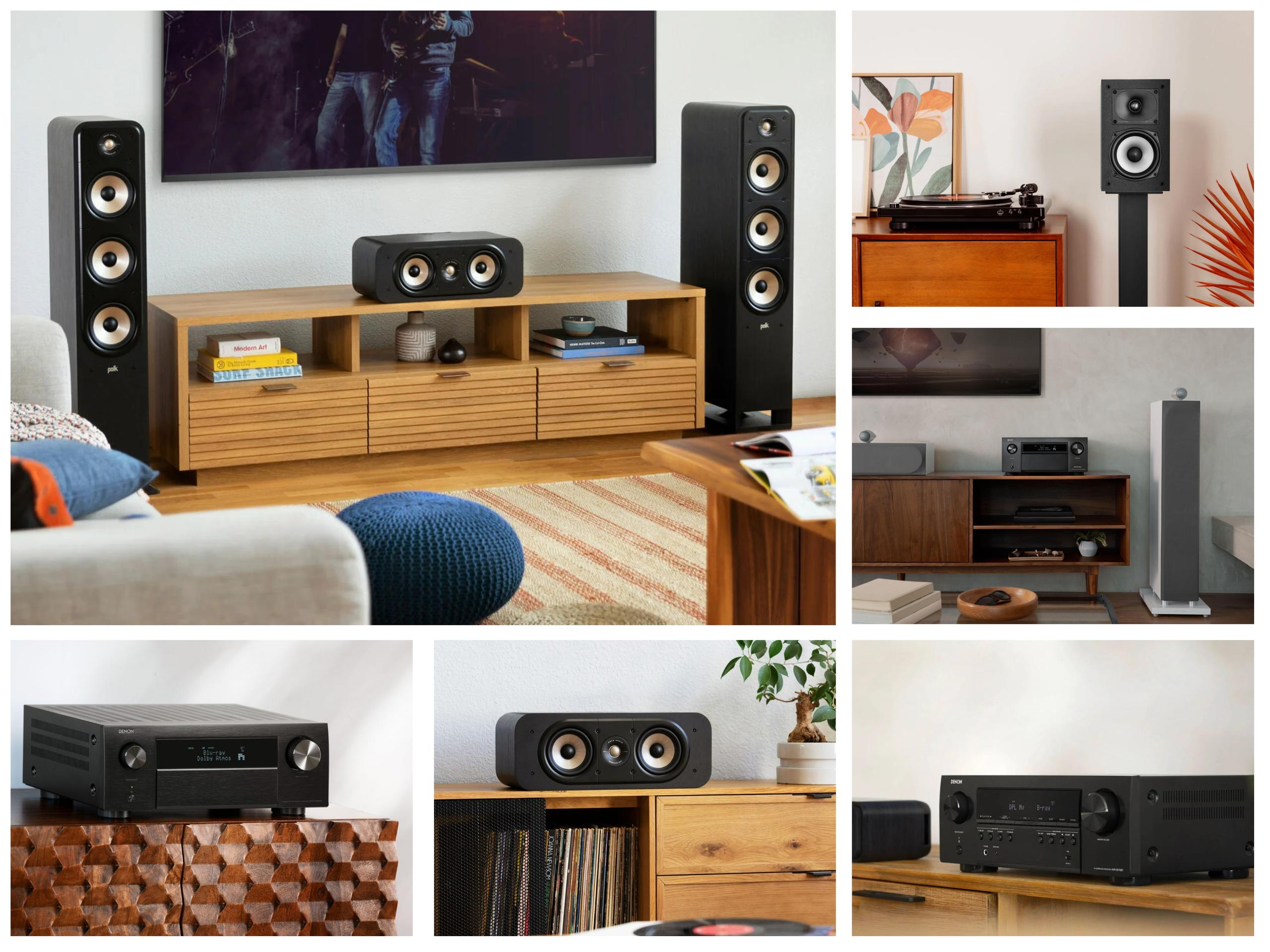
If you're building a home theater system and trying to figure out what gear to buy, it's easy to feel overwhelmed. Between choosing the right A/V receiver and matching it with the right speakers, there's a lot to consider. But if you're looking for gear that works well together, Denon and Polk make a great team. In this guide, we will walk you through three clear upgrade paths using Denon AVRs and Polk speakers—whether you're just getting started or building a full-fledged dedicated theater.
We'll break things down into three categories:
Entry-Level: Great for apartments and first-time buyers
Mid-Tier: A solid upgrade for enthusiasts
Full Theater: For serious surround sound fans with dedicated rooms
At each level, we'll match a Denon receiver with a Polk speaker package and explain why that pairing makes sense.
Why This Pairing Guide Exists
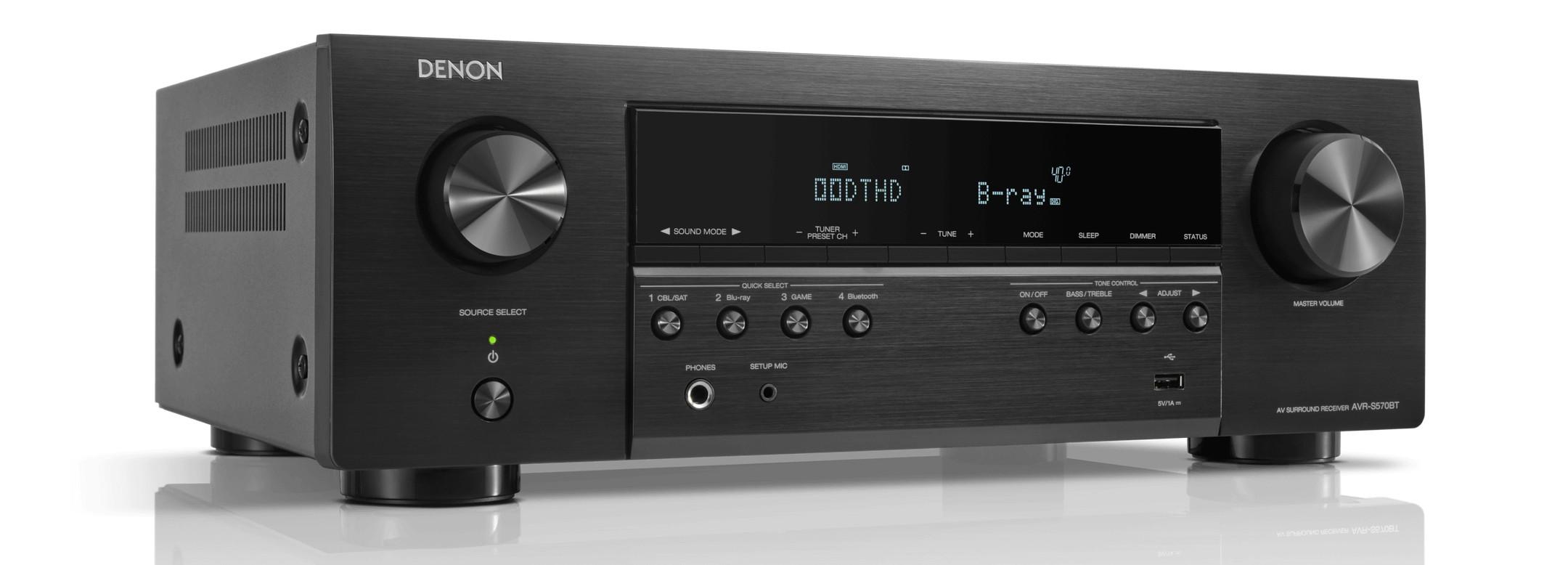
There are a lot of A/V receivers and speaker options out there, and it can be hard to know where to start. But Denon and Polk make it a little easier to connect the dots. Denon organizes its AVRs into three main tiers:
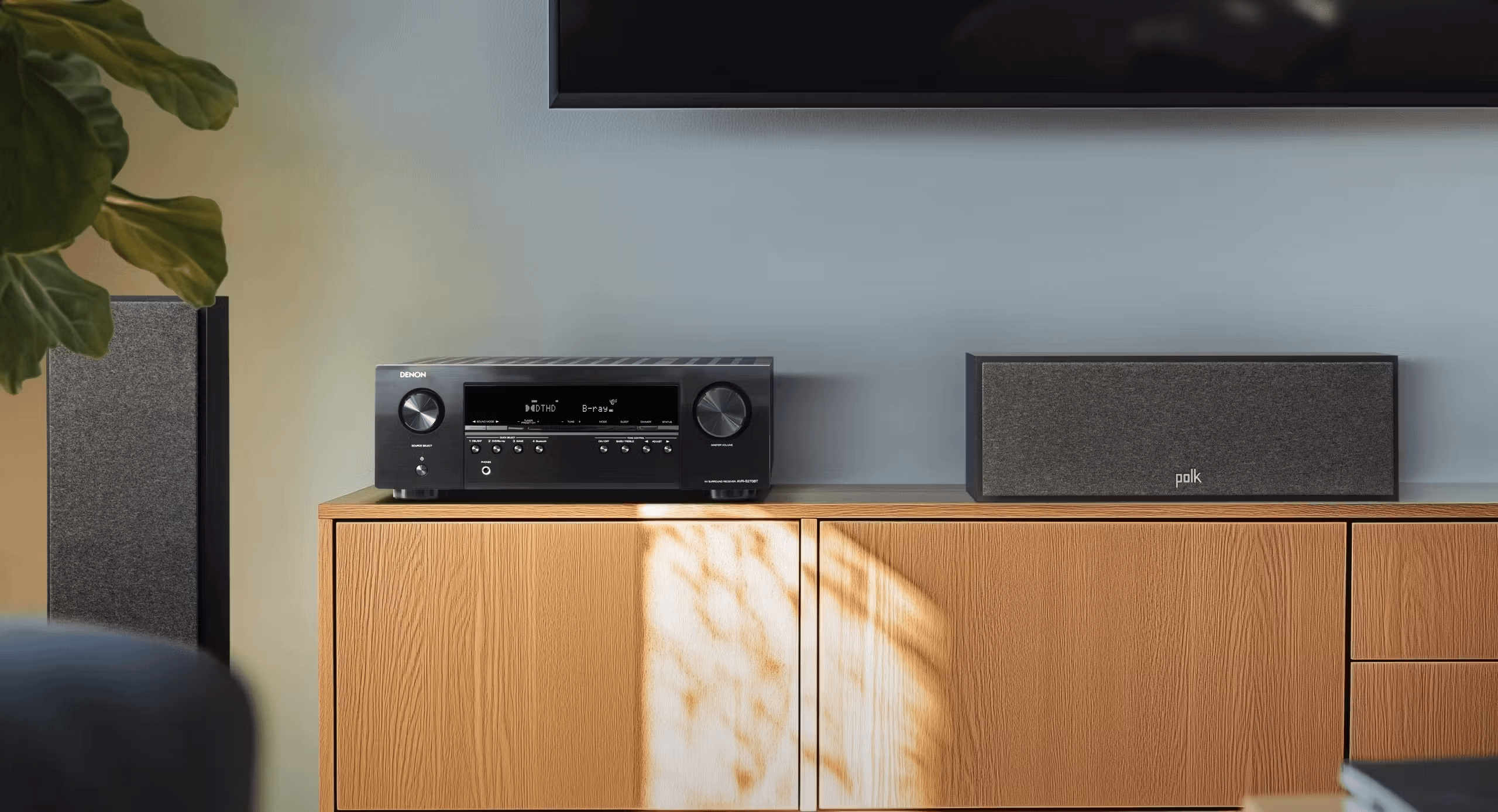
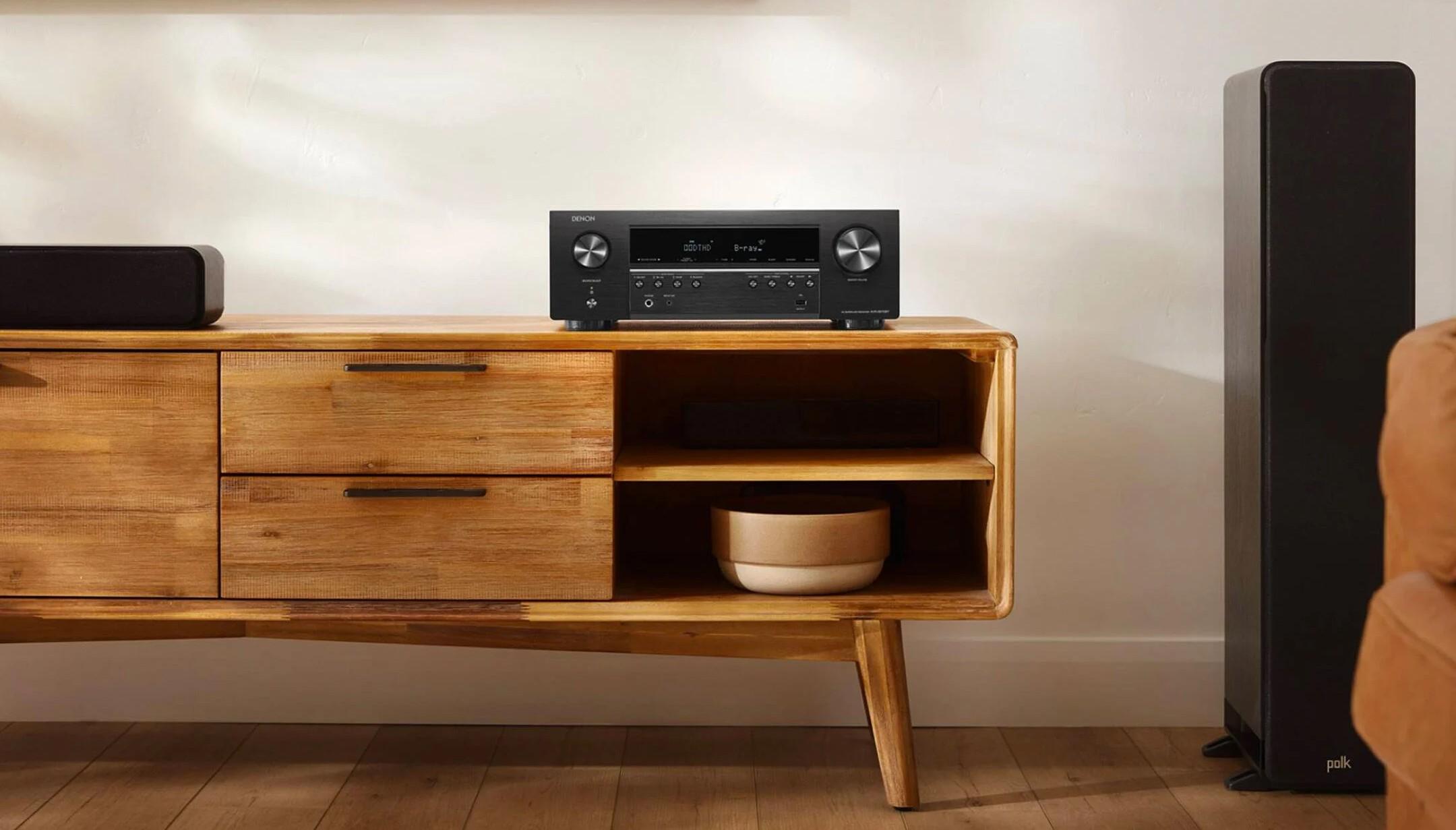
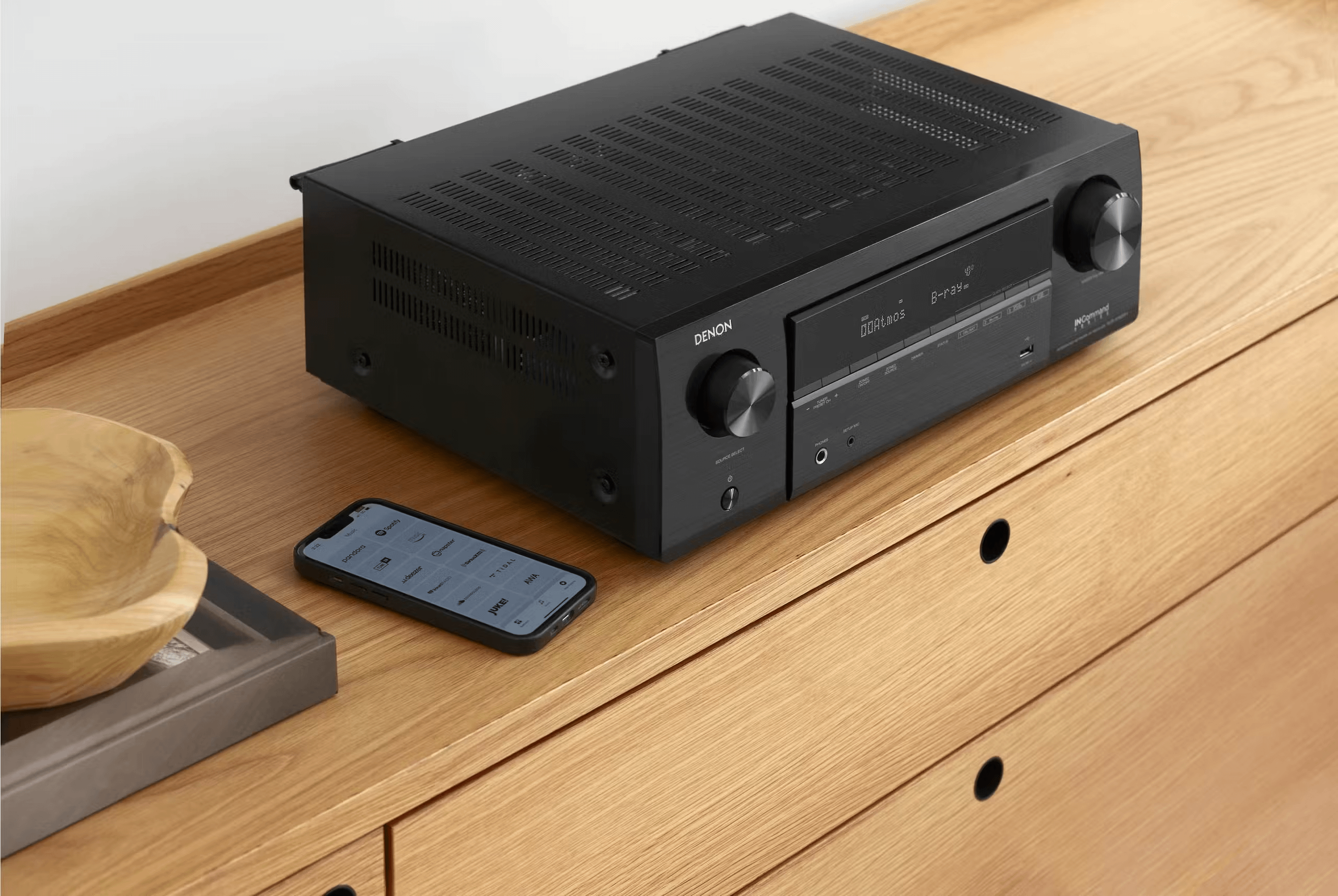
This combo keeps things simple. The S-Series gives you 5 to 7 channels, depending on the model, and enough HDMI inputs to handle your TV, game console, and streaming box. The newer models (S570BT and up) support 4K and even 8K video pass-through, plus gaming features like Auto Low Latency Mode (ALLM) and Variable Refresh Rate (VRR). That’s useful if you’ve got a PS5 or Xbox Series X.
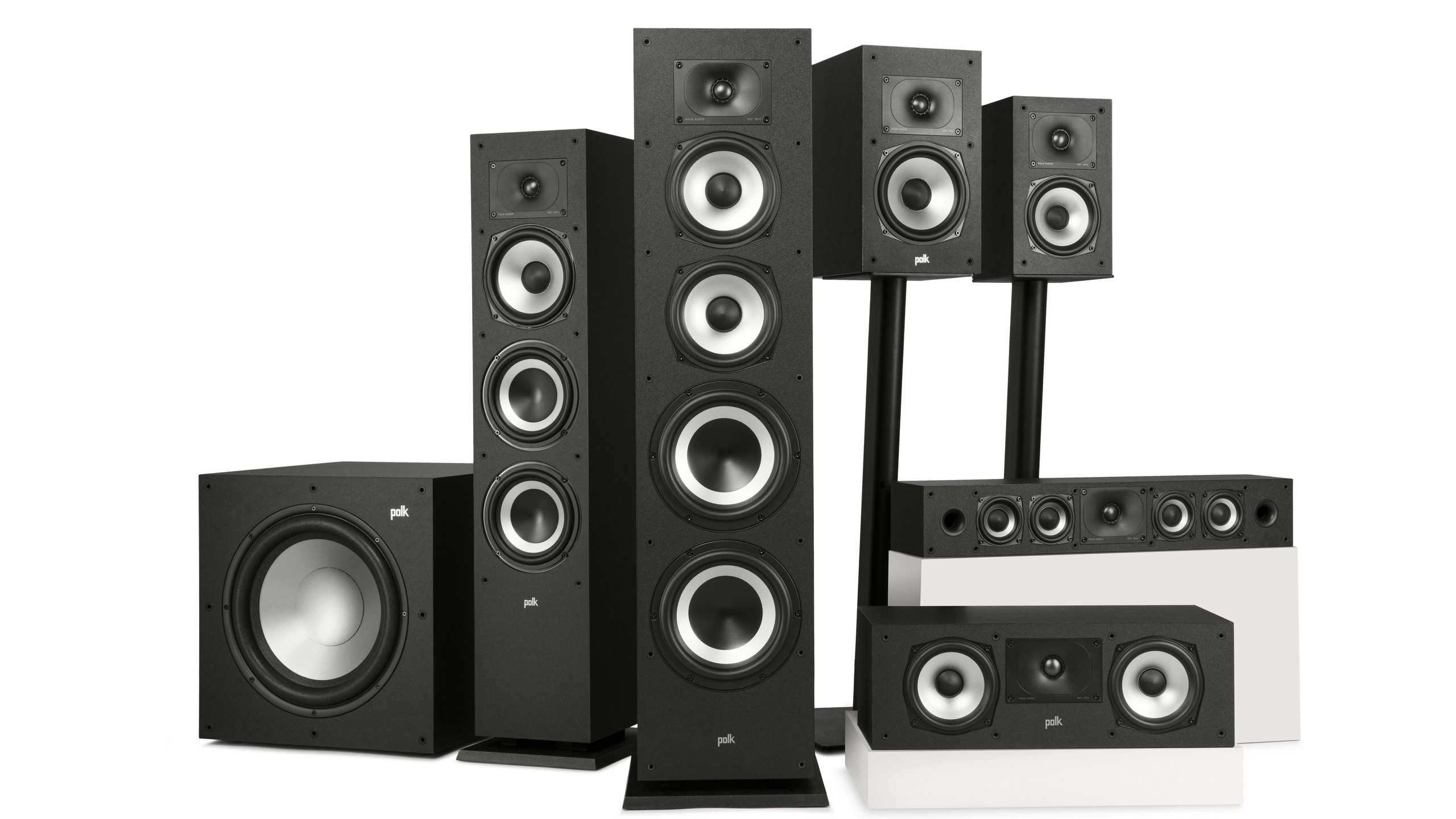
The Polk Monitor XT15 or XT20 bookshelf speakers are compact, affordable, and easy to set up. Add a Monitor XT30 center speaker and the Monitor XT10 subwoofer, and you’ve got yourself a solid 5.1 system. If you want to step it up just a little, go with Polk’s Signature Elite ES15 or ES20 bookshelf speakers. They’re a bit more refined but still compact enough for living room use.
Things to consider:
Room size: Bookshelf speakers are great for small to medium rooms. Don’t overdo it with towers unless you’ve got the space.
Subwoofer: Even a basic 10" sub makes a big difference for movies.
No Atmos yet: These S-Series models don’t support height channels, so you won’t get overhead effects—but for this level, that’s okay.
Step 2: The Mid-Tier “Next-Step” Setup
Who it’s for:
You’ve outgrown your starter system or soundbar.
You want Dolby Atmos and/or DTS:X surround sound.
You have a larger living room or open space.
You want better bass, better dialogue, and a more immersive feel.
The Denon X-Series is where things get serious. You get more channels (up to 11 on the higher-end models), more HDMI ports, support for Dolby Atmos and DTS:X, and even some models with Dirac Live room correction (like the X3800H).
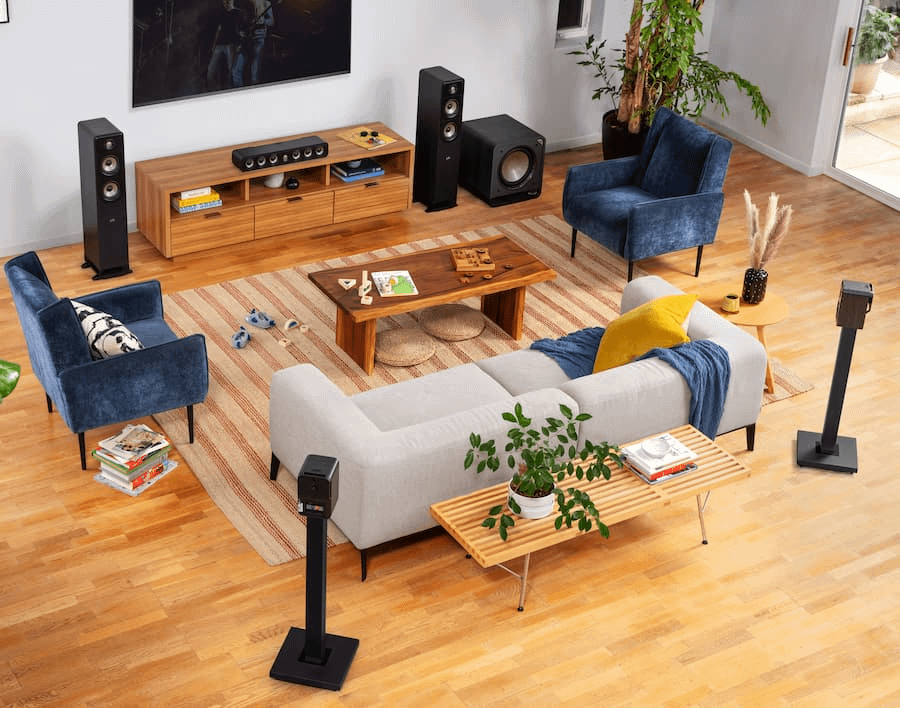
With more channels and more power, you can start building immersive systems, like a 5.2.2 or 7.2 layout. That means surround sound with either two overhead speakers or two subwoofers, depending on how you configure things.
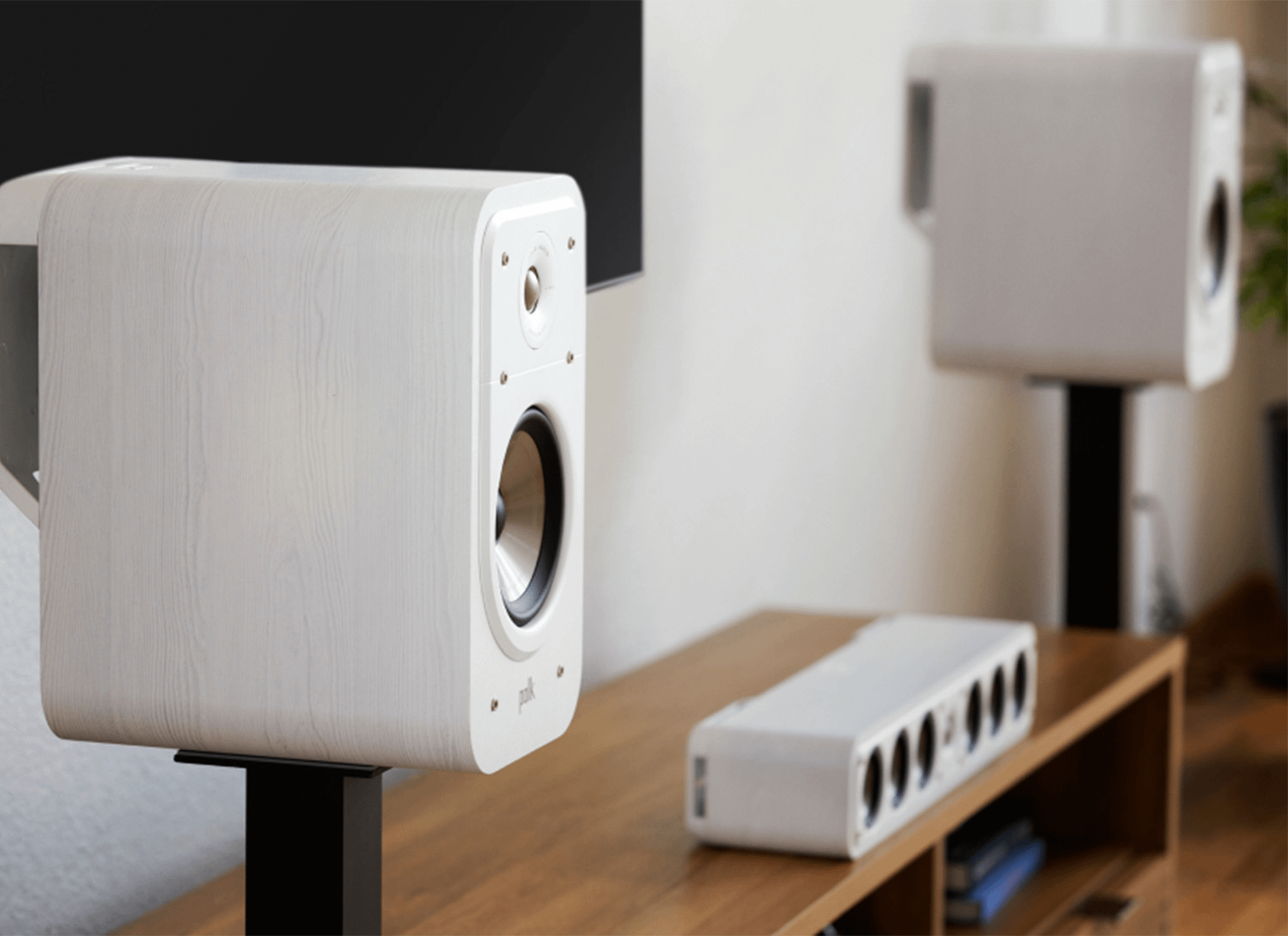
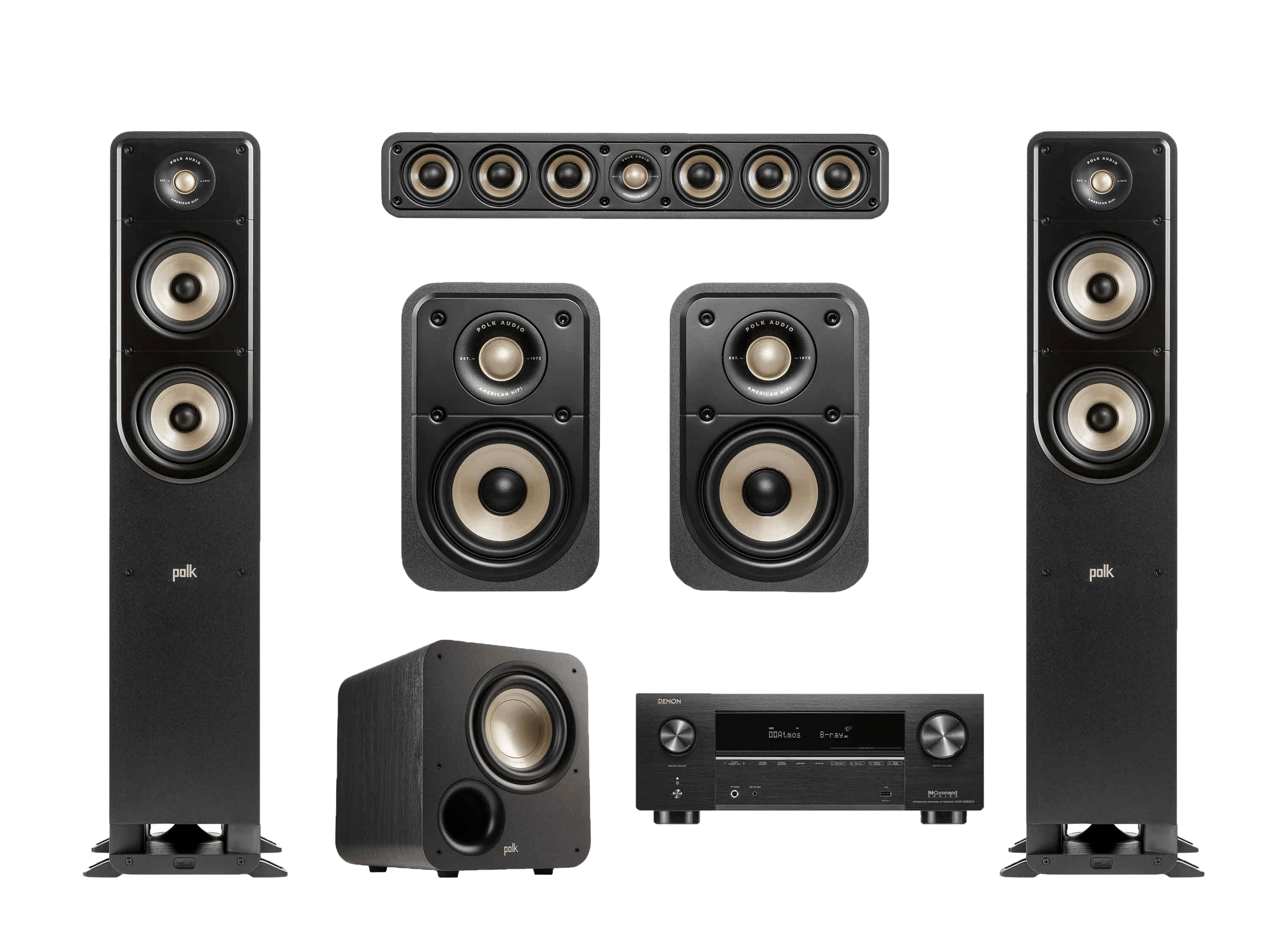
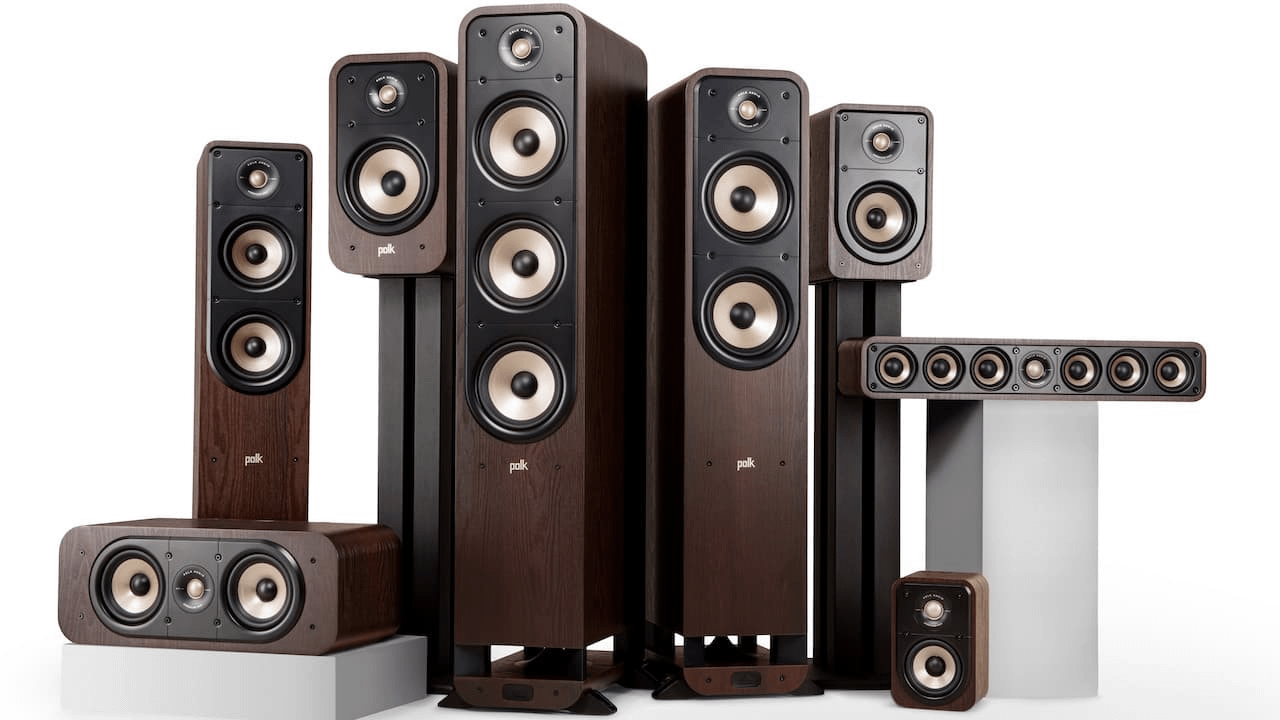
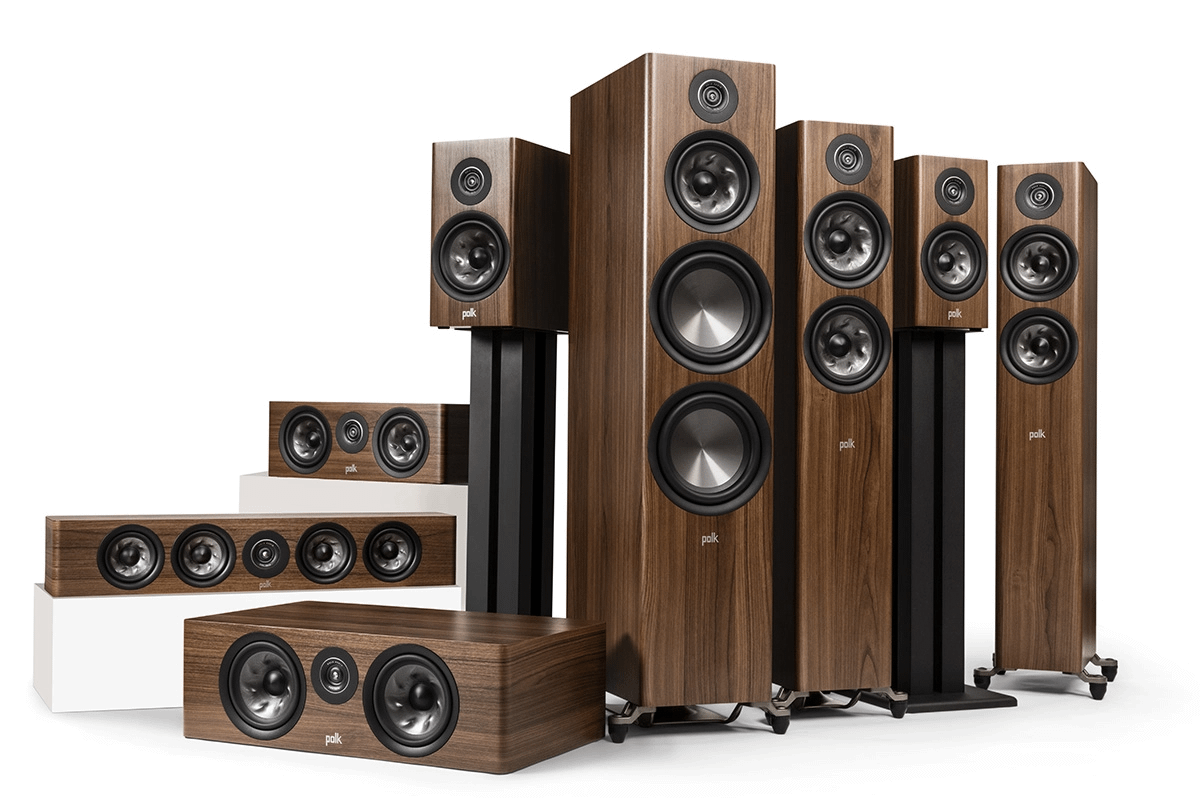
Polk’s Signature Elite towers, especially the ES60, are a great match here. They deliver full-range sound without needing huge power, and they’re designed to work well in home theater systems. You can match them with the ES35 center, ES10 surrounds, and an ES10 or ES12 subwoofer.
Things to consider:
Height channels: Some of Polk’s bookshelf or wall-mountable speakers can be used as height/elevation speakers for Atmos. Just check your AVR’s channel count and assign accordingly.
Room size: This build fits well in mid-size to larger rooms—open floor plans, basements, or multi-purpose family rooms.
Room correction: Use Audyssey or Dirac Live to tune your setup to the space.
Step 3: The Full Theater Build
Who it’s for:
You’ve got a dedicated theater room or plan to build one.
You’re going beyond 5.1 or 7.1—think 7.1.4 or even 9.2.4.
You want full immersion, with properly calibrated sound and pro-level performance.
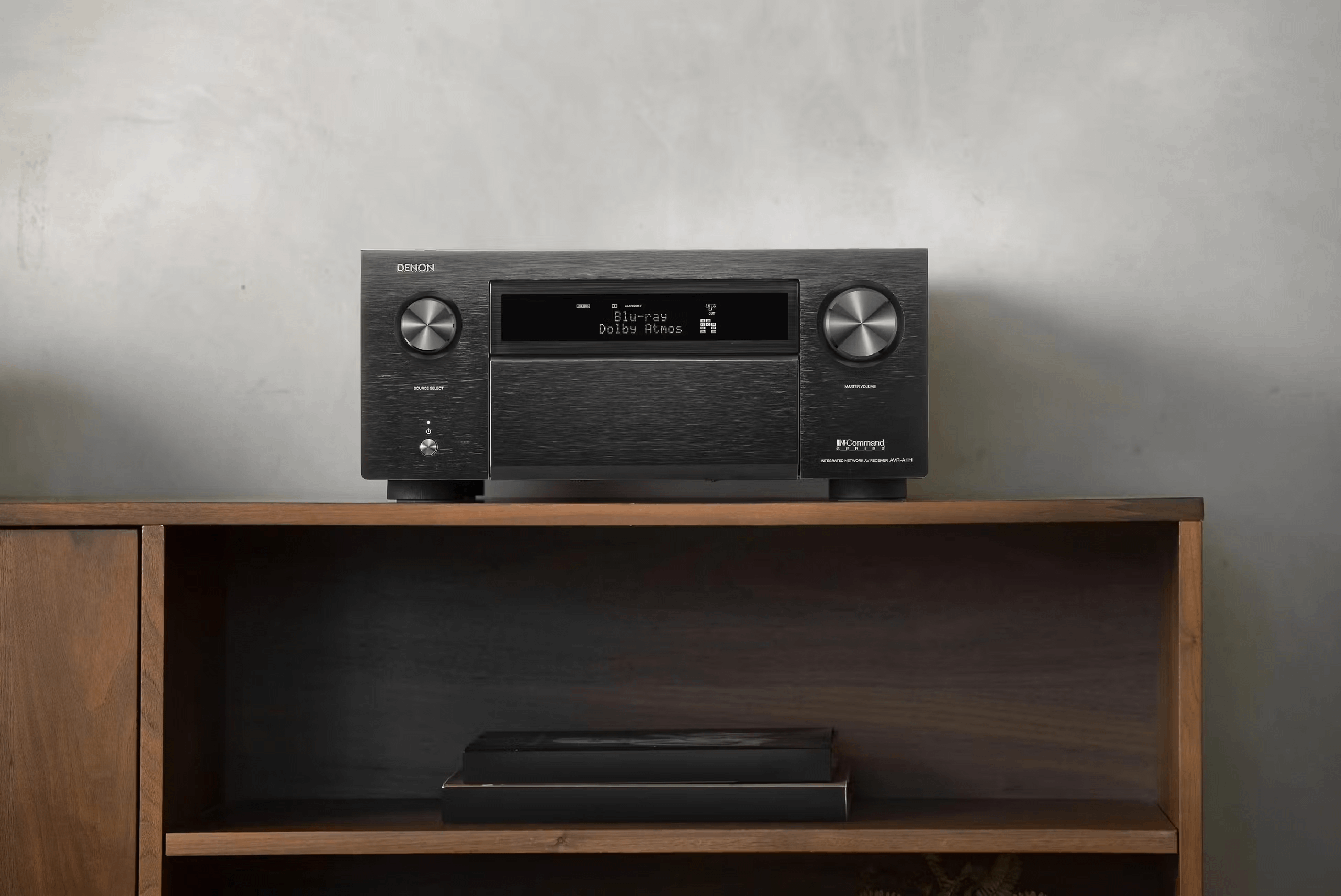
The A-Series is Denon’s top tier. These receivers aren’t for casual living rooms—they’re built for serious home theaters. The A1H, for instance, has 15 amplifier channels, with support for 17 channels of processing. You can build a massive 9.4.6 system if your room allows for it.
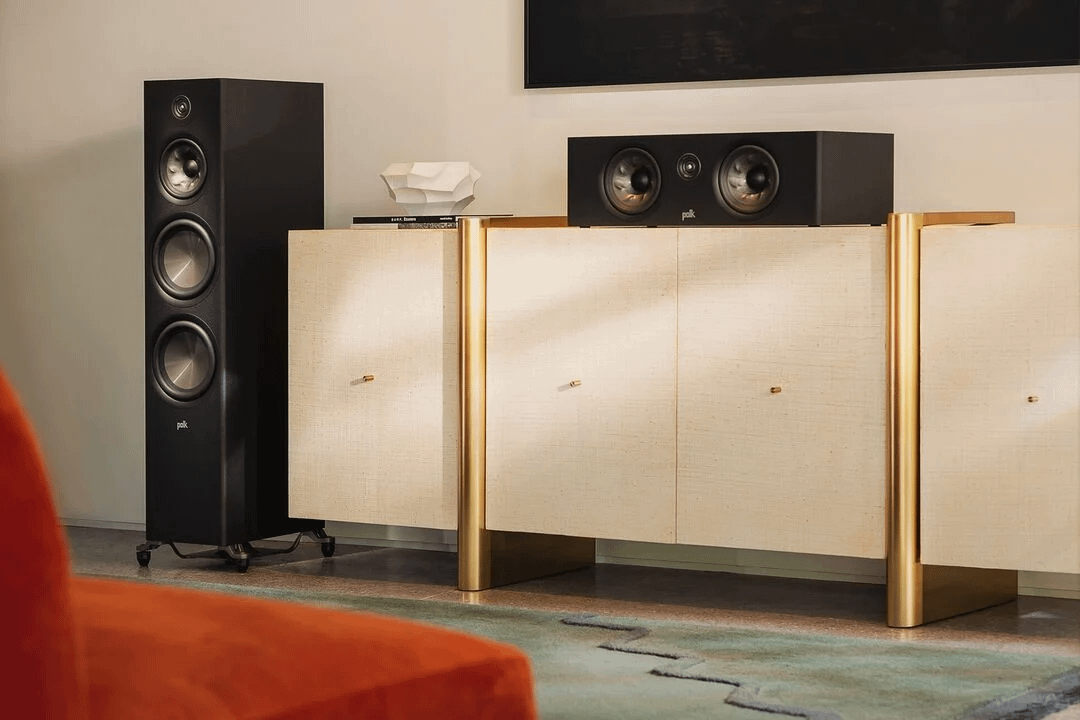
Polk’s Reserve Series speakers are built for this level of performance. The R700 towers are large, full-range speakers capable of deep bass and clean highs. The R400 center is designed for clarity and accurate dialogue reproduction. The R900 height modules are designed to sit on top of other Reserve speakers or be mounted on the wall or ceiling.
You’ll want to add at least two subwoofers—and possibly four. The A-Series AVRs give you that flexibility, with support for multiple subwoofer outputs and advanced bass management features.
Things to consider:
Wiring complexity: At this level, you’re dealing with 11+ speakers. Pre-wire if possible.
Room acoustics: Don’t skip this. You’ll want treatments or at least rugs, curtains, and proper furniture placement.
Dirac Live or Audyssey XT32: Use these tools to dial in your system. They make a big difference.
Measure the room: width, length, and ceiling height.
Decide seating position(s): single row or multiple rows.
Determine screen size and speaker placement (front, center, surrounds, heights).
Choose the receiver tier based on size and ambition
If you’re just starting, the S‑Series is sufficient.
If you’ll use height channels, larger speakers, or want more growth: go X‑Series.
If you’re building a dedicated room with many channels and large speakers, the A‑Series.
Choose speaker tier to match your receiver and room
For smaller rooms and a modest budget, Monitor XT will suffice.
For larger rooms with more ambitious sound: Signature Elite is the logical next step.
For large rooms or reference‑level builds: Reserve series gives the performance headroom.
Plan your speaker layout
Entry: 5.1 – three front (L/C/R), two surrounds, one subwoofer.
Mid‑Tier: 5.2.2 or 7.2 – add two height speakers for Atmos, additional subwoofer.
Full Theater: 7.1.4 or 9.2.4 – full immersive array with ceiling/height speakers.
Match power & impedance
Make sure the speaker sensitivity and impedance match what your receiver can drive.
Towers in the mid‑tier or full theater build may demand more power for bass headroom.
Wiring & HDMI/Video support
Modern receivers support HDMI 2.1, 8K/60Hz, 4K/120Hz, VRR & ALLM (Denon models in X‑Series and above).
Ensure your display (TV or projector) supports the video formats you want.
Use quality speaker cable, pay attention to speaker placement, and subwoofer location.
Room calibration
Use the built‑in setup assistant on your Denon AVR (present across S, X, A series) to walk through speaker setup, distances, and levels.
In mid or full systems, consider advanced room correction (Audyssey XT32, Dirac Live) for optimal sound.
Future‑proofing & expandability
If you may expand to height channels or add a second subwoofer, choose a receiver with extra channels/preamp outputs (often X‑Series or A‑Series).
Choose speakers and layout that allow upgrade without replacing your receiver (e.g., monitor bookshelves now, towers later).
Ensure your receiver supports latest formats (Dolby Atmos, IMAX Enhanced, DTS:X) and video standards (8K/4K/120Hz).
Common Mistakes to Avoid
Picking a powerful receiver but pairing it with weak speakers. The system will be unbalanced.
Using tower speakers in a very small room—they may overpower or suffer from room reflections.
Not planning for wires, speaker placement and acoustics. Even good gear can suffer in a bad room.
Neglecting video support: If you use next‑gen consoles or 8K displays, simpler receivers may bottleneck you.
Skipping calibration: Even a good setup benefits from room correction and speaker‑level adjustment.
Final Thoughts
From modest living rooms to immersive dedicated home theaters, pairing the right Denon AVR with the right Polk speakers is key to a satisfying result. The three tiers—entry, mid‑tier, full theater—map naturally to budget, space and ambition:
With the right choices, your system will be balanced, scalable, and ready for future growth—so you can enjoy movies, music, and games in real style and depth.