

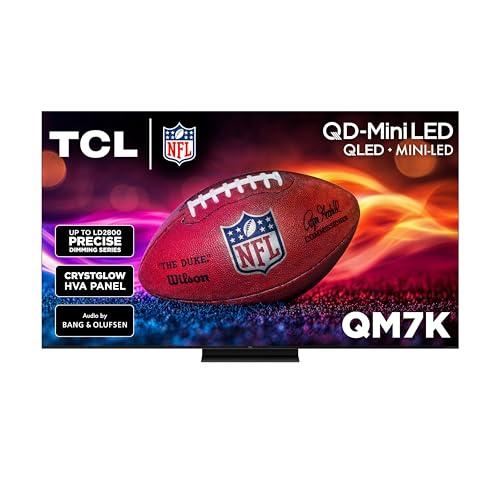
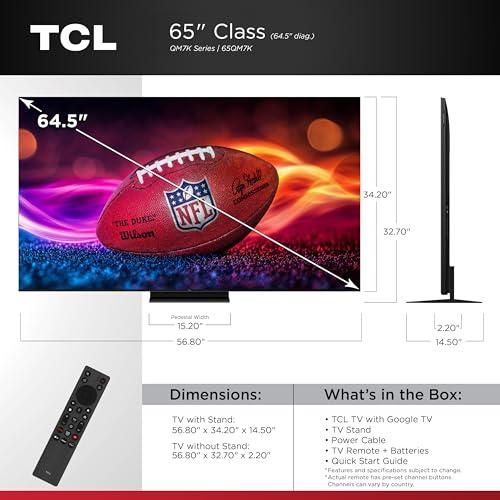

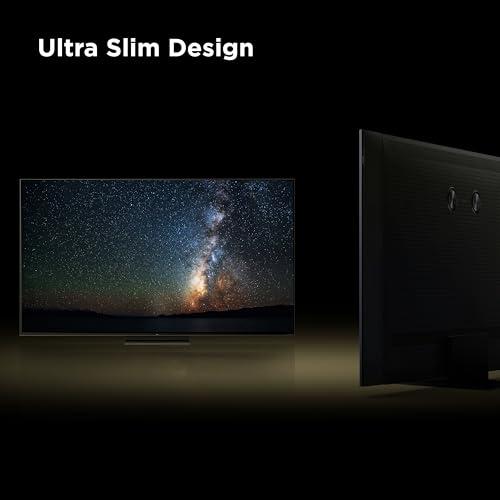
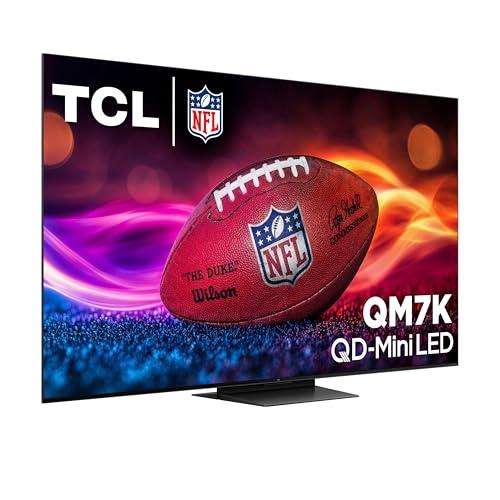
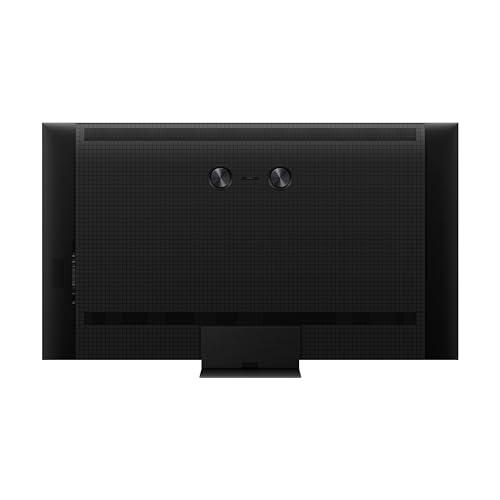
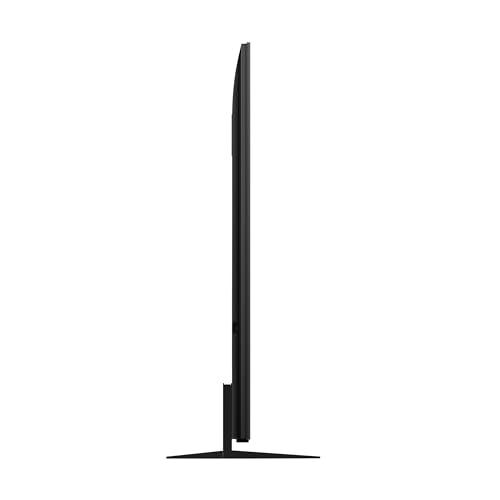
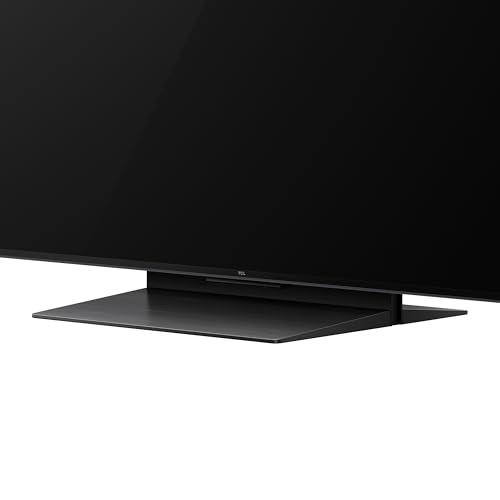
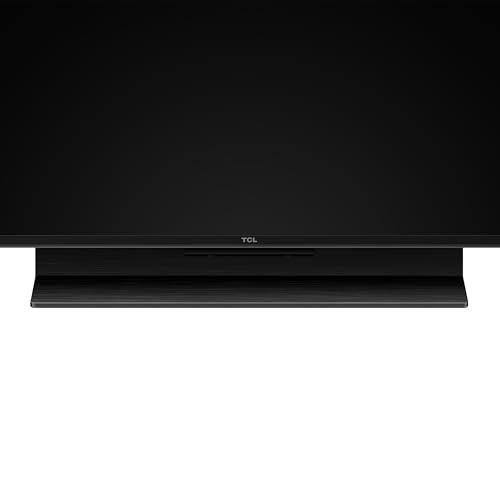
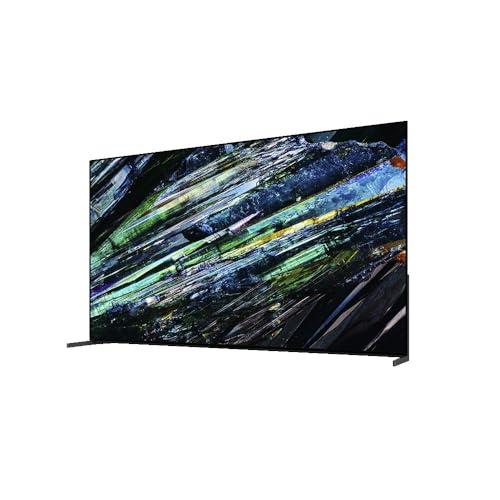


The premium TV market in 2024 presents an interesting choice between two cutting-edge display technologies that take completely different approaches to delivering exceptional picture quality. On one side, you have QD-Mini LED displays like the TCL 65QM7K, which combine quantum dot color enhancement with thousands of precisely controlled Mini LED backlights. On the other, there are QD-OLED panels like the Sony BRAVIA XR A95L, which merge quantum dot technology with self-illuminating OLED pixels.
Both technologies represent major advances over traditional LED-backlit TVs, but they achieve great picture quality through fundamentally different methods. Understanding these differences is crucial because your choice will significantly impact your viewing experience for years to come.
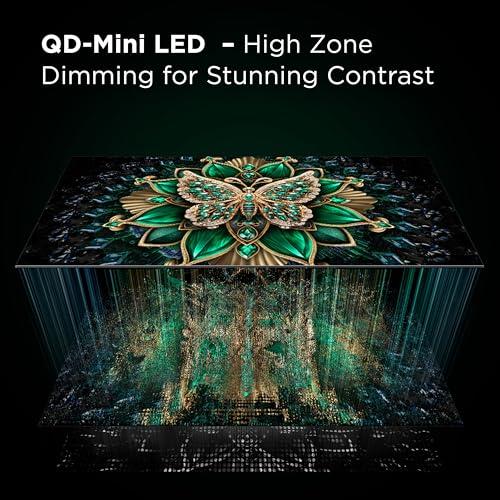
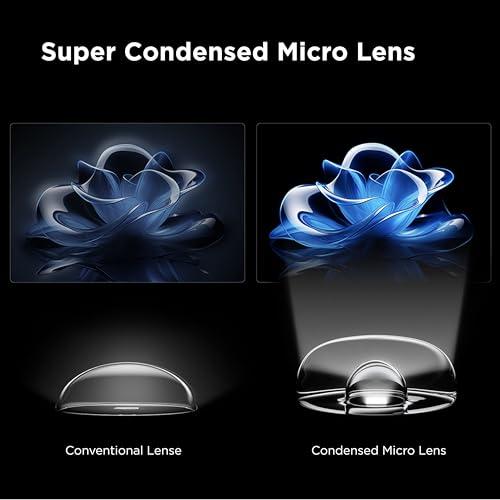
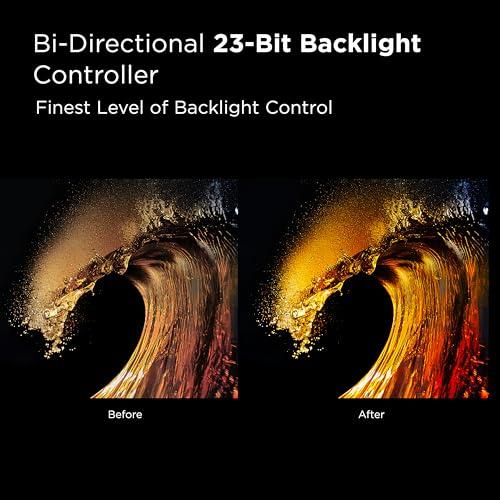
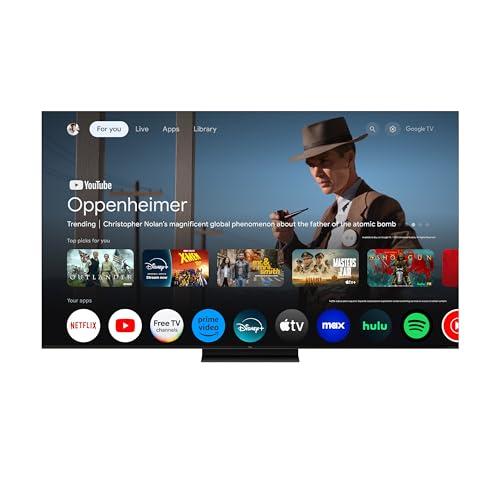
QD-Mini LED technology, found in the TCL 65QM7K, uses thousands of tiny LED backlights arranged behind the screen in a grid pattern. These Mini LEDs are much smaller than traditional LED backlights—about the size of a grain of rice—allowing for precise local dimming zones that can brighten or dim independently. The "QD" stands for Quantum Dot, a layer of microscopic crystals that enhances color purity and brightness when light passes through them.
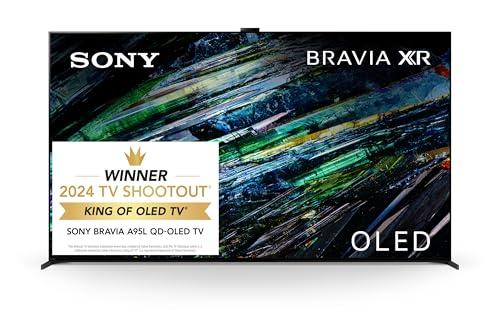
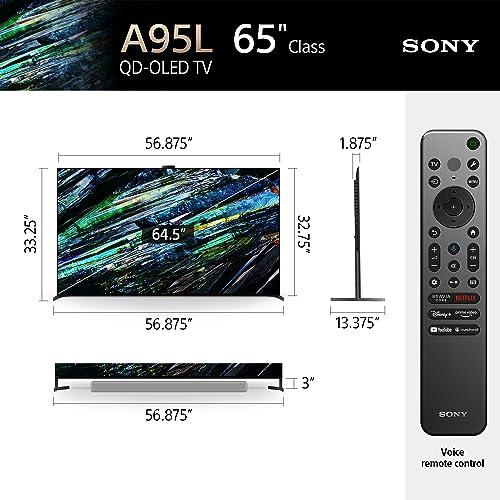
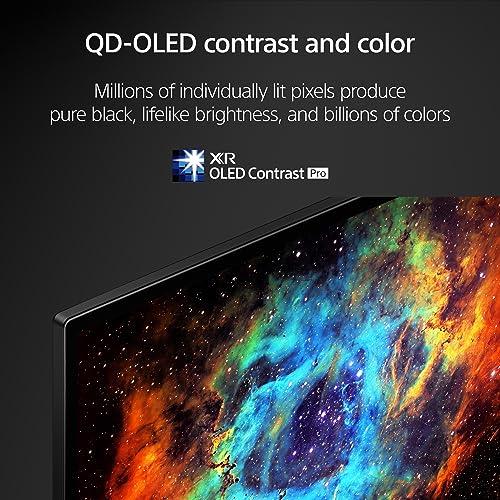
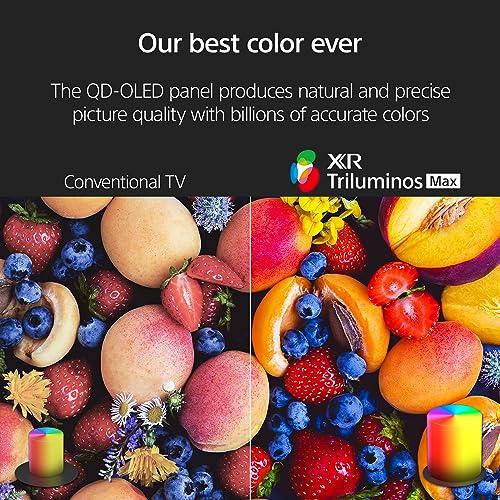
QD-OLED technology in the Sony A95L takes a different approach entirely. OLED stands for Organic Light-Emitting Diode, where each individual pixel produces its own light and can turn completely on or off. When combined with quantum dots, these displays achieve exceptional color accuracy and perfect blacks since pixels can shut off entirely.
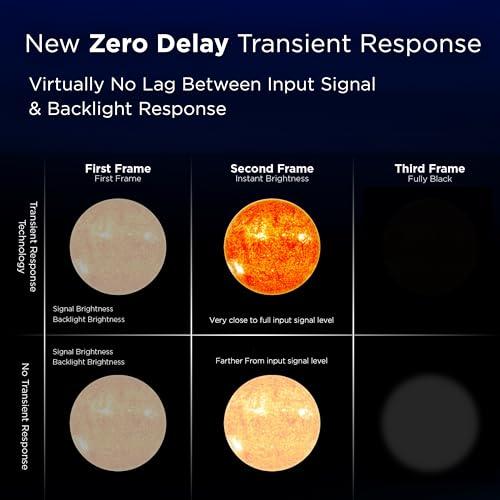
The key difference? The TCL QM7K uses a backlight system with local dimming zones to control brightness, while the Sony A95L controls each pixel individually without any backlight at all.
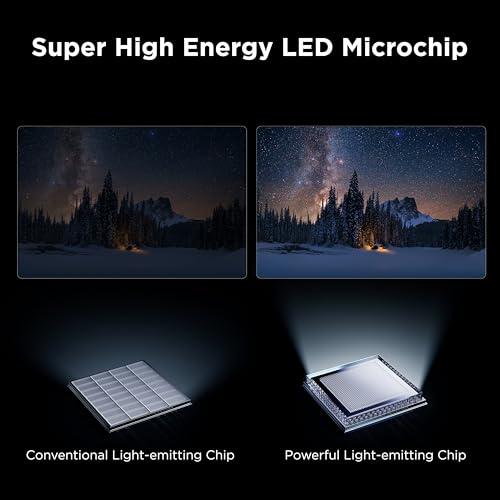
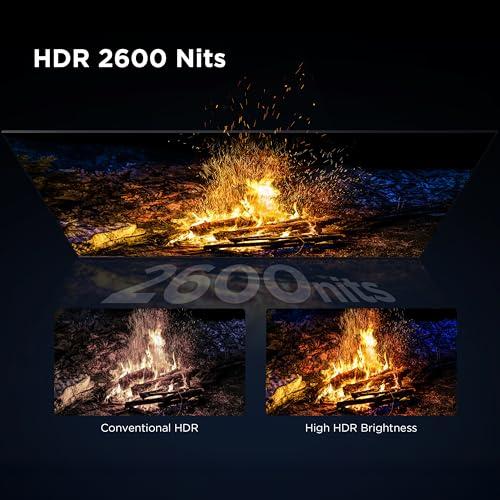
When it comes to raw brightness power, the TCL 65QM7K dominates with peak brightness levels reaching 3,000 nits in HDR content. For context, standard TVs typically max out around 400-600 nits, so this represents a massive improvement. This exceptional brightness makes HDR (High Dynamic Range) content truly shine, with sun reflections, explosions, and bright scenes appearing genuinely dazzling.
The Sony A95L, while impressive for an OLED at 1,300 nits peak brightness, simply cannot match the raw brightness output of Mini LED technology. However, this brightness difference matters most in bright rooms during daytime viewing. If you're watching in a darkened room, the Sony's brightness levels are more than adequate for impactful HDR.
From our research into user experiences and professional reviews, the brightness advantage of the TCL QM7K becomes most apparent when watching sports during the day, nature documentaries with bright outdoor scenes, or any HDR content in a room with lots of ambient light.
Here's where the tables turn dramatically. The Sony A95L delivers perfect, absolute blacks because each pixel can turn completely off. This creates an infinite contrast ratio—the difference between the brightest and darkest parts of the image—which is physically impossible for any backlit display to match.
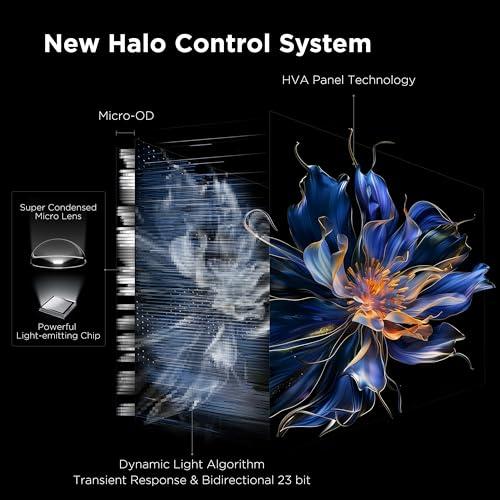
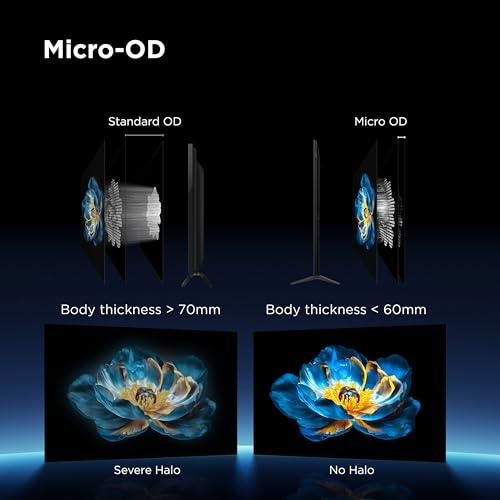
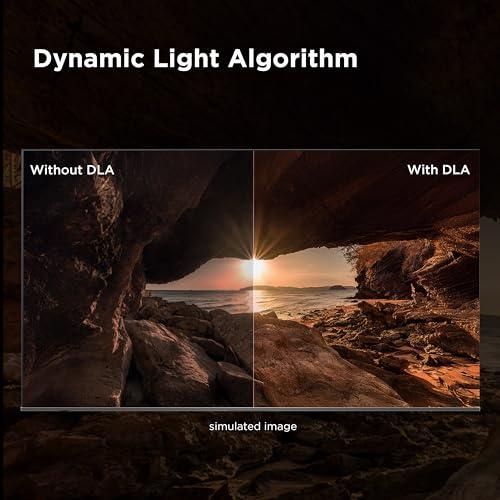
The TCL QM7K, despite having up to 2,500 local dimming zones, still uses a backlight system. While it achieves impressive black levels and a claimed 30 million:1 dynamic contrast ratio, some light bleeding (called "blooming" or "halo effect") can occur around bright objects on dark backgrounds. TCL has implemented their Halo Control System to minimize this, and by most accounts, they've done an excellent job, but the physics of backlighting means it's never completely eliminated.
In practical terms, if you're watching a movie with a bright moon against a dark sky, the Sony A95L will show perfect darkness around the moon, while the TCL QM7K might show a subtle glow. This difference is most noticeable in dark room viewing with high-contrast content.
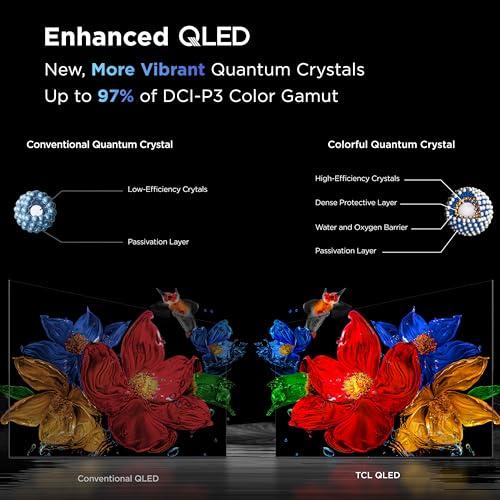
Both displays use quantum dot technology for enhanced color reproduction, but they implement it differently. The TCL QM7K uses quantum dots to filter the Mini LED backlight, creating vibrant colors with wide gamut coverage. The AI-driven color processing adjusts colors in real-time based on content type and viewing conditions.
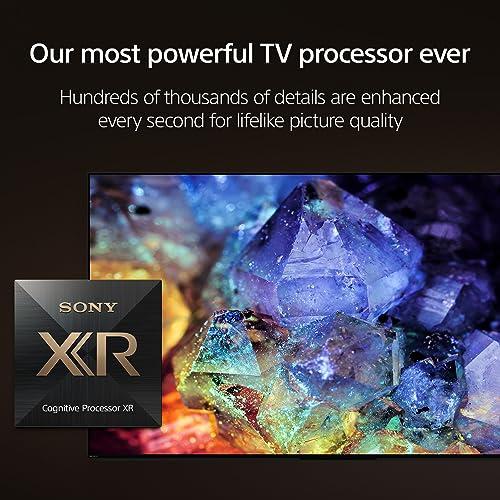
The Sony A95L combines quantum dots with OLED's inherent color accuracy advantages. Sony's reputation for color processing—built from decades of professional display and camera experience—shows in the natural, film-accurate color reproduction. The Cognitive Processor XR analyzes each scene and optimizes colors, contrast, and clarity simultaneously.
From professional calibration reviews, both displays achieve excellent color accuracy, but the Sony A95L typically requires less adjustment out of the box for accurate colors, while the TCL QM7K offers more vibrant, punchy colors that many prefer for casual viewing.
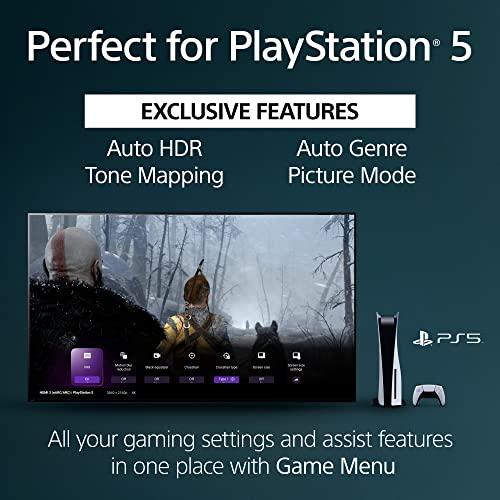
Gaming performance has become increasingly important as PlayStation 5 and Xbox Series X consoles push 4K gaming to new heights. Both displays support advanced gaming features, but with different strengths.
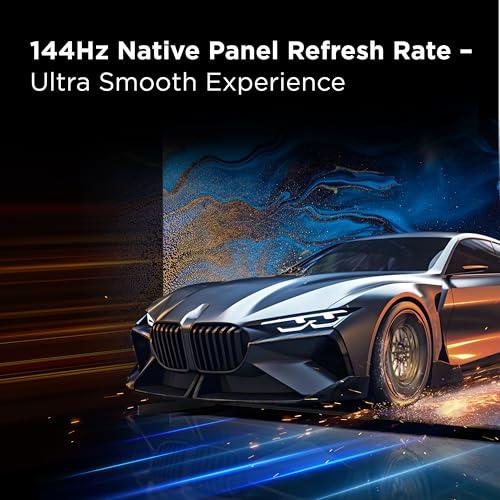
The TCL 65QM7K takes a more aggressive approach to gaming. It supports native 144Hz refresh rates with Variable Refresh Rate (VRR) technology that can peak at 288Hz under certain conditions through its Game Accelerator feature. VRR synchronizes the display's refresh rate with the game's frame rate, eliminating screen tearing and stuttering. For competitive gamers, this higher refresh rate capability provides smoother motion and potentially reduced input lag.
The Sony A95L supports 120Hz gaming with standard VRR features across four HDMI 2.1 ports. While it can't match the raw refresh rate numbers of the TCL, OLED's near-instantaneous pixel response time means zero motion blur in fast-moving scenes. Each pixel can change from black to bright colors in microseconds, creating incredibly clear motion that's particularly beneficial for racing games and fast-paced action.
Input lag—the delay between pressing a button and seeing the action on screen—is excellent on both displays, though the TCL QM7K edges ahead slightly in competitive gaming scenarios. However, the Sony A95L's perfect motion clarity often feels more responsive despite slightly higher input lag numbers.
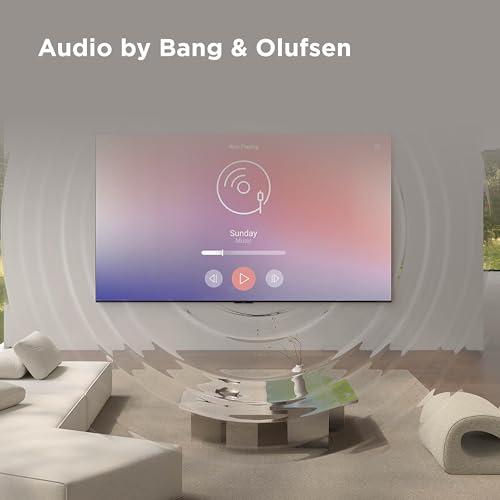
Audio represents another area where these displays take completely different approaches. The TCL QM7K partners with Bang & Olufsen for a traditional speaker system approach, delivering 60W of power with Dolby Atmos support. The speakers are well-positioned and tuned, providing clear dialogue and decent bass response for a TV-based system.
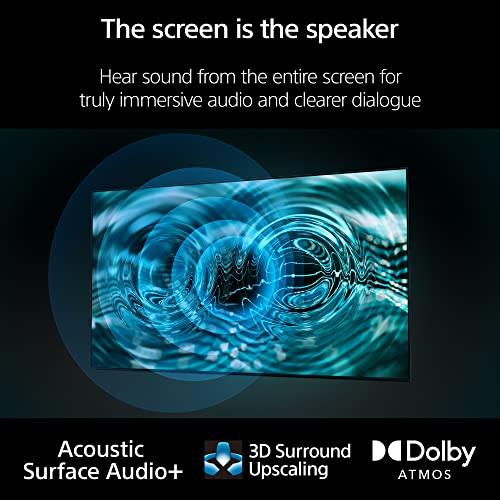
The Sony A95L uses Acoustic Surface Audio+, a fascinating technology that turns the entire screen into a speaker. Actuators behind the panel vibrate the display itself to produce sound, creating audio that appears to come directly from the action on screen. This creates exceptional dialogue clarity since voices literally come from the characters' locations on screen, plus it supports advanced audio formats and can even function as a center channel speaker when paired with a compatible Sony sound system.
While both provide good TV audio, serious home theater enthusiasts will likely pair either with a dedicated sound system. The Sony's approach is more innovative and provides better sound positioning, but the TCL's traditional approach offers more straightforward compatibility with external audio systems.
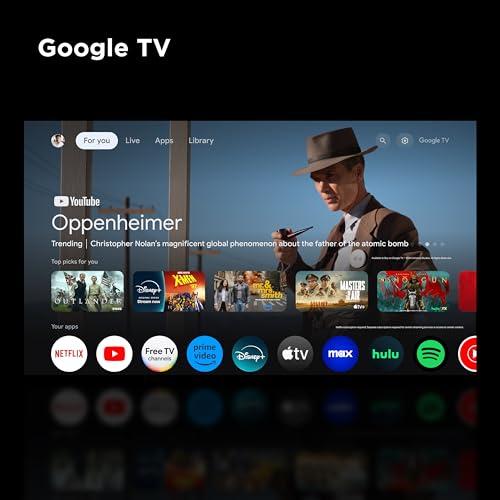
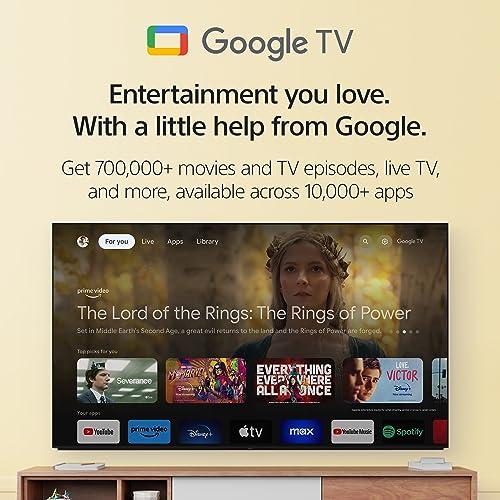
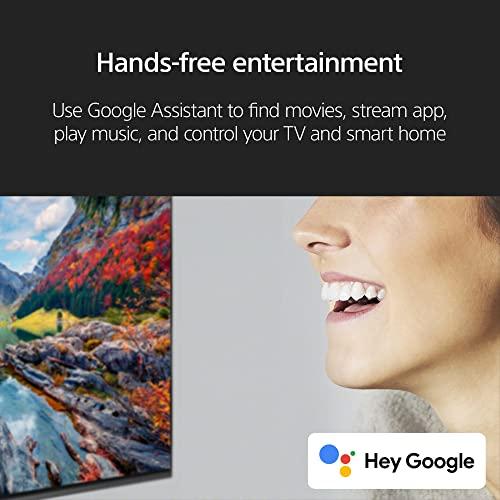
Both displays run Google TV, Google's latest smart TV platform that replaced Android TV in 2021. This provides access to all major streaming services, voice control, and Chromecast built-in functionality. However, the implementation differs significantly between the two.
The TCL QM7K provides a straightforward Google TV experience with responsive performance and comprehensive streaming app support. The AI-powered features focus on picture optimization, automatically adjusting settings based on content type and viewing conditions. The included remote is functional with voice control capabilities.
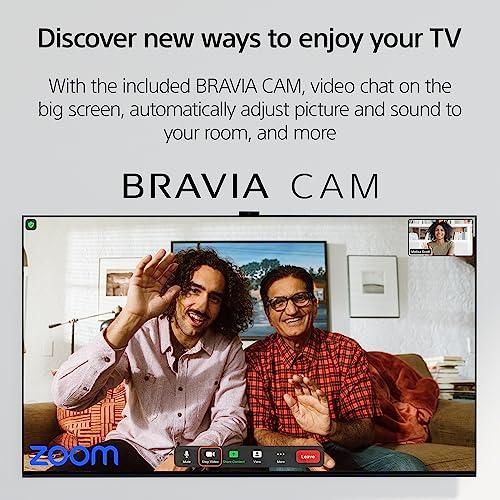
The Sony A95L elevates the smart TV experience with additional premium features. The Cognitive Processor XR doesn't just optimize picture quality—it enhances the entire user interface responsiveness. The included BRAVIA CAM adds interesting features like ambient light optimization that adjusts picture settings based on room lighting and your viewing position. The premium remote includes backlit buttons and more advanced voice control features.
From user reports, both systems are reliable and responsive, but the Sony's additional features and processing power provide a more refined overall experience, though at a significant price premium.
When these displays launched—the TCL QM7K in 2024 and the Sony A95L in 2023—they represented different value propositions in the premium TV market. At the time of writing, pricing typically sees the Sony commanding roughly 2.5-3 times the cost of the TCL, despite both being 65-inch premium displays.
The TCL QM7K represents exceptional value engineering. You're getting legitimate premium display technology—QD-Mini LED with thousands of dimming zones, high peak brightness, advanced gaming features, and solid smart TV functionality—at what was traditionally considered mid-range pricing. This democratization of premium TV technology represents a significant shift in the market.
The Sony A95L commands its premium through cutting-edge QD-OLED technology, superior build quality, advanced processing, and brand reputation. The price reflects not just the display technology but Sony's decades of experience in professional displays, cameras, and audio equipment.
From our analysis of long-term ownership experiences, both displays should provide years of excellent performance. The TCL QM7K has no burn-in risk due to its LED backlight technology, making it particularly suitable for gaming, sports viewing, and use as a computer monitor. The Sony A95L, while using improved QD-OLED technology with better burn-in resistance than traditional OLED, still requires some awareness of static content like news tickers or gaming UI elements left on screen for extended periods.
Bright Living Room Entertainment: If your TV faces windows or you watch primarily during daytime hours, the TCL QM7K's superior brightness becomes a decisive advantage. The 3,000-nit peak brightness maintains HDR impact and color saturation even with significant ambient light, while the Sony's lower brightness can appear washed out in bright conditions.
Dedicated Home Theater: For dark room viewing where picture quality is paramount, the Sony A95L's perfect blacks and exceptional color accuracy create the most cinematic experience available. The infinite contrast ratio reveals shadow details that the TCL cannot match, and the premium build quality feels appropriate for a dedicated theater room.
Gaming Setup: Serious gamers face an interesting choice. The TCL QM7K offers higher refresh rates and competitive gaming optimizations, while the Sony A95L provides perfect motion clarity. Console gamers might prefer the Sony's motion performance, while PC gamers seeking maximum frame rates might favor the TCL's higher refresh rate capability.
Family Room Versatility: For mixed usage including sports, movies, gaming, and casual streaming, the TCL QM7K's brightness versatility, gaming features, and lack of burn-in concerns make it more adaptable to varied content and viewing habits.
Choose the TCL 65QM7K if you want premium TV performance without premium pricing. It's particularly suitable if you watch in bright environments, prioritize gaming features, or want the security of LED technology without burn-in concerns. The exceptional brightness and gaming capabilities deliver most of the premium TV experience at a fraction of traditional premium pricing.
Choose the Sony BRAVIA XR A95L if picture quality is your absolute priority and budget is flexible. It's ideal for dark room viewing, where the perfect blacks and exceptional color accuracy create an unmatched viewing experience. The premium build quality, advanced features, and Sony's reputation for longevity justify the higher investment for discerning viewers.
The reality is that both displays represent excellent choices within their respective market positions. The TCL QM7K democratizes premium TV technology, offering 85-90% of the high-end experience at 35-40% of the traditional cost. The Sony A95L delivers the absolute best picture quality available, with premium features and build quality that justify its positioning at the top of the market.
Your decision ultimately comes down to priorities: exceptional value and brightness versatility with the TCL, or ultimate picture quality and premium experience with the Sony. Both will deliver years of excellent viewing, just through different technological approaches and at different price points.
| TCL 65QM7K QD-Mini LED 4K Google TV | Sony BRAVIA XR A95L 65" QD-OLED 4K HDR Google TV |
|---|---|
| Display Technology - Determines core picture quality characteristics | |
| QD-Mini LED with up to 2,500 local dimming zones | QD-OLED with individual pixel control |
| Peak Brightness - Critical for HDR impact and bright room viewing | |
| 3,000 nits (exceptional for daytime viewing) | 1,300 nits (excellent for dark rooms) |
| Black Levels - Affects contrast and dark scene detail | |
| Very deep blacks with minimal blooming | Perfect absolute blacks (infinite contrast) |
| Gaming Refresh Rate - Important for smooth gaming performance | |
| 144Hz native, up to 288Hz VRR | 120Hz native with standard VRR |
| HDMI 2.1 Ports - Needed for next-gen console features | |
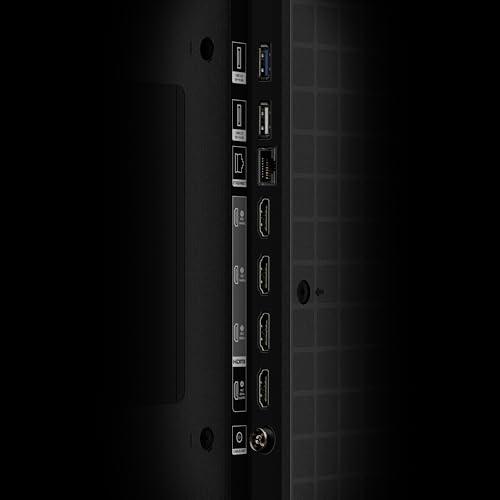
| 2 HDMI 2.1 ports | 4 HDMI 2.1 ports |
| Smart Platform - Determines app availability and user experience | |
| Google TV with standard features | Google TV with premium enhancements and BRAVIA CAM |
| Audio System - Affects built-in sound quality | |
| Bang & Olufsen 60W speakers with Dolby Atmos | Acoustic Surface Audio+ (screen as speaker) with premium processing |
| Build Quality - Impacts long-term durability and aesthetics | |
| Solid construction with premium design | Premium materials with exceptional fit and finish |
| Burn-in Risk - Important for varied content usage | |
| No burn-in risk (LED backlight technology) | Low burn-in risk (improved QD-OLED, but still requires some care) |
| Price Category - Value positioning in the market | |
| Mid-range pricing for premium features | Premium pricing reflecting cutting-edge technology |
| Best Use Case - Where each excels most | |
| Bright rooms, gaming, mixed family content | Dark room cinema, critical picture quality viewing |
The TCL 65QM7K is significantly better for bright rooms due to its exceptional 3,000 nits peak brightness, which is more than double the Sony BRAVIA XR A95L's 1,300 nits. This brightness advantage means the TCL QM7K maintains vibrant colors and HDR impact even with windows open during daytime viewing, while the Sony may appear washed out in bright conditions.
The TCL 65QM7K uses QD-Mini LED technology with thousands of LED backlights and local dimming zones, while the Sony BRAVIA XR A95L uses QD-OLED where each pixel produces its own light. This means the Sony achieves perfect blacks since pixels can turn completely off, but the TCL QM7K gets much brighter overall for HDR content.
The TCL 65QM7K offers superior gaming specs with 144Hz native refresh rate and up to 288Hz VRR support, making it better for competitive gaming. The Sony BRAVIA XR A95L is limited to 120Hz but provides perfect motion clarity with zero blur due to OLED's instant pixel response. Serious gamers typically prefer the TCL QM7K for its higher refresh rates.
The TCL 65QM7K has no burn-in risk whatsoever due to its LED backlight technology, making it perfect for gaming with static UI elements or news channels. The Sony BRAVIA XR A95L uses improved QD-OLED technology with better burn-in resistance than traditional OLED, but some caution is still needed with static content displayed for extended periods.
The TCL 65QM7K provides exceptional value, offering premium display technology at mid-range pricing. You get most of the high-end TV experience for significantly less cost. The Sony BRAVIA XR A95L costs considerably more but delivers cutting-edge picture quality and premium features that justify the price for those prioritizing absolute best performance.
The Sony BRAVIA XR A95L delivers perfect, absolute blacks with infinite contrast since pixels can turn completely off. The TCL 65QM7K achieves very good black levels with its 2,500 local dimming zones, but some subtle blooming may occur around bright objects on dark backgrounds. For dark room viewing, the Sony A95L has a clear advantage.
For dedicated home theater in dark rooms, the Sony BRAVIA XR A95L is superior due to its perfect blacks, exceptional color accuracy, and cinematic picture quality. However, the TCL 65QM7K can be excellent for home theater too, especially if you watch any content during daytime or in rooms with ambient lighting where its superior brightness becomes advantageous.
Both the TCL 65QM7K and Sony BRAVIA XR A95L run Google TV with access to all major streaming apps. The Sony includes premium features like BRAVIA CAM for ambient optimization and advanced processing, while the TCL QM7K offers a straightforward, responsive Google TV experience with AI-driven picture optimization.
The TCL 65QM7K features Bang & Olufsen audio with 60W speakers and Dolby Atmos support, providing solid TV audio. The Sony BRAVIA XR A95L uses innovative Acoustic Surface Audio+ technology that turns the screen into a speaker, creating better dialogue placement and more immersive sound positioning for a premium audio experience.
For HDR brightness and impact, the TCL 65QM7K excels with its 3,000-nit peak brightness making highlights truly dazzling. The Sony BRAVIA XR A95L offers more accurate HDR tone mapping and better shadow detail due to its perfect blacks. The TCL QM7K wins for bright, punchy HDR, while the Sony delivers more film-accurate HDR presentation.
The Sony BRAVIA XR A95L offers four HDMI 2.1 ports compared to two on the TCL 65QM7K, providing more flexibility for multiple gaming consoles and devices. Both support the latest HDMI features like eARC, VRR, and ALLM. The TCL QM7K's two HDMI 2.1 ports should be sufficient for most users but may limit connectivity for some setups.
Choose the TCL 65QM7K if you want premium performance at great value, watch in bright conditions, prioritize gaming, or need worry-free usage without burn-in concerns. Select the Sony BRAVIA XR A95L if picture quality is your top priority, you primarily watch in dark rooms, and you're willing to pay significantly more for the absolute best OLED experience with premium features.
We've done our best to create useful and informative comparisons to help you decide what product to buy. Our research uses advanced automated methods to create this comparison and perfection is not possible - please contact us for corrections or questions. These are the sites we've researched in the creation of this article: bestbuy.com - businessinsider.com - tomsguide.com - tomsguide.com - rtings.com - tomsguide.com - youtube.com - rtings.com - consumerreports.org - youtube.com - youtube.com - displayspecifications.com - youtube.com - tcl.com - tcl.com - tcl.com - youtube.com - rcwilley.com - bestbuy.com - tclcentral.com - displayspecifications.com - tomsguide.com - tcl.com - brandsmartusa.com - tcl.com - tcl.com - gizmochina.com - nfm.com - dolby.com - alexraytv.com - rtings.com - youtube.com - rtings.com - avsforum.com - rtings.com - smarthomesounds.co.uk - smarthomesounds.co.uk - rtings.com - smarthomesounds.co.uk - youtube.com - tomsguide.com - avsforum.com - rtings.com - perfectrec.com - flatpanelshd.com - videoandaudiocenter.com - sonypremiumhome.com - bestbuy.com - sony.com - electronics.sony.com - displayspecifications.com - donstv.com - youtube.com - static.pcrichard.com - smarthomesounds.co.uk - youtube.com - electronics.sony.com - electronics.sony.com - displayspecifications.com

Privacy Policy
Terms and Conditions - Affiliate Policy
Home Security
© Copyright 2008-2026.
11816 Inwood Rd #1211, Dallas, TX 75244