

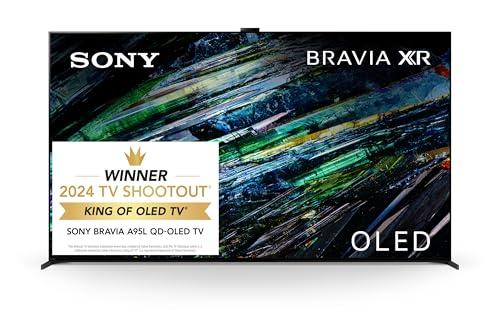
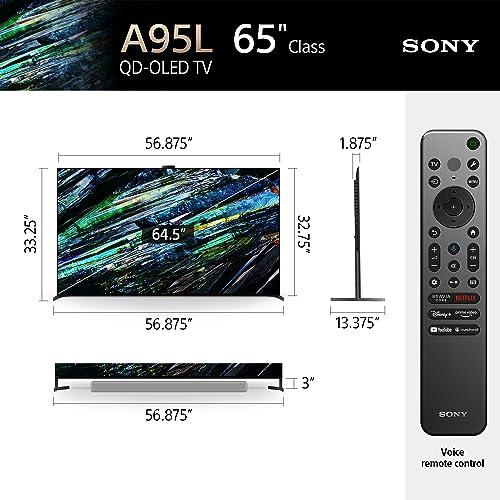


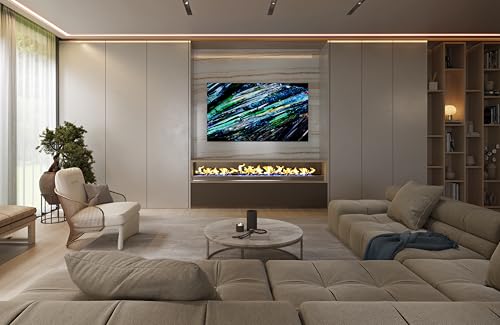
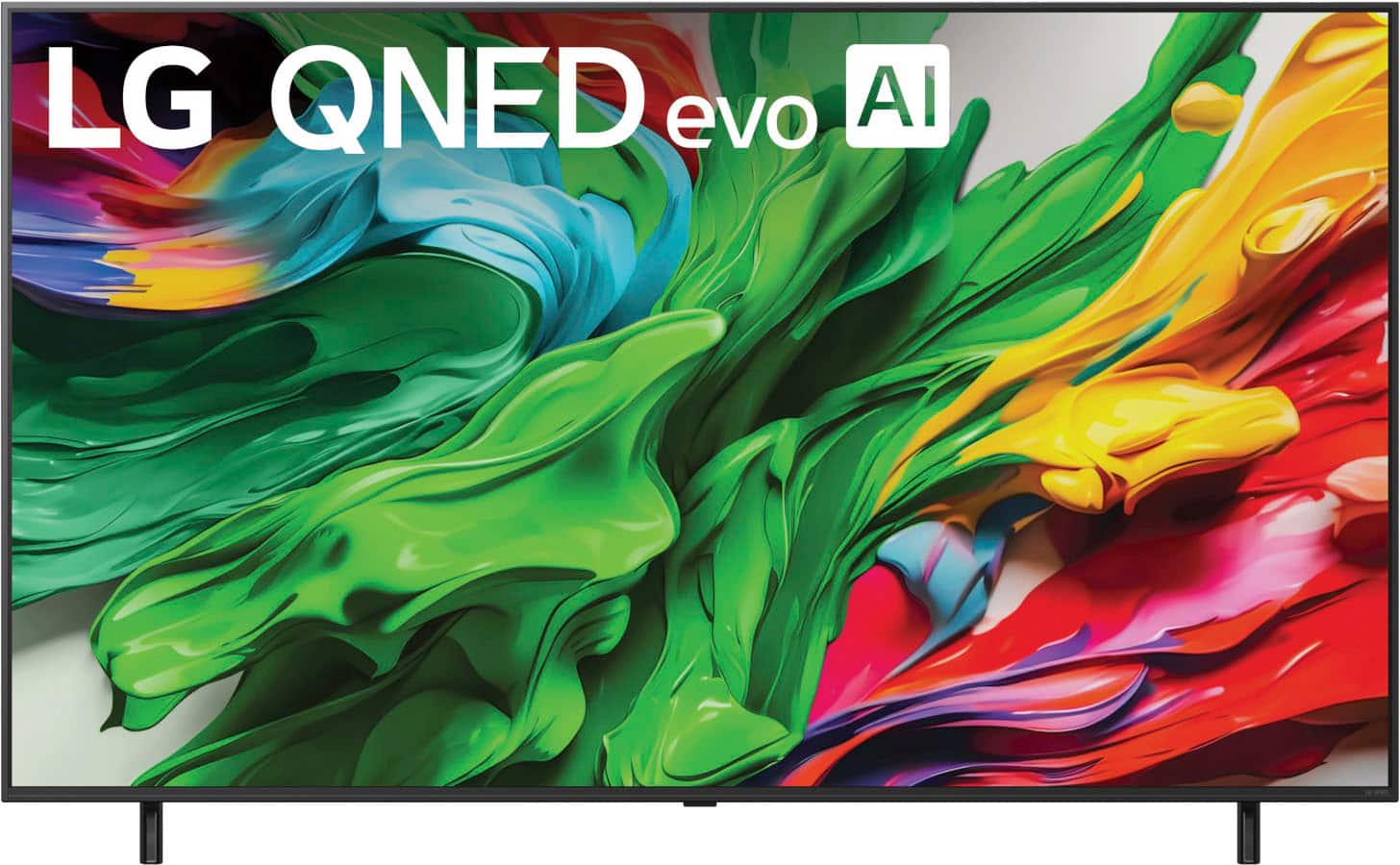
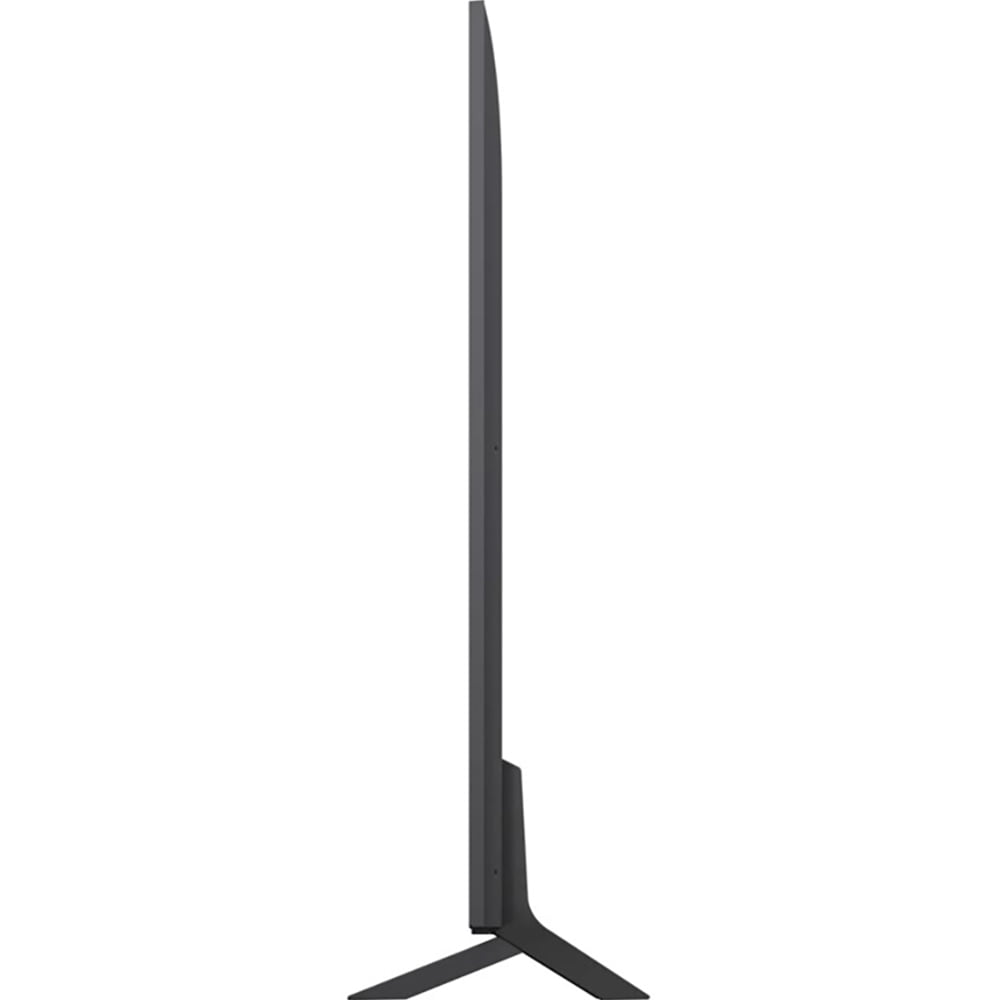
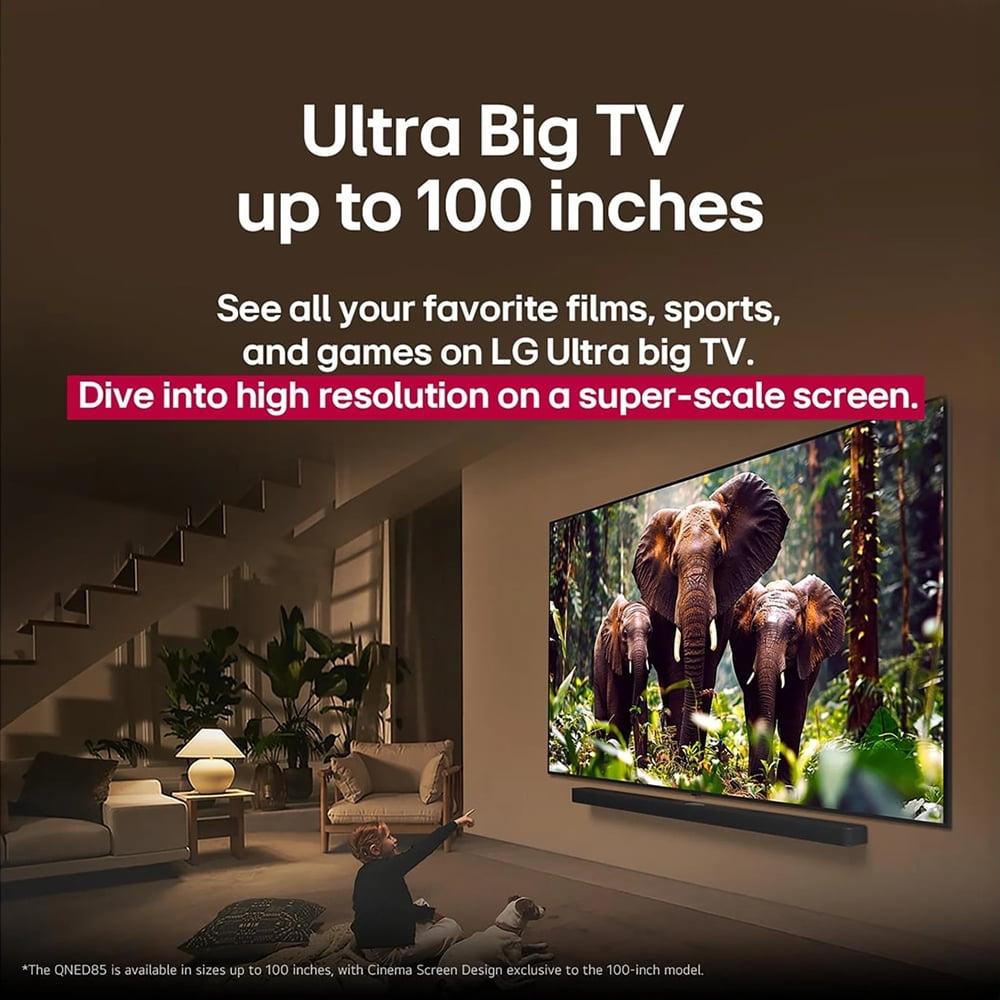
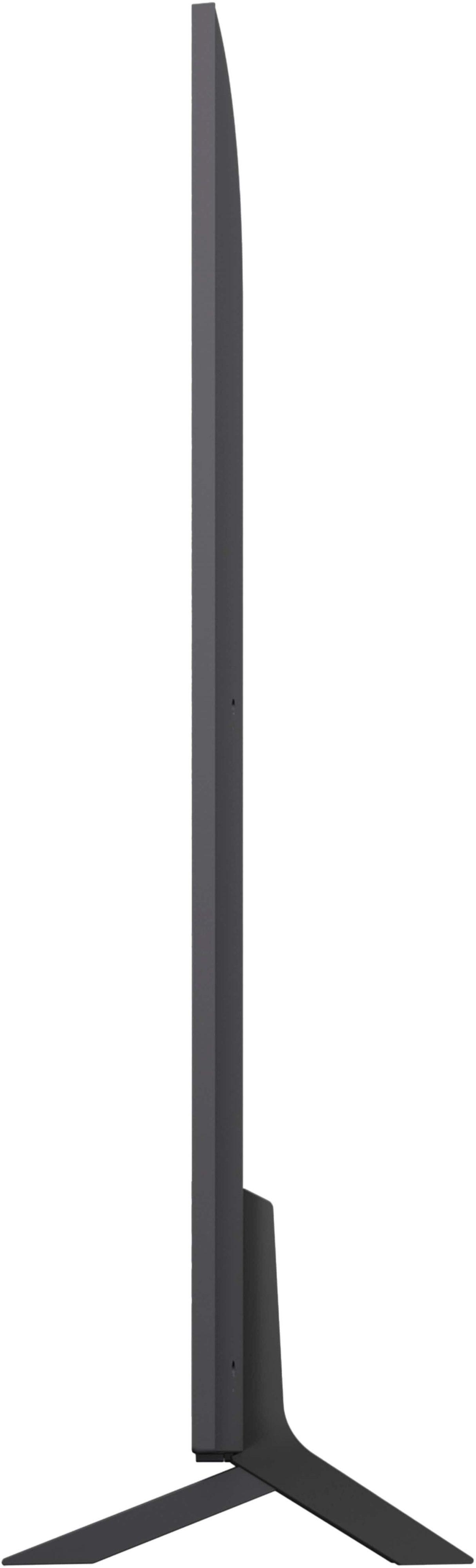
When you're shopping for a premium 65-inch TV, you're essentially choosing between two fundamentally different approaches to delivering exceptional picture quality. The Sony BRAVIA XR A95L, released in 2023, represents the pinnacle of OLED technology with its quantum dot enhancement. Meanwhile, the LG QNED85A, arriving in 2025, showcases how Mini-LED technology has evolved to challenge OLED's dominance.
These aren't just different brands—they're entirely different philosophies about how to create the best possible viewing experience. Understanding these differences will help you make the right choice for your specific needs and room setup.
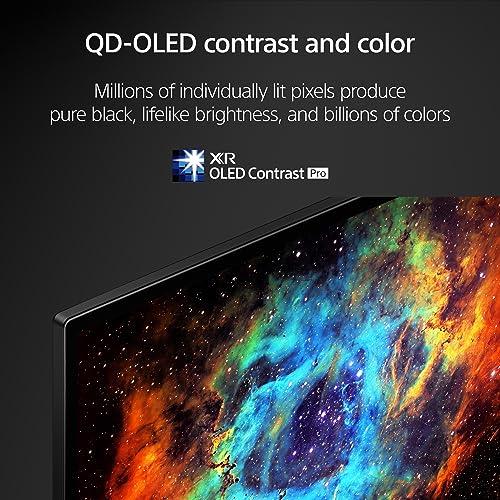
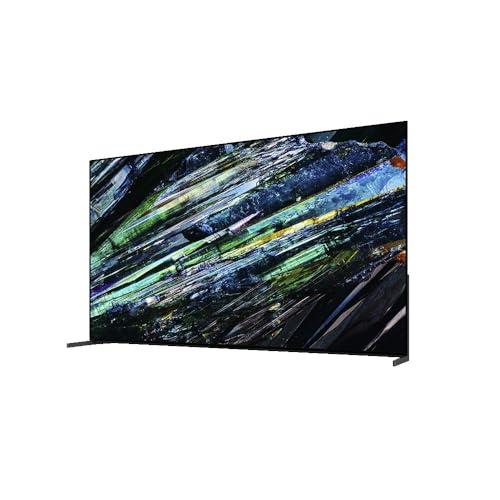
Before diving into specifics, it's crucial to understand what sets these display technologies apart. The Sony A95L uses QD-OLED technology, where each individual pixel produces its own light. Think of it like having millions of tiny light bulbs that can turn completely on or completely off. When a pixel needs to show black, it simply turns off entirely, creating what we call "true blacks."
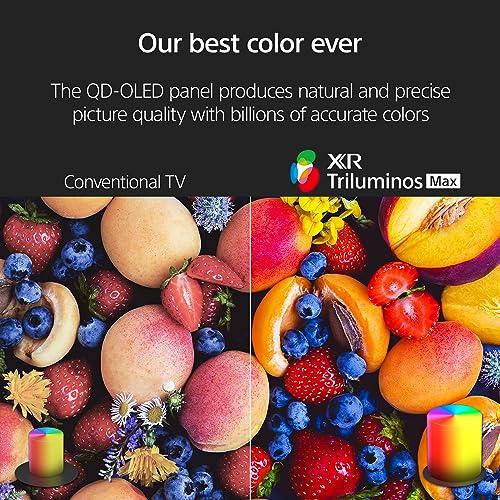
The quantum dot layer adds another dimension—it's essentially a film that enhances color production, making colors more vibrant and accurate than traditional OLED panels. This technology was still relatively new in 2023, representing Sony's commitment to pushing OLED boundaries.
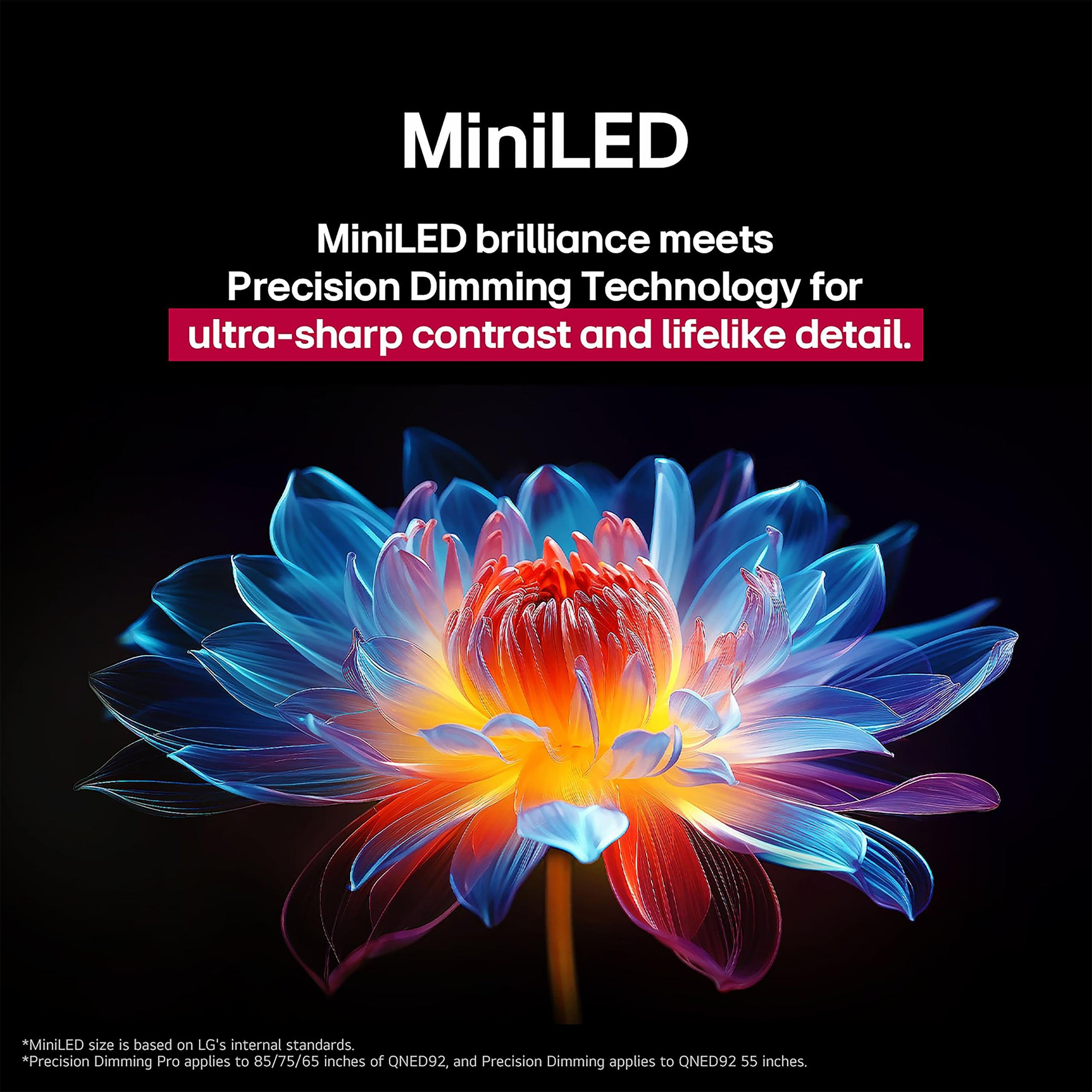
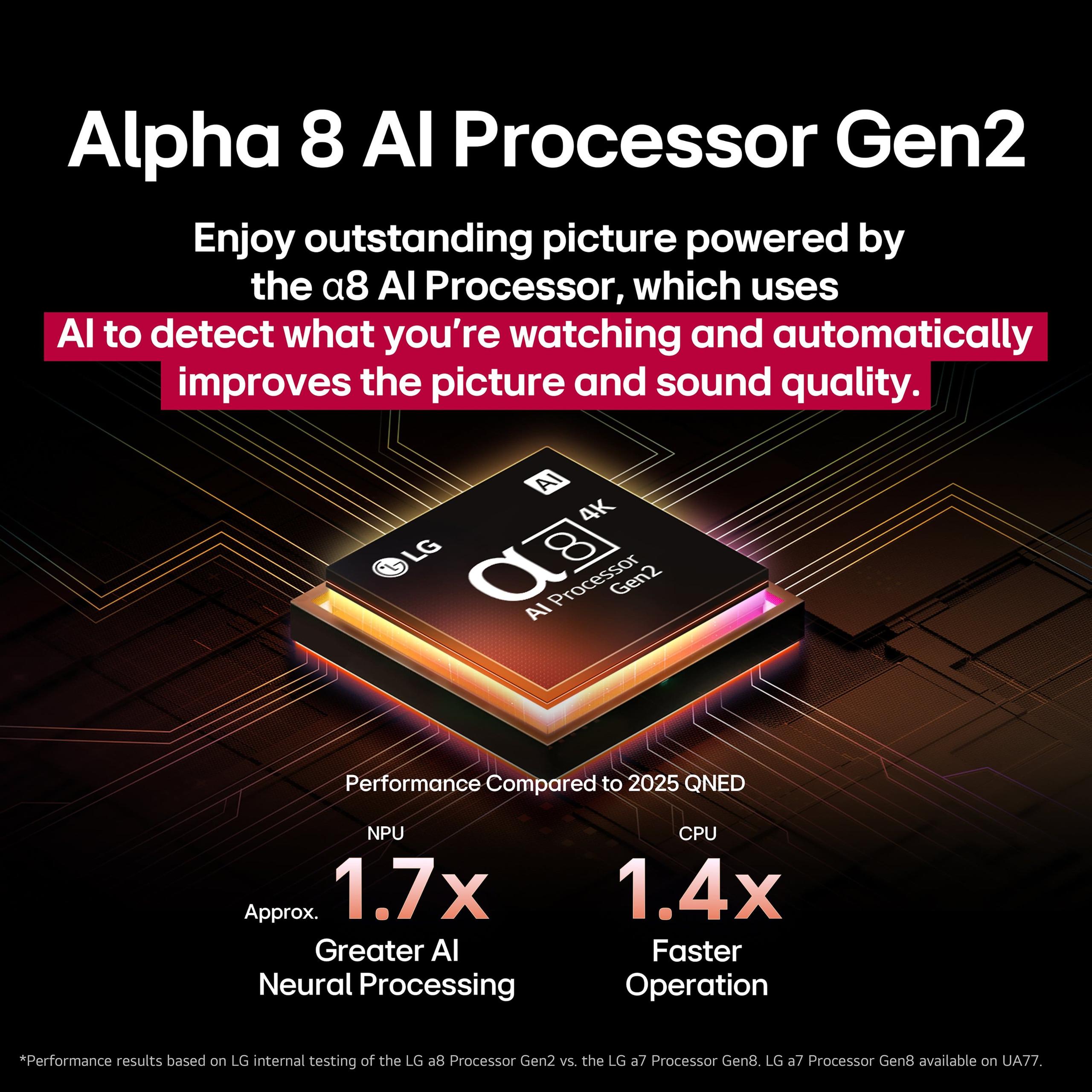
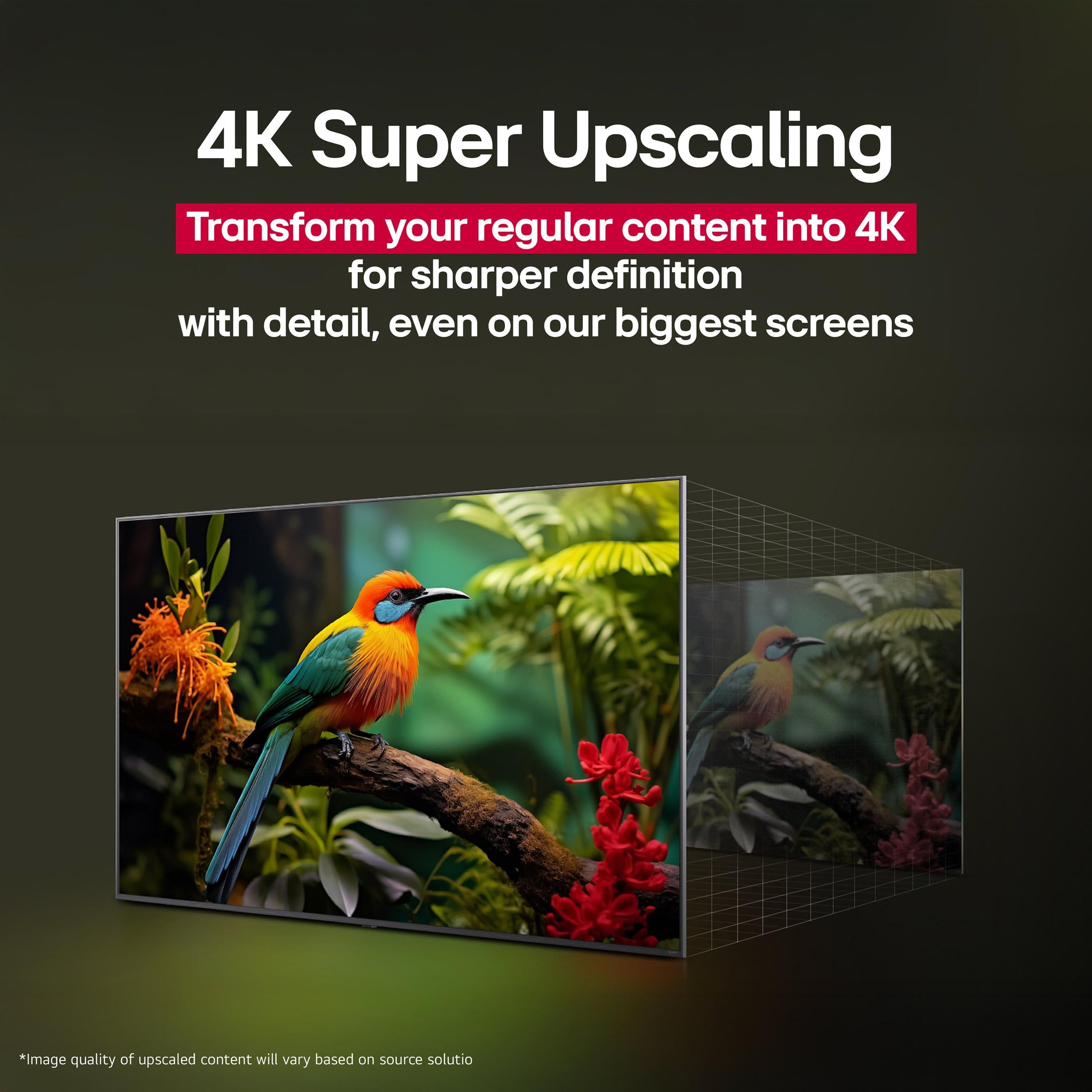
The LG QNED85A, on the other hand, uses Mini-LED backlighting combined with quantum dot and NanoCell technologies. Instead of self-emitting pixels, it has thousands of tiny LED lights behind the screen, organized into hundreds of dimming zones. Each zone can brighten or dim independently, creating impressive contrast while maintaining much higher overall brightness than OLED panels.
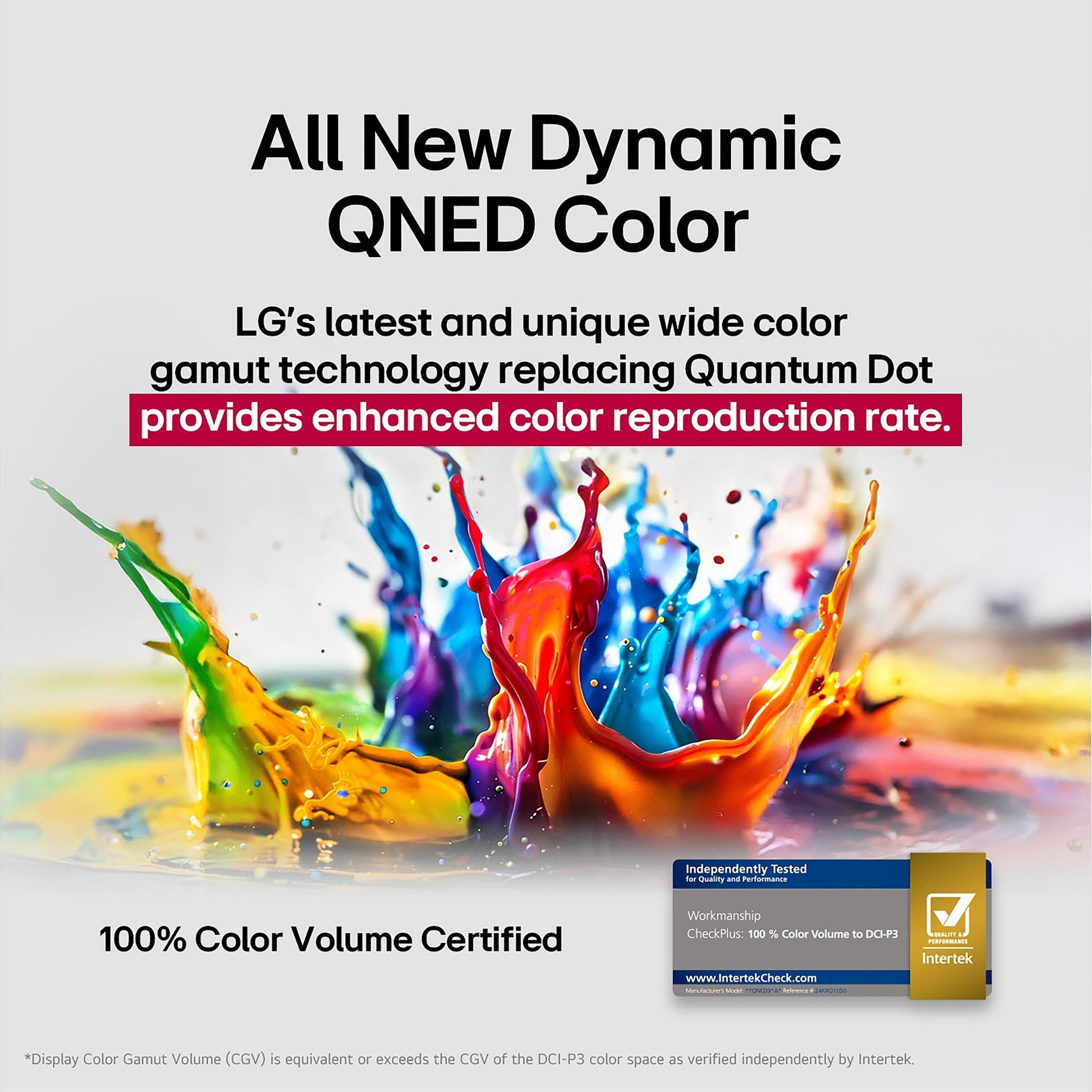
The "QNED" name combines Quantum Dot and NanoCell—LG's approach to color enhancement that filters out impure colors while boosting color volume. By 2025, this technology had matured significantly, offering performance that seriously challenges OLED in many scenarios.
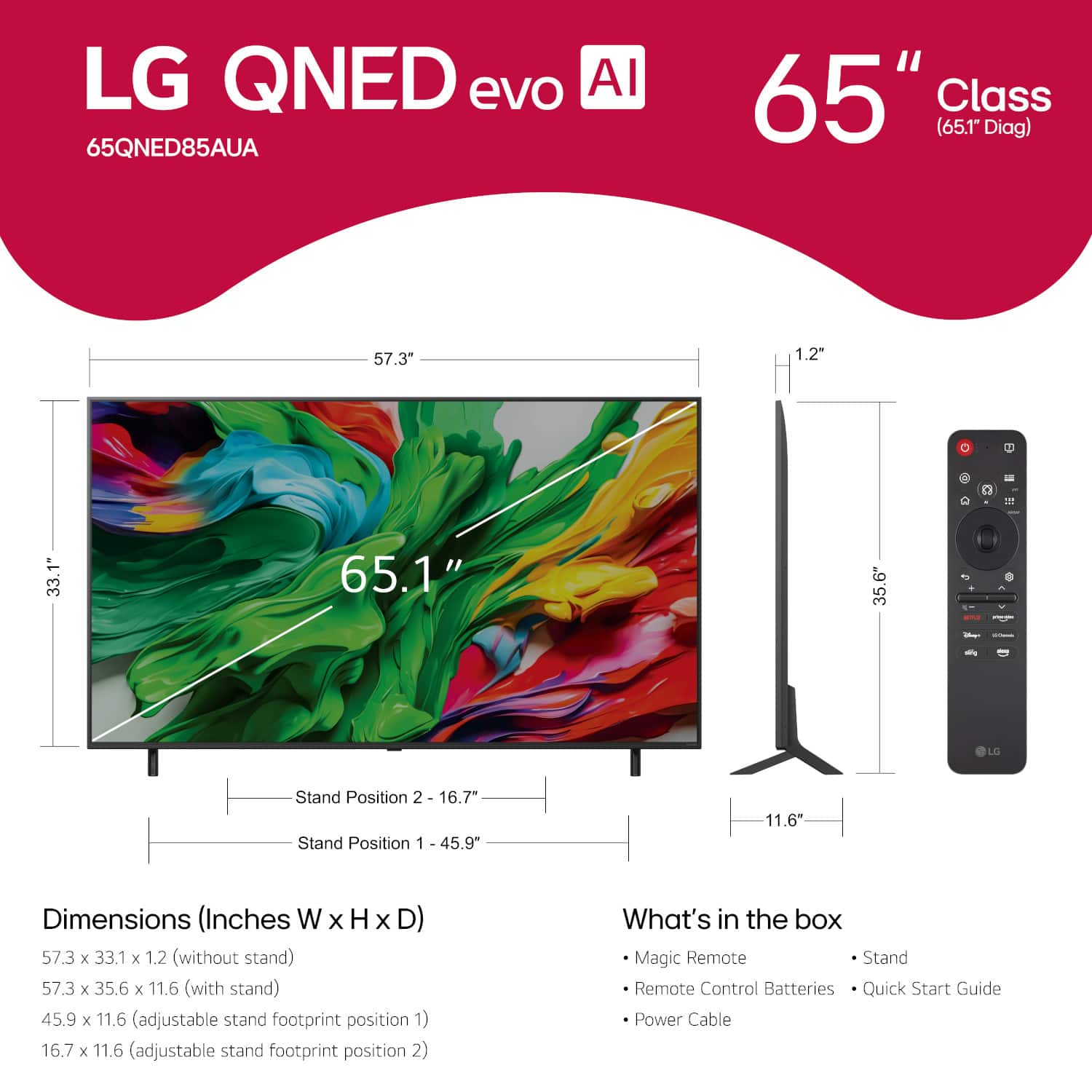
Contrast ratio—the difference between the brightest whites and darkest blacks—fundamentally defines how immersive your viewing experience feels. The Sony A95L achieves what's technically called "infinite contrast" because its pixels can turn completely off. When you're watching a movie with letterbox bars (those black strips above and below widescreen content), those bars disappear entirely into your room's darkness.
This creates an almost magical viewing experience, especially in dark rooms. During intense scenes in movies like "Dune" or "Blade Runner 2049," the deep space backgrounds truly feel like voids, making bright elements seem to float in three-dimensional space. Our research into user experiences consistently shows that this effect is most noticeable and appreciated by viewers who primarily watch movies and premium TV series.
The LG QNED85A takes a different approach. Its Mini-LED backlighting system uses hundreds of dimming zones to approximate OLED's contrast performance. While it can't achieve true blacks, it gets remarkably close—especially considering it can simultaneously produce much brighter highlights. You might notice some "blooming" (a subtle glow around bright objects in dark scenes), but LG's implementation minimizes this effectively.
Where the QNED85A really shines is in mixed lighting conditions. In a typical family room with some ambient light, the difference in black levels becomes much less noticeable, while the Mini-LED's superior brightness makes everything look more vibrant and engaging.
Peak brightness capability dramatically affects how your TV performs in different lighting environments. The LG QNED85A can sustain over 1,000 nits of brightness across large portions of the screen simultaneously—that's roughly ten times brighter than a typical indoor environment. This translates to HDR (High Dynamic Range) content that truly pops, even with sunlight streaming through windows.
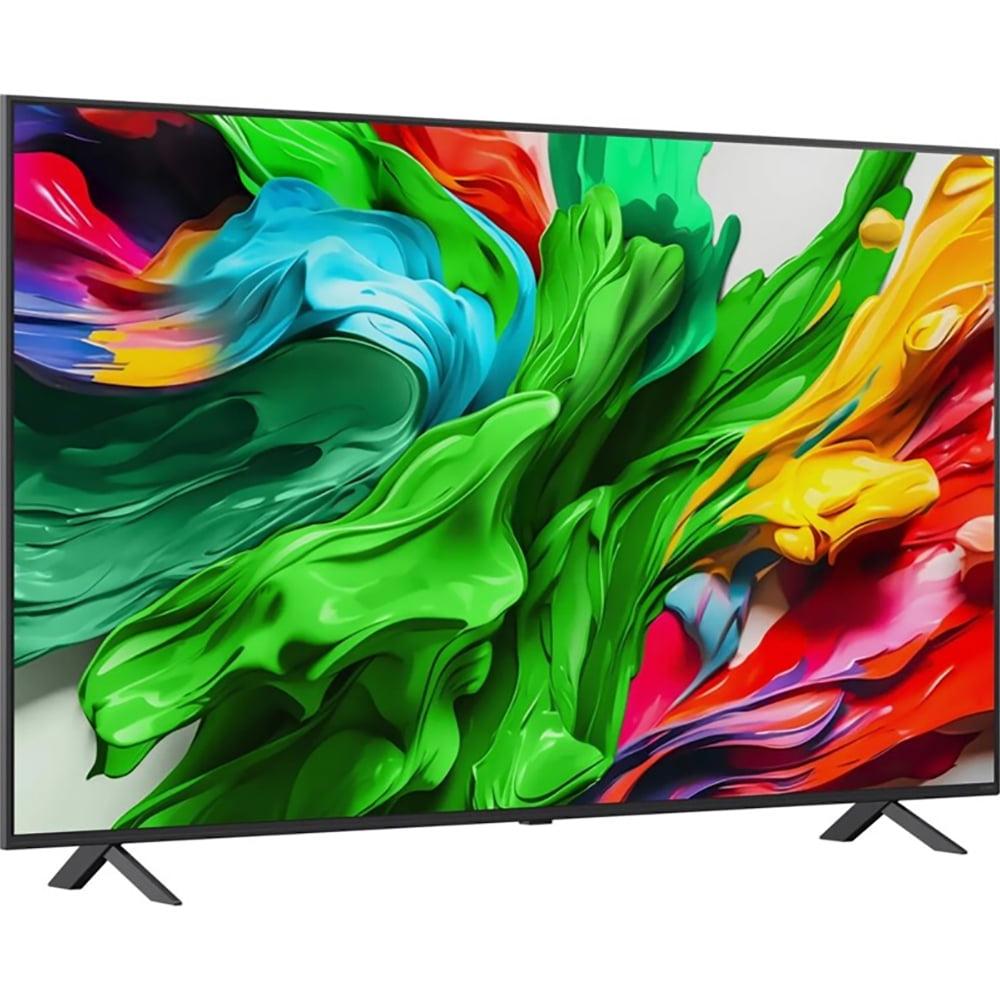
HDR works by expanding the range between dark and bright elements in an image, mimicking how our eyes see the real world. When watching HDR sports content or nature documentaries on the QNED85A during daylight hours, the brightness advantage becomes immediately apparent. Clouds look genuinely bright, snow appears blindingly white, and highlights have real impact.
The Sony A95L, while impressive for OLED technology at up to 1,300 nits peak brightness, can't sustain high brightness levels across large screen areas due to heat management requirements. This isn't necessarily a weakness—it's a fundamental characteristic of OLED technology. In controlled lighting environments, the A95L's brightness is more than adequate and often preferable because it maintains better shadow detail.
Expert consensus from professional reviews consistently shows that the A95L excels in dark or dimly lit rooms where its perfect blacks create incredible depth, while the QNED85A performs better in bright rooms where its higher sustained brightness overcomes ambient light.
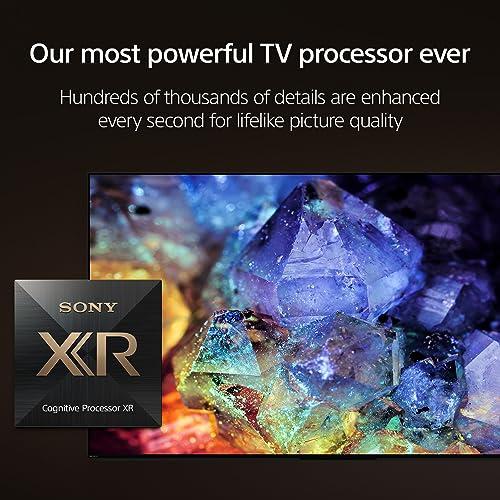
Color reproduction reveals another philosophical difference between these displays. The Sony A95L prioritizes color accuracy, meaning it reproduces colors as close as possible to what content creators intended. Its Cognitive Processor XR analyzes hundreds of thousands of elements in real-time, adjusting colors, contrast, and sharpness to match how human vision processes images.
This approach excels with cinematic content. When watching films that have been professionally color-graded, like Marvel movies or prestige Netflix series, the A95L maintains the director's artistic intent. Skin tones appear natural, and subtle color gradations in scenes like sunsets or candlelit interiors are preserved beautifully.
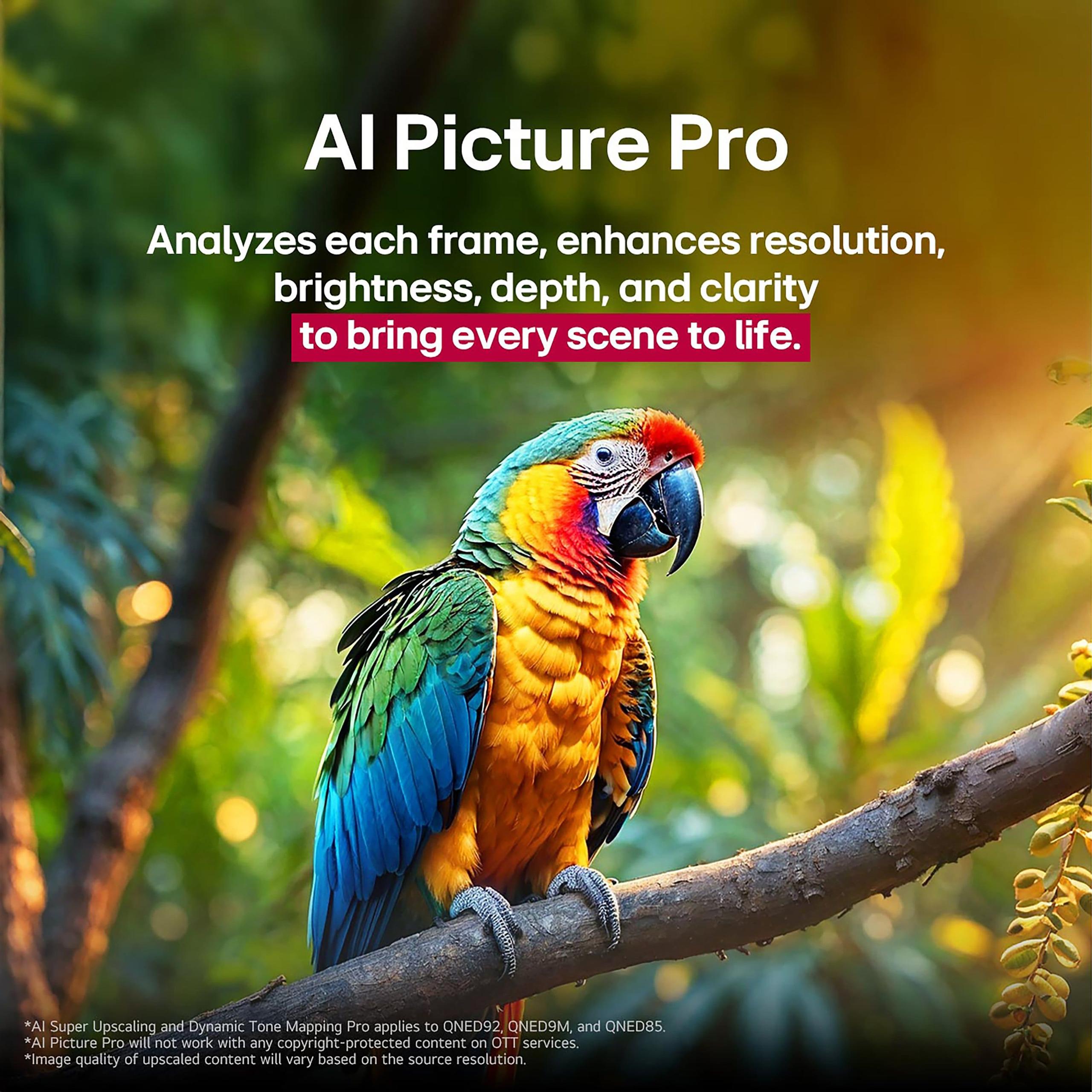
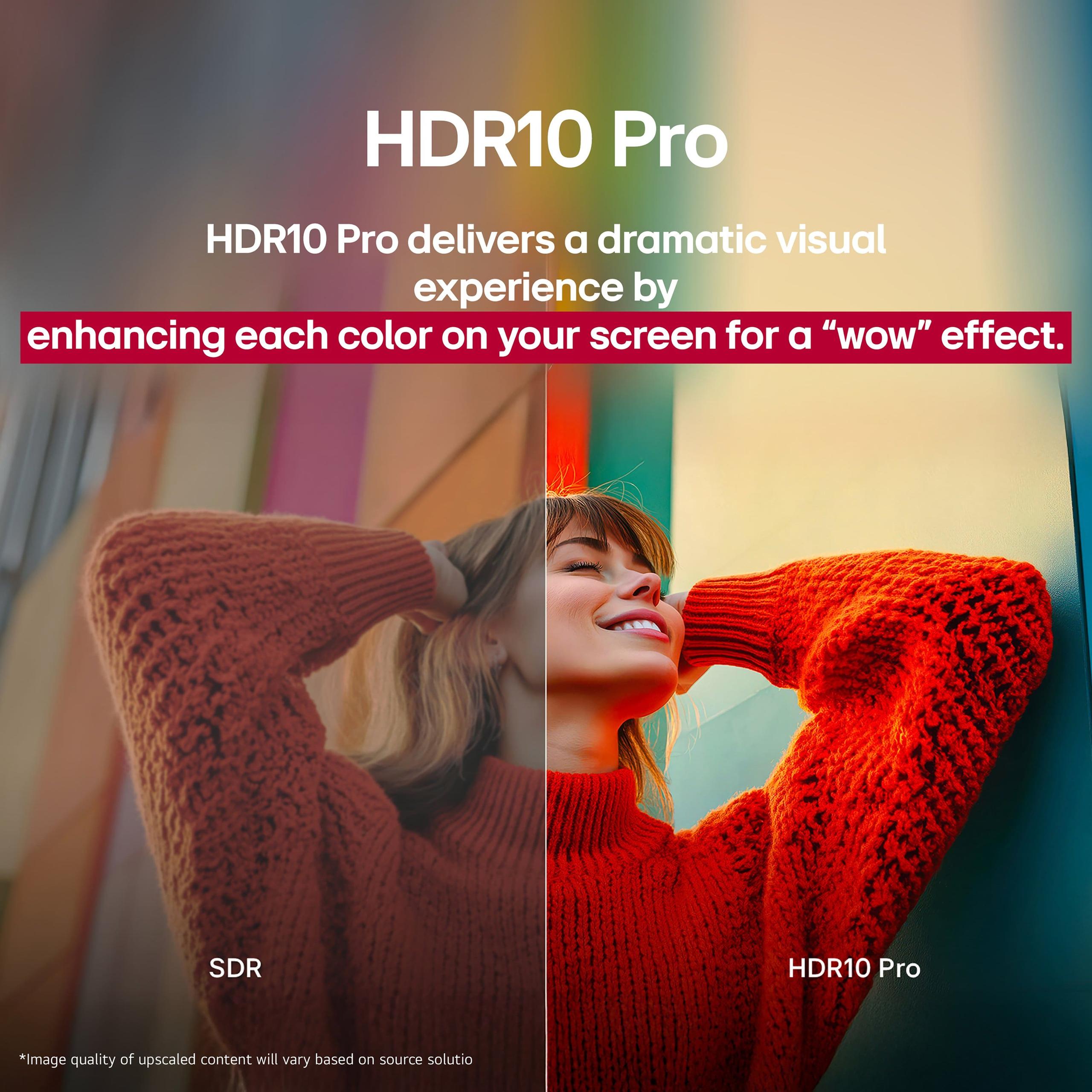
The LG QNED85A takes a more vibrant approach with its "100% Color Volume" processing. Colors are punchy and exciting, making sports broadcasts, animation, and gaming content look incredibly engaging. The combination of quantum dot and NanoCell technologies creates a wider color gamut—essentially a broader palette of colors the TV can display.
This difference matters depending on your content preferences. Movie purists often prefer the A95L's natural accuracy, while viewers who enjoy sports, gaming, or animated content often find the QNED85A's vivid presentation more engaging and fun.
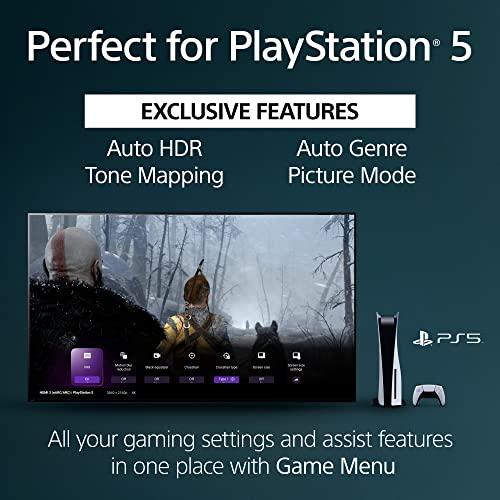
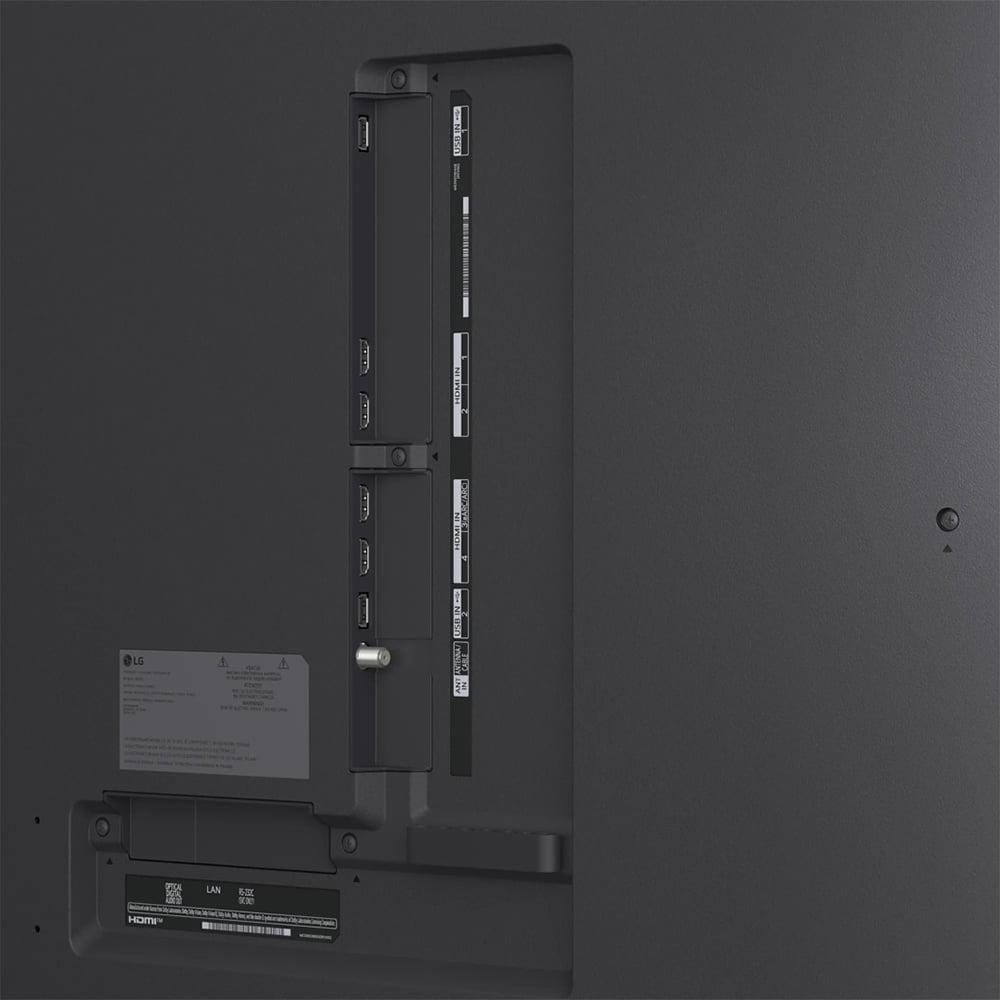
Gaming performance has become increasingly important as next-generation consoles and PC gaming push higher frame rates and resolutions. The LG QNED85A was clearly designed with gamers as a primary audience, featuring four HDMI 2.1 ports that support all the latest gaming features: 4K resolution at 120 frames per second, Variable Refresh Rate (VRR), and Auto Low Latency Mode (ALLM).
Input lag—the delay between pressing a controller button and seeing the action on screen—consistently measures below 10 milliseconds on the QNED85A. For competitive gamers, this responsiveness can mean the difference between victory and defeat. The TV also supports up to 144Hz refresh rates for PC gaming, making it future-ready for high-end graphics cards.
The Sony A95L offers excellent gaming features but approaches them differently. Its OLED pixels provide near-instantaneous response times, meaning fast-moving objects appear incredibly sharp without motion blur. However, input lag is slightly higher than the LG, making it better suited for single-player, story-driven games rather than competitive multiplayer scenarios.
OLED's instant pixel response creates uniquely smooth motion that many gamers find preferable for immersive, cinematic gaming experiences. Racing games and action-adventures look spectacular on the A95L, with every detail remaining crisp during fast camera movements.
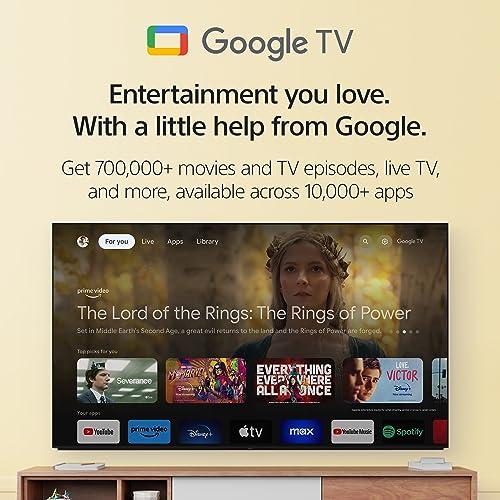
Smart TV platforms have evolved significantly, and the differences between these models reflect broader industry trends. The Sony A95L runs Google TV, which provides excellent integration with Google services and a vast app ecosystem. The platform is intuitive and responsive, though not groundbreaking in its features.
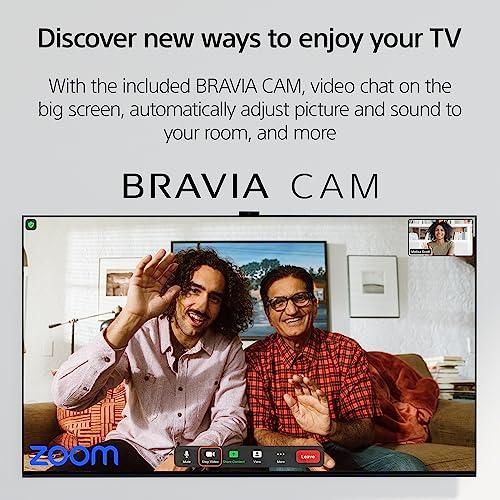
Where Sony adds unique value is through the BRAVIA CAM accessory, which connects via USB and includes several innovative features. The camera can detect where you're sitting and automatically optimize picture and sound settings for your position—a feature called Ambient Optimization Pro. It also enables video calling and gesture controls, though these features feel more experimental than essential.
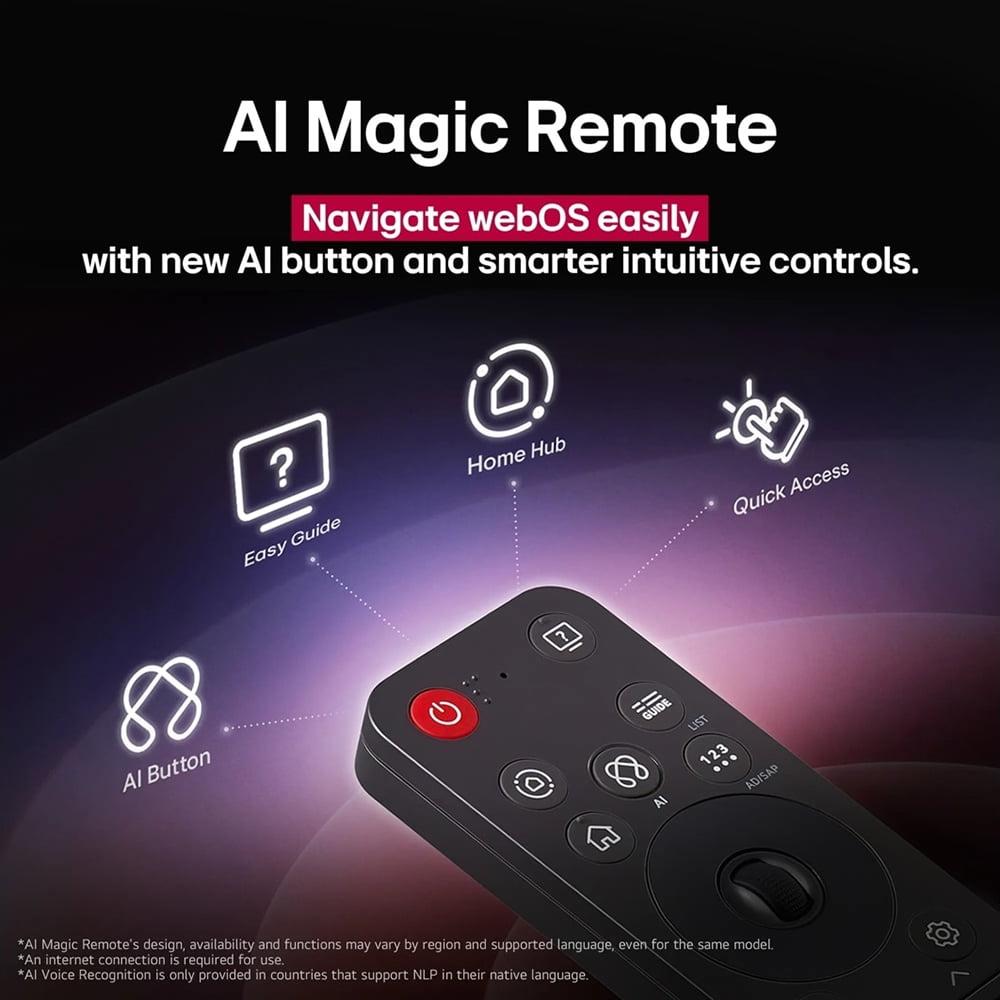
The LG QNED85A runs webOS 25, which represents a more significant evolution in smart TV interfaces. LG has committed to providing five years of operating system updates—an unprecedented guarantee in the TV industry that adds substantial long-term value. Most TV manufacturers provide updates for only 2-3 years.
The AI features in webOS 25 are genuinely impressive. Voice ID recognizes different family members and switches to their preferred settings and recommendations. AI Concierge provides personalized content suggestions, and Microsoft Copilot integration helps with information organization and troubleshooting. These aren't gimmicks—they genuinely improve the daily experience of using the TV.
For dedicated home theater setups, room environment and viewing habits become crucial factors. The Sony A95L excels in controlled lighting environments where you can fully appreciate its perfect blacks and color accuracy. In a basement media room or a living room with blackout curtains, the cinematic experience approaches what you'd find in professional screening rooms.
The A95L's processing is particularly sophisticated for film content. It supports all major HDR formats including Dolby Vision, and Sony's tone mapping preserves the artistic intent of filmmakers better than most competitors. When watching reference-quality content from streaming services or 4K Blu-rays, the difference is immediately noticeable.
However, OLED technology does come with one consideration: potential burn-in with static content. While modern OLEDs have numerous protections against this issue, it's worth considering if you frequently watch news channels with persistent logos or use the TV for gaming with static interface elements. The risk is relatively low with normal viewing habits, but it's eliminated entirely with the QNED85A.
For family rooms that serve multiple purposes, the LG QNED85A offers more flexibility. Its bright output performs well regardless of room lighting, making it equally suitable for daytime sports viewing and evening movie watching. The wide viewing angles ensure everyone gets a good picture, whether they're sitting directly in front or off to the side.
The decision between these TVs ultimately comes down to your specific priorities and viewing environment. The Sony BRAVIA XR A95L represents the pinnacle of cinematic home viewing. If you're a movie enthusiast who can control your room's lighting and values absolute picture quality above all else, the A95L delivers an uncompromising experience that few displays can match.
Choose the A95L if you primarily watch movies and prestige TV content, have a room where you can control lighting, and are willing to pay a premium for reference-quality picture performance. At the time of writing, expect to invest in the upper premium price range for this level of OLED technology.
The LG QNED85A offers exceptional versatility and represents outstanding value in the premium TV market. Its combination of bright room performance, gaming excellence, and long-term software support makes it ideal for households with diverse viewing needs. The guaranteed five-year update commitment alone adds significant value that's often overlooked when comparing initial purchase prices.
Choose the QNED85A if you need excellent performance in bright rooms, game frequently, want vibrant visuals for sports and varied content, or prefer a more practical approach to premium features. At the time of writing, this TV typically costs less than flagship OLEDs while offering cutting-edge technology that covers more use cases.
Both TVs represent excellent choices within their respective philosophies. The Sony A95L pushes the boundaries of what's possible for pure picture quality, while the LG QNED85A demonstrates how alternative technologies can deliver premium experiences with greater versatility. Your specific room, viewing habits, and priorities will determine which approach serves you better in the long term.
| Sony BRAVIA XR A95L 65" QD-OLED | LG 65" QNED evo AI QNED85A 4K MiniLED |
|---|---|
| Display Technology - Fundamentally affects picture quality and room flexibility | |
| QD-OLED with quantum dot enhancement | Mini-LED with Quantum Dot + NanoCell |
| Black Levels - Critical for movie watching and contrast | |
| Perfect blacks (infinite contrast ratio) | Very good blacks with some blooming |
| Peak Brightness - Essential for HDR impact and bright rooms | |
| Up to 1,300 nits peak (excellent for controlled lighting) | 1,000+ nits sustained (superior for bright rooms) |
| Refresh Rate - Important for gaming and sports | |
| 120Hz native | 120Hz native (144Hz for PC gaming) |
| Gaming Features - Crucial for console and PC gamers | |
| HDMI 2.1 with VRR, ALLM, 4K120 | Four HDMI 2.1 ports, FreeSync Premium, GeForce NOW |
| Input Lag - Critical for competitive gaming | |
| Good (~15ms) but higher than competitors | Excellent (<10ms consistently) |
| HDR Support - Affects premium content quality | |
| HDR10, HLG, Dolby Vision (full processing) | HDR10, HLG, Dolby Vision (pass-through only) |
| Smart Platform - Long-term usability and features | |
| Google TV with BRAVIA CAM support | webOS 25 with 5-year update guarantee |
| AI Features - Convenience and personalization | |
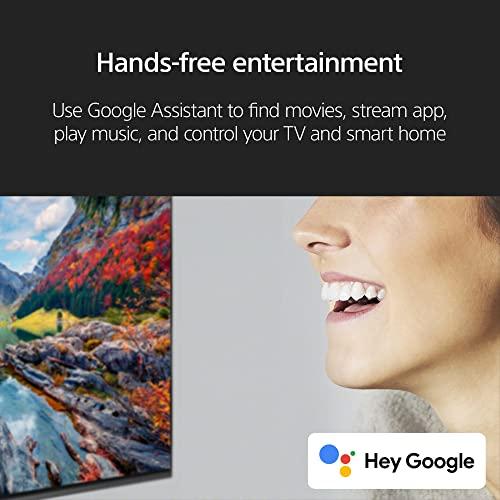
| Ambient Optimization Pro, Google Assistant | Voice ID, AI Concierge, Microsoft Copilot |
| Burn-in Risk - Long-term reliability consideration | |
| Potential with static content (low risk with normal use) | No burn-in risk |
| Viewing Angles - Important for group viewing | |
| Excellent (OLED advantage) | Very good with minimal color shift |
| Color Accuracy - Critical for movies and professional content | |
| Cinema-accurate with natural skin tones | Vibrant and punchy, great for sports/animation |
| Best Room Type - Where each TV performs optimally | |
| Dark to moderately lit rooms, dedicated theaters | Any lighting condition, family rooms |
| Ideal Content - What showcases each TV's strengths | |
| Movies, prestige TV, cinematic games | Sports, gaming, animation, mixed content |
| Value Positioning - Cost vs features at time of writing | |
| Premium flagship pricing for reference quality | Upper-mid premium with flagship features |
The Sony BRAVIA XR A95L delivers superior movie picture quality with perfect blacks, infinite contrast, and cinema-accurate colors. Its QD-OLED technology creates true blacks by turning pixels completely off, making it ideal for dark room movie watching and home theater setups.
The LG QNED evo AI QNED85A performs much better in bright rooms due to its Mini-LED backlighting that can sustain over 1,000 nits of brightness. The Sony A95L is better suited for controlled lighting environments where you can dim the lights.
The LG QNED85A is the superior gaming TV with four HDMI 2.1 ports, sub-10ms input lag, 144Hz PC gaming support, and FreeSync Premium certification. While the Sony A95L offers excellent motion clarity, it has slightly higher input lag and fewer gaming-specific features.
Yes, the Sony A95L runs Google TV with Google Assistant integration and BRAVIA CAM support, while the LG QNED85A uses webOS 25 with advanced AI features and a guaranteed 5-year update commitment that adds significant long-term value.
The Sony BRAVIA XR A95L has superior contrast with infinite contrast ratio and perfect blacks since OLED pixels can turn completely off. The LG QNED85A has very good contrast for a Mini-LED TV but cannot match OLED's true black performance.
The LG QNED evo AI QNED85A excels at sports viewing with its higher brightness, vibrant colors, and excellent performance in bright rooms where sports are typically watched. Its punchy color presentation makes sports content more engaging and exciting.
The Sony A95L has potential burn-in risk with static content due to its OLED technology, though this risk is low with normal viewing habits. The LG QNED85A has no burn-in risk whatsoever since it uses Mini-LED backlighting technology.
Both TVs excel at HDR but differently - the Sony A95L offers superior Dolby Vision processing and tone mapping for cinematic content, while the LG QNED85A delivers brighter, more impactful HDR highlights that work better in bright viewing environments.
The LG QNED85A typically offers better value with flagship features at a more accessible price point, plus a 5-year software update guarantee. The Sony A95L commands premium pricing but delivers reference-quality picture performance for discerning viewers.
The Sony BRAVIA XR A95L is better suited for dedicated home theaters with its perfect blacks, cinema-accurate colors, and exceptional performance in dark rooms. Its picture quality approaches professional screening room standards when properly calibrated.
Both TVs offer excellent viewing angles, with the Sony A95L having a slight advantage due to OLED technology's inherent wide viewing characteristics. The LG QNED85A also provides very good viewing angles with minimal color shift, making both suitable for group viewing.
The LG QNED evo AI QNED85A offers superior long-term software support with its unprecedented 5-year webOS update guarantee. The Sony A95L follows standard manufacturer update timelines, and its OLED panel may experience some brightness degradation over many years of use.
We've done our best to create useful and informative comparisons to help you decide what product to buy. Our research uses advanced automated methods to create this comparison and perfection is not possible - please contact us for corrections or questions. These are the sites we've researched in the creation of this article: rtings.com - youtube.com - rtings.com - avsforum.com - rtings.com - smarthomesounds.co.uk - smarthomesounds.co.uk - rtings.com - smarthomesounds.co.uk - youtube.com - tomsguide.com - avsforum.com - rtings.com - perfectrec.com - flatpanelshd.com - videoandaudiocenter.com - sonypremiumhome.com - bestbuy.com - sony.com - electronics.sony.com - displayspecifications.com - donstv.com - youtube.com - static.pcrichard.com - smarthomesounds.co.uk - youtube.com - electronics.sony.com - electronics.sony.com - displayspecifications.com - rtings.com - rtings.com - youtube.com - lg.com - smarthomesounds.co.uk - abt.com - abt.com - lg.com - displayspecifications.com - walmart.com - bestbuy.com - lg.com - lg.com - lg.com - files.bbystatic.com - flatpanelshd.com - north-side-appliance.com - lgnewsroom.com - lg.com - youtube.com - youtube.com - hindustantimes.com

Privacy Policy
Terms and Conditions - Affiliate Policy
Home Security
© Copyright 2008-2026.
11816 Inwood Rd #1211, Dallas, TX 75244