

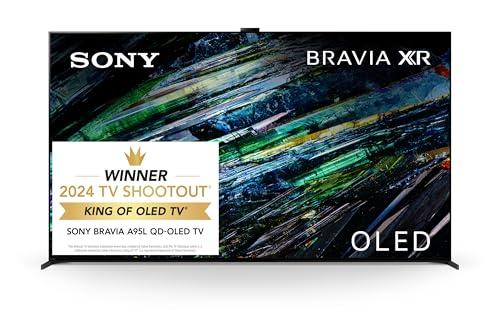
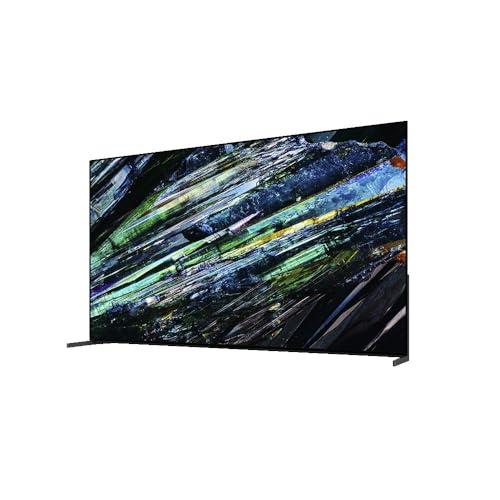



Choosing between the Sony BRAVIA XR A95L and Samsung 65" The Frame Pro feels like comparing a precision instrument with a Swiss Army knife. Both are premium TVs, but they solve completely different problems. The Sony is laser-focused on delivering the best possible picture quality, while Samsung's approach combines solid performance with lifestyle features that transform your TV into wall art when you're not watching.
At the time of writing, these TVs sit in different price brackets—the Sony A95L commands a significant premium as a reference-quality display, while the Frame Pro offers luxury features at a more accessible price point. But price alone doesn't tell the whole story about which TV makes sense for your home.
The premium TV market splits into two distinct philosophies. Traditional high-end TVs like the Sony A95L prioritize picture quality above all else. They use advanced display technologies and processing to deliver images that match what directors intended when they filmed their content. These TVs are tools for serious viewing—whether you're watching the latest blockbuster or analyzing footage for professional work.
Lifestyle TVs like the Samsung Frame Pro take a different approach. They recognize that most TVs spend significant time turned off, sitting as black rectangles on your wall. Samsung's Frame series addresses this by making the TV disappear into your décor when not in use, displaying artwork or photos instead of a blank screen.
The key considerations when choosing between these approaches include your viewing habits, room setup, design priorities, and how much you value cutting-edge picture quality versus versatility. Understanding display technology differences—particularly OLED versus Mini-LED—becomes crucial for making an informed decision.
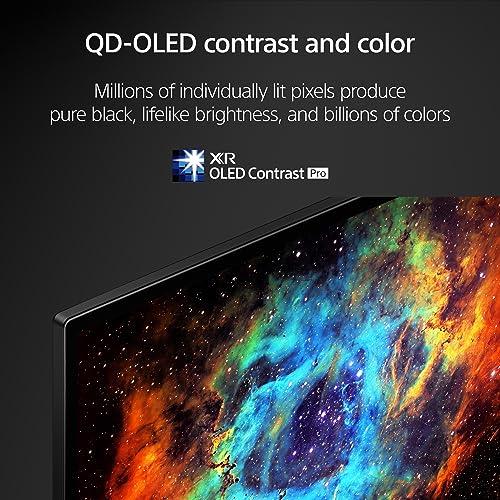
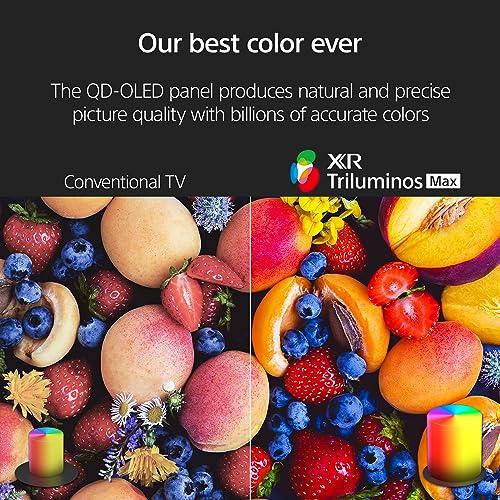
The Sony A95L uses QD-OLED technology, which sounds complex but delivers simple benefits. Unlike traditional TVs that need a backlight, each pixel in an OLED display creates its own light. When showing black, pixels turn off completely, creating perfect darkness that no backlit display can match.
QD-OLED adds quantum dots (microscopic particles that emit specific colors when hit by light) to standard OLED technology. This combination delivers both perfect blacks and exceptionally vibrant colors. The result is content that appears to have more depth and realism, particularly noticeable in scenes with stark contrasts—think starfields against space, or bright highlights against dark shadows.
Based on expert reviews and user feedback, the A95L consistently delivers more natural-looking colors compared to other premium TVs. This accuracy matters most for movies and high-quality streaming content, where maintaining the filmmaker's intended color palette preserves the artistic vision.
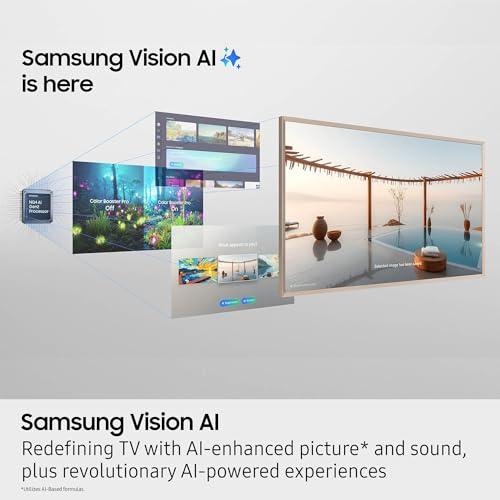
The Samsung Frame Pro uses Neo QLED technology, which combines Mini-LED backlighting with quantum dot color enhancement. Mini-LED uses thousands of tiny LED lights behind the screen (instead of traditional LED strips around the edges), allowing for more precise control over brightness and darkness in different screen areas.
While Mini-LED can't achieve true black levels like OLED, it offers significant advantages in bright rooms. The Frame Pro can push peak brightness above 1,000 nits, making HDR content (high dynamic range—the difference between the brightest and darkest parts of an image) more impactful when ambient light is present.
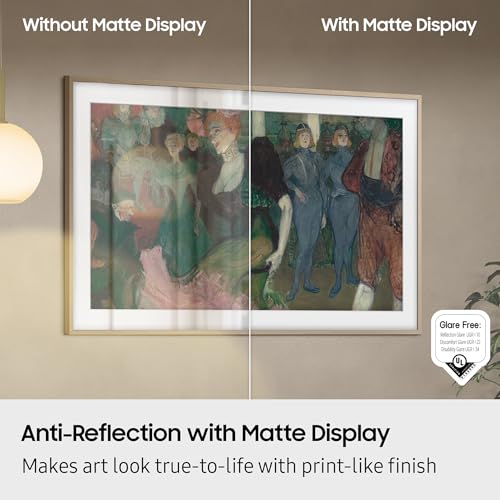
The matte anti-reflection coating on the Frame Pro deserves special mention. Most TVs become unwatchable mirrors in bright rooms, but Samsung's coating eliminates reflections so effectively that the TV remains clearly visible even with windows directly behind viewers.
High Dynamic Range represents one of the biggest advances in TV technology since the jump to high definition. HDR content contains much more information about how bright or dark different parts of an image should appear, creating more lifelike pictures.
The Sony A95L supports Dolby Vision, which uses 12-bit color processing to display over 68 billion possible colors. The Samsung Frame Pro uses HDR10+, which processes 10-bit color for just over one billion colors. While both numbers seem enormous, the difference becomes apparent in subtle gradations—like sunset skies or shadow details—where Dolby Vision prevents the color banding that can make gradients look artificial.
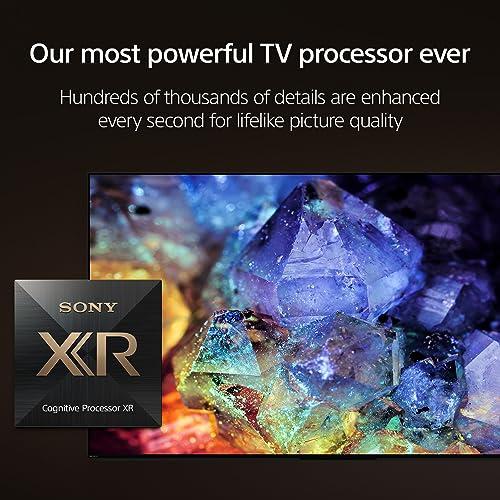
Sony's Cognitive Processor XR deserves recognition for its upscaling capabilities. Most content you watch—streaming movies, cable TV, YouTube videos—arrives at lower quality than your 4K display can show. The A95L excels at analyzing this lower-quality content and intelligently filling in missing detail, reducing pixelation and artifacts that make lower-resolution content look obviously inferior.
Gaming on modern TVs involves several technical factors that didn't matter in earlier generations. Refresh rate, input lag, and variable refresh rate support all contribute to how responsive and smooth games feel.
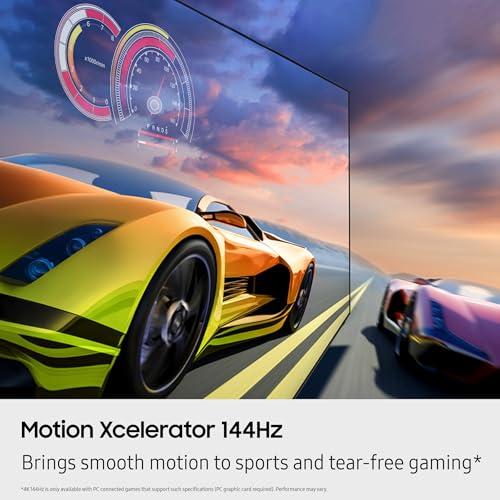
The Samsung Frame Pro supports 144Hz refresh rate, meaning it can display 144 frames per second—significantly higher than the Sony A95L's 120Hz maximum. This difference matters primarily for PC gaming with high-end graphics cards capable of pushing frame rates above 120fps in competitive titles.
However, refresh rate only tells part of the story. Input lag—the delay between pressing a controller button and seeing the result on screen—often matters more for gaming responsiveness. Based on measurements from expert reviews, Samsung TVs generally achieve lower input lag than Sony models, making the Frame Pro more suitable for competitive gaming where milliseconds matter.
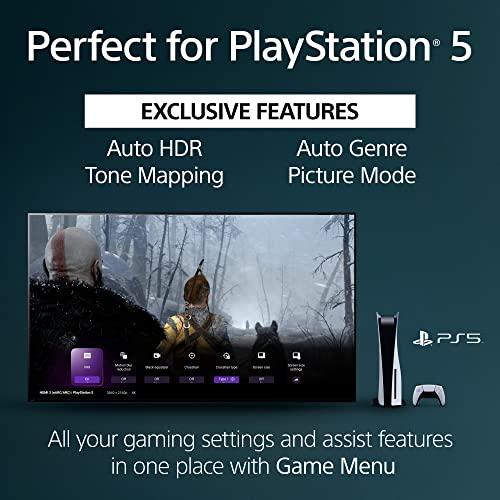
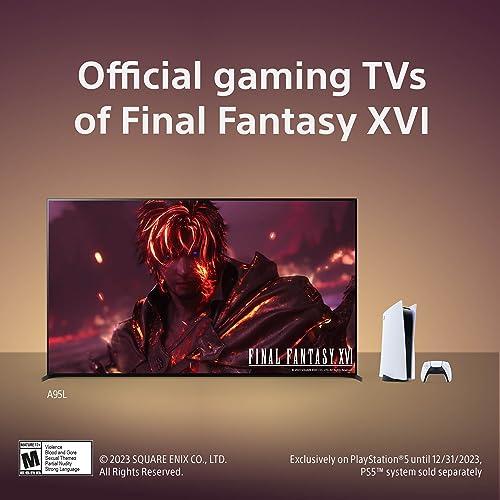
For PlayStation 5 and Xbox Series X gaming, both TVs support the 4K at 120Hz that represents these consoles' maximum output. The Sony A95L offers advantages for cinematic, single-player games where visual quality trumps competitive responsiveness. The perfect blacks and superior color accuracy enhance atmospheric games, making environments feel more immersive.
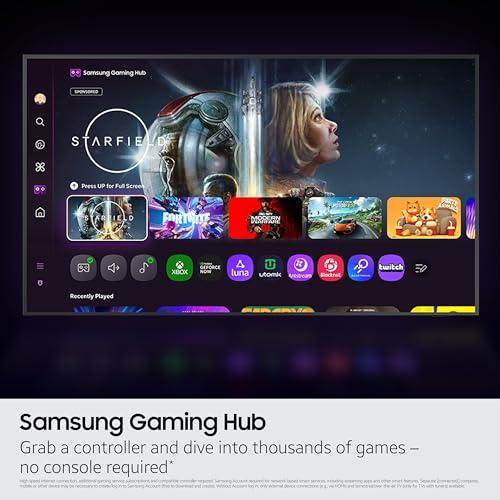
The Frame Pro's higher brightness and anti-glare coating work well for gaming in bright rooms or during daytime sessions. Many gamers appreciate being able to play without closing blinds or dimming lights.
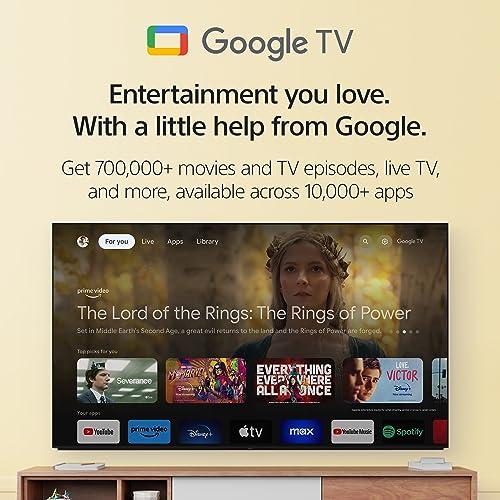
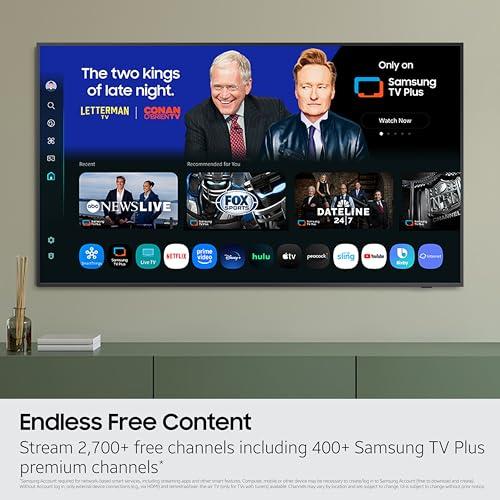
The Sony A95L runs Google TV, which focuses on content discovery and recommendation. The interface learns your viewing habits and surfaces relevant shows and movies across different streaming services. Google TV integrates naturally with Android phones and Google smart home devices.
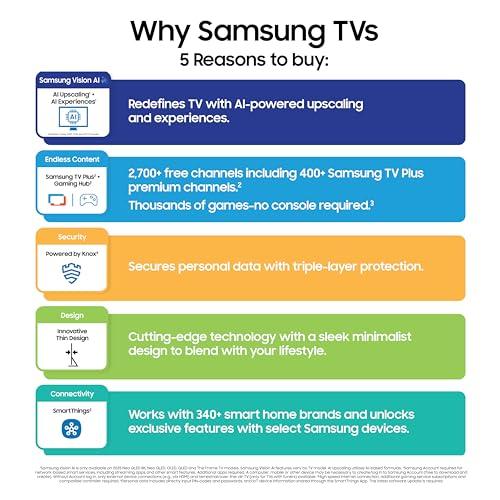
Samsung's Tizen platform on the Frame Pro emphasizes device control and smart home integration through SmartThings. While both platforms support major streaming apps, Samsung's approach feels more like a central hub for managing your connected home.
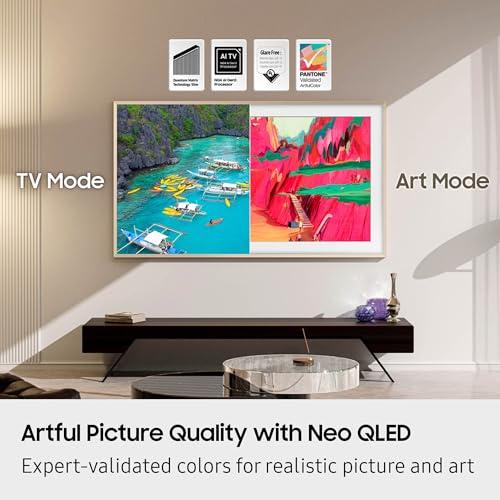
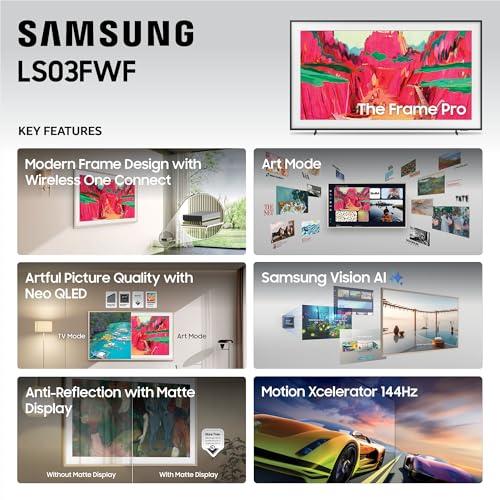
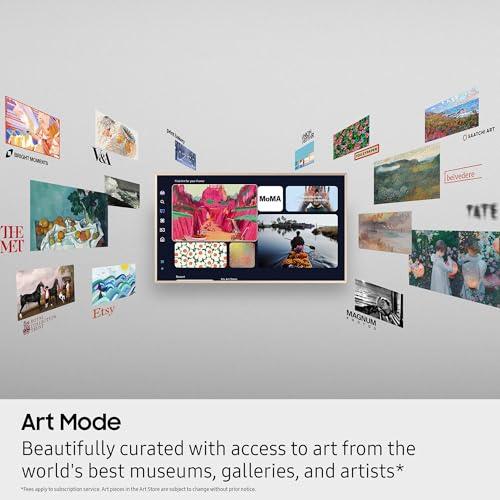
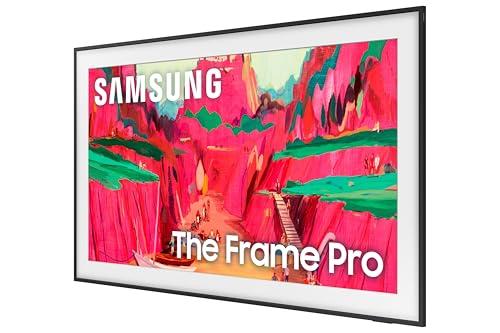
Art Mode represents the Frame Pro's most distinctive feature. When turned off, the TV displays artwork, personal photos, or abstract patterns instead of going black. The effect is remarkably convincing—visitors often don't realize they're looking at a TV until it's turned on.
Samsung offers both free and subscription-based art collections, ranging from classic paintings to contemporary photography. The TV's brightness and color automatically adjust based on room lighting, making displayed art appear natural throughout the day.
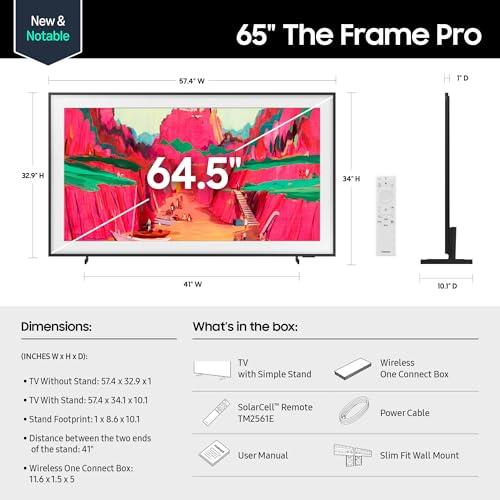
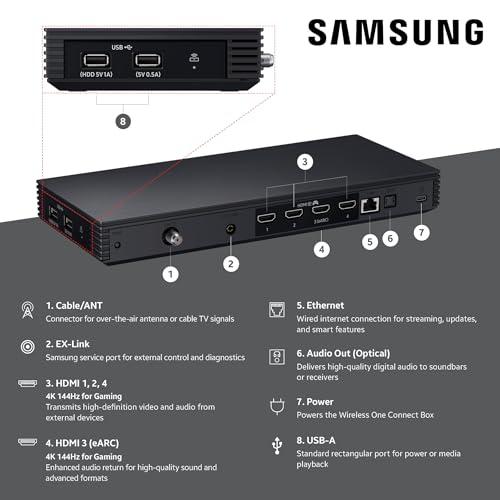
The Frame Pro 2025 introduced a Wireless One Connect Box—a significant innovation that addresses the biggest challenge with ultra-thin wall-mounted TVs: cable management. This box connects to all your devices (cable box, gaming console, streaming devices) and transmits video and audio wirelessly to the TV up to 33 feet away.
This wireless transmission eliminates the visible cables that typically compromise the clean aesthetic of wall-mounted TVs. The One Connect Box can hide in a cabinet or entertainment center while the TV maintains its picture-frame appearance on the wall.
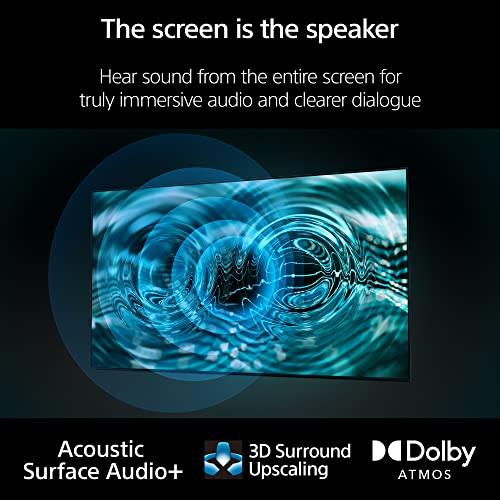
The Sony A95L uses Acoustic Surface Audio+ technology, which turns the screen itself into a speaker. Sound emanates directly from the display, creating better dialogue placement and a more immersive experience than traditional TV speakers mounted below or to the sides of the screen.
This approach works particularly well for the center channel audio in movies and TV shows. Voices appear to come from actors' mouths rather than from somewhere below the picture, creating a more natural listening experience.
The Samsung Frame Pro's ultra-thin design necessarily compromises built-in audio quality. The speakers are positioned along the edges and covered by the customizable bezel, preventing sound from projecting directly toward viewers.
While the Frame Pro includes features like Q-Symphony (which coordinates TV speakers with compatible Samsung soundbars), most users will want to add external audio for optimal performance. This isn't necessarily a drawback if you're already planning to include a soundbar or surround sound system in your setup.
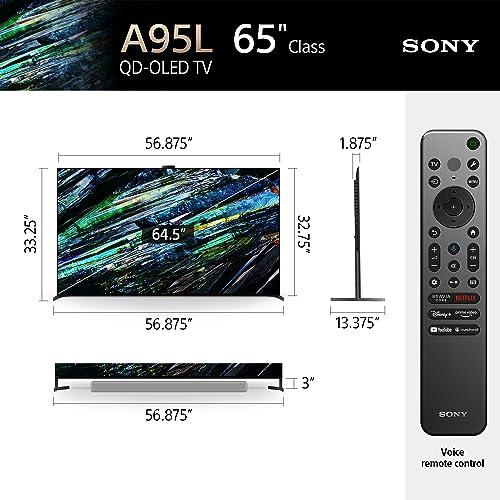
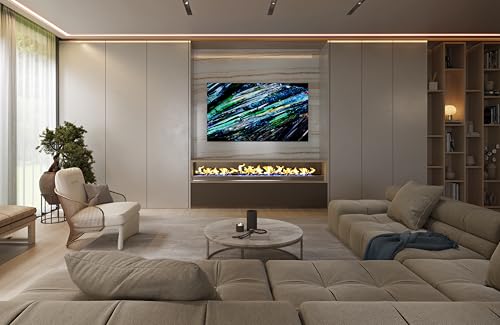
The Sony A95L follows traditional premium TV design principles: minimize distraction from the screen itself. The thin bezels and understated stand focus attention on the picture quality rather than the hardware.
For dedicated home theaters or media rooms, this approach works perfectly. The TV becomes a window into the content rather than a design statement, allowing movies and shows to dominate the visual experience.
The Samsung Frame Pro represents a fundamentally different design philosophy. At 1.1 inches deep when wall-mounted, it sits closer to the wall than most picture frames. The customizable bezels let you match your interior design, whether that's modern black, classic wood grain, or colorful options.
The no-gap wall mount creates the illusion of a painting hanging on the wall. Combined with Art Mode, the effect is so convincing that many guests don't realize they're looking at a TV until it's turned on.
At the time of writing, these TVs occupy different value propositions in the premium market. The Sony A95L commands a significant premium for its reference-quality picture performance, while the Samsung Frame Pro offers luxury lifestyle features at a more accessible price point.
The A95L's higher cost reflects its cutting-edge QD-OLED panel technology and advanced processing capabilities. For serious viewing enthusiasts, the superior picture quality justifies the investment, particularly for home theater setups where performance matters most.
The Frame Pro's pricing includes the lifestyle features—Art Mode, ultra-thin design, wireless connectivity—that aren't available on traditional TVs. You're paying for versatility and design integration, not just display performance.
For dedicated home theater use, the Sony A95L offers several advantages. The perfect black levels create the room-darkening effect that enhances movie immersion. Colors appear more accurate in controlled lighting, and the superior processing handles the variety of content sources common in home theaters.
The Frame Pro can work in home theaters, but its advantages shine more in multi-purpose spaces. The anti-glare coating and high brightness make it suitable for rooms where you can't always control ambient light.
The Sony A95L launched in 2023, representing Sony's second-generation QD-OLED TV. The technology has matured since the original A95K, offering improved brightness and color performance while maintaining the perfect blacks that make OLED compelling.
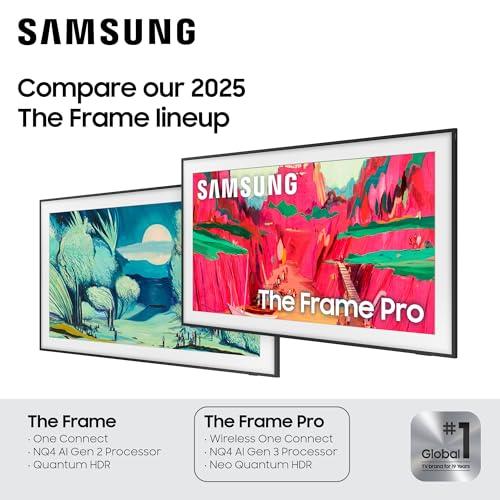
Samsung's Frame Pro arrived in 2025, incorporating several years of Mini-LED refinements and the new Wireless One Connect Box technology. The 2025 model represents a significant upgrade over previous Frame generations, finally offering the brightness and color performance to compete with traditional premium TVs while maintaining its lifestyle focus.
You prioritize picture quality above all other considerations. The A95L excels for movie enthusiasts, content creators, and anyone who spends significant time actively watching TV. The investment makes sense if you have a dedicated viewing space or home theater where the superior performance can be fully appreciated.
The Sony also suits users who prefer traditional TV functionality without lifestyle complications. If you want the best possible picture and don't need your TV to double as wall art, the A95L delivers uncompromising performance.
Your TV needs to integrate seamlessly into your living space design. The Frame Pro solves the aesthetic challenge of visible TVs in open-concept homes or formal living areas. The wireless connectivity and ultra-thin profile create installation possibilities that traditional TVs can't match.
The Frame Pro also makes sense for bright rooms where the anti-glare coating and high brightness overcome ambient light challenges. If you watch TV during the day with windows open or lights on, Samsung's approach offers practical advantages.
For competitive gaming enthusiasts, the Frame Pro's 144Hz support and lower input lag provide performance benefits that outweigh the Sony's superior picture quality in fast-paced gaming scenarios.
These TVs represent two valid but different approaches to premium television. The Sony A95L is the better choice for serious viewing, offering reference-quality performance that justifies its premium positioning. The Samsung Frame Pro excels as a lifestyle product that happens to be a capable TV, solving real-world problems about TV placement and aesthetics.
Your decision should align with your primary use case. If watching movies and shows represents your main TV activity, the Sony delivers superior performance. If your TV spends significant time turned off or needs to blend into your home's design, the Samsung offers unique capabilities that traditional TVs can't match.
Both TVs will deliver satisfying experiences for most users, but understanding their different strengths helps ensure your investment aligns with your actual needs and priorities.
| Sony BRAVIA XR A95L 65" QD-OLED | Samsung 65" The Frame Pro 4K Neo QLED |
|---|---|
| Display Technology - Determines black level performance and overall picture quality | |
| QD-OLED (perfect blacks, infinite contrast) | Neo QLED Mini-LED (very good blacks, excellent brightness) |
| Peak Brightness - Critical for HDR impact and bright room viewing | |
| ~1,300 nits (excellent for most rooms) | 1,000+ nits (very good, better anti-glare coating) |
| Refresh Rate - Important for gaming and motion smoothness | |
| 120Hz (excellent for consoles, good for PC gaming) | 144Hz (optimal for high-end PC gaming) |
| HDR Format Support - Affects color depth and content compatibility | |
| HDR10, HLG, Dolby Vision (12-bit color, 68 billion colors) | HDR10, HDR10+ (10-bit color, 1 billion colors) |
| Smart Platform - Determines app availability and user experience | |
| Google TV (excellent content discovery, Google ecosystem) | Tizen with SmartThings (good apps, strong smart home integration) |
| Design Philosophy - Defines how TV fits into your living space | |
| Traditional premium TV (minimalist, screen-focused) | Lifestyle TV (ultra-thin, customizable bezels, art mode) |
| Art Mode Capability - Transforms TV into wall art when off | |
| Not available (standard black screen when off) | Full art gallery mode with Samsung Art Store access |
| Wall Mount Depth - Affects installation aesthetics | |
| ~3.2 inches from wall (standard TV mounting) | 1.1 inches from wall (picture frame appearance) |
| Cable Management - Important for clean wall installations | |
| Standard wired connections (cables visible unless hidden) | Wireless One Connect Box (eliminates visible cables up to 33 feet) |
| Built-in Audio Quality - Determines if external speakers are needed | |
| Acoustic Surface Audio+ (screen acts as speaker, very good) | Edge-mounted speakers (adequate, soundbar recommended) |
| Gaming Input Lag - Critical for competitive gaming responsiveness | |
| Moderate (good for casual gaming, less ideal for competitive) | Low (optimized for competitive gaming performance) |
| Color Accuracy - Important for movies and professional content | |
| Excellent (filmmaker-intent colors, professional calibration) | Very good (vibrant colors, Pantone validated for art mode) |
| Upscaling Performance - Enhances lower-quality content like streaming | |
| Excellent (Sony's Cognitive Processor XR, superior processing) | Good (NQ4 Gen 3 AI processor, solid performance) |
The Sony BRAVIA XR A95L delivers superior picture quality for movies and TV shows. Its QD-OLED technology produces perfect blacks and more accurate colors that match filmmaker intentions. The Sony A95L also supports Dolby Vision HDR, which provides better color depth and contrast than the Samsung Frame Pro's HDR10+ support.
Yes, the Samsung Frame Pro genuinely transforms into convincing wall art when turned off. Its ultra-thin 1.1-inch profile, customizable bezels, and matte anti-glare screen create a realistic picture frame appearance. The Frame Pro displays thousands of artworks from Samsung's Art Store or your personal photos, automatically adjusting brightness based on room lighting.
The Samsung Frame Pro offers better gaming performance with its 144Hz refresh rate and lower input lag, making it ideal for competitive PC gaming. However, the Sony A95L provides a more cinematic gaming experience with superior color accuracy and contrast, better suited for single-player story games and console gaming.
The Sony A95L has excellent built-in audio with its Acoustic Surface Audio+ technology that turns the screen into a speaker. The Samsung Frame Pro has compromised audio due to its thin design and edge-mounted speakers, so a soundbar is highly recommended for optimal sound quality.
The Samsung Frame Pro performs better in bright rooms thanks to its higher peak brightness and exceptional matte anti-glare coating that eliminates reflections. The Sony A95L can struggle with reflections in very bright environments, though it still delivers superior picture quality in controlled lighting.
The Sony A95L uses Google TV, which excels at content discovery and integrates well with Google services and Android devices. The Samsung Frame Pro runs Tizen with SmartThings integration, offering better smart home control. Both platforms support all major streaming apps, so the choice depends on your ecosystem preferences.
The Sony A95L is superior for dedicated home theater use. Its perfect blacks, accurate colors, and excellent upscaling create the most cinematic experience in dark viewing environments. The Frame Pro works in home theaters but shines more in multi-purpose living spaces where its design flexibility matters more than ultimate picture quality.
The Sony A95L uses QD-OLED technology where each pixel creates its own light, producing perfect blacks and infinite contrast. The Samsung Frame Pro uses Neo QLED Mini-LED backlighting, which offers excellent brightness and good local dimming but cannot achieve true black levels like OLED panels.
The Samsung Frame Pro mounts extremely close to the wall at just 1.1 inches deep, creating a picture frame appearance. The Sony A95L requires standard TV mounting at approximately 3.2 inches from the wall, which is still slim but more noticeable than the Frame Pro's ultra-thin profile.
The Samsung Frame Pro revolutionizes cable management with its Wireless One Connect Box that transmits video and audio wirelessly up to 33 feet away, eliminating visible cables entirely. The Sony A95L requires traditional wired connections, though cables can be hidden through proper installation planning.
The Sony A95L excels at upscaling with its Cognitive Processor XR, significantly improving the appearance of streaming content, cable TV, and older movies. The Samsung Frame Pro also provides good upscaling with its NQ4 Gen 3 processor, but the Sony generally produces cleaner results with less pixelation and artifacts.
The Sony A95L provides better long-term value for serious viewers who prioritize picture quality, as its superior processing and color accuracy will remain relevant longer. The Samsung Frame Pro offers excellent value for users who want lifestyle features and design flexibility, solving real-world aesthetic challenges that traditional TVs cannot address.
We've done our best to create useful and informative comparisons to help you decide what product to buy. Our research uses advanced automated methods to create this comparison and perfection is not possible - please contact us for corrections or questions. These are the sites we've researched in the creation of this article: rtings.com - youtube.com - rtings.com - avsforum.com - rtings.com - smarthomesounds.co.uk - smarthomesounds.co.uk - rtings.com - smarthomesounds.co.uk - youtube.com - tomsguide.com - avsforum.com - rtings.com - perfectrec.com - flatpanelshd.com - videoandaudiocenter.com - sonypremiumhome.com - bestbuy.com - sony.com - electronics.sony.com - displayspecifications.com - donstv.com - youtube.com - static.pcrichard.com - smarthomesounds.co.uk - youtube.com - electronics.sony.com - electronics.sony.com - displayspecifications.com - tomsguide.com - youtube.com - smarthomesounds.co.uk - images.samsung.com - rtings.com - samsung.com - bestbuy.com - bestbuy.com - businessinsider.com - dentonstv.com - samsung.com - flatpanelshd.com - samsung.com - jefflynch.com - youtube.com - costco.com

Privacy Policy
Terms and Conditions - Affiliate Policy
Home Security
© Copyright 2008-2026.
11816 Inwood Rd #1211, Dallas, TX 75244