

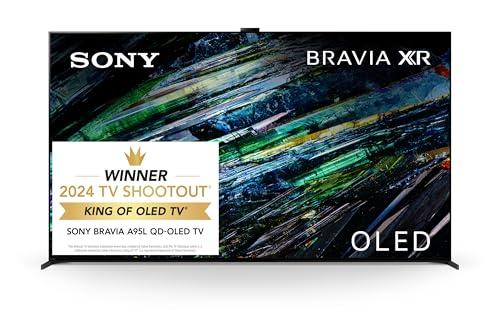
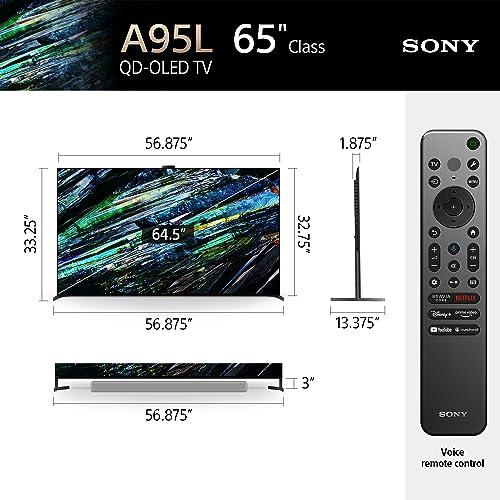
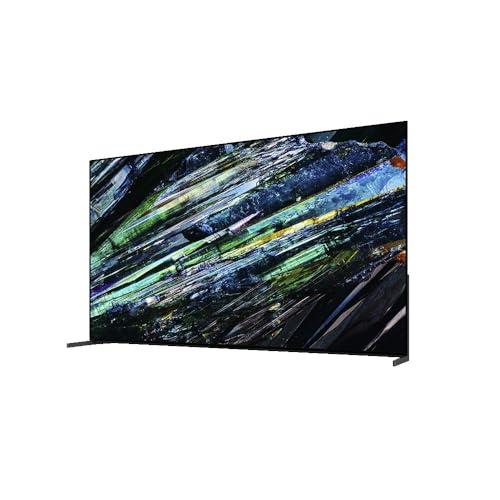

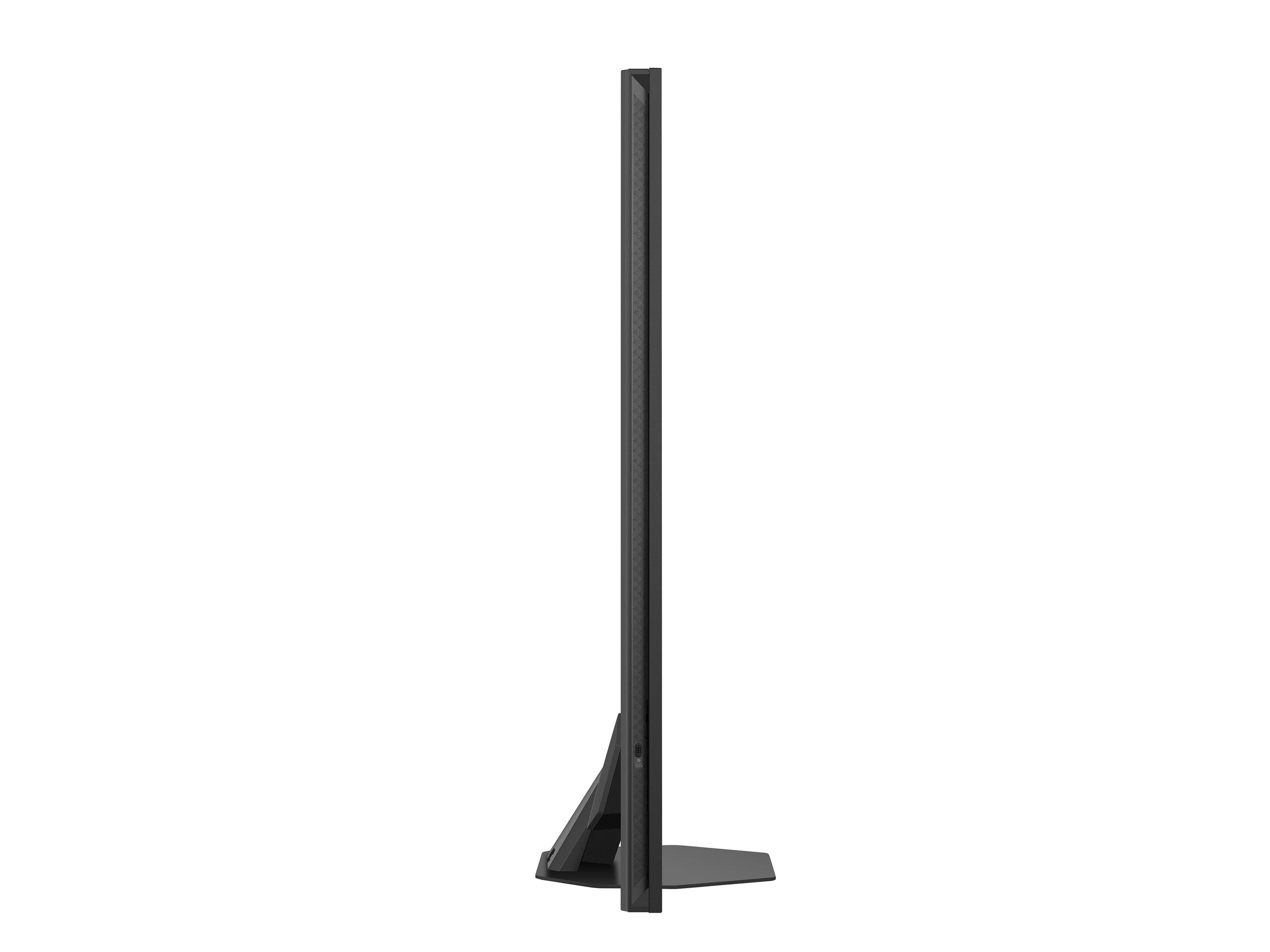
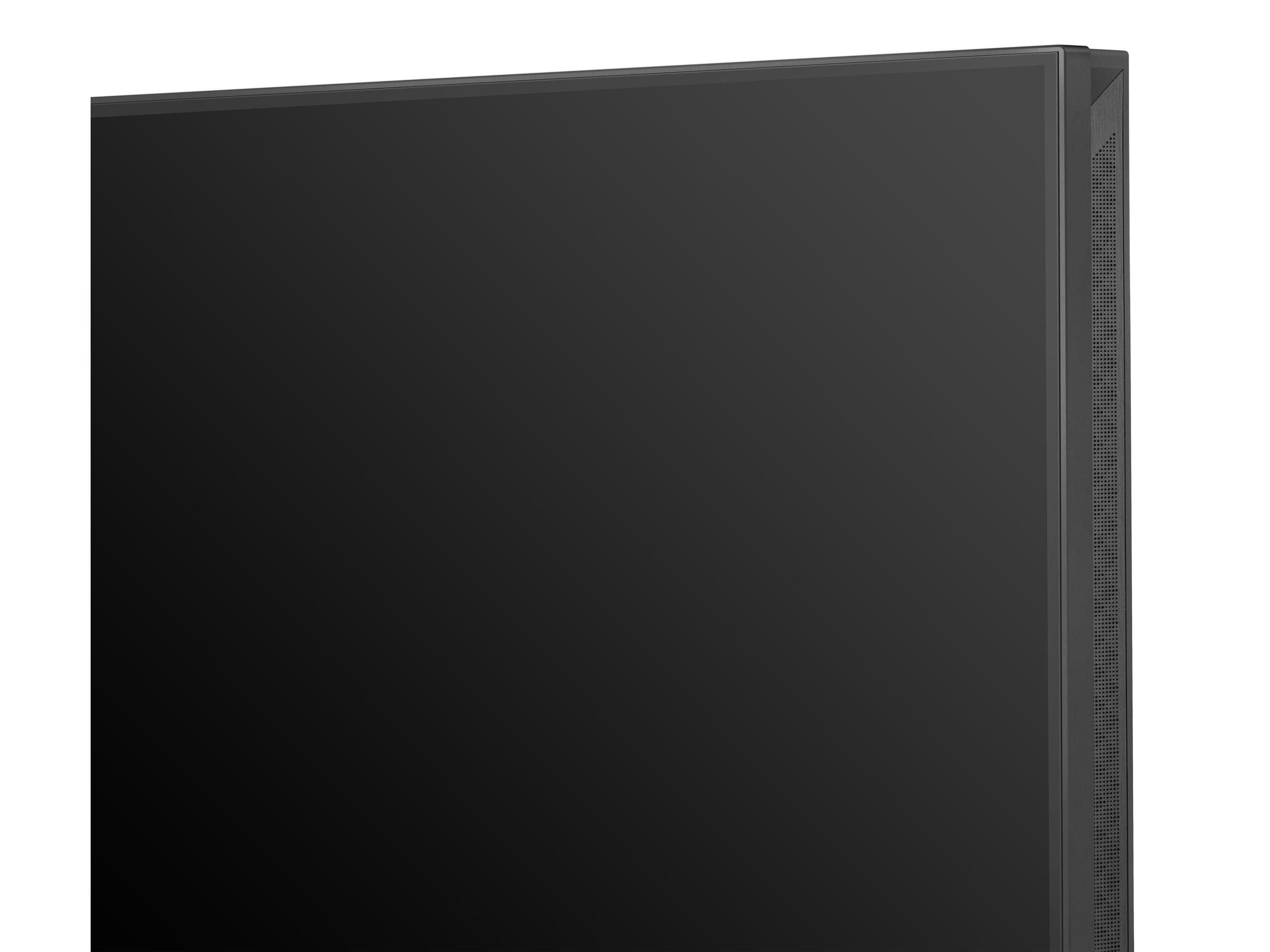
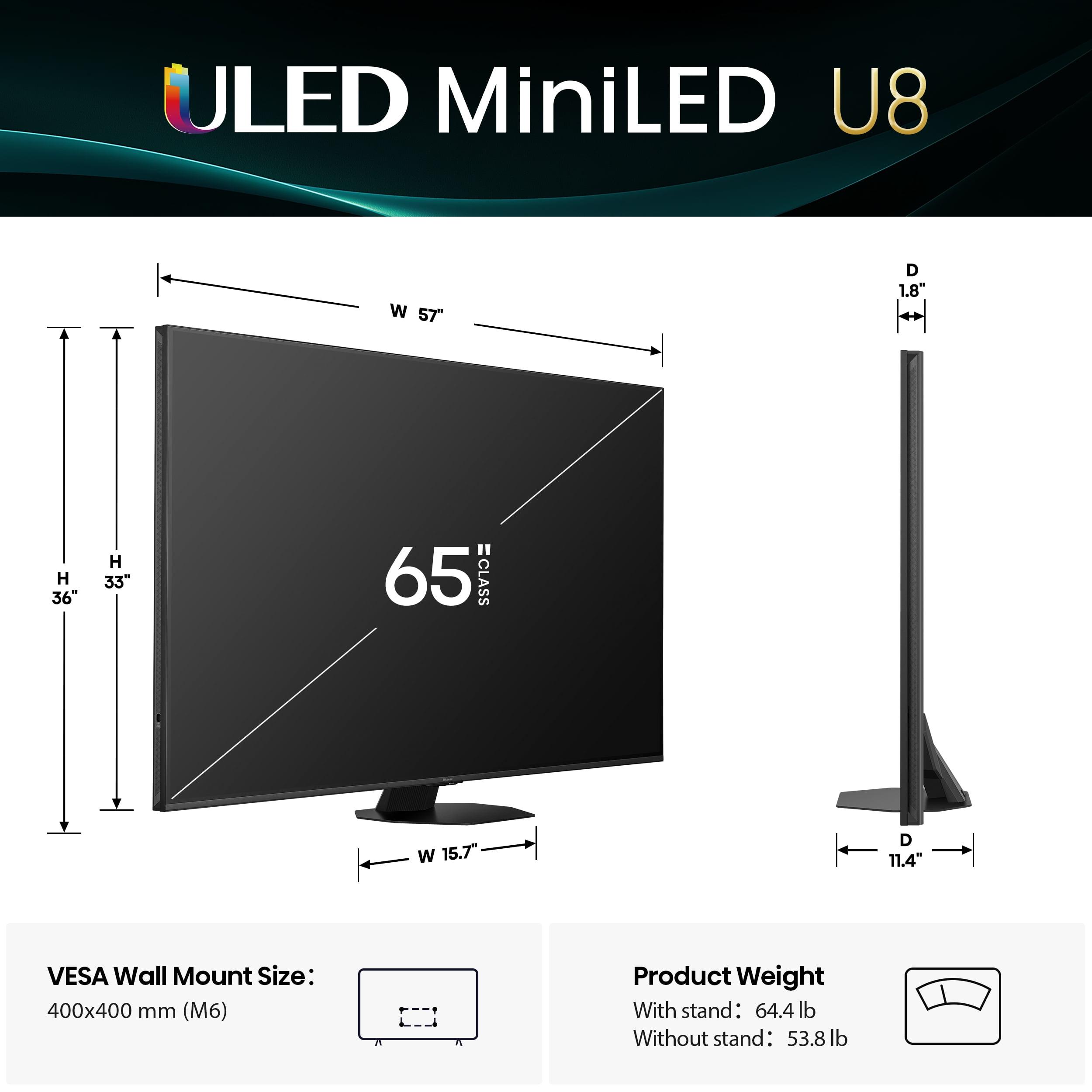
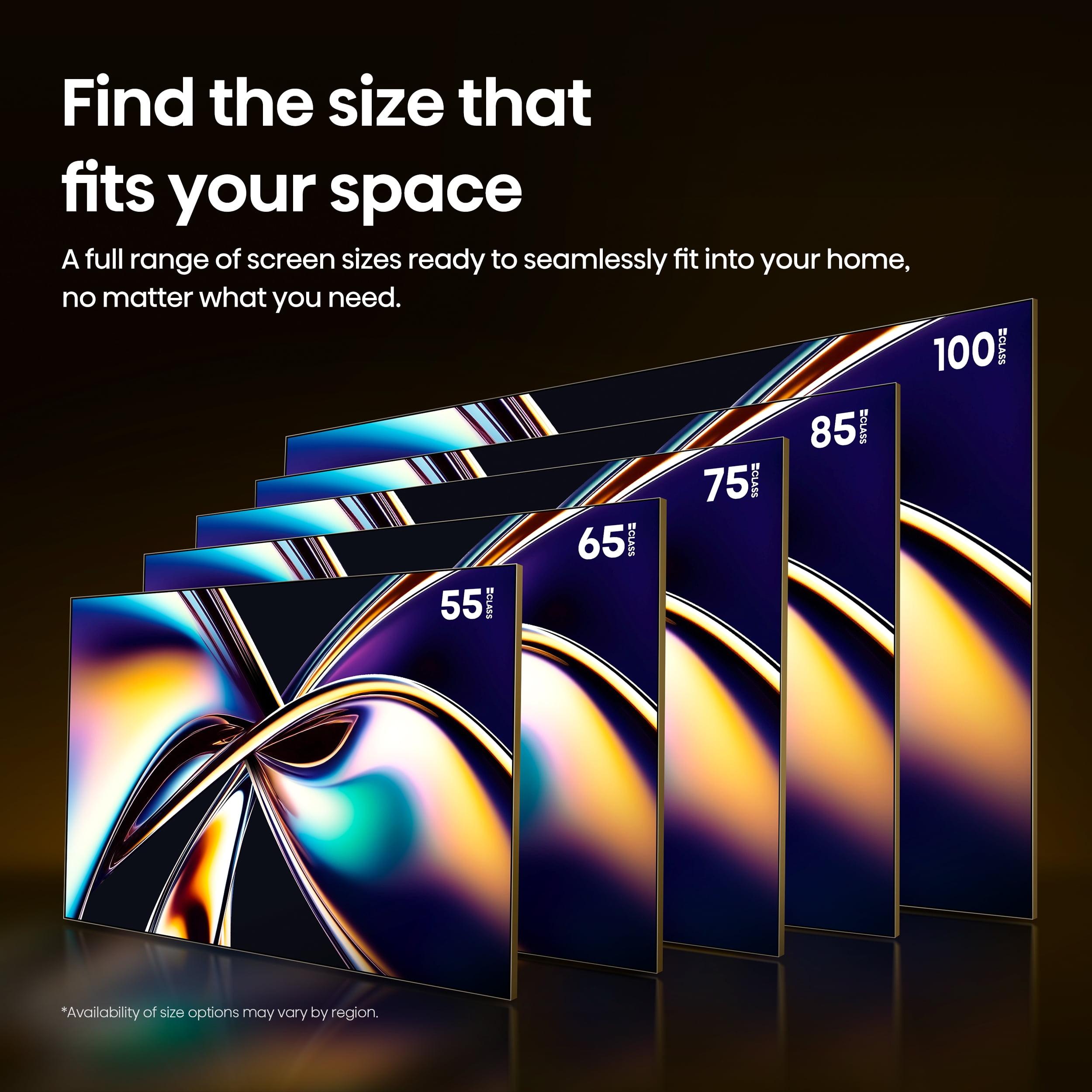
Choosing between premium TVs has never been more complex—or more rewarding. The Sony BRAVIA XR A95L and Hisense U8 Series represent two fundamentally different approaches to delivering exceptional picture quality at the 65-inch size. At the time of writing, these models sit at opposite ends of the premium TV value spectrum, with the Sony commanding significantly more investment while the Hisense delivers impressive performance at a more accessible price point.
Both TVs launched in 2023, marking important technological milestones for their respective manufacturers. The Sony A95L introduced second-generation QD-OLED technology, while the Hisense U8 refined Mini-LED backlighting to new levels of precision. Understanding which approach works better for your specific needs requires diving deep into how these technologies actually work and where they excel.
The biggest difference between these TVs lies in their fundamental display technologies. The Sony A95L uses QD-OLED, which combines OLED's self-emissive pixels with quantum dot color enhancement. Think of it this way: each pixel produces its own light and can turn completely off, creating perfect blacks, while quantum dots boost color purity and brightness beyond traditional OLED panels.
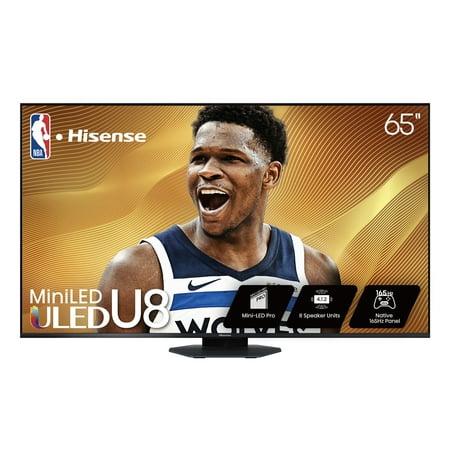
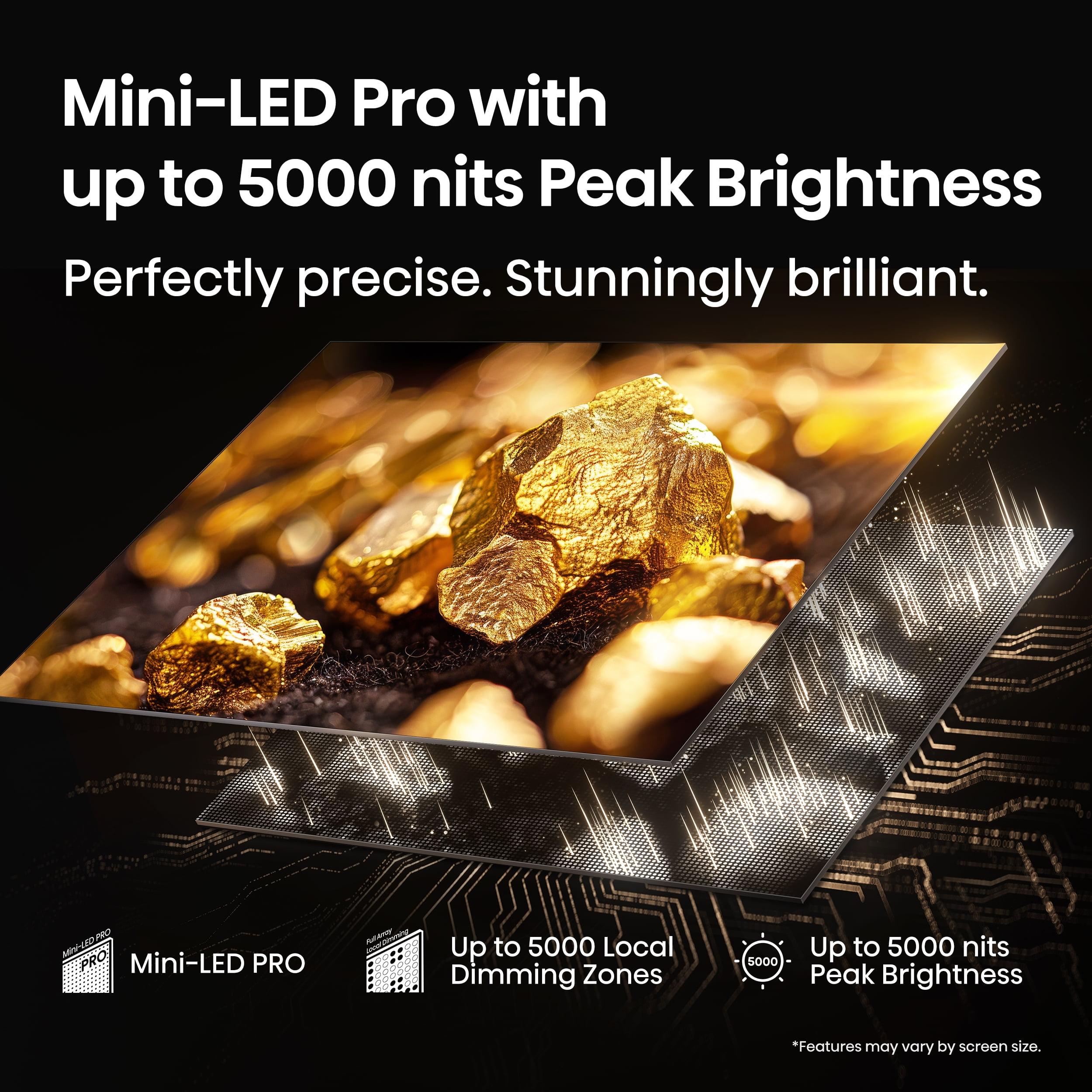
The Hisense U8 Series, meanwhile, uses Mini-LED backlighting behind a traditional LCD panel. Mini-LEDs are dramatically smaller than standard LED backlights—we're talking about thousands of tiny LEDs that can be controlled in over 2,000 separate zones. This allows for precise control over which areas of the screen get bright or dark, though it's still fundamentally different from the pixel-level control of OLED.
These technological differences create distinct performance characteristics that matter enormously in real-world viewing. The Sony's approach delivers perfect blacks since pixels can turn completely off, while the Hisense achieves exceptional brightness levels that can reach up to 3,000 nits—more than double the Sony's peak output.
In completely dark rooms, the Sony A95L delivers an experience that's hard to match. When watching movies with dark scenes—think space films or horror movies—the Sony's infinite contrast ratio creates an almost window-like viewing experience. Each pixel turns completely off for true black, making bright elements pop with remarkable intensity.
The Hisense U8 can't achieve absolute darkness due to its LCD panel design, but its Mini-LED implementation comes surprisingly close. The 2,000+ local dimming zones mean that dark areas of the screen can be dimmed independently while bright areas stay brilliant. You might notice subtle blooming (a slight halo effect) around bright objects on dark backgrounds, but it's minimal compared to older LCD technologies.
For most viewers in typical living room environments, both TVs deliver excellent contrast. However, if you're planning a dedicated home theater setup where you can control lighting completely, the Sony's perfect blacks provide a notably more immersive experience.
This is where the tables turn dramatically. The Hisense U8 reaches peak brightness levels that can genuinely dazzle, especially during HDR (High Dynamic Range) content. HDR works by displaying a much wider range between the darkest and brightest parts of an image, and the Hisense's extreme brightness capability means those bright highlights—like sunlight reflecting off water or explosions in action movies—appear truly impactful.
The Sony A95L delivers solid HDR performance, but its more modest peak brightness means it works best in controlled lighting environments. In bright living rooms with large windows, the Sony can appear somewhat dim during daytime viewing, while the Hisense maintains excellent visibility and punch even in challenging lighting conditions.
Both TVs support all major HDR formats including Dolby Vision, HDR10, and HDR10+. However, the Hisense's brightness advantage becomes particularly apparent with HDR content that features bright outdoor scenes, sports, or nature documentaries.
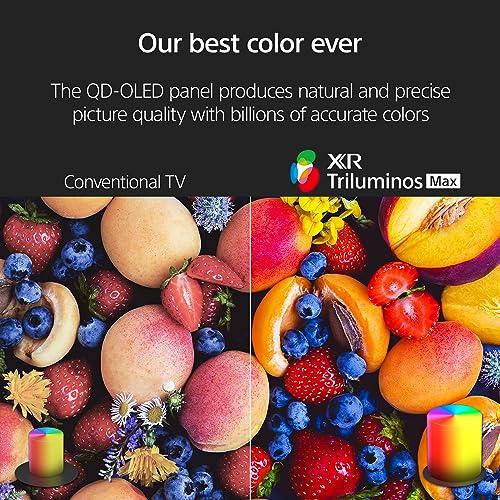
The Sony A95L excels in color accuracy, thanks to Sony's Cognitive Processor XR and XR Triluminos Max technology. This processing system analyzes content and adjusts colors to match how human vision actually perceives images. The result is colors that look natural and film-accurate—exactly what content creators intended you to see.
Sony's approach particularly shines with skin tones and subtle color gradations. Watching prestige dramas or carefully color-graded films, you'll notice the Sony renders faces and natural scenes with remarkable authenticity. The QD-OLED panel's quantum dot enhancement also delivers exceptional color volume, meaning colors stay vibrant even at high brightness levels.
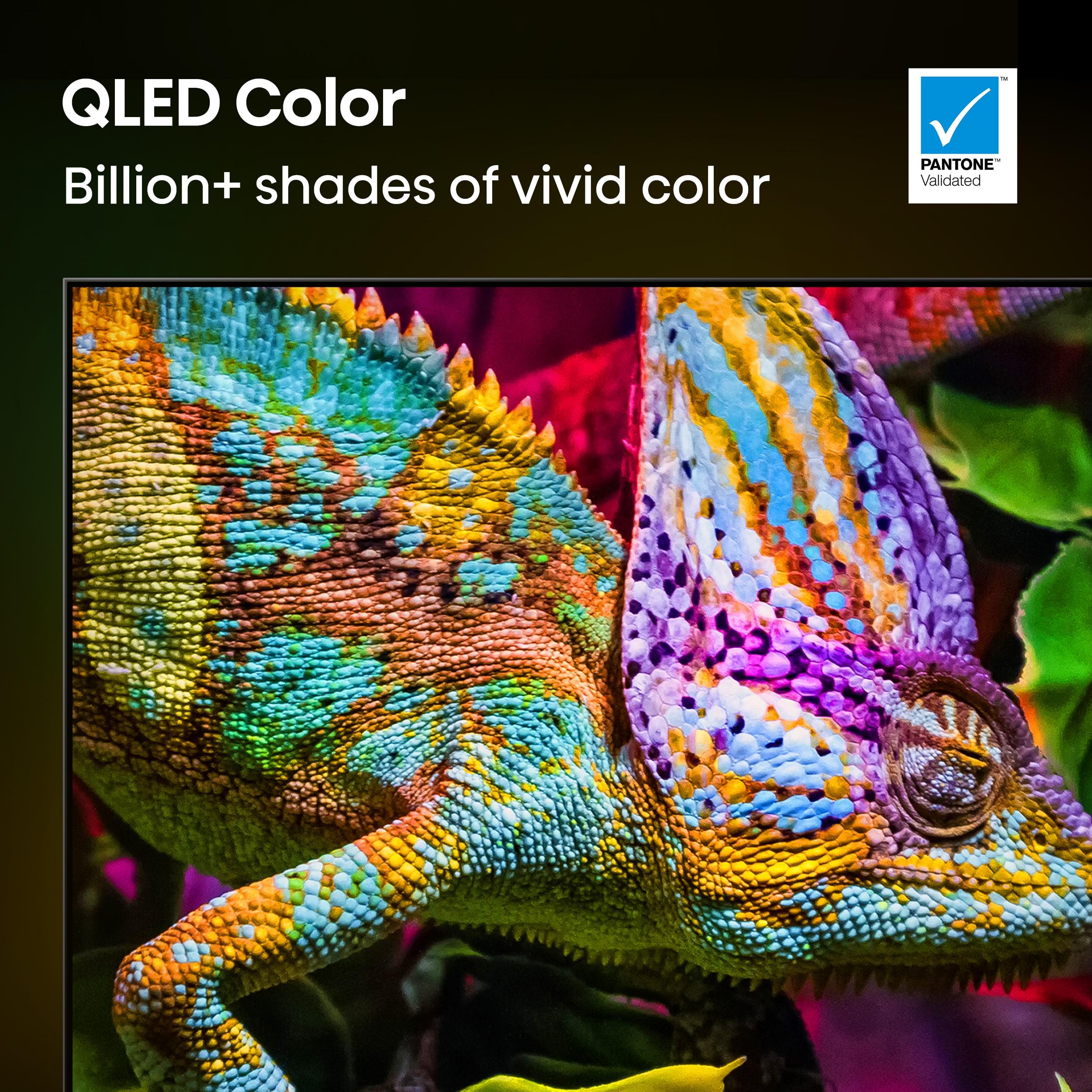
The Hisense U8 takes a different approach with its Hi-View Engine PRO processor. Colors are more vibrant and saturated, creating an immediately impressive "wow factor" that works particularly well for sports, animation, and content where visual impact matters more than strict accuracy. The QLED quantum dot technology delivers over a billion shades of color, creating rich, eye-catching images.
Neither approach is inherently better—it depends on your preferences and viewing habits. Cinema enthusiasts typically prefer the Sony's accuracy, while those who want maximum visual impact often gravitate toward the Hisense's more vibrant presentation.
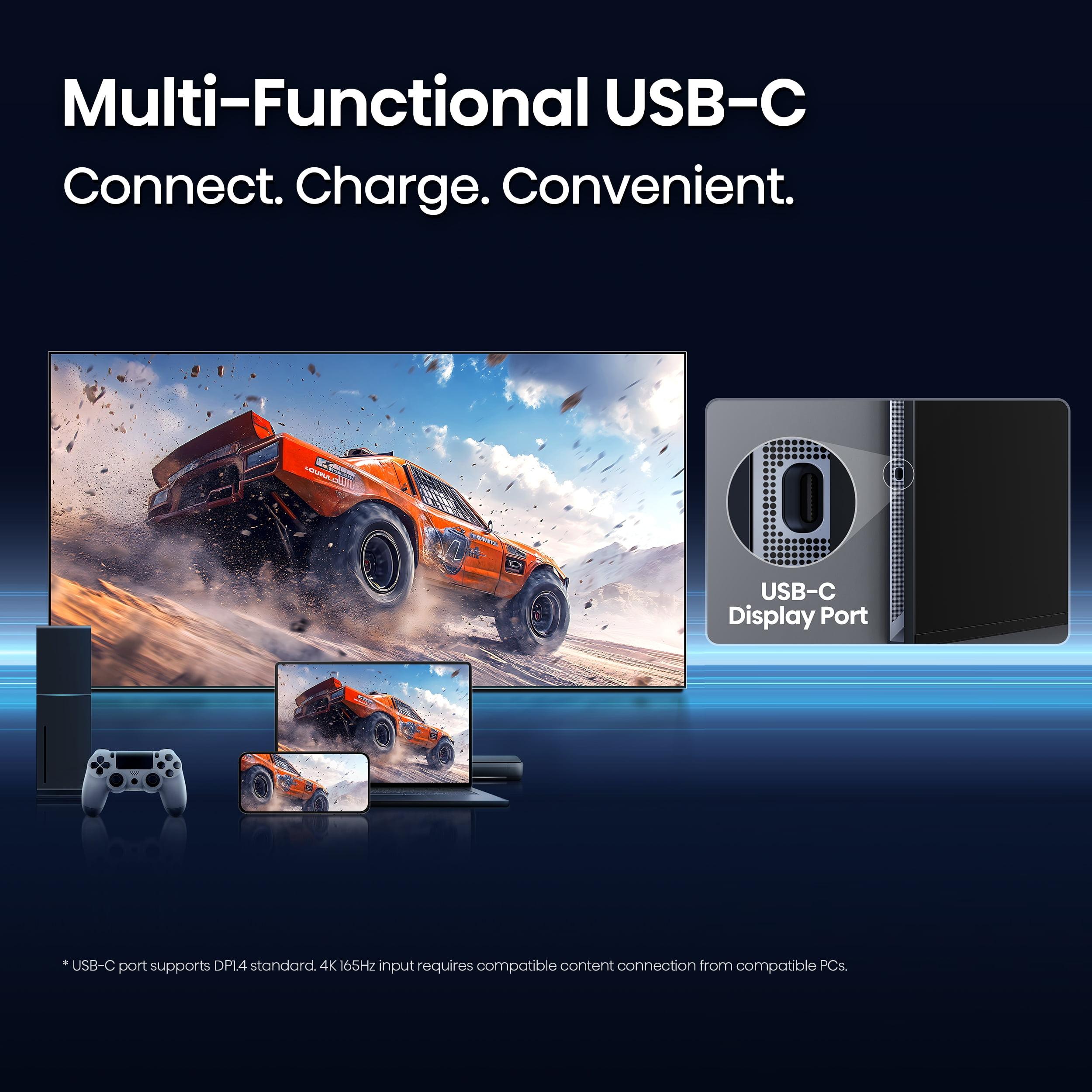
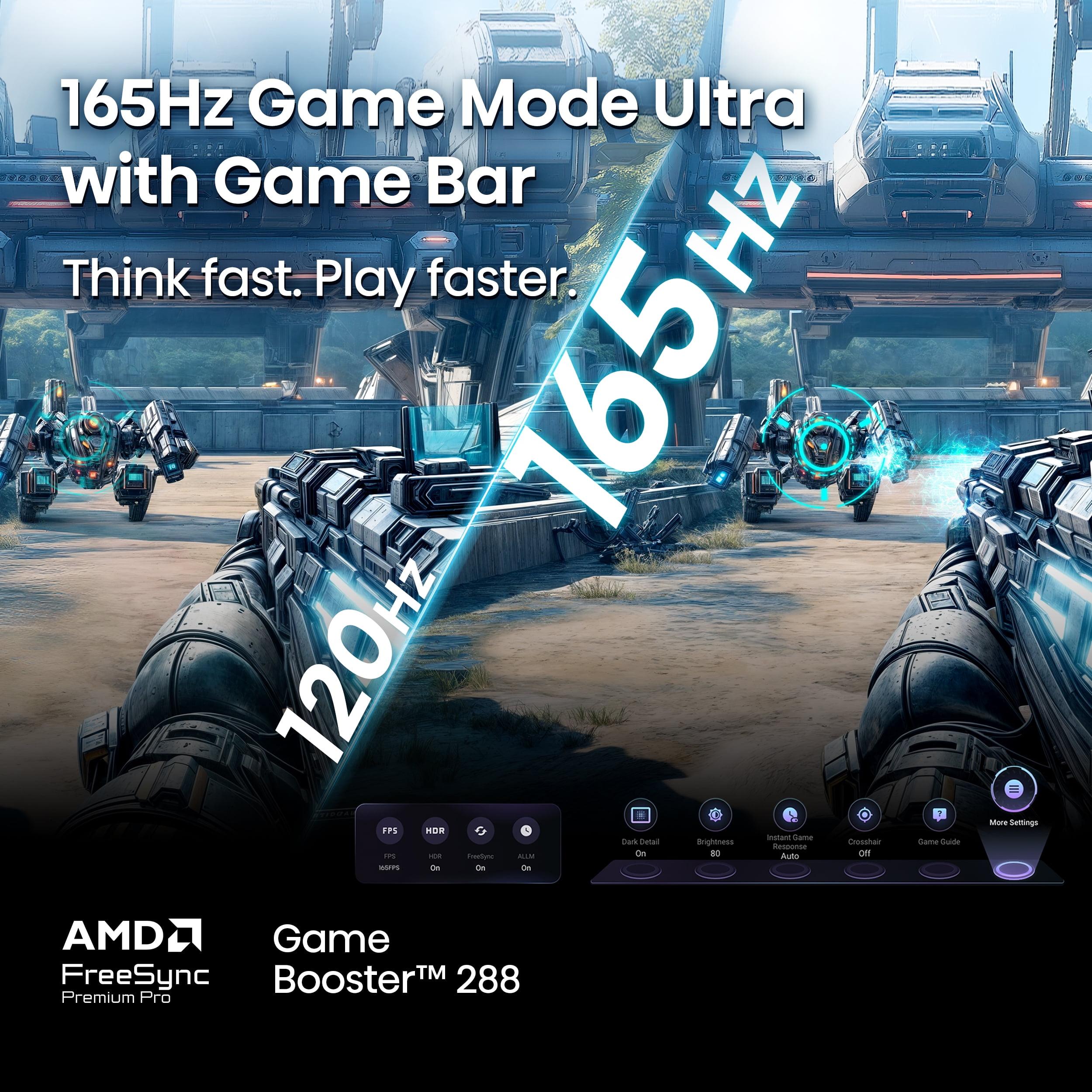
Gaming reveals another clear philosophical divide between these TVs. The Hisense U8 targets competitive and PC gaming with its 144Hz native refresh rate—significantly higher than the Sony's 120Hz. This higher refresh rate means smoother motion in fast-paced games and the ability to display more frames per second from high-end gaming PCs.
The Hisense also supports AMD FreeSync Premium Pro, which prevents screen tearing and stuttering by synchronizing the TV's refresh rate with your gaming device's frame rate. For competitive gamers playing first-person shooters or racing games, these features provide tangible advantages.
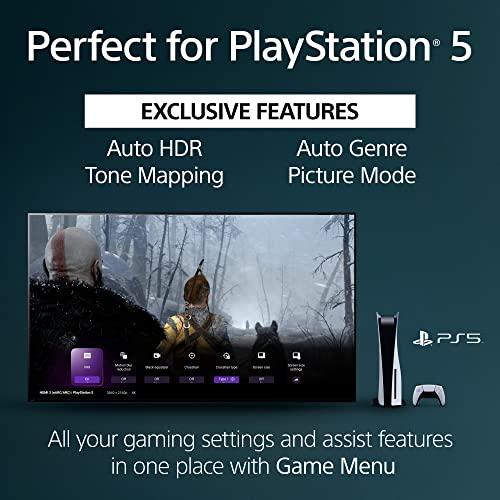
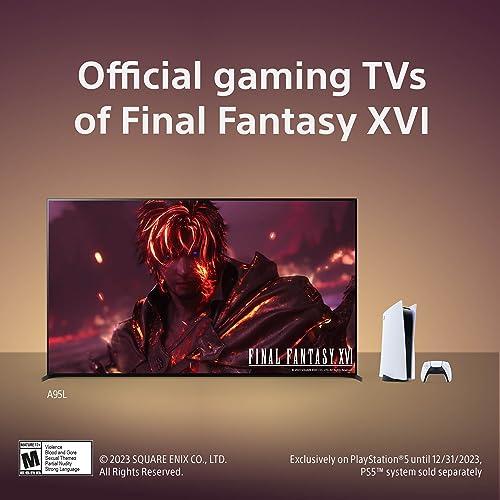
However, the Sony A95L offers superior response time with lower input lag—the delay between when you press a controller button and when the action appears on screen. While the difference is measured in milliseconds, competitive gamers notice this responsiveness. The Sony also includes specific PlayStation 5 optimizations and can function as a center channel speaker for gaming audio setups.
Both TVs handle 4K gaming excellently, but they serve different gaming priorities. The Hisense favors high refresh rate PC gaming and bright room gaming sessions, while the Sony creates a more cinematic gaming experience with perfect blacks enhancing atmospheric titles.
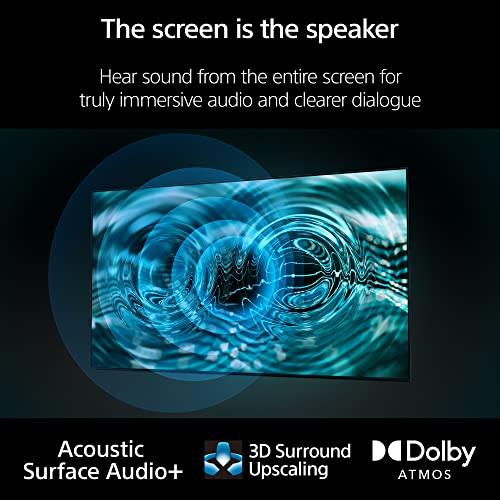
The Sony A95L incorporates one of the most innovative audio technologies in modern TVs: Acoustic Surface Audio+. Instead of traditional speakers, the entire screen vibrates to produce sound. This creates an incredibly immersive experience where dialogue appears to come directly from characters' mouths and sound effects are precisely positioned across the screen.
This screen-as-speaker approach works particularly well for movies and shows with complex audio mixes. The Sony can even function as a center channel speaker in a home theater system, allowing it to integrate seamlessly with external soundbars or surround sound setups.
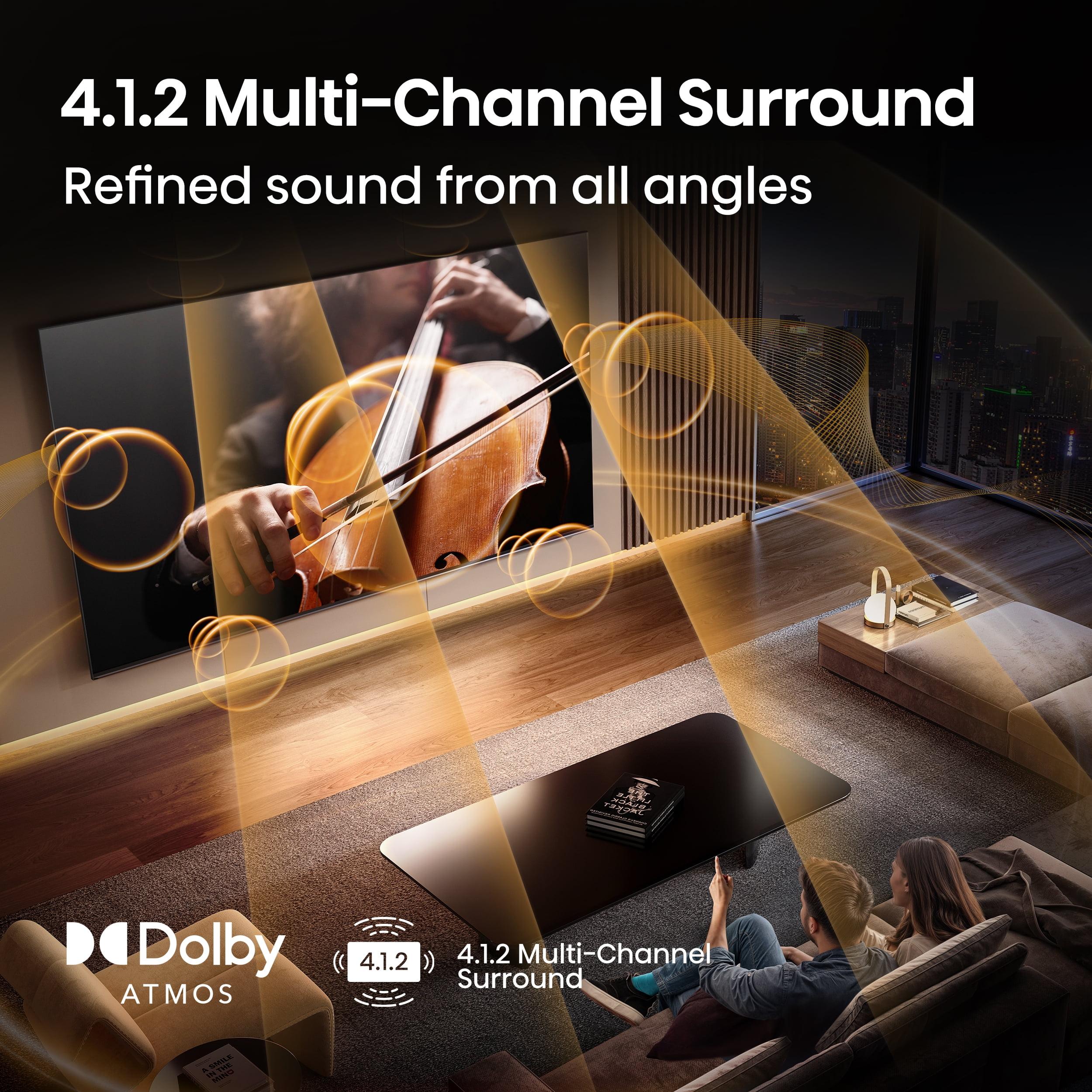
The Hisense U8 uses a more traditional but well-executed approach with a 50W 2.1.2 multi-channel system. This includes dedicated subwoofers for bass response and upward-firing speakers that bounce sound off your ceiling to create height effects for Dolby Atmos content. While not as innovative as Sony's approach, the Hisense delivers above-average built-in audio that many users find satisfactory without additional equipment.
Both TVs benefit from external sound systems, but the Sony's unique approach offers more integration possibilities for serious home theater setups.
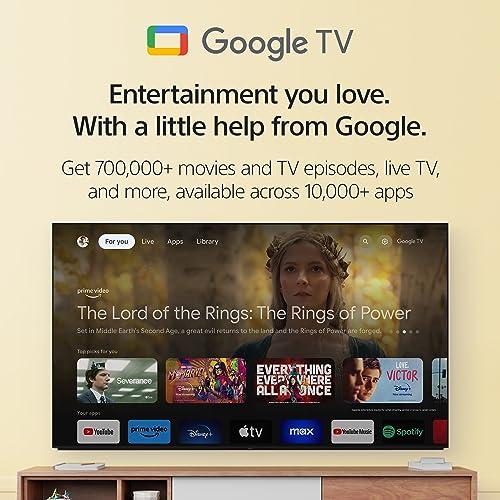
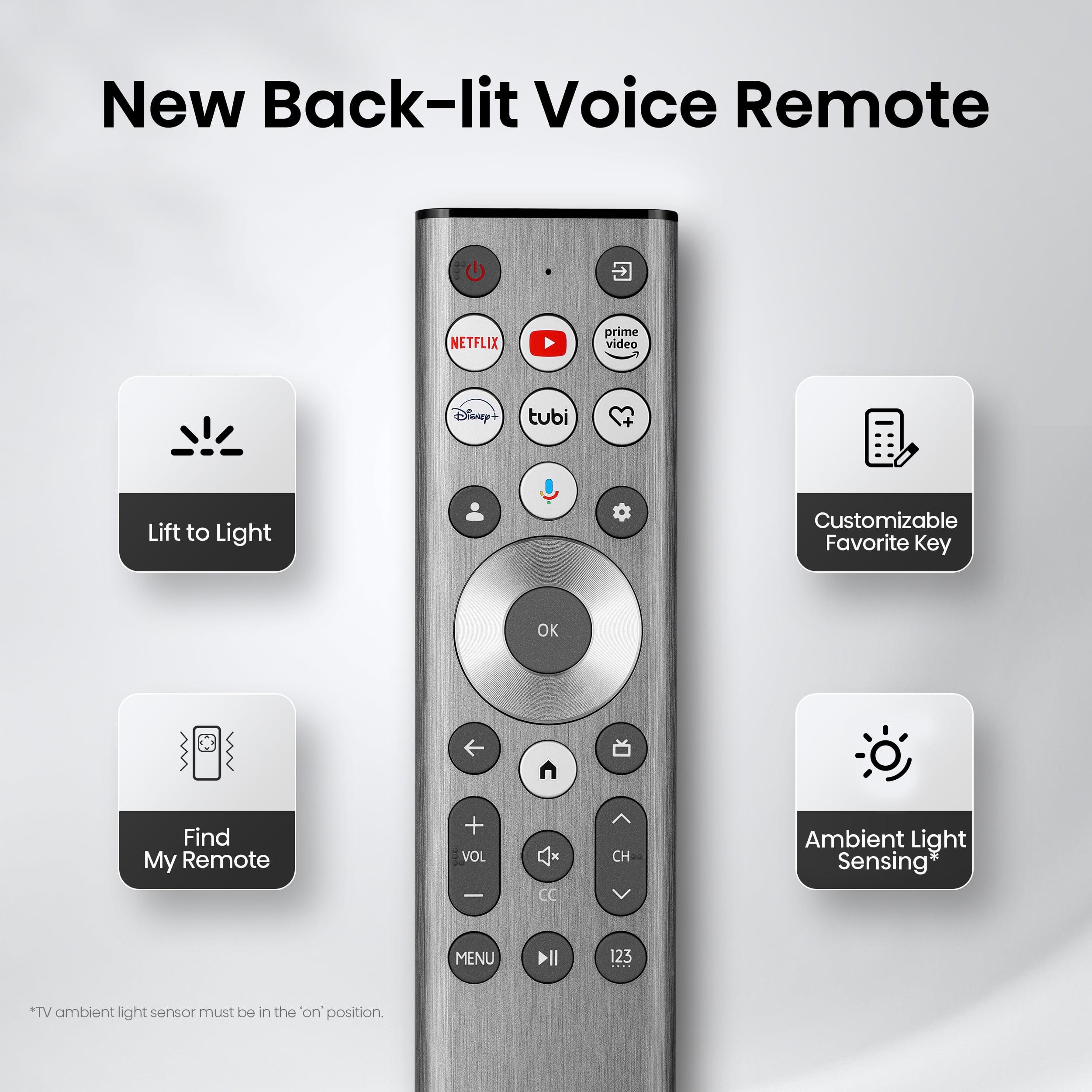
Both TVs run Google TV, providing identical access to streaming services, voice control, and smart home integration. The interface is fast and intuitive on both models, though the Sony A95L includes additional features like Sony Pictures Core streaming service access.
Long-term durability considerations favor different aspects of each technology. OLED panels, including the Sony's QD-OLED, can experience burn-in if static images are displayed for extended periods, though this has become much less of an issue with modern panels and built-in protection features. The Hisense U8 doesn't face burn-in risks but may experience backlight degradation over many years of use.
Both manufacturers have improved their software update support significantly since 2023, with regular feature additions and performance improvements delivered over time.
For dedicated home theater installations, the choice becomes more nuanced. The Sony A95L delivers the premium cinematic experience that home theater enthusiasts typically seek. Its perfect blacks, accurate colors, and innovative audio create an immersive environment that closely replicates professional screening rooms.
The Sony's wide viewing angles also make it suitable for theater seating arrangements where viewers might be positioned off-center. Its ability to maintain color accuracy and contrast from various positions ensures everyone gets an optimal viewing experience.
However, the Hisense U8 shouldn't be dismissed for home theater use. Its extreme brightness capability means it can create genuinely impressive HDR highlights that add impact to action sequences and nature documentaries. If your theater space has some ambient light or if you prefer more vibrant, punchy visuals, the Hisense delivers exceptional results.
The Hisense's 2-year warranty—double the industry standard—also provides additional peace of mind for long-term home theater installations.
Based on extensive research into user experiences and expert evaluations, clear usage patterns emerge for each TV.
Choose the Sony BRAVIA XR A95L if you prioritize absolute picture quality and have the budget for premium technology. This TV excels in controlled lighting environments where its perfect blacks and color accuracy create an unmatched viewing experience. It's ideal for movie enthusiasts, those building dedicated home theaters, and viewers who appreciate cutting-edge display technology.
The Sony also makes sense if you value innovative features and don't mind paying more for refinement. Its Acoustic Surface Audio+ technology and processing capabilities represent the current pinnacle of TV engineering.
Choose the Hisense U8 Series if you want flagship performance without flagship pricing. This TV delivers approximately 80-90% of premium TV performance at roughly half the cost of comparable models from established brands. It excels in bright rooms, offers superior gaming features for competitive players, and provides exceptional value for money.
The Hisense makes particular sense for families who watch varied content throughout the day, gamers who prioritize refresh rates, and anyone who wants impressive picture quality without the premium TV price tag.
At the time of writing, both TVs represent excellent choices within their respective value propositions. The Sony A95L justifies its premium pricing through cutting-edge QD-OLED technology, superior processing, and innovative audio features. It's the choice for those who want the absolute best viewing experience and have the budget to match.
The Hisense U8 Series delivers remarkable performance for its price point, offering features and picture quality that challenge much more expensive models. Its exceptional brightness, comprehensive gaming features, and solid overall performance make it an outstanding value proposition.
Your decision should ultimately center on your viewing environment, budget, and content preferences. In dark, controlled environments where perfect blacks matter most, the Sony excels. In bright living spaces where maximum brightness and value are priorities, the Hisense delivers exceptional results. Both represent significant improvements over older TV technologies and will provide years of excellent viewing experiences.
The TV landscape has evolved dramatically since both models launched in 2023, but these remain standout options that demonstrate how different technological approaches can both succeed in delivering premium viewing experiences to different types of users.
| Sony BRAVIA XR A95L | Hisense U8 Series |
|---|---|
| Display Technology - Fundamentally different approaches to picture quality | |
| QD-OLED with self-emissive pixels for perfect blacks | Mini-LED LCD with 2,000+ local dimming zones |
| Peak Brightness - Critical for HDR impact and bright room viewing | |
| ~1,300 nits (excellent for dark rooms) | Up to 3,000 nits (exceptional for bright rooms) |
| Black Level Performance - Most important for contrast and cinematic experience | |
| Perfect infinite contrast (pixels turn completely off) | Excellent blacks for LCD but some blooming in dark scenes |
| Refresh Rate - Key spec for gaming and motion smoothness | |
| 120Hz native (good for console gaming) | 144Hz native (better for PC gaming and competitive play) |
| Input Lag - Critical for responsive gaming | |
| 8.5ms (excellent for competitive gaming) | 13ms (good for most gaming scenarios) |
| Color Technology - Affects vibrancy and accuracy | |
| XR Triluminos Max with film-accurate processing | QLED Quantum Dot with vibrant, eye-catching colors |
| Viewing Angles - Important for seating arrangements | |
| Wide angles maintain color/brightness consistency | Narrow angles with quality loss from sides |
| Audio Innovation - Built-in sound quality | |
| Acoustic Surface Audio+ (screen becomes speaker) | Traditional 50W 2.1.2 system with Dolby Atmos |
| Smart Platform - Same Google TV experience | |
| Google TV with Sony Pictures Core streaming | Google TV with Wi-Fi 6E support |
| Gaming Features - Next-gen console compatibility | |
| VRR, ALLM, PlayStation 5 optimizations | VRR, ALLM, AMD FreeSync Premium Pro, 144Hz support |
| Warranty Coverage - Protection for your investment | |
| Standard 1-year warranty | 2-year warranty (double industry standard) |
| Best For - Primary use case recommendation | |
| Dark room cinematic viewing, perfect picture quality | Bright room viewing, gaming, exceptional value |
The Sony BRAVIA XR A95L delivers superior picture quality in dark rooms with perfect blacks and film-accurate colors, while the Hisense U8 Series excels in bright rooms with exceptional brightness and vibrant colors. For cinematic viewing, the Sony's QD-OLED technology provides unmatched contrast, but the Hisense offers impressive picture quality at a significantly lower cost.
The Sony A95L uses QD-OLED technology where each pixel produces its own light and can turn completely off for perfect blacks. The Hisense U8 uses Mini-LED backlighting with over 2,000 local dimming zones behind an LCD panel. QD-OLED provides better contrast and viewing angles, while Mini-LED delivers higher peak brightness and better value.
For competitive gaming, the Hisense U8 Series offers advantages with its 144Hz refresh rate and AMD FreeSync Premium Pro support. The Sony A95L provides lower input lag (8.5ms vs 13ms) and PlayStation 5 optimizations. Both support 4K gaming at 120Hz, but the Hisense handles higher refresh rates for PC gaming.
The Hisense U8 Series significantly outperforms in bright rooms with up to 3,000 nits peak brightness and anti-glare technology. The Sony A95L works best in controlled lighting environments due to its lower peak brightness of around 1,300 nits. For daytime viewing in bright living rooms, the Hisense is the clear winner.
The Hisense U8 Series provides exceptional value, delivering approximately 80-90% of flagship performance at roughly half the cost of premium competitors. The Sony A95L justifies its premium pricing through cutting-edge QD-OLED technology and superior processing, but the Hisense offers more features per dollar spent.
Yes, both the Sony A95L and Hisense U8 run Google TV with access to all major streaming services, voice control, and smart home integration. The Sony includes additional Sony Pictures Core streaming access, while the Hisense offers Wi-Fi 6E support for faster connectivity.
The Sony BRAVIA XR A95L excels in dedicated home theaters with its perfect blacks, wide viewing angles, and Acoustic Surface Audio+ technology that makes the screen act as a speaker. The Hisense U8 can work well in home theaters too, especially if you prefer brighter, more vibrant images or have some ambient light in the room.
The Sony A95L features innovative Acoustic Surface Audio+ where the entire screen vibrates to produce sound, creating precise audio positioning. The Hisense U8 uses a traditional 50W 2.1.2 multi-channel system with Dolby Atmos support. Both offer good built-in audio, but Sony's approach is more immersive for movie watching.
The Sony A95L maintains excellent color accuracy and brightness from wide viewing angles, making it ideal for group viewing. The Hisense U8 Series has narrower viewing angles typical of LCD panels, with some color and brightness loss when viewed from the sides.
Both TVs support all major HDR formats including Dolby Vision. The Hisense U8 creates more impactful HDR highlights due to its extreme brightness capability, while the Sony A95L offers more accurate HDR tone mapping and better shadow detail. The choice depends on whether you prefer maximum impact or accuracy.
The Hisense U8 Series includes a 2-year warranty, which is double the industry standard and provides extra peace of mind. The Sony A95L comes with a standard 1-year warranty. This extended coverage makes the Hisense more attractive for long-term reliability concerns.
Choose the Sony BRAVIA XR A95L if you prioritize absolute picture quality, have a controlled lighting environment, and want cutting-edge display technology. Choose the Hisense U8 Series if you need excellent bright room performance, want superior gaming features, or seek flagship performance at a more accessible price point.
We've done our best to create useful and informative comparisons to help you decide what product to buy. Our research uses advanced automated methods to create this comparison and perfection is not possible - please contact us for corrections or questions. These are the sites we've researched in the creation of this article: rtings.com - youtube.com - rtings.com - avsforum.com - rtings.com - smarthomesounds.co.uk - smarthomesounds.co.uk - rtings.com - smarthomesounds.co.uk - youtube.com - tomsguide.com - avsforum.com - rtings.com - perfectrec.com - flatpanelshd.com - videoandaudiocenter.com - sonypremiumhome.com - bestbuy.com - sony.com - electronics.sony.com - displayspecifications.com - donstv.com - youtube.com - static.pcrichard.com - smarthomesounds.co.uk - youtube.com - electronics.sony.com - electronics.sony.com - displayspecifications.com - bestbuy.com - hisense-usa.com - rtings.com - bestbuy.com - rtings.com - hisense-usa.com - youtube.com - hisense-usa.com - avsforum.com - hisense-usa.com - hisense-usa.com - rtings.com - avsforum.com - hisense-usa.com - prnewswire.com - hisense-usa.com - bestbuy.com - youtube.com - hisense-usa.com

Privacy Policy
Terms and Conditions - Affiliate Policy
Home Security
© Copyright 2008-2026.
11816 Inwood Rd #1211, Dallas, TX 75244