

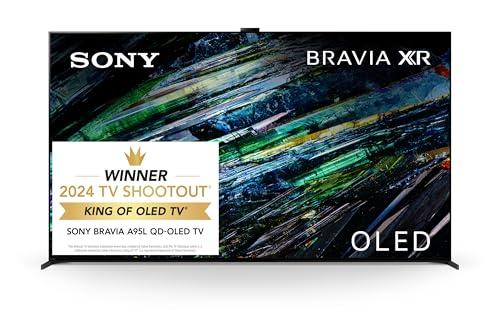
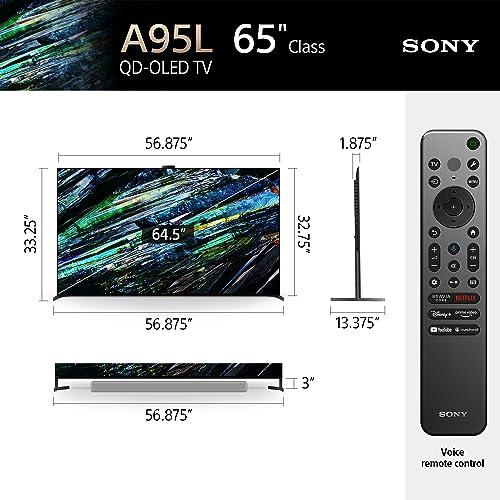


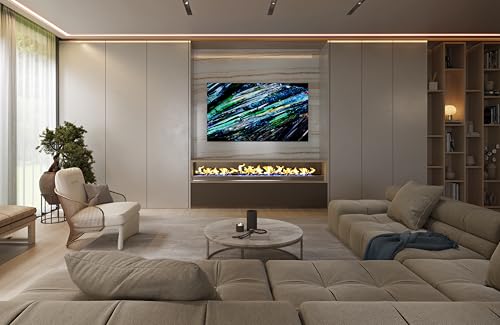
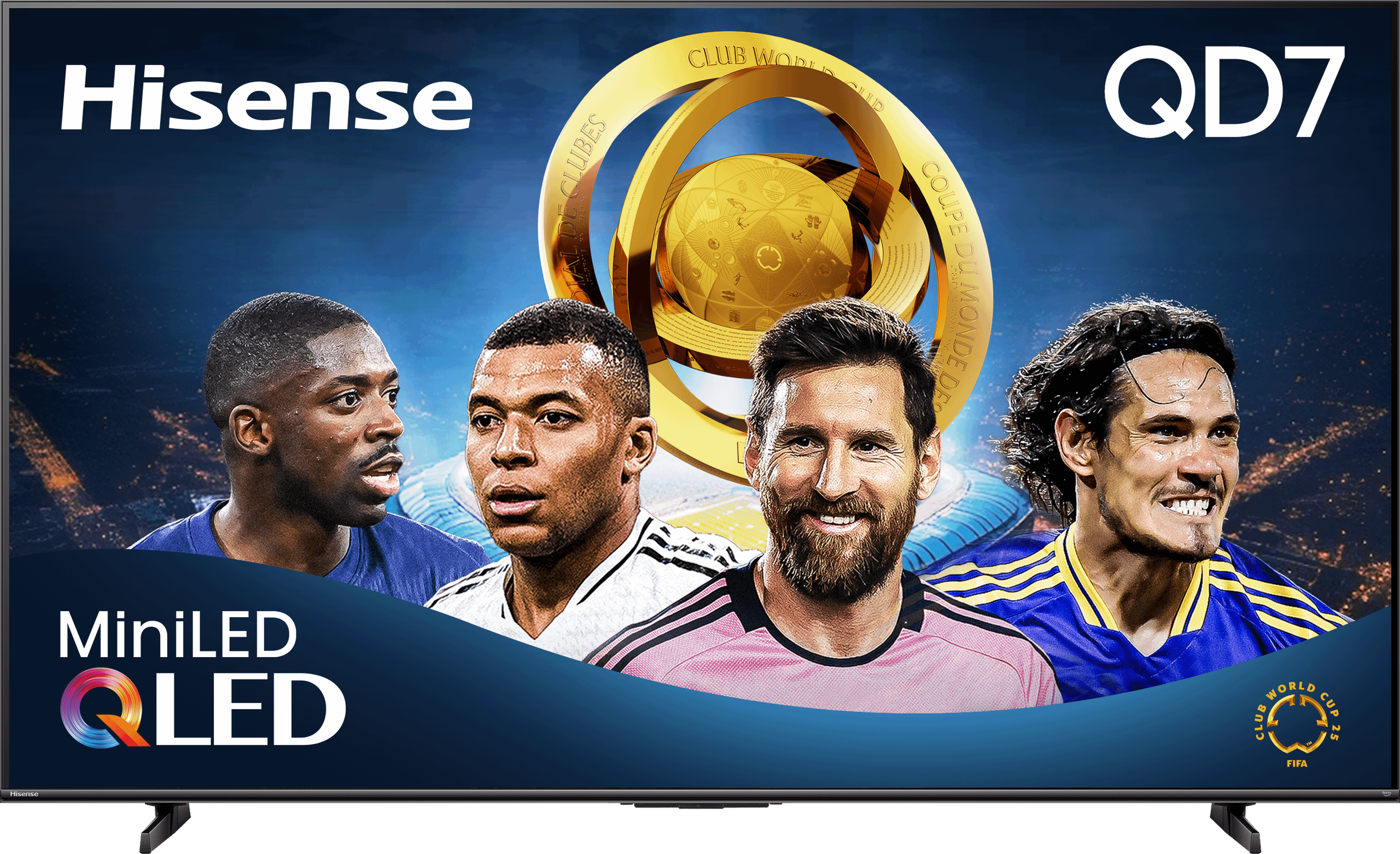
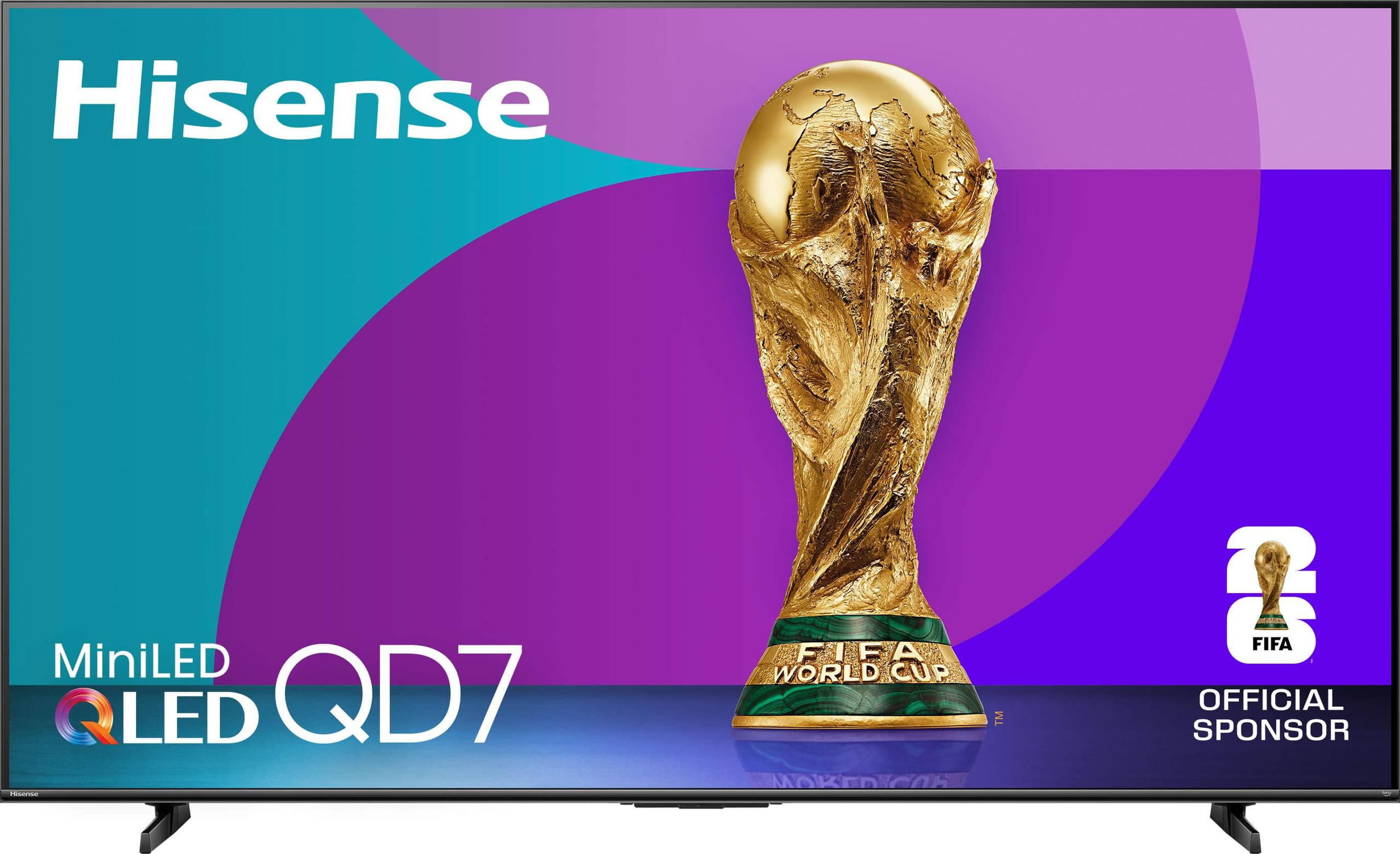
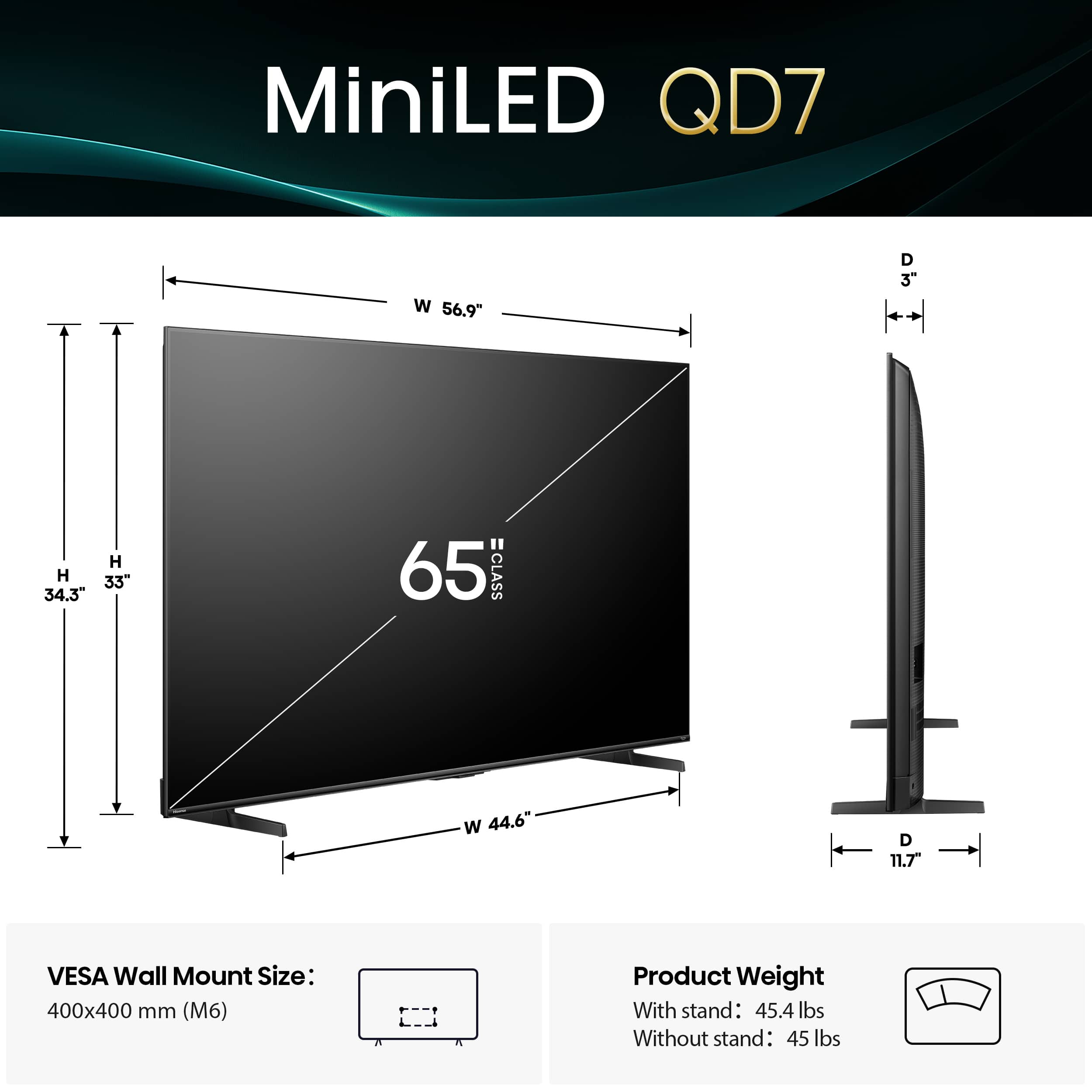
When you're shopping for a 65-inch TV in 2025, you're entering the sweet spot of home entertainment—big enough for a truly cinematic experience without overwhelming most living rooms. But with so many display technologies and brands competing for your attention, making the right choice can feel overwhelming. Today, we're diving deep into two compelling options that represent very different philosophies: the Sony BRAVIA XR A95L, a premium QD-OLED display launched in 2023, and the Hisense 65" QD7 Series Mini-LED, a 2025 value-focused powerhouse.
These TVs couldn't be more different in their approach. Sony's offering represents cutting-edge display technology at a premium price, while Hisense delivers impressive performance at a fraction of the cost. Let's break down what matters most when choosing between them.
Before we dive into specifics, it's worth understanding what separates good TVs from great ones. The most important factors are contrast ratio (how deep the blacks are compared to bright whites), color accuracy (how true-to-life colors appear), peak brightness (how bright highlights can get), and motion handling (how smooth fast action looks).
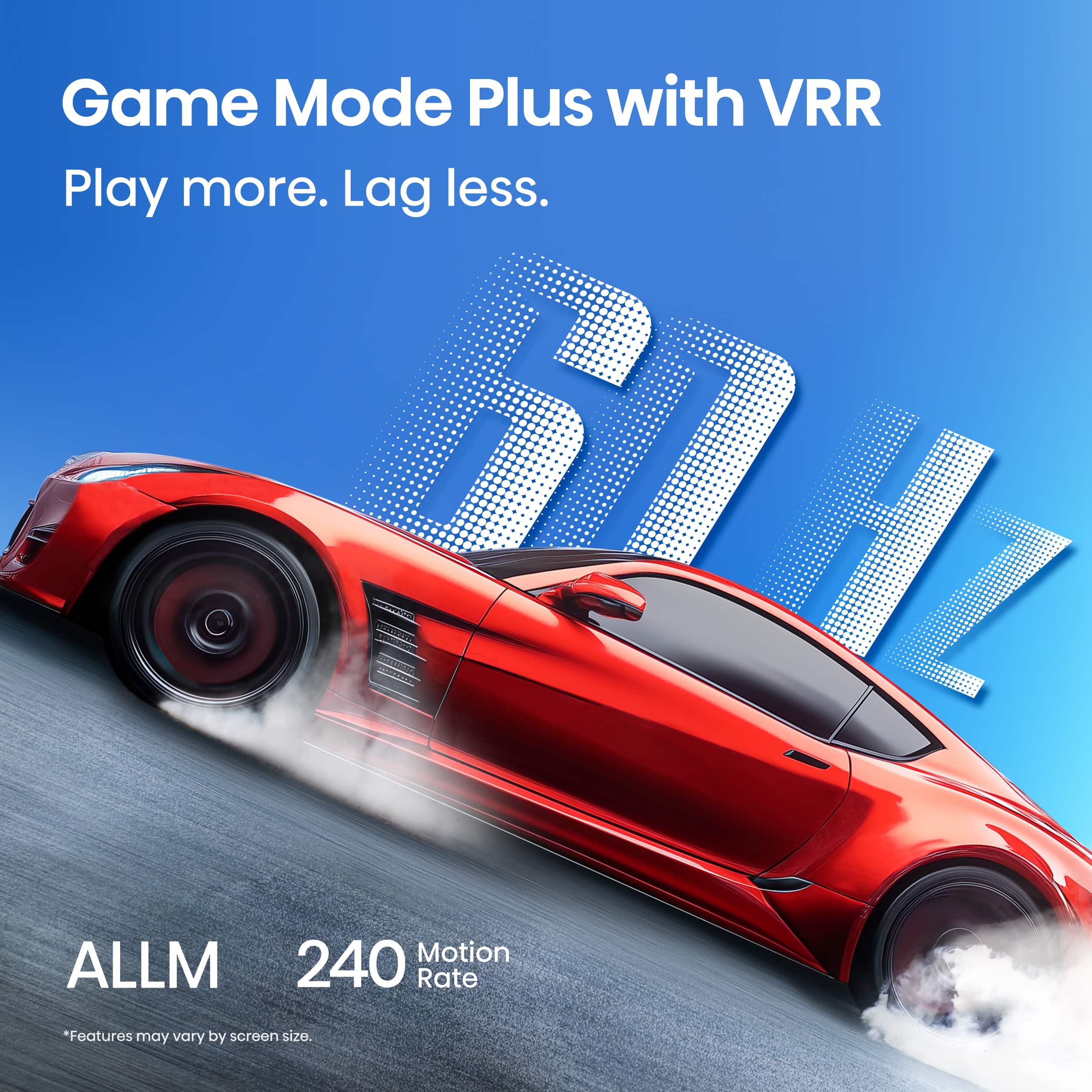
Gaming has also become crucial, with features like Variable Refresh Rate (VRR), which eliminates screen tearing by syncing the TV's refresh with your console's output, and Auto Low Latency Mode (ALLM), which automatically switches to the fastest response time when gaming.
The fundamental difference between these TVs lies in their display technology, which affects everything from how they look to how much they cost.
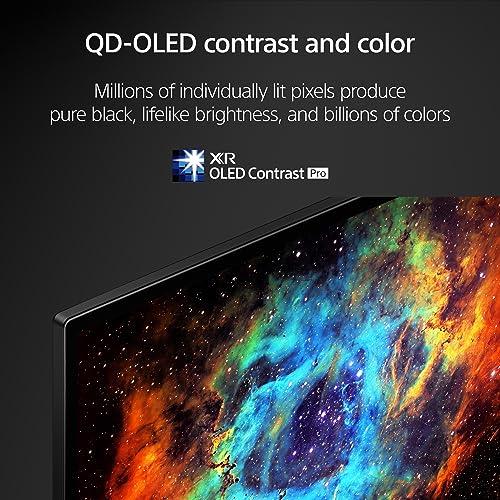
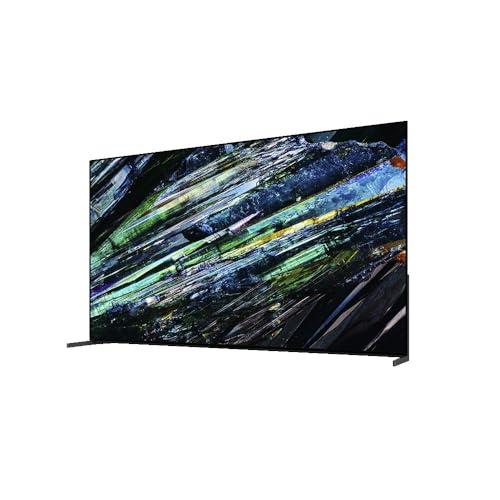
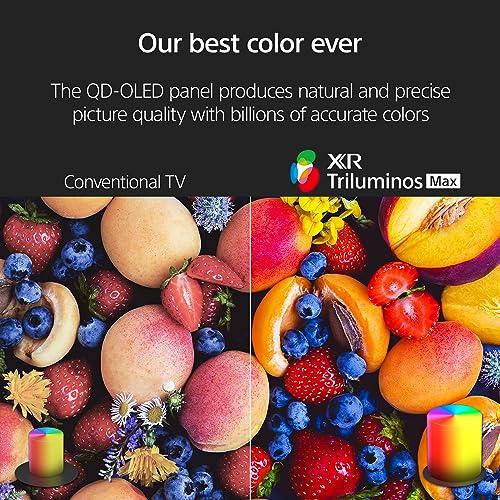
The Sony BRAVIA XR A95L uses QD-OLED technology—a relatively new approach that combines the self-lighting pixels of OLED with quantum dots for enhanced color. Each pixel can turn completely off, creating perfect blacks that make dark movie scenes look incredibly realistic. Think of it like having millions of tiny lights that can each turn on or off independently. This creates an infinite contrast ratio, meaning the difference between the darkest blacks and brightest whites is as dramatic as possible.
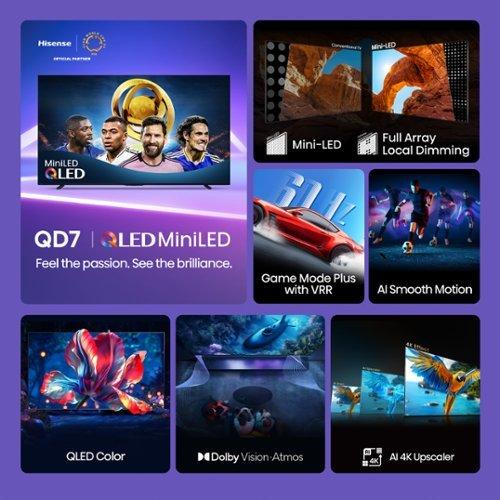
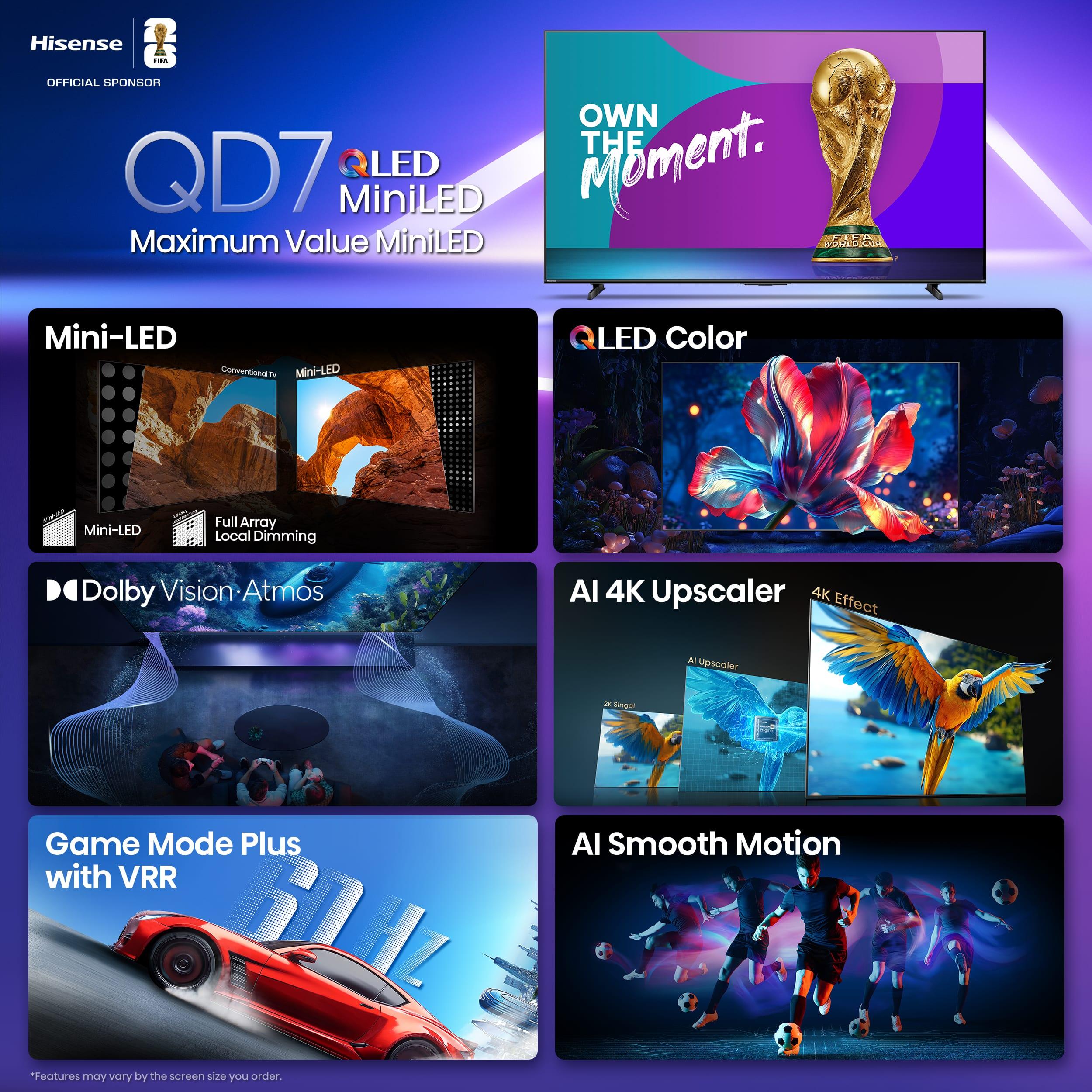
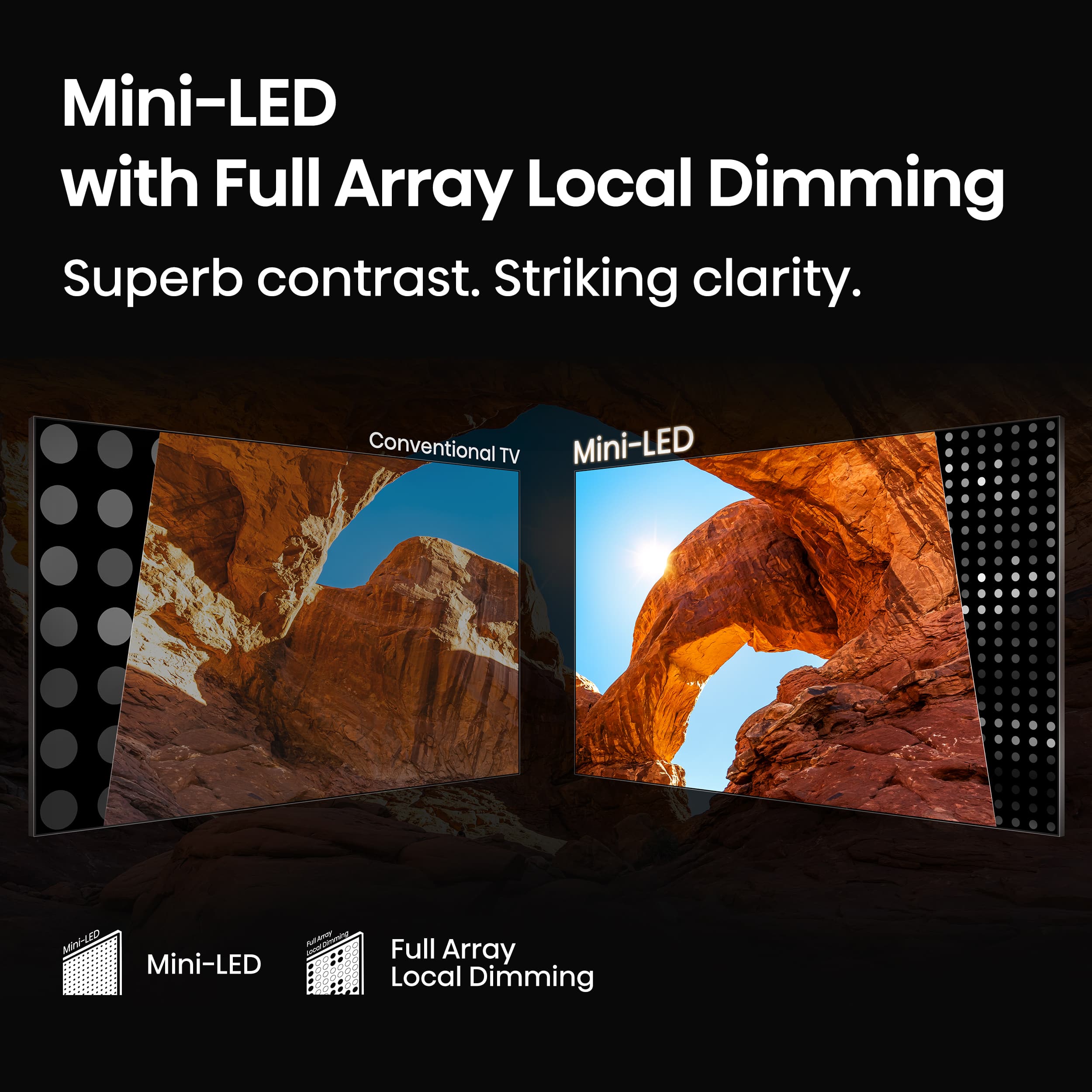
The Hisense QD7, on the other hand, uses Mini-LED technology with Full Array Local Dimming (FALD). Instead of self-lighting pixels, it has thousands of tiny LED backlights arranged in zones across the panel. These zones can dim or brighten independently, creating excellent contrast, though not quite as perfect as OLED. The advantage? Mini-LED can get much brighter, which is crucial if your TV room has lots of windows or bright lighting.
Based on our research of expert reviews and user feedback, the Sony A95L delivers what many consider reference-quality blacks with vibrant colors, while the Hisense QD7 offers impressive contrast with superior brightness at a significantly lower price point.
The Sony A95L's QD-OLED panel creates truly perfect blacks. When a scene calls for darkness, those pixels simply turn off—no light leaks through, no gray haze in dark scenes. This makes horror movies, space films, and any content with dark scenes look incredibly immersive. The infinite contrast ratio means that stars in space actually look like pinpricks of light against pure black, not gray.
The Hisense QD7 can't match perfect blacks, but its Mini-LED technology gets remarkably close. With hundreds of dimming zones, it can make most of the screen very dark while keeping bright elements properly lit. You might notice slight haloing (a faint glow around bright objects on dark backgrounds) in extreme scenarios, but for most content, the difference isn't dramatically noticeable.
Here's where things get interesting. While the Sony A95L produces excellent brightness for an OLED—around 1,300 nits peak brightness—the Hisense QD7 can likely push higher peaks thanks to its Mini-LED backlight. This matters tremendously if you watch TV during the day or in a bright room.
At the time of writing, OLED technology still faces brightness limitations compared to the best Mini-LED displays. If your TV sits opposite a large window or in a room with lots of ambient light, the Hisense QD7's superior brightness could make it the better choice for daytime viewing.
Both TVs excel at color reproduction, but in different ways. The Sony A95L's QD-OLED technology delivers exceptionally accurate colors right out of the box—many users won't need any calibration. Expert reviews consistently praise its 99.75% DCI-P3 color space coverage, which means it can display nearly all the colors that movie studios intend you to see.
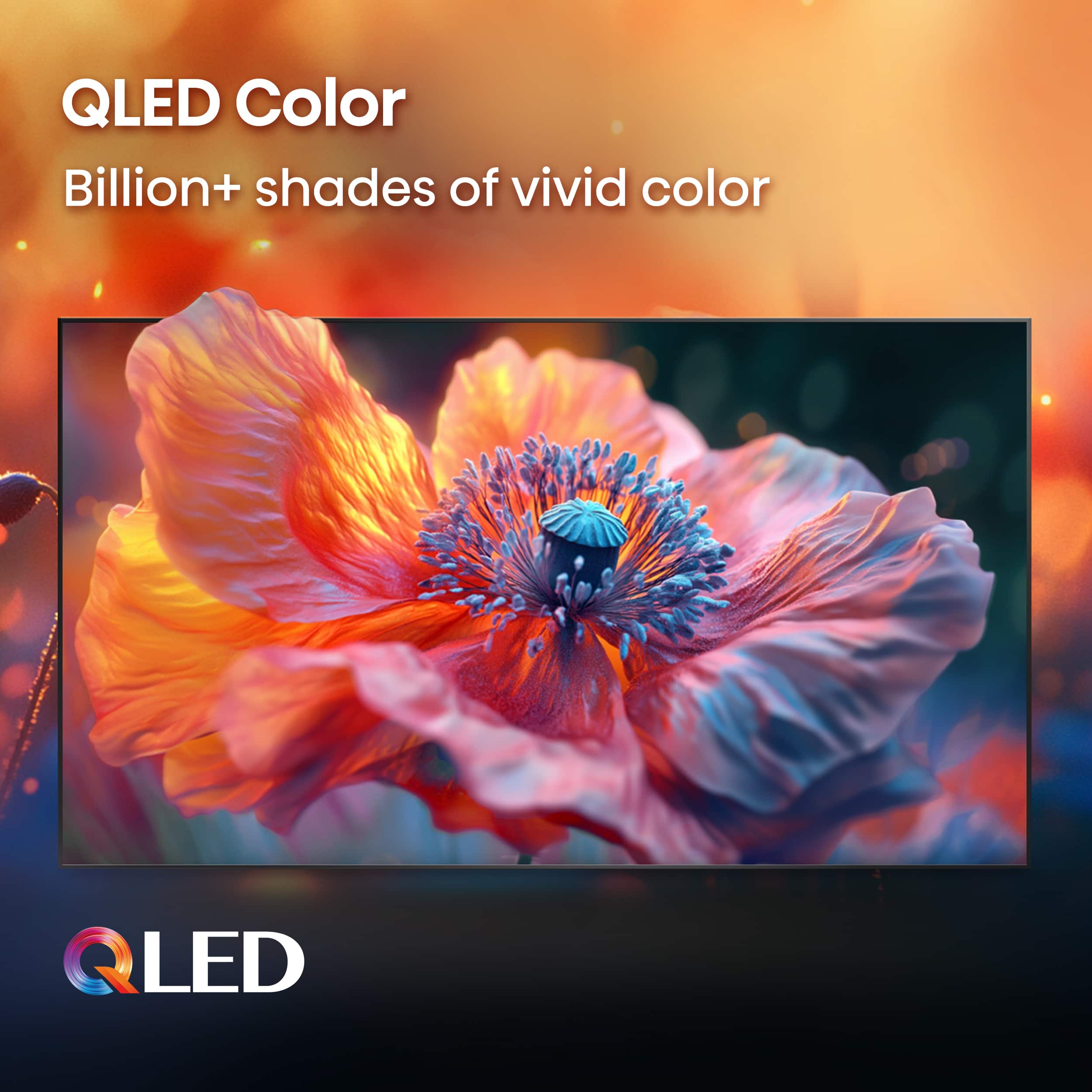
The Hisense QD7's QLED quantum dot technology also produces vibrant, wide-gamut colors with over a billion possible shades. While it may not match the Sony's pre-calibration accuracy, it still delivers impressive color performance that most viewers will find satisfying.
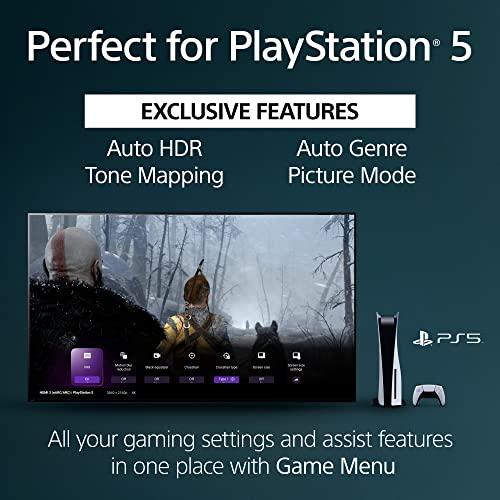
For gaming, the Hisense QD7 takes a commanding lead. Its 144Hz native refresh rate outpaces the Sony A95L's 120Hz, and it includes multiple HDMI 2.1 ports compared to Sony's limiting two ports. This matters if you have a PlayStation 5, Xbox Series X, and a PC gaming rig—you won't need to constantly swap cables.
The Hisense QD7 also includes Game Mode Plus and Game Mode Pro settings specifically designed for different types of gaming. These modes optimize input lag (the delay between pressing a button and seeing the action on screen) and eliminate screen tearing more effectively than the Sony.
However, the Sony A95L has one significant gaming advantage: nearly instantaneous pixel response times thanks to OLED technology. This means fast-moving objects in games appear crystal clear without motion blur, making it excellent for racing games or fast-paced action titles.
Based on consensus from gaming-focused reviews, serious console gamers will likely prefer the Hisense QD7 for its superior connectivity and dedicated gaming features, while single-console users who prioritize motion clarity might lean toward the Sony A95L.
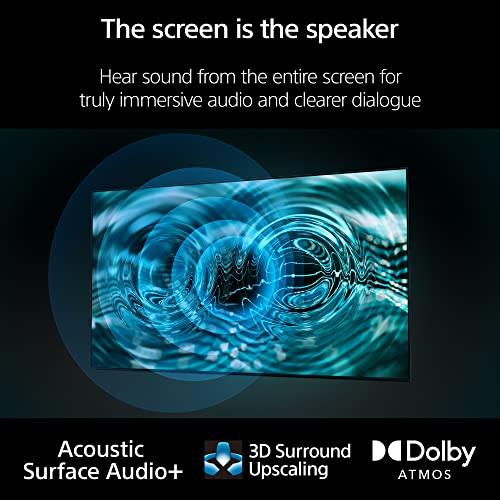
The Sony A95L includes a genuinely innovative audio feature called Acoustic Surface Audio+. Instead of traditional speakers, the entire screen acts as a speaker using actuators (tiny vibrators) behind the panel. This creates remarkably precise audio positioning—when someone speaks on the left side of the screen, the sound actually comes from that exact location.
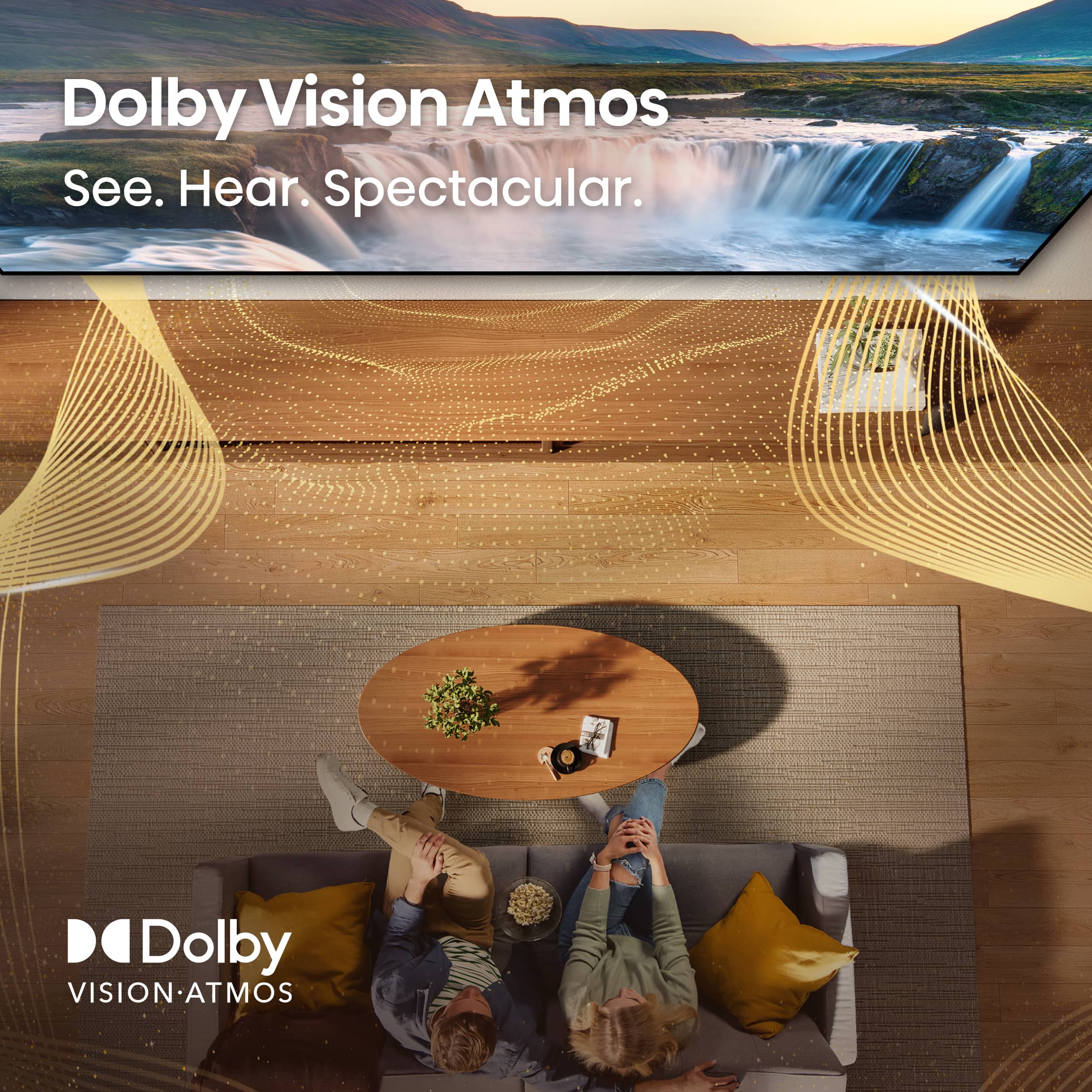
The Hisense QD7 takes a more conventional approach with built-in speakers that support Dolby Atmos for three-dimensional surround sound. While not as innovative as Sony's screen-as-speaker technology, reviews suggest the audio quality is surprisingly good for built-in TV speakers.
For home theater enthusiasts who plan to add a soundbar or surround system, the Sony A95L offers an interesting advantage: it can function as a center channel speaker when paired with compatible Sony audio equipment, creating a more integrated audio experience.
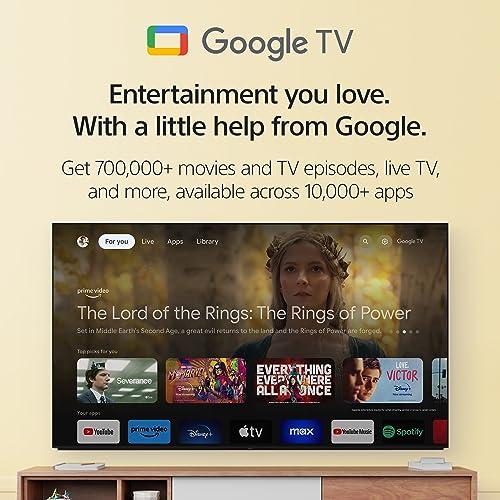
The platforms differ significantly in approach and ecosystem integration. The Sony A95L runs Google TV, which organizes content from all your streaming services into a unified interface. It includes Chromecast built-in for easy casting from phones or tablets, and integrates well with Google Assistant and Android devices.
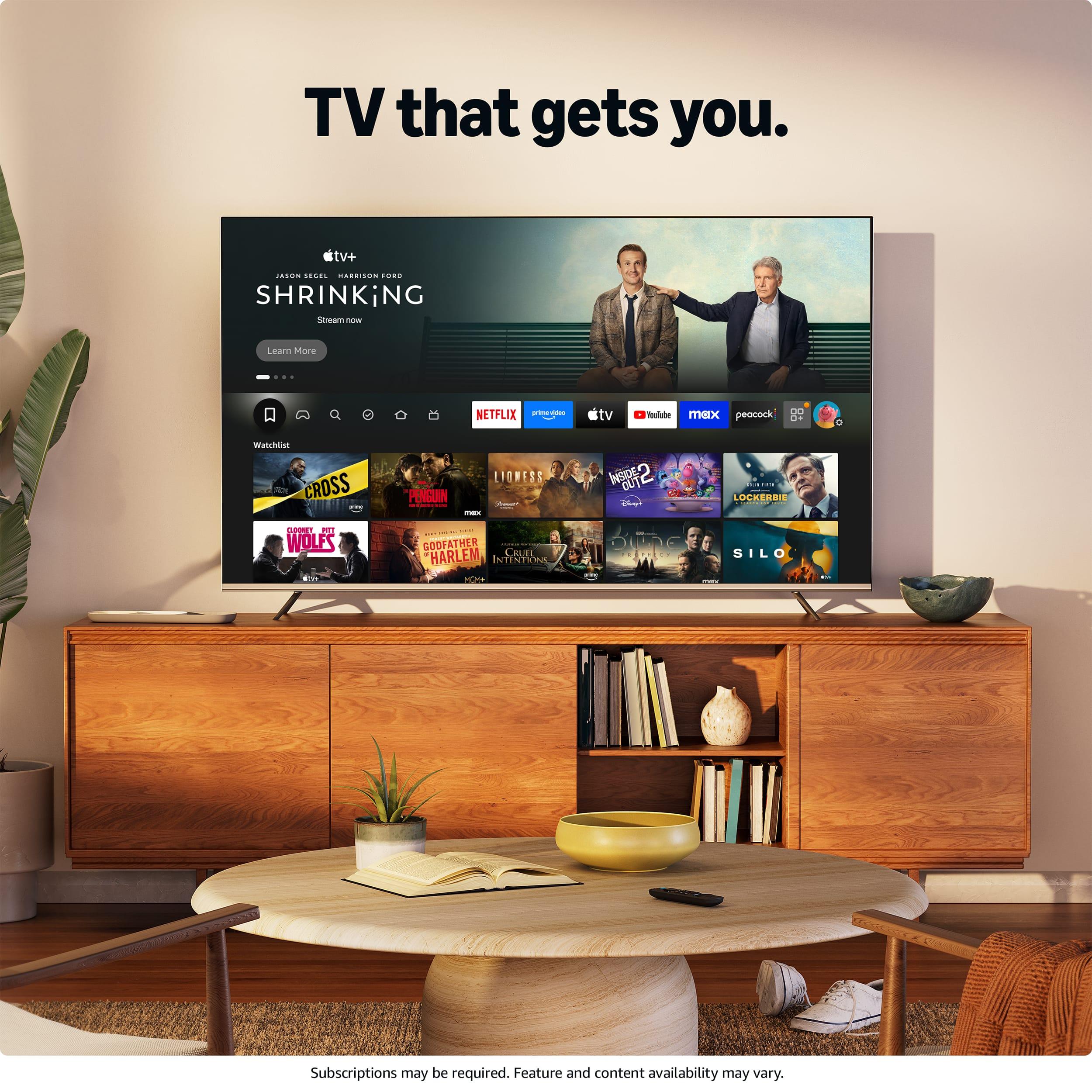
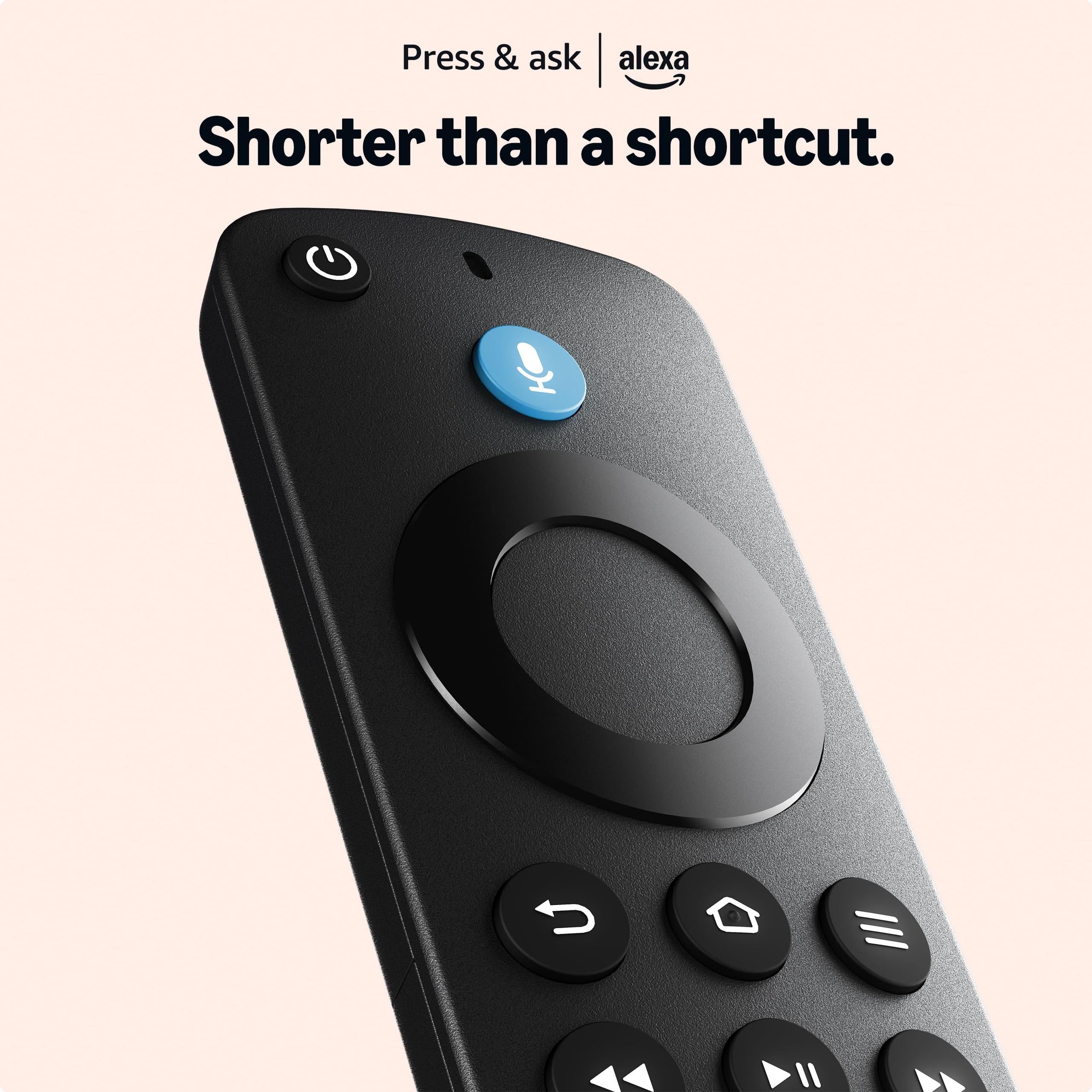
The Hisense QD7 uses Amazon's Fire TV platform, which emphasizes Amazon's content ecosystem while still supporting all major streaming apps. Alexa integration is deeper and more responsive than Google Assistant on the Sony, making it better for smart home control.
User feedback suggests both platforms work well for streaming, though some Sony users report occasional menu sluggishness, particularly when first turning on the TV or switching inputs. Fire TV generally receives praise for snappy performance, though some Hisense QD7 users report rare software glitches requiring restarts.
At the time of writing, the price difference between these TVs is substantial. The Sony A95L commands a premium price that reflects its cutting-edge QD-OLED technology and Sony's brand reputation. Since its 2023 launch, prices have come down from their initial highs, but it remains a significant investment.
The Hisense QD7, being a 2025 model, represents Hisense's strategy of offering premium features at more accessible prices. The value proposition is compelling—you get many flagship features including high refresh rate gaming, excellent HDR support, and solid build quality at a fraction of Sony's price.
For home theater enthusiasts who prioritize absolute picture quality and have a dedicated dark viewing room, the Sony A95L's premium may be justified. The perfect blacks and exceptional color accuracy create a truly cinematic experience that's hard to match.
However, the Hisense QD7 offers what many would consider 85-90% of the Sony's picture quality at perhaps 60% of the price (these ratios vary by market and timing). For most viewers, this represents exceptional value.
Prioritize absolute picture quality above all else. The QD-OLED technology delivers reference-level image quality that videophiles and home theater enthusiasts will appreciate. If you've invested in a dedicated media room or primarily watch content in darker environments, the perfect blacks and exceptional color accuracy justify the premium price.
Value brand reputation and longevity. Sony has decades of TV manufacturing experience and typically provides longer software support. The Sony A95L represents a safer long-term investment if you plan to keep your TV for many years.
Don't need extensive gaming connectivity. If you have one gaming console or don't game frequently, the Sony's two HDMI 2.1 ports won't be limiting, and you'll benefit from the superior motion clarity for single-player games.
Want flagship features without flagship pricing. The Hisense QD7 delivers impressive HDR performance, excellent gaming features, and solid build quality at a more accessible price point. It's particularly compelling for buyers who want to experience premium TV features without stretching their budget.
Game seriously or have multiple consoles. The 144Hz refresh rate, multiple HDMI 2.1 ports, and dedicated gaming modes make this the clear choice for gaming enthusiasts. The superior connectivity means you won't need to constantly swap cables between your PlayStation, Xbox, and PC.
Watch TV in bright rooms. If your TV faces windows or you watch during the day with lights on, the Mini-LED technology's superior peak brightness will provide better visibility and contrast than OLED in bright conditions.
Prefer Amazon's ecosystem. Deep Alexa integration and Fire TV's content organization might appeal more to Amazon Prime subscribers and smart home users invested in the Amazon ecosystem.
Both TVs represent excellent choices within their respective market segments. The Sony BRAVIA XR A95L delivers arguably the best picture quality available in 2025, with perfect blacks and exceptional color accuracy that create a truly cinematic experience. It's a TV for purists who prioritize image quality above all other considerations.
The Hisense QD7 makes premium TV technology accessible to a broader audience without significant compromises. Its gaming features surpass Sony's offering, its brightness works better in various lighting conditions, and its value proposition is compelling.
Consider your priorities carefully: if picture quality perfection is your primary goal and budget is secondary, the Sony A95L won't disappoint. But if you want excellent performance across all use cases—gaming, sports, movies, and daily TV watching—while keeping costs reasonable, the Hisense QD7 delivers impressive results that will satisfy most viewers.
The TV market continues evolving rapidly, with new technologies and improved value propositions appearing regularly. Both options represent solid choices that should provide years of excellent entertainment, but your specific needs, room conditions, and budget will ultimately determine which delivers the better experience for your home.
| Sony BRAVIA XR A95L 65" QD-OLED 4K HDR Google TV | Hisense 65" QD7 Series Mini-LED 4K Fire TV 2025 |
|---|---|
| Display Technology - Fundamentally affects picture quality and price | |
| QD-OLED with self-emissive pixels for perfect blacks | Mini-LED with Full Array Local Dimming for excellent contrast |
| Contrast Ratio - Critical for dark room viewing and HDR impact | |
| Infinite contrast ratio (perfect blacks) | Excellent contrast but not perfect blacks, minimal haloing |
| Peak Brightness - Essential for bright rooms and HDR highlights | |
| ~1,300 nits (good for most rooms) | Higher peak brightness potential (better for bright rooms) |
| Refresh Rate - Important for gaming and sports | |
| 120Hz native | 144Hz native (advantage for competitive gaming) |
| Gaming Features - Key for console and PC gaming | |
| 2 HDMI 2.1 ports, VRR, ALLM, ~16ms input lag | Multiple HDMI 2.1 ports, VRR, ALLM, Game Mode Plus/Pro |
| Color Accuracy - Matters for cinematic viewing | |
| 99.75% DCI-P3 coverage, exceptional pre-calibration accuracy | Over 1 billion colors via QLED, good accuracy with calibration |
| Audio Technology - Affects built-in sound quality | |
| Acoustic Surface Audio+ (screen acts as speaker) | Dolby Atmos with traditional speakers |
| Smart Platform - Daily user experience and ecosystem | |
| Google TV with Chromecast, Google Assistant | Fire TV with deep Alexa integration |
| Motion Handling - Important for sports and action content | |
| Nearly instantaneous OLED pixel response | Good Mini-LED response with advanced processing |
| Viewing Angles - Matters for group viewing | |
| Excellent wide viewing angles (OLED advantage) | Limited viewing angles (common Mini-LED limitation) |
| Value Proposition - Performance per dollar consideration | |
| Premium pricing for reference-quality picture | Excellent value with flagship features at lower cost |
| Best Use Case - Who should choose each TV | |
| Home theater enthusiasts, dark room viewing, color accuracy priority | Gamers, bright rooms, value-conscious buyers wanting premium features |
The Sony BRAVIA XR A95L delivers superior picture quality for movies thanks to its QD-OLED technology that produces perfect blacks and exceptional color accuracy. The infinite contrast ratio makes dark scenes in films look incredibly realistic, while the pre-calibration accuracy ensures colors appear as filmmakers intended. The Hisense QD7 offers excellent picture quality too, but can't match the perfect blacks of OLED technology.
The Hisense 65" QD7 Series Mini-LED is the better gaming TV with its 144Hz refresh rate, multiple HDMI 2.1 ports, and dedicated Game Mode Plus features. This makes it ideal for PlayStation 5, Xbox Series X, and PC gaming. While the Sony A95L offers excellent motion clarity and gaming features, it's limited to two HDMI 2.1 ports and 120Hz refresh rate.
The Hisense QD7 Mini-LED performs significantly better in bright rooms due to its higher peak brightness capability from Mini-LED technology. If your TV room has lots of windows or ambient lighting, the Hisense will maintain better contrast and visibility. The Sony BRAVIA XR A95L is better suited for controlled lighting or darker viewing environments.
The Sony A95L uses QD-OLED technology where each pixel can turn completely off, creating perfect blacks and infinite contrast. The Hisense QD7 uses Mini-LED backlighting with local dimming zones that can get much brighter but can't achieve true blacks. OLED excels in dark rooms, while Mini-LED performs better in bright conditions.
The Hisense 65" QD7 Series Mini-LED offers exceptional value by delivering many premium features at a significantly lower cost than the Sony. You get excellent HDR performance, superior gaming capabilities, and solid picture quality. The Sony BRAVIA XR A95L commands a premium price for its reference-quality display technology and brand reputation.
Both TVs offer excellent smart features but with different ecosystems. The Sony A95L runs Google TV with Chromecast built-in and Google Assistant integration. The Hisense QD7 uses Fire TV with deep Alexa integration and typically snappier performance. Your choice depends on whether you prefer Google's or Amazon's ecosystem.
The Sony BRAVIA XR A95L is superior for dedicated home theater setups due to its perfect blacks, exceptional color accuracy, and innovative Acoustic Surface Audio+ technology. The QD-OLED display creates a truly cinematic experience in dark viewing environments. The Hisense QD7 is excellent for multi-purpose family rooms but can't match the Sony's home theater performance.
The Sony A95L features unique Acoustic Surface Audio+ technology that turns the entire screen into a speaker, creating precise audio positioning. The Hisense 65" QD7 Series uses traditional speakers with Dolby Atmos support, which sounds good but isn't as innovative. Both TVs benefit from external sound systems for the best audio experience.
The Hisense QD7 Mini-LED provides more HDMI 2.1 ports, making it better for multiple gaming consoles and devices. The Sony BRAVIA XR A95L is limited to two HDMI 2.1 ports, which may require cable swapping if you have multiple next-gen consoles and other high-bandwidth devices.
Sony has a longer track record in premium TV manufacturing and typically provides better long-term software support for the Sony A95L. Hisense has improved significantly in recent years and offers solid build quality with the Hisense QD7, though the brand is still building its reputation in the premium TV segment.
For sports viewing, the choice depends on your room conditions. The Hisense 65" QD7 Series Mini-LED excels in bright rooms with its higher peak brightness and performs well with fast motion. The Sony A95L offers superior motion clarity due to OLED's instant pixel response but works best in controlled lighting environments.
If you prioritize absolute picture quality and have a higher budget, choose the Sony BRAVIA XR A95L for its reference-level display technology. If you want excellent performance across all use cases while keeping costs reasonable, the Hisense QD7 delivers impressive results that will satisfy most viewers without the premium price tag.
We've done our best to create useful and informative comparisons to help you decide what product to buy. Our research uses advanced automated methods to create this comparison and perfection is not possible - please contact us for corrections or questions. These are the sites we've researched in the creation of this article: rtings.com - youtube.com - rtings.com - avsforum.com - rtings.com - smarthomesounds.co.uk - smarthomesounds.co.uk - rtings.com - smarthomesounds.co.uk - youtube.com - tomsguide.com - avsforum.com - rtings.com - perfectrec.com - flatpanelshd.com - videoandaudiocenter.com - sonypremiumhome.com - bestbuy.com - sony.com - electronics.sony.com - displayspecifications.com - donstv.com - youtube.com - static.pcrichard.com - smarthomesounds.co.uk - youtube.com - electronics.sony.com - electronics.sony.com - displayspecifications.com - bestbuy.com - custrevs.com - youtube.com - bestbuy.com - rtings.com - youtube.com - rtings.com - pcrichard.com - bestbuy.com - pcrichard.com - camelcamelcamel.com - amazonfiretv.blog - hisense-usa.com - hisense-usa.com - hisense-usa.com - bestbuy.com - leaseville.com - youtube.com - bestbuy.com - flatpanelshd.com

Privacy Policy
Terms and Conditions - Affiliate Policy
Home Security
© Copyright 2008-2026.
11816 Inwood Rd #1211, Dallas, TX 75244