

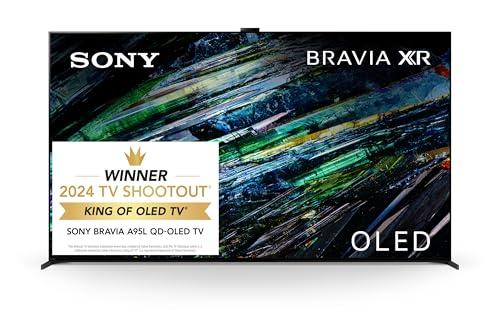
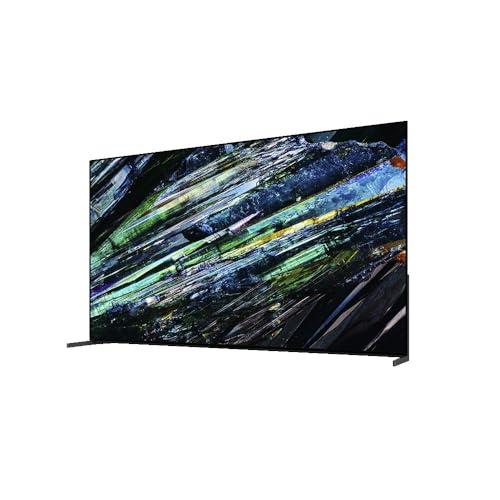


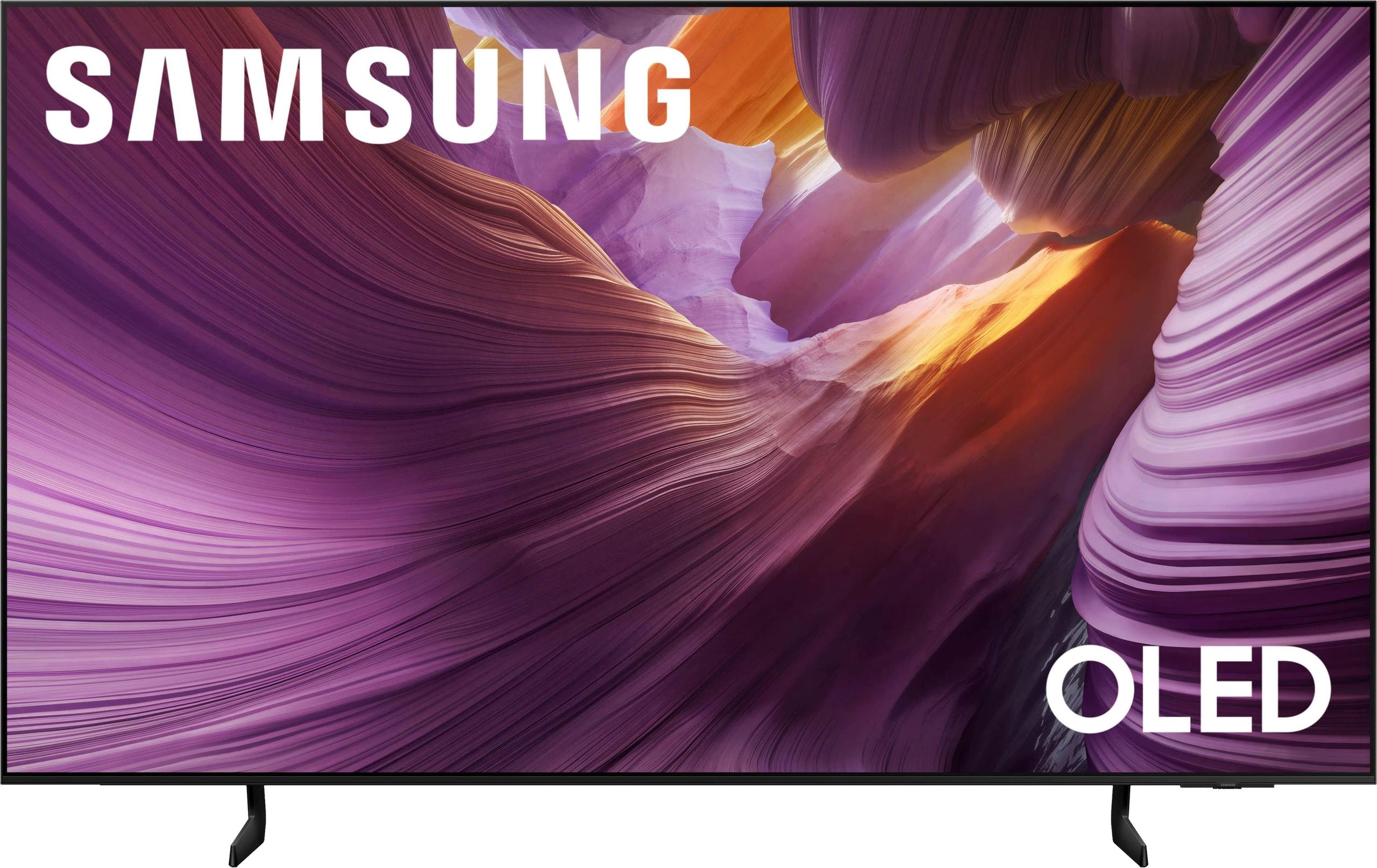
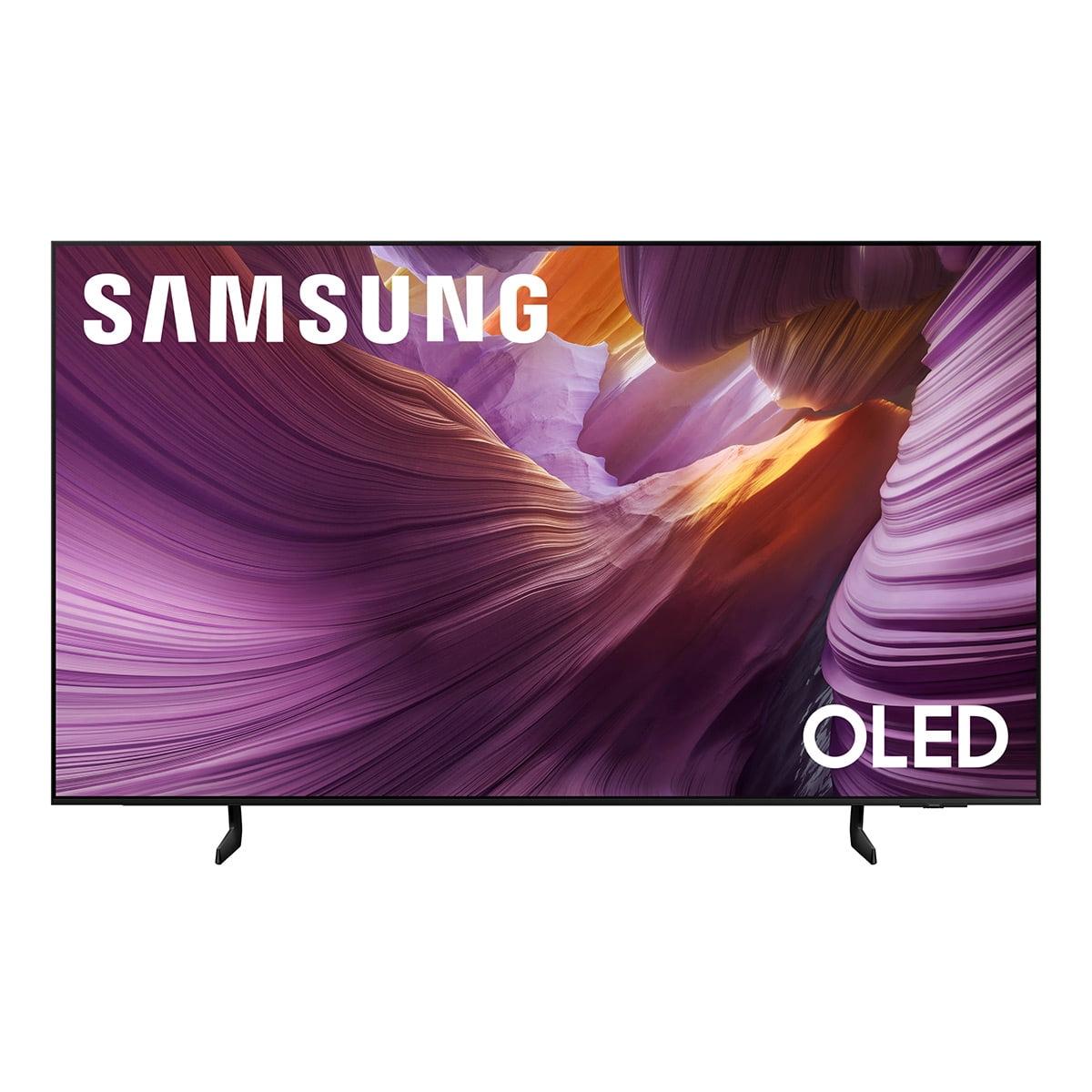

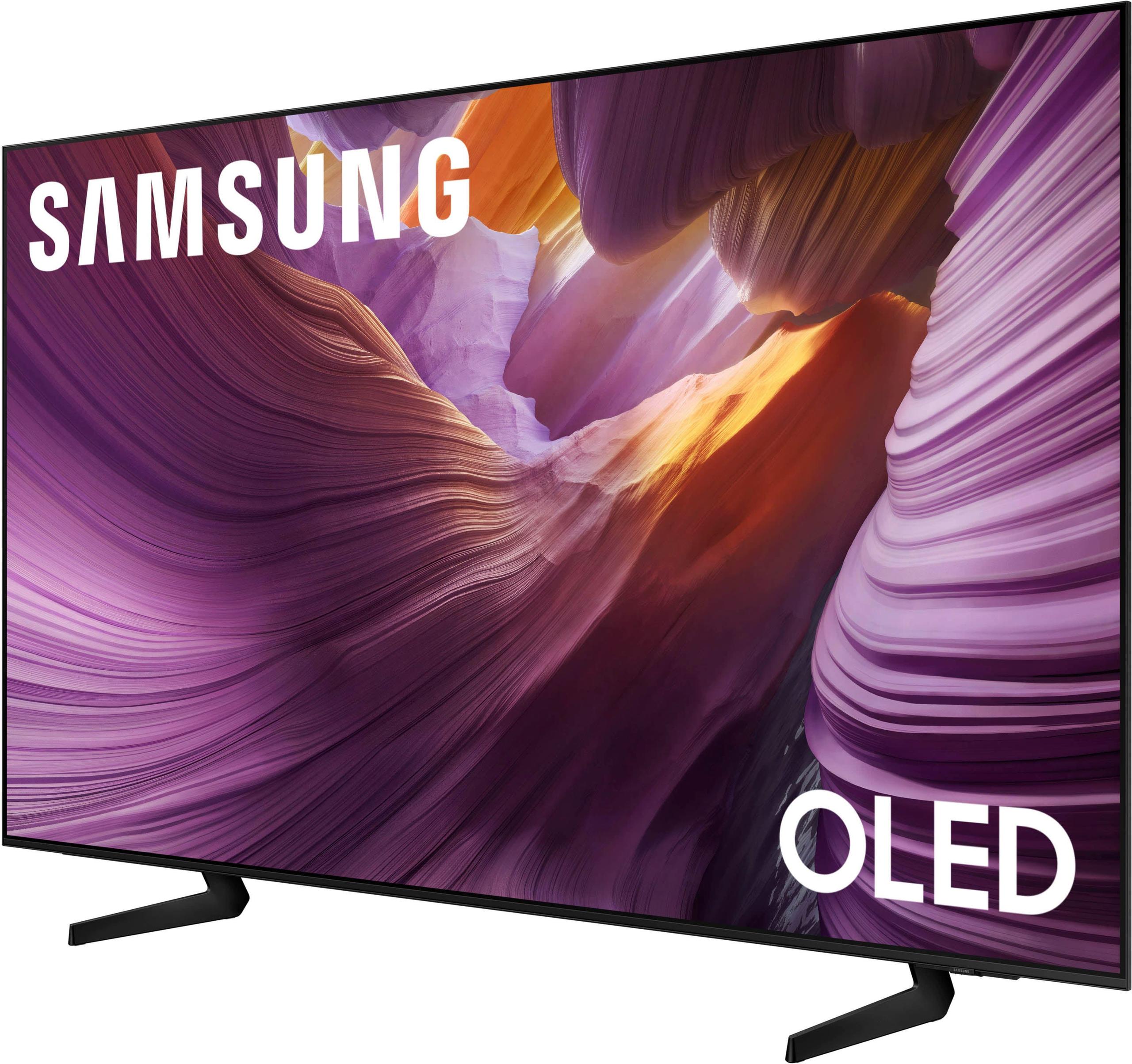
The premium 65-inch OLED TV market has become incredibly competitive over the past few years, and choosing between flagship models requires understanding some nuanced differences. Today we're comparing two excellent options: the Sony BRAVIA XR A95L, Sony's 2023 flagship QD-OLED, and the Samsung S85F, Samsung's 2025 entry-to-mid-tier OLED offering.
Both TVs represent different philosophies in OLED design. The Sony A95L prioritizes absolute picture quality and cinematic accuracy, while the Samsung S85F focuses on well-rounded modern performance with excellent gaming capabilities and smart home integration.
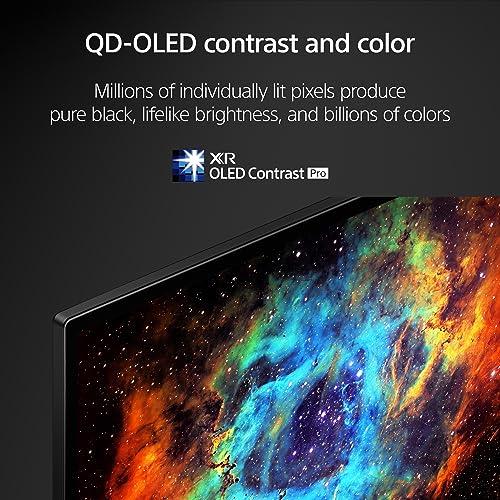
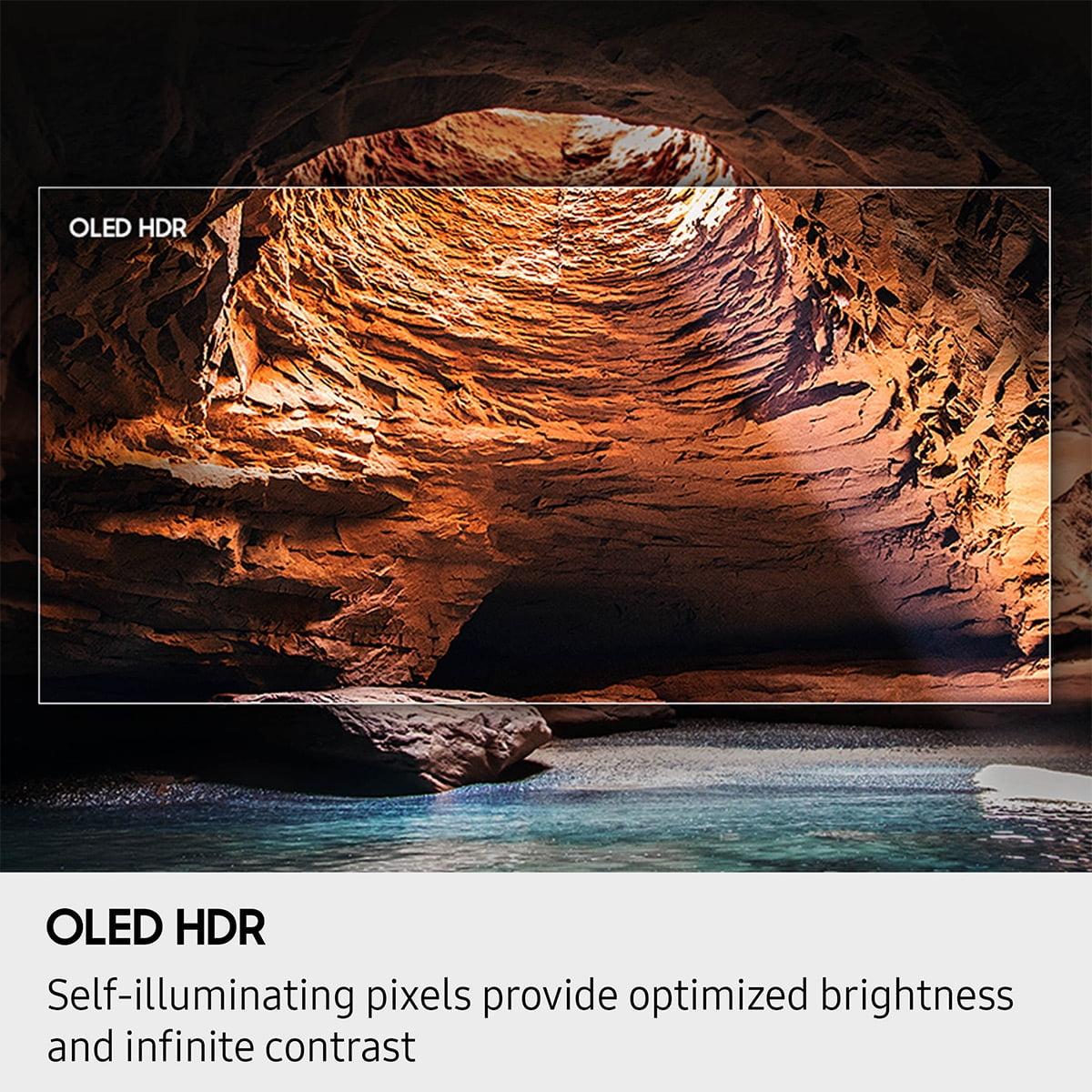
Before diving into specifics, let's clarify what makes OLED special. Unlike traditional LED TVs that use a backlight shining through LCD panels, OLED displays have millions of self-illuminating pixels. Each pixel can turn completely off, creating true black levels and infinite contrast ratios - something that's impossible with backlit displays.
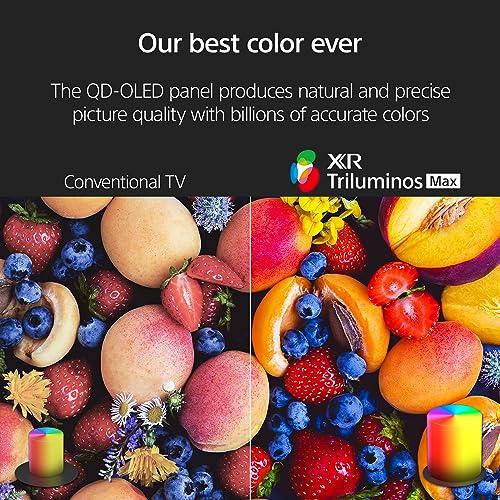
Within the OLED category, there are important distinctions. QD-OLED (Quantum Dot OLED) combines traditional OLED technology with quantum dots - microscopic crystals that convert light into very pure colors. This results in brighter displays with wider color ranges compared to standard WOLED (White OLED) panels.
The Sony A95L uses a second-generation QD-OLED panel, while the Samsung S85F also features QD-OLED technology in its North American 65-inch model. However, as we'll see, the implementation and performance differ significantly between these models.
Peak brightness is crucial for HDR (High Dynamic Range) content, which includes most modern movies and shows on streaming platforms. HDR allows displays to show much brighter highlights and deeper shadows simultaneously, creating more realistic images.
The Sony A95L achieves peak brightness levels up to 1,300 nits in small highlights - roughly double what Sony's previous generation could manage. This translates to more impactful HDR scenes, like sunlight streaming through windows or bright explosions in action movies. The TV maintains excellent brightness even in larger highlight areas, ensuring consistent HDR performance.
In contrast, our research indicates the Samsung S85F reaches about 750 nits in small highlights, dropping to approximately 150 nits in full-screen bright scenes. While still capable of good HDR performance, it can't match the Sony's punch in dramatic lighting scenes.
For home theater enthusiasts who watch primarily in dark rooms, the Sony A95L provides a more cinematic experience with its superior brightness capabilities. However, the Samsung's performance is still impressive for most content, especially considering its other strengths.
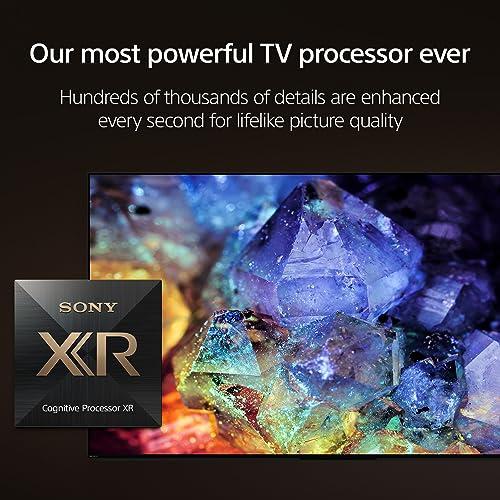
Color reproduction separates good TVs from great ones. The Sony A95L excels here with its Cognitive Processor XR, which uses artificial intelligence to analyze and optimize every element of the picture in real-time. This processor powers features like XR Triluminos Max, which expands the color gamut (the range of colors the TV can display) significantly beyond standard displays.
Sony's processing particularly shines with upscaling - the process of enhancing lower-resolution content to look better on 4K screens. Whether you're watching older DVDs, streaming compressed video, or broadcast TV, the Sony A95L consistently delivers cleaner, more detailed images than most competitors.
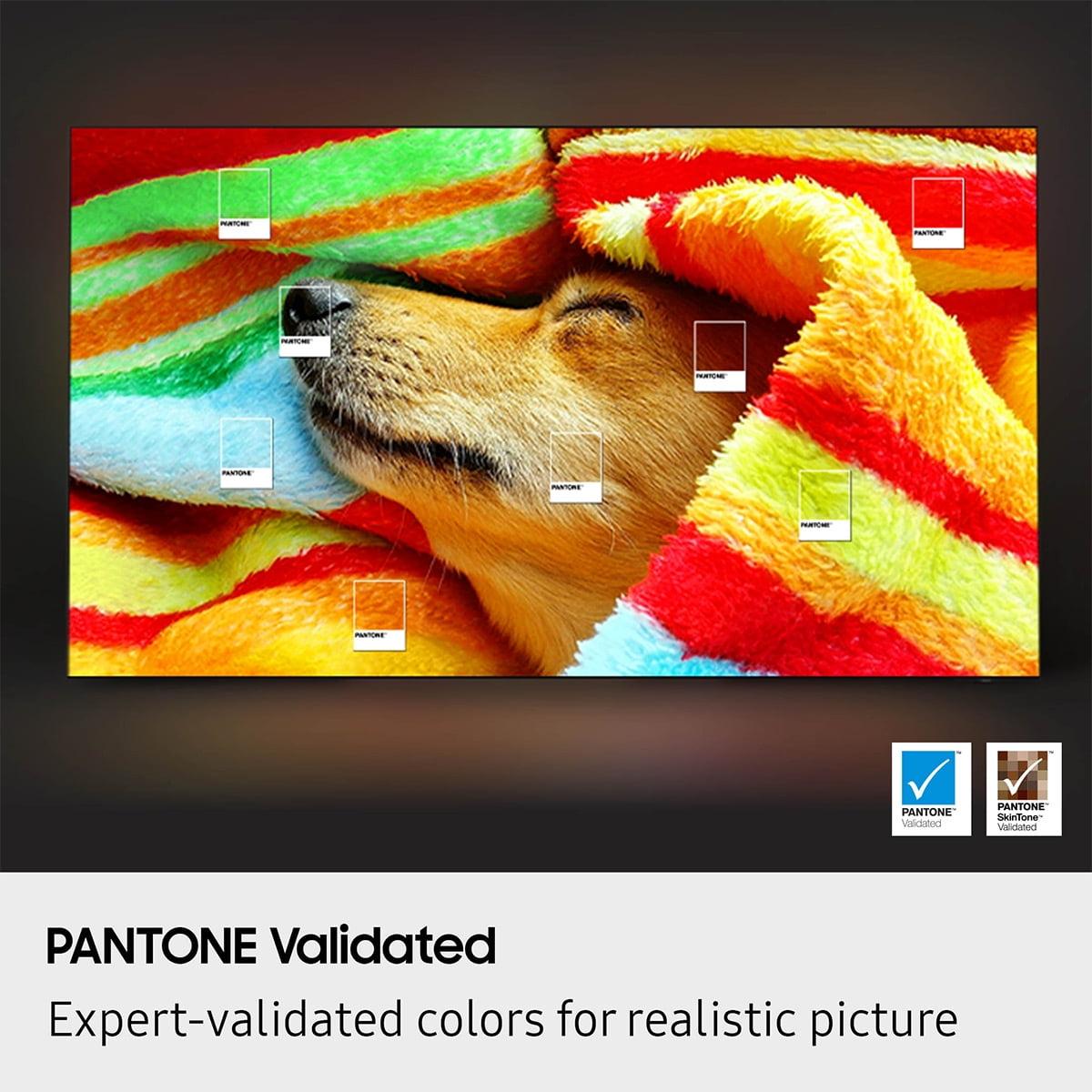
The Samsung S85F uses the NQ4 AI Gen2 Processor with its own AI-driven enhancements. Samsung's approach includes Pantone validation, meaning the TV accurately reproduces over 2,140 colors as defined by the Pantone color standard - important for professional content creation or when color accuracy matters most.
However, there's a significant difference in HDR format support. The Sony A95L supports Dolby Vision, which provides scene-by-scene metadata to optimize HDR performance for each moment in a movie. The Samsung S85F lacks Dolby Vision support, instead relying on HDR10+ and Samsung's own processing algorithms.
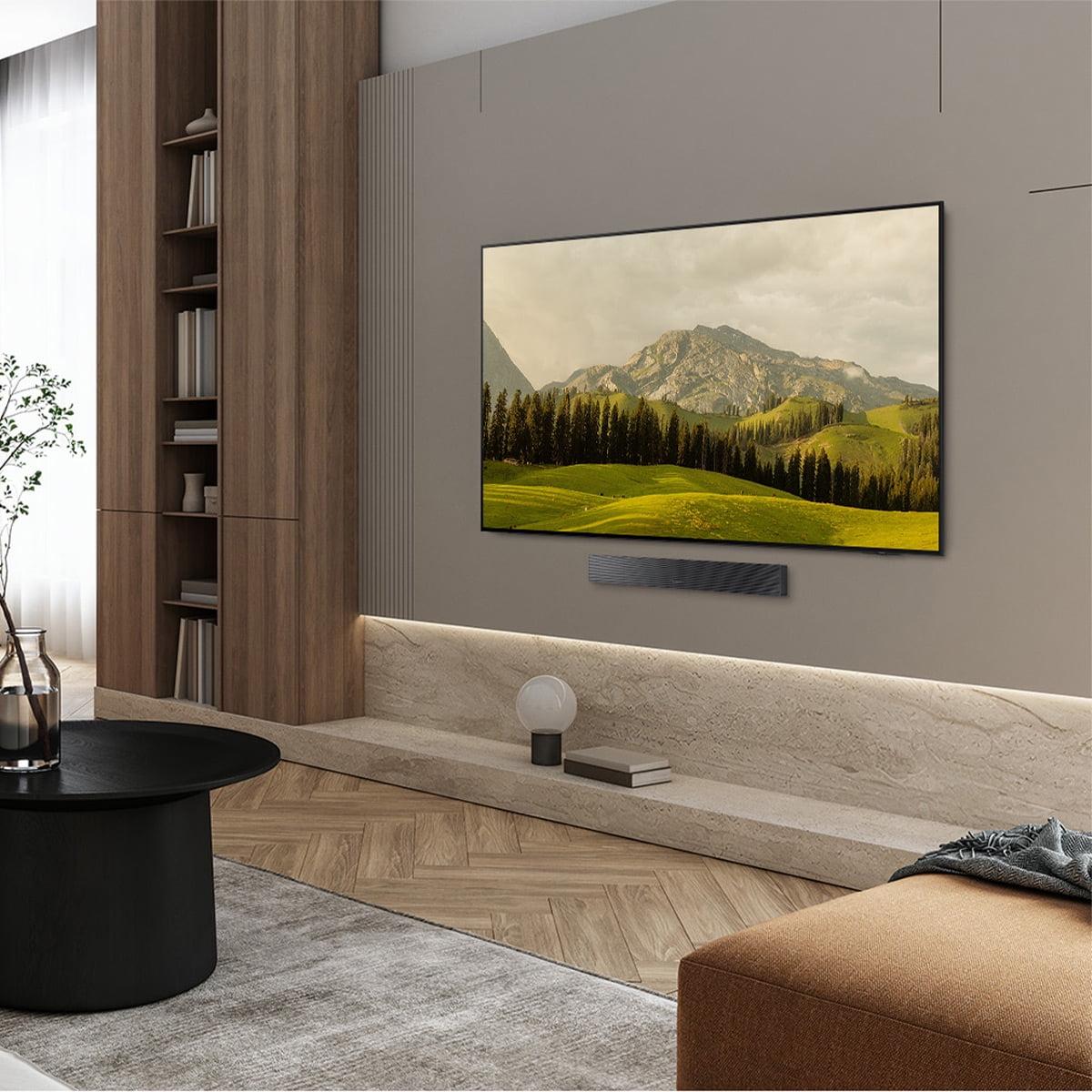
Real-world viewing conditions matter enormously. The Samsung S85F includes superior anti-glare coating and reflection handling, making it more suitable for rooms with windows or bright lighting. This is particularly important if your TV room doubles as a living space with mixed lighting throughout the day.
The Sony A95L, while including X-Anti Reflection technology, performs best in controlled lighting environments. In dedicated home theaters or rooms where you can control ambient light, it delivers reference-quality images. However, in bright rooms, its blacks may appear grayish - a common OLED limitation that Samsung's coating helps address.
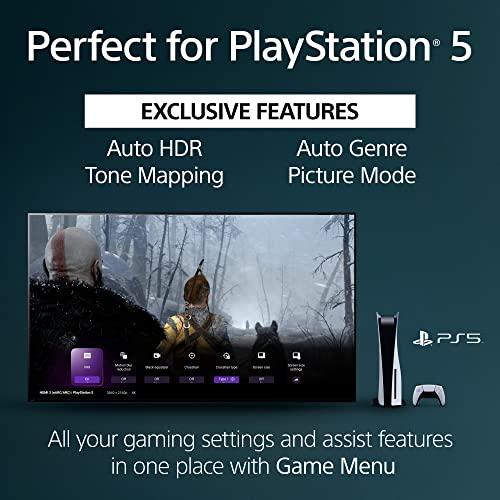
Gaming capabilities have become essential for premium TVs, especially with PlayStation 5 and Xbox Series X pushing 4K resolution at high frame rates.
This is where generational differences become apparent. The Sony A95L, being a 2023 model, offers only two HDMI 2.1 ports capable of 4K at 120Hz with Variable Refresh Rate (VRR) support. While sufficient for one or two gaming consoles, this limits flexibility for users with multiple devices or complex entertainment setups.
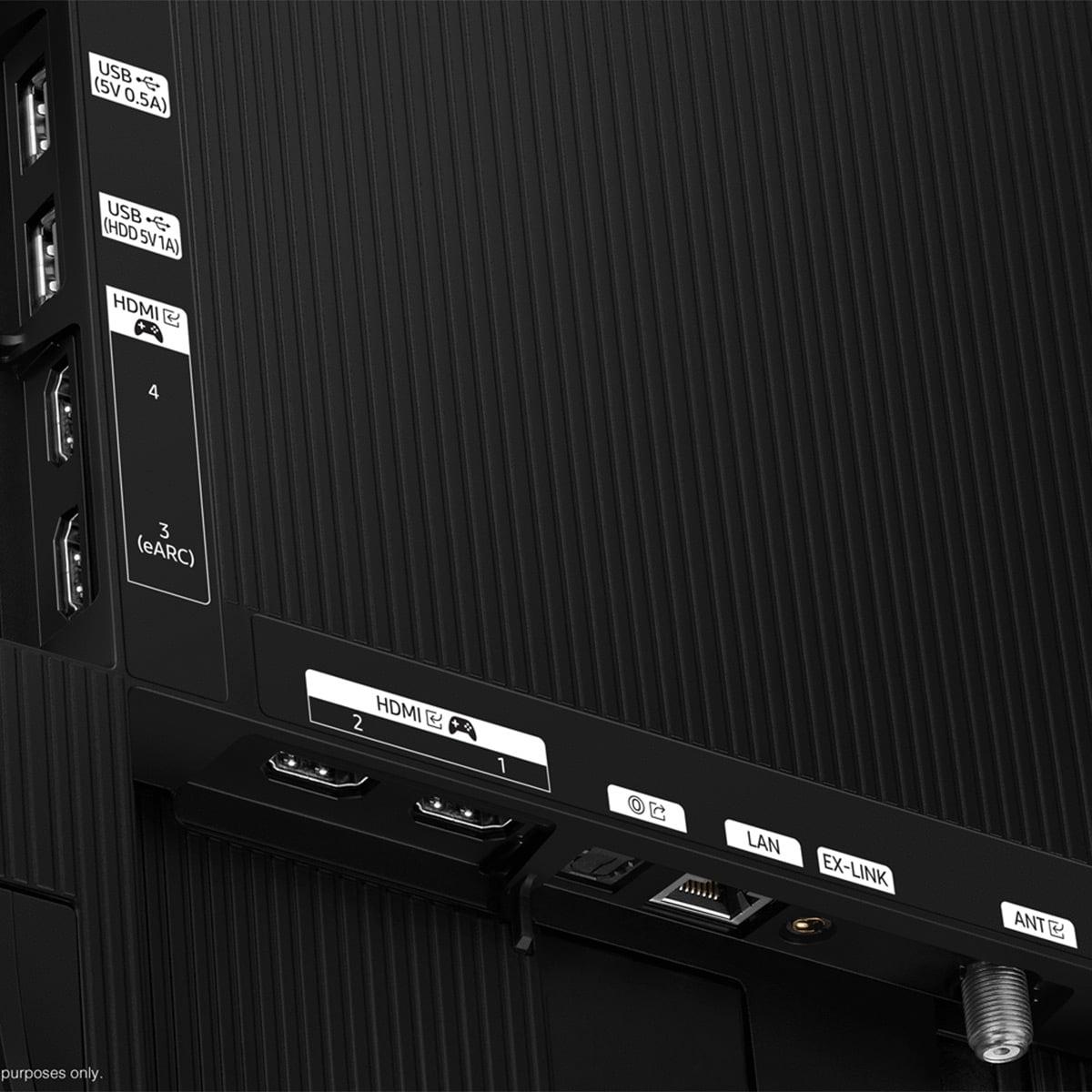
The Samsung S85F provides four HDMI 2.1 ports with full 4K@120Hz support and VRR compatibility. This connectivity advantage is substantial for modern gaming setups, allowing simultaneous connection of multiple consoles, gaming PCs, or other high-bandwidth devices without constantly swapping cables.
Both TVs support ALLM (Auto Low Latency Mode), which automatically switches to game mode when detecting gaming devices, reducing input processing delays.
Input lag - the delay between pressing a button and seeing the result on screen - is crucial for competitive gaming. Our research suggests the Samsung S85F offers very low input lag optimized for responsive gaming, while the Sony A95L has slightly higher input lag, though still acceptable for most gaming scenarios.
Both displays offer nearly instantaneous pixel response times due to OLED technology, eliminating motion blur that can affect gaming performance on LCD displays.
The Samsung S85F includes gaming-focused features like FreeSync Premium for AMD graphics cards, Game Motion Plus for enhanced motion clarity, and various gaming overlays. Samsung's Gaming Hub provides easy access to cloud gaming services directly from the TV.
The Sony A95L focuses more on picture quality optimization for games rather than gaming-specific features, though it still delivers excellent gaming performance when properly configured.
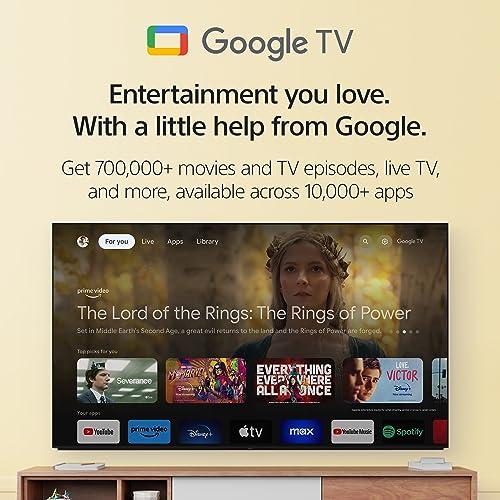
The choice between Google TV (Sony A95L) and Tizen OS (Samsung S85F) often comes down to ecosystem preferences. Google TV excels at content discovery, aggregating recommendations across streaming services and integrating well with Android devices and Google services.
Samsung's Tizen OS on the S85F offers more robust smart home integration through SmartThings and Matter Hub compatibility, allowing the TV to control connected devices throughout your home directly from the interface. The latest version also tends to be more responsive in day-to-day navigation.
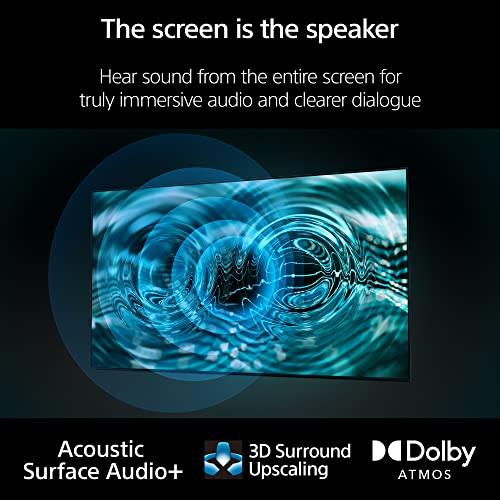
Audio represents a fascinating philosophical difference between these TVs. The Sony A95L features Acoustic Surface Audio+ technology, where actuators behind the screen vibrate the panel itself to produce sound. This creates an incredibly immersive experience where dialogue appears to come directly from actors' mouths on screen, and sound effects have precise positional accuracy.
The Samsung S85F takes a more traditional approach with dedicated speakers but includes Dolby Atmos support and Object Tracking Sound Lite, which attempts to move audio effects across the screen to match visual action.
For home theater setups, the Sony A95L supports advanced DTS audio passthrough, allowing high-quality audio formats to be sent to external sound systems without compression. The Samsung S85F doesn't support DTS passthrough, which may matter to audiophiles with advanced sound systems.
At the time of writing, these TVs occupy different market positions due to their release timing. The Sony A95L, being a 2023 flagship model, often appears at discounted prices compared to its original launch cost, potentially offering premium performance at more accessible pricing.
The Samsung S85F represents current 2025 entry-to-mid-tier OLED pricing, offering modern features and connectivity at competitive rates for new technology.
Value calculations depend heavily on individual priorities. The Sony A95L delivers flagship-level picture quality that may remain competitive for years, while the Samsung S85F provides better future-proofing through superior connectivity and modern smart features.
For dedicated home theater setups, the Sony A95L presents compelling advantages. Its superior brightness capabilities, Dolby Vision support, and exceptional processing create reference-quality images that rival commercial cinema displays. The Acoustic Surface Audio+ technology eliminates the need for center channel speakers in many setups, simplifying installation while improving dialogue clarity.
However, the Samsung S85F shouldn't be dismissed for home theater use. Its excellent contrast, wide color gamut, and strong HDR performance still deliver impressive cinematic experiences, particularly when considering its superior reflection handling for rooms that aren't completely light-controlled.
Choose the Sony A95L if you prioritize absolute picture quality above all else. Its superior brightness, processing capabilities, and Dolby Vision support create the most cinematic viewing experience available. This TV suits serious movie enthusiasts, home theater purists, and anyone who primarily watches premium content in controlled lighting environments. The innovative audio technology and exceptional upscaling make it particularly appealing for varied content consumption.
The Samsung S85F makes more sense for users wanting well-rounded modern performance. Its superior gaming connectivity, smart home integration, and better handling of mixed lighting conditions suit most real-world usage scenarios. Choose this if you game regularly, want the latest connectivity standards, or need a TV that performs well in various lighting conditions throughout the day.
Consider your specific setup requirements carefully. If you have multiple gaming devices or plan to upgrade your entertainment system, the Samsung S85F's four HDMI 2.1 ports provide significantly better flexibility. However, if you primarily watch streaming content and movies in a dedicated viewing environment, the Sony A95L's superior picture processing and brightness justify its premium positioning.
Both represent excellent OLED technology with perfect blacks and outstanding contrast. Your decision ultimately hinges on whether you prioritize peak performance in ideal conditions (Sony) or versatile, future-ready functionality for varied usage (Samsung). Either choice delivers a premium viewing experience that will satisfy for years to come.
| Sony BRAVIA XR A95L 65" QD-OLED | Samsung 65" S85F OLED |
|---|---|
| Peak Brightness - Critical for HDR impact and bright room viewing | |
| Up to 1,300 nits (excellent HDR punch) | ~750 nits small highlights, 150 nits full screen (good but limited) |
| Panel Technology - Determines color quality and efficiency | |
| Second-generation QD-OLED (superior color volume) | QD-OLED in 65" North America model (excellent colors) |
| HDMI 2.1 Ports - Essential for modern gaming setups | |
| 2 ports (limiting for multiple devices) | 4 ports (excellent connectivity flexibility) |
| Gaming Refresh Rate - Important for console and PC gaming | |
| 4K @ 120Hz with VRR (great for current consoles) | 4K @ 120Hz with VRR, FreeSync Premium (comprehensive gaming support) |
| HDR Format Support - Affects streaming and disc content quality | |
| HDR10, HLG, Dolby Vision (maximum compatibility) | OLED HDR, HDR10+ (good but no Dolby Vision) |
| Smart TV Platform - Daily usability and app performance | |
| Google TV (excellent content discovery, occasionally sluggish) | Latest Tizen OS (responsive, superior smart home integration) |
| Audio Technology - Built-in sound quality without soundbar | |
| Acoustic Surface Audio+ (screen acts as speaker, immersive) | 2.0 channel 20W with Dolby Atmos, OTS Lite (conventional but capable) |
| Content Processing - How well it handles lower quality sources | |
| Cognitive Processor XR (exceptional upscaling and optimization) | NQ4 AI Gen2 Processor (good processing, Pantone validated colors) |
| Reflection Handling - Performance in bright or mixed lighting | |
| X-Anti Reflection (adequate, best in controlled lighting) | Anti-glare coating (superior for daytime viewing) |
| Release Year - Affects pricing and feature currency | |
| 2023 flagship (potentially discounted, proven technology) | 2025 model (current pricing, latest features) |
| Audio Codec Support - Important for home theater systems | |
| Advanced DTS passthrough supported | DTS not supported (Samsung limitation) |
| Voice Control - Hands-free operation convenience | |
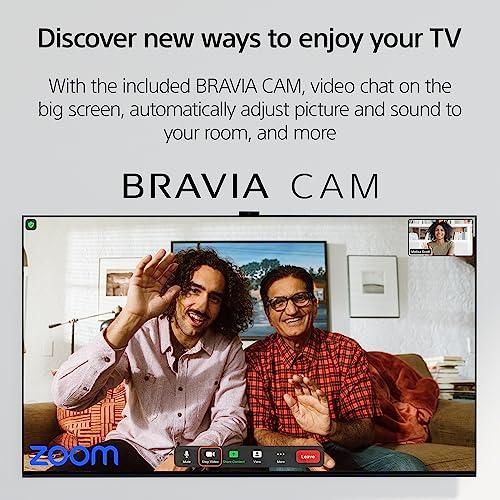
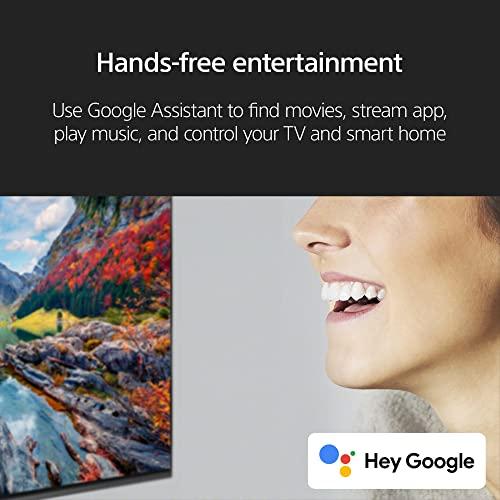
| Google Assistant, built-in mic, BRAVIA CAM included | Bixby, Alexa, Far-Field Voice Interaction |
The Sony BRAVIA XR A95L delivers superior picture quality with higher peak brightness (1,300 nits vs 750 nits), better HDR processing, and Dolby Vision support. Its Cognitive Processor XR provides exceptional upscaling for lower-quality content. The Samsung S85F offers excellent OLED contrast and Pantone-validated colors, but can't match the Sony's brightness or processing capabilities for premium content.
The Samsung S85F is better for gaming with four HDMI 2.1 ports supporting 4K@120Hz, lower input lag, and gaming features like FreeSync Premium and Auto Game Mode. The Sony A95L only has two HDMI 2.1 ports and higher input lag, making it less suitable for users with multiple gaming devices or competitive gaming.
The Samsung S85F handles bright rooms better with superior anti-glare coating and reflection management. The Sony A95L performs best in controlled lighting environments, though it includes X-Anti Reflection technology. For mixed lighting conditions throughout the day, Samsung's approach is more practical.
Both offer excellent smart platforms with different strengths. The Sony A95L runs Google TV with superior content discovery and Android integration, while the Samsung S85F uses Tizen OS with better smart home integration through SmartThings/Matter Hub and more responsive navigation. Choose based on your ecosystem preferences.
The Sony A95L features innovative Acoustic Surface Audio+ where the screen acts as a speaker, creating immersive sound with precise dialogue placement. The Samsung S85F uses traditional speakers with Dolby Atmos and Object Tracking Sound Lite. For home theater setups, the Sony also supports DTS audio passthrough while Samsung doesn't.
Value depends on priorities and current pricing. The Sony A95L may offer flagship performance at potentially discounted 2023 pricing, while the Samsung S85F provides modern connectivity and features at current 2025 entry-tier OLED pricing. Consider whether you prioritize peak performance or well-rounded modern capabilities.
Yes, connectivity is a significant difference. The Samsung S85F offers four HDMI 2.1 ports for maximum device flexibility, while the Sony A95L only provides two HDMI 2.1 ports. This limitation makes the Sony less suitable for users with multiple gaming consoles, streaming devices, or complex entertainment setups.
For movies and premium streaming content, the Sony A95L excels with higher brightness, Dolby Vision support, superior processing, and exceptional upscaling. Its cinematic picture quality and immersive audio make it ideal for serious movie watching. The Samsung S85F still delivers excellent movie performance but lacks Dolby Vision and peak brightness capabilities.
No, there's an important difference. The Sony A95L supports HDR10, HLG, and Dolby Vision for maximum streaming and disc compatibility. The Samsung S85F supports OLED HDR and HDR10+ but lacks Dolby Vision support, which is used by Netflix, Disney+, and many 4K Blu-ray releases.
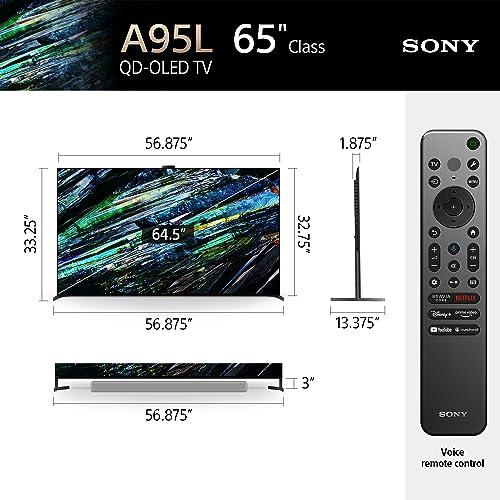
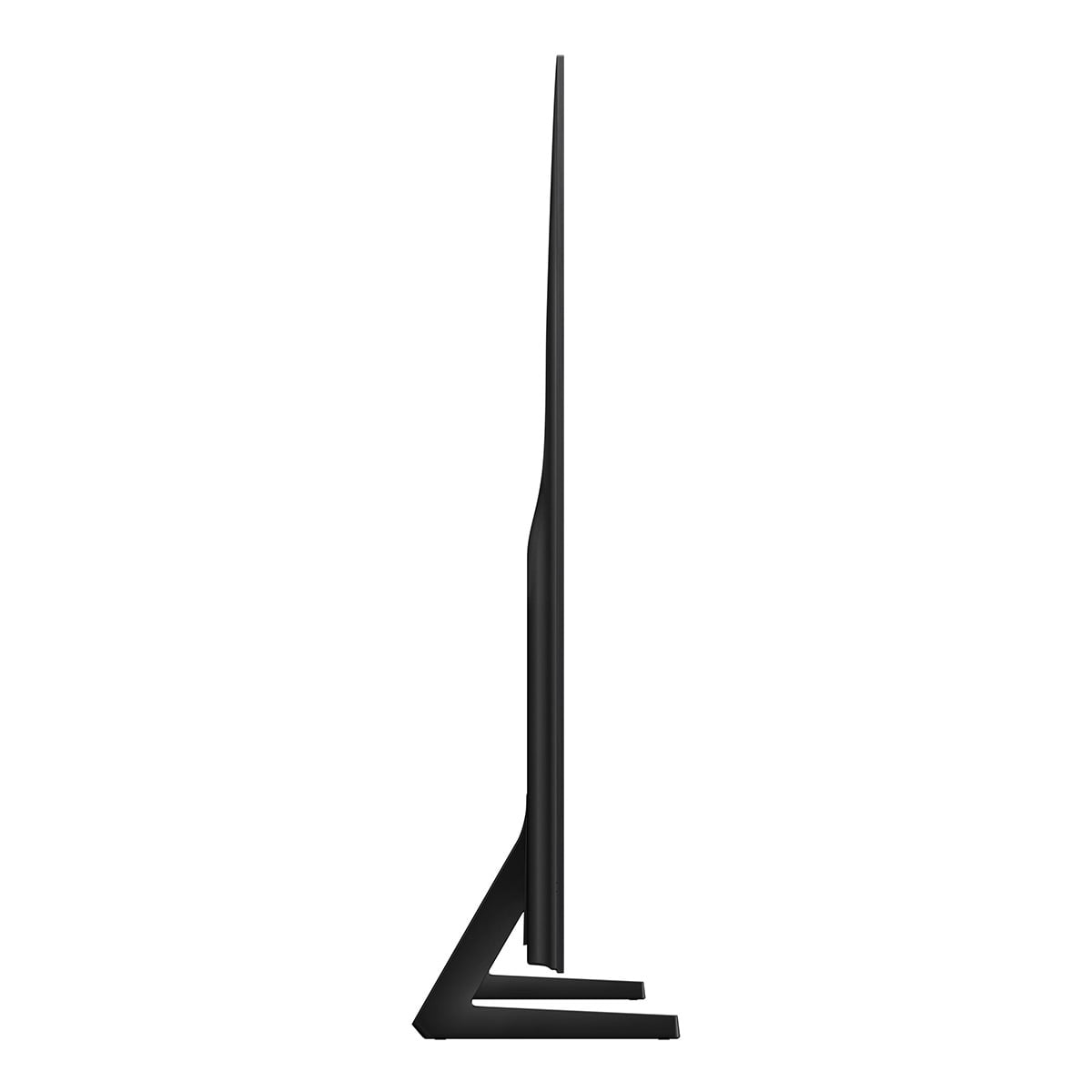
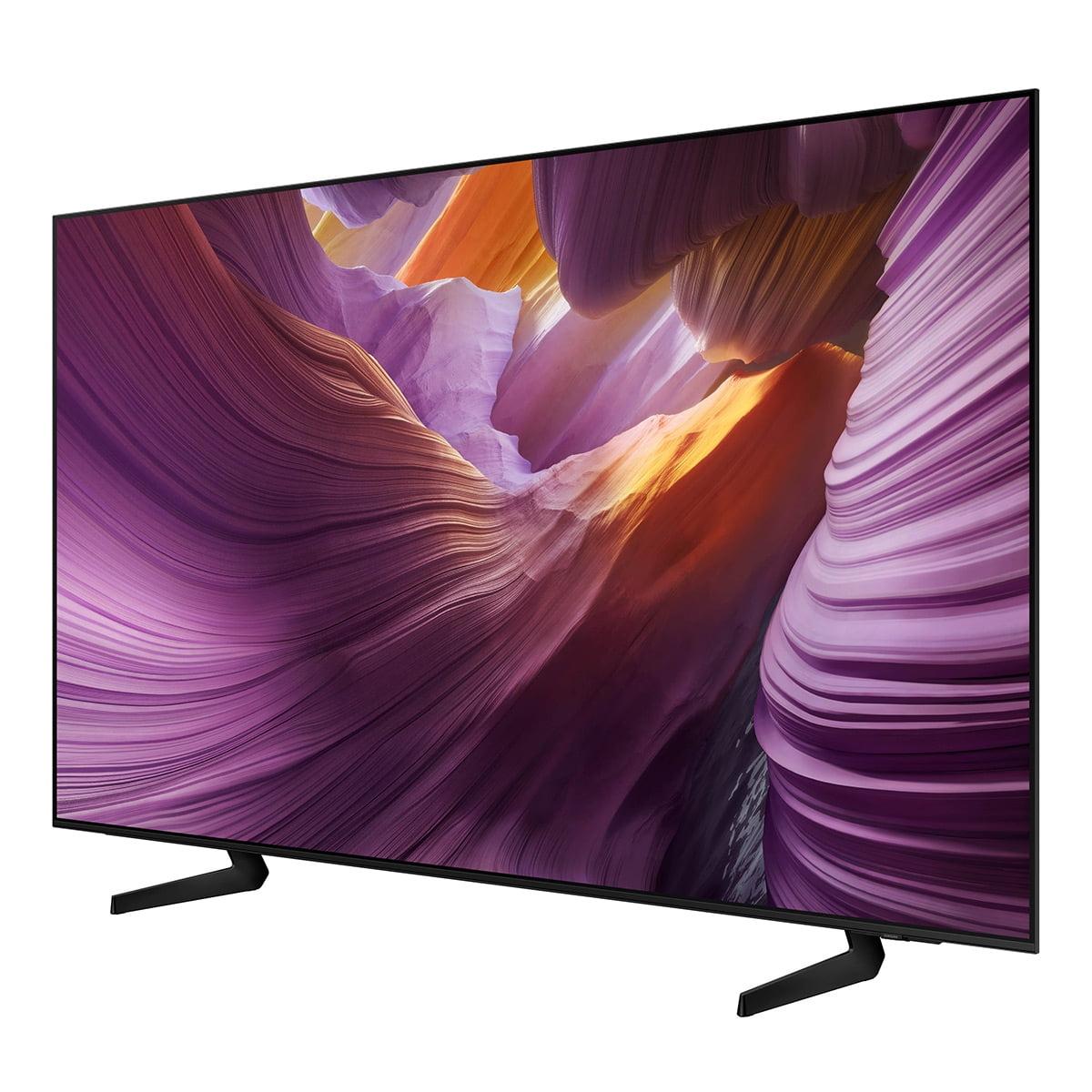
Both feature premium OLED construction with thin profiles and quality materials. The Sony A95L includes a multi-position aluminum stand and premium remote with voice control, plus the included BRAVIA CAM for optimization features. The Samsung S85F offers a sleek Contour Design with adjustable stand width and includes Samsung's eco-friendly SolarCell Remote.
For dedicated home theaters, the Sony A95L is superior with higher peak brightness, Dolby Vision support, exceptional processing, and Acoustic Surface Audio+ that can eliminate the need for center speakers. The Samsung S85F still provides excellent home theater performance but is better suited for multipurpose rooms due to its superior reflection handling.
The Samsung S85F offers better future-proofing with four HDMI 2.1 ports, latest smart features, and 2025 technology. The Sony A95L provides proven flagship performance that remains competitive, but its limited connectivity may become restrictive as more devices require HDMI 2.1. Both should deliver excellent performance for many years.
We've done our best to create useful and informative comparisons to help you decide what product to buy. Our research uses advanced automated methods to create this comparison and perfection is not possible - please contact us for corrections or questions. These are the sites we've researched in the creation of this article: rtings.com - youtube.com - rtings.com - avsforum.com - rtings.com - smarthomesounds.co.uk - smarthomesounds.co.uk - rtings.com - smarthomesounds.co.uk - youtube.com - tomsguide.com - avsforum.com - rtings.com - perfectrec.com - flatpanelshd.com - videoandaudiocenter.com - sonypremiumhome.com - bestbuy.com - sony.com - electronics.sony.com - displayspecifications.com - donstv.com - youtube.com - static.pcrichard.com - smarthomesounds.co.uk - youtube.com - electronics.sony.com - electronics.sony.com - displayspecifications.com - rtings.com - samsung.com - youtube.com - rtings.com - youtube.com - samsung.com - bestbuy.com - avsforum.com - avsforum.com - samsung.com - displayspecifications.com - videoandaudiocenter.com - bestbuy.com - flatpanelshd.com - myallsouth.com - samsung.com - richstv.com - samsung.com - heartlandappliance.com

Privacy Policy
Terms and Conditions - Affiliate Policy
Home Security
© Copyright 2008-2026.
11816 Inwood Rd #1211, Dallas, TX 75244