

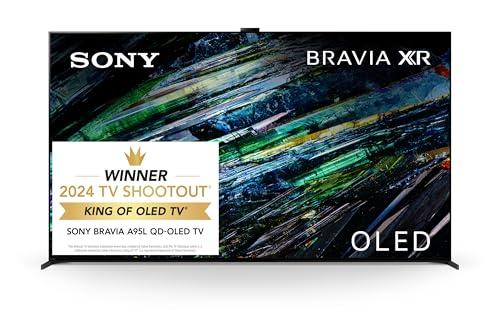

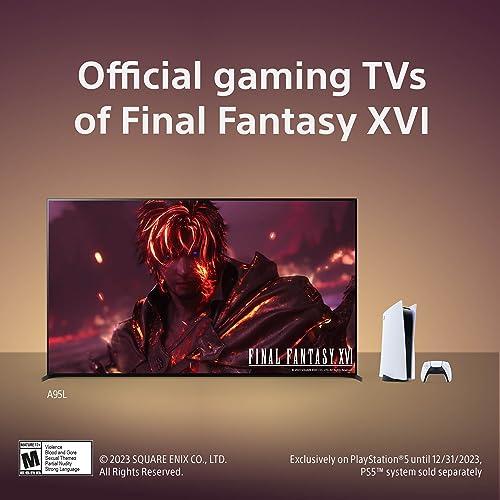

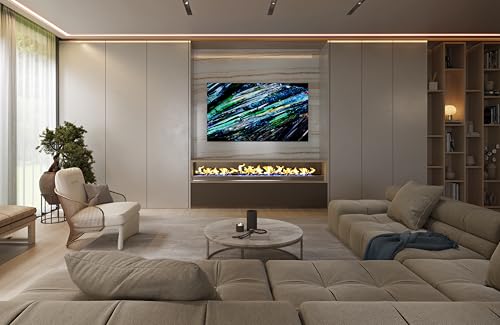
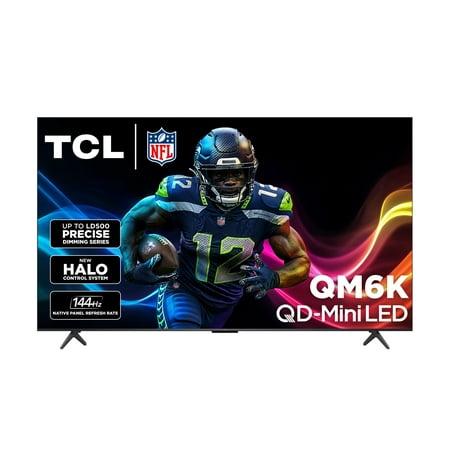
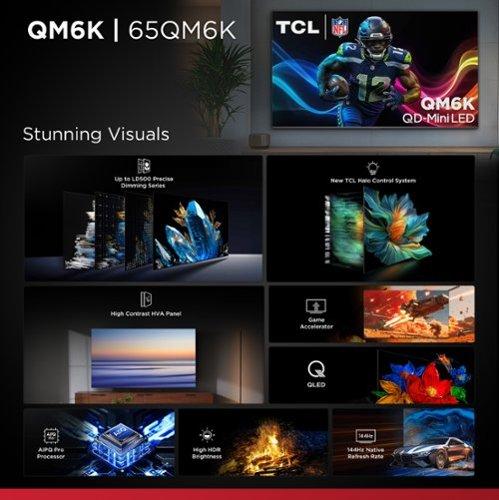
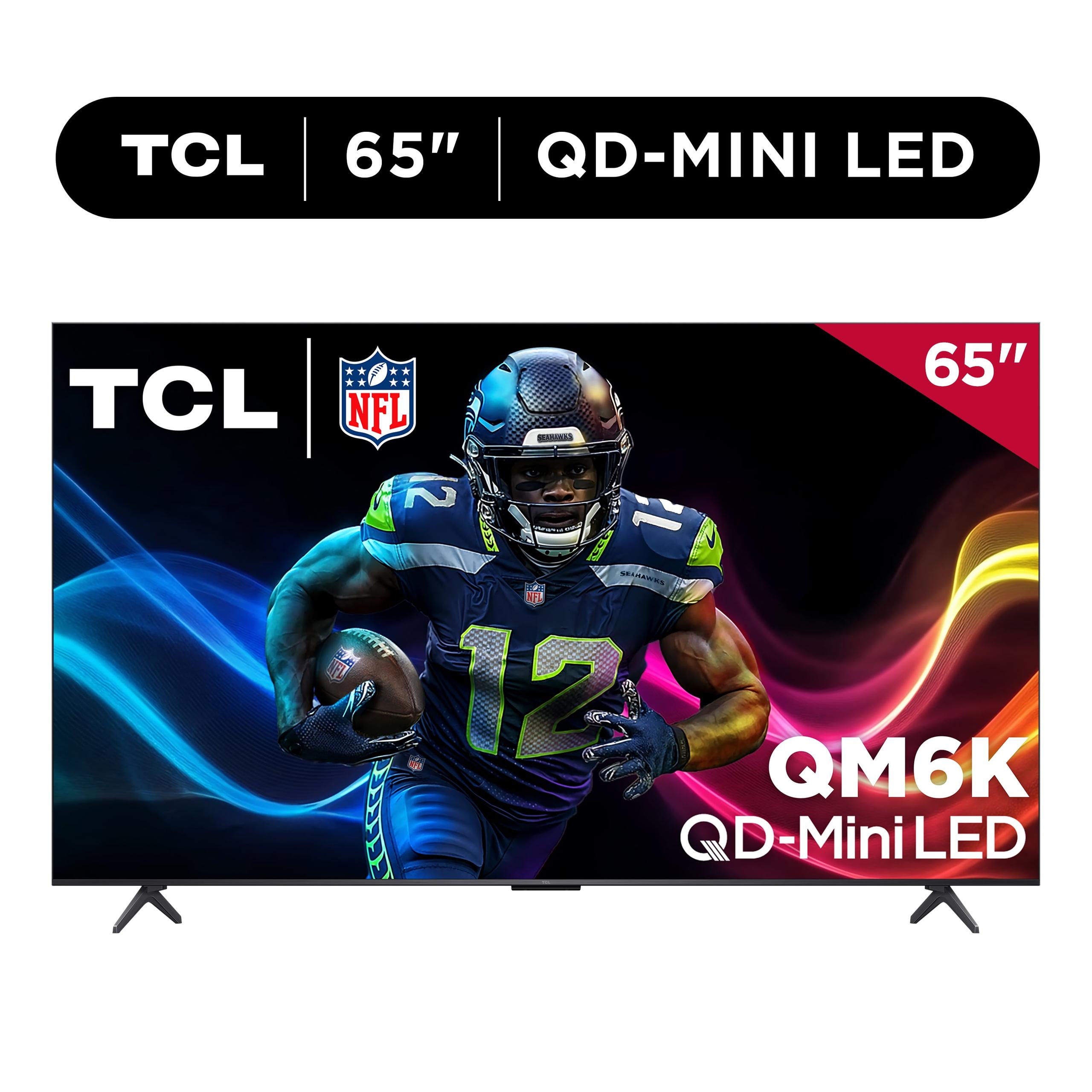
The 65-inch TV market has become incredibly competitive, with manufacturers pushing different technologies to win over consumers. At the time of writing, you'll find two vastly different approaches represented by the Sony BRAVIA XR A95L and TCL QM6K. These TVs showcase the classic premium versus value debate, but with some surprising twists that make the decision more interesting than you might expect.
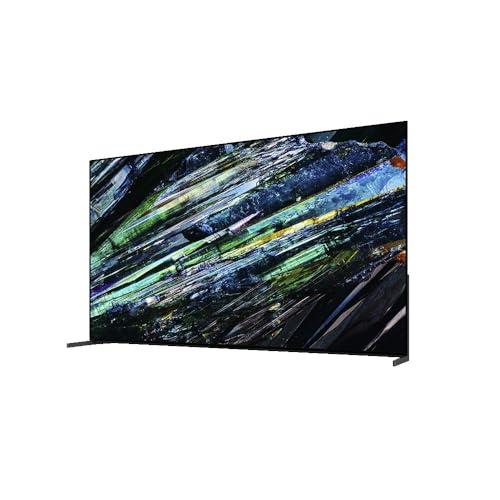
Sony released the A95L in 2023 as their flagship QD-OLED model, while TCL launched the QM6K in early 2025 as an entry-level quantum dot offering. The nearly two-year gap means each represents the best thinking of their respective eras—Sony's refined take on second-generation QD-OLED technology, and TCL's effort to democratize premium features.
The most fundamental difference between these TVs lies in their display technology, which determines everything from how deep blacks can get to how bright colors appear.
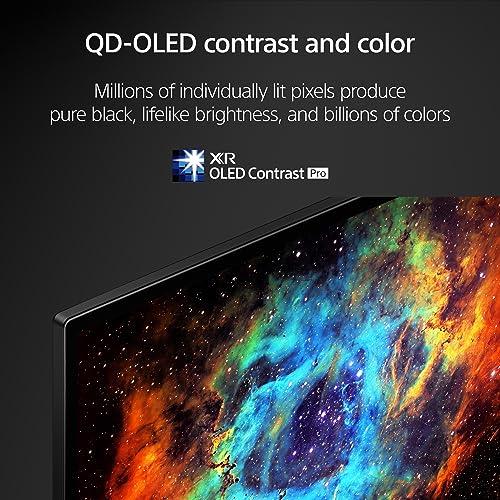
The Sony A95L uses QD-OLED (Quantum Dot Organic Light Emitting Diode) technology, which sounds complex but works elegantly. Think of it as combining the best aspects of two proven technologies: OLED's perfect blacks and quantum dots' enhanced colors. Each pixel generates its own light using organic compounds, meaning it can turn completely off to create true black. The quantum dot layer then filters this light to produce incredibly pure, saturated colors that would make traditional displays look washed out by comparison.
What makes this particularly impressive is the contrast ratio—essentially how big the difference is between the darkest and brightest parts of the screen. Since OLED pixels can turn completely off, the A95L achieves what's called an "infinite" contrast ratio. In practical terms, this means when you're watching a movie with a scene that cuts from a bright outdoor shot to someone in a dark room, the transition looks incredibly natural and immersive.
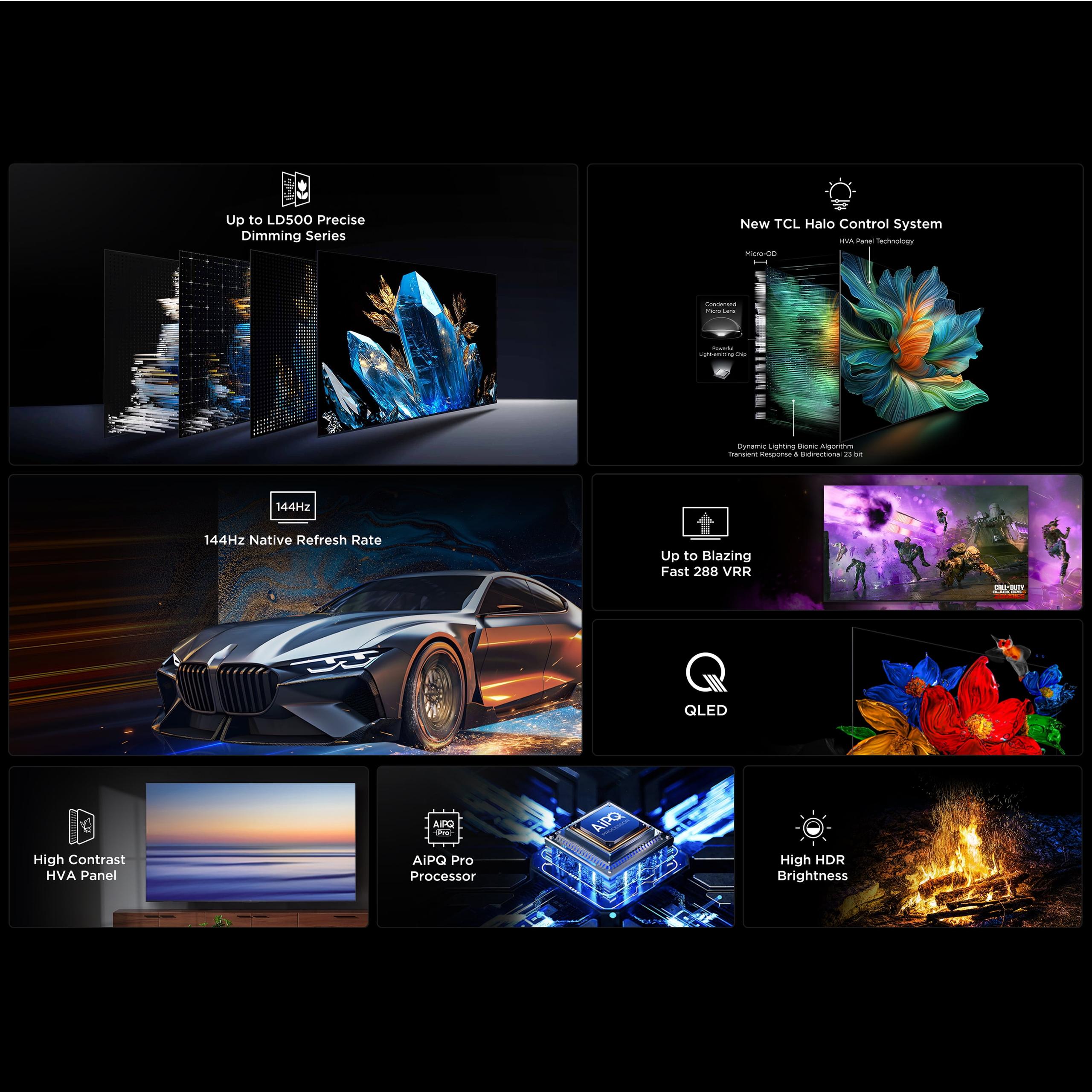
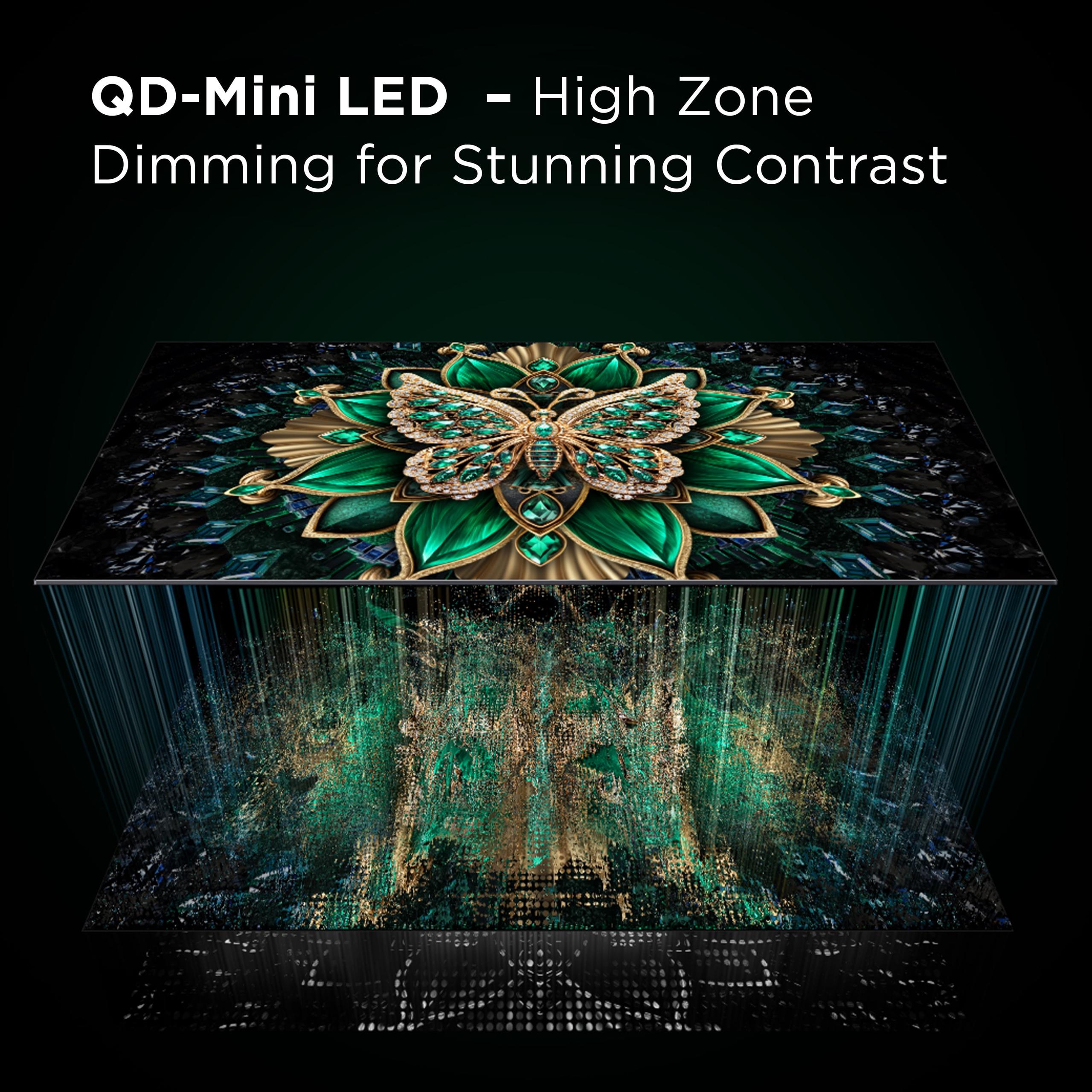
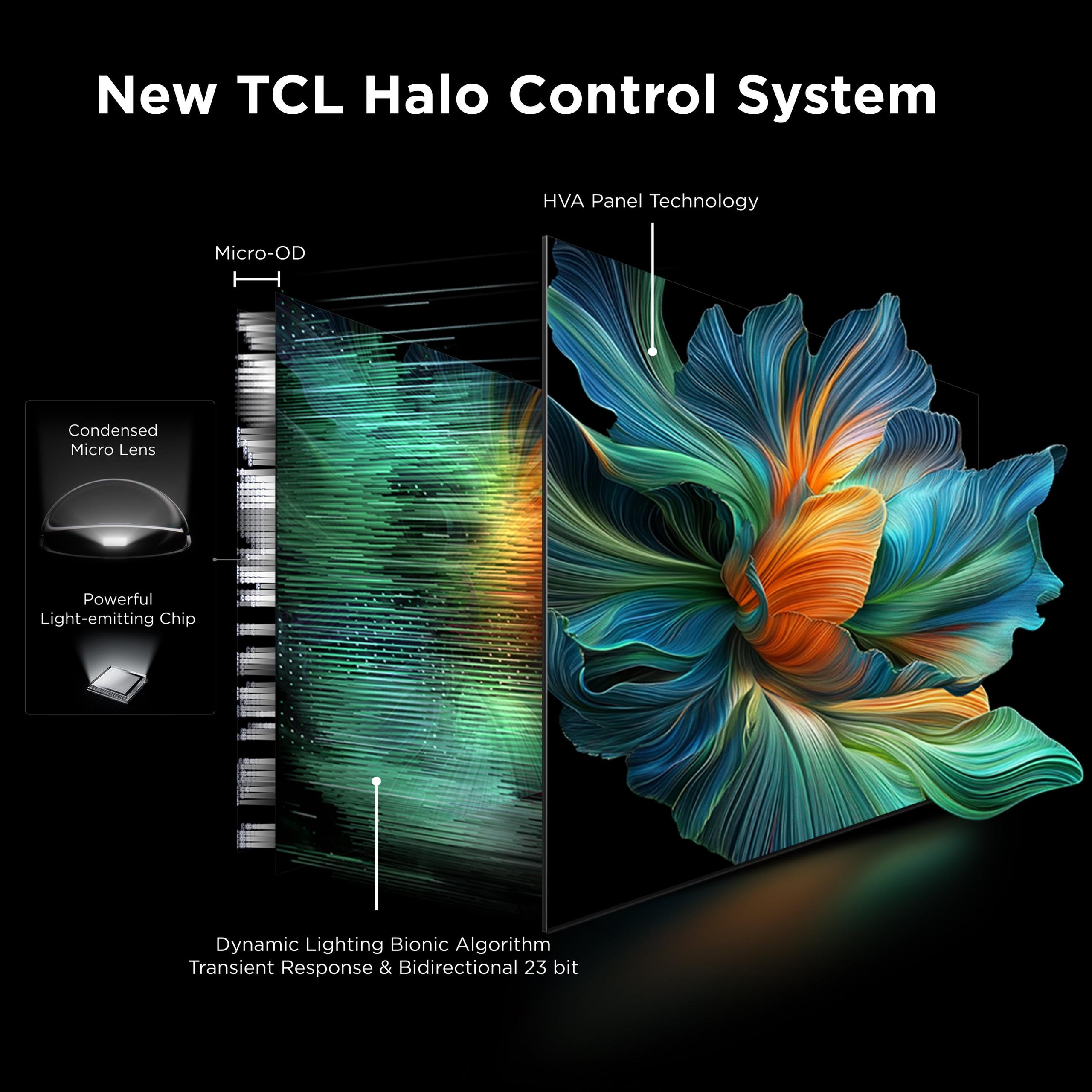
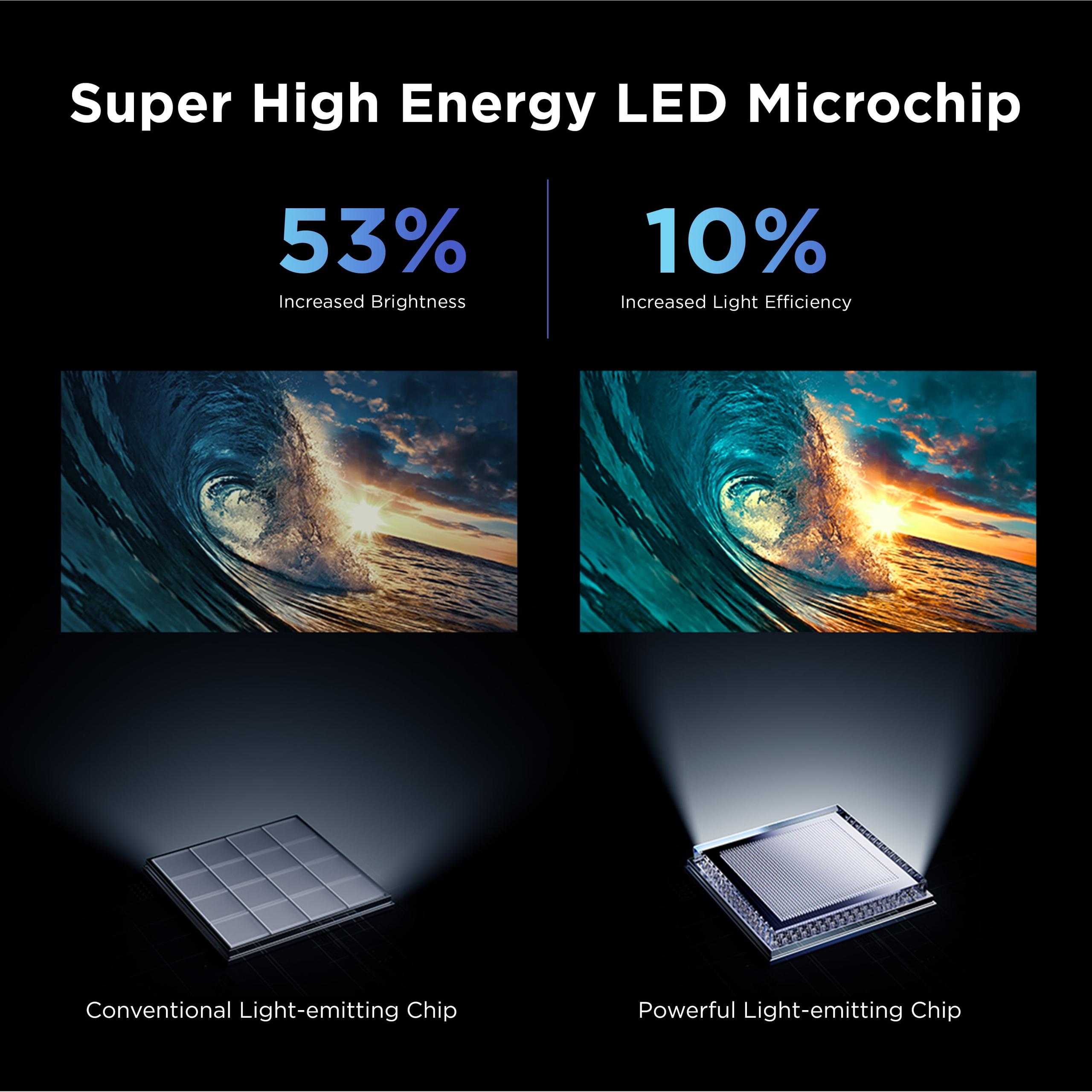
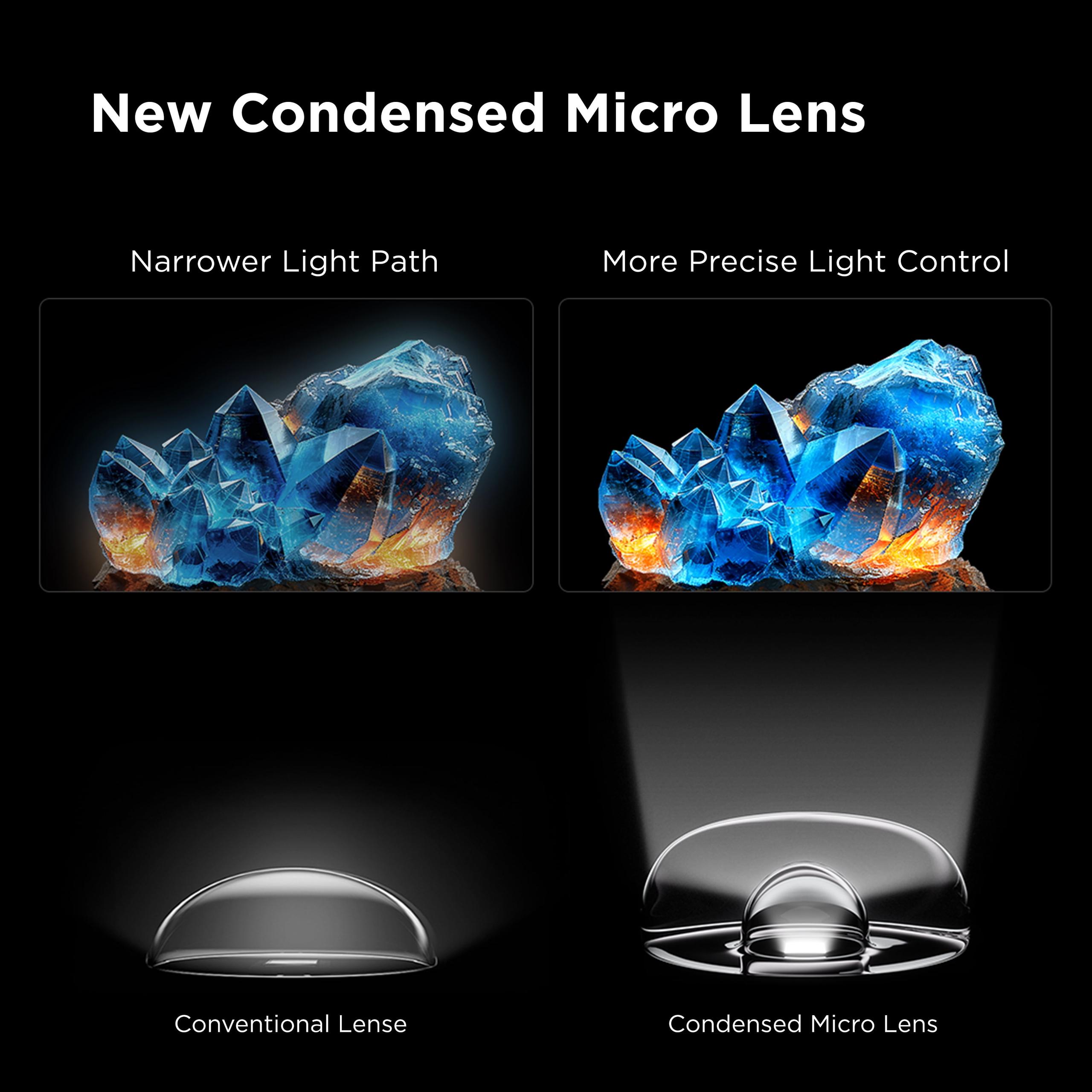
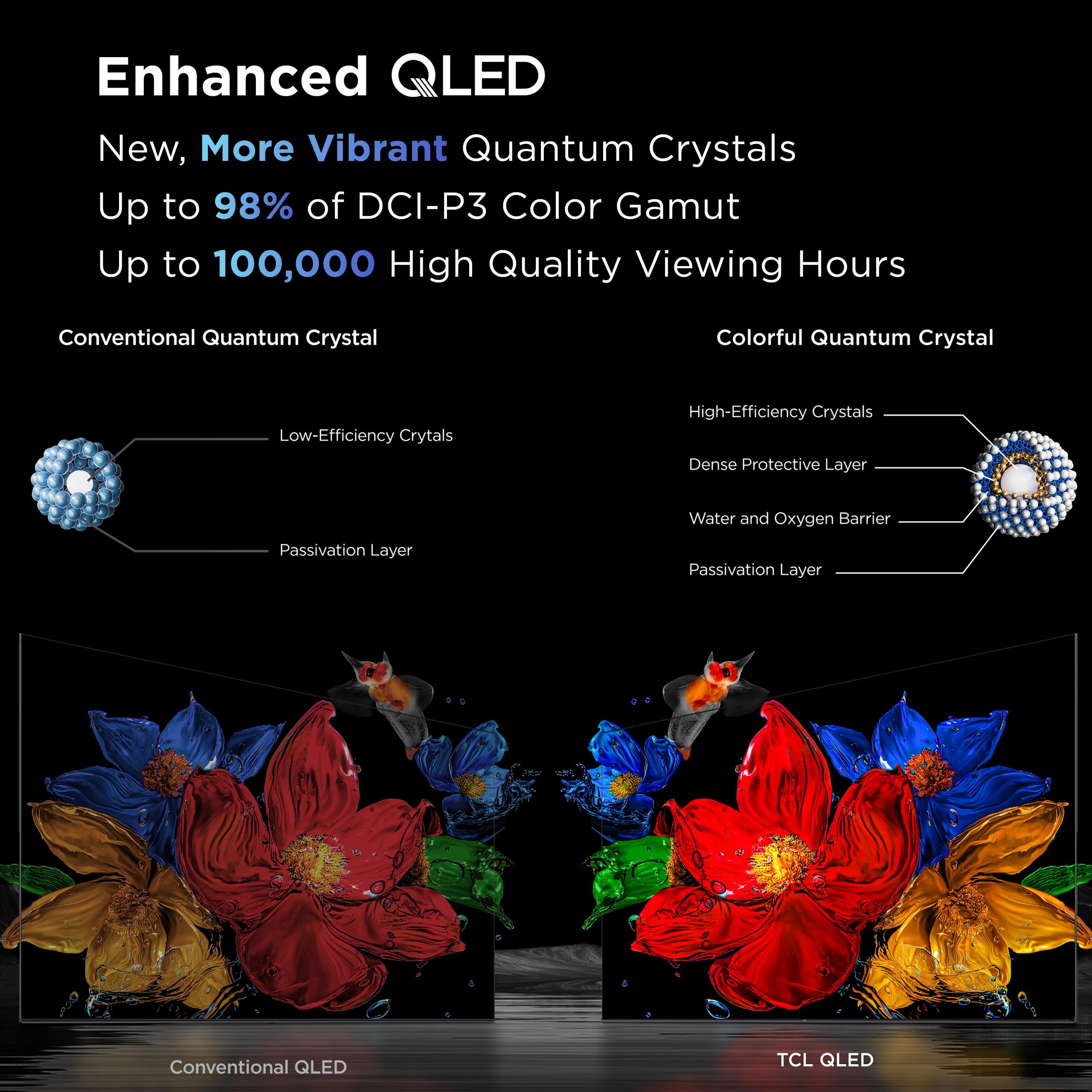
The TCL QM6K, on the other hand, uses QD-Mini LED technology. This approach takes a traditional LCD panel (the kind that needs a backlight) and adds quantum dots for better color, plus Mini LED backlighting for improved contrast. Mini LEDs are exactly what they sound like—much smaller LED lights that can be controlled in zones behind the screen. The QM6K has up to 500 of these local dimming zones, meaning it can make parts of the screen darker while keeping other parts bright.
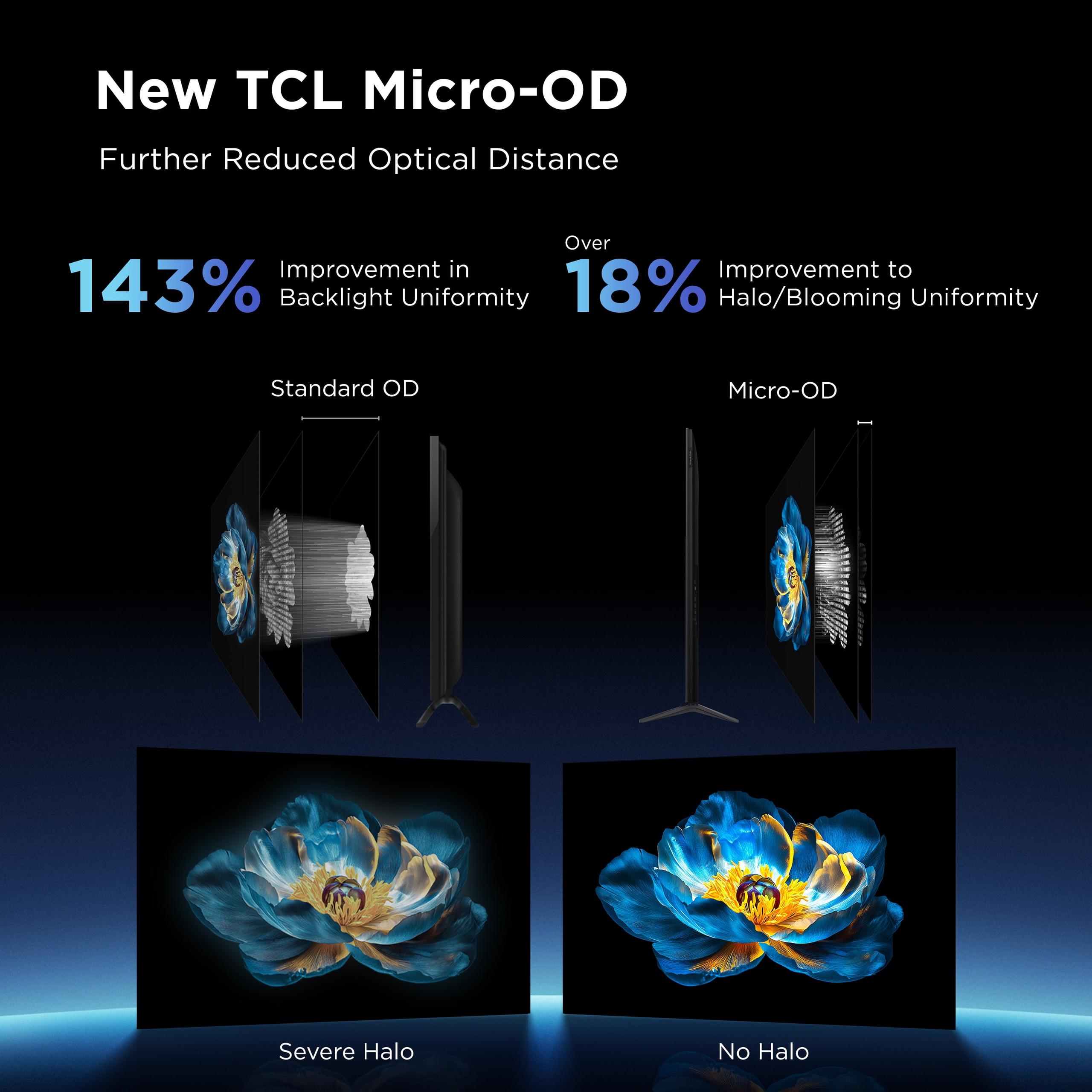
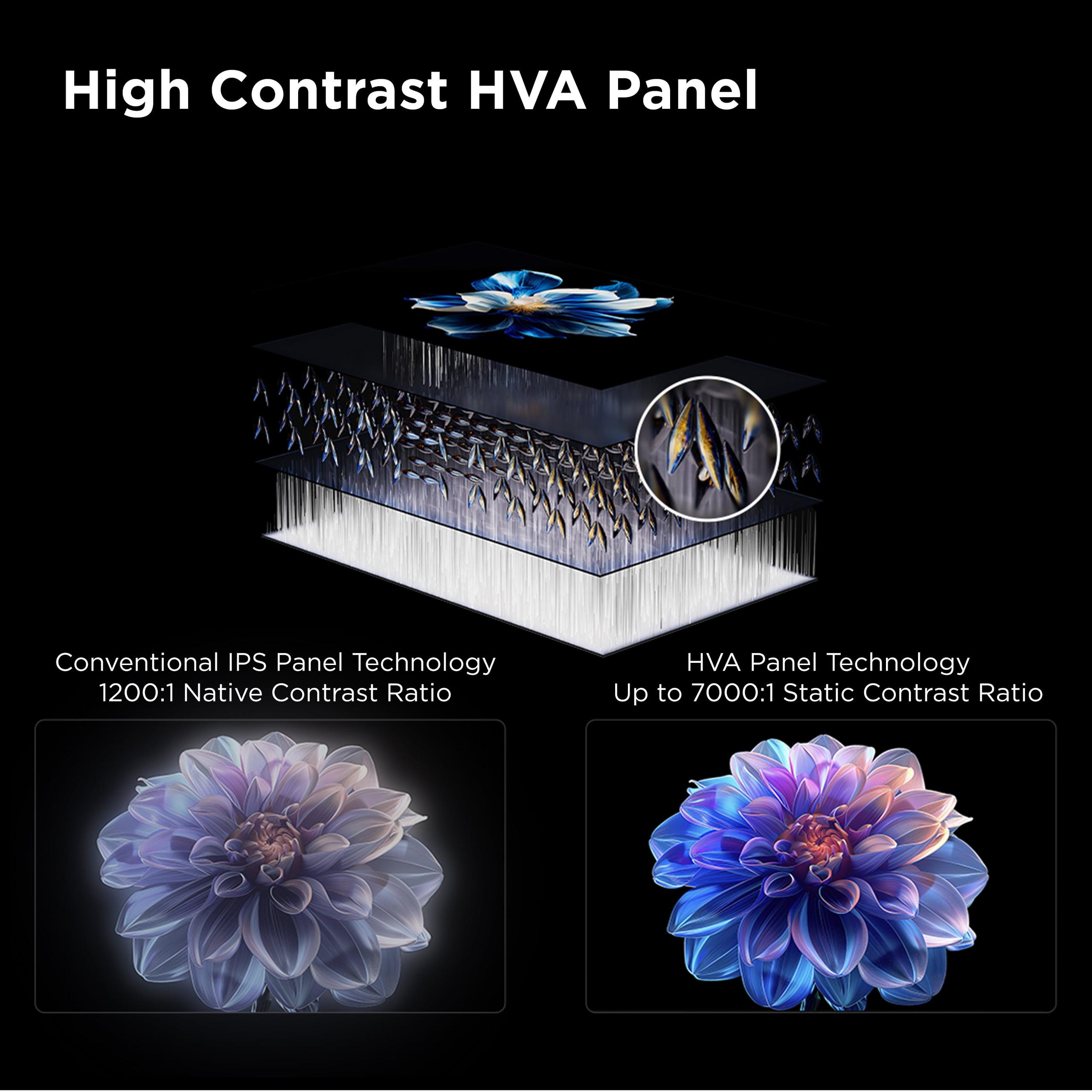
While this sounds less impressive than the Sony's infinite contrast, it's actually quite good for the price point. A contrast ratio of 5,000:1 means the brightest white is 5,000 times brighter than the darkest black the TV can produce. That's respectable performance that will look excellent in most viewing scenarios, though you might notice some "blooming"—a subtle halo effect around bright objects on dark backgrounds—that OLED displays eliminate entirely.
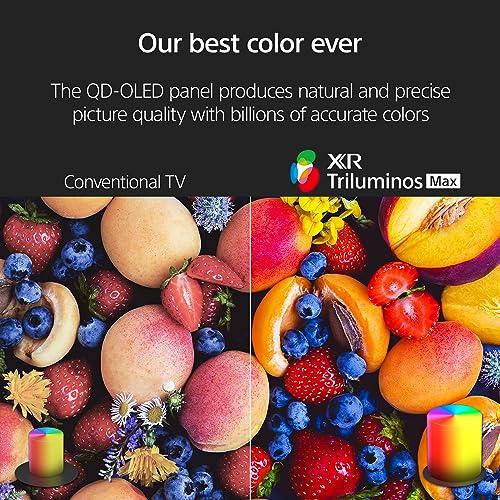
Both TVs use quantum dot technology, but they implement it differently. The Sony A95L covers an impressive 99.75% of the DCI-P3 color space, which is the standard used by movie studios and streaming services. Even more impressive, it covers 86.16% of the much larger BT.2020 color space that represents the future of content creation.
What does this mean in practice? When you're watching a nature documentary with vibrant red flowers or brilliant blue ocean water, the A95L can reproduce those colors with stunning accuracy. Sony's XR Triluminos Max technology delivers about 200% more color brightness than conventional OLED displays, meaning those saturated colors stay vivid even in bright scenes.
The TCL QM6K also benefits from quantum dot enhancement, though the exact color space coverage isn't as extensively documented. Based on our research and user feedback, it delivers more natural color reproduction than standard LED TVs, with particularly good white reproduction that avoids the blue tint common in budget displays.
For most viewers, both TVs will deliver colors that look great, but the Sony edges ahead for those who care about technical accuracy and want colors that match what content creators intended.
High Dynamic Range (HDR) is where these displays really show their capabilities. HDR content contains information about both very dark and very bright parts of scenes, and a TV's ability to display this range determines how realistic and impactful the image looks.
The Sony A95L supports all major HDR formats: HDR10, HDR10+, HLG, and Dolby Vision. Its second-generation QD-OLED panel can reach peak brightness levels around 1,300 nits, which is roughly double what the previous generation achieved. This brightness, combined with perfect blacks, creates HDR images that feel almost three-dimensional.
Dolby Vision deserves special mention here. It's a premium HDR format that adjusts brightness and color scene by scene, rather than using the same settings for an entire movie. The A95L handles Dolby Vision with exceptional precision, displaying scenes exactly as directors intended without the over-bright or over-dark presentation that can plague lesser TVs.
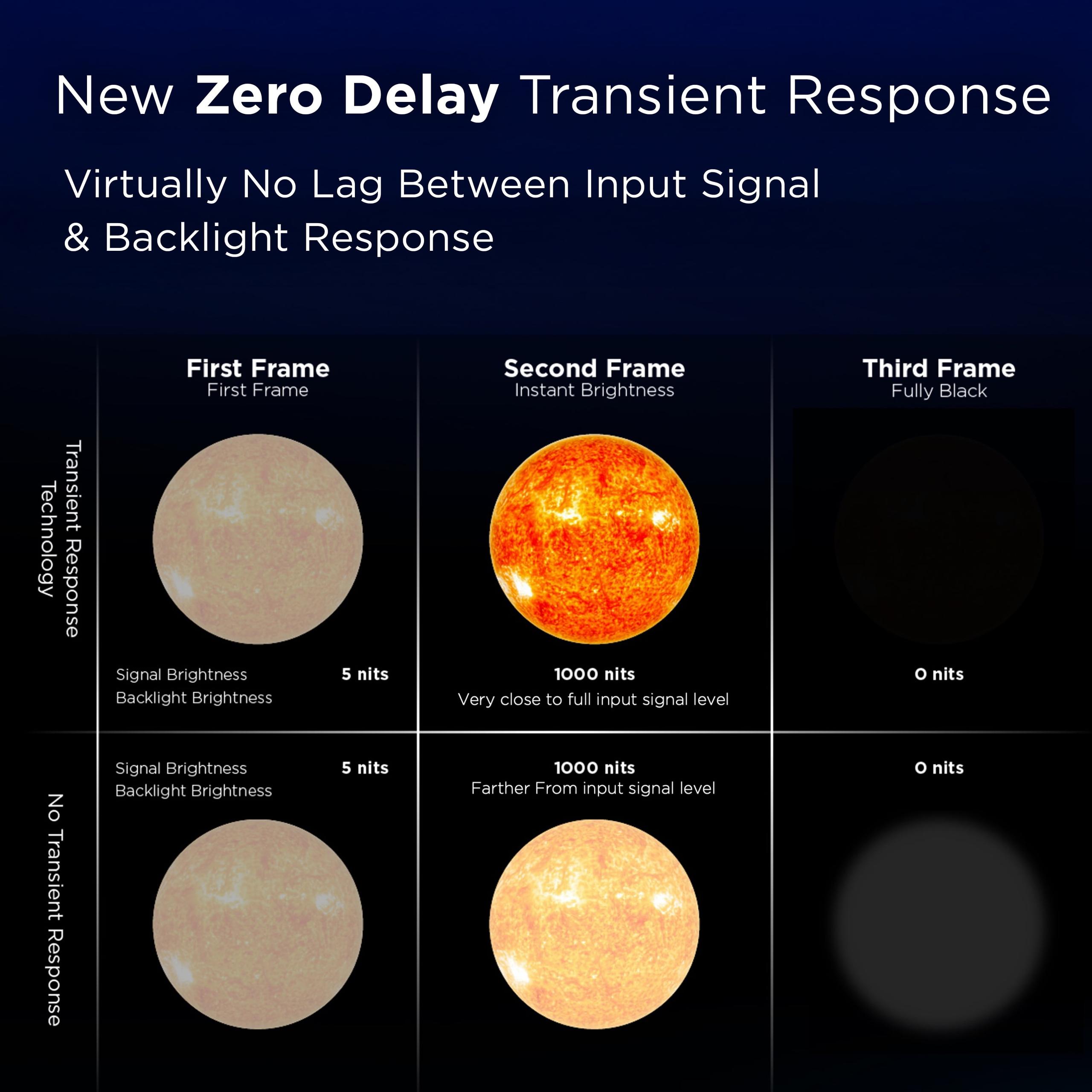
The TCL QM6K supports HDR10, HDR10+, HLG, and Dolby Vision IQ—the latter being an enhanced version that automatically adjusts to your room's lighting conditions. While specific brightness measurements weren't available in our research, Mini LED displays typically achieve higher peak brightness than OLED in small highlights, though they can't match OLED's perfect black levels.
For HDR gaming specifically, reviewers noted that the QM6K holds up surprisingly well against much more expensive displays, suggesting its HDR performance punches above its price class.
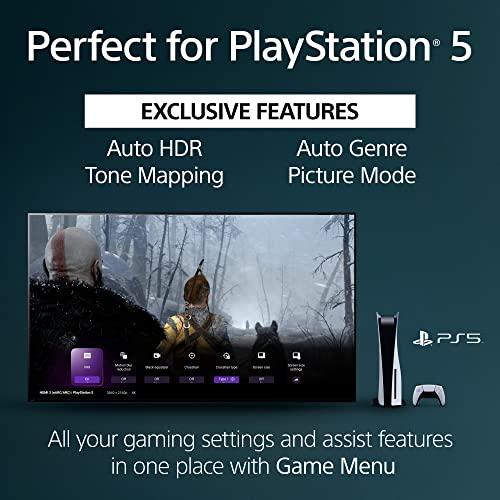
This is where things get interesting, and the TCL QM6K delivers some genuine surprises. While the Sony A95L offers solid gaming with 4K resolution at 120Hz refresh rate, the TCL goes further with native 144Hz support and even 288Hz at 1080p resolution through its Game Accelerator technology.
Refresh rate matters for gaming because higher numbers mean smoother motion. Most console games run at 60 frames per second, so 120Hz provides headroom for the smoothest possible gameplay. But PC gamers, particularly those playing competitive titles like first-person shooters, can benefit from the QM6K's higher refresh rates.
Input lag—the delay between pressing a button and seeing the result on screen—is crucial for responsive gaming. Both TVs offer low input lag in their gaming modes, though the TCL appears to edge out the Sony in this metric based on user reports.
Both support Variable Refresh Rate (VRR) and Auto Low Latency Mode (ALLM), which are HDMI 2.1 features that help eliminate screen tearing and automatically switch to the lowest-lag mode when a gaming console is detected.
For most console gamers, either TV will perform excellently, but competitive PC gamers might appreciate the TCL's higher refresh rate capabilities, especially considering the significant price difference.
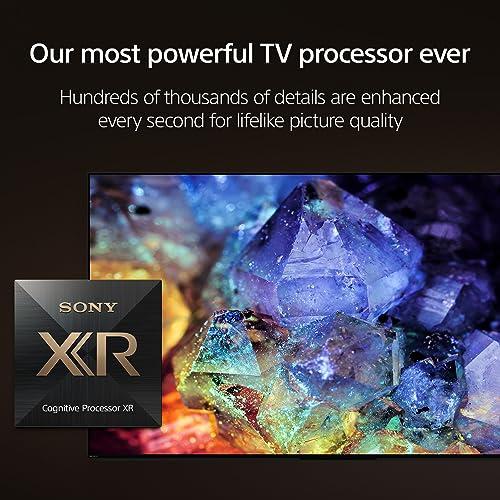
This is where Sony's decades of display experience become apparent. The A95L uses their Cognitive Processor XR, which sounds like marketing speak but represents genuinely advanced image processing. This chip analyzes hundreds of thousands of elements on screen simultaneously, making intelligent decisions about sharpening, noise reduction, and color enhancement.
The practical benefit becomes obvious when watching lower-quality content. Whether you're streaming a show with heavy compression, watching a DVD, or viewing user-generated content on YouTube, the Sony consistently delivers cleaner, sharper images. The upscaling—the process of making lower-resolution content look good on a 4K screen—is particularly impressive.
Sony's processing also handles Dolby Vision with exceptional precision. Many TVs make Dolby Vision content too bright or too dark, but the A95L displays it almost exactly as content creators intended, maintaining the filmmaker's artistic vision.
The TCL QM6K includes basic processing features adequate for its price point, including Filmmaker Mode, which preserves the original look of movies without adding motion smoothing or other artificial enhancements. While it can't match Sony's sophisticated algorithms, it handles most content competently.
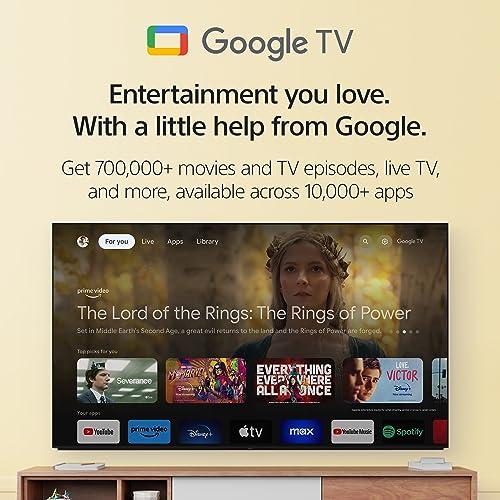
Both TVs run Google TV, which is Google's current smart TV platform that replaced Android TV. This creates a level playing field for basic functionality—both offer access to all major streaming apps, voice control through Google Assistant, and a user-friendly interface.
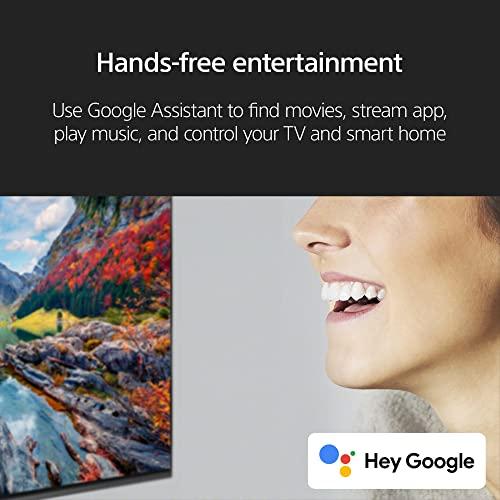
However, the Sony A95L includes additional premium features like hands-free voice control through a built-in microphone, ATSC 3.0 tuner support for future 4K over-the-air broadcasts, and integration with Sony's broader ecosystem of audio equipment.
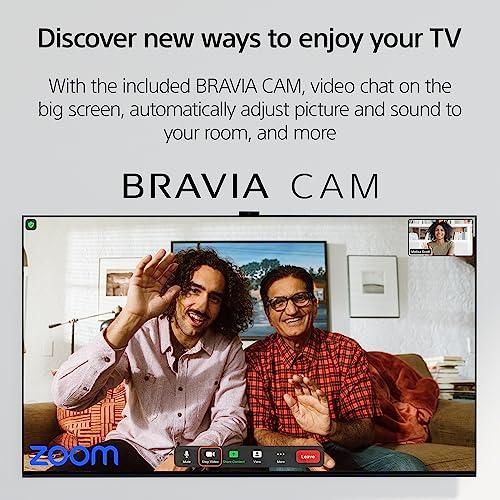
The A95L also includes a BRAVIA CAM that enables ambient optimization (automatically adjusting picture settings based on room lighting), gesture controls, and video calling capabilities. These aren't essential features, but they add convenience and demonstrate Sony's premium positioning.
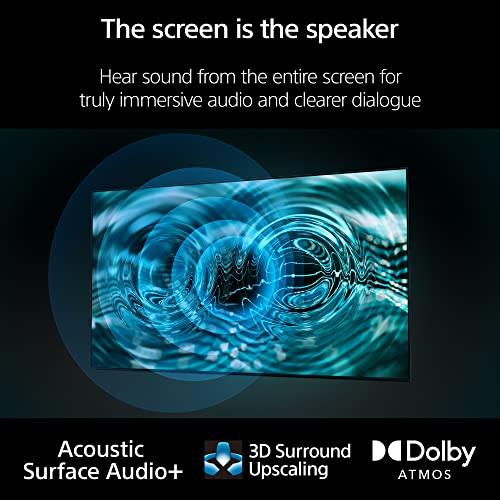
The Sony A95L includes one of the most innovative audio solutions in the TV industry: Acoustic Surface Audio+. Instead of traditional speakers, Sony uses actuators behind the screen to vibrate the entire panel, effectively turning the display into a giant speaker.
This creates remarkably immersive audio where dialogue appears to come directly from actors' mouths on screen, and sound effects emanate from their visual locations. For many users, this eliminates the immediate need for a soundbar, though audio enthusiasts will still prefer dedicated speakers for music and demanding movie soundtracks.
The TCL QM6K uses conventional downward or rear-firing speakers with Dolby Atmos processing. While adequate for casual viewing, they can't match Sony's innovative approach for spatial audio and dialogue clarity. Most QM6K owners will benefit from adding a soundbar, but this allows flexibility in choosing audio solutions that match specific preferences and budgets.
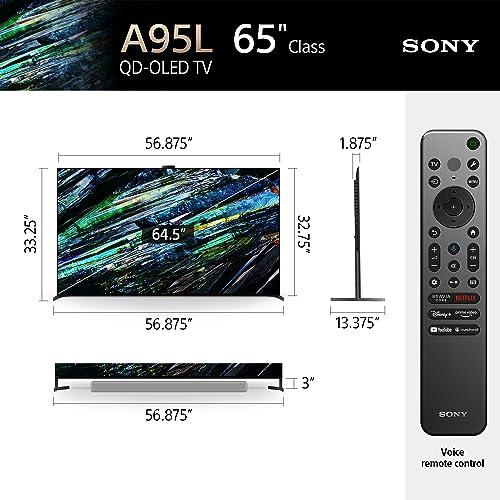
The Sony A95L exemplifies premium construction with its slim 34mm profile and refined materials. The attention to detail extends to cable management, the premium backlit remote, and the overall aesthetic that complements high-end home theater setups.
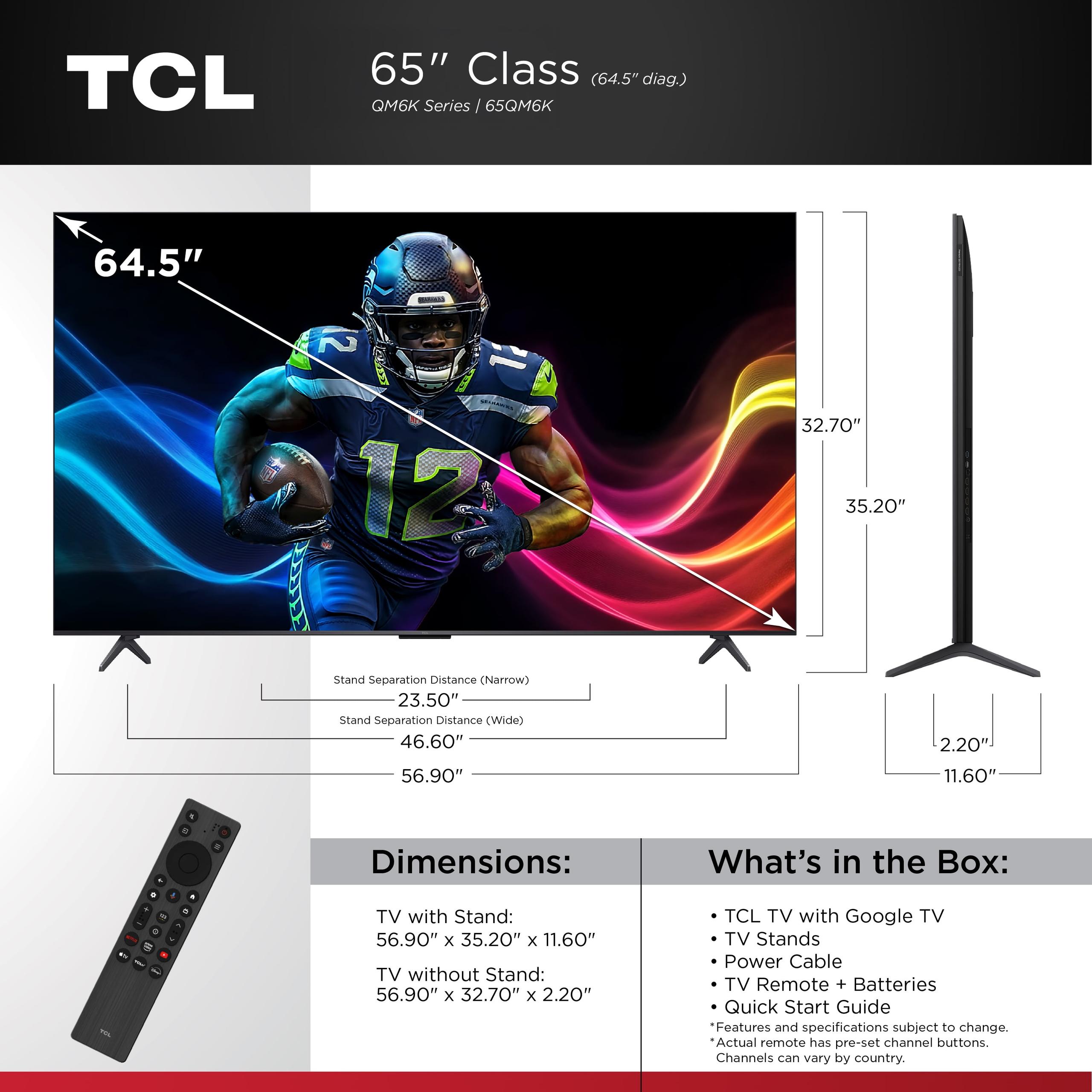
The TCL QM6K reflects its budget positioning with a thicker 55.9mm profile due to the Mini LED backlight assembly. The construction is solid for the price point, though materials and finish don't match Sony's premium standards.
For wall mounting, both TVs accommodate standard VESA mounts, though the Sony's slimmer profile creates a more elegant wall-mounted appearance.
For dedicated home theater use, the Sony A95L offers several advantages. Its perfect black levels excel in dark rooms where OLED technology shines brightest. The accurate color reproduction and precise Dolby Vision handling ensure you're seeing movies as directors intended. The Acoustic Surface Audio+ provides excellent dialogue clarity without requiring immediate speaker upgrades.
However, the TCL QM6K has merit in home theater applications, particularly for budget-conscious enthusiasts who plan to add a separate audio system anyway. Its higher peak brightness capabilities might actually benefit rooms with some ambient light, and the gaming performance could appeal to families who use the space for both movies and gaming.
At the time of writing, the price gap between these TVs is substantial—the Sony A95L typically costs three to four times more than the TCL QM6K. This raises the fundamental question: is premium picture quality worth such a significant investment?
The Sony justifies its premium through reference-quality picture performance, innovative audio, advanced processing, and premium build quality. For videophiles who prioritize absolute picture quality and have the budget for premium technology, it represents excellent value in the flagship TV category.
The TCL QM6K delivers exceptional value by bringing quantum dot color enhancement, wide viewing angles, and surprisingly good gaming performance to an entry-level price point. The money saved could fund a quality soundbar and streaming device upgrades, potentially creating a more balanced overall system.
Choose the Sony BRAVIA XR A95L if picture quality is your absolute priority and budget permits the premium. It's ideal for movie enthusiasts who appreciate technical accuracy, viewers who consume lots of premium streaming content, and anyone building a high-end home theater system. The perfect blacks and infinite contrast make it particularly suited for dark-room viewing where OLED technology shows its biggest advantages.
The TCL QM6K makes more sense for budget-conscious buyers who still want good picture quality, gamers who prioritize high refresh rates and low input lag, and viewers in bright rooms where OLED's perfect blacks matter less. It's also smart for anyone planning to allocate budget toward separate audio equipment rather than relying on built-in TV speakers.
Since the A95L launched in 2023, OLED technology has continued evolving with brighter panels and improved efficiency. However, the fundamental advantages of self-emissive pixels and perfect blacks remain unchanged, meaning the A95L's core strengths will age well.
The QM6K, being a 2025 release, benefits from more recent cost optimizations and manufacturing improvements in Mini LED technology. TCL has been aggressive in bringing premium features down to budget price points, and this trend seems likely to continue.
Both represent solid investments that should provide years of excellent performance, though the Sony's premium positioning might offer better long-term software support and feature updates.
The choice ultimately comes down to priorities: absolute picture quality and premium features versus excellent value and strong gaming performance. Both TVs succeed brilliantly at their intended missions, making either a smart choice depending on your specific needs and budget constraints.
| Sony BRAVIA XR A95L | TCL QM6K |
|---|---|
| Display Technology - Determines fundamental picture quality and contrast | |
| QD-OLED with infinite contrast ratio and perfect blacks | QD-Mini LED with 5,000:1 contrast and up to 500 dimming zones |
| Peak Brightness - Critical for HDR impact and bright room viewing | |
| Up to 1,300 nits (excellent for OLED, moderate overall) | Higher peak brightness potential in small highlights |
| Color Performance - Affects vibrancy and accuracy of content | |
| 99.75% DCI-P3, 86.16% BT.2020 coverage with reference accuracy | Quantum dot enhanced colors, good accuracy for price point |
| Gaming Performance - Matters for console and PC gaming | |
| 4K @ 120Hz, higher input lag, Dolby Vision gaming | 4K @ 144Hz, 1080p @ 288Hz, very low input lag |
| HDR Support - Essential for premium streaming content | |
| HDR10, HDR10+, HLG, Dolby Vision with precise tone mapping | HDR10, HDR10+, HLG, Dolby Vision IQ with room adaptation |
| Audio System - Impacts need for external speakers | |
| Acoustic Surface Audio+ turns screen into speaker | Conventional speakers with Dolby Atmos processing |
| Processing Power - Affects upscaling and picture optimization | |
| Cognitive Processor XR with advanced AI processing | Basic processing adequate for price, includes Filmmaker Mode |
| Smart Features - Convenience and future-proofing capabilities | |
| Google TV, hands-free voice control, BRAVIA CAM, ATSC 3.0 | Google TV with standard streaming apps and basic voice control |
| Build Quality - Reflects premium positioning and aesthetics | |
| 34mm slim profile, premium materials and remote | 55.9mm thicker profile, functional design for budget segment |
| Viewing Angles - Important for wide seating arrangements | |
| Perfect 178° viewing angles (OLED advantage) | Wide viewing angle technology improves VA panel limitations |
| Release Year - Indicates technology generation and support | |
| 2023 flagship with mature QD-OLED technology | 2025 budget model with latest cost optimizations |
The Sony BRAVIA XR A95L delivers superior picture quality with its QD-OLED technology, offering perfect blacks, infinite contrast ratio, and reference-level color accuracy. The TCL QM6K provides good picture quality for its price range with quantum dot colors and respectable contrast, but cannot match the Sony's perfect blacks and premium processing capabilities.
QD-OLED in the Sony A95L uses self-emissive pixels that can turn completely off for perfect blacks and infinite contrast. QD-Mini LED in the TCL QM6K uses a backlit LCD panel with local dimming zones and quantum dots for enhanced colors, delivering good contrast but unable to achieve true blacks like OLED technology.
Both the Sony A95L and TCL QM6K run Google TV with access to all major streaming apps. However, the Sony includes premium features like hands-free voice control, BRAVIA CAM for ambient optimization, and ATSC 3.0 tuner support. The TCL QM6K covers essential smart TV functionality without the advanced extras.
The Sony A95L features innovative Acoustic Surface Audio+ technology that turns the entire screen into a speaker, creating immersive sound with excellent dialogue clarity. The TCL QM6K uses conventional speakers that are adequate for basic viewing but most users will benefit from adding a soundbar for better audio quality.
Both TVs support major HDR formats including Dolby Vision, but the Sony A95L excels with precise tone mapping and reference-level HDR accuracy. The TCL QM6K includes Dolby Vision IQ for room adaptation and delivers good HDR performance for its price range, though it cannot match Sony's processing sophistication.
The Sony A95L is ideal for dedicated home theaters with its perfect blacks that excel in dark rooms, reference-quality color accuracy, and immersive Acoustic Surface Audio+. The TCL QM6K can work well in home theaters, especially for budget-conscious setups where separate audio equipment is planned.
The Sony A95L offers perfect 178-degree viewing angles thanks to OLED technology, maintaining consistent picture quality from any seating position. The TCL QM6K uses wide viewing angle technology to improve upon typical VA panel limitations, though it still cannot match OLED's perfect off-axis performance.
The TCL QM6K delivers exceptional value by bringing quantum dot colors, high gaming refresh rates, and decent picture quality to a budget-friendly price point. The Sony A95L justifies its premium positioning with reference-quality picture performance and advanced features for those who prioritize absolute picture quality.
The Sony A95L features premium construction with a slim 34mm profile, refined materials, and attention to detail including a backlit remote. The TCL QM6K has a thicker 55.9mm profile due to its LED backlight and uses more basic materials appropriate for its budget positioning, though build quality remains solid.
The Sony A95L excels with its Cognitive Processor XR that provides exceptional upscaling of lower-quality content and sophisticated image processing. The TCL QM6K includes basic processing features adequate for most content, including Filmmaker Mode, but cannot match Sony's advanced algorithms for content enhancement.
Choose the Sony A95L if picture quality is your priority and budget allows for premium technology, especially for movie watching and premium content. Select the TCL QM6K if you want good picture quality with excellent gaming performance at a budget-friendly price, particularly if you plan to add separate audio equipment.
We've done our best to create useful and informative comparisons to help you decide what product to buy. Our research uses advanced automated methods to create this comparison and perfection is not possible - please contact us for corrections or questions. These are the sites we've researched in the creation of this article: rtings.com - youtube.com - rtings.com - avsforum.com - rtings.com - smarthomesounds.co.uk - smarthomesounds.co.uk - rtings.com - smarthomesounds.co.uk - youtube.com - tomsguide.com - avsforum.com - rtings.com - perfectrec.com - flatpanelshd.com - videoandaudiocenter.com - sonypremiumhome.com - bestbuy.com - sony.com - electronics.sony.com - displayspecifications.com - donstv.com - youtube.com - static.pcrichard.com - smarthomesounds.co.uk - youtube.com - electronics.sony.com - electronics.sony.com - displayspecifications.com - youtube.com - tomsguide.com - youtube.com - tcl.com - tomsguide.com - youtube.com - youtube.com - hometechnologyreview.com - rtings.com - bestbuy.com - tcl.com - youtube.com - youtube.com - bestbuy.com - youtube.com - youtube.com - youtube.com - tcl.com - youtube.com - walmart.com - tcl.com - displayspecifications.com - kitele.com - displayspecifications.com - flatpanelshd.com - woodruffappliance.com - displayspecifications.com - prnewswire.com - tcl.com - youtube.com - abt.com - youtube.com - tclkenya.co.ke - budgethomefurn.com

Privacy Policy
Terms and Conditions - Affiliate Policy
Home Security
© Copyright 2008-2026.
11816 Inwood Rd #1211, Dallas, TX 75244