



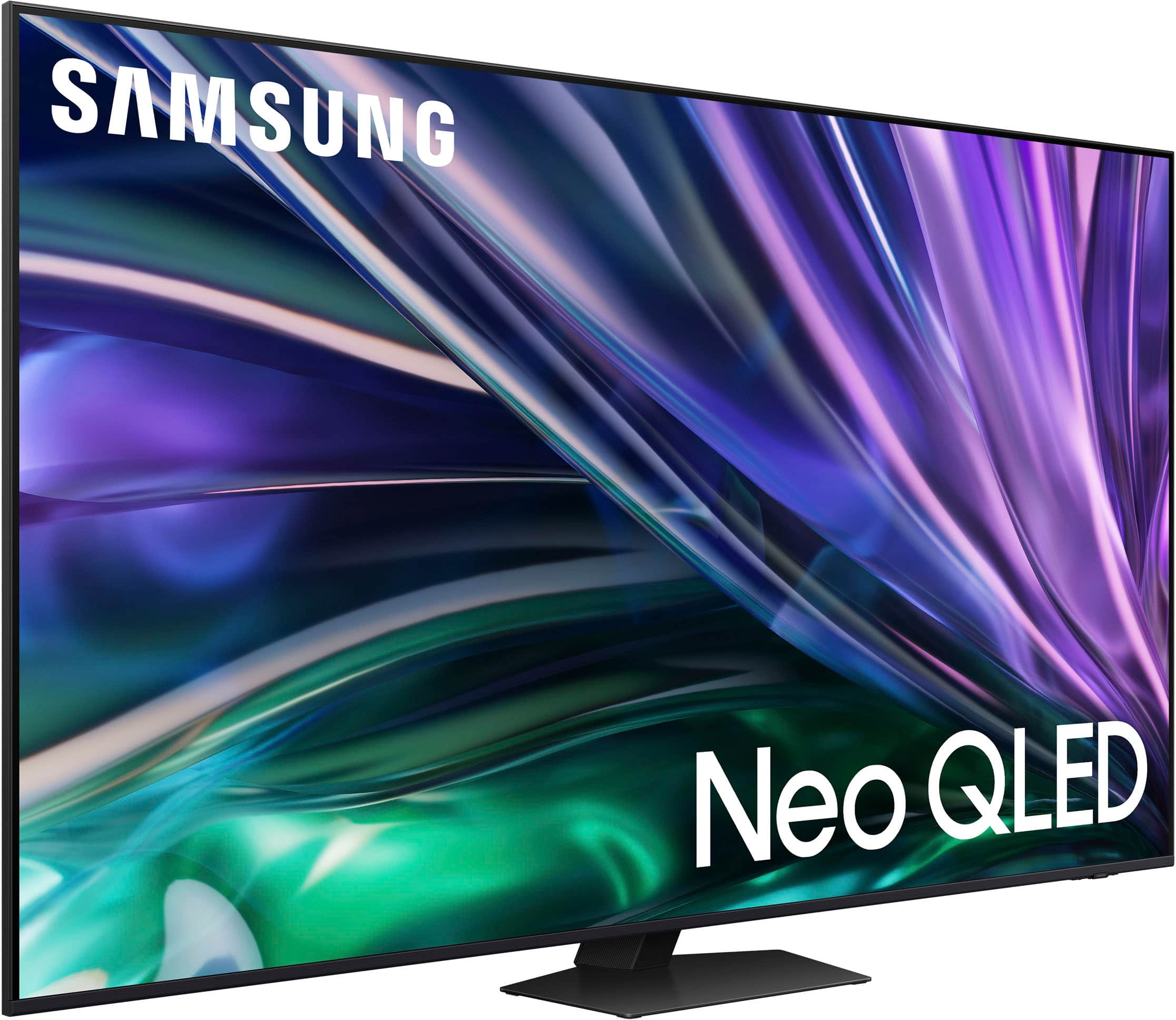

Choosing between the Sony BRAVIA XR A95L and Samsung QN85D feels like comparing a luxury sports car to a well-equipped family sedan—both excellent in their own right, but serving very different purposes and budgets. After diving deep into the technical specifications and real-world performance of these two 65-inch 4K TVs, the choice becomes clearer once you understand what each technology brings to the table.
The television market has split into two distinct camps: OLED displays that create their own light, and LED-LCD displays that use backlights. This isn't just a technical difference—it fundamentally changes how you'll experience movies, games, and everyday viewing.
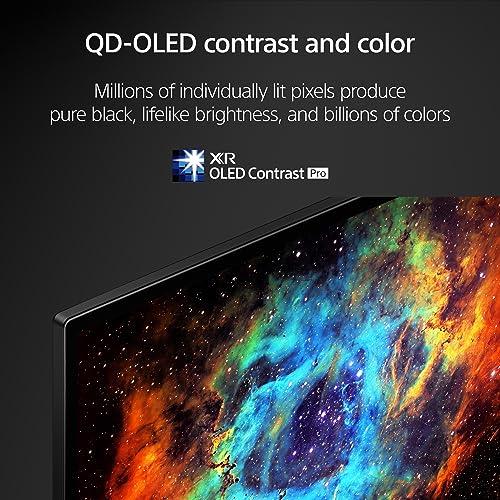
OLED technology, found in the Sony A95L, works by having each pixel generate its own light. Think of it like having millions of tiny lightbulbs that can turn completely off to create perfect blacks, or shine brightly for vivid colors. When a pixel needs to be black, it simply turns off—no light leaks through, creating what we call "infinite contrast." This is why OLED displays look so stunning in dark rooms.
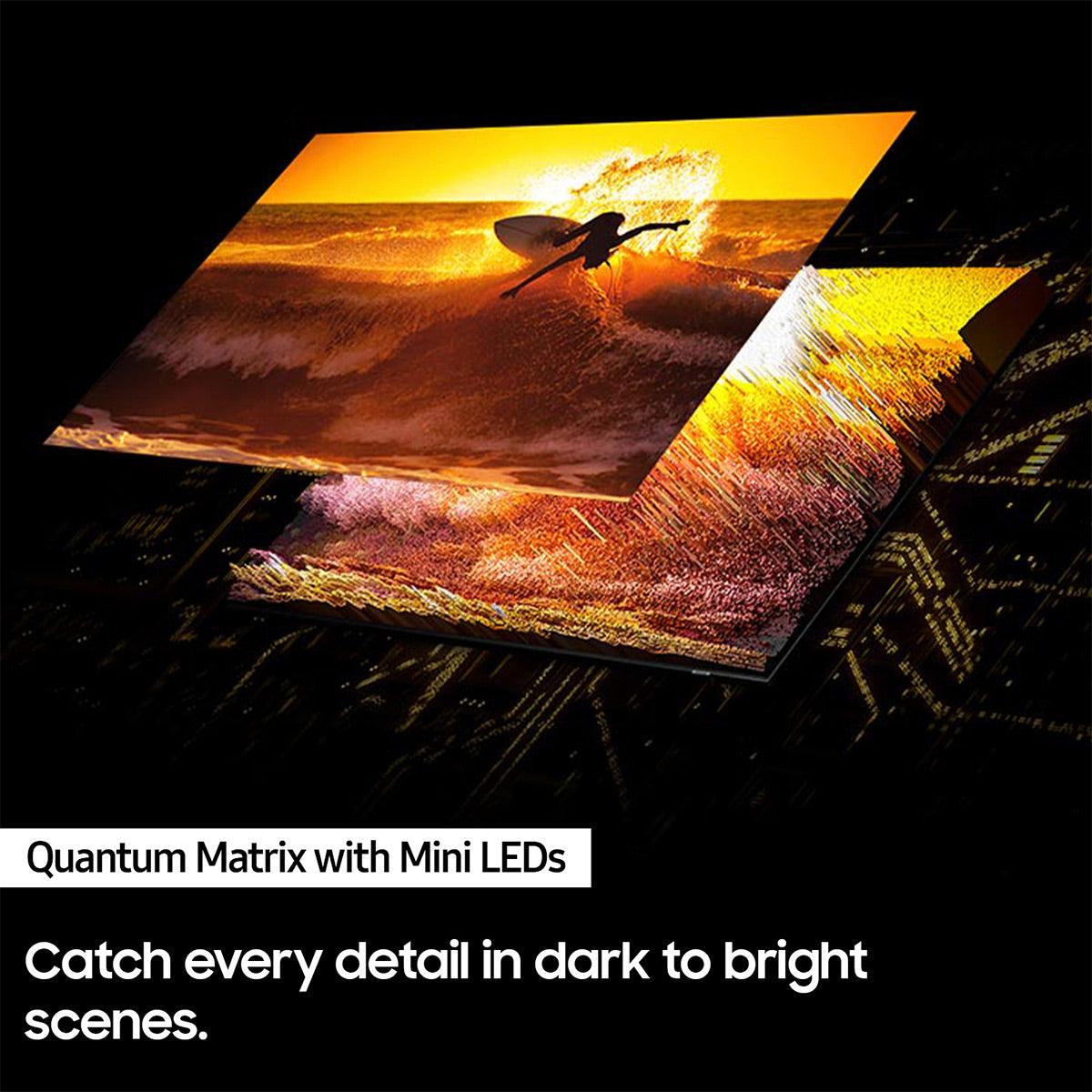
Mini-LED technology, used in the Samsung QN85D, takes a different approach. It places thousands of tiny LEDs behind the LCD panel, grouped into zones that can dim independently. This "local dimming" creates much better contrast than regular LED TVs, though it can't match OLED's perfect blacks. The trade-off? Mini-LED displays can get much brighter, making them better for bright rooms.
The key considerations when choosing between these technologies include your room's lighting conditions, viewing habits, budget constraints, and how much you value picture quality over other features.
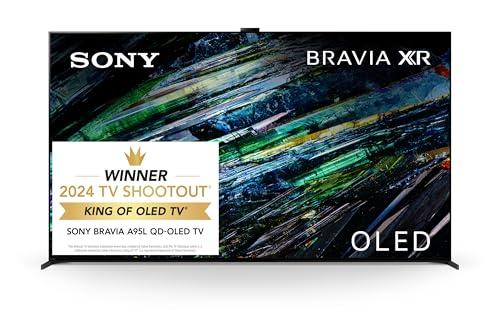
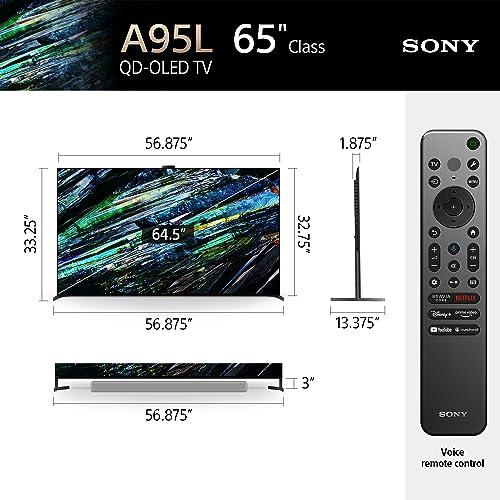
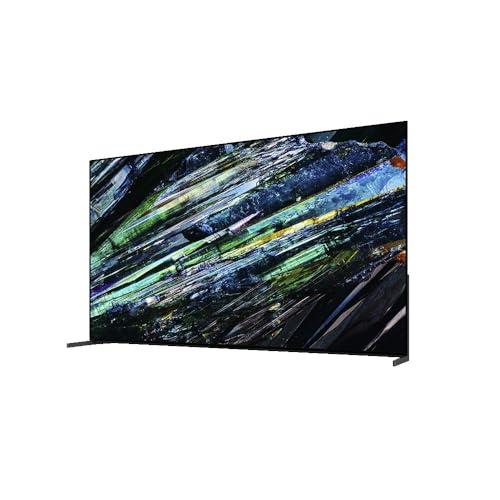
Released in 2023, the Sony BRAVIA XR A95L represents Sony's flagship QD-OLED technology—a second-generation improvement that combines OLED's perfect blacks with quantum dot color enhancement. Sony positioned this as their reference-quality display, targeting serious movie enthusiasts and gamers willing to pay premium prices for uncompromising picture quality.
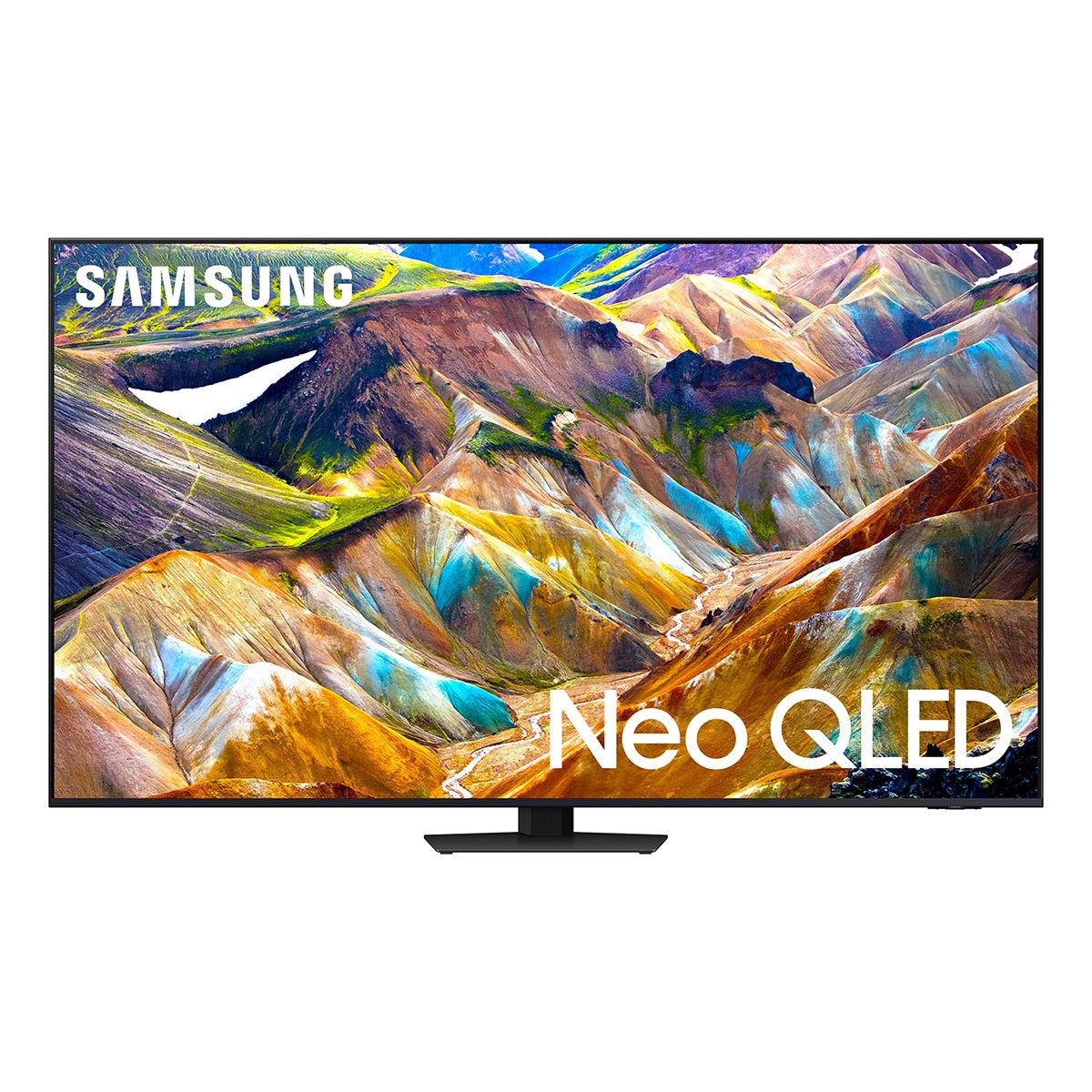
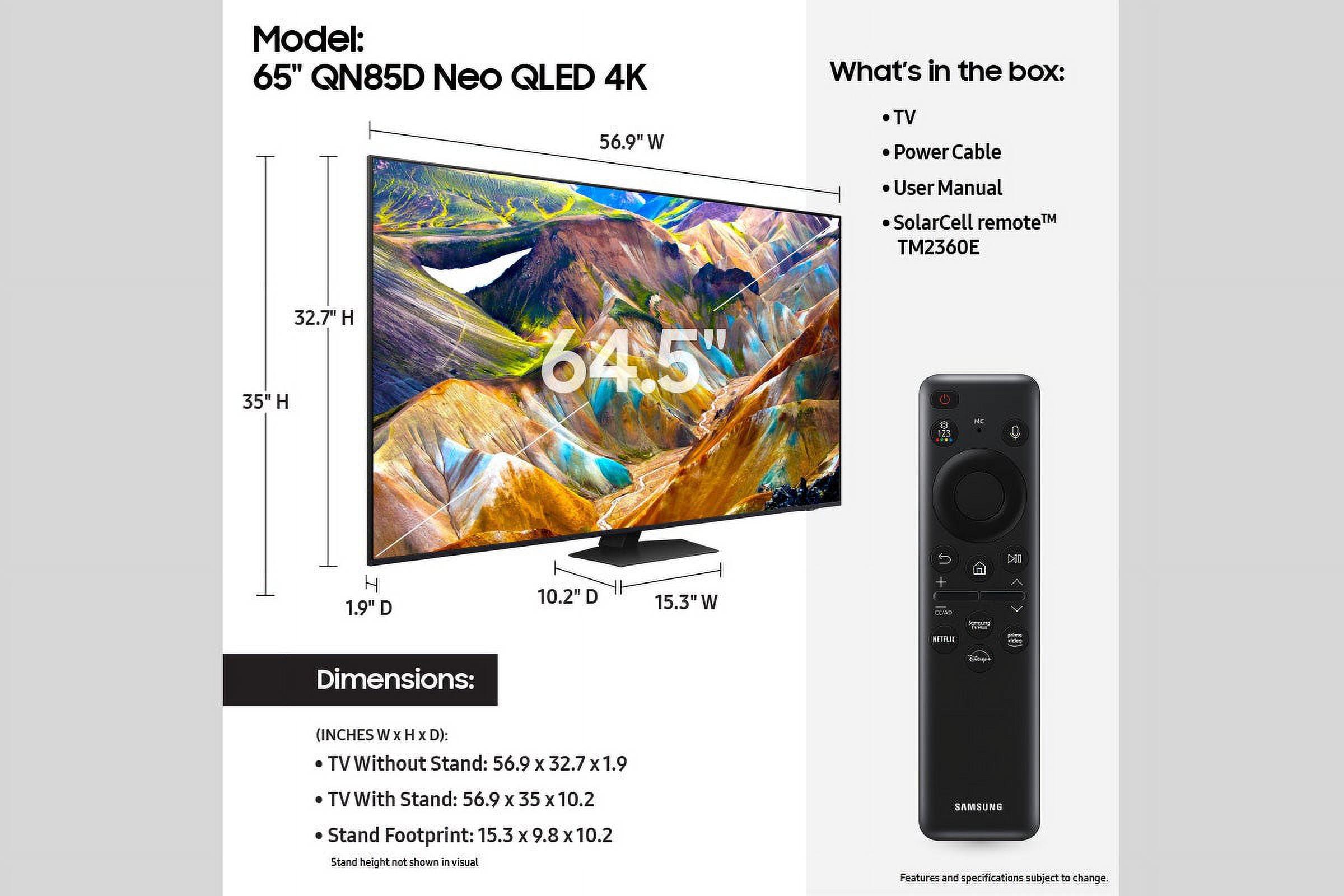
The Samsung QN85D, launched in 2024, takes a different approach entirely. Samsung designed this as their entry-level Neo QLED Mini-LED TV, bringing advanced backlighting technology to a more accessible price point. It's Samsung's answer to the question: "How much flagship performance can we deliver without the flagship price tag?"
At the time of writing, the Sony A95L typically commands premium pricing befitting its flagship status, while the Samsung QN85D sits firmly in the upper-mid-range segment, often costing significantly less than comparable OLED displays.
This is where the fundamental technology differences become most apparent. The Sony A95L achieves perfect blacks because each pixel can completely shut off. When you're watching a movie with dark scenes, like the cave sequences in "The Batman," truly black areas appear as deep, inky voids that seem to extend beyond the screen surface. This creates what experts call "infinite contrast"—the mathematical result of dividing any brightness level by zero.
The Samsung QN85D uses a VA (Vertical Alignment) LCD panel with Mini-LED backlighting, representing a significant improvement over Samsung's previous QN85 series models that used IPS-type panels. This switch gives the QN85D a native contrast ratio exceeding 160,000:1 when local dimming activates—impressive for LED technology, but still mathematically finite.
In practical terms, the Samsung produces very good blacks that look convincing in most content, but side-by-side with the Sony, the difference becomes obvious. Dark movie scenes on the Samsung QN85D appear more like dark gray, while the same scenes on the Sony A95L look truly black.
However, the Samsung fights back with superior brightness. Its Mini-LED backlight can push peak brightness levels higher than most OLED displays, making it more suitable for bright living rooms where ambient light might wash out darker displays.
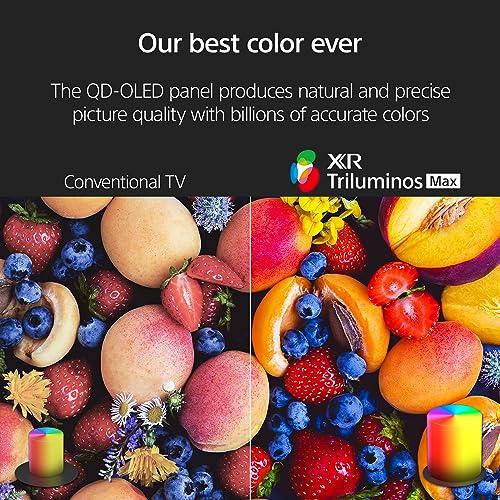
Both TVs use quantum dot technology, but they implement it differently. The Sony A95L features QD-OLED, where quantum dots enhance the natural blue light emitted by OLED pixels. This creates a wider color gamut with exceptional color volume—meaning colors stay vibrant even at high brightness levels.
The Samsung QN85D places quantum dots in the backlight system, filtering LED light to produce purer colors. While this approach works well, it can't match the color purity achievable when quantum dots work directly with OLED emission.
In practical viewing, both displays produce vibrant, lifelike colors that most people would find impressive. The Sony tends toward more natural, film-accurate reproduction, while the Samsung can be tuned for more saturated, punchy colors that some viewers prefer for sports and gaming.
OLED technology naturally provides excellent viewing angles, and the Sony A95L maintains consistent color and brightness from virtually any position in the room. This makes it ideal for larger families or entertaining groups where people sit at various angles to the screen.
The Samsung QN85D, using a VA LCD panel, shows more dramatic color and contrast degradation when viewed from the side. This isn't necessarily a dealbreaker—many people primarily watch TV from centered positions—but it's worth considering if you have a wide seating arrangement.
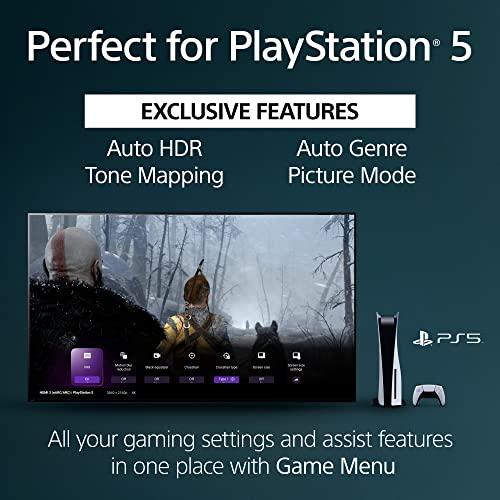
Gaming reveals interesting differences between these displays. The Sony A95L offers nearly instantaneous pixel response times—a natural advantage of OLED technology. When playing fast-paced games like "Call of Duty" or racing simulators, motion appears crystal clear with zero blur. This makes it exceptional for competitive gaming where every millisecond matters.
The Samsung QN85D can't match OLED's pixel response speed, but it compensates with gaming-specific features. It supports multiple resolution and refresh rate combinations, including 1080p and 1440p at 120Hz—useful for PC gaming where you might want to prioritize frame rate over resolution. Samsung also provides more extensive gaming picture presets, allowing fine-tuning for different game genres.
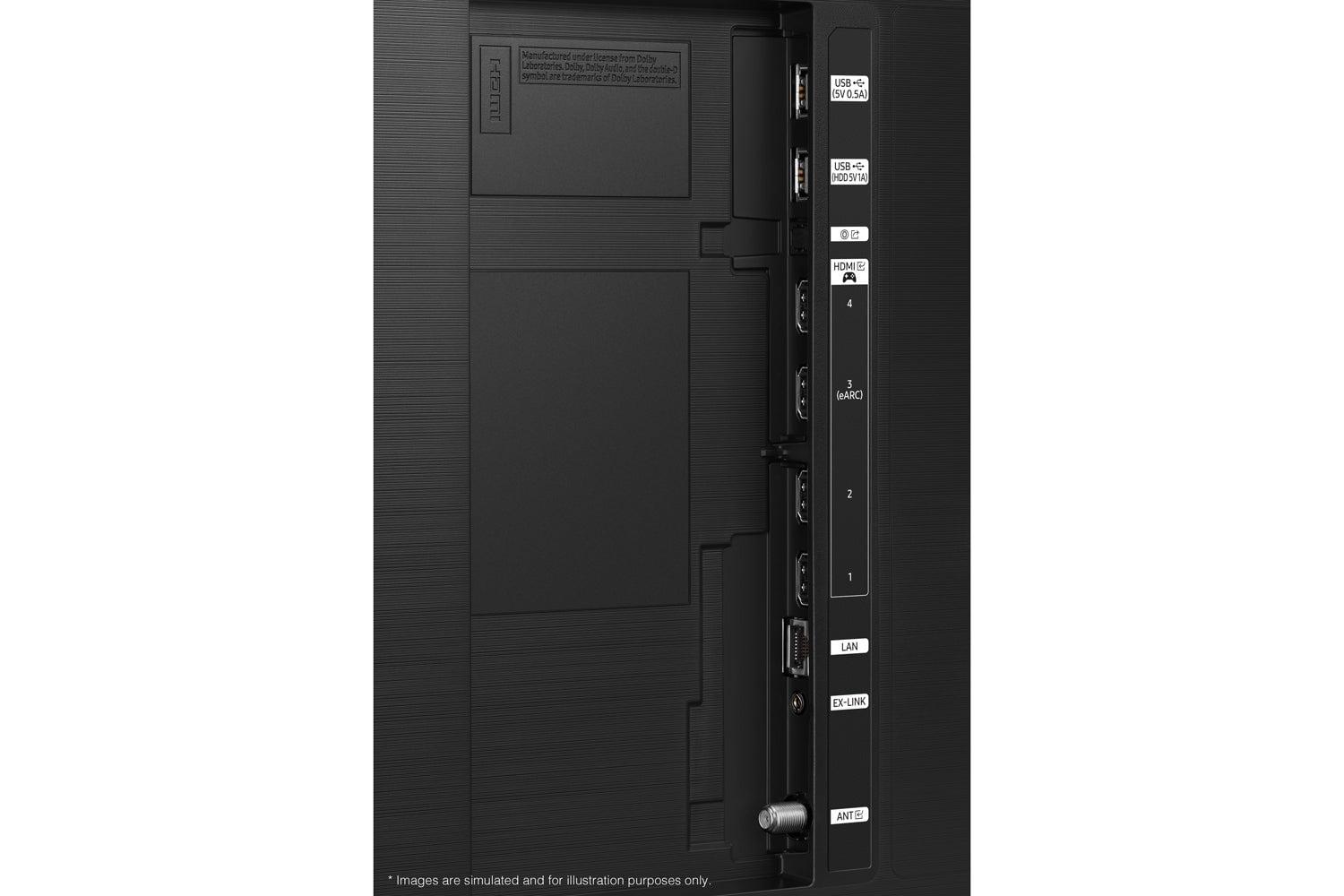
Both displays support HDMI 2.1 features like Variable Refresh Rate (VRR) and Auto Low Latency Mode (ALLM), but with different implementations. The Sony A95L provides full 4K 120Hz support across all four HDMI ports, while the Samsung QN85D limits full-featured 4K 120Hz to two ports.
For console gaming, both perform excellently, but the Sony has a slight edge for those prioritizing the smoothest possible motion. For PC gaming with varied resolutions, the Samsung offers more flexibility.
Here's where your room setup becomes crucial. The Samsung QN85D excels in bright environments, achieving higher peak brightness levels that can overcome ambient lighting. If your TV sits opposite large windows or in a room with lots of overhead lighting, the Samsung maintains better visibility and impact.
The Sony A95L performs surprisingly well for an OLED in bright conditions—significantly better than first-generation OLEDs—but it still can't match the raw brightness of Mini-LED displays. In bright rooms, ambient light can raise the perceived black level, reducing some of OLED's contrast advantage.
For dedicated home theaters or rooms where you can control lighting, the Sony's superior contrast becomes more apparent and valuable. For typical living room setups with variable lighting throughout the day, the Samsung's brightness advantage often proves more practical.
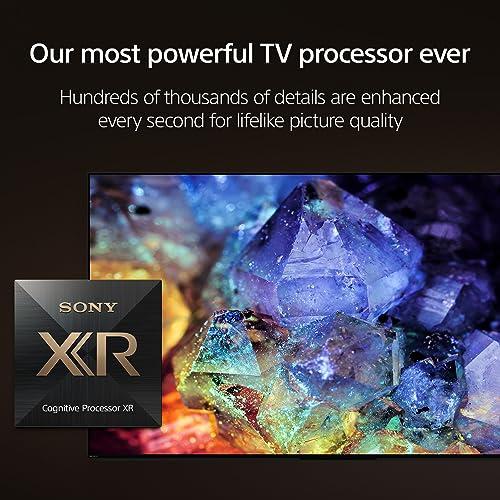
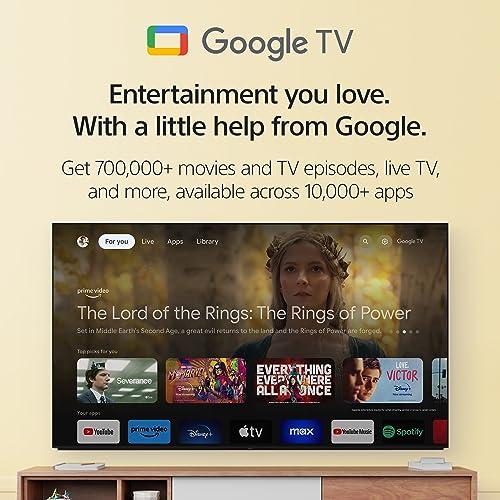
Both TVs offer modern smart TV platforms, but with different approaches. The Sony A95L runs Google TV, which provides extensive app support and integrates well with Google services and voice control. Sony's XR Cognitive Processor handles upscaling and image processing with particular sophistication, making lower-quality streaming content look significantly better.
The Samsung QN85D uses Samsung's Tizen OS, which offers quick navigation and Samsung's ecosystem integration. However, it uses Samsung's NQ4 AI Gen2 processor—a capable but not flagship-level chip. While upscaling performance remains good, it doesn't quite match Sony's processing sophistication for challenging content like heavily compressed streaming video or older DVDs.
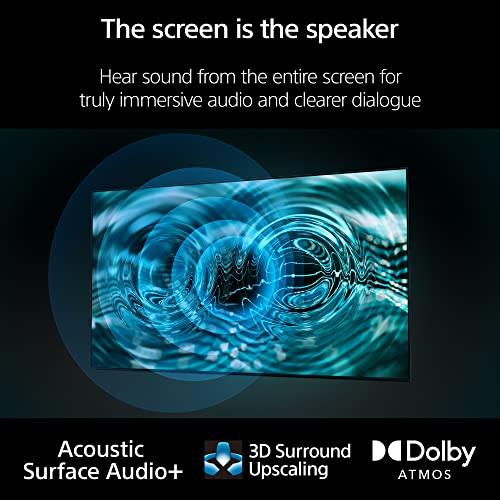
The Sony A95L features Sony's Acoustic Surface Audio+ technology, where actuators behind the screen vibrate the entire display surface to produce sound. This creates remarkably immersive audio where dialogue seems to come directly from actors' mouths on screen. It's particularly effective for movies and creates a wider, more natural soundstage than traditional TV speakers.
The Samsung QN85D uses more conventional speakers but with a 4.2.2 configuration and Object Tracking Sound+ processing. While it can't match the spatial immersion of the Sony's screen-based audio, it provides clear dialogue and decent bass response for a TV of this class.
Both support Dolby Atmos for enhanced surround sound processing, though the Sony's implementation feels more natural and immersive in practice.
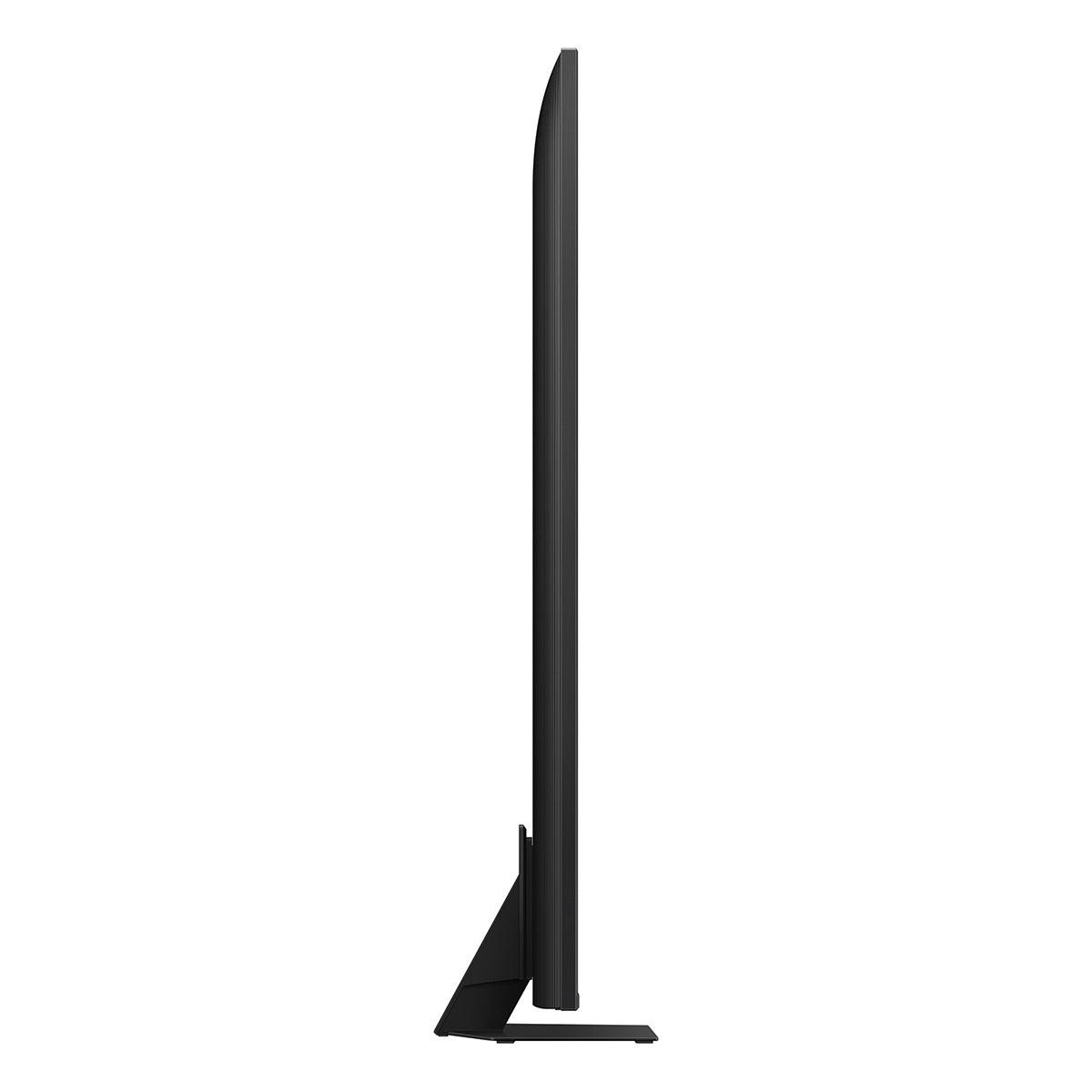
Both manufacturers have created attractive displays with premium build quality. The Sony A95L features a more minimalist aesthetic with Sony's signature seamless design, while the Samsung QN85D offers a slightly more traditional appearance with clean lines and a sturdy stand.
The Samsung actually weighs more despite being an LCD TV, largely due to its robust metal construction and heatsink requirements for the Mini-LED backlighting system.
At the time of writing, the Samsung QN85D typically costs significantly less than the Sony A95L, making the value equation complex. The Samsung delivers perhaps 80-85% of the Sony's picture quality at roughly 60-70% of the cost, representing exceptional value for most buyers.
The Sony justifies its premium pricing through superior contrast, better processing, more immersive audio, and reference-quality picture performance that approaches professional monitor standards. For enthusiasts who want the absolute best picture quality regardless of cost, the Sony delivers.
Since their respective launches, both TVs remain current with modern standards. The 2023 Sony A95L represented a significant brightness improvement over first-generation QD-OLEDs, addressing OLED's traditional weakness in bright rooms while maintaining perfect contrast.
The 2024 Samsung QN85D benefits from Samsung's continued Mini-LED refinements, including more sophisticated dimming algorithms and improved uniformity compared to earlier Neo QLED generations.
Both displays support current gaming standards and streaming formats, making them reasonably future-proof for several years of use.
For dedicated home theater setups, the Sony A95L typically provides the more cinematic experience. Its perfect blacks, accurate color reproduction, and superior processing make it ideal for movie enthusiasts who want to see films as directors intended.
The wide viewing angles also benefit home theater seating arrangements, ensuring consistent picture quality across different seats. The Acoustic Surface Audio+ technology eliminates the need for a center channel speaker in many setups, simplifying installation.
However, if your home theater has any ambient lighting challenges, the Samsung QN85D's superior brightness might actually provide a more satisfying experience for mixed viewing conditions.
Choose the Sony BRAVIA XR A95L if you're a picture quality enthusiast who wants the absolute best contrast and color performance. It's ideal for dedicated viewing environments where you can control lighting, serious movie watching, competitive gaming where motion clarity matters most, and situations where you're willing to pay premium prices for reference-quality performance.
The Sony also makes sense if you have wide seating arrangements that benefit from OLED's excellent viewing angles, or if you're building a high-end home theater where picture quality takes priority over all other considerations.
Choose the Samsung QN85D if you want excellent picture quality without flagship pricing. It's particularly well-suited for bright living rooms where its superior brightness provides better visibility, families who display static content regularly (news channels, gaming HUDs) without burn-in concerns, and buyers who want strong performance across movies, sports, and gaming without paying premium prices.
The Samsung also makes sense if you prefer brighter, more vivid picture settings, need flexibility in gaming resolutions and refresh rates, or want a display that performs consistently regardless of room lighting conditions.
Both represent excellent choices in their respective categories, but understanding your priorities—ultimate picture quality versus practical performance and value—will guide you toward the right decision for your specific needs and budget.
| Sony BRAVIA XR A95L | Samsung QN85D |
|---|---|
| Display Technology - Fundamentally affects picture quality and room suitability | |
| QD-OLED with self-emissive pixels for perfect blacks | Mini-LED LCD with local dimming zones for high brightness |
| Peak Brightness - Critical for bright room viewing and HDR impact | |
| Up to 1,300 nits (excellent for OLED, good for most rooms) | Higher peak brightness (superior for bright living spaces) |
| Contrast Ratio - Determines depth and realism in dark scenes | |
| Infinite contrast (perfect blacks, OLED advantage) | 160,000:1+ with local dimming (very good for LCD) |
| Viewing Angles - Important for family viewing and wide seating | |
| Excellent from all angles (OLED strength) | Good center, degrades from sides (VA panel limitation) |
| Gaming Performance - Matters for console and PC gaming | |
| Perfect 10/10 rating, instant pixel response | Good 8.3/10 rating, solid but not exceptional response |
| HDMI 2.1 Ports - Affects gaming and future device compatibility | |
| 4 ports, all support 4K@120Hz | 4 ports, only 2 support full 4K@120Hz features |
| Picture Processing - Impacts upscaling and content optimization | |
| XR Cognitive Processor (flagship-level processing) | NQ4 AI Gen2 (mid-tier processor, good but not exceptional) |
| Audio System - Affects built-in sound quality | |
| Acoustic Surface Audio+ (screen vibrates as speaker) | Traditional 4.2.2 speakers with Object Tracking Sound+ |
| Smart Platform - Determines app selection and interface experience | |
| Google TV with extensive app support | Samsung Tizen OS with quick navigation |
| Burn-in Risk - Long-term durability consideration | |
| Potential risk with static content (OLED limitation) | No burn-in risk (LCD advantage) |
| Release Year - Indicates technology generation and current availability | |
| 2023 (second-gen QD-OLED improvements) | 2024 (latest Mini-LED refinements) |
| Target Market - Helps determine if the TV matches your priorities | |
| Premium enthusiasts prioritizing ultimate picture quality | Value-focused buyers wanting high-end features affordably |
The Sony BRAVIA XR A95L delivers superior picture quality for movies due to its QD-OLED technology that produces perfect blacks and infinite contrast. This creates more realistic dark scenes and better overall depth compared to the Samsung QN85D, which uses Mini-LED technology that can't achieve true blacks but still offers very good contrast performance.
The Sony BRAVIA XR A95L uses OLED technology where each pixel creates its own light and can turn completely off for perfect blacks. The Samsung QN85D uses Mini-LED LCD technology with thousands of tiny LEDs behind the screen that provide local dimming. OLED offers better contrast while Mini-LED provides higher brightness and no burn-in risk.
The Samsung QN85D performs better in bright rooms due to its Mini-LED backlighting that achieves higher peak brightness levels. While the Sony BRAVIA XR A95L is brighter than older OLED TVs, it still can't match the raw brightness of Mini-LED displays when competing with ambient light.
The Sony BRAVIA XR A95L has potential burn-in risk since it uses OLED technology, though modern OLEDs have improved protection features. The Samsung QN85D has no burn-in risk because it uses LCD technology, making it safer for displaying static content like news channels or gaming HUDs for extended periods.
The Sony BRAVIA XR A95L is better for gaming due to its nearly instantaneous pixel response time and perfect motion handling, earning a 10/10 gaming rating. The Samsung QN85D offers solid gaming performance with an 8.3/10 rating and more gaming resolution options, but can't match OLED's motion clarity.
The Sony BRAVIA XR A95L runs Google TV with extensive app support and voice control integration. The Samsung QN85D uses Samsung's Tizen OS, which offers quick navigation and good app selection. Both platforms are modern and capable, with the choice often coming down to ecosystem preference.
The Samsung QN85D typically offers better value, providing about 80-85% of flagship picture quality at a significantly lower cost than premium OLED displays. The Sony BRAVIA XR A95L justifies its premium positioning through superior picture quality and processing, but costs considerably more.
The Sony BRAVIA XR A95L offers excellent viewing angles from any position due to OLED's natural wide-angle performance. The Samsung QN85D shows more color and contrast degradation when viewed from the side because of its VA LCD panel, though it's fine for centered viewing positions.
The Sony BRAVIA XR A95L is typically better for dedicated home theaters due to its perfect blacks, superior contrast, and more cinematic picture quality in controlled lighting environments. The Samsung QN85D can work well in home theaters with ambient lighting challenges due to its higher brightness capability.
The Sony BRAVIA XR A95L features Acoustic Surface Audio+ where the screen itself acts as a speaker, creating immersive sound placement. The Samsung QN85D uses traditional speakers in a 4.2.2 configuration with Object Tracking Sound+. Both support Dolby Atmos, but the Sony's implementation feels more natural.
The Sony BRAVIA XR A95L handles upscaling better thanks to its flagship XR Cognitive Processor that excels at improving lower-quality streaming content and older media. The Samsung QN85D uses a capable but mid-tier NQ4 processor that provides good but not exceptional upscaling performance.
Choose the Sony BRAVIA XR A95L if you prioritize ultimate picture quality, have a controlled lighting environment, and don't mind premium pricing. Choose the Samsung QN85D if you want excellent performance at better value, need high brightness for bright rooms, or want to avoid any burn-in concerns while still getting advanced TV features.
We've done our best to create useful and informative comparisons to help you decide what product to buy. Our research uses advanced automated methods to create this comparison and perfection is not possible - please contact us for corrections or questions. These are the sites we've researched in the creation of this article: rtings.com - youtube.com - rtings.com - avsforum.com - rtings.com - smarthomesounds.co.uk - smarthomesounds.co.uk - rtings.com - smarthomesounds.co.uk - youtube.com - tomsguide.com - avsforum.com - rtings.com - perfectrec.com - flatpanelshd.com - videoandaudiocenter.com - sonypremiumhome.com - bestbuy.com - sony.com - electronics.sony.com - displayspecifications.com - donstv.com - youtube.com - static.pcrichard.com - smarthomesounds.co.uk - youtube.com - electronics.sony.com - electronics.sony.com - displayspecifications.com - bestbuy.com - rtings.com - youtube.com - youtube.com - avsforum.com - youtube.com - samsung.com - videoandaudiocenter.com - shopjetson.com - mysoundconcepts.com - samsung.com - merlinstv.com - youtube.com - samsung.com - samsung.com

Privacy Policy
Terms and Conditions - Affiliate Policy
Home Security
© Copyright 2008-2026.
11816 Inwood Rd #1211, Dallas, TX 75244